Explore our line of modular high-efficiency heat exchange systems, hydraulic stabilization, and advanced monitoring systems engineered to meet international safety and performance standards.
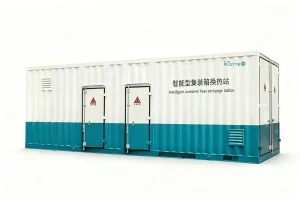
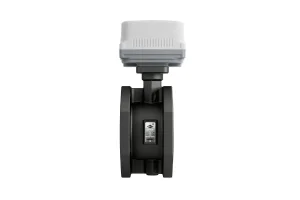
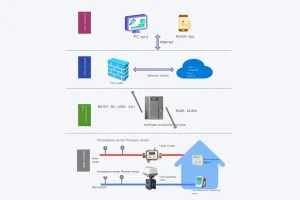
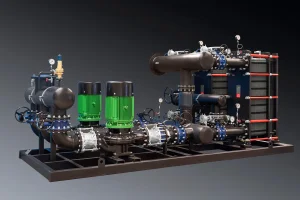
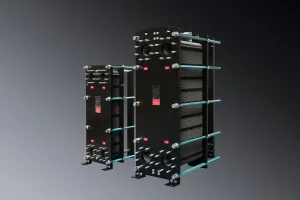
In the era of rapid industrial transformation and clean energy mandates, industrial heat exchangers serve as the cornerstone of thermal efficiency. As modern operations transition towards strict environmental compliance and optimal operational costs, the global demand for state-of-the-art heat exchange systems has expanded exponentially. Heat exchangers are no longer treated as simple utility components but as strategic investments that directly impact a facility's overall Coefficient of Performance (COP) and carbon footprint.
Across international markets, including North America, the European Union, and the Asia-Pacific region, strict regulatory frameworks like Net-Zero emission targets and regional energy-saving mandates are forcing heavy industries (such as thermal power generation, chemical processing, and municipal district heating) to upgrade legacy thermal systems. The primary focus is shifting towards integrated systems that feature intelligent regulation, real-time diagnostic capabilities, and minimal thermal degradation. High-capacity plate heat exchangers, sophisticated multi-effect evaporators, and membrane concentration systems have emerged as vital tools in minimizing thermal waste, facilitating low-temperature energy reclamation, and optimizing water recycling in heavy industrial loops.
Thermal systems operate under complex physical parameters where plate geometry, fluid velocity, flow distribution, and corrosion resistance determine structural lifespans. Minor design flaws can result in excessive pressure drop, severe fouling, and frequent unplanned maintenance shutdowns. As global suppliers, we combine precise fluid mechanics with custom alloy selection to maximize thermal transmission while controlling initial and operational expenditure.
Established in 2013 with a registered capital of 101 million yuan, Flotte Energy Saving Company originated from Flotte Thermal Engineering founded in 1995. Backed by three decades of continuous technical innovation, the company specializes in water equipment, HVAC systems, and water treatment industries.
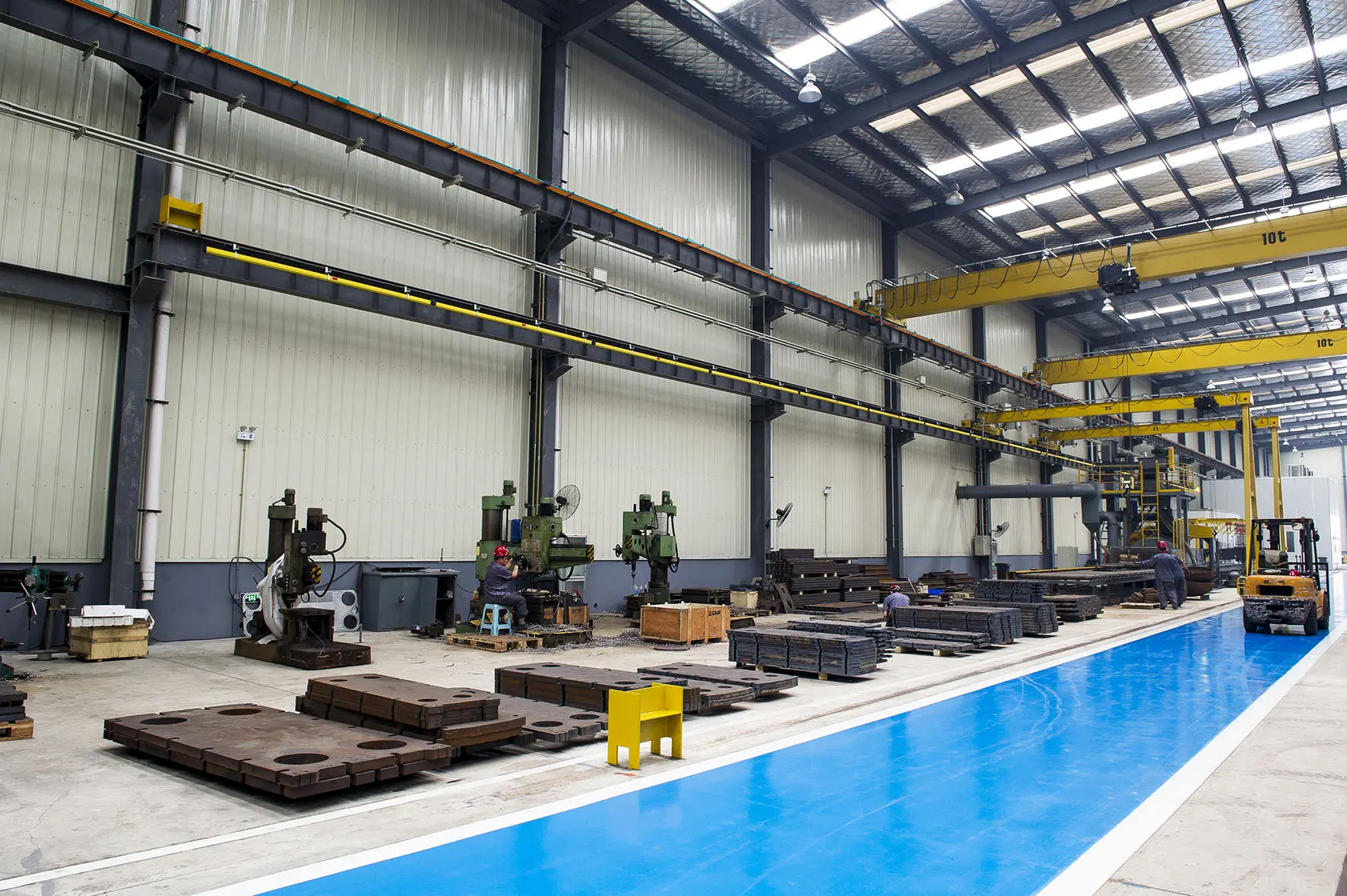
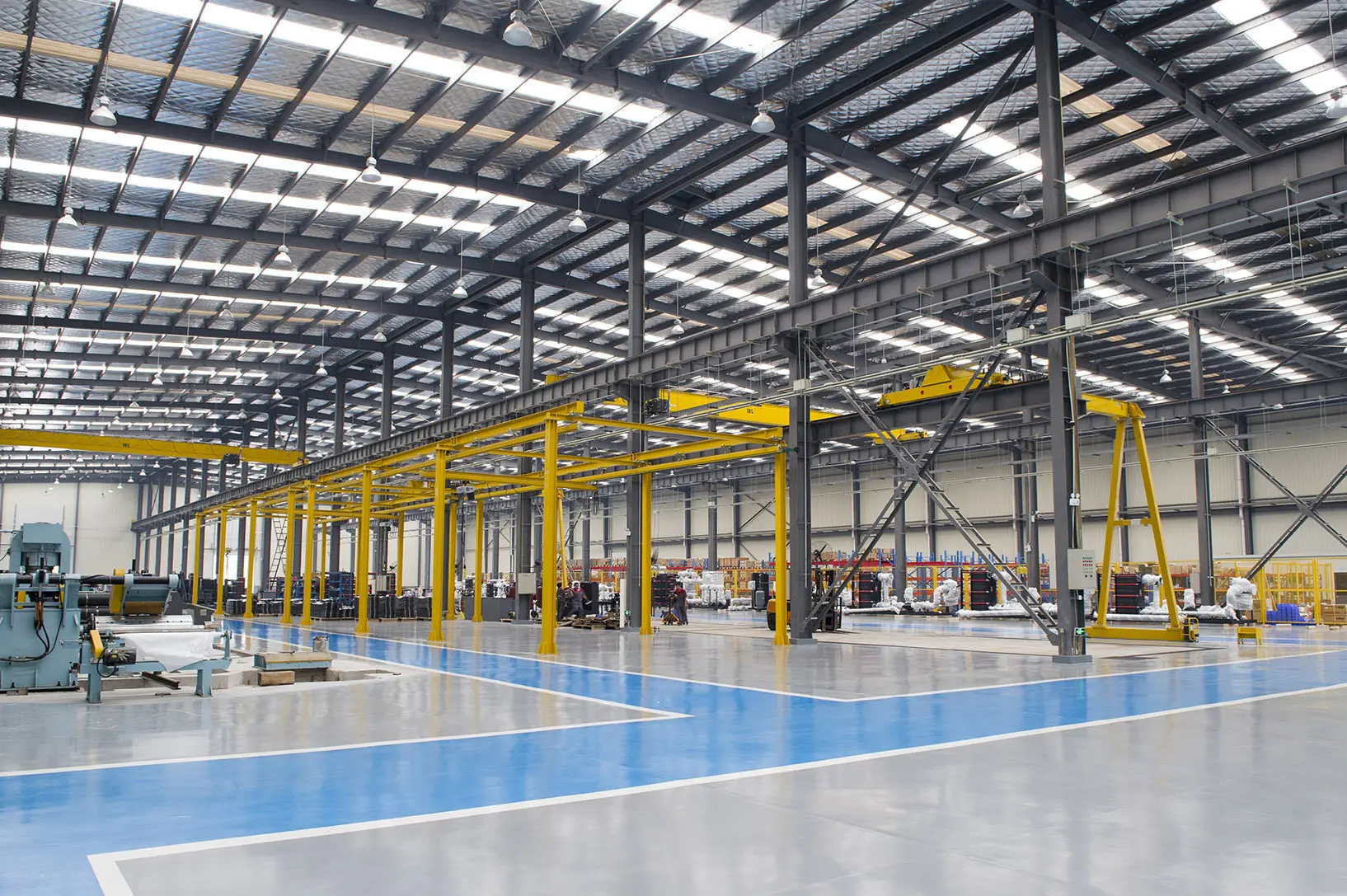
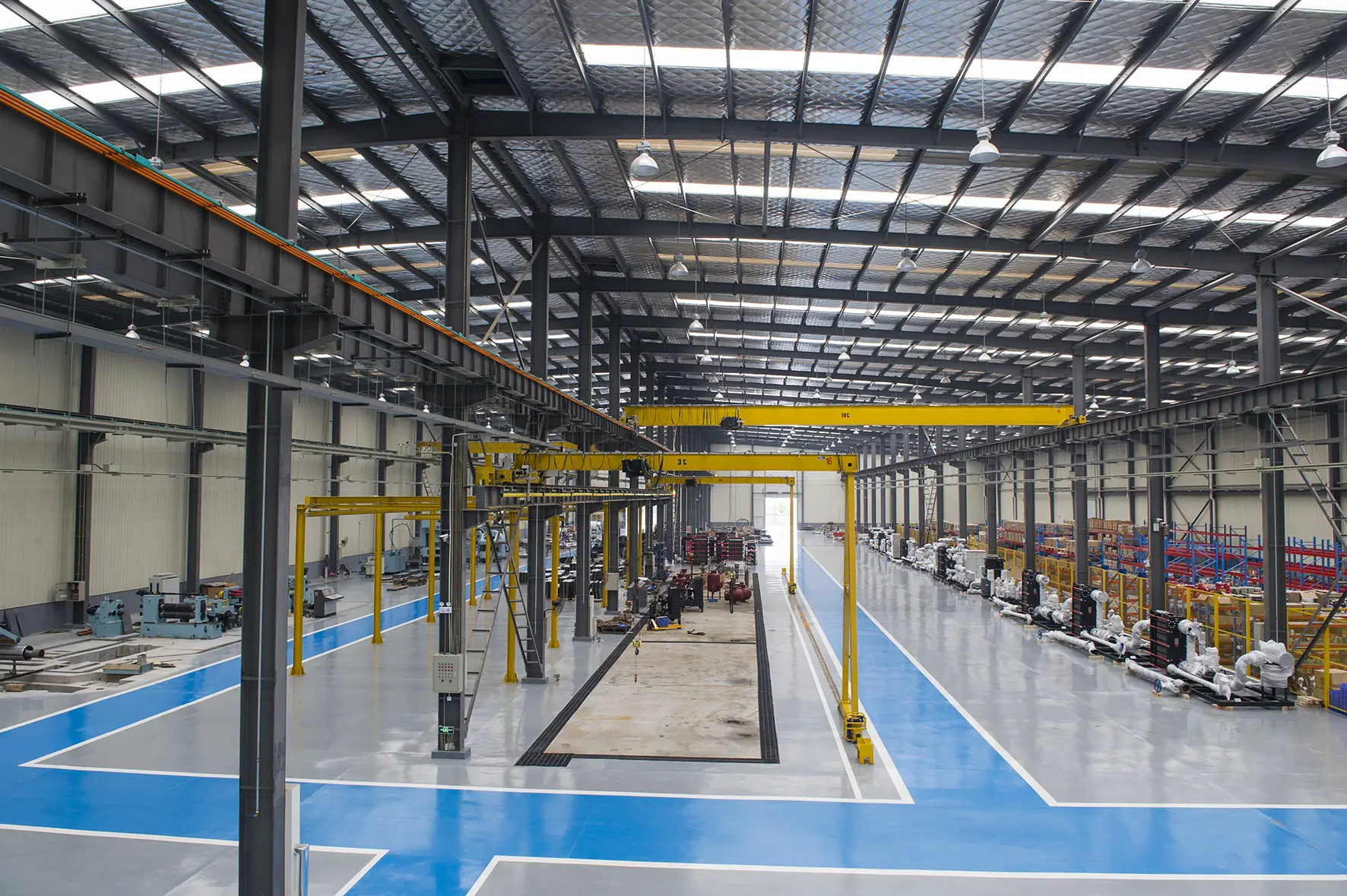
We operate modern production facilities that combine advanced manufacturing with systematic management, producing high-tech integrated products. We hold a leading position in the industry nationwide and command a substantial market share. Annually, our company manufactures approximately 4,500 heat exchange units and water supply/drainage equipment sets. With over 300 employees, Flotte generates an annual sales revenue of 500 million yuan and contributes 15 million yuan in taxes and profits.
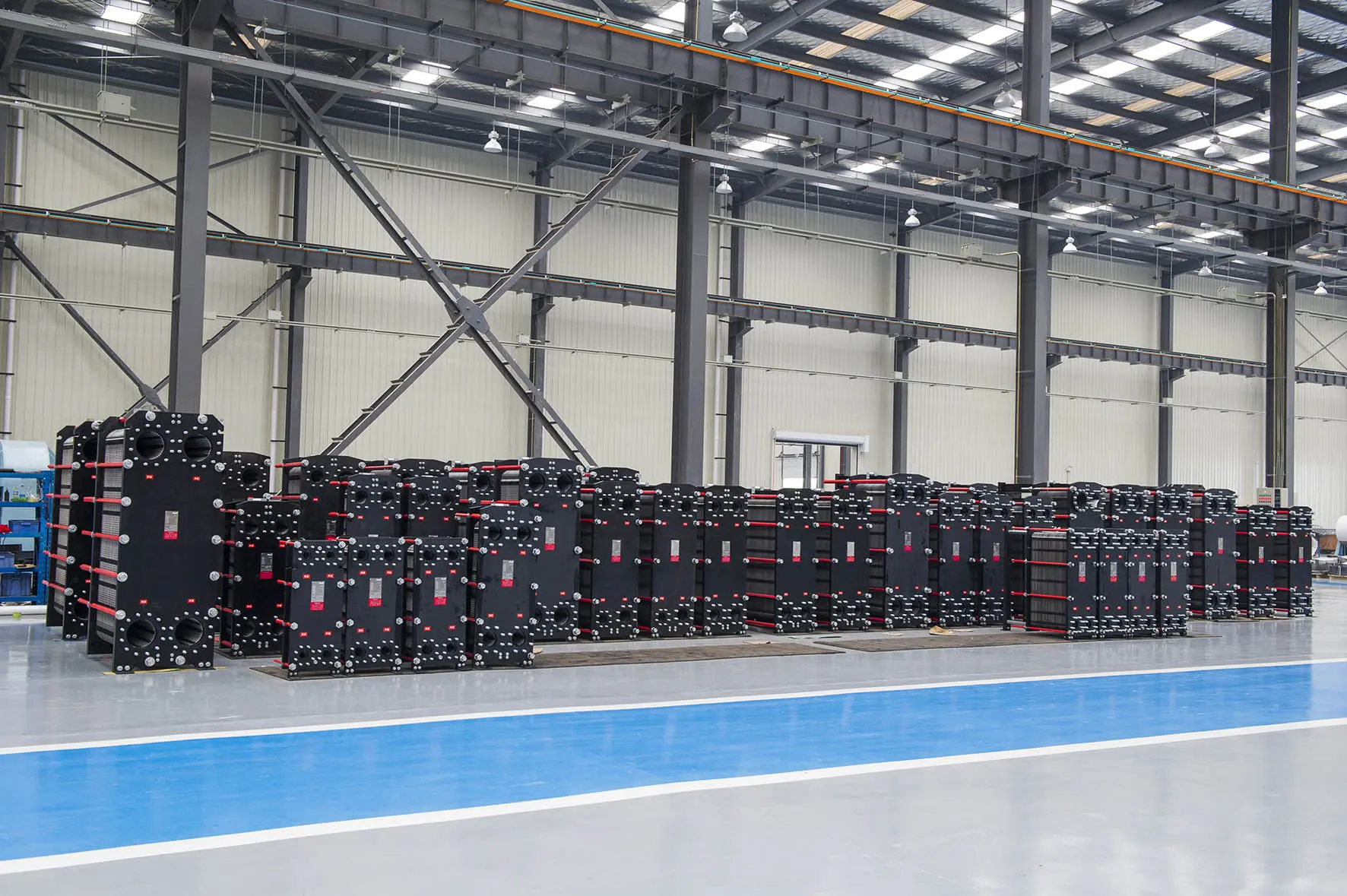
We combine strategic raw material positioning with advanced automation to deliver fast lead times, custom engineering, and superior cost performance to global B2B buyers.
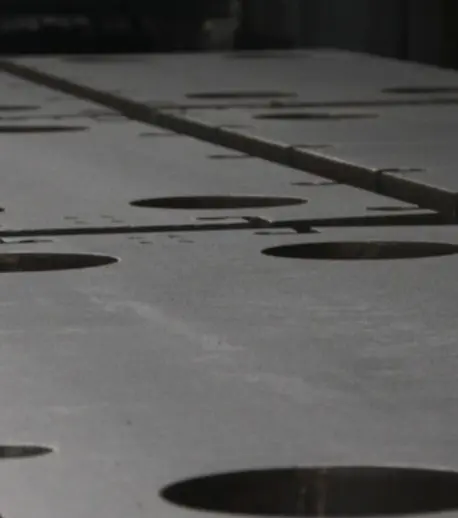
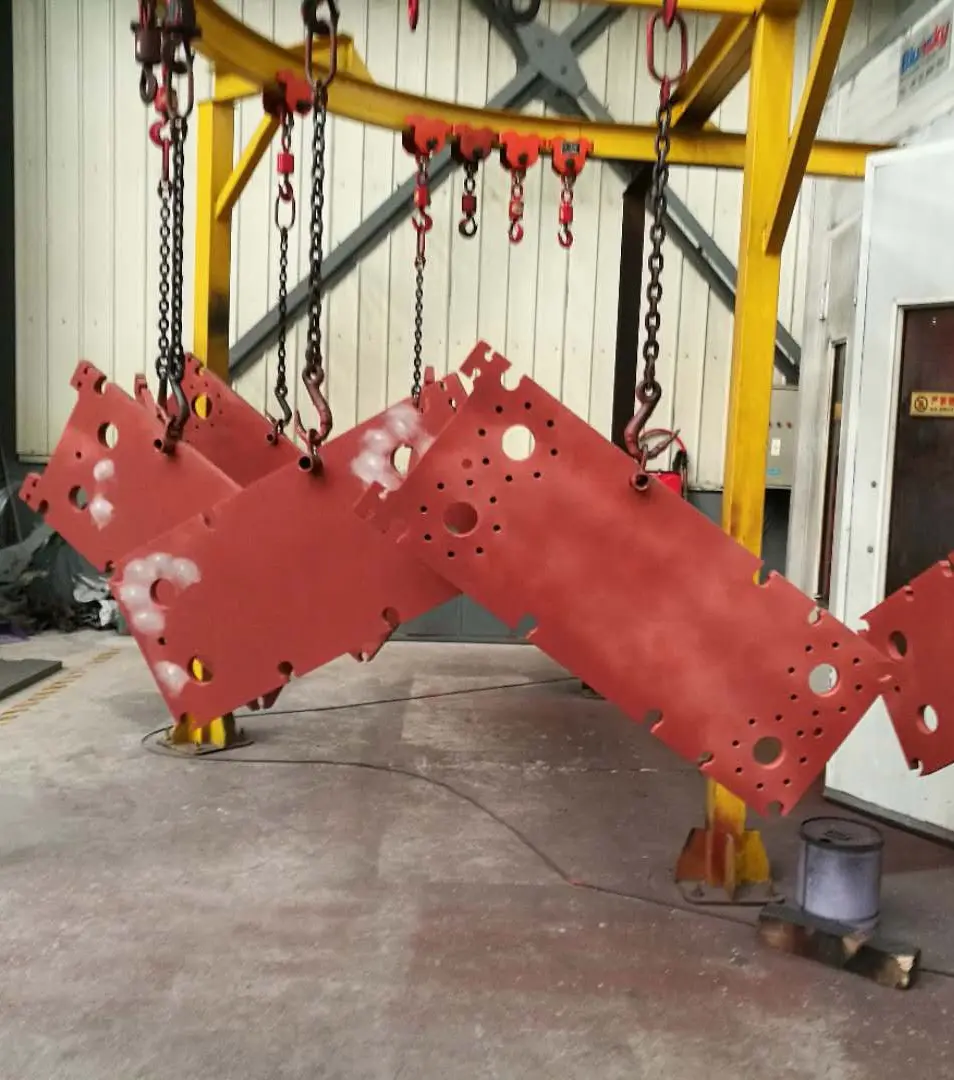
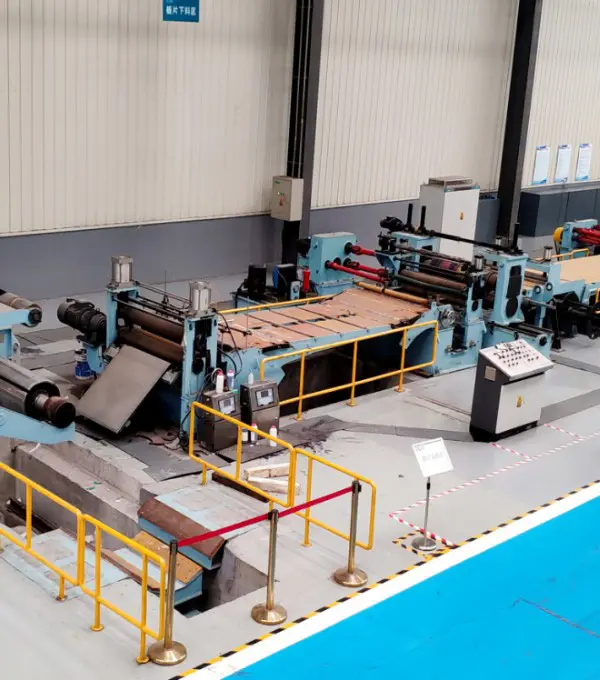
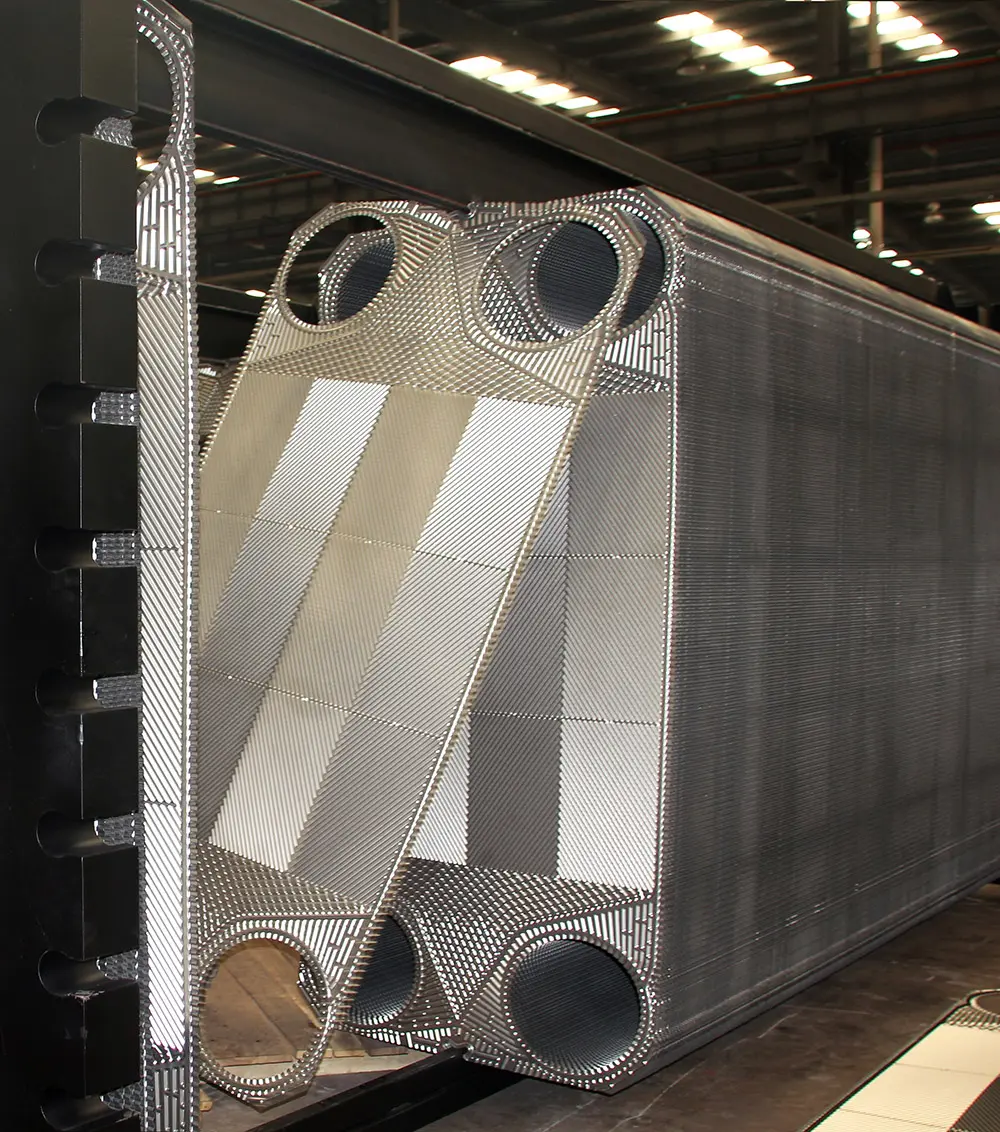
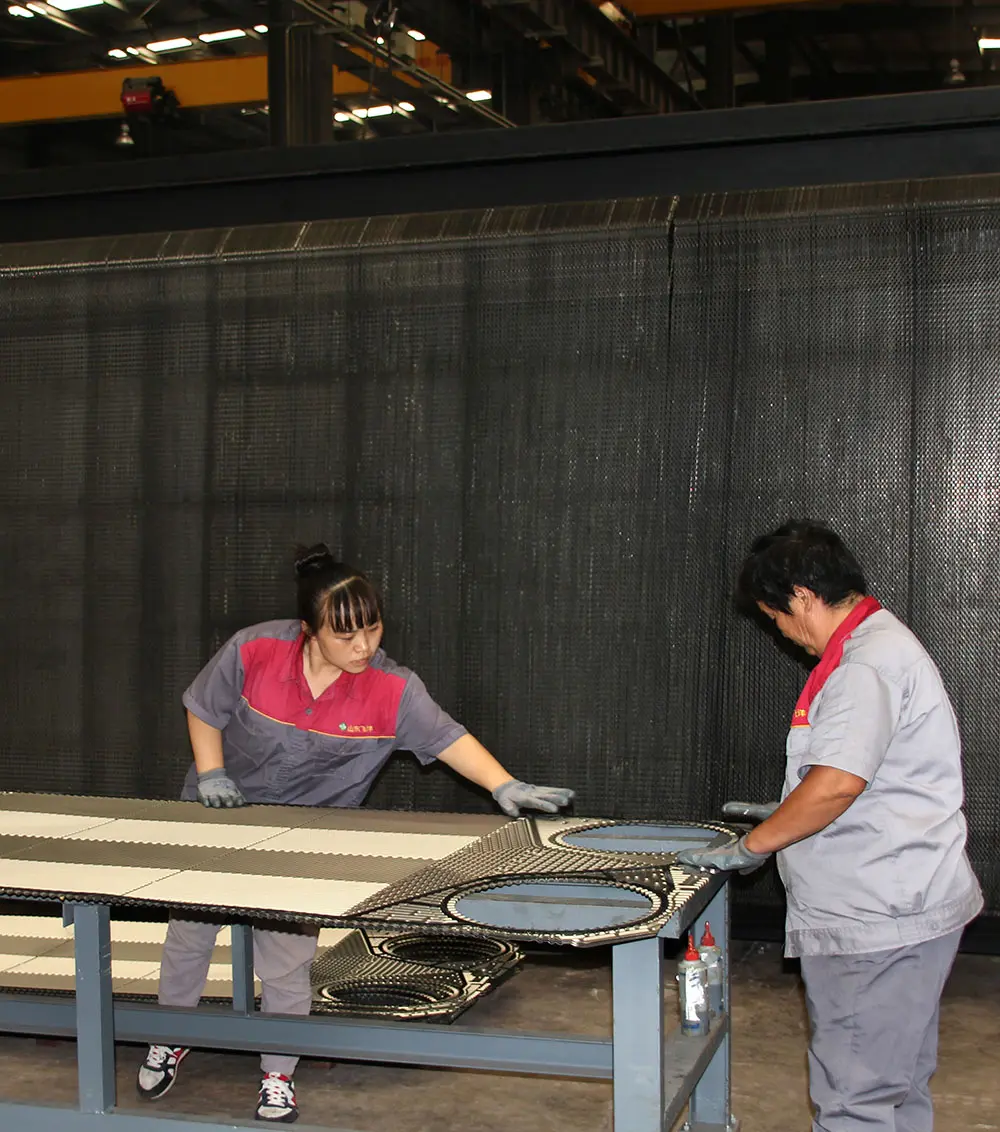
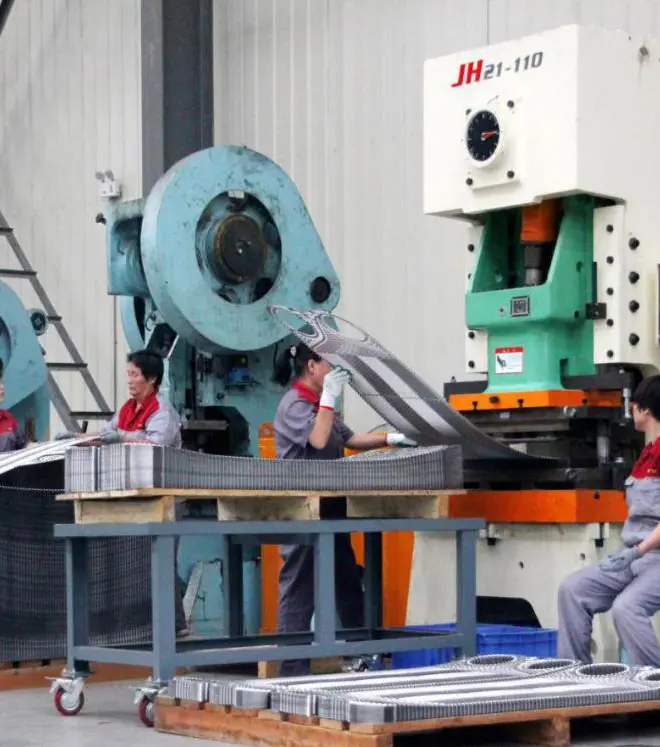
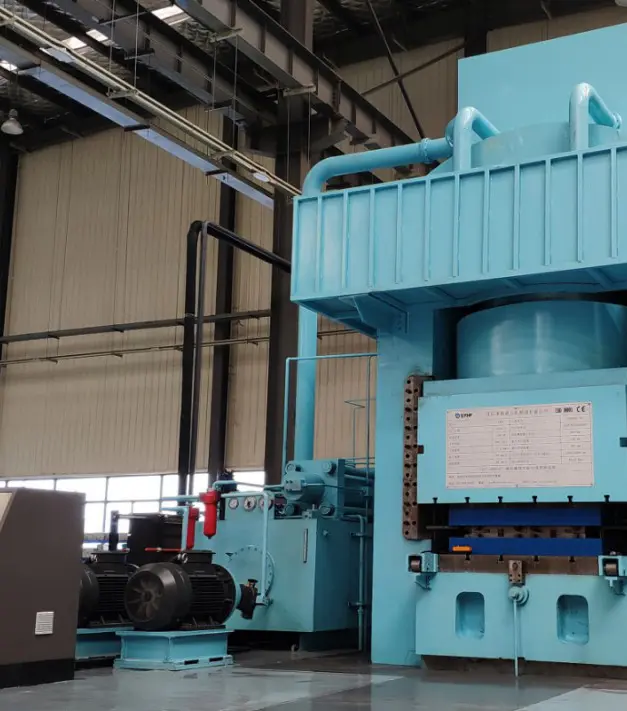
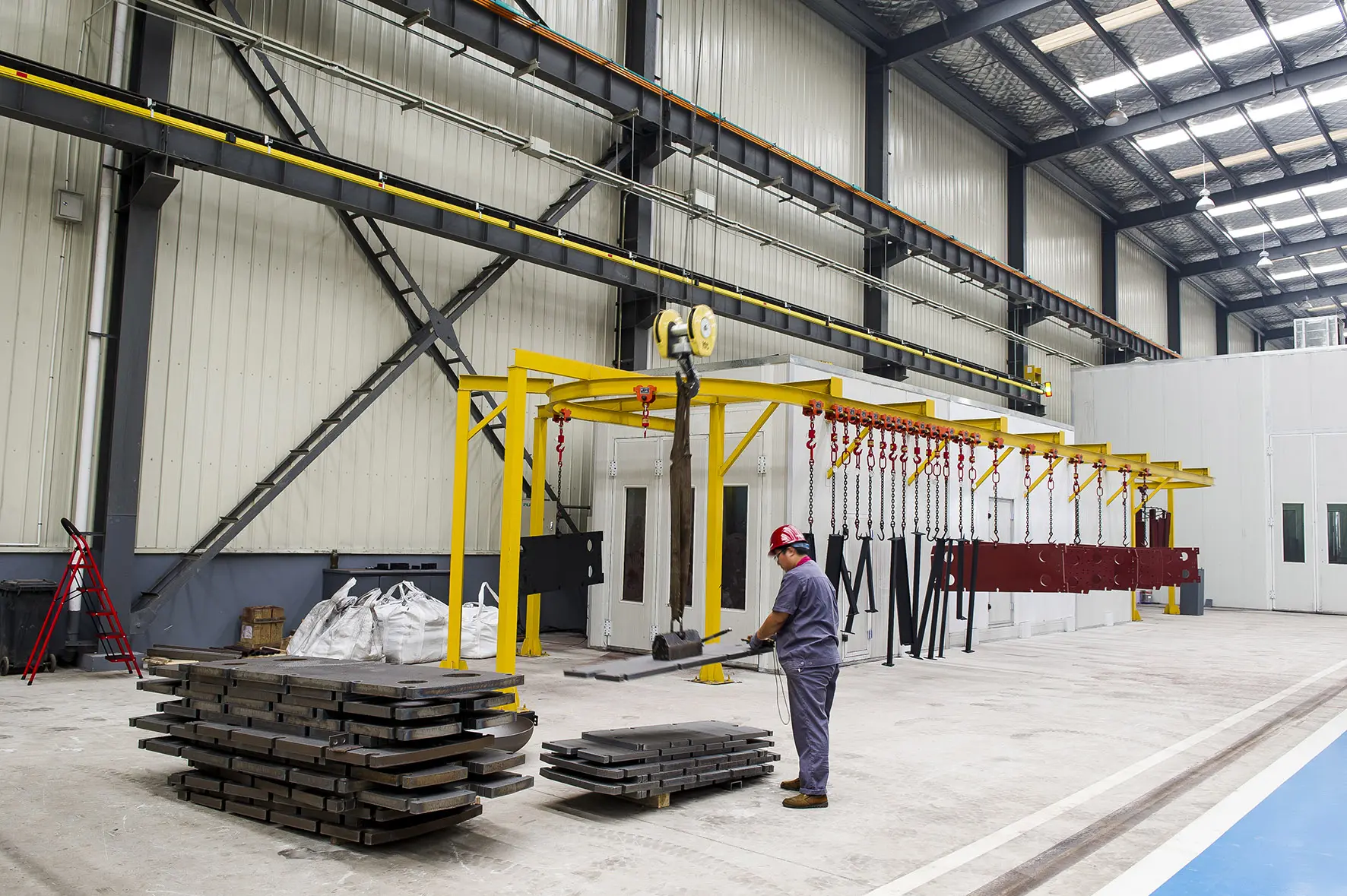
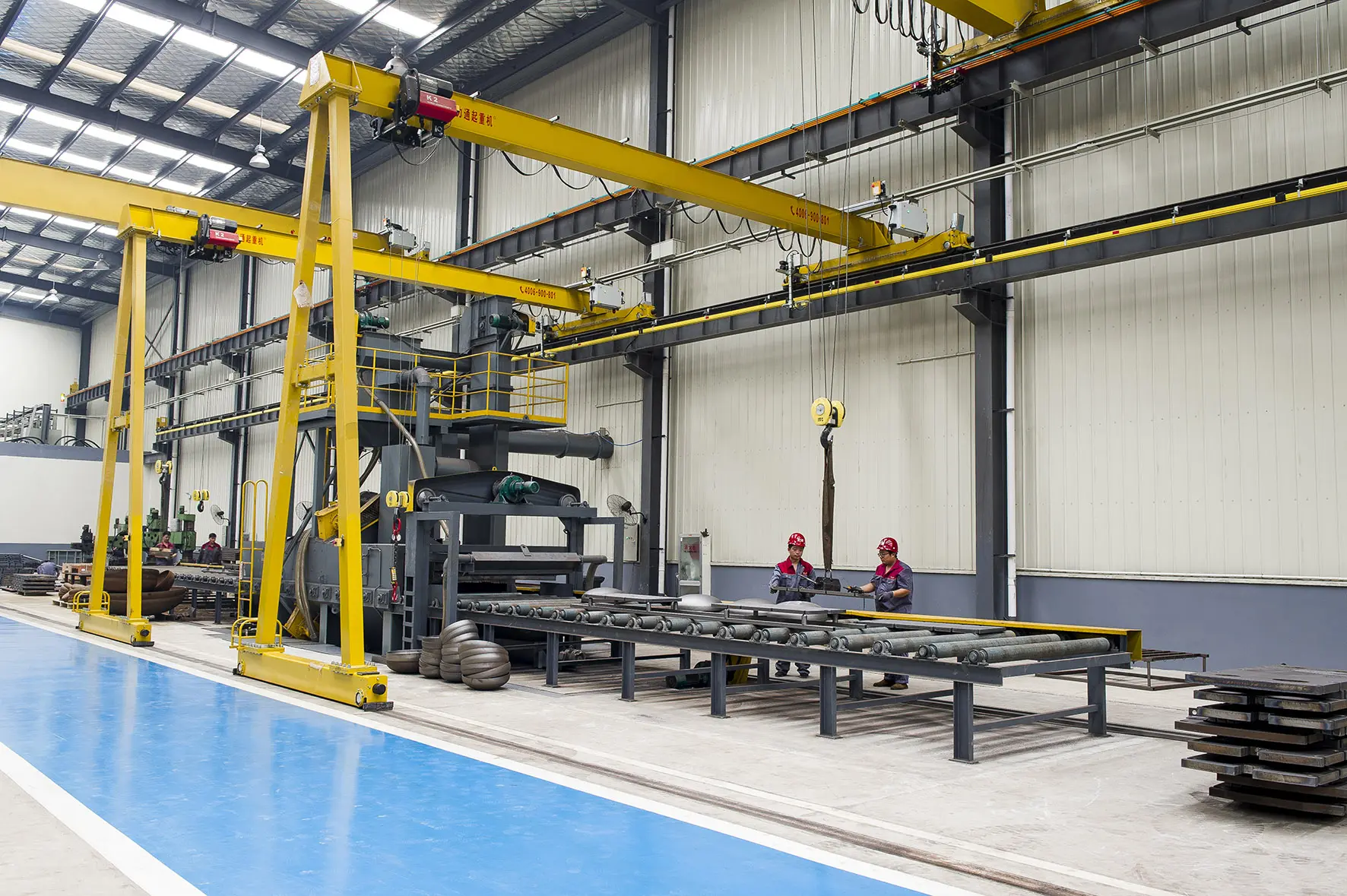
Utilizing high-capacity hydraulic stamping presses and automated sheet-metal processing lines to ensure precise plate corrugations, consistent channel geometry, and structural consistency across large batches.
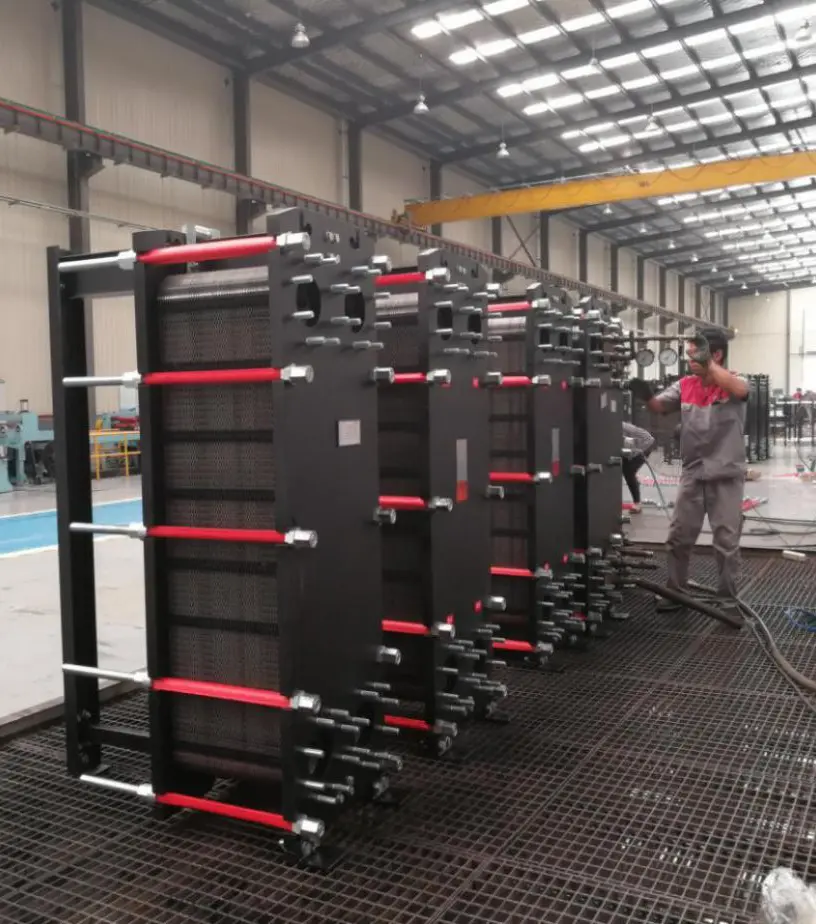
Every single manufactured unit undergoes rigorous, mandatory pressure testing and non-destructive leakage detection in our in-house quality inspection center, adhering strictly to ISO 9001:2015 frameworks.
Located in the heart of China's industrial manufacturing hub, we benefit from immediate access to premium steel, titanium, and specialized rubber gasket raw materials, keeping production costs low.
With an annual capacity of 4,500+ total units, our engineering plant can scale production quickly to handle major municipal energy projects, large industrial orders, and sudden urgent custom OEM designs.
Our modern production facilities employ certified technicians who undergo intensive training in thermal design and safety operations. By combining traditional metallurgy with robotic laser cutting and hydraulic tooling, we maintain tolerances that reduce flow bypass and thermal resistance. This ensures our heat exchange systems operate at peak thermodynamic output for decades under demanding chemical and geothermal cycles.
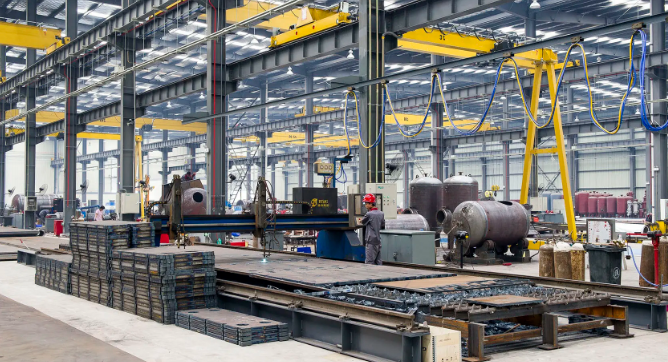
Every step of our production workflow is monitored and optimized to deliver industry-leading heat transfer efficiency and mechanical reliability.
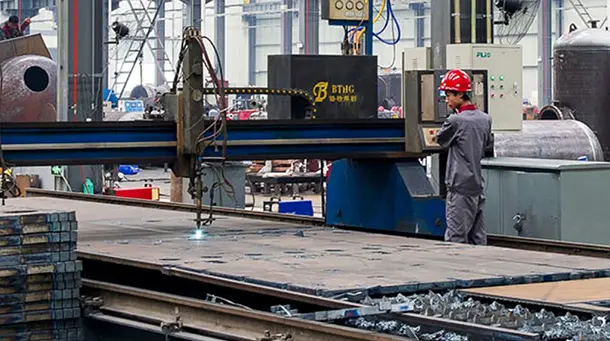
From heavy-duty industrial processing to municipal HVAC thermal balancing, we supply tailored technical configurations optimized for thermal delivery and fluid control.
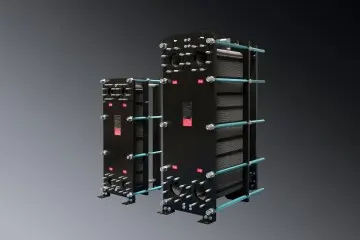
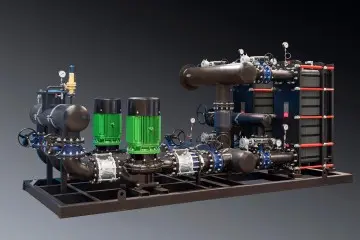
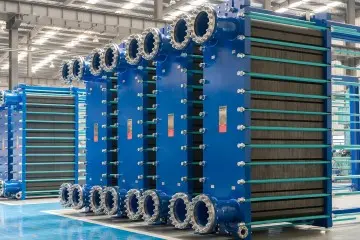
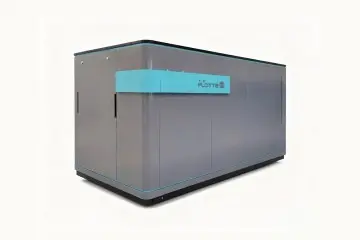
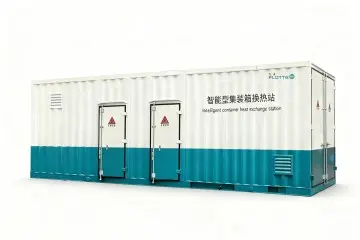
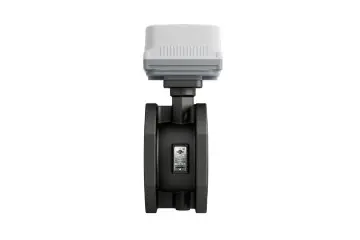

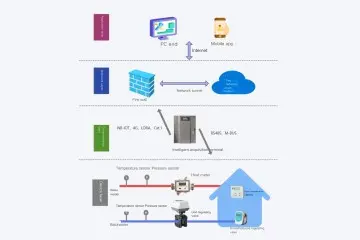
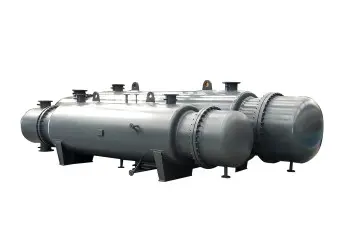
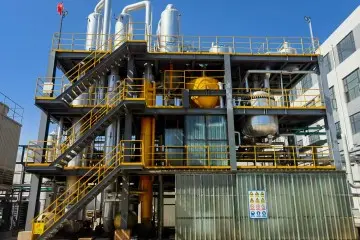
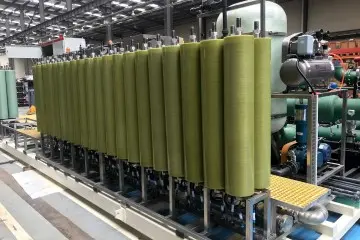
We deploy custom-engineered heat exchange solutions globally to meet the unique challenges of regional industries.
Our detachable plate heat exchangers are the core thermal link in municipal centralized heating networks. By transferring energy from high-pressure primary distribution pipes to secondary building loops, they enable localized heating regulation while isolating pressure levels to prevent system-wide damage.
In sterile environments, contamination control is vital. We supply highly specialized double-wall and detachable sanitary plate exchangers that keep media separated, preventing cross-contamination during process temperature regulation, crystallization, and clean water processing.
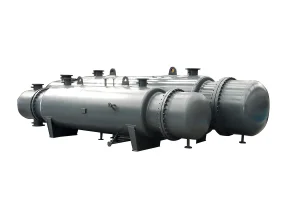
Handling acidic, high-temperature, or high-viscosity chemical fluids requires robust materials. We design and build heavy-duty shell and tube heat exchangers and corrosion-resistant plate systems using Titanium, Nickel, or customized Hastelloy plate configurations to withstand aggressive chemical reactions.
For power infrastructure, thermal management determines overall turbine efficiency. Our cooling solutions optimize the recovery of heat from steam condensers and oil systems, returning wasted thermal energy directly to the boiler feed loop to reduce primary fuel usage.
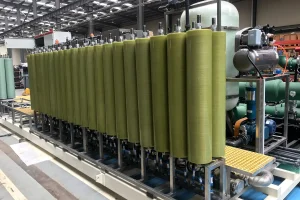
Our Multi-Effect Evaporators and Membrane Concentration systems are designed for high-salinity industrial wastewater and zero liquid discharge (ZLD) installations. By recycling latent steam energy, these systems reduce energy consumption in industrial desalination processes.
Our manufacturing and quality control systems are certified under major international frameworks to ensure reliability, safety, and compliance.
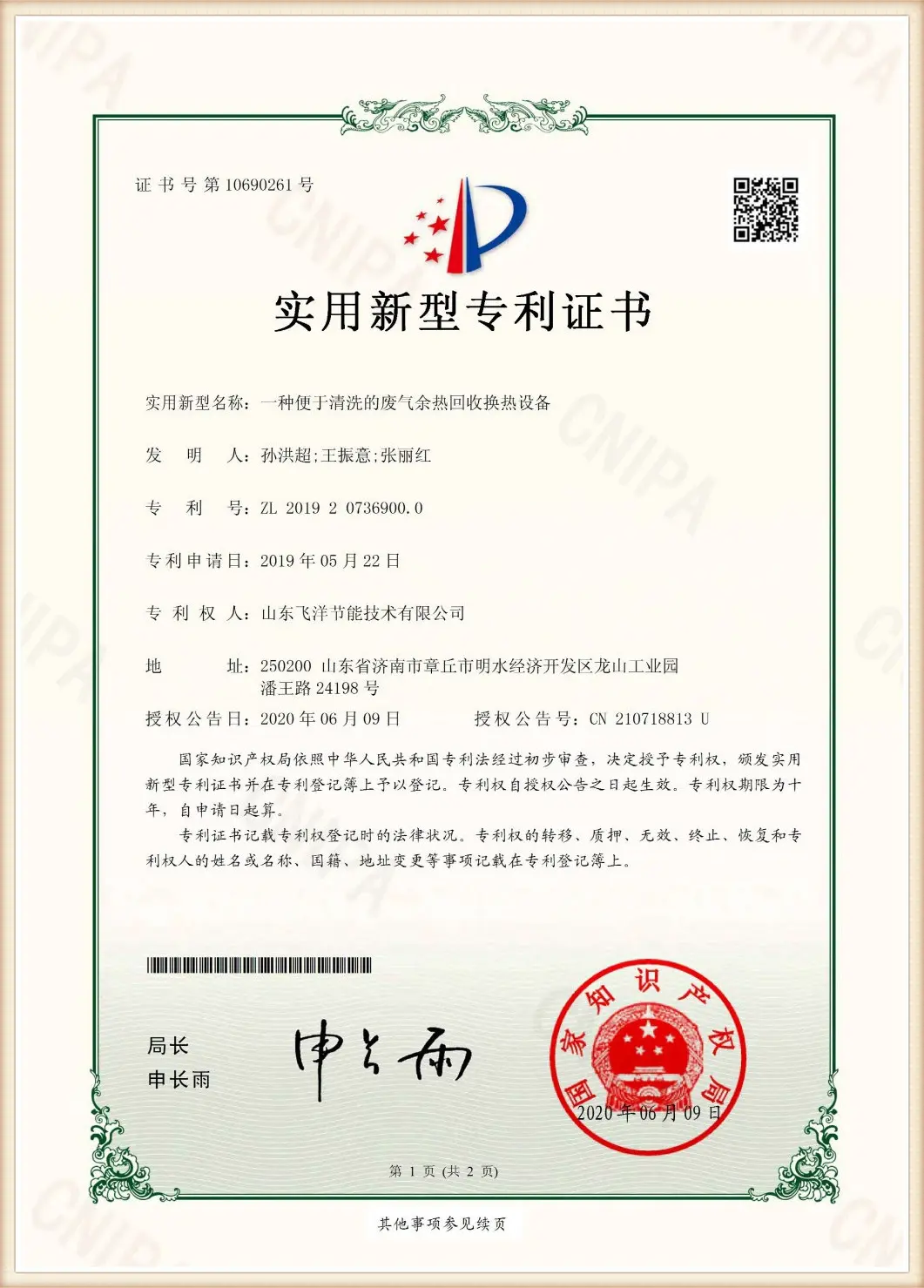
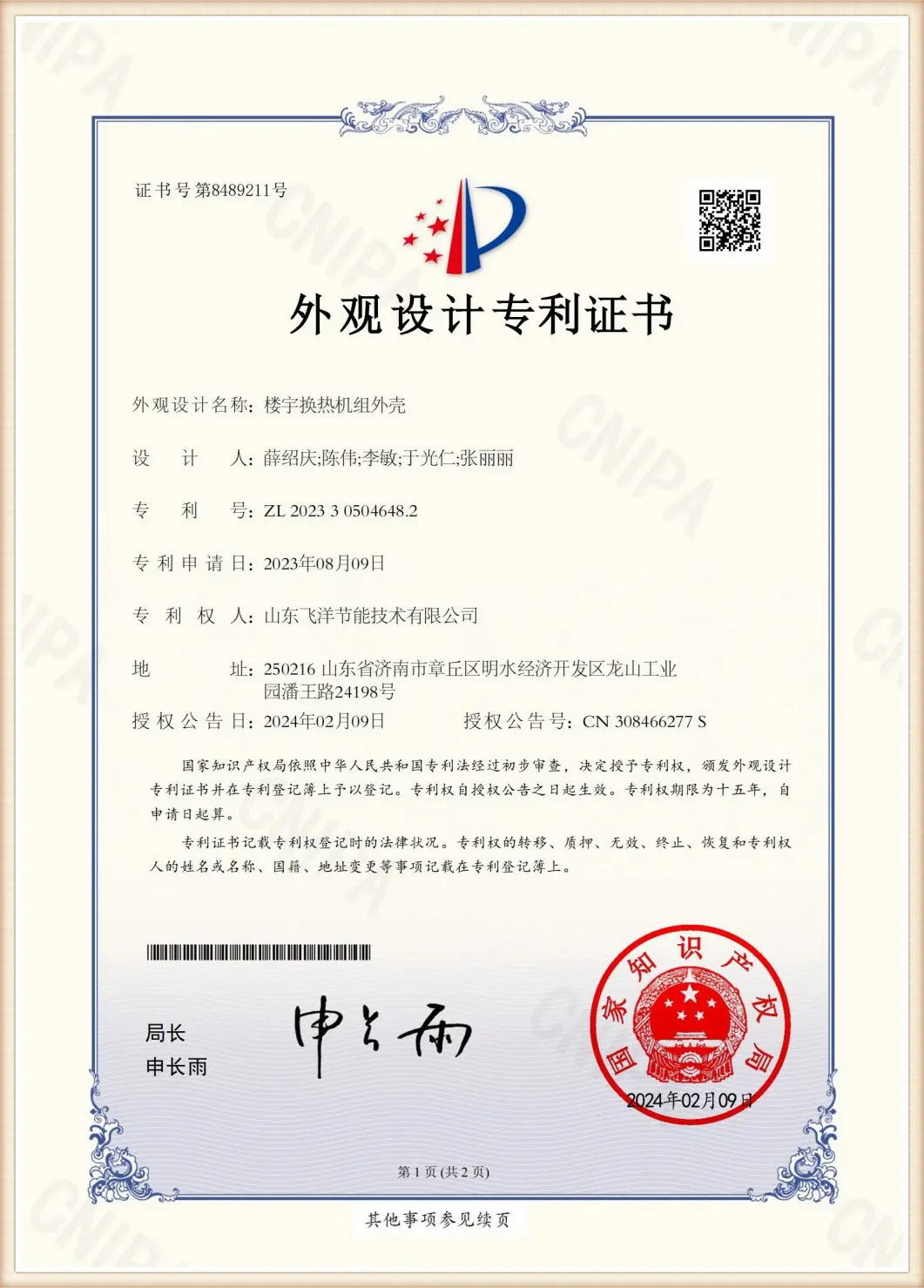
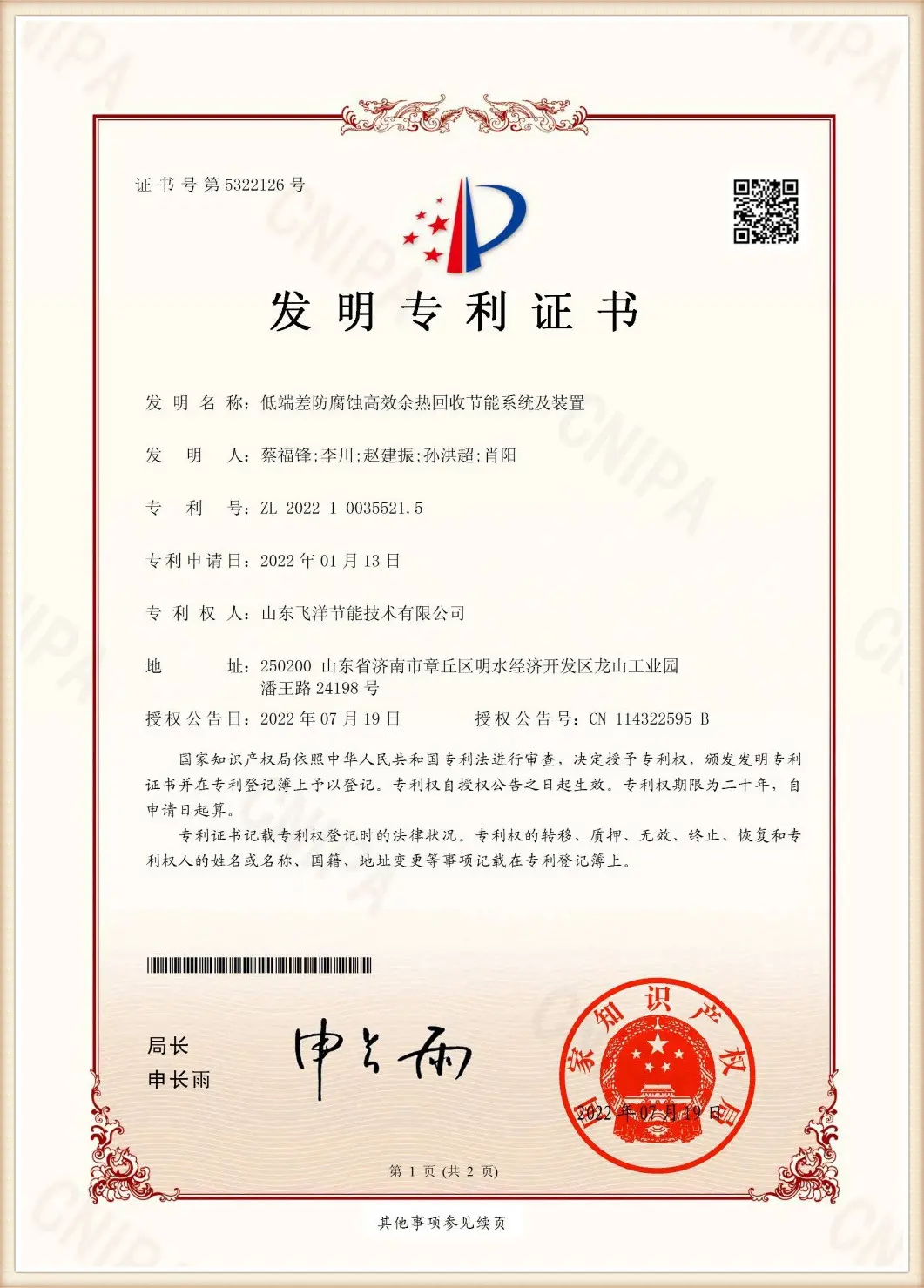
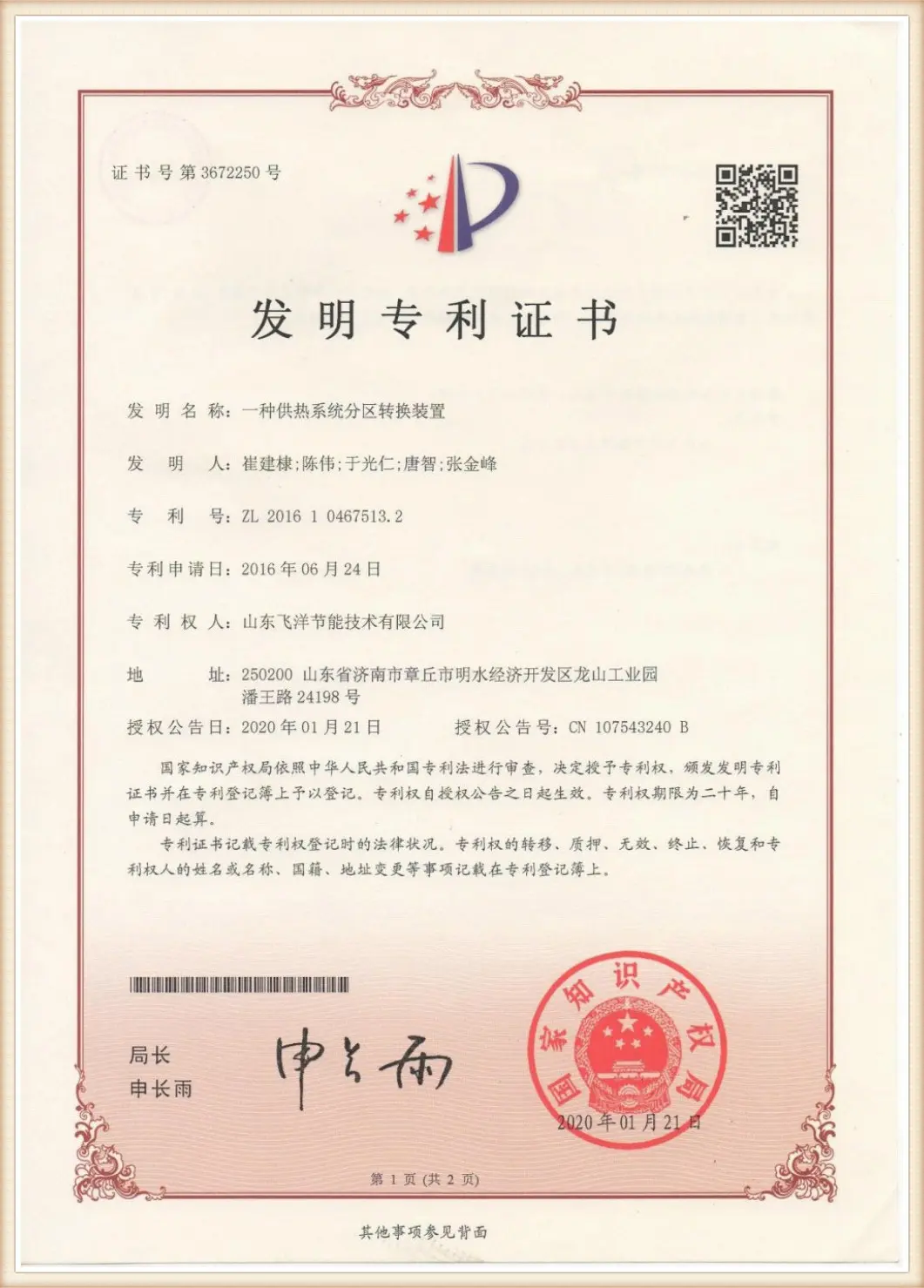
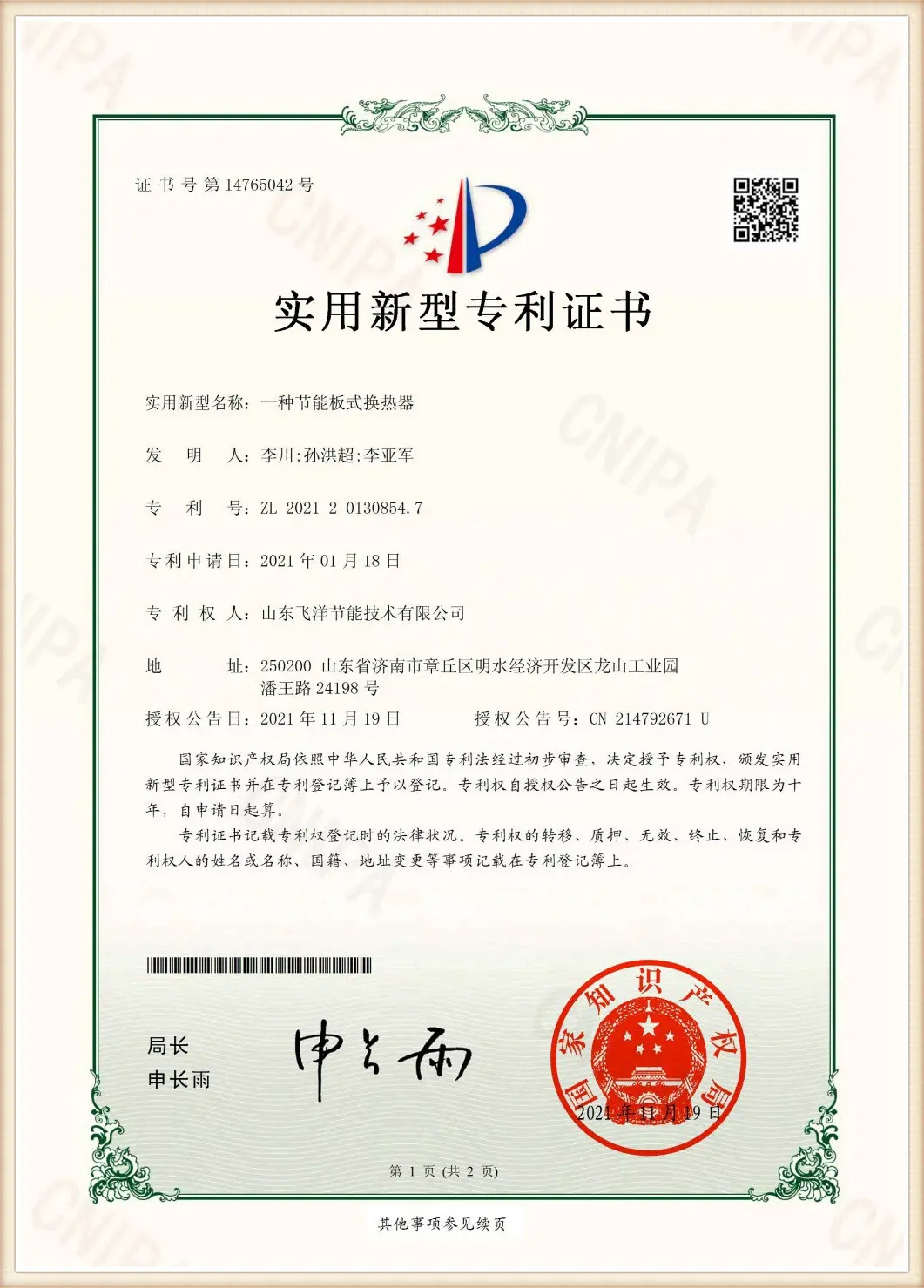
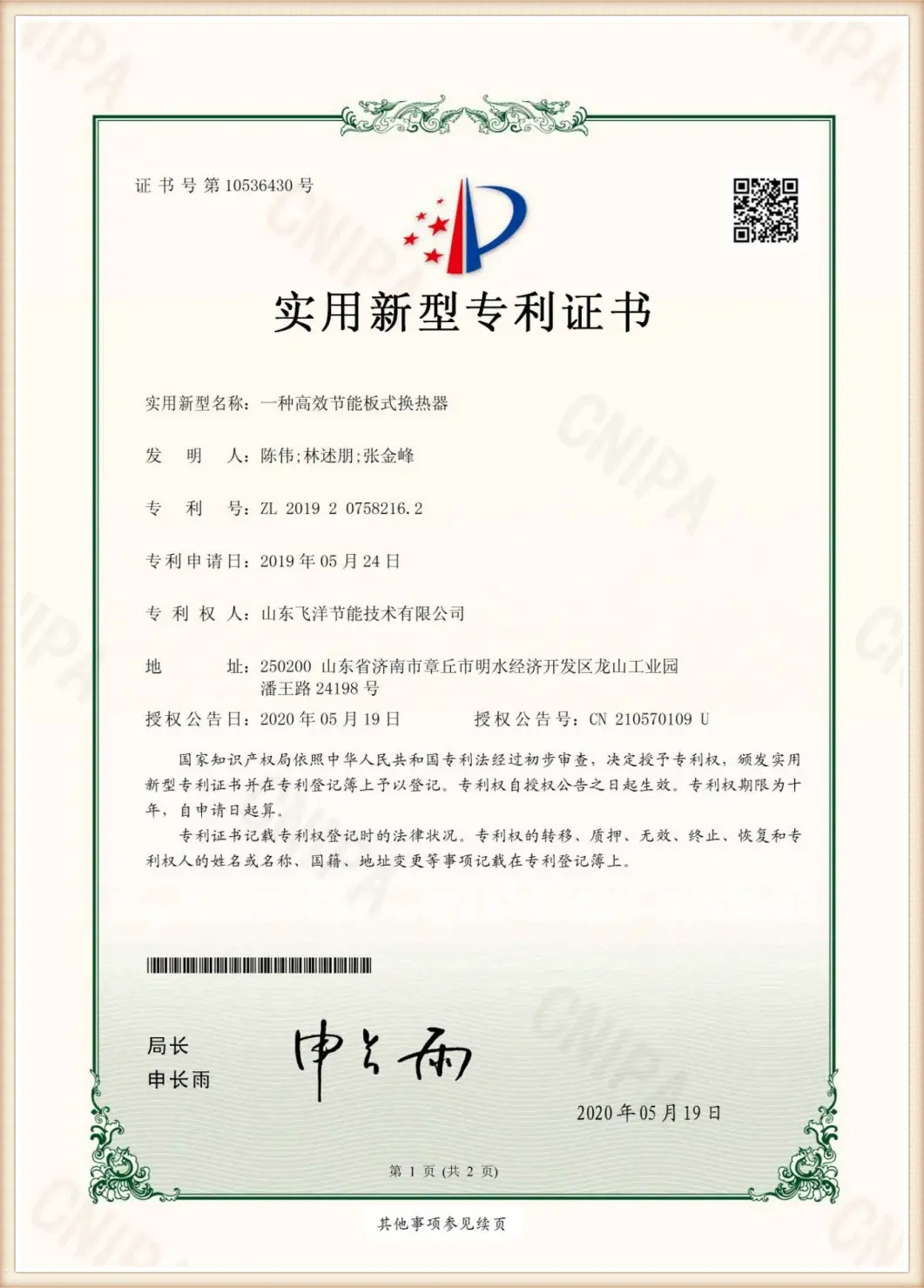
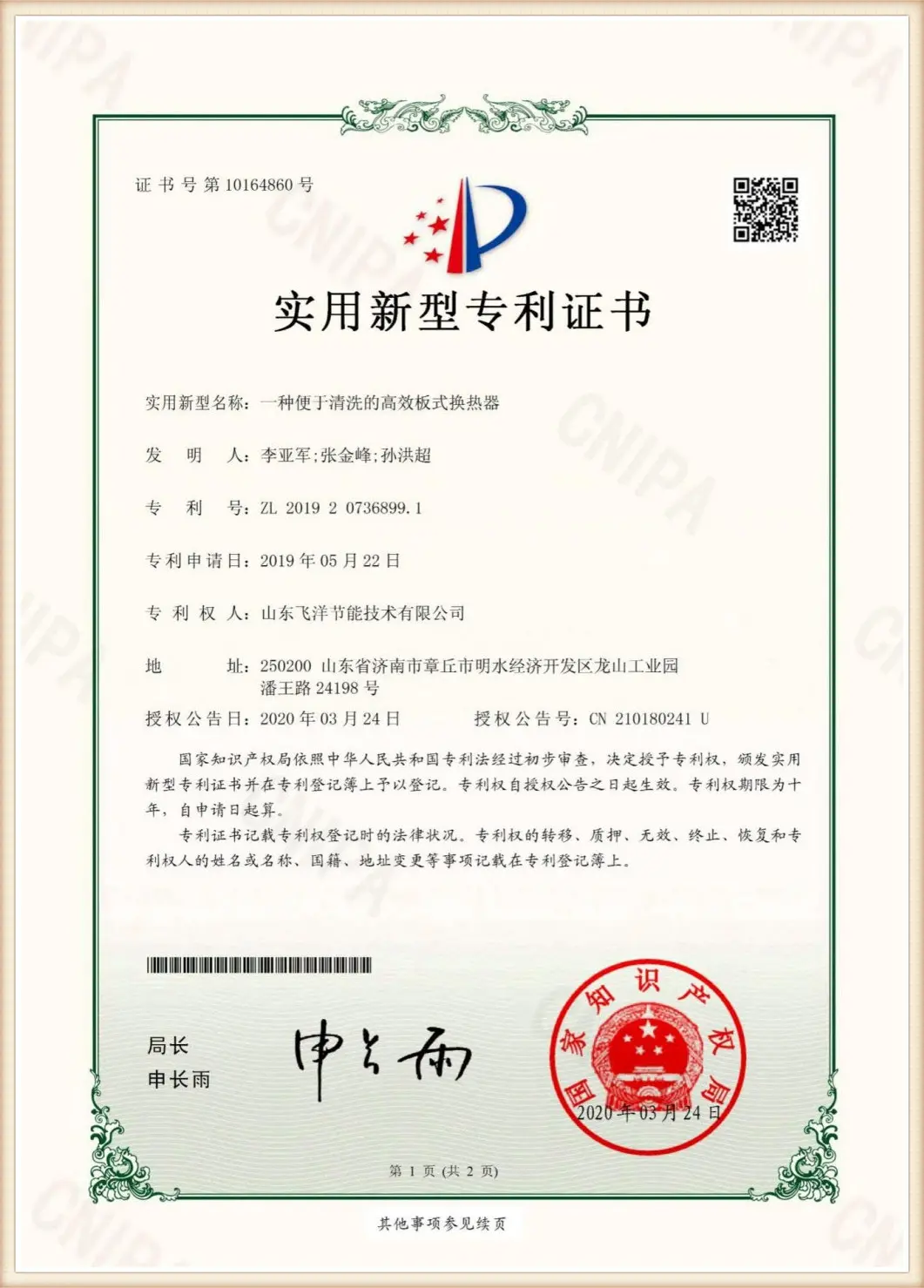
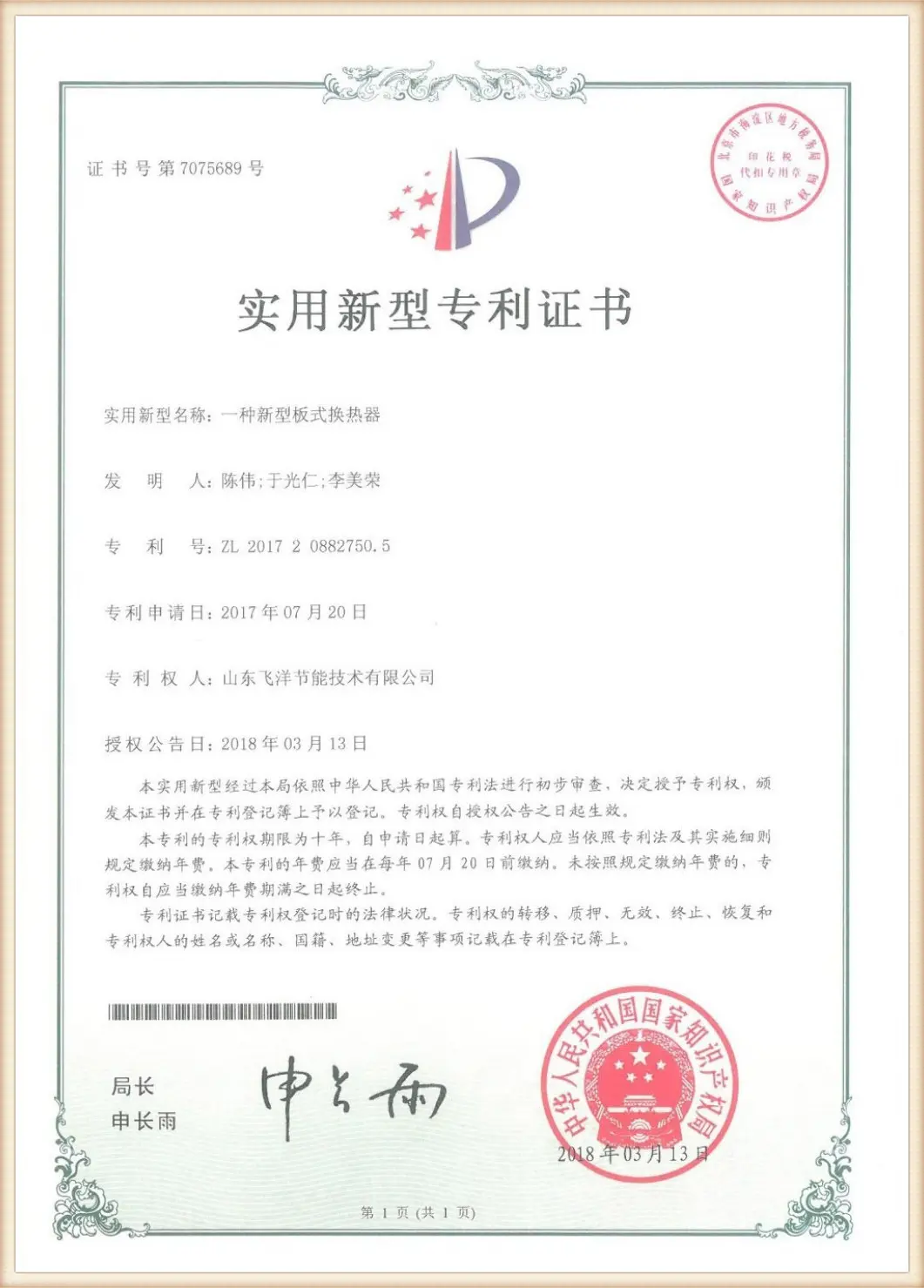
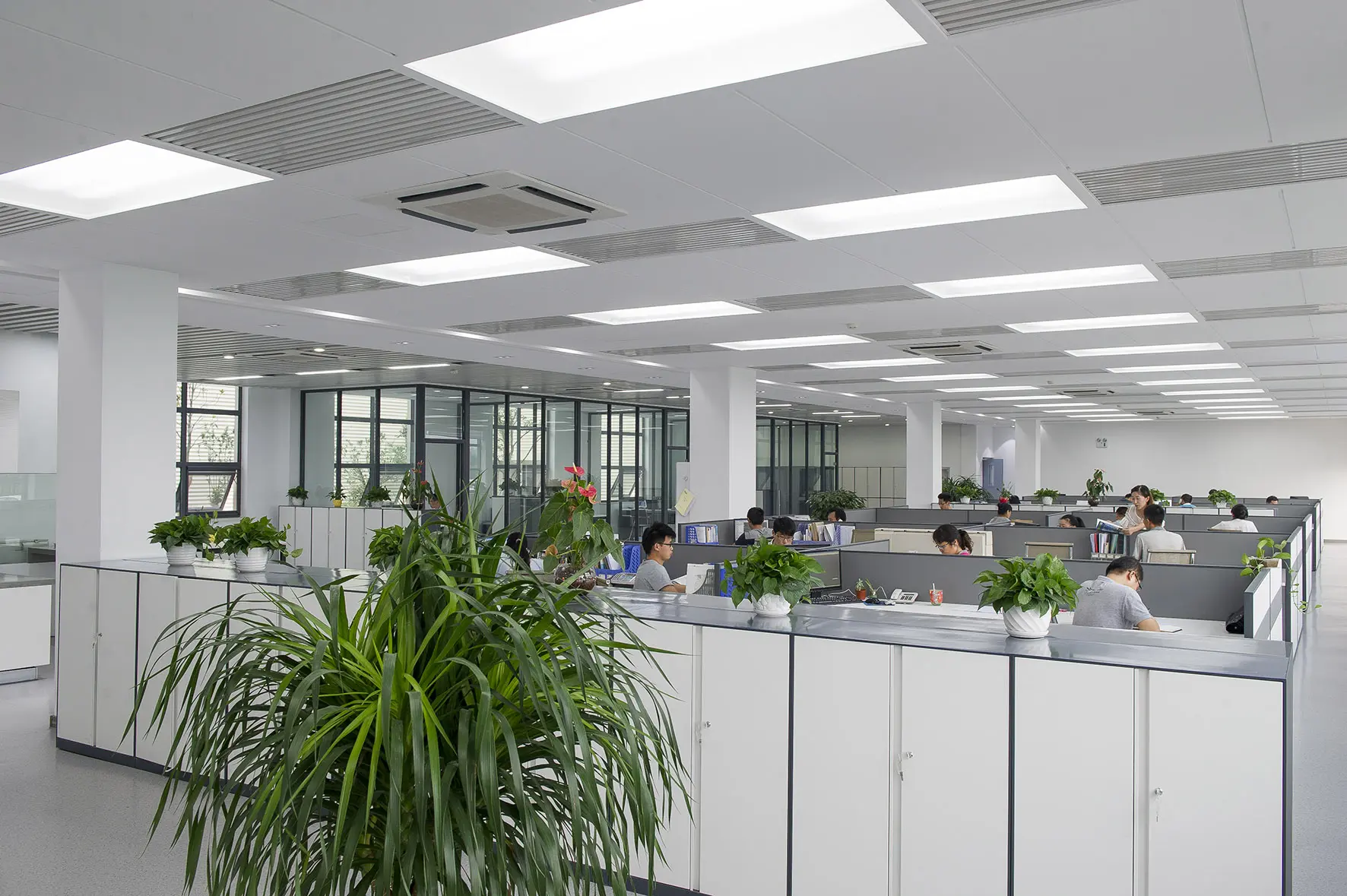
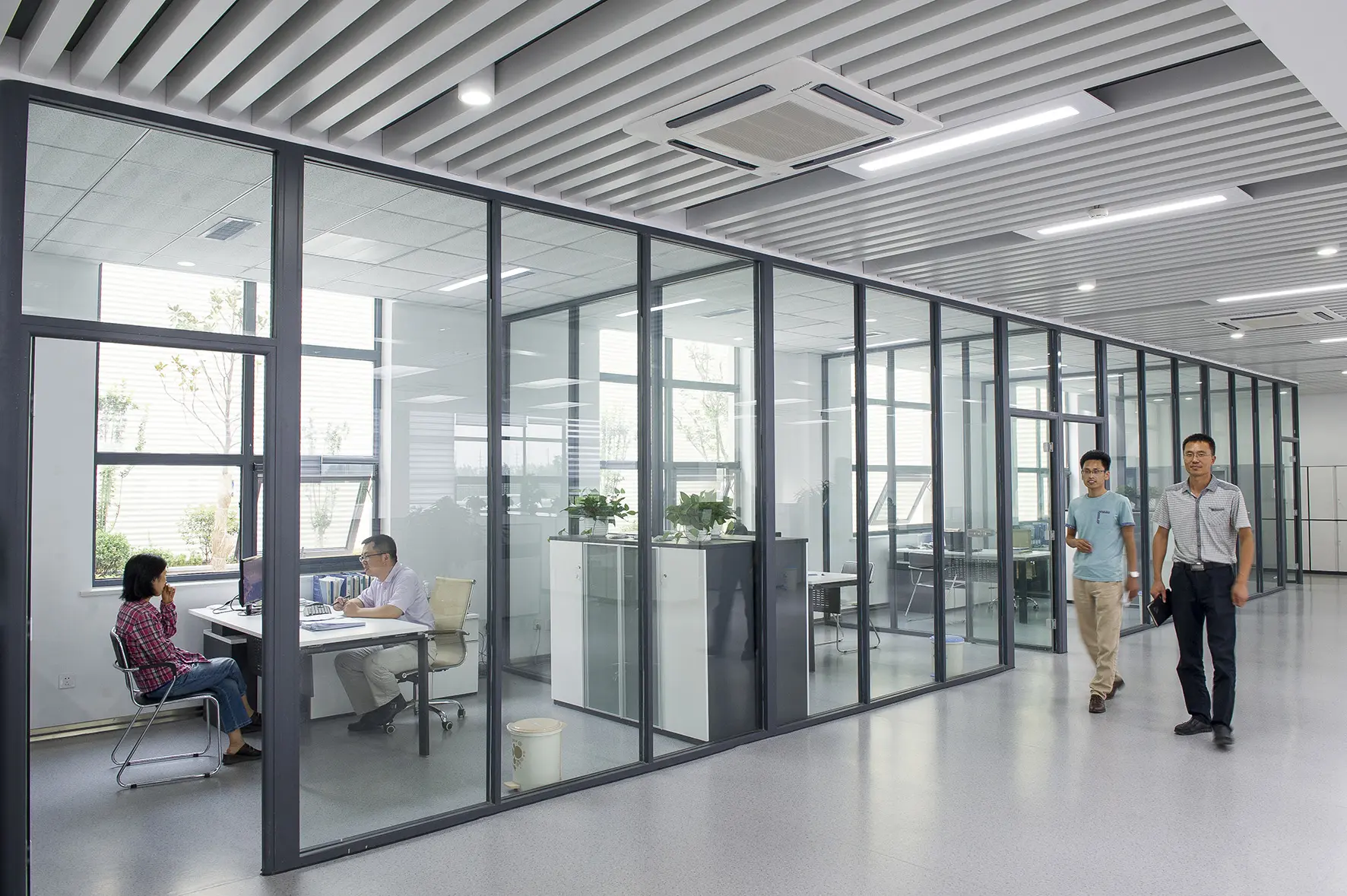
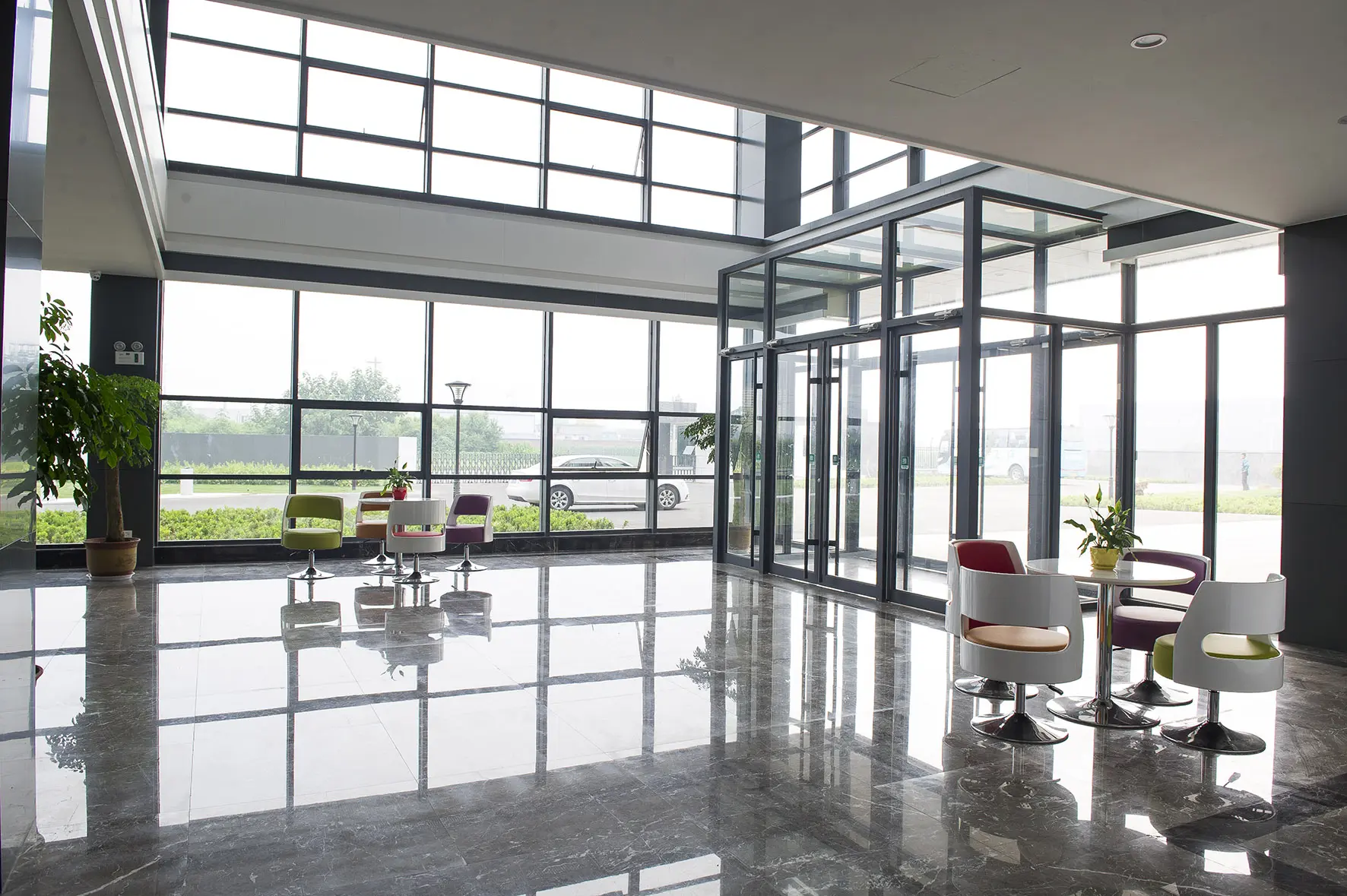
We operate modern production facilities that combine advanced manufacturing with systematic management, producing high-tech integrated products. Explore our workshop, R&D center, and quality test labs.
Key technical parameters and standards B2B sourcing managers must evaluate to optimize capital expenditure and system reliability.
The chemical composition of both the cold and hot media determines the required metallurgy. For soft, clean water applications, Stainless Steel 304 or 316L plates are suitable. If handling seawater, high-chlorine industrial fluids, or aggressive chemicals, Titanium, Nickel Alloys, or Hastelloy plates are necessary to prevent localized pitting and corrosion.
Verify that the heat exchanger’s maximum design pressure and operational temperature range align with system safety profiles. Heavy district heating systems or high-temperature steam loops typically require ASME or pressure-vessel-certified shell and tube models, or high-performance gasketed plate models configured with reinforced frames.
Thermal sizing is a balance between heat transfer rate and allowable pressure drop. A higher flow velocity increases turbulence and the overall heat transfer coefficient (U-value), but it also increases pump energy usage due to higher pressure drops. Custom plate corrugation patterns allow us to optimize this trade-off.
In applications prone to scaling (such as wastewater processing or cooling towers), maintenance access is critical. Detachable plate heat exchangers can be disassembled on-site to wash the plates and replace the gaskets, minimizing downtime. In contrast, welded units are better suited for leak-free operations handling hazardous fluids.
Modern thermal substations rely on automated controls to maintain steady output temperatures under changing load conditions. Sourcing integrated units that include pre-wired balance valves, intelligent heat network monitors, and variable frequency pumps simplifies installation and ensures stable operation.
Technical answers to the most common questions regarding thermal calculations, materials, and international logistics.
Engineered for wastewater concentration, chemical separation, and heat recovery processes in industrial facilities.
 Flotte Energy