Explore our leading catalog of high-efficiency thermal exchangers, desalination solutions, and intelligent monitoring units designed for industrial scale applications.
In the modern industrial landscape, thermal management has shifted from a static component-level design to a dynamic, system-integrated process. The term "Heat Exchanger Model" no longer simply describes a mechanical catalog number; it denotes a complex multi-physics simulation and hardware-integrated module capable of adaptation. As global energy prices fluctuate and decarbonization mandates intensify, engineers require precise thermodynamic models that balance heat transfer coefficients with pressure drops.
Historically, traditional shell-and-tube models dominated heavy industrial sectors due to their robust mechanical configurations and capability to handle extreme pressures. However, contemporary thermodynamic design demands high-NTU (Number of Transfer Units) performance, compact dimensions, and variable-load adaptability. This has catalyzed the rapid adoption of highly optimized plate and frame heat exchangers, intelligent integrated box-type systems, and advanced membrane separation technologies.
Choosing the correct heat exchanger model requires deep understanding of convective heat transfer, fluid flow behavior, and material metallurgy. Factors such as chevron angle geometry in plates, boundary layer turbulence, and localized fouling resistance dictate the long-term operational costs of HVAC, chemical processing, and municipal central heating networks.
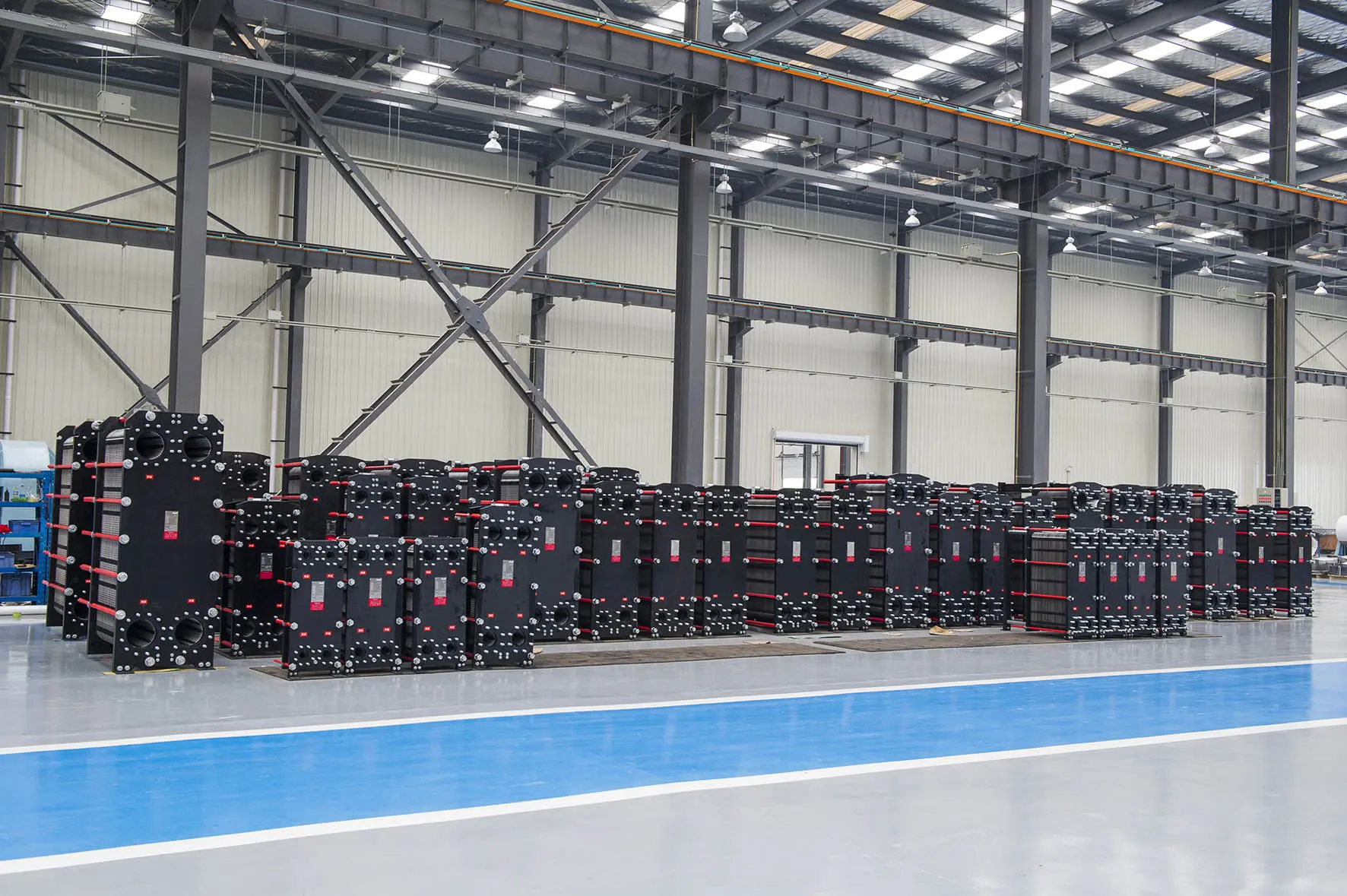
How modern heat exchanger technologies adapt to the global push for decarbonization and smart monitoring.
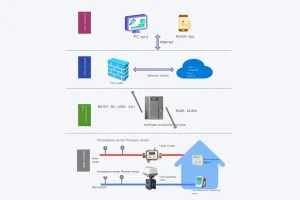
Modern heating grids rely heavily on local secondary network balance valves and real-time room temperature collectors to feedback dynamic thermal loads to central heat exchanger stations, reducing waste.
Innovations in corrugated plate patterns and laser-welding allow for heat transfer rates that are 2-3 times higher than traditional configurations. This minimizes material requirements and initial capital expenditures.
Smart models feature built-in pressure, temperature, and flow transmitters. Automated systems analyze deviation from clean-state coefficients to trigger automated backwashing or schedule maintenance.
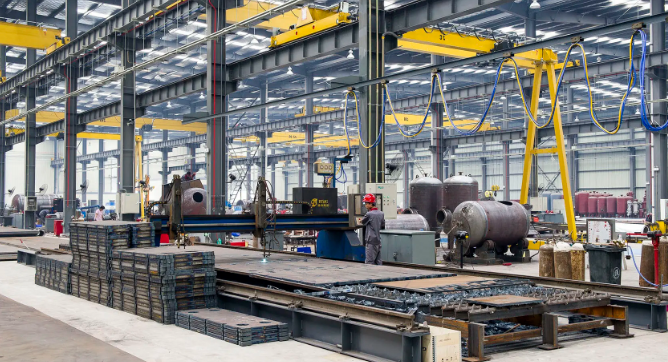
For global procurement officers, sourcing reliable heat exchanger models requires a partnership with factories that demonstrate high resilience, regulatory compliance, and rapid technological deployment. In China's advanced manufacturing hubs, Factory 4.0 integration has transformed standard production lines into highly customizable thermal engineering nodes.
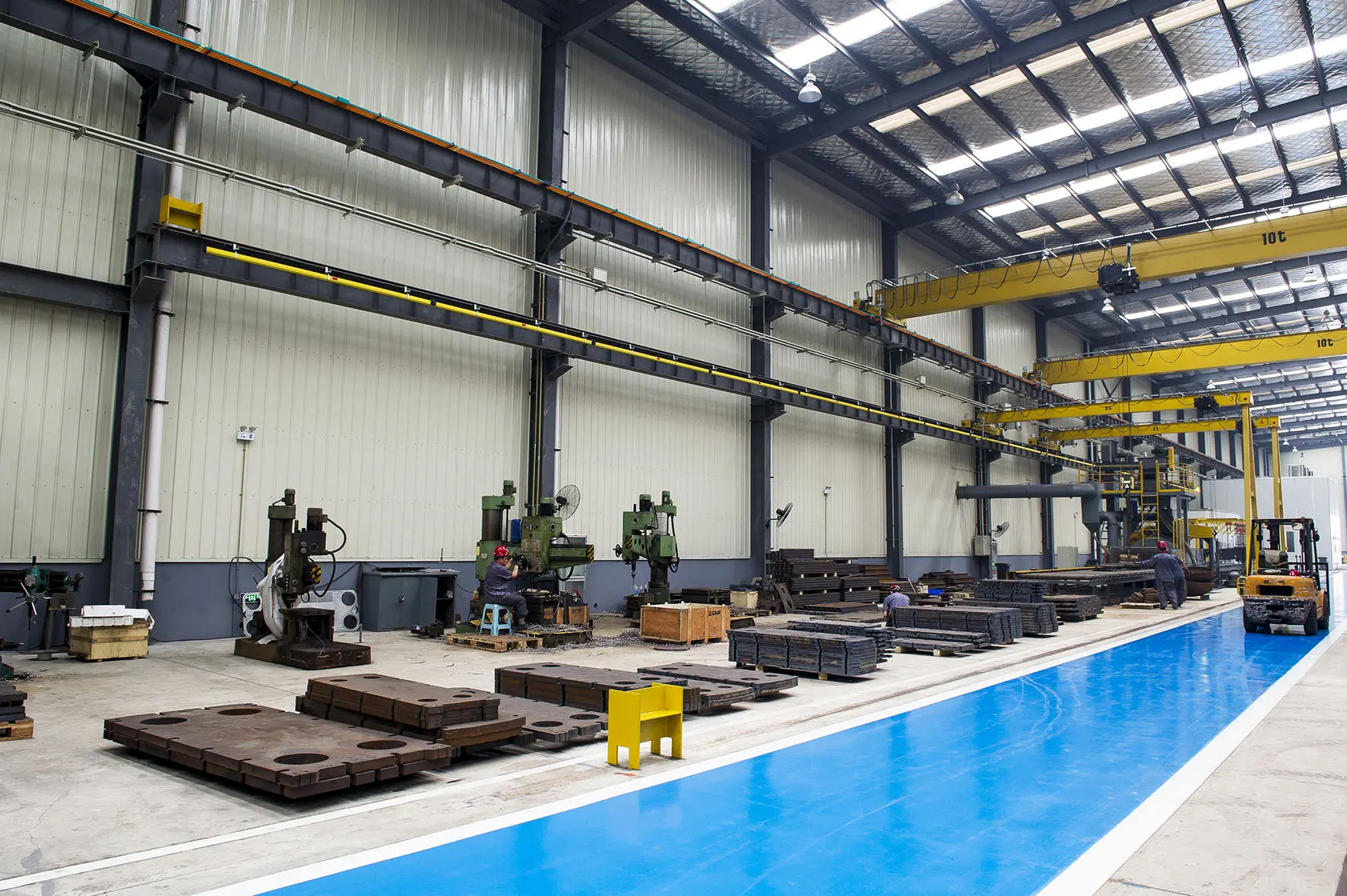
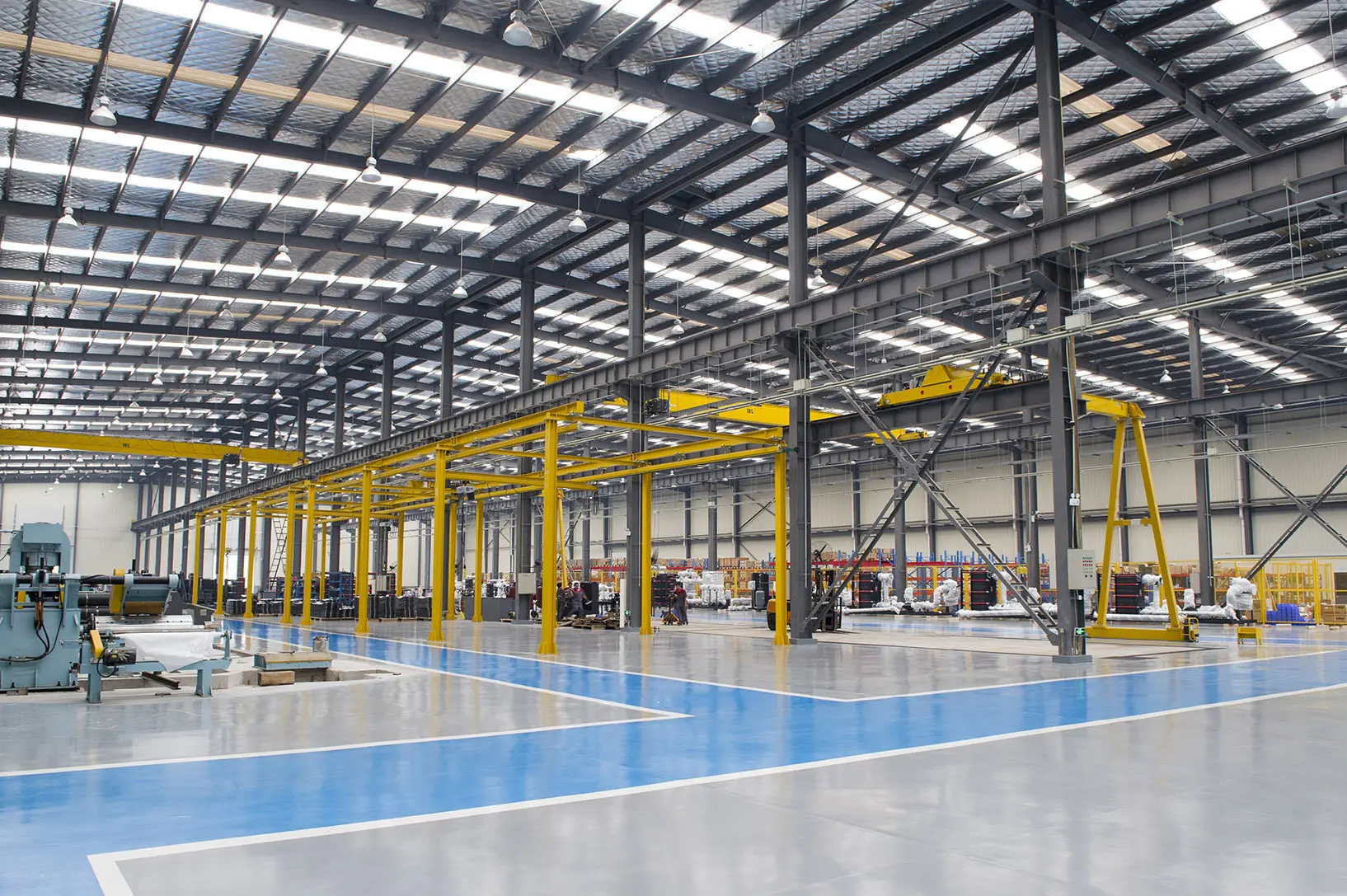
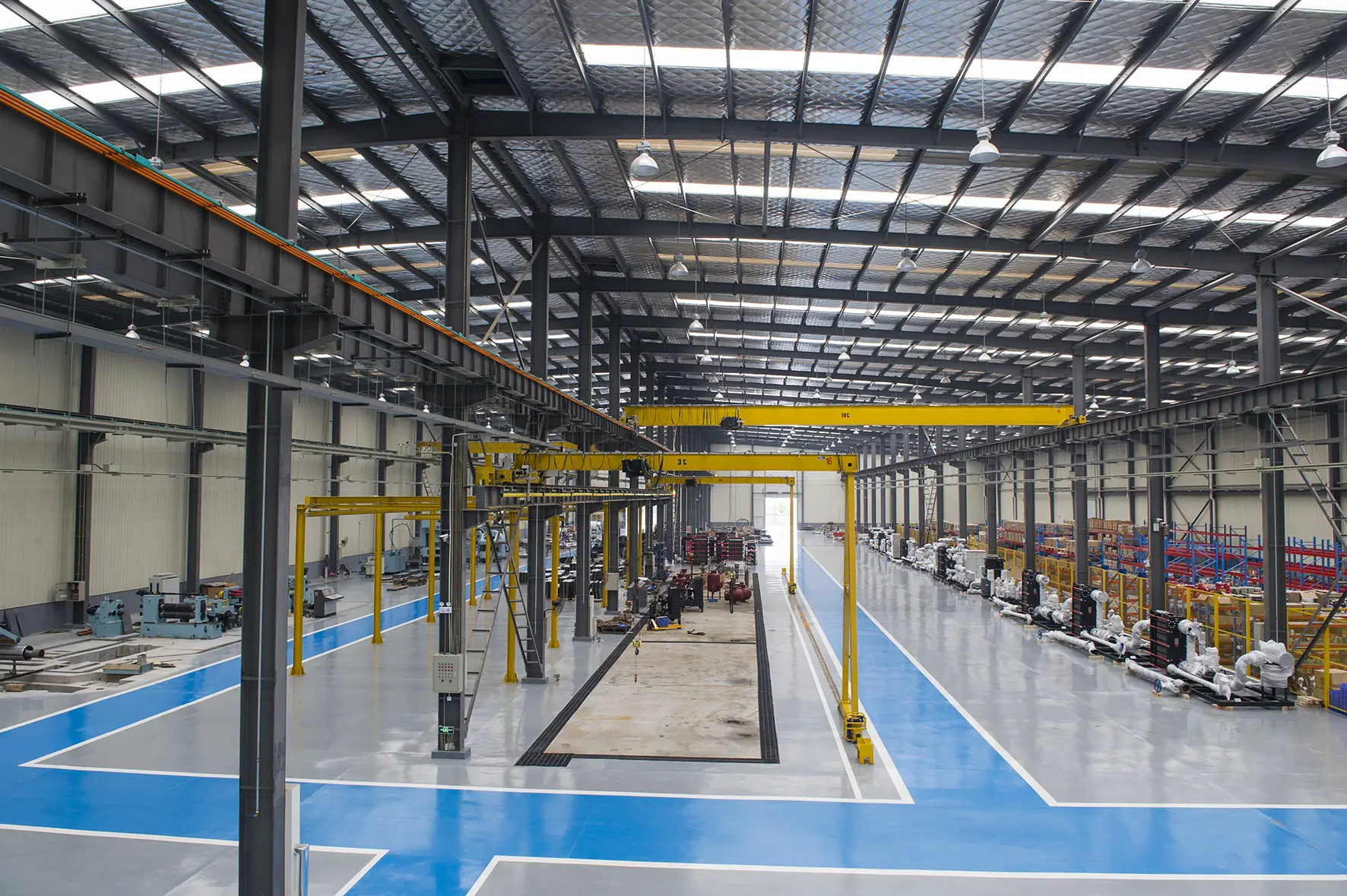
At the core of this transformation is Flotte Energy Saving Company. Operating from a state-of-the-art 70,000 m² facility, Flotte merges systematic quality control with smart manufacturing tools. Our operations adhere strictly to the ISO 9001:2015 quality management standard and the pressure vessel quality assurance framework.
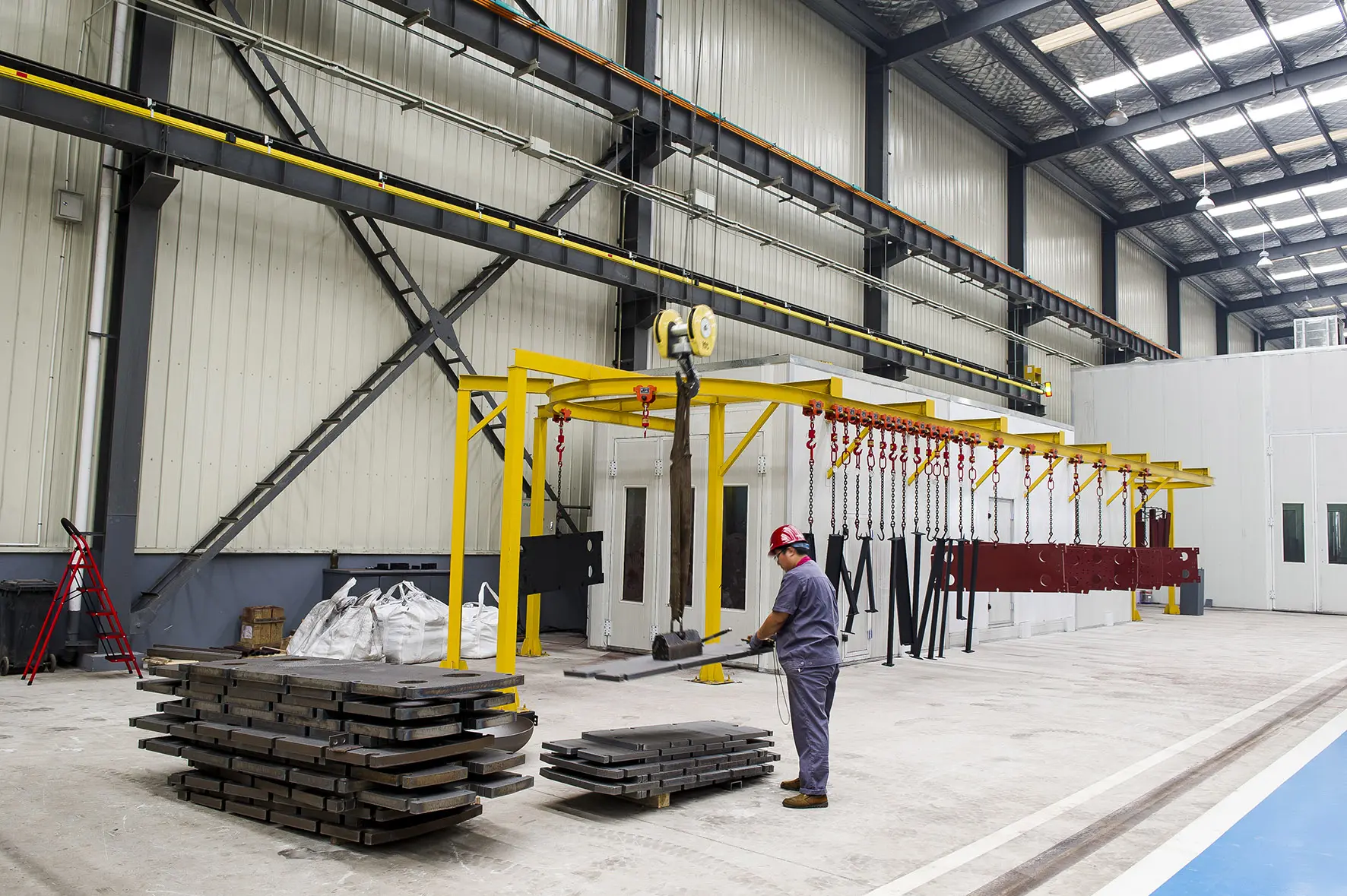
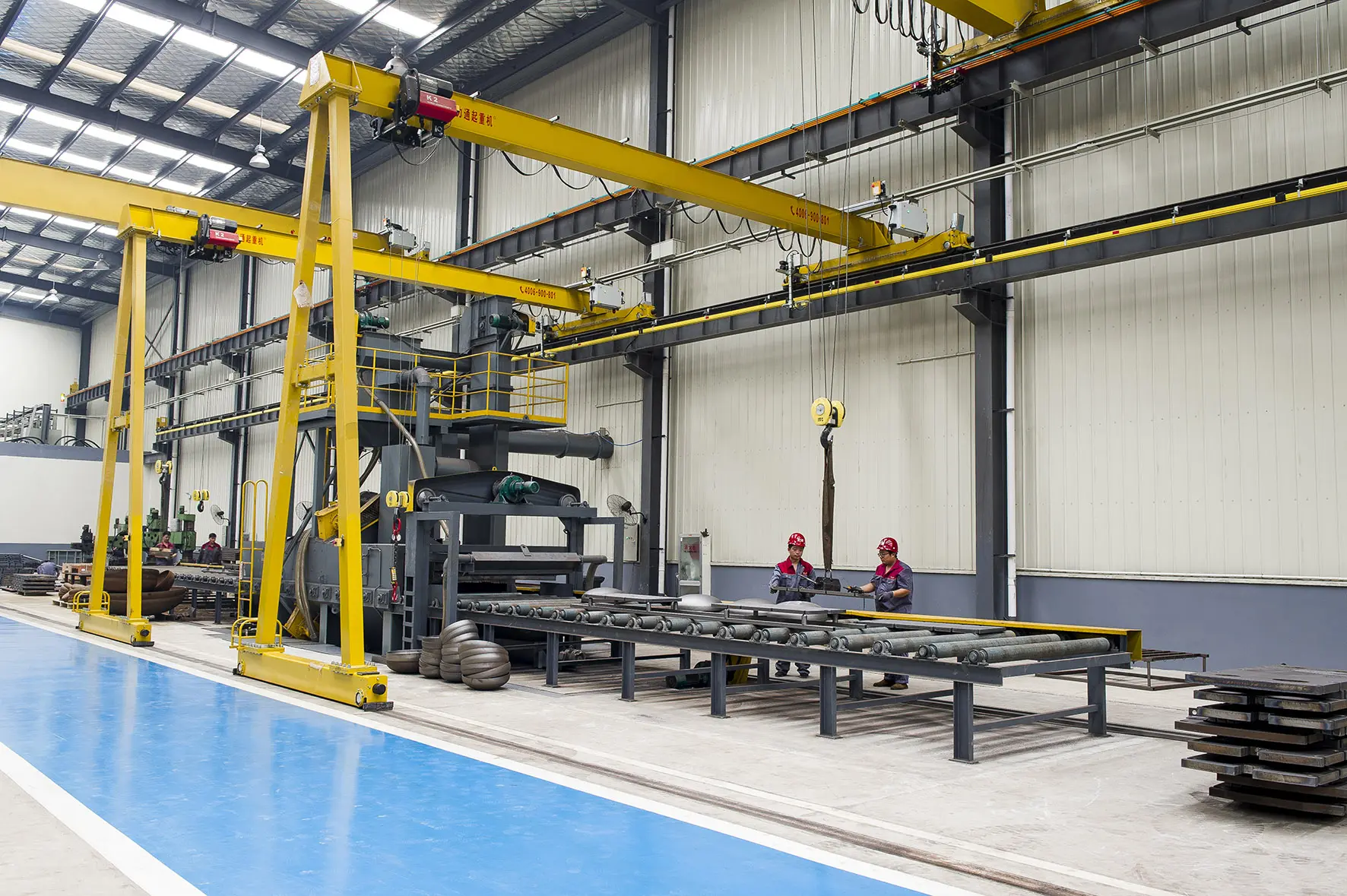
With an annual production capacity of approximately 4,500 heat exchange units and water treatment systems, the facility leverages high-speed automated hydraulic forming presses, precision laser sheet cutting and coding, and advanced micro-forging to guarantee mechanical reliability. The entire value chain—from feedstock selection of high-end alloys like AISI 316L or titanium, to final hydraulic validation testing—is monitored to minimize component failure rates.
Why engineering consultants and district utility companies choose Flotte Heat Exchanger Models.
Our research and development center focuses on optimizing chevron patterns. By altering the corrugation depth and angle, we design models that achieve high turbulence at low velocities, maximizing heat transfer (up to 3 times greater efficiency compared to bare shell-and-tube units) while maintaining acceptable pressure drop parameters.
We source certified stainless steel, titanium, and specialized alloys directly from audited material partners. This ensures that every plate and shell holds structural integrity under aggressive corrosive conditions or extreme temperature differentials, preventing cross-contamination.
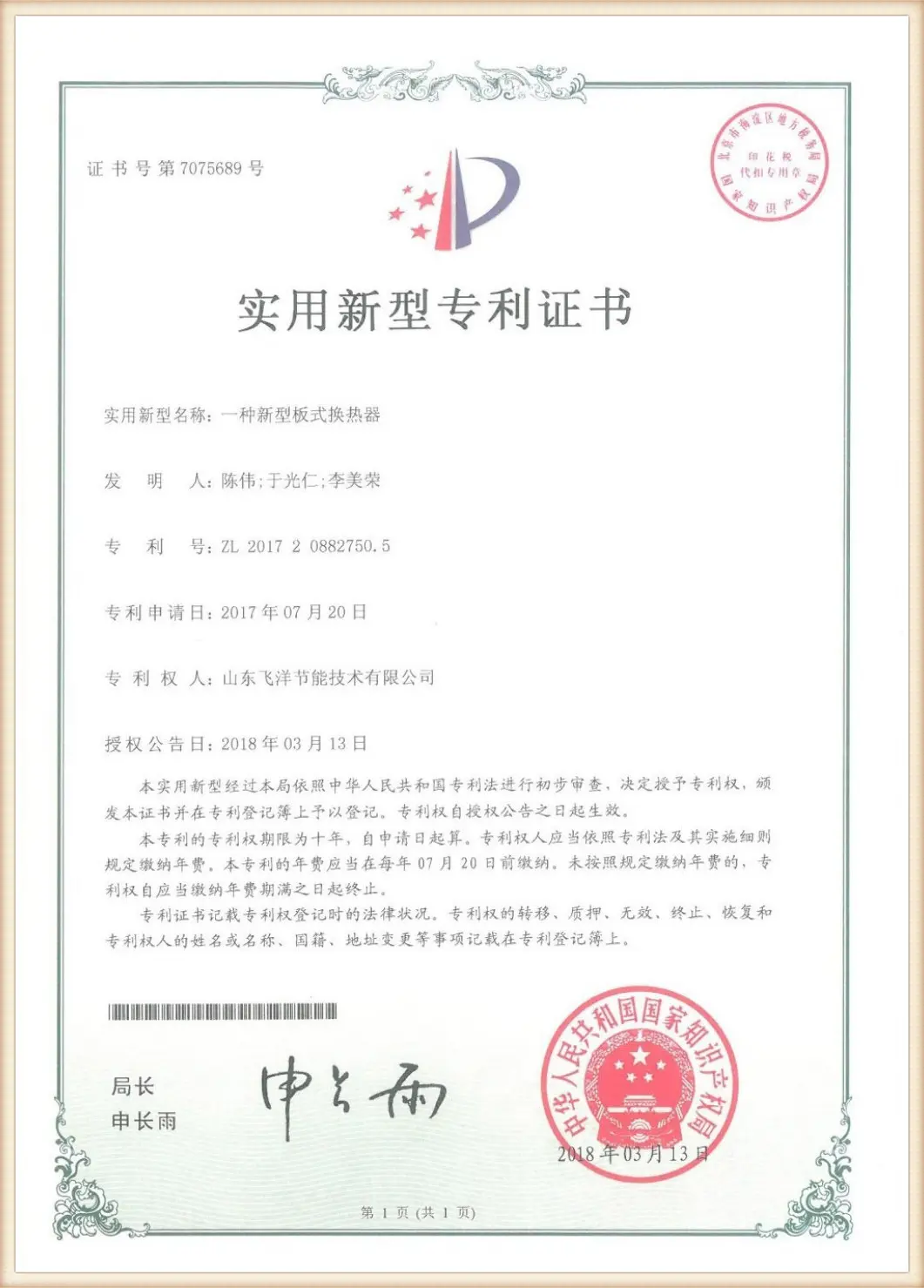
We do not just produce heat exchanger frames; we design integrated systems. Utilizing Flotte’s patented scale removal devices, secondary network intelligent balancing valves, and remote monitoring platforms, operators can track real-time coefficient degradation, pressure differentials, and system energy footprints.
All design blueprints undergo rigorous validation in our advanced laboratories. Flotte products maintain mandatory national product certifications, safety registrations from the National Standardization Committee, and the safety registrations issued by the National Boiler and Pressure Vessel Standardization Technical Committee, coupled with ISO9001, ISO14001, and ISO45001 alignment.
A step-by-step display of our automated, quality-controlled manufacturing process from raw sheets to certified units.
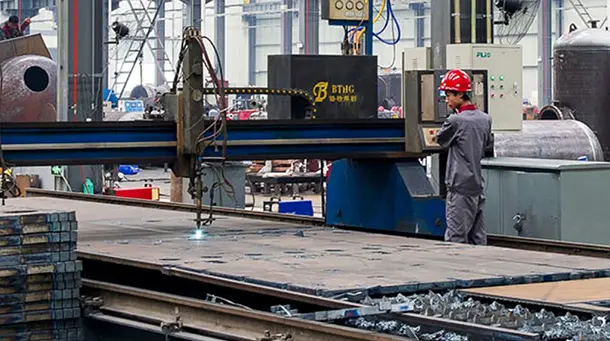
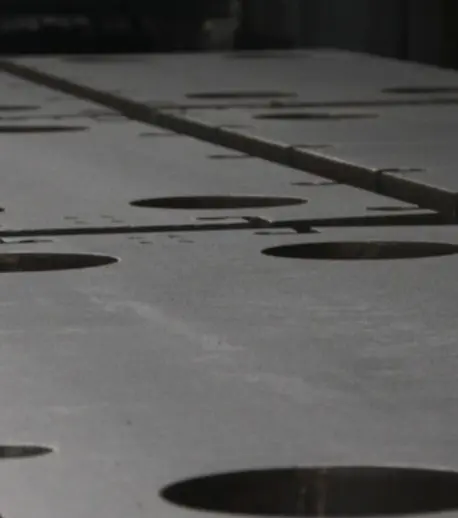
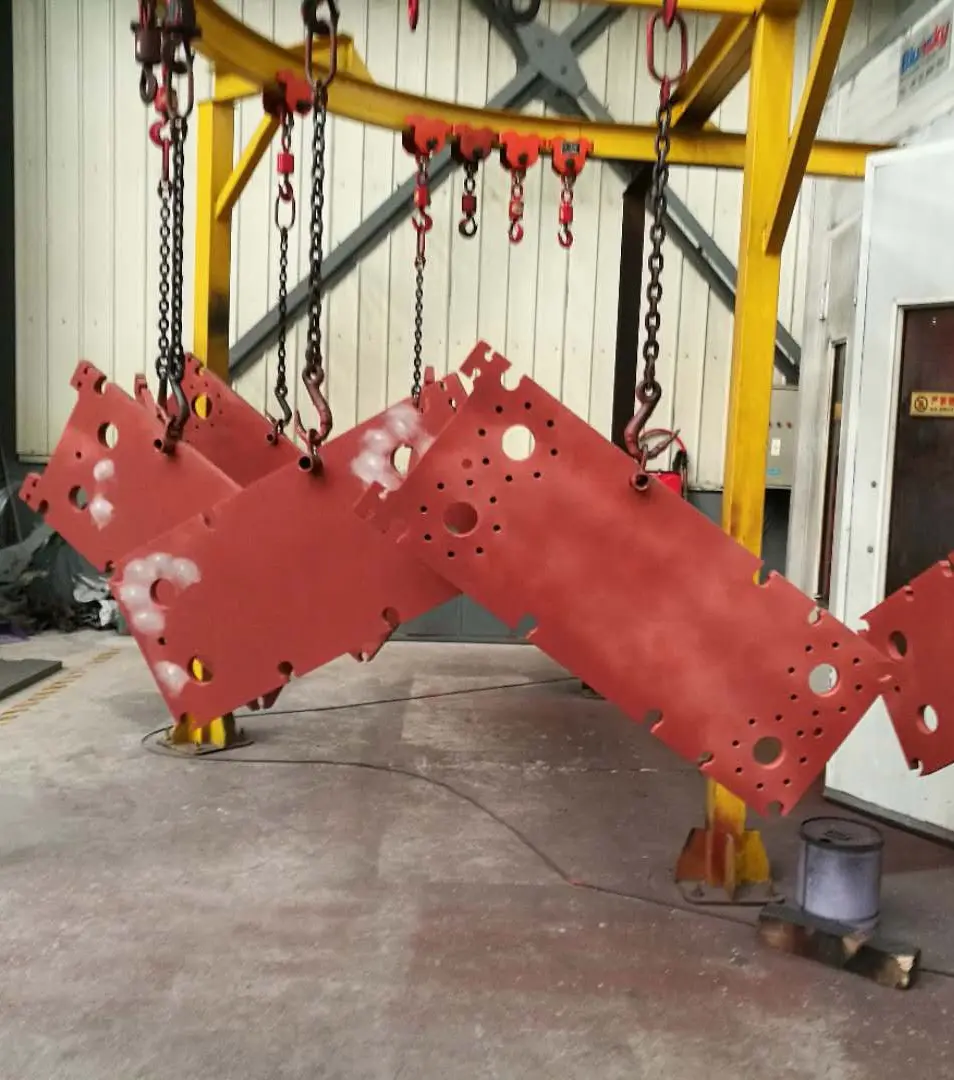
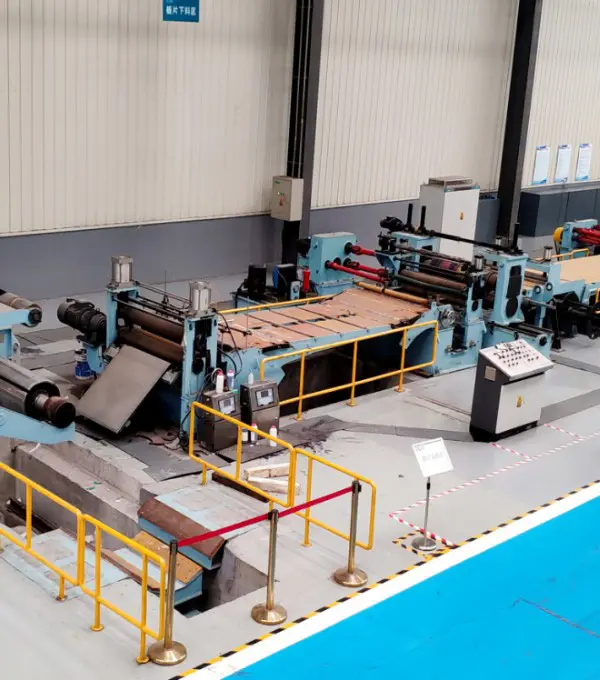
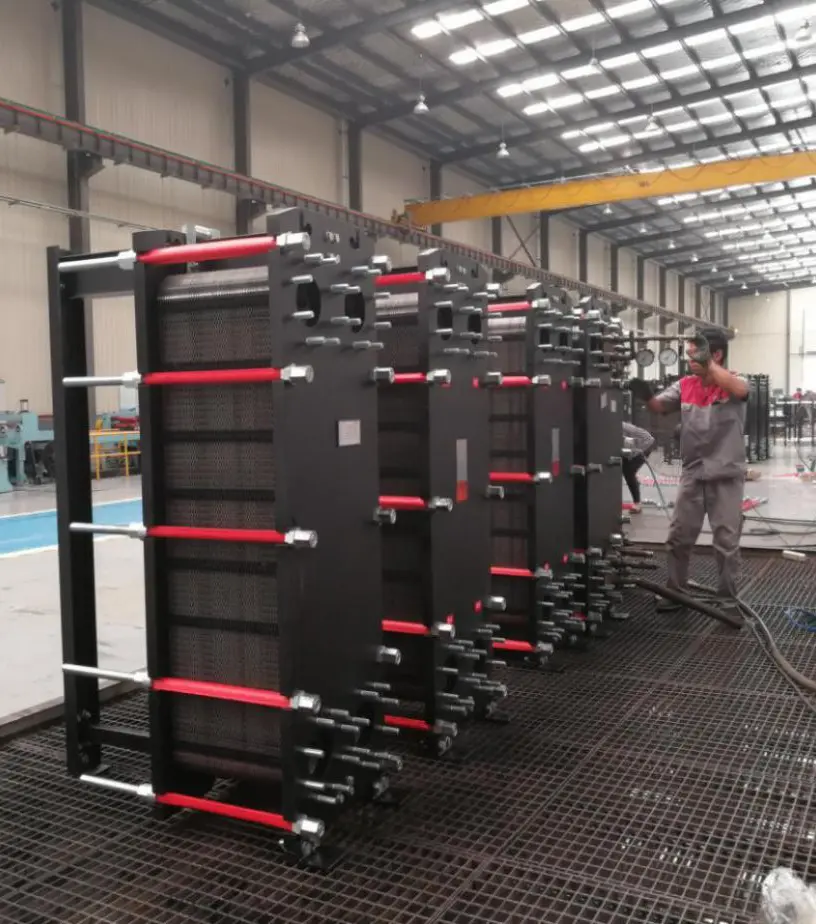
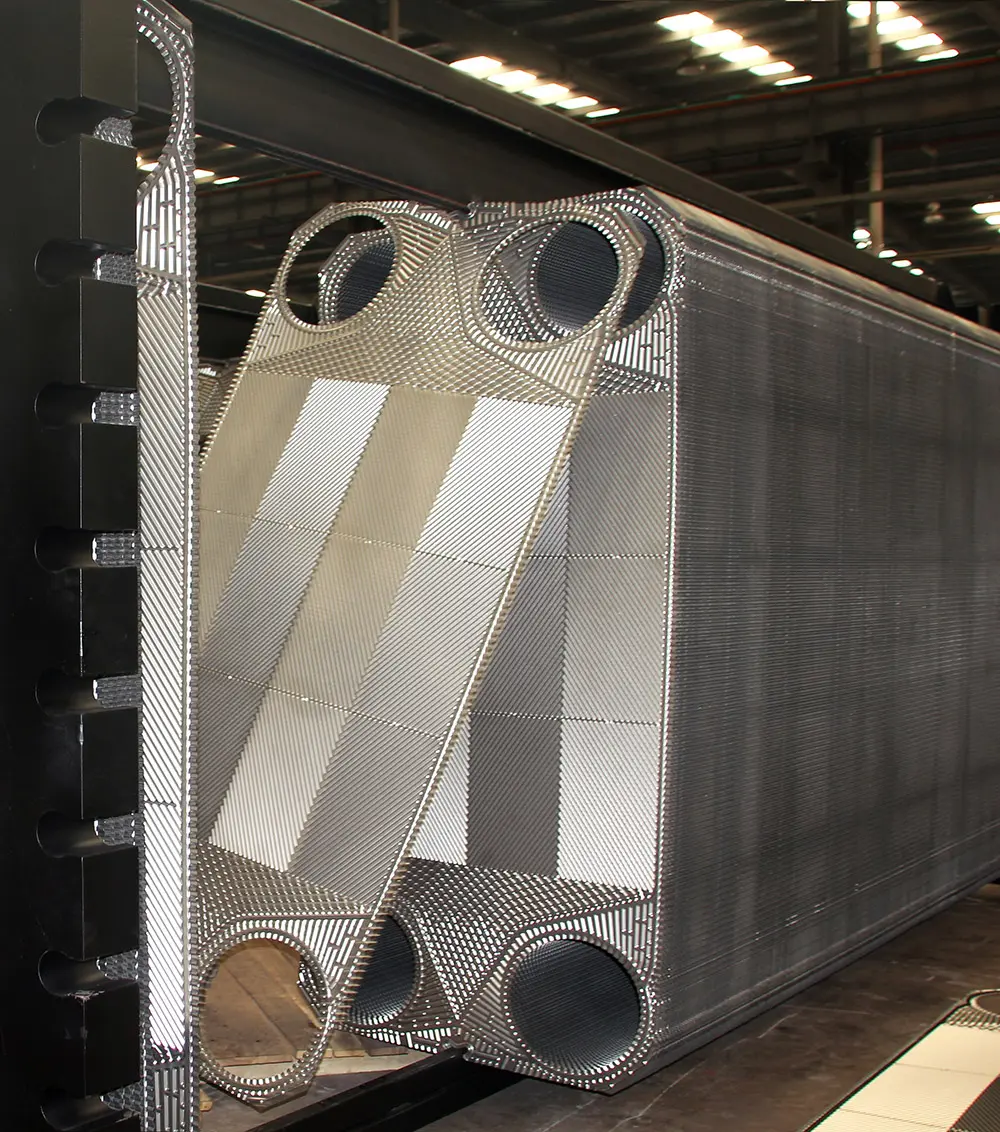
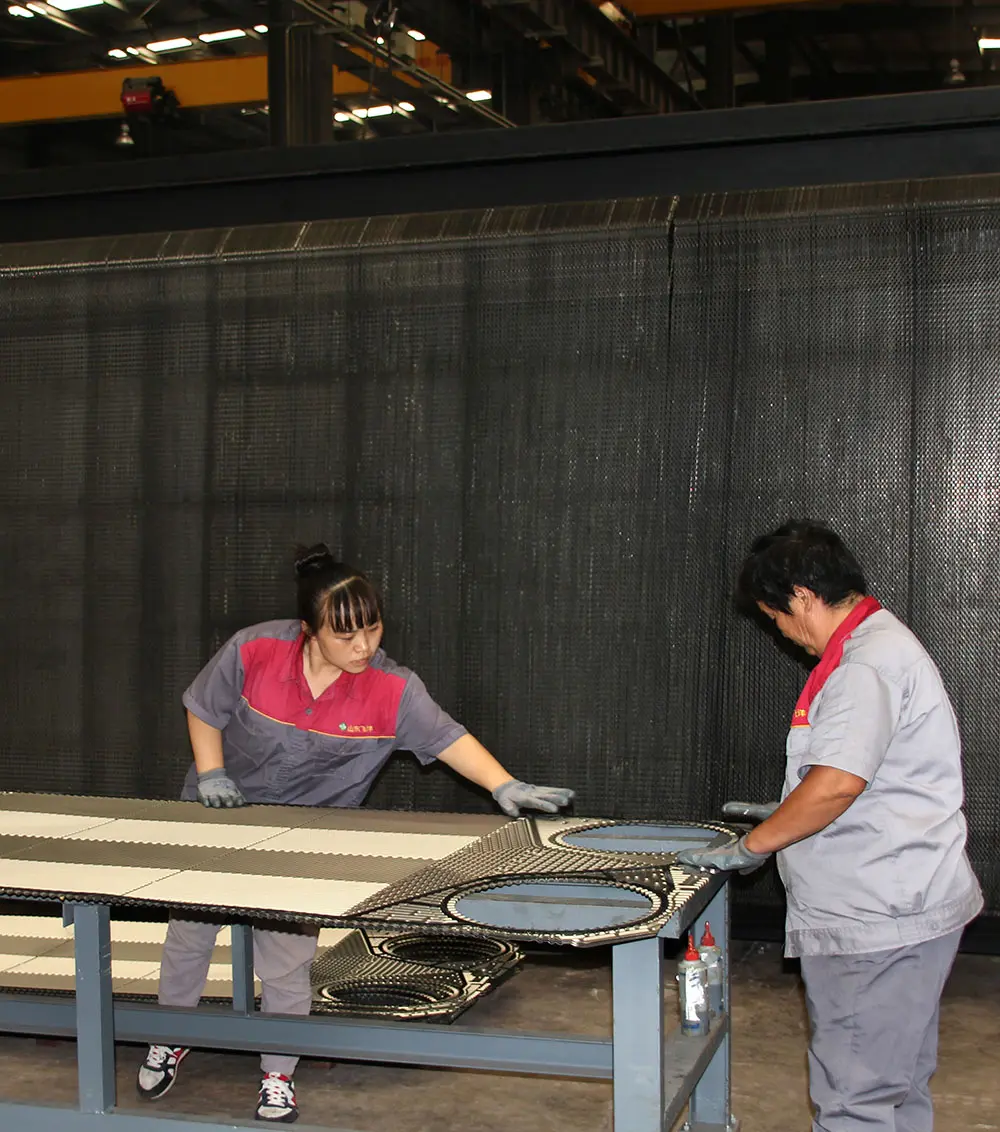
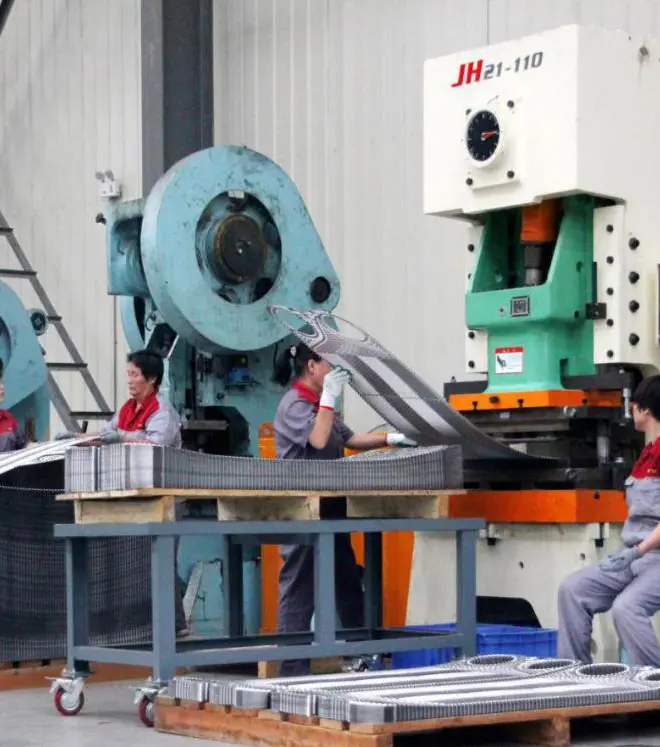
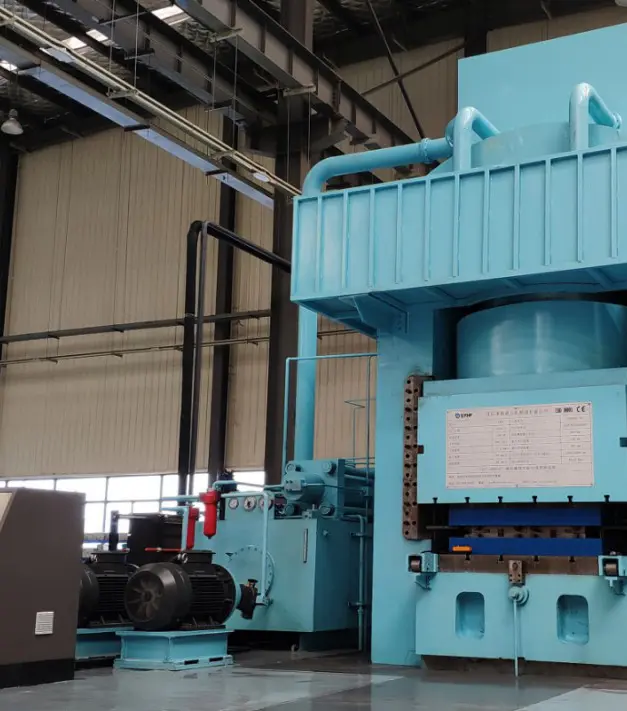
Using heavy-duty hydraulic stamping presses to form precise corrugated profiles directly onto high-alloy sheet metals, ensuring high repeatability and optimal mechanical strength.
Explore our system integrations, intelligent units, and specialized process systems.
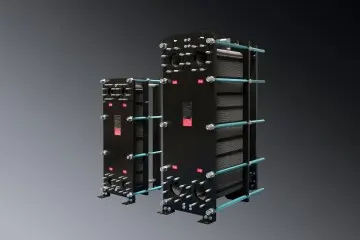
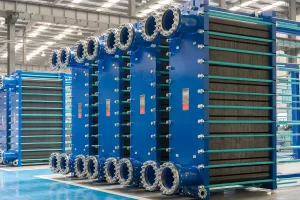
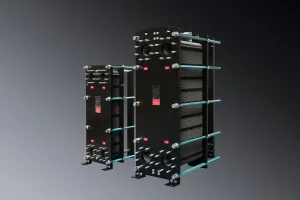
Highly serviceable gasketed design suited for cleaning-heavy processes.
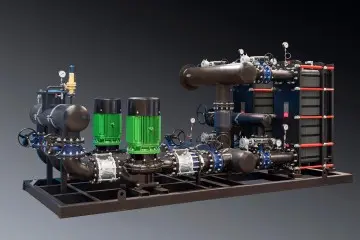
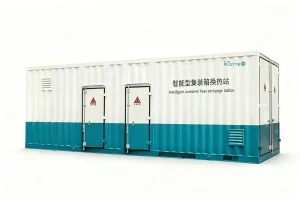
Pre-engineered skid-mounted stations featuring integrated control logic.
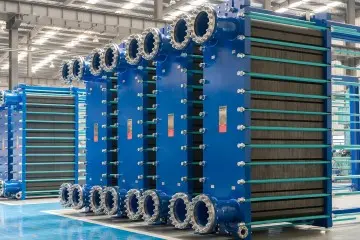
Combined pressure reduction and thermal decoupling for high stability.
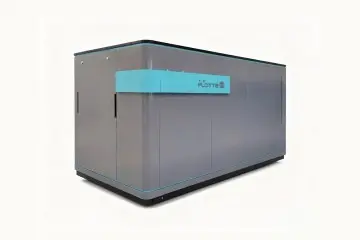
Designed to optimize temperature glide in modern high-rise buildings.
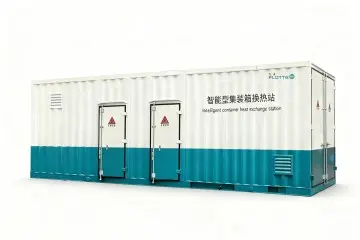
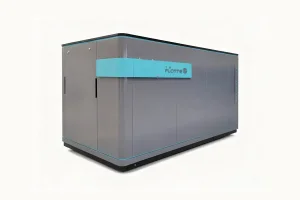
Fully enclosed unit for noise reduction and weatherproof outdoor operations.
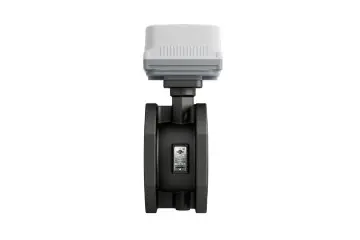
Hydraulic balancing valve with smart sensor integration.

High-precision sensor transmitting ambient metrics for automated regulation.
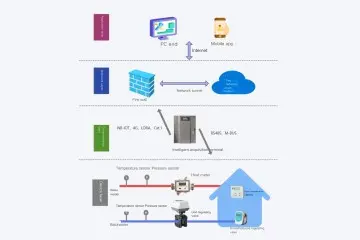
Algorithms designed to mitigate hydraulic and thermal imbalances across grids.
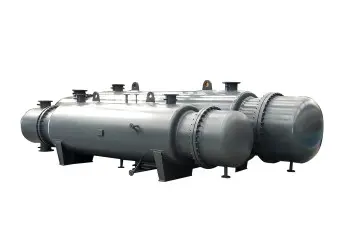
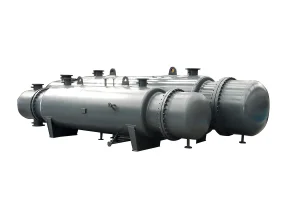
Classic design optimized for high-pressure, high-fouling, and heavy industrial duties.
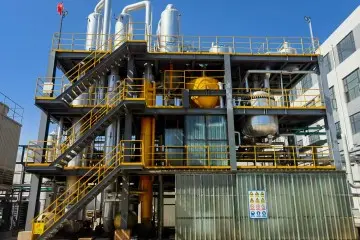
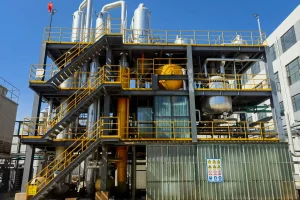
Uses waste vapor enthalpy across sequential stages to concentrate liquid solutions.
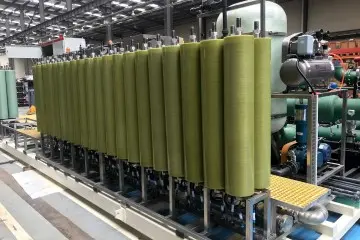
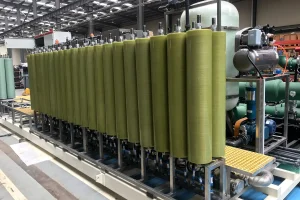
Designed for high-precision industrial wastewater purification, resource recovery, and desalination processes. Leverages advanced membrane elements and optimized cross-flow velocities to process high-COD or high-salinity streams efficiently.
Sizing a plate heat exchanger requires solving the fundamental heat transfer equation:
Q = U * A * LMTD
Where Q represents the thermal duty, U represents the overall heat transfer coefficient, A is the heat transfer area, and LMTD represents the Log Mean Temperature Difference. Industrial procurement officers often focus on minimizing the footprint of A while maximizing U.
The overall coefficient U is affected by fluid velocities, convective heat transfer of the boundary layers, and the thermal resistance of the metal plates. By manufacturing plates with highly optimized corrugations, Flotte’s models promote localized boundary-layer turbulence even at low Reynolds numbers. This turbulence reduces the rate of particulate fouling and maintains a high heat transfer rate over extended run times.
Using the correct metal alloy is crucial to prevent premature pitting, stress corrosion cracking, and erosion:
In centralized district heating networks, secondary loop imbalances are a common cause of high returns and operational inefficiency. Flotte addresses this by coupling the physical plate heat exchanger with intelligent secondary network balancing valves and room temperature collectors.
These sensors feed back ambient room temperatures to control algorithms that adjust flow rates through the primary loop, reducing return water temperatures. Lower return temperatures improve overall boiler and co-generation (CHP) efficiency, optimizing fuel utilization across municipal grids.
Our manufacturing and assembly lines maintain strict compliance with global quality and safety standards.
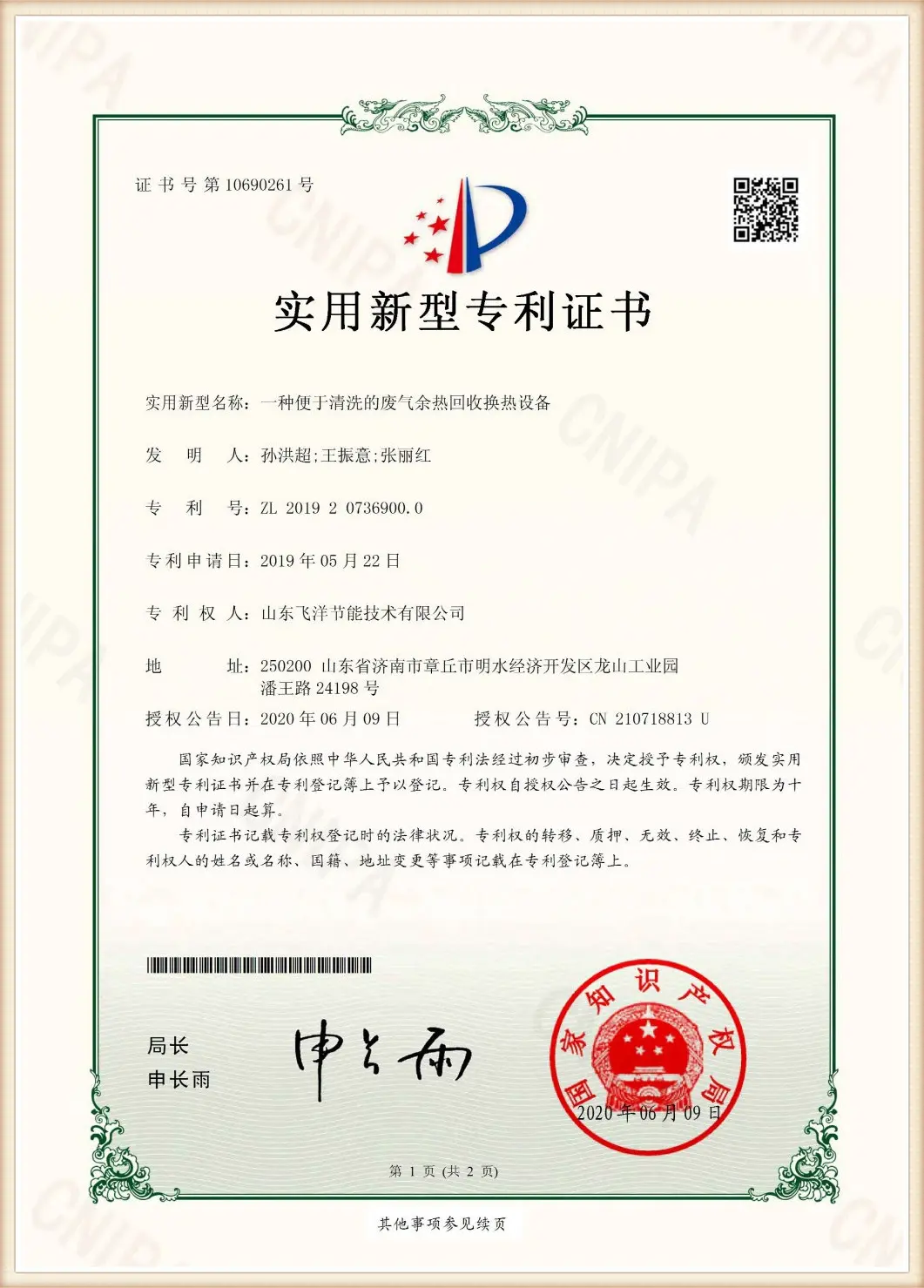
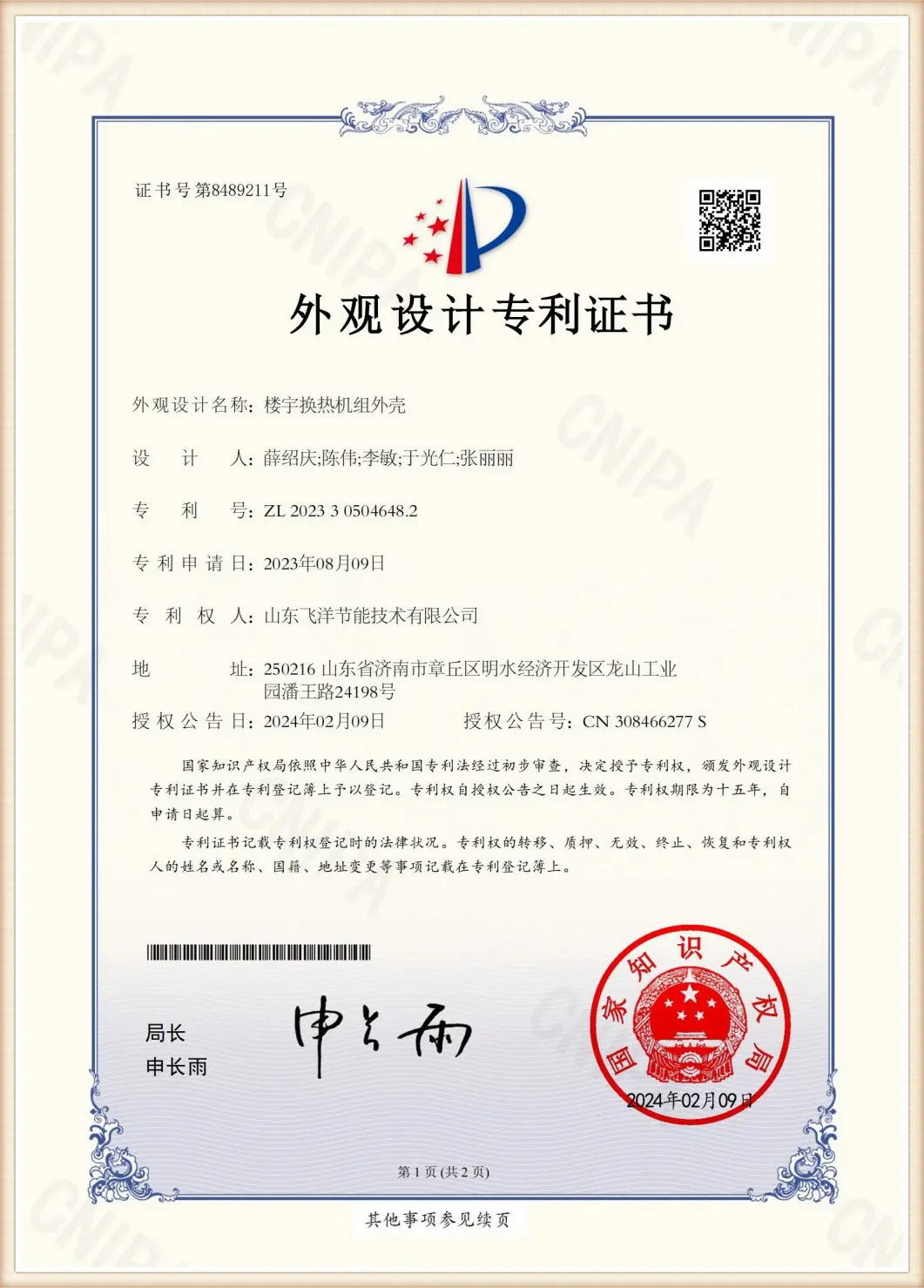
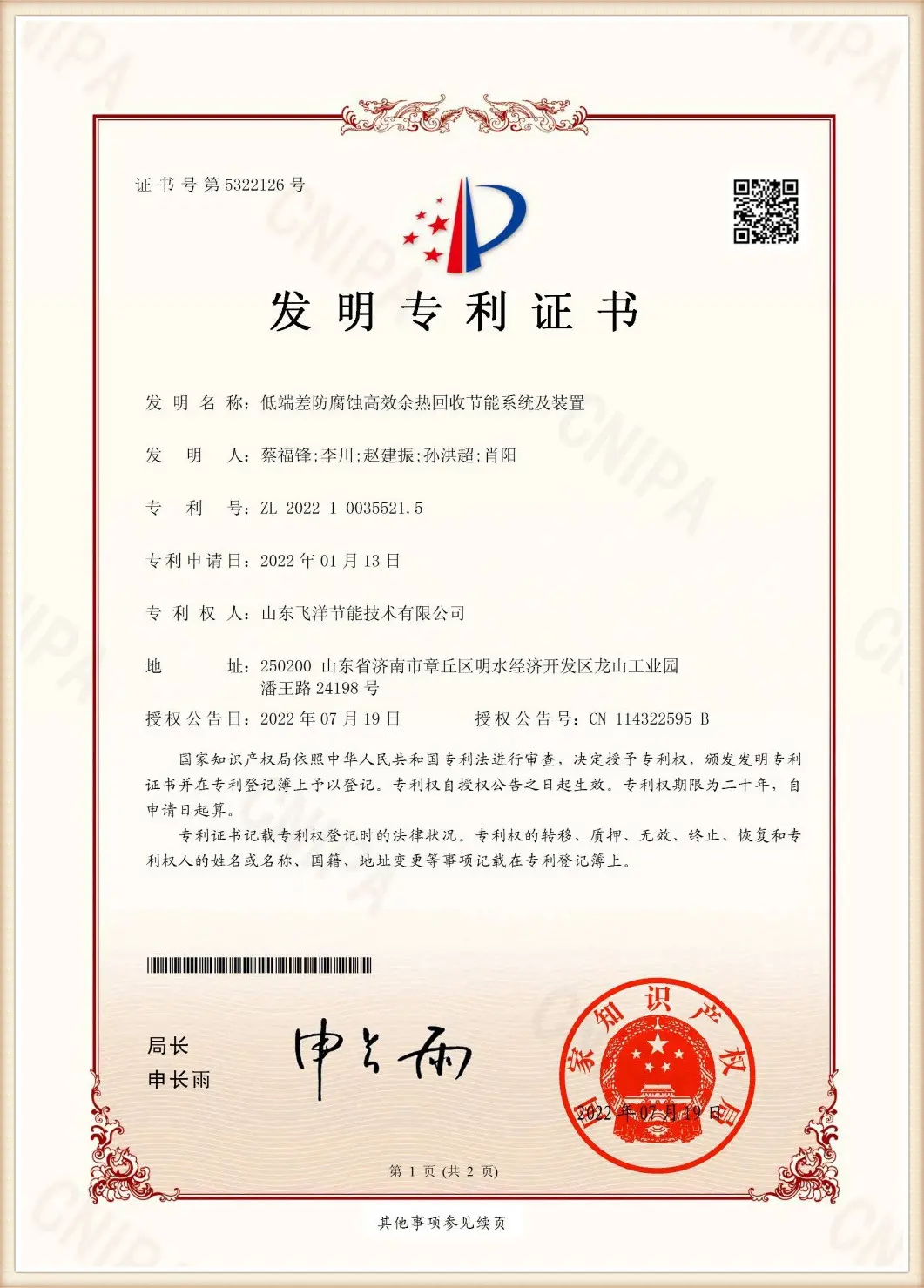
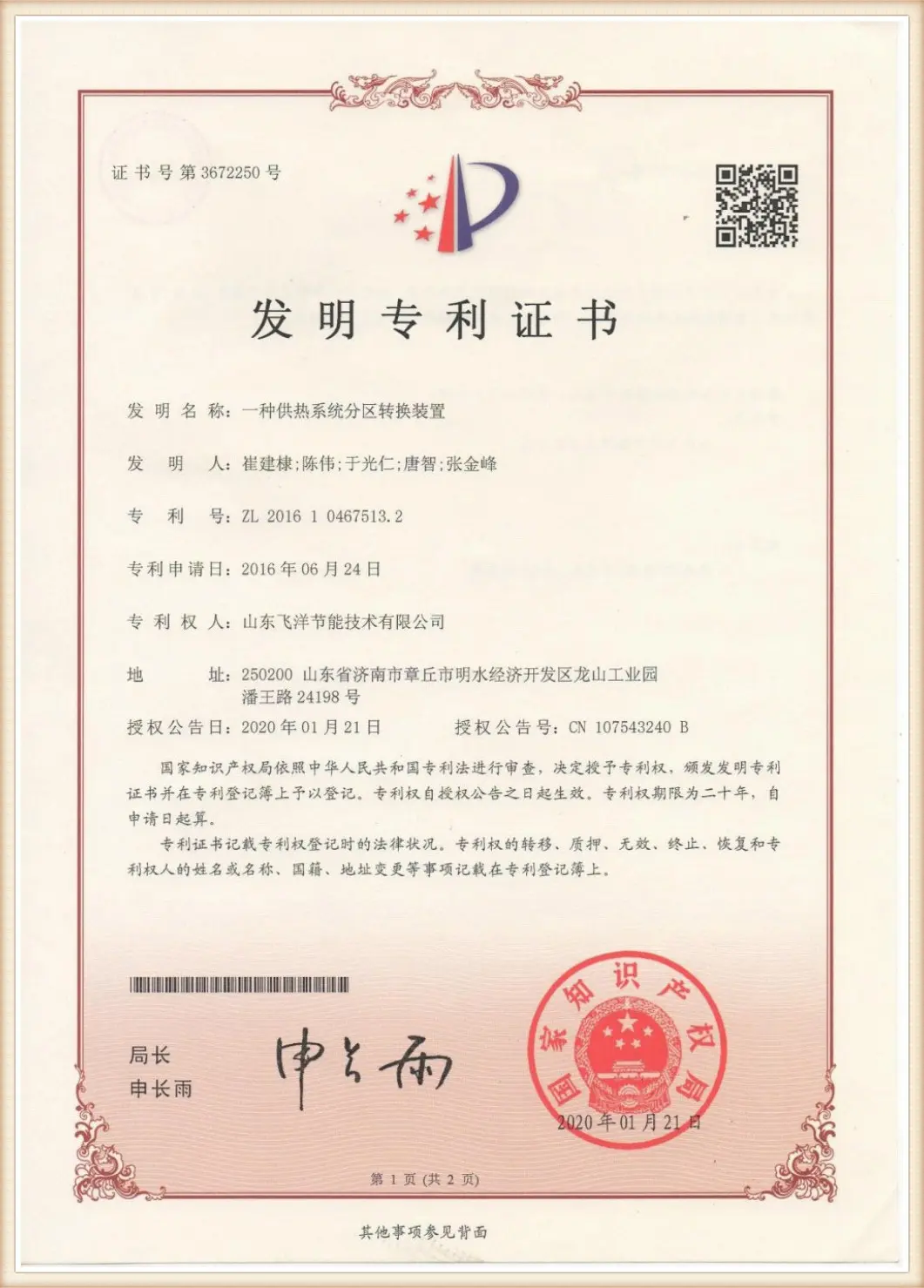
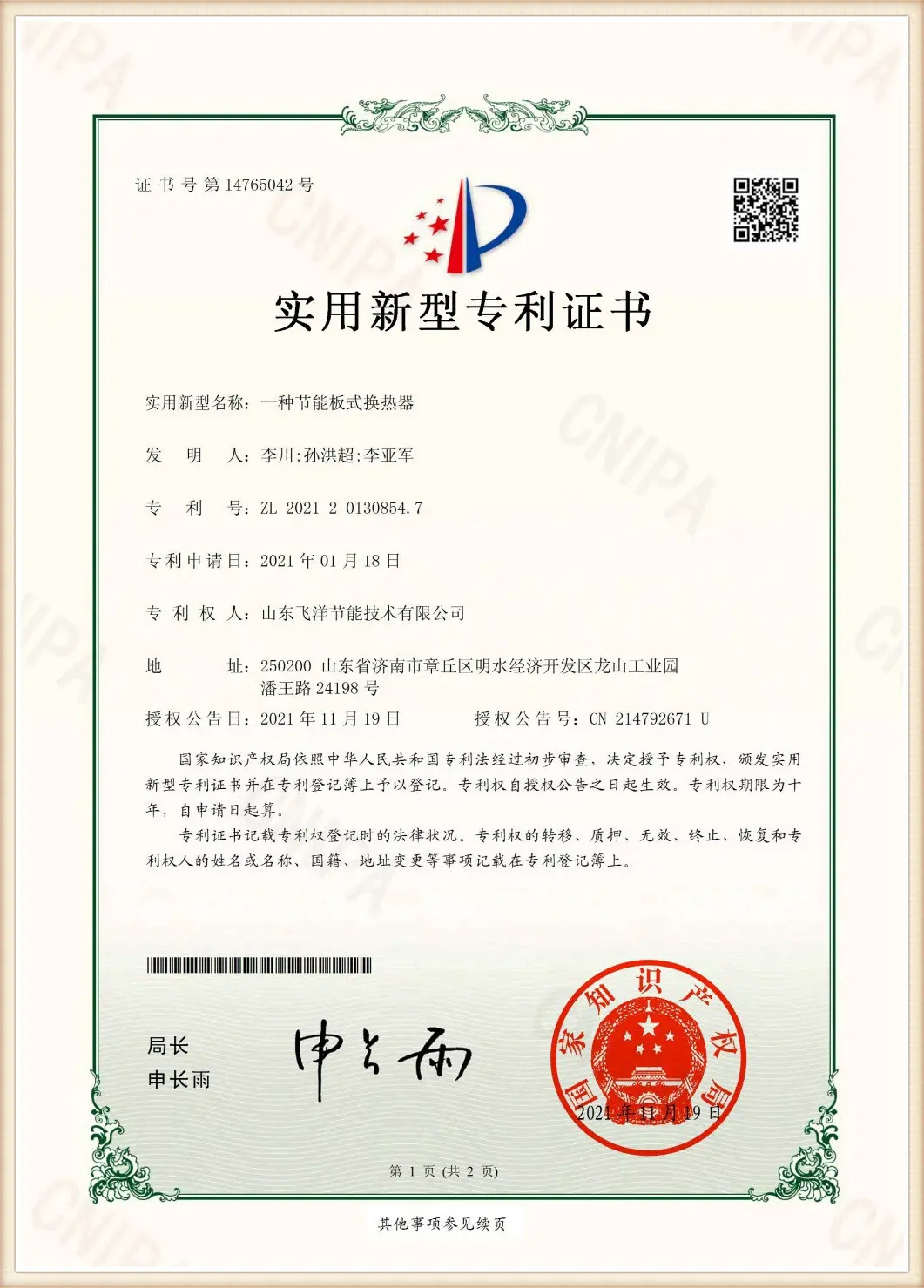
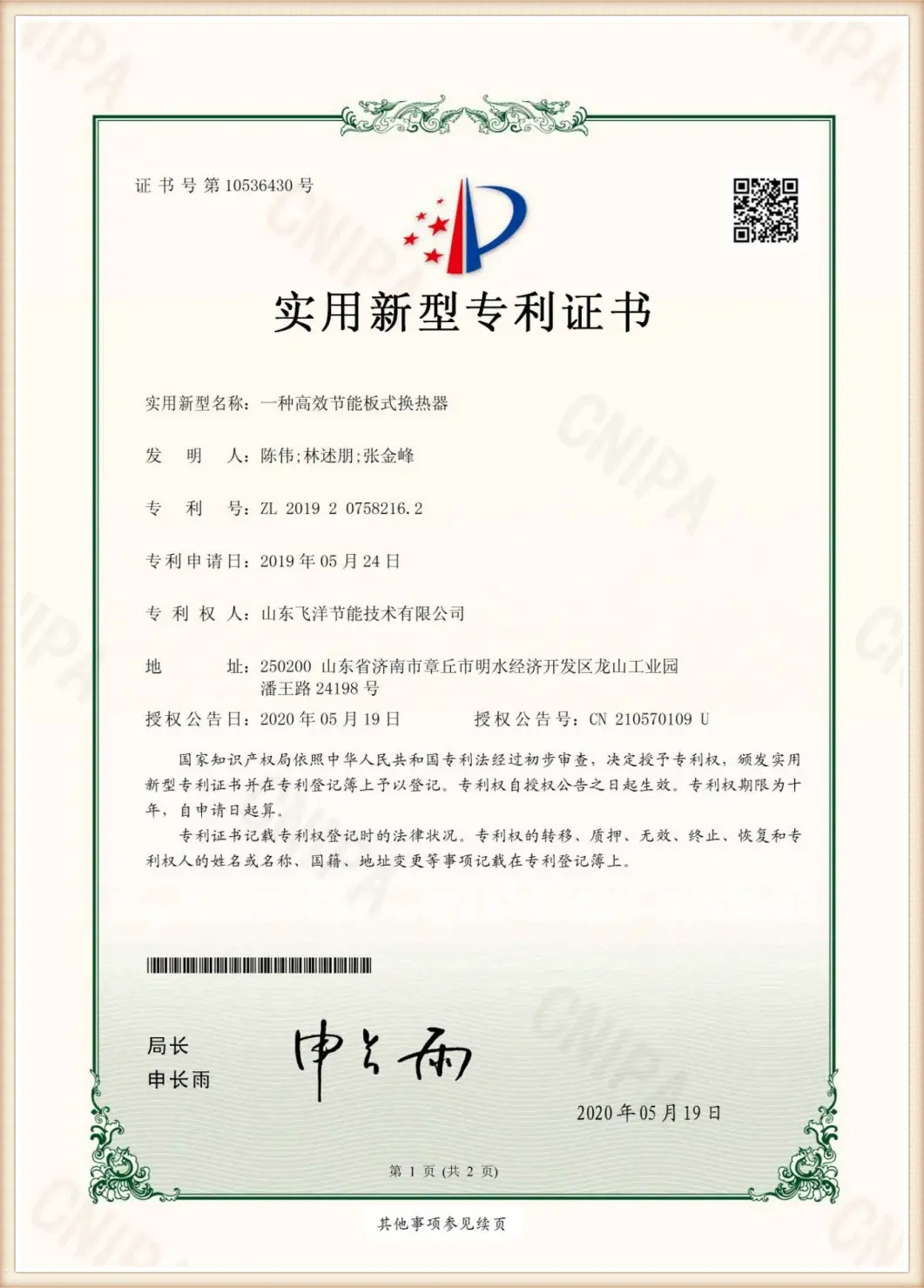
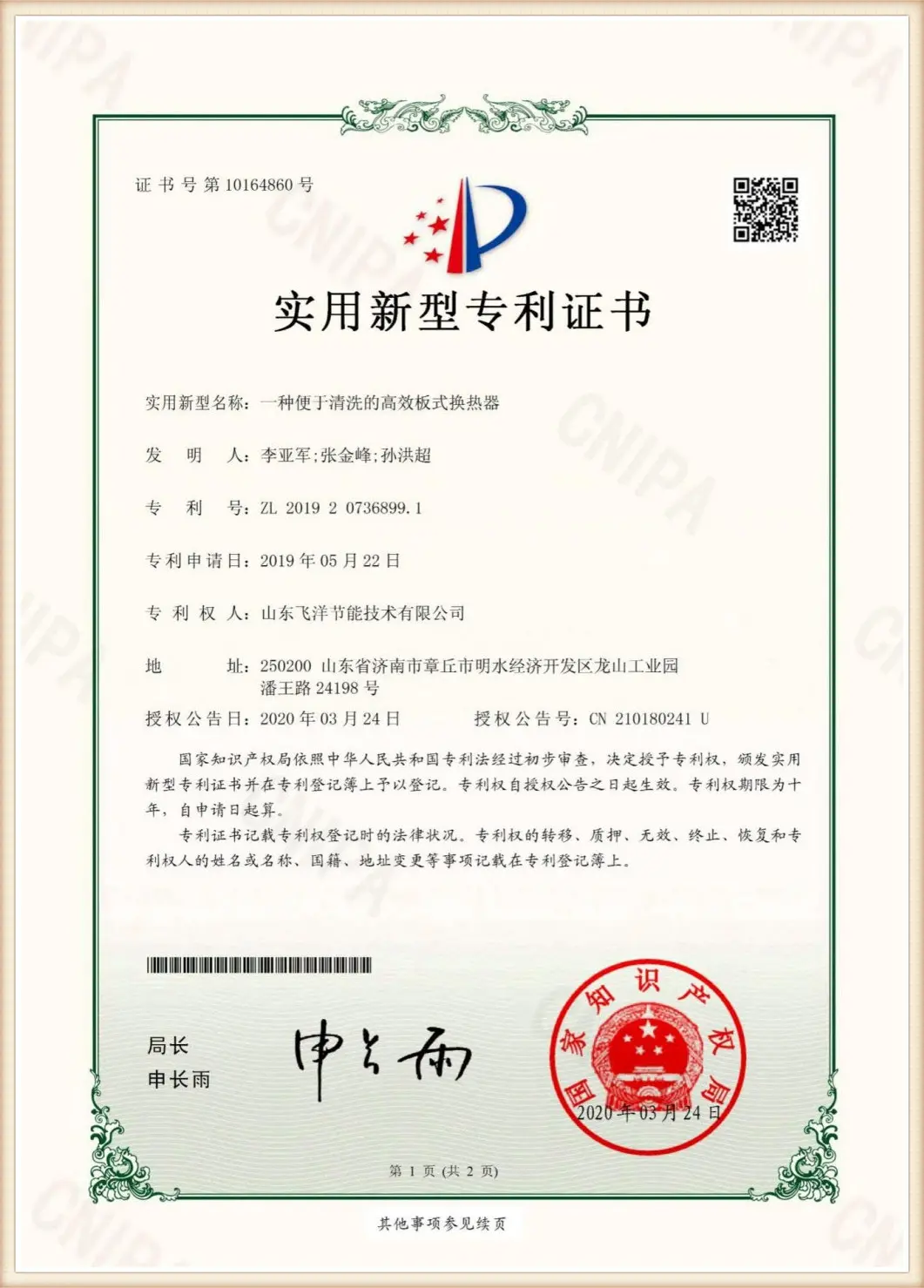
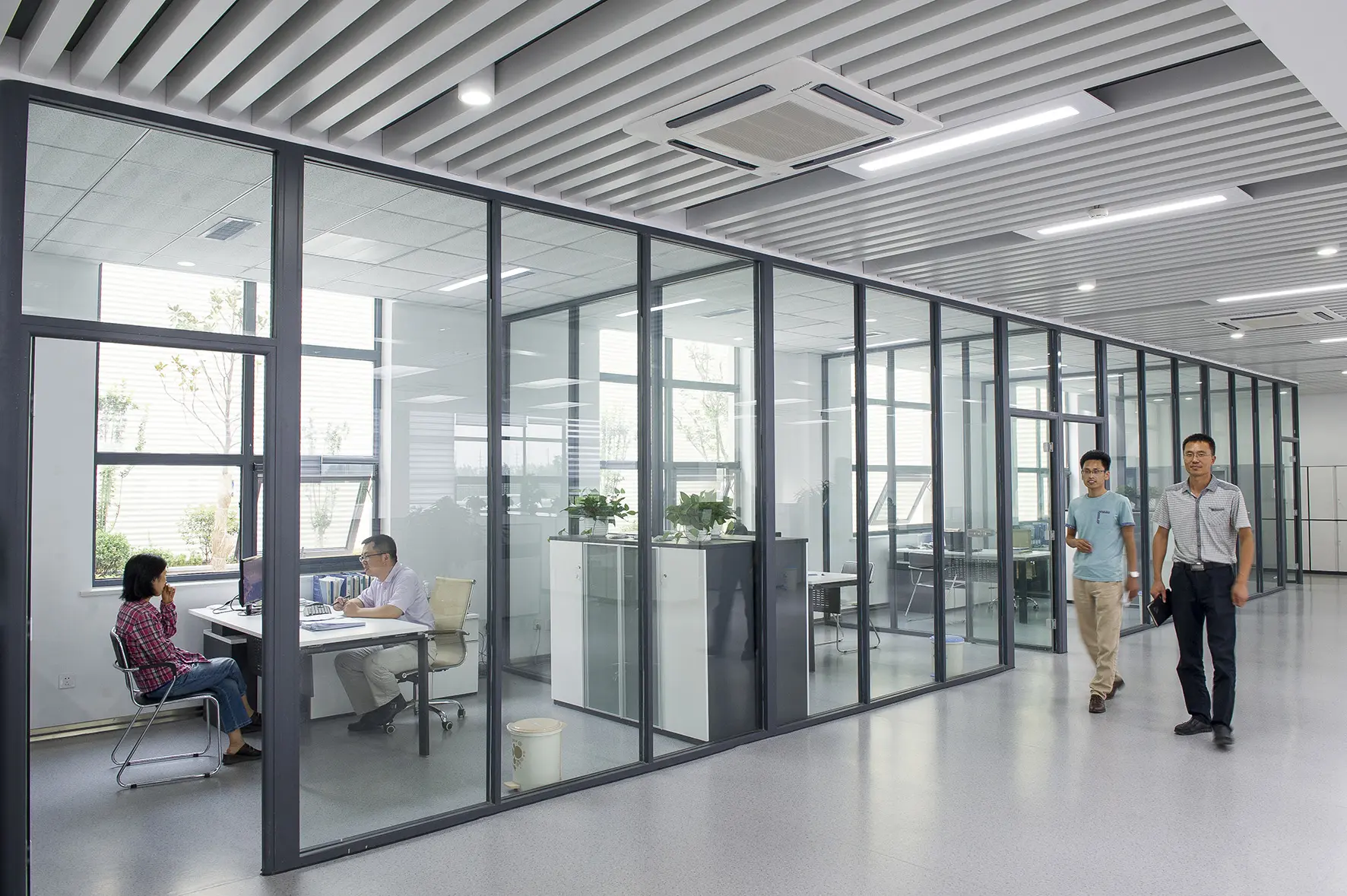
Inside our advanced production workshop, showcasing clean-room assemblies, advanced metal presses, and testing labs.


Technical answers to key thermal engineering, model selection, and maintenance questions.
Complete your procurement specs with our specialized secondary-loop control components, membrane filters, and pre-packaged modular heat exchangers.
 Flotte Energy