Explore our premium commercial-grade heat transfer solutions designed for extreme thermal efficiency and reliable operation.
Flotte Energy Saving Company, established in 2013 with a registered capital of 101 million yuan, originated from Flotte Thermal Engineering founded in 1995. With three decades of rigorous technical expertise, our company specializes in water equipment, HVAC systems, and water treatment industries. By leading the adoption of cutting-edge technologies, developing innovative products, and delivering comprehensive production and sales services, we provide global clients with unmatched system reliability.
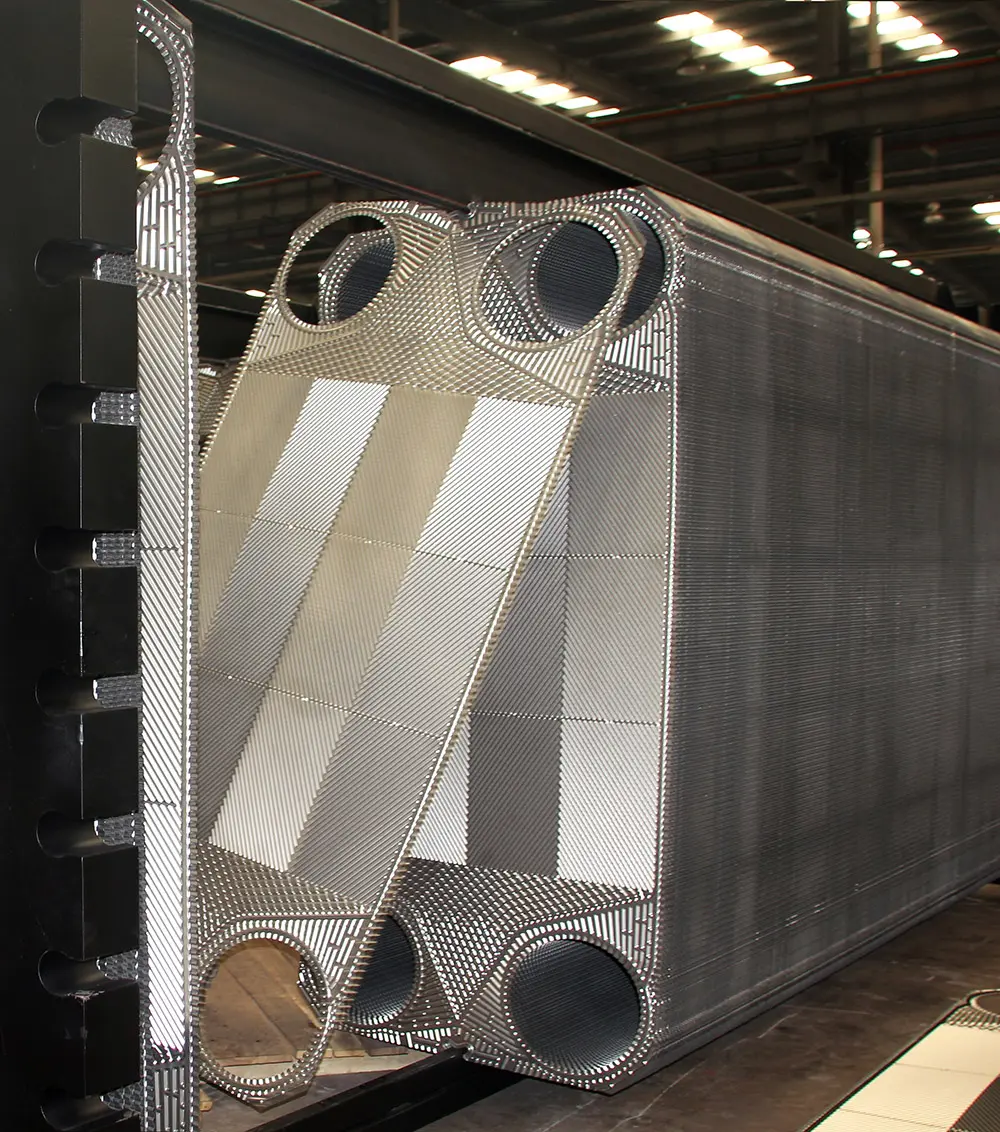
Our core mission centers on increasing thermodynamic transfer efficiency while minimizing flow resistance. Flotte’s state-of-the-art corrugated plate architectures maximize turbulent flow, achieving heat exchange efficiency figures 2-3 times higher than conventional shell and tube systems. This results in direct carbon footprint reductions and substantial energy cost savings for high-demand industrial plants.
Analyzing the paradigm shift in industrial thermal energy management, carbon footprint mitigation, and mechanical safety compliance.
Modern thermal engineering demands lower Logarithmic Mean Temperature Differences (LMTD). Reducing LMTD to under 1°C maximizes waste heat recovery and minimizes primary energy requirements in district energy and chemical processing plants.
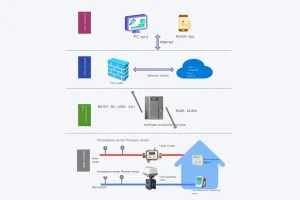
The integration of Room Temperature Collectors and secondary network intelligent balancing units ensures real-time hydraulic stability, load forecasting, and automated supply balancing across complex municipal grids.
Harsh operating environments require advanced raw materials. Selecting titanium, nickel-based alloys, Hastelloy, and premium SS316L, coupled with state-of-the-art gasket sealing, prevents leaks and structural degradation.
Traditional design philosophies focused on increasing heat transfer area at the cost of floor footprint and pressure drop. Today’s industrial paradigms favor micro-corrugated plates which generate localized high-velocity turbulence even under low flow rates. This micro-forging and plate design minimizes the boundary layer effect, raising the Overall Heat Transfer Coefficient (U-value) significantly.
Key quality benchmarks, certifications, and reliability checklists that procurement directors prioritize in heavy-industry bidding.
Enterprise buyers operating in chemical, pharmaceutical, and municipal heating domains require stringent compliance with international codes. Thermal design software alone is insufficient; suppliers must possess robust manufacturing and quality control standards.
| Industrial Parameter | Plate Heat Exchangers | Shell & Tube Exchangers |
|---|---|---|
| Heat Transfer Efficiency | Very High (U > 3000 W/m²K) | Medium (U ~ 500-1500 W/m²K) |
| Footprint Requirement | Compact (Up to 80% less space) | Large installation space needed |
| Fouling Tendency | Low (Self-cleaning shear force) | High (Requires frequent shutdowns) |
| Design Adaptability | Highly modular (Plates add/remove) | Fixed capacity once welded |
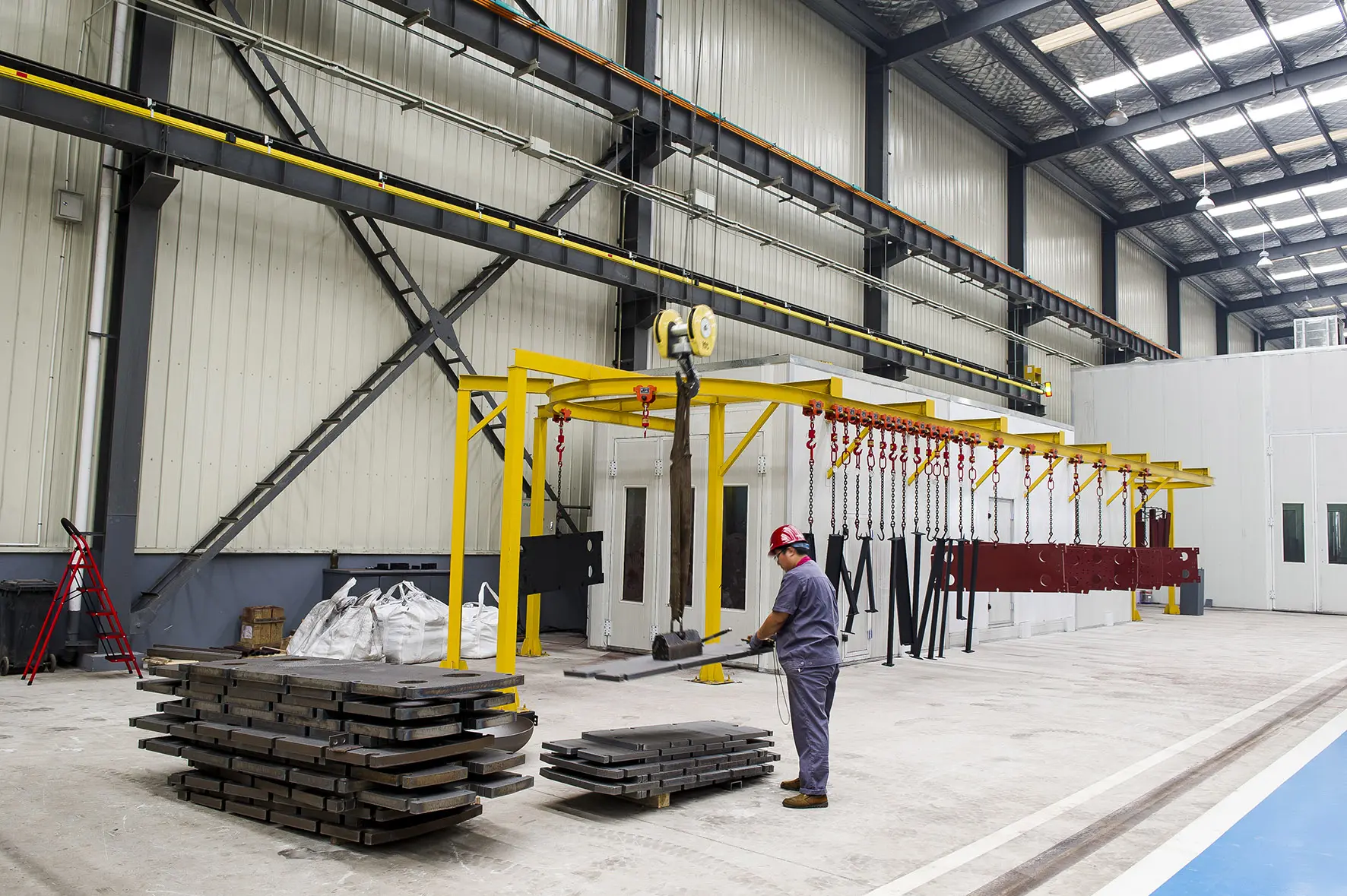
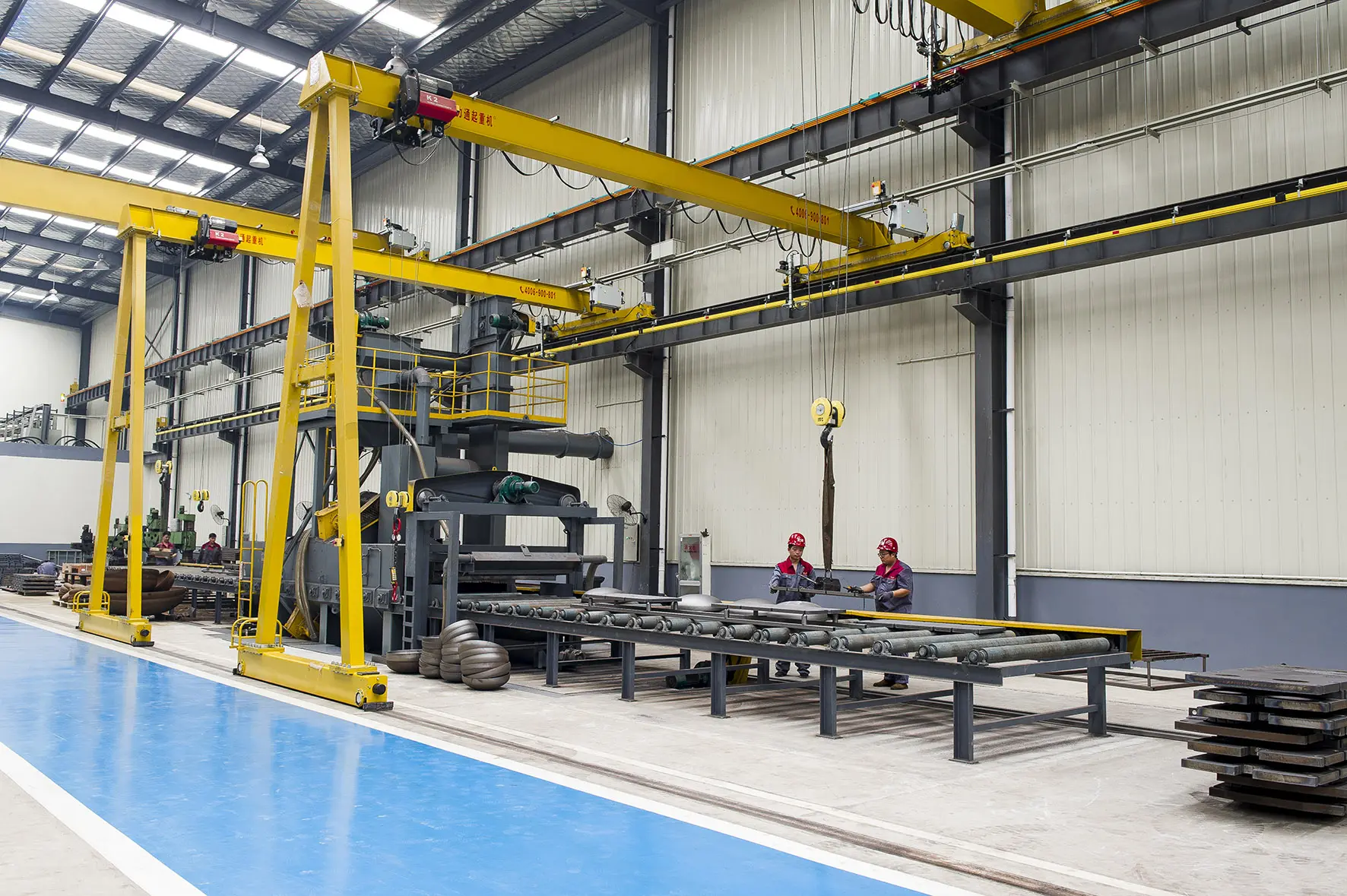
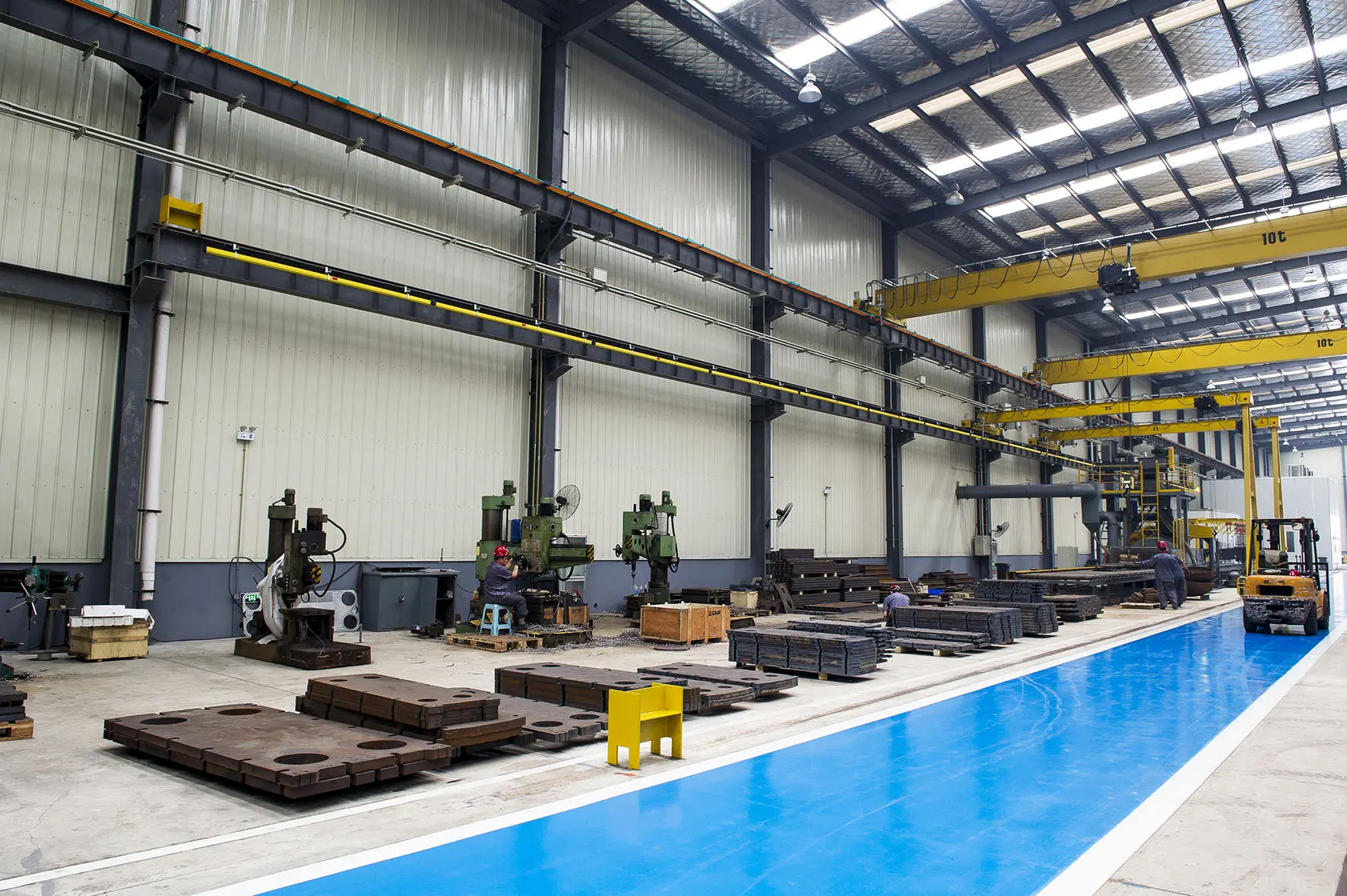
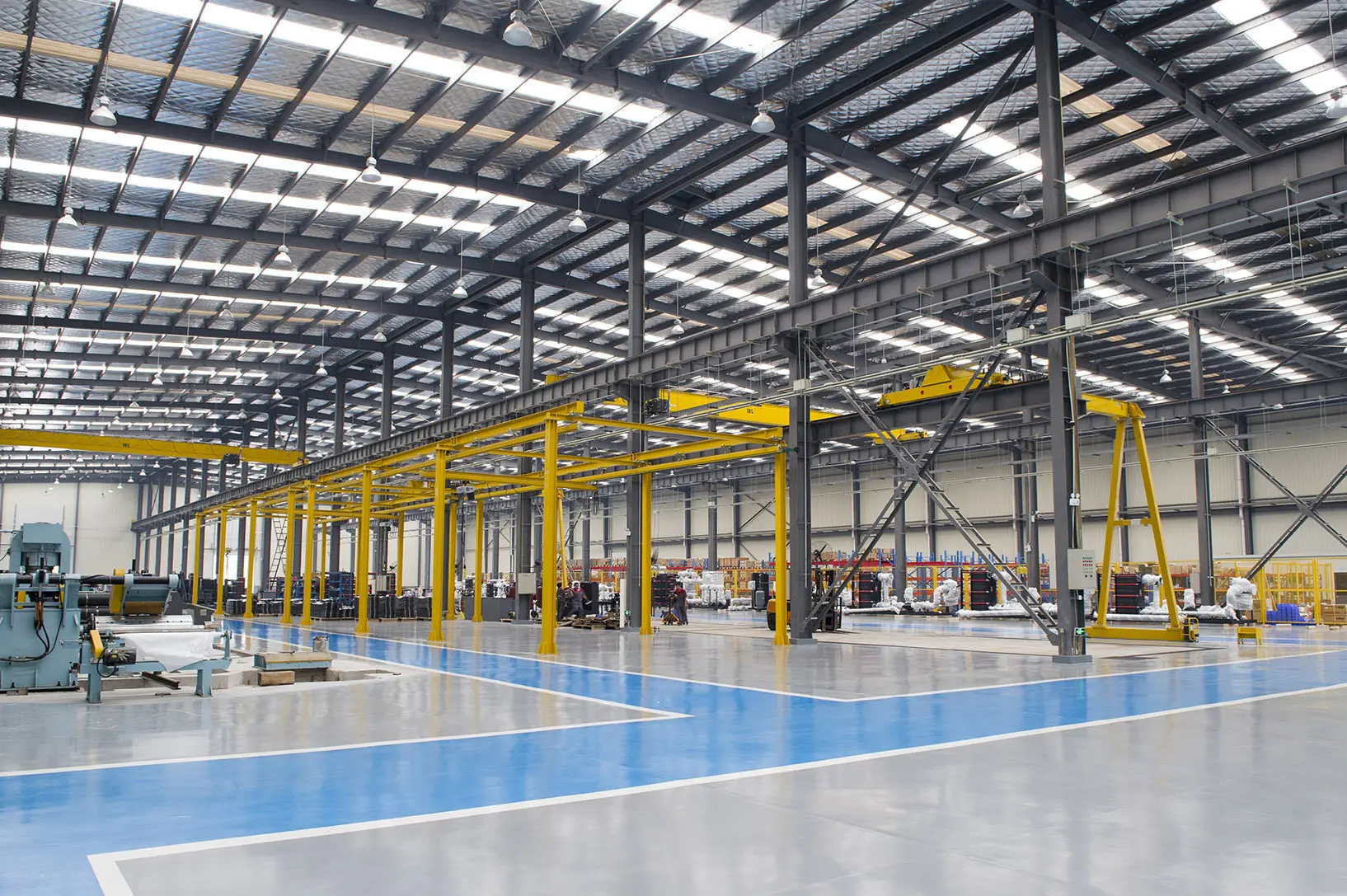
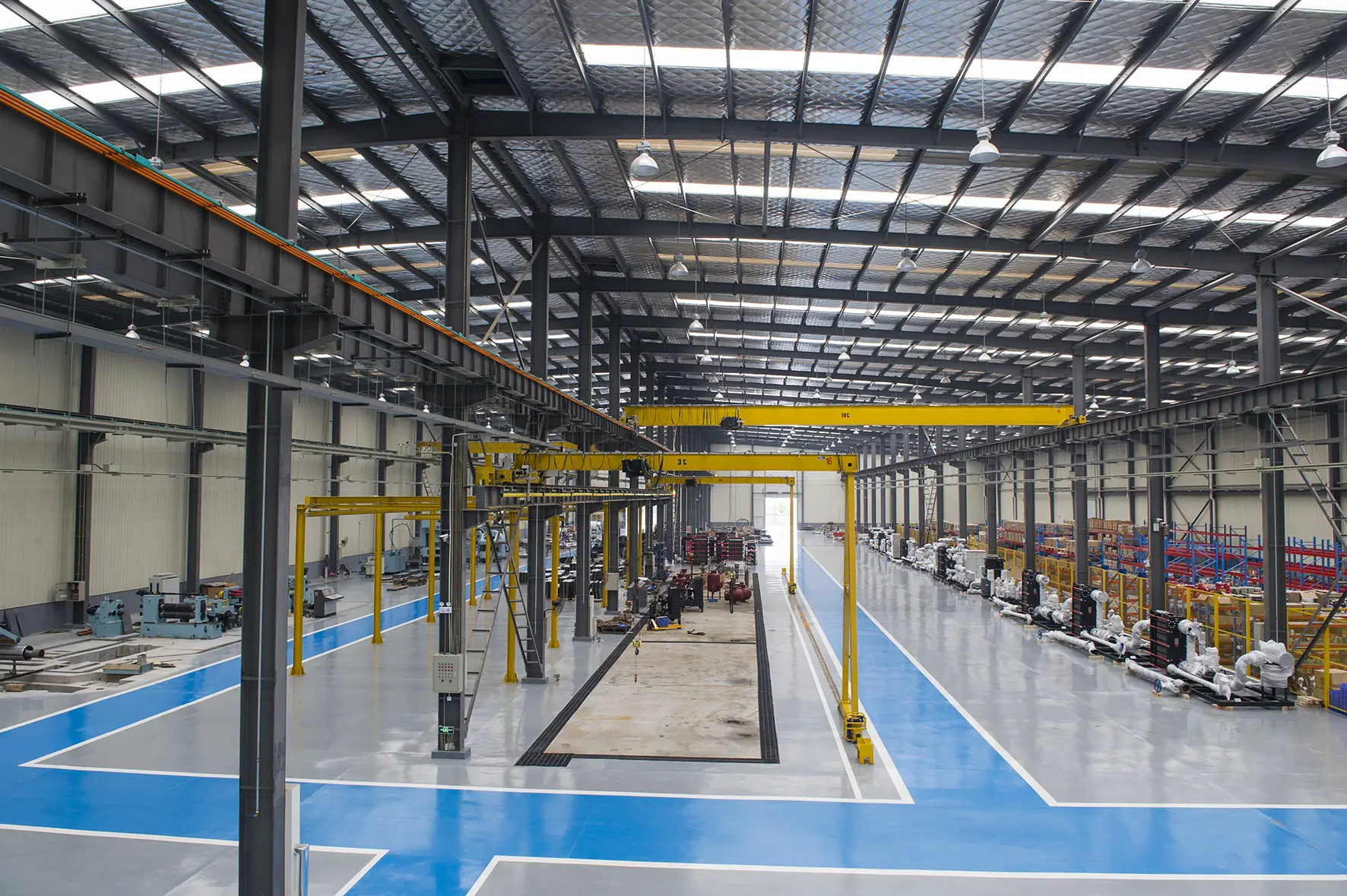
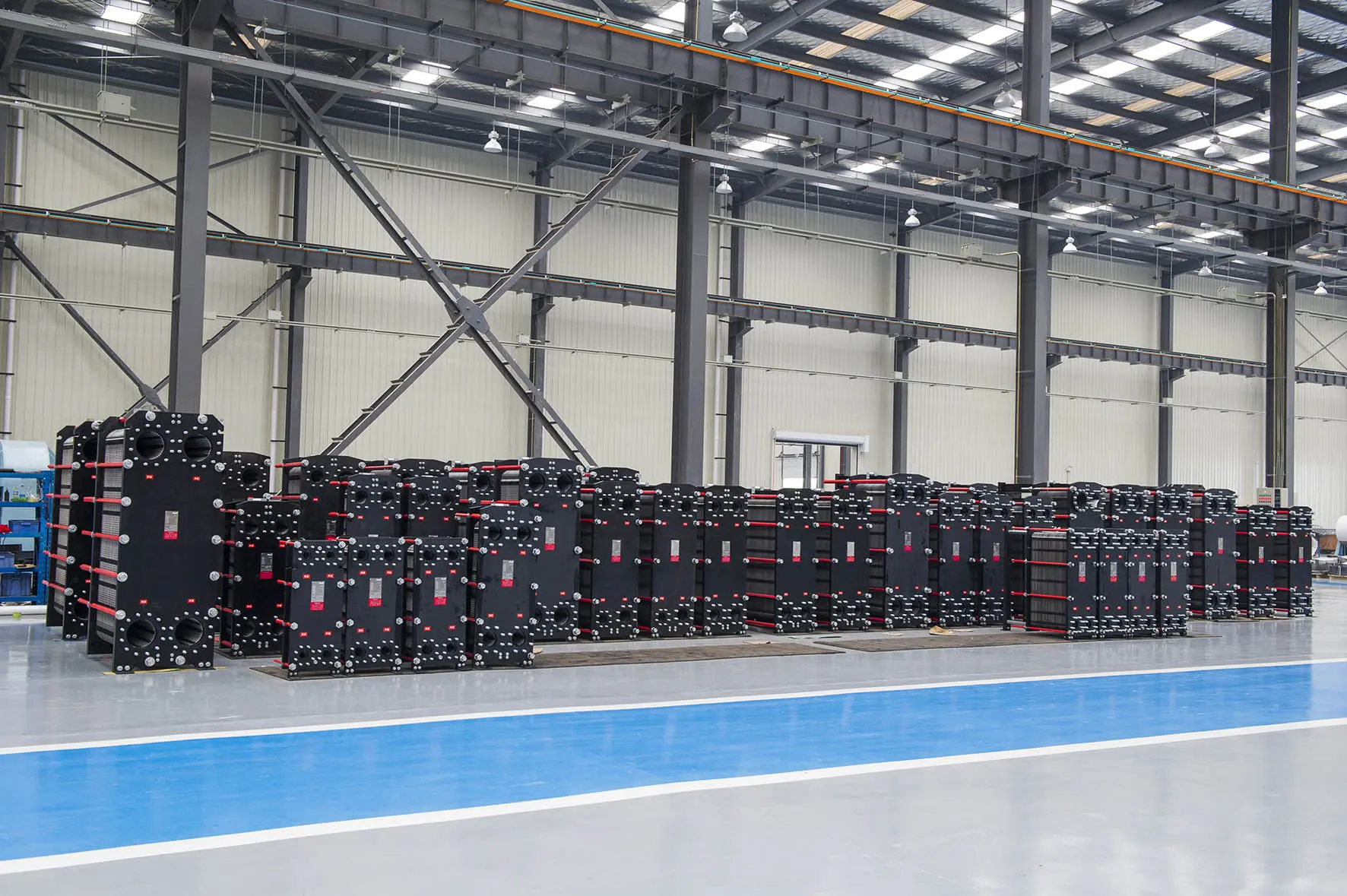
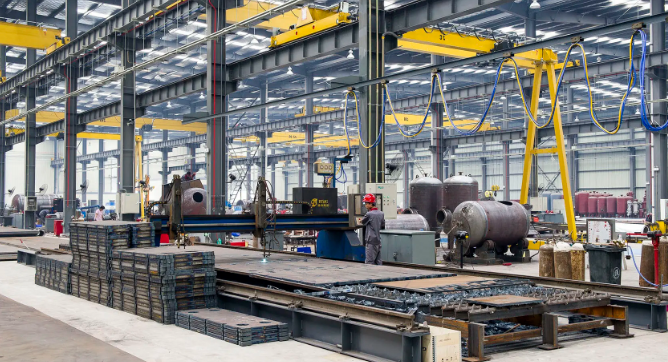
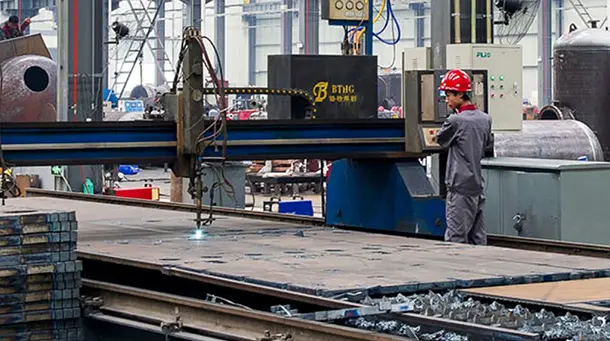
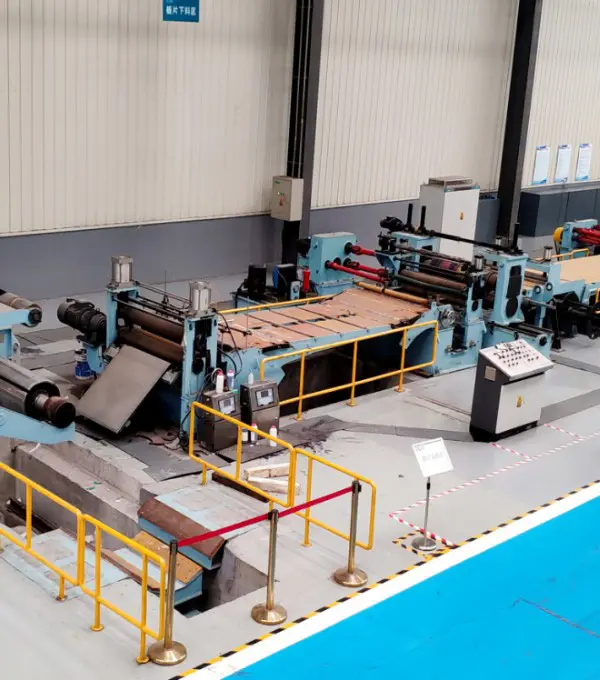
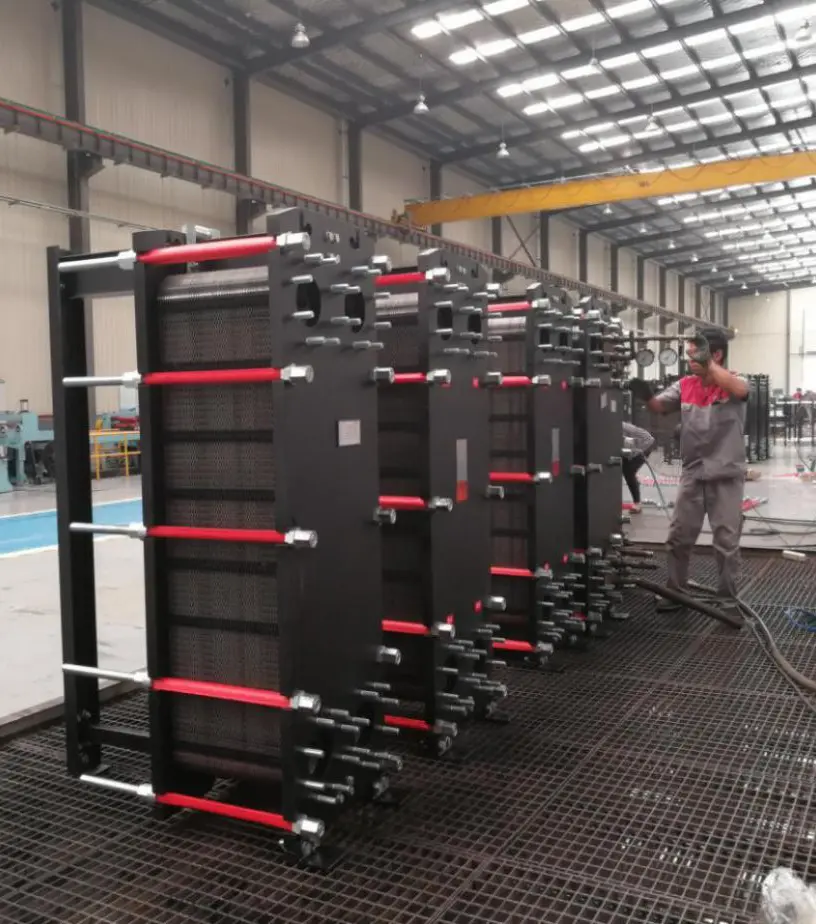
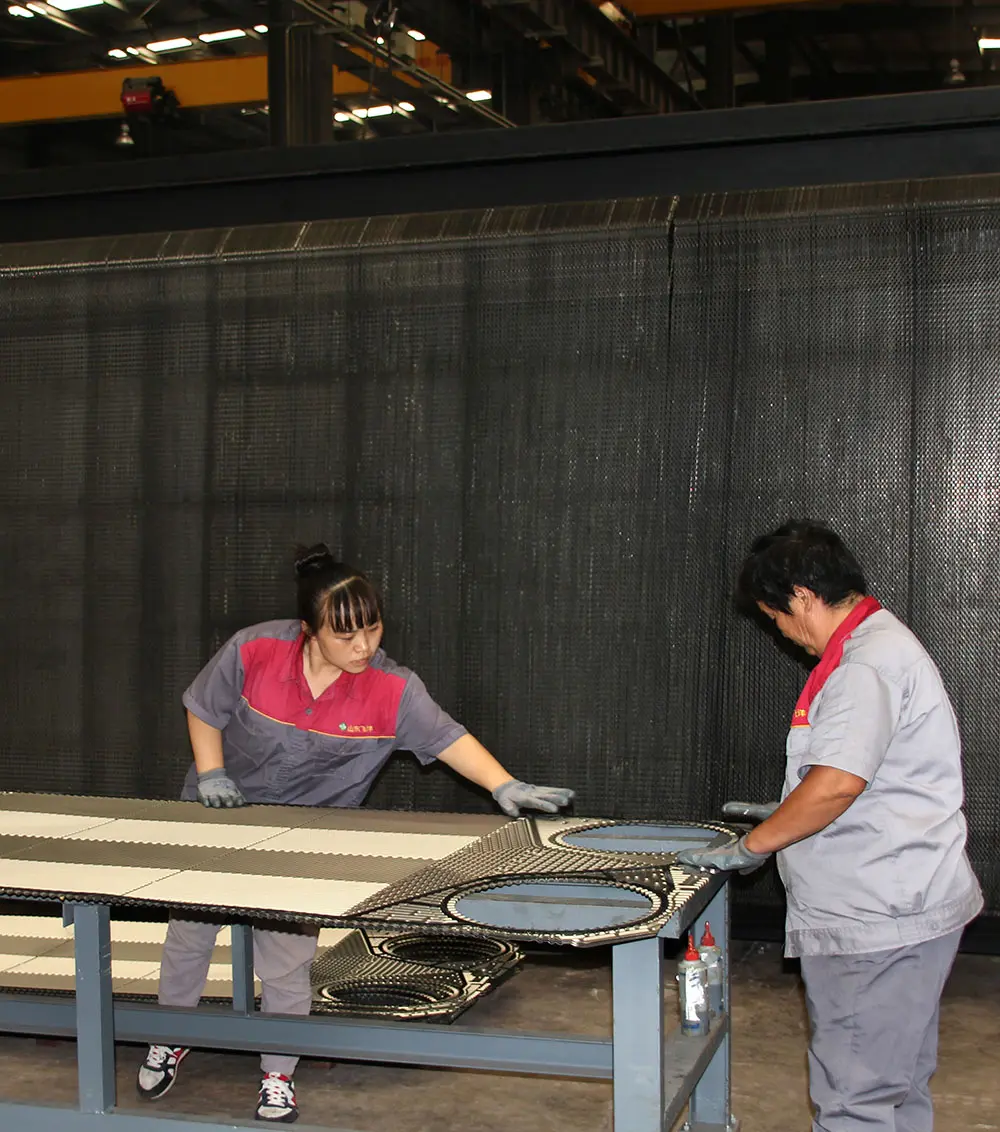
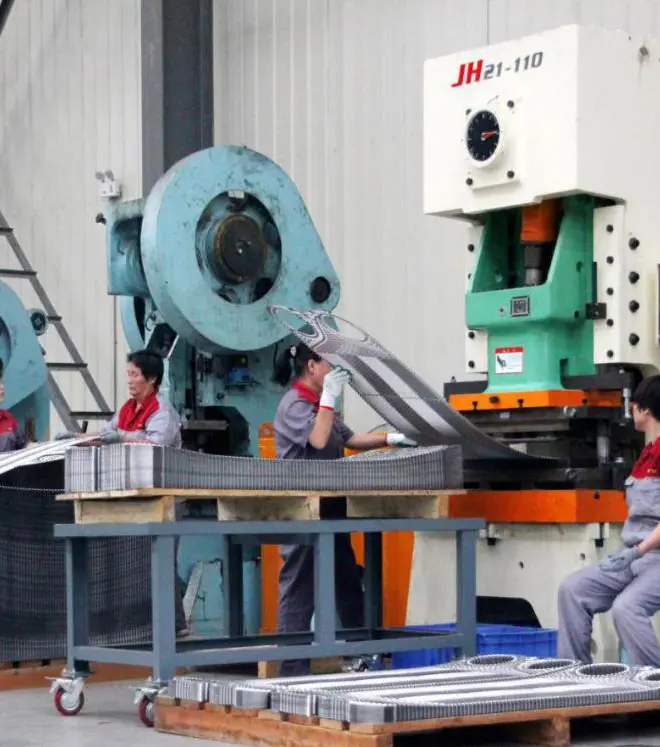
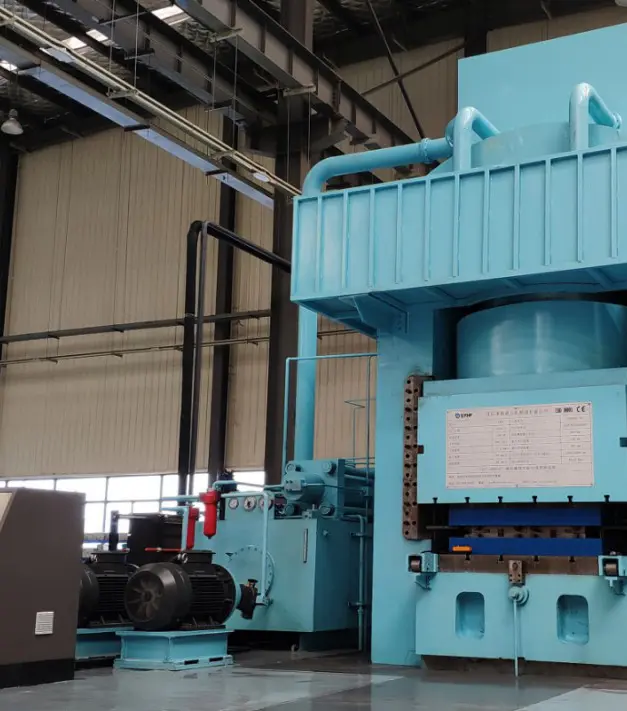
Flotte's modern production facility spans 70,000 square meters and runs under integrated Factory 4.0 management systems. Our advanced manufacturing facility features automated CNC plate pressing line technology, high-precision robotic welding setups, and continuous hydraulic testing benches.
Our raw material procurement is secured through strategic, long-term partnerships with leading steel and gasket producers. All raw plates and gasketing components undergo strictly documented visual, mechanical, and spectroscopic inspections. With an annual capacity of 4,500 units, we possess the scalability to support mega-scale municipal HVAC and chemical plant construction projects with rapid turnaround times.
Adhering to the core philosophy of "Quality First," we run a full-scope quality management system certified under ISO 9001:2015, ISO 14001:2015, and ISO 45001:2018. Frontline manufacturing personnel undergo regular validation training, ensuring that all finished systems comply with international performance standards and safety codes.
How Flotte's advanced heat exchangers adapt to diverse mechanical requirements, urban layouts, and chemical settings globally.
In centralized urban district heating, our plate heat exchangers serve as the vital interface separating the primary municipal boiler grid from residential secondary heating piping. This setup ensures stable heating and pressure control across differing topography.
Providing high static pressure isolation in skyscrapers. Flotte units operate as pressure breakers between lower chiller plants and upper building distributions, protecting pipeline valves from extreme water column pressures.
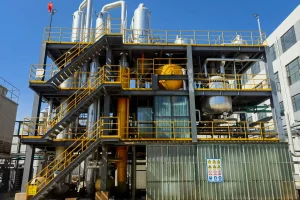
We supply high-performance thermal systems for multi-effect evaporation (MEE) and membrane concentration lines. These custom loops recover condensation heat, lowering the operational cost of desalination plants.
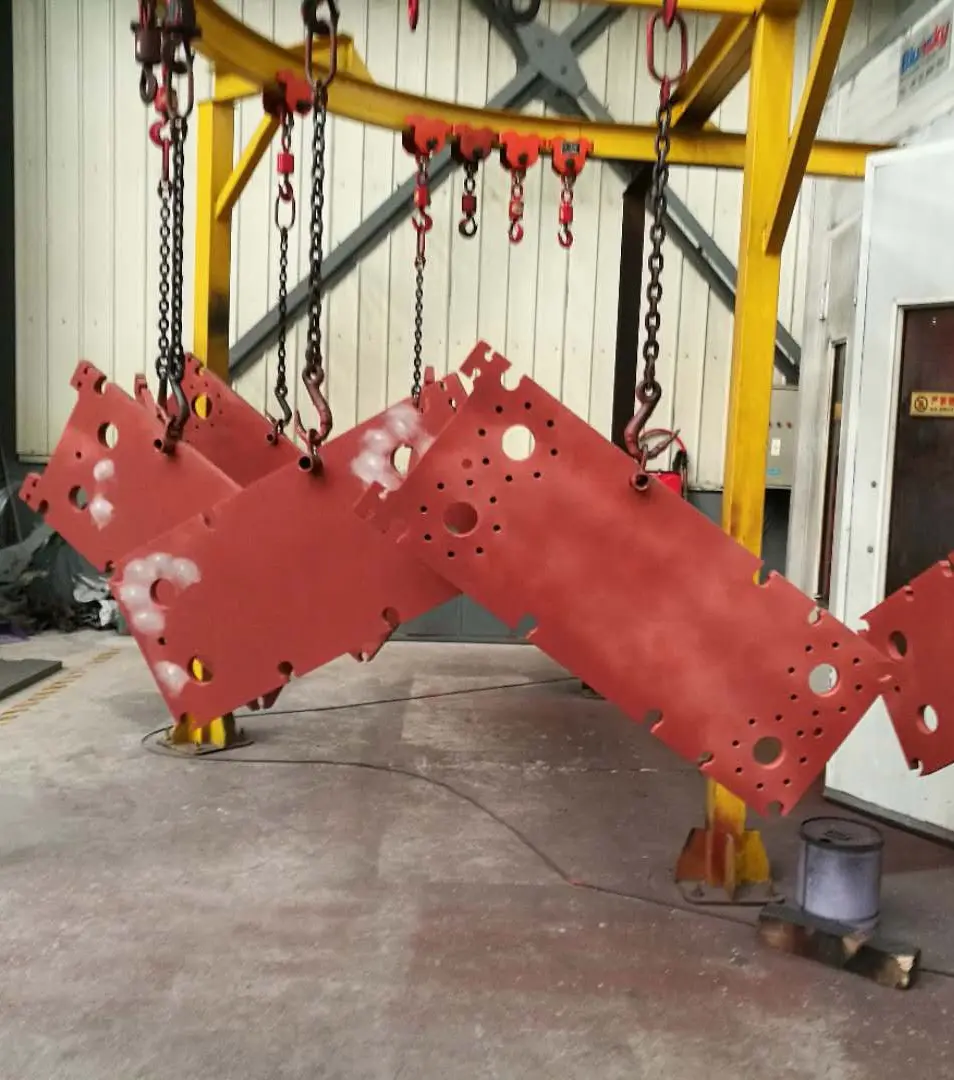
Every plate and frame assembly must pass through our strict process sequence to guarantee zero leakage and precise thermal output.
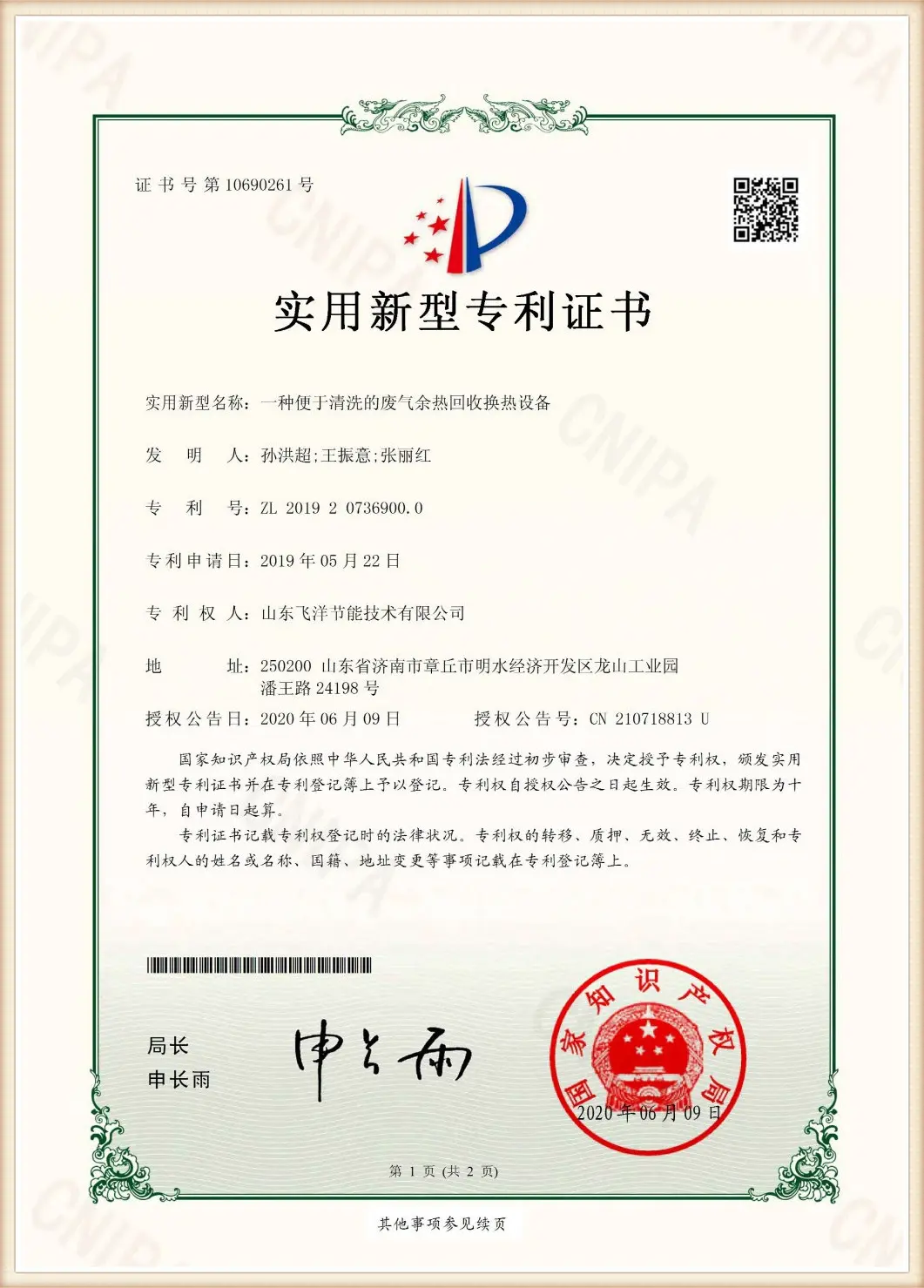
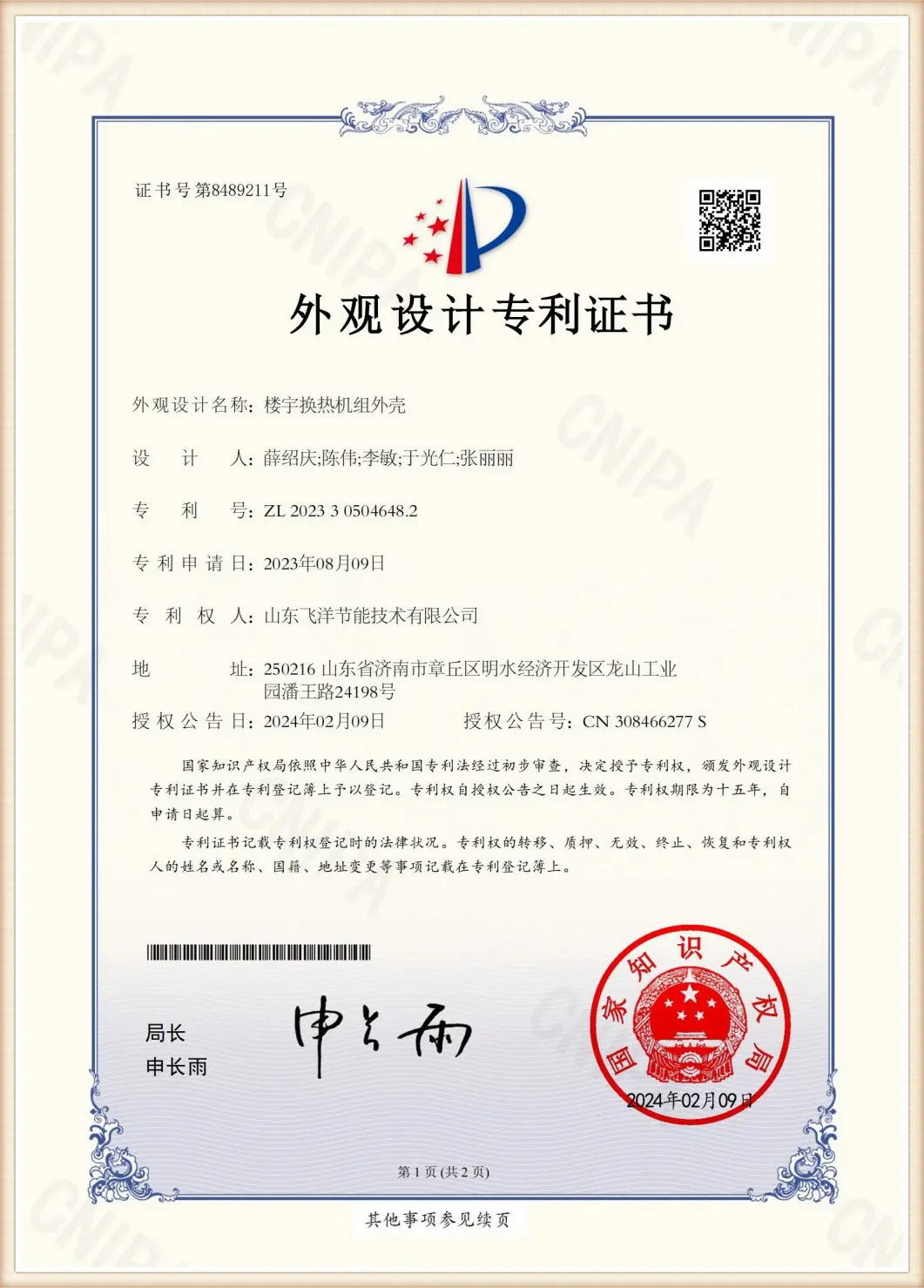
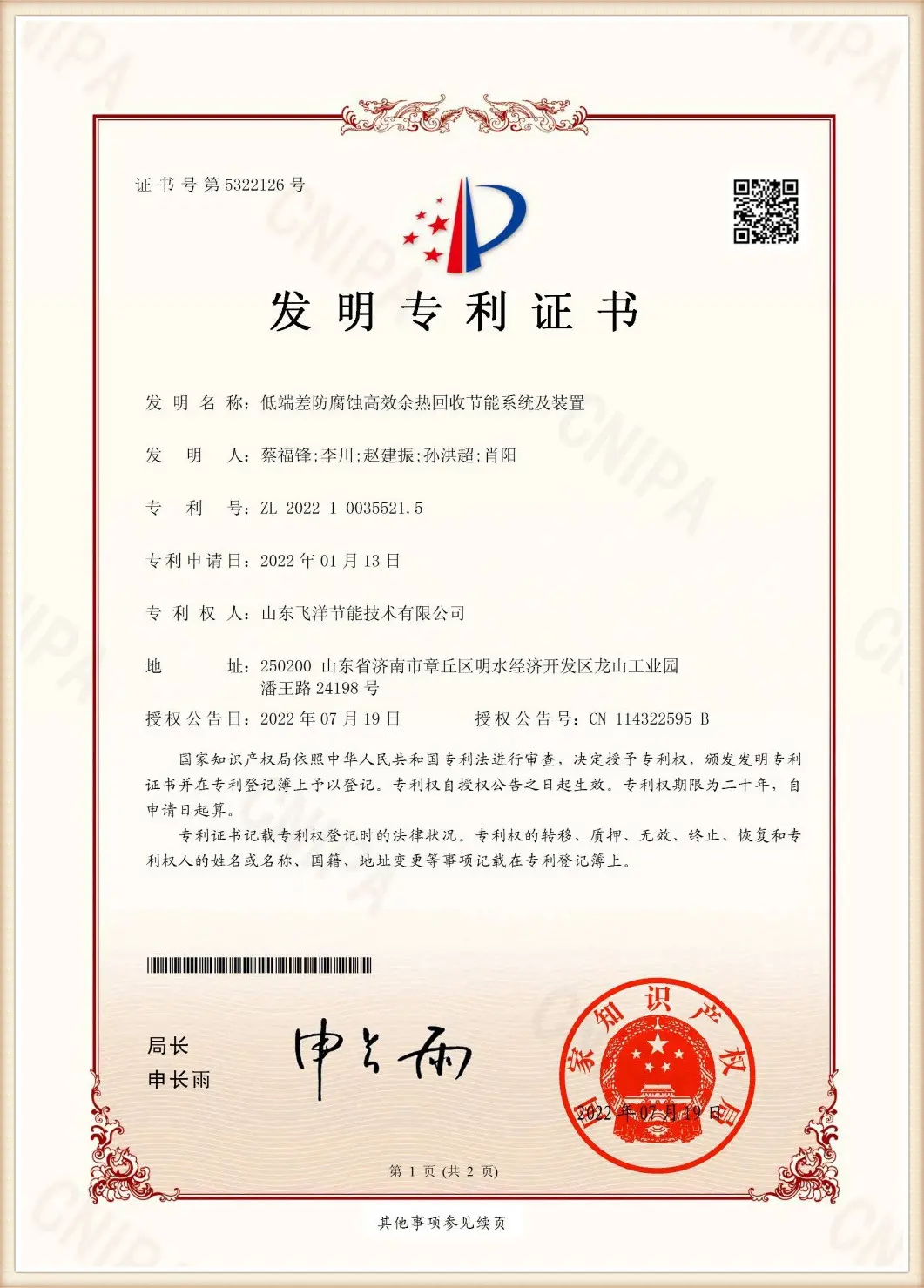
Verifiable compliance with international thermal, health, safety, and structural design standards.
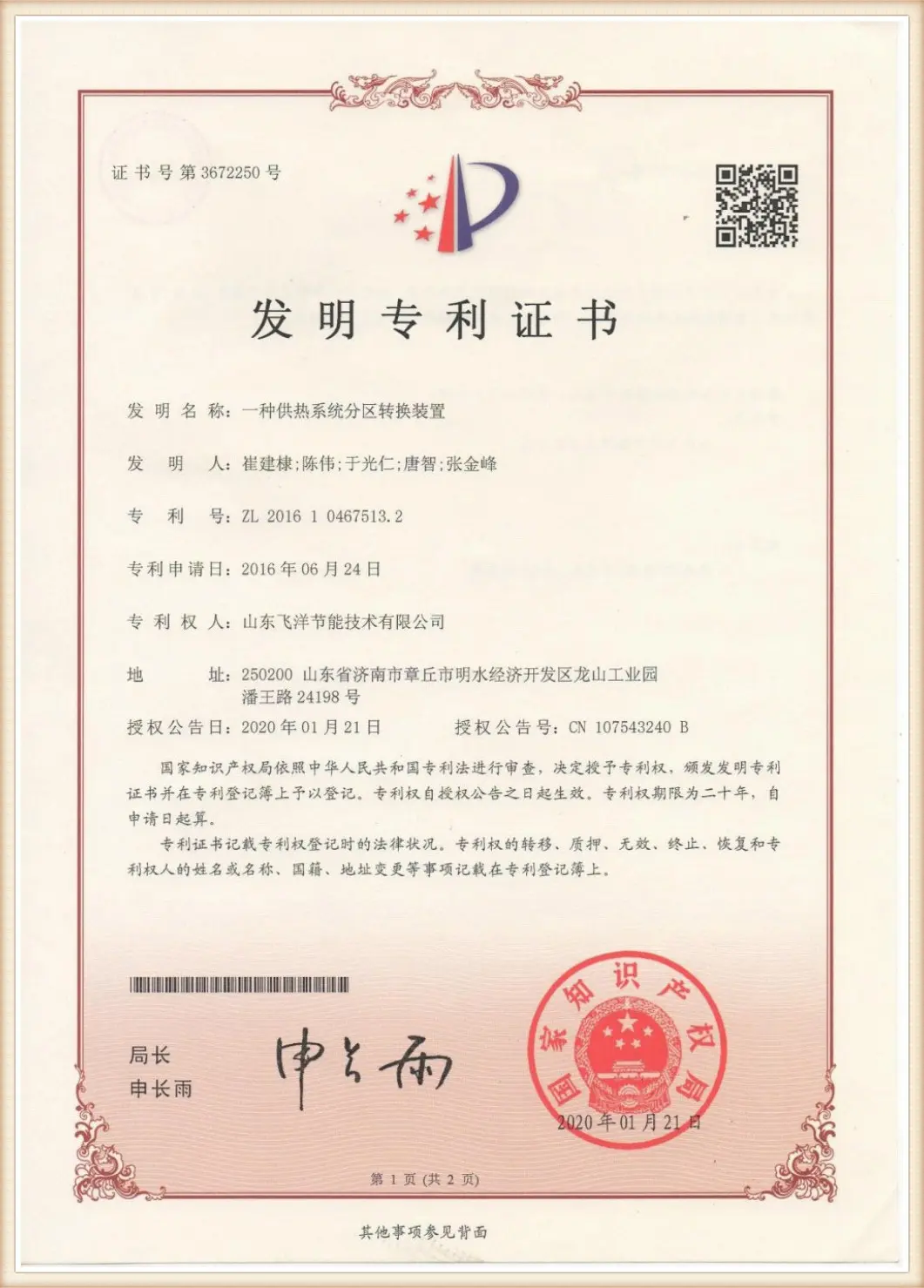
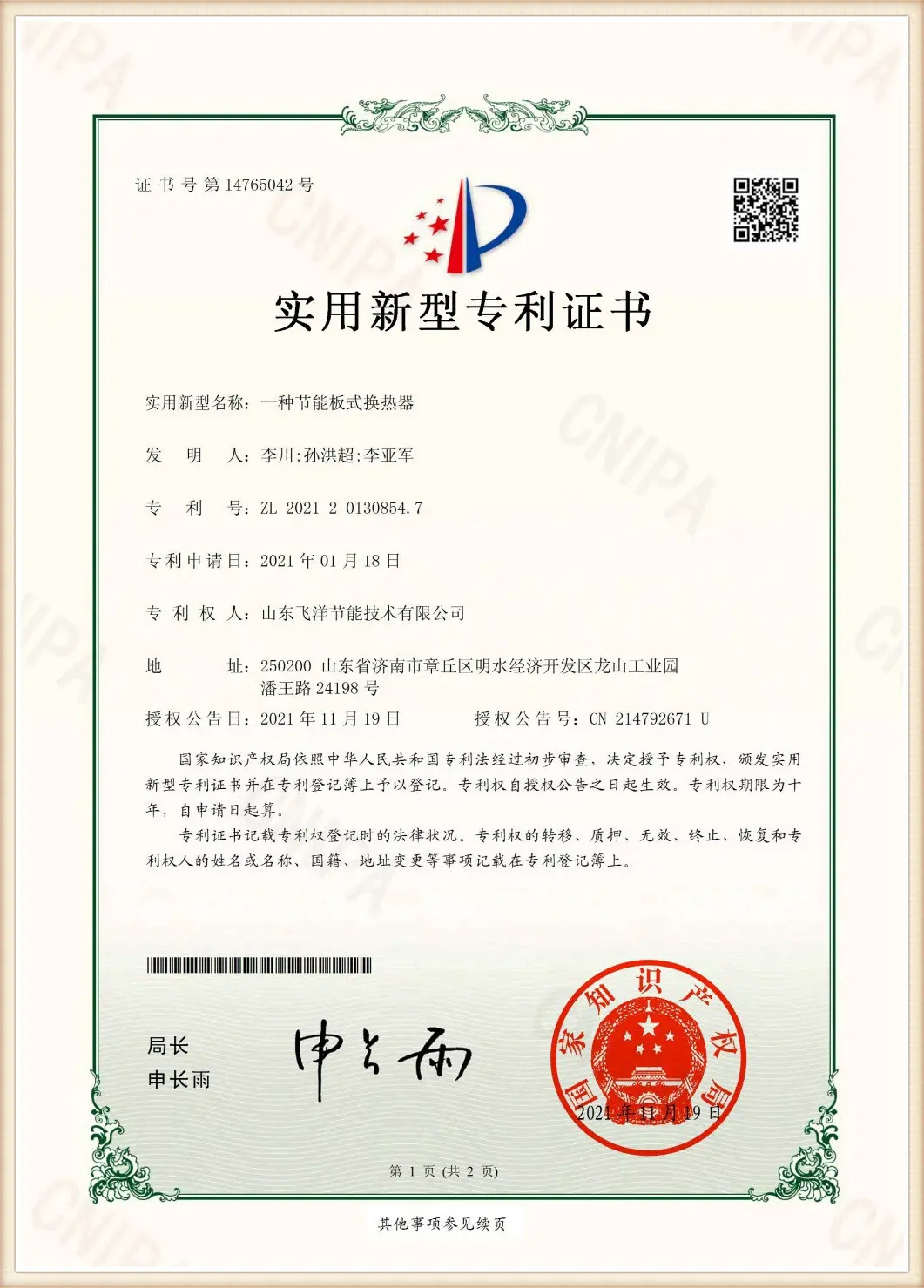
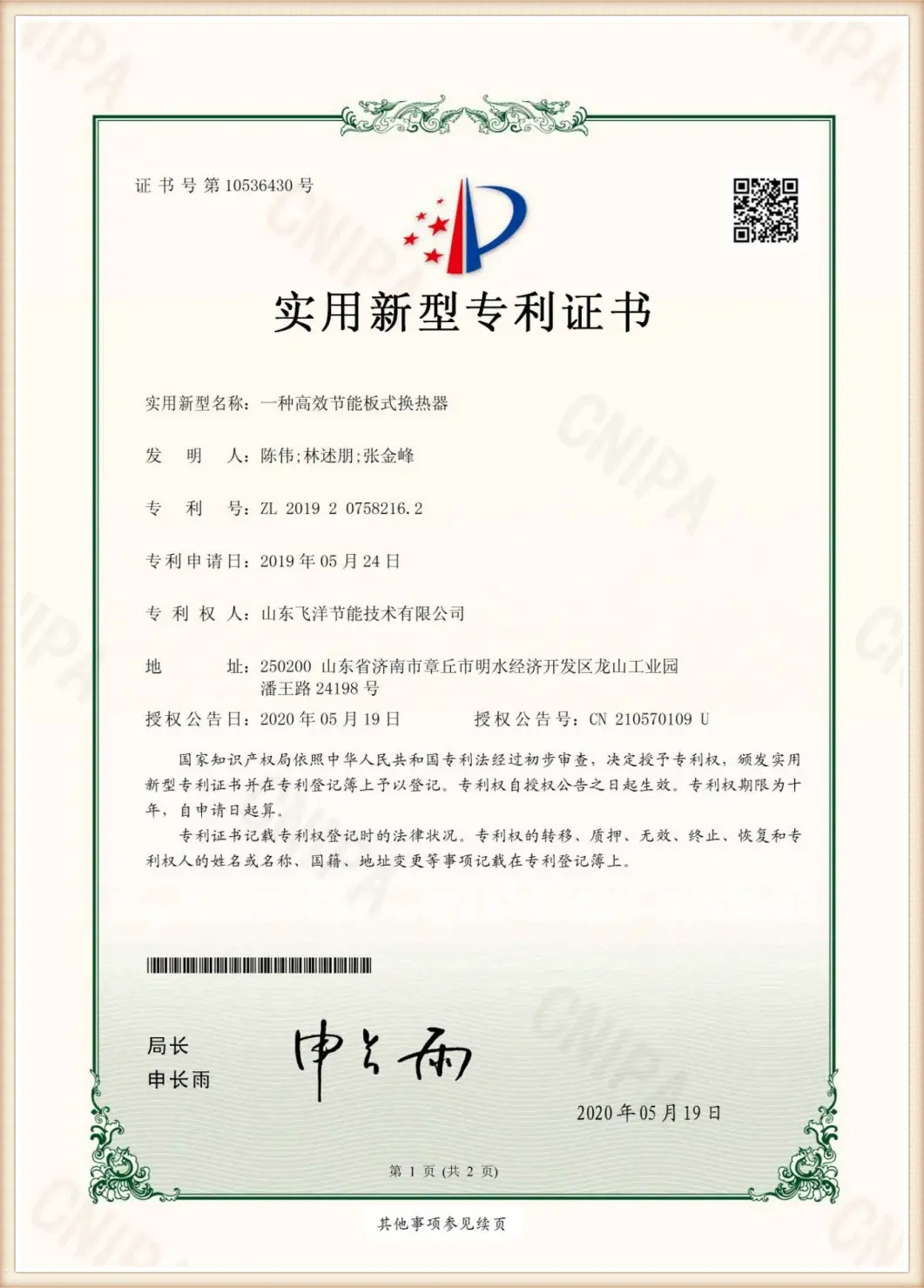
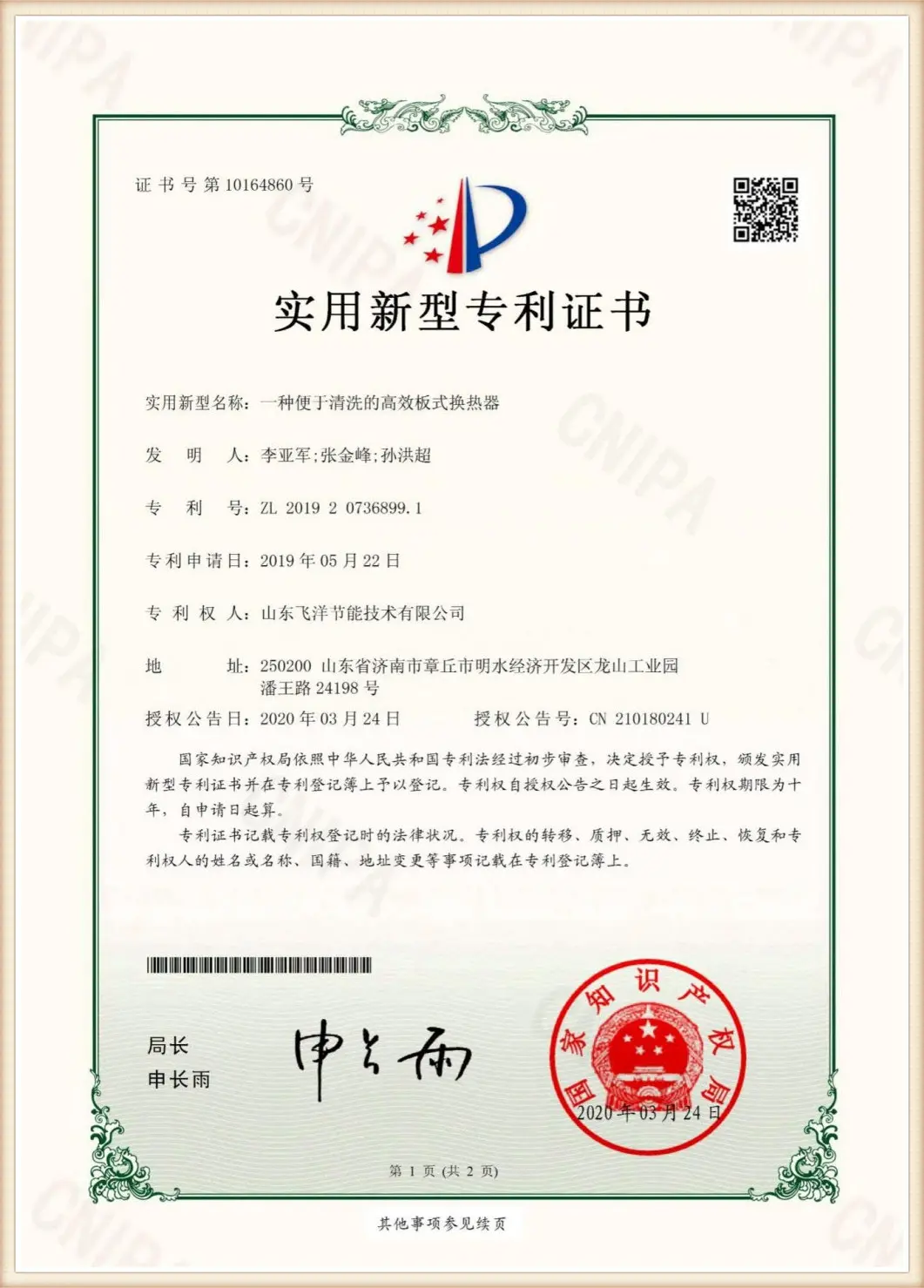
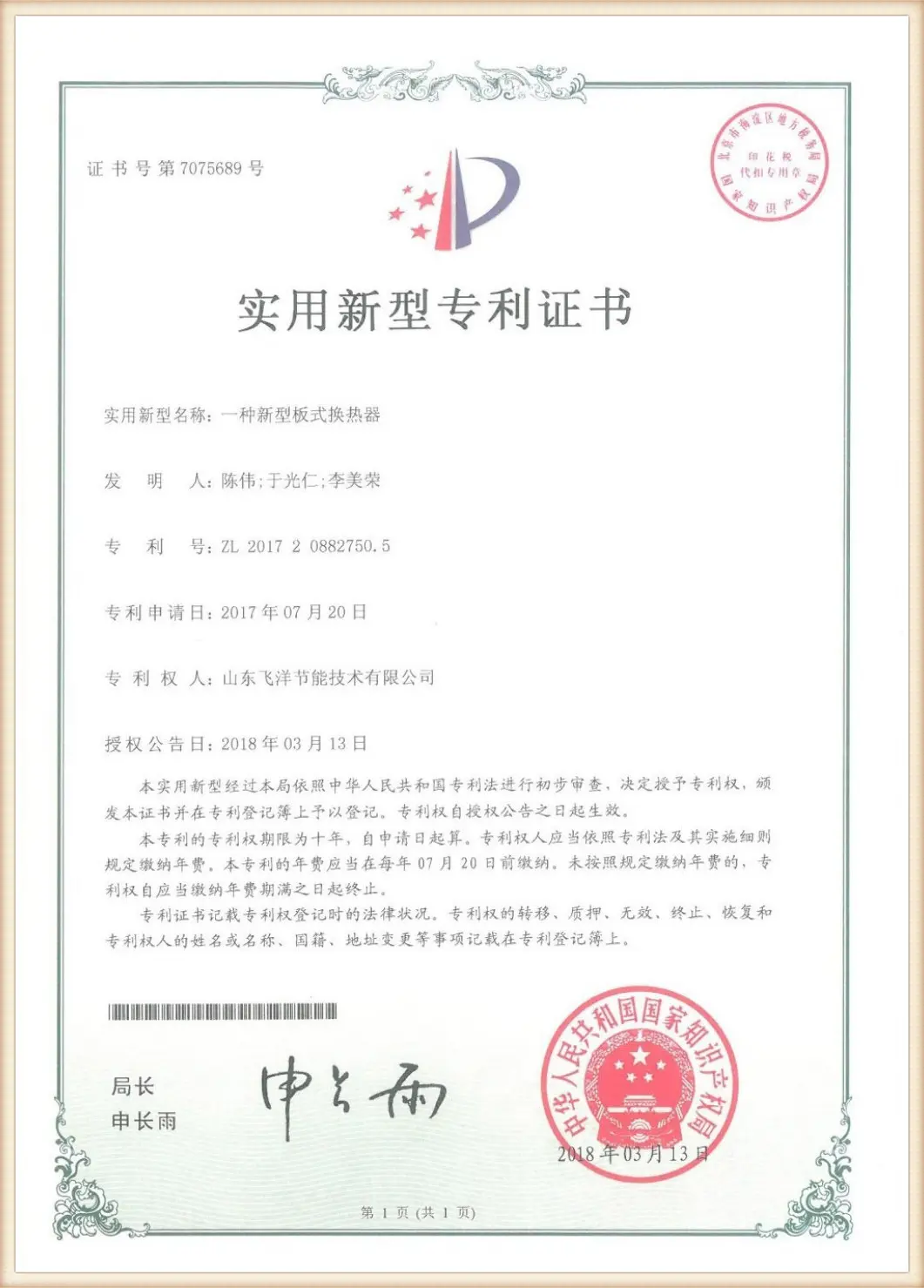
Industrial components and smart network balancing solutions manufactured to precise application profiles.
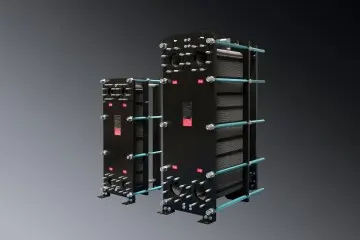
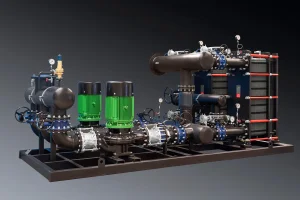
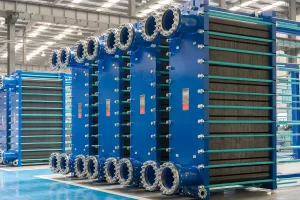
Engineered with chevron patterns to maximize heat transfer coefficient and allow easy maintenance access.
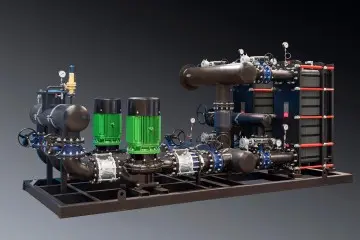
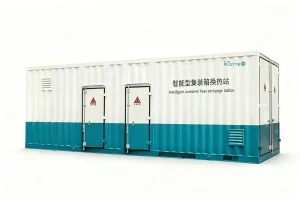
Combines heat exchangers, pumps, sensors, and valves in a pre-assembled, skid-mounted unit.
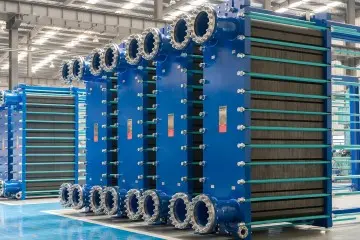
High safety rating pressure isolating setup for multi-level municipal water systems.
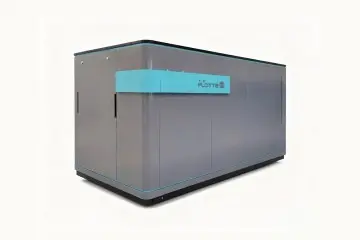
Compact design engineered for high efficiency in HVAC loops in commercial high-rises.
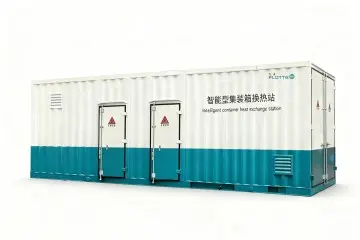
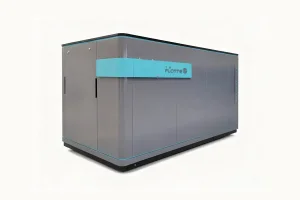
Sound-proof, weatherized enclosure for outdoor installation and noise reduction.
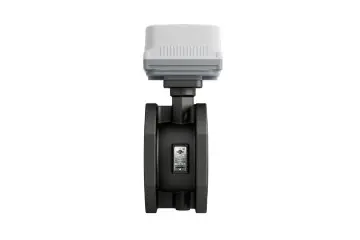
Self-balancing valve for hydraulic stabilization and energy loss reduction.

High-precision sensors designed to monitor temperature data across large loops.
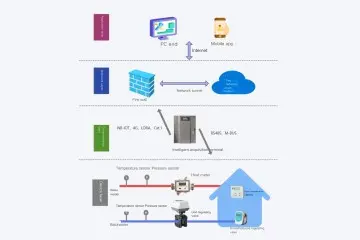
Dynamic system level control software and integration hardware for district heating grids.
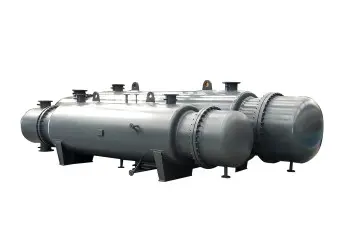
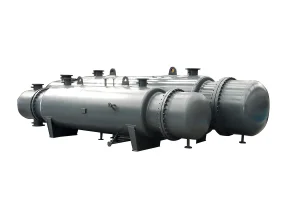
Traditional thermal transfer setup optimized for high pressures and high chemical corrosiveness.
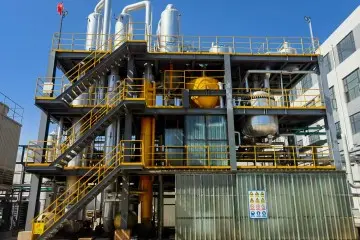
Designed to achieve high steam utilization rates and reduce energy consumption in concentration plants.
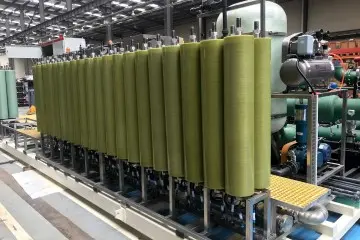
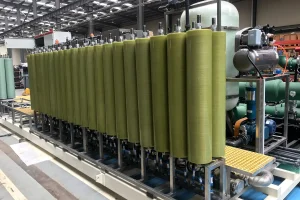
Advanced liquid purification system for desalination and industrial waste treatment applications.
Get answers to common technical queries about heat exchanger sizing, material selection, and maintenance.
Plate heat exchanger efficiency is governed by the heat transfer coefficient (U-value), which depends on plate geometry, chevron angles, fluid velocity, and viscosity. Corrugated plates induce high turbulence even at low Reynolds numbers, disrupting boundary layer formation and enhancing convective heat transfer rates.
EPDM gaskets are ideal for hot water, steam, and mild chemical applications up to 150°C. NBR gaskets offer excellent resistance to oils, petroleum, and water mixtures, typically rated up to 120°C. Viton (FKM) is selected for highly corrosive organic solvents, acids, and high-temperature environments (up to 180°C).
Modular box-type systems enclose the heat exchange assembly inside a protective structural frame. This design protects the unit from environmental dust, reduces system noise from pumps, and simplifies installation since all sensors, controllers, and pumps are pre-wired and tested.
Our pressure frames utilize thick carbon steel compression plates and high-tensile tightening bolts to distribute mechanical stress evenly. Every design is validated using Finite Element Analysis (FEA) and undergoes hydrostatic water pressure testing to 1.5 times the rated operating pressure.
Standard narrow-gap plate heat exchangers are prone to clogging under heavy fiber loads. For liquids containing suspended particles, we recommend wide-gap plate heat exchangers or specialized shell and tube designs. Regular flushing and backwashing via a dedicated scale-removal system help maintain high performance.
High-grade evaporation, concentration, and temperature monitoring systems designed for optimal fluid loops.
 Flotte Energy