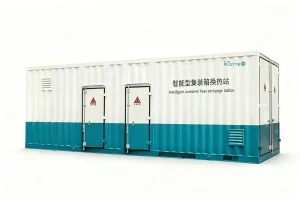
Discover state-of-the-art heat transfer configurations, evaporation systems, and smart hydraulic valves engineered for heavy B2B installations.
As industries worldwide align with strict net-zero carbon targets, thermal engineering faces a critical paradigm shift. Modern manufacturing, metallurgy, biochemical production, and district energy systems require robust, high-efficiency heat transfer components. Flotte Energy Saving Company (originating from Flotte Thermal Engineering founded in 1995 and established in 2013 with a registered capital of 101 million yuan) represents thirty years of deep thermal engineering expertise.
We are a leading developer, manufacturer, and global exporter of high-tech integrated products. The thermal solutions we design achieve heat exchange efficiencies 2 to 3 times higher than conventional configurations. By maintaining a specialized R&D center and advanced laboratories, we continually innovate corrugated plate designs, intelligent balancing technologies, and system-level thermal automation.
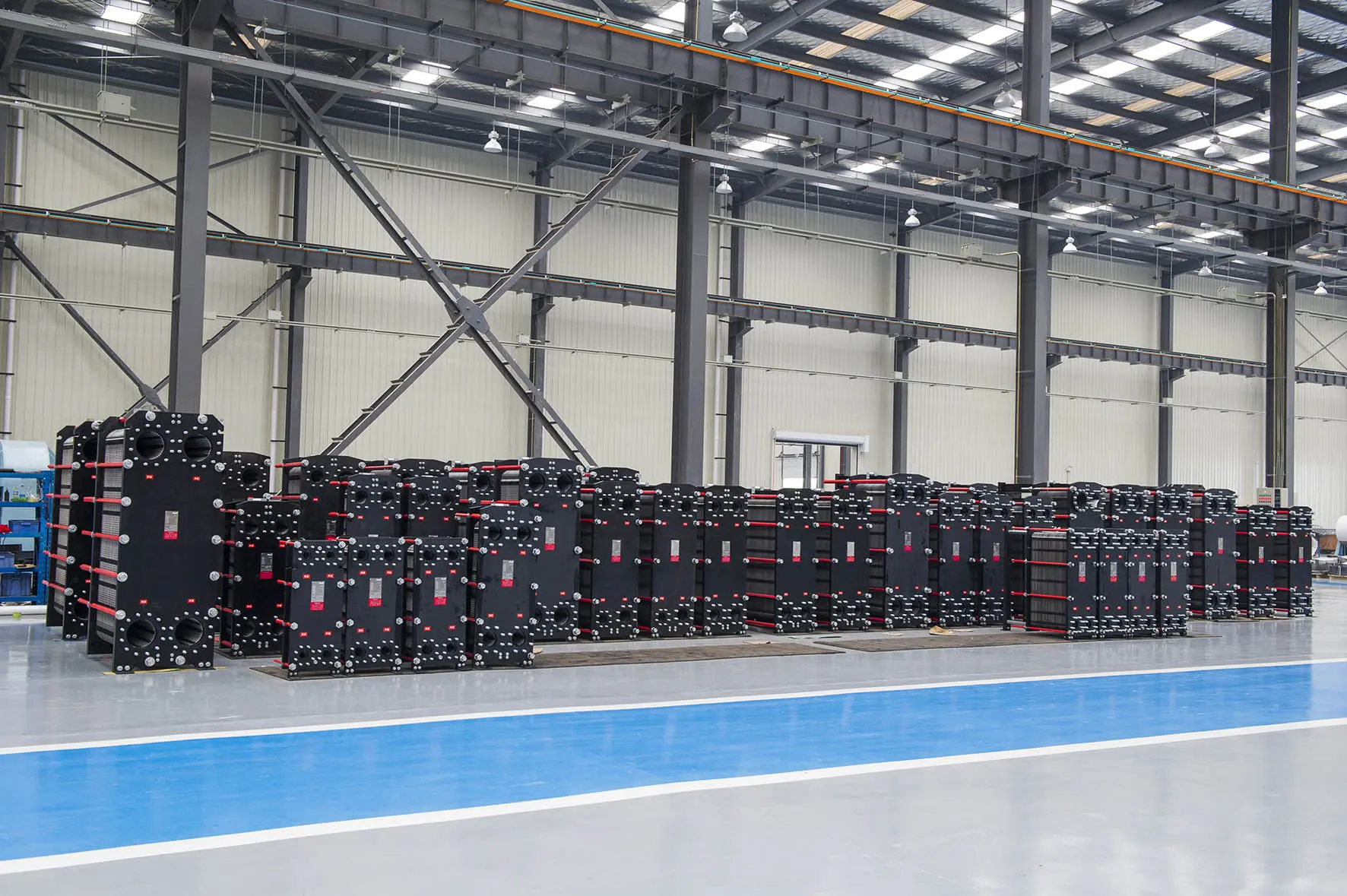
Under the principles of mechanical integrity and high heat transmission, our technology roadmap emphasizes three major innovations:
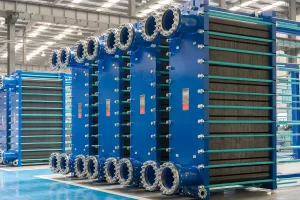
Our patented corrugated plate architecture uses a custom angle structure to produce high turbulence even at low fluid velocities. This significantly increases the Nusselt number while controlling the pressure drop. By enhancing fluid shear stresses along the channel walls, our plate heat exchangers mitigate the risk of scaling, reducing maintenance cycles and optimizing long-term operation.
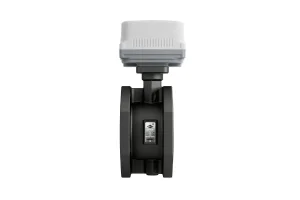
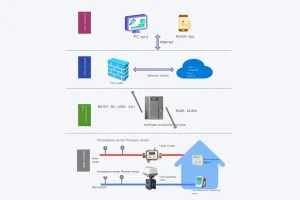
Integrated heat exchange systems are coupled with advanced control logic. Through our secondary networks intelligent regulation systems, real-time pressure, temperature, and flow data are gathered using room temperature collectors. These systems dynamically adjust balance valves to suppress hydraulic imbalances, maximizing comfort and energy conservation.
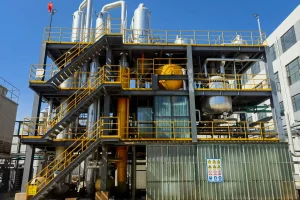
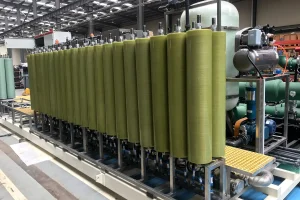
Our Multi-Effect Evaporation (MEE) and Membrane Concentration Systems are designed for industrial waste streams, wastewater treatment, and zero liquid discharge (ZLD) requirements. They recycle latent heat from secondary vapors across consecutive stages, drastically decreasing live steam consumption and improving process efficiency.
Every thermal component follows a rigid quality assurance framework in compliance with ISO 9001:2015. Here is the step-by-step progression of our modern fabrication line:
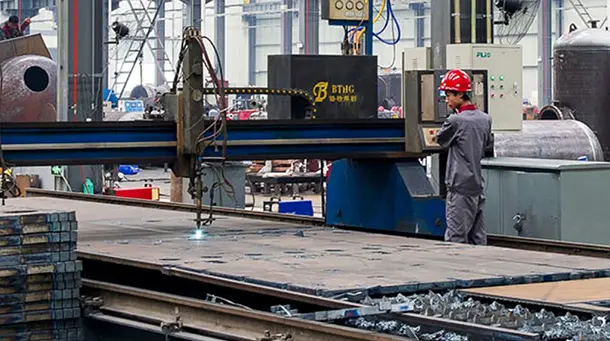
Precise processing of carbon steel frame plates and connection flanges utilizing automated CNC oxy-fuel and plasma cutting tables.
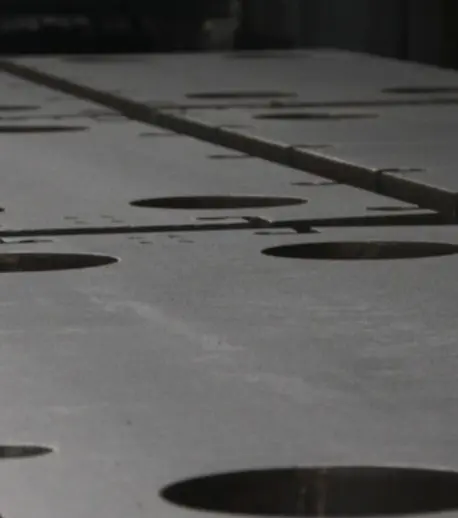
Relieving mechanical stresses and aligning structural grains around structural connections for high fatigue limits under cyclic pressure loads.
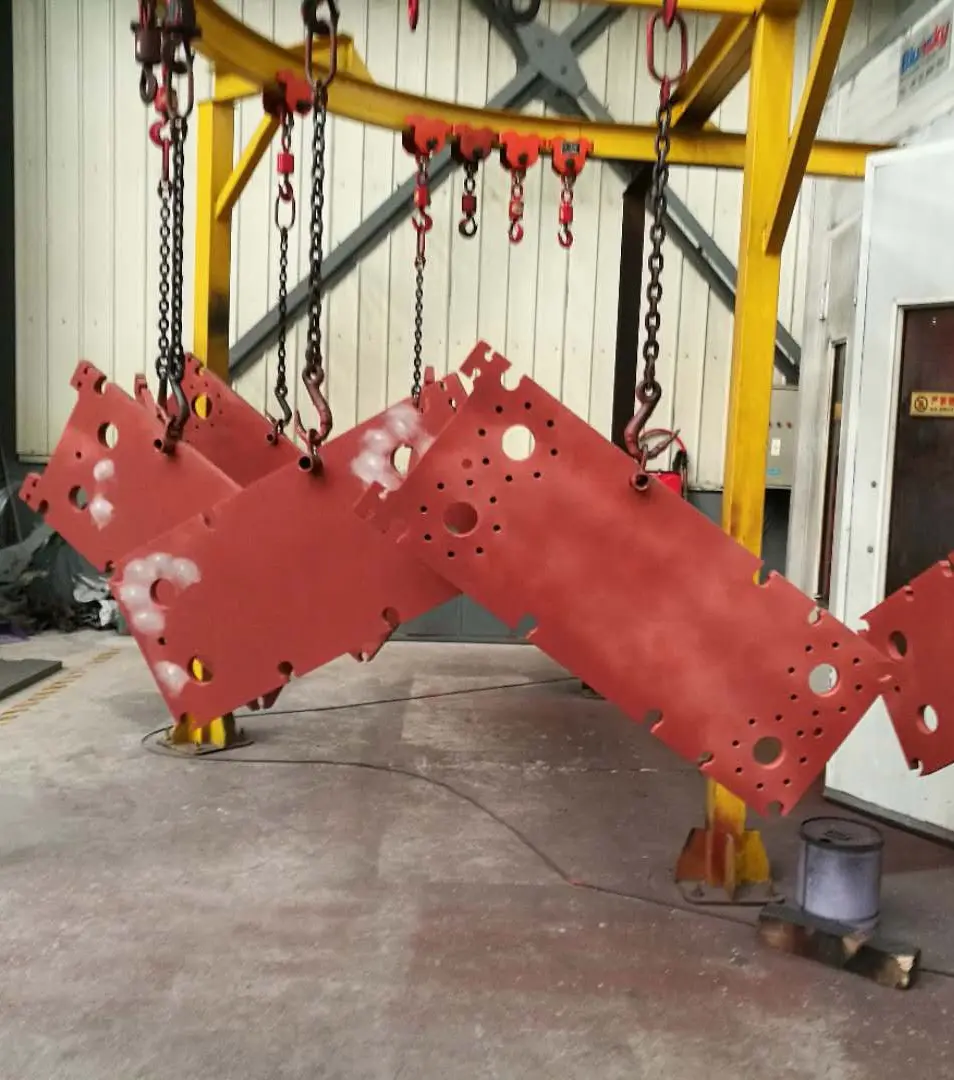
Applying multi-layer high-durability epoxy primers and polyurethane finishes to guard against atmospheric corrosion and industrial humidity.
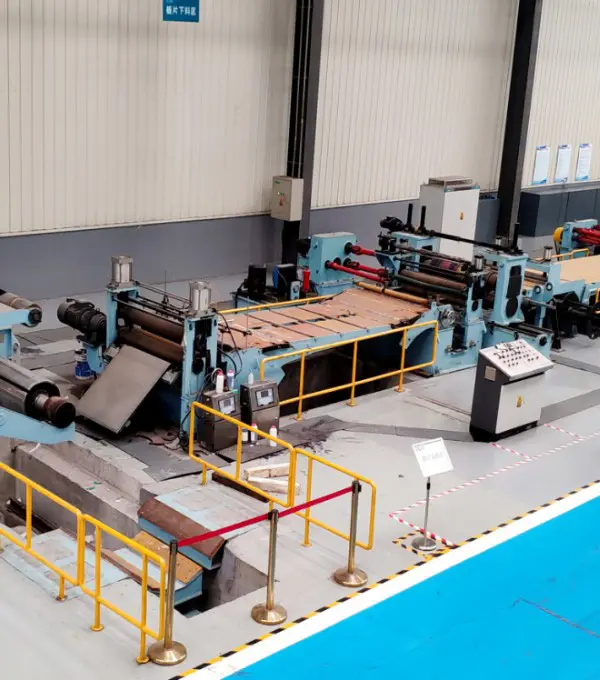
Automated cutting of premium stainless steel or titanium coils. Each sheet receives a barcode for end-to-end traceablity.
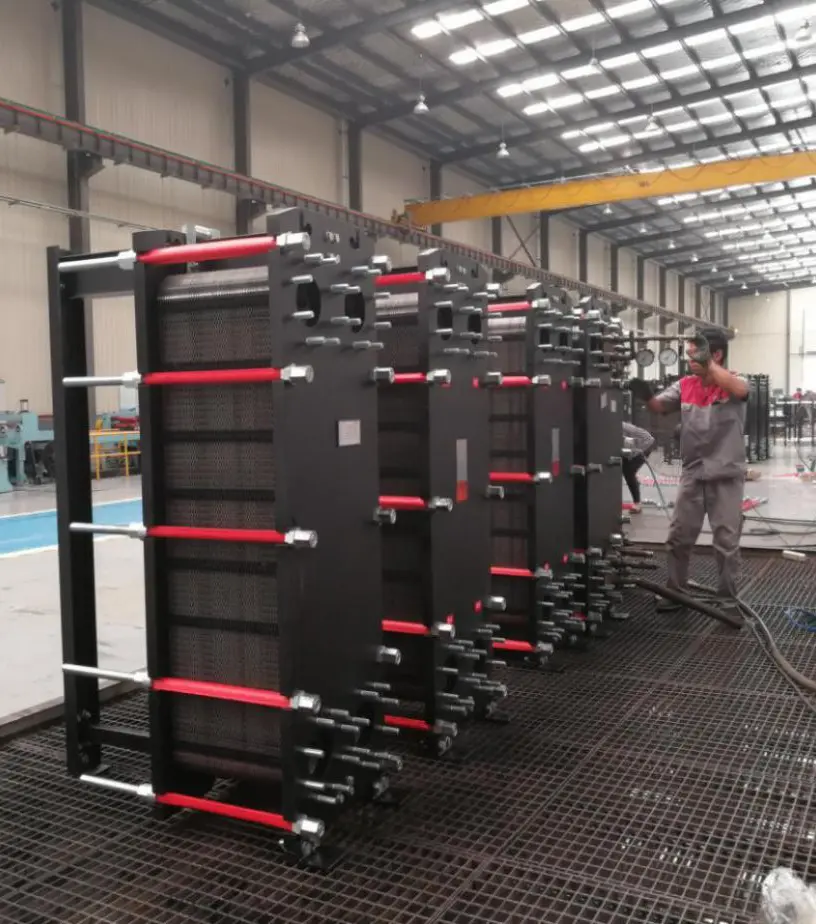
Subjecting fully assembled plate packs and channels to rigorous hydrostatic pressure testing (up to 1.5 times the design rating).
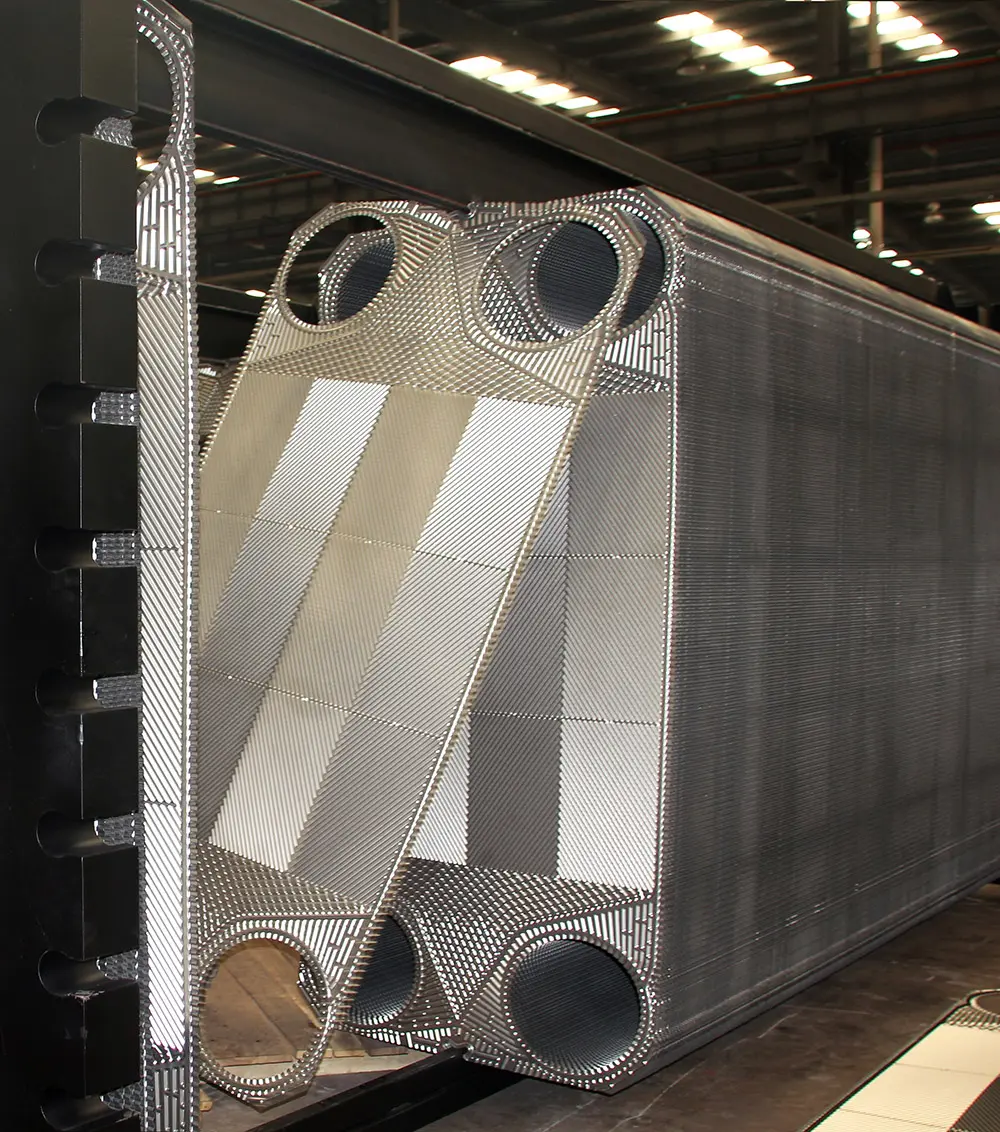
Skilled assemblers compress the plate bundle according to calculated alignment tolerances to guarantee a uniform seal.
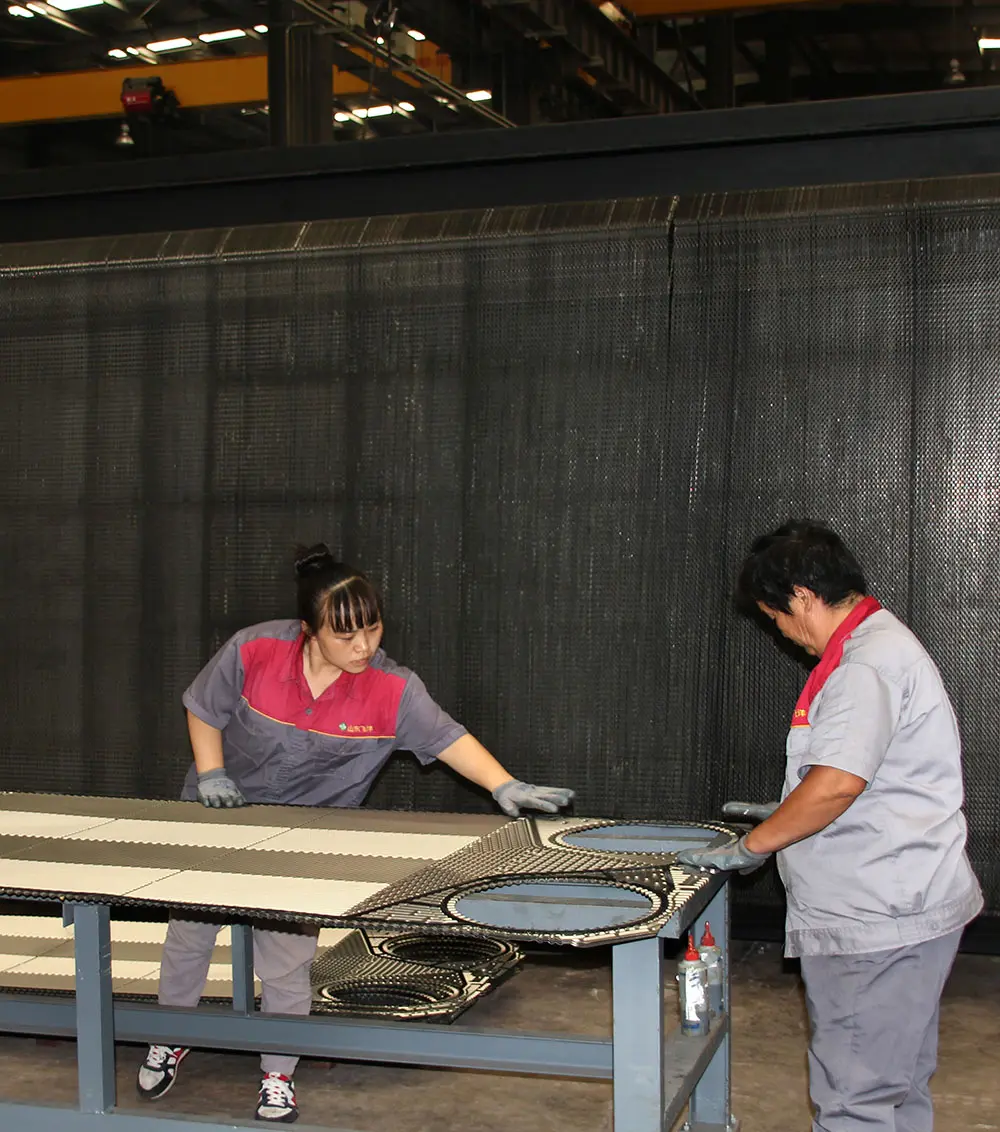
Securing heat-resistant EPDM or NBR elastomer gaskets into the corrugated groove design to prevent cross-contamination.
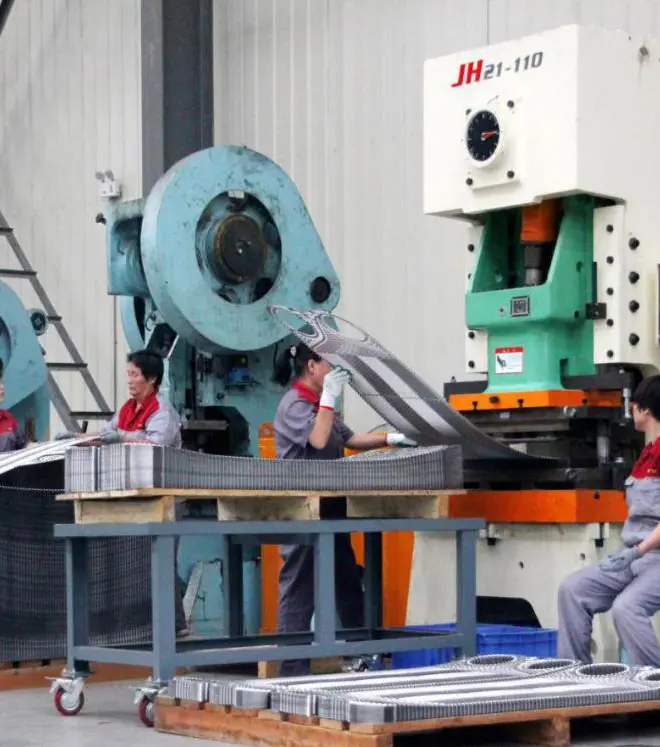
Forming the fluid port openings with high dimensional precision, avoiding localized shear stresses that could lead to crack propagation.
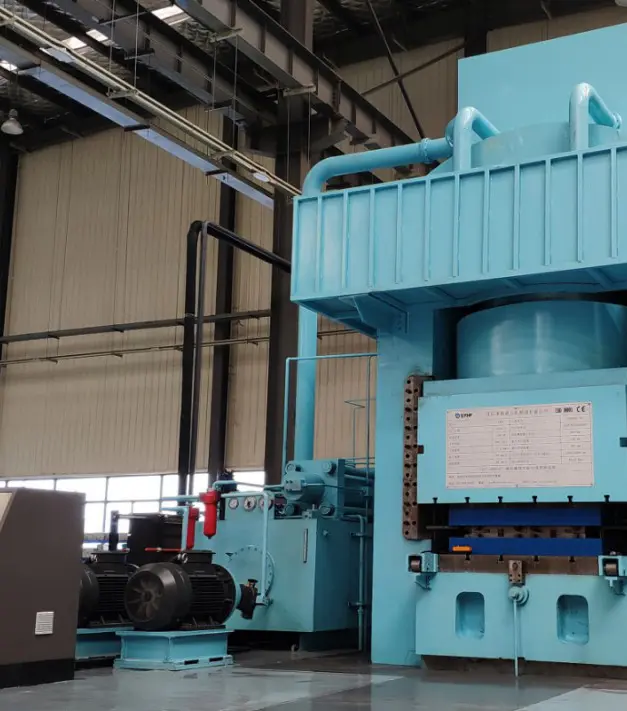
A single-step stamp using hydraulic presses to press chevron and corrugated profile details into stainless steel plate sheets.
Our manufacturing complex in China integrates the entire thermal equipment supply chain. Over 30 years of localized integration with raw material mills allows us to source premium grade steels, titanium alloys, and specialized elastomers at stable, highly competitive rates. This protects international buyers from sudden price volatility or shipping delays.
Furthermore, the automation of our stamping, CNC welding, and quality testing systems minimizes labor overheads while preserving dimensional accuracy. With an annual manufacturing capacity of 4,500 modular units, we accommodate both massive B2B wholesale volumes and custom-engineered orders with short, reliable lead times.
As a seasoned global exporter, Flotte facilitates compliance, custom clearances, and ocean shipping logistics. Our dedicated engineering departments offer fully optimized CAD drawings and CFD simulation reports prior to production, ensuring the delivered heat exchange units integrate seamlessly into your localized building management networks or refinery plant layouts.
In cold-climate urban centers (such as Northern Europe and North America), centralized district heating systems depend on pressure regulating stations to isolate municipal high-pressure circuits from residential distributions. Our detachable plate heat exchangers are built to handle high design pressures and large flow volumes with minimum structural footprint.
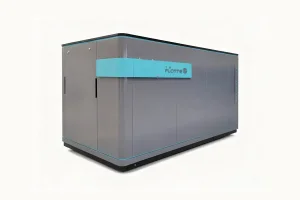
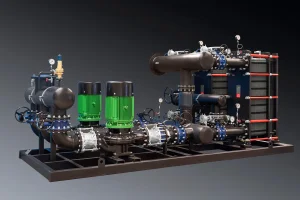
Large-scale building cooling and heating towers demand reliable pressure breaks to protect delicate chillers and boilers from high hydrostatic heads. Flotte's integrated box-type heat exchanger units combine plate bundles, expansion tanks, balancing valves, and variable-frequency pumps into one pre-tested, plug-and-play skid.
Chemical processing plants, pharmaceutical cleanrooms, and desalination facilities rely on our Multi-Effect Evaporation systems and Membrane Concentration units. These systems recycle thermal energy through successive heat stages, enabling zero-liquid-discharge (ZLD) operations and reducing fresh water consumption.
Every engineering project demands specialized equipment. Below is our comprehensive portfolio tailored for industrial, HVAC, and process applications.
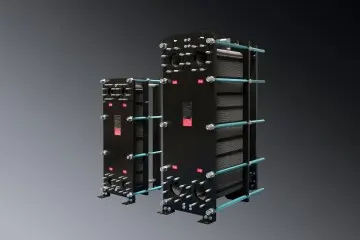
Engineered for simple maintenance, cleaning, and plate additions. Highly effective for liquid-to-liquid heat transfer in processes with varying thermal loads.
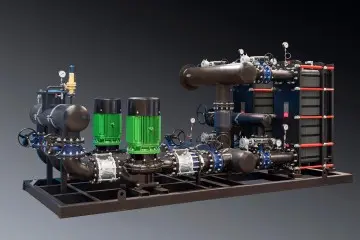
Integrated solutions combining plate heat exchangers, PLC control units, and variable speed pumps for automated municipal heating regulation.
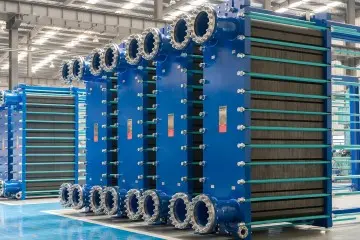
Designed for district heating secondary loops. Offers high pressure separation and thermal protection for terminal equipment.
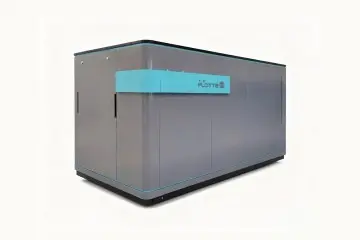
Provides robust pressure isolation in commercial high-rise towers, enabling efficient thermal transfer between cooling towers and internal systems.
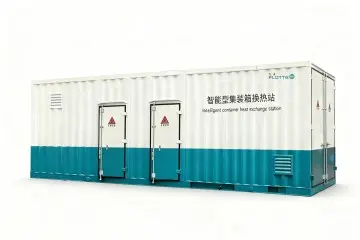
An enclosed, soundproofed cabinet configuration featuring integrated thermal control, ideal for installations in residential or noise-sensitive areas.
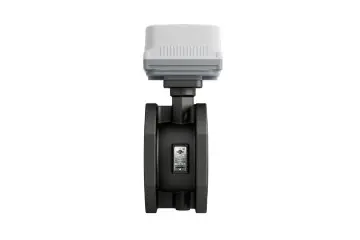
Advanced valves that dynamically monitor secondary system branches to prevent hydraulic short-circuiting and optimize heating efficiency.

Distributed sensors transmitting indoor temperature data to primary control skids, enabling real-time weather-compensated adjustments.
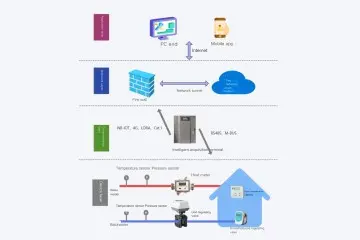
A cloud-managed IoT software and hardware package that stabilizes differential pressures and maintains consistent flow rates.
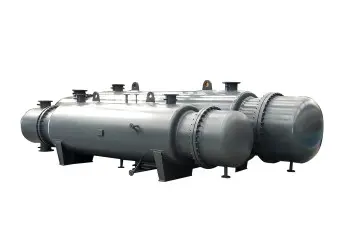
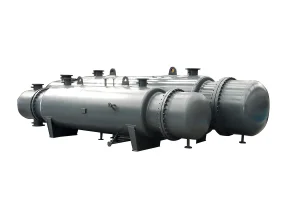
Designed for heavy industry, high-pressure steam heating, chemical processing, and applications involving high sediment fluids.
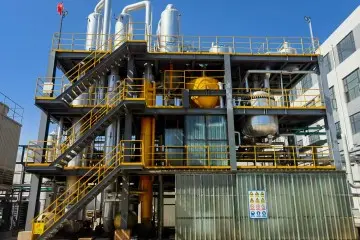
Optimized for concentration processes, waste steam recovery, and wastewater crystallization, significantly lowering utility expenses.
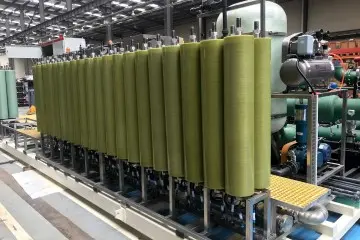
Utilizes advanced filtration media to separate impurities, achieving desalination and concentration with minimal energy consumption.
We are continuously investing in R&D to meet the evolving demands of global industrial thermal management. Our core development goals focus on integration, digitalization, and material enhancement:
Maintaining high reliability under high operating pressures requires precise testing. Flotte operates custom test stations capable of reproducing complex process dynamics. Every plate model is analyzed using digital simulations before physical stamping presses are configured.
We work closely with premium rubber gasket manufacturers to ensure the seal materials match target chemicals. This guarantees long-term protection against leaks in systems handling aggressive media, thermal oils, or sanitary substances.
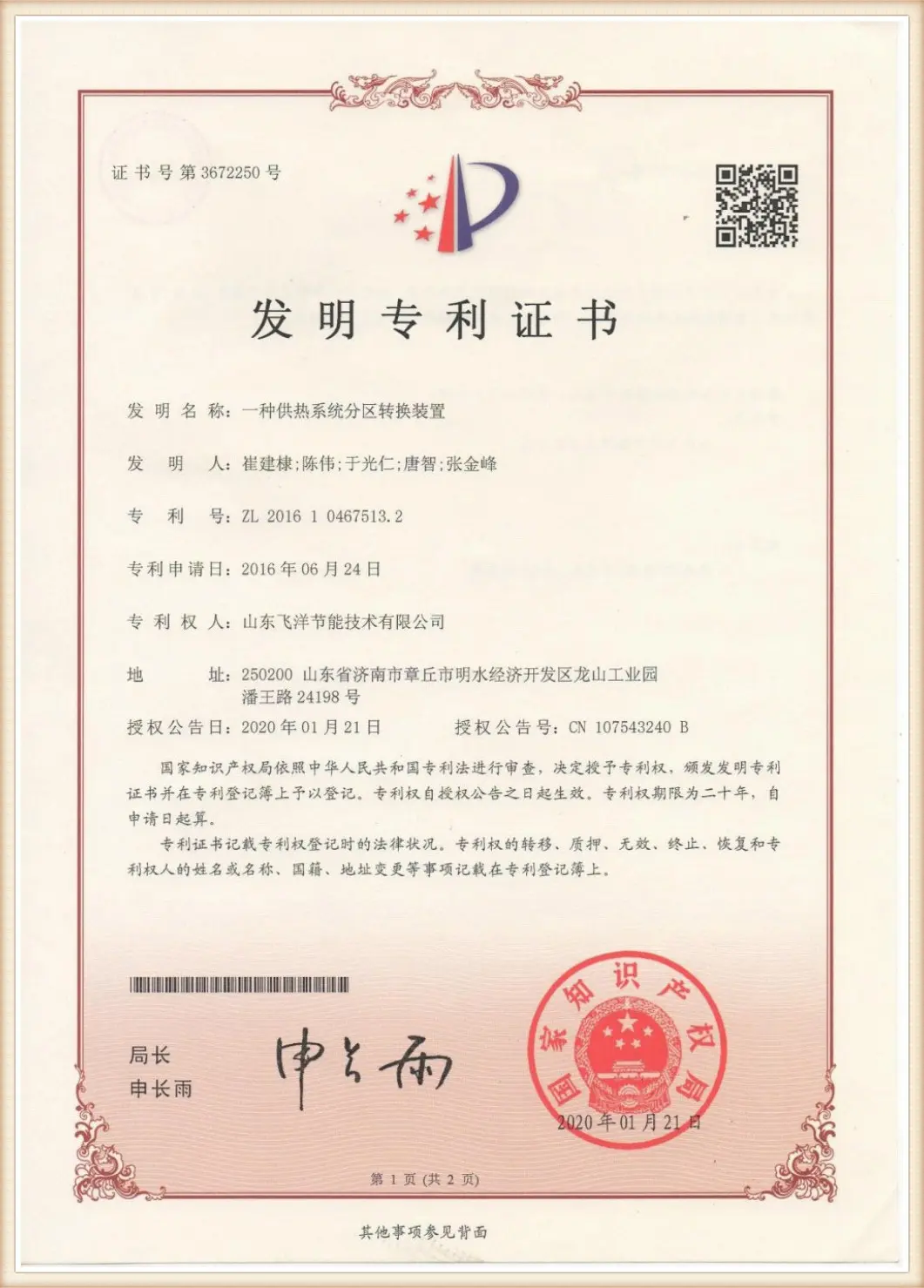
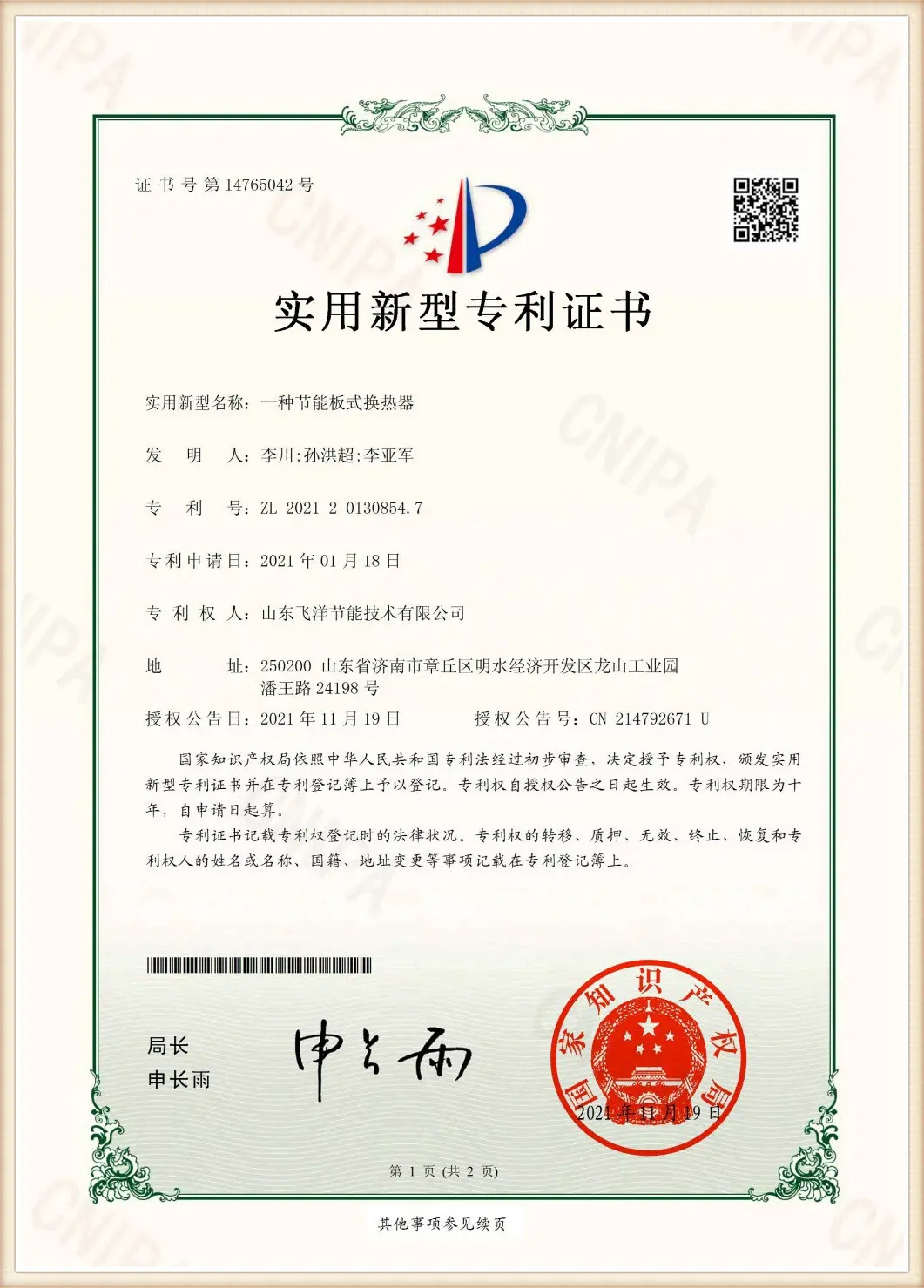
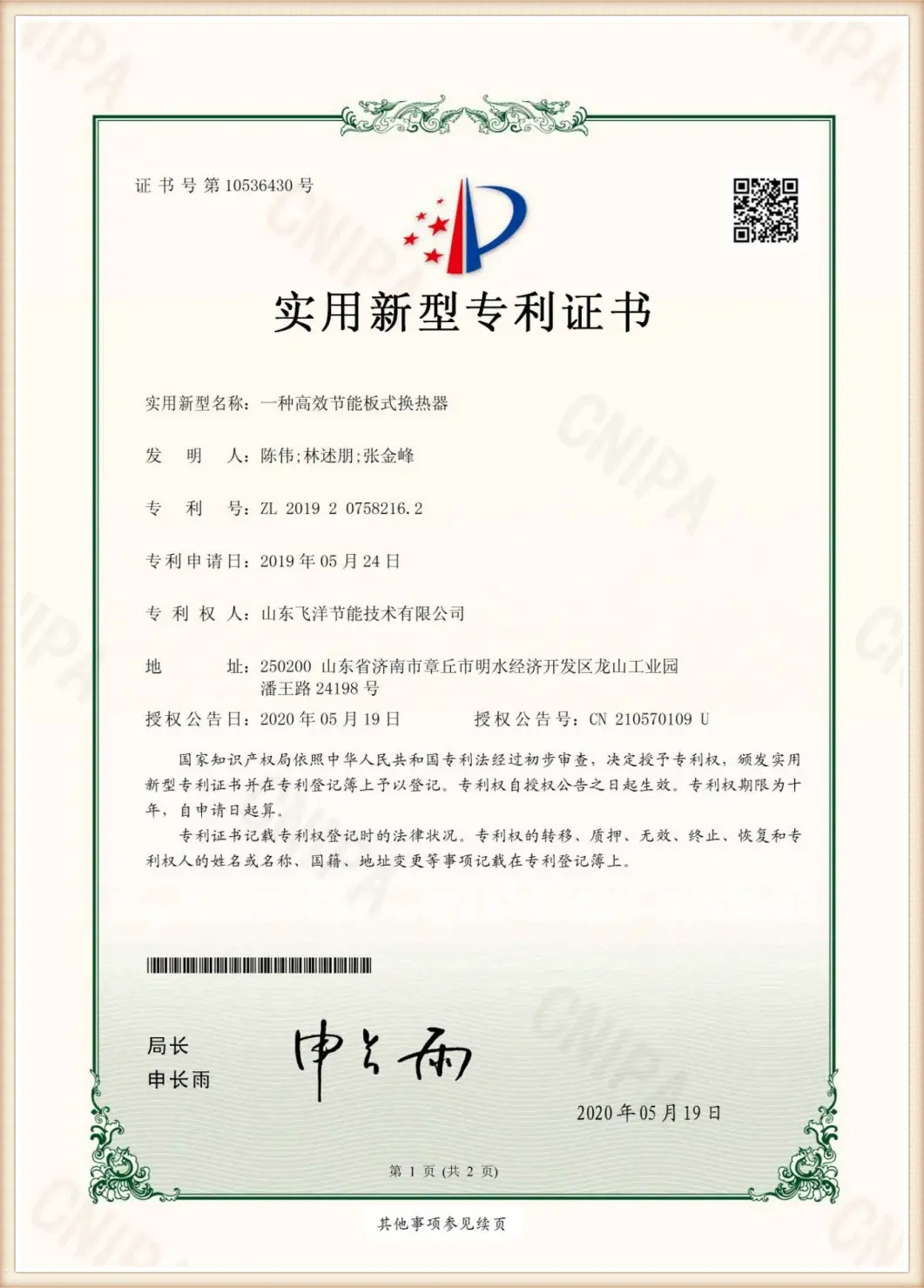
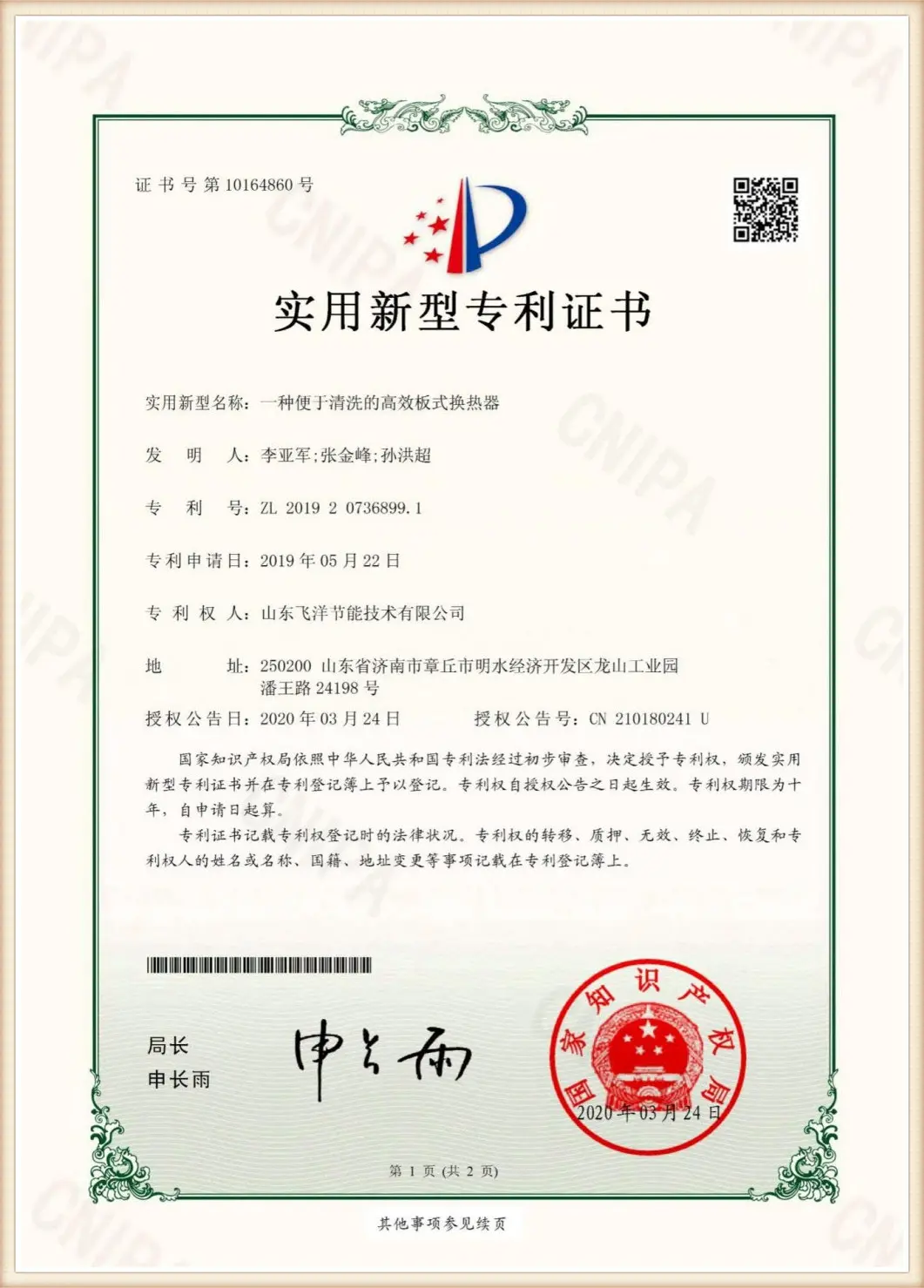
Our systems comply with major international quality and safety regulations. We hold ISO9001:2015, ISO14001, and ISO45001 certificates alongside safety registrations from standardizing technical committees.
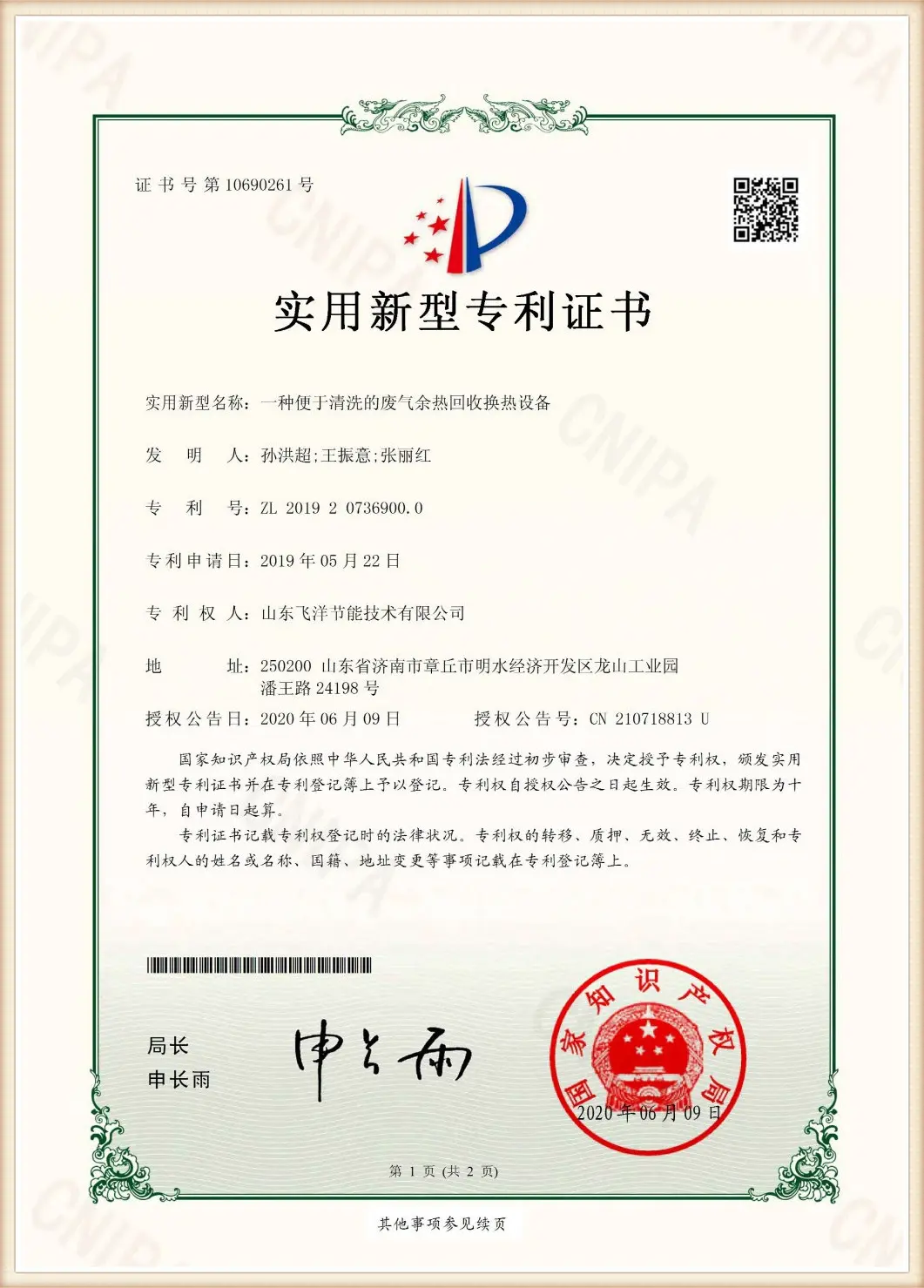
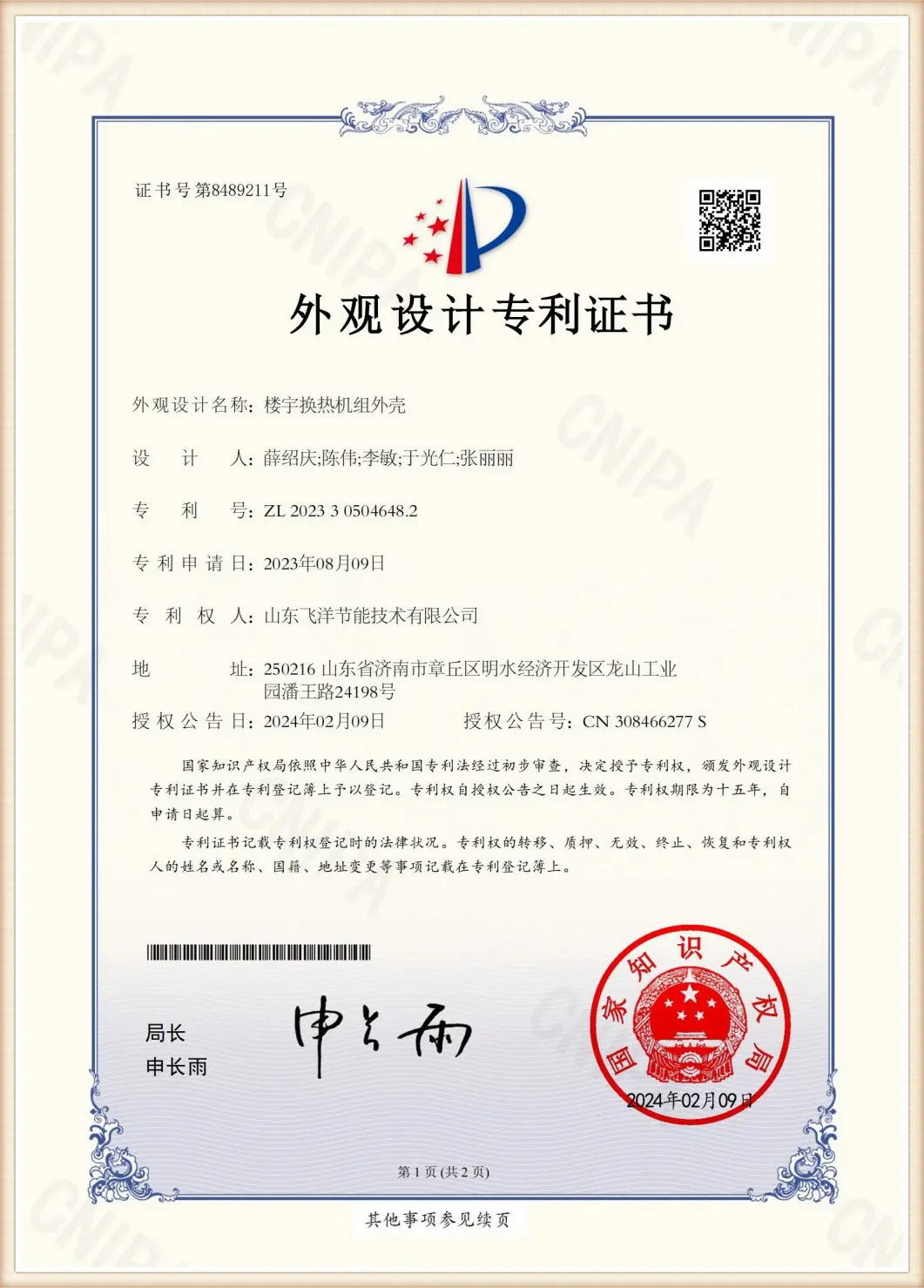
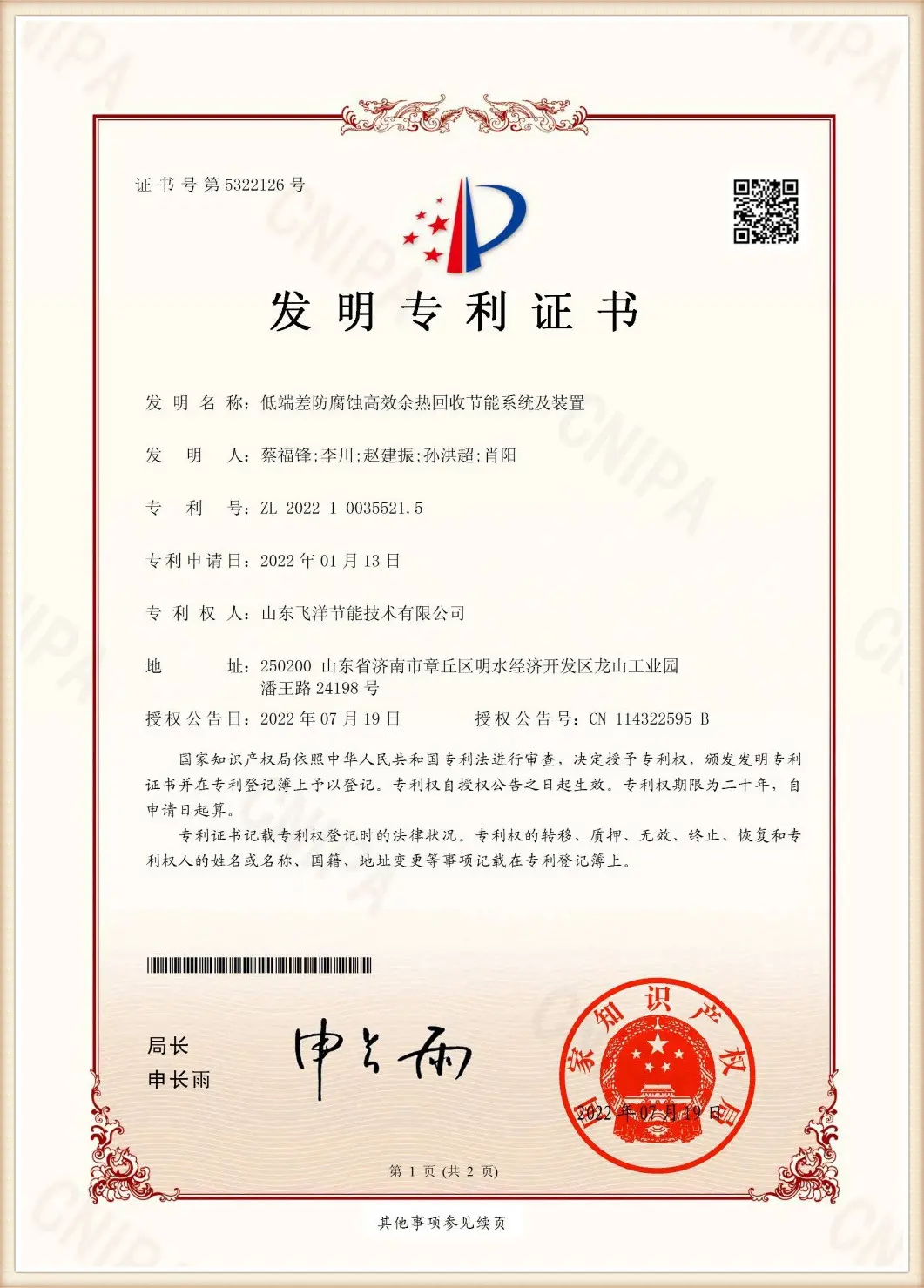
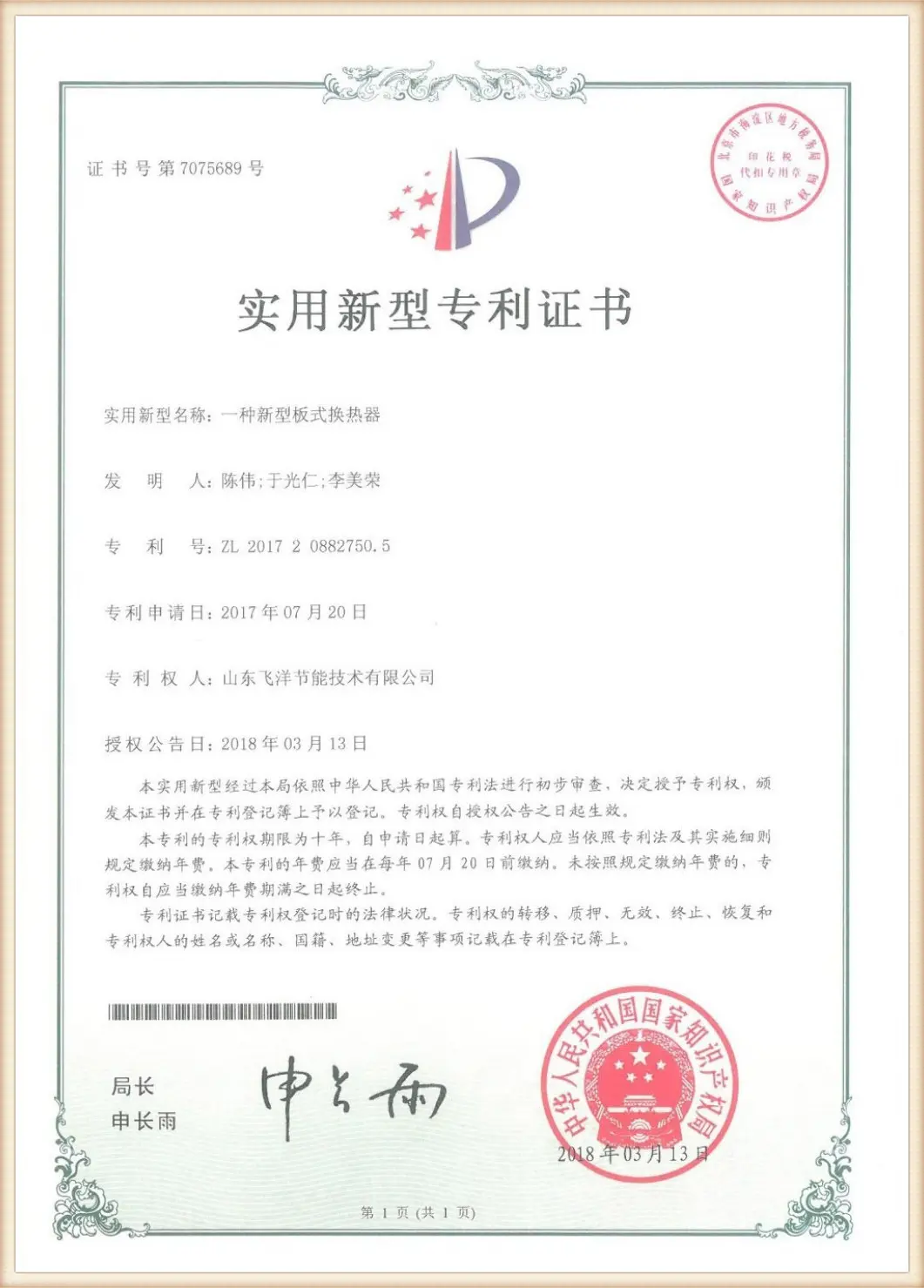
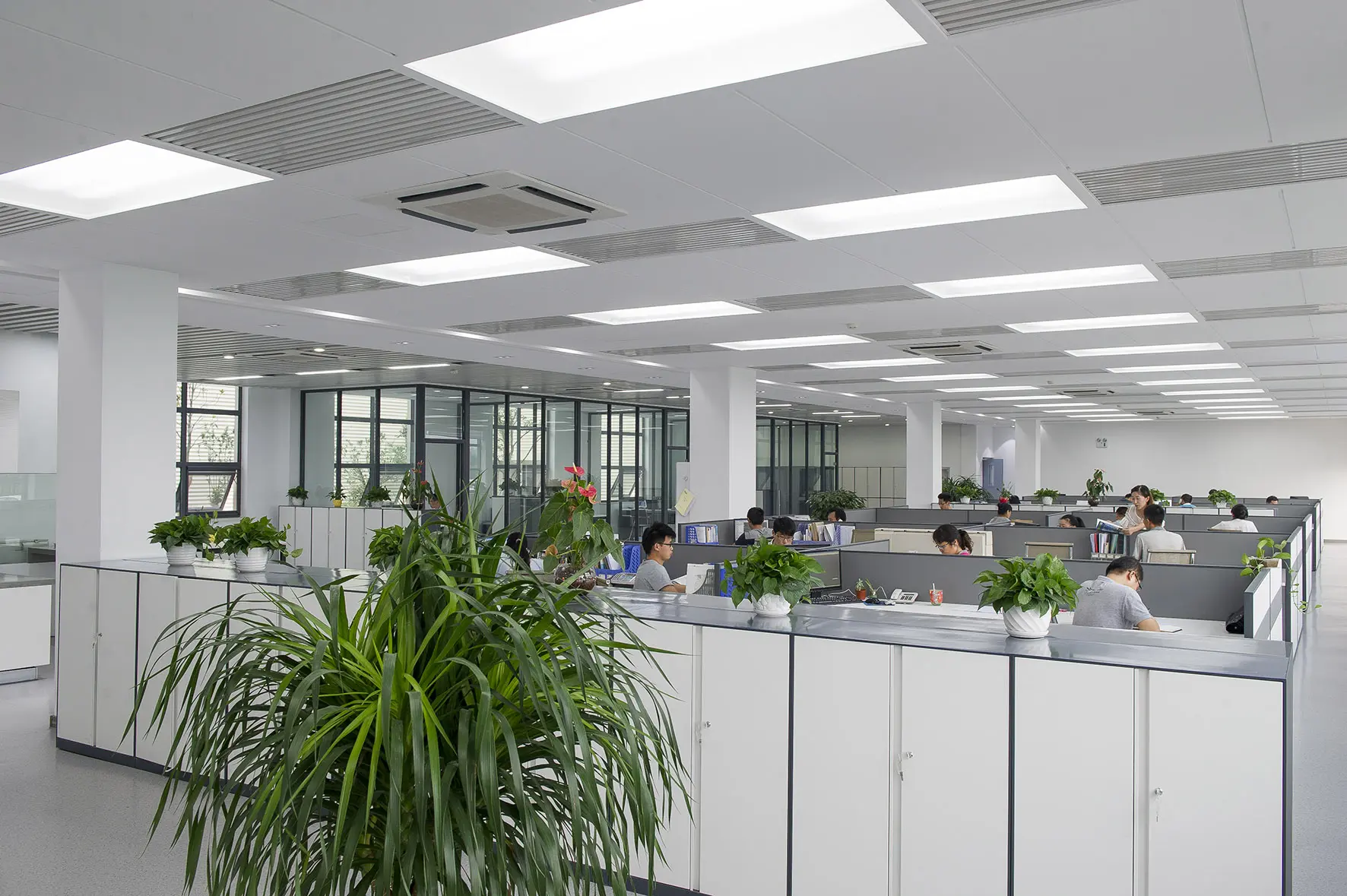
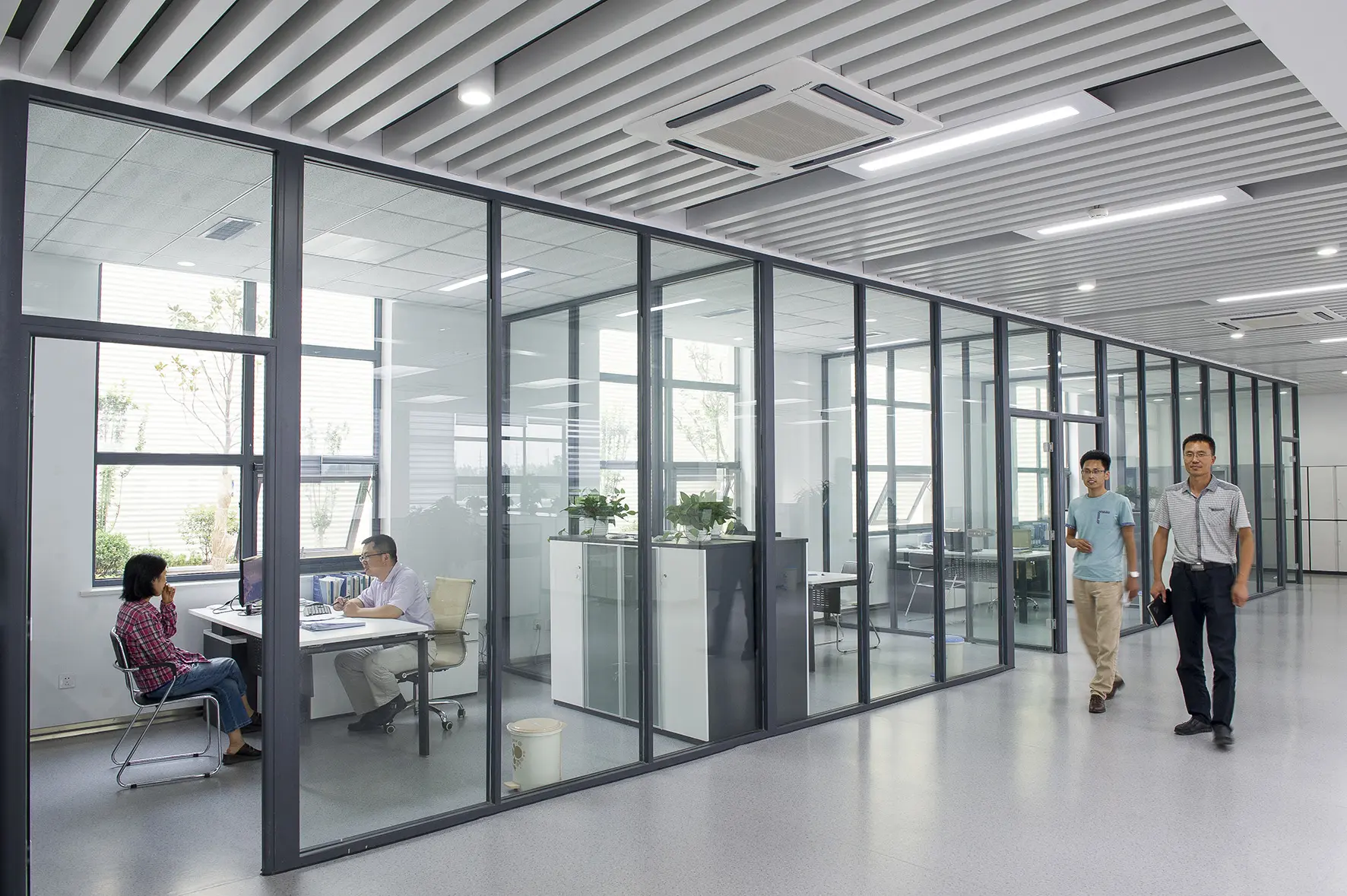
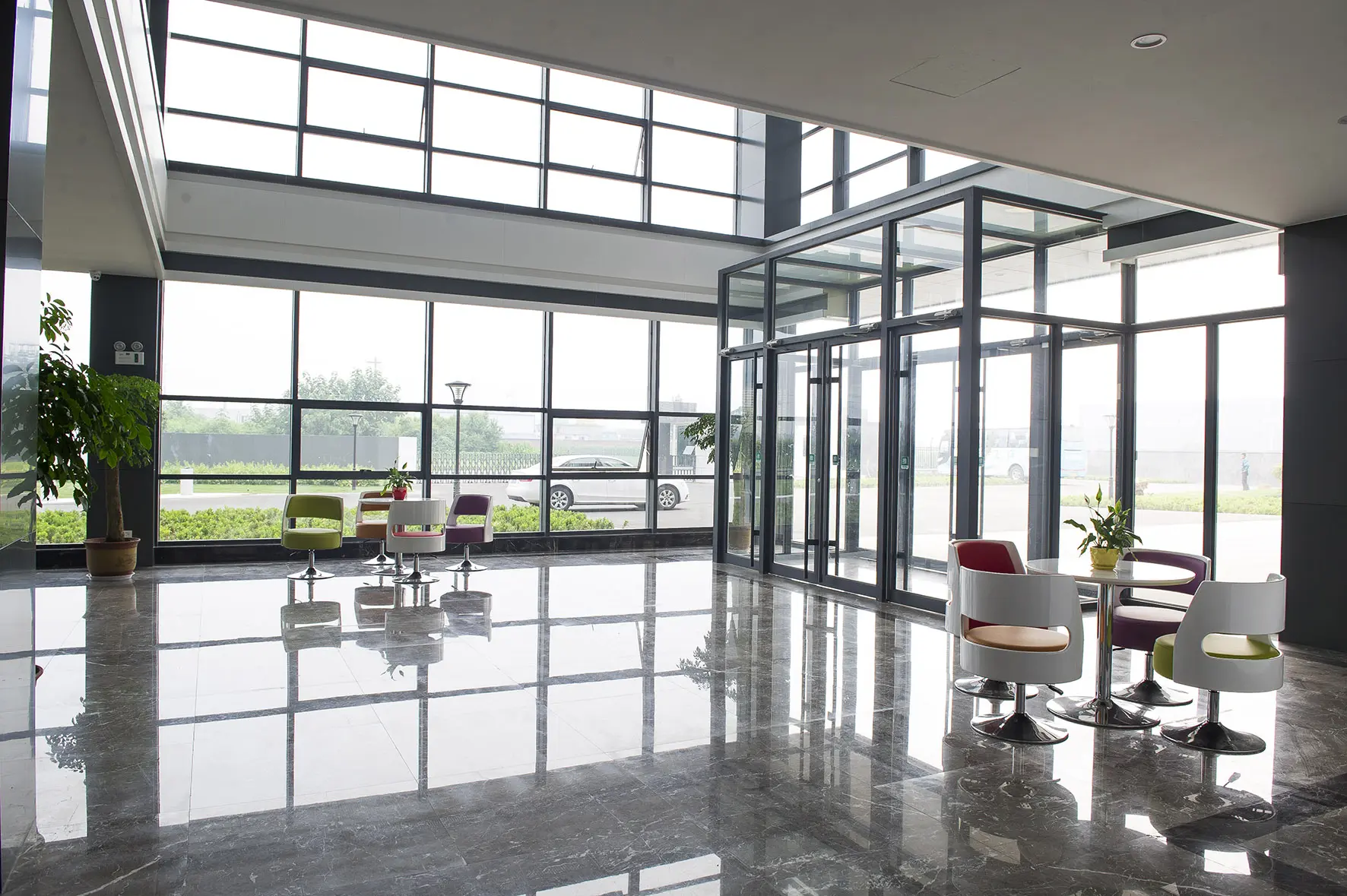
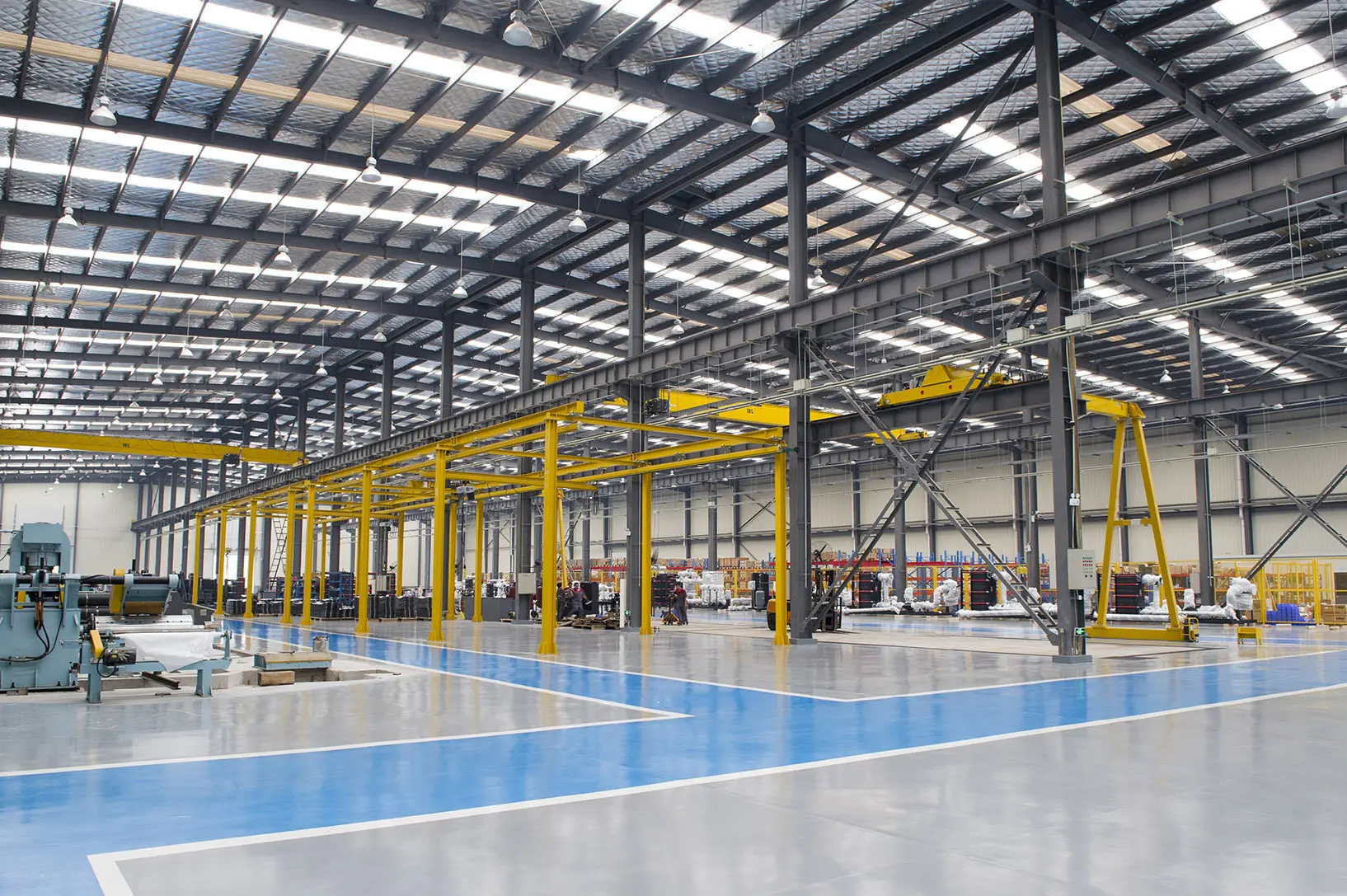
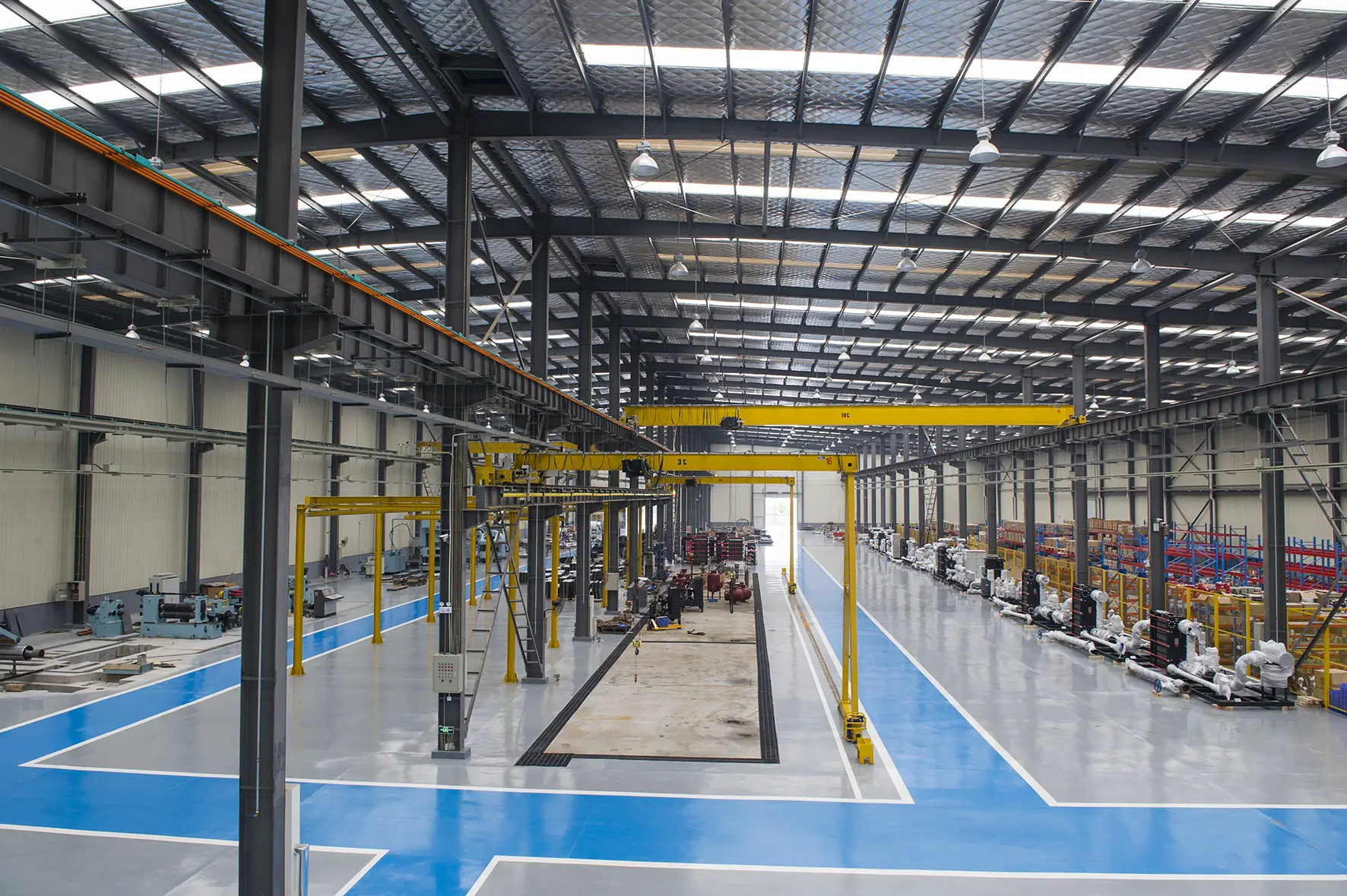
Take an inside look at our 70,000 square meter plant, equipped with automated stamping presses and strict quality testing stations.
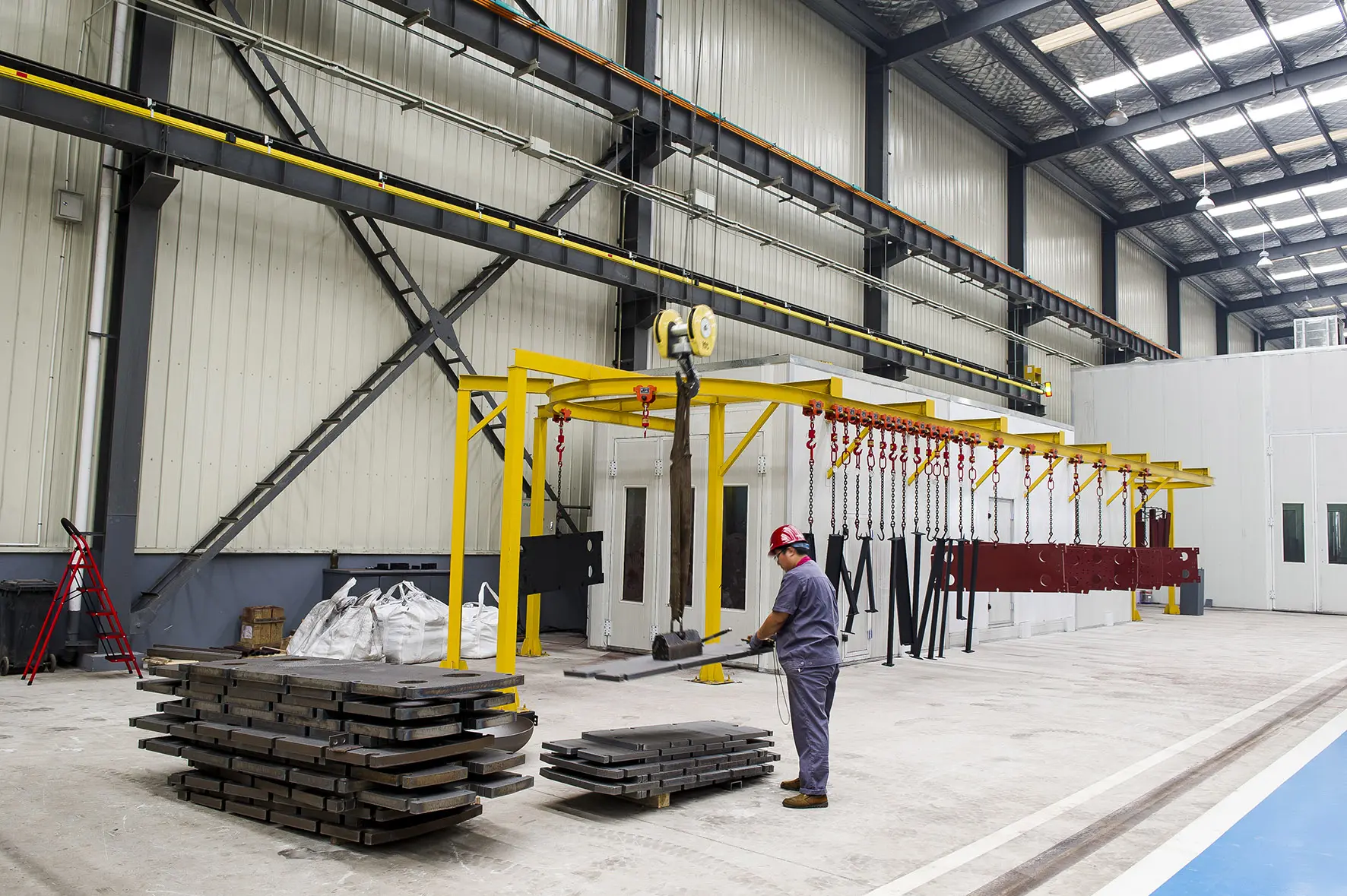
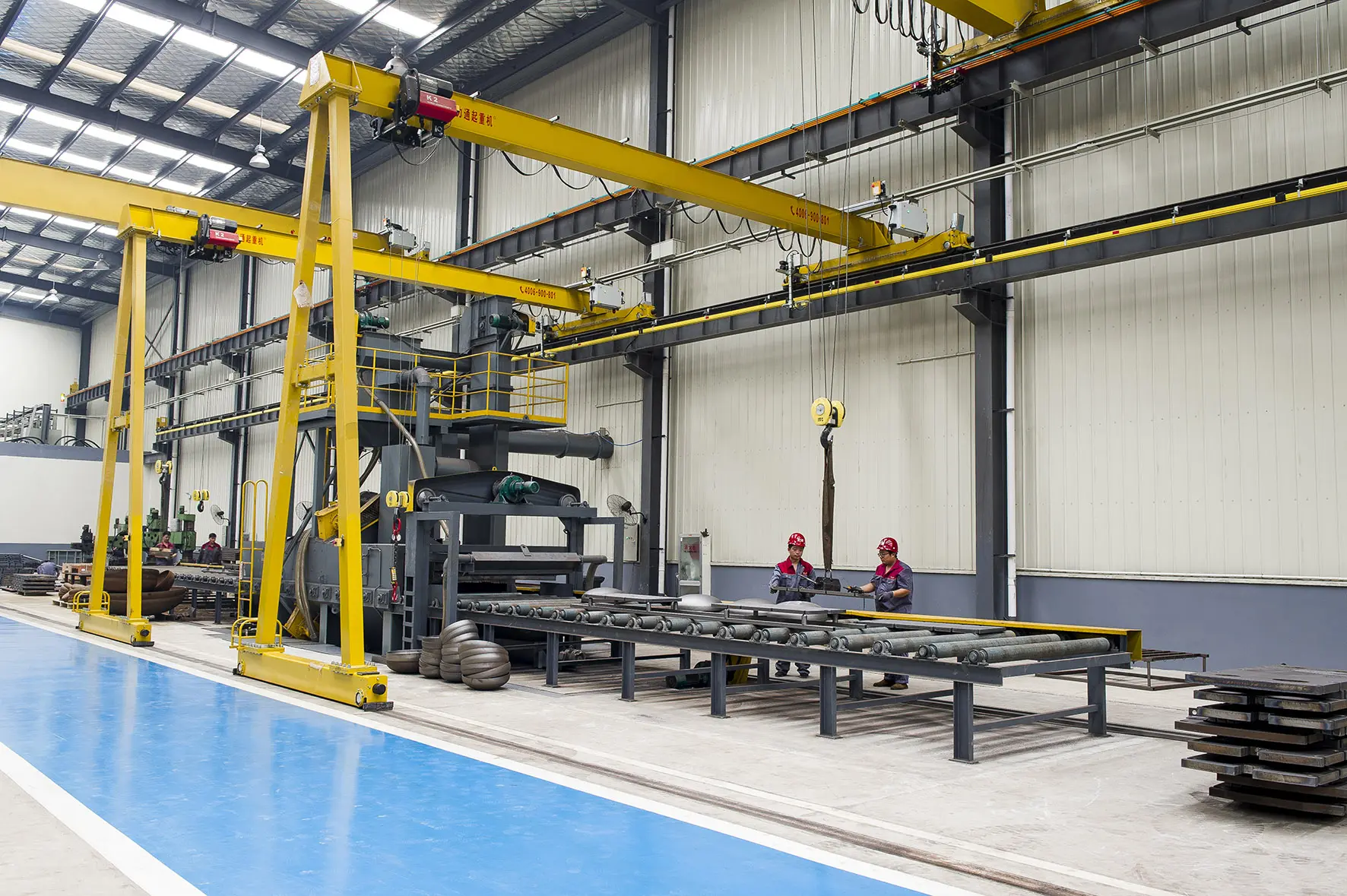
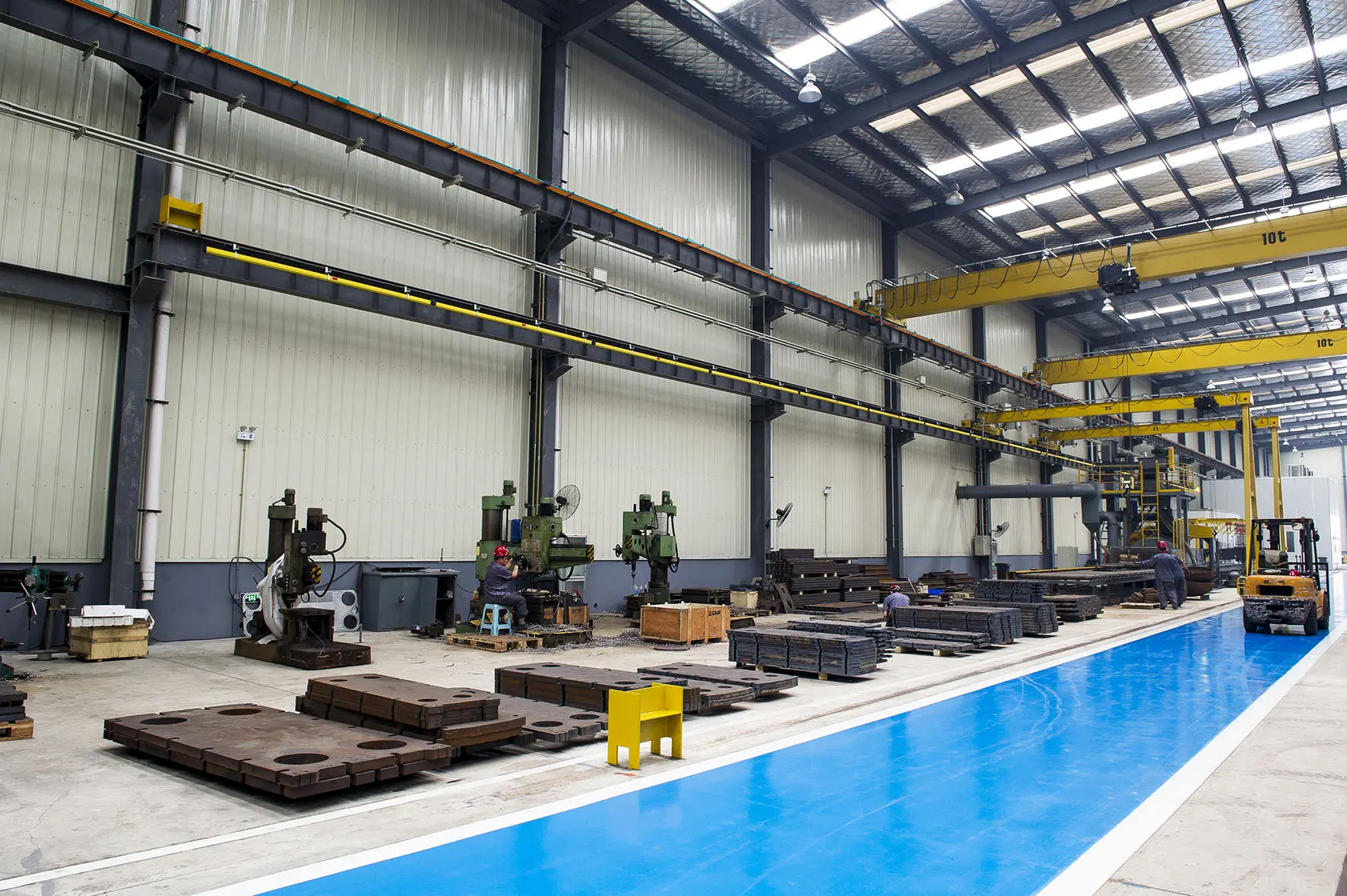
Detailed answers to critical engineering, installation, and procurement questions for project managers and system design engineers.
Explore our wider range of membrane systems, evaporation plants, and intelligent building HVAC units designed for heavy B2B installations.
 Flotte Energy