Explore our top-performing components engineered for high-precision heat distribution and fluid control.

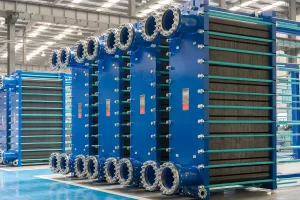
In modern global industrial applications, thermal management represents the backbone of process safety, mechanical endurance, and operational efficiency. Heat exchangers—whether of detachable plate configurations, high-pressure shell and tube designs, or integrated municipal heat exchange units—operate under extreme thermo-mechanical stresses. Over time, operational vulnerabilities such as mineral scaling, localized chemical corrosion, seal degradation, and transient hydraulic shocks threaten system equilibrium. Addressing these disruptions requires a sophisticated understanding of thermodynamics, mechanical structural integrity, and remote monitoring data interfaces.
As a premier wholesale supplier and production factory, Flotte Energy Saving Company has stood at the vanguard of the thermal engineering industry. Founded on a legacy dating back to Flotte Thermal Engineering in 1995, and formally incorporated in 2013 with a robust registered capital of 101 million yuan, we have spent three decades refining the art of high-efficiency fluid thermodynamics. Our design engineers and production technicians bring deep cross-industry expertise to the table, ensuring that the critical systems we supply deliver unmatched resilience, minimal operational downtime, and optimal energy retention.
"True energy efficiency is not merely achieved through raw heat exchange area; it is maintained through meticulous preventive diagnostics and robust equipment engineering designed to withstand the harshest operations."
A precise thermodynamic breakdown of performance anomalies, leakage paths, and mechanical failure mitigations.
A drop in the heat transfer coefficient ($U$) is almost universally tied to surface fouling. When minerals (such as calcium carbonate or silica), organic biofilms, or suspended particulates settle on heat transfer plates or tube surfaces, they introduce an additional conductive resistance layer ($R_f$). The overall heat transfer equation becomes:
1 / U_dirty = 1 / h_hot + 1 / h_cold + R_fouling + (Thickness / Thermal_Conductivity_Wall)
Troubleshooting Actions: Periodically measure the Logarithmic Mean Temperature Difference (LMTD) and overall pressure drop. If the LMTD increases while the outlet temperatures drift from design specifications, descaling is mandatory. For plate heat exchangers, implementing Flotte’s patented Plate Heat Exchanger Scale Removal Device helps restore nominal thermal conductance without damaging the corrugated plates.
External fluid leaks and cross-stream contamination are critical failures in chemical, food-grade, or HVAC applications. In plate units, gasket failure often results from aging (hardening of EPDM or NBR elastomers), severe thermal cycling, or over-tightening. In shell and tube units, failure manifests as tube-to-tubesheet joint leaks, often driven by thermal expansion differentials or galvanic corrosion.
Troubleshooting Actions: For plate exchangers, maintain strict adherence to the manufacturer's clamping dimension, designated as "Dimension A". Under-tightening causes bypassing; over-tightening crushes the elastomer gasket. Regularly conduct non-destructive testing (NDT), such as helium leak detection or dye penetrant tests on plates, to identify micro-cracks before cross-contamination occurs.
Sudden valve closures or rapid pump startups induce pressure surges—known as water hammer—that propagate through fluid conduits. These shockwaves easily exceed the maximum allowable working pressure (MAWP) of standard heat exchanger plates, causing localized plastic deformation near the ports. This structural distortion compromises the sealing channels, leading to catastrophic gasket blowout.
Troubleshooting Actions: Ensure that municipal and industrial systems are equipped with slow-closing motorized valves, surge tanks, and secondary network intelligent balancing valves. Installing Flotte's Intelligent Unit Balance Valves dynamically mitigates erratic pressure spikes by regulating fluid flow in real-time, effectively isolating the heat exchange plates from volatile hydraulic forces.
How regional demands, municipal regulations, and specific fluid profiles dictate our field-level troubleshooting strategies.
In Northern European, North American, and Northern Chinese municipal networks, primary heating loops must exchange energy with secondary residential loops. Troubleshooting here centers on managing low-temperature return demands and preventing freezing during system outages. Integrating Flotte’s Room Temperature Collector and Intelligent Regulation and Balance System allows operators to detect temperature drops at the user end and dynamically modulate flow, avoiding localized plate freezing.
Chemical plants handle highly aggressive process fluids that induce stress-corrosion cracking (SCC) in basic stainless steel. Operators frequently battle corrosion under insulation (CUI) and weld decay. Troubleshooting involves identifying high chloride concentrations and switching to exotic alloys (Hastelloy, Titanium). Flotte's R&D center conducts routine water quality checks and material compatibility testing to match regional water chemistries.
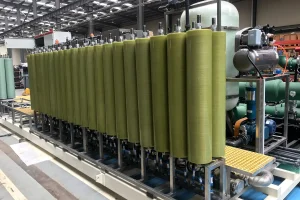
In cleanroom applications, cross-contamination is a zero-tolerance failure mode. When troubleshooting membrane concentration and multi-effect evaporation loops, operators must isolate organic fouling from mineral scale. Flotte’s Membrane Concentration Systems utilize specialized backwash routines and pressure-regulating bypass valves to maintain absolute boundary integrity between sanitary fluids and industrial utility lines.
The future of industrial troubleshooting is rapidly shifting from manual periodic descaling to automated, real-time predictive analytics. Traditionally, maintenance personnel waited for a drop in thermal efficiency or visual leakage before scheduling shutdowns. This reactive model is costly, causing significant process disruptions.
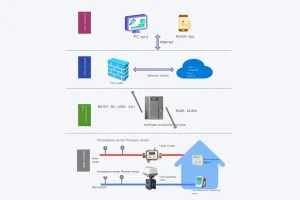
Flotte’s technology roadmap integrates smart sensors directly into the design of heat exchange units. Our Intelligent Heating Network Monitoring System Solutions collect real-time data on temperature gradients, differential pressure fluctuations, and flow rate deviations. This telemetry is processed via edge-computing nodes using predictive maintenance algorithms to determine the fouling index ($I_f$).
By monitoring the rate of decay in the overall heat transfer coefficient ($dU/dt$), the system forecasts the exact timeframe when cleaning will yield the highest ROI. This data-driven approach minimizes premature maintenance, prevents gasket failure, and extends the overall service life of the equipment.
How Flotte's vertically integrated manufacturing model ensures consistency, speed, and structural integrity.
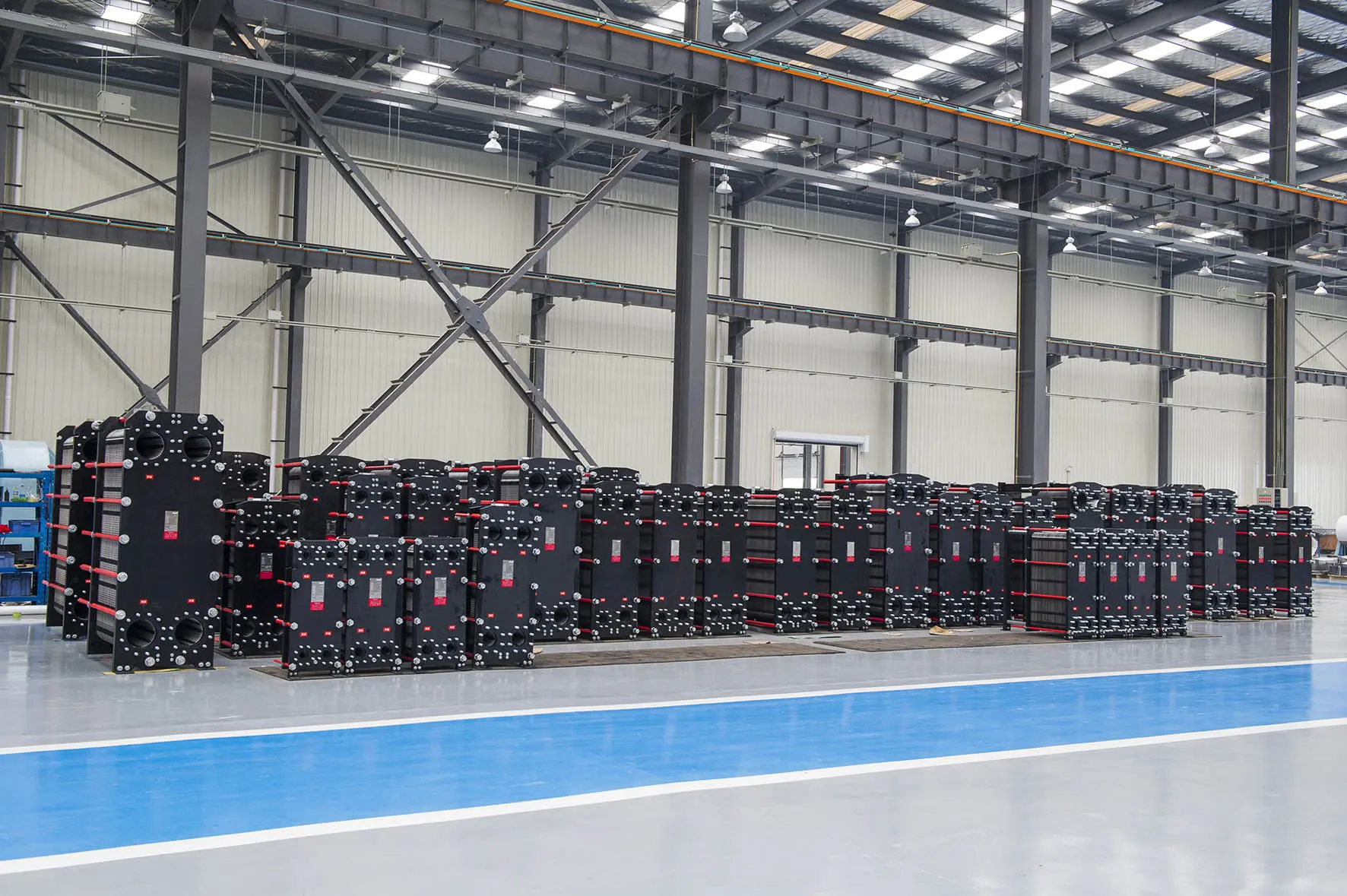
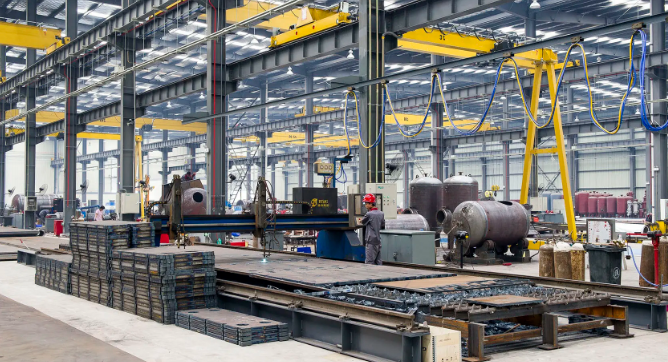
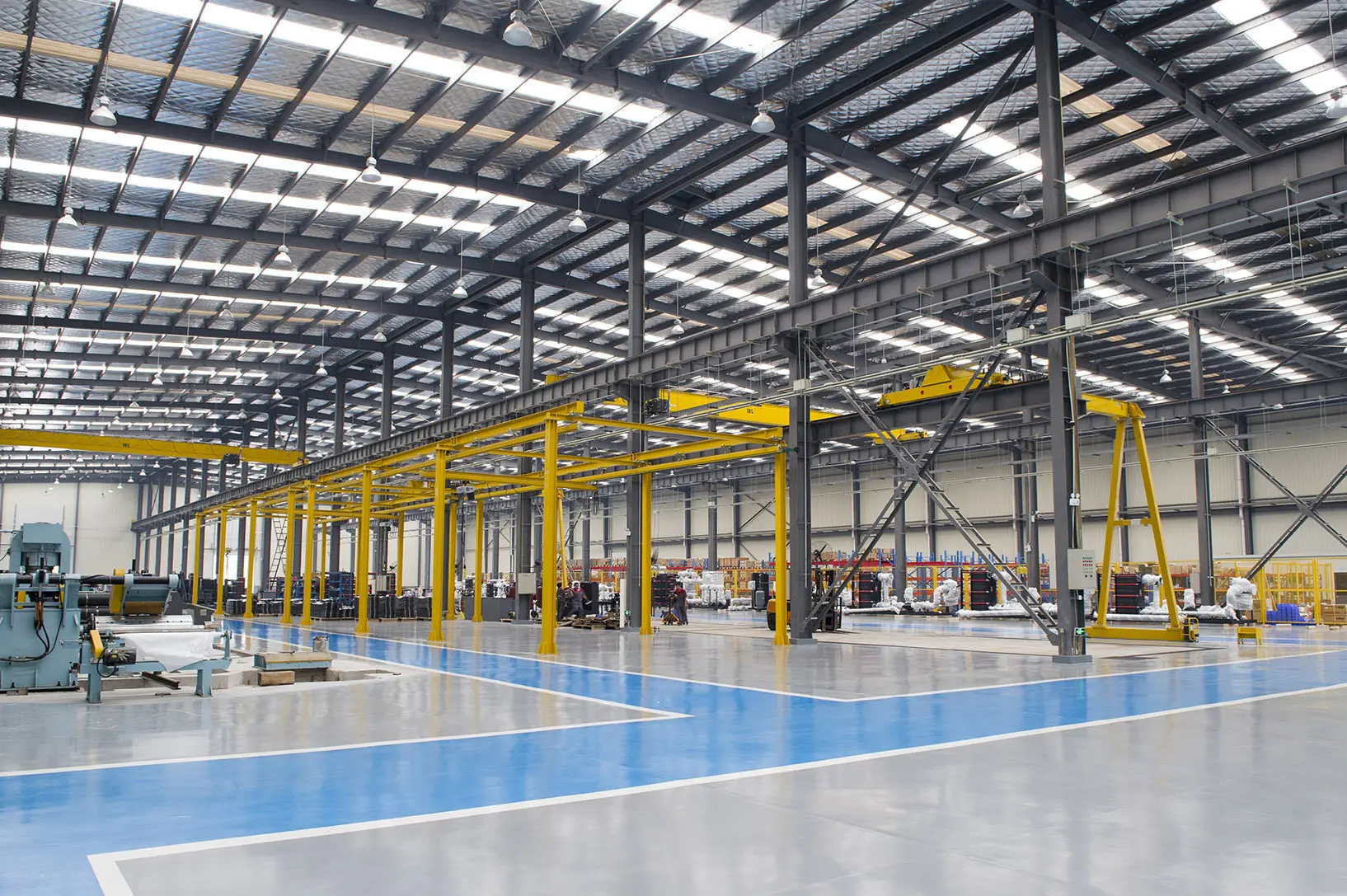
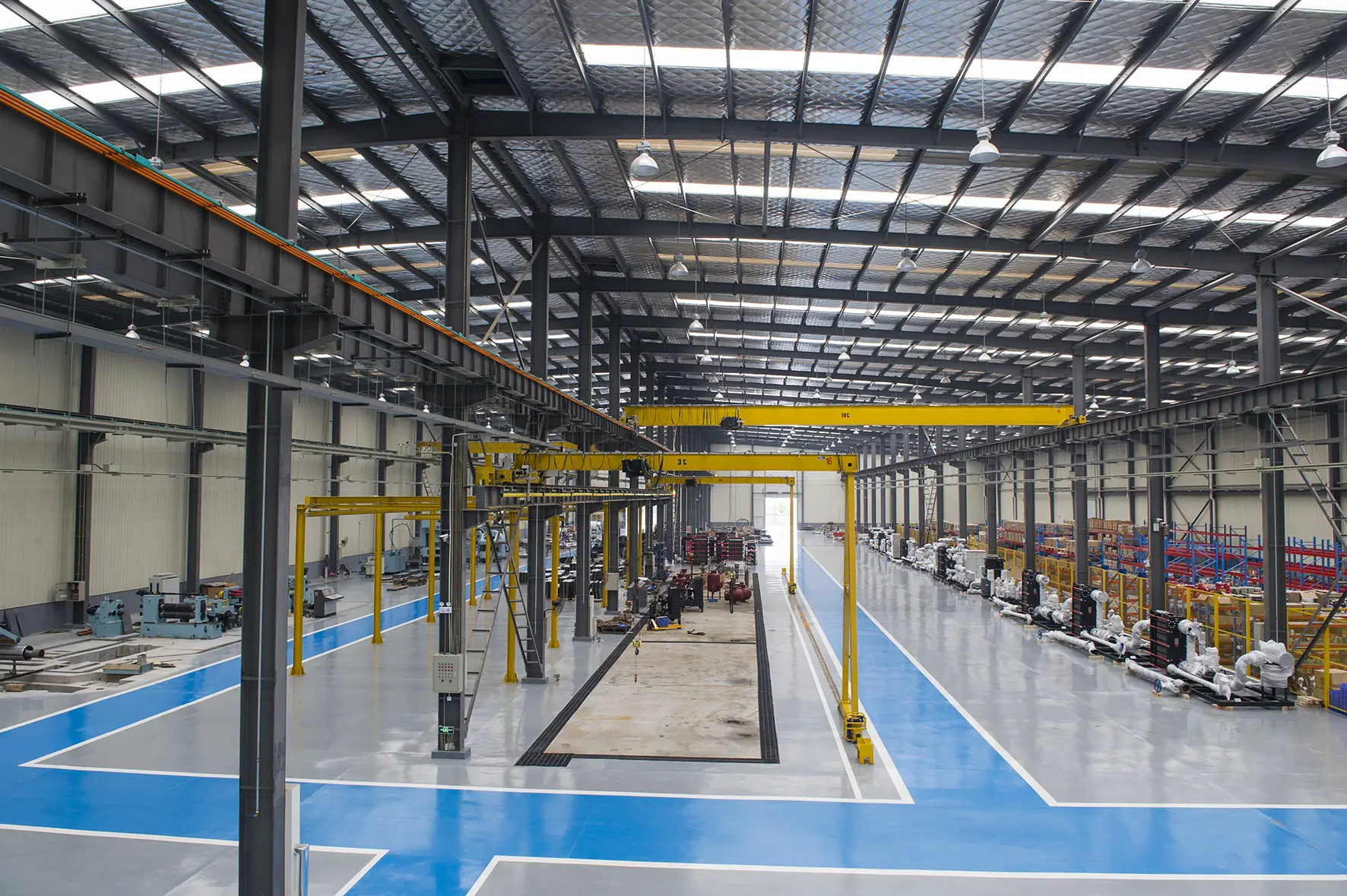
Flotte operates a 70,000 square meter industrial base, manufacturing approximately 4,500 heat exchange units and water supply/drainage sets annually. Our vertical integration controls every process step, from sheet stamping to final pressure testing.
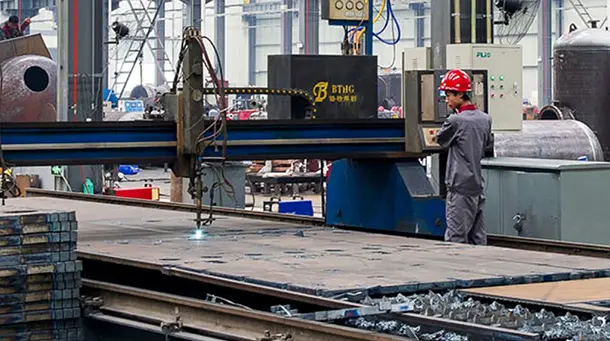
Precision cutting of structural frame plates to ensure uniform stress distribution across the final assembly.
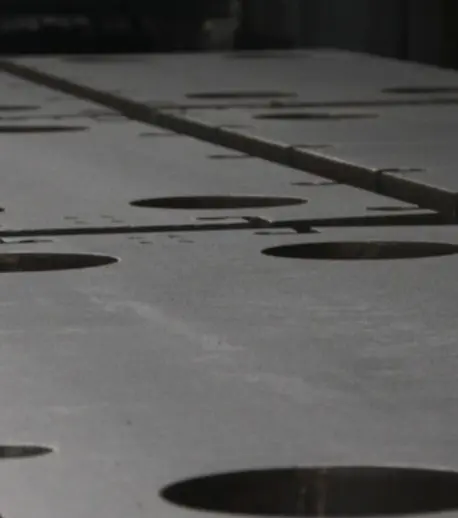
Refining the grain structure of key structural nodes to enhance resistance to fatigue under cyclic pressures.
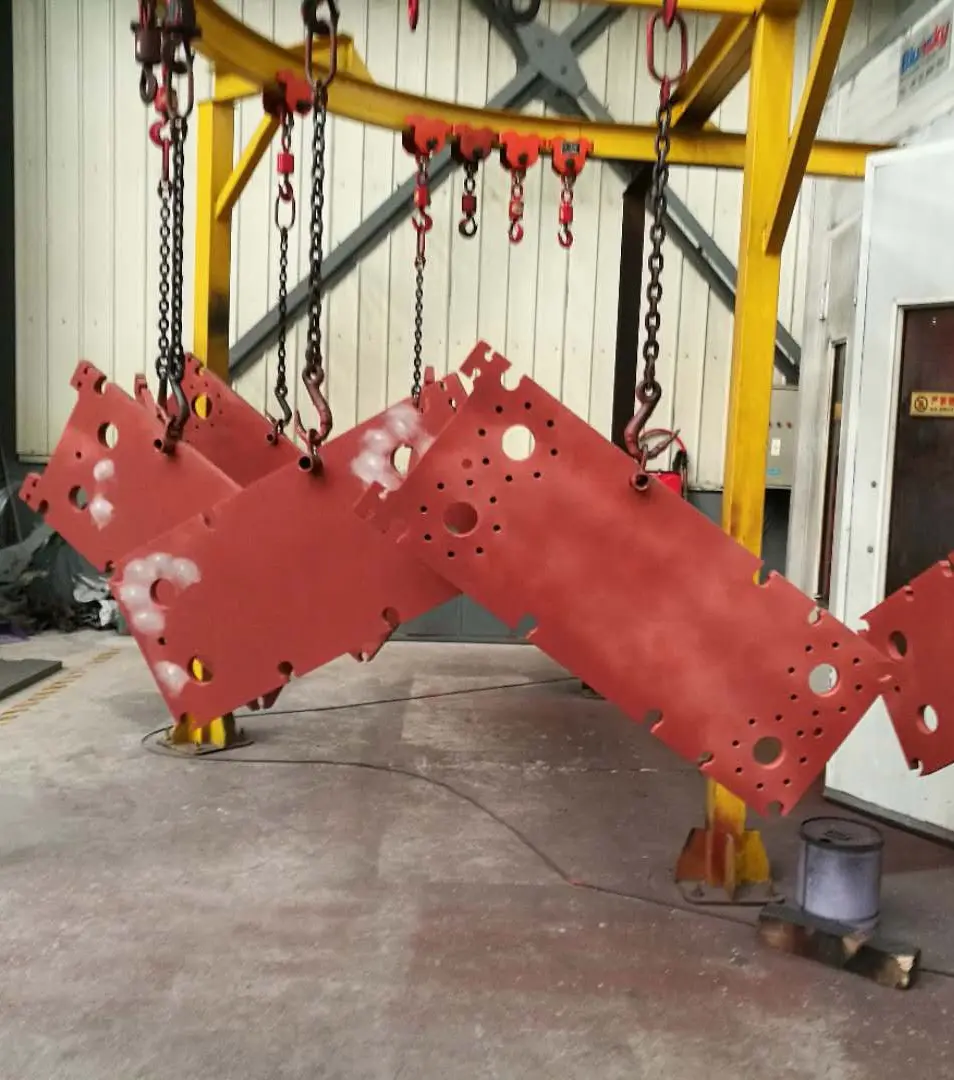
Applying multi-layer anti-corrosive coatings to frame plates for superior environmental protection.
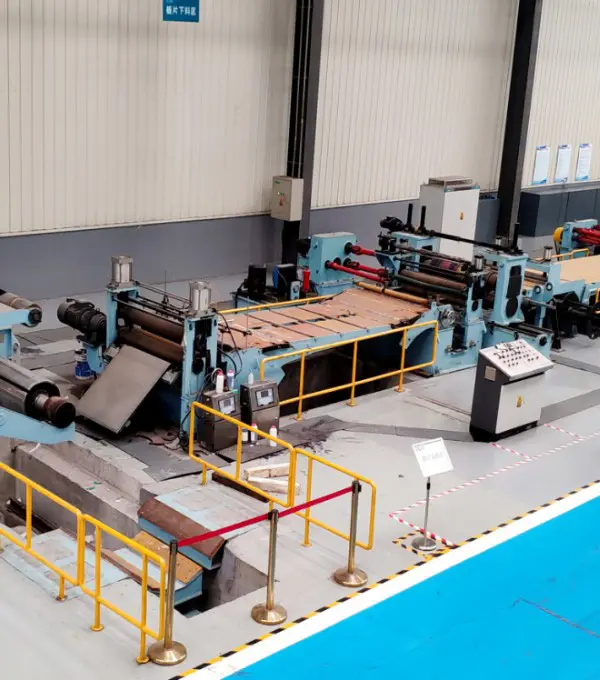
Laser-cutting premium alloys with complete traceability coding for materials and manufacturing batches.
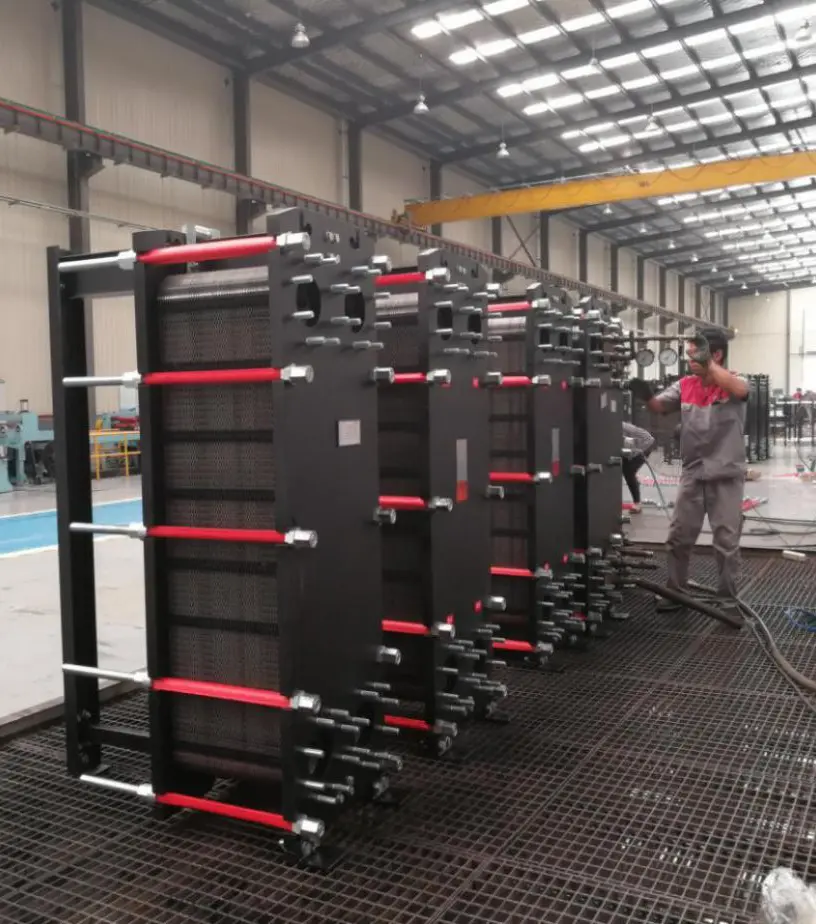
Testing units at 1.25 to 1.5 times their design pressure to verify structural integrity and prevent leaks.
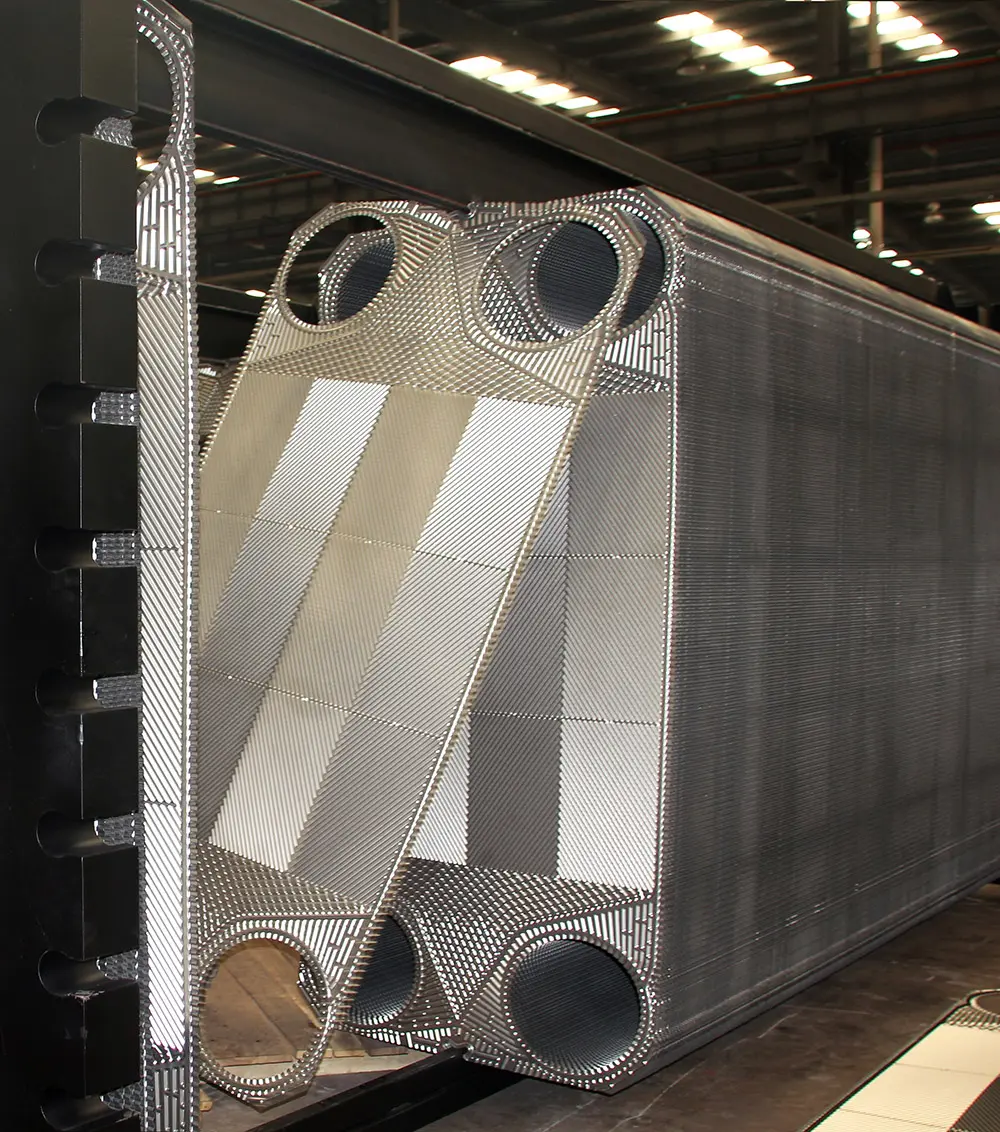
Precision plate alignment and clamping to exact dimensions by certified assembly technicians.
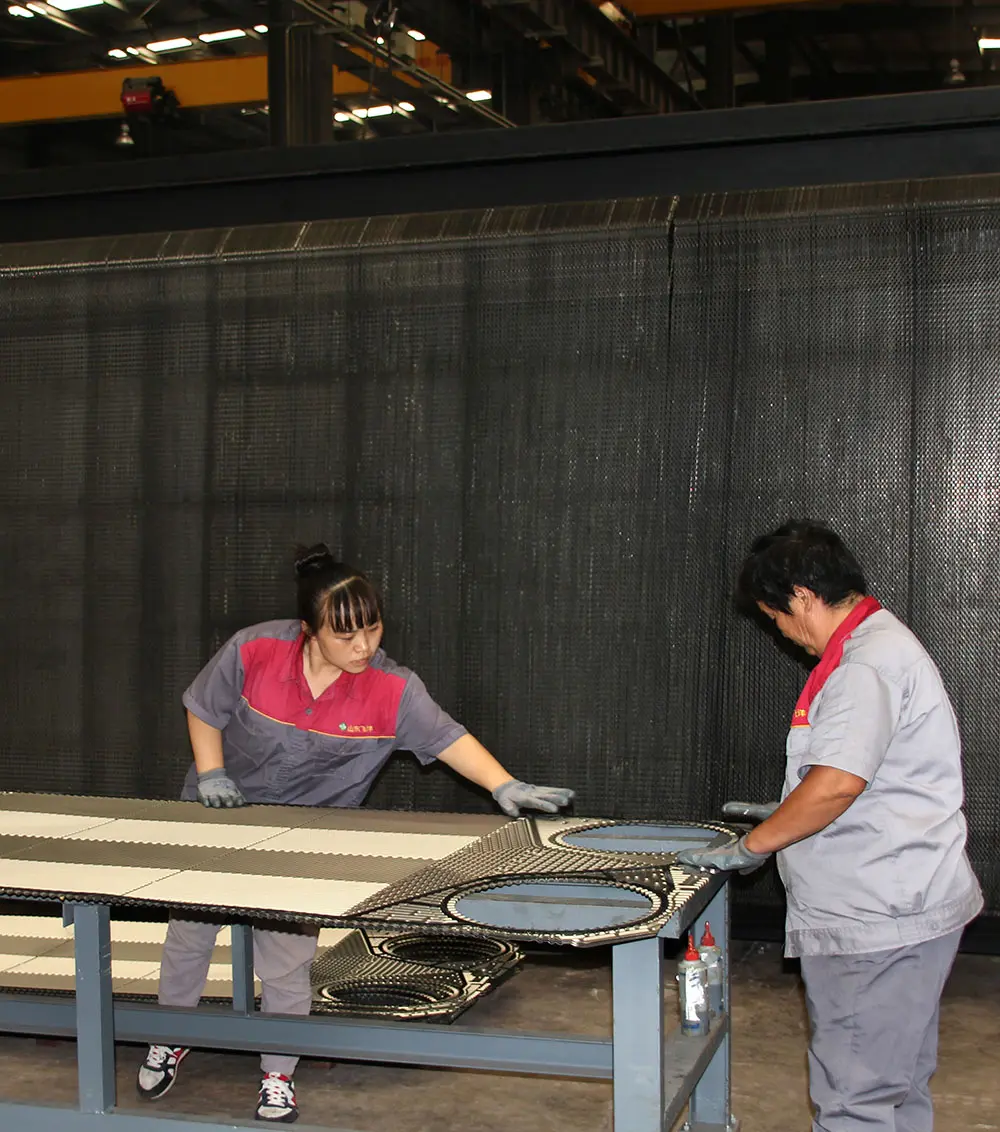
Applying high-grade elastomer seals to ensure stable and leak-free performance under pressure.
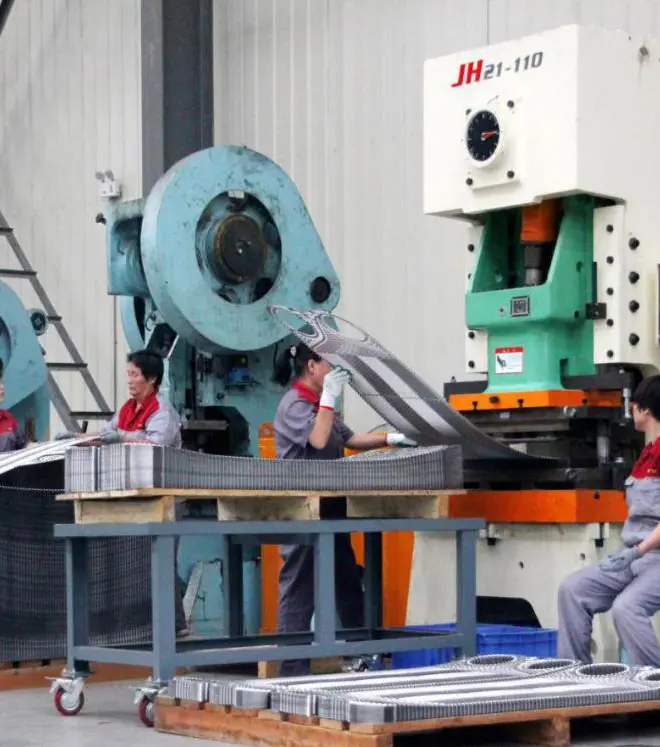
High-speed mechanical punching of inlet and outlet ports to ensure smooth, burr-free fluid entryways.
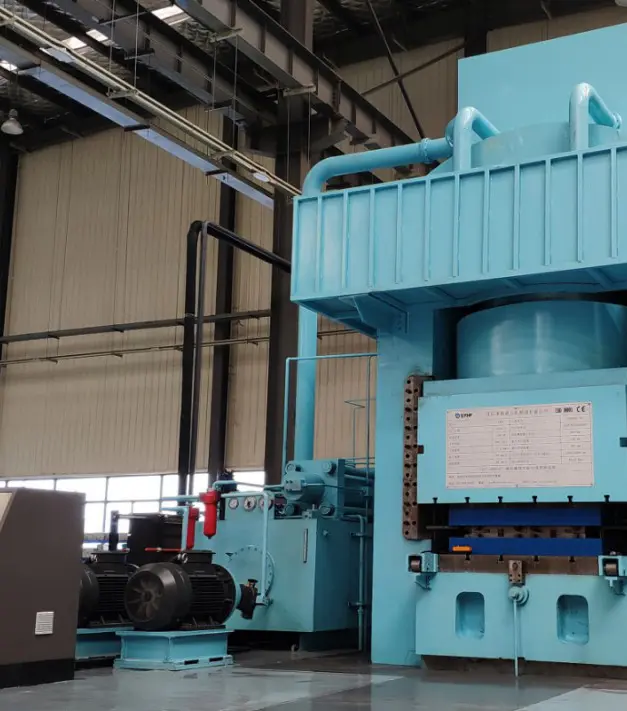
One-step press stamping of corrugated chevron patterns to ensure uniform plate thickness and structure.
Our engineering and manufacturing operations strictly comply with national and international quality frameworks.
Operating in international markets requires strict compliance with pressure vessel standards. Flotte’s products adhere to the ISO 9001:2015 quality management system, ISO 14001:2015 environmental standard, and ISO 45001:2018 occupational health framework.
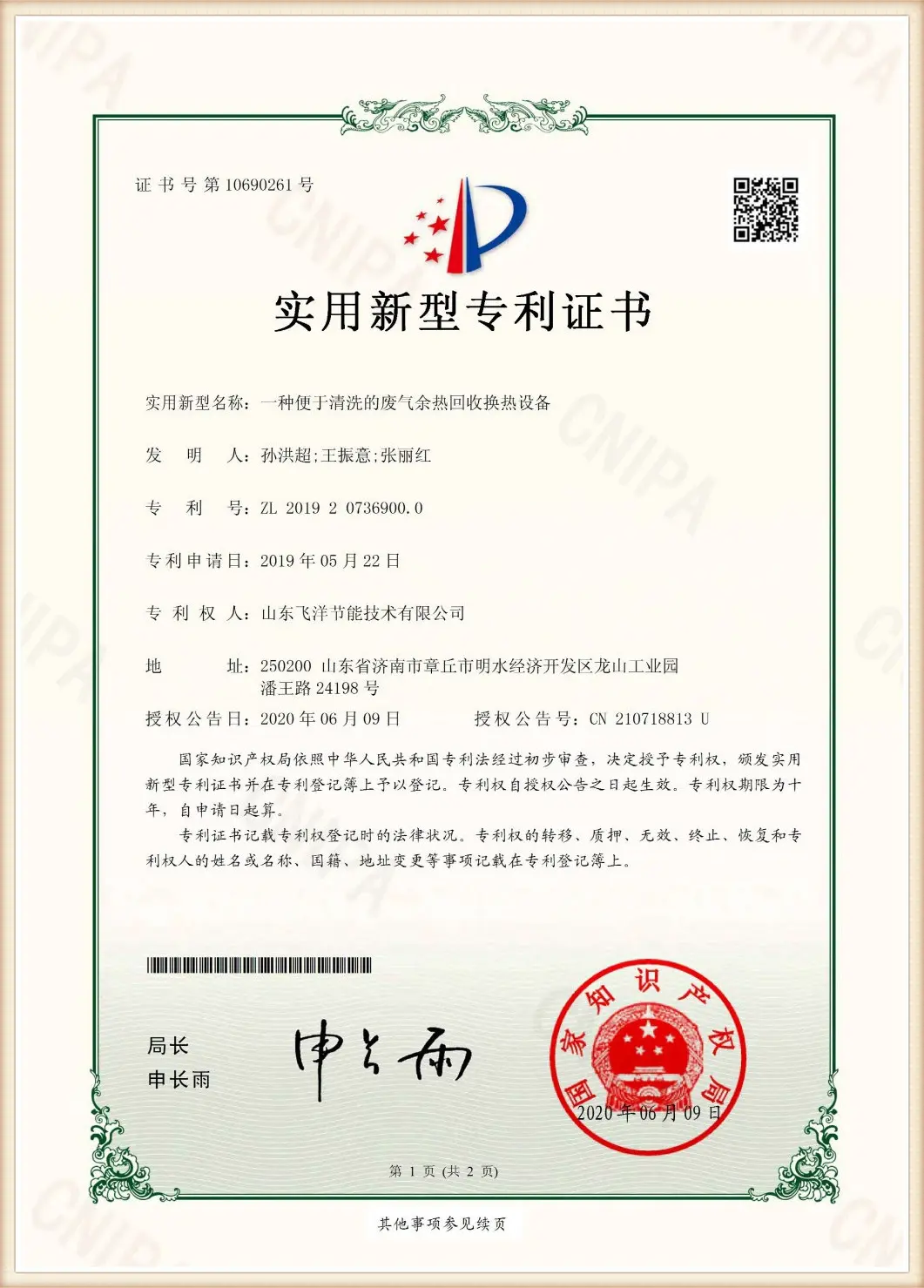
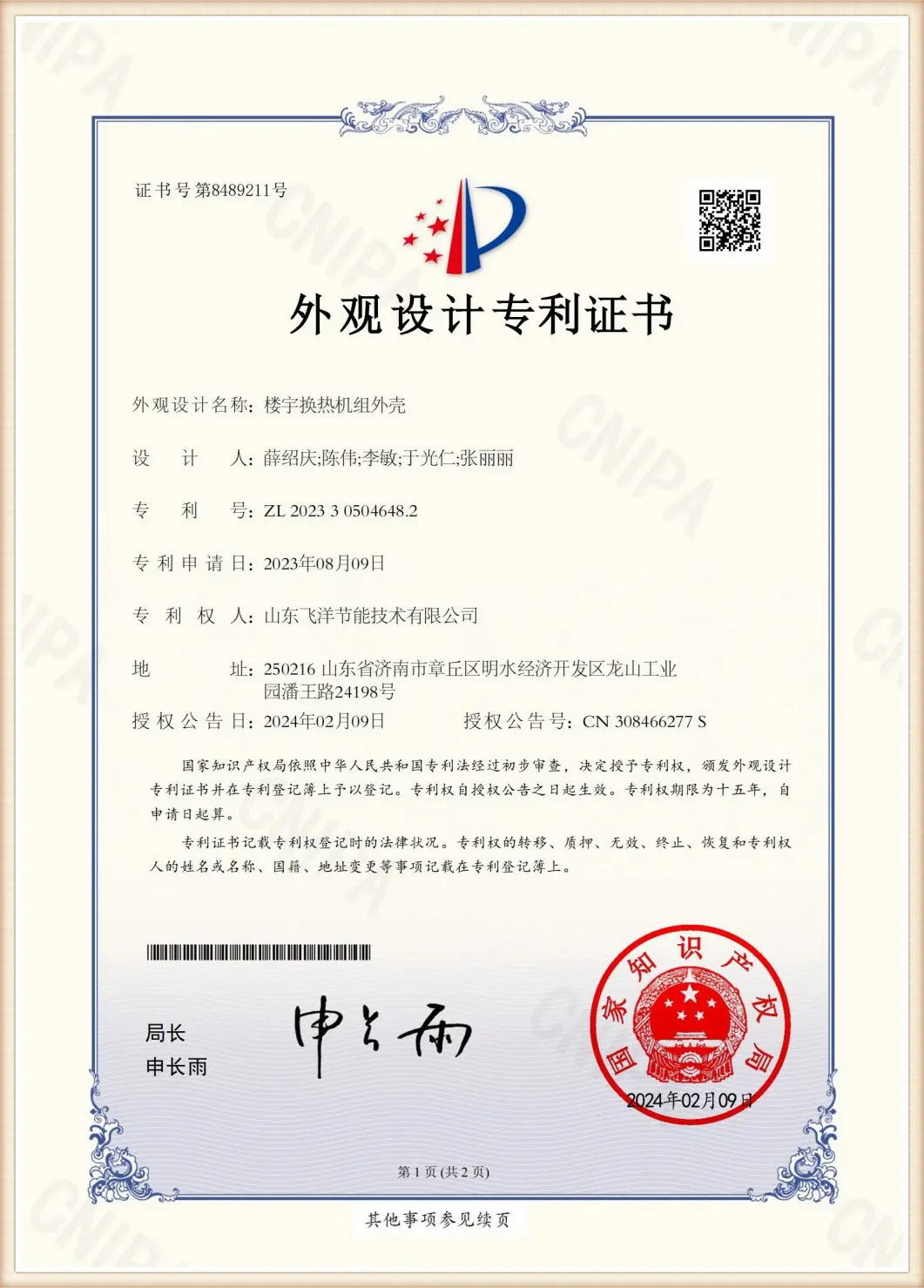
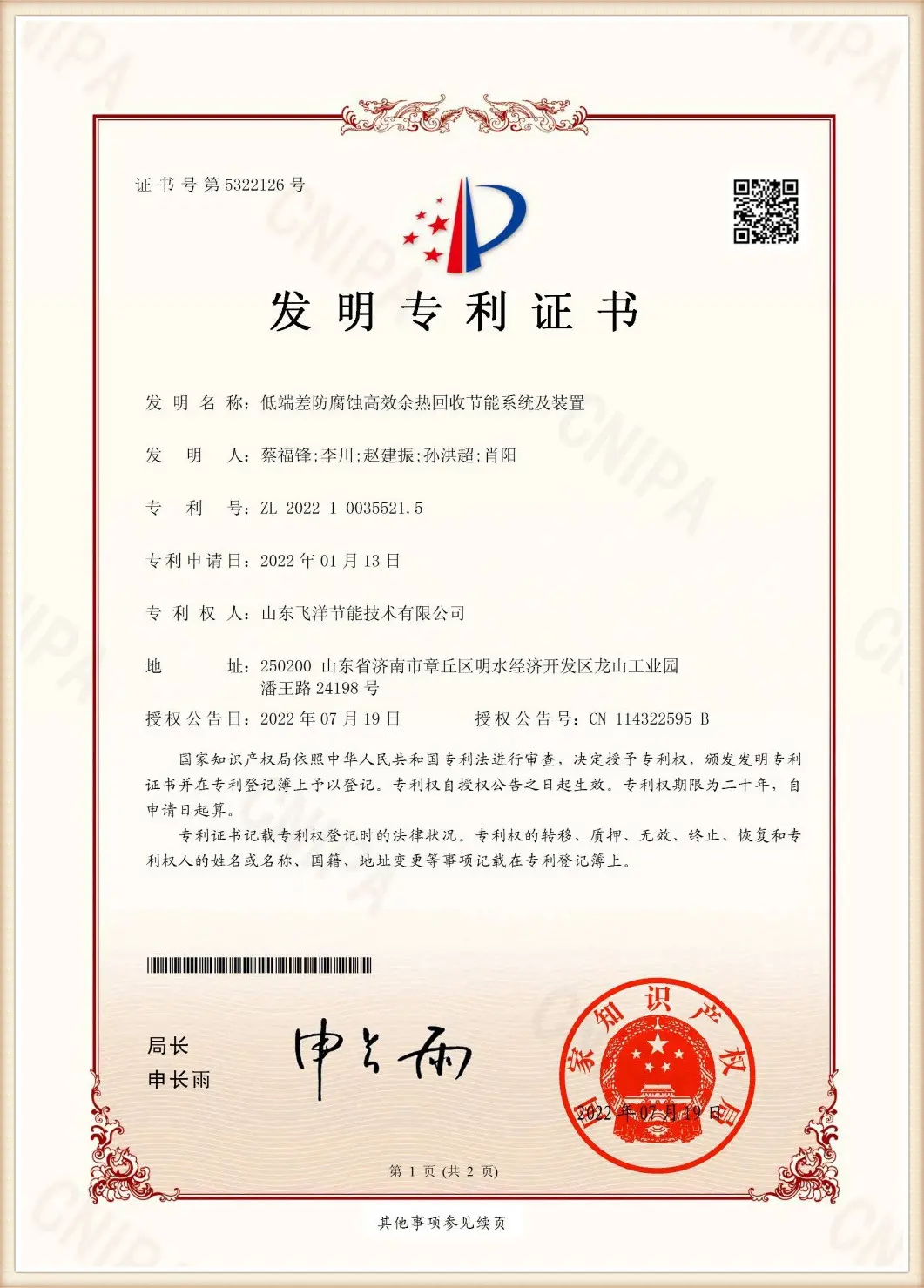
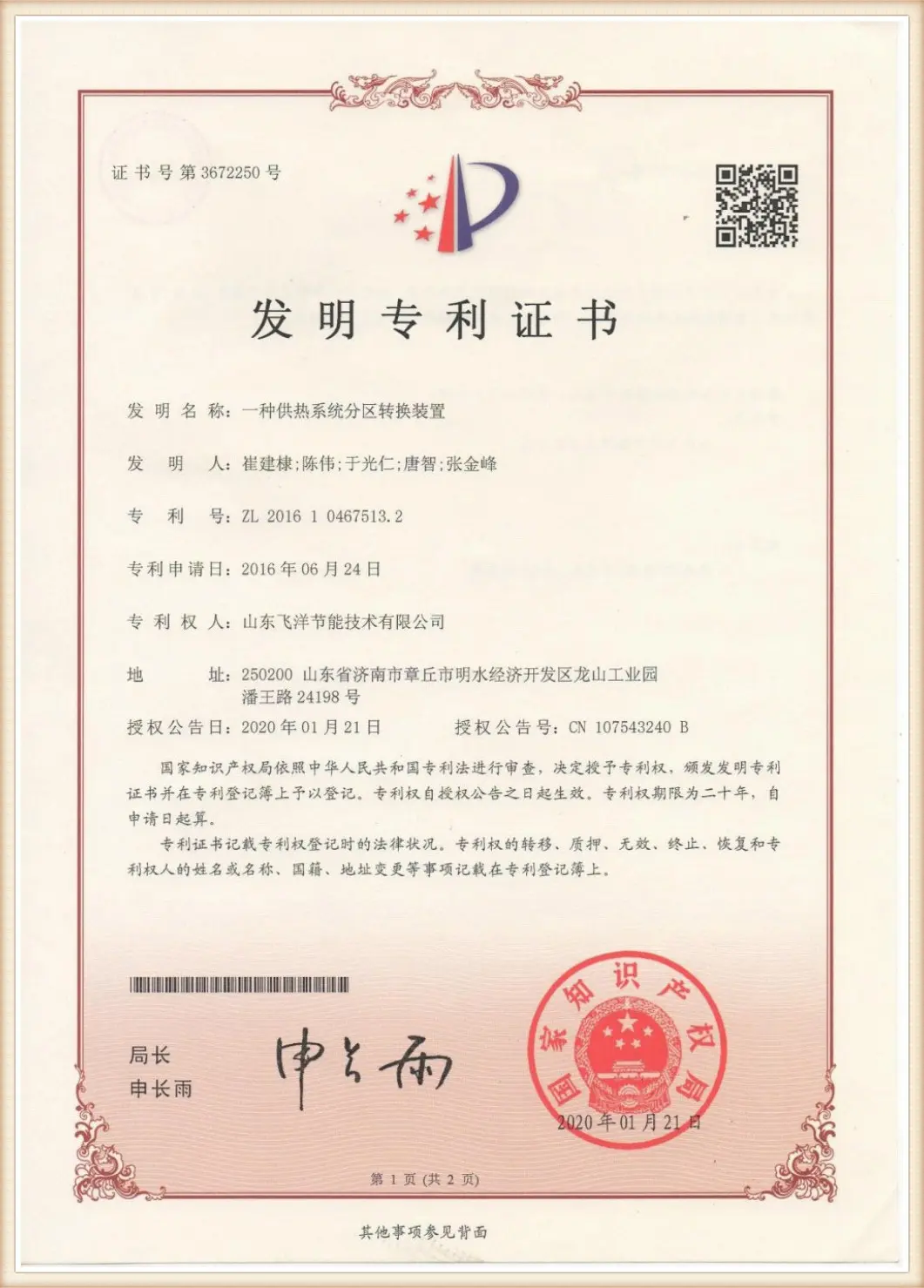
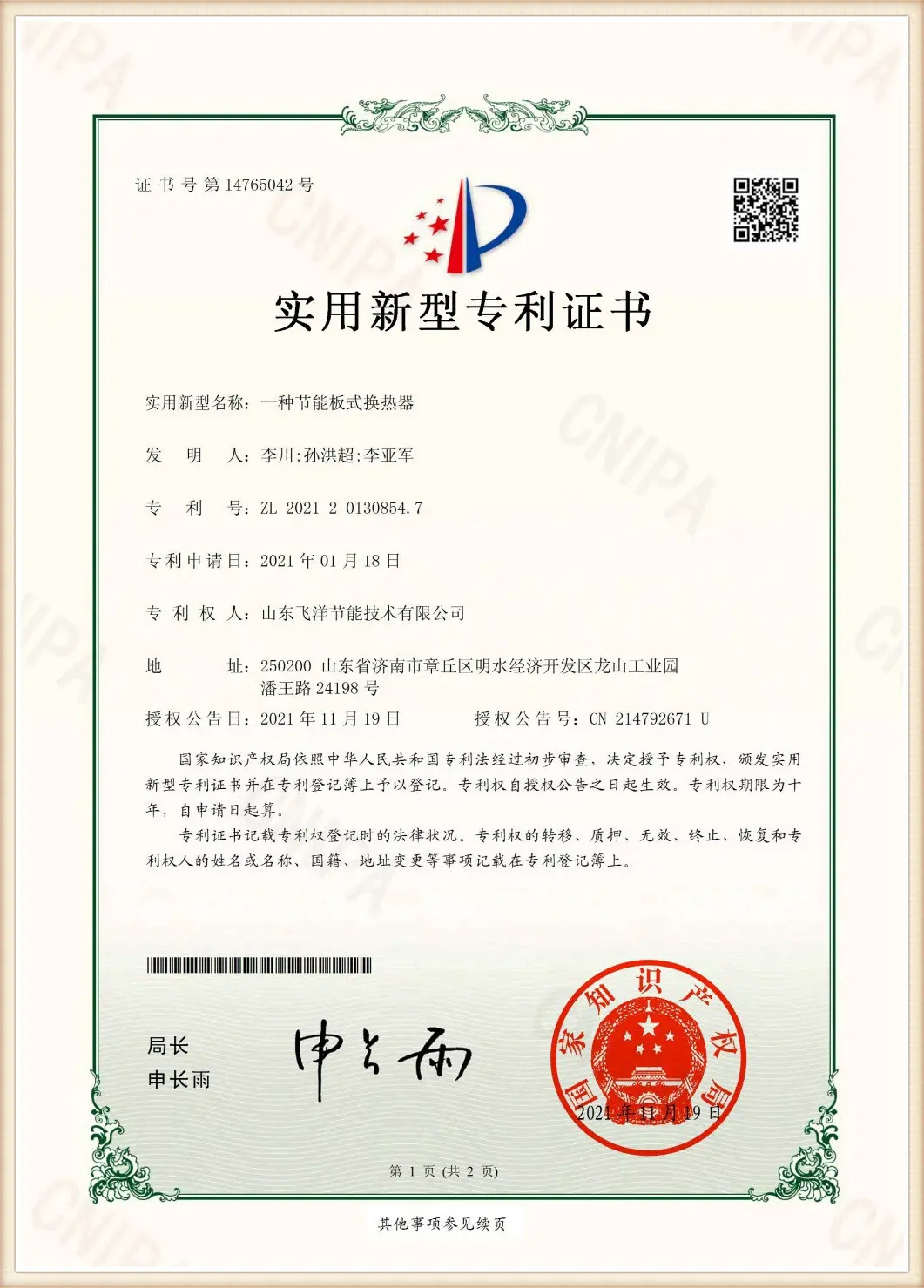
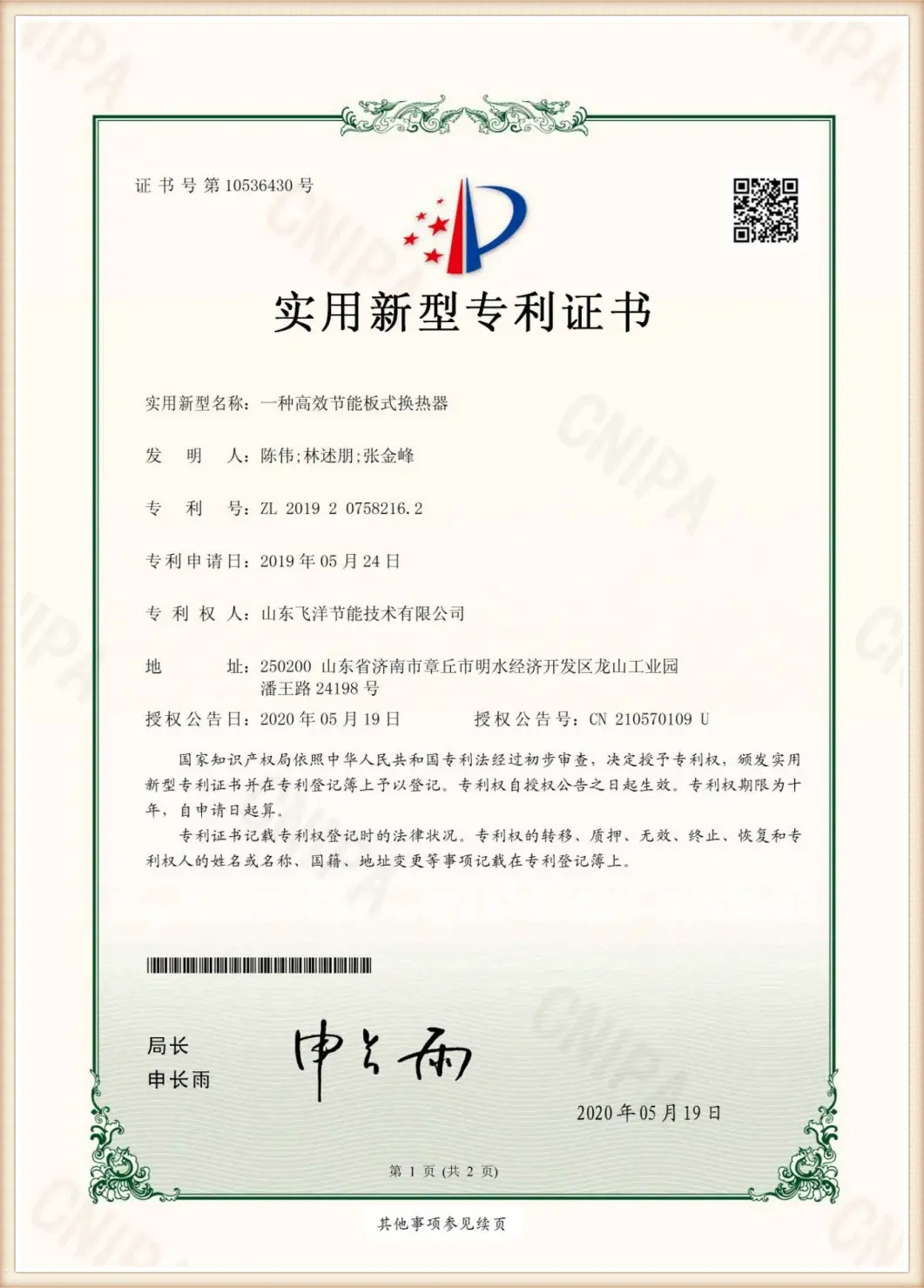
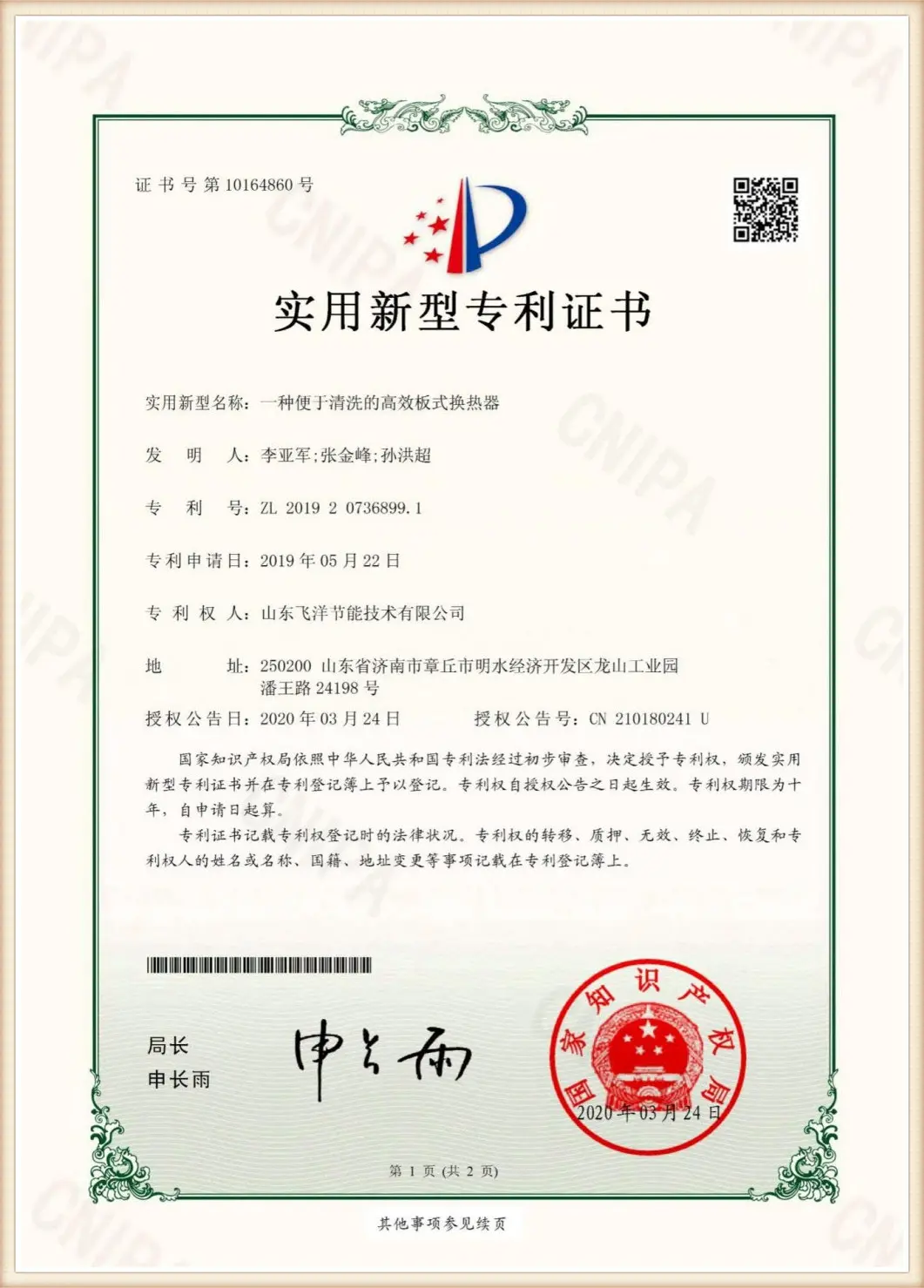
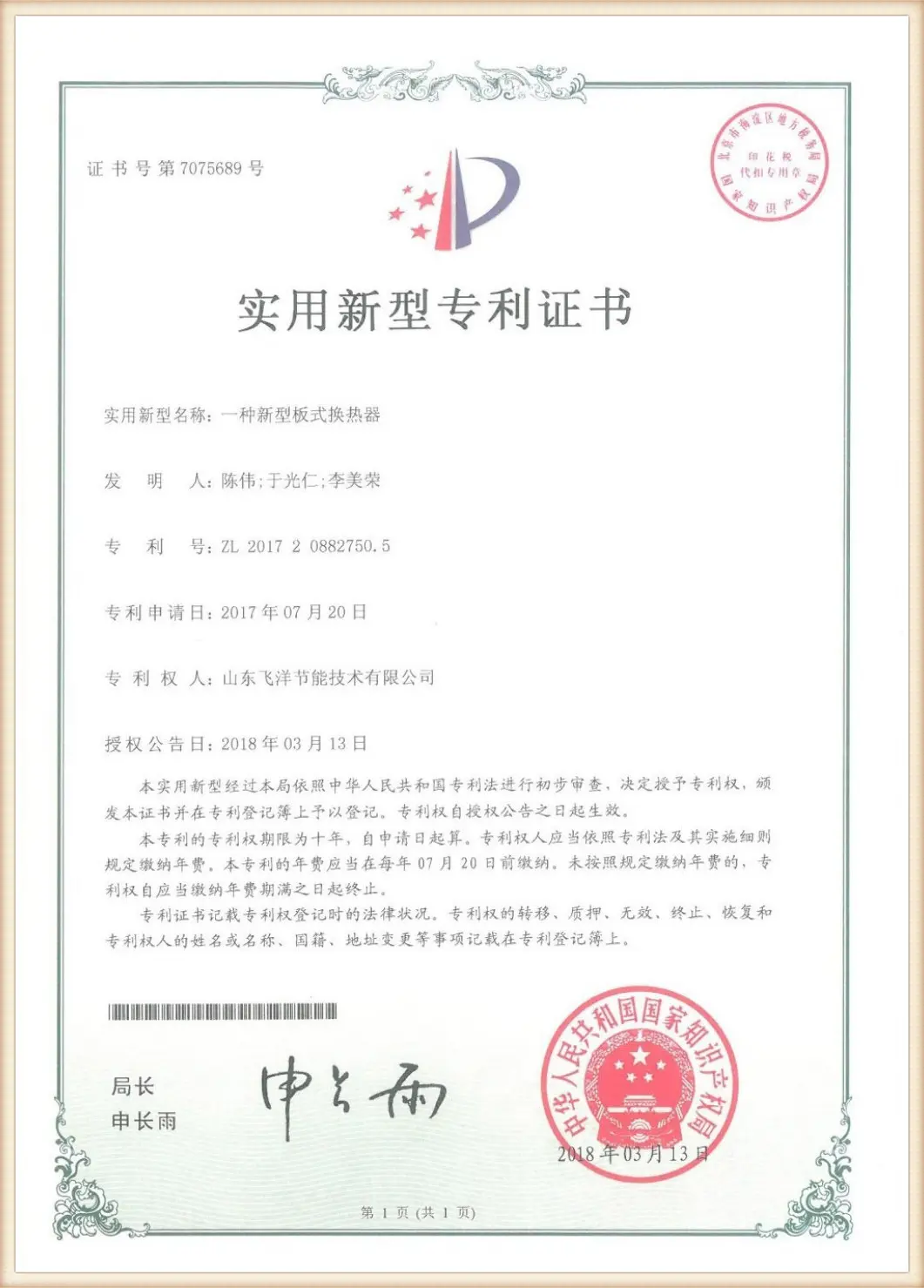
Our designs carry mandatory national certifications, including safety registrations from the National Standardization Committee and the National Boiler and Pressure Vessel Standardization Technical Committee. This alignment ensures our equipment meets regional requirements in Europe (CE PED), North America (ASME Sec VIII), and Asia.
Our procurement team partners with approved global suppliers of premium metals (including titanium, nickel alloys, and SS316L) to ensure raw material consistency and traceabilty.
Expert responses to critical operations and maintenance questions encountered in the field.
Calculate the heat load ($Q = m \cdot C_p \cdot \Delta T$) for both loops. If the heat loads match but the overall heat transfer coefficient ($U$) has declined, the issue is surface fouling. If the outlet temperature of the cold stream increases without a corresponding heat loss in the hot stream, fluid may be bypassing the heat transfer channels through damaged seals.
"Dimension A" is the target compressed thickness of the plate pack. It is calculated based on the number of plates, the nominal plate thickness, and the gasket design height. Operating outside this dimension can damage the plates or cause external leaks.
For processes with chloride concentrations exceeding 200 ppm at 60°C, upgrade plates to high-alloy stainless steel (e.g., 904L) or titanium. Ensuring correct flow velocities and preventing hot-spots also helps mitigate localized corrosion.
High pressure drop is typically caused by particulate scaling, bio-fouling, or internal physical blockages. To resolve, back-flush the system or perform a chemical Clean-In-Place (CIP) cycle with target descaling solutions compatible with the plate metallurgy.
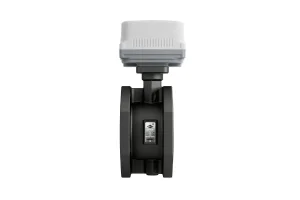
The valve continuously monitors pressure differentials and flow rates. It detects system blockages or pump anomalies early, allowing operators to address issues before they cause thermal degradation.
For stainless steel plates, weak organic acids like citric, phosphoric, or sulfamic acid are typically recommended. Hydrochloric acid should never be used on stainless steel due to the risk of pitting.
Yes, provided it uses double-wall plate designs. Double-wall configurations ensure that if a plate crack occurs, the fluid leaks externally rather than mixing with the process stream.
For critical processes (e.g., food, pharma, chemical), we recommend annual non-destructive testing (NDT), such as dye penetrant or pressure decay checks, during scheduled shutdowns.
A look inside our manufacturing facilities, where we produce high-performance heat exchange equipment.
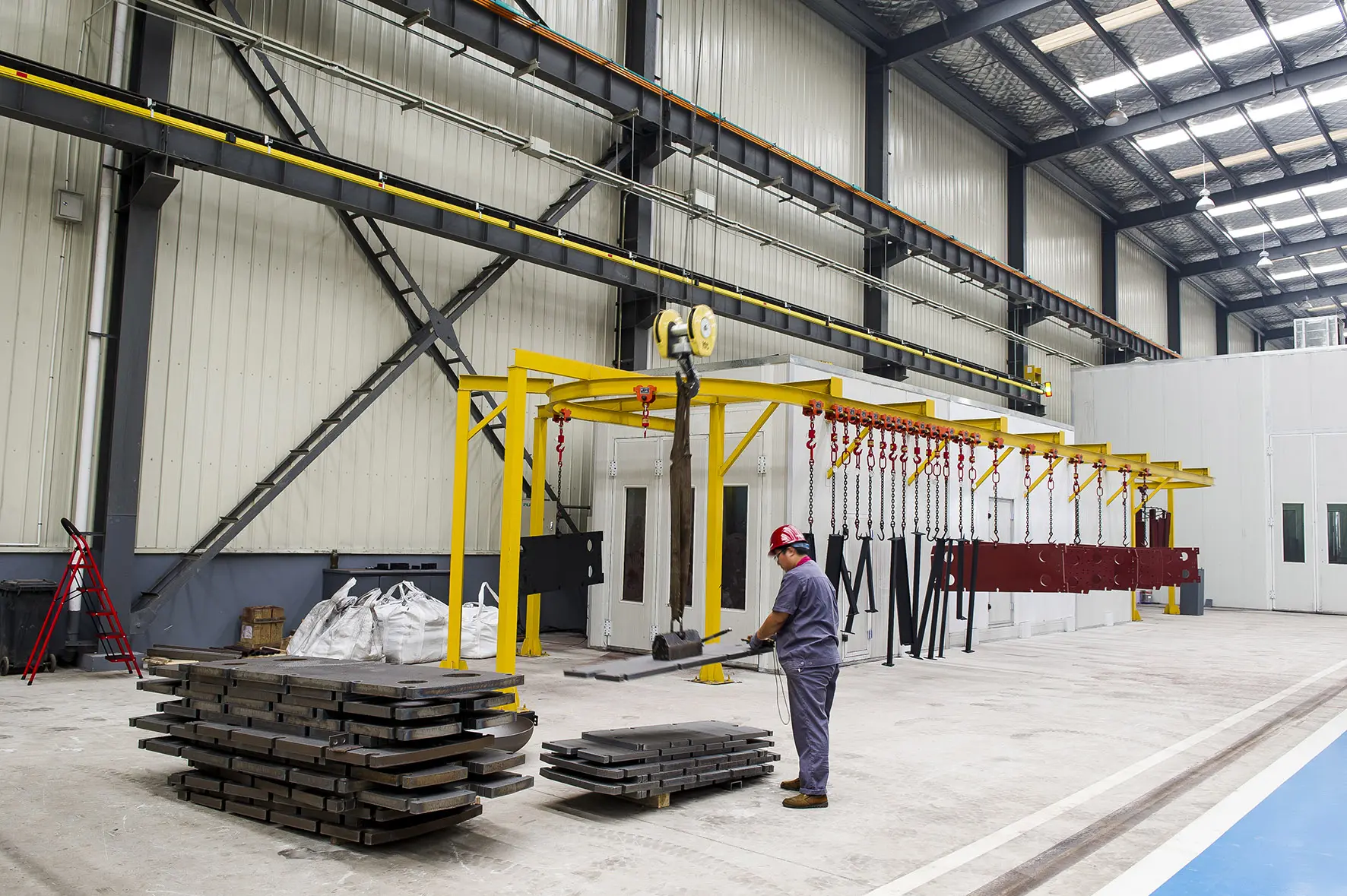
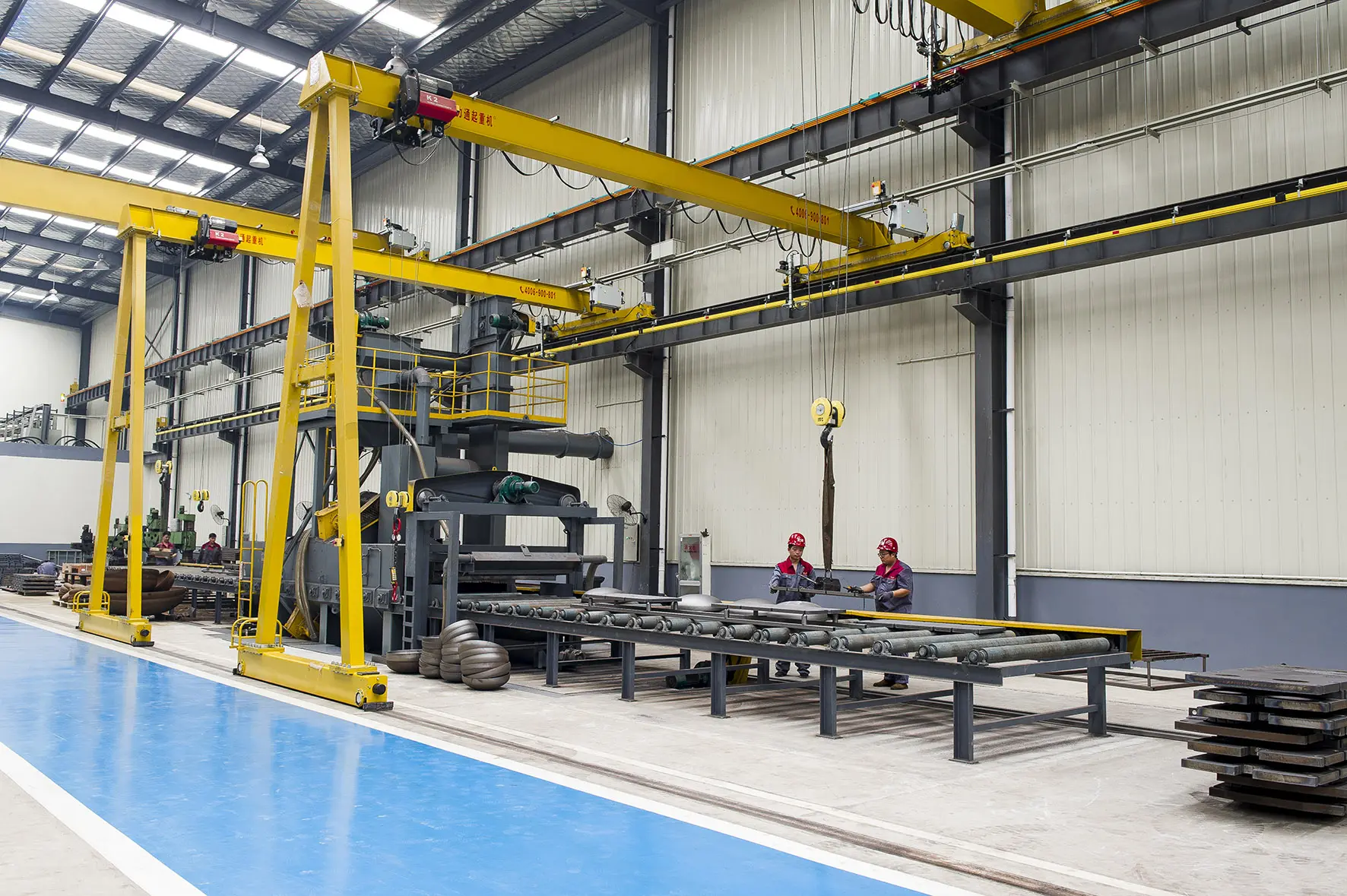
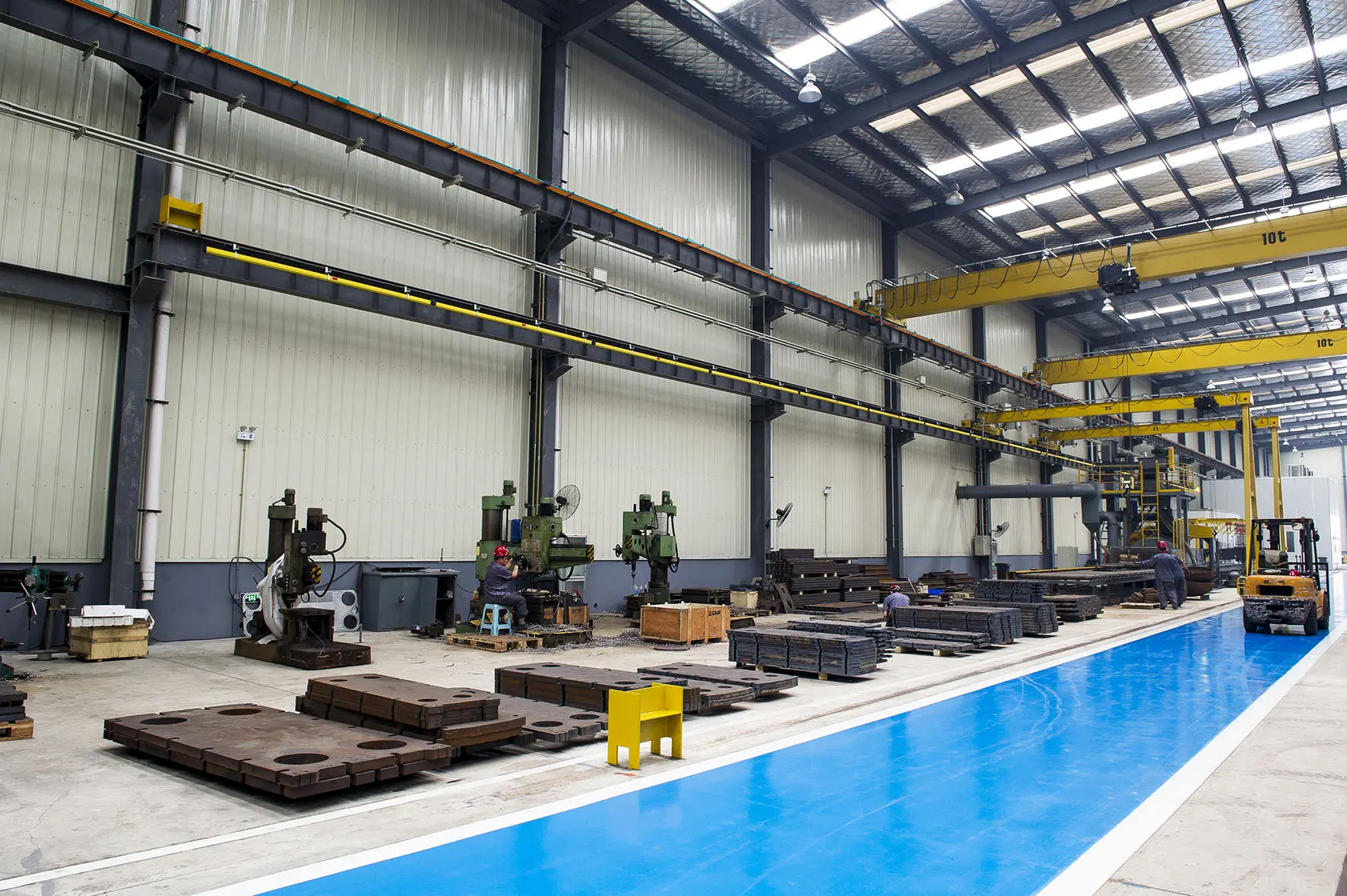

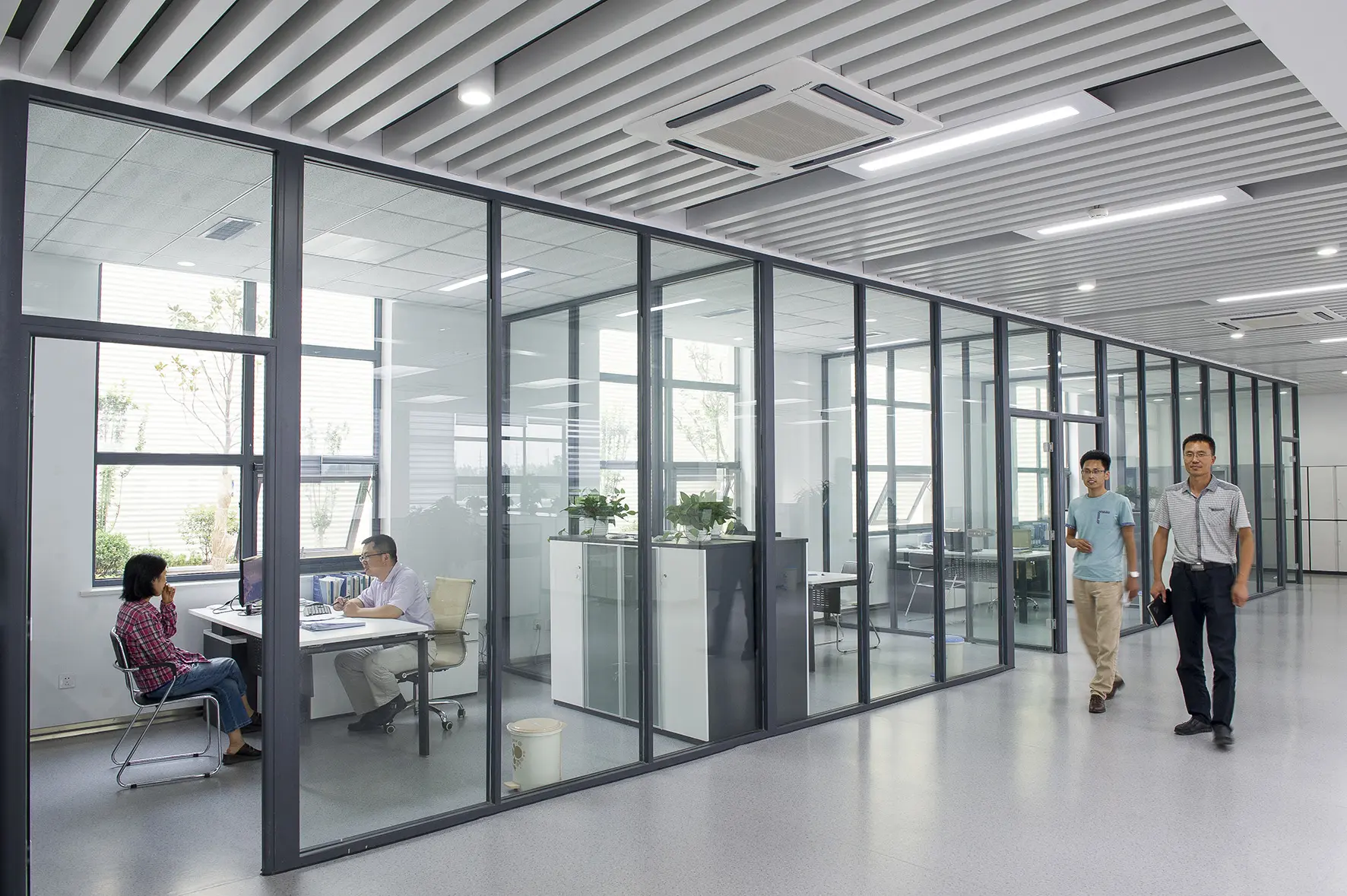

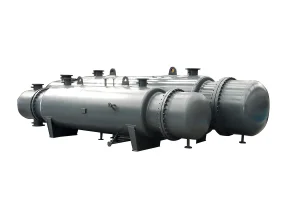
Select from our range of high-efficiency shell-and-tube units, valves, and monitoring systems.
Our engineering capabilities cover a wide range of systems, including thermal balancing and membrane concentration.
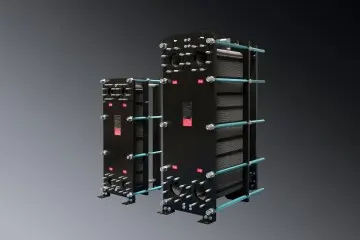
Engineered for cleanability and maintenance flexibility, featuring optimized chevron angles for high turbulence.
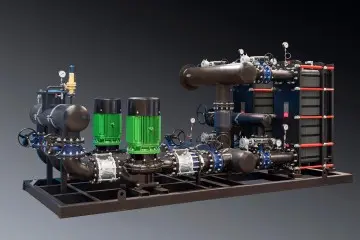
Fully integrated systems equipped with smart balance valves and telemetry for automated regulation.
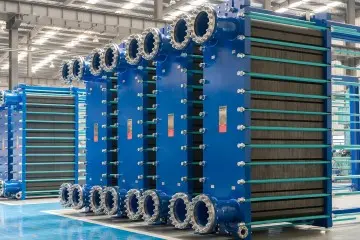
Combines pressure reduction with high-rate heat transfer for stable steam or hot water supply loops.
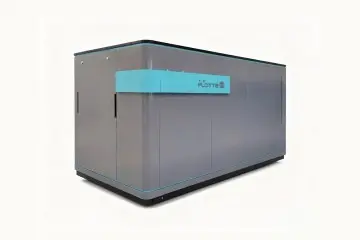
Customized building HVAC units designed to handle high pressure differentials in high-rise structures.
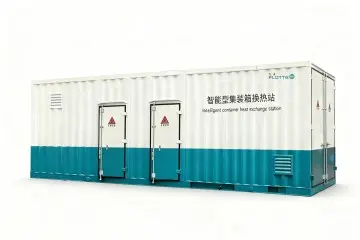
Enclosed, sound-insulated units designed for compact outdoor installations in urban municipal networks.
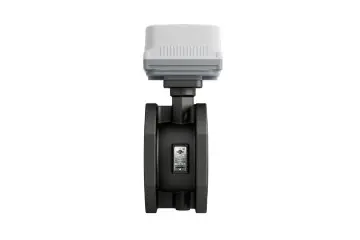
Ensures balanced fluid distribution across loops to prevent starvation and pressure drops.

Provides real-time ambient and loop temperature data to support centralized smart optimization.
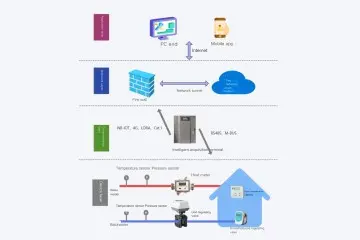
Integrated software and hardware platform for dynamic, real-time load control.
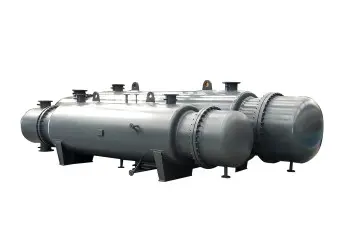
Designed for high pressures and temperatures, offering reliable service under demanding process conditions.
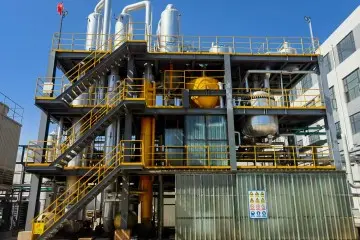
Optimizes steam use across multiple evaporation effects for concentration and desalination.
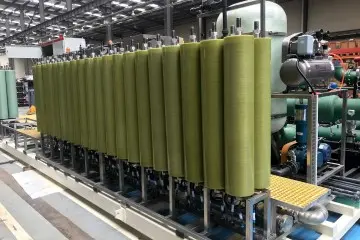
Advanced separation technology for liquid concentration, purification, and salt recovery.
 Flotte Energy