 Flotte Energy
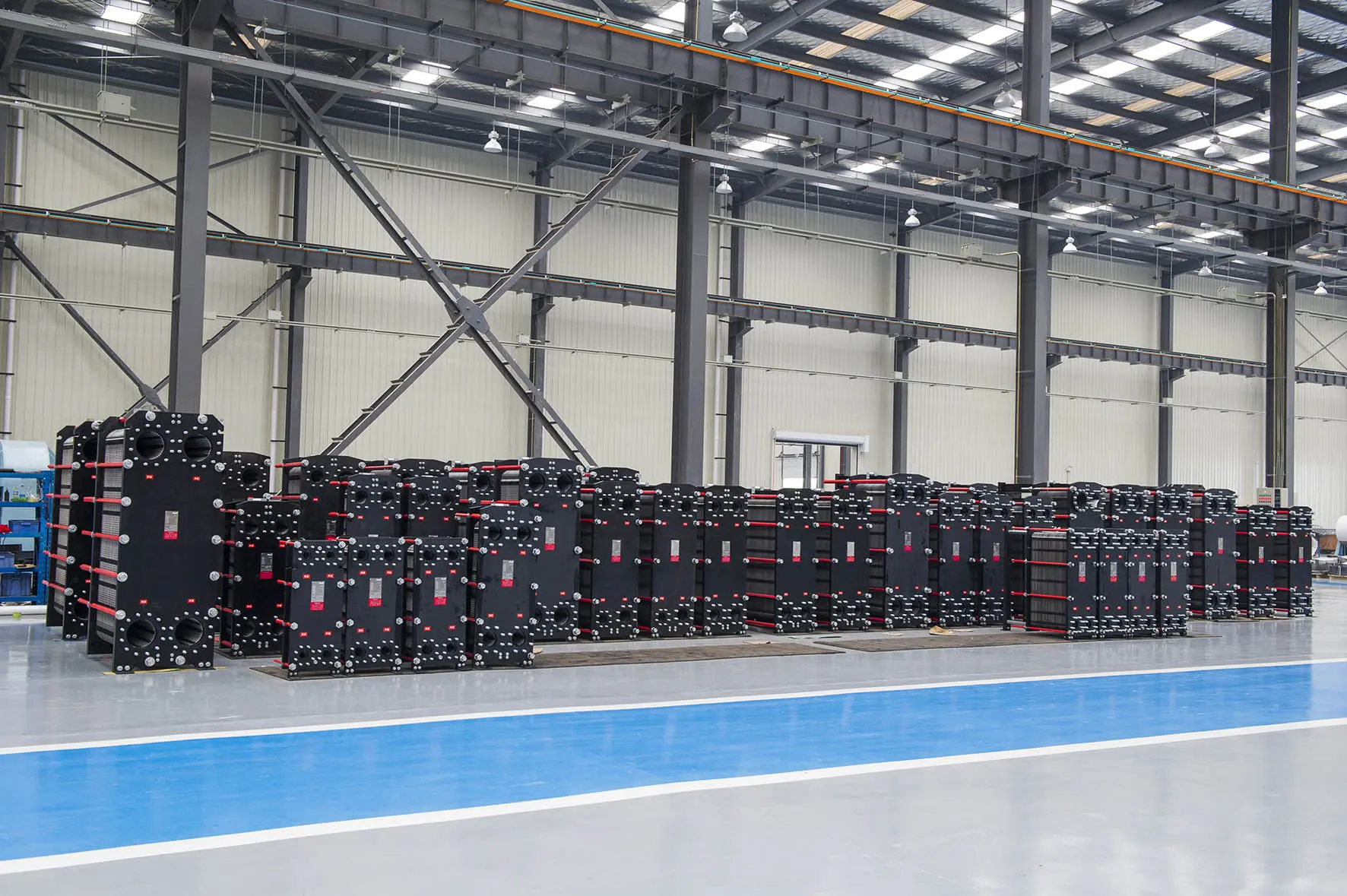
Wholesale Heat Exchanger Wiki: Sourcing, Engineering, and Procurement
Thermal regulation is critical for global industrialization, green transition initiatives, and urban modernization. Sourcing optimized heating and cooling systems goes beyond mechanical components; it involves identifying critical paths to energy efficiency, life-cycle savings, and emission reductions. This guide presents an engineering deep-dive for industrial engineers and procurement specialists looking to partner with a trusted Chinese heat exchanger factory.
1. Sourcing Parameters for Global Procurement
When purchasing heat exchangers at scale, specifying simple inlet and outlet temperatures is not enough to guarantee optimal performance. Engineering teams must evaluate the system's thermal physics, materials chemistry, and mechanical designs:
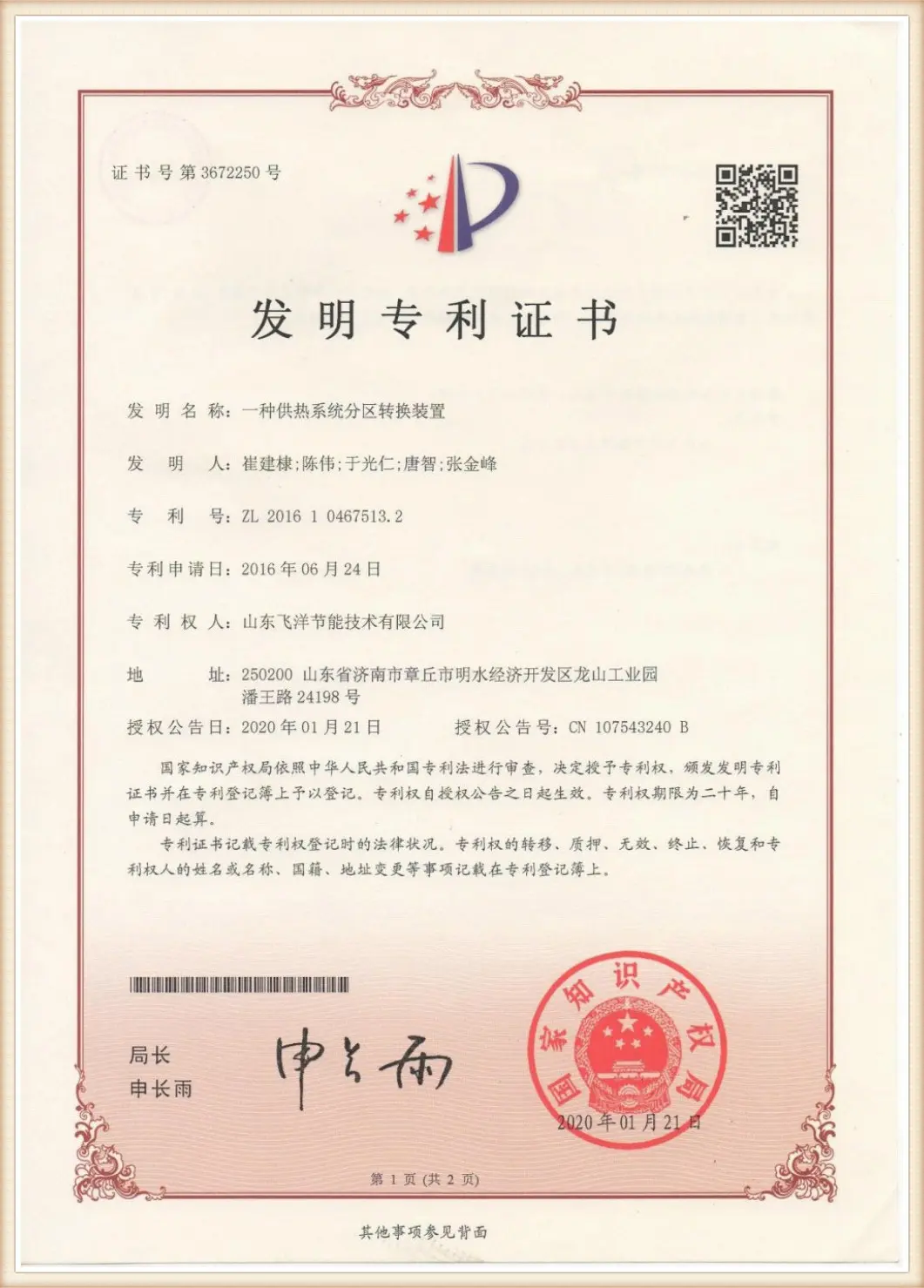
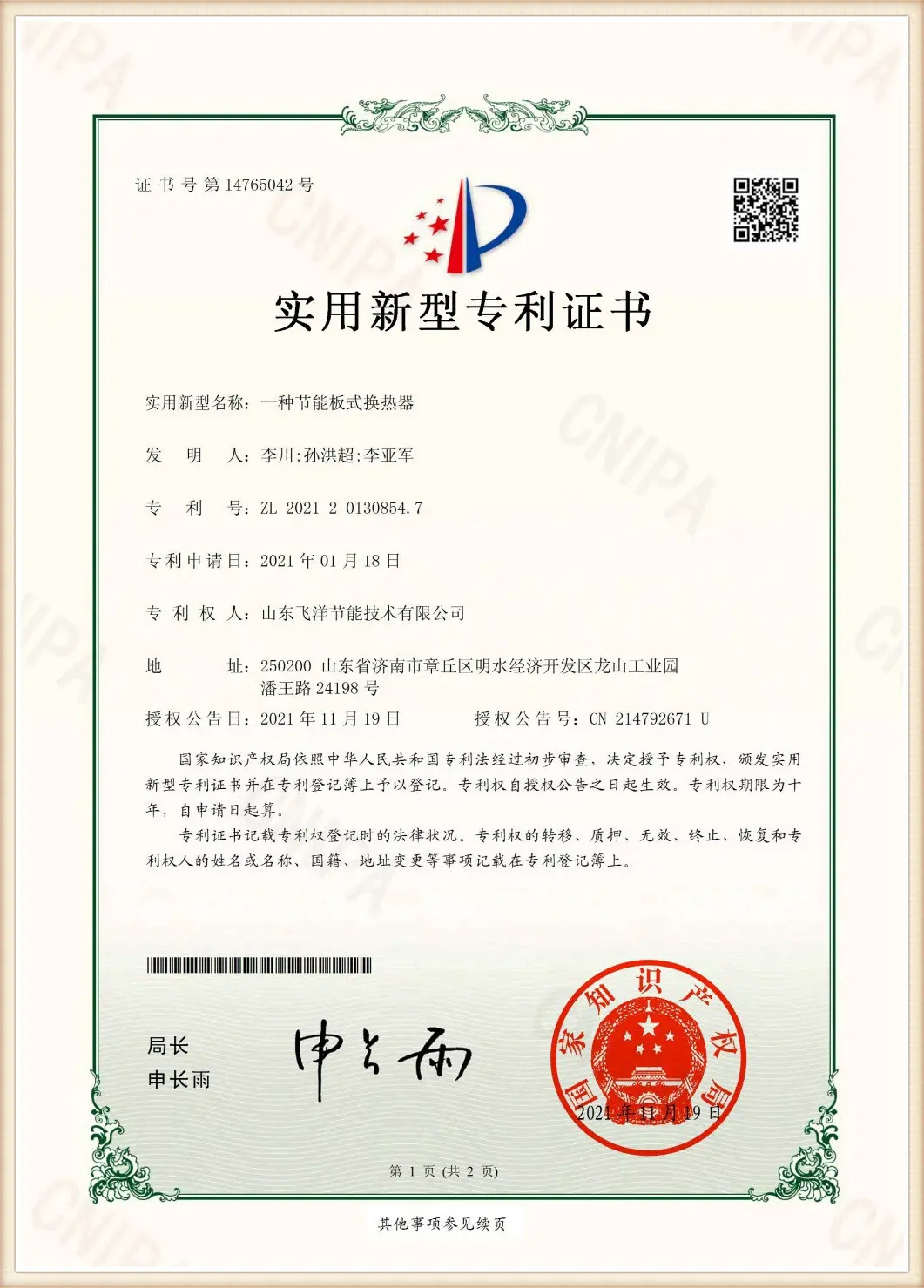
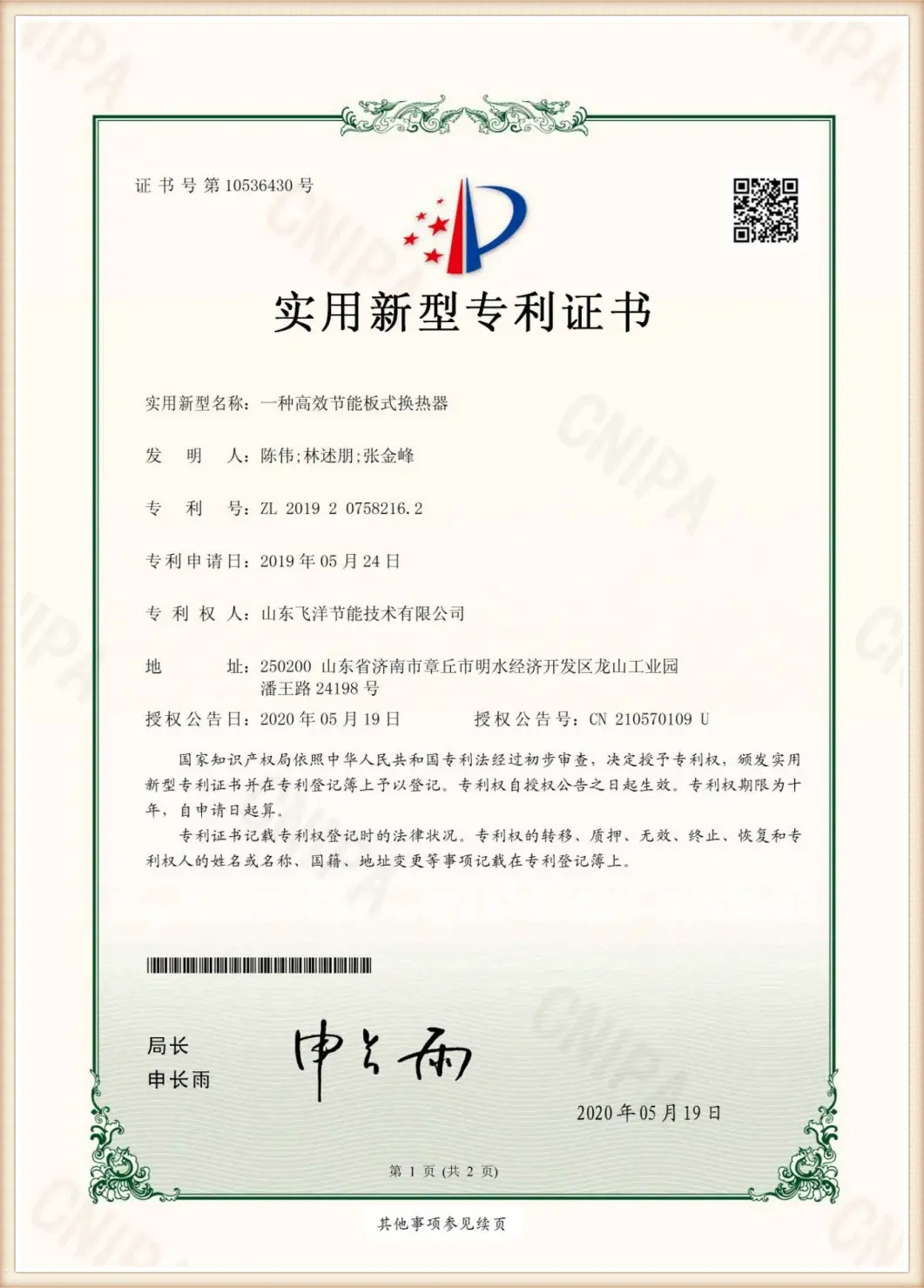
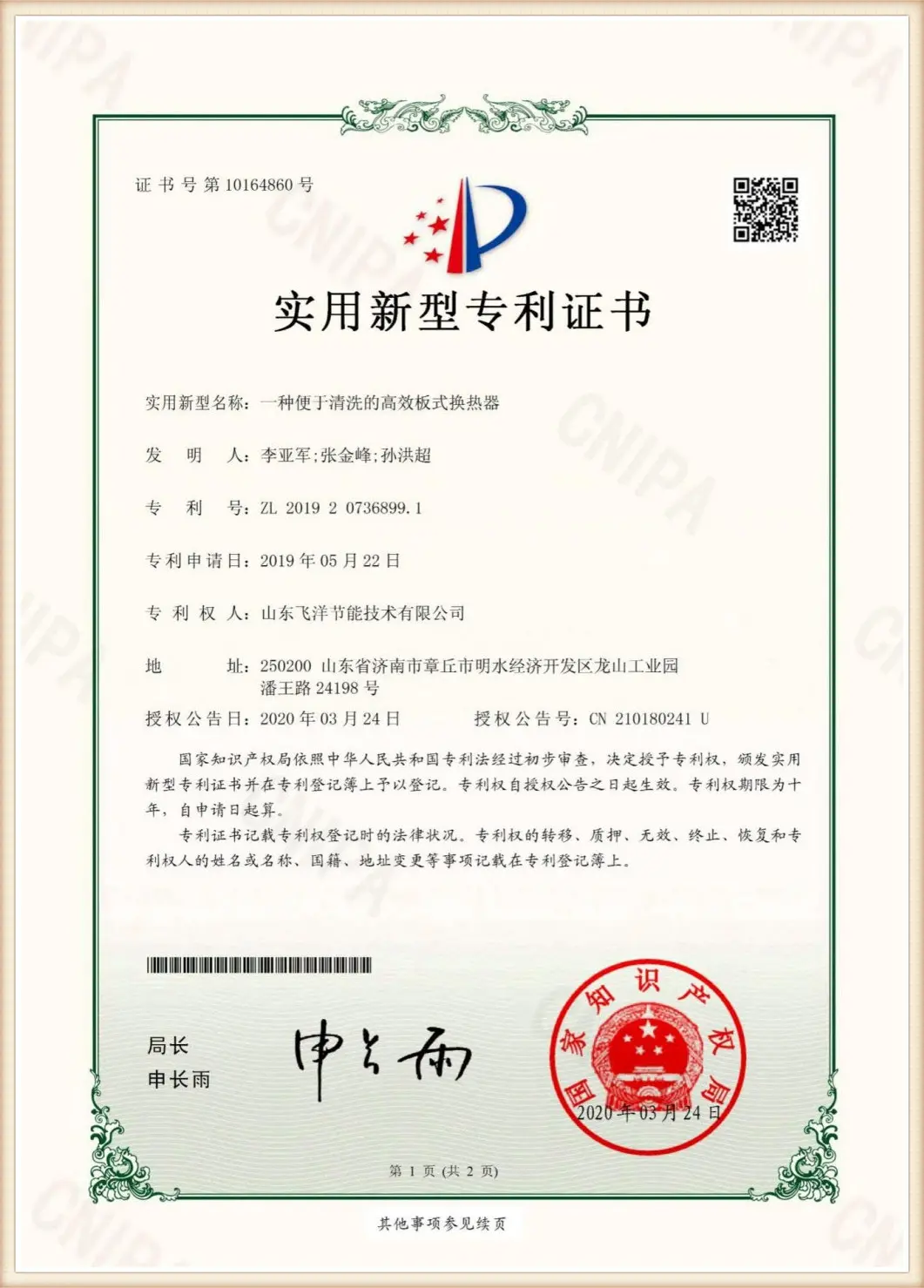
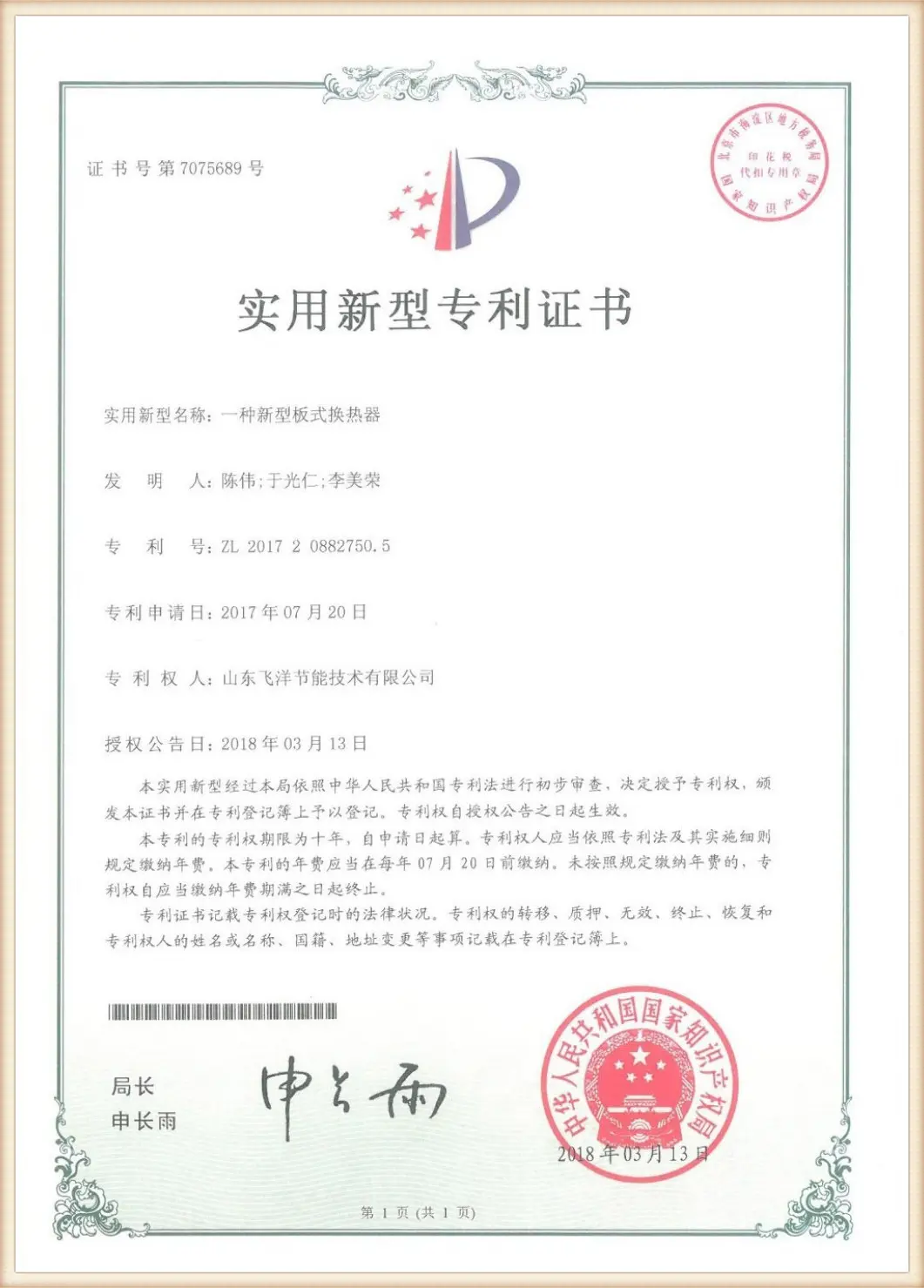
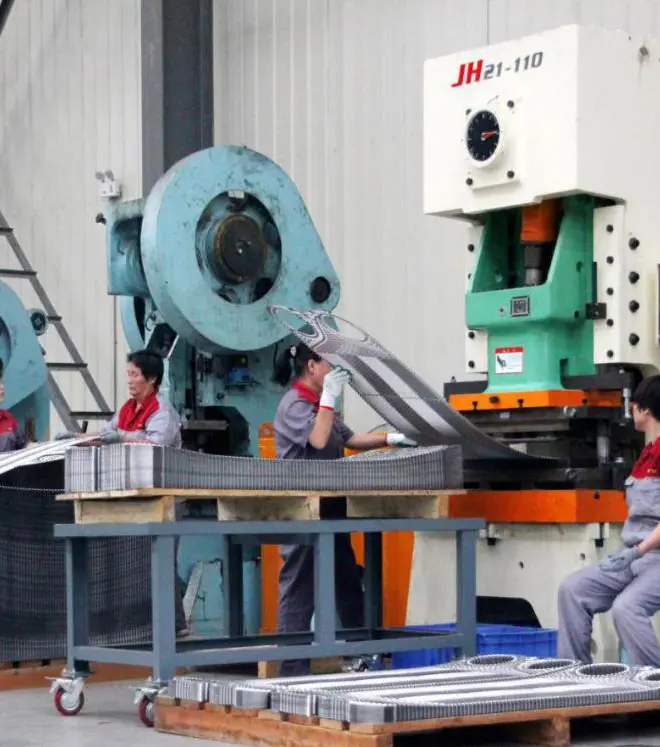
- Thermal Metallurgy & Materials Science: Standard applications utilize 304 or 316L Stainless Steel. However, marine environments, saline chemical compounds, and low-pH industrial wastes demand Titanium, Hastelloy C-276, or Nickel Alloys. Flotte's patented processes ensure that premium plate surfaces undergo custom micro-forging to maximize shear strain resistance.
- Gasket Chemistry (Elastomers): Gaskets prevent media intermixing. The selection of materials is temperature and chemical-dependent: NBR (nitrile butadiene rubber) is rated up to 120°C for water and oil services; EPDM (ethylene propylene diene monomer) handles up to 150°C for steam and mild acids; and FKM/Viton provides chemical resistance up to 180°C.
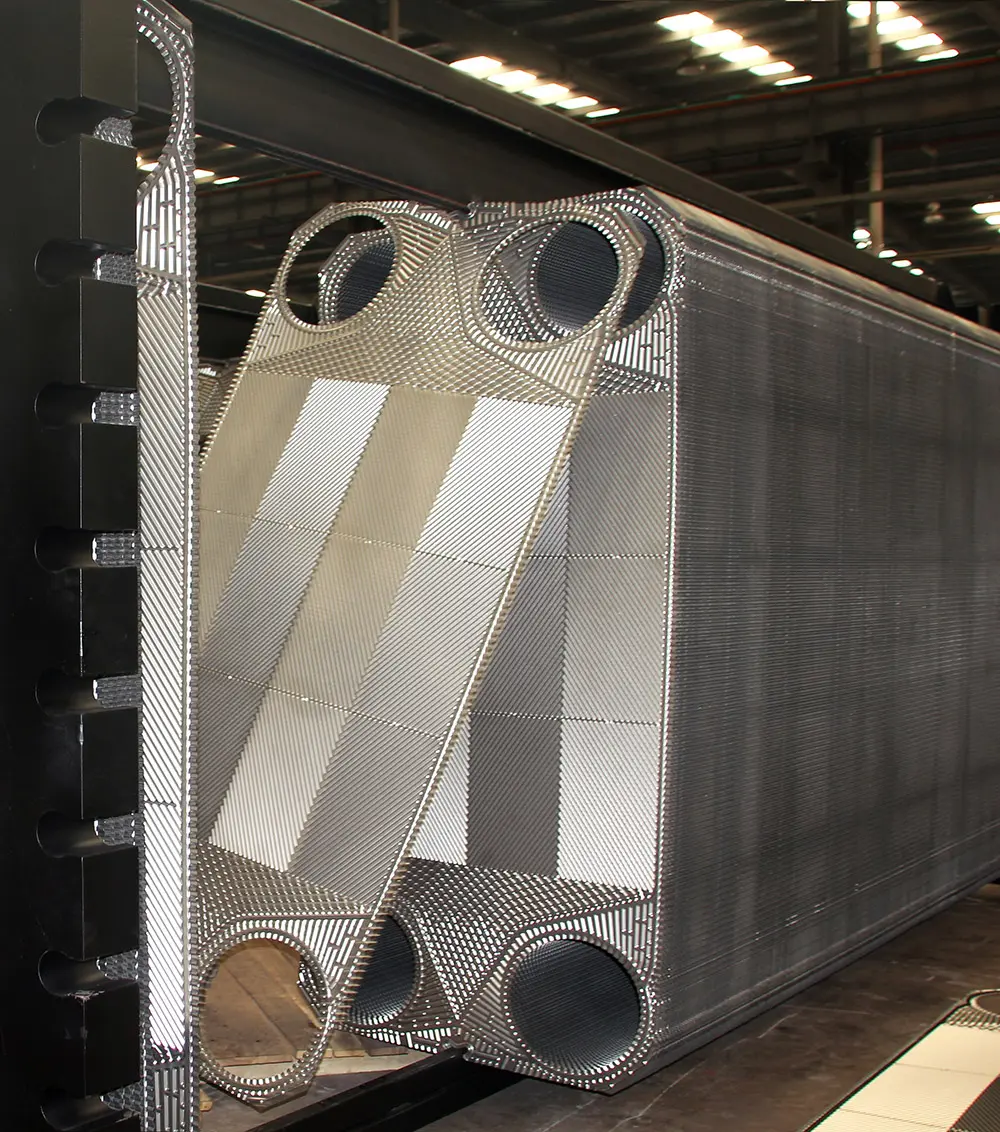
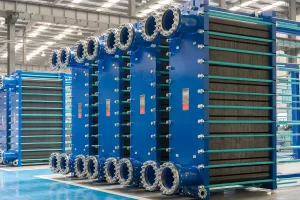
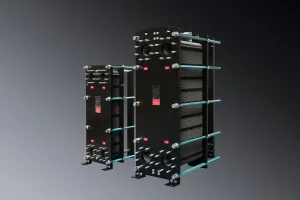
- Chevron Corrugation Design: The chevron angle determines the ratio of heat transfer efficiency to pressure drop. High-theta plates offer higher turbulence and heat transfer coefficients ($U$) but introduce higher pressure drops. Low-theta plates minimize resistance for high-viscosity media. Utilizing mixed-plate packs allows systems to be customized for exact flow and temperature needs.
2. Macro-Industry Solutions & System Integration
Modern thermal projects require system-wide efficiency rather than isolated equipment performance. Flotte delivers comprehensive engineering solutions across key industries:
A. Centralized District Heating Networks
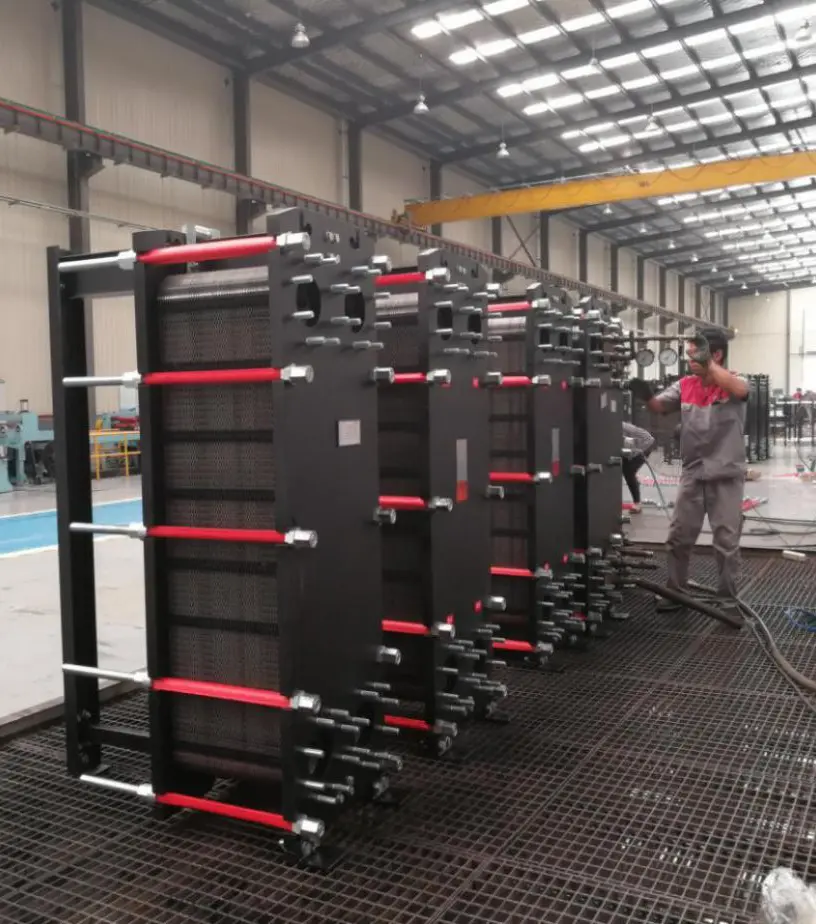
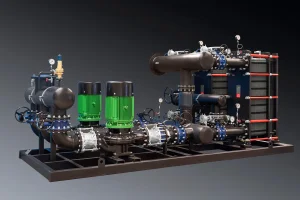
In municipal heating systems, detachable plate heat exchangers serve as thermal barriers between high-pressure primary city loops and local user systems. Integrating high-precision room temperature collectors and smart balance valves enables real-time hydraulic balancing. This stabilizes loop pressures, eliminates uneven heating, and reduces pump electricity consumption.
B. Smart Heating Network Monitoring
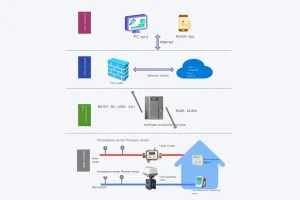
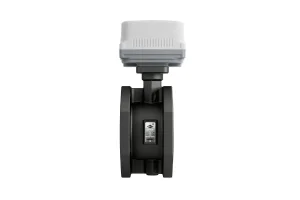
Integrating SCADA monitoring and smart regulating actuators with heat exchanger units transforms standard thermal stations into intelligent hubs. The monitoring systems track inlet/outlet temperatures, pressures, and flow rates, dynamically adjusting supply valves to optimize energy consumption based on ambient temperatures.
C. Industrial Membrane Concentration & Wastewater Recovery
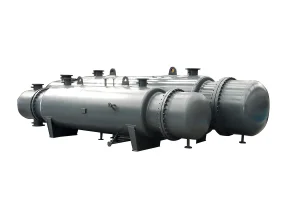
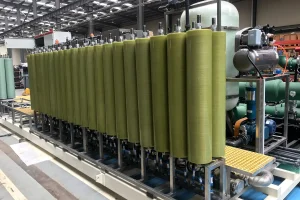
For wastewater purification, membrane concentration systems and multi-effect evaporation units recover process water from industrial run-off. Combining plate and shell-and-tube heat exchange architectures enables energy-efficient desalination and zero liquid discharge (ZLD) operations.
3. Technological Roadmap & Future Outlook
The global thermal industry is moving towards smart integration, dynamic controls, and high-efficiency heat transfer surfaces. The roadmap focuses on key technological advancements:
- AI-Driven Predictive Maintenance: Embedding IoT vibration, acoustic, and delta-T sensors directly into heat exchangers enables real-time fouling monitoring. Predictive algorithms estimate scaling buildup, prompting scheduled clean-in-place (CIP) cycles before performance drops.
- Micro-grooved & Nanocoated Plates: Advanced coatings prevent particulate adhesion and biofouling. This extends operational runs, reduces chemicals needed for cleaning, and keeps heat transfer coefficients high.
- Decarbonization Partnerships: Integrating high-efficiency heat exchange units with industrial waste heat recovery loops, district biomass systems, and large geothermal heat pumps reduces fossil fuel dependence. This aligns municipal systems with international carbon neutrality standards.