Explore our top-performing industrial heat exchangers, intelligent balancing valves, and energy-saving district heating network components engineered for high-demand municipal and commercial infrastructure.
Established in 2013 with a registered capital of 101 million yuan, Flotte Energy Saving Company traces its roots to Flotte Thermal Engineering, founded in 1995. With nearly thirty years of specialized industrial presence, Flotte has evolved into a global leader in water equipment manufacturing, integrated HVAC solutions, and high-performance industrial water treatment systems.
We operate at the forefront of the thermal management industry, driven by deep expertise in engineering thermal dynamics and heat transmission efficiency. Our focus centers on developing energy-efficient components that actively contribute to lowering carbon emissions in district heating network operations, chemical processing plants, and marine cooling applications.
Equipped with dedicated engineering research facilities and modern test laboratories, we specialize in delivering structural improvements that overcome traditional heat loss. Through continuous investments in thermal R&D, we design customized assemblies suited for extreme fluid pressures and corrosive environments.
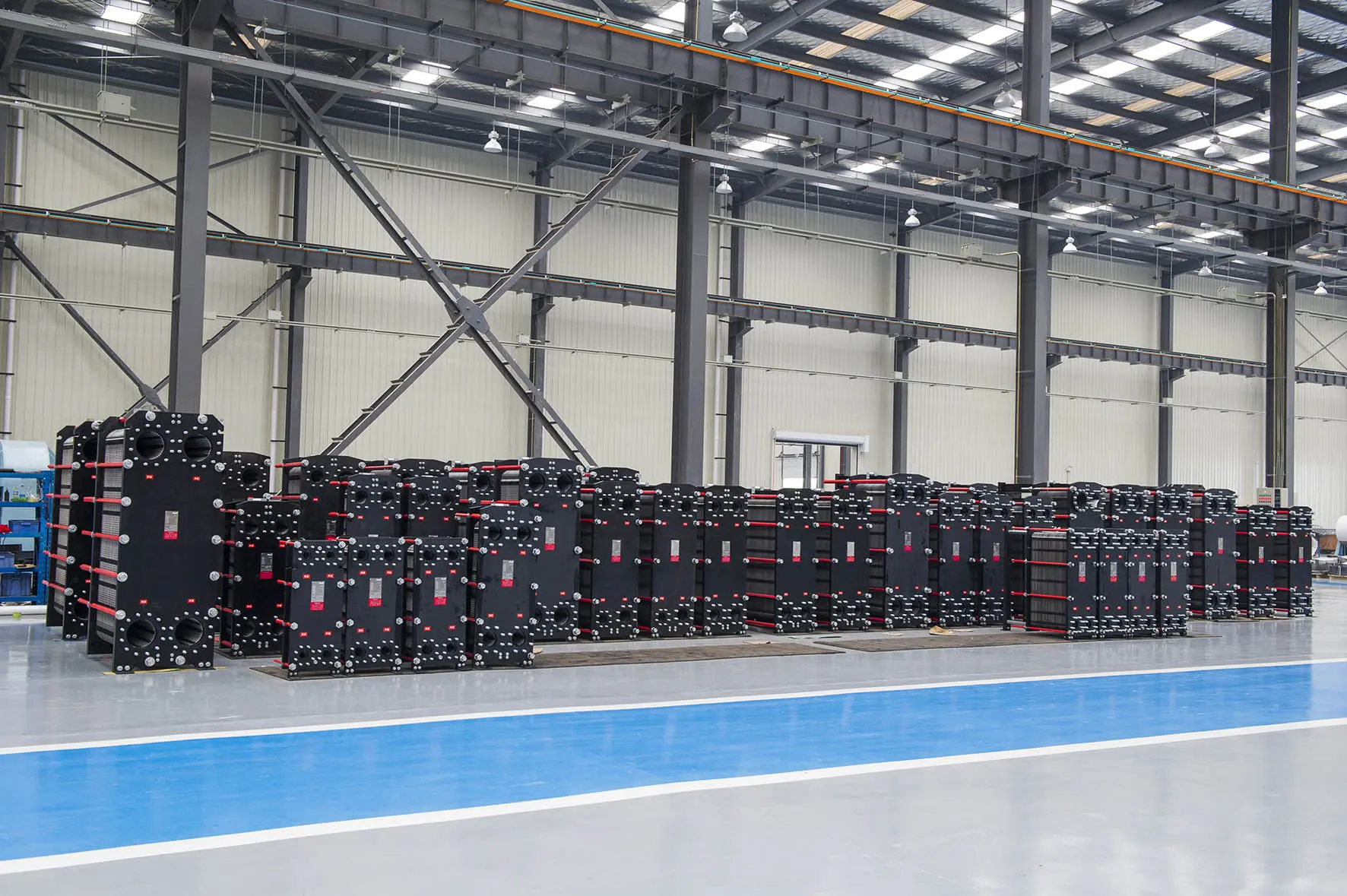
Our manufacturing infrastructure leverages the world’s most robust industrial ecosystem to deliver high-quality, cost-competitive heat transfer equipment globally.
Direct integration with domestic tier-1 steel mills provides reliable access to premium alloys, including SUS304, SUS316L, Titanium, Hastelloy, and SMO254. This minimizes volatile raw material price changes and ensures consistent structural integrity for high-pressure installations.
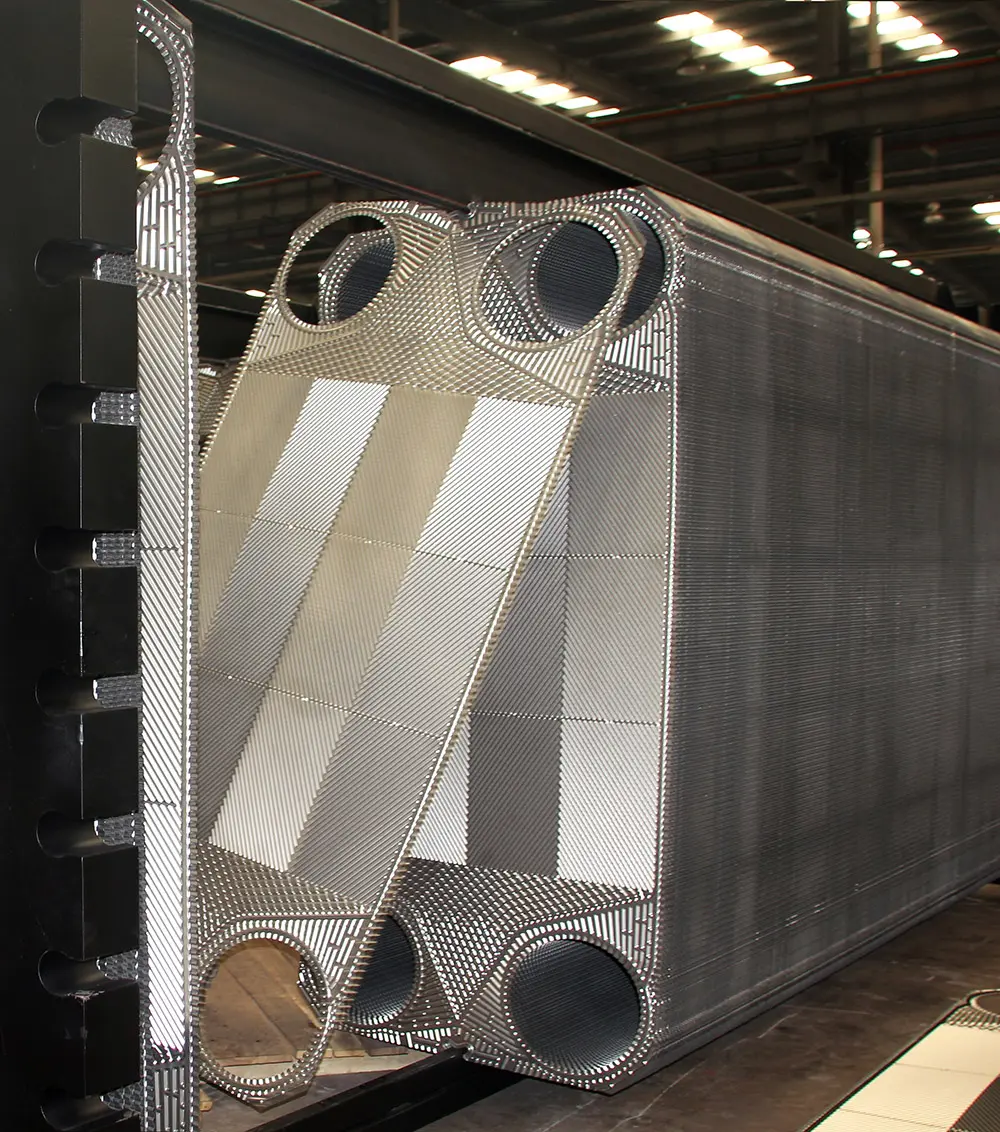
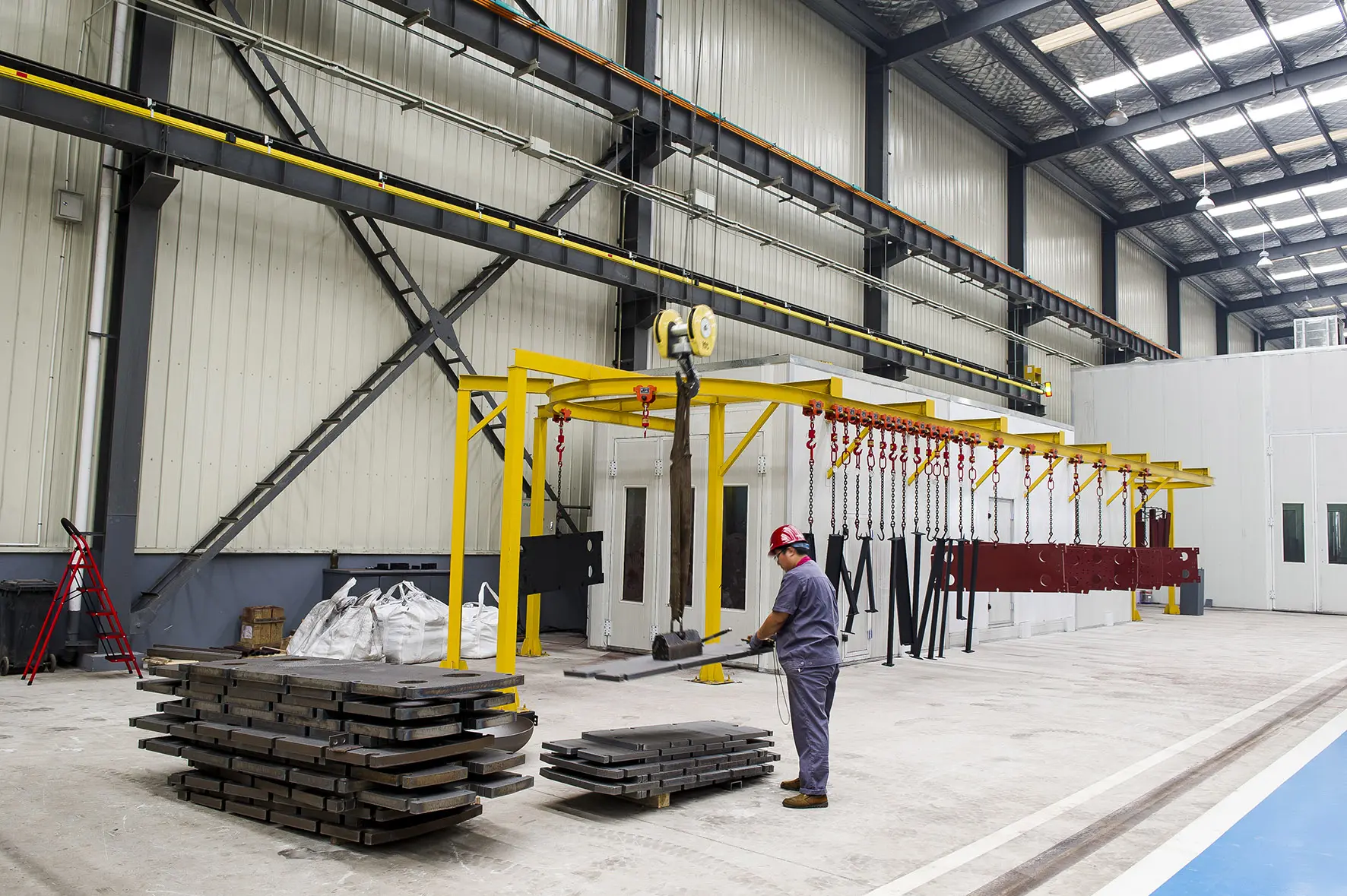
Our workshop houses high-tonnage hydraulic press lines, robotic welding stations, and specialized tooling. We achieve tight stamping tolerances for chevron plate profiles, ensuring optimal fluid distribution, reduced fouling, and maximum heat transfer coefficients (U-values).
From frame machining and plate pressing to gasket compounding and intelligent control valve integration, we manage all production stages in-house. This structure shortens lead times, improves testing reliability, and supports customized OEM configurations for international clients.
Selecting a heat transfer mechanism requires a deep understanding of fluid dynamics, pressure drops ($\Delta P$), and boundary layer heat transfer. Our plate heat exchangers utilize optimized chevron corrugations to generate high turbulence at low Reynolds numbers. This turbulence disrupts the thermal boundary layer, yielding convective heat transfer coefficients that are two to three times greater than typical shell and tube configurations.
Our engineers configure plate packs using high-theta and low-theta plate designs to meet specific thermal demands:
By mixing these plate patterns in a single pack, we customize the thermal profile to match system requirements without oversized designs.
Operating globally requires adherence to international safety and pressure codes. Every unit manufactured at our facilities undergoes pressure tests and material evaluations to comply with destination country regulations:
A common failure point in detachable plate heat exchangers is gasket degradation. Our products use customized elastomers designed for long-term sealing performance:
Our clip-on gasket designs feature mechanical locks that prevent blowouts under pressure and simplify maintenance cycles.
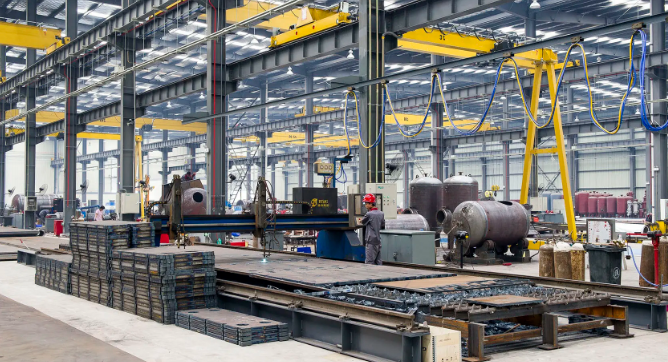
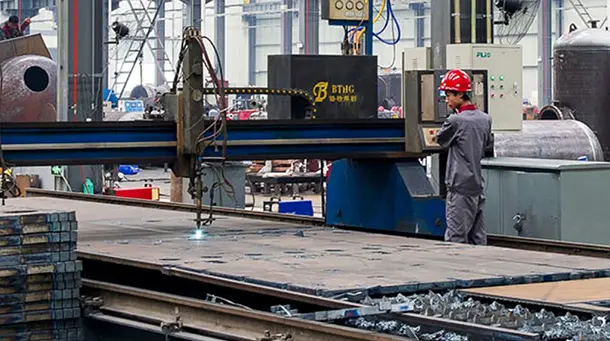
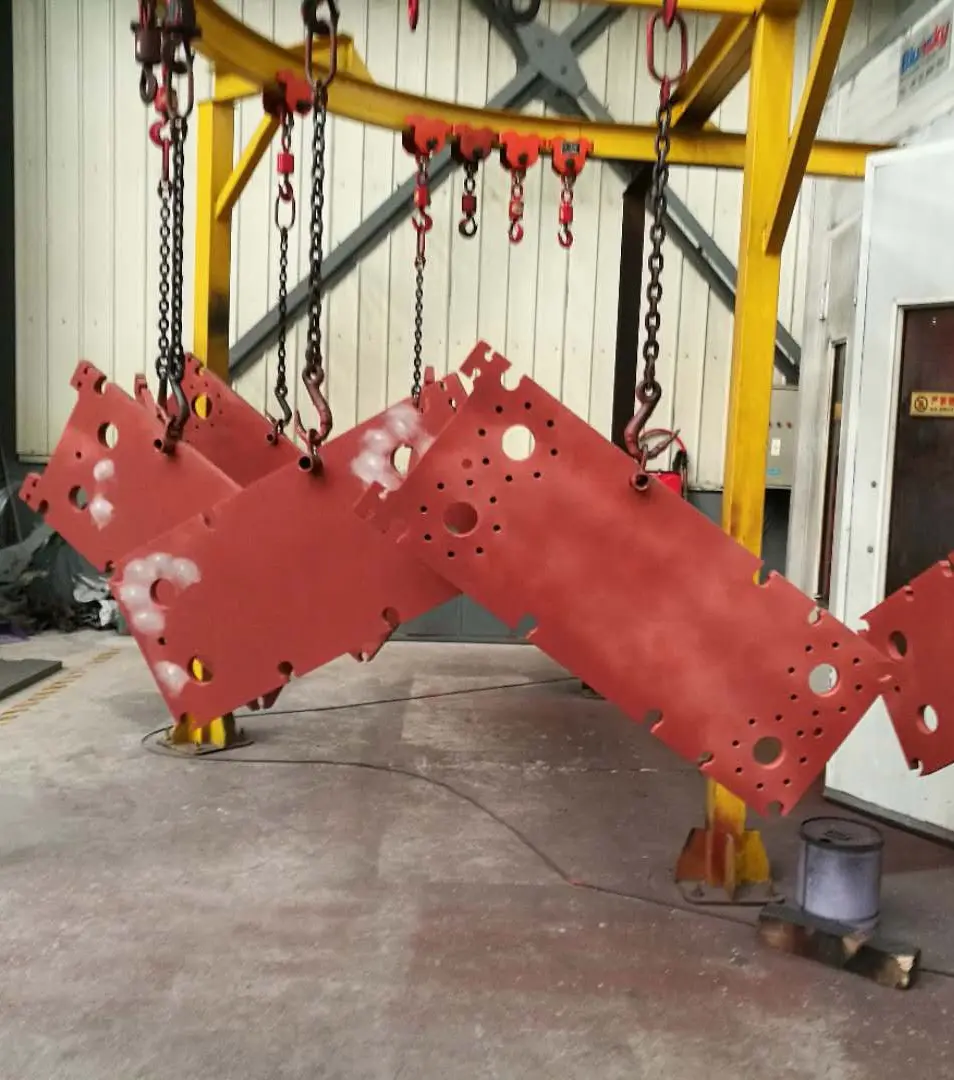
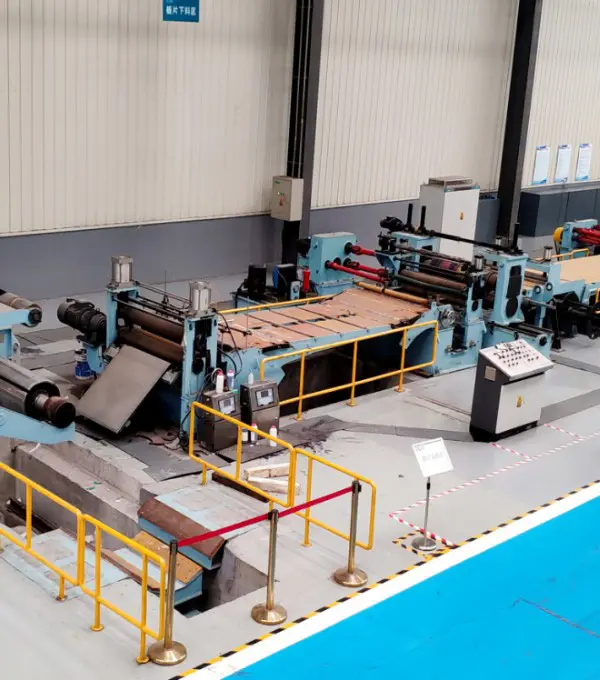
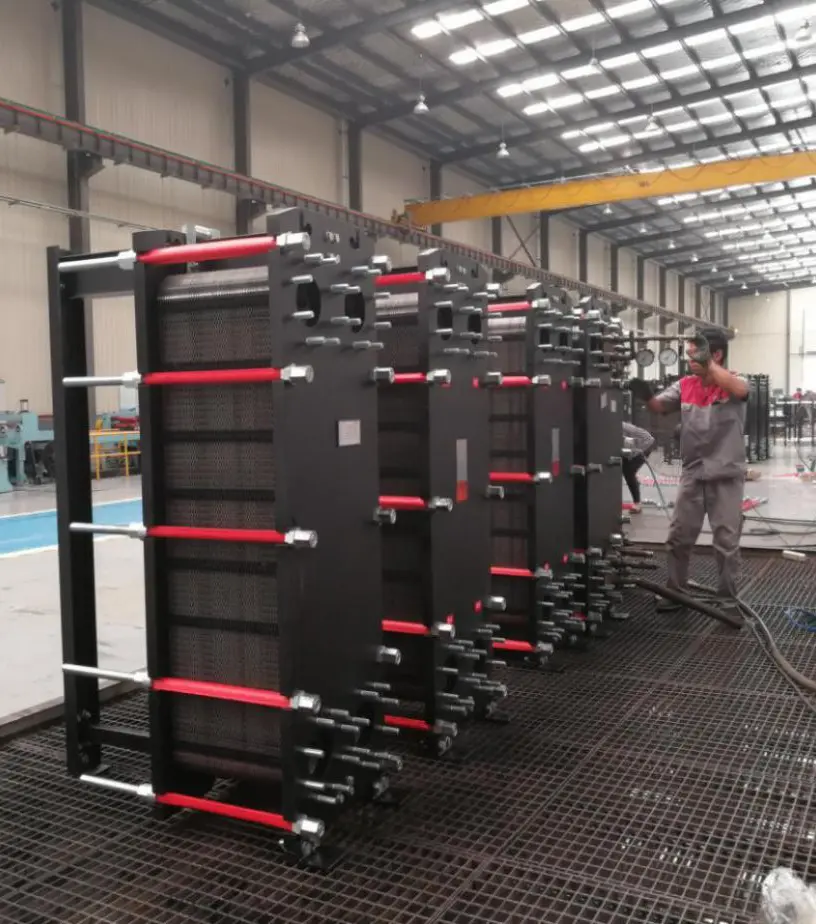
From raw steel sheets to fully pressure-tested heat exchange systems, view our integrated manufacturing workflow.
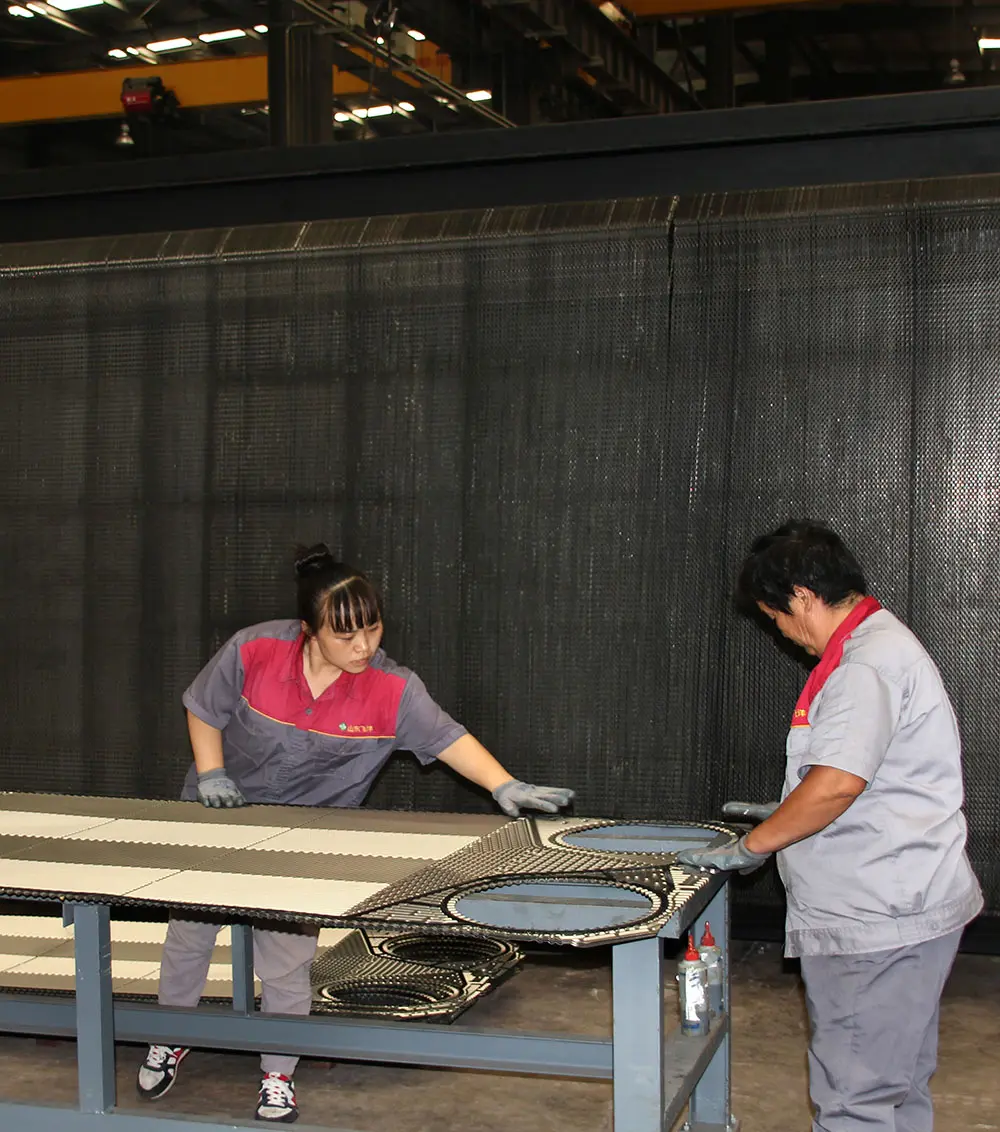
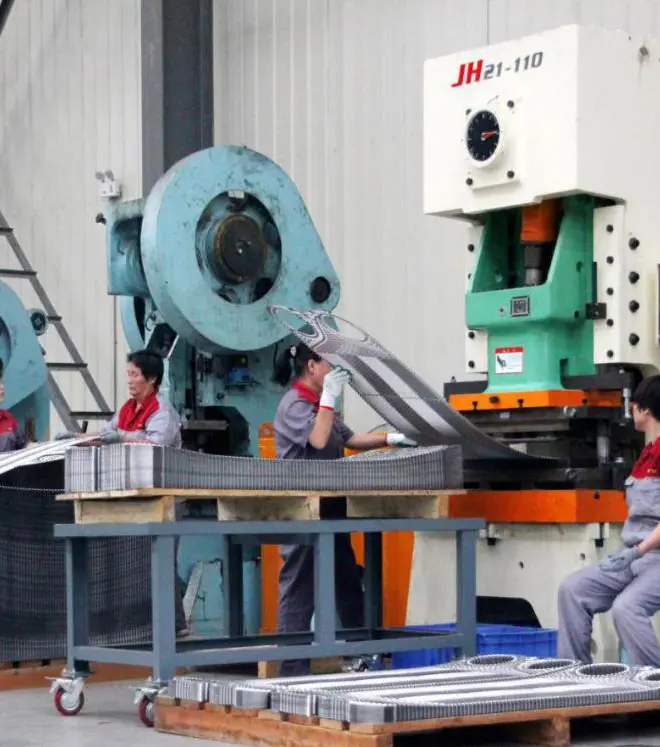
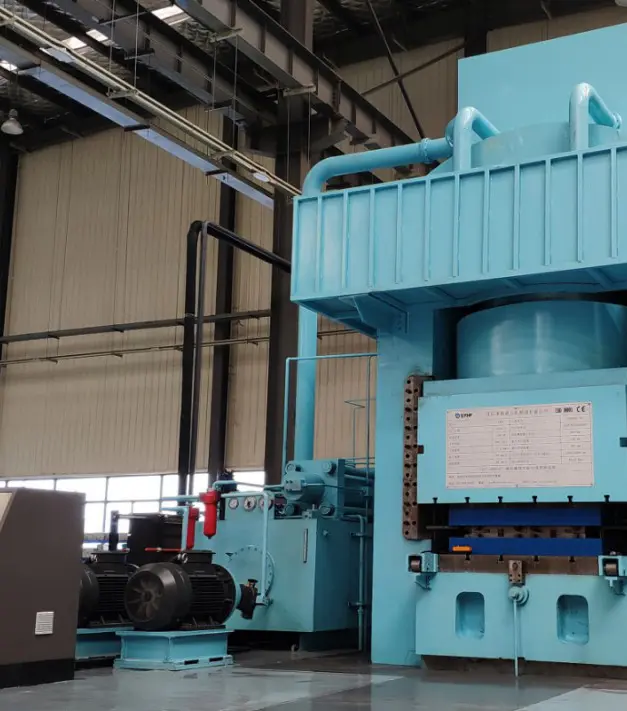
Our equipment operates across thermal power, HVAC, chemical synthesis, and pharmaceutical processing globally.
In municipal central heating schemes, plate heat exchangers act as isolation barriers between high-pressure primary networks and residential secondary networks. They manage thermal loads, isolate high static pressures, and prevent regional distribution piping failures.
Modern commercial structures use cooling towers and chiller units that operate at high static heads. Our heat exchanger units isolate pressure zones in high-rise buildings, reducing pumping costs and protecting chiller components from pressure surges.
Aggressive chemicals require corrosion-resistant heat transfer plates. Using materials like Titanium, Hastelloy, or nickel alloys, our plate exchangers handle process streams, acid cooling, and volatile organic solvent condensation under high thermal loads.
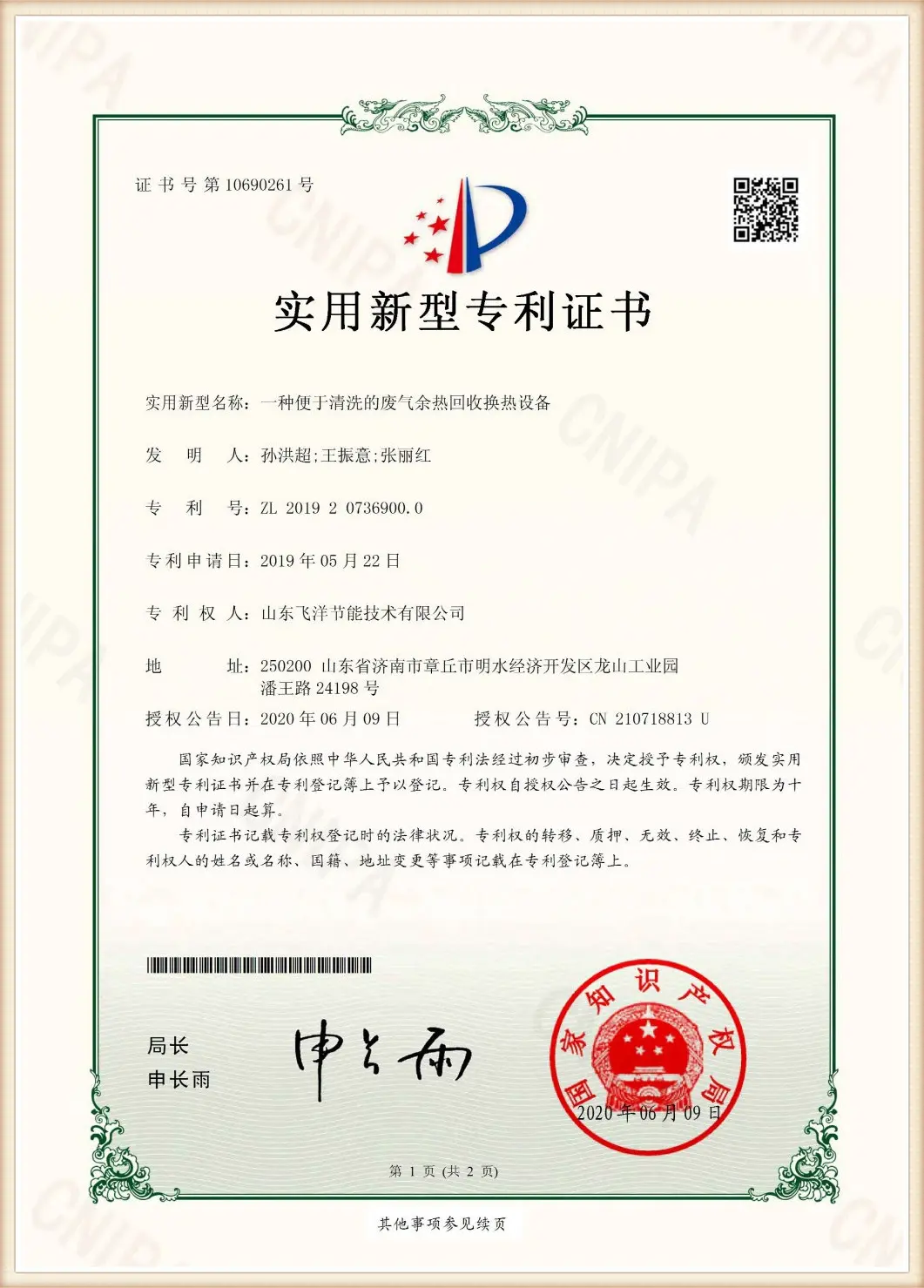
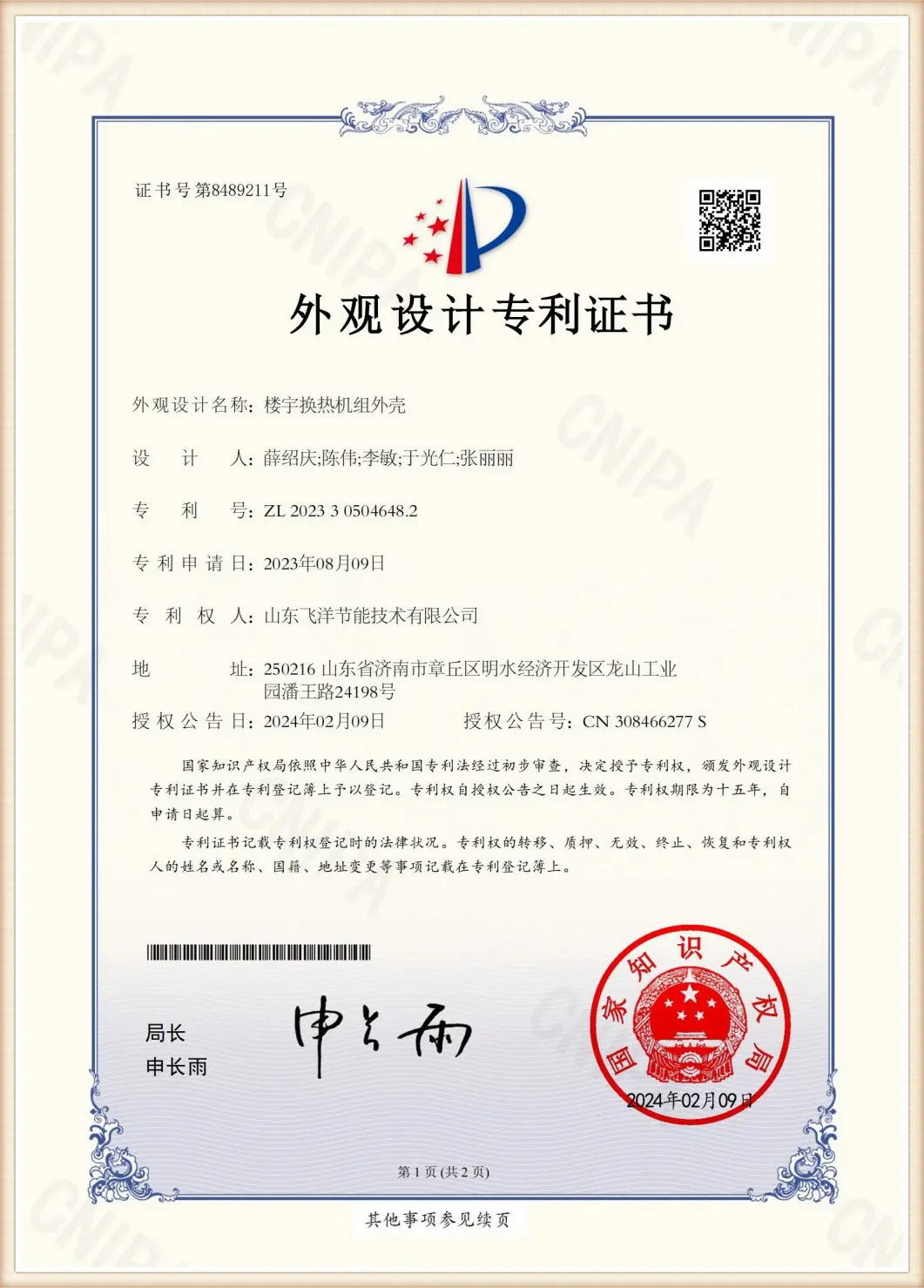
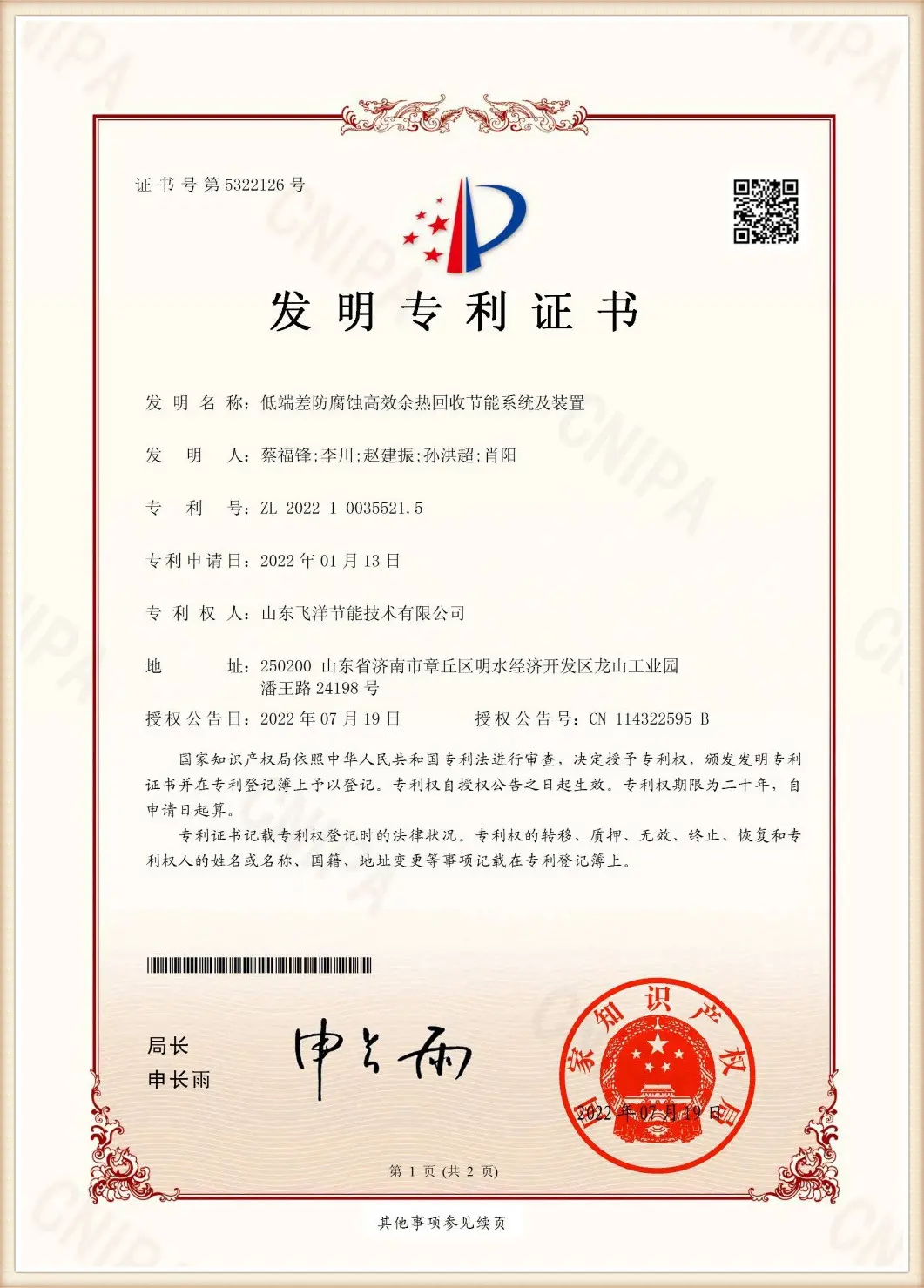
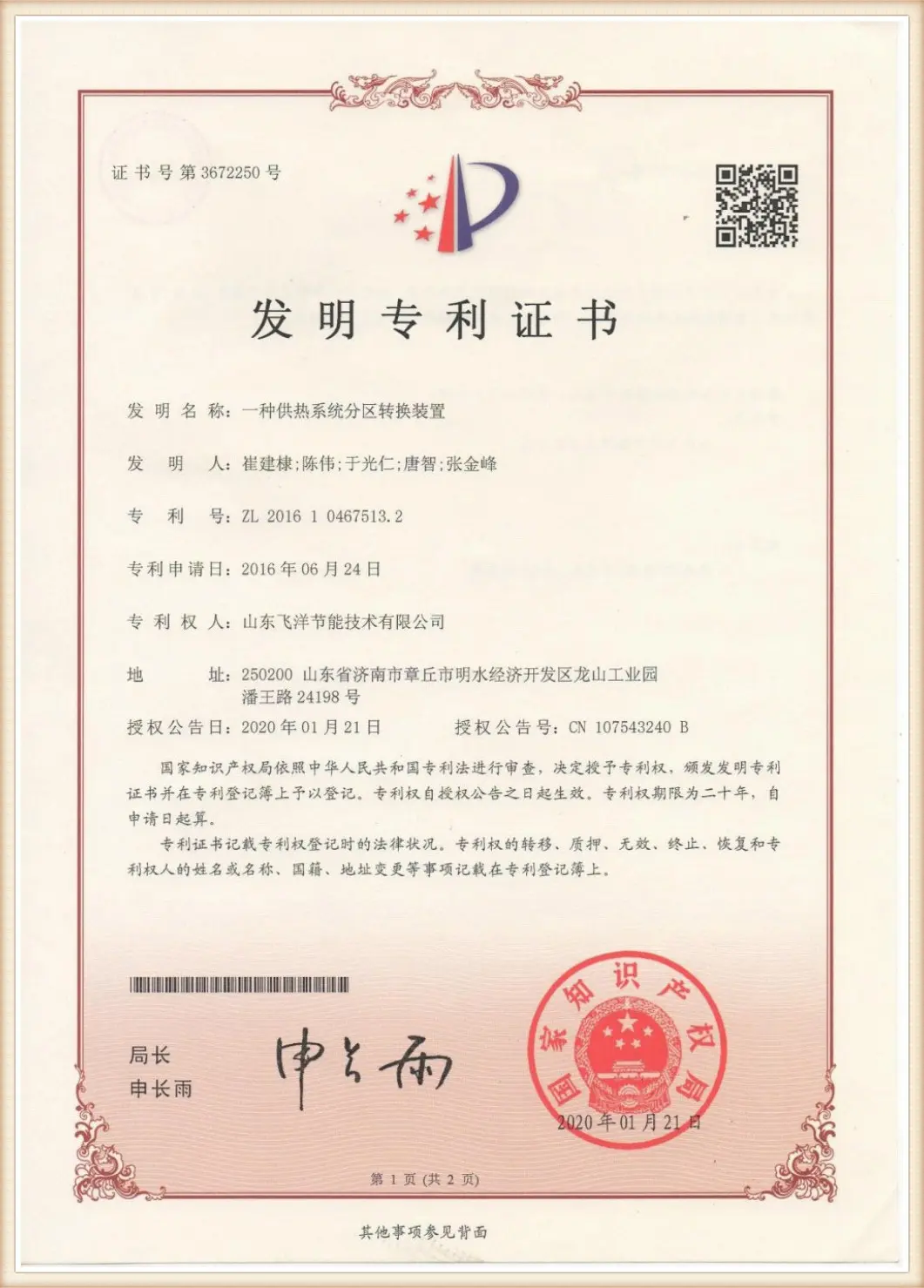
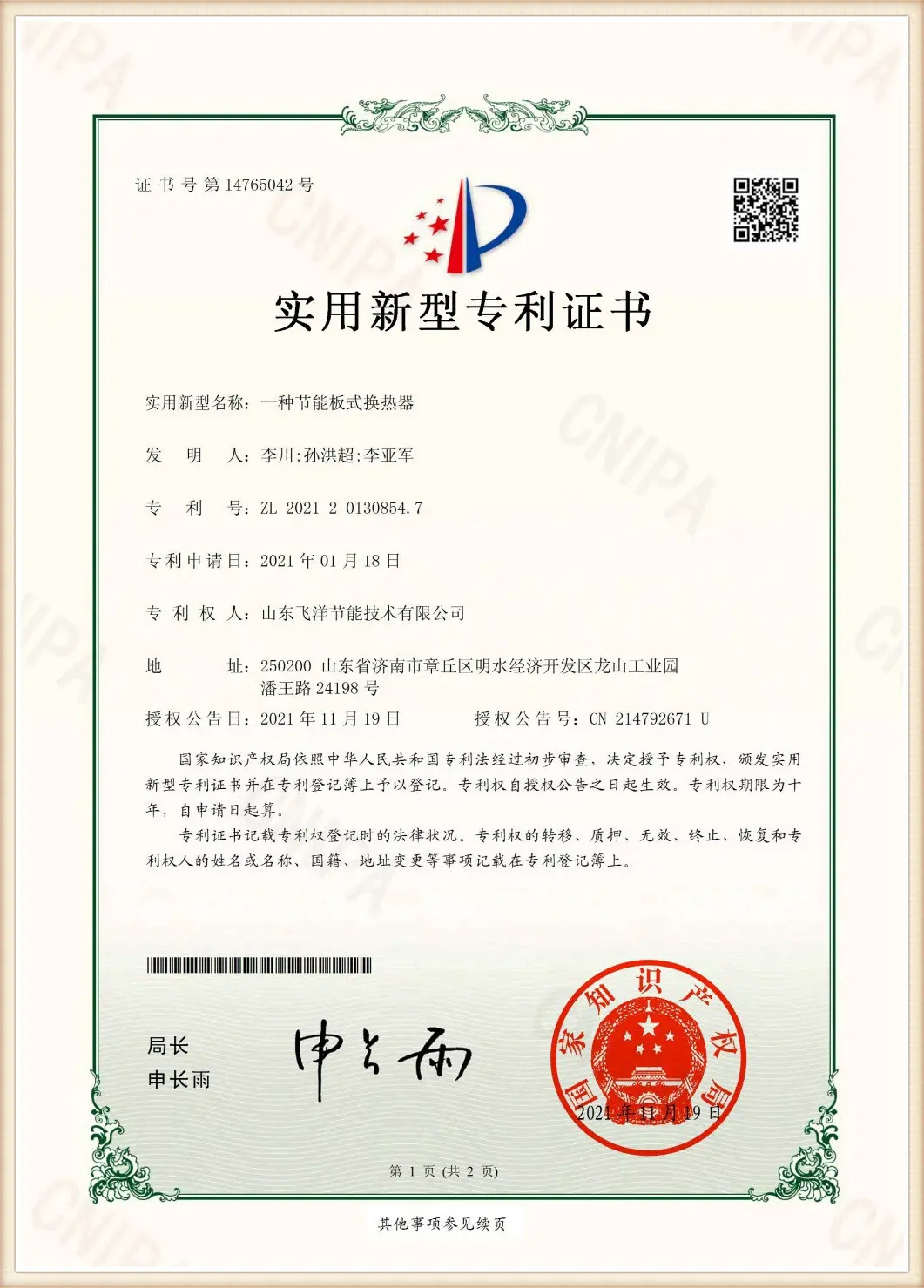
Our operations comply with international quality, safety, and environmental standards.
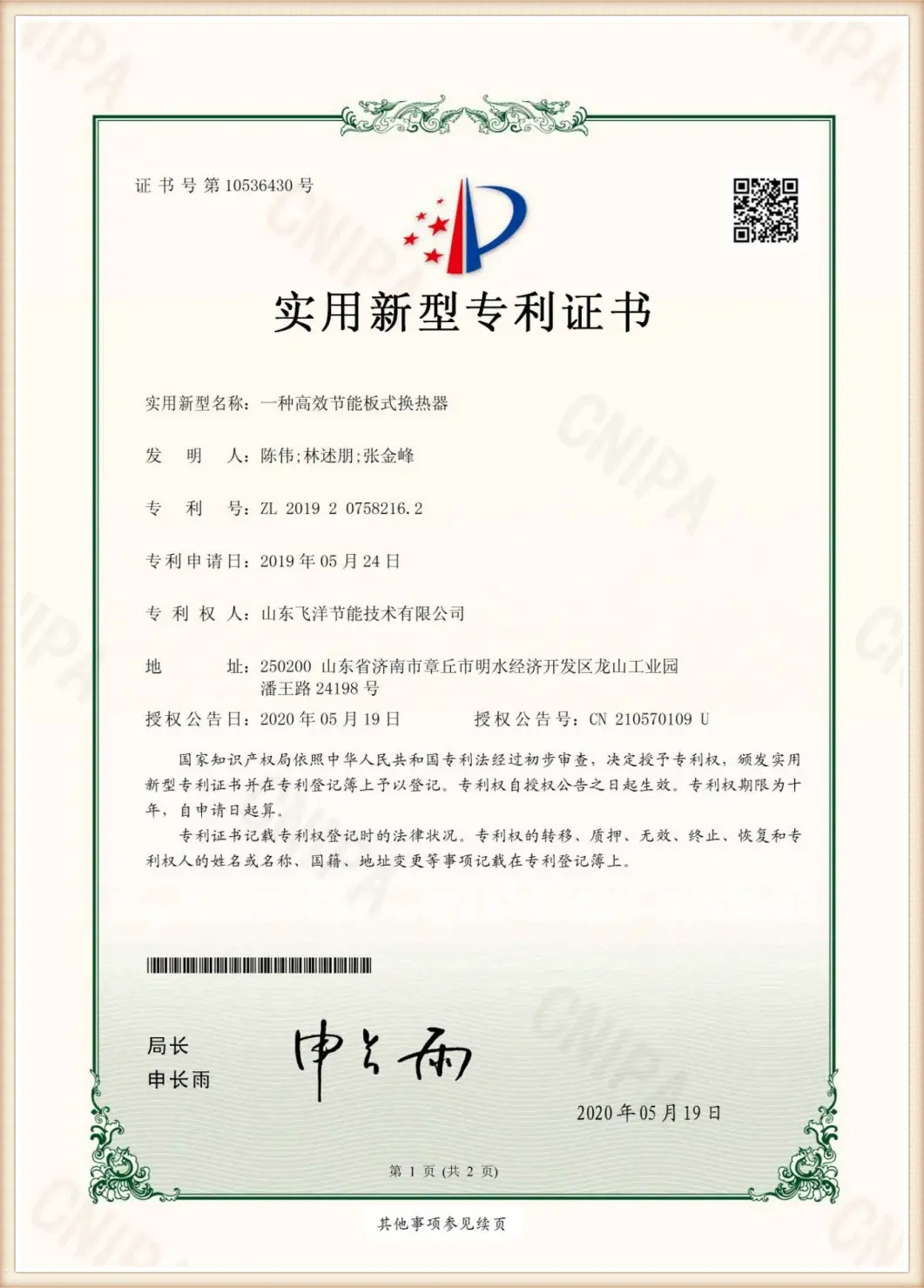
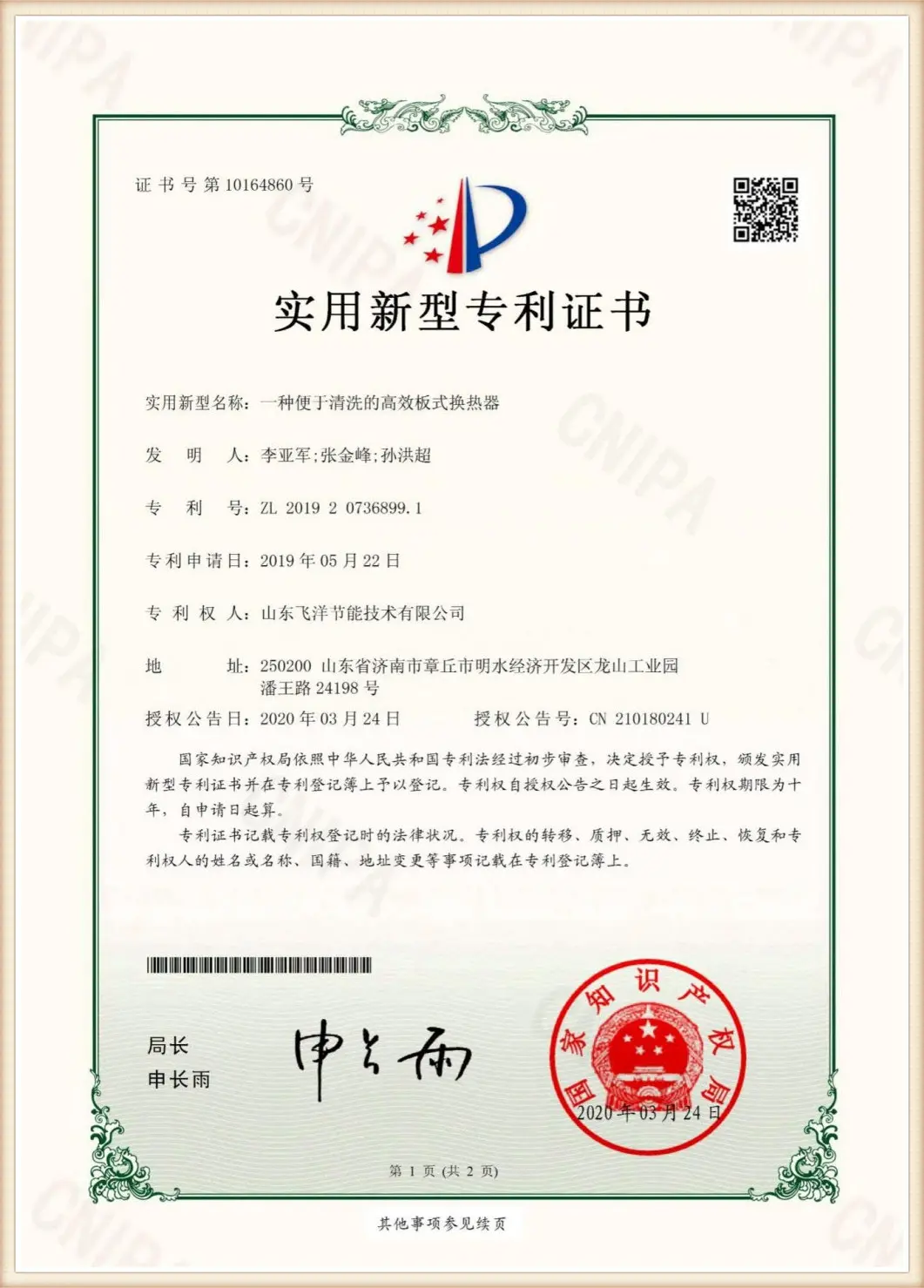
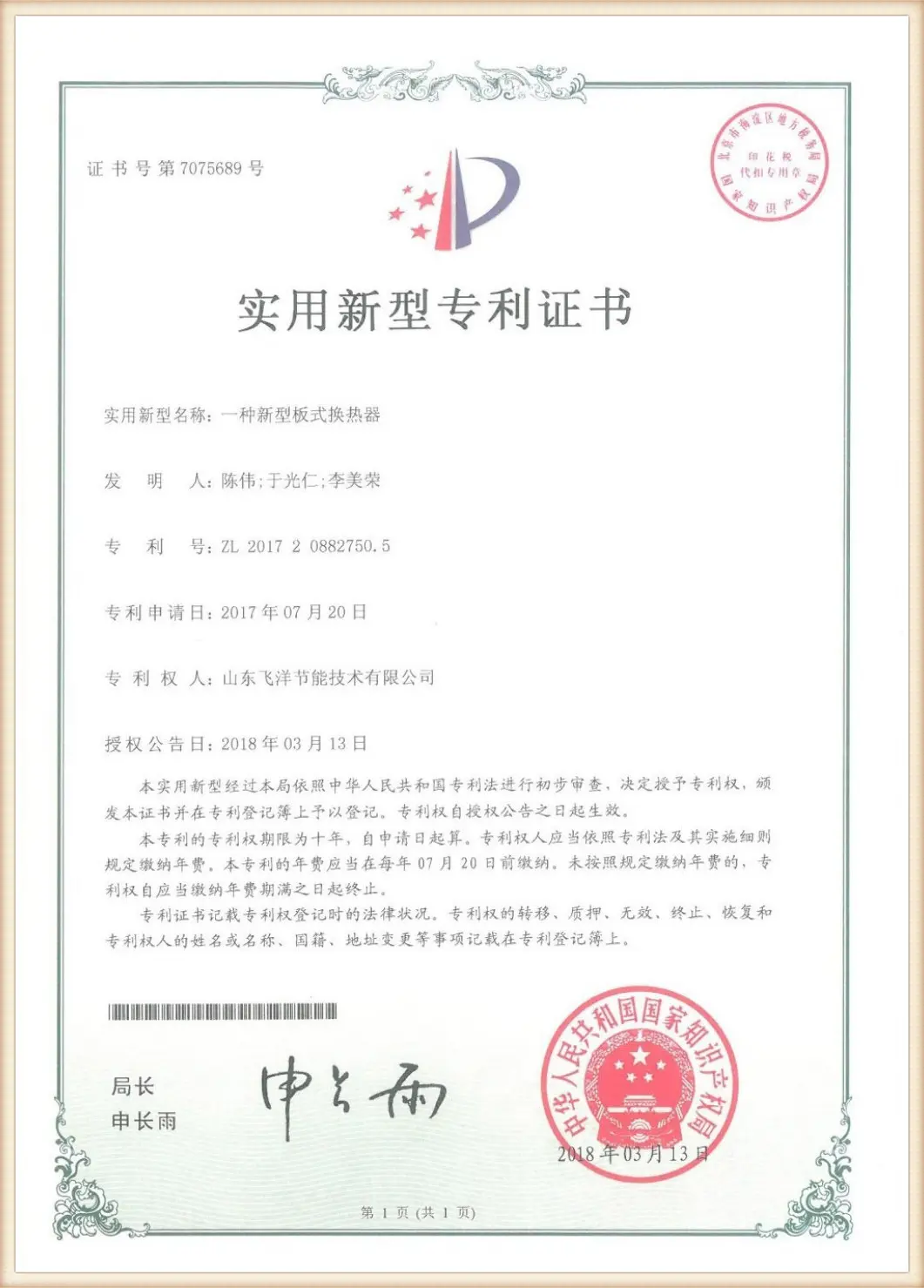
Take a look inside our manufacturing facility, showing our fabrication spaces and heavy stamping equipment.
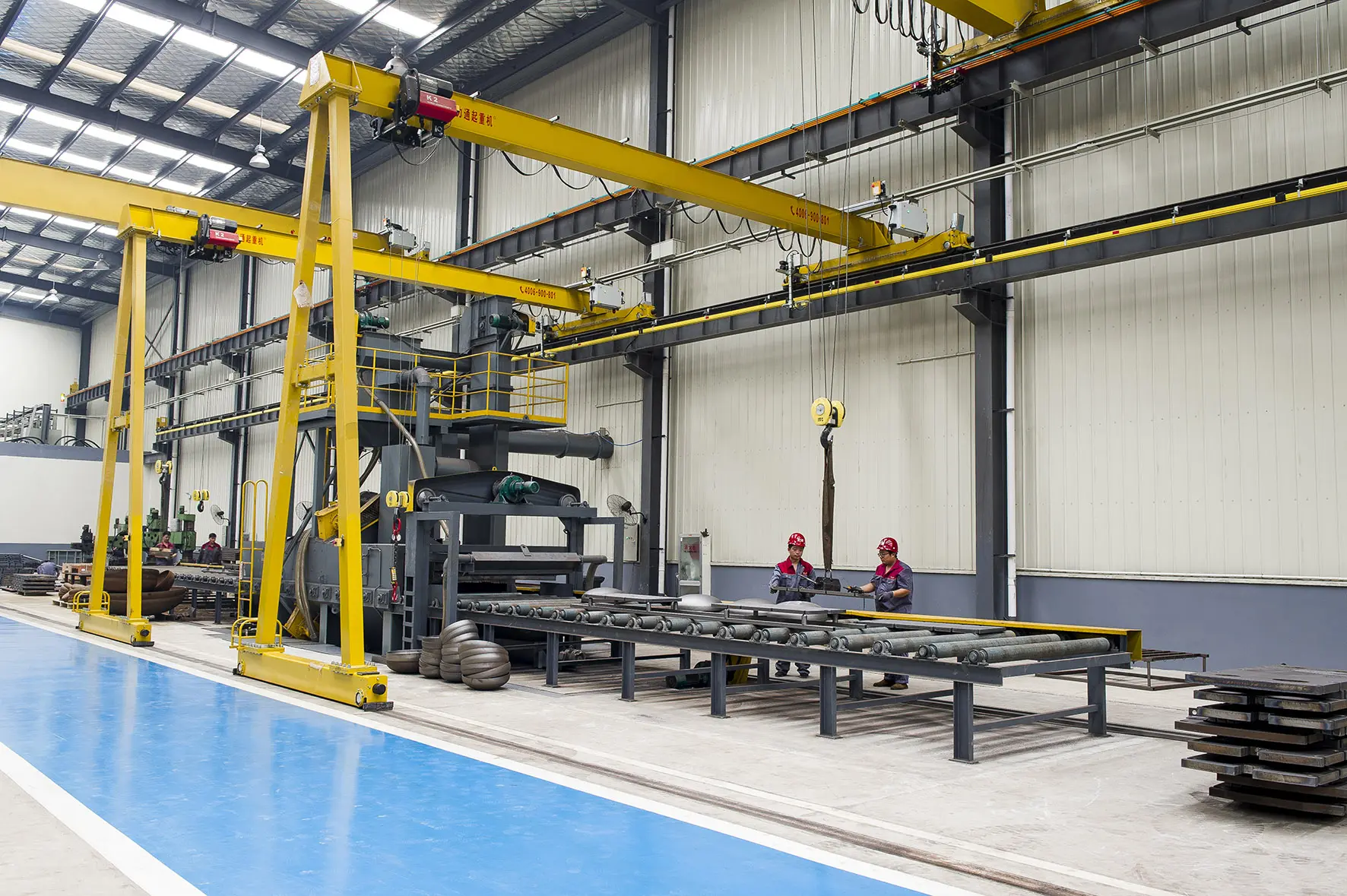
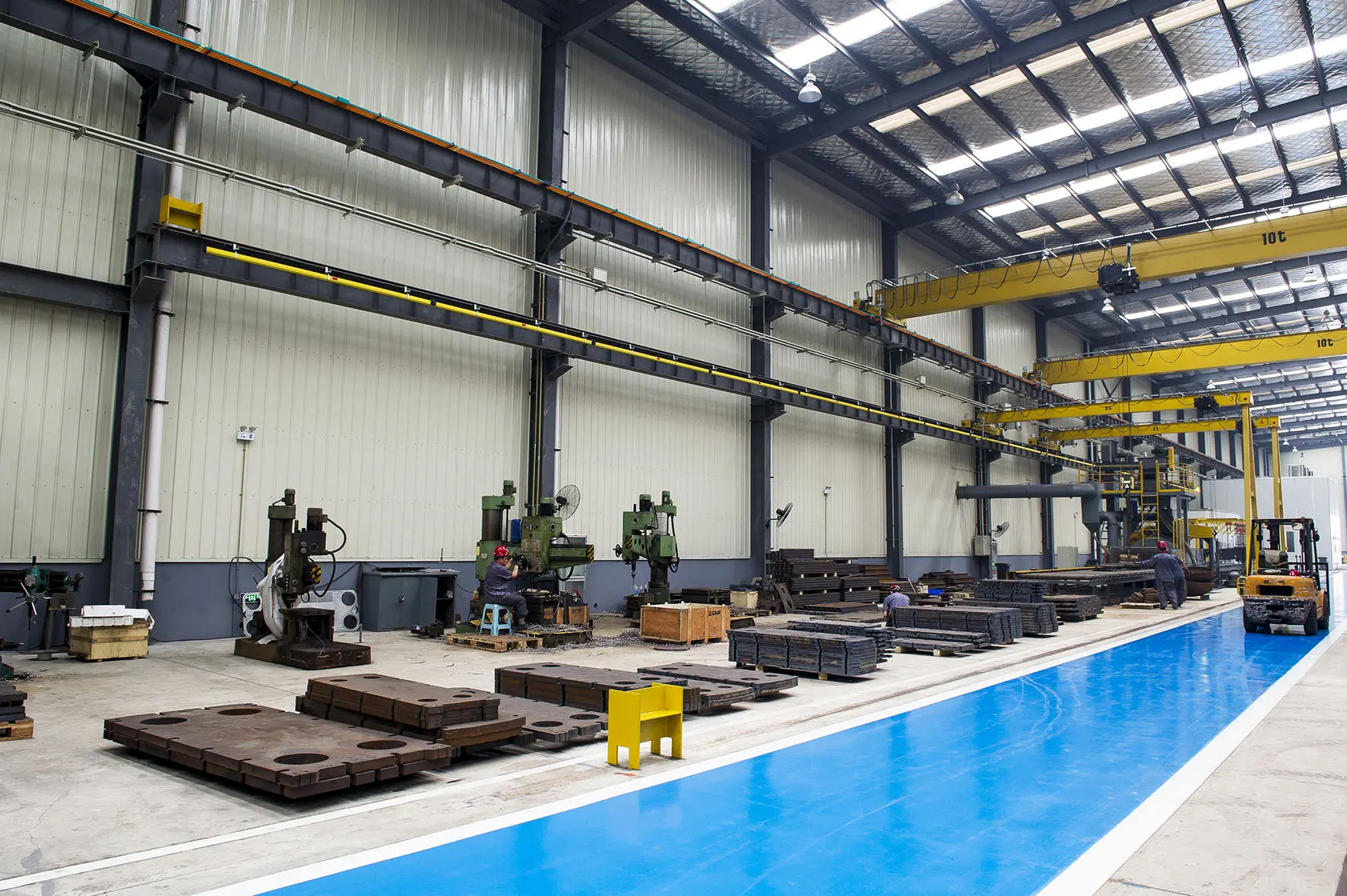

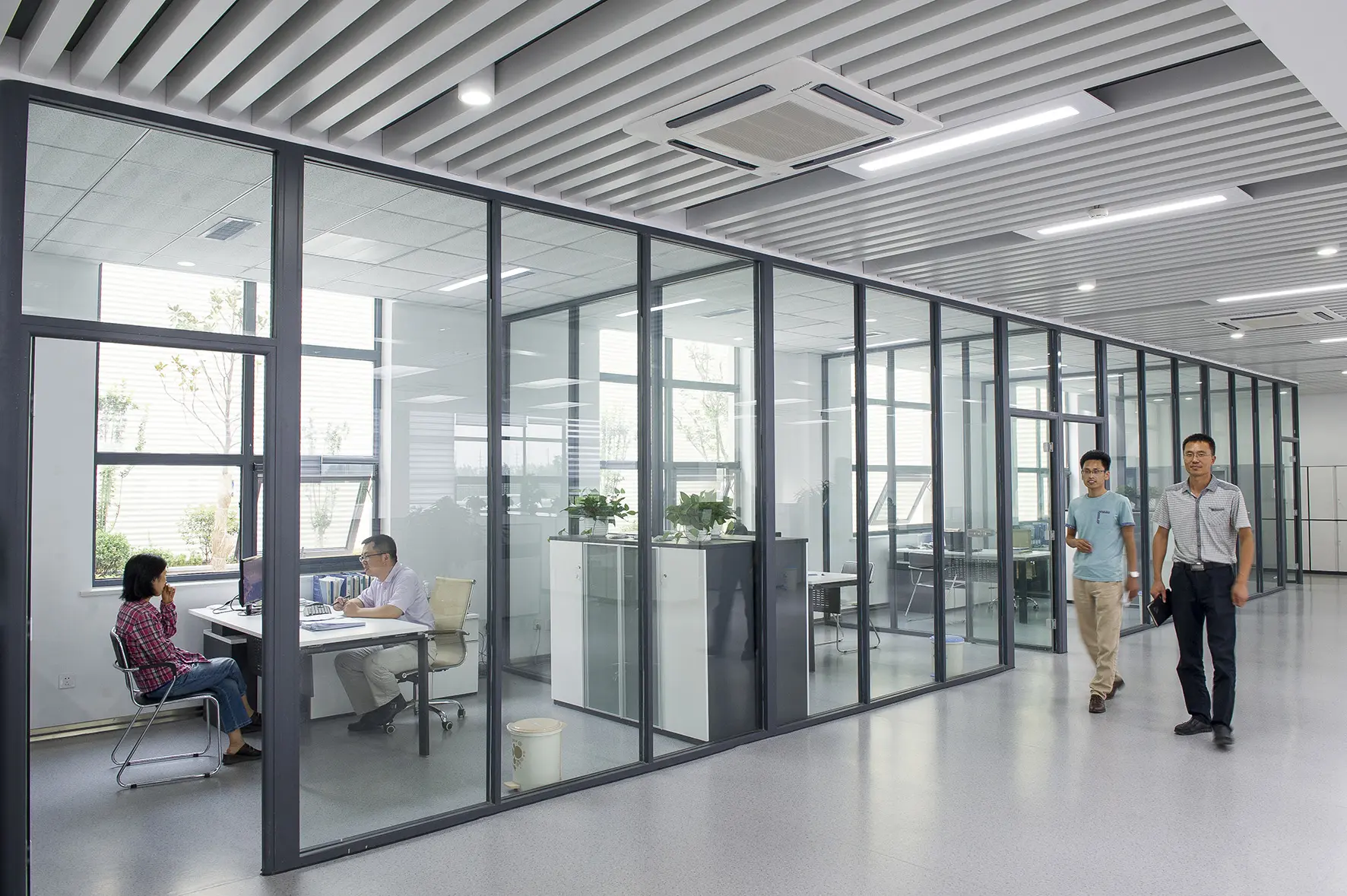

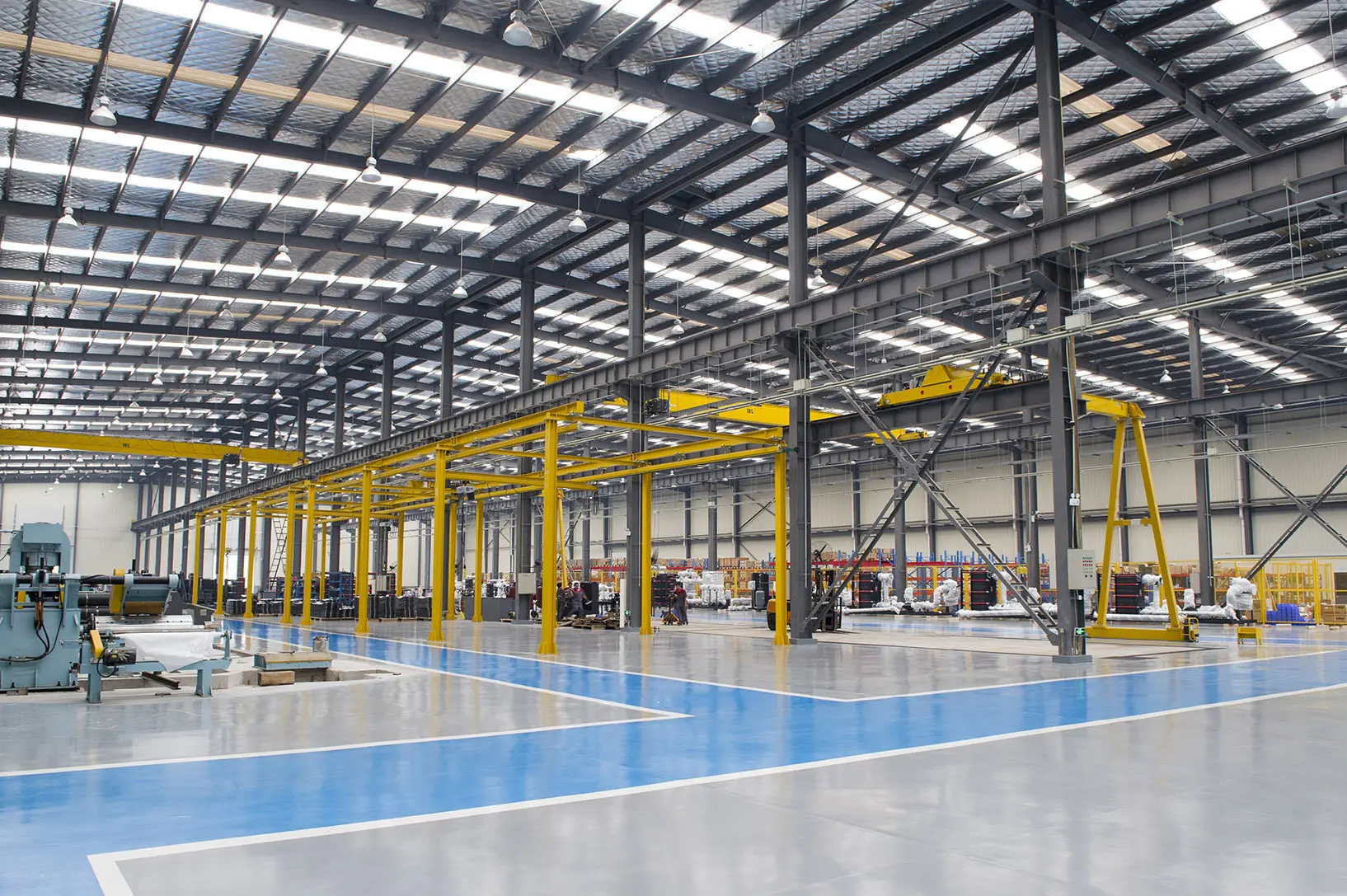
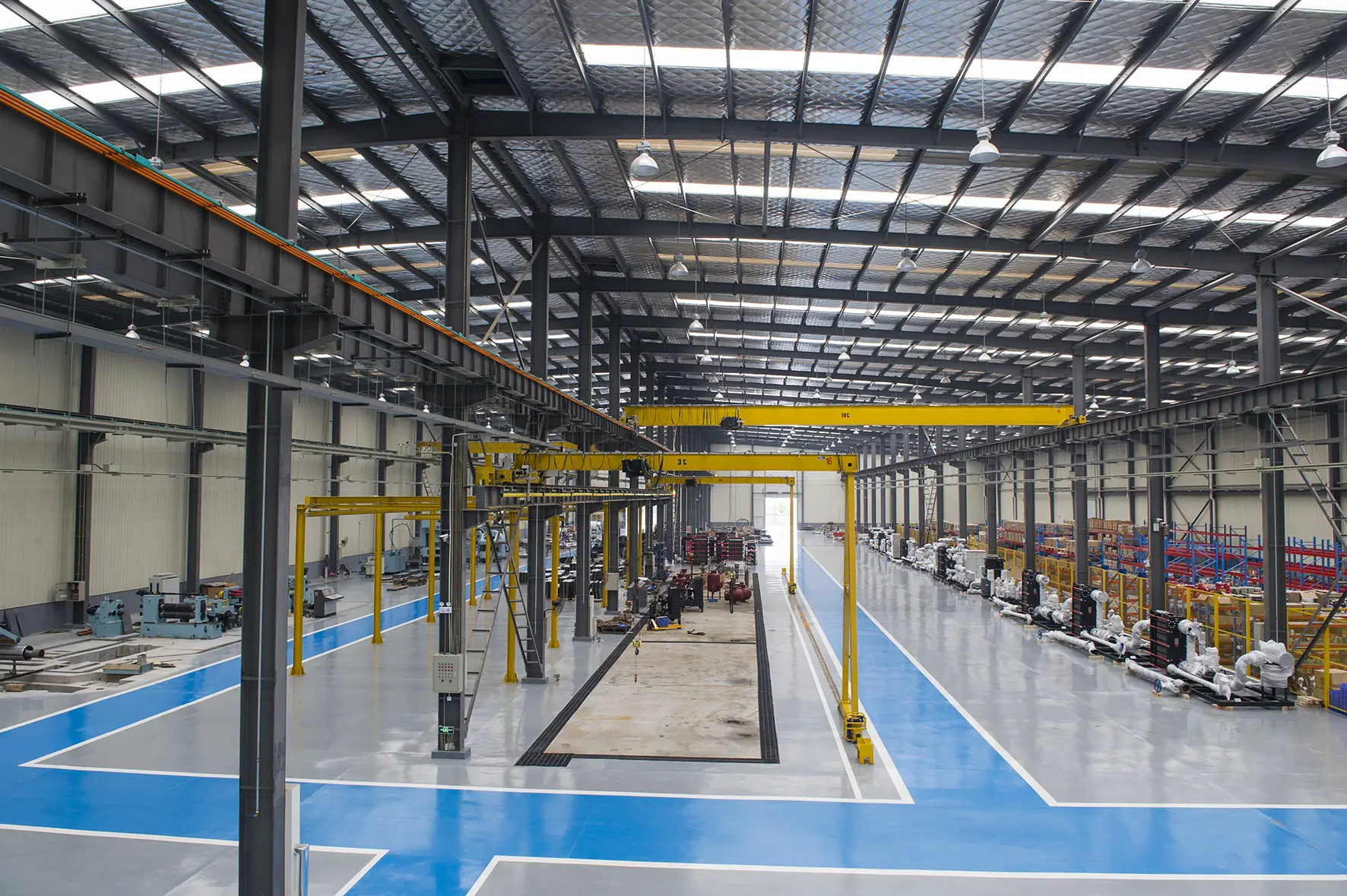
Key developments shaping the global heat exchanger market, focusing on system efficiency and decarbonization goals.
Global emission standards are driving demand for waste heat recovery systems. Industries are using heat exchangers to capture low-grade thermal waste (40°C to 90°C) from exhaust streams, redirecting it back into heating loops to lower overall fuel consumption.
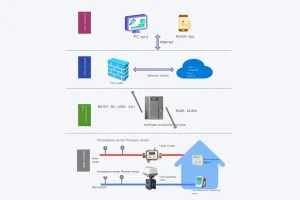
Modern thermal networks are transitioning from schedule-based servicing to predictive maintenance models. By integrating temperature sensors, pressure transducers, and balance valves with industrial IoT gateways, operators can track fouling rates and schedule maintenance before system efficiency drops.
Developments in stamping plate designs focus on creating asymmetric fluid channels. These configurations match thermal loads when hot and cold fluid volumes differ significantly, optimizing pressure drop usage in water-to-glycol or refrigerant condensation systems.
Find answers to frequently asked technical questions regarding the design, operation, and maintenance of industrial heat exchangers.
Browse our range of smart system components, detachable plate exchangers, and industrial separation systems.
Explore our systems designed to manage heat transfer requirements across industrial applications.
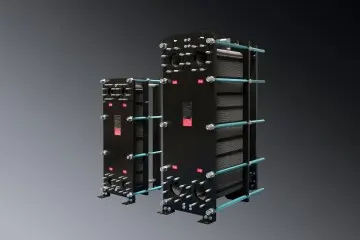
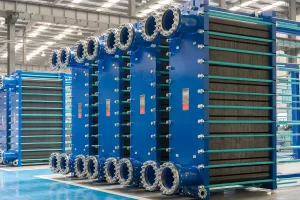
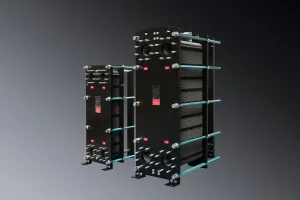
Features a modular frame structure and corrugated metal plates for easy cleaning, inspection, and capacity expansion by adjusting the plate count.
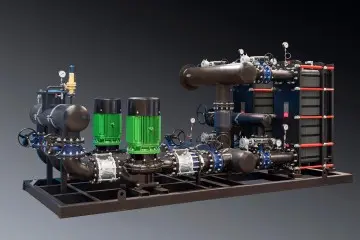
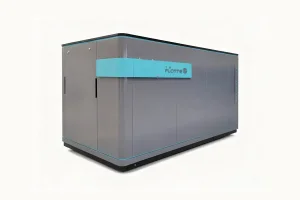
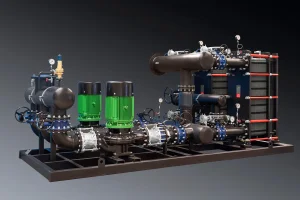
An integrated heating system combining pumps, valves, controllers, and heat exchangers on a single skid for quick commissioning.
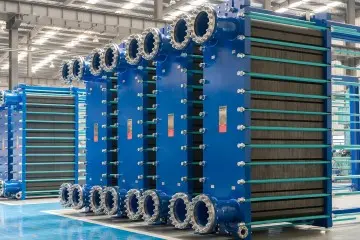
Specially reinforced plate packs designed to manage pressure step-downs and heat injection within city district heating stations.
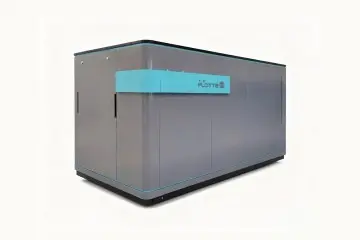
Compact, skid-mounted heat exchanger packages designed for commercial buildings, reducing thermal footprint in HVAC utility rooms.
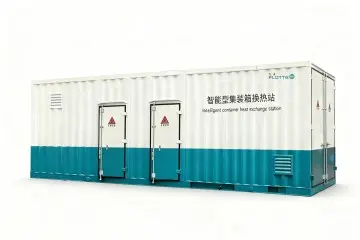
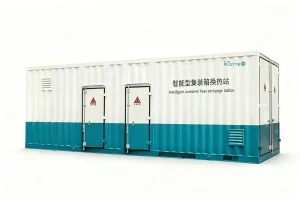
Enclosed, weather-proof heat exchanger modules designed for outdoor installations, protecting internal instrumentation from environmental conditions.
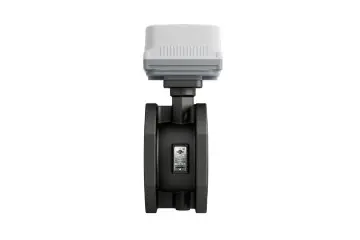
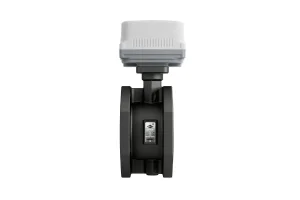
A smart flow-control valve that regulates flow based on dynamic pressure fluctuations, improving heating performance across multi-zone networks.

High-precision remote sensors that collect temperature data from heating zones to enable automated control adjustments.
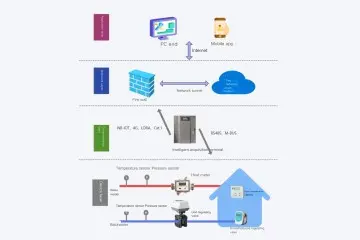
A software and hardware monitoring solution for secondary heating networks that tracks and balances heat distribution.
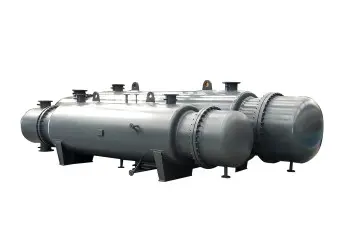
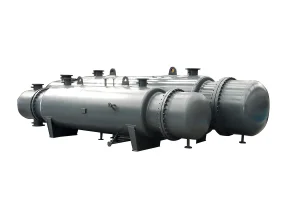
Designed to handle high pressure, high temperature differentials, and high fluid volumes in refinery and chemical processing setups.
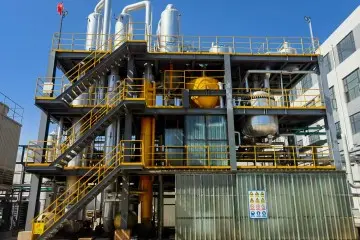
Industrial evaporation systems designed to concentrate process streams and treat wastewater by utilizing latent heat across multiple stages.
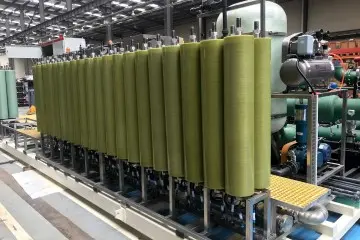
A separation system designed for concentration, purification, and raw material recovery in pharmaceutical and chemical applications.
 Flotte Energy