Explore our core engineering catalog including integrated heating units, multieffect evaporation components, and digital system monitors designed for optimal energy transfer.

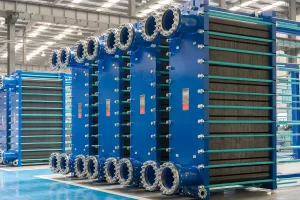
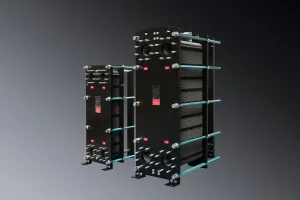
Modern industrial processing demands highly efficient thermal management solutions. An Hx heat exchanger is no longer a simple static component; it is the cornerstone of energy recovery and process automation. In thermodynamic applications, the selection of fluid flow geometries, thermal dynamics, and materials science determines the operating margins of chemical plants, municipal district heating grids, and pharmaceutical sterilization processes. High-performance design focuses on maximizing heat transfer coefficients (U-values) while minimizing pressure drops (Δp) across the media interfaces.
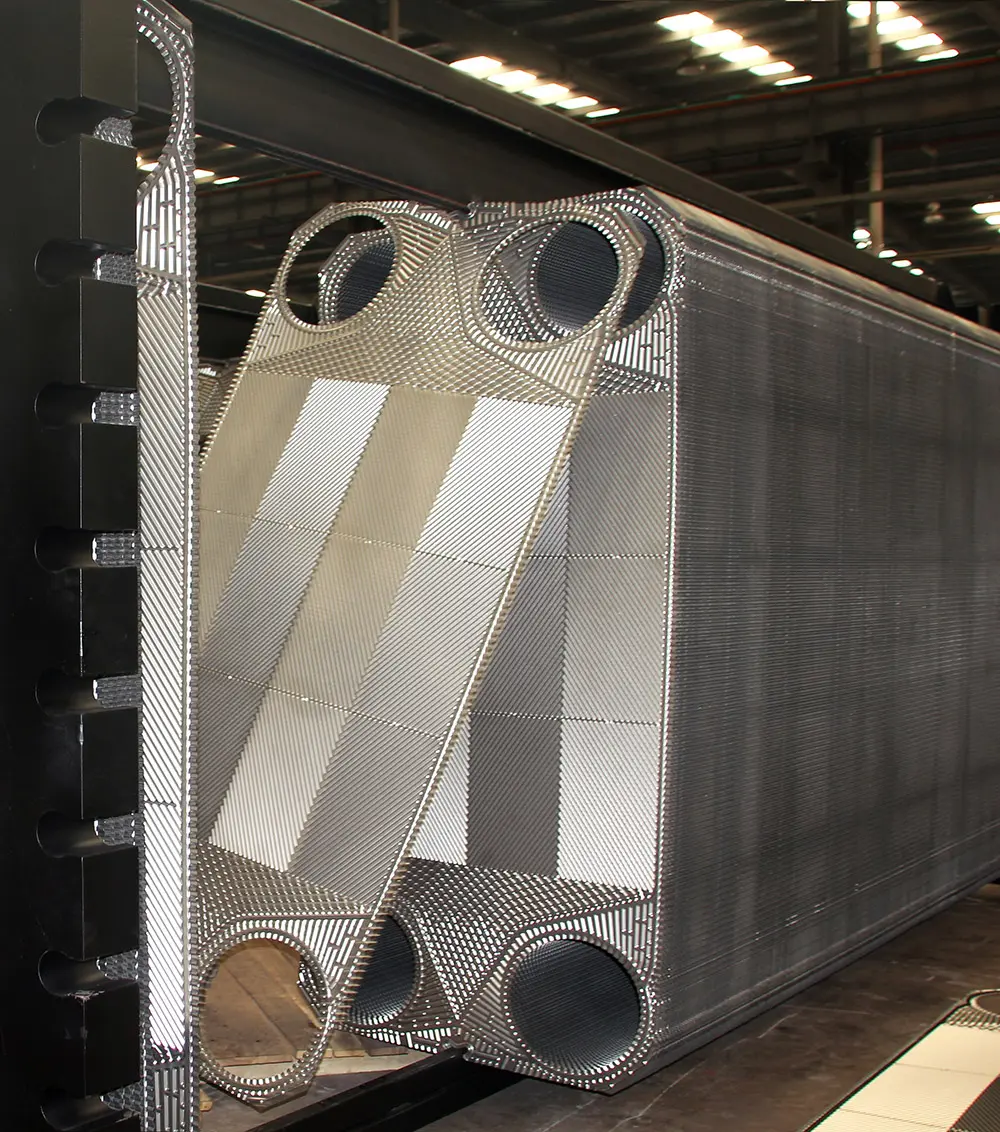
Our engineering research indicates that optimizing plate corrugated profiles can increase overall heat transfer rates by up to 150% compared to traditional smooth tubes. High-performance corrugated shapes induce localized turbulent flow even at low Reynolds numbers, which effectively breaks down the boundary layer and enhances the rate of heat exchange. This reduces structural footprints and decreases the overall volume of process fluids required.
Furthermore, proper alloy selection is essential. Using high-grade stainless steels (SS304, SS316L), titanium, Hastelloy, and nickel alloys ensures resistance to chemical attack and galvanic corrosion under demanding thermal and mechanical loads.
"Decarbonization is reshaping the thermal engineering landscape. Every unit of waste heat recovered represents a direct reduction in carbon emissions and fuel costs. Our advanced engineering focuses on designing Hx systems that achieve temperature approaches of less than 1°C, maximizing energy recovery in complex processes."
Analyzing macro trends in heat management, energy conservation, and system integration across global industries.
The global heat exchanger market is experiencing significant transformation, driven by industrial decarbonization, ESG regulations, and rising energy costs. Heavy industries, chemical manufacturing, and municipal utilities are optimizing their thermal processes to reduce carbon footprints. Across Europe, North America, and East Asia, district heating grids are transitioning from high-temperature fossil-fuel boilers to fourth-generation low-temperature grids, which rely heavily on high-efficiency plate heat exchangers (PHEs) to integrate waste heat and renewable geothermal sources.
In industrial sectors like hydrogen production, petrochemical refining, and lithium-ion battery processing, precise temperature control is critical. Hx heat exchangers must handle high pressures, extreme temperatures, and corrosive chemicals. This has led to the adoption of advanced modular designs and intelligent systems that monitor operation in real-time, helping to prevent fouling and predict maintenance needs before failures occur.
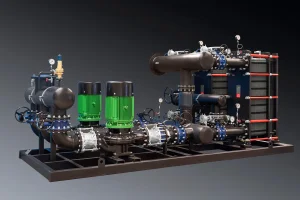
Moving from single, massive central heating plants to modular, localized energy transfer stations equipped with automated control units reduces distribution losses.
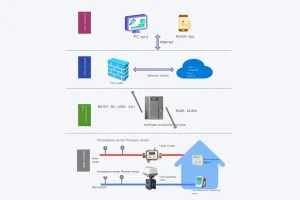
Integrating pressure sensors and temperature collectors with cloud-based networks allows operators to detect fouling and schedule maintenance based on actual performance data.
Using titanium alloys, surface-treated polymers, and nano-coatings helps minimize scaling and maintains high thermal performance in challenging industrial environments.
A history of engineering expertise, robust infrastructure, and quality standards.
Established in 2013 with a registered capital of 101 million yuan, Flotte Energy Saving Company originated from Flotte Thermal Engineering founded in 1995. With nearly three decades of engineering expertise, the company specializes in water equipment, HVAC systems, and water treatment industries. Our modern 70,000-square-meter facility houses advanced production lines capable of producing 4,500 heat exchange units and water supply systems annually, generating 500 million yuan in sales and contributing 15 million yuan in taxes and profits.
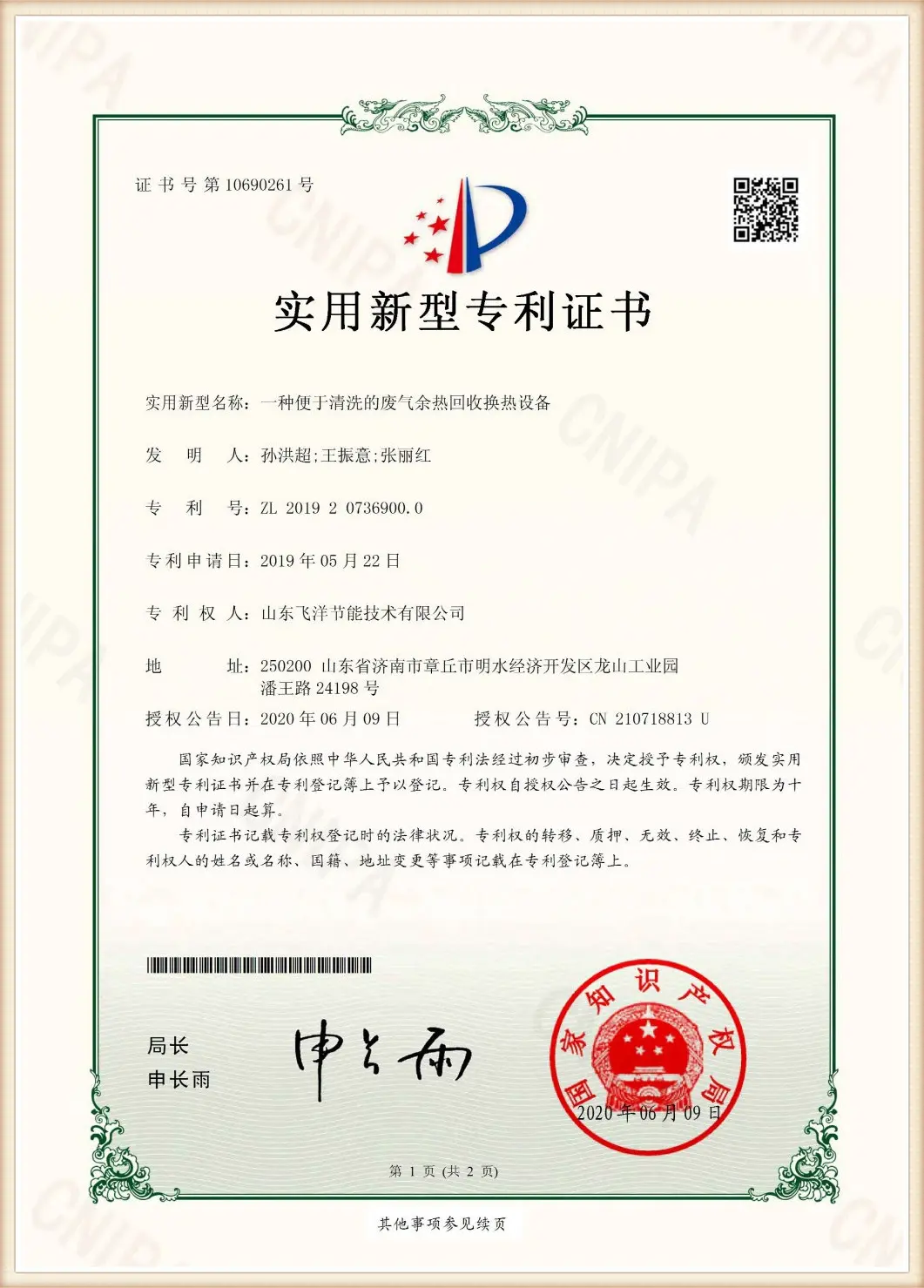
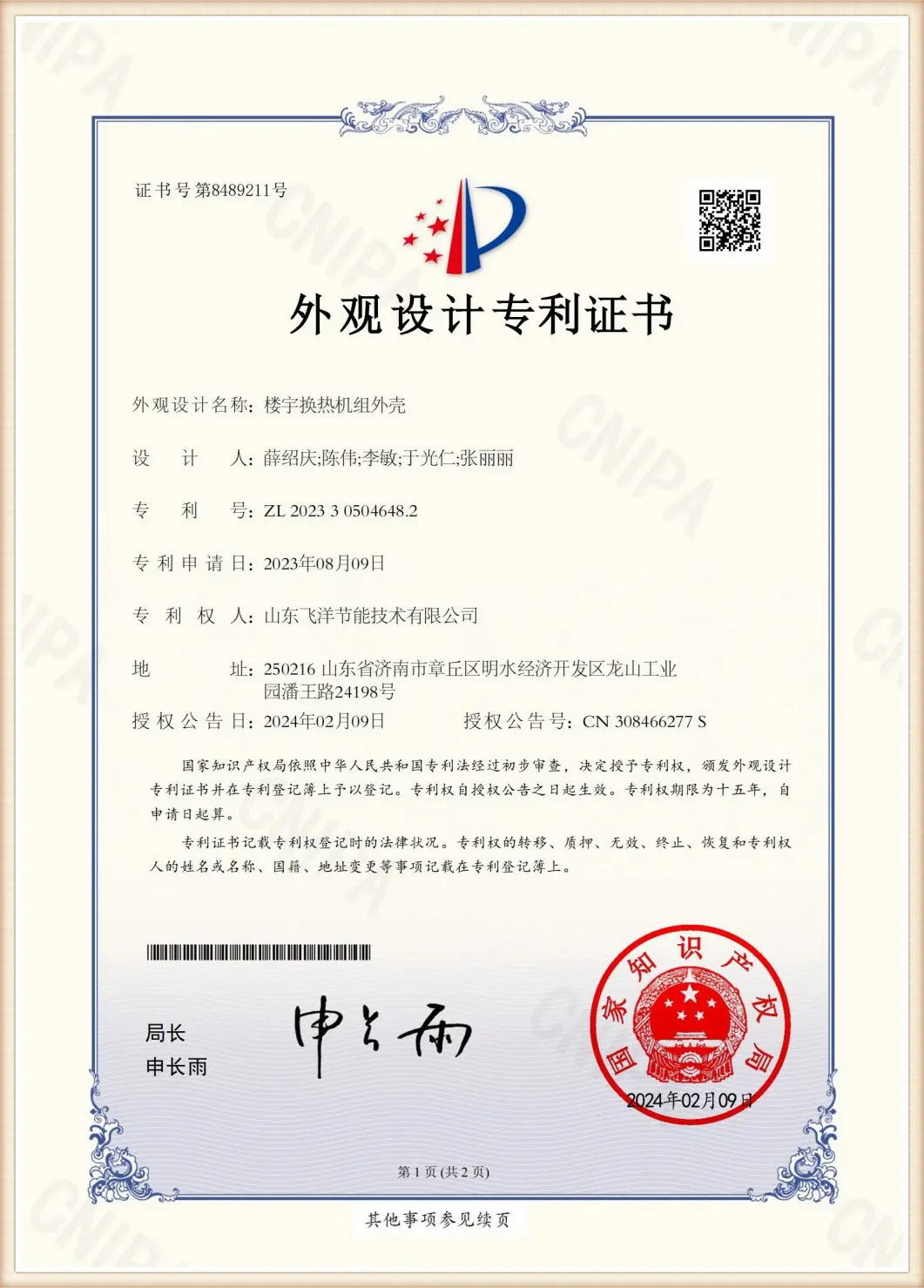
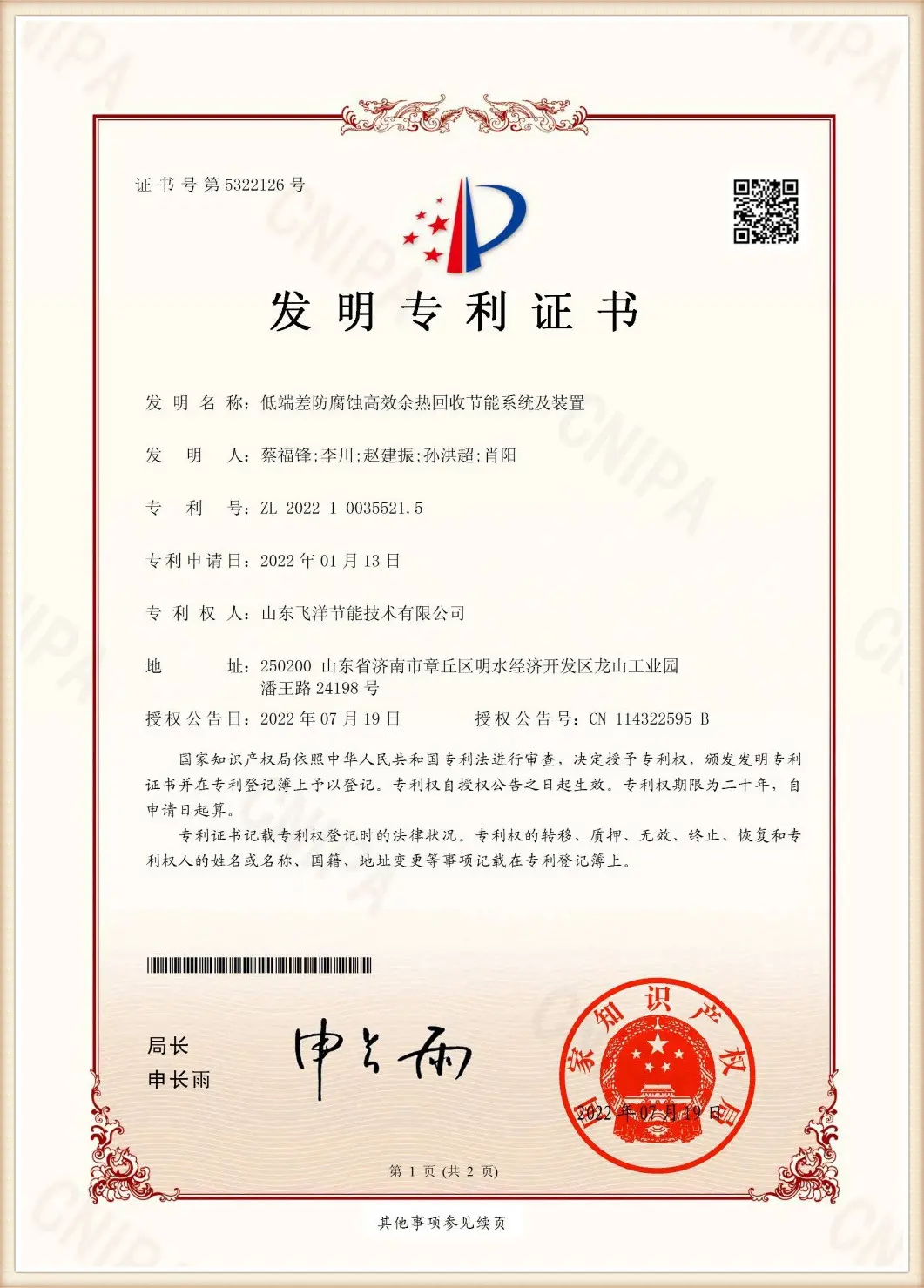
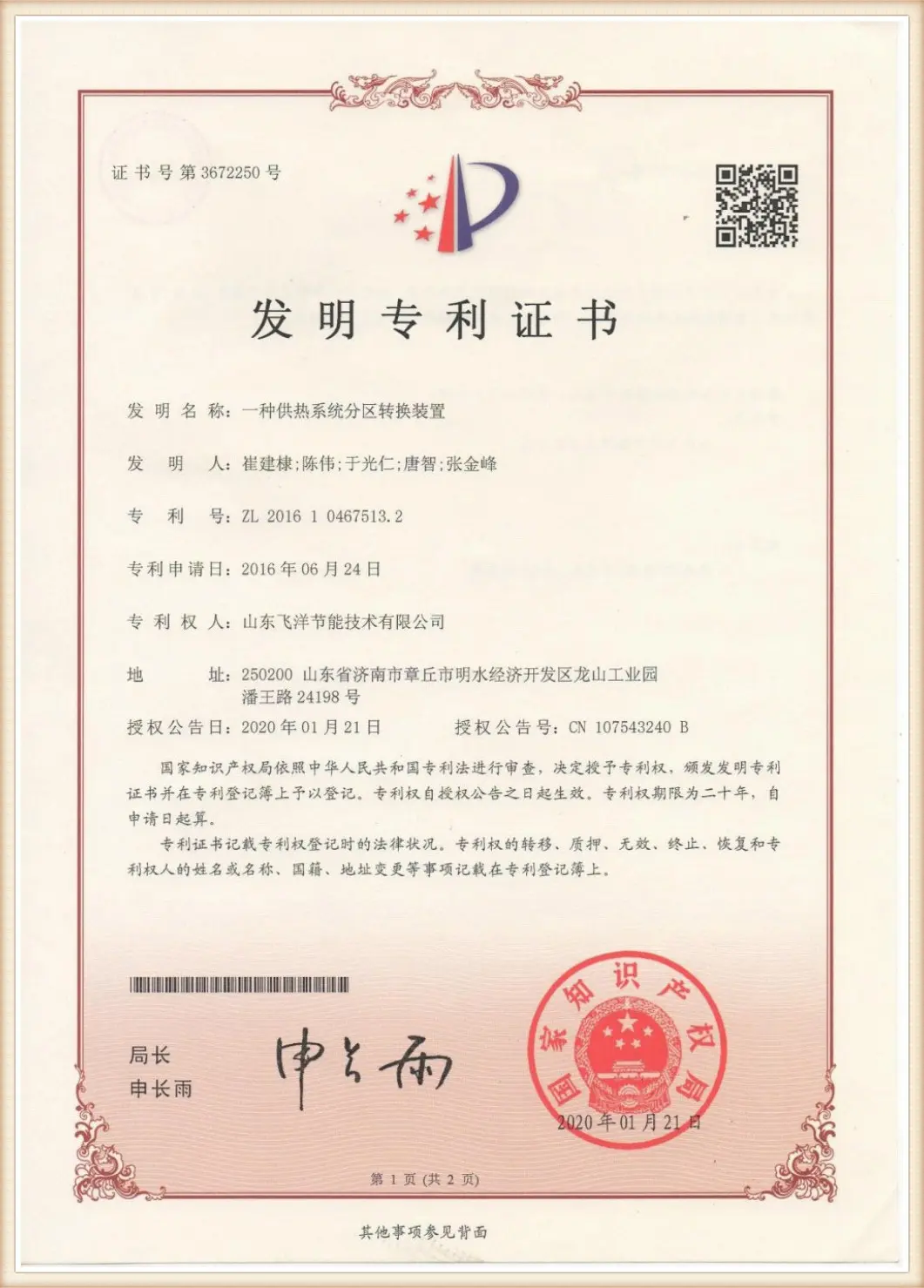
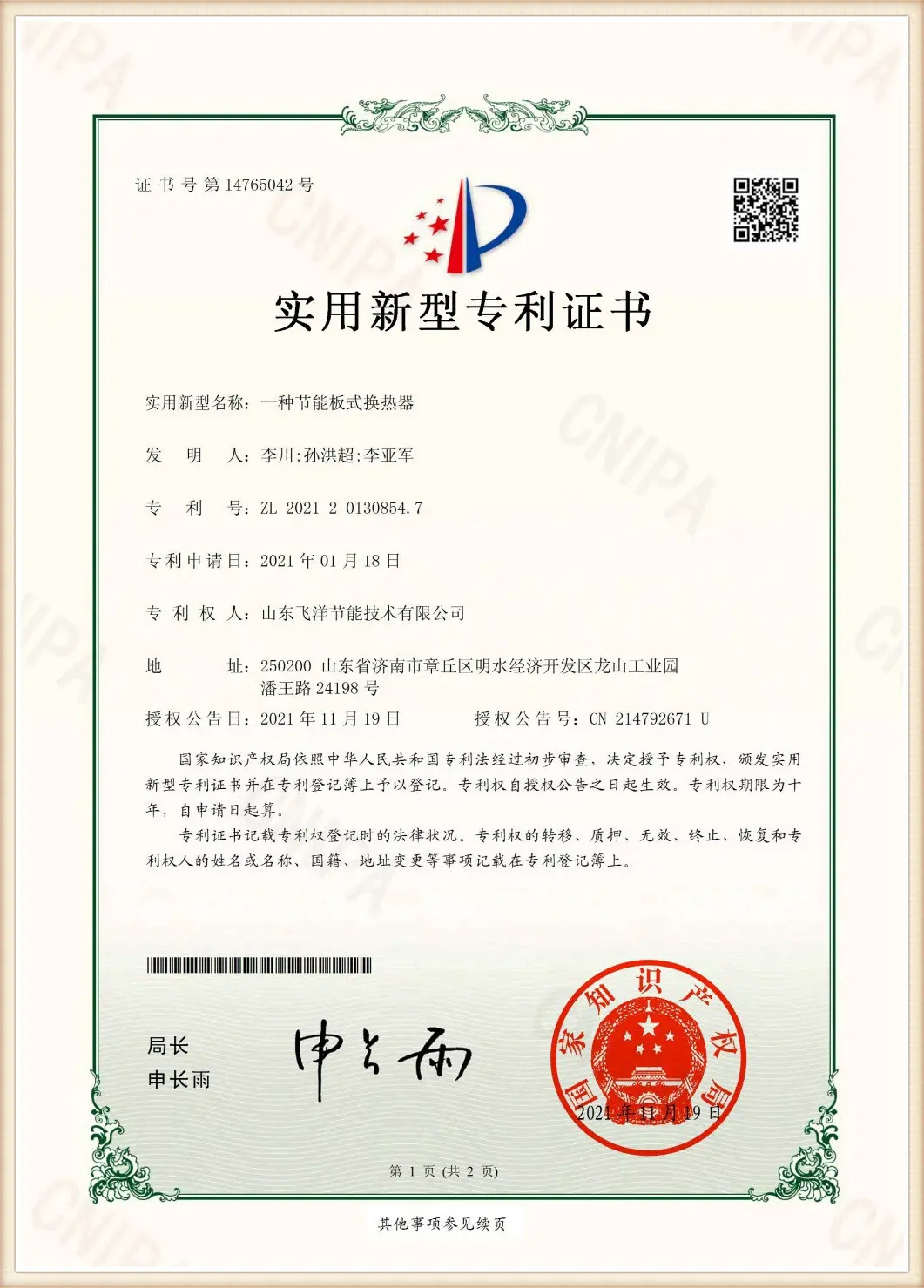
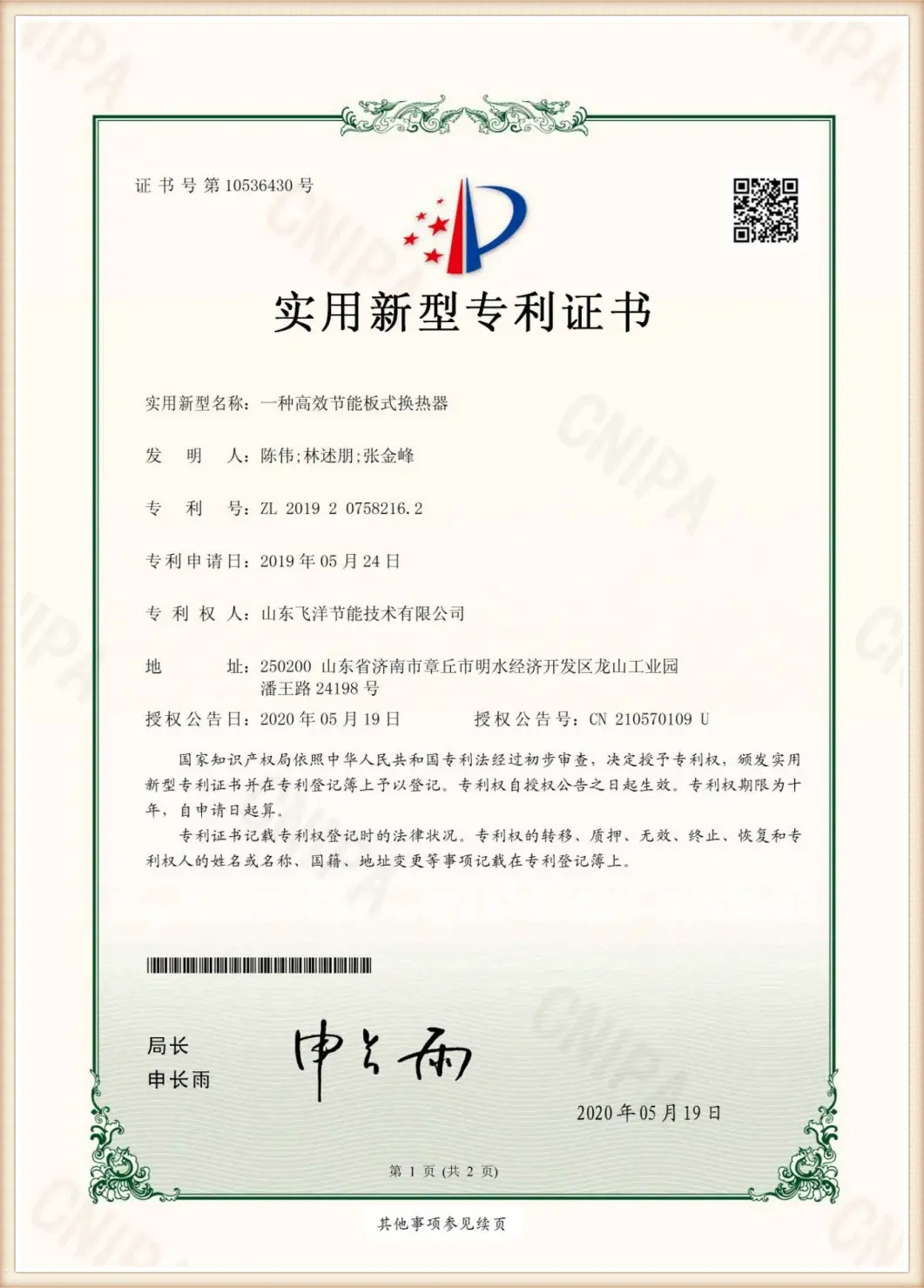
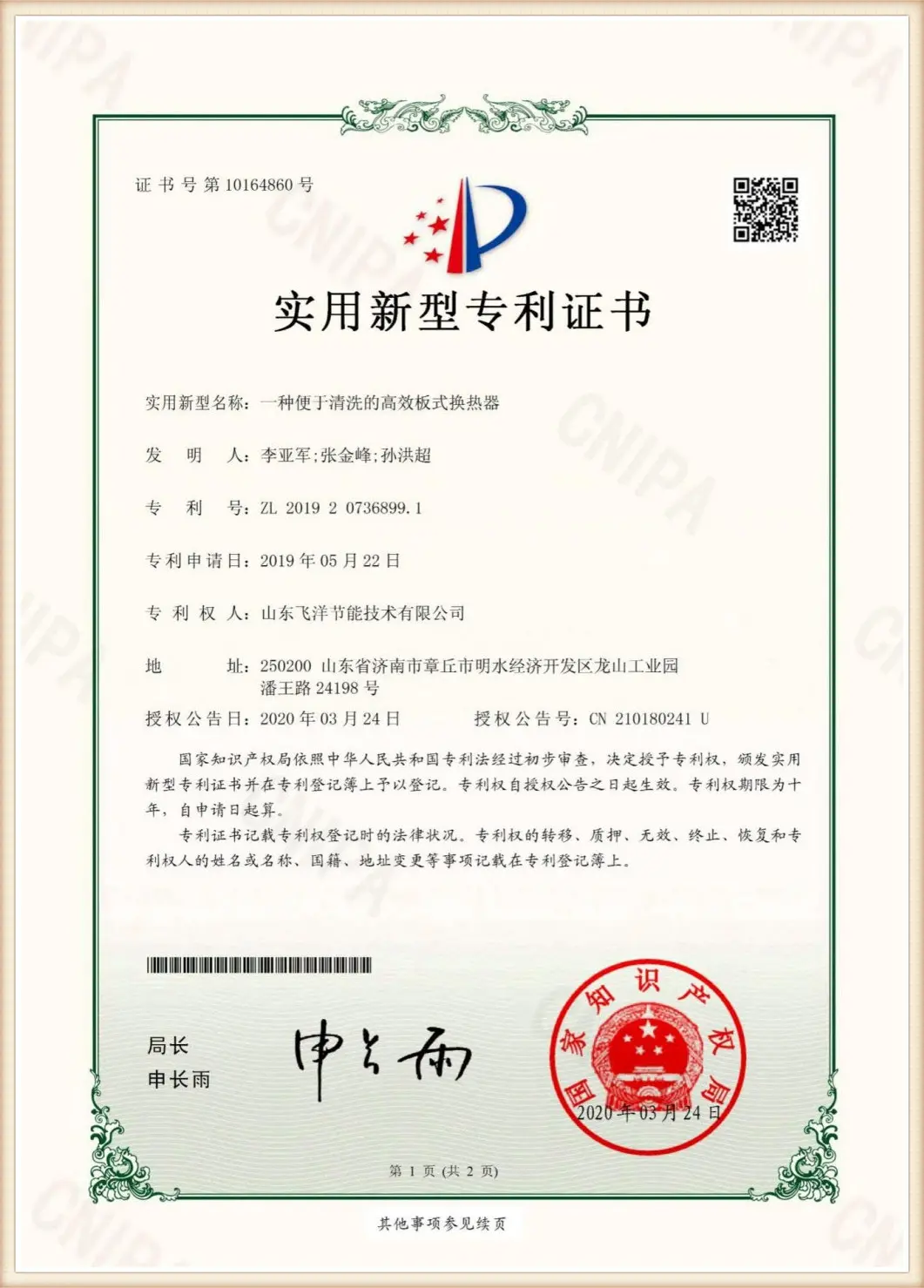
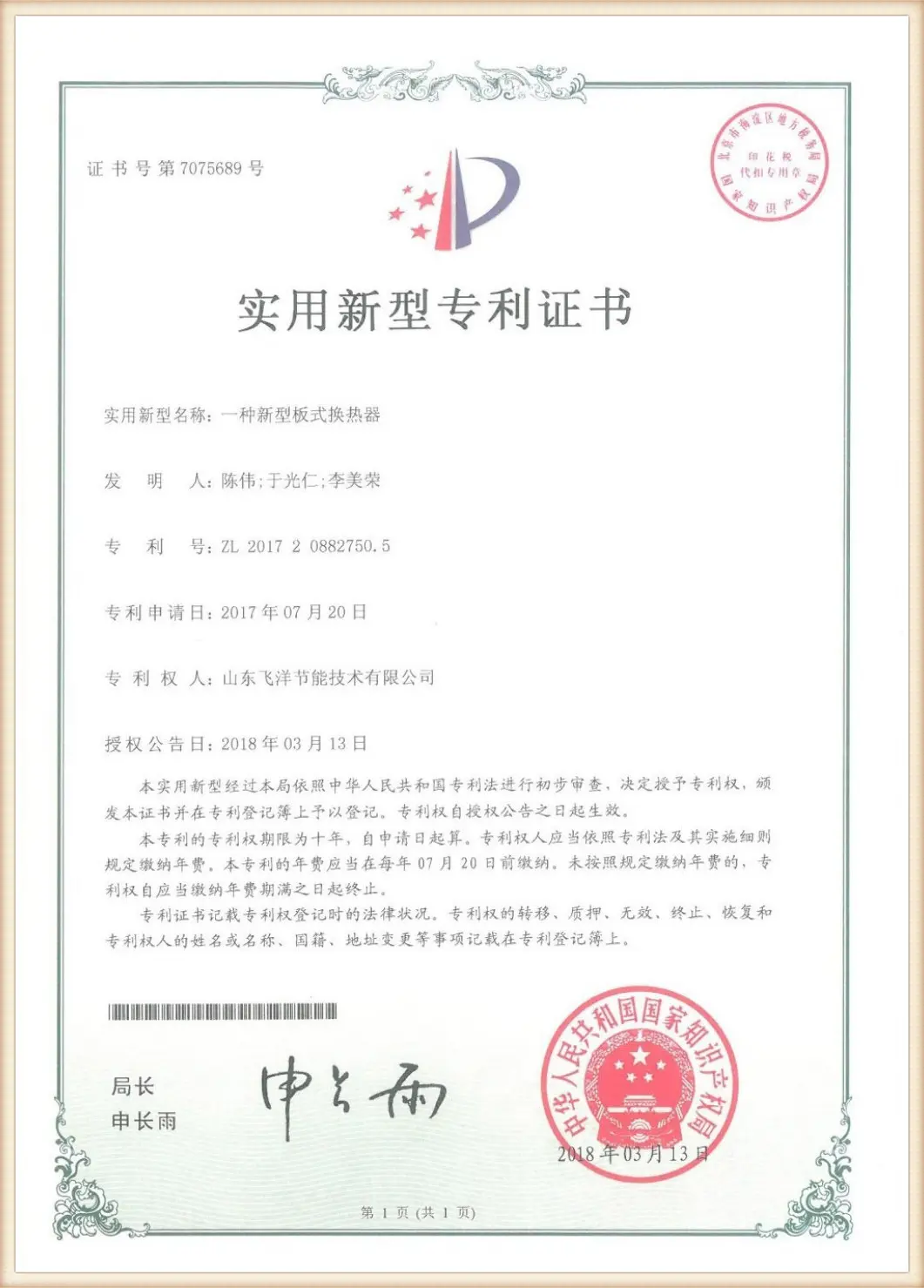
Our engineering team holds key national patents for technologies such as "High-Efficiency Plate Heat Exchanger", "Intelligent Plate Heat Exchanger System", and "Plate Heat Exchanger Scale Removal Device". All products comply with national pressure vessel manufacturing frameworks and carry safety registrations issued by the National Boiler and Pressure Vessel Standardization Technical Committee. Our operations are certified under ISO9001:2015, ISO14001:2015, and ISO45001:2018 systems, ensuring consistent build quality and regulatory compliance.
Engineered to operate reliably under diverse thermal, chemical, and pressure conditions.
Our plate heat exchangers act as the interface between municipal primary networks and secondary building heating systems, managing high thermal loads while maintaining stable supply water temperatures.
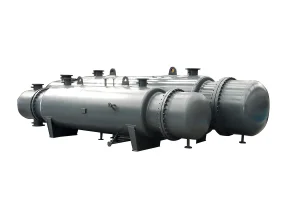
Designed for chemical processing, our shell-and-tube systems utilize corrosion-resistant alloys to handle high-temperature and high-pressure chemical interactions, preventing cross-contamination.
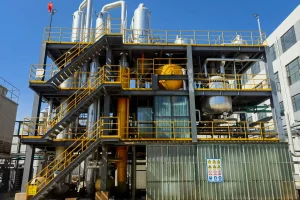
Our multi-effect evaporation and membrane concentration systems provide precise temperature control to meet the sanitary standards of pharmaceutical and clean-room environments.
In centralized district heating, plate heat exchangers isolate the municipal grid's high pressures from secondary building pipe loops. This protects building infrastructure from hydraulic shocks and makes it easier to manage regional pressure variations, keeping residential heating networks operating reliably throughout the winter.
Every step of our production process is monitored and tested to meet international standards.
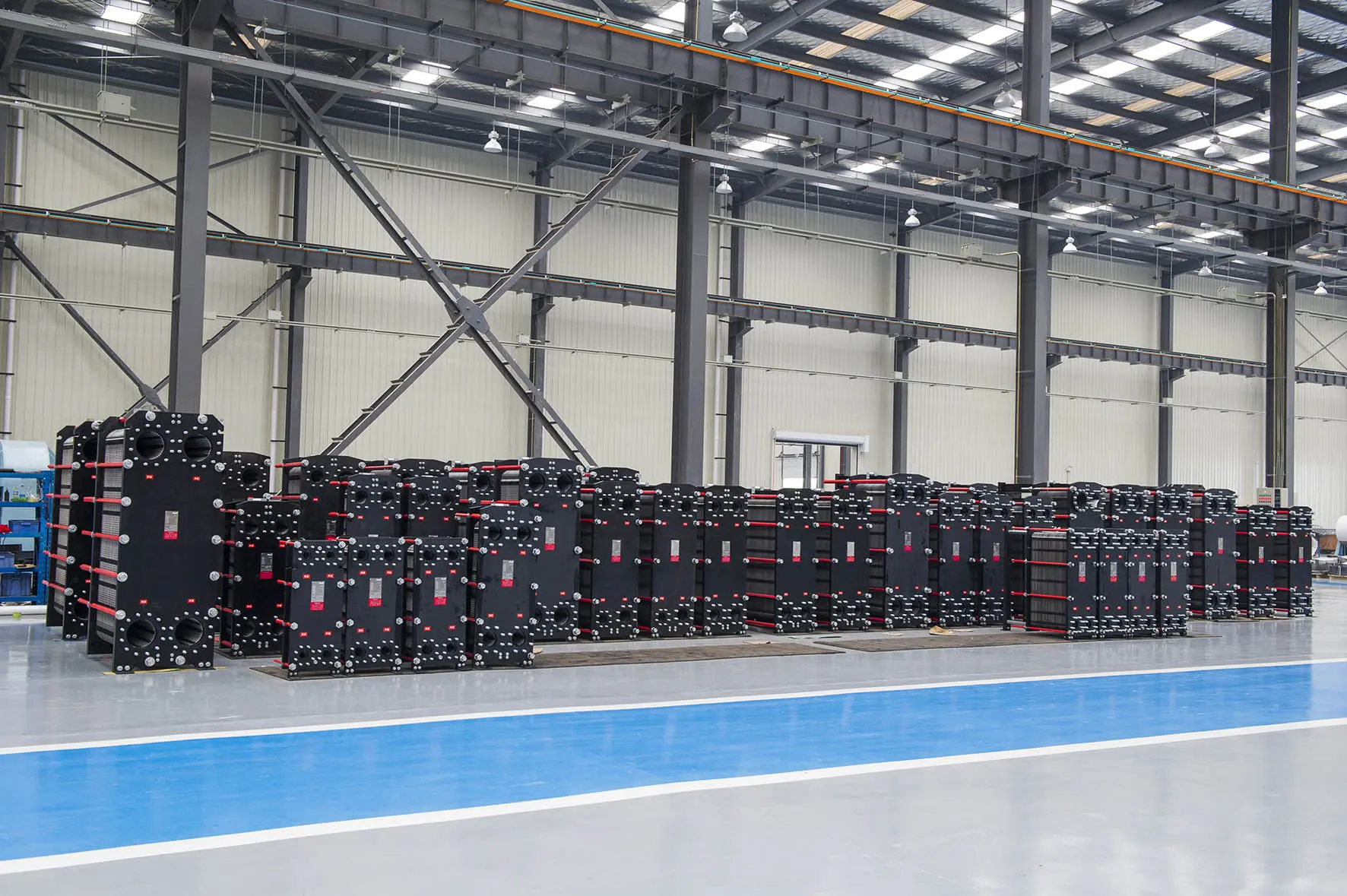
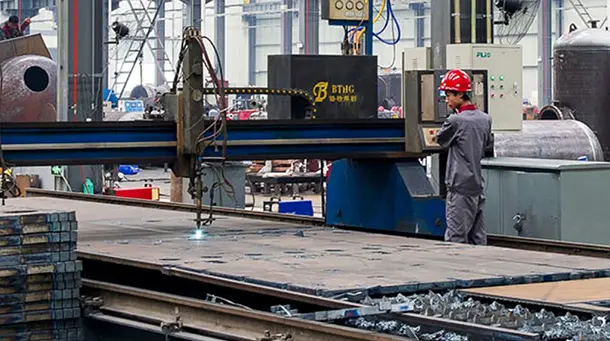
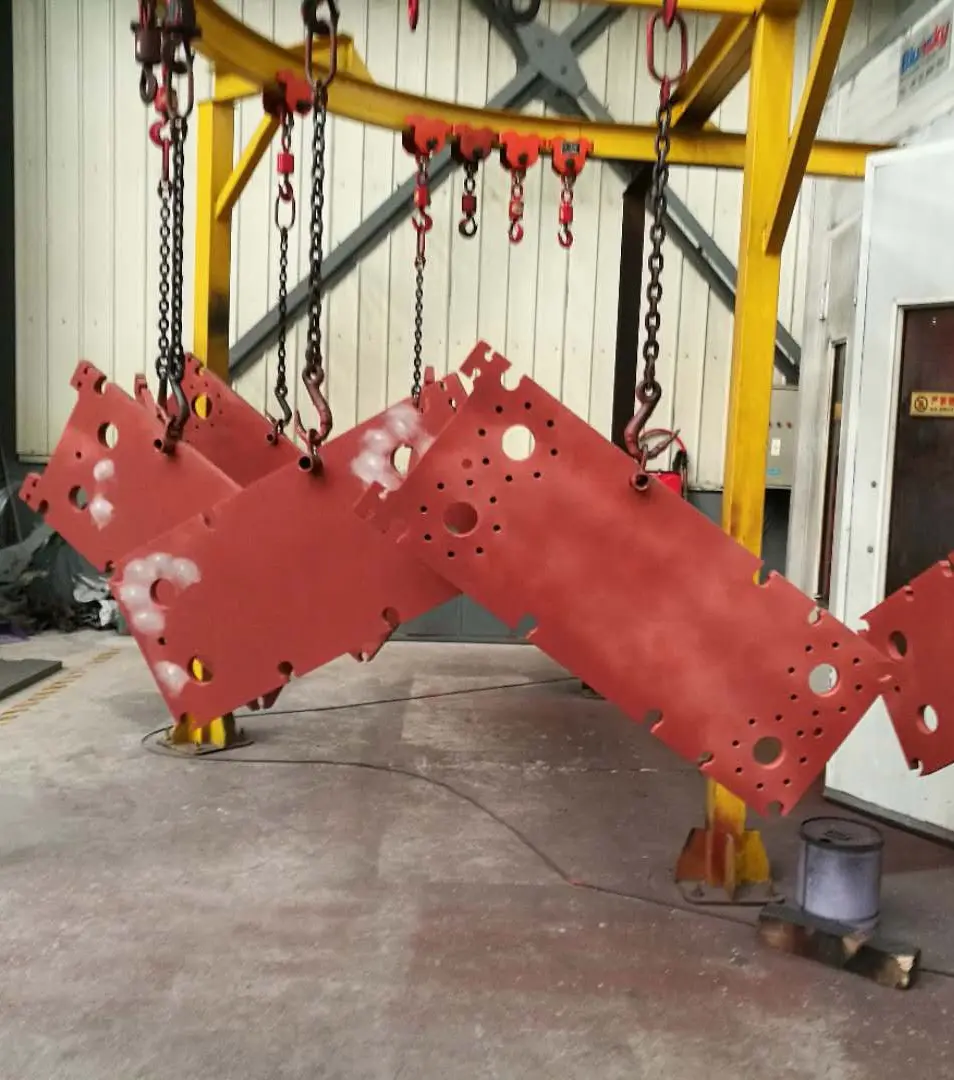
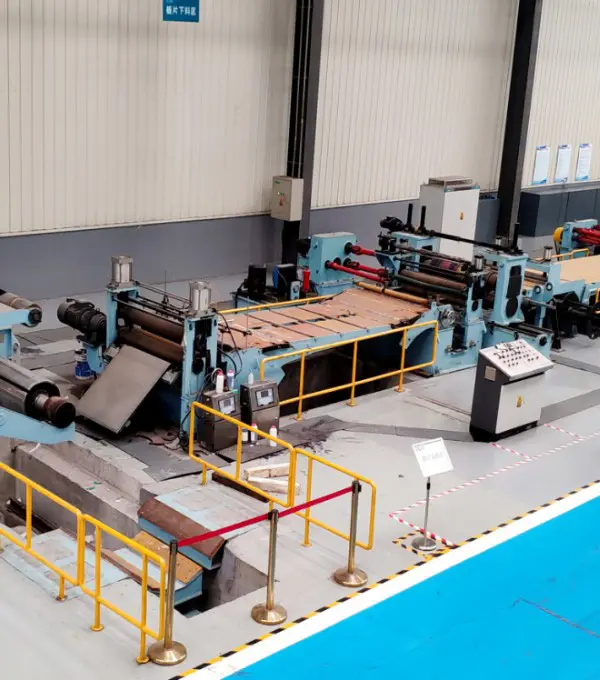
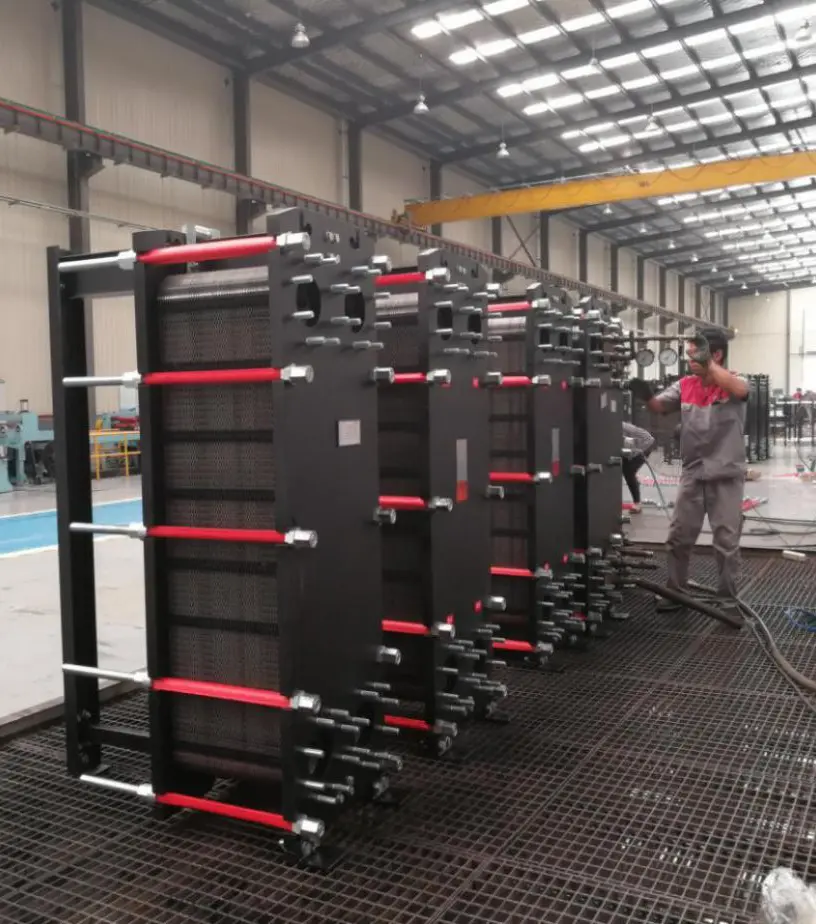
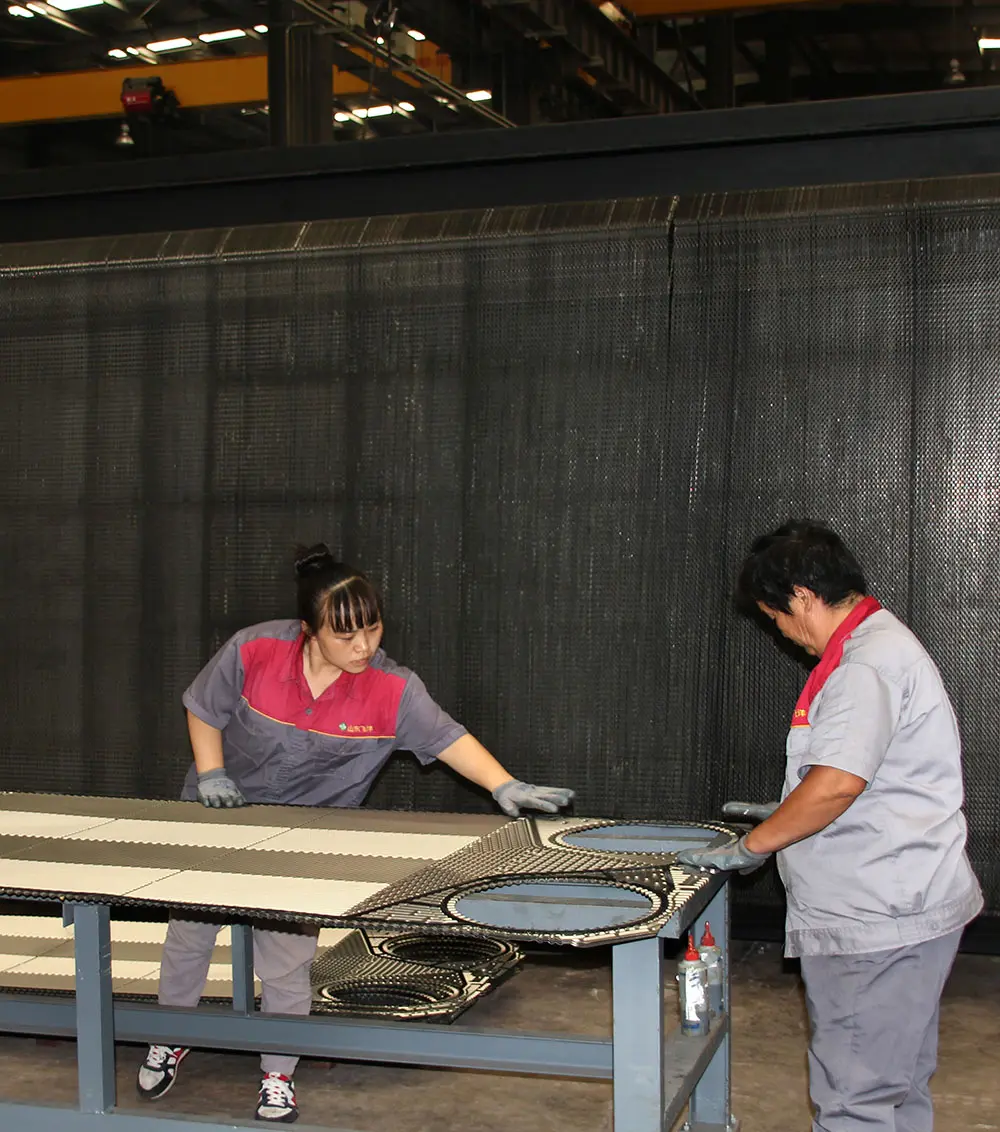
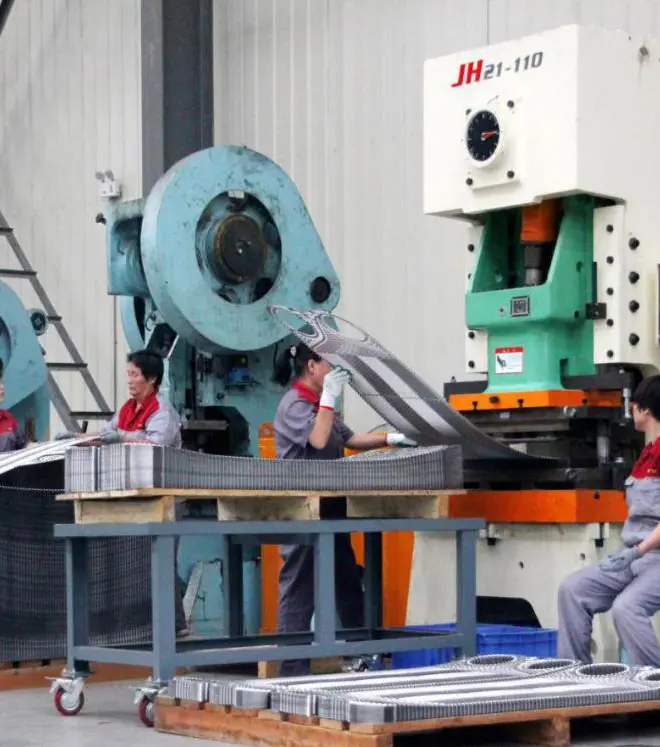
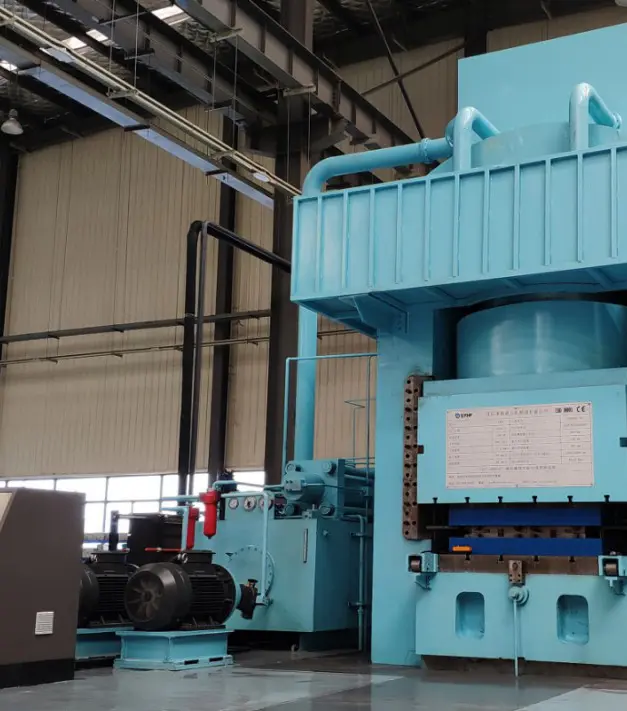
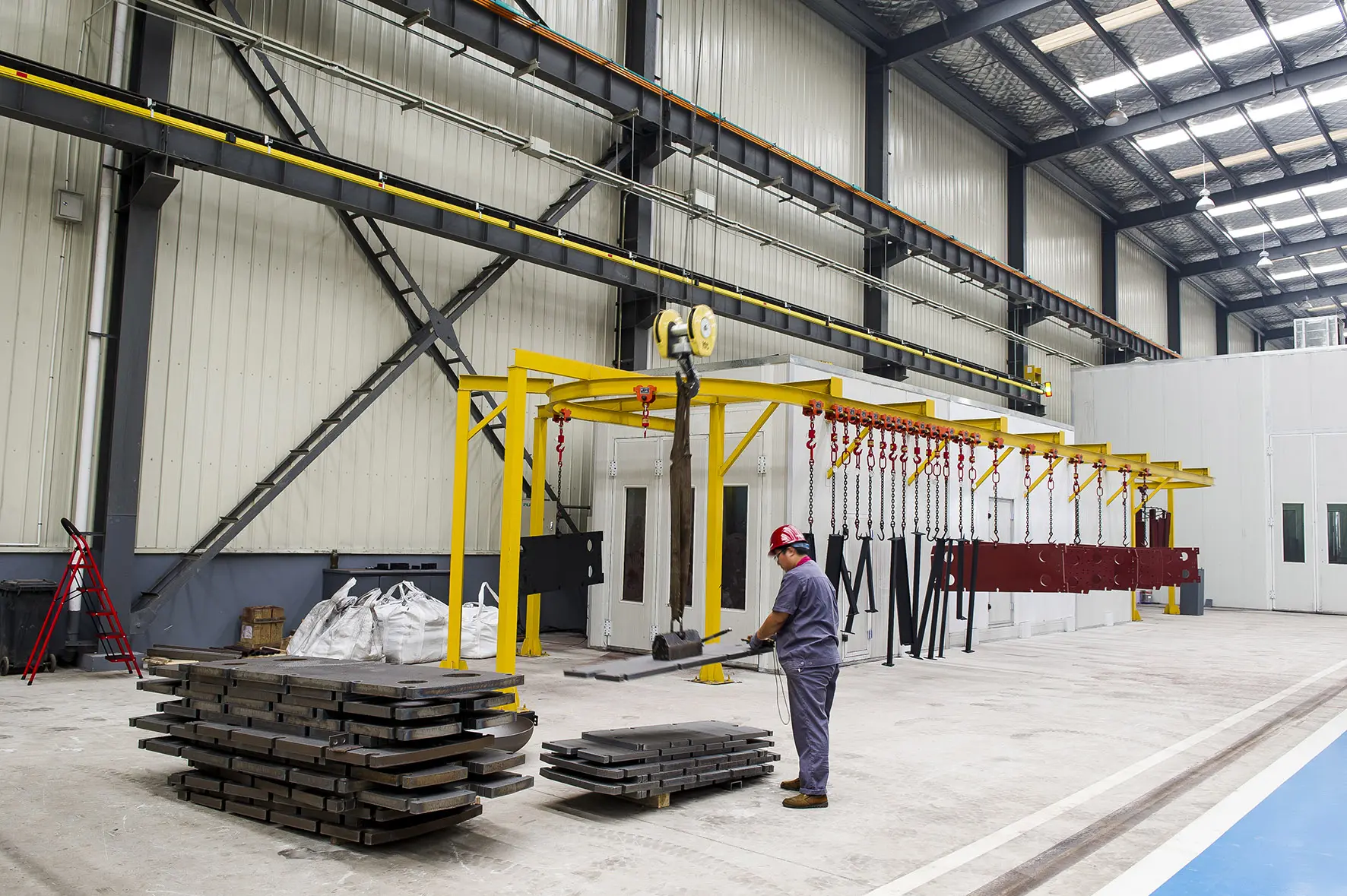
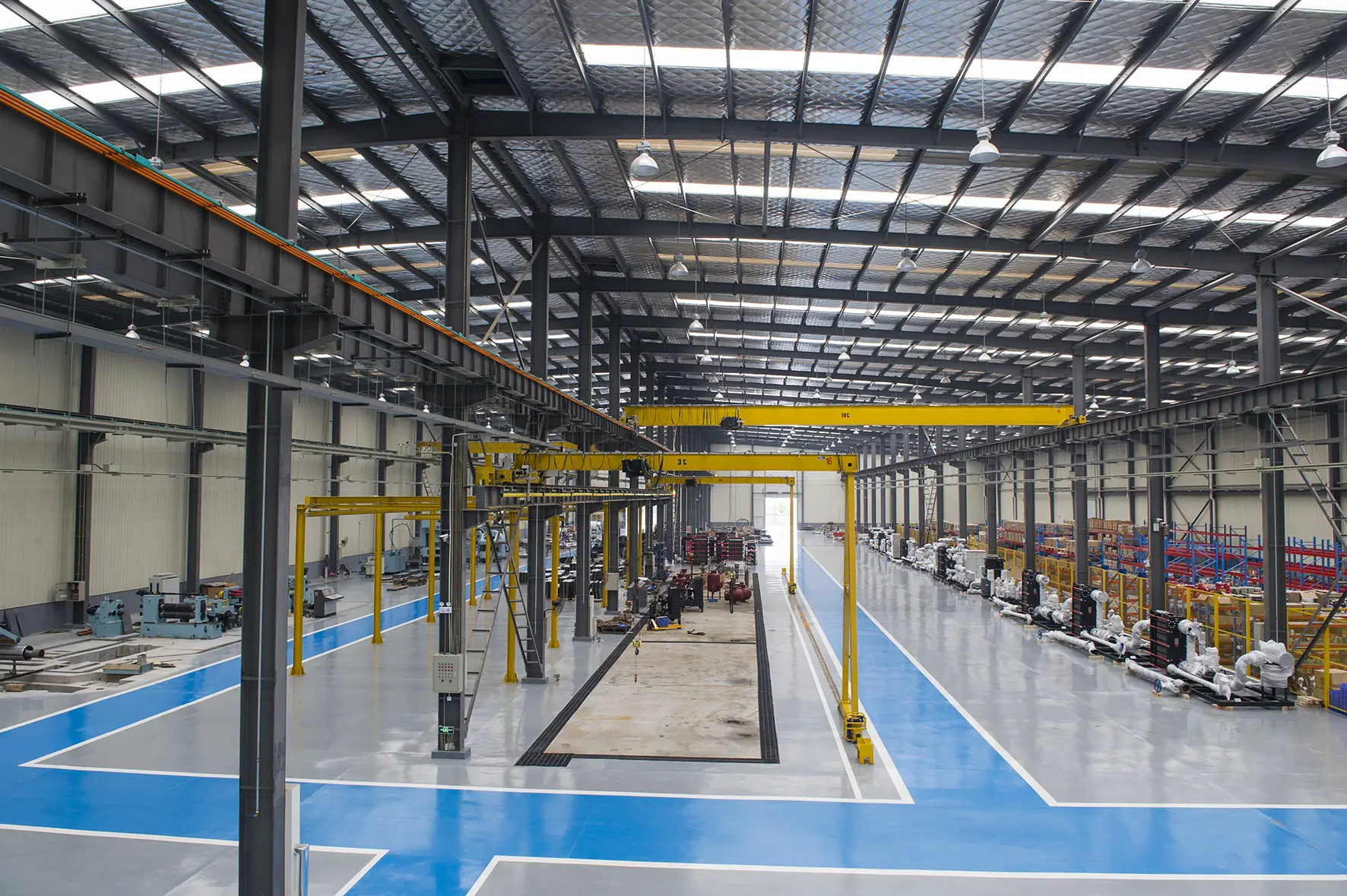
Flotte's production workshops are equipped with modern tooling, hydraulic presses, and automated testing rigs. All welders and technicians undergo regular training and certification, and manufacturing processes adhere to the ISO 9001:2015 framework. We use a 10,000-ton hydraulic press to form plates in a single stroke, ensuring consistent groove geometry, structural integrity, and uniform stress distribution across the material.
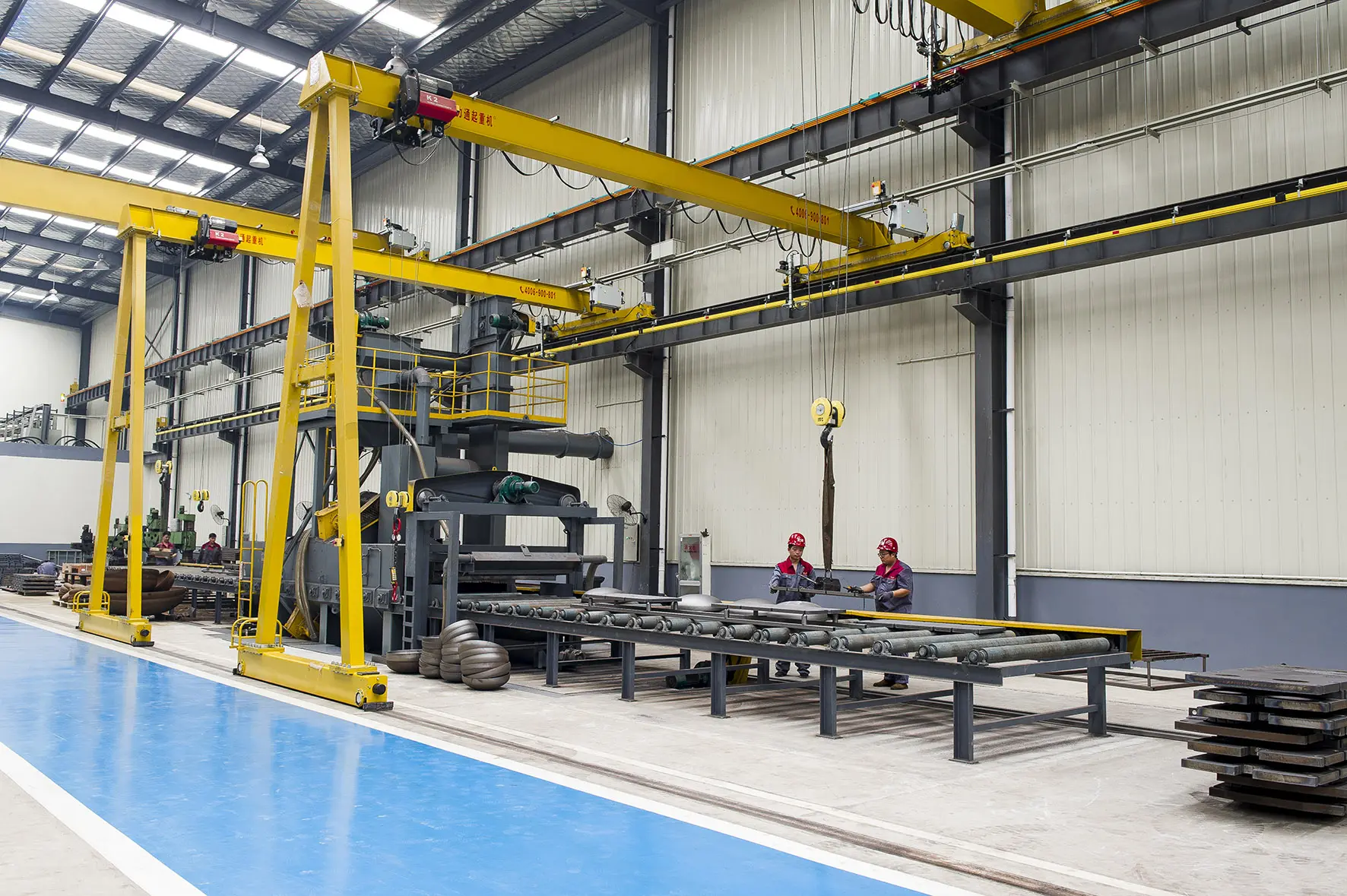
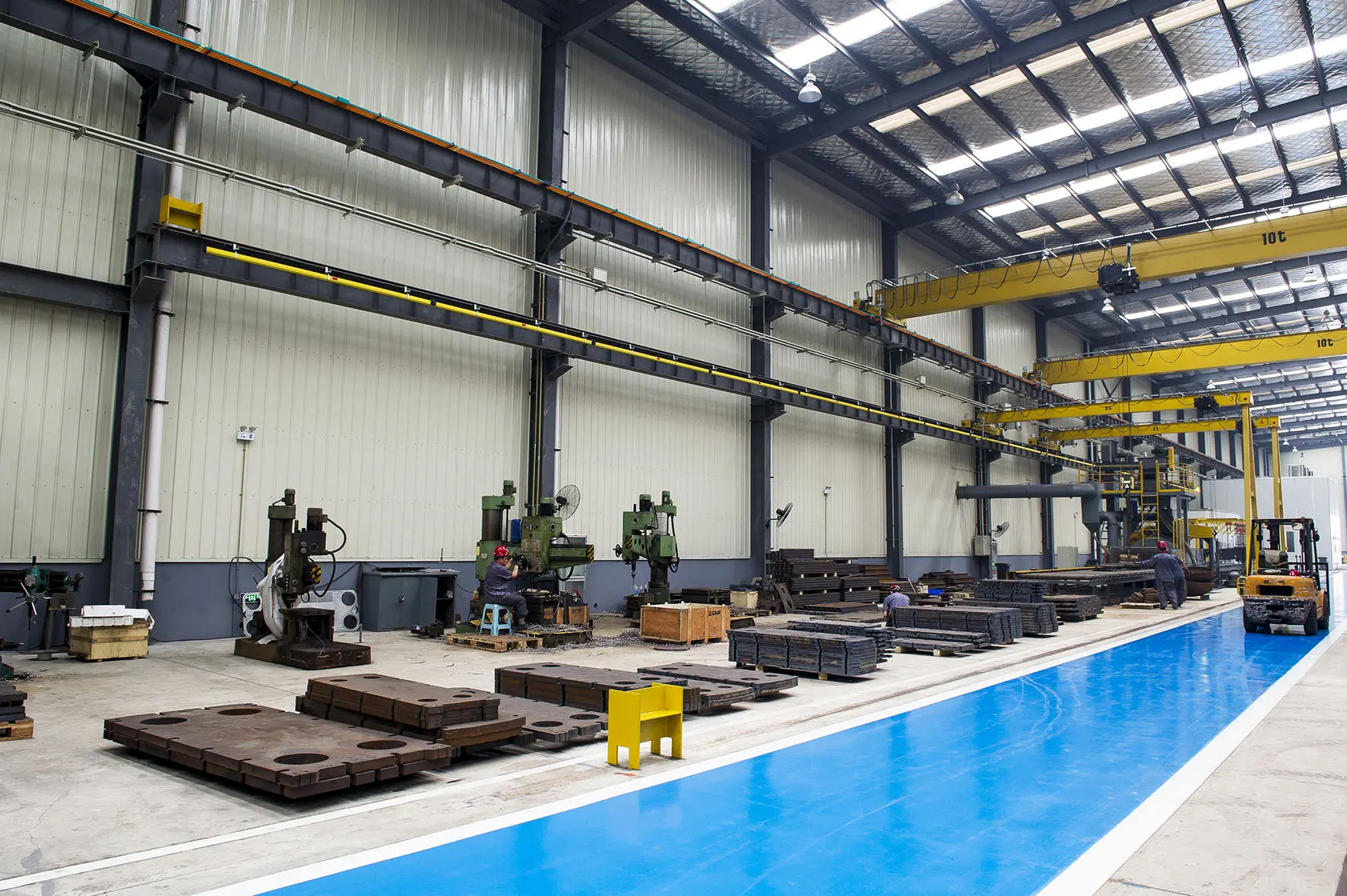

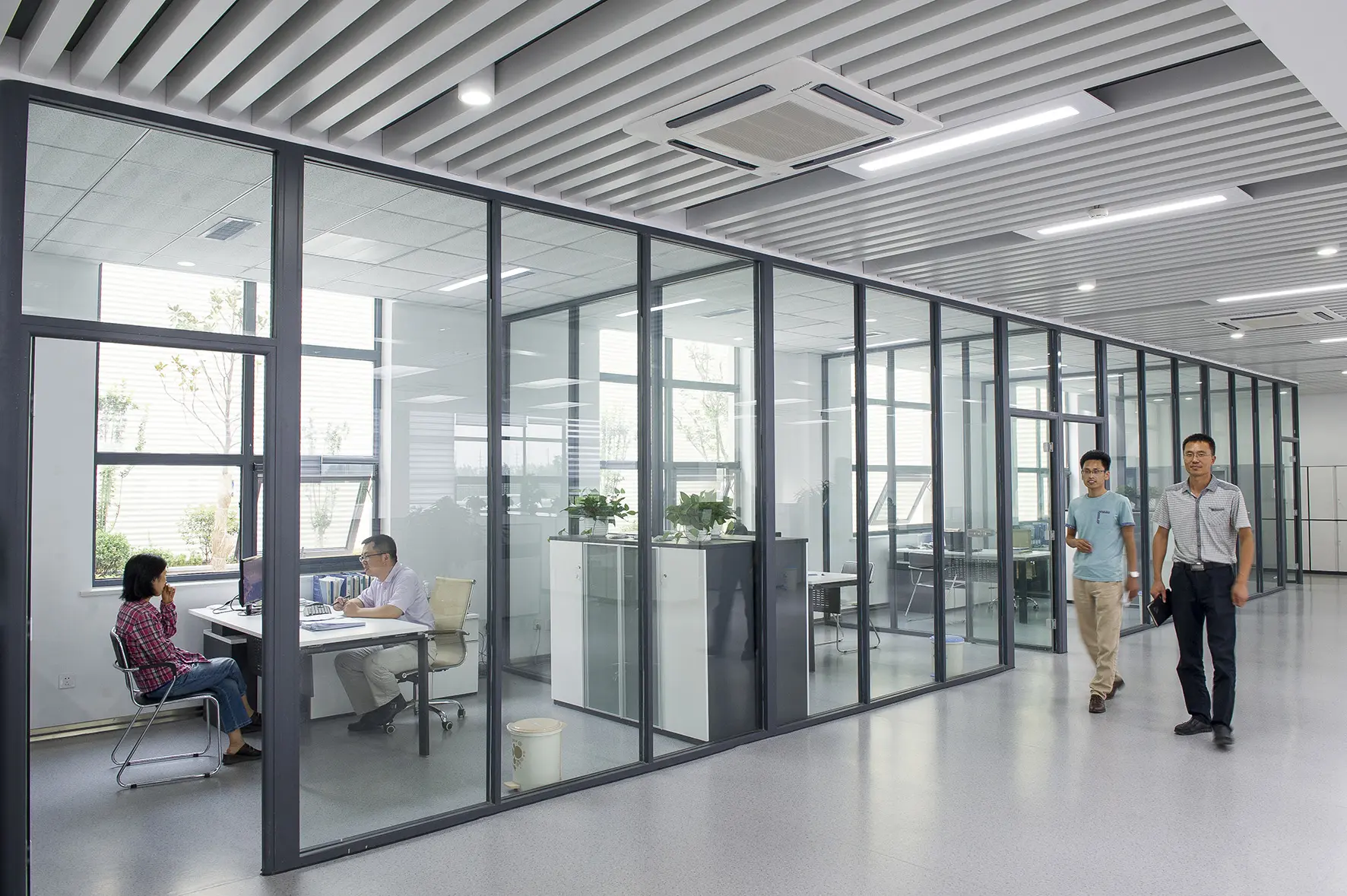

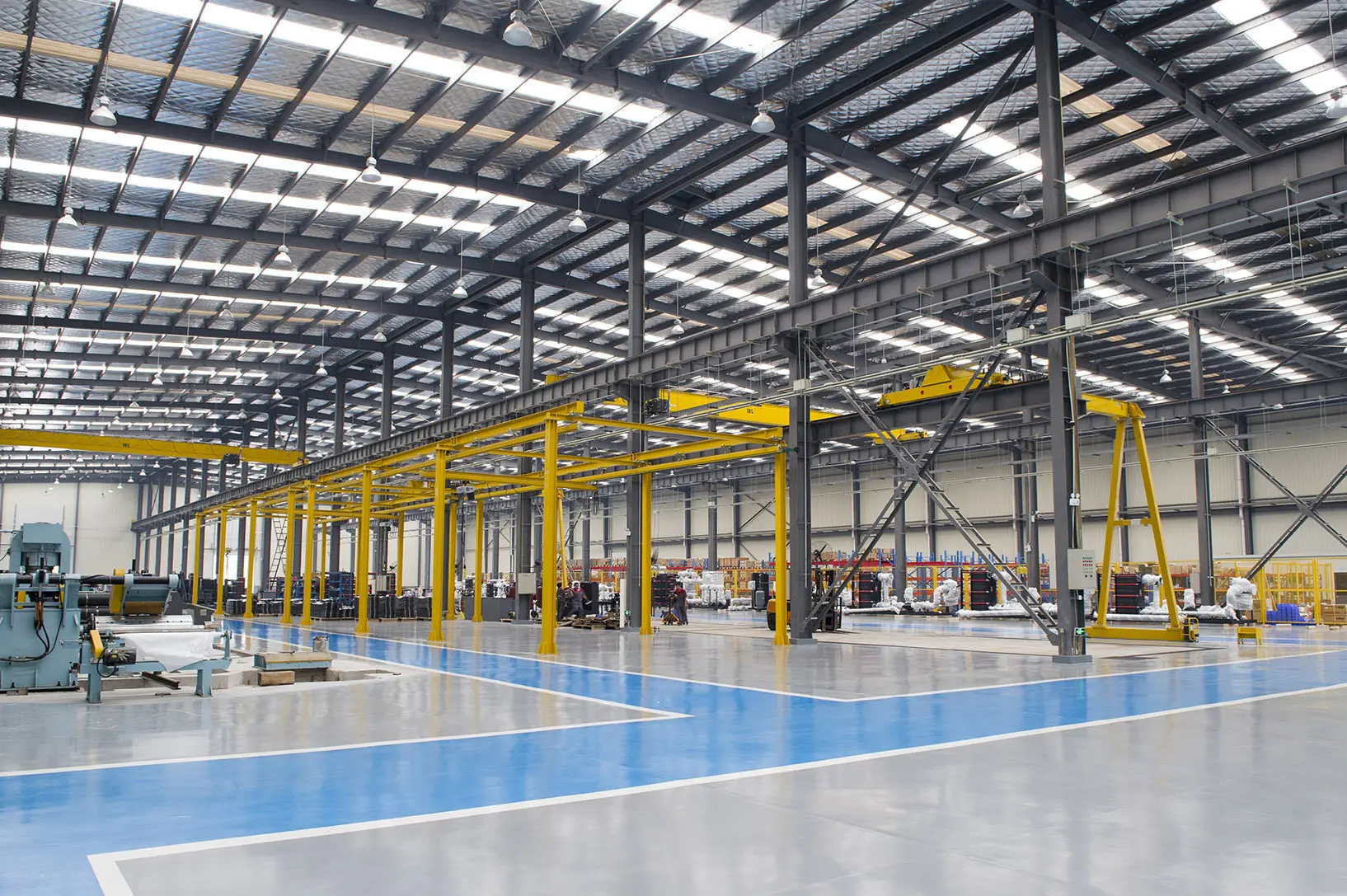
Integrating physical heat exchangers with cloud monitoring and automated balance systems.
The efficiency of a heat exchange system depends both on its physical design and on how well it adapts to fluctuating real-world demands. As thermal networks grow in complexity, manual system adjustments become impractical. Our technology roadmap focuses on combining advanced physical heat transfer with smart monitoring platforms.
By using smart sensors like our Room Temperature Collector, temperature data is collected at the end-user points in real-time. This data is transmitted back to the primary pump controllers and intelligent balance valves, allowing the system to automatically adjust flow rates based on actual heat demand. This minimizes energy waste, prevents overheating, and balances the distribution of thermal energy across the grid.
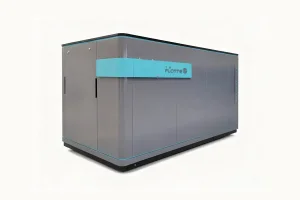
Traditional heating loops often experience temperature imbalances, leaving some areas underheated while others overheat. Integrating automated controls into our box-type units addresses this by allowing self-regulation based on return water temperatures.
Our smart monitoring dashboard provides operators with clear diagnostic details, tracking system pressure, flow rates, and heat transfer efficiency to simplify oversight and support preventative maintenance.
Common engineering questions regarding design, material selection, maintenance, and scale control.
Our complete range of modular systems, monitoring units, and high-efficiency heat exchangers for industrial and municipal heating networks.
 Flotte Energy