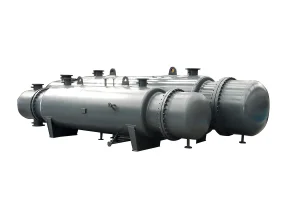
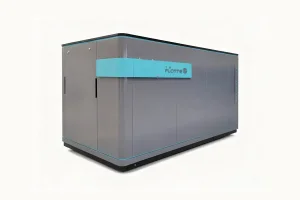
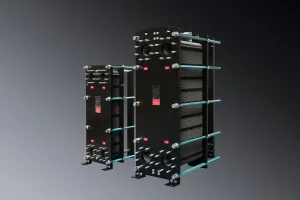
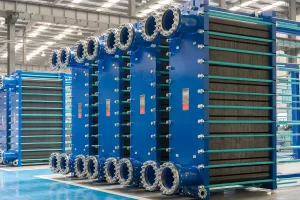
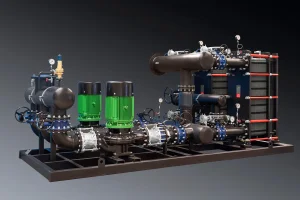
High-efficiency shell and tube systems, plate heat exchangers, and intelligence control units engineered for maximum exergy recovery and thermal performance.
In the modern era of industrial decarbonization and energy system transitions, Liquid Air Energy Storage (LAES), cryogenic liquefaction, and advanced gas processing have emerged as core technologies. At the heart of these cryogenic and thermodynamic systems lies the liquid air heat exchanger. As a critical component designed to operate at extreme temperatures (often reaching down to -196°C) and under substantial pressures, these thermal exchangers govern the thermodynamic efficiency, exergy preservation, and operational reliability of large-scale industrial plants.
Flotte Energy Saving Company (originating from Flotte Thermal Engineering founded in 1995 and formalizing corporate expansion in 2013 with a registered capital of 101 million yuan) represents three decades of engineering excellence. Our work in high-efficiency heat transfer surfaces, structural mechanics for cryogenic fatigue mitigation, and integrated intelligent balance systems positions us as a premier partner for EPC contractors and industrial operators worldwide.
How rapid decarbonization, LNG cold energy utilization, and grid-scale energy storage drive the demand for specialized thermodynamic equipment.
Liquid Air Energy Storage (LAES) represents a zero-emission long-duration energy storage system. By liquefying air during periods of excess generation and expanding it to drive turbines during peak demand, LAES requires heavy-duty heat exchangers that can withstand cycling temperature fluctuations from -196°C to ambient levels without structural crack propagation.
Liquefied Natural Gas (LNG) terminals release substantial cold exergy during regasification. Specialized liquid air and nitrogen vaporization networks capture this exergy to generate liquid oxygen, nitrogen, and argon, reducing the carbon footprint of industrial gas separation plants by up to 50%.
In Carbon Capture, Utilization, and Storage (CCUS), CO2 compression and cryogenic distillation necessitate heat exchangers that operate at elevated pressures with minimal temperature approach (pinch points under 2K) to maintain process economics.
Unlocking competitive advantages through advanced metallurgy, massive manufacturing scaling, and rigorous testing protocols.
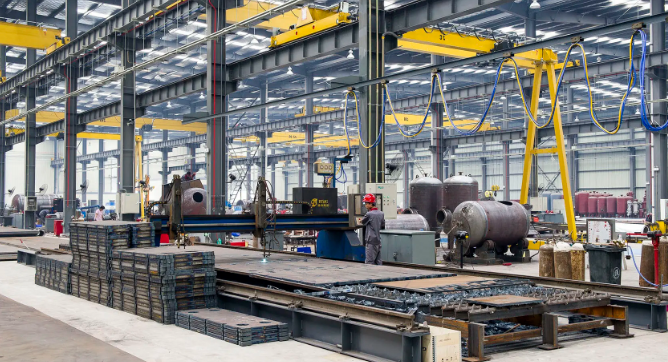
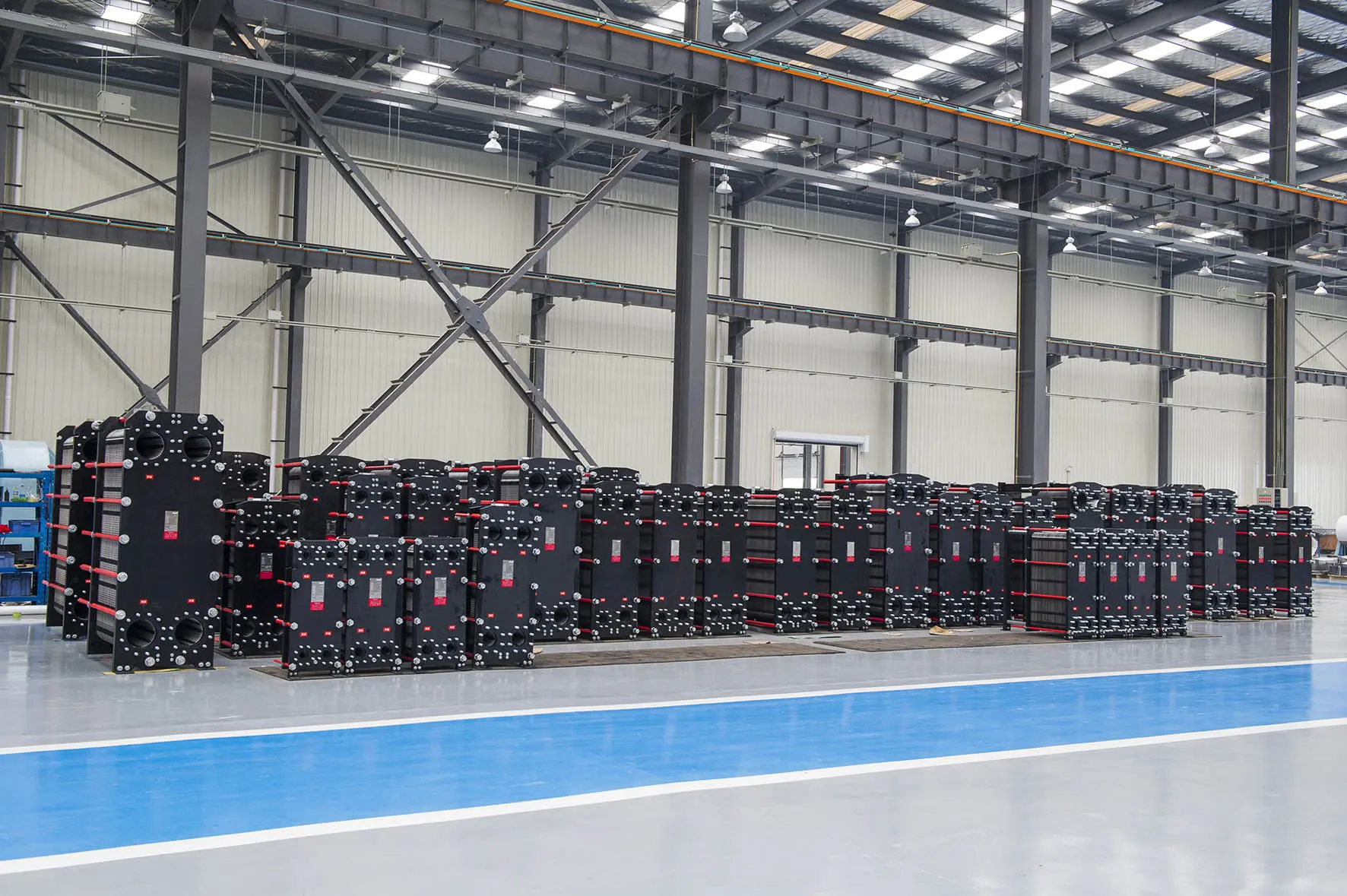
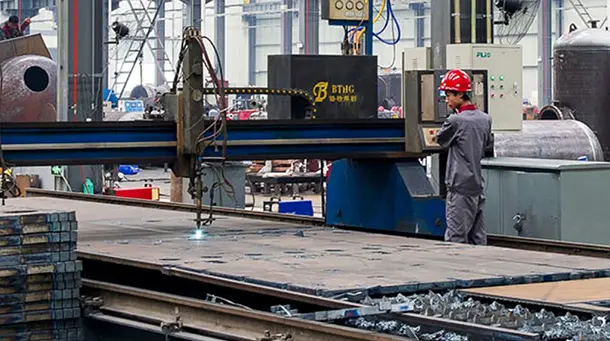
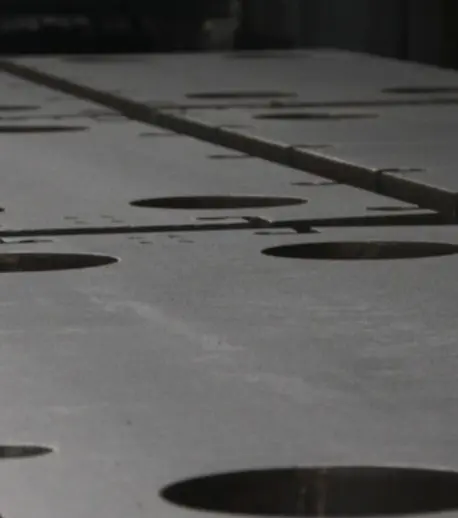
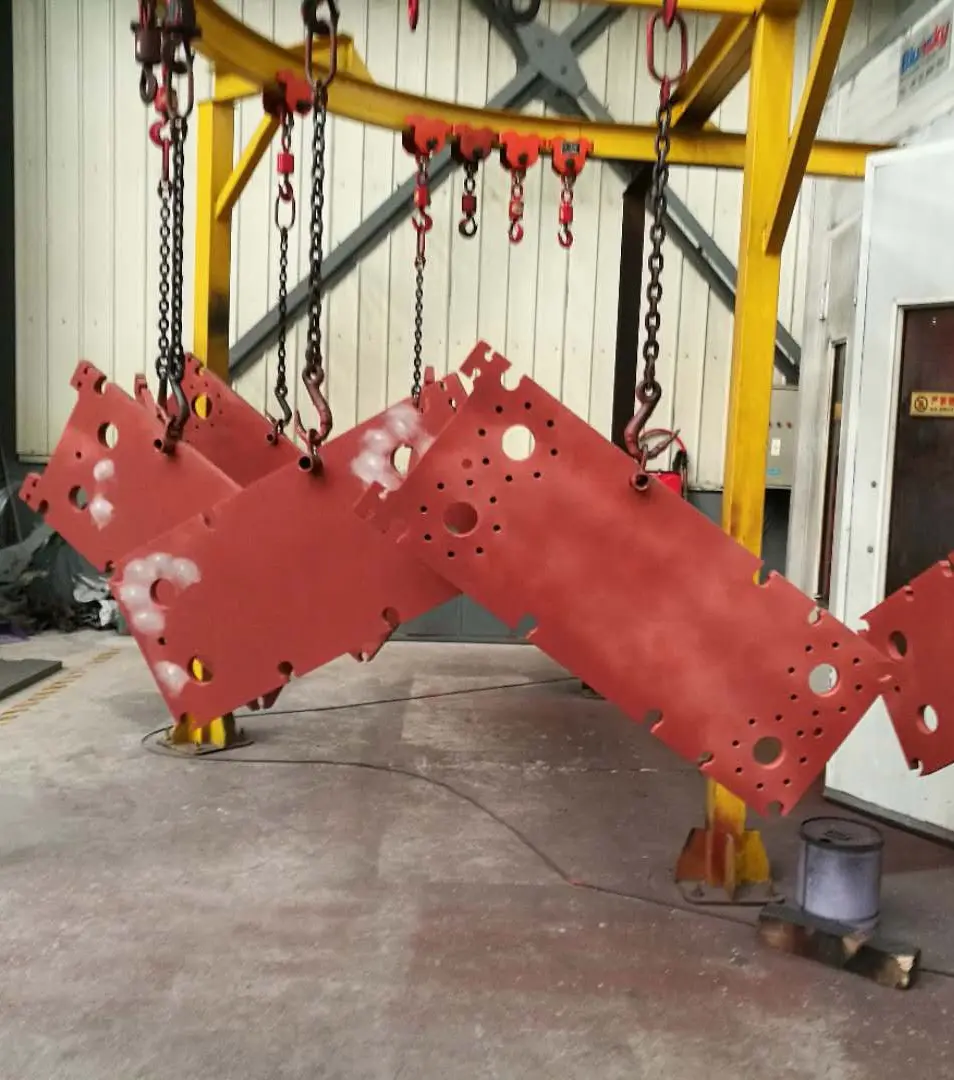
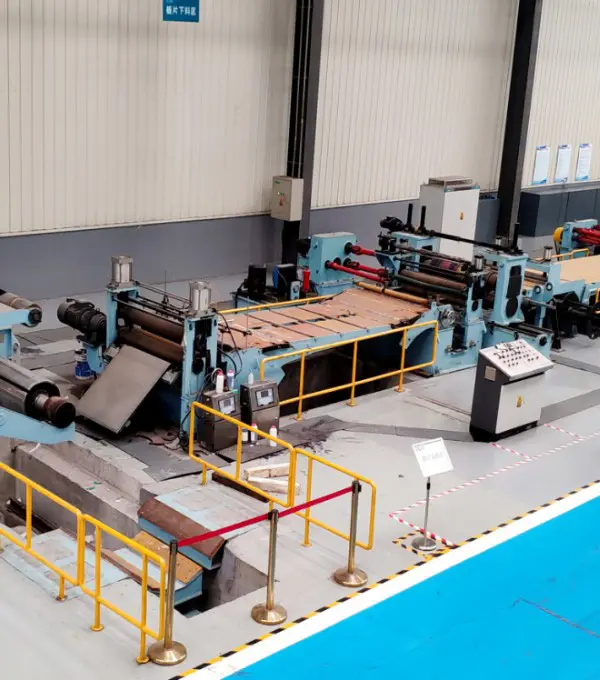
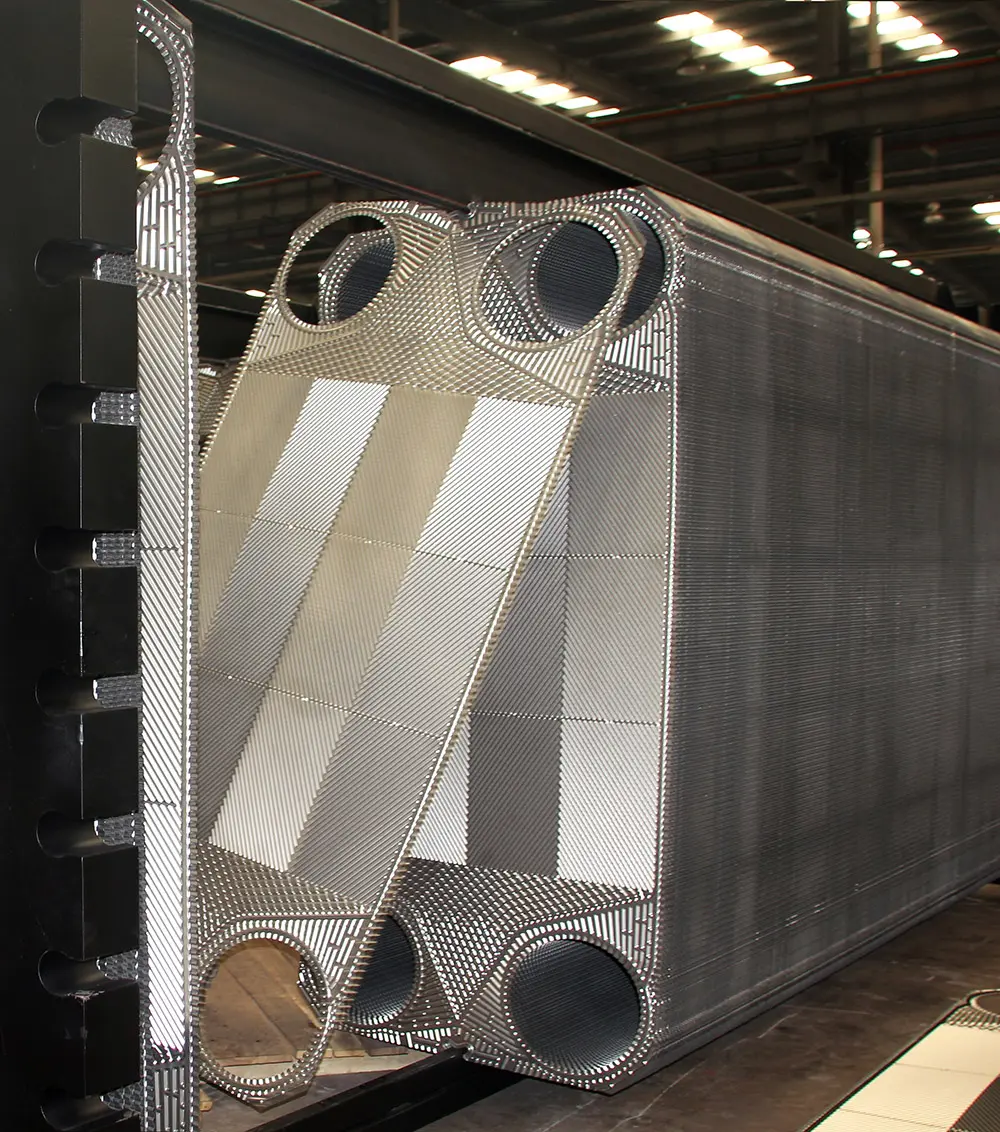
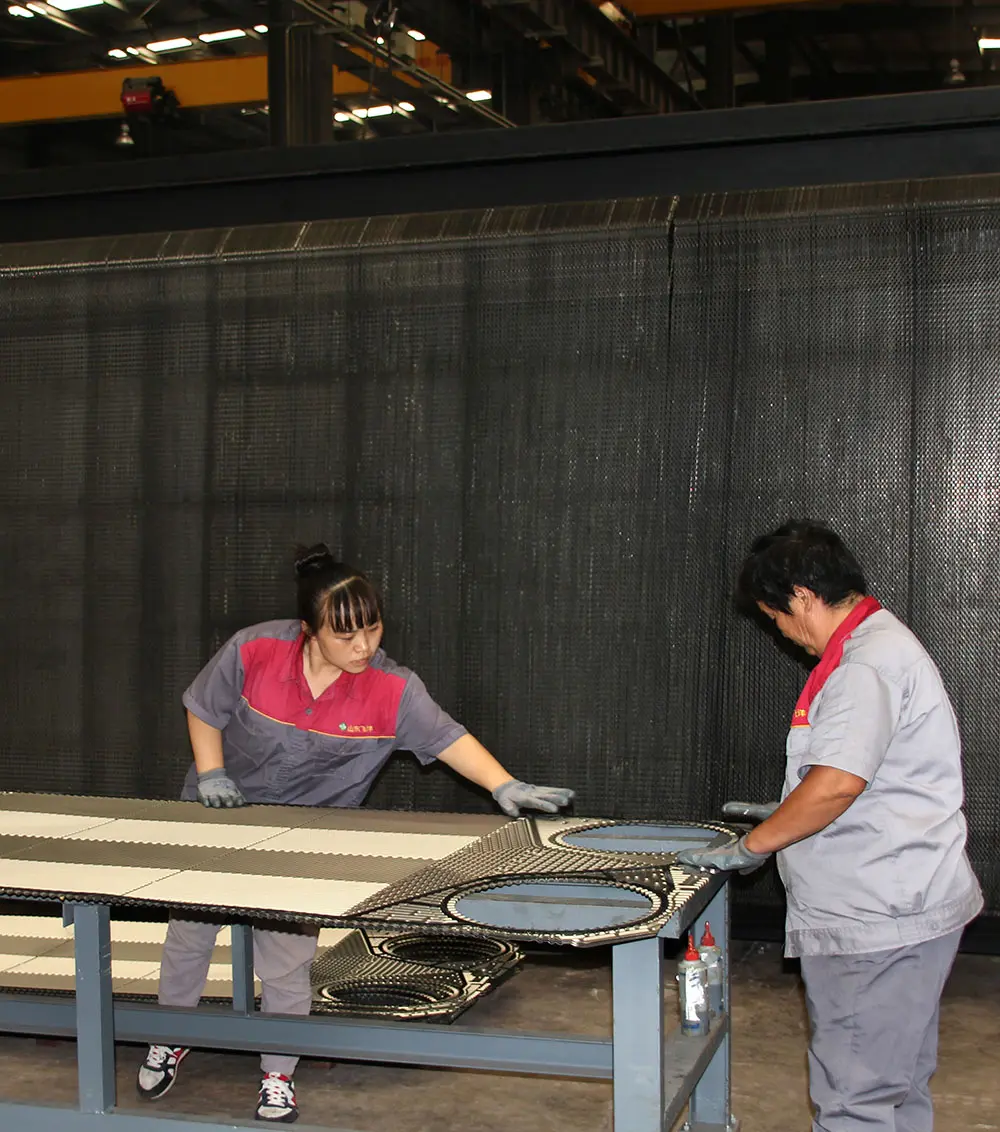
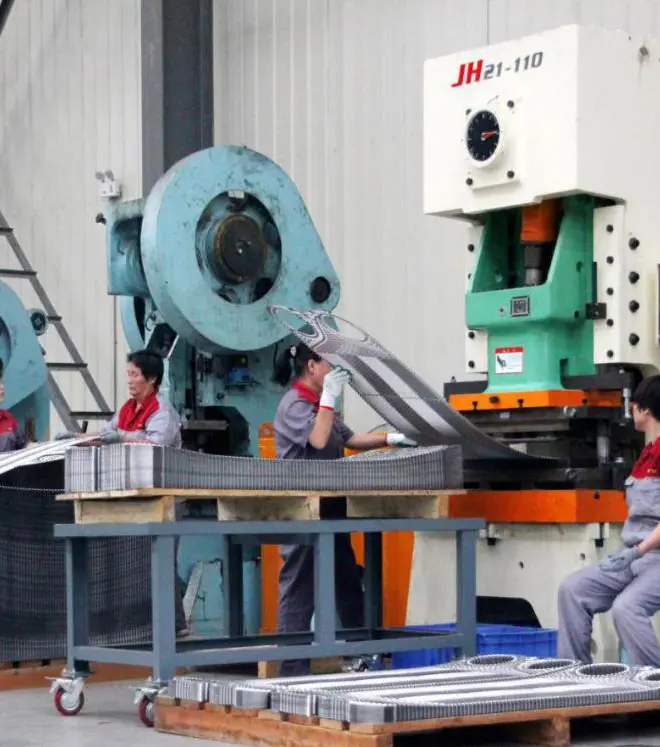
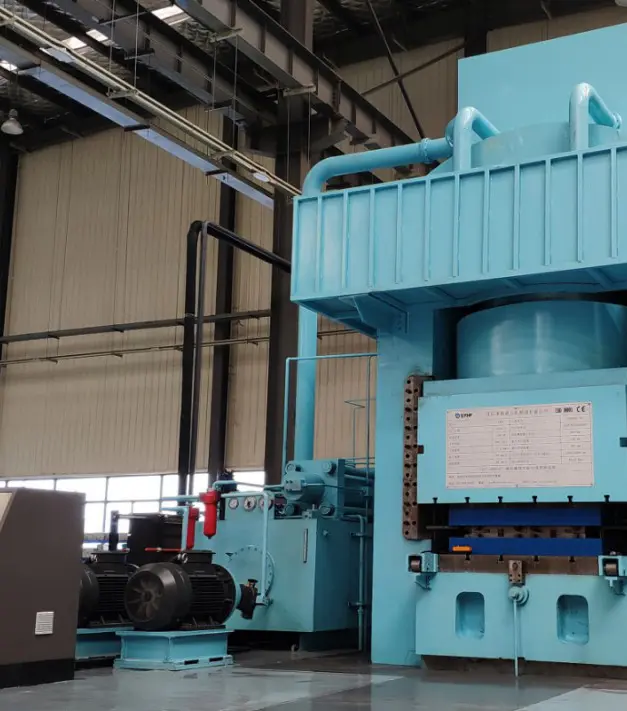
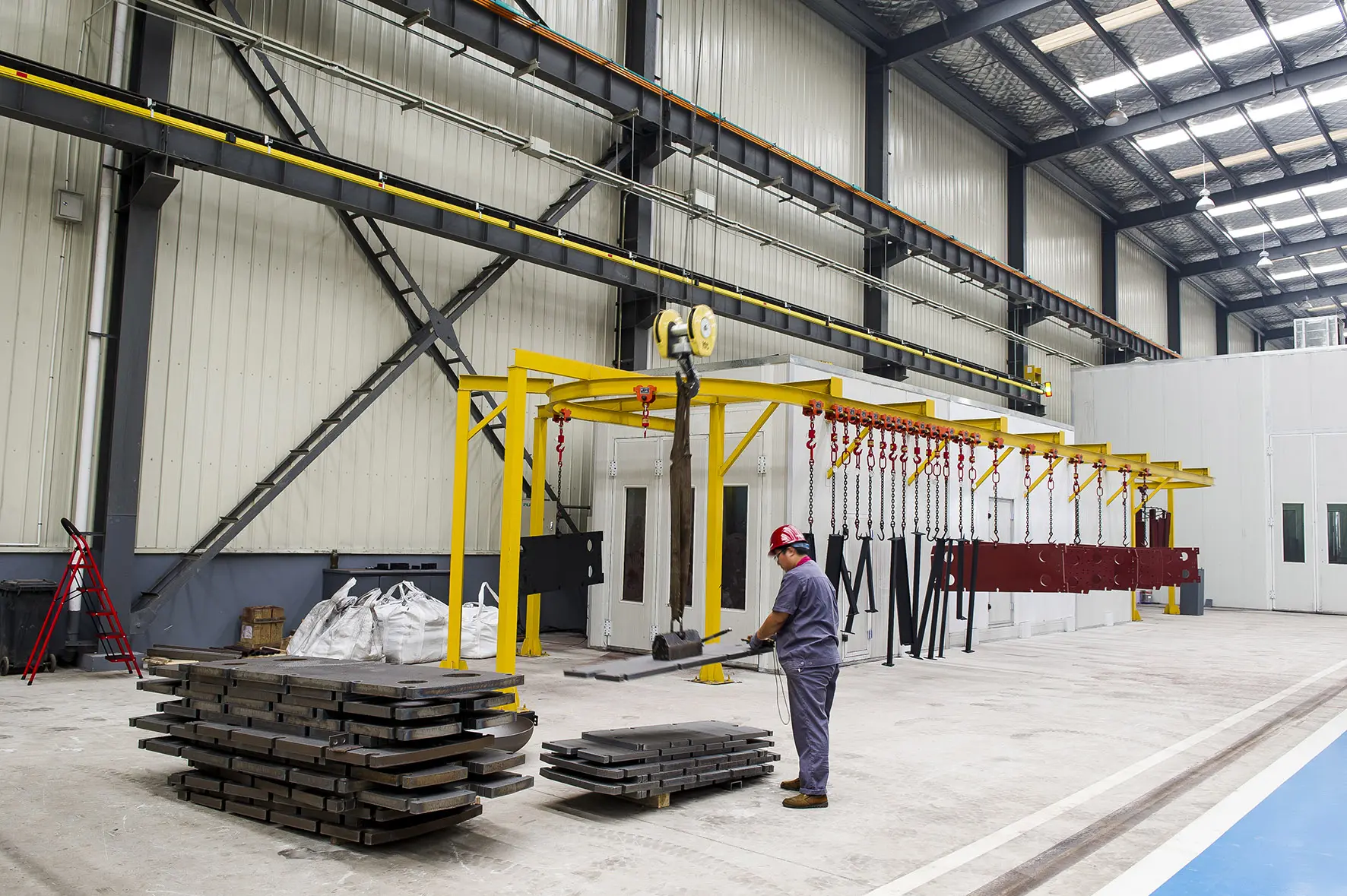
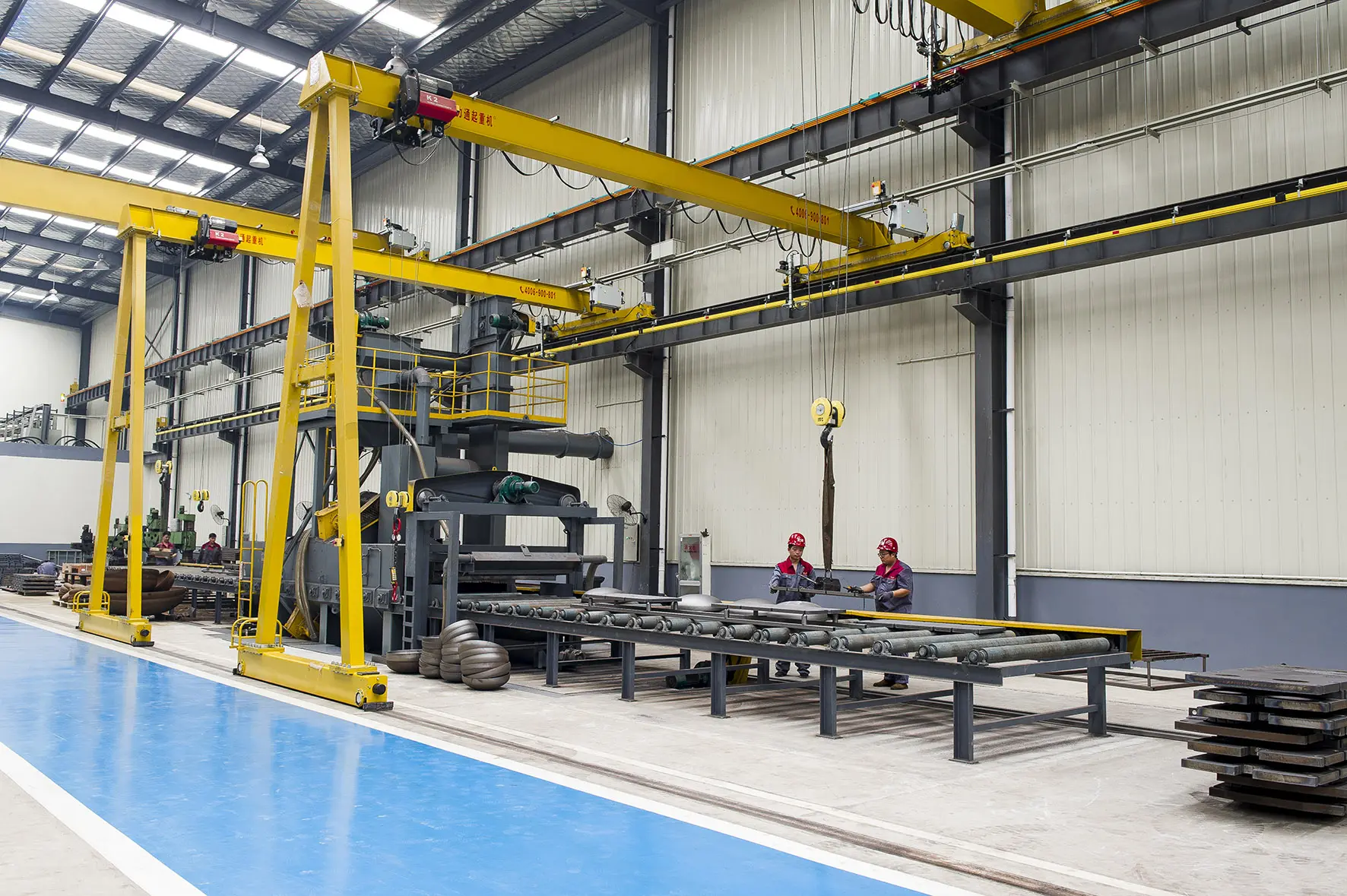
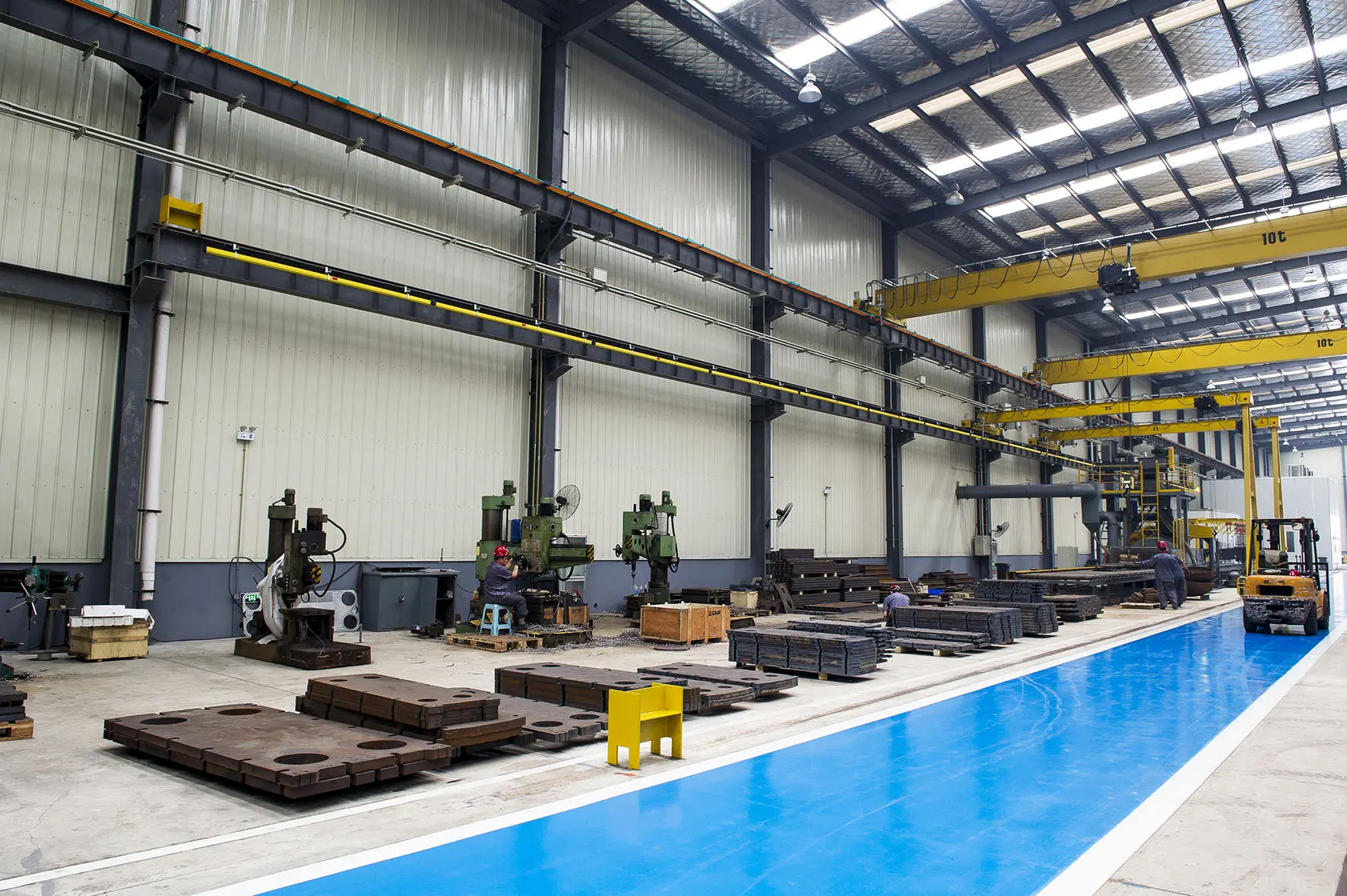
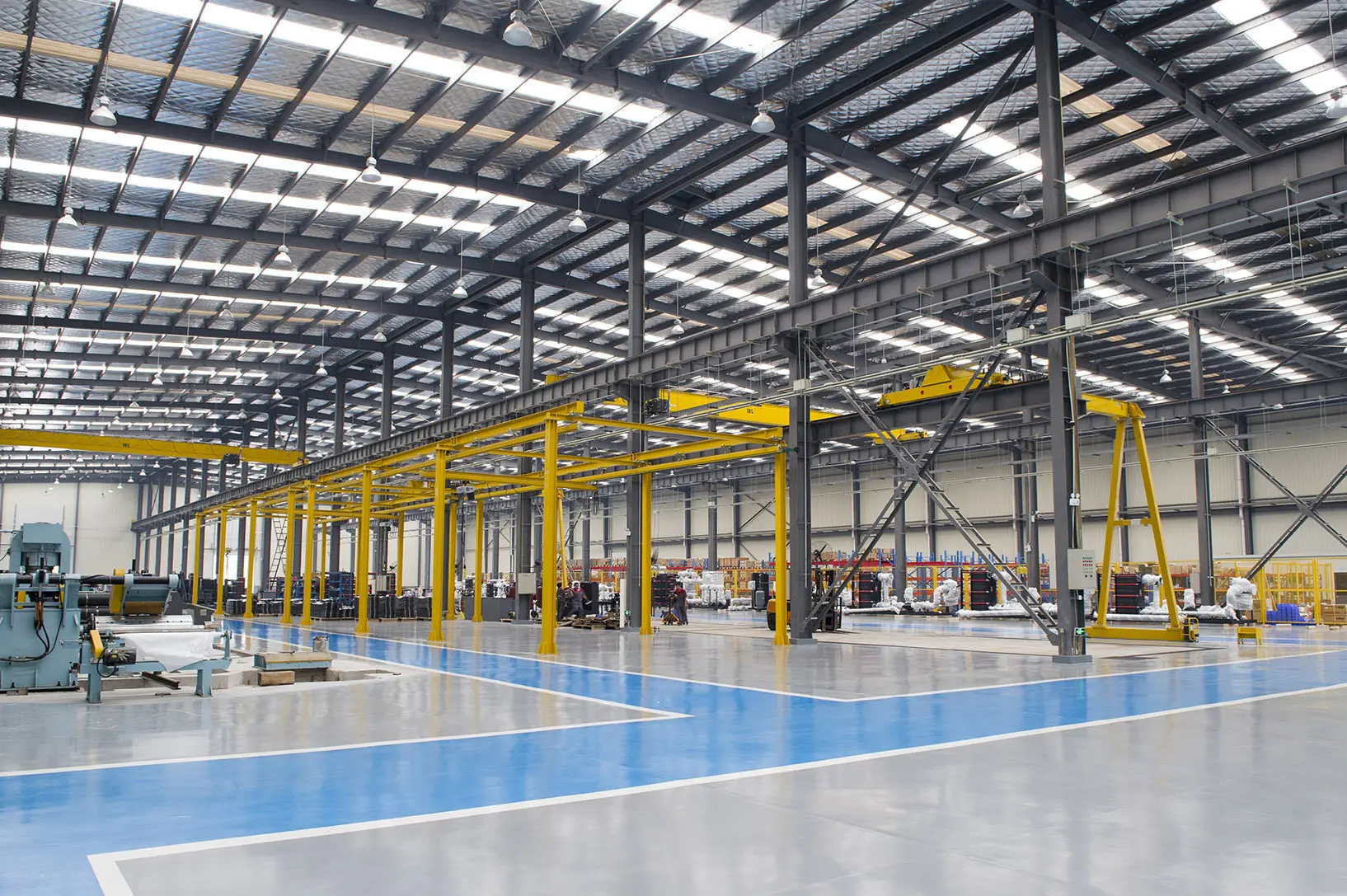
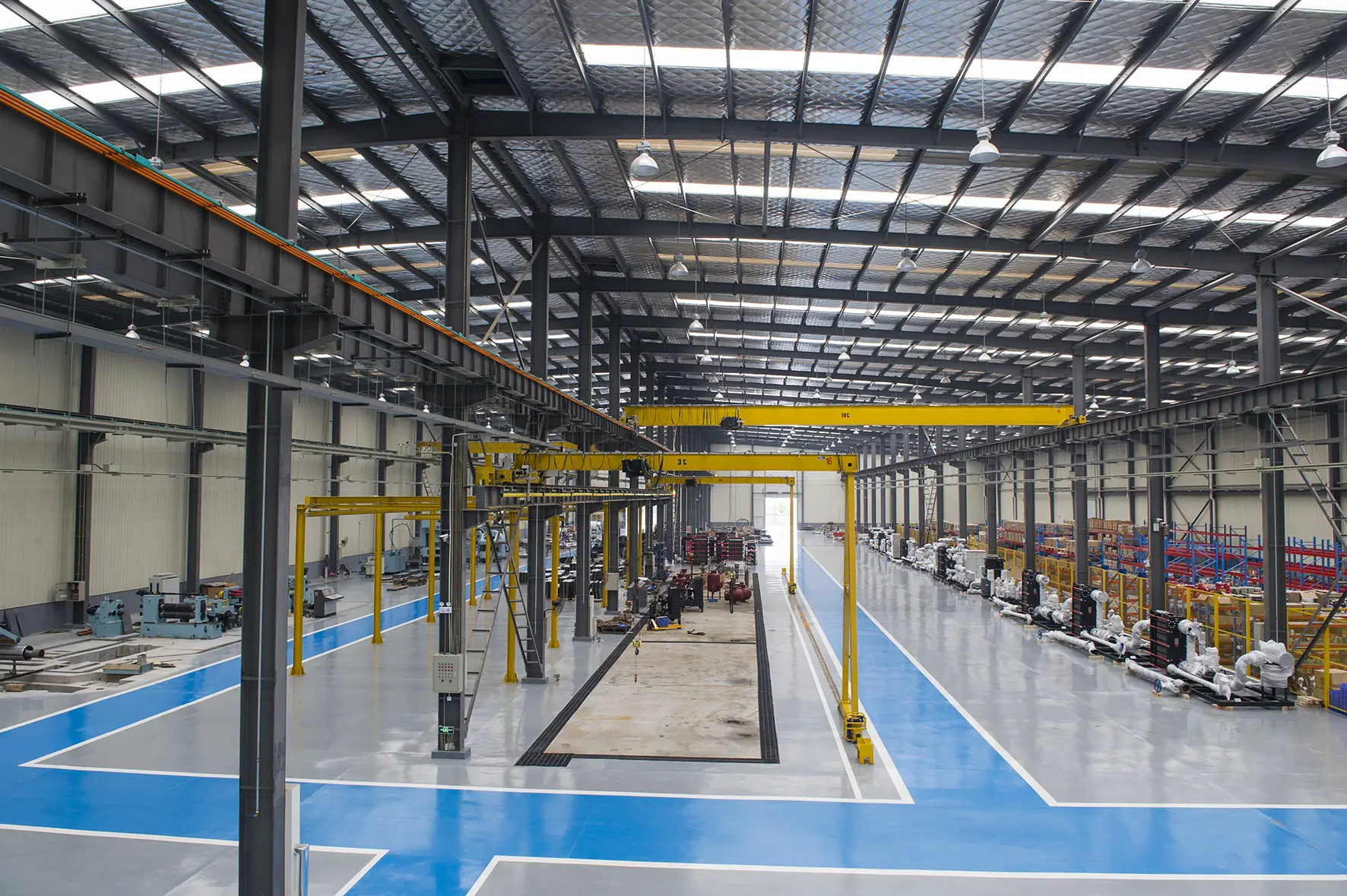
Flotte’s production workshops are equipped with high-tonnage hydraulic presses, automated sheet stamping, and precision micro-forging lines. Because China commands over 50% of the world's refined steel and titanium output, we secure raw alloys (such as SUS316L, duplex steels, titanium, and copper-nickel alloys) at lower base costs, transferring direct savings to global procurement agencies.
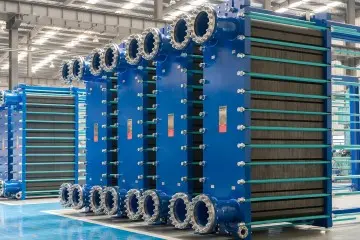
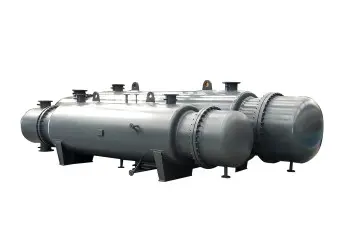
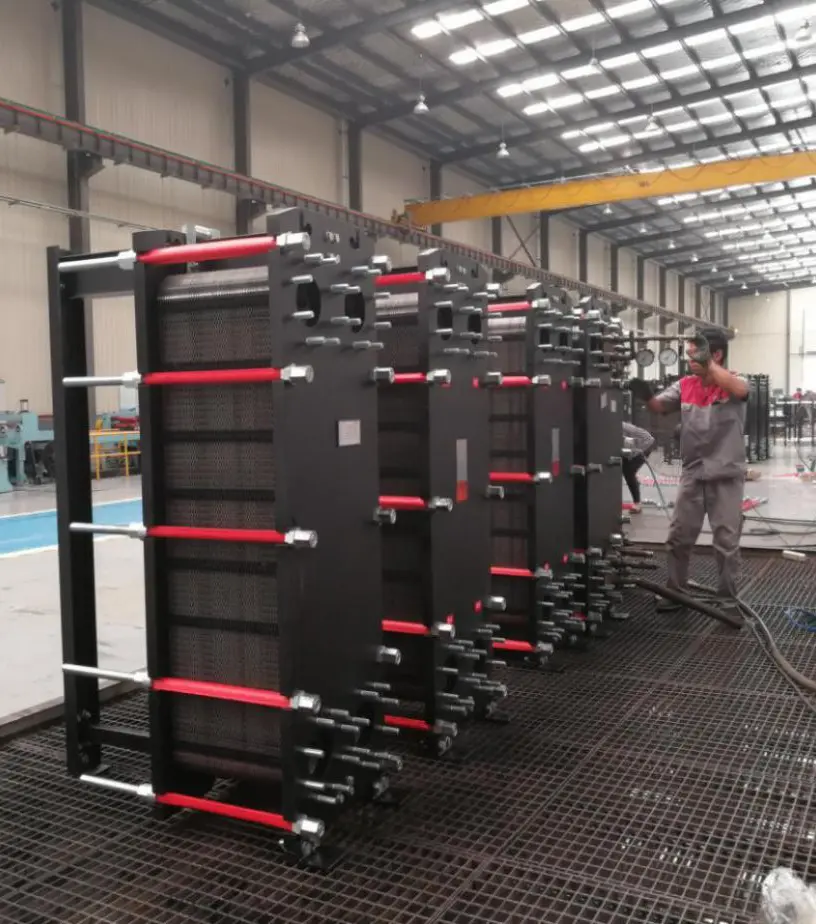
To ensure zero cross-contamination and maintain the integrity of high-vacuum cryogenic systems, each plate heat exchanger and shell-and-tube unit undergoes rigorous testing. We execute automated water pressure testing, nitrogen pressure holding, and optional helium mass spectrometry leak testing to confirm structural sealing up to 100 bar, meeting ASME and European PED standards.
Every step in our production adheres to the ISO 9001:2015 quality framework to ensure absolute metallurgical stability.
A deep-dive analysis of flow configuration, plate geometry, and thermal-stress mitigation in liquid air processes.
Liquid air liquefaction and regasification are processes characterized by transient phases. Standard cooling cycles exhibit significant variation in specific heat capacities ($C_p$) at cryogenic regions. Our custom-designed plate corrugations break down boundary layers at very low Reynolds numbers, inducing high turbulence that maximizes the overall heat transfer coefficient ($U$). This allows systems to operate with a temperature approach close to 1°C, reducing thermodynamic irreversibilities (entropy generation) and lowering overall energy demand.
Traditional heat exchangers fail at cryogenic temperatures due to uneven thermal contraction. When liquid air at -196°C meets warmer streams, local thermal gradients can warp metal plates, leading to cracks. Flotte’s patented stress-relieving bellows, microchannel design, and specialized gasket retention systems ensure uniform contraction. By using finite element analysis (FEA) to simulate extreme temperature shifts, we construct robust shells and plates capable of handling thousands of thermal shock cycles without pressure degradation.
Fouling reduces thermal performance and increases pressure drop ($\Delta P$), escalating compressor power consumption. Our "Plate Heat Exchanger Scale Removal Device" patent addresses scaling in industrial settings. By implementing high-shear turbulence patterns within the channels, our design induces a self-cleaning effect, extending service intervals and reducing maintenance downtime.
Material choice directly impacts structural life. In cryogenic systems, standard carbon steels experience brittle transition, making them highly dangerous. Flotte selects high-nickel austenitic stainless steels (316L, 904L), copper, and Grade 1 Titanium. These alloys preserve structural ductility and high impact strength even when exposed to liquid helium, nitrogen, or air temperatures, satisfying rigorous international safety standards.
Adapting thermal engineering solutions across critical global industries, from municipal systems to pharmaceutical plants.
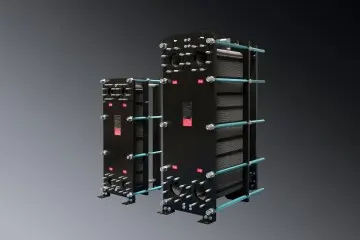
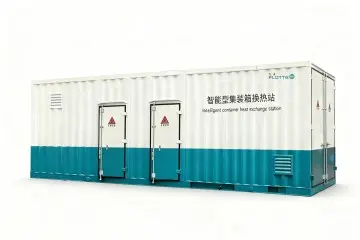
Our detachable plate heat exchangers serve as primary isolation boundaries in municipal district heating. Installed at pressure regulating stations, they isolate high-pressure municipal distribution networks from low-pressure building HVAC circuits, preventing structural damage and ensuring safe residential space heating.
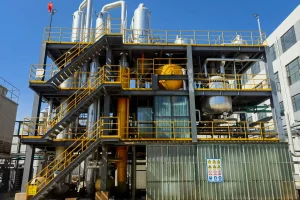
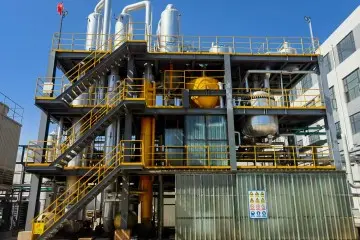
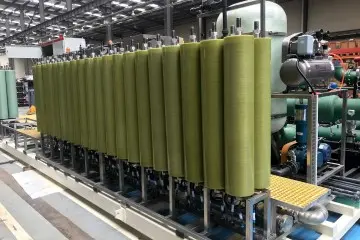
In chemical concentration and industrial wastewater treatment, Flotte's Multi-Effect Evaporation and Membrane Systems recover low-grade waste steam. By recycling latent heat across successive thermal stages, we reduce boiler fuel consumption and operational costs for chemical and pharmaceutical facilities.
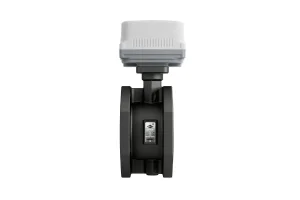
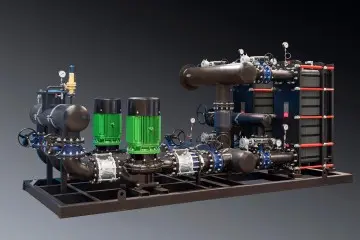
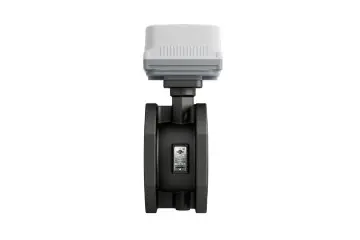
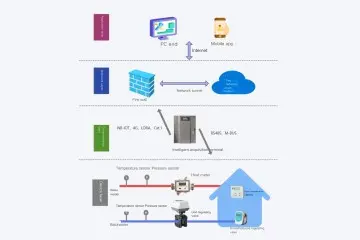
Equipped with our patented secondary network intelligent unit balance valves and room temperature collectors, our integrated heating packages dynamically adjust warm water flow rates based on real-time ambient changes, reducing pump power waste and ensuring thermal balance across modern office structures.
Explore our standard production models, designed to fit custom dimensions and meet specific process flow rates.
Every product complies with global industrial standards and has undergone rigorous inspection protocols by national testing committees.
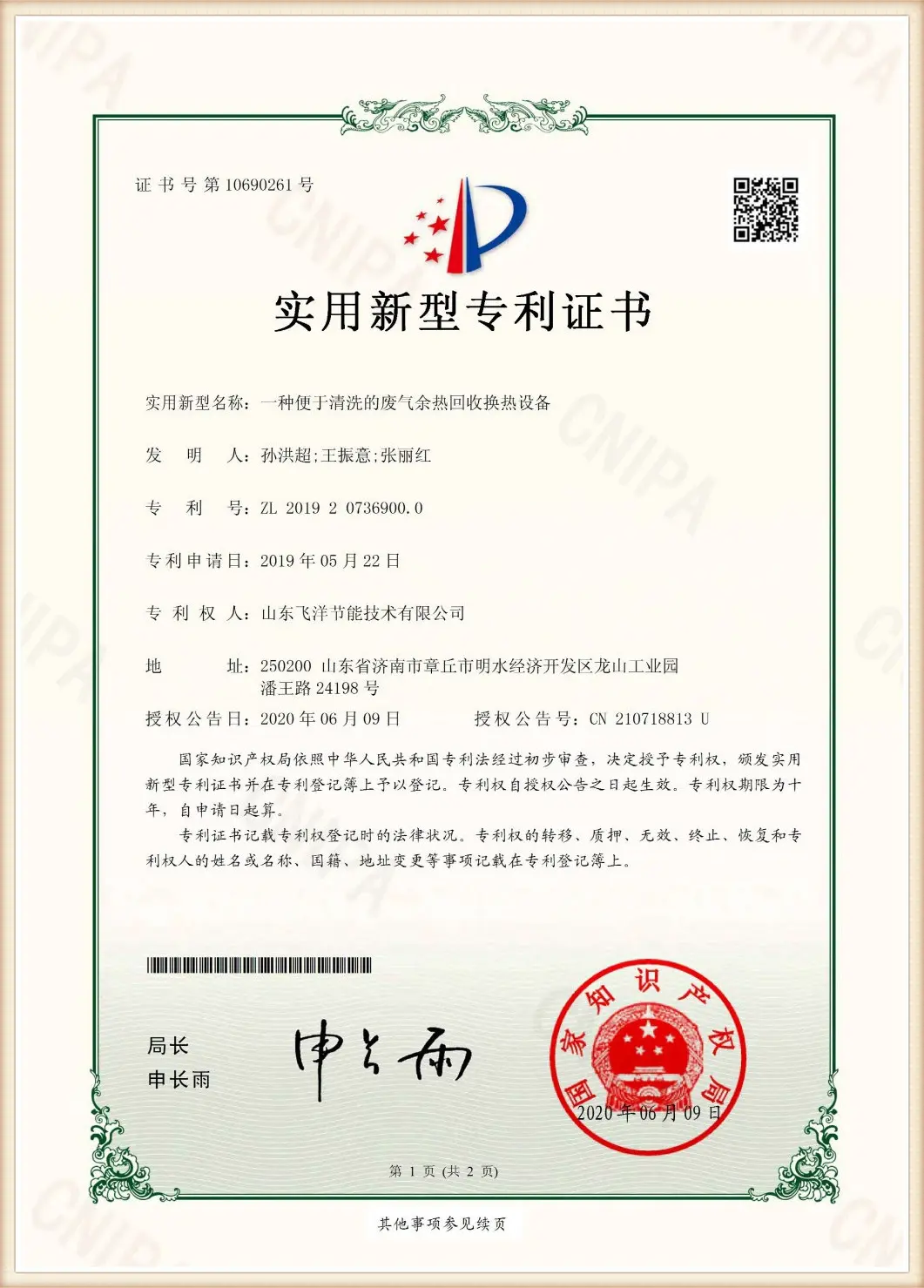
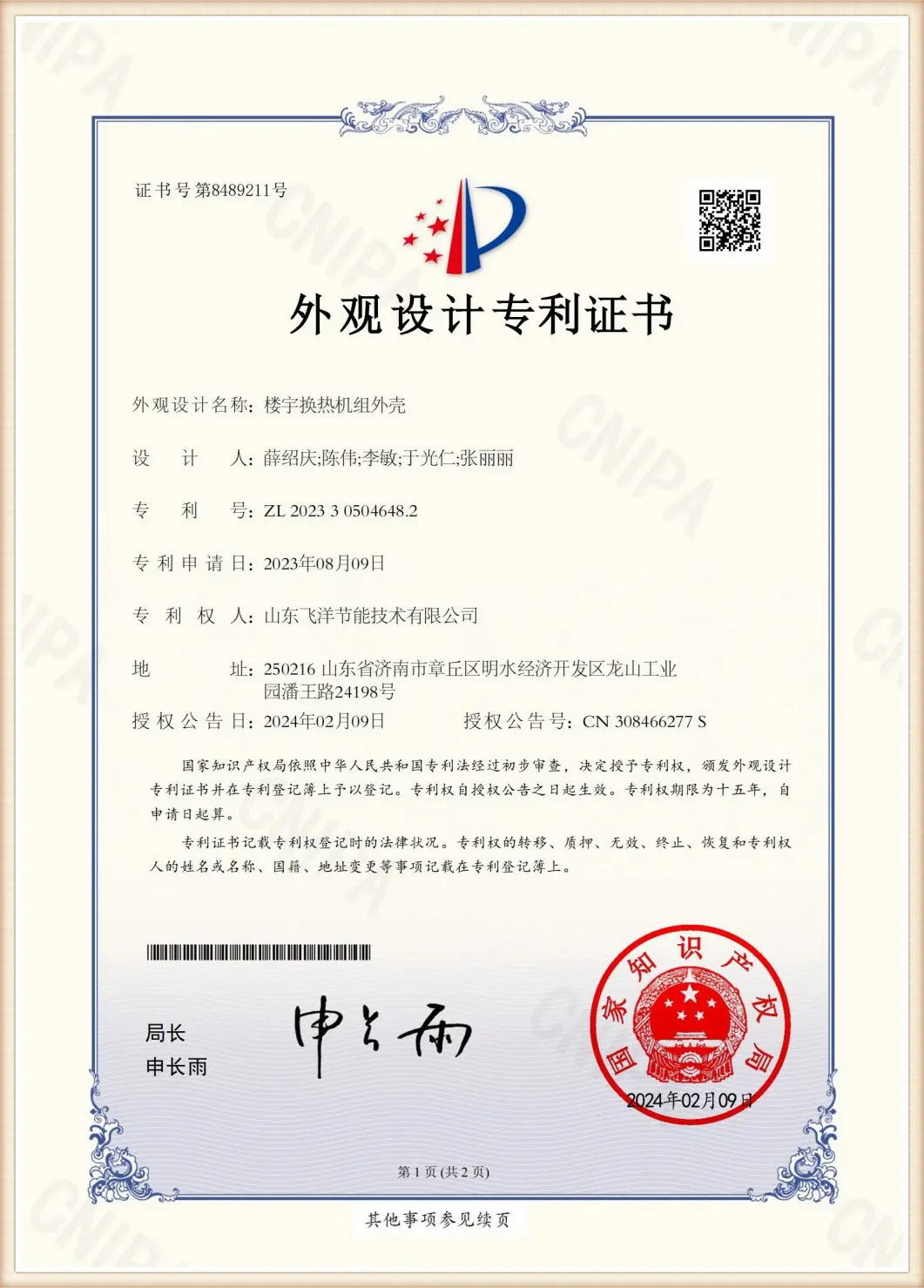
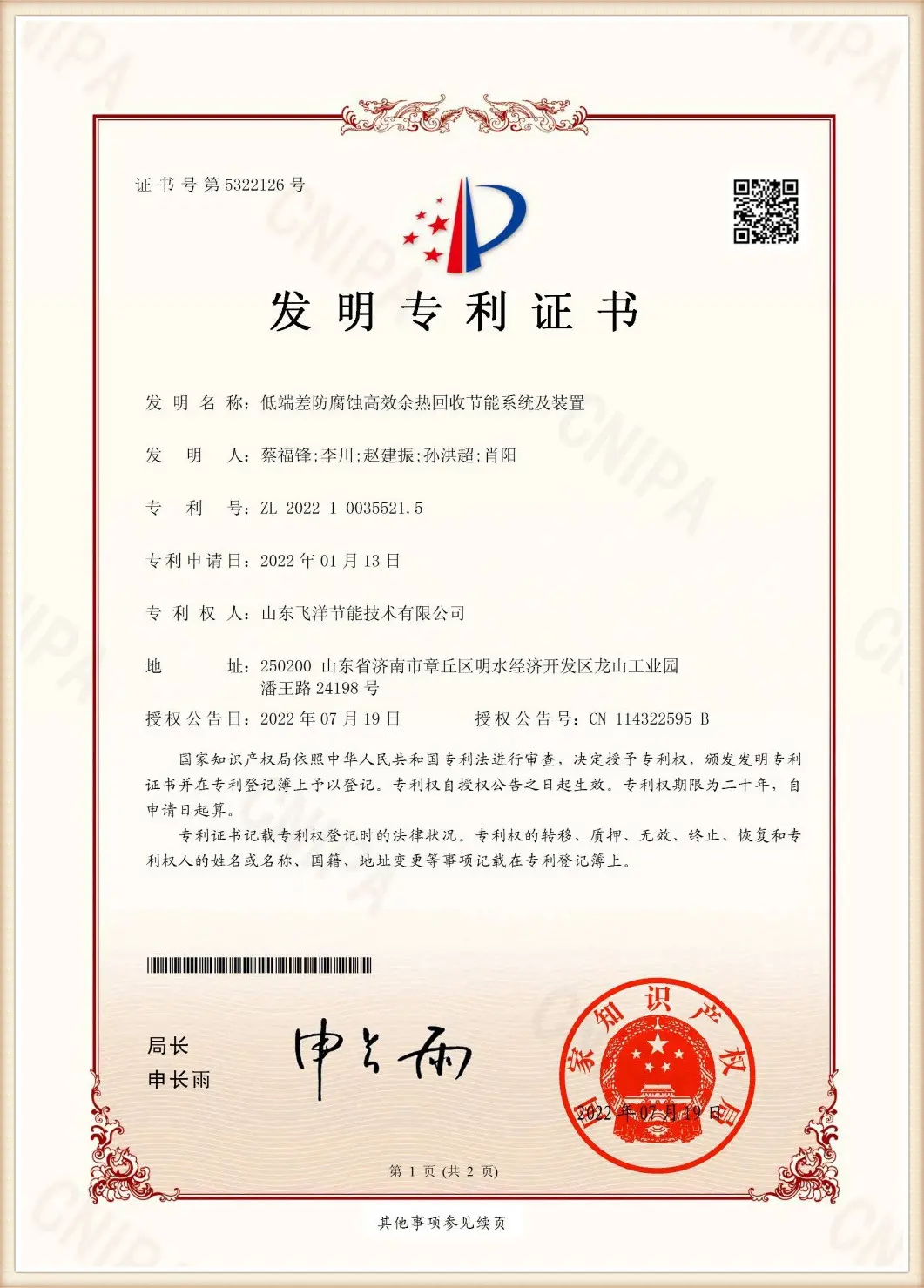
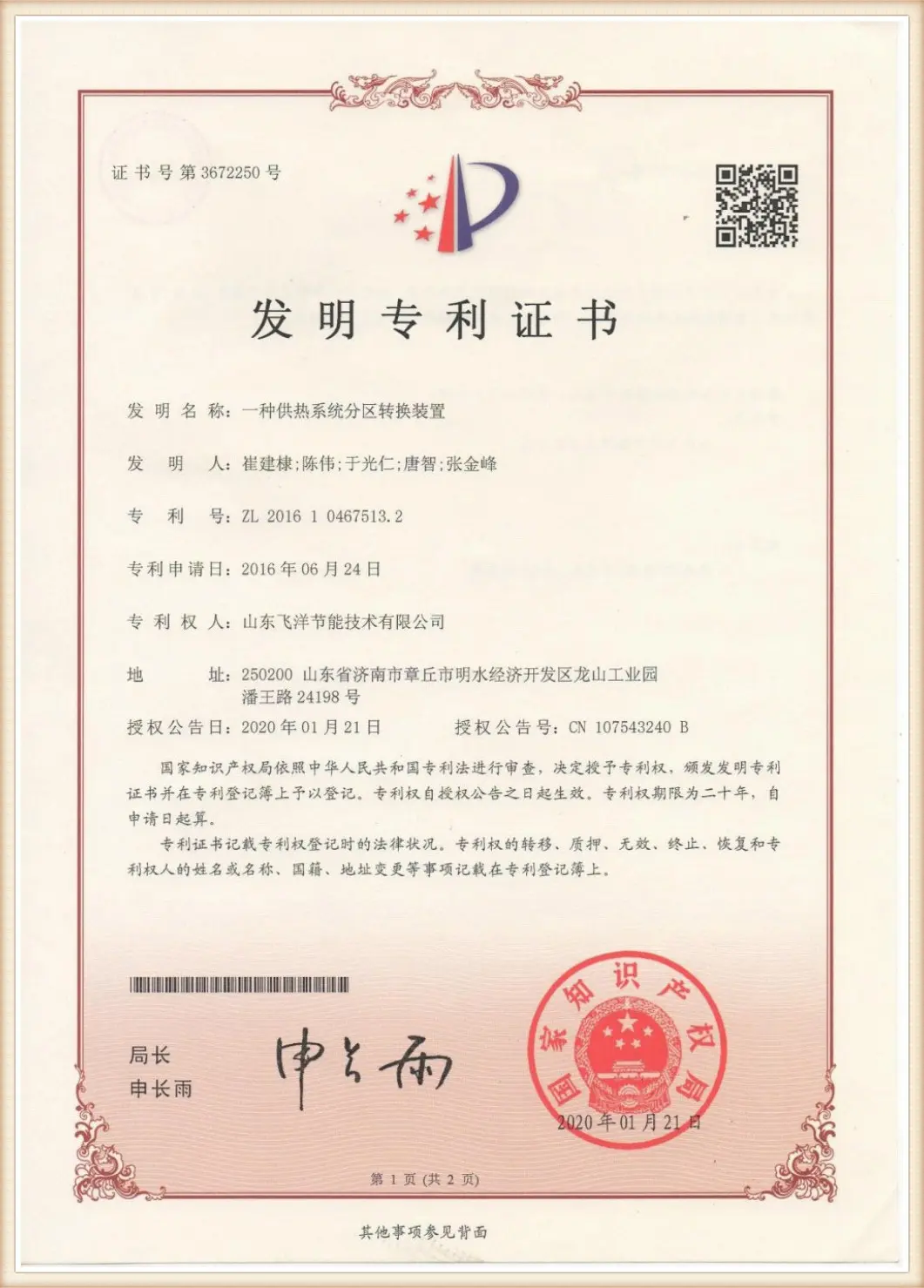
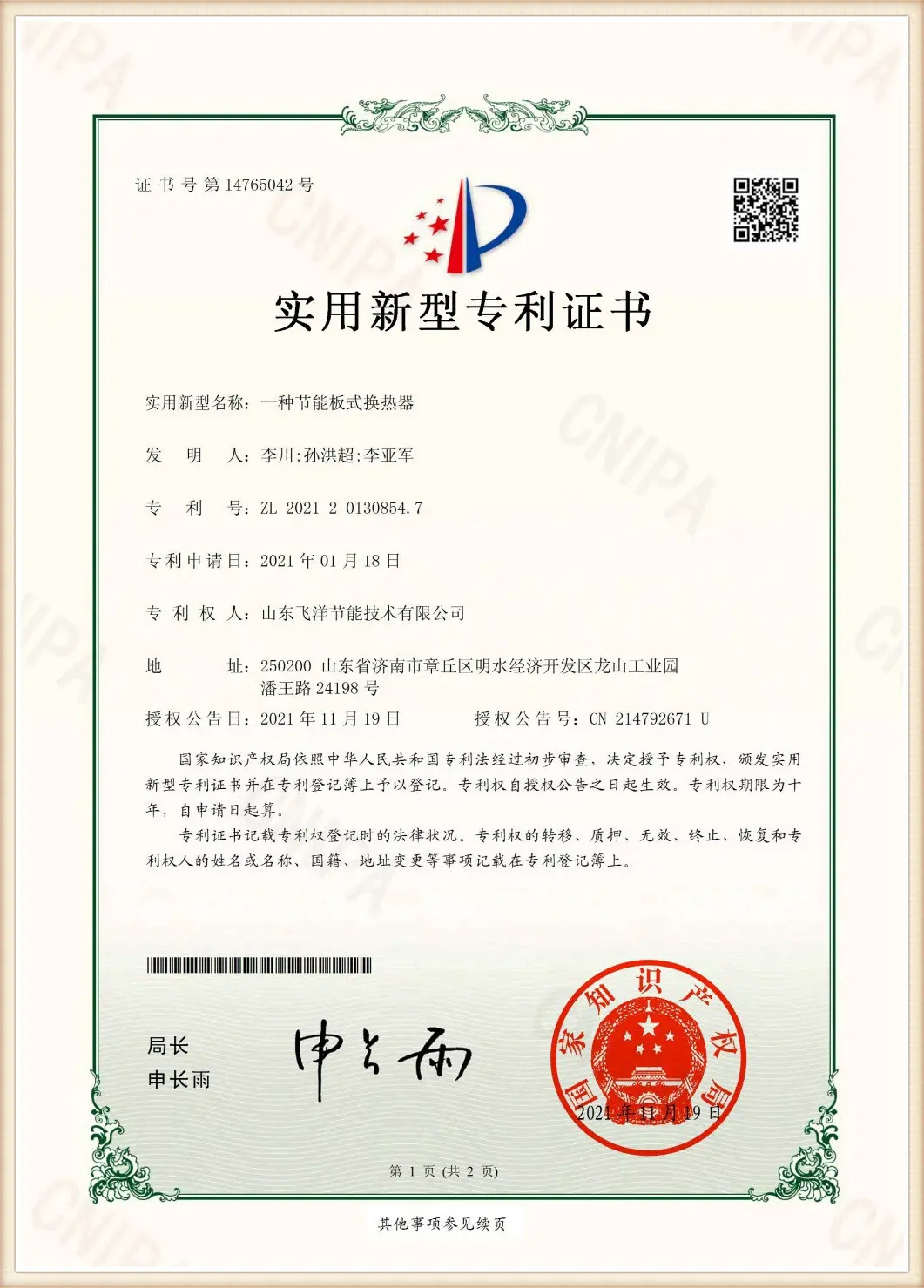
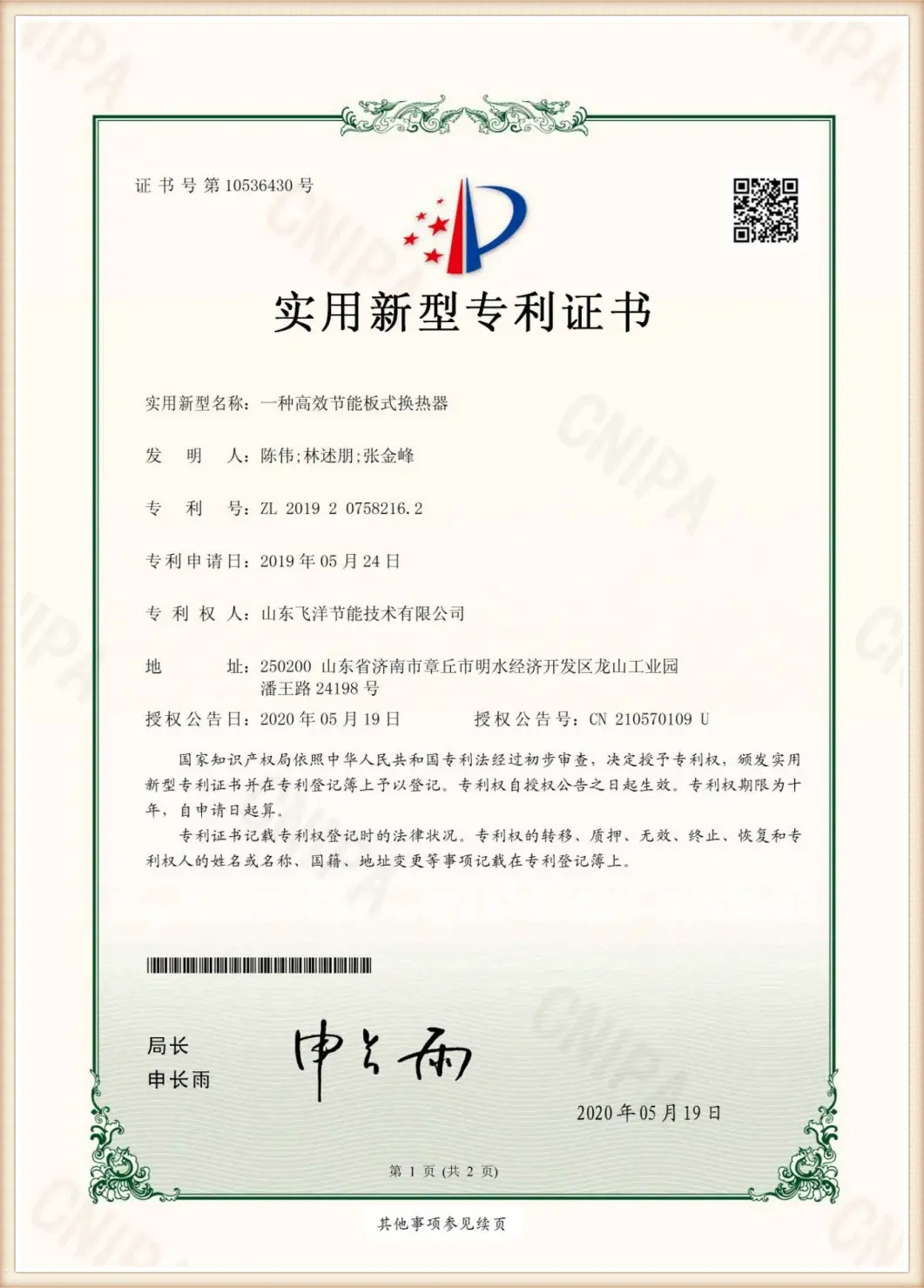
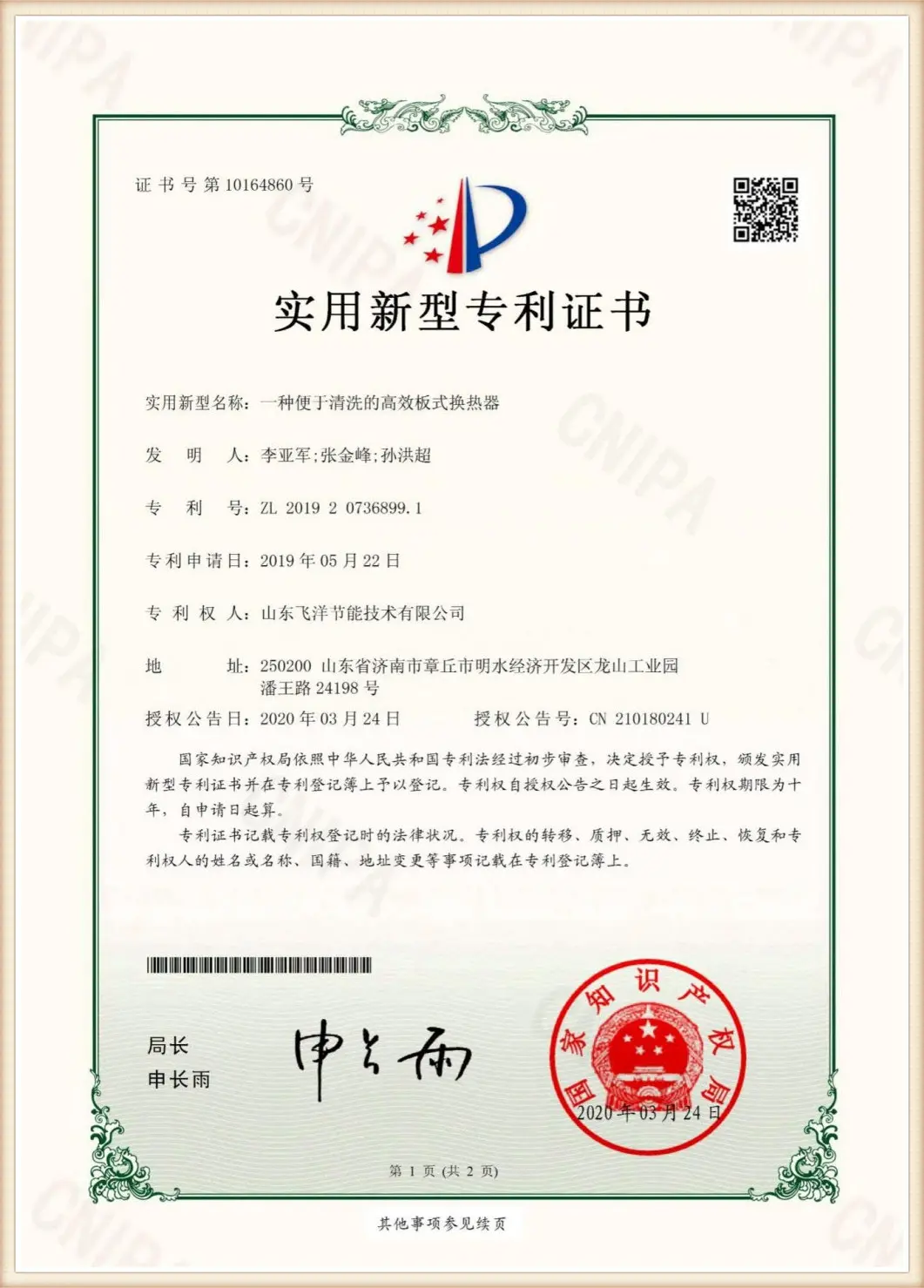
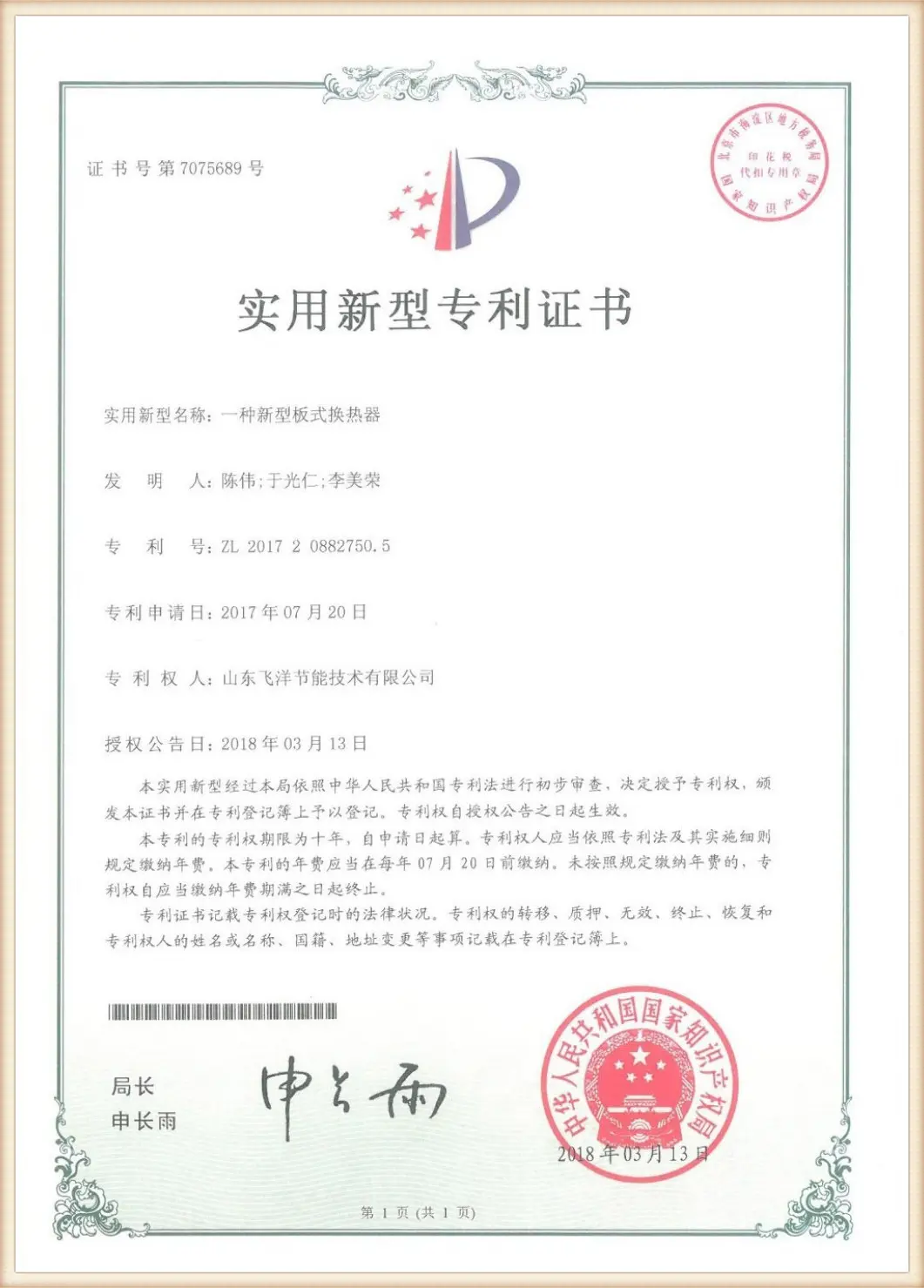
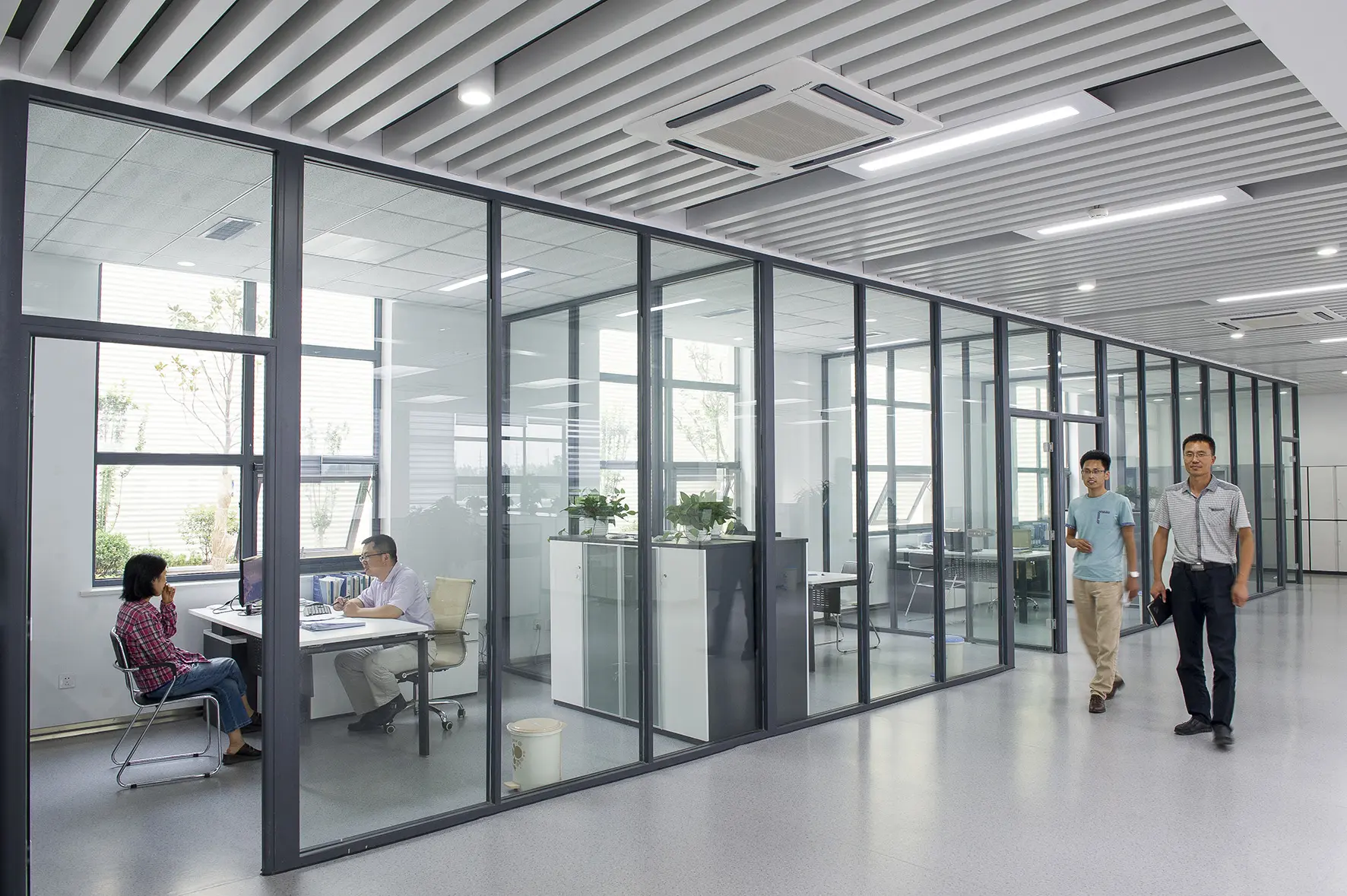
A transparent look inside our 70,000 square meter facility equipped with heavy-duty tooling, welding robots, and quality inspection bays.


Technical clarifications on engineering, design limits, material compatibilities, and international code compliance.
Explore our complete range of specialized thermal units, balance valves, and evaporation systems available for wholesale procurement.
 Flotte Energy