Engineered systems optimizing municipal wastewater recovery, advanced fluid routing, and scale-mitigated heat extraction.
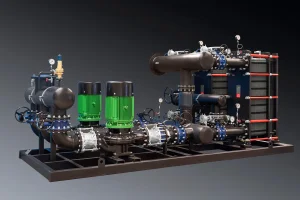
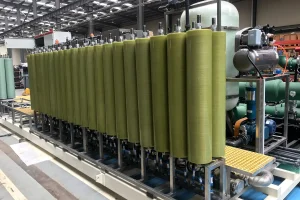
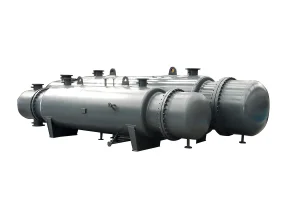
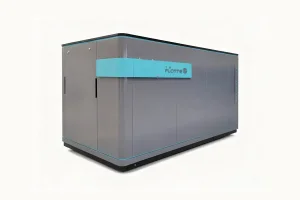
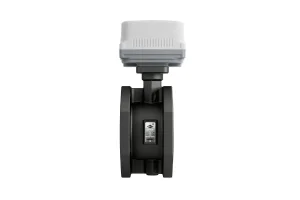
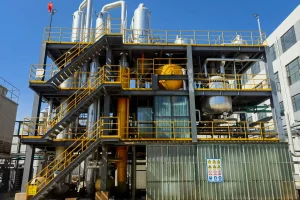
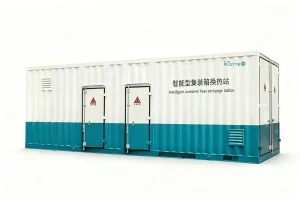
Established in 2013 with a registered capital of 101 million yuan, Flotte Energy Saving Company traces its operational lineage back to the founding of Flotte Thermal Engineering in 1995. Built upon thirty years of technical refinement, the enterprise delivers specialized industrial solutions spanning water management equipment, integrated HVAC networks, and localized wastewater treatment plant systems.
Through continuous R&D investments, Flotte has integrated high-efficiency heat recovery cycles with advanced biological and mechanical liquid purification techniques. Our operational philosophy leverages scientific thermal exchange configurations to mitigate the energy consumption of high-load wastewater evaporation and concentration networks, offering scalable utility platforms to commercial operators worldwide.
"By merging thermodynamics with fluid mechanics, Flotte redefines decentralized wastewater treatment—slashing thermal loss by up to 40% while maintaining absolute system stability."
Modern global industries are migrating away from massive, highly centralized treatment installations toward localized, modular wastewater solutions. This shift is driven by logistics costs, resource scarcity, and tightening effluent rules. By processing municipal graywater or heavy industrial runoffs at the source, enterprises eliminate miles of costly municipal pipe networks and significantly reduce external waste disposal costs.
B2B buyers face distinct structural challenges depending on their operational zones:
As an established OEM and Exporter, Flotte meets these global procurement specifications by manufacturing modular systems with corrosion-resistant metallurgy (stainless steel 316L, titanium, and duplex alloys) to ensure structural integrity across diverse regional conditions.
Wastewater management is fundamentally an energy balance challenge. Evaporating water to isolate chemical sludge or saline concentrates requires vast thermal energy. Without intelligent recovery loops, operational expenditures (OpEx) become unsustainable. Flotte addresses this bottleneck by integrating advanced heat exchangers directly into the treatment flow.
Our macro solutions merge mechanical filtration, membrane separation, and thermal evaporation into a single, cohesive processing loop:
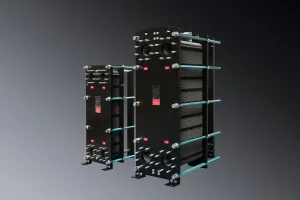
High-efficiency shell-and-tube or detachable plate exchangers extract latent heat from outgoing warm effluent to preheat incoming cold wastewater, reducing initial thermal energy inputs.
Before thermal concentration, custom membrane systems filter out suspended solids and reduce total water volume by separating desalinated permeates from concentrated brines.
Our Multi-Effect Evaporators reuse steam across multiple boiling stages. Each successive chamber operates at lower pressures, allowing water to boil using residual heat from the previous stage.
This integrated approach ensures that local wastewater treatment plants operate with optimal thermodynamic efficiency, reducing electricity and steam consumption in municipal and heavy industrial setups.
Every piece of thermal and fluid processing machinery undergoes rigorous validation. Below is our step-by-step manufacturing and quality assurance pipeline.
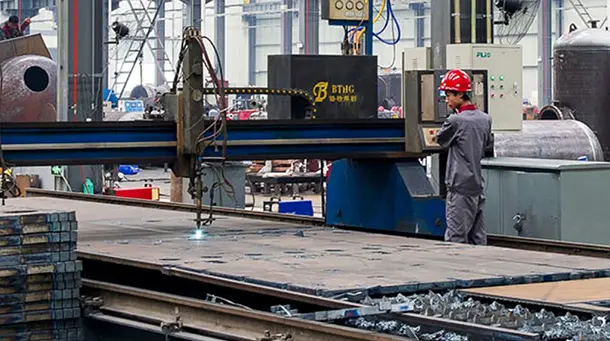
Heavy carbon steel and stainless steel framework plates are cut using precision CNC fiber lasers, guaranteeing structural dimensional accuracy for pressure retention.
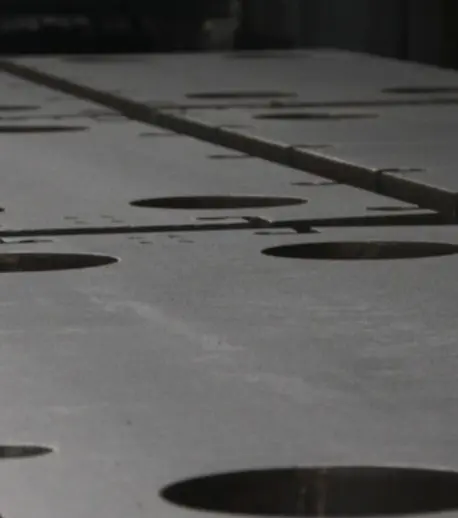
Localized mechanical micro-forging increases structural density along stress zones, reinforcing components against thermal expansion and high pressure fatigue.
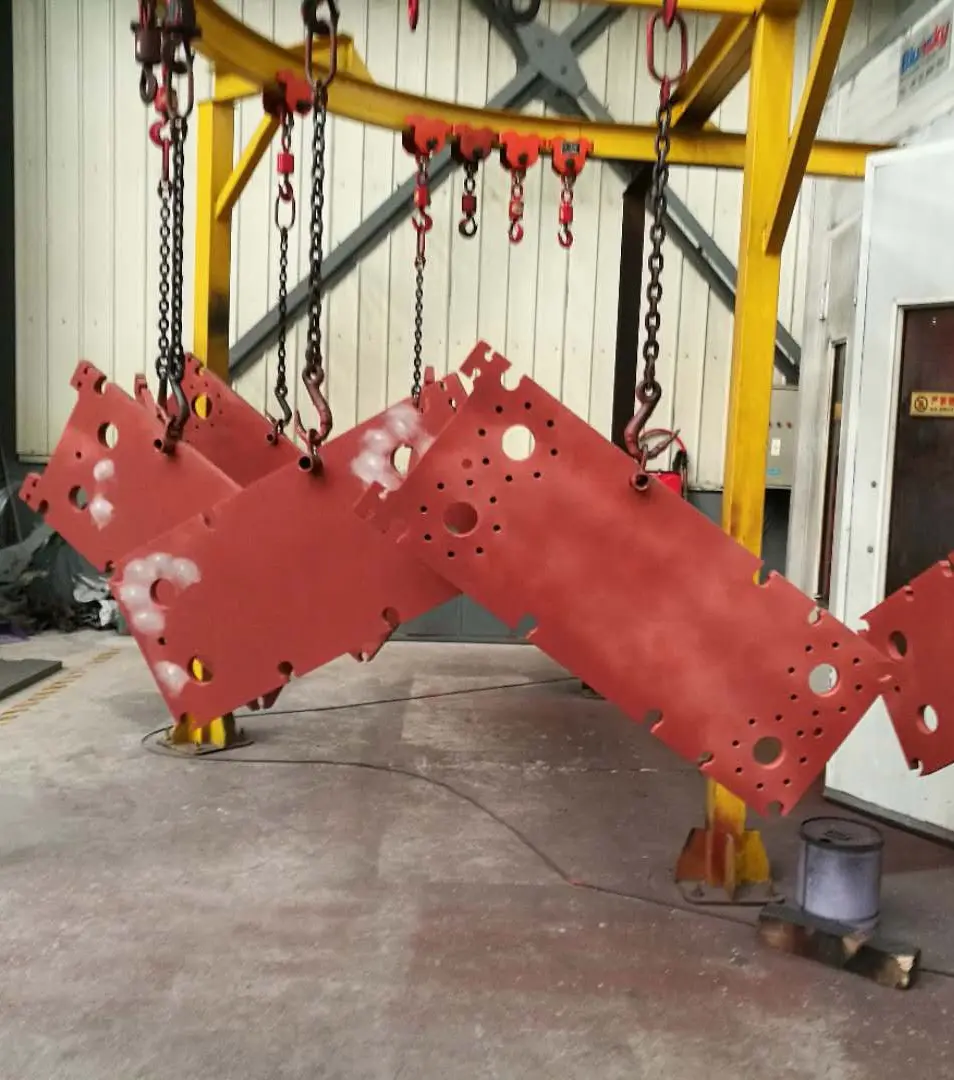
Multi-layer electrostatic powder coatings and marine-grade anti-corrosive epoxies protect metal components from harsh wastewater environments.
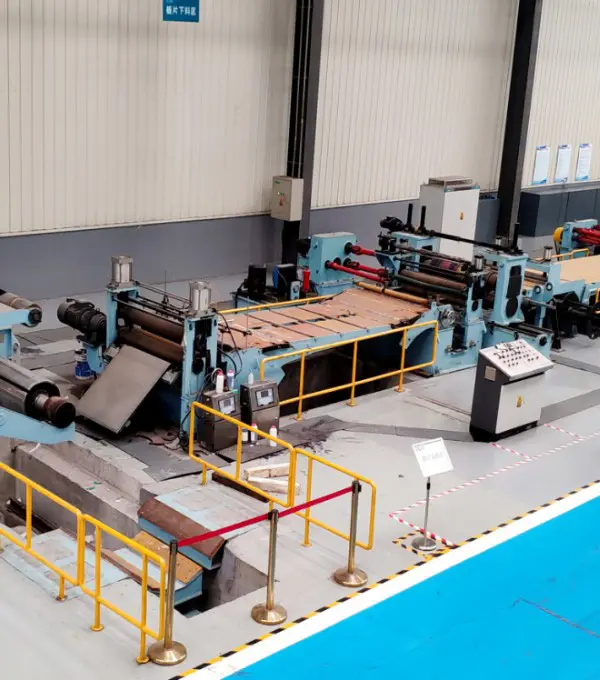
Heat transfer plates are cut and assigned laser-etched tracking codes, ensuring material traceability from initial coils to final operation.
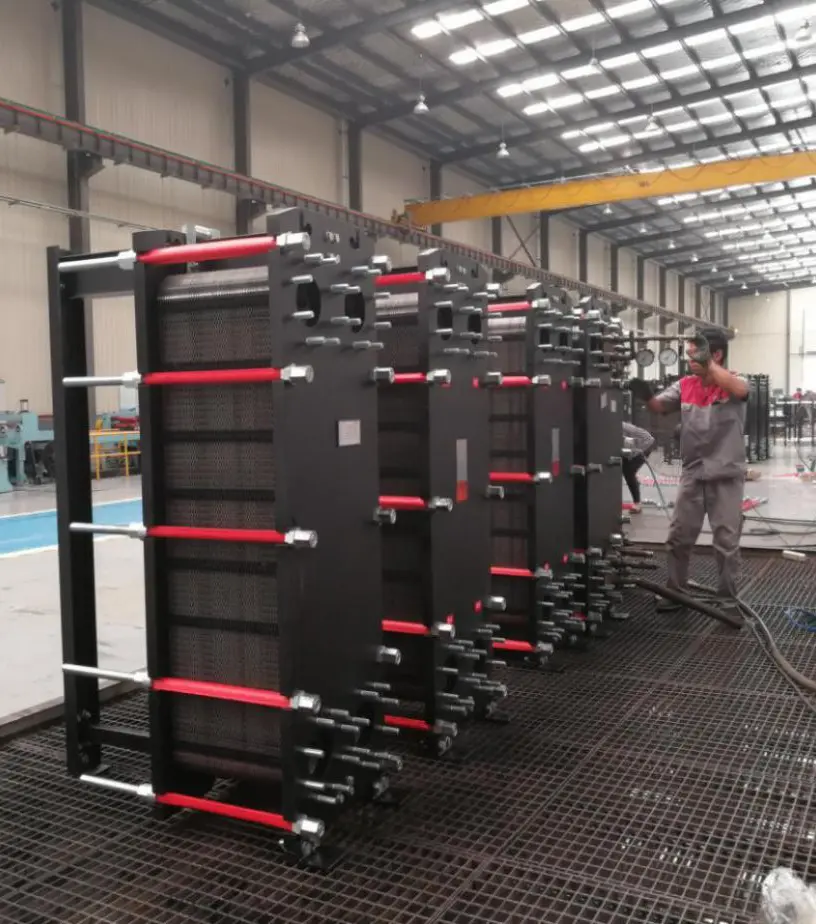
Assembled plates and channels undergo rigorous hydrostatic testing up to 1.5 times their rated operating pressure to ensure zero cross-contamination.
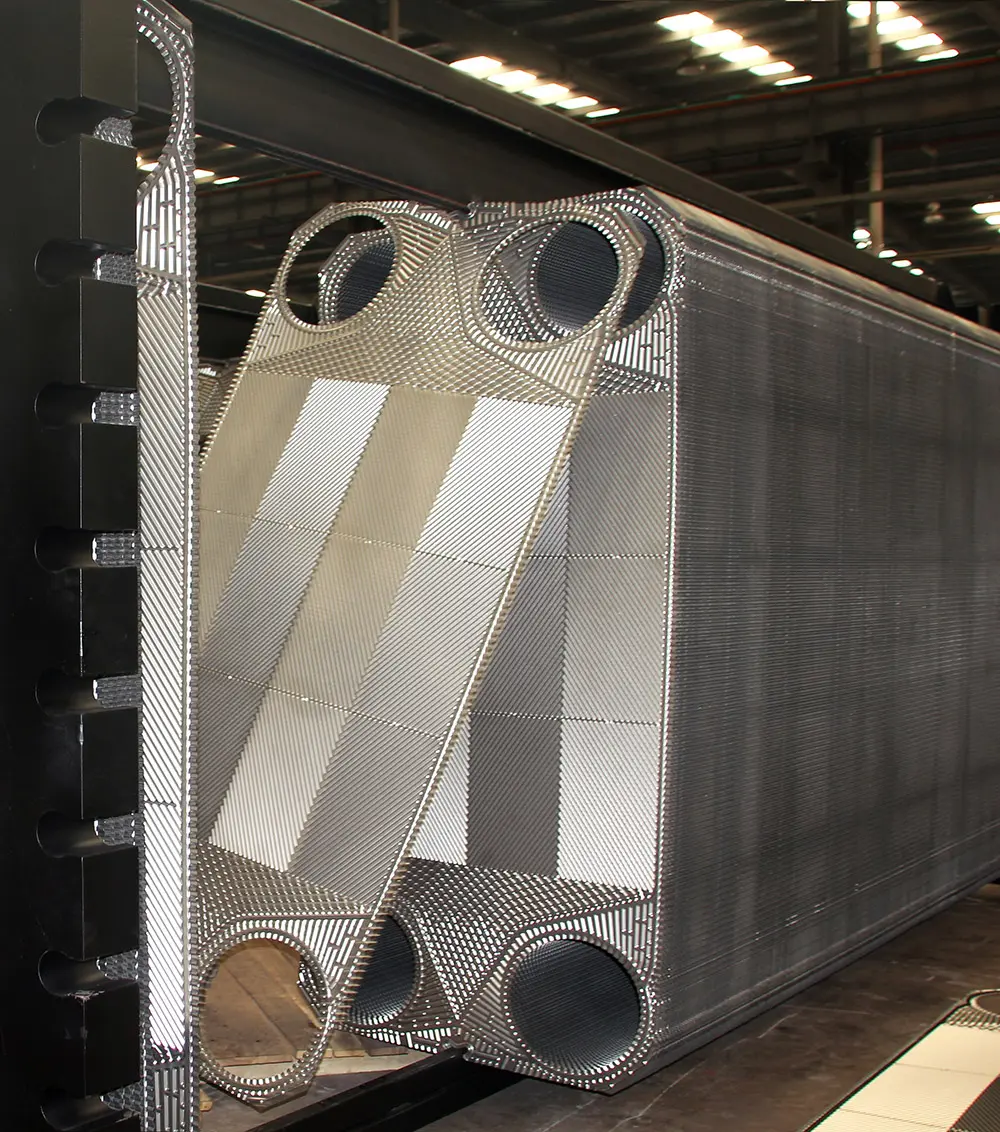
Skilled technicians mount compression frame bolts, alignment tracks, and calculated plates into integrated modules, utilizing torque controls.
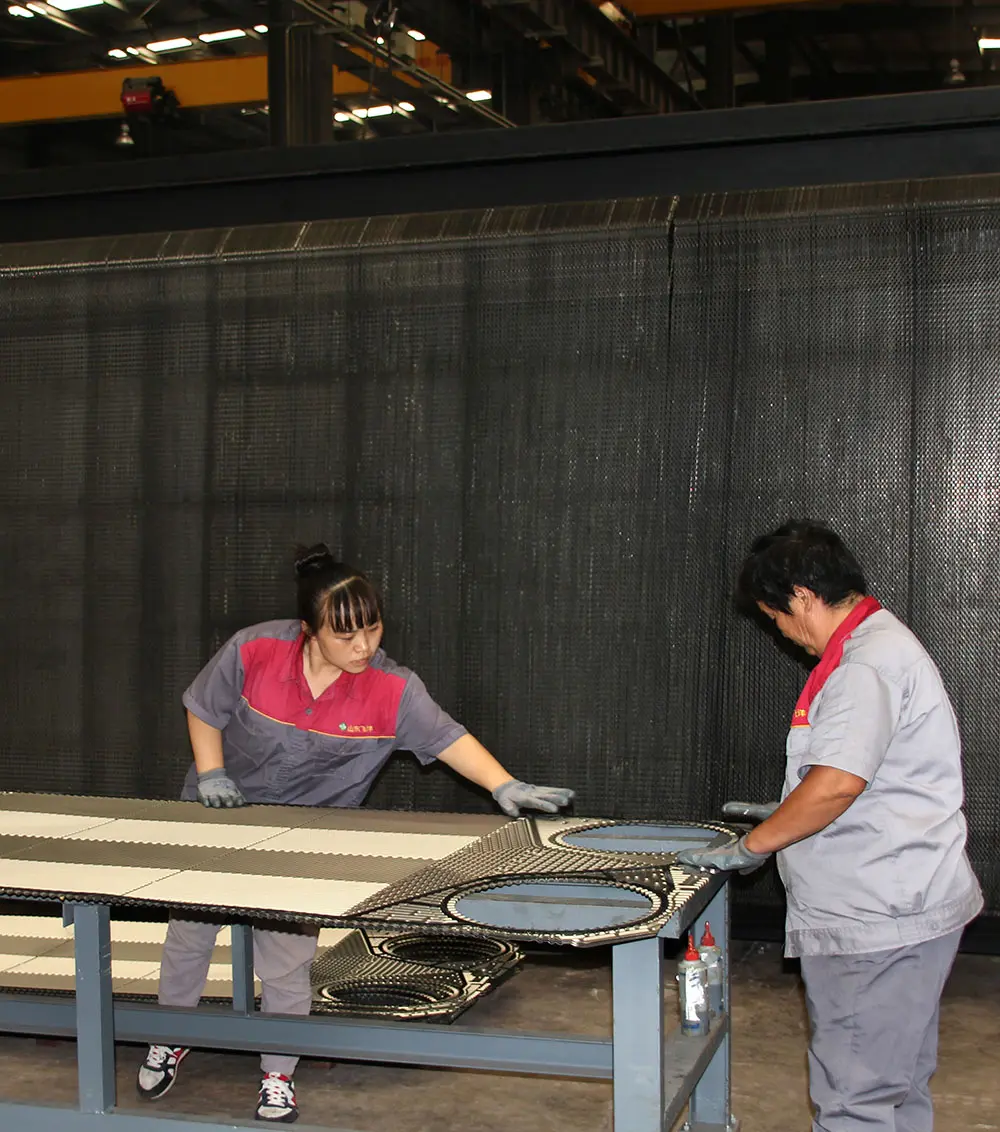
Specialized EPDM or Viton gaskets are interlaid within plate grooves to isolate alternate fluids, offering seal longevity and chemical resistance.
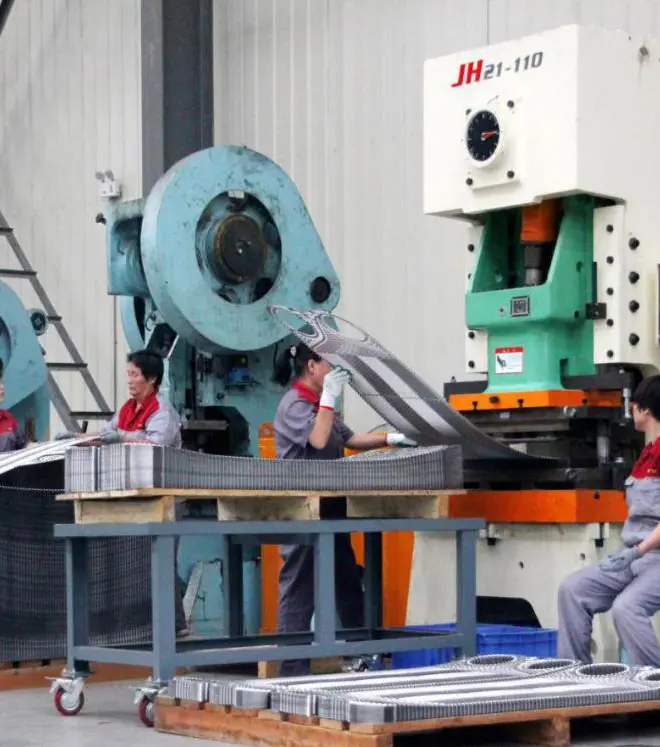
Inlet and outlet distribution ports are punched with high accuracy, optimizing flow distributions across the heat exchange surfaces.
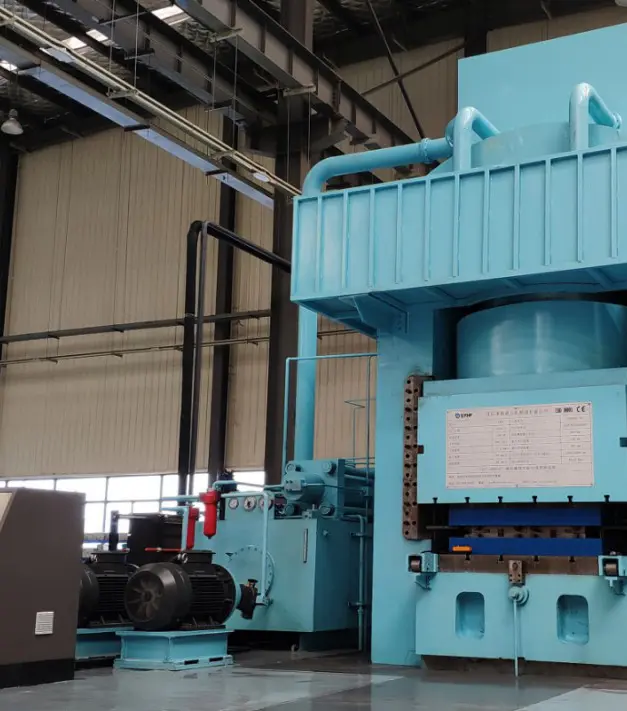
Raw sheets are pressed using high-tonnage hydraulic presses to stamp chevron corrugation patterns, creating turbulent flow paths that maximize heat transfer.
Our commitment to reliable engineering is backed by modern manufacturing infrastructure and international certifications.
Flotte's production workshops strictly adhere to the ISO 9001:2015 Quality Management System, ISO 14001 Environmental Management System, and ISO 45001 Occupational Health and Safety System. Our pressurized heat exchange and evaporation systems comply with national boiler and pressure vessel regulations, holding certifications for "High-Efficiency Plate Heat Exchangers" and advanced anti-scaling technologies.
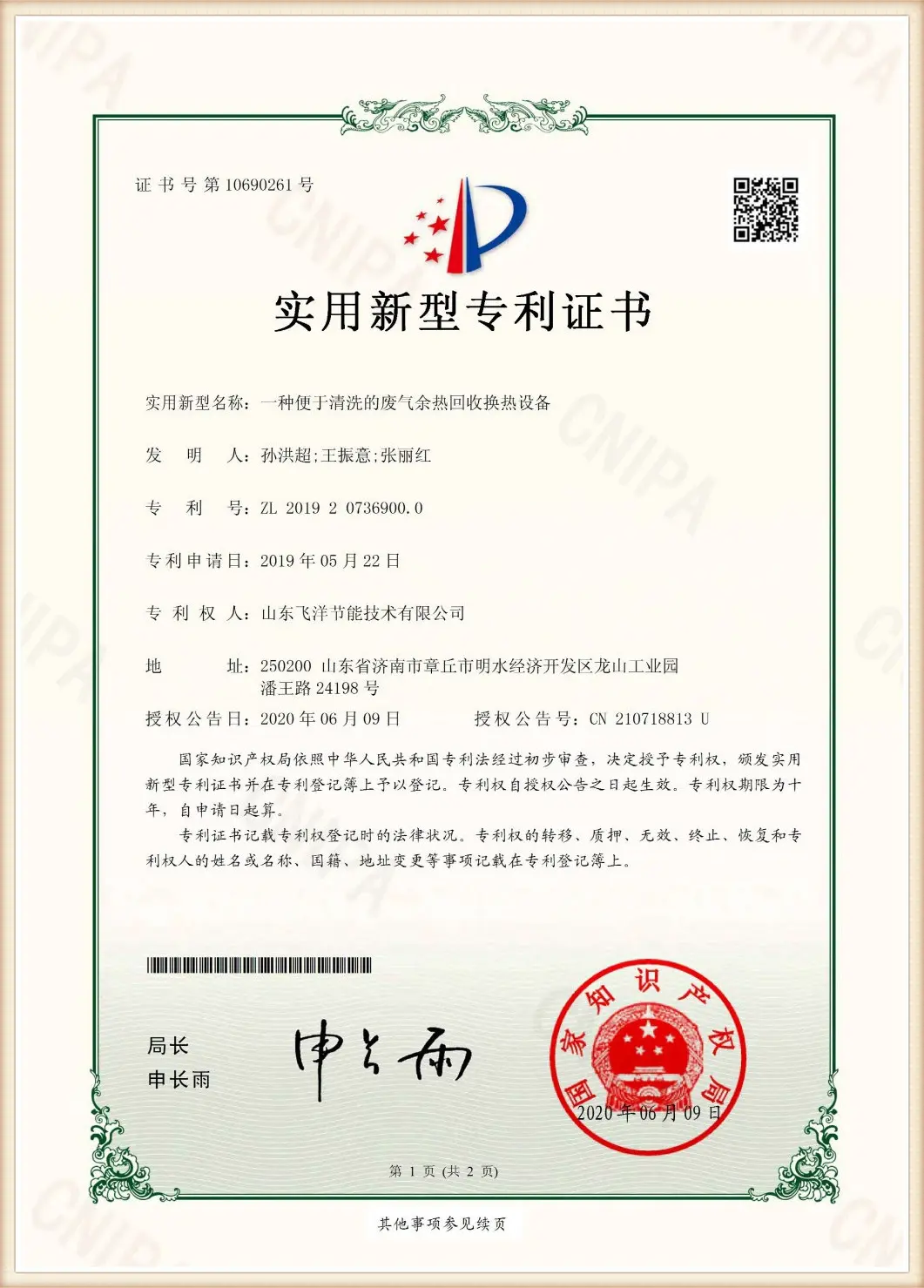
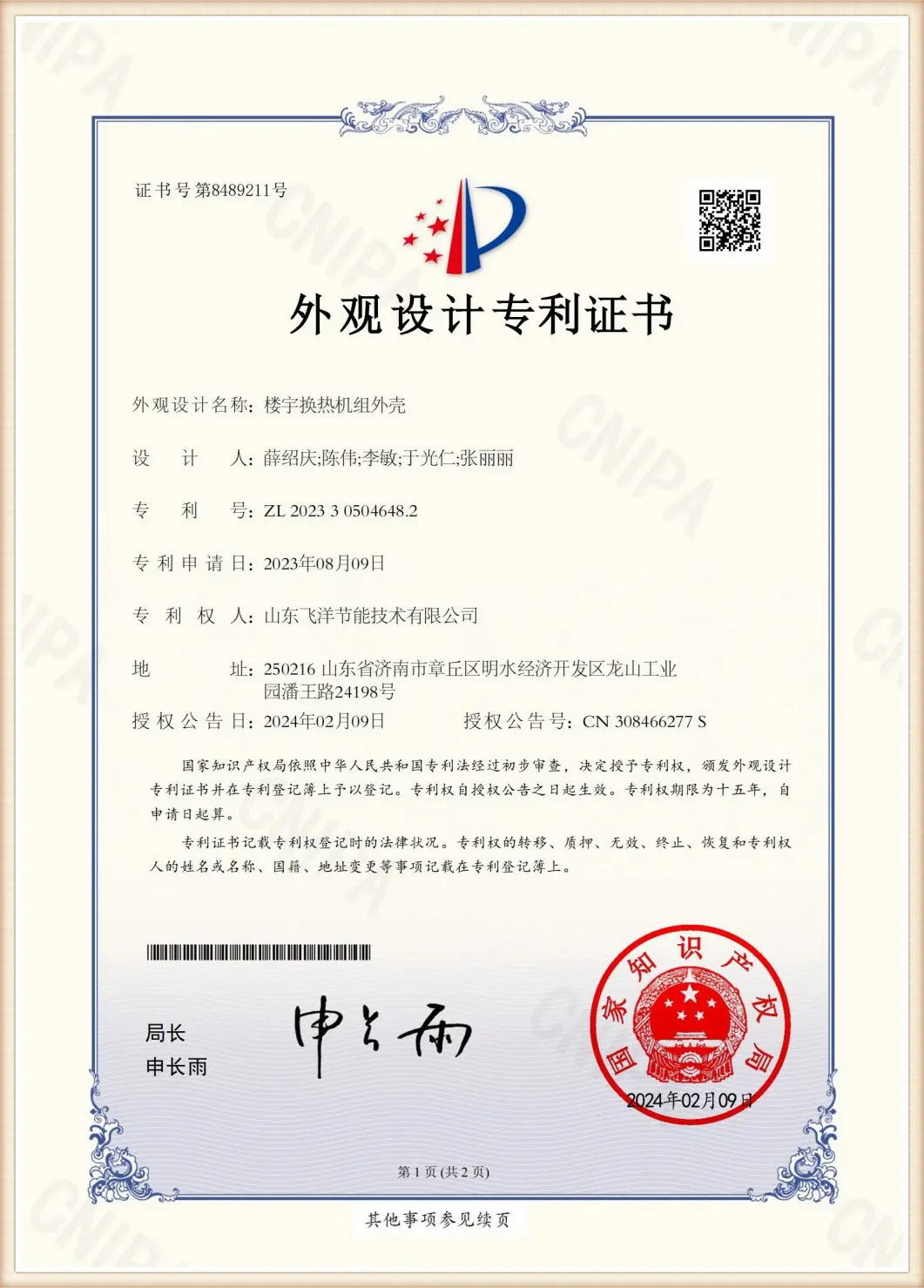
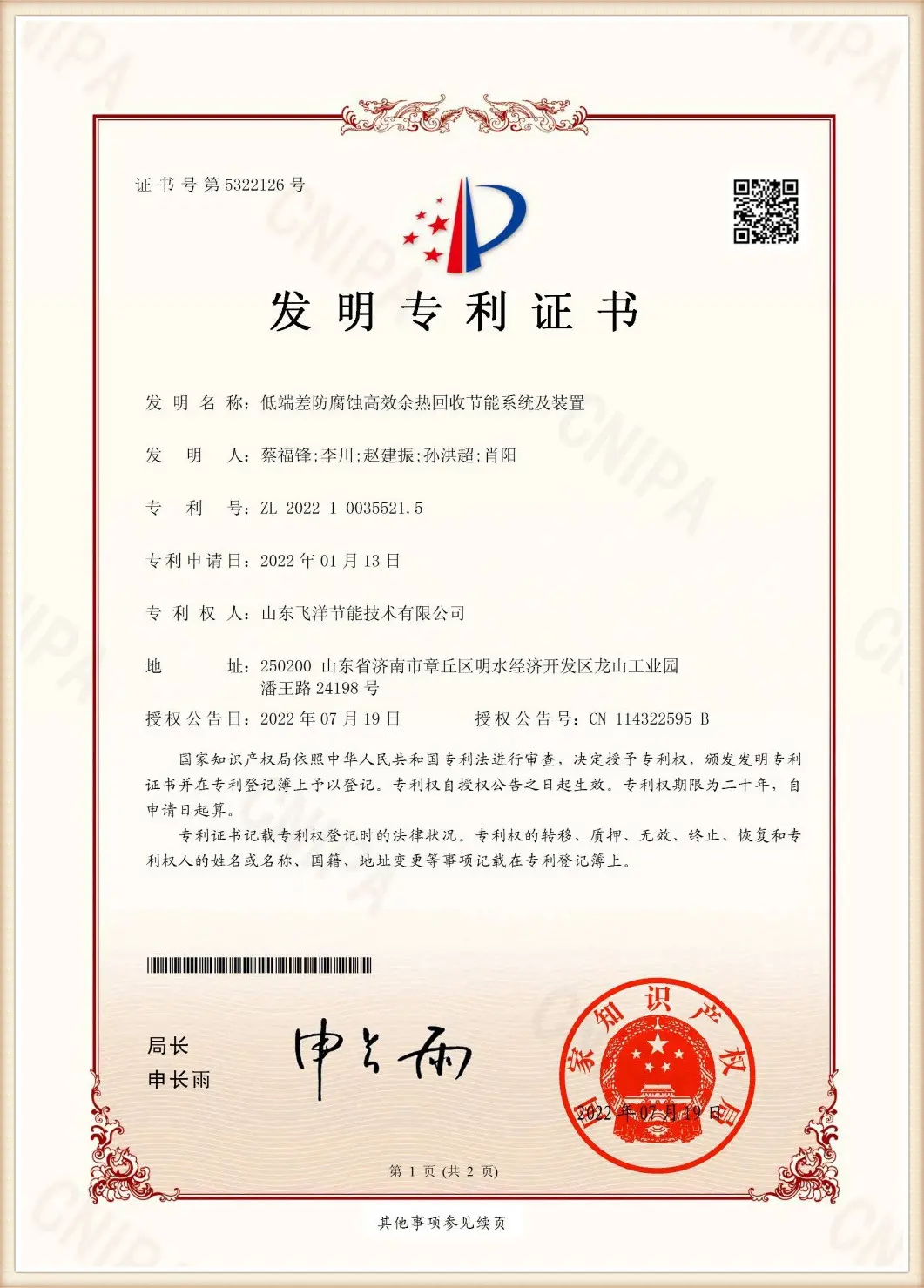
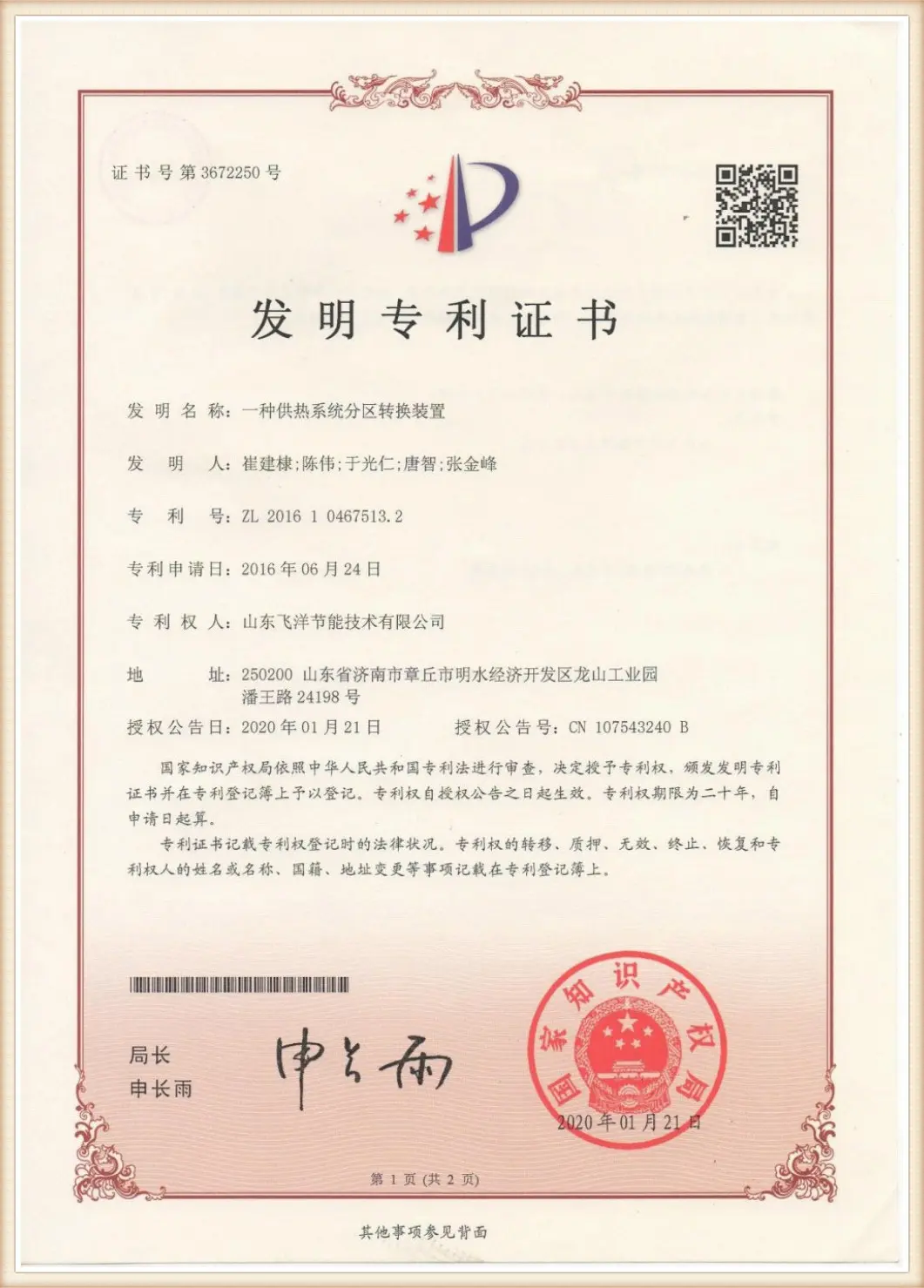
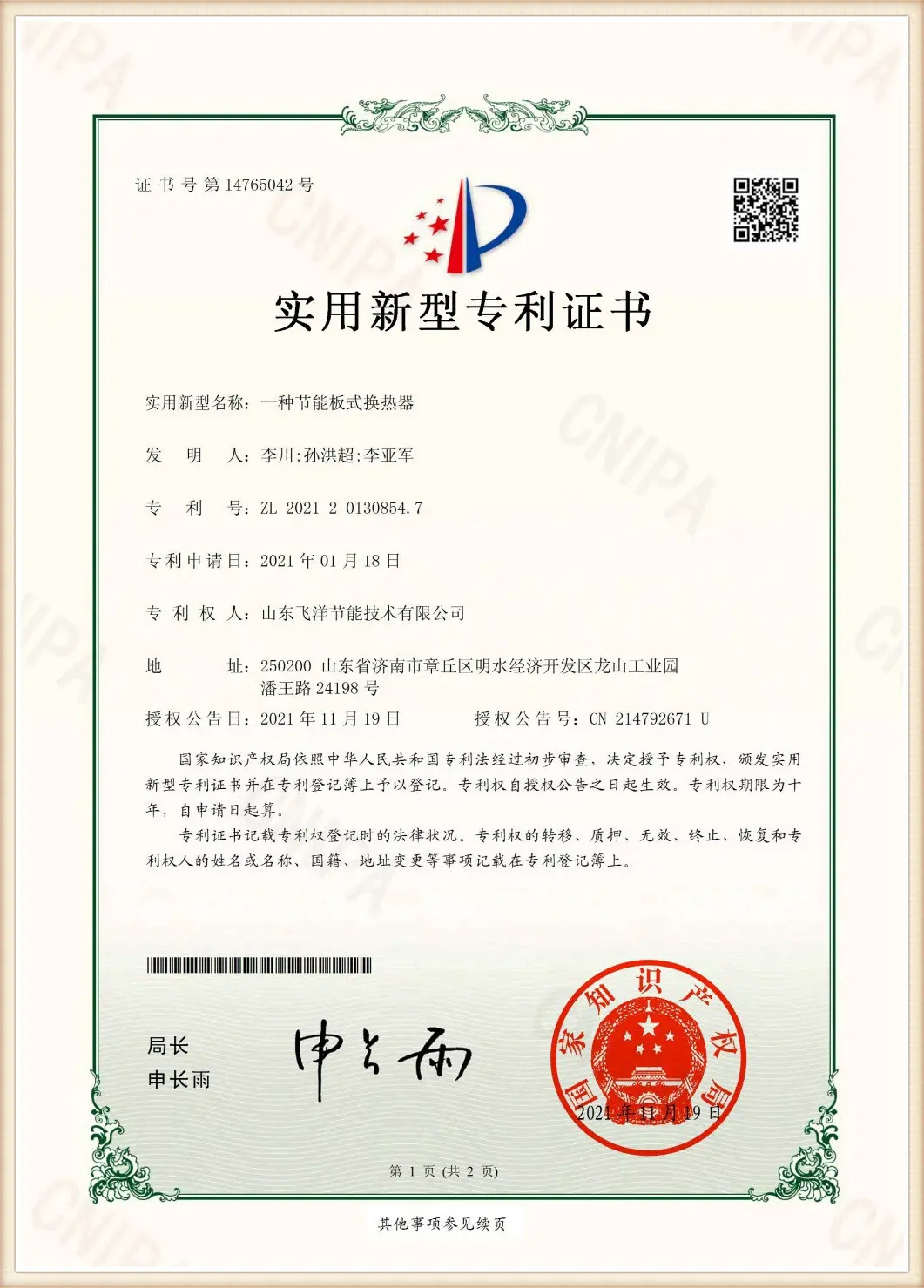
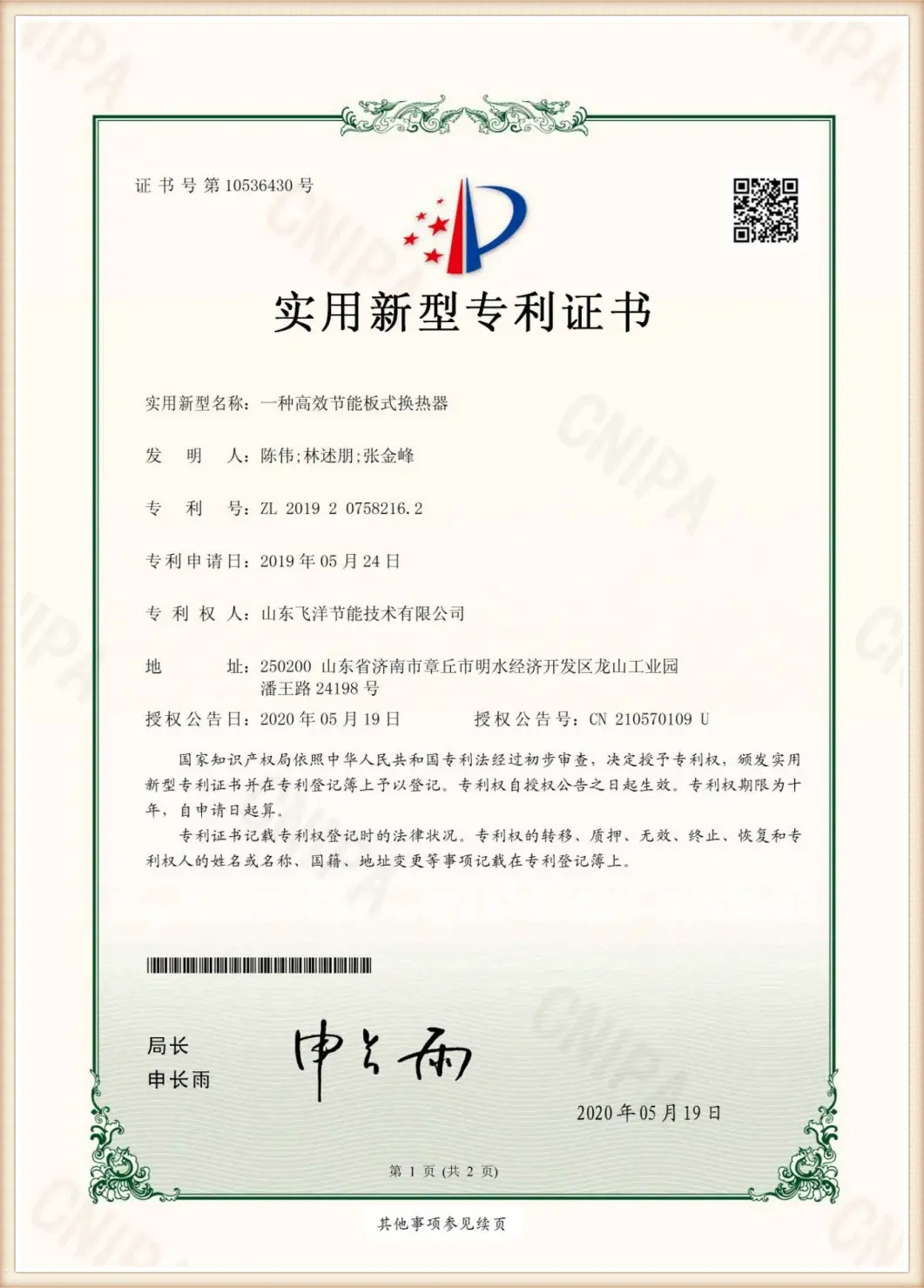
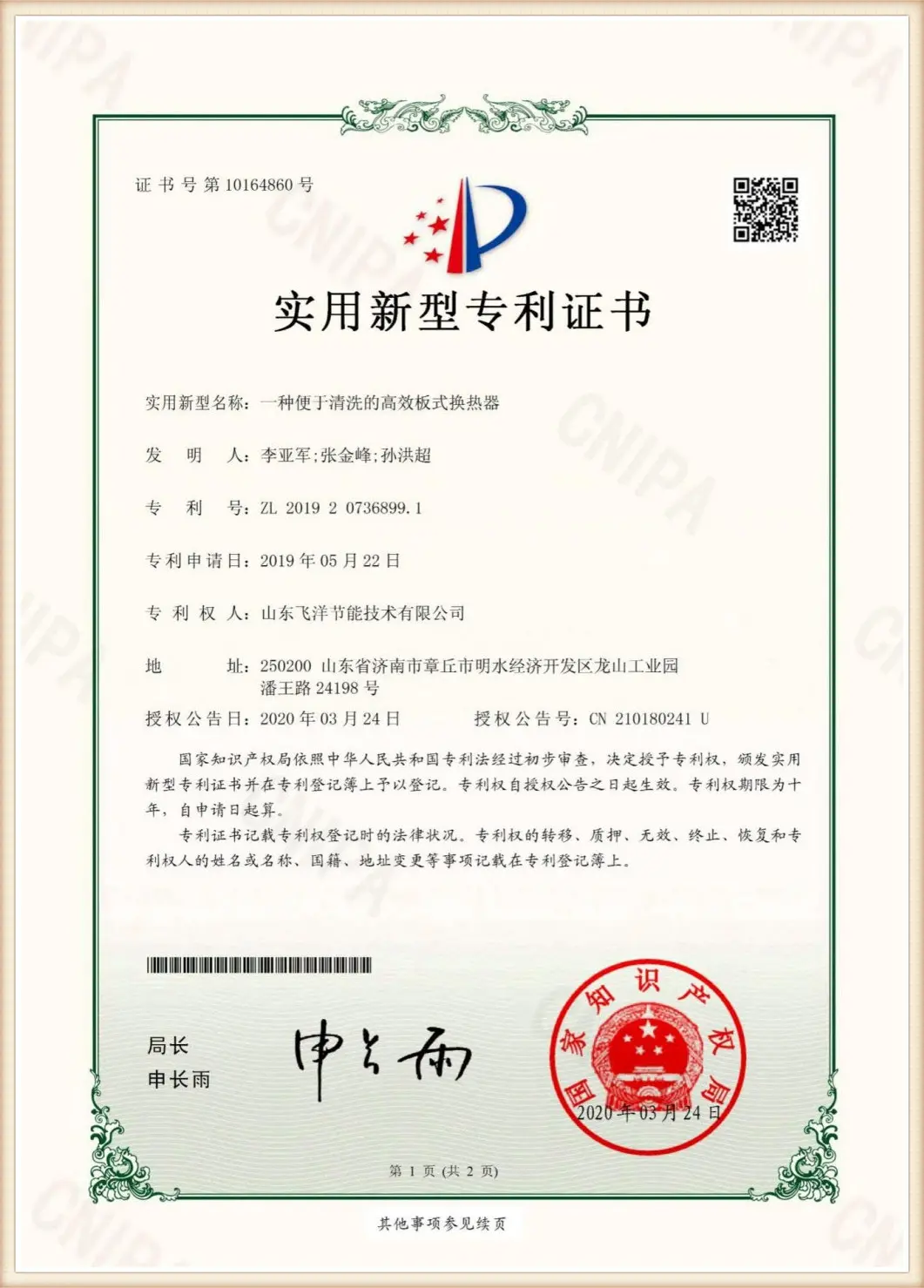
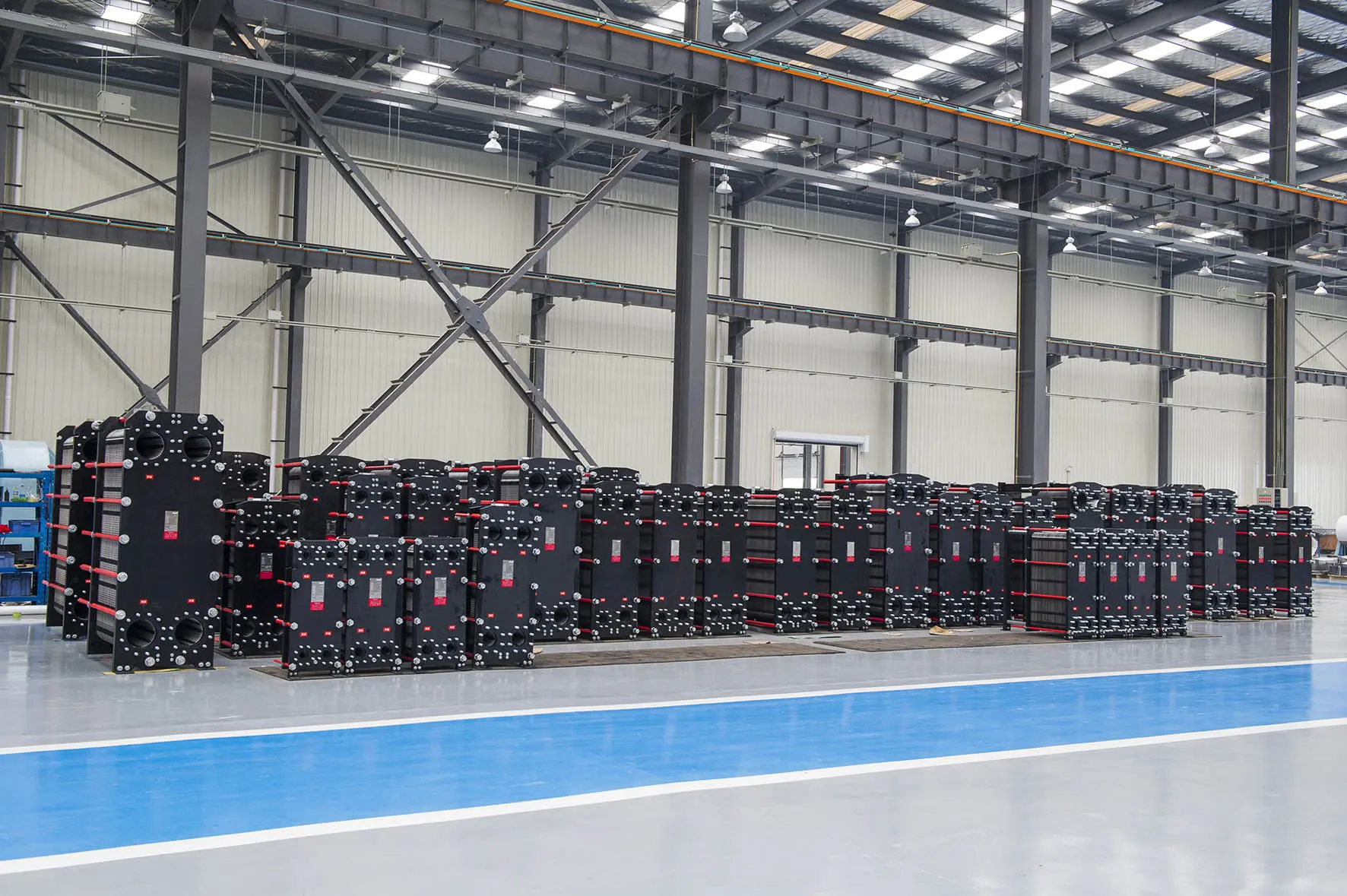
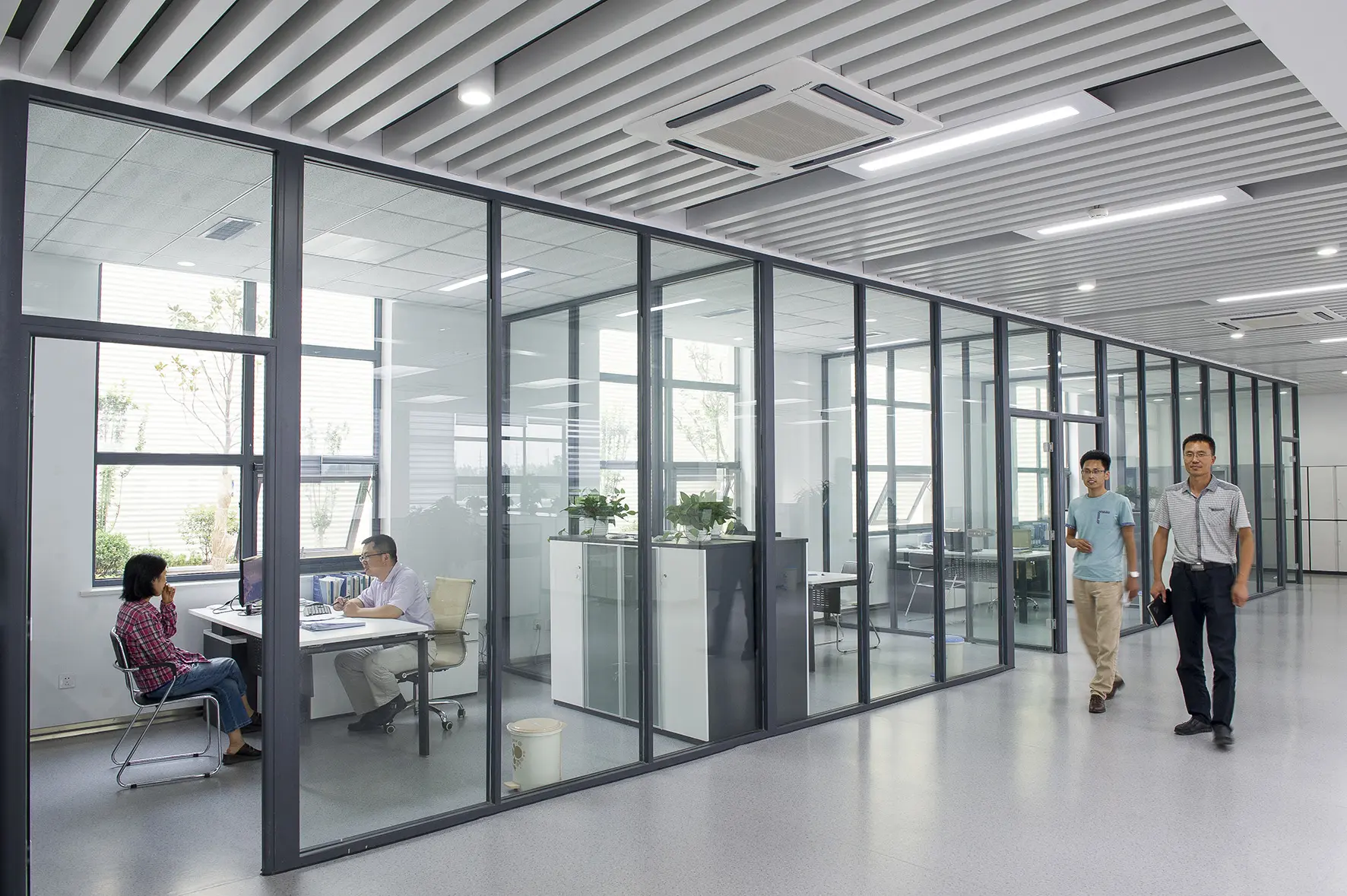
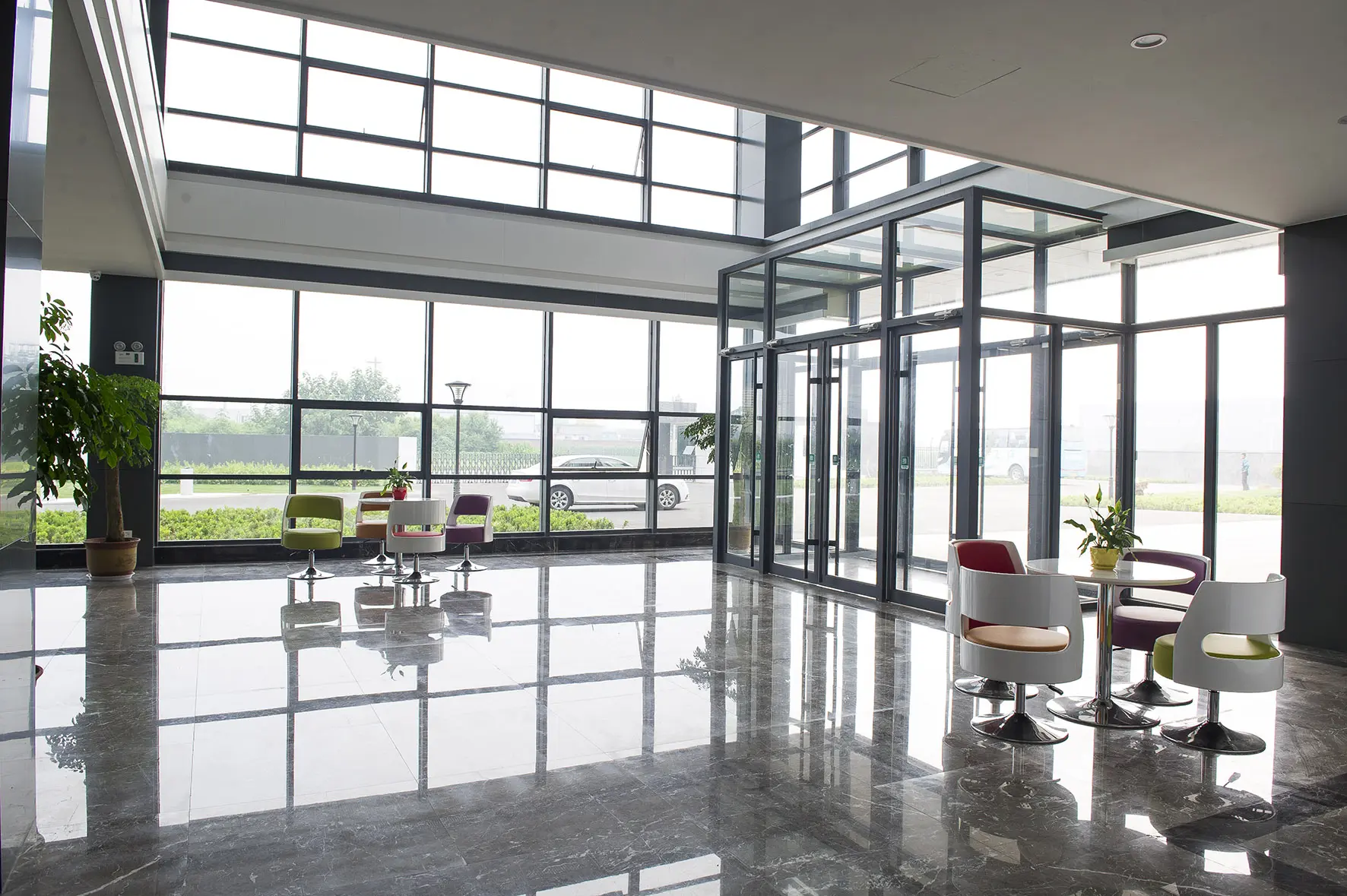
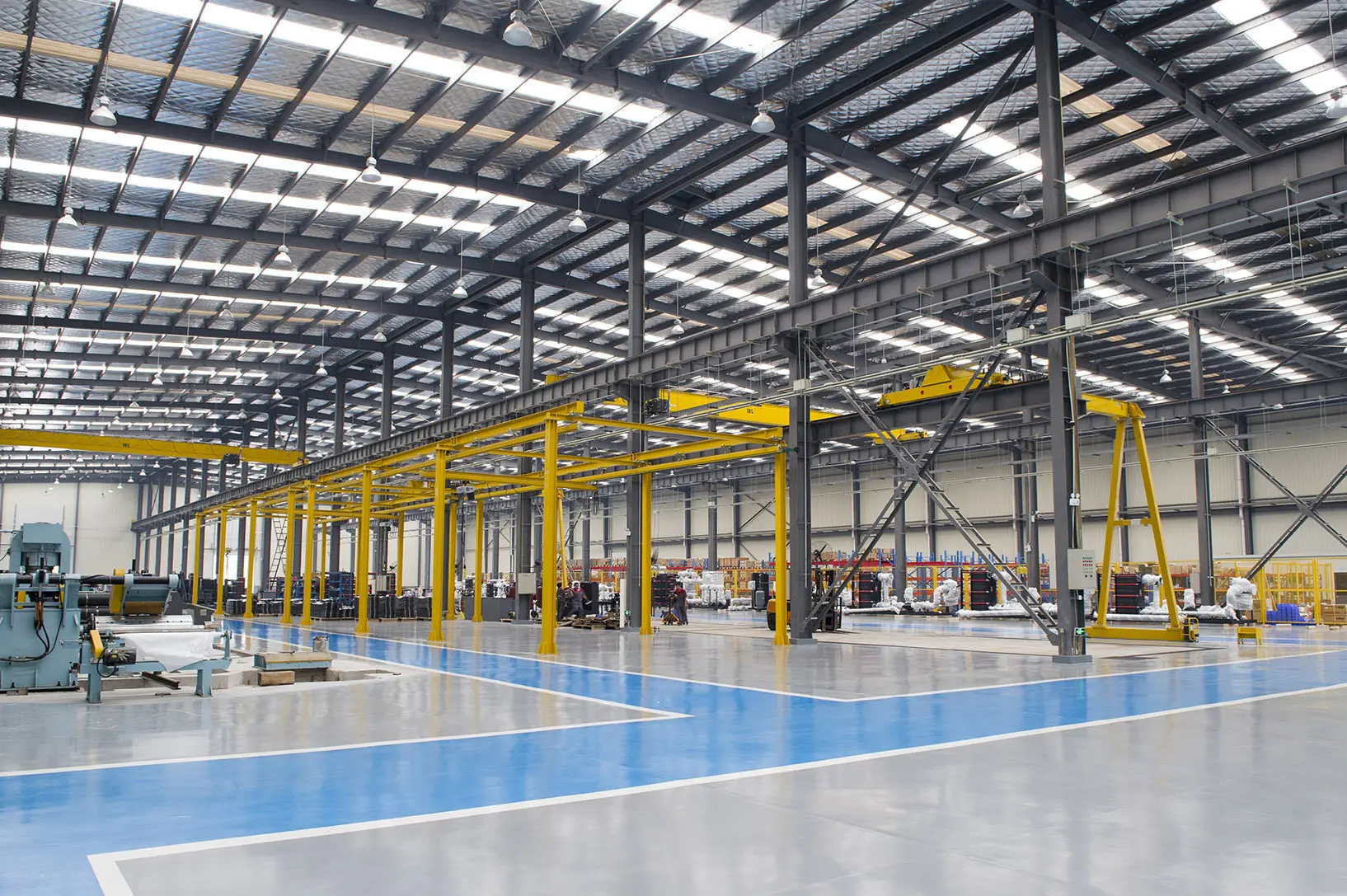
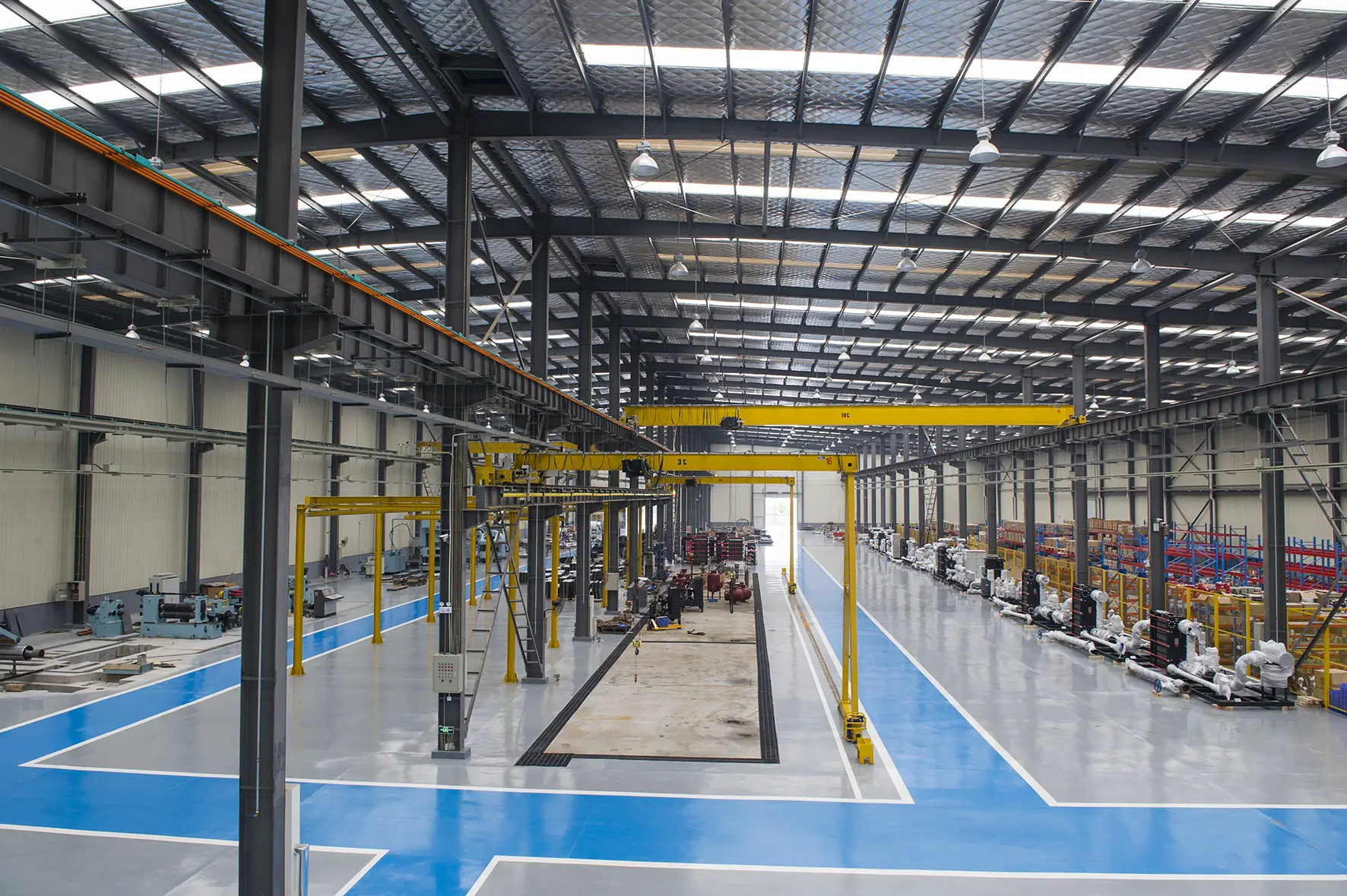
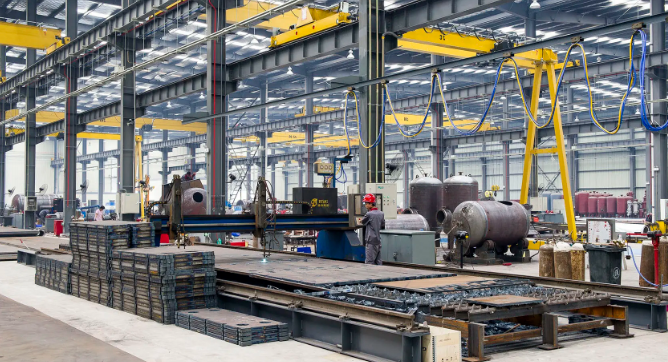
Flotte's fabrication facility has an annual capacity of 4,500 integrated heat exchange units and water treatment systems. The facility is equipped with automated raw material cutting, heavy mechanical stamping presses, micro-forging units, and pressure test bays.
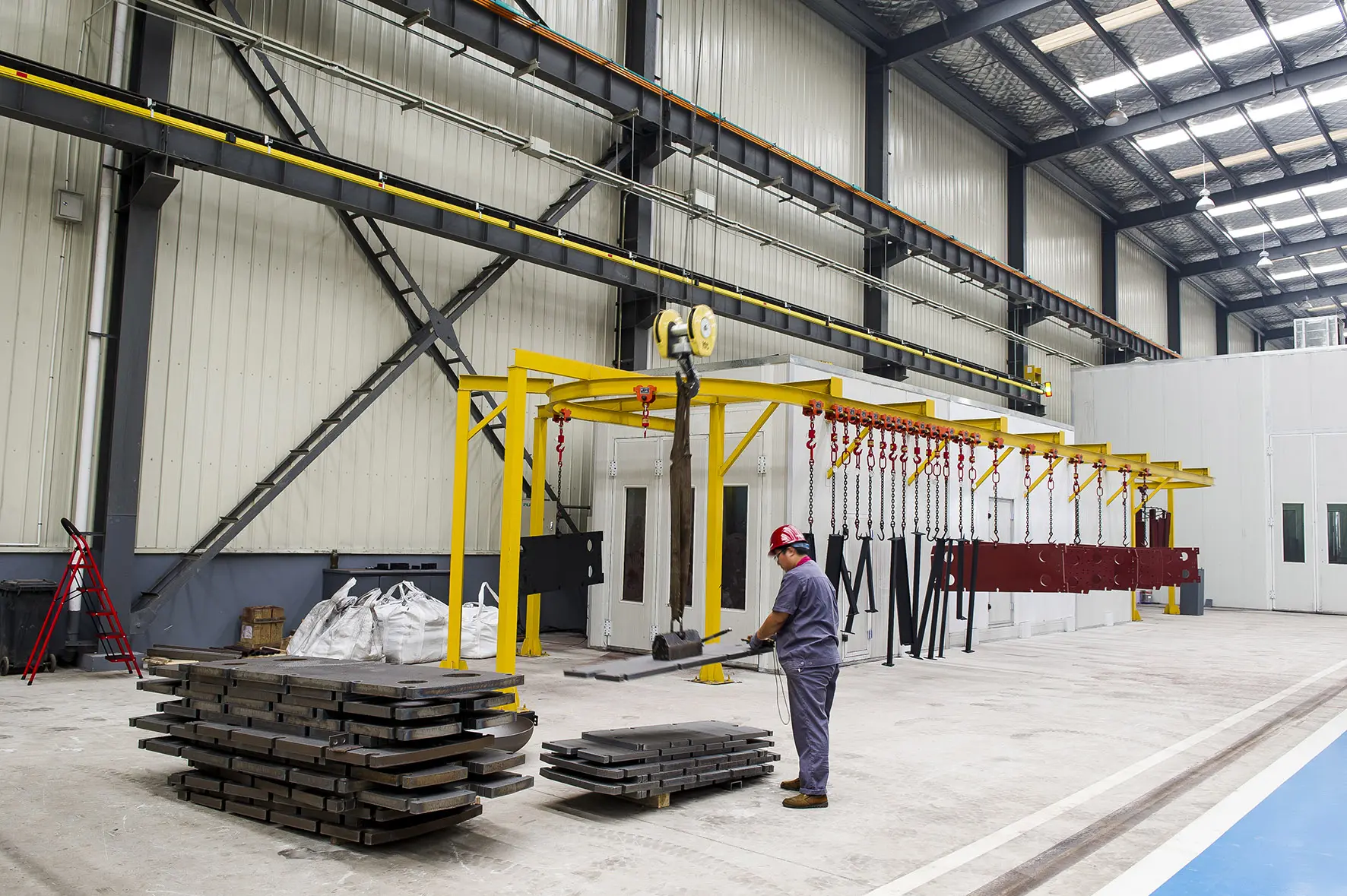
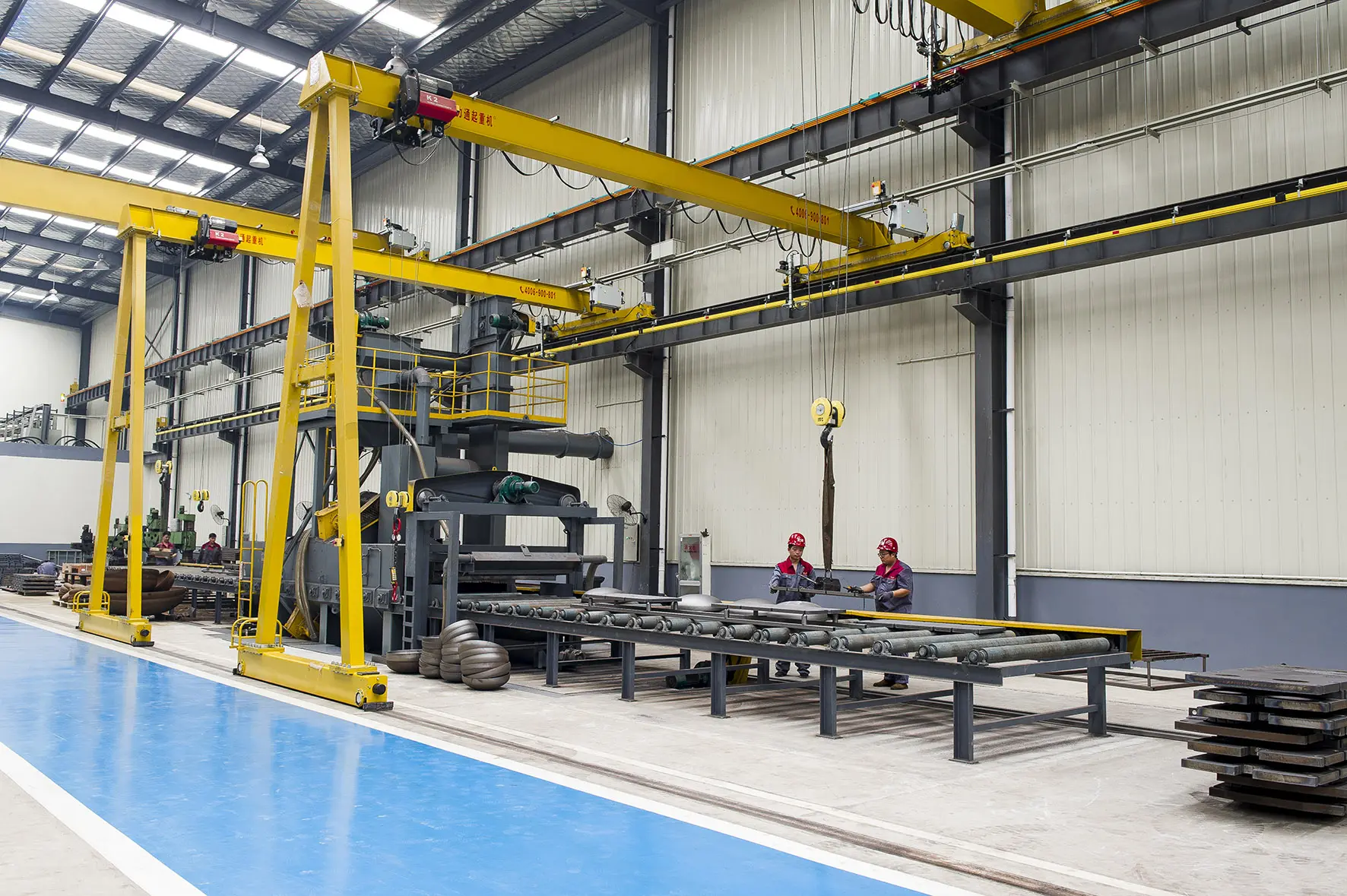
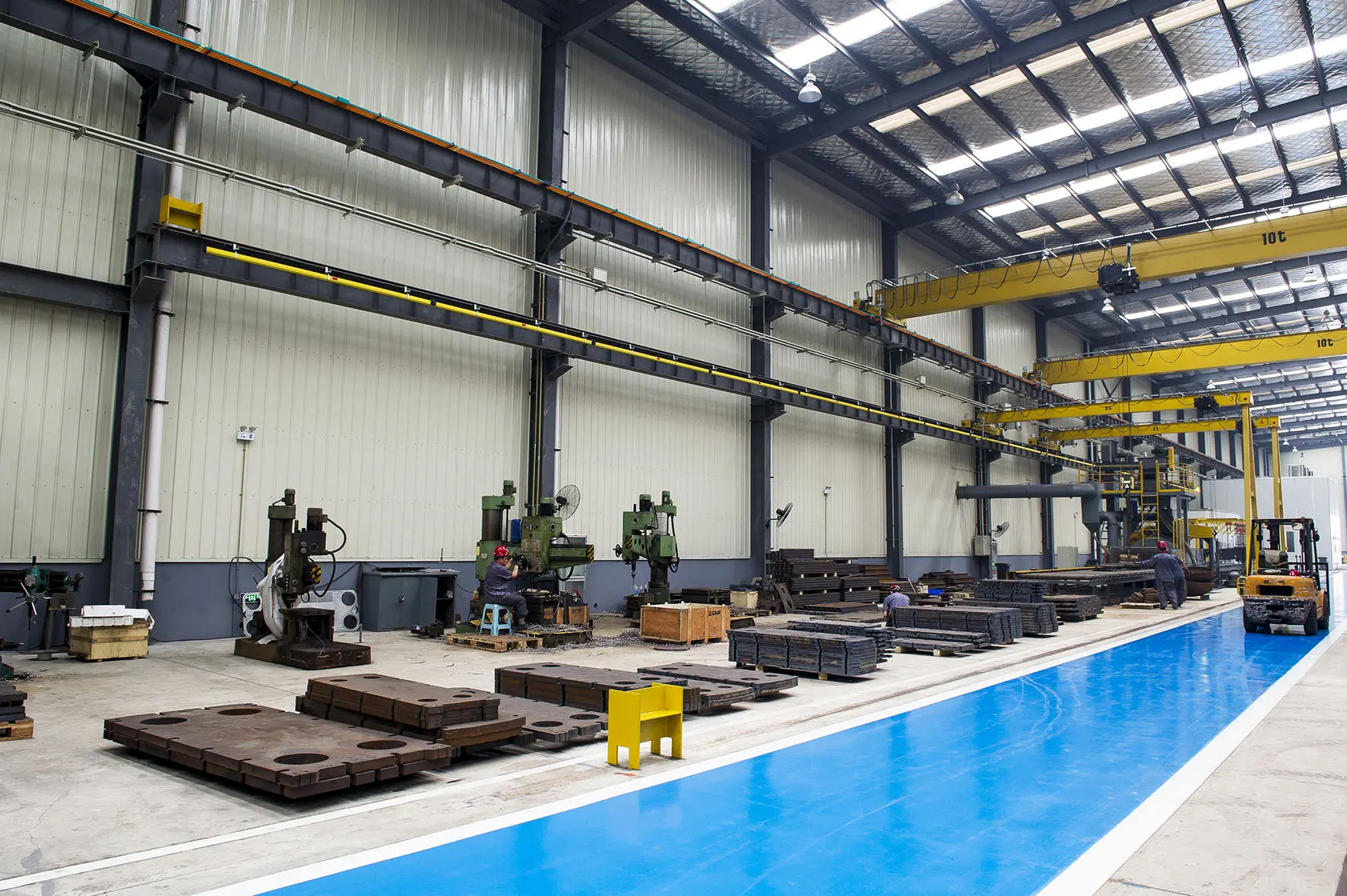
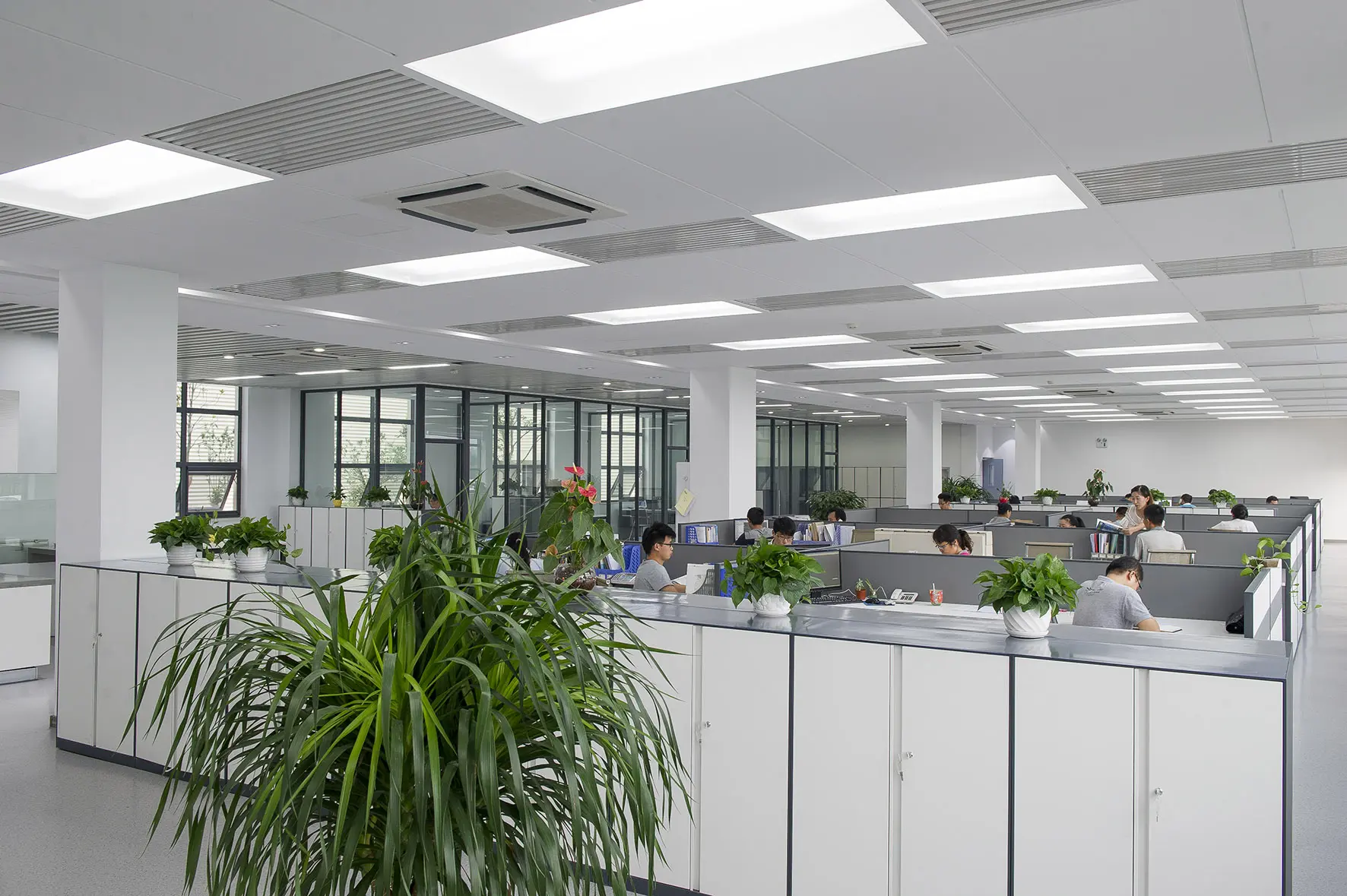
Operating an industrial wastewater system requires close compliance with regional discharge standards and environmental permits. Flotte provides custom engineering designs that tailor wastewater configurations to local regulatory requirements.
Whether meeting EPA guidelines in North America, conforming to REACH / CE directives in Europe, or complying with regional environmental mandates in the Middle East, our technical teams adjust system parameters to meet these benchmarks.
Our global support network assists procurement partners with site layout designs, fluid piping schematics, structural foundation analysis, and remote monitoring integration. Flotte also maintains a dedicated technical helpline to assist plant managers with scheduled maintenance, part replacement, and system tuning.
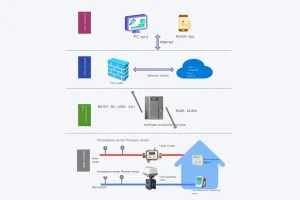
As industrial operations shift toward smart manufacturing, wastewater processing is incorporating digital management tools. Flotte is developing intelligent IoT integration, sensor systems, and real-time diagnostic software to optimize system performance.
Our technology development program focuses on three main engineering initiatives:
Addressing critical engineering questions on local wastewater treatment, thermal design, and system integration.
Membrane concentration systems (such as reverse osmosis or nanofiltration) mechanically remove the bulk of the water volume before the effluent reaches the evaporative thermal stage. Because mechanical separation requires significantly less energy per liter of water removed than phase-change evaporation, pre-concentration reduces the thermal load on downstream evaporators, lowering overall energy usage.
For water with high chloride levels, standard stainless steel (such as 304 or 316) can suffer from pitting and stress corrosion cracking. We recommend using Grade 1 or Grade 2 Titanium, or Duplex Stainless Steel 2205/2507. These metals form a stable oxide layer that resists chloride corrosion, extending the system's operational lifespan.
We use high-turbulence chevron patterns pressed into the heat transfer plates to induce shear stress and clean the surfaces during operation. Additionally, our system designs support clean-in-place (CIP) cycles, allowing chemical washes to flush the plates without needing to disassemble the entire heat exchanger frame.
In plants with multiple treatment lines, changes in flow rate can cause pressure imbalances. Intelligent balance valves monitor upstream and downstream pressure in real time, adjusting their apertures to maintain balanced flow rates across all active lines. This ensures uniform treatment times and prevents overloaded filtration membranes.
Yes. Our products are manufactured to meet regional pressure vessel standards. They carry certifications from the National Standardization Committee and have passed safety registration with the National Boiler and Pressure Vessel Standardization Technical Committee. Each unit is pressure tested before shipment to verify mechanical and seals safety under load.
Advanced systems for high-concentration wastewater management and integrated municipal distribution loops.
 Flotte Energy