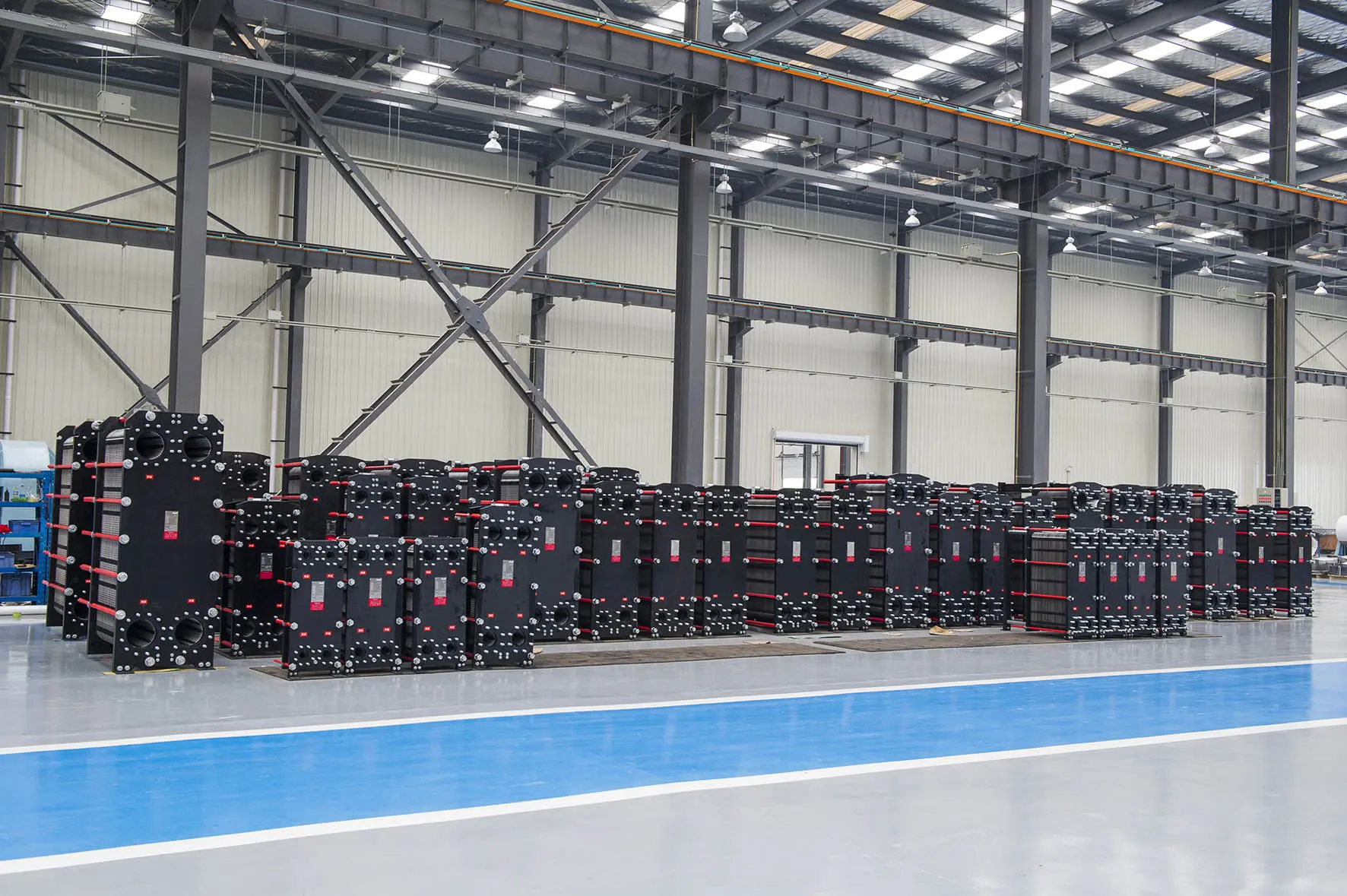
Flotte Energy Saving Company, established in 2013 with a registered capital of 101 million yuan, originated from Flotte Thermal Engineering founded in 1995. With three decades of technical expertise, the company specializes in water equipment, HVAC systems, and water treatment industries. It consistently leads industry peers in adopting cutting-edge technologies, developing innovative products, and delivering comprehensive production and sales services.
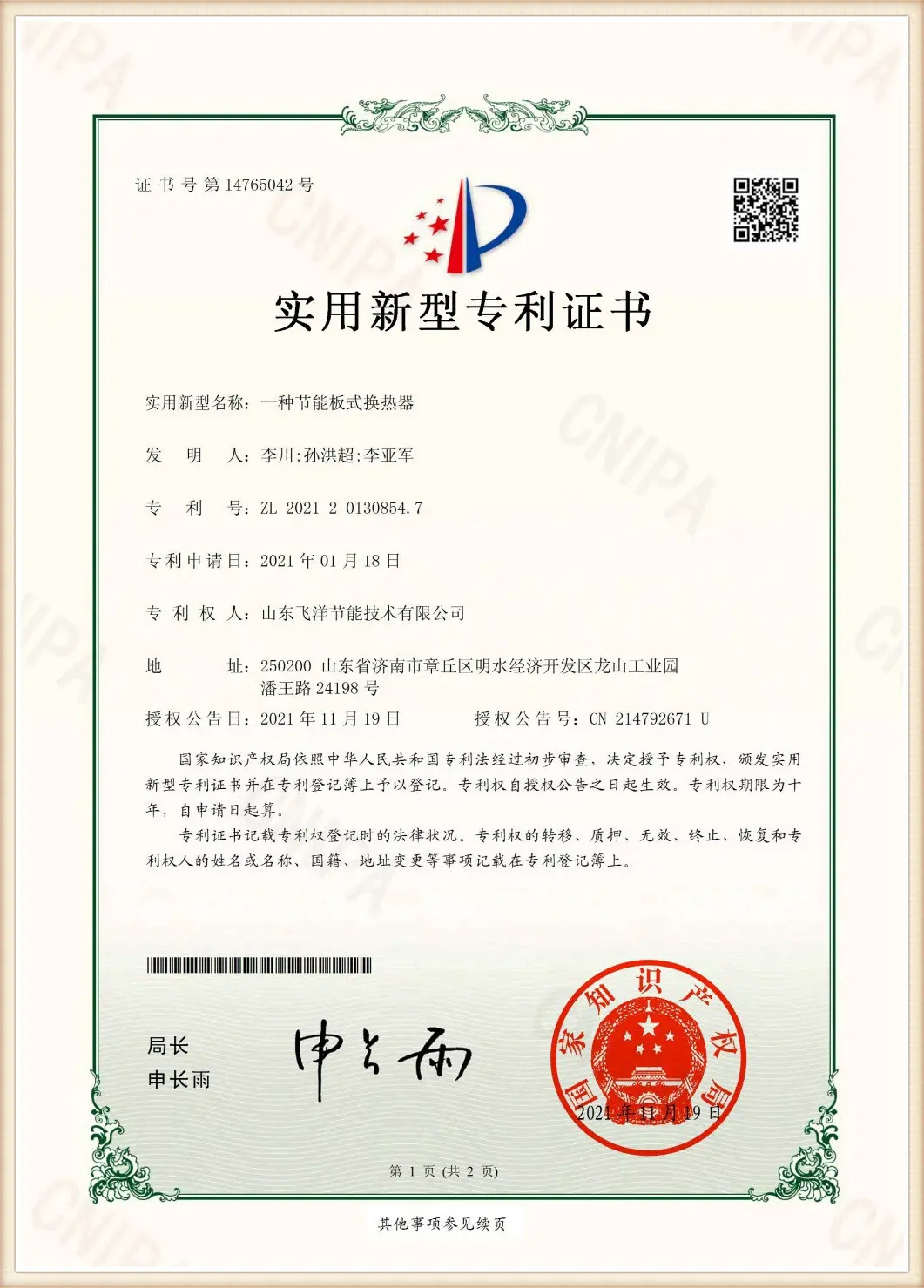
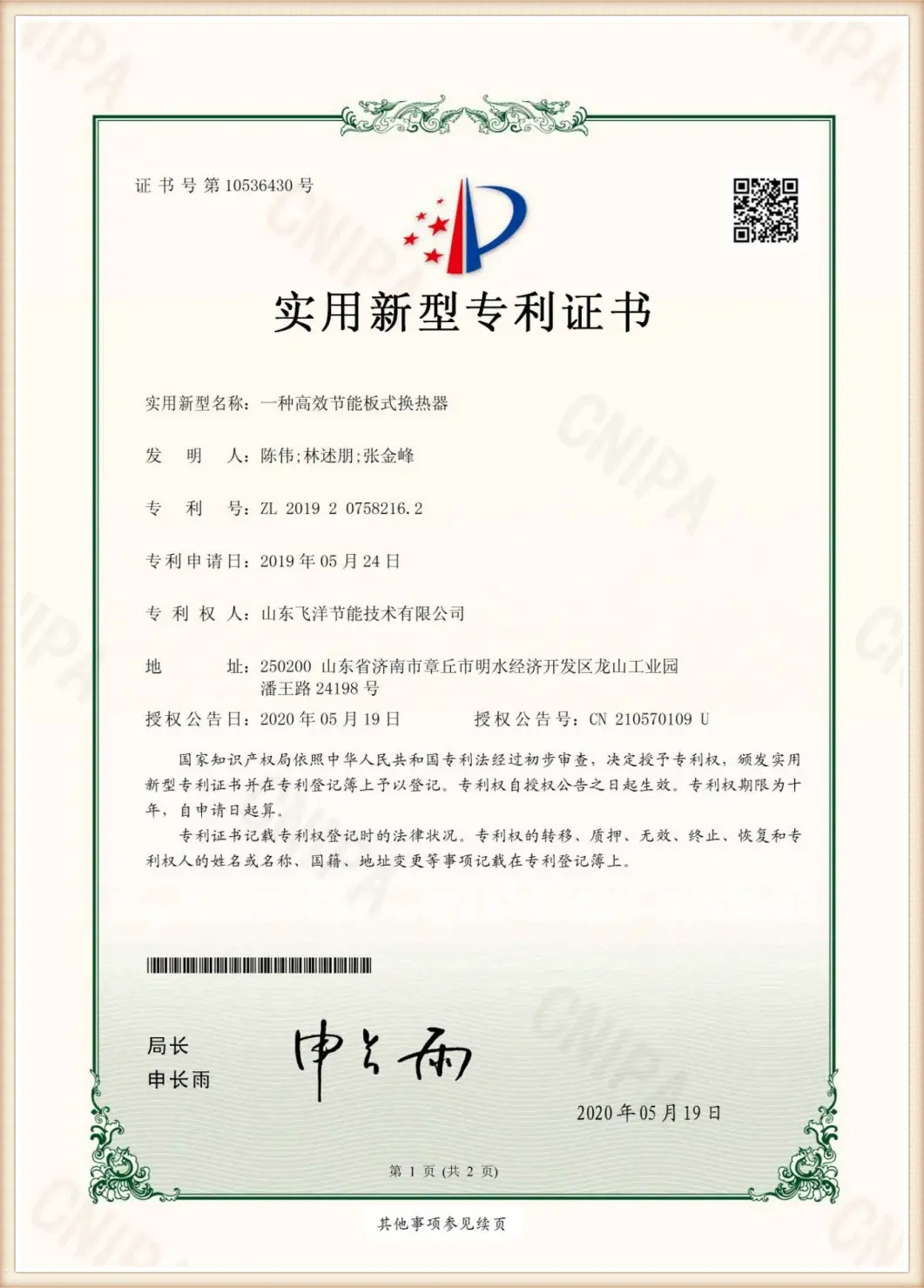
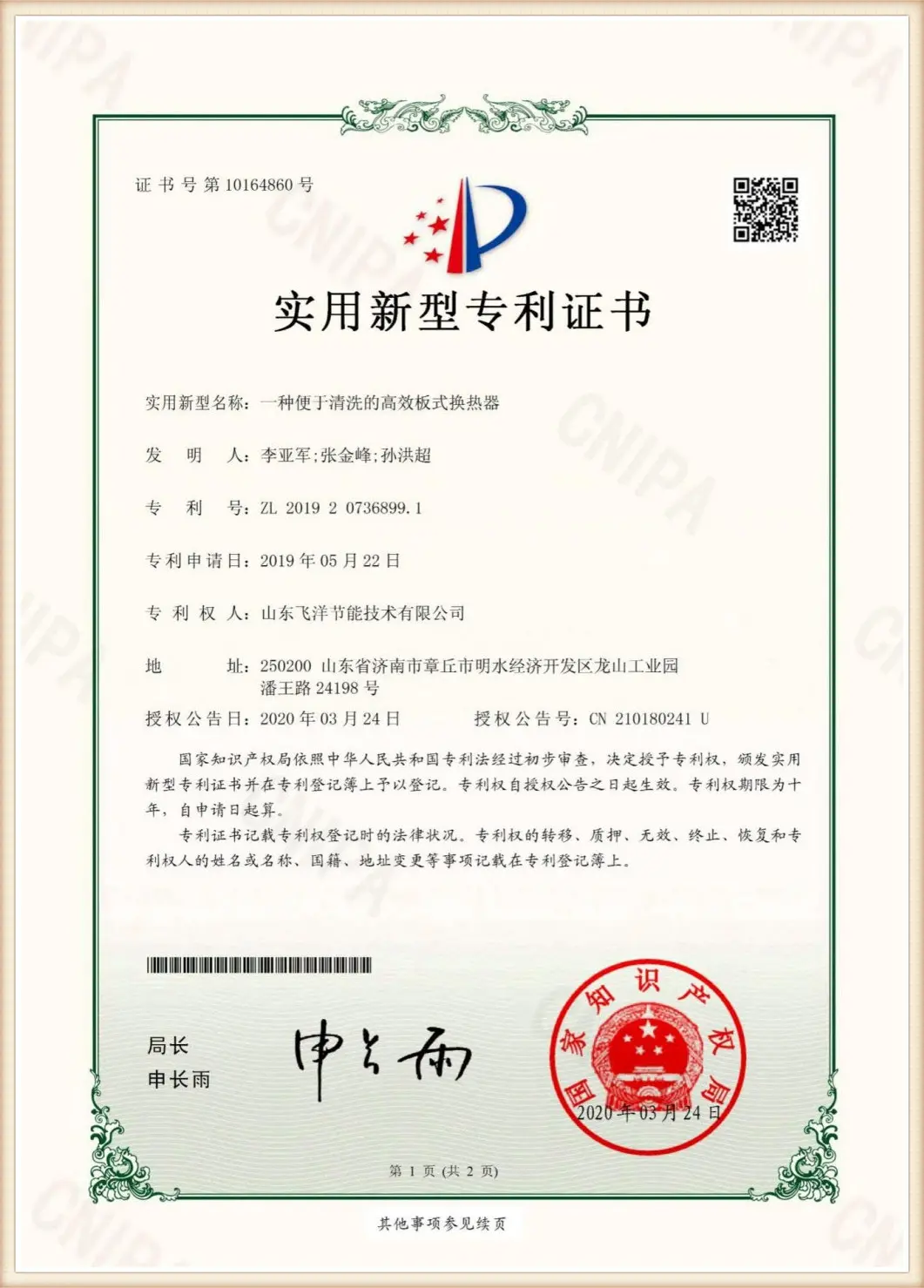
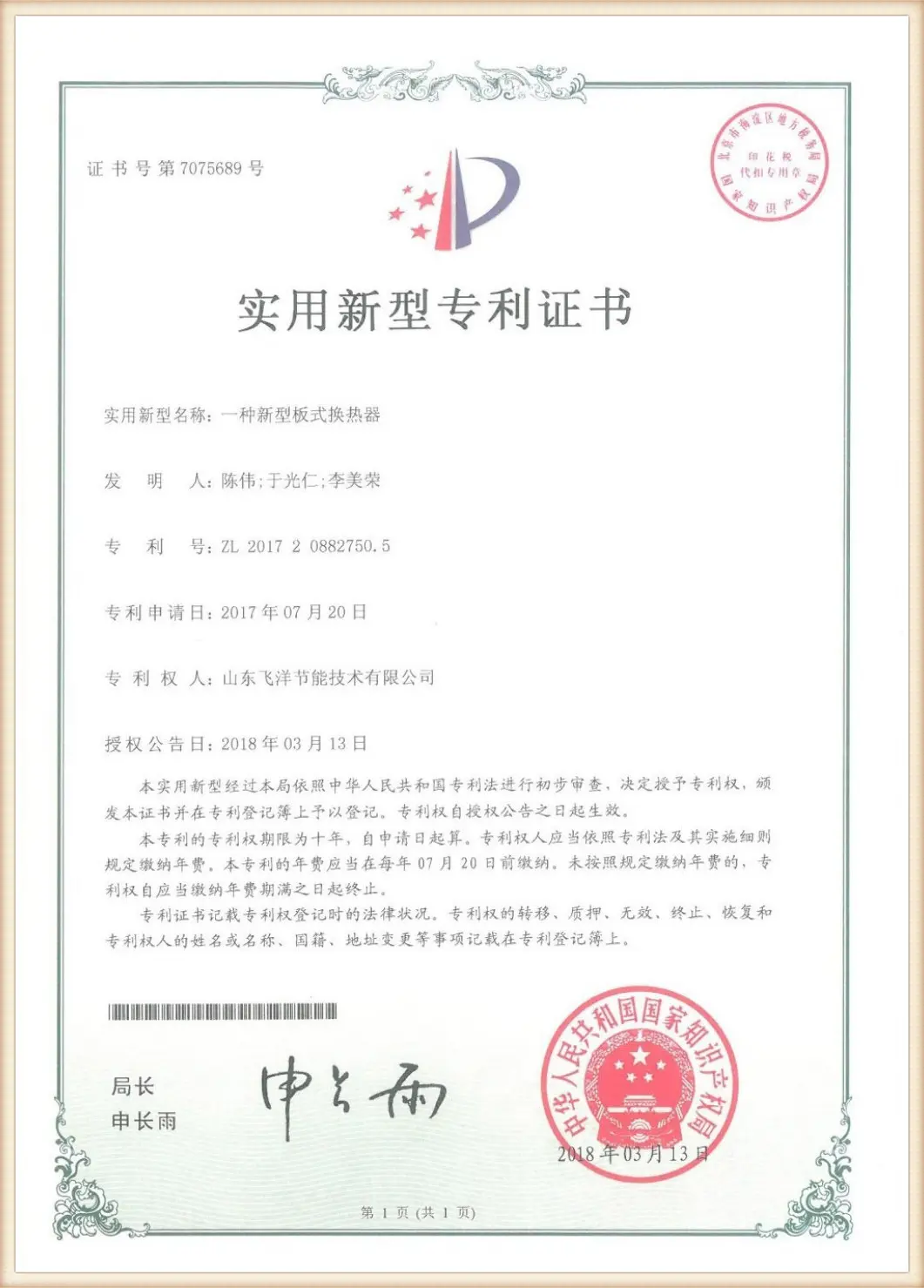
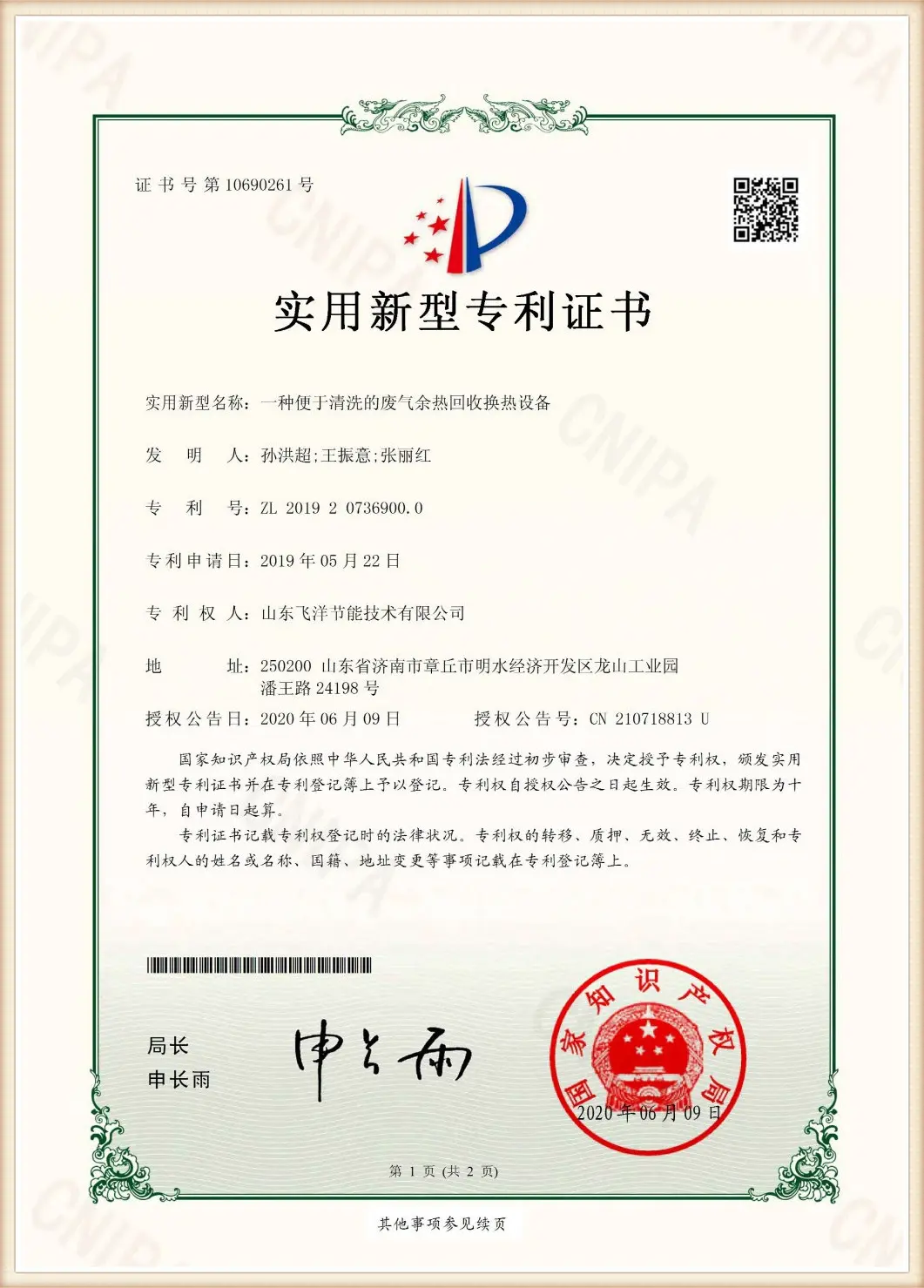
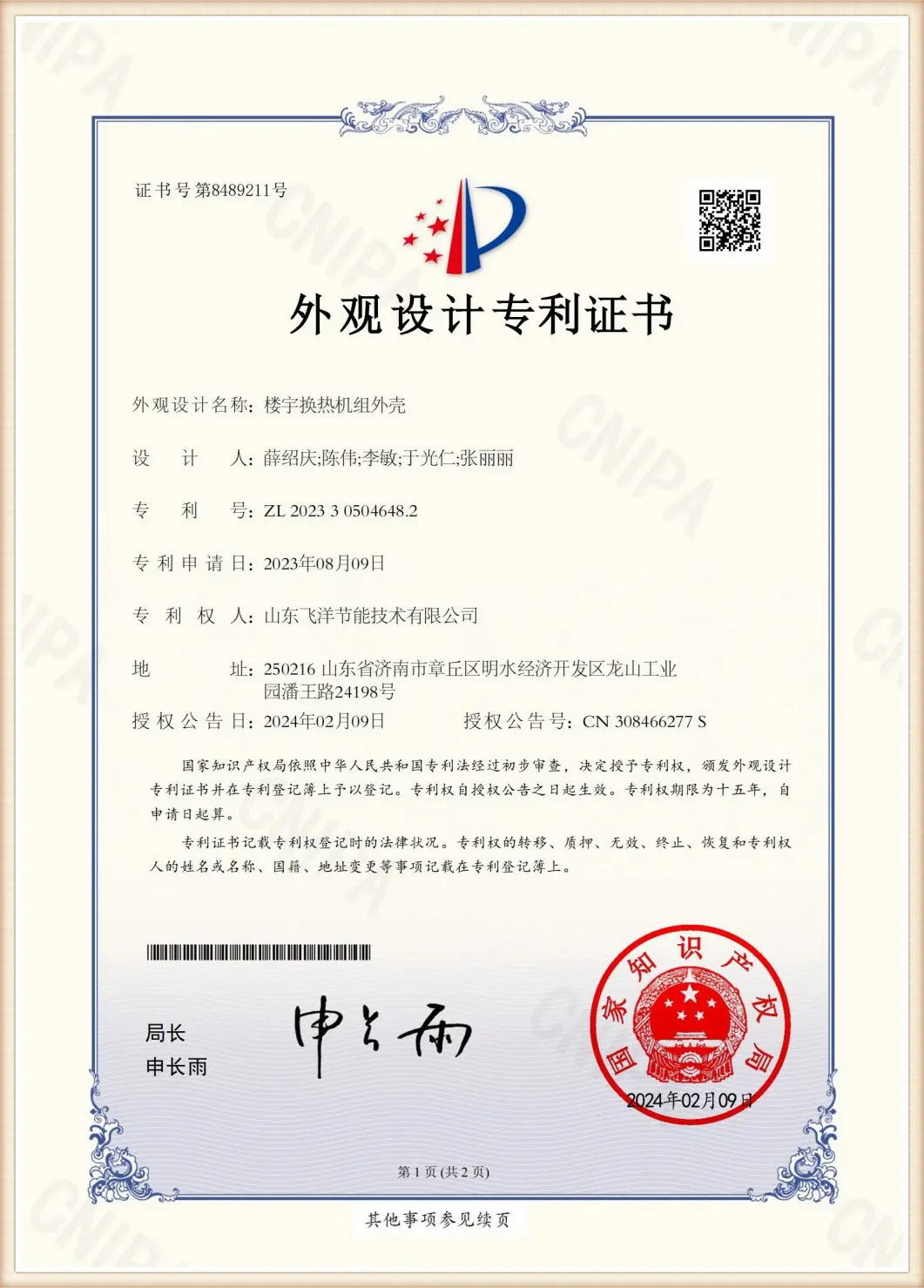
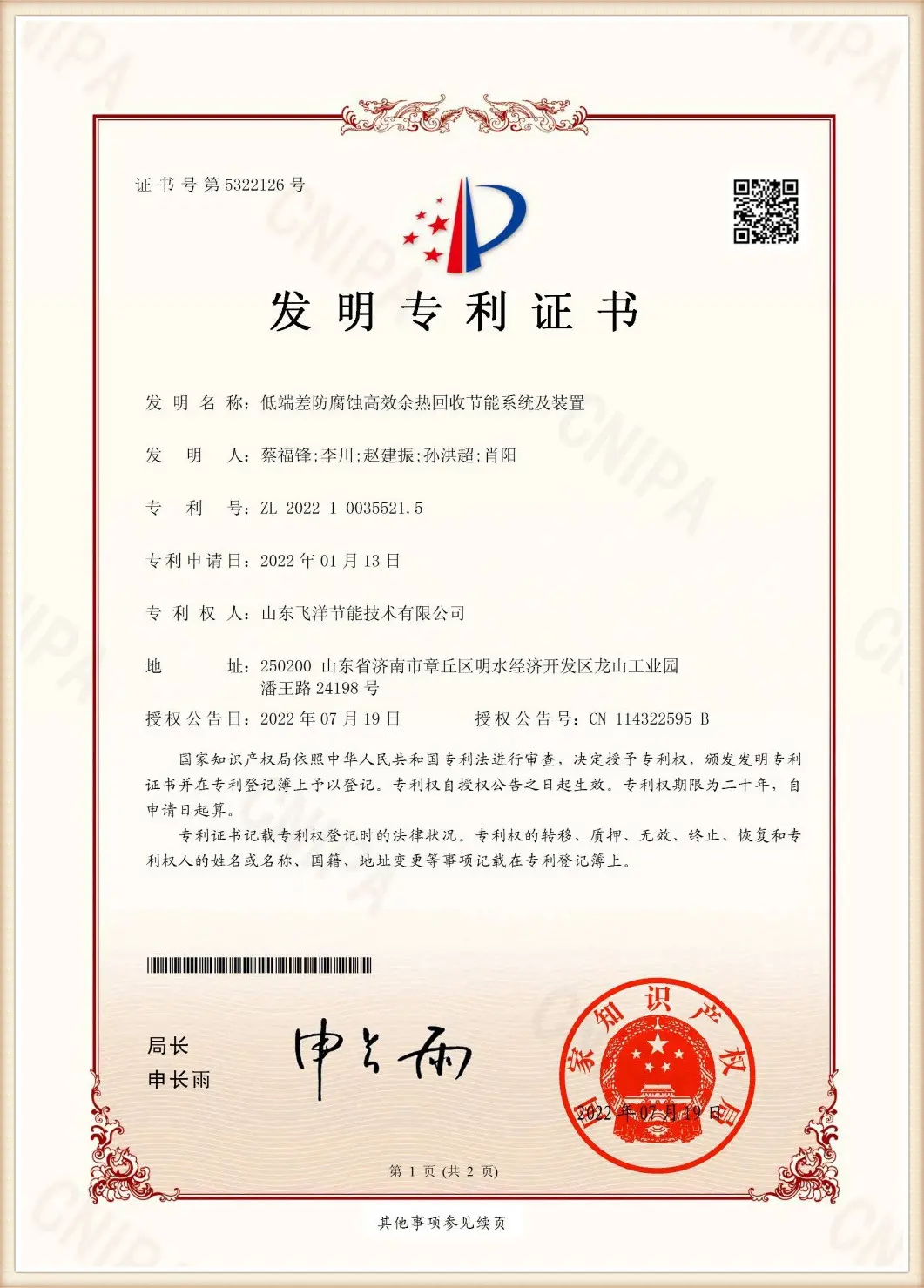
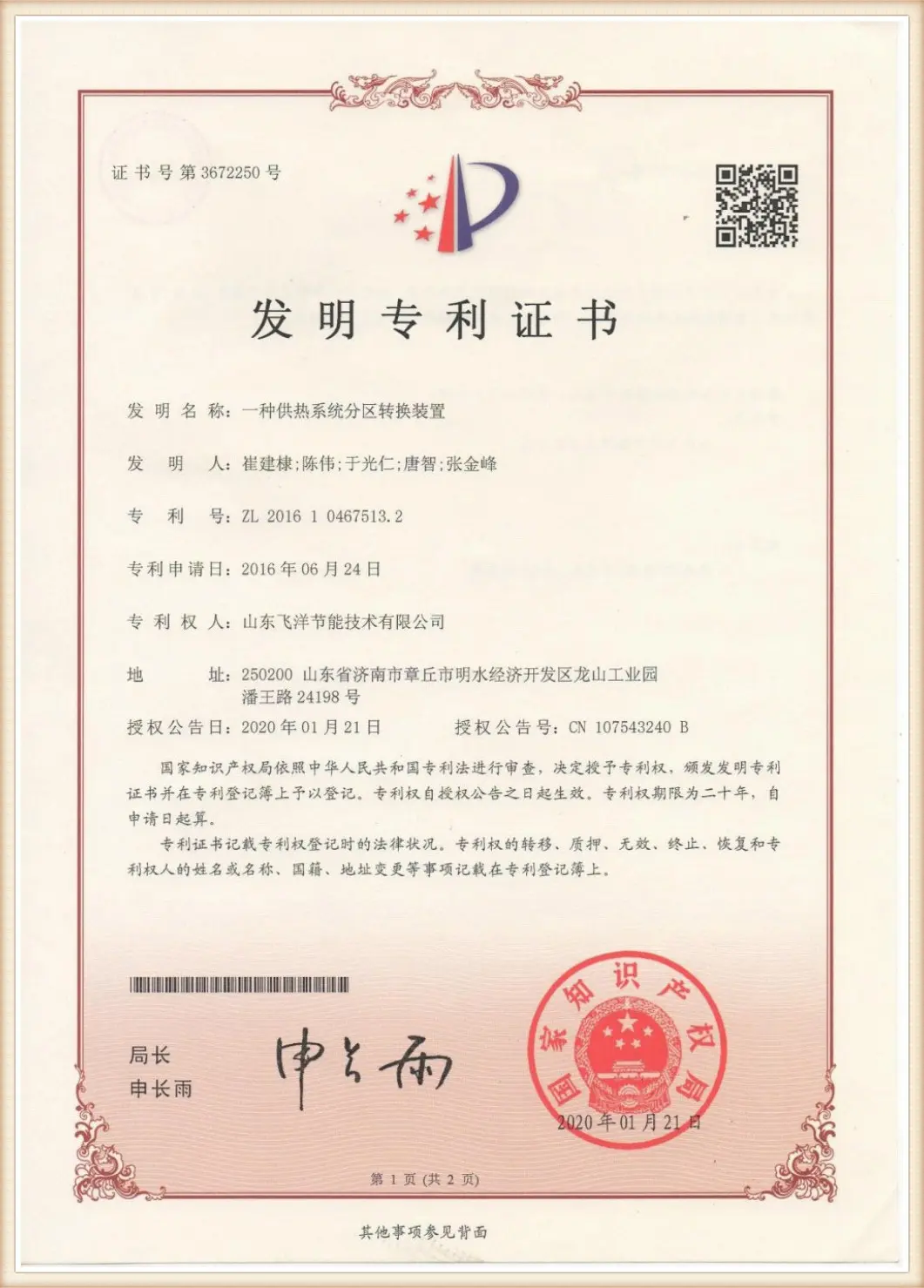
The company has been continuously advancing in production technology innovation, holding multiple patent certifications including "High-Efficiency Plate Heat Exchanger", "Intelligent Plate Heat Exchanger System", and "Plate Heat Exchanger Scale Removal Device". Its products have obtained mandatory national product certification and safety registration from the National Standardization Committee, along with the safety registration for plate heat exchangers issued by the National Boiler and Pressure Vessel Standardization Technical Committee.
By implementing stringent global standards, Flotte has achieved ISO9001 Quality Management System certification, ISO14001 Environmental Management System certification, and ISO45001 Occupational Health and Safety Management System certification, ensuring complete reliability, environmental compliance, and high operational safety in all heavy-duty applications.
In heavy industrial and marine applications, lube oil degradation presents a serious threat to rotating equipment, turbines, and engine systems. Centrifugal separation is the premier technology for separating solid impurities and immiscible liquids (like water) from lubricating oils. The process utilizes centrifugal force, generating thousands of G-forces to accelerate the sedimentation rate of particles of varying densities.
The purification rate is fundamentally defined by Stokes' Law, which dictates the settling velocity of particles in a fluid medium:
Where v is the settling velocity, d is the particle diameter, ρp - ρf is the density difference between the contaminant and the oil, ω²r represents the centrifugal acceleration (G-Force), and μ is the dynamic viscosity of the oil.
As dynamic viscosity (μ) resides in the denominator of Stokes' Law, reducing dynamic viscosity directly proportionalizes an increase in settling velocity. The most effective way to decrease dynamic viscosity without compromising the oil's chemical structure is precise thermal conditioning.
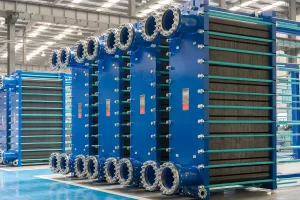
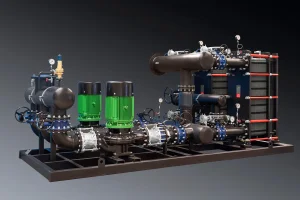
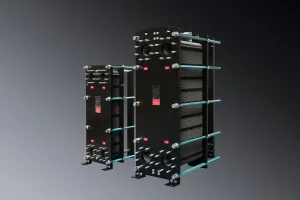
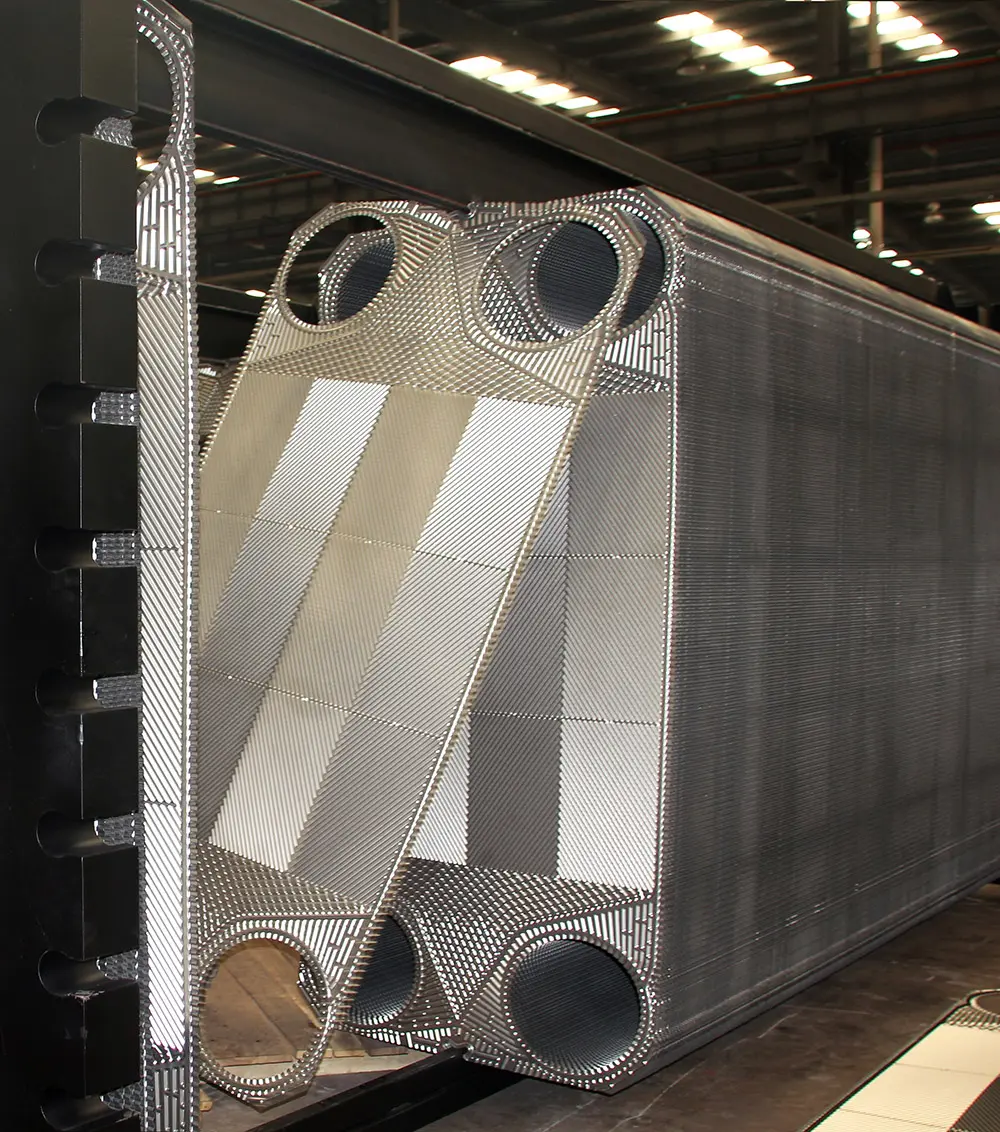
This is where Flotte's Plate Heat Exchanger systems become essential. By pre-heating heavy lubricating oil to 80-95°C before it enters the centrifuge bowl, the viscosity is reduced exponentially. Our patented corrugated plates generate high turbulence even at low flow rates, securing optimal thermal transfer and preventing localized overheating or oil cracking.
Steam turbines and hydroelectric generators require pristine turbine oil (typically ISO VG 32 or 46) to prevent bearing failure. Turbine oil is highly susceptible to water contamination via steam leakage. An integrated centrifuge system pre-conditioned with Flotte plate heat exchangers efficiently isolates free and emulsified water, maintaining turbine oil moisture levels below 100 ppm.
Ocean-going vessels operating on heavy fuel oil (HFO) rely on disc-stack centrifuges to remove catalyst fines (aluminosilicate particles) and water from lube oil. Compact, vibration-resistant thermal pre-heaters and self-cleaning centrifuge units are mandatory for offshore operations where reliability prevents catastrophic mid-ocean engine seizures.
In corrosive environments where organic solvents and process liquids mix with lubricants, chemical resistance is vital. Customized centrifuge assemblies utilize stainless steel (SS316L) or titanium plates to prevent erosion. The integration of explosion-proof control systems (ATEX certified) ensures safety in hazardous chemical vapors.
Choosing a China-based wholesale lube oil centrifuge and thermal component supplier offers distinct structural advantages for global distributors and OEMs. Flotte's integrated production system bridges raw material processing with high-precision fabrication.
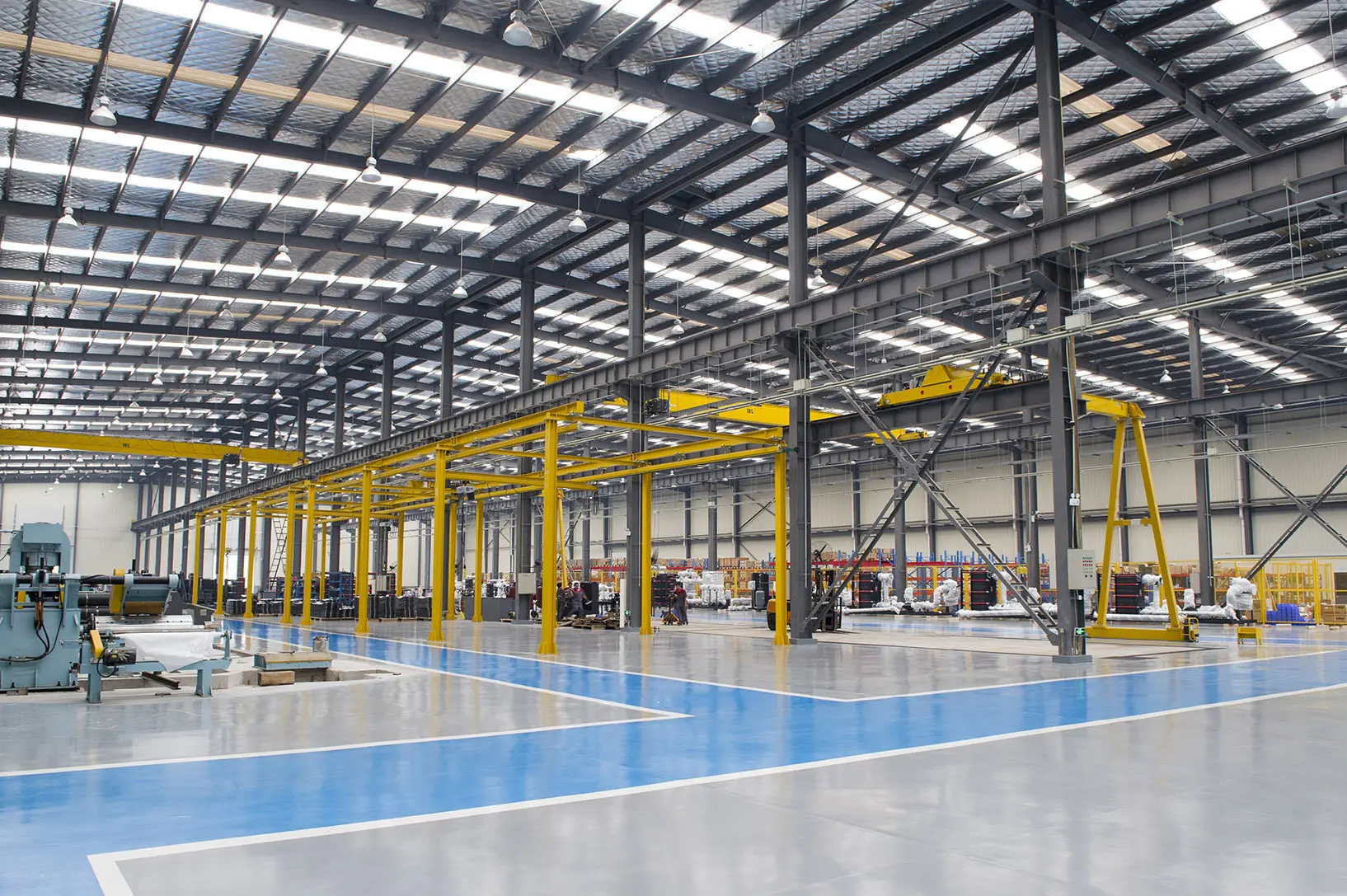
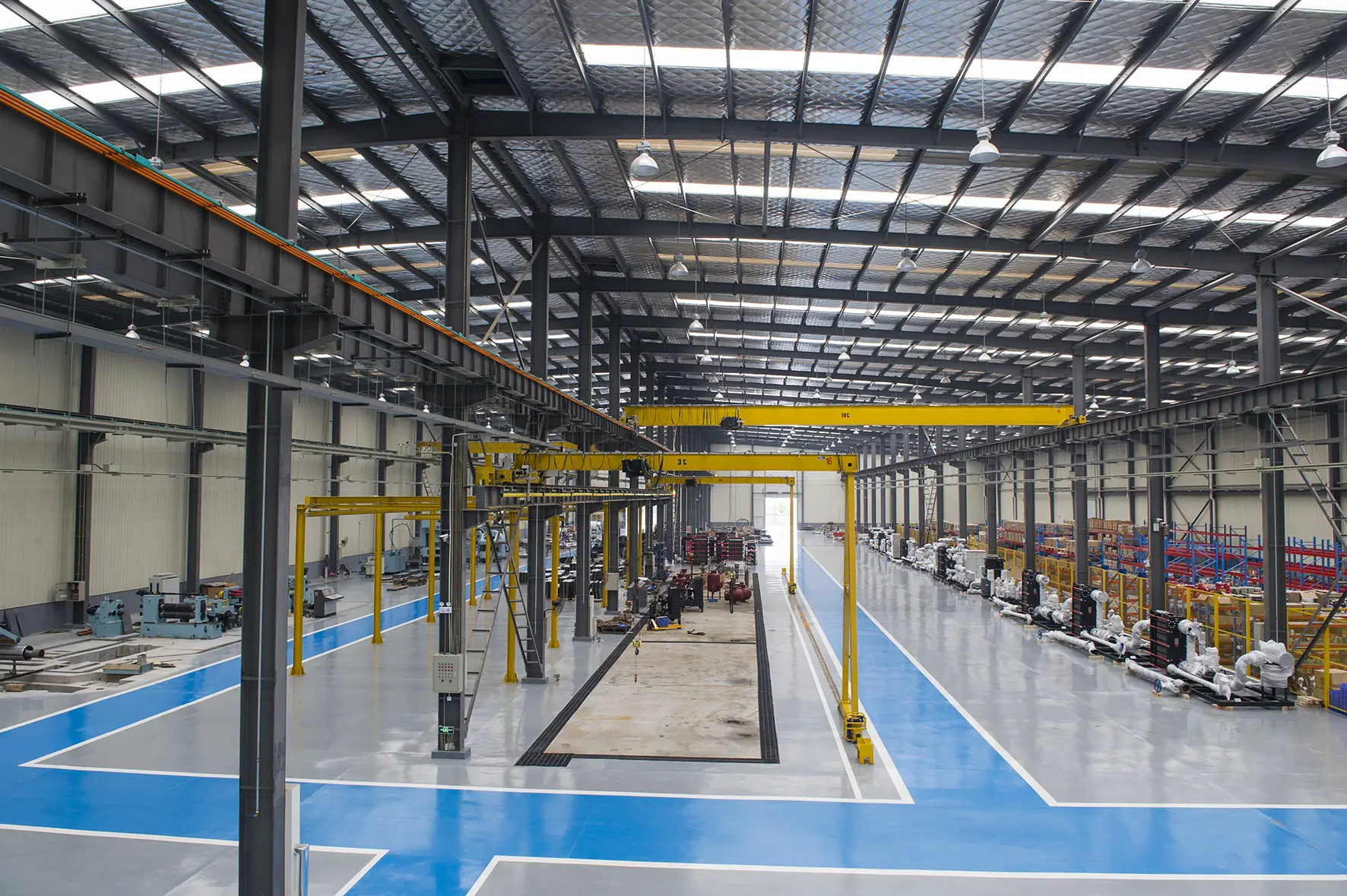
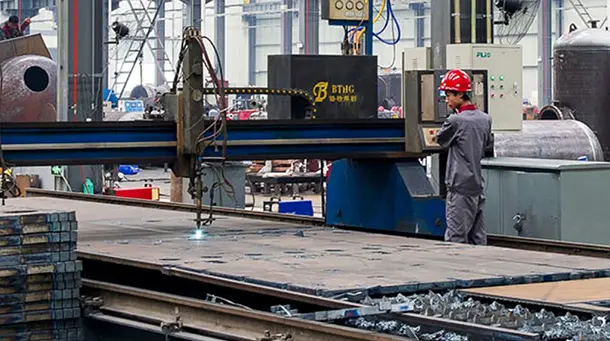
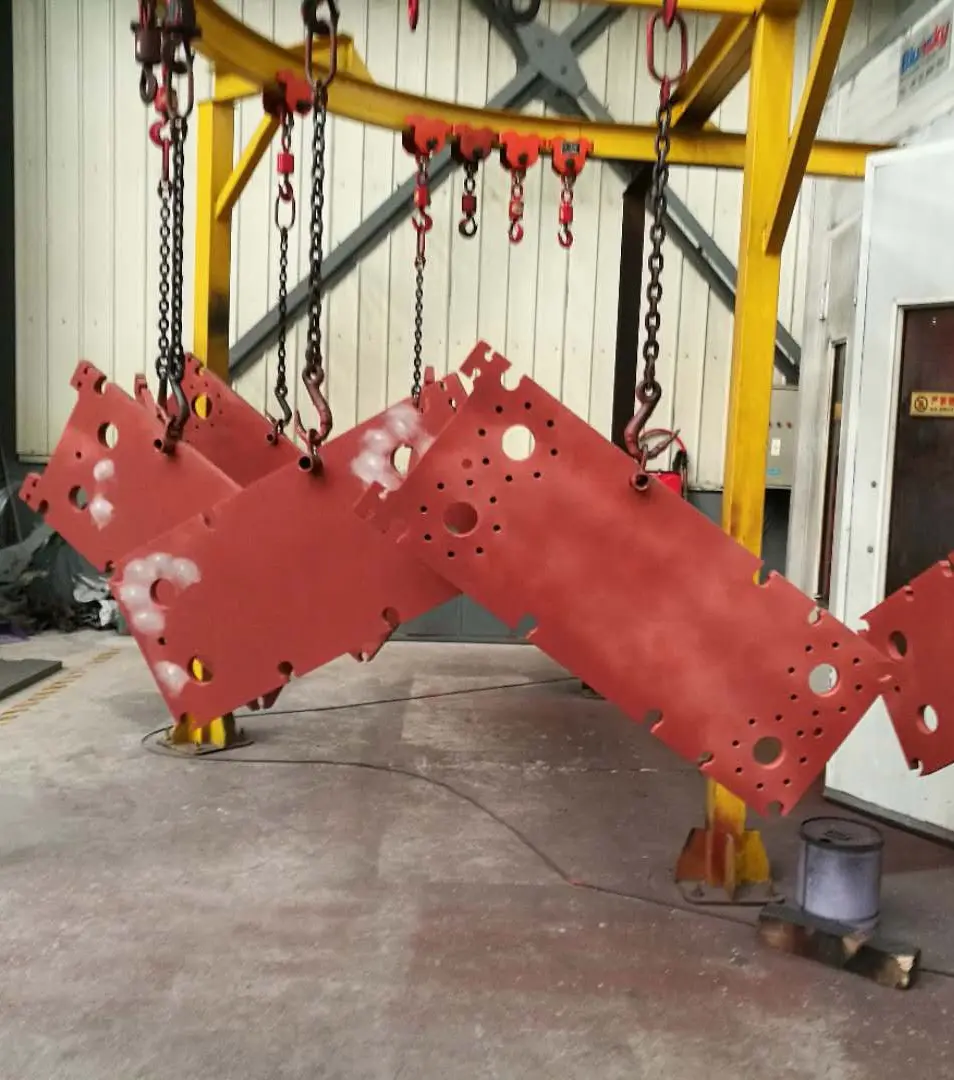
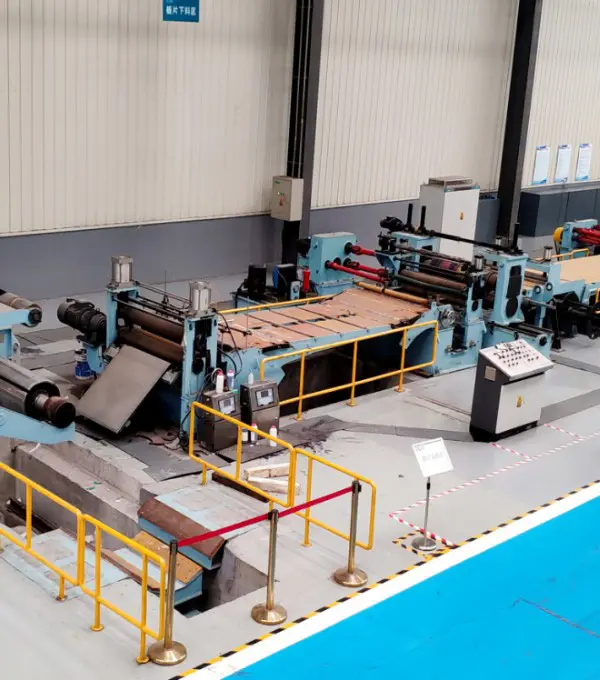
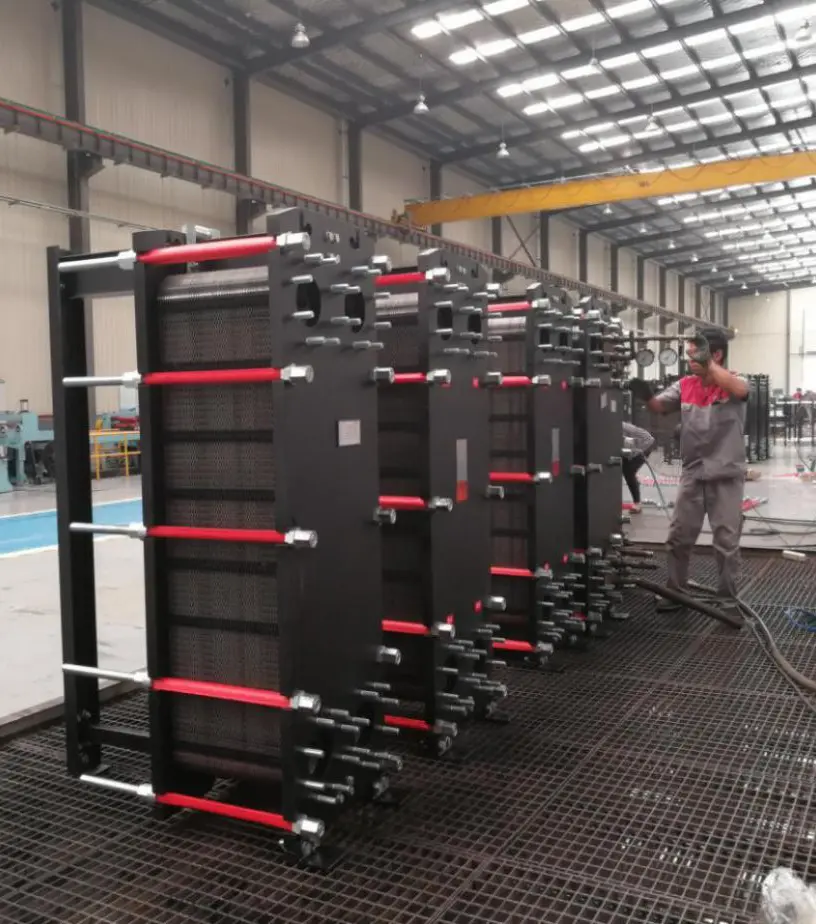
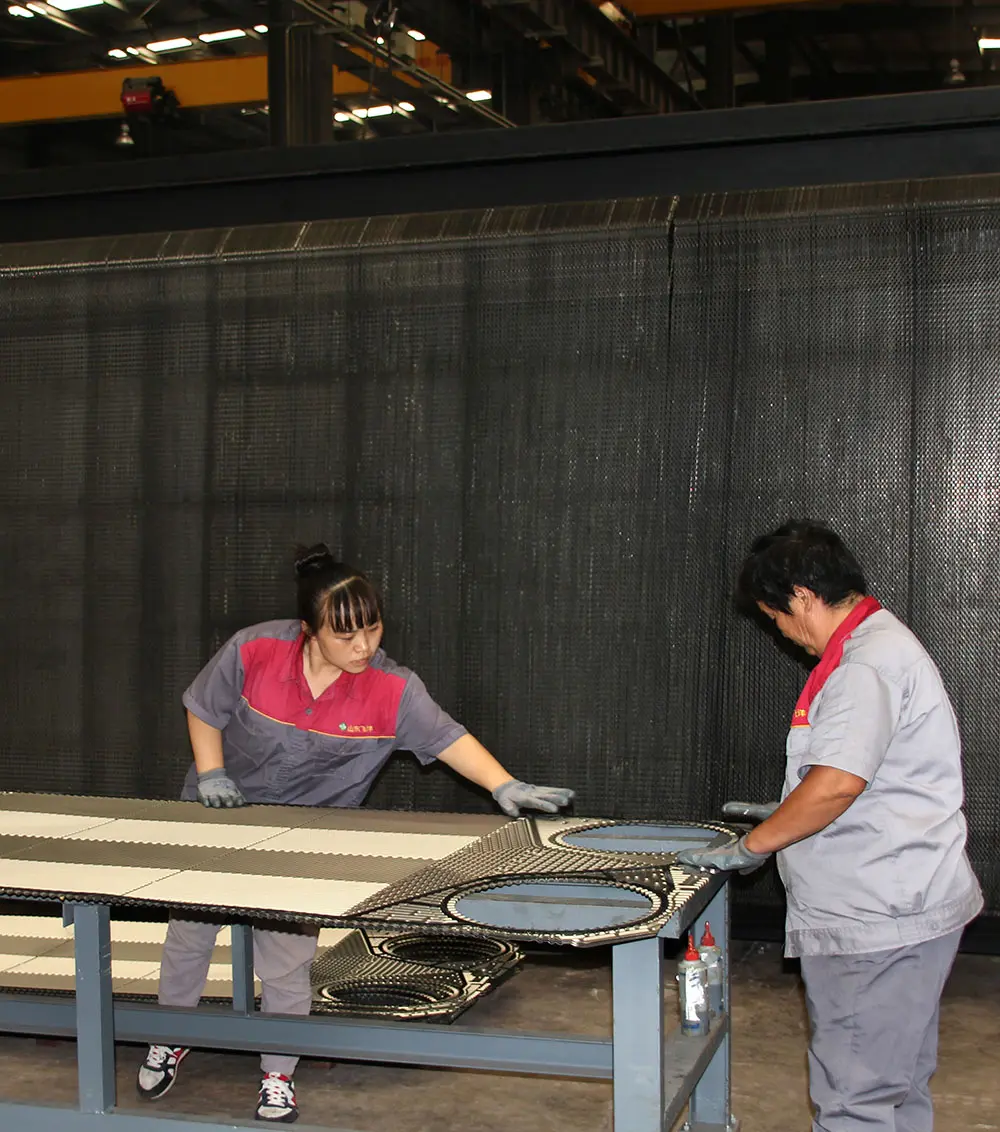
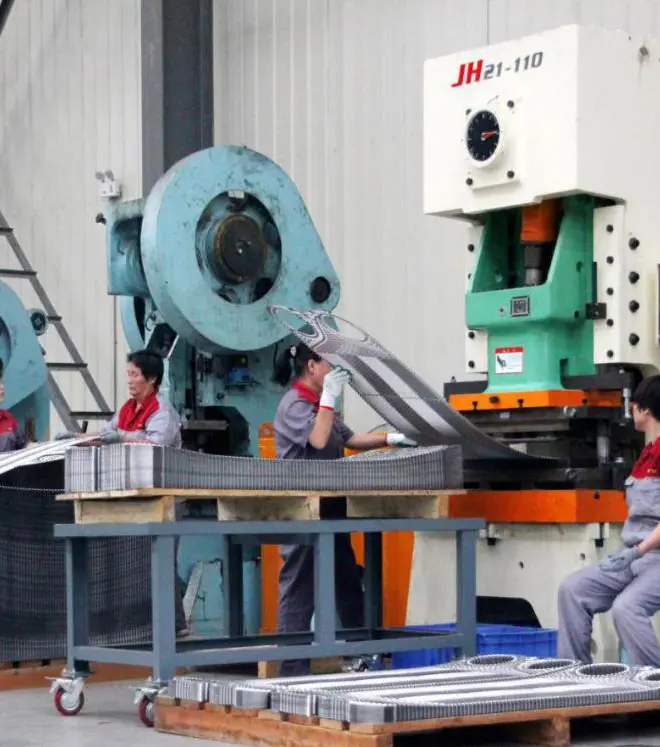
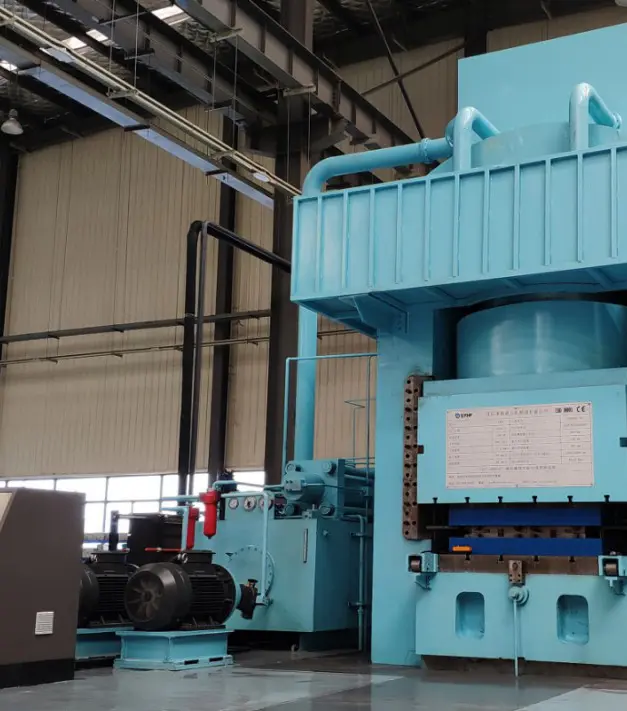
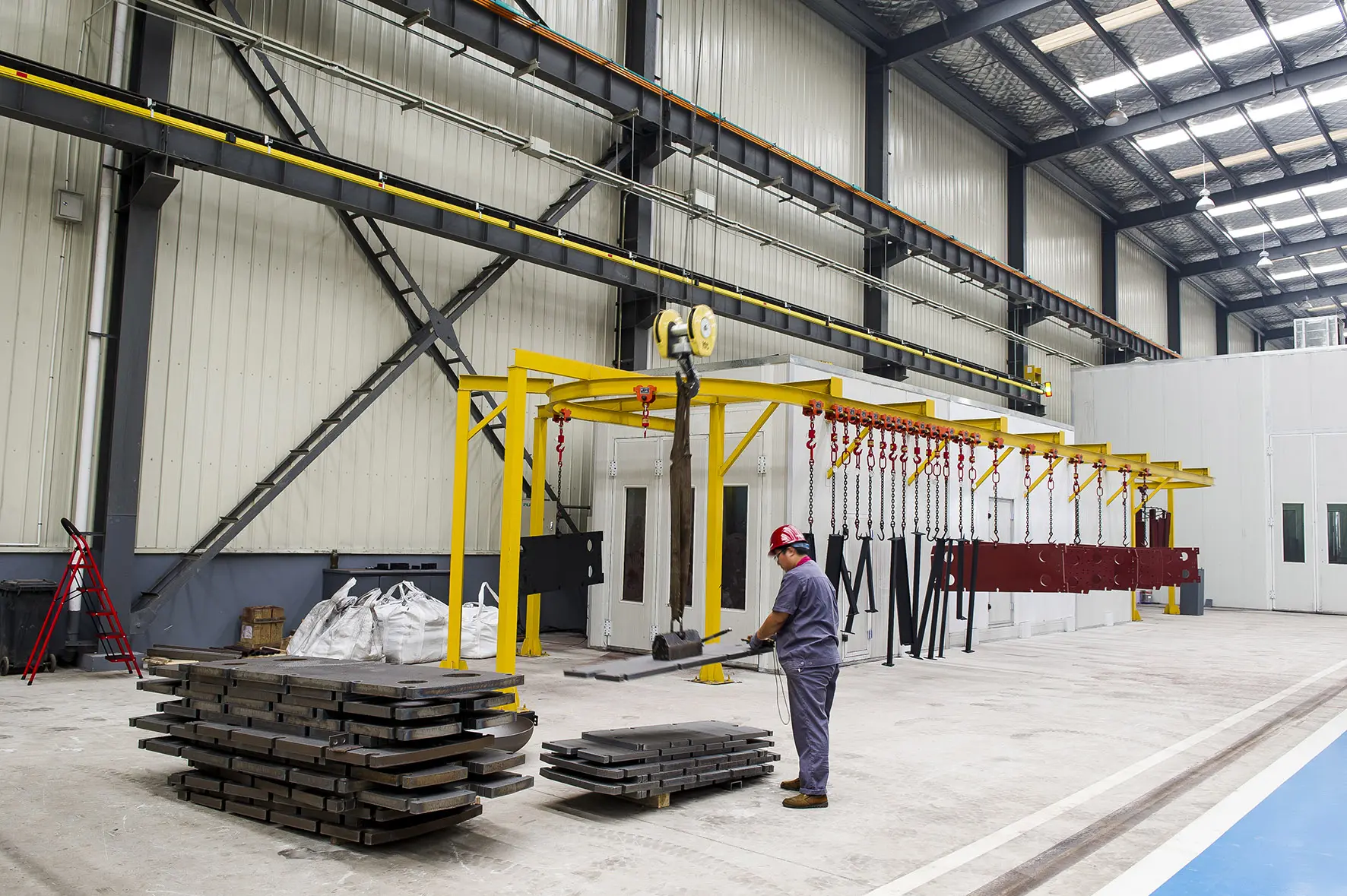
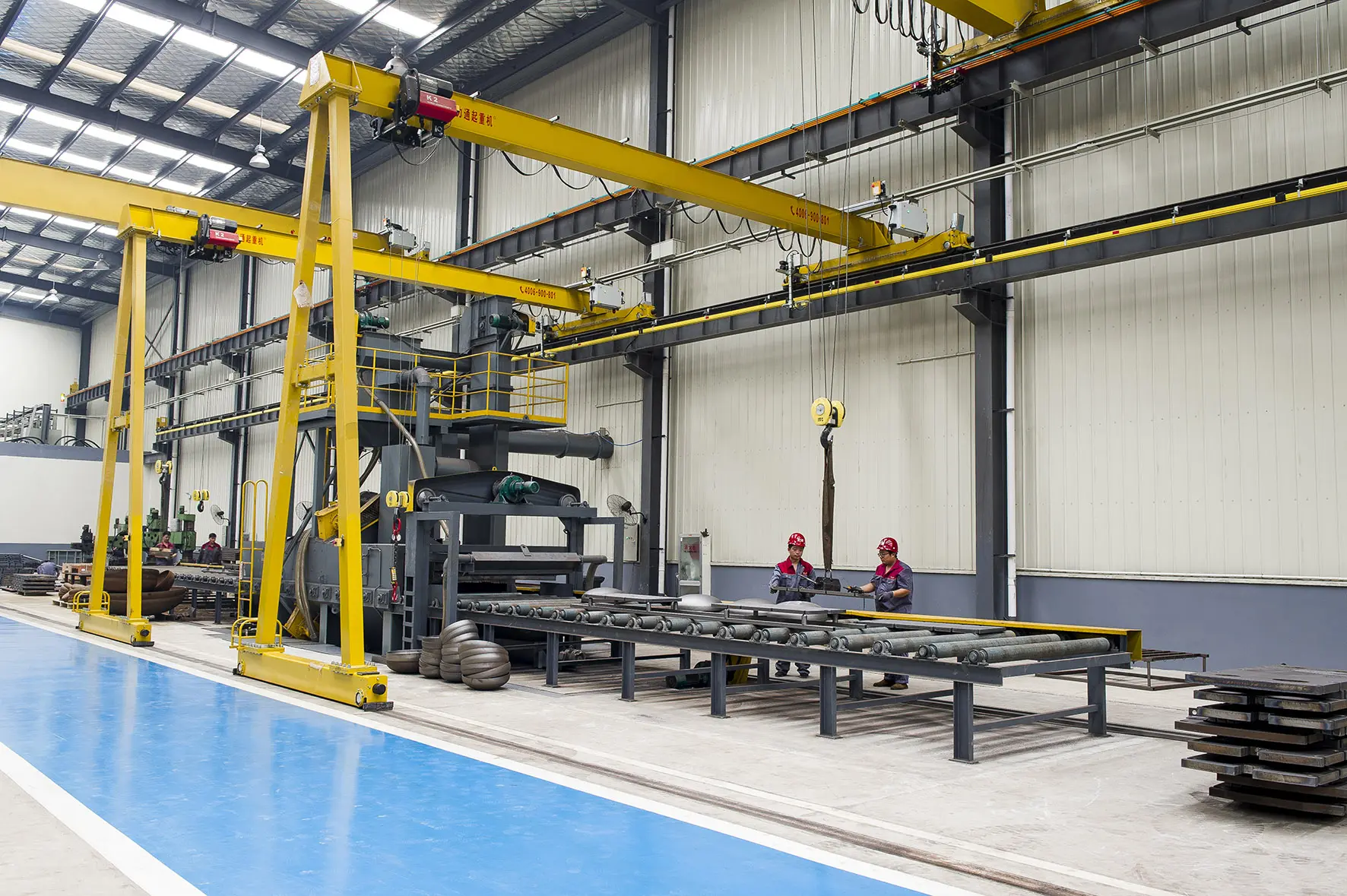
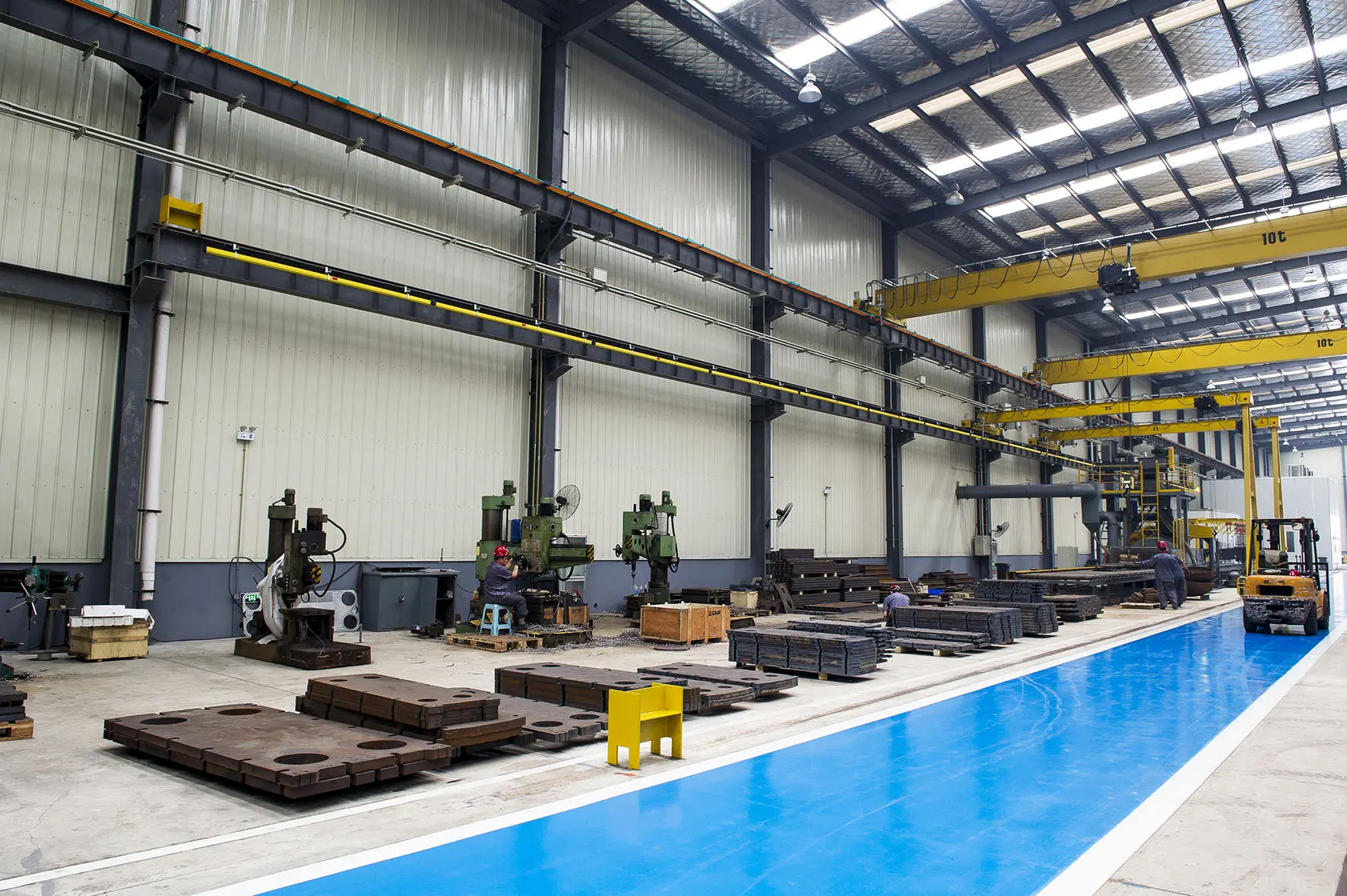
Our modern facility manages all production stages in-house. This includes plate design, micro-forging, sheet stamping, and final assembly, ensuring reliable lead times and consistent quality. With a registered capital of 101 million yuan and a 70,000 m² footprint, Flotte maintains deep raw material stocks (titanium, stainless steel, and specialty alloys) to buffer against global supply chain volatility.
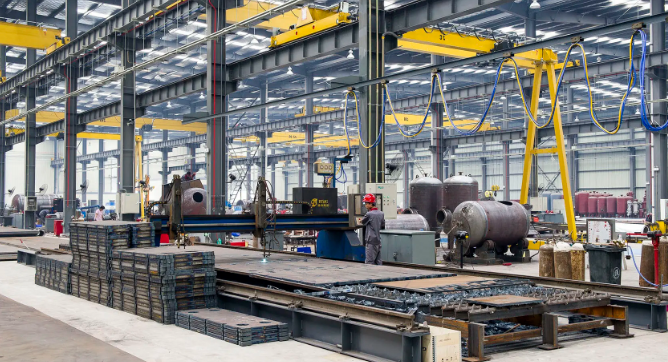
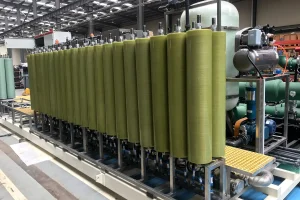
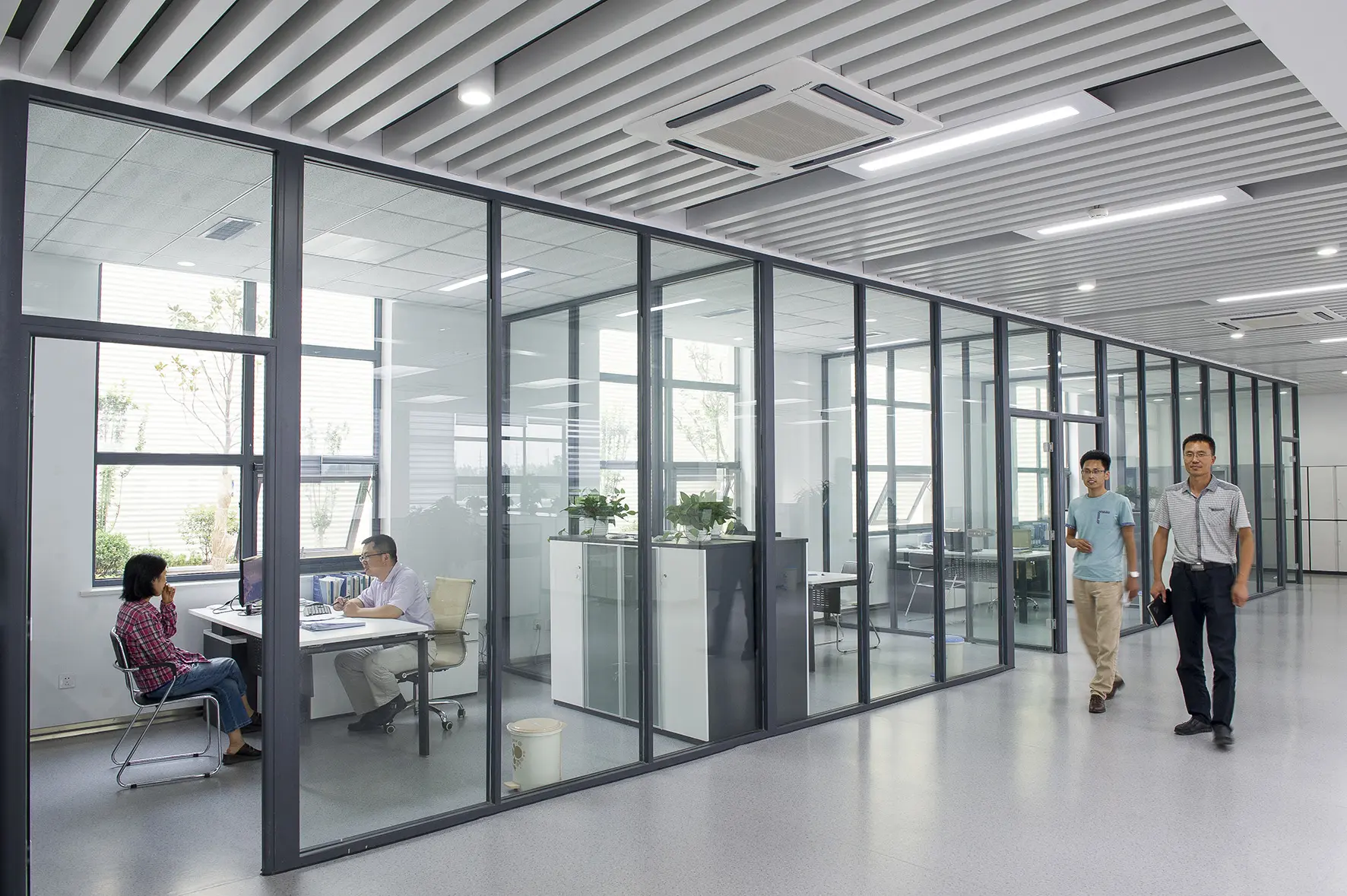
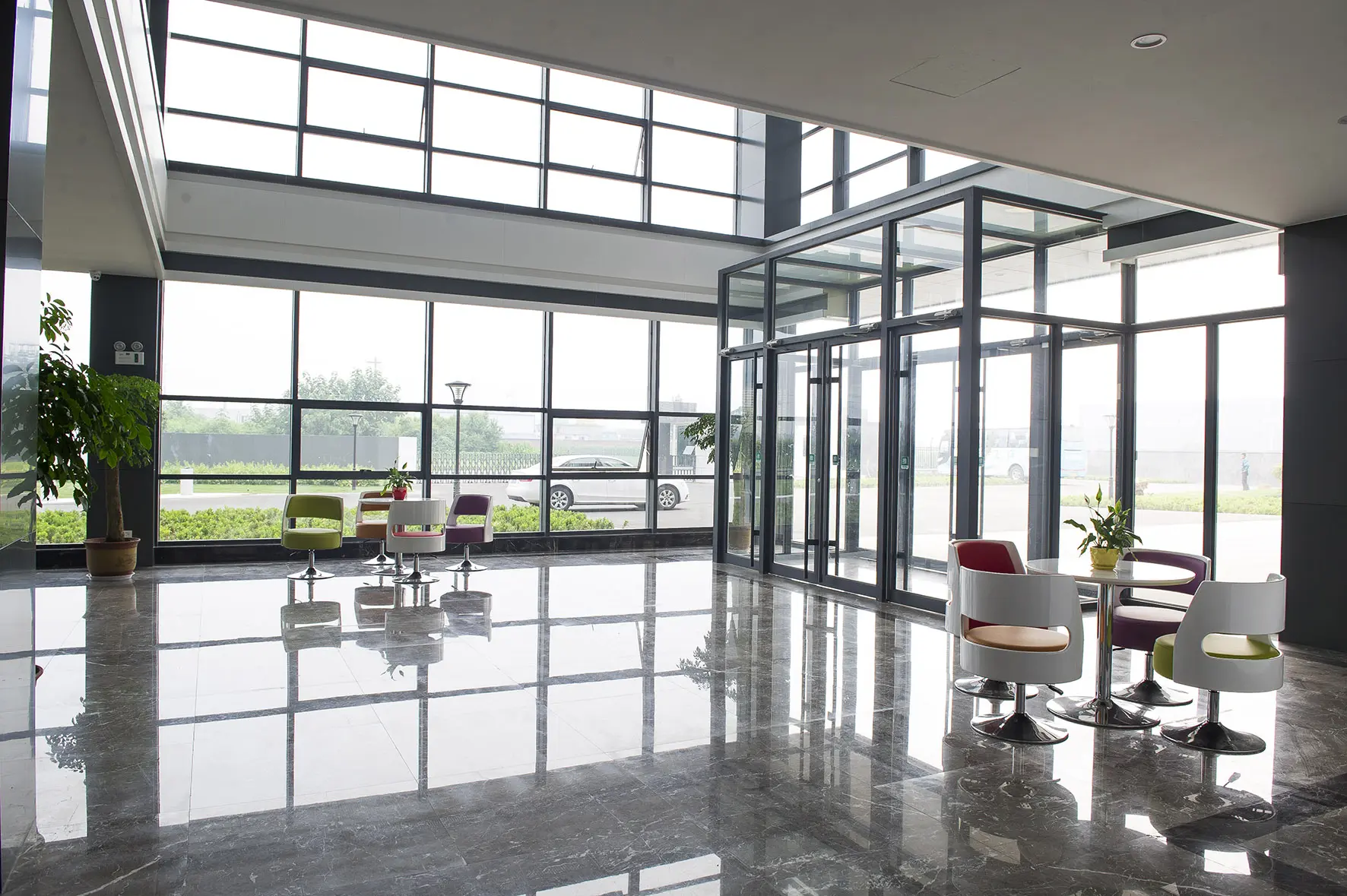
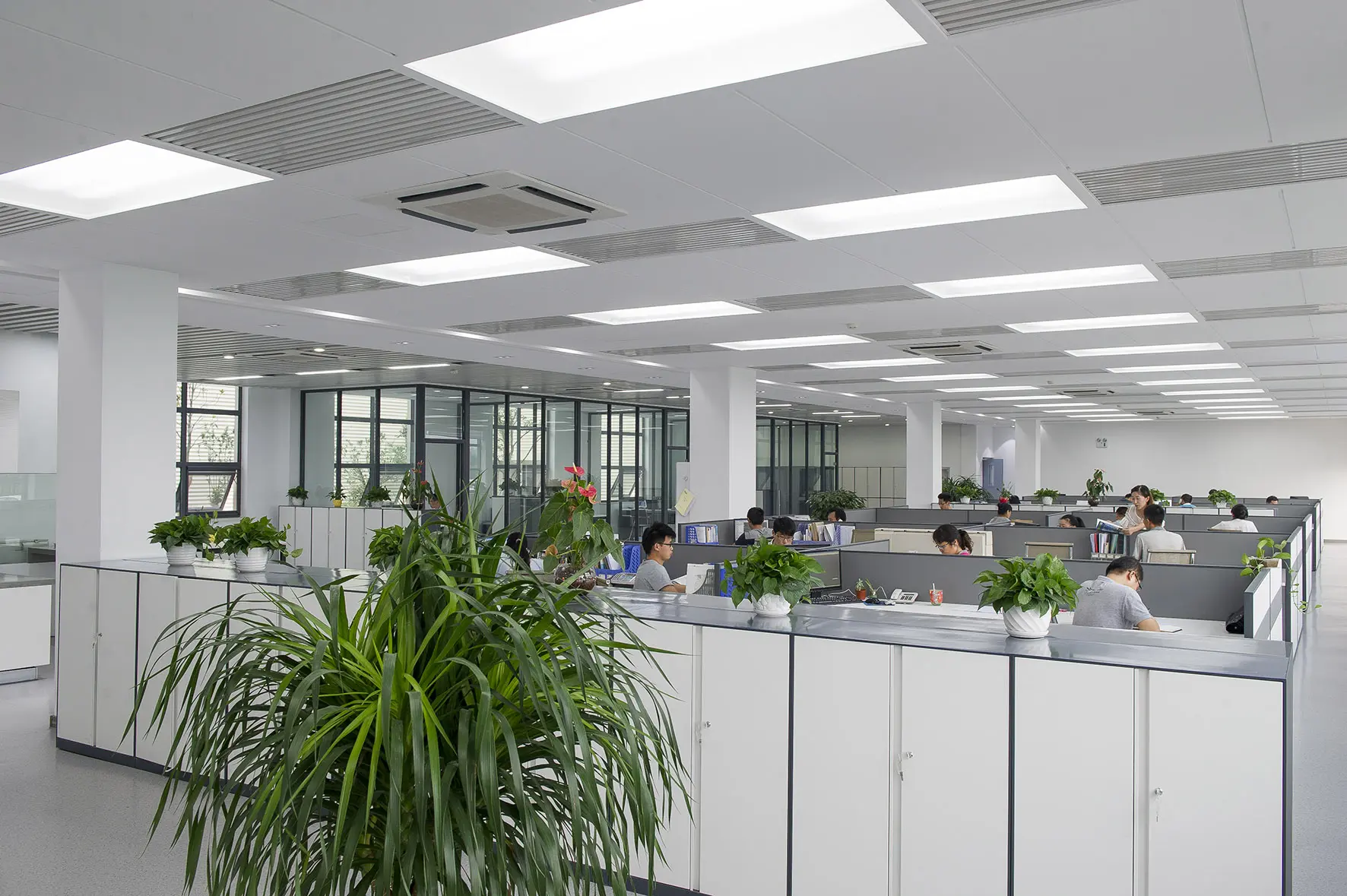
Flotte operates advanced, modern production facilities that combine systematic management with precision manufacturing, producing high-tech integrated products nationwide.
Modern fluid purification demands are shifting from reactive maintenance to automated, predictive operations. Future centrifuge designs integrate IoT-enabled vibration sensors, moisture transceivers, and temperature indicators directly linked to computerized control centers.
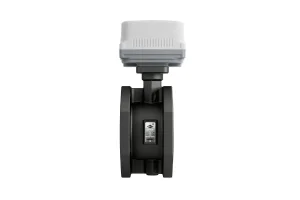
Flotte's intelligent control systems adaptively adjust the pre-heating thermal load by monitoring incoming fluid parameters. If a moisture spike is detected, the heating control valves modulate automatically to maintain the target separation temperature, preventing emulsion and optimizing output purity.
Stricter environmental regulations demand lower industrial wastewater discharge. Traditional filtration creates consumed media waste, whereas modern centrifugal purification relies on mechanical force, generating only a concentrated dry sludge cake for disposal.
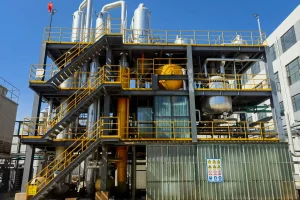
By combining centrifuges with Flotte's membrane concentration systems and multi-effect evaporation systems, plants can recover up to 98% of waste lube oil and process water, approaching zero liquid discharge (ZLD) metrics.
Our products undergo mandatory inspections by national quality supervision authorities, ensuring compliance with global performance standards. Explore our certified quality framework and production capacity.
 Flotte Energy