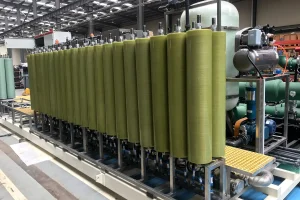
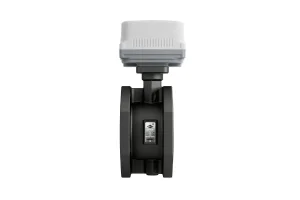
Precision-engineered HVAC systems, intelligent pressure regulating stations, and high-performance evaporation systems from China's leading manufacturing hub.
An authoritative analysis of why temperature regulation is the single most critical variable in vacuum dehydration, coalescing, and centrifugal oil purification processes.
In heavy industrial environments—ranging from municipal thermal power plants and maritime shipping vessels to chemical synthesis units and large-scale steel rolling mills—lube oil functions as the vital lifeblood of rotating machinery. However, the operational efficacy of lubrication systems is perpetually threatened by contaminants such as free, emulsified, and dissolved water, particulate debris, gaseous inclusions, and organic acids. To remove these contaminants and restore the lubricant's physical-chemical stability, modern industrial facilities utilize specialized oil purifiers. At the heart of these purification technologies lies a critical parameters: operating temperature control.
Temperature determines the fluidic behavior of lubricants. According to fluid dynamics, the viscosity of any hydrocarbon-based or synthetic lubricant shares an inverse relationship with its thermal state. Selecting the proper heat threshold is not merely a matter of efficiency; it is a delicate thermodynamic balance. If the lube oil is too cold, its high viscosity limits flow velocity, reduces filtration efficiency, and prevents coalescing media or vacuum chambers from effectively separating water from the oil molecules. Conversely, if the temperature is allowed to exceed safe limits (typically 65°C to 70°C), the oil suffers from rapid thermal degradation and oxidation, leading to the formation of varnish, sludge, and volatile organic acids that degrade the structural integrity of the machinery.
Consequently, wholesale suppliers, engineering factories, and exporters must implement highly precise, automated heat exchange and thermal monitoring components. Utilizing state-of-the-art plate heat exchangers, modulated control valves, and digital monitoring systems allows operators to keep oil temperatures within the optimal window (typically 50°C to 60°C). This level of control ensures maximum water extraction rates while preserving the lubricant’s molecular structure.
Proper heating lowers the viscosity of heavy ISO VG lubricants, transforming laminar flow to turbulent flow within the filtration matrices, thus accelerating particulate separation.
Elevating oil temperature in a vacuum chamber increases the vapor pressure of water, causing it to flash-boil at lower temperatures (e.g., 55°C at -0.09 MPa) without burning the oil.
Advanced temperature controllers prevent localized hot spots on electric heating elements, eliminating the risk of oil carbonization and thermal cracking.
Using regenerative heat exchangers allows hot, purified oil to preheat incoming cold, contaminated oil, reducing overall electrical heater loads by up to 40%.
How China’s advanced supply chain ecosystems are redefining quality, customizability, and reliability for international industrial buyers.
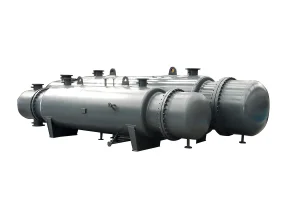
Across the globe, industrial procurement departments are shifting their focus toward energy-efficient, long-lasting components. Industrial operations in regions like North America, Western Europe, and the Middle East require lube oil purification systems that can run continuously in harsh environments. In these settings, temperature control system failures lead directly to expensive down-time and equipment failure. This is why international procurement specifications increasingly require certified shell-and-tube or plate heat exchangers built with premium materials like AISI 316L Stainless Steel or Titanium. By upgrading these components, operators can ensure reliable, corrosion-resistant performance when handling contaminated lubricants, acidic fluids, or corrosive seawater.
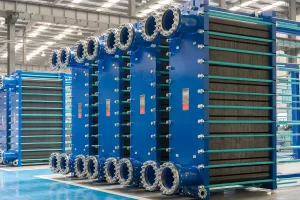
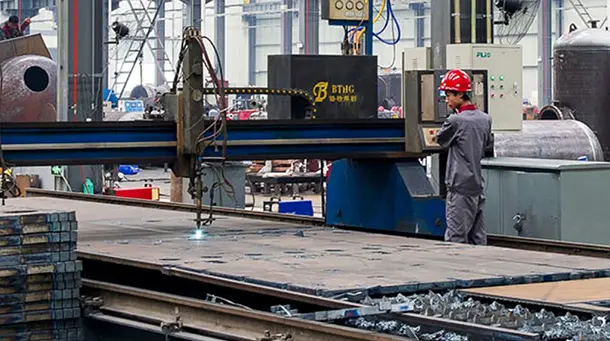
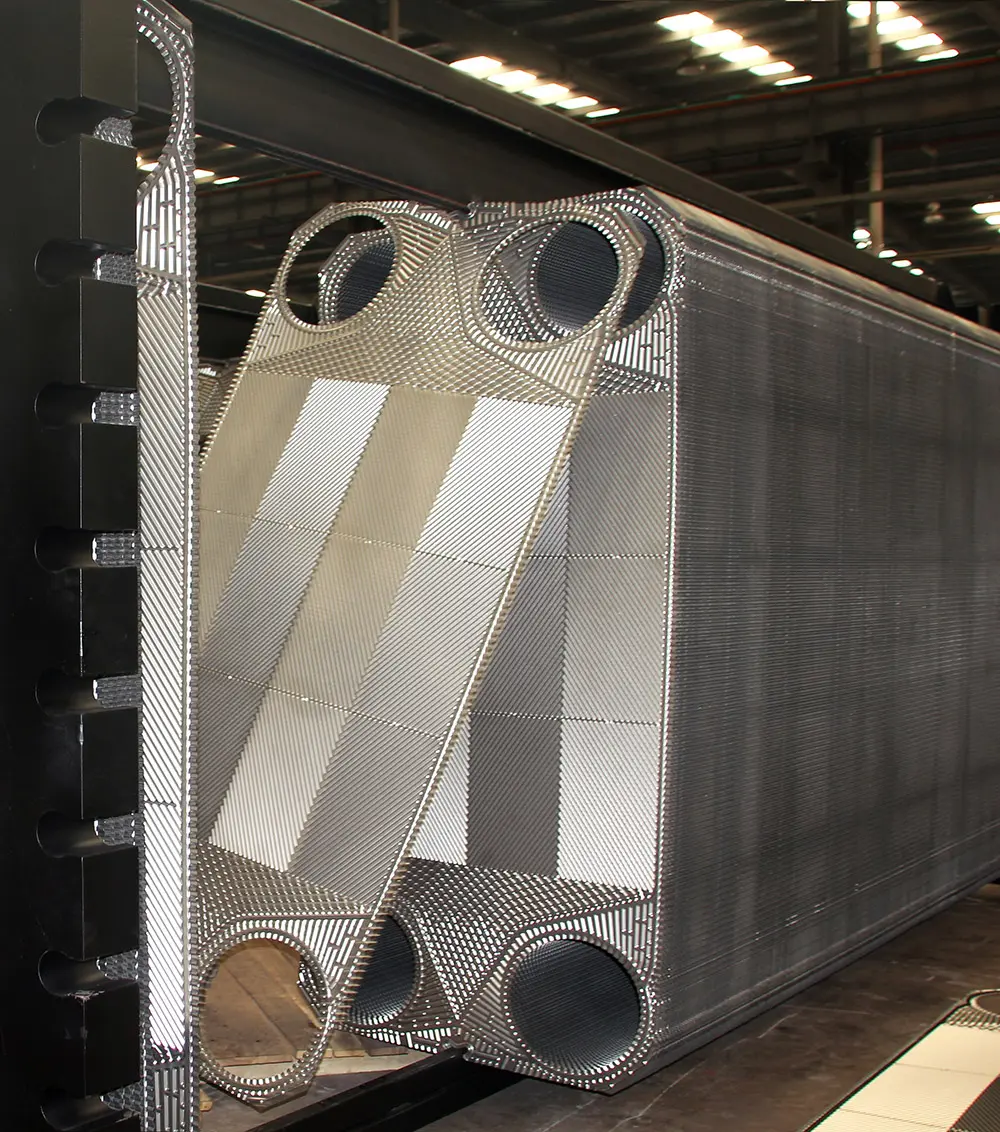
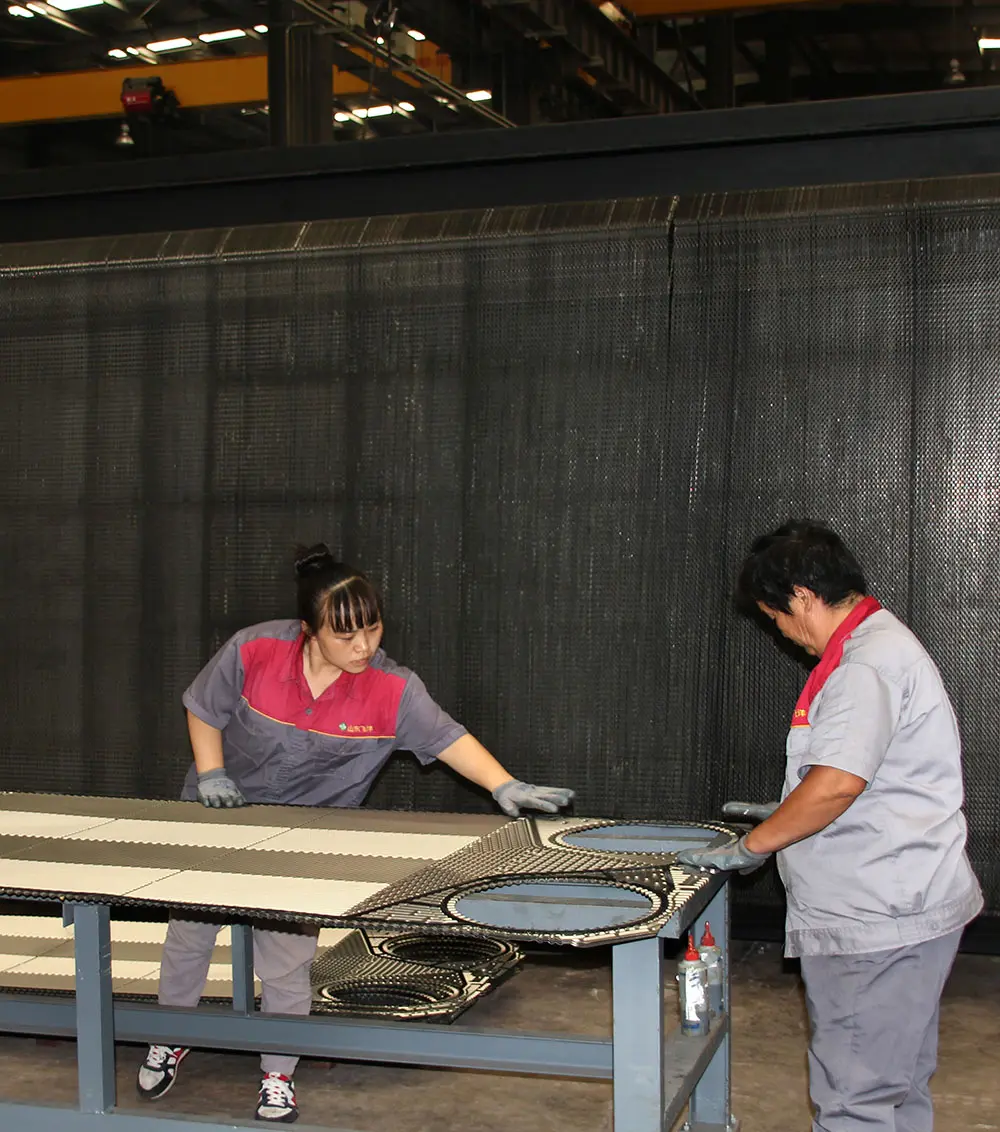
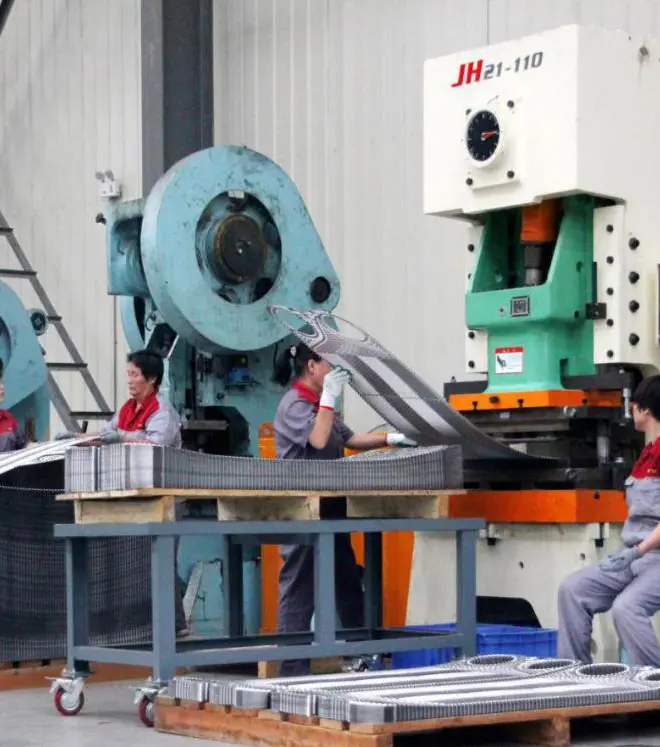
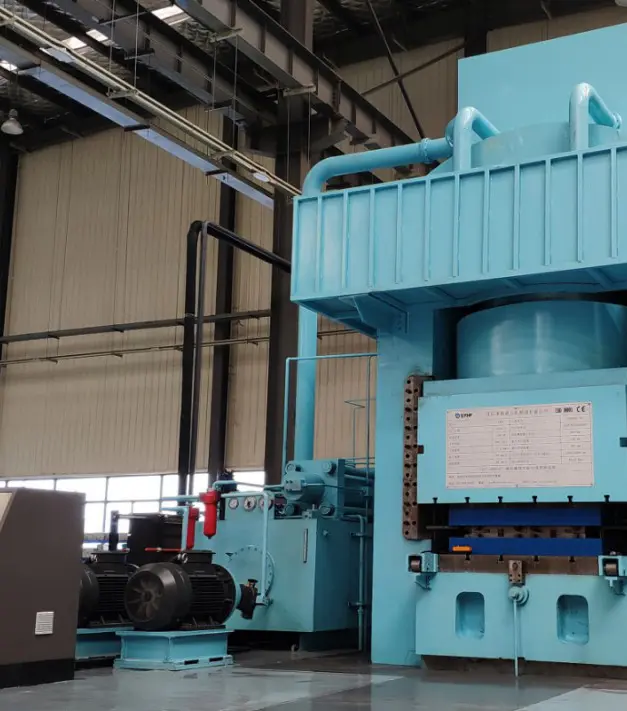
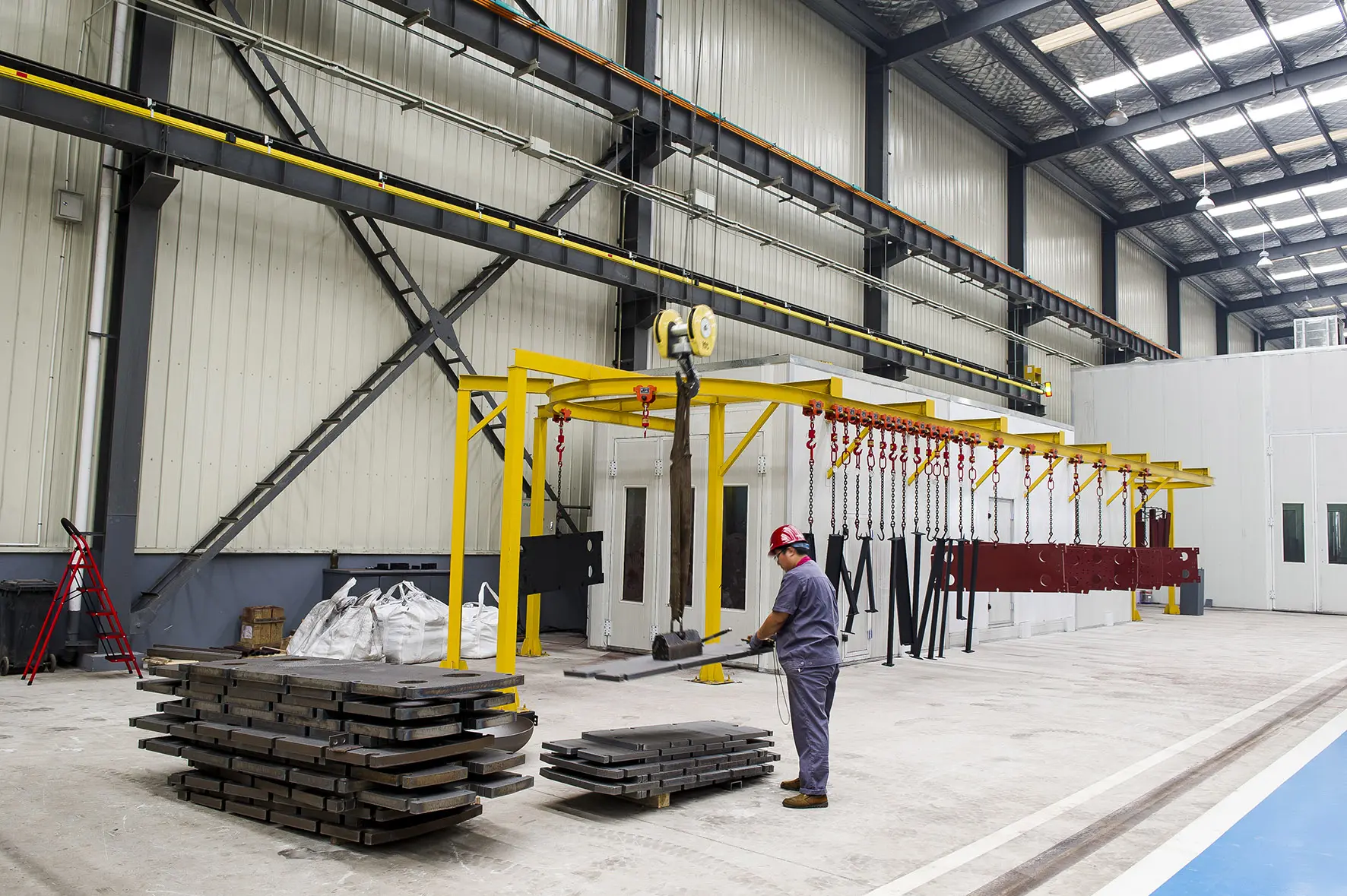
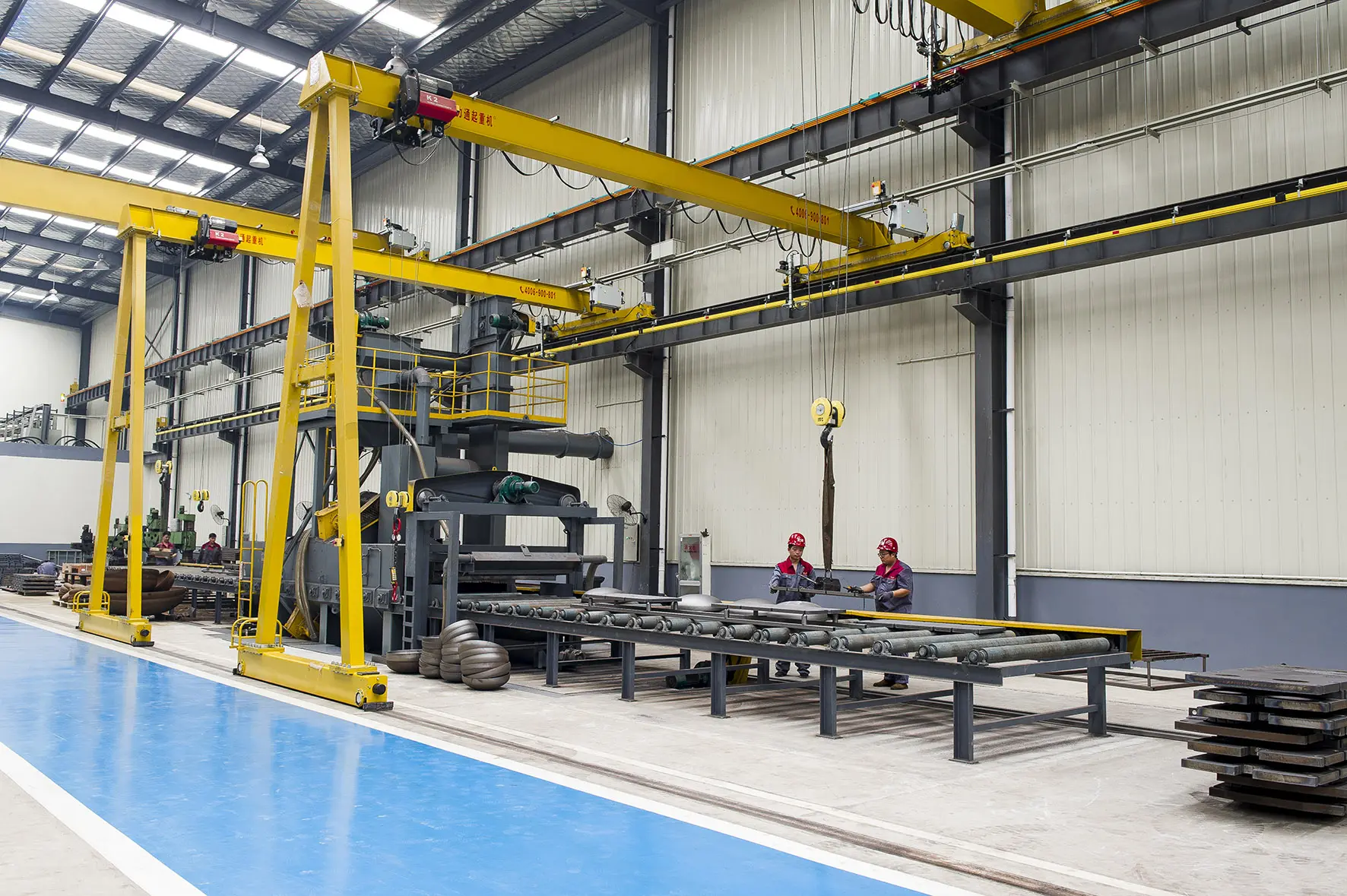
In response to these global demands, Chinese manufacturers have transitioned from high-volume production to advanced, precision-engineered manufacturing. The modern China Factory 4.0 model leverages automated production lines, CNC machining, robotic welding, and real-time quality control systems. At Flotte's advanced production workshops, this technology allows for the fabrication of complex, high-efficiency heat exchange units under strict quality control. From automated plate stamping to high-precision robotic assembly, this modern infrastructure guarantees that every temperature control subsystem complies with stringent international pressure vessel standards (such as ASME, CE, and China's SQL certifications).
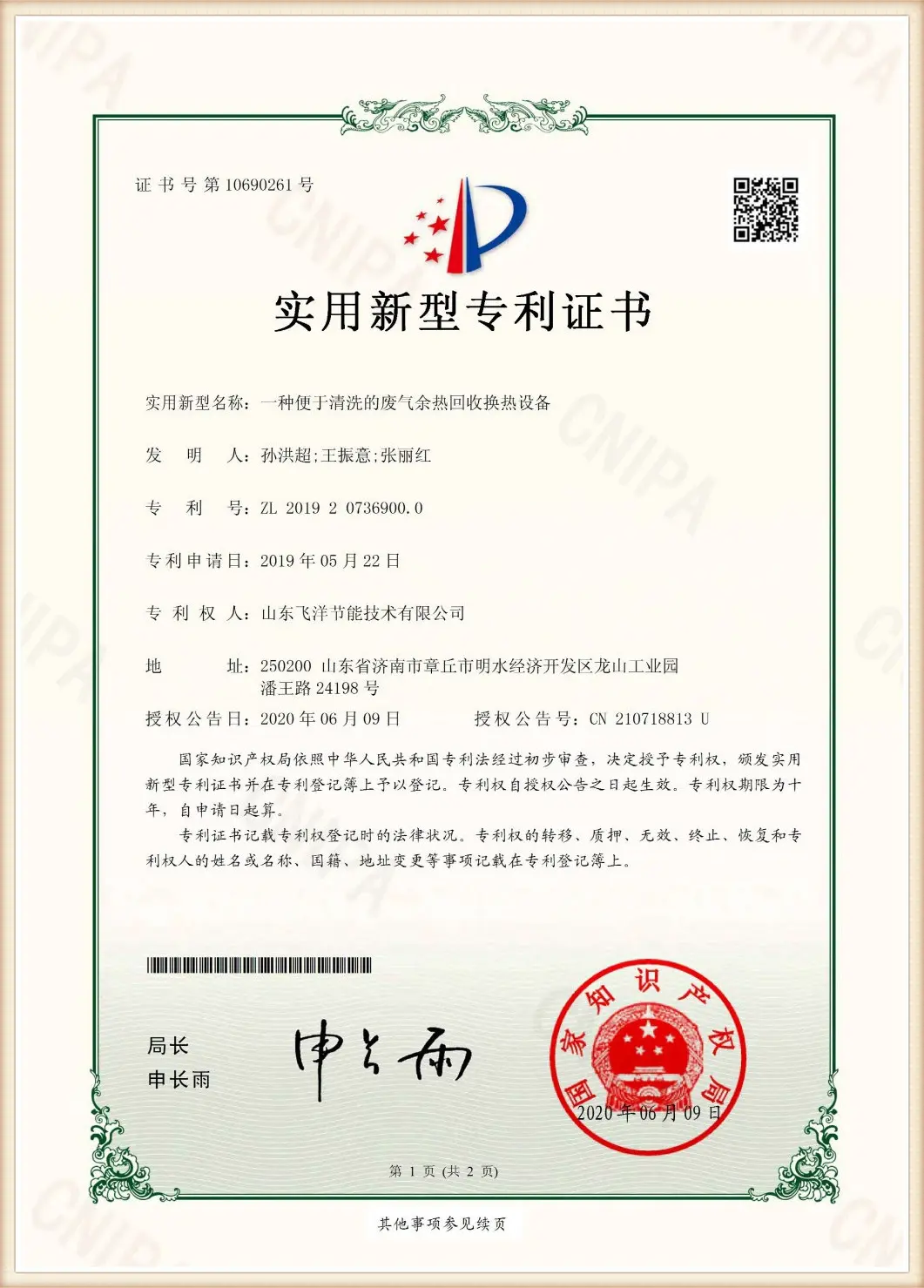
Reliability is key in heavy industrial environments. Operating a production line with non-certified thermal components poses severe risks of oil leakage, fire, and premature mechanical wear. Flotte's commitment to quality is backed by comprehensive international management standards, including ISO 9001:2015, ISO 14001:2015, and ISO 45001:2018 certifications. All raw materials, from structural steel plates to specialized NBR/EPDM rubber gaskets, undergo spectroscopic analysis and rigorous testing prior to manufacturing. This ensures that every oil purifier heat exchanger is built to withstand pressure fluctuations and high-temperature operation over long service cycles.
How our temperature control and heat exchange technologies perform under diverse, demanding real-world conditions.
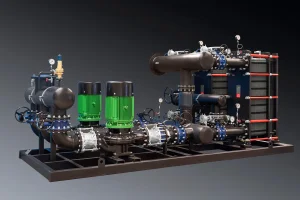
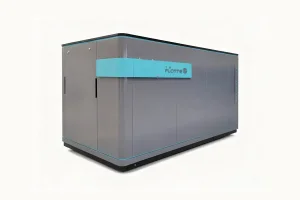
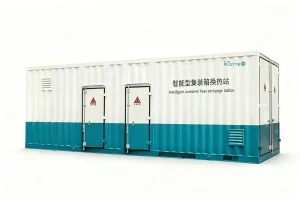
In municipal heating applications, our intelligent heat exchange units serve as critical junctions between municipal steam lines and residential networks. Precise temperature control prevents fluid scaling and ensures energy-efficient distribution across thousands of connections.
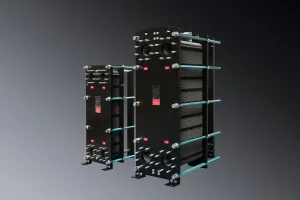
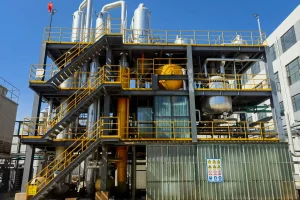
Refining processes involve highly corrosive fluids and extreme temperature swings. Utilizing our corrosion-resistant titanium plate heat exchangers and multi-effect evaporation systems ensures high-efficiency fluid separation while keeping equipment operating safely.
Steam and gas turbines depend on clean, dry lubrication oil. Our high-efficiency coolers keep turbine oil at the perfect temperature, separating water and preventing varnish build-up. This keeps critical power generation equipment running smoothly and reliably.
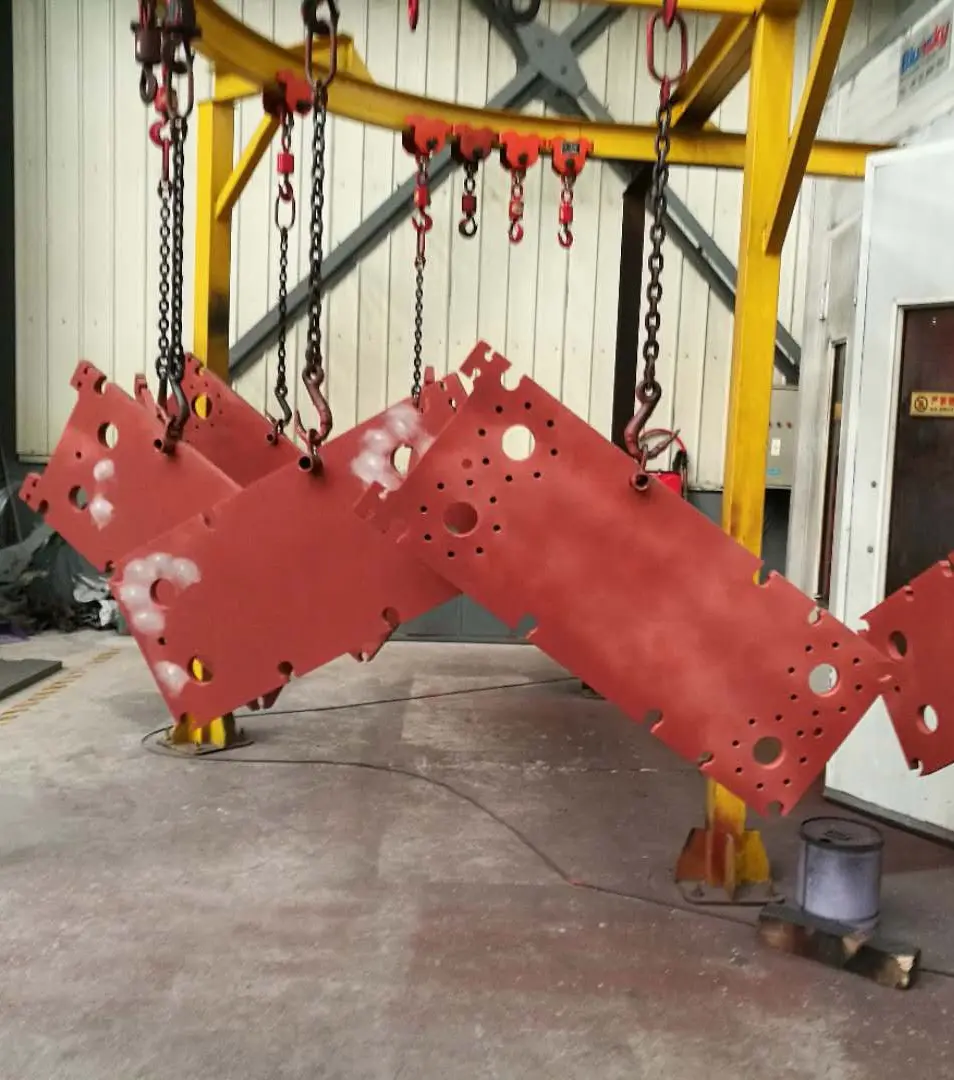
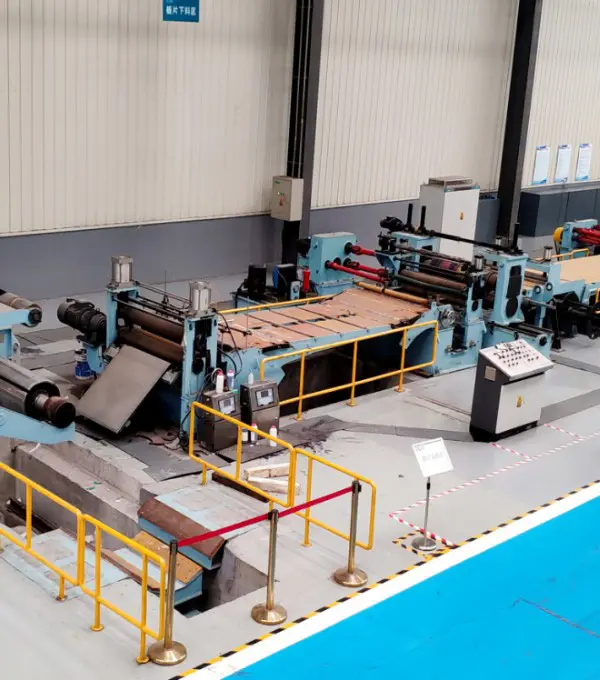
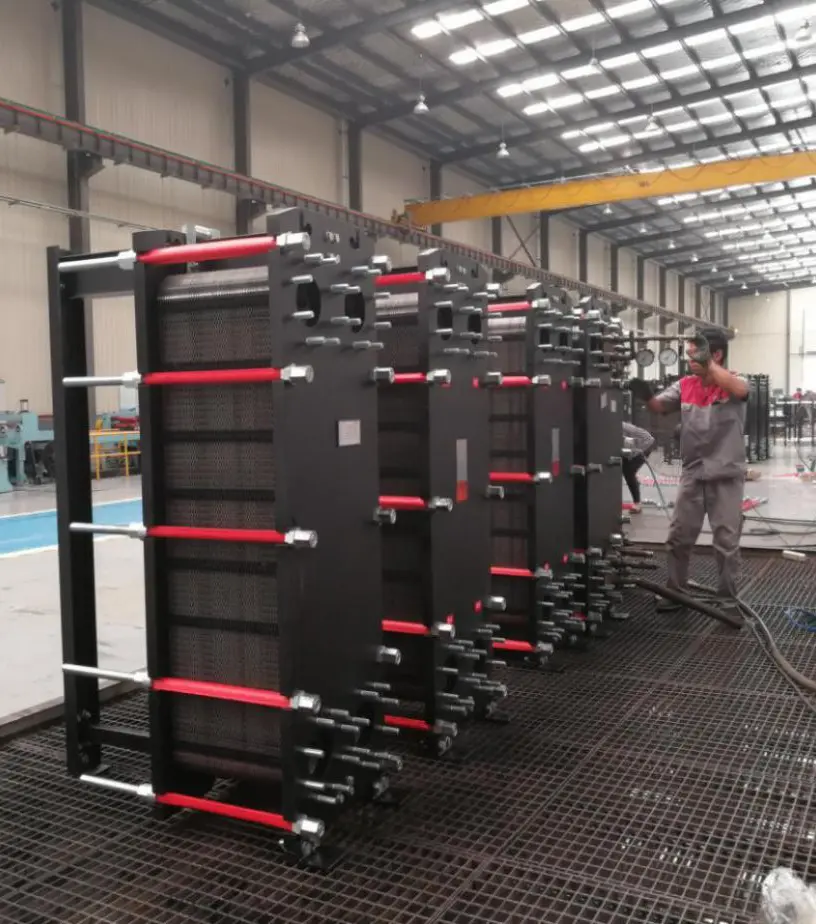
Take an inside look at Flotte's step-by-step production flow, where advanced machining meets strict quality control.
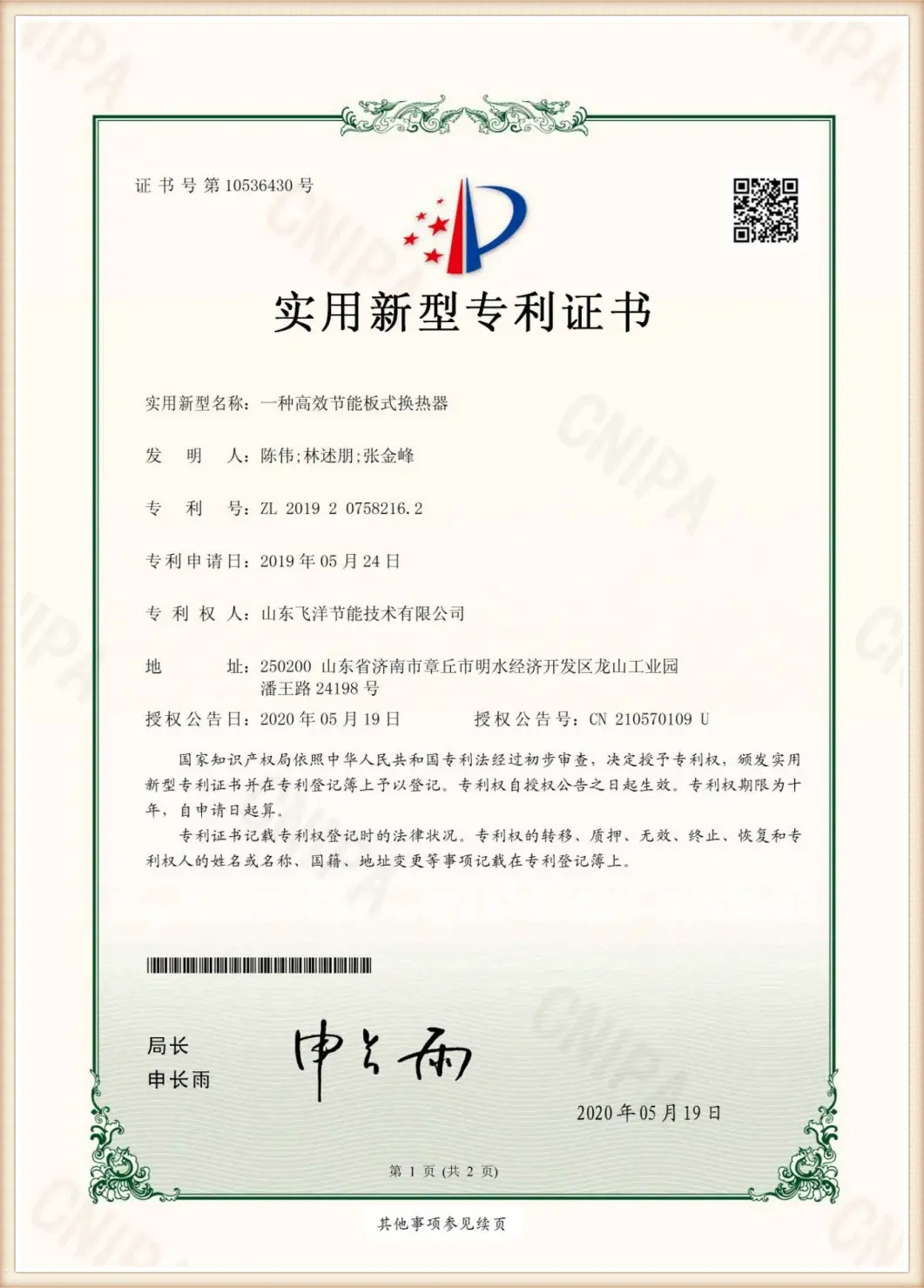
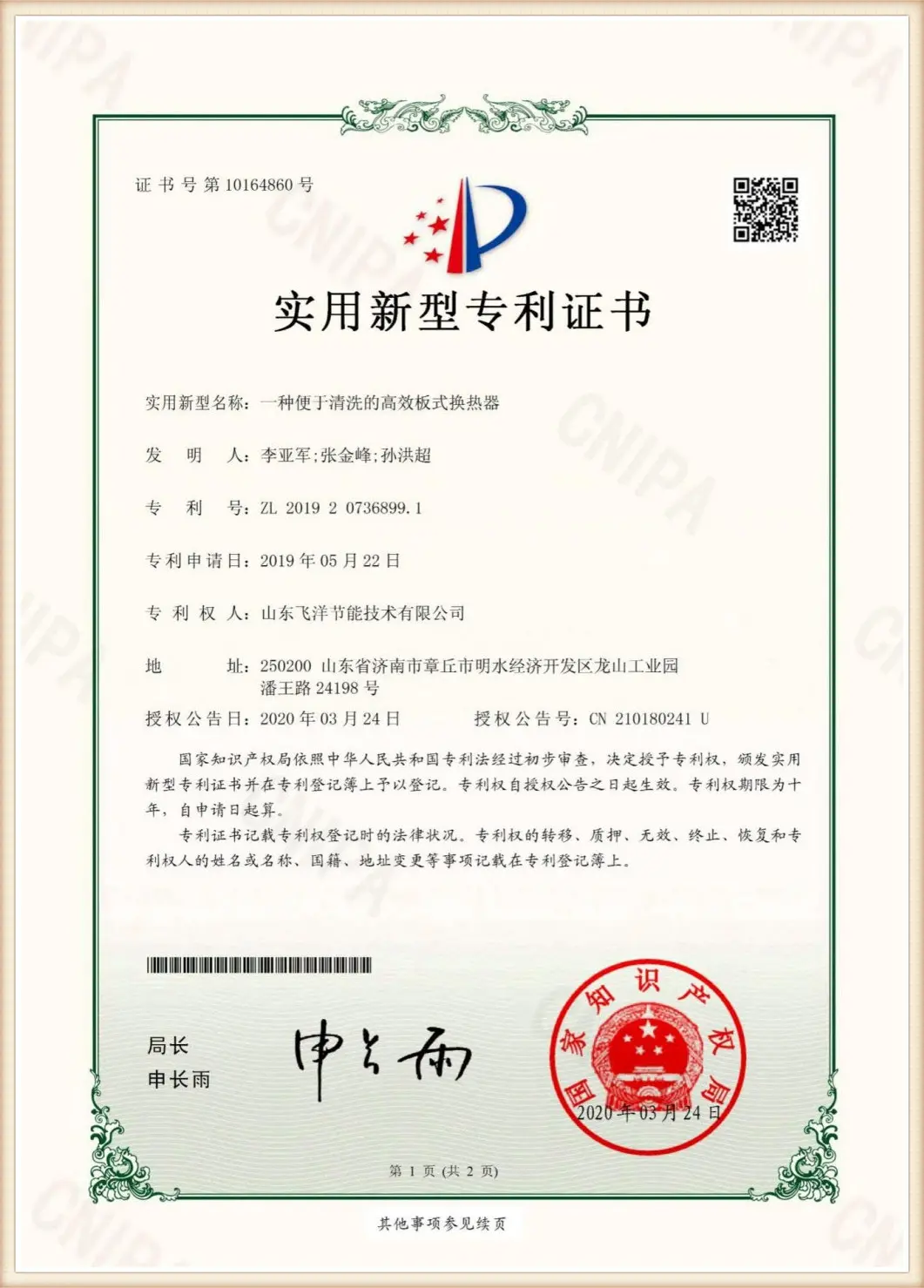
Our commitment to safety and quality is validated by international regulatory bodies and testing laboratories.
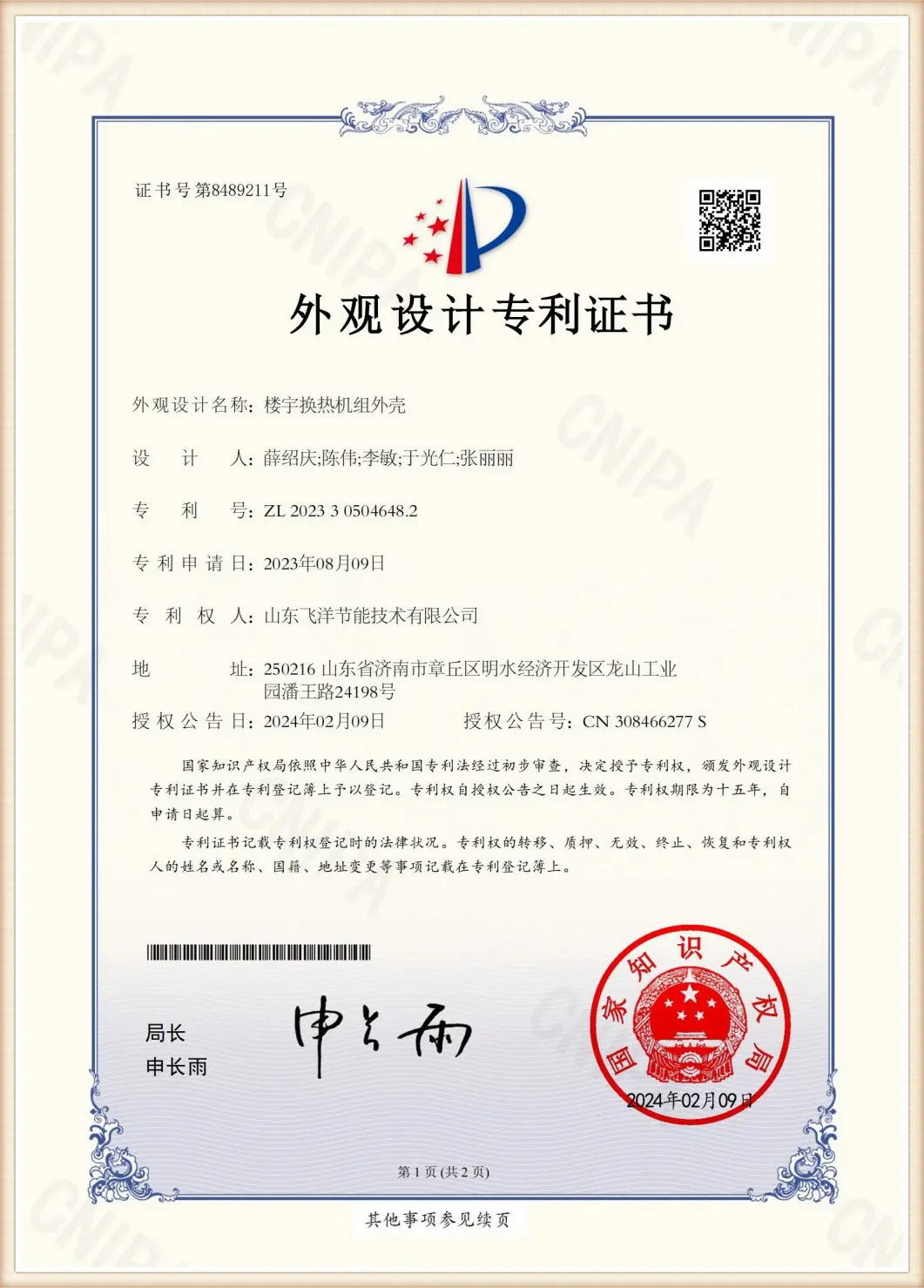
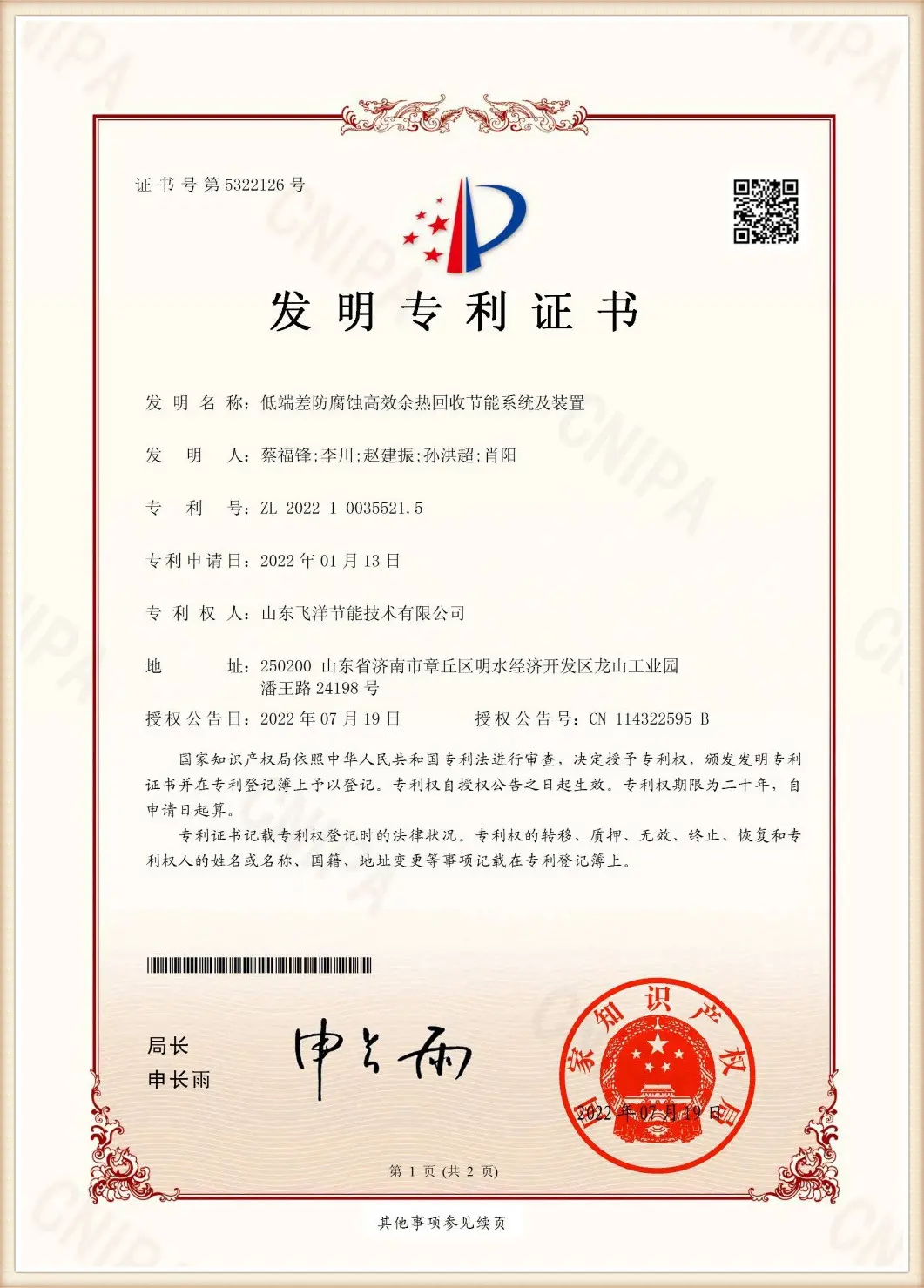
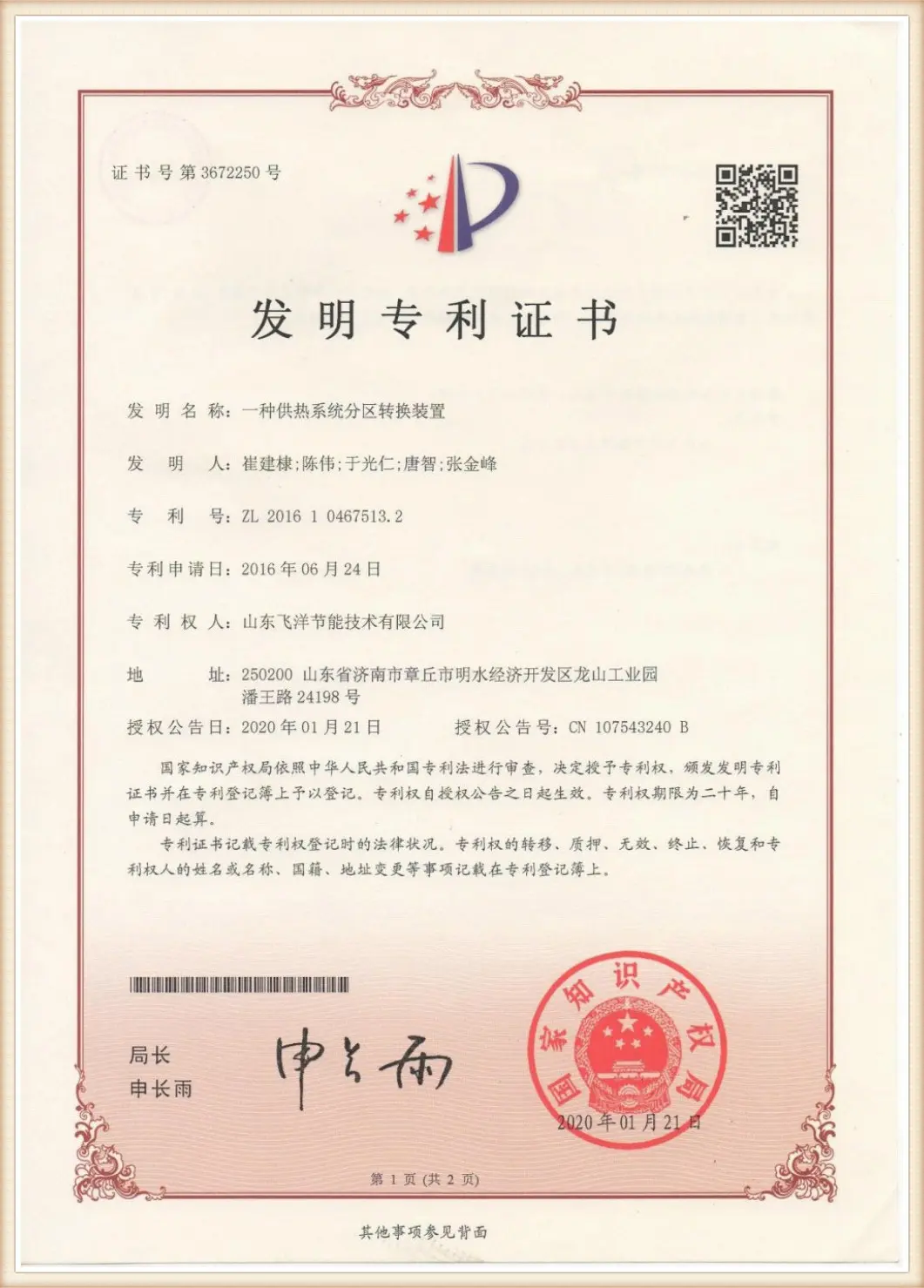
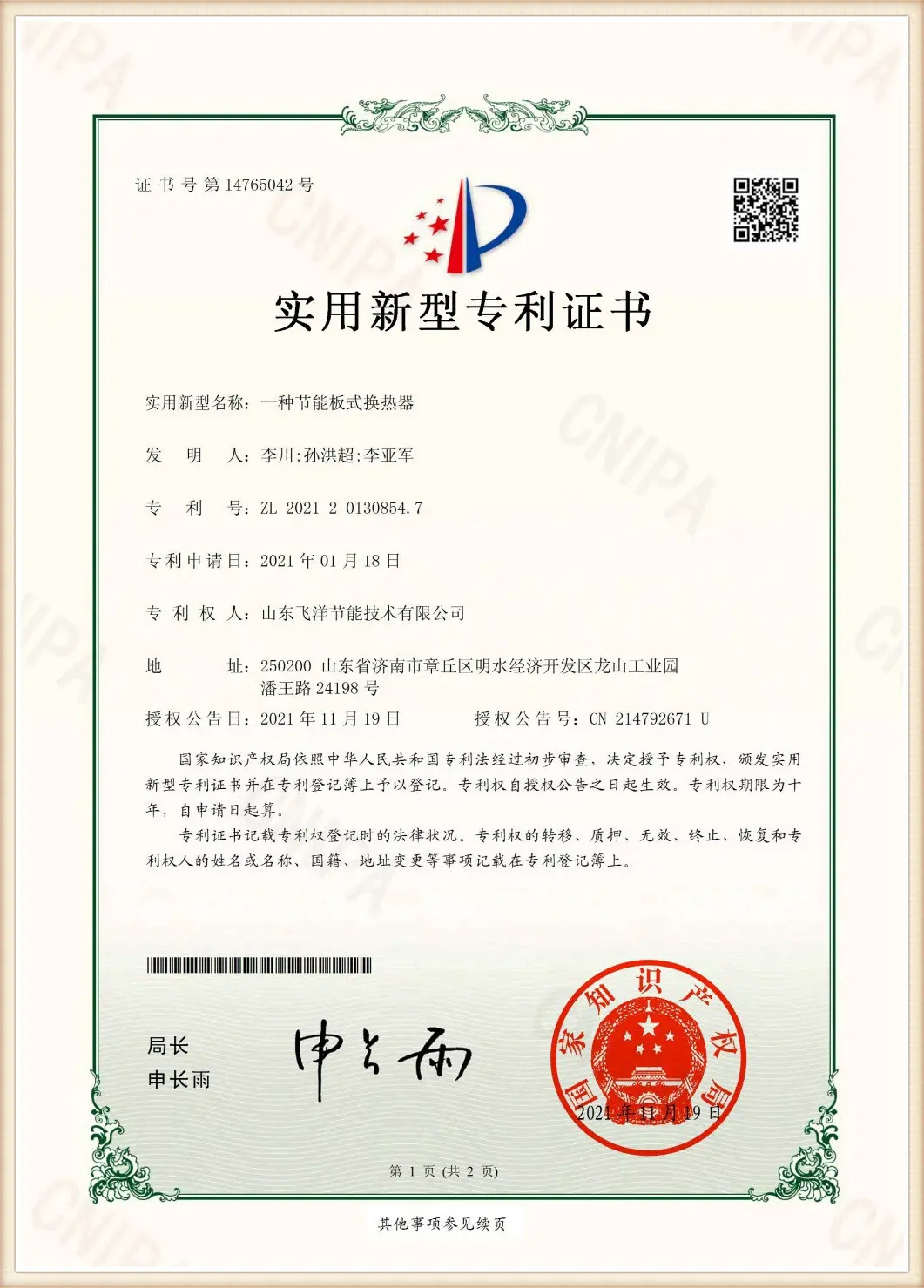
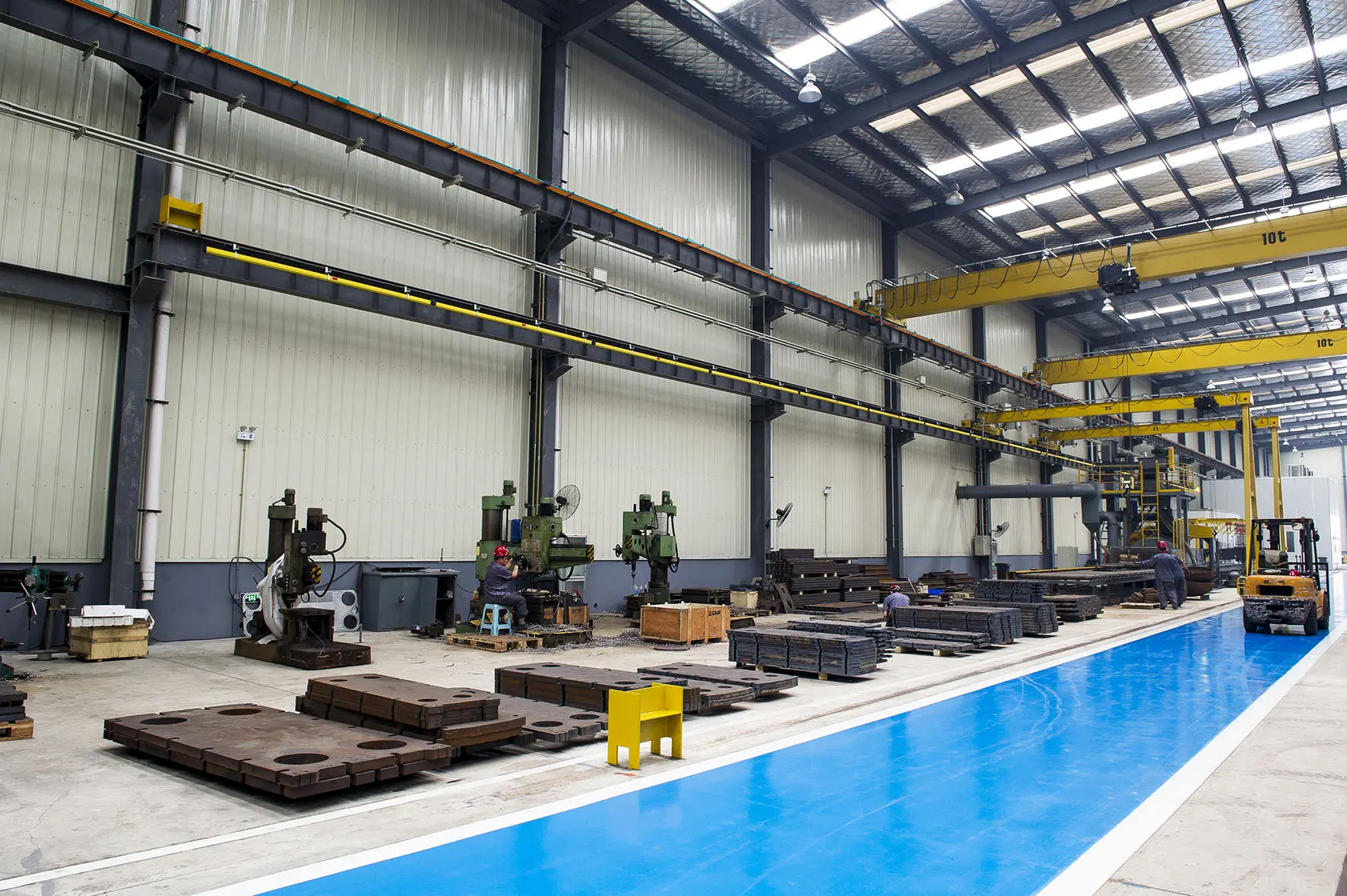
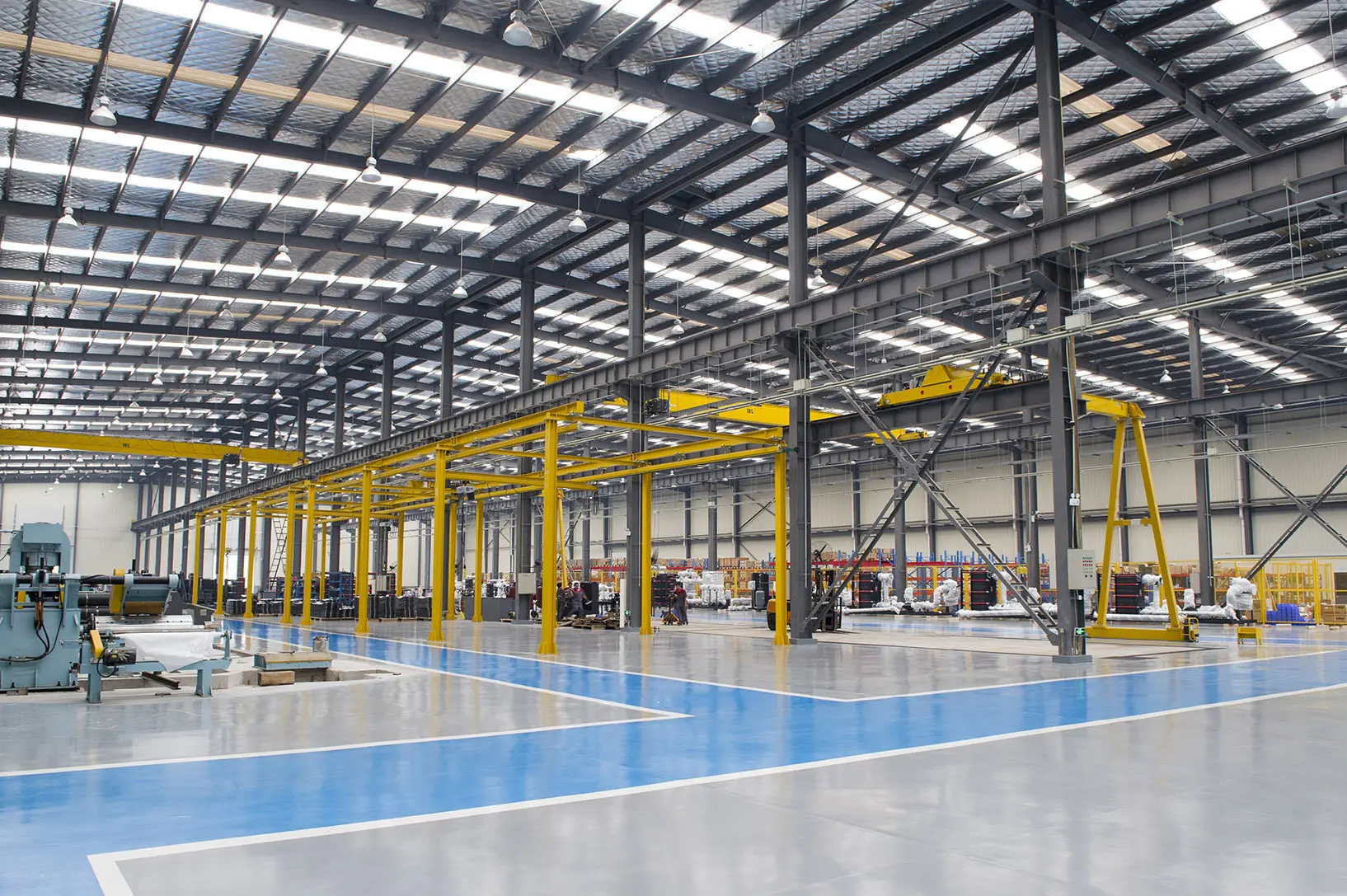
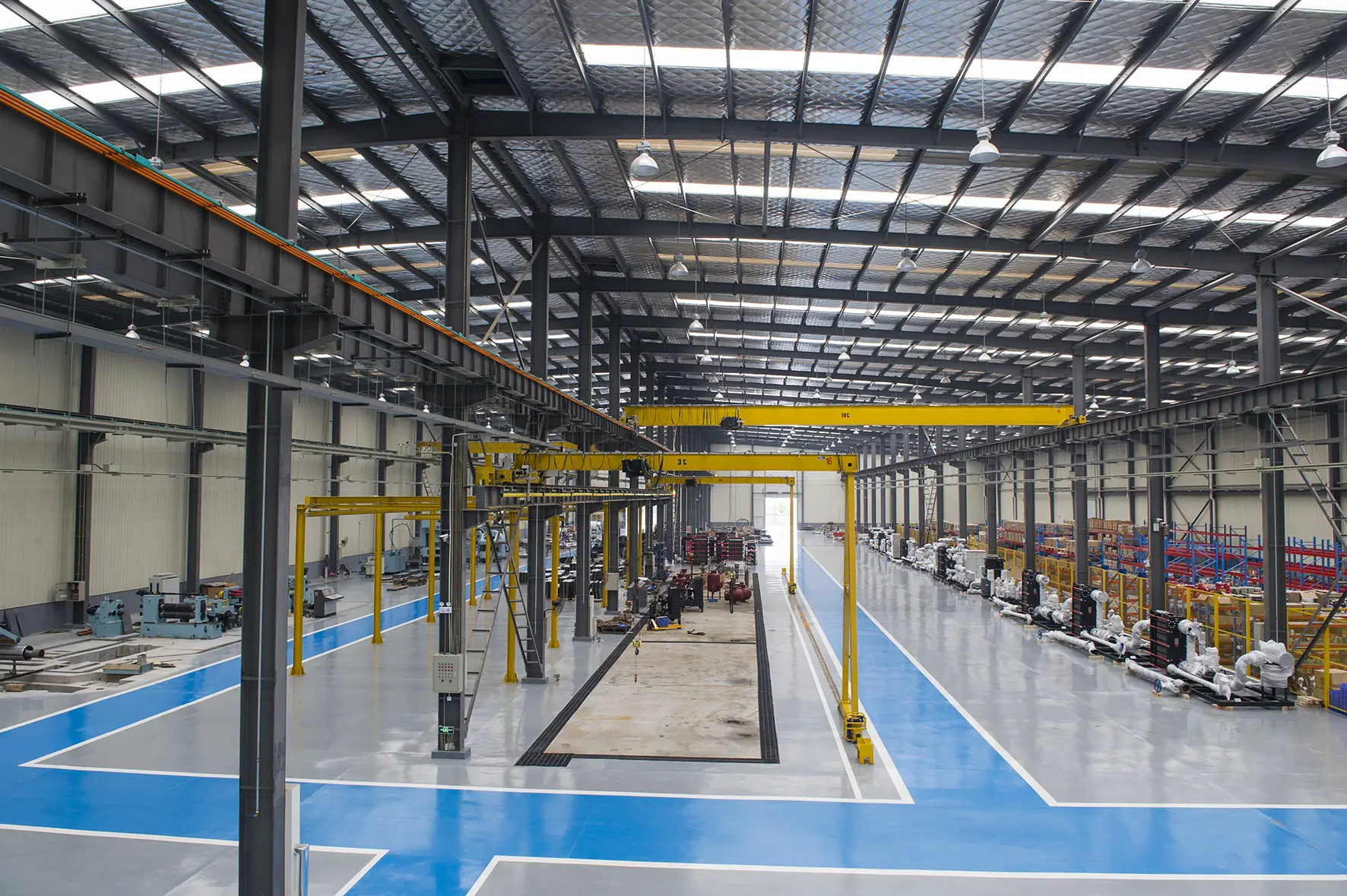
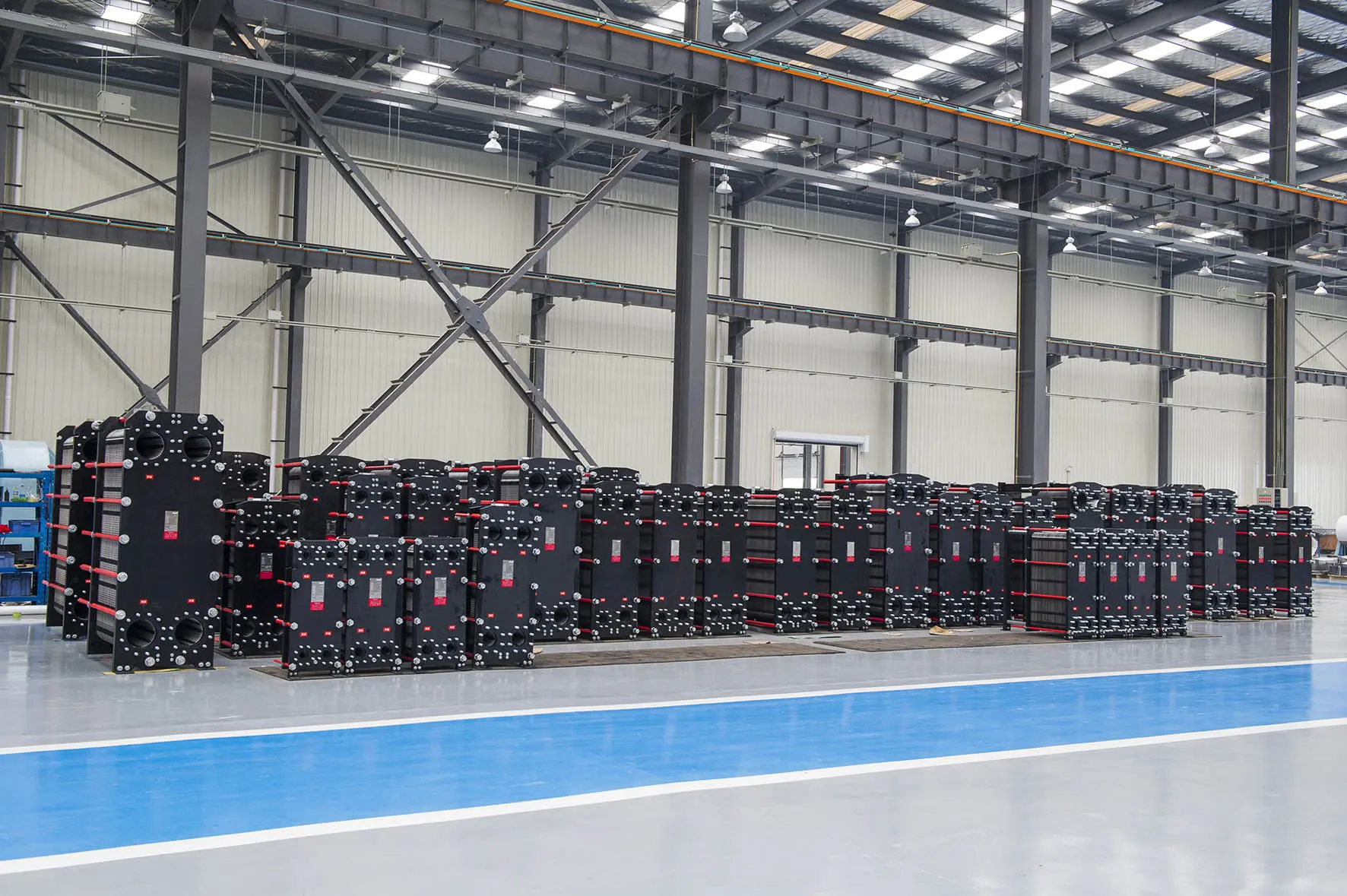
Take a look inside our modern production workshops, equipped with advanced manufacturing and quality inspection facilities.



Answers to common technical questions about temperature optimization in lube oil purification systems.
High-performance vacuum systems, intelligent balance valves, and advanced membrane desalination solutions from China's premier manufacturer.
A deep dive into emerging technologies, automation, and environmental factors shaping the future of industrial temperature control.
The industrial temperature control landscape is evolving rapidly, driven by the demand for carbon reduction, digital automation, and long-term equipment reliability. Next-generation systems are moving beyond basic static heat exchangers. The future lies in Intelligent Dynamic Heat Control Systems that integrate real-time sensor data, variable-frequency drives, and predictive analytics.
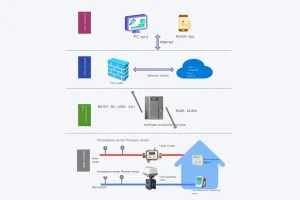
A key trend in this shift is the deployment of integrated Internet of Things (IoT) monitoring networks. These platforms allow operators to track heat transfer efficiency, pressure differentials, and thermal trends from remote control rooms. By monitoring these variables in real time, maintenance teams can identify fouling, scale buildup, or gasket degradation before they lead to system failures. This transitions maintenance from a reactive schedule to a proactive, predictive model.
In addition, modern manufacturing is placing a strong emphasis on sustainability. Manufacturers are designing closed-loop thermal recovery systems that capture and repurpose waste heat. By routing thermal energy from hot output streams back to preheat incoming cold fluids, these systems significantly reduce the energy needed for purification. Flotte remains at the forefront of this movement, engineering high-efficiency heat exchangers and intelligent control systems that help industrial facilities worldwide meet strict environmental standards while reducing operating costs.
 Flotte Energy