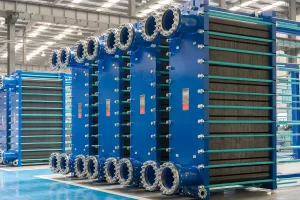
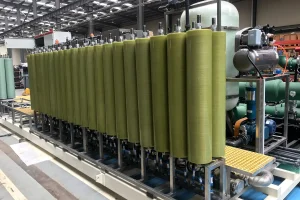
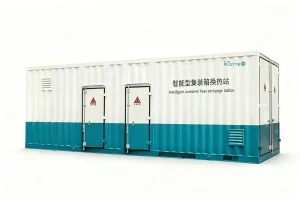
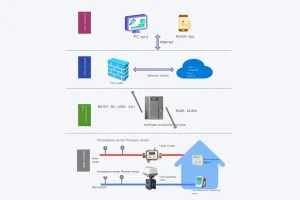
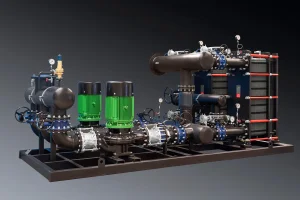
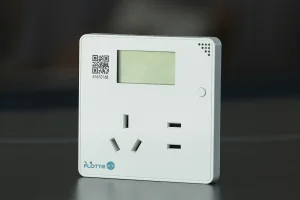
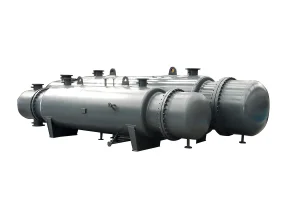
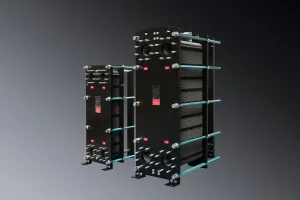
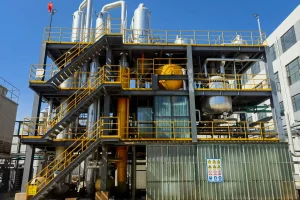
Explore our robust portfolio of high-efficiency heat exchangers, membrane desalination units, and smart network regulatory systems.
Industrial machinery operations rely heavily on the integrity of lubricating fluid. Over time, physical shear stresses, atmospheric moisture, heat, and internal contaminants cause lubricant degradation. As a pioneering force, Flotte Energy Saving explores the core engineering principles behind vacuum dehydration, gas desorption, and micro-filtration processes that constitute modern Lube Oil Purifiers.
Water exists in lubricating oil in three forms: dissolved, emulsified, and free water. Free and emulsified water damage load-carrying capacities, trigger metal oxidation, and accelerate chemical decomposition. Understanding the Lube Oil Purifier working principle reveals how state-of-the-art separation chambers use vacuum distillation technology combined with coalescence systems to remove emulsified and dissolved water at low operational temperatures, maintaining the oil's vital chemical properties.
By leveraging physical laws like Henry’s Law and Dalton’s Law, modern vacuum lube oil purifiers lower the boiling point of water by reducing the atmospheric pressure inside a designated vacuum chamber. This allows water molecules to vaporize at temperatures as low as 45°C to 60°C, preventing thermal cracking of the synthetic or mineral base stocks.
The multi-stage approach required to separate complex contaminants from industrial fluids.
The contaminated lubricant is drawn into the vacuum chamber via negative pressure. Inside, the oil is distributed over a large surface area using structured packing, forcing dissolved gases and water vapor to release rapidly under low pressure without boiling or degrading the underlying hydrocarbon structure.
For systems dealing with high concentrations of water, hydrophobic coalescer elements group tiny microscopic water droplets into larger droplets. These droplets sink into a collection sump due to gravity, allowing high-throughput water evacuation before fine vacuum polishing occurs.
Using multi-stage filter cartridges with progressive ratings (typically from 20 microns down to 1 micron), particulate contaminants are filtered out. High beta-ratio glass fibers trap soot, metallic wear debris, and varnish precursors, protecting close-tolerance system components.
Rooted in three decades of thermodynamic and fluid engineering mastery, delivering reliable industrial utility systems globally.
Established in 2013 with a registered capital of 101 million yuan, Flotte Energy Saving Company originated from Flotte Thermal Engineering, founded in 1995. Drawing on thirty years of technical expertise, our team specializes in water equipment, HVAC systems, and water treatment technologies. We focus on developing energy-efficient fluid conditioning products, heat exchange stations, and integrated process filtration platforms.
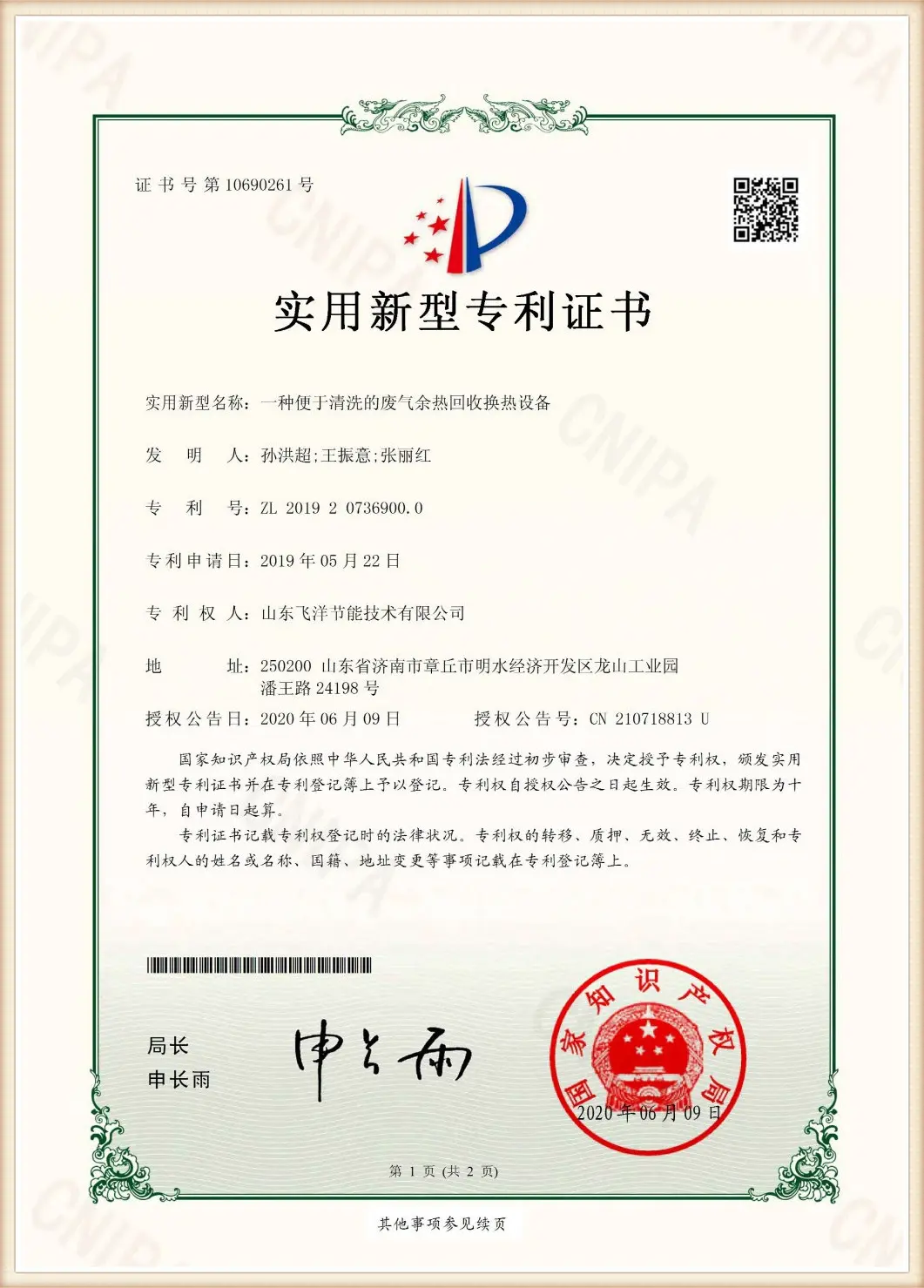
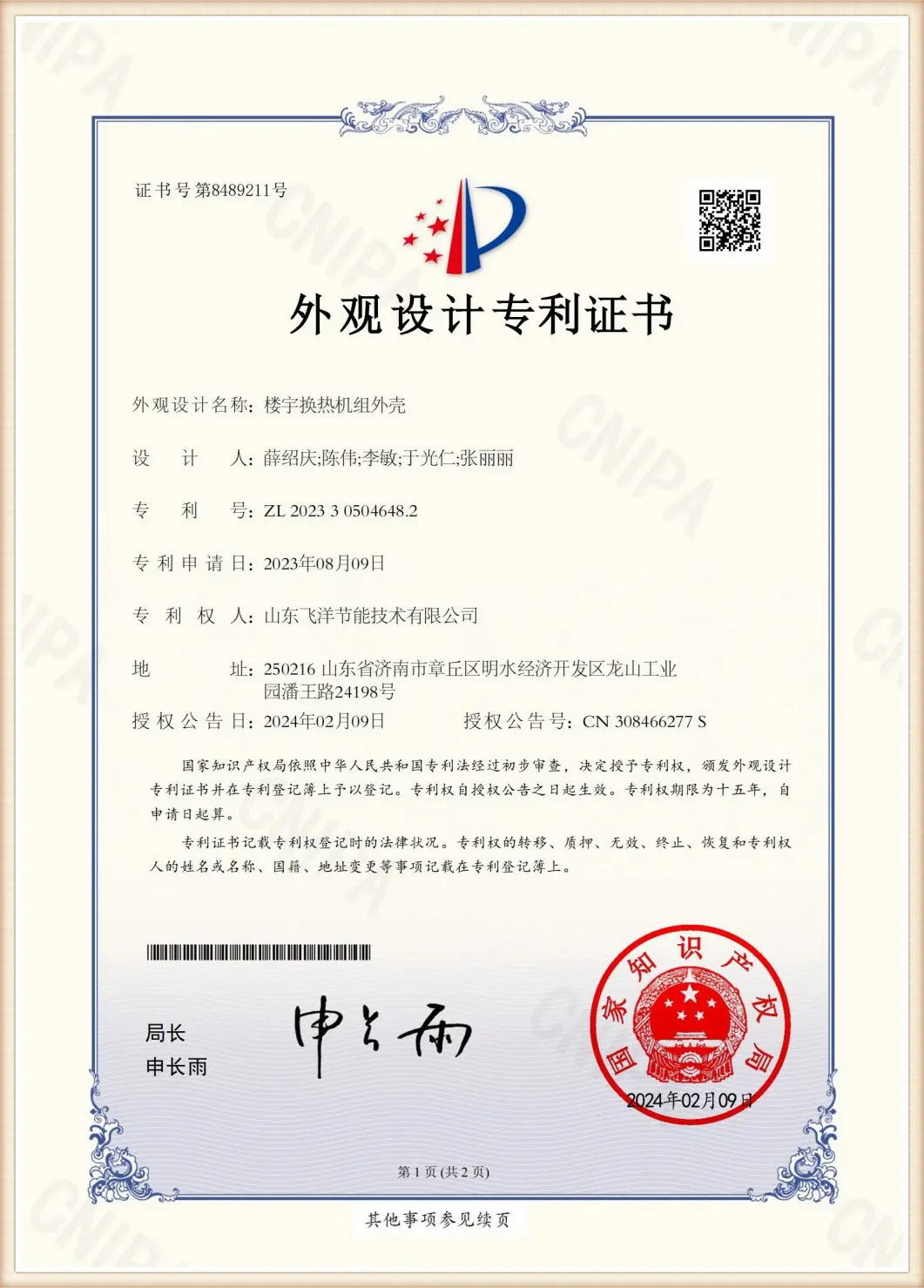
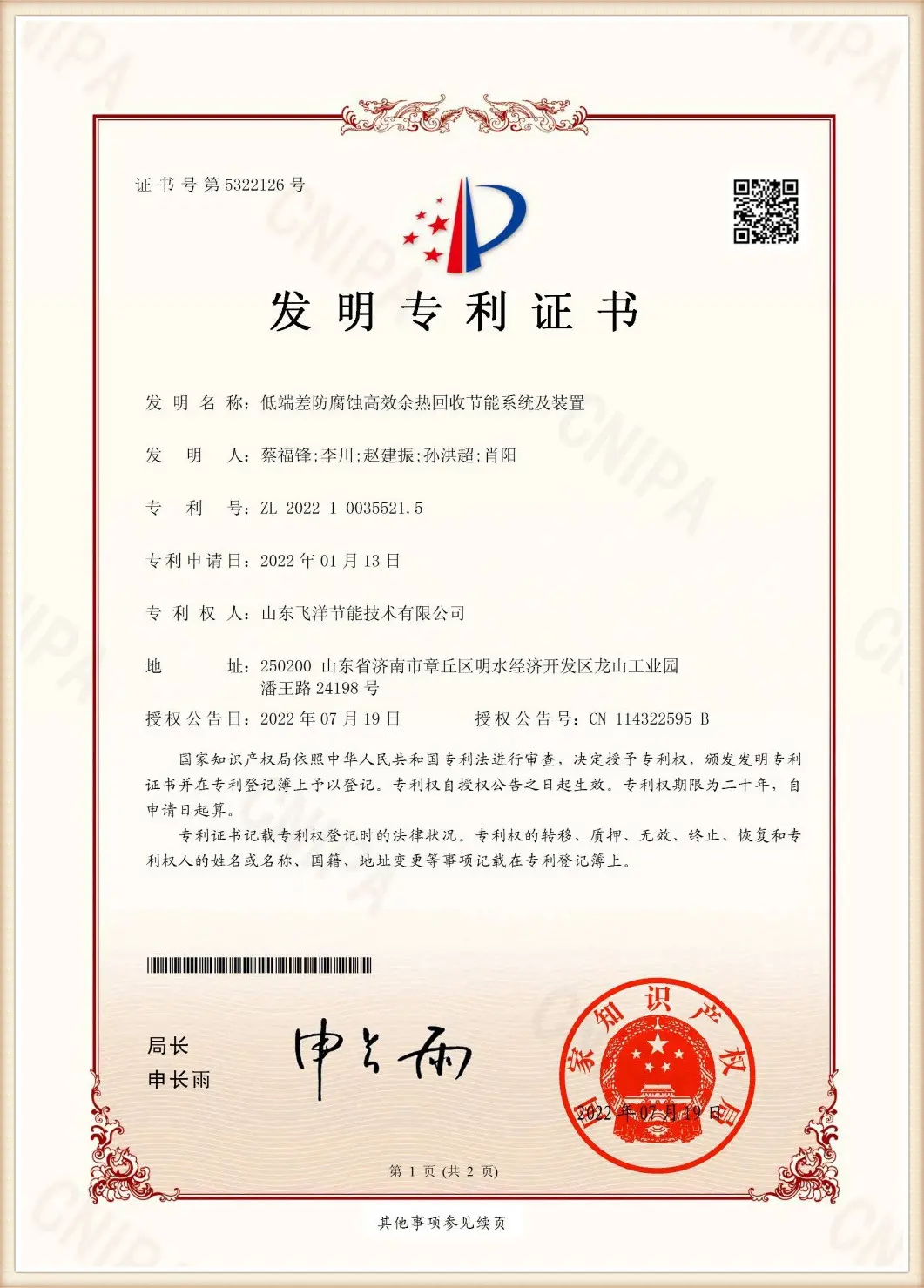
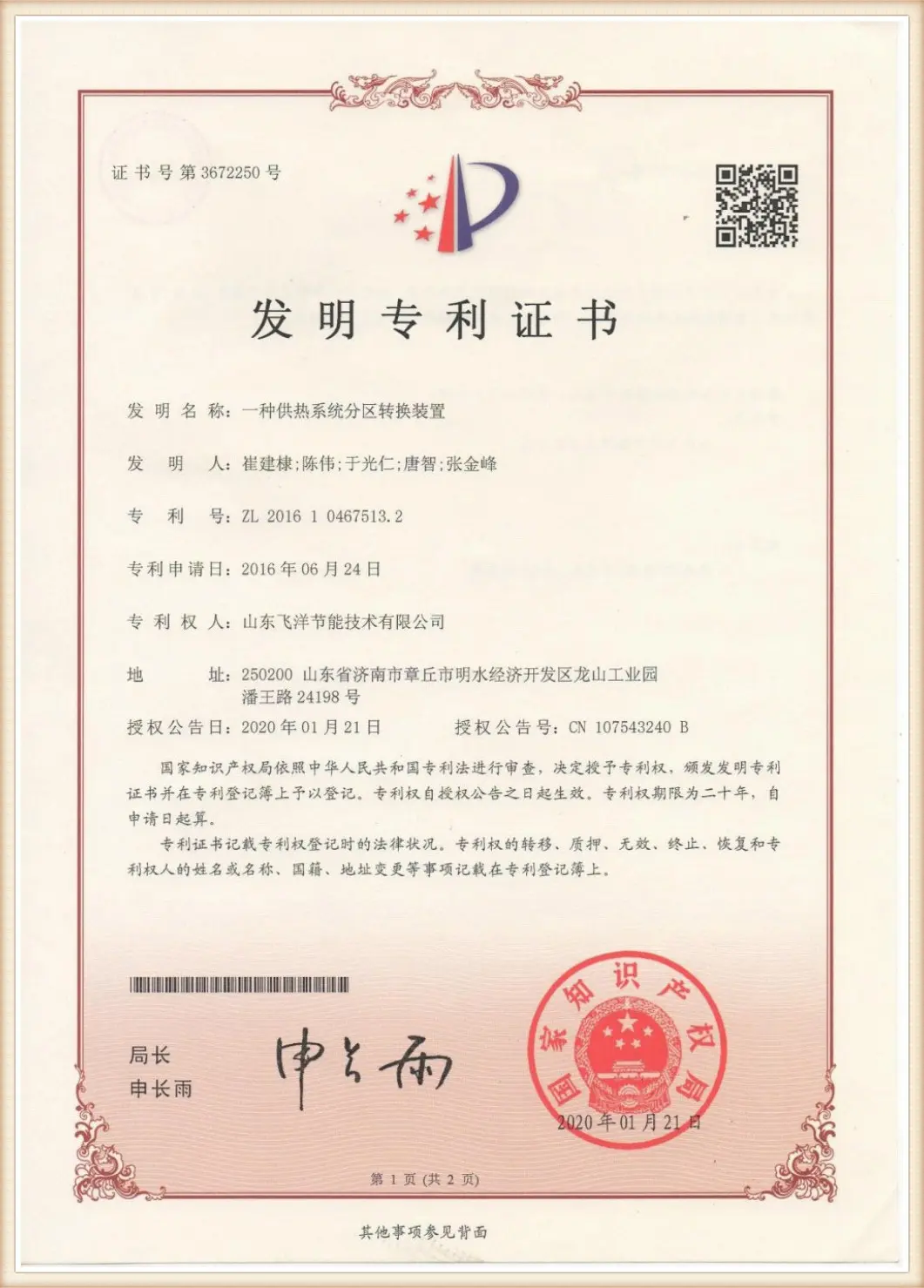
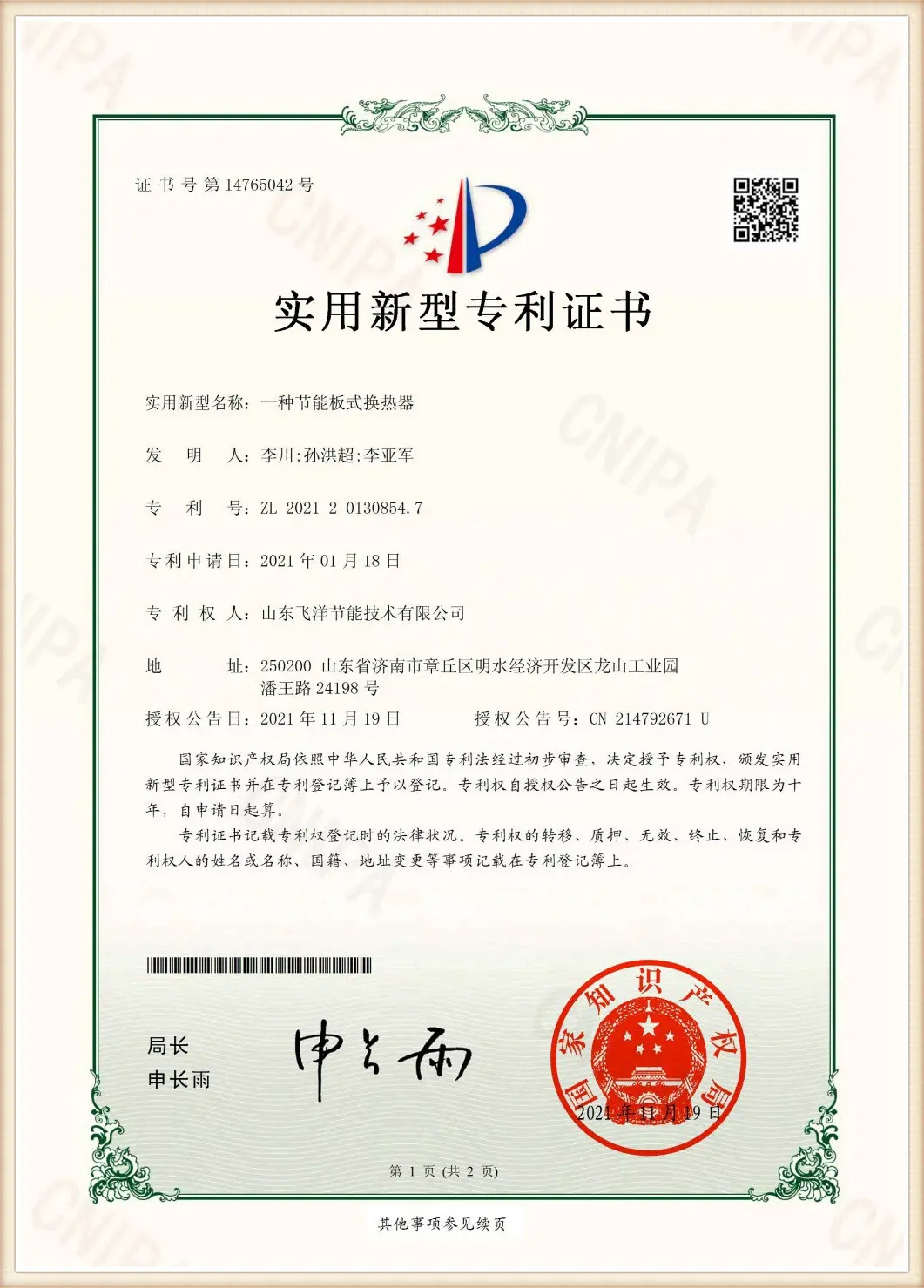
Our commitment to R&D has yielded multiple patent certifications, including our renowned "High-Efficiency Plate Heat Exchanger", "Intelligent Plate Heat Exchanger System", and "Plate Heat Exchanger Scale Removal Device". By applying these heat transfer and separation technologies, we design lube oil purification systems that manage thermal controls effectively, optimizing the separation of complex emulsions.
Our modern manufacturing workshops are governed by the ISO 9001:2015 international quality management system, ISO 14001 environmental management standards, and ISO 45001 occupational health and safety guidelines. Every system undergoes pressure safety testing and operational inspection before dispatch to ensure field reliability.
Key considerations for EPC contractors, plant operators, and procurement heads during evaluation.
Industrial facilities require systems that comply with local regulatory frameworks. Flotte platforms are engineered to meet international safety criteria, including ASME Boiler and Pressure Vessel codes, CE conformity, and the safety registrations of the National Standardization Committee.
Sourcing teams look beyond the initial purchase price. Our energy-recovery heating systems minimize electricity draw, reducing lifetime utility costs by up to 25% compared to standard configurations.
Offshore platforms, power generation complexes, and chemical facilities require specialized builds. Flotte provides custom piping, explosion-proof electric controls (ATEX/IECEx), and marine-grade protective coatings to withstand harsh conditions.
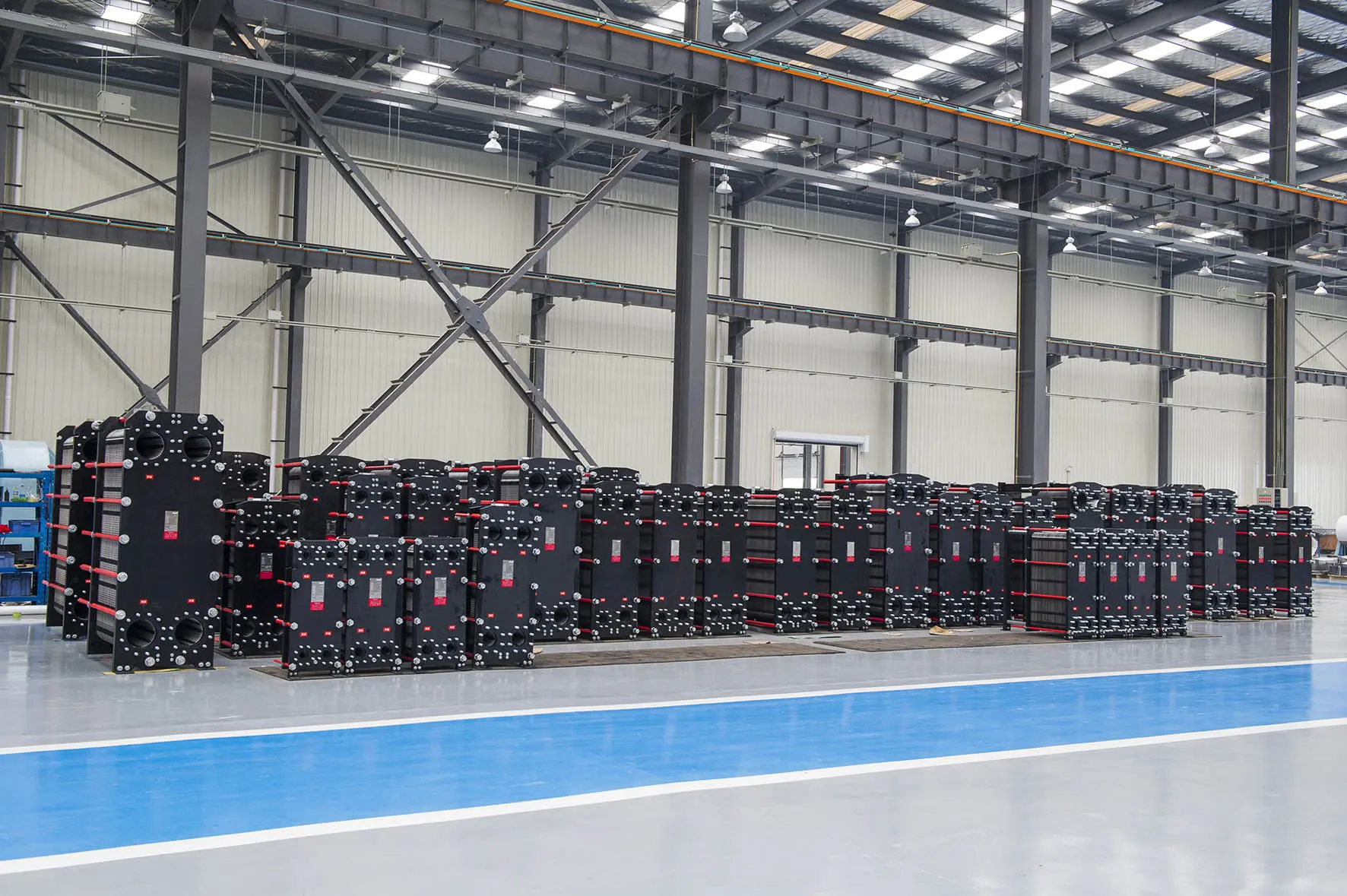
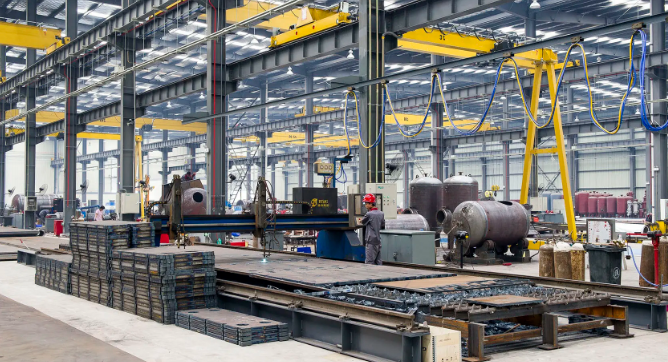
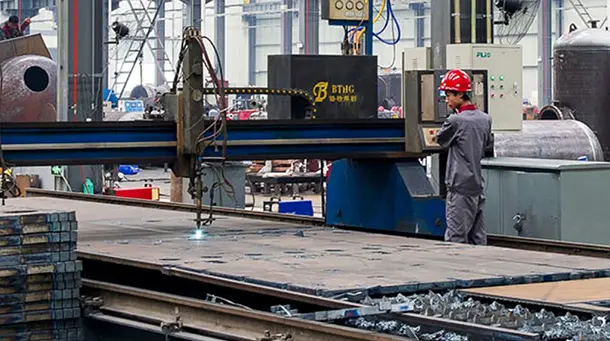
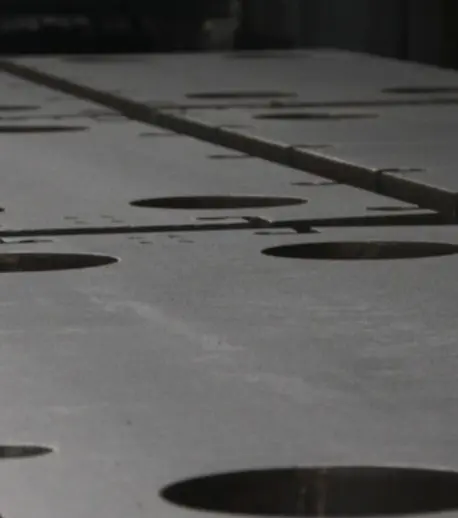
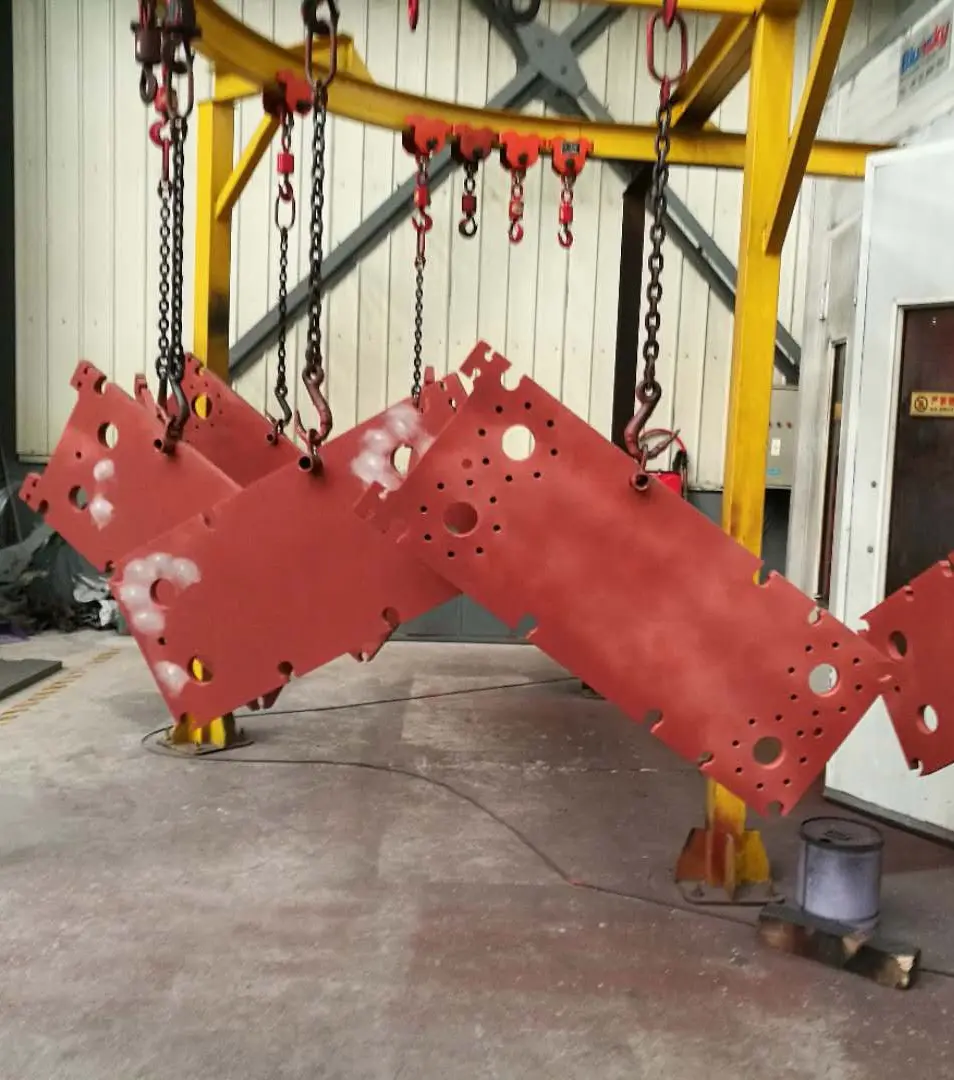
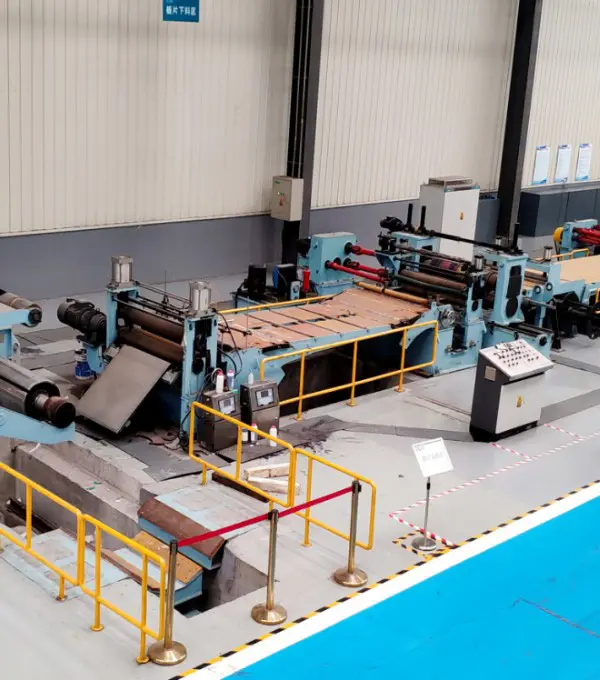
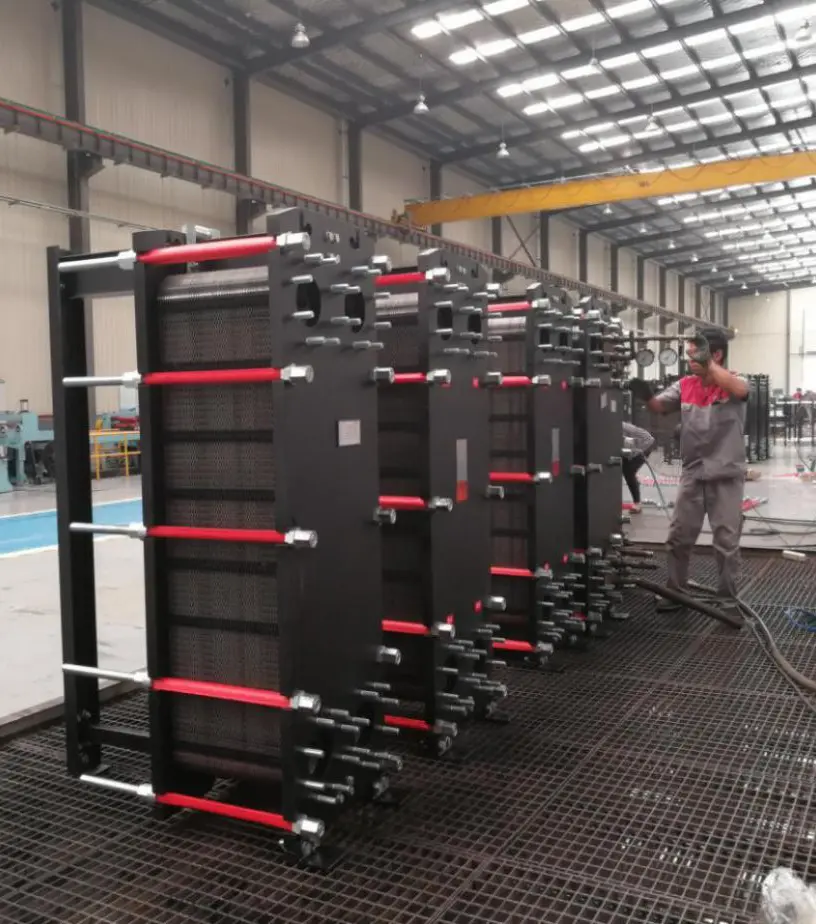
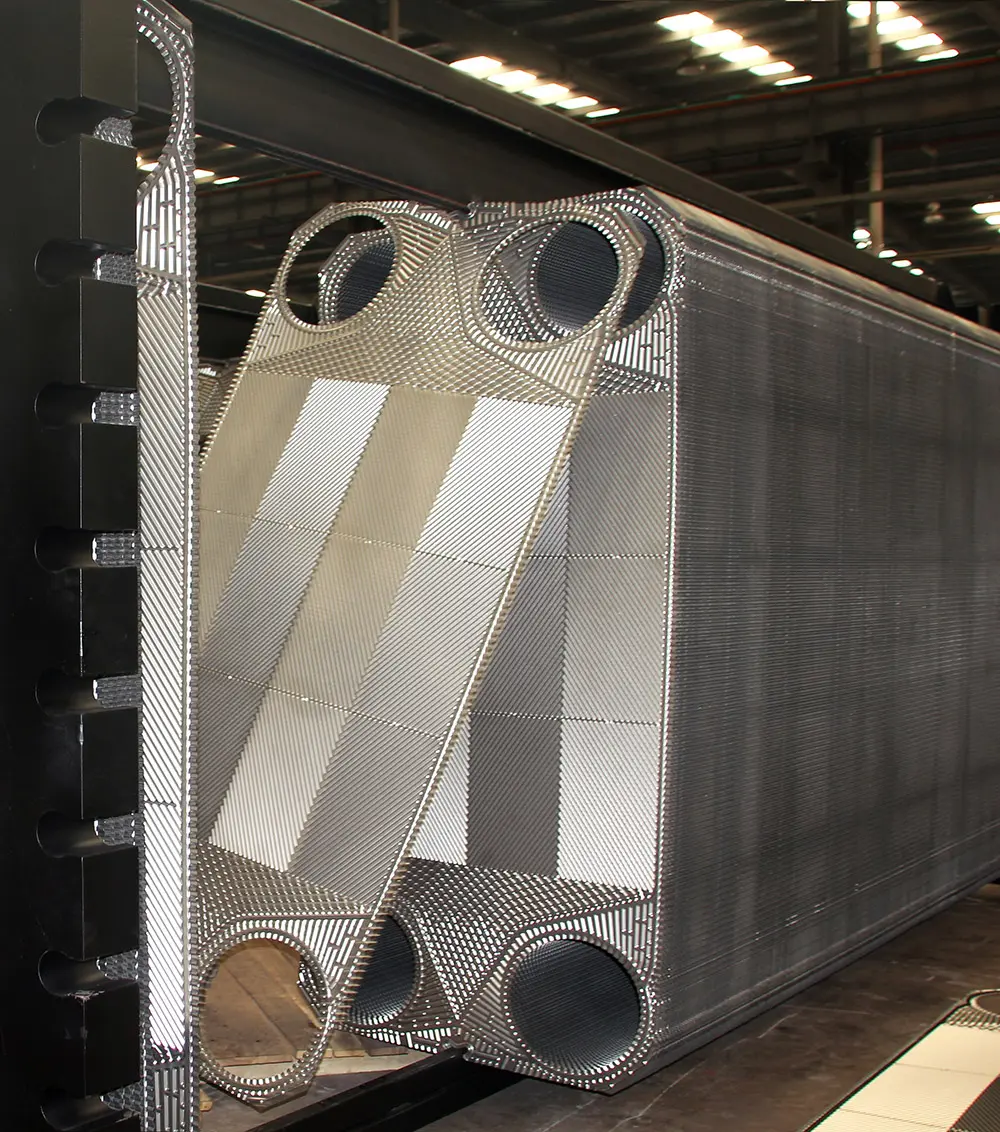
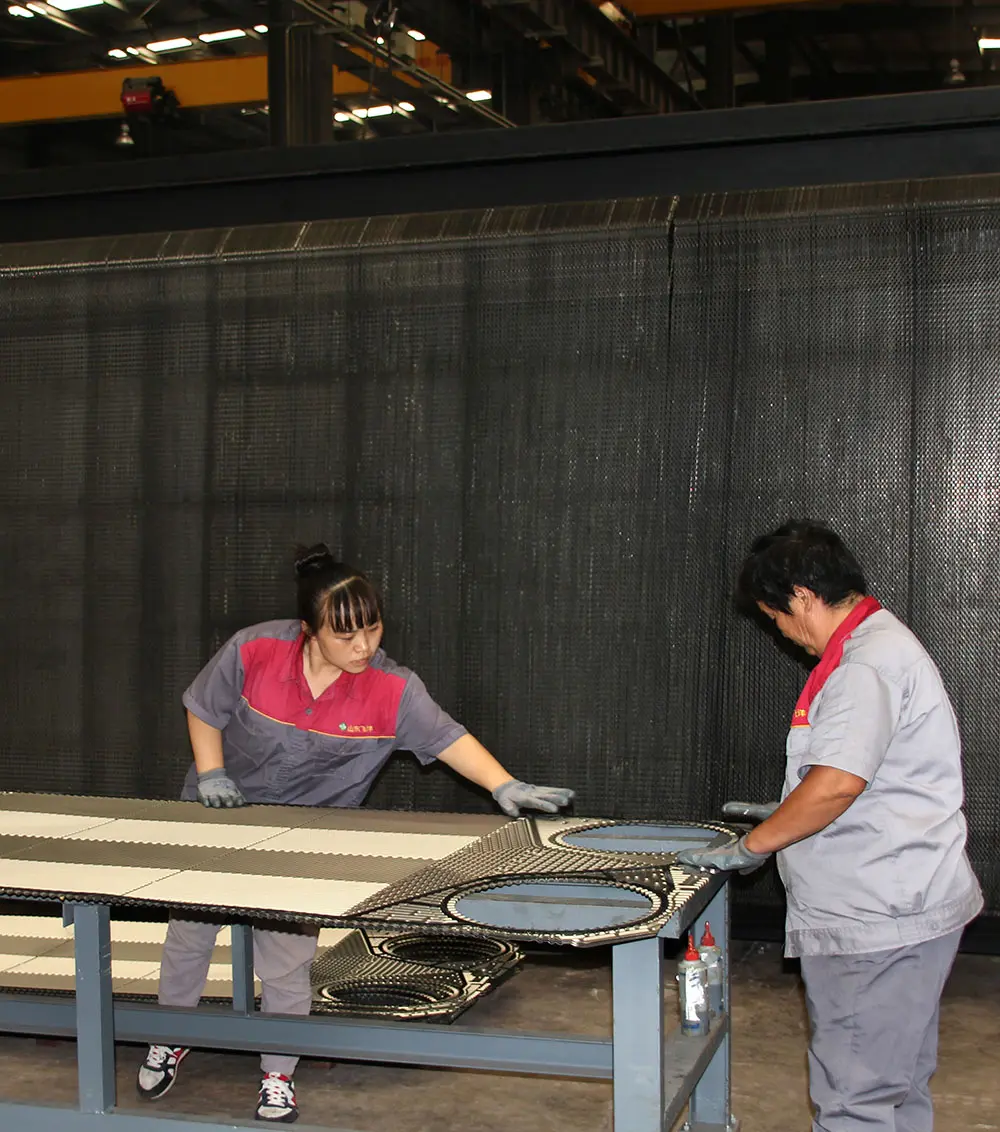
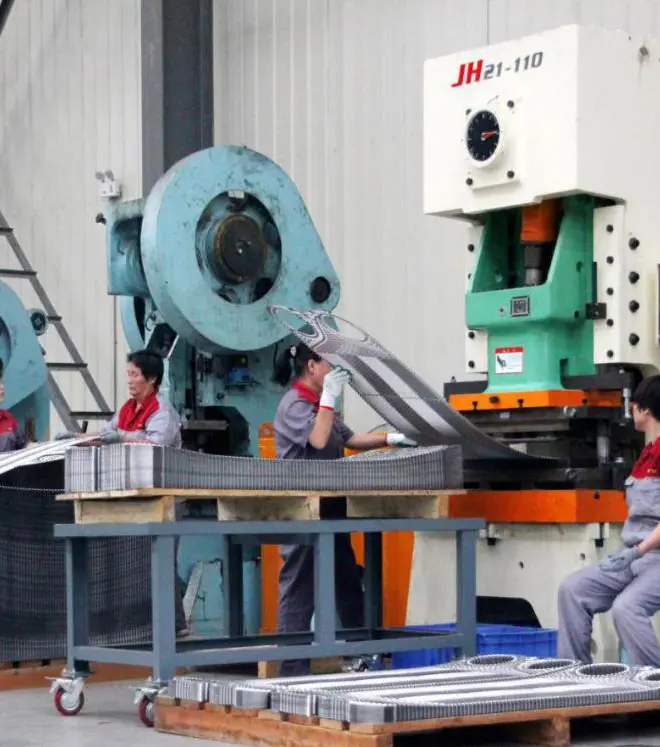
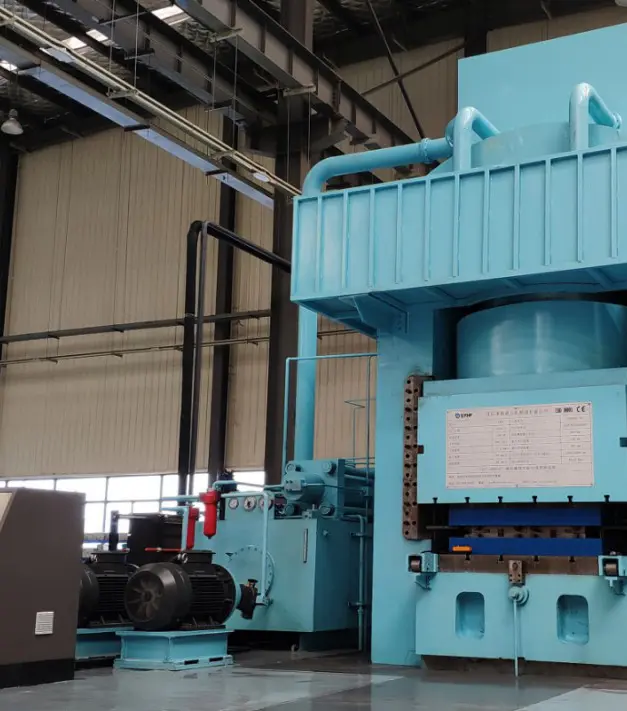
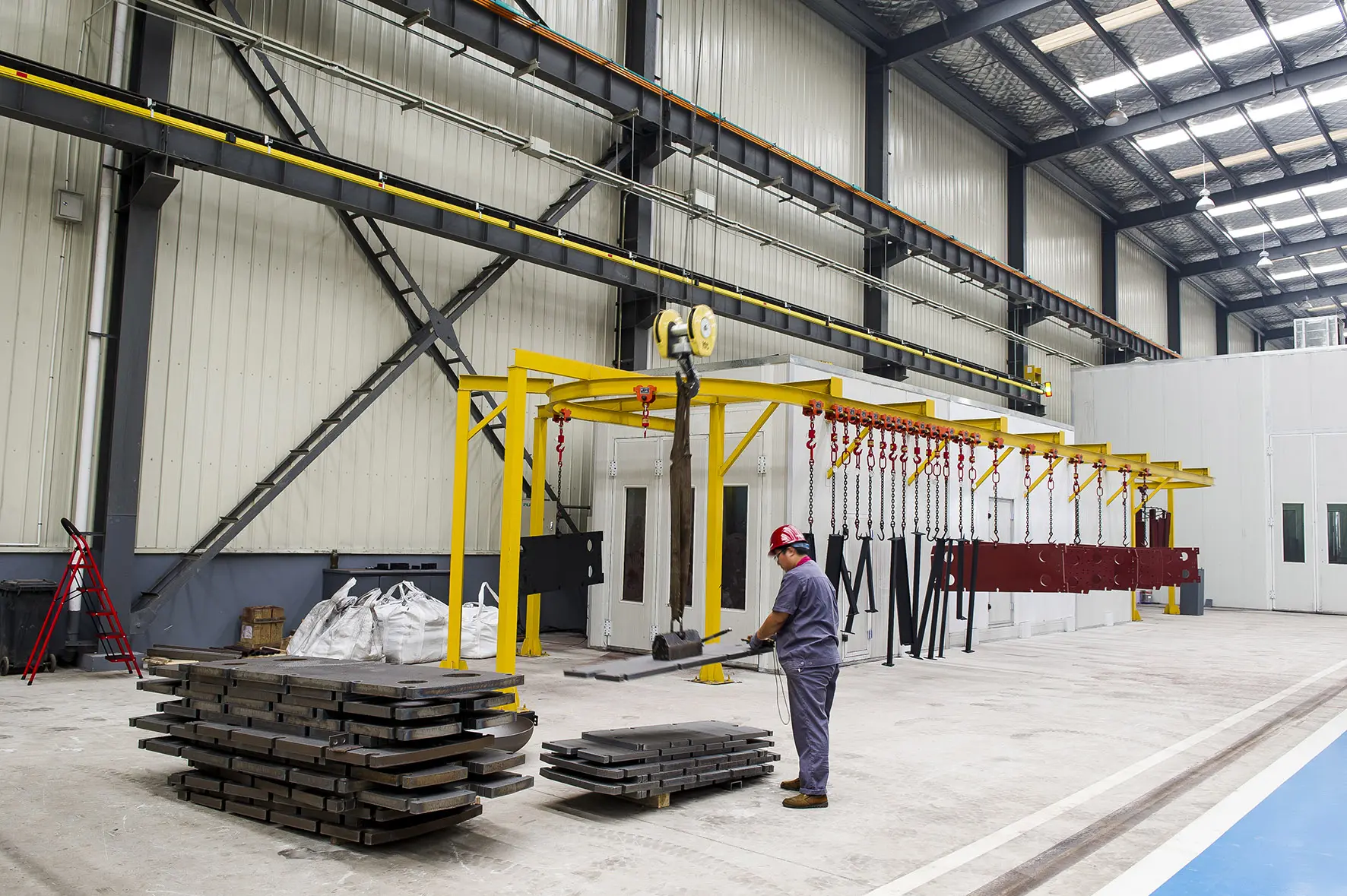
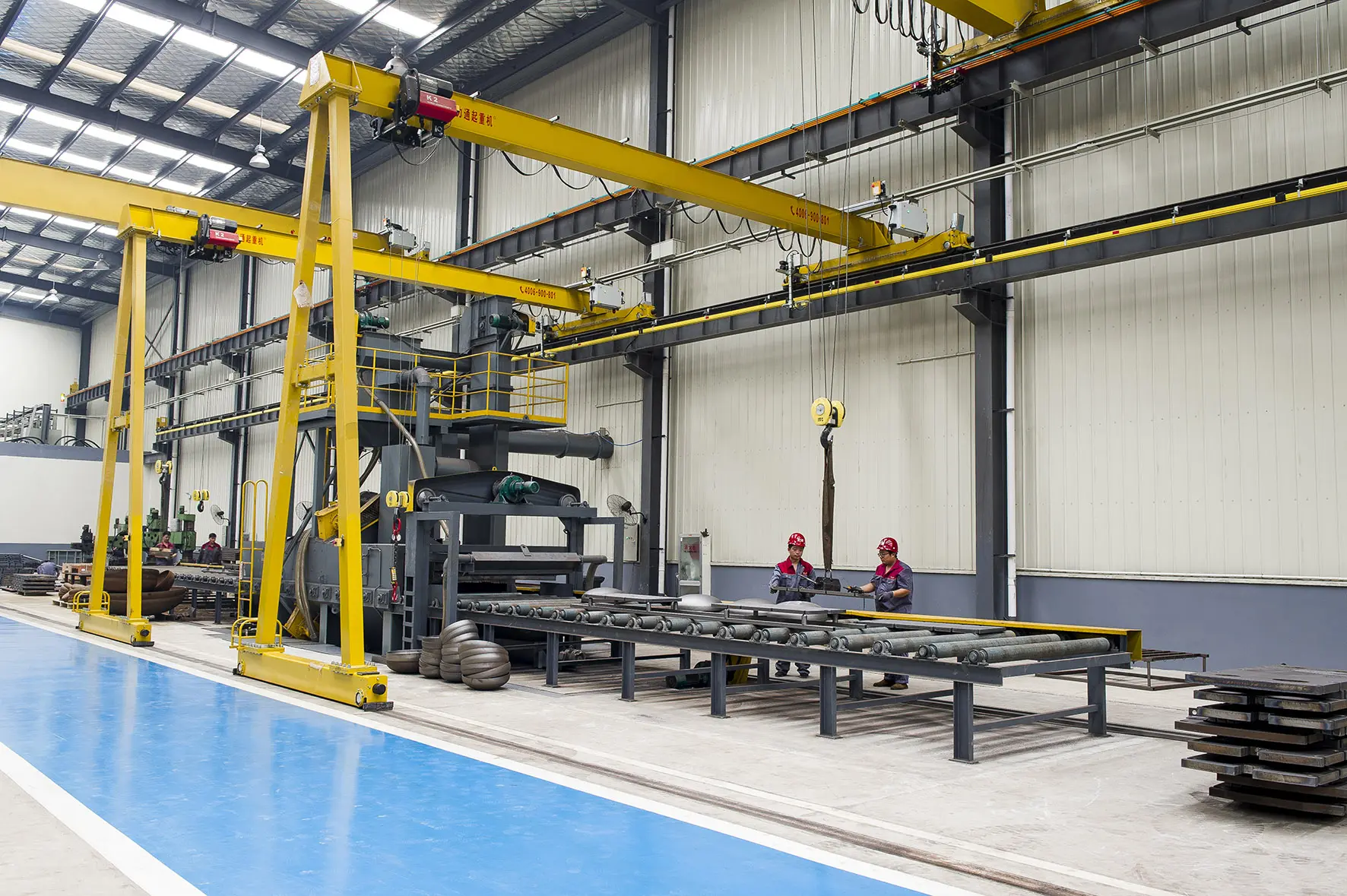
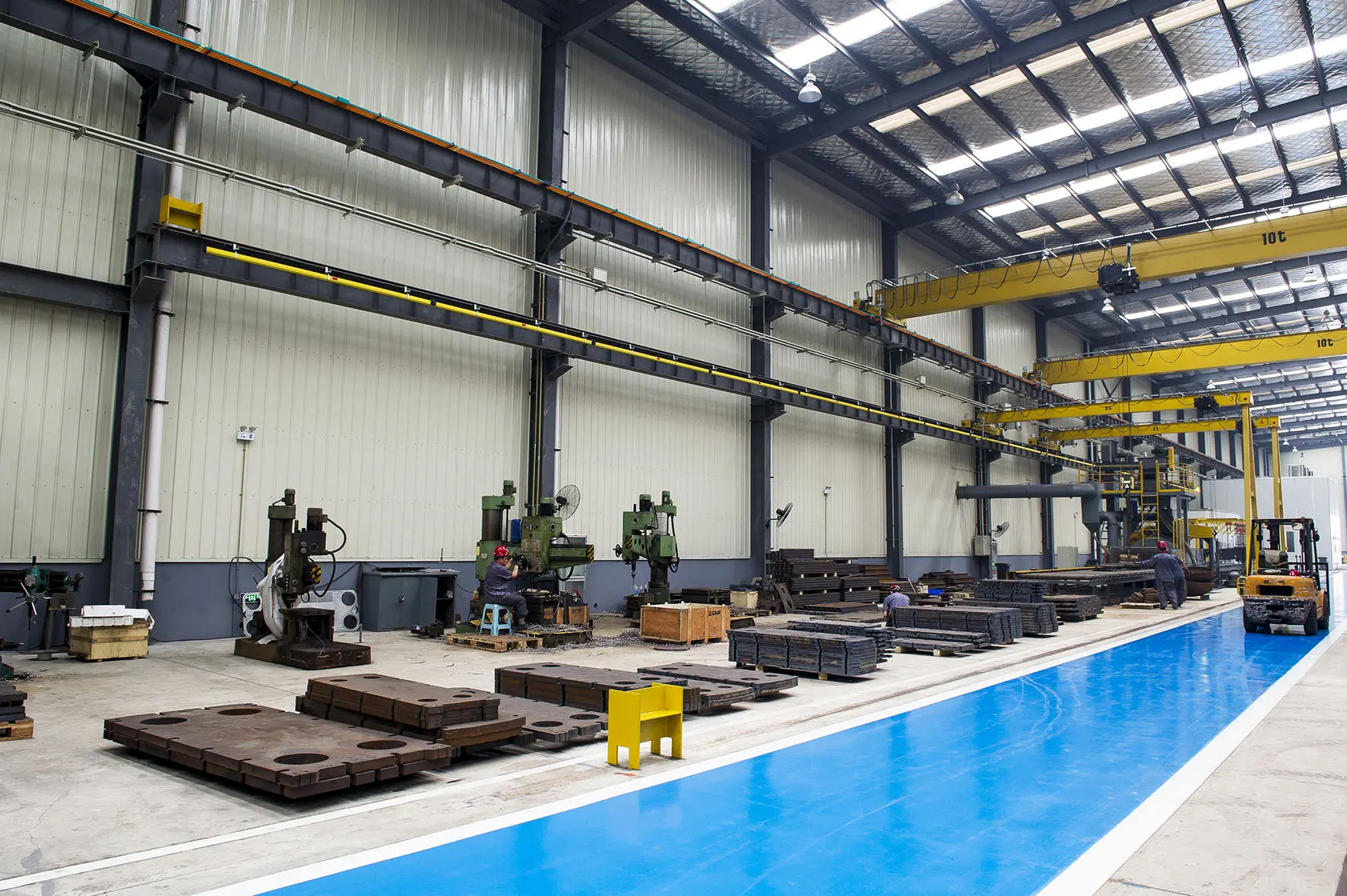
A look into our 70,000 m² workshop, showing how raw materials are transformed into certified thermal and filtration equipment.
Integrating IoT telemetry and advanced materials to shape the future of lubricant management.
Future iterations of lube oil purifiers will transition from schedule-based servicing to predictive conditioning. By integrating high-resolution laser particle counters and moisture sensors directly into the plc-controlled purification loop, systems will automatically adjust vacuum depth, flow velocity, and temperature in response to real-time contamination spikes.
Additionally, developments in membrane technology will enable targeted extraction of polar acidic compounds and varnish precursors. This prevents the formation of sludge before it can deposit on critical bearings and heat exchanger channels, supporting a circular economy for industrial oils.
Flotte is committed to reducing emissions and energy consumption. Our developmental focus combines smart thermodynamic heat exchangers with oil recovery loops, minimizing heat dissipation and repurposing energy to pre-heat inbound oil stocks.
Answers to complex engineering questions regarding fluid purification, heat exchange integration, and maintenance.
Verified compliance and production capabilities serving industrial networks worldwide.

Discover our comprehensive collection of plate heat exchangers, multi-effect evaporators, and smart pressure-regulation skids.
 Flotte Energy