Explore our high-performance liquid regulation, thermal transfer, and system monitoring equipment engineered for harsh industrial environments.
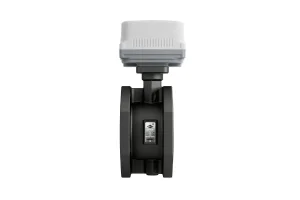
In high-stress mechanical engineering, turbine operation, and heavy-duty marine propulsion systems, the contamination of lubricating oil by moisture, micro-particles, and sludge represents a critical vector for catastrophic machinery failure. Efficient oil purification relies heavily on understanding the physics-driven separation mechanism behind modern separation units. A Lube Oil Separator is not merely a filter; it is an engineered thermodynamic and fluid-separation system designed to resolve emulsions, precipitate dense particulate contaminants, and isolate clean lubricant molecules to ensure machinery reliability.
Flotte Energy Saving Company, established in 2013 with a registered capital of 101 million yuan, trace its technical lineage to Flotte Thermal Engineering founded in 1995. Armed with three decades of engineering and manufacturing precision, we specialize in high-efficiency plate heat transfer, industrial fluid treatment, water purification, and HVAC systems. Over the years, our R&D initiatives have driven advanced fluid designs to improve process efficiency across municipal, chemical, power, and marine installations globally.
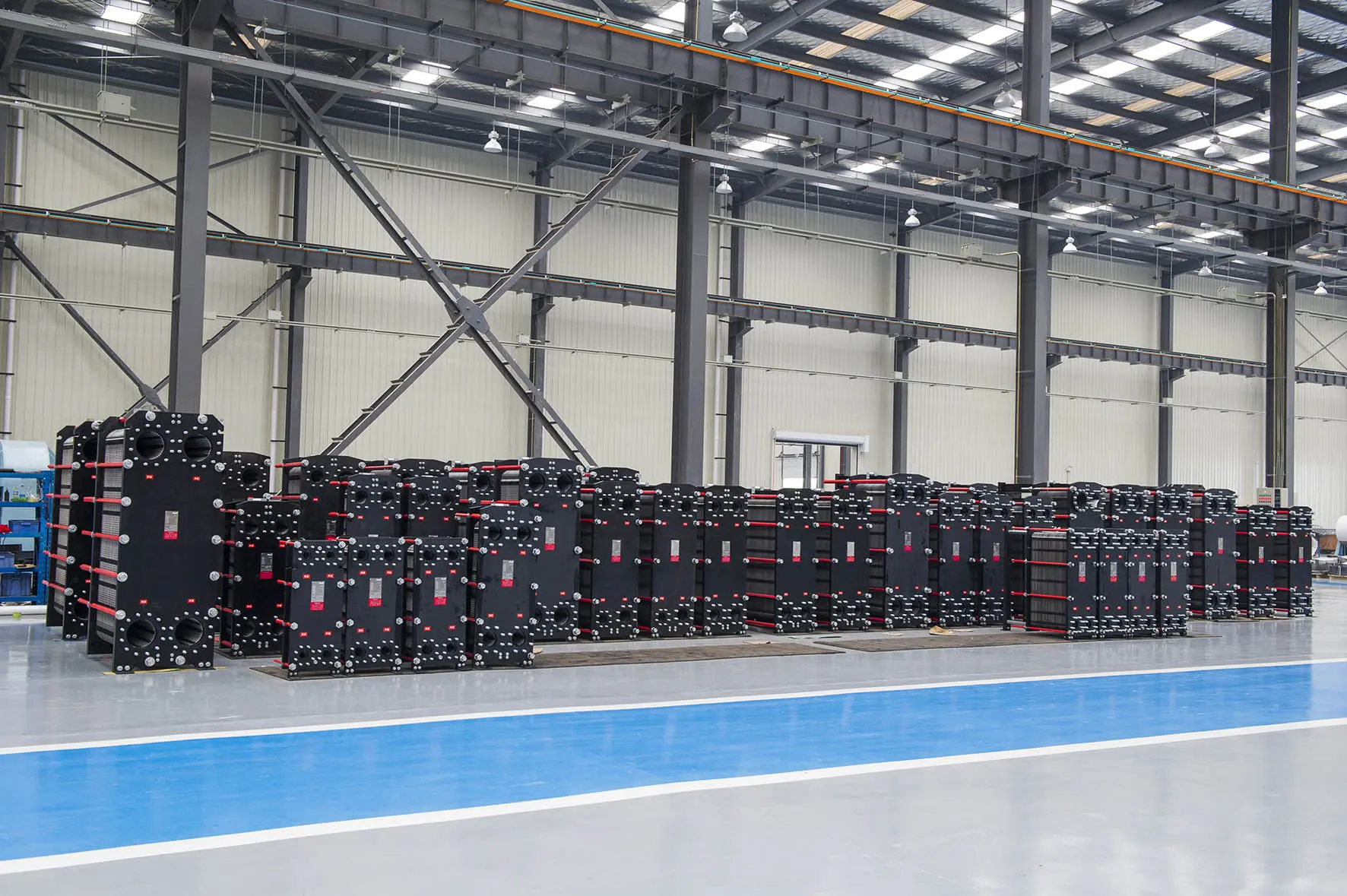
Information Gain Principle: Conventional filtration systems capture only solid particulates larger than the filter mesh pores, leaving sub-micron water emulsions and highly destructive dissolved water untouched. A true mechanical lube oil separator operates on density differentiation, employing either intense gravitational forces (centrifugal) or highly specialized hydrophilic-hydrophobic coalescer elements to disrupt the water-in-oil emulsion barrier. This process ensures the continuous purification of lube oil without stripping valuable additives.
An in-depth analysis of Stokes' Law, Centrifugal G-Forces, and Coalescing Media Dynamics
The foundational mechanism relies on density differences between lube oil (typically 0.85-0.90 g/cm³), water (1.0 g/cm³), and solid particulates (often > 2.0 g/cm³). Under standard gravity, separation occurs naturally but slowly. Modern separators speed up this process using centrifugal force, multiplying standard gravitational acceleration (g) by thousands of times (up to 10,000 Gs) to accelerate separation.
In high-speed disc stack centrifuges, dirty oil enters a rotating bowl through a central distributor pipe. Inside, a stack of conical discs divides the space into thin layers (typically 0.5 to 1.0 mm thick). This reduces the settling distance of droplets. The heavier phases (water and solid sludge) are forced outward against the bowl wall, while the lighter purified oil flows inward along the disc surfaces to be continuously discharged by a paring disc pump.
Coalescing systems route oil through a multi-layered matrix. As microscopic water droplets flow through this media, they attach to hydrophilic fibers. Supported by high interfacial tension, these tiny droplets merge into larger water droplets. Once they grow large enough, gravity pulls them down into a collection sump, leaving the dry lubricating oil to pass through hydrophobic barriers that block any remaining moisture.
The sedimentation velocity of a droplet or particle in a continuous fluid medium is defined by the following equation:
Where:
SEO Value-Add: The equation shows that heating the oil decreases its viscosity (μ), which increases the settling velocity (vs). That is why pre-heating the lubricating oil to 80°C - 95°C is critical to maximizing separation efficiency.
How Flotte integrates state-of-the-art metal stamping, precision testing, and high-volume production structures
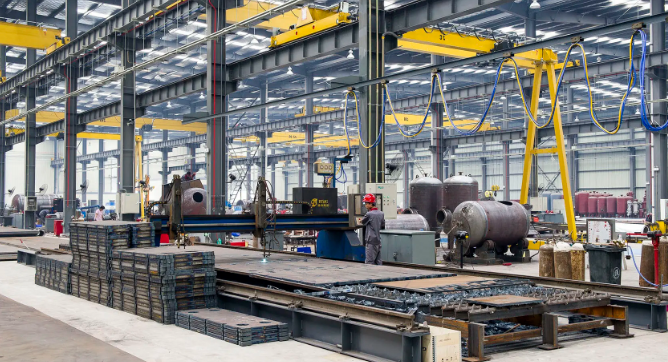
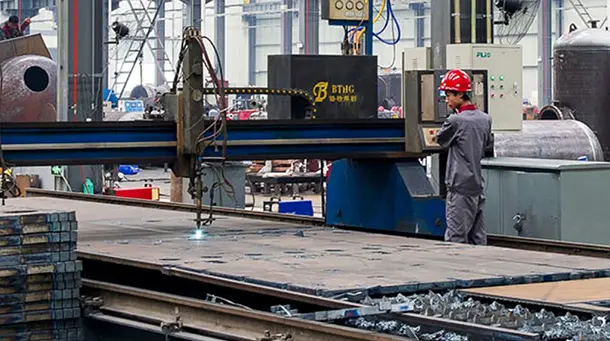
Flotte operates modern production workshops equipped with advanced manufacturing and quality inspection facilities. All frontline production staff are certified technicians who have undergone rigorous formal training. Production processes, quality control, and service operations strictly adhere to the ISO 9001:2015 international quality management system, while also complying with the pressure vessel quality assurance framework. Our products undergo mandatory inspections by national quality supervision authorities, ensuring full compliance with international engineering standards.
Adhering to the concept of "quality first" and "winning by quality", the company has established a sound quality assurance system, improved the quality supervision and management of all staff, whole process and all aspects, and made great efforts in product technology, quality and service. The company conscientiously carries out on-site management and rectification work, and establishes a safe and civilized production environment.
Product quality and the quality of purchased materials are inseparable. Therefore, the company asks the purchasing department to determine the list of qualified suppliers and strengthen the contact with each supplier to ensure product quality.
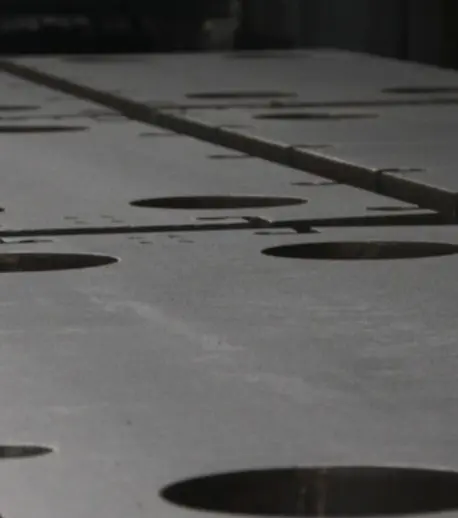
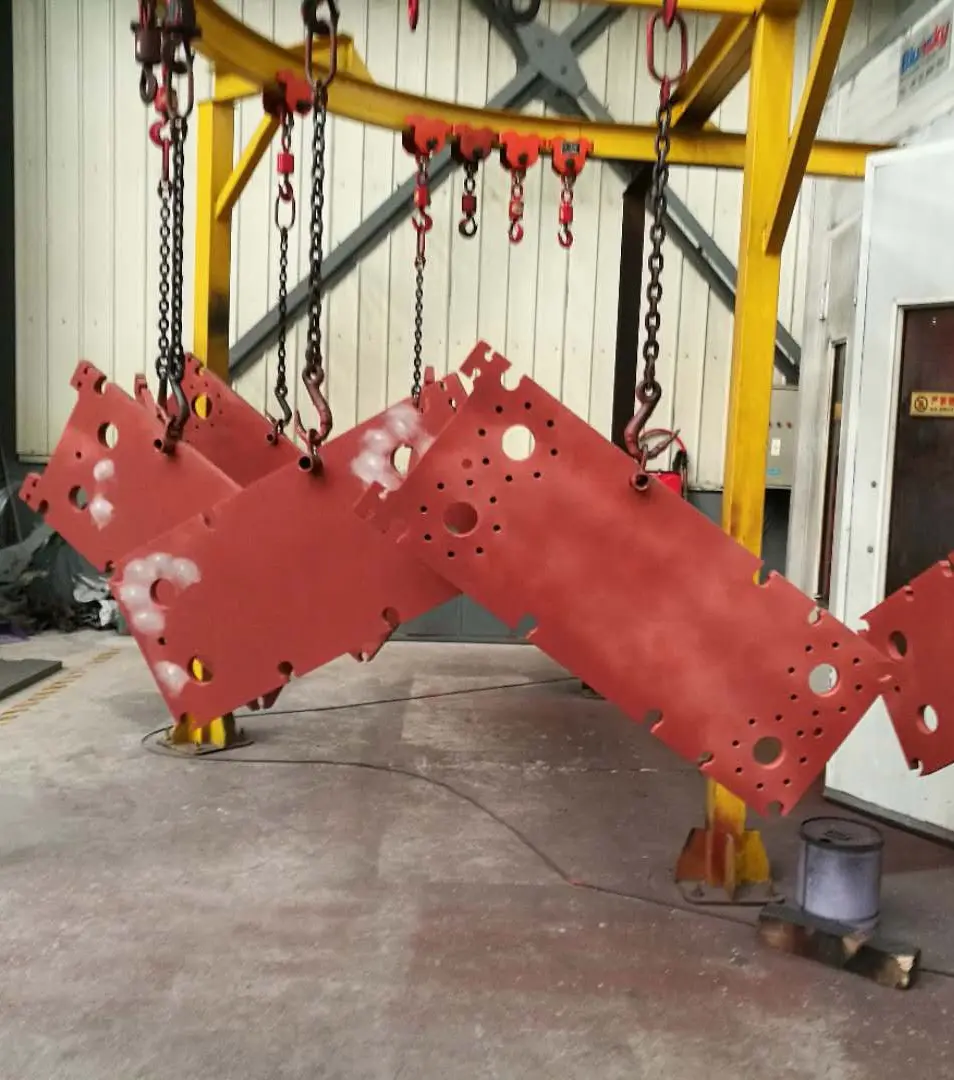
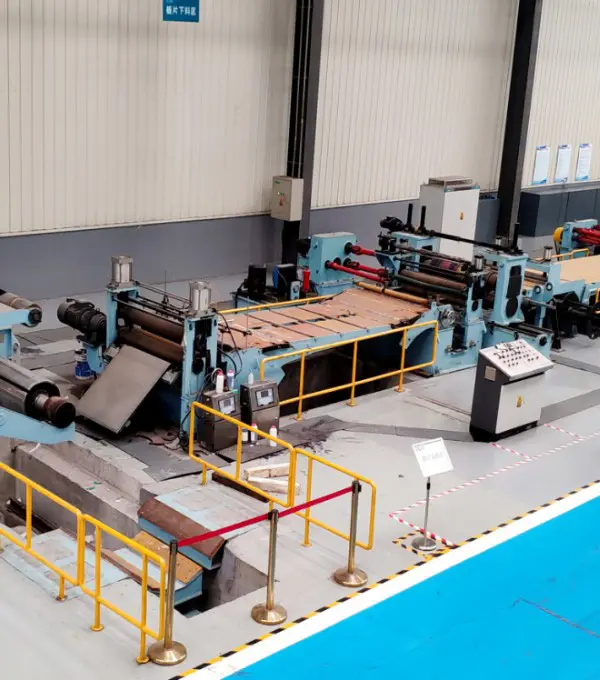
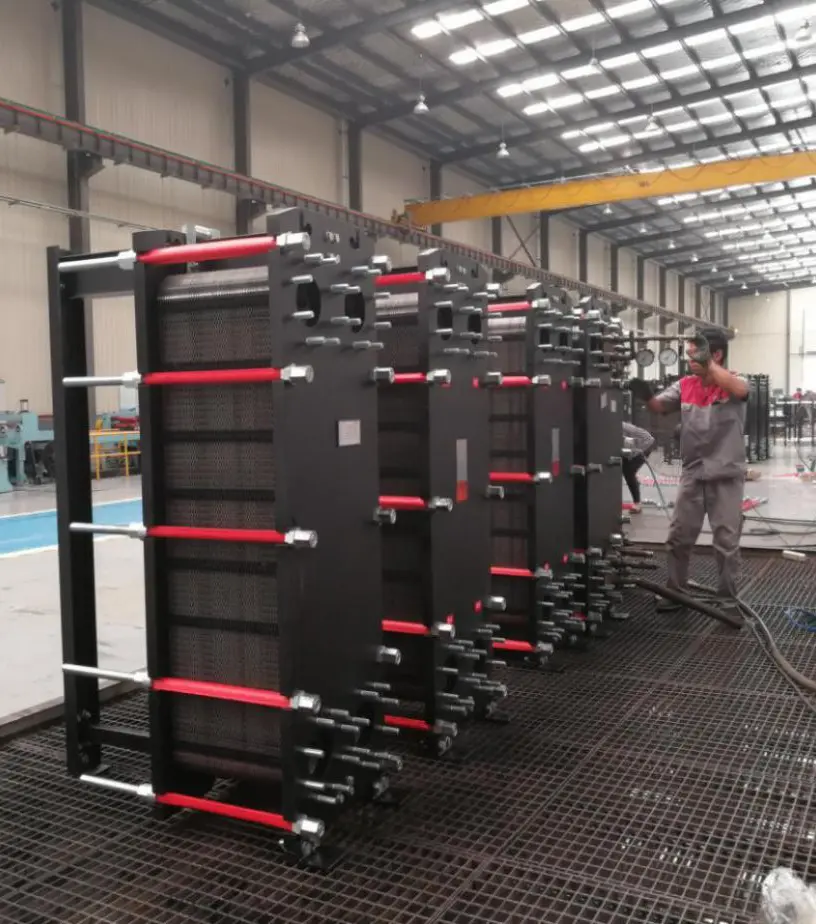
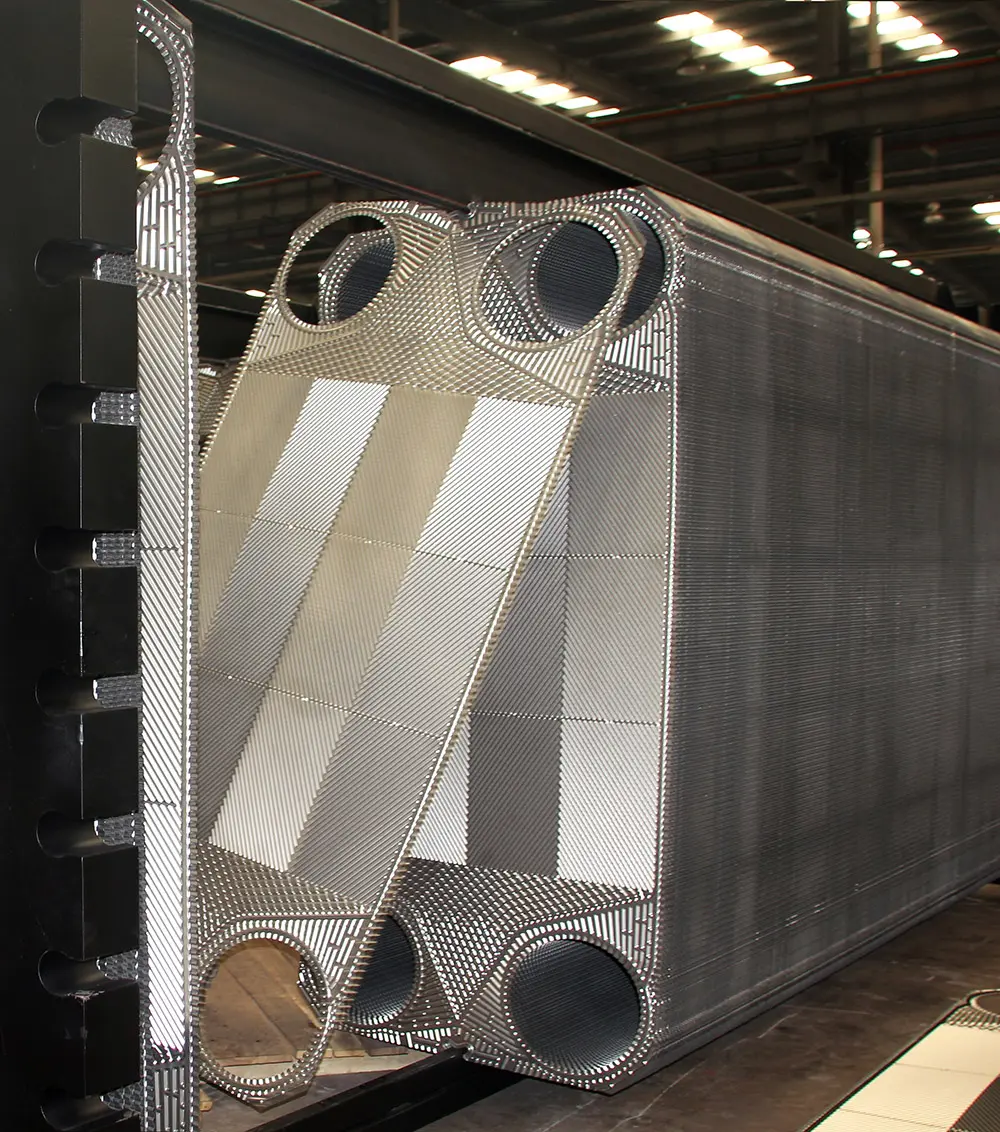
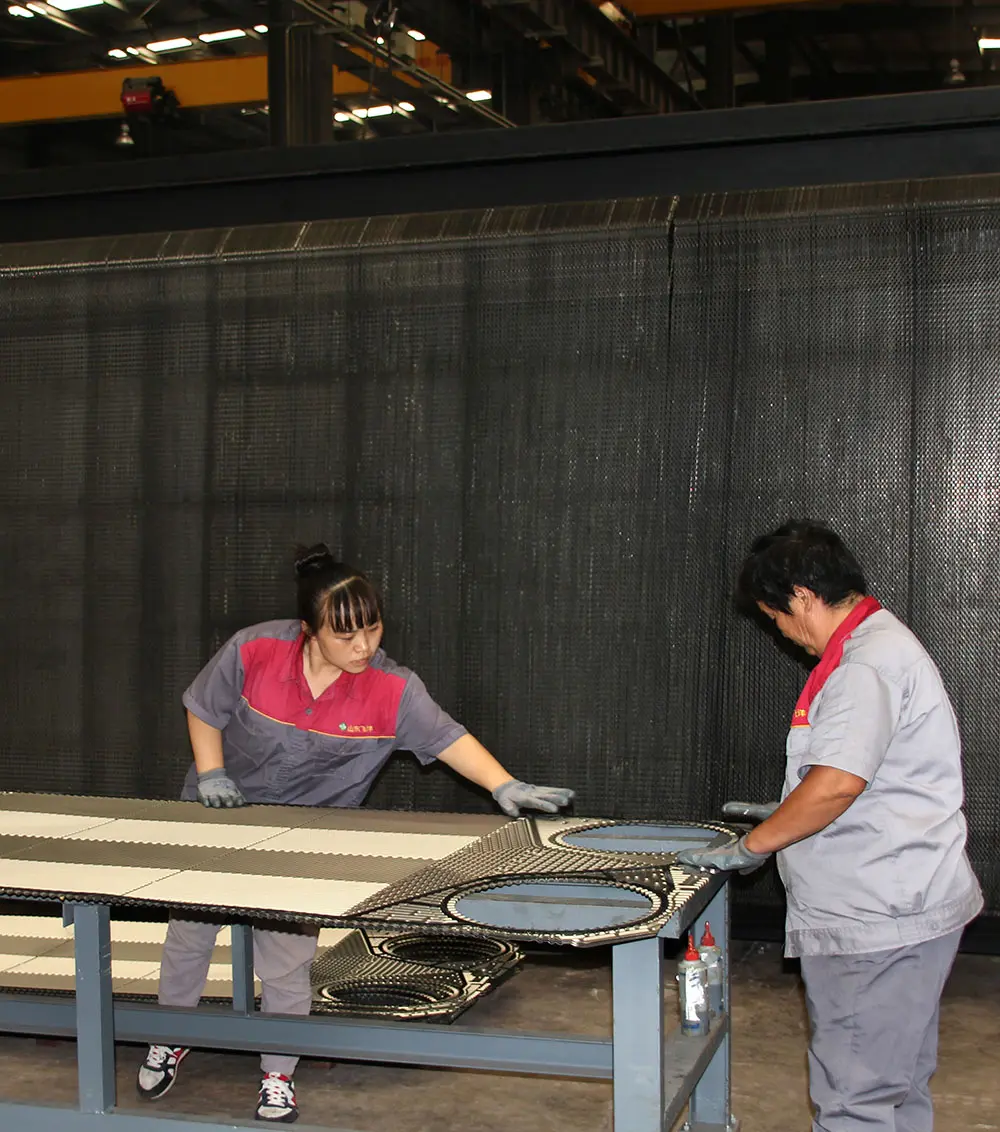
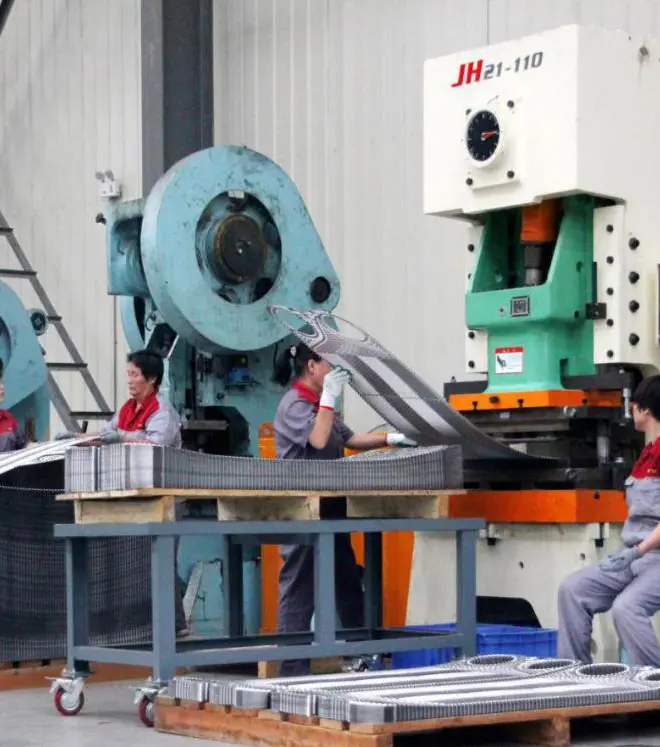
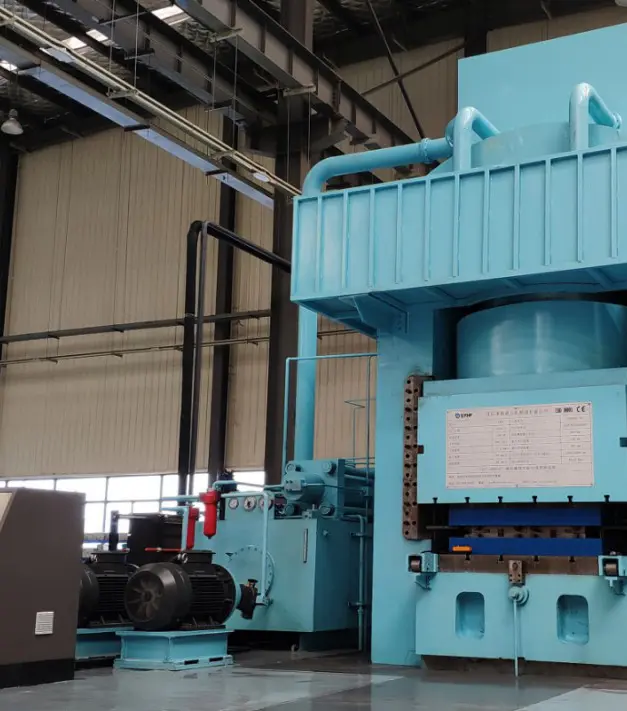
Our separators, plate heat exchangers, and integrated HVAC units conform to rigid global design codes. Flotte holds multiple certifications including "High-Efficiency Plate Heat Exchanger", "Intelligent Plate Heat Exchanger System", and "Plate Heat Exchanger Scale Removal Device" patents. Our production standards have obtained mandatory safety registration from the National Boiler and Pressure Vessel Standardization Technical Committee, as well as ISO9001 Quality, ISO14001 Environmental, and ISO45001 Occupational Health systems compliance.
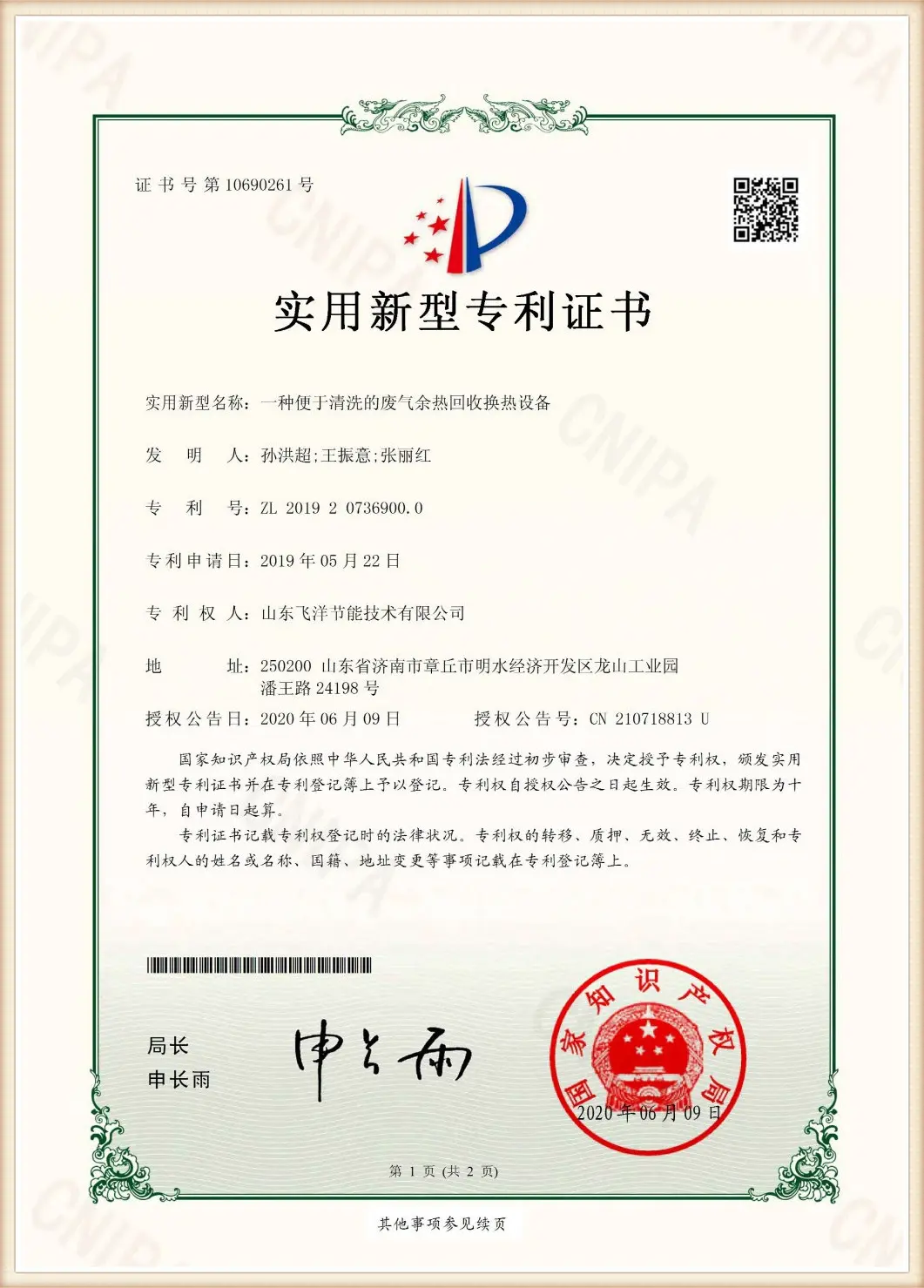
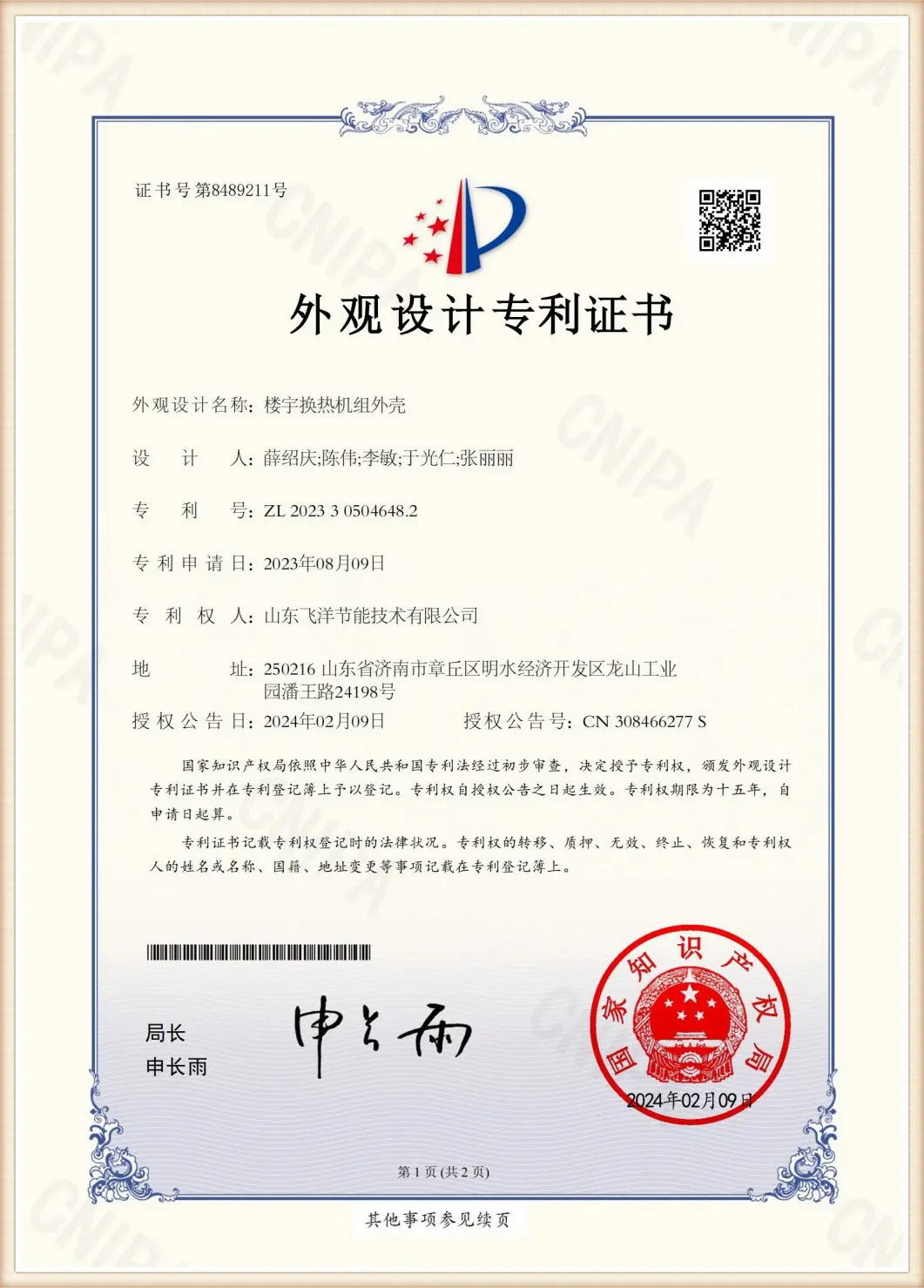
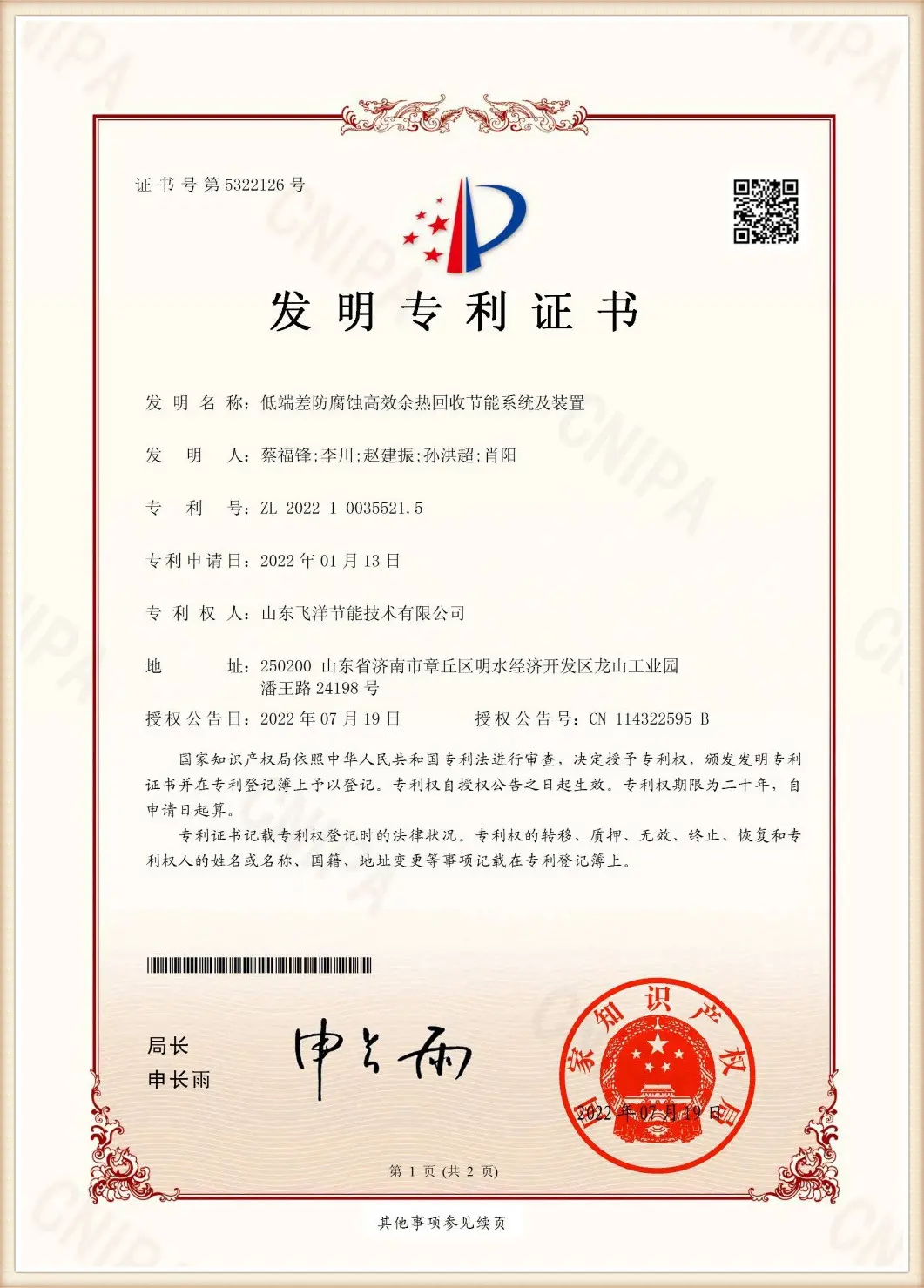
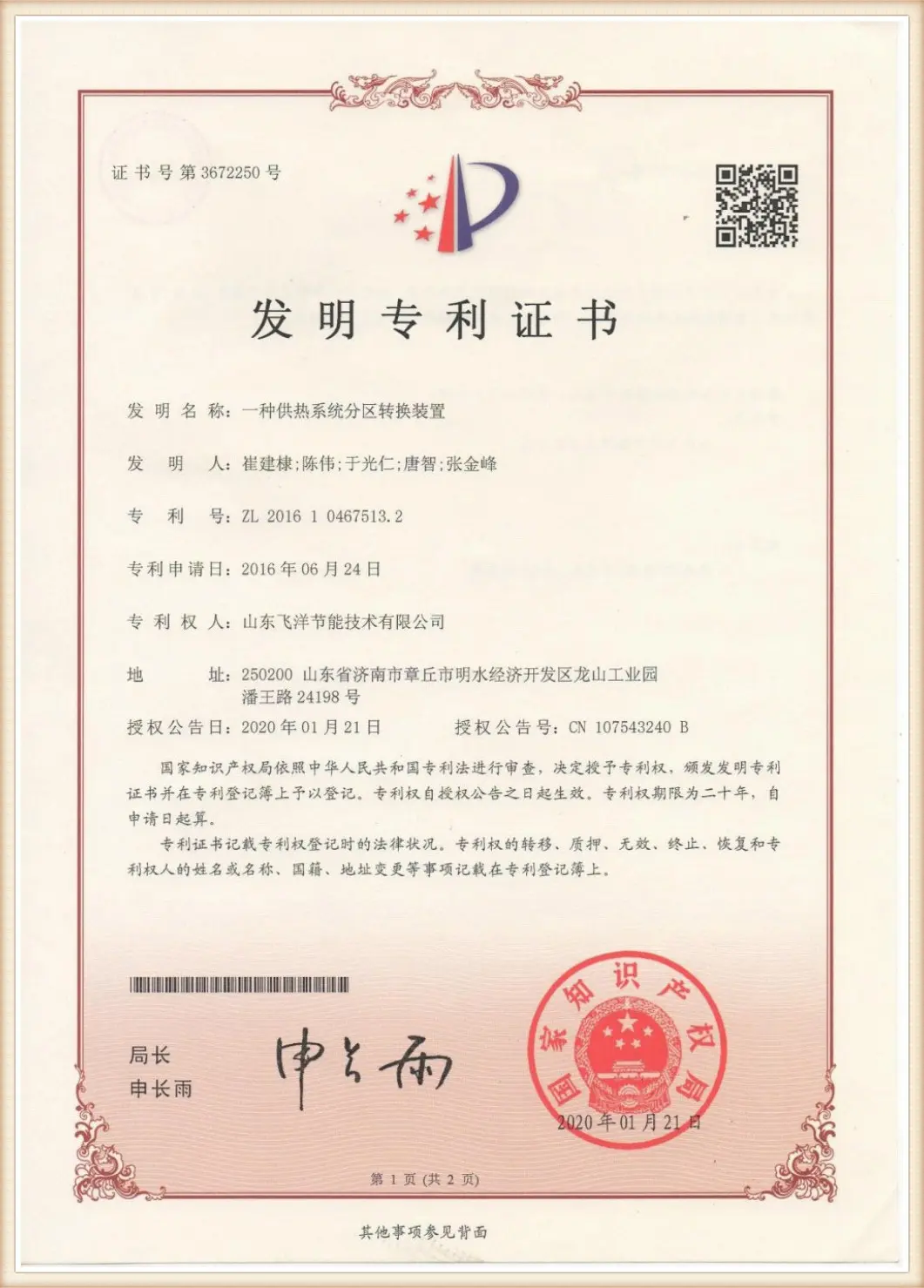
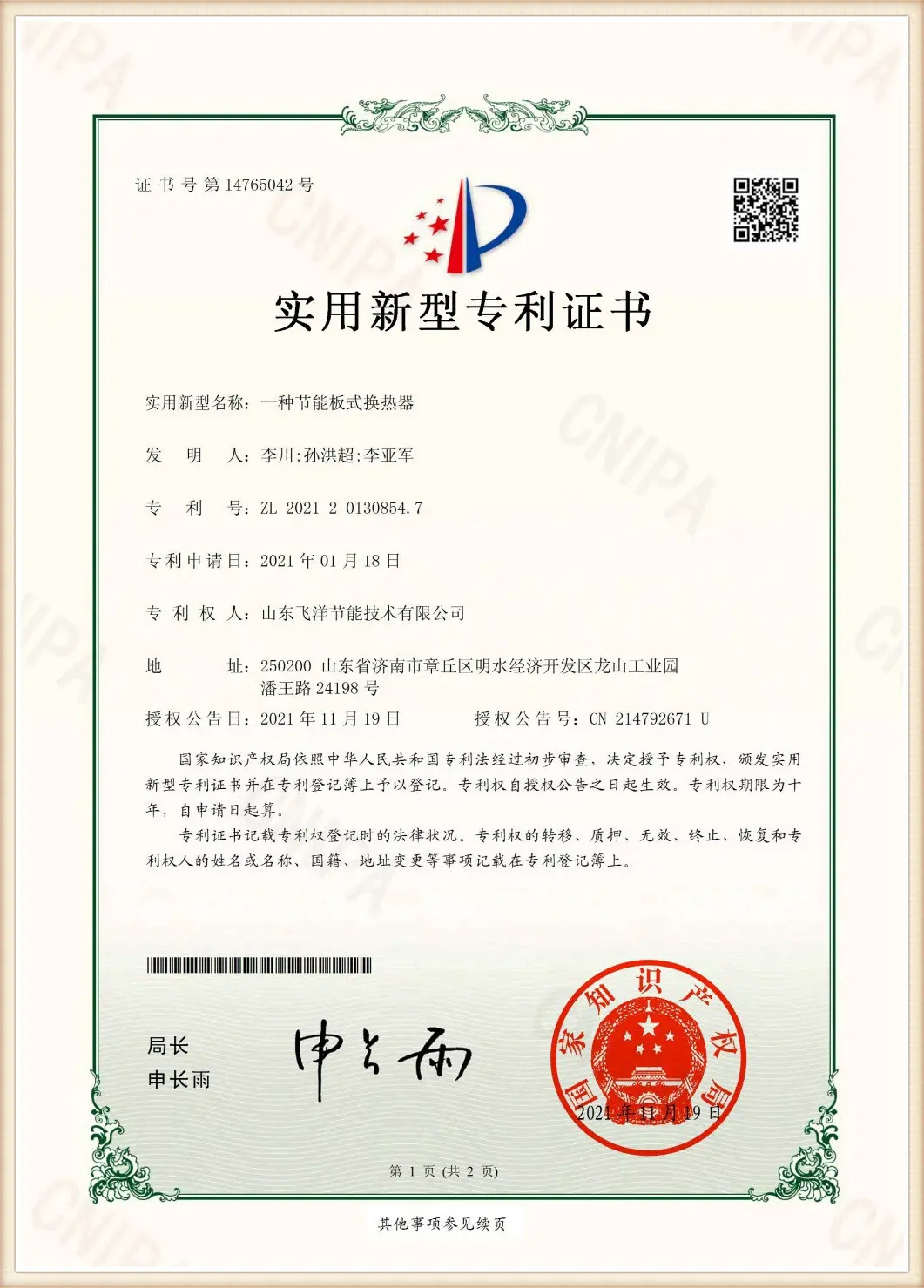
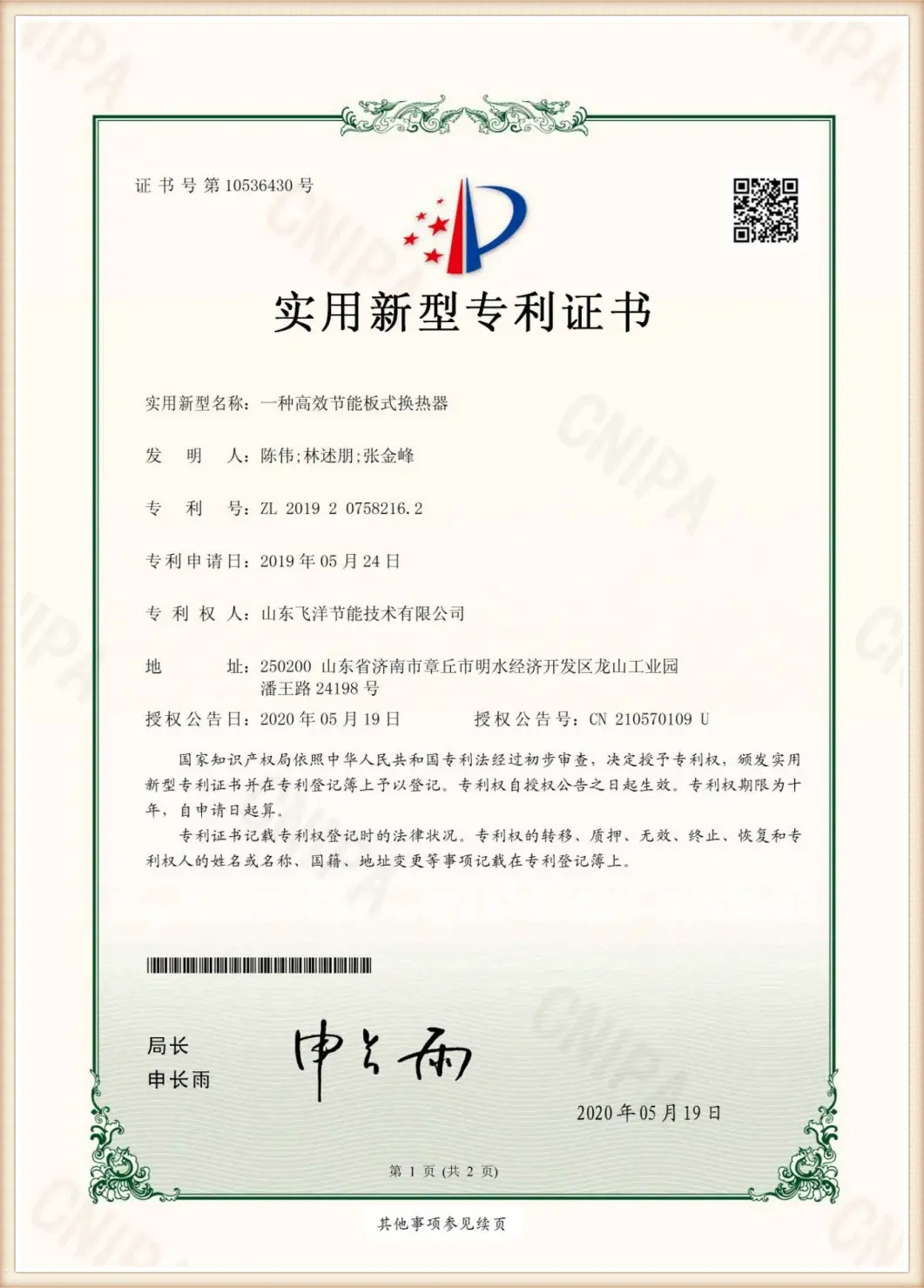
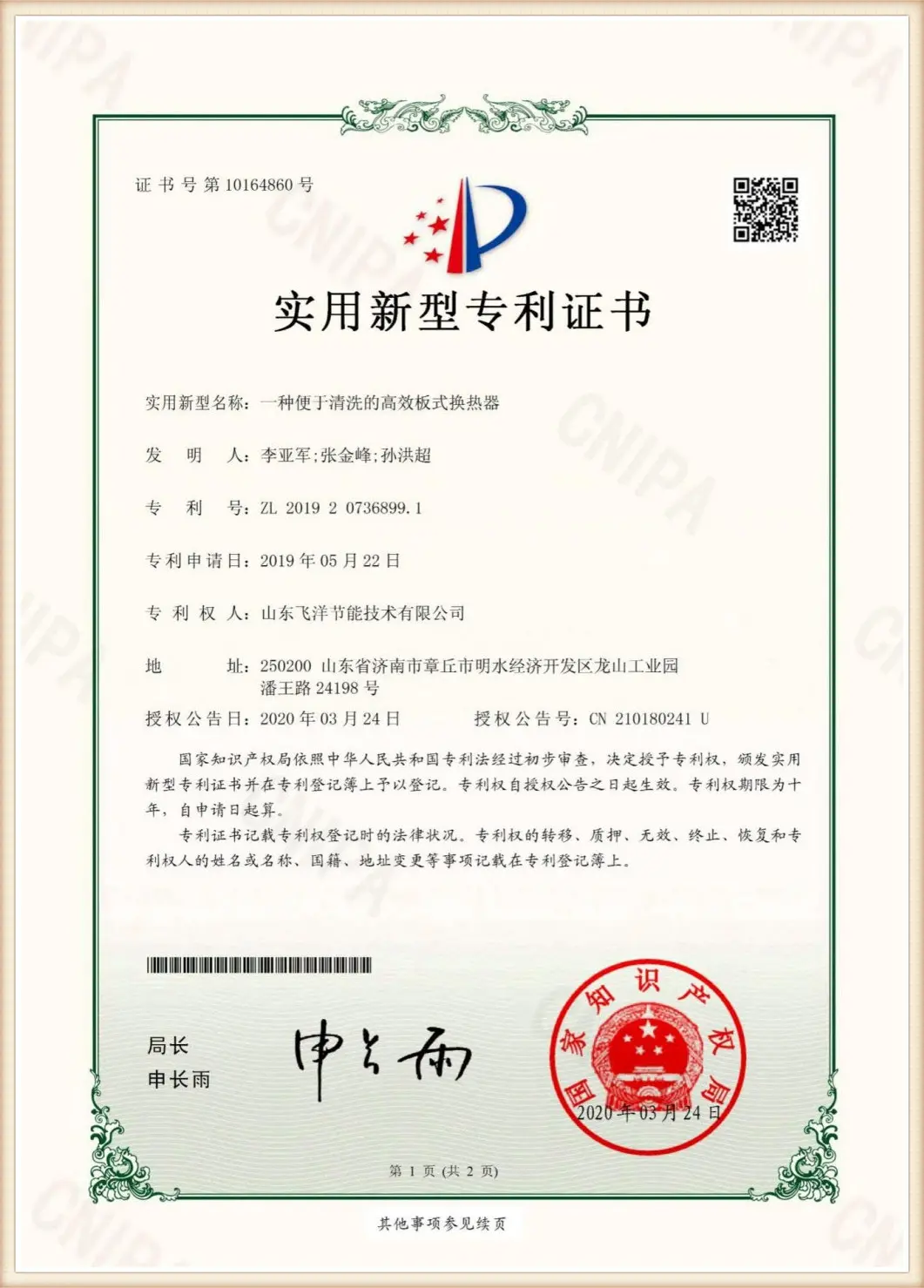
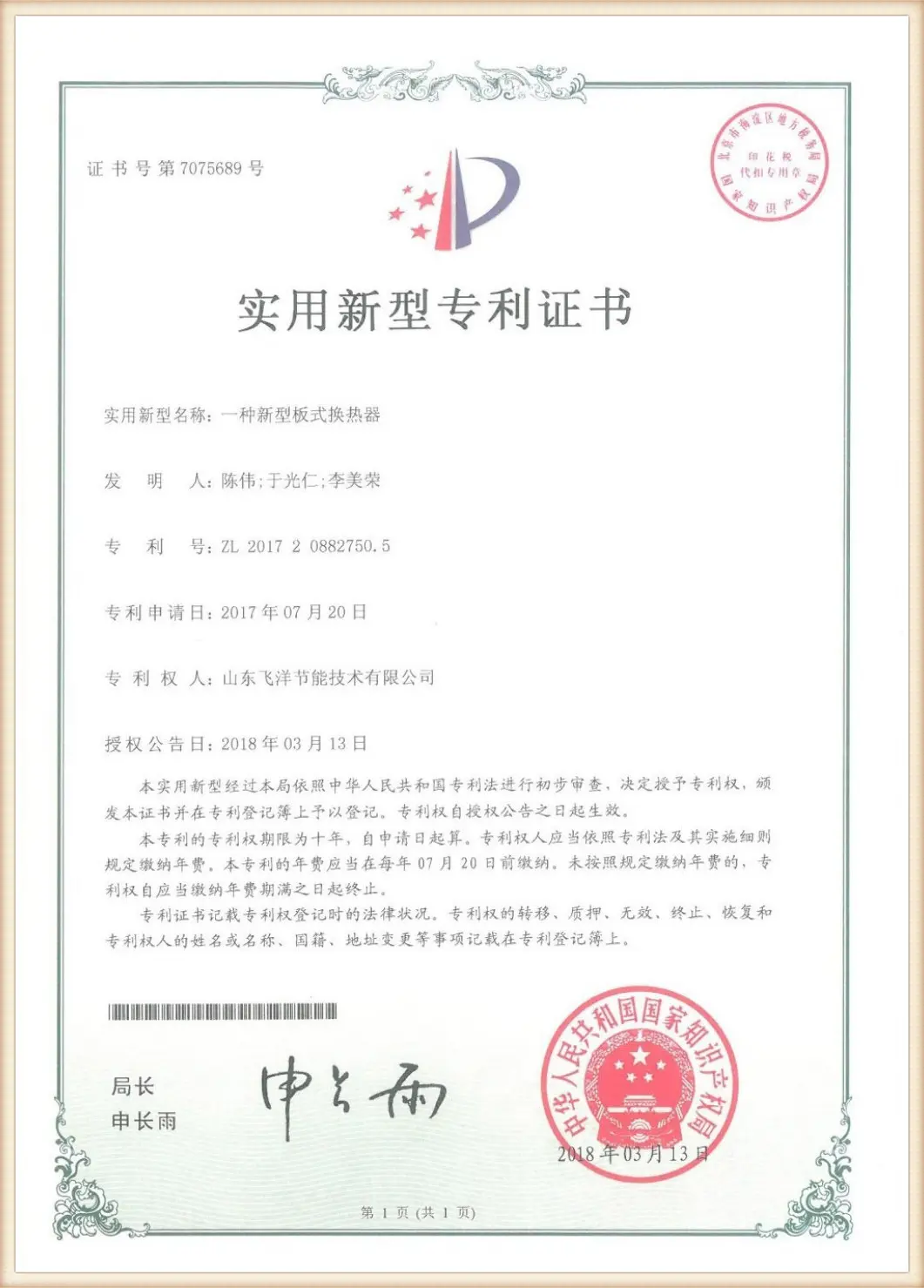
Inside our modern 70,000 square meter facility, we combine precision robotic stamping with clean test laboratories. These facilities produce over 4,500 heat exchange and separation assemblies annually, enabling us to support global industrial infrastructure projects with short lead times.
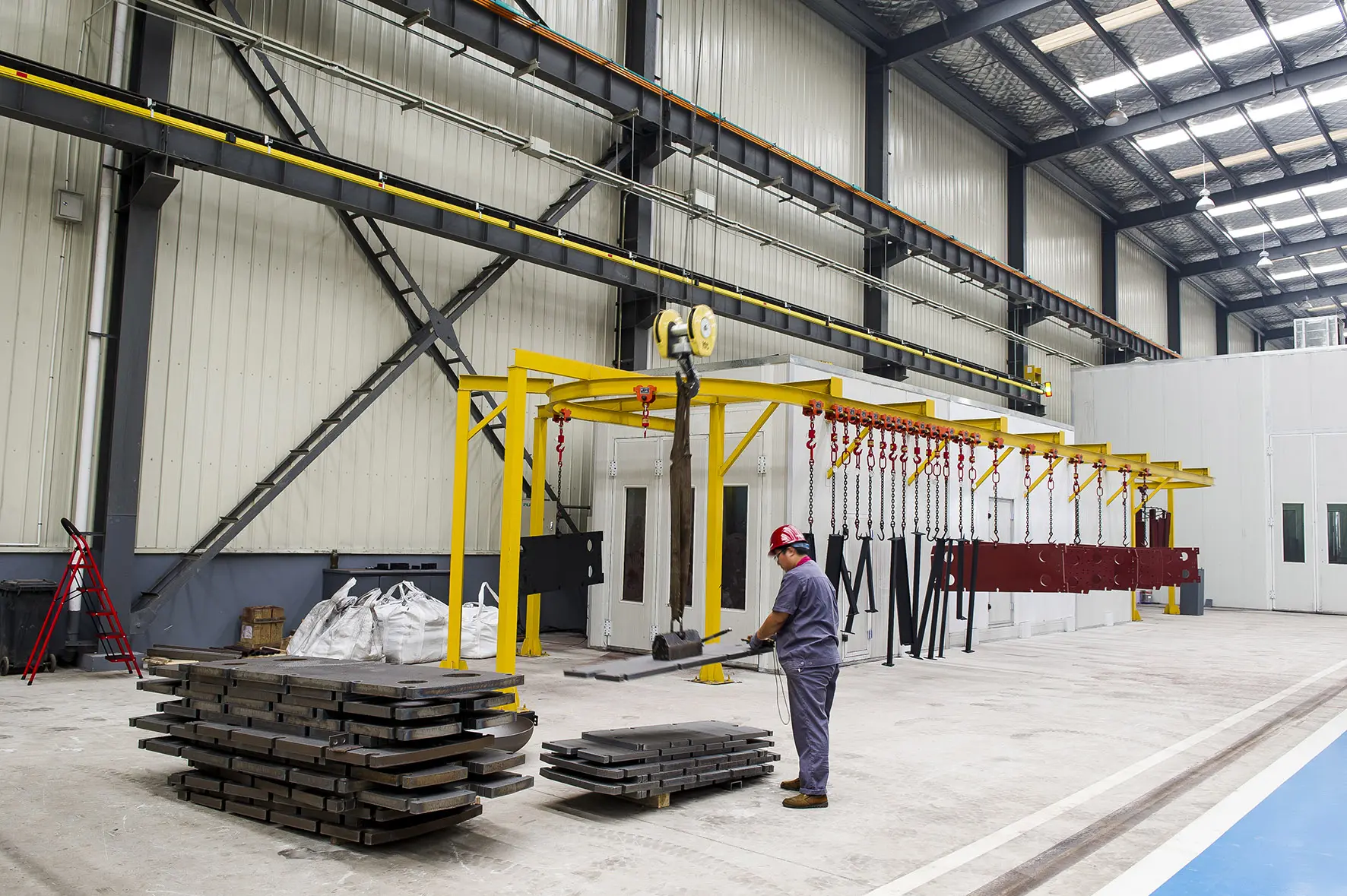
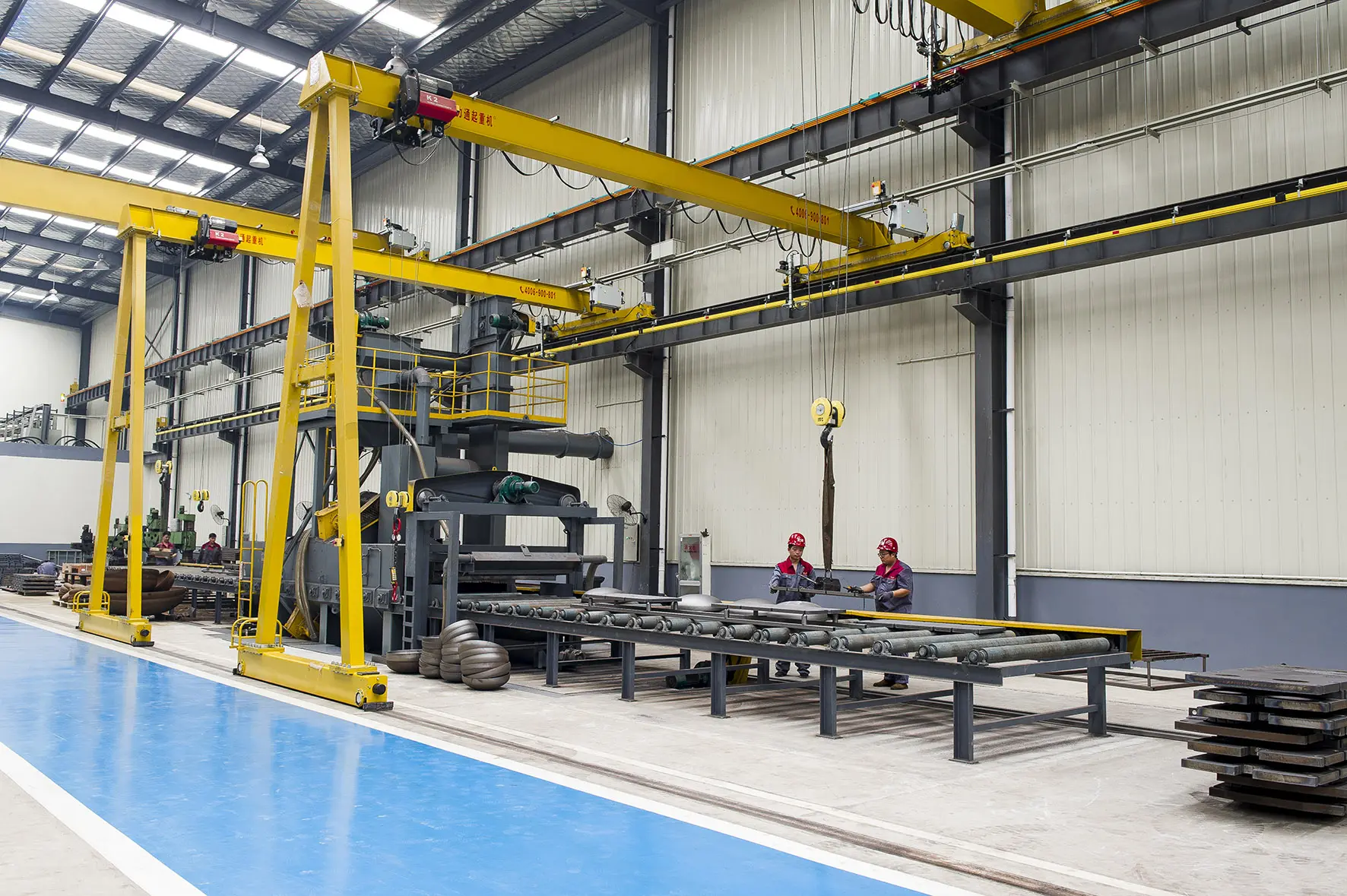
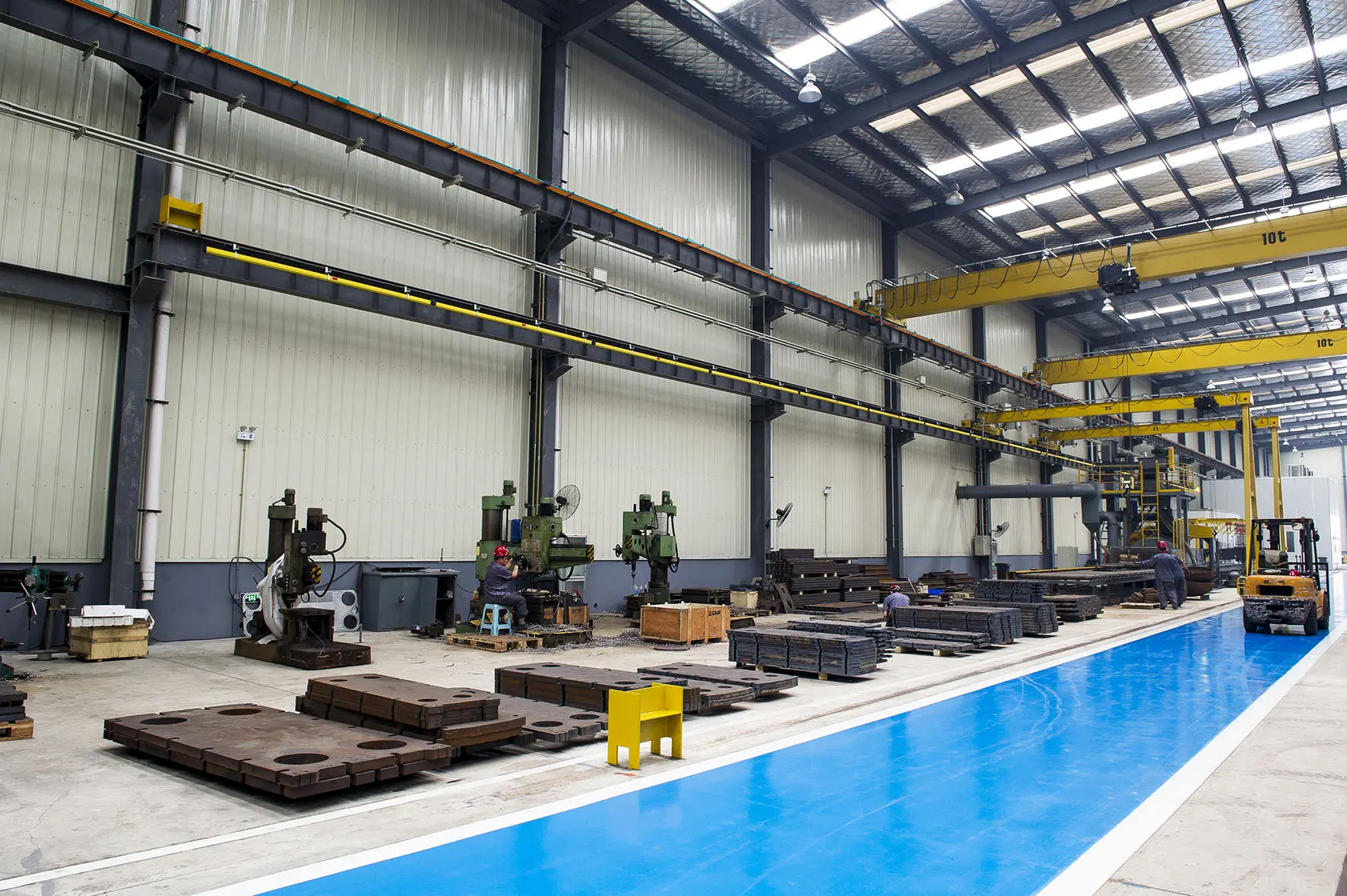

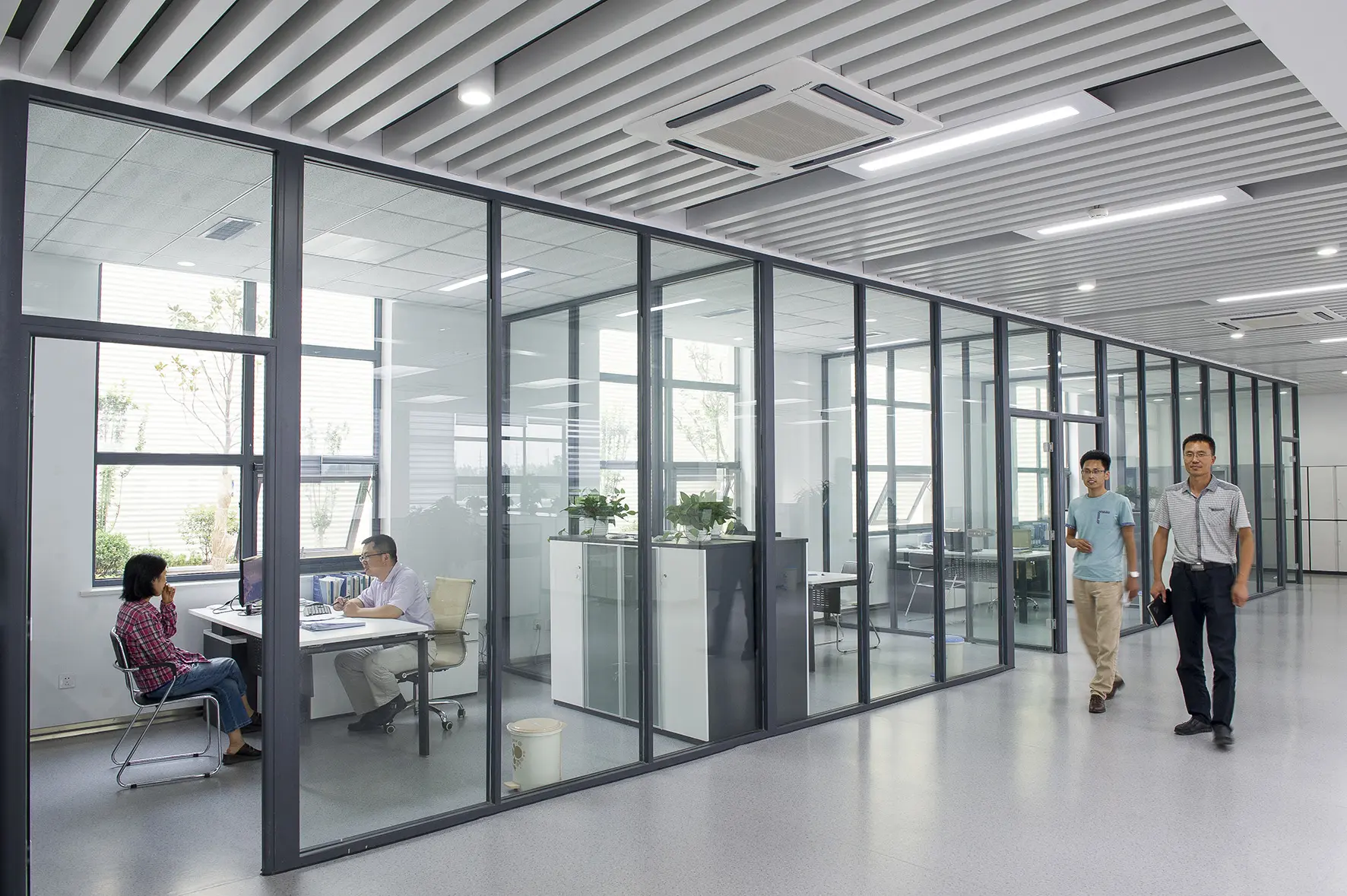

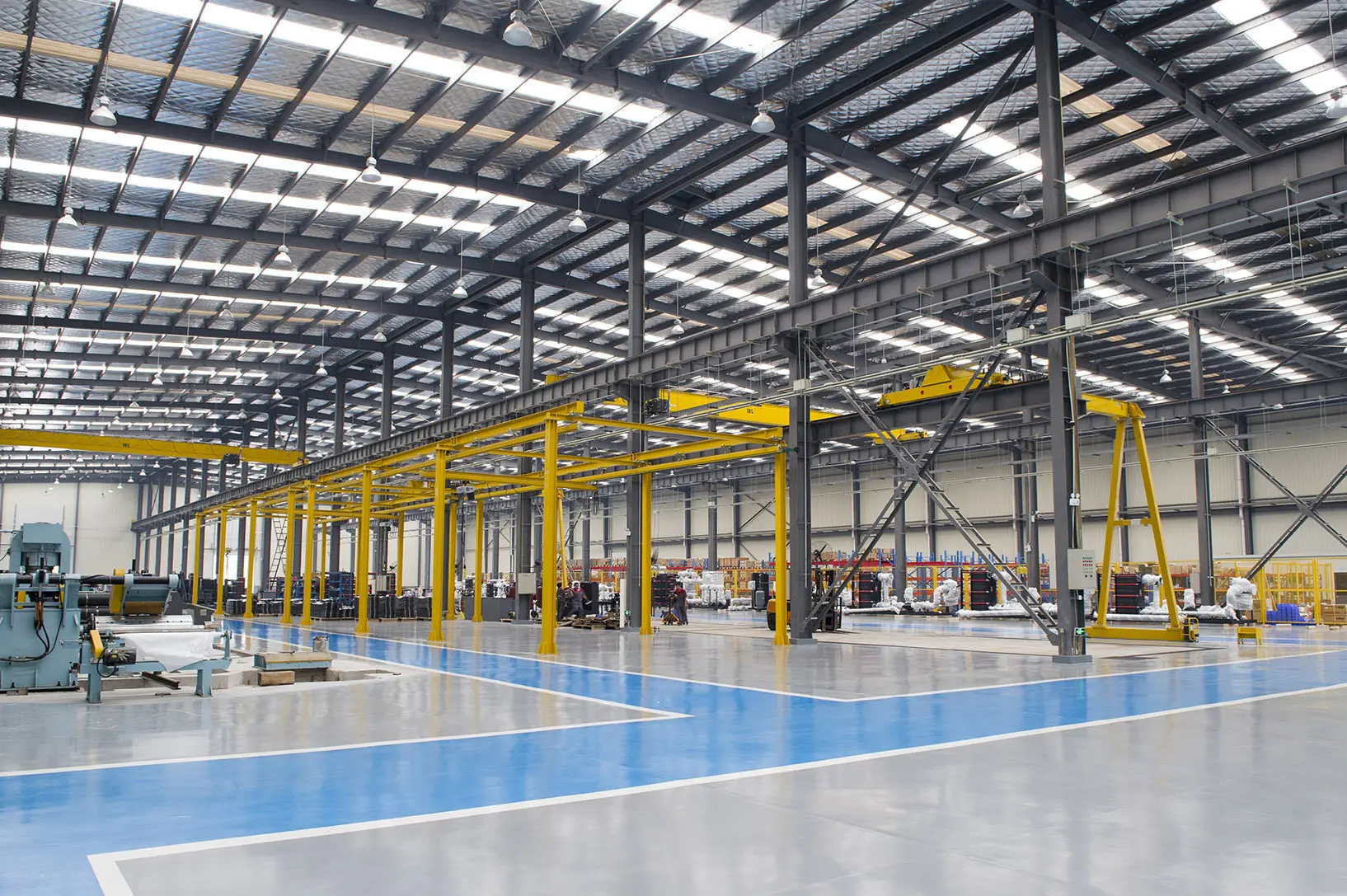
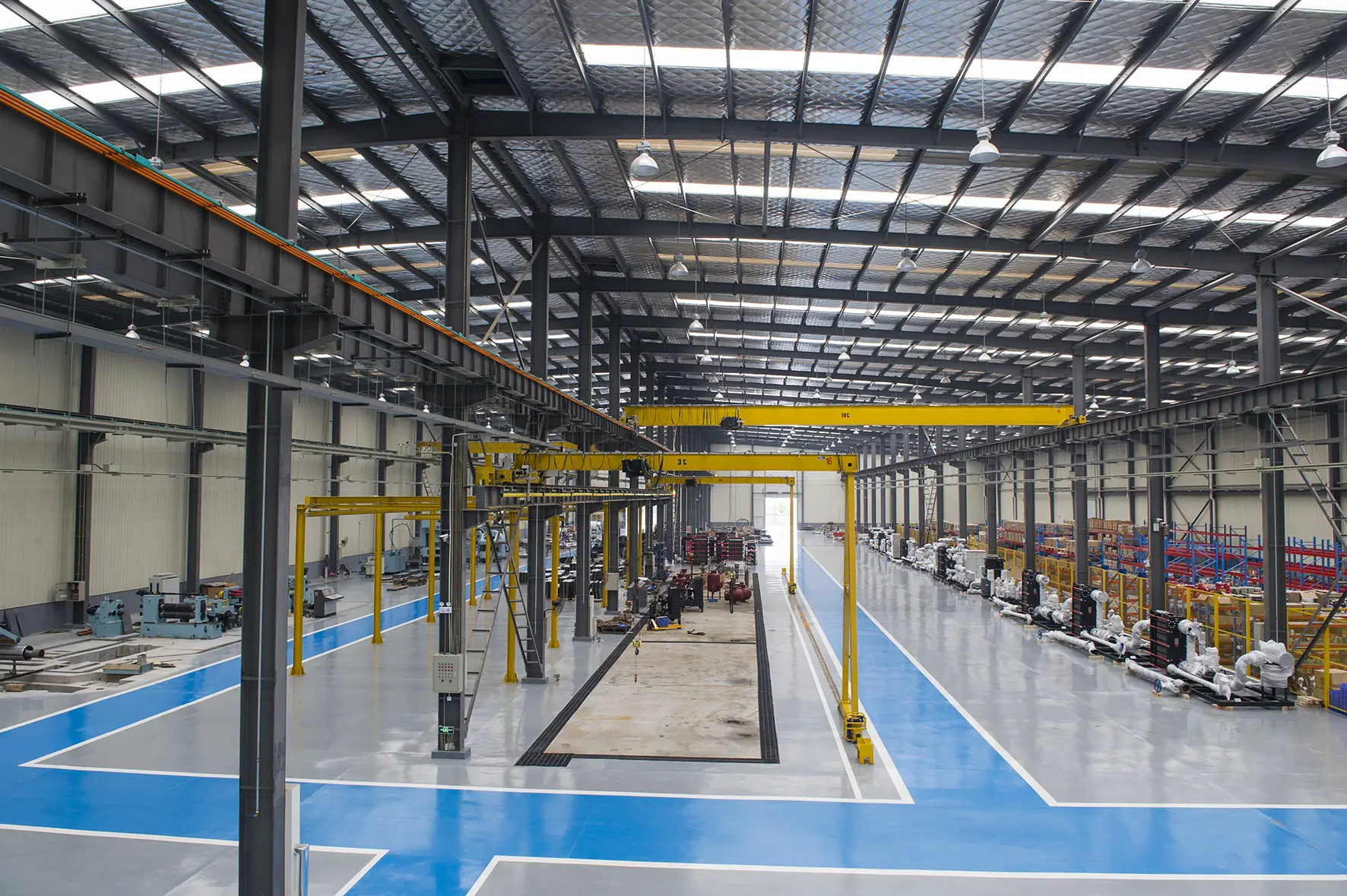
Our systems are integrated into critical utility and process cycles worldwide, delivering high-efficiency performance under demanding operating conditions.
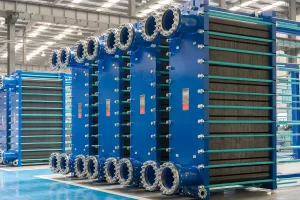
In district heating systems, removable plate heat exchangers act as the interface between central municipal boiler loops and localized customer distribution grids. Our thermal designs maximize transfer rates while reducing pipeline pressure drop, maintaining stable output temperatures across varying municipal heating loads.
Marine diesel engines rely on high-viscosity lubricating oils. Our lube oil separators remove salt water and catalytic fines from the fuel and oil supply. This prevents high-temperature corrosion and cylinder liner wear, supporting safe and compliant vessel operation across deep-sea shipping routes.
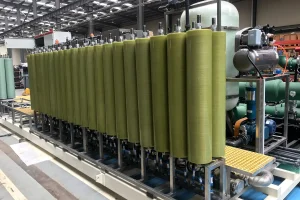
In chemical refineries, separation equipment is used to isolate process fluids, treat wastewater, and recover raw materials. Flotte’s titanium-plate heat exchangers and membrane concentration systems handle corrosive liquids, acidic streams, and saline solutions while maintaining thermal control.
Supporting engineering compliance, international logistics, and localized site services
Industrial lube oil separators and pressure vessel shells operate under high internal pressures. Flotte structures all pressure-retaining components to meet ASME Section VIII Division 1 and European CE-PED standards. We utilize computerized finite element analysis (FEA) to simulate pressure stresses, helping to eliminate localized weld failures and crack propagation beforehand.
We implement complete material traceability for every project. From raw plates of SS304, SS316L, Hastelloy, or Grade 1 Titanium to NBR/EPDM/Viton rubber gaskets, every batch is logged with its original Mill Test Certificate (MTR). This enables transparent verification for QA audits and regulatory compliance inspections.
Flotte provides technical support throughout the equipment lifecycle. Our network of application engineers assists with unit commissioning, piping alignment, electrical control loop integration, and preventative maintenance programs, helping global customers resolve technical issues quickly.
How smart monitoring, IoT analytics, and carbon mitigation are shaping the next generation of fluid separation
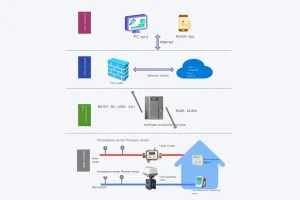
Future industrial operations will rely heavily on digital systems. Tomorrow's separation loops will integrate optical oil-cleanliness sensors and acoustic wave transmitters directly into the separator housing. These sensors measure real-time particulate density and moisture ppm, feeding data to automated PLC panels that adjust pump speeds and cycle run-times automatically based on contamination levels.
Modern sensors capture motor vibratory frequencies, bearing temperatures, and pressure drops, transmitting this operational telemetry to secure cloud servers. Machine learning models analyze this data to identify minor mechanical anomalies early, allowing operators to plan maintenance before a component fails.
Upgrading to high-efficiency lube separators helps plants transition toward closed-loop fluid systems. Extending lubricant service life from 5,000 hours to over 20,000 hours reduces waste oil disposal needs, helping companies lower their environmental footprint and meet corporate carbon reduction targets.
Technical answers to common questions about lube oil separators and thermal system operations
A centrifugal disc-stack separator uses high rotational speeds to generate centrifugal forces that separate fluids based on density differences. This enables high-volume separation of water and heavy sludge from oil. A coalescing filter, on the other hand, relies on static media fibers that merge micro-droplets of water into larger drops. While coalescers are highly effective for removing low concentrations of moisture, they can clog quickly if the fluid contains high levels of solid particulate contaminants.
According to Stokes' Law, fluid viscosity directly impacts settling velocity. As oil temperature increases, its viscosity decreases, reducing the friction holding water droplets in suspension. Pre-heating the lube oil to 80°C - 95°C helps moisture droplets and solid particulates separate more rapidly from the oil matrix, improving overall separation efficiency.
We apply rigid pressure-design calculations, using high-tensile carbon steel and grade stainless alloys with verified mill certifications. Welds undergo non-destructive examination (NDE), including radiographic and dye-penetrant testing, followed by hydrostatic water pressure tests at 1.3 to 1.5 times the maximum allowable working pressure (MAWP). This process is documented and verified to meet national and international standards.
Yes. We design and press plates with customized corrugation profiles (like herringbone and washboard patterns) to balance thermal efficiency and pressure drop. For high-viscosity applications, we adjust the channel heights and plate configurations to maintain turbulent flow while keeping pressure drop within design limits.
We offer a wide range of industrial products, from evaporation systems to advanced HVAC components, to meet your operational requirements.

 Flotte Energy