Explore our high-efficiency industrial heat exchangers, balancing valves, and smart control units optimized for heavy fluid machinery.

Flotte Energy Saving Company, established in 2013 with a registered capital of 101 million yuan, originated from Flotte Thermal Engineering founded in 1995. With three decades of profound technical expertise, Flotte has evolved into a global benchmark supplier in water equipment, HVAC systems, industrial filtration integration, and water treatment technologies.
Our multi-disciplinary engineering approach ensures that heavy machinery processes—such as high-pressure hydraulic operations and steam turbine lubrication—are coupled with state-of-the-art thermal exchangers and premium lubrication oil filtration elements. By manufacturing high-tech integrated products, we consistently secure a leading position nationwide, holding a dominant market share and exporting to key international industrial hubs.
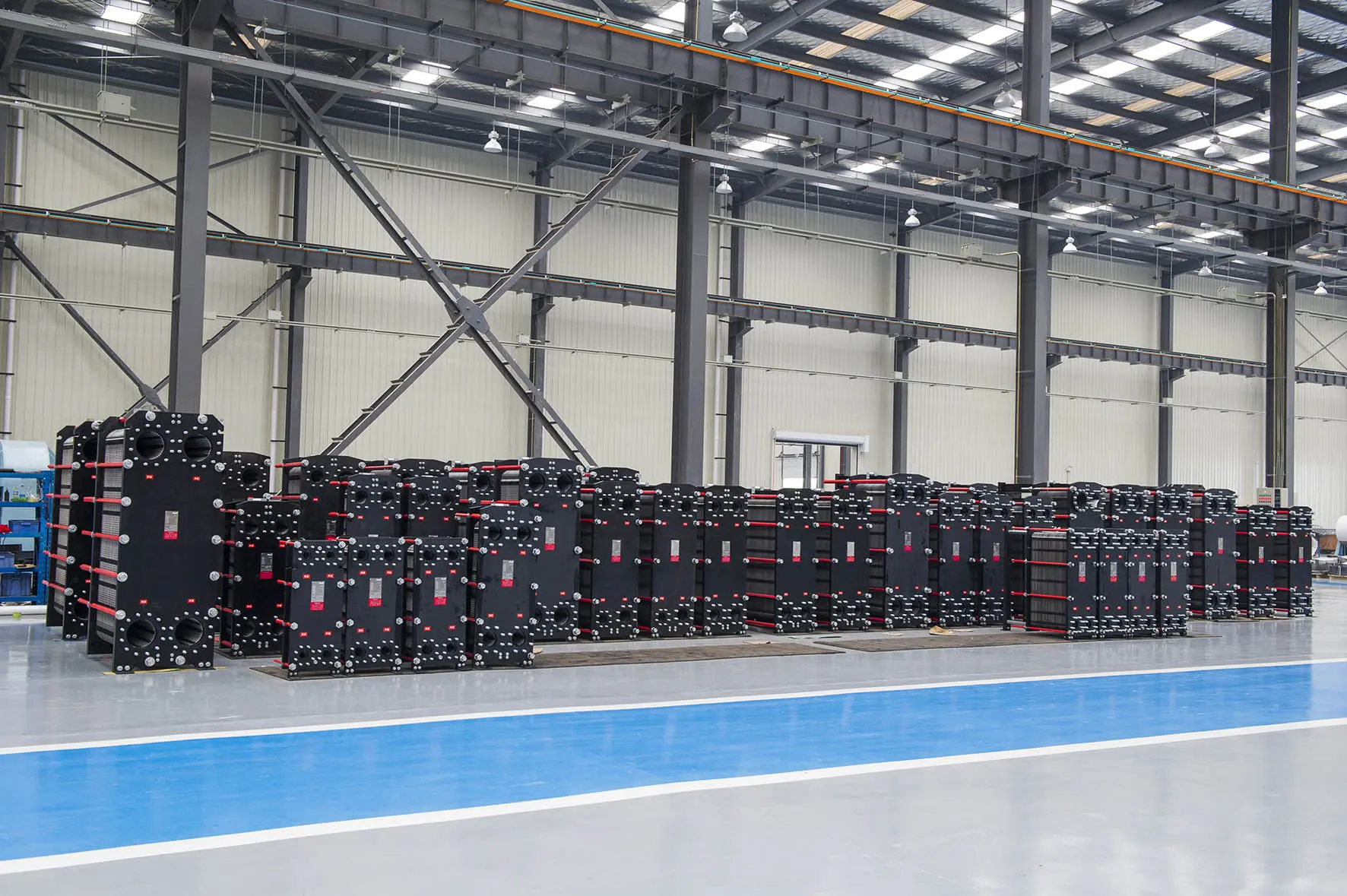
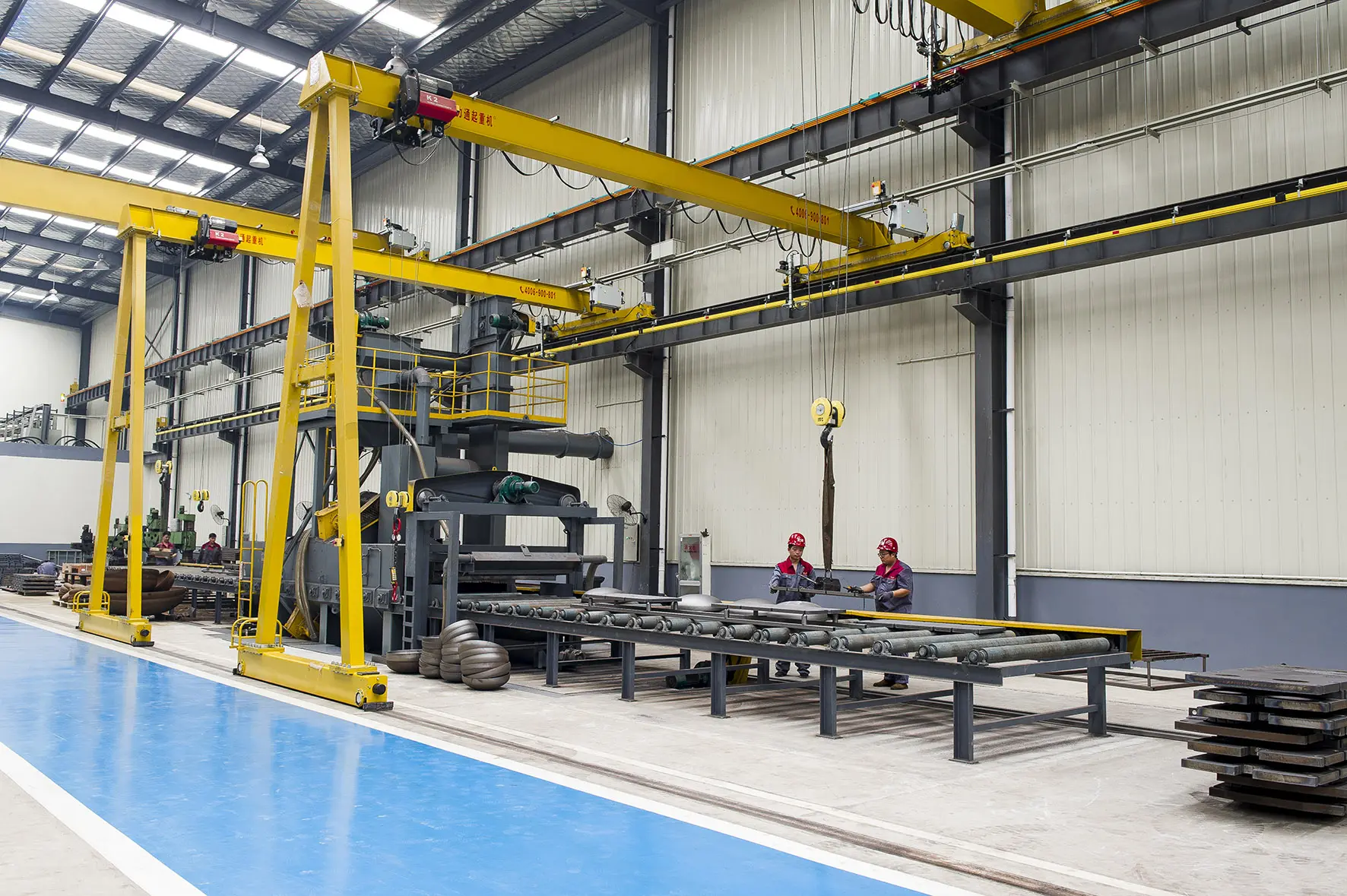
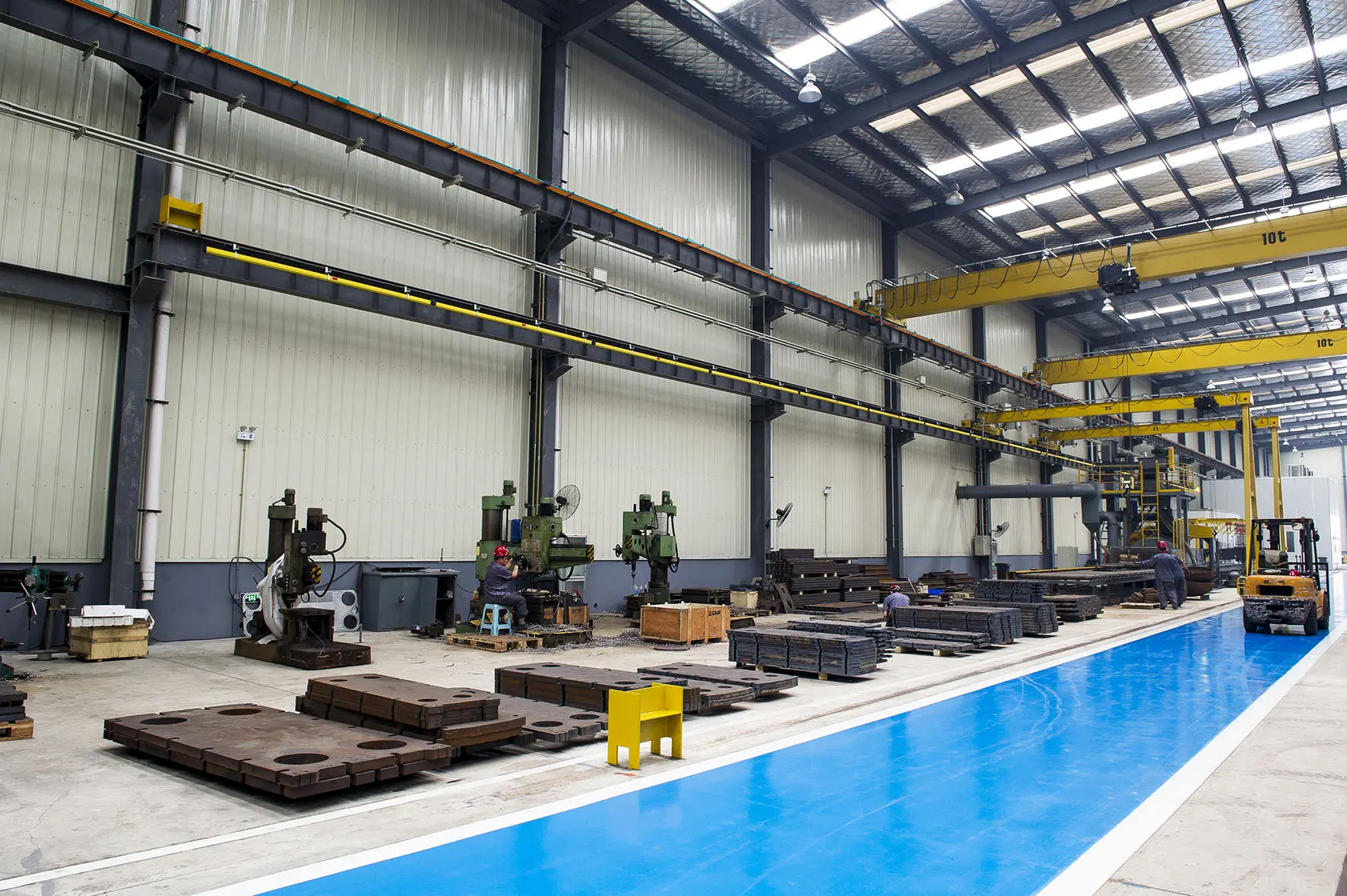
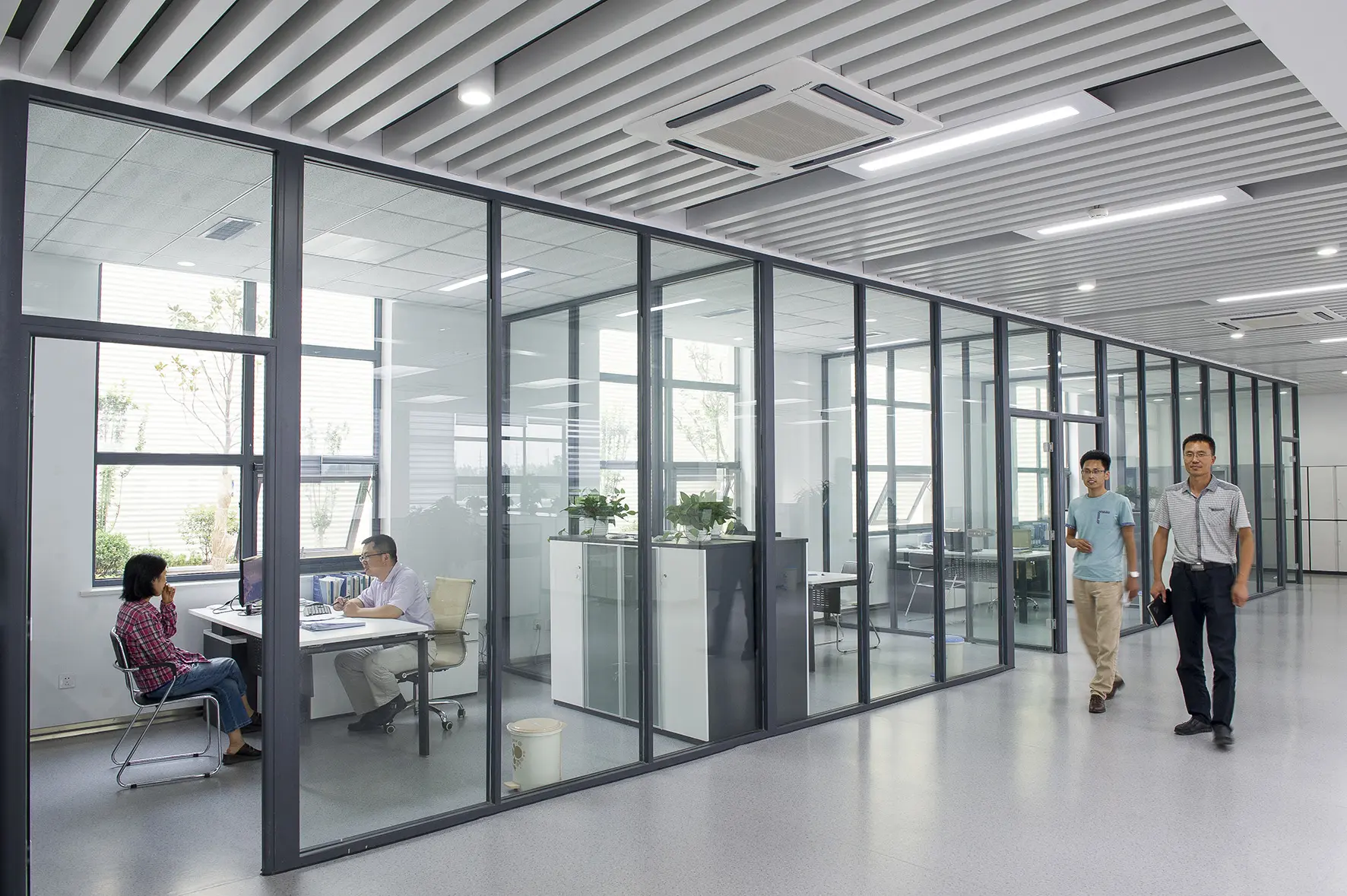
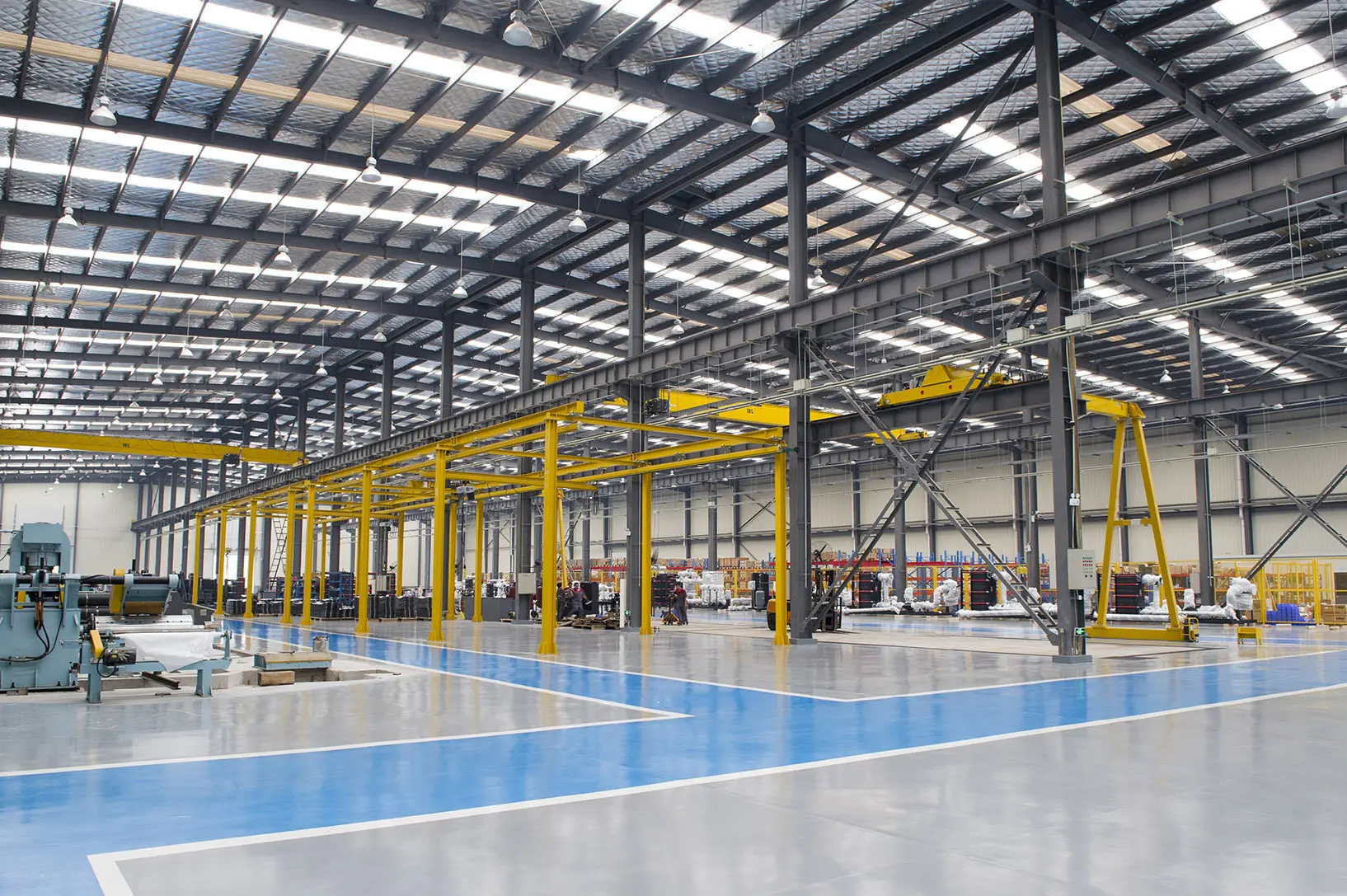
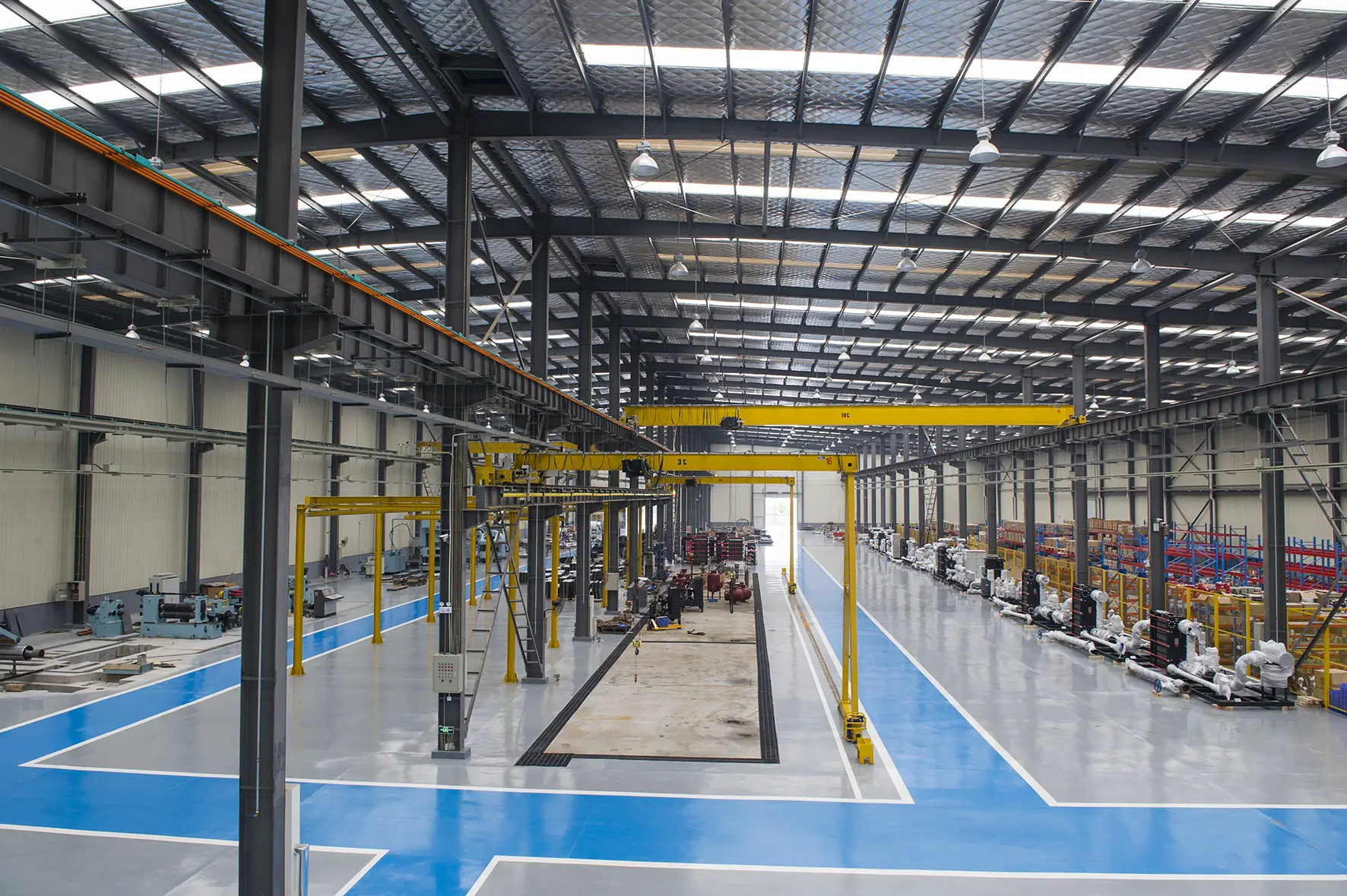
We run modern production workshops equipped with advanced manufacturing and quality inspection facilities. All frontline production staff are certified technicians who have undergone rigorous formal training. Production processes, quality control, and service operations strictly adhere to the ISO 9001:2015 international quality management system, ensuring full compliance with performance standards.
Analyzing the vital connection between lubricating fluid cleanliness and system thermal efficiency in high-stress industrial operations.
Industrial lubrication oil filters are critical in maintaining the pristine condition of turbine oils, gear lubricants, and engine fluids. By filtering out micro-contaminants down to 3-5 microns, they protect core mechanical parts from abrasive wear, preventing costly premature failures.
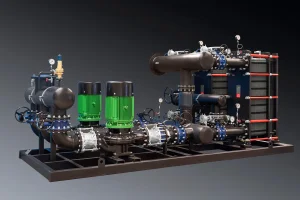
High temperatures cause lubricant oxidation and varnish build-up. Integrating our patented plate and shell-and-tube heat exchangers with mechanical filtration loops regulates oil viscosity, mitigates oil breakdown, and increases system longevity by up to 300%.
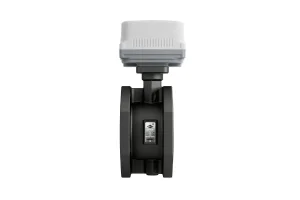
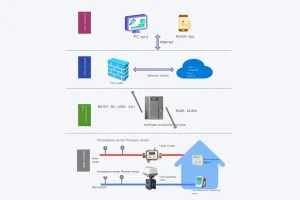
Leveraging high-precision smart valves and temperature collectors allows for real-time monitoring of fluid pressure drops across filter beds. This automated design balances fluid distribution and dynamically alerts operators to bypass hazards before they occur.
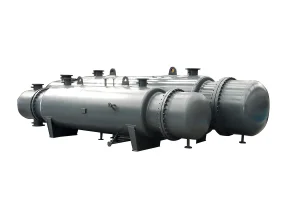
In large-scale industrial machinery, lubricating oil acts as both a protective film and a primary heat transfer medium. When lubricants flow through high-speed bearings or heavily loaded gears, they absorb frictional heat. If this heat is not dissipated efficiently using an integrated Shell and Tube Heat Exchanger, the oil temperature will spike, leading to thermal degradation, reduced viscosity, and oil film rupture.
Simultaneously, mechanical friction releases micro-particles of metal, carbon, and dust. Without high-efficiency filtration, these abrasive solids are recirculated, compounding system wear. Our integrated engineering approach targets both vectors: utilizing high-grade glass fiber media to trap micro-contaminants, and deploying optimized heat exchangers to control working temperature, protecting industrial systems from the inside out.
We implement a strict quality control system across all production stages, ensuring mechanical robustness and zero-leak performance.
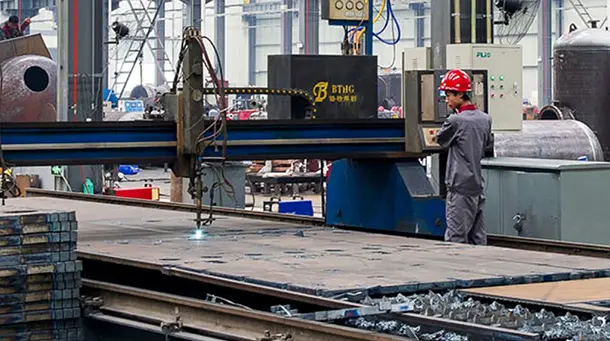
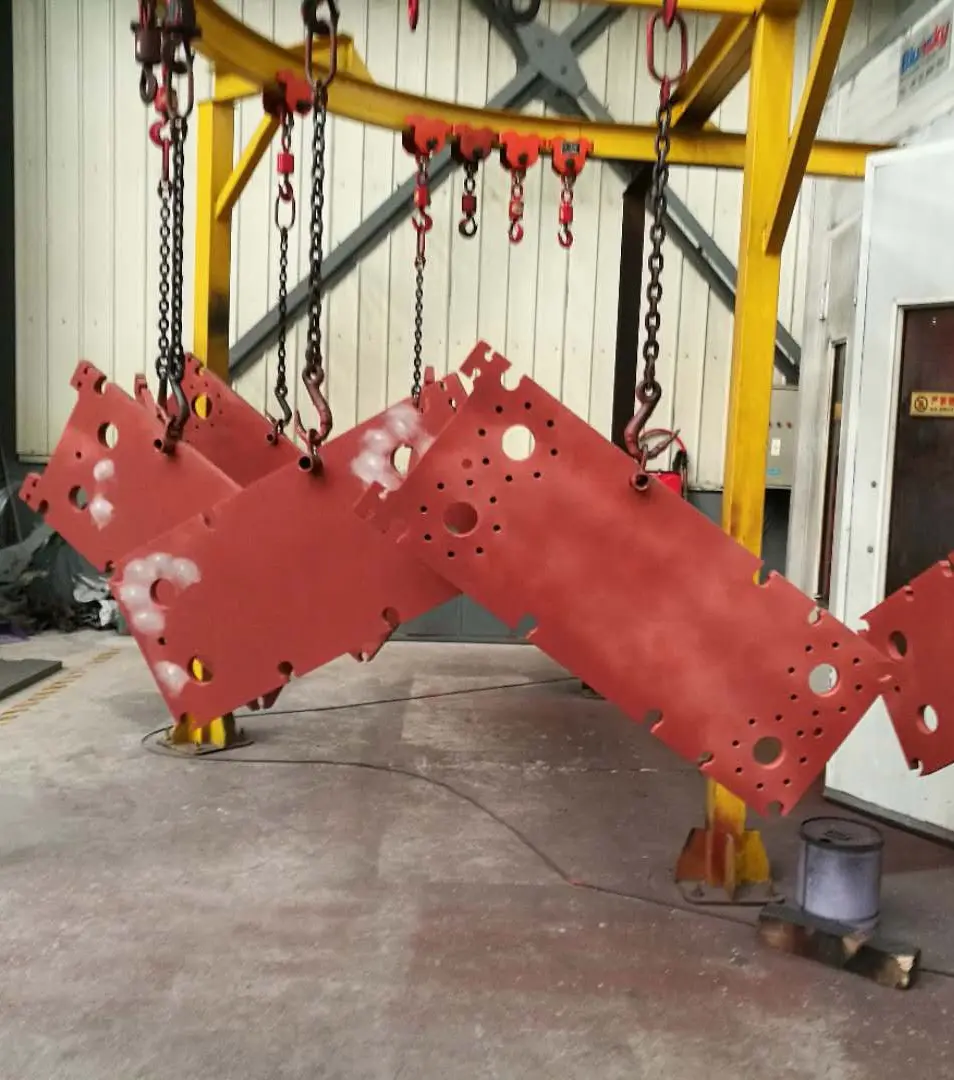
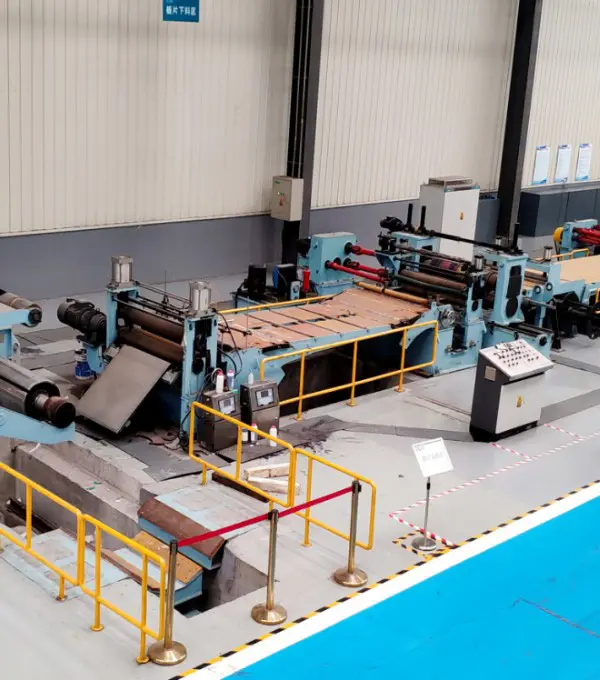
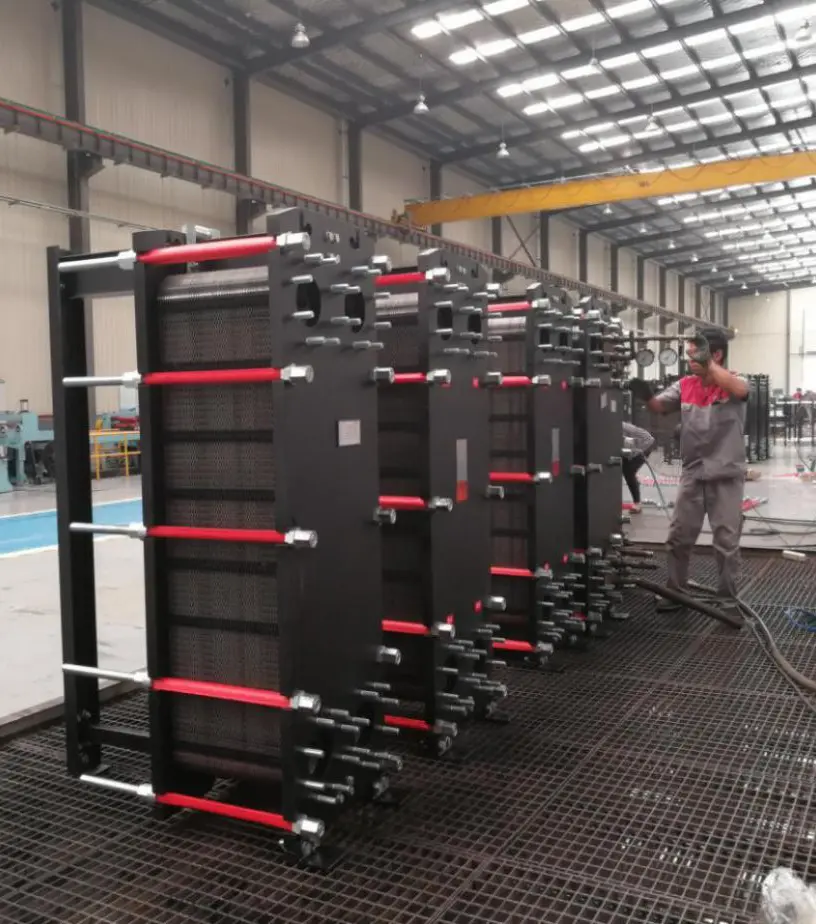
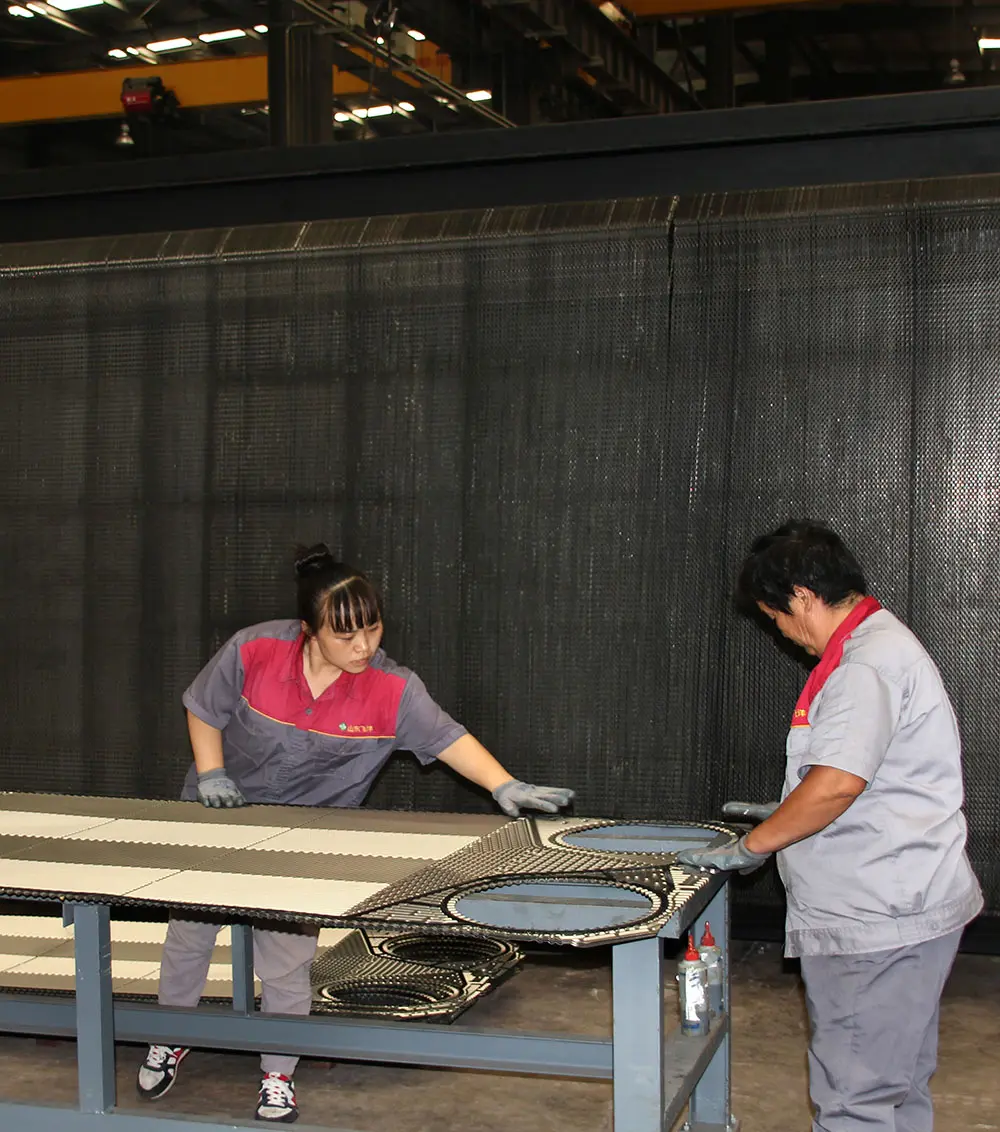
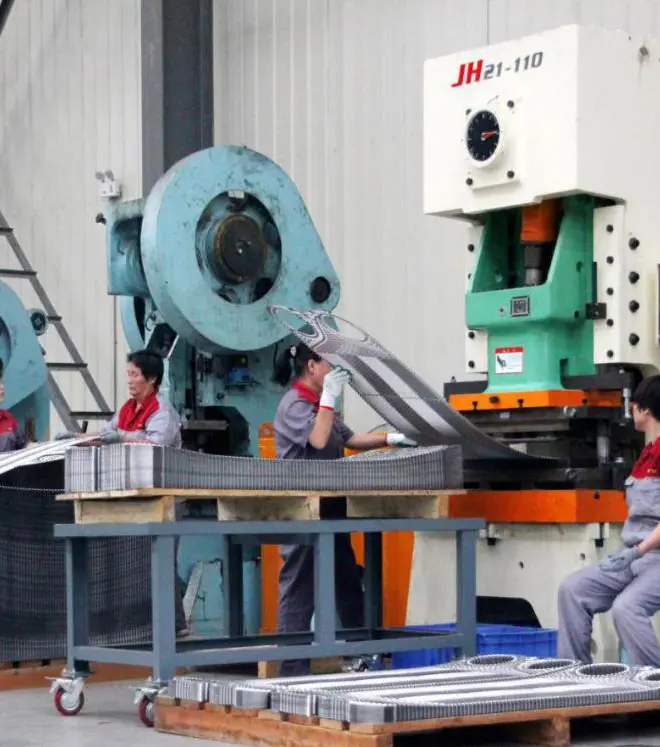
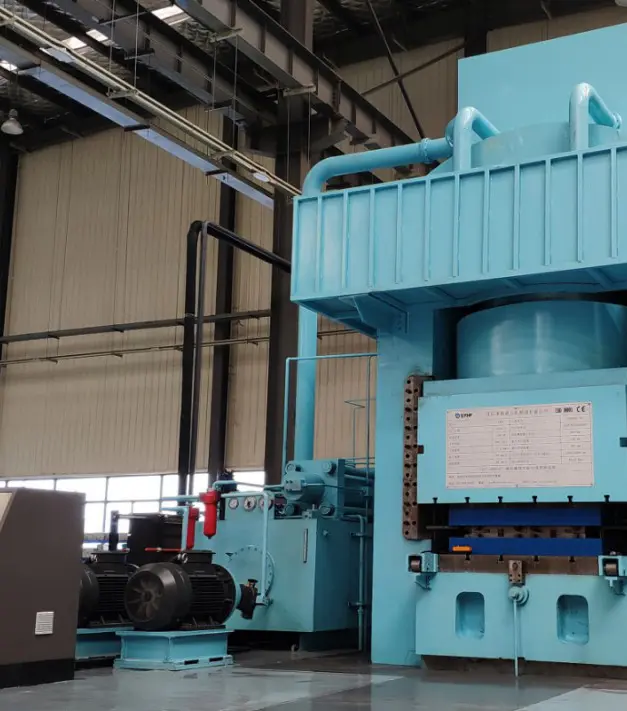
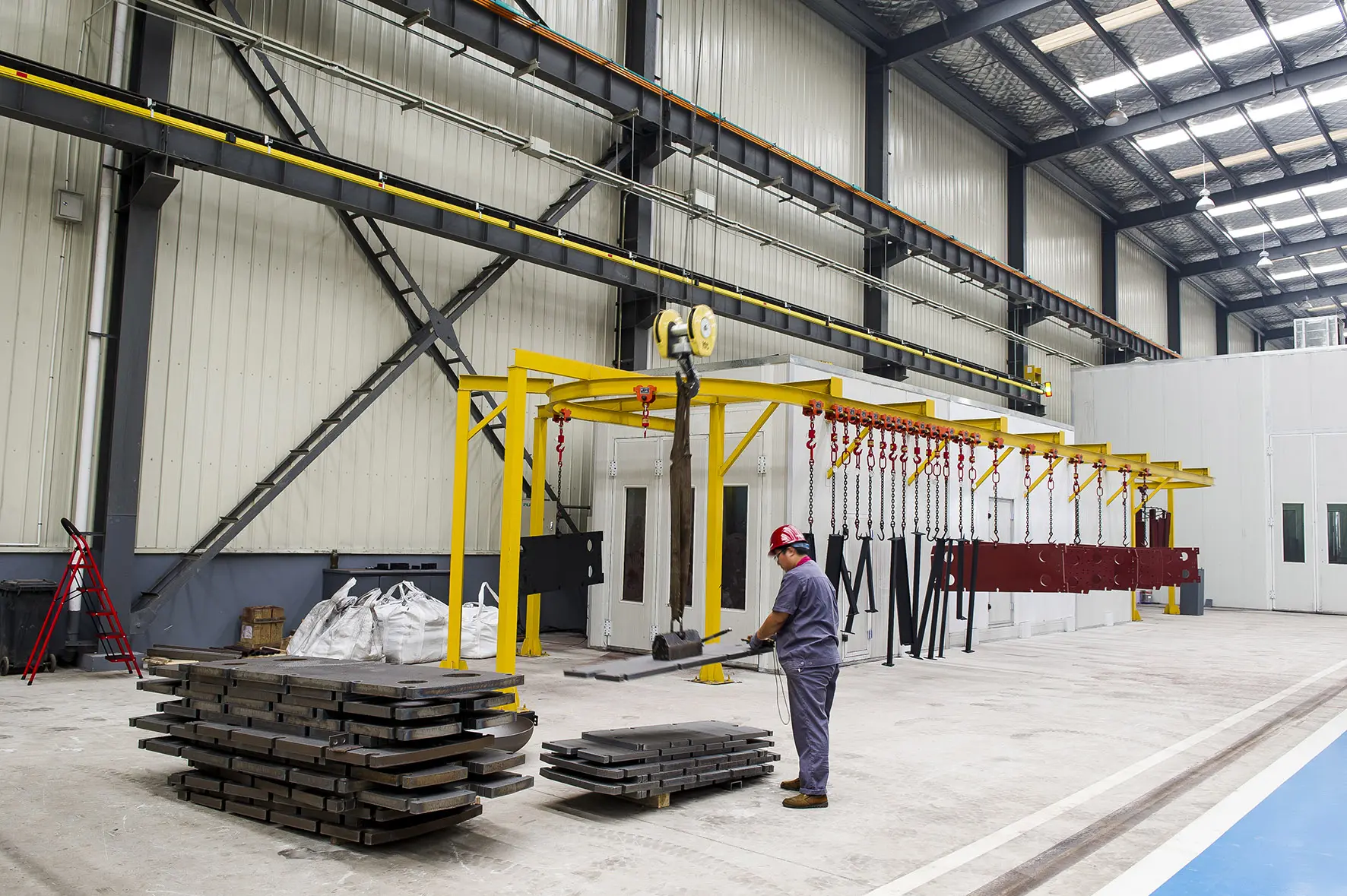
Adhering to the core philosophy of "quality first" and "winning by quality," our production lines utilize state-of-the-art CNC machining centers, automated robotic welding, and high-tonnage sheet metal stamping machinery. Every batch of raw material—from high-grade stainless steel (SUS304, SUS316L) and specialized titanium plates to heavy-duty carbon steel for pressure vessels—undergoes rigorous spectrometer testing prior to processing.
Our manufacturing execution matches structural integrity with micro-precision. The micro-forging process increases the fatigue limits of connection components, and multi-stage water pressure detection tests verify that each assembly can withstand pressures far exceeding its rated operating envelope. This exhaustive quality check ensures that Flotte heat exchange elements and oil filtration casings function reliably in the most demanding marine, chemical, and energy environments.
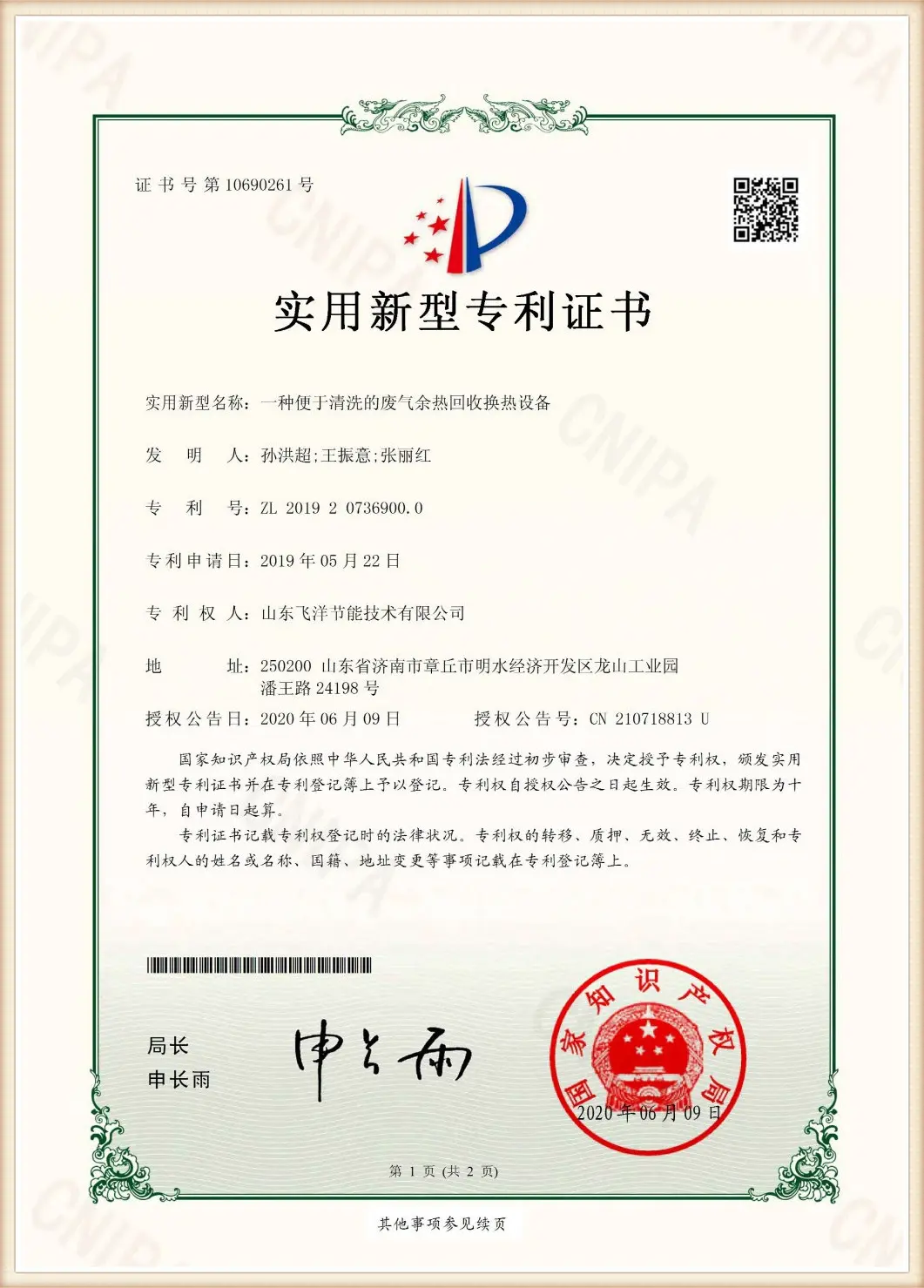
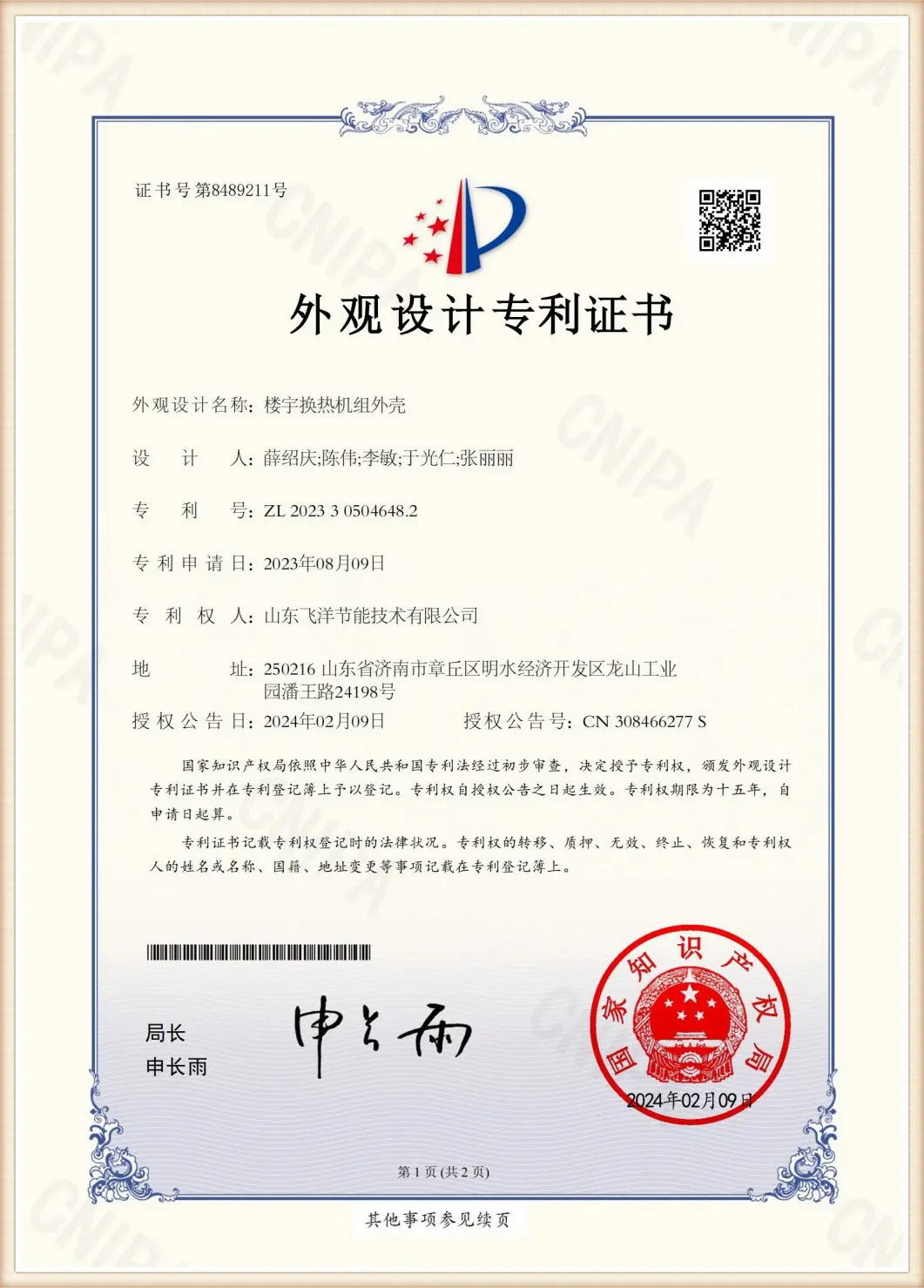
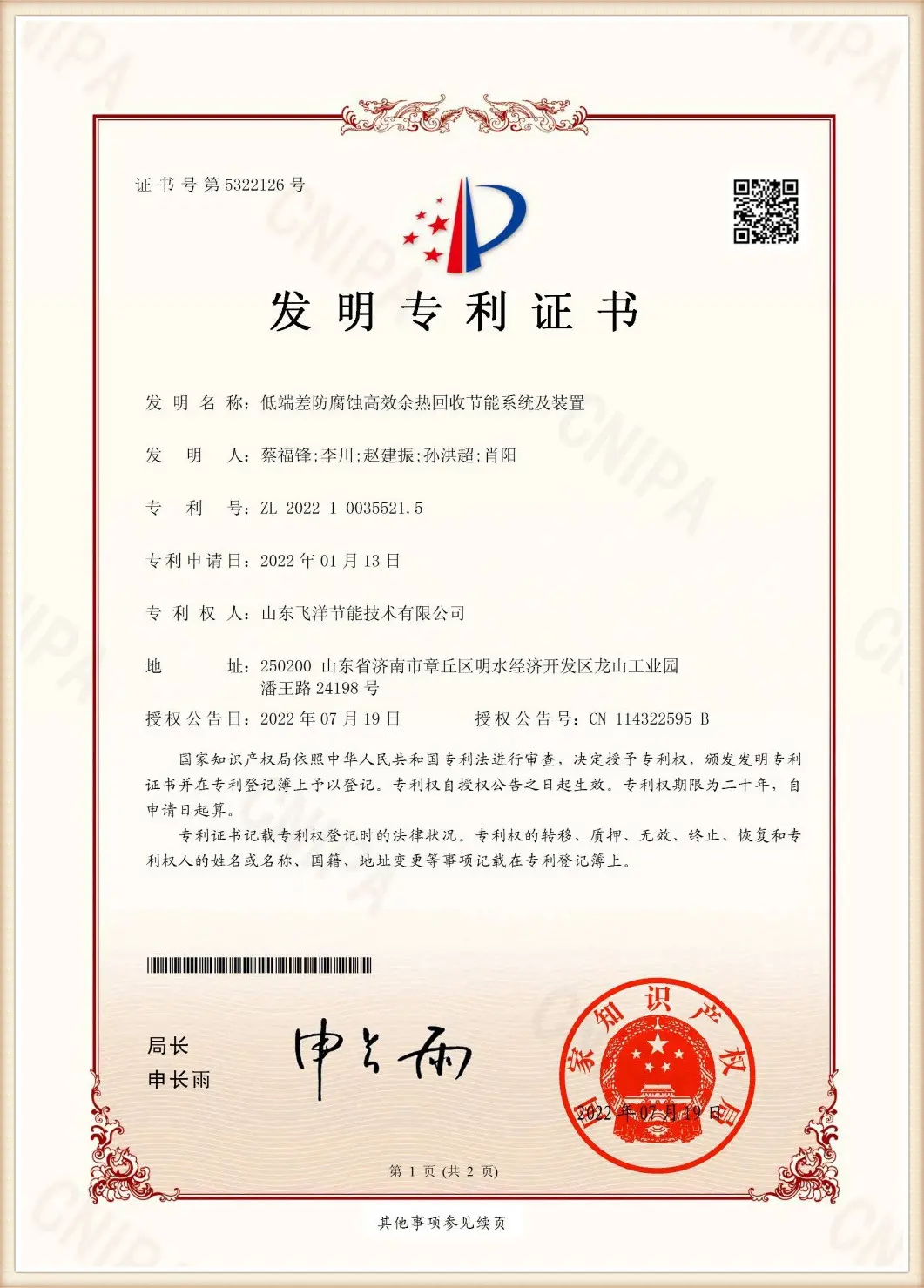
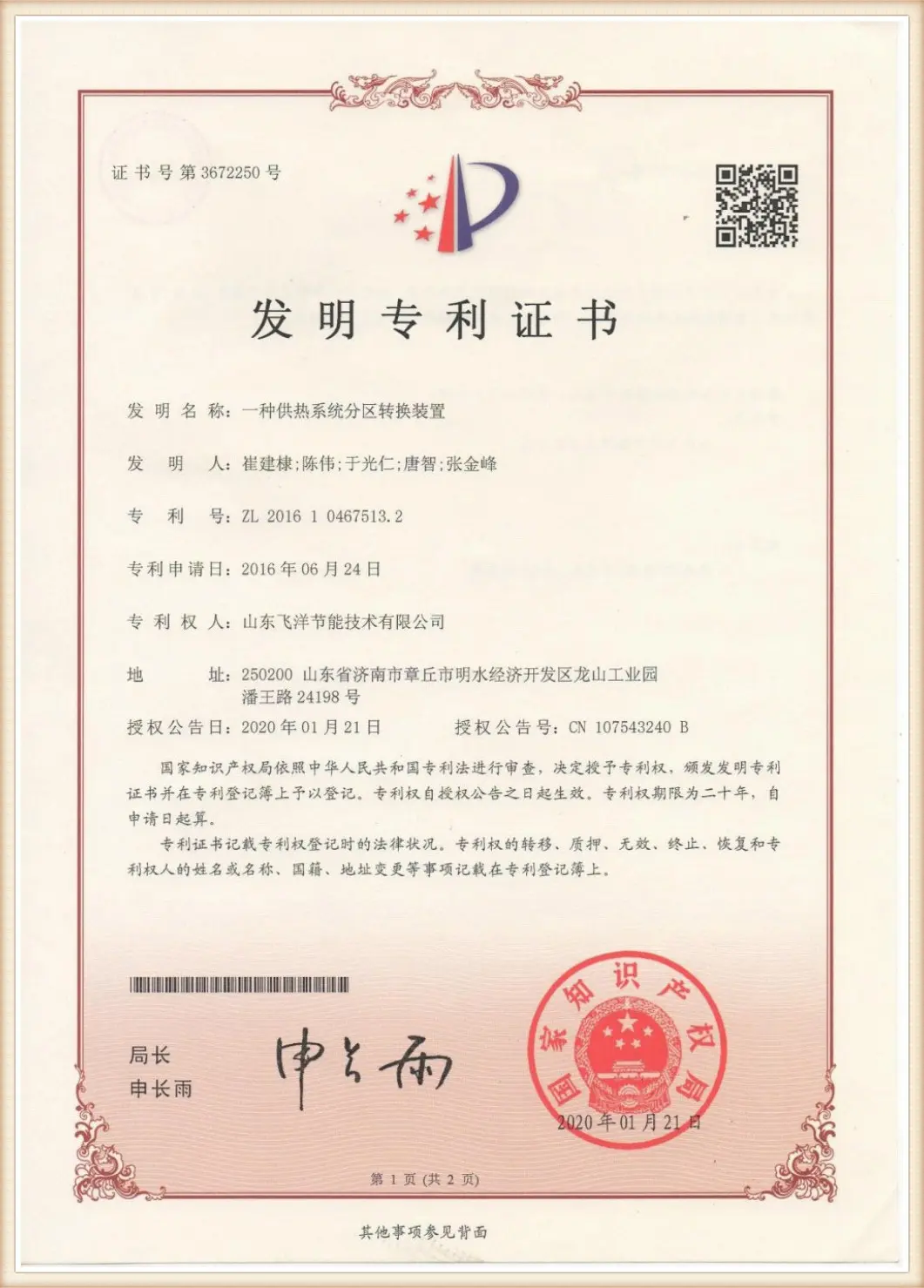
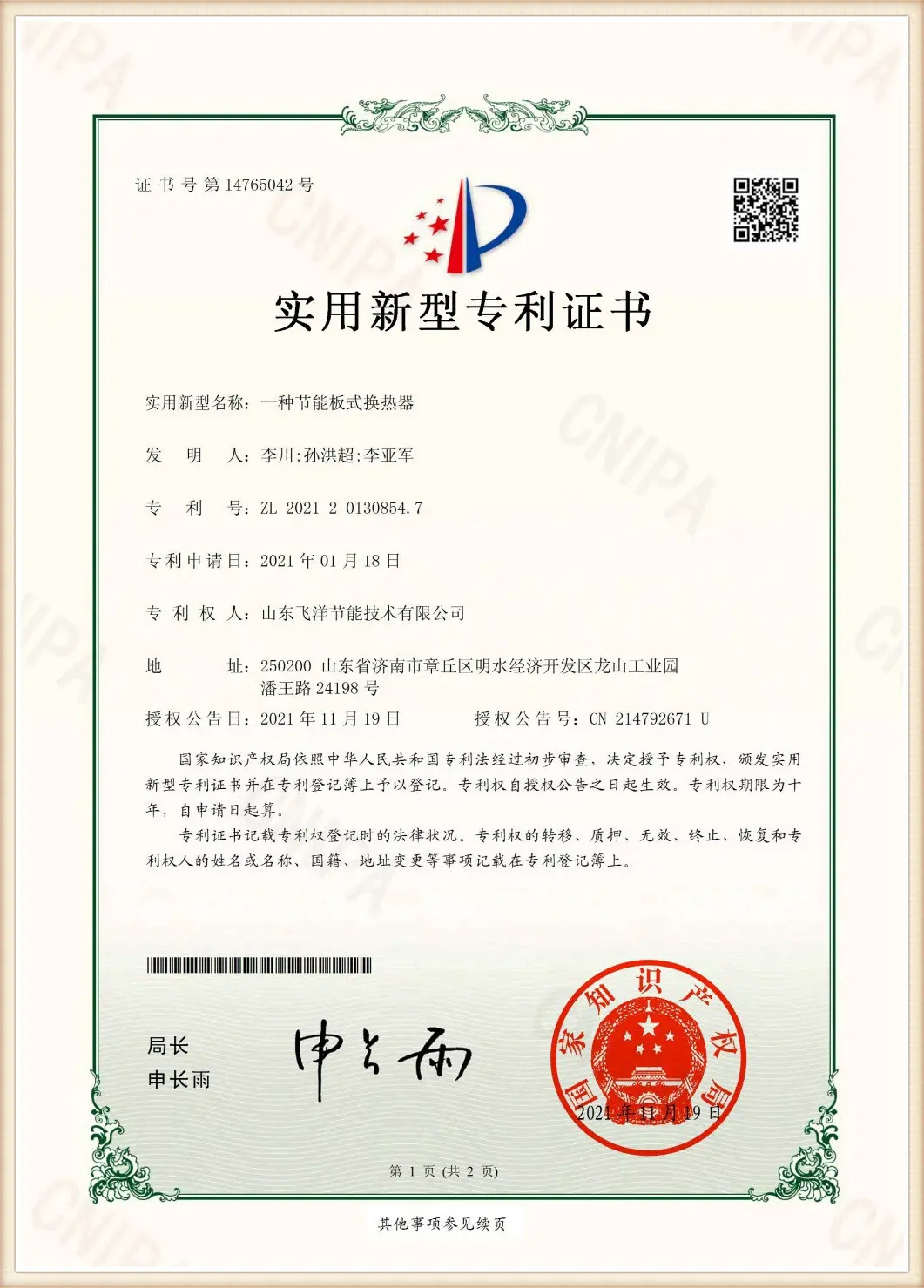
Operating within the global industrial market requires strict alignment with localized safety and environmental regulations. Flotte has achieved complete certification across major compliance standards:
By working with certified raw material suppliers and utilizing independent national quality supervision laboratories, we deliver products that meet standard compliance requirements worldwide. This helps ease import, customs, and operational processes for our global network of distributors and industrial partners.
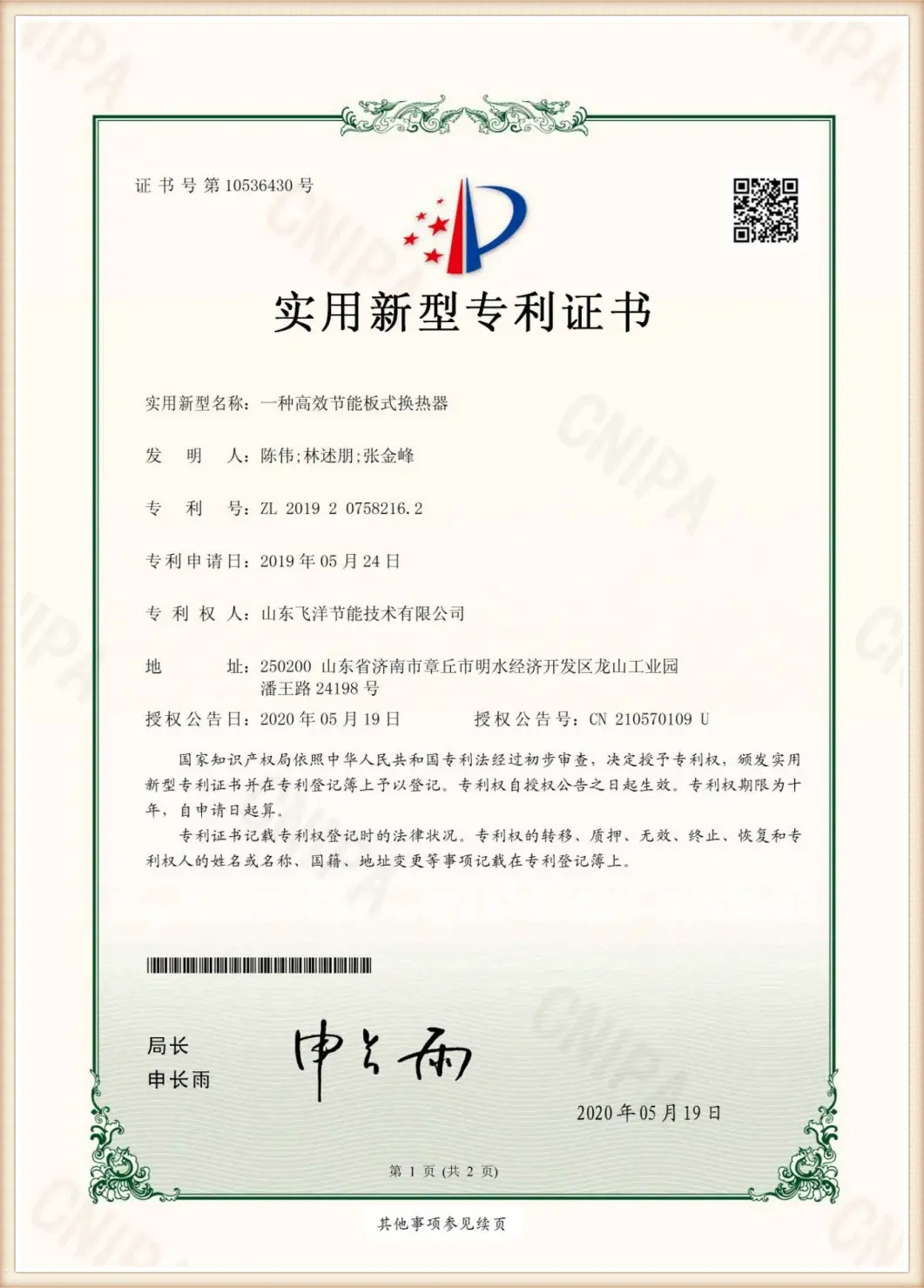
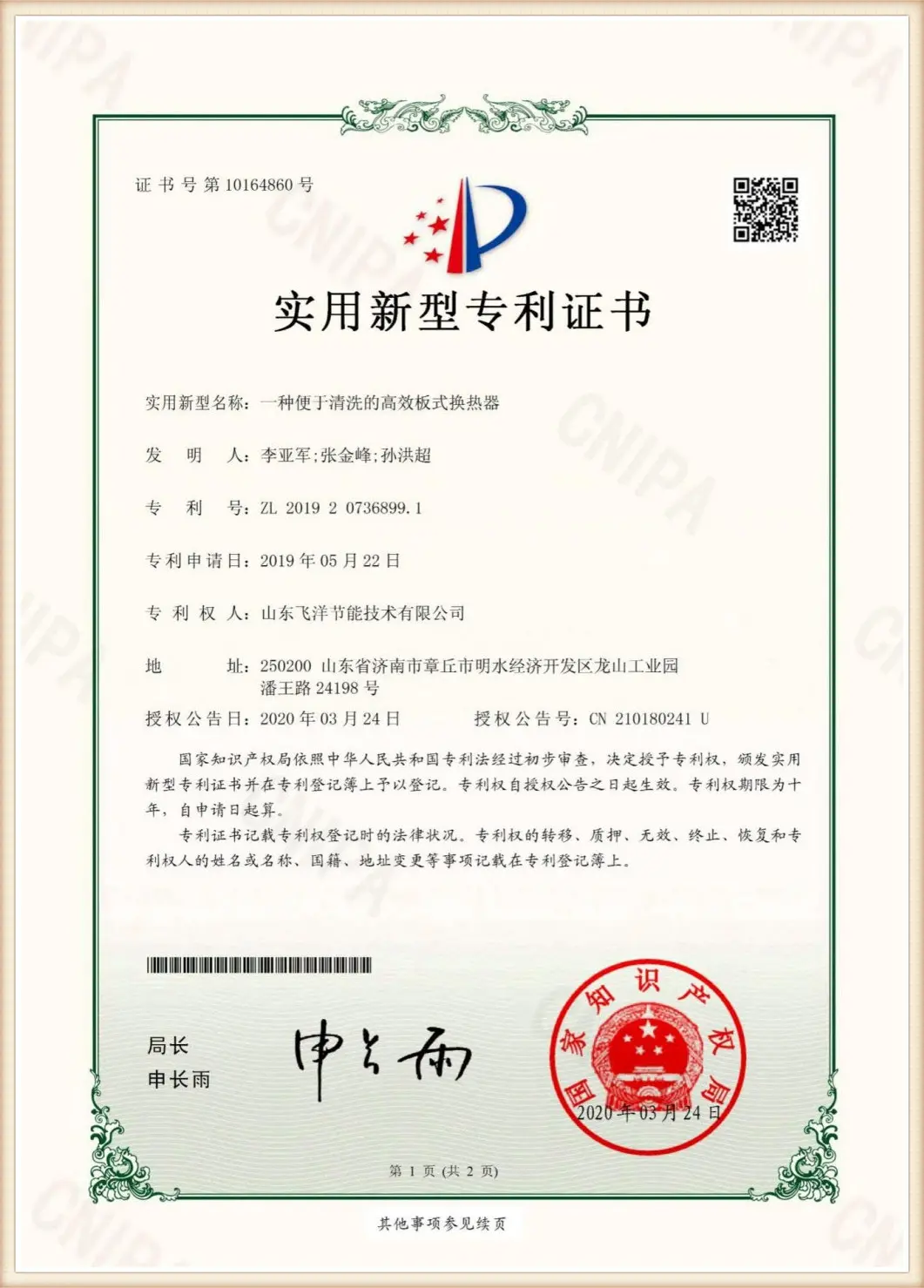
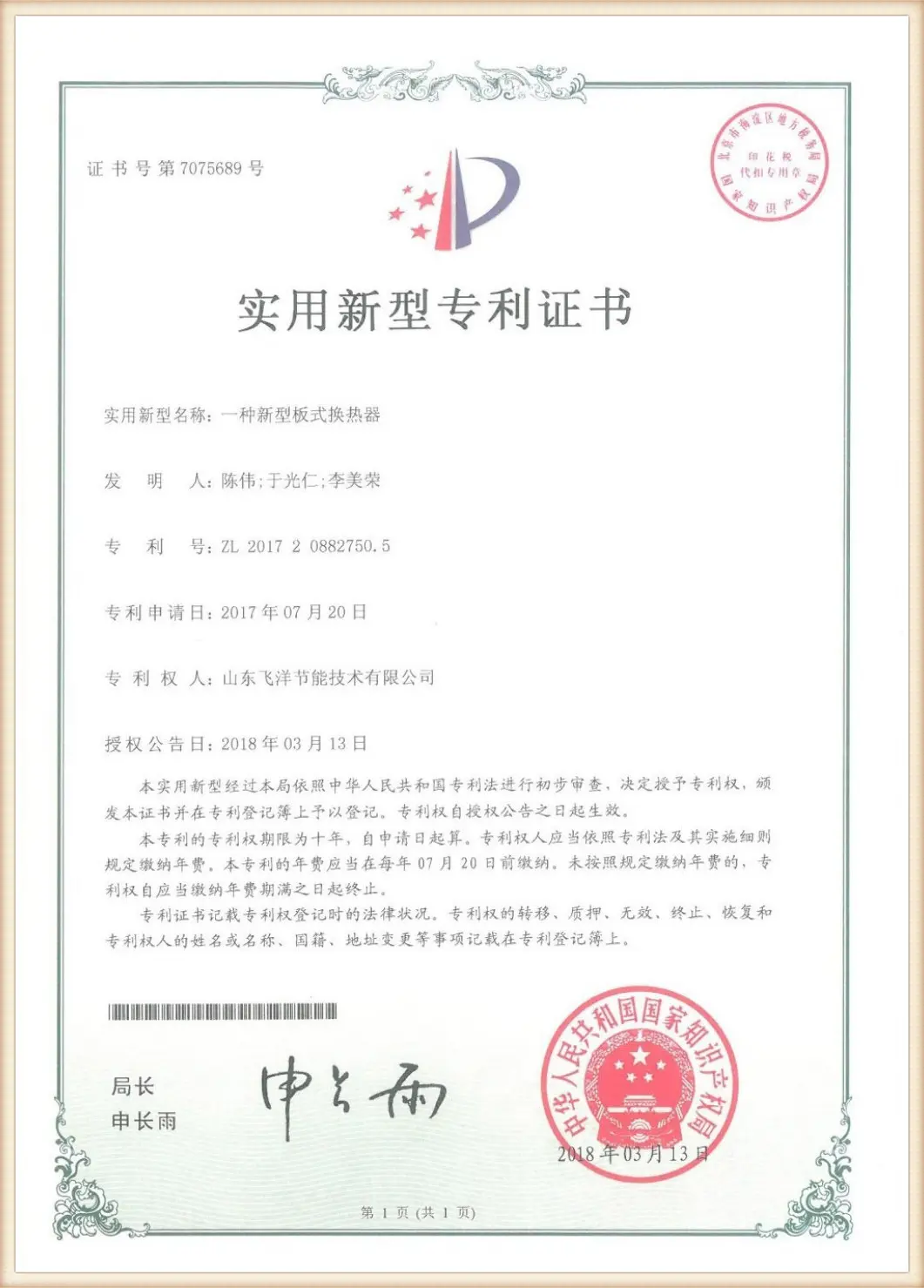
Providing custom thermal and fluid management solutions for power generation, municipal heating, and chemical plants worldwide.
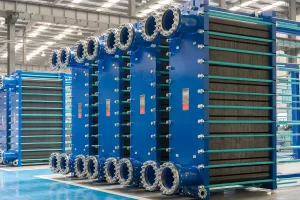
In municipal heating configurations, plate heat exchangers act as the interface between main municipal steam/hot water loops and domestic supply infrastructure. By using a customized Removable Plate Heat Exchanger, municipal operators can adjust delivery temperatures, reduce thermal energy waste, and maintain stable pressure balance across secondary networks.
Heavy industries like metallurgy, marine engineering, and chemical production rely on continuous lubrication lines. Utilizing our intelligent hydraulic valves and thermal control units safeguards critical turbine lubrication pumps. This prevents high flow resistance and filters out metallic particulates, protecting capital equipment from unexpected wear and breakdown.
For demanding processes like chemical crystallization or pharmaceutical temperature regulation, our shell-and-tube exchangers provide high corrosion resistance and high heat transfer coefficients. Integrating these systems with specialized oil filtration filters keeps hydraulic and process oils clean, ensuring constant uptime under harsh conditions.


Developing intelligent thermal systems and predictive filtration technologies to support clean, efficient operations.
Next-generation lubrication systems will feature built-in differential pressure sensors and particle counters. Integrating these sensors with monitoring networks enables real-time tracking of filter degradation and fluid health, reducing unscheduled plant downtime.
Our intelligent unit balance valves will dynamically adapt to viscosity changes caused by temperature fluctuations. This keeps fluid velocity steady through the filtration elements, preventing media deformation and particulate bypass.
Our patented plate geometries generate high turbulence at lower fluid velocities. This improves thermal transfer rates while minimizing pressure drop across the unit, reducing overall energy usage in industrial pumping stations.
Technical guidance and expert insights on oil filtration efficiency, viscosity management, and mechanical durability.
Large-scale bearings rely on a micro-level oil film to separate sliding or rotating metal components. Particulate contaminants larger than this film thickness cause three-body abrasive wear, surface scratching, and stress concentration points. High-efficiency lubrication oil filters with glass-fiber media trap micro-particles (typically from 3 to 10 microns, with Beta ratios ≥ 1000), keeping the fluid clean and protecting the mechanical interface.
Oil viscosity is temperature-dependent. If the oil gets too hot, it thins out, reducing the protective film thickness and lowering structural support. If the oil gets too cold, viscosity rises, increasing pressure drop across the filter media and potentially opening the bypass valve to allow unfiltered oil back into the system. Integrating a Plate Heat Exchanger keeps fluid temperatures within the optimal range, ensuring consistent viscosity, low flow resistance, and constant filtration.
Modern ashless synthetic oils have low electrical conductivity. As these fluids pass through standard glass fiber filter media, friction can generate static electricity. If this charge builds up, it can discharge via sparks to the metal housing, burning holes in the filter media, degrading the oil, and causing localized varnish. Utilizing anti-static, metal-mesh layered filter elements or conductive carbon-doped media dissipates these charges safely, maintaining system safety.
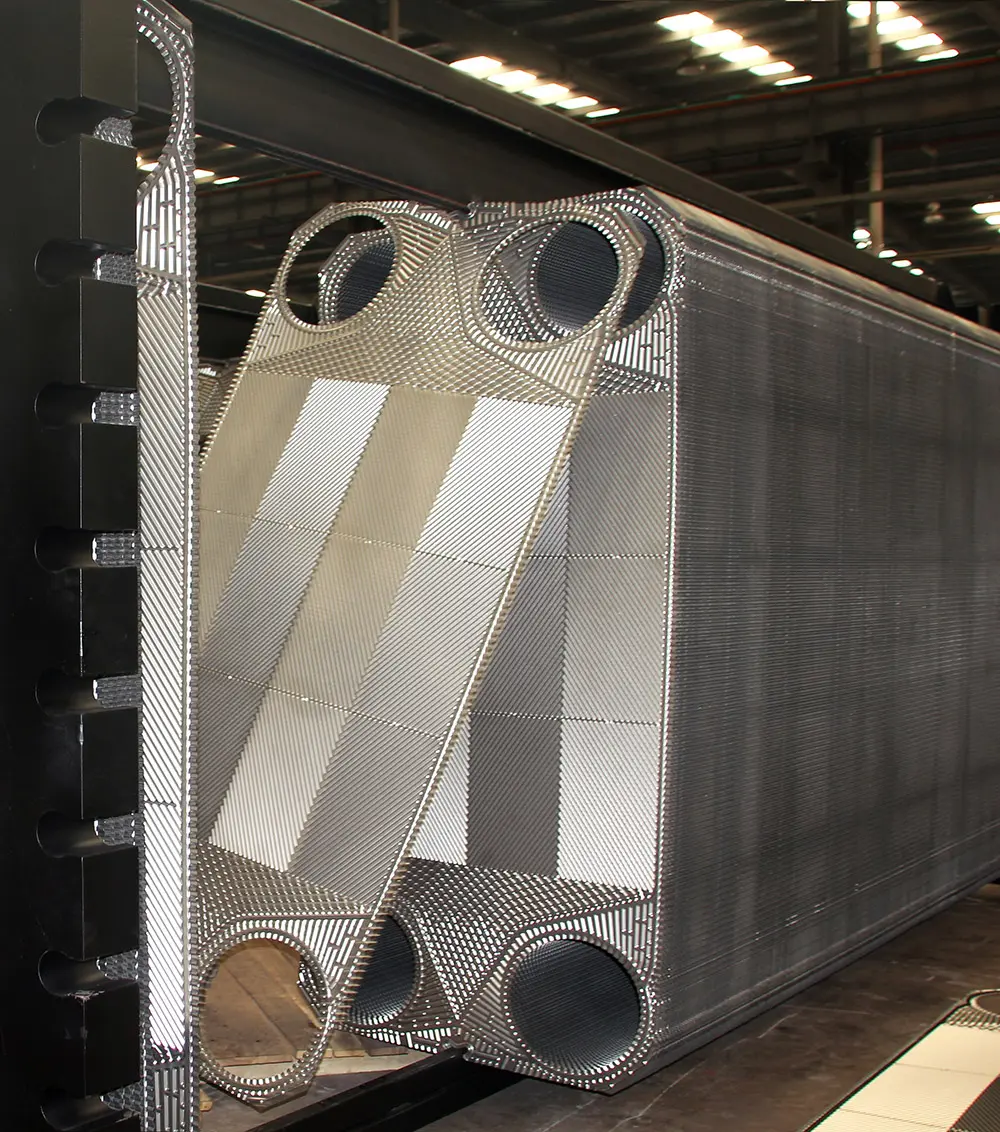
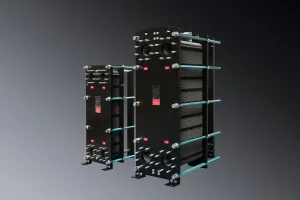
A Detachable Plate Heat Exchanger features a modular structure held together by compression bolts. To clean or inspect the plates, maintenance technicians can loosen the bolts and slide the plates back along the guide bar. This allows for direct cleaning of the fluid channels without needing to dismantle the piping network. In contrast, shell-and-tube models often require dedicated clearance spaces to pull out the tube bundle, which increases maintenance time.
Premium detachable heat exchangers and balancing valves engineered for continuous industrial operations.
 Flotte Energy