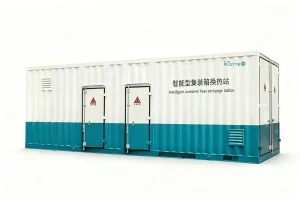
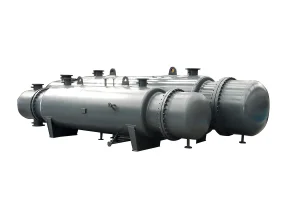
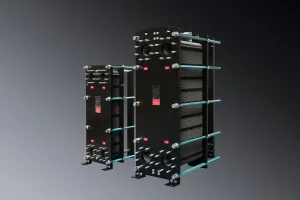
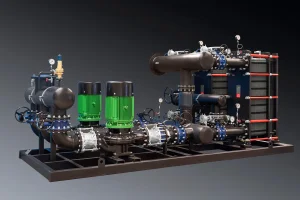
Explore our leading configurations engineered for high durability, structural integrity, and optimized fluid dynamics across commercial heating and cooling sectors.
In contemporary heavy manufacturing, power generation, and fluid power industries, thermodynamic efficiency dictates operational survivability. Selecting a high-performance oil cooler design is no longer merely a procurement detail; it is a critical variable governing machine longevity, emissions reduction, and overall energy savings. Heavy equipment relies heavily on stable viscosity profiles of lubrication oils. Fluctuations in operating temperatures can lead to accelerated fluid shear, oxidation, thermal breakdown, and ultimate mechanical wear.
As a leading wholesale manufacturer, Flotte focuses on addressing global search intents of industrial engineers by engineering thermal products that satisfy rigorous international compliance codes. This paper analyzes the structural mechanics, localization adaptation matrices, and supply-chain configurations supporting modern heat exchange production, illustrating how engineering accuracy directly correlates with operational sustainability.
How plate pattern geometry, channel spacing, and turbulence induction control thermal boundary layers and prevent oil degeneration.
Our customizable oil coolers leverage advanced corrugated patterns that force boundary layer disruption. By generating microscopic vortices within the fluid channel, we maximize the Nusselt number, enhancing convective heat transfer without inducing proportional pressure drop degradation.
Viscous industrial oils are naturally prone to thermal deposition and scaling. Flotte designs utilize special electropolished stainless steel plates (SS304/SS316) and titanium alloys to minimize surface roughness, preventing scale attachment and extending service intervals.
Through dynamic fluid pathways, we customize flow rates dynamically according to oil grades (ISO VG 32 to 460). This ensures oil maintains its optimum kinematic viscosity range, keeping hydraulic systems operating with minimal energy loss.
Established in 2013 with a registered capital of 101 million yuan, Flotte Energy Saving Company originated from Flotte Thermal Engineering founded in 1995. With three decades of profound technical expertise, the company specializes in water equipment, HVAC systems, and water treatment industries. It consistently leads industry peers in adopting cutting-edge technologies, developing innovative products, and delivering comprehensive production and sales services.
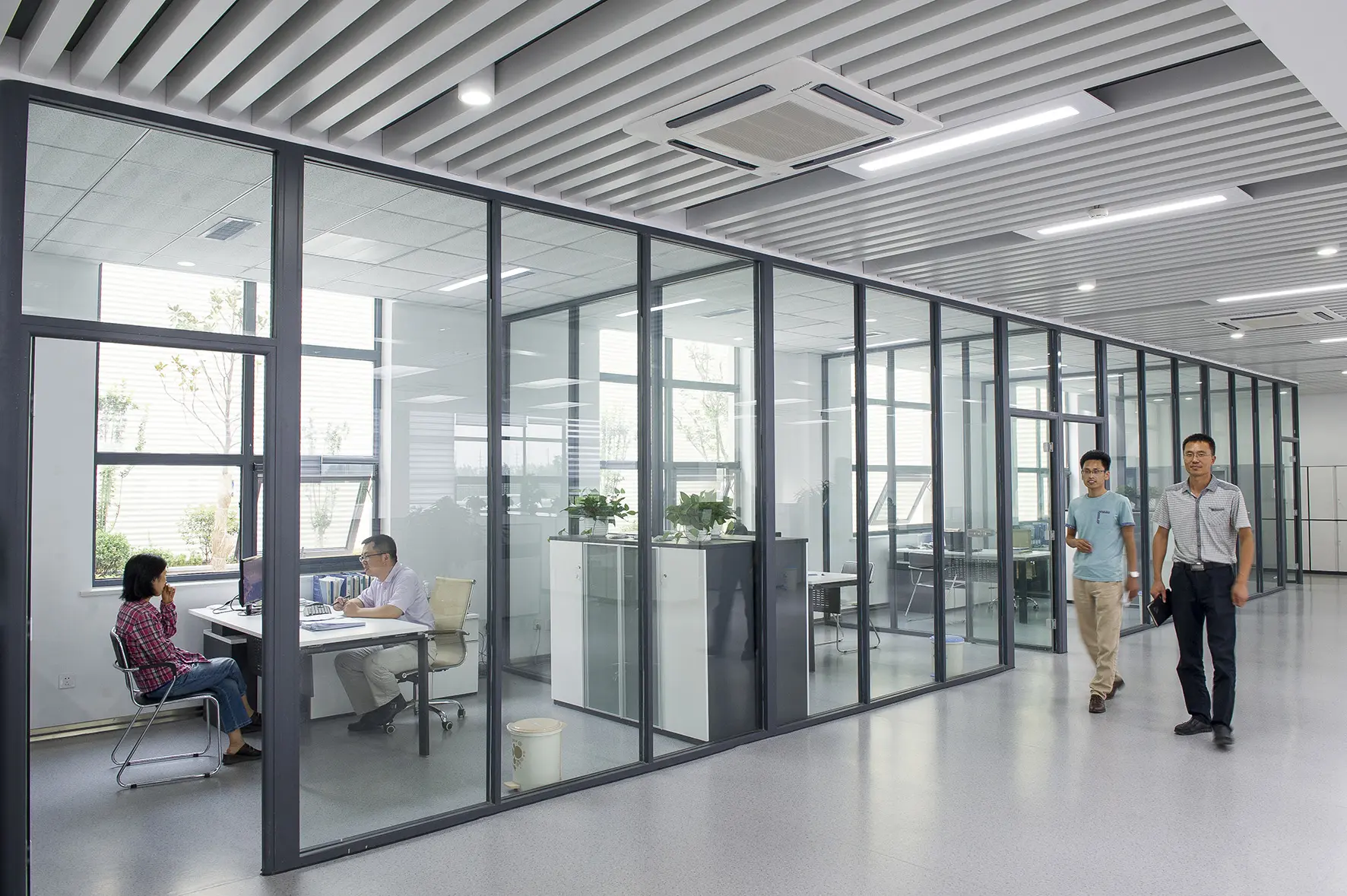
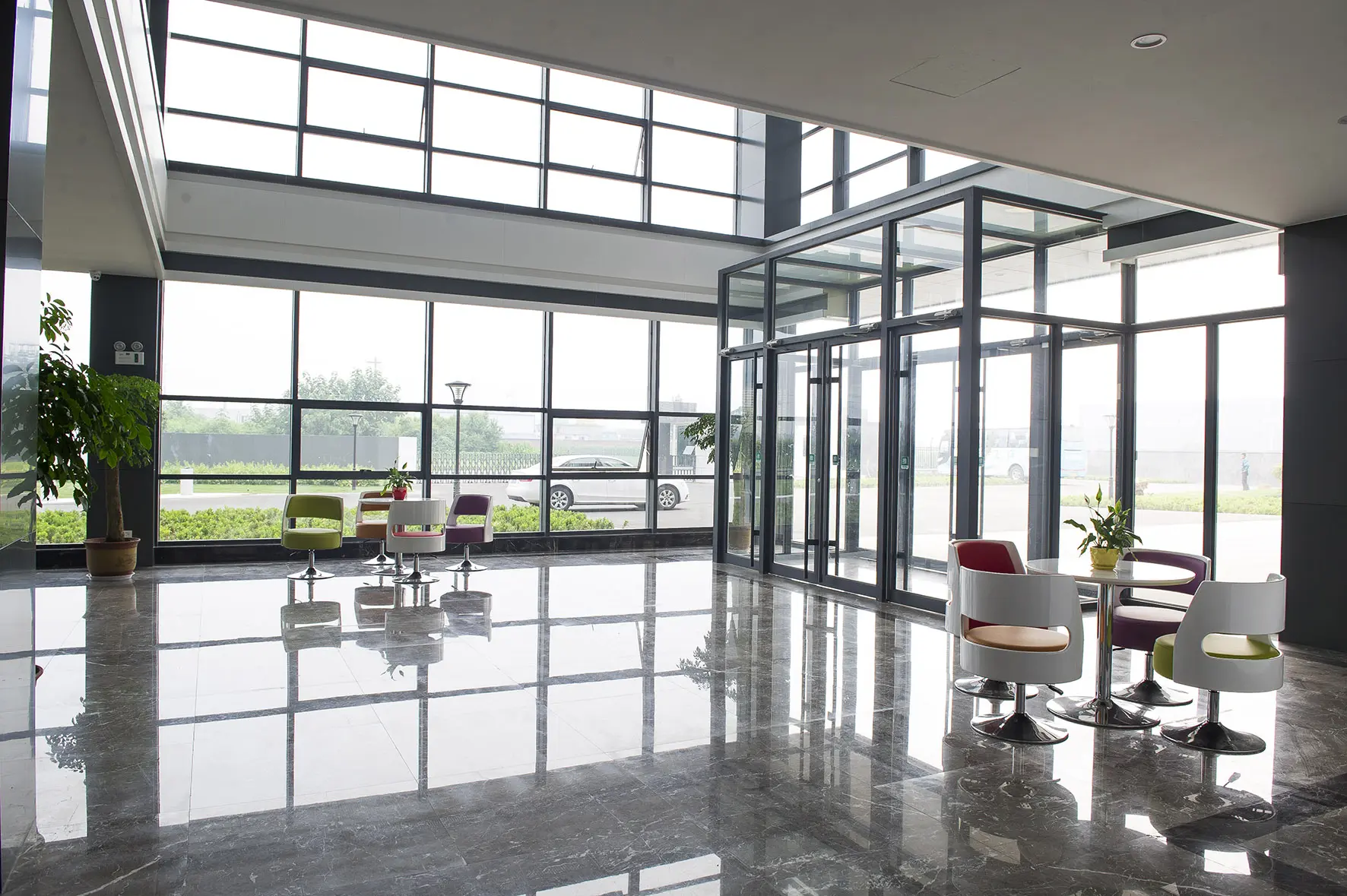
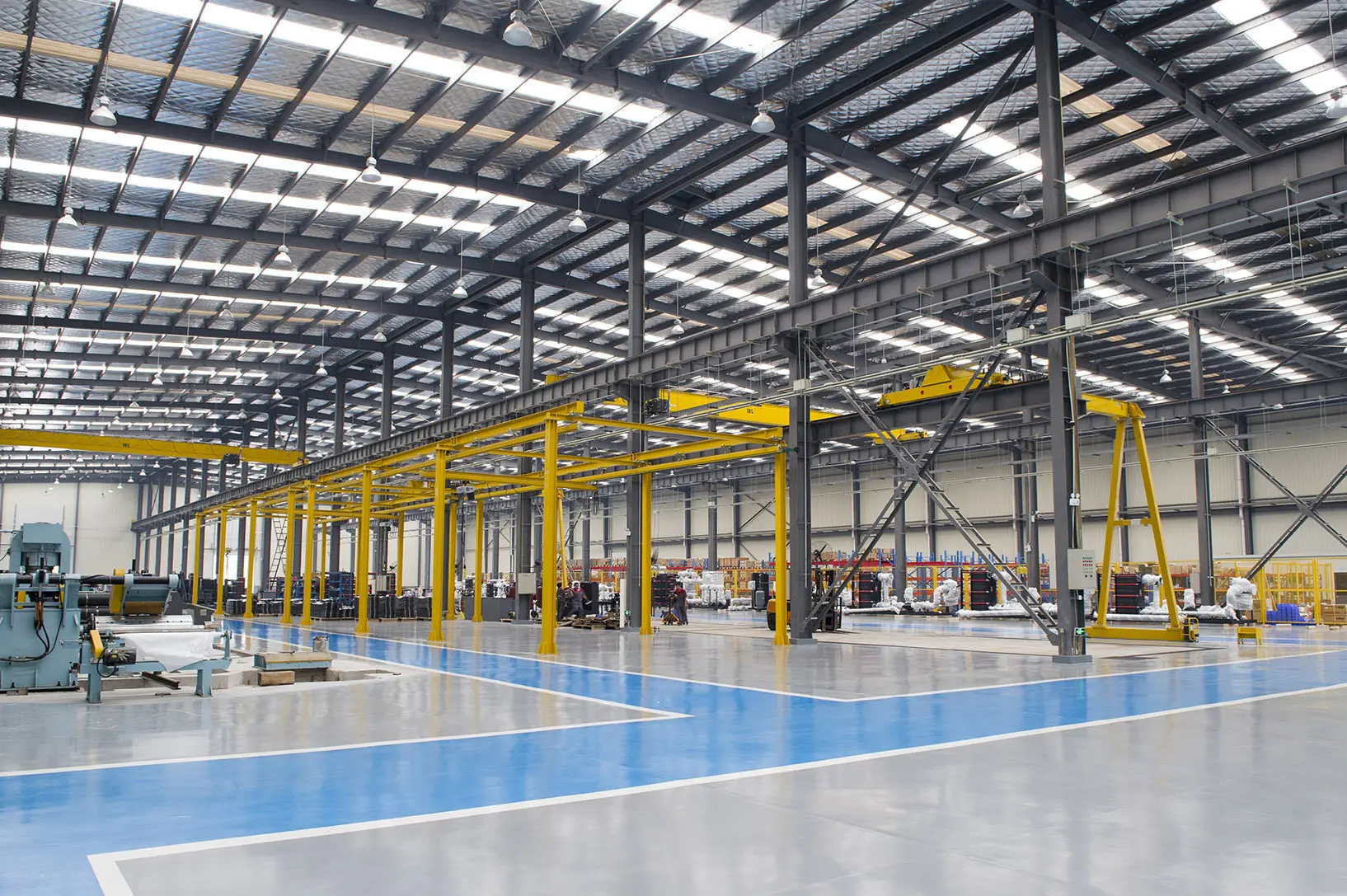
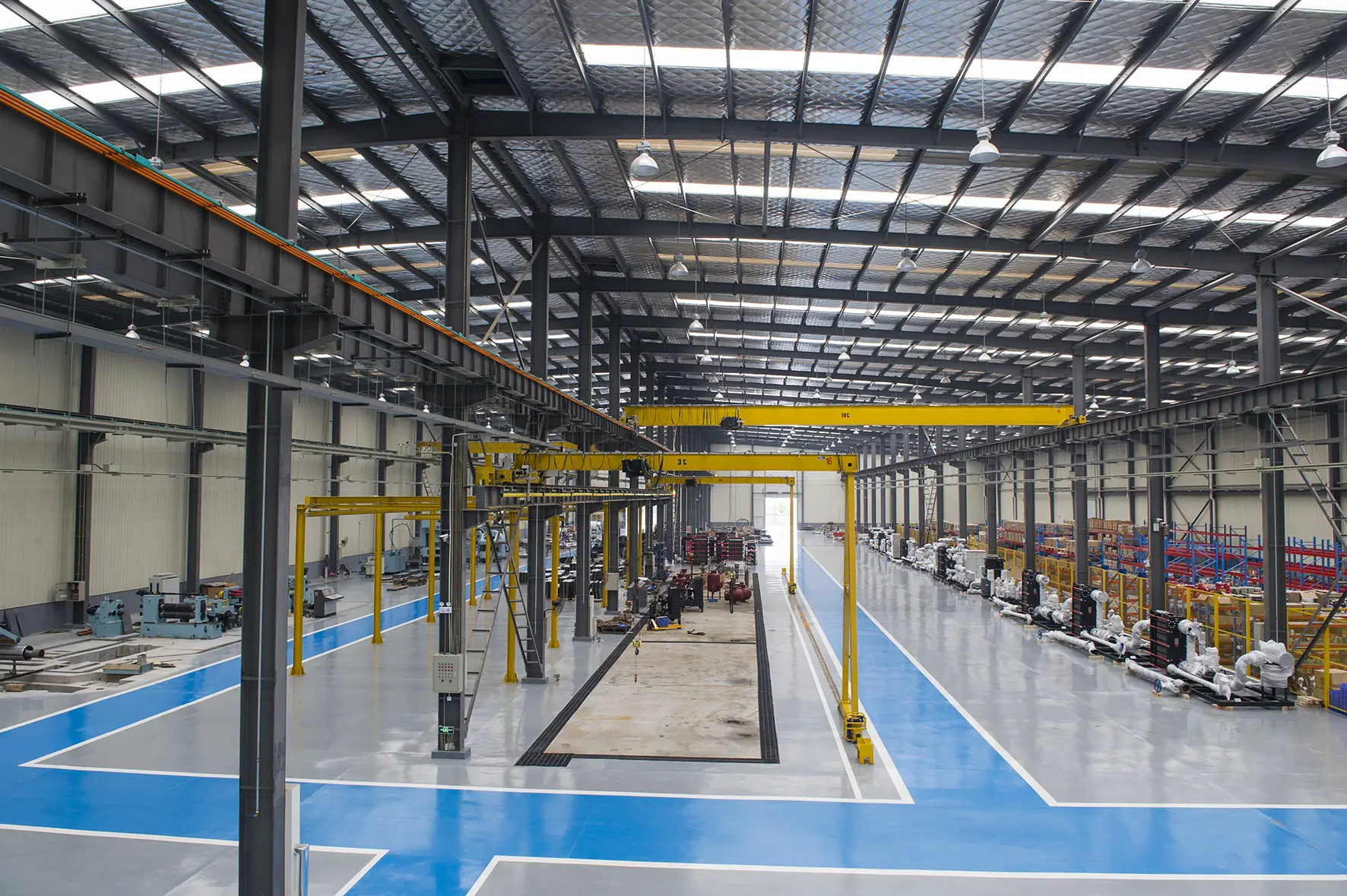
Our core mission is to bridge the gap between high-capacity thermal transfer and eco-friendly energy utilization. Backed by three decades of refinement, we manage a state-of-the-art facility operating under systematic quality structures. Every product we manufacture complies with international criteria, allowing us to capture a dominant market share in domestic and international engineering projects.
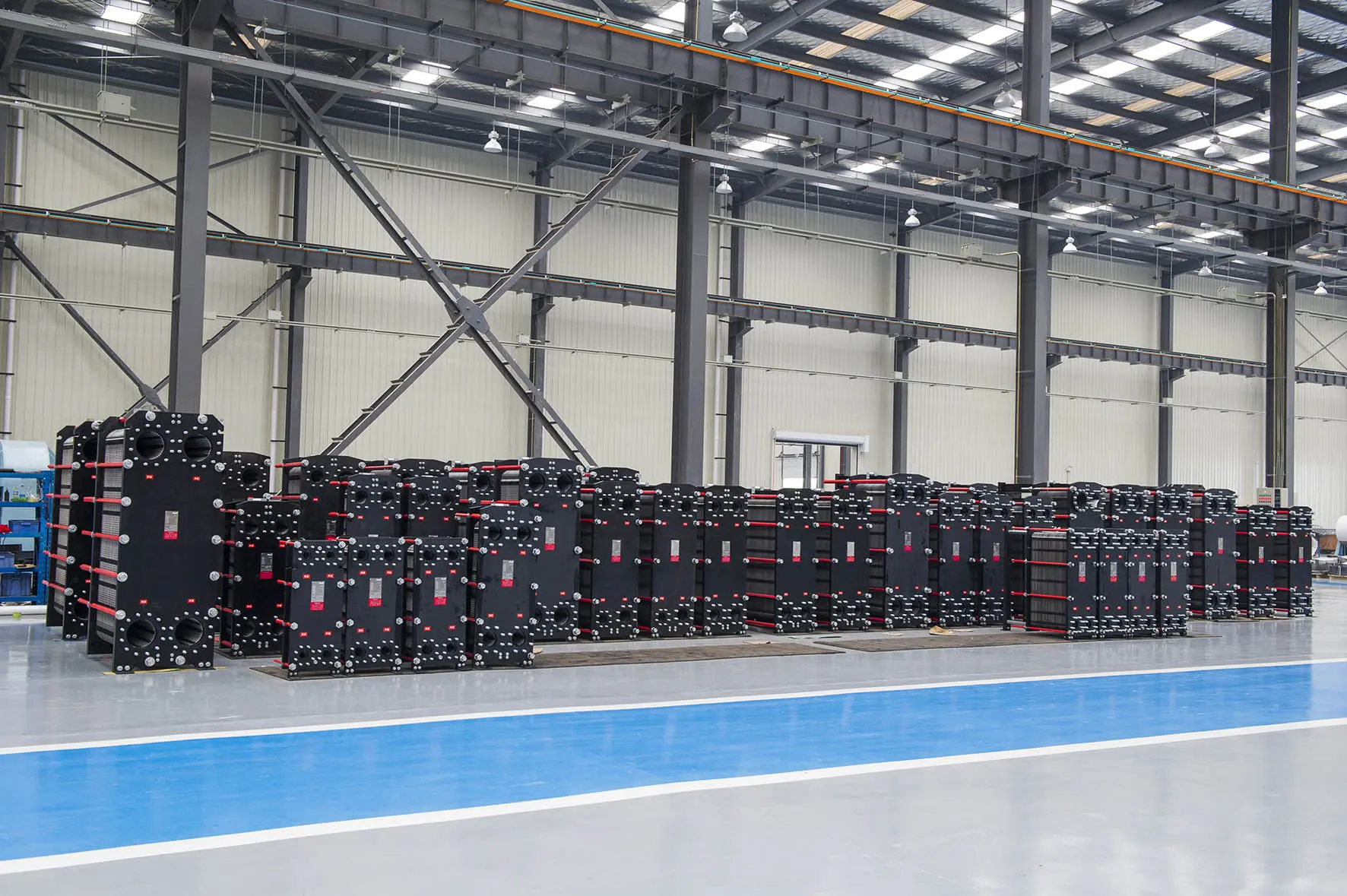
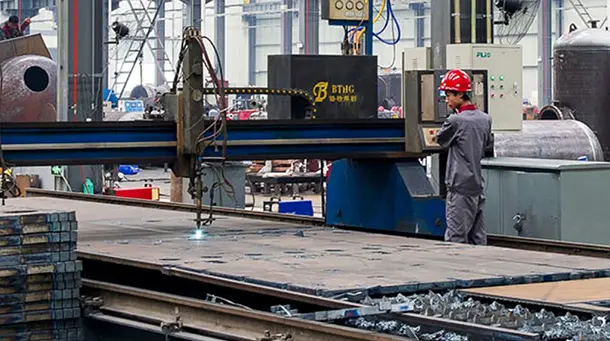
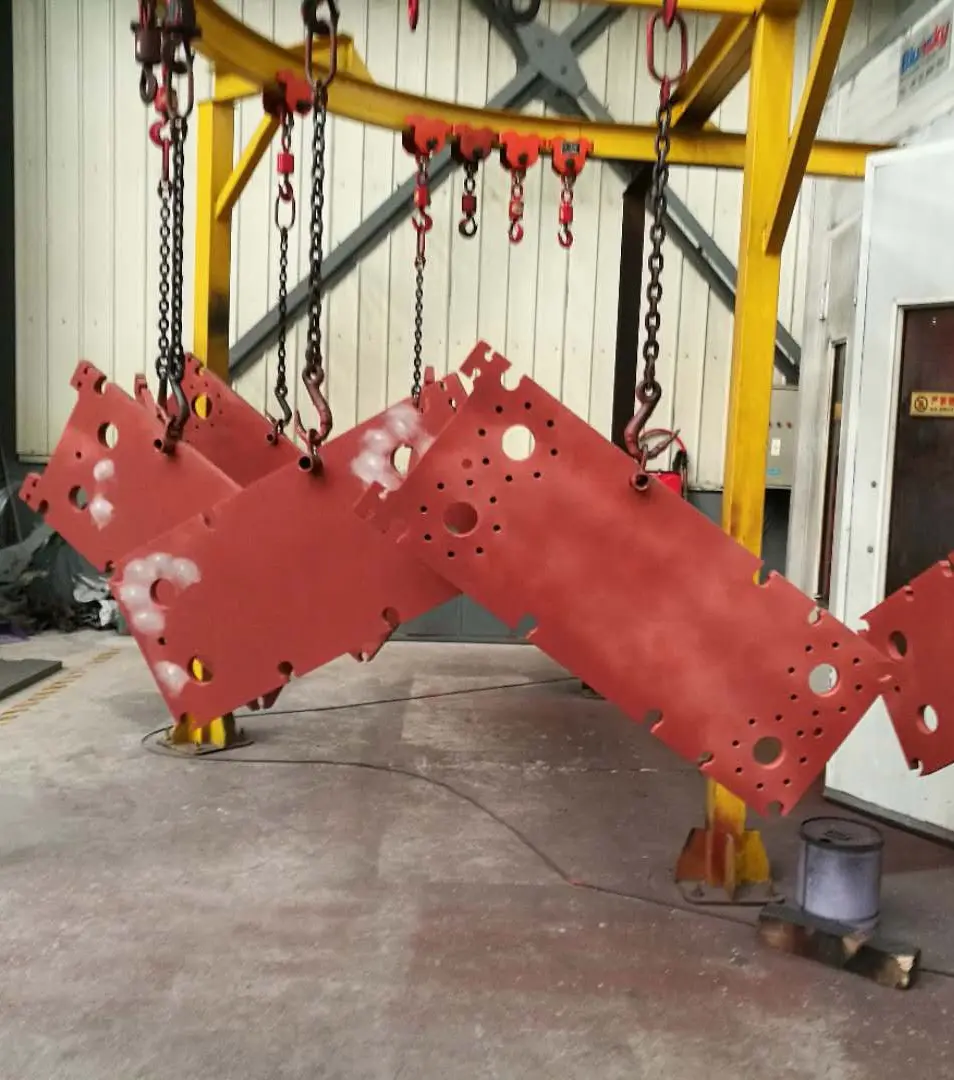
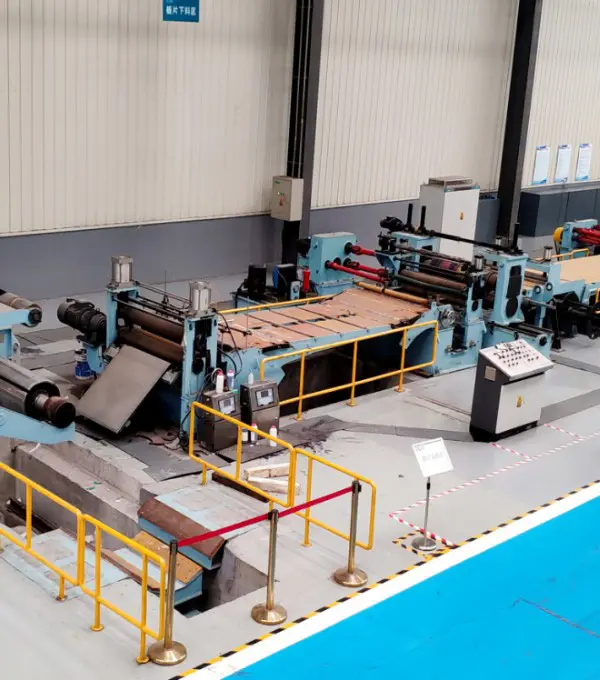
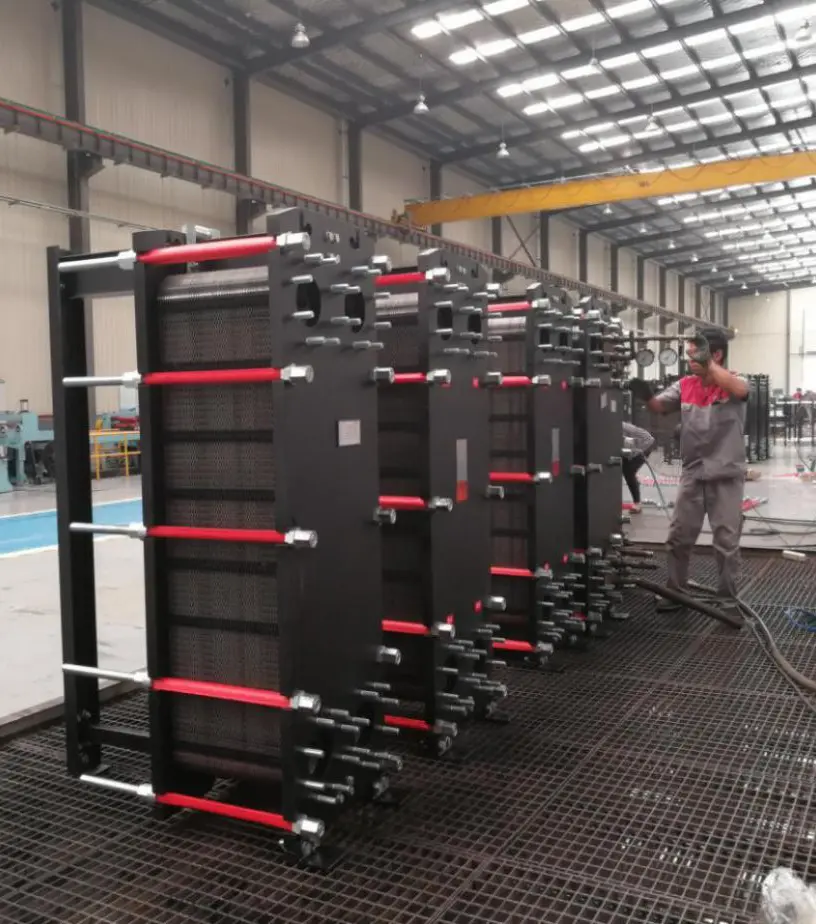
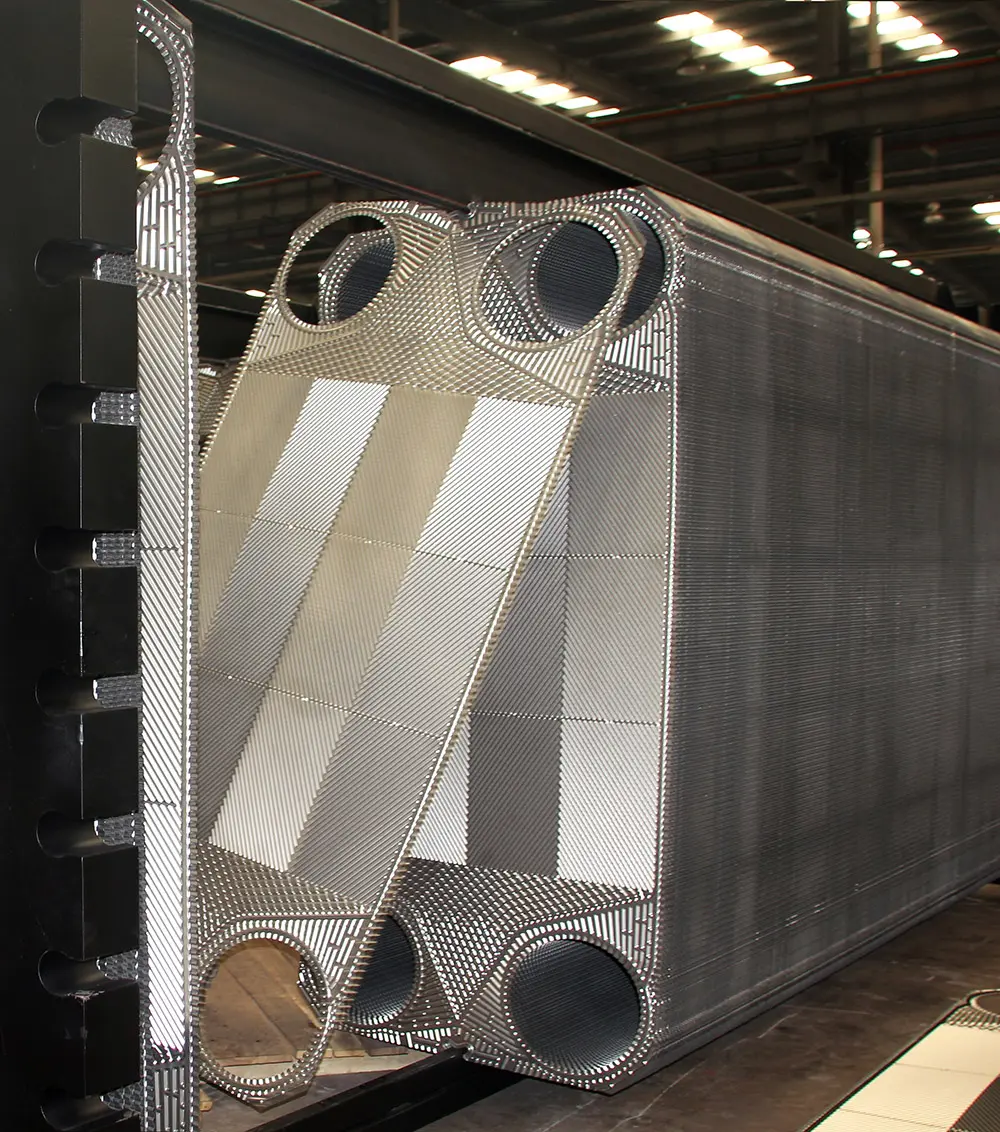
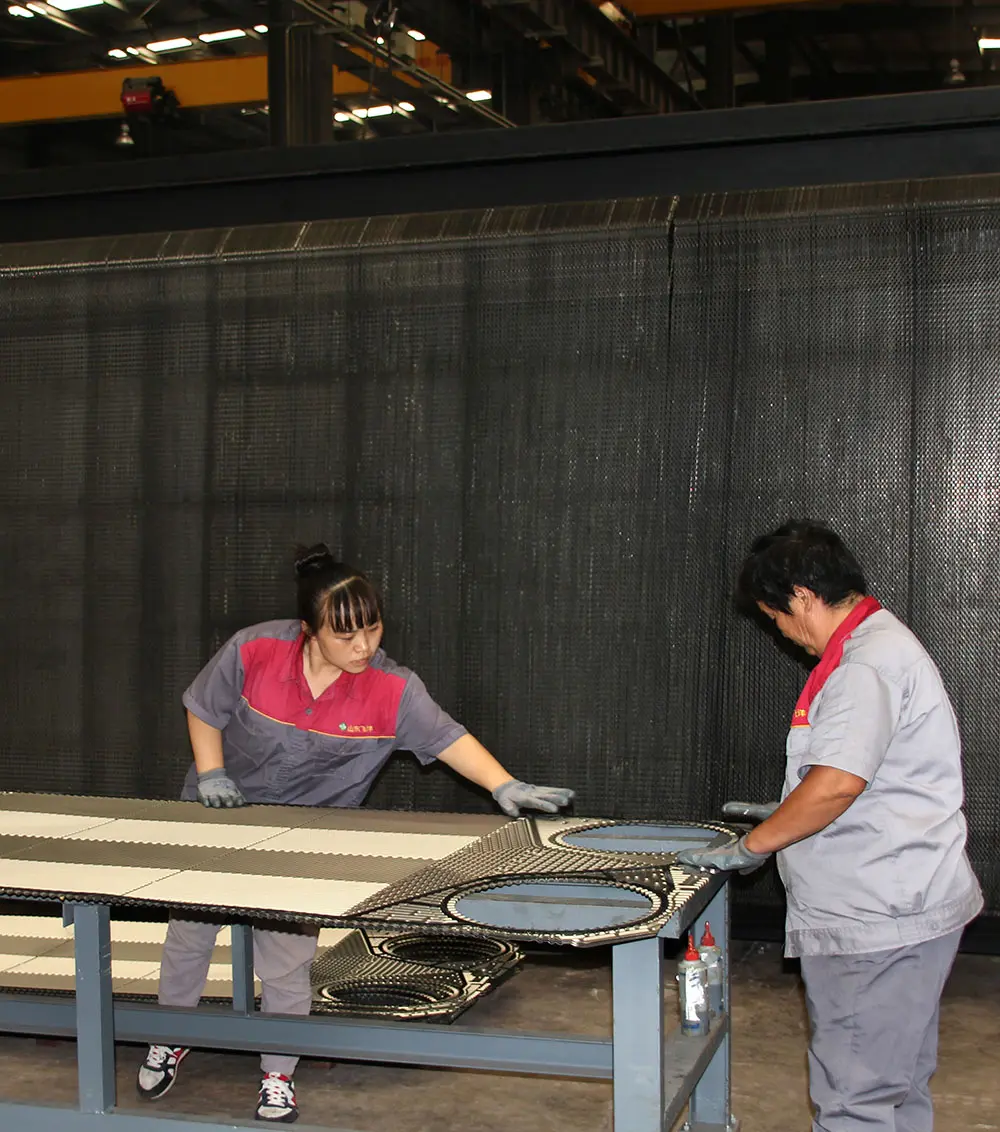
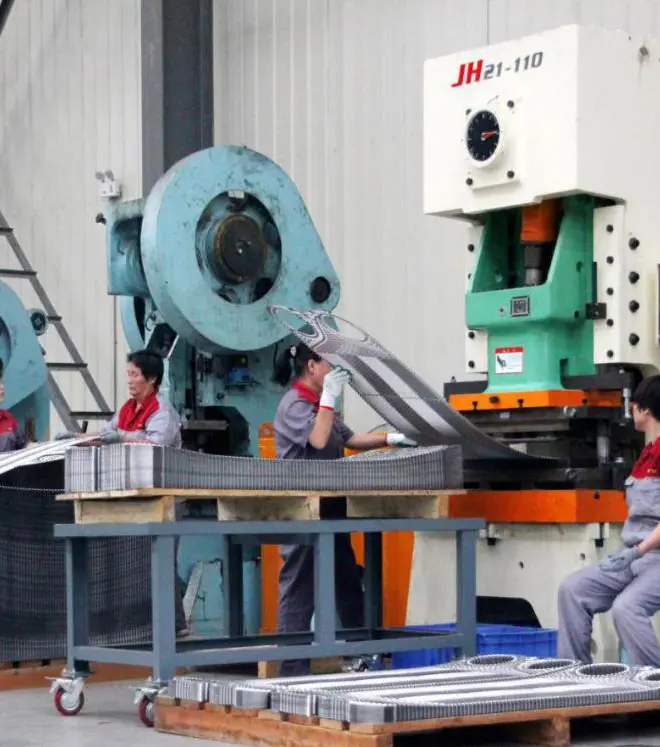
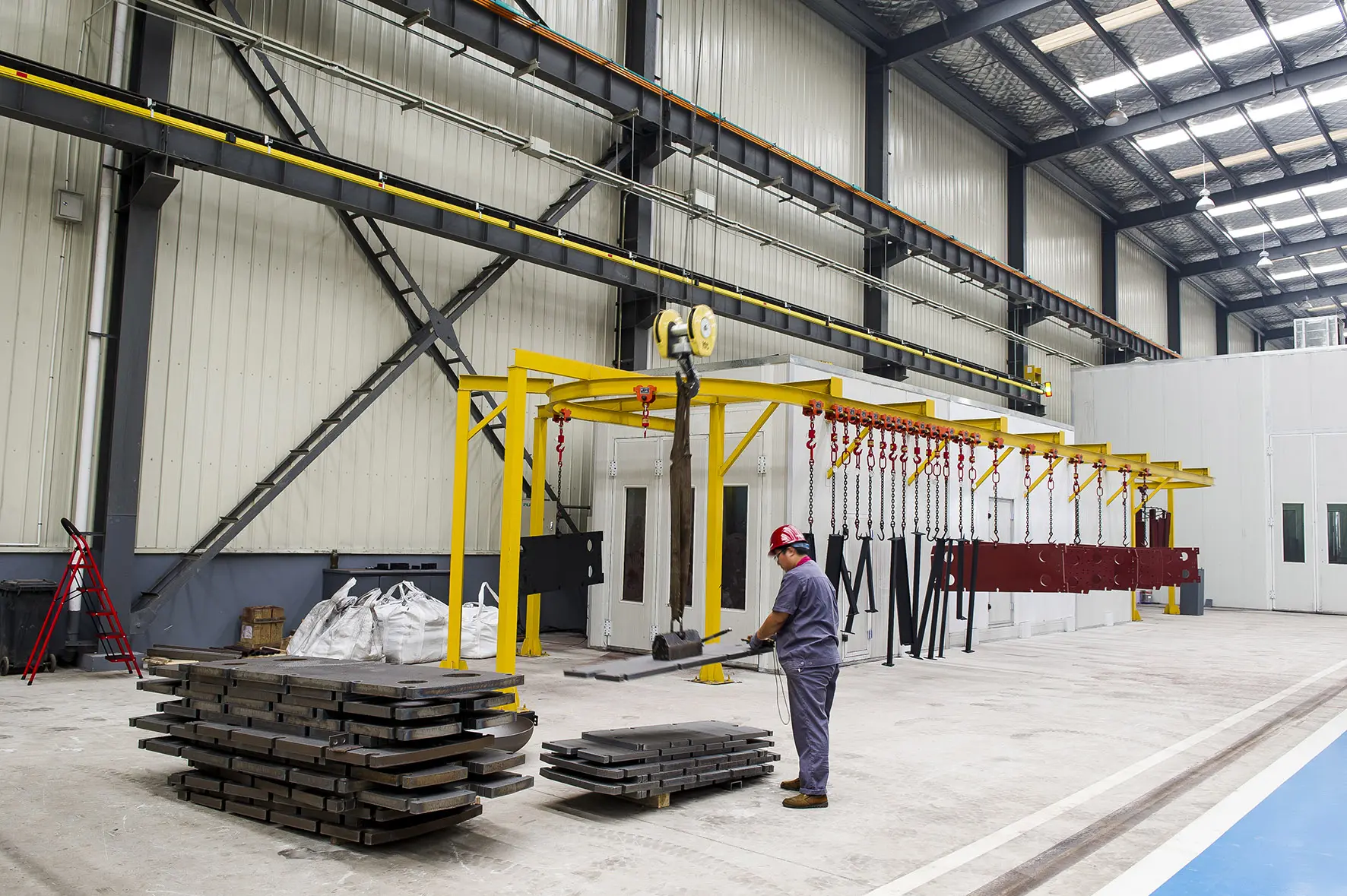
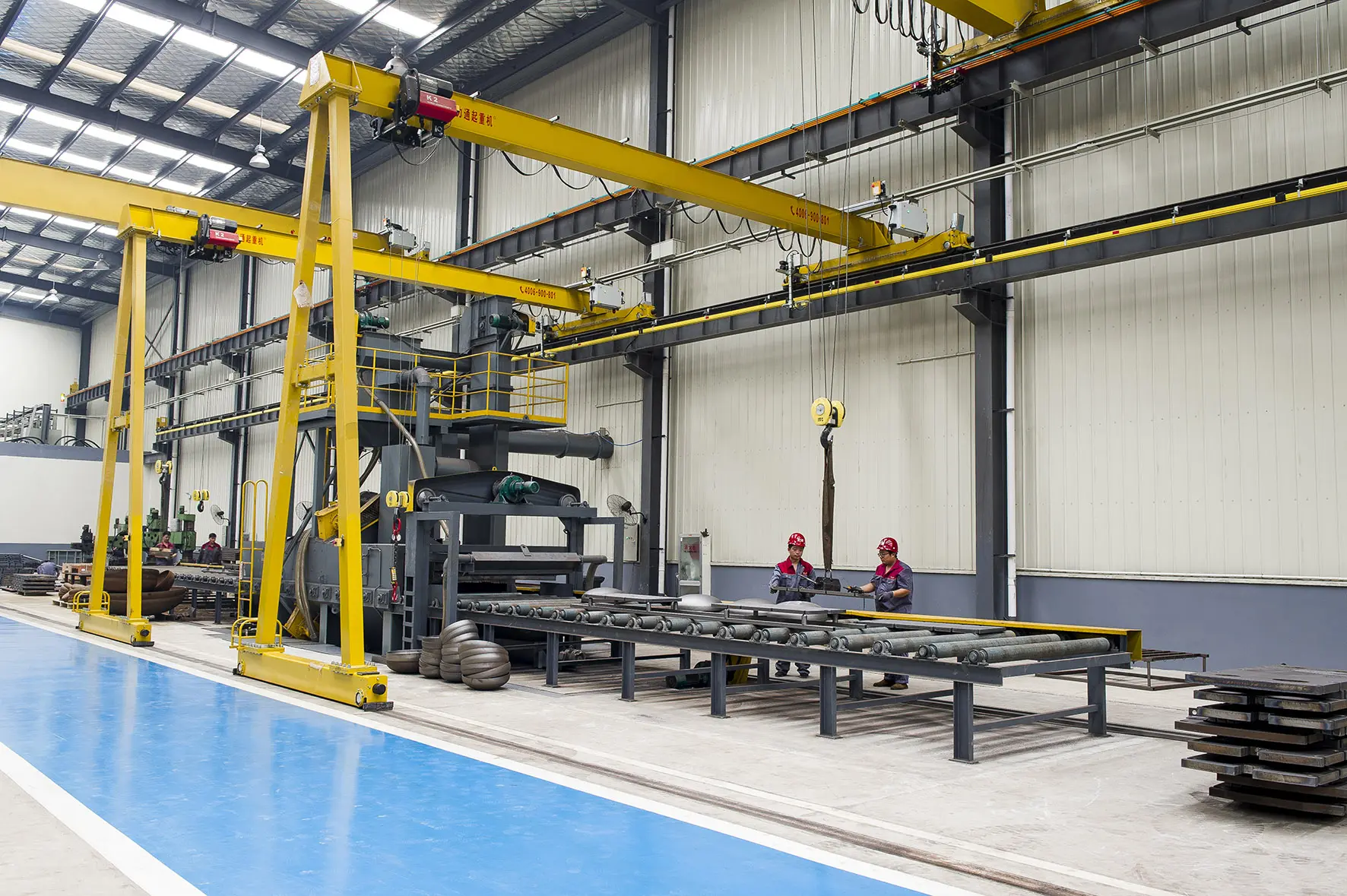
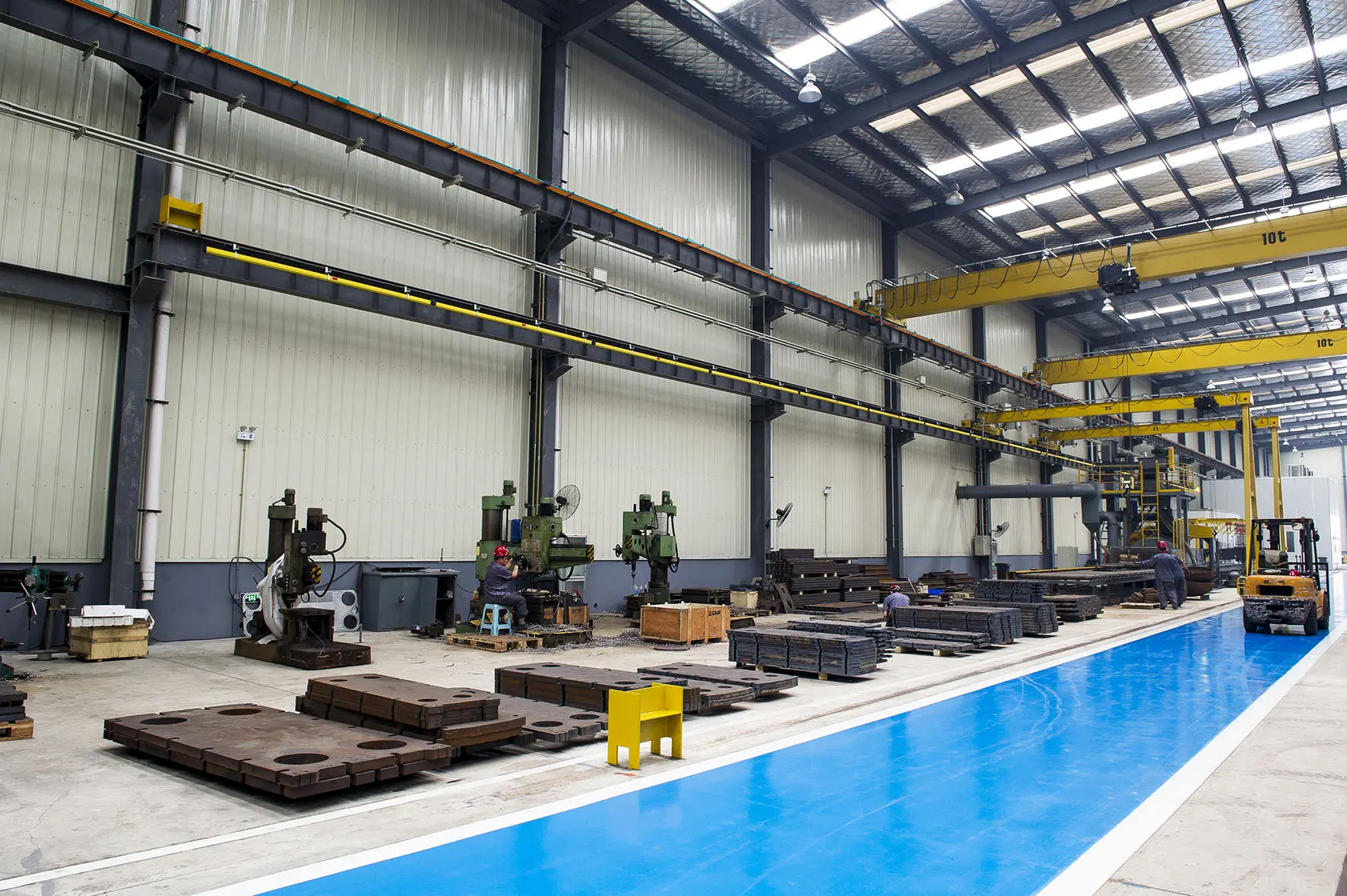
From precision cutting to robotic stamping and high-pressure sealing tests, our manufacturing processes are verified to withstand severe industrial stress.
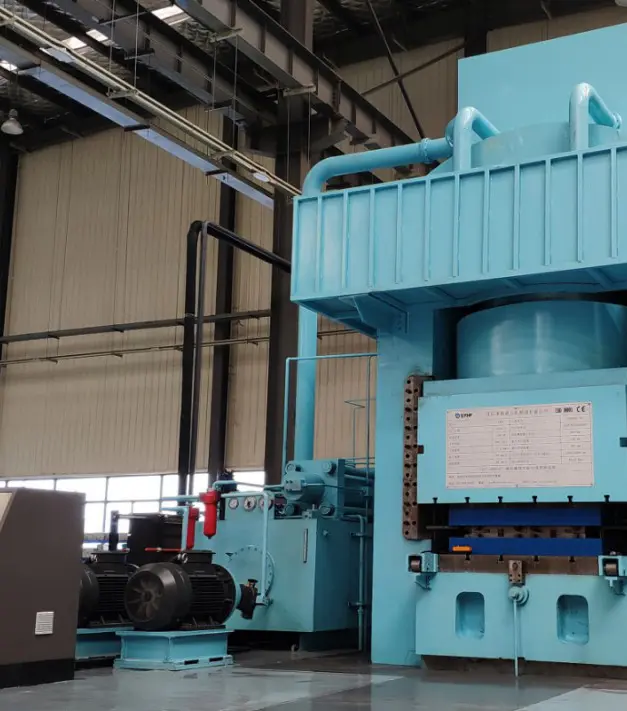
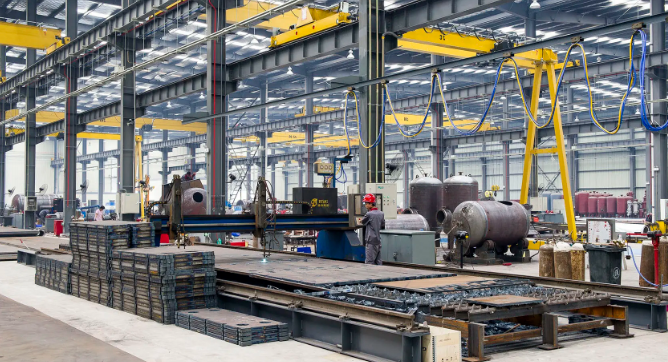
Different regional markets present unique environment challenges. In sub-zero northern territories, oil coolers must integrate anti-freeze safety lines and fast-heating bypass loops to avoid excessive startup oil viscosity. Conversely, equatorial offshore oil platforms mandate seawater-resistant materials like titanium plates to combat localized galvanic corrosion.
Our technical systems are highly customizable. Whether configuring central heating stations in East Europe, heavy duty mining systems in Australia, or high-performance marine power systems in the Americas, Flotte specializes in integrating regulatory codes with customized material compositions to match the site's environmental dynamics.
How structural integration, raw material partnerships, and high-capacity machinery combine to offer unmatched wholesale economics.
Operating in proximity to China's leading metallurgical processing hubs, Flotte secures raw sheets of premium SS304, SS316L, and Titanium. This continuous supply chain isolates wholesale pricing from international market fluctuations.
Equipped with massive tonnage stamping machinery, our factory shapes heat-transfer plates in single-stroke operations. This prevents stress fractures, ensures corrugated pattern consistency, and sustains an annual production rate of over 4,500 units.
Strategically located near major global deepwater shipping terminals, Flotte organizes direct factory-to-port logistics. Complete customs filing documentation and shockproof packaging ensure damage-free transit to international jobsites.
Verified by independent global agencies to ensure safety in high-stress, high-pressure industrial environments.
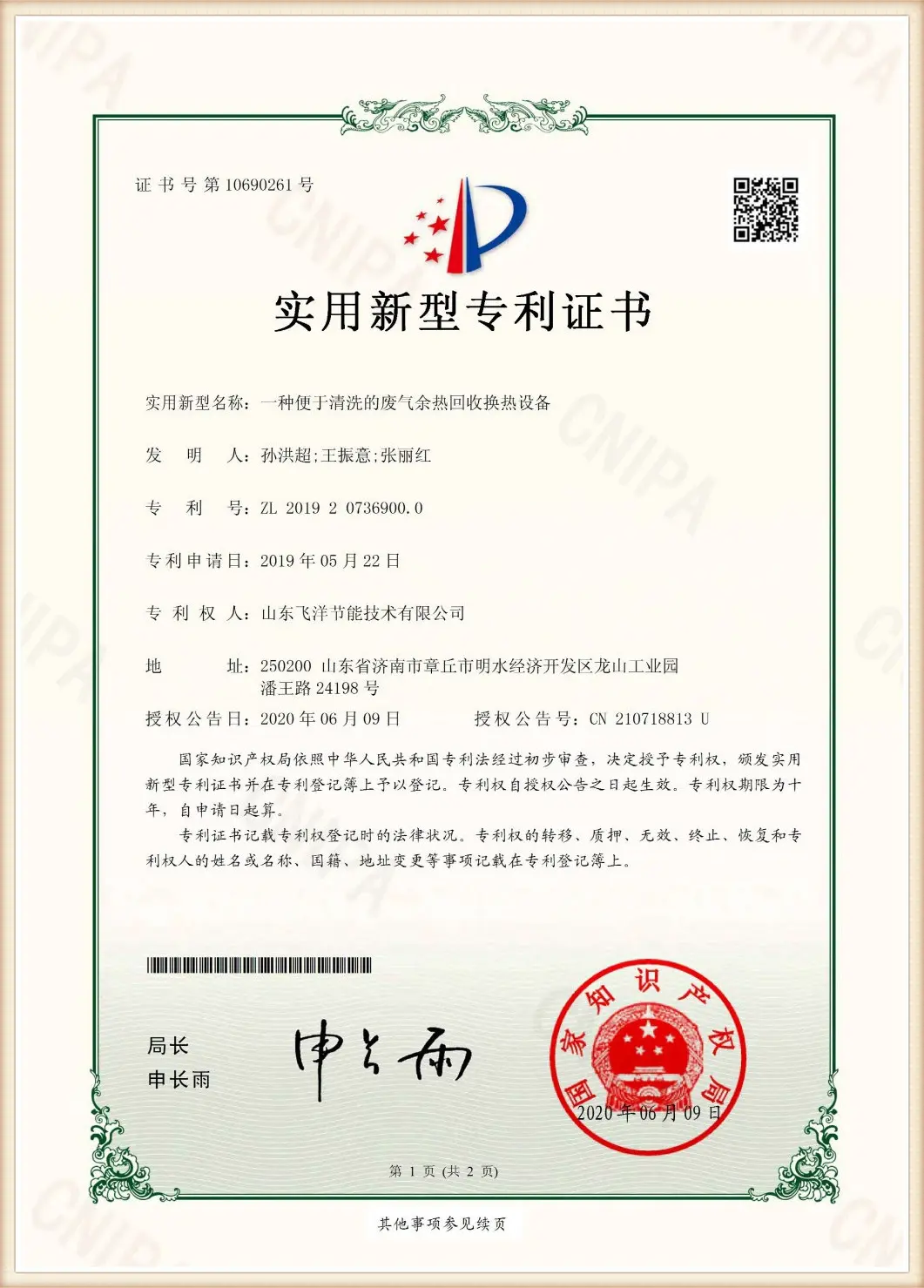
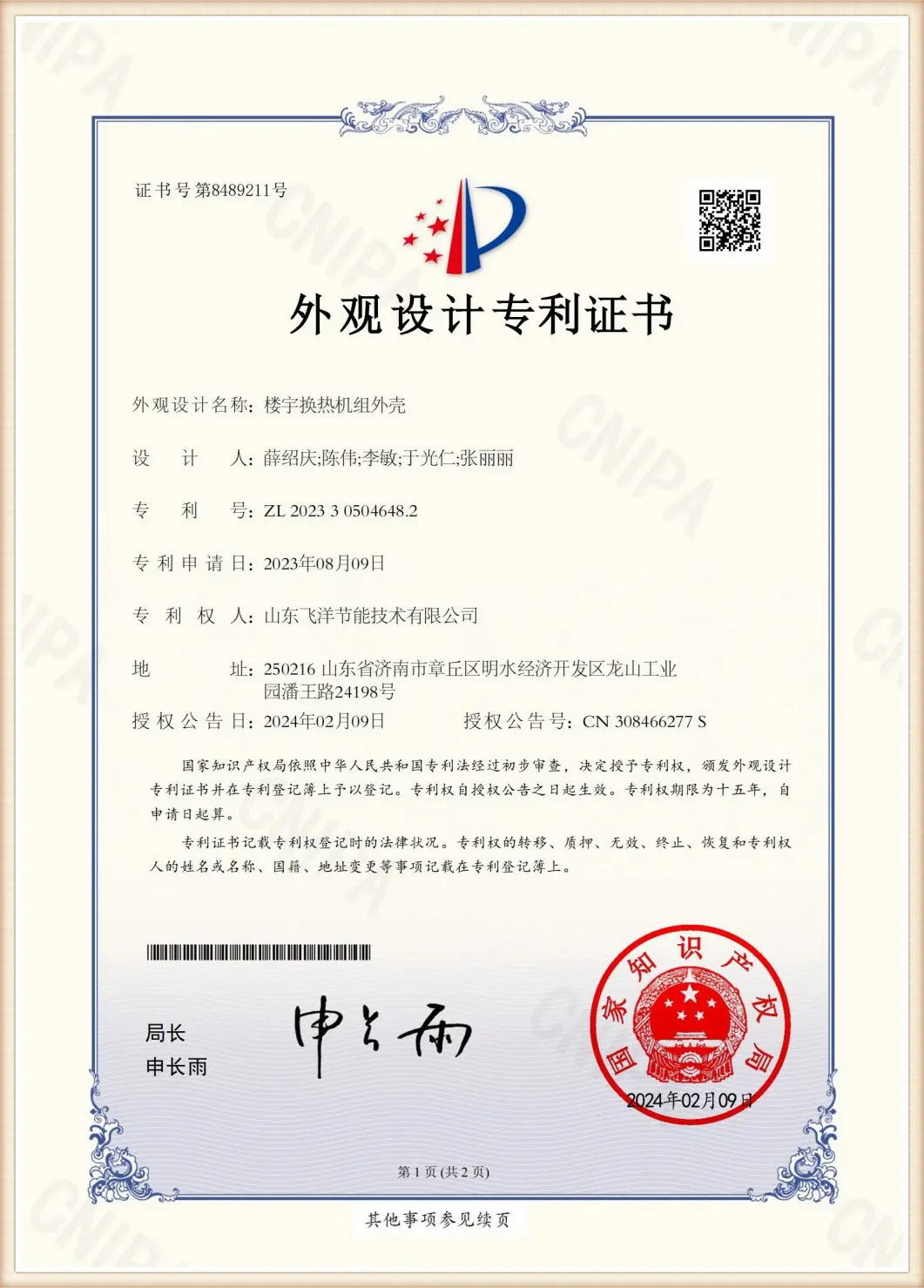
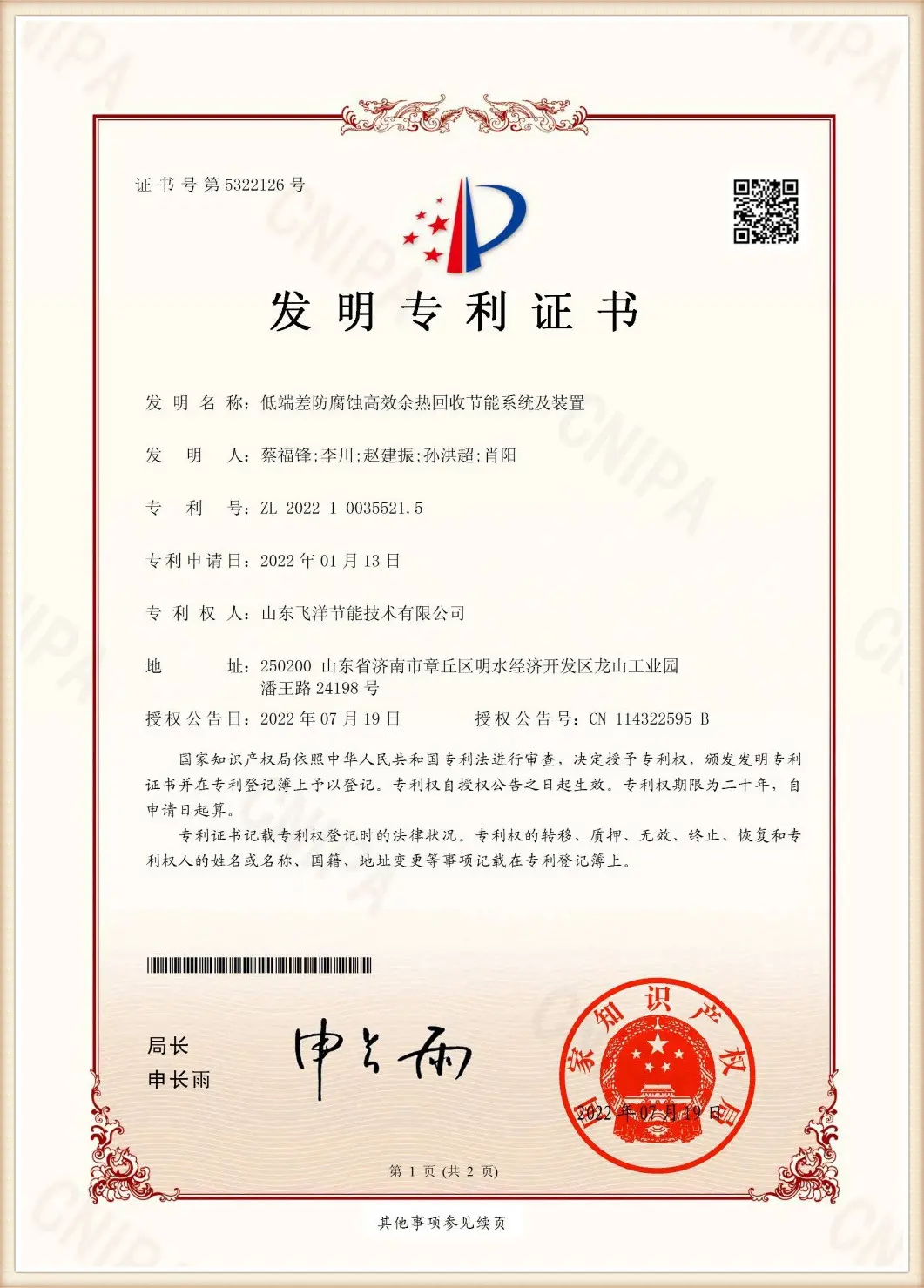
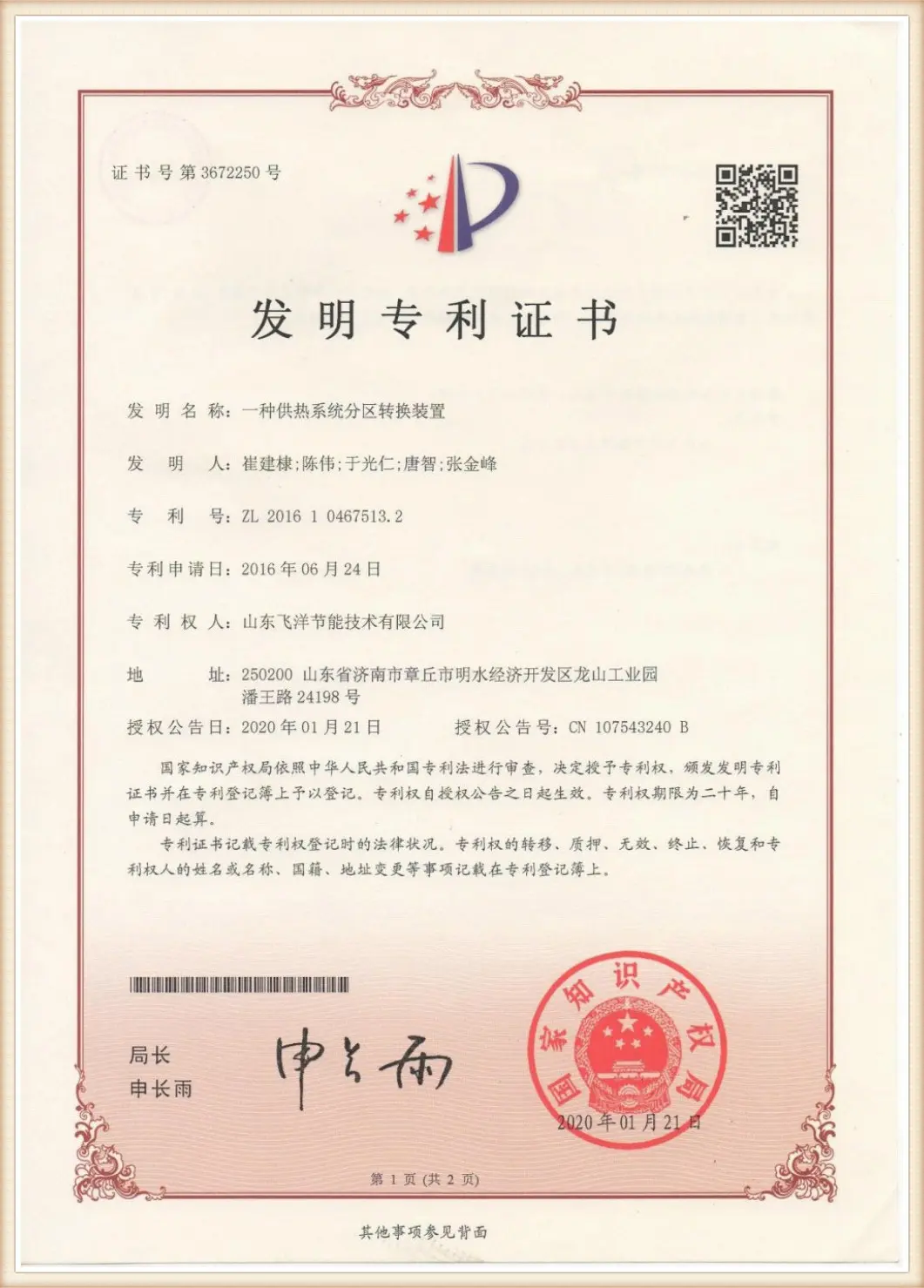
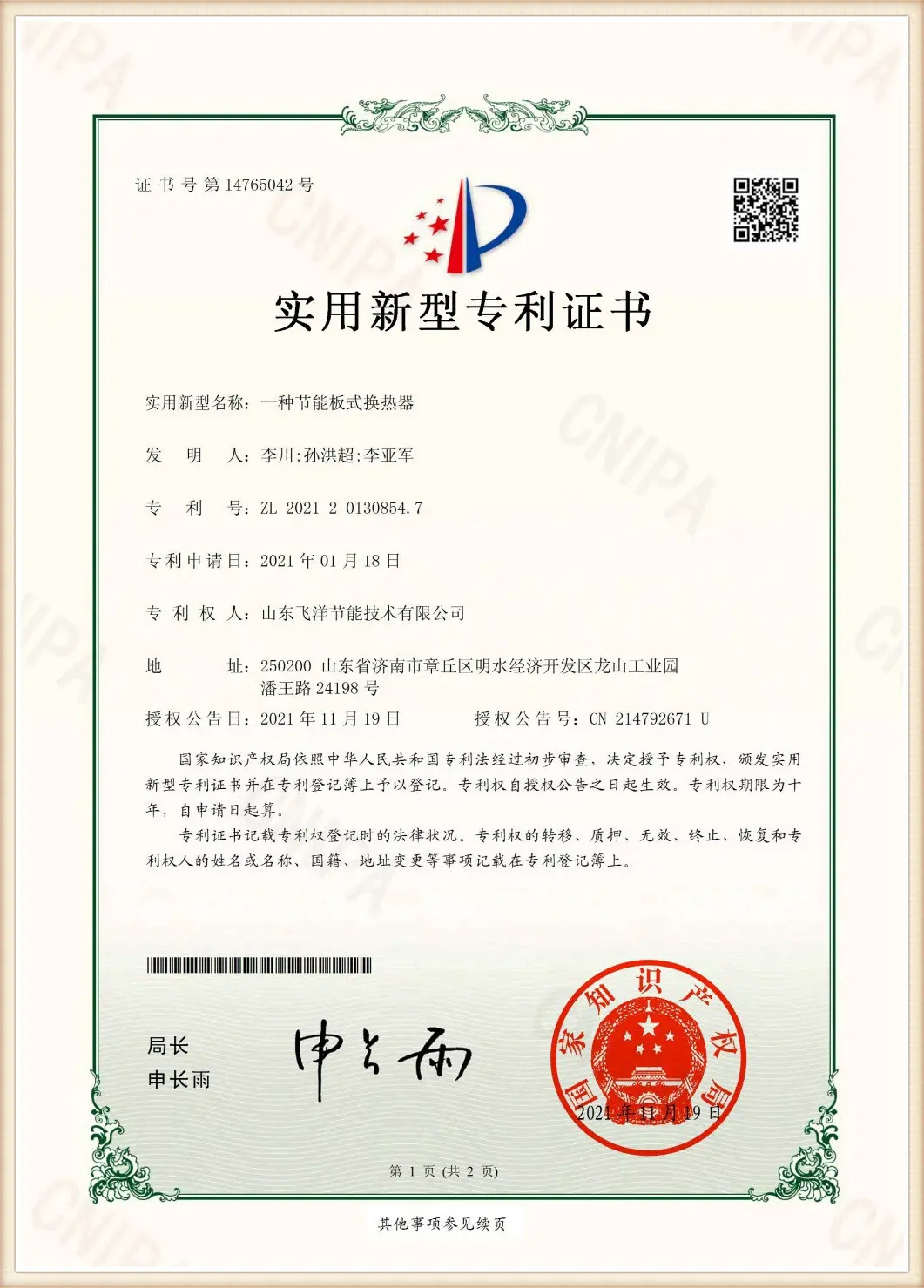
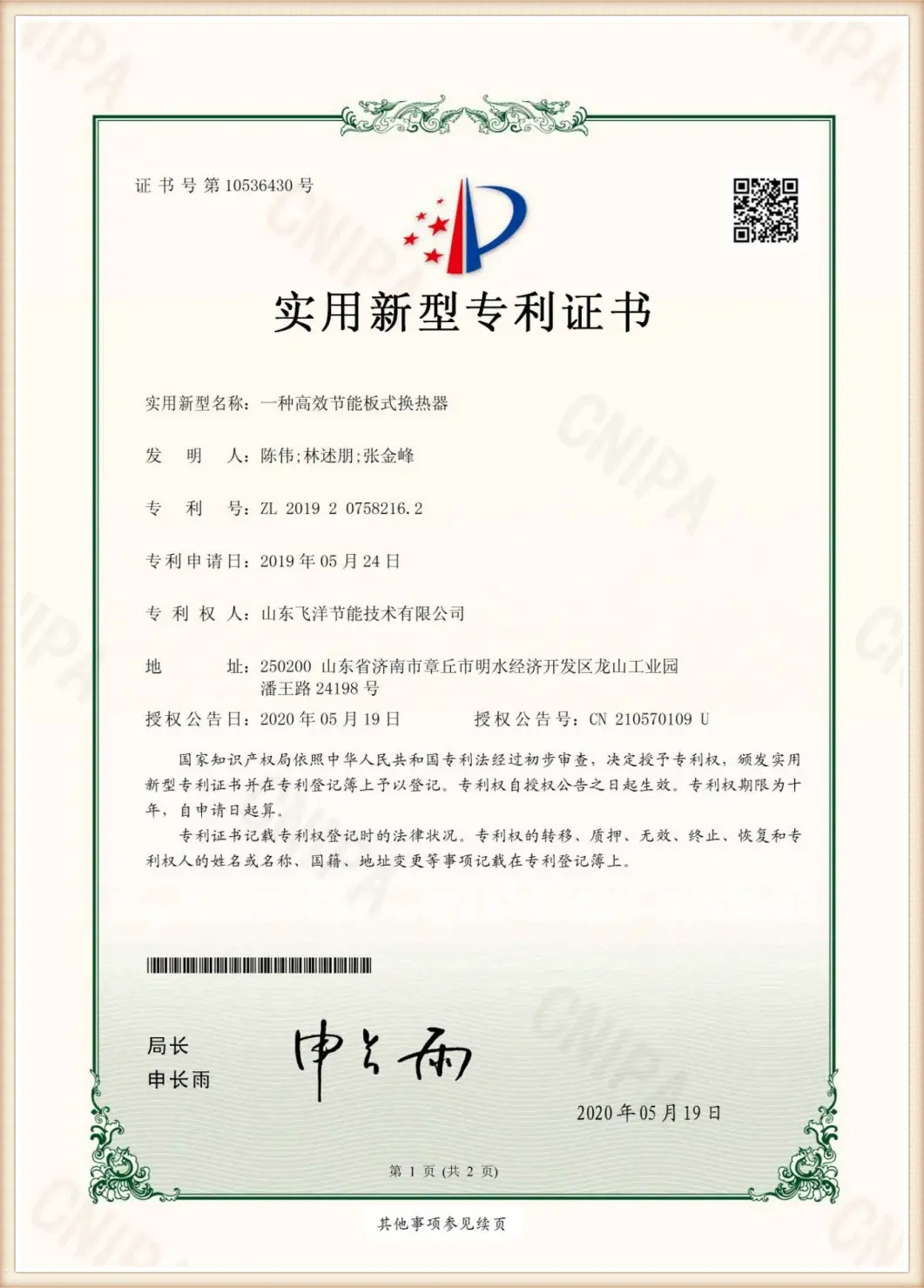
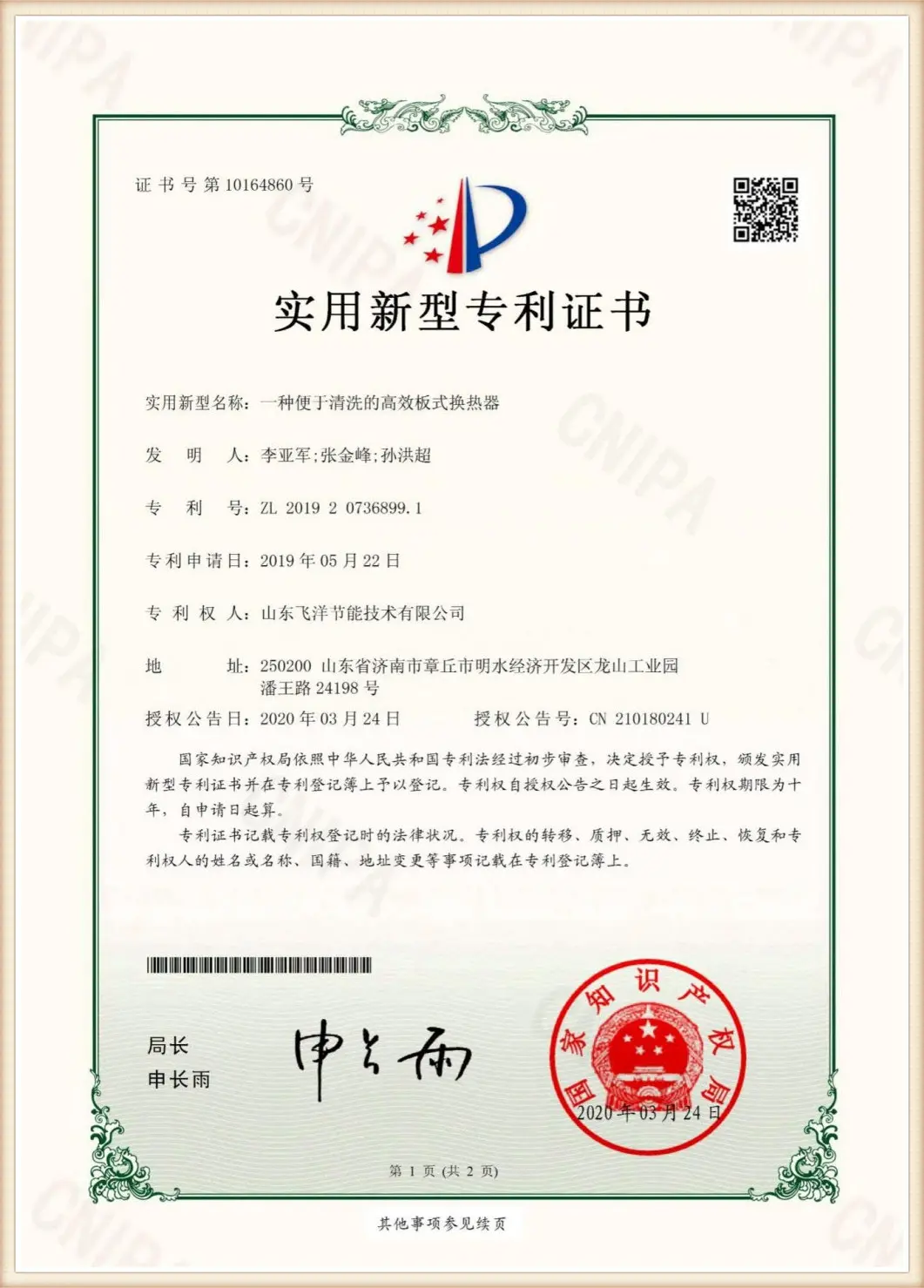
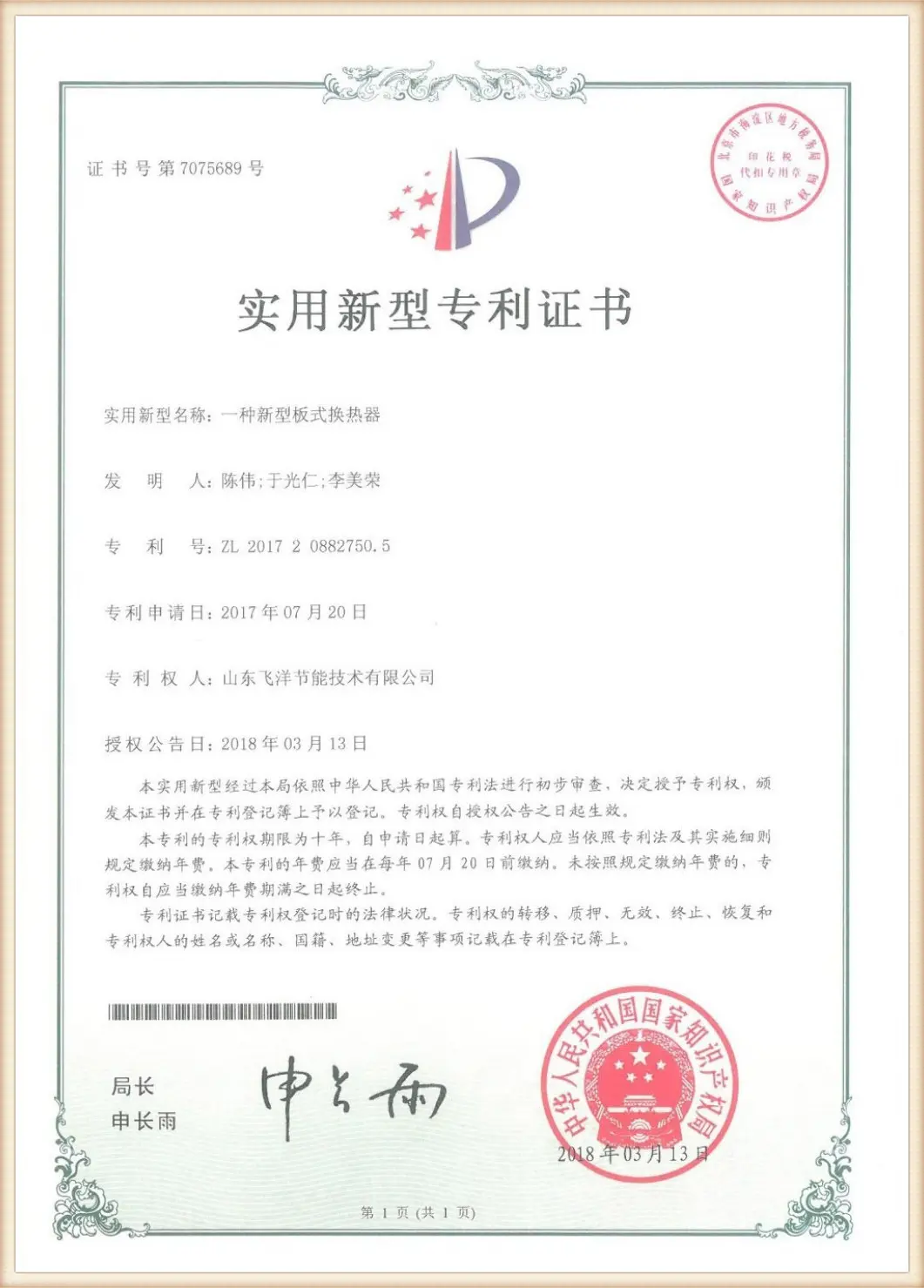
ISO9001:2015 Quality Management System • ISO14001 Environmental System • ISO45001 Occupational Health and Safety • Safety Registration for Plate Heat Exchangers.
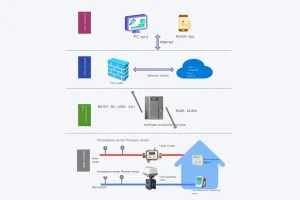
The future of industrial thermal control resides in intelligent regulation. Flotte is active in researching AI-driven heat exchange technologies that respond in real-time to changes in heat load. By implementing integrated sensors and smart balance valves, our next-generation systems dynamically alter internal flow geometries and bypass volumes.
Simultaneously, we are scaling research in micro-channel cooling structures and nanostructured surface treatments. These coatings actively repel calcium carbonate and oil residue molecules, keeping thermal transfer efficiency at peak levels for extended durations and reducing scheduled maintenance cycles.
| Parameters / Feature | Standard Oil Cooler Design | Flotte Next-Gen AI Smart Cooler |
|---|---|---|
| Heat Transfer Efficiency | Baseline (1.0x) | Enhanced (1.4x to 1.8x) |
| Fouling Development Rate | Typical (Requires annual chemical cleaning) | Reduced by 60% via nanostructured coatings |
| Self-Regulating Bypass | Manual Valve Adjustments Needed | Autonomous Electric Valve Integration |
| Sensor Integration | None / External telemetry required | Embedded Temperature & Pressure Sensors |

Browse our full range of intelligent heat exchange units, balance valves, and membrane concentration systems manufactured for global industries.
Expert answers to common engineering questions regarding layout design, material selection, and maintenance practices.
 Flotte Energy