Explore our industrial range of high-efficiency detachable plate heat exchangers, evap systems, and membrane units engineered for optimum HVAC, district heating, and process line performance.
Flotte Energy Saving Company (established in 2013 with a registered capital of 101 million yuan) originated from Flotte Thermal Engineering founded in 1995. With three decades of rigorous technical expertise, we specialize in high-performance water equipment, commercial HVAC systems, and water treatment solutions.
By adopting advanced manufacturing technologies, we lead the industry in developing patent-certified plate heat exchangers, intelligent thermal networks, and environmental control systems. Our engineering designs prioritize durability and thermal optimization, ensuring that complex industrial applications remain reliable under intense operational constraints.
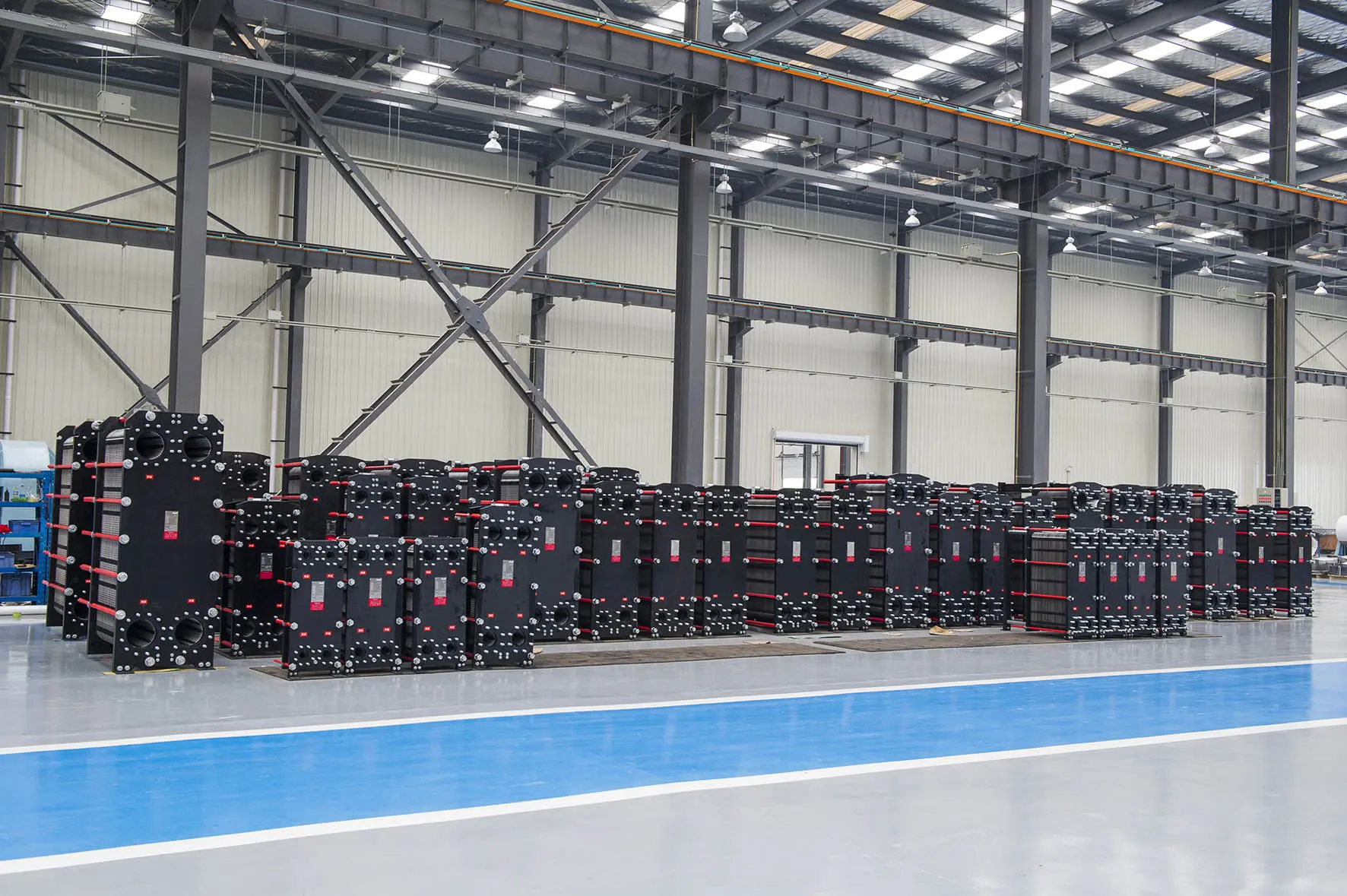
How our thermal engineering expertise provides a significant information gain and operational advantage for procurement departments worldwide.
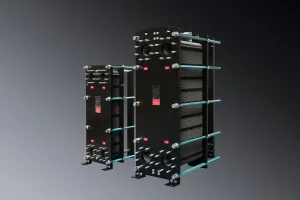
Features patented corrugated plate structures that disrupt laminar flow, achieving thermal transfer rates 2-3 times higher than standard shell-and-tube models.
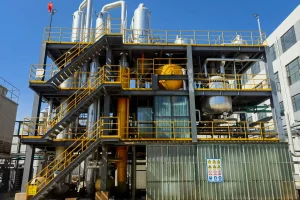
Our solutions adapt to district heating, multi-effect evaporation, HVAC isolation, and wastewater treatment, matching regional safety and energy standards.
We source premium AISI 304, 316L, and titanium plate raw materials. All systems undergo pressure test procedures prior to final crating and export.
Equipped with a multilingual technical support and project team, Flotte manages smooth export compliance, shipping, and deployment globally.
A comprehensive overview of heat transfer thermodynamics, material selections, and key indicators for industrial decision makers.
The demand for efficient industrial heat management has expanded significantly over the past decade. As global manufacturers move toward carbon neutrality, thermal integration and energy recovery are no longer optional. Plate Heat Exchangers (PHEs) provide the thermal foundation for saving waste heat, reducing utility consumption, and decreasing cooling load configurations.
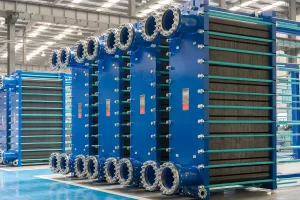
Gasketed Plate Heat Exchangers offer significant design advantages over traditional shell-and-tube heat exchangers. The core of this advantage lies in the corrugated plate profile. These corrugations induce turbulent fluid flow even at low velocities. This turbulence disrupts the boundary layer, yielding a heat transfer coefficient (U-value) that is typically three to five times higher than that of shell-and-tube systems. Consequently, PHEs require 20% to 50% less space to achieve the equivalent thermal duty, presenting valuable floor space savings for skid builders and plant engineers.
Thermodynamic Equation: Q = U × A × LMTD. By optimizing the plate pattern and reducing the plate thickness, we maximize the heat transfer coefficient (U) and minimize the required surface area (A), resulting in highly compact systems.
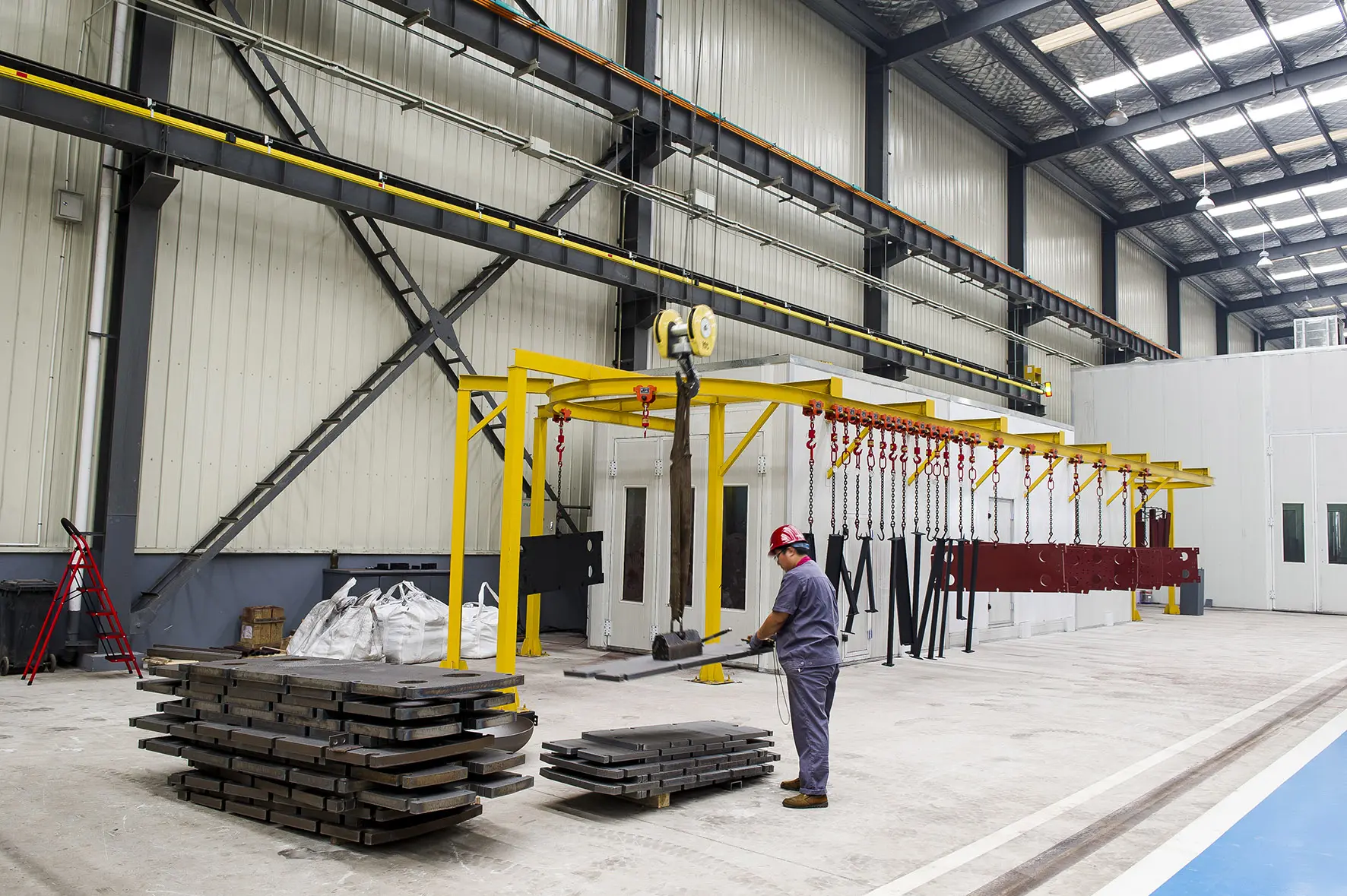
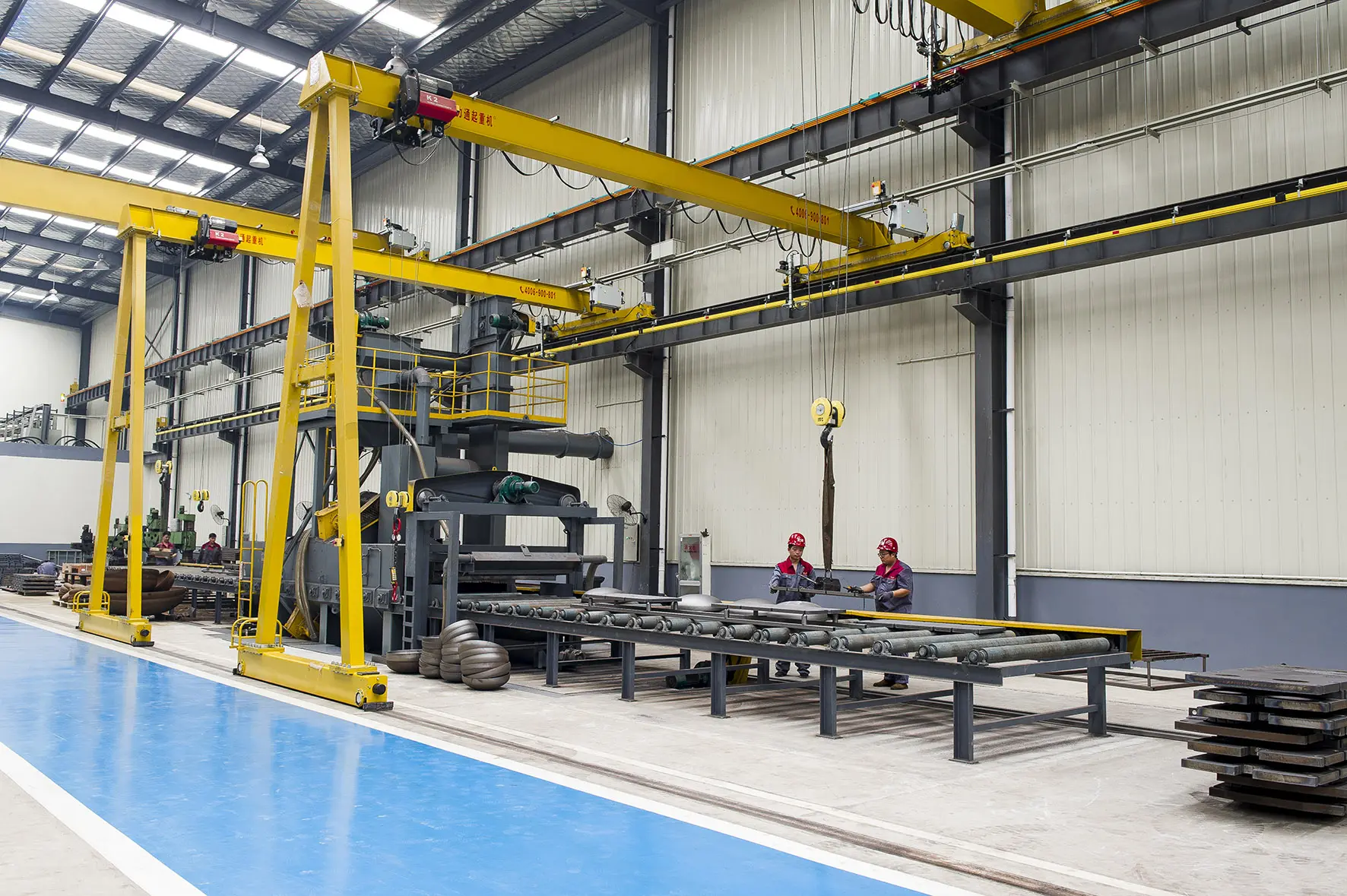
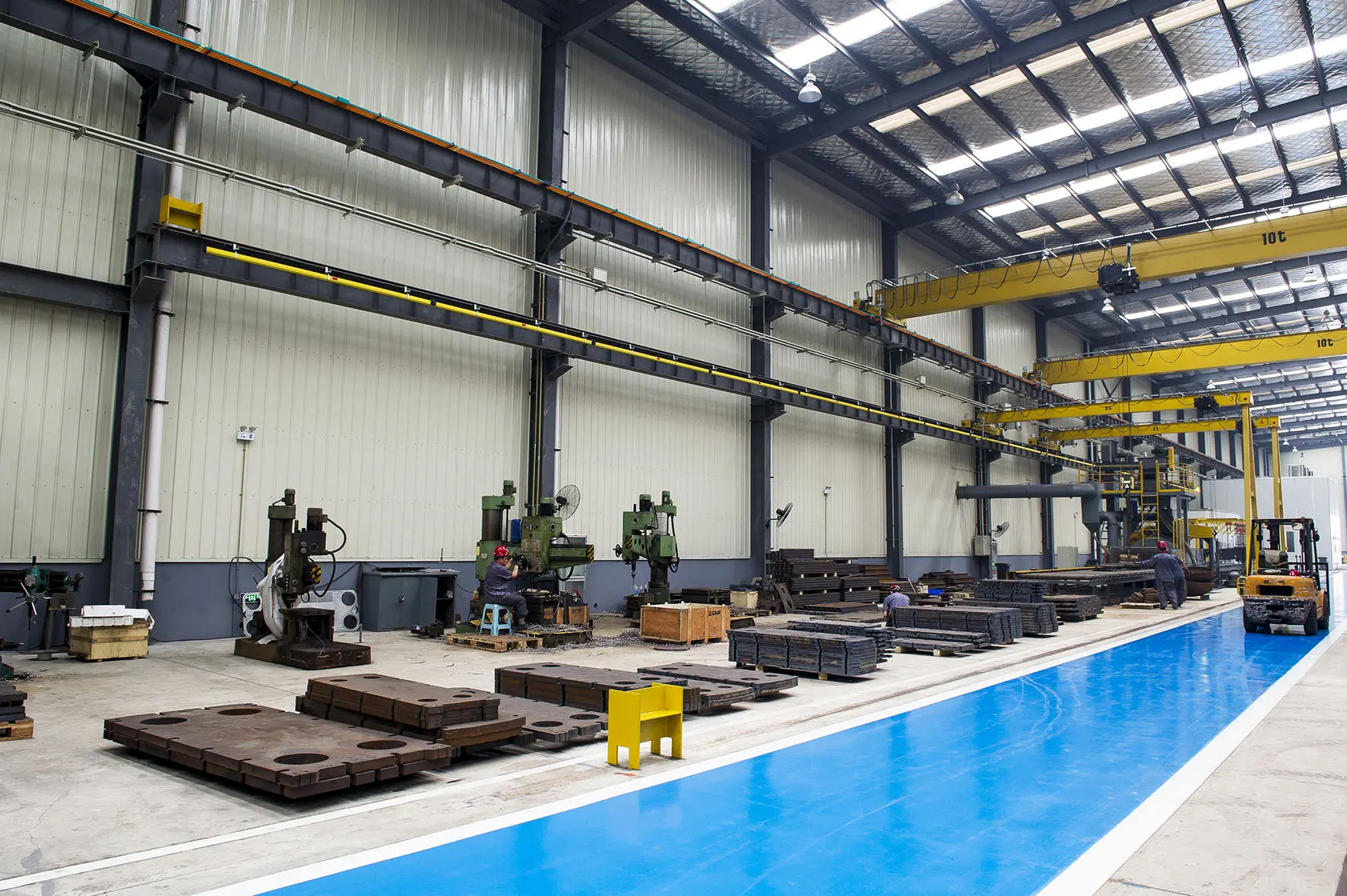
Operating out of specialized industrial regions in China allows manufacturers like Flotte to utilize a mature raw material supply chain. With access to large-scale hydraulic stamping presses (ranging up to 20,000 tons of compression force), laser cutting networks, and high-precision tooling, we fabricate plates with uniform thickness and precise corrugation profiles. This reduces localized material thinning and ensures high pressure thresholds. This manufacturing consolidation results in cost savings that we pass along directly to international buyers.
Industrial heat exchangers must operate within unique regional parameters. For instance, in European and North American district heating systems, pressure isolation blocks must withstand high pressure limits and variable water chemistries. Flotte's plate designs utilize specialized gasket options (including NBR, EPDM, and Viton) to match temperature levels ranging from -20°C up to 180°C. In corrosive environments, such as chemical plants or marine cooling, we incorporate Grade 1 Titanium or Alloy C-276 plates to protect against pitting and crevice corrosion.
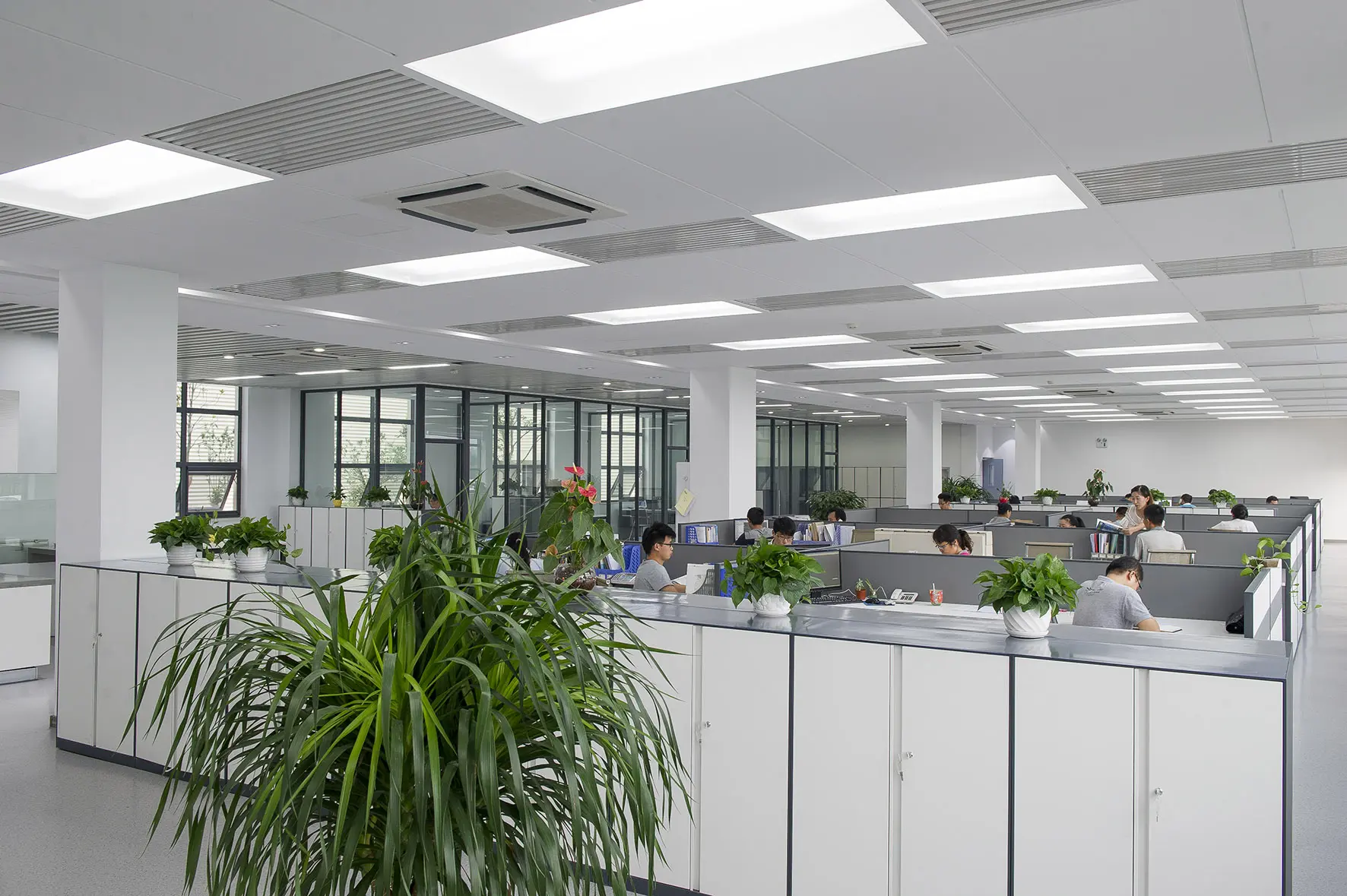
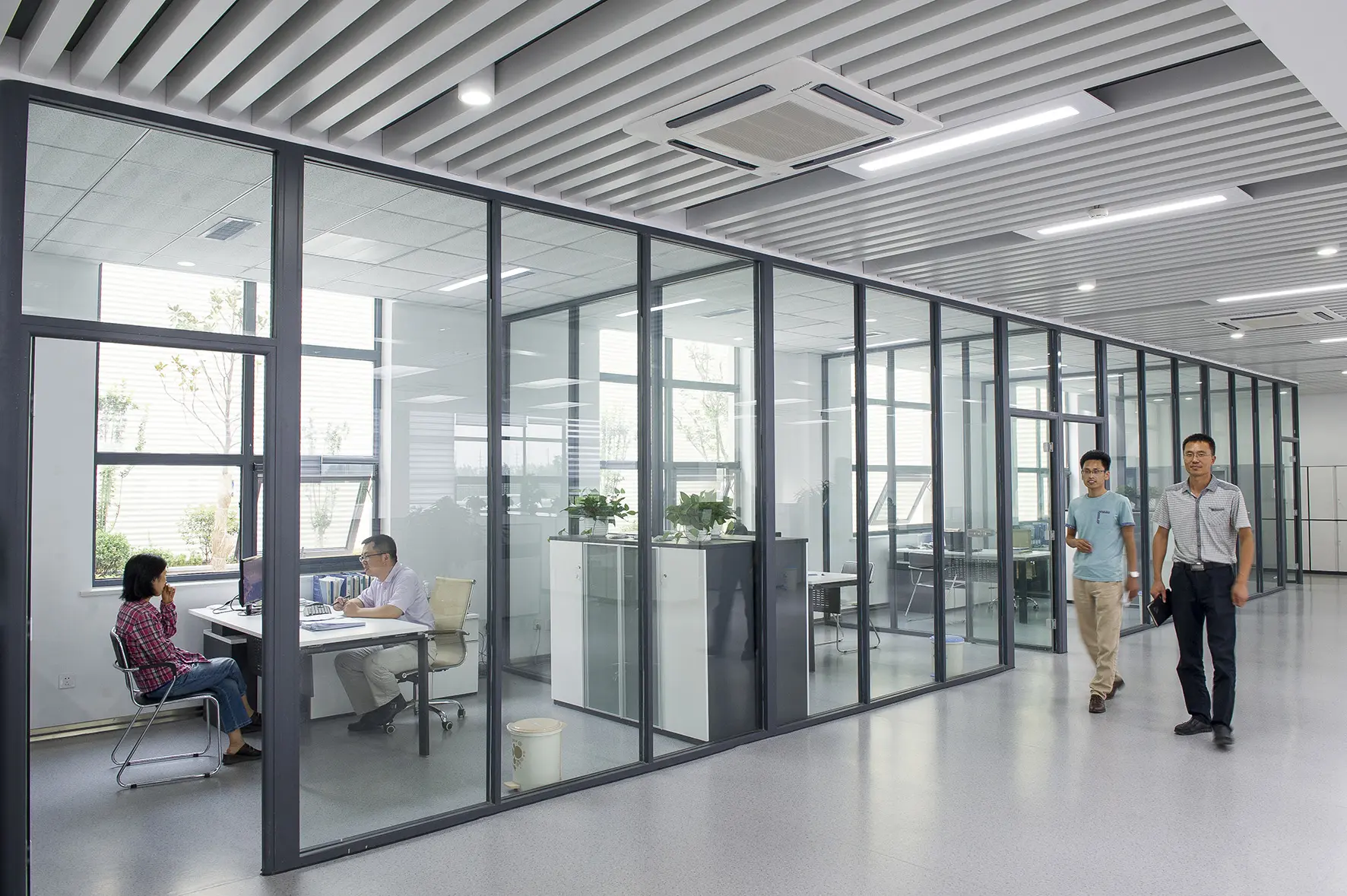
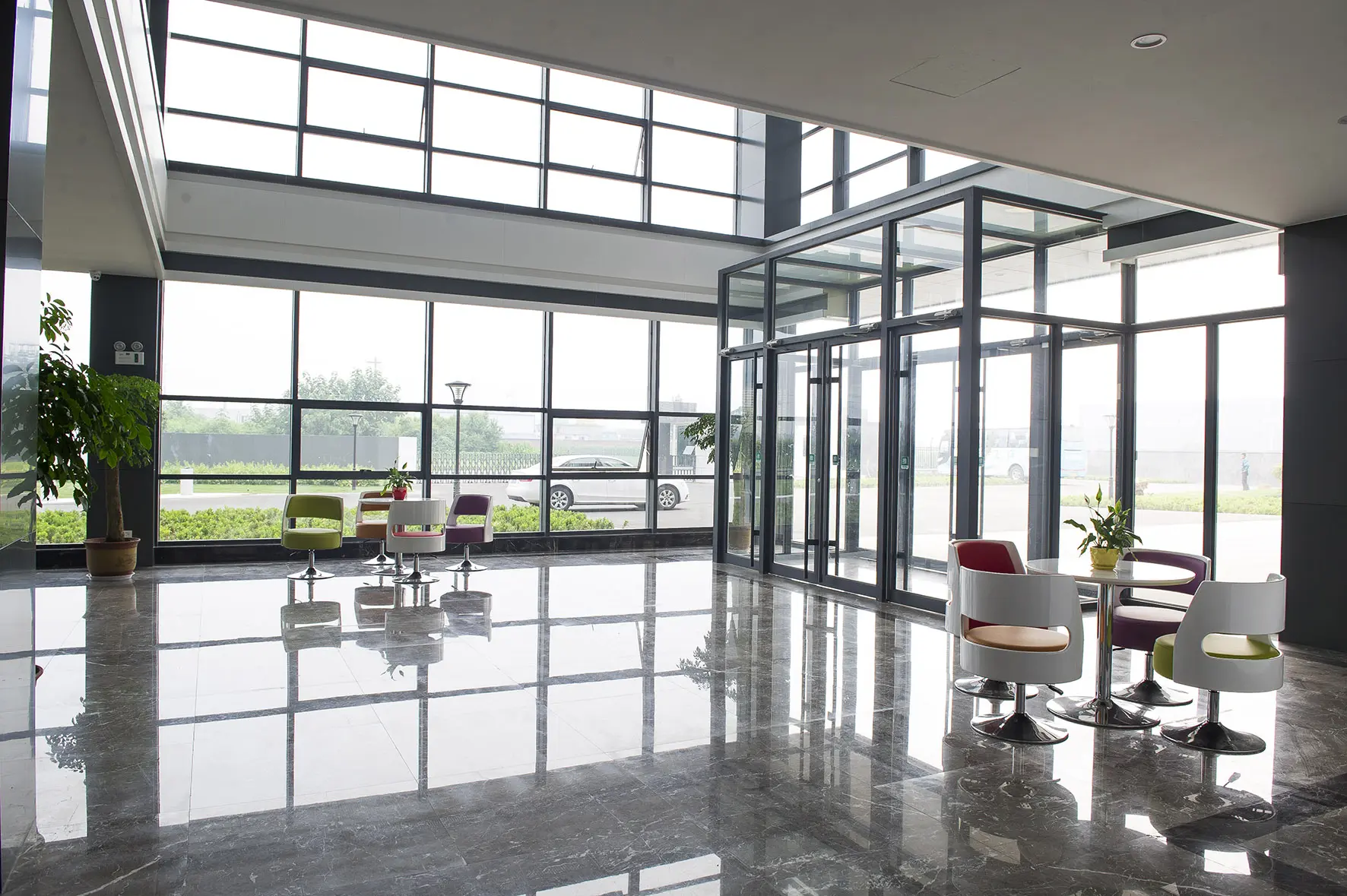
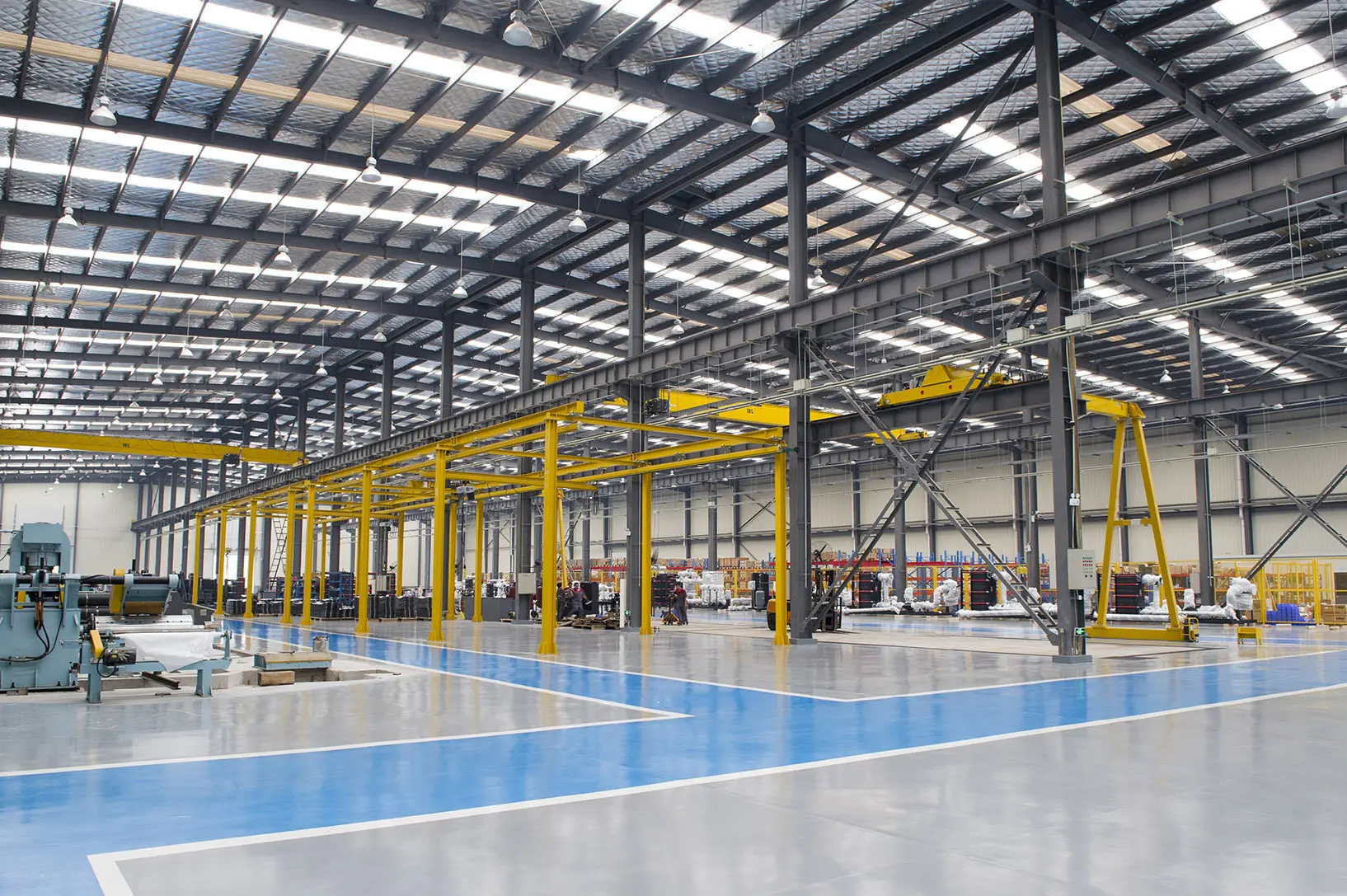
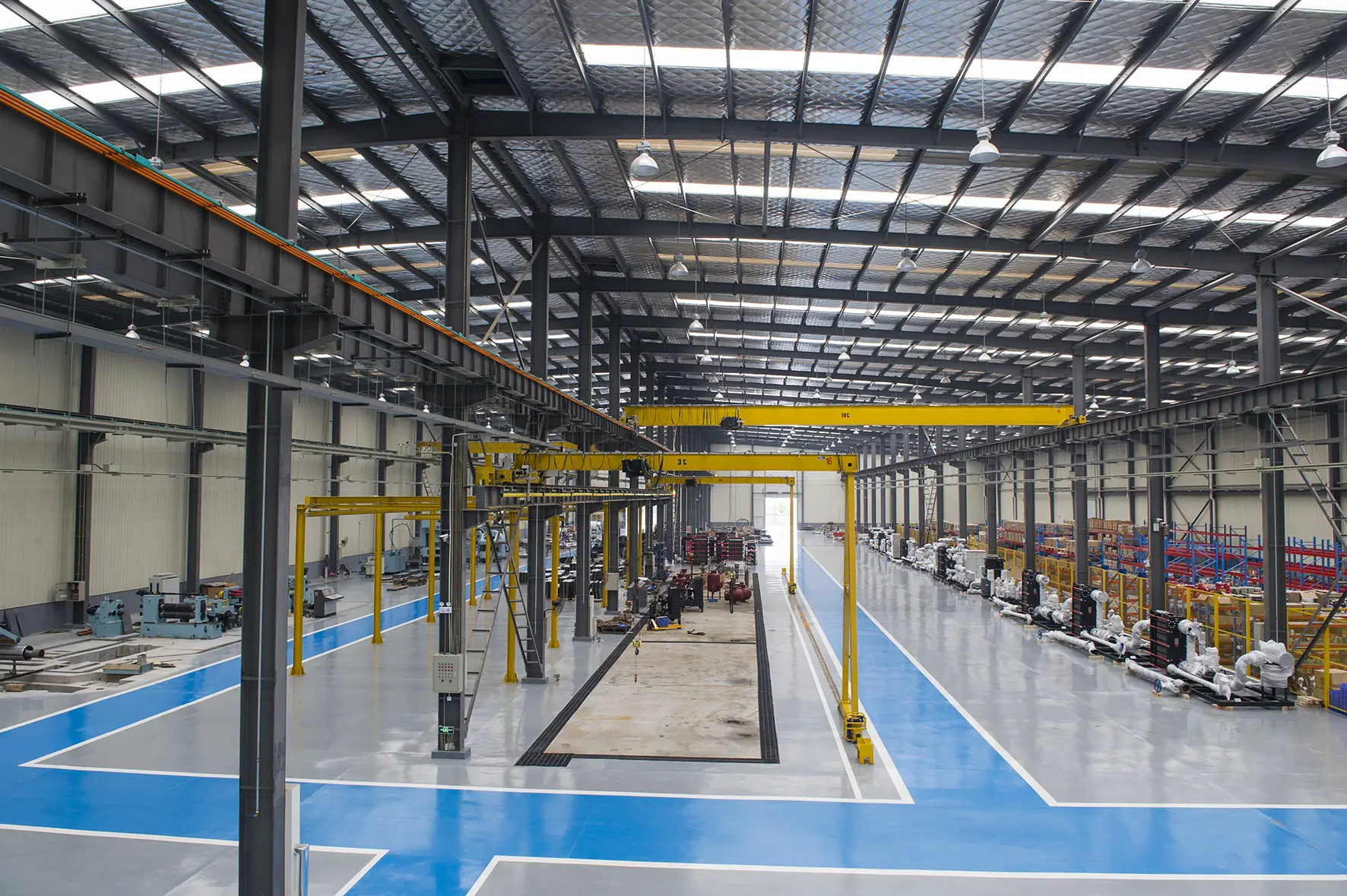
Take an inside look at Flotte's ISO-certified production workflow. We combine advanced machinery with strict inspection checkpoints to guarantee leak-proof performance.
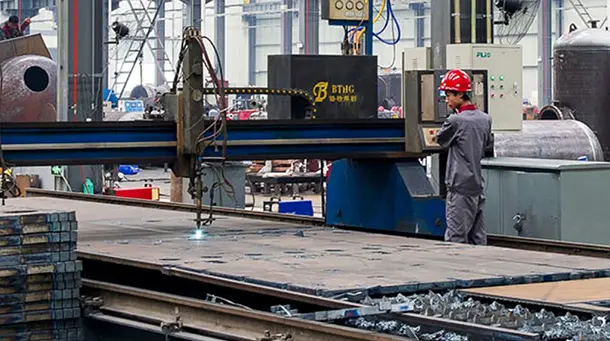
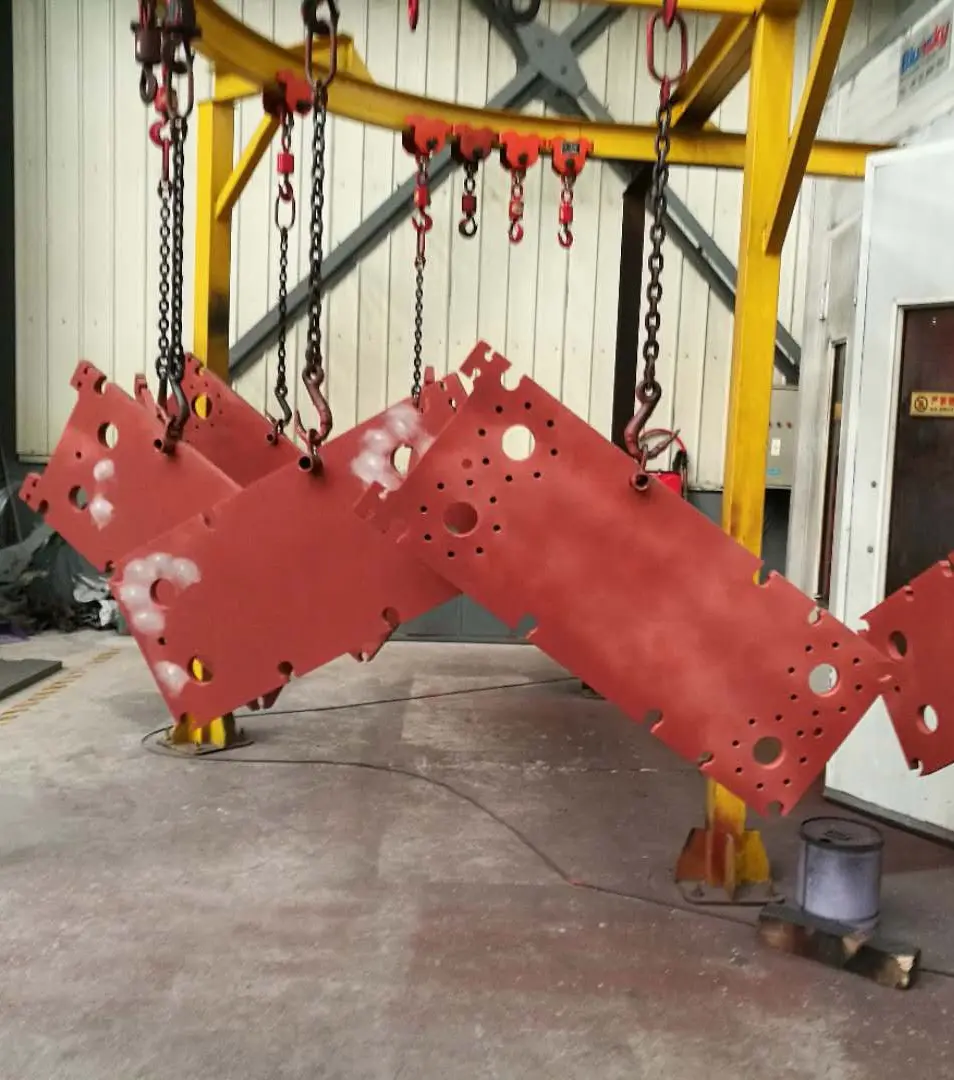
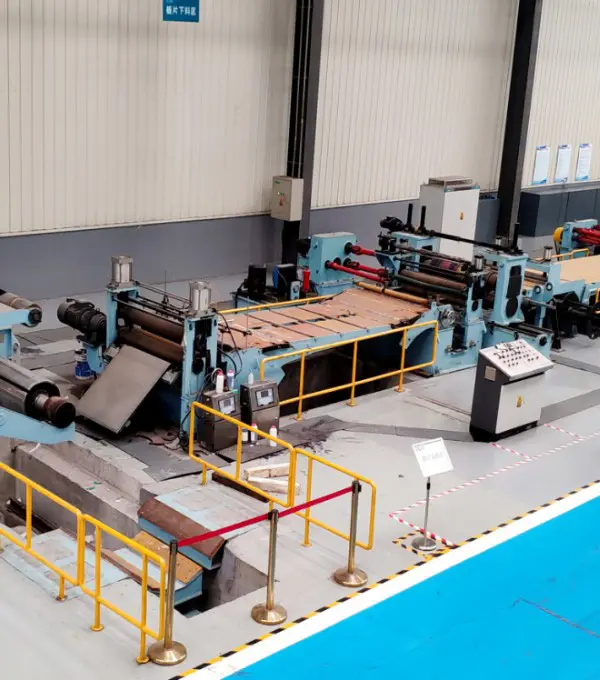
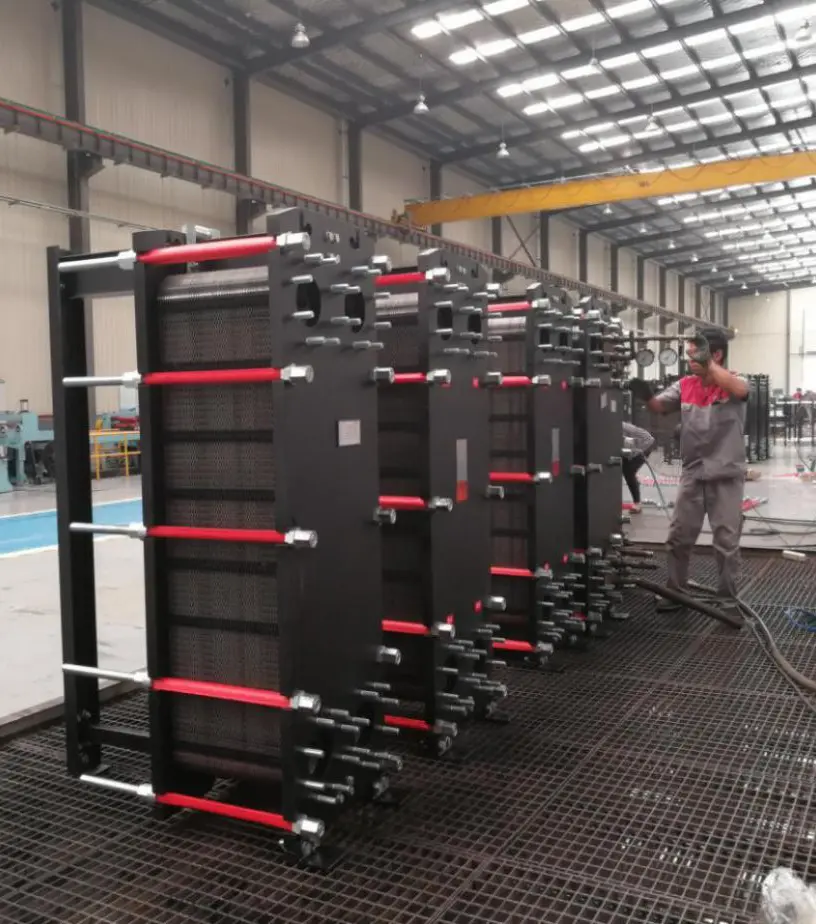
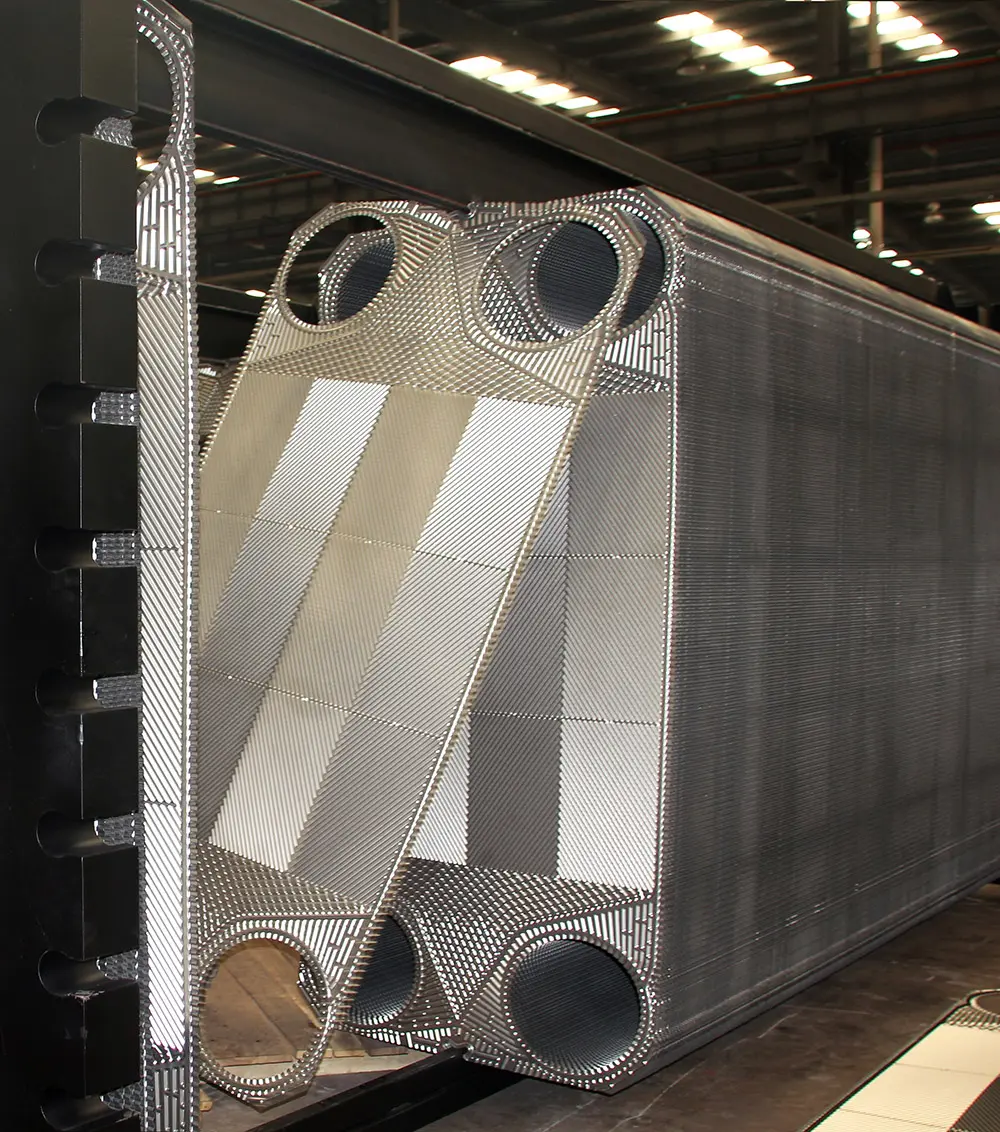
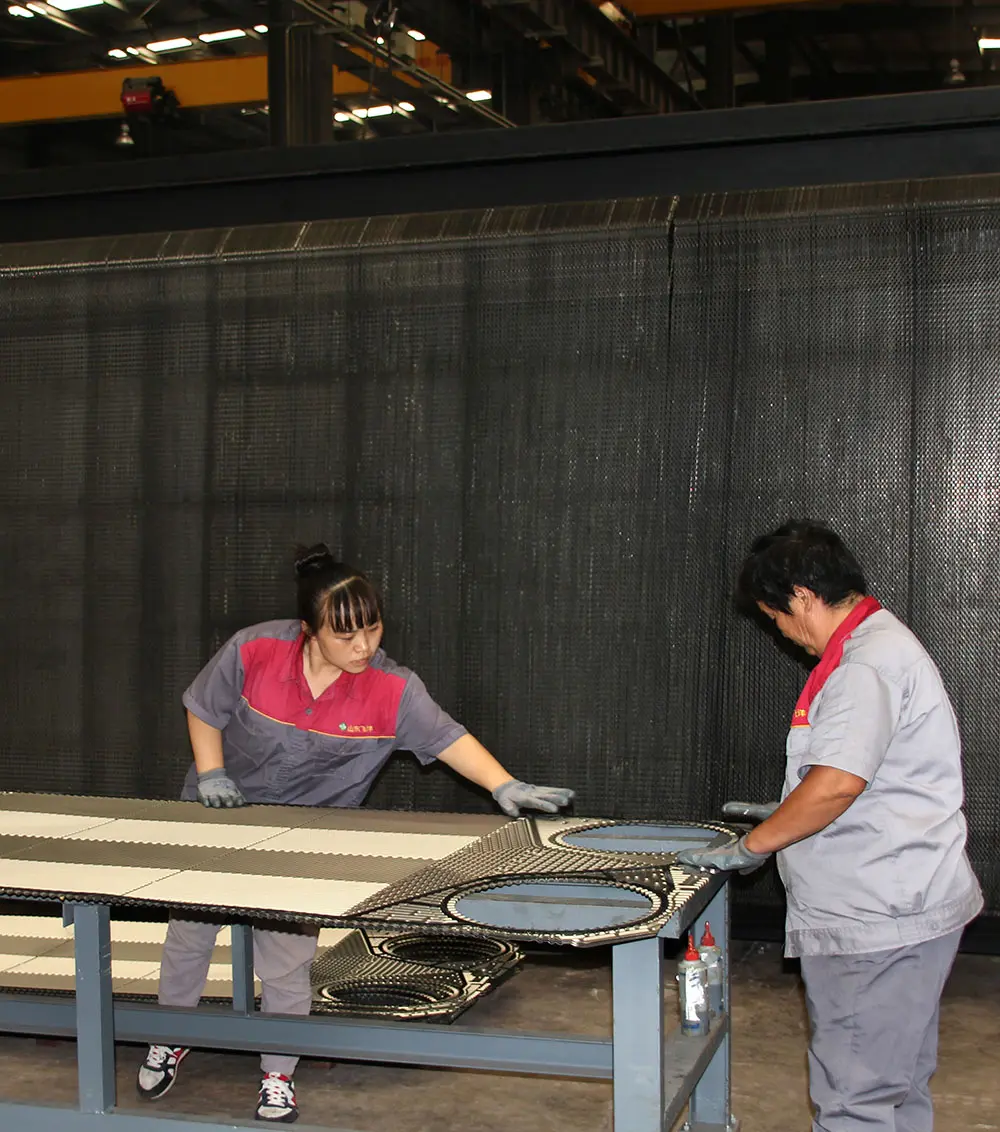
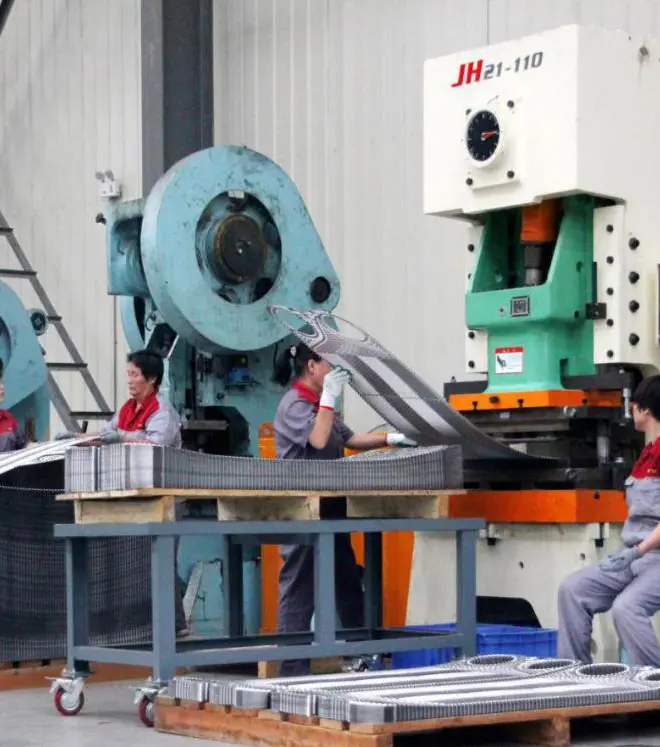
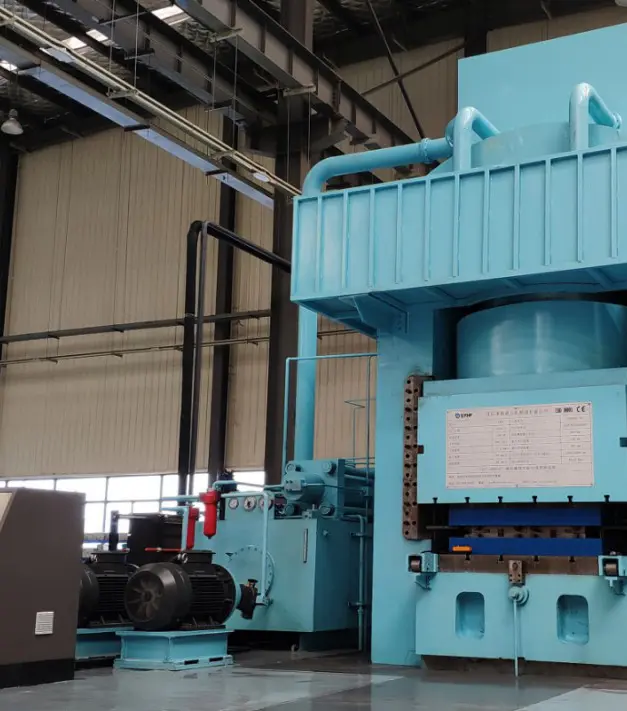
From central urban heating grid systems to clean pharmaceutical applications, Flotte units provide customized thermal barriers.
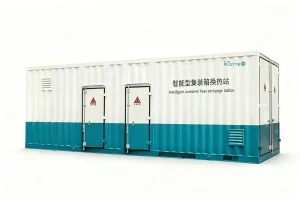
Serving as high-capacity pressure isolation stations between the municipal primary supply lines and building heating distribution networks. Promotes stable secondary loop pressures and improves overall system efficiency in municipal steam or hot water heating lines.
Utilizing high-performance alloys and custom sealing materials to withstand chemical solutions, corrosive acids, and high temperatures. Designed to minimize maintenance downtime and facilitate convenient Clean-In-Place (CIP) flushing operations.
Acting as structural pressure breakers to protect lower floor piping loops and chillers from static hydrostatic pressure loads in tall commercial towers, ensuring safety and thermal performance at every floor level.
Our commitment to rigorous testing and international quality compliance is backed by official inspections and certified safety approvals.
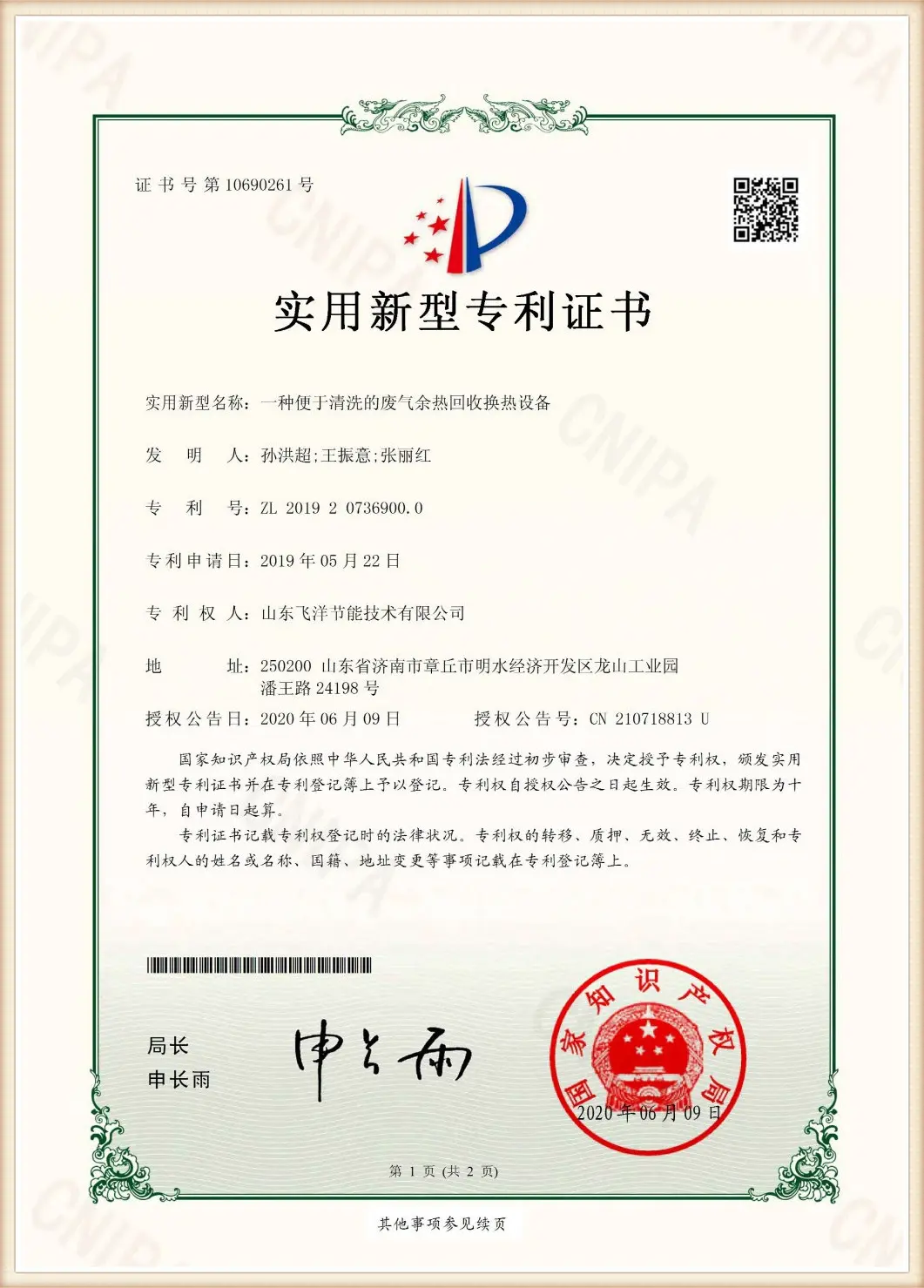
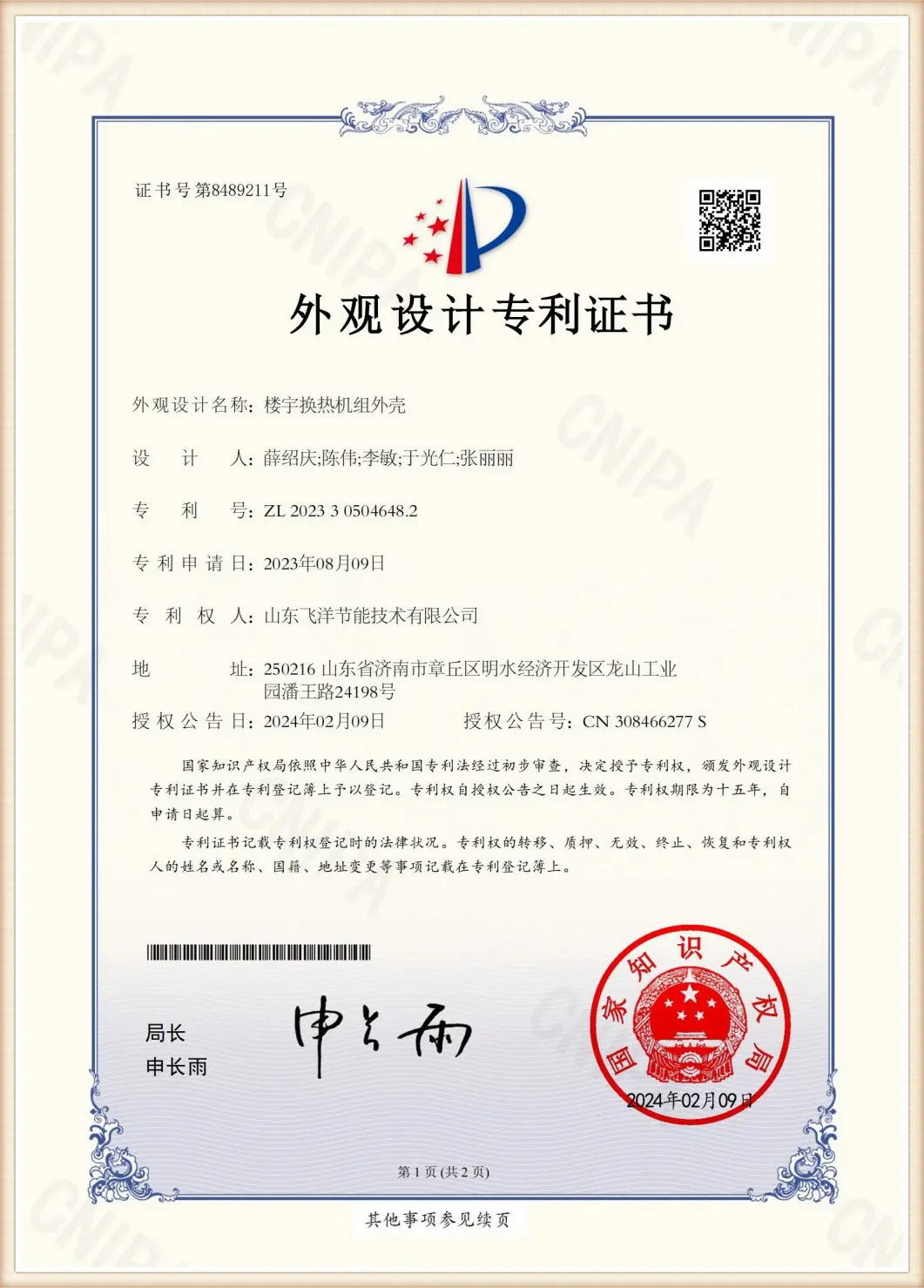
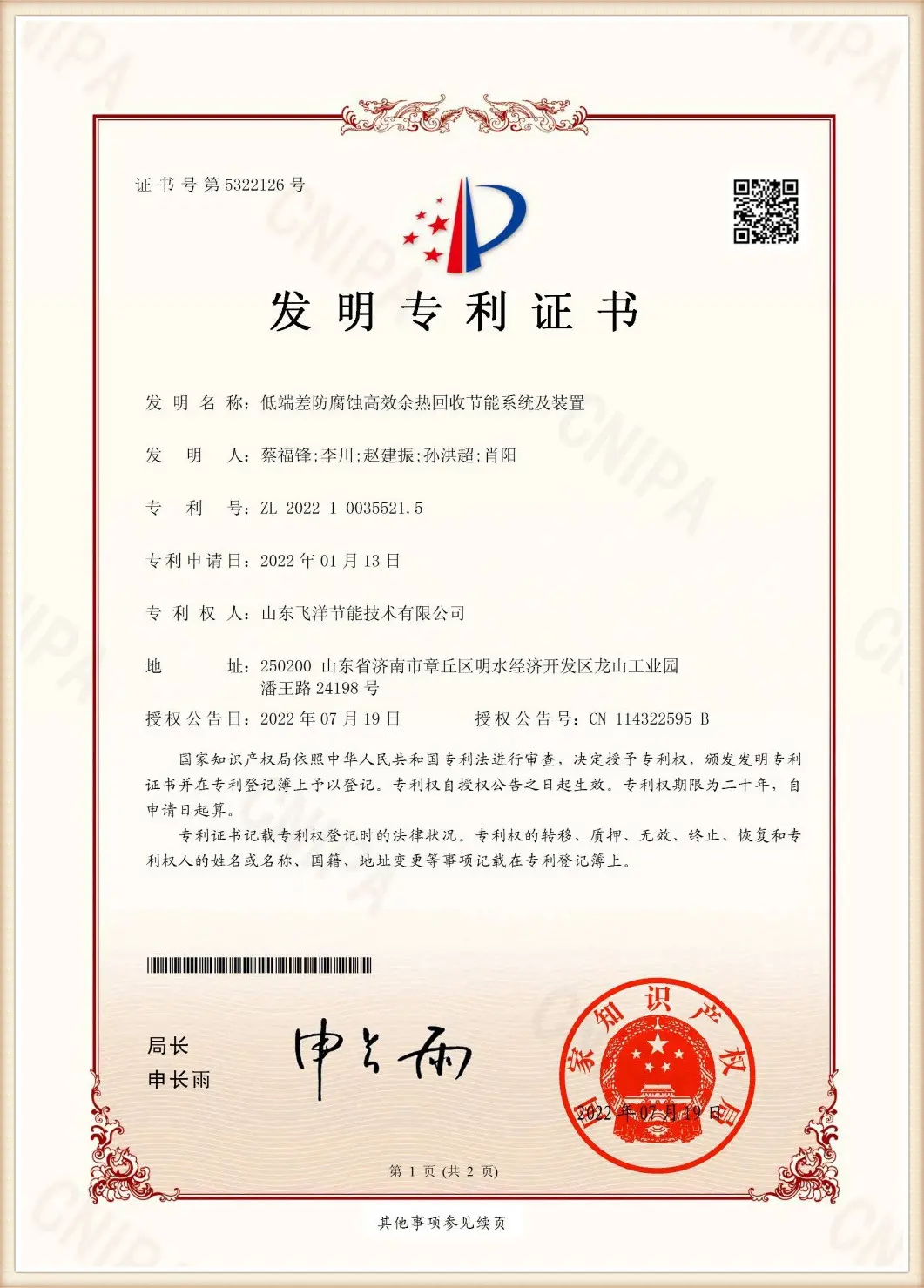
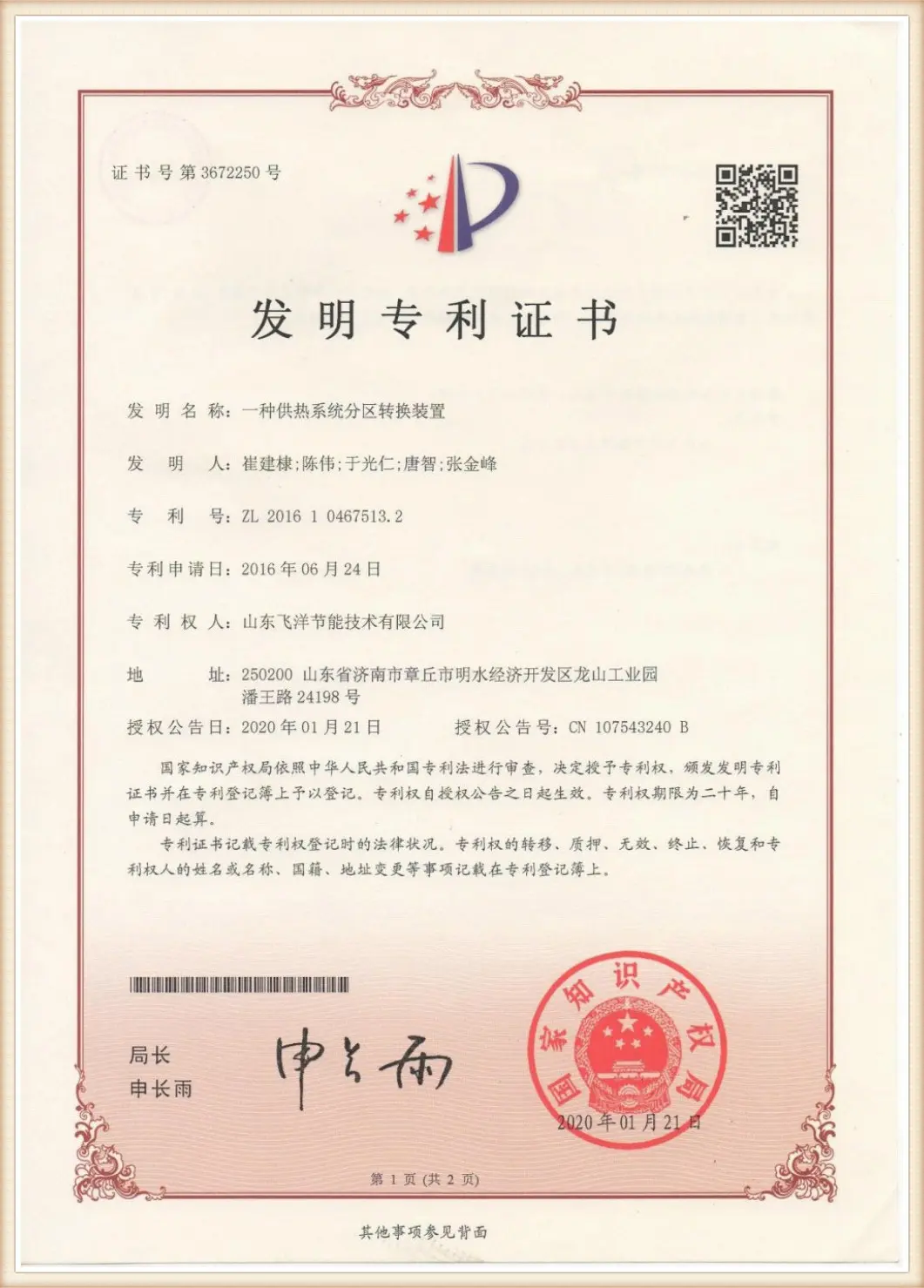
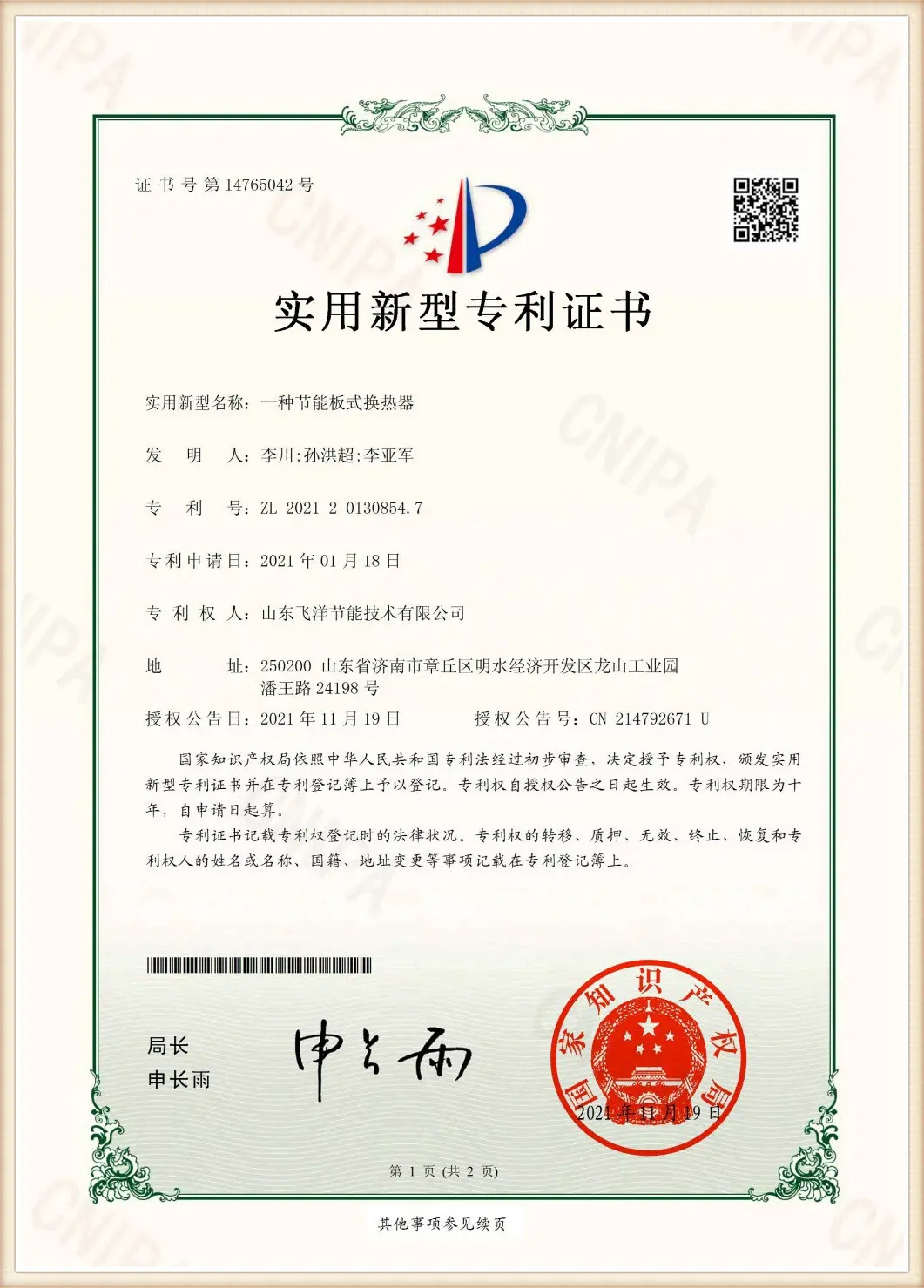
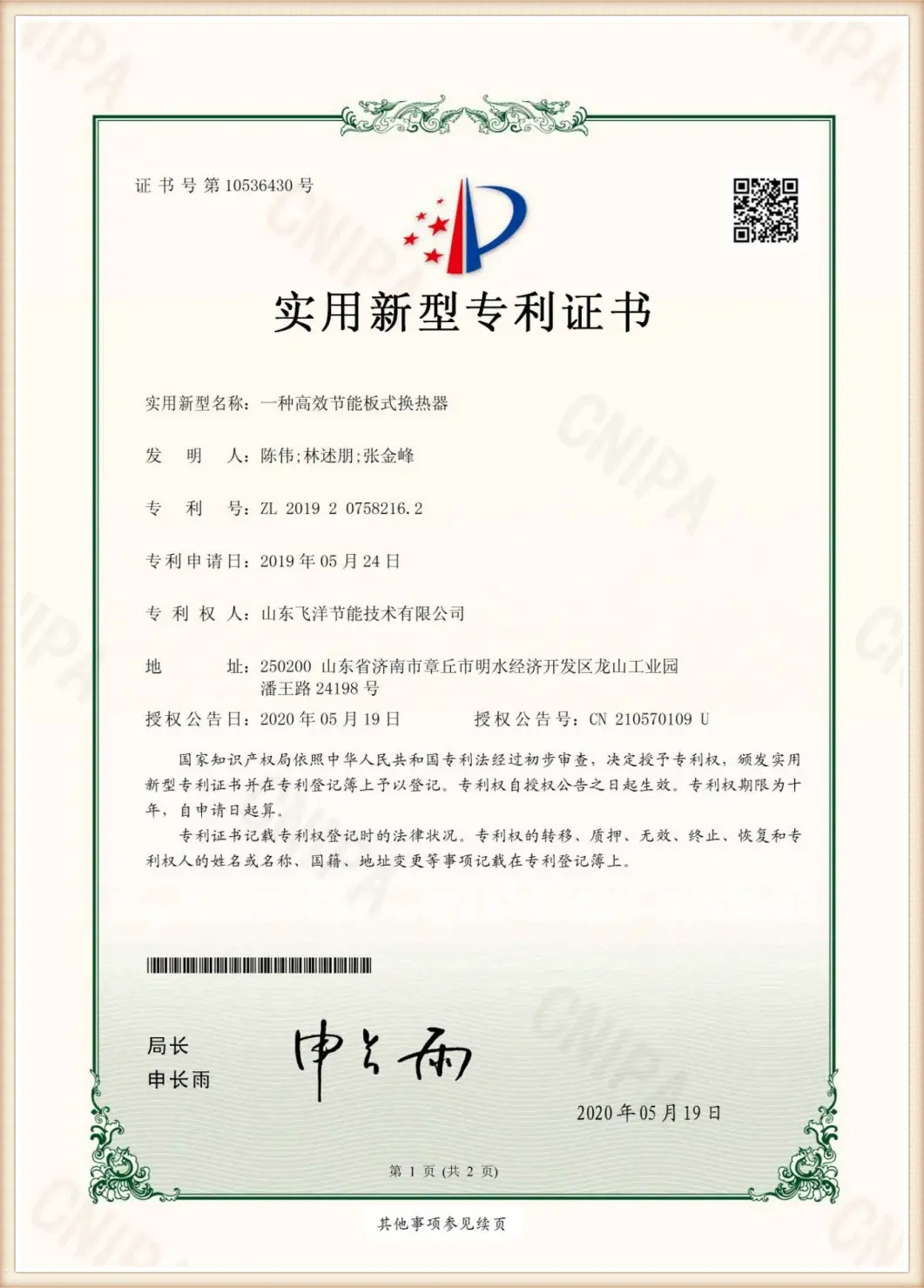
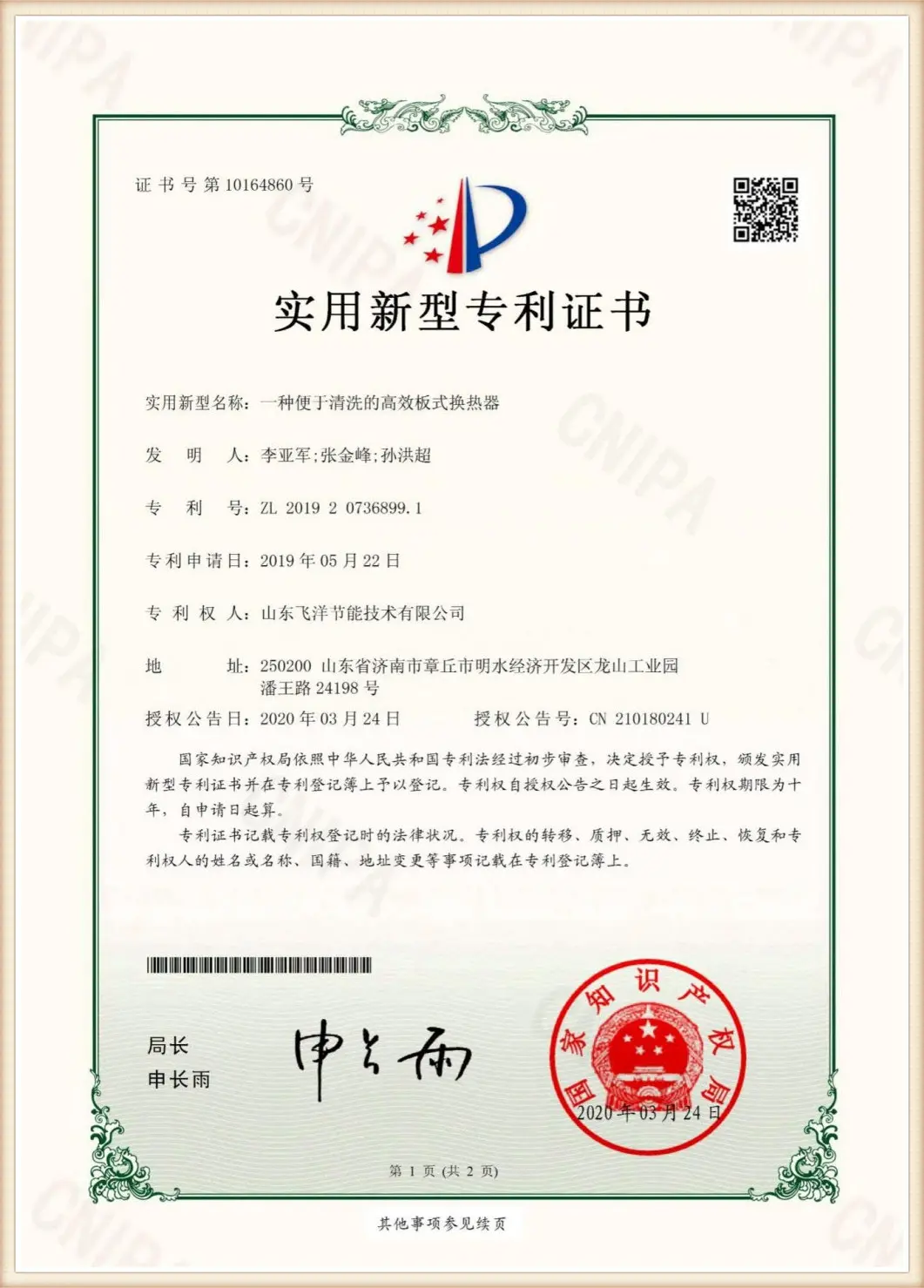
A technical reference for international purchasing managers evaluating supplier capability and performance criteria.
Selecting a qualified industrial plate heat exchanger manufacturer requires systematic assessment of material credentials, hydraulic verification protocols, and calculation accuracy. Experienced buyers should focus on three main technical areas:
Thermal performance calculations must reconcile target heat transfer with acceptable fluid pressure drop limits. A higher pressure drop allows for a more compact unit, but increases secondary pumping energy costs over time. Flotte's design engineers optimize channel configurations using asymmetrical plate options to match the thermal needs of unequal flow rates, reducing pressure drop while maintaining clean turbulent flow.
Gasket longevity is key to reducing operational costs. Buyers must verify the material composition of gaskets (e.g., high-grade EPDM for hot water applications, NBR for hydrocarbons, or FKM for chemical solvents) and the plate-retention mechanism. Flotte offers clip-on and glue-free gasket styles, which simplify cleaning and replacement processes during facility maintenance turnarounds.
All heavy industrial pressure units must meet international structural rules. Flotte systems are developed in compliance with key quality and safety frameworks, with raw material traceability records and hydro-test certificates available for all finished units.
Professional engineering answers to common technical and sourcing questions regarding plate heat exchangers.
Material selection depends primarily on the fluid chemistry and temperature. For non-corrosive liquids, AISI 304 stainless steel provides cost-effective service. For applications involving brackish water, high chloride levels, or municipal hot water systems, AISI 316L is recommended. For extreme chloride exposure, sea water cooling, or concentrated acid environments, Titanium (Grade 1) or Hastelloy plates are necessary to prevent corrosion and cracking.
Under nominal operating conditions (continuous temperatures below 140°C and stable pressure levels), high-grade EPDM or NBR gaskets last between 3 to 5 years. Extreme temperature fluctuations, pressure spikes, or exposure to corrosive organic solvents can accelerate gasket aging. Regularly scheduled inspections and avoiding rapid thermal cycling help extend gasket service life.
Every detachable plate heat exchanger and modular unit undergoes hydrostatic pressure tests at 1.3 to 1.5 times the rated design pressure. Tests are maintained for a minimum of 30 minutes, during which pressure drop and plate seal integrity are checked. Inspection records are documented and supplied with shipping packages.
Fluids containing high amounts of particulates or long fibers can cause blockages in standard narrow-channel plates. For these applications, we utilize wide-gap plate profiles or integrated filtration/strainer screens. Standard cleaning cycles or Clean-in-Place (CIP) setups should also be integrated into the system layout.
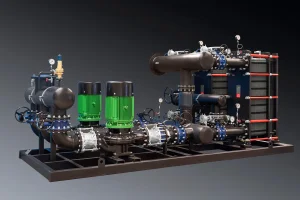
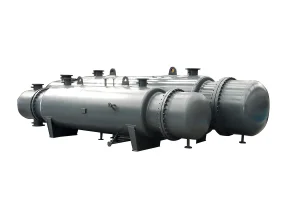
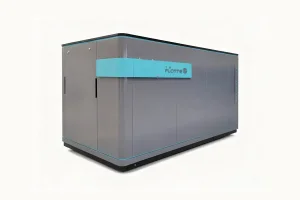
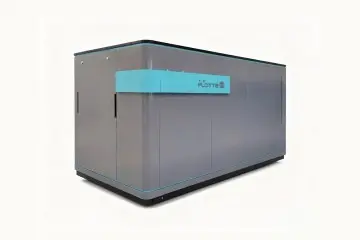
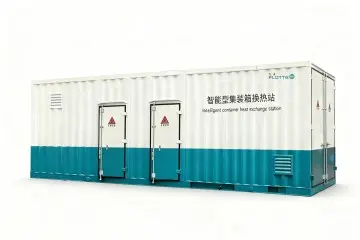
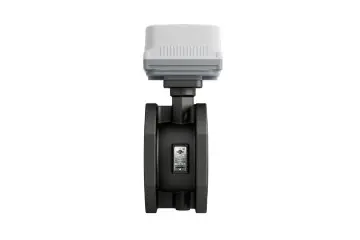
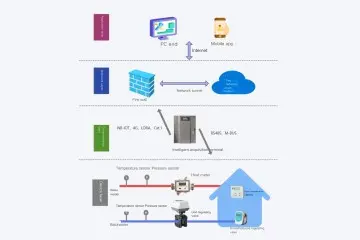
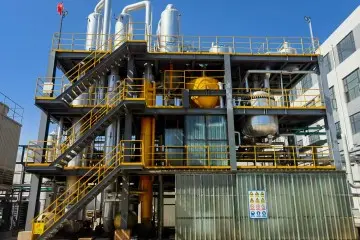
Browse our advanced thermodynamic systems, engineered for energy savings, multi-effect evaporation, and building HVAC isolation loops.
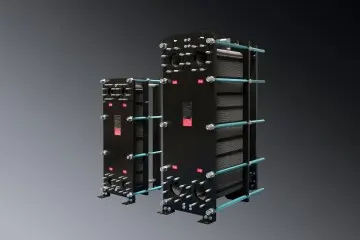
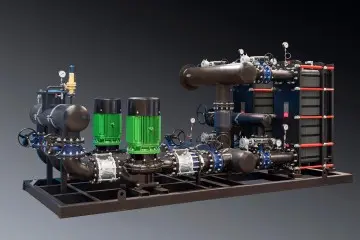
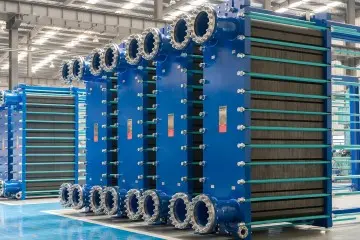
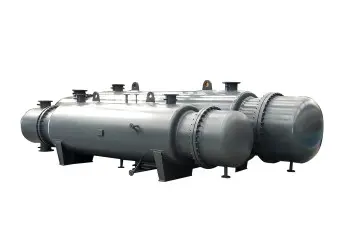
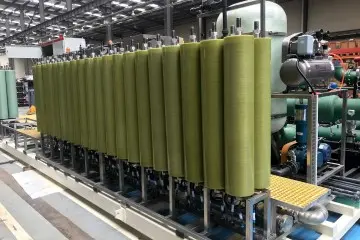
Visualizing our core parts, balance systems, and specialized heat exchange structures designed by Flotte.

 Flotte Energy