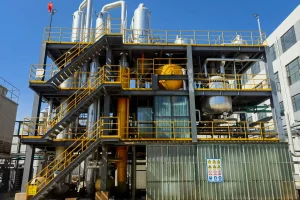
Wholesale Packaged Effluent Treatment Plant Supplier & Exporters

Cutting-Edge Decentralized Wastewater Reclamation & Zero Liquid Discharge (ZLD) Systems

30 Years of Engineering Excellence: Flotte Energy Saving Company

Established in 2013 with a registered capital of 101 million yuan, Flotte Energy Saving Company traces its roots back to Flotte Thermal Engineering, founded in 1995. With three decades of rigorous technical expertise, our company excels at the intersection of water equipment development, advanced HVAC design, and industrial effluent treatment technologies.

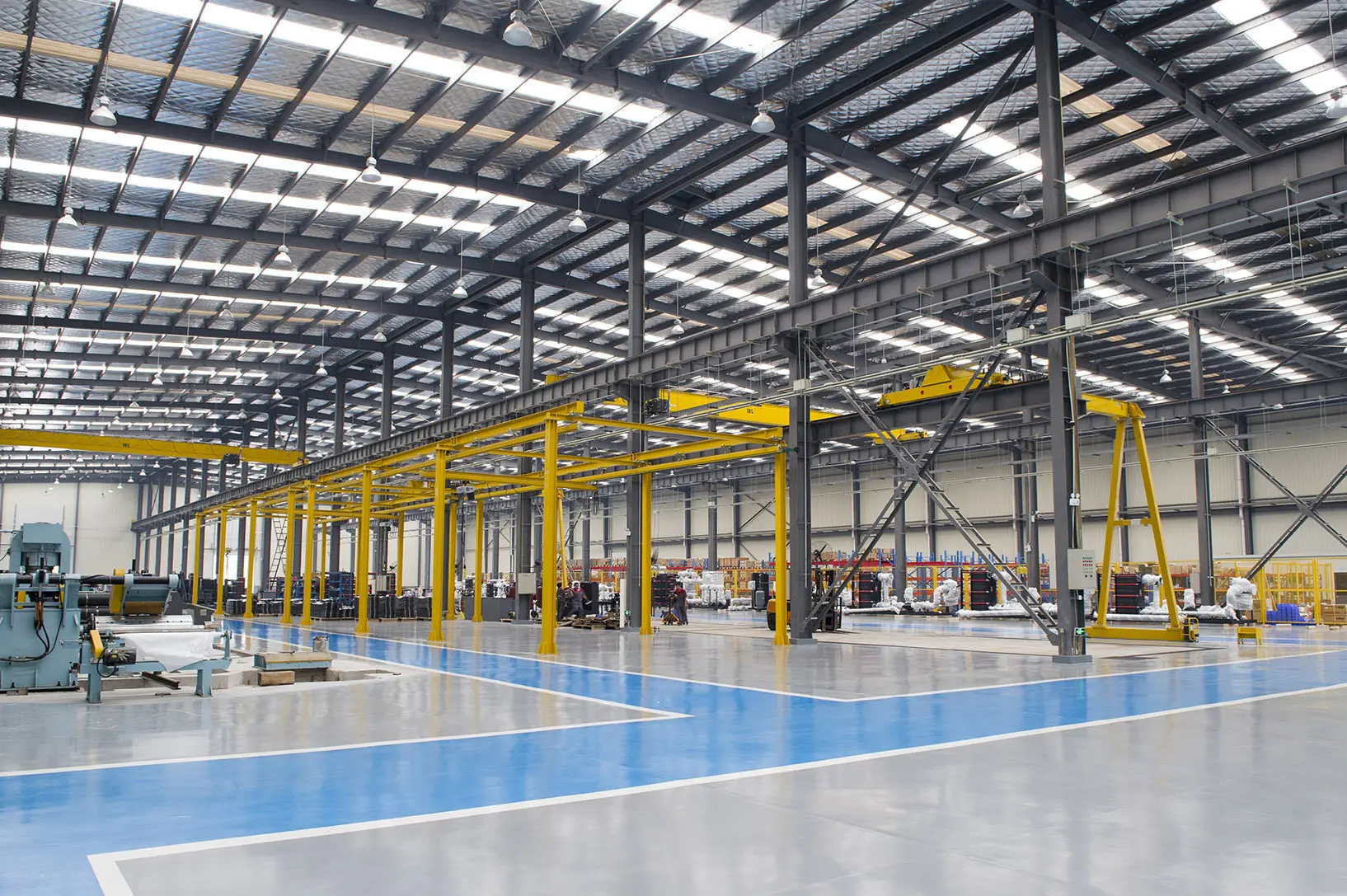
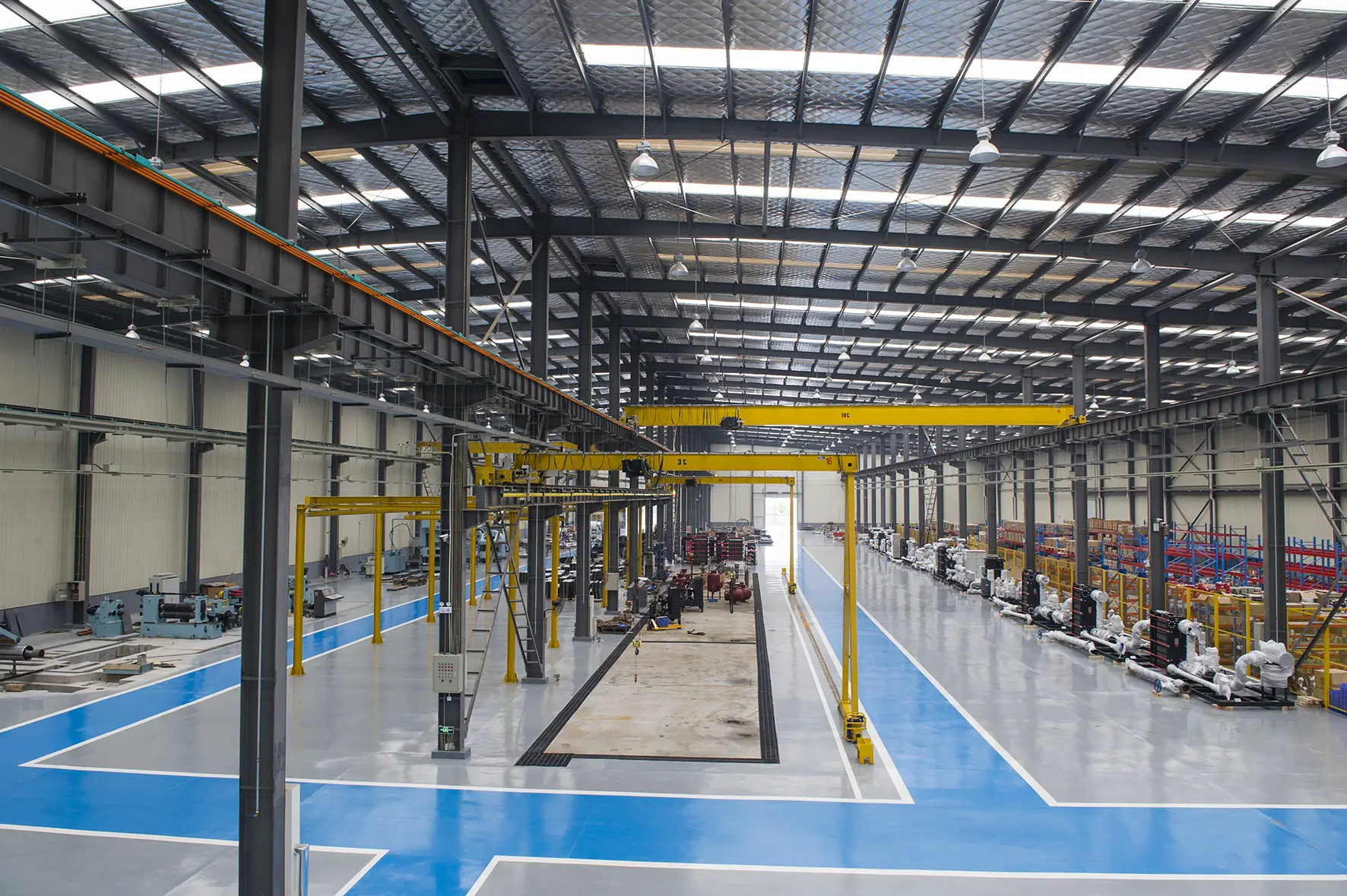
Operating from our state-of-the-art 70,000 m² manufacturing campus, Flotte consistently leads the industry. We engineer modular, energy-conserving, and intelligent systems optimized for global municipal, chemical, and pharmaceutical frameworks.
30+
Years of Manufacturing Experience
260+
Certified Employees & Specialists
2,000+
Annual Equipment Production Sets
70,000 ㎡
Modern Facility Area
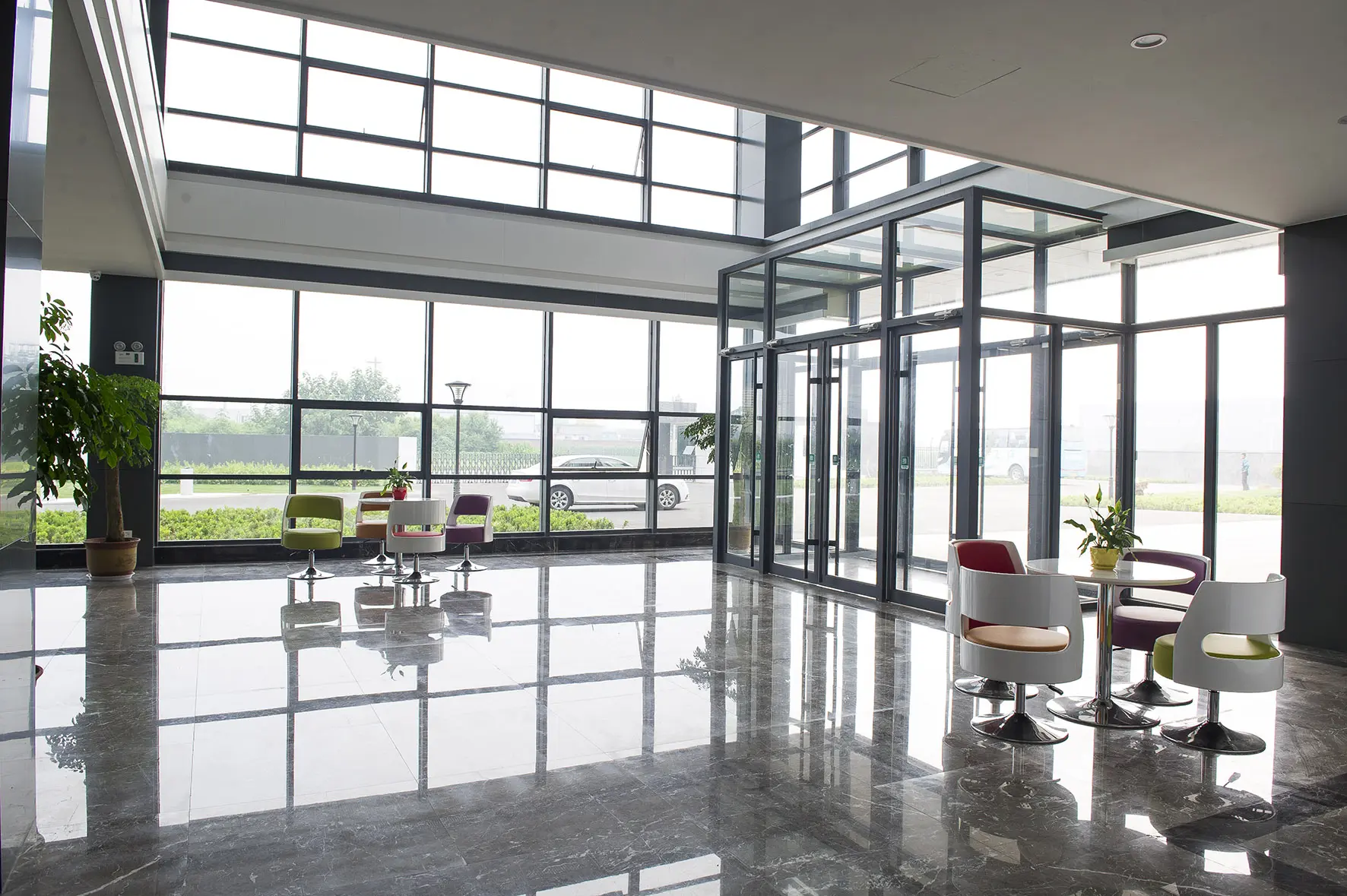
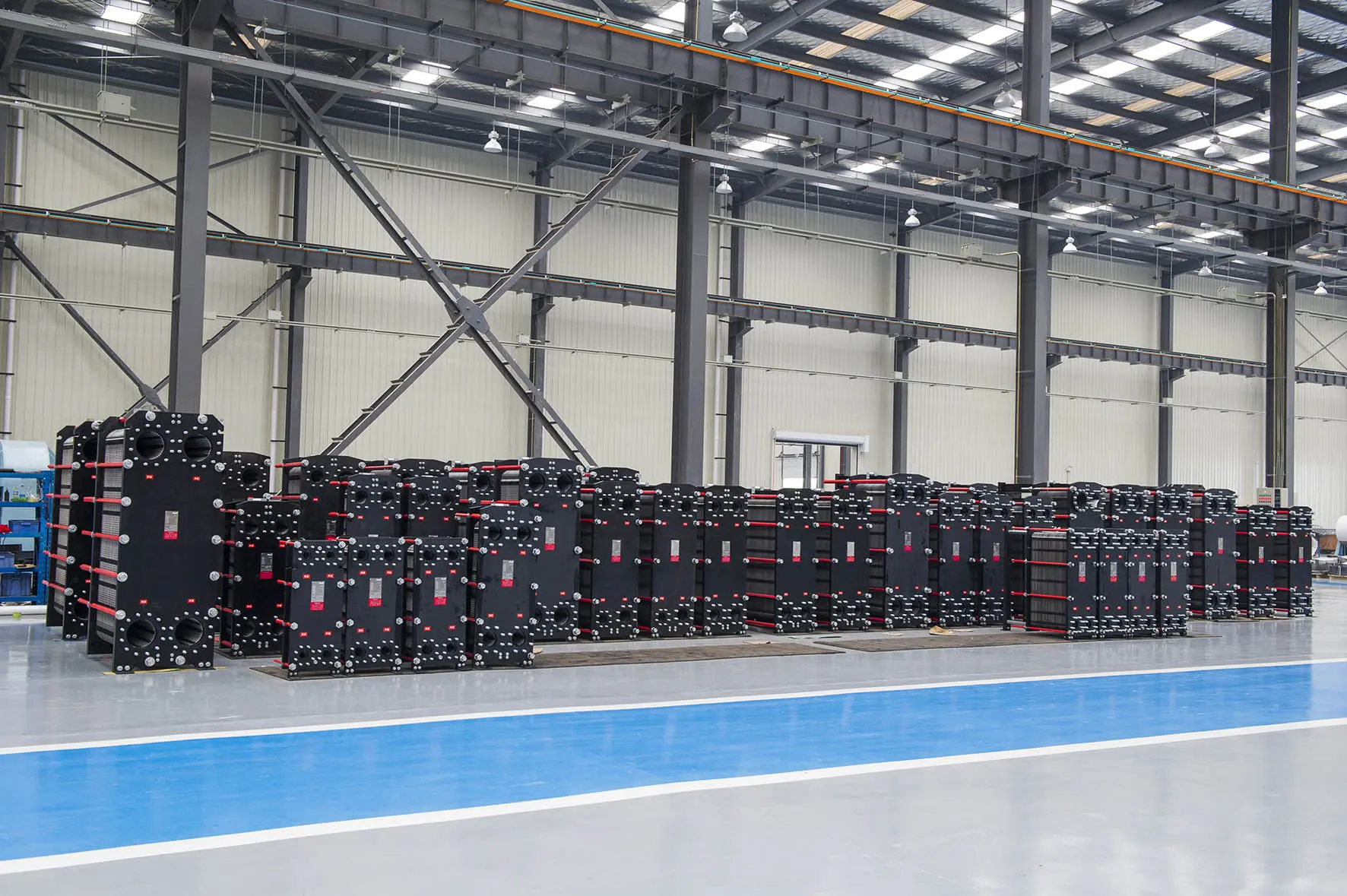
Flotte Corporate Campus

Quality Assurance & Industrial Rigor

At Flotte, quality is not a static metric; it is an integrated engineering standard. Our production environment strictly adheres to the ISO 9001:2015 International Quality Management System, ISO 14001 Environmental Management, and ISO 45001 Occupational Health and Safety Management.

We manage our procurement pipelines aggressively, verifying materials like Titanium, Hastelloy, and specialized stainless steel grades from approved premium suppliers. All pressure vessels undergo non-destructive inspection and mandatory tests verified by national quality supervision units before shipment.
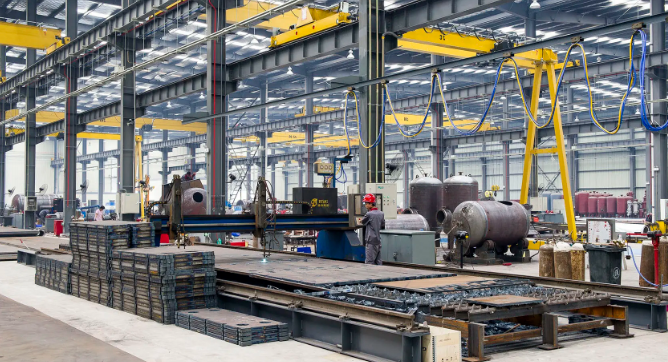
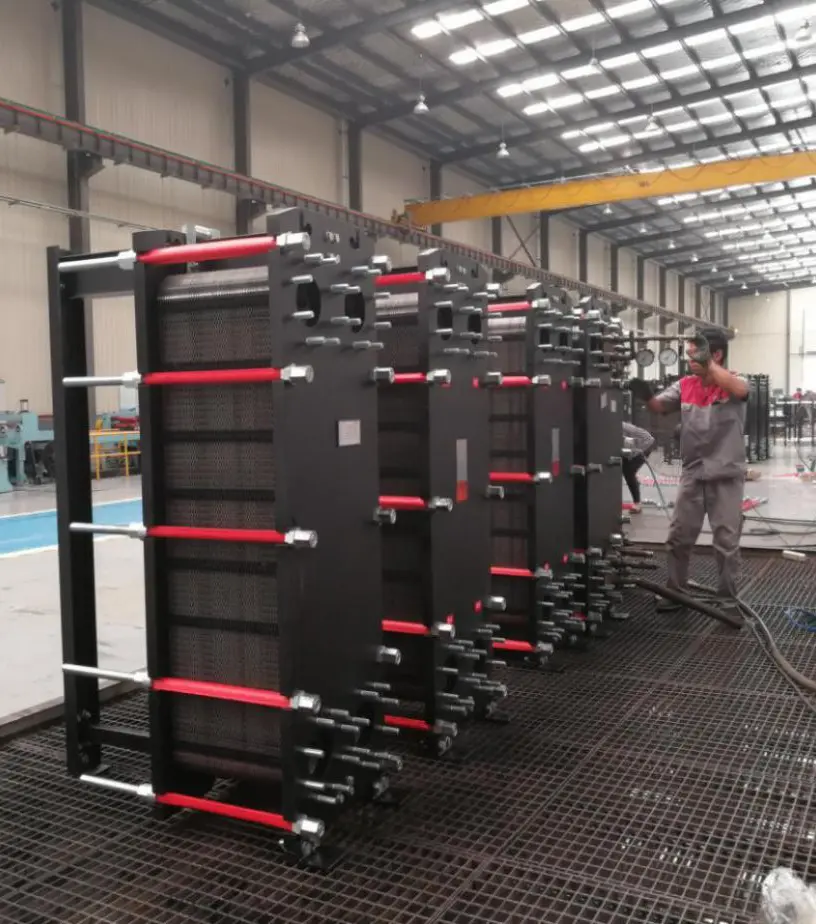
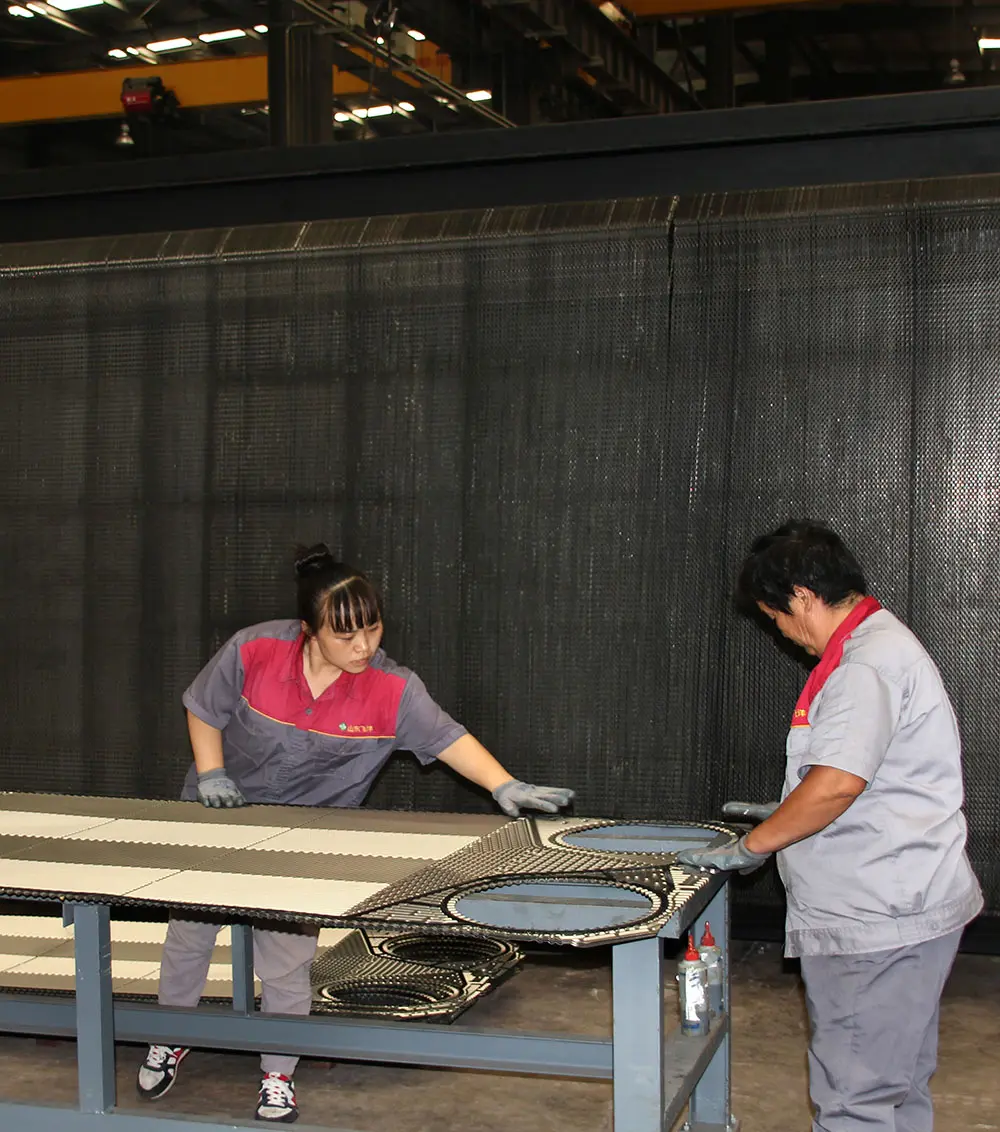
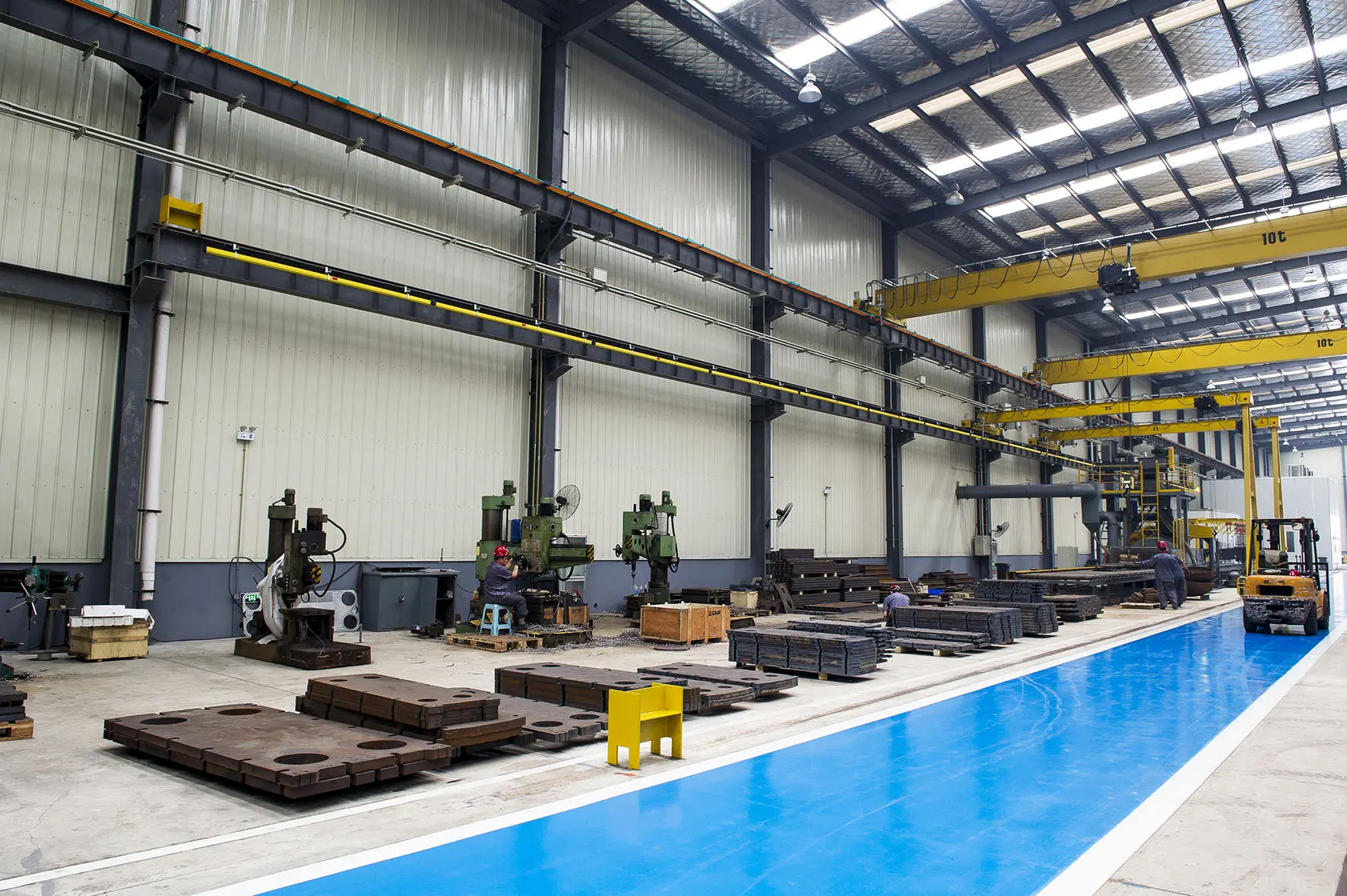
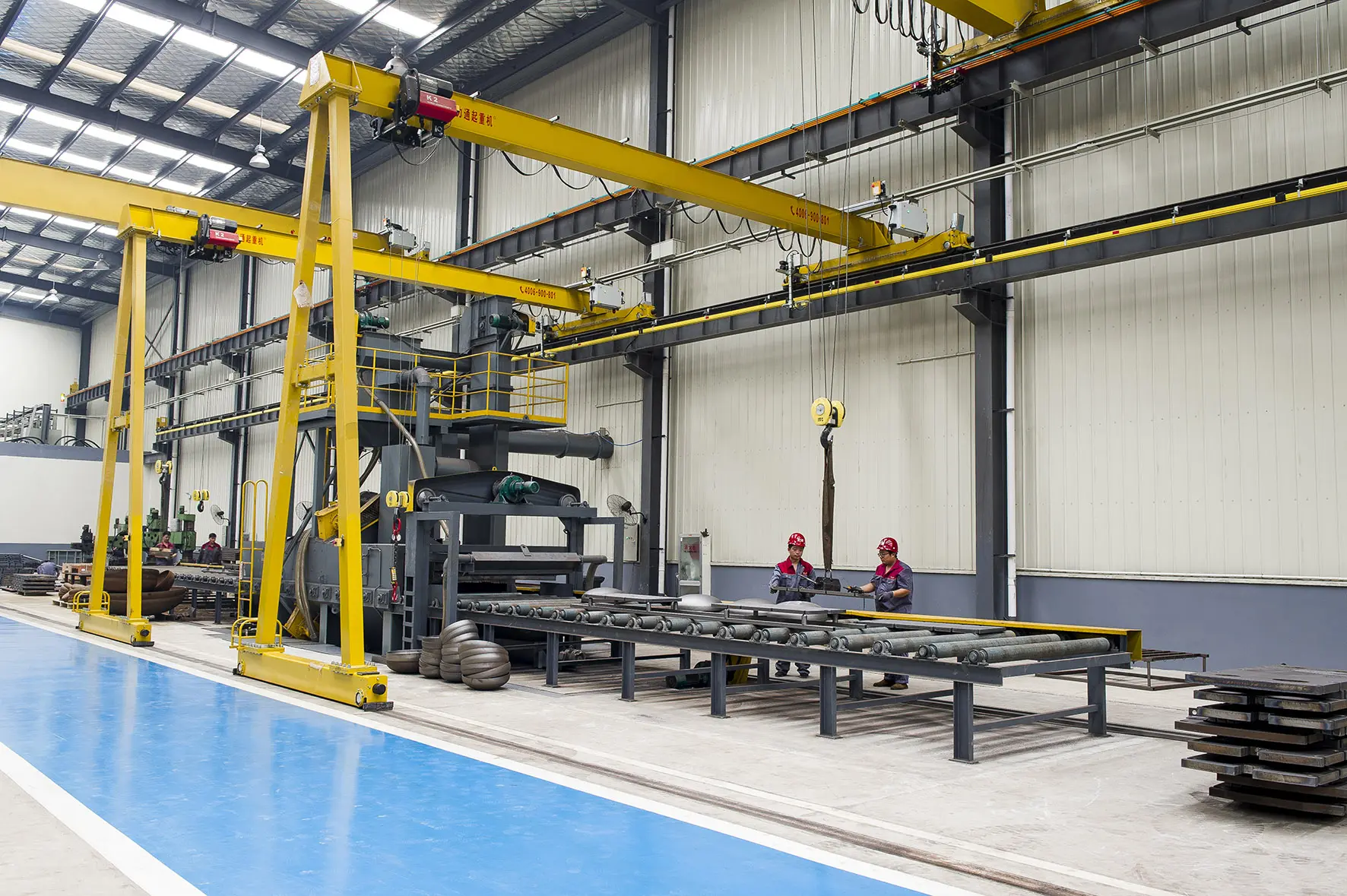
Advanced Assembly Workshop

Industry Whitepaper: Optimizing Packaged Effluent Treatment Plants (PETP)

An in-depth analysis of modern engineering standards, Chinese manufacturing dynamics, and global deployment metrics.

1. Technical Architecture of Modular Packaged Effluent Treatment Plants

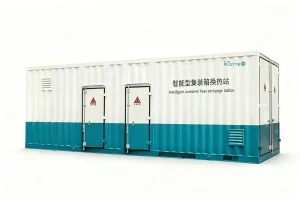
Modern Packaged Effluent Treatment Plants (PETP) represent the pinnacle of decentralized wastewater engineering. Unlike sprawling, cast-in-place concrete treatment facilities that require months of civil construction, modular PETPs integrate advanced biological, physical, and chemical processes into a standardized, containerized framework.

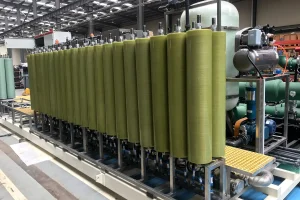
Key process layers include MBBR (Moving Bed Biofilm Reactor) and MBR (Membrane Bioreactor) systems. MBR systems combine biological degradation with high-efficiency solid-liquid separation via microfiltration or ultrafiltration membranes. This produces permeate stream with near-zero suspended solids, optimizing feed quality for downstream membrane concentration and thermal evaporation systems (such as Multi-Effect Evaporation systems). By packaging these components, industrial operations achieve a compact footprint, lower hydraulic retention times (HRT), and stable chemical oxygen demand (COD) and biochemical oxygen demand (BOD) reduction.

2. Structural Advantages of Chinese Factories in PETP Manufacturing

China's manufacturing ecosystem provides distinctive structural advantages for global EPC (Engineering, Procurement, and Construction) companies and industrial buyers seeking high-capacity PETPs:

  • Integrated Metallurgical Supply Chain: Chinese manufacturers operate alongside premier steel mills and alloy processors. This guarantees immediate access to corrosion-resistant metals (such as Duplex 2205, Titanium Grade 2, and Hastelloy) required for treating high-salinity chemical wastewater.
  • Optimized Precision Machining: Modern manufacturing complexes feature automated sheet metal laser cutters, multi-axis micro-forging presses, and robotic assembly stations. This setup maintains precise tolerances during the production of plate heat exchangers and high-pressure membrane housings.
  • Unparalleled Economics & Logistics: By centralizing assembly, testing, and sensor calibration in integrated facilities (like Flotte's 70,000 m² plant), Chinese manufacturers offer highly cost-effective membrane concentration and effluent treatment units without compromising international certifications.

3. Evolving Global Trends in Industrial Water Treatment

The industrial wastewater landscape is shifting rapidly under the influence of three global drivers:

Zero Liquid Discharge (ZLD) Mandates: Regulatory frameworks worldwide are restricting liquid discharge. As a result, businesses must transition to advanced system layouts. These utilize high-pressure membrane concentration systems for initial volume reduction, followed by thermal multi-effect evaporation to isolate solid salts.

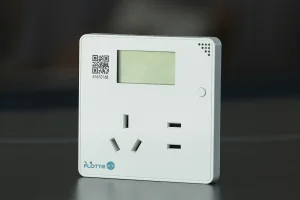
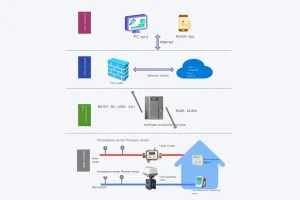
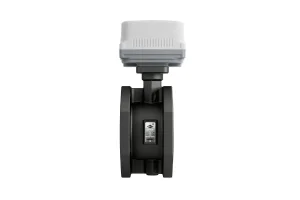
IoT-Enabled Predictive Monitoring: Today's plants rely on high-precision temperature collectors, hydraulic unit valves, and online COD analyzers. These components stream real-time data to intelligent heating networks and control hubs, enabling automated chemical dosing and preventive cleaning cycles.

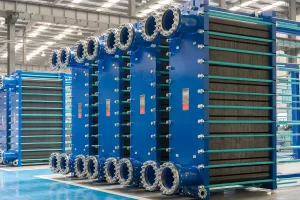
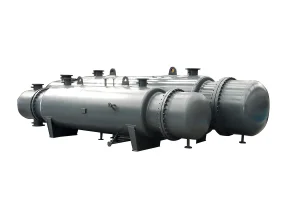
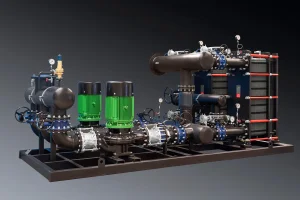
Energy-Efficient Design Integration: High-efficiency shell and tube heat exchangers and detachable plate heat exchangers are integrated into biological and evaporation systems. By recovering latent heat from process streams, they minimize the thermal energy required to sustain evaporation and thermophilic biological digestion.

4. Macro-Industry Solutions & Localized Application Scenarios

Flotte's technical portfolio supports diverse industrial applications:

  • Thermal Power Generation: Recycling cooling tower blowdown and treating flue-gas desulfurization (FGD) wastewater via membrane and thermal crystallization loops to ensure complete compliance.
  • Pharmaceutical Manufacturing: Destroying active pharmaceutical ingredients (APIs) and high-load organics using advanced oxidation processes (AOPs) prior to high-performance biological MBR purification.
  • Chemical Engineering & Petrochemicals: Resolving high-salinity and high-TDS (Total Dissolved Solids) streams via heavy-duty membrane systems and specialized heat exchangers engineered to resist scaling and fouling.
  • Smart Municipal Heating & HVAC Networks: Integrating water conditioning units and secondary network monitoring systems. These balance hydraulic pressure, eliminate scale build-up, and preserve thermal efficiency across large district heating grids.

Advanced Manufacturing Process

From metallurgical preparation to final pressure tests, explore the engineering stages behind our equipment.
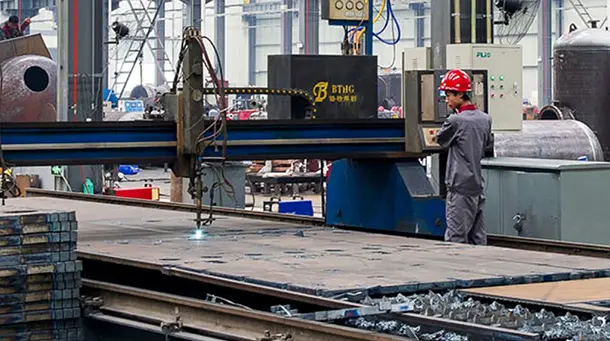
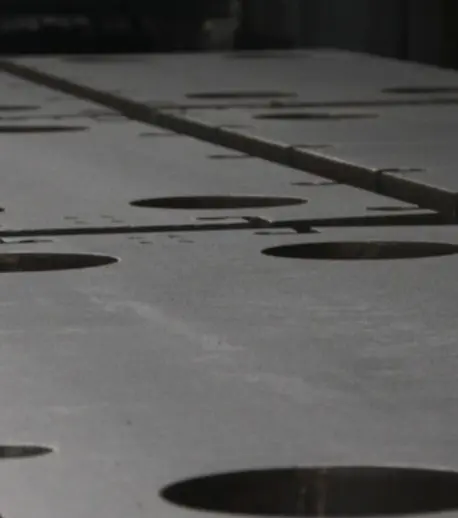
Splint Cutting

Splint Cutting

Micro-Forging

Micro-Forging

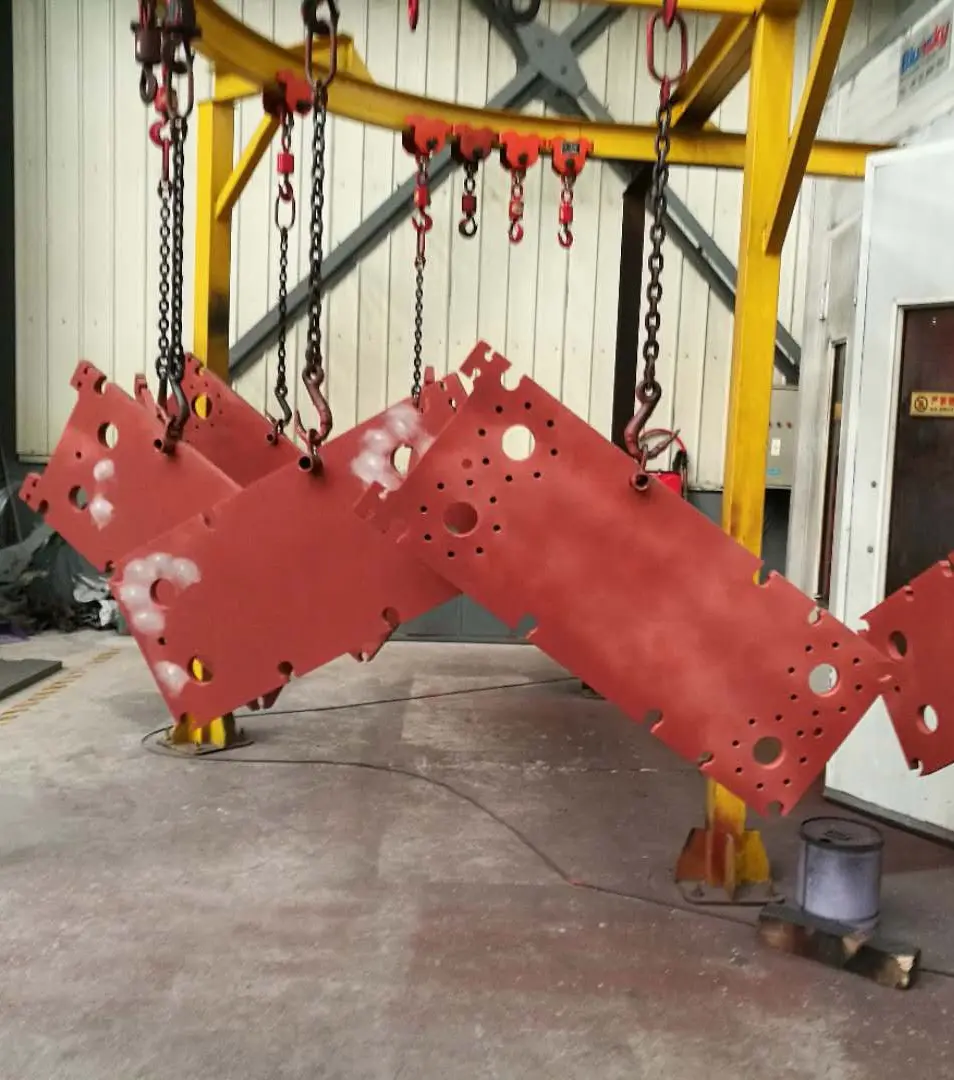
Spray Painting

Spray Painting

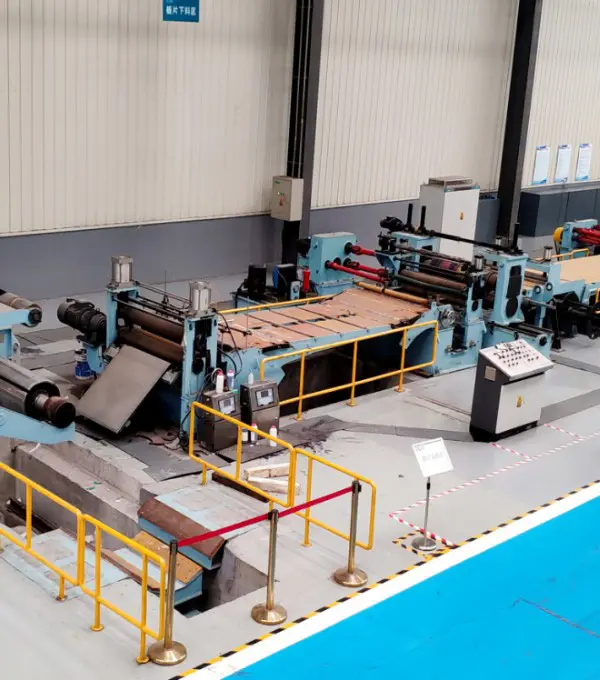
Sheet Cutting

Sheet Cutting & Coding

Water Pressure Detection

Water Pressure Detection

Equipment Assembly

Equipment Assembly

Rubber-Coated Pad

Rubber-Coated Pad

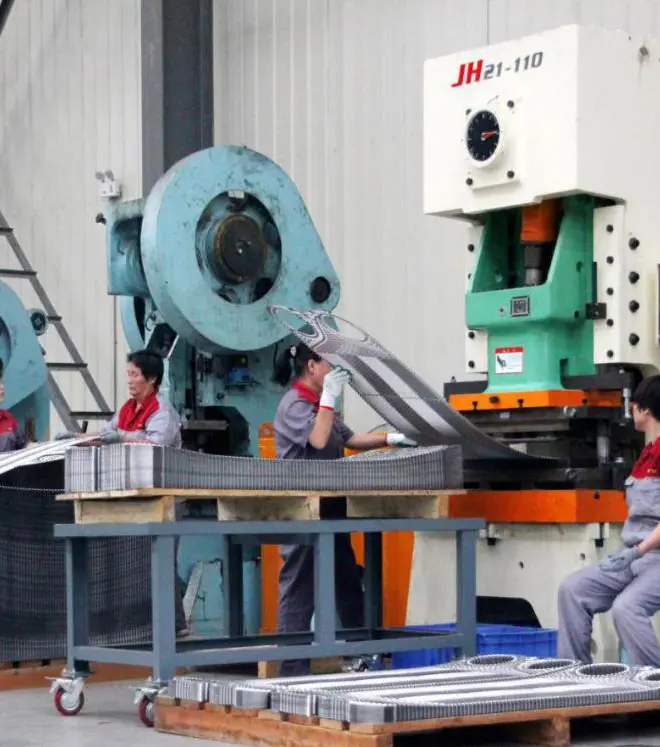
Plate Punching

Plate Punching

Sheet Stamping Forming

Sheet Stamping Forming

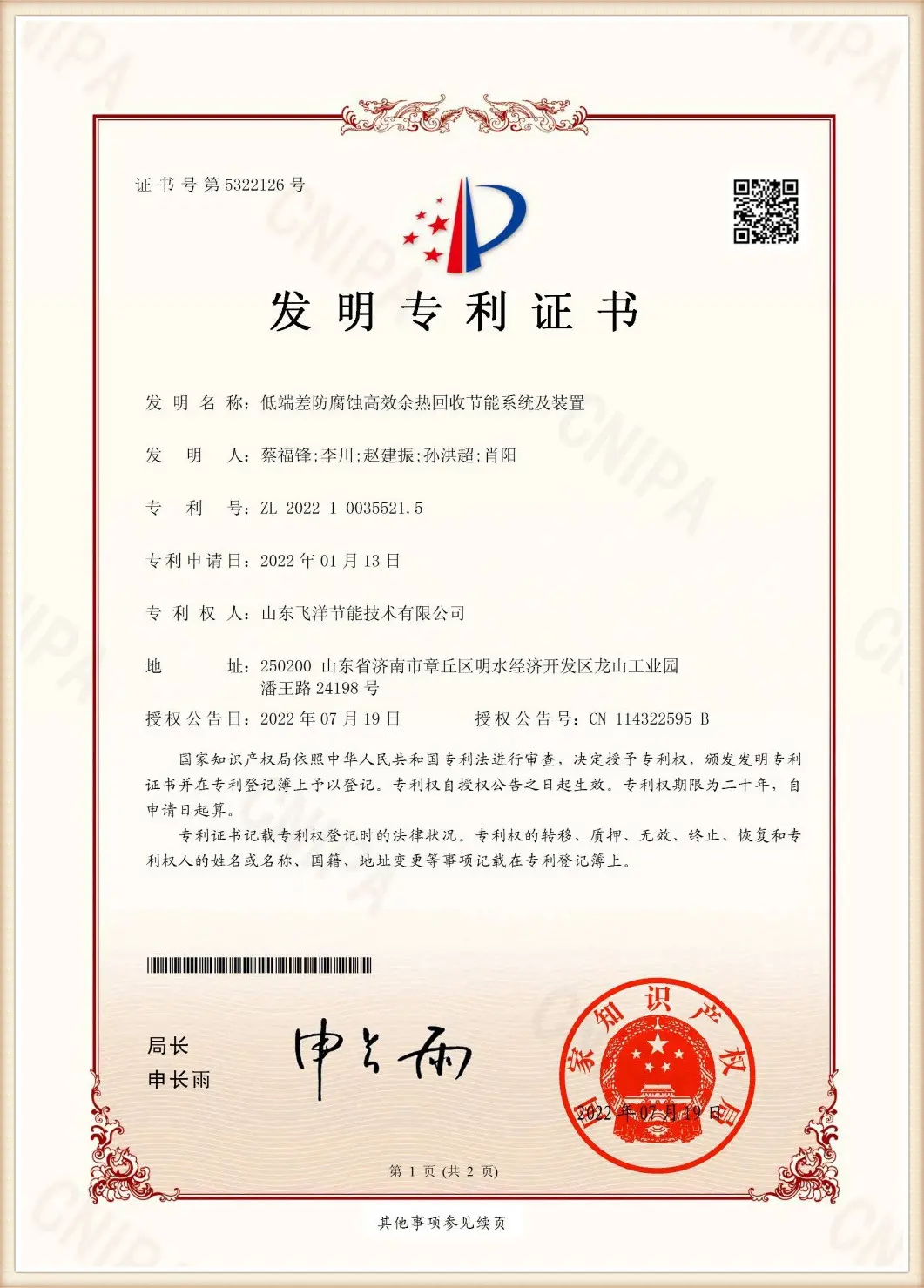
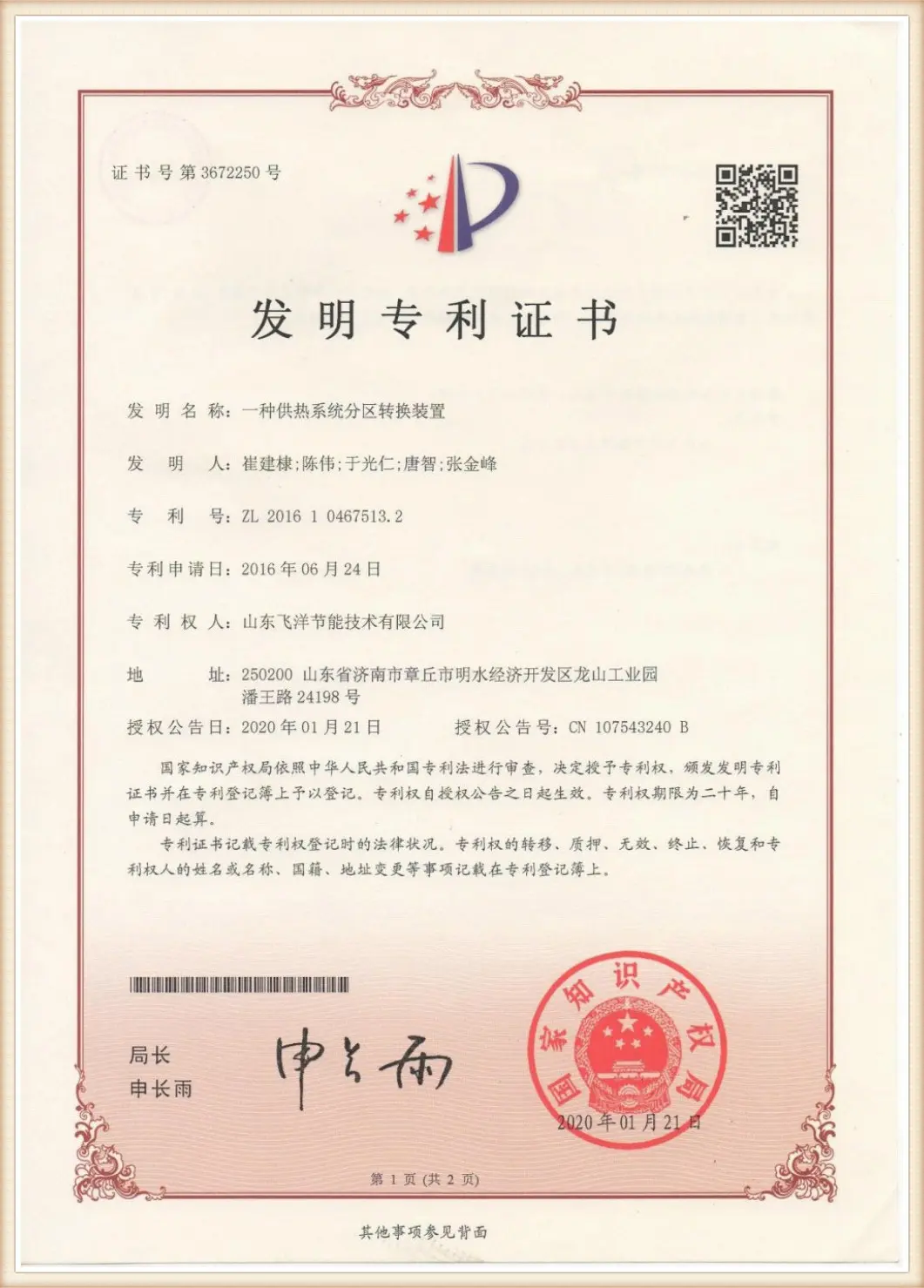
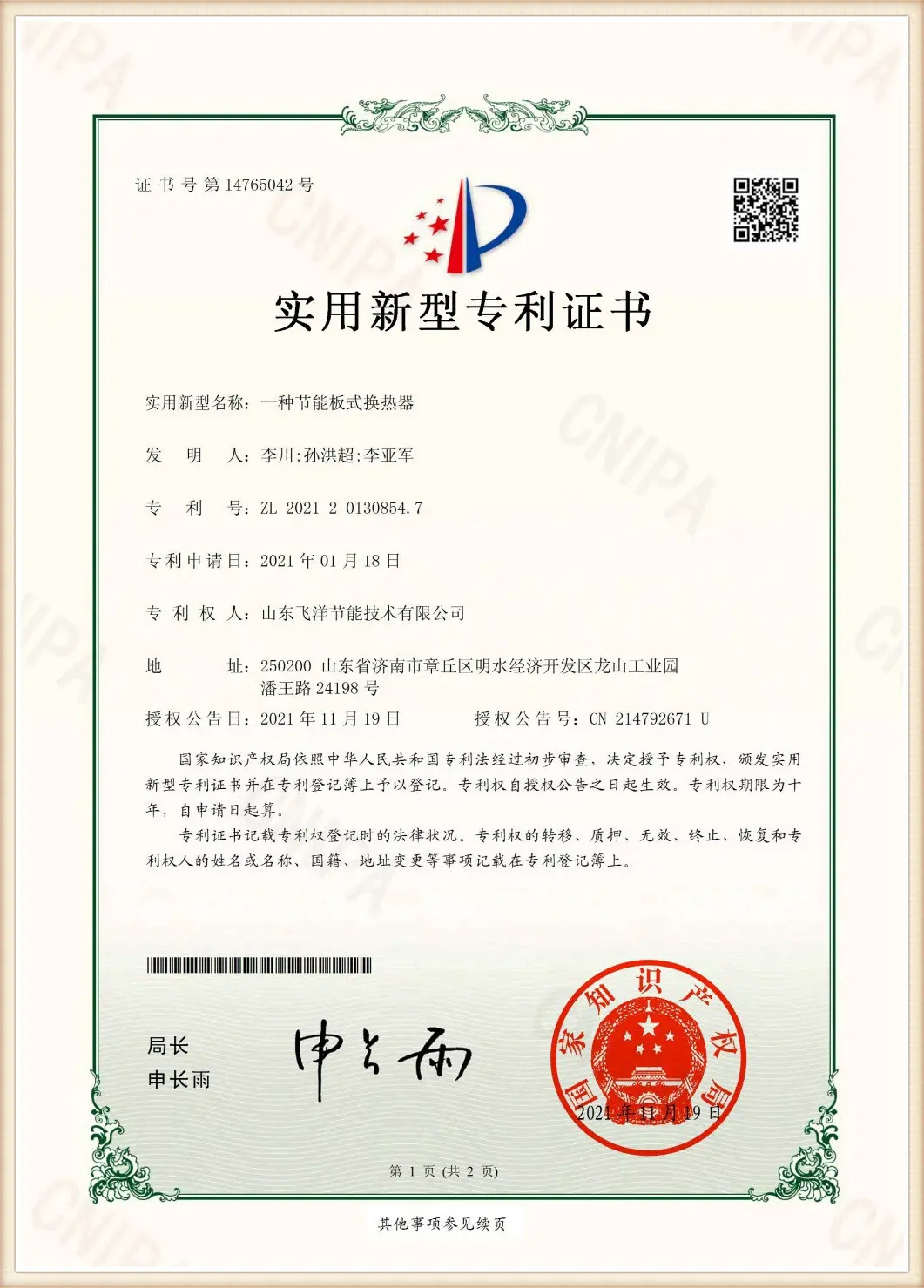
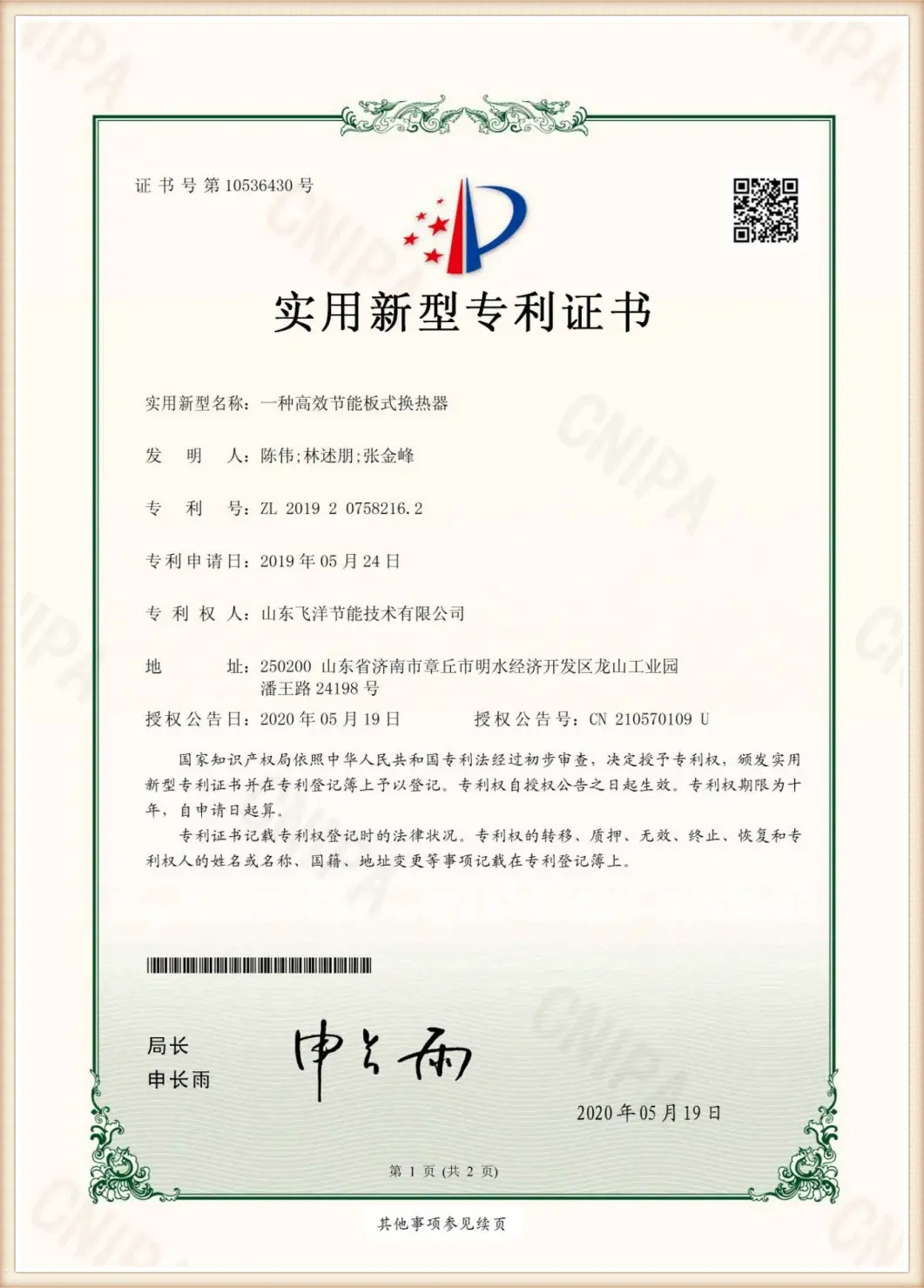
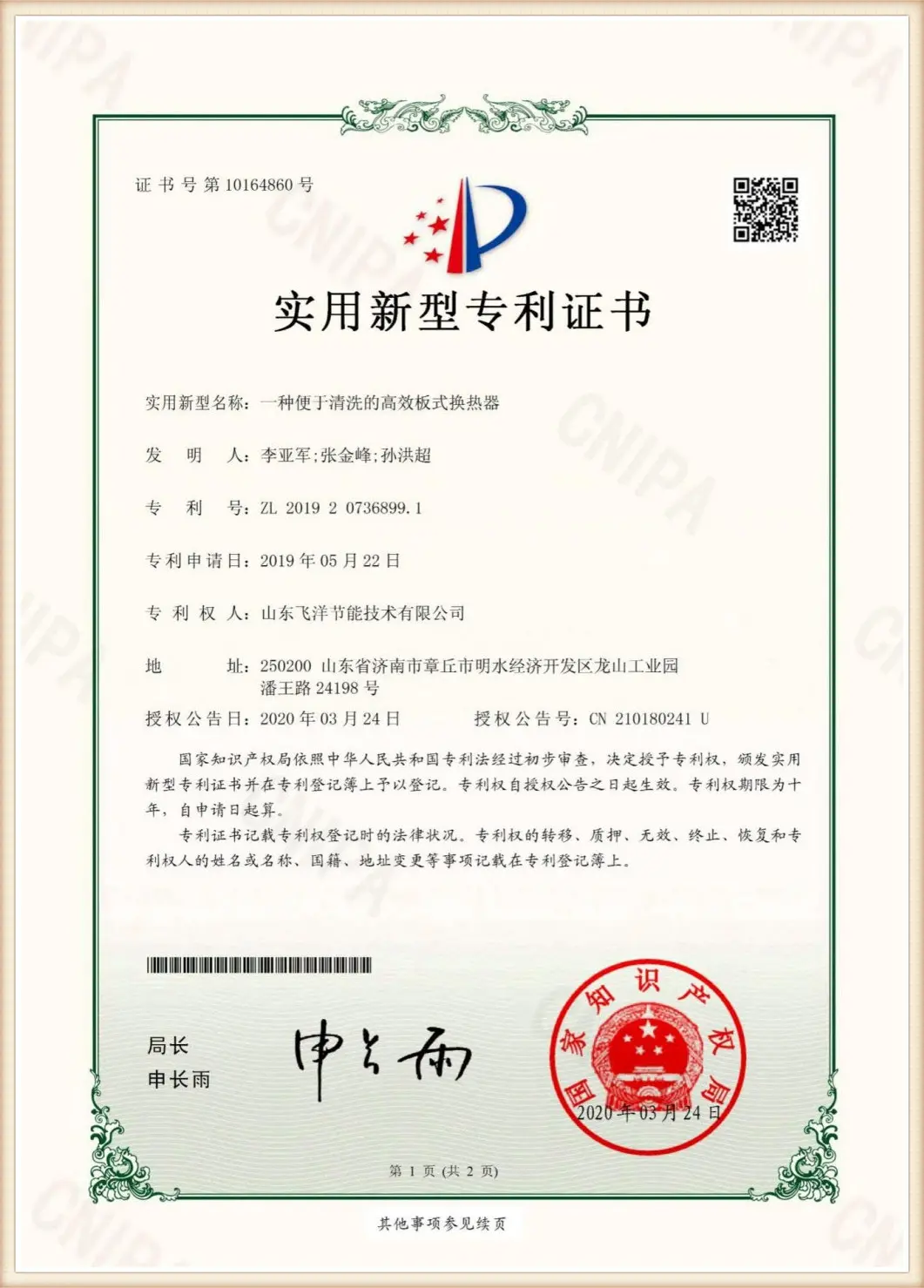
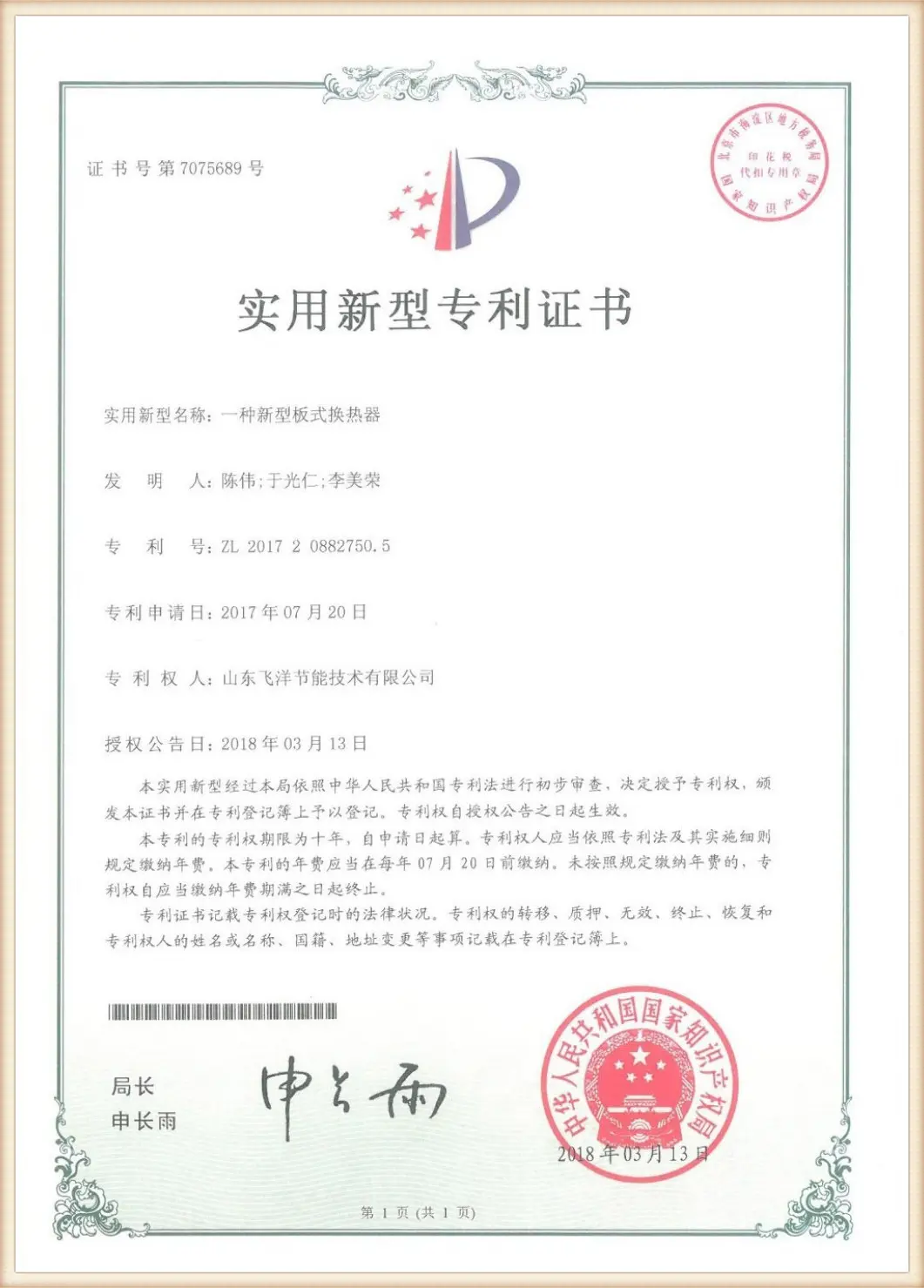
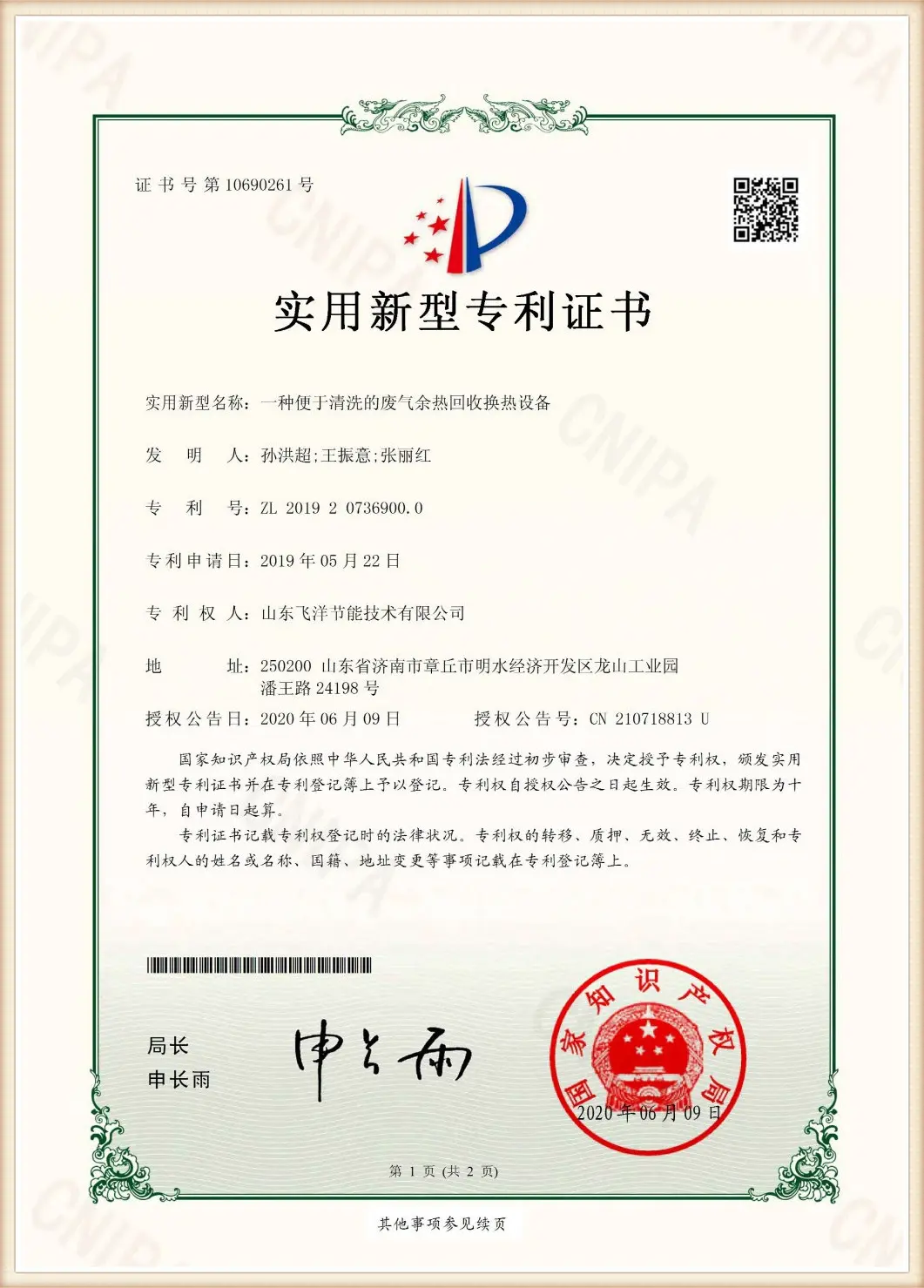
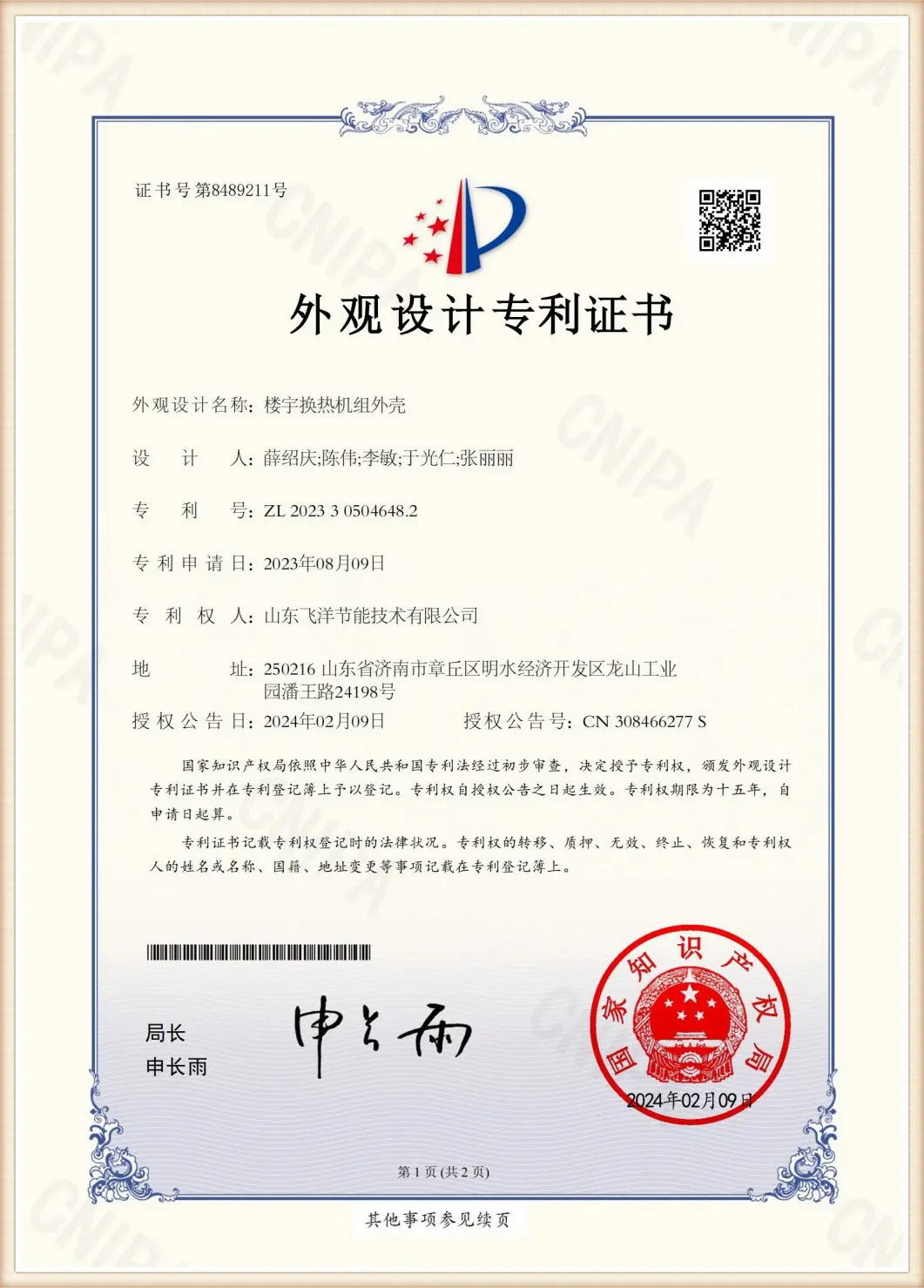
Certified Enterprise Compliance

Flotte products carry national certifications, safety registrations, and international management system credentials.
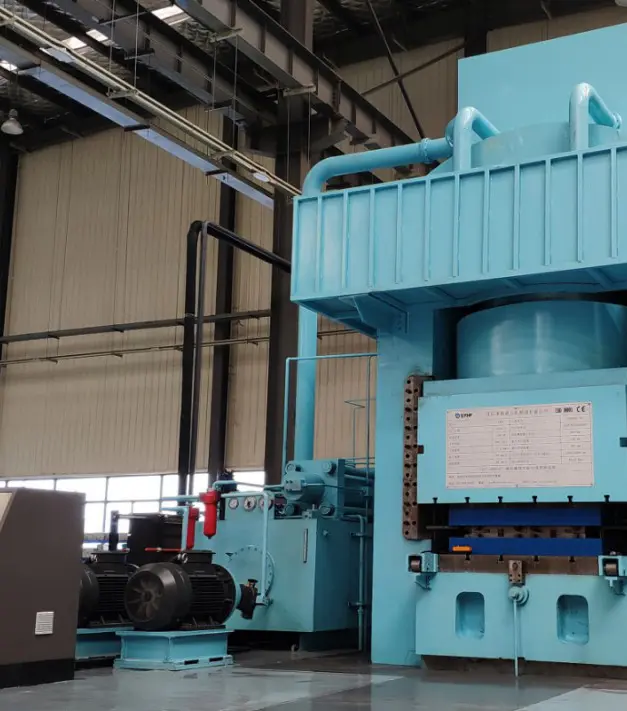
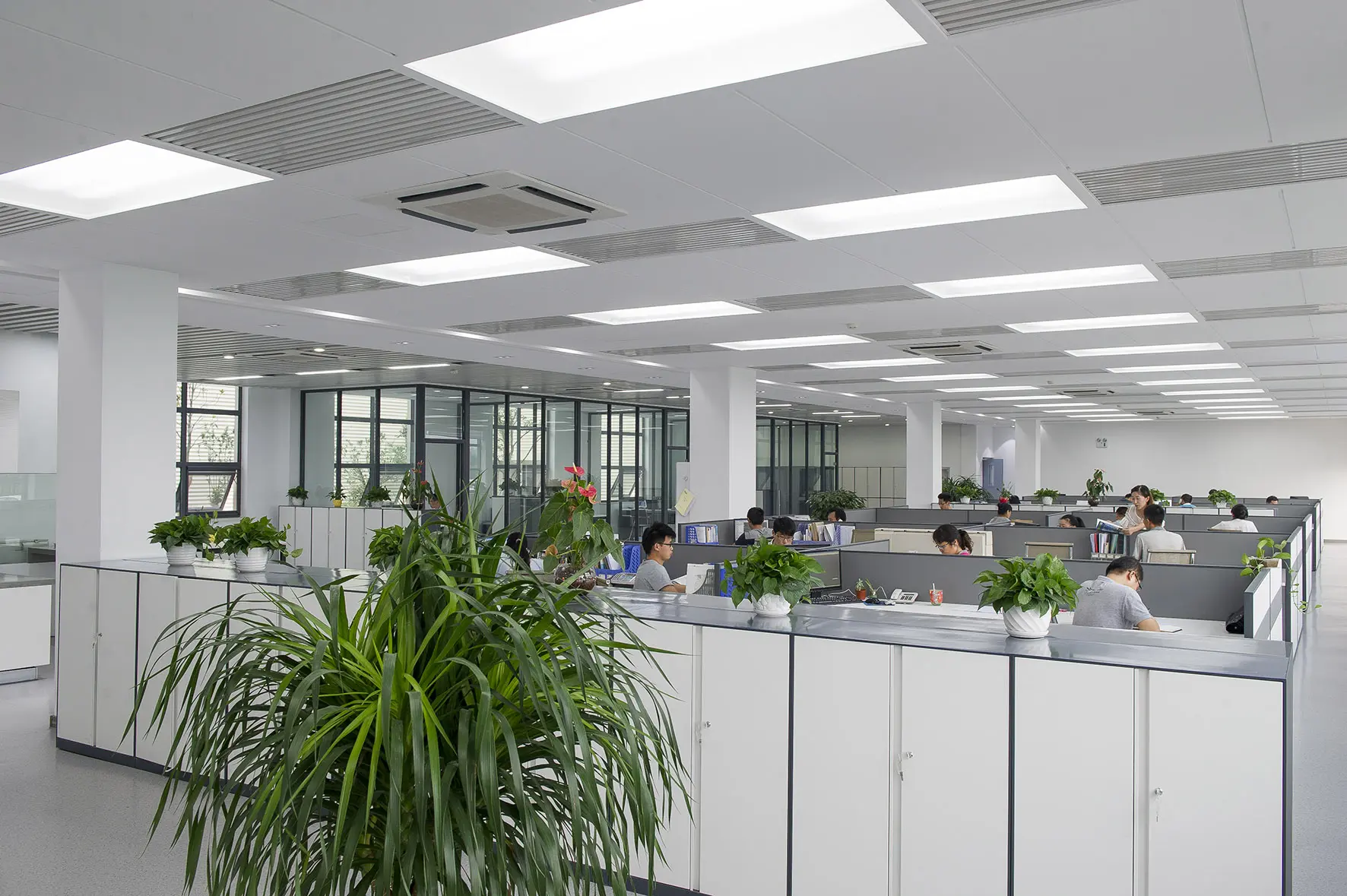
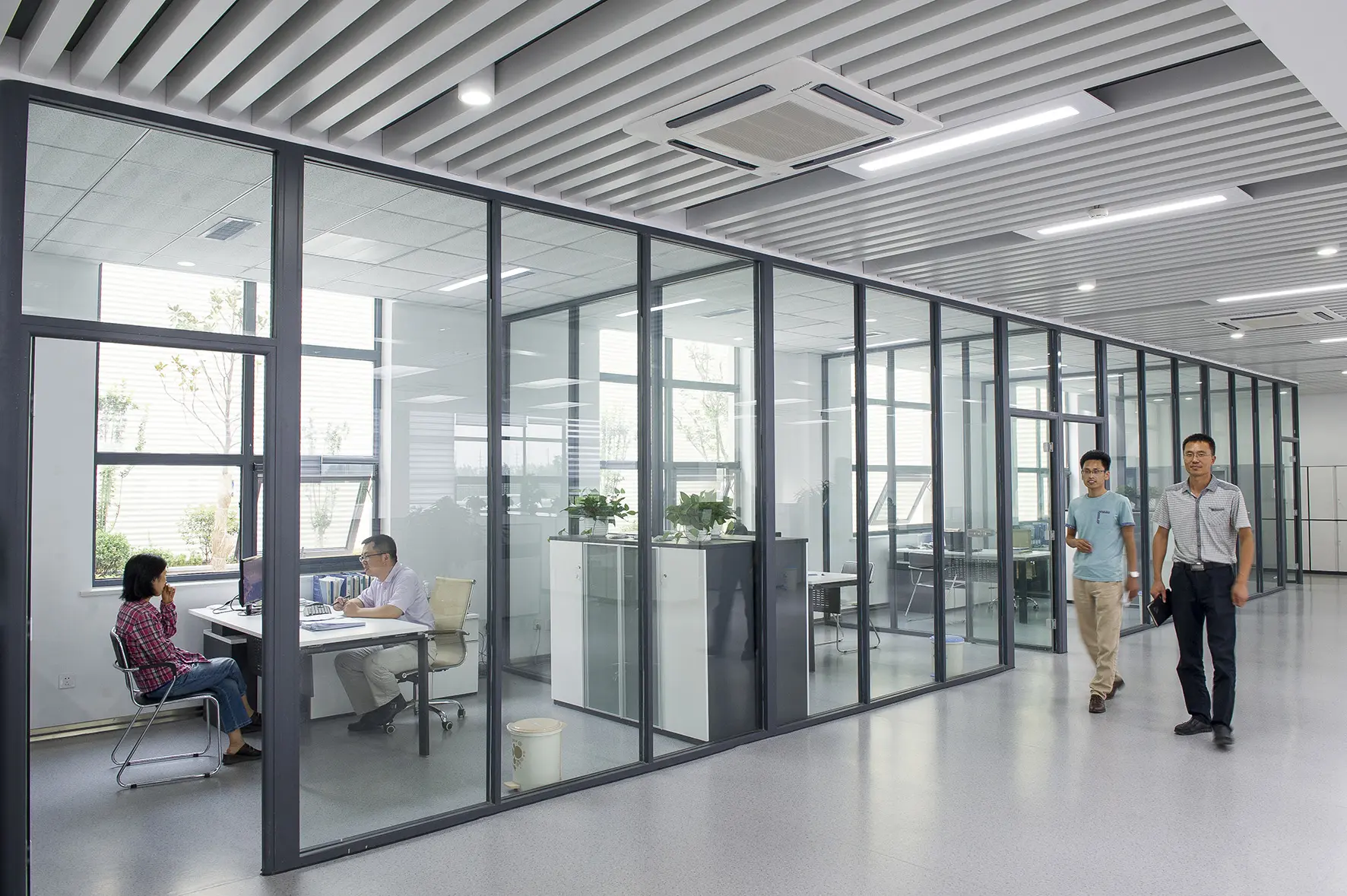
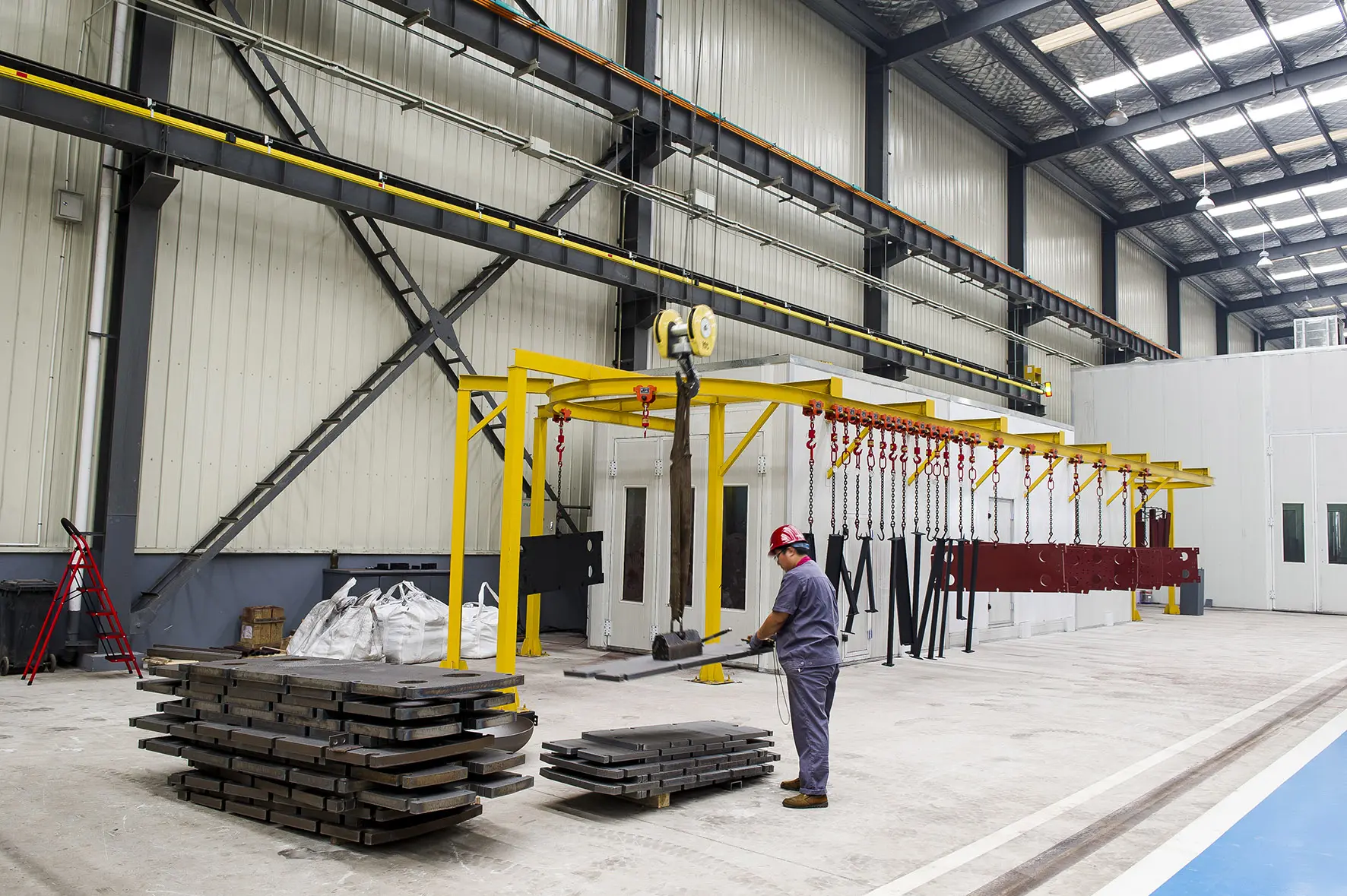
Manufacturing Plant Display

Take an internal look at our heavy assembly blocks, research centers, and pressure test facilities.
Technical FAQ - Packaged Effluent Treatment Plants

Direct technical explanations addressing system sizing, performance metrics, and operational compliance.

Q1: What are the primary design limits for influent COD/BOD in Flotte PETPs?
Our Packaged Effluent Treatment Plants (utilizing high-efficiency MBR configurations) are designed to handle influent Chemical Oxygen Demand (COD) up to 8,000 mg/L and Biochemical Oxygen Demand (BOD) up to 3,500 mg/L. For higher concentrations, we incorporate anaerobic digestion steps or advanced chemical precipitation loops prior to the biological module.
Q2: How do Flotte plate heat exchangers prevent mineral scaling during evaporation stages?
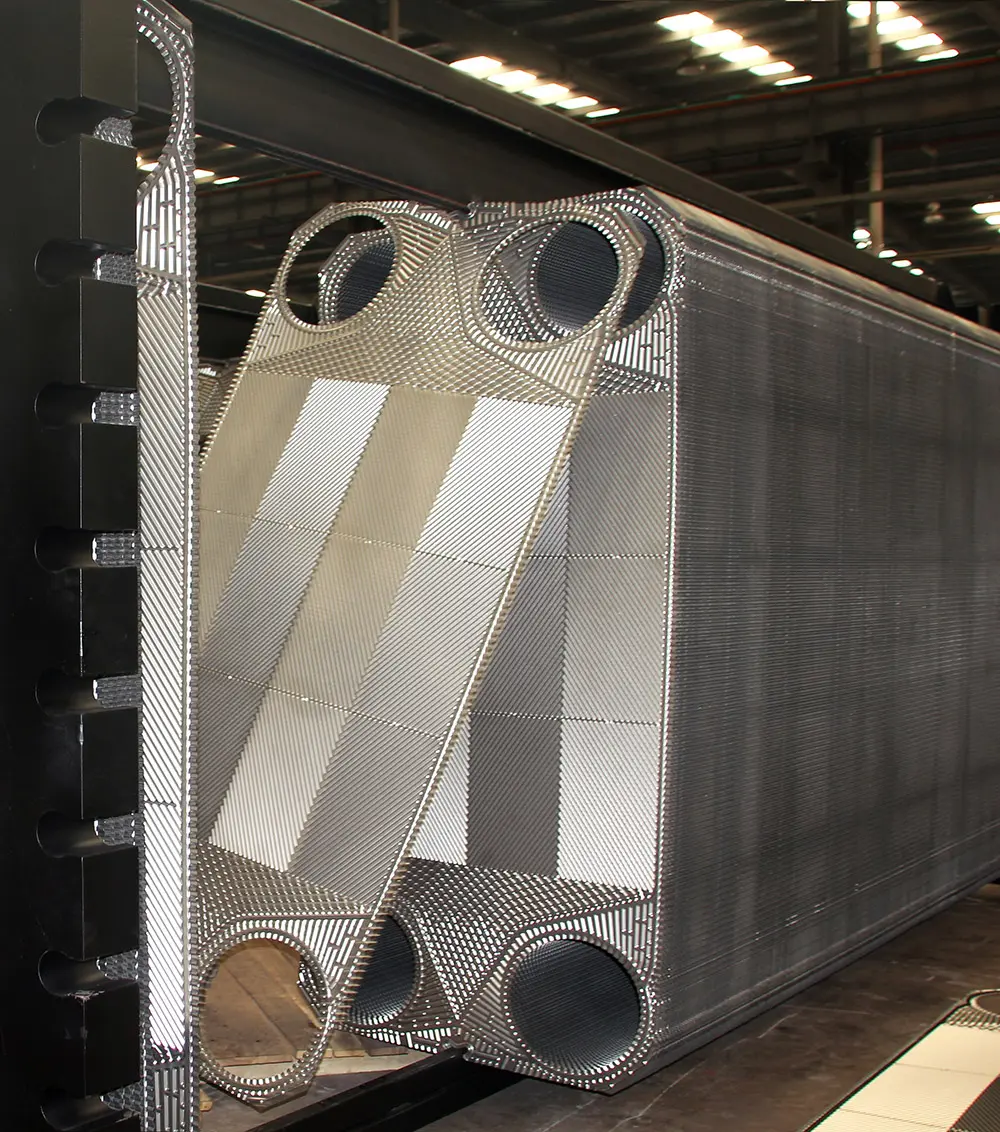
We utilize patented corrugated chevron designs that generate high turbulent fluid motion even at low velocities. This turbulence creates a self-cleaning action. For critical scaling environments, we supply detachable plate heat exchangers fabricated from smooth Titanium or Hastelloy plates, paired with built-in CIP (Clean-in-Place) backwash systems.
Q3: Are these modular plants certified for compliance in the USA and European Union?
Yes. All pressure-rated vessels, plate channels, and structural elements comply with ASME Section VIII and CE PED (Pressure Equipment Directive) frameworks. Flotte holds ISO 9001, ISO 14001, and ISO 45001 certificates, ensuring that all structural welds and sensor architectures satisfy regulatory safety and performance expectations.
Q4: What is the typical operational lifespan of the membrane filtration systems?
Our PVDF reinforced hollow fiber or flat-sheet MBR membranes typically offer an active service life of 5 to 8 years under standard operating conditions. Regular chemical cleanings, combined with our automated back-flushing protocols, help maintain high flux rates and prevent irreversible membrane fouling.
Q5: Can the telemetry systems integrate with existing DCS or SCADA infrastructures?
Yes, our control cabinets are built around Modbus TCP/IP, Profinet, and OPC UA protocols. This allows our temperature collectors, unit balance valves, and liquid density monitors to interface directly with your centralized Distributed Control System (DCS) or SCADA framework.