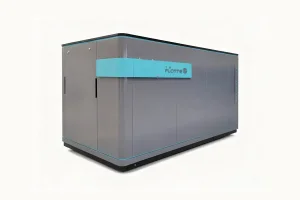
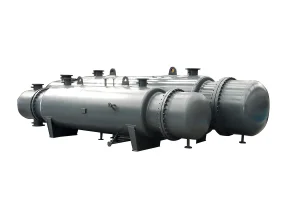
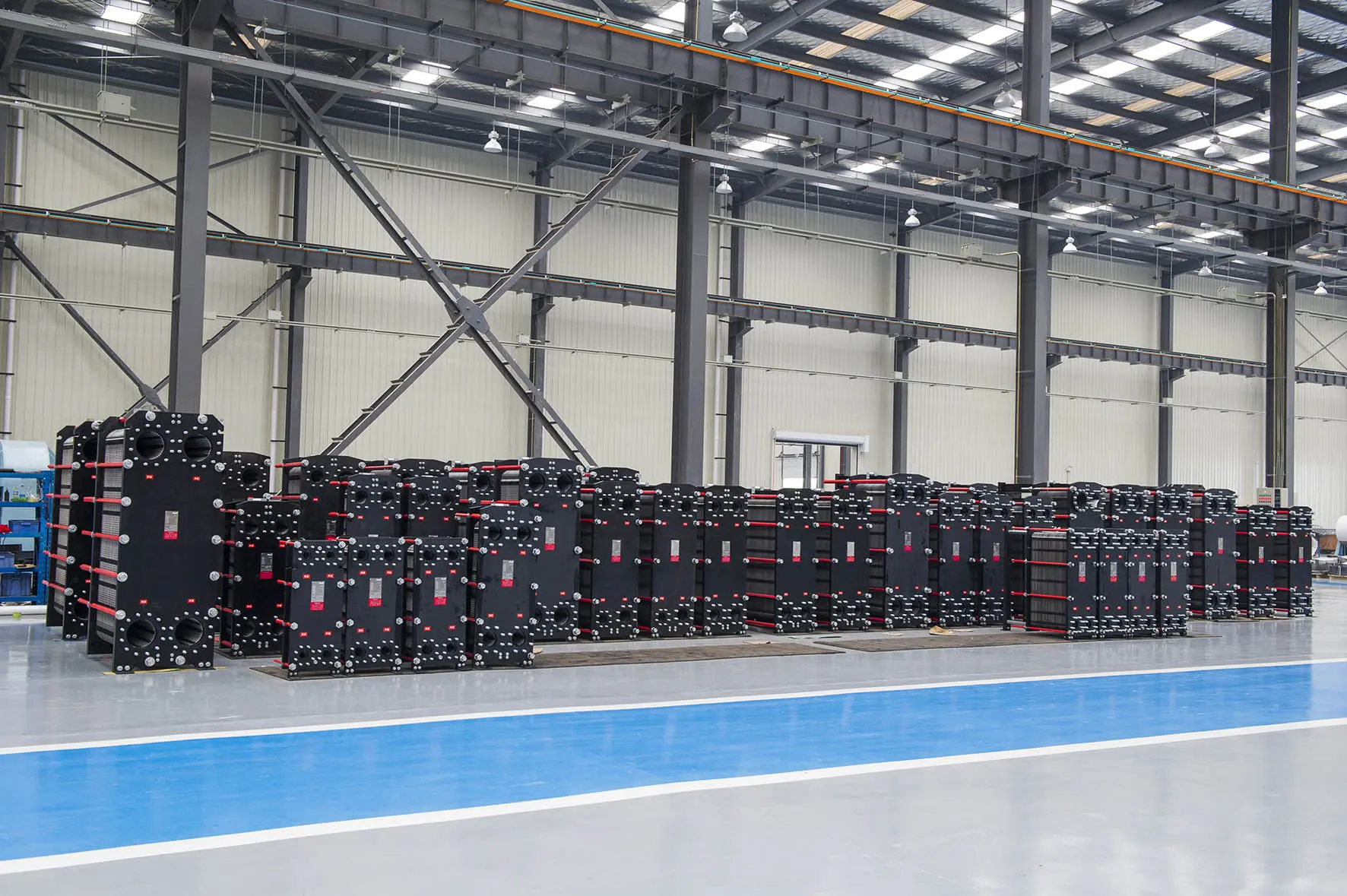
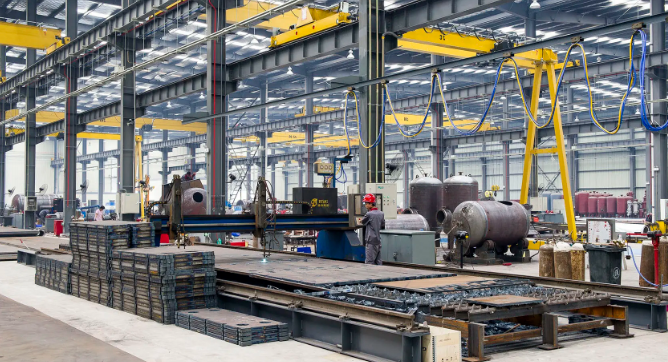
Explore our precision-engineered heat transfer and intelligent fluid control solutions direct from our modern manufacturing facilities.
Unlocking ultimate thermodynamic efficiency in demanding, high-pressure industrial environments.
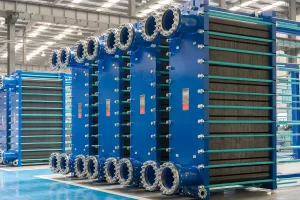
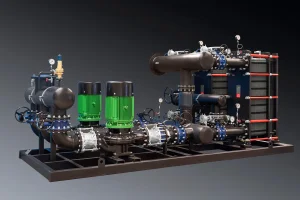
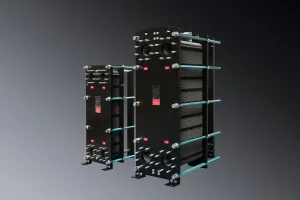
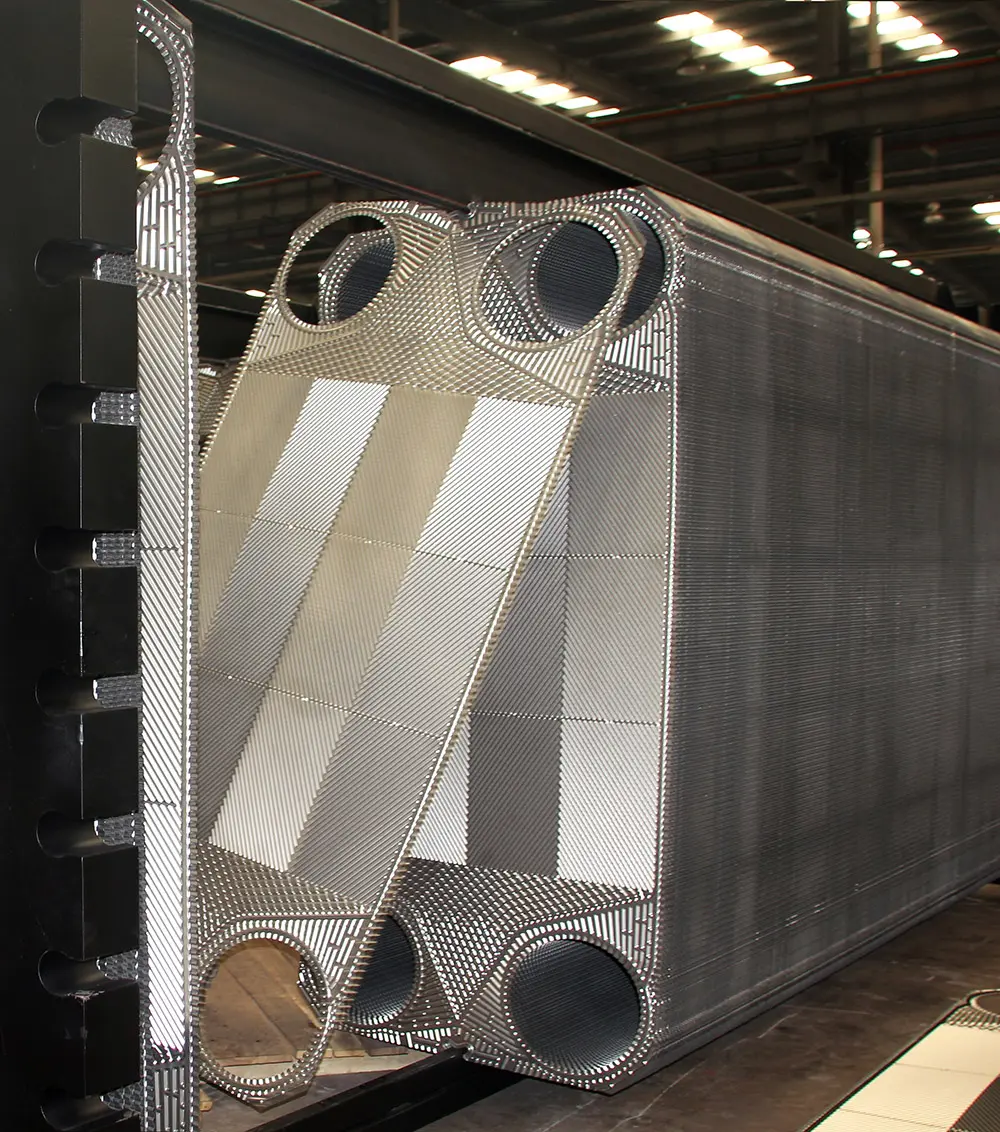
In the modern era of industrial engineering, optimizing thermal efficiency while containing footprint and capital expenditure is the central challenge. The **Packinox Exchanger** represents the absolute pinnacle of large-scale heat transfer technology. Originally developed to meet the demanding requirements of petroleum refining, hydroprocessing, and catalytic reforming, these massive welded plate heat exchangers have redefined how global energy industries handle high-temperature and high-pressure fluid loops.
As a pioneer in thermodynamic innovation, Flotte Energy Saving Company has leveraged three decades of specialized experience (tracing our origins back to Flotte Thermal Engineering in 1995) to master the principles of high-performance plate design. The structural integrity required to contain fluids in high-pressure thermal systems requires advanced metallurgic engineering. By utilising custom-corrugated plates made of high-grade stainless steel, titanium, and other specialized alloys, modern Chinese manufacturing hubs provide high-pressure plate heat exchangers that balance extreme operational limits with cost stability.
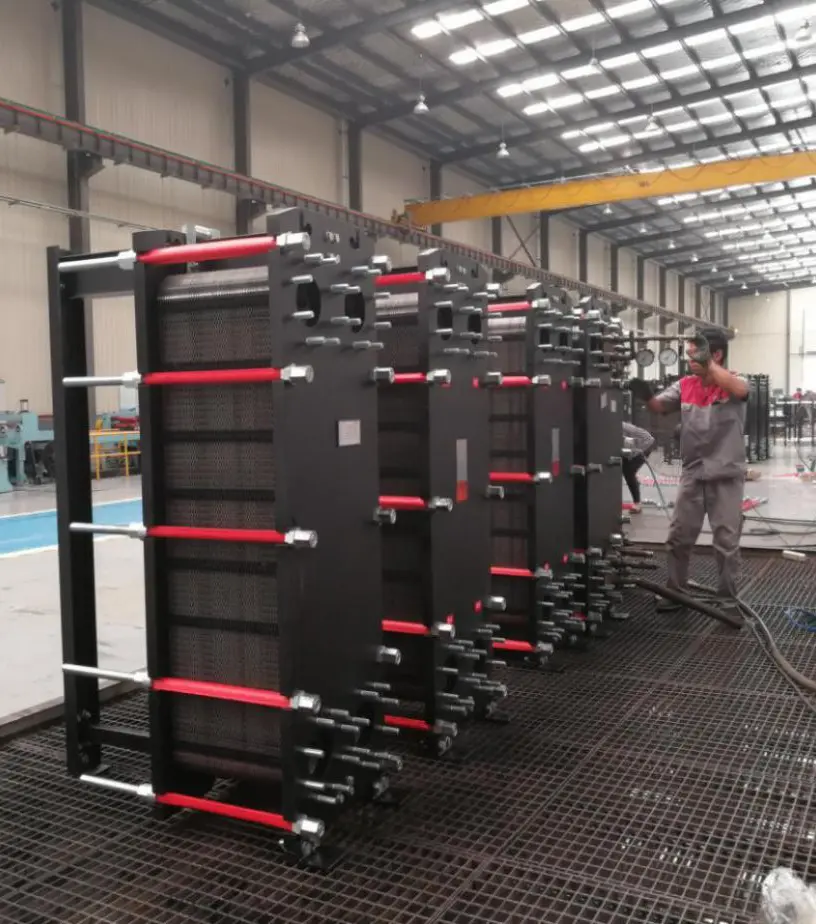
The role of a modern *Packinox Exchanger Factory* is not just to form metal, but to guarantee process reliability. High-pressure processes like catalytic reforming demand zero leakage and minimal scaling. We implement automated precision stamping, multi-stage water pressure detection, and strict metallurgical verification protocols to ensure that every system deployed under our manufacturing oversight operates with structural resilience and optimal thermal conversion.
How Chinese manufacturing infrastructure delivers scale, precision, and technological integration.
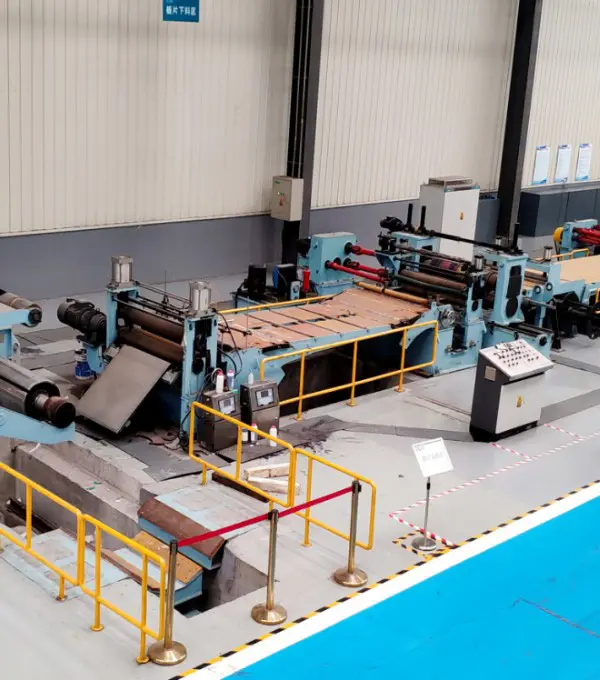
Chinese industrial hubs integrate raw material sourcing (high-grade stainless steels, Hastelloy, Titanium) with advanced cold-rolling and precision toolmaking. This reduces production lead times and insulates international buyers from volatile material costs.
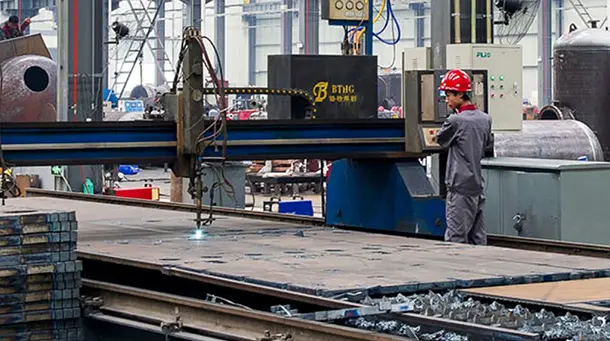
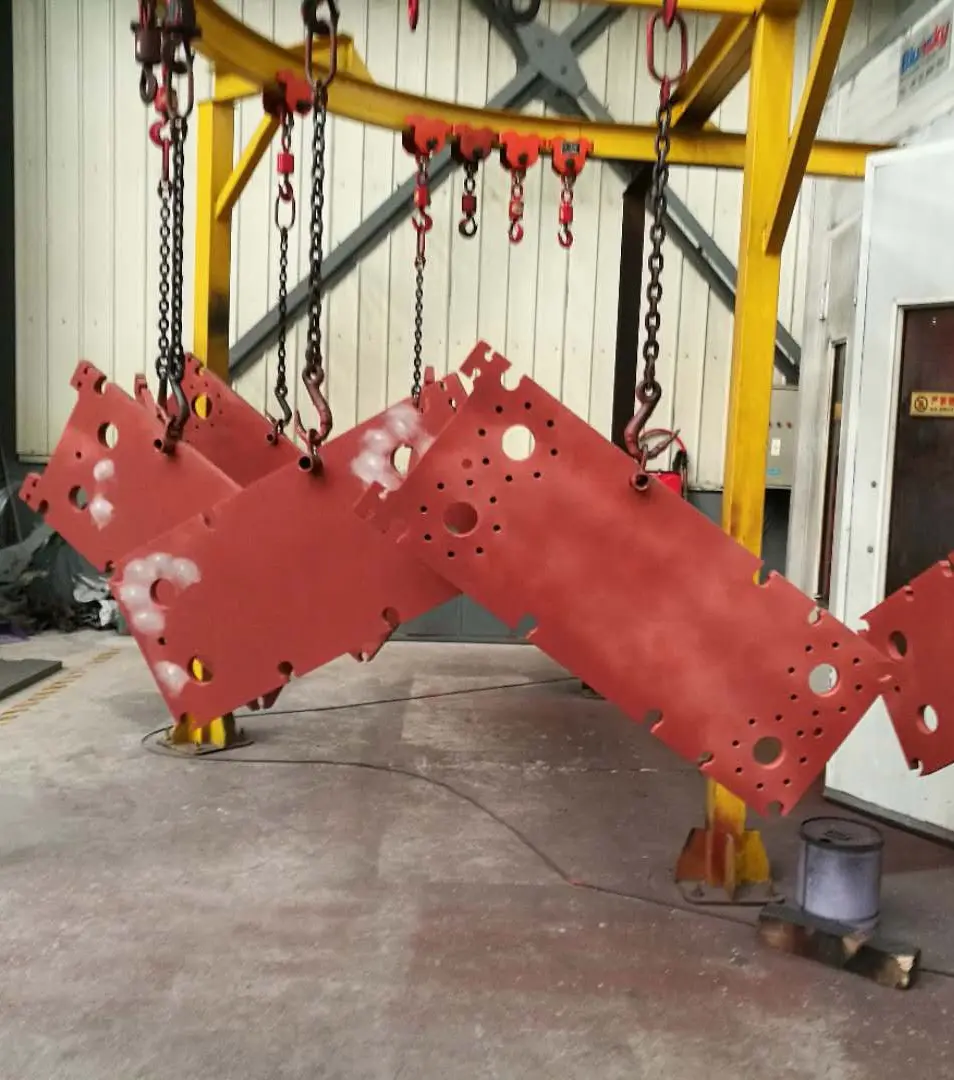
With robotic laser welding and giant hydraulic presses (achieving tens of thousands of tons of force), Chinese manufacturing plants produce deep-corrugation, large-format plates with flawless micro-structures that withstand intense pressure fluctuations.
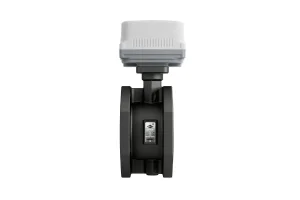
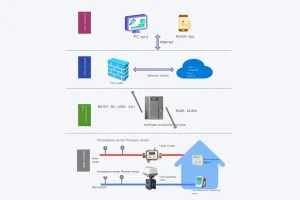
Instead of supplying isolated hardware, modern Chinese factories integrate IoT sensory units, including secondary network intelligent units and room temperature collectors, enabling automated energy conservation and real-time remote telemetry.
Standardized, ISO-compliant workflows ensure the physical and thermal integrity of every unit.
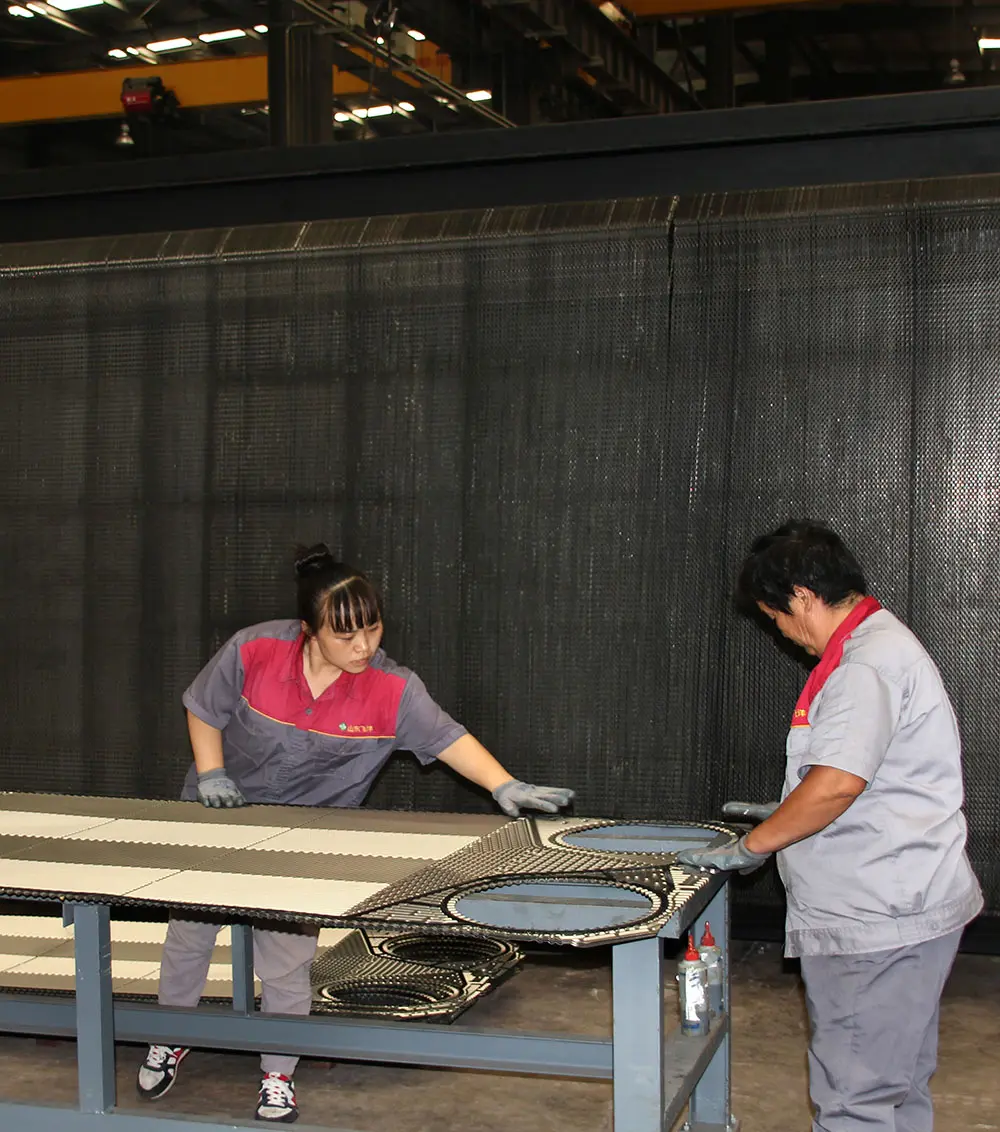
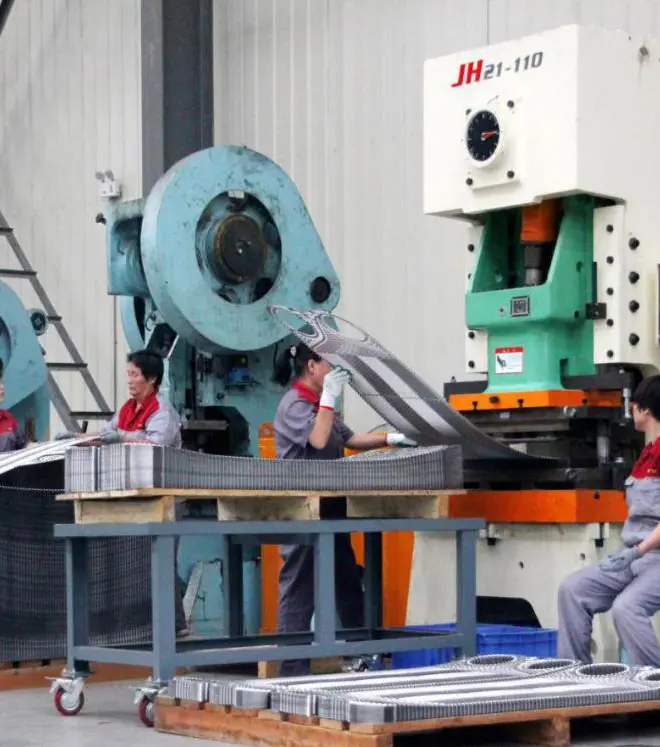
Deploying specialized thermal exchange hardware across diverse global sectors.
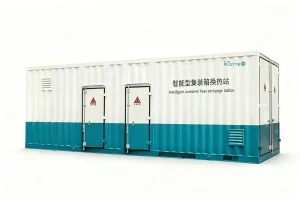
In modern centralized heating systems, large-scale plate heat exchangers isolate primary municipal boiler networks from building terminal loops. This protects downline residential infrastructure from pressure spikes while ensuring highly responsive and comfortable winter temperature regulation.
Refineries rely on Packinox exchangers to perform catalytic reforming and hydrotreating at extreme temperatures. High-pressure separation and heat integration optimize fuel yield and conserve operational energy.
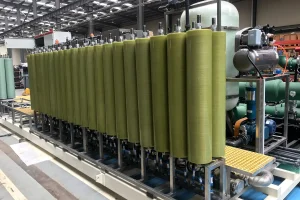
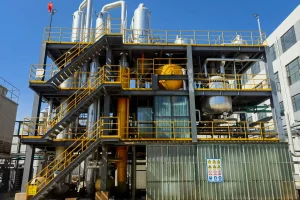
Utilizing high-performance membrane concentration and multi-effect evaporation loops, industrial facilities separate salts and heavy organic compounds from wastewater, supporting clean water reuse and zero-liquid-discharge (ZLD) mandates.
Key metrics for international procurement managers sourcing from industrial heat exchanger factories.
Procuring a large industrial exchanger is a long-term capital commitment. Engineering teams must review not only the initial purchase price, but the lifetime operational costs, thermal degradation curves, and pressure-drop profiles. Key design parameters include the choice of plate material (such as Grade 1 Titanium for corrosive marine cooling, or Duplex Stainless Steel 2205 for high-chloride chemical loops), weld reliability, and ease of maintenance.
Furthermore, compliance with local regional pressure vessel codes (such as ASME Section VIII in North America, PED 2014/68/EU in Europe, or GB150 in China) is essential. Our production facilities maintain rigorous document control, raw material certification (MTRs), and non-destructive testing (NDT)—including radiographic, ultrasonic, and helium leak testing—to simplify local compliance and guarantee operational safety.
Clear answers to critical engineering, manufacturing, and procurement questions.
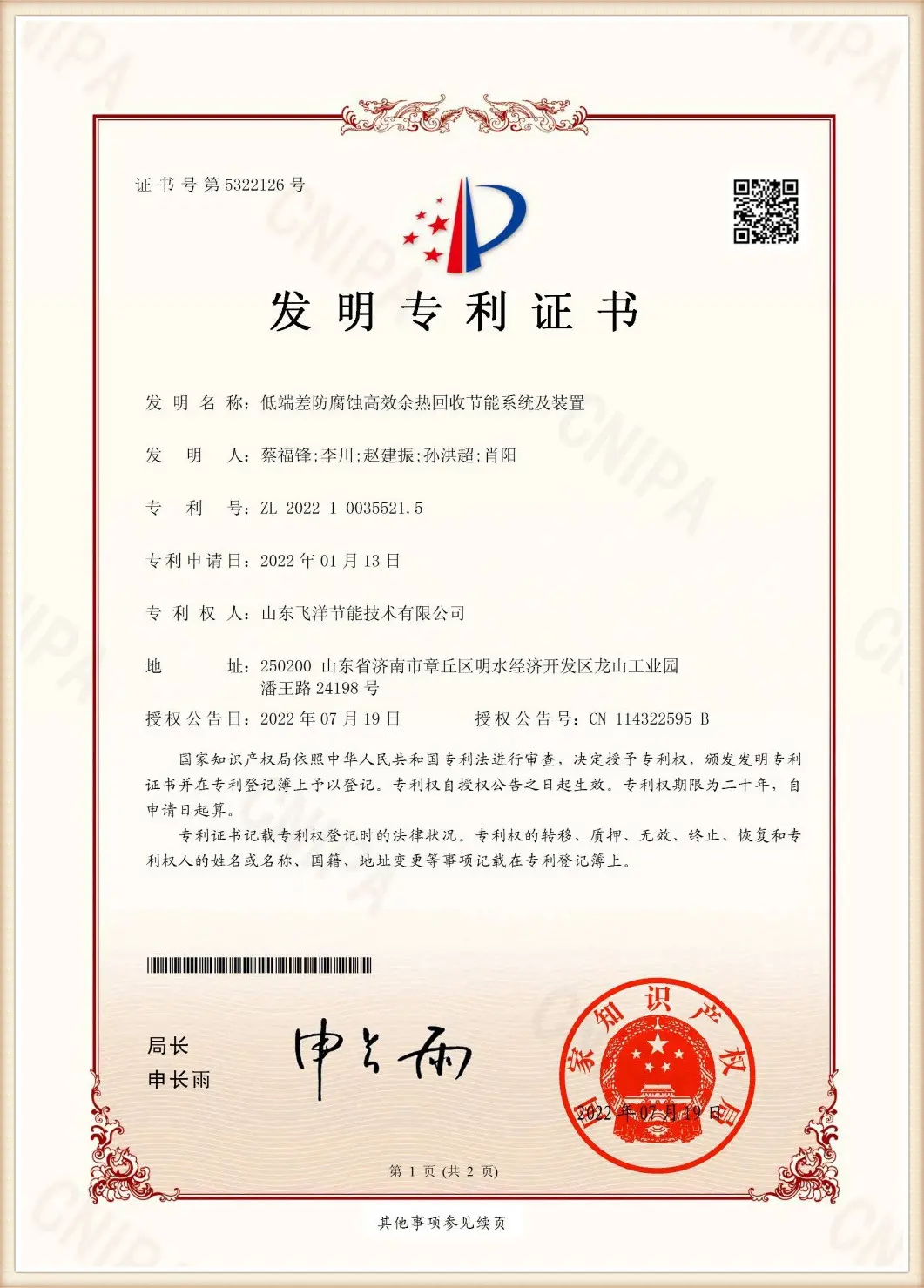
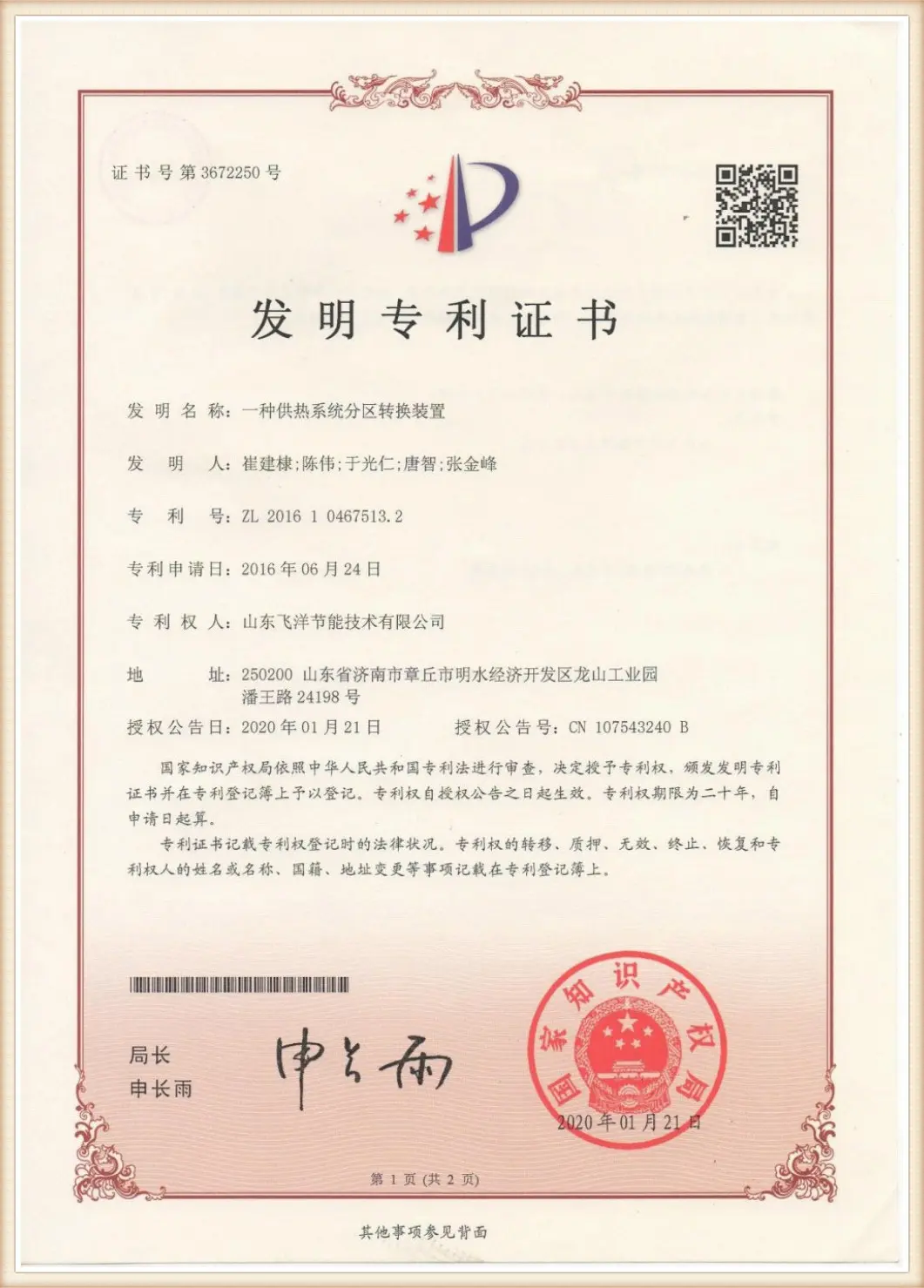
Verified quality systems and manufacturing capabilities that meet international engineering standards.
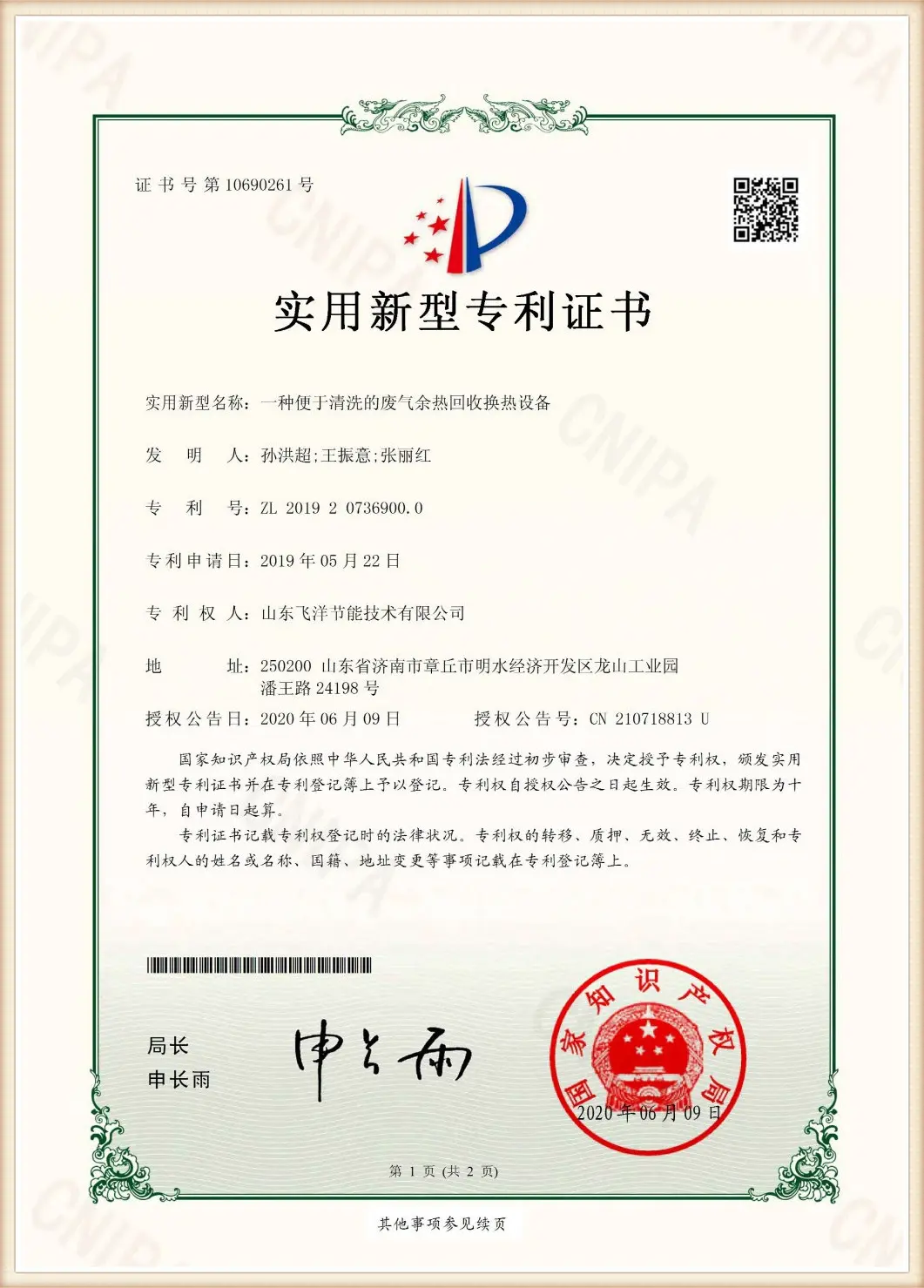
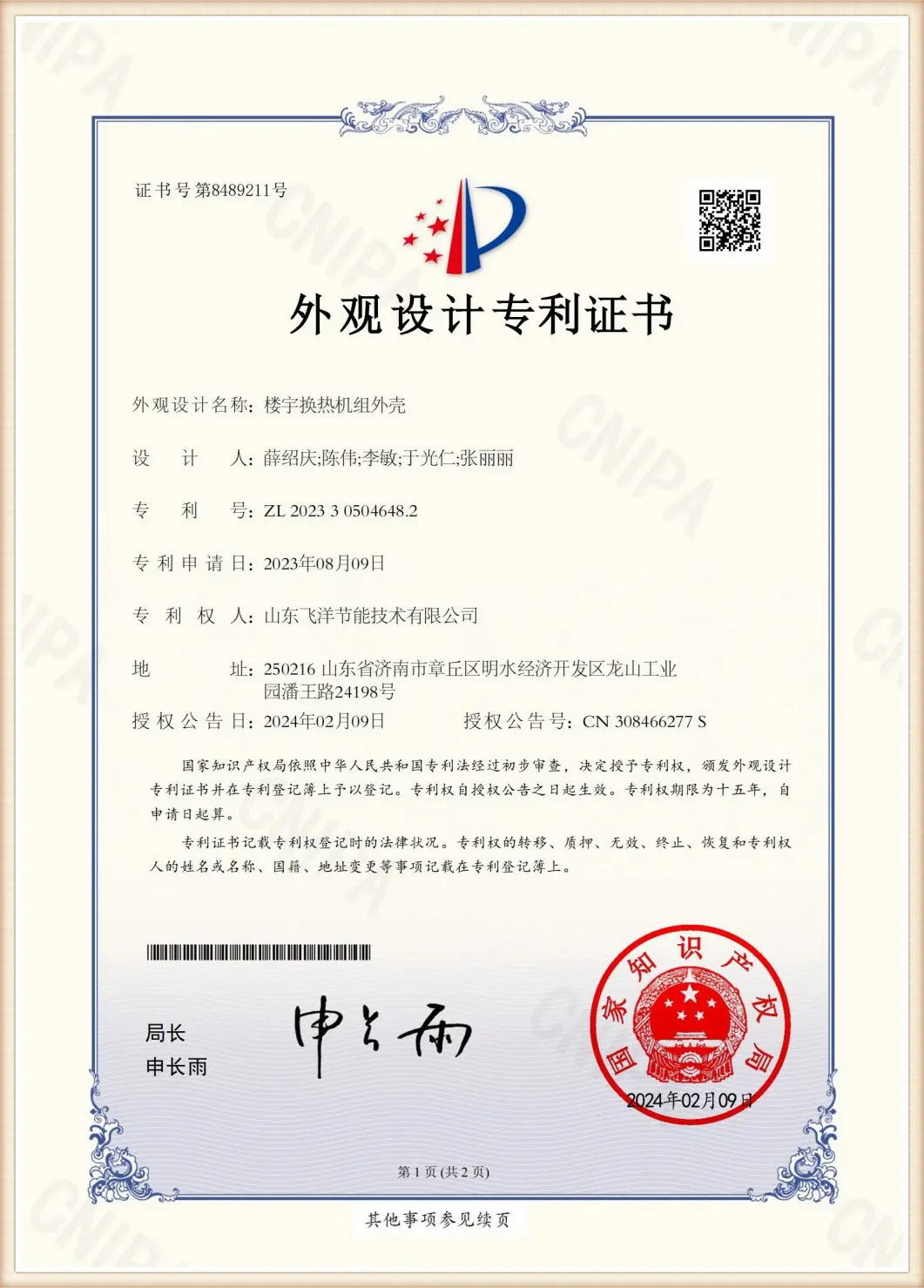

Explore our advanced heating systems, secondary network control components, and custom water purification units.
 Flotte Energy