Wholesale Pharmaceutical Industry Wastewater Treatment Factory & Exporter

Innovative Zero Liquid Discharge (ZLD), Modular Evaporation, and Advanced Membrane Systems engineered by Flotte Energy Saving Company. Delivering compliance and resource recovery worldwide.

Chapter 1: The Critical Challenge

Complexities of Pharmaceutical Industry Wastewater

Understanding the chemical structures, active pharmaceutical ingredients (APIs), and compliance frameworks driving advanced treatment technologies.

Wastewater generated by the pharmaceutical industry is recognized globally as one of the most challenging streams to treat. Unlike municipal or standard food-processing effluents, pharmaceutical runoff contains highly resilient contaminants, including Active Pharmaceutical Ingredients (APIs), synthetic organic intermediates, complex chemical reagents, solvents, and heavy metals. Treating these components is crucial to prevent bioaccumulation and the proliferation of antibiotic-resistant bacteria (superbugs) in natural aquatic systems.

Refractory COD/BOD Loadings

Pharmaceutical waste stream characteristics are marked by exceptionally high Chemical Oxygen Demand (COD) paired with low Biochemical Oxygen Demand (BOD) ratios. This gap indicates the presence of non-biodegradable and toxic materials, making biological treatment methods alone ineffective.

Anti-Microbial Compounds

The disposal of antibiotic residues and synthetic biocides into effluent systems inhibits conventional activated sludge processes. Specialized, high-performance treatment technologies are required to neutralize these antimicrobial pathways effectively.

Regulatory Pressure & EHS

Regulatory agencies such as the US EPA, EMA, and China’s MEE enforce strict limits on trace chemical discharges. Achieving zero-pollution goals requires companies to transition to reliable Zero Liquid Discharge (ZLD) configurations.

Corporate Overview & Trust

Flotte Energy Saving Company: Three Decades of Thermal Engineering

Establishing standard-setting thermal, water purification, and industrial scale HVAC systems for the global processing industries since 1995.

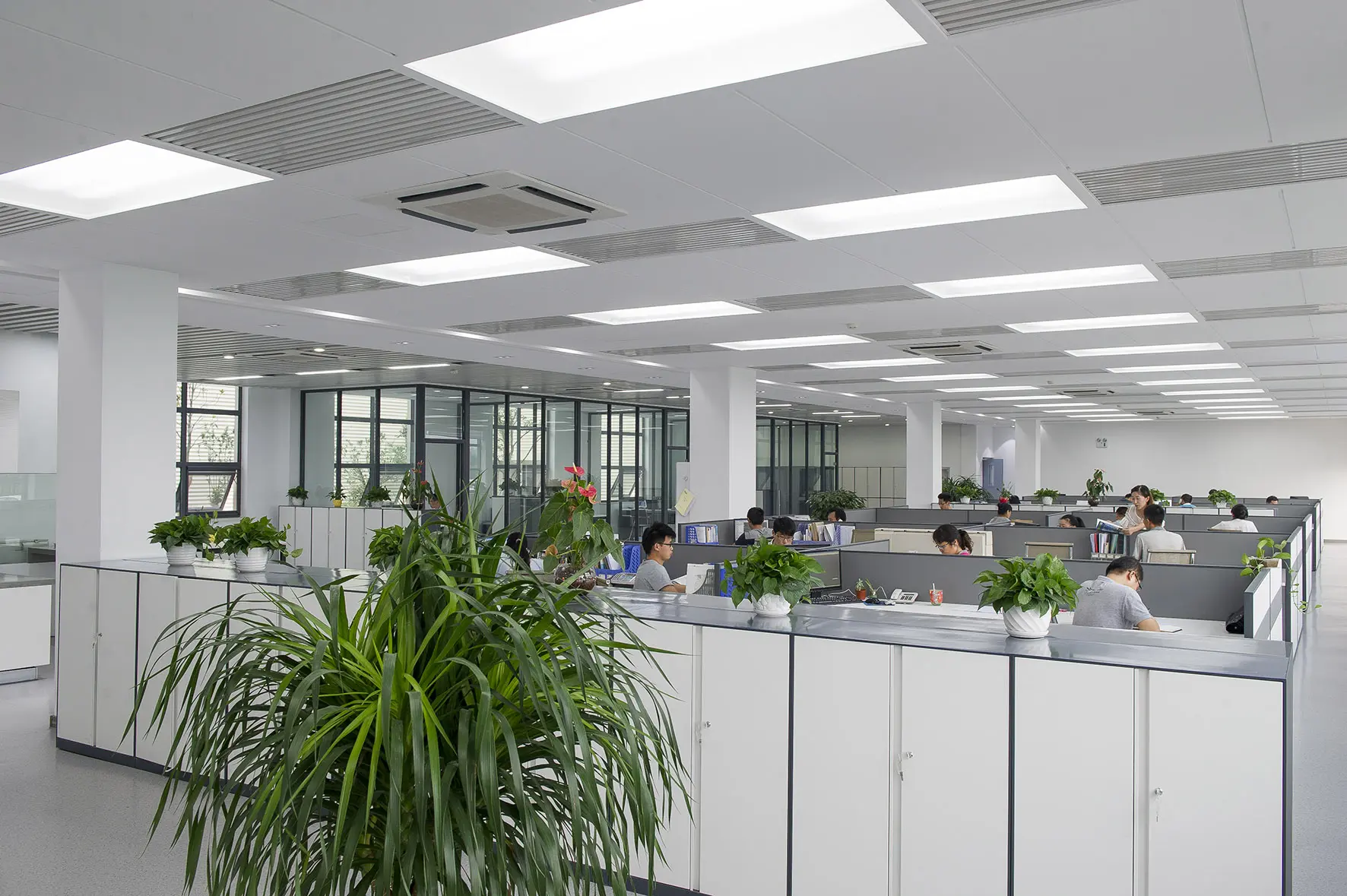
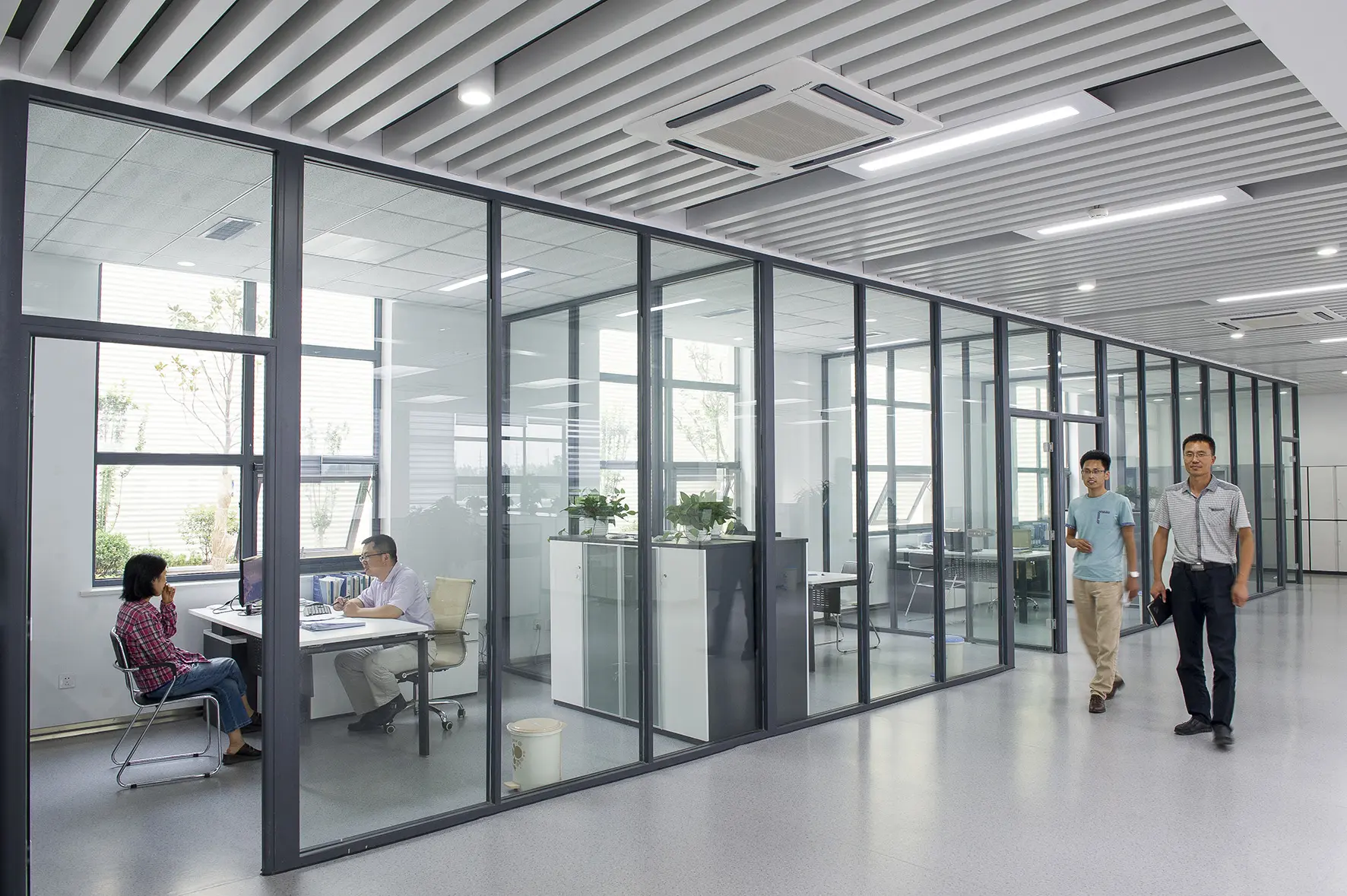
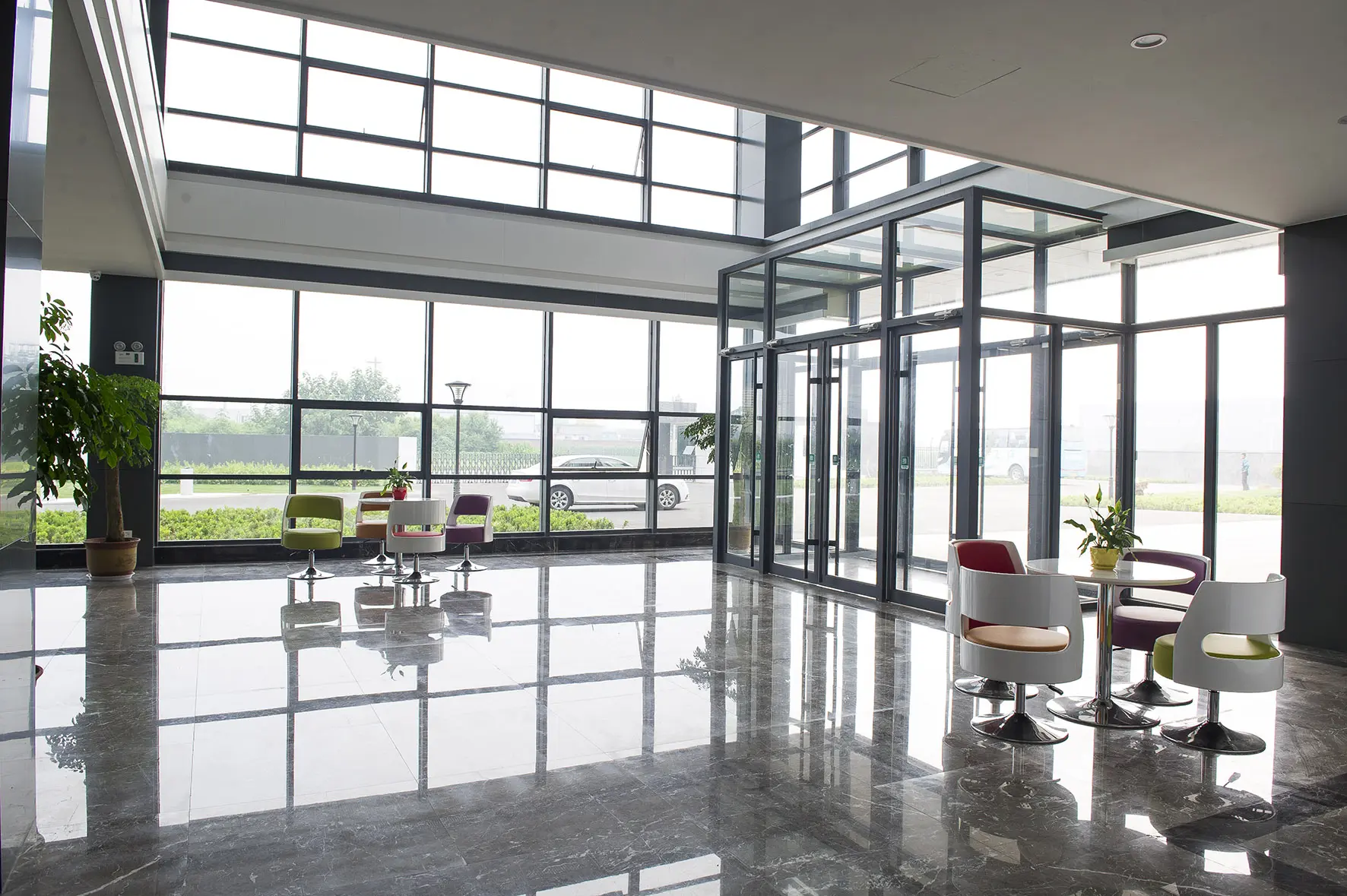
Flotte Energy Saving Company, established in 2013 with a registered capital of 101 million yuan, originated from Flotte Thermal Engineering founded in 1995. With three decades of technical expertise, the company specializes in water equipment, HVAC systems, and water treatment industries. It consistently leads industry peers in adopting cutting-edge technologies, developing innovative products, and delivering comprehensive production and sales services.
30+
Years of Manufacturing Excellence
101M
Registered Capital (RMB Yuan)
70,000㎡
State-of-the-Art Factory Area
2,000+
Annual Production Volume (Units)
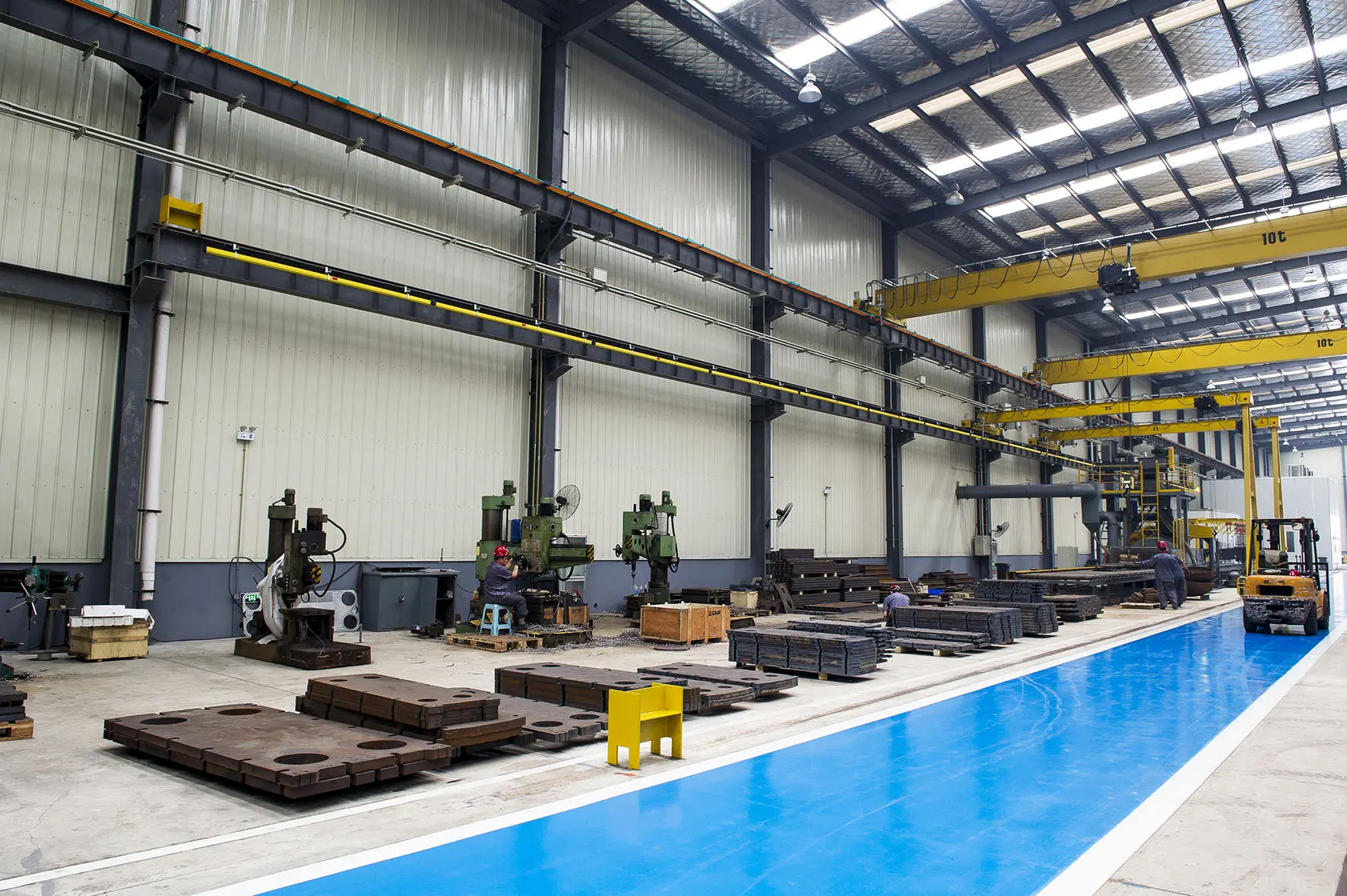
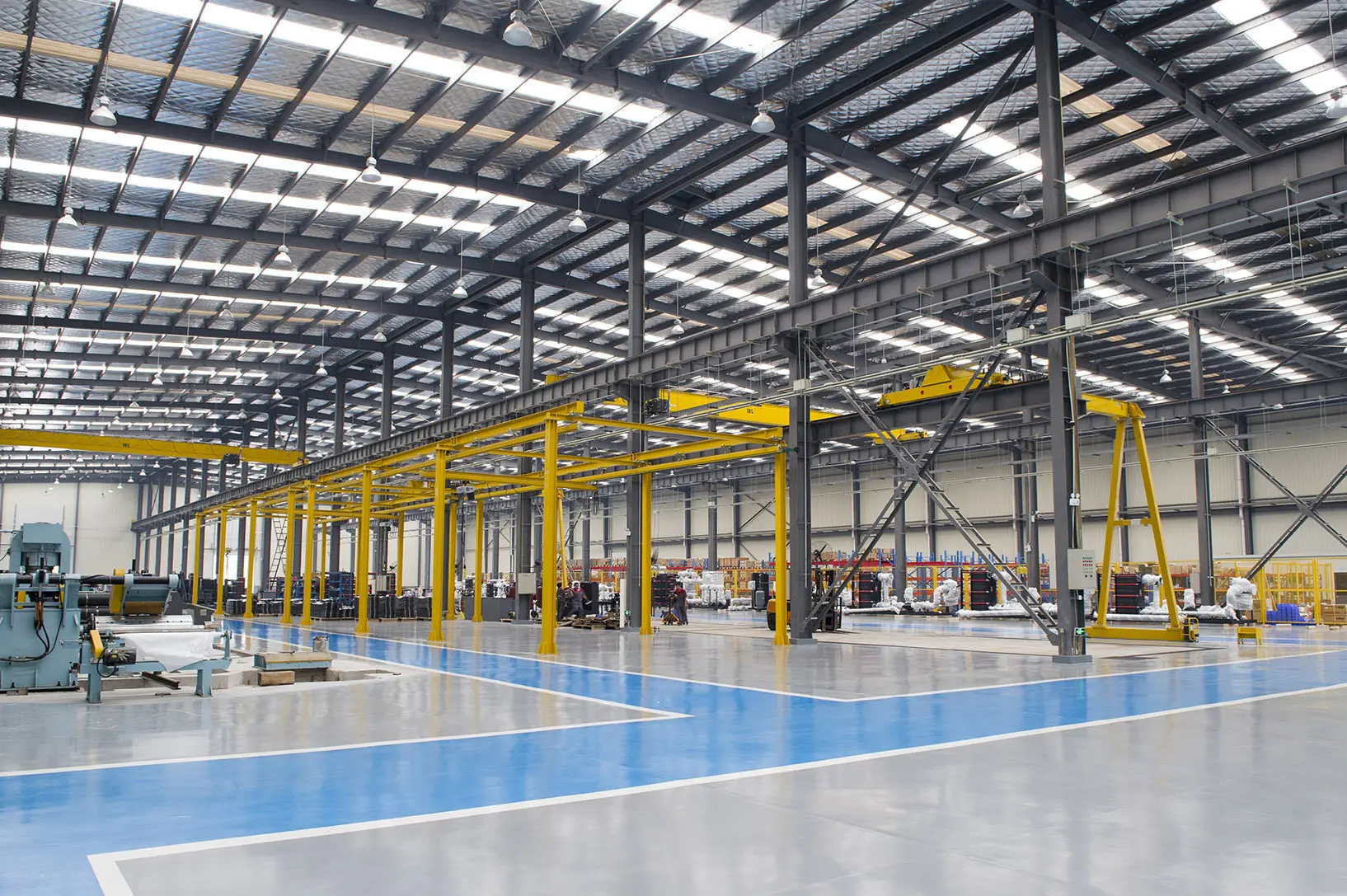
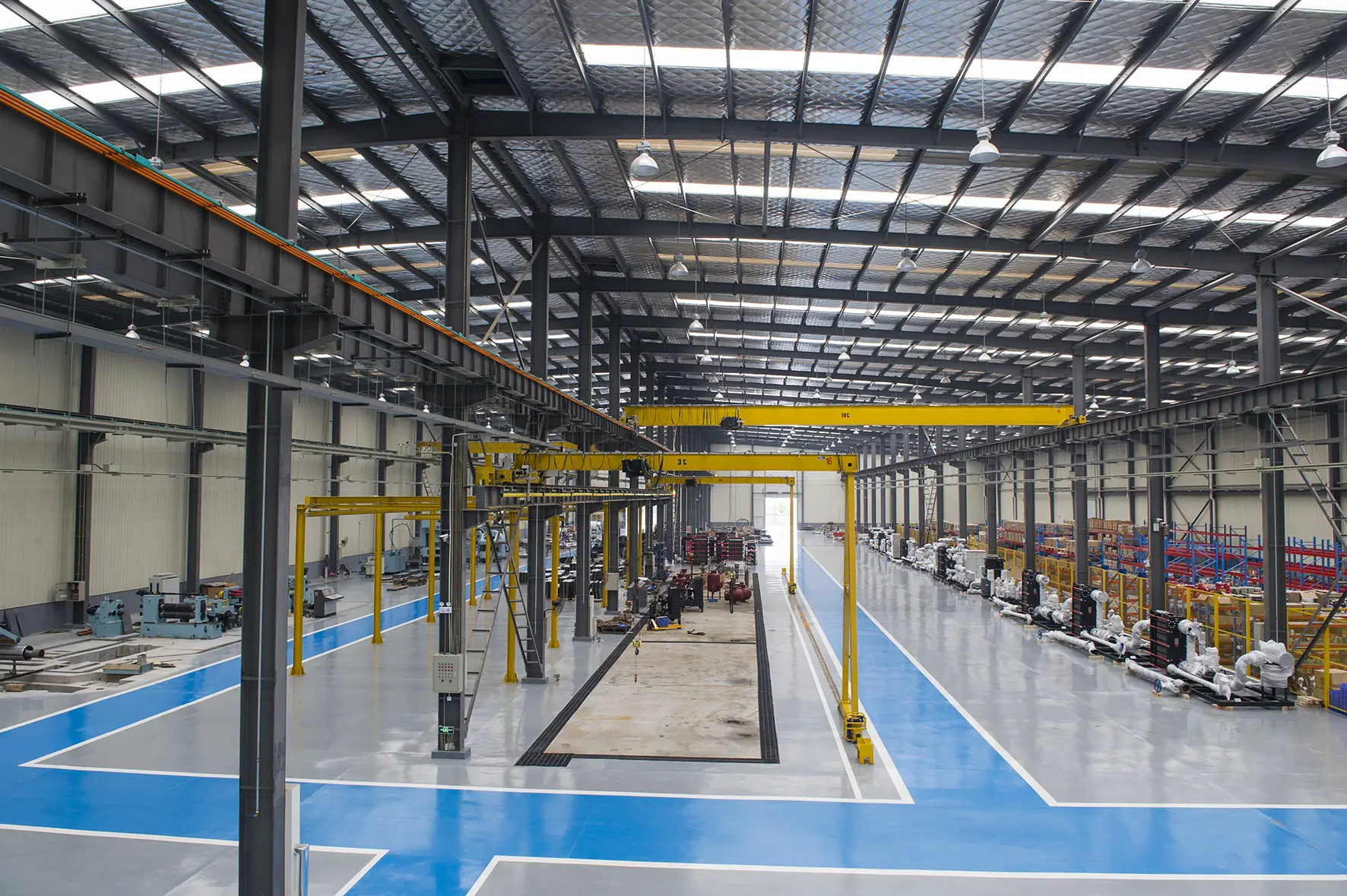
Our industrial capabilities support demanding chemical and pharmaceutical facilities worldwide. The company operates modern production workshops equipped with advanced manufacturing and quality inspection facilities. All frontline production staff are certified technicians who have undergone rigorous formal training. Production processes, quality control, and service operations strictly adhere to the ISO 9001:2015 international quality management system, while also complying with the pressure vessel quality assurance framework. Our products undergo mandatory inspections by national quality supervision authorities, ensuring full compliance with performance standards.

Certified Enterprise Standards & Engineering Quality

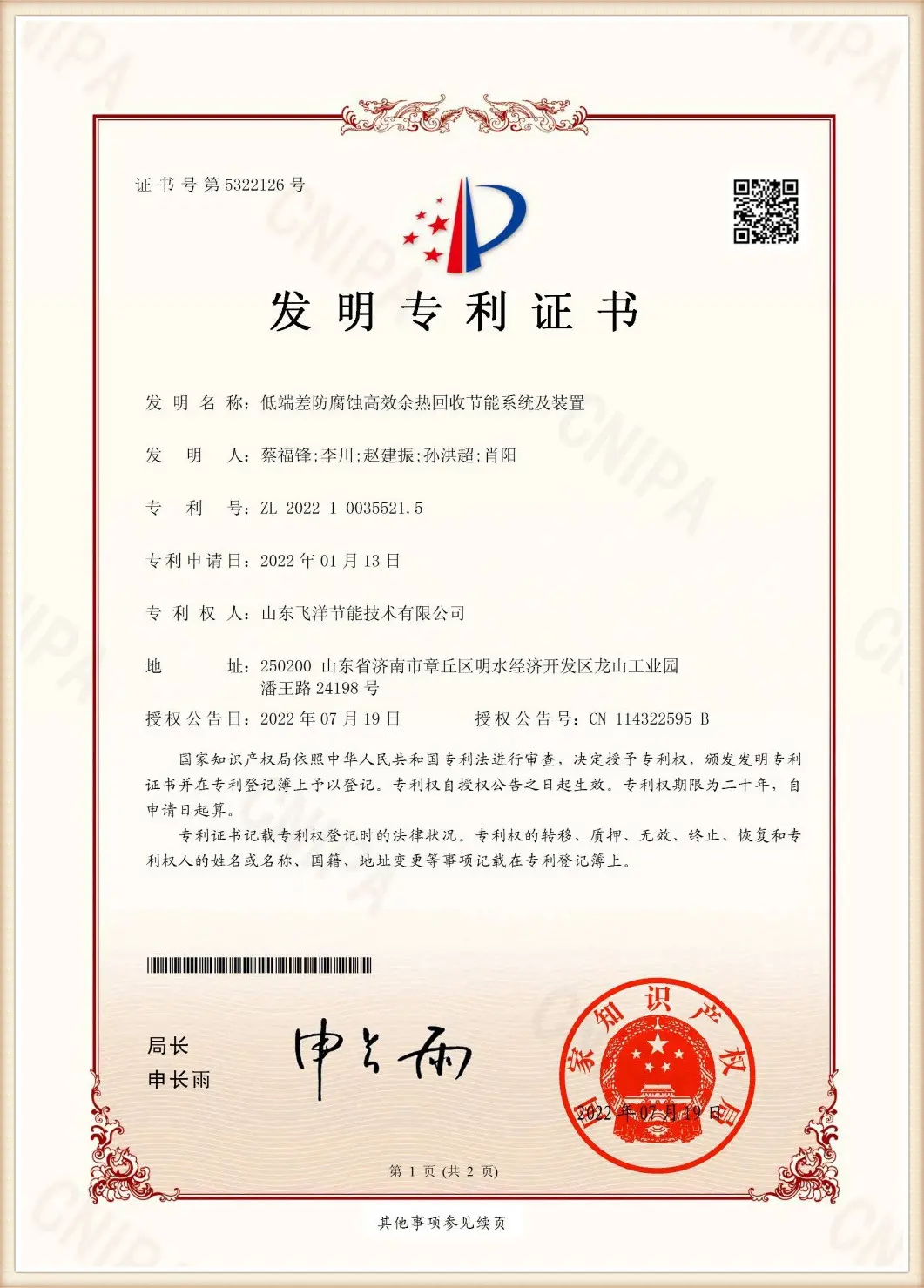
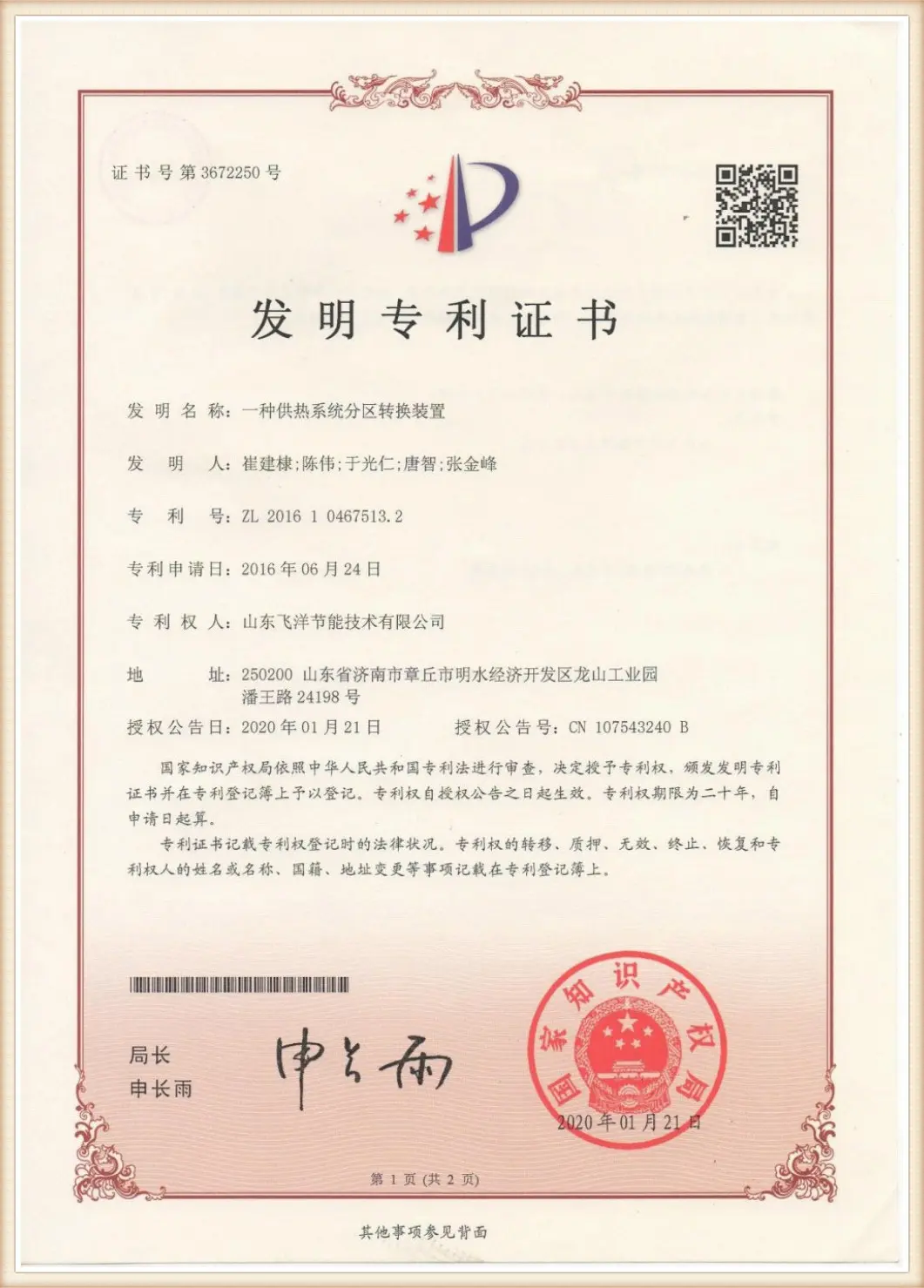
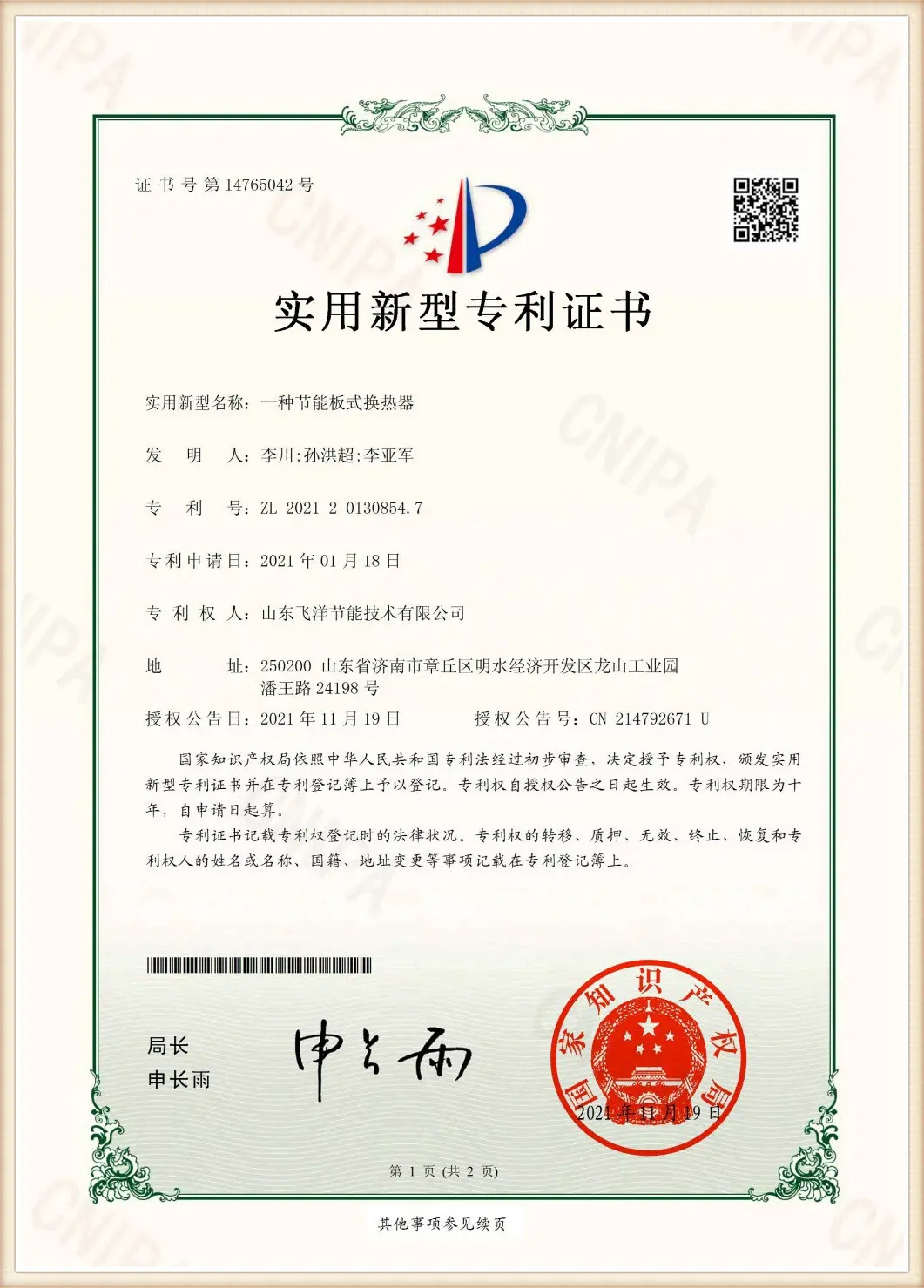
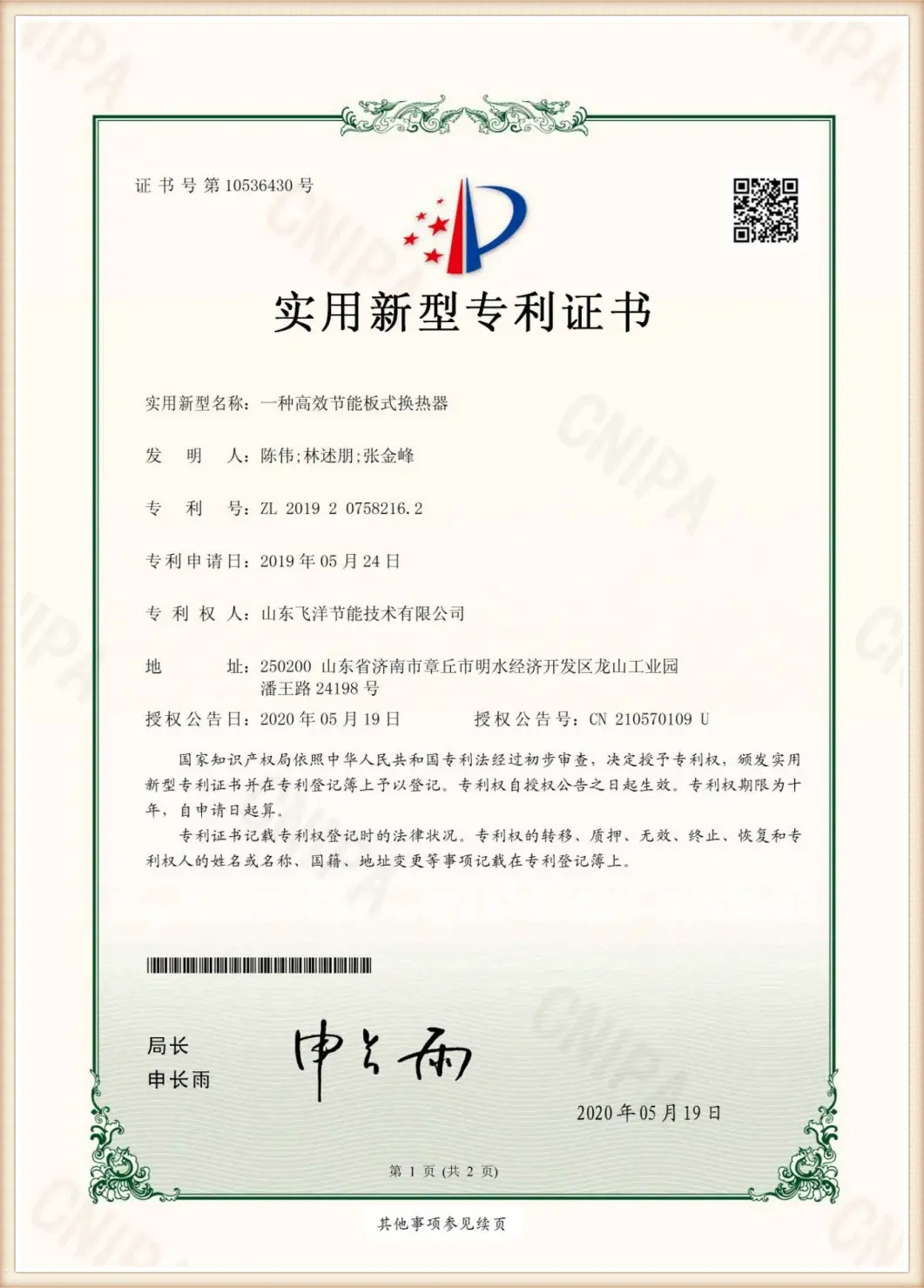
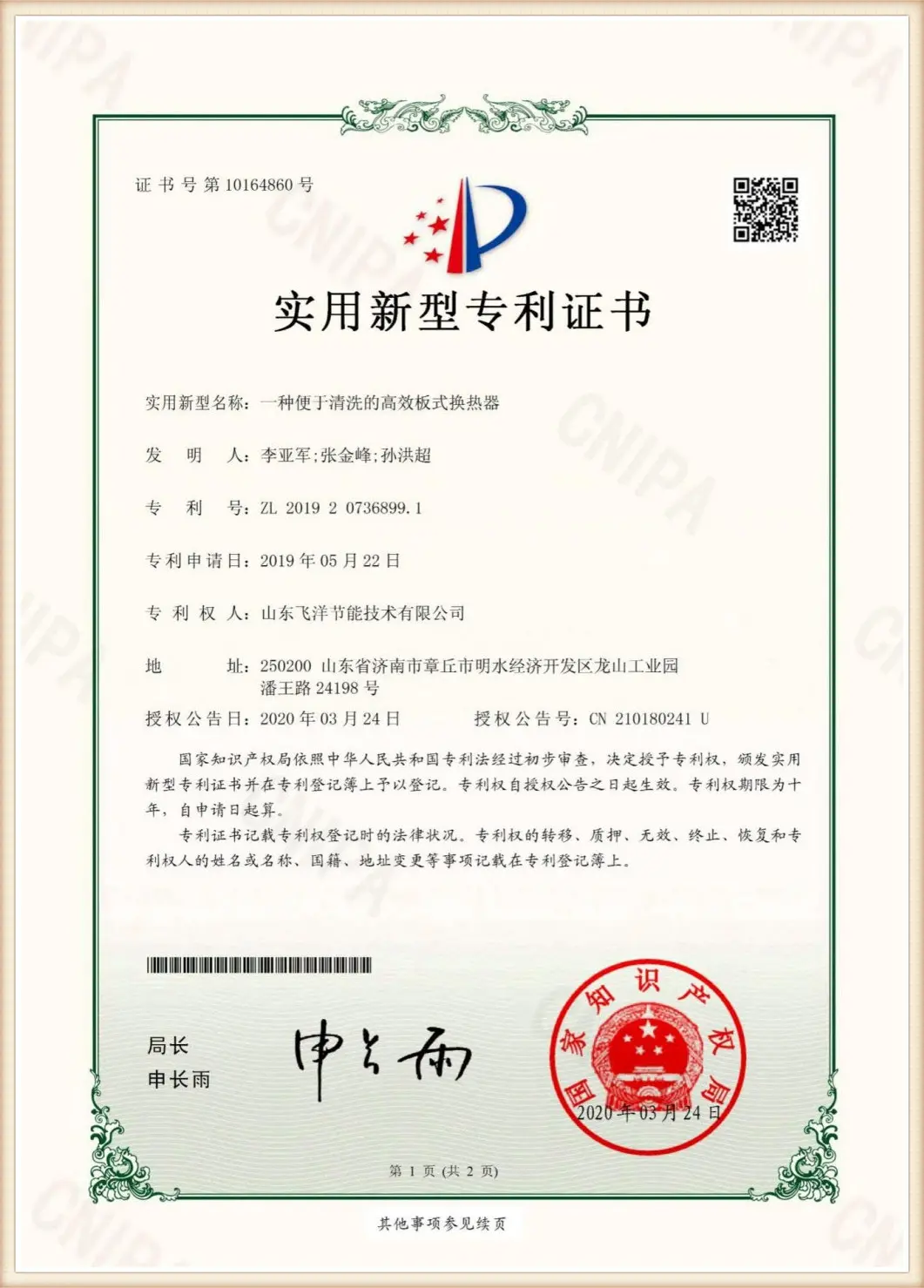
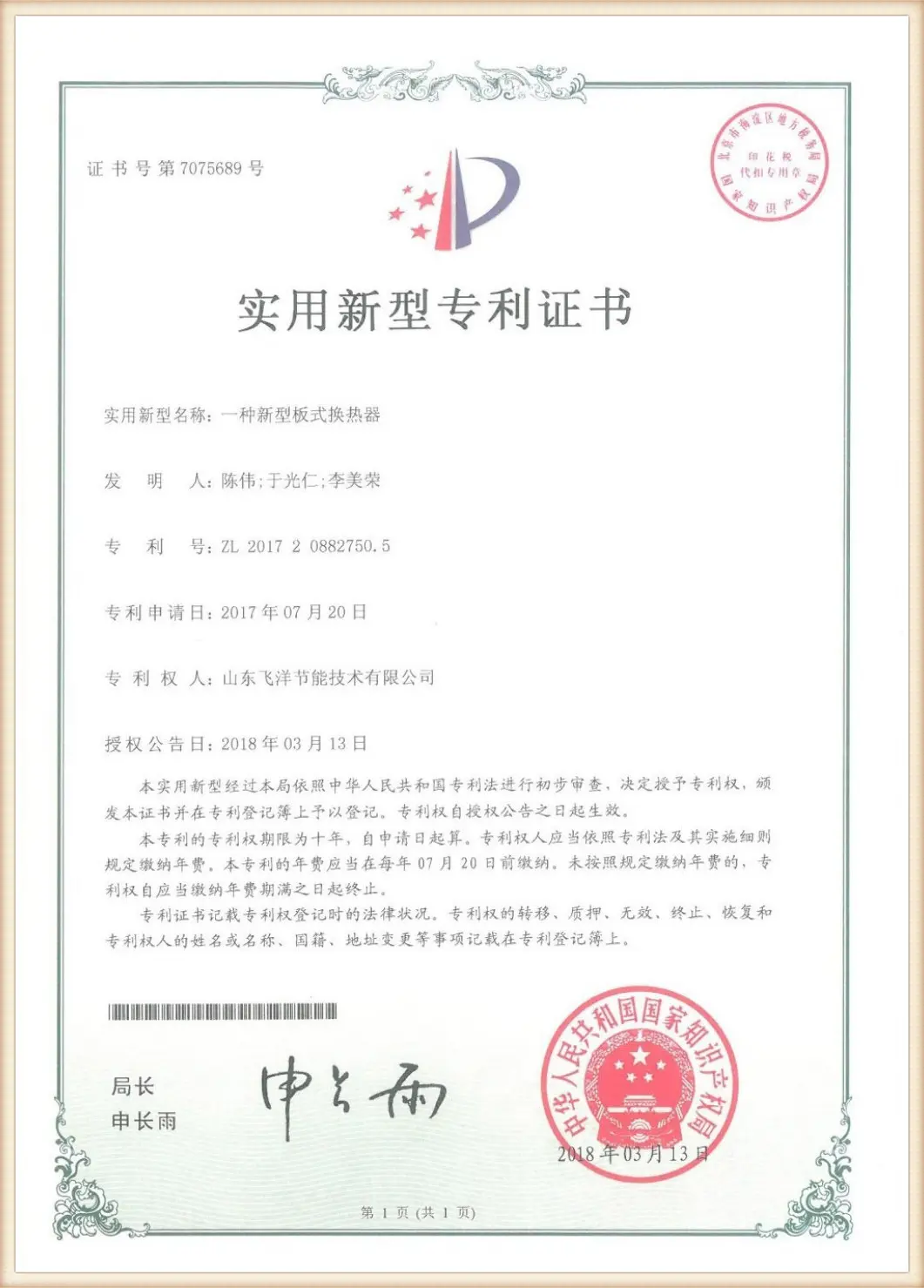
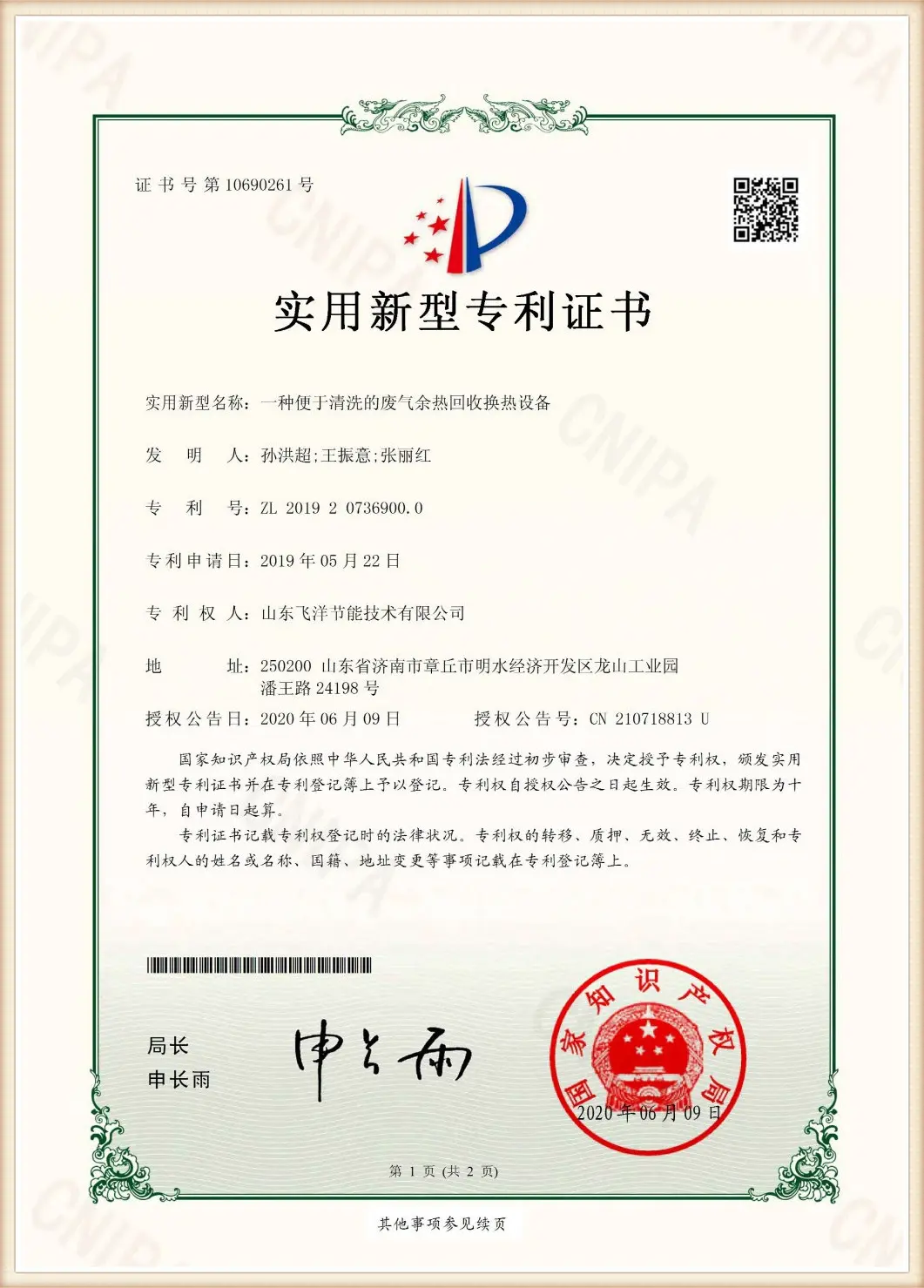
Our advanced research and development department maintains several key patents, including the "High-Efficiency Plate Heat Exchanger", "Intelligent Plate Heat Exchanger System", and "Plate Heat Exchanger Scale Removal Device".
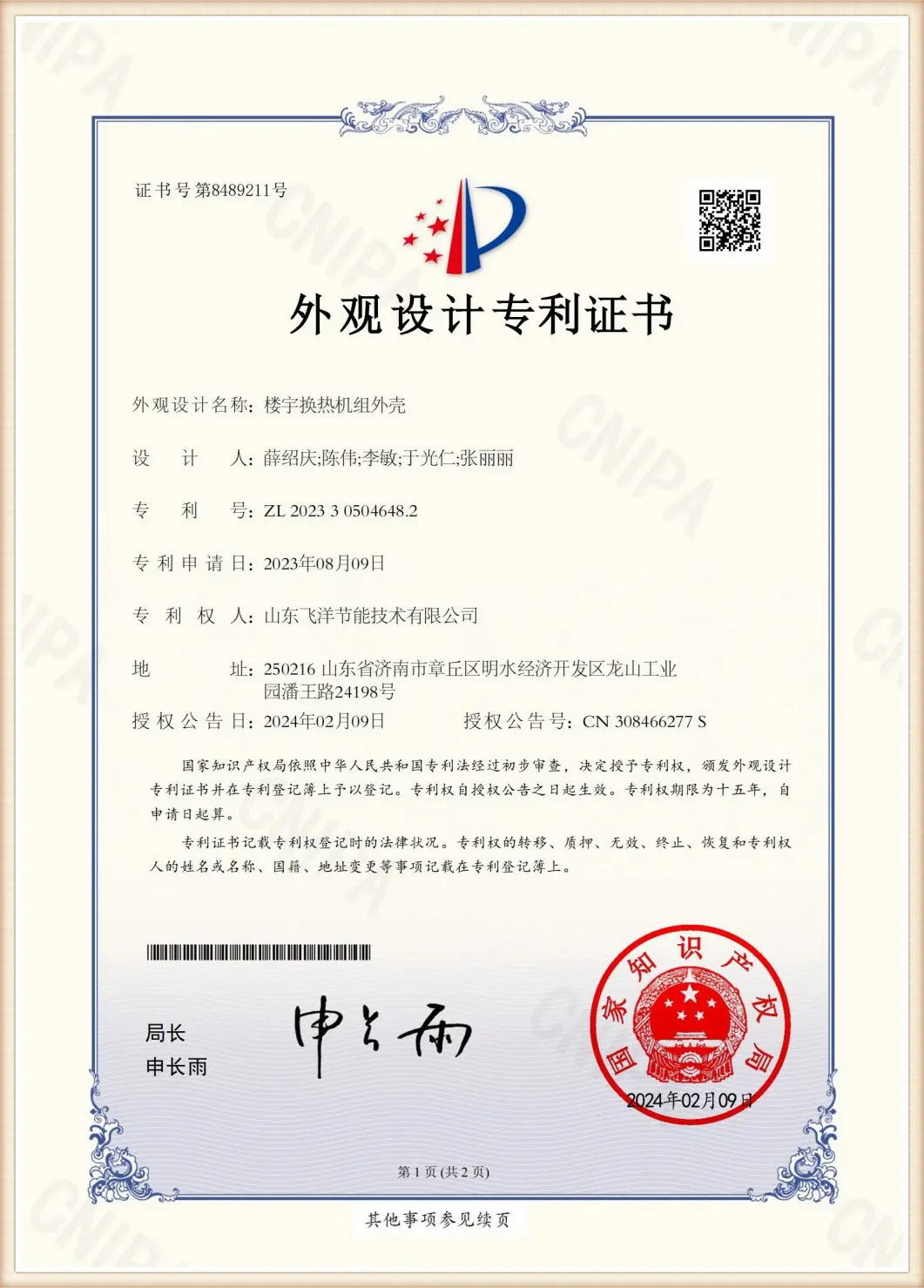
Flotte Quality Certificate
Flotte Pressure Registration
Flotte Patent Certificate
Flotte ISO Certificate
Flotte Environmental Certification
Flotte Health and Safety Certification
Flotte Compliance Document
Flotte Industry Registration Document
Chapter 2: Global Trends

Global Procurement Demands and Growth Trends

How leading multinational pharmaceutical corporations are aligning their sourcing strategies with low-carbon emissions and stringent purification efficiency.

Global pharmaceutical procurement strategies are shifting towards integrated, modular systems that optimize chemical and thermal efficiency. Evolving trends indicate that purchasing decisions are no longer determined solely by initial capital expenditure (CAPEX), but rather by overall operational life-cycle cost (OPEX), energy efficiency, and compliance guarantees.

Advanced Zero Liquid Discharge (ZLD)

Zero Liquid Discharge processes minimize environmental impact by processing wastewater to recover purified water and dry salt solids. MEE (Multi-Effect Evaporators) and advanced crystallizers are central to achieving ZLD compliance in modern processing plants.

Corrosion-Resistant Material Sourcing

Because pharmaceutical waste streams contain high chloride loads and aggressive acids, systems must incorporate advanced materials. Modern configurations utilize premium titanium, Hastelloy, and 316L stainless steel plates to ensure long-term durability and prevent leakage.

Intelligent Digital Monitoring

Global procurement teams prioritize systems integrated with Smart PLC control networks. Automated control systems track flow rates, adjust pressure, monitor thermal efficiency in real time, and alert operators to scaling issues before they disrupt operations.

Chapter 3: Macro Solutions

System Integration: The Comprehensive Wastewater Solution

Combining high-performance membrane concentration, multi-effect evaporation, and thermal management to achieve optimal purification.

Effective pharmaceutical wastewater treatment depends on integrating physical separation, thermal concentration, and chemical recovery. Flotte provides custom configurations designed for specific production environments.

The Combined Thermal-Membrane Treatment Loop

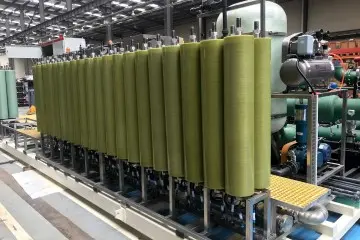
Typical pharmaceutical wastewater treatment starts with biological filtration and chemical oxidation to remove organic matter. The remaining dissolved solids, salts, and non-biodegradable compounds then enter our Membrane Concentration Systems. High-pressure nanofiltration and reverse osmosis membranes concentrate the brine stream, separating clean water for reuse and reducing the volume sent to downstream treatment.

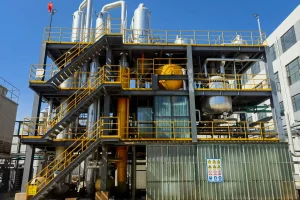
The remaining concentrated effluent is routed to a Multi-Effect Evaporation (MEE) System. By utilizing sequential vacuum vessels, steam from one stage heats the next, minimizing energy use. The final concentrated sludge is processed through crystallization to produce dry salts and pure water distillate.
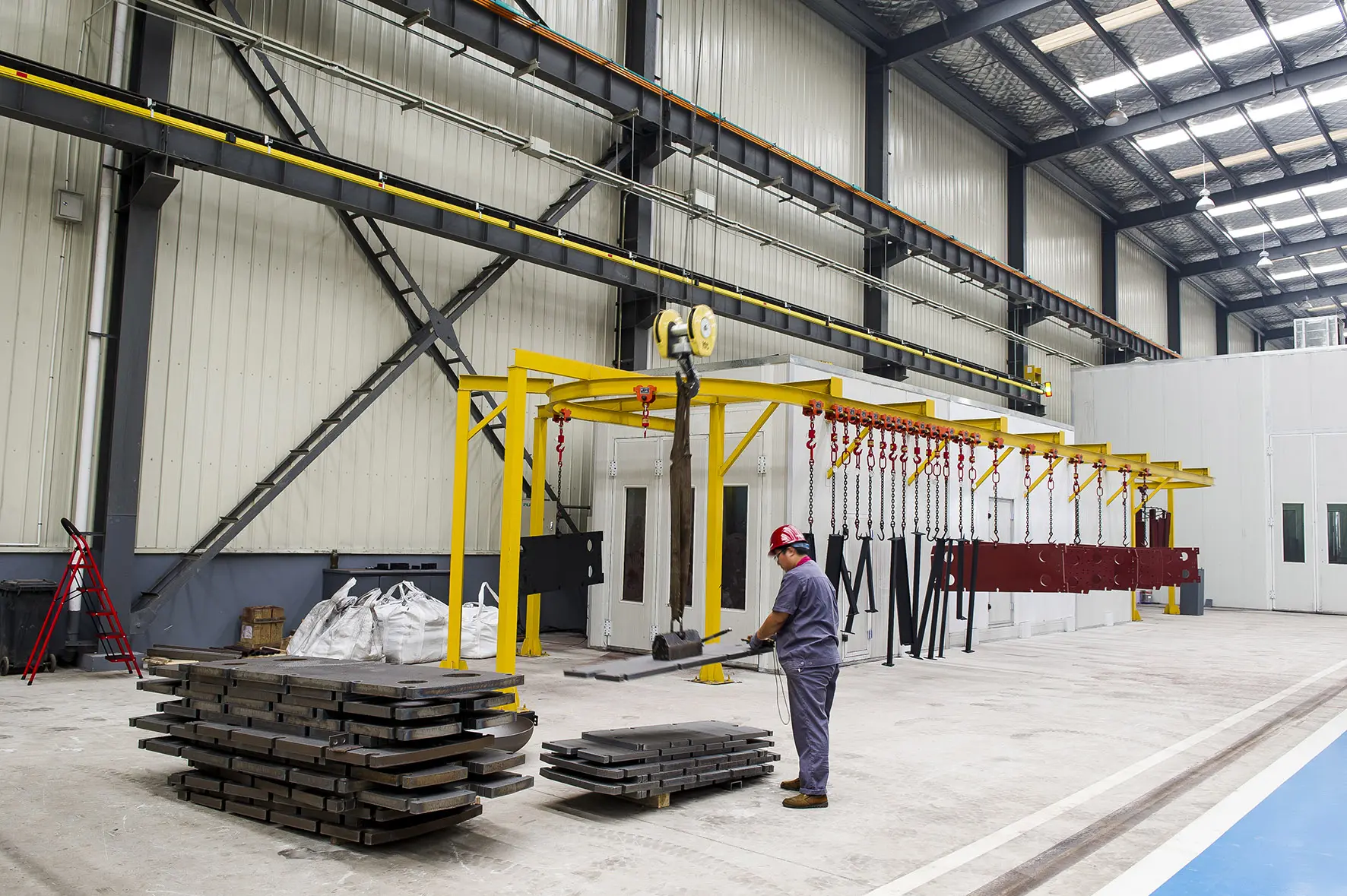
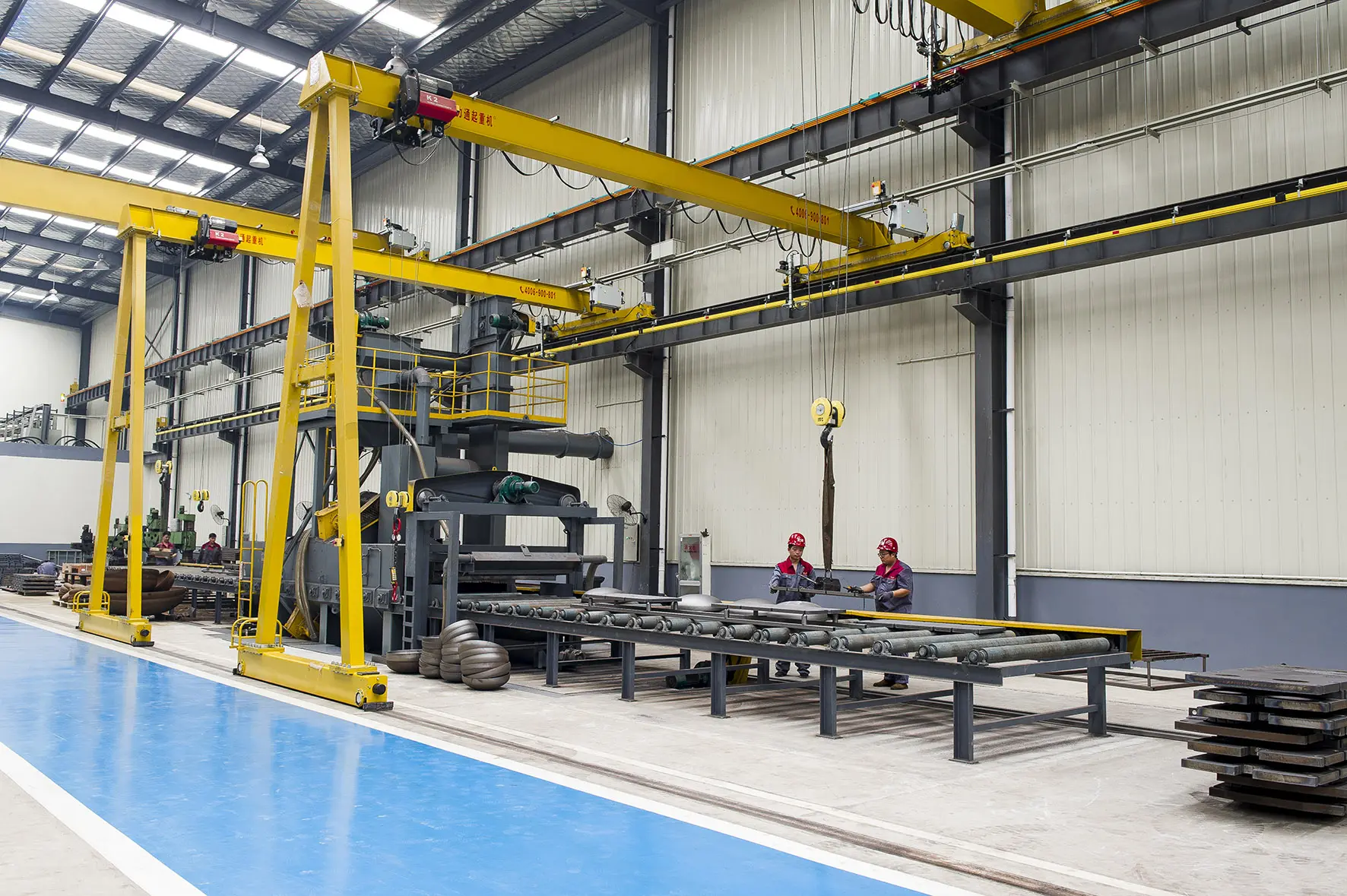
State-of-the-Art Production & Factory Infrastructure

Flotte Workshop Processing Area

Heavy Machining Hall

Flotte Advanced Assembly Line

Precision Assembly Station

Flotte Testing Lab

High Pressure Testing Lab

Flotte Raw Materials Stock

Titanium & Alloy Inventory

Flotte Quality Inspection Station

Ultrasonic Defect Testing

Flotte Heavy Stamp Machinery

10,000-Ton Press Machine

Flotte Robot Welding Unit

Robot Welding Station

Flotte Storage Dock

Finished Equipment Warehouse

Chapter 4: Precision Engineering

Step-by-Step Production Process & Engineering Excellence

A transparent look at our physical production pipeline, ensuring our equipment stands up to chemical stress.
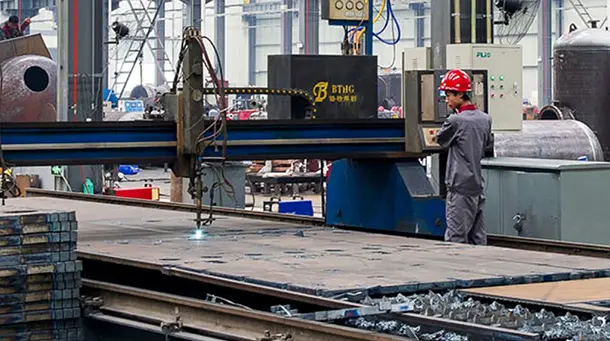
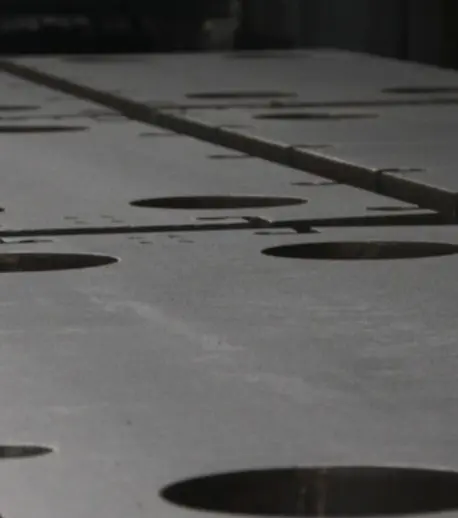
Splint cutting

Splint Cutting

Laser and plasma systems cut raw structural plates with sub-millimeter precision, providing a flat foundation for downstream fabrication.
Micro-forging

Micro-Forging

Our micro-forging technique shapes metal matrices, improving structural integrity and grain alignment under high operational pressures.
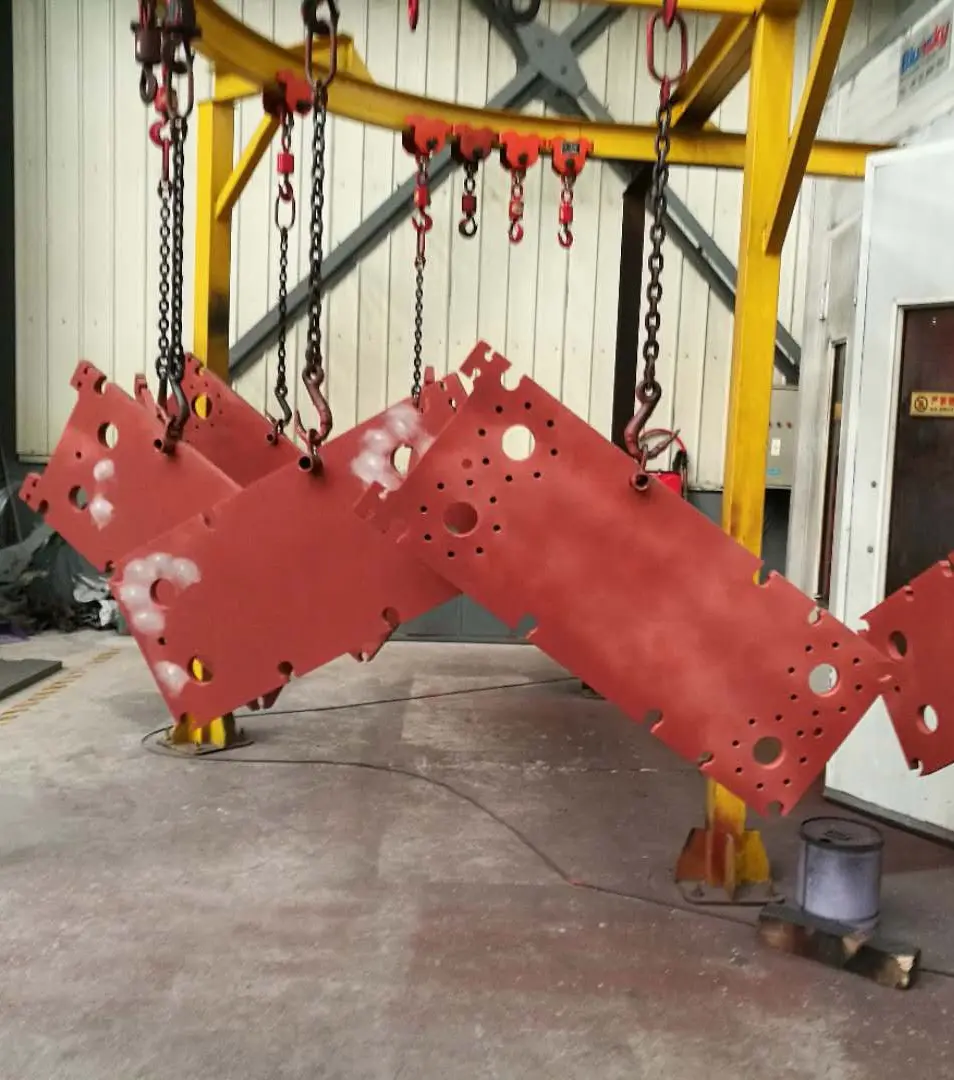
Spray painting

Spray Painting

Multi-layered anti-corrosive coatings shield our external steel structures from harsh chemical atmospheres.
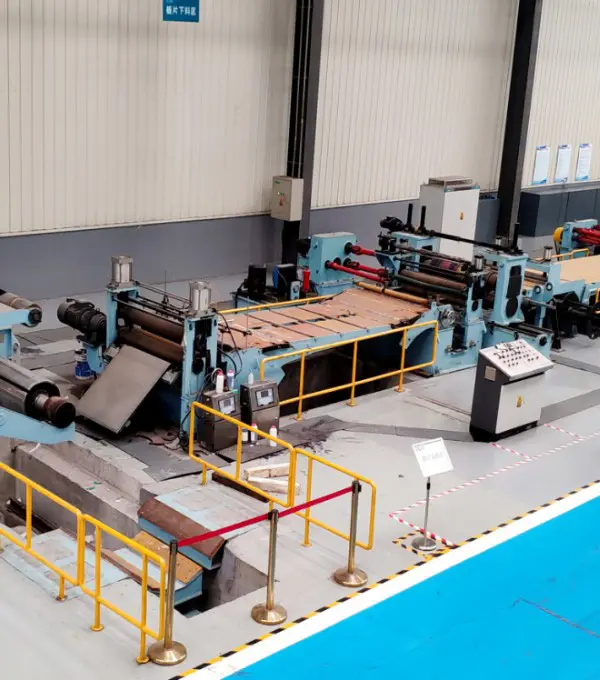
Sheet cutting and coding

Sheet Cutting & Coding

Each plate is precision-sheared and permanently marked with a traceability code, linking it directly to raw material certification records.
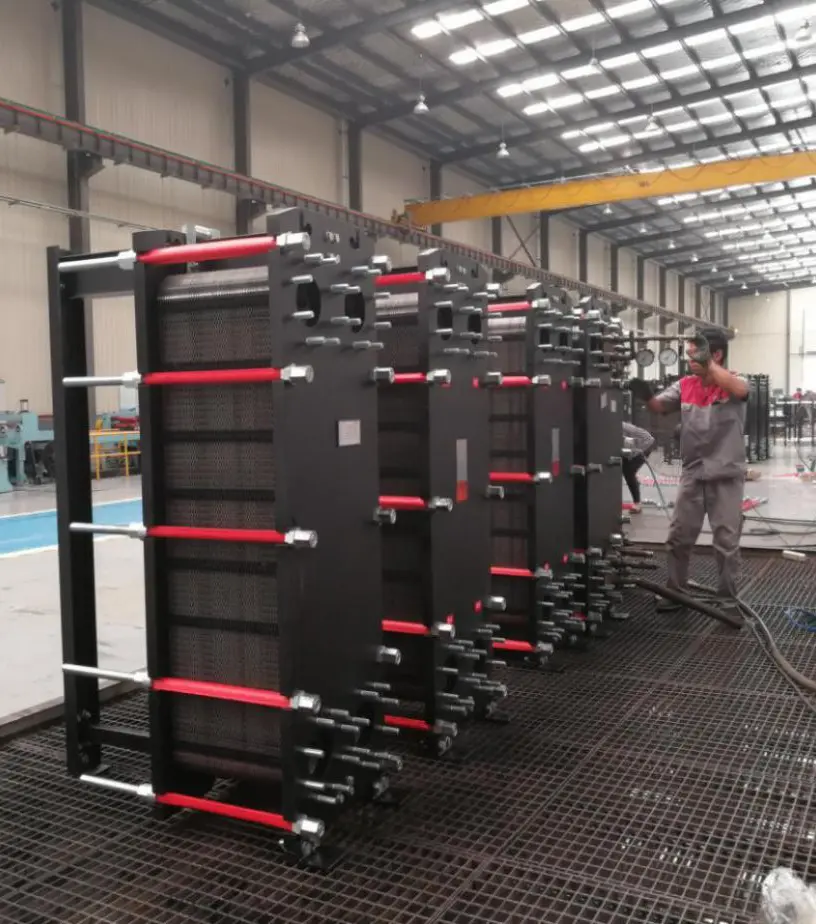
Water pressure detection

Water Pressure Detection

Each assembly undergoes hydrostatic testing at 1.5 times the maximum rated operating pressure to ensure reliable leak-free performance.
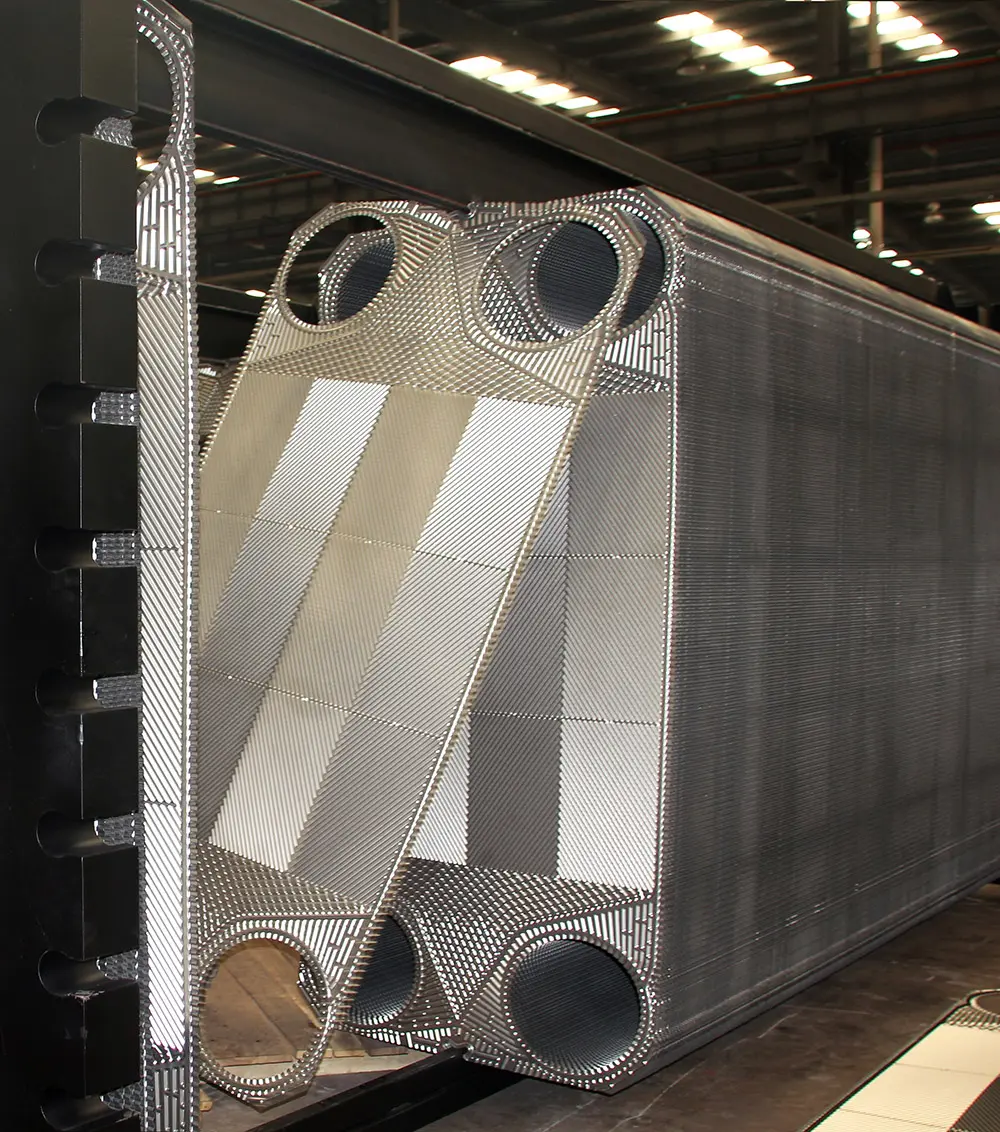
Equipment assembly

Equipment Assembly

Experienced technicians assemble key components, including seals, valves, sensors, and structural frames, within clean workshop environments.
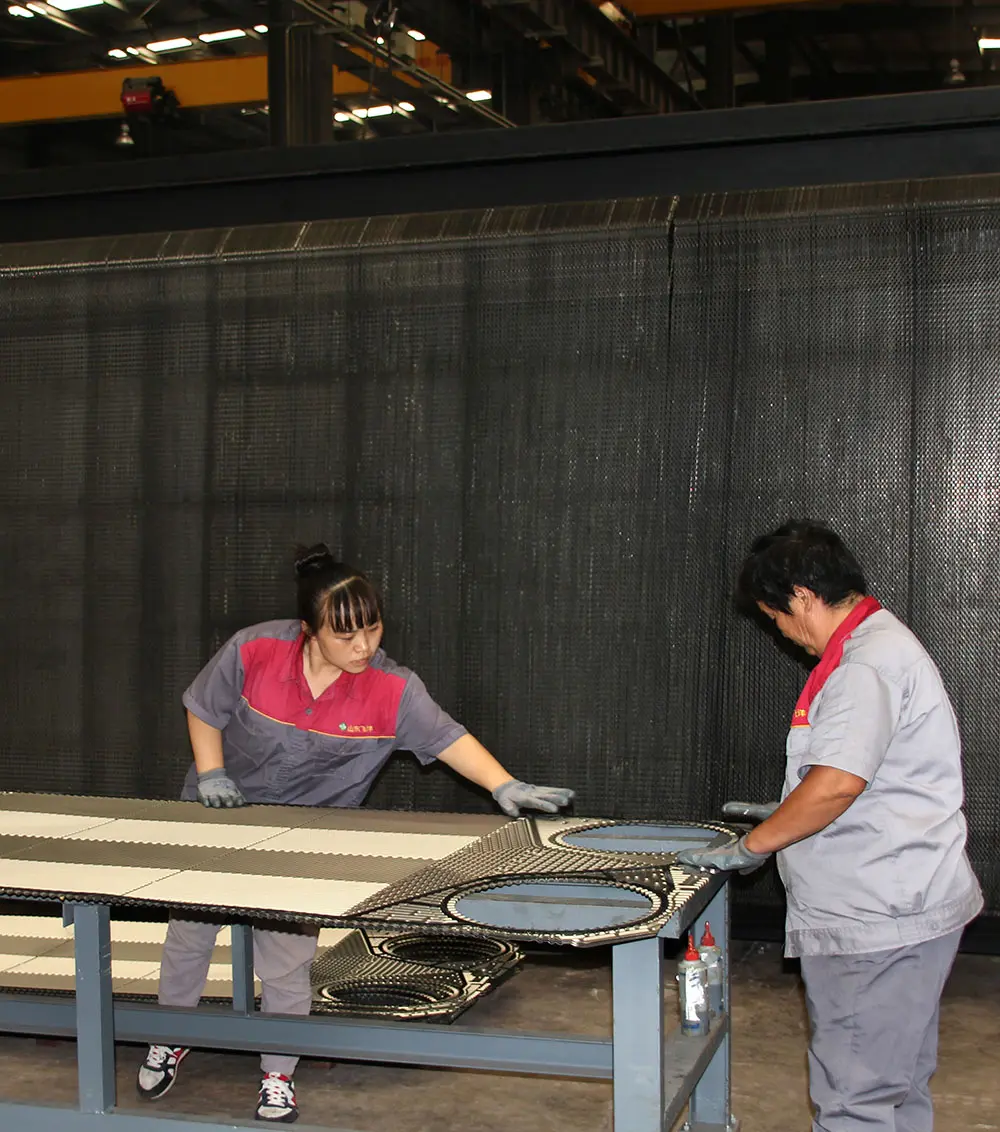
Rubber-coated pad

Rubber-Coated Pad Fabrication

Gaskets are molded and set using specialized polymer formulations to ensure stability across varying temperatures.
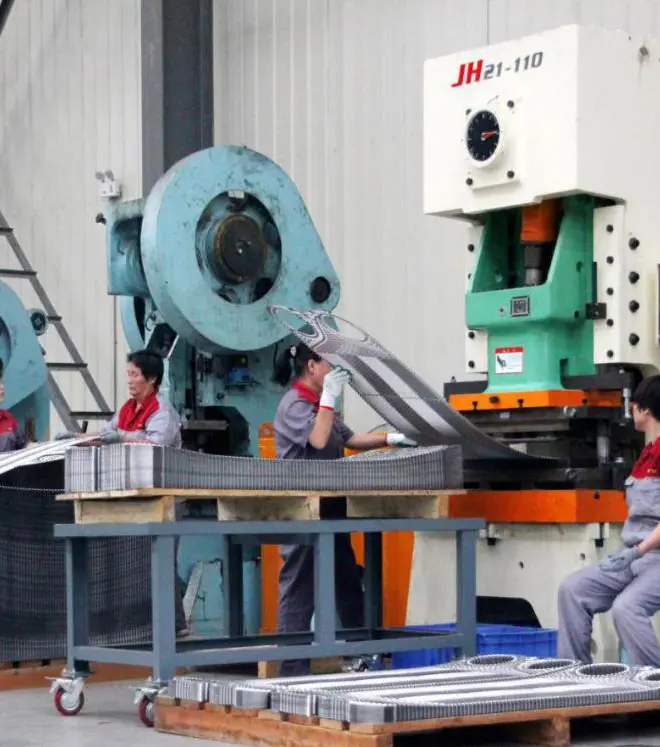
Plate punching

Plate Punching

High-tonnage hydraulic presses stamp connection ports into thick plates without creating micro-fractures in the material.
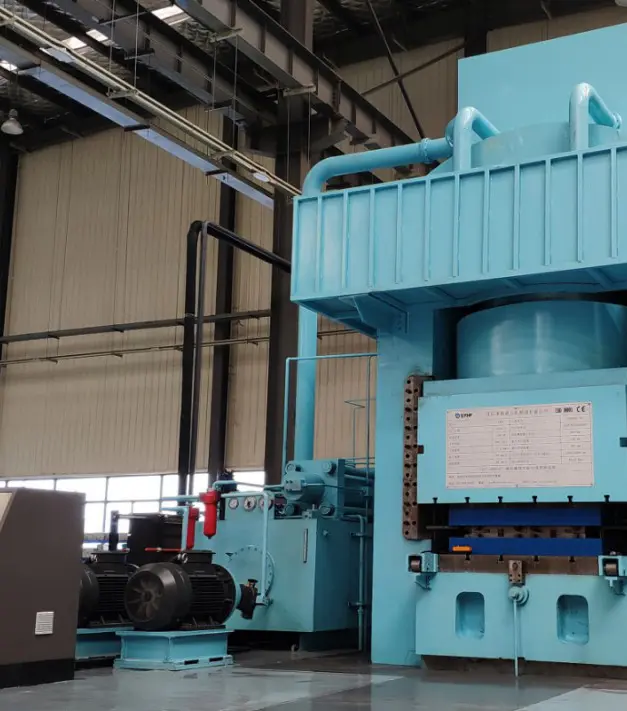
Sheet stamping forming

Sheet Stamping Forming

Our corrugated patterns are pressed into alloy sheets, creating turbulence that optimizes heat transfer performance.

Chapter 5: Technical Compliance

Localization Support and Compliance Strategy

Simplifying localization challenges, EHS standards, and documentation requirements across global jurisdictions.

Regulatory landscapes vary significantly by region. Operating an industrial chemical processing plant in Germany requires adherence to different directives than operating a bulk manufacturing plant in the United States or India. Flotte bridges this gap with comprehensive engineering support and documentation packages.

Local Regulatory Engineering

Our engineering division designs wastewater treatment equipment to meet ASME, CE-PED, and Chinese GB standards, simplifying local safety registration and approvals.

GMP Documentation Support

We supply comprehensive DQ, IQ, and OQ validation support documents to help pharmaceutical facilities meet FDA, WHO, and EMA compliance requirements.

Global Field Engineering

Our multilingual commissioning engineers provide on-site support to supervise assembly, guide start-up, and train operating personnel.

Chapter 6: Future Technologies

Technology Roadmap: Next-Generation Waste Separation

Insights into tomorrow's separation tech: combining AI-driven analytics, advanced membrane materials, and carbon-neutral evaporation loops.

As the pharmaceutical industry targets net-zero carbon operations, water treatment systems must shift towards low-energy configurations. Flotte's R&D is focused on three primary areas to deliver clean operations:

1. AI-Driven Anti-Fouling Control

By monitoring thermodynamic fluctuations in real time, our smart systems adjust operating parameters to mitigate scaling on thermal and membrane surfaces, lengthening the intervals between required cleaning cycles.

2. MVR & Solar Heat Source Integration

We are developing systems that combine Mechanical Vapor Recompression (MVR) with renewable energy sources to reduce the carbon footprint of traditional multi-effect evaporation processes.

3. Selective API & Resource Recovery

Future iterations of our membrane concentration systems will focus on separating and recovering valuable APIs and solvents from waste streams, transforming waste management into a source of value.

Industrial Subsystem Portfolio

Standard and custom modules engineered to manage thermal performance and liquid concentration in demanding environments.
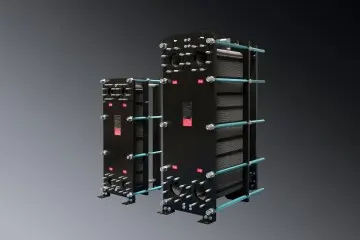
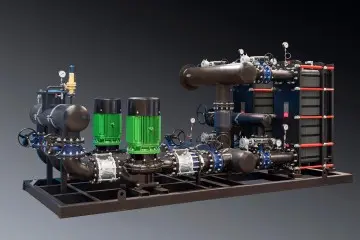
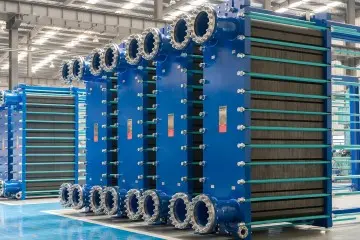
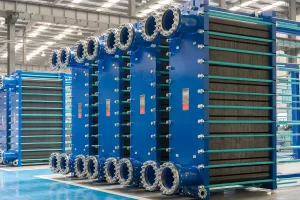
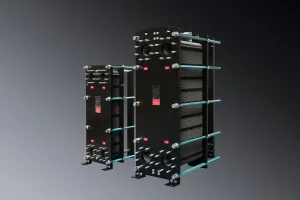
Plate Heat Exchanger

Plate Heat Exchanger - Detachable Plate Heat Exchanger

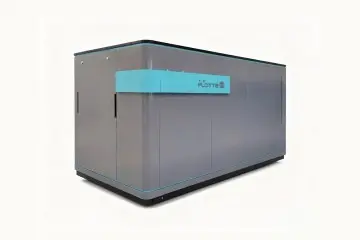
Intelligent Heat Exchange Unit

Intelligent Heat Exchange Unit - Integrated Heating Solution

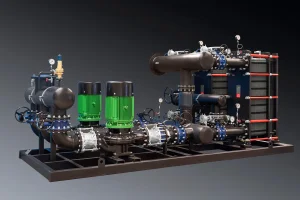
Pressure regulating station

Pressure regulating station with detachable plate heat exchanger

Building Heat Exchanger Unit

Building Heat Exchanger Unit - Heat Exchanger Unit for Building HVAC Systems

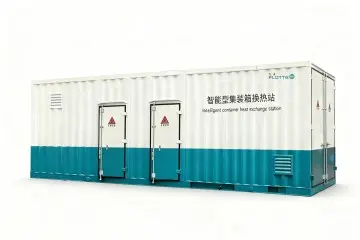
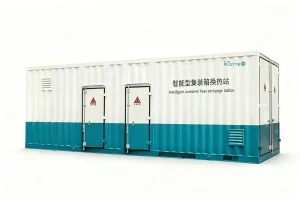
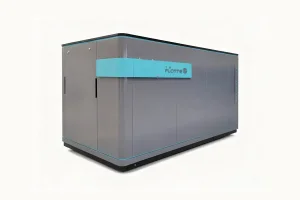
Box-Type Heat Exchanger

Intelligent Integrated Box-Type Heat Exchanger Unit

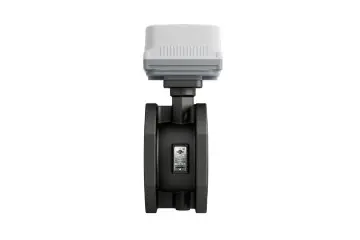
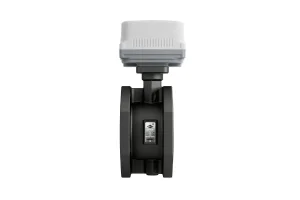
Intelligent Unit Balance Valve

Secondary Network Intelligent Unit Balance Valve

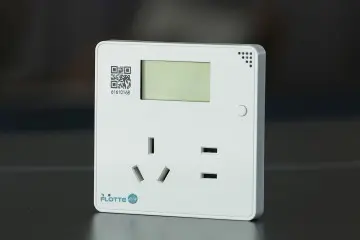
Room Temperature Collector

Room Temperature Collector

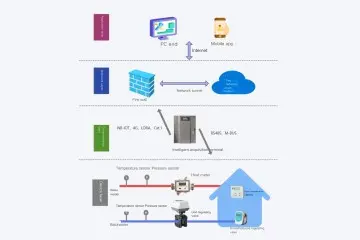
Secondary Network Intelligent Regulation

Intelligent Regulation And Balance System For Secondary Networks

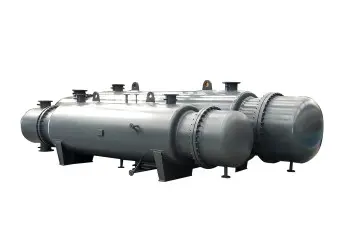
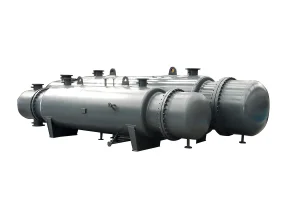
Shell And Tube Heat Exchanger

Shell And Tube Heat Exchanger - A Heat Exchanger Of The Shell And Tube Type

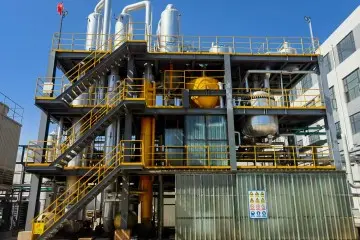
Multi-Effect Evaporation System

Multi-Effect Evaporation System

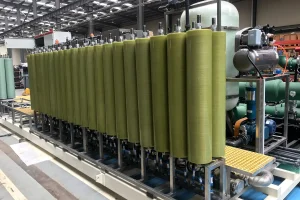
Membrane Concentration System

Membrane Concentration System

Chapter 7: Technical Q&A

Frequently Asked Questions: Industrial Water Separation & Heat Transfer

Expert technical answers addressing common challenges in wastewater treatment, thermal recovery, and operational longevity.

Why is Multi-Effect Evaporator (MEE) technology preferred for treating pharmaceutical wastewater?
Multi-Effect Evaporators recycle latent heat across sequential boiling vessels under vacuum, lowering boiling points and reducing steam requirements. For pharmaceutical wastewater streams that carry high salt levels and non-biodegradable organics, MEE technology isolates contaminants and yields high-purity distillate with lower energy consumption than single-stage systems.
How do membrane concentration systems optimize operational expenses (OPEX)?
Membrane concentration systems (using RO or nanofiltration) serve as pre-concentration stages prior to evaporation. Because membrane separation operates under pressure without phase changes, it consumes significantly less energy than thermal evaporation. Concentrating the wastewater stream beforehand reduces the volume sent to the evaporator, lowering overall utility costs.
How does Flotte address fouling issues in wastewater heat exchangers?
We mitigate scaling through several methods: our patented scale removal devices, optimized corrugation geometry that promotes turbulent flow to discourage fouling, and titanium, Hastelloy, or high-alloy plate materials that present smooth surfaces. These designs maintain high heat transfer coefficients and reduce cleaning maintenance requirements.
What documentation packages are available for global engineering compliance?
We provide full documentation packages, including material test certificates, hydrostatic test logs, welding records, and FDA/GMP compliance statements. We also deliver DQ/IQ/OQ validation templates to support regulatory requirements in North American, European, and Asian markets.