Leading thermal exchange and process fluid controls engineered for high-demand pharmaceutical and industrial operations.
Established in 2013 with a registered capital of 101 million yuan, and originating from Flotte Thermal Engineering founded in 1995, Flotte possesses three decades of technical expertise. We specialize in water equipment, HVAC systems, and high-performance industrial water treatment solutions. Our engineering solutions consistently lead the industry by adopting cutting-edge technologies, developing innovative thermal products, and delivering end-to-end consulting, design, manufacturing, and exporter services.
By leveraging advanced evaporation systems and precision plate heat exchangers, we address one of the most critical challenges facing the global pharmaceutical sector: the efficient purification and disposal of highly concentrated, toxic, and non-biodegradable pharmaceutical wastewater. Through our robust manufacturing capabilities and commitment to Zero Liquid Discharge (ZLD) paradigms, we have established ourselves as a vital link in the global green chemical supply chain.
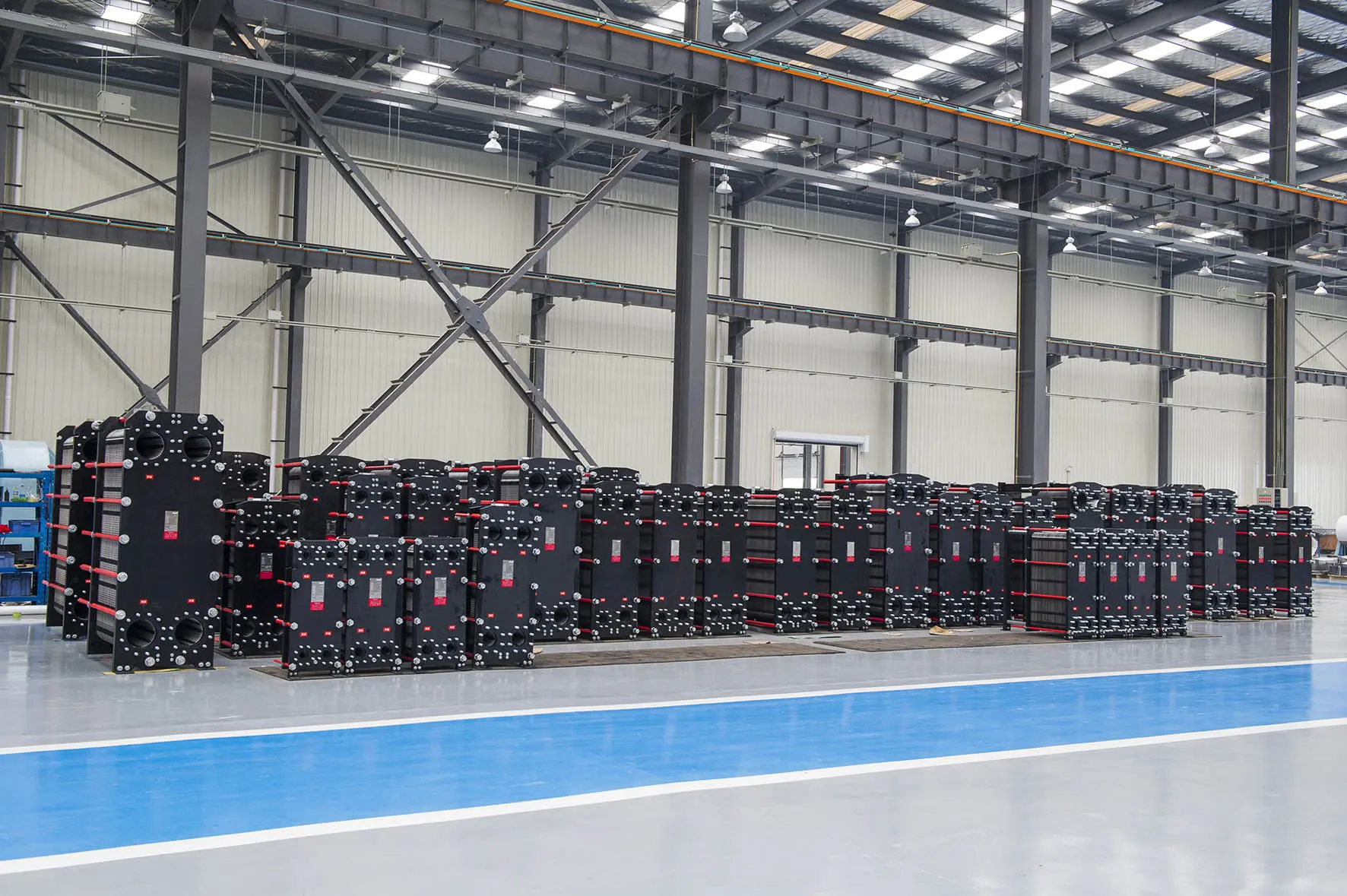
The pharmaceutical industry is undergoing an unprecedented regulatory transformation. Governments worldwide, guided by frameworks such as the US EPA's Effluent Limitations Guidelines (ELGs), the EU's Industrial Emissions Directive, and China's stringent GB21900-2008 standards, are mandating strict control over active pharmaceutical ingredients (APIs), antibiotics, endocrine-disrupting chemicals (EDCs), and heavy metals in effluent streams. Conventional biological wastewater treatment methods often fail to degrade these complex organic matrices. Consequently, advanced thermal separation technologies—primarily Multi-Effect Evaporation (MEE) and Membrane Concentration Systems—have transitioned from secondary options to core requirements for industrial compliance.
Furthermore, the global consensus on ESG (Environmental, Social, and Governance) targets is driving multinational corporations to implement Zero Liquid Discharge (ZLD) systems. By treating and recycling up to 98% of process water on-site, pharmaceutical production parks can simultaneously minimize environmental footprints and secure access to local municipal operation permits. Thermal evaporation systems serve as the foundation of these ZLD systems, executing the crystallization and recovery of salts while producing high-purity distillate for reuse.
Pharmaceutical wastewater is uniquely challenging due to high Chemical Oxygen Demand (COD), which can reach hundreds of thousands of mg/L, high salinity, variable pH, and the presence of volatile organic compounds (VOCs). Bioreactors are easily poisoned by high salt content and antibiotic residues, leading to complete operational downtime. This scenario demands reliable physical and thermal separation technologies.
Across North America, Western Europe, and key manufacturing hubs in India and China, developers are integrating heat exchangers and evaporation systems directly into the production loop. This localized treatment prevents the dilution of toxic compounds, allowing for high-efficiency crystallization and recovery. As global demand for antibiotics, vaccines, and oncology therapies rises, the need for robust wastewater systems that prevent bio-refractory pollutants from entering aquatic ecosystems is increasing accordingly.
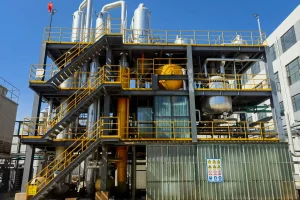
Our Multi-Effect Evaporation systems efficiently handle highly concentrated waste streams, vaporizing volatile fractions and isolating concentrated slurries for incineration or crystallization.
We build our heat exchangers using specialized materials such as Titanium, Hastelloy, and 316L Stainless Steel, ensuring long-term reliability against aggressive chloride-containing media.
By integrating optimized plate heat exchangers, we reclaim waste heat from distillate streams to preheat raw wastewater, reducing steam consumption by up to 40%.
Procurement departments face significant risks when sourcing high-value thermal equipment. Key performance metrics include thermal efficiency, maintenance requirements, and compliance with pressure vessel standards. When evaluating Chinese factories and suppliers, global procurement managers must verify certification under international systems.
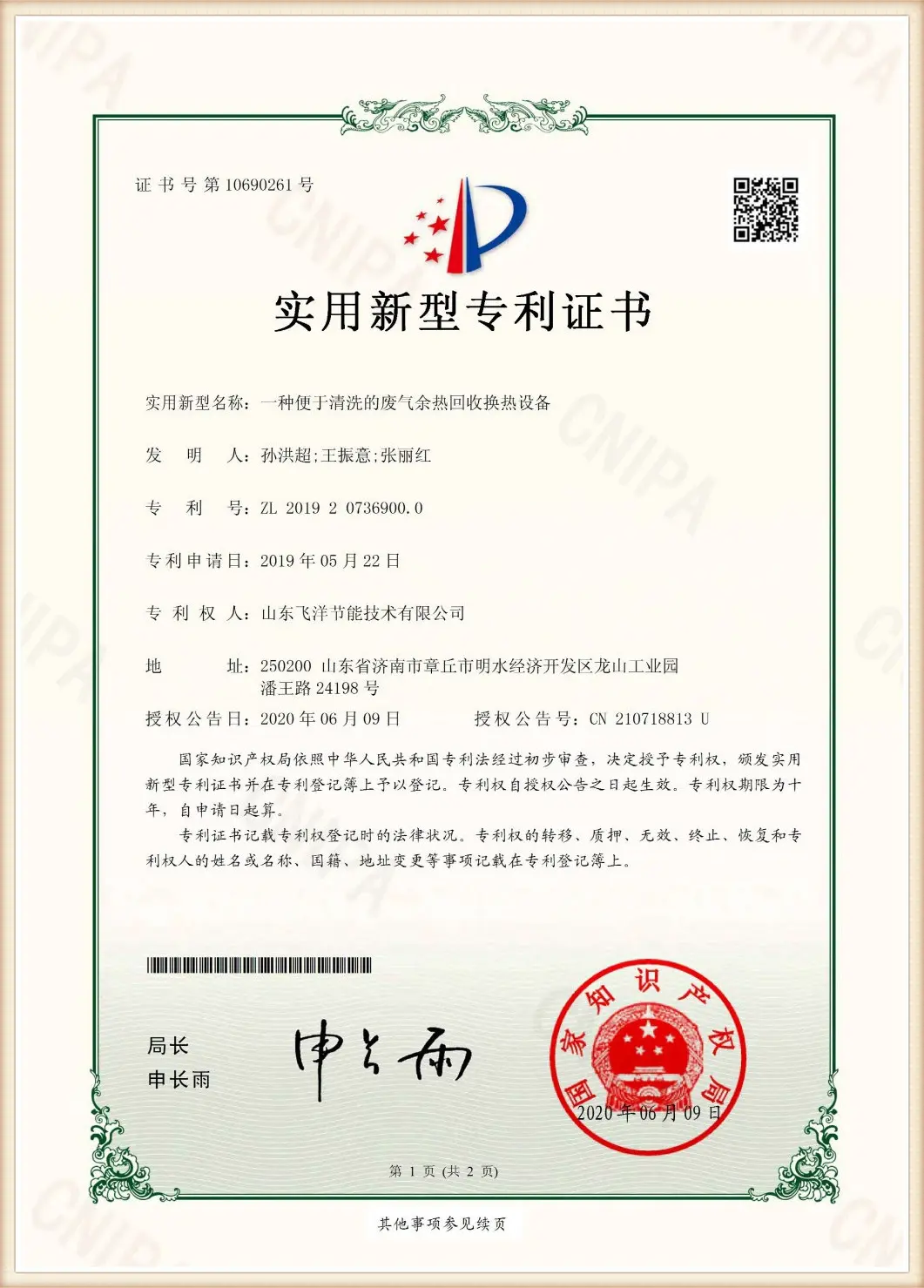
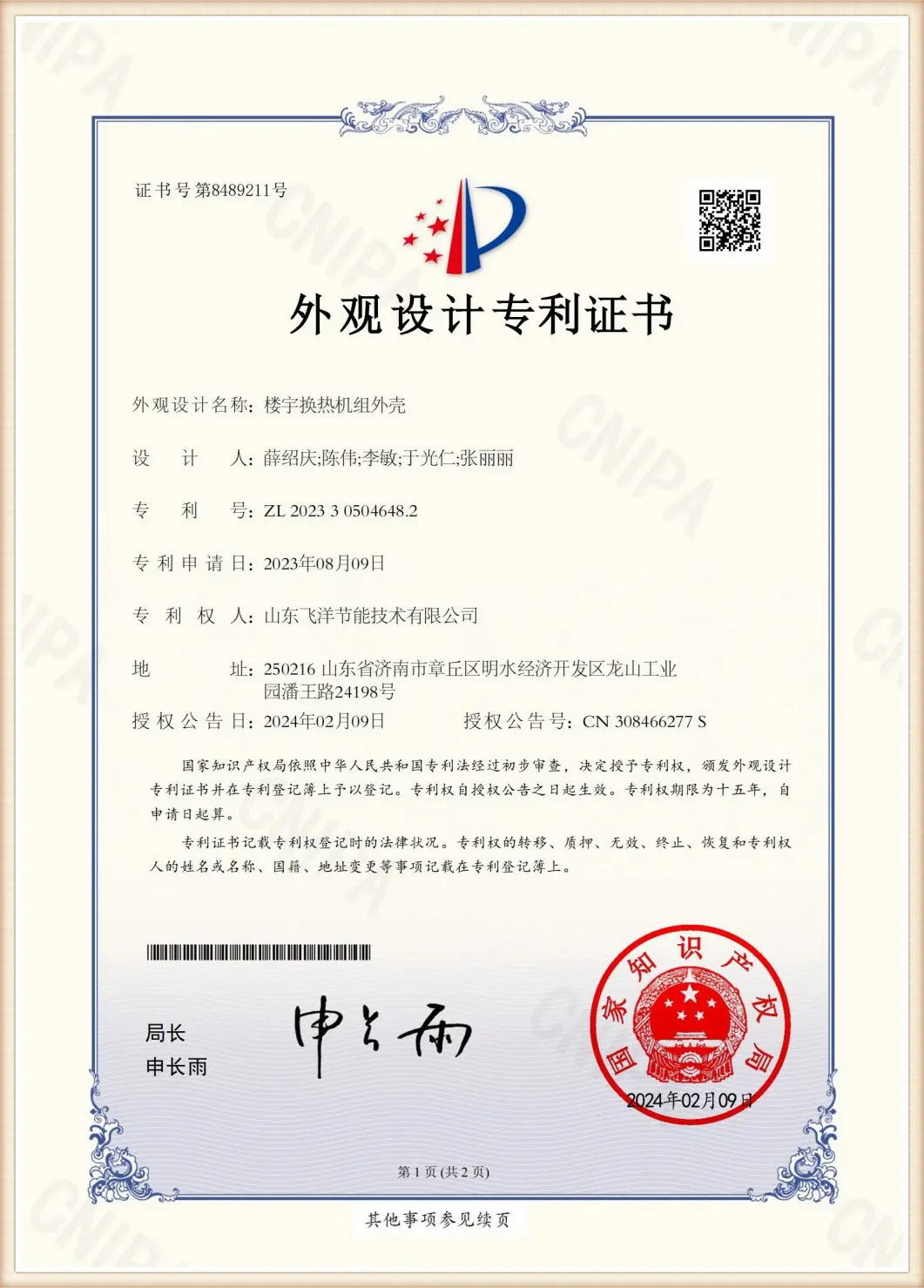
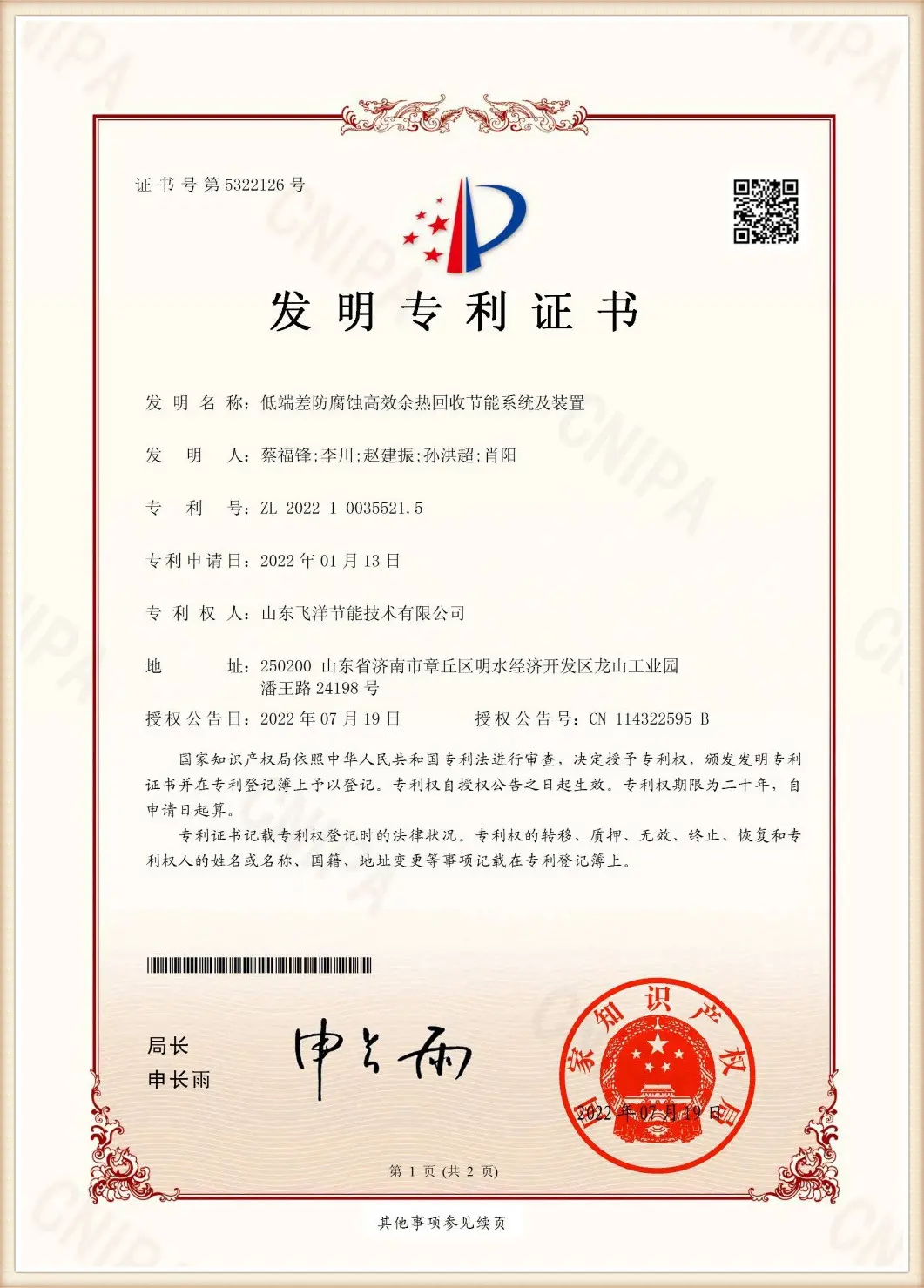
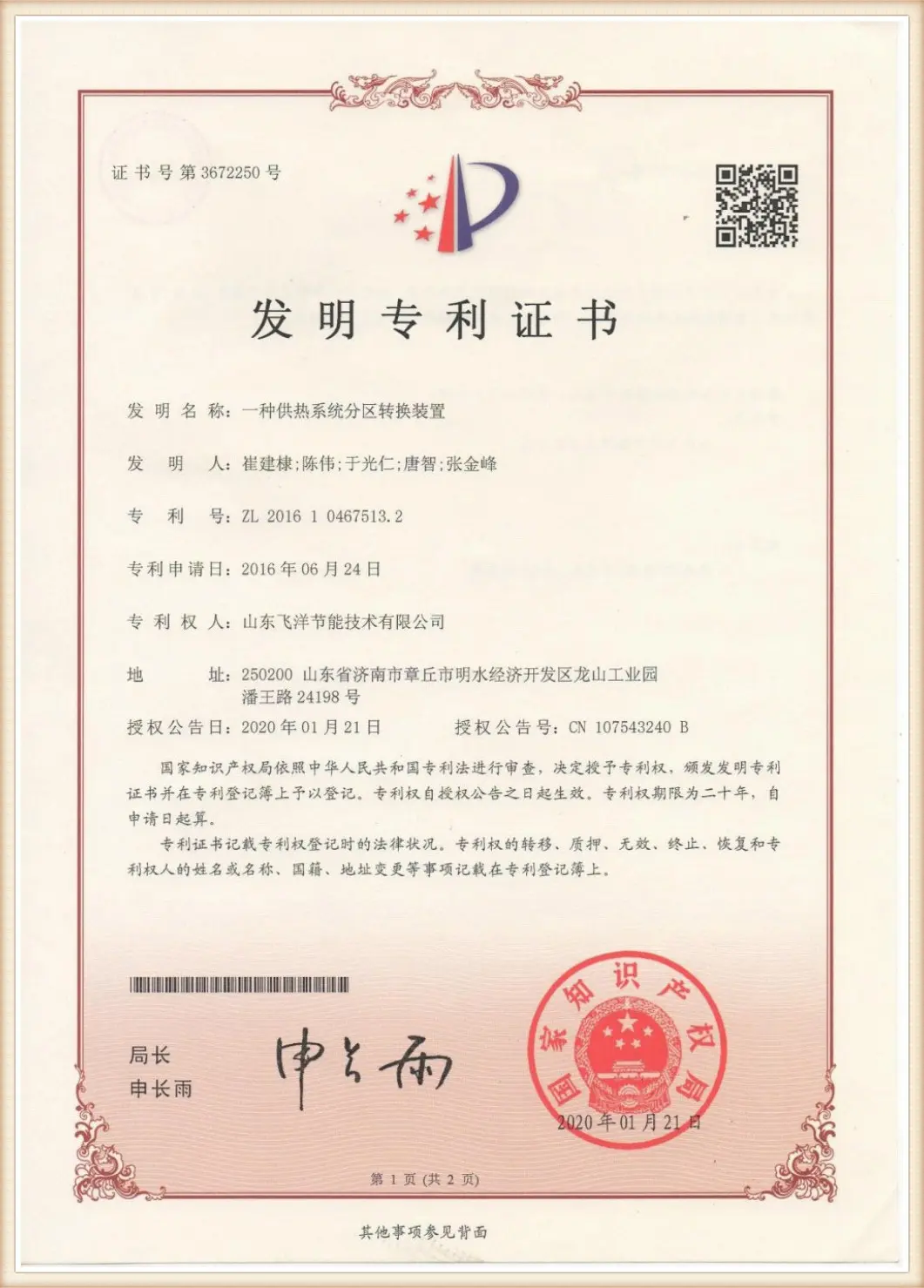
Flotte satisfies these rigorous expectations through certified manufacturing facilities operating under the ISO 9001:2015 Quality Management System, ISO 14001 Environmental Management, and ISO 45001 Occupational Health & Safety frameworks. Our thermal equipment meets pressure vessel design standards, with official certifications for "High-Efficiency Plate Heat Exchangers" and "Intelligent Plate Heat Exchanger Systems". Working with an experienced exporter ensures streamlined logistics, detailed technical documentation, and reliable customs clearance for seamless project execution.
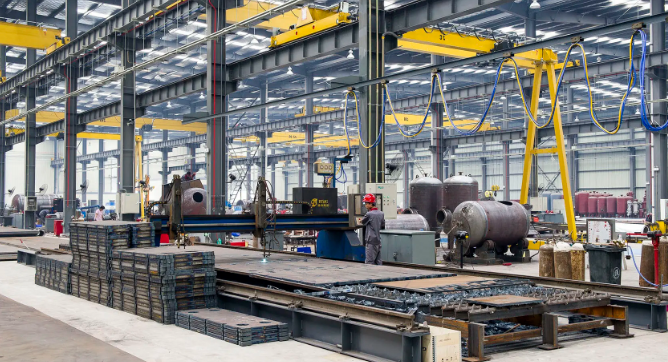
As global supply chains navigate volatility, Flotte's integrated manufacturing complex offers a highly resilient procurement partner. Spanning 70,000 square meters with an annual sales revenue of 500 million yuan, our facility coordinates the entire production process from raw material inspection to final performance testing. This in-house manufacturing strategy minimizes dependence on third-party sub-contractors, protecting lead times and ensuring consistent component quality.
Our Factory 4.0 implementation includes computer-aided design centers, robotic plate stamping, and automated welding lines. We produce approximately 4,500 heat exchange units and water supply/drainage equipment sets annually. This manufacturing scale allows us to secure raw materials at competitive rates and maintain a reliable stock of specialized alloys, protecting our clients from sudden market fluctuations.
From raw steel to high-performance thermal units, our integrated workflow ensures precision engineering and reliability.
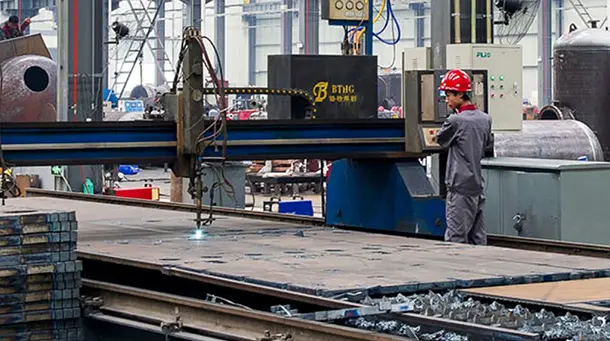
High-precision laser and plasma cutting systems shape heavy frame plates with tight tolerances, preparing the frame components for mechanical assembly.
Specialized micro-forging and pressing processes refine metal grain structures, enhancing resistance to stress corrosion cracking in aggressive process environments.
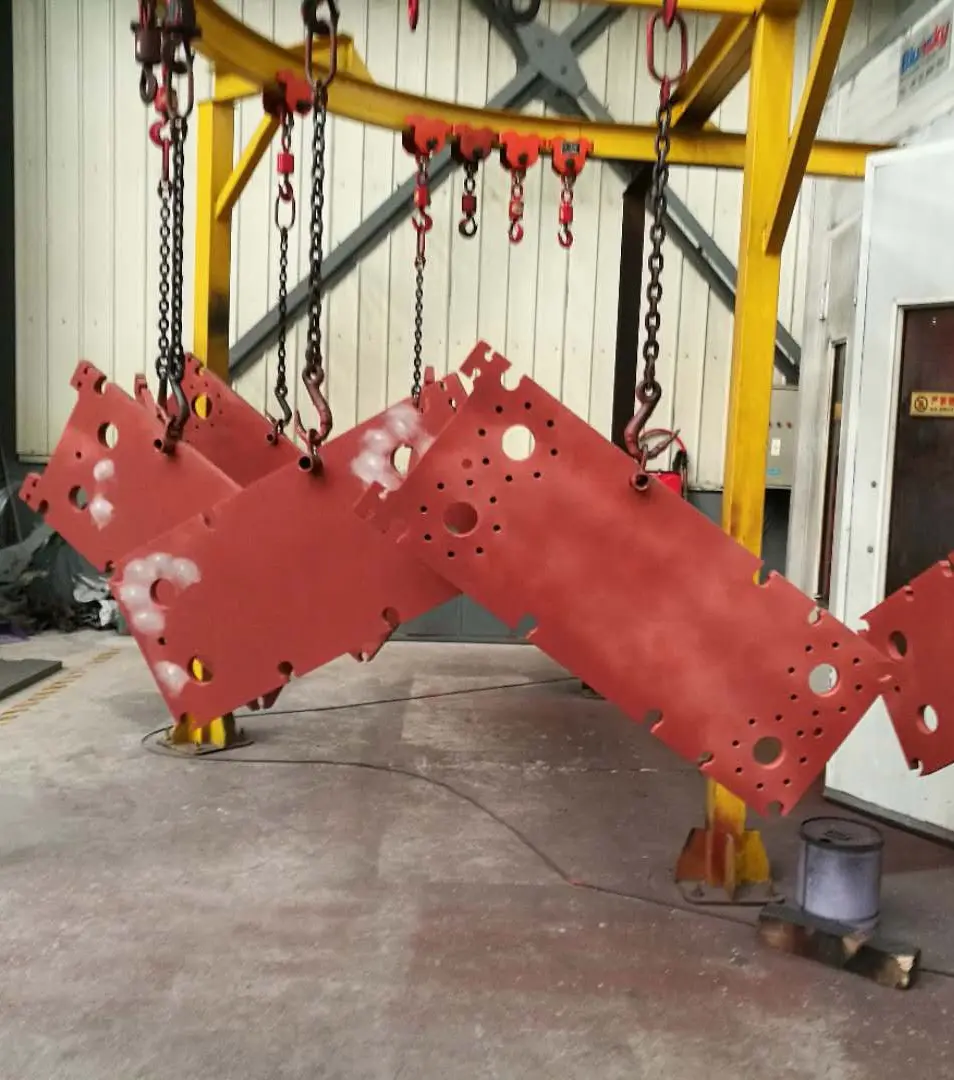
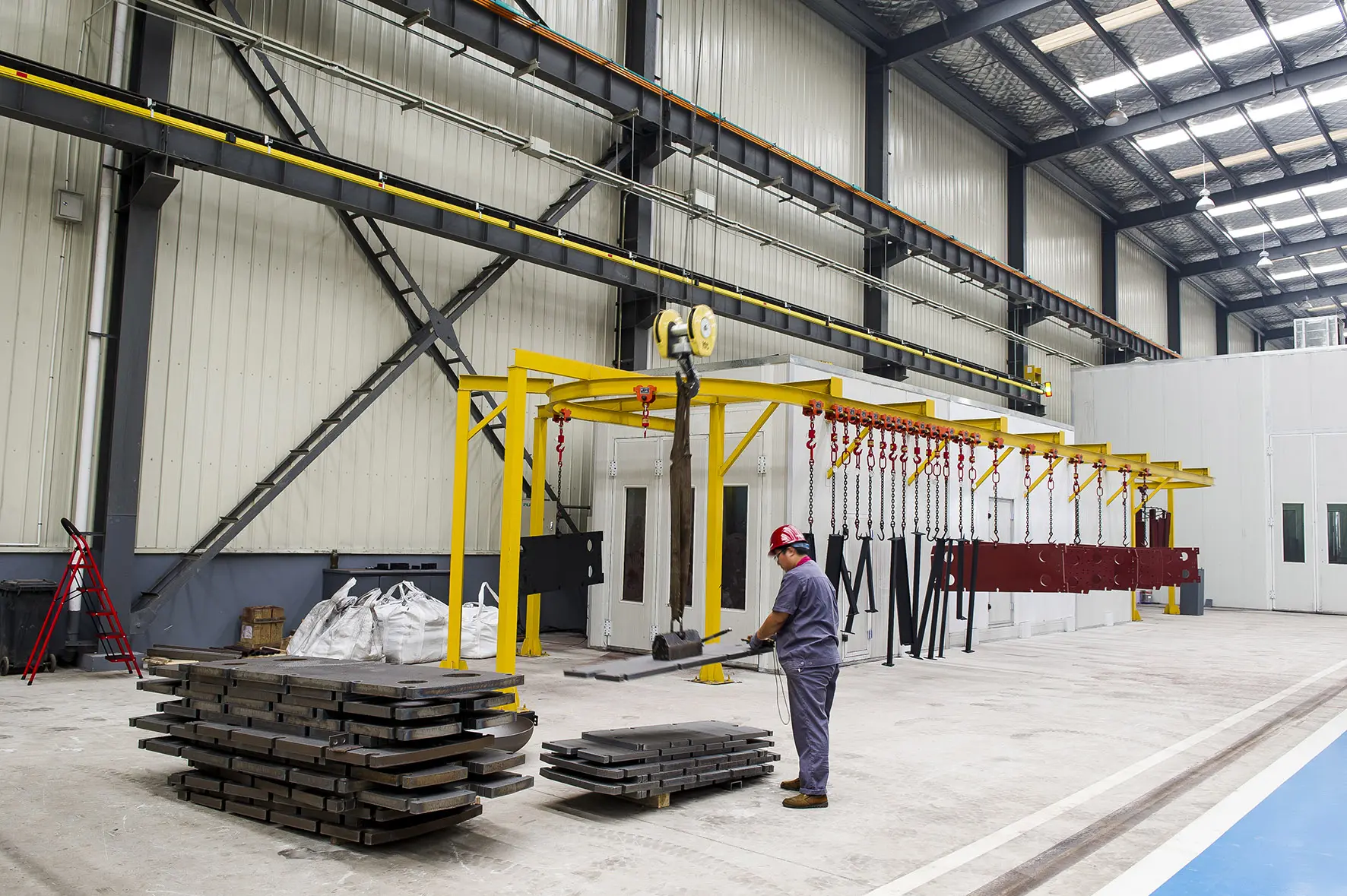
Multi-layered anti-corrosion primers and protective coatings are applied in controlled booths, shielding structural frames from harsh chemicals and marine shipping environments.
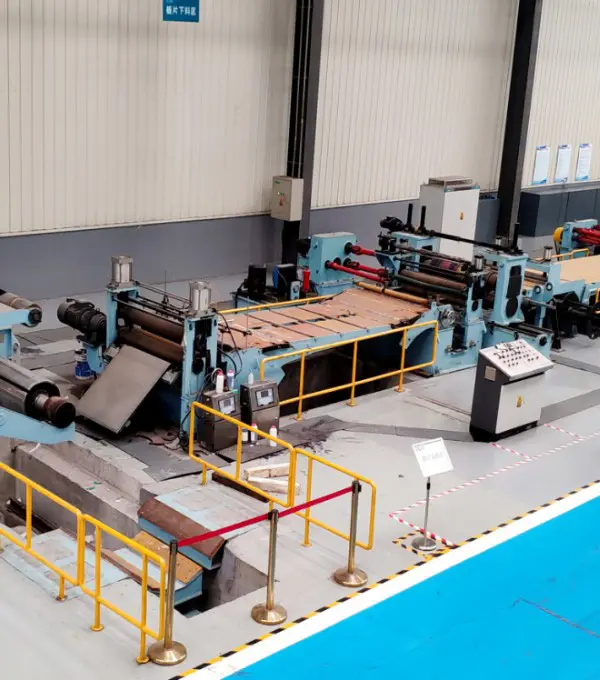
Precision-sheared heat transfer sheets receive unique laser-etched tracking codes, enabling full material traceability from raw heat to final assembly.
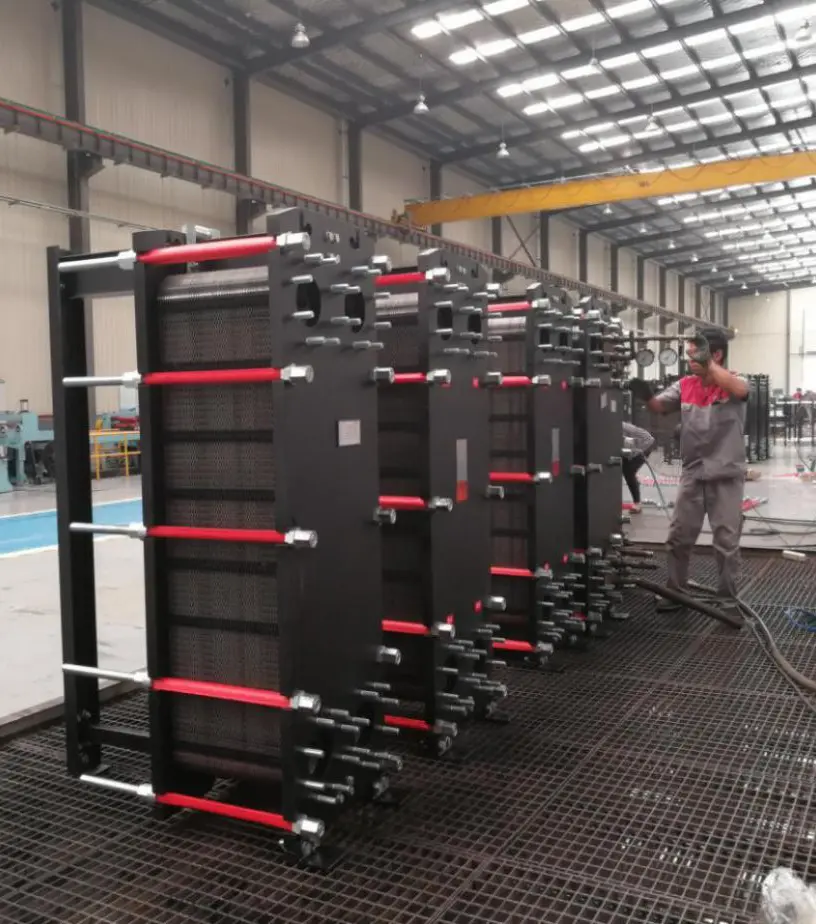
Every assembled heat exchanger and pressure vessel undergoes rigorous hydrostatic testing to verify mechanical seal integrity and pressure ratings.
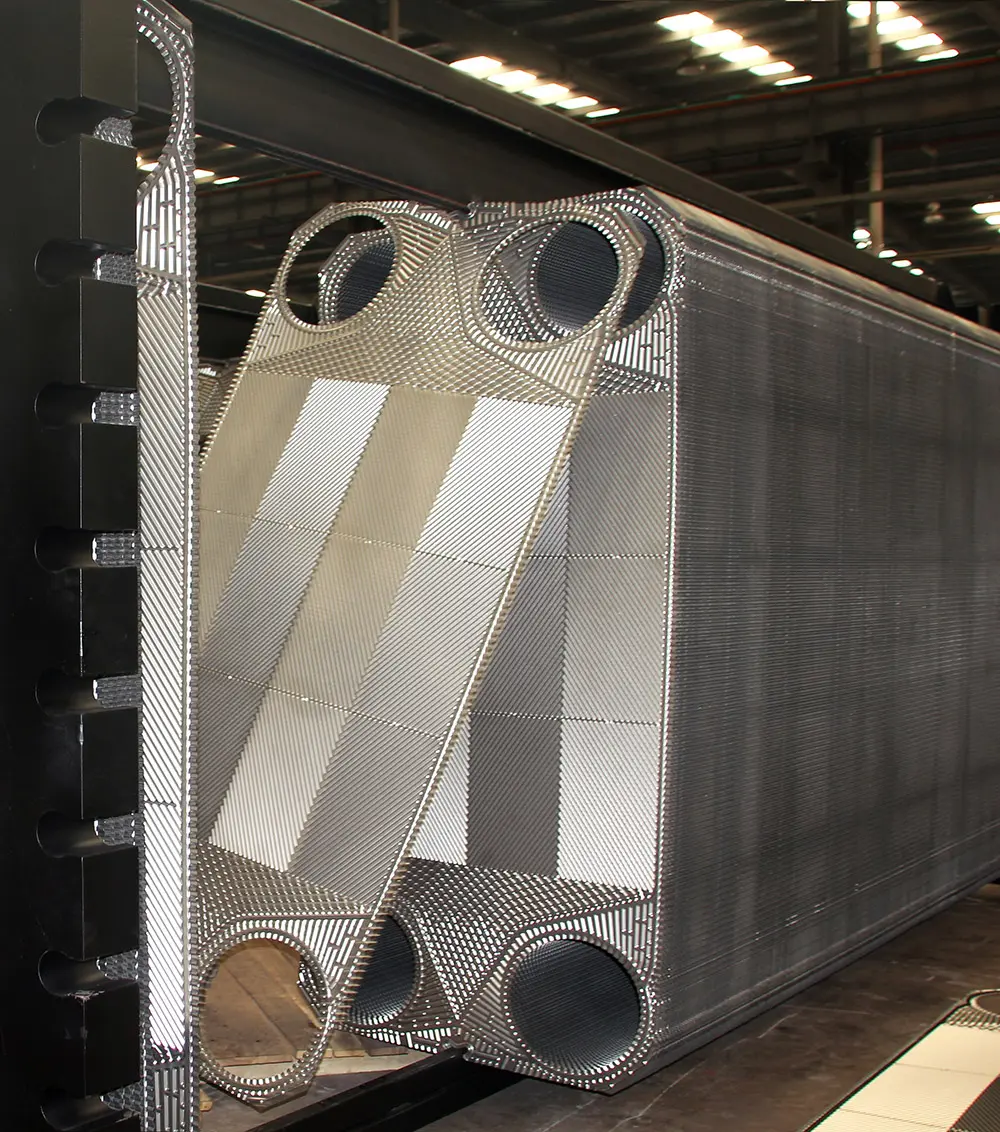
Certified technicians assemble and align plate packs, tie bolts, and connection nozzles, ensuring uniform compression across all sealing gaskets.
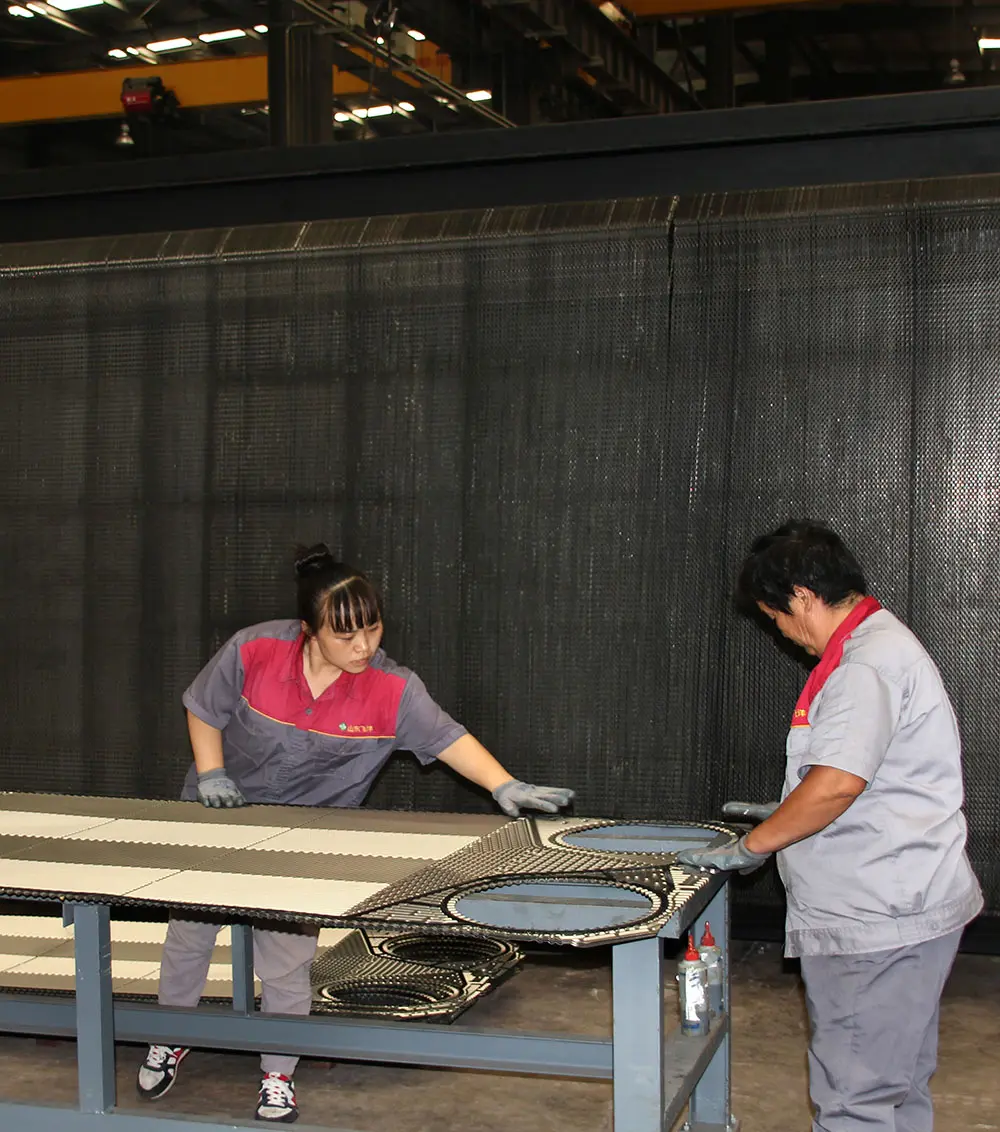
Custom-formulated EPDM, NBR, and Viton gaskets are precision-fit into plate grooves to prevent cross-contamination and guarantee a long operating life.
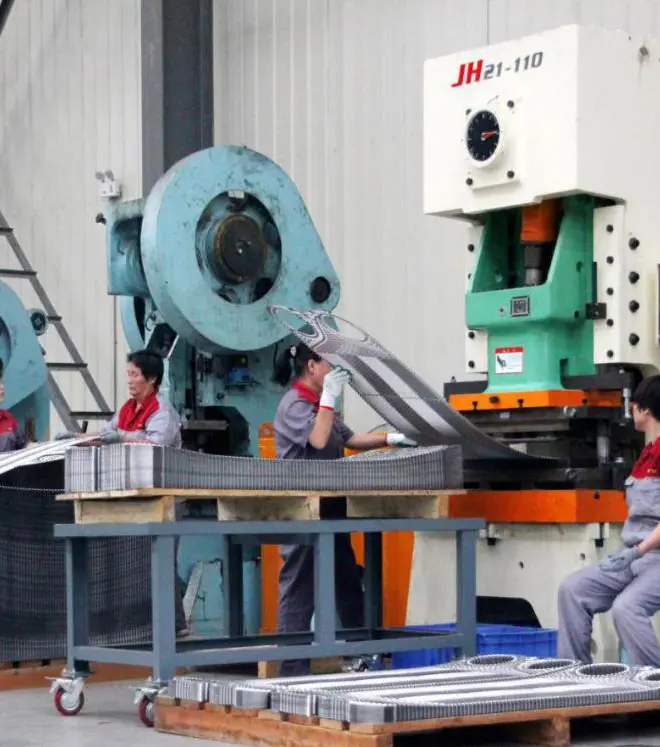
CNC punching machines perforate entry and exit ports, ensuring clean, burr-free edges that maintain optimal seal contact and prevent flow turbulence.
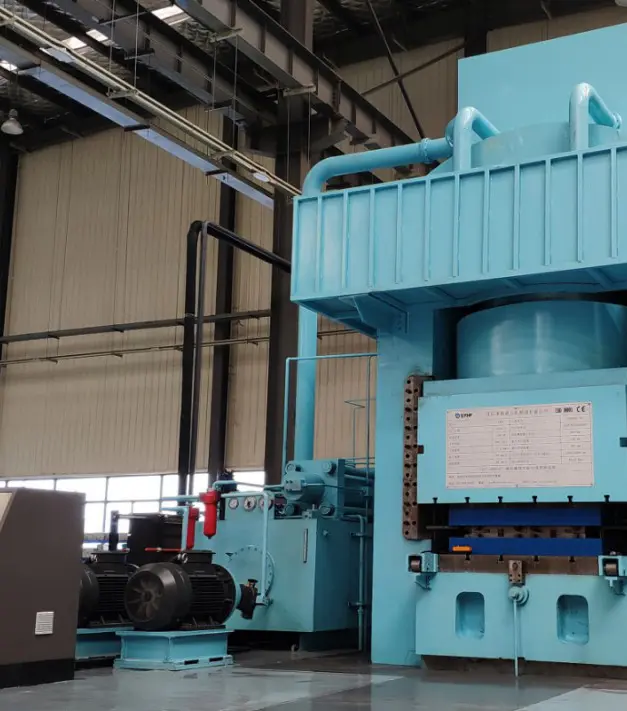
Our heavy hydraulic presses stamp corrugated patterns into transfer sheets in a single stroke, ensuring uniform channel depth and maximizing heat transfer coefficient.
Exploring how Flotte's thermal and water treatment systems resolve complex operational demands in diverse settings.
Scenario: A bulk antibiotic facility produces high-salinity wastewater containing active biological residue and refractory organic compounds.
Solution: The integration of Flotte Multi-Effect Evaporators and Membrane Concentration systems isolates the bio-active components. High-efficiency plate heat exchangers recover waste heat from the vapor condenser, preheating the incoming effluent. This configuration reduces external steam demand by 35% while concentrating the sludge for direct thermal destruction.
Scenario: Multi-product API synthesis lines generate corrosive wastewater containing organic solvents, chlorides, and strong acids.
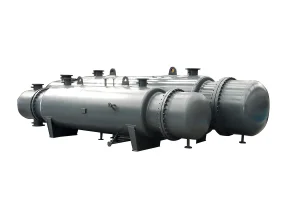
Solution: Custom-designed Shell and Tube Heat Exchangers with Hastelloy tubes and corrosion-resistant linings act as primary condensers. These systems safely lower wastewater temperatures to facilitate solvent recovery, protecting subsequent biological treatment plants from toxic shock load events.
Scenario: Utilizing low-grade thermal energy from a municipal water treatment utility to supply heat to local commercial zones.
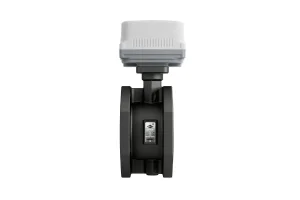
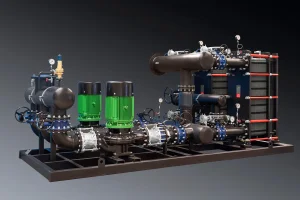
Solution: Flotte Intelligent Heat Exchange Units regulate pressure and flow between the primary heating loop and secondary municipal lines. The integrated Intelligent Unit Balance Valves automatically adjust to flow variations, ensuring stable heat distribution and reducing overall energy losses across the district network.
Flotte operates under strict global compliance mandates to ensure our products perform reliably in critical industrial settings. We maintain a comprehensive quality management system certified under ISO9001:2015, ISO14001, and ISO45001. Our thermal engineering products carry safety registrations from the National Standardization Committee and the National Boiler and Pressure Vessel Standardization Technical Committee.
Our production facilities utilize advanced testing laboratories and automated machinery, ensuring every manufactured unit complies with global pressure vessel safety standards. From plate design to final shipment, our team of engineers and quality control specialists ensures all equipment meets the demanding requirements of the global pharmaceutical and chemical industries.
Take a visual tour inside our modern manufacturing workshops in China.
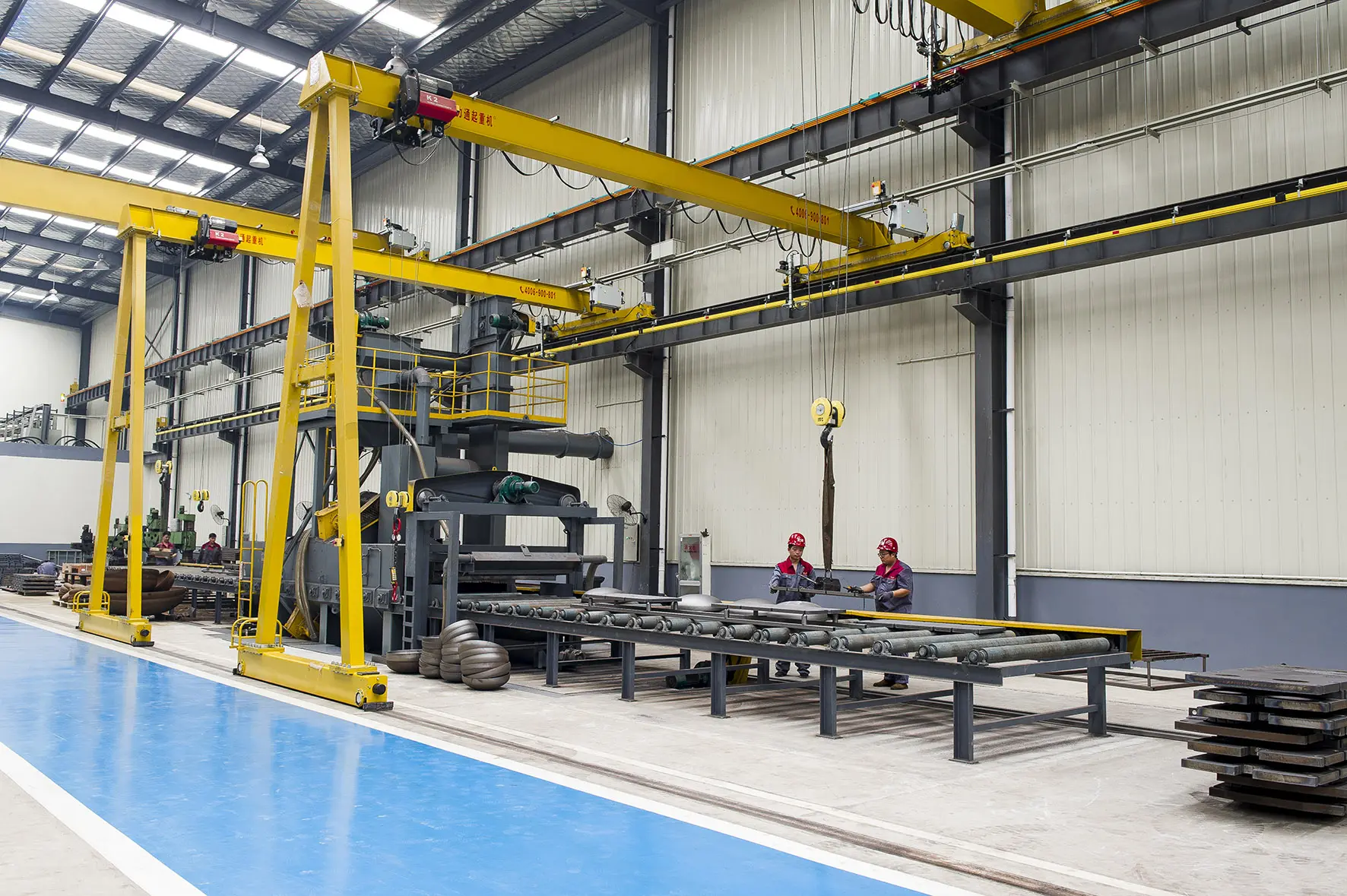
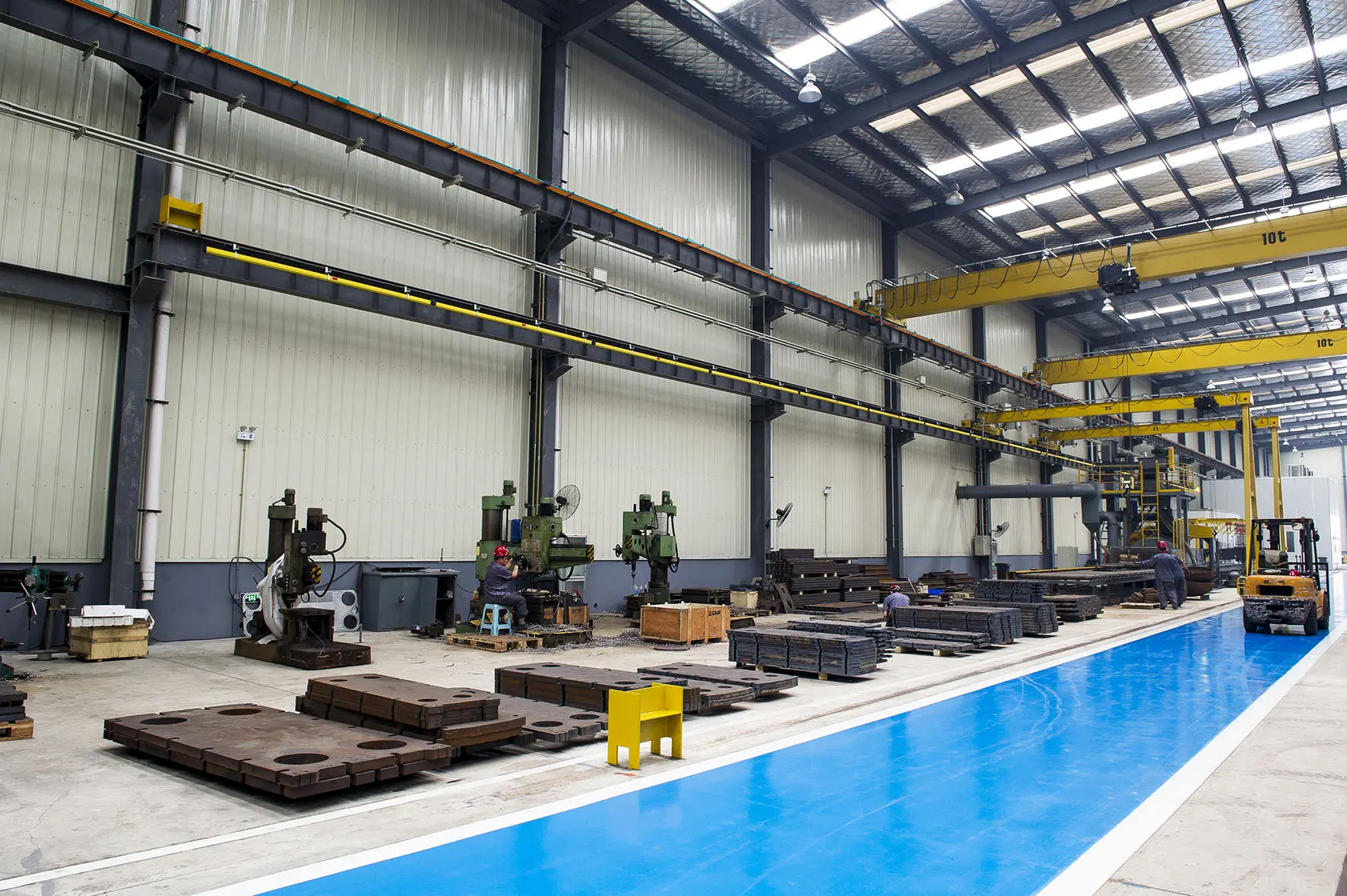
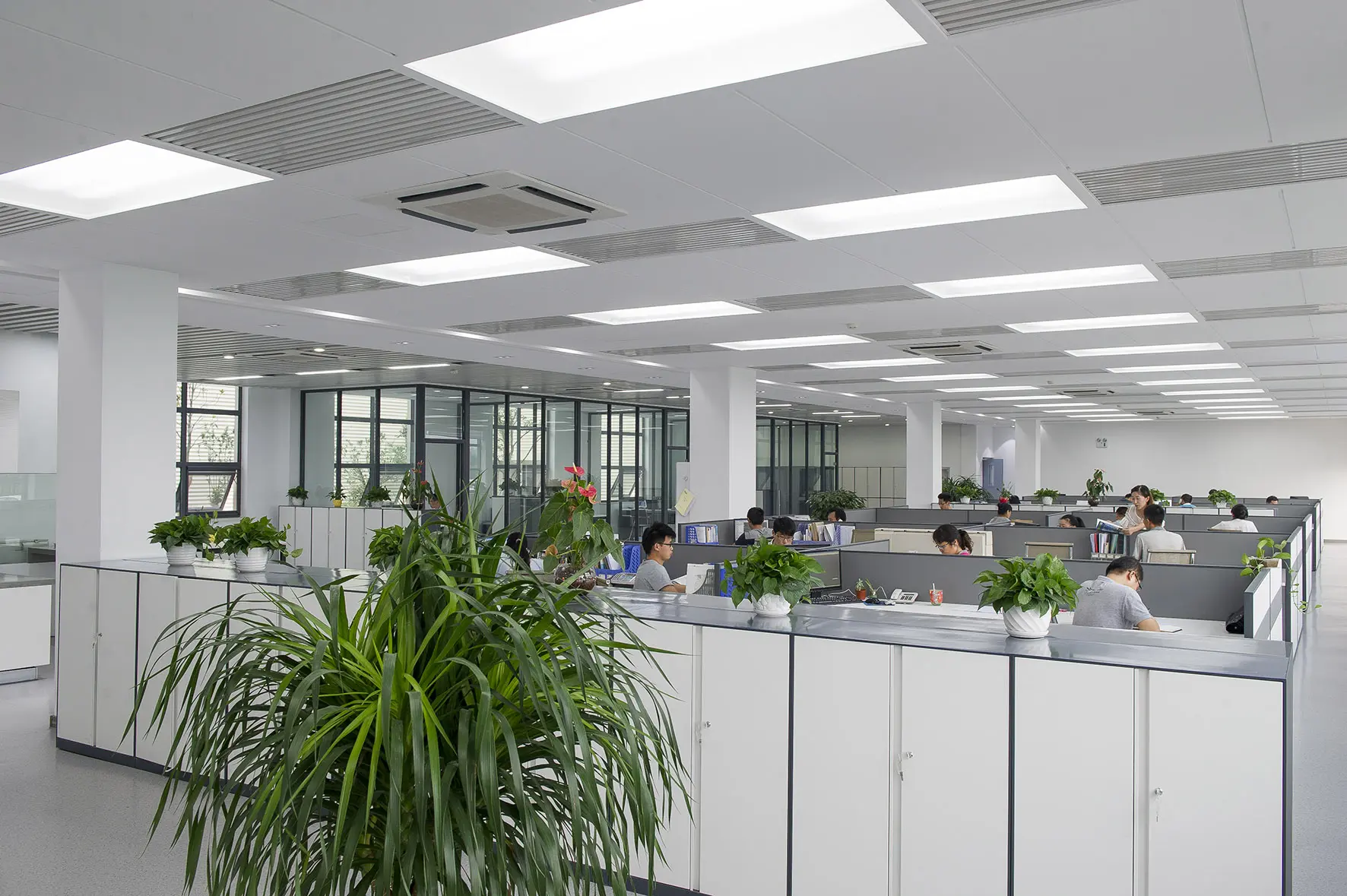
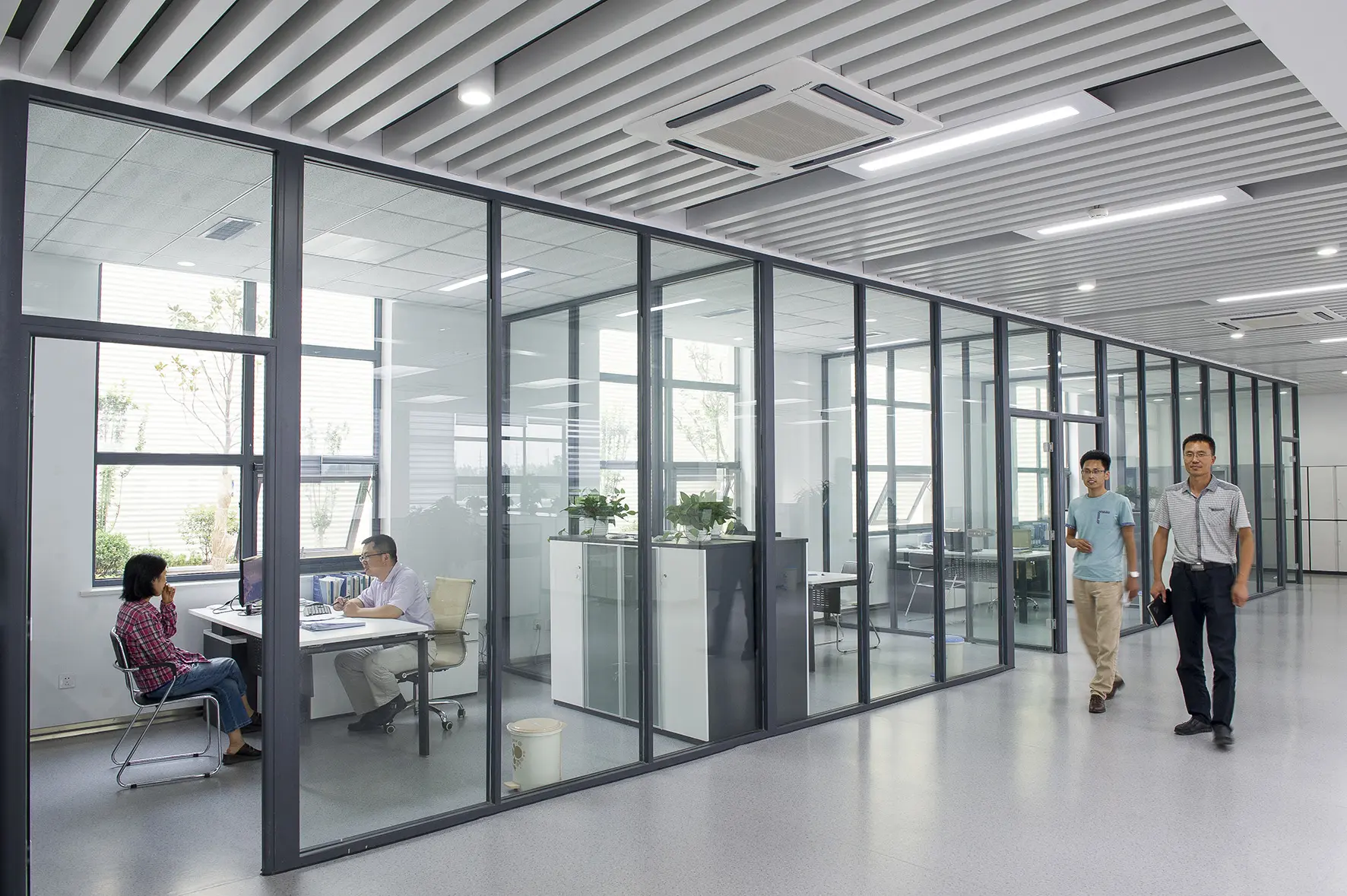
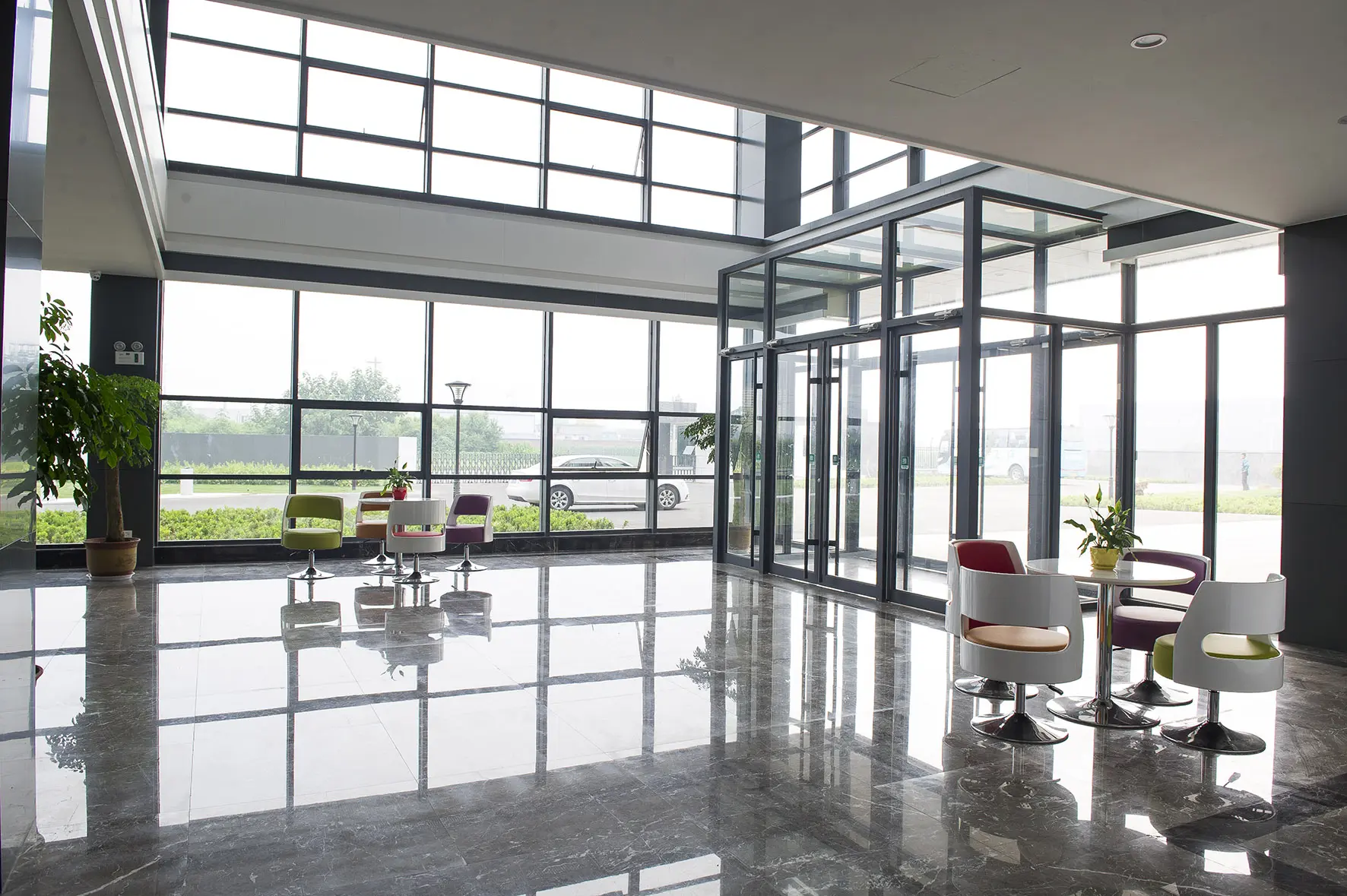
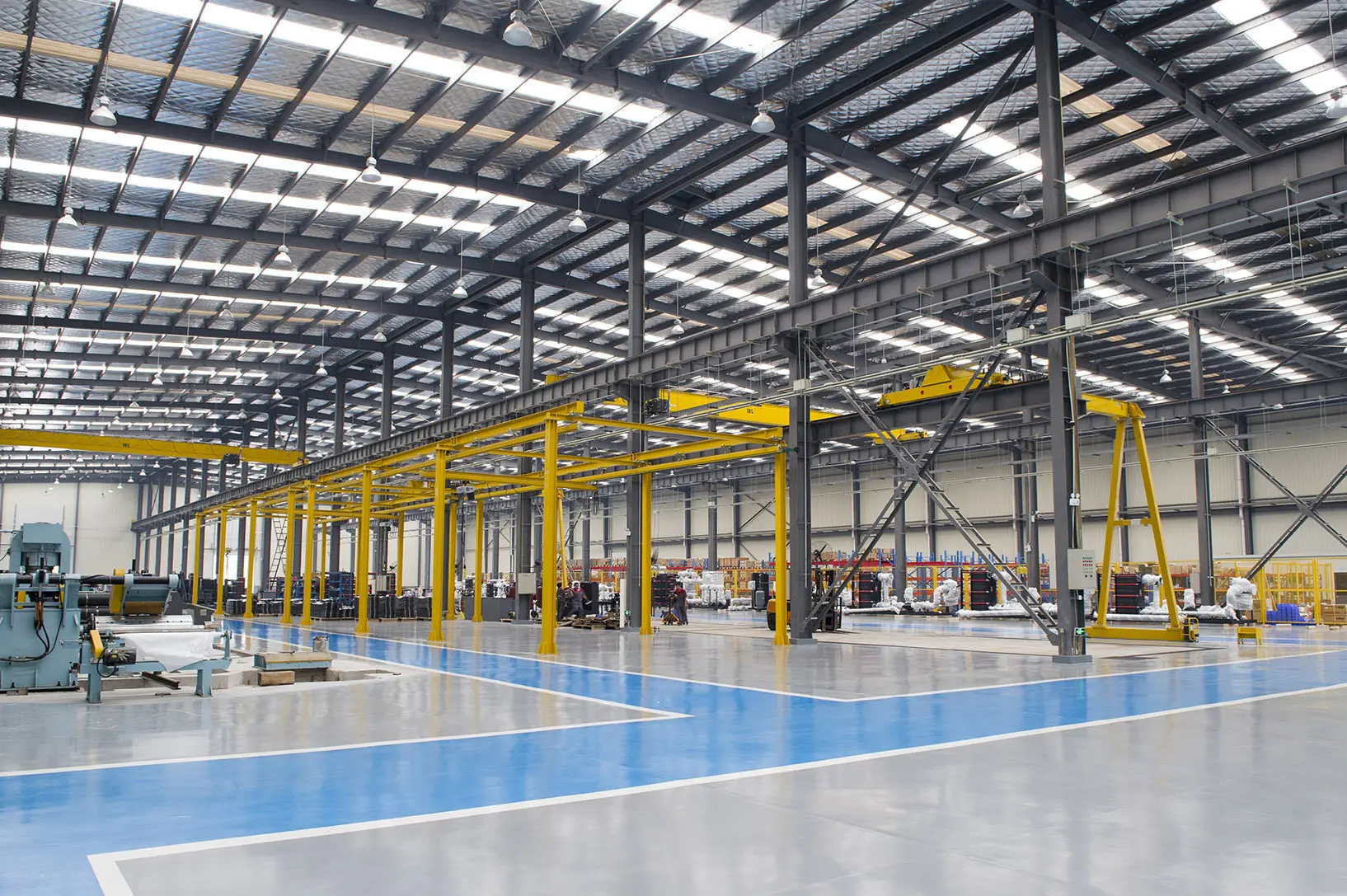
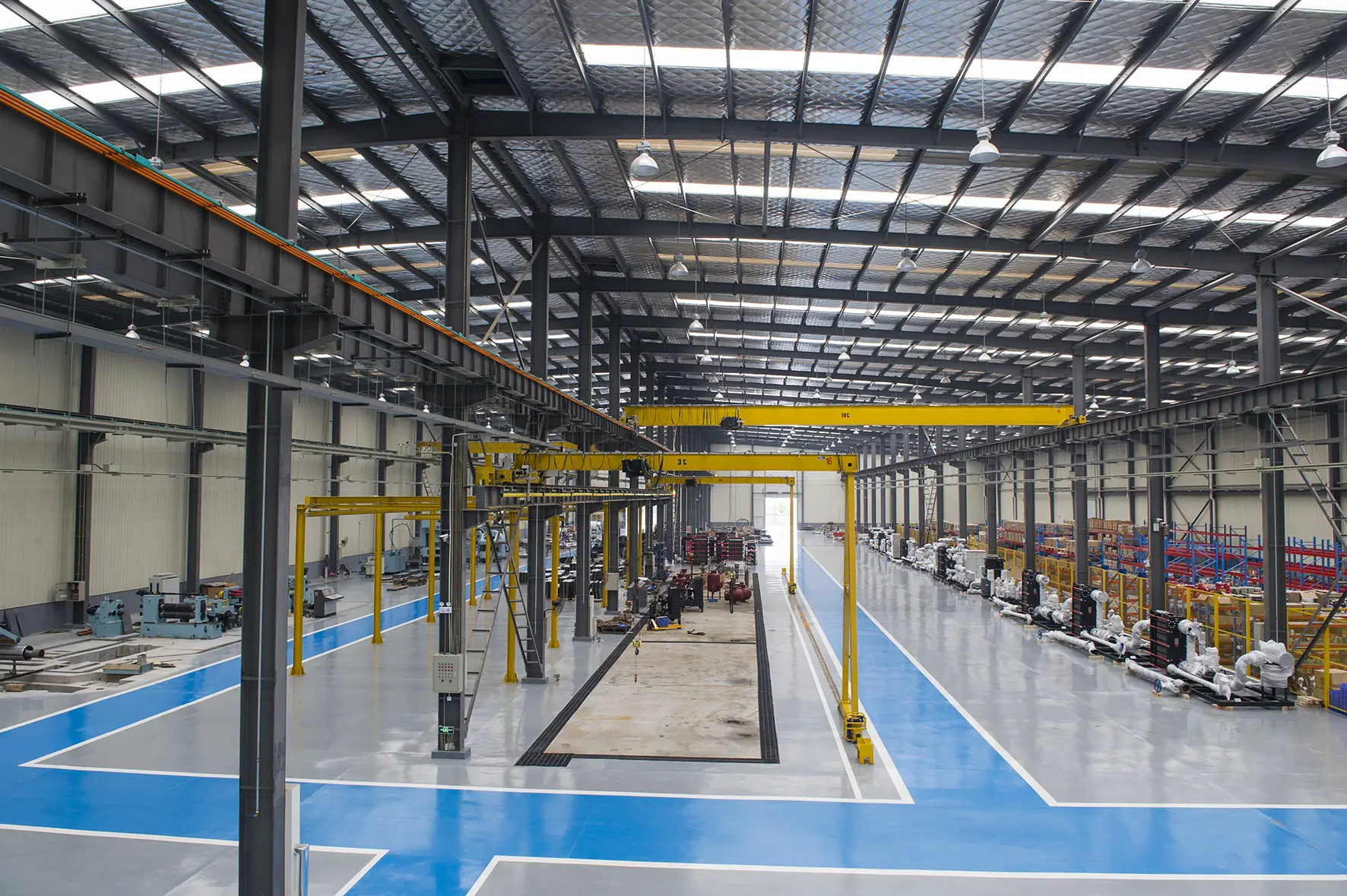
Discover our key advantages in engineering design, quality control, and supply chain resilience.
Specializing in plate heat exchangers, our patented corrugated plate designs achieve 2-3 times higher heat exchange efficiency than conventional designs, reducing energy consumption and overall space requirements.
Our products support 8 core areas, including HVAC, central heating, pharmaceuticals, and power generation. These solutions are validated across global projects to meet diverse regional compliance standards.
Our quality control systems monitor every phase of production. We utilize premium materials, including titanium, nickel alloys, and high-performance stainless steel, to ensure stable operation in aggressive environments.
We provide custom design, after-sales maintenance, and comprehensive engineering support. Our multilingual technical teams and efficient logistics ensure prompt assistance for global clients.
Get answers to critical technical questions regarding pharmaceutical wastewater treatment and equipment sourcing.
Our Multi-Effect Evaporation (MEE) systems treat high-salinity streams by progressively boiling the effluent across multiple stages, or effects. Each subsequent effect operates at a lower pressure, allowing the vapor generated in the previous stage to act as the heating medium. This method concentrates dissolved salts past their saturation limits, leading to crystallization. Concentrated salts can then be mechanically separated, while the clean vapor is condensed into high-purity distillate suitable for industrial reuse or discharge.
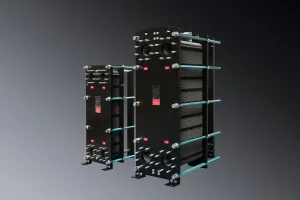
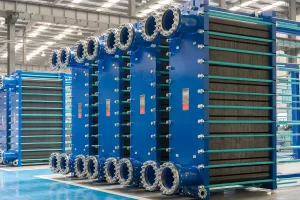
Plate heat exchangers feature thin, corrugated metal plates that generate high turbulence, even at low fluid velocities. This turbulence produces a heat transfer coefficient that is 2 to 4 times higher than that of shell and tube configurations. Additionally, plate heat exchangers offer a compact footprint, close temperature approaches (down to 1°C), and a modular design that allows for easy dismantling, cleaning, and expansion. This versatility is highly beneficial for processing streams containing organic particulates.
Pharmaceutical wastewater often contains high concentrations of chloride ions, organic acids, and active chemical residues, which can cause pitting and stress corrosion cracking in standard steels. We address this by manufacturing heat exchangers using high-grade alloys, including 316L Stainless Steel, Titanium, and Hastelloy. These materials form a passive oxide layer that resists chemical degradation, ensuring reliable performance in harsh process conditions.
All pressure vessels and heat exchangers undergo strict inspection and testing before dispatch. This includes dye penetrant testing of welds, ultrasonic and radiographic inspection (RT) for internal defect detection, and hydrostatic pressure testing at 1.3 to 1.5 times the design pressure. Our operations are fully certified under the ISO 9001:2015 framework and comply with national pressure vessel manufacturing regulations.
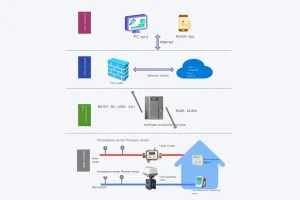
Yes. Our Intelligent Heat Exchange Units and Evaporators are designed to integrate with modern SCADA and Distributed Control Systems (DCS). They feature high-precision sensors, modulating valves, and PLC panels (typically Siemens or Allen-Bradley) that enable automated parameter monitoring, auto-descaling, flow regulation, and remote alarm protocols, minimizing on-site operator intervention.
Standard heat exchangers are typically shipped within 4 to 6 weeks, while large-scale, custom multi-effect evaporation skids require 12 to 16 weeks for engineering design, manufacturing, and assembly. All equipment is packed in heavy-duty, sea-worthy wooden cases with internal vapor barriers to prevent moisture damage during ocean transit. We coordinate with major global freight forwarders to manage export customs clearance and deliver equipment directly to the job site.
Explore our complete range of high-efficiency thermal machinery and custom system components.
 Flotte Energy