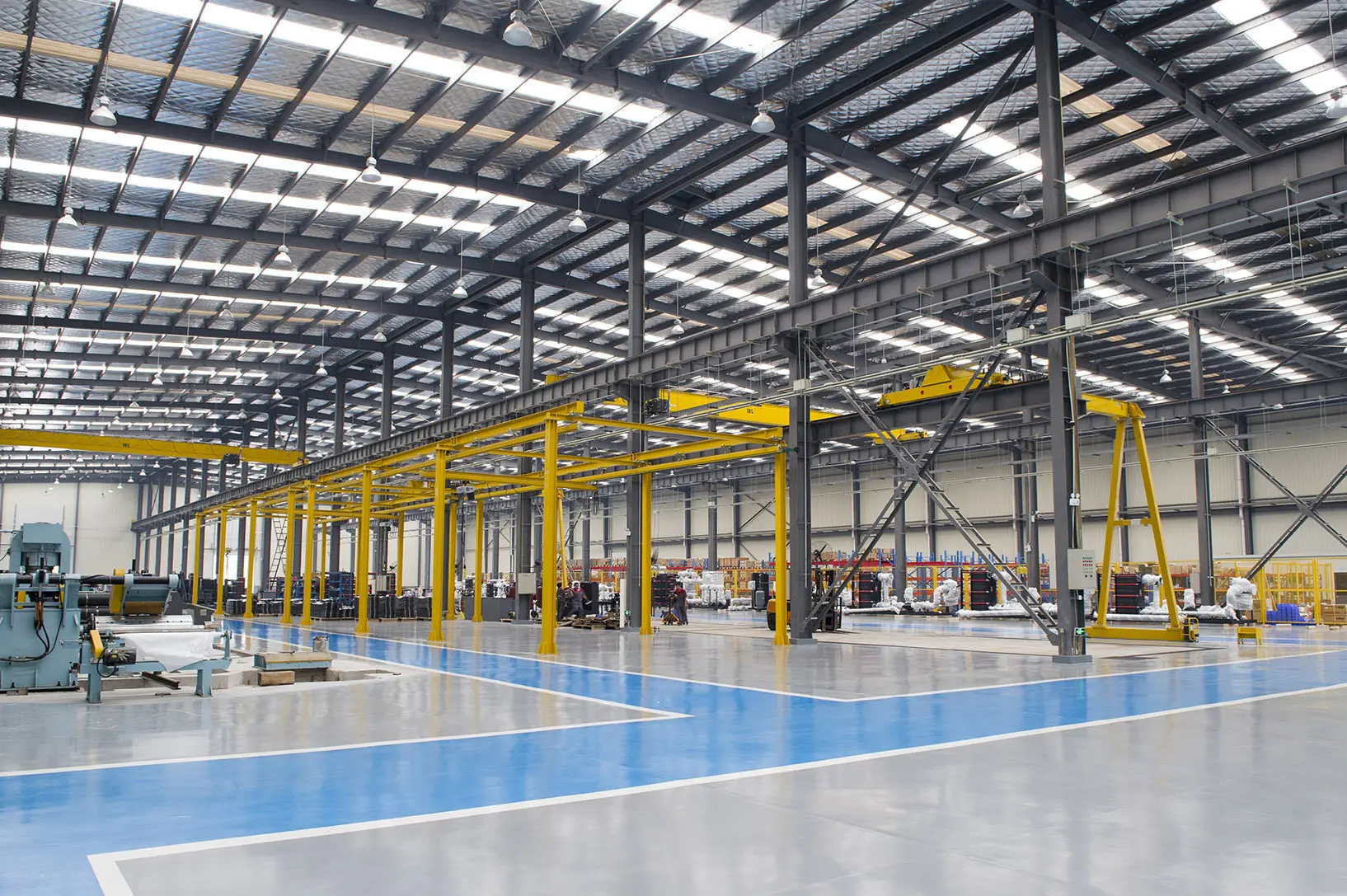
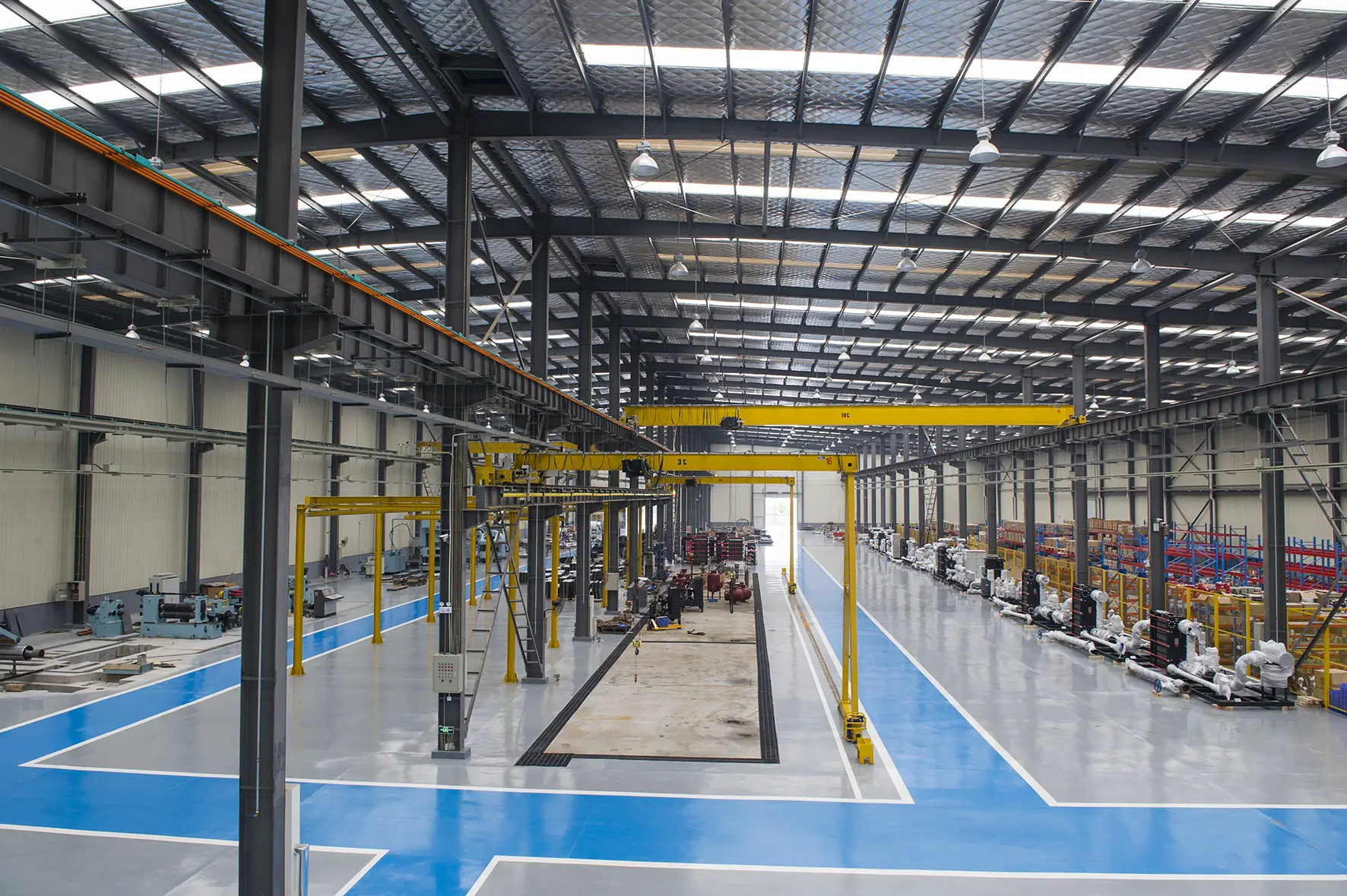
Direct from certified manufacturing centers. Optimized for district heating, HVAC infrastructures, and high-efficiency chemical processes.
As the global community targets carbon neutrality, optimizing industrial energy use is critical. Plate Heat Exchangers (PHE) are vital for modern heating, ventilation, and cooling systems. By maximizing heat recovery, minimizing thermal discharge, and easing integration into centralized heating networks, these units help lower operating costs and reduce carbon footprints.
Through advanced plate geometry and specialized corrugations, modern PHEs achieve thermal transfer coefficients up to three times higher than traditional shell-and-tube designs. Our catalogue features configurations designed for high mechanical and thermal stress, ensuring durability in demanding environments.
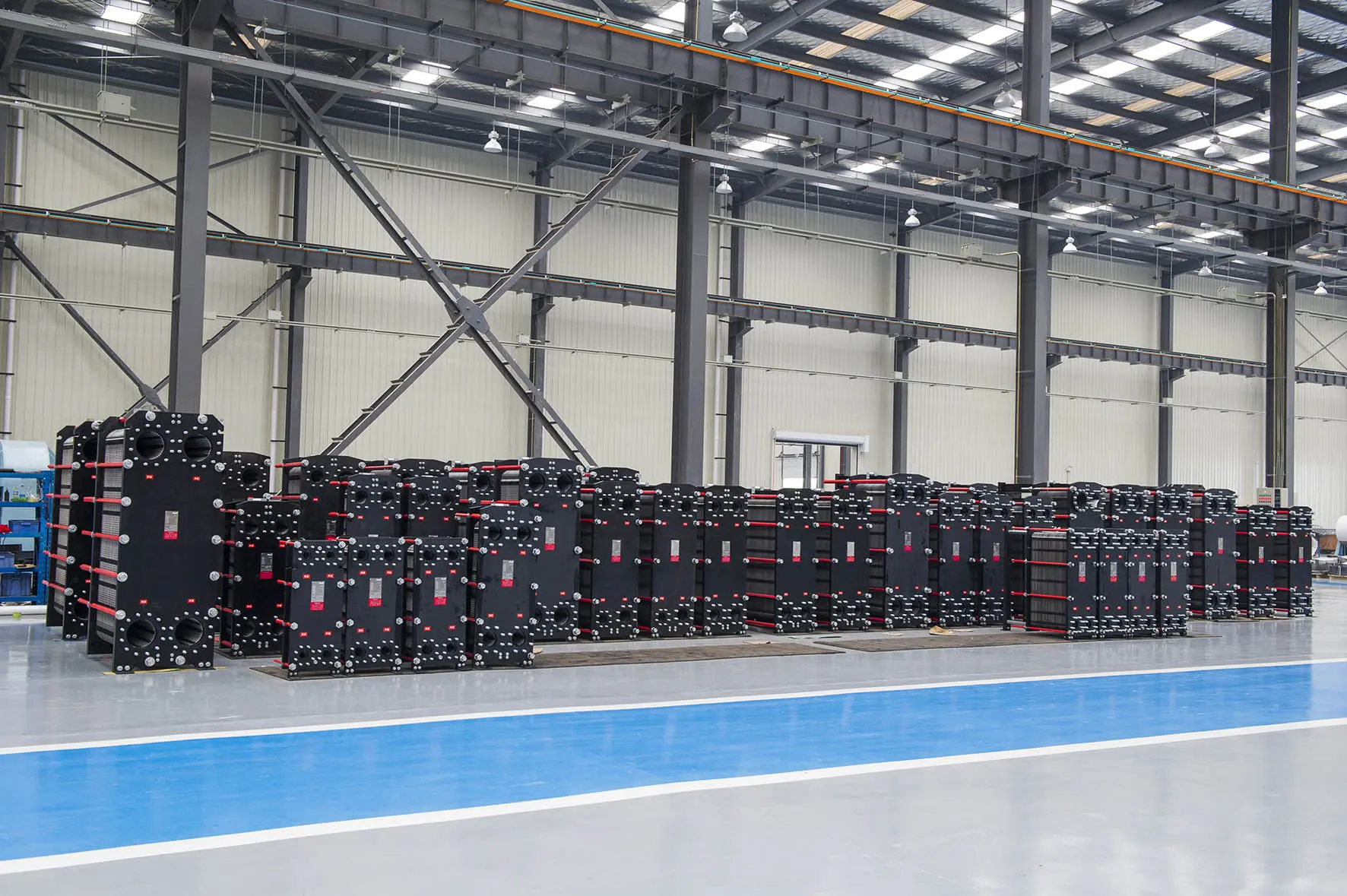
Established with a registered capital of 101 million yuan, Flotte has evolved from Flotte Thermal Engineering (est. 1995) to lead the global HVAC, fluid system, and water treatment sectors.
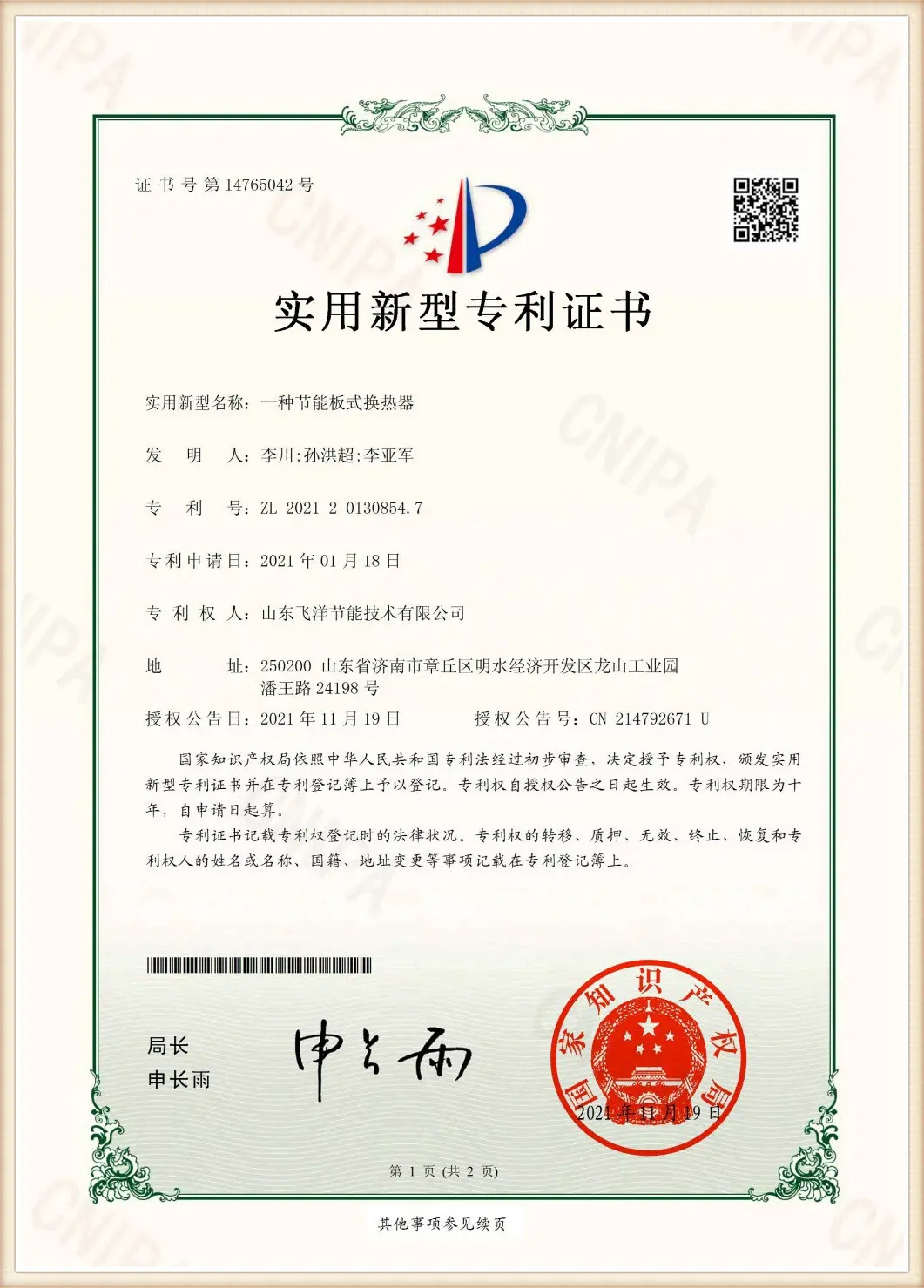
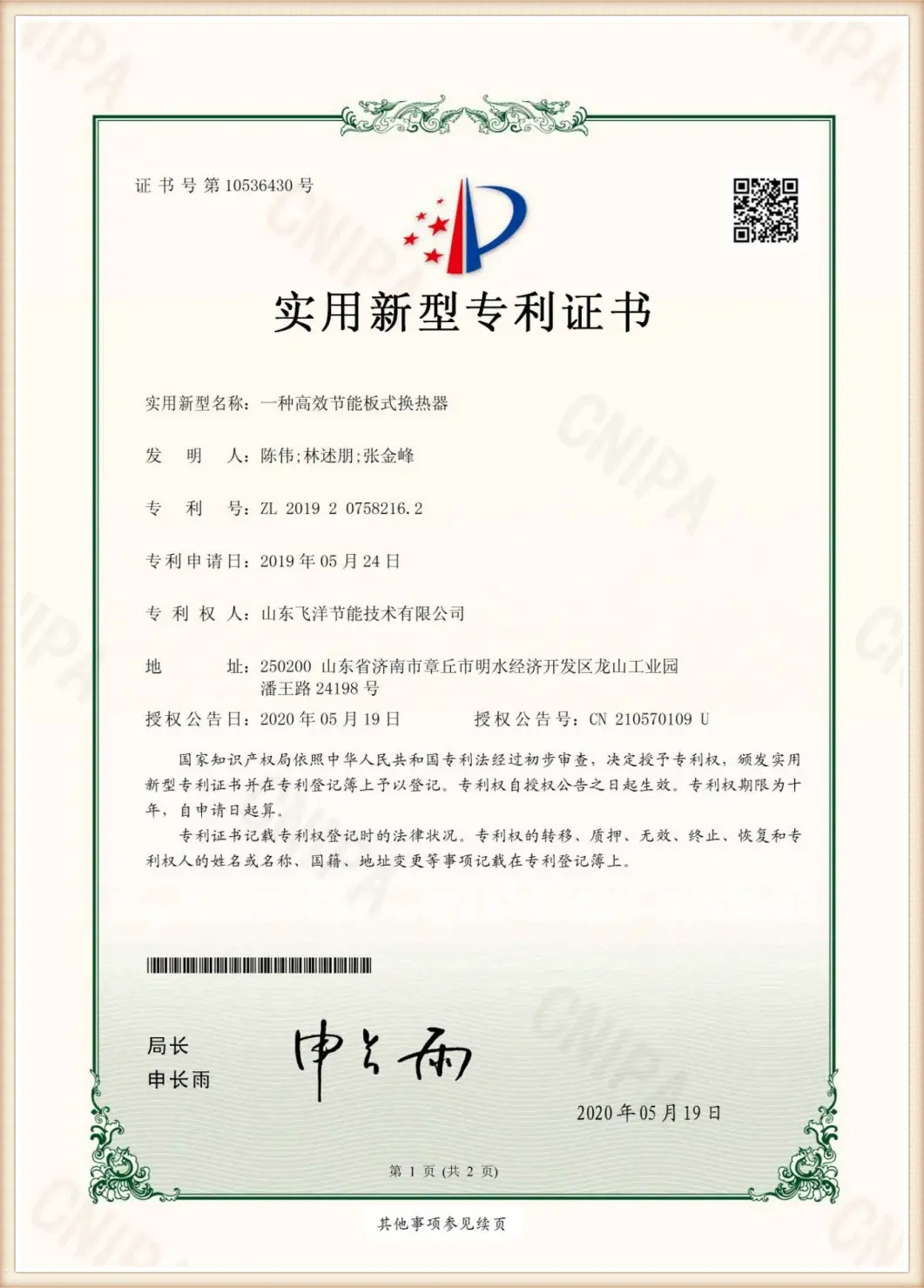
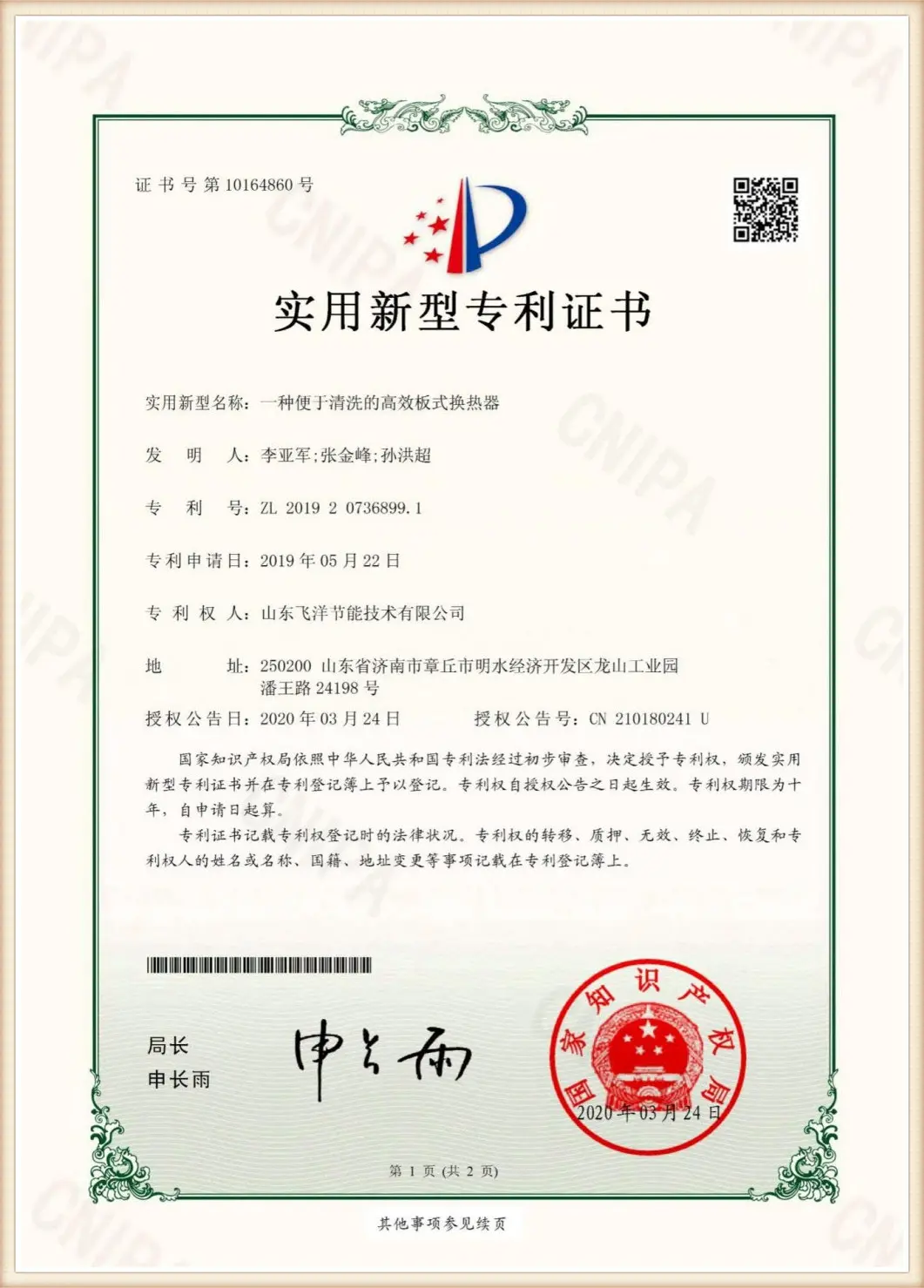
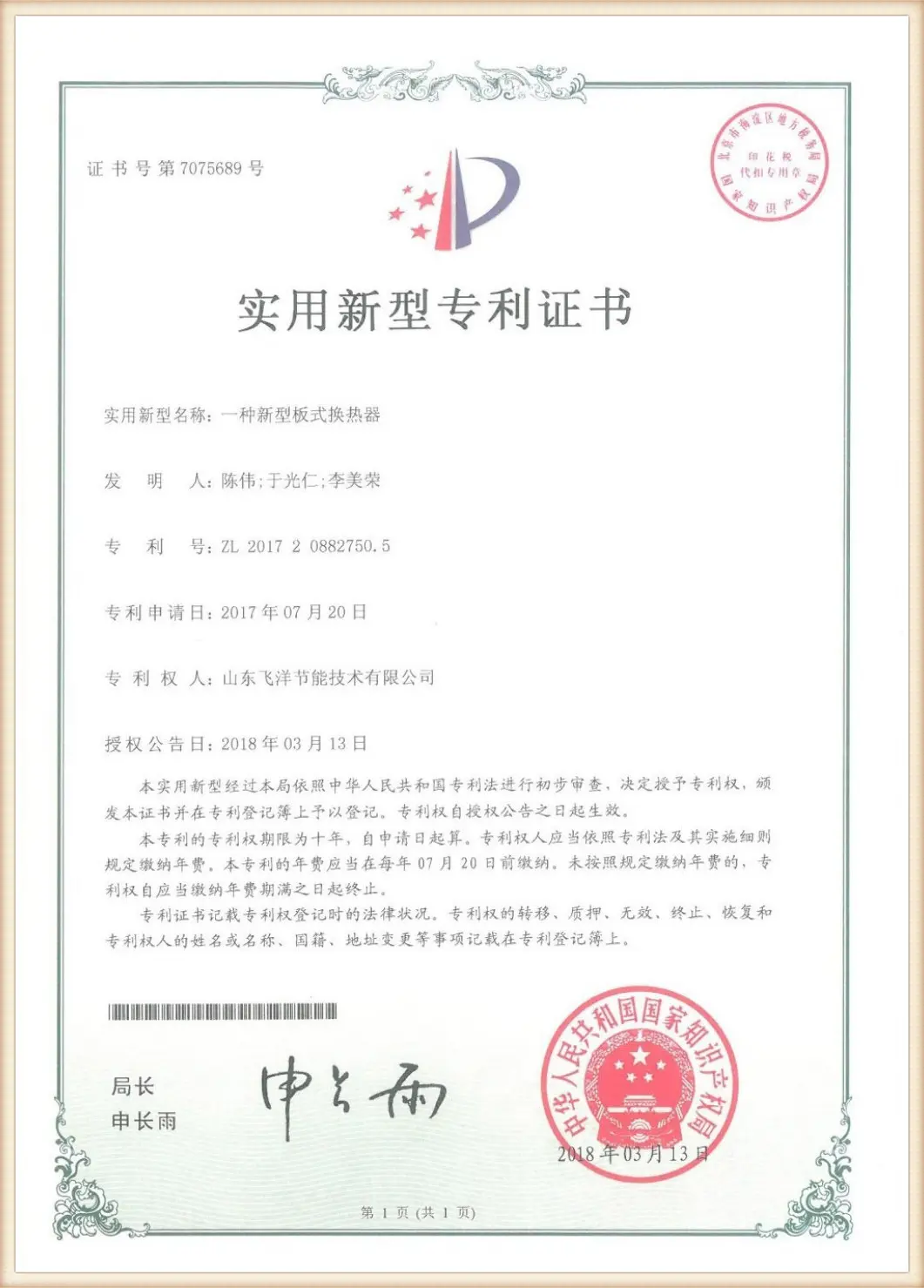
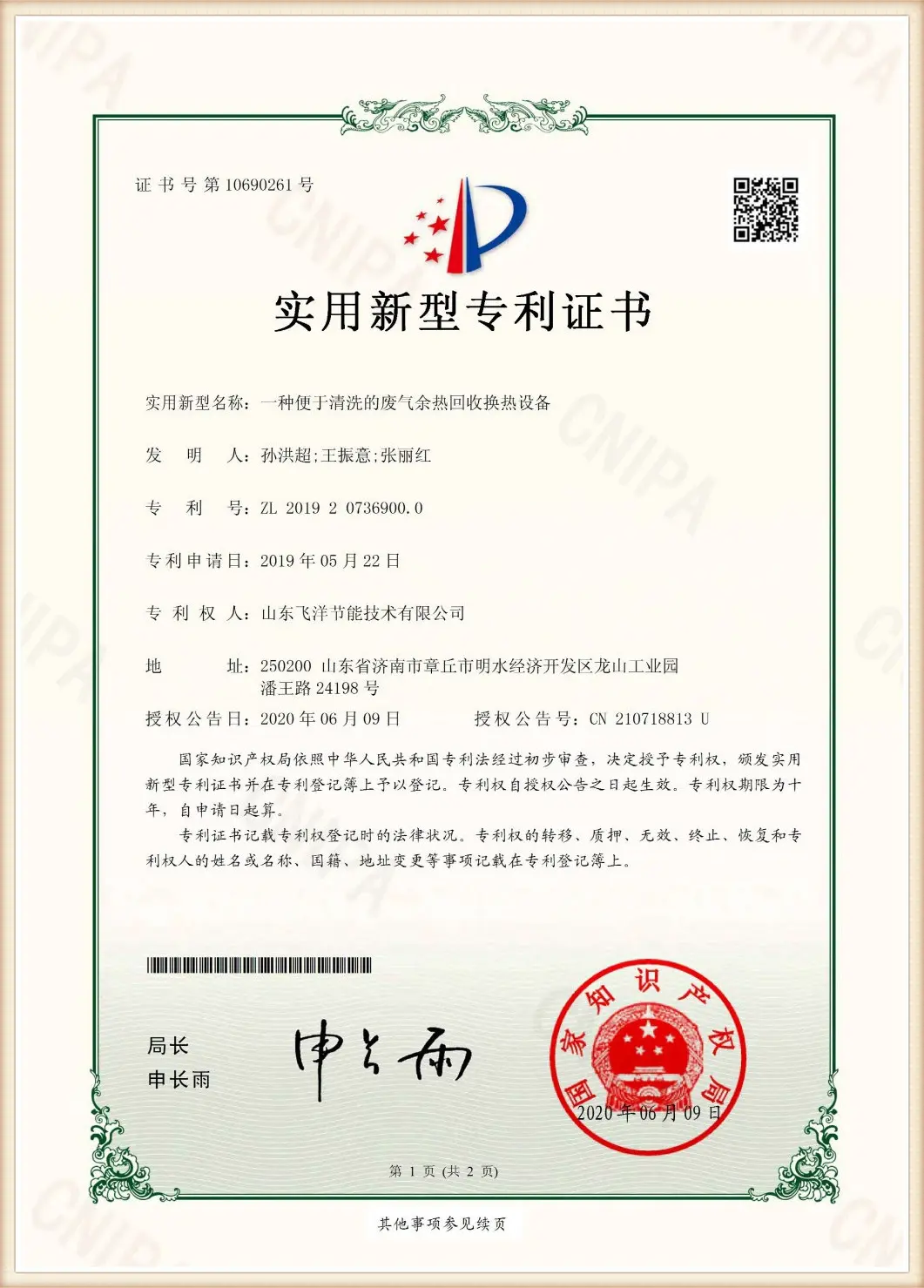
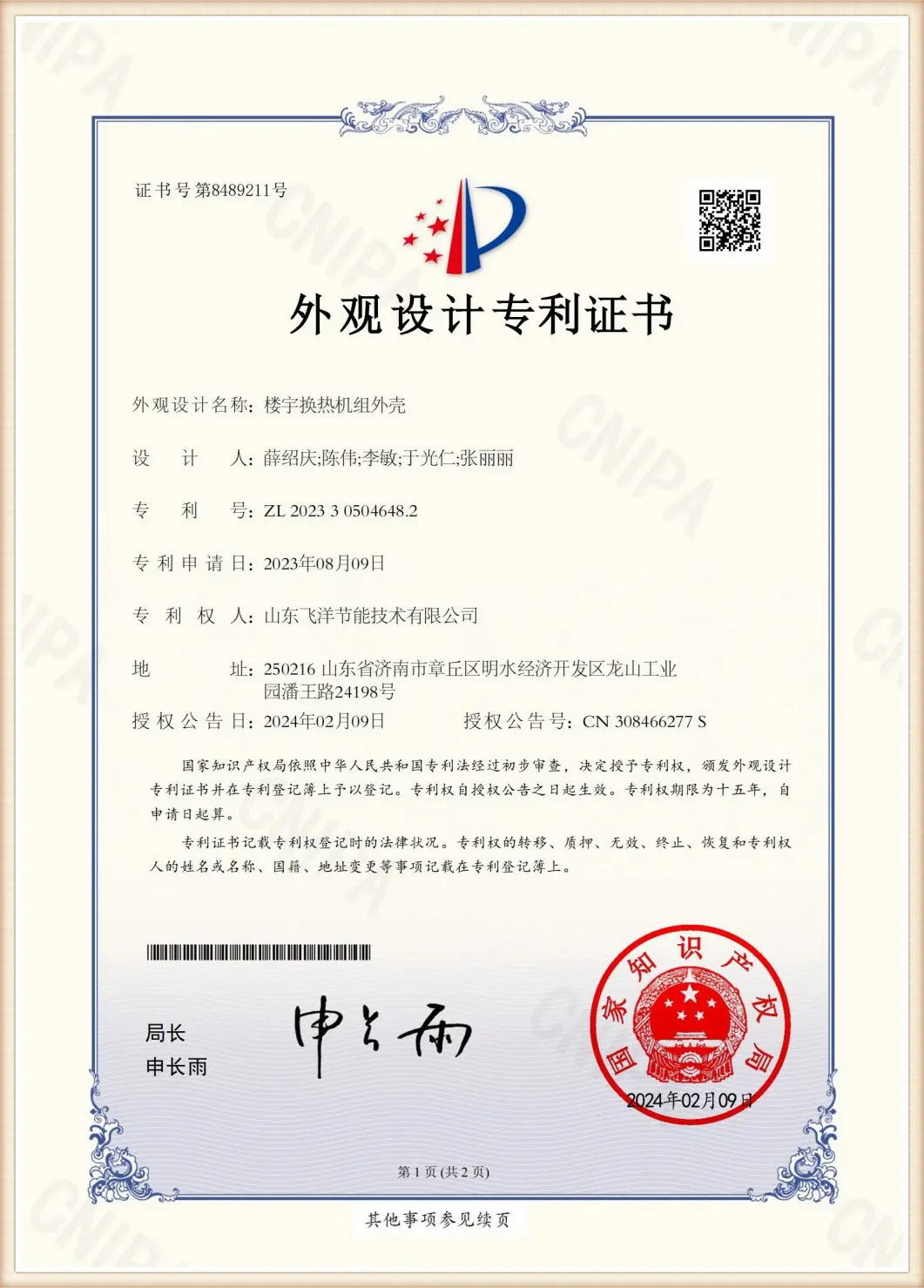
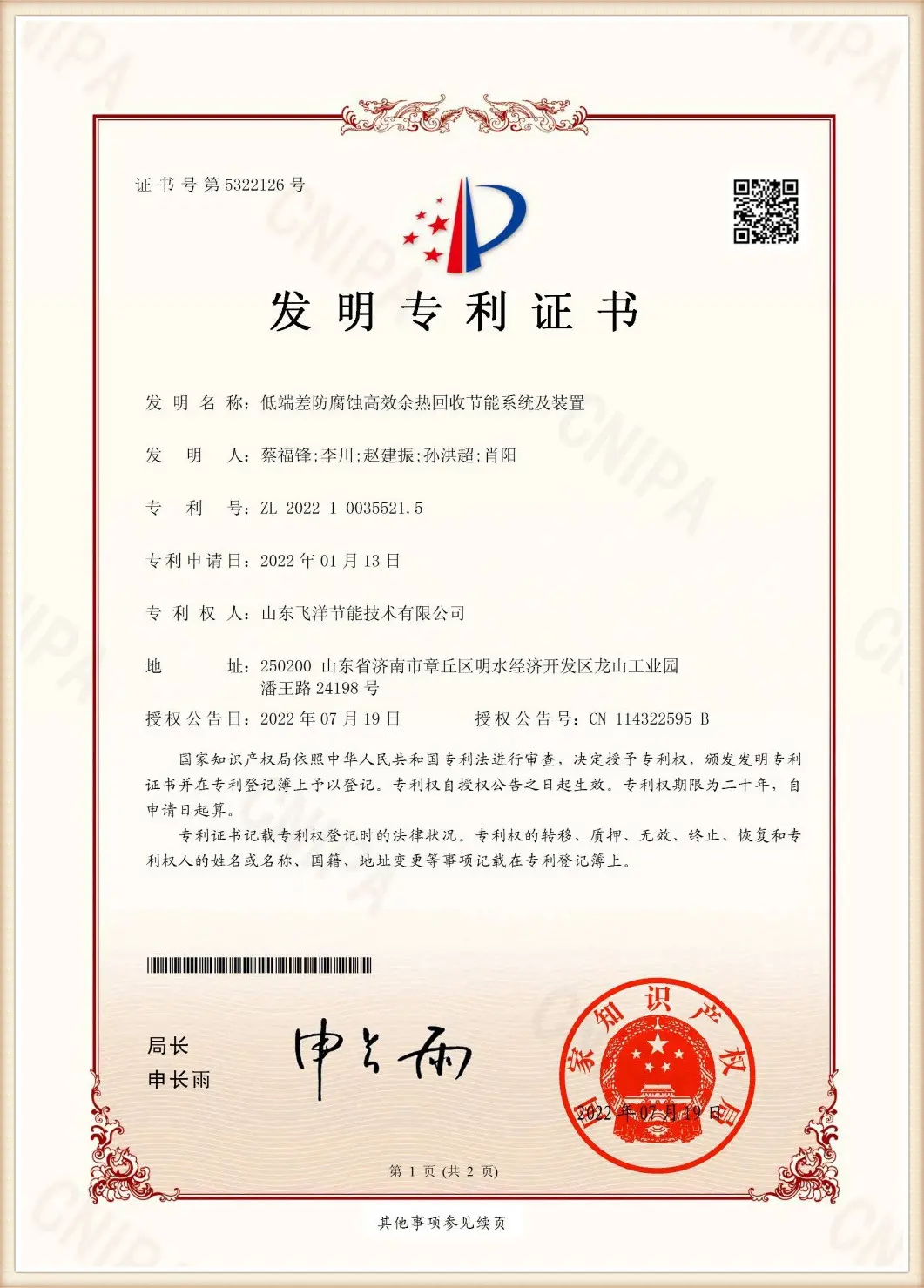
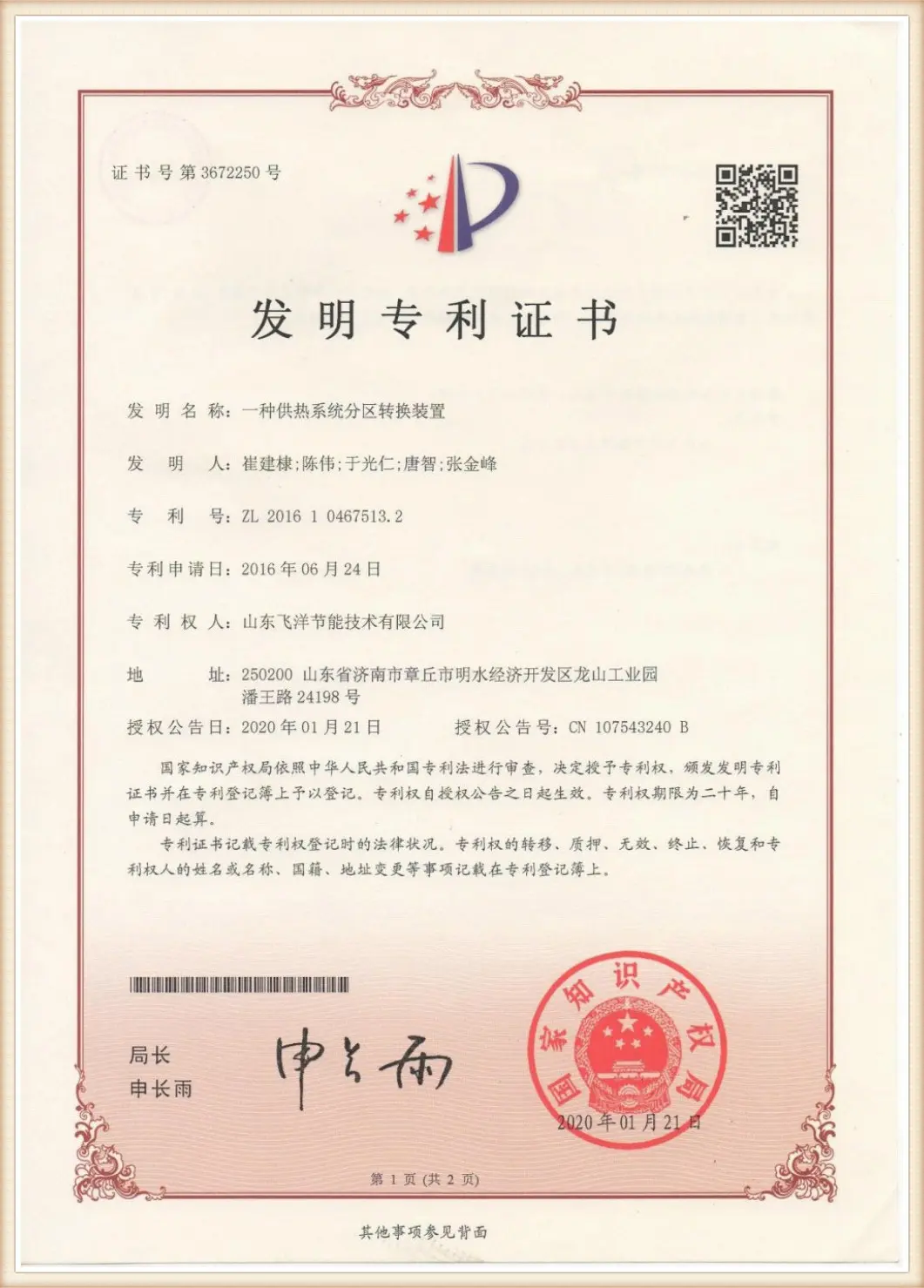
Our technologies feature key patent certifications, including our High-Efficiency Plate Heat Exchanger, Intelligent Plate Heat Exchanger System, and specialized Scale Removal Devices.
Our quality management is backed by ISO9001:2015, ISO14001:2015 Environmental Management, and ISO45001:2018 Occupational Health standards, alongside certification from the National Standardization Committee.
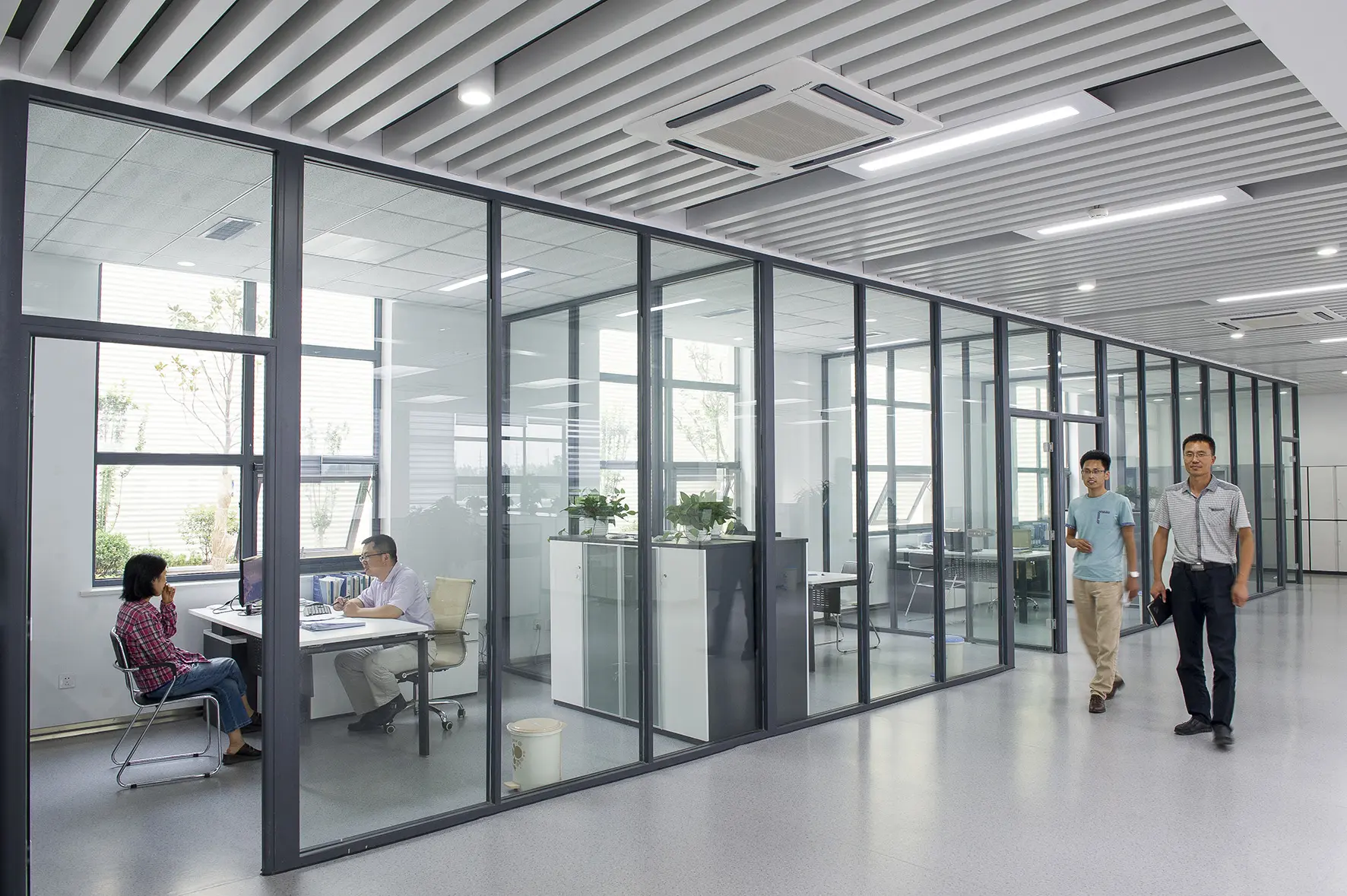
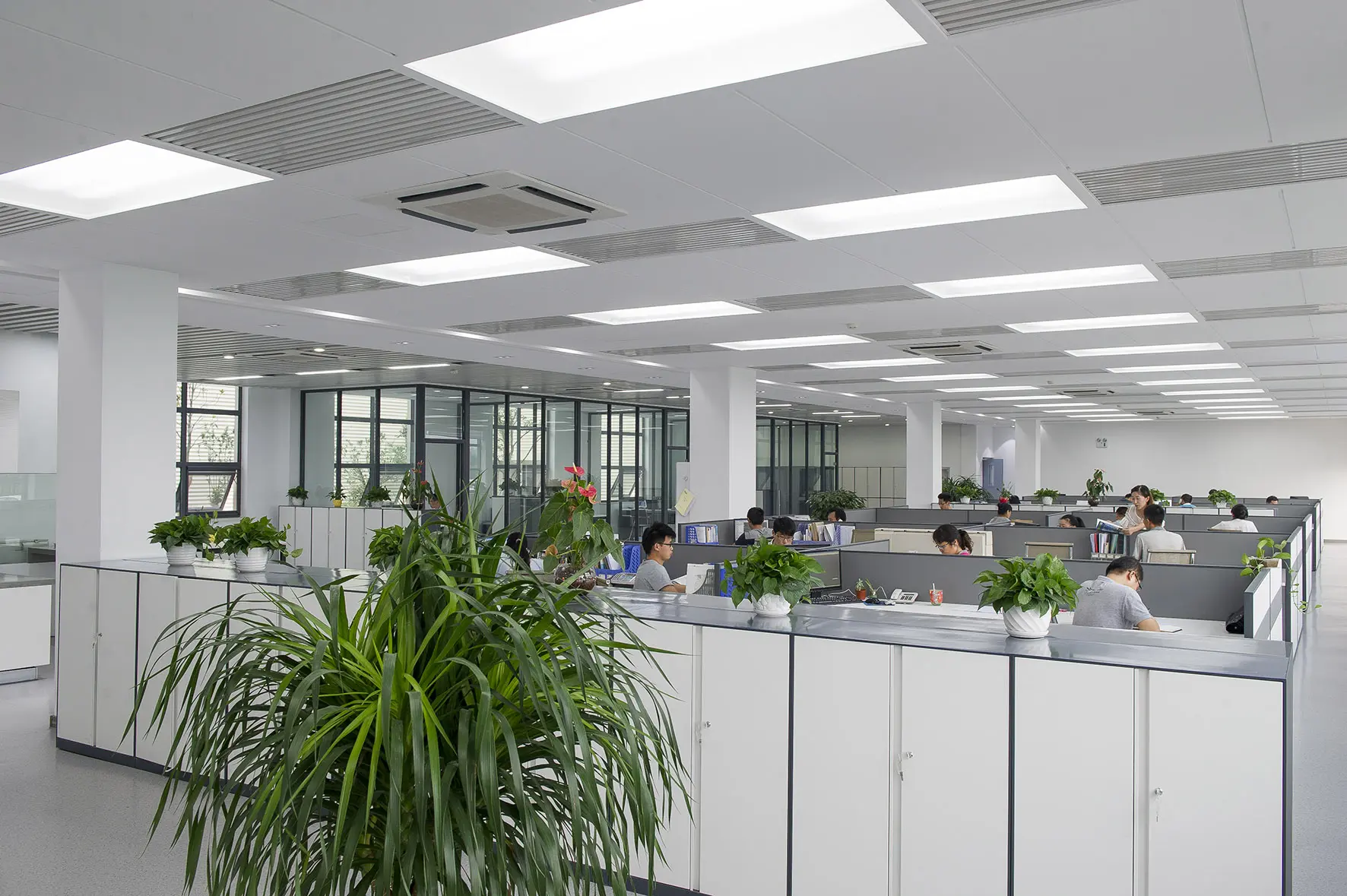
Through our dedicated R&D center and laboratory facilities, our engineers design and test systems to perform reliably in extreme industrial conditions.
With an annual output of over 4,500 heat exchange units and water supply packages, Flotte supports municipal grids, chemical plants, and pharmaceutical facilities globally.
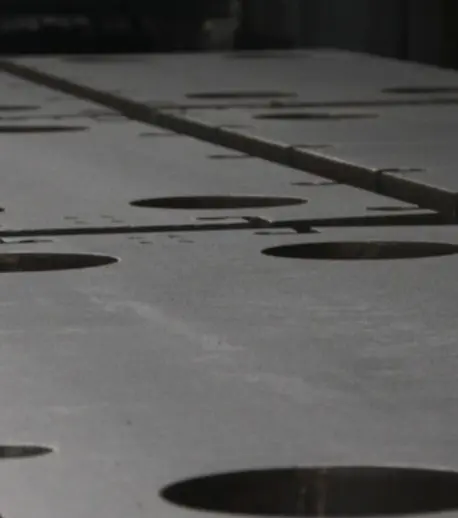
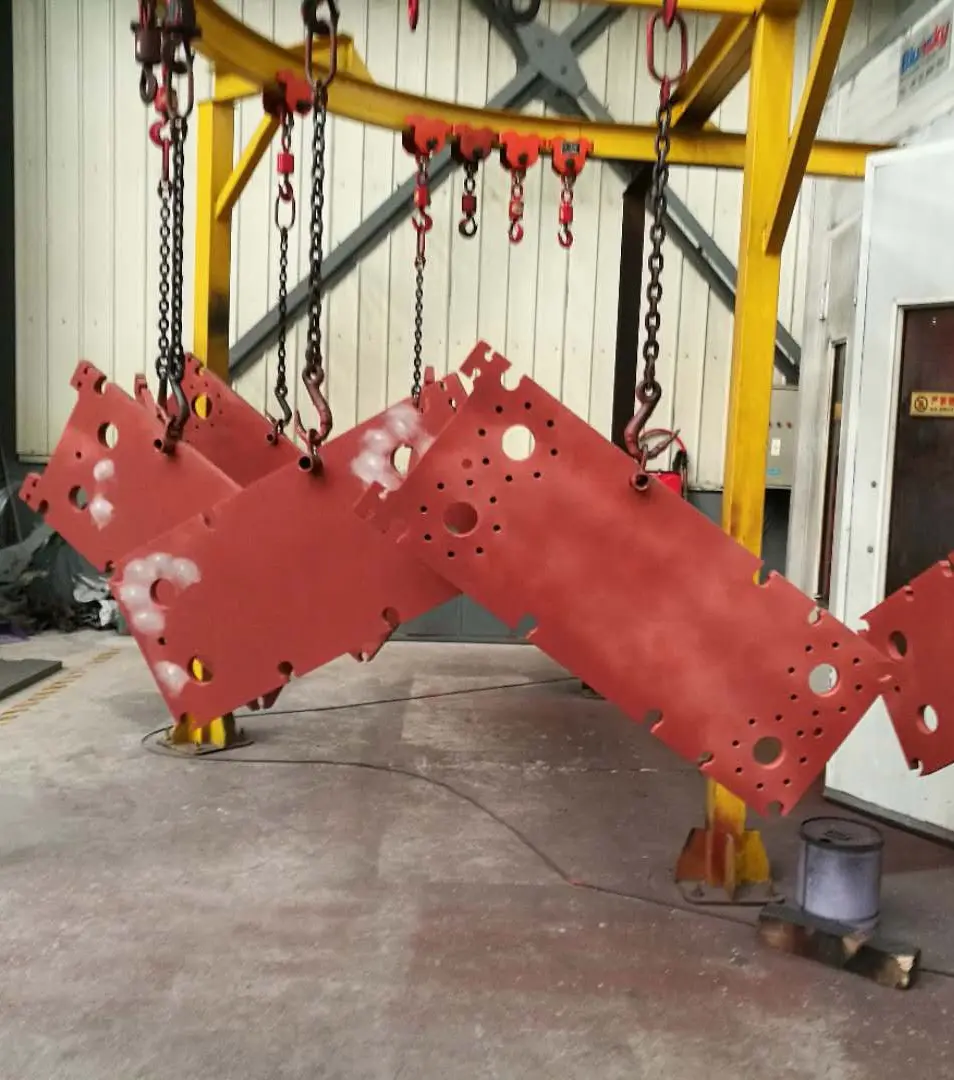
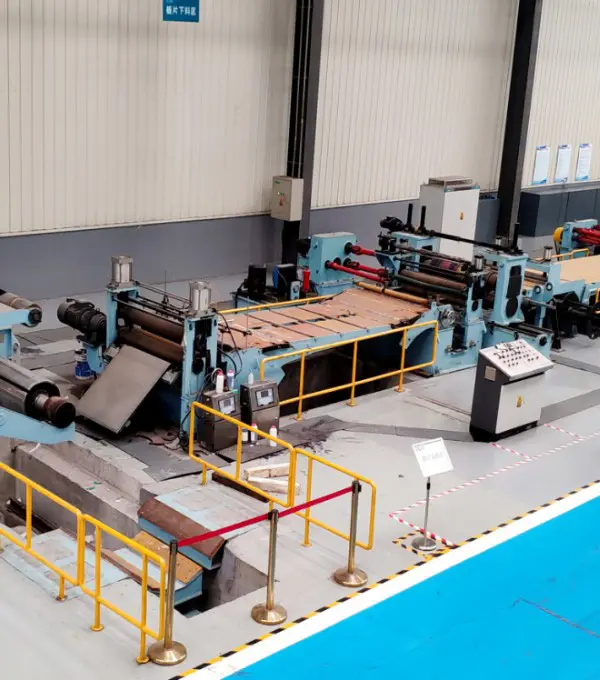
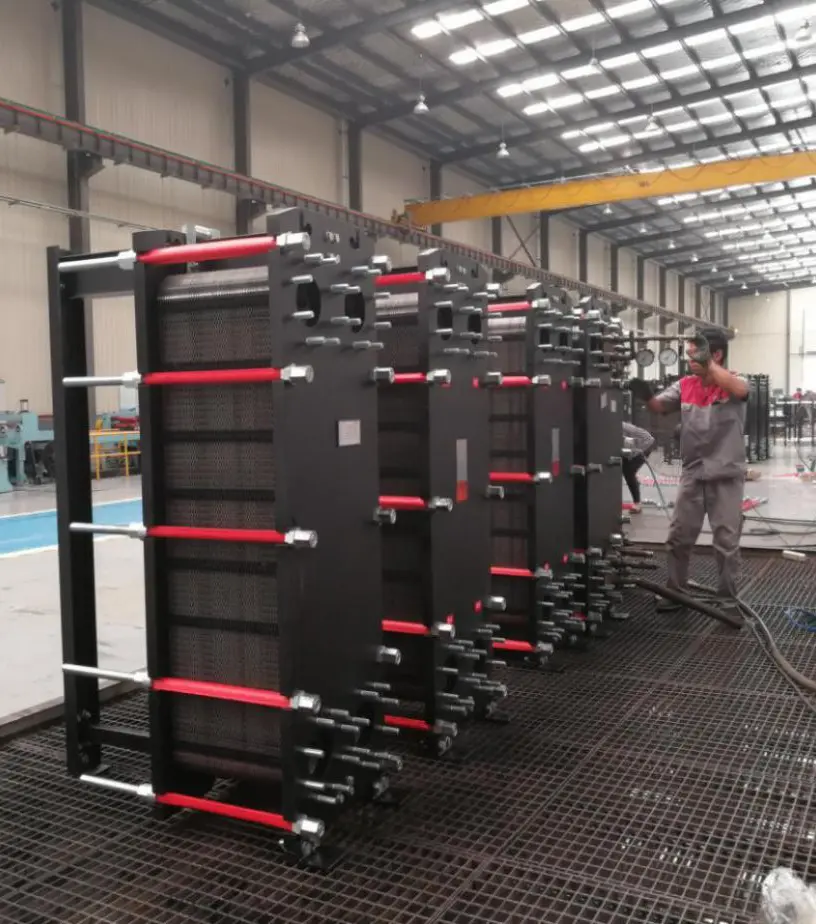
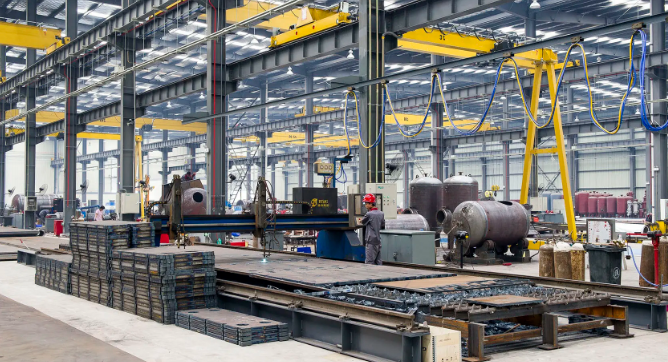
From raw sheet selection to water pressure testing, our production flow follows strict quality checks to prevent leakage and guarantee durability.
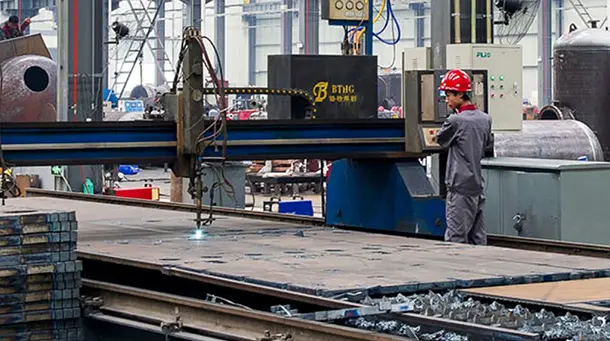
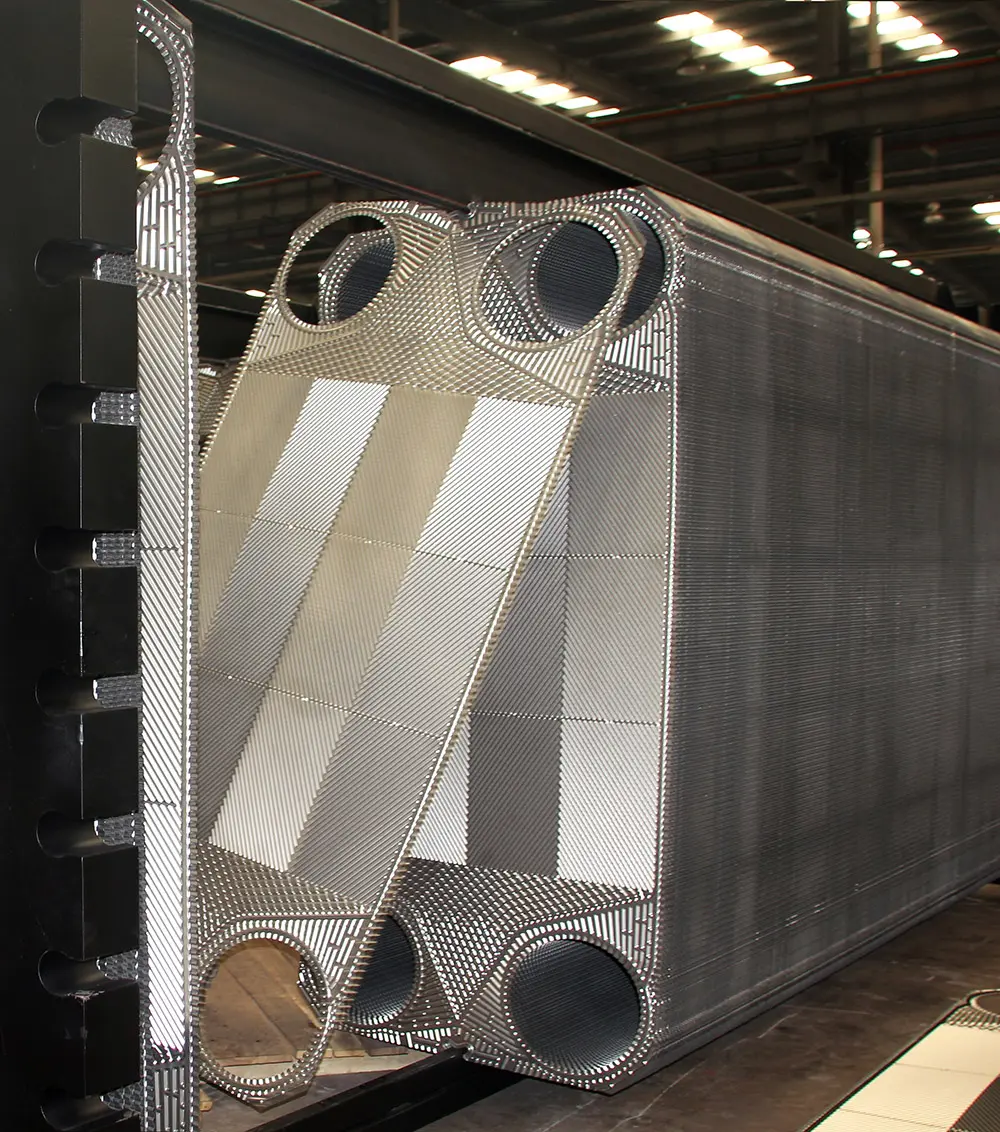
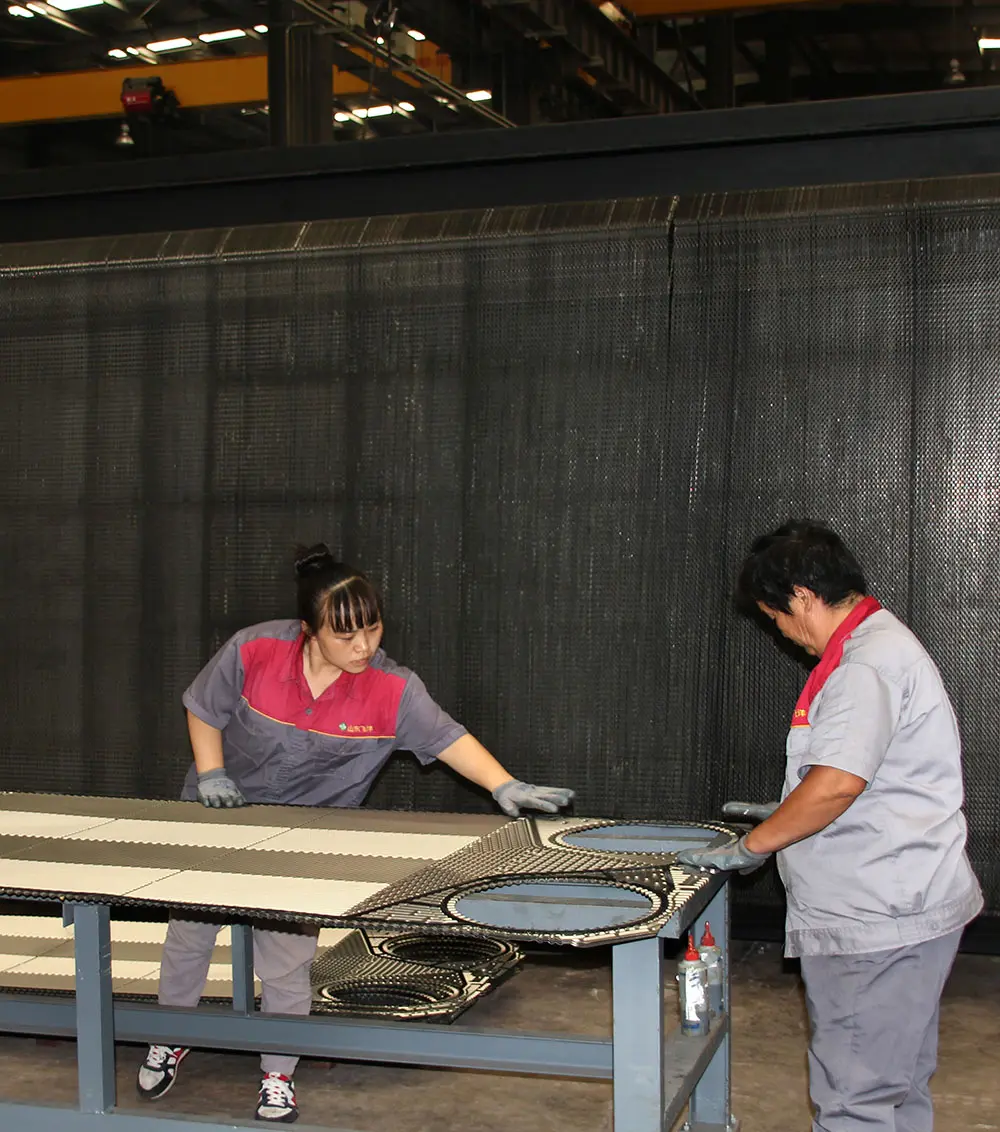
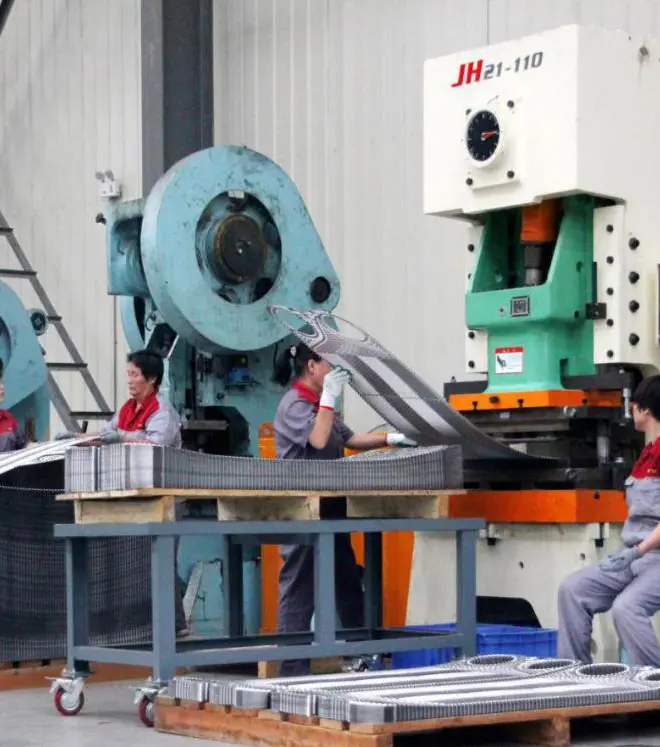
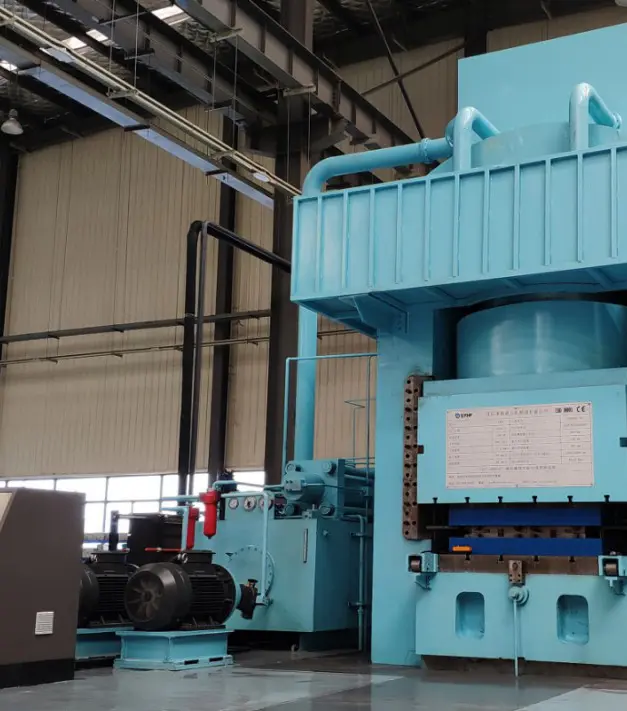
Optimizing thermal energy networks across municipal, chemical, and pharmaceutical systems worldwide.
In centralized heating systems, plate heat exchangers act as critical interfaces between high-pressure municipal distribution networks and localized consumer circuits. By maintaining hydraulic isolation, they protect building installations from pressure surges while delivering precise temperature control to residential and commercial users.
Our plate heat exchangers utilize high-corrosion-resistant alloys like Titanium (Ti-Gr1), 316L Stainless Steel, and Hastelloy C-276. These materials handle highly reactive process streams, enabling safe heat recovery in acid concentration loops, organic solvent cooling, and active pharmaceutical ingredient (API) synthesis.
With integrated room temperature sensors and electronic balance valves, our commercial HVAC solutions scale dynamic thermal output in real-time. By minimizing the Logarithmic Mean Temperature Difference (LMTD) to under 1°C, they reduce chilled and hot water pumping energy requirements, helping buildings meet strict energy codes.
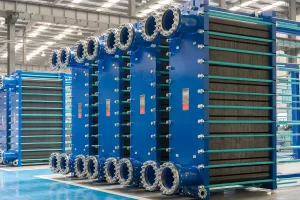
Our plate heat exchangers are built to meet the needs of demanding industrial projects worldwide.
Our chevron plate designs feature high and low theta angles. High theta plates offer increased heat transfer rates with higher pressure drops, while low theta plates reduce pressure drop for high-flow-rate applications. Combining these geometries allows our engineers to customize thermal and hydraulic performance for each installation.
We supply glue-free clip-on and snap-on gaskets made from NBR, EPDM, and Viton. EPDM is selected for steam and water applications up to 160°C, NBR is used for oil-water systems, and FKM/Viton provides protection against aggressive chemicals and extreme temperatures.
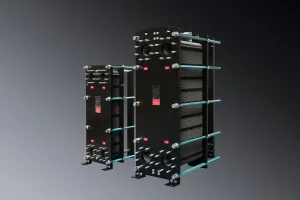
Constructed with epoxy-coated carbon steel pressure plates and structural tie bolts, our frames are designed for operating pressures up to 2.5 MPa (25 bar). They feature double-guided alignment bars to simplify disassembly and plate cleaning during routine maintenance.
Every plate and heat exchanger unit is manufactured under a certified quality management system, complying with international pressure vessel regulations.
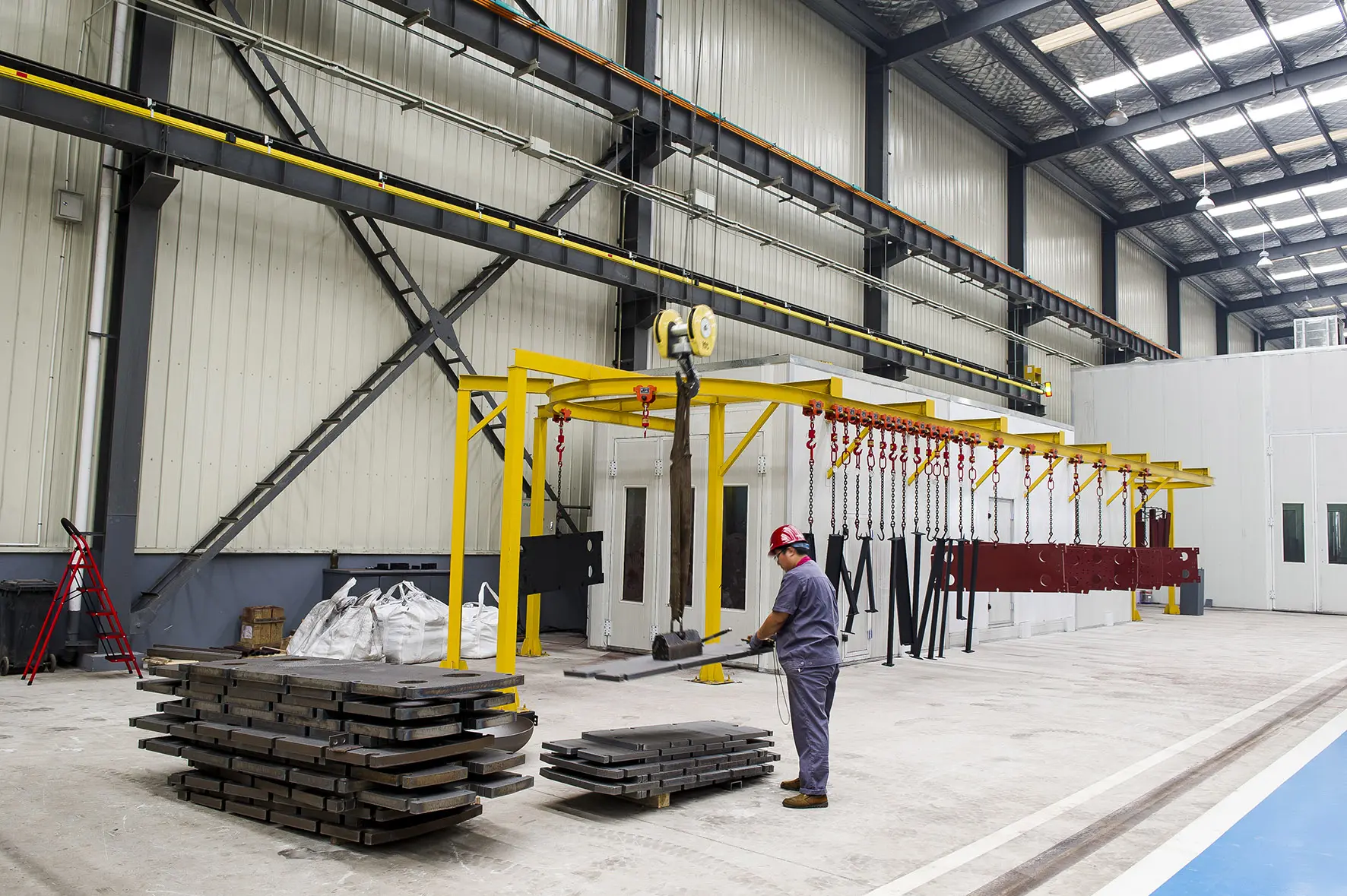
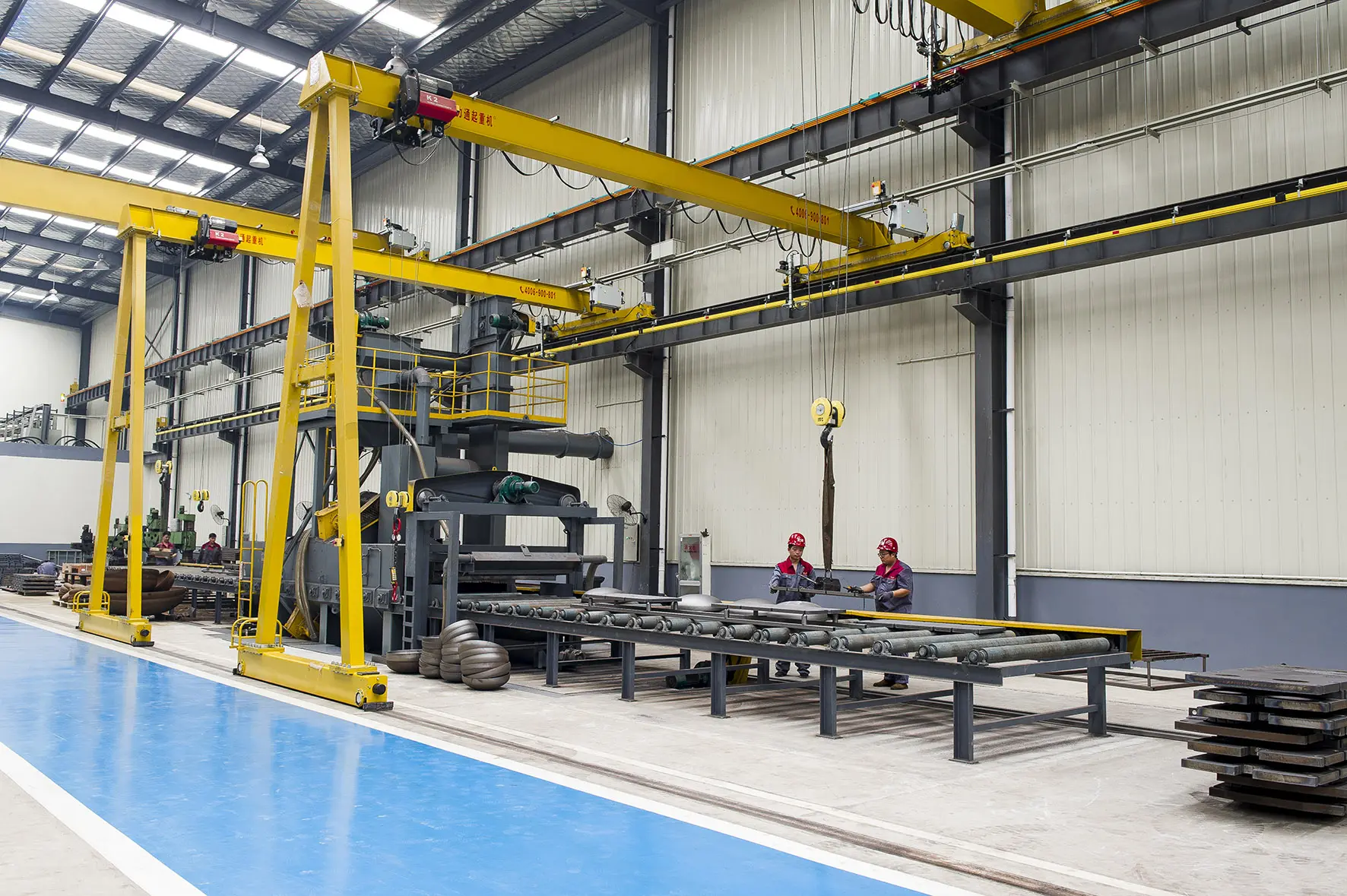
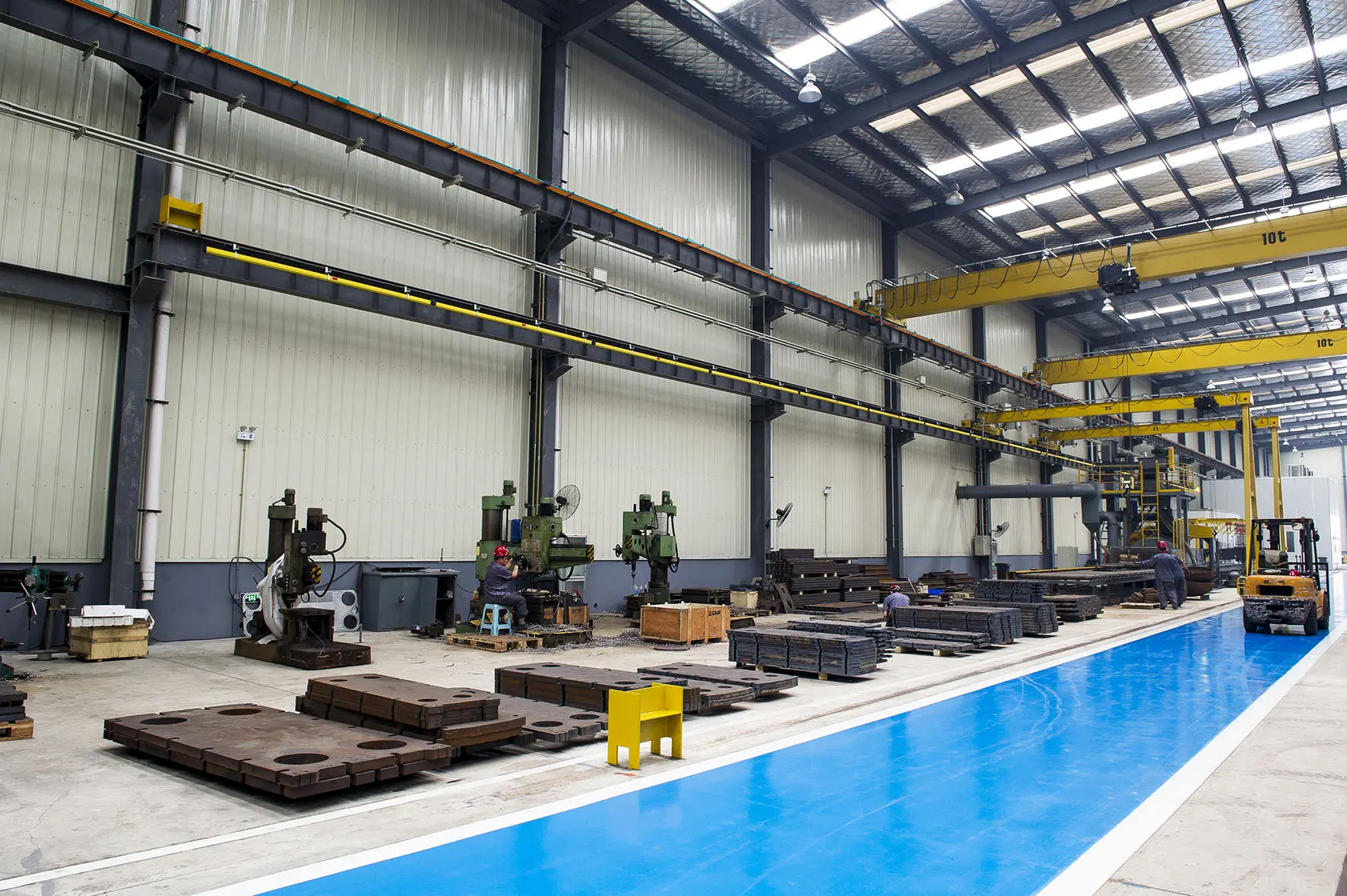
Our engineering capabilities support standard and customized thermal exchange installations.
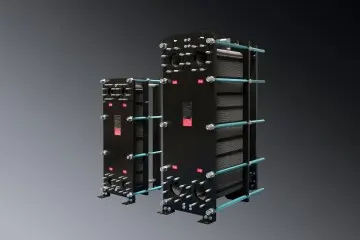
Designed to optimize flow channel profiles for liquid-to-liquid and vapor-to-liquid heat transfer applications, with easily accessible components for simplified maintenance.
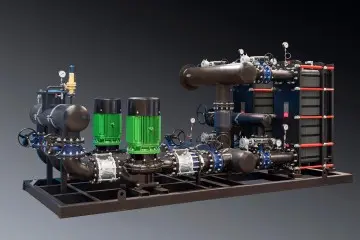
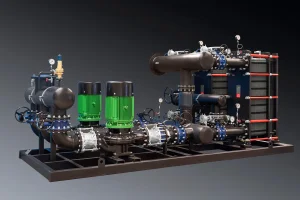
An integrated thermal management skid featuring intelligent monitoring sensors, variable frequency pumps, and electric control valves for automated heat regulation.
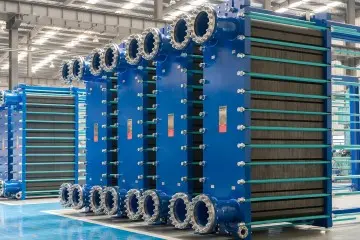
Specifically developed for district heating networks, combining reliable hydraulic isolation with steady pressure control to protect localized consumer loops.
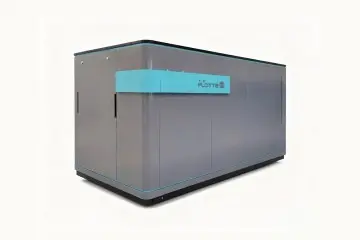
Compact, high-efficiency heat exchange solutions designed to optimize commercial building climates and support smart hydronic distribution.
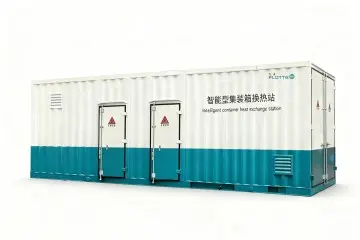
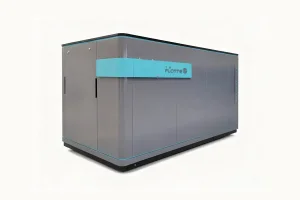
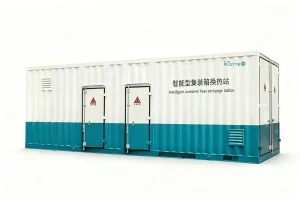
An enclosed, pre-engineered modular unit that provides quiet operation and protection against dust in demanding outdoor or indoor utility areas.
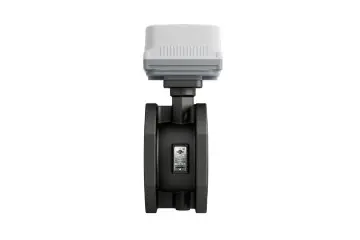
Engineered to balance flow distribution across dynamic secondary pipe networks, helping prevent uneven thermal delivery in multi-branch systems.

A sensor that records environmental temperatures to provide feedback loop inputs for automated district heating regulation.
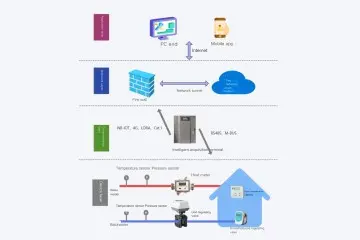
A control system that coordinates balance valves and collectors to optimize energy distribution across secondary pipe networks.
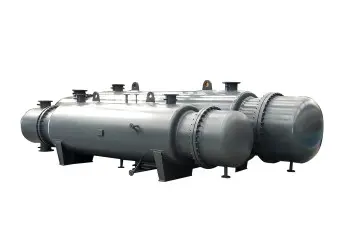
Designed to handle high pressure differentials, extreme fluid velocities, and high fouling loads in specialized industrial environments.
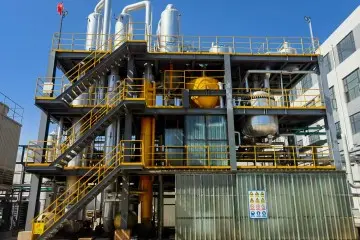
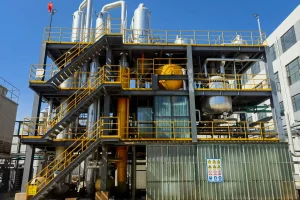
Uses heat reuse techniques to reduce steam consumption during industrial concentration processes, helping improve energy efficiency.
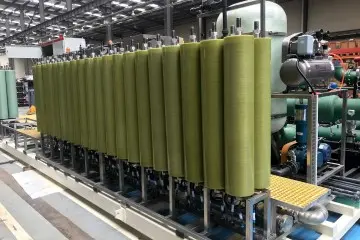
Combines physical membrane filtration with heat recovery loops for energy-efficient fluid concentration and purification.
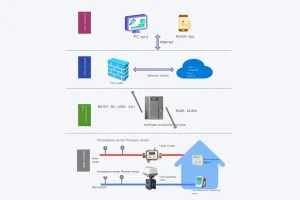
Modern heating systems are shifting from manual configurations to dynamic, data-driven grids. By combining cloud diagnostics with internet-connected hardware, operators can monitor parameters like heat load shifts, temperature anomalies, and potential scale accumulation remotely.
Flotte's current developments focus on automated flow balancing. Our Intelligent Secondary Network Systems adjust control valve settings dynamically based on outdoor temperatures and load demands, helping to prevent uneven heating and reduce energy waste.
Detailed answers to common questions about selecting, maintaining, and sizing plate heat exchangers.
Remaining configurations, replacement components, and intelligent balancing systems in our lineup.
 Flotte Energy