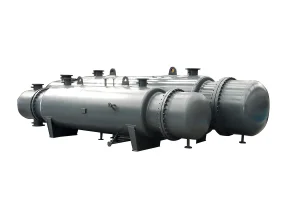
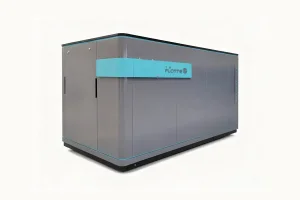
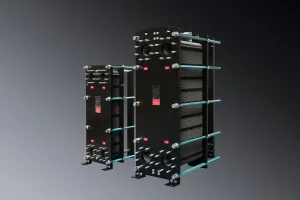
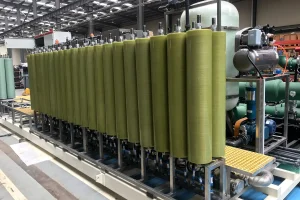
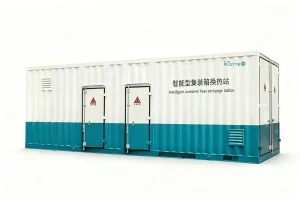
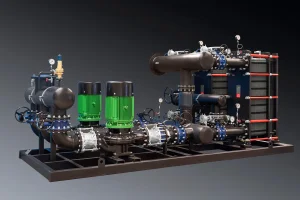
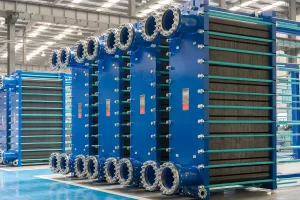
Explore our top-tier high-performance plate, shell-and-tube, and integrated thermal management solutions engineered for unmatched thermal transfer efficiency.
Thermal processing systems are the core operational foundation across modern industries, including district energy systems, food processing, oil and gas, and chemical refineries. Among these technologies, the Plate and Frame Heat Exchanger (PHE) stands out for its high operational efficiency, compact footprint, and easy maintenance. At Flotte, we combine decades of manufacturing experience with cutting-edge thermodynamic designs to produce PHE units that maximize heat recovery and minimize carbon footprints.
Flotte Energy Saving Company was established in 2013 with a registered capital of 101 million yuan. Our roots date back to 1995 with the founding of Flotte Thermal Engineering. With three decades of deep engineering experience, we design, manufacture, and distribute water equipment, HVAC systems, and water treatment solutions to projects worldwide.
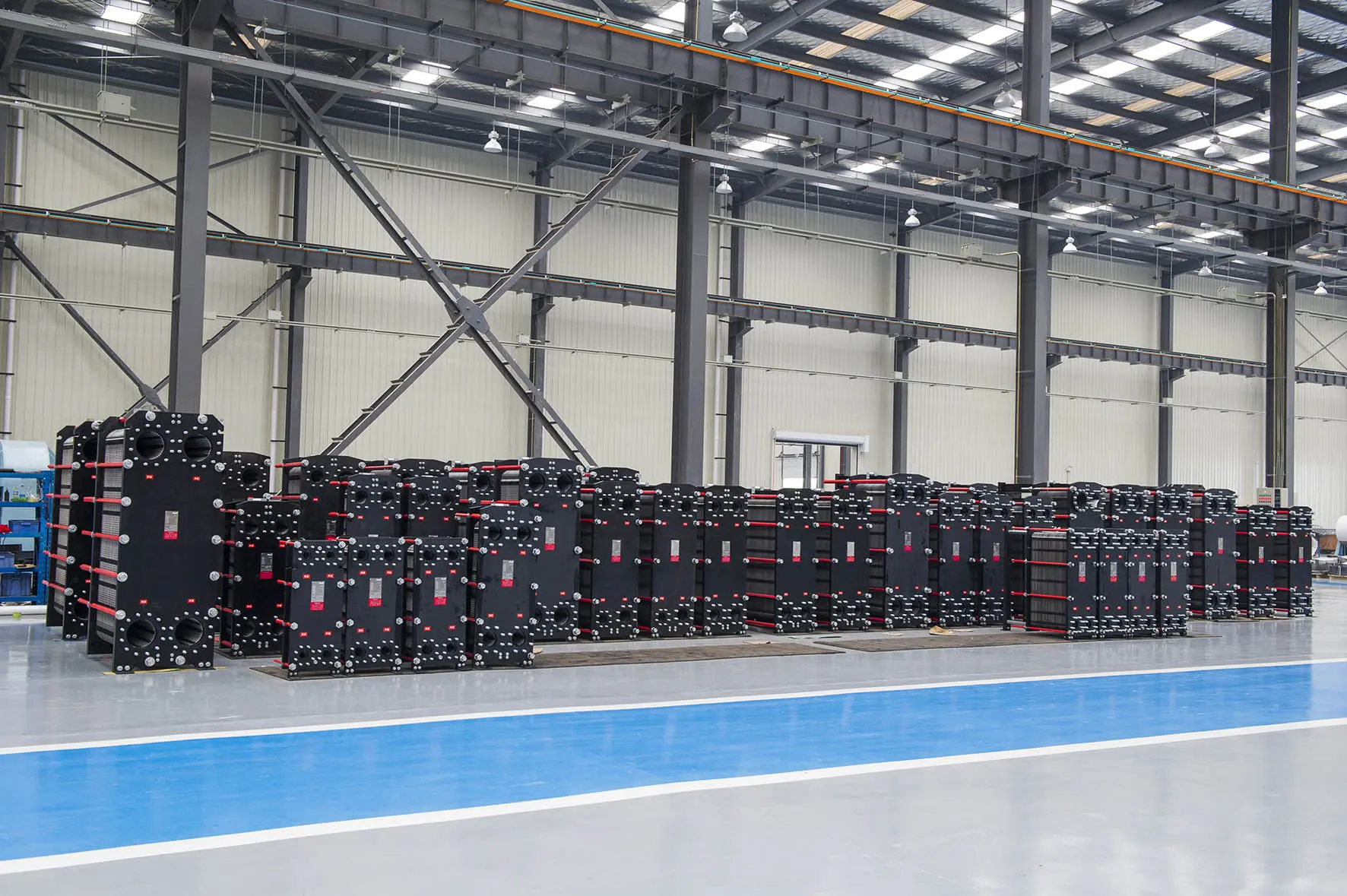
Our plate and frame heat exchangers are engineered for maximum efficiency. Every detail, from the pattern profile to gasket selection, is optimized for peak performance.
We design our plates with chevron angles that create high turbulence even at low flow velocities. This design optimizes the balance between pressure drop and heat transfer coefficient to deliver high thermal effectiveness.
Our plate packs are configured to enable true counter-current flow. This design allows for extremely close temperature approaches (down to 1°C), helping plants recover valuable low-grade waste heat.
By creating continuous fluid shear stress along the plate walls, our corrugated patterns reduce scale build-up and organic fouling. This maintains stable heat transfer rates over long operating cycles.
We manufacture plates using AISI 304, AISI 316L, Titanium, Hastelloy, and Nickel. This wide selection ensures long-term resistance to corrosion and compatibility with aggressive chemical media.
We offer glue-free clip-on and snap-on gaskets made from NBR, EPDM, and Viton. These gaskets are designed to prevent cross-contamination and ensure tight sealing under varying pressures and temperatures.
Our frame structures are designed for easy maintenance and future expansion. Plates can be added or removed to accommodate changes in process heat loads without replacing the entire frame.
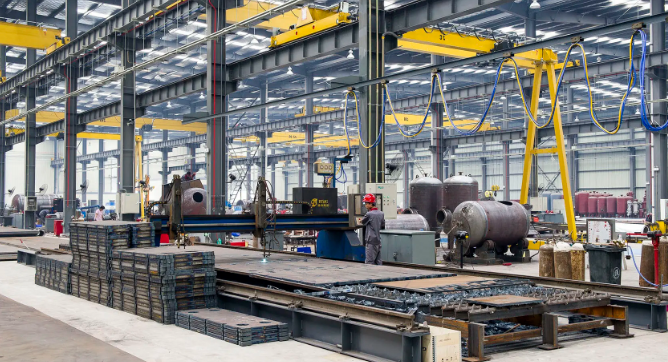
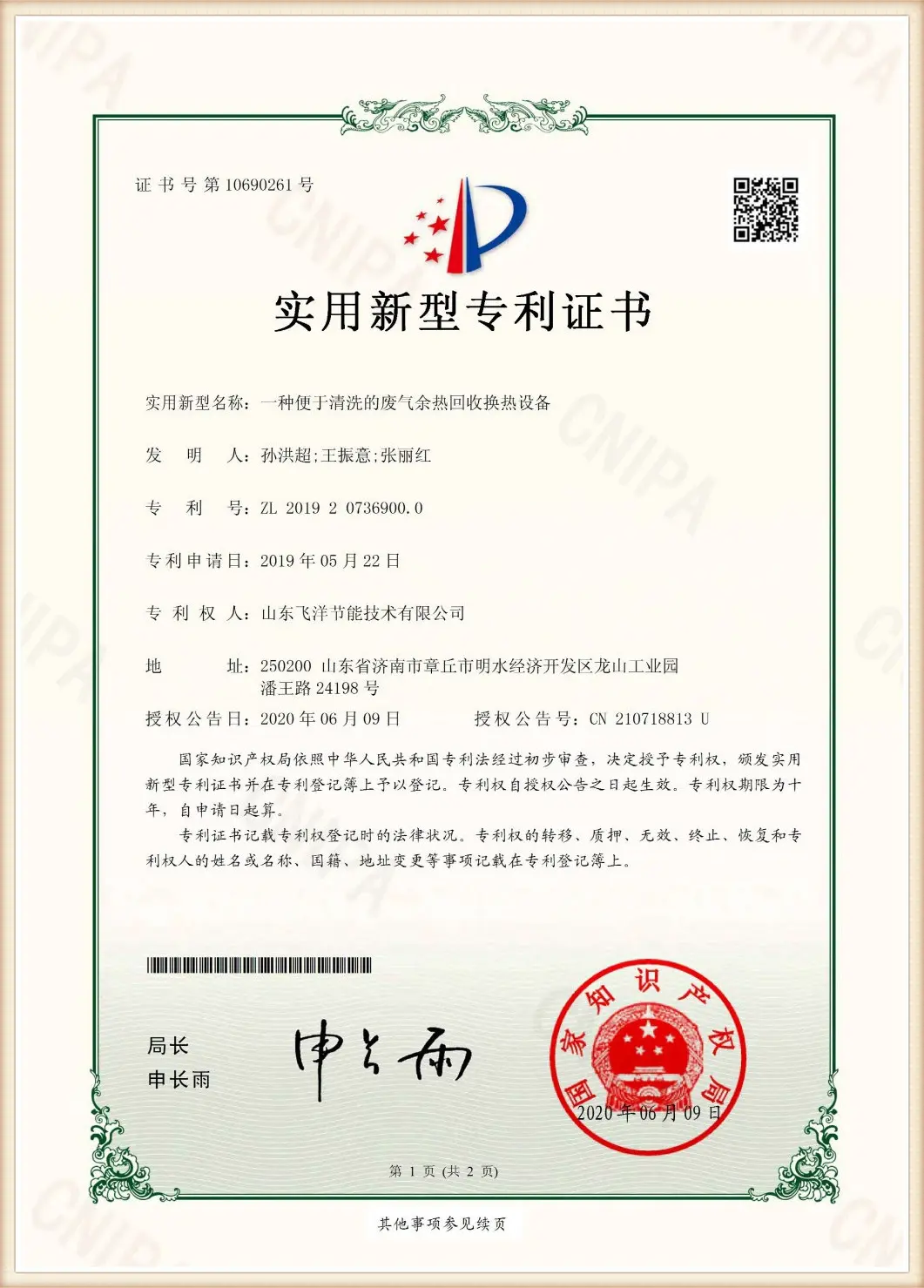
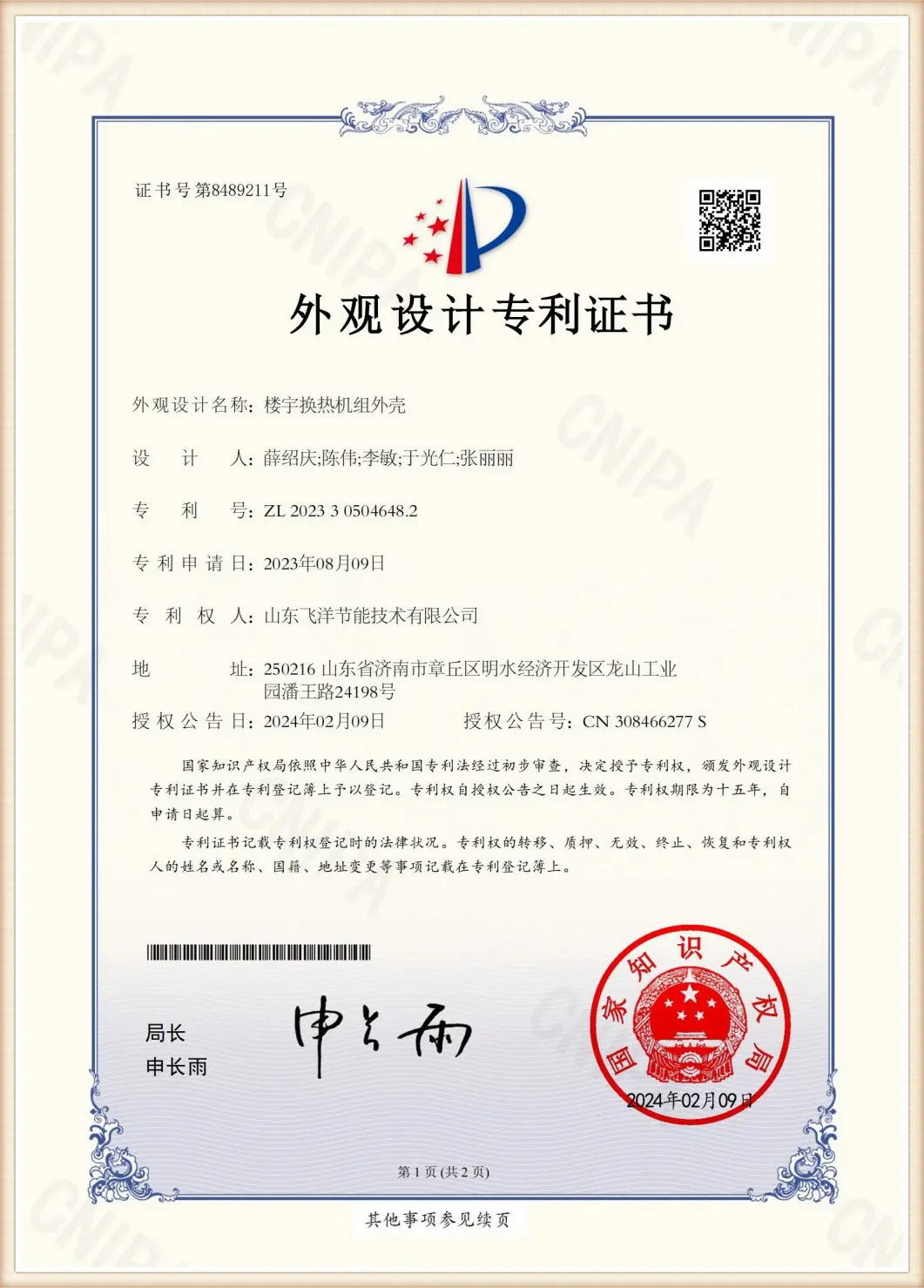
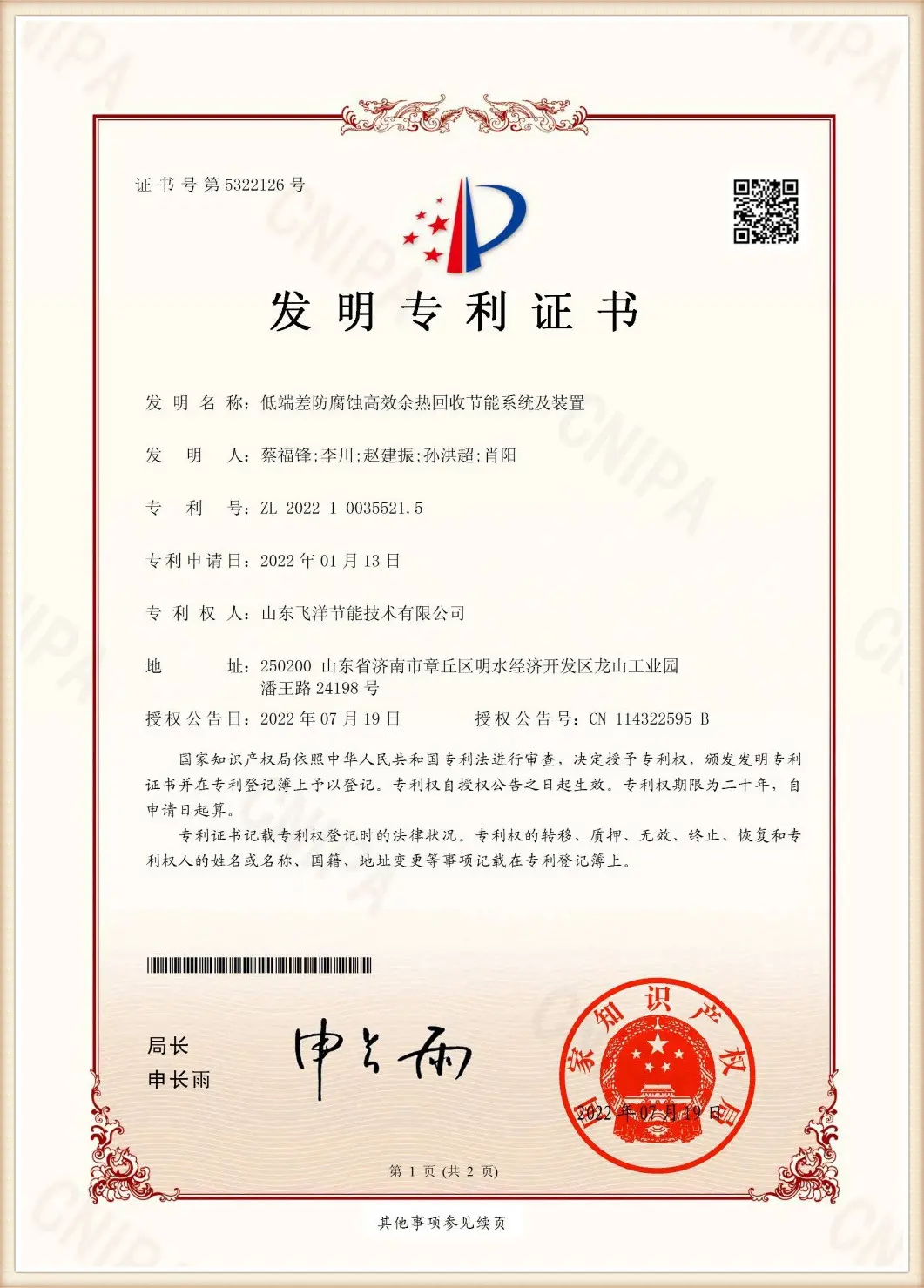
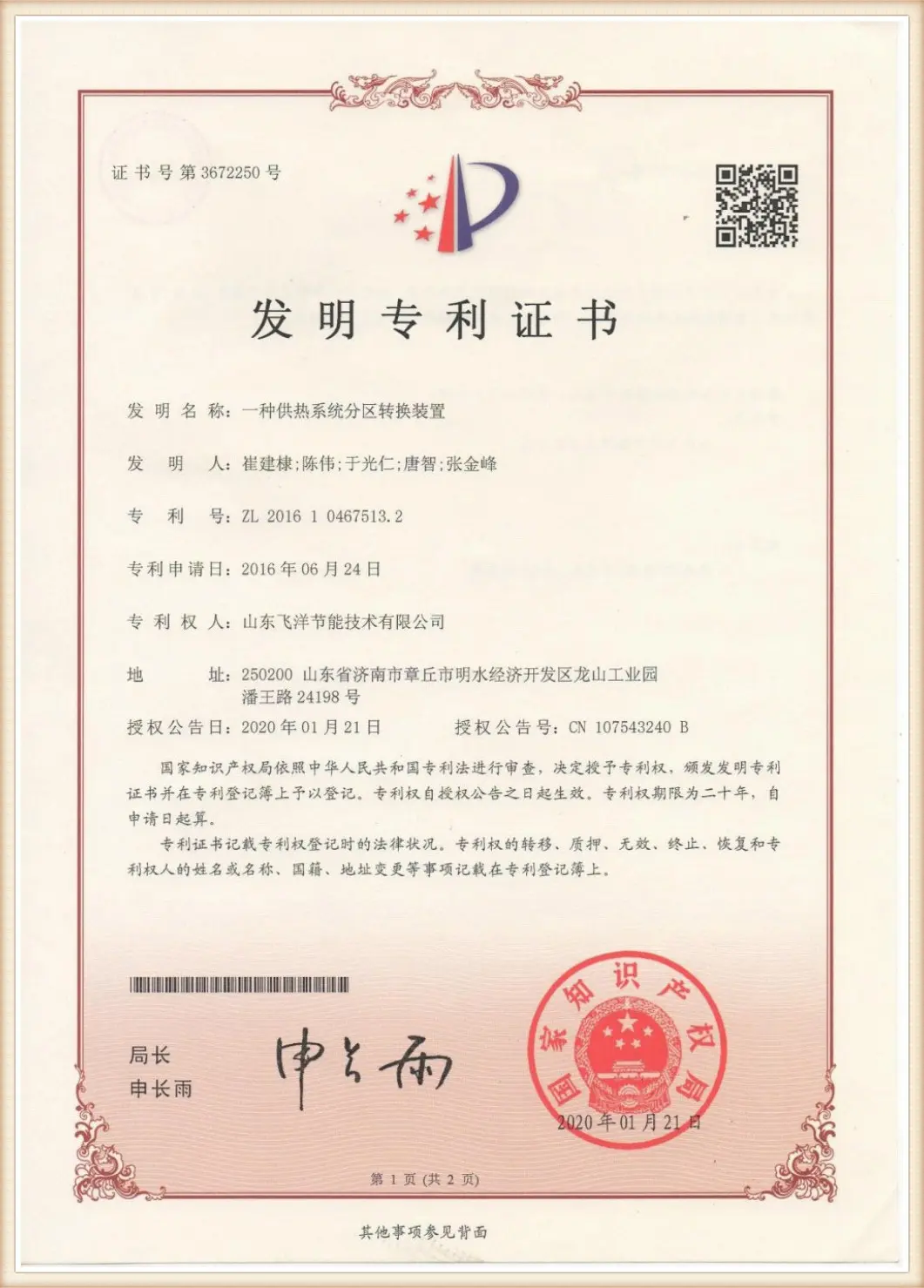
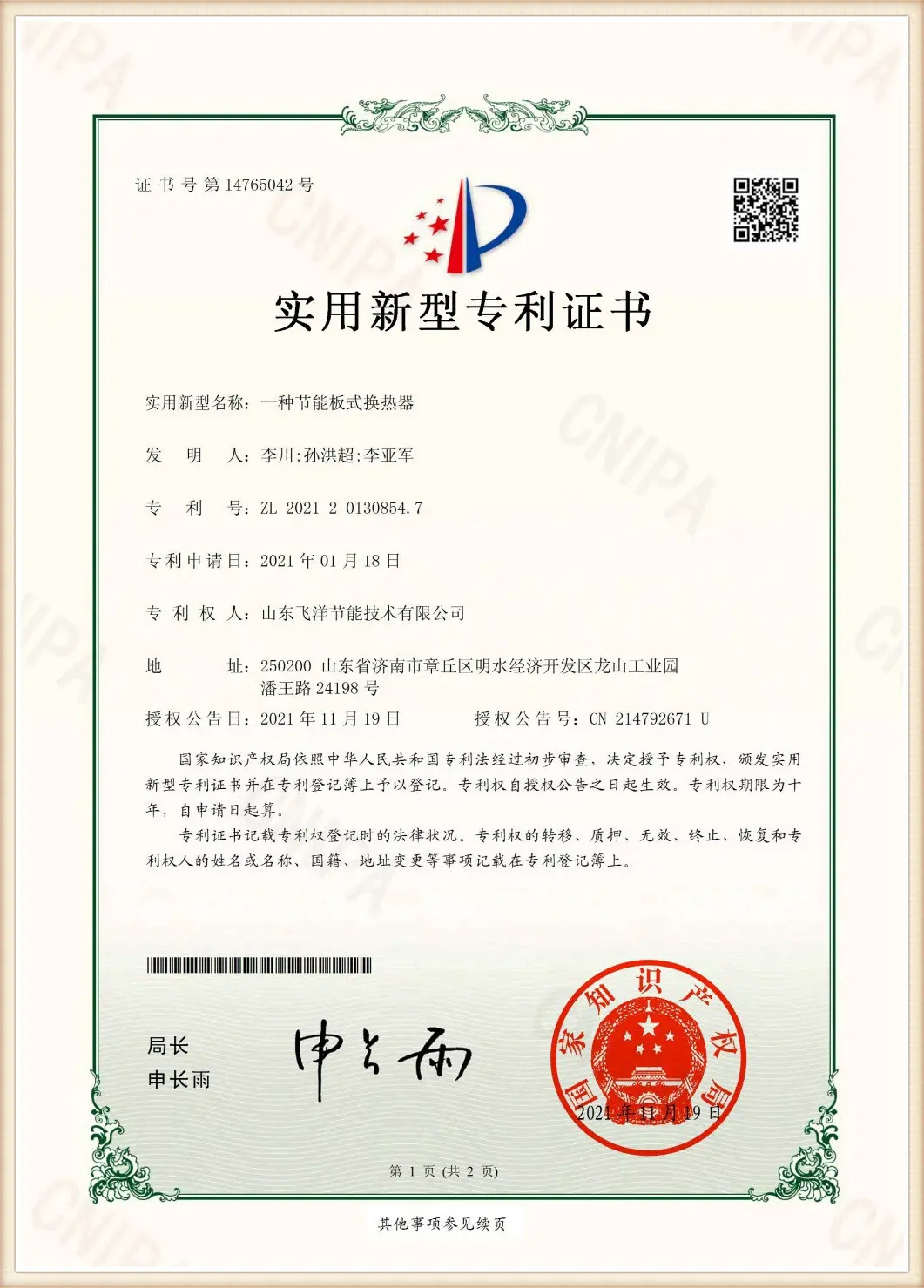
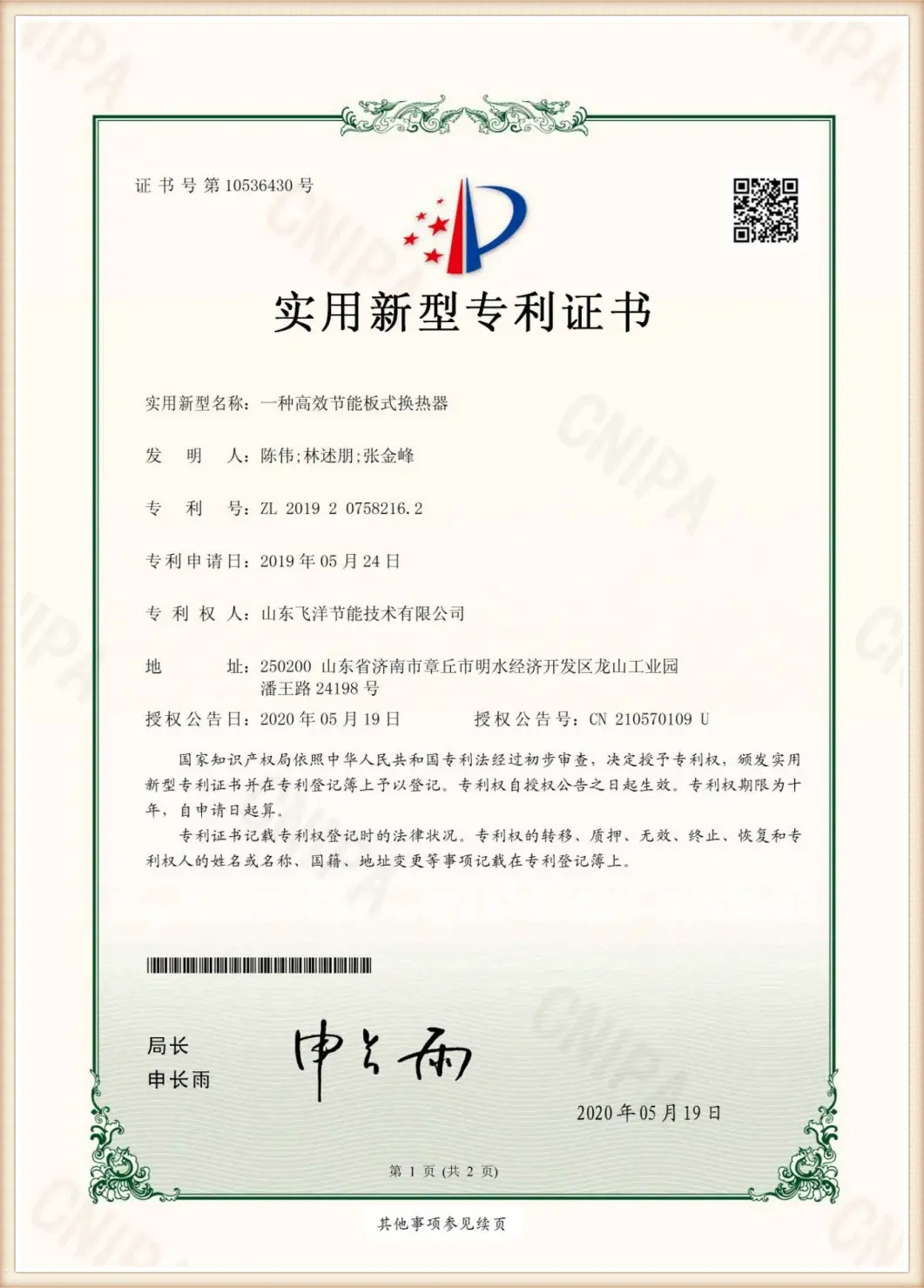
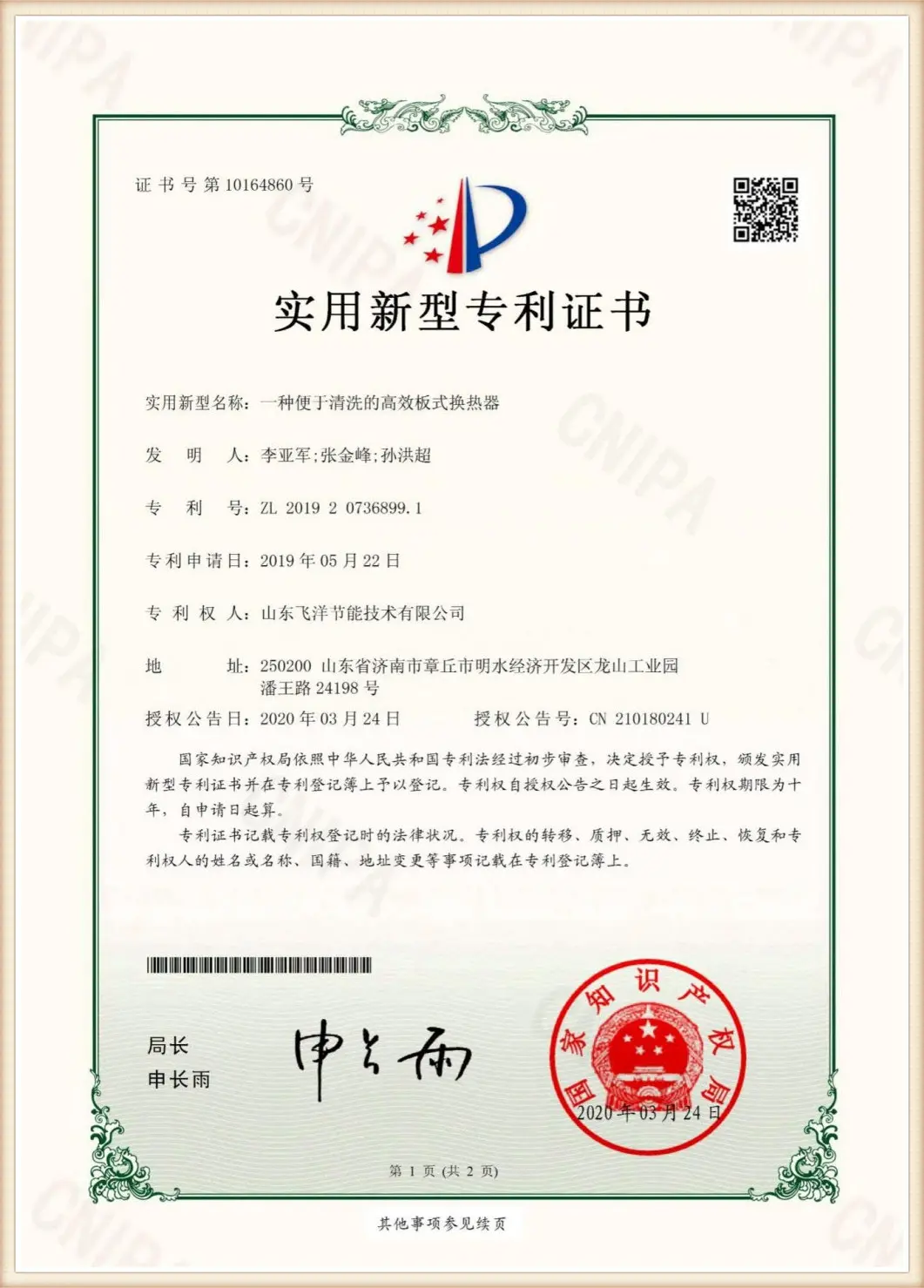
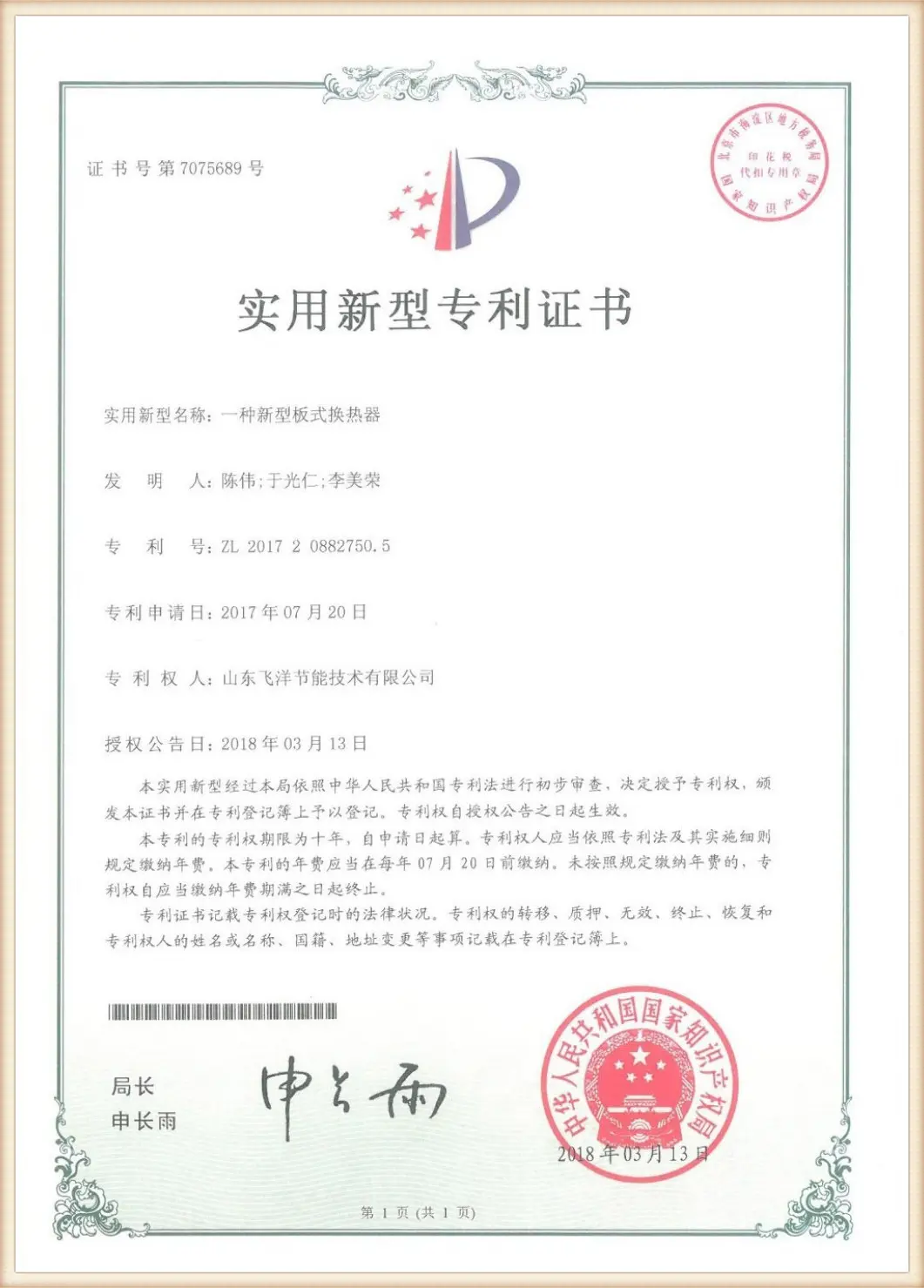
Our manufacturing and quality assurance operations comply with the ISO 9001:2015 quality management standard and national pressure vessel regulations. Every heat exchanger undergoes rigorous inspection by national quality supervision authorities before leaving our plant.
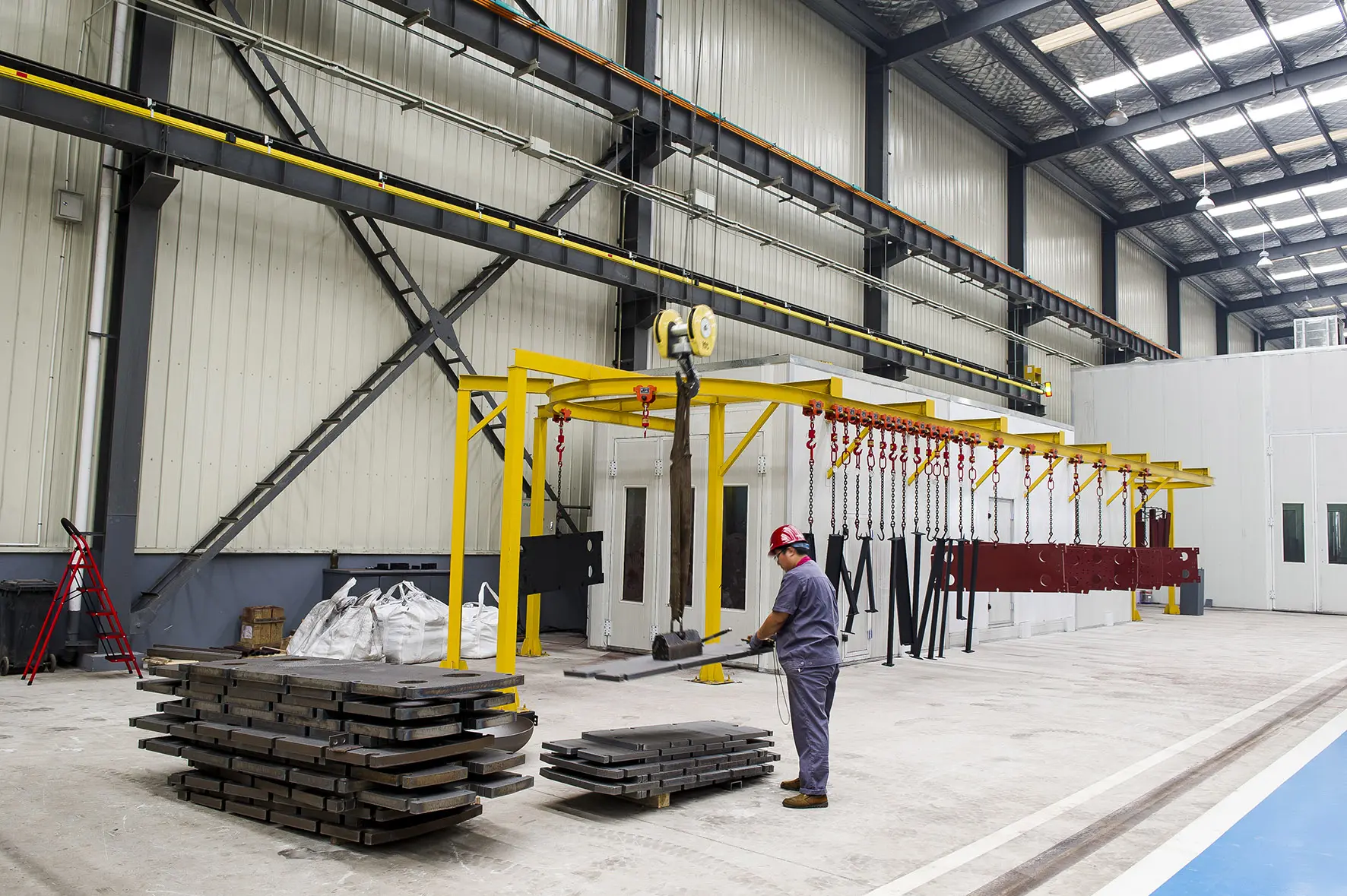
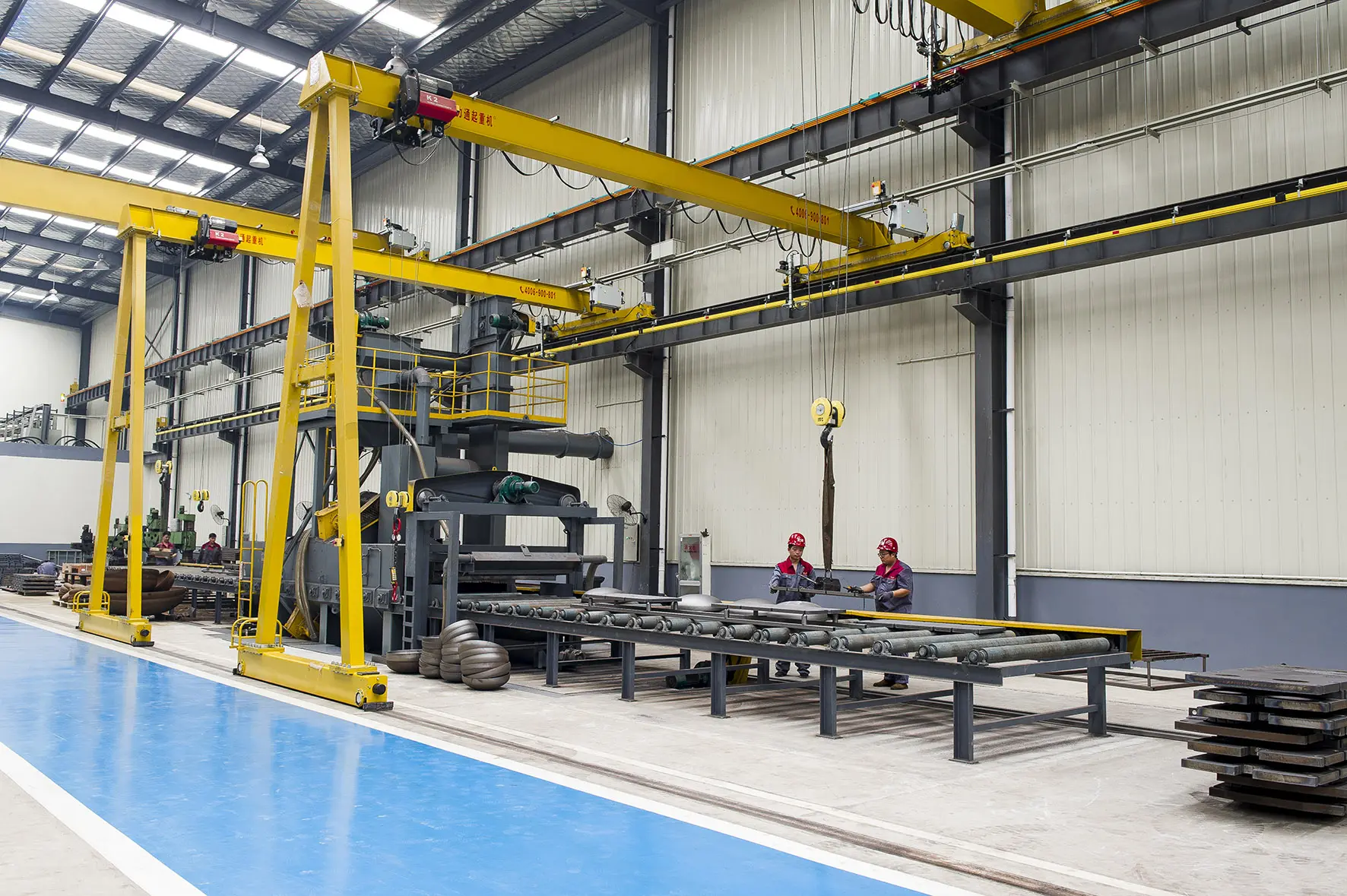
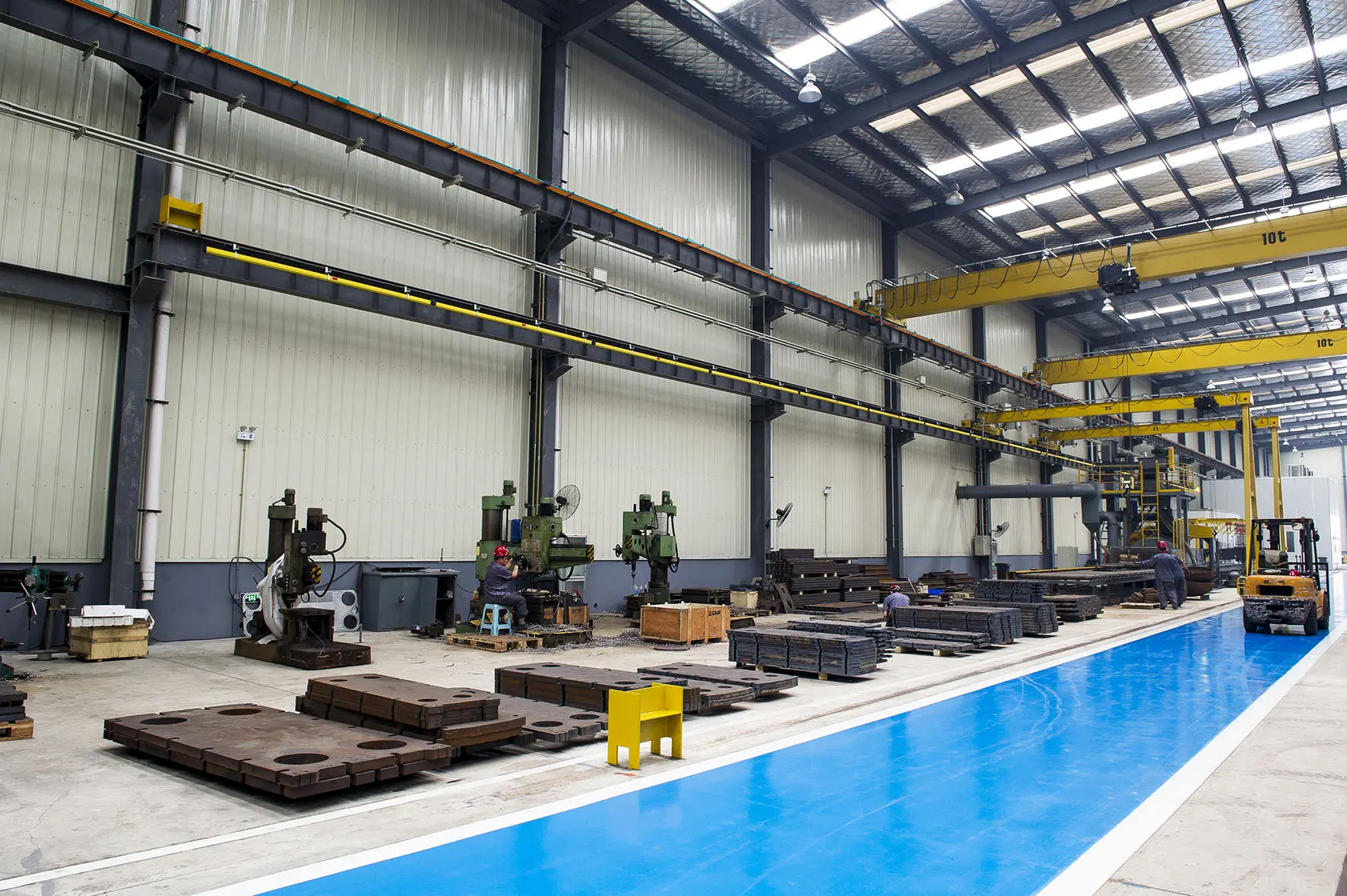
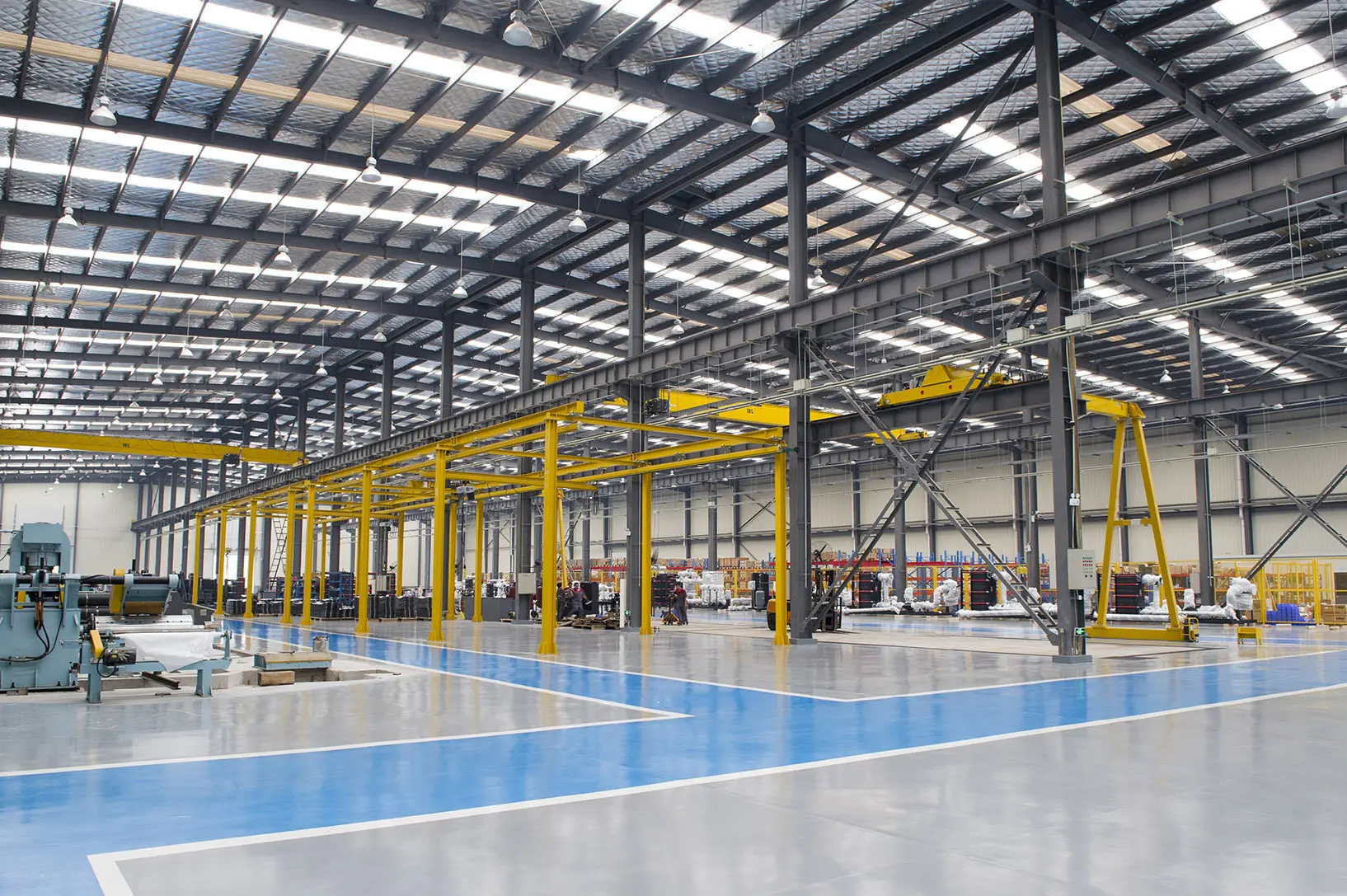
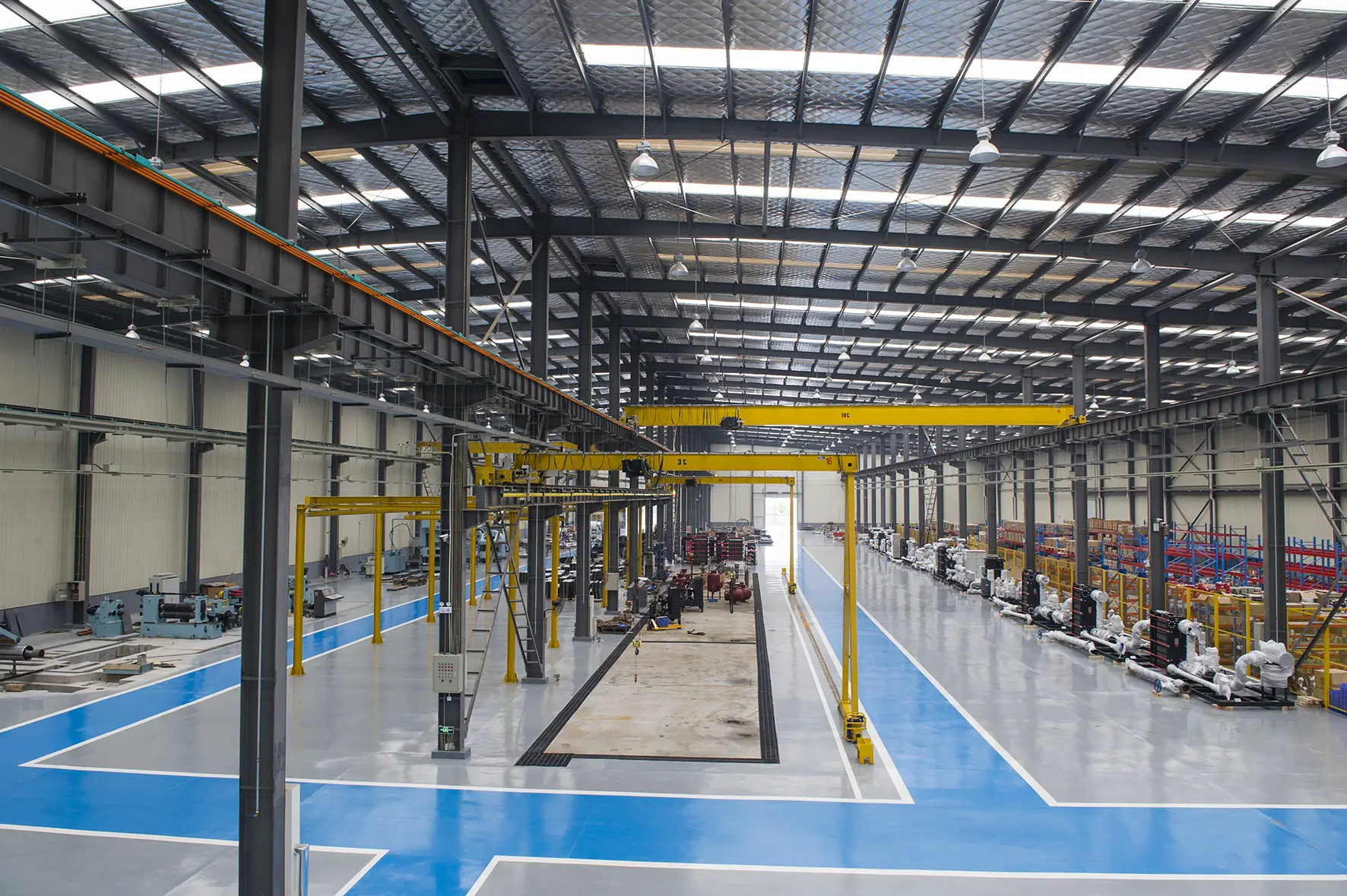
To ensure high quality across our product line, we work with qualified, vetted suppliers and audit all incoming materials. Our manufacturing facility features high-tonnage hydraulic presses for precise plate stamping, automated gasket slot forming machines, and custom testing stations to inspect and verify every unit.
From raw steel plates to fully tested thermal units, discover the steps behind our manufacturing process.
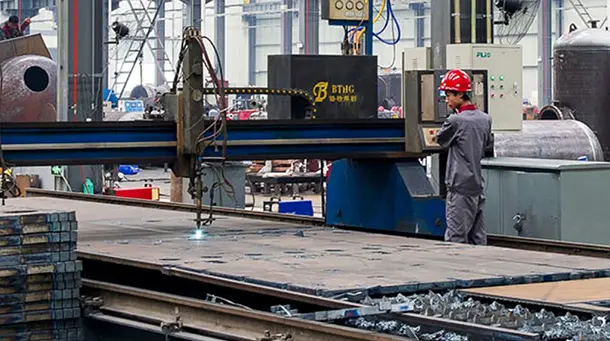
We use automated CNC laser cutters to cut heavy frame plates with high precision, ensuring accurate port alignment and structural stability under high pressure.
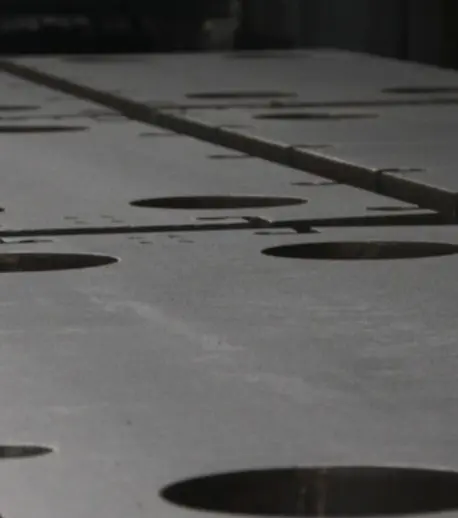
Our micro-forging process relieves residual stresses in critical joint areas of the frame and plates, improving mechanical properties and resistance to fatigue.
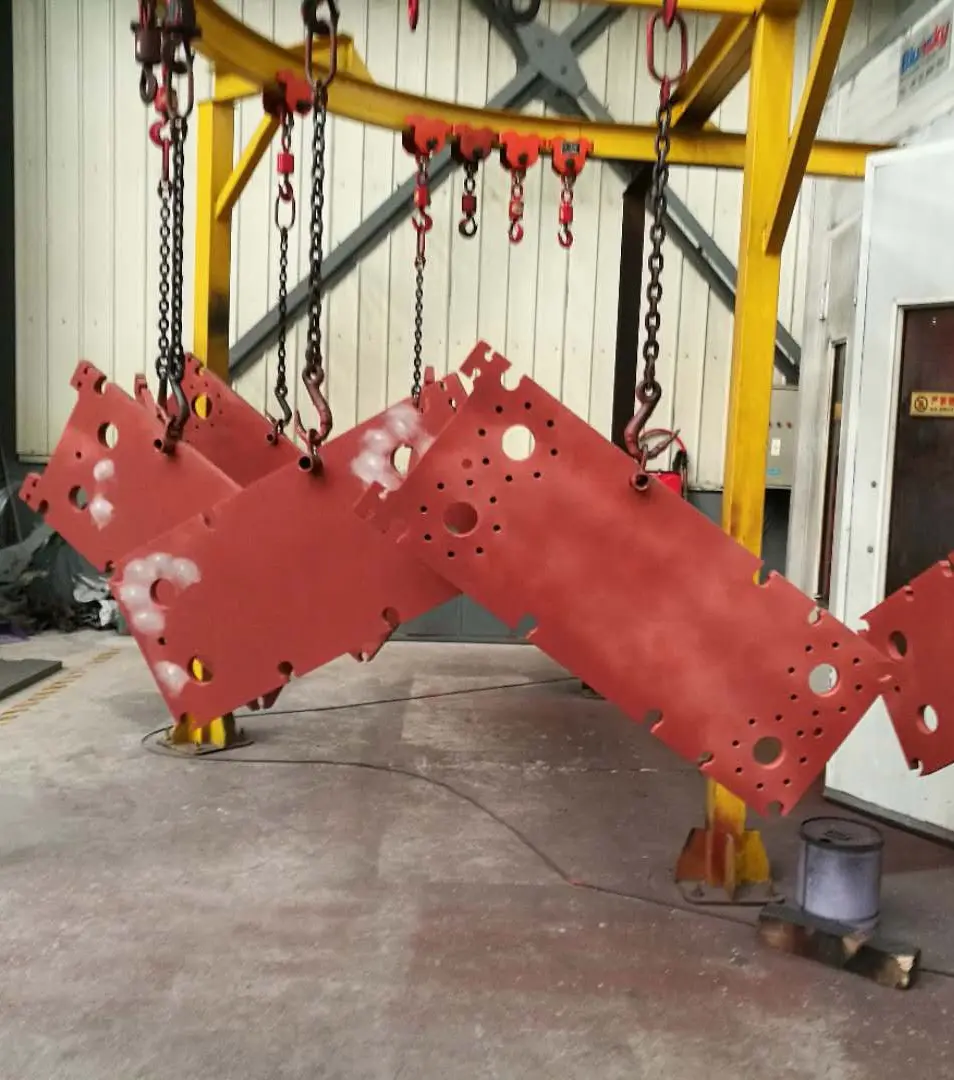
Frames receive multi-layer anti-corrosion coatings to protect them from environmental wear in coastal, industrial, and high-humidity applications.
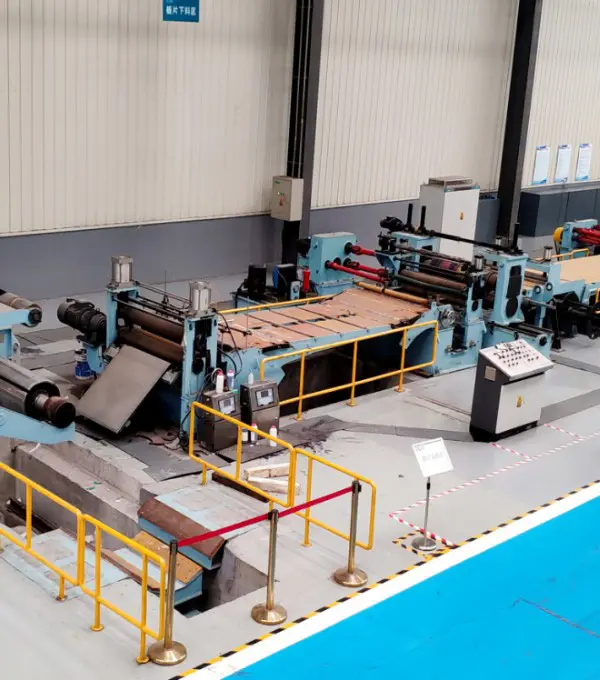
Thin metal sheets are cut to size and laser-coded with tracking numbers. This ensures traceability for raw materials, manufacturing batches, and test history.
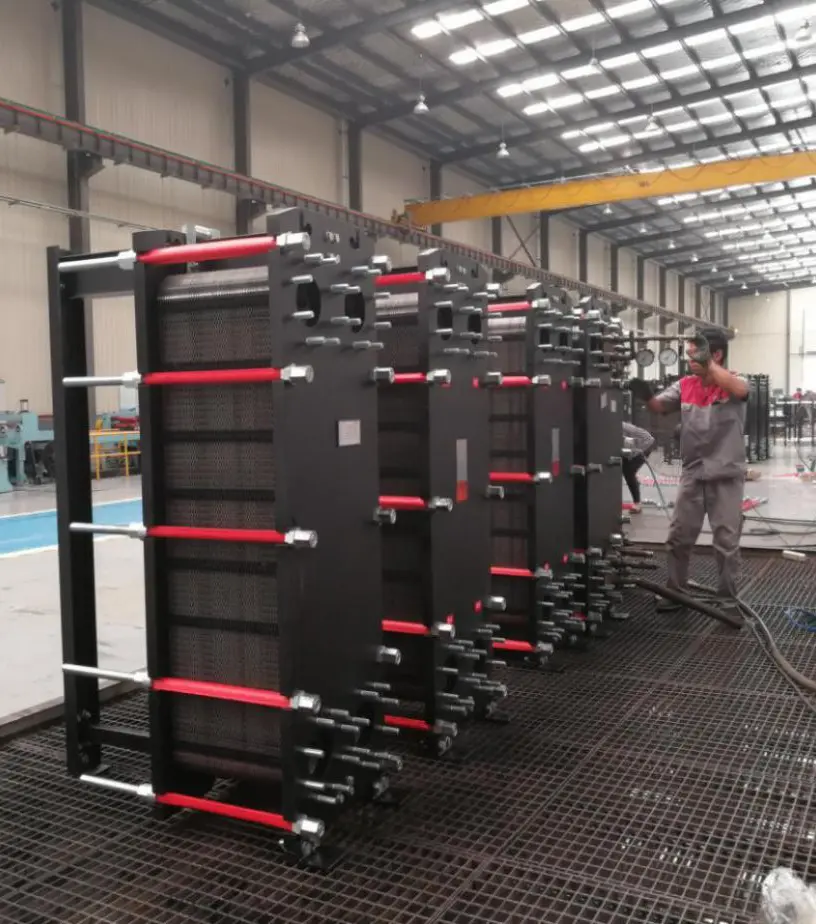
Every assembled heat exchanger undergoes hydrostatic testing. We test units at up to 1.5 times their design pressure to verify seal integrity and weld quality.
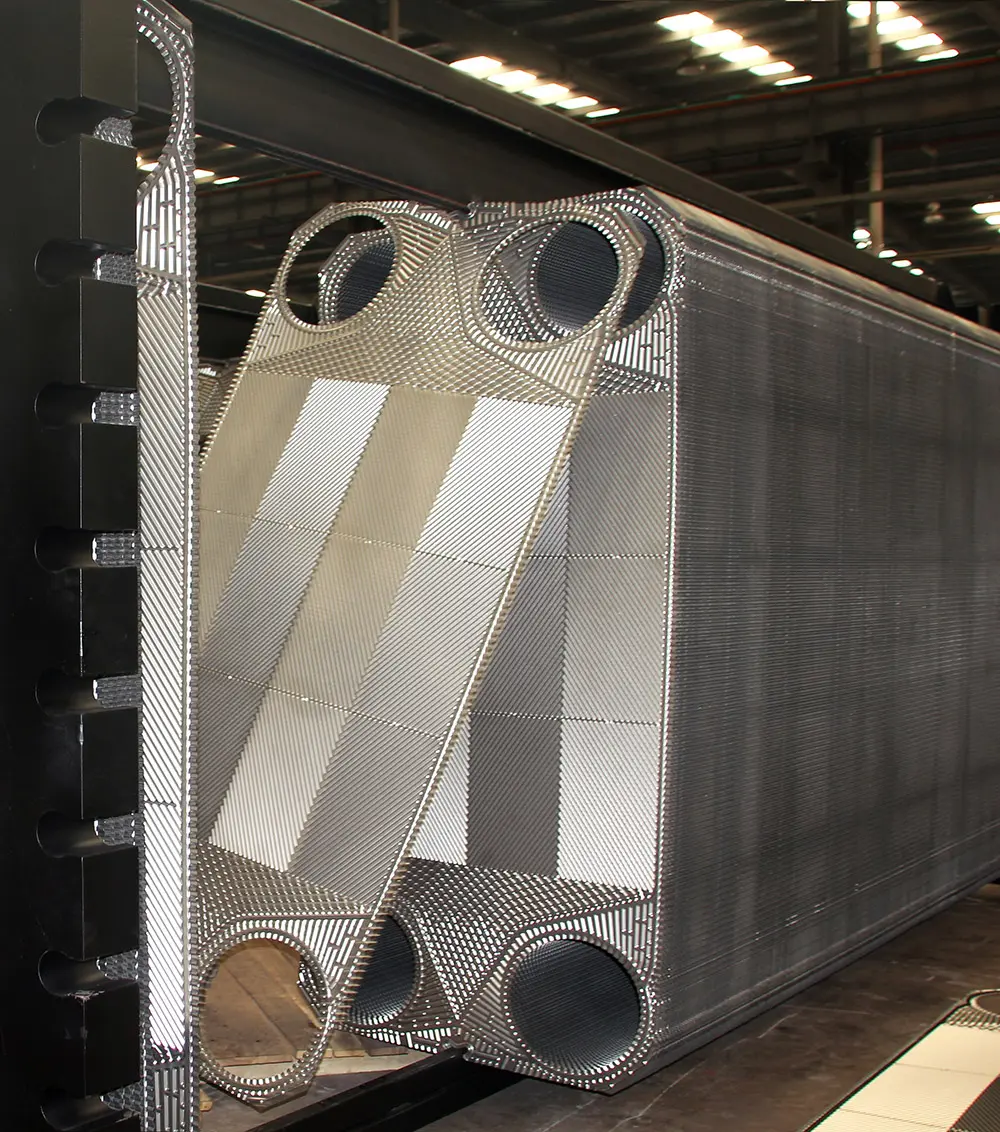
Our technicians mount the plate pack into the guide rails, align the gaskets, and torque the tie bolts to exact torque specifications.
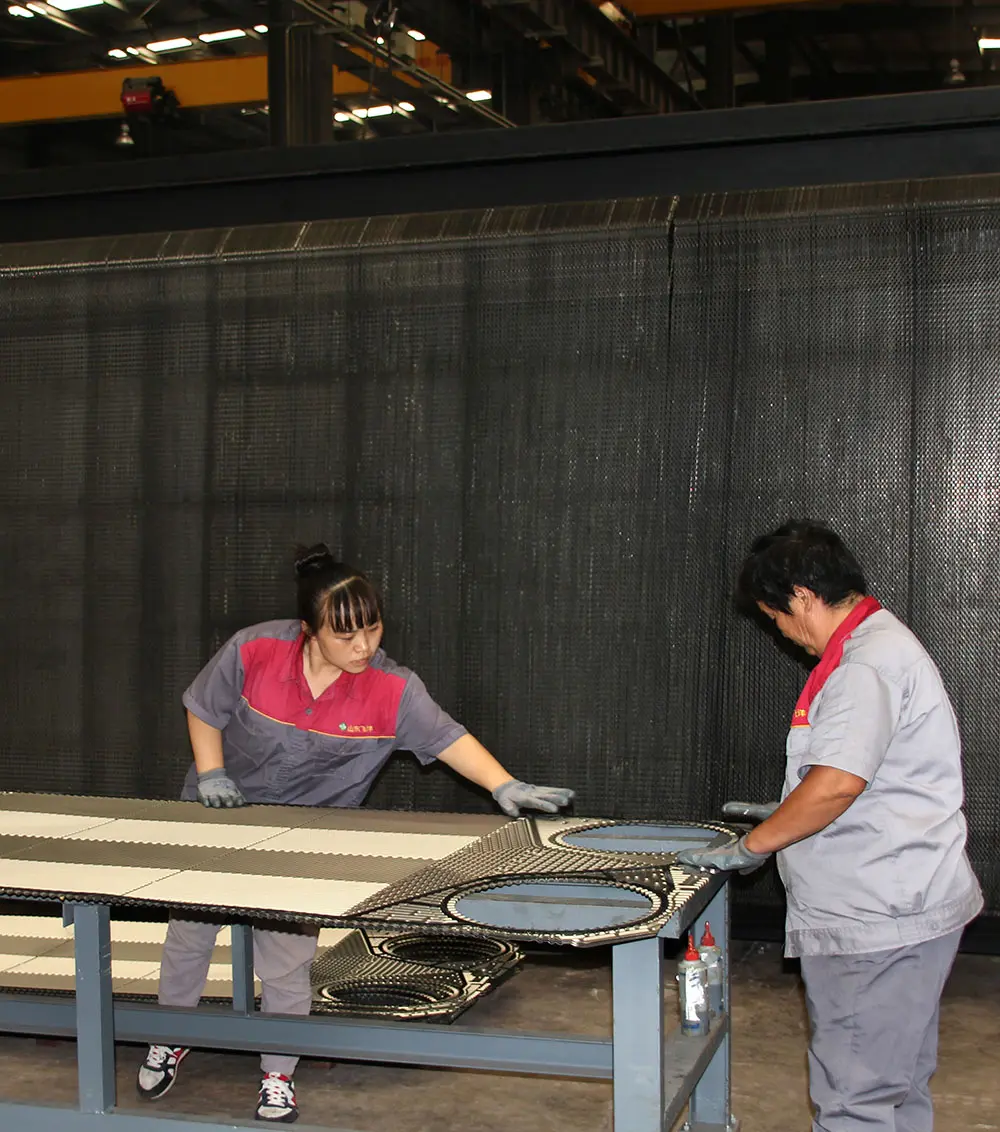
High-elasticity elastomer gaskets are fitted into the plate grooves. They are secured using mechanical clips to ensure sealing stability and pressure resistance.
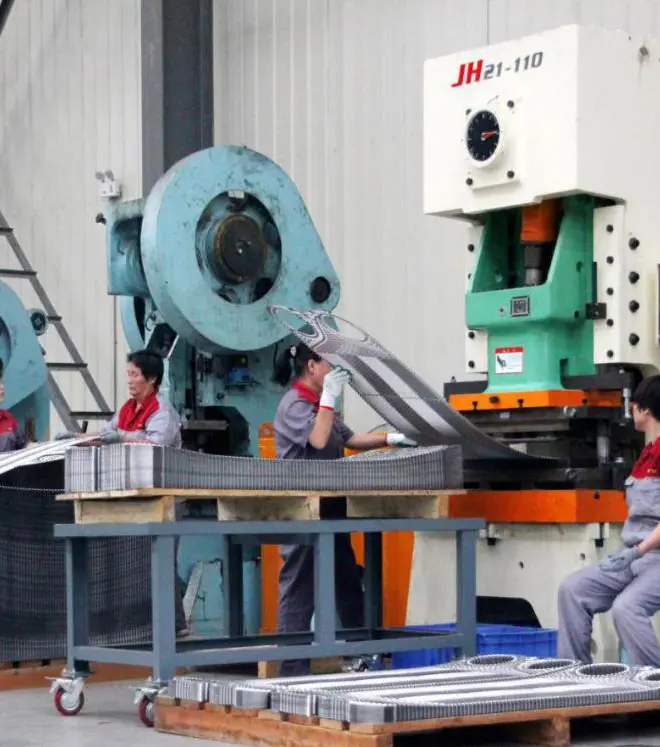
Precision punching presses cut port holes out of the metal sheets, creating smooth edges that prevent turbulent flow distribution issues near the inlets.
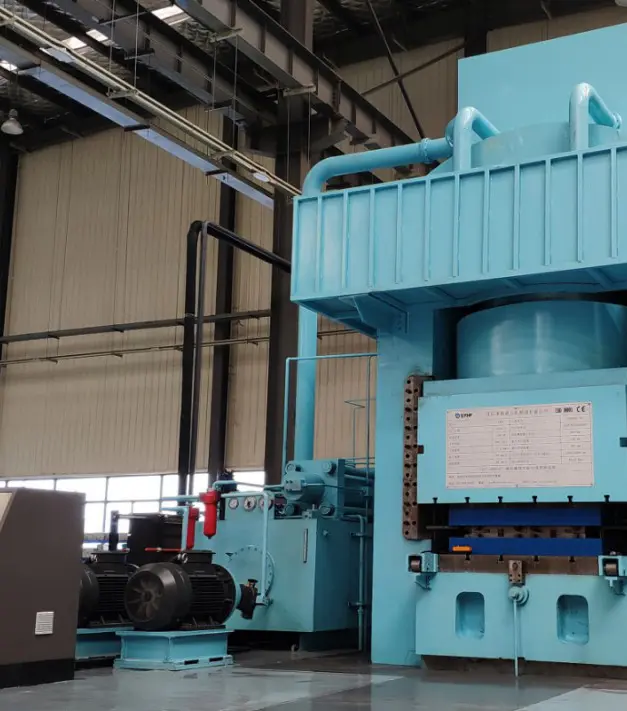
Our heavy-duty hydraulic presses press the chevron corrugation pattern into the plates in a single stroke, maintaining uniform plate thickness throughout.
Our plate and frame heat exchangers are used across diverse global industries, delivering efficient and reliable thermal transfer.
In municipal centralized heating systems, plate heat exchangers act as isolation units between the high-pressure primary grid and the secondary distribution network. This allows for precise temperature control, reduces line losses, and helps keep residential buildings warm in cold climates.
Chemical processing operations involve corrosive chemicals, high pressures, and extreme temperatures. Our corrosion-resistant plate designs, made from titanium and alloy materials, provide stable, leak-free operation when cooling acids, bases, solvents, and hydrocarbons.
Our sanitary plate heat exchangers feature mirror-polished surfaces, clean-in-place (CIP) compatibility, and food-grade gaskets. They are designed to prevent contamination while handling dairy products, beverage pasteurization, and drug synthesis.
Our heat exchangers are used in nuclear, coal, and geothermal power plants to cool turbine lubricating oil and recover waste heat. By utilizing waste heat, they improve overall thermal efficiency and reduce environmental impact.
In multi-effect evaporation and membrane filtration systems, our plate heat exchangers preheat incoming saltwater, improving freshwater recovery rates and lowering processing energy consumption.
Our marine heat exchangers are built with lightweight titanium plates to resist corrosion in harsh offshore conditions. They are used for cooling onboard engines, auxiliary machinery, and refrigeration systems.
As industries work toward carbon neutrality, Flotte is developing next-generation heat exchange systems designed to support clean energy transitions.
Our technology roadmap focuses on three main development goals: intelligent control integration, advanced anti-fouling coatings, and materials designed for extreme operating conditions. By integrating sensors into our heat exchangers, we enable real-time tracking of flow rates, temperature variations, and pressure drops.
This tracking data is processed by our smart regulation systems to optimize secondary distribution networks, adjust balancing valves, and schedule preventive maintenance before significant fouling occurs. In addition, we are researching nanostructured surface coatings that reduce biological and mineral scaling. This research aims to extend cleaning intervals by up to 200% and reduce operational downtime.
We are also testing new alloy formulations to expand the operational limits of detachable plate structures, helping them perform reliably in high-temperature and high-pressure geothermal environments.
Our design team works to optimize the balance between thermal performance and pressure drop. Reducing pressure drop lowers the energy required by circulating pumps, helping facilities decrease their Scope 2 indirect electrical emissions.
Flotte maintains certified quality management, environmental safety, and pressure vessel compliance across all our operations.


Read through our FAQ to learn more about plate heat exchanger design, thermal efficiency, and maintenance.
The efficiency of a plate heat exchanger depends on the heat transfer area, plate thickness, thermal conductivity of the chosen metal (such as stainless steel or titanium), chevron corrugation angle, and fluid flow velocity. Corrugated plates create turbulent flow at low velocities, which increases the heat transfer coefficient compared to standard shell-and-tube heat exchangers.
Material selection is determined by chemical compatibility, operating temperature, and pressure. We use AISI 304 and 316L for water-to-water applications, and Titanium, Hastelloy, or Nickel for saltwater and corrosive chemicals. For gaskets, we offer NBR for general oil and water service, EPDM for high-temperature water/steam, and Viton for acids and hydrocarbons.
Detachable plate heat exchangers are maintained by loosening the tie bolts, opening the frame, and cleaning the plates. Scale and debris can be cleaned using soft-bristle brushes or chemical cleaning solutions (Clean-in-Place, or CIP) to avoid scratching the metal plates. Gaskets are inspected and replaced if they show signs of wear or deformation.
Every plate heat exchanger undergoes hydrostatic testing at up to 1.5 times the rated working pressure. Our double-seal gasket design features leak-detection grooves. In the event of a gasket failure, the fluid is directed outward through the grooves rather than mixing with the other fluid stream, preventing cross-contamination.
Browse our complete catalog of industrial pressure regulating stations, evaporators, and smart secondary network units.
 Flotte Energy