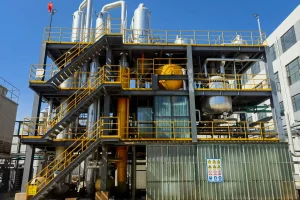
Engineered to deliver tight approach temperatures, maximum heat transfer rates, and reliable structural integrity.
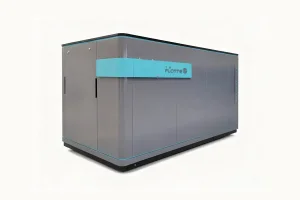
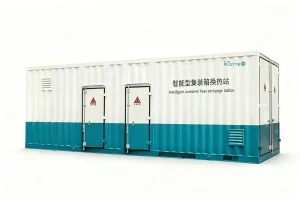
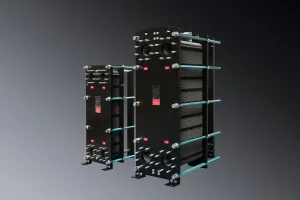
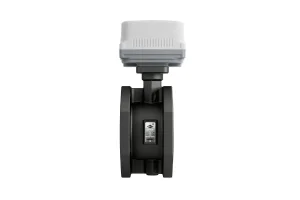

Flotte Energy Saving Company, established in 2013 with a registered capital of 101 million yuan, proudly originated from Flotte Thermal Engineering founded in 1995. Built upon three decades of deep technical expertise, our organization has established itself as an industry leader in water equipment, HVAC systems, and high-efficiency water treatment sectors.
We consistently pioneer cutting-edge thermal transfer technologies, design innovative products, and deliver comprehensive integrated solutions. Guided by our quality-first culture, our team has accumulated unmatched field experience in system design, application engineering, and industrial installation. Today, we support complex infrastructure projects worldwide, ensuring sustainable heat network management and outstanding thermal efficiency.
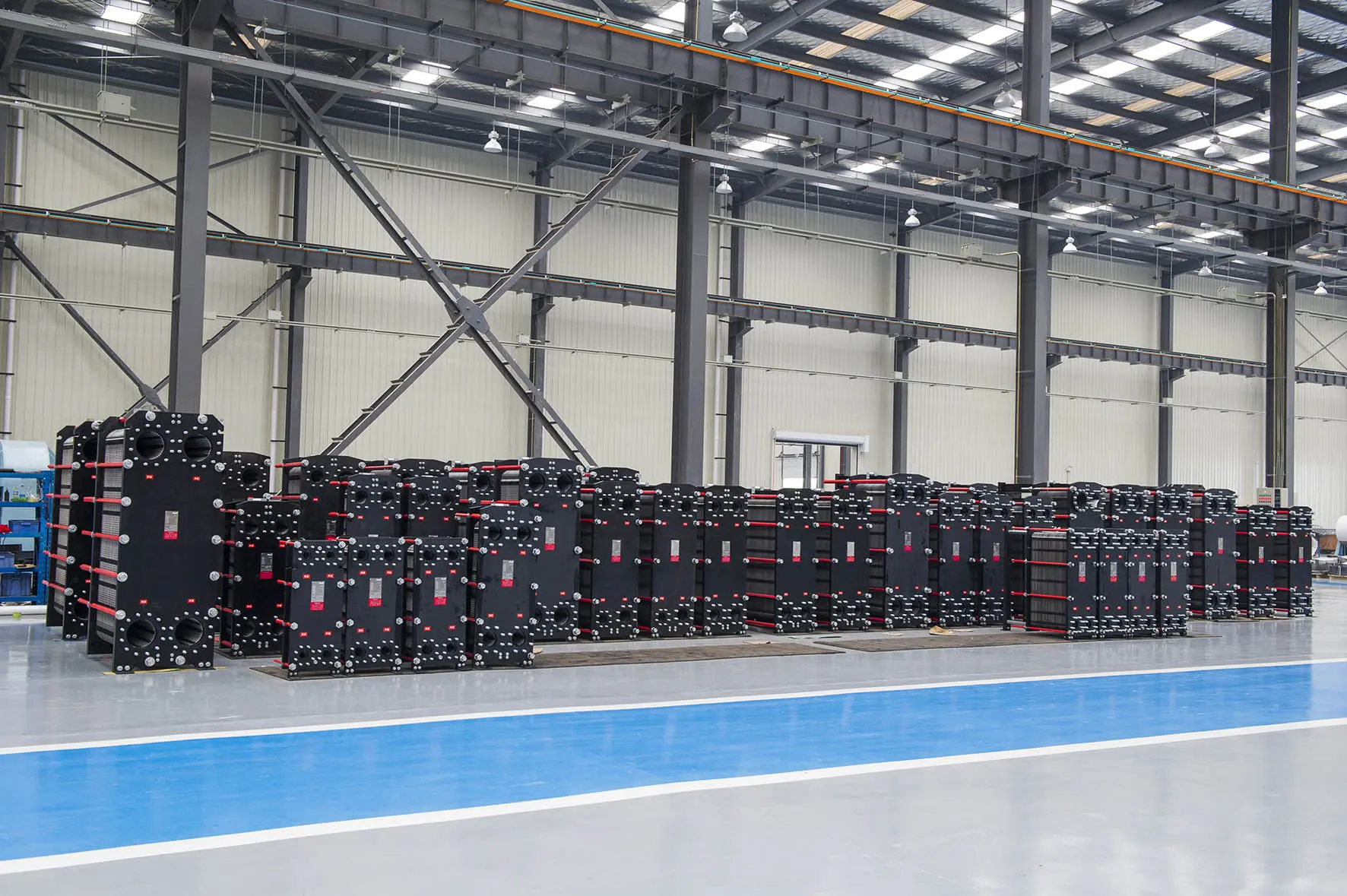
Understanding the engineering mechanics of Logarithmic Mean Temperature Difference (LMTD) and close thermal approaches.
In thermal engineering, the approach temperature (often denoted as ΔTapp or the "temperature approach") is defined as the difference between the leaving temperature of the cold fluid and the entering temperature of the hot fluid (or vice versa). Mathematically, it determines the driving force behind heat transfer. A closer approach temperature indicates that the system is transferring heat near the thermodynamic limit. In traditional shell and tube exchangers, an approach temperature of 5°C to 10°C is common. However, modern gasketed plate heat exchangers (PHEs) can routinely operate at extremely close approach temperatures of 1°C or even less than 0.5°C.
This remarkable thermal performance is governed by the classic heat transfer relation:
Where Q is the heat duty, U is the overall heat transfer coefficient, A is the heat transfer area, and LMTD is the Logarithmic Mean Temperature Difference. As the approach temperature narrows, the LMTD decreases drastically. To maintain a constant heat duty (Q), the product of (U × A) must increase proportionately. Because plate heat exchangers induce highly turbulent flow patterns at very low Reynolds numbers due to their corrugated plate geometry, they achieve exceptionally high U values (2 to 3 times greater than shell and tube exchangers). Consequently, they can accommodate smaller LMTD parameters without requiring an economically unfeasible plate surface area.
Optimizing the approach temperature involves manipulating the plate corrugated geometry, specifically the chevron angle (often referred to as the plate's thermal hardness or softness). Plates with a high chevron angle (theta angle relative to flow direction) generate high turbulence and pressure drop, yielding elevated overall heat transfer coefficients. Conversely, low chevron angles result in lower pressure drops and lower heat transfer rates. Our design team carefully balances these configurations to design tailored plate patterns that yield optimal close-approach results under strict pressure drop budgets.
Decarbonization, waste heat integration, and the global trade footprint for advanced plate heat exchangers.
Global climate policies are driving industries to move away from fossil-fueled direct heating. Low-temperature district heating networks, geothermal energy harvesting, and large-scale industrial heat pump integrations require high-performance PHEs that can perform with minimal temperature differentials. Exporters are seeing a surge in demand for units capable of sub-1°C approach temperatures to maximize thermodynamic efficiency and COP (Coefficient of Performance) in heat pumps.
Industrial manufacturing processes generate vast quantities of low-grade thermal waste. Utilizing this thermal energy requires transferring heat from highly contaminated media to clean process loops. An optimized approach temperature ensures that even when dealing with small thermal differences, maximum heat is recaptured, reducing fuel consumption and operational costs across chemical, pharmaceutical, and steel production plants.
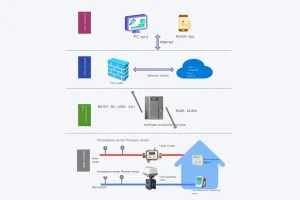
The modern industrial environment demands real-time visibility. Heat exchangers are no longer passive components. Through sensor integration—such as Flotte's Intelligent Heating Network Monitoring Systems—operators can continuously calculate the real-time approach temperature. A rising approach temperature over time indicates fouling, allowing the system to flag scheduled maintenance before structural blockages or critical thermal losses occur.
Industrial procurement teams require certified, compliant, and durable hardware. Leading exporters must maintain rigorous certifications (such as ISO 9001, ISO 14001, ISO 45001, and pressure vessel design certificates) to satisfy global requirements in Europe, North America, and emerging industrial hubs in Southeast Asia. Our modern facilities are configured to satisfy these diverse requirements under strict lead times.
Why global procurement offices and design institutes partner with Flotte for advanced thermal solutions.
Specializing in plate heat exchangers, it features patented corrugated plate design, achieving 2-3 times higher heat exchange efficiency than conventional equipment.
Our systems cover core areas such as air conditioning, district heating, and chemical refinement, verified globally to match regional codes and operating parameters.
Engineered using premium materials like AISI 304, 316L, and Titanium. Quality control systems are verified across all manufacturing, assembly, and testing lines.
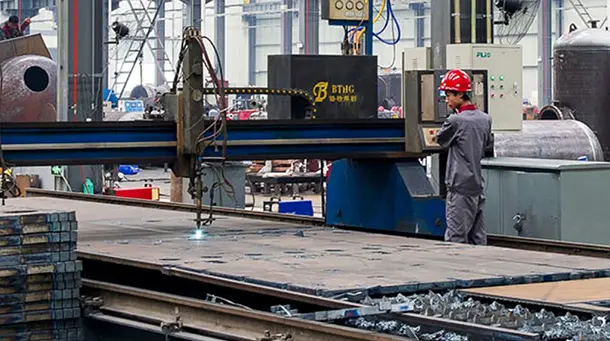
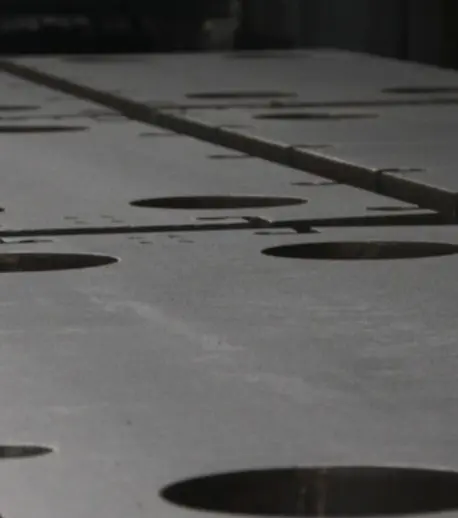
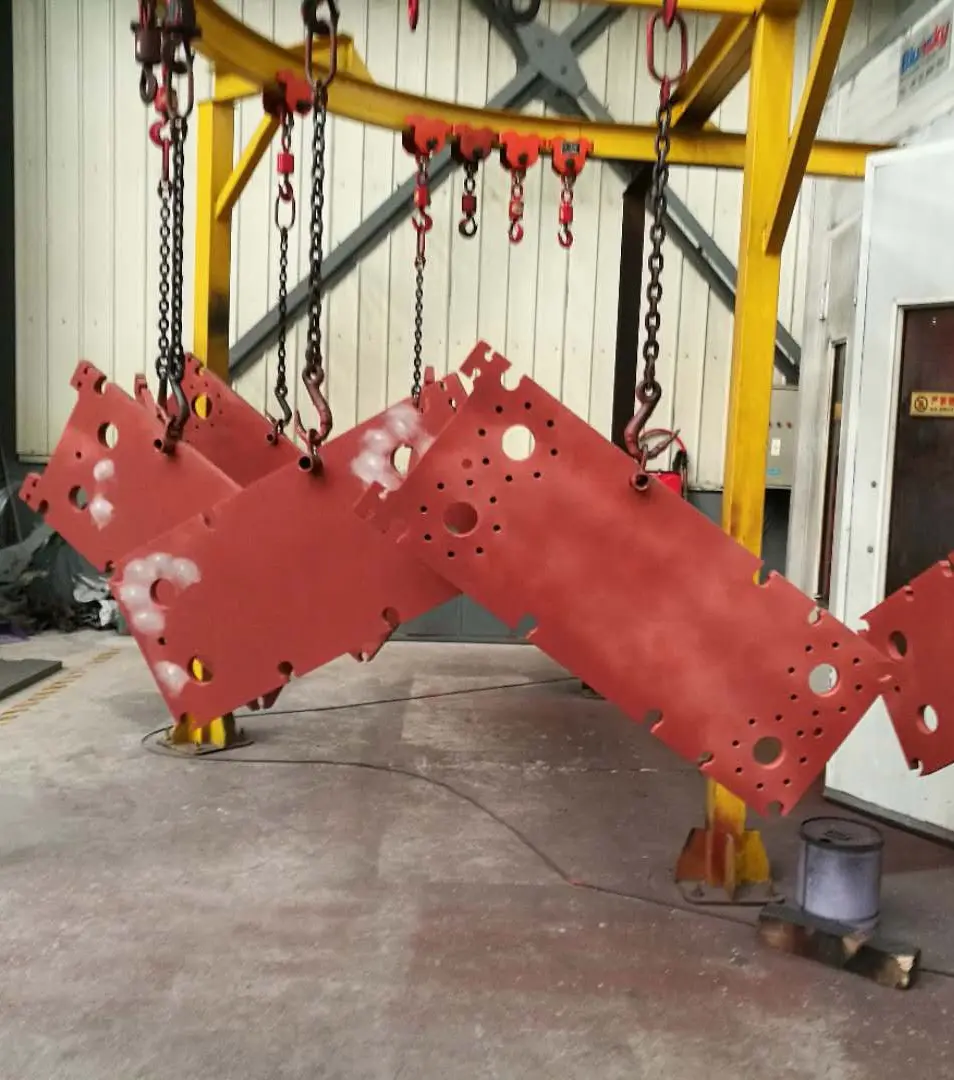
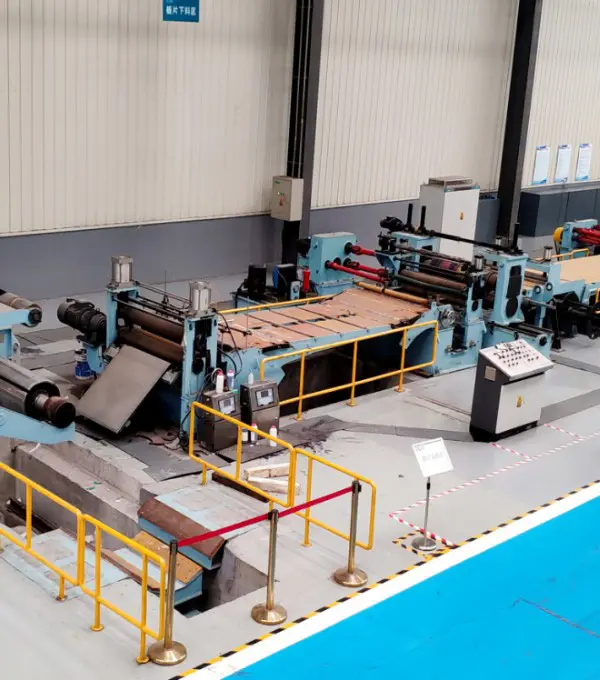
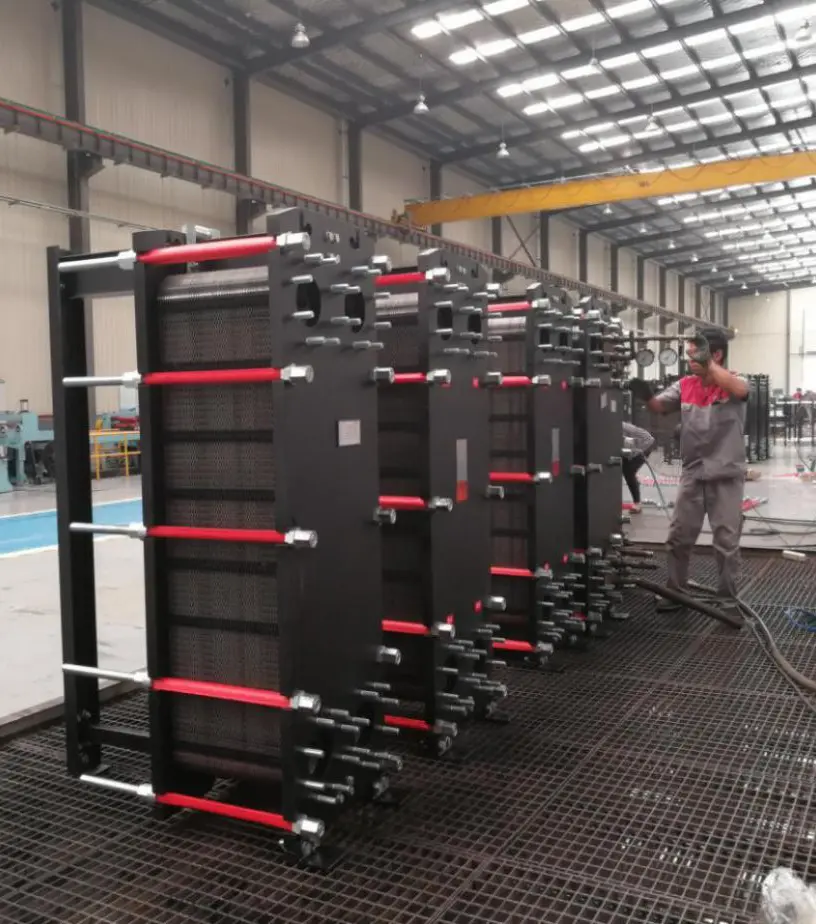
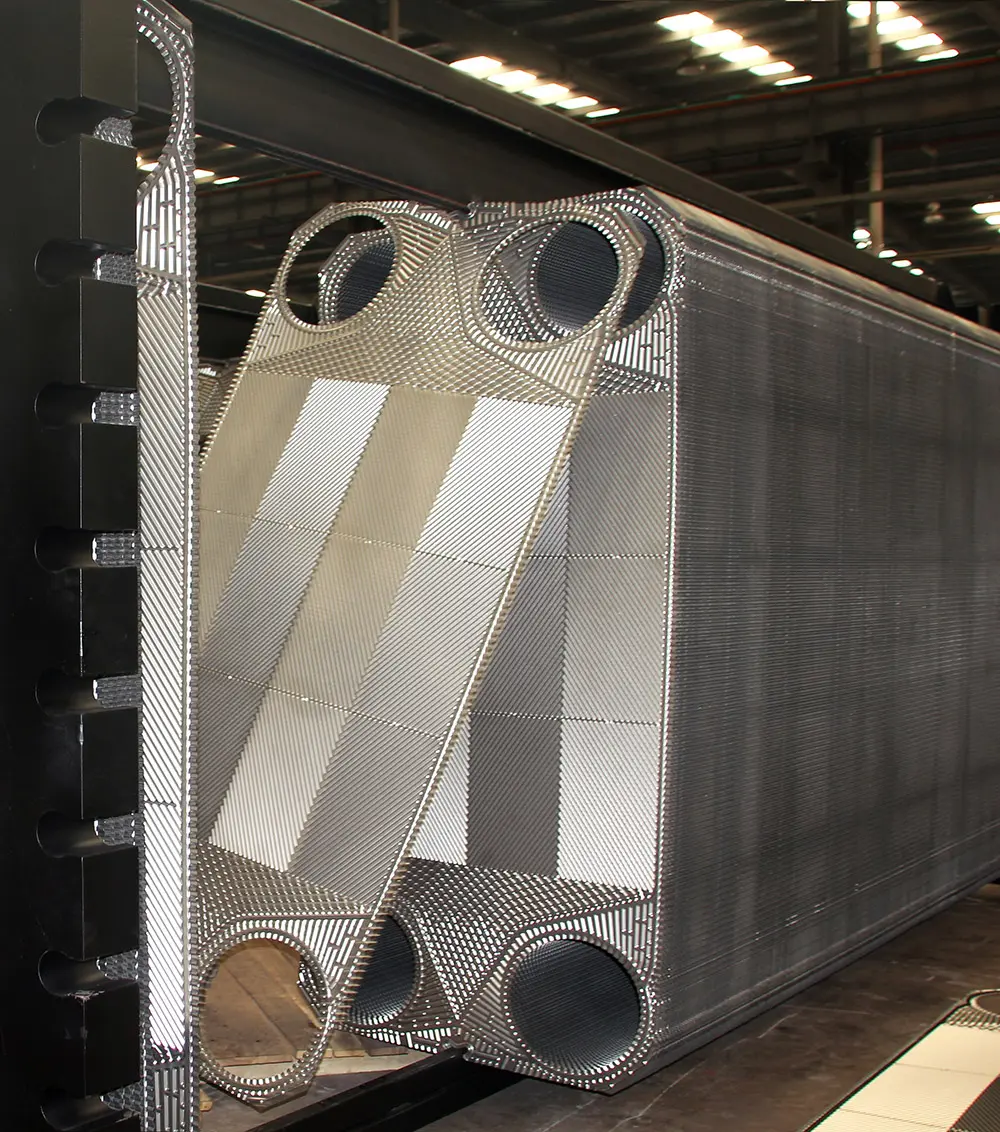
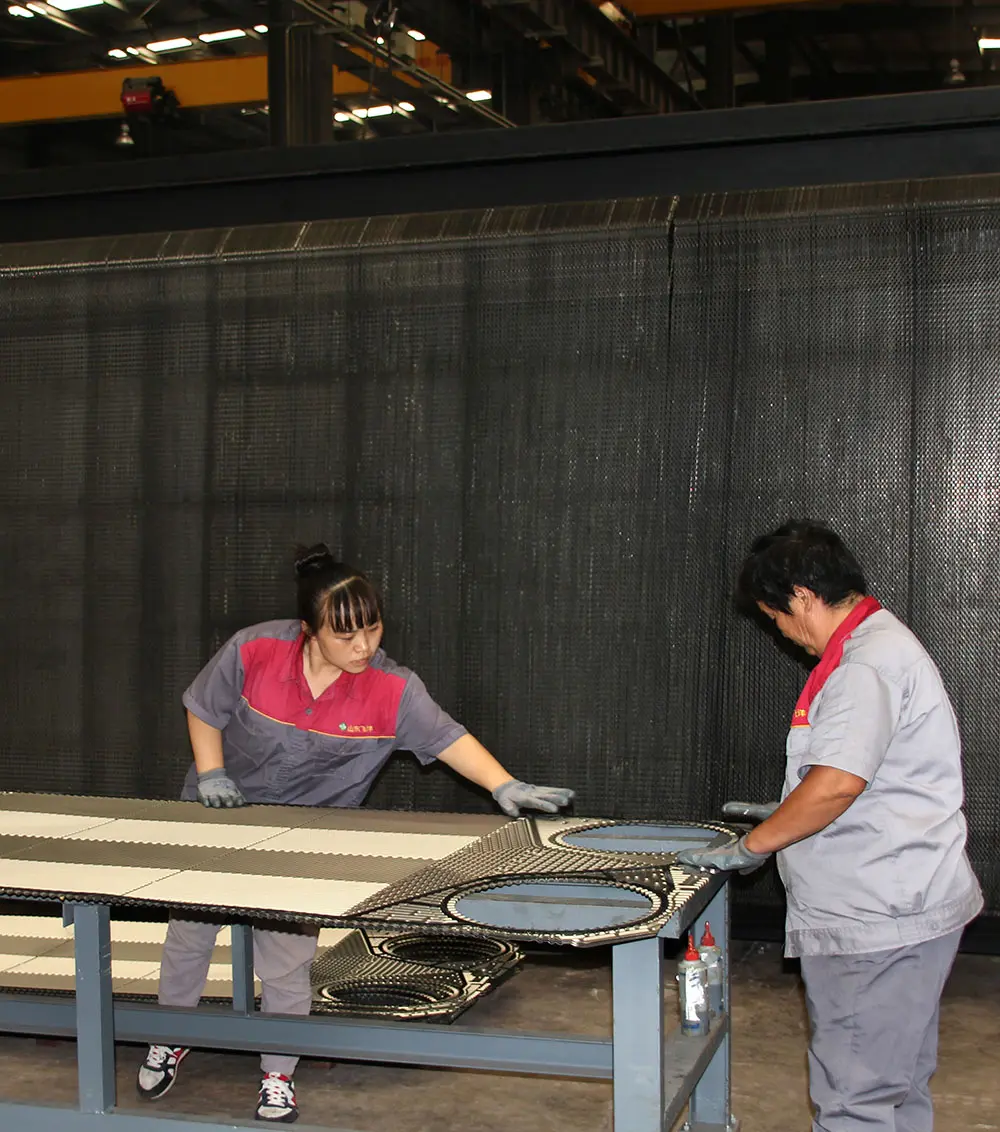
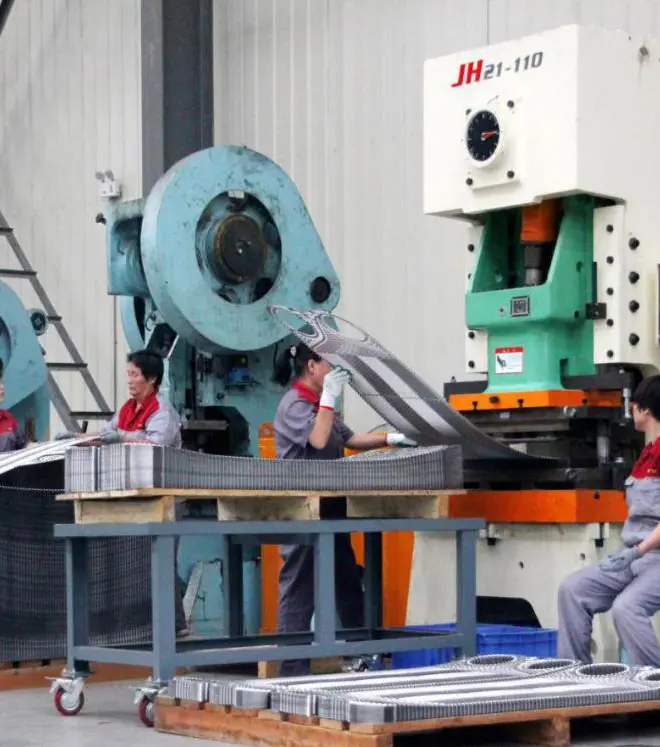
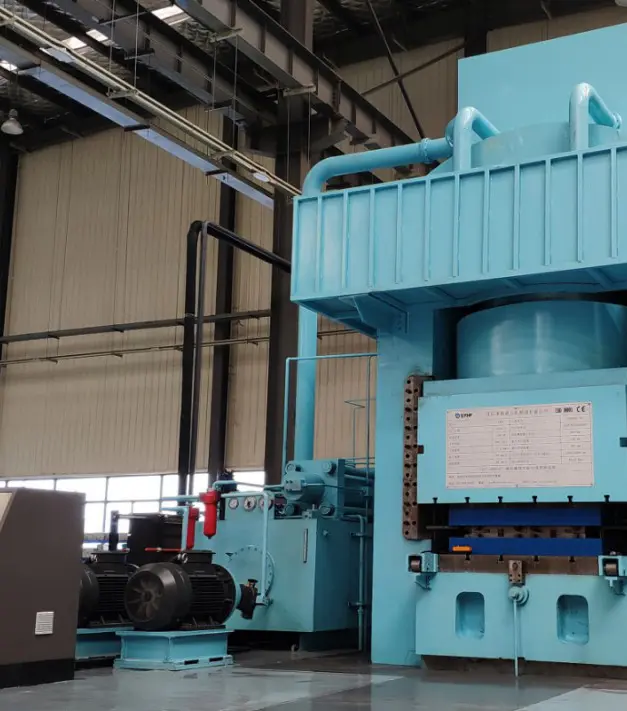
A step-by-step overview of our rigorous production line to ensure flawless alignment and mechanical stability under pressure.
How approach temperature values translate into bottom-line energy savings across major global industries.
In centralized urban heating networks, primary energy sources must heat secondary domestic water loops with maximum efficiency. Utilizing high-efficiency plate heat exchangers allows the secondary loop supply temperature to match the primary loop return temperature with minimal variation. A closer approach temperature reduces the thermal overhead required from municipal boiler plants, lowering carbon footprints and operational costs during freezing winter seasons. This is bolstered by advanced control mechanisms like the Intelligent Regulation and Balance System and Room Temperature Collectors to eliminate uneven heating zones.
Pharmaceutical processes require strict temperature zones during crystallization, condensation, and chemical synthesis. Here, a slight temperature variation can ruin chemical batches. Gasketed detachable plate heat exchangers maintain exact control boundaries. When chemical processes require titanium or nickel plates due to corrosive fluids, maintaining a tight approach temperature ensures that the highly expensive metallurgy is fully leveraged to recover thermal energy, maximizing ROI.
In industrial zero-liquid-discharge (ZLD) systems, multi-effect evaporation and membrane concentration systems require stable, narrow temperature approaches. By ensuring the vapor condense and liquid concentrate transfer heat efficiently, thermal performance coefficients remain stable. This reduces external steam makeup requirements and ensures the continuous, cost-effective purification of industrial wastewater.
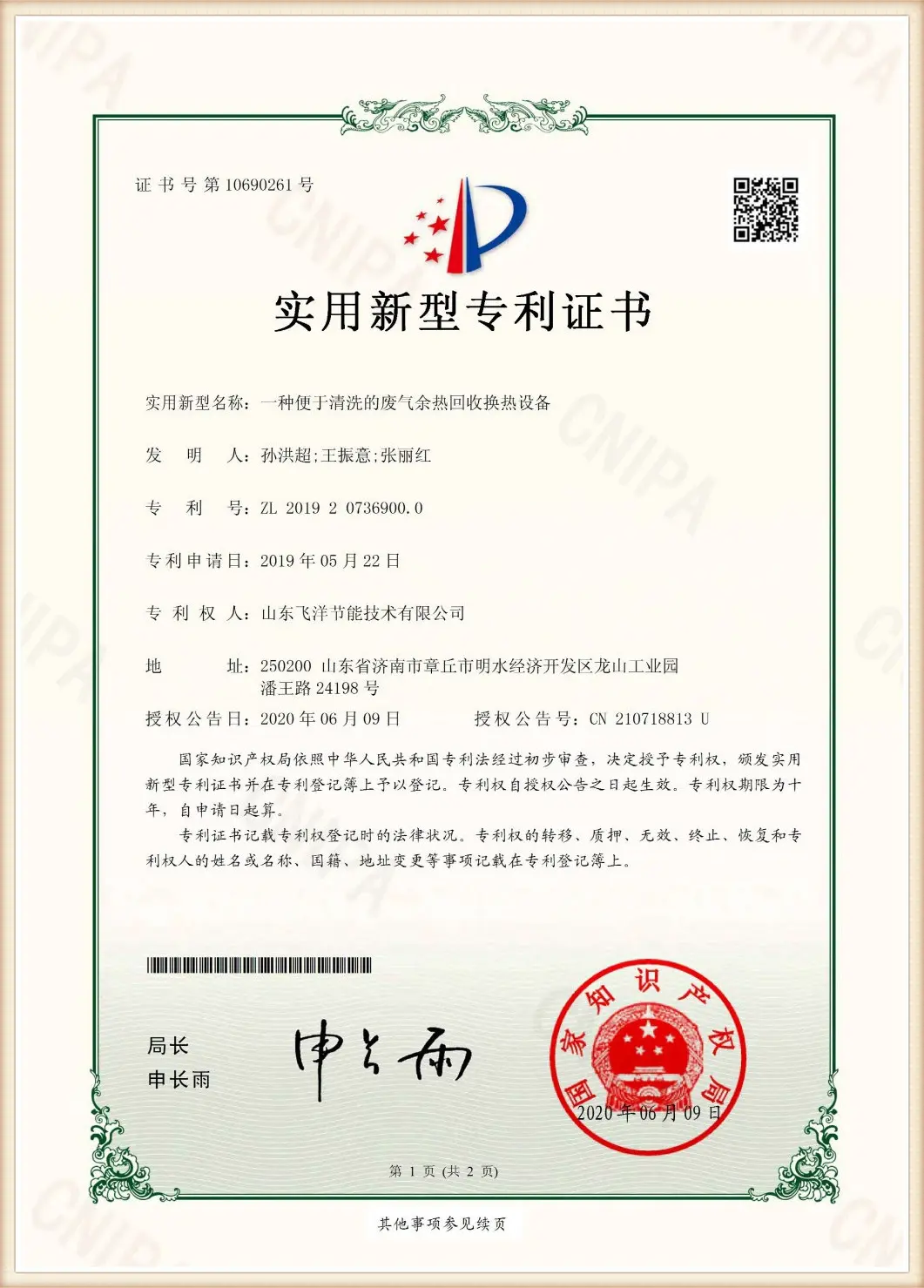
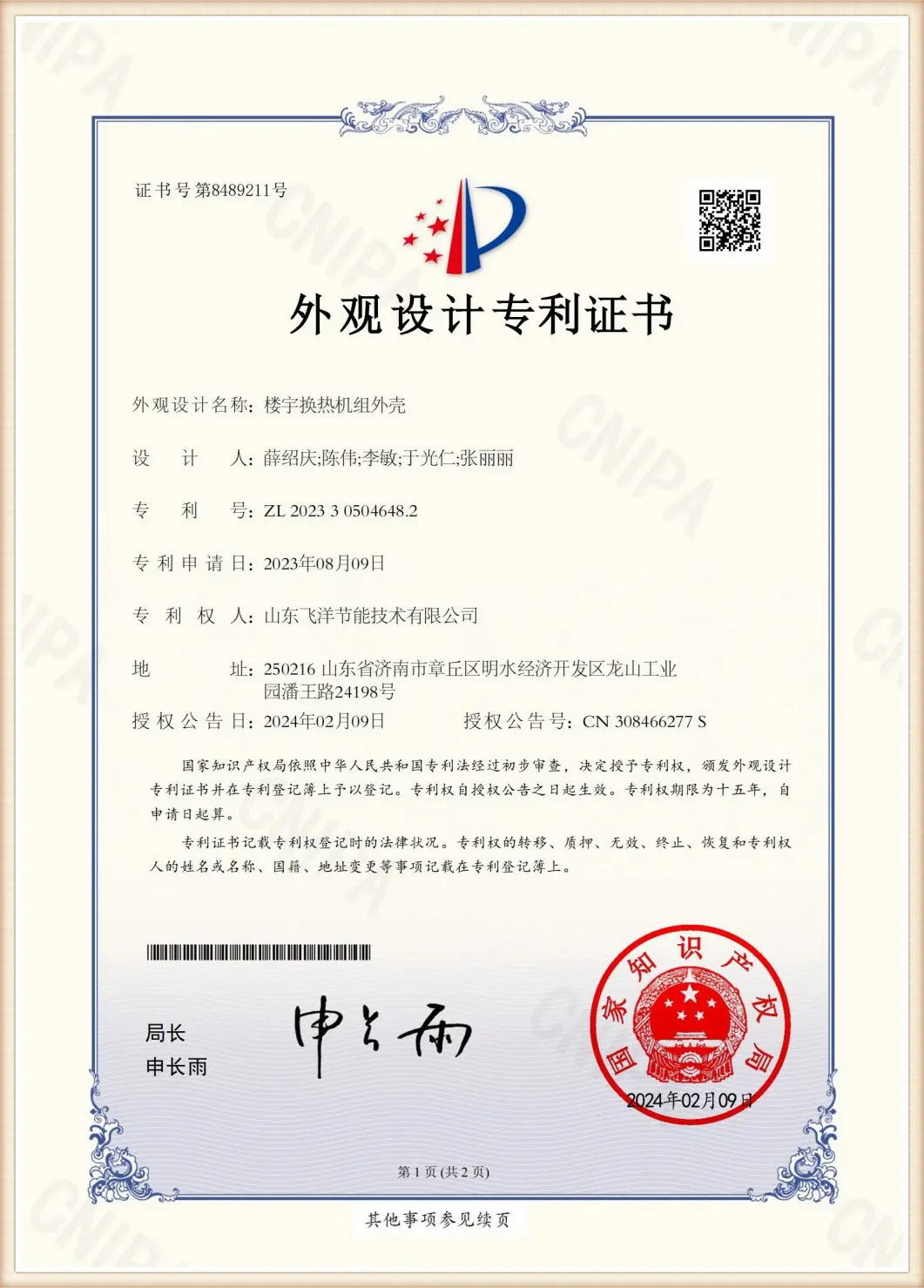
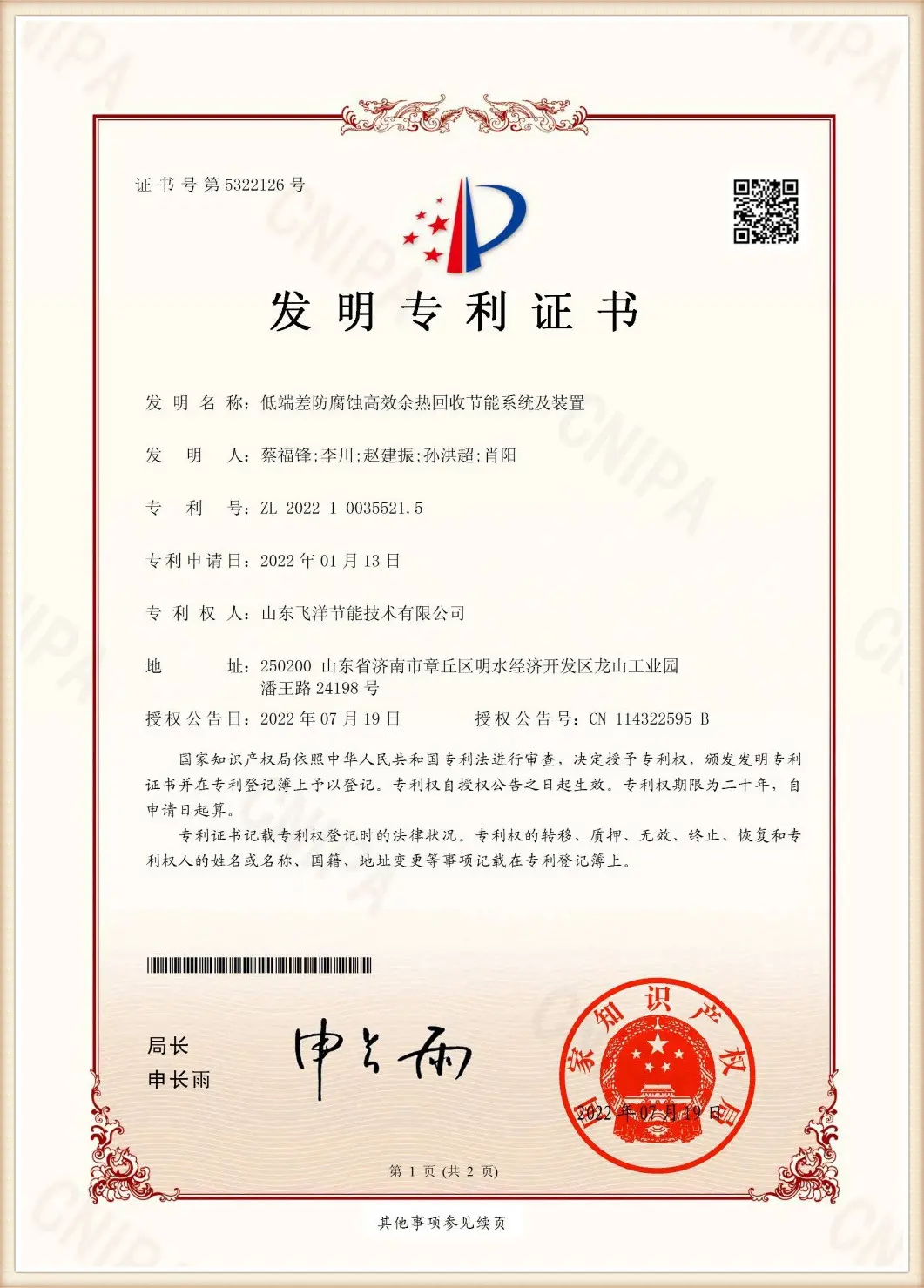
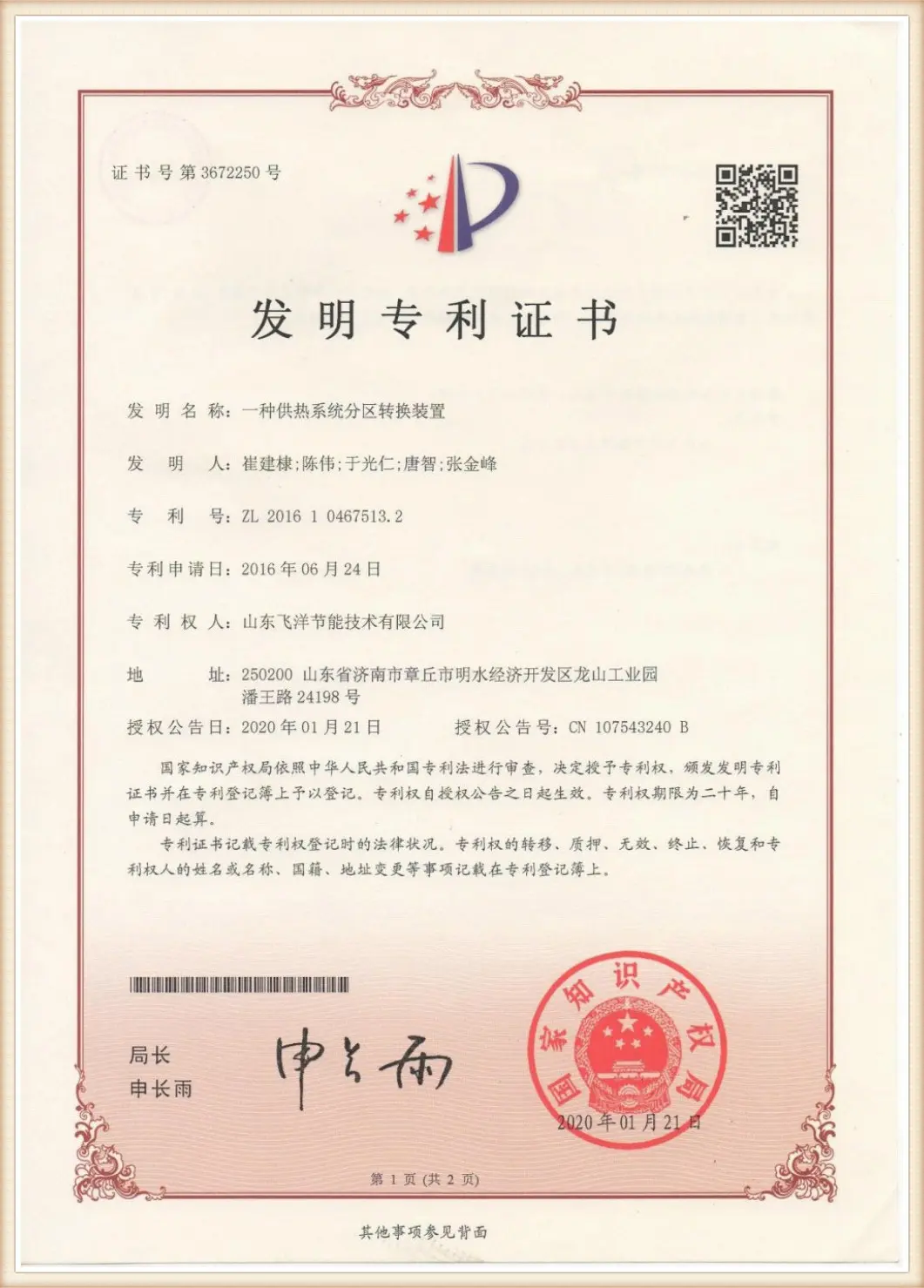
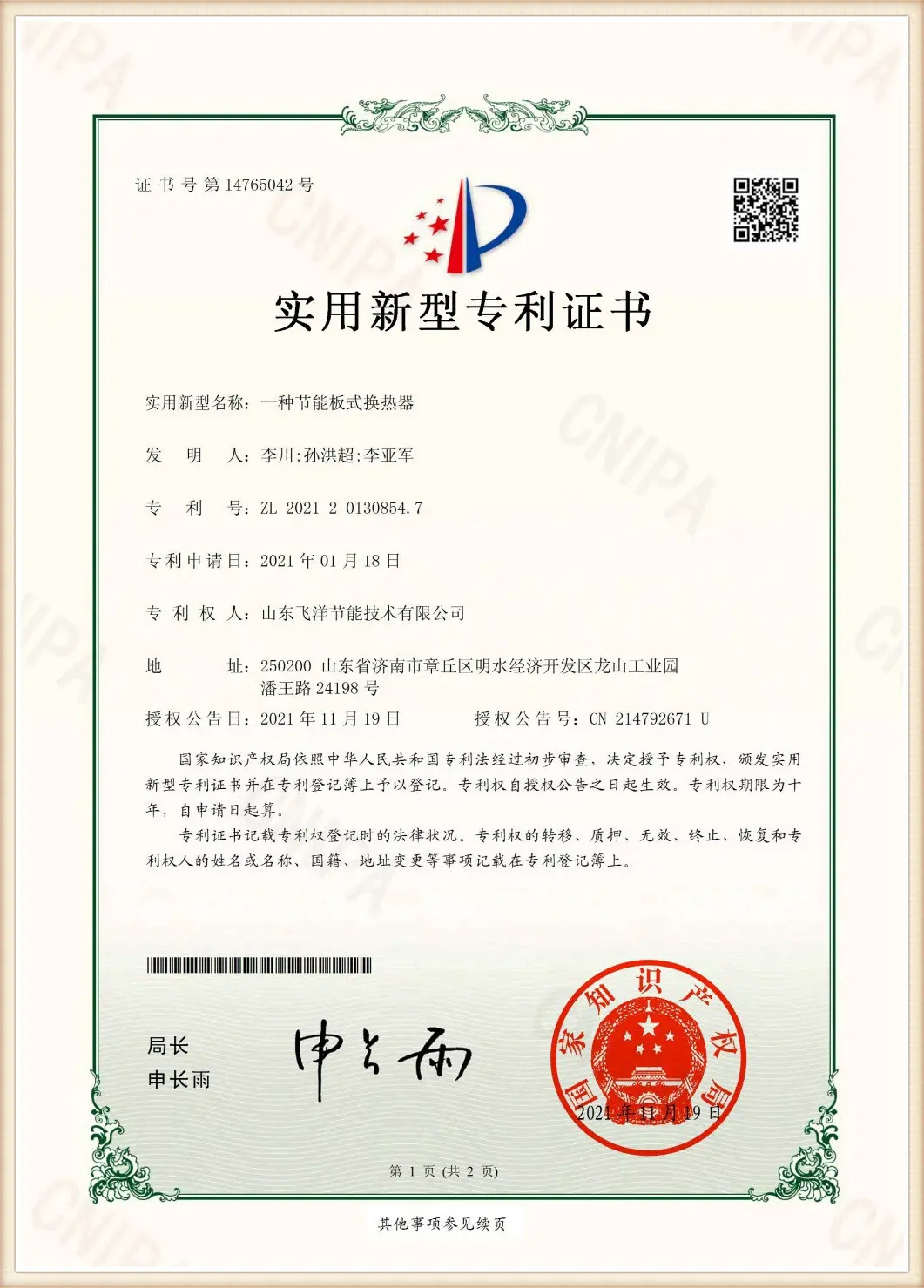
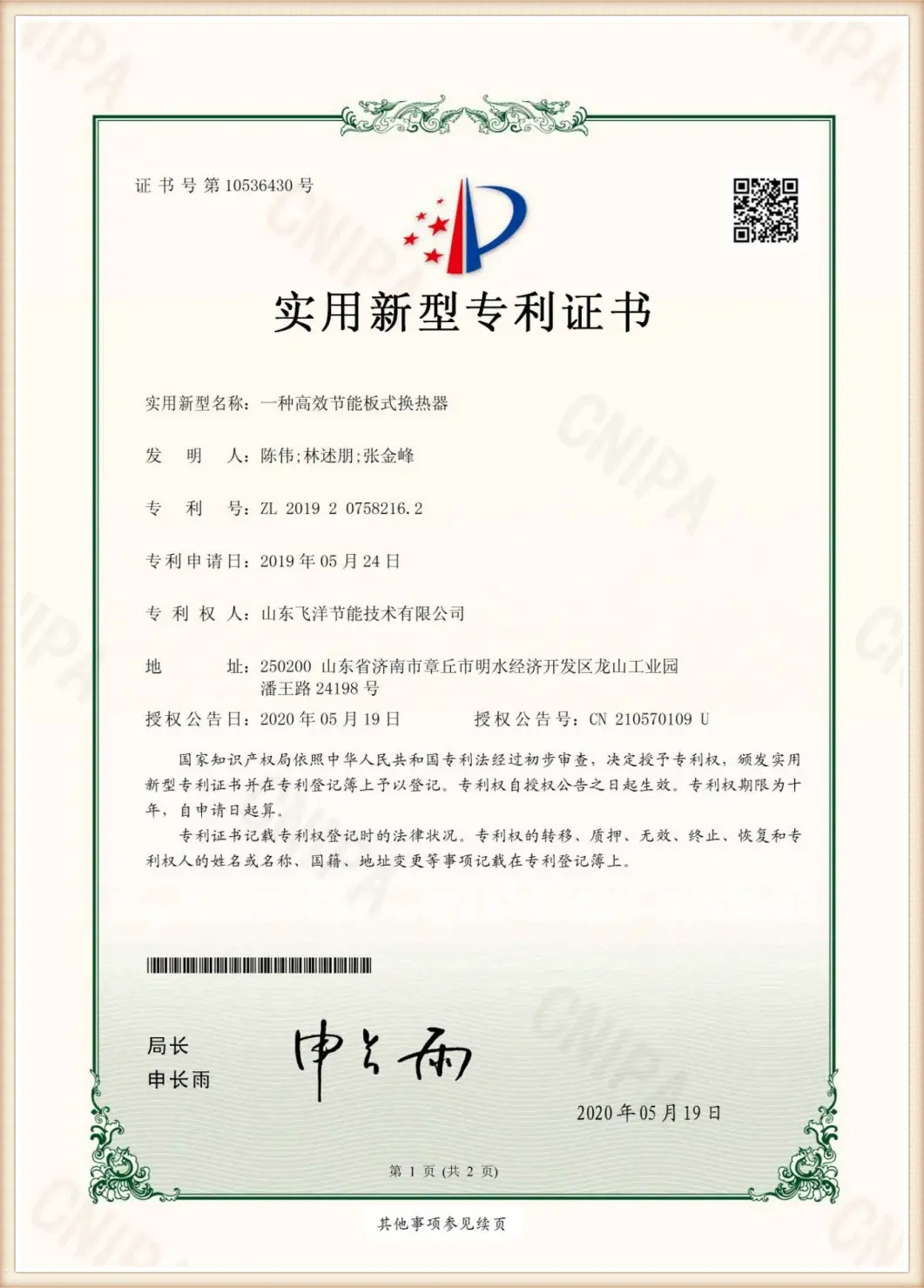
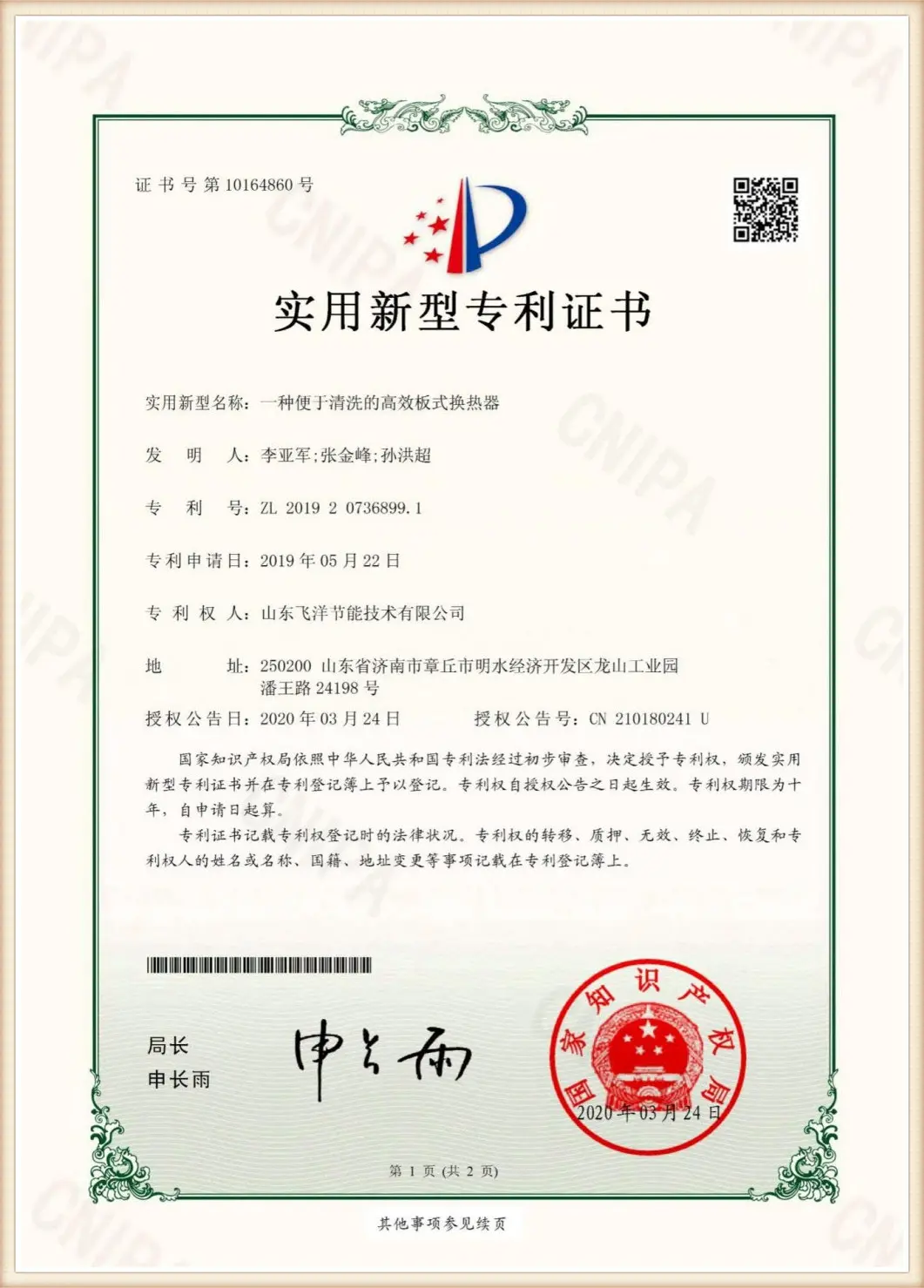
Flotte holds multiple national patent certifications, which represent our technological leadership in the high-efficiency heat transfer market. Notable IP credentials include:
Our operations comply with the ISO 9001:2015 Quality Management System, ISO 14001:2015 Environmental Standards, and ISO 45001:2018 Occupational Health & Safety Frameworks. Mandatory safety registrations are confirmed by the National Boiler and Pressure Vessel Standardization Technical Committee.
Predicting the next generation of micro-engineered heat transfer and AI-driven monitoring.
As the thermal industry enters a new era of carbon-neutral operations, Flotte is actively driving research in three primary areas:
Fouling remains the primary challenge in maintaining a narrow approach temperature. The accumulation of scale increases thermal resistance and forces the approach temperature to degrade. Our laboratory is developing hydrophilic and hydrophobic nano-structured surfaces. These advanced coatings prevent carbonate crystallization and biological attachment, ensuring that high heat-transfer coefficients remain constant without frequent cleaning cycles.
The future of thermal network management relies on smart integration. By feeding real-time flow rate, inlet pressure, and output temperature data into edge-computing systems (such as our Intelligent Regulation and Balance Systems), algorithms can predict when clean in place (CIP) cycles are required. This replaces historical reactive maintenance paradigms with proactive scheduling, reducing shutdown losses by up to 40%.
As green hydrogen production and carbon capture technologies expand globally, heat exchangers must withstand extreme operating pressures (exceeding 100 bar) while maintaining a tight approach temperature. Flotte is designing next-generation semi-welded and laser-welded plate packs configured to handle supercritical carbon dioxide and cryogenic liquid cooling cycles safely.
Detailed answers to technical questions commonly raised by system engineers, procurement directors, and exporters.
Plate heat exchangers feature high-density corrugated plates that force fluid flow into highly turbulent patterns at very low velocities. This turbulence maximizes the convective heat transfer coefficient (U). Additionally, the pure counter-current flow pattern inside a plate pack increases the mean temperature difference compared to the cross-flow designs found in shell and tube units.
As the target approach temperature approaches 0.5°C, the required surface area (number of plates) increases non-linearly. Designers must calculate whether the energy savings over the system's operational lifetime (OPEX reduction) outweigh the initial cost of the extra plates and gaskets (CAPEX). In high-utility zones like HVAC networks and district heating, the ROI is usually achieved within 12 to 18 months.
Fouling deposits introduce a layer of high thermal resistance (fouling factor) on the plate surface. Because the overall heat transfer coefficient (U) is inversely proportional to the sum of thermal resistances, fouling reduces U. To maintain the same heat duty, the system is forced to run with a larger approach temperature, which lowers overall thermodynamic efficiency.
High chevron angles (e.g., 65°) create more turbulence, which increases the heat transfer coefficient (allowing for a closer approach temperature) but yields a higher pressure drop. Low chevron angles (e.g., 30°) have lower resistance (smaller pressure drop) but lower thermal efficiency. Exporters often mix plate geometries (high and low theta plates) to optimize thermal and hydraulic performance.
The choice depends on chemical compatibility and temperature range. For standard HVAC and water-water systems, EPDM or NBR gaskets are standard. For high-temperature hydrocarbons or acids, Viton, FKM, or PTFE-sleeved gaskets are used to prevent chemical degradation under high operating pressures.
Yes. By utilizing multi-pass flow configurations or specialized asymmetrical plate designs, a PHE can balance mismatched flow rates (e.g., primary flow is double the secondary flow) while maintaining high local shear rates and close approach temperatures.
Explore our complete range of smart balancing valves, sensors, and modular heating network components.
 Flotte Energy