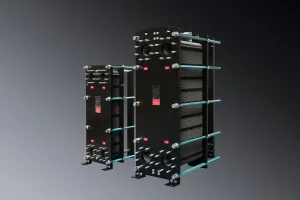
Pioneering energy saving and high-capacity thermal control components manufactured in China
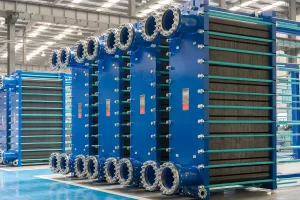
In modern HVAC, district heating, and process engineering, the Plate Heat Exchanger (PHE) capacity represents the thermal exchange limit governed by thermodynamics, fluid dynamics, and spatial configuration. Specifically, capacity is measured by the rate of heat transfer ($Q$), calculated as $Q = U \cdot A \cdot \Delta T_{lm}$, where $U$ represents the overall heat transfer coefficient, $A$ constitutes the effective heat transfer area, and $\Delta T_{lm}$ signifies the Logarithmic Mean Temperature Difference.
Optimizing this thermal capacity requires high-precision stamping to form complex chevron plate patterns. These corrugations induce critical turbulence even at low Reynolds numbers, accelerating convective thermal transfer while minimizing pressure drop. Flotte's patented chevron layouts are engineered to maximize the heat transfer coefficient, ensuring that a smaller footprint yields higher thermal transfer efficiency compared to traditional shell-and-tube configurations.
As global energy conservation policies tighten, selecting a supplier capable of precise capacity scaling becomes vital. Engineering departments must verify the manufacturer's computational modeling capabilities, confirming that custom plate counts, channel layouts, and flow configurations can withstand extreme operating envelopes without premature fouling or thermal breakdown.
Combining 30 years of thermal engineering mastery with modern smart manufacturing
Flotte Energy Saving Company, established in 2013 with a registered capital of 101 million yuan, originated from Flotte Thermal Engineering founded in 1995. With three decades of technical expertise, the company specializes in water equipment, HVAC systems, and water treatment industries. It consistently leads industry peers in adopting cutting-edge technologies, developing innovative products, and delivering comprehensive production and sales services.
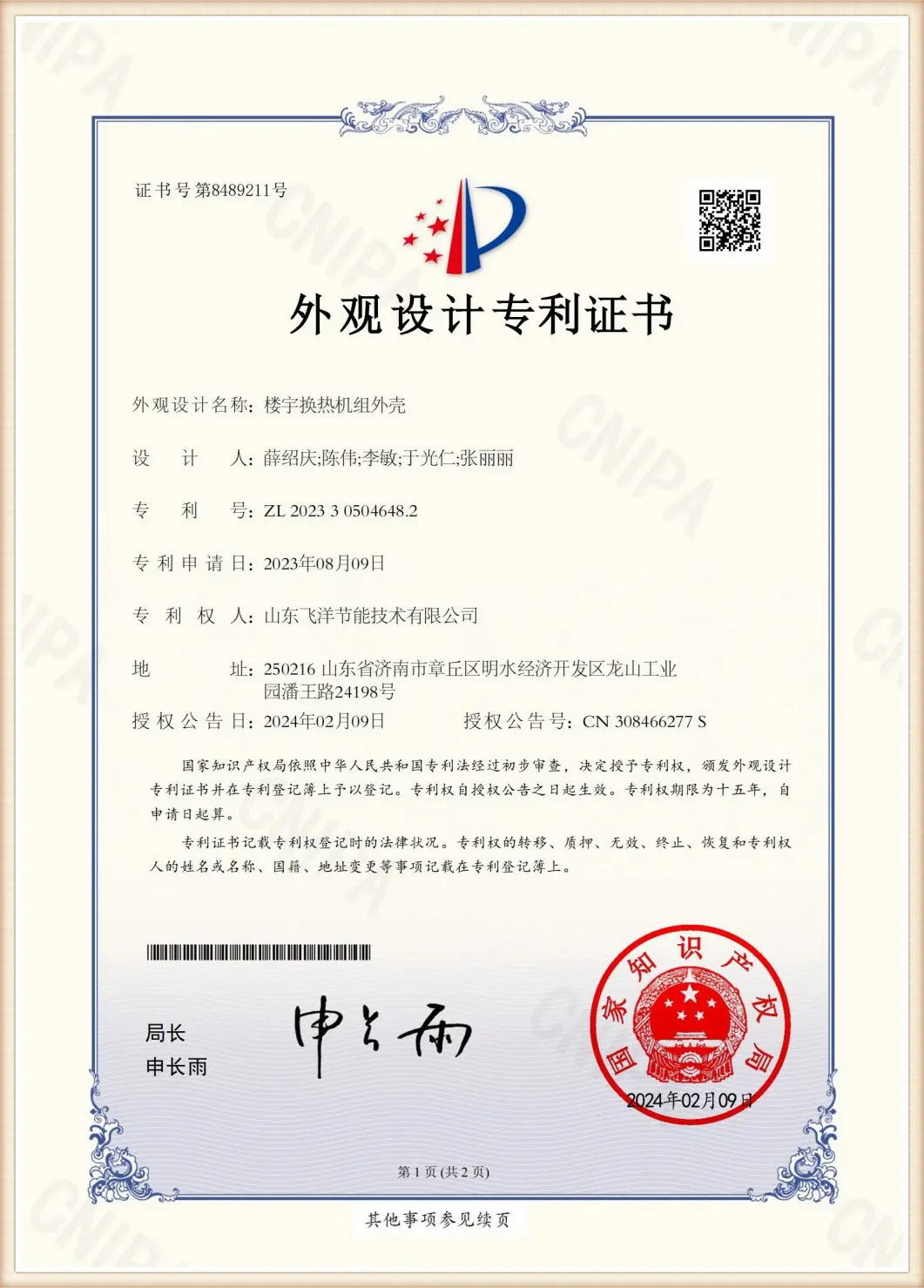
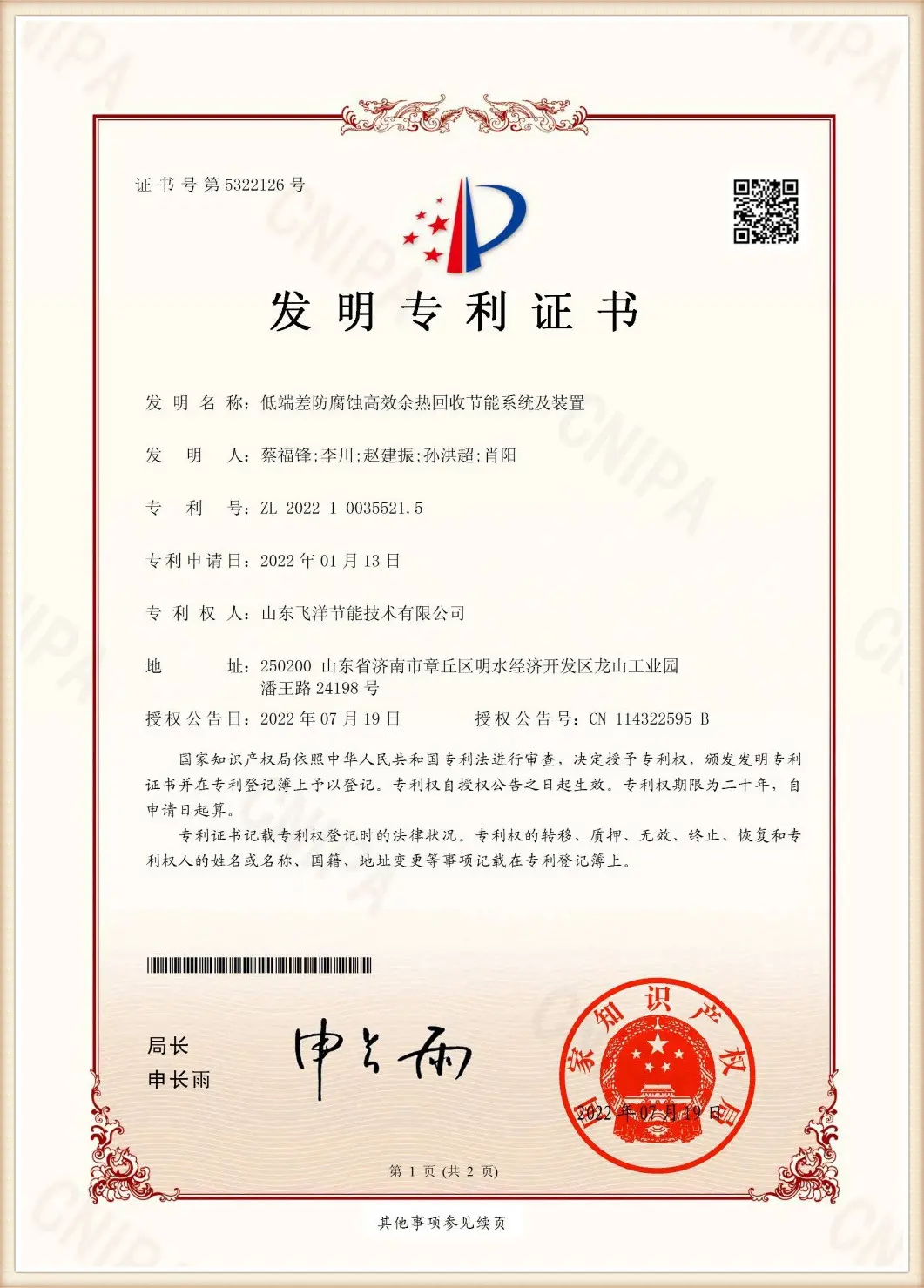
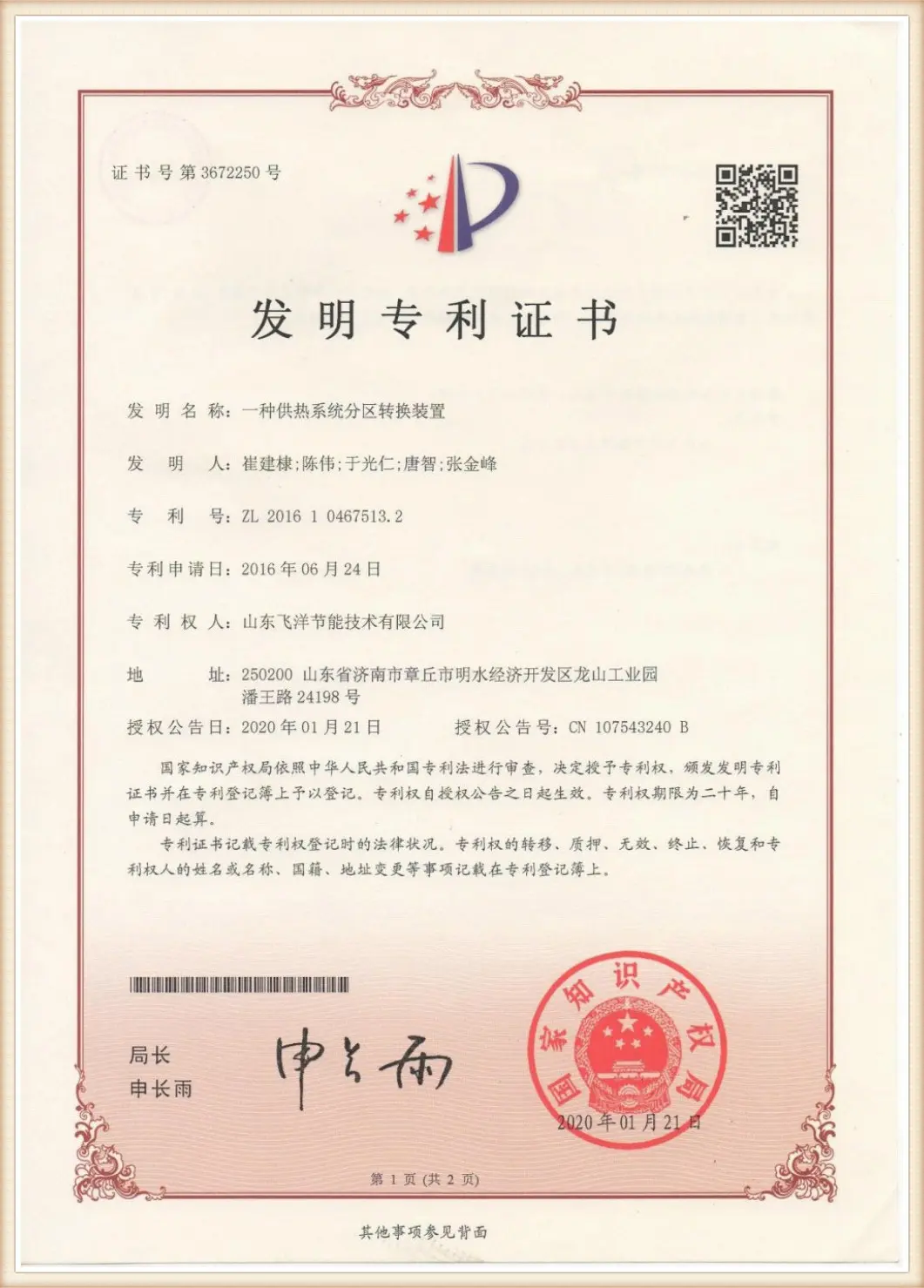
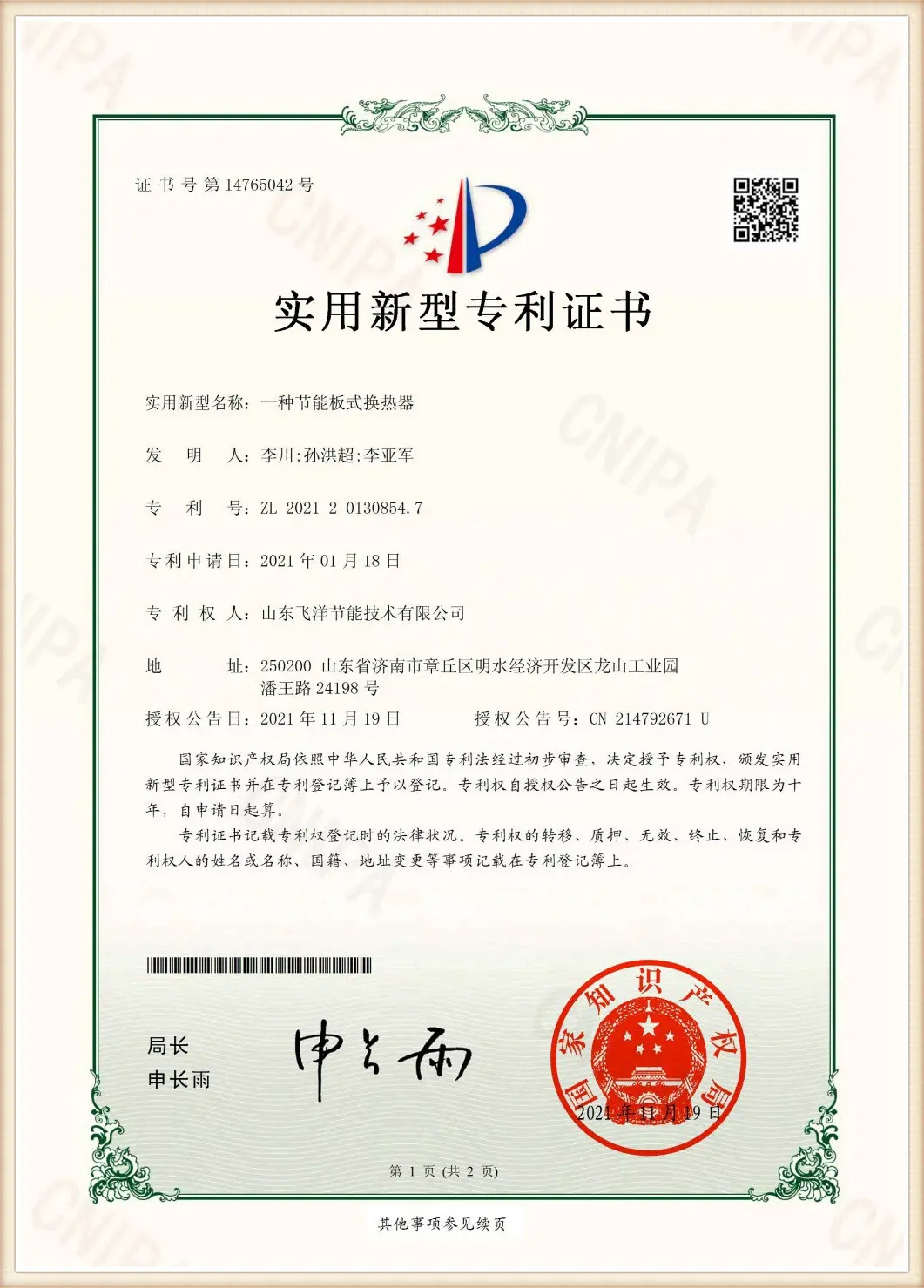
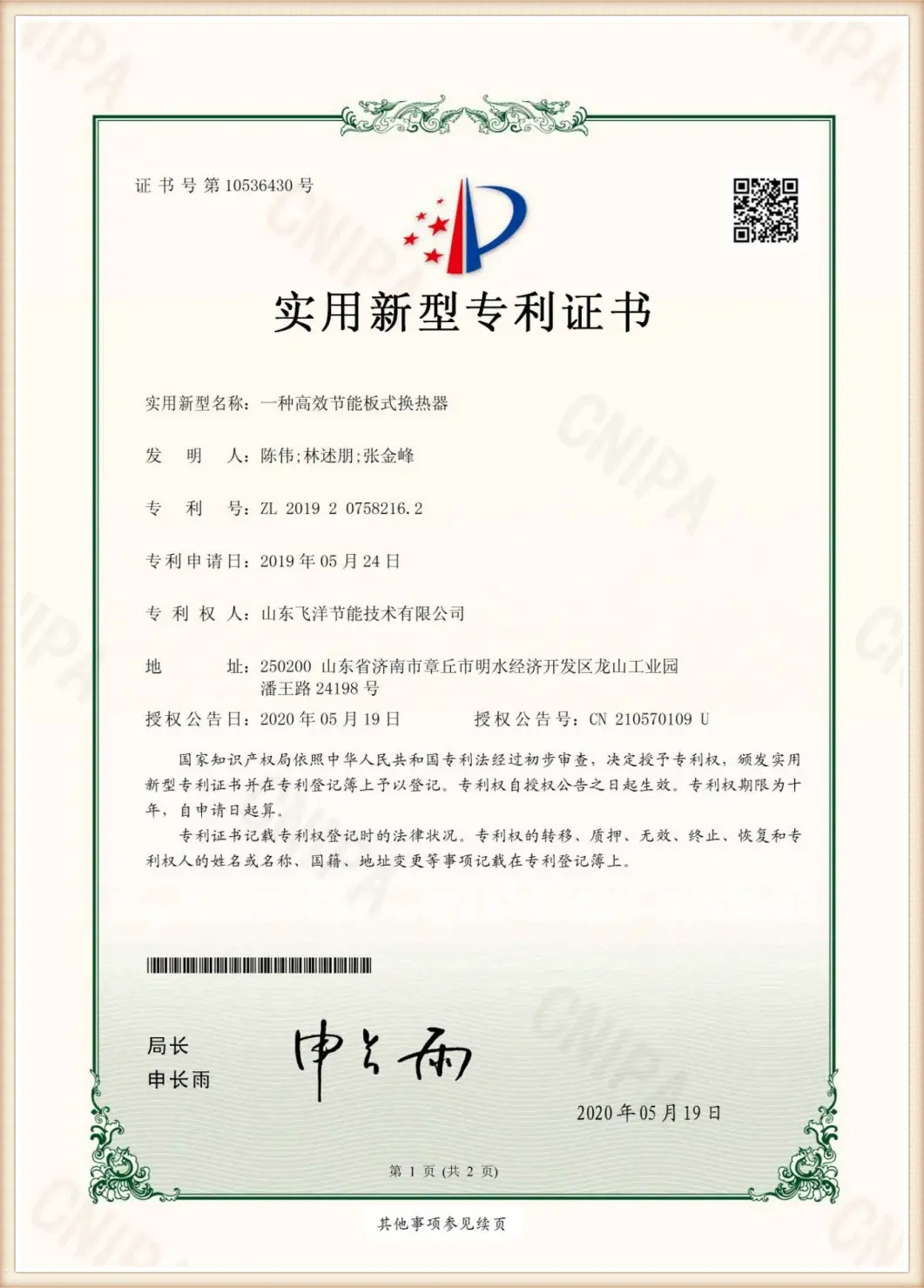
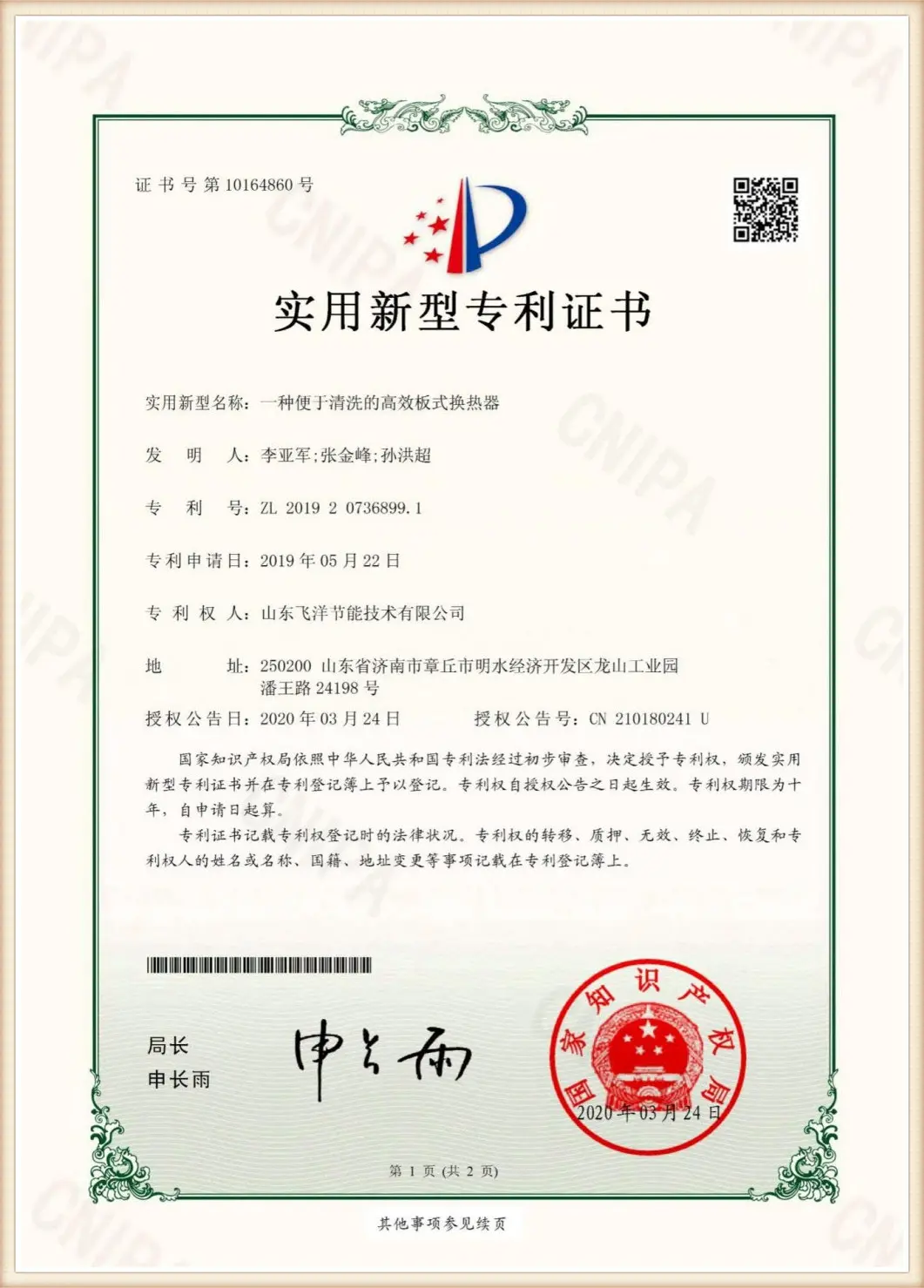
The company has been continuously advancing in production technology innovation, holding multiple patent certifications including "High-Efficiency Plate Heat Exchanger", "Intelligent Plate Heat Exchanger System", and "Plate Heat Exchanger Scale Removal Device" (see qualification documentation). Its products have obtained mandatory national product certification and safety registration from the National Standardization Committee, along with the safety registration for plate heat exchangers issued by the National Boiler and Pressure Vessel Standardization Technical Committee. The company has also achieved ISO9001 Quality Management System certification, ISO14001 Environmental Management System certification, and ISO45001 Occupational Health and Safety Management System certification.
The company has professional designers and skilled technical workers; the designers have been engaged in design work for many years, with good professional knowledge and rich practical experience to ensure the reliability of the technical products designed; has a special R & D center and advanced laboratory, to ensure the technical advancement of products developed and produced.
The company has accumulated valuable expertise in technology development, production, application, and installation services. Having delivered equipment and technical support for multiple key projects, it has cultivated a team of highly skilled technicians and installation specialists. Moving forward, the company will continue to thrive in the industry by maintaining cutting-edge technologies, providing premium products and professional services, while ensuring that past, present, and future users can rest assured about after-sales support.
The company has established modern production facilities that combine advanced manufacturing with systematic management, producing high-tech integrated products. It holds a leading position in the industry nationwide and commands a substantial market share. Annually, it manufactures approximately 4,500 heat exchange units and water supply/drainage equipment sets. With over 300 employees, the company generates annual sales revenue of 500 million yuan and contributes 15 million yuan in taxes and profits.
Unlocking industrial scale, raw material vertical integration, and advanced hydraulic press technologies
China's manufacturing clusters host some of the world's most advanced heavy industrial presses. Reaching pressing forces from 10,000 to 20,000 tons, these facilities stamp stainless steel, titanium, and nickel alloy plates with zero micro-fracturing. This guarantees structural integrity and precise chevron depth across thin plates (0.5mm to 0.6mm), maximizing thermal conductivity without compromising safety margins.
Direct integration with major steel mills allows Chinese factories to source verified raw materials like AISI 304, AISI 316L, Titanium, and Hastelloy at optimal price points. This vertical alignment buffers global buyers against raw material price volatility, ensures continuous batch tracing, and shortens procurement lead times for high-volume plate orders.
We leverage highly developed synthetic rubber production sectors to source high-grade EPDM, NBR, and Fluororubber (FKM) gaskets. Formulated to resist compression set and thermal degradation up to 180°C, our custom-engineered gaskets prevent internal cross-contamination between hot and cold media, ensuring long term reliability.
Our design departments employ advanced fluid dynamics (CFD) simulation software alongside mechanical stress-testing programs. Chinese engineers specialize in scaling thermal systems to conform directly with international standards (such as ASME Code Sec VIII, PED 2014/68/EU, and ISO standards), streamlining foreign regulatory approval cycles.
The company operates modern production workshops equipped with advanced manufacturing and quality inspection facilities. All frontline production staff are certified technicians who have undergone rigorous formal training. Production processes, quality control, and service operations strictly adhere to the ISO 9001:2015 international quality management system, while also complying with the pressure vessel quality assurance framework. Our products undergo mandatory inspections by national quality supervision authorities, ensuring full compliance with performance standards.
Adhering to the concept of "quality first" and "winning by quality", the company has established a sound quality assurance system, improved the quality supervision and management of all staff, whole process and all aspects, and made great efforts in product technology, quality and service. The company conscientiously carries out on-site management and rectification work, and establishes a safe and civilized production environment.
Product quality and the quality of purchased materials are inseparable. Therefore, the company asks the purchasing department to determine the list of qualified suppliers and strengthen the contact with each supplier to ensure product quality.
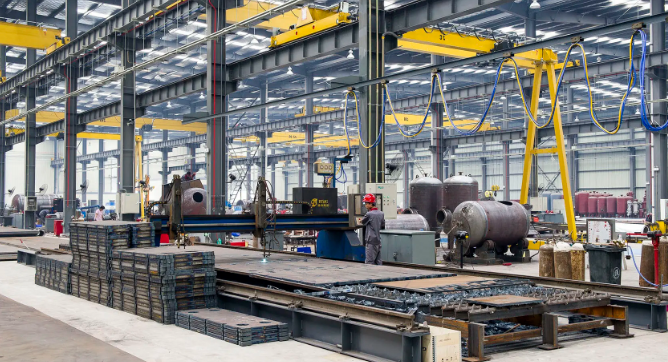
Rigorous testing, pressure vessel safety approvals, and global standard alignment
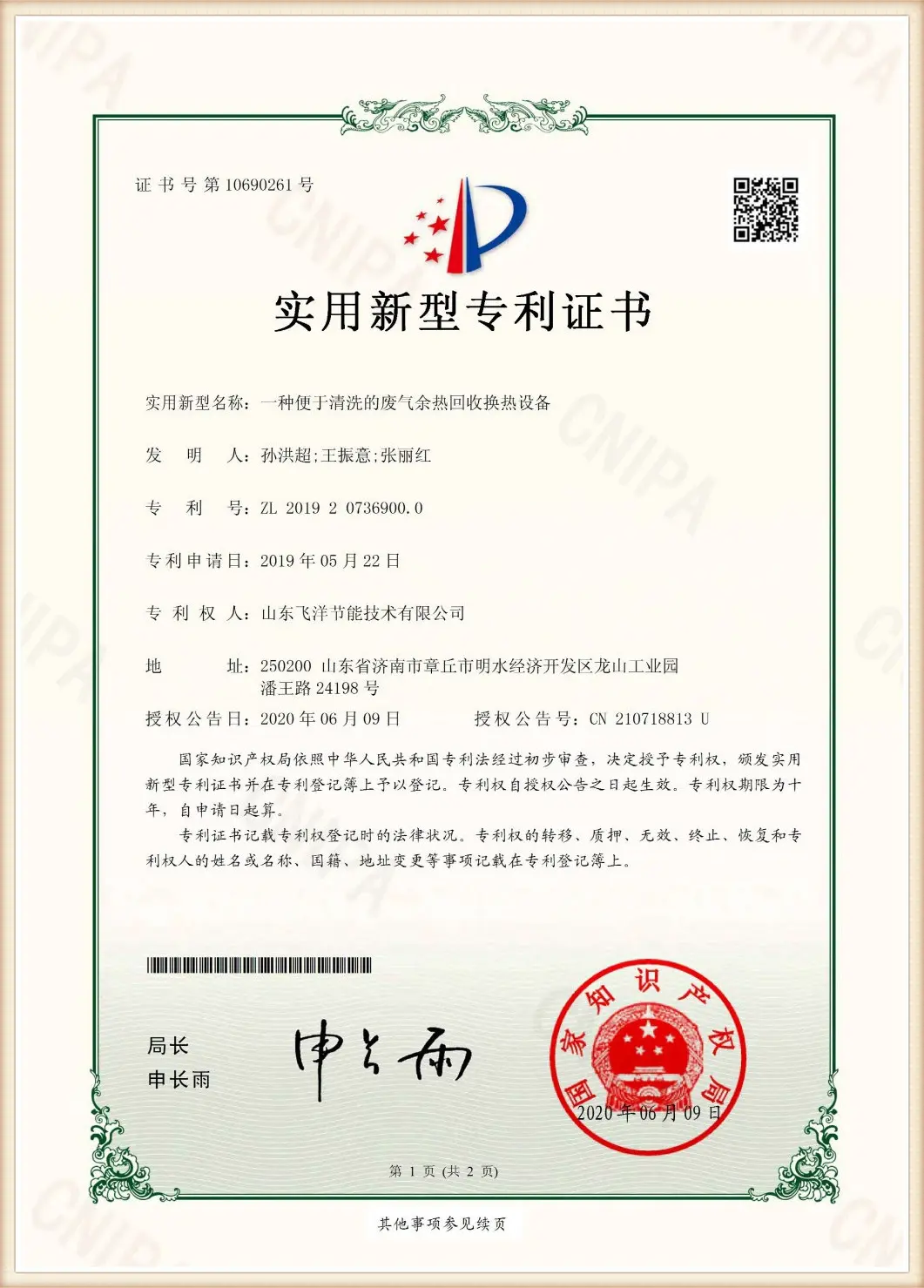
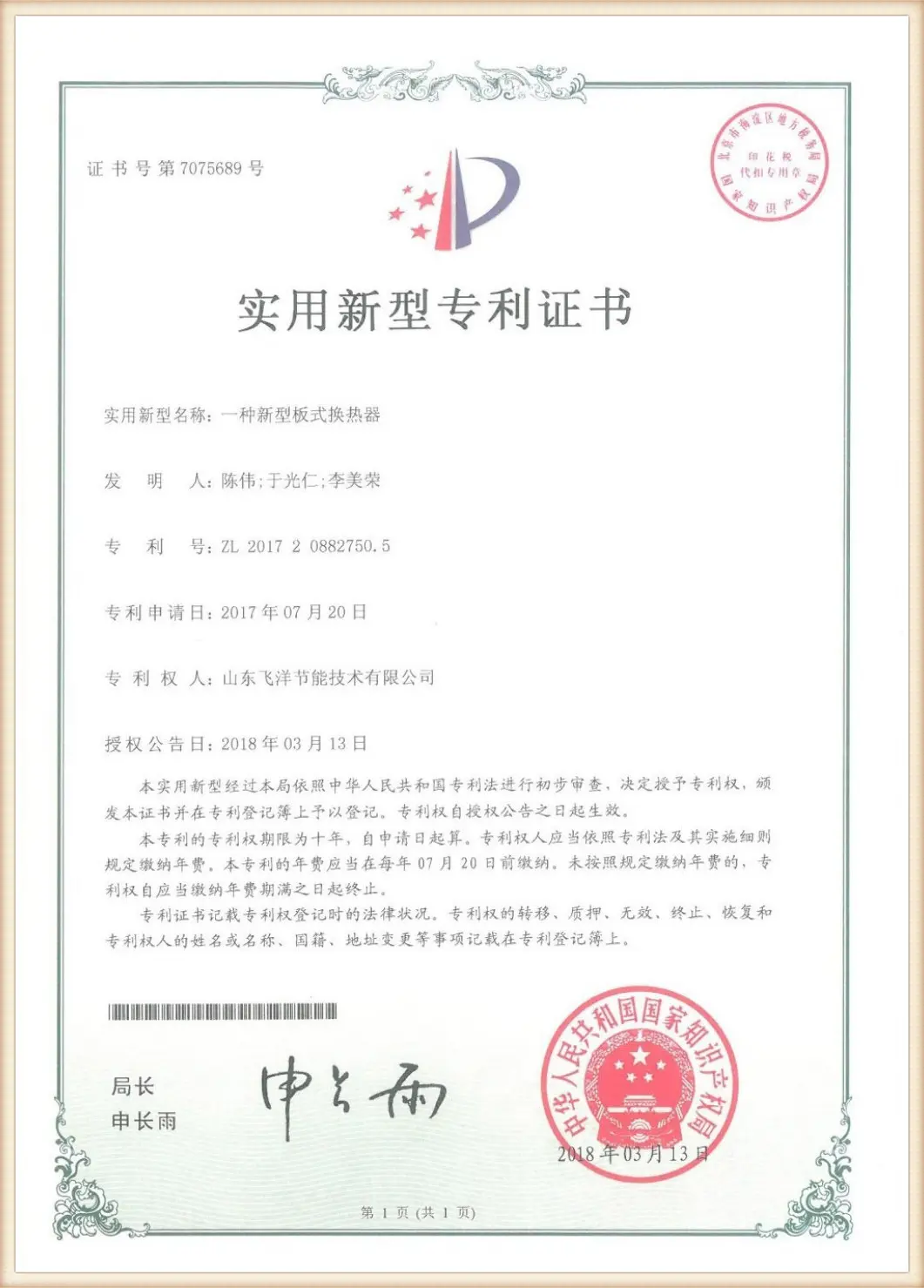
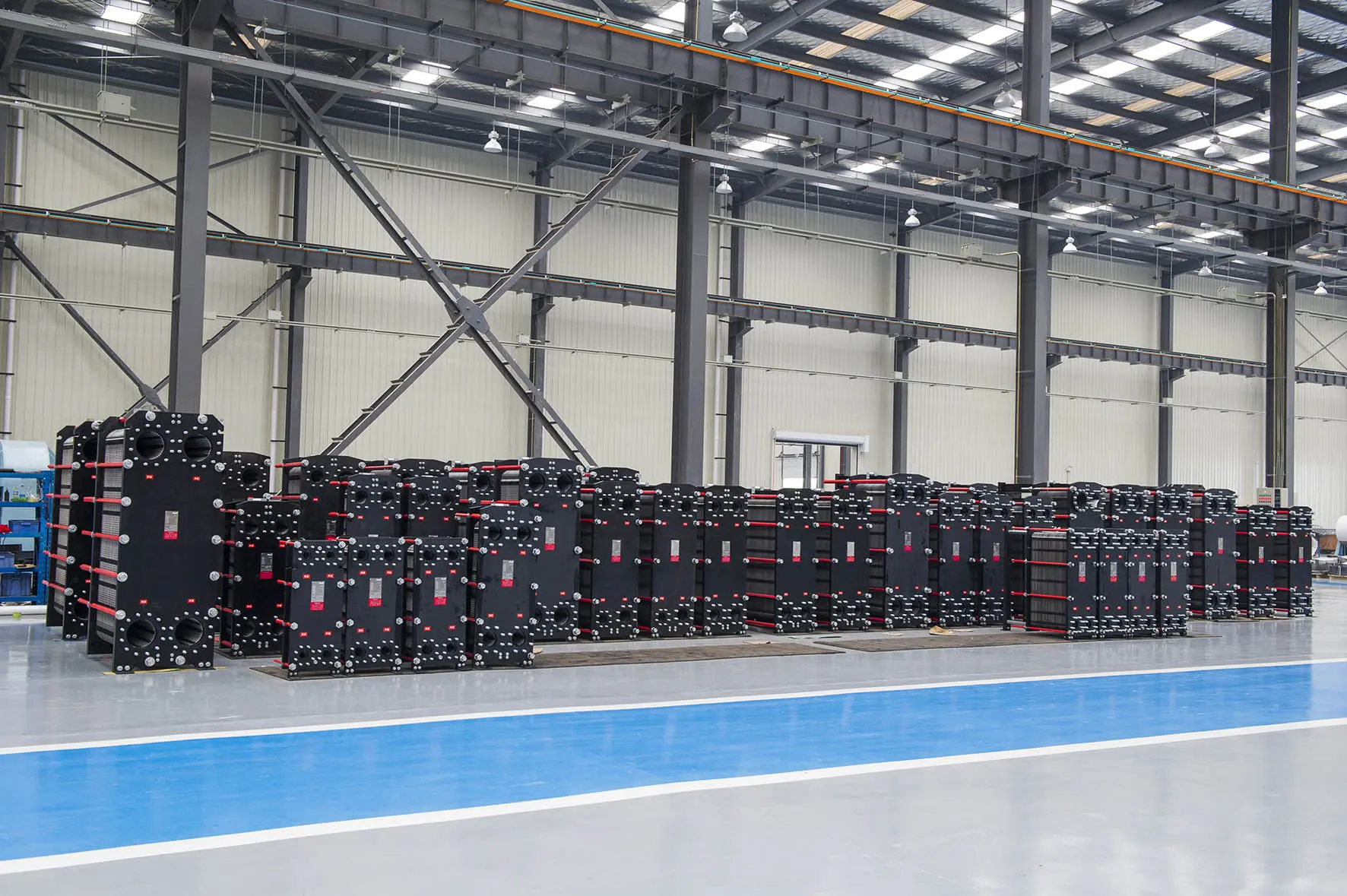
Inside our 70,000㎡ industrial footprint showing advanced precision and scaling capacity
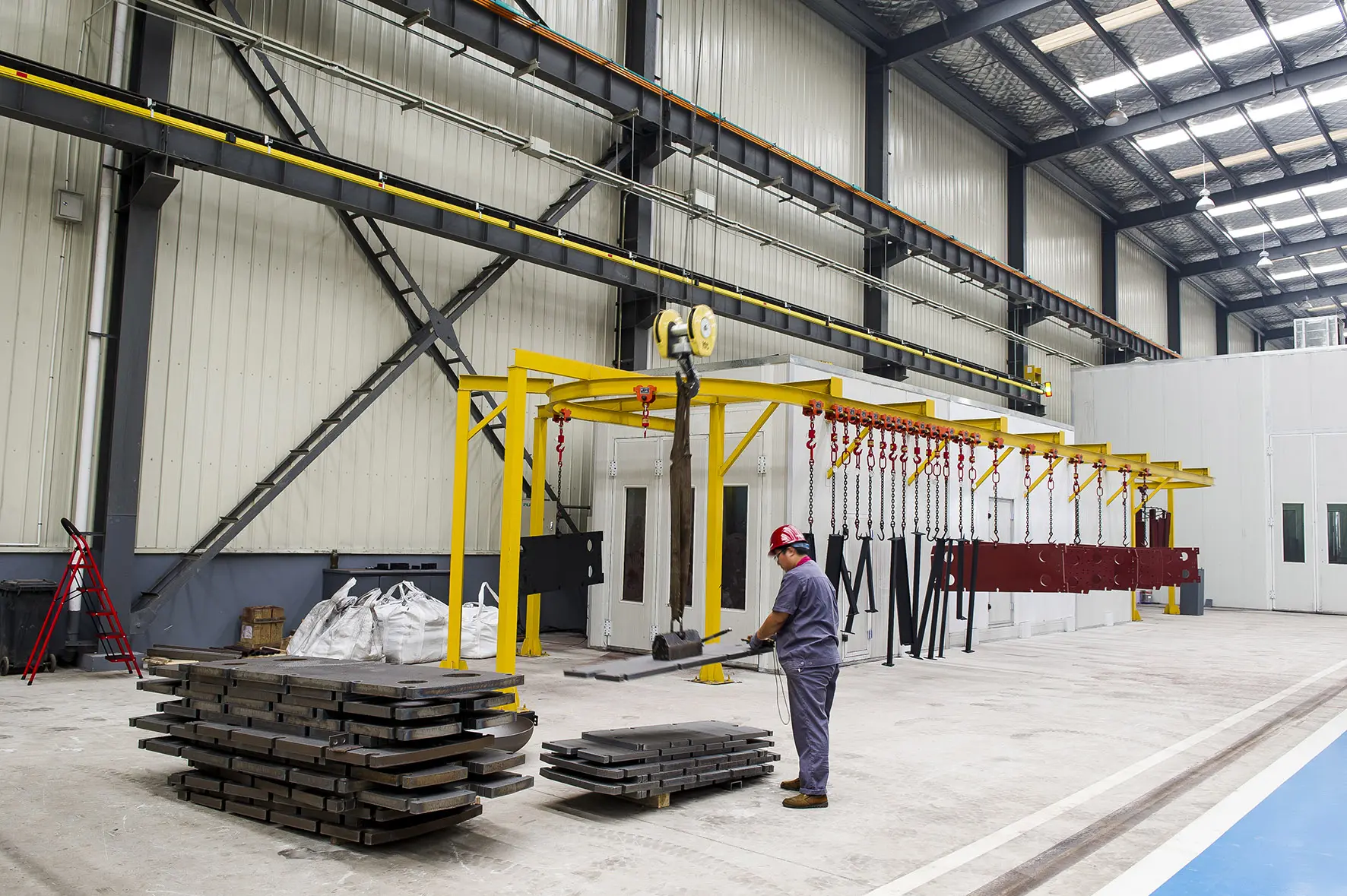
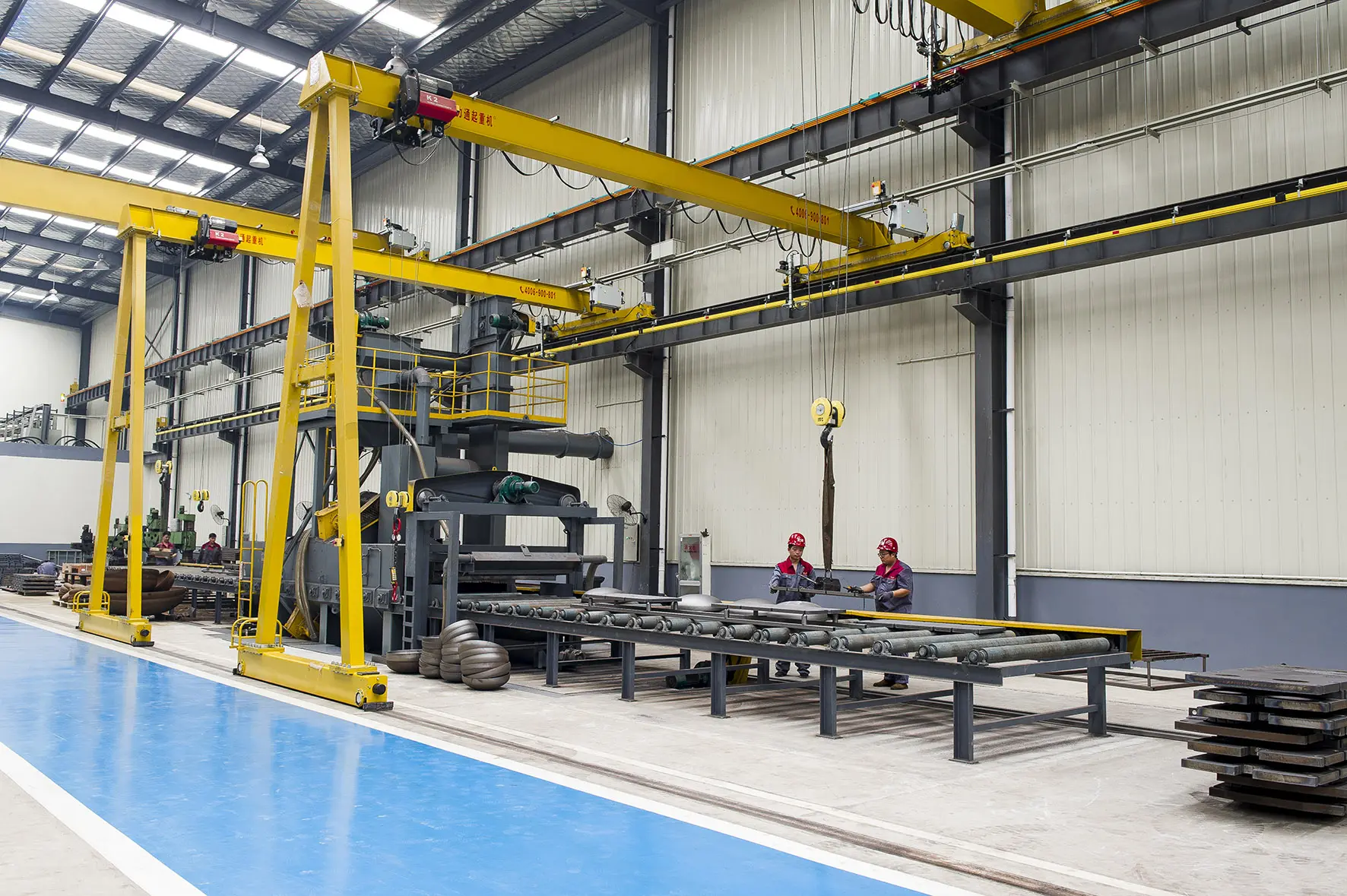
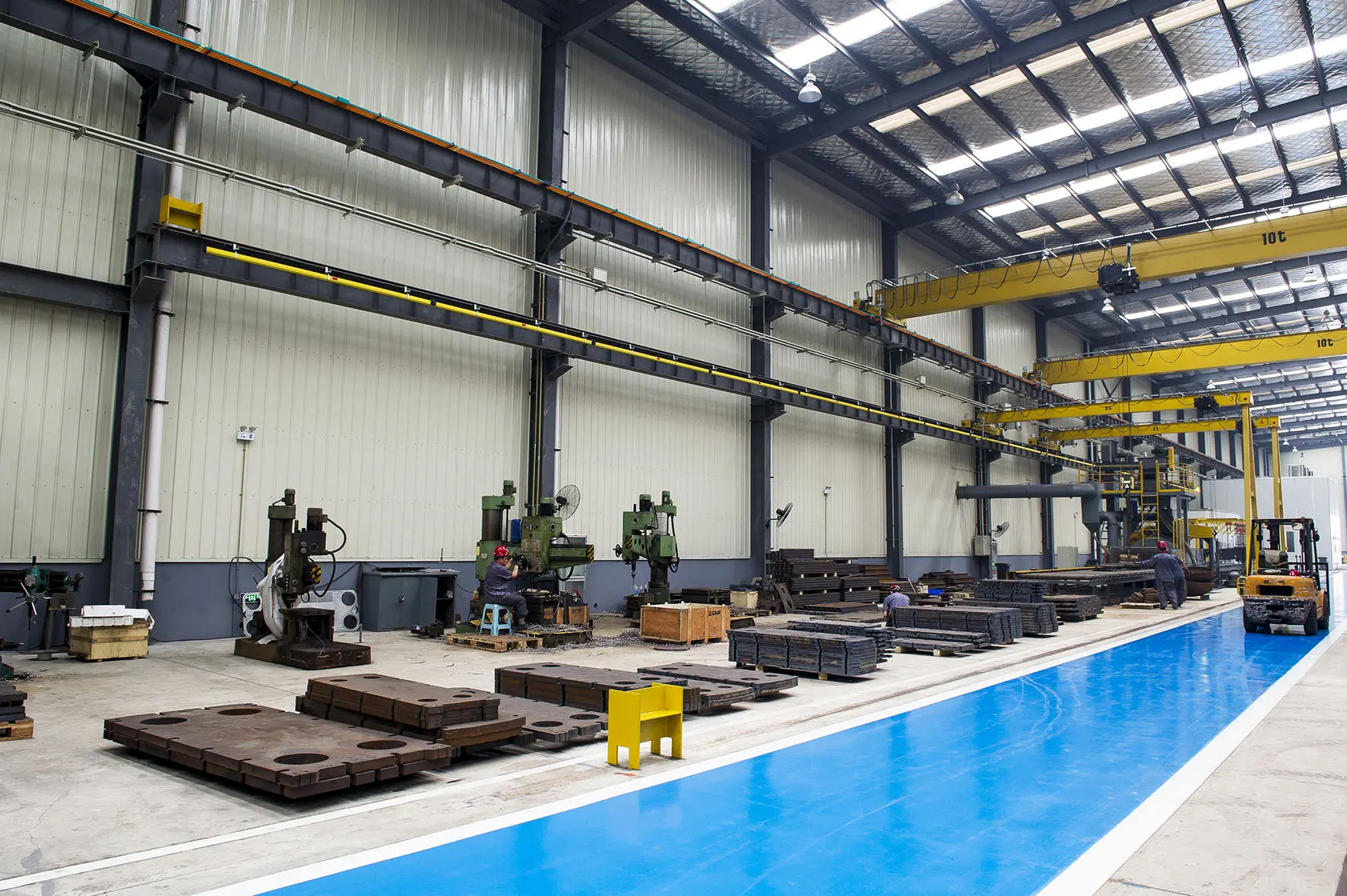

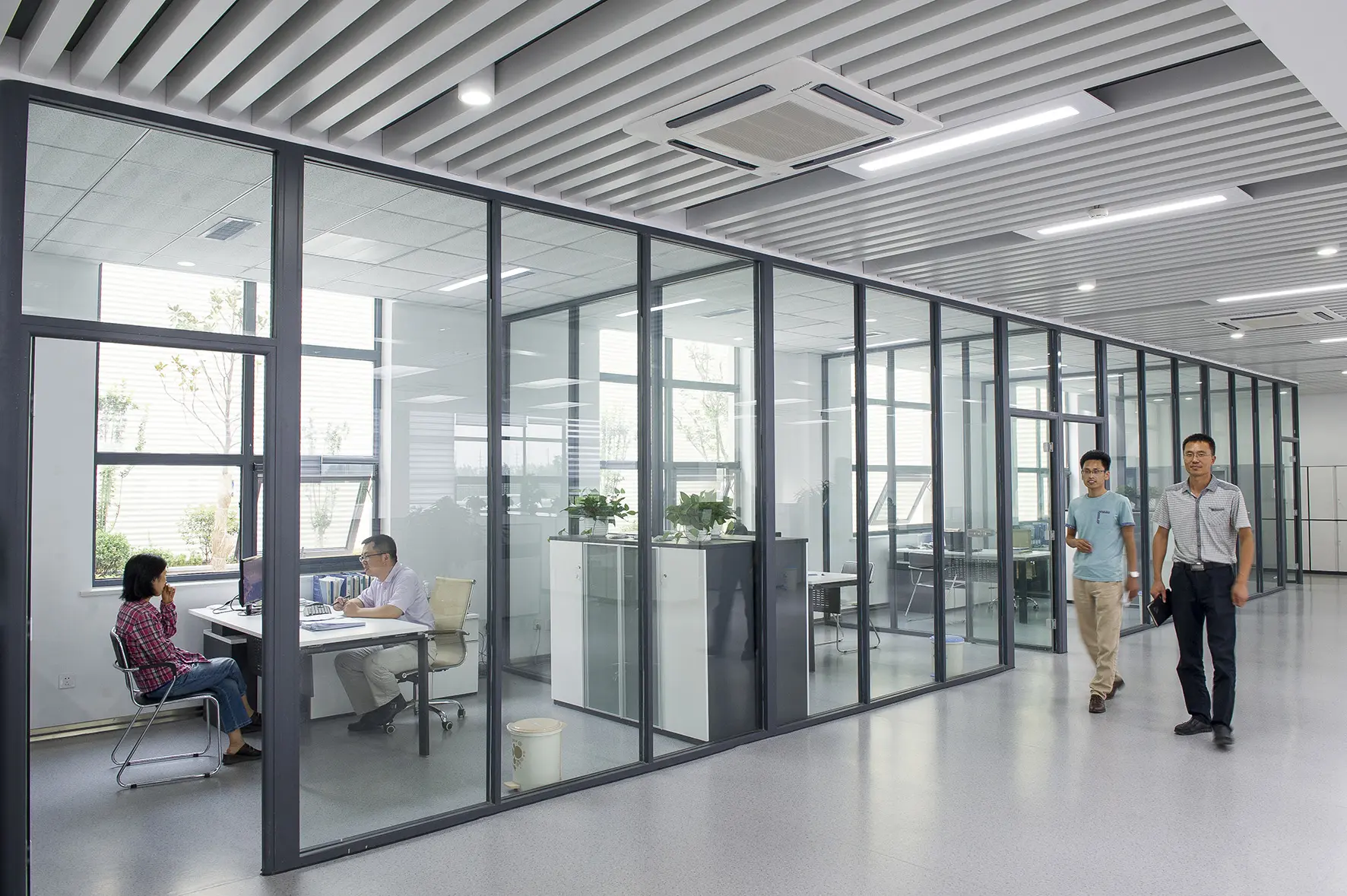

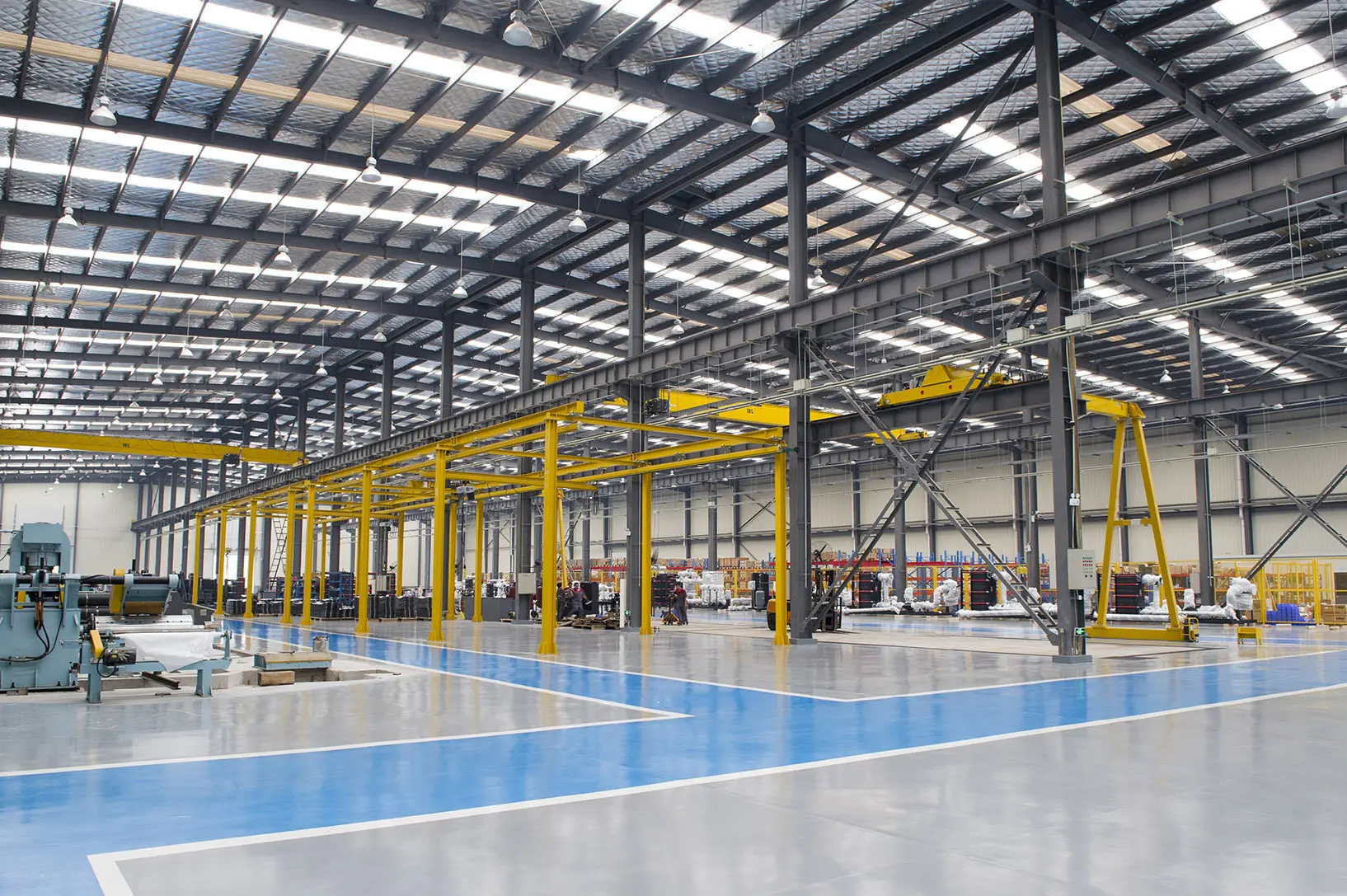
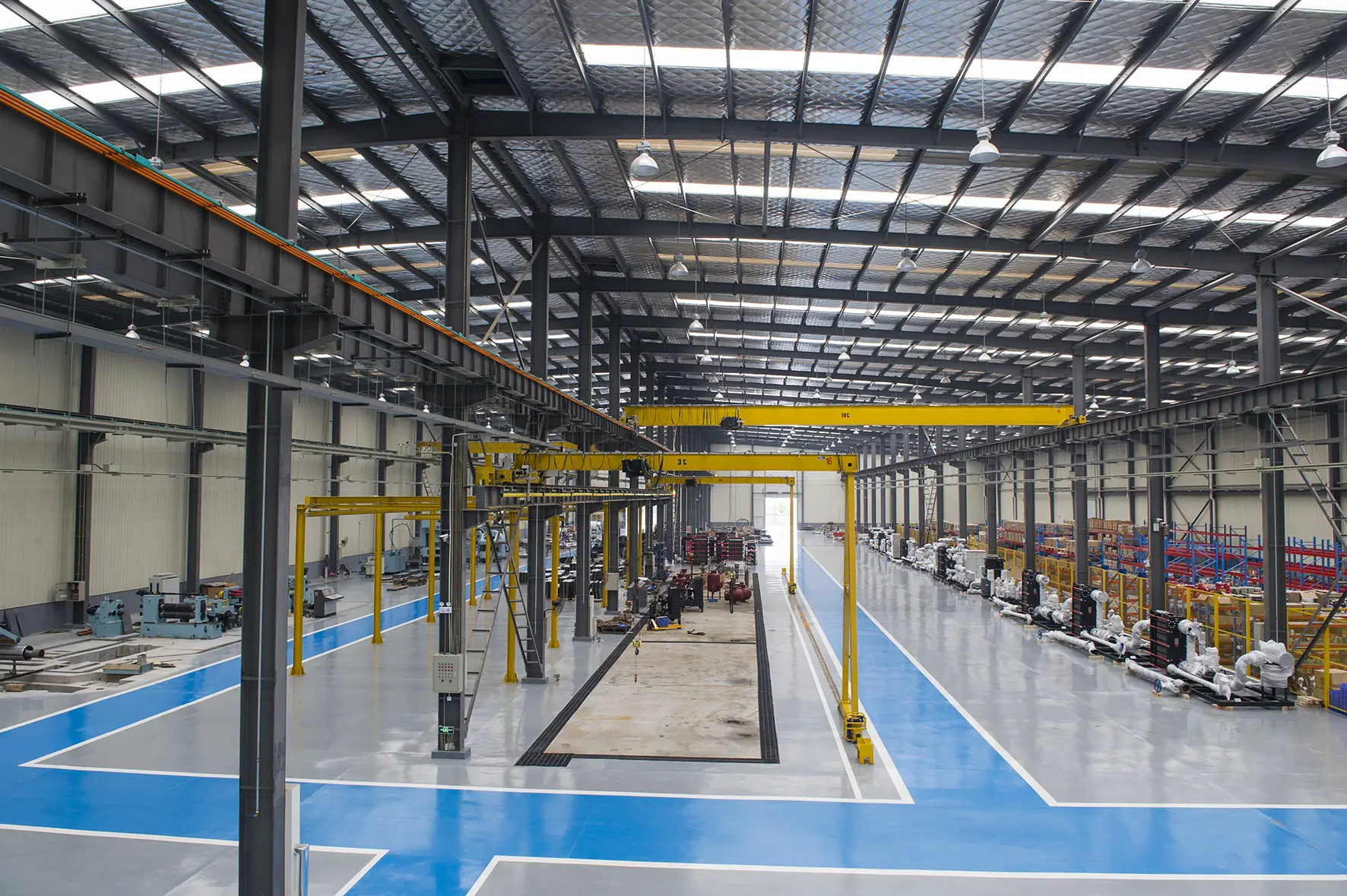
Tracing our rigorous production route to ensure zero defects and maximum thermal capacity
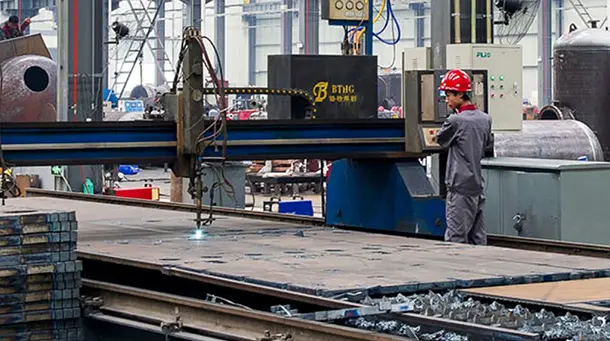
Heavy-gauge metal framing plates are cut with precision plasma and laser heads, preparing the structural backbone of the frame assembly.
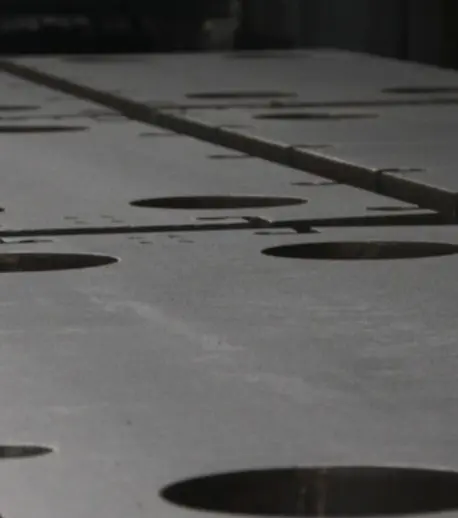
Detailed structural components undergo controlled forging, increasing density and mechanical strength for high-pressure limits.
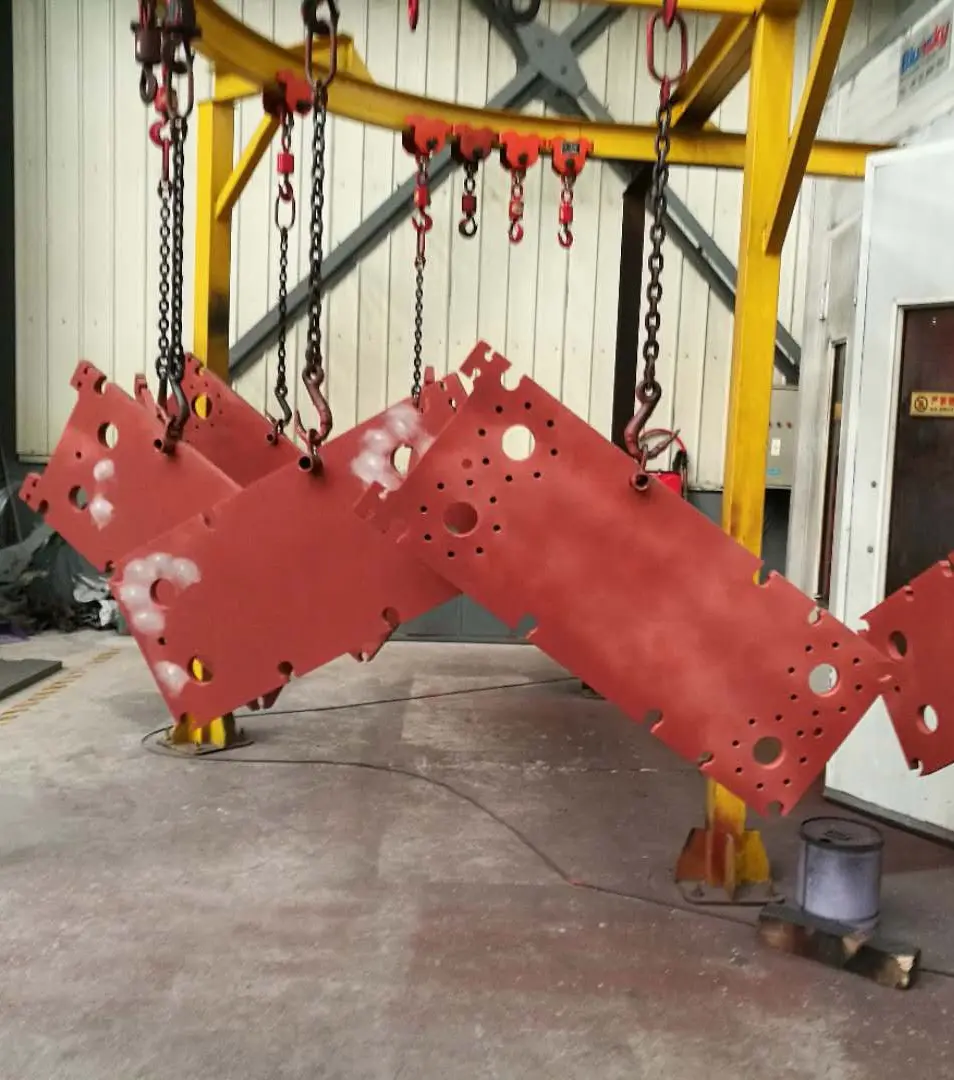
Anti-corrosive multi-layer industrial paint coatings are applied, safeguarding the carbon steel pressure frame against hostile atmospheres.
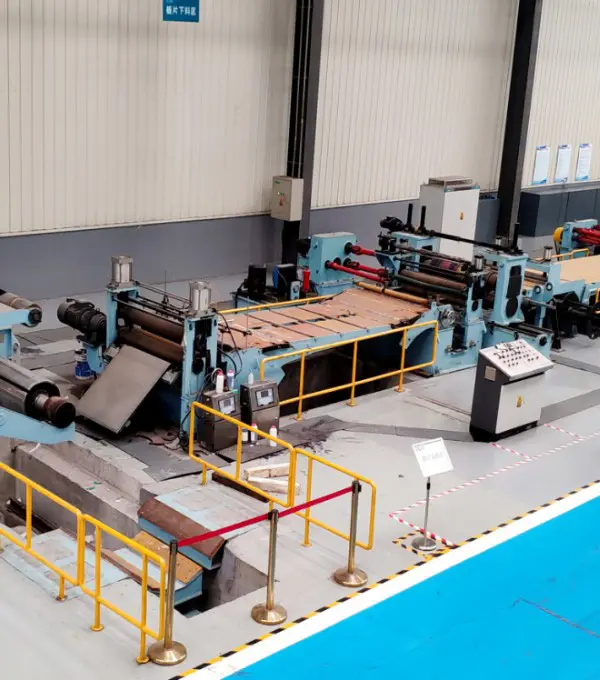
Stainless steel/titanium rolls are cut to size and laser coded for full traceability of material batches from day one.
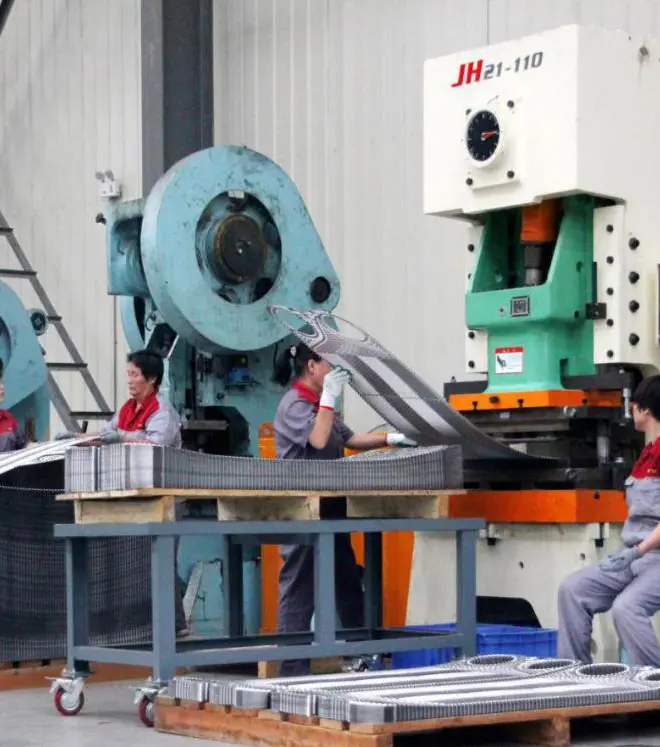
Fluid entry ports and securing eyelets are punched simultaneously, maintaining concentricity for error-free assembly alignments.
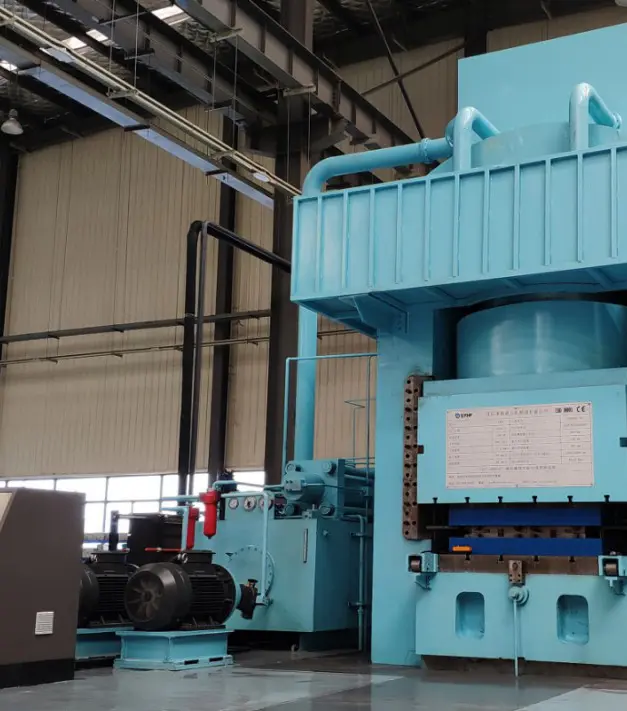
High tonnage press molds form custom-engineered corrugated chevron channels, maximizing turbulence parameters.
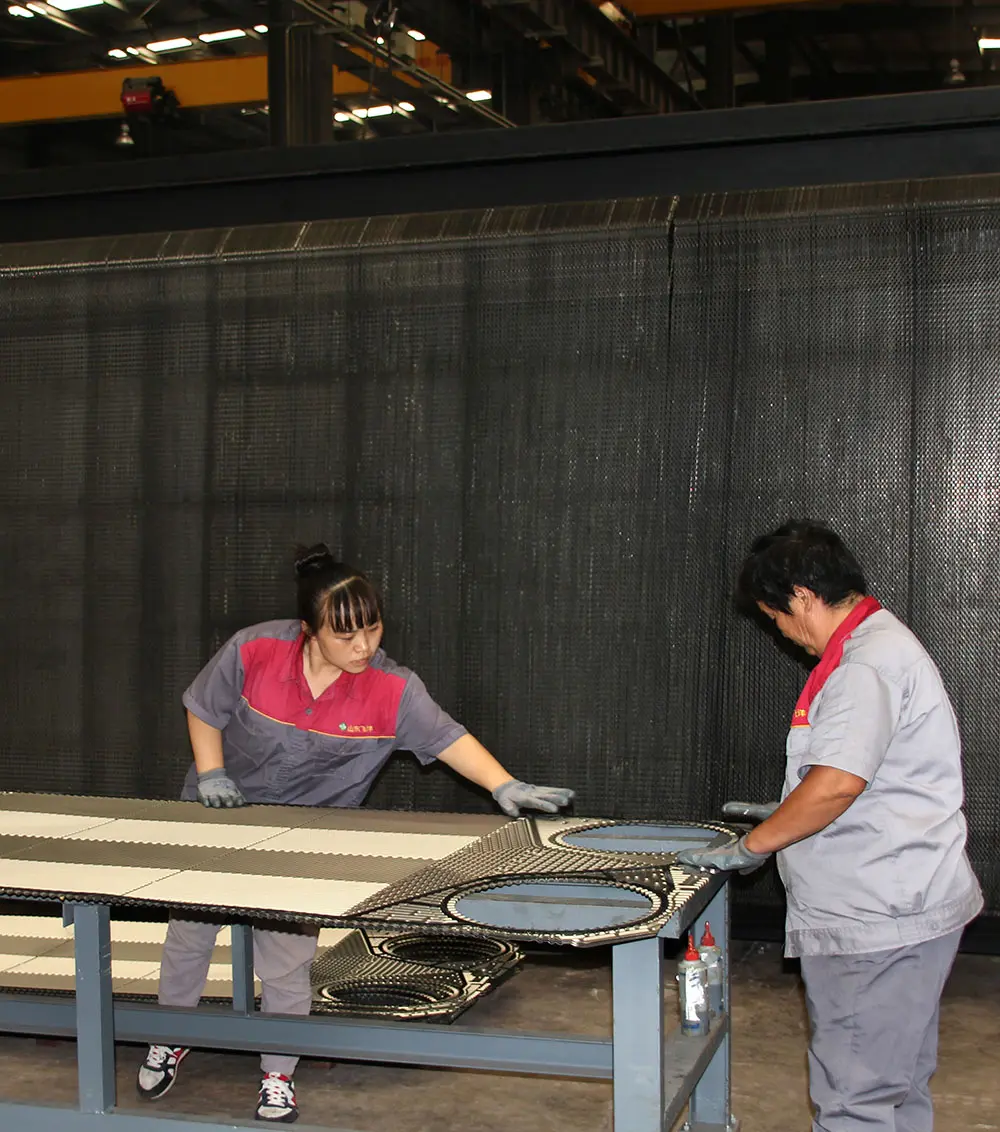
Specially formulated elastomer sealing gaskets are systematically nested into the plate perimeter slots, preparing tight seals.
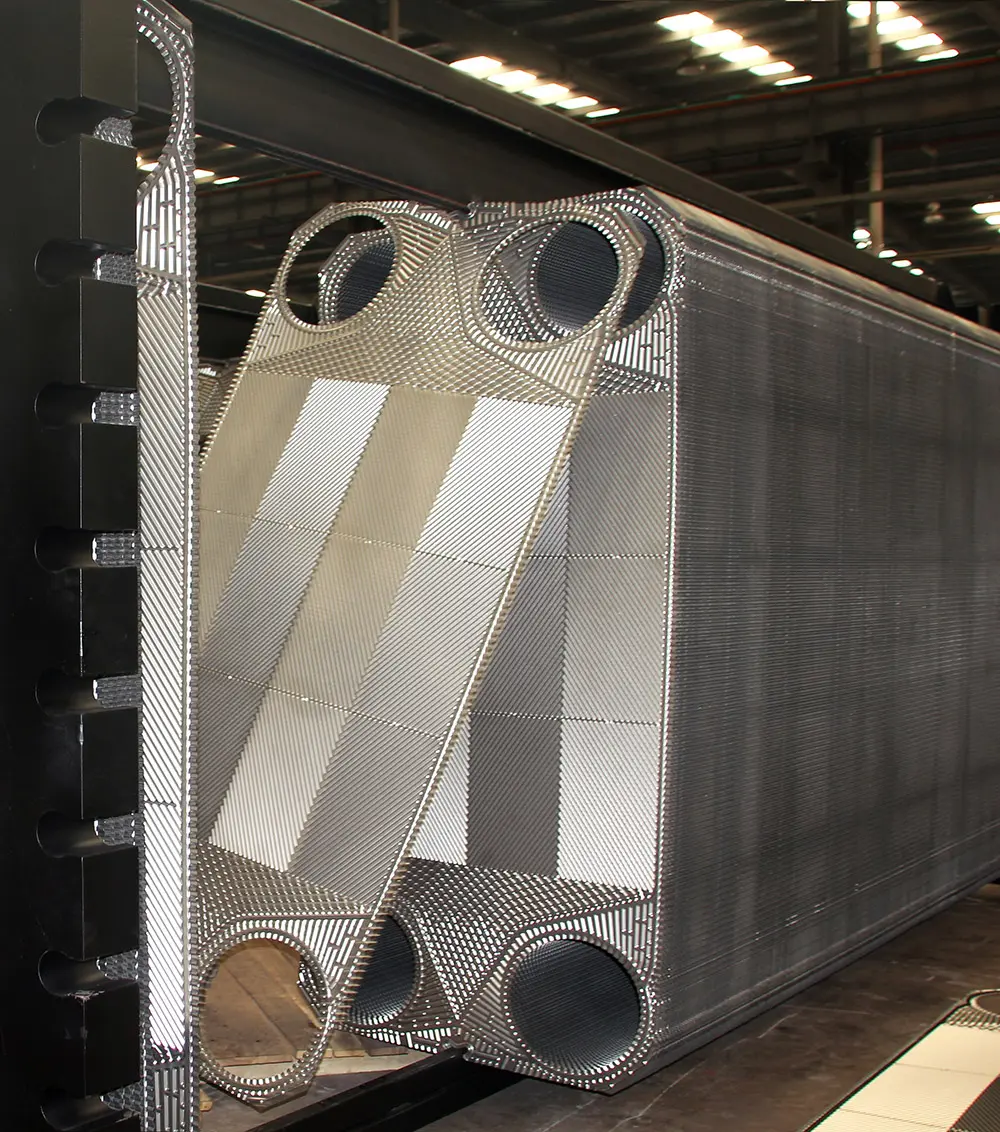
Individual plates are stacked in alternating directions along the guide bar and compressed using hydraulic tightening bolts.
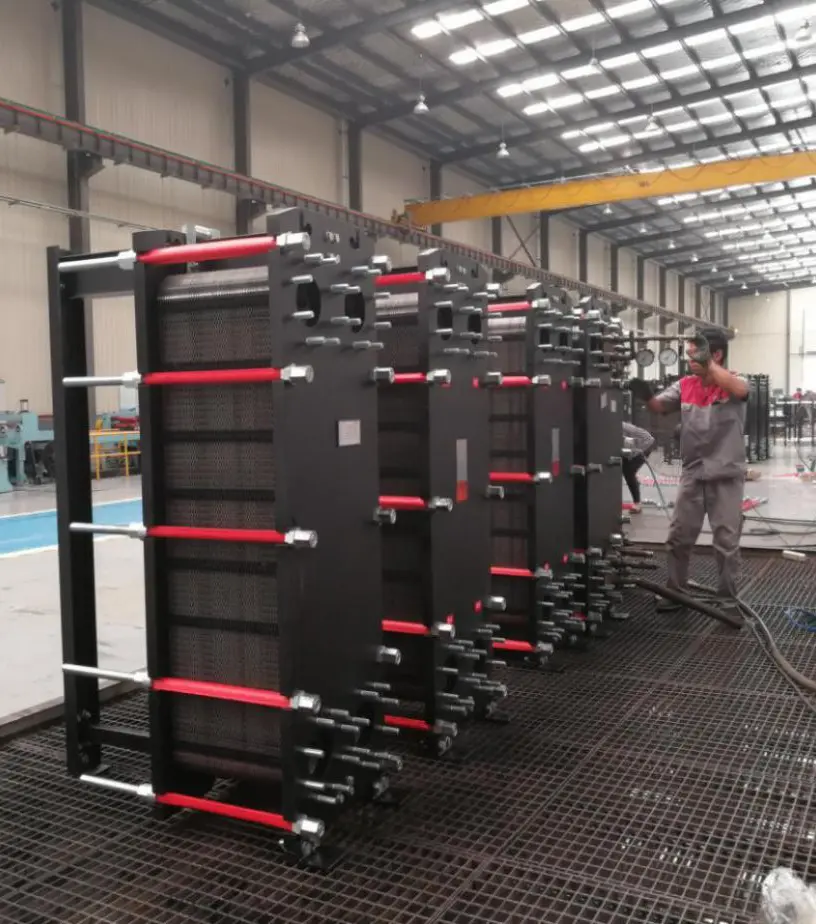
Units are tested via hydrostatic pressure tests at 1.25 to 1.5 times the maximum rated design pressure to guarantee zero leakage.
How our plate heat exchange capacities solve global energy and process engineering hurdles
In large municipal district heating networks, municipal plant heat generation must transition safely to building-level networks. Our high-capacity plate heat exchangers act as isolation boundaries, handling large temperature differences and flow rates while maintaining hydraulic isolation. This protects downstream secondary loops from main plant pressure spikes, ensuring steady heating.
Aggressive acids, corrosive solvents, and crude oil require corrosion-resistant heat exchange interfaces. By customizing materials with Titanium and Hastelloy plates coupled with Viton (FKM) gaskets, our engineering division designs units that operate stably at elevated pressures and temperatures, reducing downtime and contamination risks.
Modern data centers and skyscrapers leverage cooling towers for free cooling during colder seasons. High-capacity plate heat exchangers are required to isolate the cooling tower water loop from the sensitive internal building cooling loop, preventing dust and microbiological contaminants from entering the building's internal piping.
Zero Liquid Discharge (ZLD) requirements in heavy manufacturing call for concentration and evaporation systems. Our custom multi-effect evaporation and membrane concentration units recycle up to 98% of process wastewater, recovering valuable chemical byproducts and cutting fresh water intake needs.
When global corporate buyers secure wholesale contracts for plate heat exchangers, the primary parameters must extend beyond purchase price. Total Cost of Ownership (TCO) models reveal that thermal fouling, plate erosion, and gasket degradation account for over 70% of a thermal unit's lifecycle cost.
Consequently, robust procurement requirements should mandate: 1) Certified raw material chemical testing (checking chrome/nickel percentages for rust-prevention), 2) Guaranteed manufacturing pressure tests conforming to localized industrial standards, 3) Seamless compatibility with existing systems, and 4) Clear lifecycle projections indicating expected clean-in-place (CIP) frequencies. Sourcing directly from verified Chinese manufacturers provides cost efficiencies while ensuring compliance with global certifications.
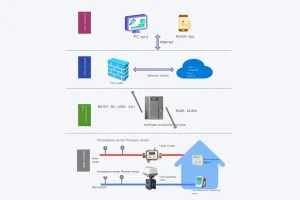
Future TrendsIndustrial thermal networks are integrating IoT diagnostics. Modern PHE installations feature embedded micro-sensors that track pressure drops and temperature differentials. By processing this telemetry with cloud AI models, plant operators can monitor fouling thickness, predict maintenance intervals, and adjust flow rates dynamically to maintain optimal thermal capacity.
A complete lineup of modular heat exchangers, balancing valves, and evaporative treatment systems
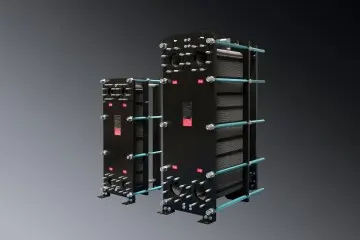
Highly modular bolted plate design, allowing convenient opening for chemical cleaning, cleaning-in-place, and capacity expansions.
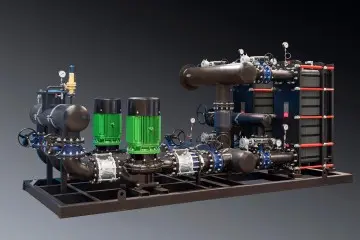
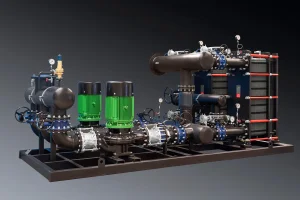
Skid-mounted and pre-piped assemblies complete with pumps, valves, and PLC automation modules for smart utility integrations.
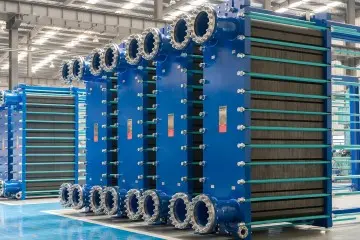
Tailored for pressure reduction and thermal distribution interfaces in municipal high-pressure pipeline networks.
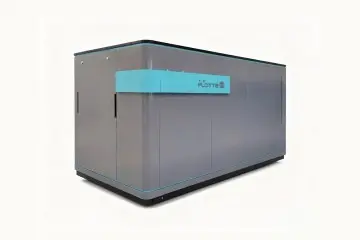
Engineered for commercial HVAC high-rise thermal separations, supporting high operating pressure limits.
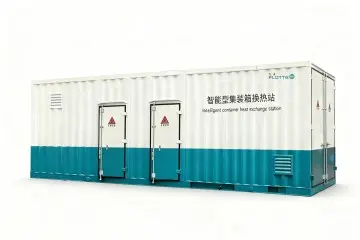
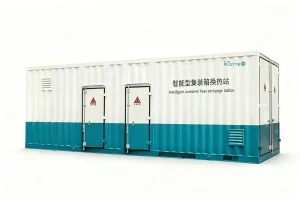
Fully enclosed weather-proof outdoor thermal station designs, reducing sound levels and protecting instruments.
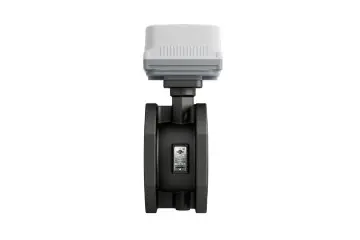
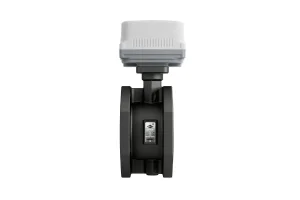
Precision balance valves featuring electronic actuators for precise hydraulic regulation across piping branches.

High-precision smart indoor temperature sensors that feed data directly back to central boiler loop PLC systems.
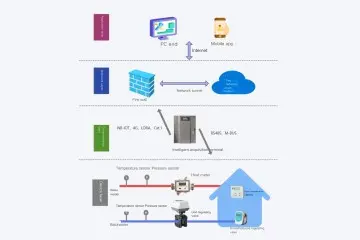
Integrated software and hardware platform managing district energy supply lines to prevent hydraulic imbalances.
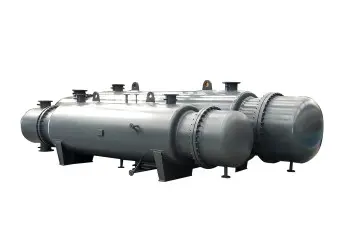
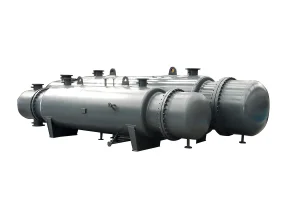
Traditional robust heat transfer systems for steam applications, high temperatures, and high fluid pressure conditions.
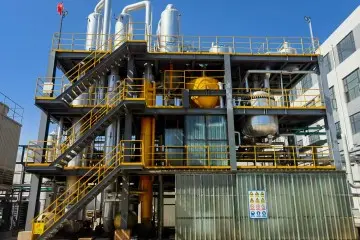
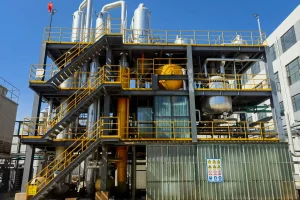
Multi-stage steam utilization plant optimizing energy consumption in chemical evaporation and concentration lines.
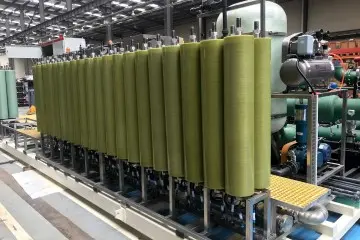
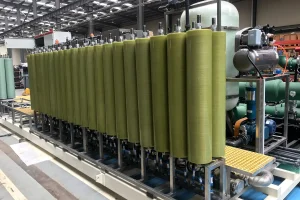
Advanced filtration systems for separation, purification, and wastewater concentration applications across diverse industries.
Answering critical queries on Plate Heat Exchanger capacities, material options, and quality assurance
Thermal capacity is calculated by our engineers based on the heat duty equation $Q = \dot{m} \cdot C_p \cdot \Delta T$. We determine the overall heat transfer coefficient ($U$) using fluid viscosities, thermal conductivities, and targeted pressure drops. Utilizing advanced thermal design software, we compute the exact number of plates and flow channels required to deliver the calculated capacity while incorporating safety and fouling margins.
For standard water-to-water applications, AISI 316L or AISI 304 stainless steel is standard. For environments with higher salinity, brackish water, or moderate acids, Titanium (Grade 1 or 2) provides excellent corrosion resistance. For highly aggressive media like warm acids, Hastelloy C-276 offers high chemical resistance.
Under regular operating conditions and with scheduled maintenance, the carbon steel pressure frame has a design life exceeding 20 years. The stainless steel or titanium plates typically last 10 to 15 years, while the elastomer gaskets are maintenance wear-parts that are usually replaced every 3 to 5 years depending on the fluid temperature and pressure profiles.
Every PHE unit undergoes a hydrostatic pressure test in our test bay before shipment. The unit is pressurized using water at 1.3 to 1.5 times the maximum rated design pressure on both the hot and cold channels. The pressure is held for a specified duration to check for pressure drops or external leaks, satisfying the quality standard.
Browse more advanced products developed and manufactured at our industrial facilities
 Flotte Energy