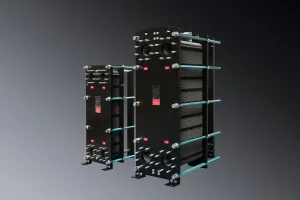
Determining thermal efficiency in a Plate Heat Exchanger (PHE) is a critical requirement for process integration, facility operating cost optimization, and heating system design. The efficiency of a plate heat exchanger dictates how effectively it transfers energy from the primary thermal fluid loop to the secondary loop. Unlike traditional shell-and-tube configurations, PHEs utilize high-density corrugated plates to generate high turbulence at lower fluid velocities, maximizing the overall heat transfer coefficient (denoted as U).
To accurately calculate efficiency, process engineers utilize two primary thermodynamic methodologies: the Logarithmic Mean Temperature Difference (LMTD) method and the Number of Transfer Units (NTU) method. The LMTD method is preferred when all inlet and outlet fluid temperatures are defined. The mathematical formulation for the heat transfer rate (Q) is defined as follows:
Where:
The LMTD is computed utilizing the thermal delta at the fluid terminals:
Where ΔT1 is the temperature difference between the hot fluid inlet and cold fluid outlet, and ΔT2 is the difference between the hot fluid outlet and cold fluid inlet.
A frequent error in industrial design is relying solely on nominal, clean-state values. In real-world environments, the overall heat transfer coefficient drops over time due to mineral scaling, biological deposition, or particulate fouling. The calculation of the operational heat transfer coefficient is modeled as:
Where:
Flotte's advanced plate patterns are designed to optimize fluid turbulence. Highly turbulent flow creates higher shear stress along the plate walls, helping to scour away deposits. This design reduces fouling resistance (R_f) and keeps the heat transfer coefficient stable throughout long operational cycles.
Corrugation patterns with chevron angles optimized for target shear stress, minimizing boundary layer thickness and raising thermal efficiency by up to 300% compared to shell-and-tube units.
Proprietary hydraulic dynamics maintain self-cleaning velocities, reducing downtime and lowering chemical cleaning cycles across HVAC, chemical, and pharmaceutical operations.
Balanced thermodynamic configurations ensure high convective coefficients while managing system pressure drops, preventing overload on primary circulation pumps.
Industrial procurement departments faces several challenges when sourcing plate heat exchangers. Sourcing engineers must balance thermal performance with strict environmental regulations, pressure vessel compliance, and total cost of ownership (TCO) goals. Choosing a generic sizing configuration often leads to over-designed, expensive units, or under-performing systems that slow down production.
As a global B2B supplier and factory with three decades of engineering experience, Flotte understands that commercial procurement demands detailed design verification. Standard designs must meet global engineering regulations, including ASME Section VIII Div. 1, the European Pressure Equipment Directive (PED 2014/68/EU), CE standards, and ISO 9001:2015 quality guidelines. Flotte's plate heat exchangers are built from certified raw materials like AISI 316L, Titanium Gr.1, Hastelloy C-276, and high-grade EPDM/NBR gaskets. This quality selection guarantees long-term durability and compatibility with corrosive process fluids.
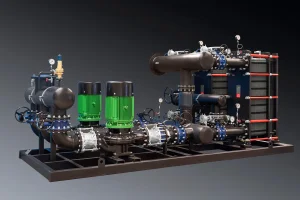
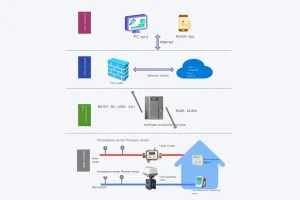
Modern process plants require comprehensive thermal management systems rather than isolated components. Flotte specializes in engineering complete, package-scale thermodynamic solutions. These systems combine high-efficiency detachable plate heat exchangers with smart electronic controls, secondary regulation valves, and real-time monitoring sensors.
Our solutions serve key applications including district heating networks, pharmaceutical clean steam processes, corrosive chemical reactions, and industrial waste heat recovery. By combining thermodynamic calculation models with structural design, Flotte delivers package systems that cut energy consumption, lower greenhouse gas emissions, and improve system reliability.
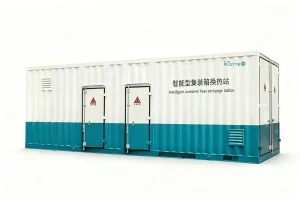
In centralized district heating, Flotte's pressure-regulating stations and integrated plate heat exchangers transfer thermal energy from primary municipal loops to secondary user networks. These systems maintain stable hot water temperatures while minimizing thermal distribution losses across long distances.
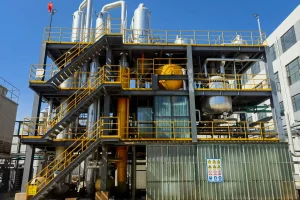
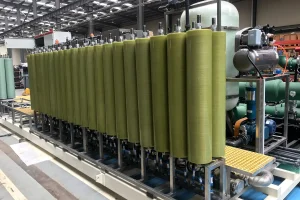
In chemical processing and wastewater treatment, our Multi-Effect Evaporation Systems (MEE) and Membrane Concentration Systems work with plate heat exchangers to maximize latent heat recovery. This setup reduces steam consumption and provides a cost-effective solution for industrial waste treatment.
Flotte Energy Saving Company was established in 2013 with a registered capital of 101 million yuan. Our roots date back to Flotte Thermal Engineering, founded in 1995. With three decades of engineering experience, the company specializes in water equipment, HVAC systems, and industrial water treatment. Flotte leads the industry in implementing advanced thermodynamic technologies, developing innovative heat transfer products, and providing comprehensive production, testing, and distribution services.
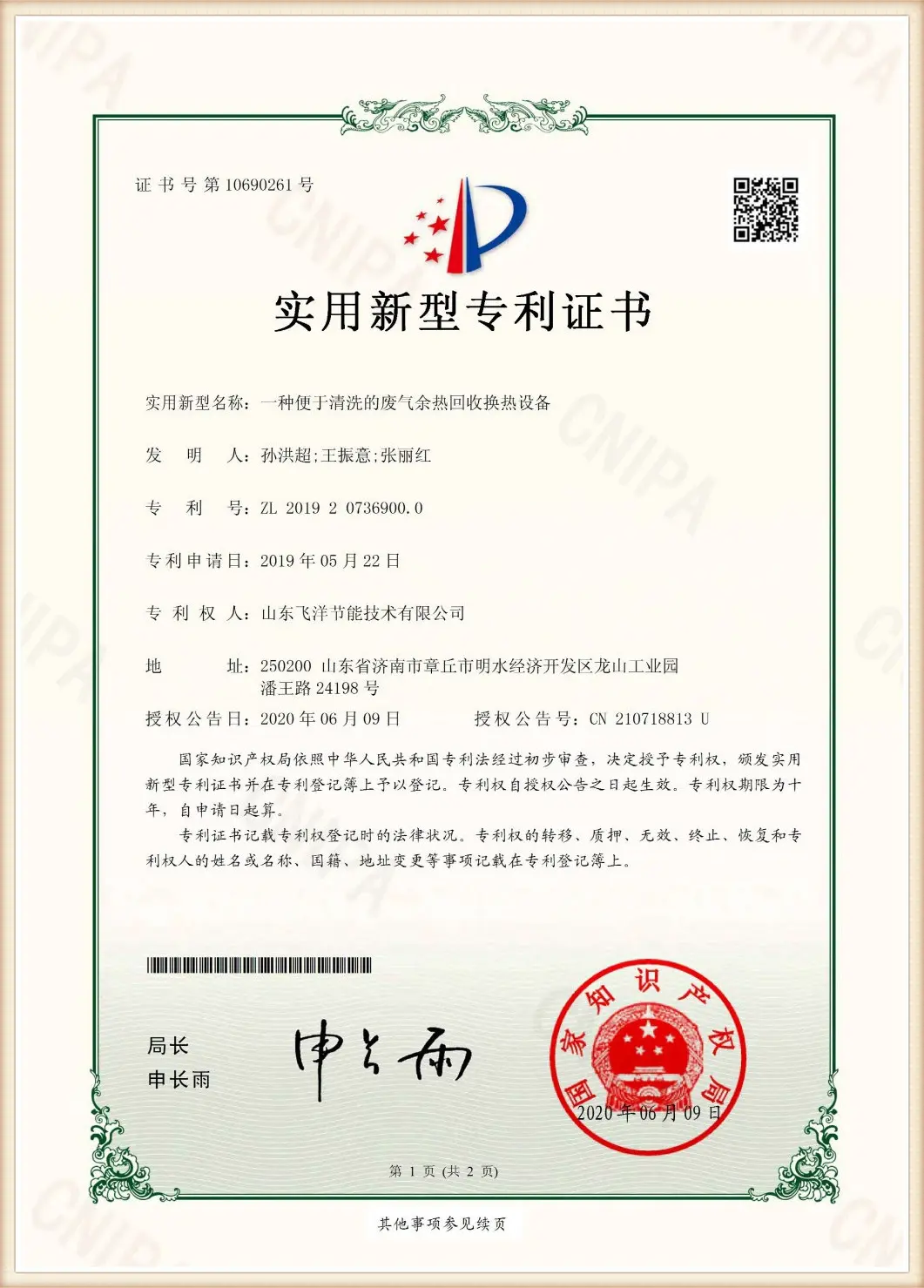
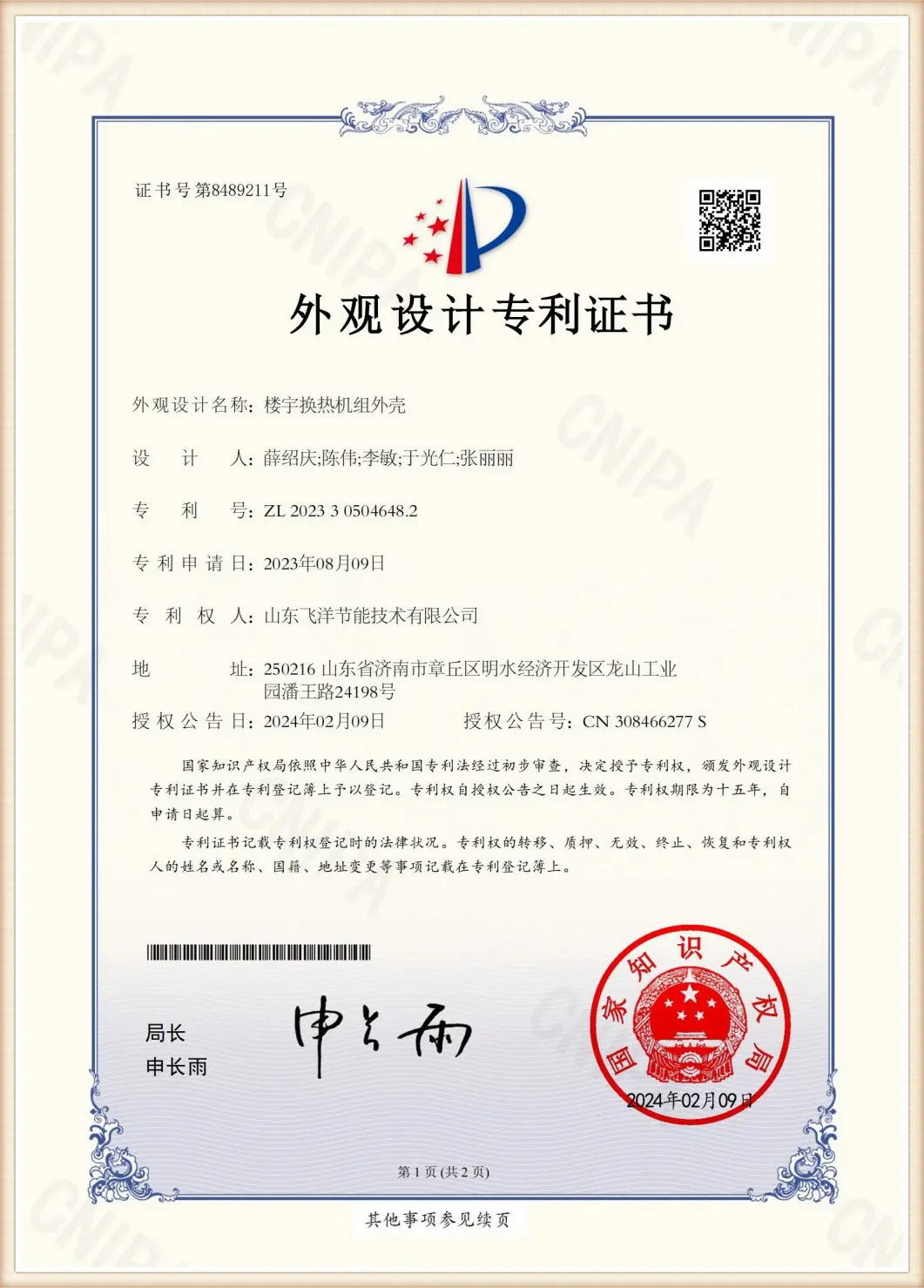
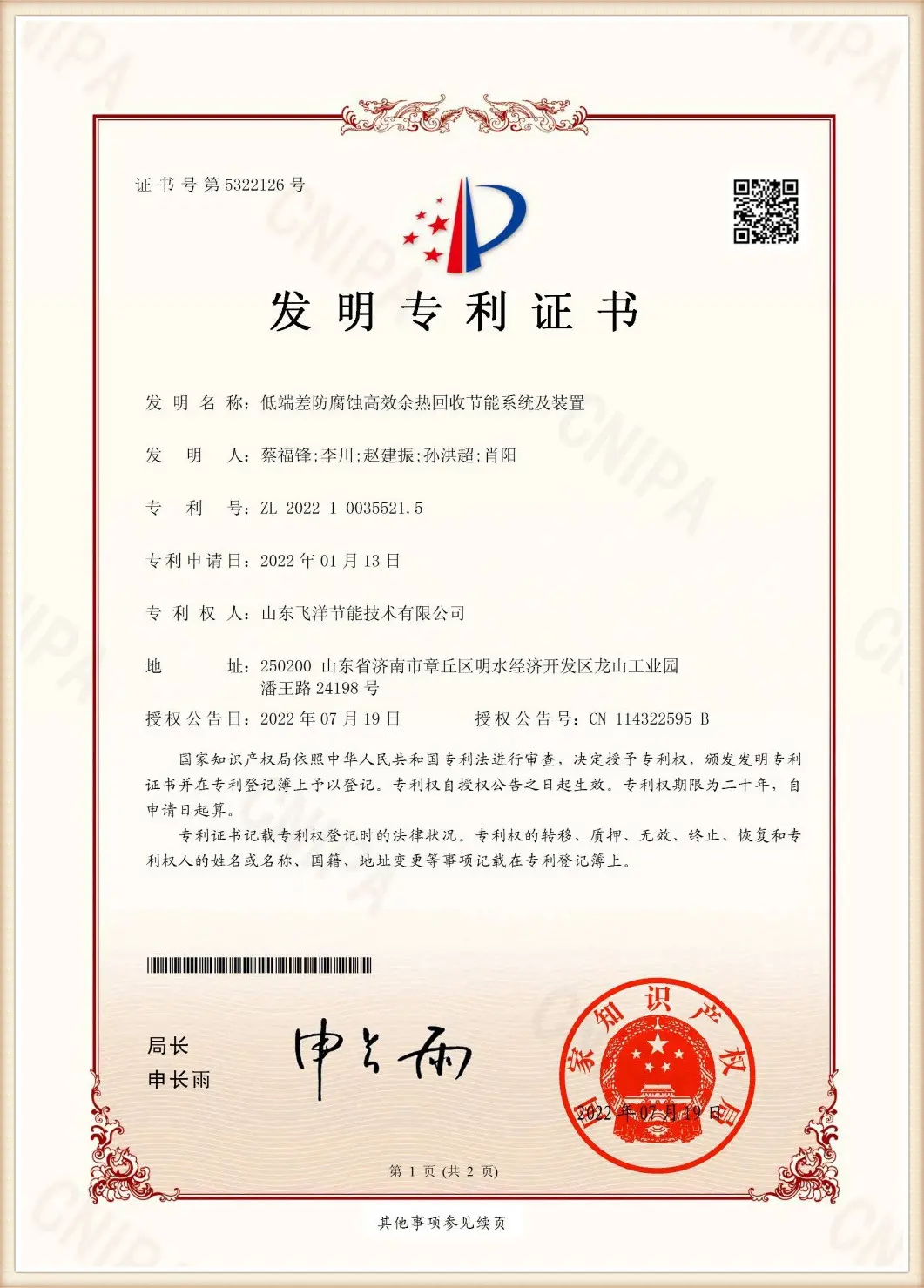
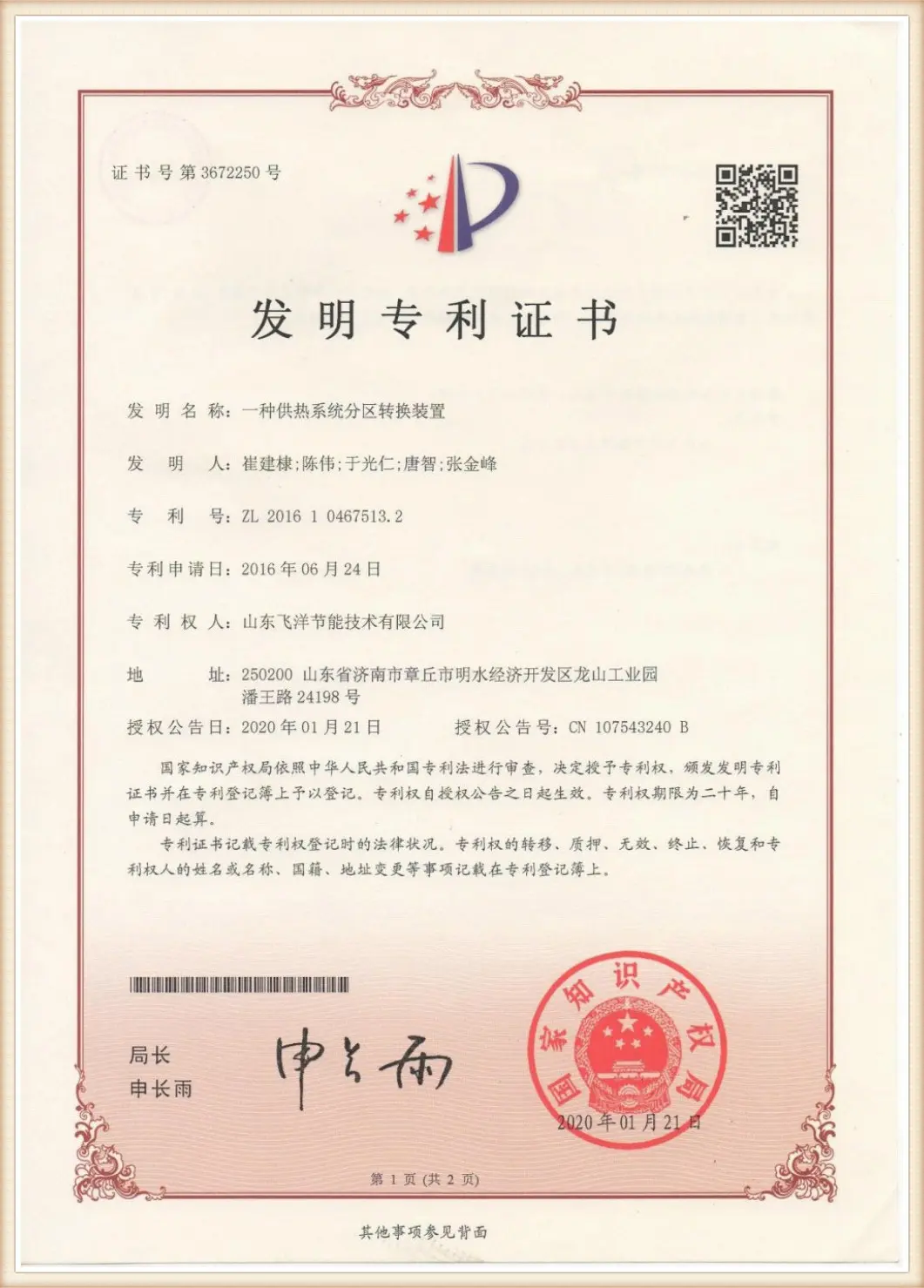
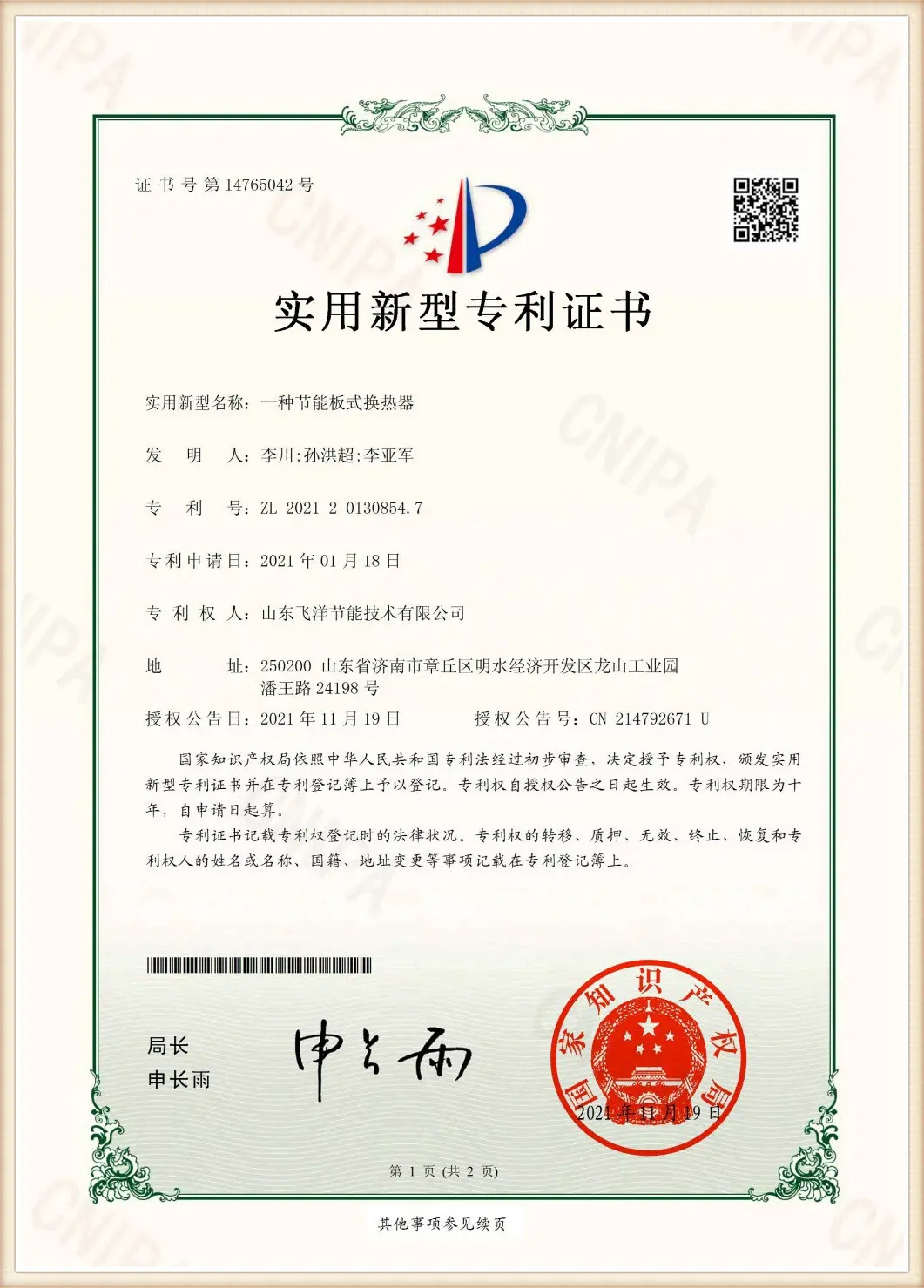
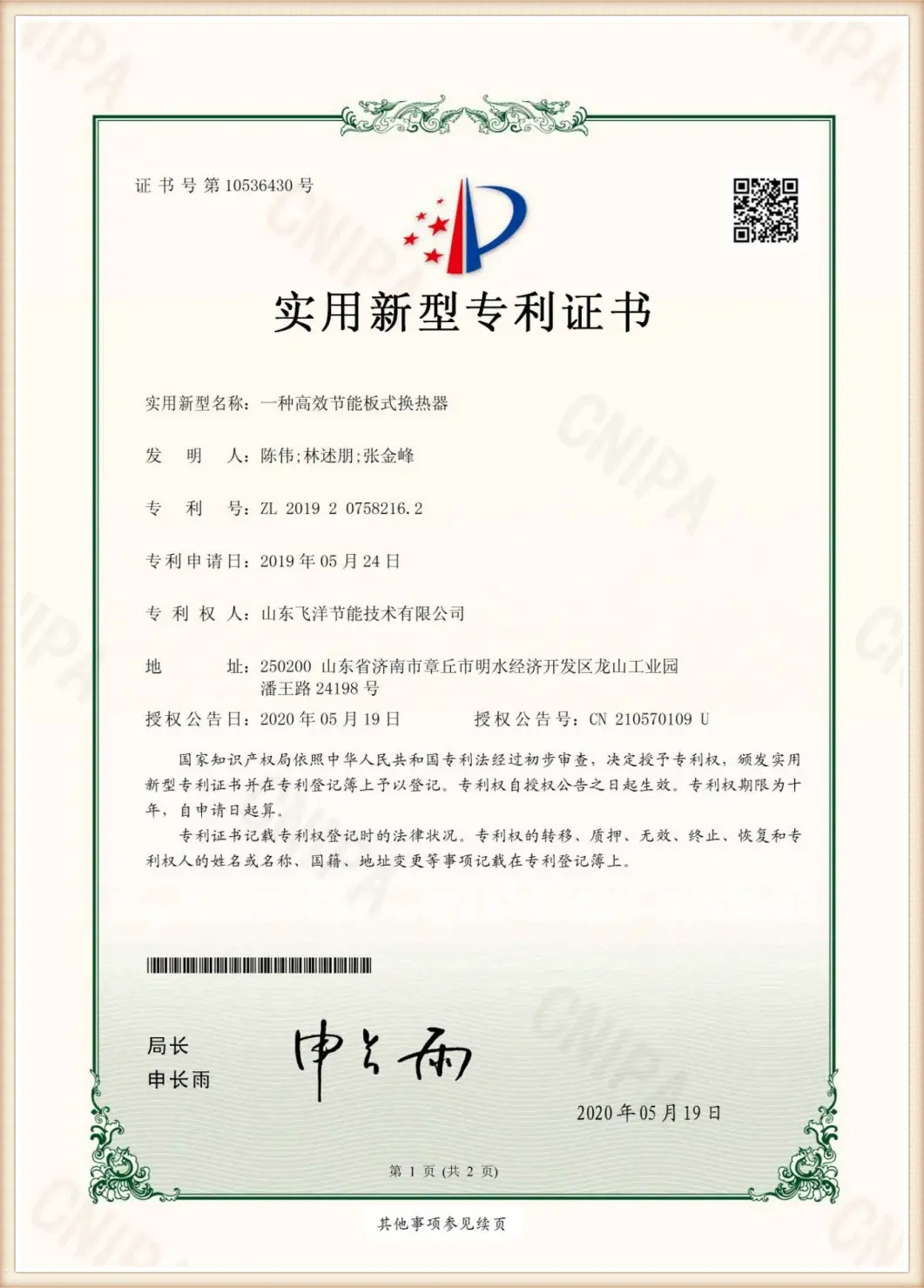
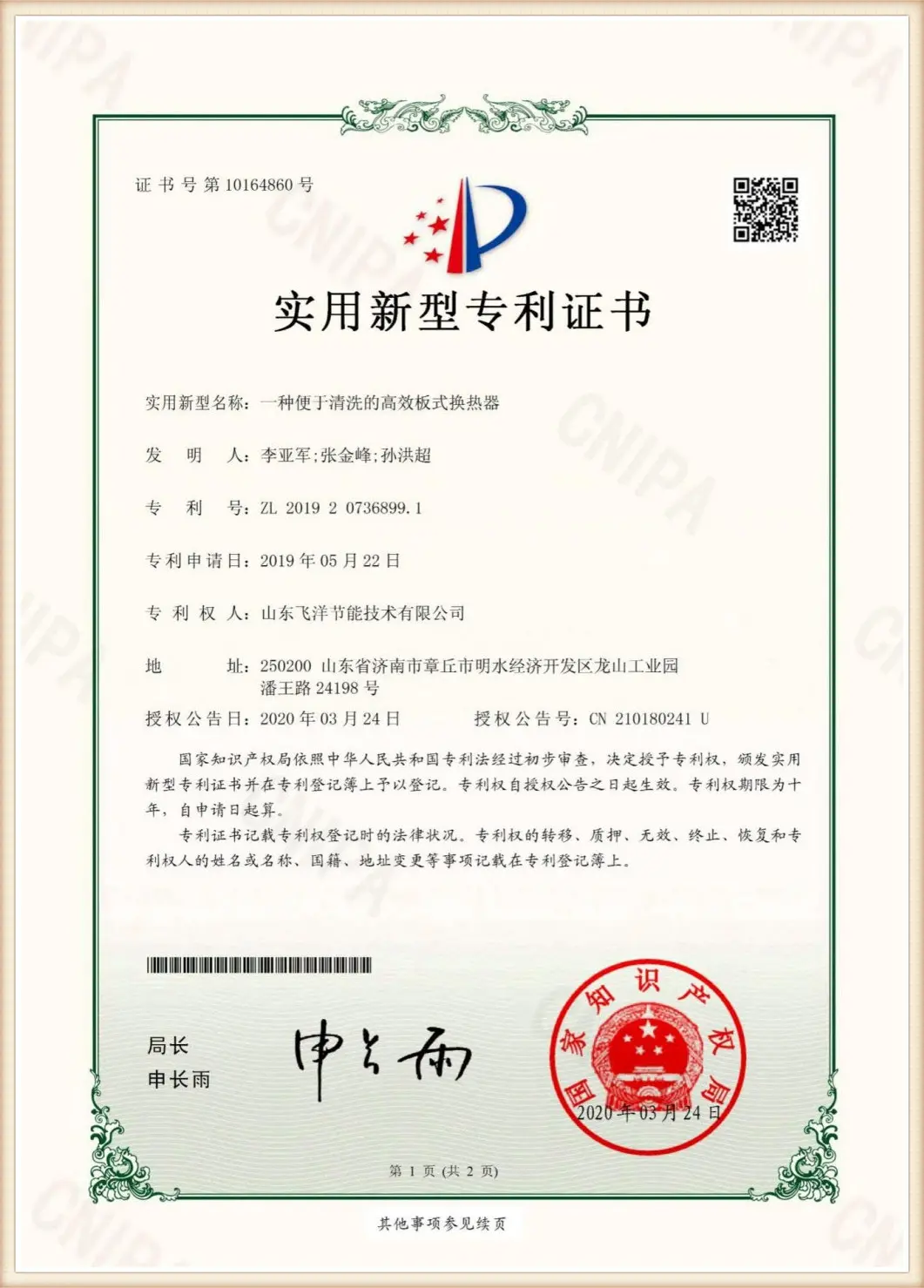
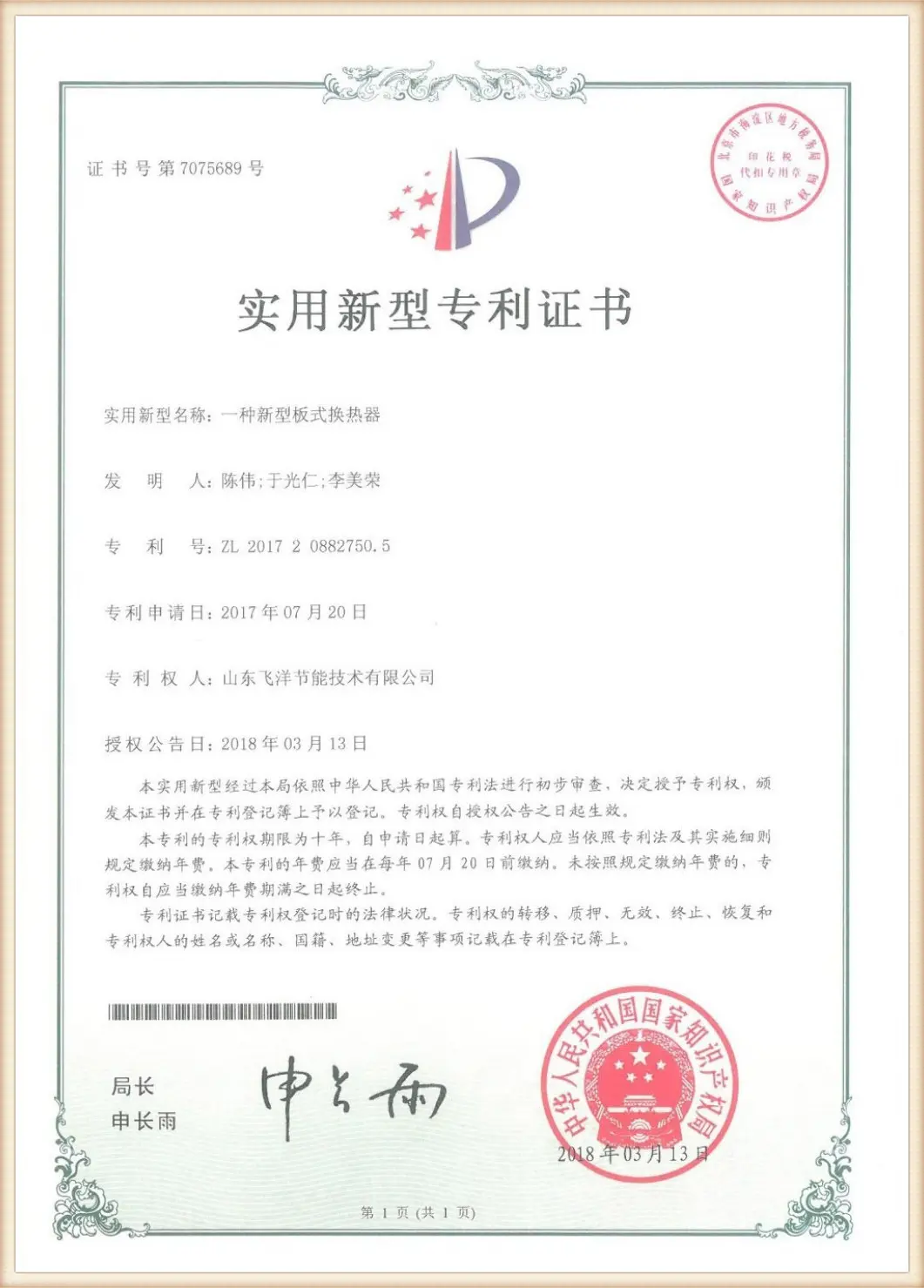
The company maintains a focus on manufacturing technology innovation and holds multiple patent certifications, including "High-Efficiency Plate Heat Exchanger", "Intelligent Plate Heat Exchanger System", and "Plate Heat Exchanger Scale Removal Device". Our products have obtained mandatory national safety registrations and quality certifications from the National Standardization Committee. Flotte also maintains ISO9001 Quality Management, ISO14001 Environmental Management, and ISO45001 Occupational Health and Safety certifications.
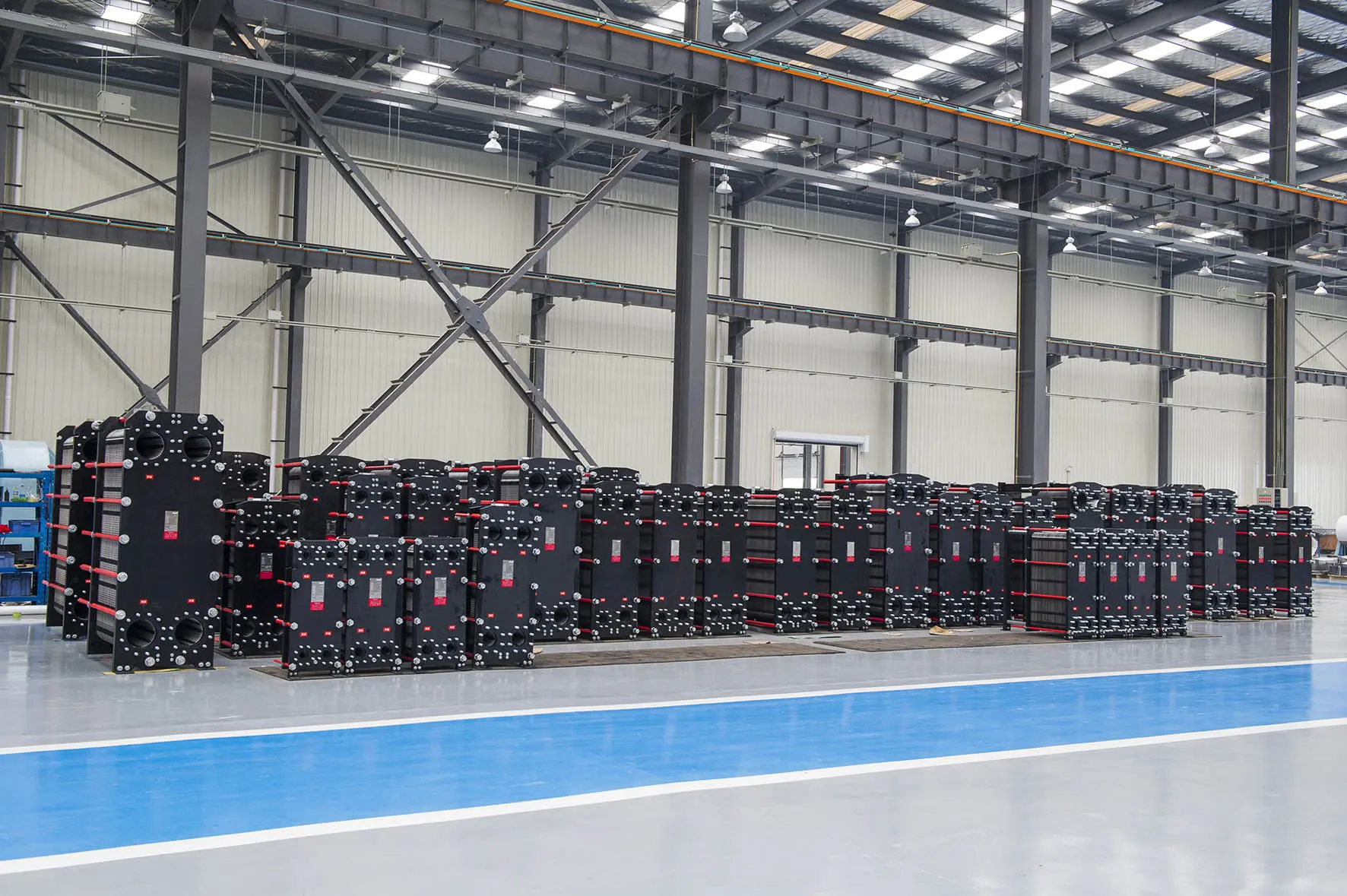
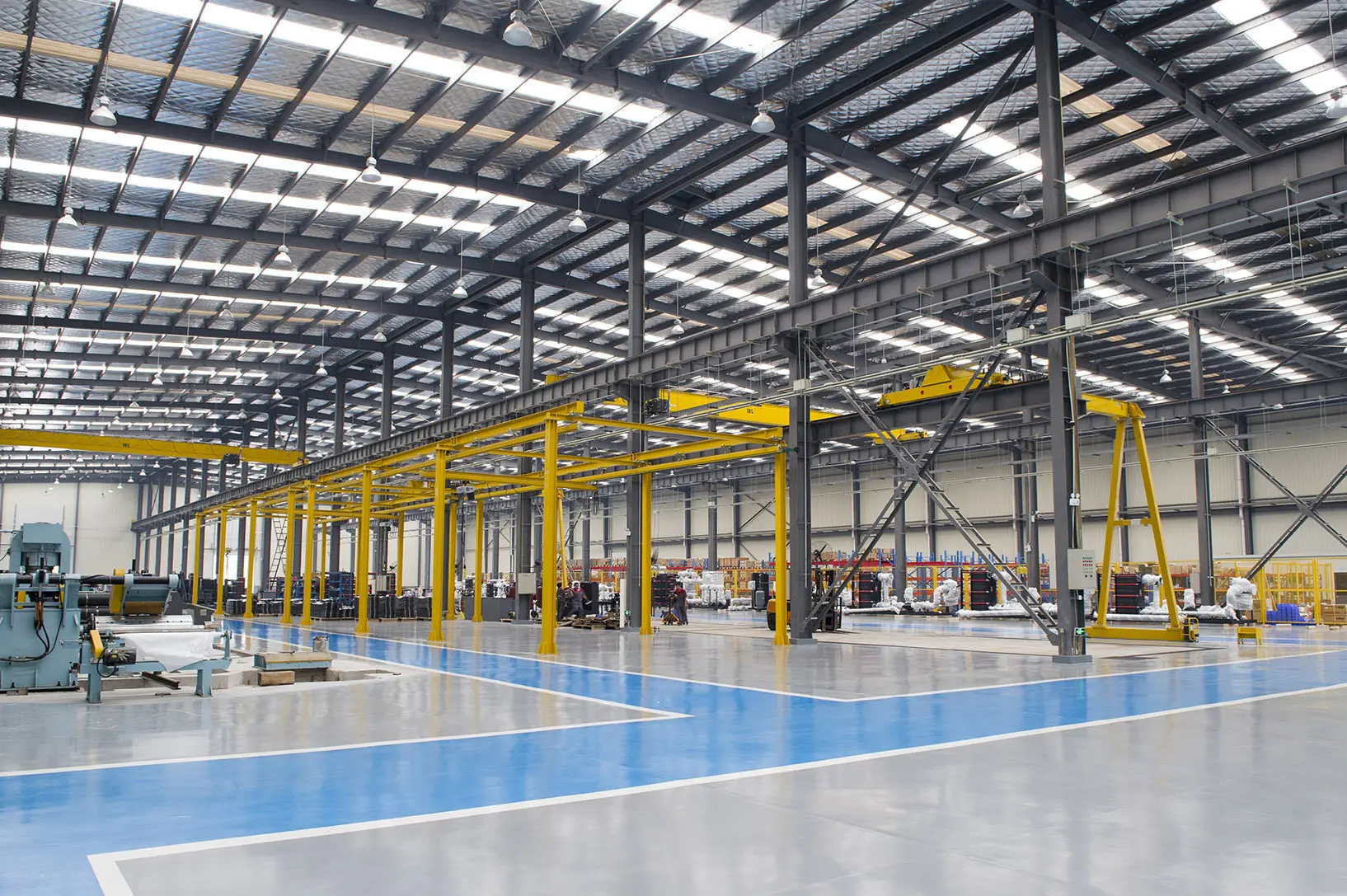
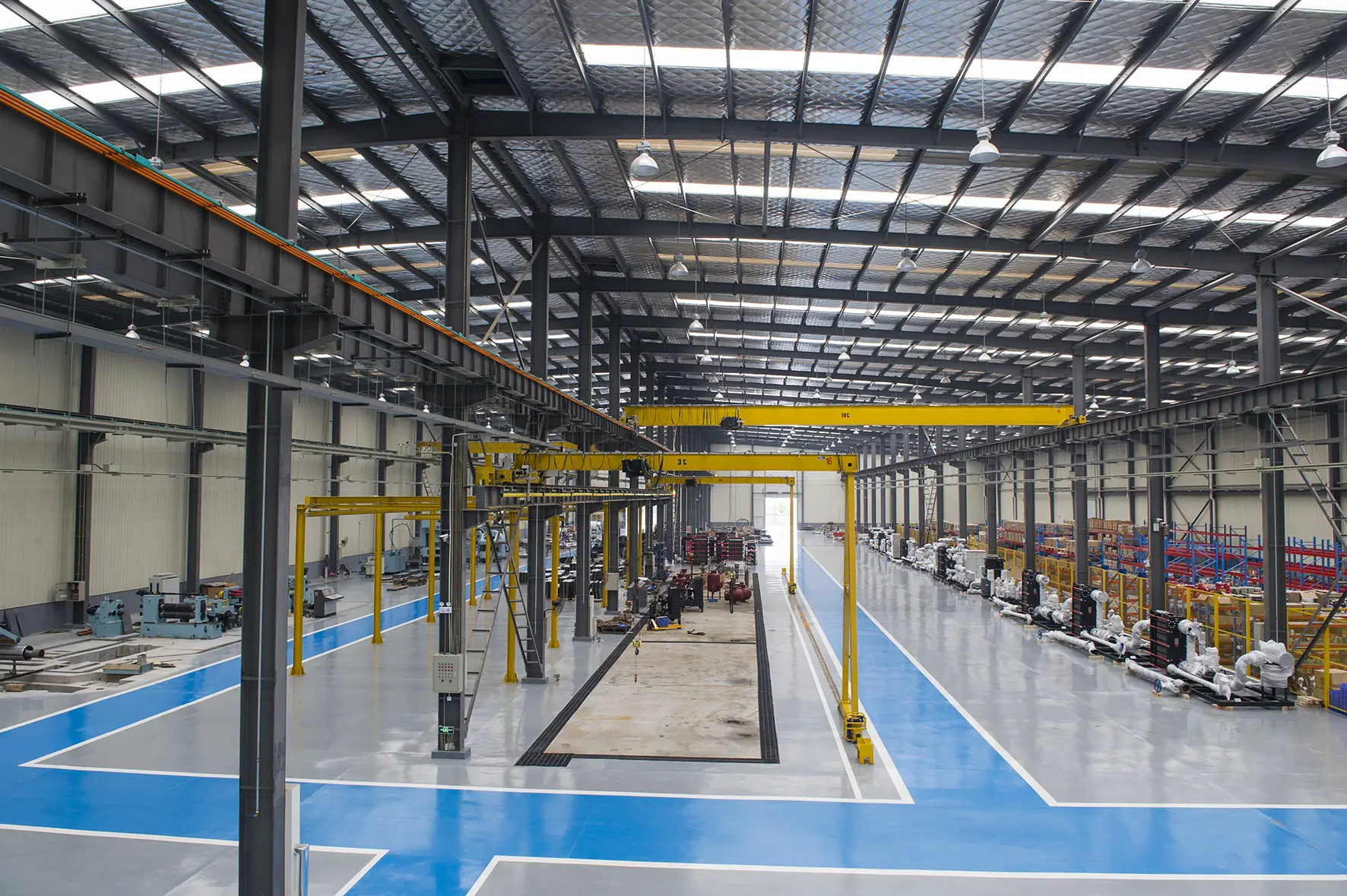
Our 70,000 m² factory combines advanced metallurgy, precision hydraulic forming, and automated assembly to manufacture heat exchangers that match calculated thermal performance.
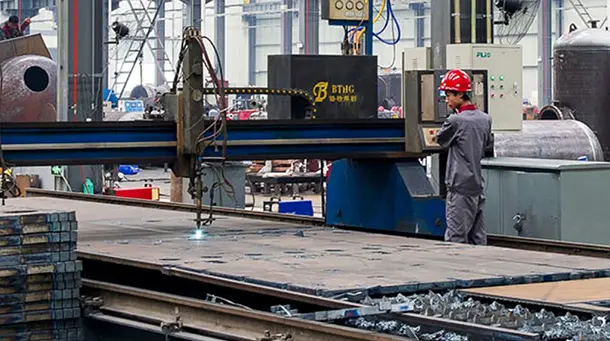
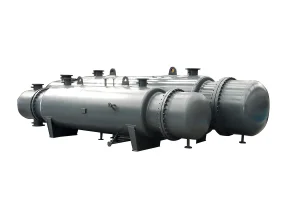
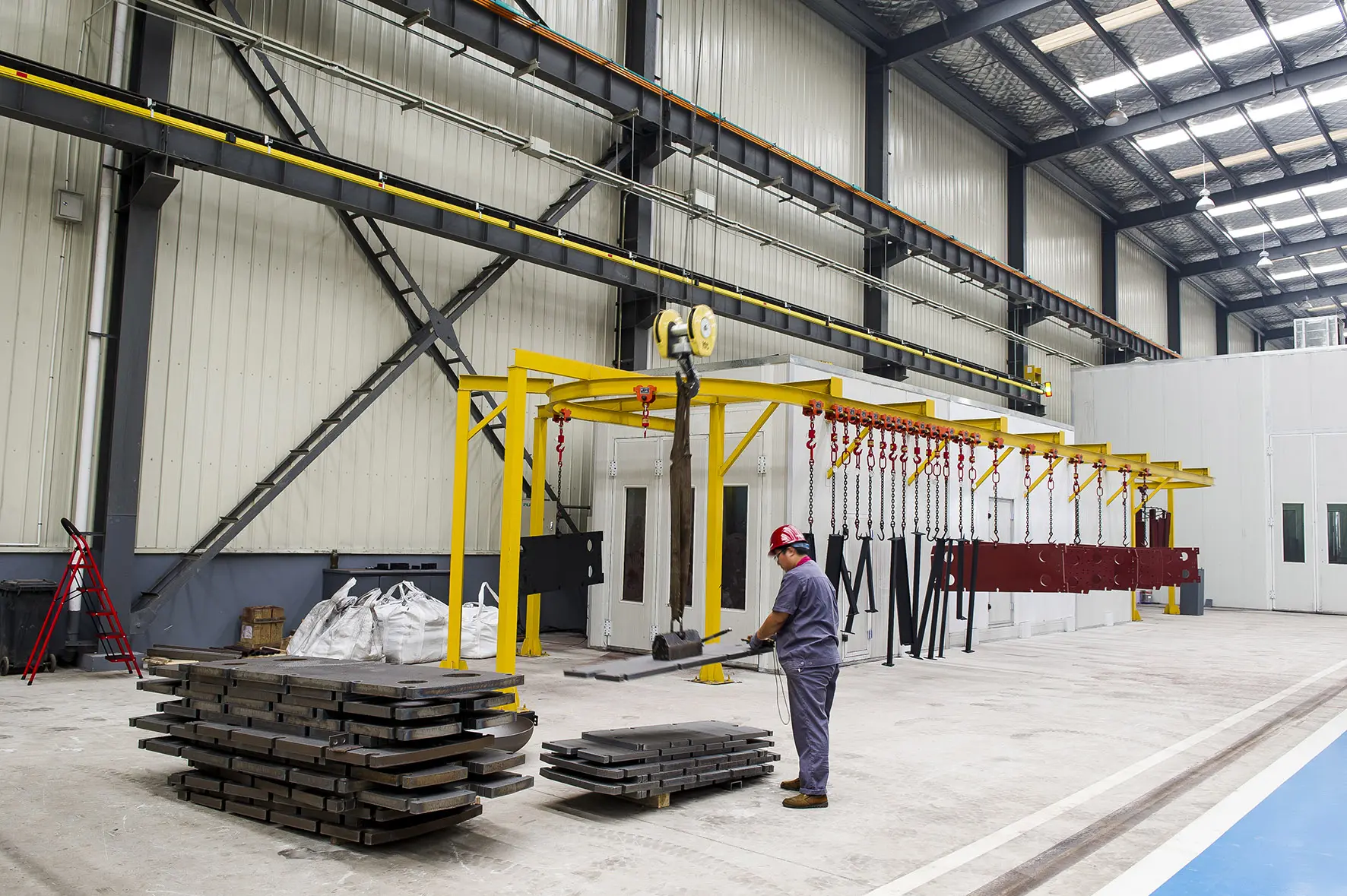
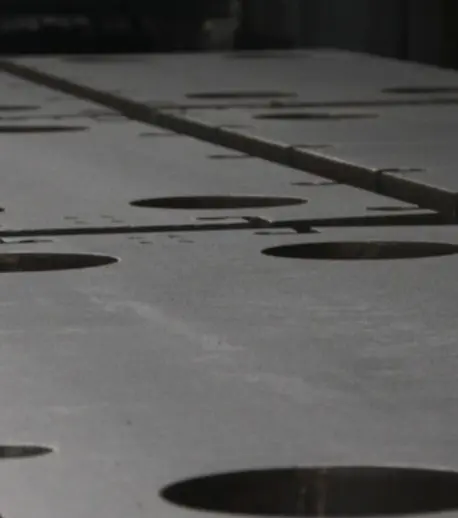
High-precision CNC cutting of thick carbon steel or stainless steel frame plates to ensure structural stability under high operating pressures.
Forging connection ports and nozzle guides to guarantee tight alignment and prevent leakages at interface points.
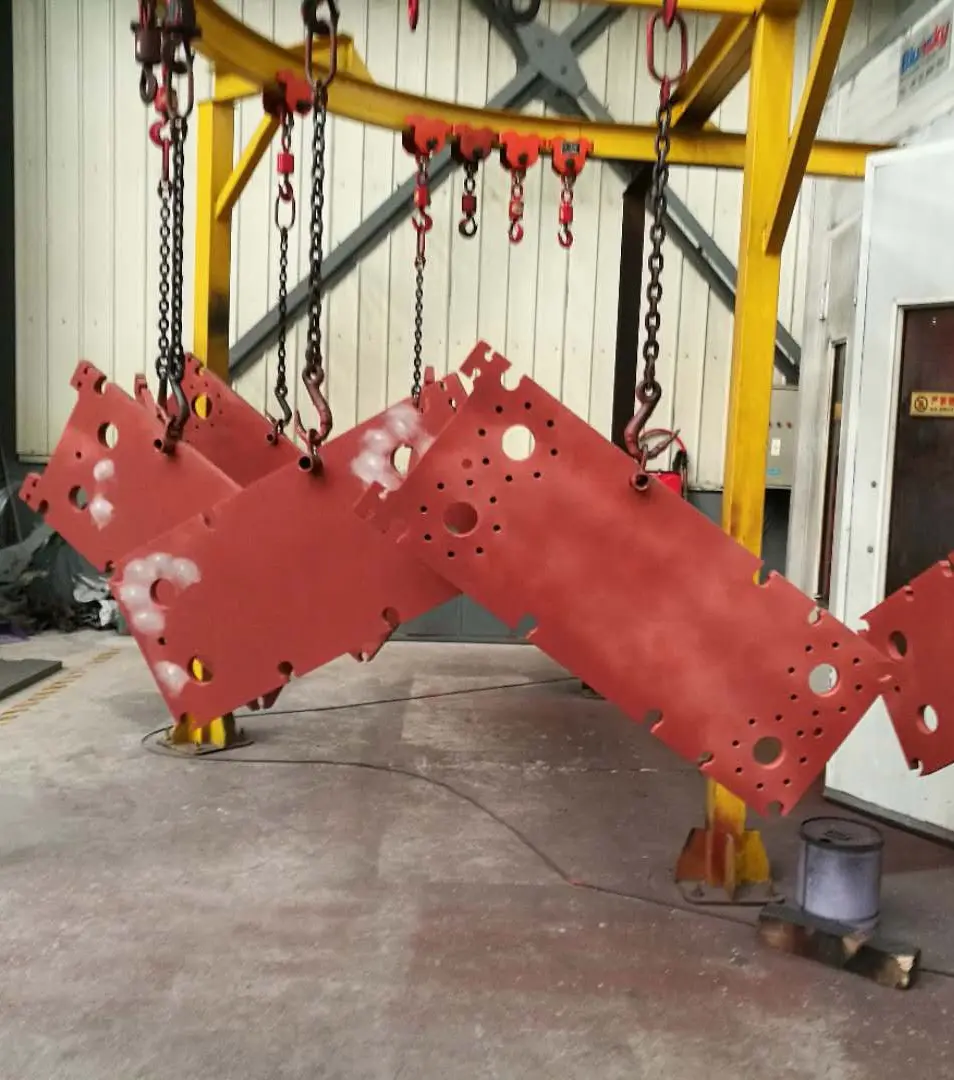
Applying multi-layer, anti-corrosion industrial coatings to protect the frame from oxidation in humid or marine installations.
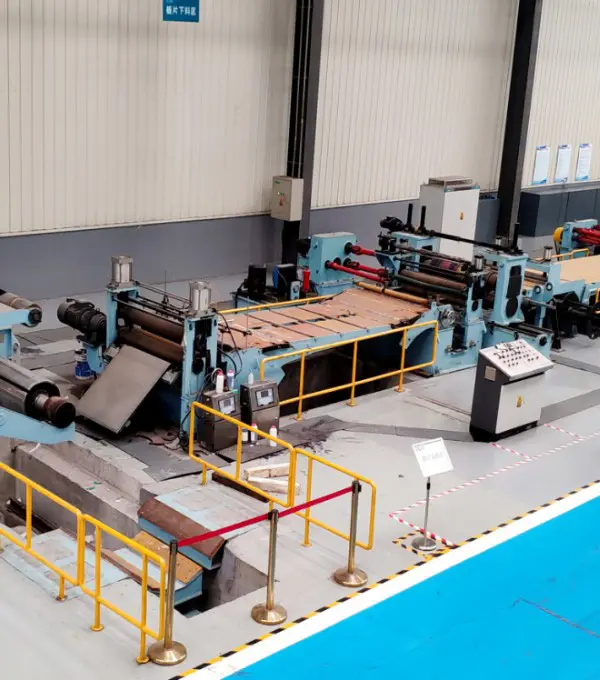
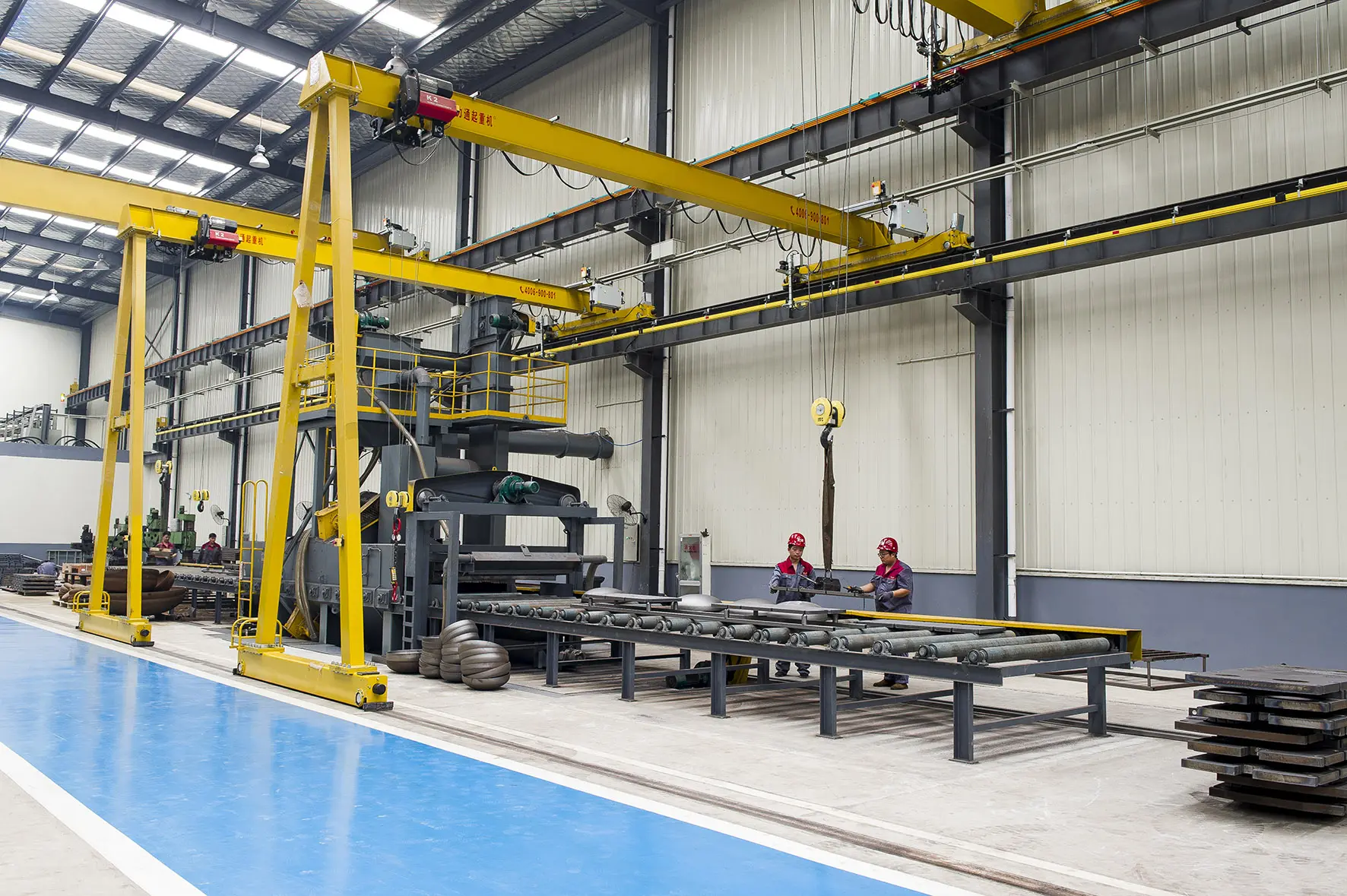
Precision shearing of sheet metal coils (Titanium, SS316L) with automated laser tracking for raw material batch traceability.
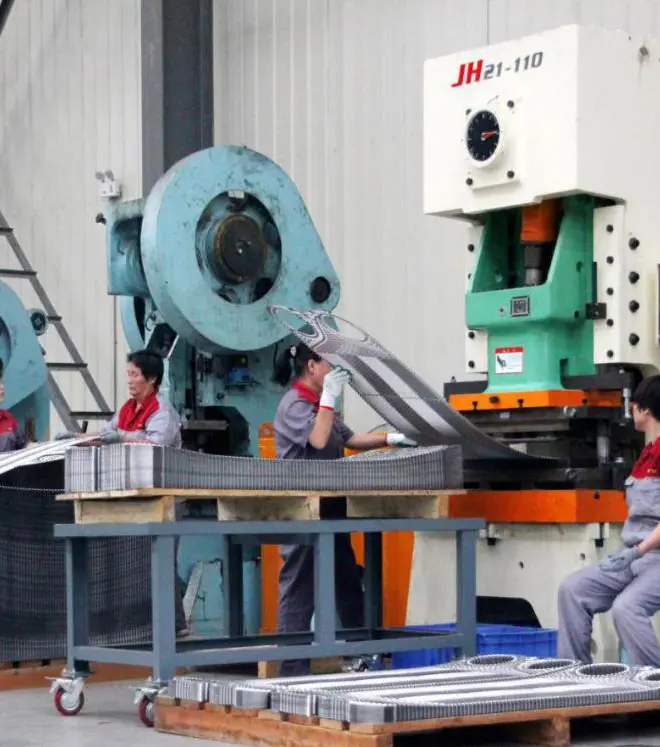
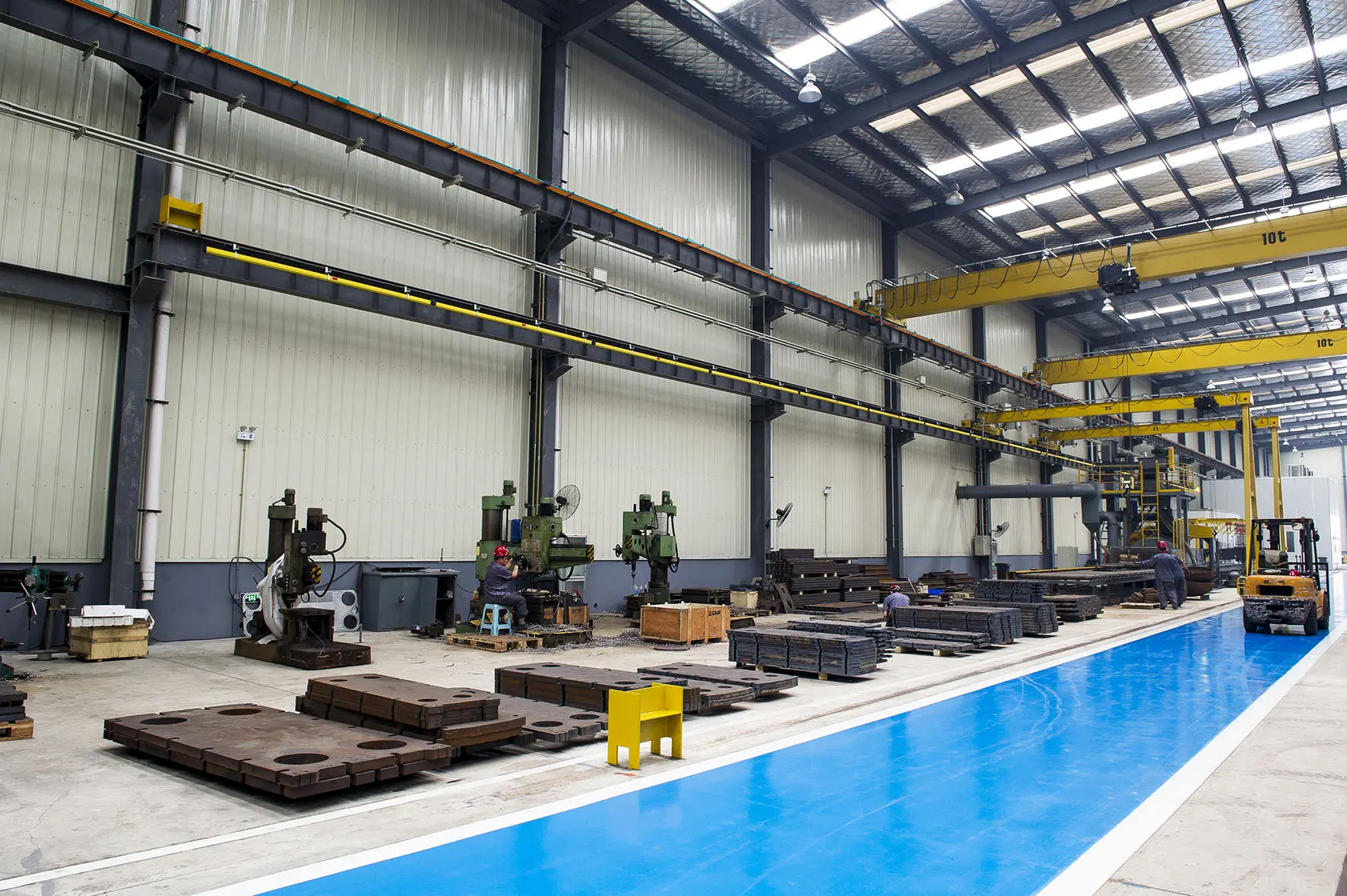
CNC punching of fluid flow ports with clean edges to prevent stress cracking or damage to gaskets during thermal cycling.
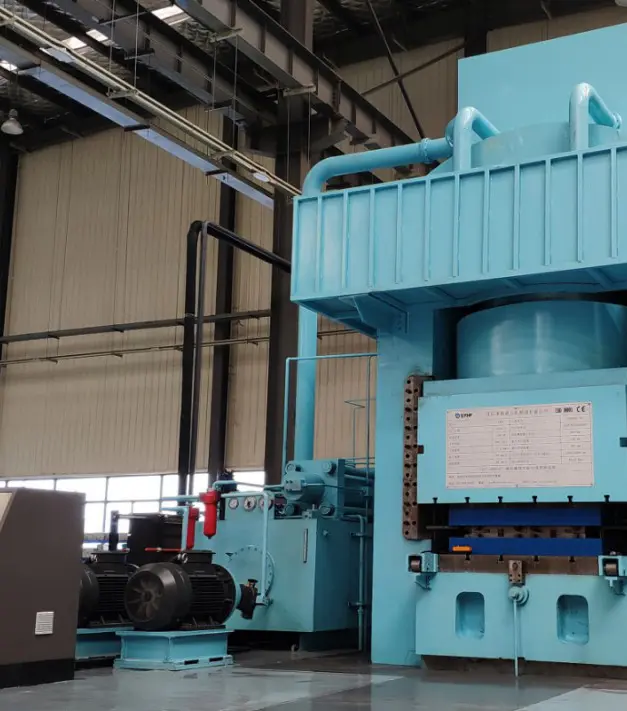
Stamping plates in a single press using 20,000-ton hydraulic presses to maintain uniform channel thickness and corrugated patterns.
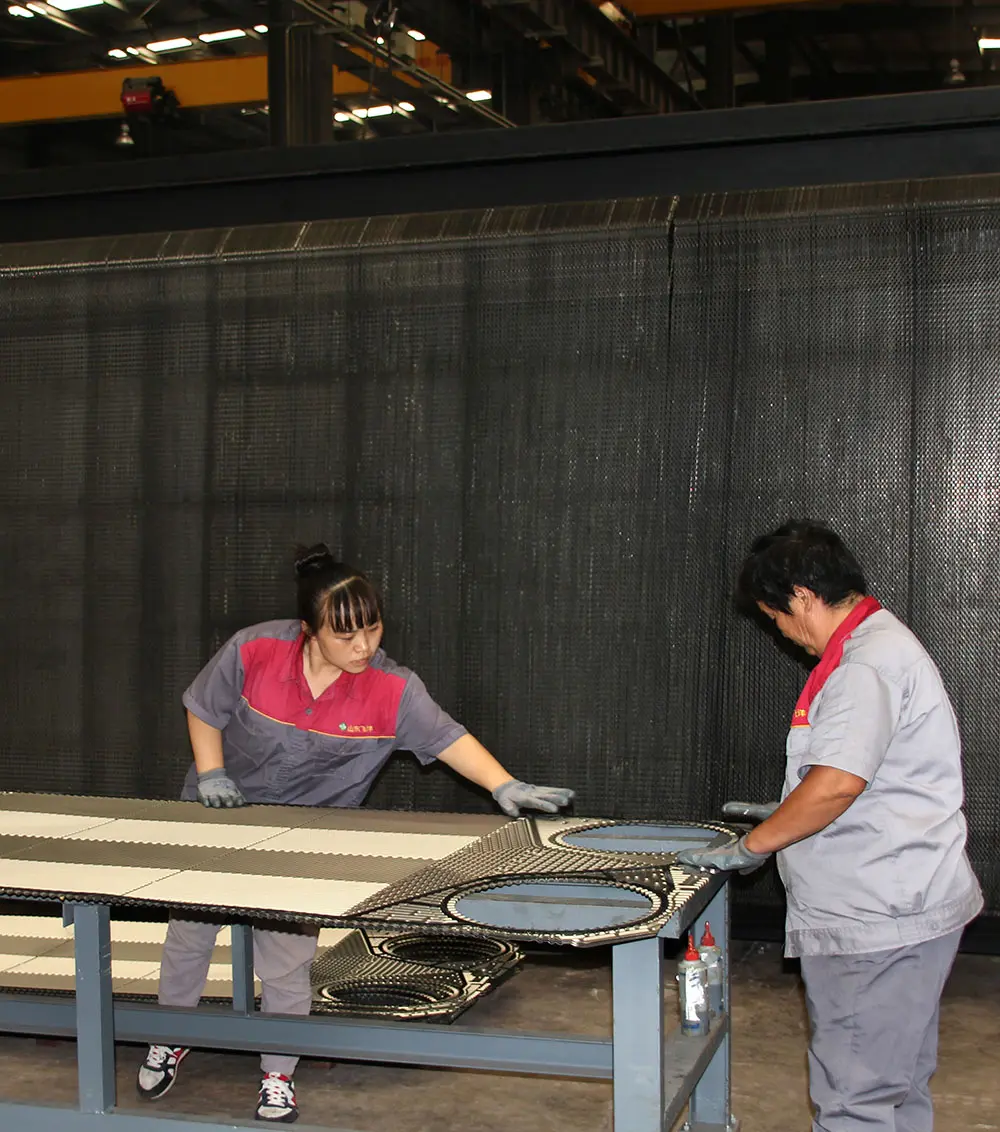
Applying glue-free clip-on gaskets into precision molded grooves, ensuring a reliable seal under high operating pressures.
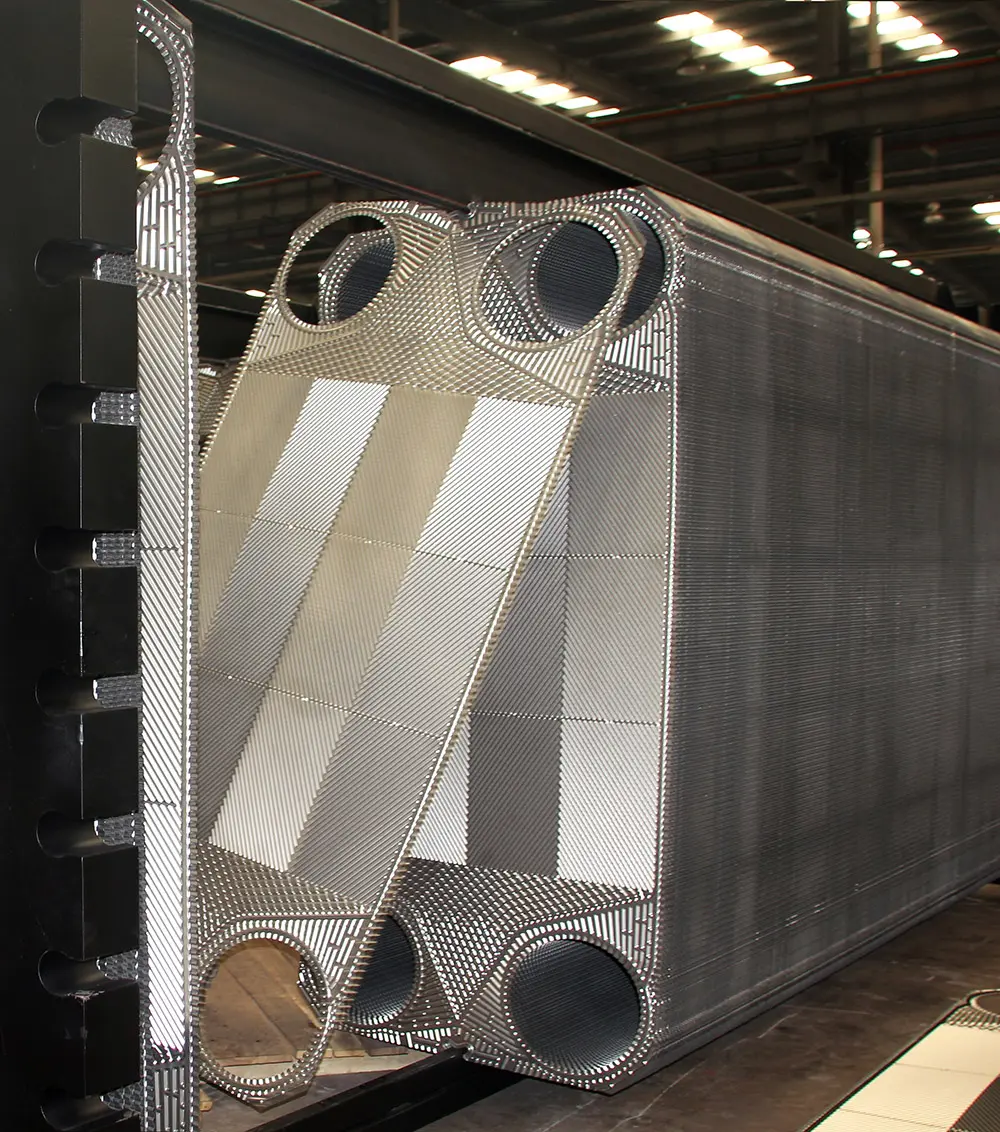
Aligning the plate pack along the guide bars and tightening it to calculated dimensions using torque-controlled tensioning rods.
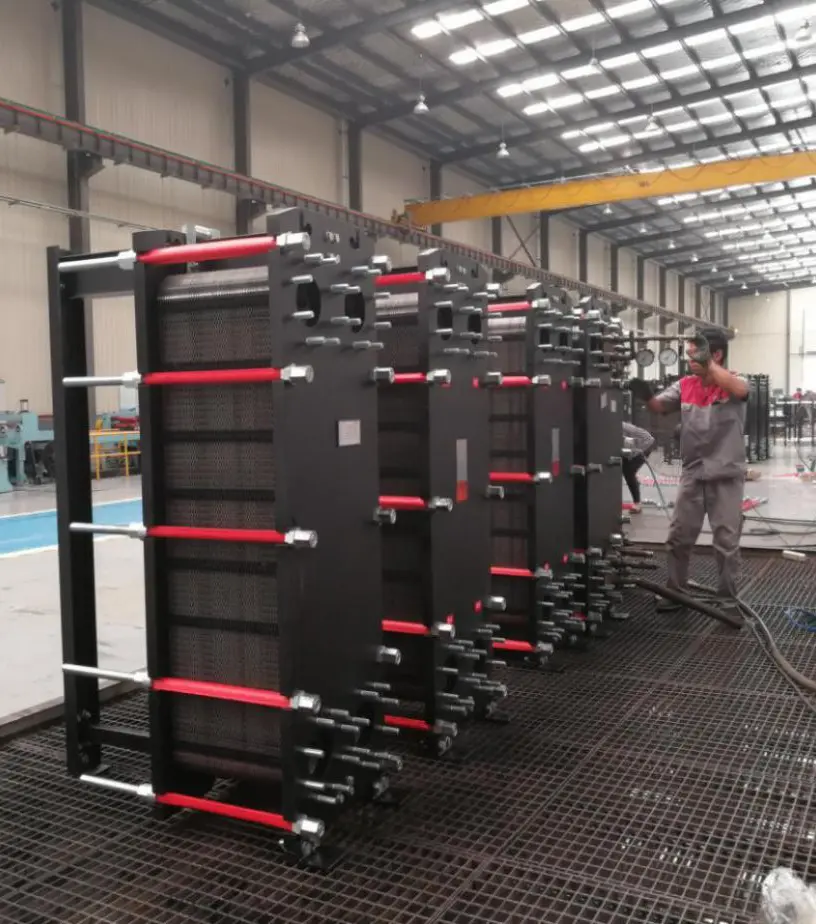
Subjecting every assembled plate heat exchanger to pressure tests at 1.25 to 1.5 times the design limit to verify mechanical integrity and zero fluid bypass.
Flotte implements an ISO 9001:2015 certified quality management system and pressure vessel compliance frameworks. Our heat exchangers undergo regular verification by national quality supervision authorities to ensure high performance under varied operating conditions.
The industrial heat exchange sector is shifting from static designs to smart systems. Sizing models are evolving to integrate real-time sensor data and AI-driven predictive maintenance. This shift helps operators address scaling issues and efficiency drops before they cause system failures.
Flotte's technology roadmap focuses on three main development areas:
By integrating precision thermal sensors directly into the inlet and outlet ports of the heat exchanger frame, our units continuously calculate operational heat transfer coefficients (U-value). This real-time validation lets operators compare field efficiency directly against clean design values.
Our patented scale-removal systems use targeted flow reversal and high-turbulence flushing cycles to clear mineral deposits. This design maintains heat transfer efficiency without requiring manual disassembly of the plate pack.
We are testing surface coatings that reduce mineral bonding on metal plates. This development helps maintain low fouling resistances (R_f), extending operating intervals in harsh chemical environments.
 Flotte Energy