Premium direct-factory evaporation plants, balance valves, and compact modular heat exchangers designed for optimal industrial heat recovery.
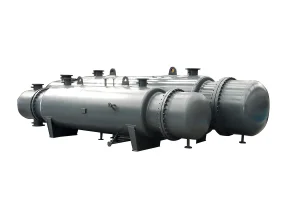
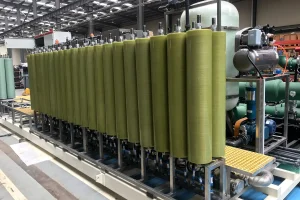
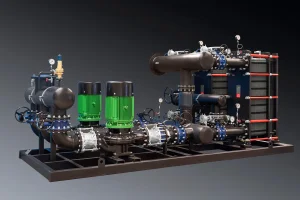
Flotte Energy Saving Company, formally established in 2013 with a registered capital of 101 million yuan, evolved from Flotte Thermal Engineering, which was founded in 1995. With nearly three decades of dedicated technical exploration and commercial scale, our enterprise stands as a premier supplier and exporter in global fluid dynamic machinery, advanced HVAC configuration, and wastewater reclamation technologies.
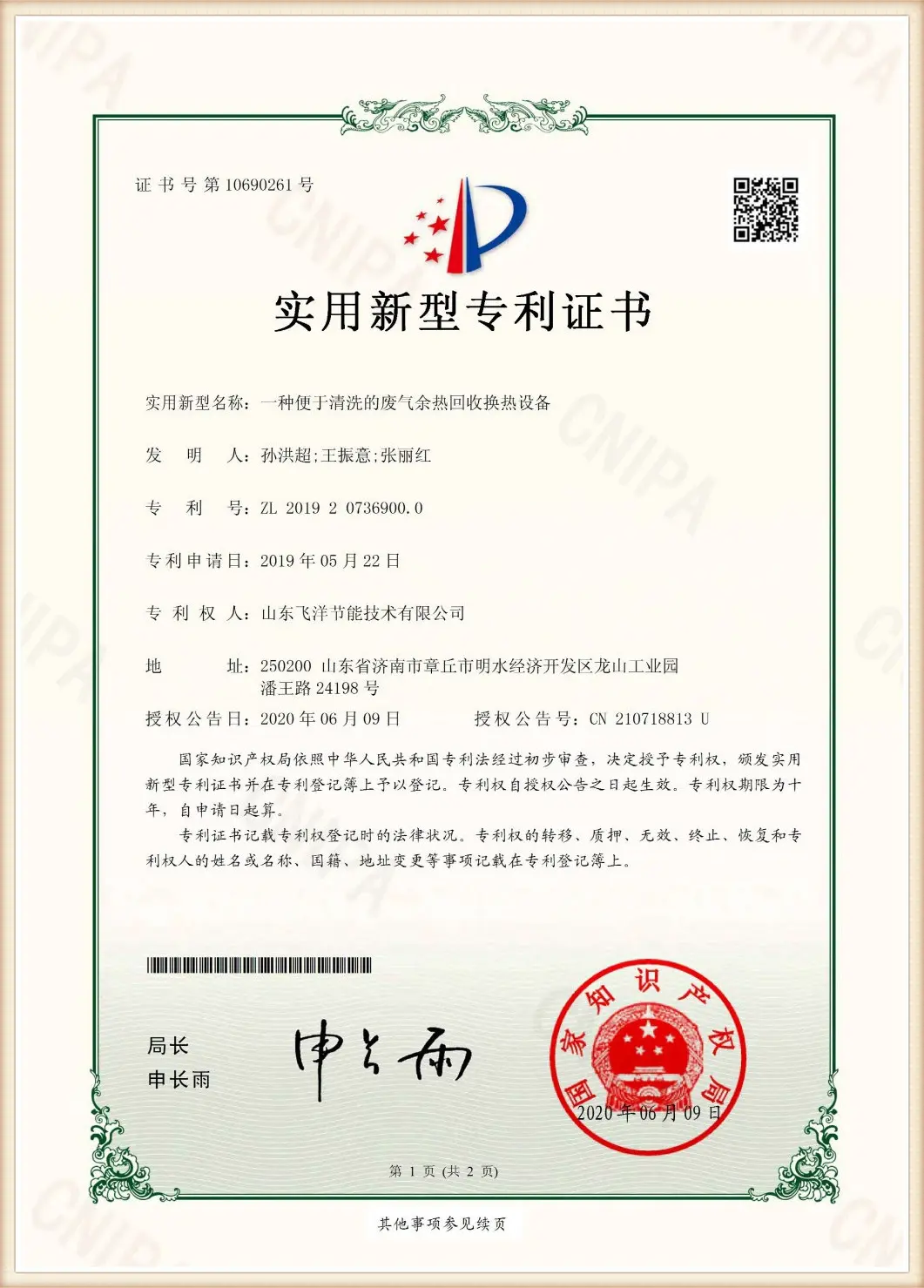
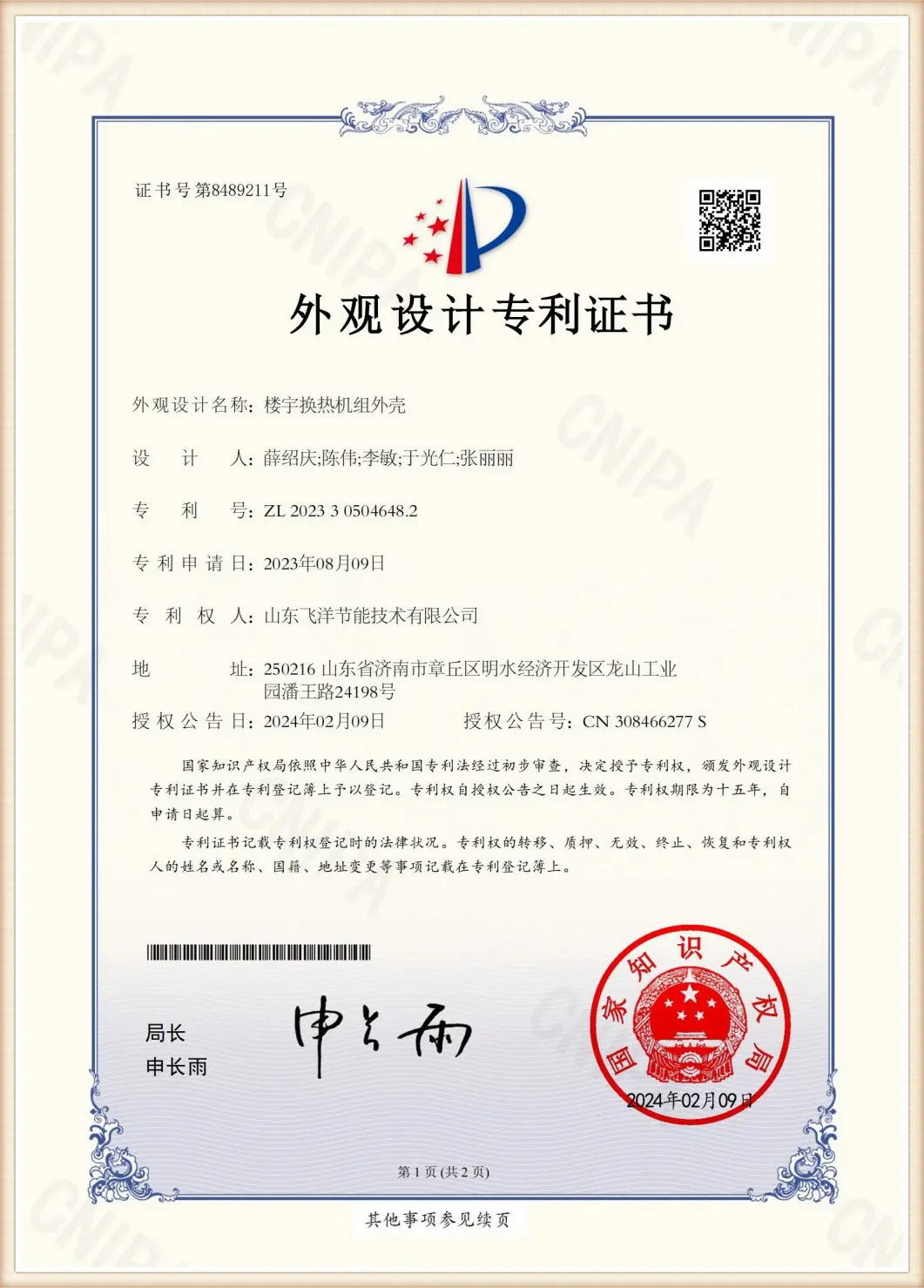
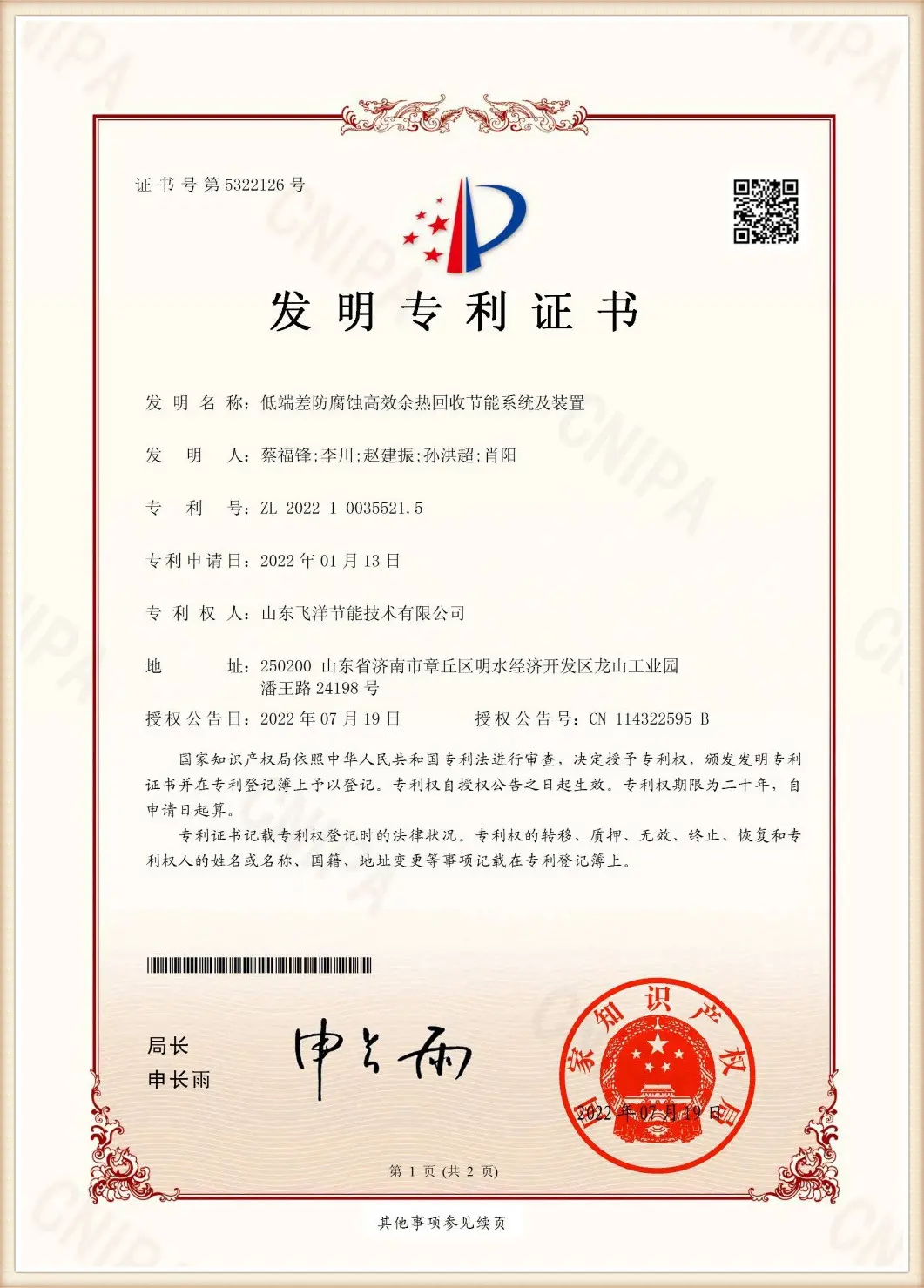
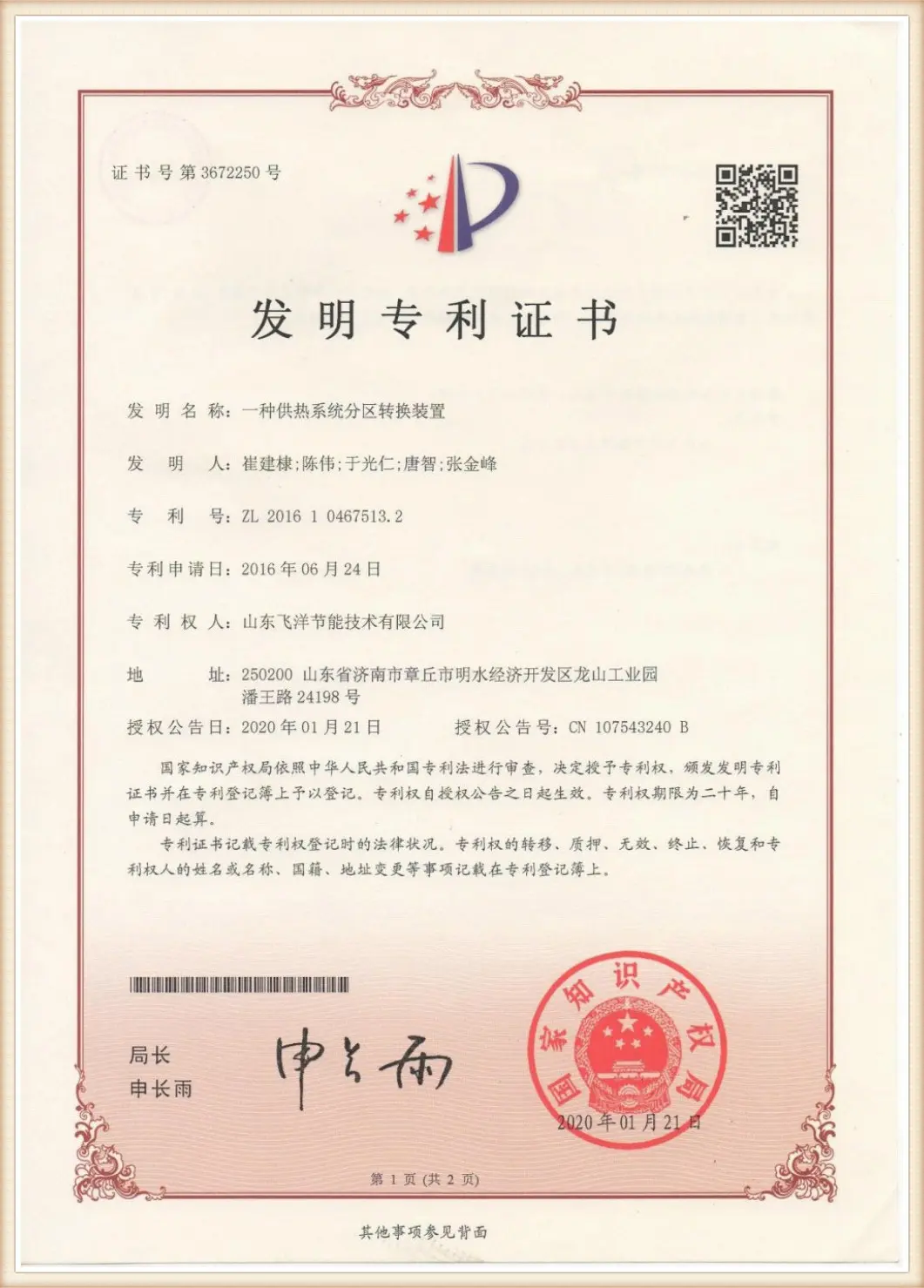
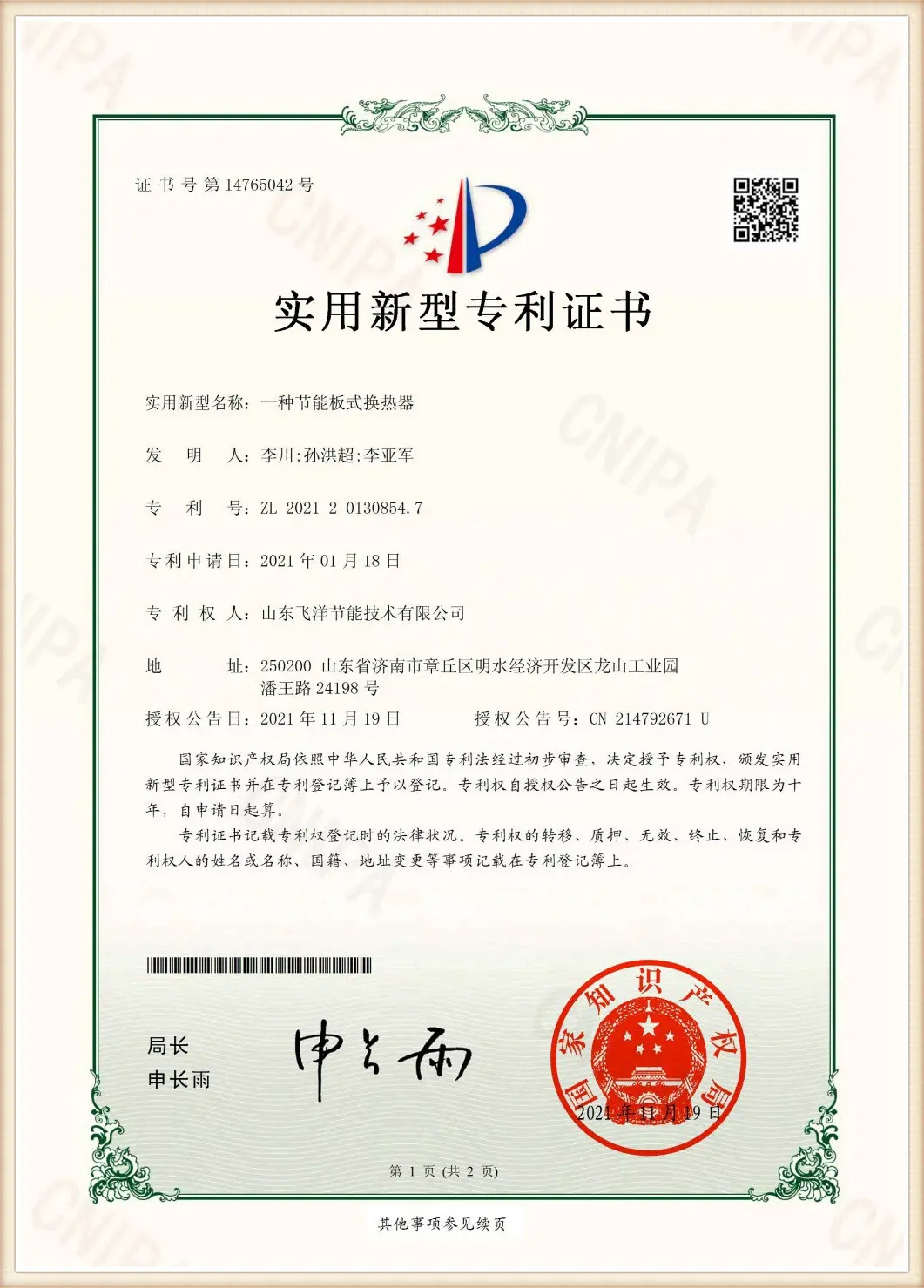
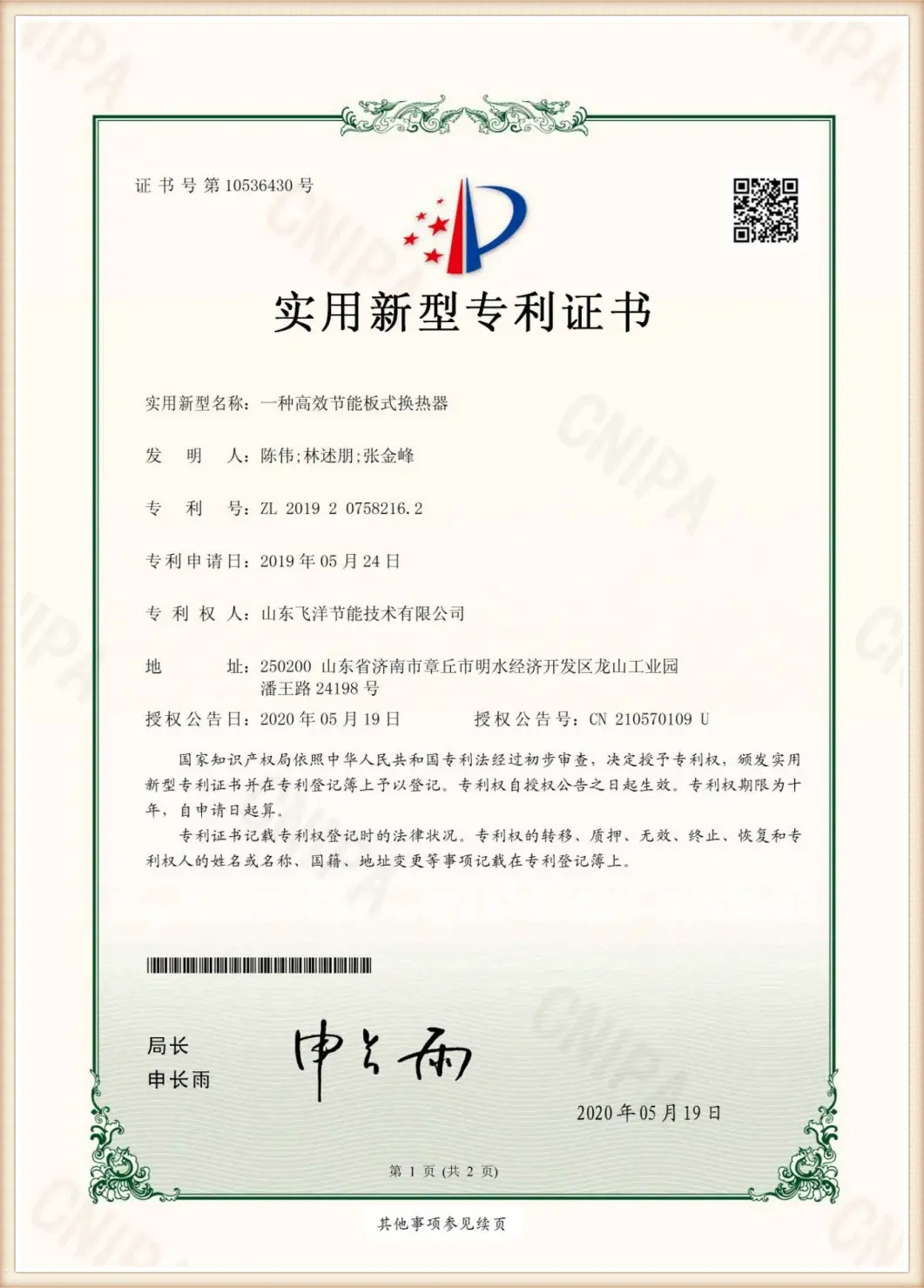
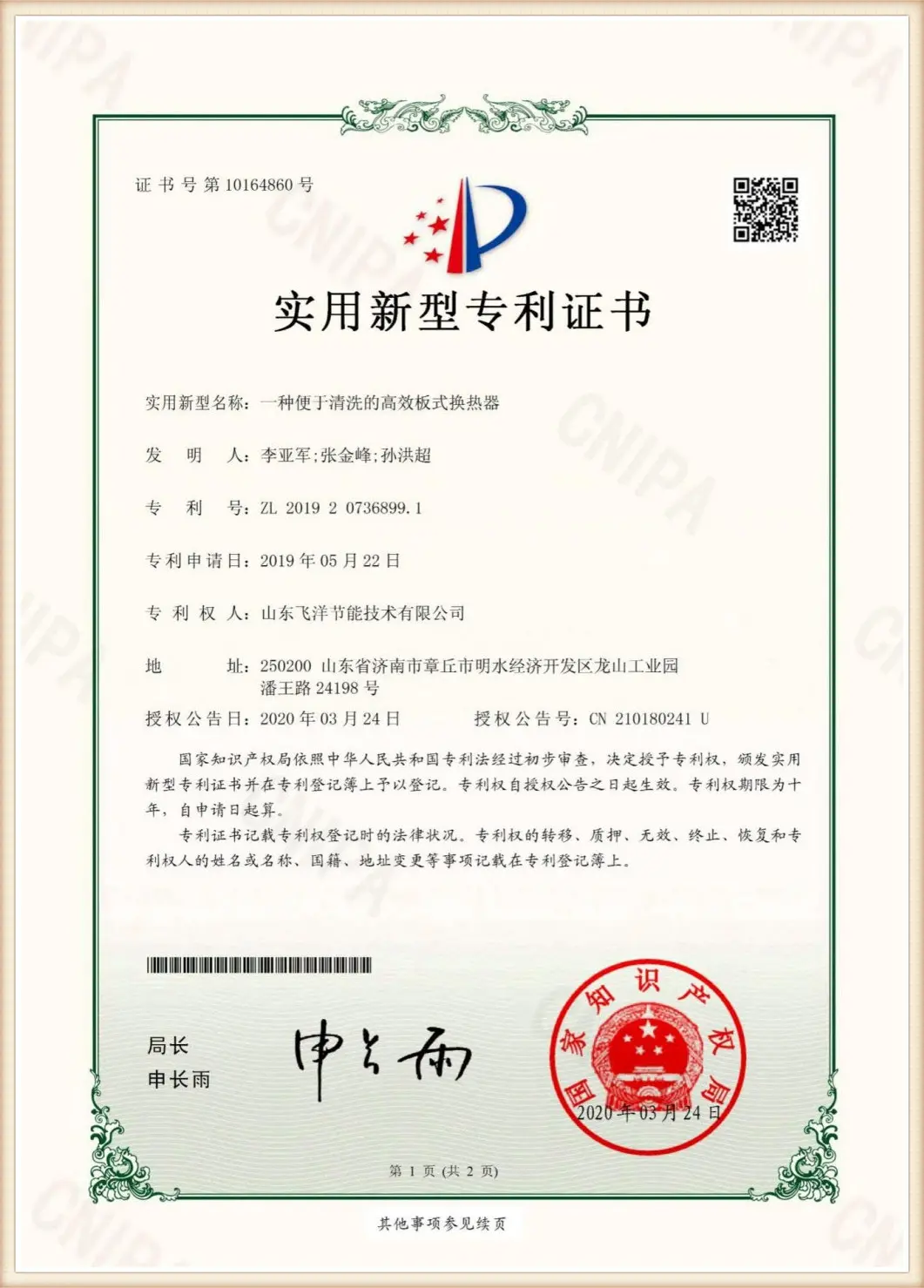
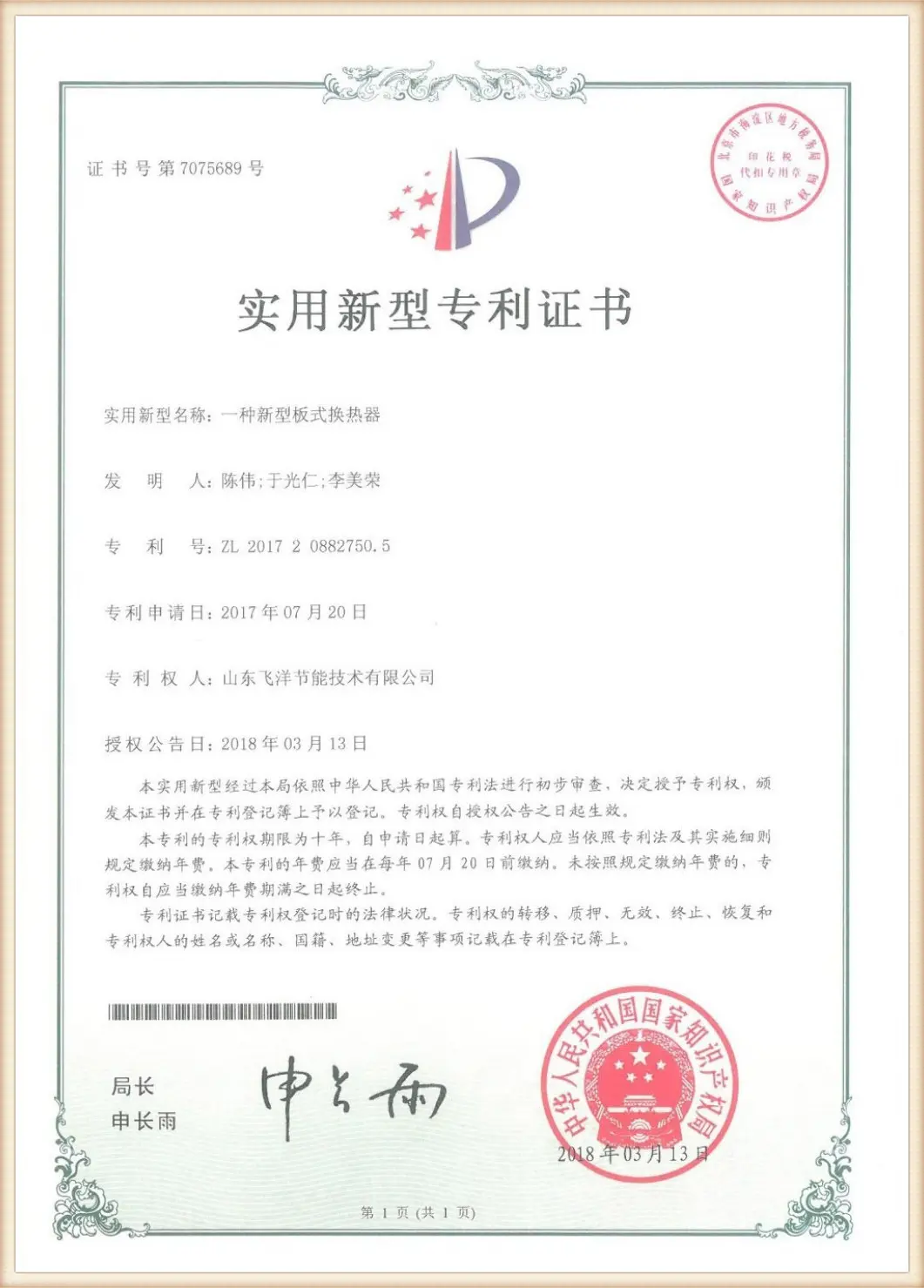
Our commitment to rigorous design, quality control, and scientific engineering is proven by our active possession of core utility patents. These include proprietary innovations in "High-Efficiency Plate Heat Exchangers", "Intelligent Plate Heat Exchanger Systems", and special "Plate Heat Exchanger Scale Removal Devices". We hold key domestic and international manufacturing credentials, satisfying mandatory safety registrations by the National Standardization Committee and the National Boiler and Pressure Vessel Standardization Technical Committee. Our structural systems adhere dynamically to ISO9001:2015, ISO14001:2015, and ISO45001:2018 management frameworks, guaranteeing safe, high-performing industrial infrastructure for global operators.
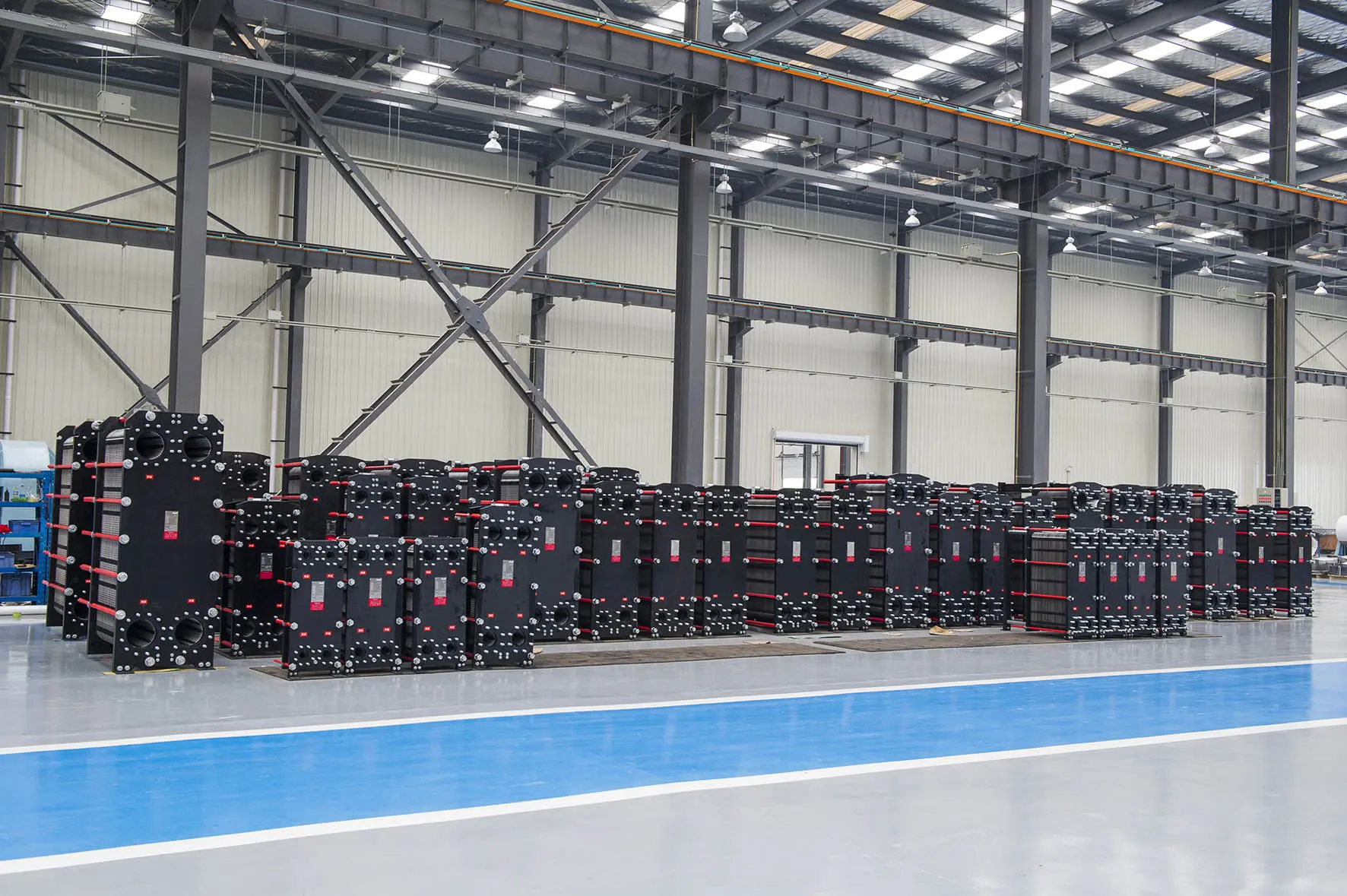
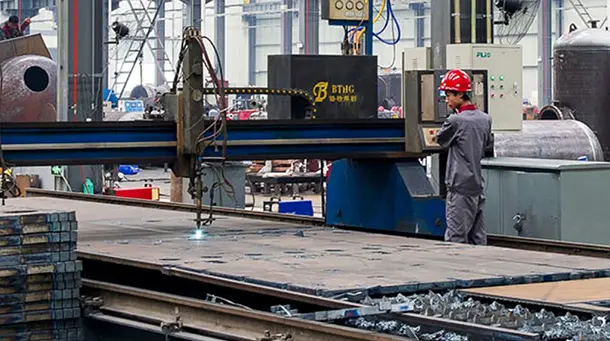
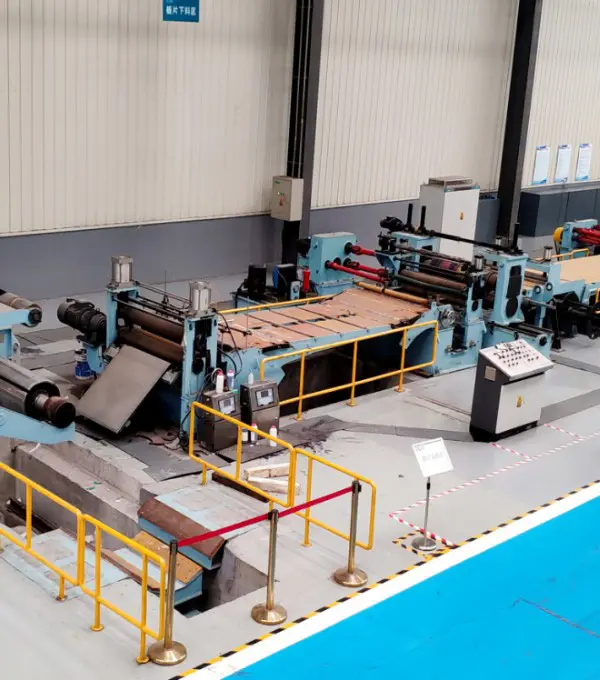
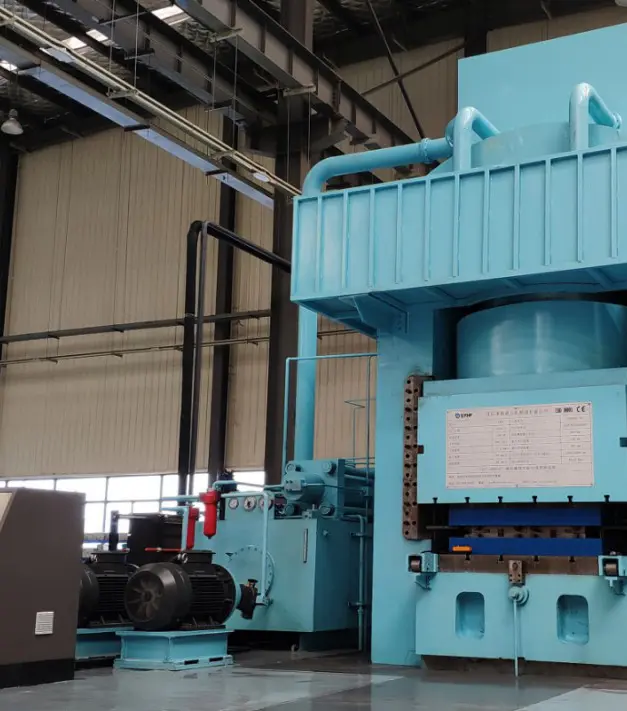
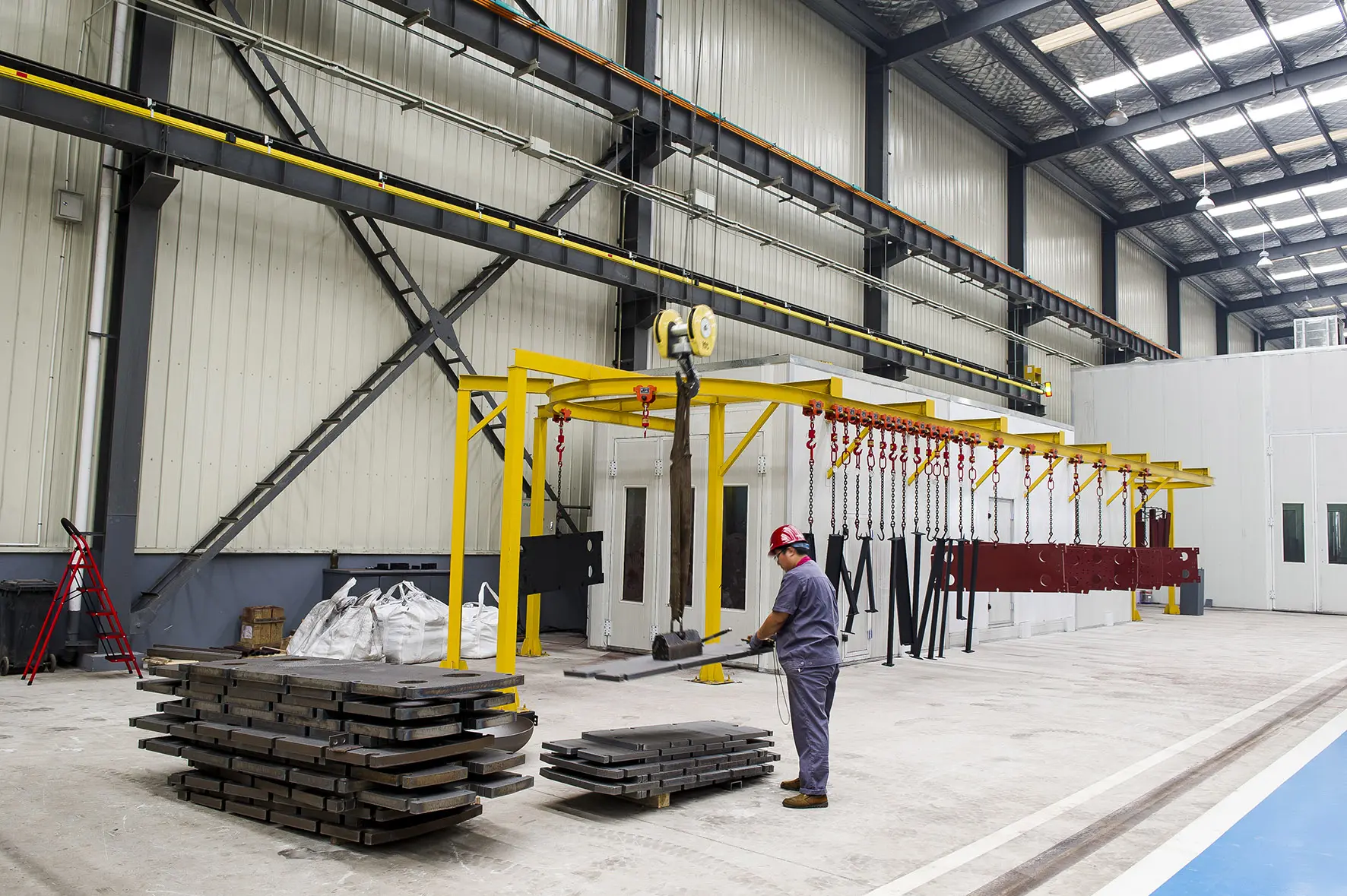
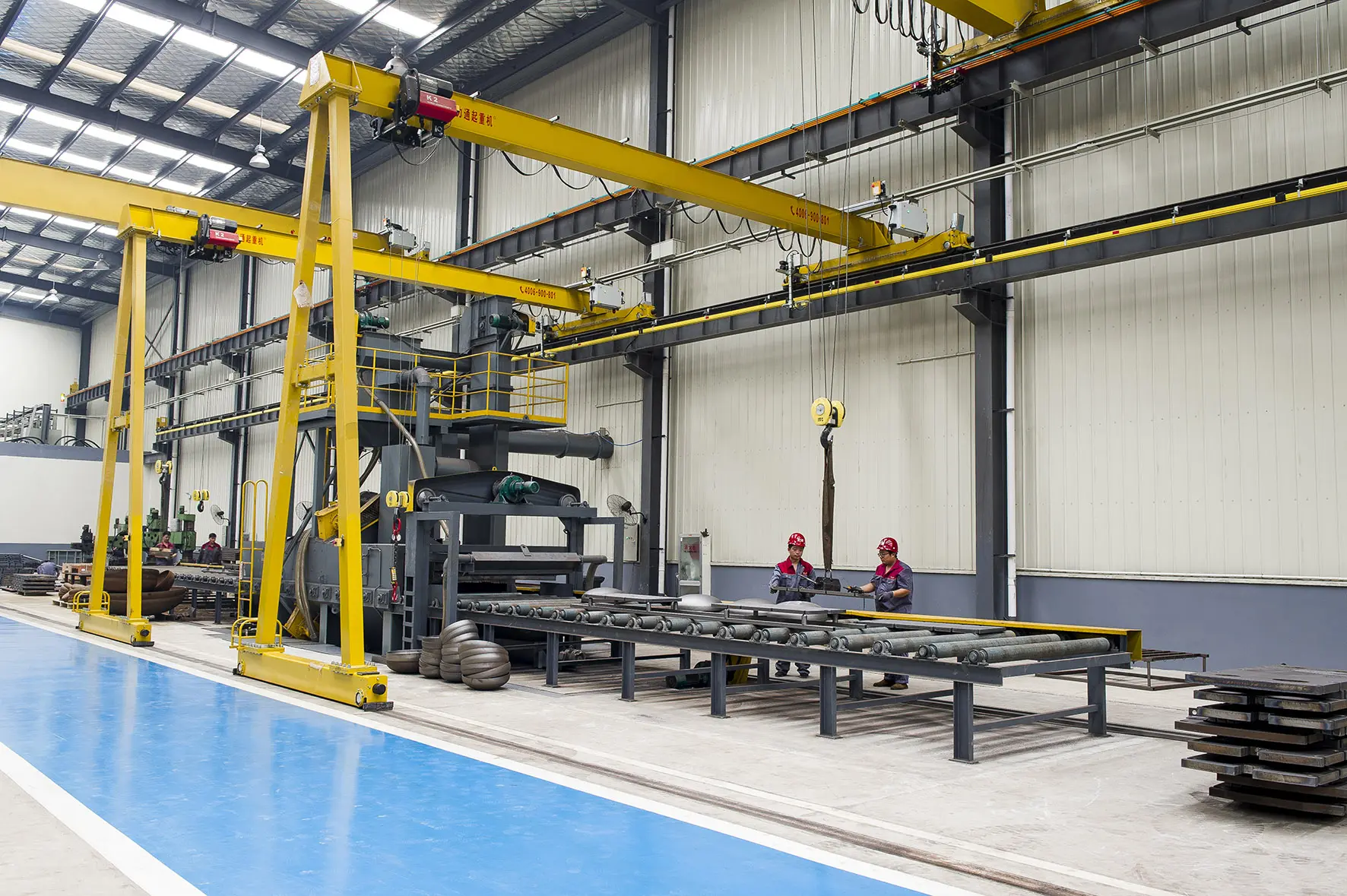
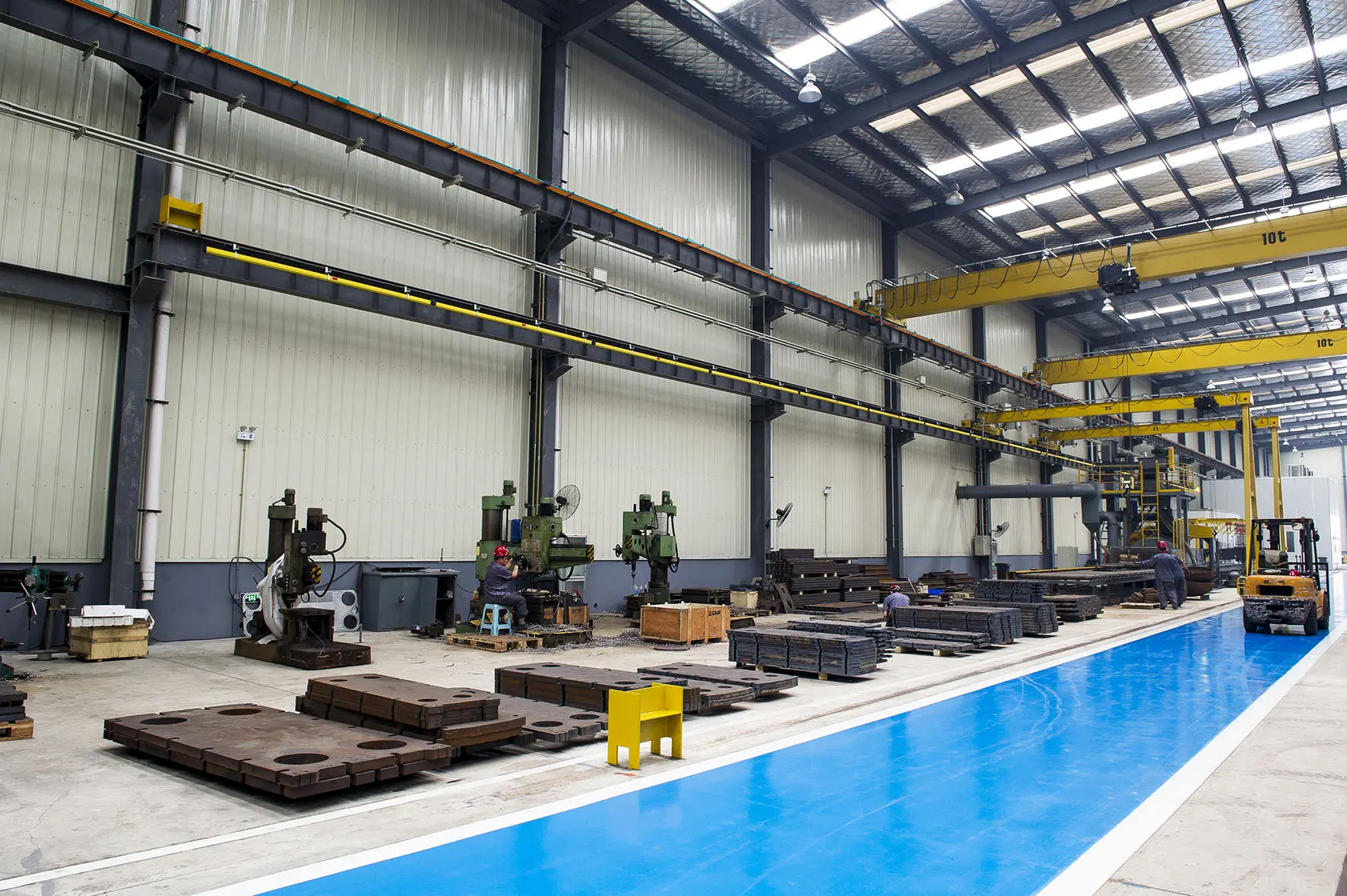
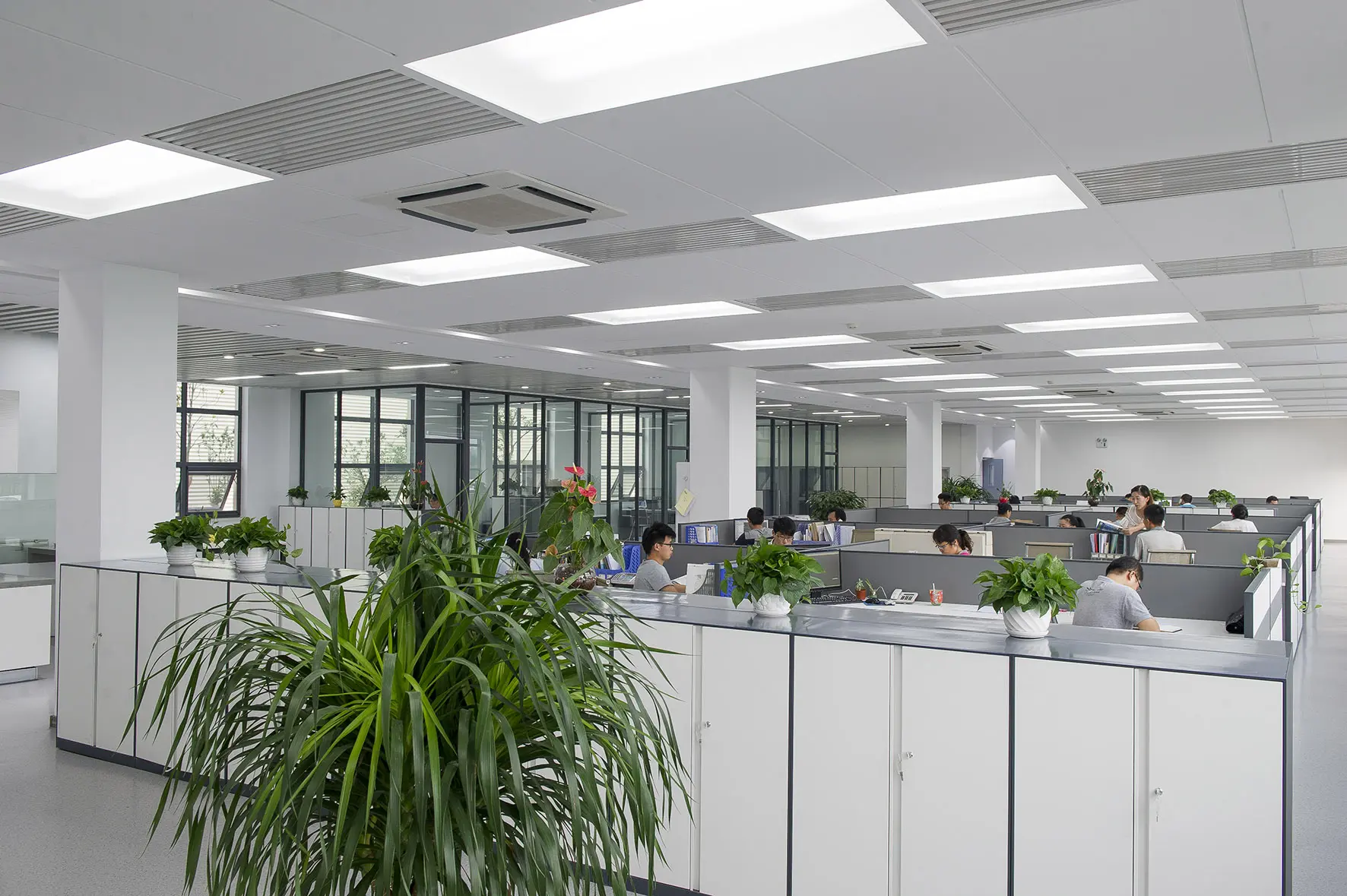
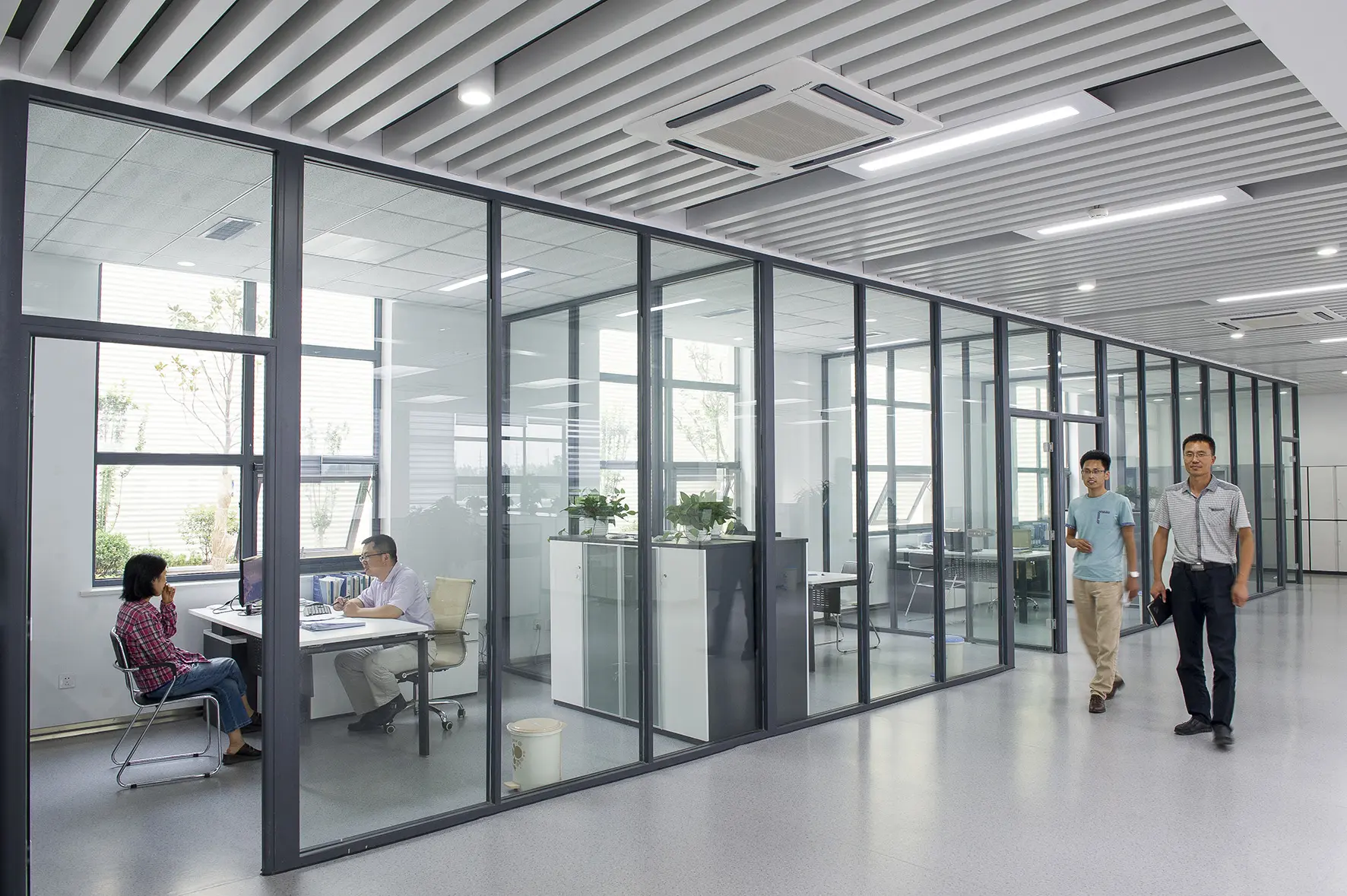
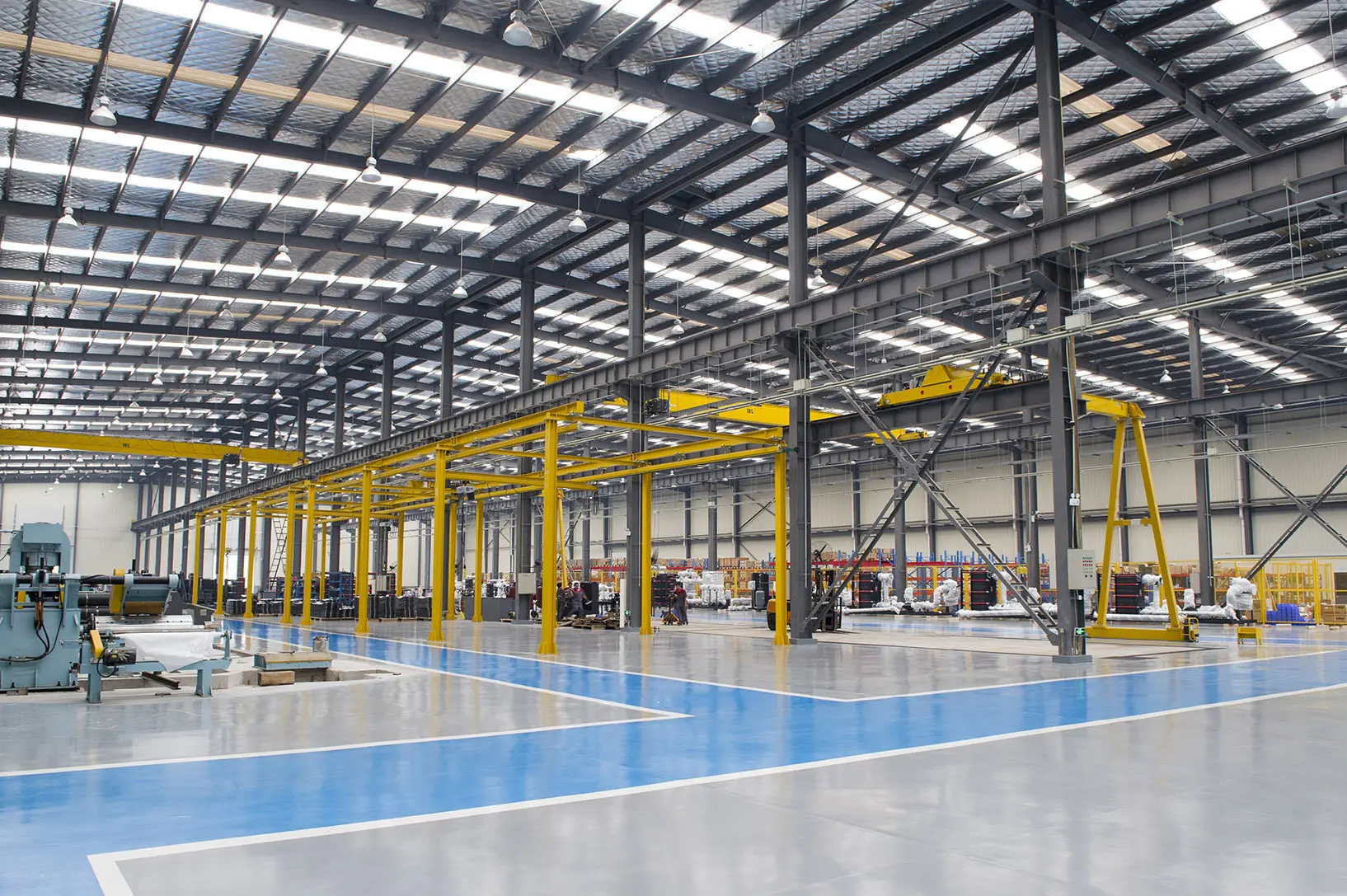
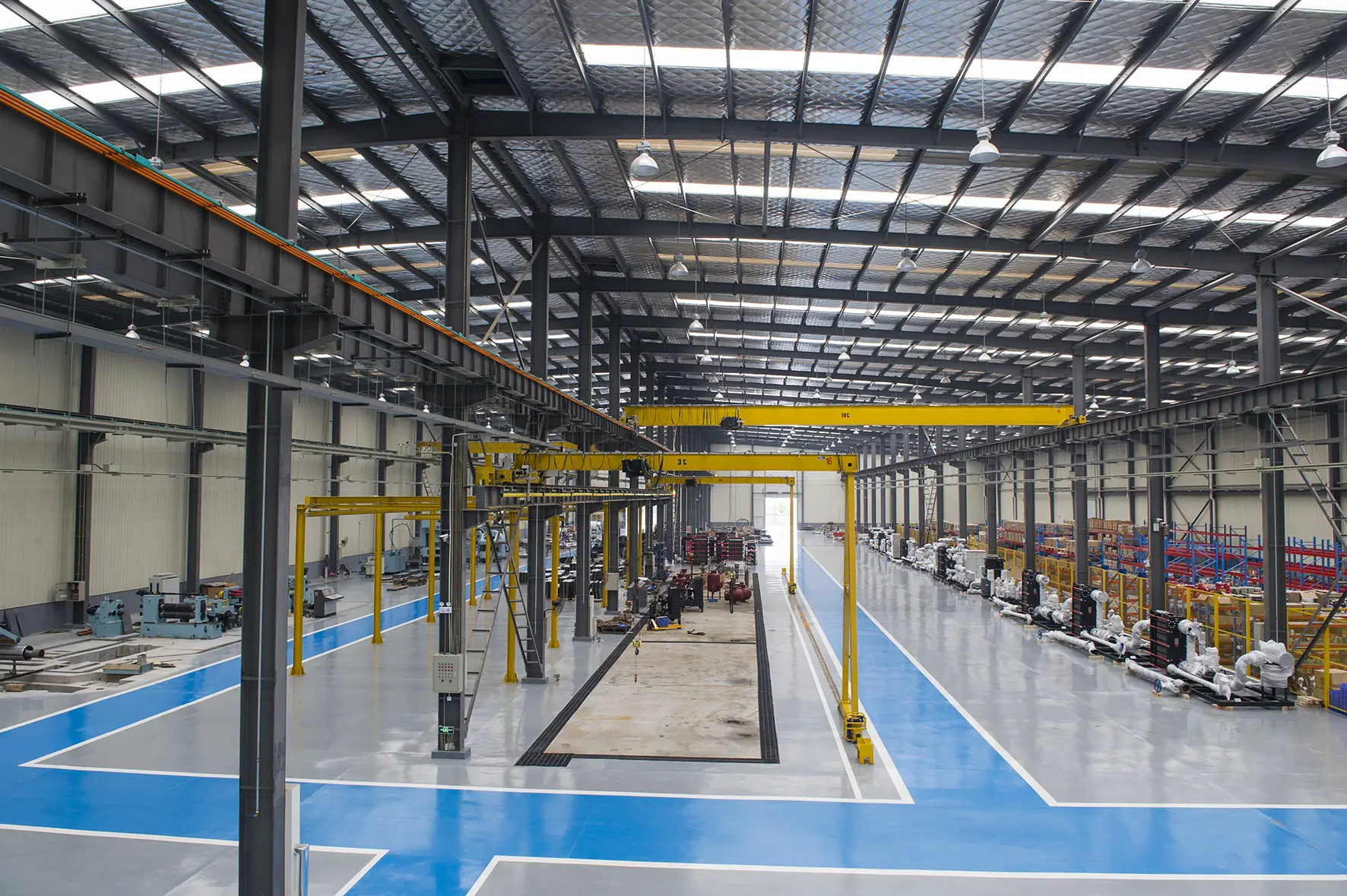
Our operation houses modern manufacturing workshops encompassing 70,000 square meters, maintaining an annual production rate exceeding 4,500 integrated heat exchange units and water-supply sets. Bolstered by a team of over 260 certified engineers and technical specialists, our enterprise registers an annual sales performance of 500 million yuan, positioning Flotte as a key global partner for heavy industries.
In modern industrial procurement, search intent for phrases like "Plate Heat Exchanger Images" extends far beyond simple aesthetics. For mechanical contractors, EPC planners, and municipal plant managers, high-precision technical images, schematic drawings, and CAD model renders serve as critical validation documents. These engineering assets allow technical managers to evaluate nozzle dimensions, spatial footprint limits, plate alignment tolerances, and assembly structures before confirming international purchase orders.
As heavy industries target decarbonization, heat recovery systems are shifting toward higher density, lower volume units. According to global industrial heat exchanger market analysis, the demand for detachable plate heat exchangers continues to expand by 6.8% annually. Industrial processes in the EU, Americas, and APAC regions are under regulatory mandates to optimize thermodynamic performance. The availability of high-resolution CAD schematics and structural photographs prevents installation errors, ensuring that the physical imports match existing piping systems, reducing commissioning delays by up to 35%.
When engineering teams evaluate high-efficiency plate heat exchangers, the visual checklist includes:
How Flotte guarantees material stability and pressure containment across all heat exchanger models.
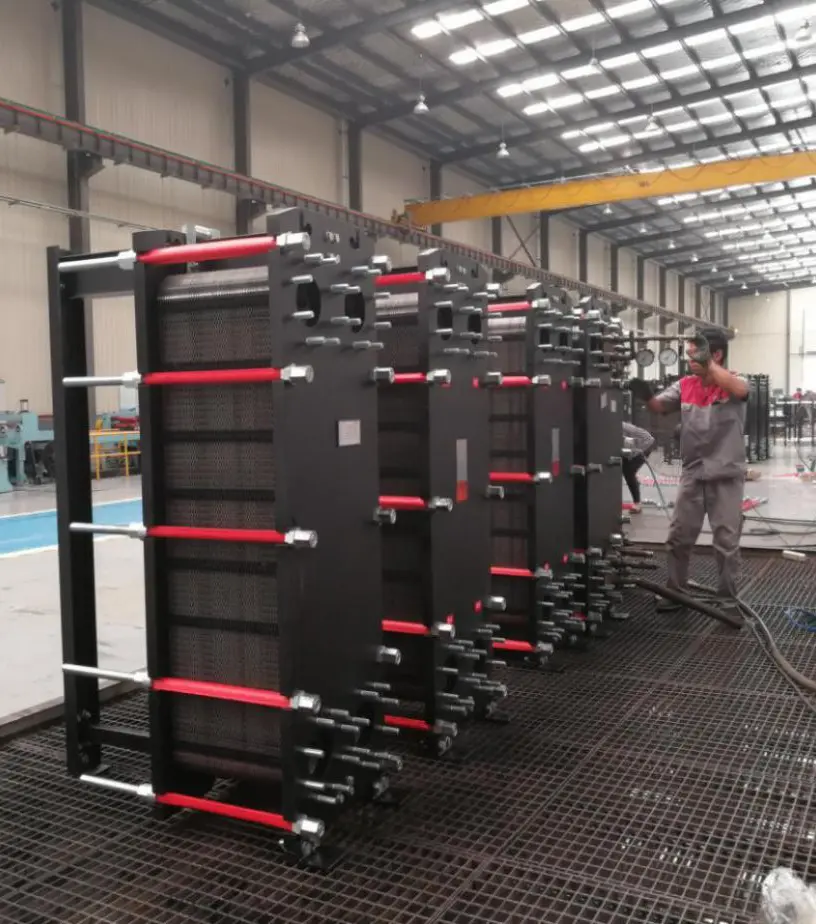
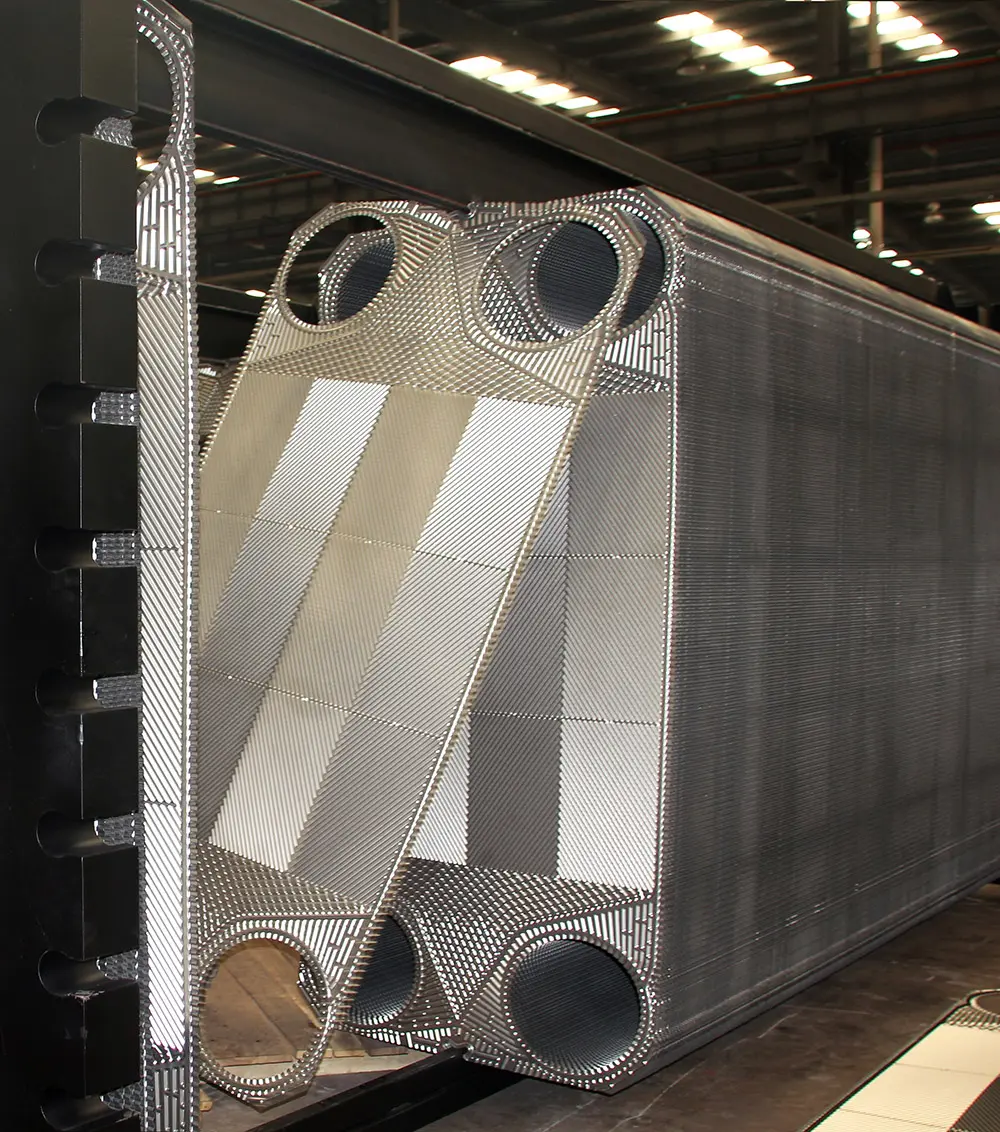
Engineered to outperform standard configurations under harsh chemical, thermal, and mechanical cycles.
Our corrugated plates feature an optimized chevron geometry that increases liquid turbulence, achieving a heat transfer coefficient (U-value) 2 to 3 times greater than traditional shell-and-tube configurations.
We source certified raw materials (AISI 304, AISI 316L, and high-purity Titanium) to protect against chloride corrosion, organic solvents, and high thermal demands in aggressive chemical environments.
Integrating our patented scale removal devices and design parameters, our installations minimize the boundary-layer sedimentation rate, extending continuous operation run-times by up to 40%.
Flotte products serve thermal, pharmaceutical, chemical, and municipal infrastructures worldwide, providing reliable heat transfer and fluid separation under varied regional conditions.
In municipal heating loops, removable plate heat exchangers act as isolation units between primary municipal water networks and secondary regional pipe layouts. By handling high flow volumes and optimizing water pressure across pressure-regulating substations, these installations ensure steady distribution temperatures and help lower heat losses across urban grids.
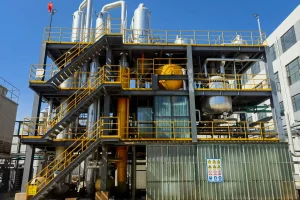
In wastewater management and recovery loops, our multi-effect evaporation and membrane concentration systems concentrate chemical mixtures and process runoffs. This allows factories to reclaim pure distillate water, reducing discharge footprints and lowering thermal energy costs through effective vapour reuse.
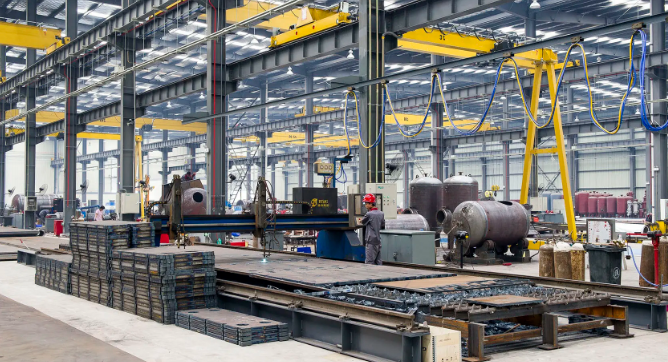
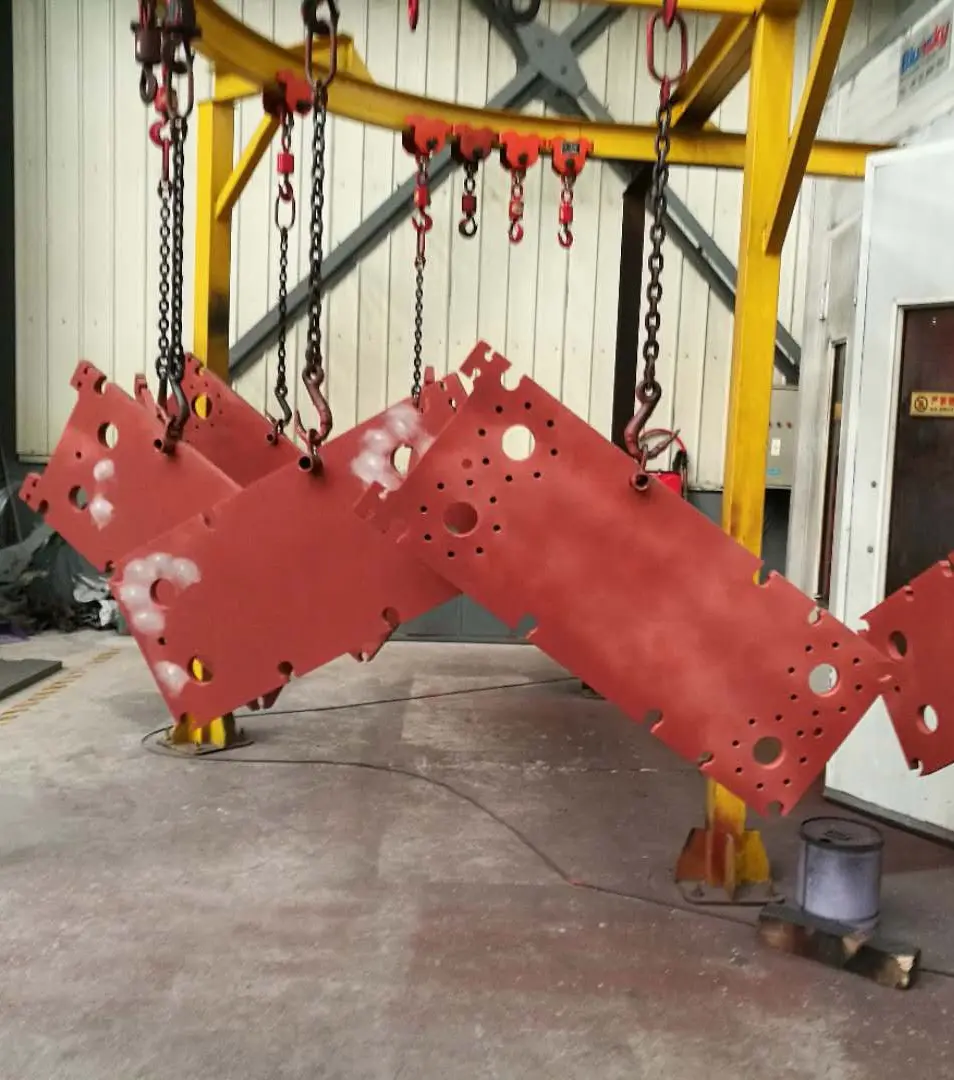
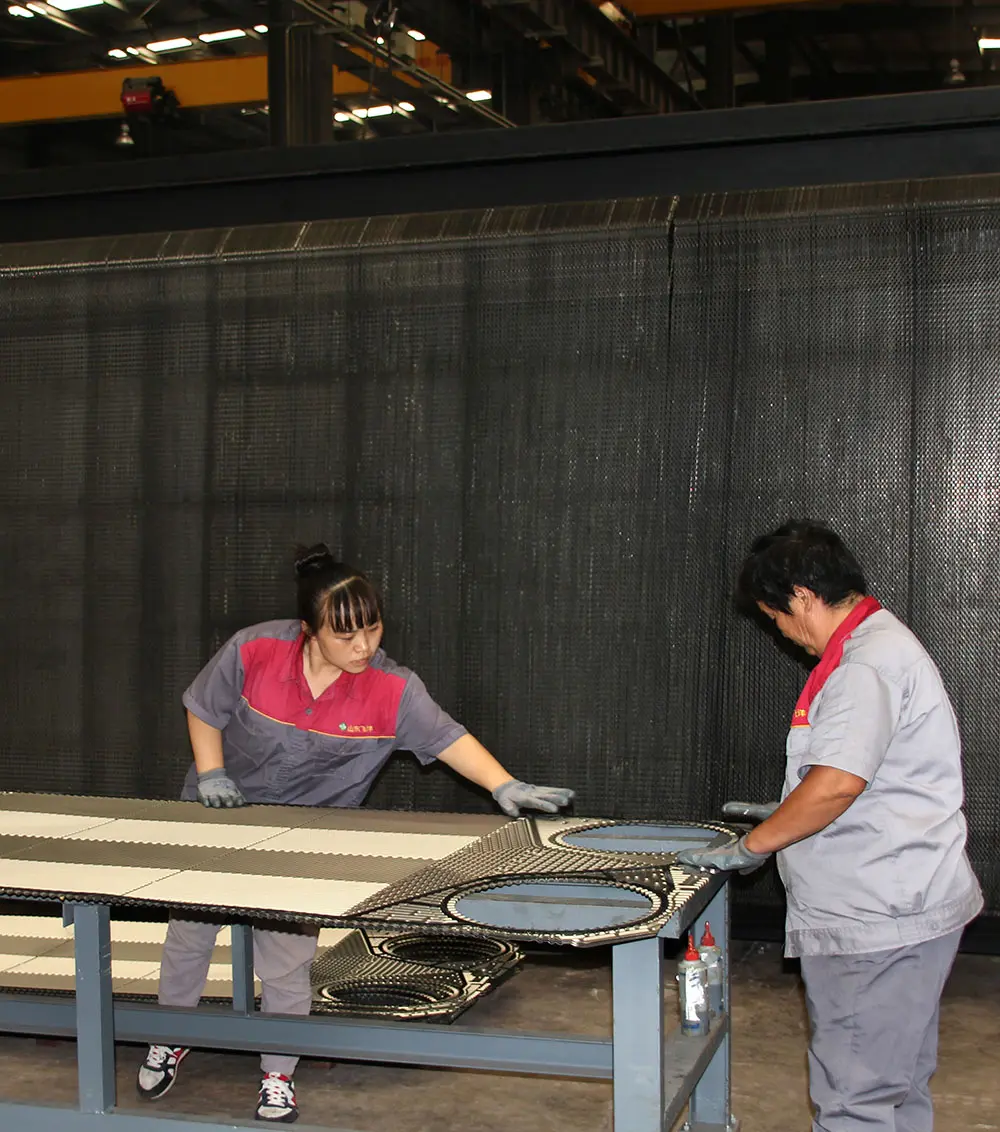
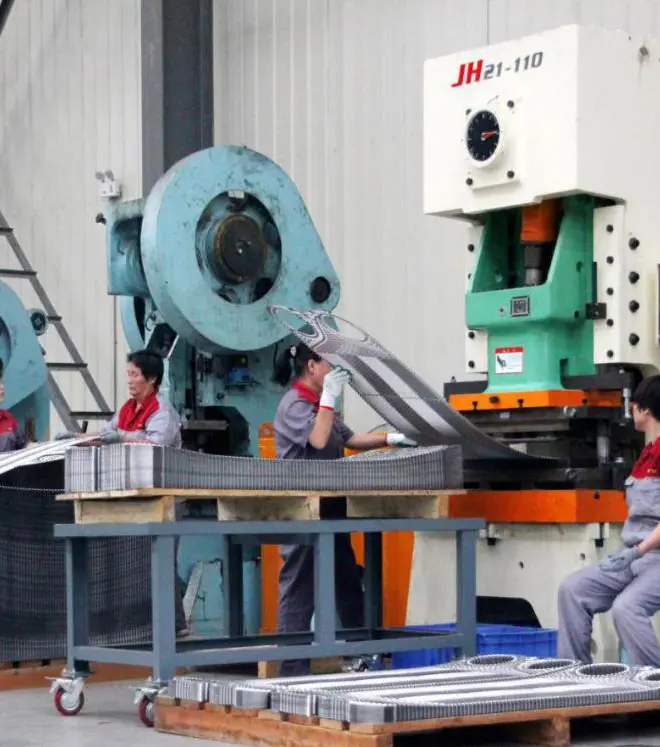
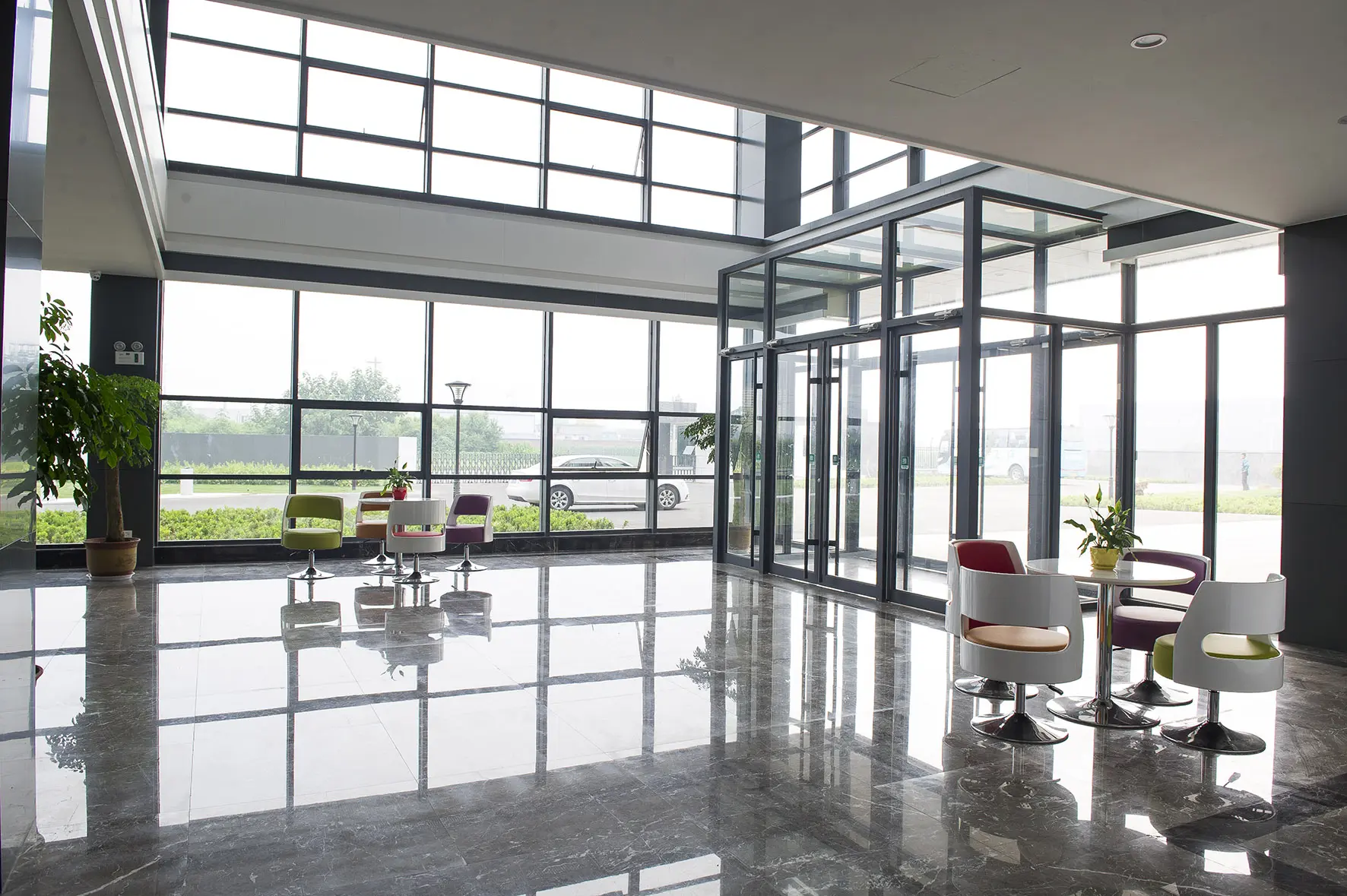
Flotte Modern Production Facility
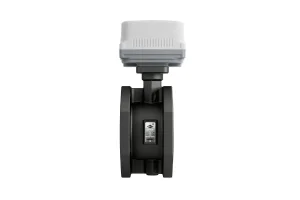
By pairing physical plate heat exchange units with our secondary network intelligent balance valves and room temperature collectors, our HVAC setups operate with active thermal regulation. The system tracks secondary network return temperatures, automatically adjusting flow volumes to prevent thermal imbalances across building zones and saving up to 15% in energy consumption.
Real-world configurations, intelligent monitoring blocks, and industrial evaporative systems.
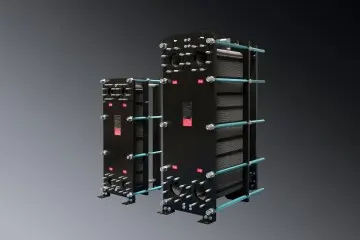
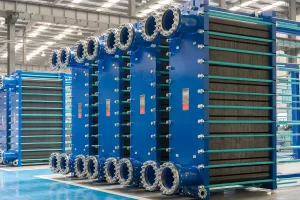
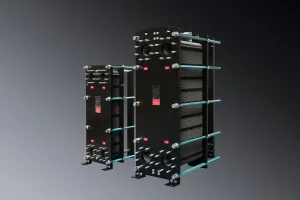
Features a split-frame design for easy mechanical descaling and plate additions.
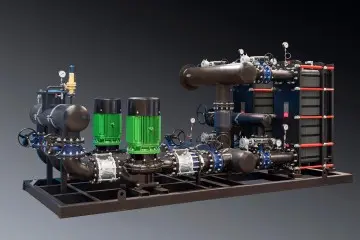
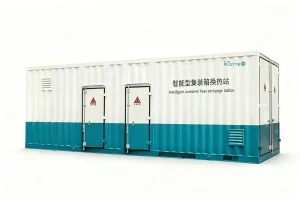
Includes integrated pump layouts, safety valves, and secondary control nodes.
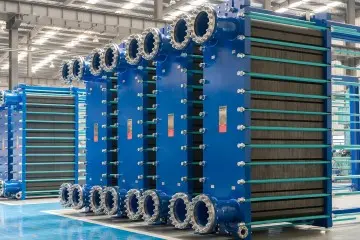
Built for primary municipal loops with integrated pressure-relief capabilities.
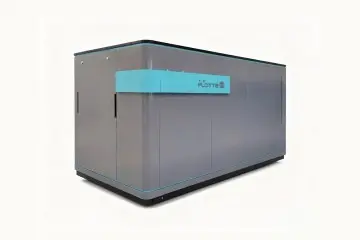
Designed for high-rise HVAC systems to isolate pressure zones.
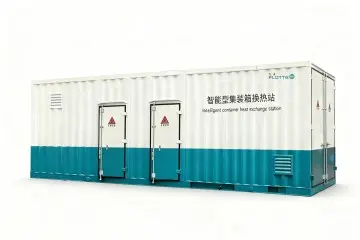
Weatherproof enclosure design for outdoor and rooftop installation scenarios.
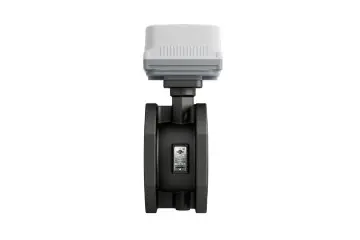
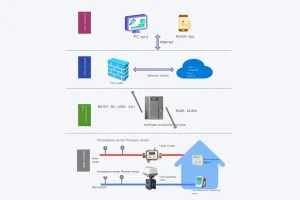
Provides real-time differential pressure management and telemetry reporting.

Transmits indoor thermal telemetry data to municipal boilers via cellular protocols.
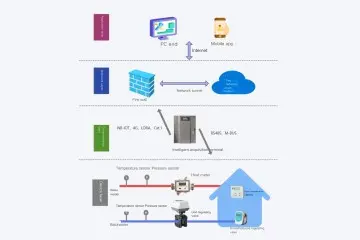
Centralized monitoring platform coordinating valves and pump frequencies.
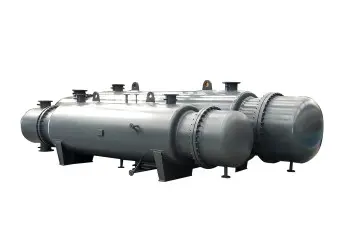
Engineered for high-temperature and high-pressure steam utility applications.
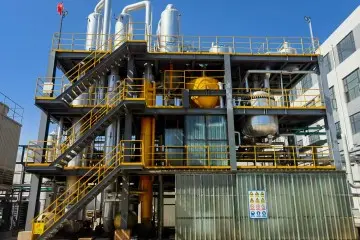
Reclaims latent heat from process vapours for low energy consumption.
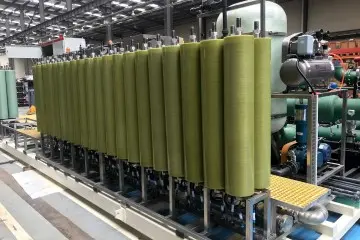
Designed for water purification and salt concentration in zero-liquid-discharge (ZLD) plants.
Fully verified compliance with ISO 9001:2015, ISO 14001:2015, ISO 45001:2018, and National Pressure Vessel Standards.
As the global market transitions toward automated district heating networks and high-efficiency heat recovery, static equipment configuration is giving way to dynamic, sensor-integrated thermal stations.
Future iterations of plate heat exchangers will feature integrated digital sensors that monitor pressure differentials, volumetric flow, and inlet/outlet temperatures in real time. This telemetry feeds directly into central HVAC networks to flag cleaning cycles before fouling impacts overall plant efficiency.
Using advanced nanotechnology surface coatings, we are developing plates with hydrophobic properties. These specialized micro-textures reduce chemical scaling and biological attachment, lowering maintenance intervals by up to 50% and protecting the plates' thermal transfer performance.
By connecting secondary balancing valves directly to variable frequency pump networks, local heating systems can automatically adjust fluid delivery rates to match changing outdoor ambient temperatures. This prevents over-heating and reduces system energy consumption.
Addressing key engineering, operation, and maintenance questions for procurement teams.
High-efficiency shell-and-tube units, detachable frame plate heat exchangers, and intelligent monitoring architectures.
 Flotte Energy