Direct factory sourcing of certified thermal systems, sensors, and intelligent balancing components.

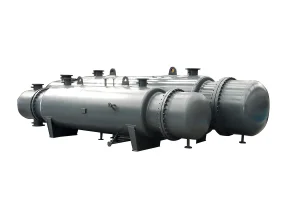
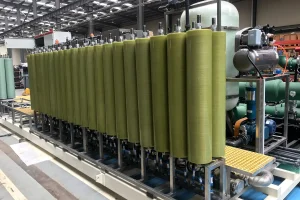
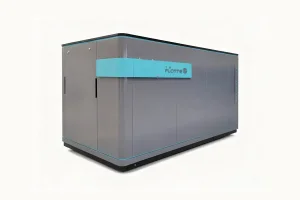
Unlocking industrial thermal efficiency through precise flow configurations, channel geometry, and structural blueprint optimization.
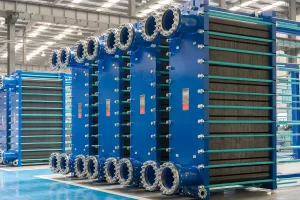
A plate heat exchanger (PHE) schematic is not merely a drawing; it is the fundamental blueprint of modern thermal engineering. It defines how fluids traverse the corrugated metal plates, controls the direction of heat transfer, and establishes the thermodynamic boundary conditions of industrial systems. For process engineers, mechanical consultants, and global procurement departments, interpreting a PHE schematic is key to ensuring that thermal equipment matches the specific constraints of the site, fluid characteristics, and regional compliance requirements.
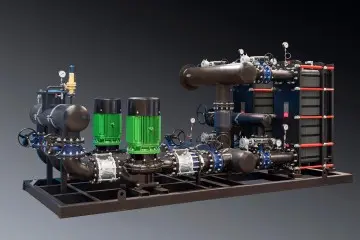
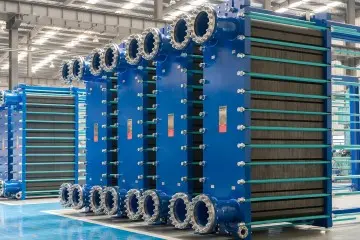
Every detailed schematic indicates the configuration of heat transfer channels, gasket patterns, fluid inlets/outlets, and clamping frames. By optimizing the chevron angle of the plates (whether high-theta or low-theta corrugation styles are utilized), designers can manipulate the turbulence and pressure drop characteristics. Wholesale suppliers like Flotte leverage three decades of manufacturing history to develop custom schematics that deliver 2-3 times higher heat exchange efficiency than conventional shell-and-tube models.
When selecting a wholesale plate heat exchanger supplier, checking their schematic modeling capacity is critical. The engineering drawing must accurately reflect variables such as Logarithmic Mean Temperature Difference (LMTD), fouling resistance factors, fluid compatibility, and pressure limits to prevent premature gasket failure, scaling, or mechanical fatigue.
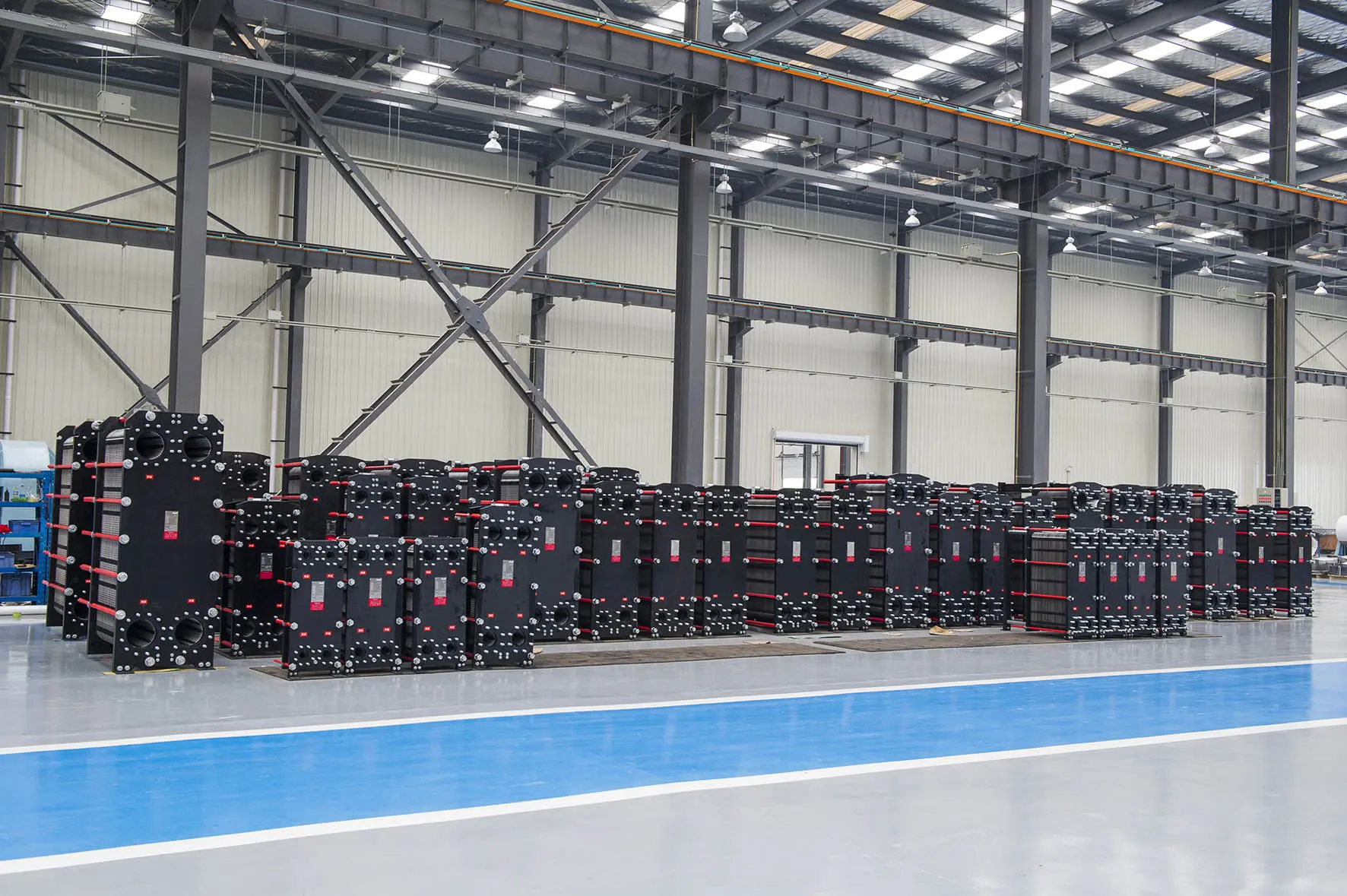
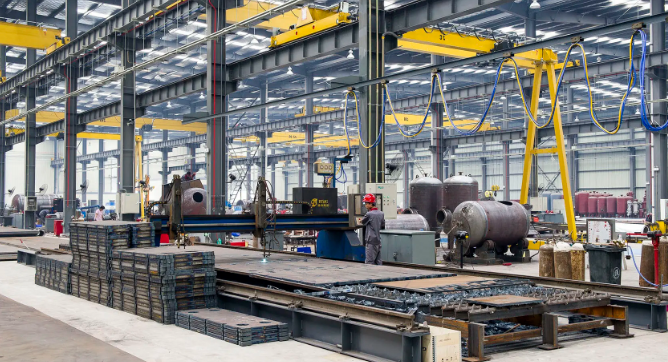
Flotte Energy Saving Company, established in 2013 with a registered capital of 101 million yuan, originated from Flotte Thermal Engineering founded in 1995. With three decades of technical expertise, the company specializes in water equipment, HVAC systems, and water treatment industries. It consistently leads industry peers in adopting cutting-edge technologies, developing innovative products, and delivering comprehensive production and sales services.
Our infrastructure spans a 70,000 m² land area containing modern production facilities that combine advanced manufacturing with systematic management, producing high-tech integrated products. We hold a leading position in the industry nationwide and command a substantial market share. Annually, we manufacture approximately 4,500 heat exchange units and water supply/drainage equipment sets. With over 300 employees, the company generates annual sales revenue of 500 million yuan and contributes 15 million yuan in taxes and profits.
How high-efficiency plate heat exchange systems tackle complex global energy demands and localized environmental parameters.
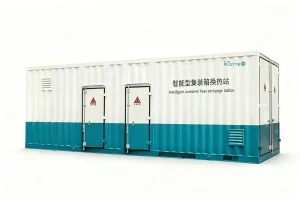
In centralized heating systems, plate heat exchangers act as the vital thermodynamic node separating primary municipal networks from localized building water networks. Precise schematic design reduces pipeline energy dissipation, optimizes flow distribution, and ensures uniform heat delivery to users in sub-zero climates.
From chemical processing loops requiring exotic titanium plates to food and beverage lines demanding sanitary, non-contaminating removable frames, Flotte’s custom-engineered thermal configurations guarantee continuous uptime and reliable process flow.
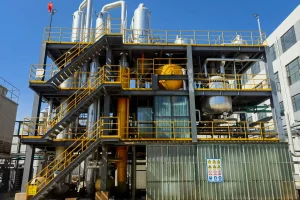
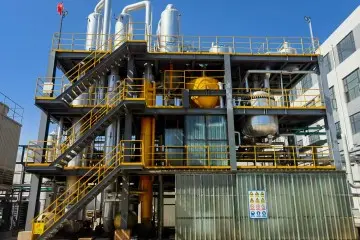
Maximizing energy efficiency is no longer optional. Our multi-effect evaporation and intelligent heat exchange systems intercept waste heat from exhaust air and wastewater, redirecting it back into the manufacturing plant to lower carbon emissions.
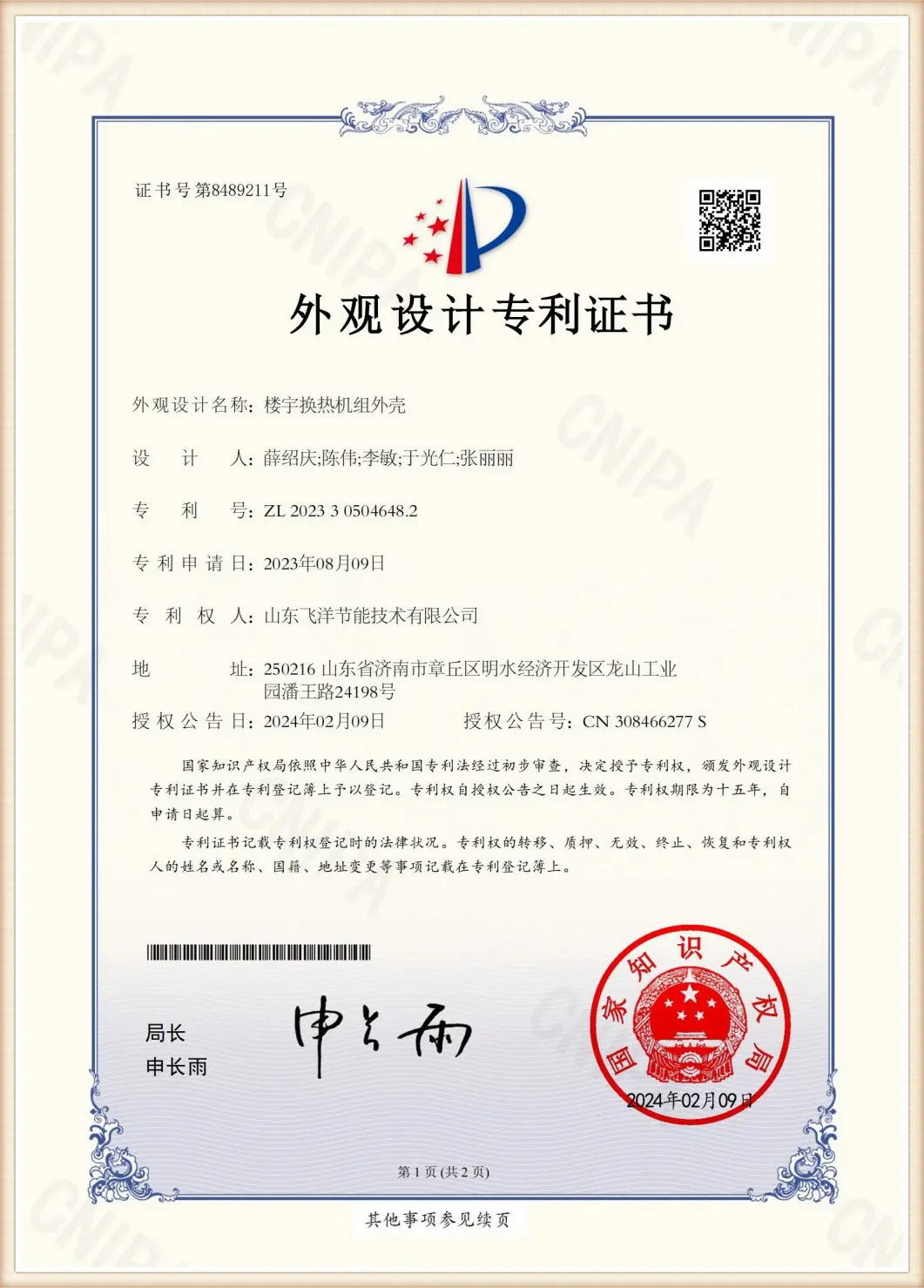
In the context of the global supply chain, local support and regulatory compliance remain paramount. Our operations are governed by international standards, backed by **ISO9001 Quality Management System, ISO14001 Environmental Management System, and ISO45001 Occupational Health and Safety Management System** certifications. Furthermore, the structural design parameters are vetted by the safety registration framework of the National Boiler and Pressure Vessel Standardization Technical Committee. This ensures that every plate, gasket, frame, and valve exported worldwide is fully compliant with municipal safety codes and operating pressures.
Rigorous quality guidelines, advanced structural engineering, and responsive worldwide services.
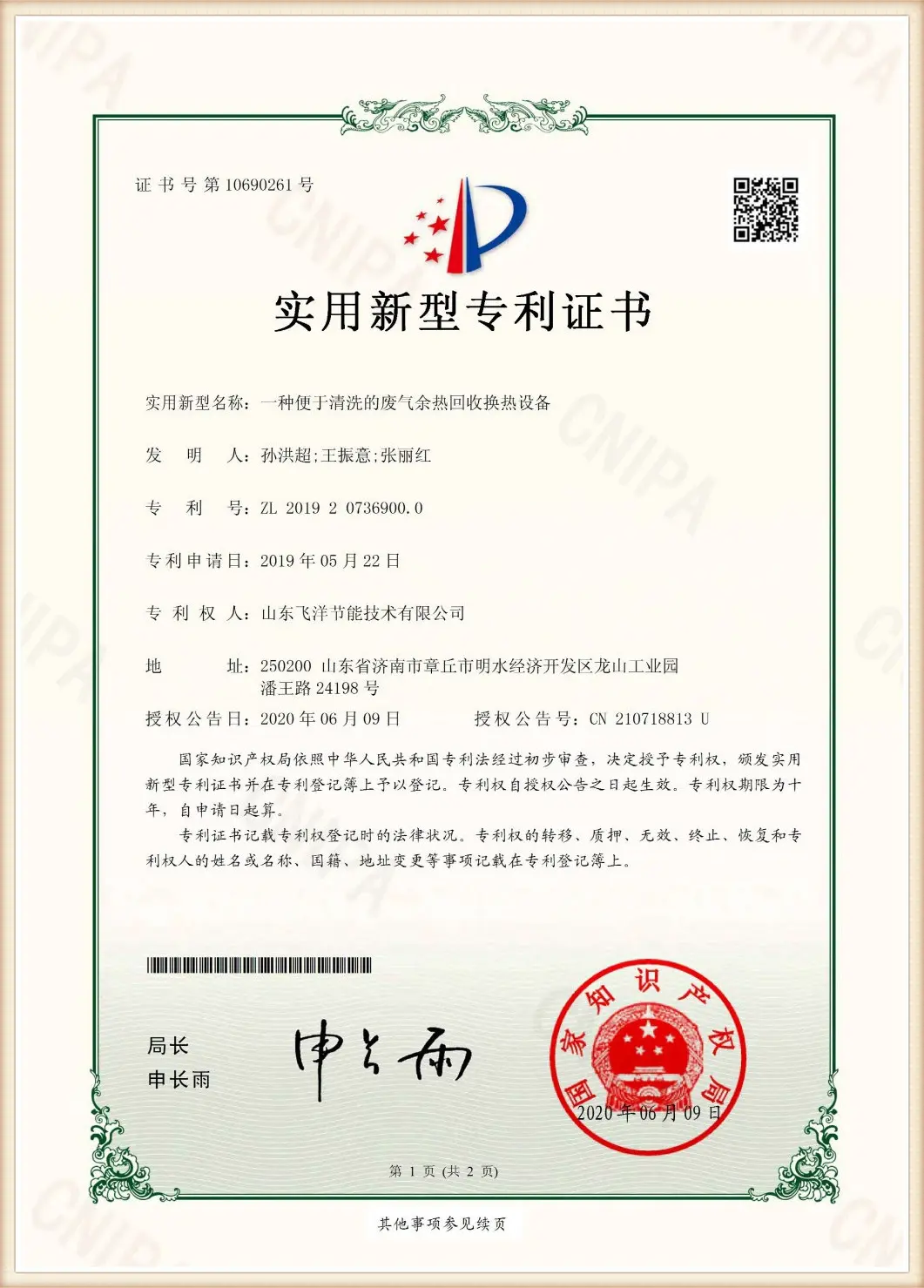
Specializing in plate heat exchangers, it features patented corrugated plate design, achieving 2-3 times higher heat exchange efficiency than conventional equipment.
The products cover 8 core areas such as air conditioning, heating and ventilation, and central heating. The solutions have been verified by projects in many places around the world, and can accurately match different regional conditions and compliance requirements.
The whole process quality control system runs through the production, the products have obtained a variety of certifications, and the preferred stainless steel, titanium and other high-end materials ensure stable and durable in harsh environments.
We provide customized design, after-sales maintenance and one-stop service, multilingual team + efficient supply chain, to ensure that global customers can get timely technical and logistical support.
Adhering to the concept of "quality first" and "winning by quality", the company has established a sound quality assurance system, improved the quality supervision and management of all staff, whole process and all aspects, and made great efforts in product technology, quality and service. The company conscientiously carries out on-site management and rectification work, and establishes a safe and civilized production environment.
Product quality and the quality of purchased materials are inseparable. Therefore, the company asks the purchasing department to determine the list of qualified suppliers and strengthen the contact with each supplier to ensure product quality.
Every stage of production—from sheet stamping to hydrodynamic pressure validation—is strictly executed within our ISO-compliant facility.
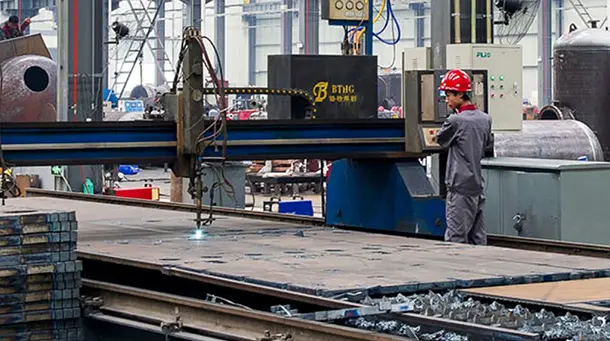
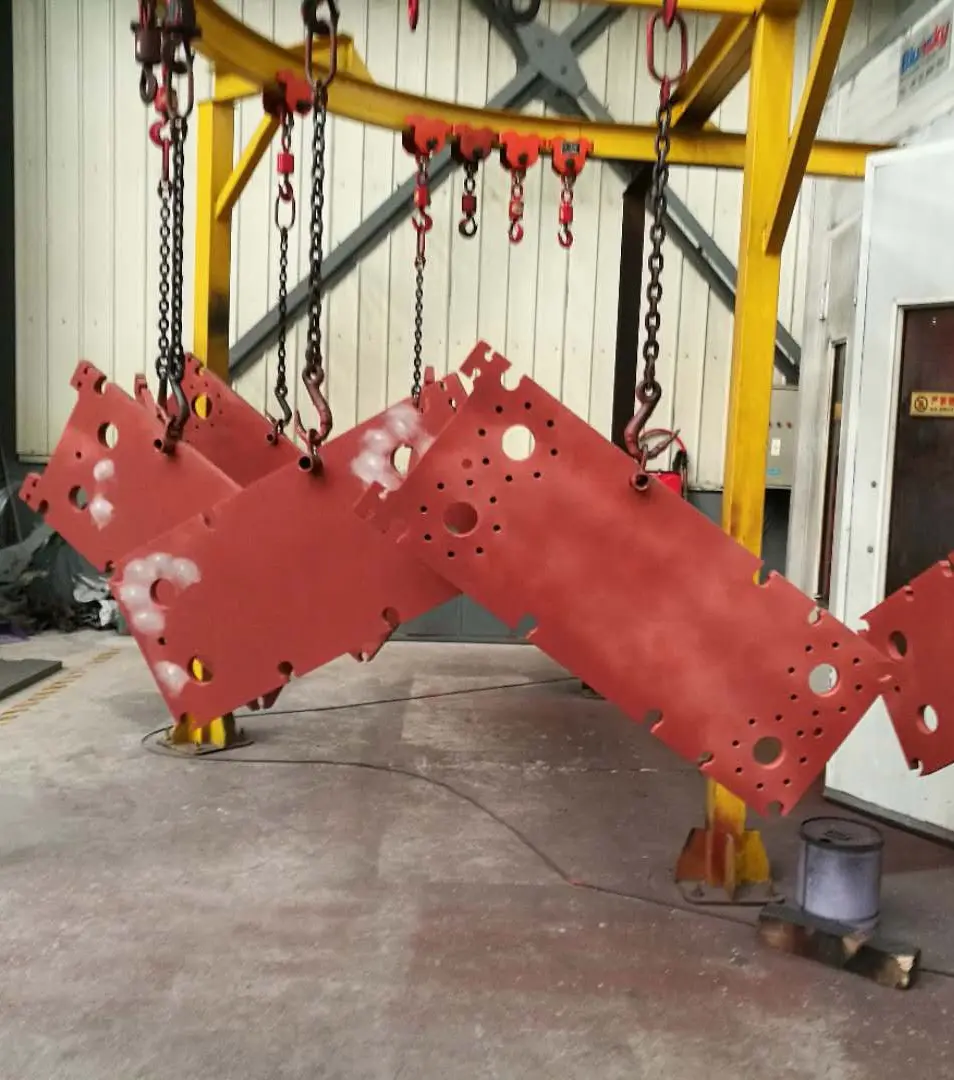
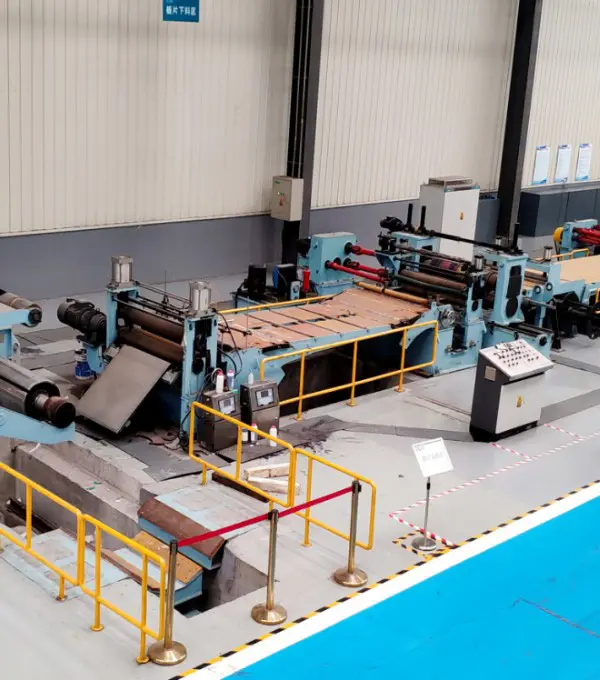
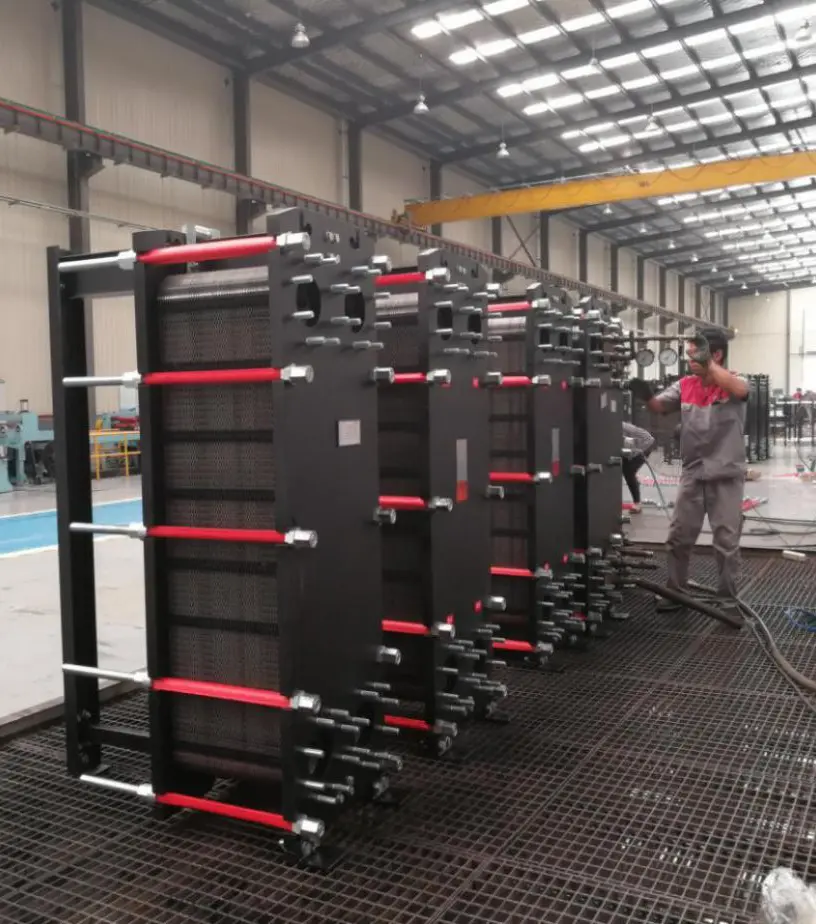
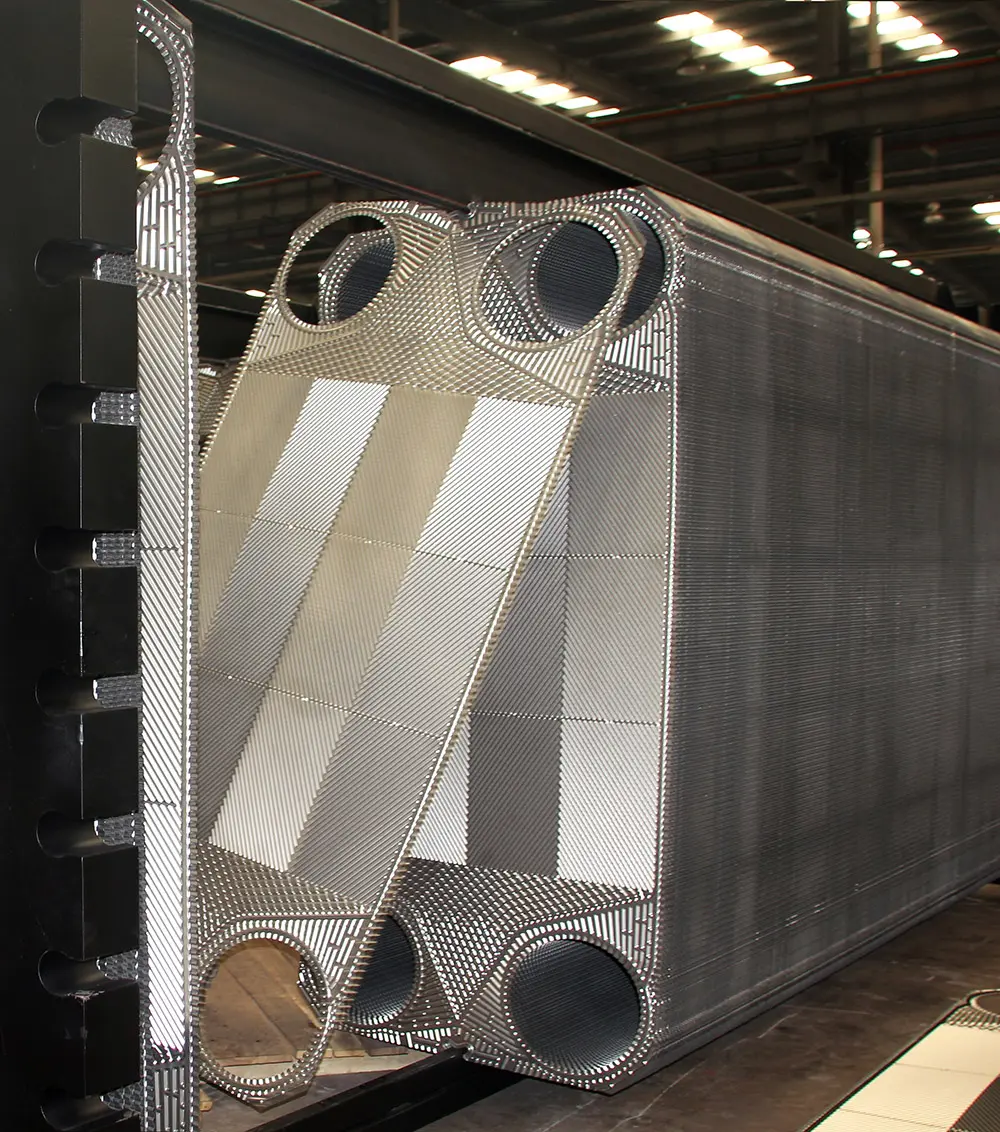
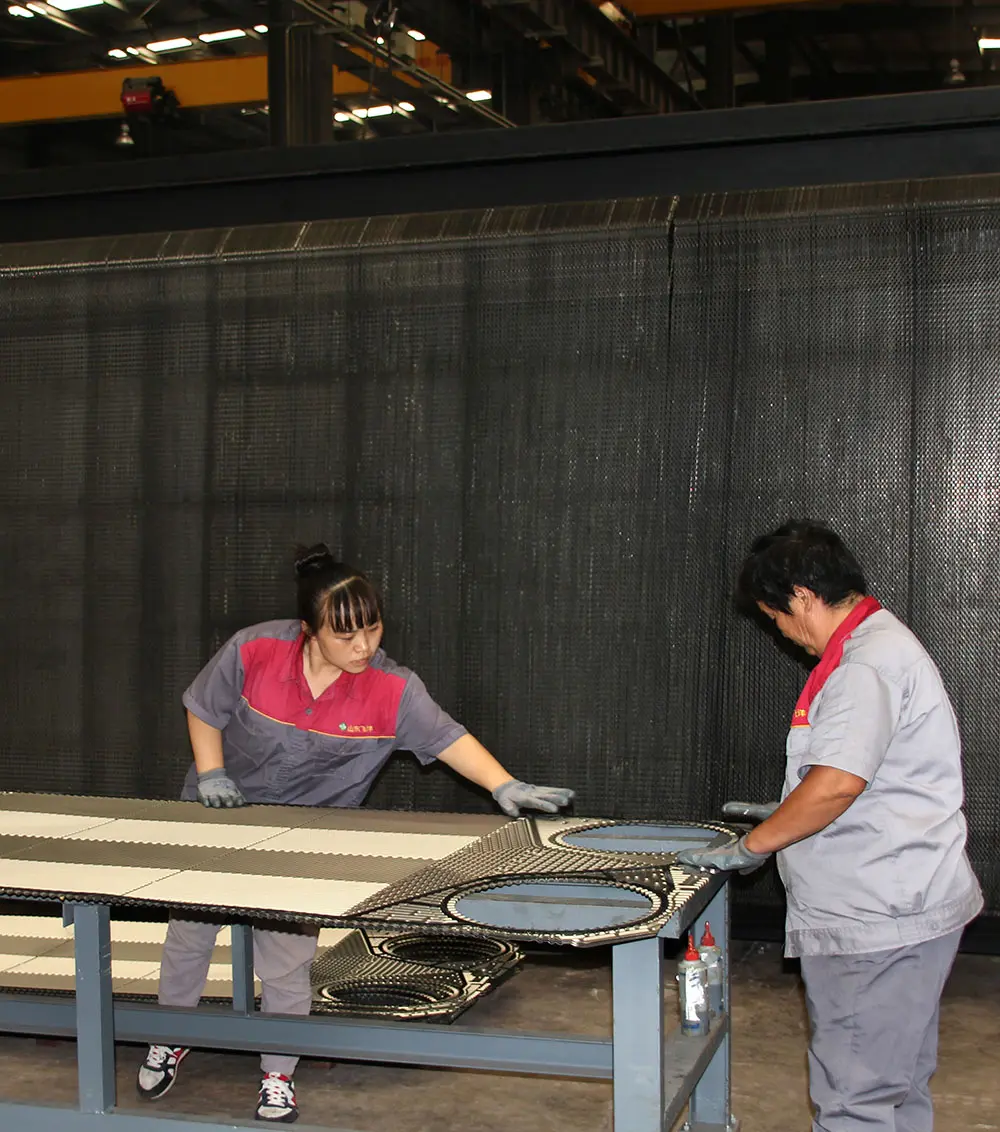
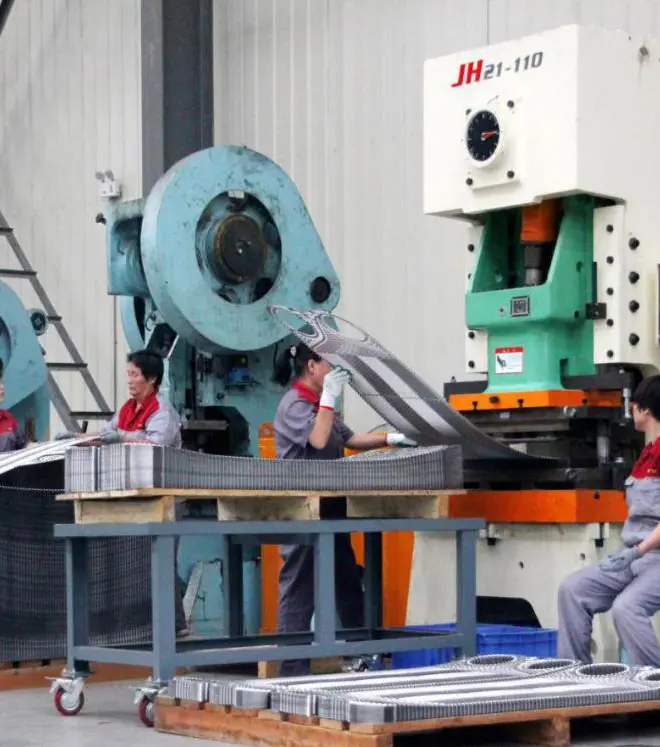
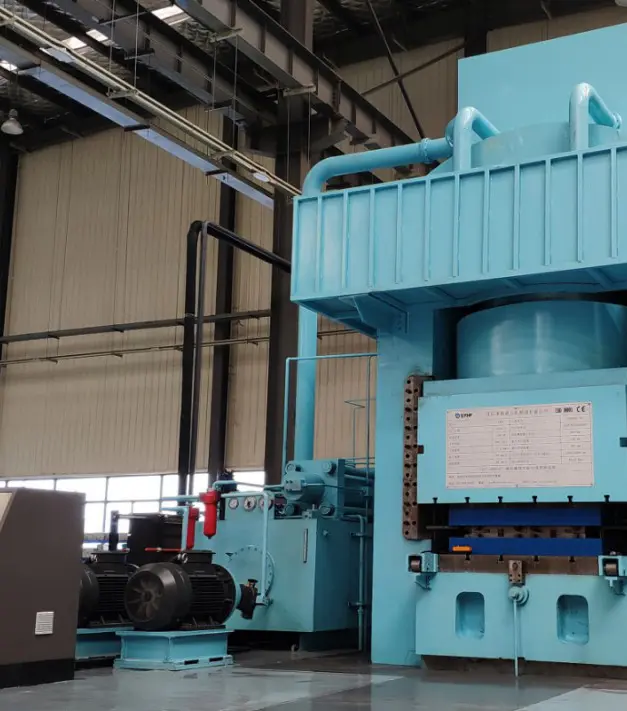
Verified operations, machinery, and qualifications reflecting our three decades of industry dedication.
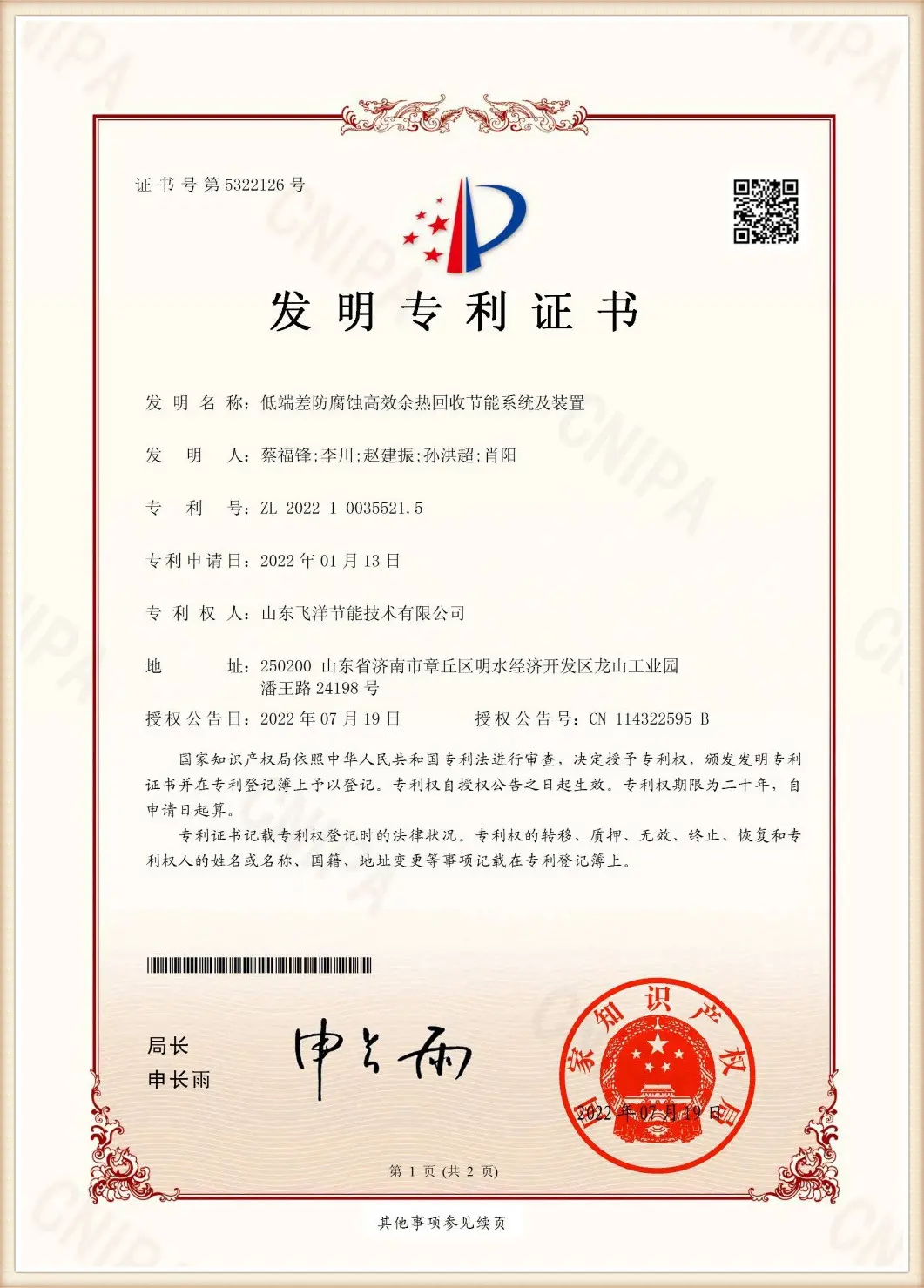
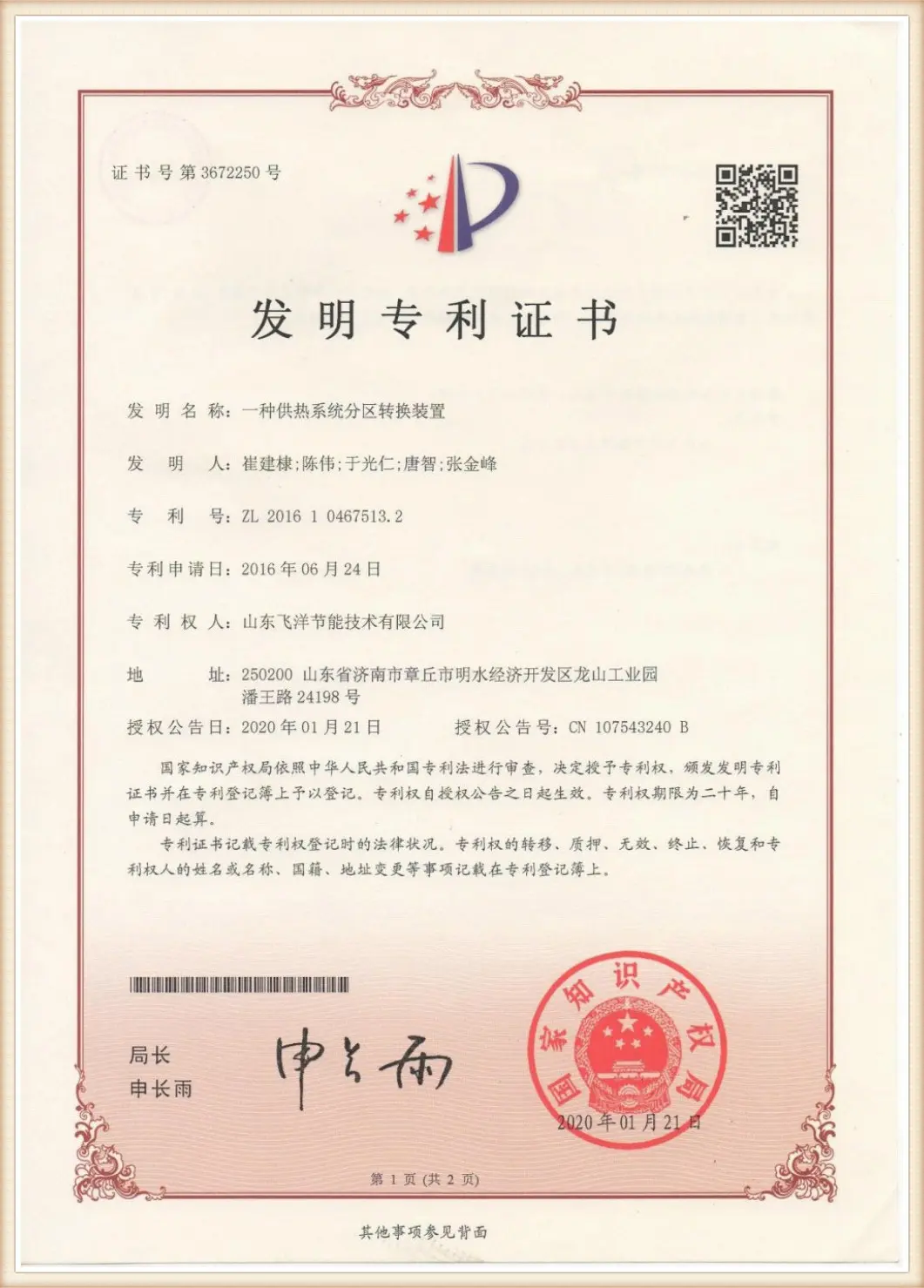
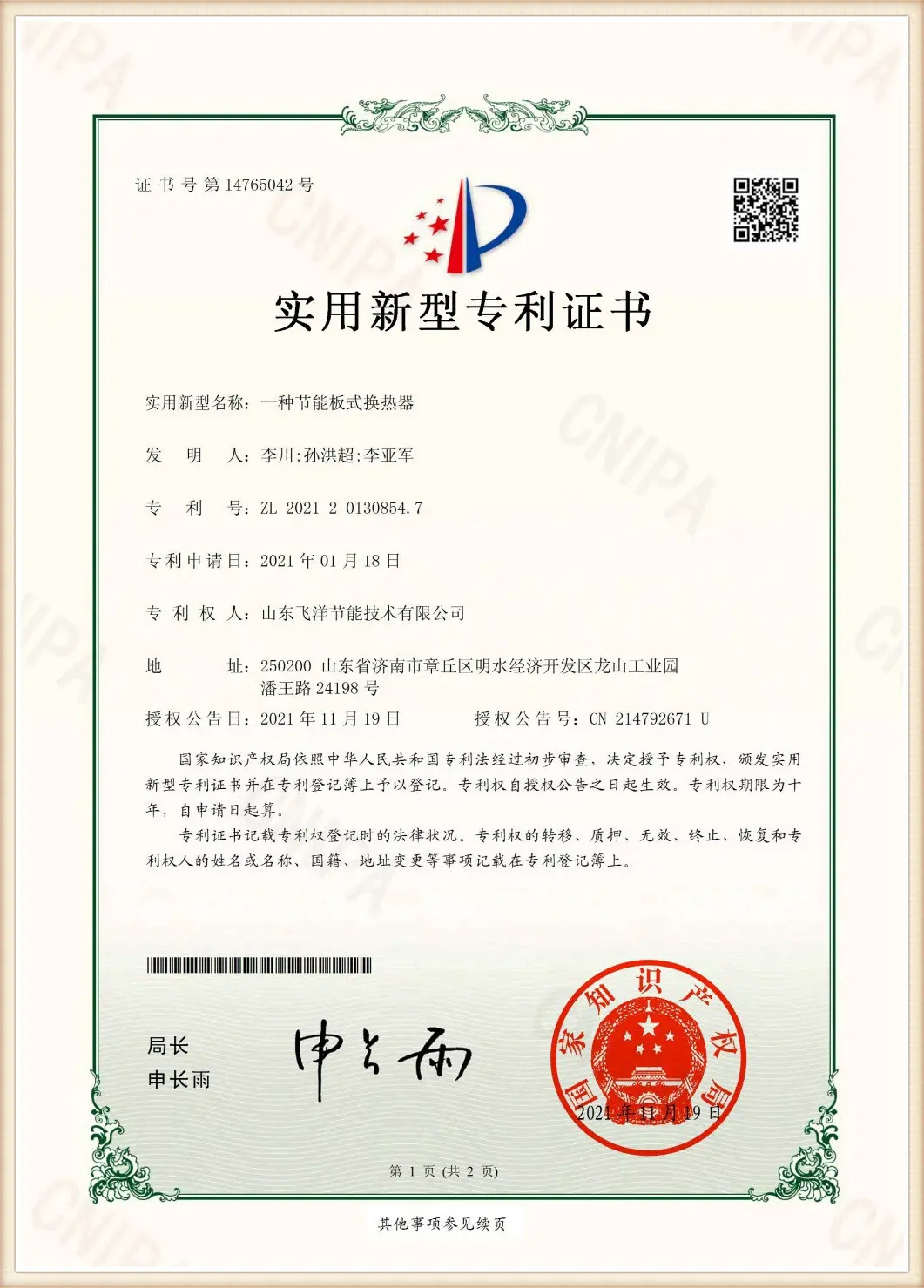
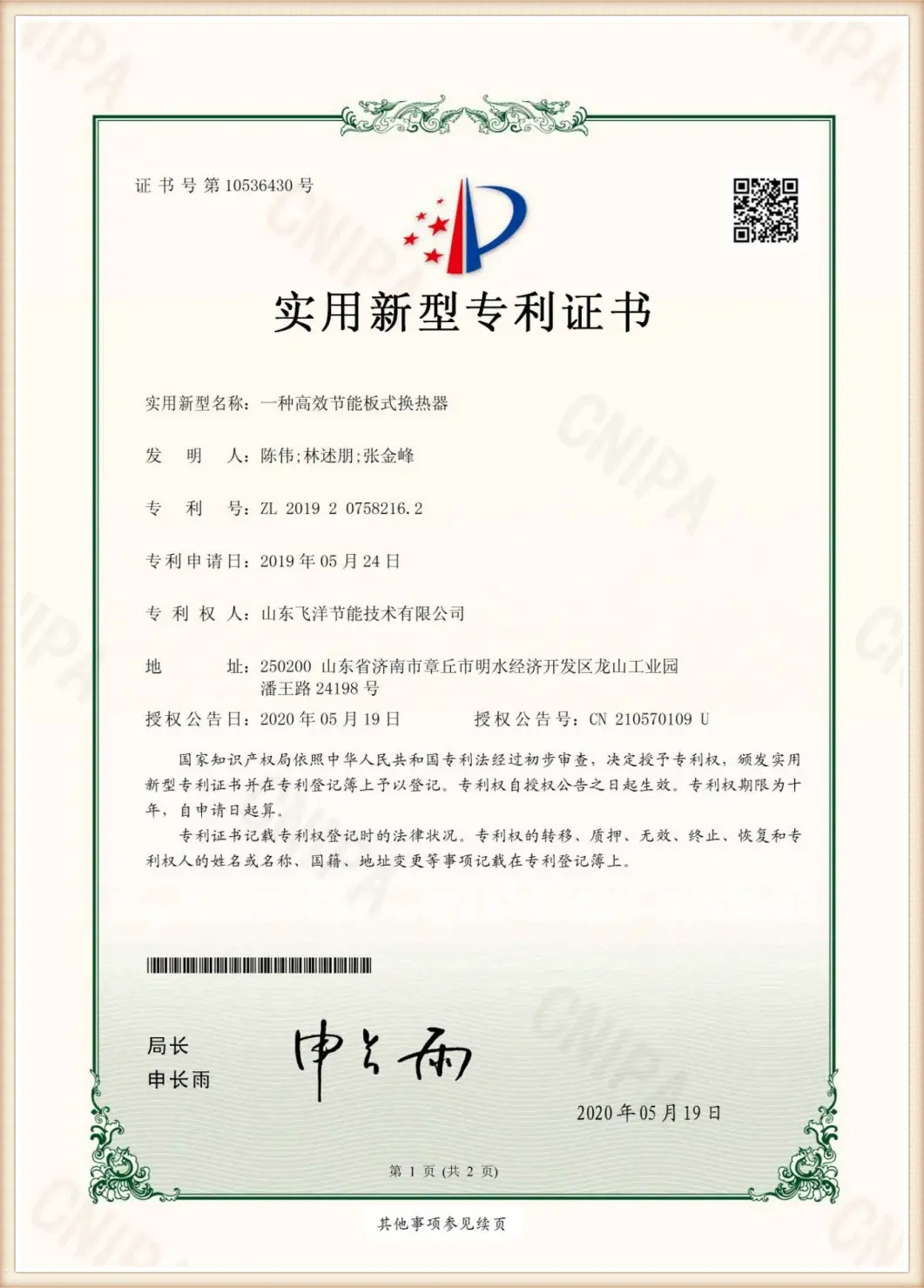
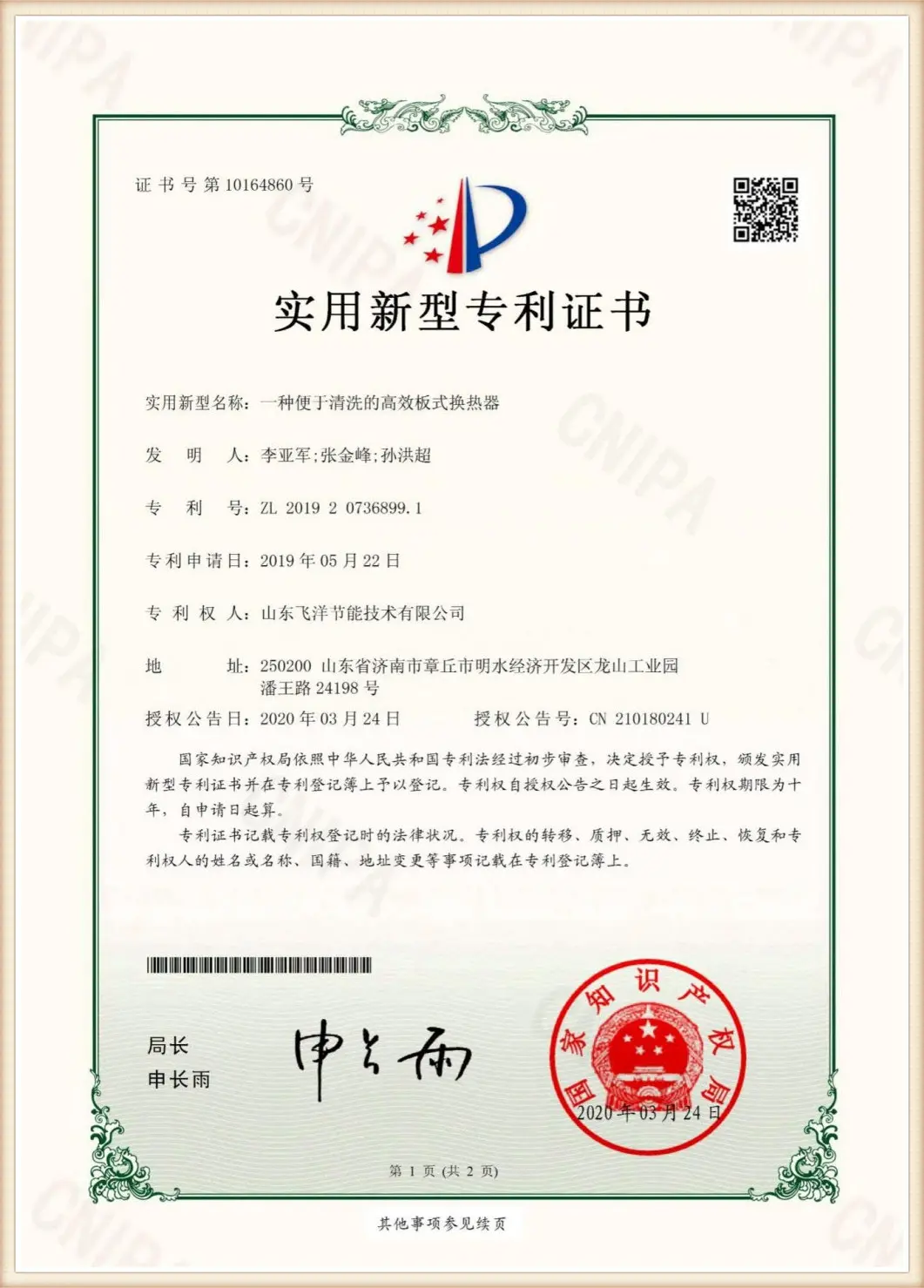
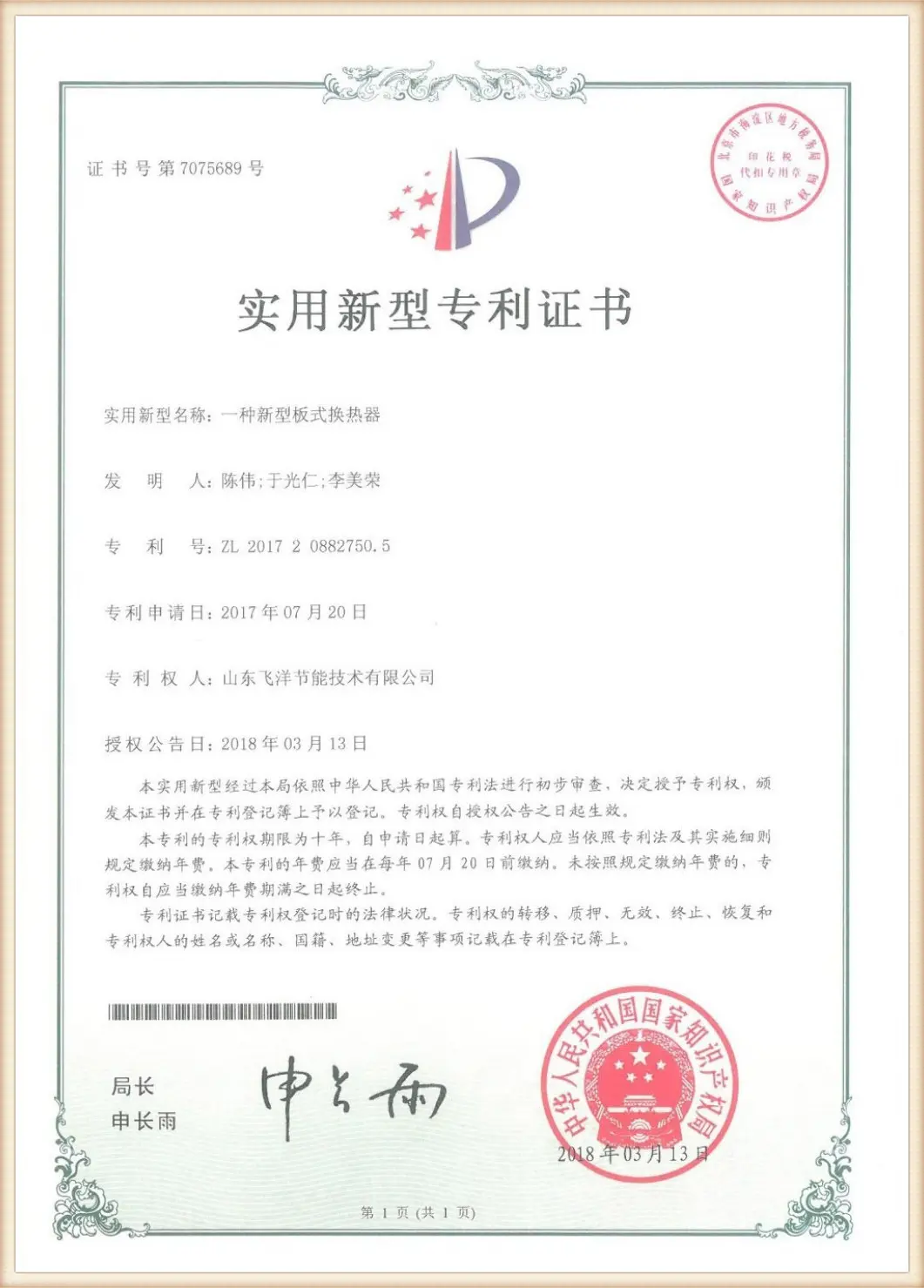
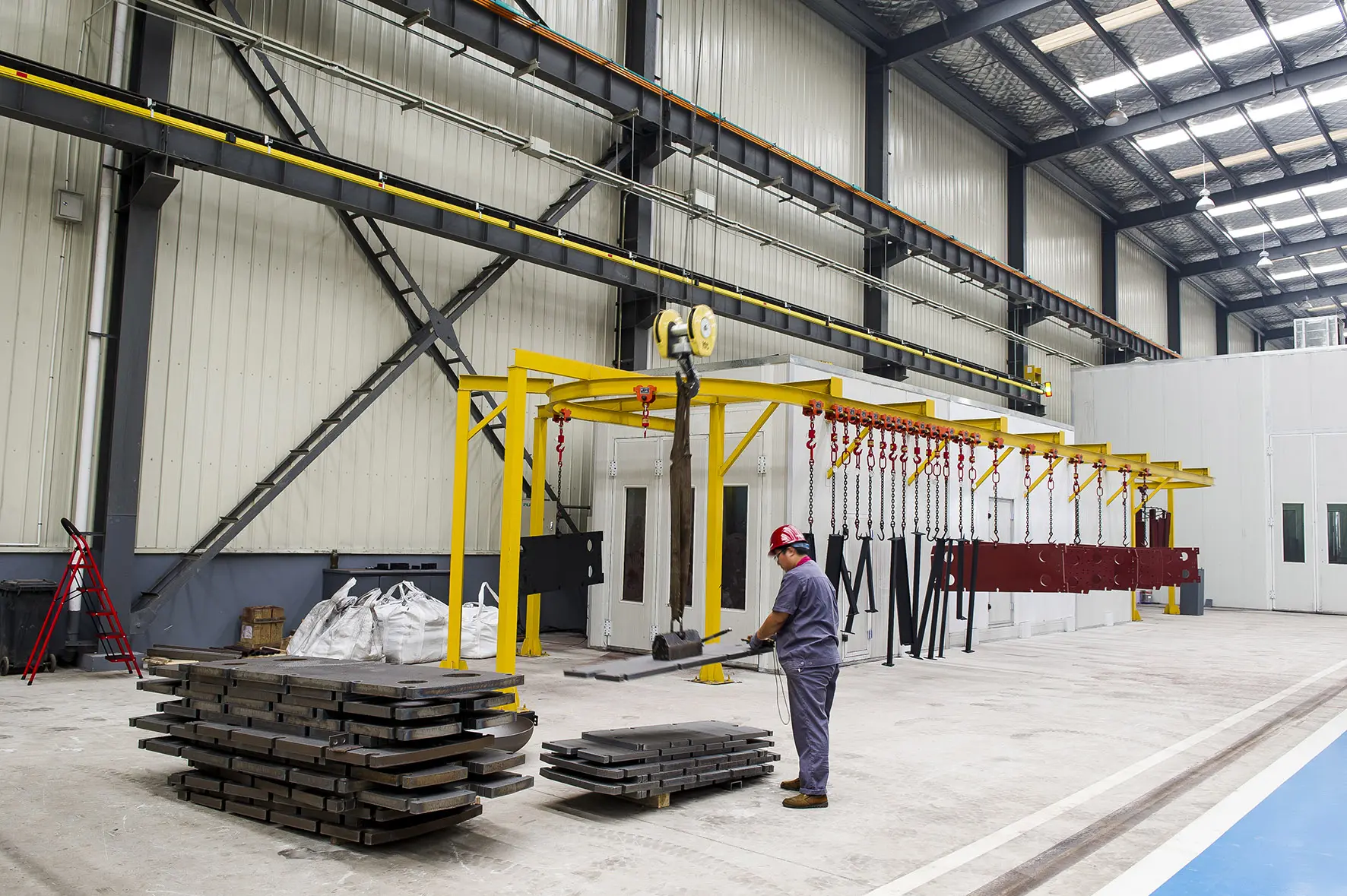
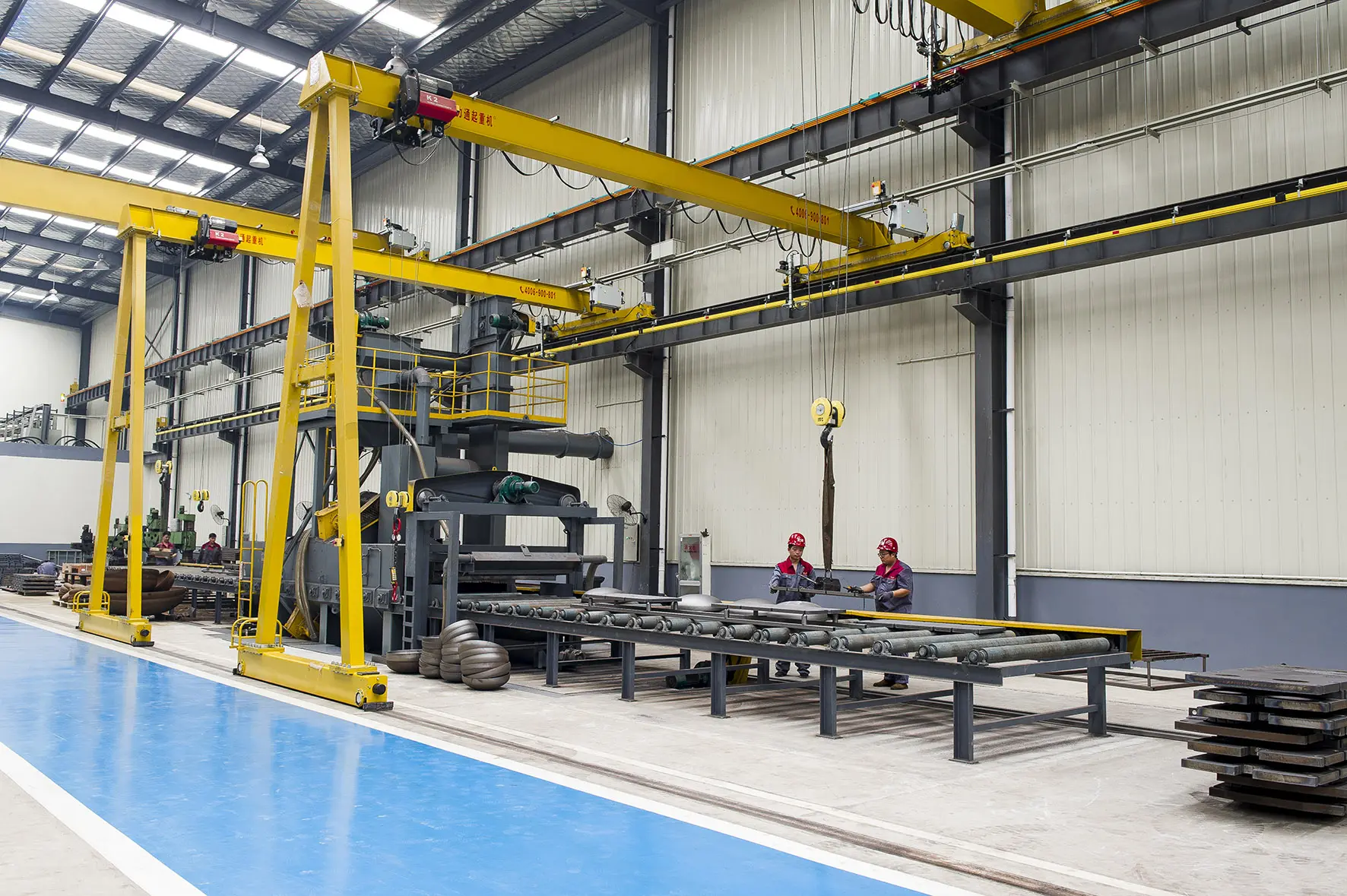
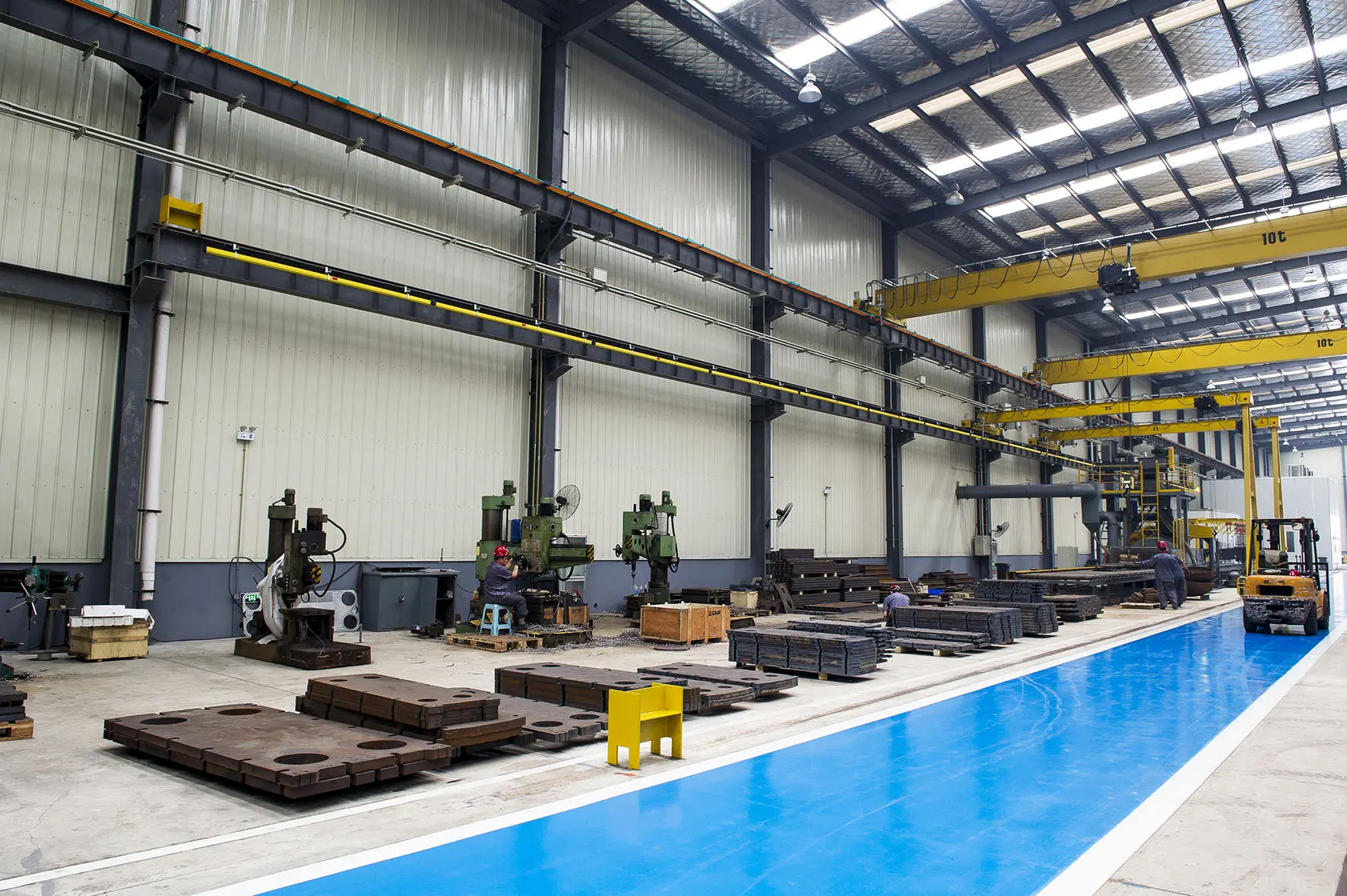

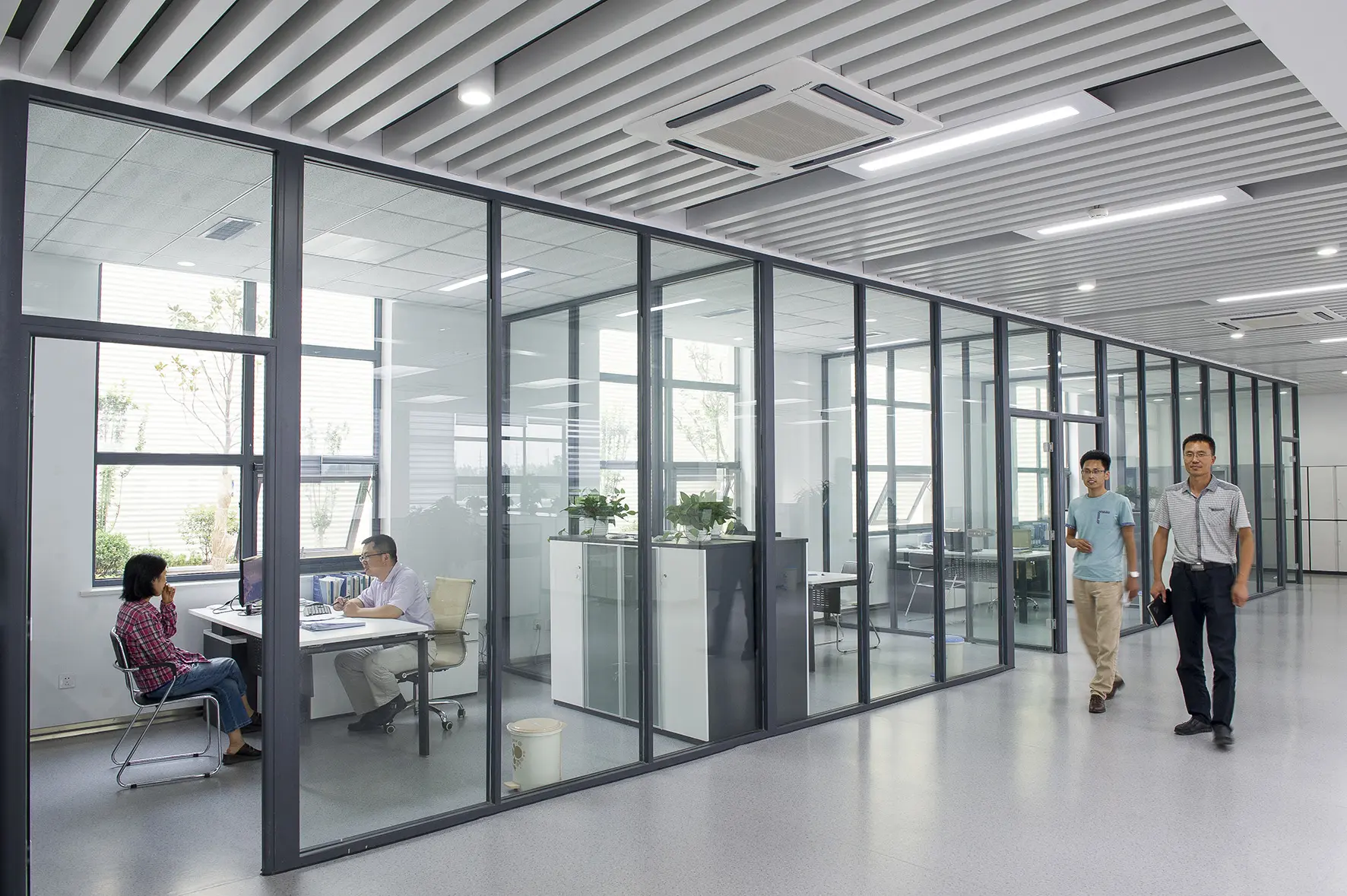

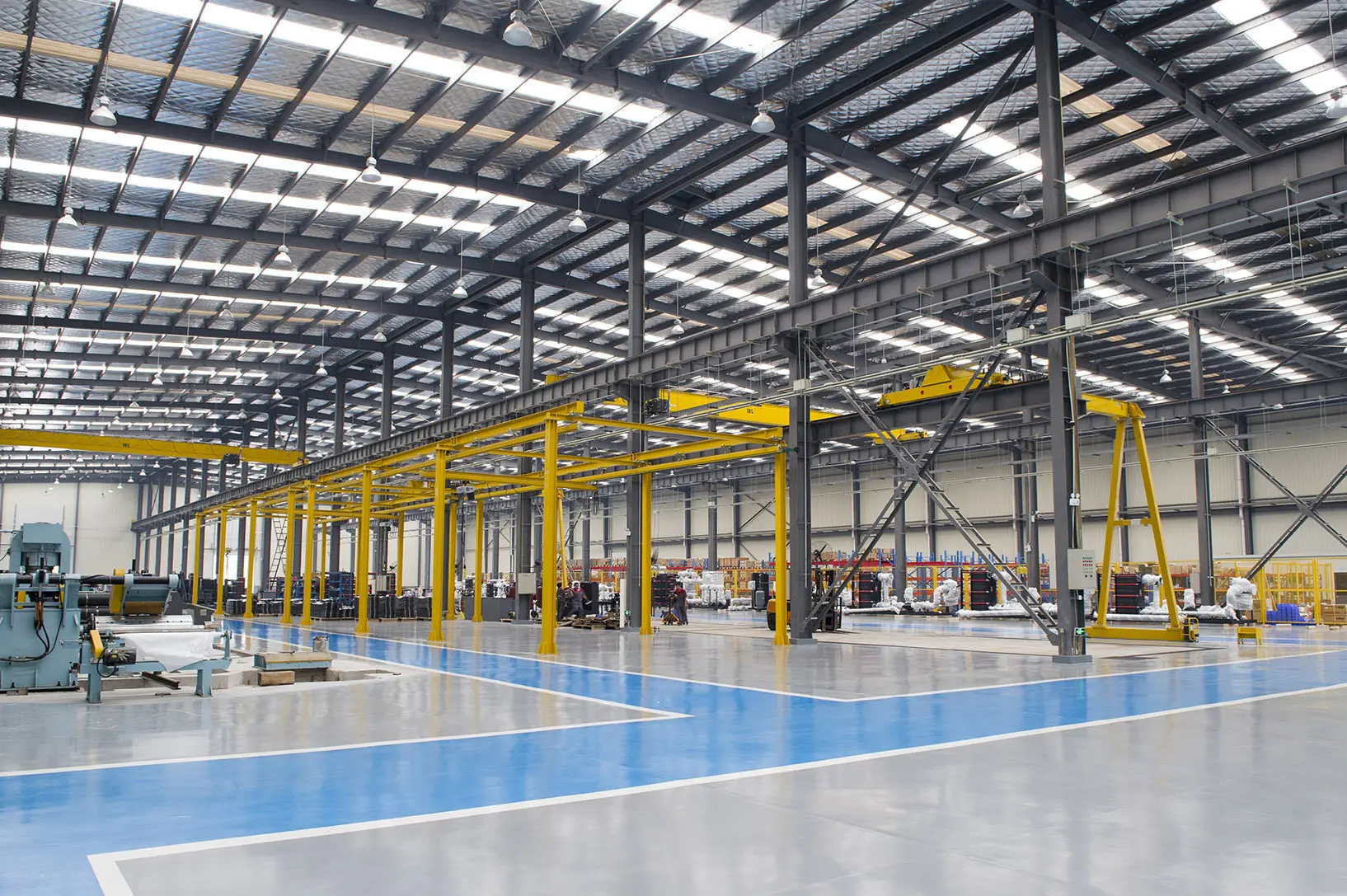
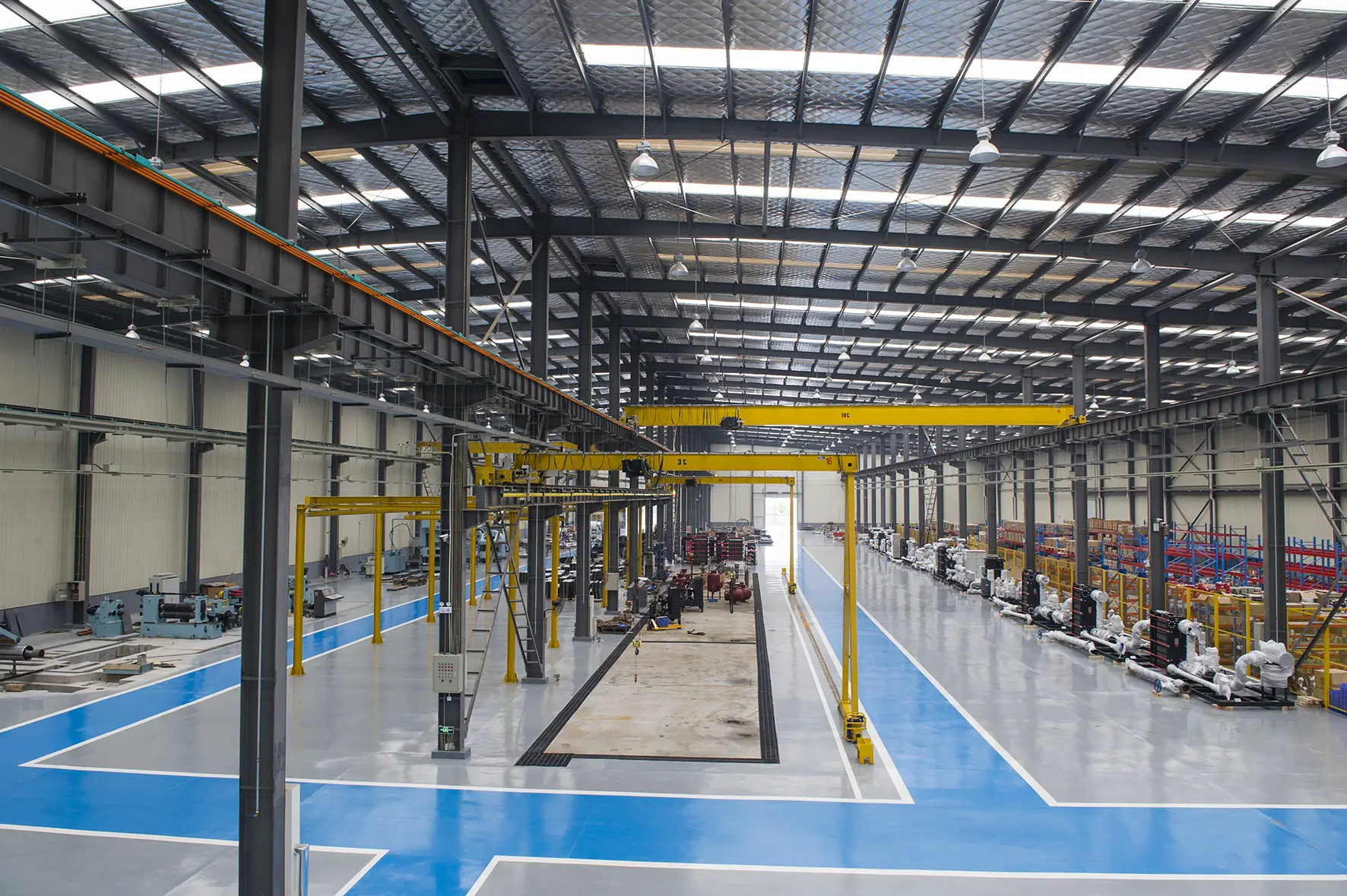
The convergence of AI, material science, and intelligent network monitoring in modern thermal engineering.
As international focus shifts toward structural carbon reduction, the role of high-performance plate heat exchangers in maximizing industrial efficiency is expanding. Our engineering department is actively pursuing a technical roadmap characterized by three main themes:
Using computational fluid dynamics (CFD) paired with neural networks, we optimize plate corrugation geometry to create highly turbulent boundary layers with minimal shear stress. This reduces pump electrical demands while maintaining heat transfer performance.
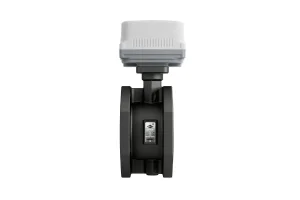
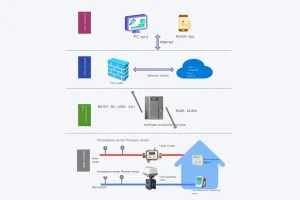
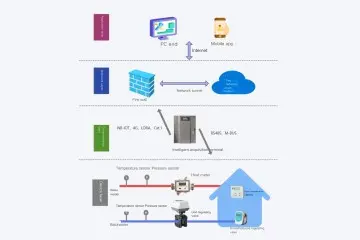
The transition from passive heat exchange to active thermal management is supported by Flotte’s patented Intelligent Heating Network Monitoring System. It feeds real-time sensor data back to a SCADA panel, dynamically adjusting control valves to match building loads.
Our R&D team continues to qualify and test new plate alloys like Titanium-Palladium, Hastelloy C-276, and high-nickel alloys to handle demanding environments, such as marine cooling loops and highly acidic pharmaceutical reactions.
In addition, our patented scale prevention designs alter localized boundary layer velocities, mitigating the buildup of carbonate scale and extending operation intervals by up to 40%.
Answers to common technical queries on plate heat exchanger schematics, selection, and sourcing.
Explore our specialized industrial concentration, multi-effect evaporation, and smart monitoring platforms.
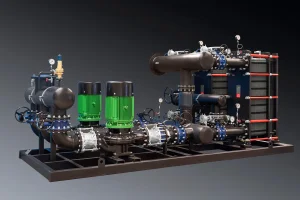
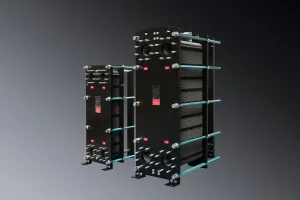
We manufacture a wide range of water and HVAC solutions designed for municipal heating, power plants, chemical industries, and industrial wastewater processing.

 Flotte Energy