Explore our engineering-proven selection of industrial and domestic heat exchanger systems, designed for unmatched efficiency.
Demystifying thermodynamic modeling algorithms and their direct influence on thermal and hydraulic system efficiency.
In process engineering and HVAC design, the selection of a Plate Heat Exchanger (PHE) is a complex thermodynamic challenge. Relying on basic logarithmic mean temperature difference (LMTD) hand calculations is no longer sufficient. Modern selection software serves as the computational core, utilizing advanced algorithms to model fluid flow, pressure drop tolerances, shear stress thresholds, and heat transfer coefficients simultaneously.
By inputting key thermodynamic parameters—such as mass flow rate, specific heat capacity, inlet/outlet temperatures, physical properties of fluids, and maximum allowable pressure drop—the selection software analyzes thousands of plate combinations. It evaluates the impact of chevron corrugation angles, channel configurations (single-pass or multi-pass), and plate lengths to provide an optimized solution. This high-precision design process minimizes surface area margins, reduces equipment costs, and prevents underperforming thermal installations.
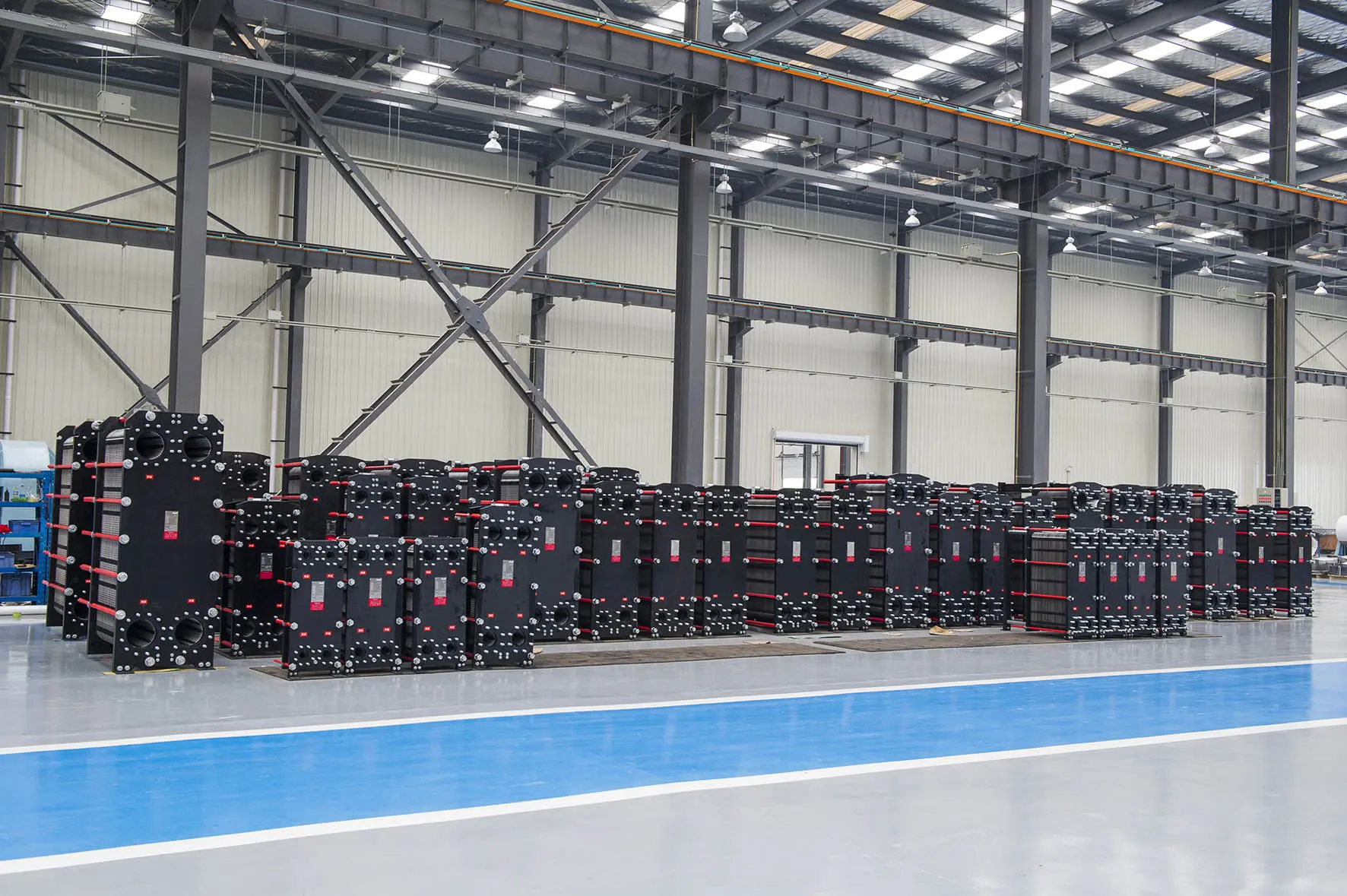
Established in 2013 with a registered capital of 101 million yuan, Flotte Energy Saving Company originated from Flotte Thermal Engineering founded in 1995. With three decades of dedicated technical expertise, the company specializes in water equipment, HVAC systems, and water treatment industries. It consistently leads industry peers in adopting cutting-edge technologies, developing innovative products, and delivering comprehensive production and sales services.
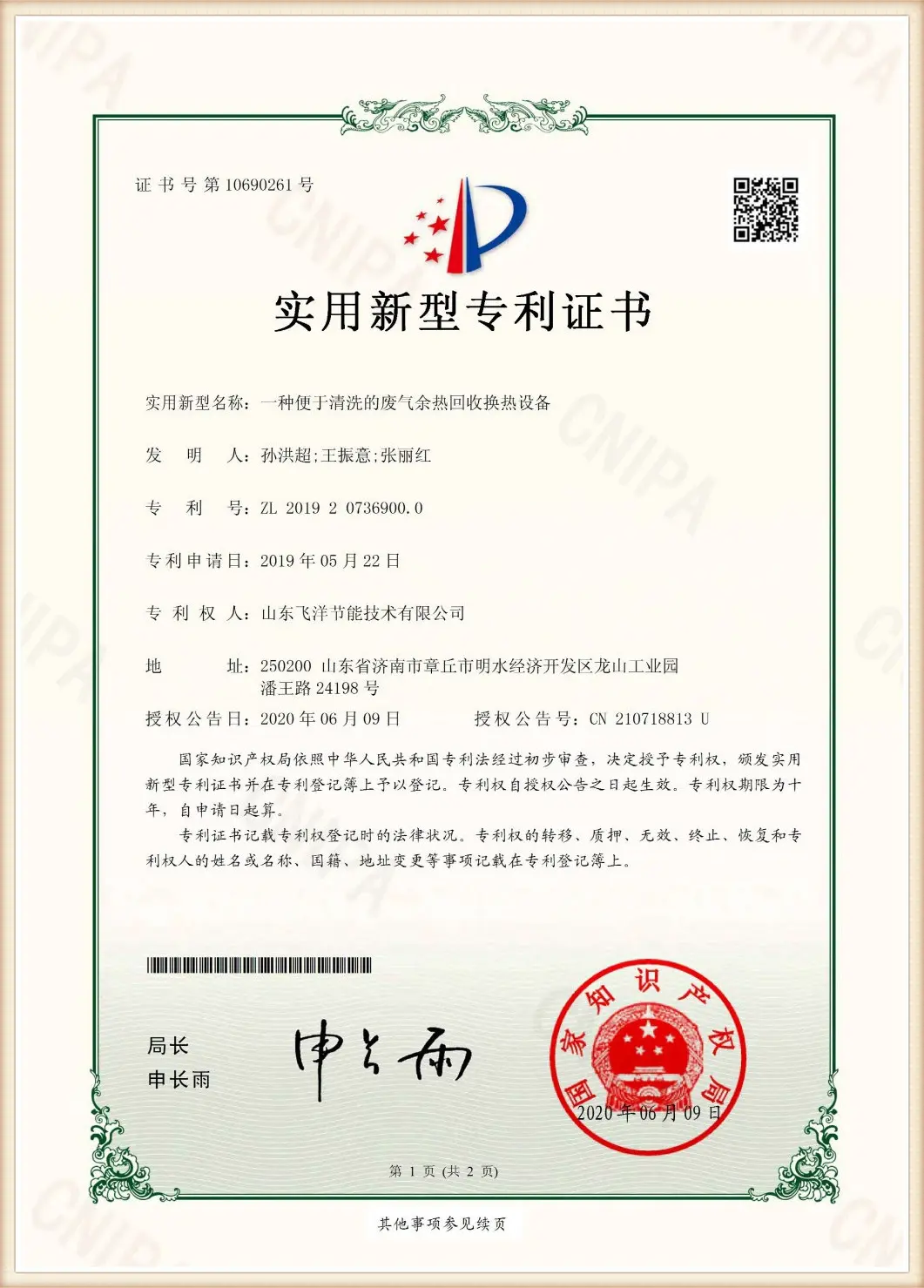
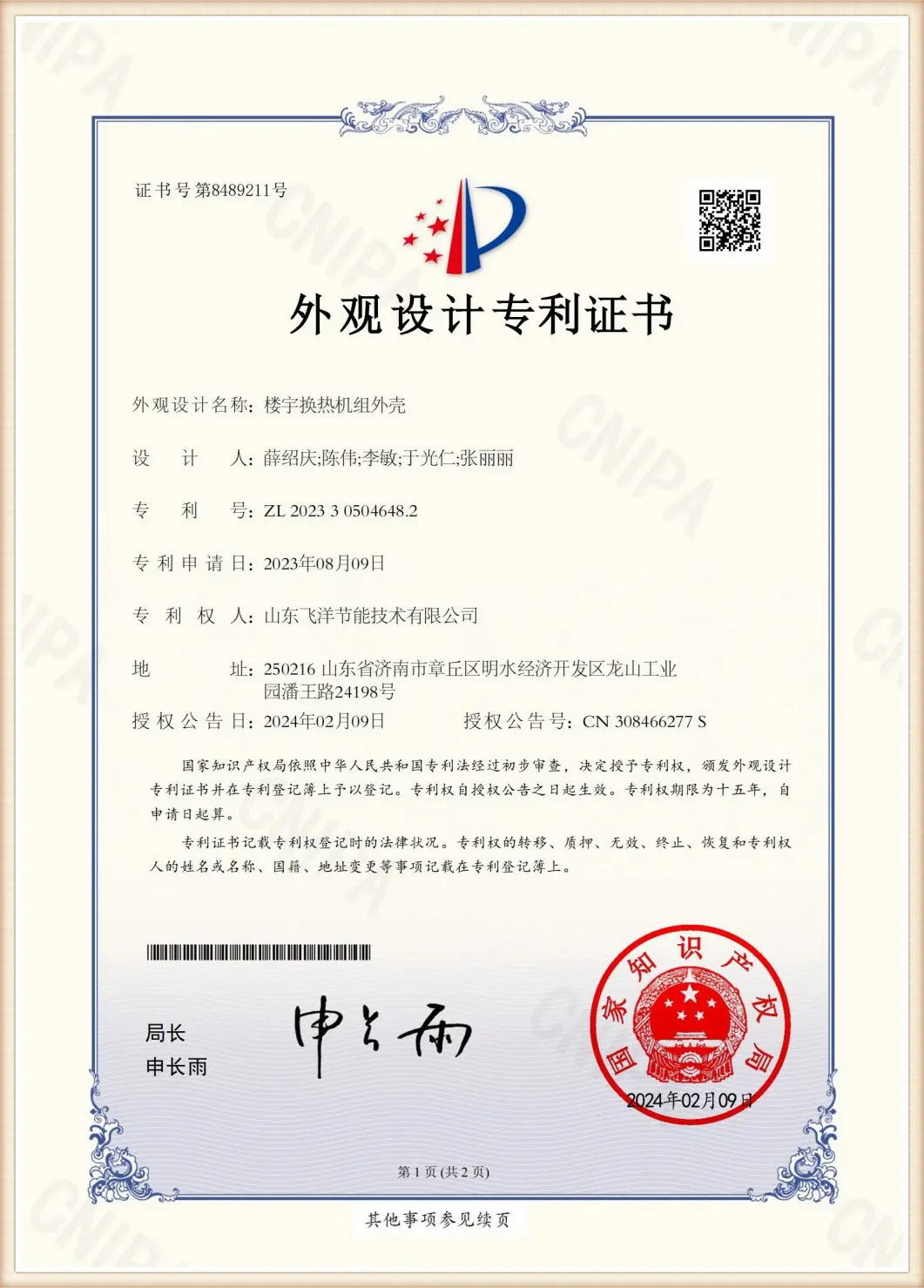
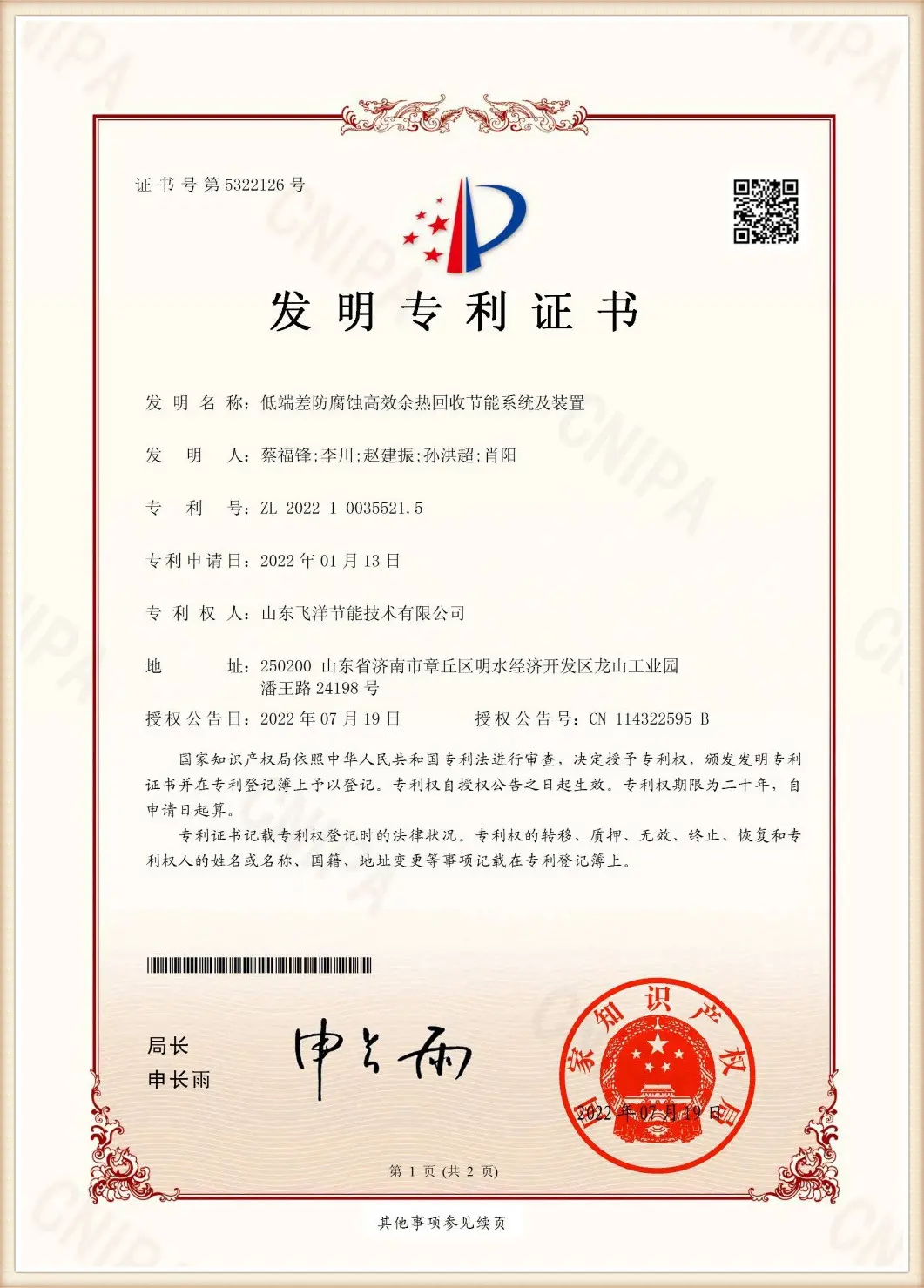
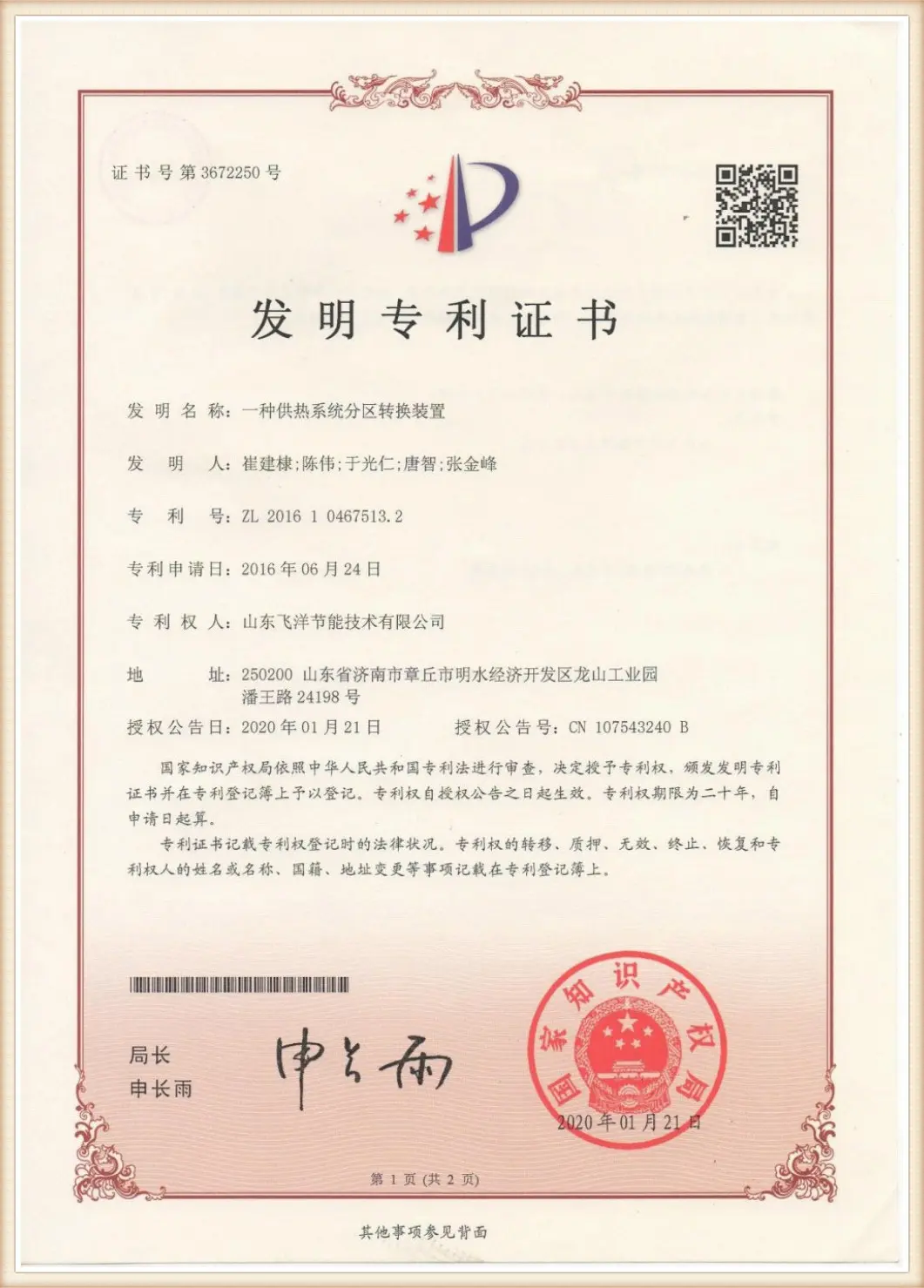
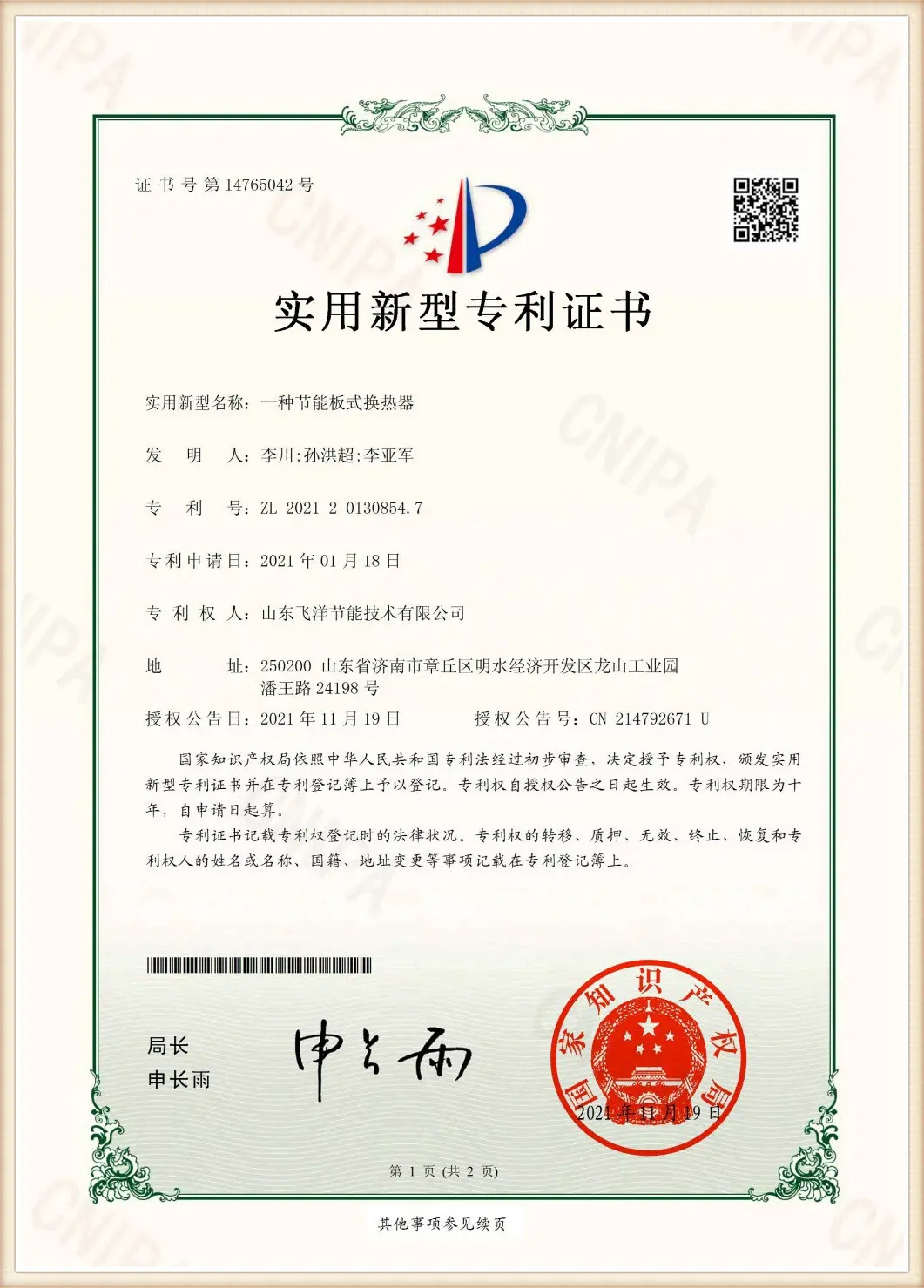
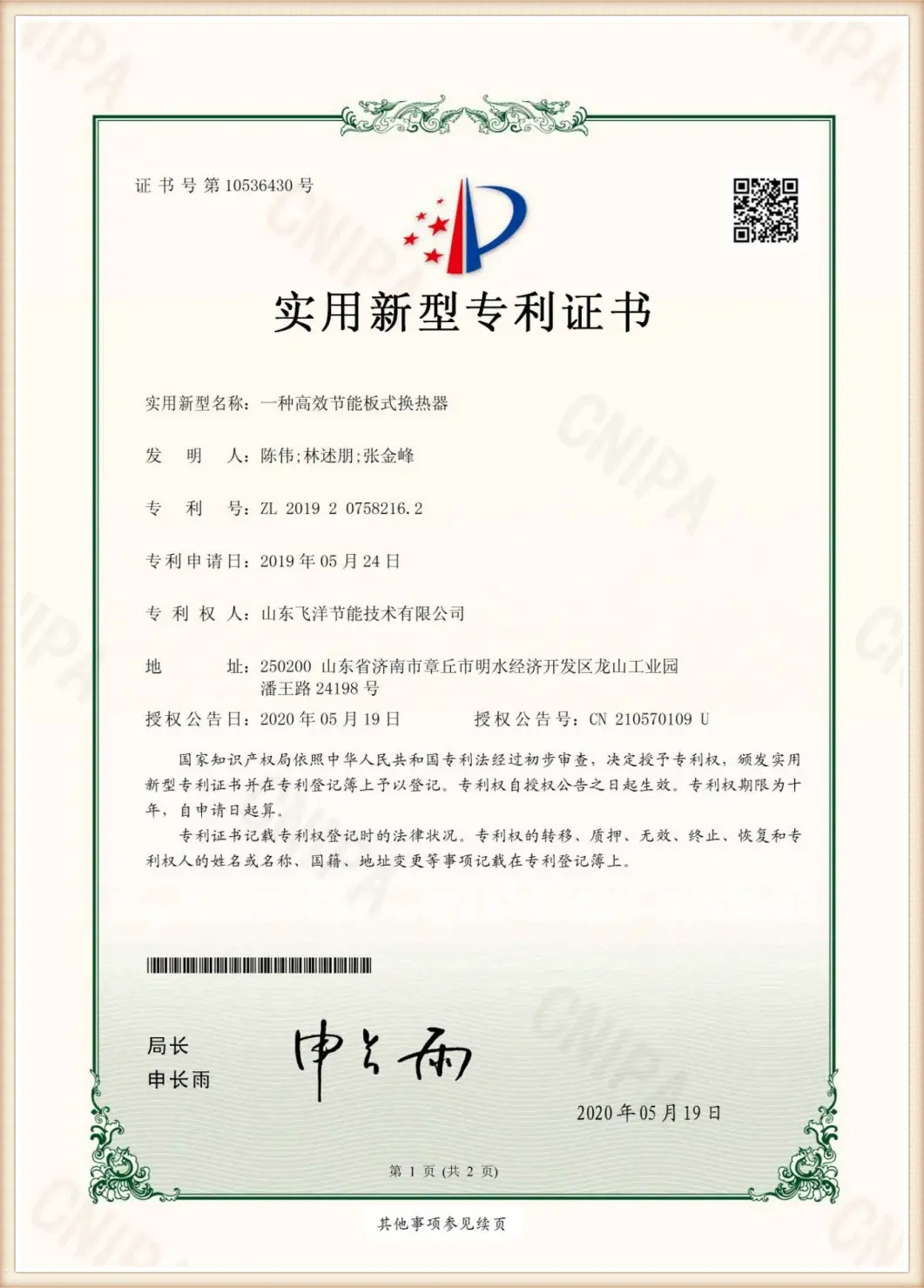
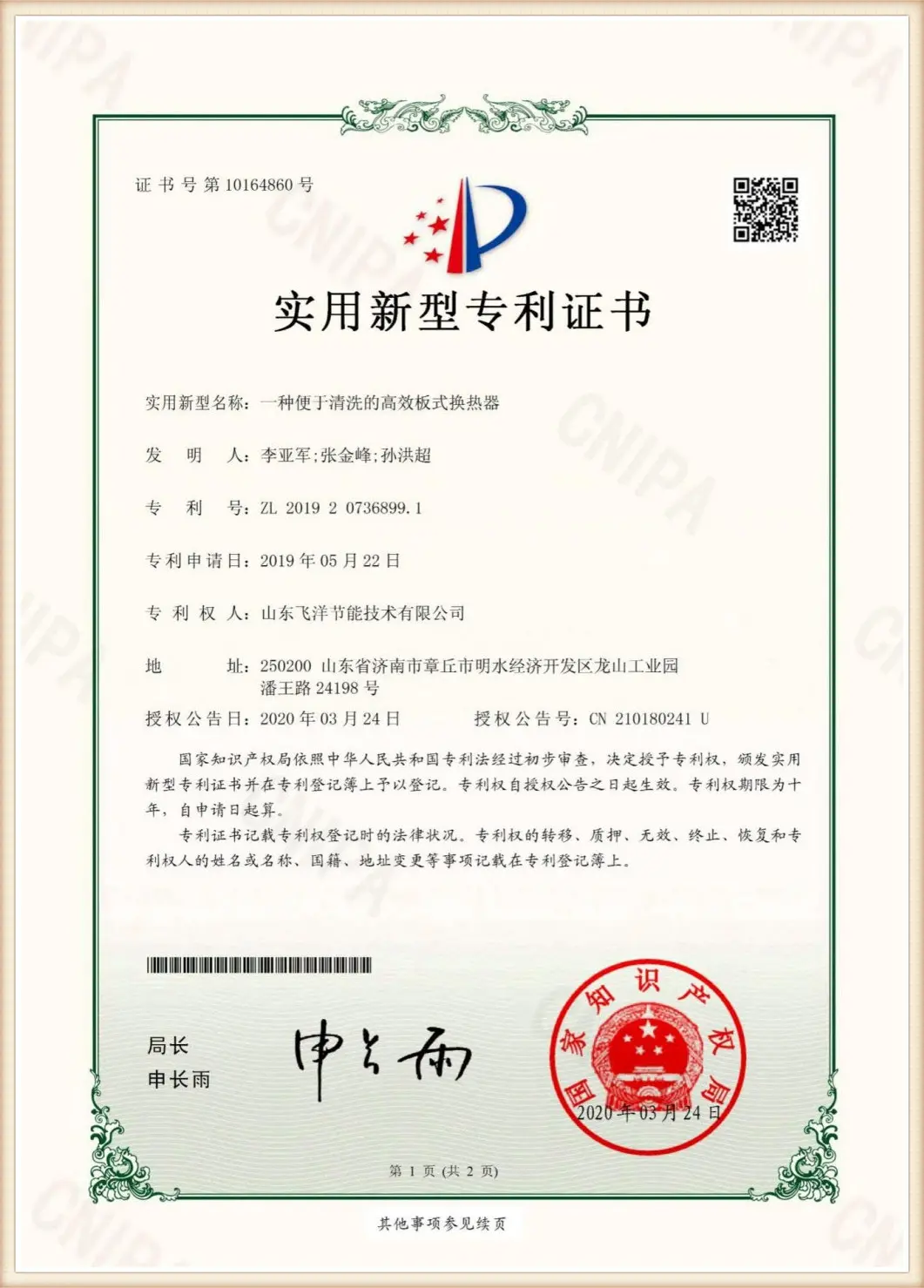
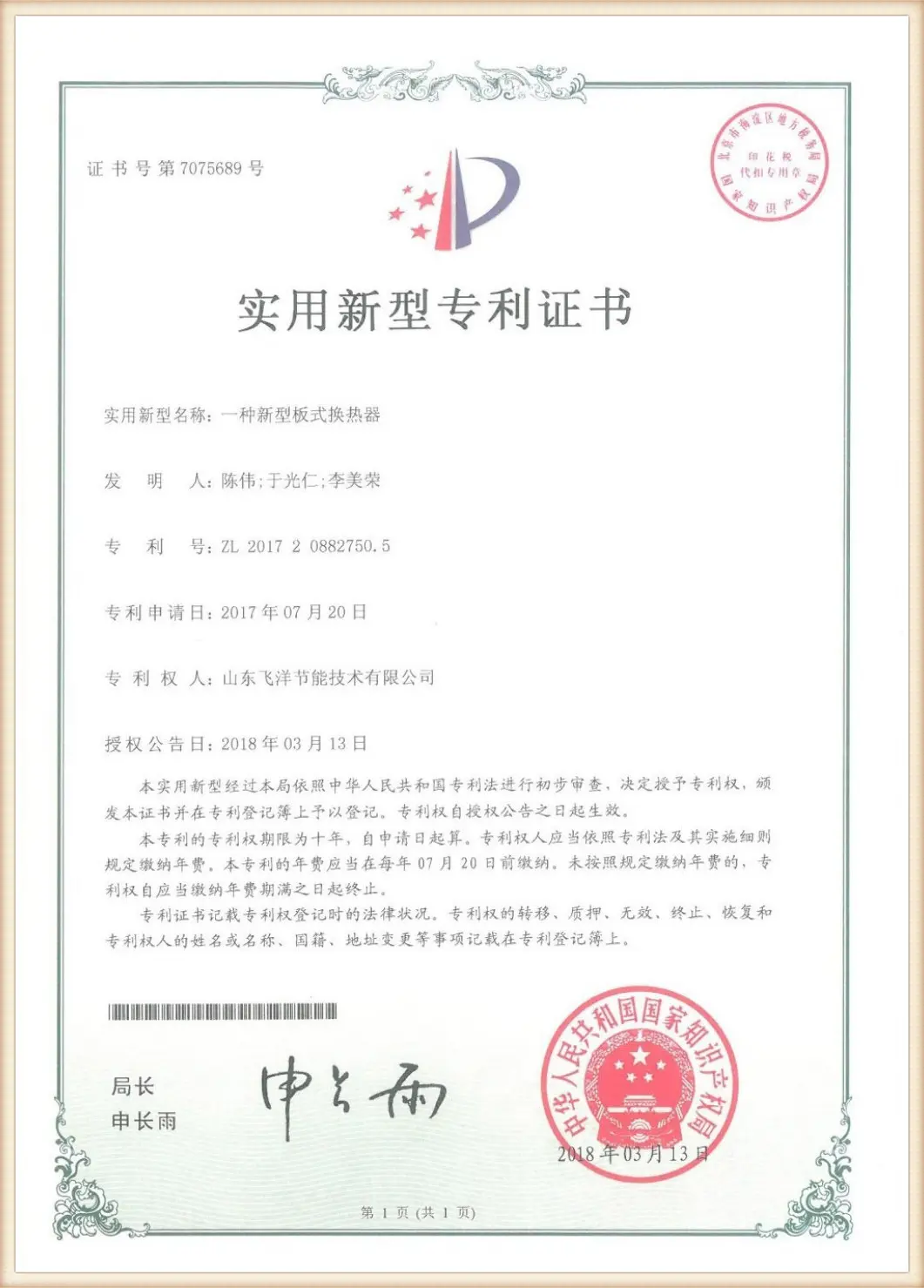
Continuous innovation drives Flotte's development, supported by multiple patent certifications including "High-Efficiency Plate Heat Exchanger", "Intelligent Plate Heat Exchanger System", and "Plate Heat Exchanger Scale Removal Device" (see qualification documentation). Its products have obtained mandatory national product certification and safety registration from the National Standardization Committee, along with the safety registration for plate heat exchangers issued by the National Boiler and Pressure Vessel Standardization Technical Committee. Flotte has achieved ISO9001:2015 Quality Management, ISO14001:2015 Environmental Management, and ISO45001:2018 Occupational Health and Safety Management System certifications.
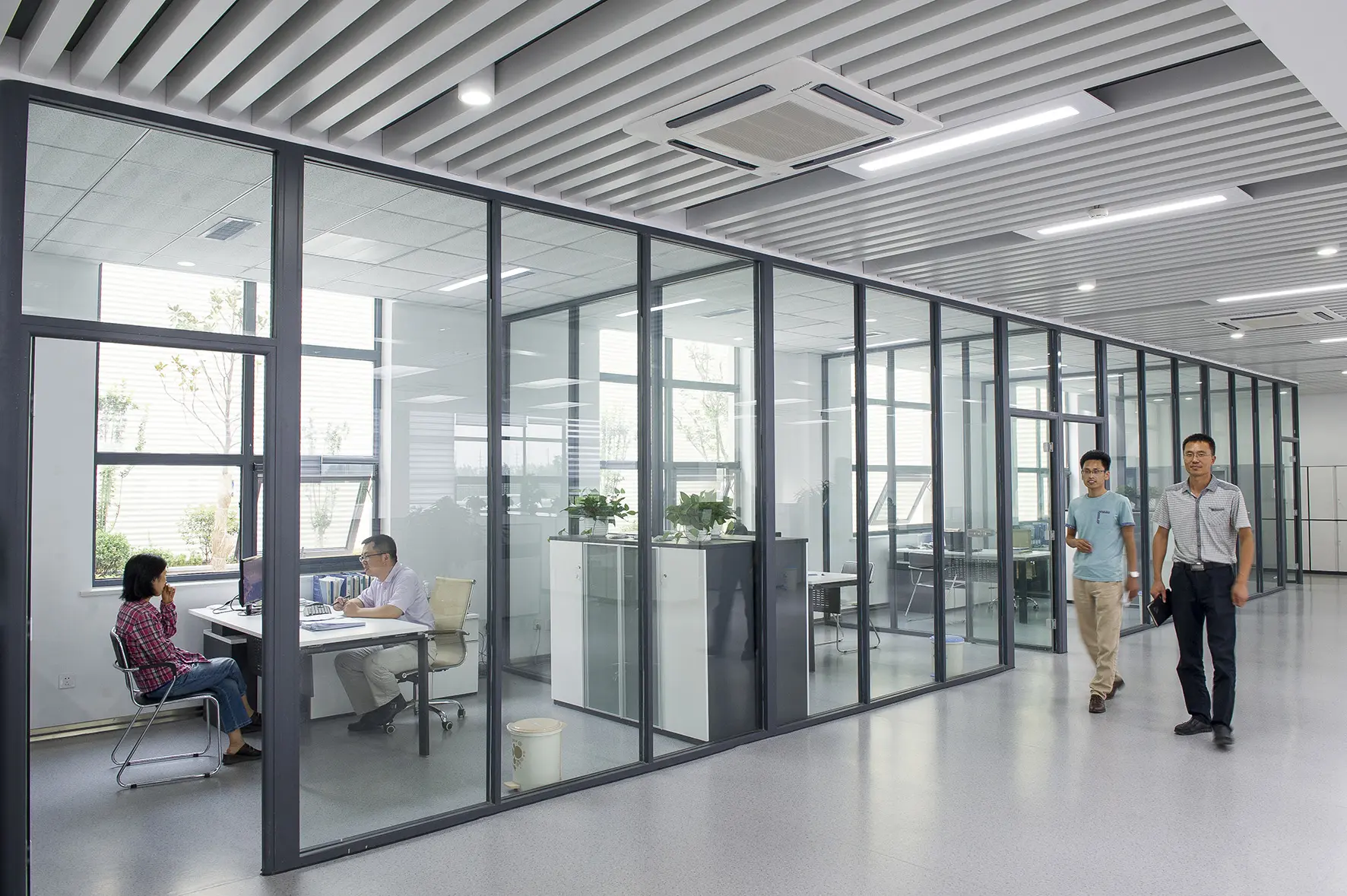
The company relies on professional designers and skilled technical workers. Flotte's designers bring years of experience to ensure the reliability of designed technical products. A dedicated R&D center and advanced laboratory drive technical progress, ensuring that manufactured units meet rigorous global standards.
Having delivered equipment and technical support for multiple key projects, Flotte has cultivated a team of highly skilled technicians and installation specialists. Moving forward, the company will continue to maintain cutting-edge technologies, provide premium products and professional services, while ensuring reliable after-sales support.
Industrial scale, advanced facilities, and a global supply footprint ensuring manufacturing excellence.
How our advanced production facilities and strict quality assurance systems translate into durable, high-performance heat transfer products.
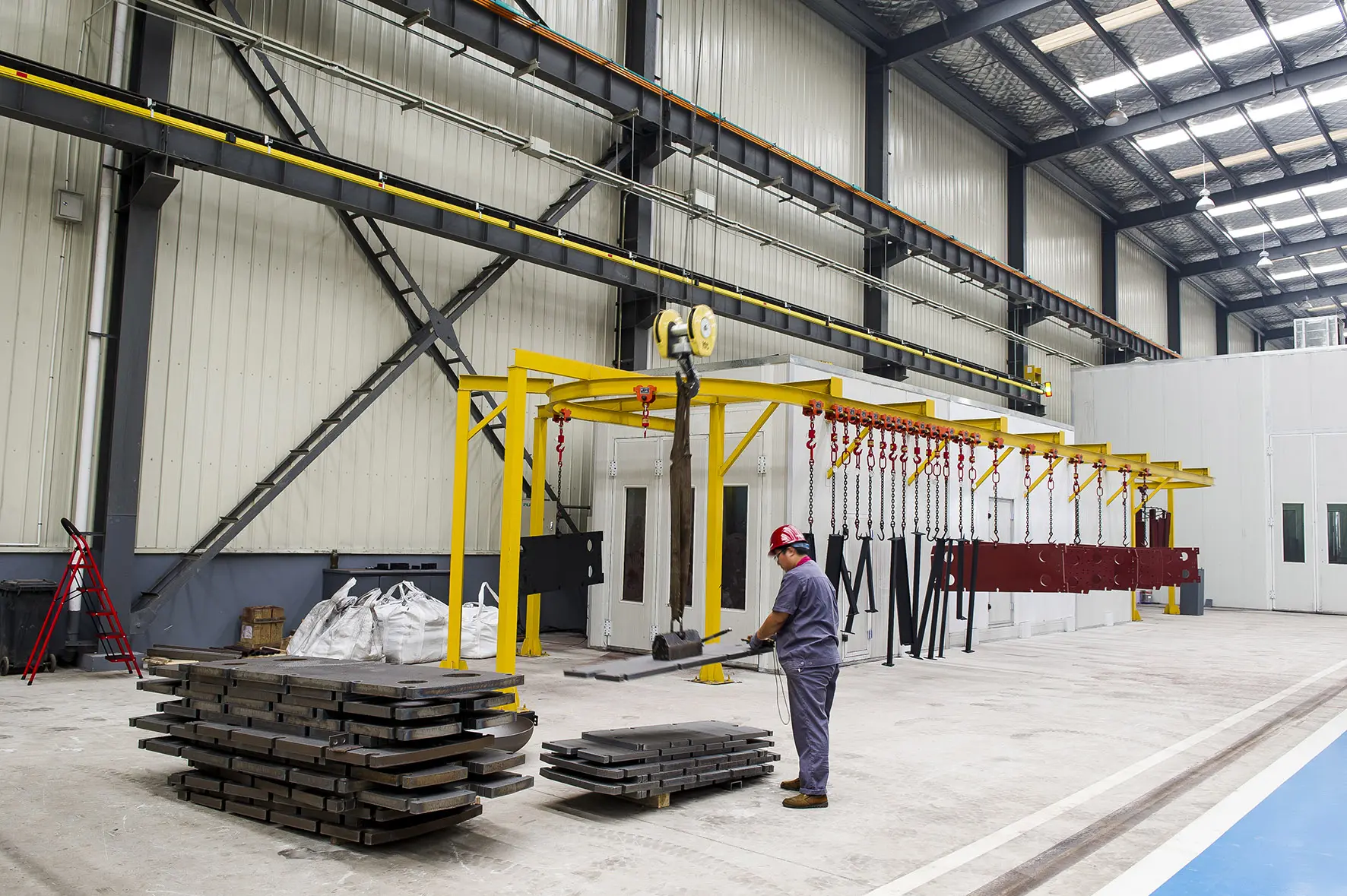
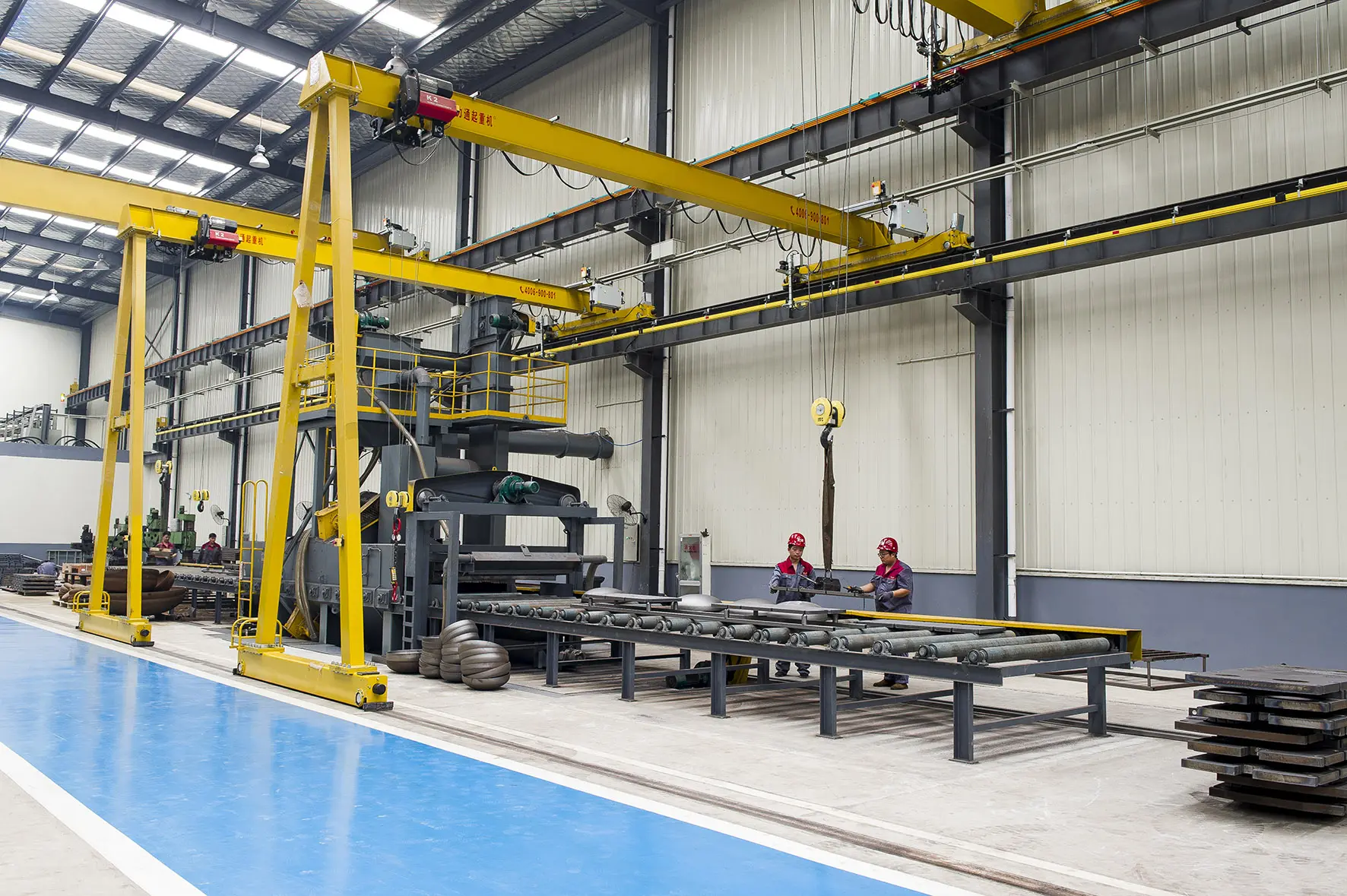
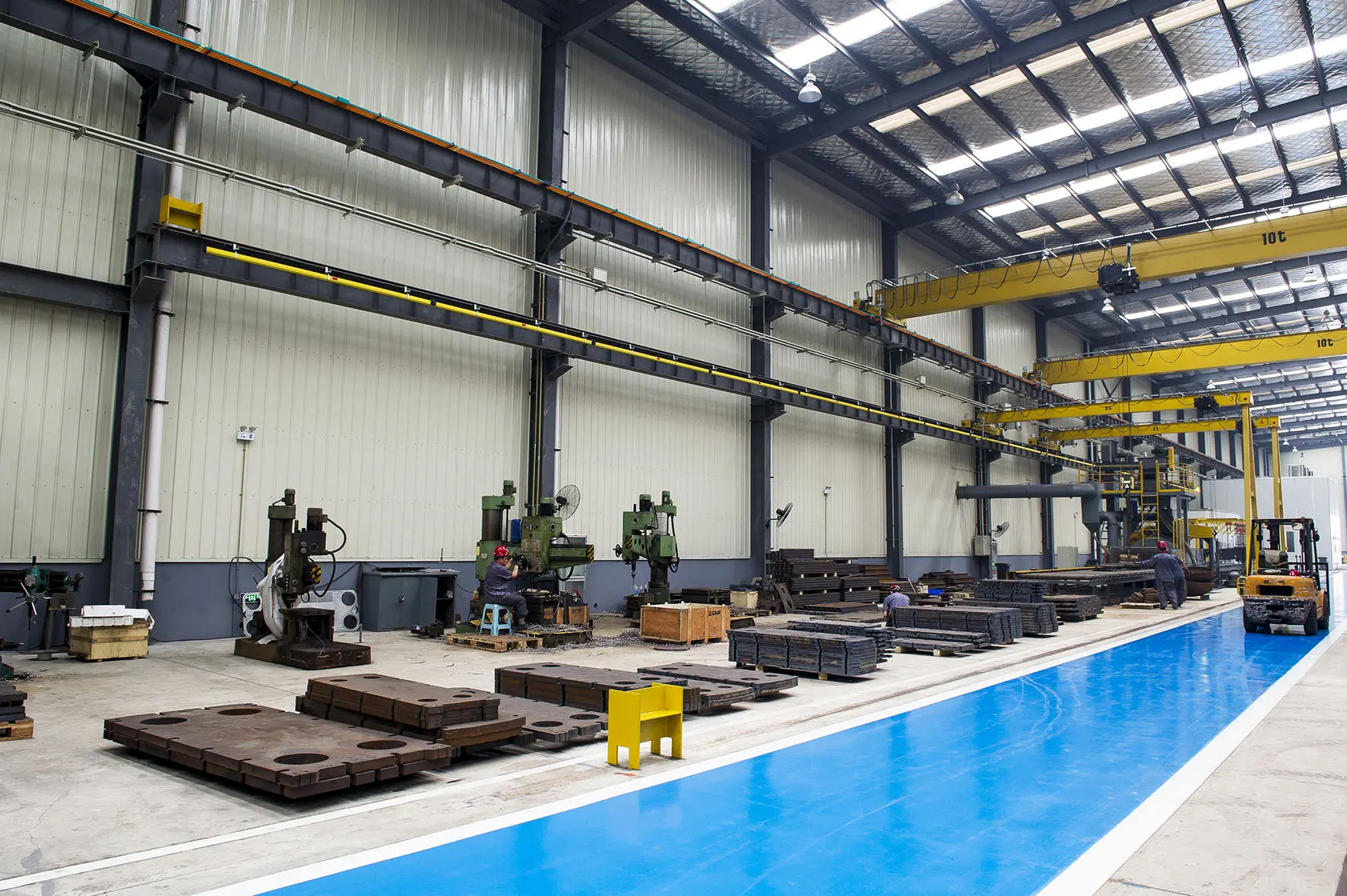
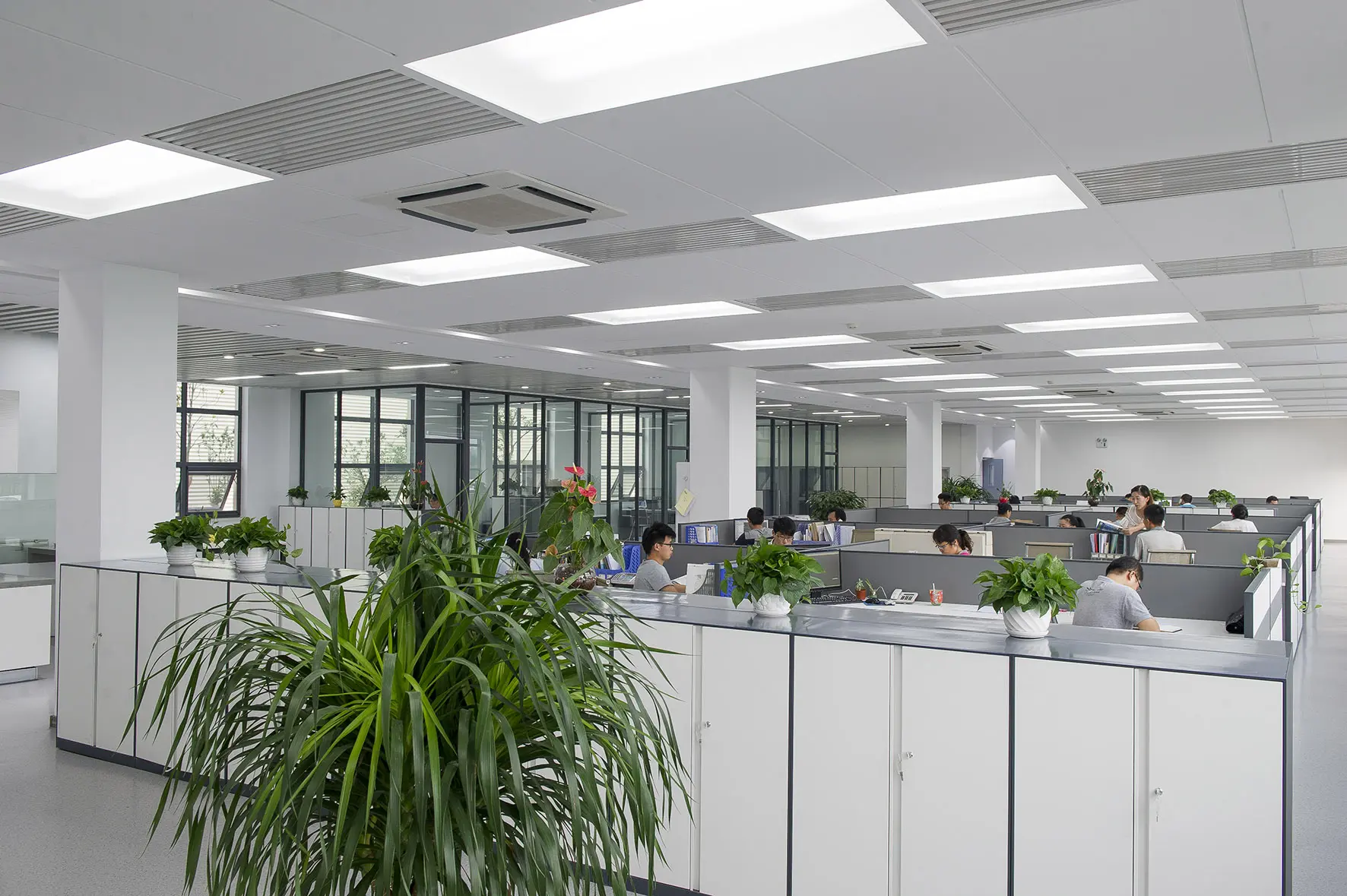
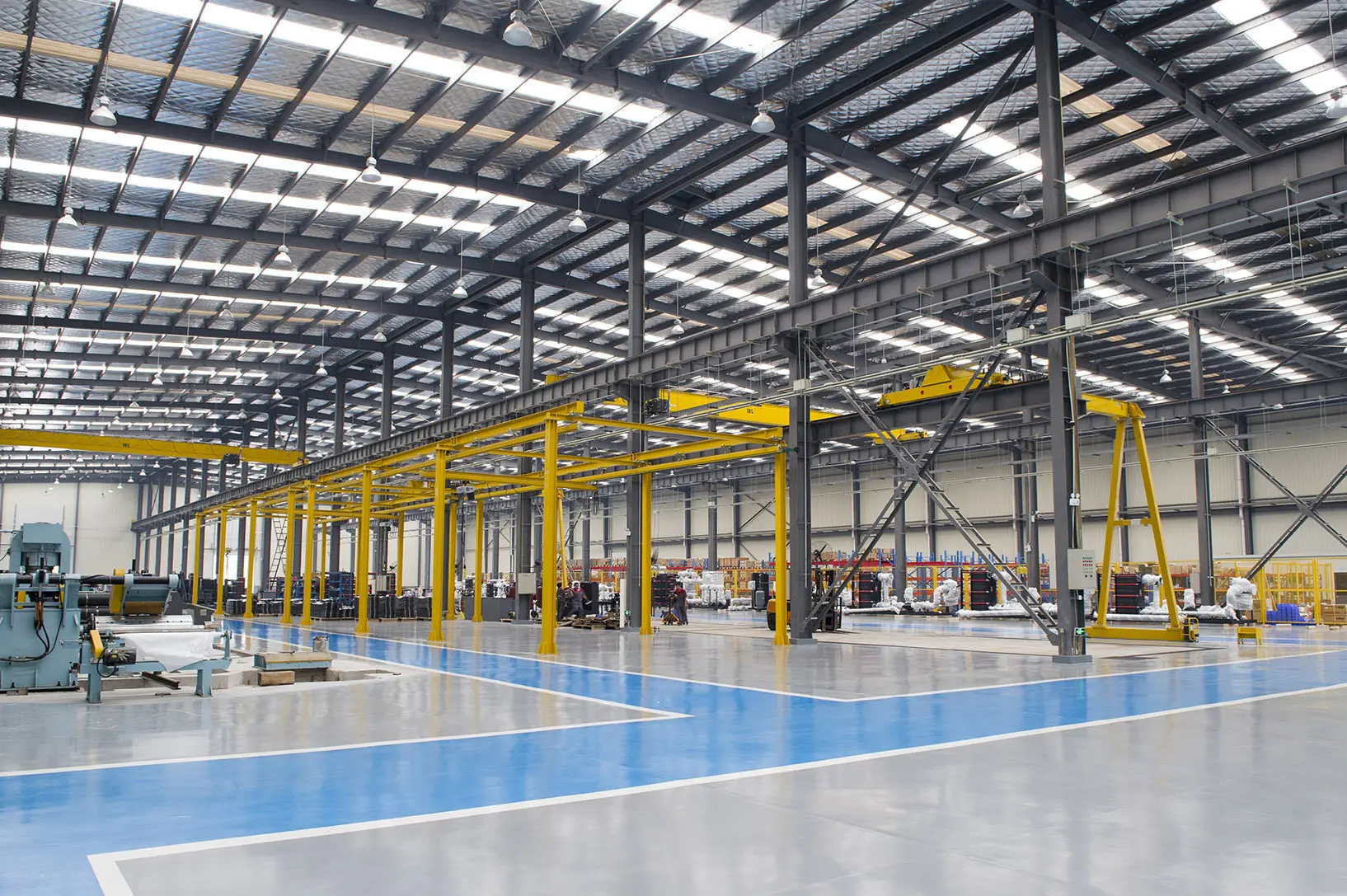
The company operates modern production workshops equipped with advanced manufacturing and quality inspection facilities. All frontline production staff are certified technicians who have undergone rigorous formal training. Production processes, quality control, and service operations strictly adhere to the ISO 9001:2015 international quality management system, while also complying with the pressure vessel quality assurance framework. Our products undergo mandatory inspections by national quality supervision authorities, ensuring full compliance with performance standards.
Adhering to the concept of "quality first" and "winning by quality", the company has established a sound quality assurance system, improved the quality supervision and management of all staff, whole process and all aspects, and made great efforts in product technology, quality and service. The company conscientiously carries out on-site management and rectification work, and establishes a safe and civilized production environment. Product quality and the quality of purchased materials are inseparable. Therefore, the company asks the purchasing department to determine the list of qualified suppliers and strengthen the contact with each supplier to ensure product quality.
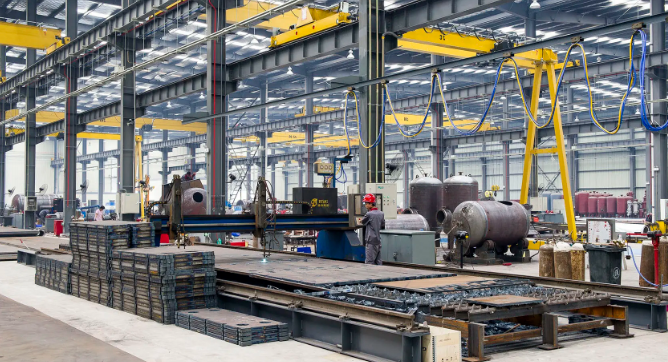
Flotte's modern production facilities combine advanced manufacturing with systematic management, producing high-tech integrated products. It holds a leading position in the industry nationwide and commands a substantial market share. Annually, it manufactures approximately 4,500 heat exchange units and water supply/drainage equipment sets. With over 300 employees, the company generates annual sales revenue of 500 million yuan and contributes 15 million yuan in taxes and profits.
By integrating dynamic design verification with physical testing, we ensure that the thermal capabilities calculated by the selection software are fully realized on the production line. From pressure-drop limits to microstructural integrity, our testing ensures zero-bypass flow and complete structural stability under high cyclic thermal loads.
Every plate heat exchanger and modular package is fabricated according to a strict nine-step manufacturing procedure to guarantee long service life and high energy transfer efficiency:
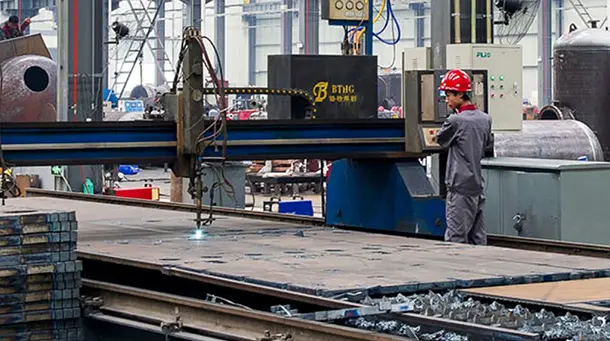
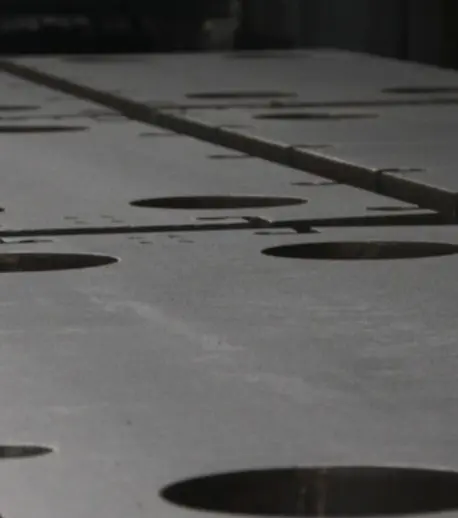
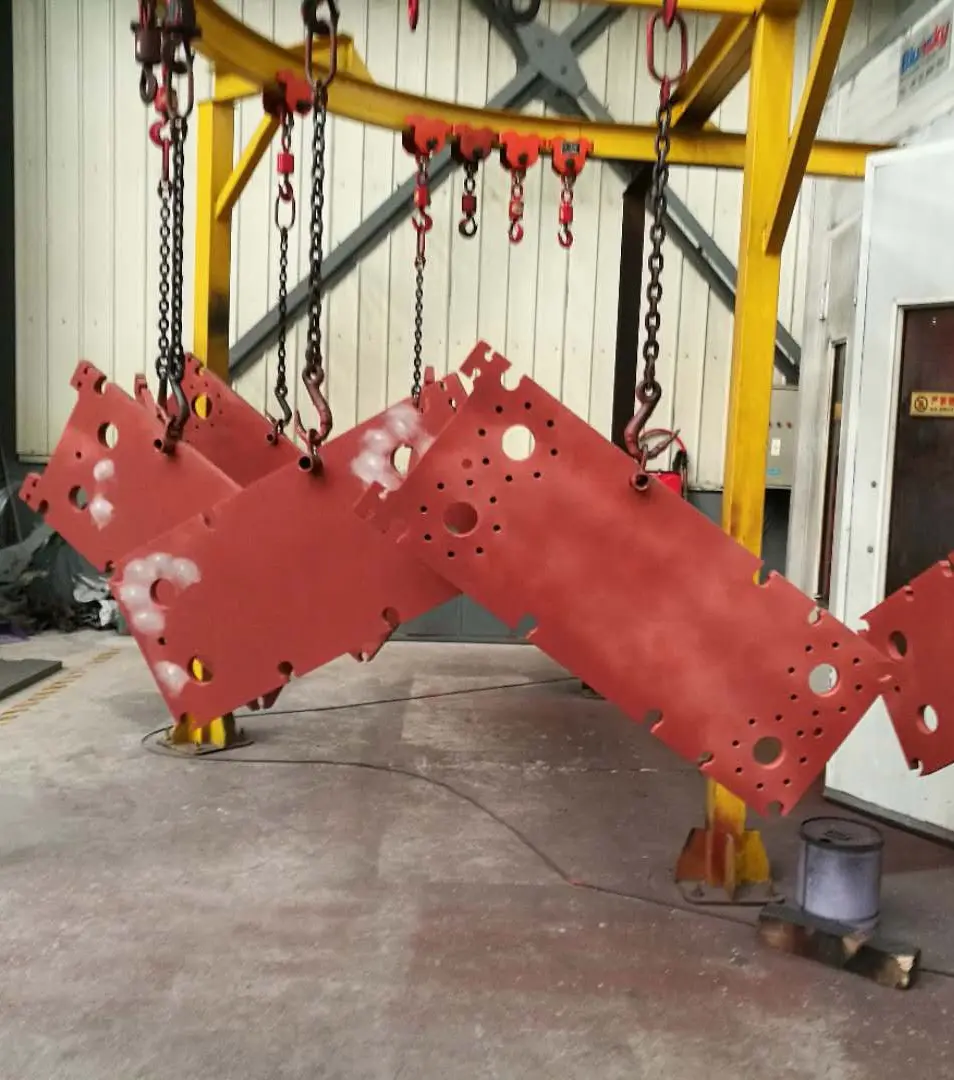
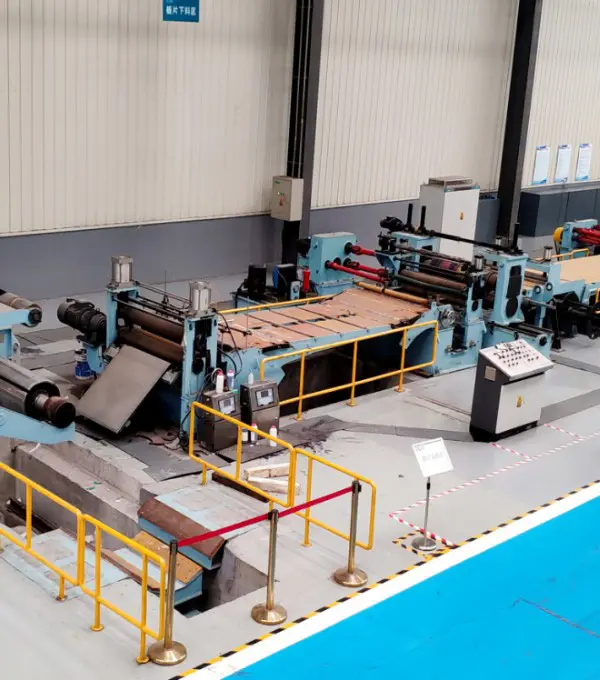
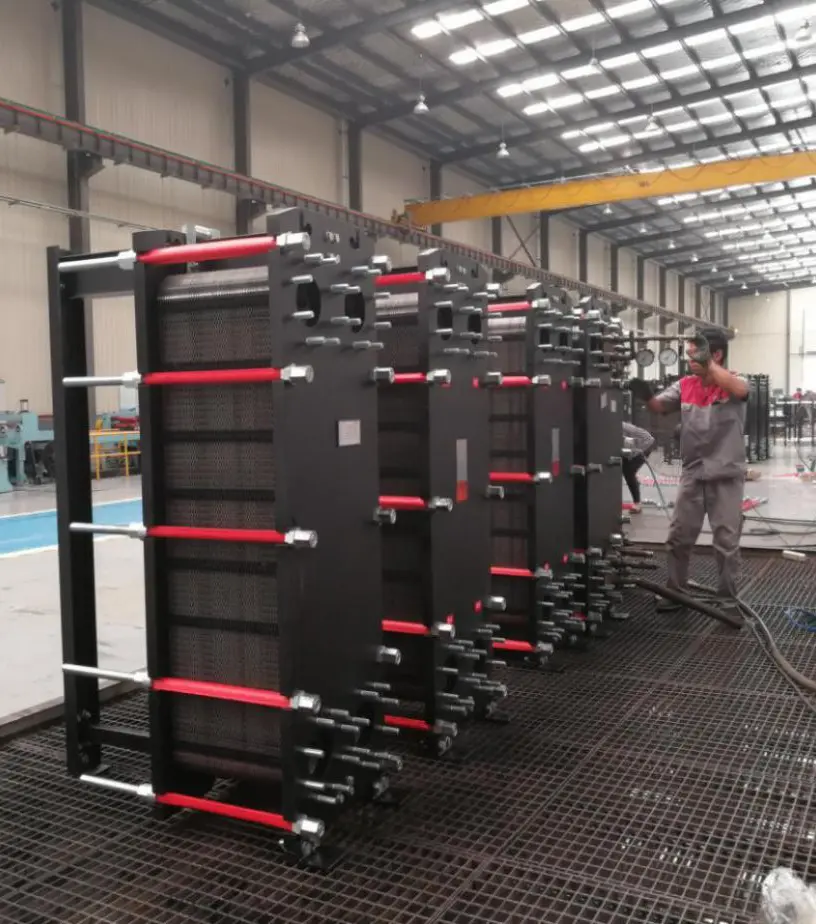
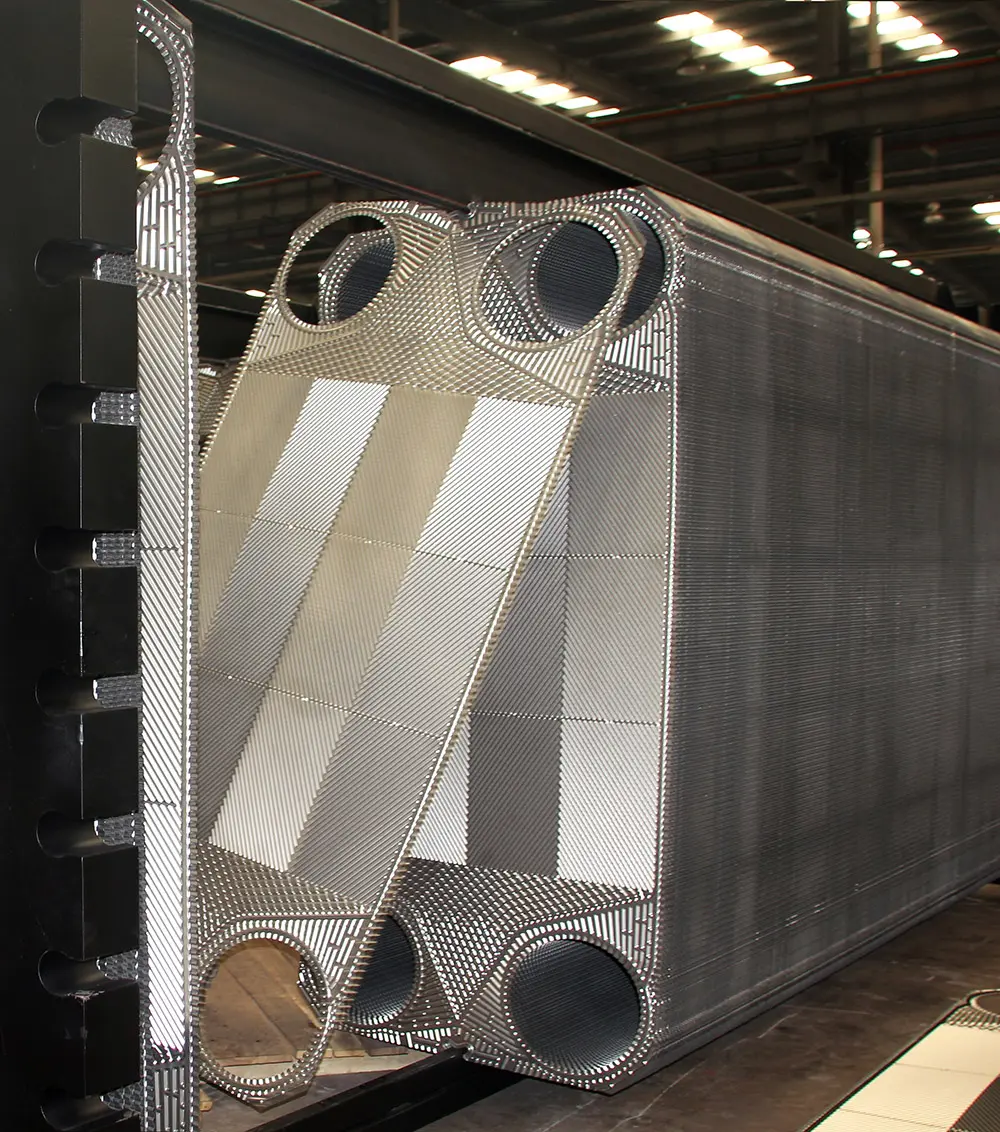
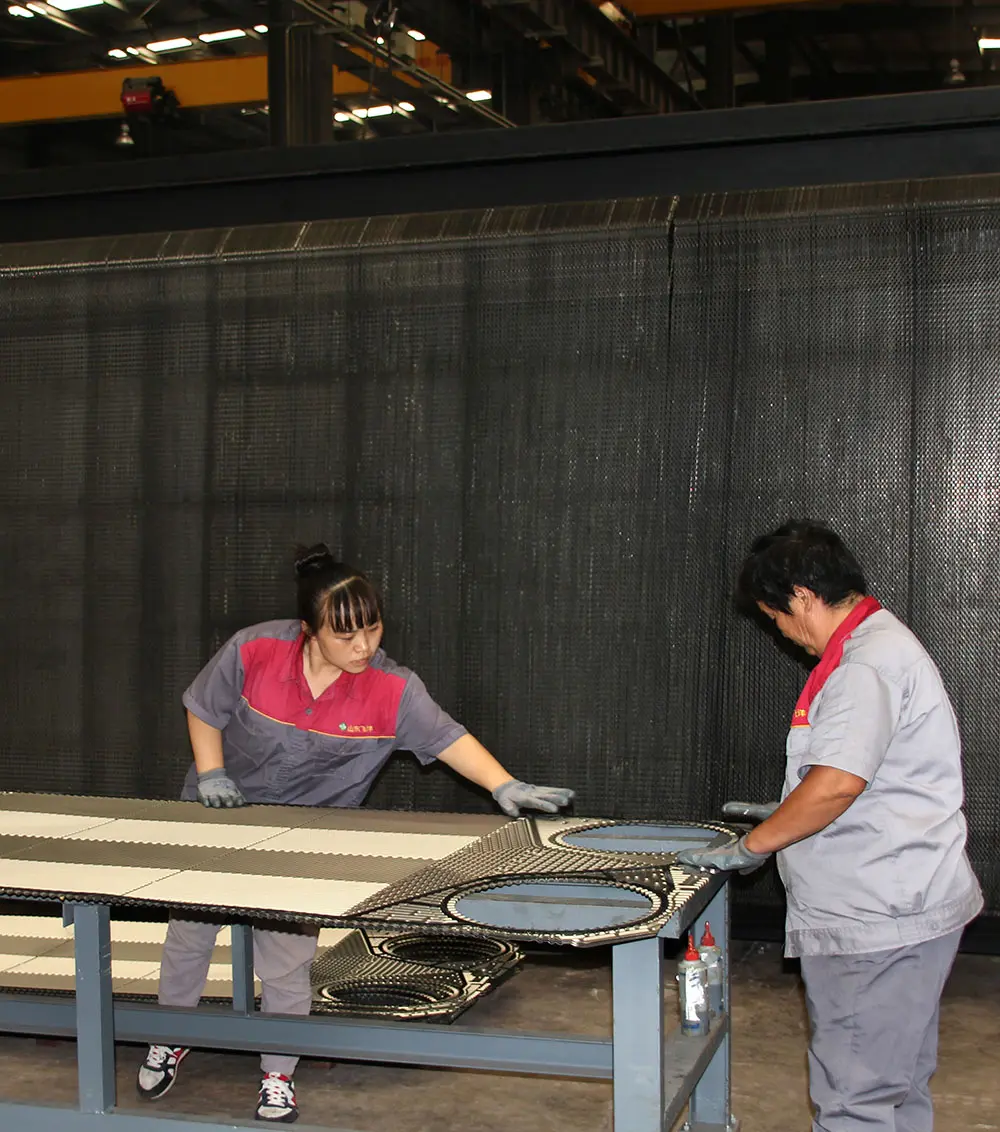
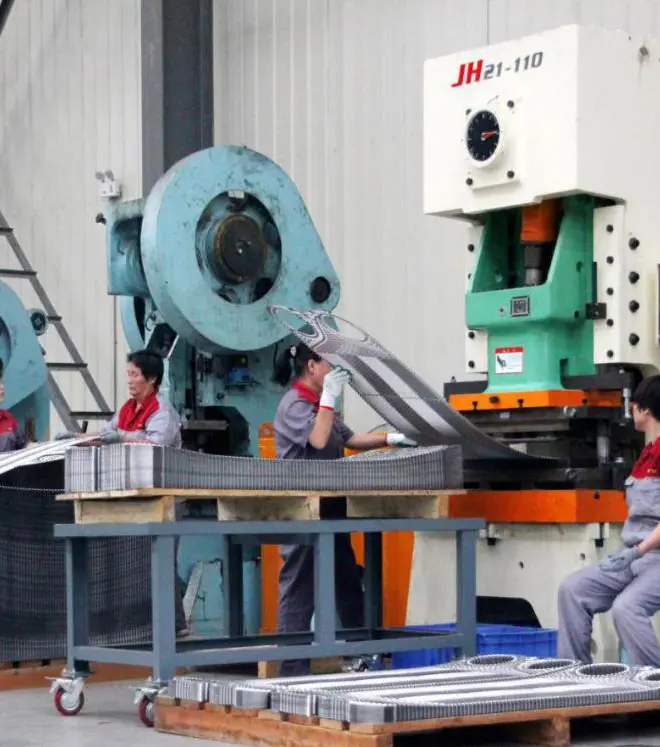
Flotte's thermal products comply with rigorous global quality and environmental certifications.
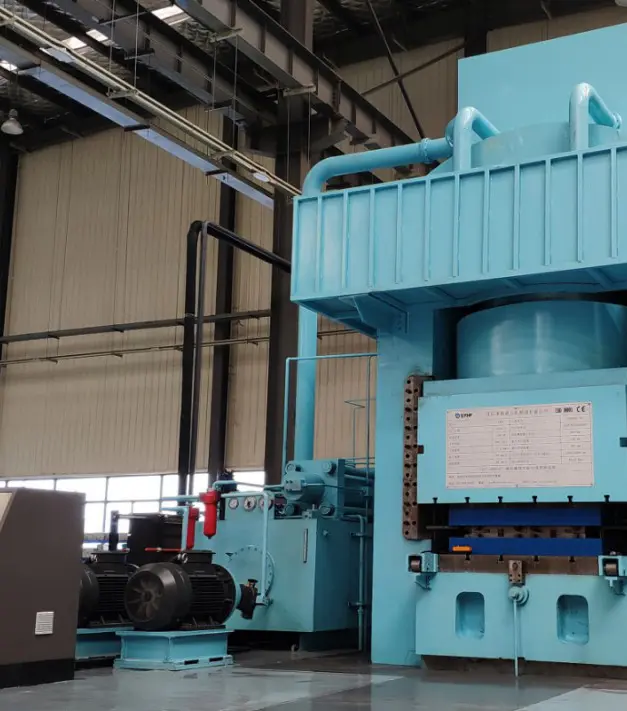
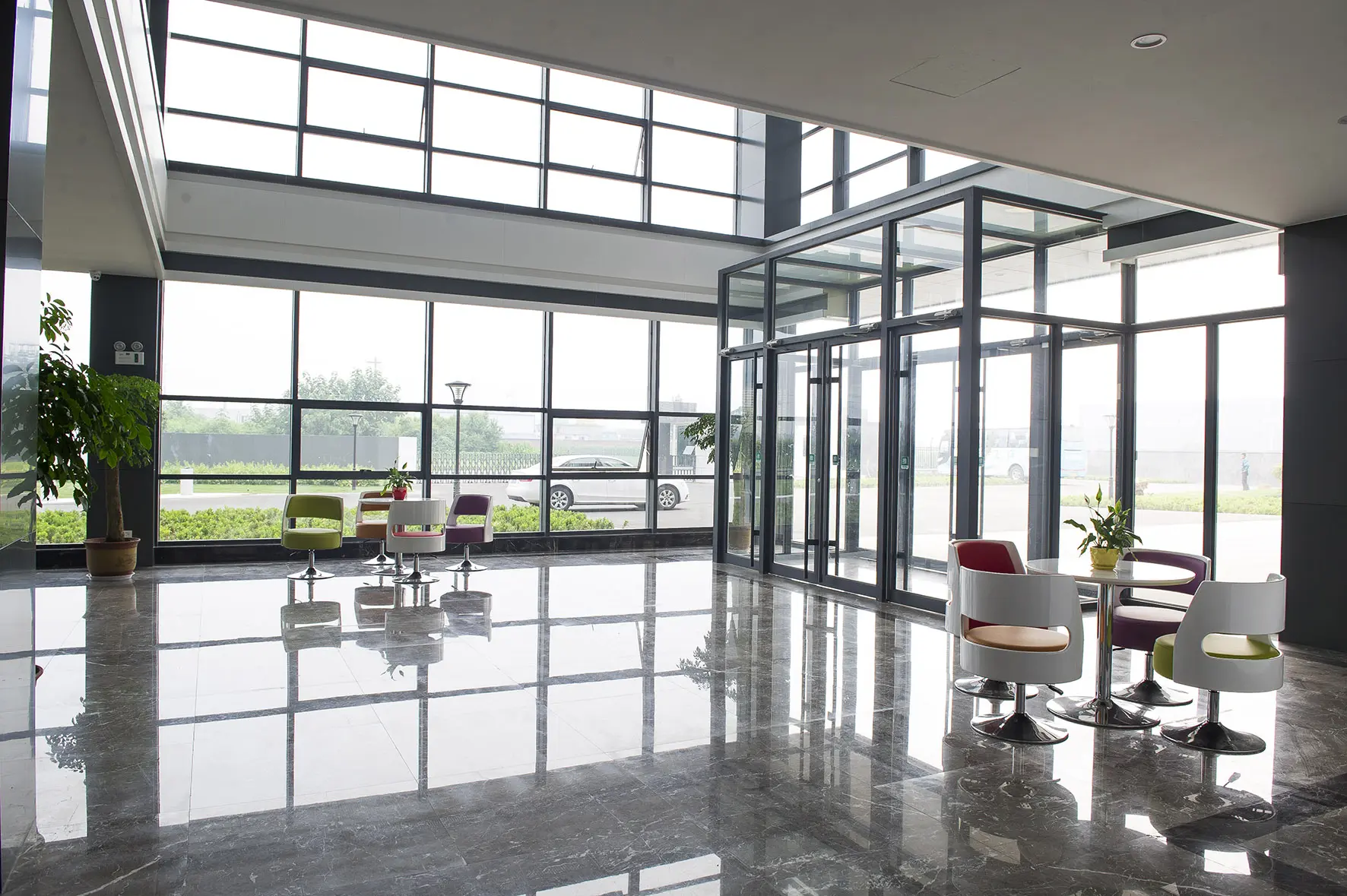
A closer look at our machining capabilities, production workshops, and assembly systems.
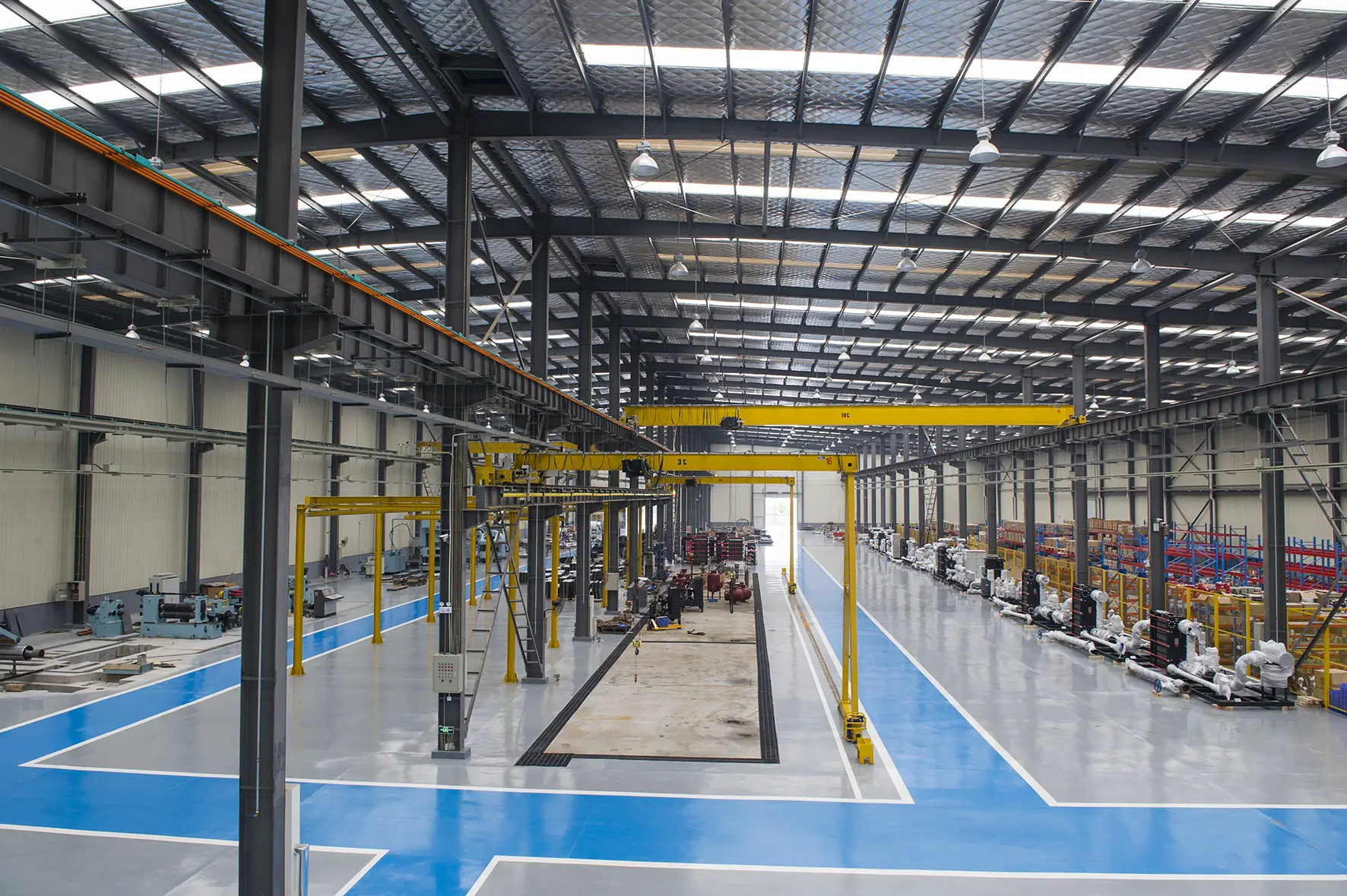
Deploying specialized heat exchangers across heavy chemical processing, municipal central heating, and high-efficiency evaporation processes.
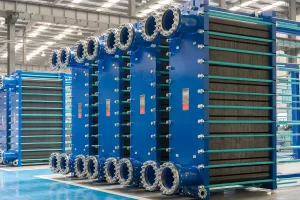
In municipal district heating networks, detachable plate heat exchangers serve as hydraulic decoupling units and pressure isolating barriers. Placed between the primary municipal thermal pipeline and secondary building distribution networks, these systems control water temperatures according to local weather demands. By separating pressures, they protect residential heating plumbing from high primary network pressures.
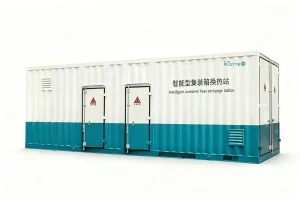
Implementing intelligent integrated box-type heat exchange units with motorized balance valves, pressure regulating systems, and real-time room temperature collectors optimizes energy allocation. Municipalities can adjust heating loads based on return water temperatures, reducing thermal bypass waste, stabilizing pipeline pressures, and maintaining consistent indoor heating throughout cold climates.
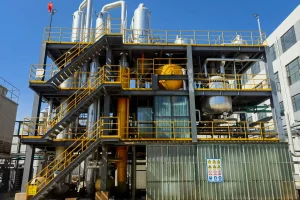
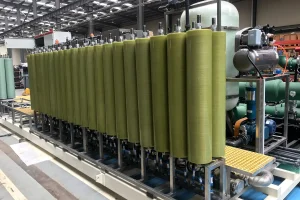
Chemical processing, pharmaceutical production, and mineral mining plants generate massive volumes of highly concentrated wastewater. Flotte's Multi-Effect Evaporation Systems and Membrane Concentration Systems are designed to handle these waste streams. By connecting multiple evaporators in series, the system utilizes latent heat of vapor from the preceding effect to heat the subsequent chamber, minimizing steam consumption.
In these systems, selecting plate materials is crucial. Using titanium, Hastelloy, or SS316L plates prevents chloride corrosion and pitting. Standardized thermal calculations ensure optimal vapor flow velocities and heat flux, helping factories achieve Zero Liquid Discharge (ZLD) and recover clean water and valuable salt by-products.
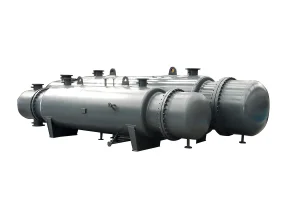
For harsh working conditions involving aggressive chemicals or extreme pressures, Shell and Tube Heat Exchangers are often the selected solution. Their robust mechanical design tolerates high pressure differentials and extreme thermal shocks. They perform reliably in steam condensing, high-pressure cooling, and gas-to-liquid heat transfer duties.
Our design software utilizes heat transfer research to model the baffle spacing, tube pitch, and tube layout in shell-and-tube units. This reduces flow-induced vibrations, controls tube-side fouling rates, and minimizes pressure drop, ensuring the durability of chemical processing systems.
Modern urban heating networks face challenges with hydraulic imbalance, where buildings near the heat source overheat while those at the end of the line remain underheated. Flotte's Secondary Network Intelligent Regulation and Balance System addresses this by utilizing high-precision room temperature collectors and dynamic balance valves.
By continuously collecting data from room sensors, the system adjusts balance valves at individual entry points. This matches heat delivery with actual building demands, prevents overheating, reduces return water temperature, and lowers auxiliary pump power consumption.
Select a product category to view technical parameters, material specifications, and engineering application cases.
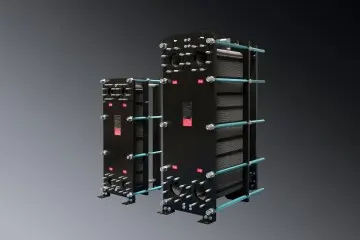
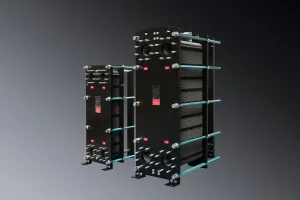
Gasketed modular plate design for easy cleaning, serviceability, and high-efficiency thermal transfer.
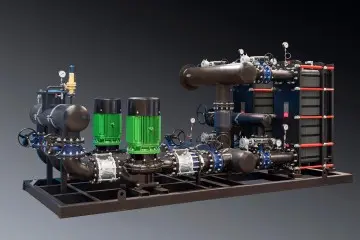
Skid-mounted intelligent system integrating controls, pumps, valves, and heat exchangers.
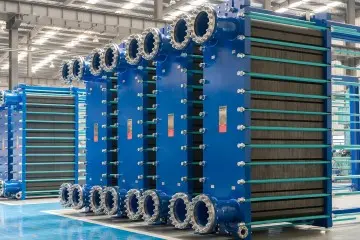
Specifically built for municipal stations requiring safety isolation and stable hot water output.
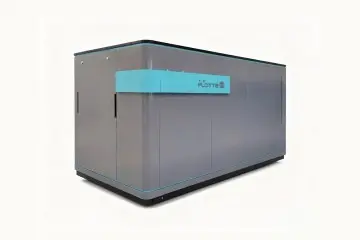
Optimized configurations for high-rise buildings and commercial HVAC heat exchange loops.
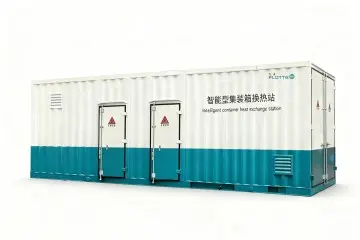
Self-contained weatherproof enclosure design for decentralized district heating systems.
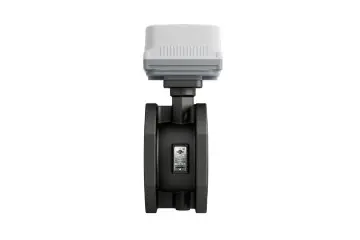
Provides real-time flow rate adjustment based on downstream temperature feedback.

High-precision smart sensor deployed across building nodes for indoor thermal monitoring.
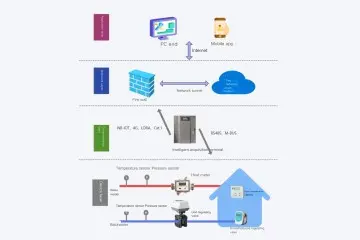
The control architecture integrating software data with active field balancing valves.
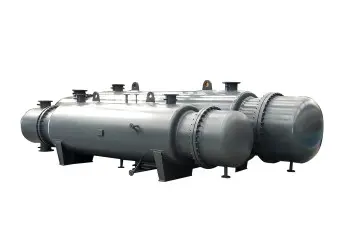
Rugged high-pressure and high-temperature heavy-duty industrial heat exchangers.
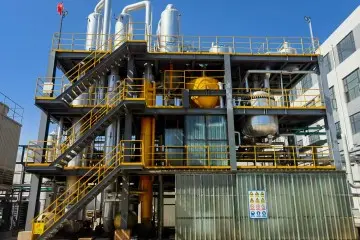
Advanced wastewater concentration loops built for energy saving in chemical plants.
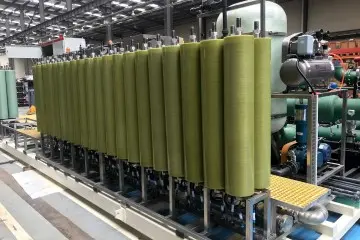
Precision water purification and desalination systems for industrial waste recovery.
Key technical specifications, international certifications, and material options required by procurement agents.
When purchasing plate heat exchangers for industrial facilities, global engineers evaluate safety compliance, corrosion resistance, and thermal performance. Flotte selection software generates technical data sheets detailing heat transfer area margins, fouling allowances, and pressure drop predictions.
Our raw materials are sourced from qualified suppliers, providing materials from AISI304 stainless steel for domestic water heating to titanium, Hastelloy C276, and nickel alloys for chemical processes. Gaskets are selected according to chemical and thermal demands: NBR (nitrile rubber) for general applications up to 110°C, EPDM for hot water and steam applications up to 150°C, and FKM (Viton) for corrosive chemicals at higher temperatures.
The heat exchanger sector is shifting toward digital system optimization. Traditional static designs are evolving into active, IoT-enabled thermal nodes. Integrating high-precision temperature sensors and dynamic balance valves allows physical heat exchangers to adapt to fluctuating operational requirements.
Future selection software will interface directly with building SCADA systems, using real-time telemetry to adjust design margins. The goal is to minimize energy footprint, prevent scale build-up, and extend service lifespans through predictive, sensor-guided maintenance scheduling.
Expert answers addressing thermodynamic design, material limits, and procurement parameters.
The chevron angle determines the thermal length and pressure drop of the plate. A large chevron angle (e.g., 60° to the horizontal, called a "high-theta" plate) creates higher turbulence and a higher heat transfer coefficient, but results in a larger pressure drop. A small chevron angle (e.g., 30°, called a "low-theta" plate) has a lower pressure drop but reduced heat transfer performance. Selection software mixes these angles to achieve the required heat transfer duty within the allowed pressure drop limits.
Detachable (gasketed) plate heat exchangers generally operate at pressures up to 2.5 MPa (25 bar) and temperatures up to 180°C, depending on the gasket materials. For higher pressures or temperatures, semi-welded, fully-welded, or shell-and-tube heat exchangers are selected to prevent gasket blowouts and leaks.
Fouling margin accounts for the gradual accumulation of dirt, scale, and organic deposits on the plate surfaces over time. If a selection is designed with zero fouling margin, the unit may fail to meet thermal duties after a period of operation. However, adding too much margin leads to over-sizing, which decreases flow velocities and can increase the fouling rate. Selection software balances this by calculating appropriate shear stress values to maintain a self-cleaning effect.
Flotte requires raw material trace certifications for all steel, titanium, and alloy coils. In compliance with the ISO 9001:2015 quality management system, each batch of metal undergoes chemical analysis and physical testing. The plate thickness is measured after stamping to ensure the minimum design thickness is maintained, preventing pressure failure.
Explore our engineering-proven selection of industrial and domestic heat exchanger systems, designed for unmatched efficiency.
 Flotte Energy