Explore our extensive line of high-efficiency shell-and-tube exchangers, detachable plate exchangers, smart valves, and advanced thermal regulation units direct from our manufacturing facility.

Flotte Energy Saving Company, formally established in 2013 with a robust registered capital of 101 million yuan, trace its manufacturing legacy to Flotte Thermal Engineering, founded in 1995. For nearly three decades, we have remained at the absolute forefront of the water equipment, industrial HVAC, and specialized water treatment sectors.
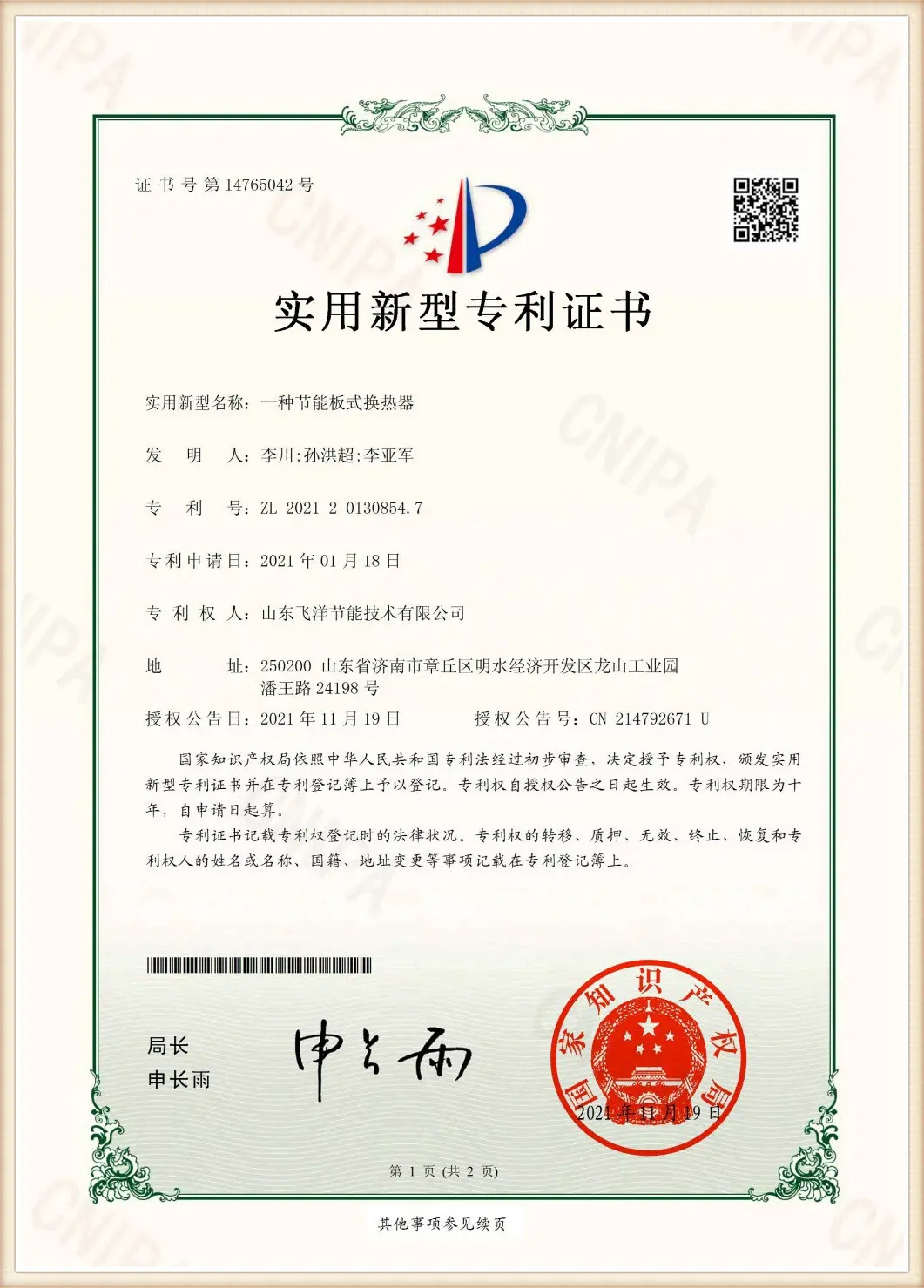
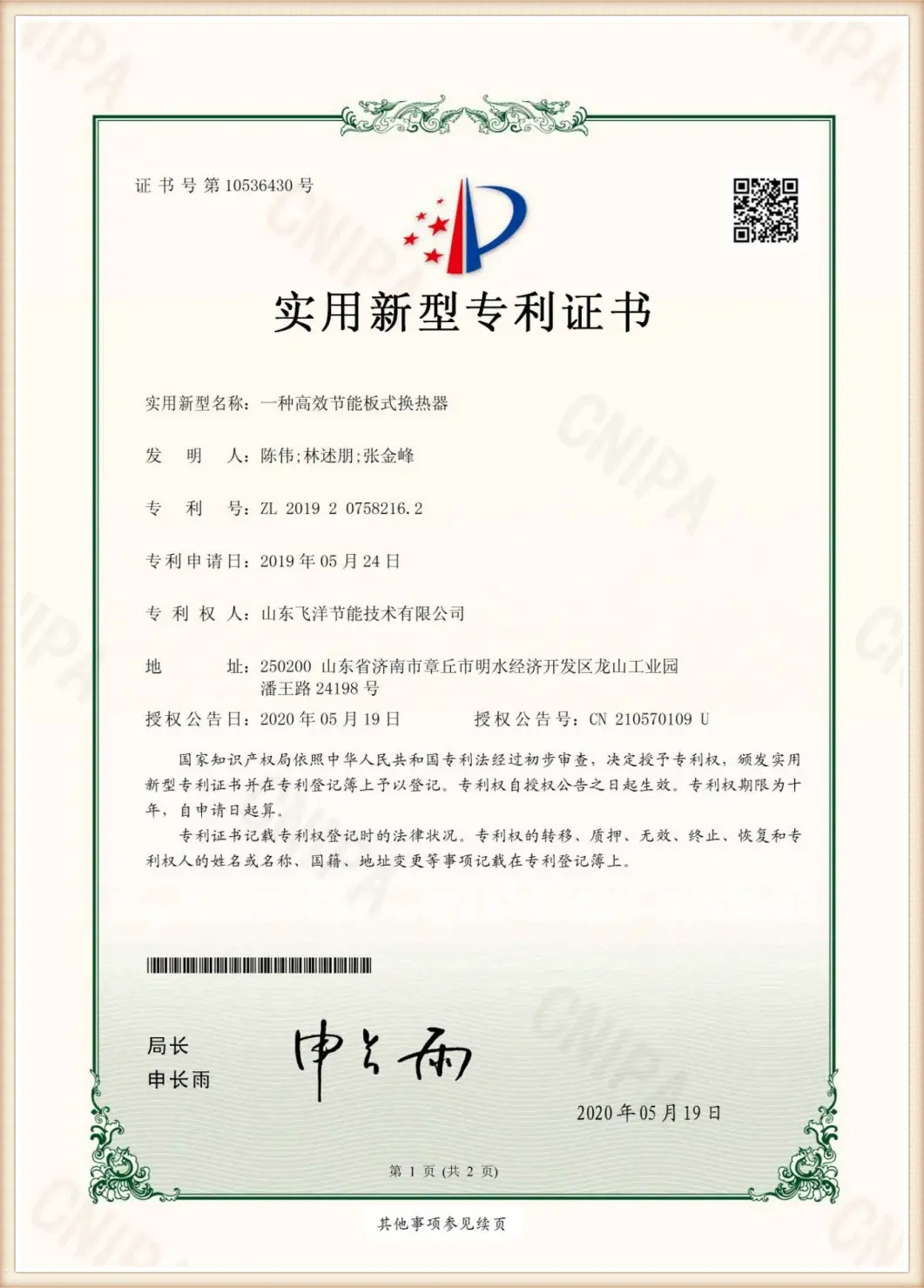
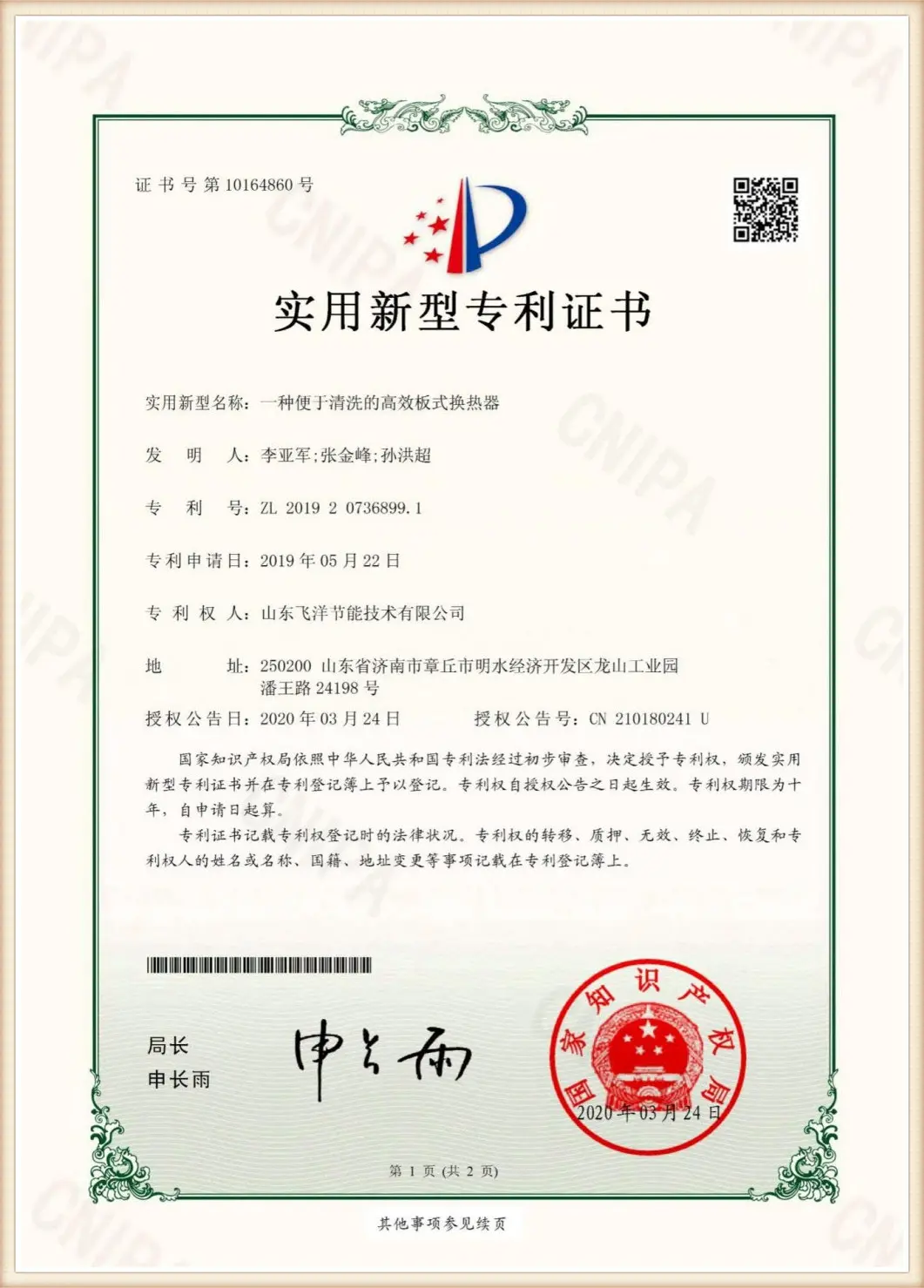
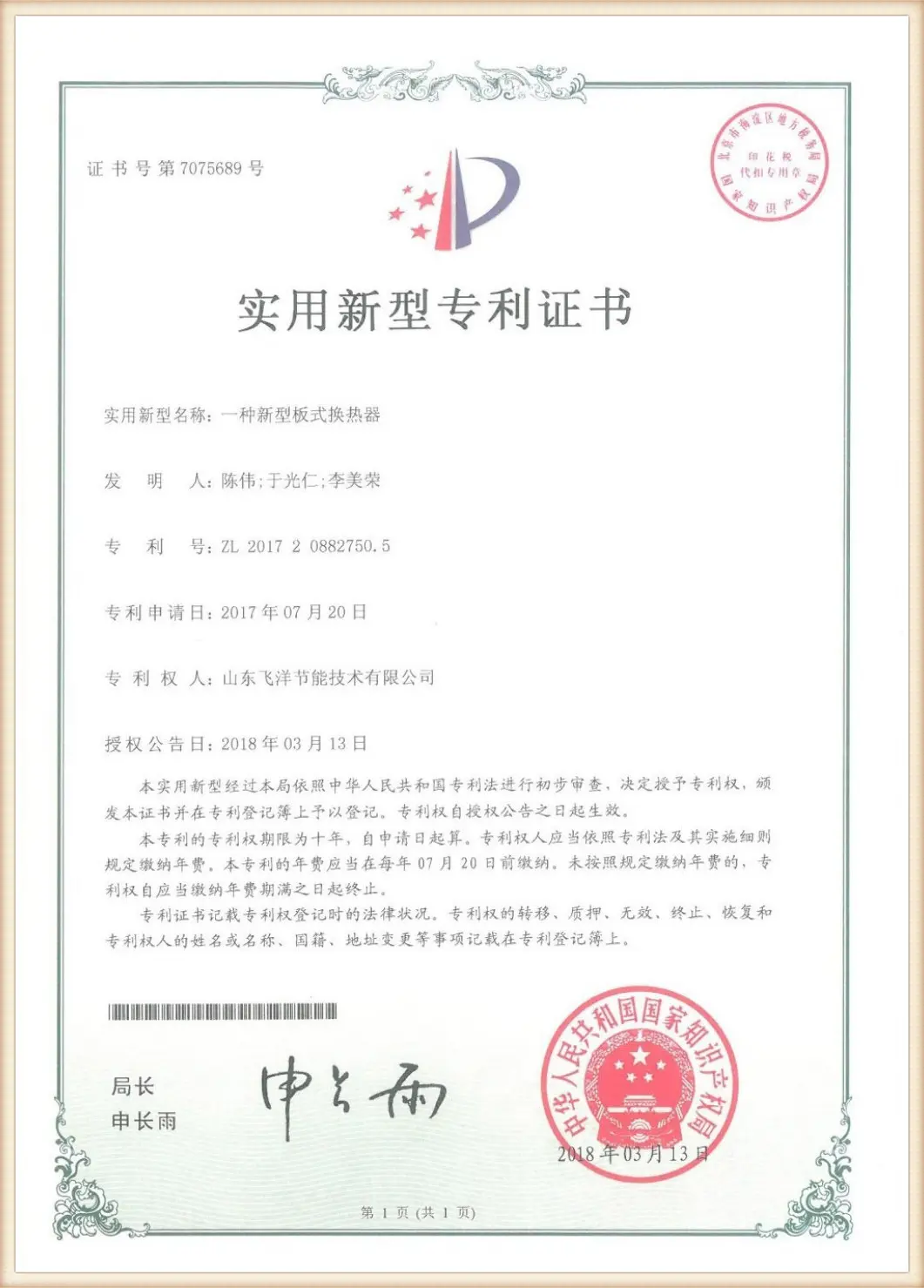
Our commitment to thermodynamic innovation has led us to patent multiple key technologies including the "High-Efficiency Plate Heat Exchanger", "Intelligent Plate Heat Exchanger System", and our proprietary "Plate Heat Exchanger Scale Removal Device". We provide robust engineering solutions that optimize thermal efficiency, lower fuel consumption, and significantly decrease system downtime.
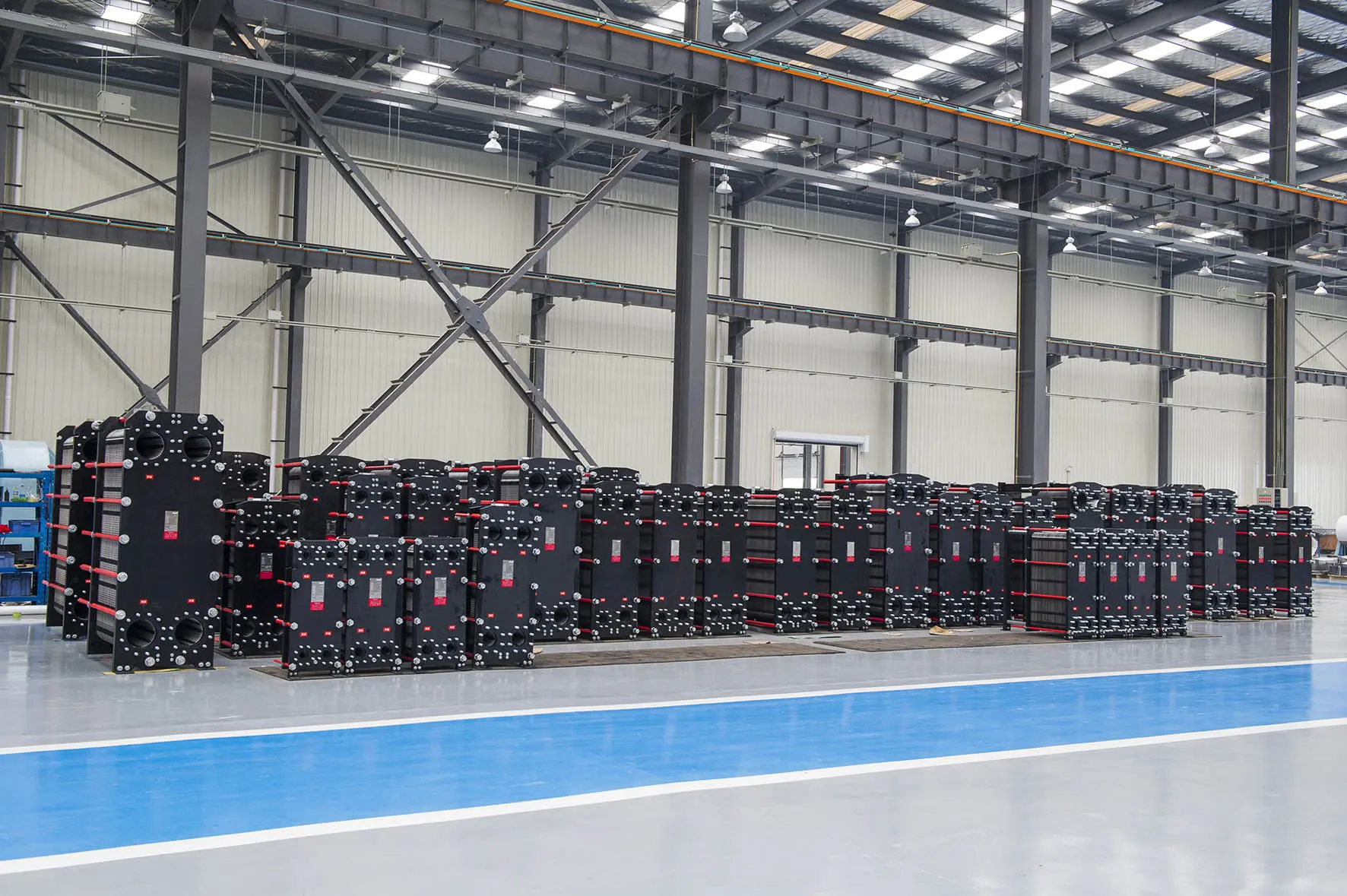
Scale, experience, and continuous technological expansion make Flotte the preferred global exporter.
Engineered to deliver exceptional thermal transfer performance under extreme physical and chemical pressures.
Specializing in plate heat exchangers, our engineering features patented corrugated plate designs that optimize fluid dynamics, achieving 2-3 times higher heat exchange efficiency than conventional tube designs.
We supply bespoke plate heat exchanger solutions tailored to central heating, HVAC, maritime cooling, power plants, and chemical processing. Validated across diverse global conditions and compliance standards.
Our complete production cycles strictly adhere to ISO 9001:2015, ISO 14001:2015, and ISO 45001:2018. All units comply with national pressure vessel manufacturing specifications and safety codes.
From metallurgical verification to final hydrostatic pressure testing, every stage is meticulously managed by certified technicians.
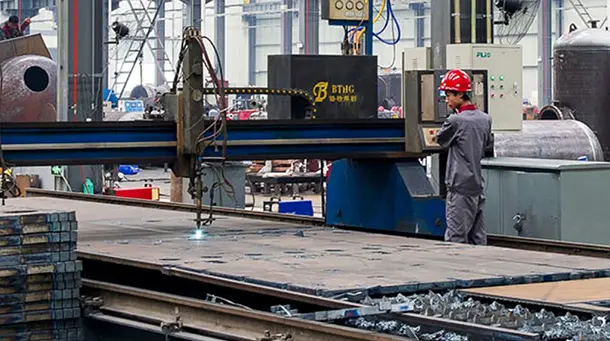
High-precision laser and mechanical cutting to create frame plates and pressure plates with dimensional tolerance under 0.1mm.
Advanced stamping and micro-forging technologies to optimize material density and prevent micro-fissures in high-corrosion zones.
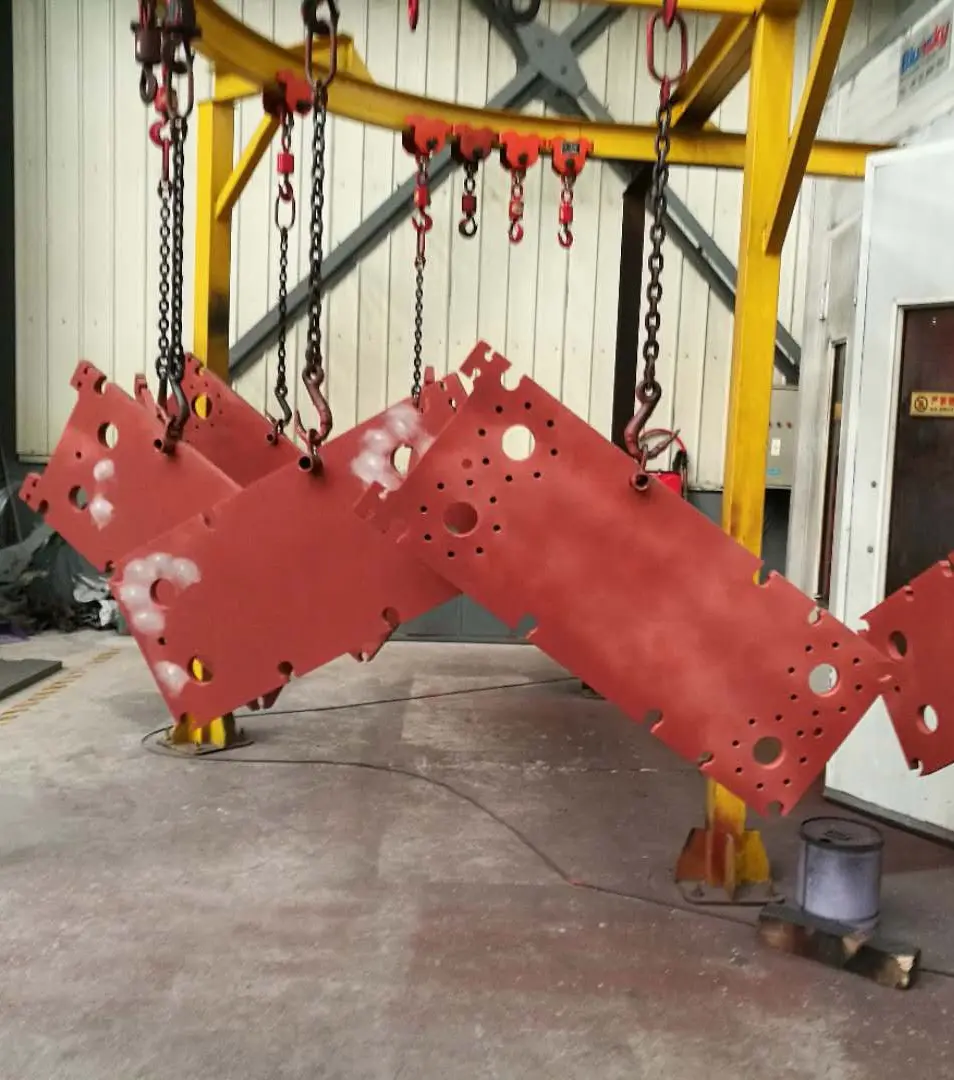
Multi-layer electrostatic spray painting of frame plates, providing exceptional resistance against maritime salinity and chemical atmospheres.
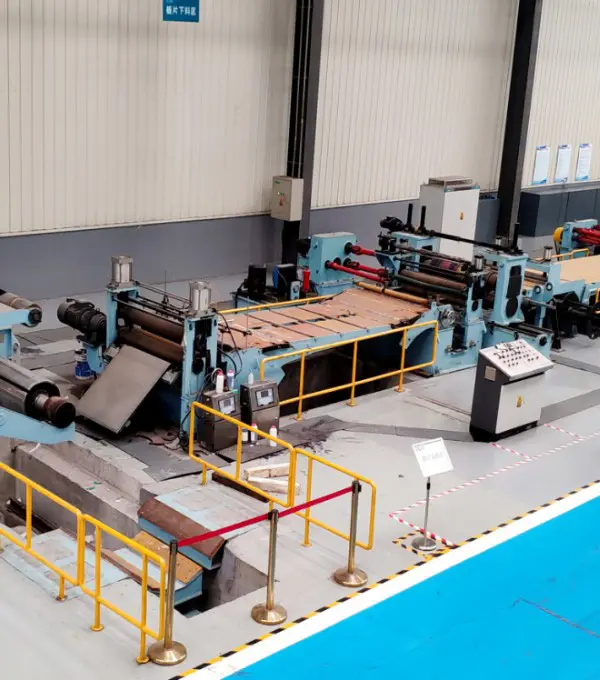
Laser indexing and traceability coding stamped on every plate to trace raw material batch, press run, and mechanical specifications.
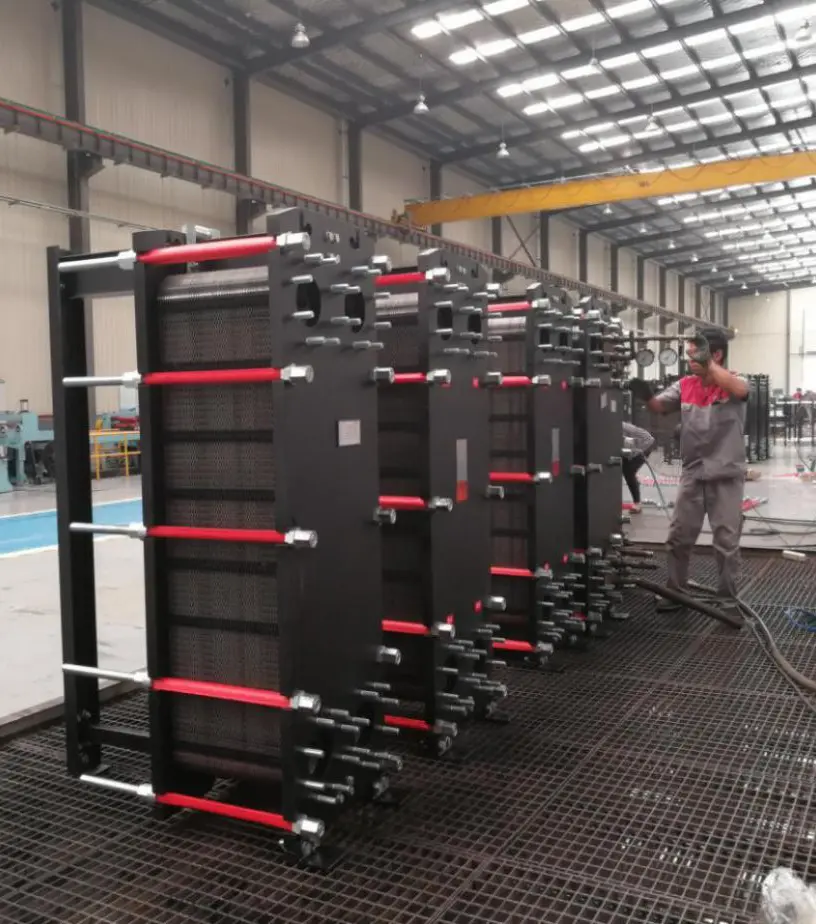
All heat exchange plates and assembled units undergo intense hydraulic pressure tests to verify seal integrity, far exceeding nominal working pressure.
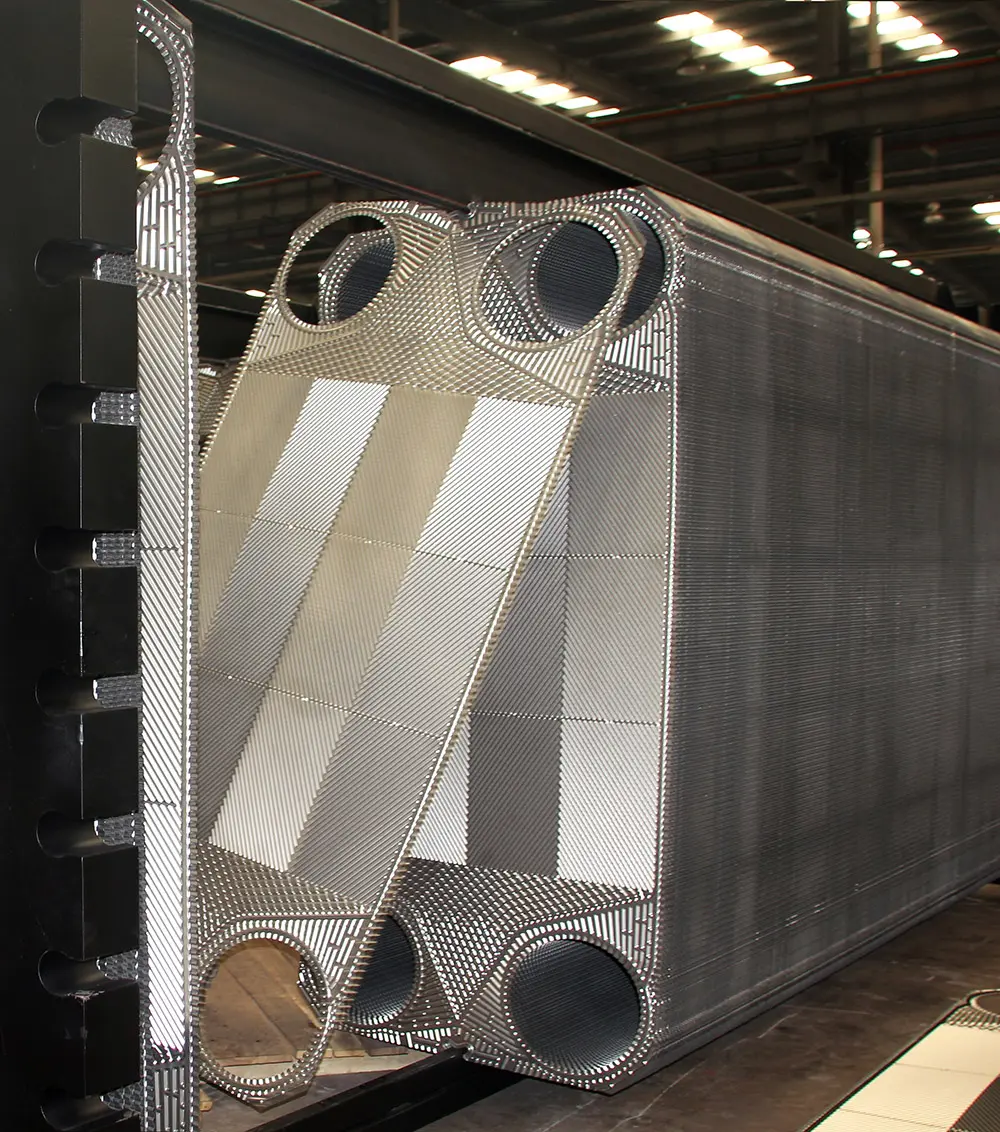
Precise torque-controlled tightening of the plate pack by qualified engineers to ensure uniform gasket compression and optimal sealing.
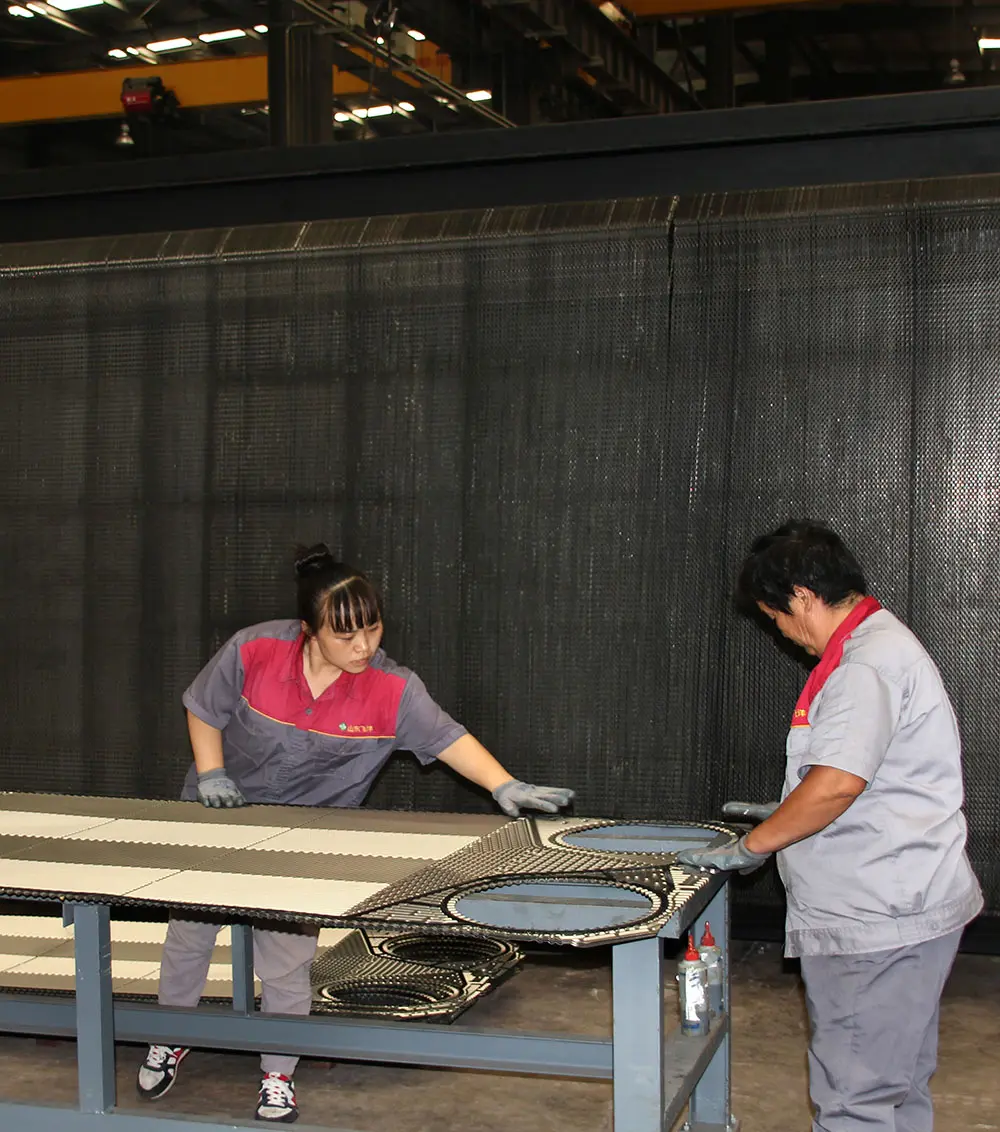
Premium vulcanized EPDM, NBR, and FKM gaskets are integrated onto plate tracks utilizing precise glue-on or clip-on mechanisms.
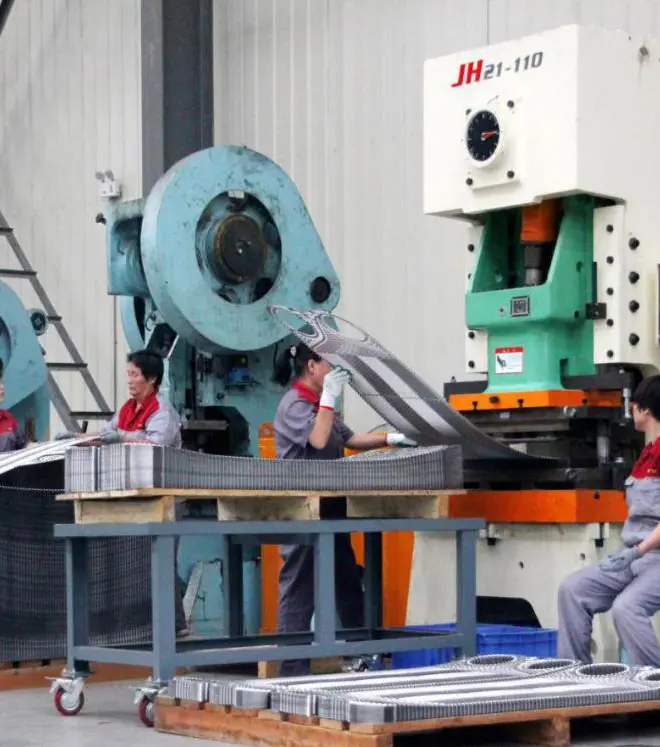
High-capacity mechanical press stamping creates the port holes in one continuous stroke, avoiding stress-concentration zones.
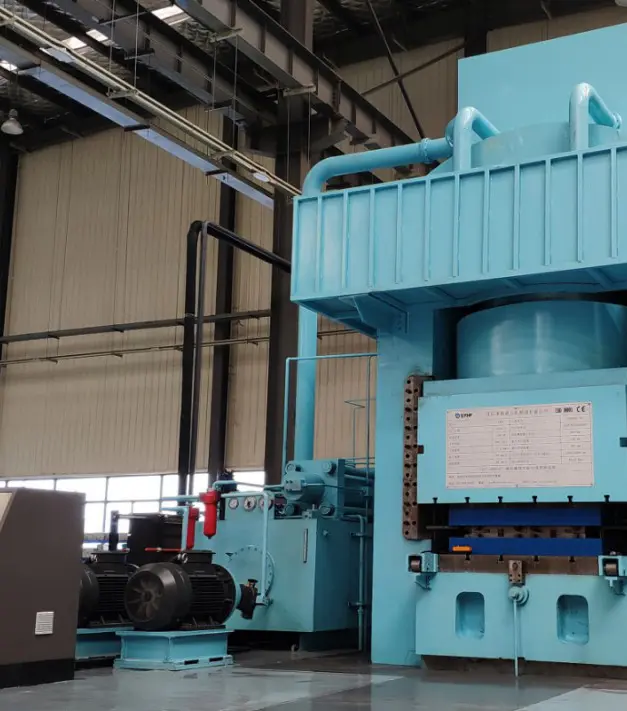
Up to 20,000-ton hydraulic press machines form the high-precision corrugation pattern, ensuring uniform thickness throughout the plate depth.
A professional whitepaper overview detailing material grades, gasket formulations, and structural optimizations for engineering professionals.
The choice of material for Plate Heat Exchanger (PHE) plates dictates the chemical compatibility, lifetime, and thermal transfer coefficient (U-value). As leading exporters, we manufacture plates utilizing standard to highly exotic alloys:
The gasket is the most vulnerable component of a PHE. We source raw elastomers from global chemical leaders and press-mold them under precise curing cycles to minimize compression set and thermal fatigue. Our main gasket formulations include:
Plates feature pressed patterns, typically chevron or herringbone designs. The chevron angle determines the thermal effectiveness (NTU) and pressure drop (DP) characteristics:
From Arctic municipal heating networks to offshore tropical drilling platforms, our parts keep crucial infrastructure running.
In municipal heating grids, Flotte detachable plate heat exchangers decouple the primary high-pressure boiler circuit from secondary domestic networks, ensuring safe and controllable thermal distribution across urban centers.
Fitted aboard cargo vessels and oil rigs, our titanium plate replacements resist corrosive seawater in engine cooling loops, auxiliary condensers, and lubrication oil systems, operating under continuous roll and vibration.
High-purity demands necessitate gaskets and plates with zero chemical leaching. We supply high-alloy plates and FDA-compliant gaskets for solvent condensation, acid cooling, and sanitary CIP (Clean-In-Place) systems.
How Flotte is integrating IoT, automation, and environmental sustainability into the next generation of plate heat exchangers.
Our ongoing R&D is focused on incorporating high-precision sensors directly within the plate pack frame. By tracking differential pressure drops and temperature deviations, our Intelligent Regulation and Balance System uses machine learning models to forecast scaling and gasket decay, alerting technicians to perform maintenance before a critical failure occurs.
To support global carbon neutrality goals, we are testing biological and recyclable elastomers for gaskets. We are also collaborating with major metallurgical labs to reduce plate thickness to 0.4mm without sacrificing structural strength, cutting down raw material consumption by 20% while increasing thermal transfer efficiency.
Using CAD-linked CNC milling centers, we can manufacture custom stamping molds for legacy, obsolete, or highly specialized third-party plate models in less than 15 days, providing global customers with replacement parts for any system brand.
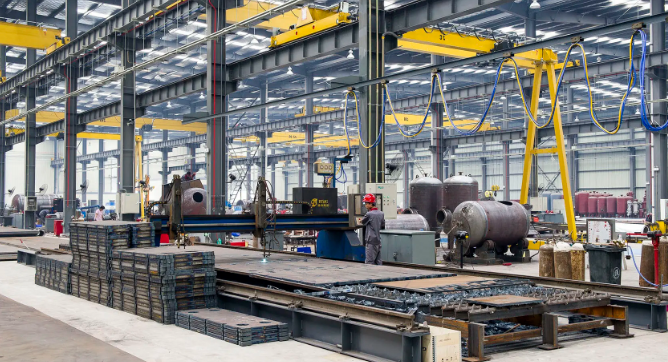
Combining heavy industrial infrastructure, regional raw material abundance, and streamlined logistics to guarantee supply chain stability.
Our workshops house high-capacity hydraulic stamping presses ranging up to 20,000 tons. This allows us to stamp large-format plates (port sizes up to 500mm) in single-press actions, preventing internal stress fractures and metallurgical defects.
Located in a major industrial zone, we maintain deep, long-standing procurement alliances with premium steel mills and alloy refineries, guaranteeing a steady supply of AISI 304, 316L, Titanium, and Hastelloy at stable, non-volatile pricing.
Our close proximity to key coastal shipping hubs enables us to coordinate swift sea, air, or rail transport. With streamlined customs processing and reliable global freight partners, we guarantee prompt delivery of orders to your job site.
Our certifications prove our compliance with the most rigid international quality and safety directives.
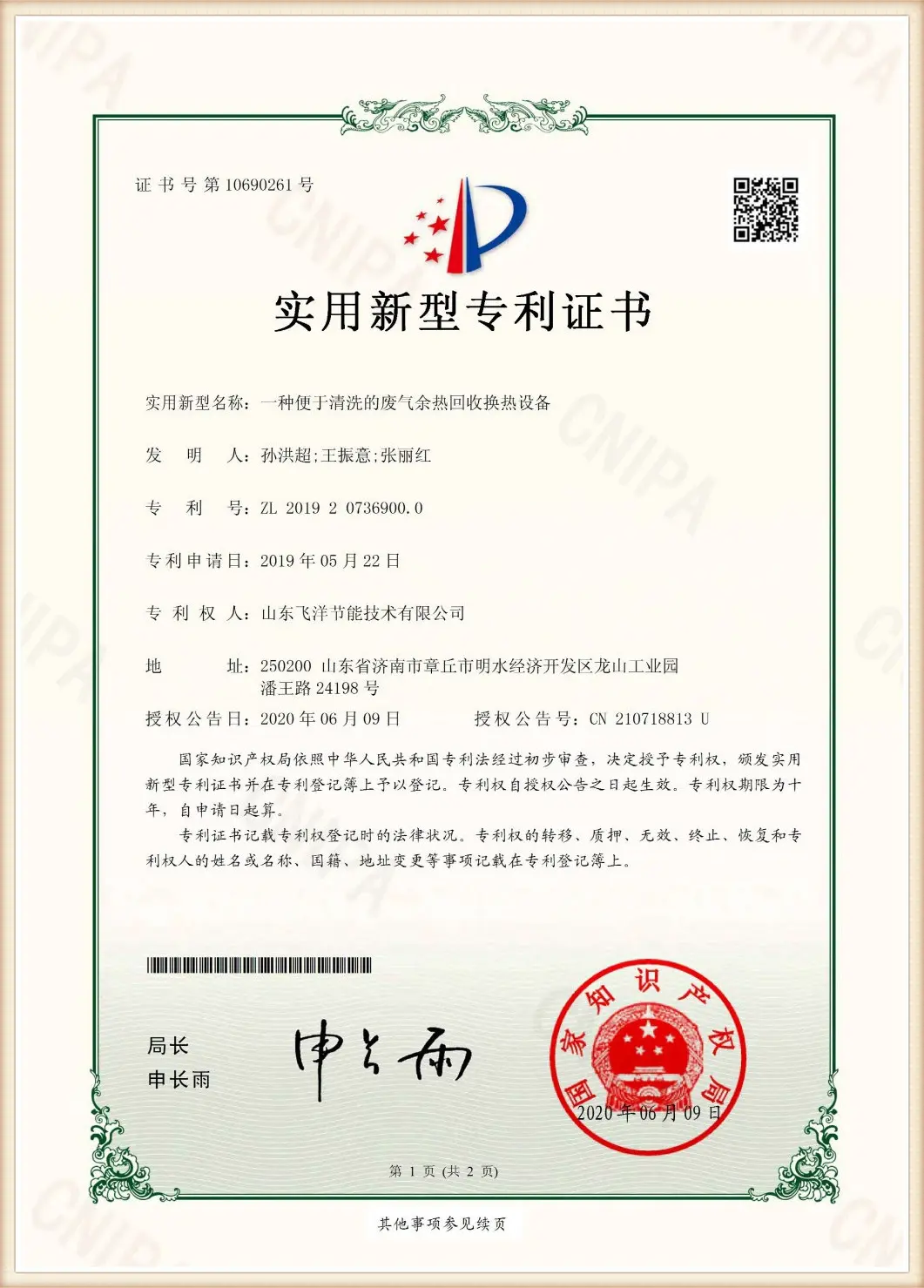
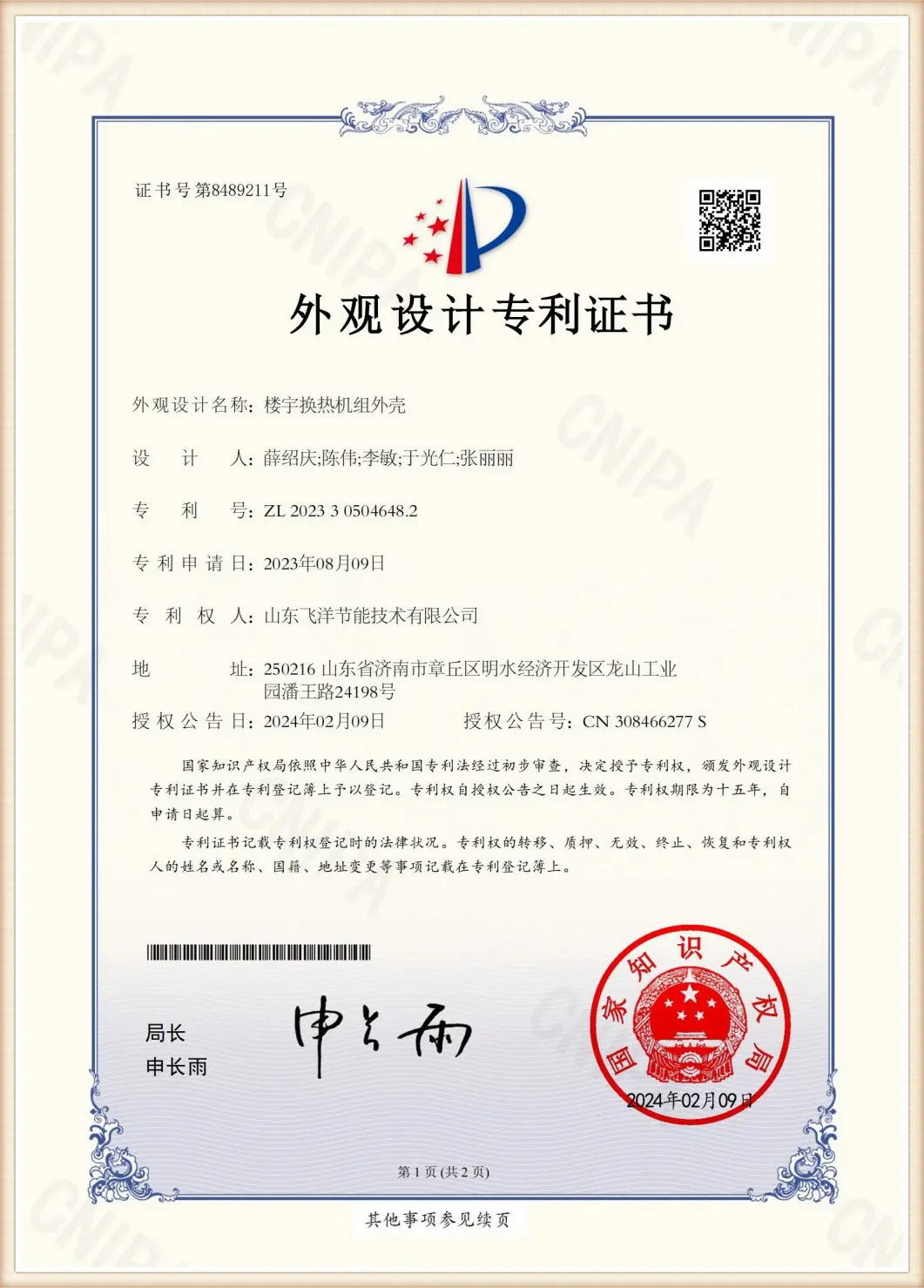
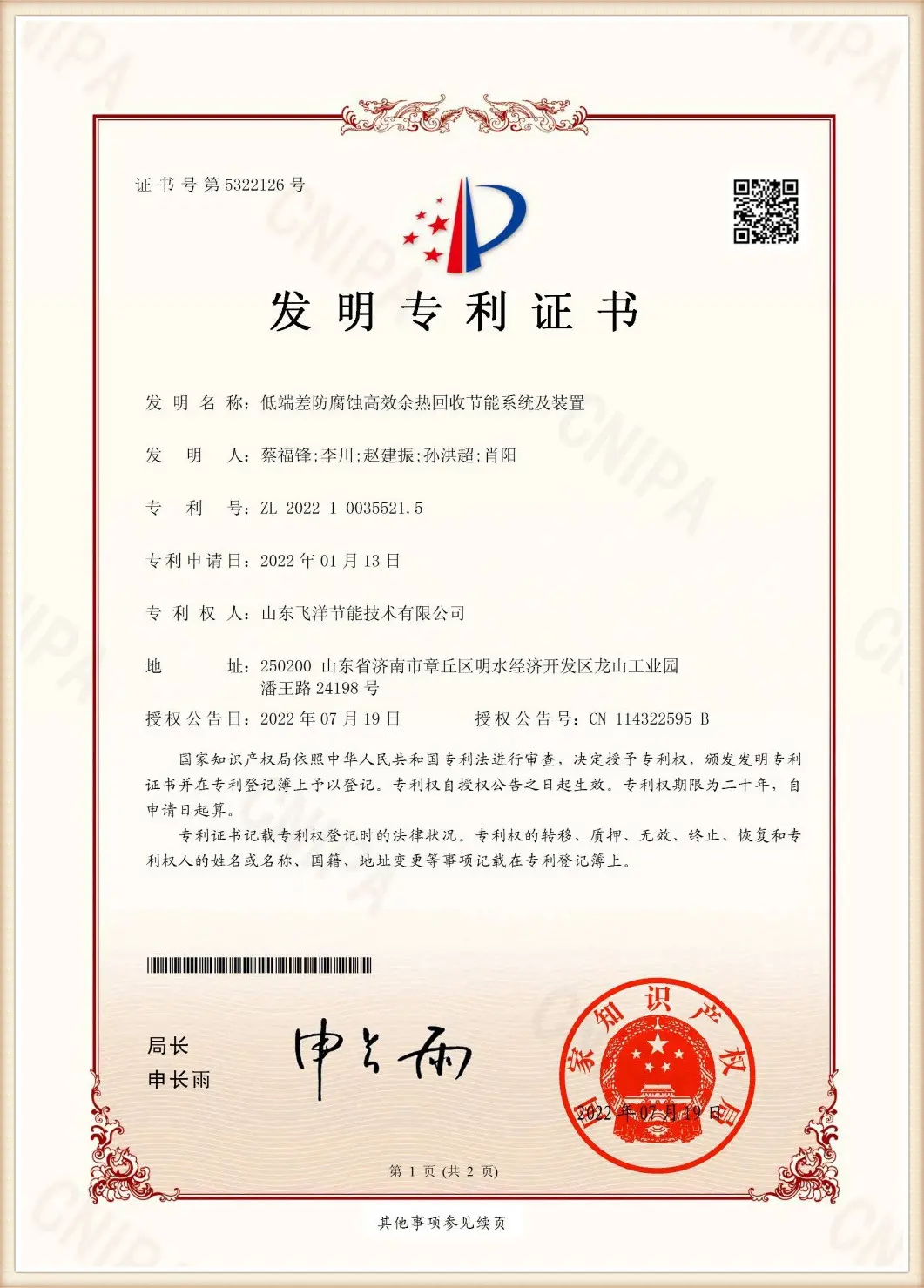
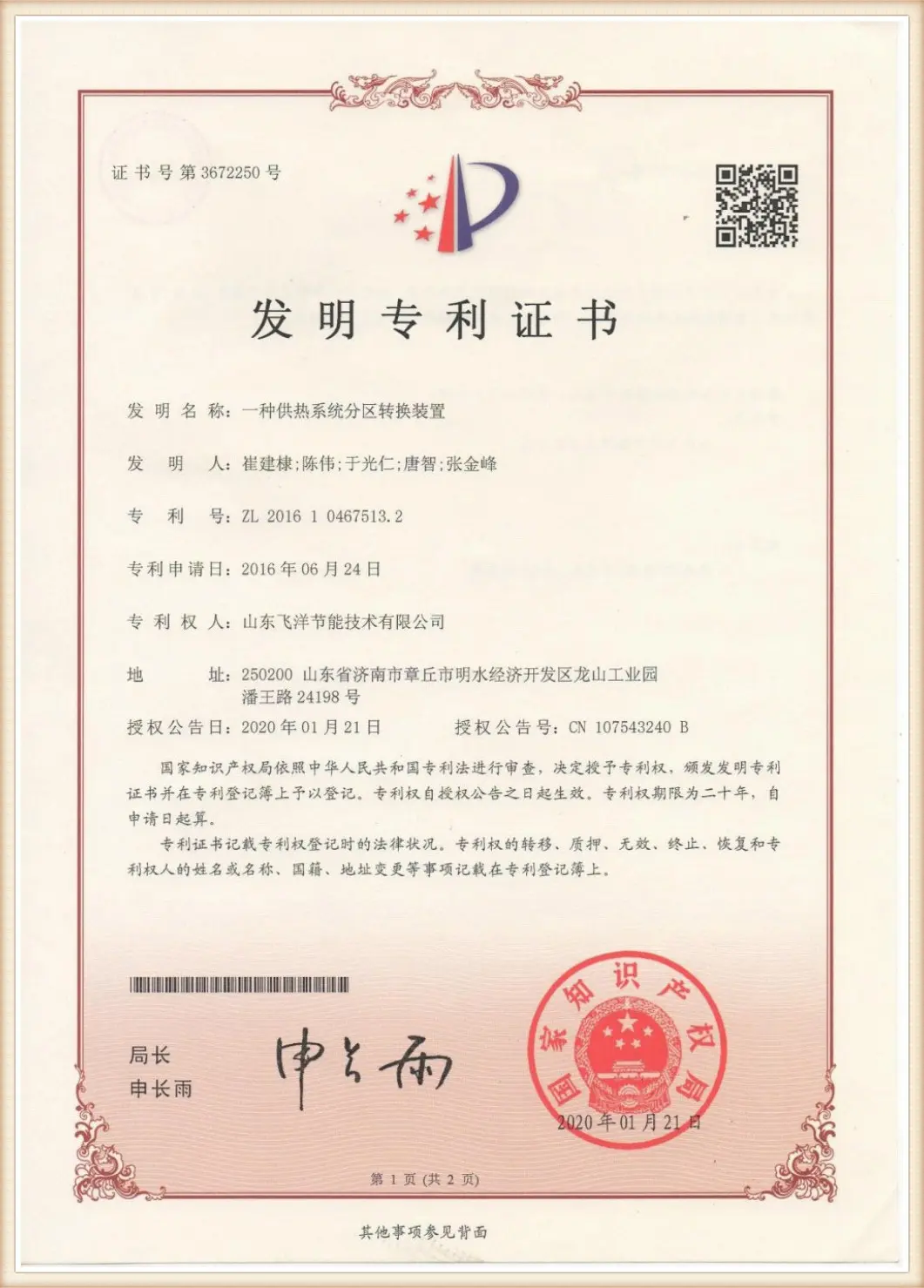
A look inside our manufacturing floor, stamping lines, and warehouse facilities.
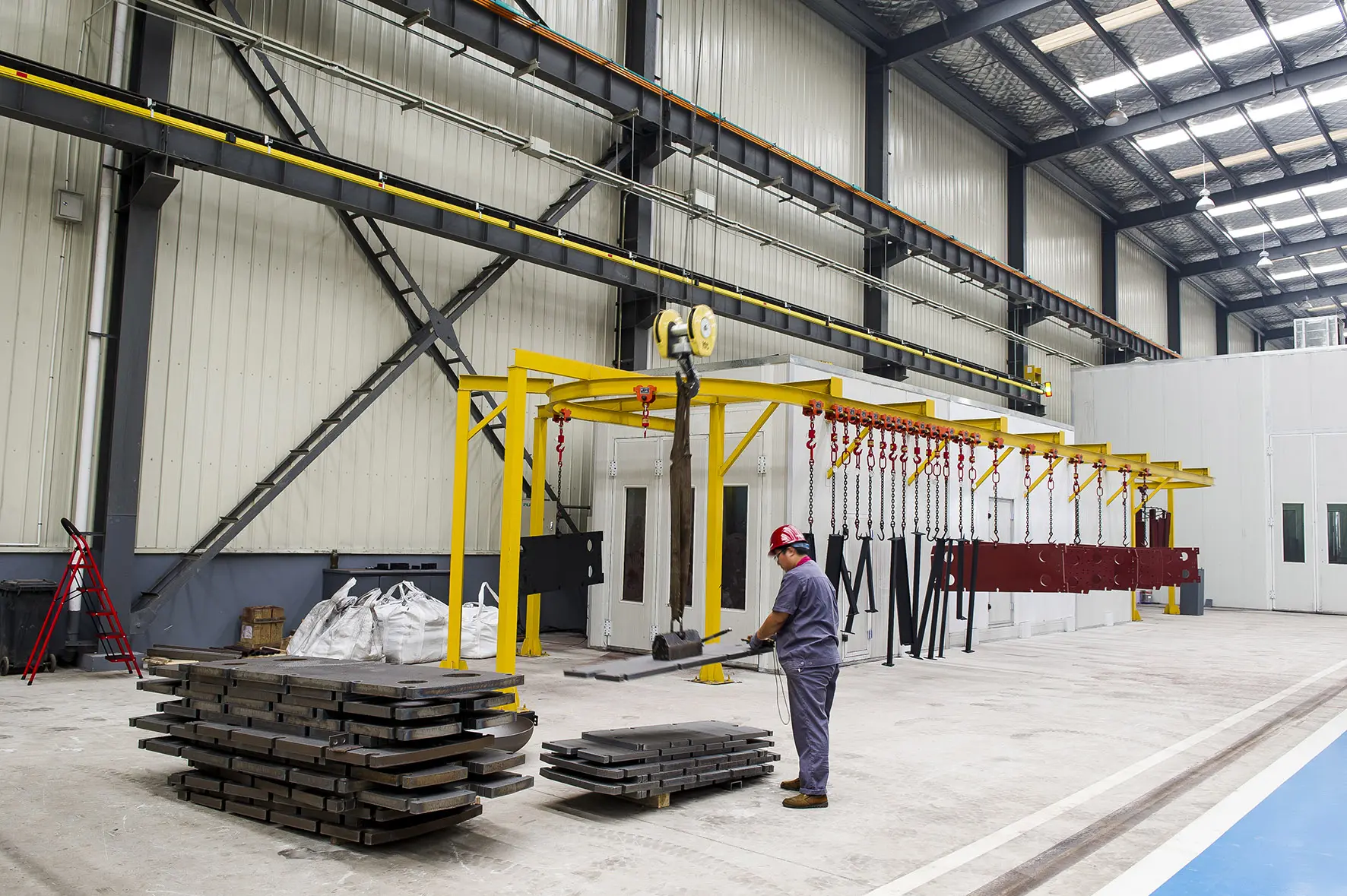
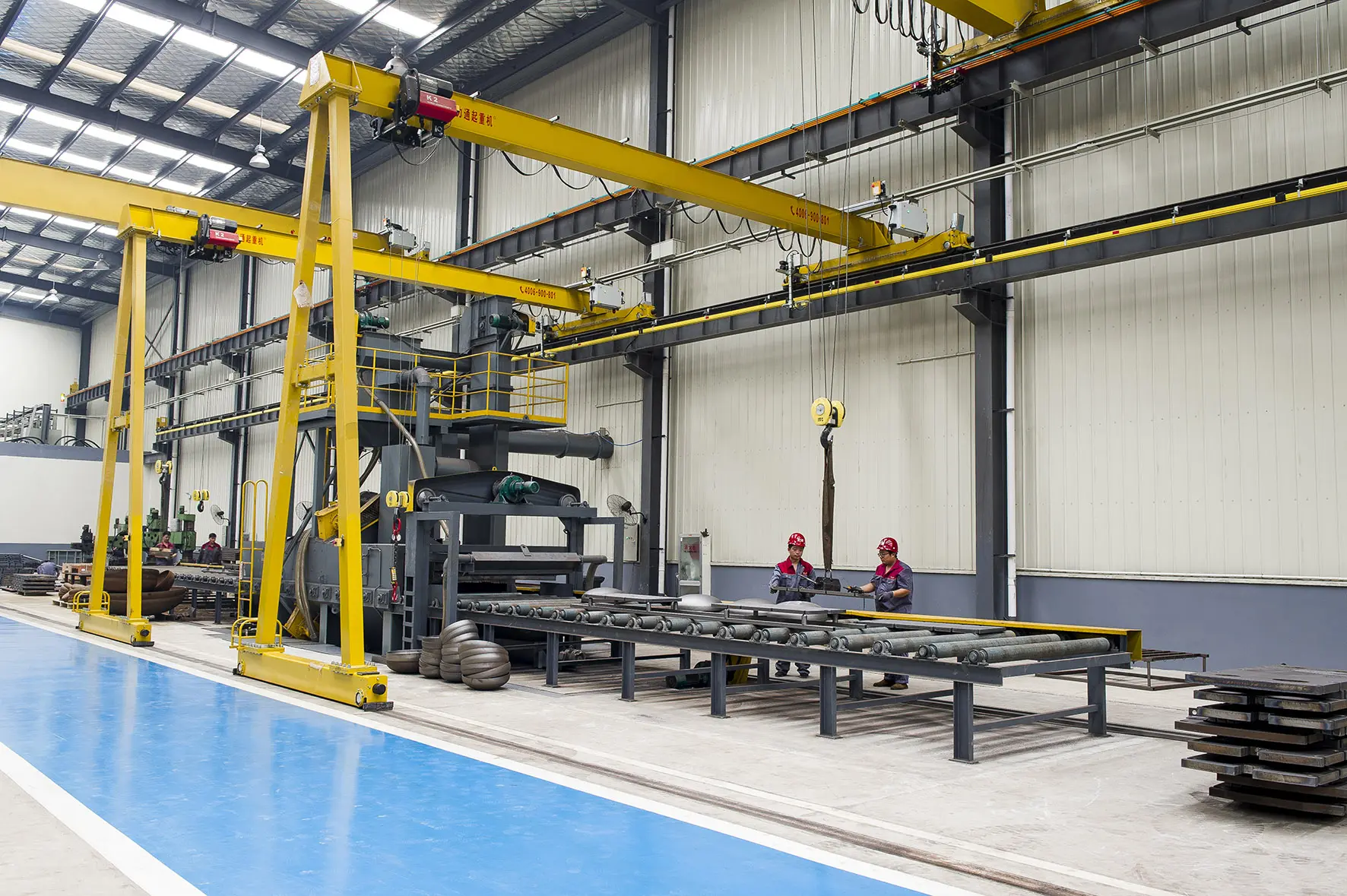
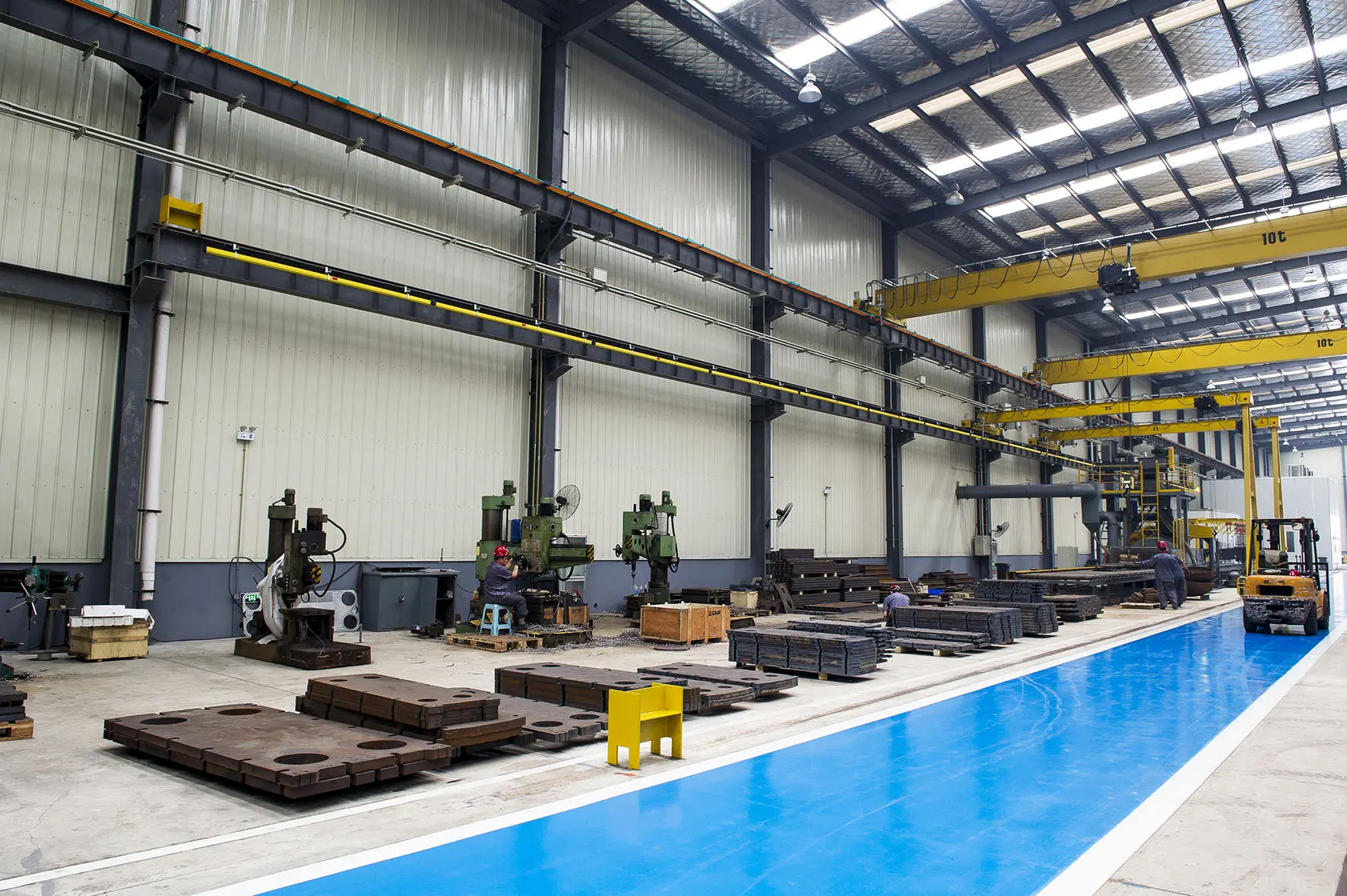

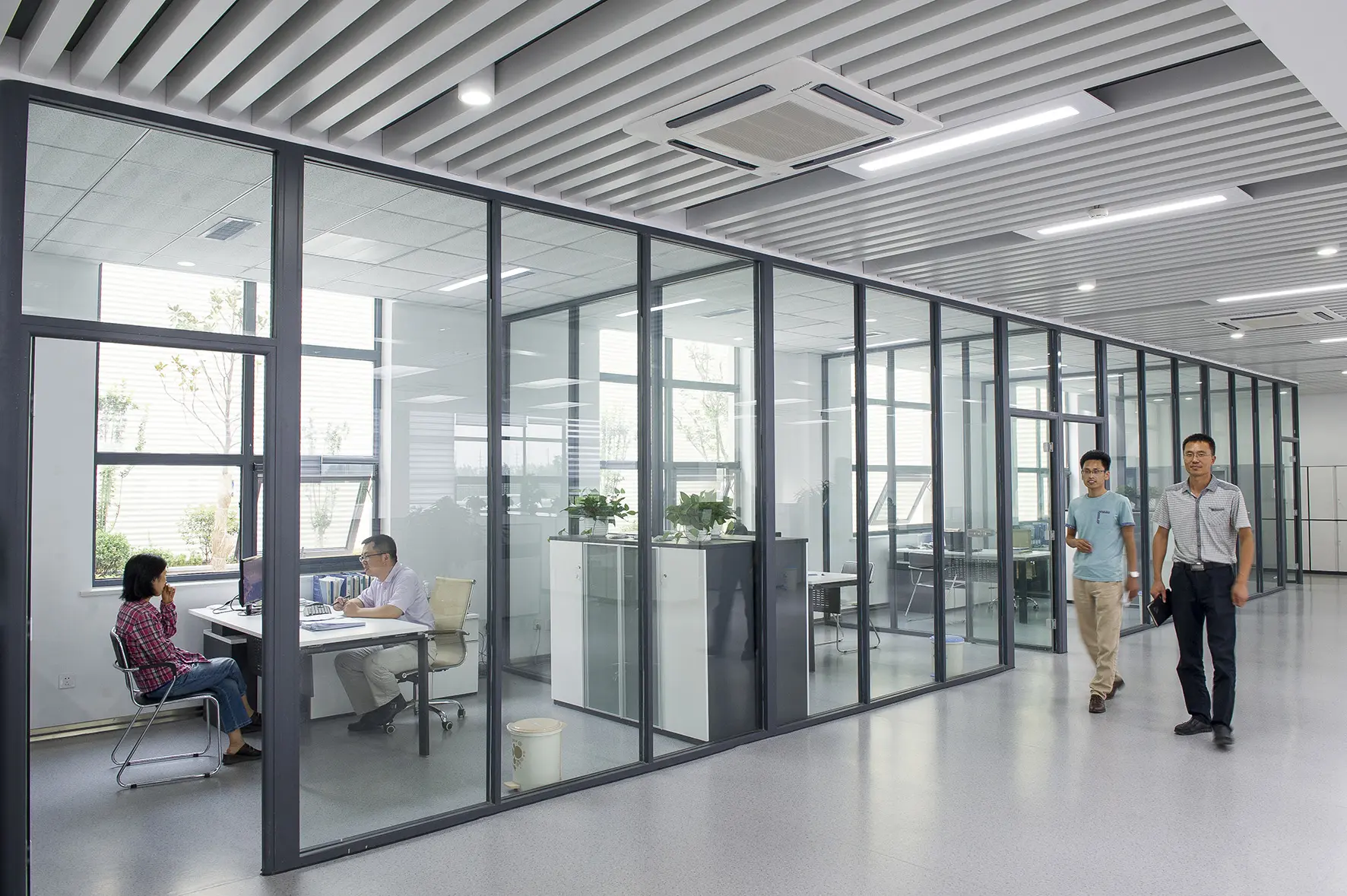

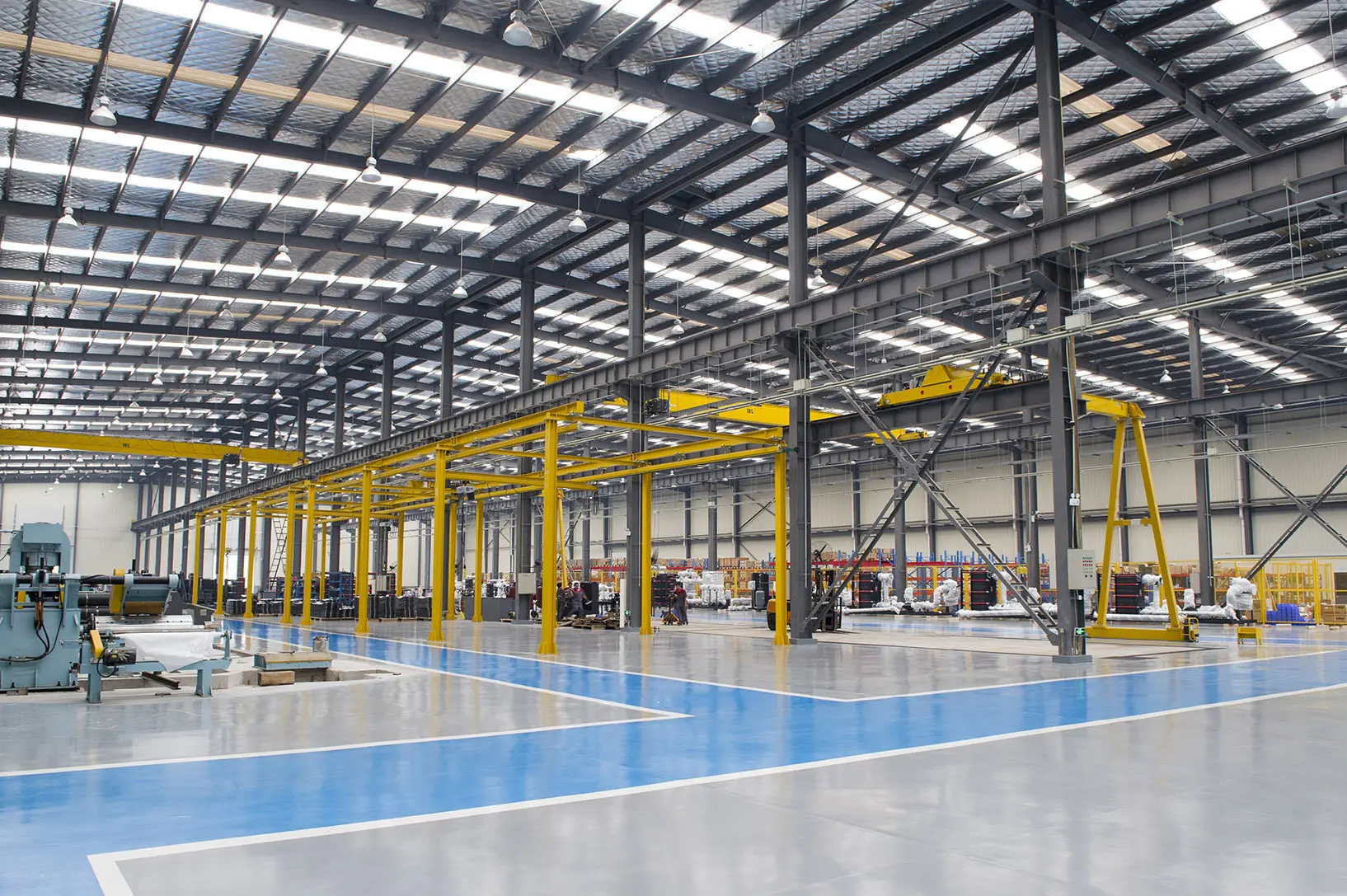
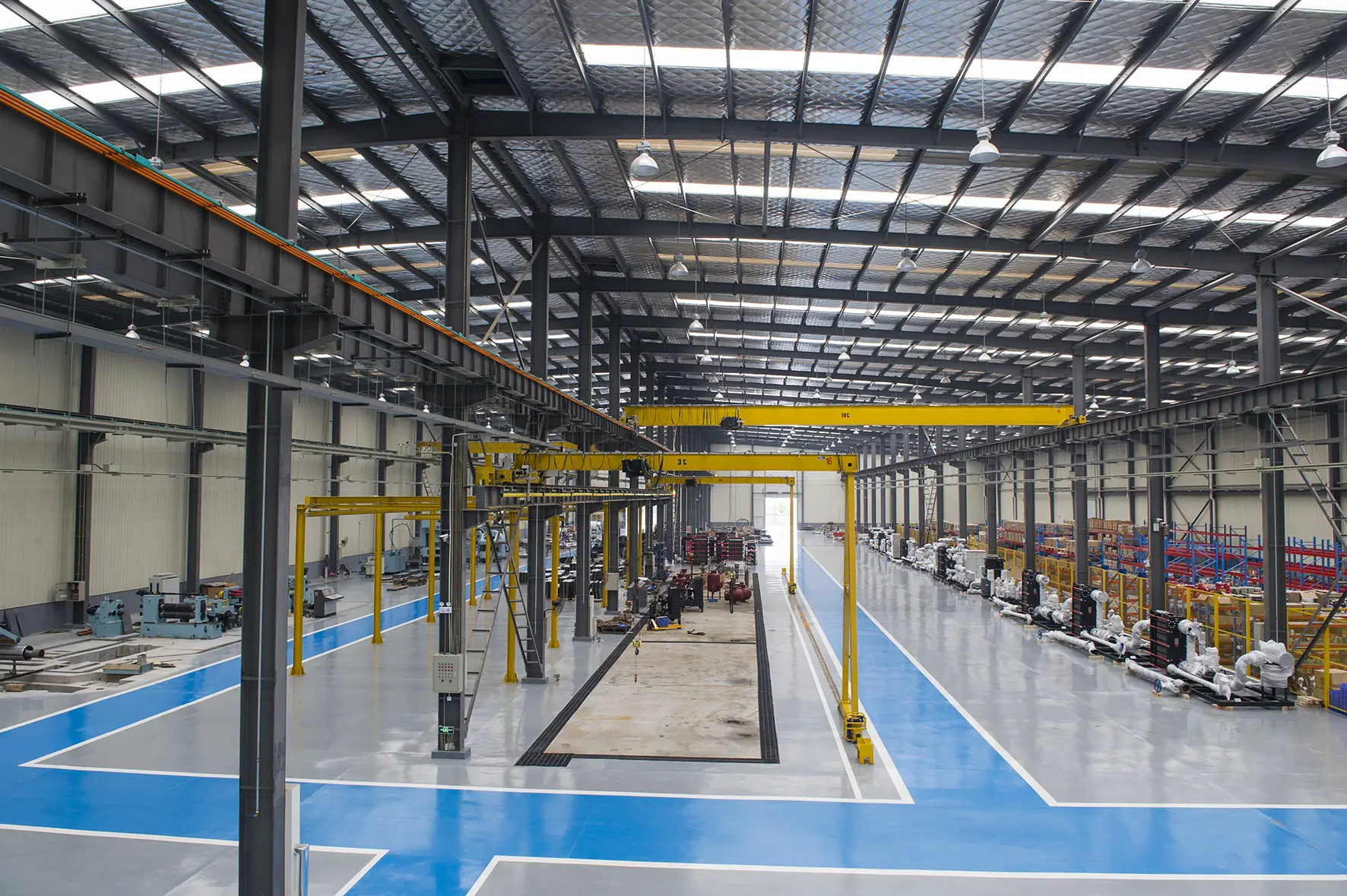
A closer look at our major heat exchange units, integrated systems, and balance valve equipment designed for high efficiency.
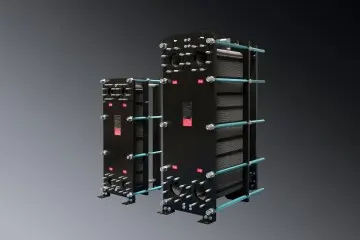
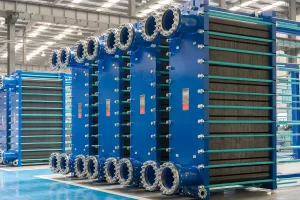
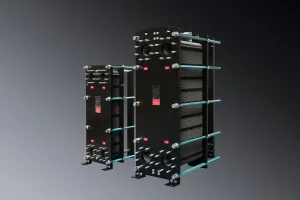
Designed for simple teardown, maintenance, and expansion. Ideal for high heat-transfer coefficients and low operational costs.
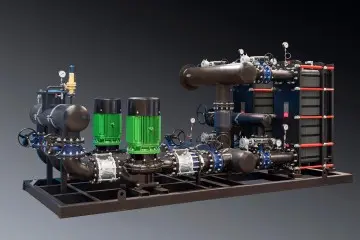
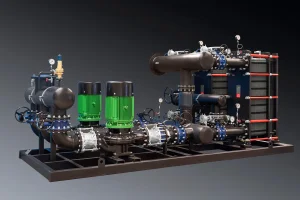
A plug-and-play, skid-mounted heating station equipped with integrated control panels, variable speed pumps, and safety shutoffs.
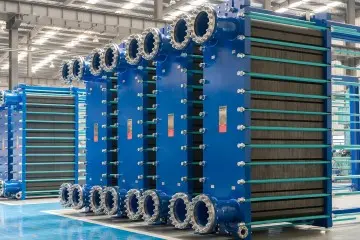
Providing thermal protection and pressure control in municipal gas, steam distribution, and district heating loops.
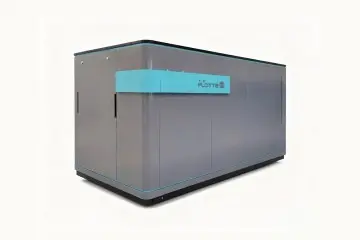
High-efficiency thermal transfer unit tailored for multi-story residential buildings, commercial towers, and hotels.
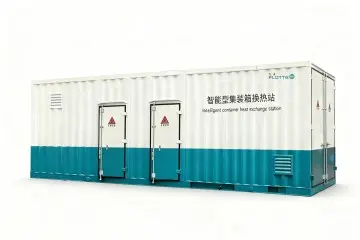
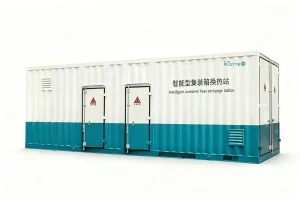
Fully enclosed box structure, offering low noise, weather protection, and an aesthetic presentation for outdoor installations.
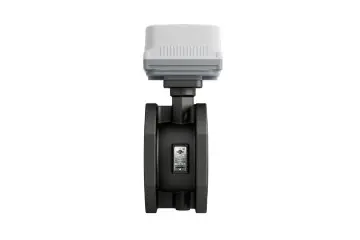
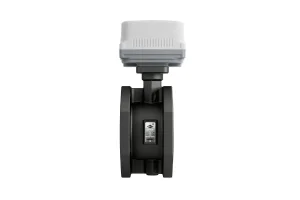
Allows precise flow adjustments and hydraulic balancing across secondary networks to optimize energy savings.

Smart thermal data collector transmitting real-time interior temperatures to the heating station for automated adjustment.
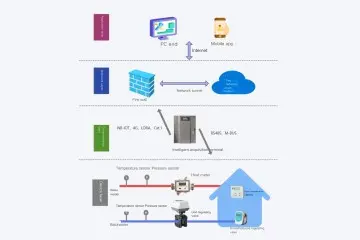
An algorithm-driven system that stabilizes flow rates across secondary networks, reducing heat distribution imbalance.
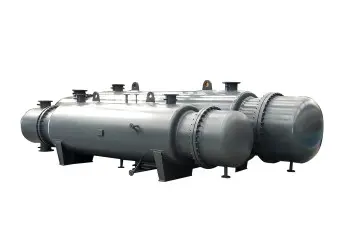
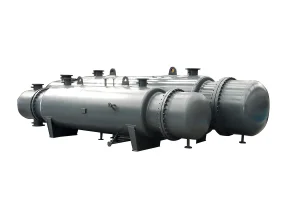
Traditional, heavy-duty shell and tube systems designed for high pressures, extreme temperatures, and heavy chemical fouling.
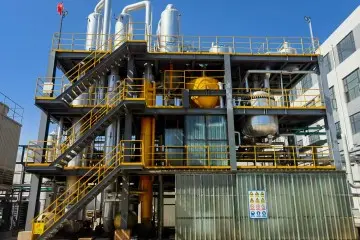
Energy-optimized industrial evaporation unit for wastewater concentration, chemical recovery, and liquid separation.
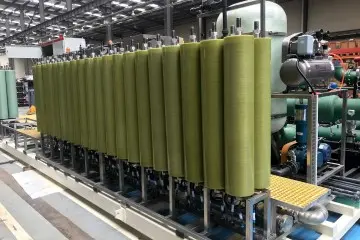
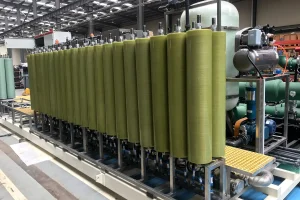
Advanced cross-flow filtration system for high-purity concentration, desalination, and water recovery.
In-depth responses resolving the most common technical questions concerning plate heat exchanger spare parts procurement and maintenance.
Explore our advanced range of shell and tube exchangers, modular heat transfer units, and smart network regulation systems.
 Flotte Energy