Explore our cutting-edge heat transfer equipment designed for district heating, HVAC, and industrial processes.
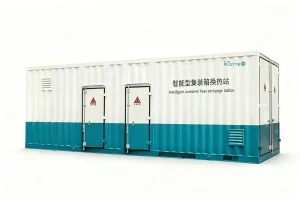
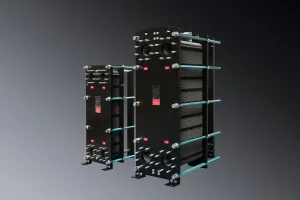
An industrial guide on heat transfer metrics, parameter optimization, and high-precision fluid dynamics.
A comprehensive Plate Heat Exchanger Specification Sheet outlines thermodynamic inputs that dictate efficiency: Heat Load (kW), Logarithmic Mean Temperature Difference (LMTD), and Maximum Pressure Drop. By evaluating fluid dynamics and viscosity, engineers determine the optimum velocity profile to prompt self-cleaning turbulent flow without exceeding structural load thresholds.
Structural durability depends on selecting the right metals and polymers. High-efficiency plate designs typically feature AISI 304, AISI 316L Stainless Steel, Titanium, or Nickel alloys to handle corrosive chemical environments. The sealing profile must explicitly define gasket compositions—ranging from NBR, EPDM for HVAC application to Viton/FKM for extreme chemical stability.
For global engineering contractors and wholesale distributors, a detailed specification sheet is the primary mechanism to avoid commissioning delays. It establishes a rigorous verification protocol for hydraulic testing, design pressure limits, and compliance certifications, ensuring third-party approval from authorities like ASME or PED.
In today's highly competitive industrial landscape, procurement officers are looking for more than just low unit costs. Sourcing plate heat exchangers from advanced Chinese manufacturing plants offers massive benefits in terms of supply chain speed, technological customization, and material quality. Modern Chinese factories have evolved from simple assembly workshops into centers of engineering innovation. With direct access to domestic raw material supplies (such as high-grade steel from BaoSteel and TISCO), these plants keep lead times short while offering complete customization of plate profiles and thicknesses (ranging from 0.5mm to 0.8mm).
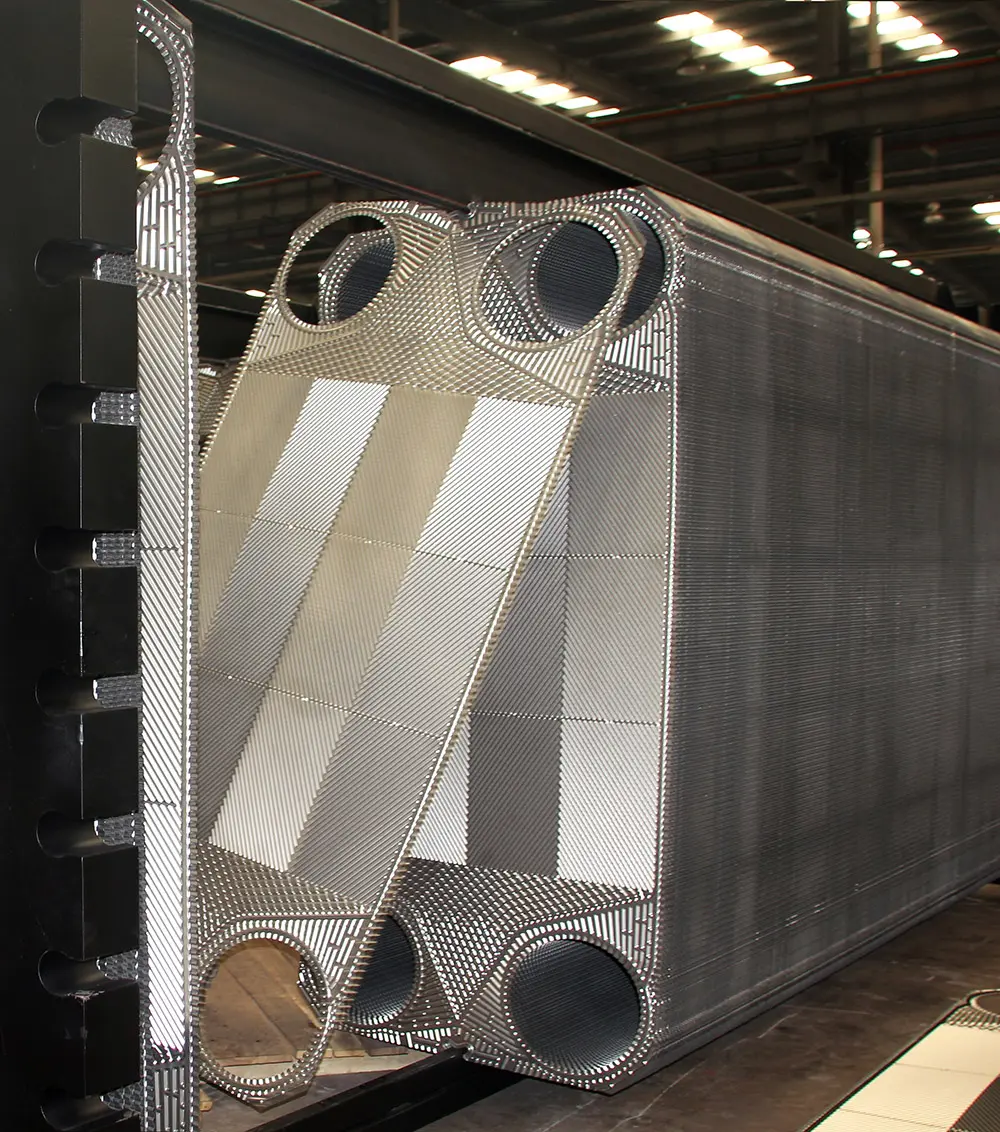
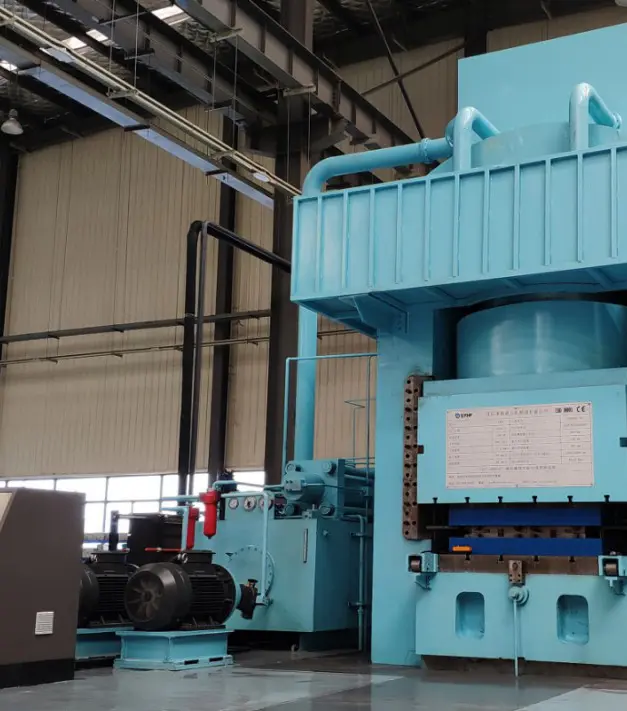
Advanced processing technologies, such as multi-thousand-ton hydraulic presses, ensure that each plate is stamped with perfect precision. This level of accuracy is critical to prevent channel blockages and ensure even fluid distribution across the heat transfer area. Furthermore, ISO 9001, ISO 14001, and ISO 45001 management systems are standard across modern Chinese facilities. This guarantees that wholesale plate heat exchanger specification sheets accurately reflect actual performance under severe, real-world operating conditions.
Exporters of heat exchange systems must meet strict regulatory requirements globally. For the European market, equipment must comply with the Pressure Equipment Directive (PED) 2014/68/EU, while North American projects depend on the ASME Boiler and Pressure Vessel Code (Section VIII). Modern Chinese manufacturing facilities work closely with international testing companies (such as SGS, TÜV, and Bureau Veritas) to carry out strict quality checks. These include helium leak tests, ultrasonic testing, and hydrostatic pressure verification up to 1.5 times the maximum working pressure.
Having these certifications on the plate heat exchanger specification sheet speeds up installation and approval times for local governments. By providing comprehensive documentation (including material certificates and welding procedures), Chinese exporters ensure their equipment integrates smoothly into international heating projects, chemical processing lines, and critical HVAC installations.
The global transition to net-zero carbon emissions is forcing industries to reassess their thermal management systems. Waste heat recovery is now a key part of modern factory design. By utilizing high-efficiency detachable plate heat exchangers, industrial facilities can capture thermal energy from wastewater, exhaust air, and chemical processes. This recovered energy is then redirected to preheat boiler feed water or support facility district heating.
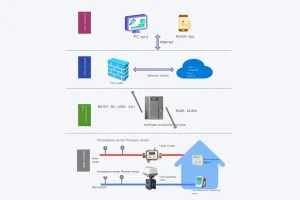
At the same time, the integration of the Internet of Things (IoT) is turning traditional heat transfer equipment into smart systems. Instead of relying on manual inspection cycles, modern operators use intelligent heat exchange units equipped with balance valves, flow control sensors, and pressure transmitters. These IoT sensors feed real-time performance data to automated control platforms, allowing operators to monitor fouling, schedule preventative maintenance, and optimize flow rates to save energy and extend equipment life.
Flotte Energy Saving Company, established in 2013 with a registered capital of 101 million yuan, originated from Flotte Thermal Engineering founded in 1995.
With three decades of technical expertise, the company specializes in water equipment, HVAC systems, and water treatment industries. It consistently leads industry peers in adopting cutting-edge technologies, developing innovative products, and delivering comprehensive production and sales services.
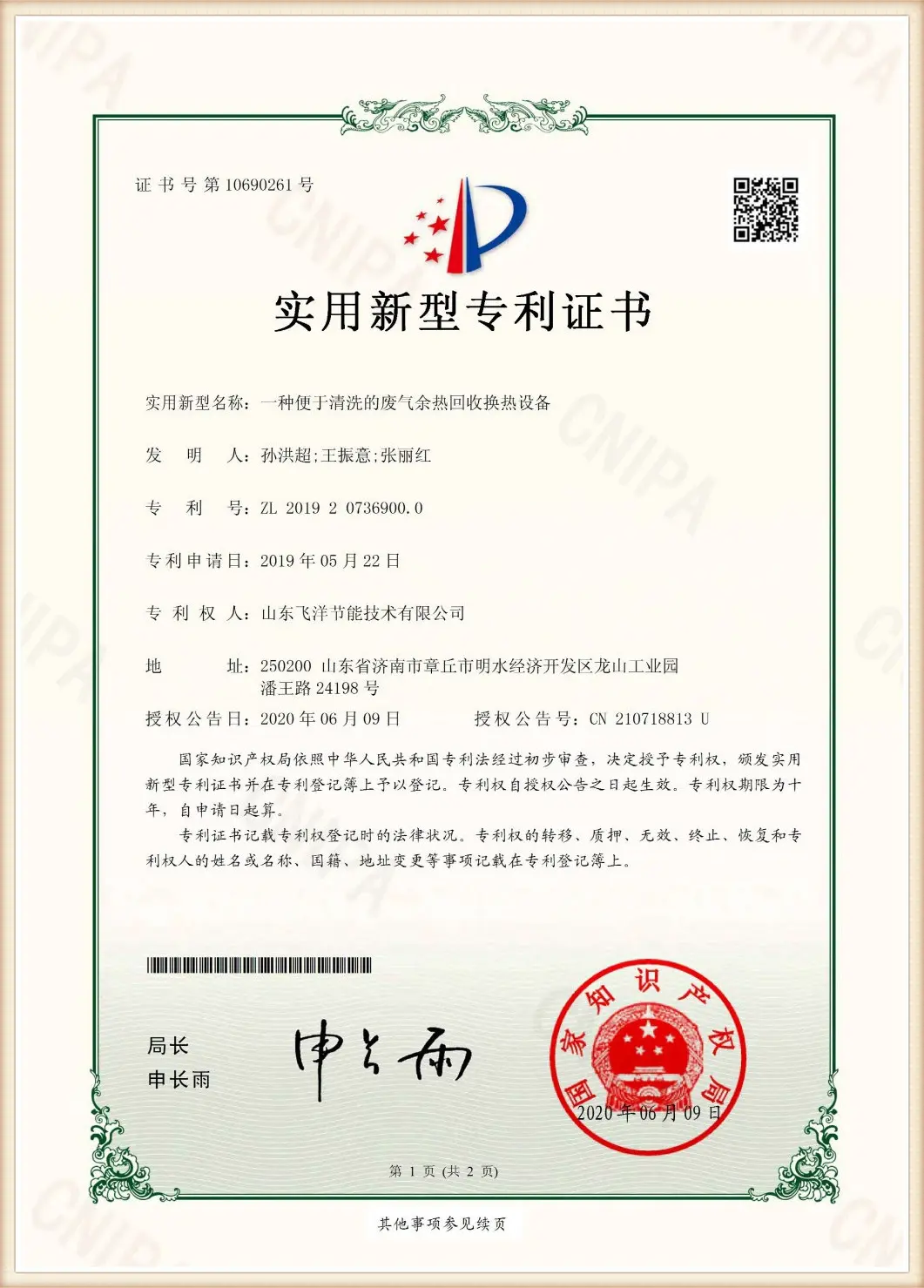
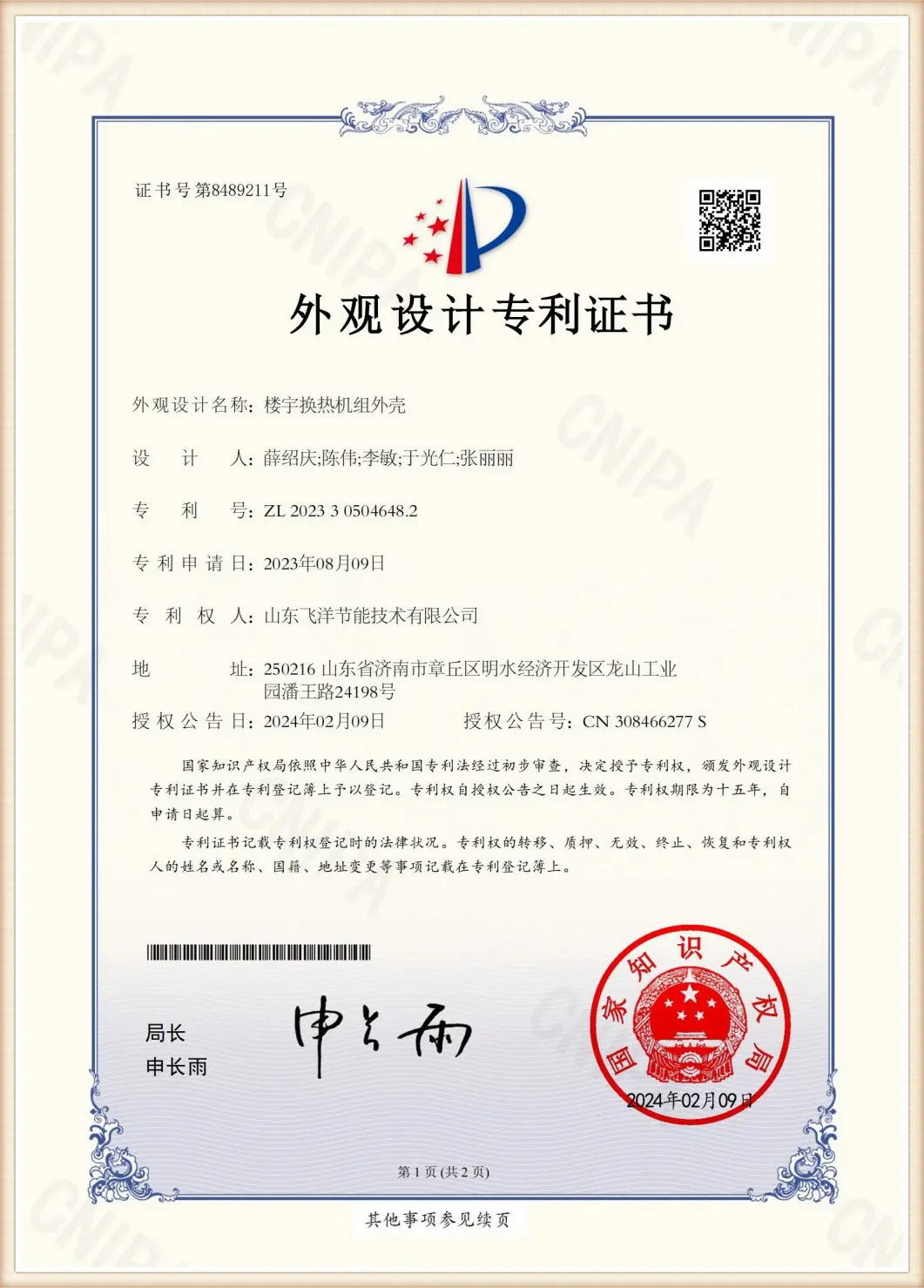
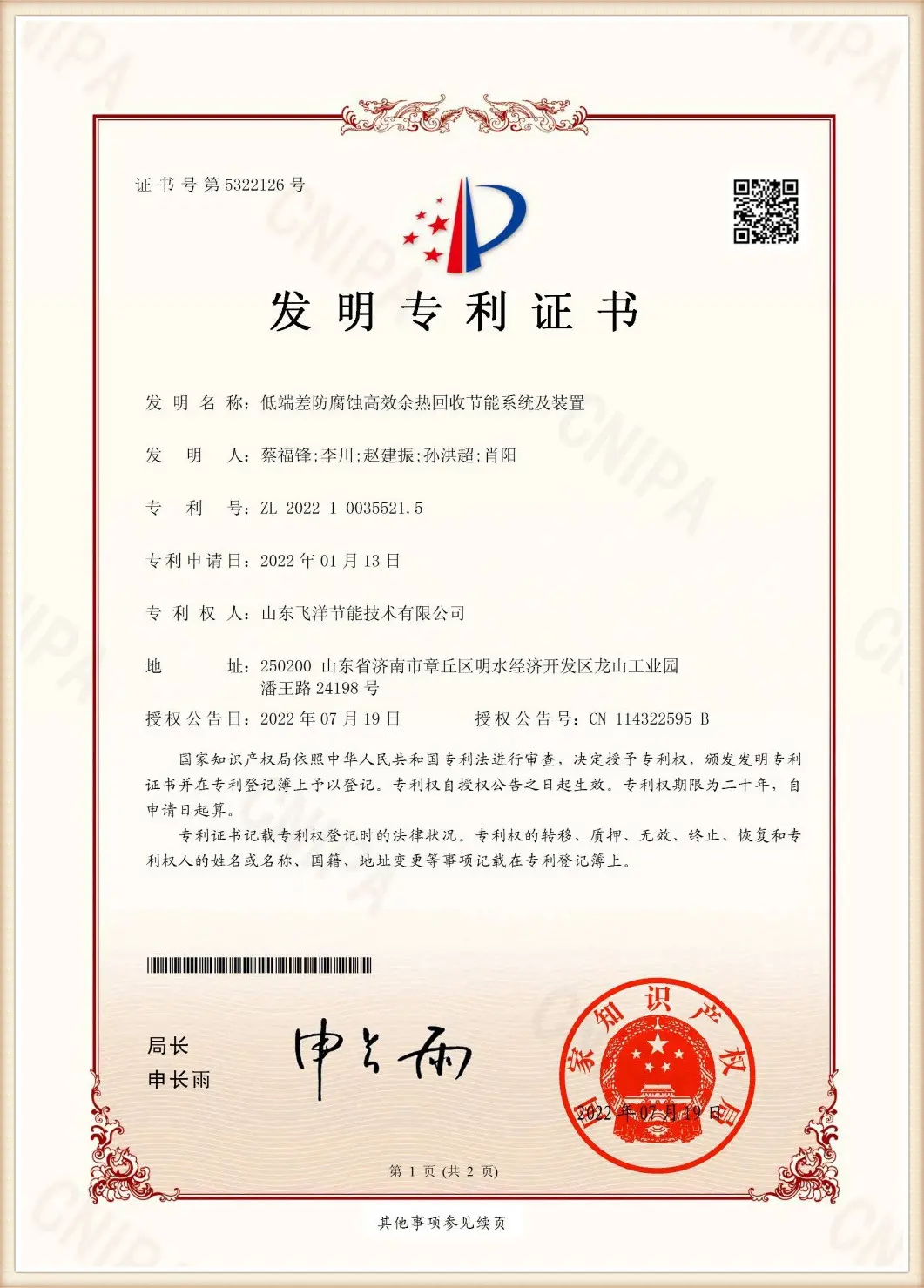
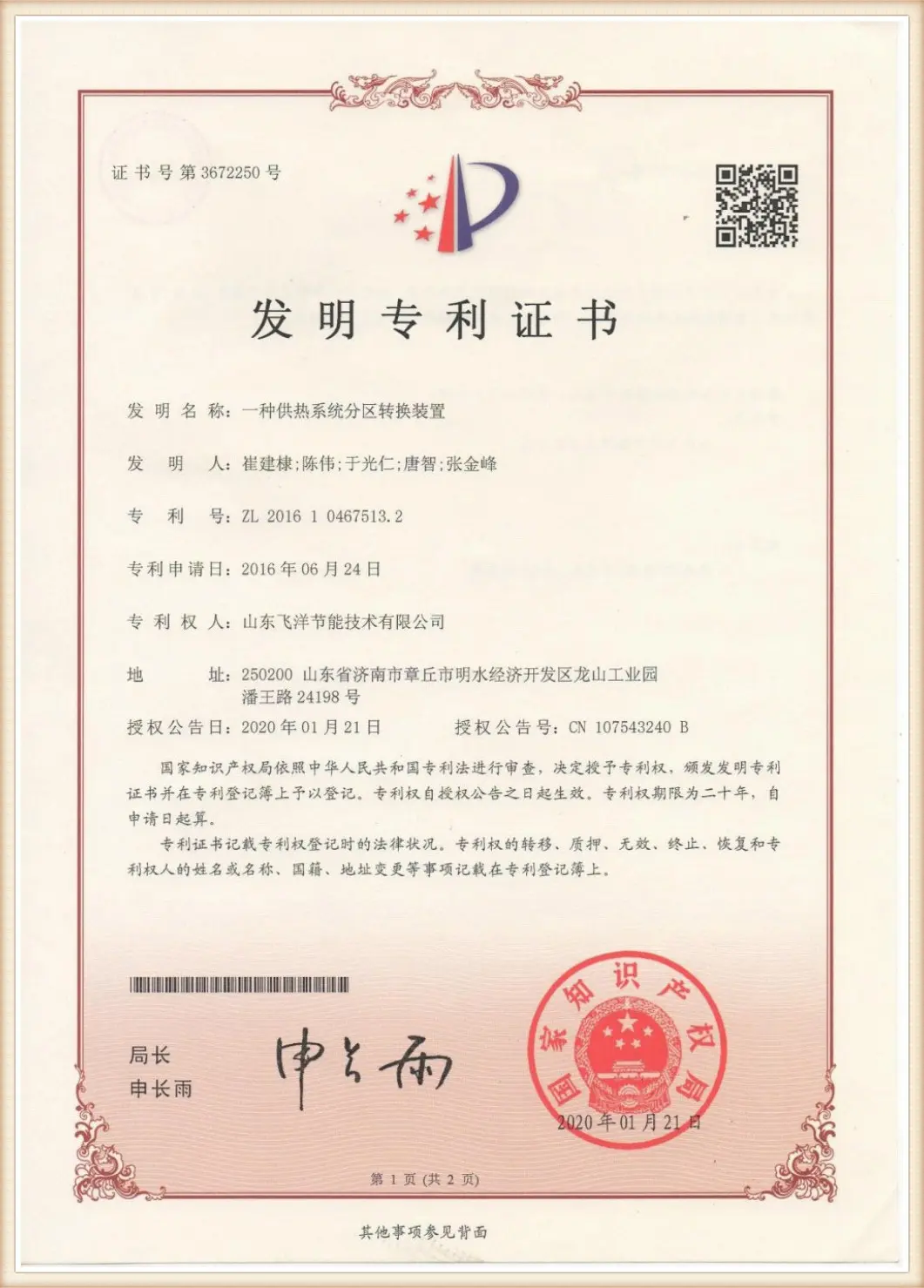
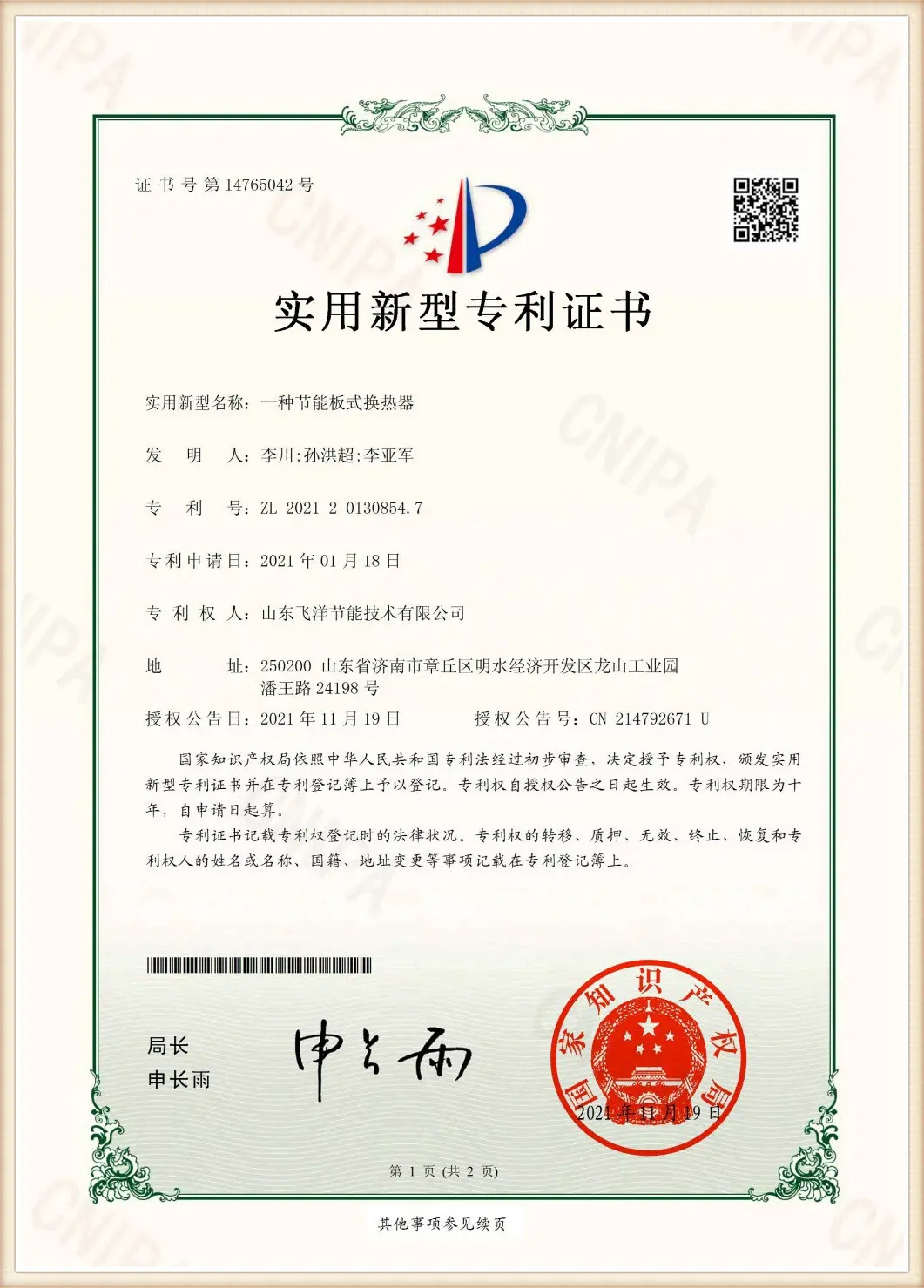
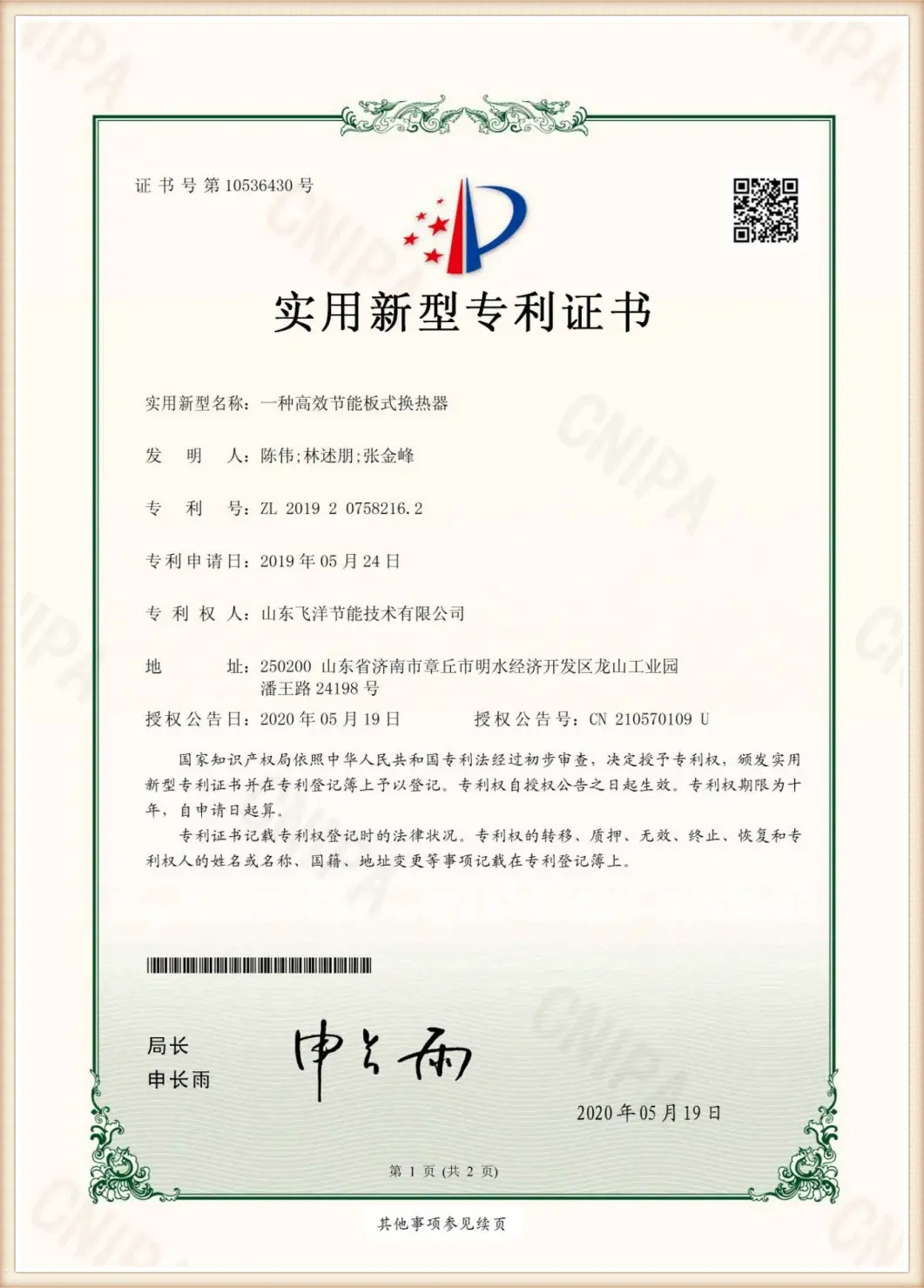
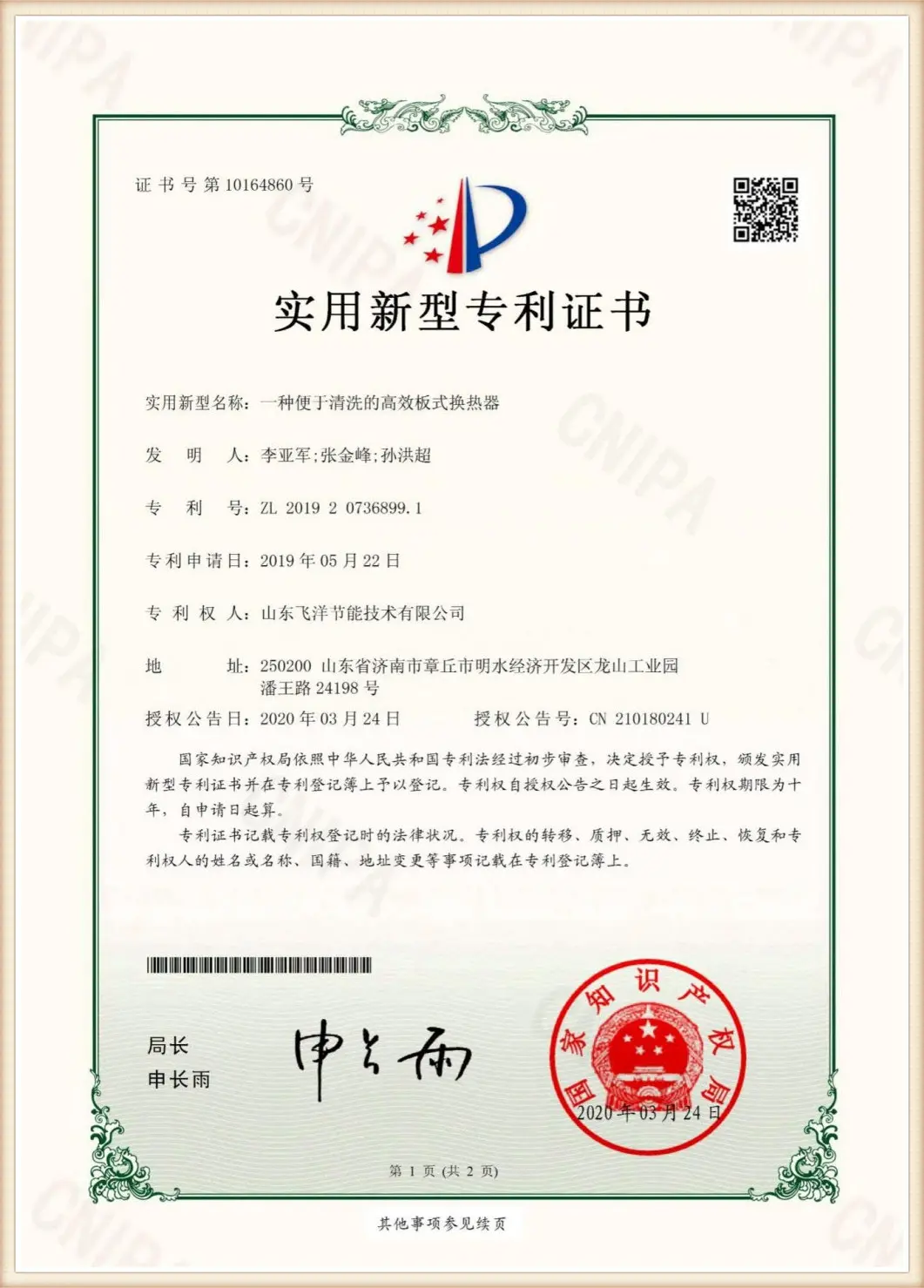
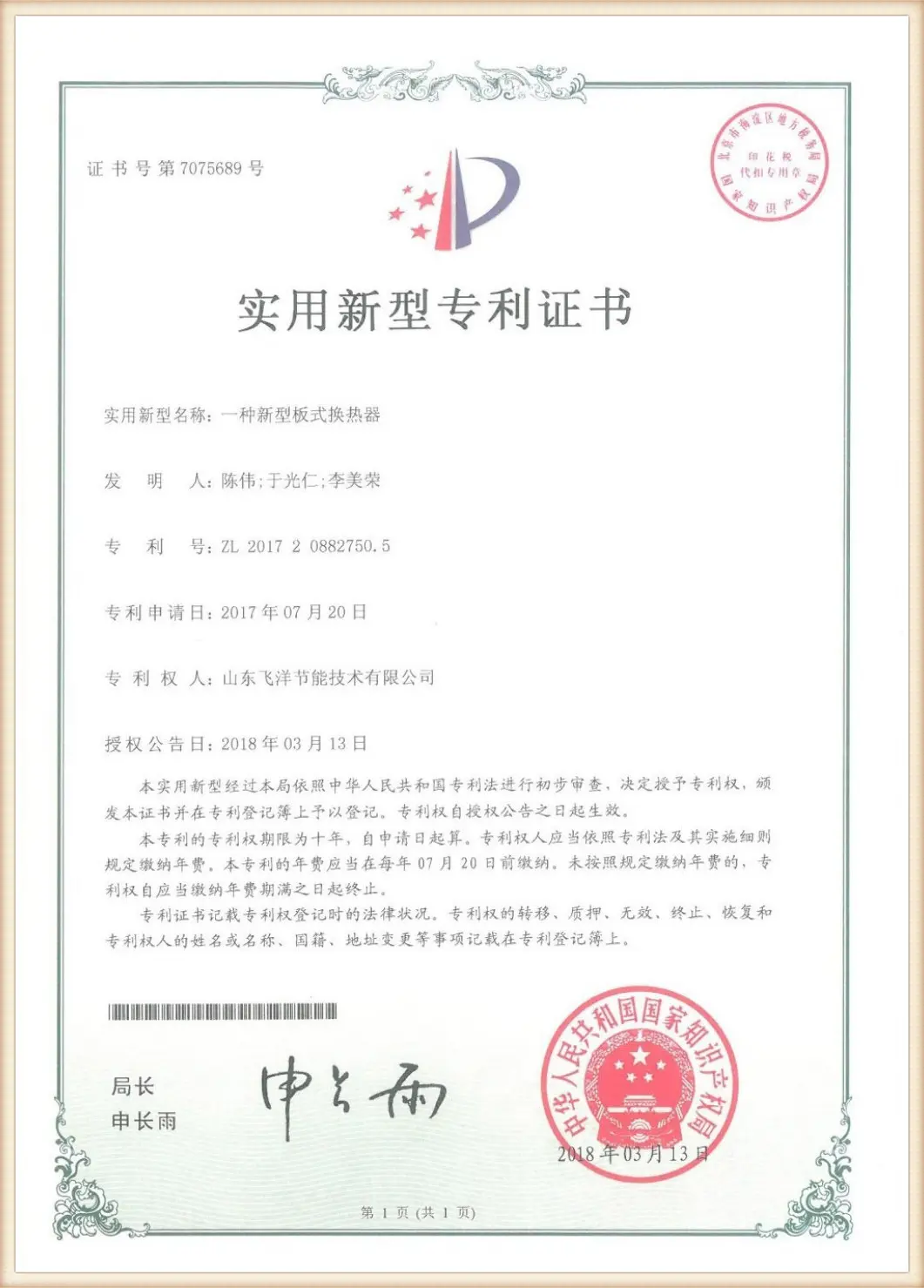
The company has been continuously advancing in production technology innovation, holding multiple patent certifications including "High-Efficiency Plate Heat Exchanger", "Intelligent Plate Heat Exchanger System", and "Plate Heat Exchanger Scale Removal Device" (see qualification documentation). Its products have obtained mandatory national product certification and safety registration from the National Standardization Committee, along with the safety registration for plate heat exchangers issued by the National Boiler and Pressure Vessel Standardization Technical Committee.
The company has also achieved ISO9001 Quality Management System certification, ISO14001 Environmental Management System certification, and ISO45001 Occupational Health and Safety Management System certification.
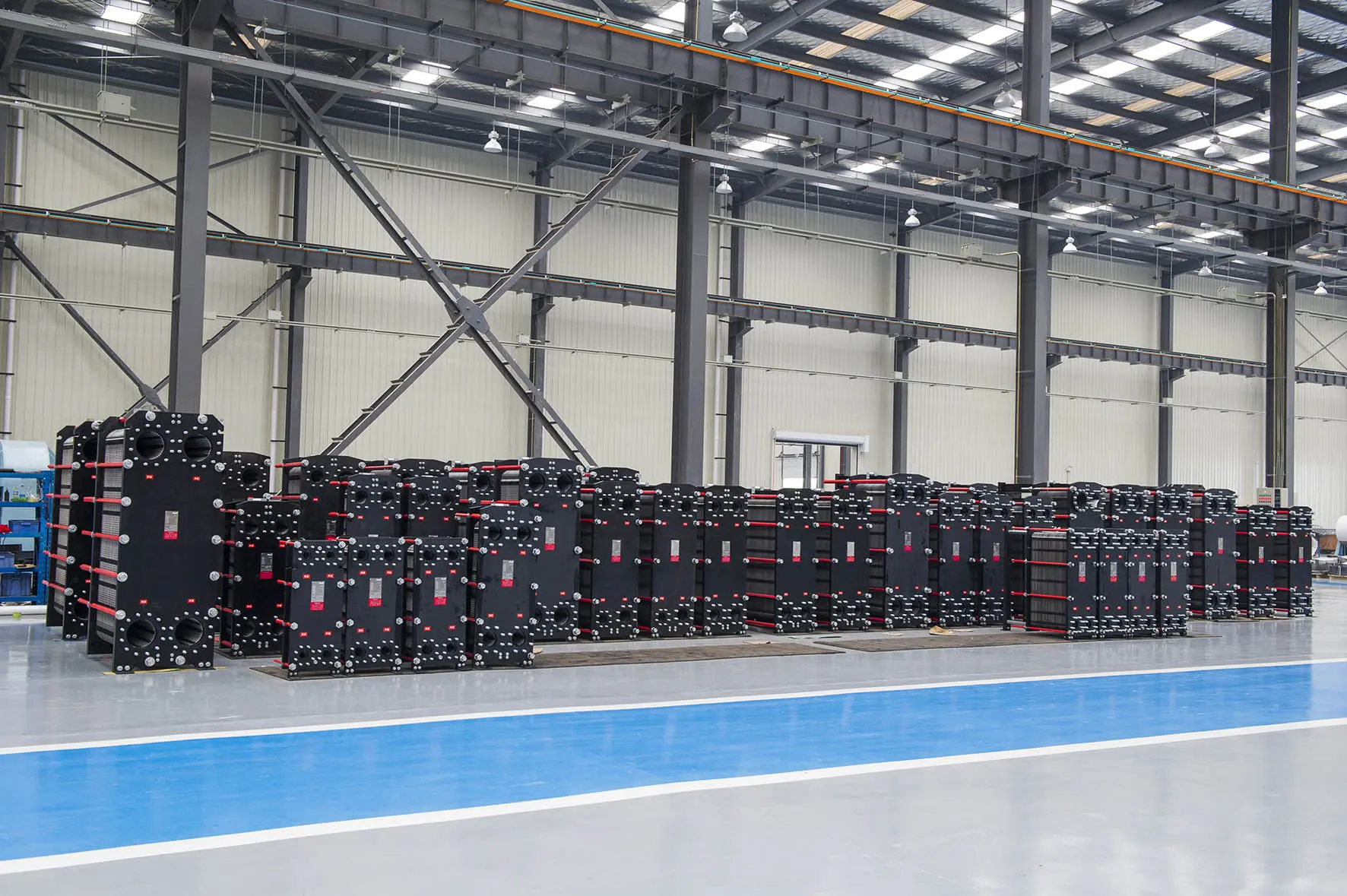
Our professional designers and skilled technical workers ensure the reliability of the products we build. The design team has years of practical experience in structural and thermal analysis, keeping our products at the forefront of the industry. With a dedicated R&D center and advanced testing laboratory, we continuously develop new solutions to meet the evolving demands of our global partners.
Over the years, we have delivered equipment and technical support for multiple key projects, building a team of highly skilled installation and service specialists. Moving forward, Flotte will continue to lead with advanced technologies, high-quality products, and responsive customer support, ensuring that past, present, and future clients can rely on us.
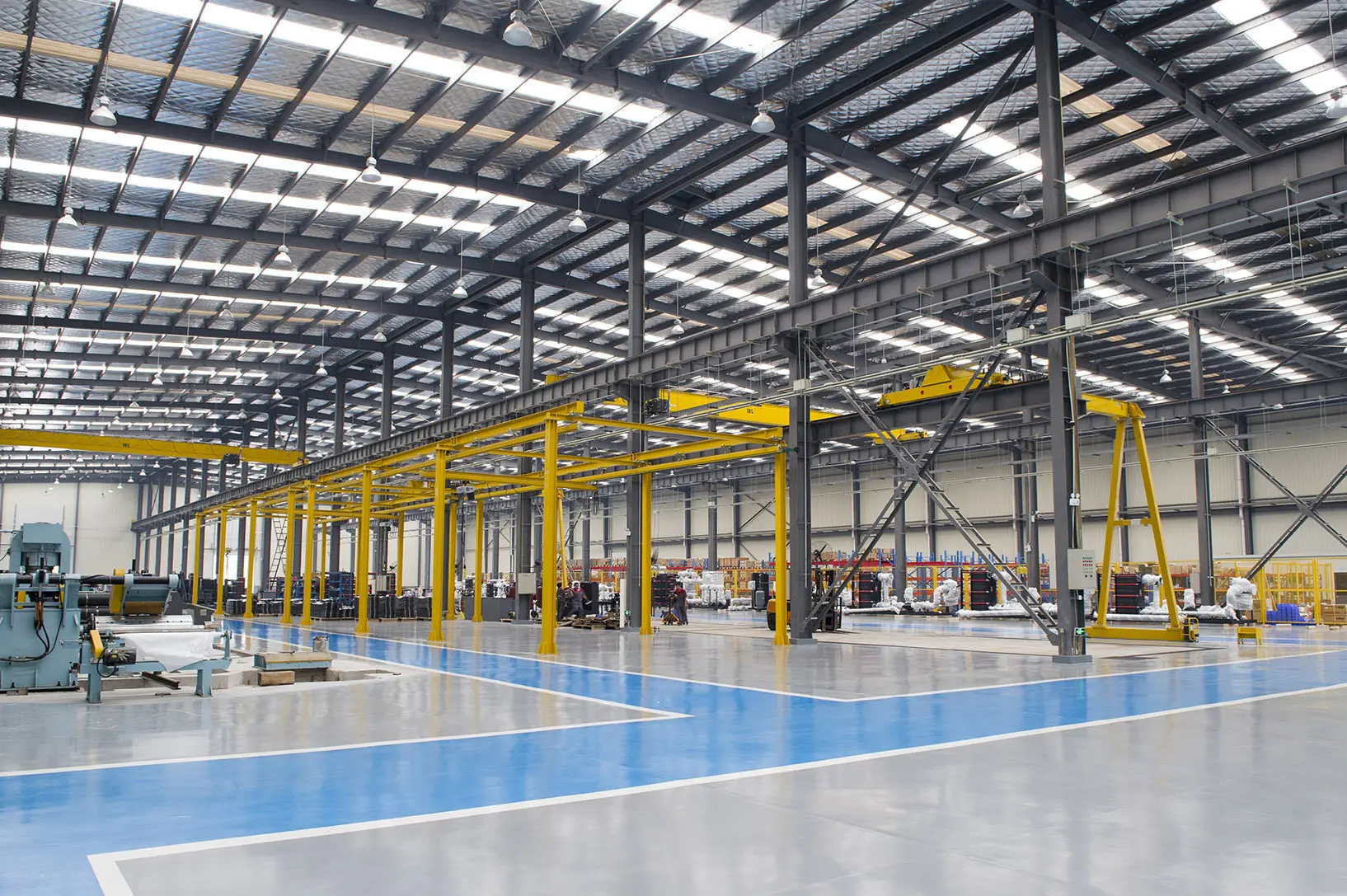
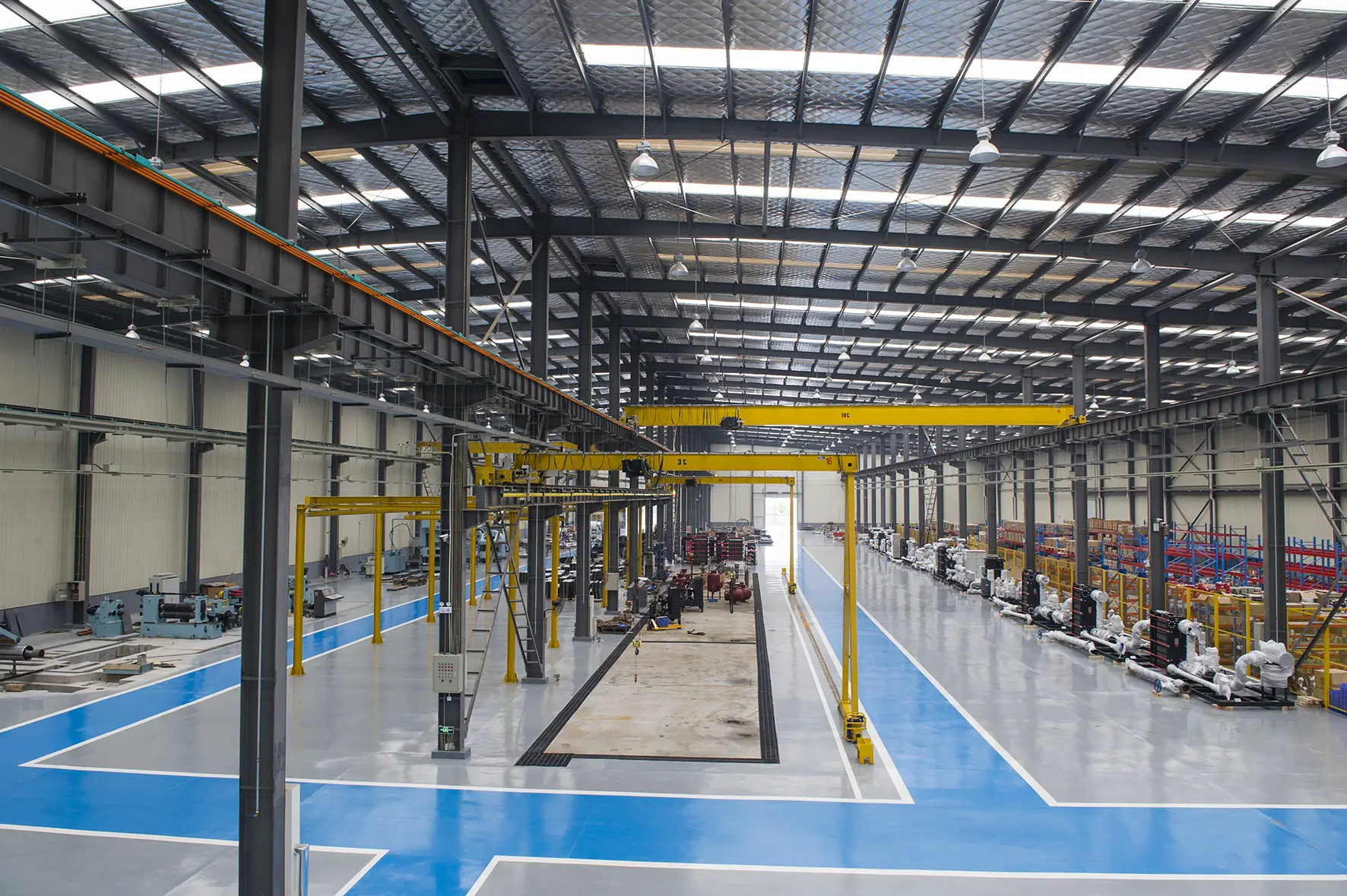
Our modern production facilities combine precision manufacturing with systematic quality management. Today, we produce approximately 4,500 heat exchange units and water supply/drainage sets annually. With more than 300 employees, the company generates annual sales revenue of 500 million yuan, contributing 15 million yuan in taxes and profits.
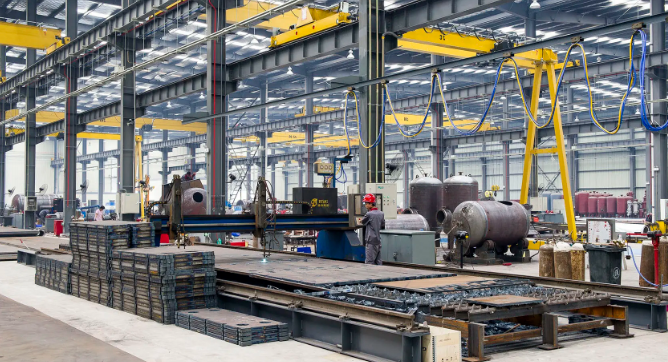
Our production workshops are equipped with advanced manufacturing and quality inspection facilities. All frontline technicians undergo rigorous training and certification. Production processes, quality control, and after-sales service strictly follow the ISO 9001:2015 quality management framework and comply with pressure vessel manufacturing standards.
Adhering to the concepts of "quality first" and "winning by quality", we have established a comprehensive quality assurance system. This system covers every stage of production, from raw material procurement to final product testing. Our procurement department carefully selects and audits suppliers to ensure that only certified materials enter our production line.
Flotte's products are widely used in power generation, pharmaceuticals, chemical manufacturing, and district heating networks. We have established long-term partnerships with customers worldwide, earning their trust through reliable equipment and professional service.
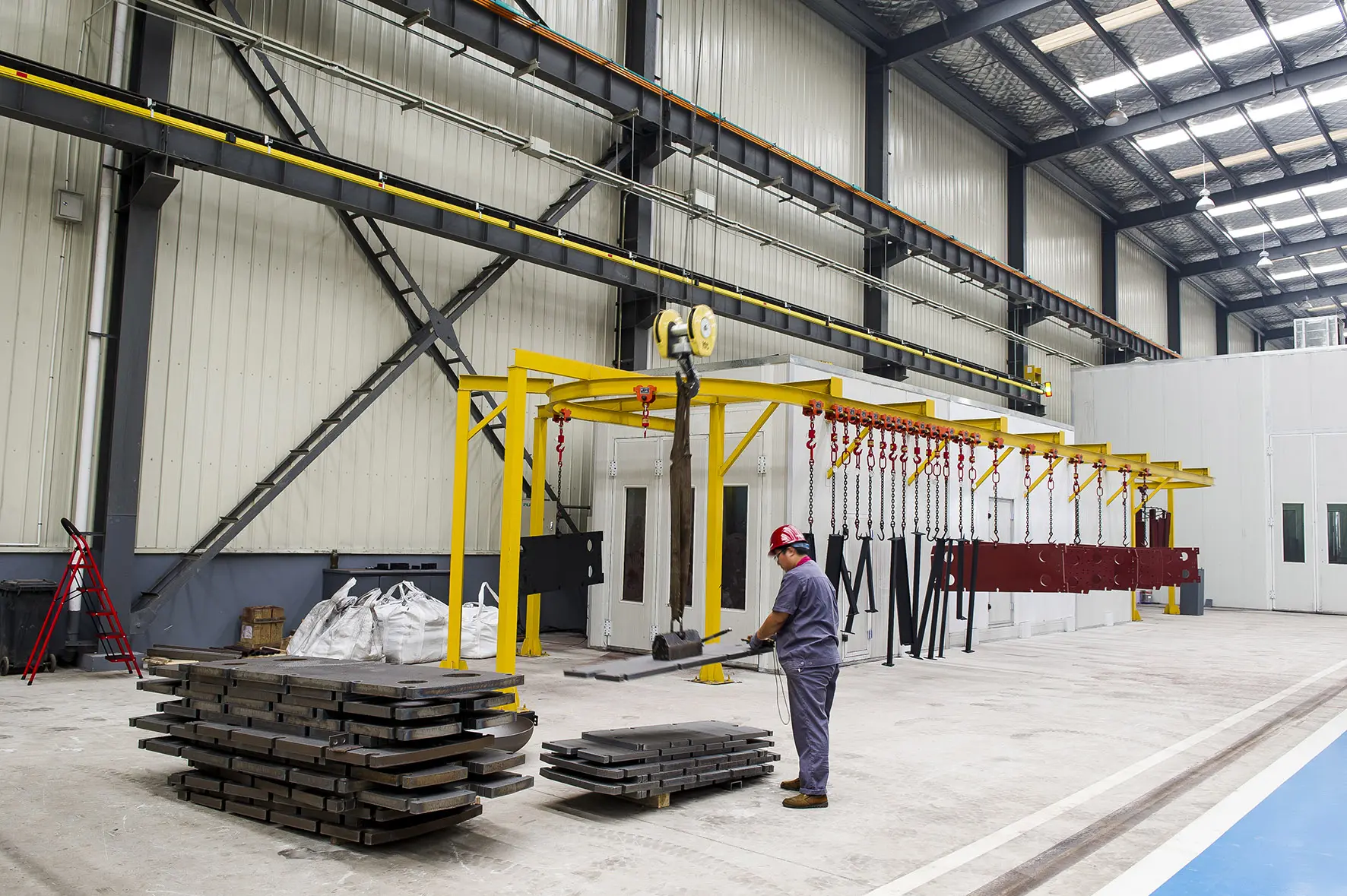
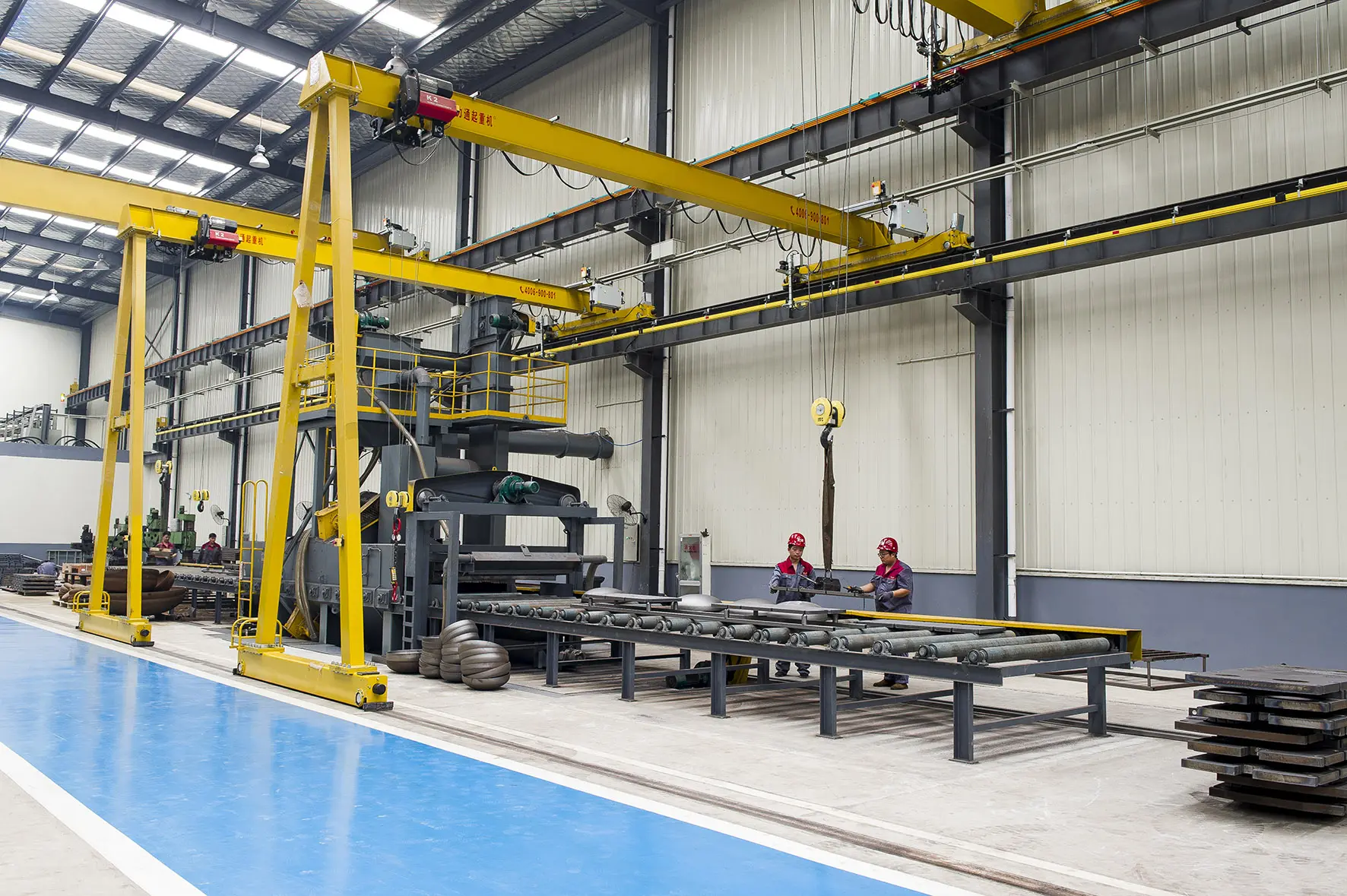
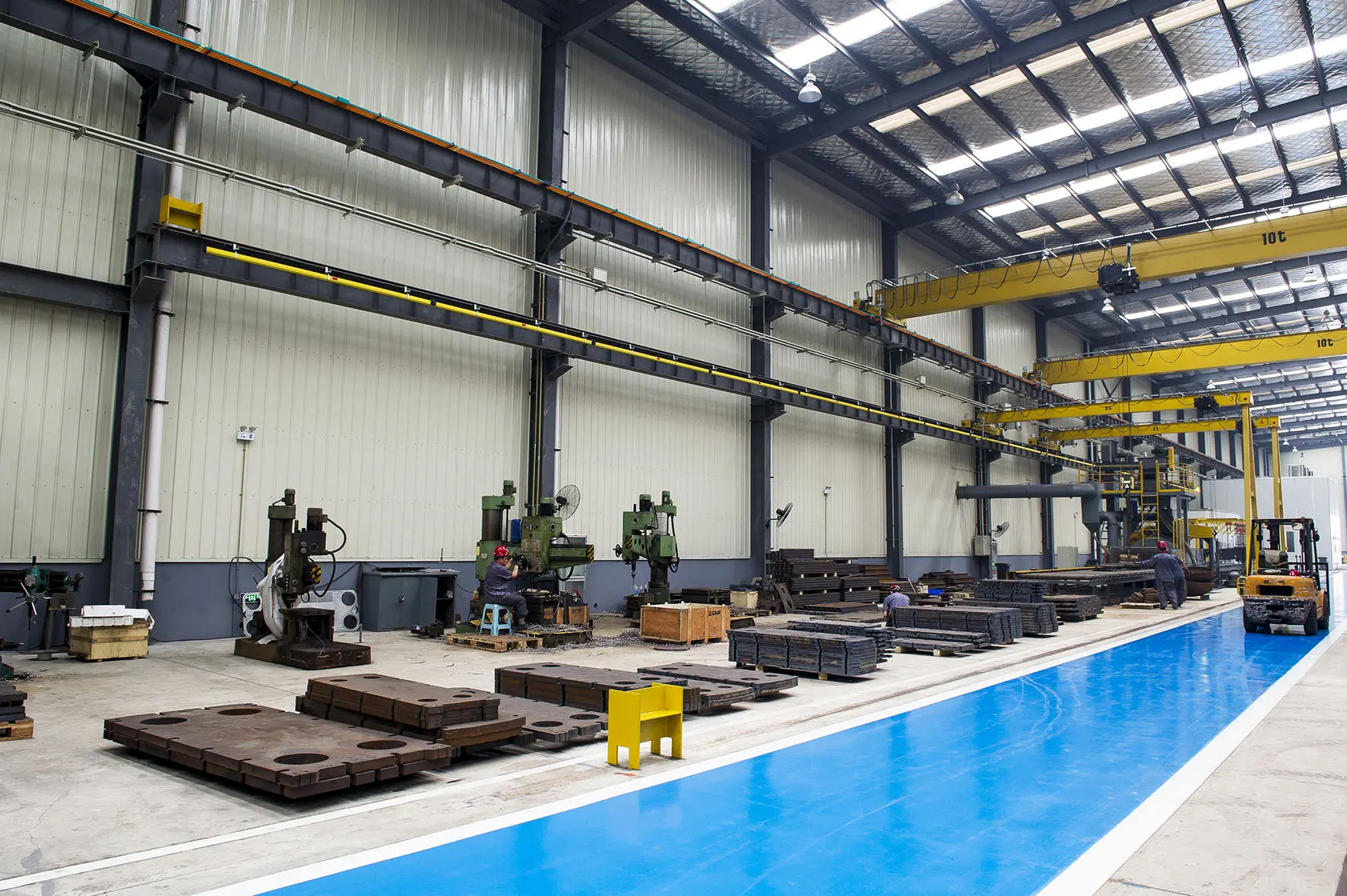

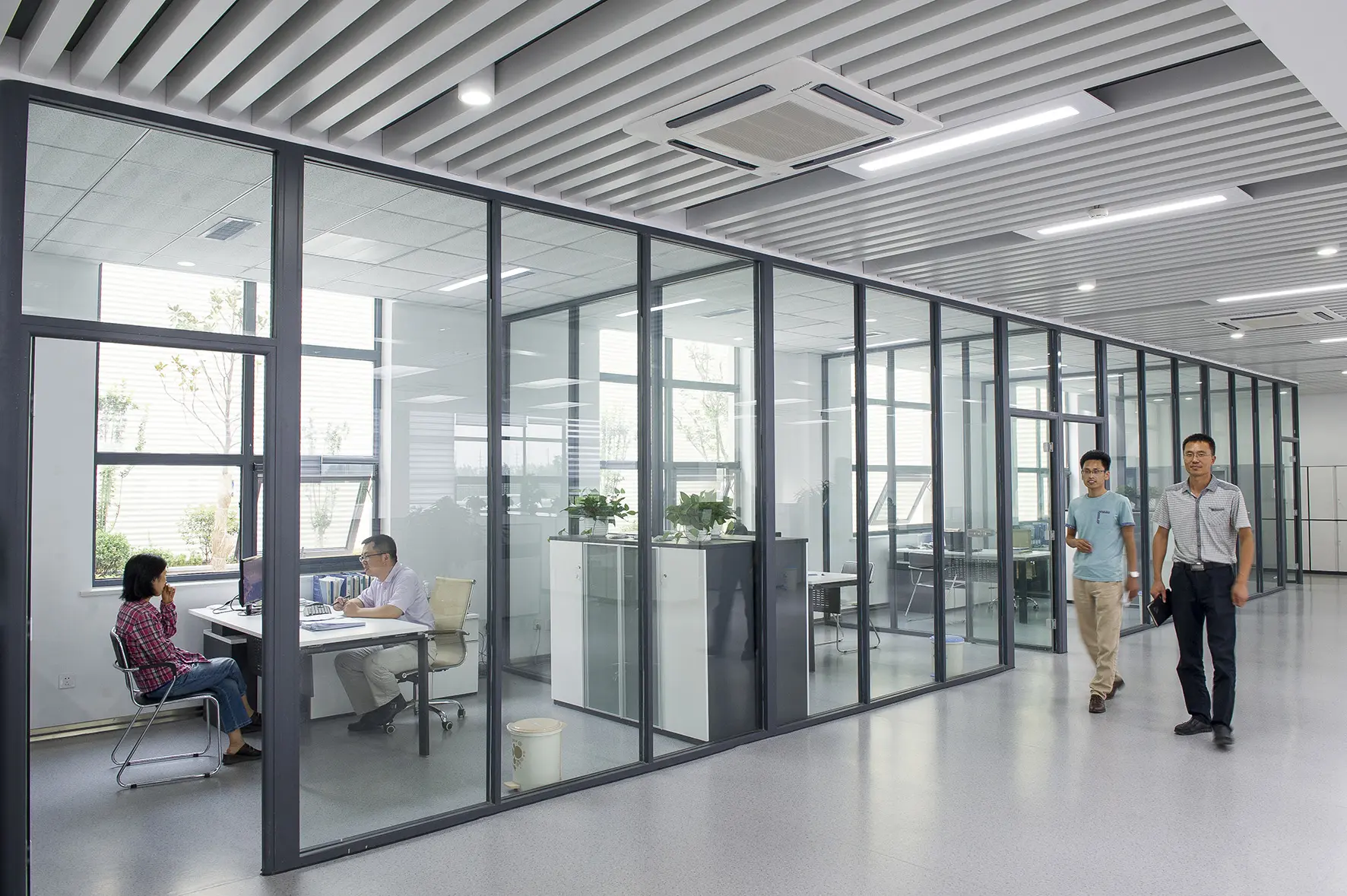

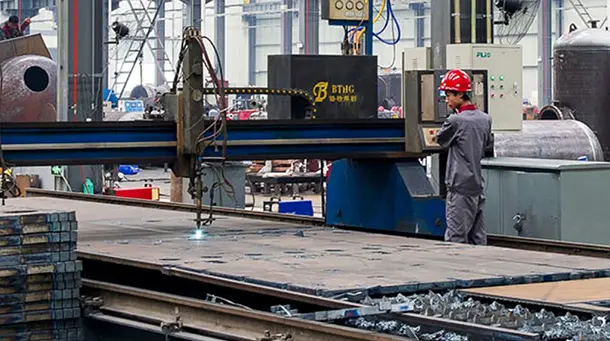
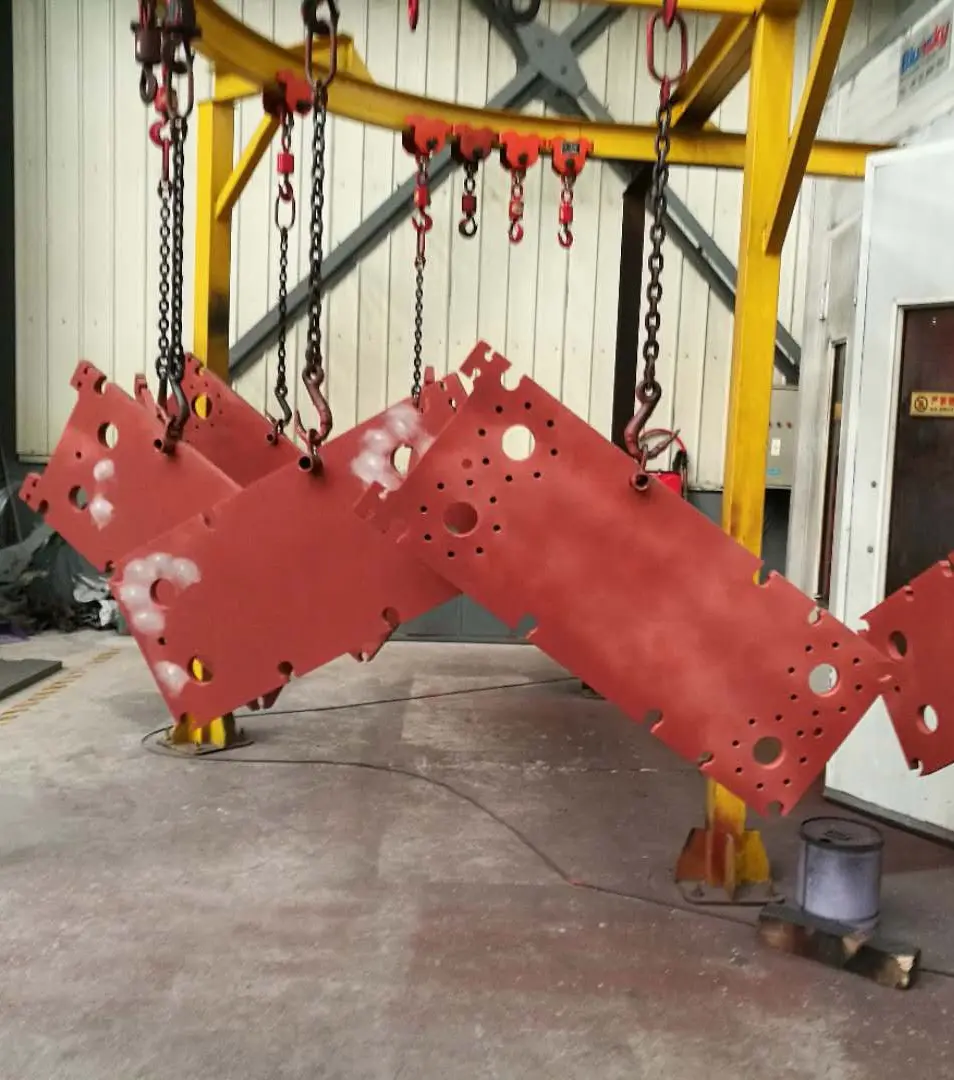
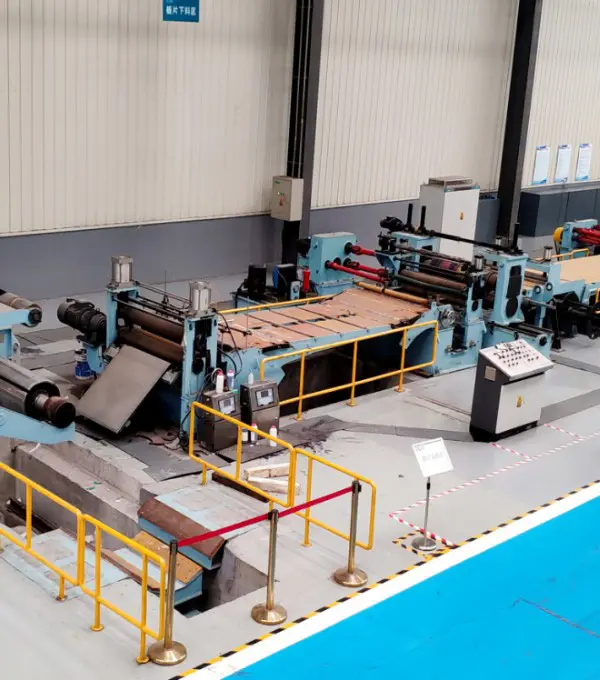
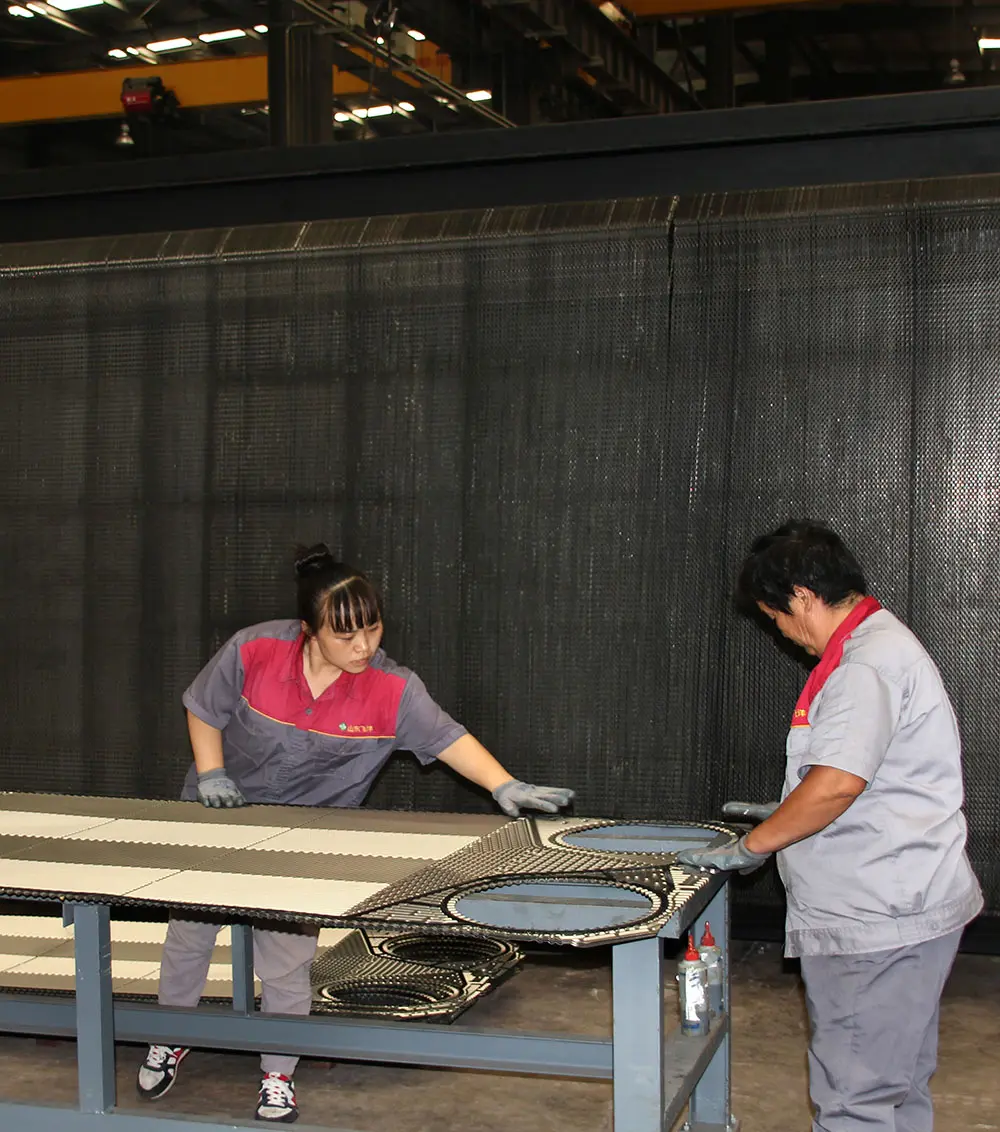
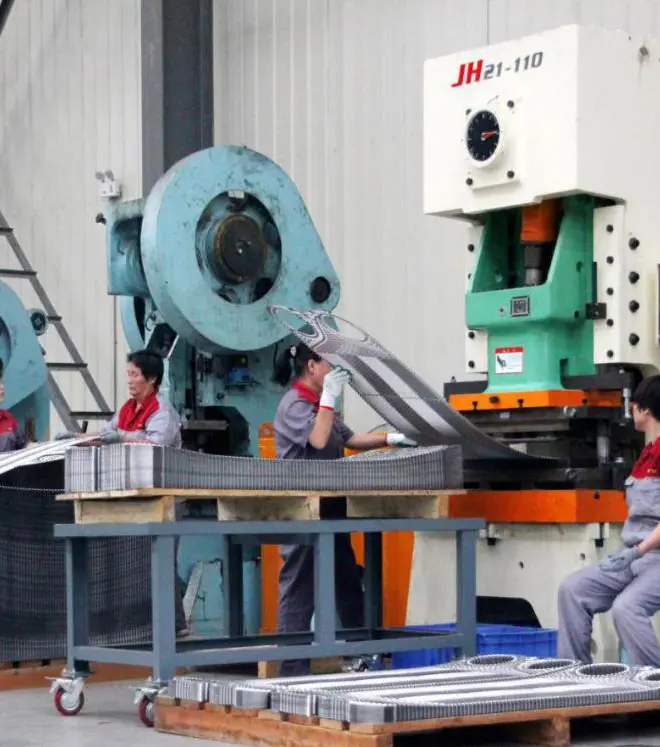
How we build reliability and durability into every heat transfer plate, from cutting to testing.
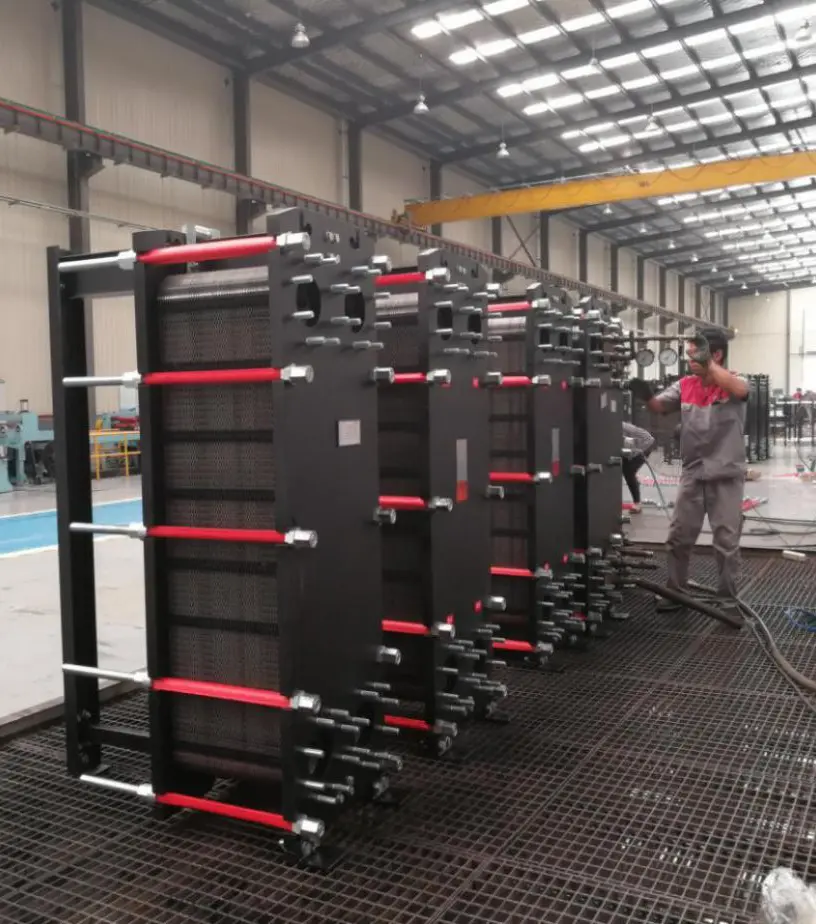
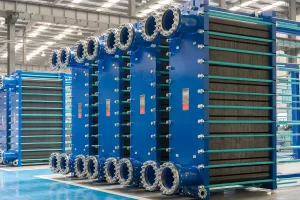
 Detachable Plate Heat Exchanger
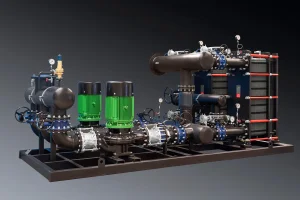
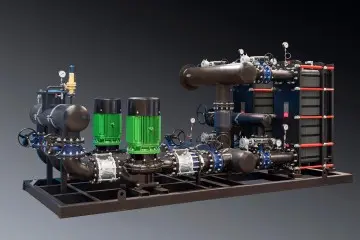 Intelligent Heat Exchange Unit
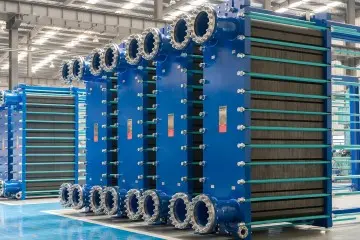 Pressure Regulating Station
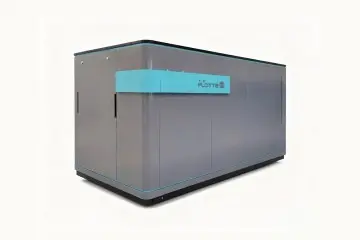 Building Heat Exchanger Unit
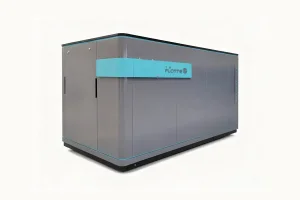
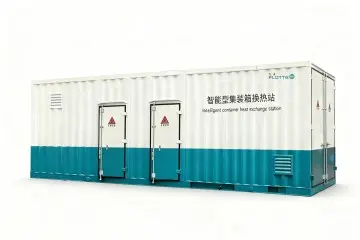 Box-Type Heat Exchanger Unit
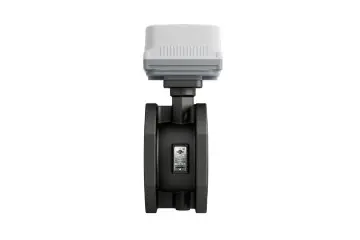 Intelligent Unit Balance Valve
 Room Temperature Collector
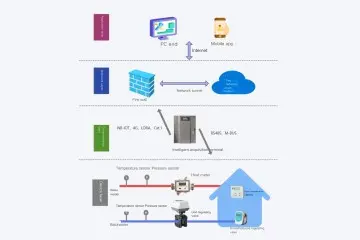 Intelligent Secondary System
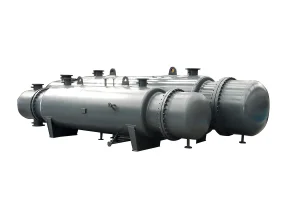
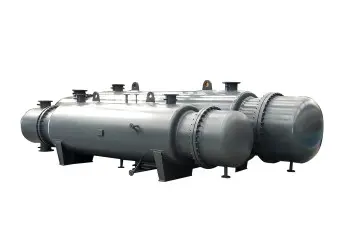 Shell And Tube Heat Exchanger
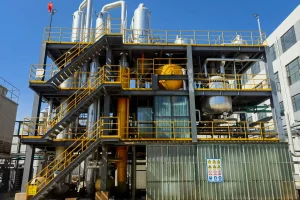
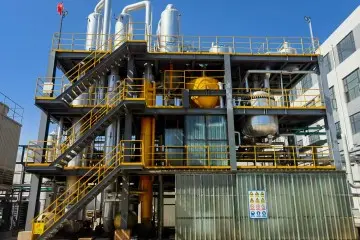 Multi-Effect Evaporation System
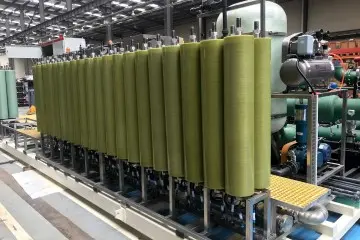 Membrane Concentration System
How dynamic heat transfer designs adapt to regional conditions and global industry requirements.
In municipal heating systems, plate heat exchangers act as the core energy interface. They transfer thermal energy from high-pressure primary city loops to lower-pressure residential heating networks. By isolating the two systems, they protect residential heating equipment while maintaining precise water temperature control. This setup ensures stable and efficient heating during cold winter months, reducing energy losses across the entire pipeline network.
For high-rise commercial developments, heat exchangers isolate water loops to manage high static pressure loads. Using a heat exchanger prevents high hydrostatic pressure from affecting boilers, chillers, and terminal air conditioning units on lower floors. Modern HVAC specifications focus on close temperature approaches (often down to 1°C) to maximize the efficiency of central cooling towers and heat pumps.
Industrial processes require precise chemical resistance and heat control. In pharmaceutical Clean-in-Place (CIP) systems and chemical manufacturing lines, heat exchangers must use corrosion-resistant plate materials like Titanium or Hastelloy. The specification sheet must detailed chemical compatibility to ensure the chosen gaskets and plates can safely withstand acidic or basic cleanings.
Common technical questions answered by our engineering and design team.
Explore our high-efficiency evaporation, monitoring, and balance control systems.

 Flotte Energy