Explore our high-performance thermal units engineered for optimal temperature control, fluid desalination, and waste heat recovery.
An Industry Study on Optimizing LMTD, Approach Temperature, and Manufacturing Quality Control for Global Thermal Efficiency
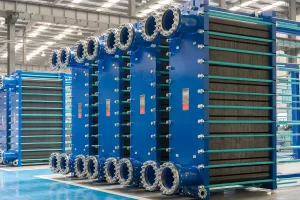
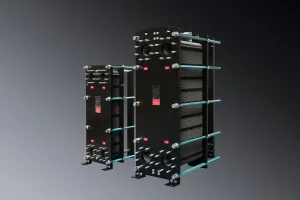
In modern industrial manufacturing and district energy management, thermal efficiency is no longer just a metric of productivity—it is the baseline for sustainable operations. At the heart of this thermodynamic optimization lies the Plate Heat Exchanger (PHE), a device designed to transfer heat between two fluids with maximum efficiency and minimum footprint. However, specifying a PHE requires a profound understanding of Temperature Difference (specifically, the Logarithmic Mean Temperature Difference or LMTD, and the Approach Temperature). The ability to engineer plate heat exchangers that operate efficiently at close approach temperatures is what differentiates elite manufacturers from standard vendors.
Welcome to Flotte. Flotte Energy Saving Company, established in 2013 with a registered capital of 101 million yuan, originated from Flotte Thermal Engineering founded in 1995. With three decades of technical expertise, the company specializes in water equipment, HVAC systems, and water treatment industries. It consistently leads industry peers in adopting cutting-edge technologies, developing innovative products, and delivering comprehensive production and sales services.
For more than 30 years, Flotte has integrated academic thermo-hydraulic principles with advanced metallurgical manufacturing. Our deep research into the micro-corrugations of heat transfer plates has allowed us to deliver systems that achieve extreme temperature approaches (down to 1.0°C or less) while maintaining manageable pressure drop profiles. This capability is crucial for district heating pressure regulating stations, chemical synthesis loops, and membrane concentration pre-heaters, where even a fraction of a degree in thermal variance translates directly into thousands of dollars in annual energy expenditure.
To design an efficient plate heat exchanger, thermodynamic engineers look at two primary temperature profiles: the Logarithmic Mean Temperature Difference (LMTD) and the close approach temperature. The LMTD represents the logarithmic average of the temperature difference between the hot and cold streams at each end of the plate pack. It is defined by the formula:
Where ΔT1 is the temperature difference between the two fluids at the inlet of the heat exchanger, and ΔT2 is the temperature difference at the outlet. A smaller LMTD indicates that the temperature profiles of the two fluids are running very close to each other. In application, achieving a close Approach Temperature (the difference between the hot fluid inlet and the cold fluid outlet, or vice versa) is the ultimate goal for energy optimization. For example, in district heating applications, a close approach allows the secondary heating loop to absorb the maximum possible thermal energy from the primary municipal steam or hot water loop without unnecessary degradation of temperature quality.
However, running a system with a very small temperature difference introduces a major engineering challenge: according to the fundamental heat transfer equation Q = U * A * LMTD, as LMTD decreases, the required heat transfer area (A) must increase exponentially to transfer the same thermal load (Q). If the heat transfer coefficient (U) is not optimized, the heat exchanger will become excessively large, requiring hundreds of additional plates, which increases capital costs and system foot-print. Flotte addresses this by optimizing the corrugated plate pattern (chevron angle) to maximize fluid turbulence, thereby increasing the heat transfer coefficient (U) and enabling compact, cost-effective PHE designs even under tight LMTD constraints.
For three decades, we have backed our thermal engineering expertise with large-scale manufacturing facilities, strict ISO certifications, and highly experienced teams.
Flotte has established modern production facilities that combine advanced manufacturing with systematic management, producing high-tech integrated products. We hold a leading position in the industry nationwide and command a substantial global market share, generating an annual sales revenue of 500 million yuan and contributing 15 million yuan in taxes and profits to support regional economic growth.
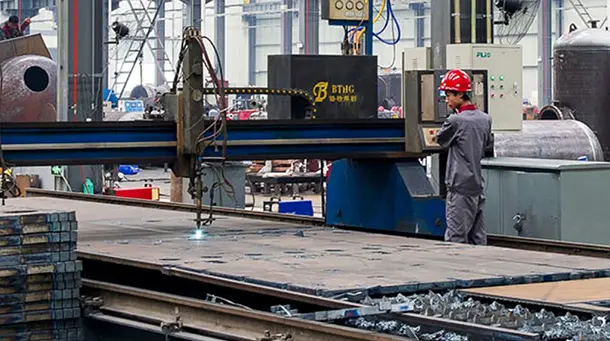
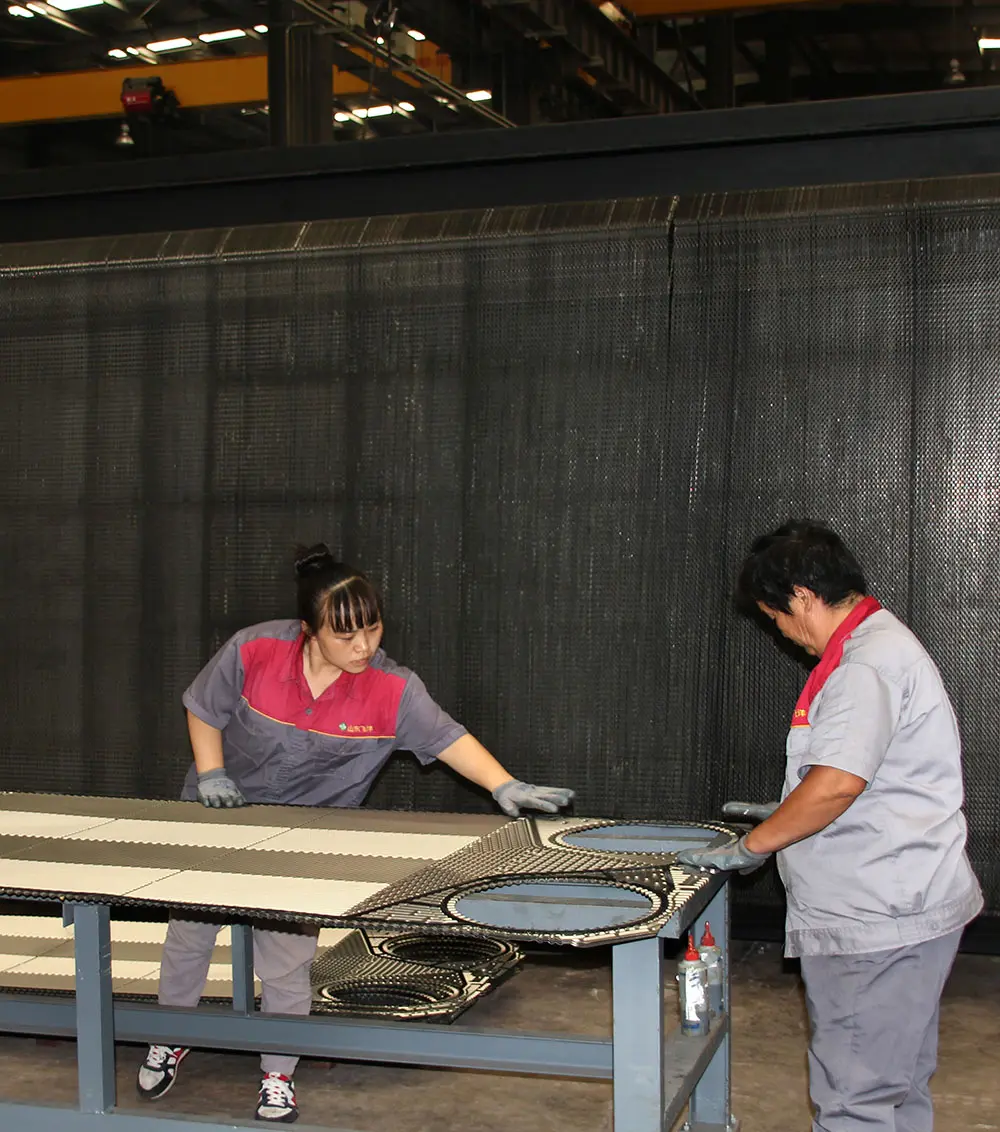
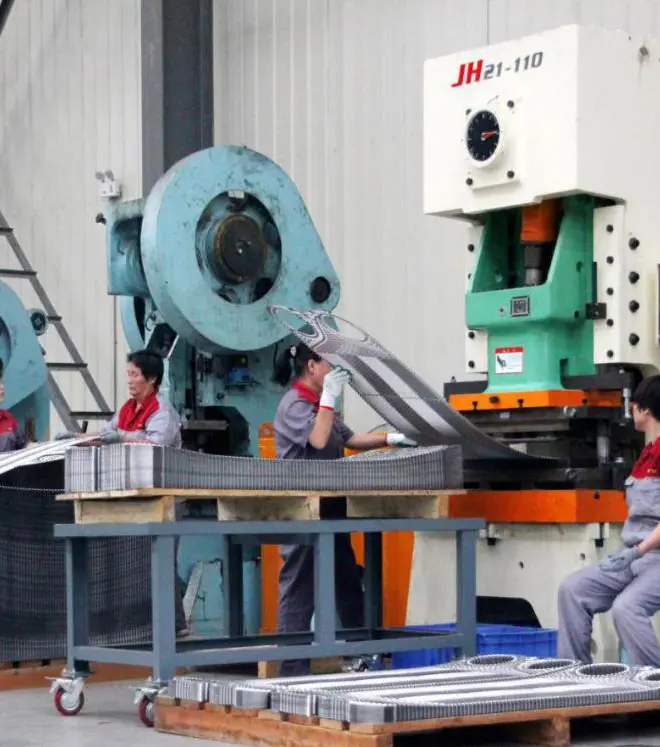
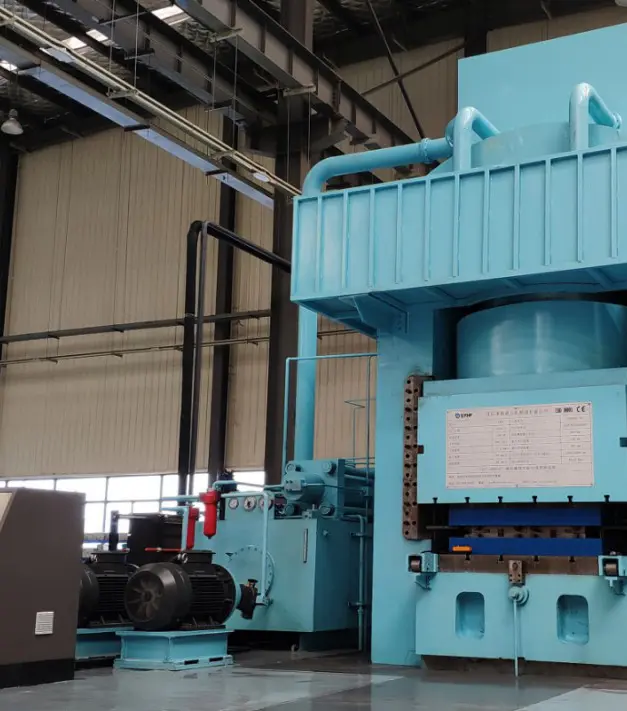
Every plate and gasket is produced under strict quality control, utilizing advanced stamping, precision cutting, and rigorous hydro-testing protocols.
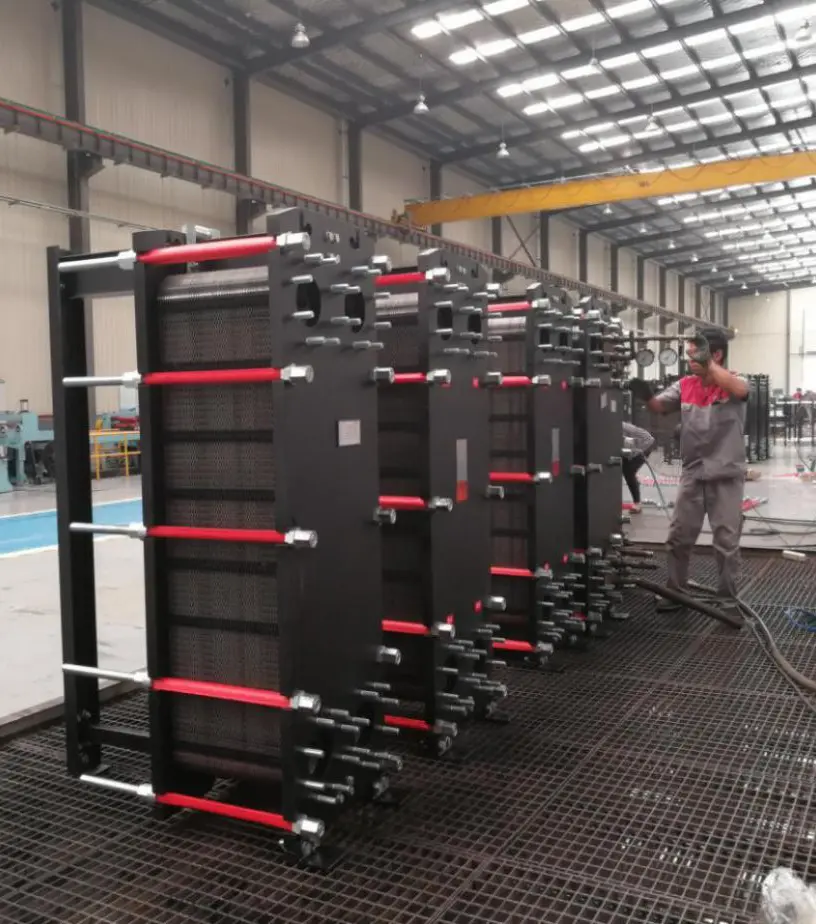
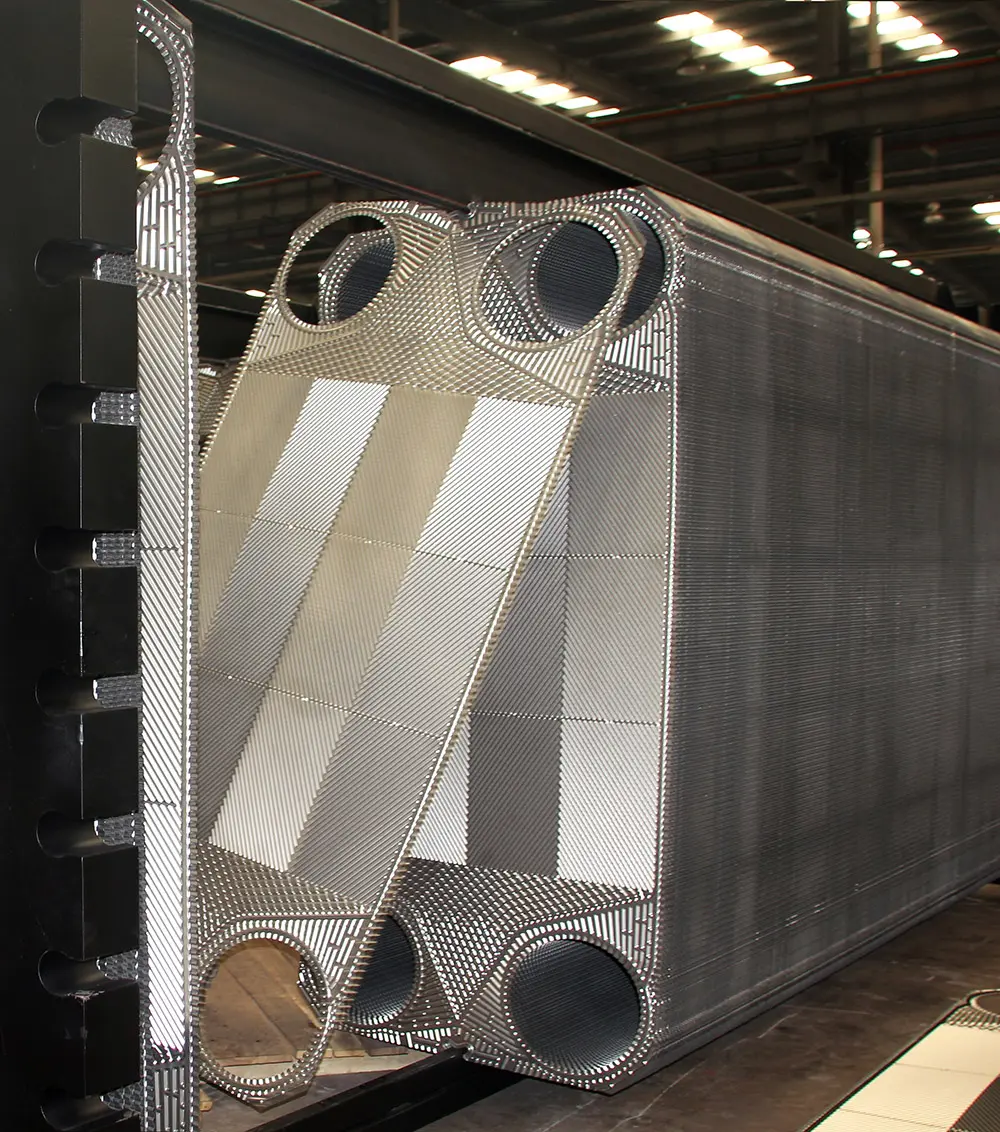
The heat transfer plates in our detachable heat exchangers feature patented corrugated profiles that generate high shear stress along the fluid boundaries. The corrugation angle (typically called the chevron angle) determines the trade-off between heat transfer and pressure drop:
By blending High-Theta and Low-Theta plates in a single channel configuration (known as mixed plate channels), Flotte's designers can customize the Number of Transfer Units (NTU) of the plate pack. This customized thermal length matches the temperature profile of the fluids exactly, preventing oversized configurations and achieving highly precise outlet temperatures. Additionally, our patented plate scale removal devices ensure that fouling factors are kept to a minimum, preserving the close approach temperature over long periods of operation.
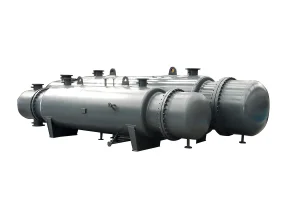
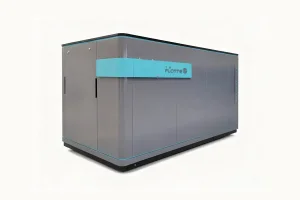
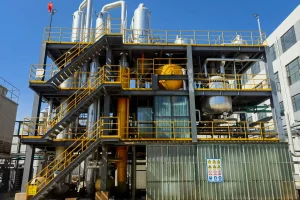
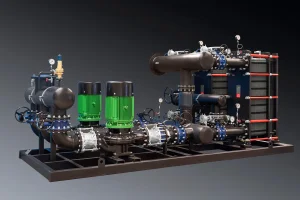
High-efficiency thermal transfer units, intelligent valves, and advanced membrane systems engineered to international standards.
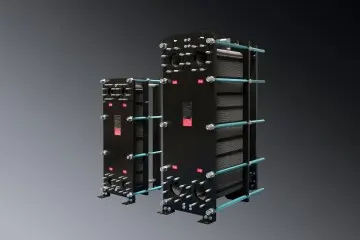
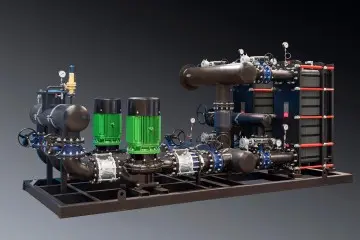
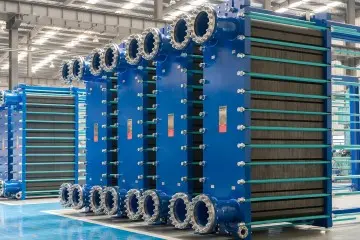
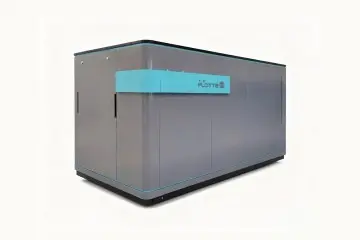
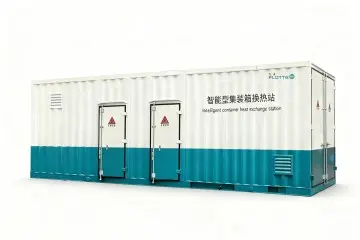
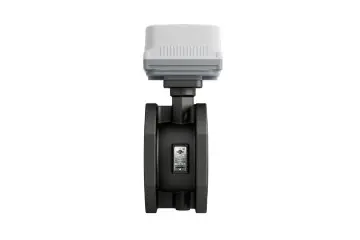

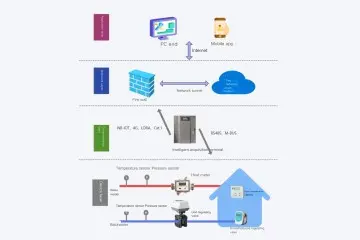
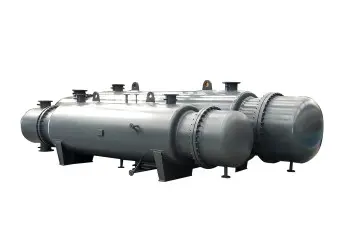
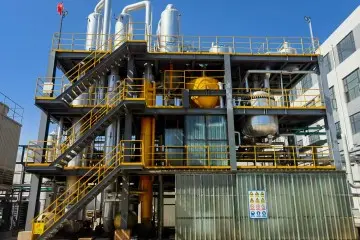
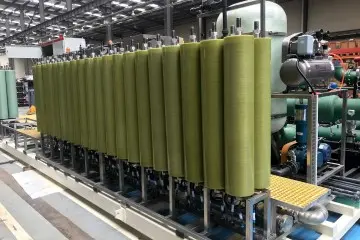
Operating out of our 70,000-square-meter facility in China, Flotte leverages the domestic manufacturing ecosystem to supply industrial-grade heat exchangers globally. Our vertical integration guarantees control over raw material sourcing, heavy pressing, gasket formulation, assembly, and testing. Unlike fragmented assembly houses, we source high-purity raw steel and alloy sheets directly (including SS304, SS316L, Titanium, Hastelloy, and Nickel) to ensure chemical compatibility with challenging process fluids.
Our quality assurance program is built around ISO 9001:2015, ISO 14001:2015, and ISO 45001:2018 frameworks. Every plate undergoes micro-level precision forging and automated sheet cutting and coding. During assembly, the plate pack is subjected to hydraulic pressure testing at 1.3 to 1.5 times the design pressure limit. This guarantees zero bypass leakage between the channels, providing reliable separation of hazardous media in refinery, pharmaceutical, and chemical synthesis plants.
Reliability and Material Traceability: All pressure plates conform to the safety registration requirements of the National Boiler and Pressure Vessel Standardization Technical Committee. This guarantees that every exported unit is built with documented material certificates, pressure test logs, and structural design calculations conforming to EN 13445, ASME Section VIII, and other global codes.
Industrial heat transfer needs vary significantly depending on geography, regional regulatory frameworks, and environmental conditions. Our customized engineering accommodates these local variables:
The global heat exchanger market is transitioning from simple structural hardware toward intelligent, sensor-integrated thermal systems. Key trends reshaping this sector include:
Get answers to common design questions regarding Logarithmic Mean Temperature Difference, plate selection, and operational efficiency.
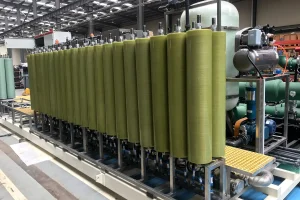
Optimize flow distribution, fluid concentration, and energy savings with our specialized product catalog.
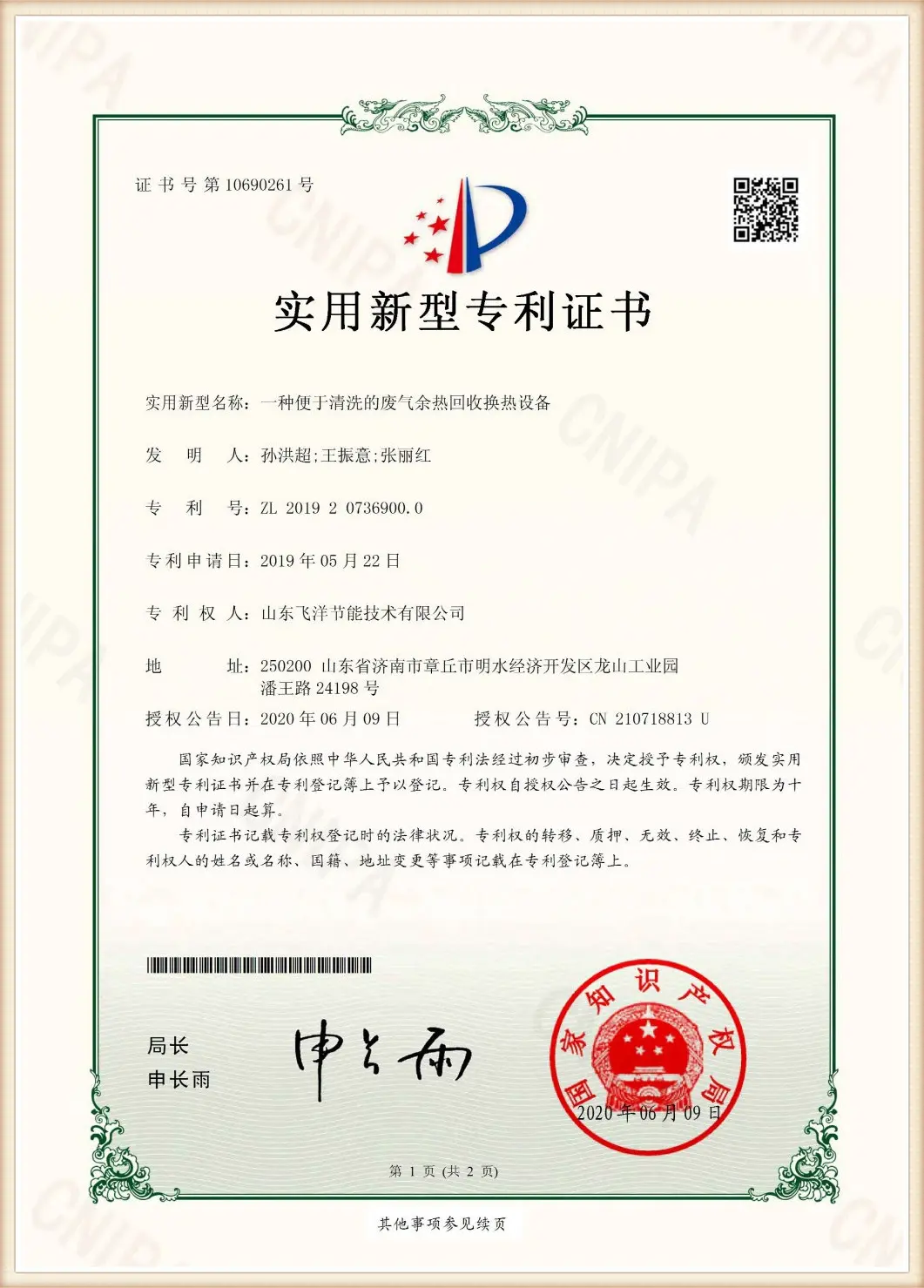
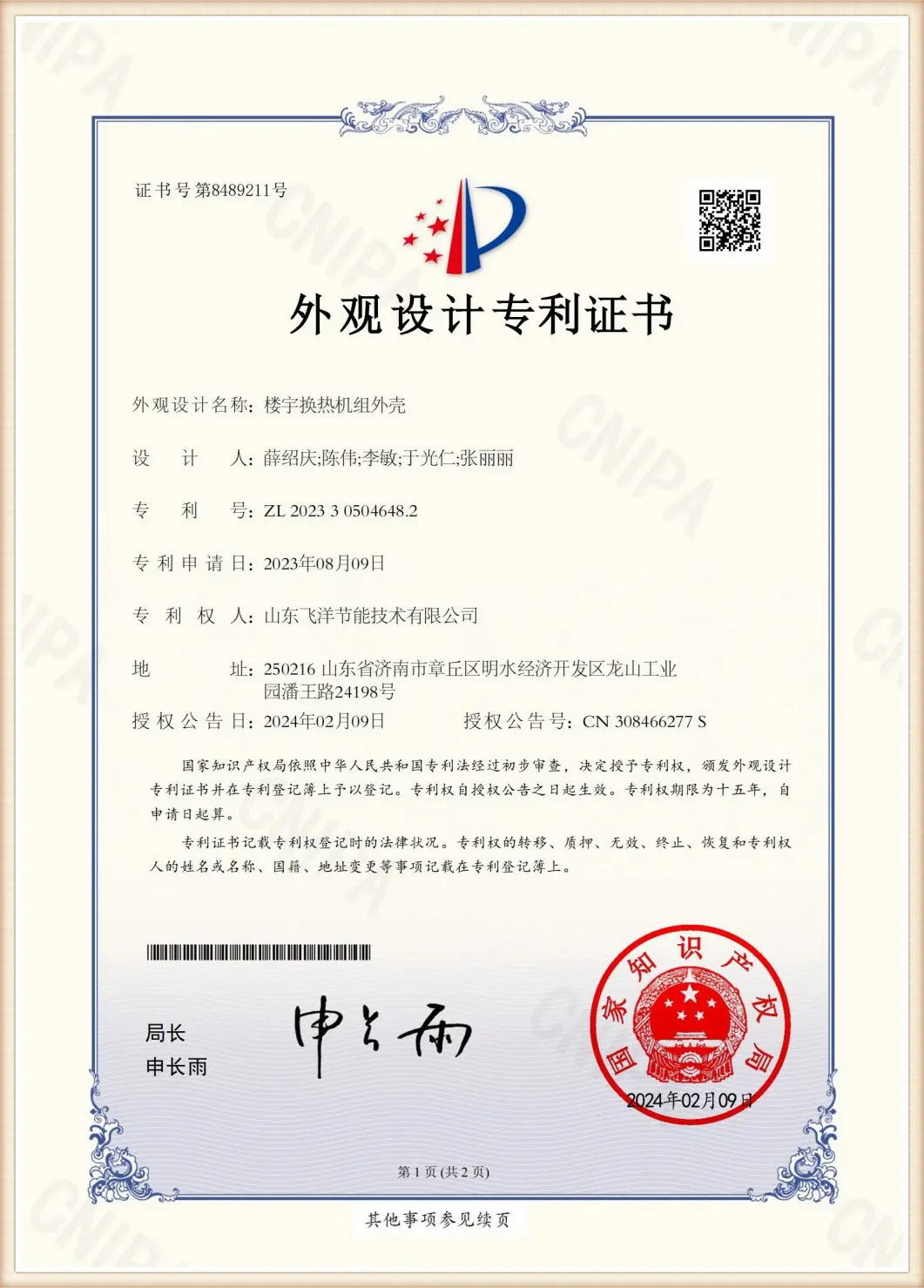
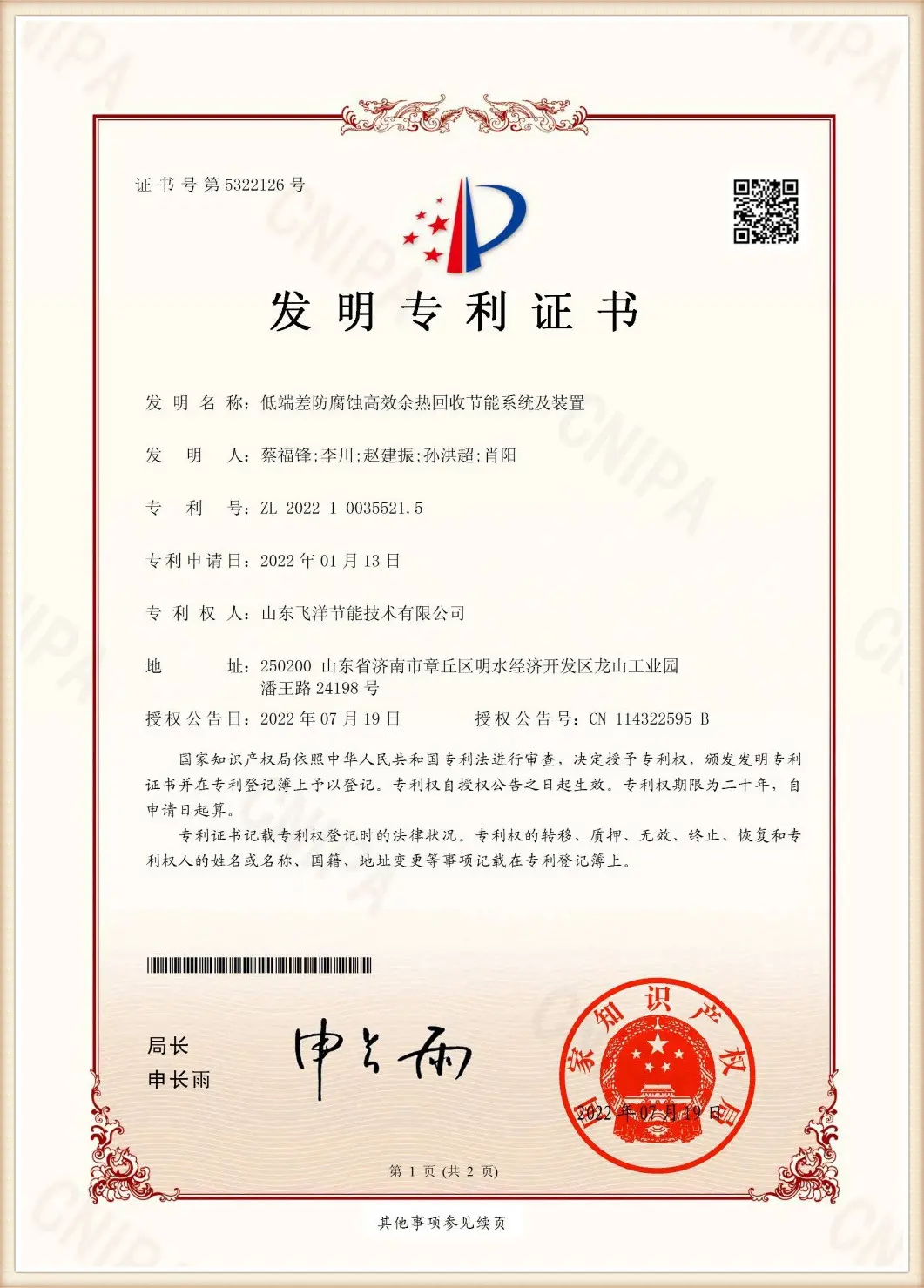
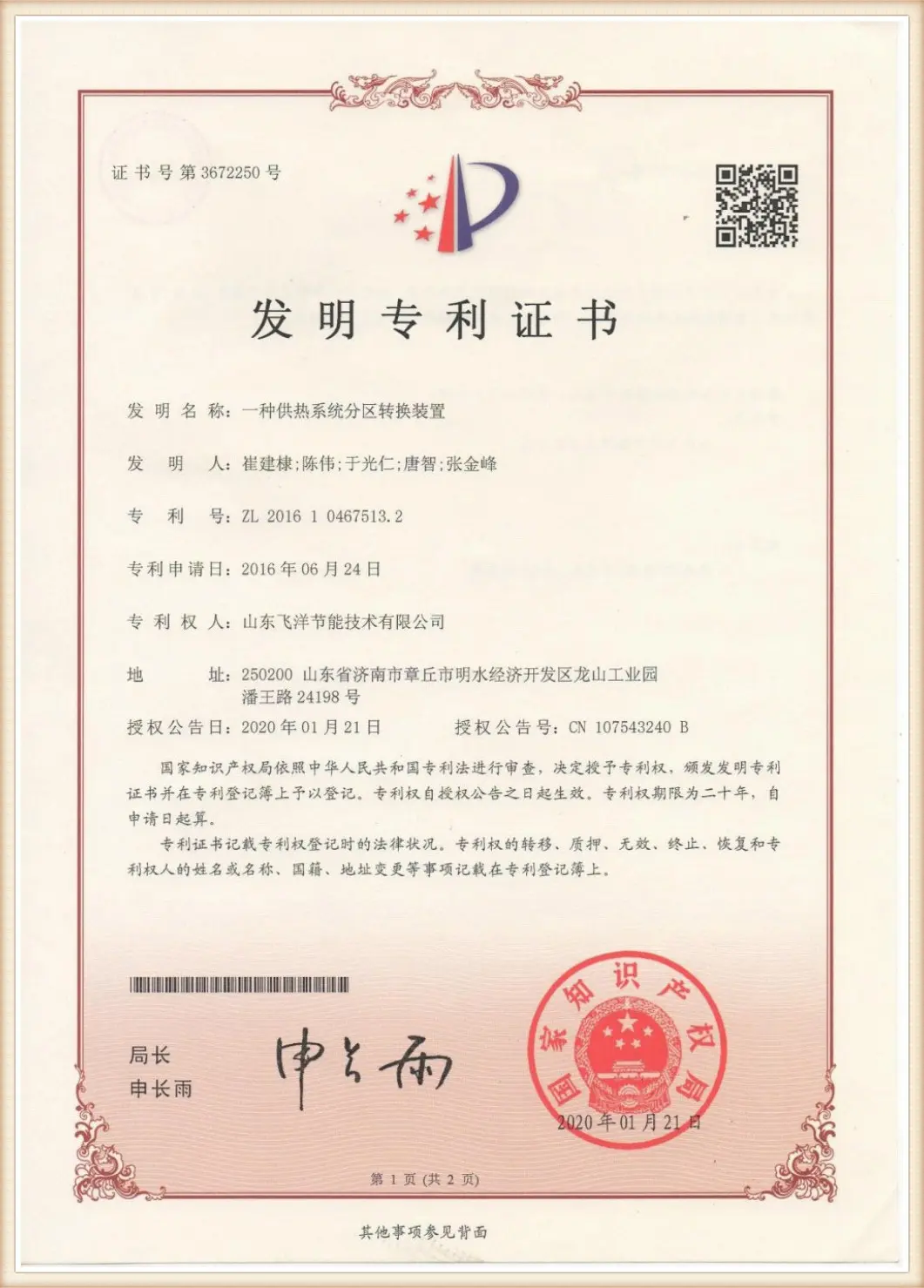
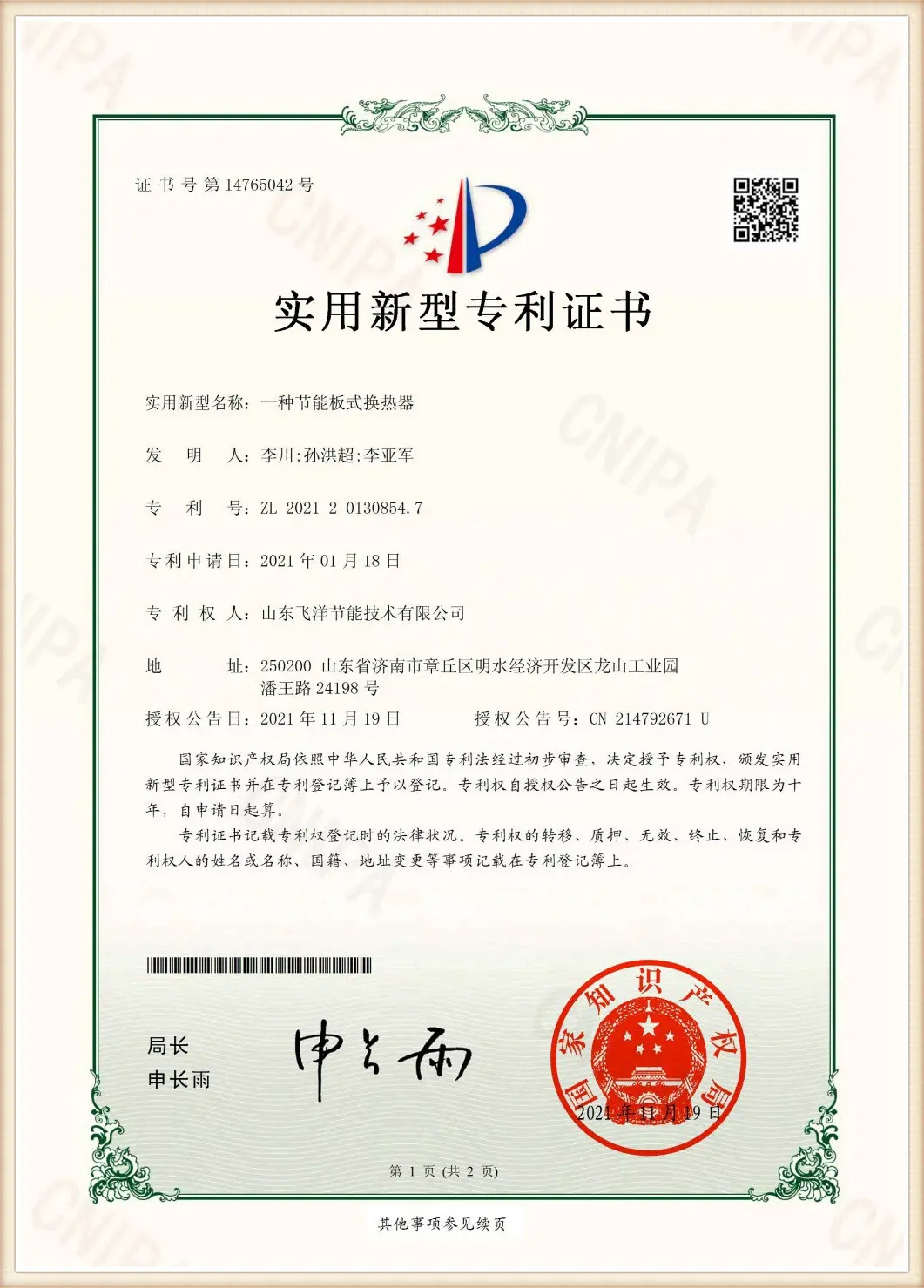
Flotte has obtained mandatory national certifications, pressure vessel security registries, and ISO system approvals to ensure safety compliance.
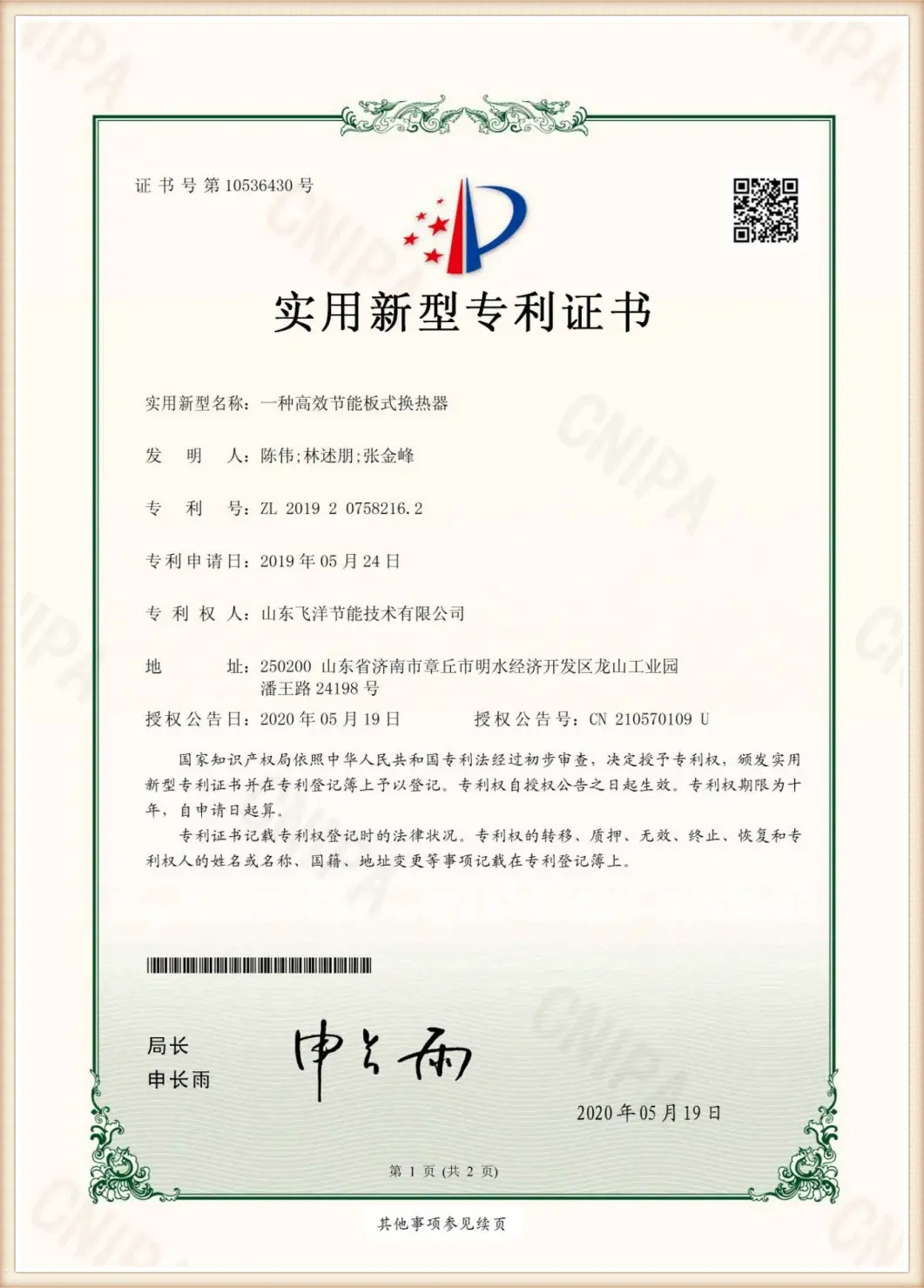
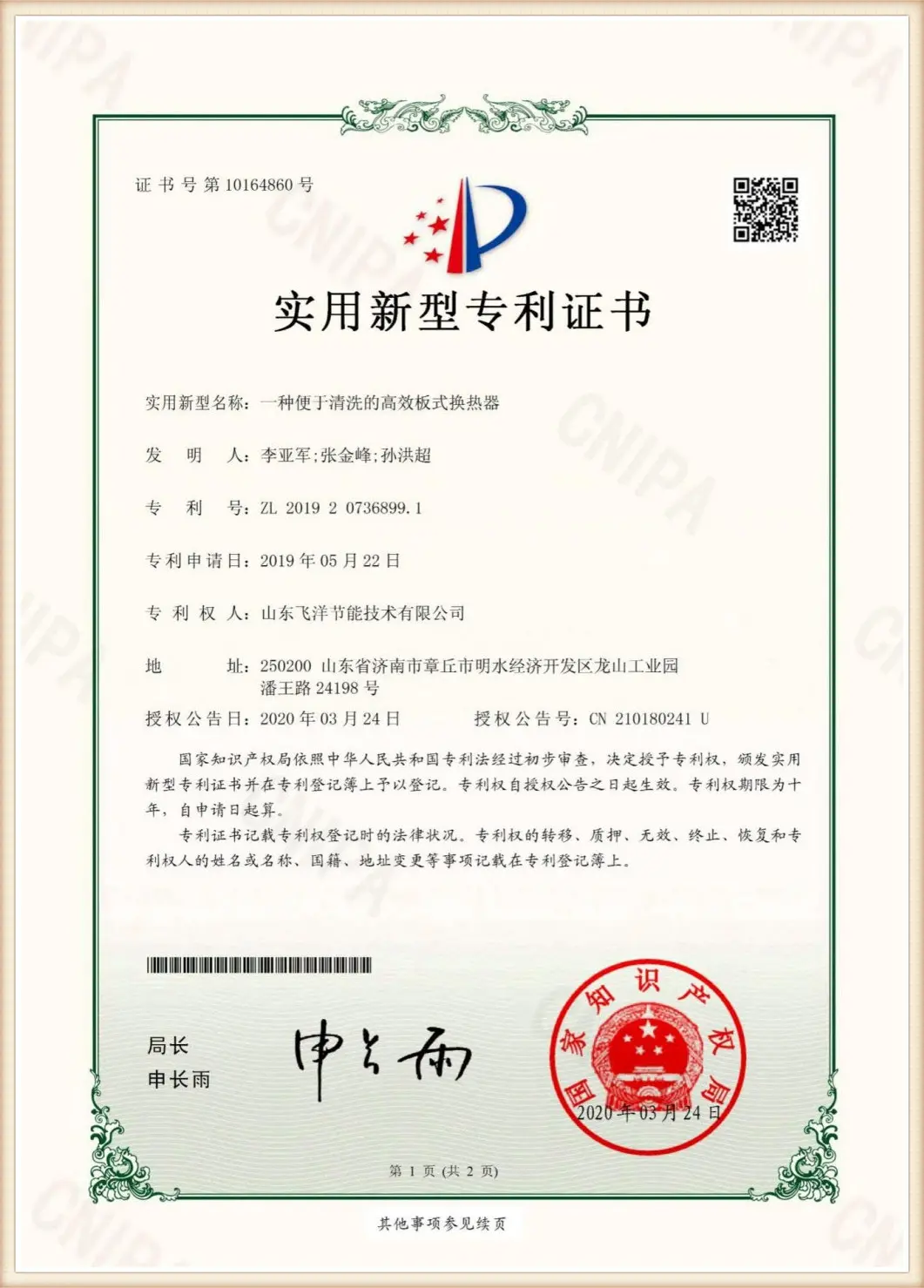
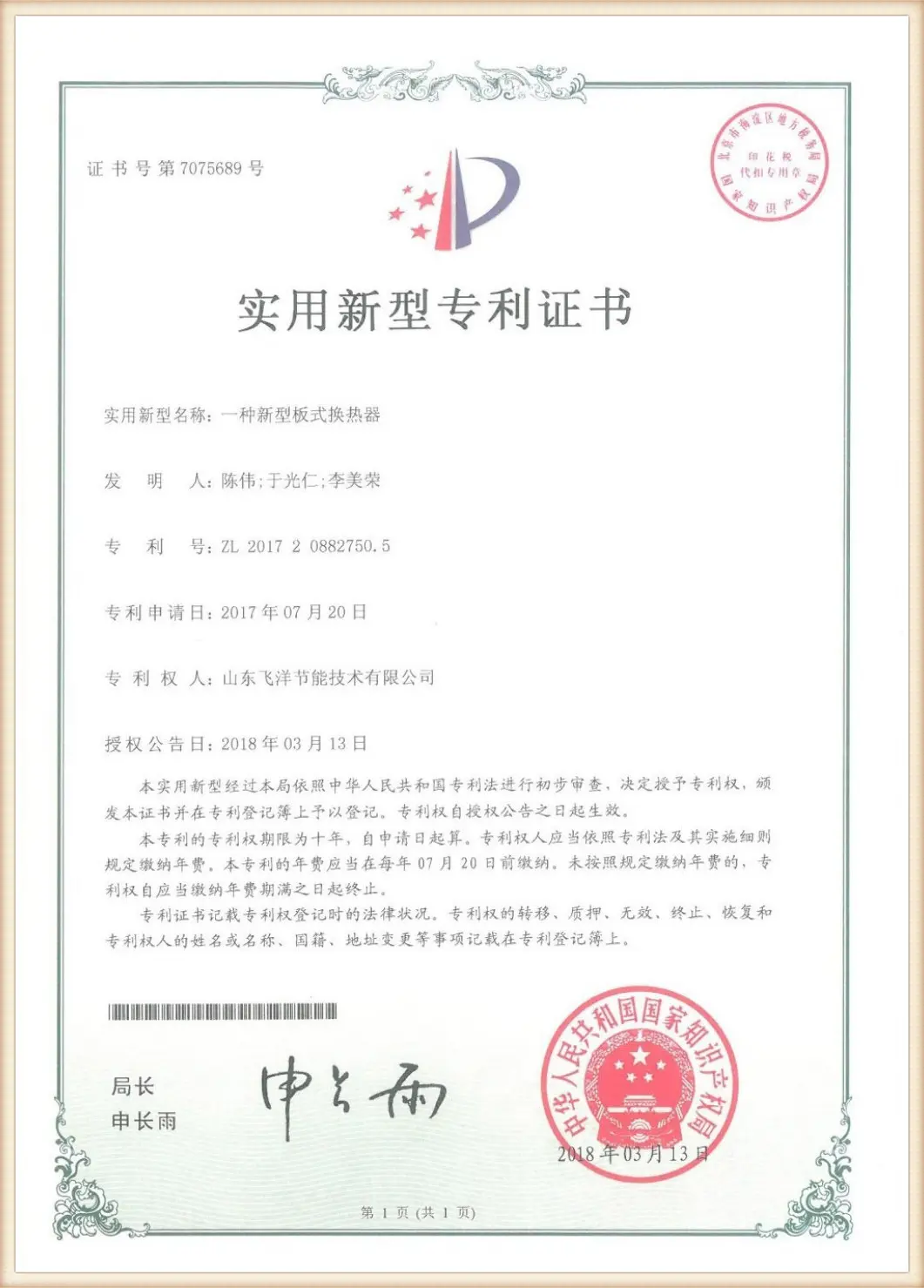
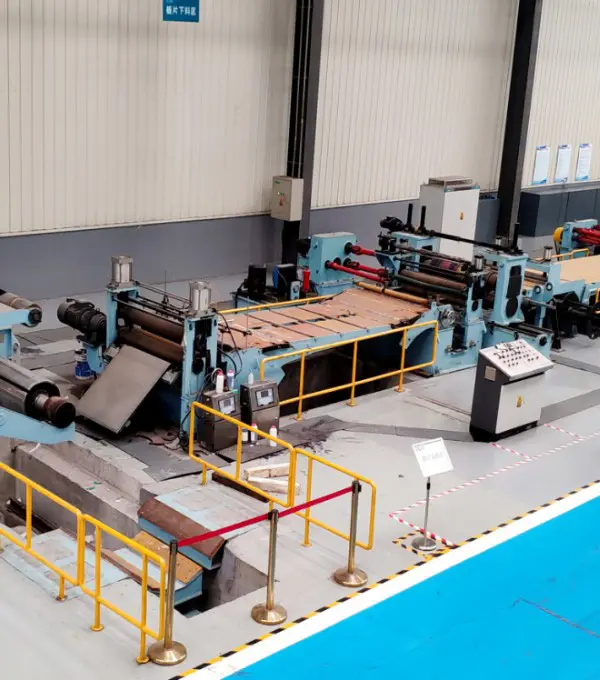
Take a tour through Flotte's advanced workshops, showing our fabrication capacity, heavy hydraulic presses, and inventory management areas.
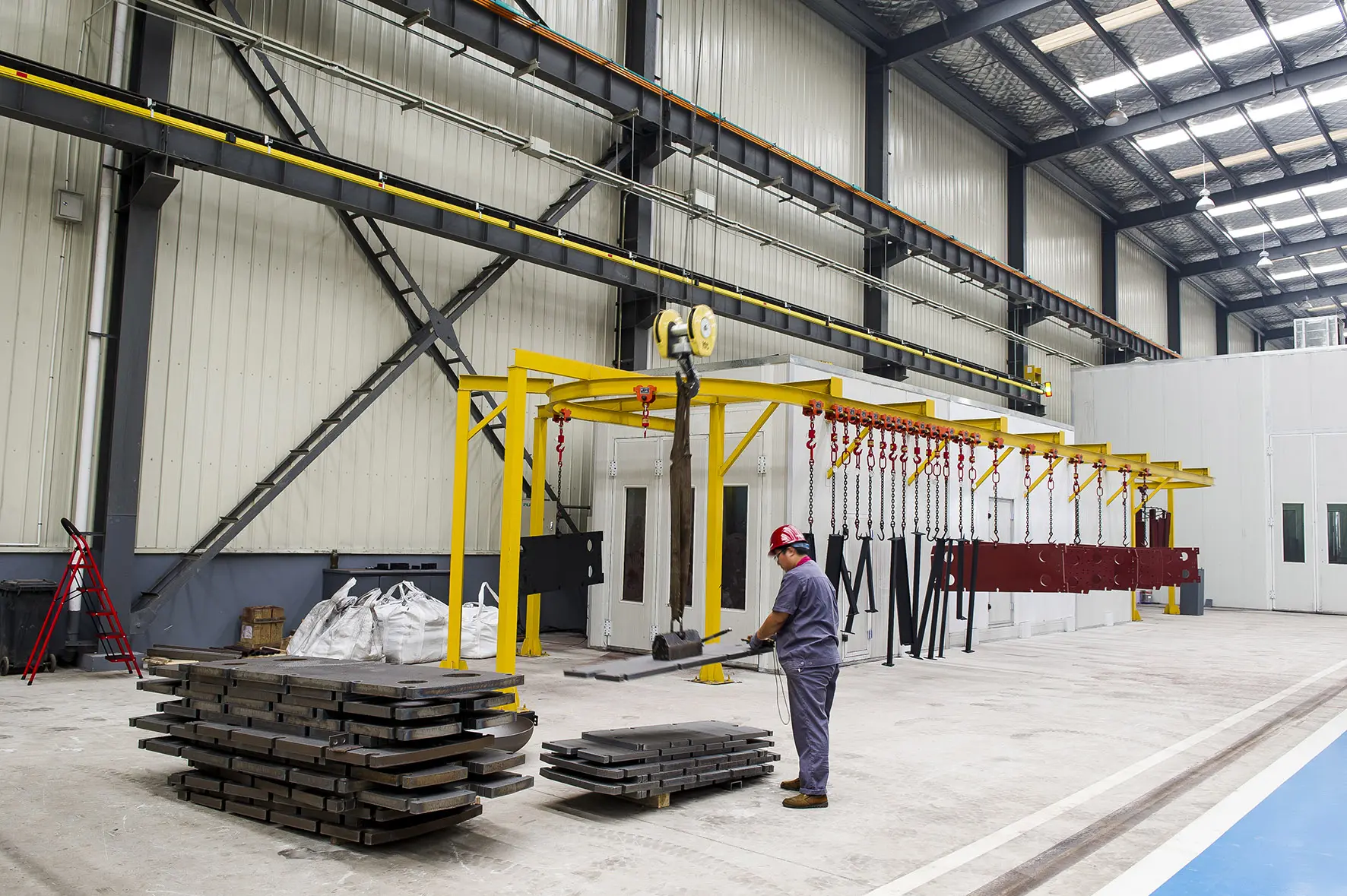
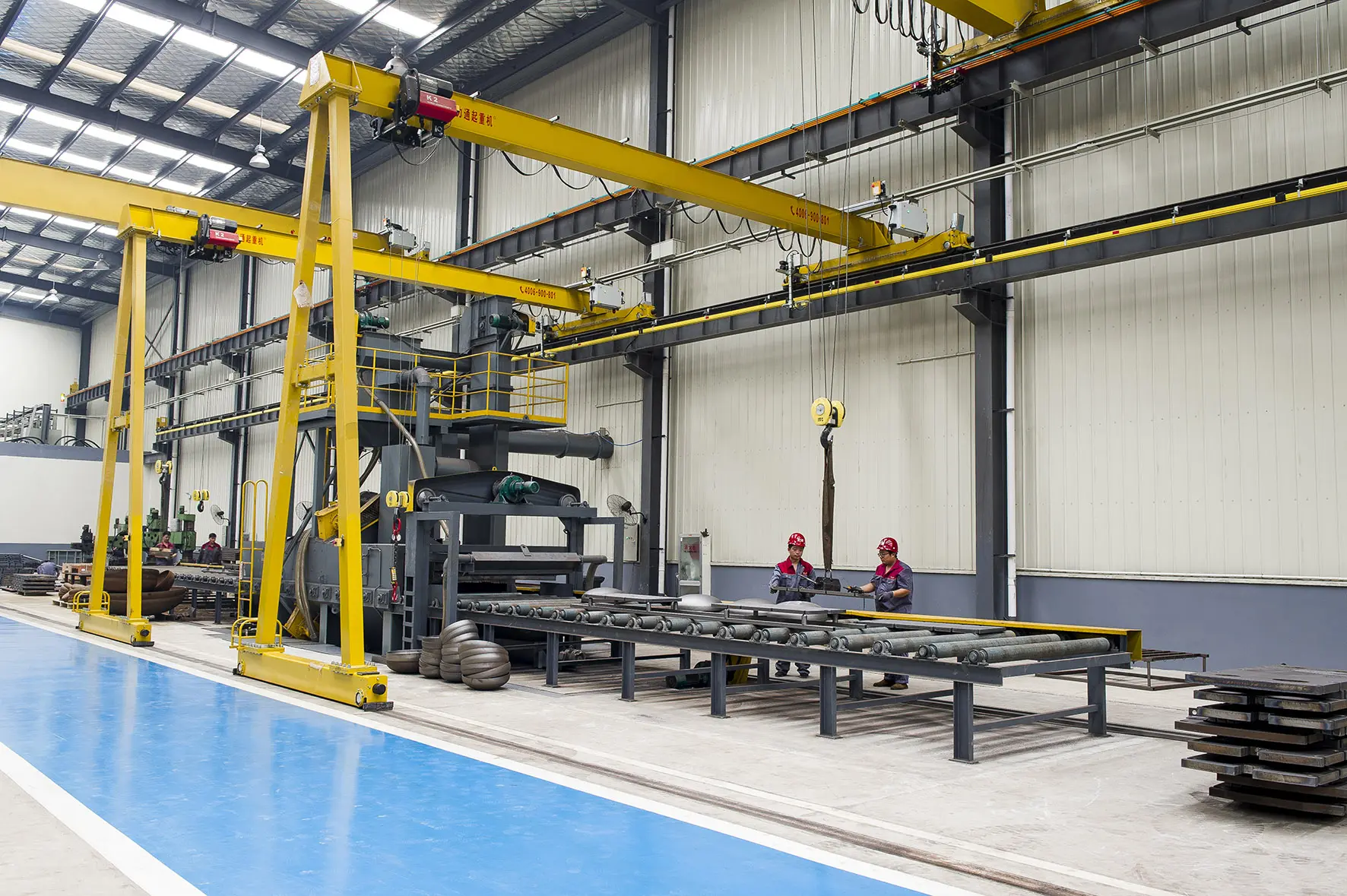
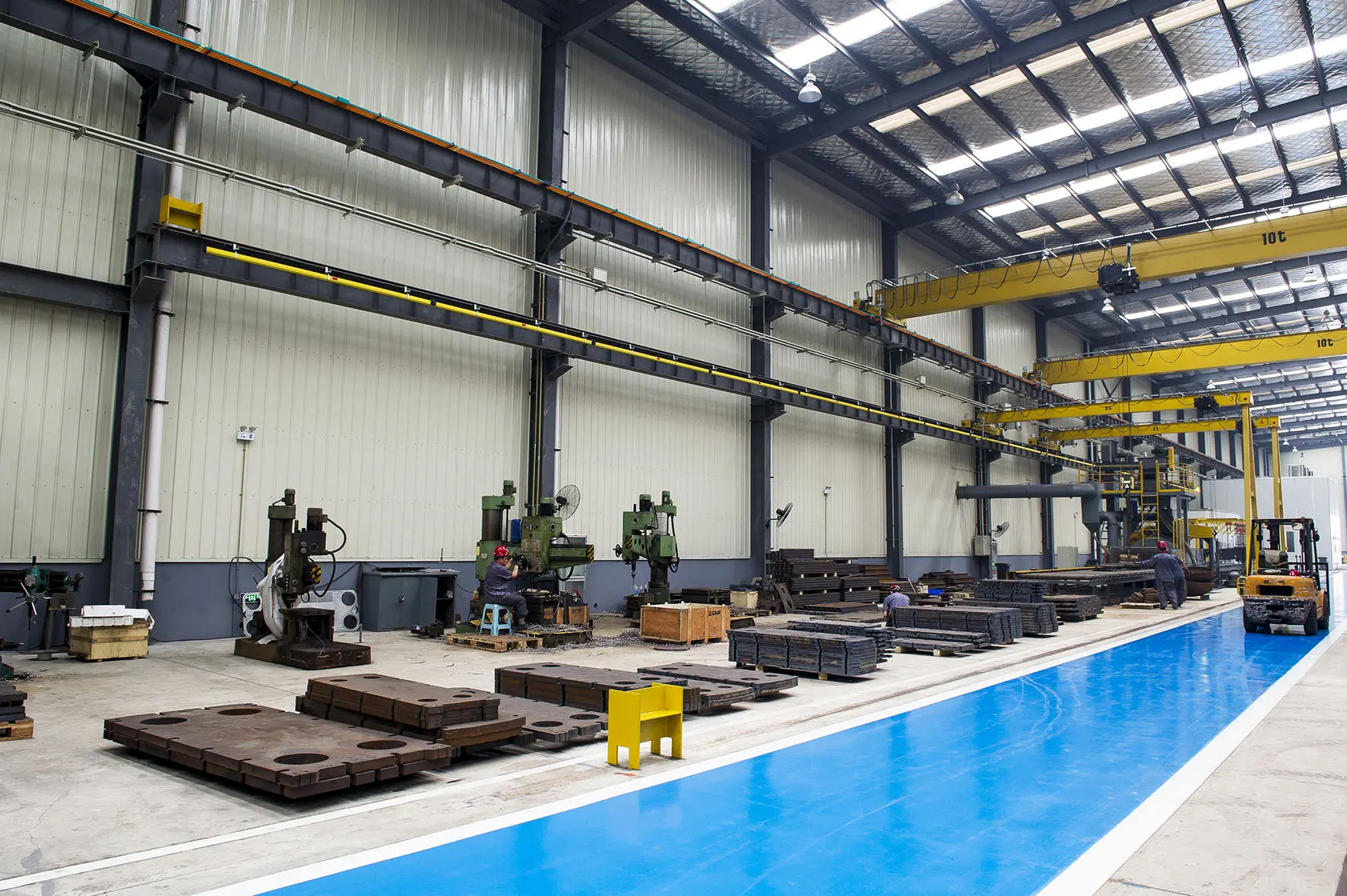



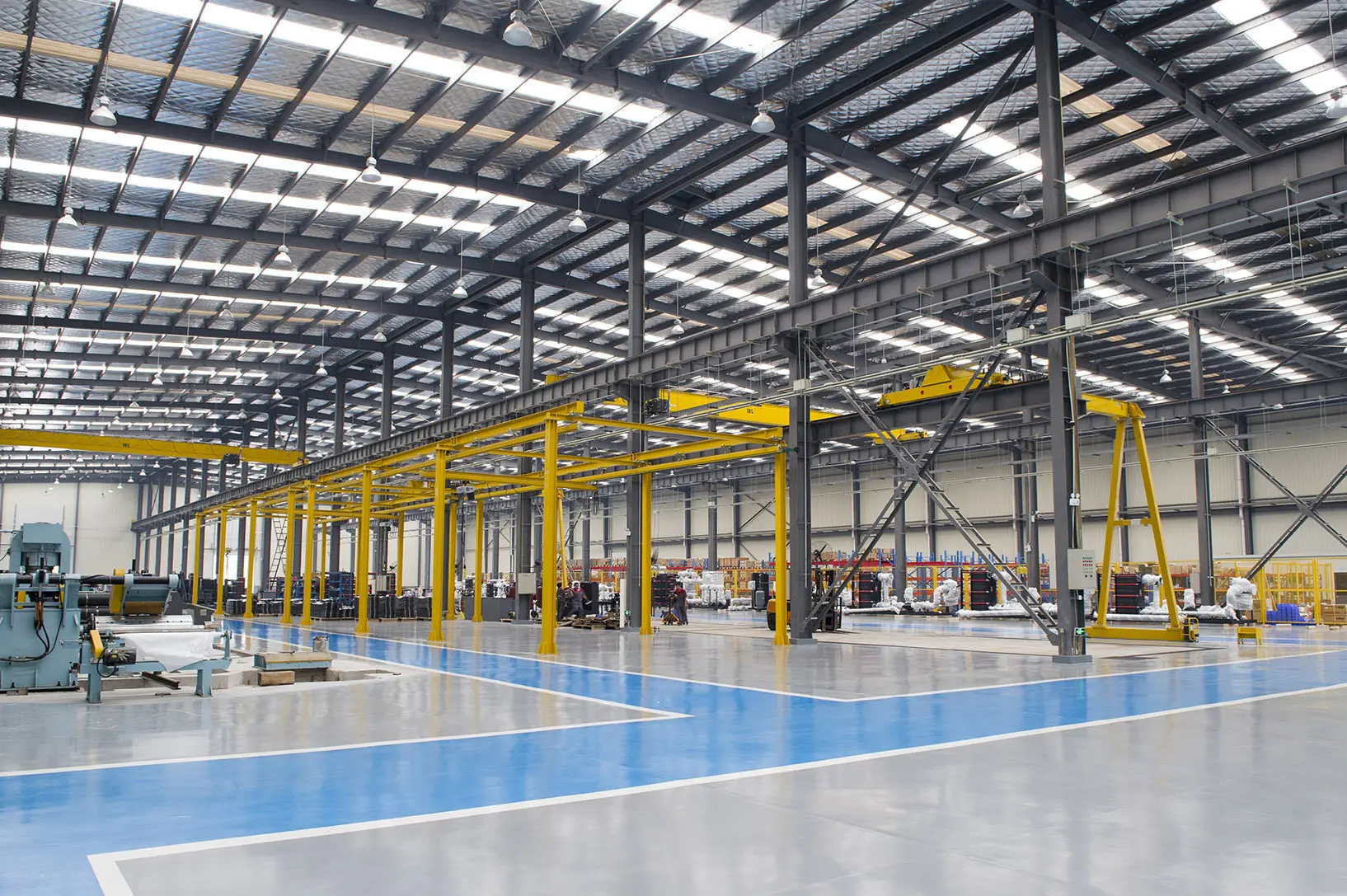
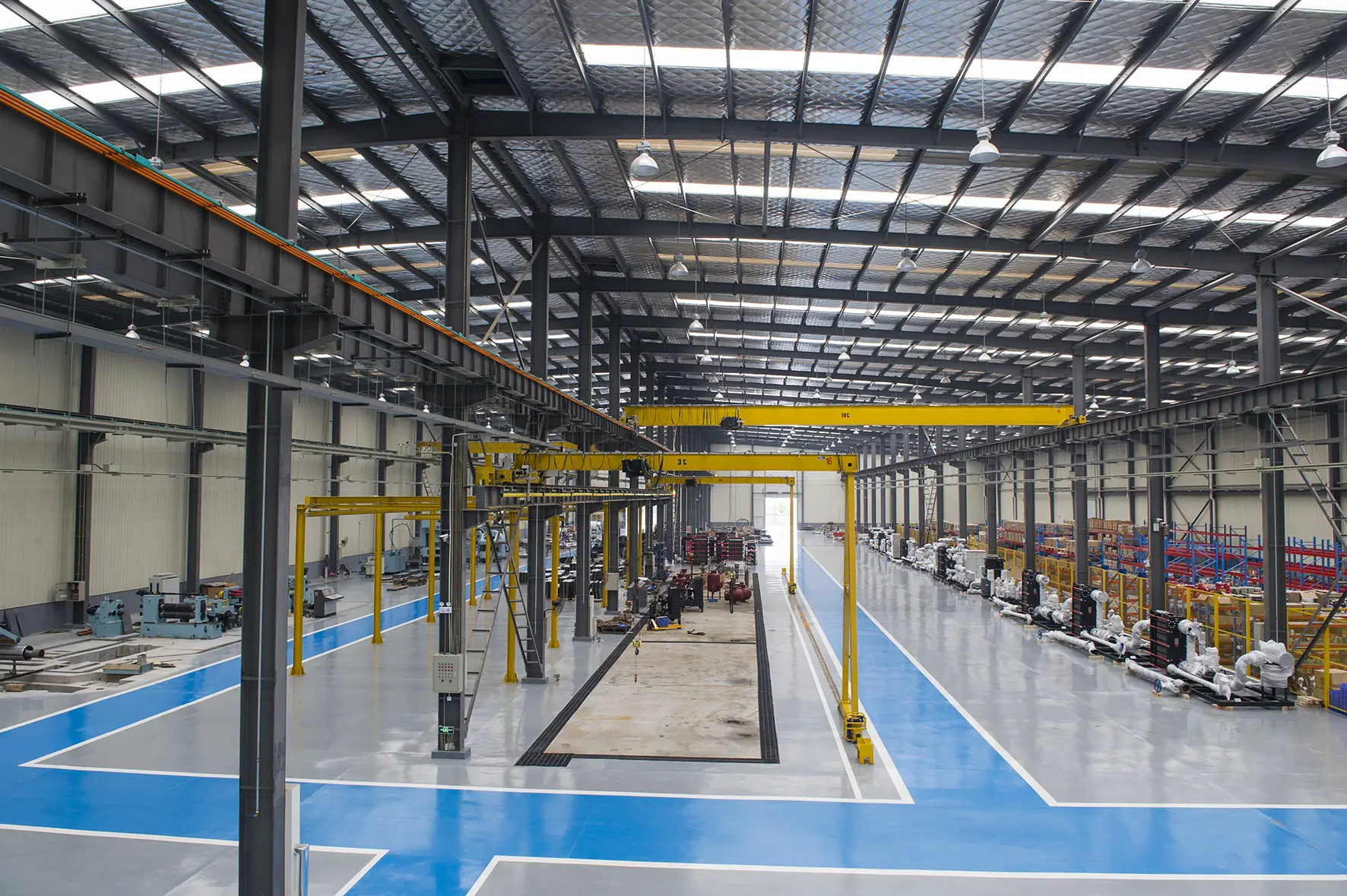
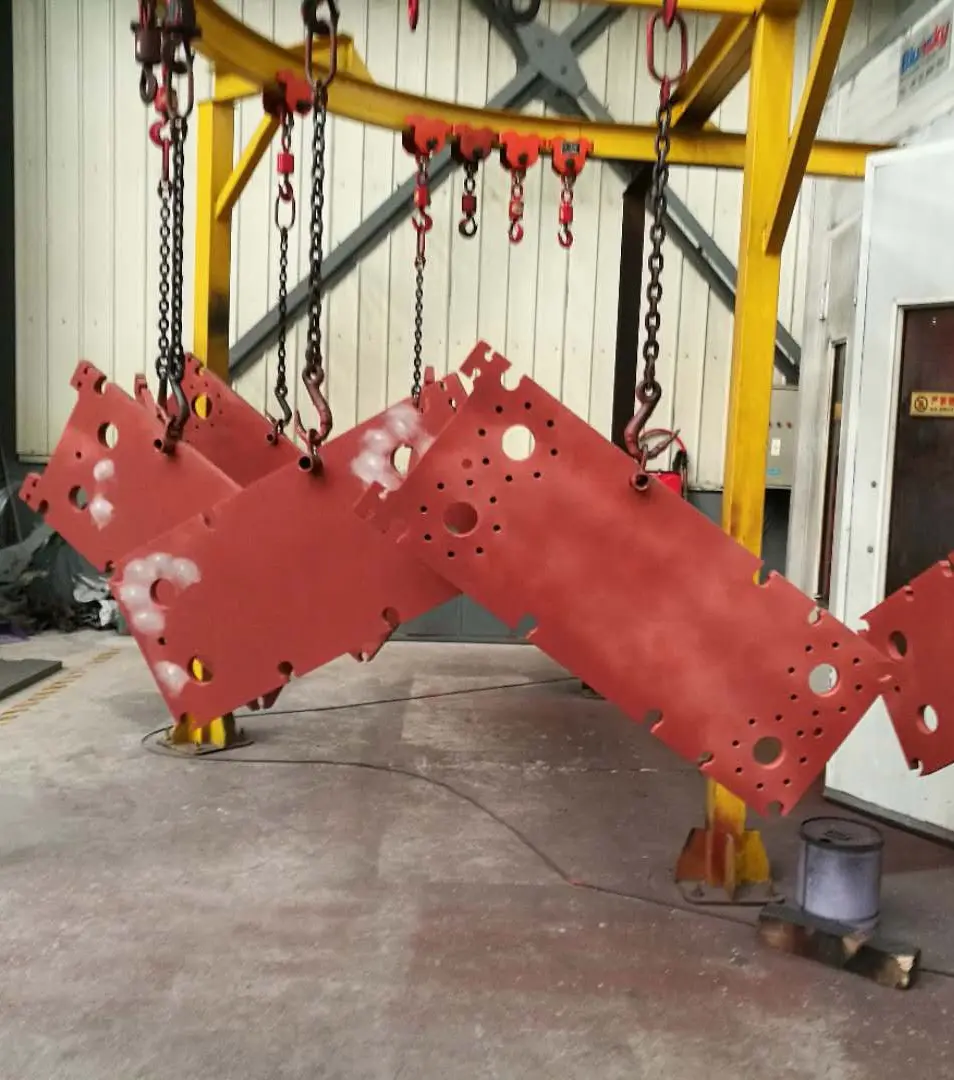
Our commitment to manufacturing superiority is reflected in our physical facilities. All frontline technicians undergo comprehensive certification training before working on the shop floor. Operating strictly in accordance with pressure vessel requirements, Flotte ensures that product quality and the quality of purchased raw materials are seamlessly aligned. The purchasing department maintains strict selection criteria for qualified raw-metal and rubber gasket suppliers, building long-term partnerships that guarantee the structural integrity and durability of every heat exchanger that leaves our loading docks.
 Flotte Energy