Decades of thermodynamic precision, manufacturing scale, and pioneering energy-saving systems.
Flotte Energy Saving Company, established in 2013 with a registered capital of 101 million yuan, originated from Flotte Thermal Engineering founded in 1995. With three decades of technical expertise, the company specializes in water equipment, HVAC systems, and water treatment industries. It consistently leads industry peers in adopting cutting-edge technologies, developing innovative products, and delivering comprehensive production and sales services.
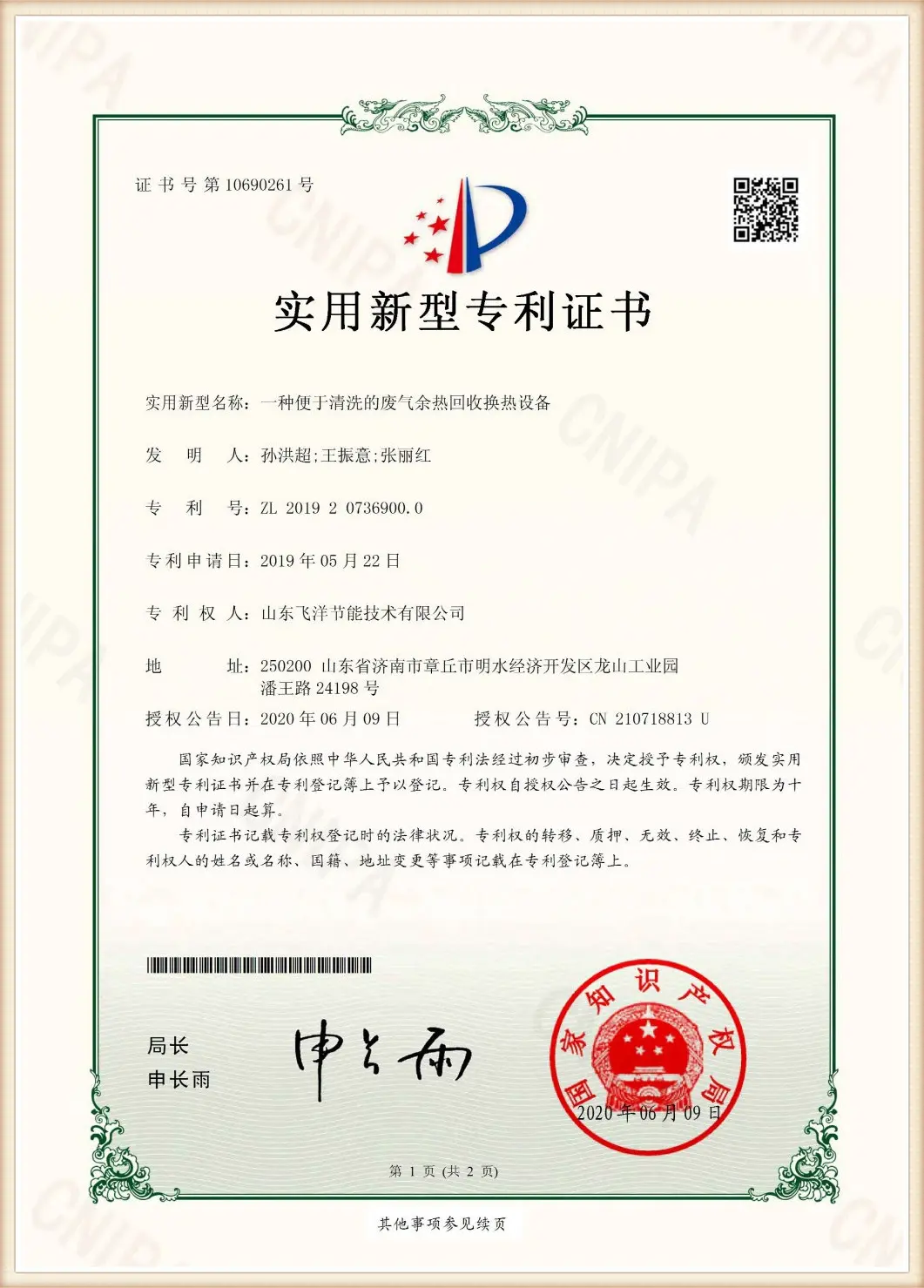
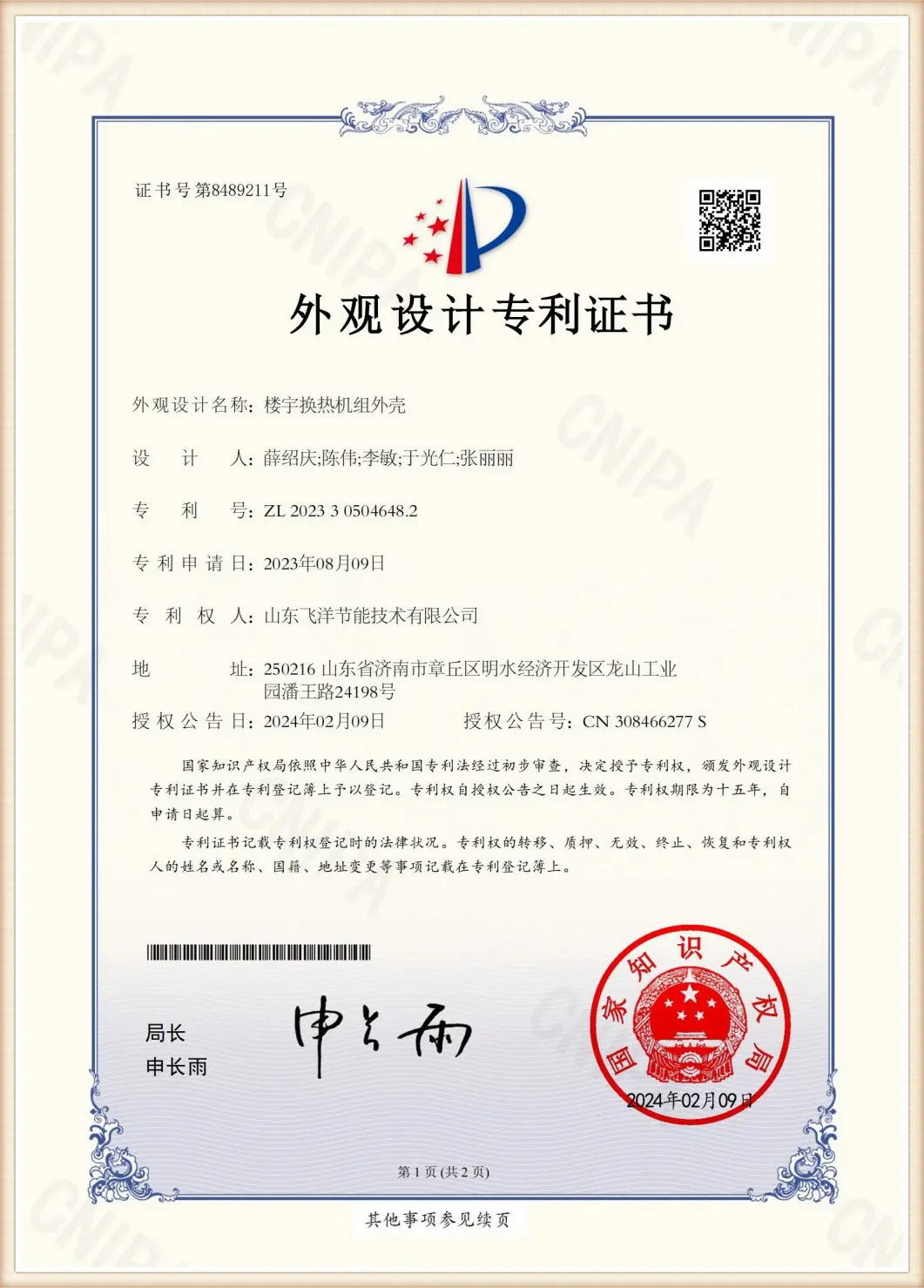
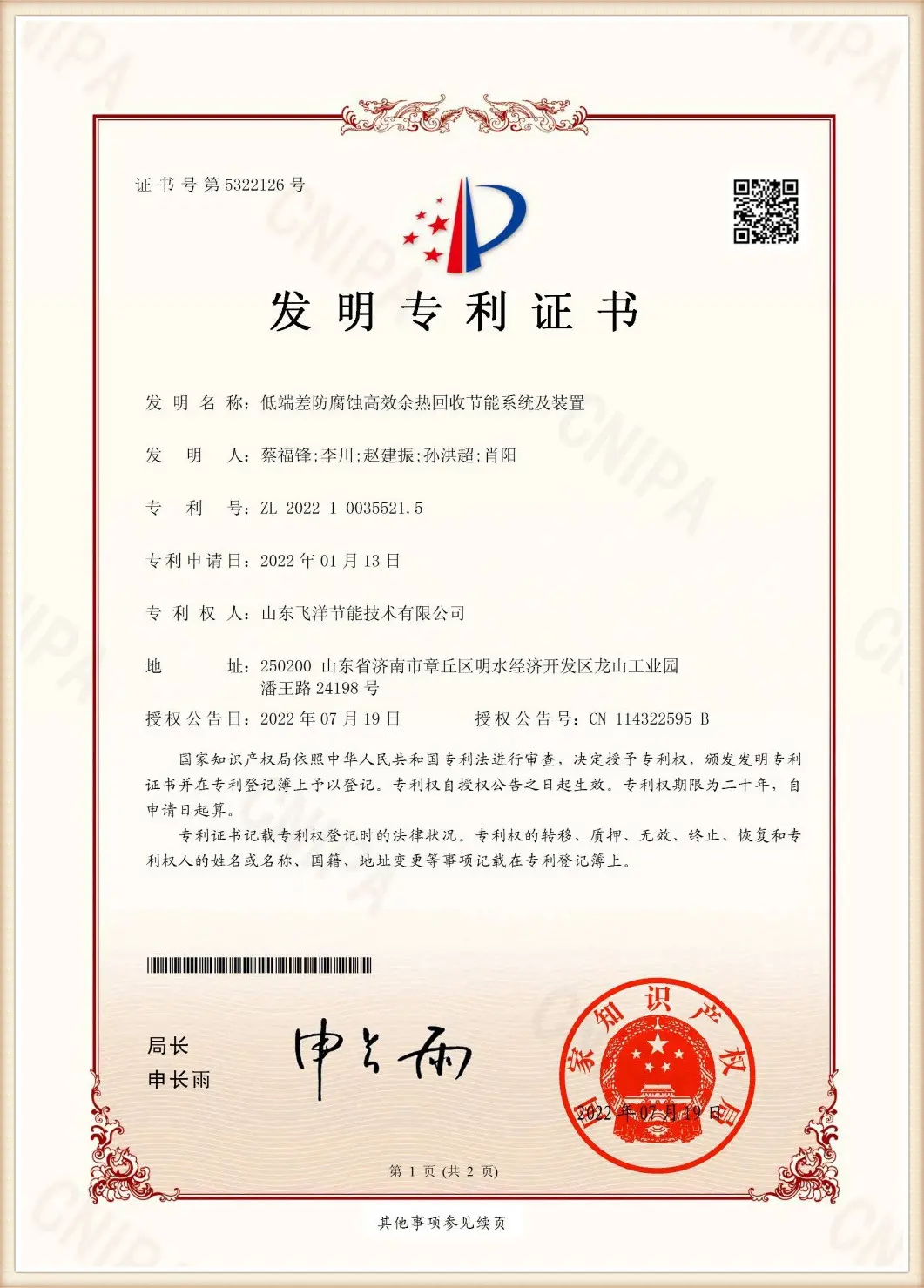
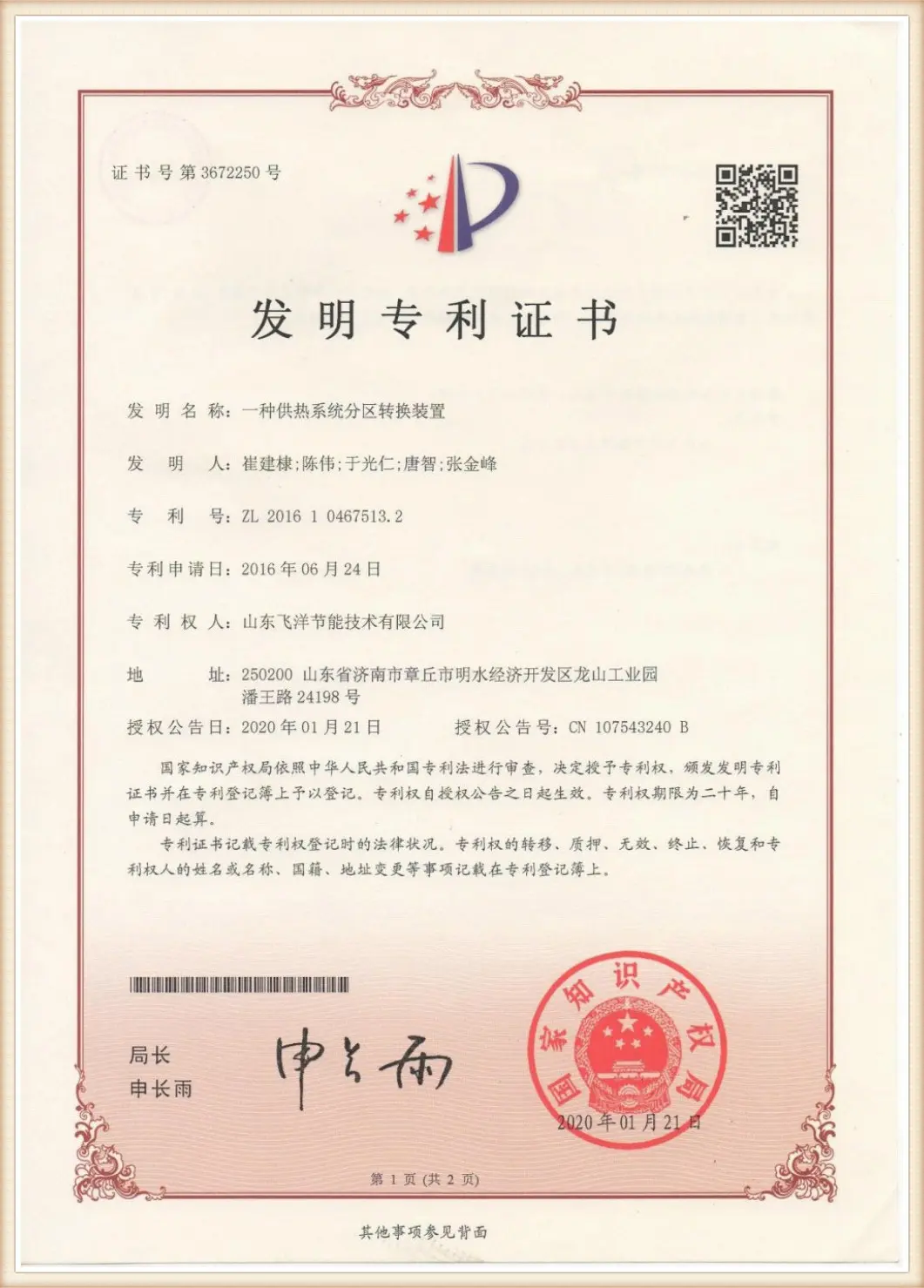
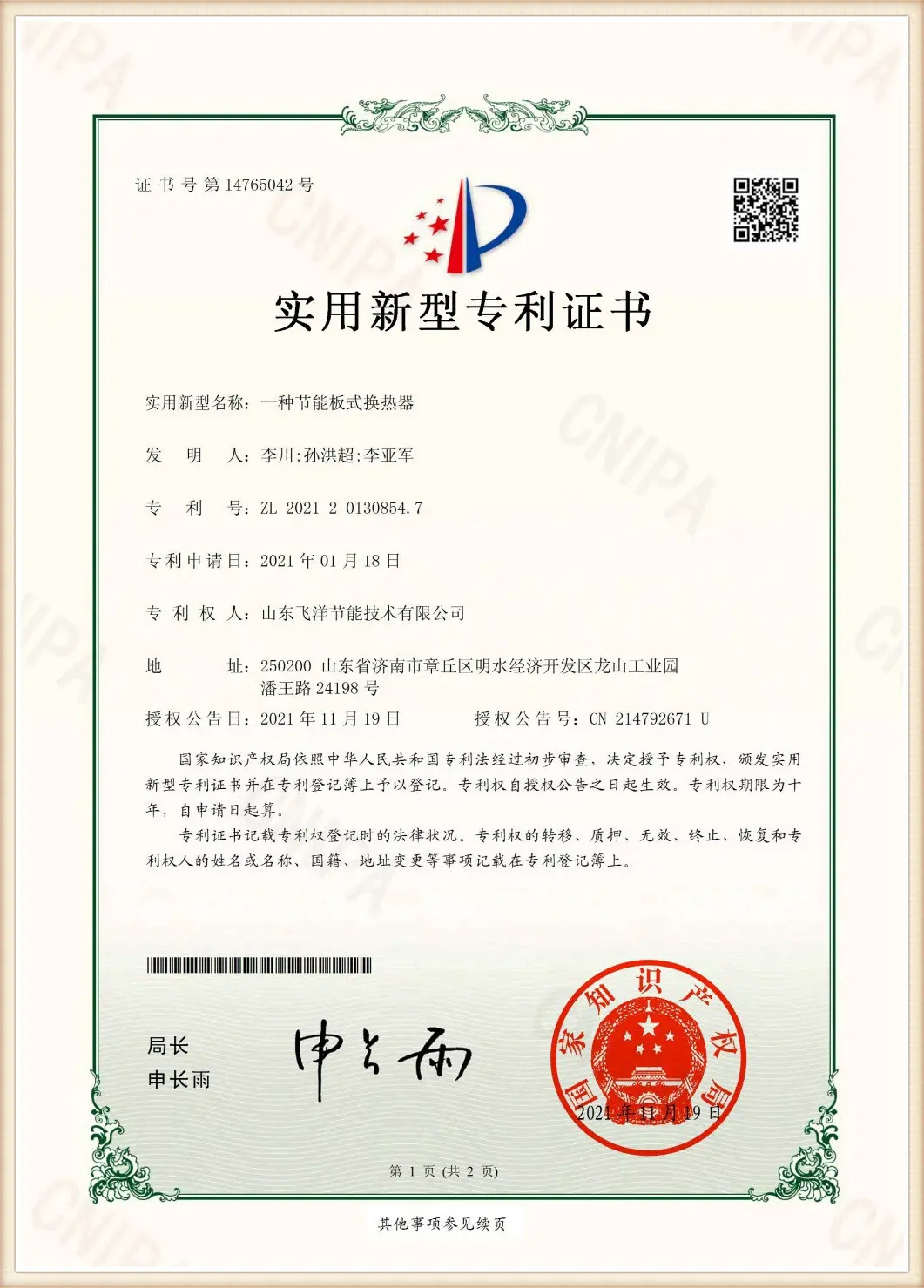
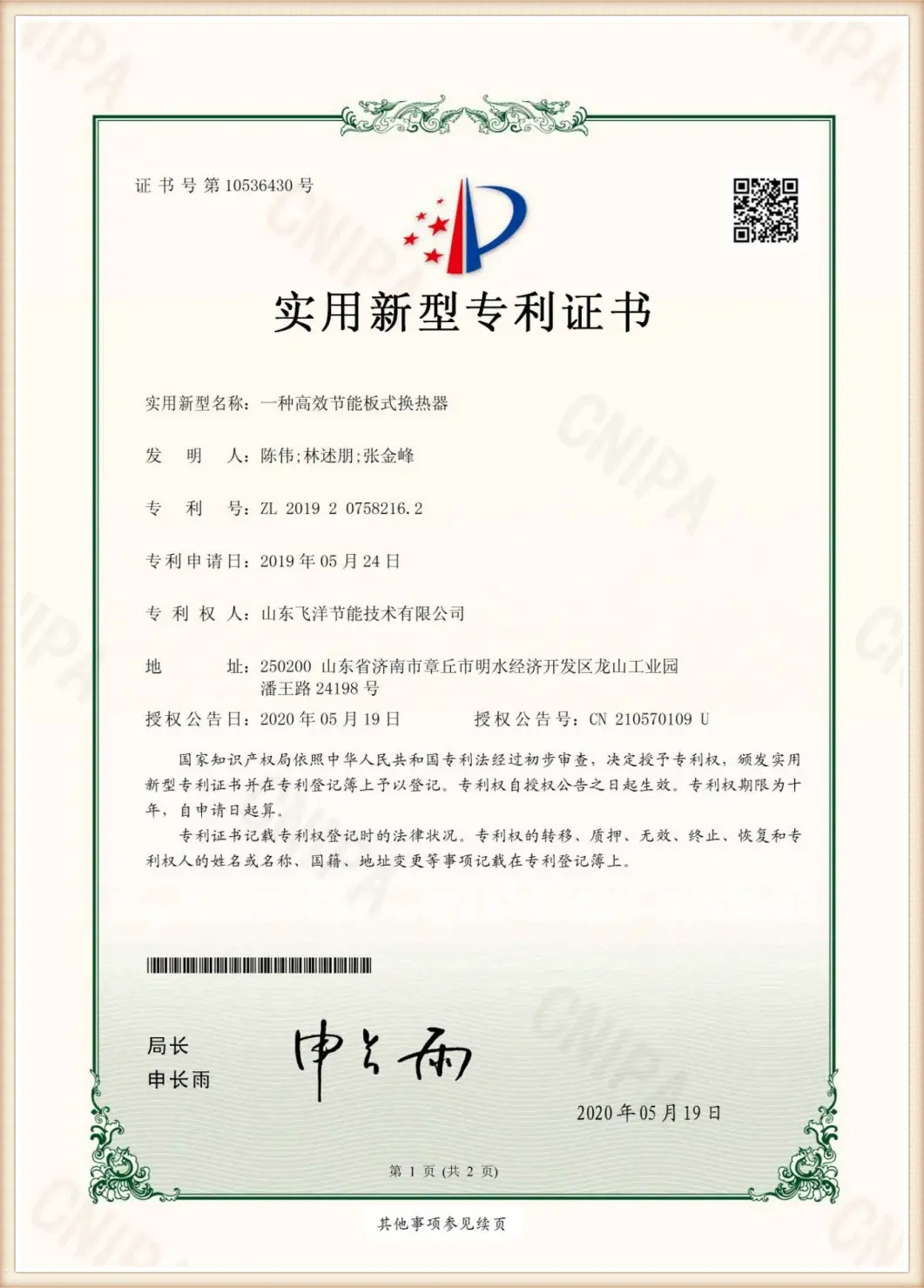
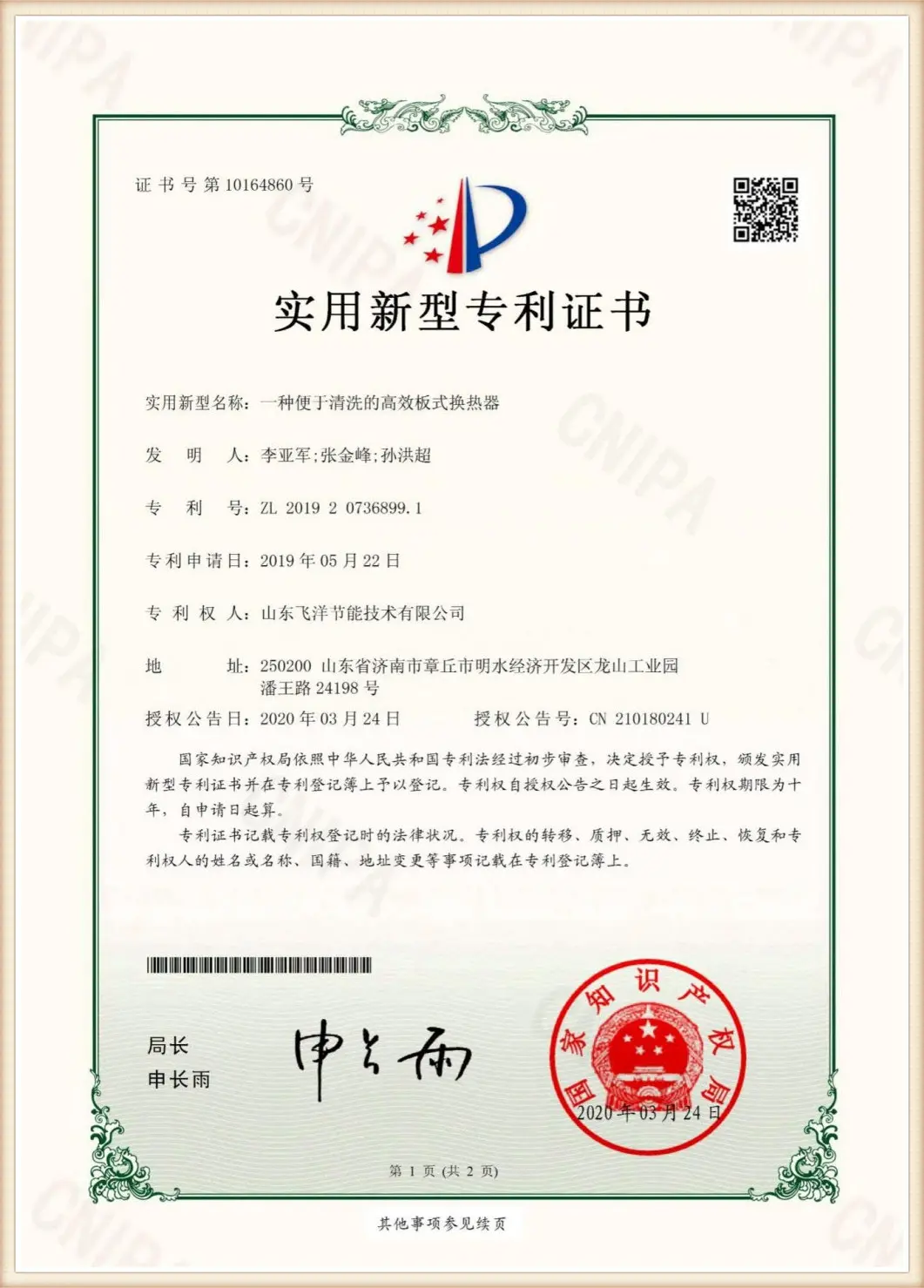
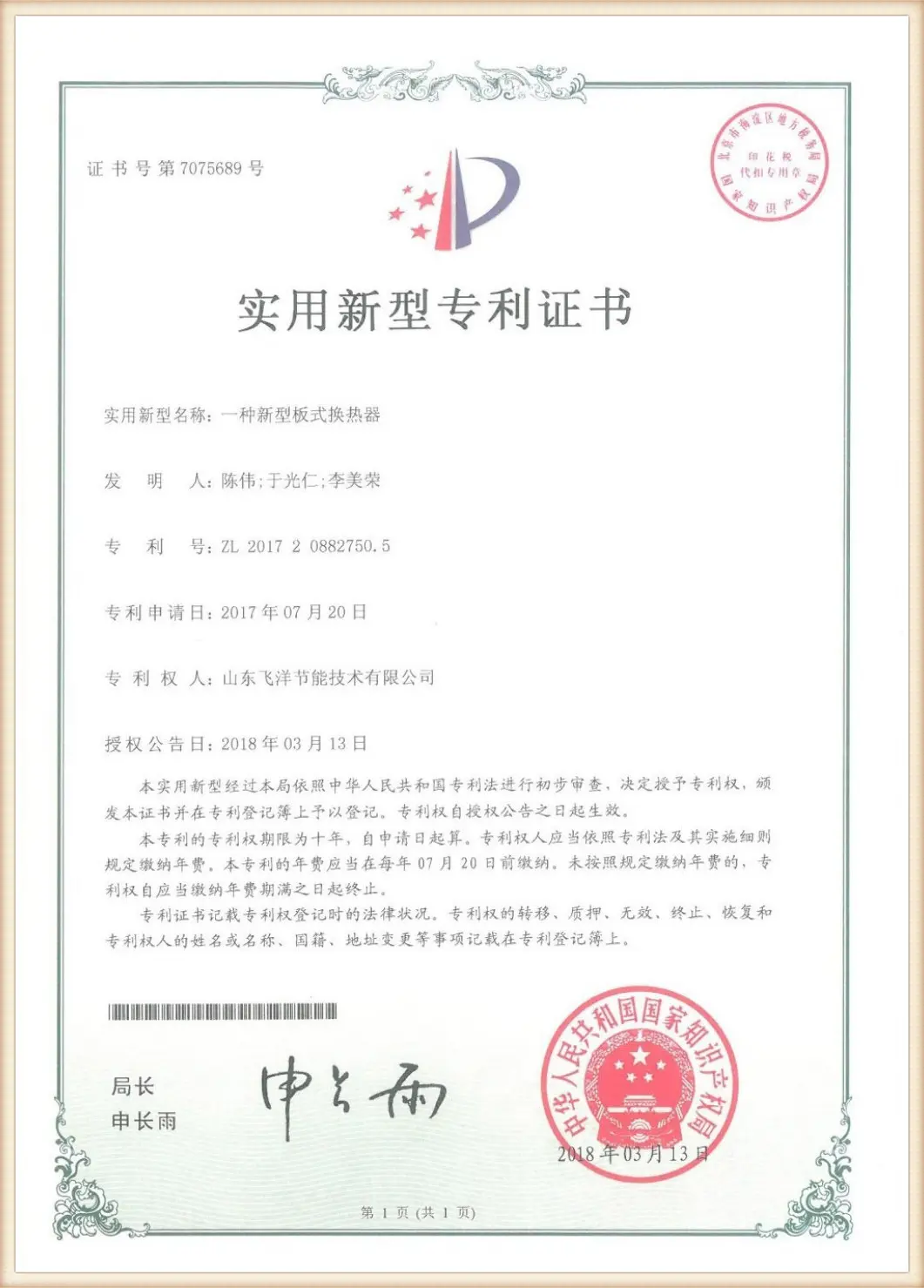
The company has been continuously advancing in production technology innovation, holding multiple patent certifications including "High-Efficiency Plate Heat Exchanger", "Intelligent Plate Heat Exchanger System", and "Plate Heat Exchanger Scale Removal Device". Its products have obtained mandatory national product certification and safety registration from the National Standardization Committee, along with the safety registration for plate heat exchangers issued by the National Boiler and Pressure Vessel Standardization Technical Committee. The company has also achieved ISO9001 Quality Management System certification, ISO14001 Environmental Management System certification, and ISO45001 Occupational Health and Safety Management System certification.
Thermodynamic versatility across HVAC, chemical process engineering, and heavy manufacturing.
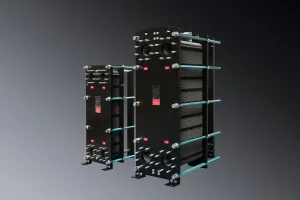
In centralized district heating, detachable plate heat exchangers serve as the vital thermal link between high-pressure municipal utility networks and secondary sub-stations. They regulate fluid temperature profiles, prevent scale cross-contamination, protect consumer-side heating equipment from high system pressures, and reduce terminal pipeline thermal losses.
Corrosive reaction chemistry demands premium alloy barriers. Using specialized titanium, Hastelloy, or SS316L pressed corrugations, our heat exchangers ensure reliable, contamination-free cooling and heating of active pharmaceutical ingredients (APIs), organic synthesis solvents, acids, and caustic formulations.
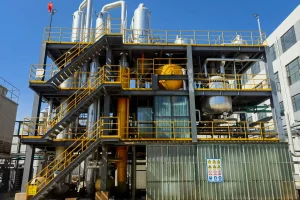
Capturing low-grade waste heat is essential for global carbon reduction. Our multi-effect evaporation and plate condensers optimize thermal recycling by extracting residual calories from wastewater streams, exhaust steam, and condensate, returning them directly into active manufacturing cycles.
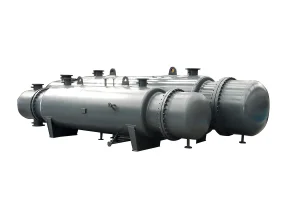
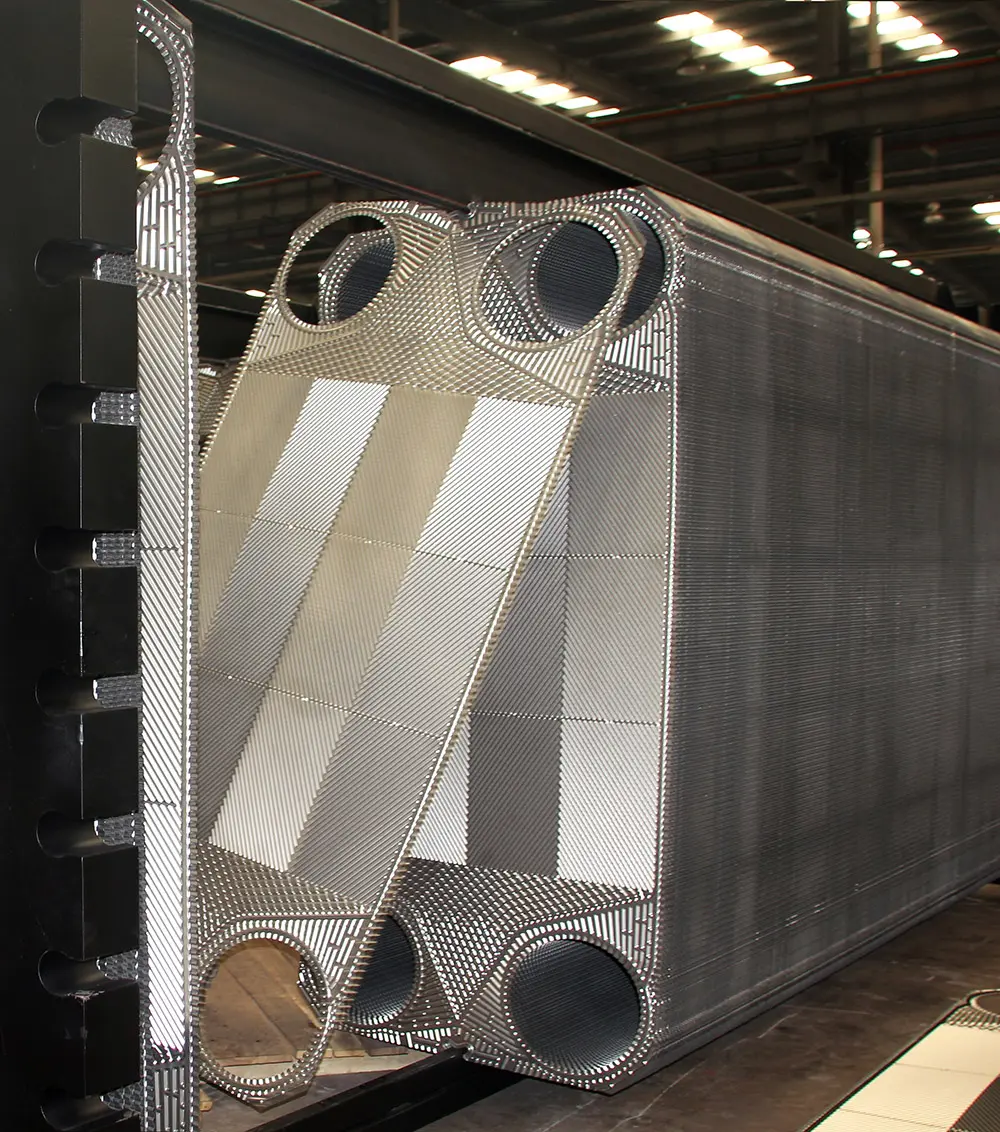
The core operating mechanism of a plate heat exchanger (PHE) relies on high-velocity fluid currents passing through narrow channels formed by stamped metal plates. The herringbone and chevron corrugation angles (traditionally optimized at theta values ranging from 30° to 60°) generate localized turbulent flow patterns even at low Reynolds numbers. This turbulence dramatically disrupts the boundary layer, yielding convective heat transfer coefficients (U-values) that are 2 to 3 times superior to conventional shell-and-tube designs.
"Optimizing thermal performance requires precision engineering of fluid velocities, pressure drop limits, and material compatibility. Our computational models and actual hydraulic tests ensure that every unit delivered strikes the perfect balance between minimal fouling indexes and maximum thermal efficiency."
Furthermore, detachable plate heat exchangers allow for mechanical expansion. If an industrial plant upgrades its production capacity, technicians can open the clamping frame and install additional thermal plates without replacing the entire foundation structure. This adaptability provides unprecedented flexibility to modern factory infrastructures.
Combining heavy hydraulic stamping presses, state-of-the-art metallurgy, and massive production capacity.
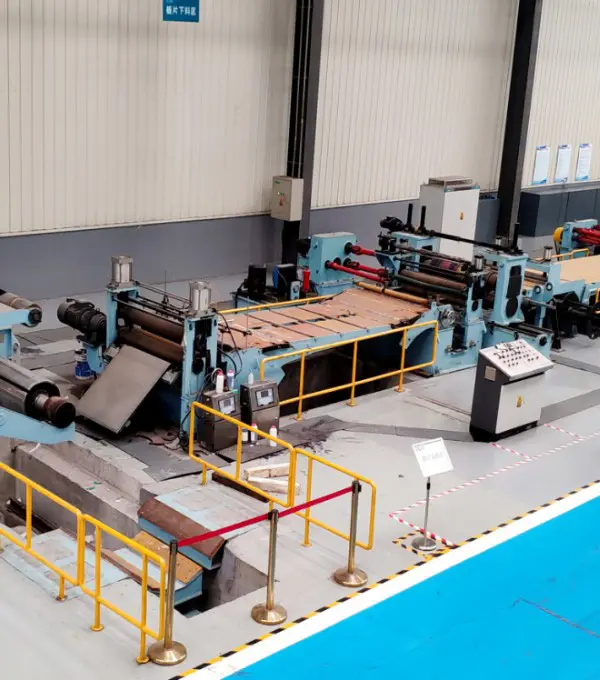
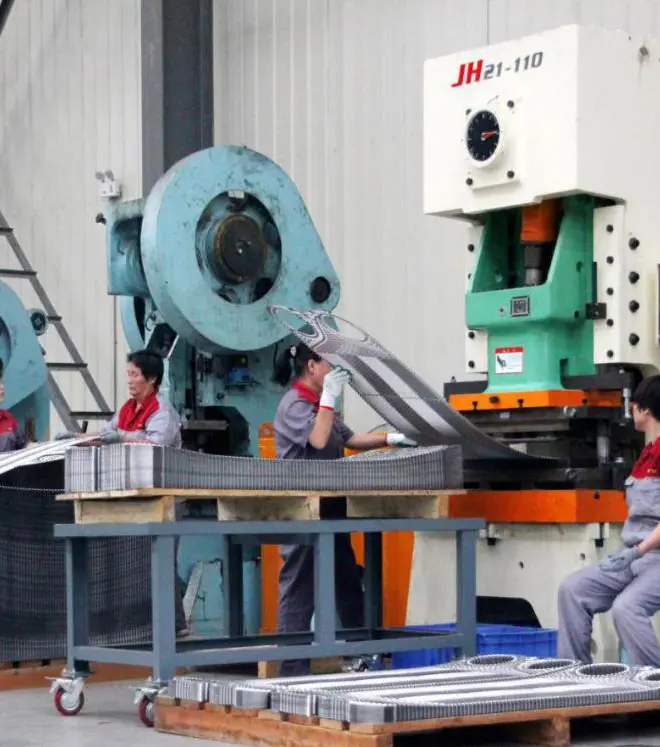
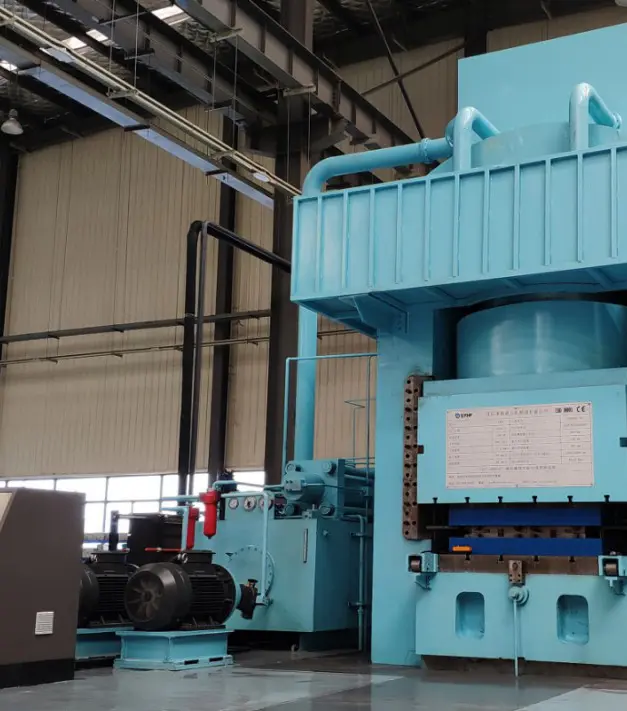
Plate manufacturing demands high-tonnage hydraulic presses to cold-stamp raw alloy coils into complex herringbone patterns without micro-fissures. Our facility leverages high-tonnage automated presses, maintaining plate thickness uniformity down to ±0.02 mm, ensuring pressure tolerance stability up to 2.5 MPa.
Being strategically located within the world's largest industrial manufacturing hub, we maintain direct, audited contracts with premium metallurgical suppliers. We guarantee raw material traceability (EN 10204 3.1 MTCs) for Stainless Steel 304, 316L, Titanium Gr.1, Nickel 200/201, and Hastelloy C-276.
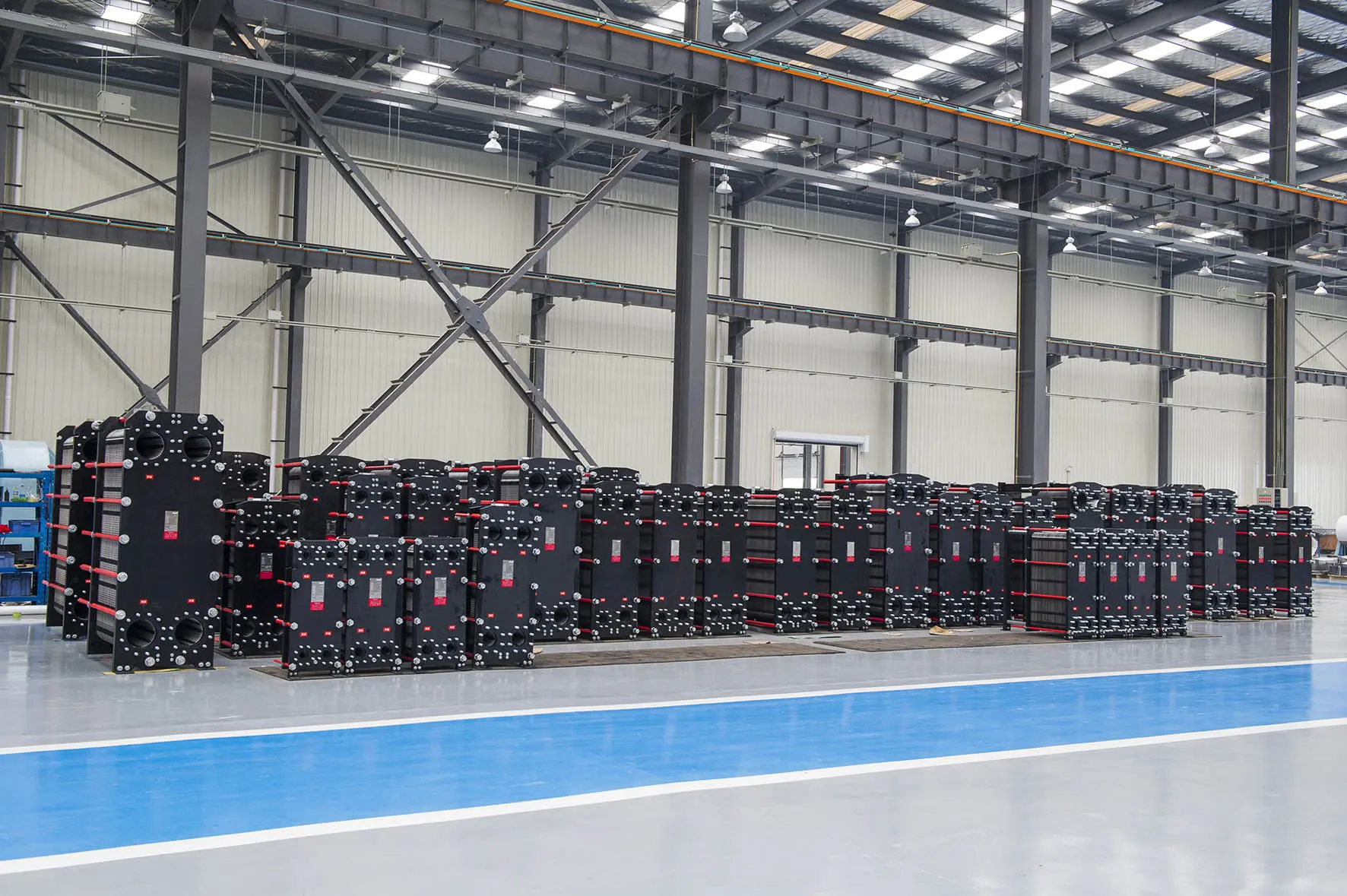
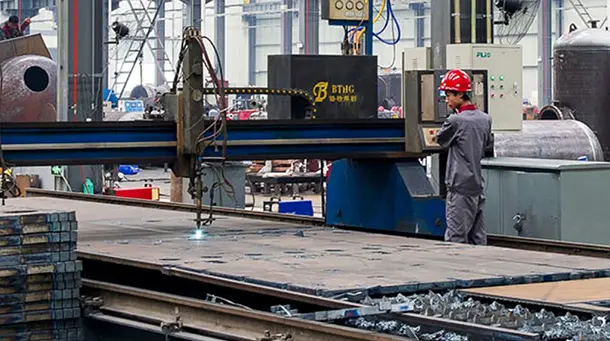
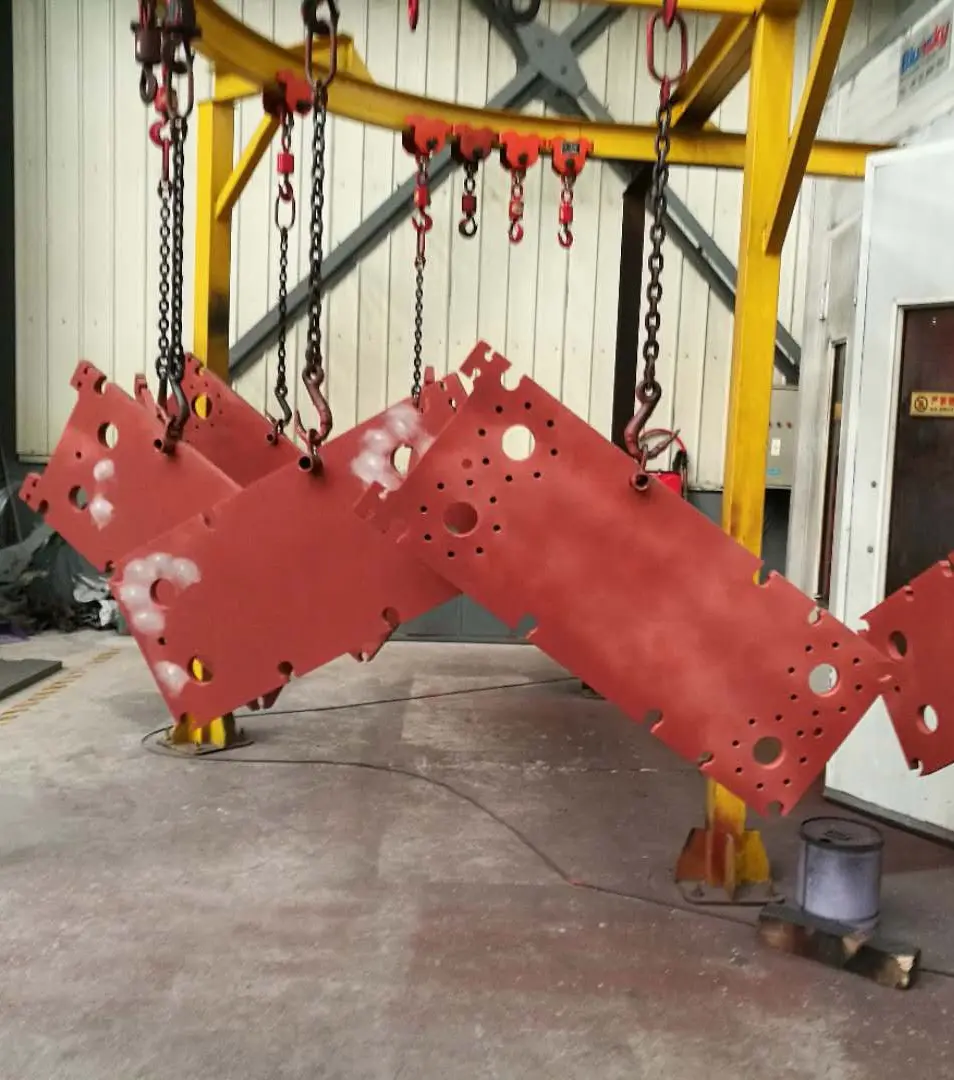
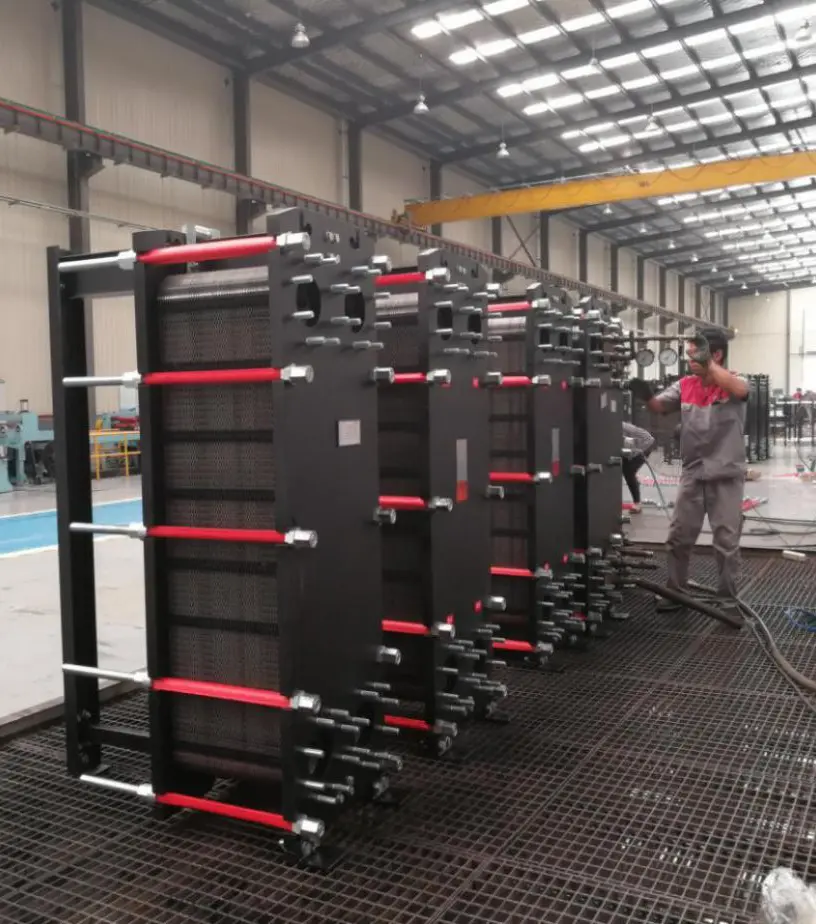
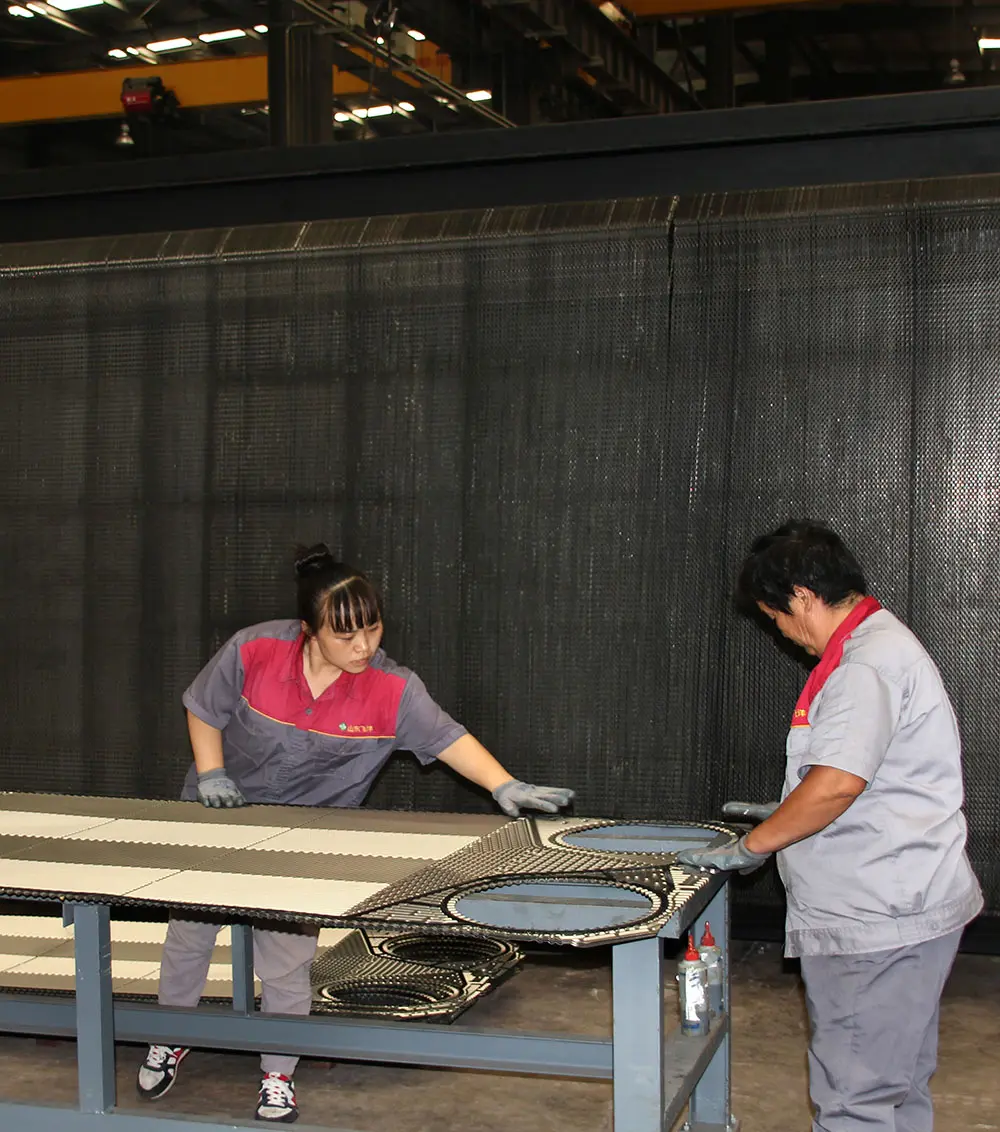
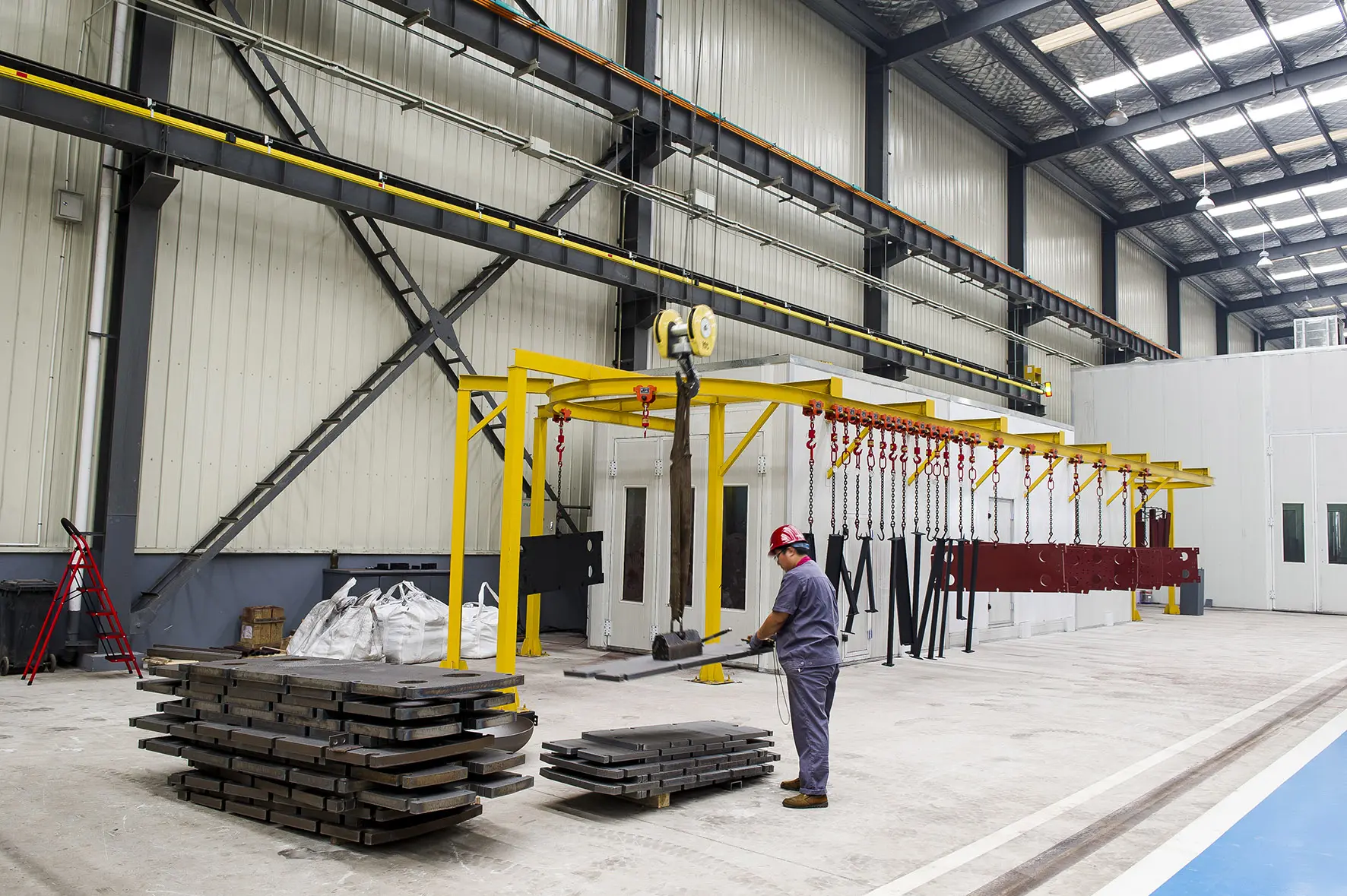
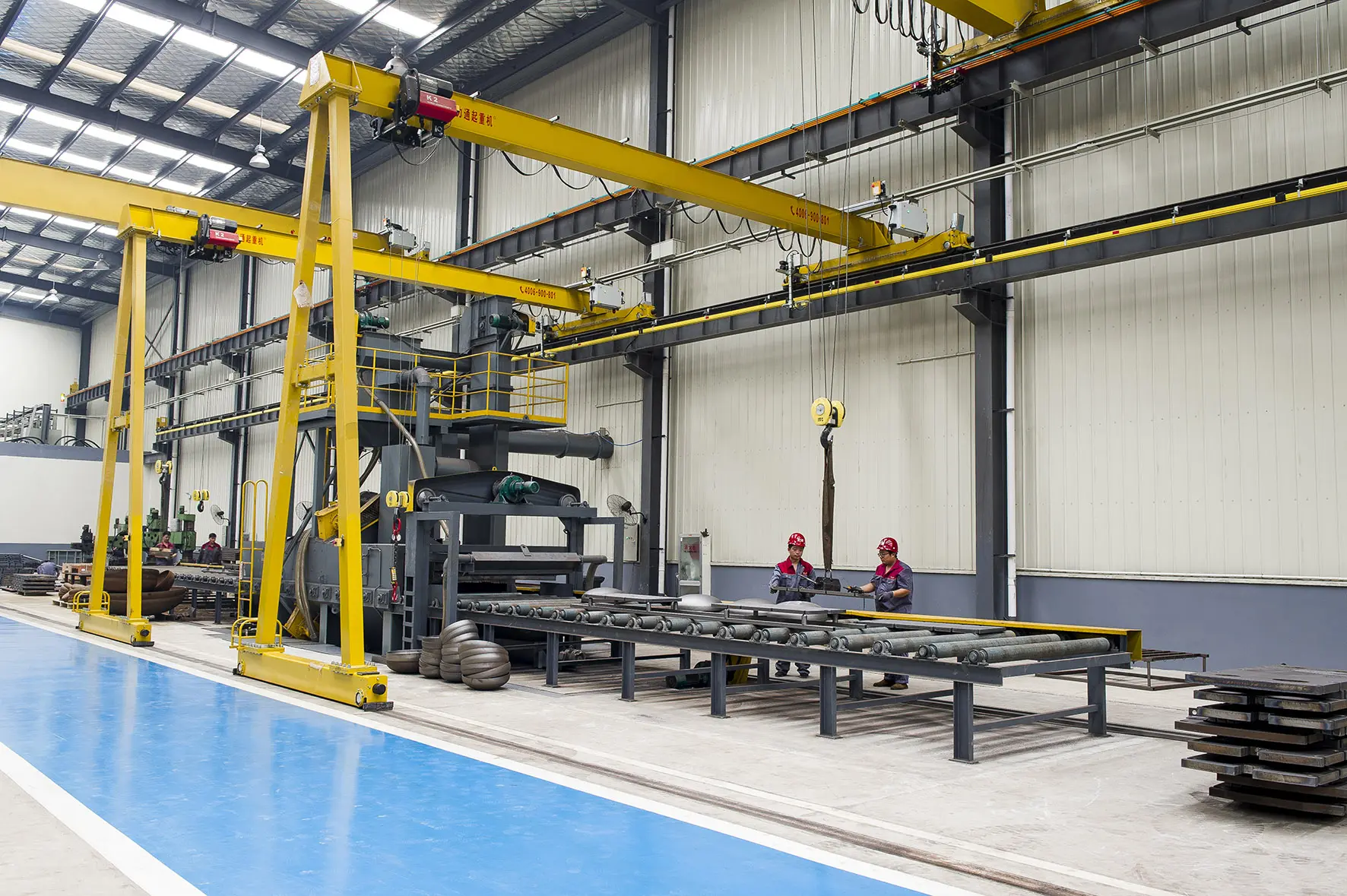
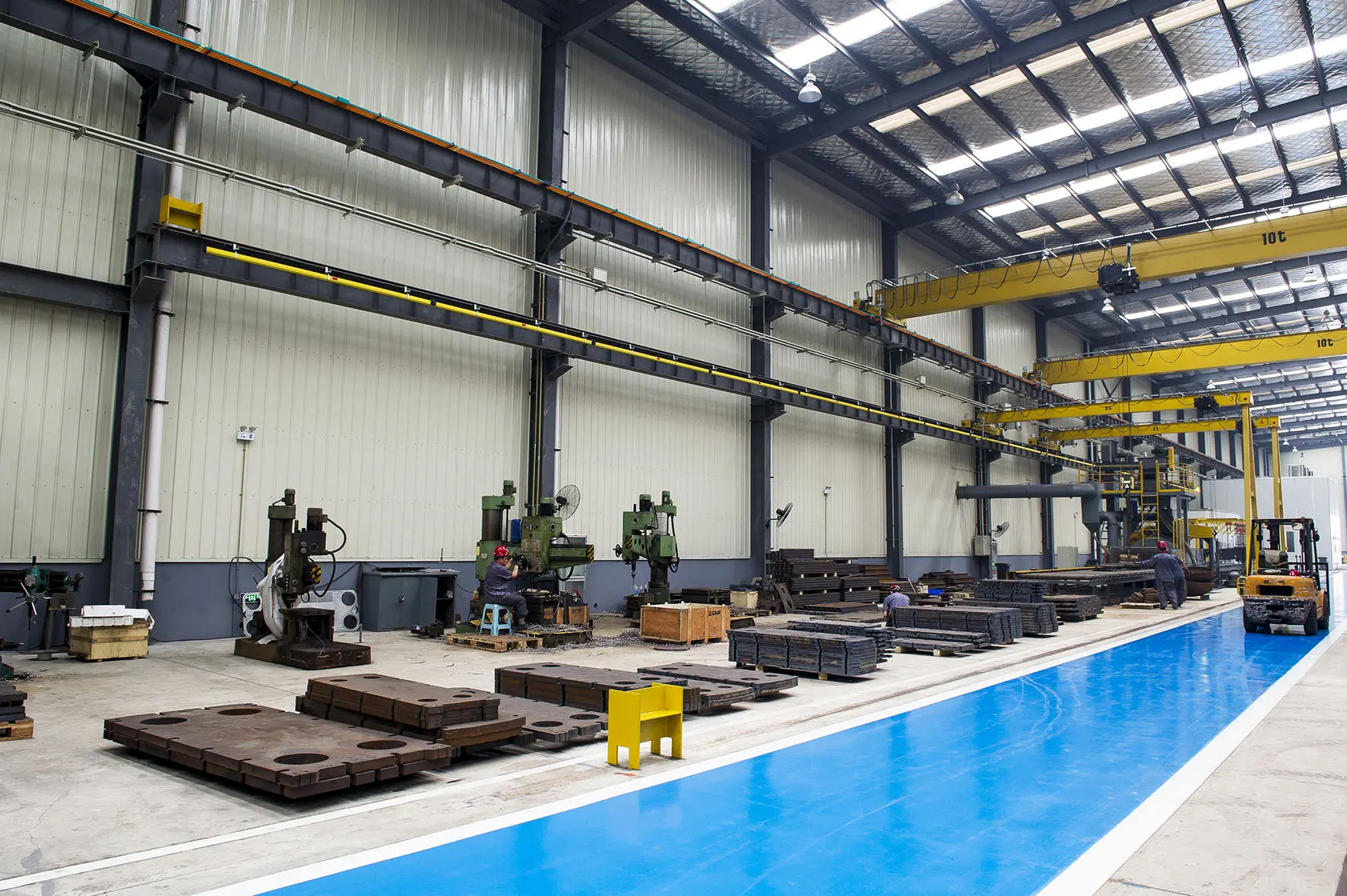
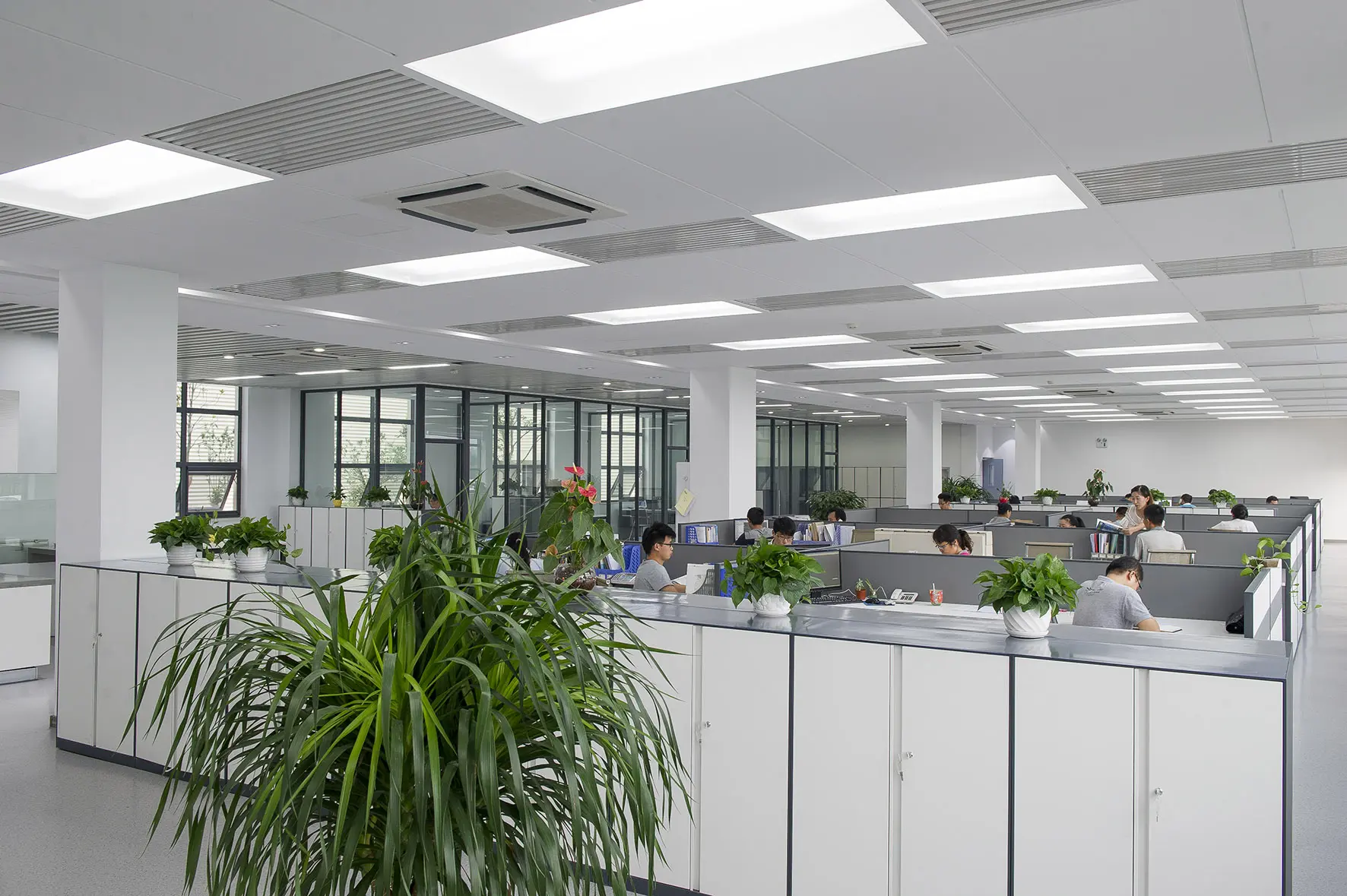
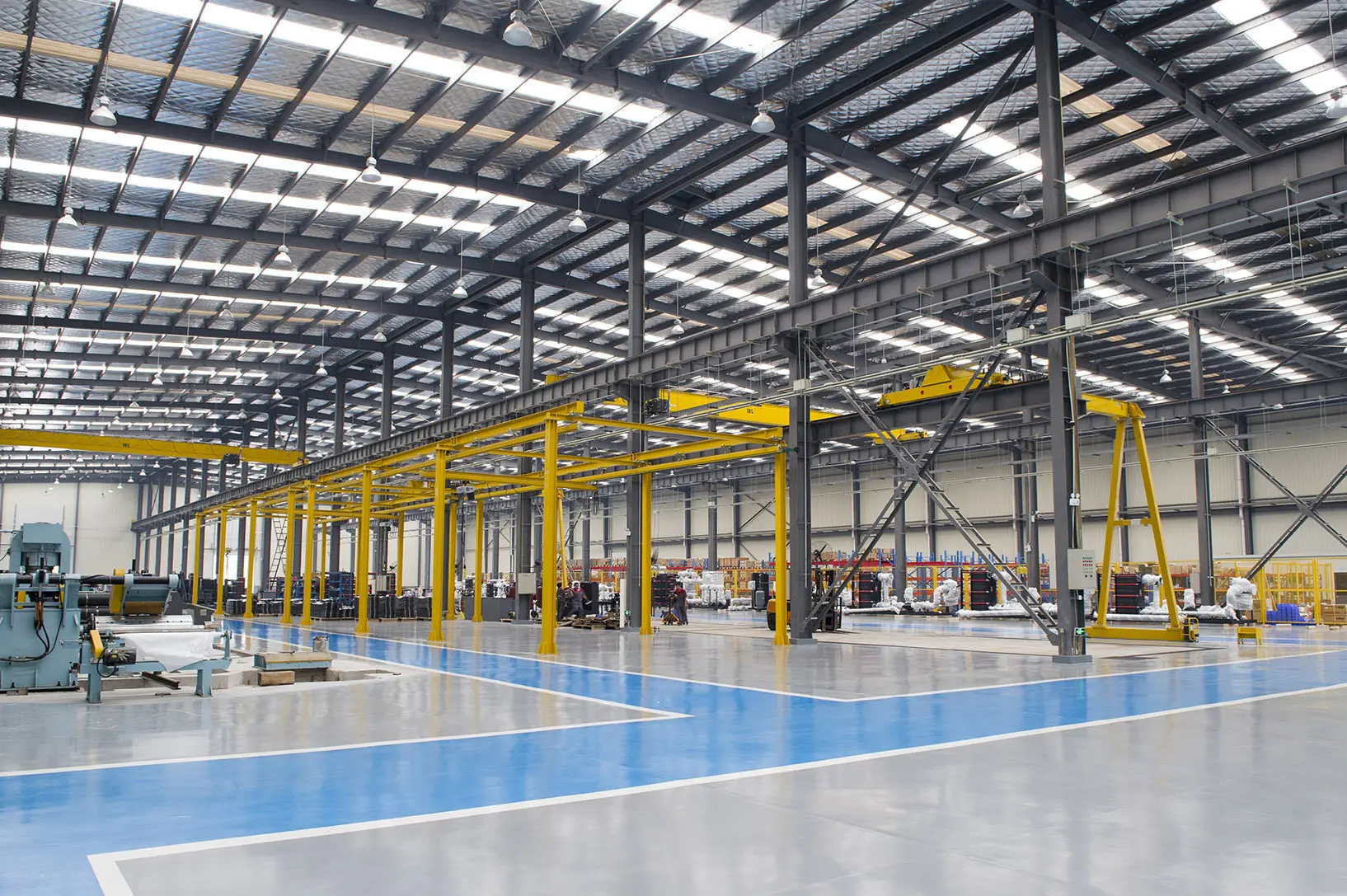
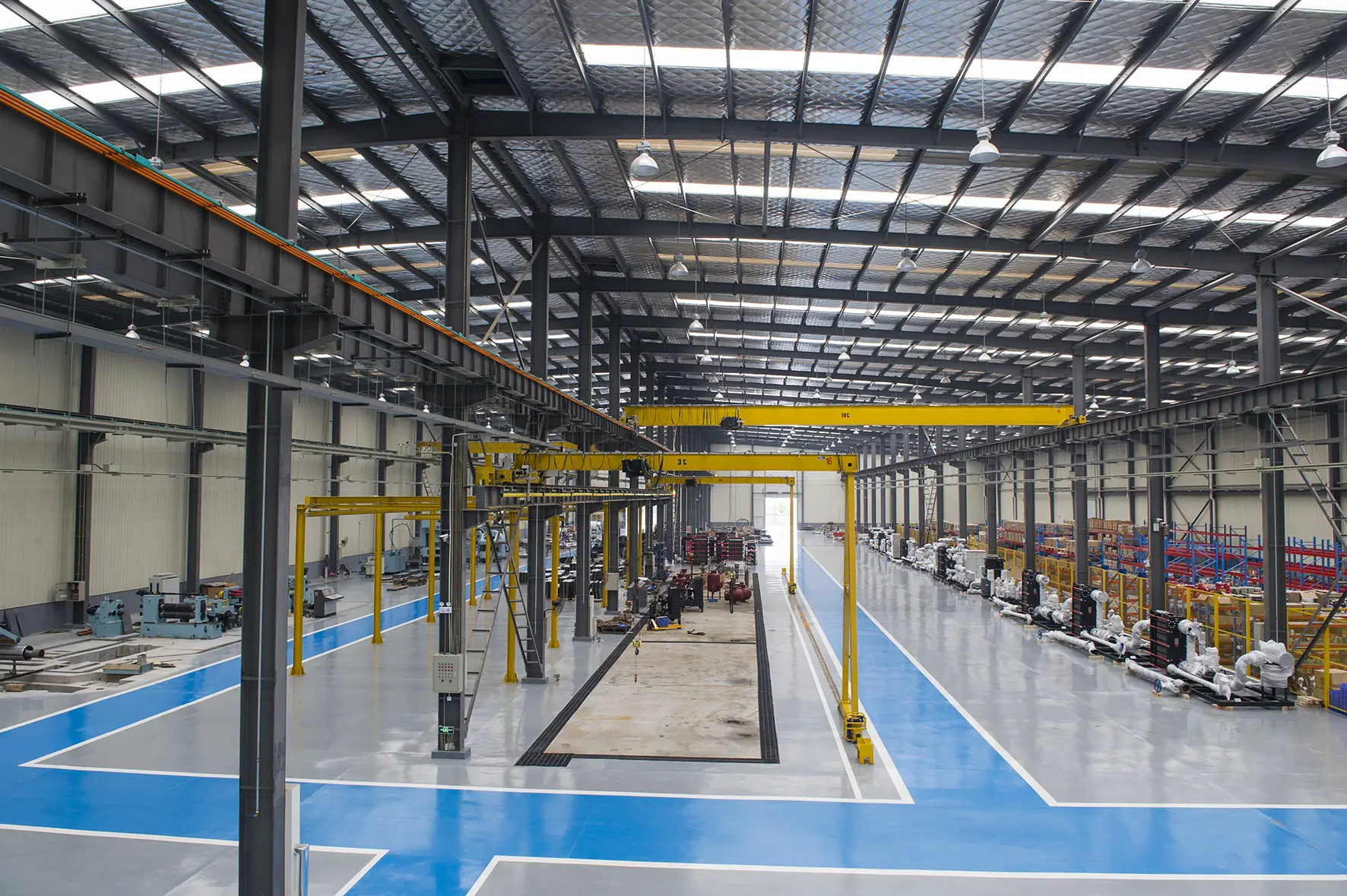
Operating a 70,000 m² modern facility allows us to consolidate plate cutting, stamping, frame fabrication, painting, rubber vulcanization, and hydraulic testing under one roof. Our proximity to major deep-water ports reduces transport lead times and ocean freight overheads for international clients.
Flotte generates an annual sales revenue of 500 million yuan, with a registered capital of 101 million yuan. Our manufacturing facility produces approximately 4,500 integrated heat exchange units and water supply equipment sets per year. This extensive industrial footprint ensures that we can scale up production schedules for major international district heating developments, maritime fleet upgrades, and chemical factory builds without experiencing typical supply chain delays.
All raw plate profiles are stamped from single-pass sheets to minimize internal stresses, and our proprietary gasket compounds are vulcanized under high pressure to ensure reliable seating. Our production processes adhere strictly to ISO 9001:2015 and regional pressure vessel compliance frameworks.
Strict quality control protocols from initial steel cutting to final hydrostatic pressure diagnostics.

Navigating municipal codes, pressure container regulations, and regional service infrastructures.
Our manufacturing processes adhere strictly to global regulatory directives. We design, manufacture, and verify systems in compliance with the European Pressure Equipment Directive (PED 2014/68/EU), CE standards, and the safety registrations of the National Boiler and Pressure Vessel Standardization Technical Committee.
To mitigate plant downtime, Flotte offers localized structural assembly kits, replacement plate matrices, and various gasket compounds (NBR, EPDM, FKM). We maintain regional warehouses and partnerships to guarantee rapid parts delivery, reducing unexpected shut-down risks.
Our dedicated thermal design engineers provide direct, English-speaking pre-sale calculations, CFD fluid velocity evaluations, and pressure drop estimations, ensuring seamless coordination with global consulting engineering firms.
Developing low-carbon solutions and optimizing total cost of ownership (TCO) for heat exchange equipment.
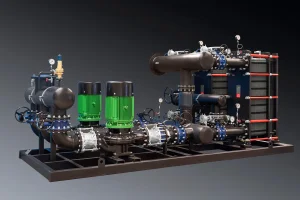
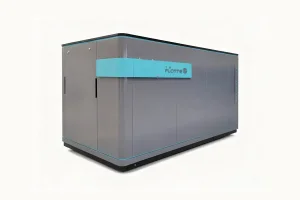
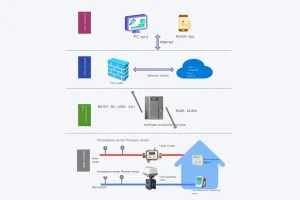
The global heat exchanger market is rapidly shifting towards digitization and intelligent control. As urban areas upgrade to secondary networks, integrating real-time sensors into plate frames has become standard practice. Flotte's patented Intelligent Heat Exchange Units utilize built-in pressure, flow, and temperature transducers linked to automated balance valves. By dynamically adjusting primary-side steam or water flow rates based on consumer heat consumption trends, these units improve system thermal performance while reducing grid pump power costs.
In addition, advanced cleaning technologies are emerging to address calcium scaling. Flotte's patented Plate Heat Exchanger Scale Removal Device utilizes safe chemical flow cycles to clean complex corrugations without needing complete unit disassembly, keeping fouling coefficients close to design specs throughout the unit's operating life.
When selecting a manufacturing partner for wholesale heat exchange systems, procurement officers should verify the following capabilities:
Expert insights on thermodynamics, gasket selection, cleaning cycles, and factory customization.
 Flotte Energy