In an era defined by carbon neutrality targets, energy security pressures, and stringent ESG (Environmental, Social, and Governance) parameters, industrial thermal management has moved to the center of global engineering. Thermal energy consumption in chemical processing plants, HVAC complexes, municipal district heating networks, and power systems accounts for more than 40% of global industrial carbon emissions. At the heart of mitigating this footprint lies the modern, high-precision plate heat exchanger (PHE).
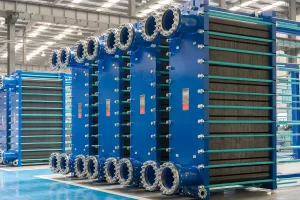
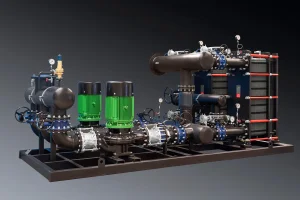
The shift from traditional shell and tube exchangers to plate-based solutions is accelerating due to the superior heat transfer coefficients (U-values) achievable with chevron-patterned corrugated plate surfaces. These designs disrupt laminar flow at low Reynolds numbers, inducing high turbulence and mitigating bio-fouling and scaling. Global procurement departments are prioritizing technology partners capable of delivering custom thermal profiles that optimize both thermodynamic efficiency and initial investment.
Maximizing waste heat recovery across thermal systems directly reduces boiler load and fuel dependency, yielding measurable scope 1 emission reductions in industrial facilities.
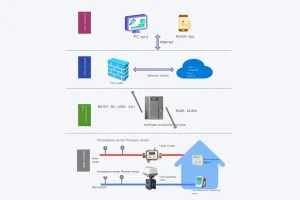
Integrating cloud monitoring, balancing valves, and high-precision temperature sensors allows networks to dynamically adjust to seasonal and hourly fluctuations.
Sourcing from unified manufacturing centers that combine design, stamping, assembly, and pressure testing minimizes delivery lead times and guarantees quality.
Flotte Energy Saving Company (established in 2013 with a registered capital of 101 million yuan) trace its engineering lineage back to Flotte Thermal Engineering, founded in 1995. With three decades of rigorous research and development, the company has established itself as an authority in water systems, high-efficiency HVAC equipment, and advanced water treatment systems.
Operating from a state-of-the-art 70,000 square meter manufacturing base, Flotte employs over 260 certified technicians, engineers, and specialists. Our design center utilizes computational fluid dynamics (CFD) software and finite element analysis (FEA) to customize thermal profiles for heavy industries. Annual production capacity exceeds 4,500 integrated heat exchange units and specialized water equipment configurations, delivering a sales volume of 500 million yuan.
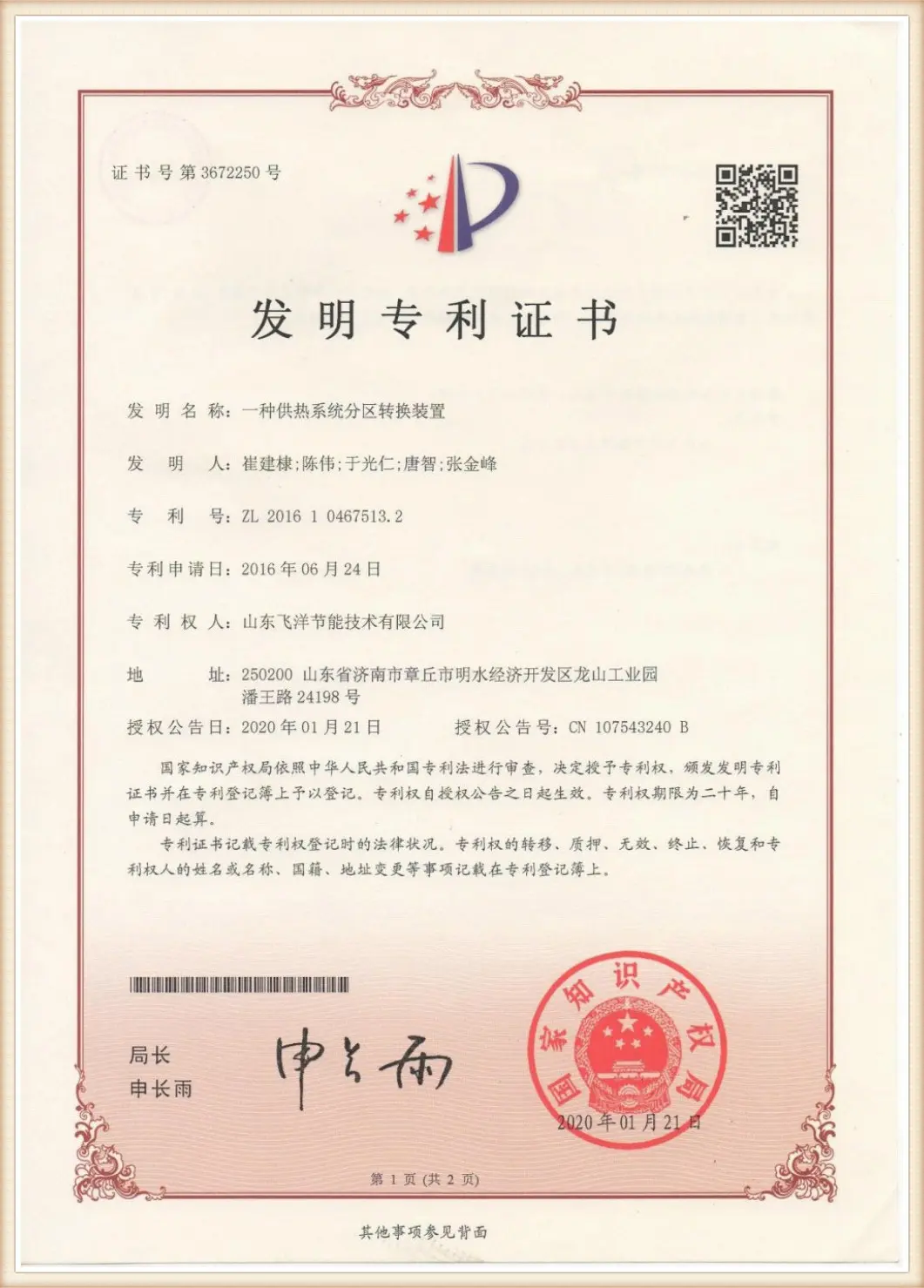
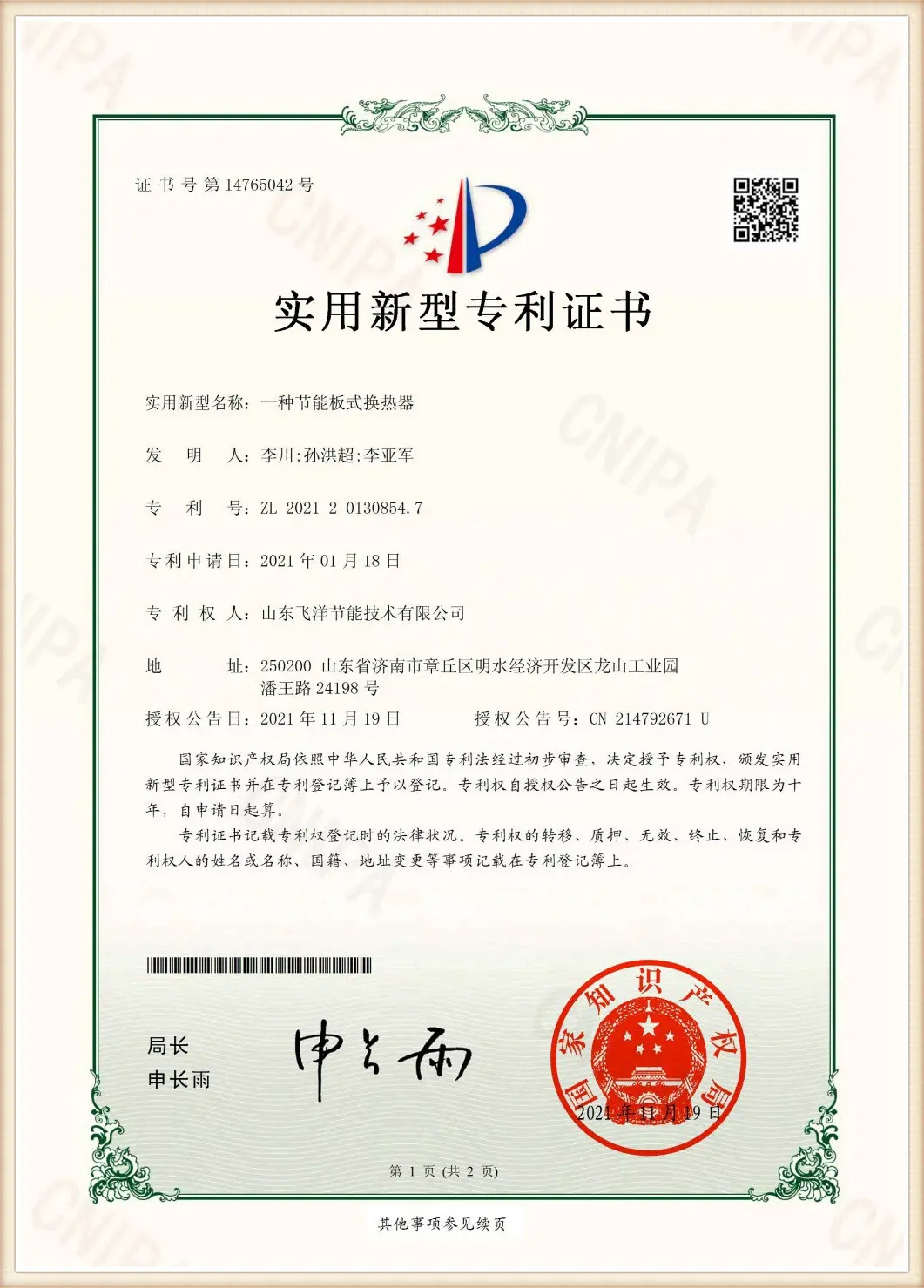
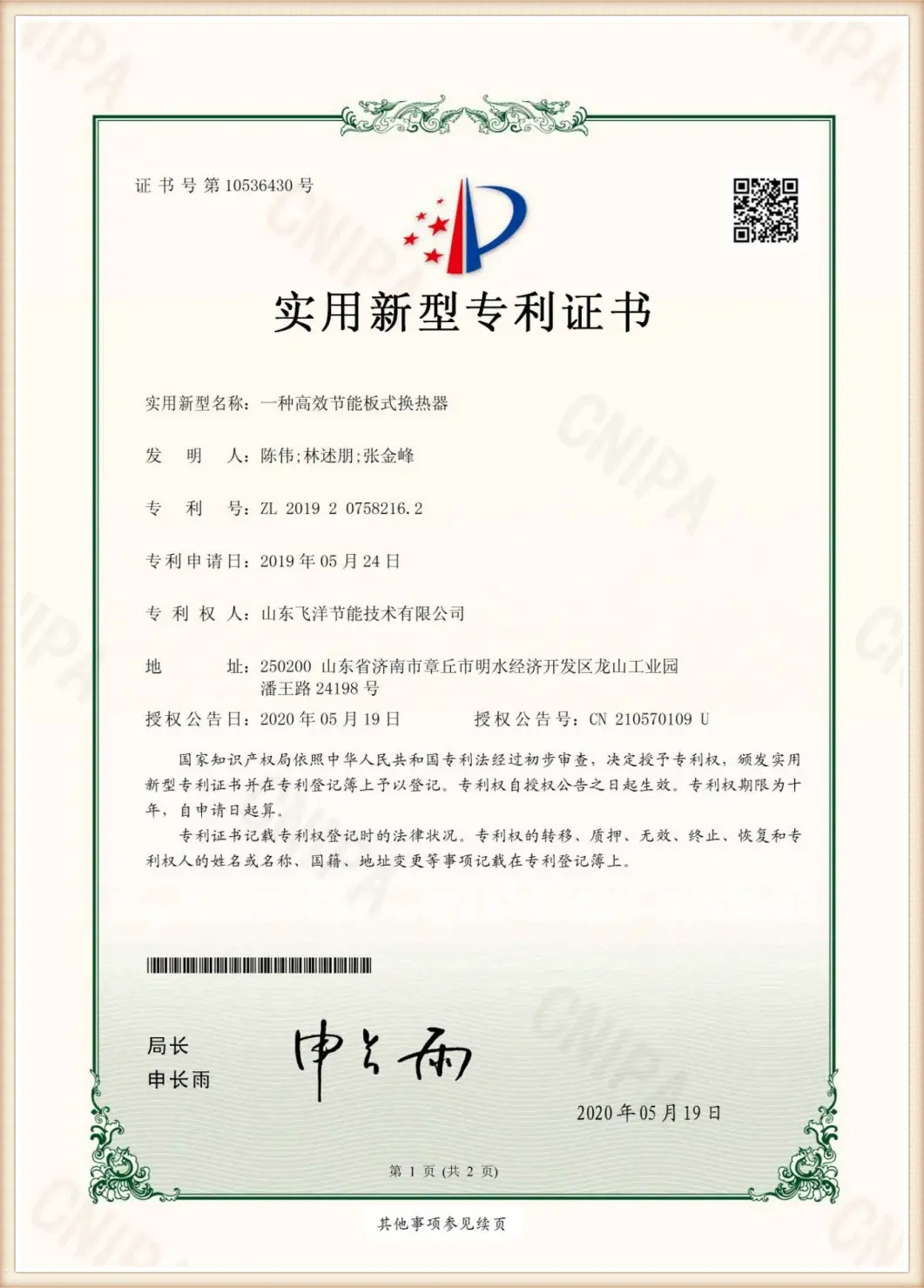
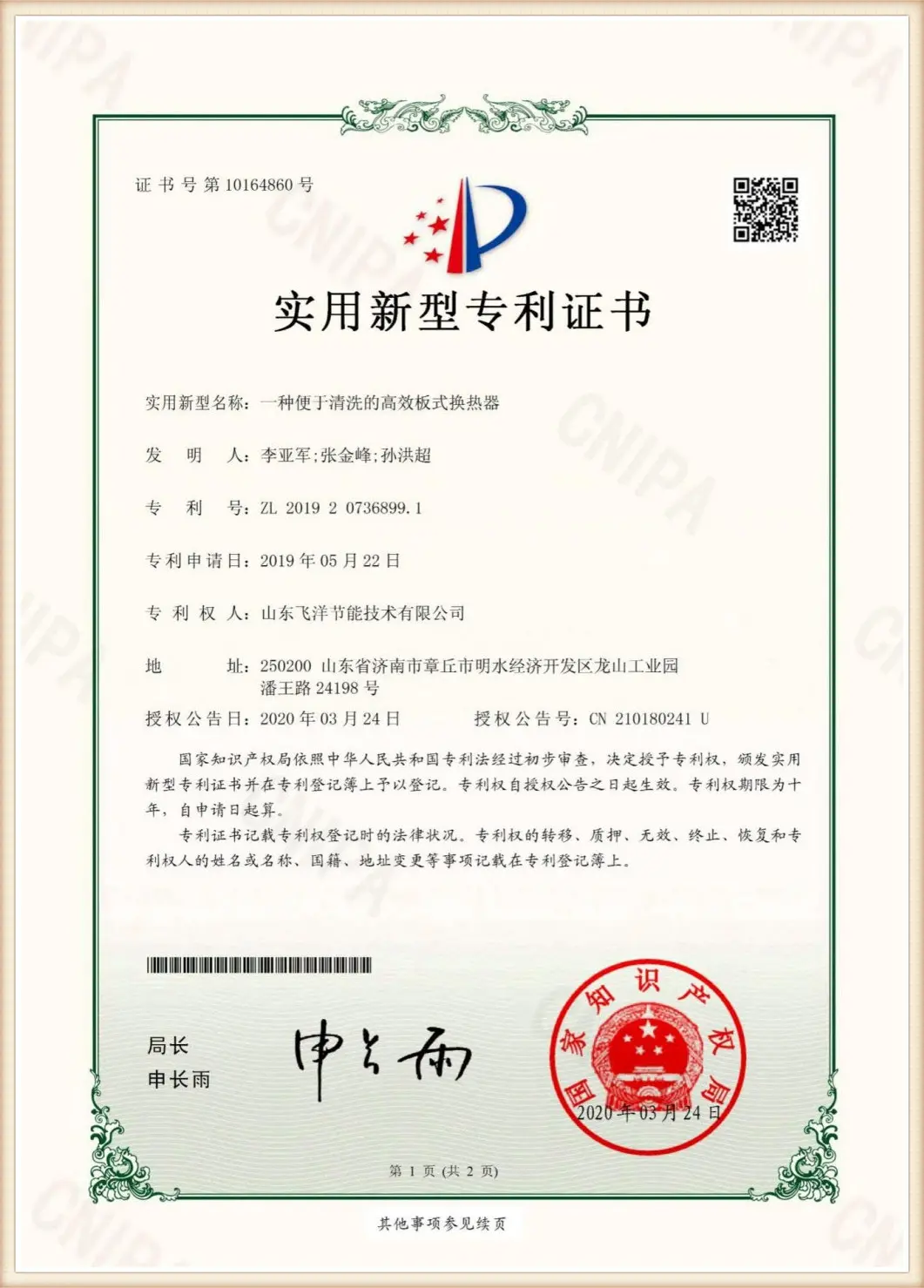
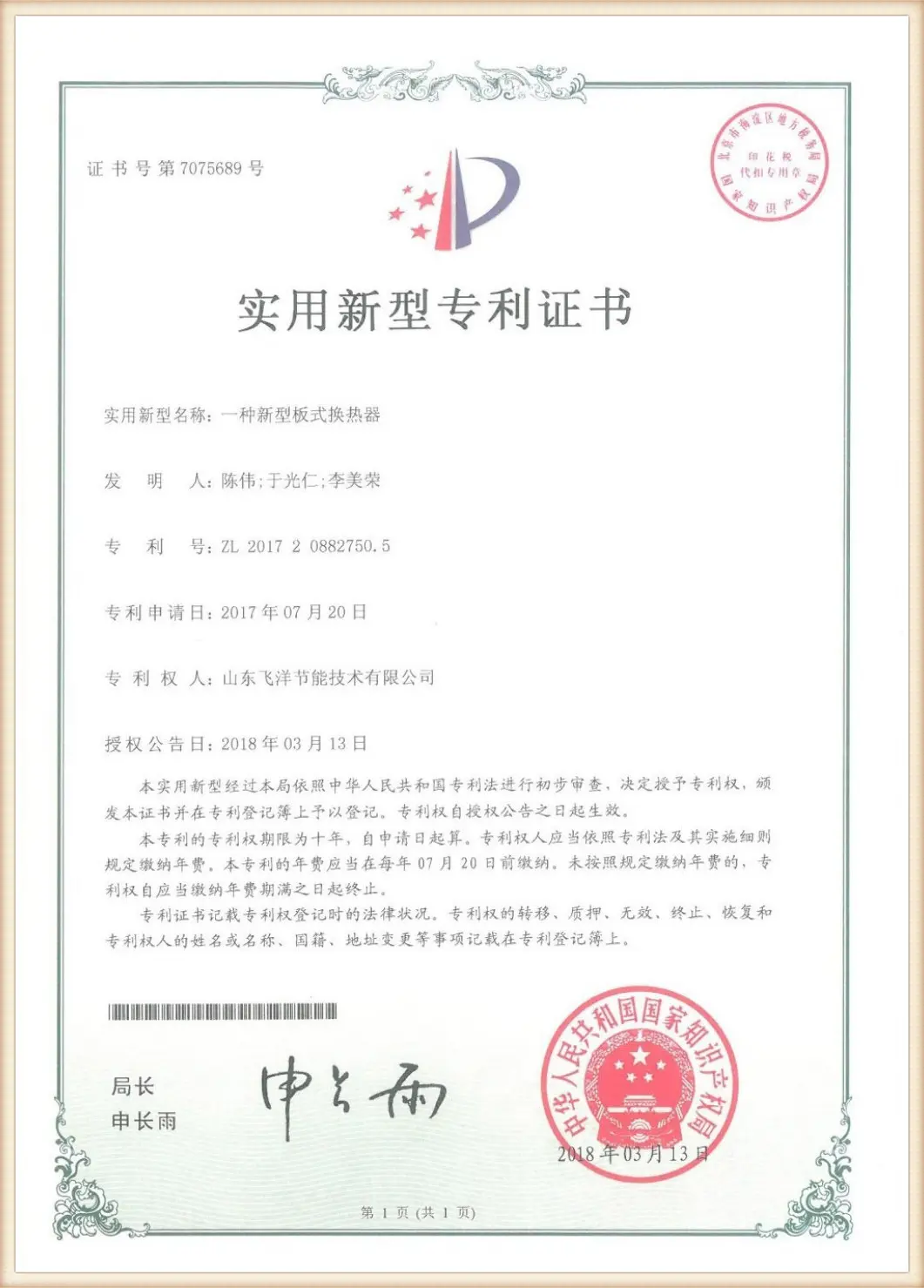
Flotte maintains safety and quality registrations under the National Standardization Committee and the National Boiler and Pressure Vessel Standardization Technical Committee. Our operations adhere strictly to international quality framework systems, securing ISO 9001:2015 (Quality Management), ISO 14001:2015 (Environmental Protection), and ISO 45001:2018 (Occupational Health & Safety) certifications.
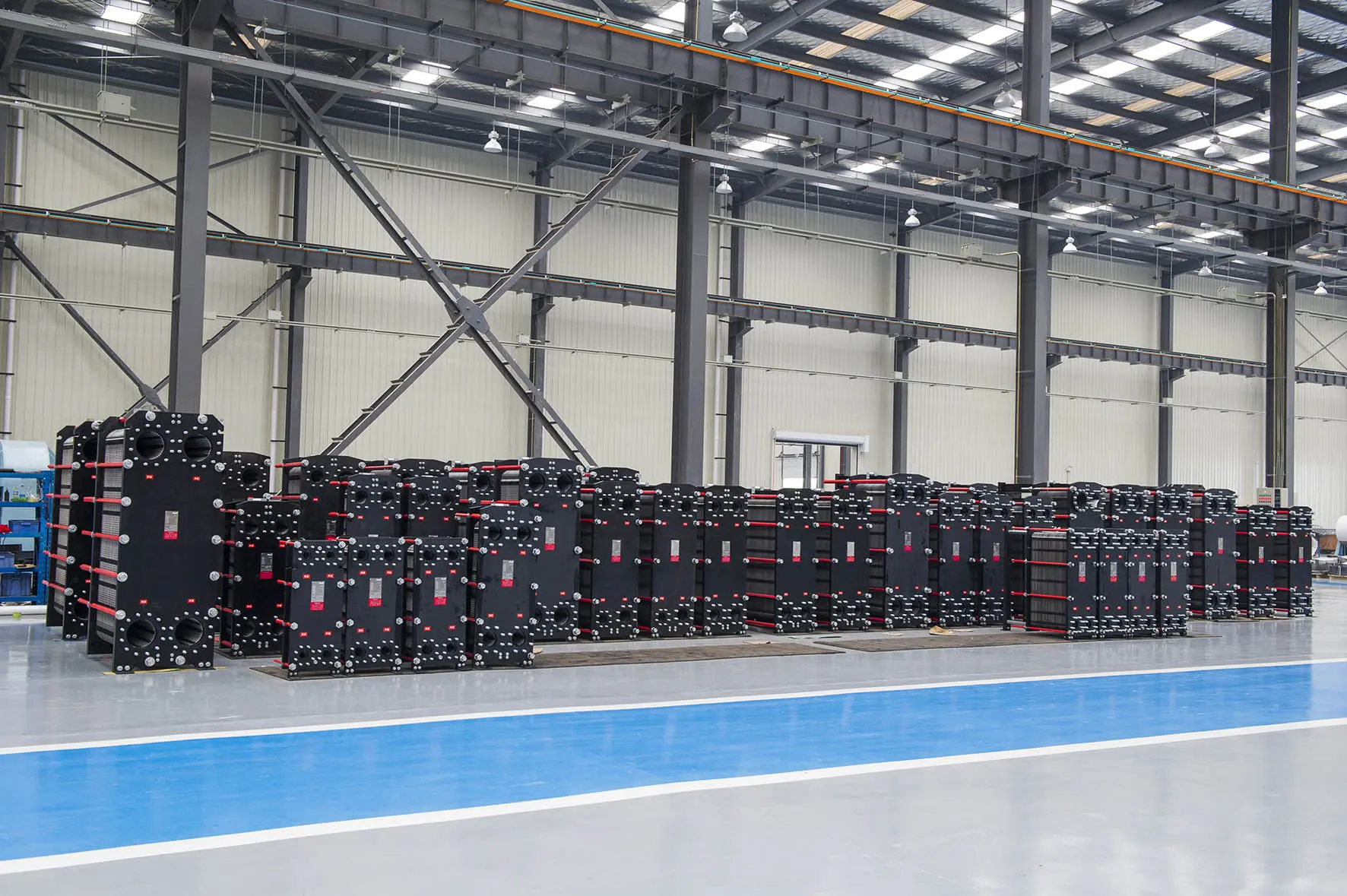
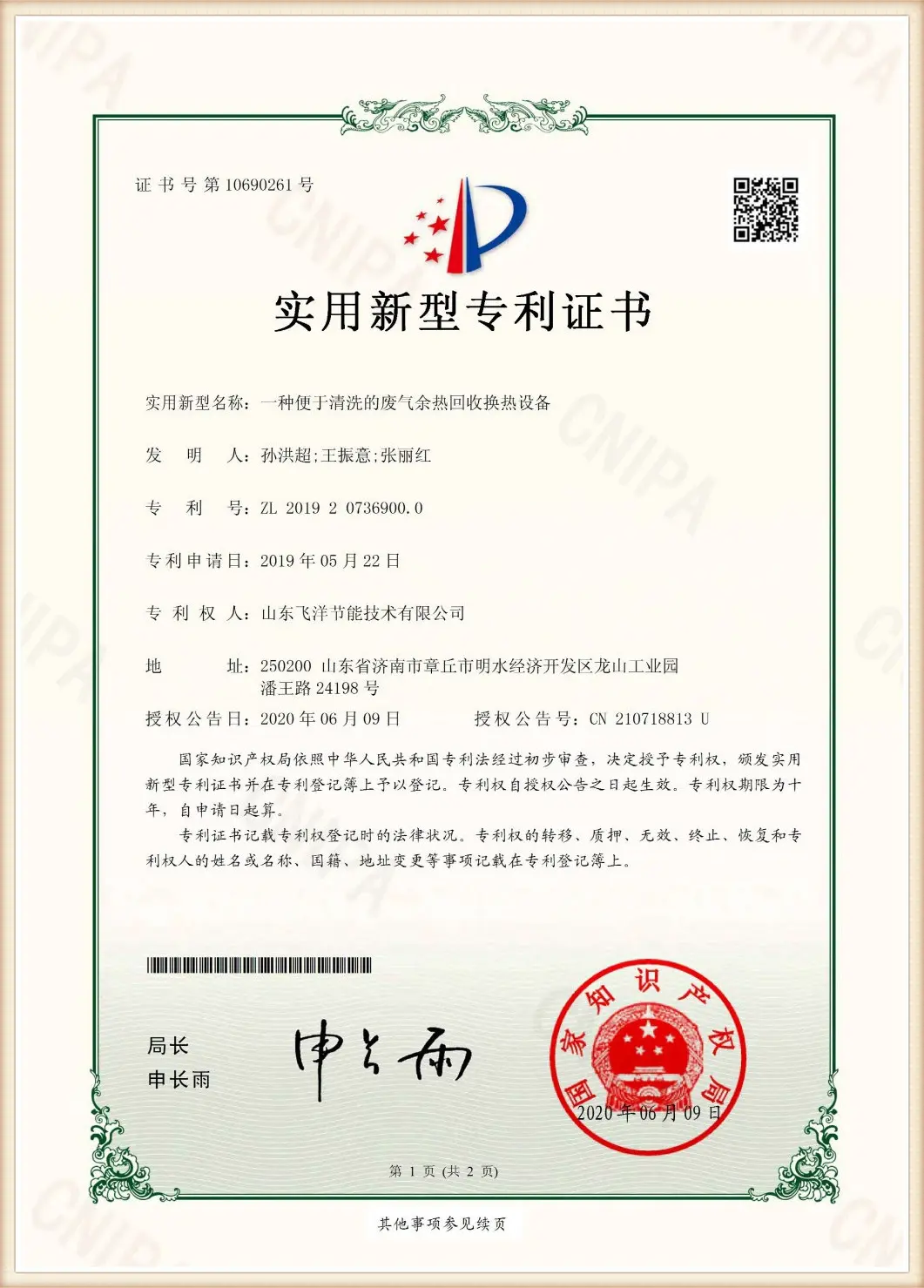
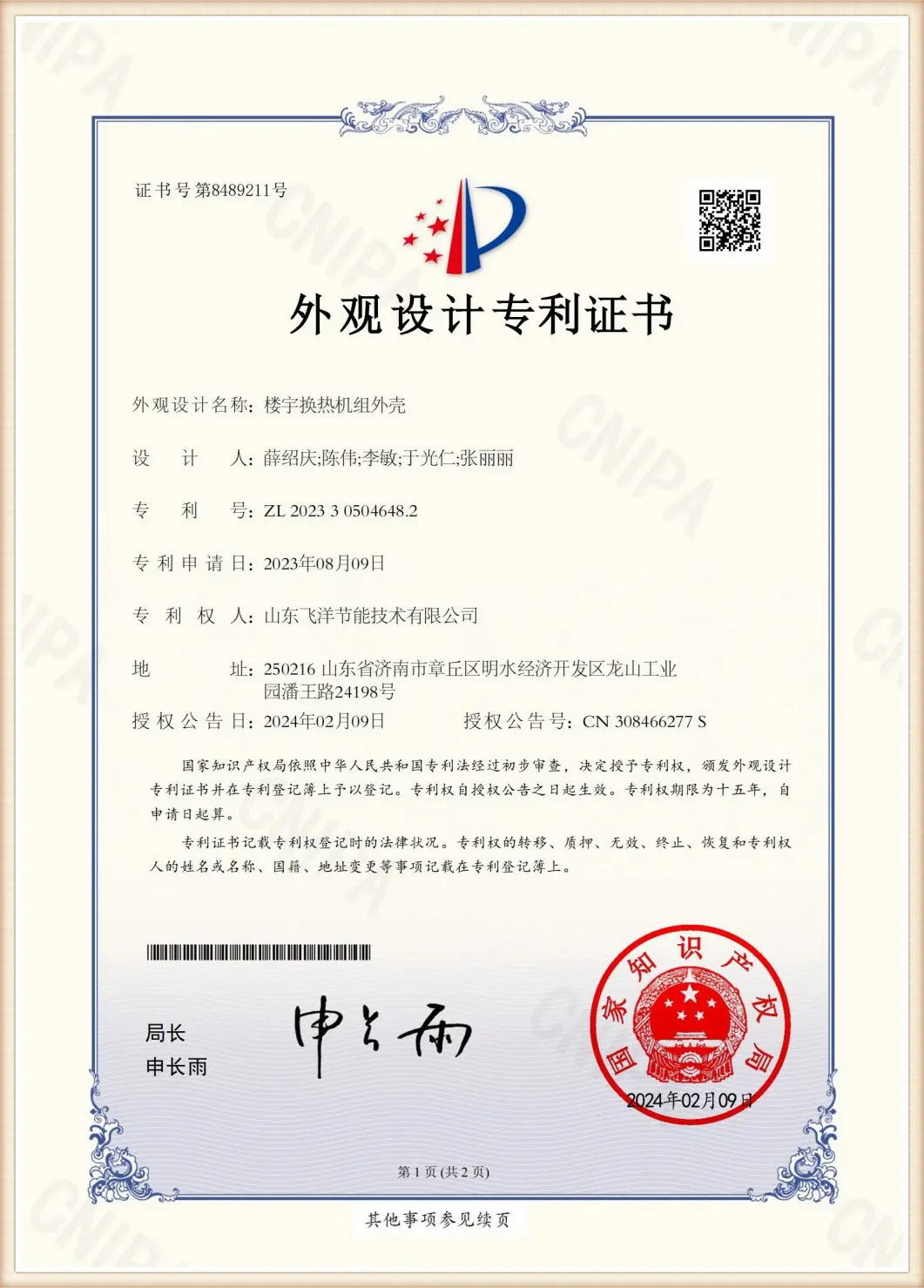
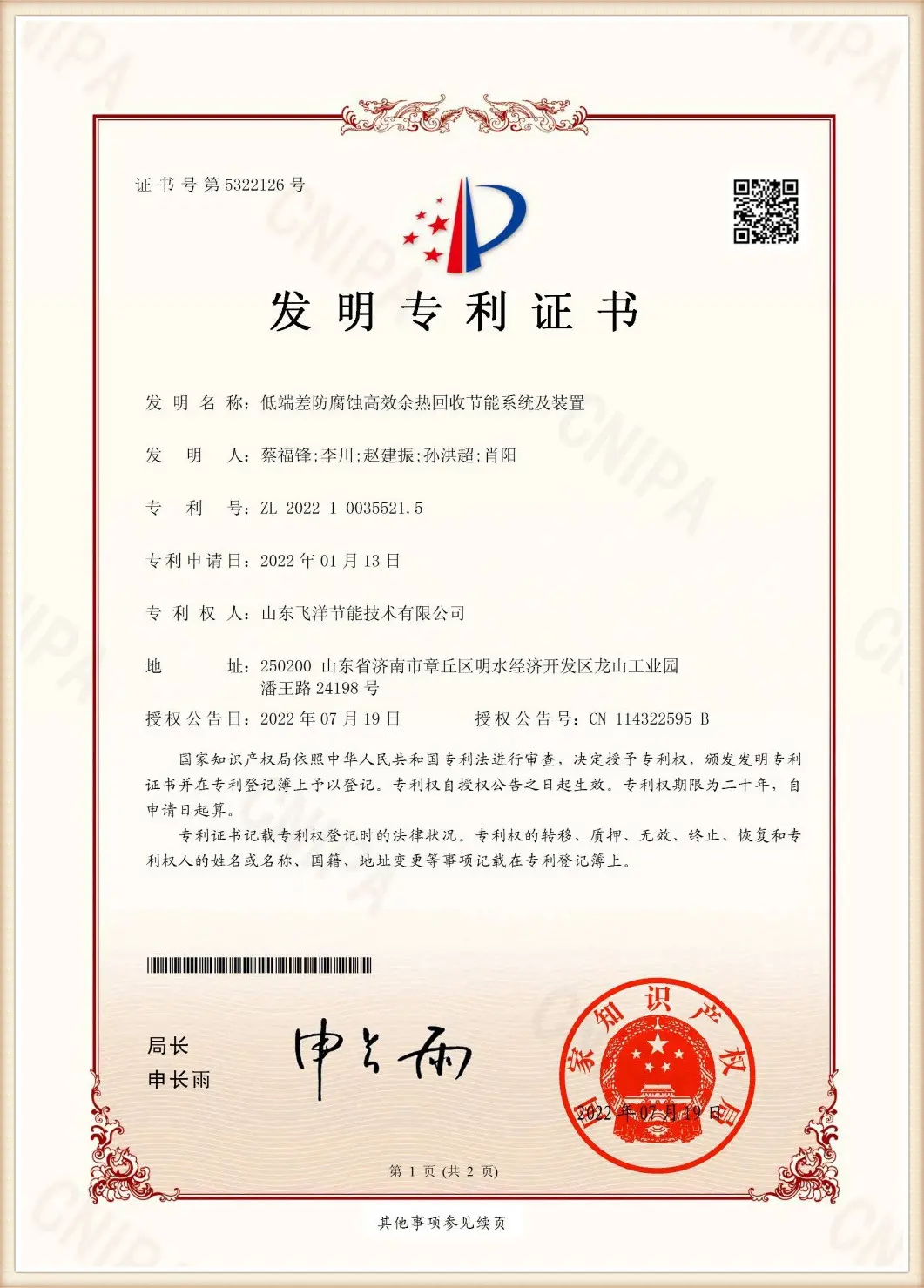
Flotte maintains competitive market advantages through in-house design and stamping capabilities. We utilize patented corrugated structures and scale-prevention devices that guarantee reliable performance under extreme pressures and temperatures.
Our patented corrugated plate geometries create complex internal paths that induce high turbulence, yielding a heat transfer efficiency 2 to 3 times greater than traditional designs.
From HVAC and central heating networks to heavy chemical processing and pharmaceutical sanitation, our units are engineered to match local pressure vessel codes and conditions.
Each unit undergoes strict testing, ensuring compatibility with pressure vessel quality frameworks and certifications required for high-risk chemical operations.
We provide design consulting, precision manufacturing, customized balancing valves, digital network sensors, and dedicated global support.
Flotte’s products have obtained mandatory national certifications, safety registrations, and international ISO quality standards.
An efficient plate heat exchanger relies on the relationship between fluid pressure drop and thermal efficiency. The thermal length (theta value) of a plate determines its suitability for specific duties:
Flotte engineers balance these dynamics by configuring custom plate packs that alternate channel depths and chevron patterns, achieving optimal heat transfer profiles.
Material selection is key to long-term reliability. We source premium-grade alloys and elastomer gaskets:
Fouling degrades heat transfer efficiency by acting as an insulating layer on plate surfaces. Flotte’s patented scale removal device and specialized corrugated profiles utilize fluid turbulence to minimize particle deposition.
Our detachable (gasketed) plate heat exchangers allow for straightforward mechanical cleaning, frame expansion, and plate pack replacement. This modularity reduces maintenance down-time compared to traditional shell and tube configurations.
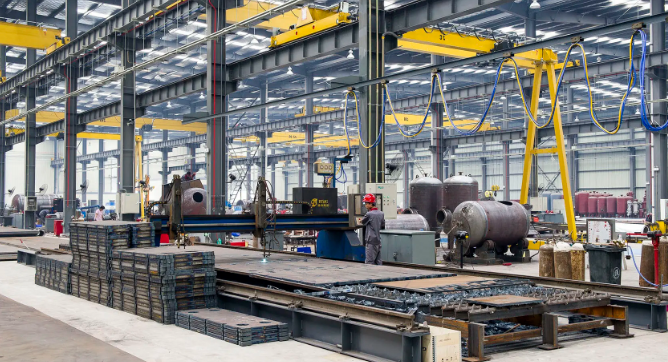
Industrial clients require manufacturing partners that deliver reliable quality at scale. Flotte’s Factory 4.0 infrastructure integrates automated production lines with digital quality assurance systems. By combining casting, stamping, machining, and testing in-house, we maintain control over our production schedules and supply chain timelines.
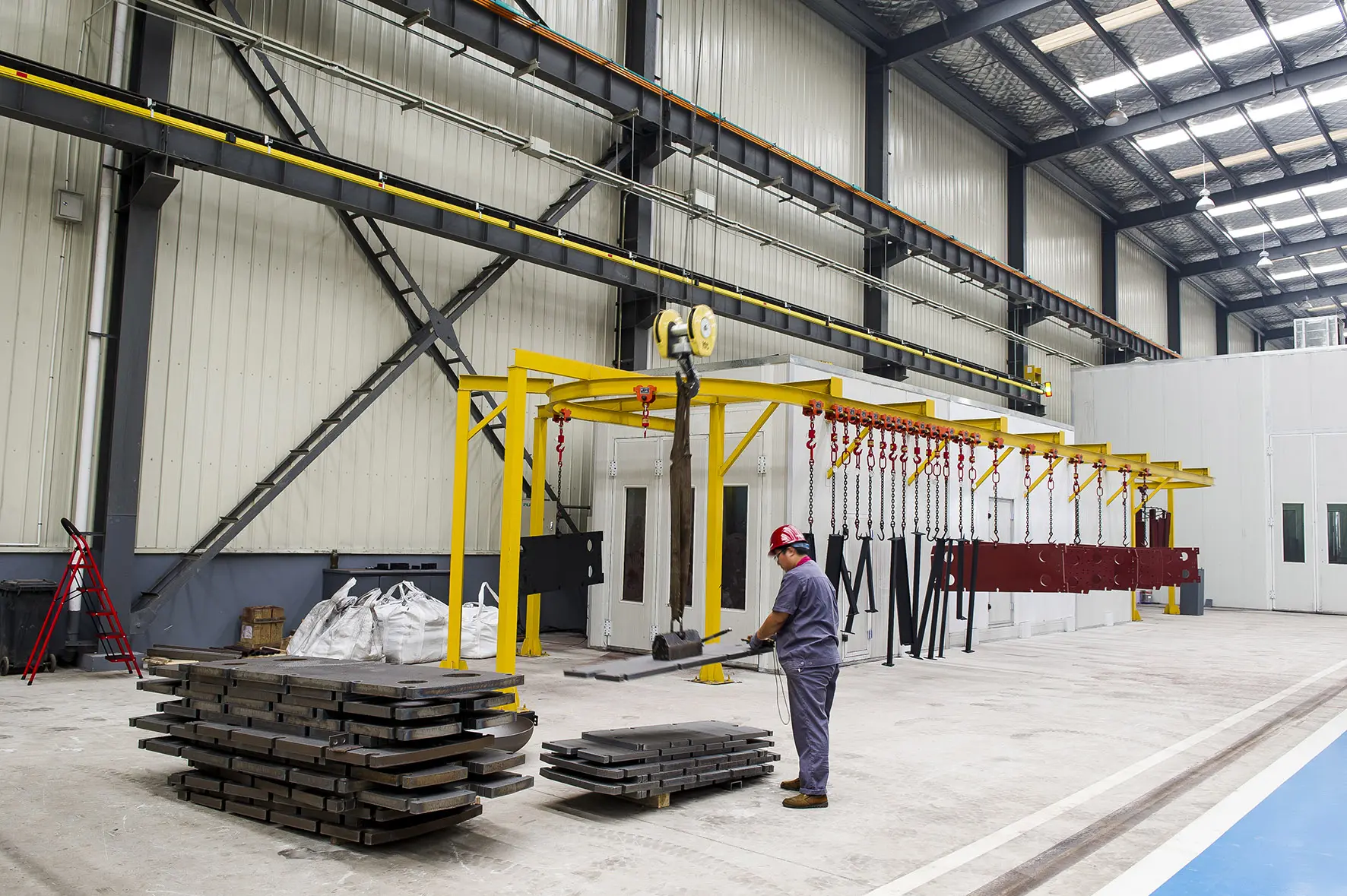
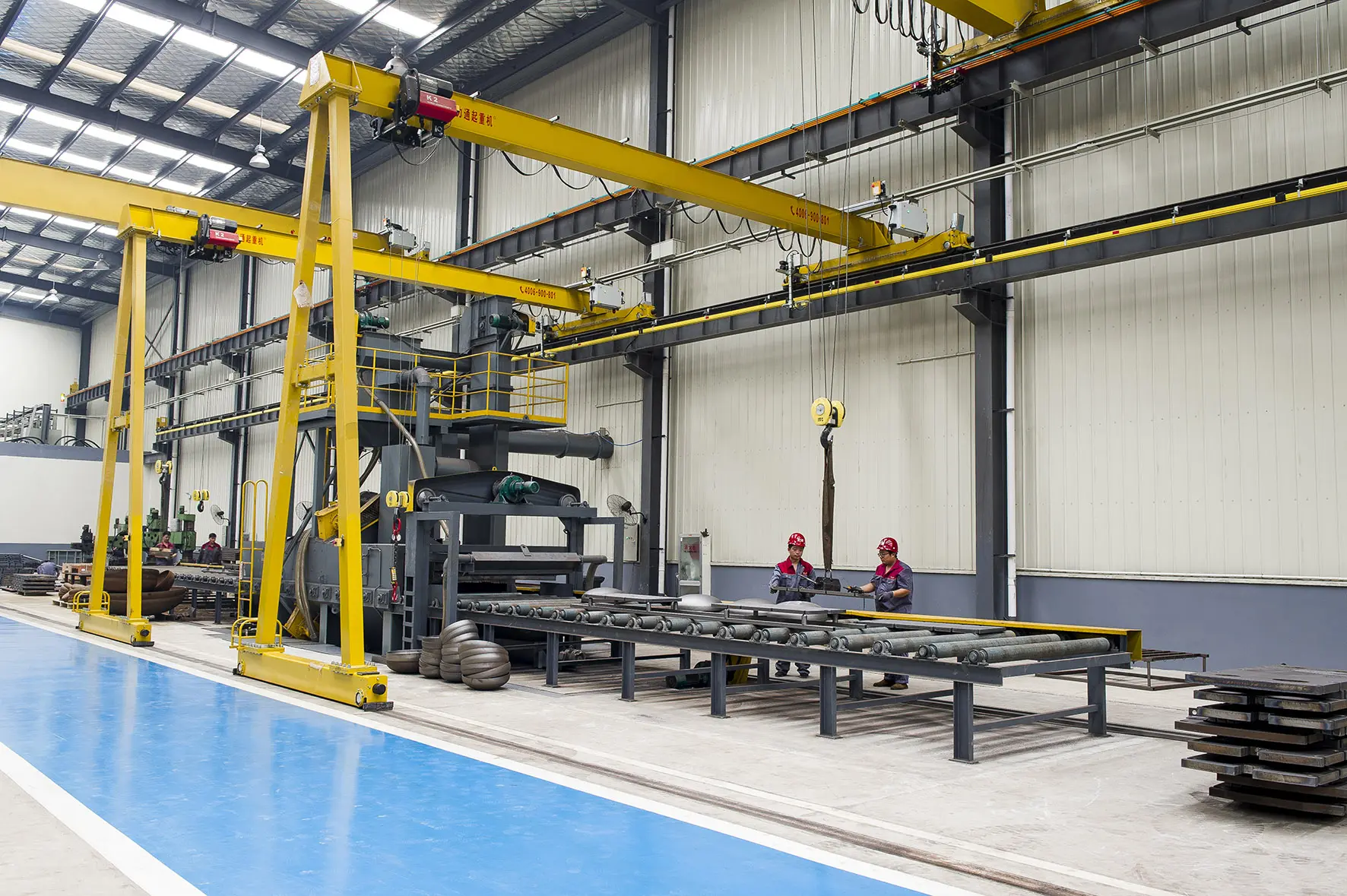
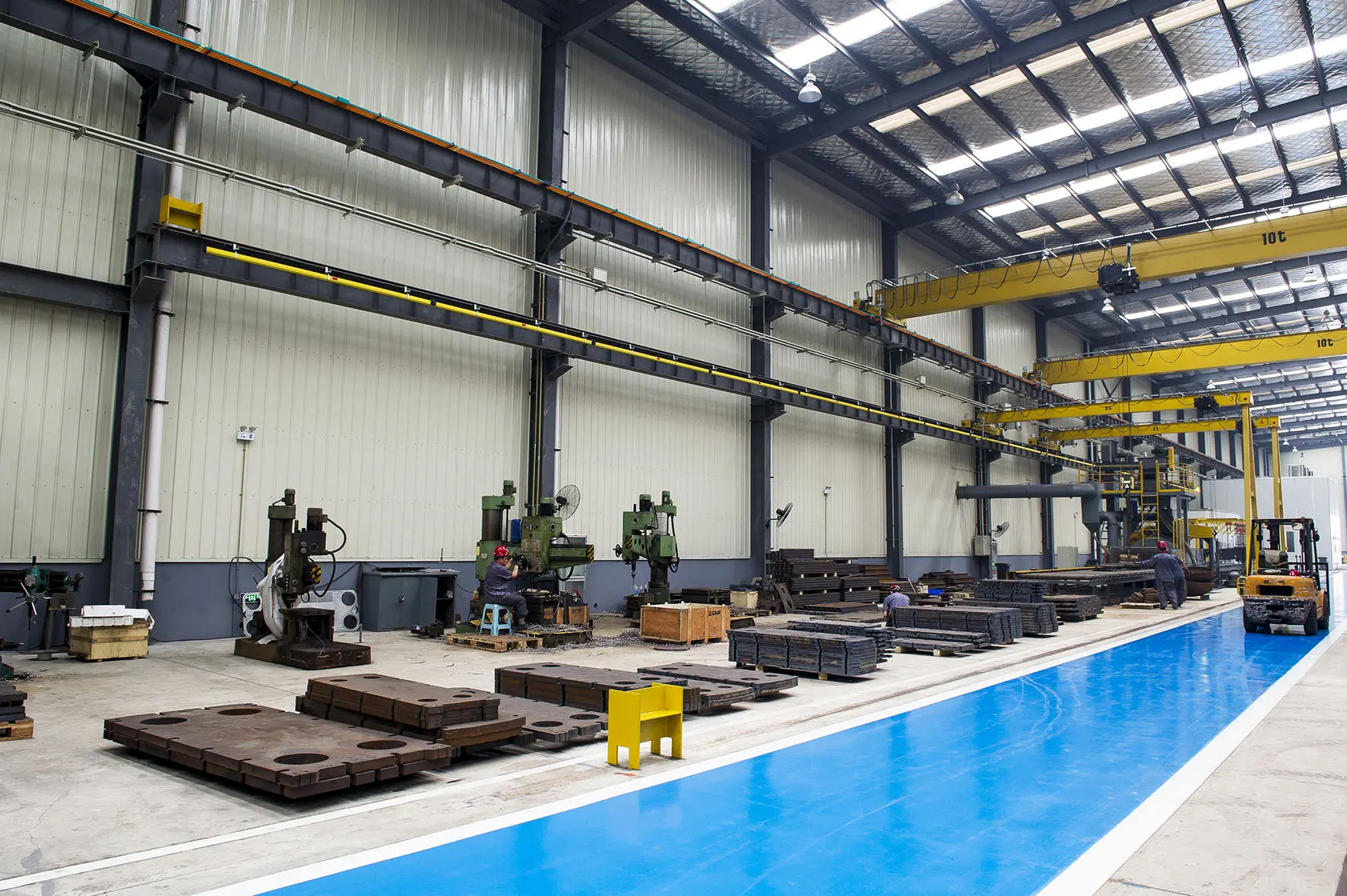

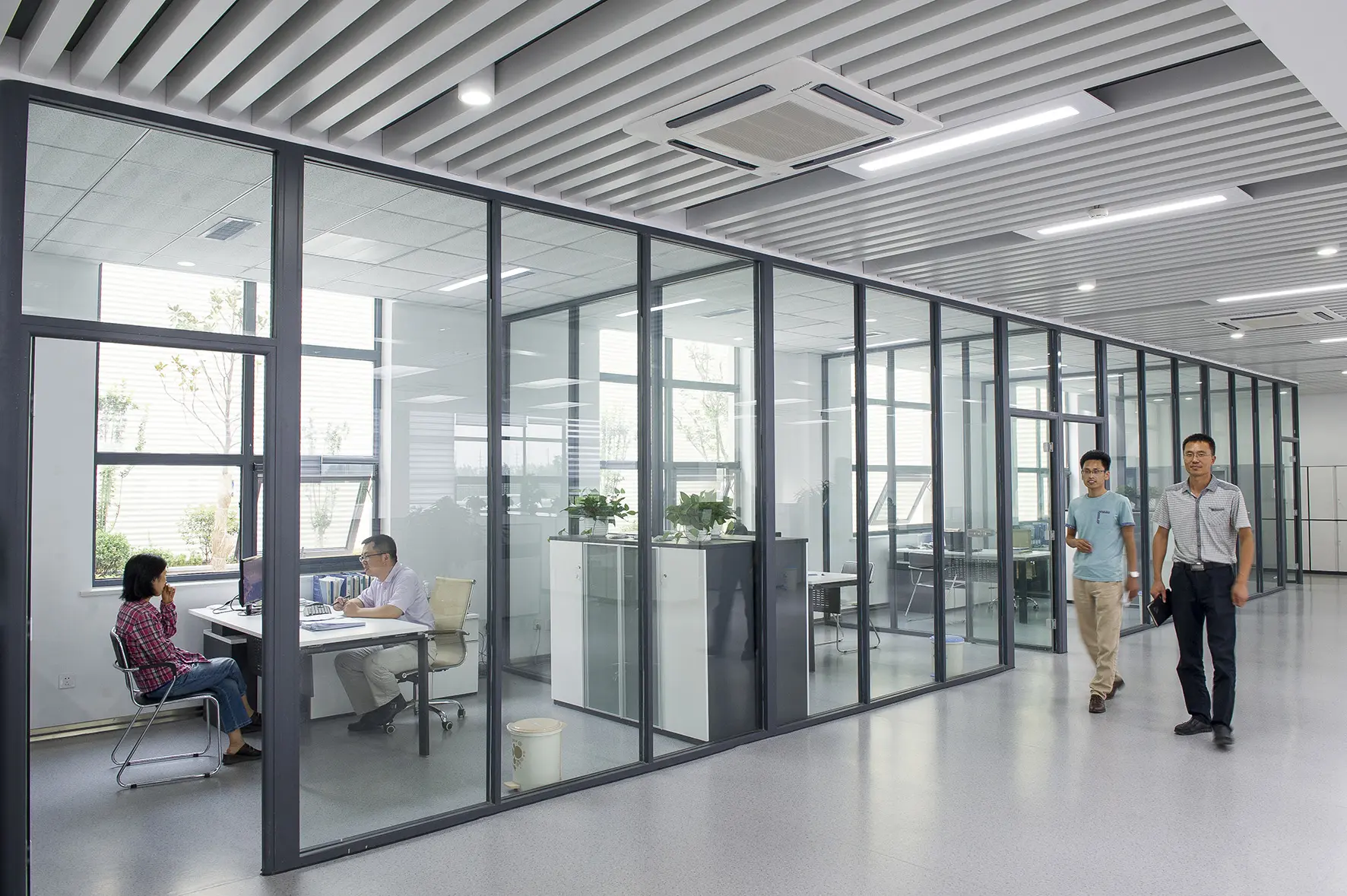

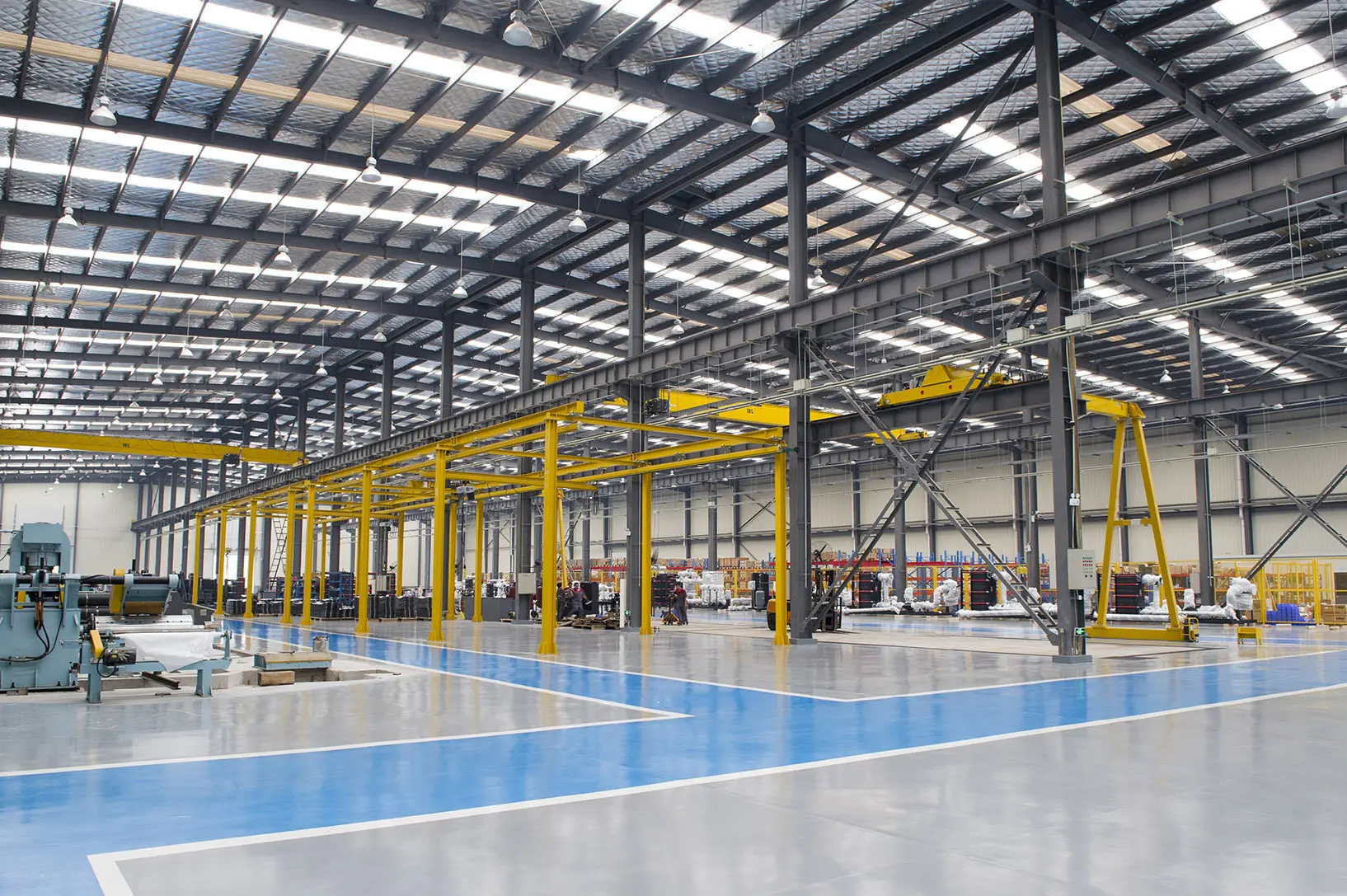
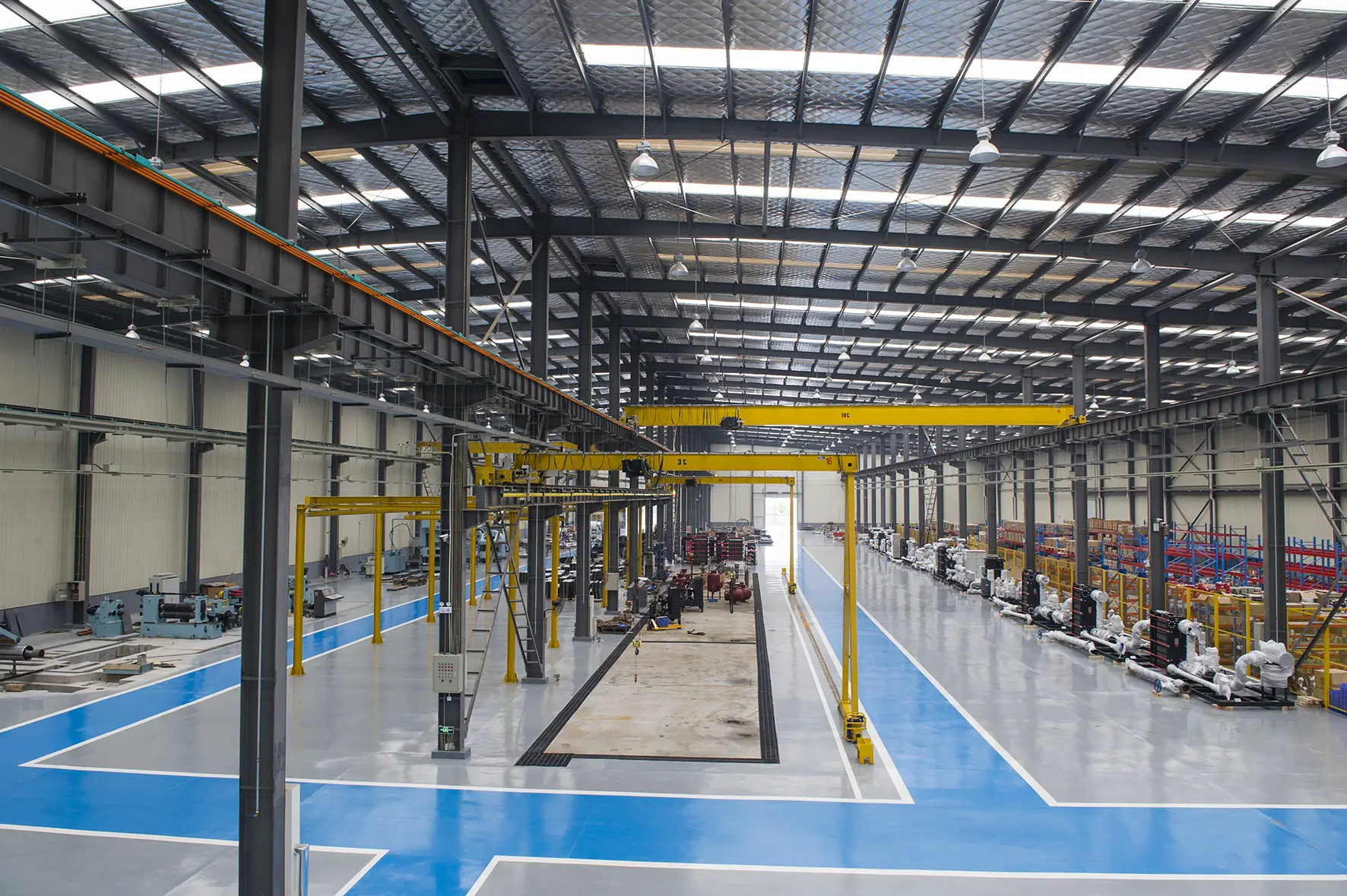
From initial design and plate stamping to final testing, all production phases occur within our facility. This minimizes dependence on external parts suppliers and ensures consistent build quality.
All units undergo hydrostatic and leak testing under national pressure vessel oversight. We supply complete material certification profiles and test logs for all shipments.
Our centralized manufacturing base offers efficient access to deep-water shipping lanes, simplifying logistics and container transport for international projects.
Our production processes adhere strictly to ISO 9001:2015 standards, ensuring that every plate, gasket, and frame meets design criteria before assembly.
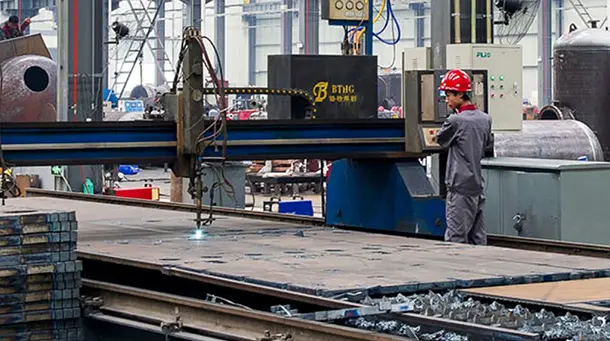
Raw steel plates are cut using automated plasma and laser machines to form the heavy-duty structural frame plates.
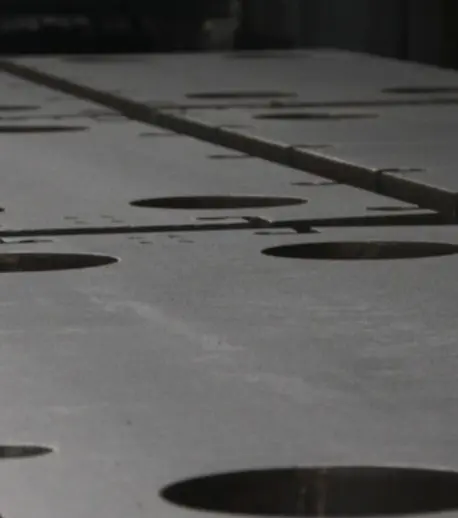
Heavy hydraulic presses form the structural connection components, maintaining strict dimensional tolerances.
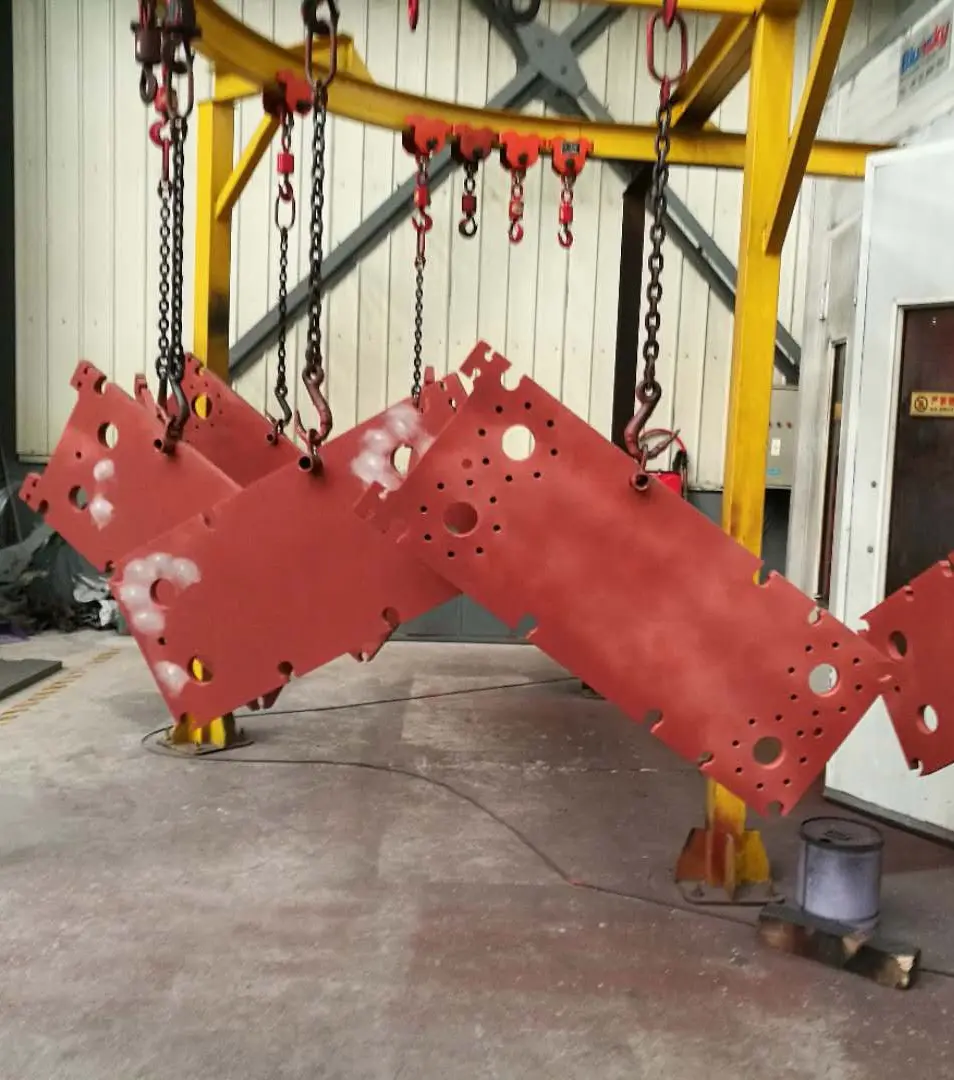
Multi-layer anti-corrosive coatings are applied to carbon steel frames, protecting them from industrial and marine environments.
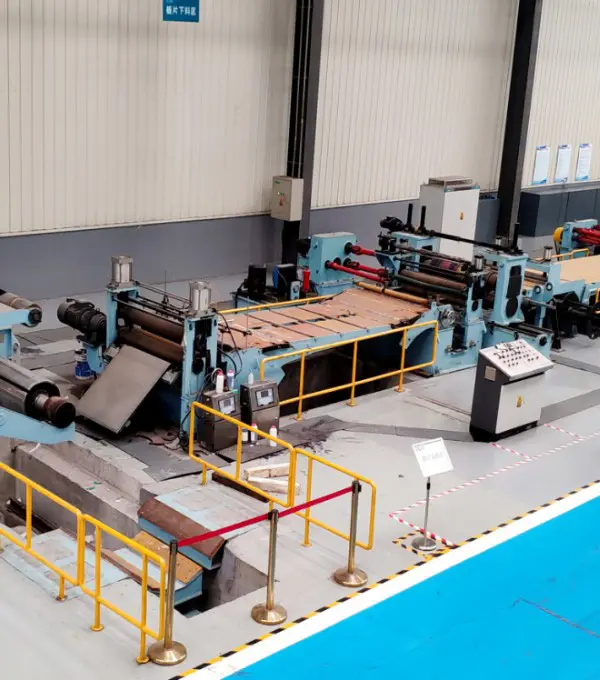
Stainless steel or titanium coils are cut and marked with tracking codes to verify material origins.
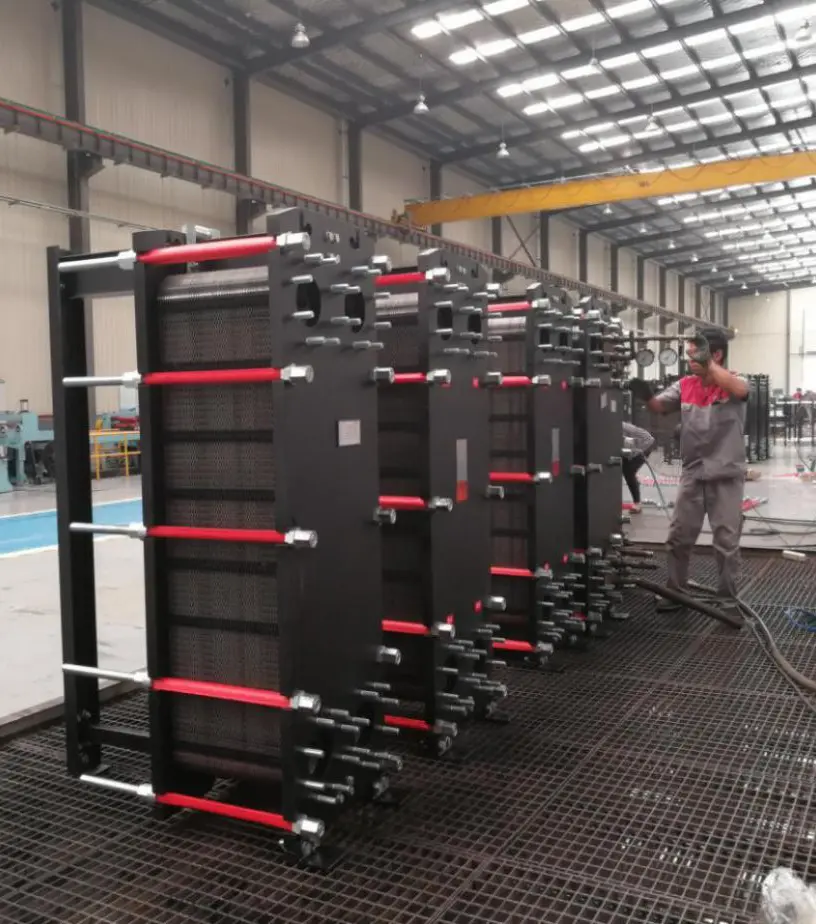
Assembled plate packs undergo high-pressure water testing to verify sealing performance and ensure zero fluid bypass.
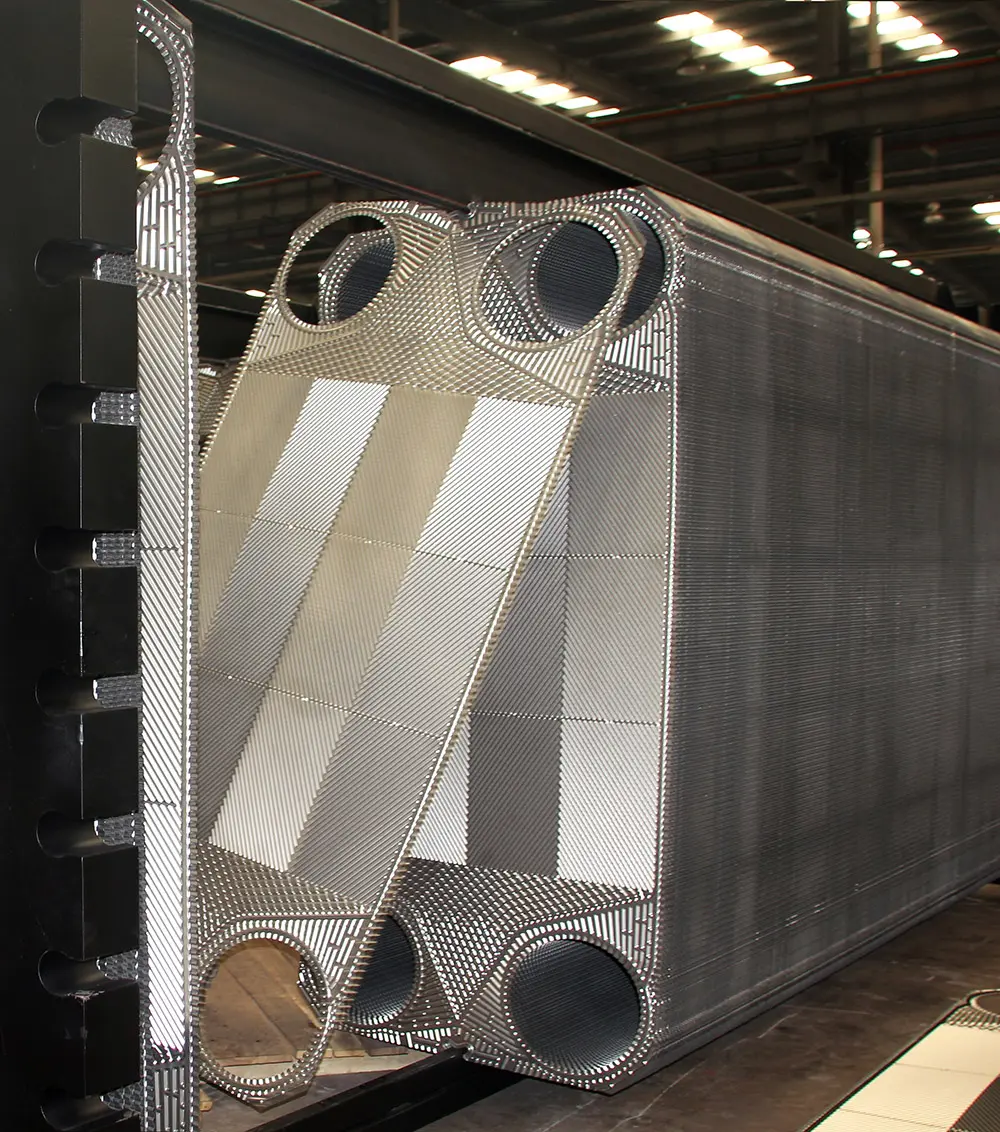
Guide bars, plate packs, and tightening bolts are integrated using torque-controlled tools.
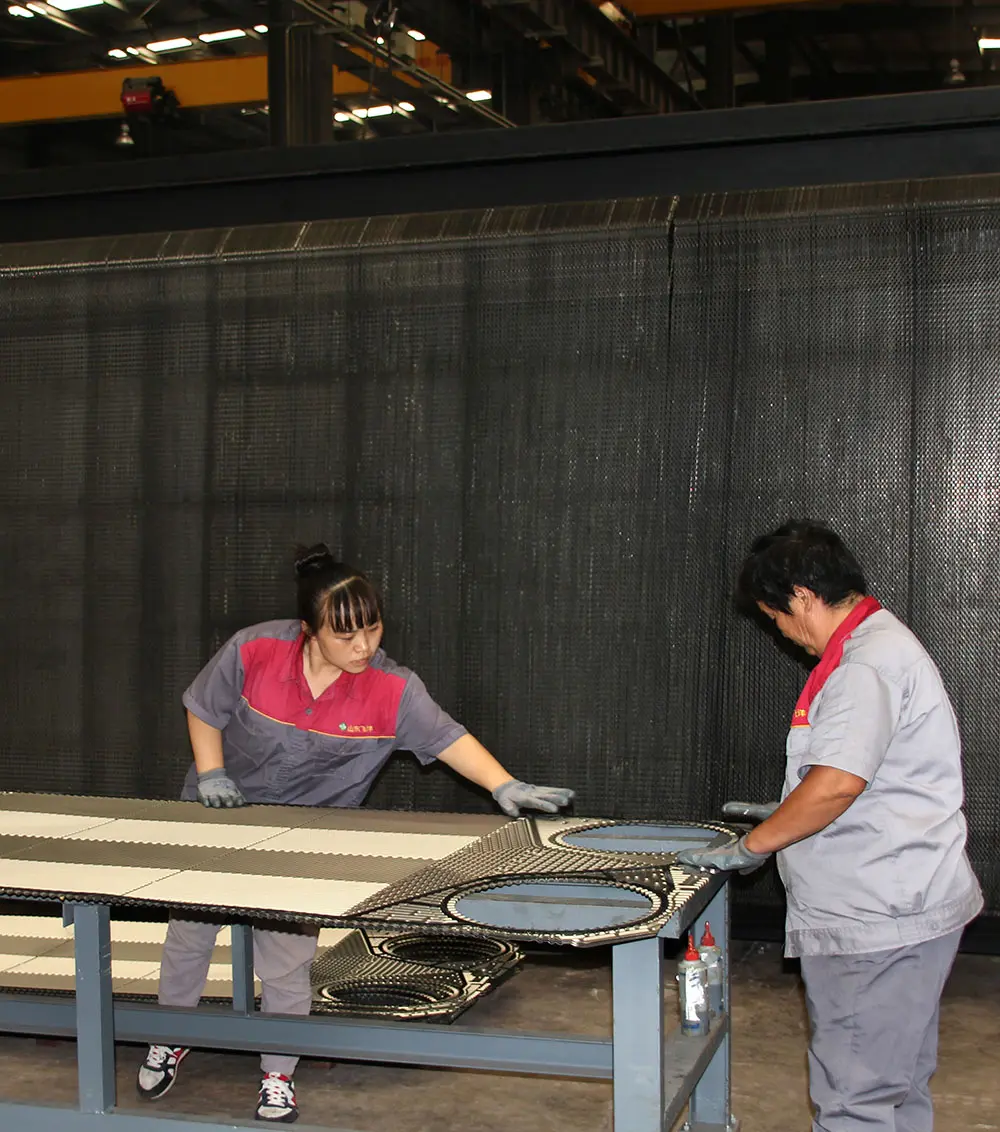
Elastomer gaskets are fitted into plate grooves and cured to ensure robust seal contacts.
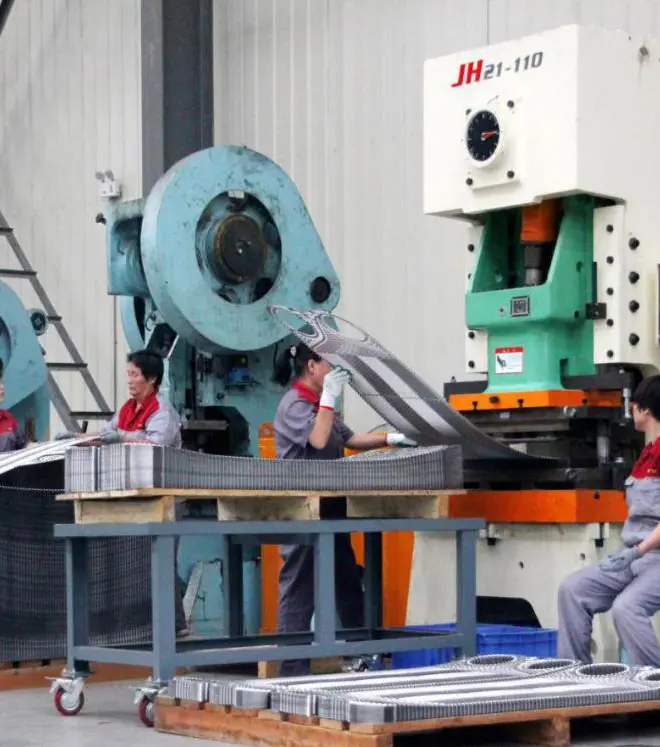
Precise port holes are punched into the plates to define fluid channels and distribution pathways.
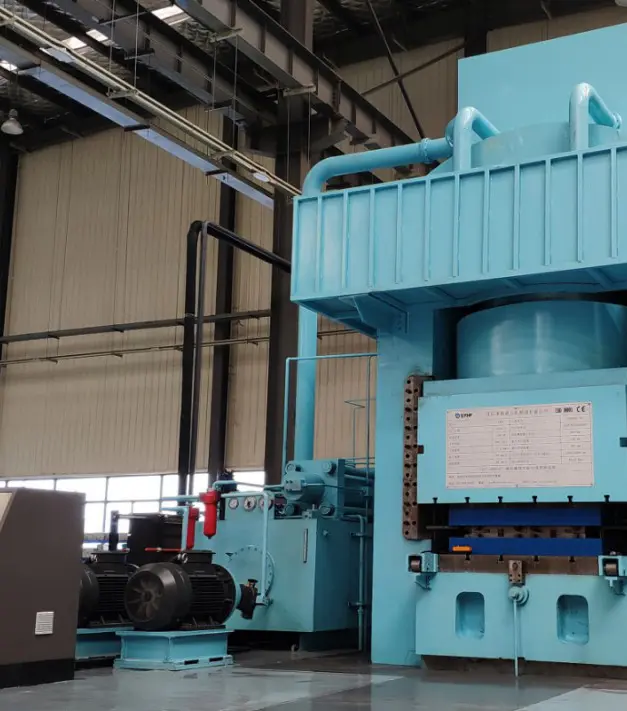
Heavy stamping presses form chevron patterns on metal sheets, creating channels that optimize fluid turbulence.
Thermal performance requirements depend on specific industrial contexts and local regulations. Below are common configurations for standard applications:
In large-scale district heating systems, plate heat exchangers act as isolation boundaries between primary municipal pipe networks and secondary building distribution networks.
Our systems manage large temperature deltas and high flow rates while maintaining low return-water temperatures to help maximize municipal energy plant efficiency.
High-rise installations rely on plate heat exchangers as pressure-intercept units, separating low-pressure terminal loops from high-pressure riser loops.
This reduces pressure ratings on valves, fittings, and terminal equipment, minimizing building structural load and installation costs.
Chemical, pharmaceutical, and power plants use plate heat exchangers to isolate process chemicals from environmental cooling water loops.
Corrosion-resistant alloys like Titanium or Hastelloy help ensure structural integrity, while gasket materials are selected to suit the chemistry of the process fluids.
Common technical queries regarding the design, operation, and maintenance of industrial plate heat exchangers.
Material selection depends on fluid chemistry, temperature limits, and pressure parameters. For water-to-water duties in HVAC systems, AISI 316 or 304 stainless steel is standard. For fluids with high chloride contents, such as seawater, Titanium Gr. 1 is utilized to prevent pitting. Gasket choice is guided by temperature and fluid compatibility: EPDM handles high-temperature water/steam, while NBR is typically used for oils and hydrocarbon processes.
The chevron pattern determines thermal characteristics. Acute chevron angles (high-theta plates) create more flow resistance, promoting turbulence and high heat transfer rates, but result in a higher pressure drop. Obtuse angles (low-theta plates) offer lower resistance and pressure drop, but yield less heat transfer. Mixing high and low-theta plates allows designers to meet target thermal profiles within allowed pressure drops.
Gasketed heat exchangers are maintained by cleaning in place (CIP) or manual cleaning. CIP involves circulating mild cleaning solutions through the channels to dissolve deposits. If manual cleaning is necessary, the frame is opened and the plates are scrubbed with soft brushes. Damaged gaskets should be replaced to prevent external leaks.
Industrial units must comply with regional codes. These include ASME Section VIII (North America), PED 2014/68/EU (Europe), and GB/T 151 / TSG standards (China). Flotte structures its manufacturing and testing to comply with these certifications, supplying all necessary safety and quality registration documentation.
Smart units are fitted with temperature and pressure sensors connected to a local PLC or SCADA system. These sensors monitor real-time pressure drops and heat duty. Deviations from design parameters indicate fouling, prompting predictive maintenance schedules before operational performance declines.
 Flotte Energy