Engineered for maximum coefficient of performance, low maintenance intervals, and smart building integration.

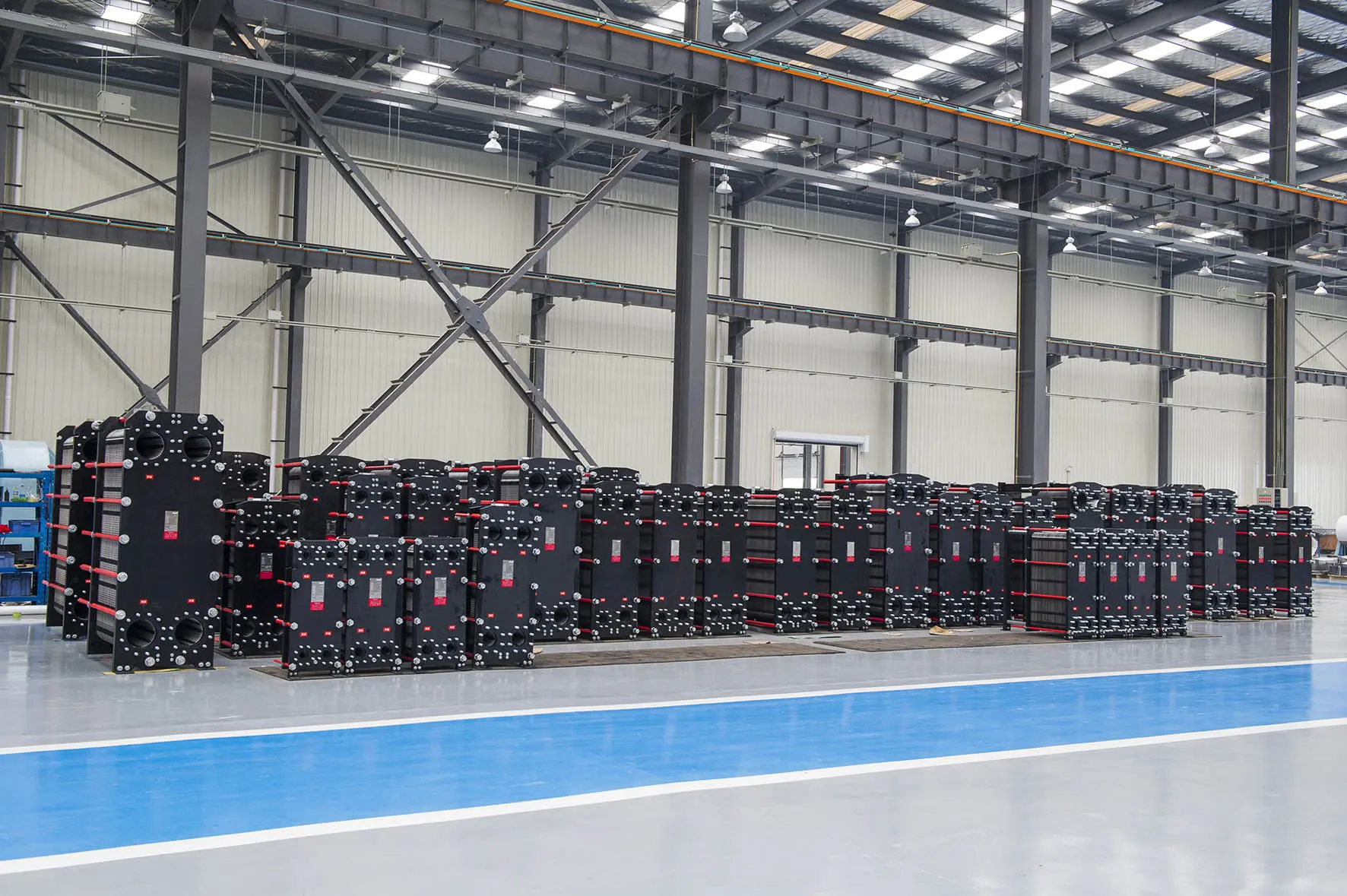
Flotte Energy Saving Company, established in 2013 with a registered capital of 101 million yuan, proudly originated from Flotte Thermal Engineering which was founded in 1995. With nearly three decades of rigorous thermodynamic technical expertise, the company has consistently anchored itself as a leader in water equipment manufacturing, smart HVAC systems, and global water treatment industries.
We lead industry peers by proactively adopting cutting-edge thermal transfer technologies, developing disruptive energy-saving plate designs, and providing turnkey manufacturing, custom engineering, and global logistics solutions. By marrying our 1995 heritage with digital-era AI optimization, we ensure that our customers achieve unparalleled operational efficiencies.
From a regional pioneer to a global powerhouse in high-precision heat transfer systems.
Unlocking thermodynamic efficiency to meet global ESG goals and reduce operating expenditures.
Rapid urbanization and the global push for net-zero carbon footprints have turned heat transfer efficiency into a key differentiator for heavy industries. Modern energy intensive sectors—such as petrochemicals, central district energy plants, and pharmaceutical production lines—demand plate-type heat exchangers that operate with minimal thermal degradation. Detachable plate heat exchangers offer a compact alternative to traditional shell-and-tube setups, maximizing thermal recovery within a fraction of the physical footprint.
Modern cities are adopting smart multi-energy grids. Integrating automated heat exchanges directly inside HVAC systems minimizes transport energy loss. As district energy architectures evolve, the requirement for smart components—such as balanced control valves, high-precision thermal sensors, and integrated booster modules—has surged. Producers must pivot from selling single pieces of metal hardware to supplying fully integrated, IoT-monitored thermodynamic subsystems.
How chevron geometry, turbulence control, and metallurgy combine to maximize heat transfer rates.
At the center of a high-performance plate heat exchanger lies the pressed metal plate profile. The corrugated plate pattern is engineered to generate intense turbulence even at very low fluid velocities. This design achieves heat transfer coefficients that are 2 to 3 times higher than those of conventional shell-and-tube units. By optimizing the chevron angle—high theta plates for high thermal efficiency at the cost of pressure drop, or low theta plates for minimal pressure losses—we tailor the system to match the exact fluid dynamics of each client's network.
Furthermore, plate metallurgy is selected based on chemical compatibility. Flotte designs utilize premium grades of AISI 304, AISI 316L, Titanium, and Hastelloy. These materials ensure long-term durability in highly aggressive media, such as saline fluids in desalination systems or corrosive process streams in chemical plants. Our patented compression gaskets ensure a leak-tight seal, making maintenance straightforward and lengthening operational cycles.
Double-seal gasket geometry with venting channels prevents cross-contamination, ensuring media separation during operation.
Chevron patterns generate localized vortex dynamics, actively reducing fouling buildup and minimizing clean-in-place (CIP) cycles.
A step-by-step tour through our state-of-the-art production lines and quality check-points.
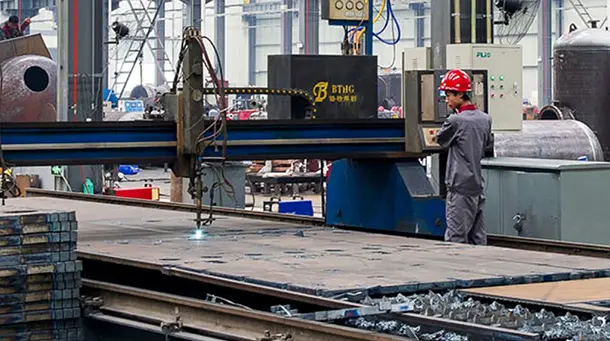
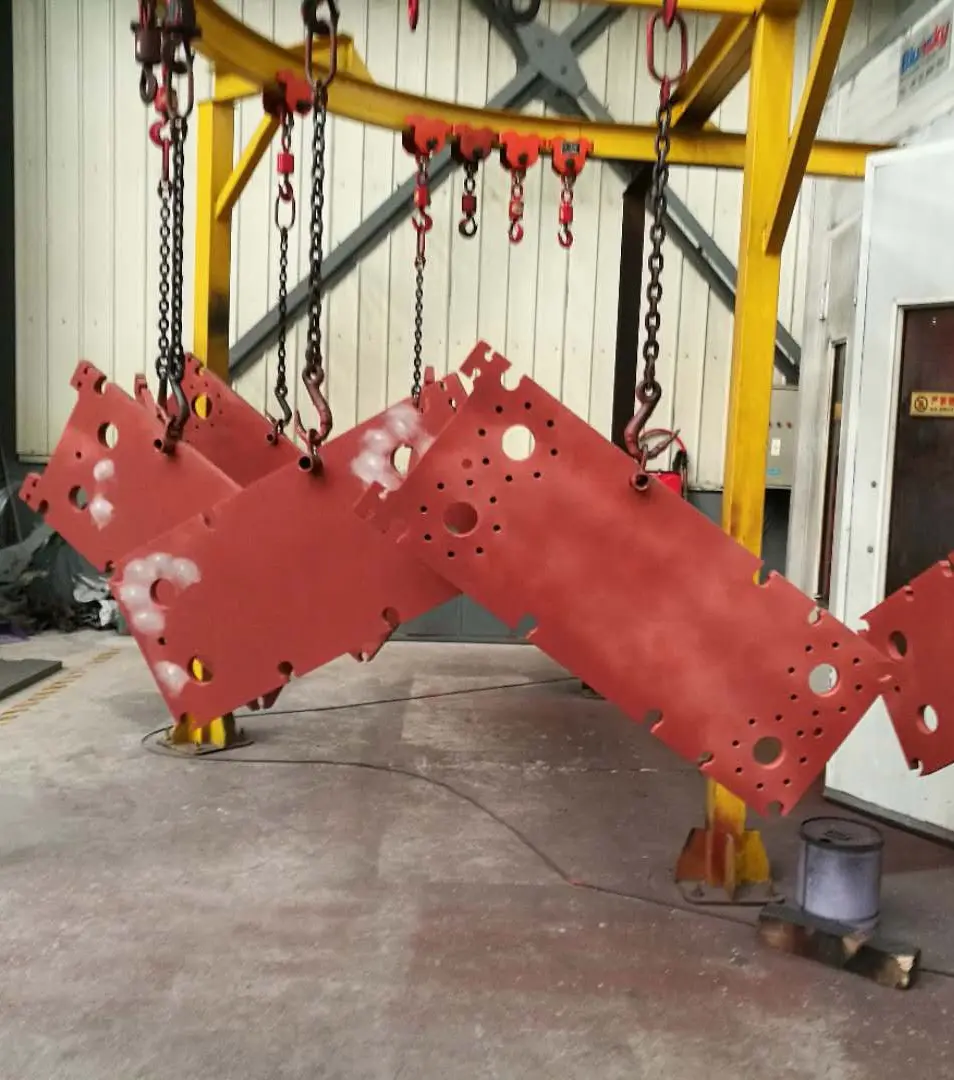
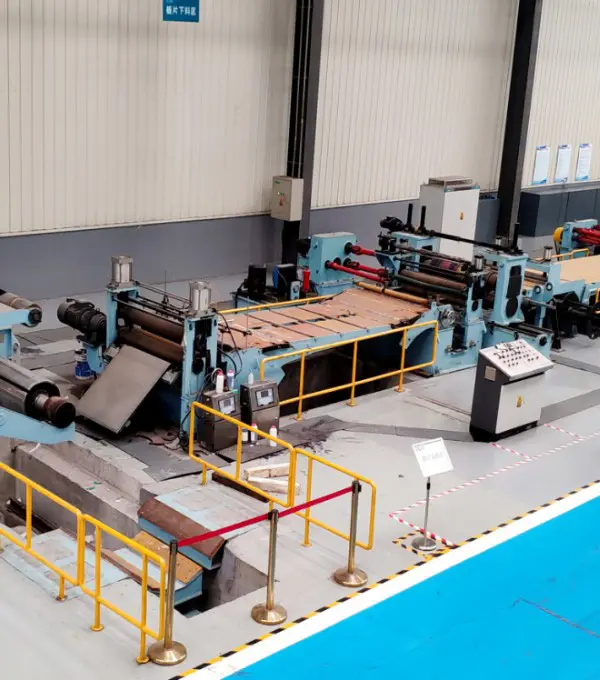
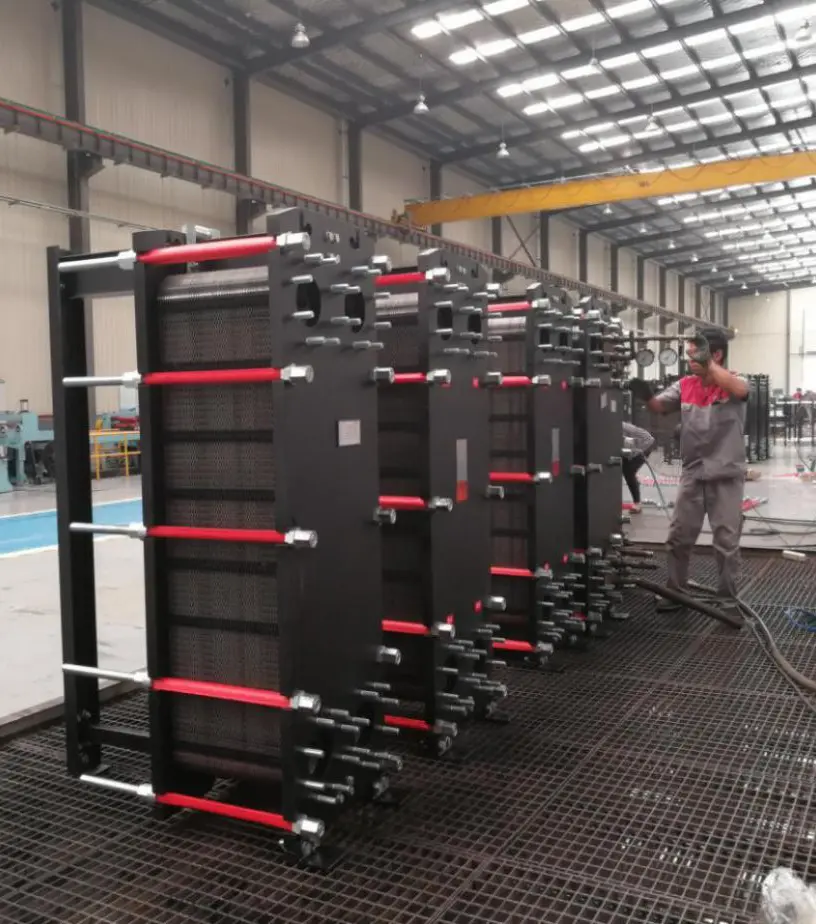
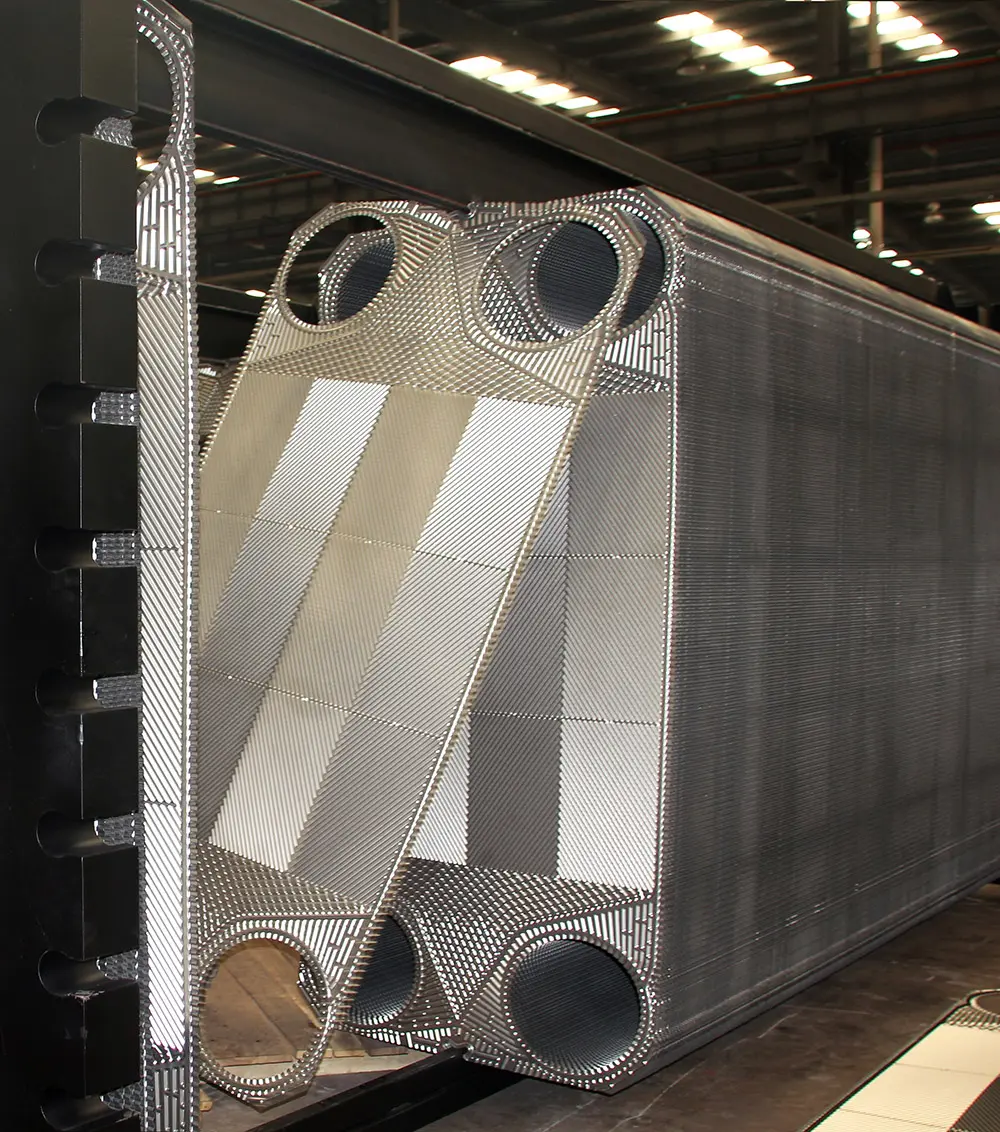
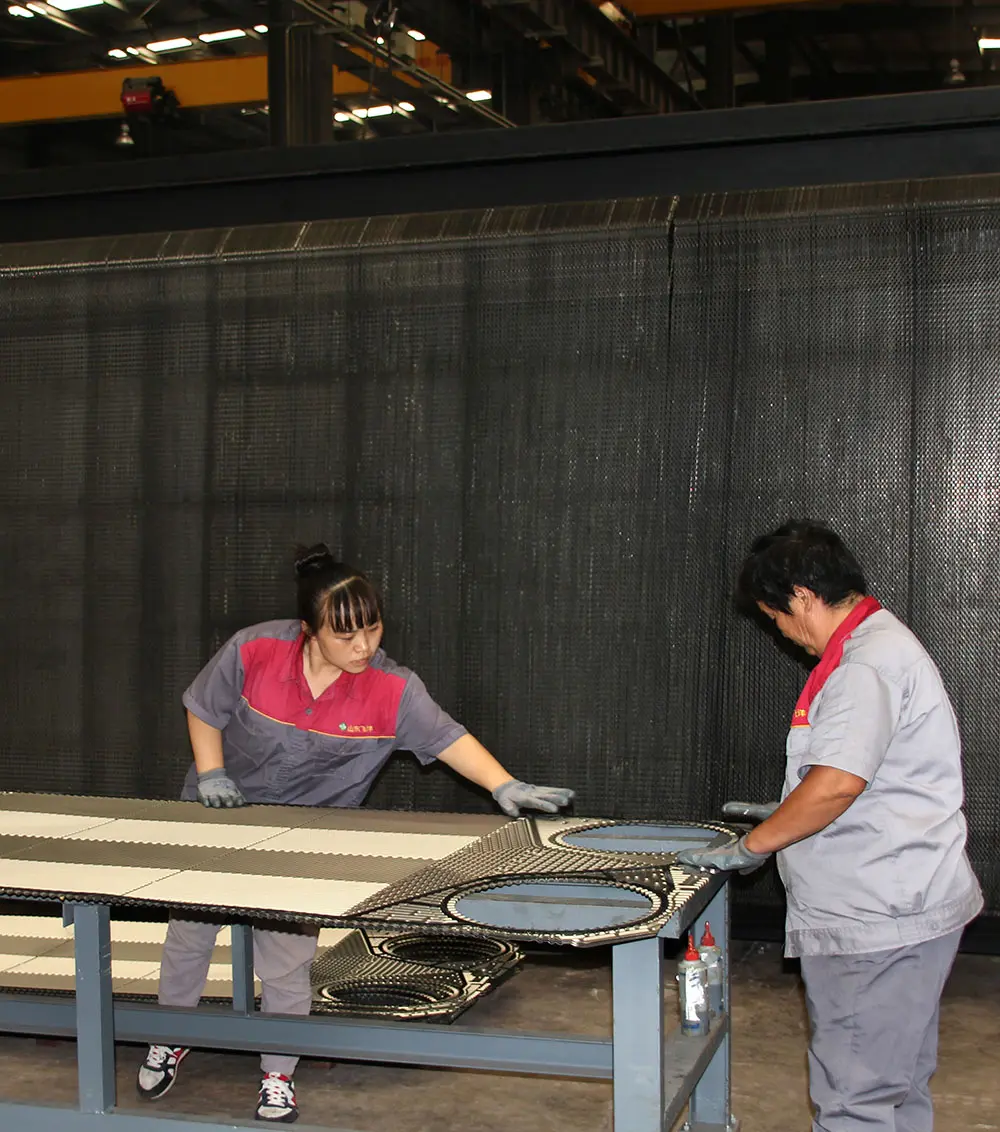
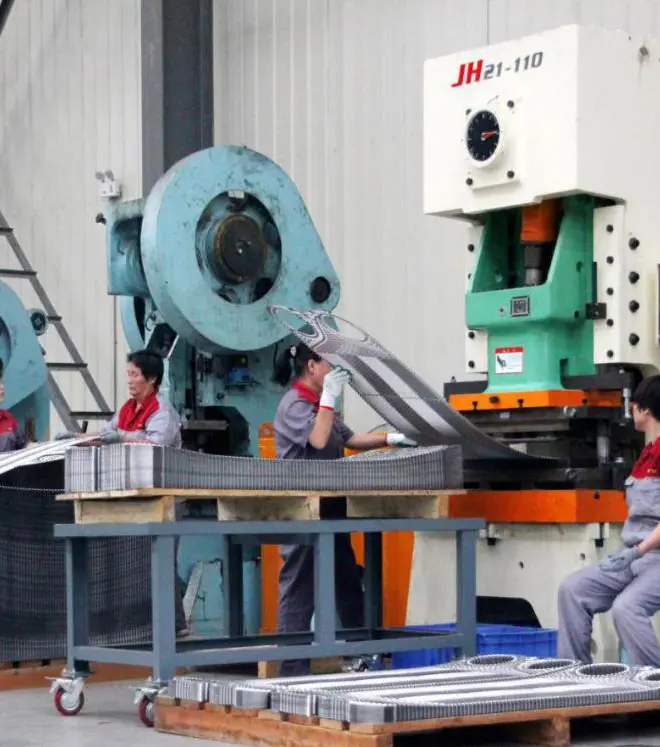
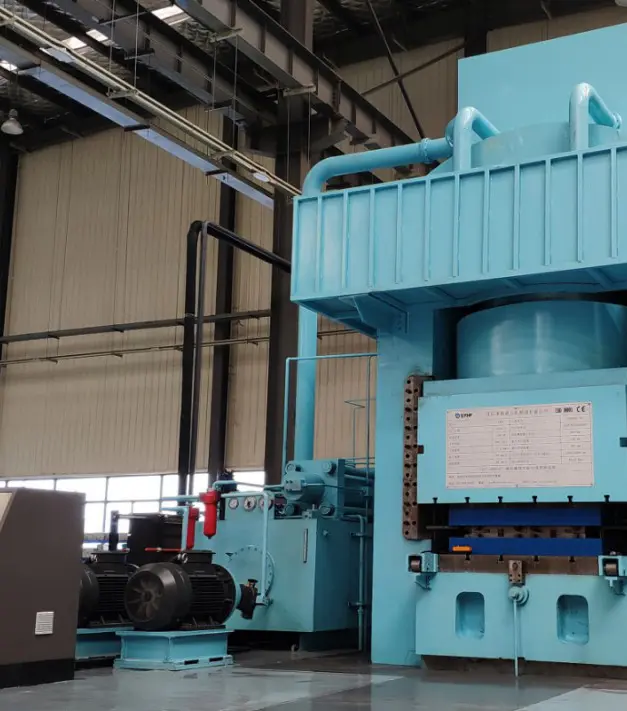
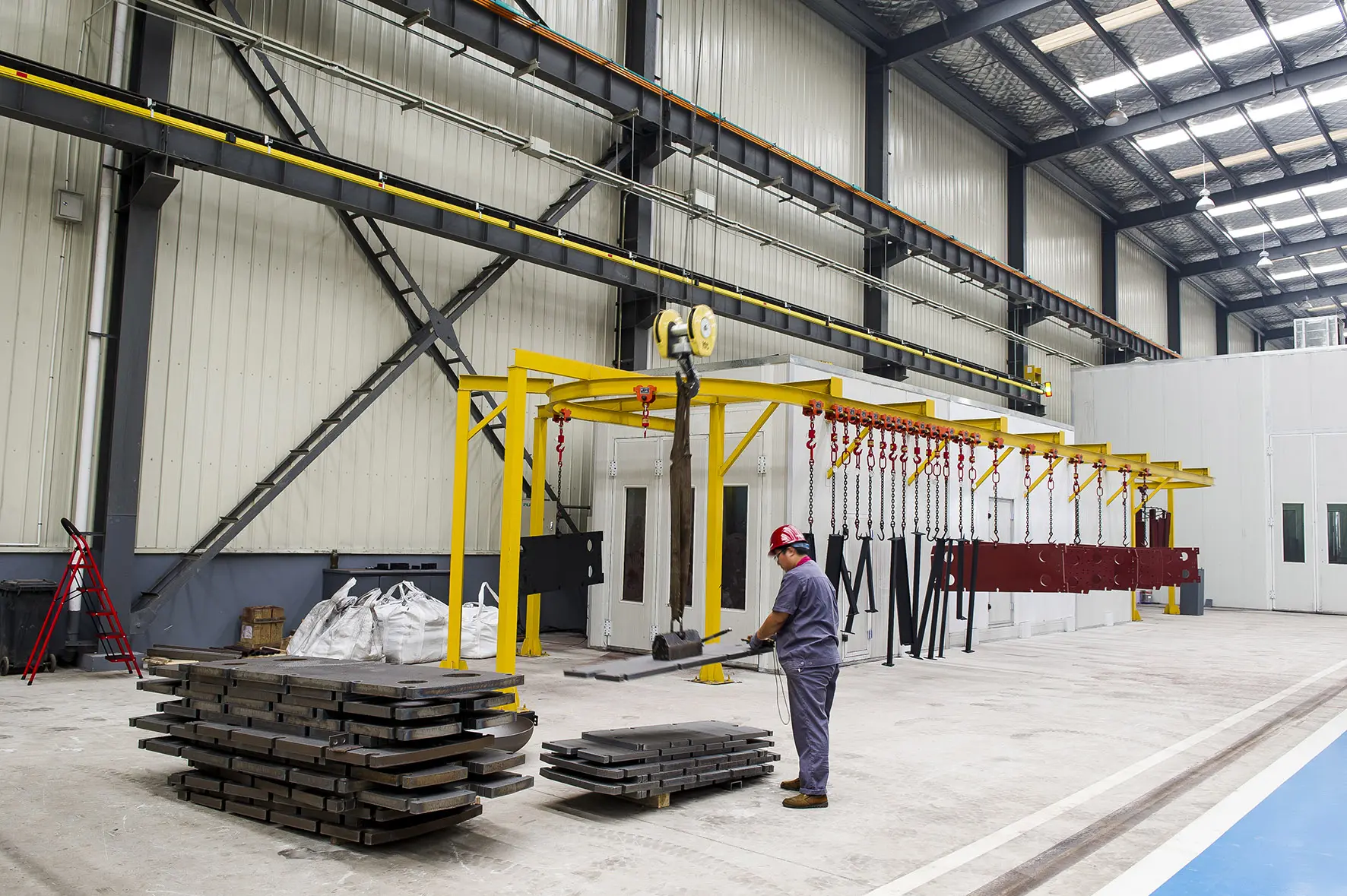
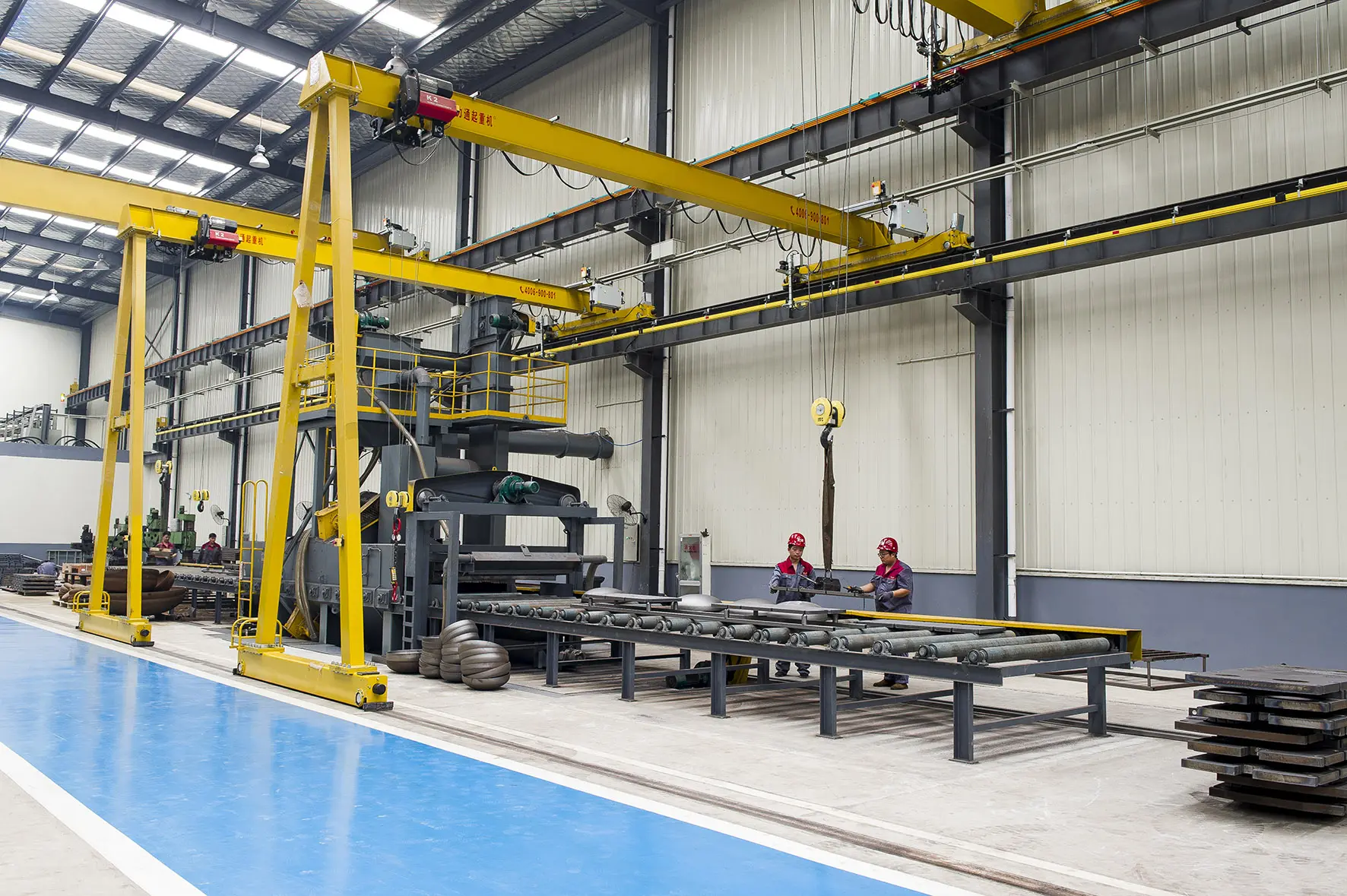
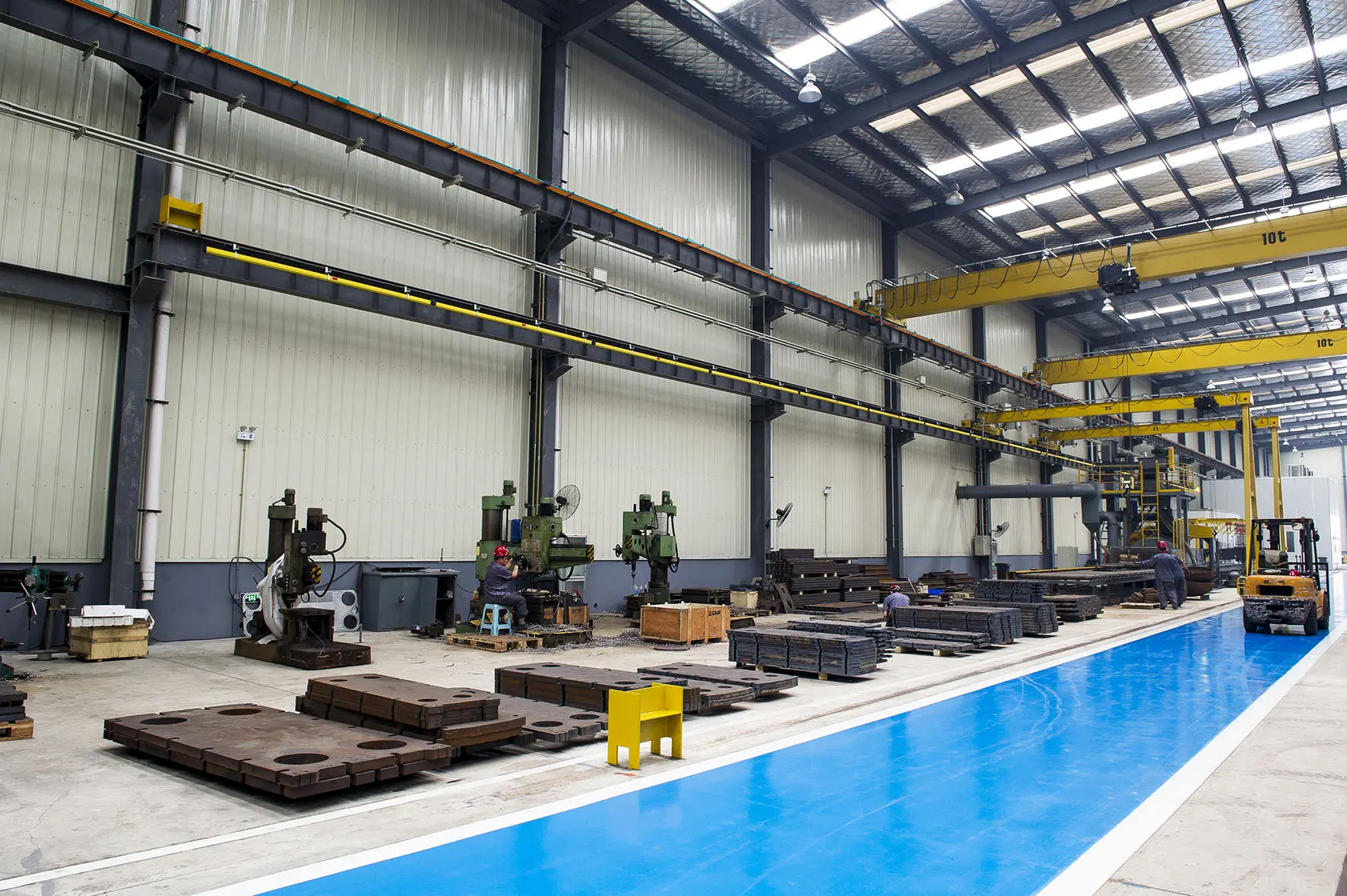
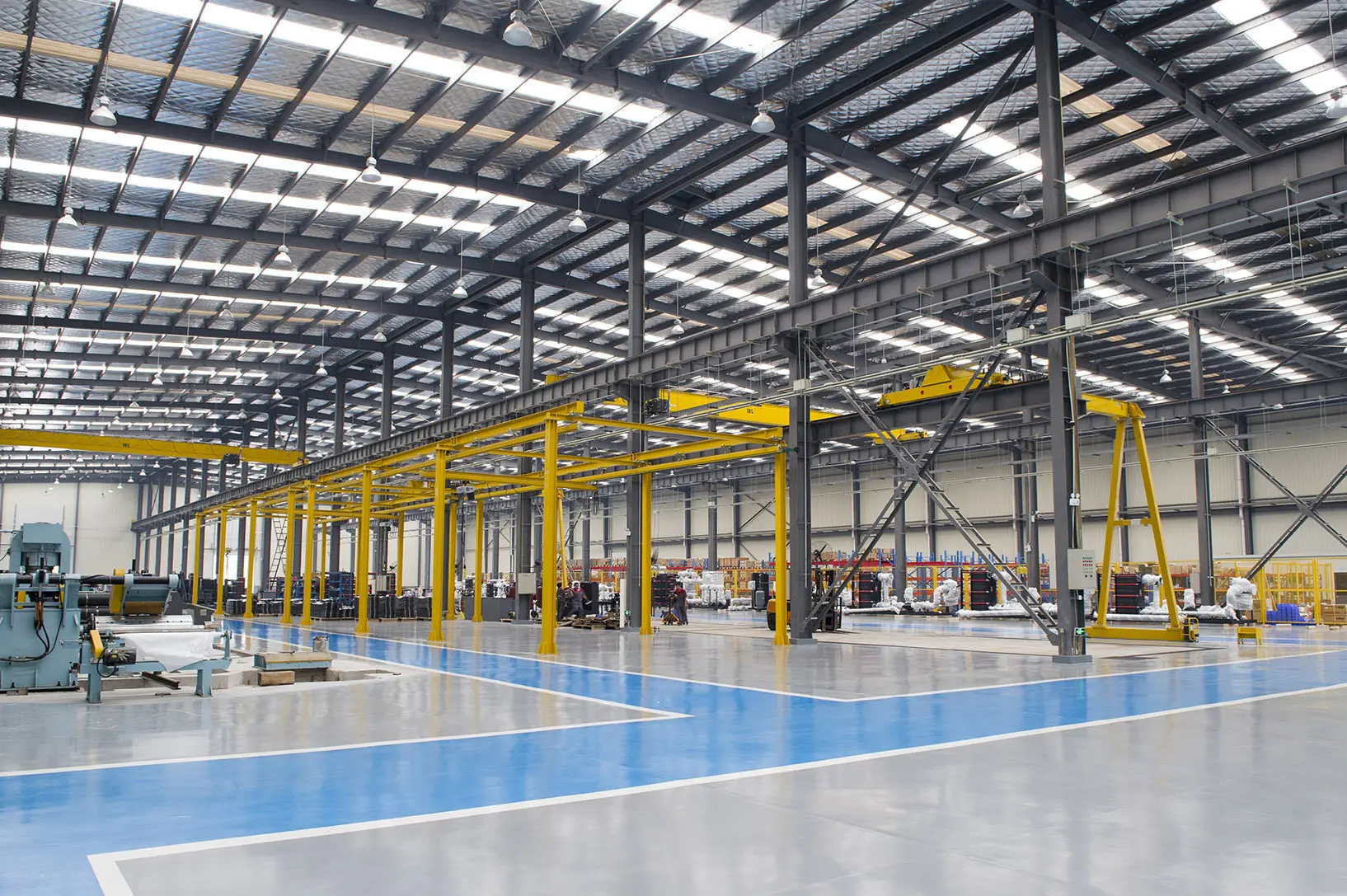
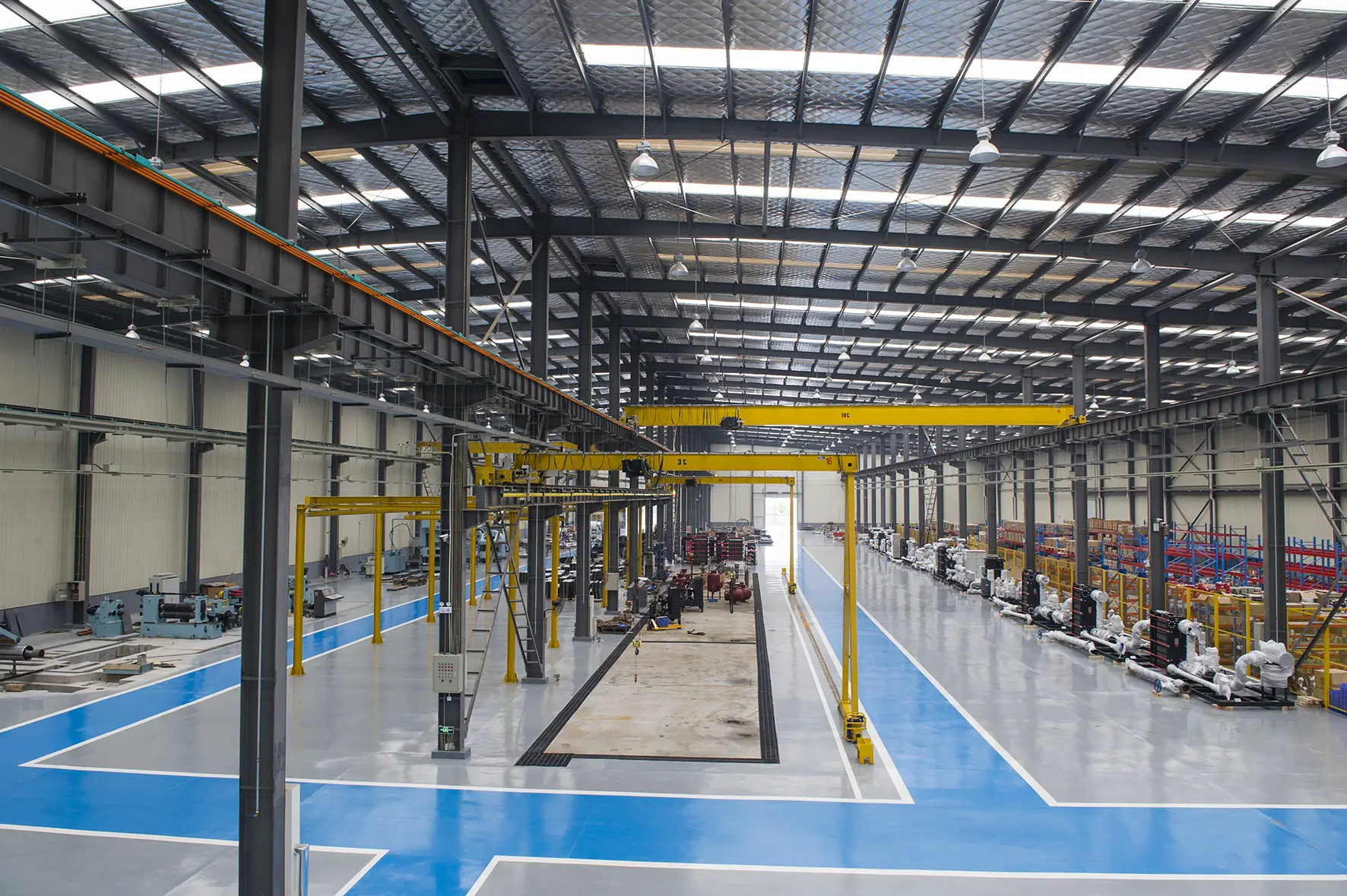
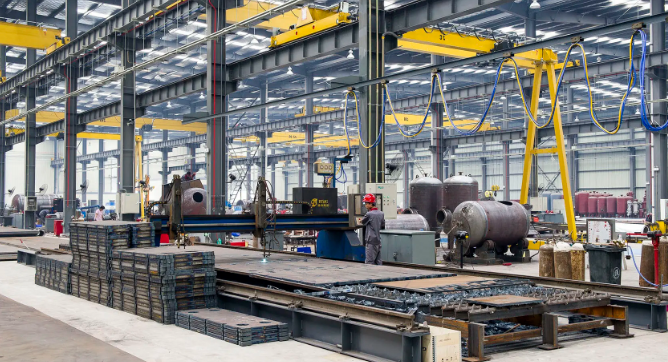
Our modern production workshops are equipped with high-tonnage hydraulic presses and automated quality inspection facilities. All frontline technicians are certified specialists who have undergone rigorous formal training. Every manufacturing process, from raw material procurement to final hydrostatic testing, strictly adheres to the ISO 9001:2015 international quality management system and compliant pressure vessel frameworks.
Validated safety registration and quality assurance from international organizations.
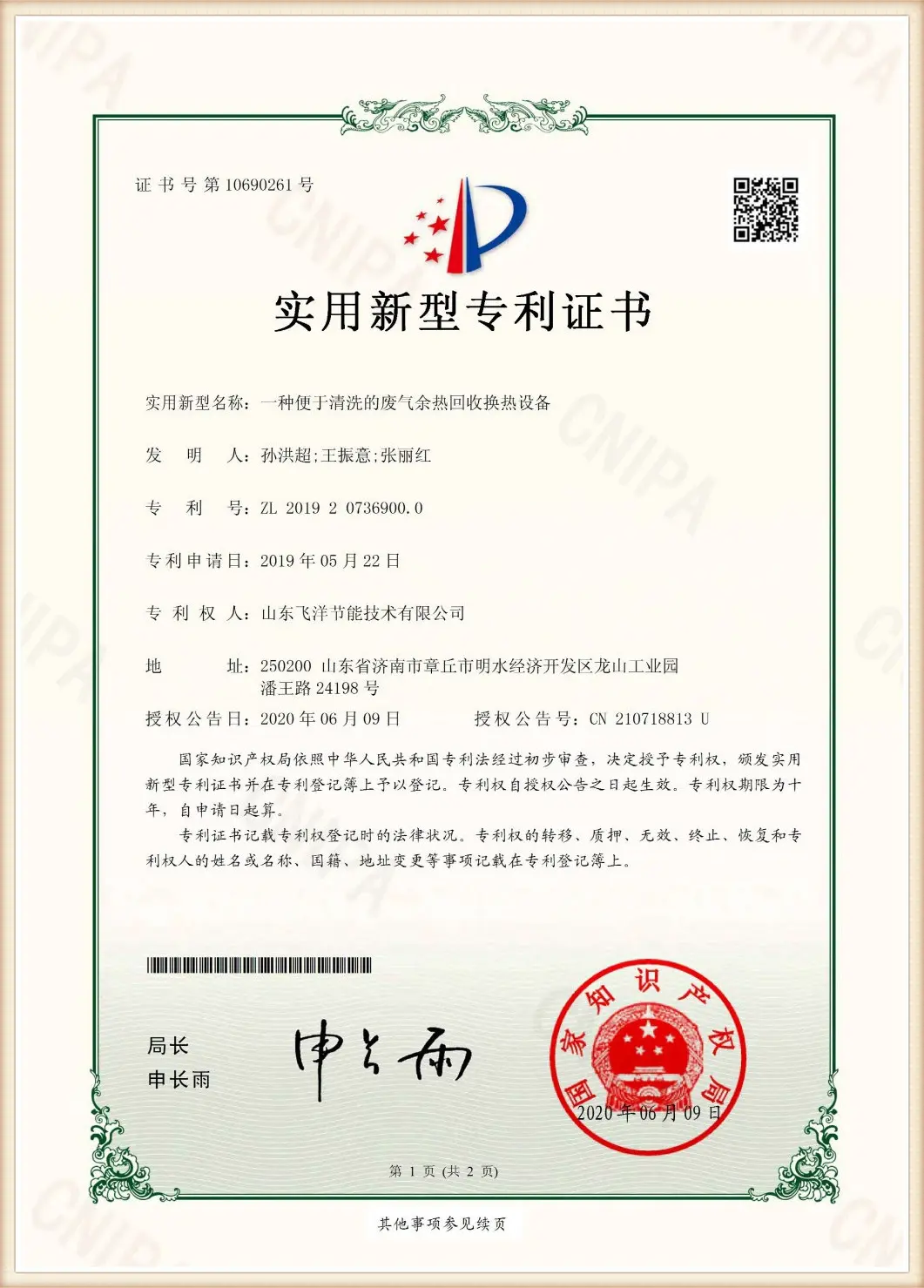
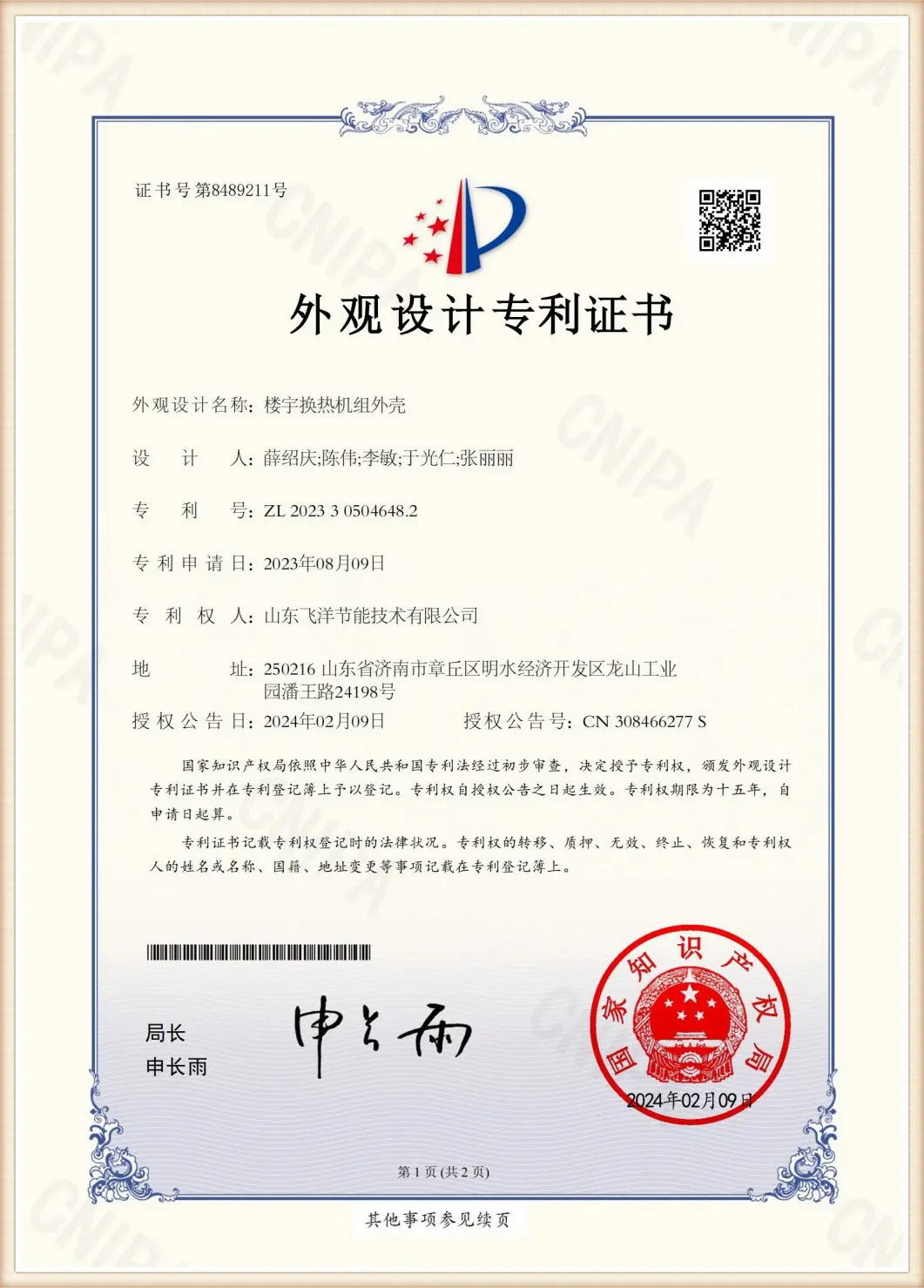
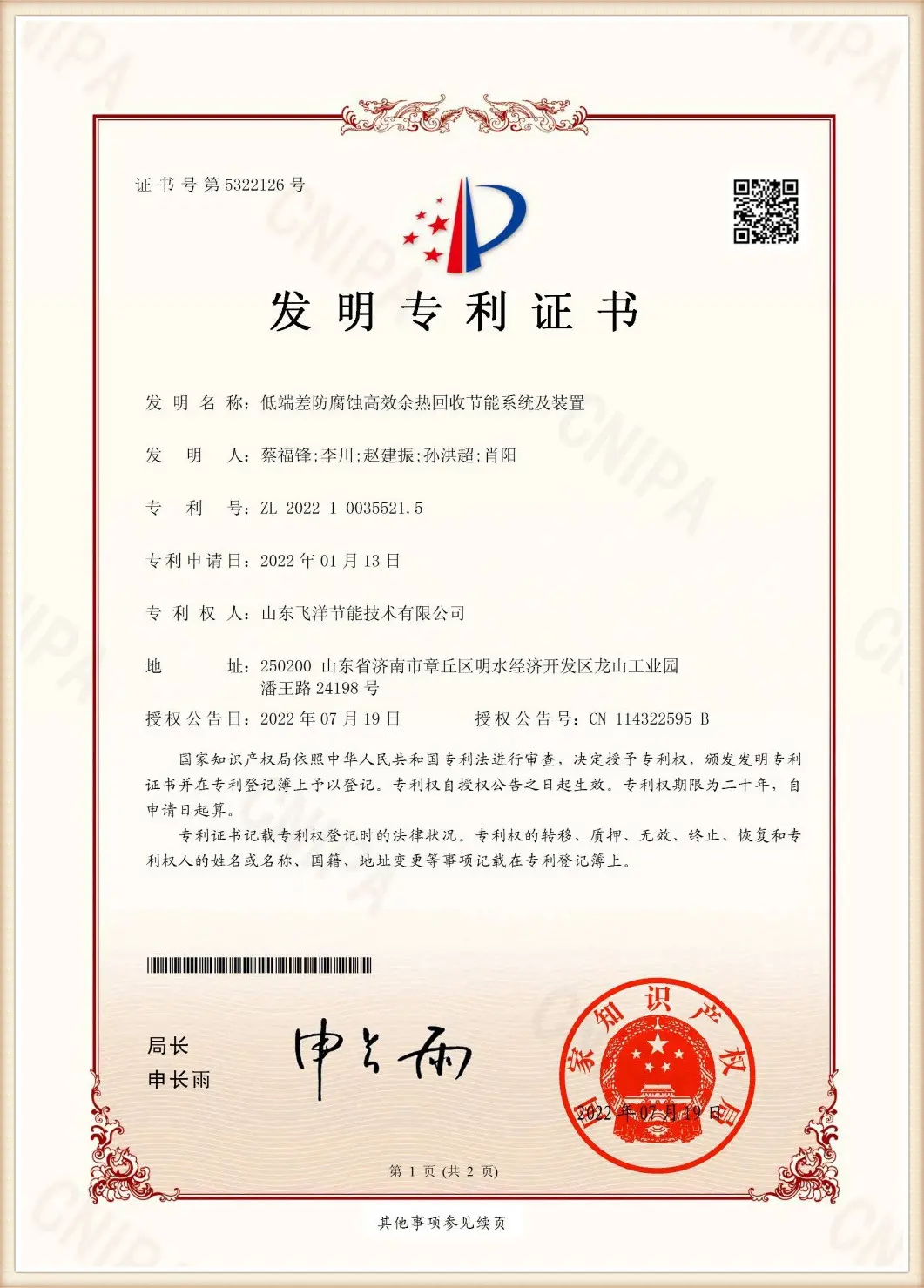
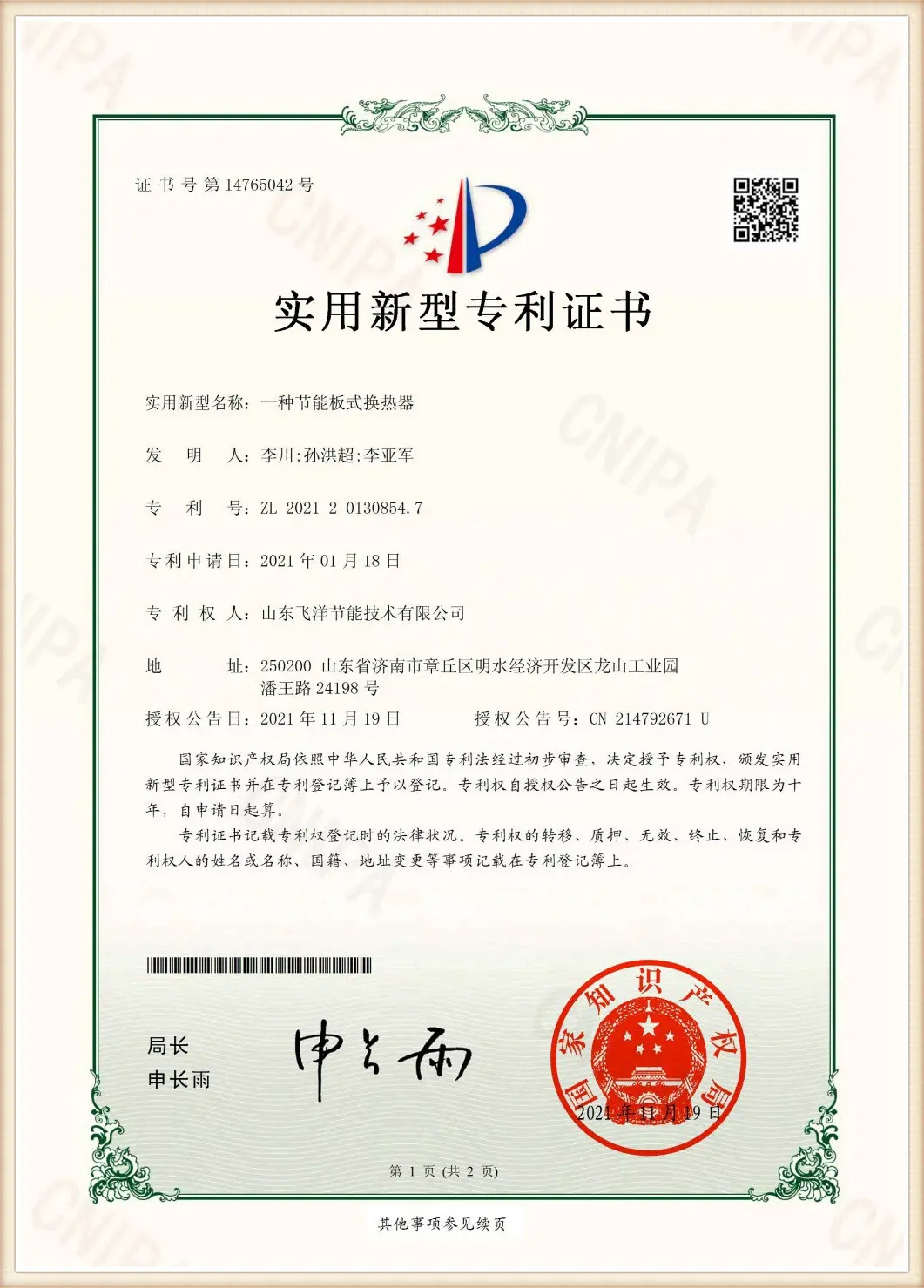
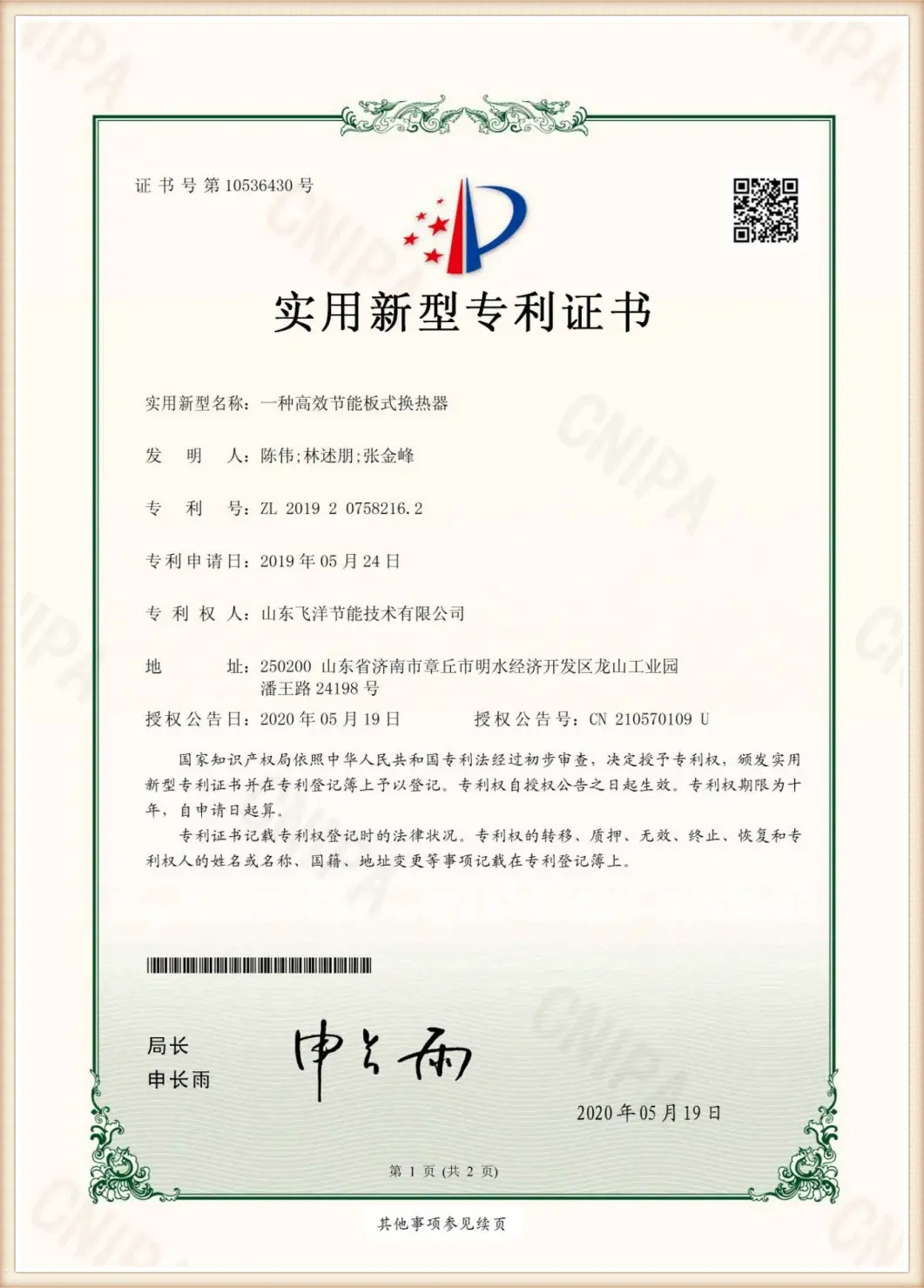
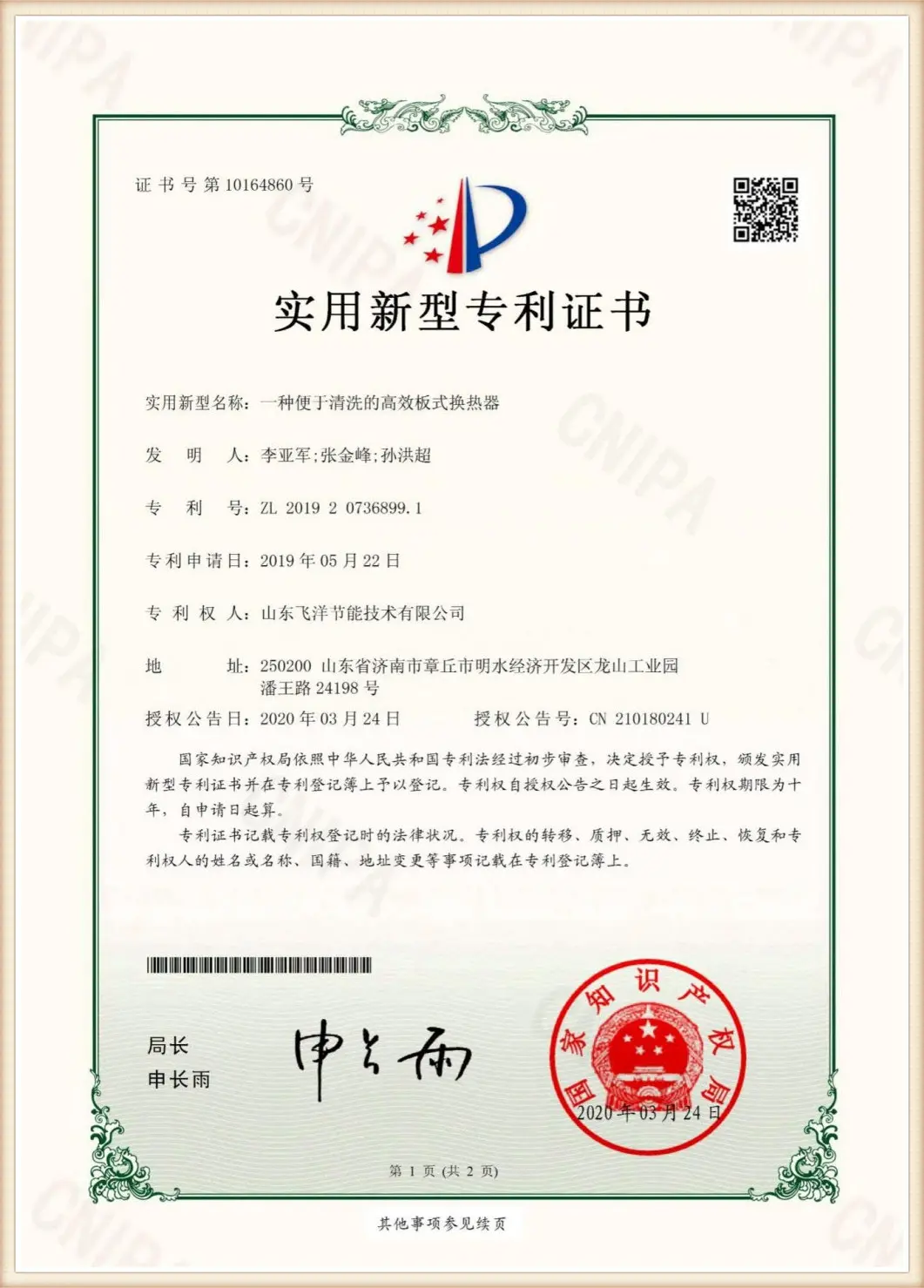
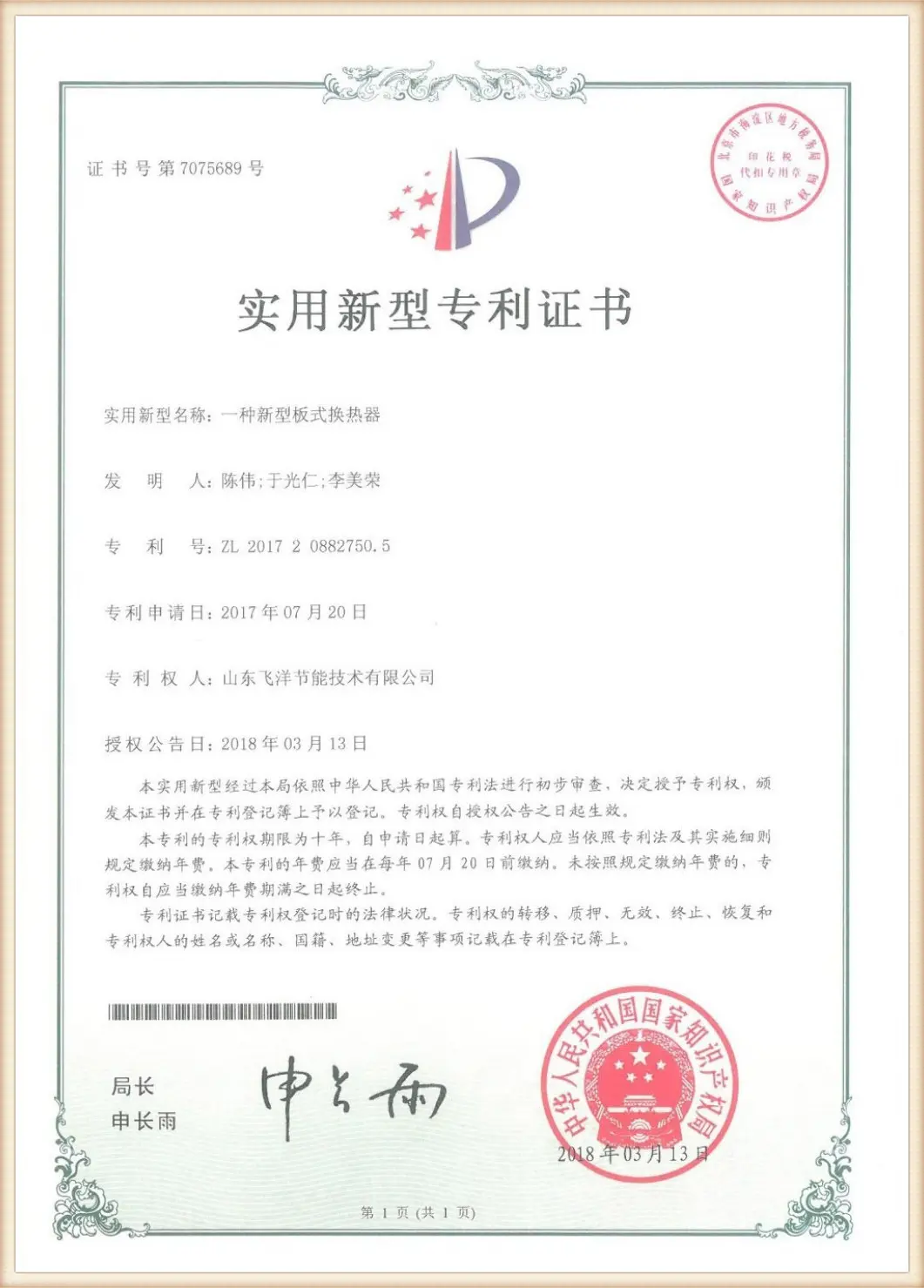
Our commitment to quality is backed by certified credentials. Flotte holds multiple design patents, including "High-Efficiency Plate Heat Exchanger", "Intelligent Plate Heat Exchanger System", and "Plate Heat Exchanger Scale Removal Device".
Our industrial line carries safety registrations from the National Standardization Committee and the National Boiler and Pressure Vessel Standardization Technical Committee. Additionally, our factories maintain ISO 9001 (Quality Management), ISO 14001 (Environmental Management), and ISO 45001 (Occupational Health & Safety) systems.
How our plate heat exchangers adapt to diverse commercial settings and extreme operating conditions.
In centralized heating systems, plate heat exchangers act as the primary interface between municipal steam/hot water networks and residential distribution loops. By regulating delivery water temperature to match local ambient conditions, these units reduce fuel consumption and transport losses, helping utility operators maintain comfort in winter weather.
Chemical processing and pharmaceutical production require strict temperature boundaries to ensure batch quality. Our high-efficiency titanium and alloy plate heat exchangers prevent thermal runaways and protect sensitive biological solutions, maintaining processing stability even under demanding schedules.
Using our room temperature collectors and intelligent balance valves, multi-building HVAC networks dynamically adjust hot water distribution. This balancing prevents overheating in buildings closest to the boiler plant and underheating in distal properties, reducing overall energy consumption across the network.
For operations looking to minimize water usage, our multi-effect evaporation and membrane concentration systems extract reusable clean water from heavy industrial streams. By capturing latent heat during vapor stages, we help factories achieve zero-liquid discharge goals with lower electrical loads.
Decarbonization, predictive maintenance, and self-balancing thermal networks.
Our thermodynamic R&D roadmap focuses on three main developments: automated system balancing, high-durability metallurgy, and smart status monitoring. By integrating precision temperature and pressure sensors directly into our heat exchange headers, we allow operators to track scaling and fouling rates in real time. This data is processed by local PLC controllers to adjust flow balances and schedule maintenance before performance drops occur.
Additionally, we are testing advanced surface treatments to further reduce scale adhesion on chevron plates. This helps maintain higher heat transfer rates in high-mineral water districts. Our goal is to supply systems that maintain design efficiency over years of continuous service, reducing total cost of ownership for our global partners.
Technical answers to key thermodynamic, installation, and engineering questions.
Highly customized equipment for smart secondary heat networks and concentration systems.
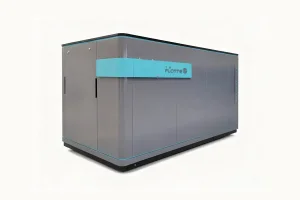
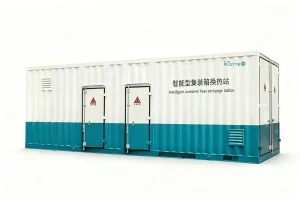
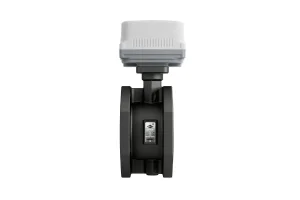
A complete technical collection engineered to optimize industrial heat recovery and municipal heating loops.
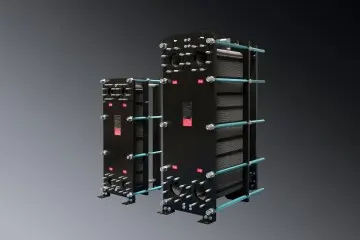
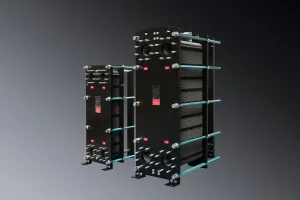
Configured with high-theta chevron dynamics and durable gaskets, ensuring ease of disassembly and routine upkeep.
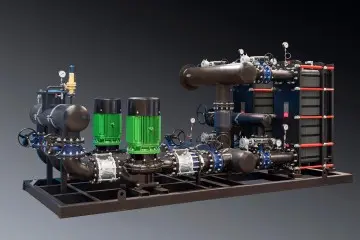
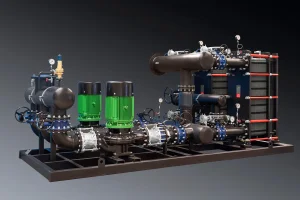
Fully integrated system featuring variable frequency pumps, control cabinets, and sensor suites for municipal connection points.
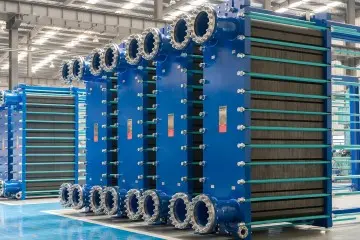
Protects system elements downstream by managing water-hammer effects and sudden pressure changes.
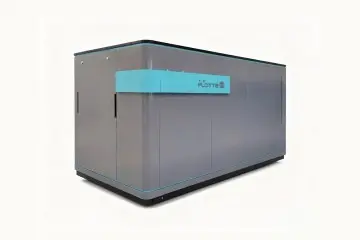
Engineered for commercial high-rise buildings, optimizing temperature distribution across zones.
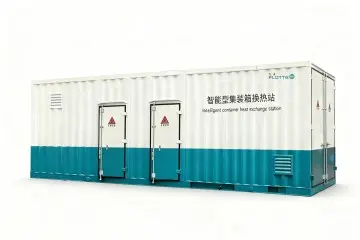
A self-contained, insulated design built for quiet operation and protection from weather in outdoor locations.
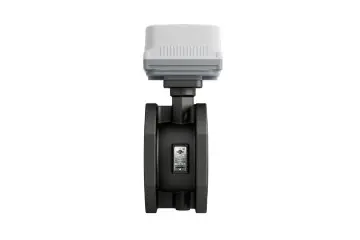
Monitors network temperature in real time, automatically balancing water flow to optimize heating distribution.

Collects localized ambient temperature data, providing input variables for centralized heating loop management.
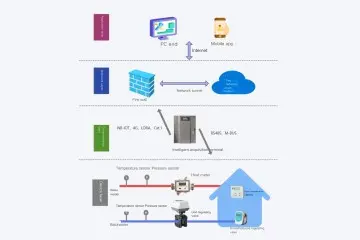
Combines balance valves, temperature sensors, and remote monitoring tools to manage energy across multi-building HVAC systems.
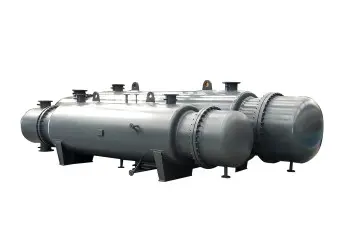
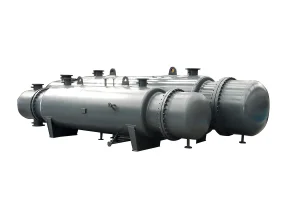
A heavy-duty system configured for high steam pressures and high flow volumes in demanding industrial tasks.
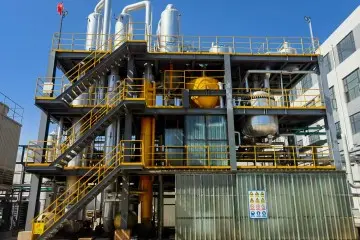
Captures steam enthalpy across multiple evaporating stages, reducing boiling utility costs for wastewater concentration.
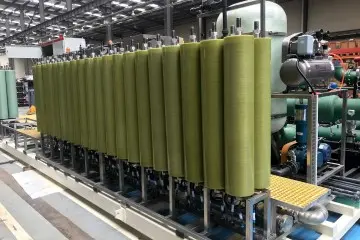
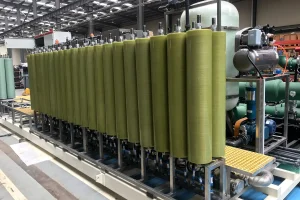
Utilizes semi-permeable membranes to separate salt content from liquid lines, optimizing desalination in chemical processing plants.
 Flotte Energy