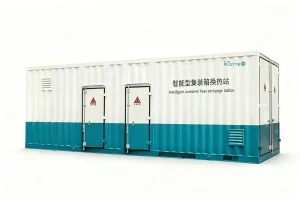
Engineered to match local compliance standards across thermal power, pharmaceutical, HVAC, and chemical processing facilities worldwide.
Analysis of Maintenance Practices, Technological Lifecycles, and Operational Protocols for Plate Heat Exchangers
Plate Heat Exchangers (PHE) form the core of modern thermal management. Industrial engineering shows that continuous operation under high pressure and variable temperatures degrades elastomeric gaskets and metallic channels. Maintaining thermal efficiency and preventing leakage requires a rigorous Plate Type Heat Exchanger Overhaul Procedure.
Modern industrial sites face challenges including chemical scaling, mechanical deformation, and gasket degradation. Research indicates that a planned overhaul can recover up to 15-30% of lost heat-transfer efficiency. This optimization helps global plants lower energy costs and reduce carbon emissions. Additionally, proactive maintenance mitigates risk and prevents sudden shutdowns in critical systems like central heating grids, chemical refineries, and pharmaceutical cleanrooms.
To successfully overhaul a gasketed plate heat exchanger, maintenance engineers must follow a detailed, step-by-step procedure:
Ensure the system is completely isolated. Close the feed valves on both the hot and cold sides. Allow the unit to cool down to ambient temperature (below 40°C) to prevent thermal shock and safety hazards. Slowly relieve internal pressure and drain residual process fluids through the drain connections.
Before loosening the tightening bolts, measure and record the "A" dimension (the distance between the inside of the frame plate and the pressure plate). This metric is critical for reassembly. Loosen the bolts in a diagonal, cross-wise sequence to prevent plate deformation or thread damage.
Carefully slide the plates along the carrying bar. Number the plates in sequence to ensure they are returned to their exact original positions. Conduct a visual inspection of each plate to identify pinholes, mechanical deformation, corrosion, or erosion.
Remove old gaskets. Clean the plates using high-pressure washing or specialized chemical baths. For stainless steel plates, avoid cleaning solutions containing hydrochloric acid, as chlorine ions can cause stress corrosion cracking. Instead, use citric, phosphoric, or nitric acids under monitored concentrations.
Clean the gasket grooves thoroughly. Fit new gaskets (typically NBR, EPDM, or FKM, depending on the application). Ensure the gaskets are seated properly, using either glue-free clip-on/snap-on designs or specialized industrial adhesives cured according to manufacturer specifications.
Clean the guide and carrying bars, and grease the tightening bolts. Push the plates back together, keeping them aligned. Tighten the bolts diagonally and evenly, taking measurements at multiple points until the original "A" dimension is restored.
Perform a hydrostatic pressure test prior to reintegrating the unit into the process loop. Pressurize one side at a time to the specified test pressure (typically 1.25 to 1.3 times the design pressure) while leaving the other side open to check for leaks. Verify system integrity and inspect the gasket seals for weeping.
A detailed view of the engineering methods and quality checks behind Flotte's plate heat exchangers.
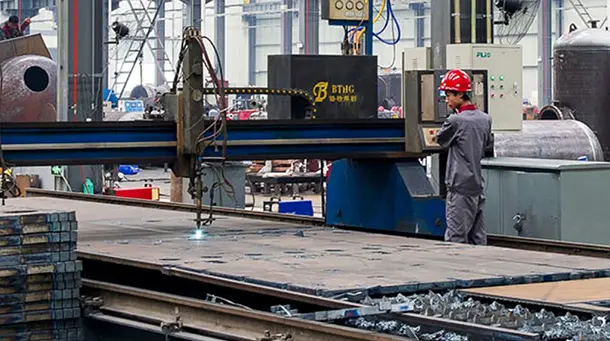
Using precision CNC cutting systems to fabricate thick carbon steel frame plates and pressure plates, ensuring structural integrity and precise dimensioning.
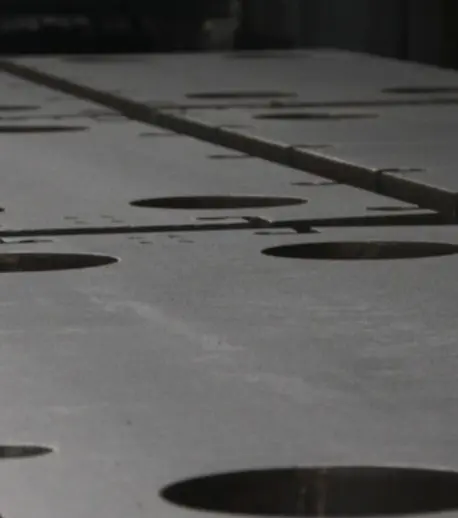
Advanced metallurgical treatment applied to high-stress components, enhancing tensile strength and refining grain structure to resist cyclic fatigue.
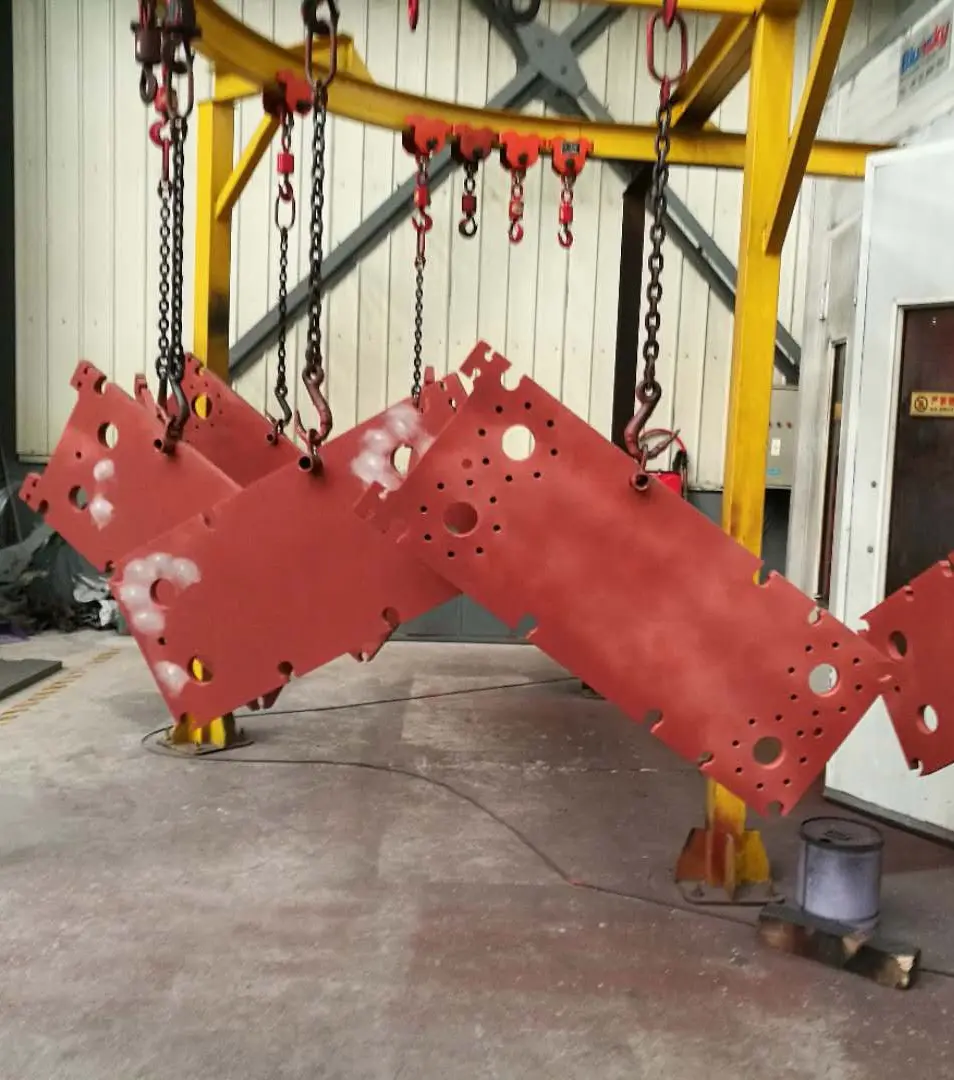
Application of multi-layer, anti-corrosive industrial coatings to protect external frames and carbon steel components from harsh ambient environments.
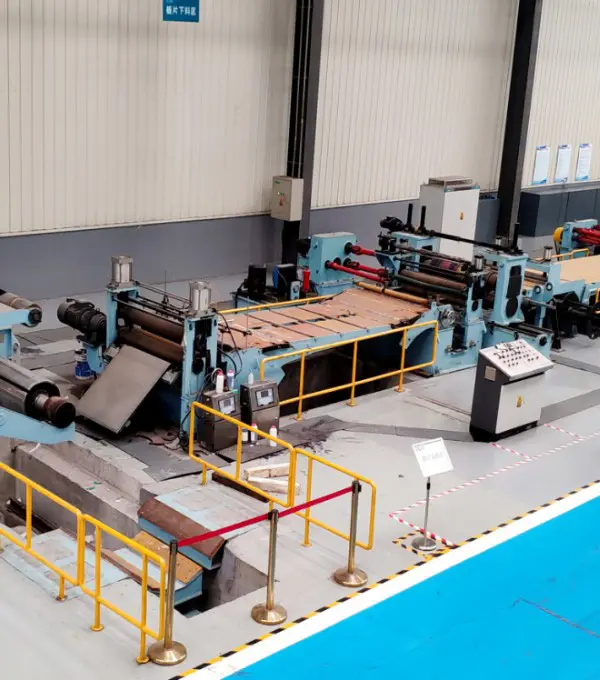
Automated cutting of thin-gauge alloys (stainless steel, titanium) combined with unique barcode marking to ensure complete material traceability.
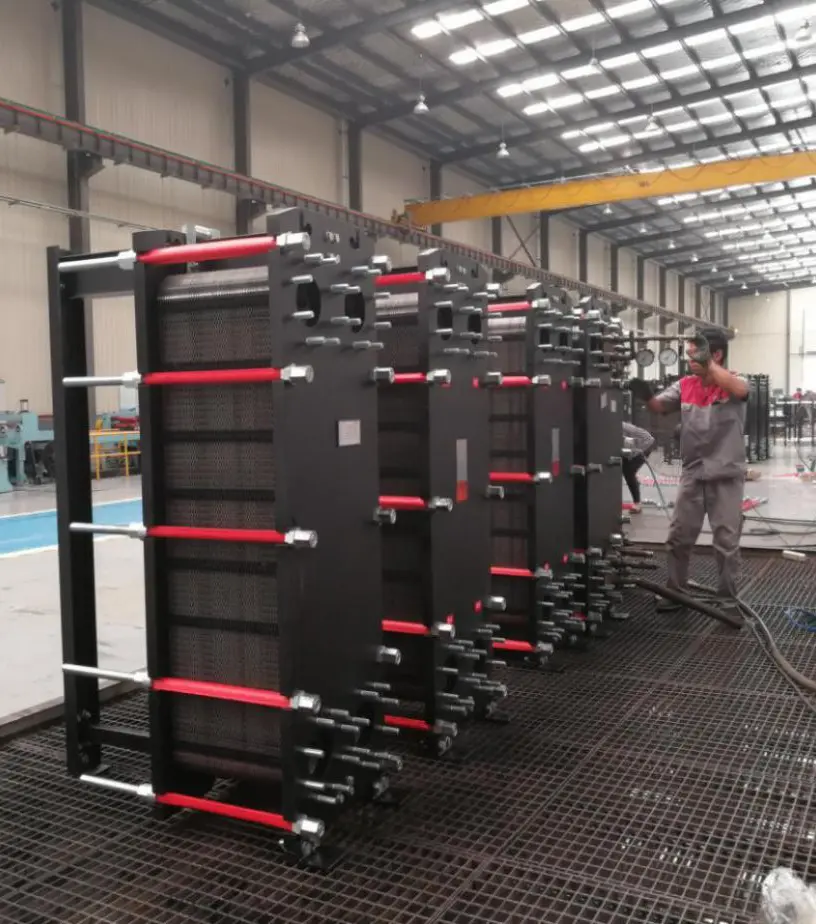
Every assembled heat exchanger undergoes rigorous hydrostatic pressure and leak testing to verify seal performance before dispatch.
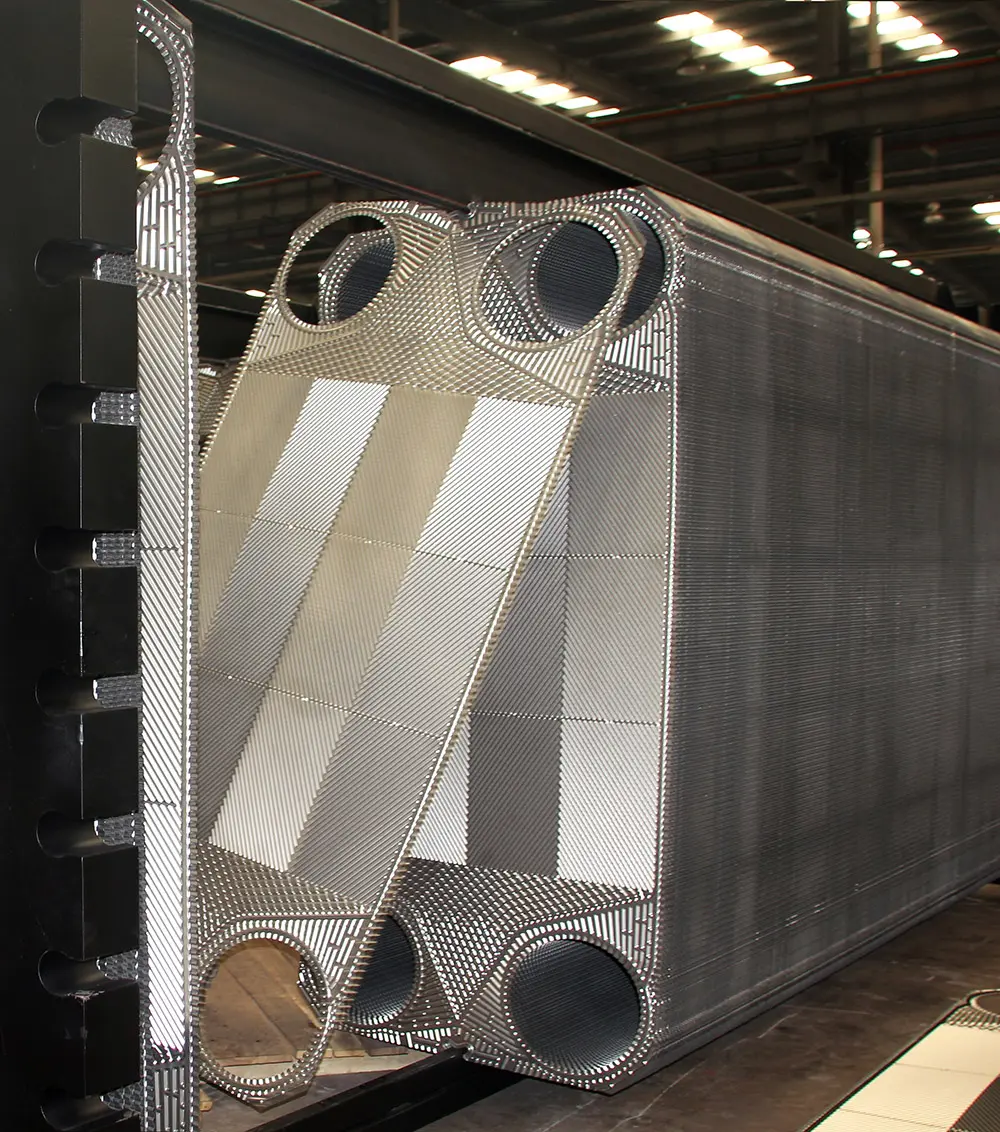
Skilled technicians compile the plate pack, align gaskets, and clamp the plates using high-torque hydraulic tensioning tools.
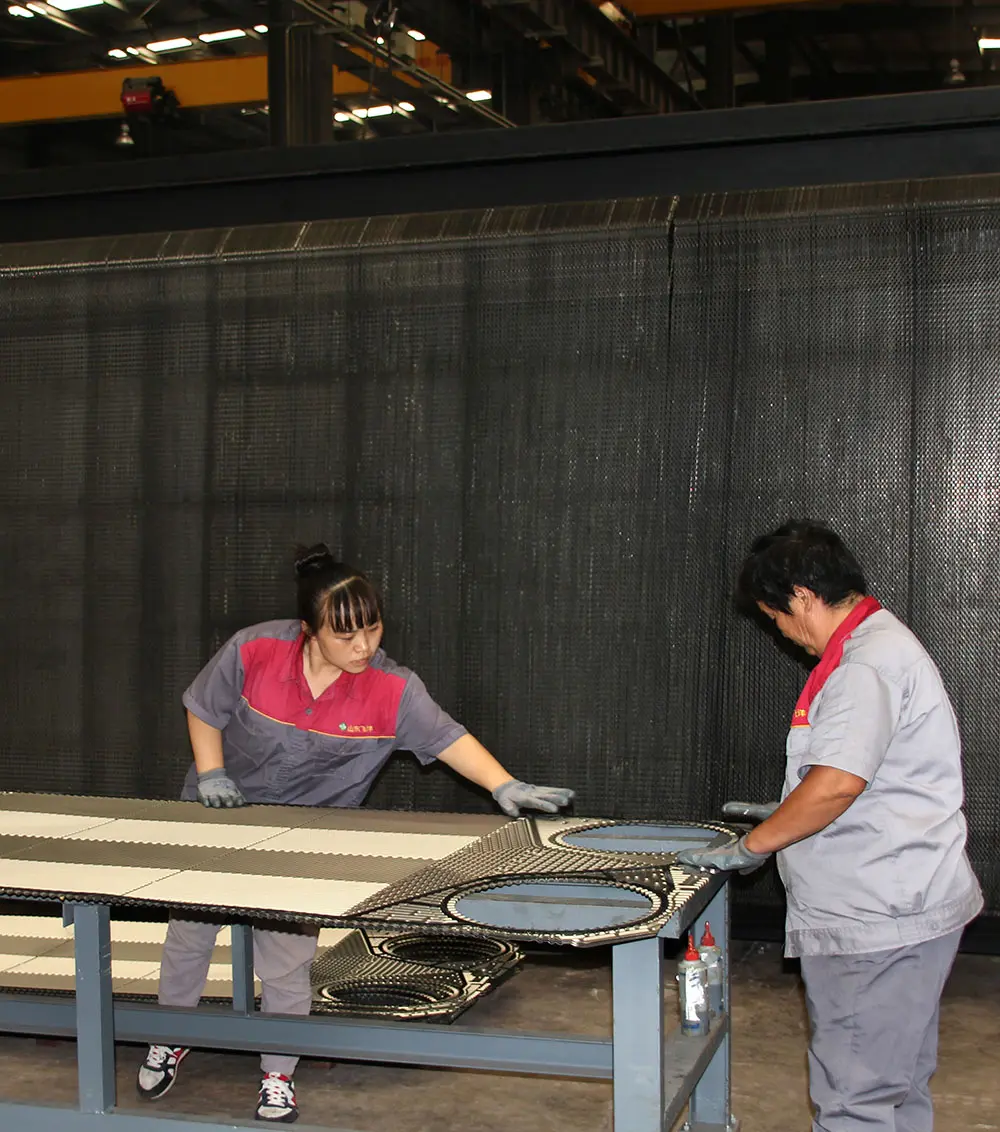
Precision manufacturing of high-durability elastomeric gaskets (NBR, EPDM, FKM), ensuring accurate seating in the plate groove.
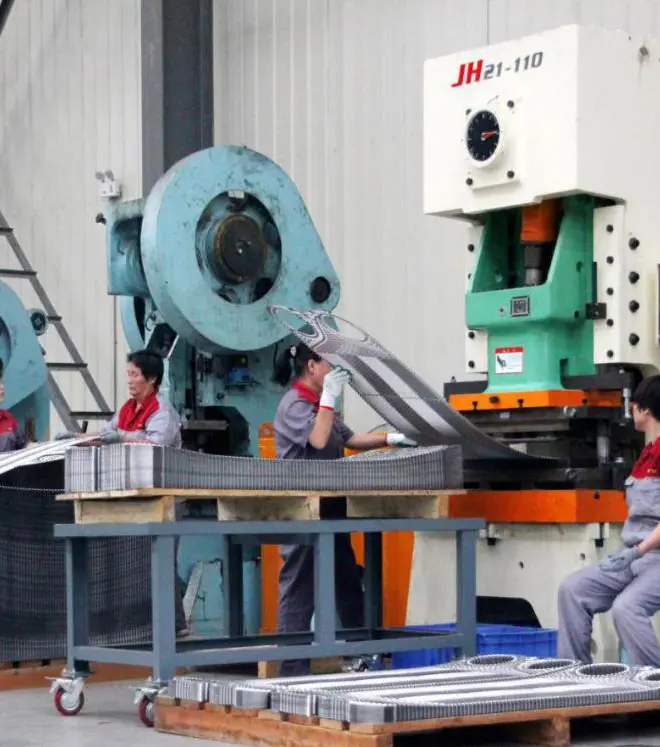
High-tonnage stamping presses punch port holes into the sheet metal, establishing the flow channels for the heat exchanger fluids.
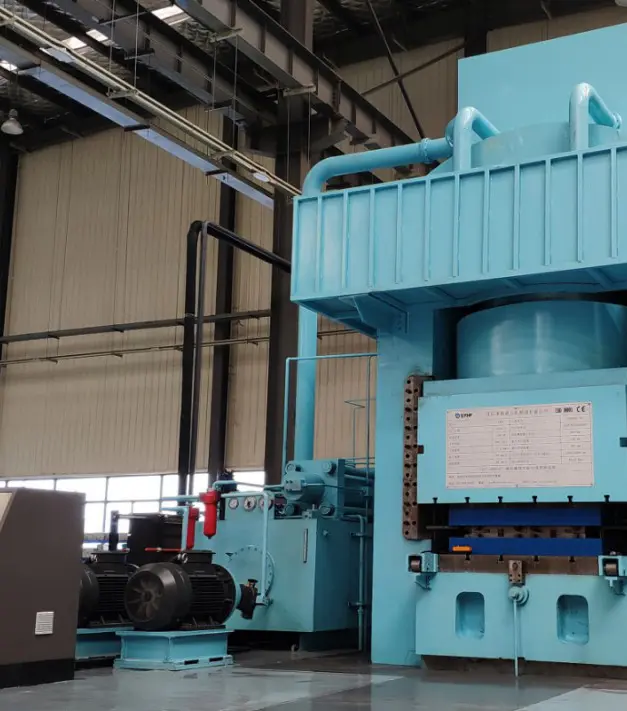
Corrugated plate patterns are formed using a large-scale press, creating the turbulent flow profiles that optimize heat transfer.
Flotte Energy Saving Company, established in 2013 with a registered capital of 101 million yuan, originated from Flotte Thermal Engineering founded in 1995. With three decades of technical expertise, the company specializes in water equipment, HVAC systems, and water treatment industries. It consistently leads industry peers in adopting cutting-edge technologies, developing innovative products, and delivering comprehensive production and sales services.
The company has professional designers and skilled technical workers. Our design engineers bring years of practical experience and specialized knowledge to ensure reliable product designs. With a dedicated R&D center and advanced testing laboratory, we maintain a strong focus on technical innovation.
Our modern production facilities combine manufacturing and management systems to produce high-tech integrated products. Annually, the facility manufactures approximately 4,500 heat exchange units and water supply/drainage equipment sets.
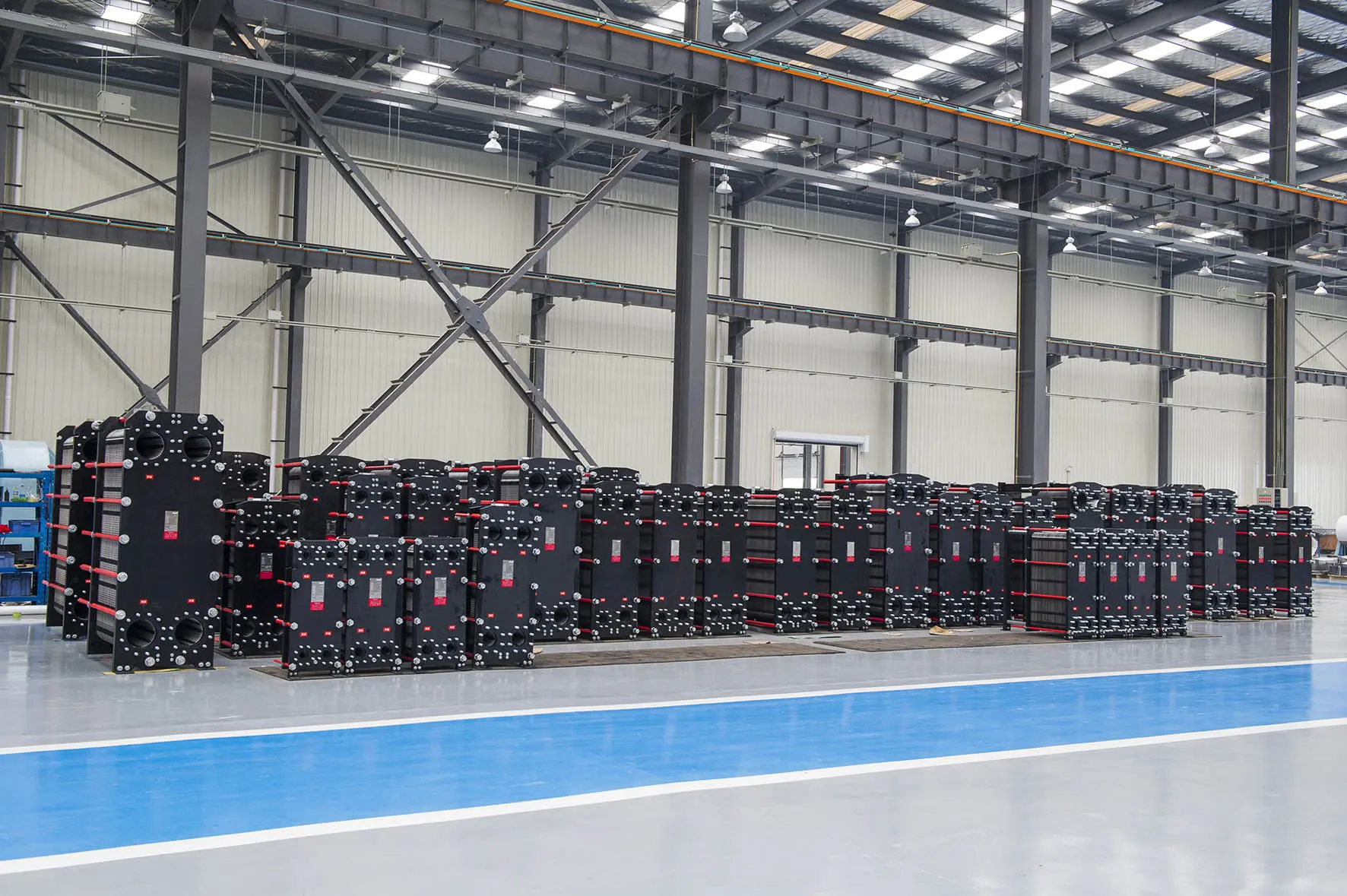
Addressing the challenges of large-scale industrial heating, ventilation, and chemical processing.
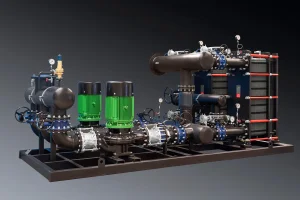
Plate heat exchangers serve as the core heat-transfer link between municipal heat sources and the end-user loop. Flotte’s modular heat exchange units balance system pressure and optimize thermal distribution, minimizing pipeline energy losses in urban heating grids.
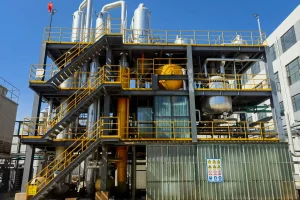
Processing aggressive fluids requires high-end, corrosion-resistant alloys (such as Titanium and Hastelloy) along with tight tolerances. Our design tools help select the right gasket and plate combinations to match your process requirements and prevent leaks.
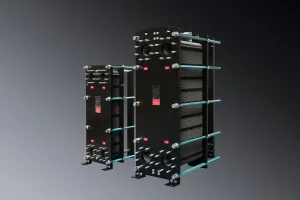
Large high-rise projects require reliable pressure isolation between the cooling tower loops and the primary chiller plant. Flotte's plate heat exchangers are built to handle high design pressures and temperature approaches, helping to lower building energy consumption.
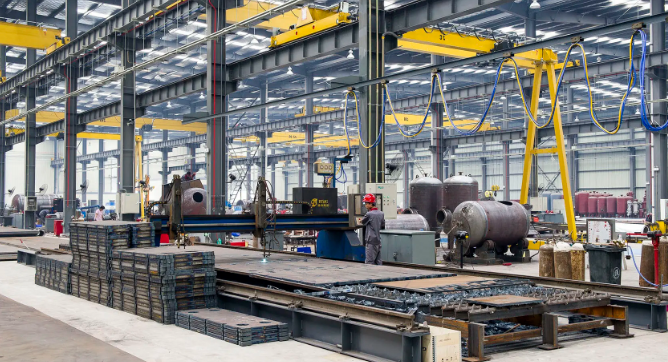
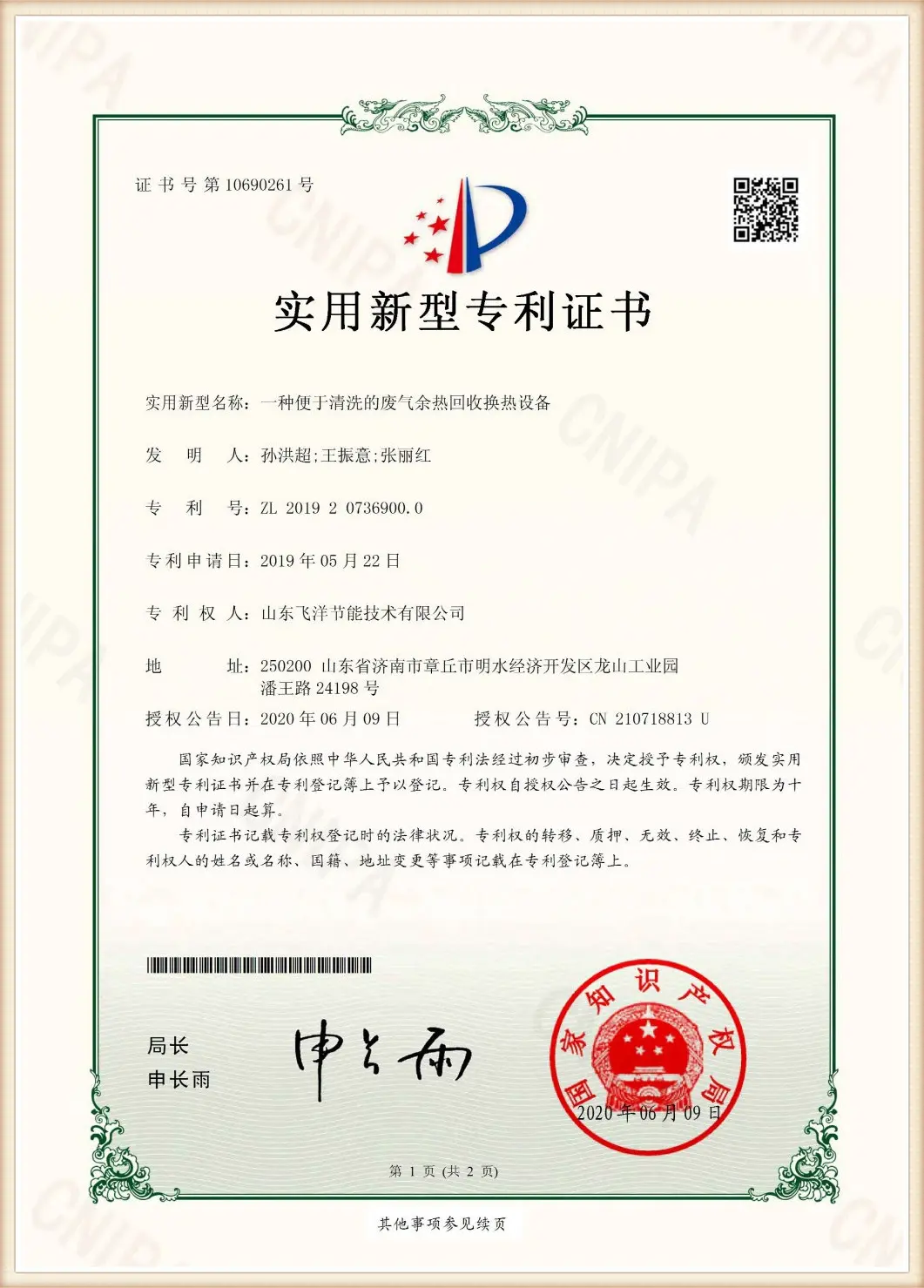
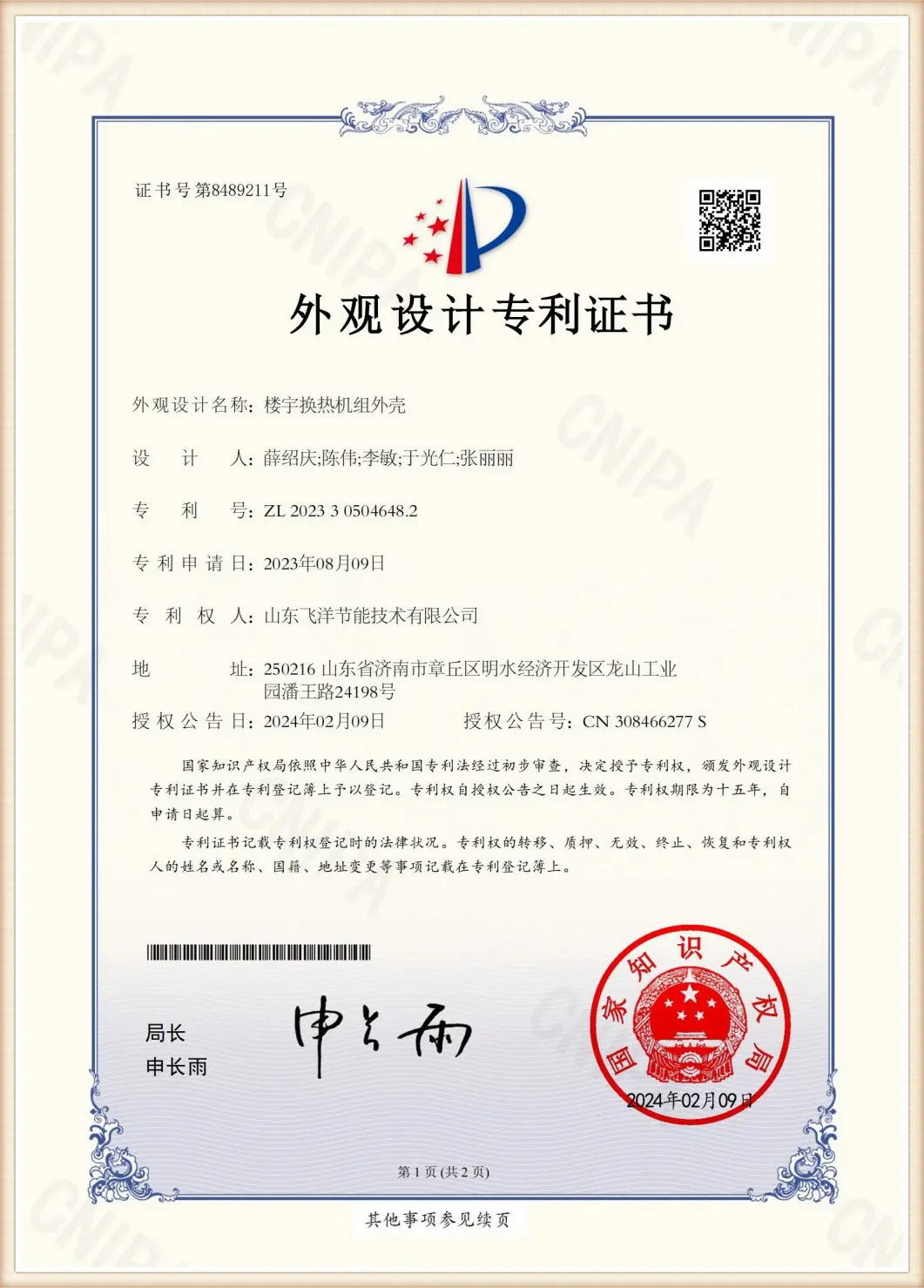
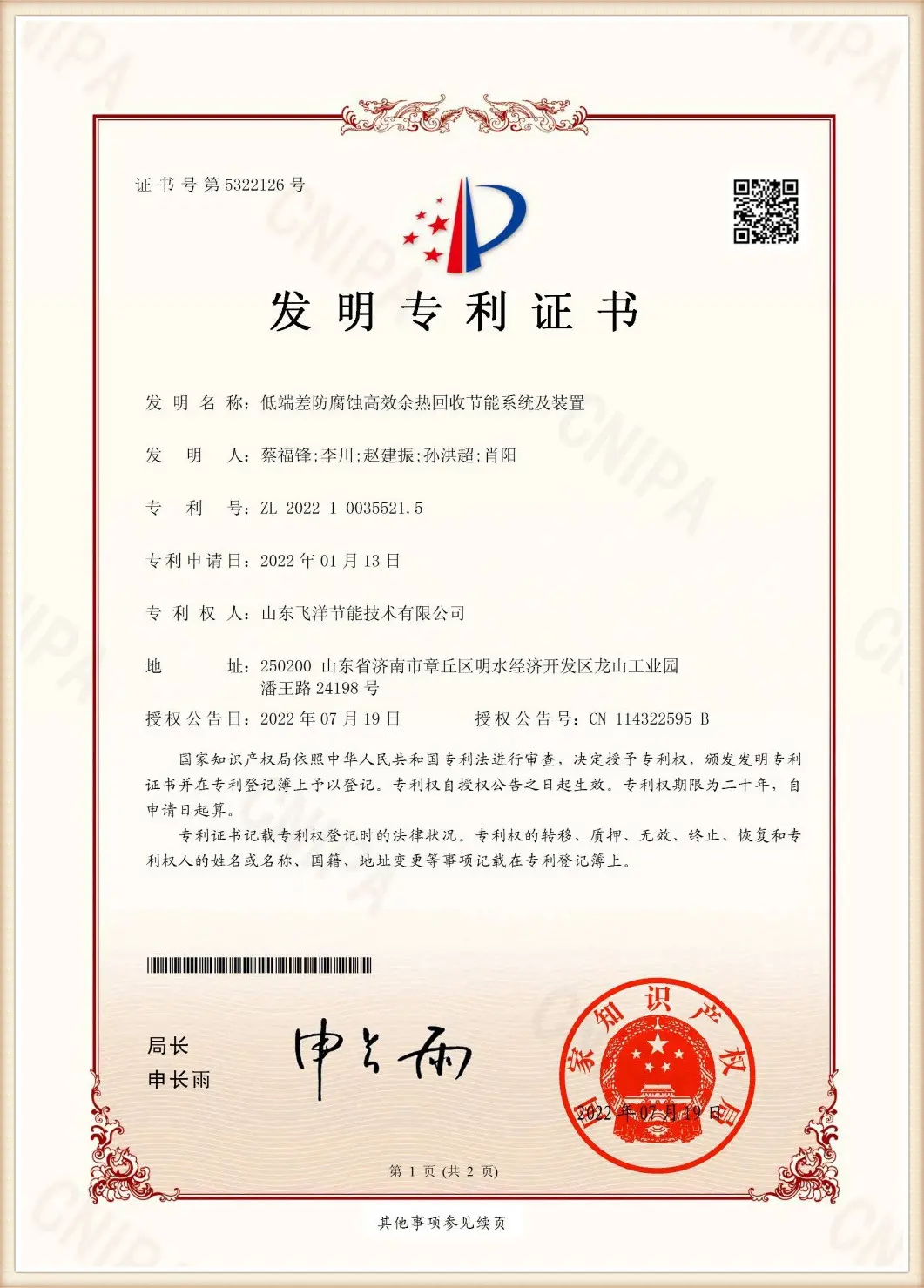
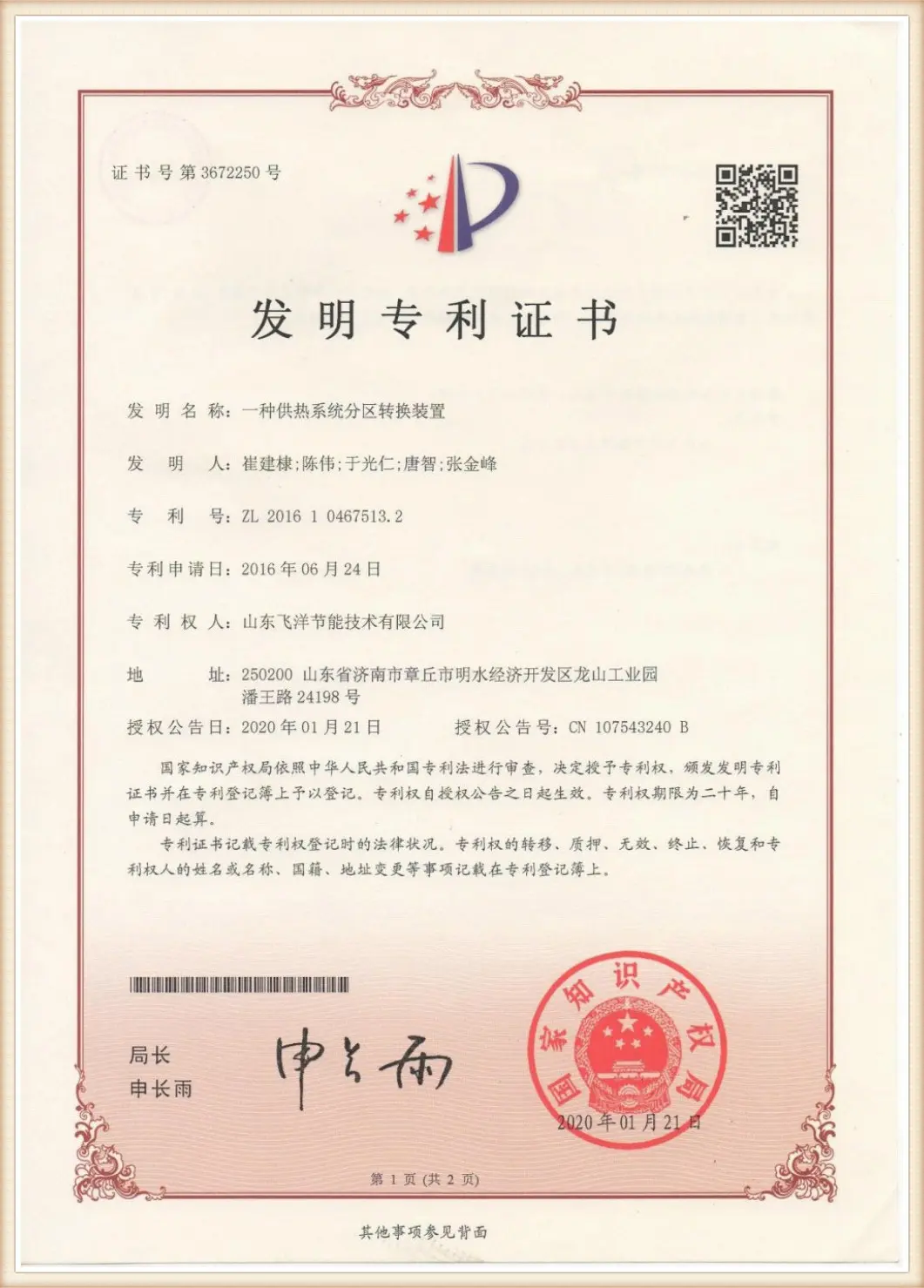
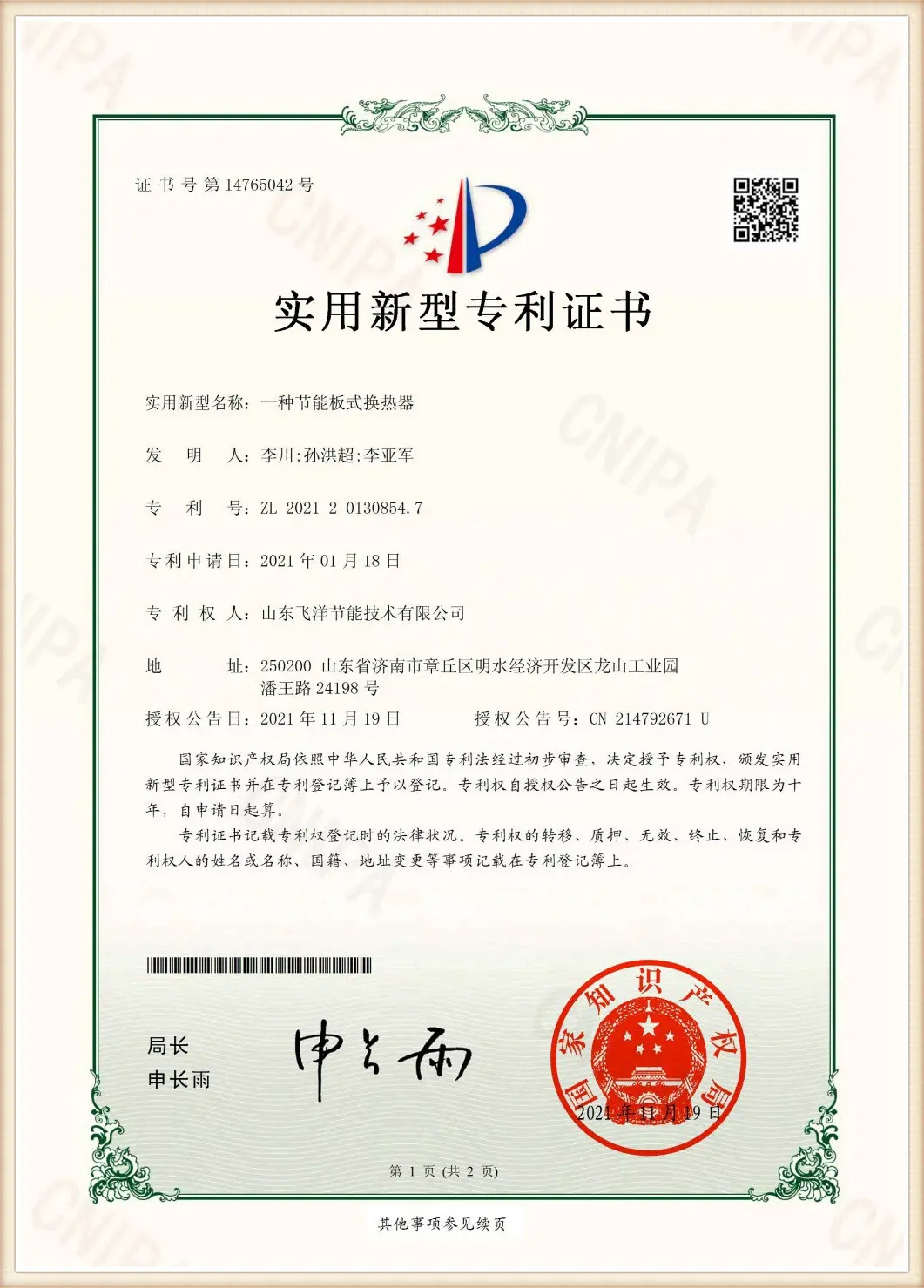
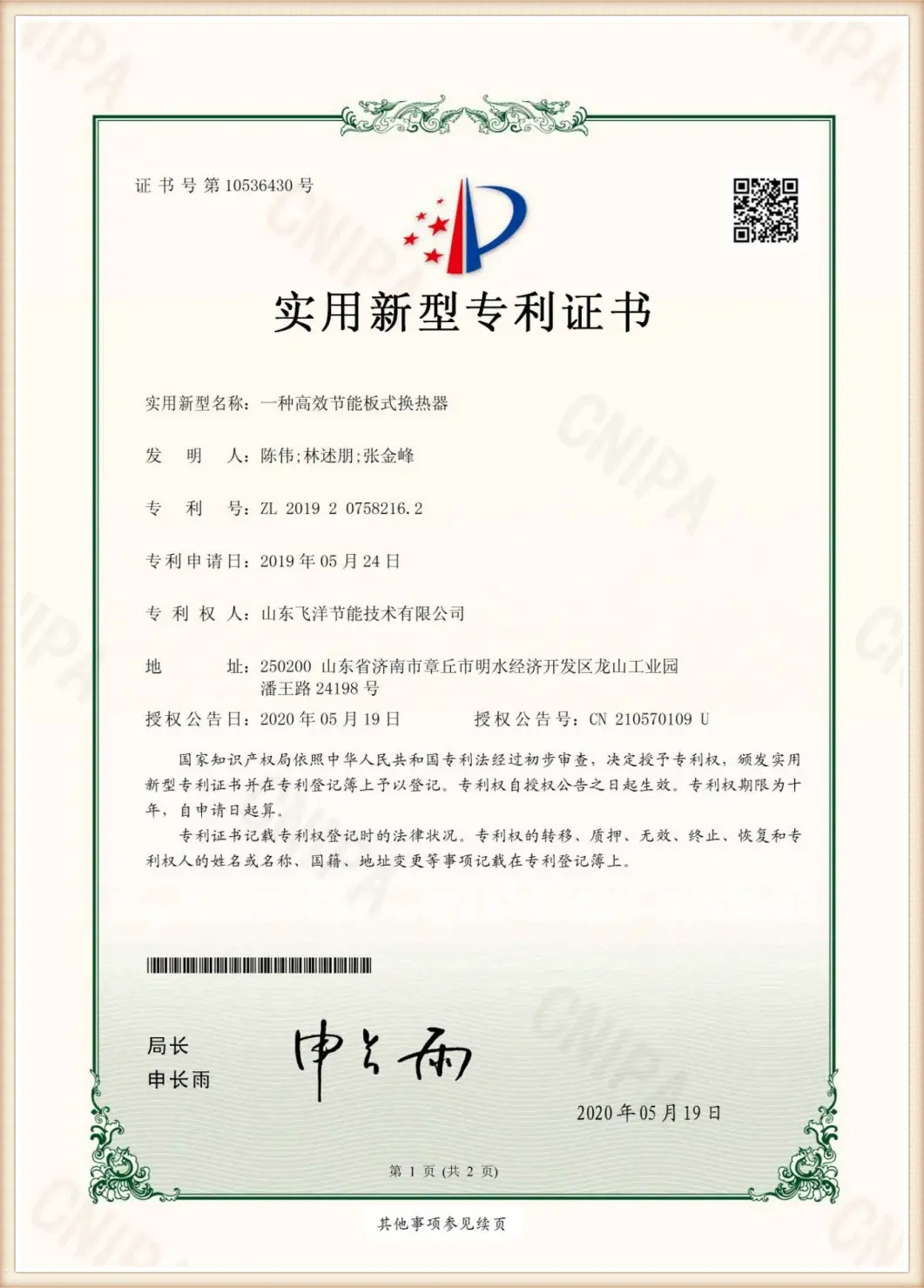
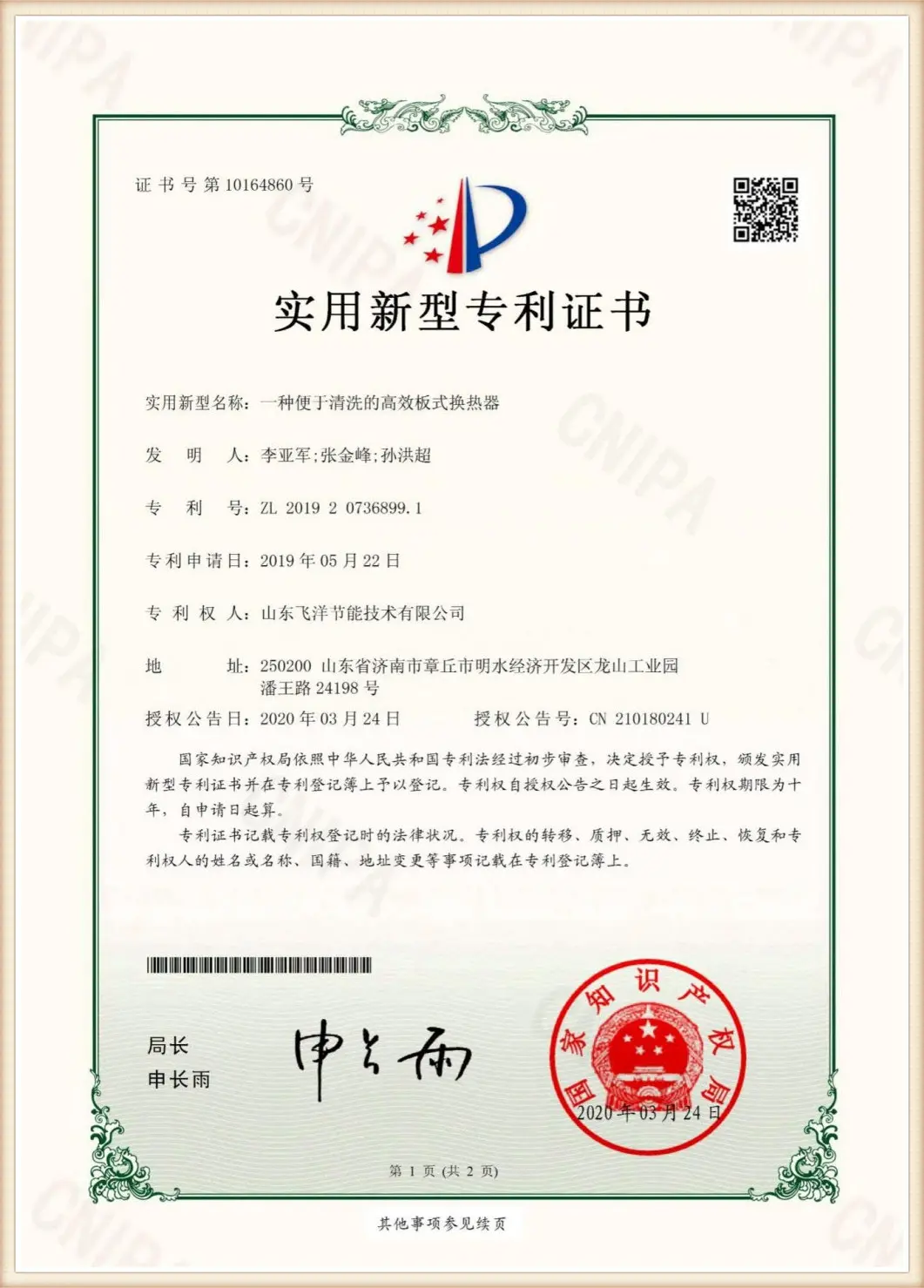
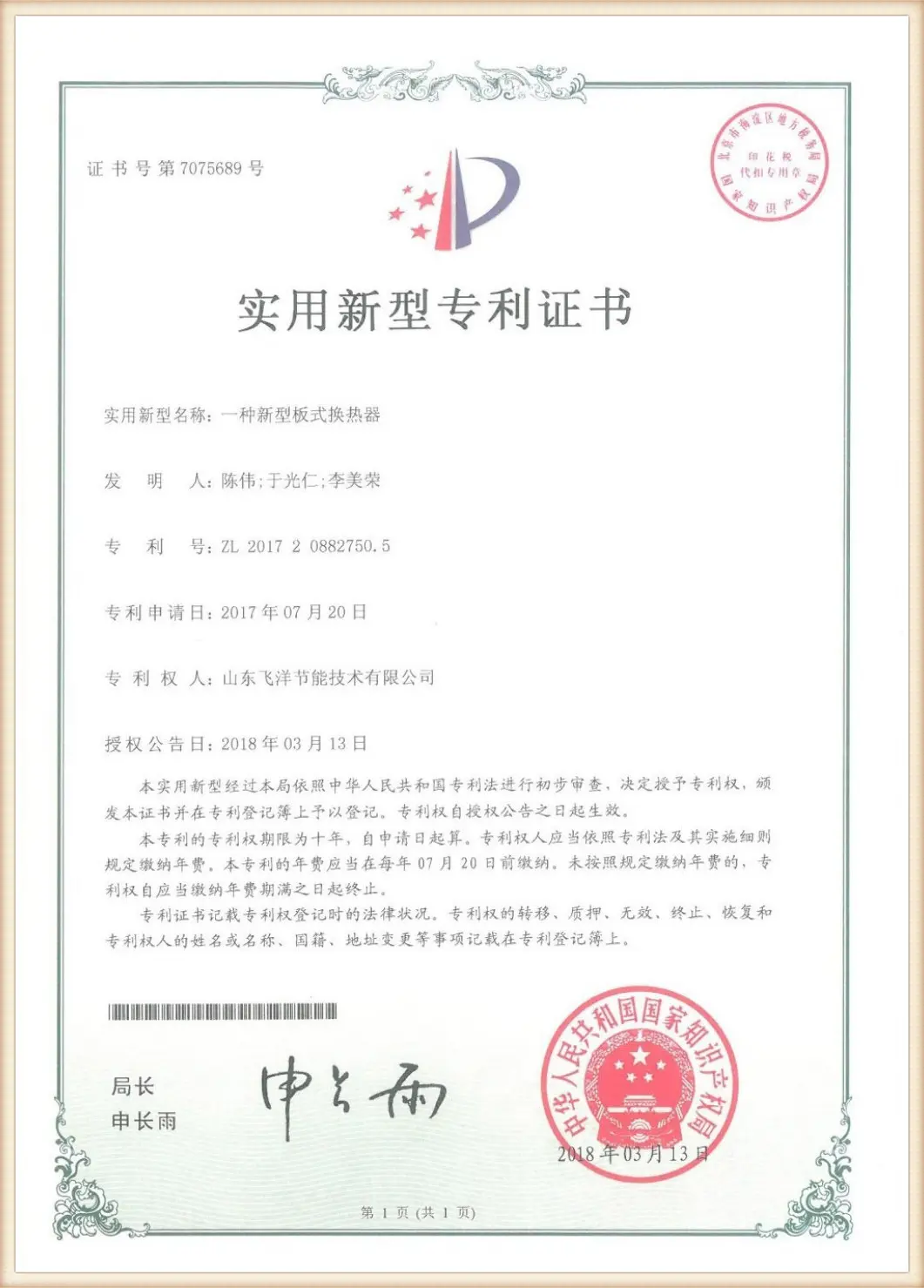
Flotte maintains a quality control system throughout the production cycle. Our products hold certifications from the National Standardization Committee and the National Boiler and Pressure Vessel Standardization Technical Committee.
Our manufacturing processes follow ISO 9001:2015 standards, and our facility is certified under ISO 14001 and ISO 45001. We use automated stamping presses and advanced testing methods to ensure high reliability and thermal performance.
From raw material procurement through to final product testing, our quality control team monitors every stage of production. By using reliable suppliers and conducting thorough testing, we help prevent issues like stress corrosion and premature gasket wear.
Key technological trends influencing the design and maintenance of Plate Heat Exchangers.
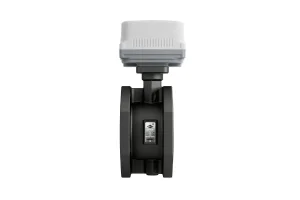
Integrating pressure and temperature sensors allows operators to monitor fouling and flow degradation in real time. This data helps transition maintenance from a calendar-based schedule to a predictive approach, optimizing when overhauls are performed.
Advanced nano-coatings and specialized surface treatments help prevent scale deposits on plate surfaces. These coatings maintain heat transfer efficiency and extend the intervals between cleanings, especially in hard-water environments.
The industry is moving toward biodegradable, non-hazardous chemical cleaning agents. These green descaling formulas effectively dissolve deposits while protecting plates and gaskets from damage, simplifying wastewater disposal.
Our plate heat exchangers and components comply with national and international quality and safety standards.
Technical guidance and maintenance tips for engineers and procurement managers.
Supplying certified heating units, balancing valves, and heat exchangers to plants and projects globally.
 Flotte Energy