Explore our industrial range of intelligent valves, modular heating units, and high-precision monitoring solutions designed for performance and compliance.
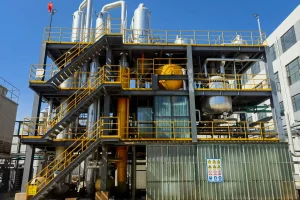
Combining the thermal efficiency of plate heat exchangers with the high pressure capability of shell and tube designs.
In the realm of advanced industrial thermodynamics, the Shell and Plate Heat Exchanger (SPHE) represents a profound leap in process efficiency, reliability, and architectural compactness. Traditionally, processing plants and thermal networks faced a strict architectural compromise: choose gasketed plate heat exchangers (PHE) for high heat-transfer coefficients but accept limitations in temperature and pressure ratings, or deploy classic shell-and-tube systems which tolerate extreme conditions but demand massive physical footprints, heavy metal quantities, and suffer lower thermal efficiency.
Modern SPHE designs resolve this engineering friction by utilizing a fully-welded round plate pack inserted into a cylindrical outer pressure vessel shell. This configuration ensures that fluid flow on the plate side experiences highly turbulent flow even at low Reynolds numbers, yielding heat transfer rates up to 300% greater than standard shell-and-tube configurations. Meanwhile, the cylindrical shell safely retains extreme pressures and isolates thermal fluid boundaries without relying on elastomer gaskets, reducing the risk of process leaks to near-zero levels.
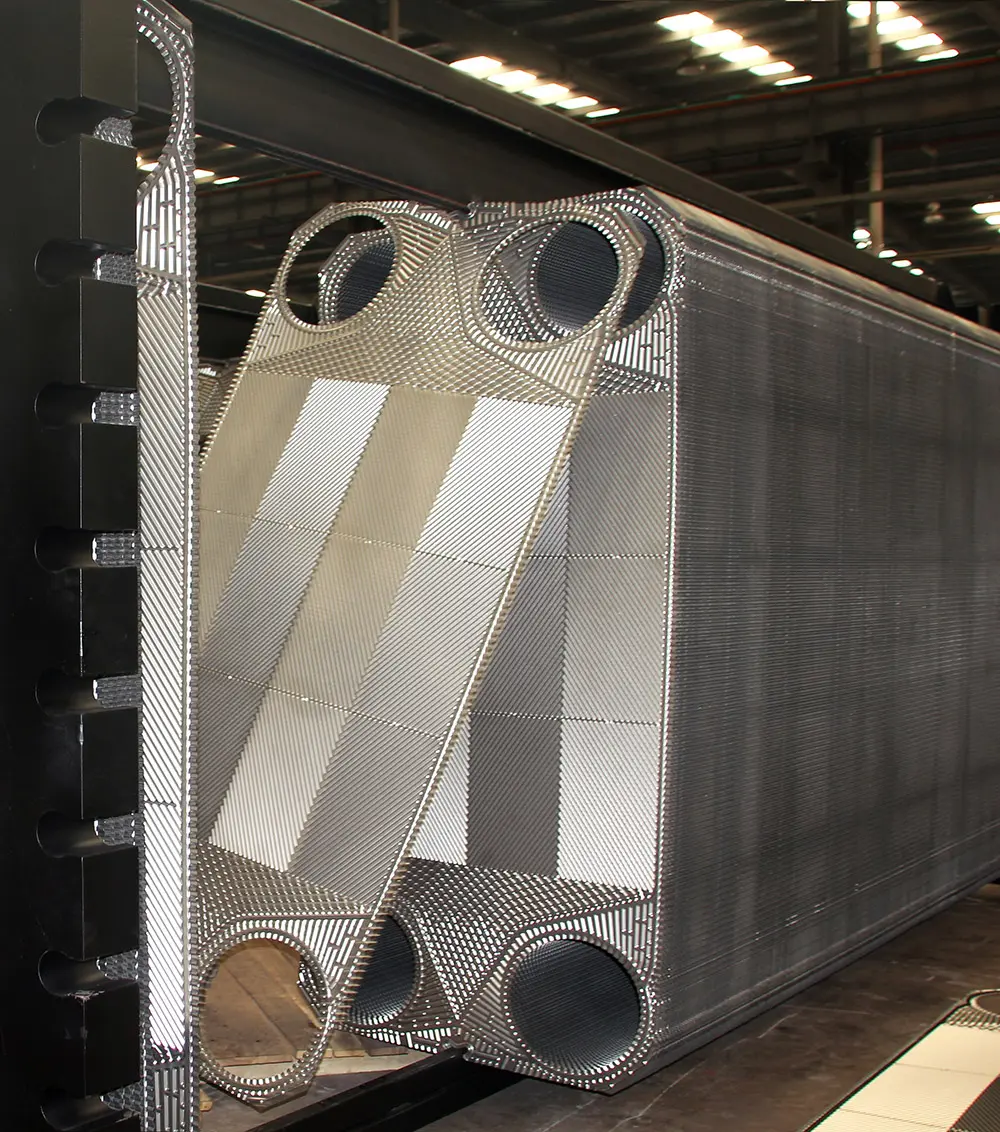
The heart of our Shell and Plate Heat Exchanger design lies in the precision stamping and laser welding of the internal circular plates. Corrugations are pressed onto metal plates in specialized patterns (chevron or herringbone angles). When two plates are nested and welded around their outer perimeters, they form a pressure-resistant, alternating flow channel system. One fluid flows through the internal plate pack, while the secondary service fluid circulates through the shell wrapper.
By adjusting the angle and depth of the corrugations, our thermal engineers customize the shear stress, fluid velocity, and pressure drop gradients. High chevron angles optimize heat transfer by generating rapid micro-vortexes, which also continuously scrub the metal surface—dramatically reducing fouling factors. Conversely, low chevron angles are engineered for low-viscosity fluids or situations where allowable pressure drop parameters are extremely tight.
Eliminating elastomer gaskets means zero risk of chemical attack or sudden blowout under cyclic temperature stresses. Safely operates in toxic, high-pressure environments.
By maximizing the heat-transfer surface area to volume ratio, SPHE units occupy up to 70% less floor space compared to classic tube bundles of equivalent thermal capacity.
Available in premium SS304, SS316L, Titanium, Hastelloy, and Nickel alloys to withstand harsh cooling water, acids, amines, and hydrocarbons.
Rooted in three decades of engineering excellence, leading thermal efficiency innovation in Asia and beyond.
Flotte Energy Saving Company, formally established in 2013 with a registered capital of 101 million yuan, proudly trace our technological lineage back to Flotte Thermal Engineering founded in 1995. With three decades of rigorous research and development, we specialize in high-efficiency water equipment, customized HVAC modules, and state-of-the-art water treatment systems.
Our core mission is to empower global processing industries, municipal district heating grids, and clean energy developers to optimize thermal efficiency and reduce carbon emissions. Operating from a massive, modernized industrial footprint, we combine computerized manufacturing, strict quality control systems, and localized compliance support to provide premium heat transfer solutions.
To assure our customers of the absolute reliability of our designs, Flotte has invested in a dedicated R&D center and advanced thermal laboratories. Our active patent portfolio includes certifications for "High-Efficiency Plate Heat Exchangers", "Intelligent Plate Heat Exchanger Systems", and "Plate Heat Exchanger Scale Removal Devices".
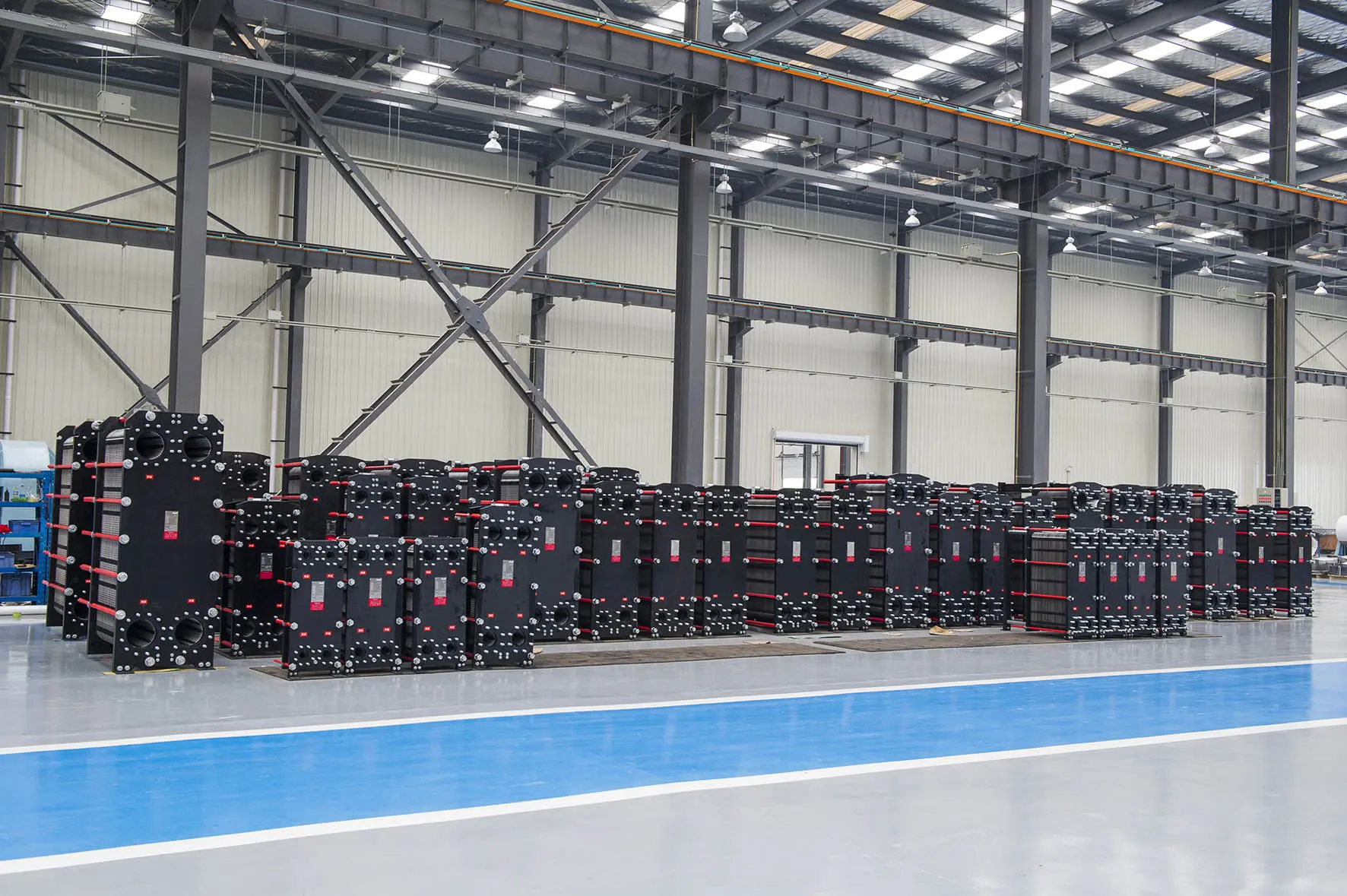
Our manufacturing and pressure design procedures strictly conform to global ISO standards and national security regulations.
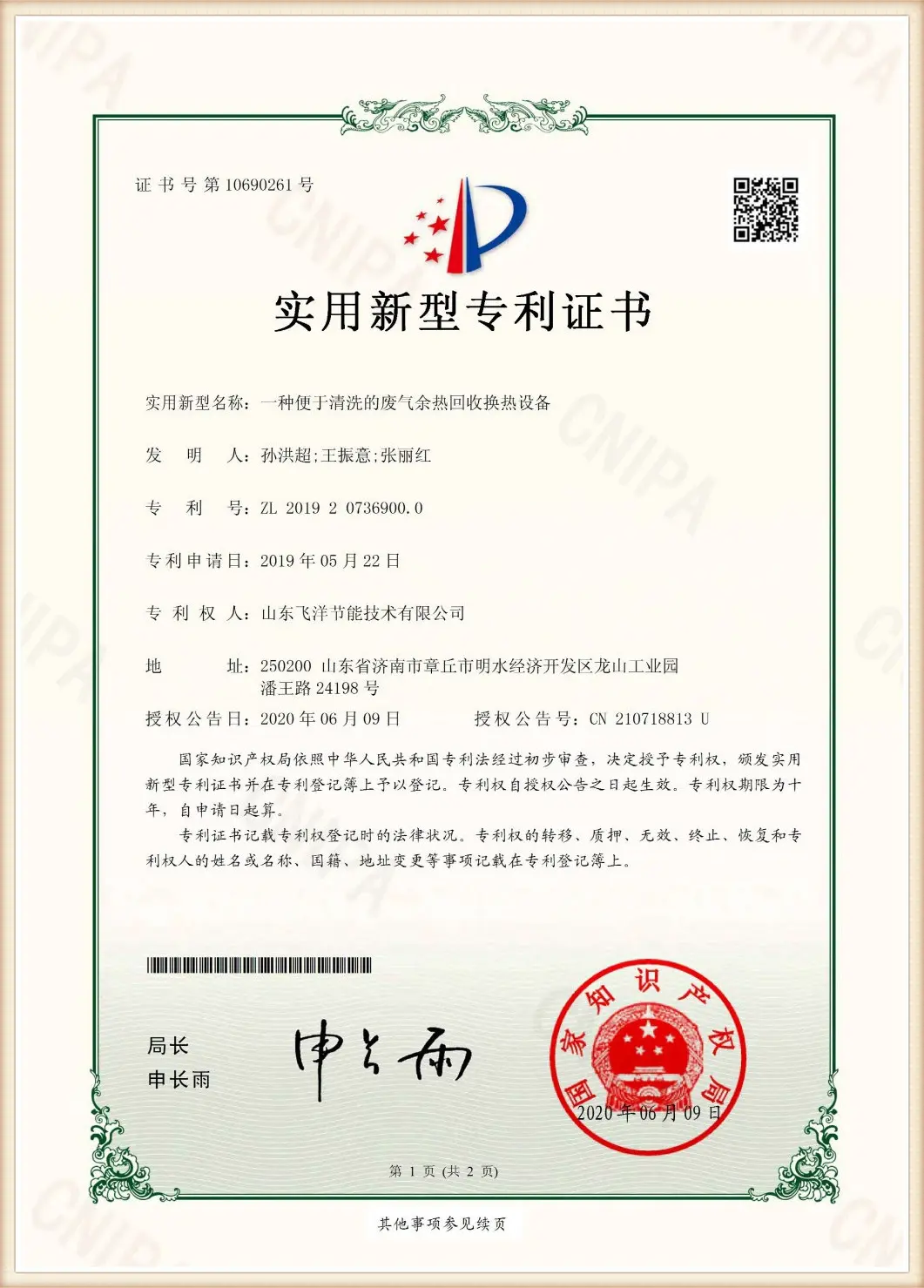
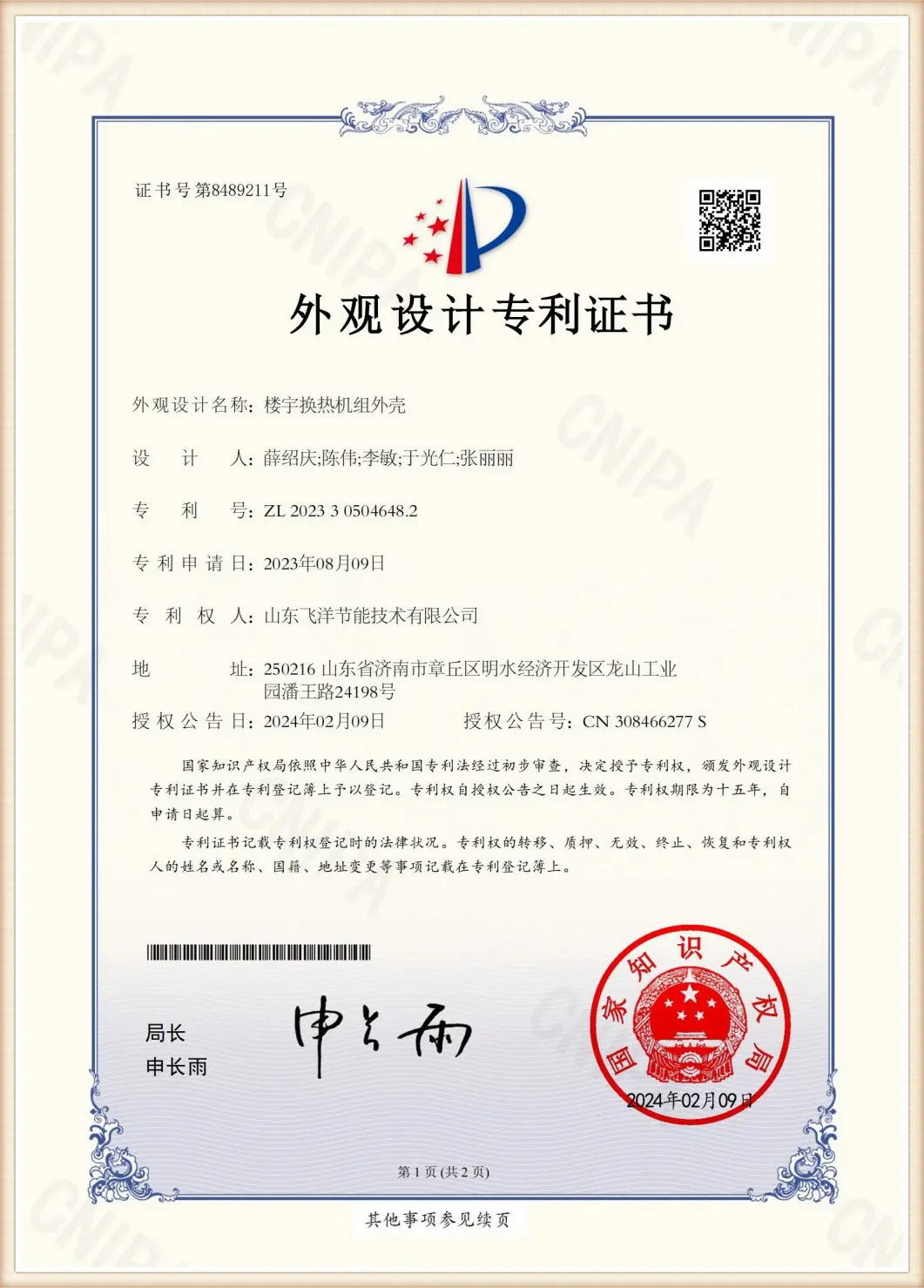
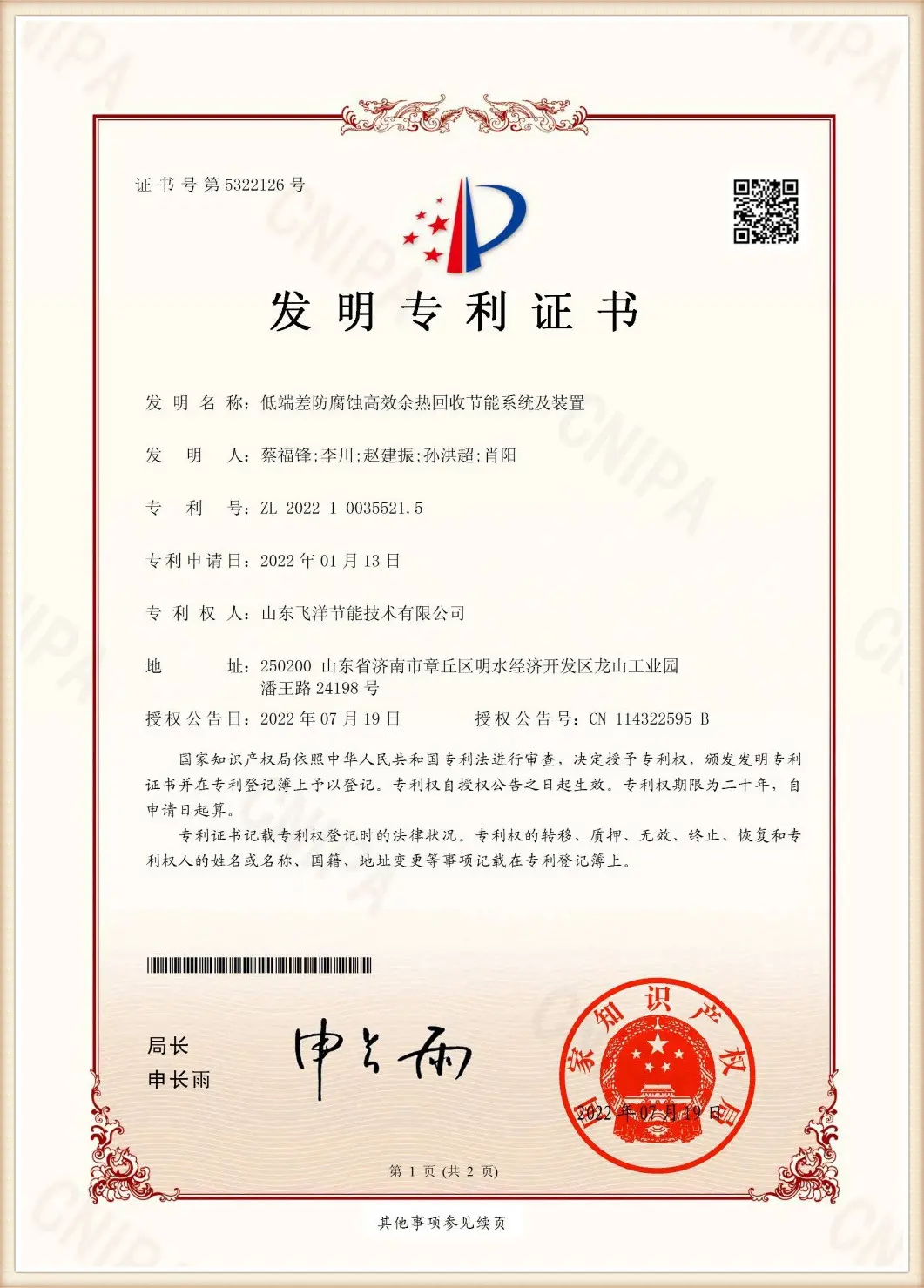
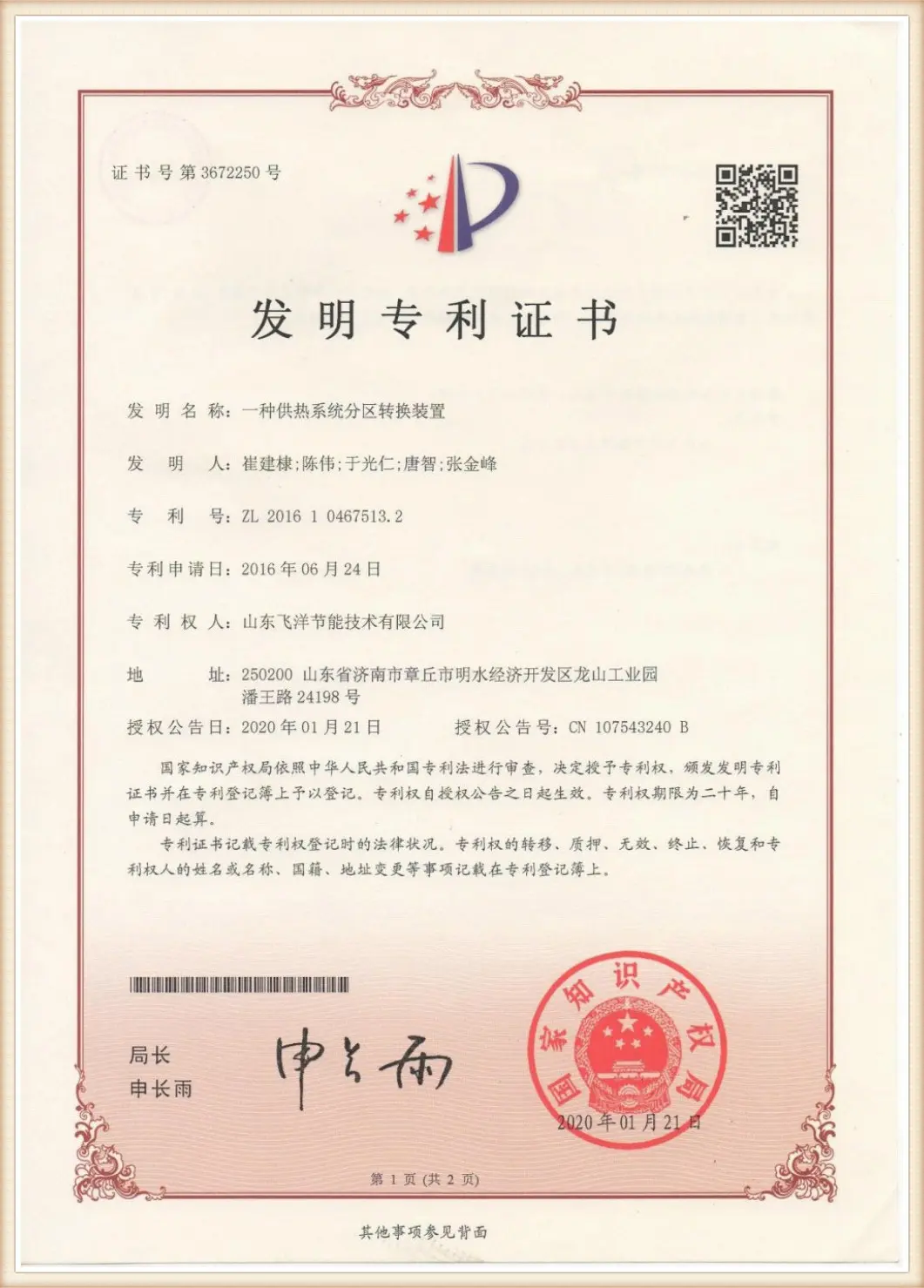
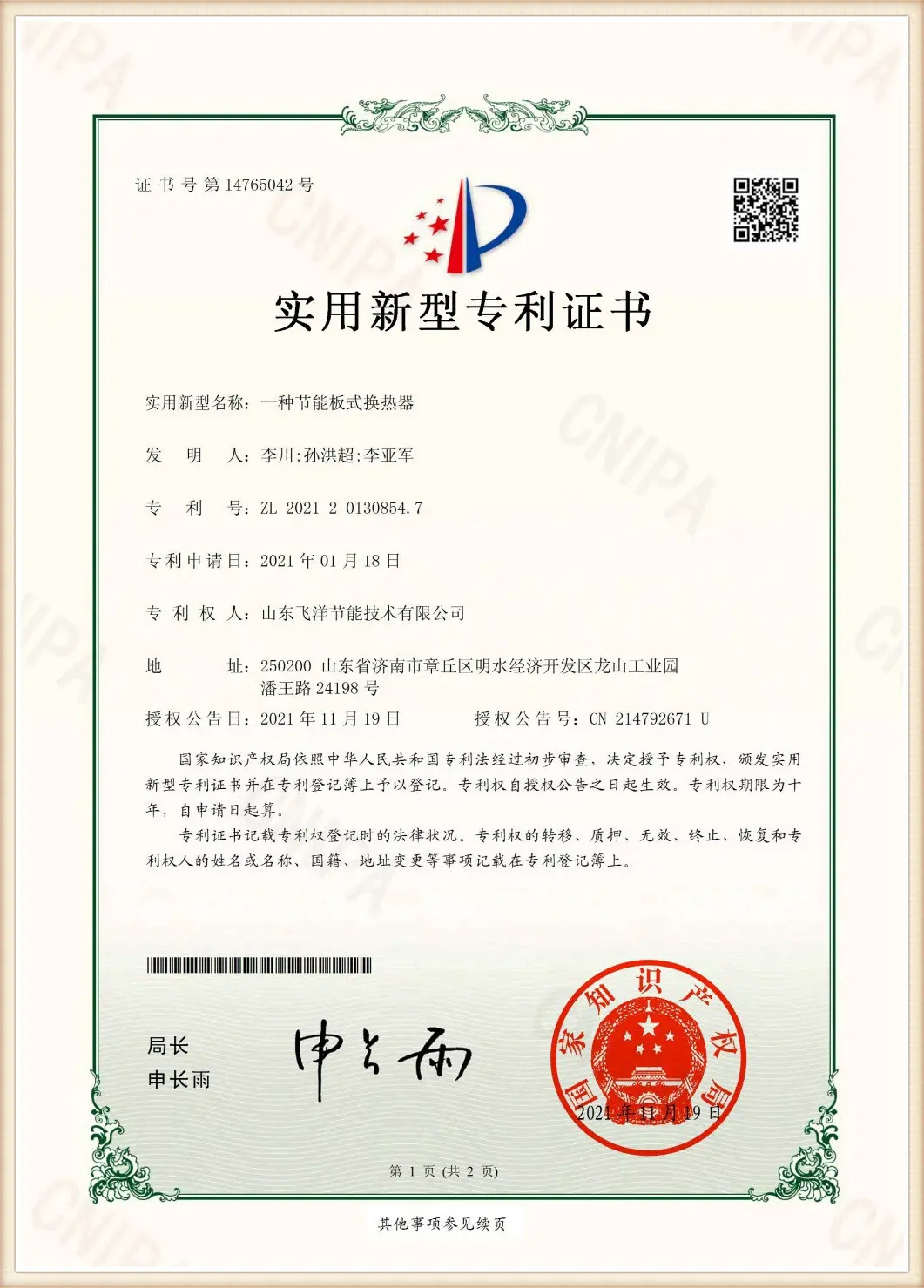
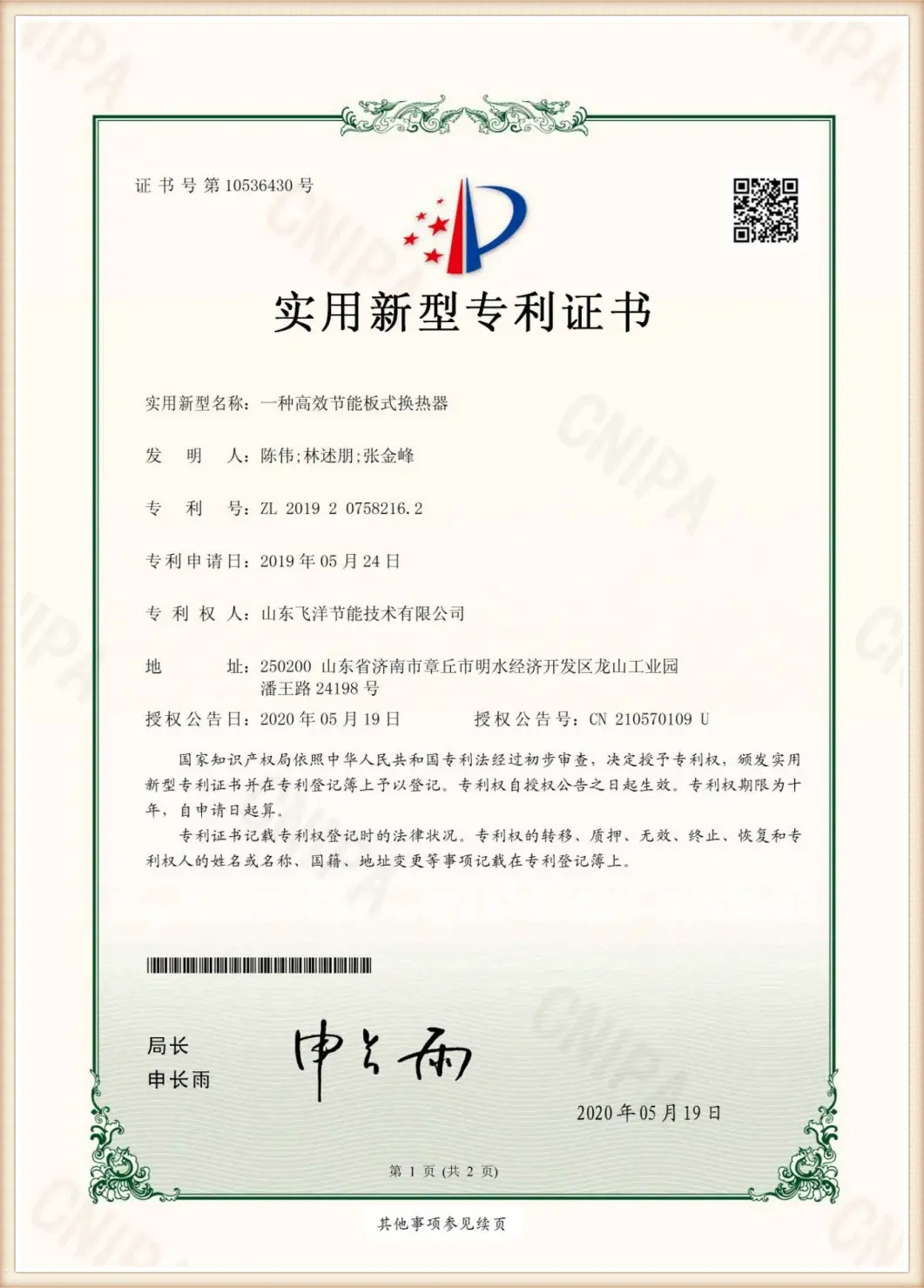
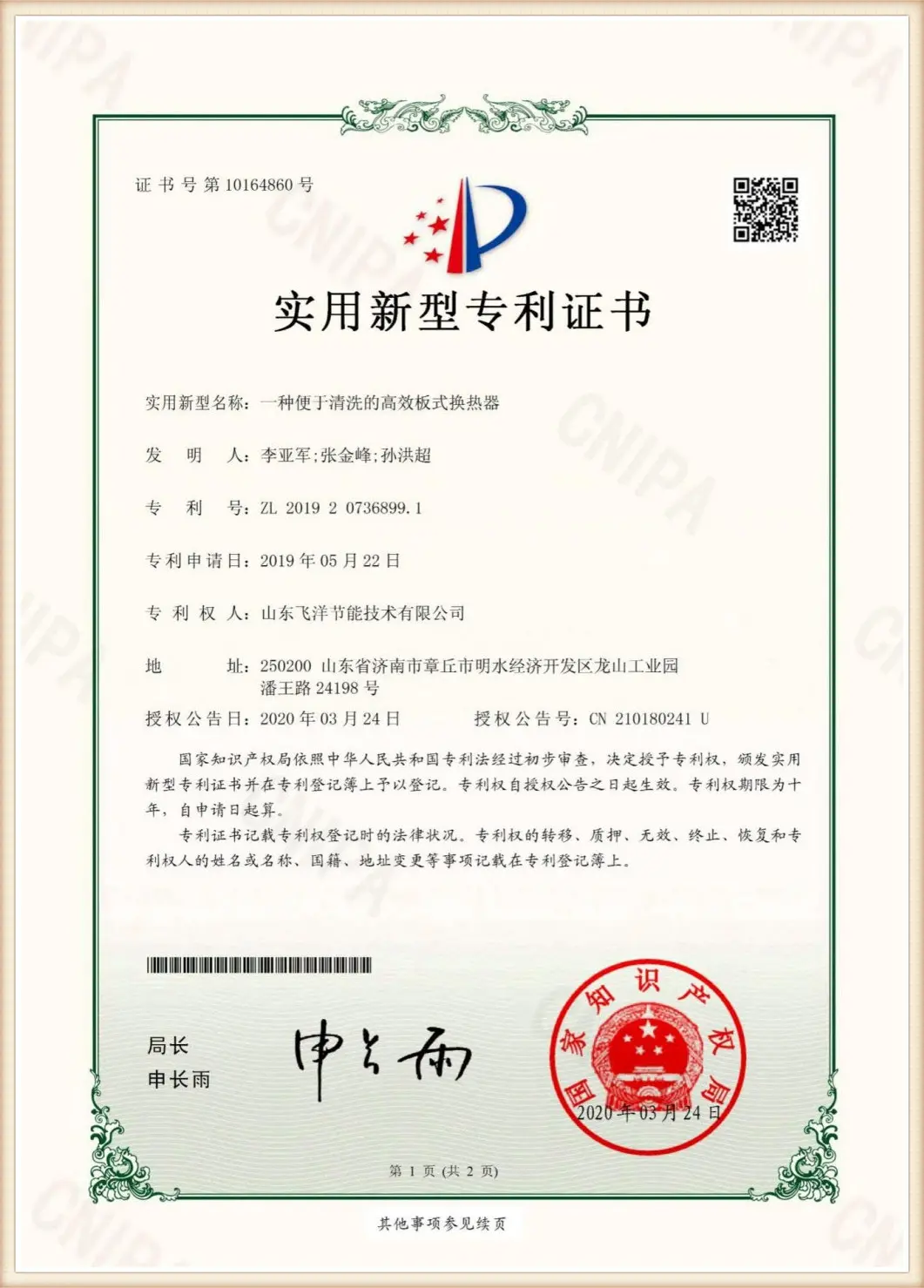
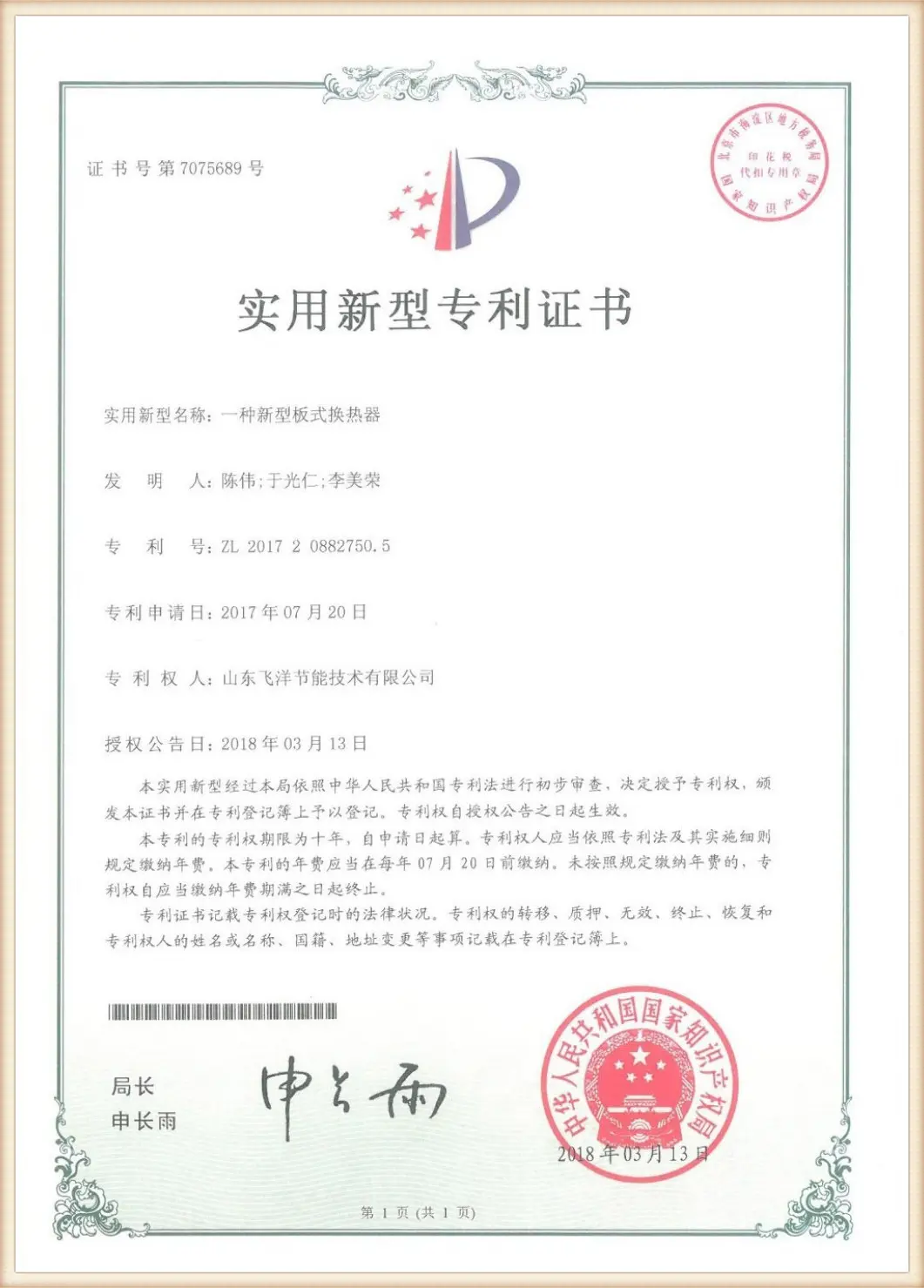
Flotte has achieved complete coverage under the ISO9001 Quality Management System, ISO14001 Environmental Management System, and ISO45001 Occupational Health and Safety Management System frameworks. Additionally, our products carry safety registrations for plate heat exchangers issued by the National Boiler and Pressure Vessel Standardization Technical Committee. Every unit undergoes automated pneumatic, hydraulic, and helium leak testing to guarantee zero failure under high operating pressures.
Combining structural cost control, raw material integration, and high-precision automation.
By operating from China's industrial heartlands, Flotte secures raw steel, titanium, and specialized alloys directly from top-tier, certified domestic steel mills. Our consolidated material purchasing volume ensures we negotiate the lowest commodity risk premium, passing massive structural cost savings to our wholesale buyers.
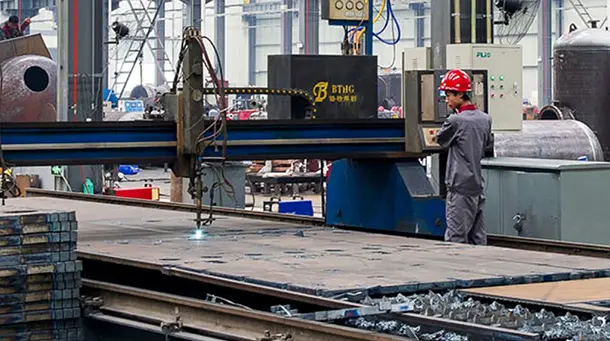
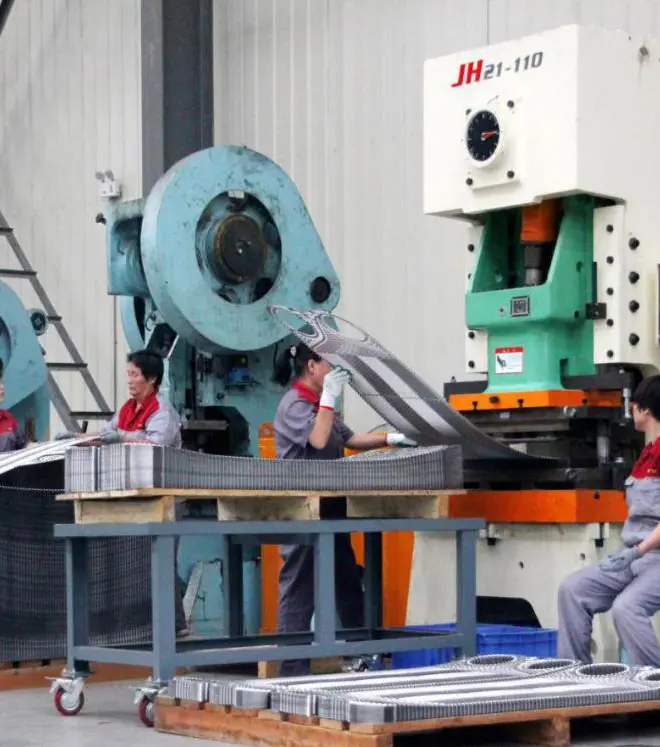
Our facility features heavy-duty mechanical pressing lines, ranging up to 20,000-ton hydraulic presses, which allows the seamless stamping of large-format sheets without structural micro-fracturing. Additionally, our robotic laser welding arrays guarantee precise weld beads, minimal heat-affected zones, and absolute integrity of the plate bundle.
International EPC contractors and plant operators demand quick lead times, localized certification, and reliable logistical execution. Flotte meets these demands by offering pre-packaged, containerized skids complete with intelligent balance valves, digital monitoring sensors, and standardized ports.
Our dedicated project management office ensures all export orders are packed in compliance with international sea-freight guidelines. We provide exhaustive quality documentation, material test reports (MTRs), welding certificates, and non-destructive testing (NDT) logs as standard protocol.
Ensuring seamless design approval and integration across global municipal and private grids.
Our thermal and mechanical designs conform to international design standards, including ASME Section VIII Division 1, European PED (Pressure Equipment Directive) 2014/68/EU, and Chinese GB/T 151 standards.
For municipal district heating and cooling operations, our design engineering parameters accommodate localized requirements for pressure drops, glycol/water blends, and localized seismic constraints.
We provide direct design documentation, 3D CAD modeling (STEP/DWG files), and technical manuals in multiple languages to facilitate direct verification by your engineering staff.
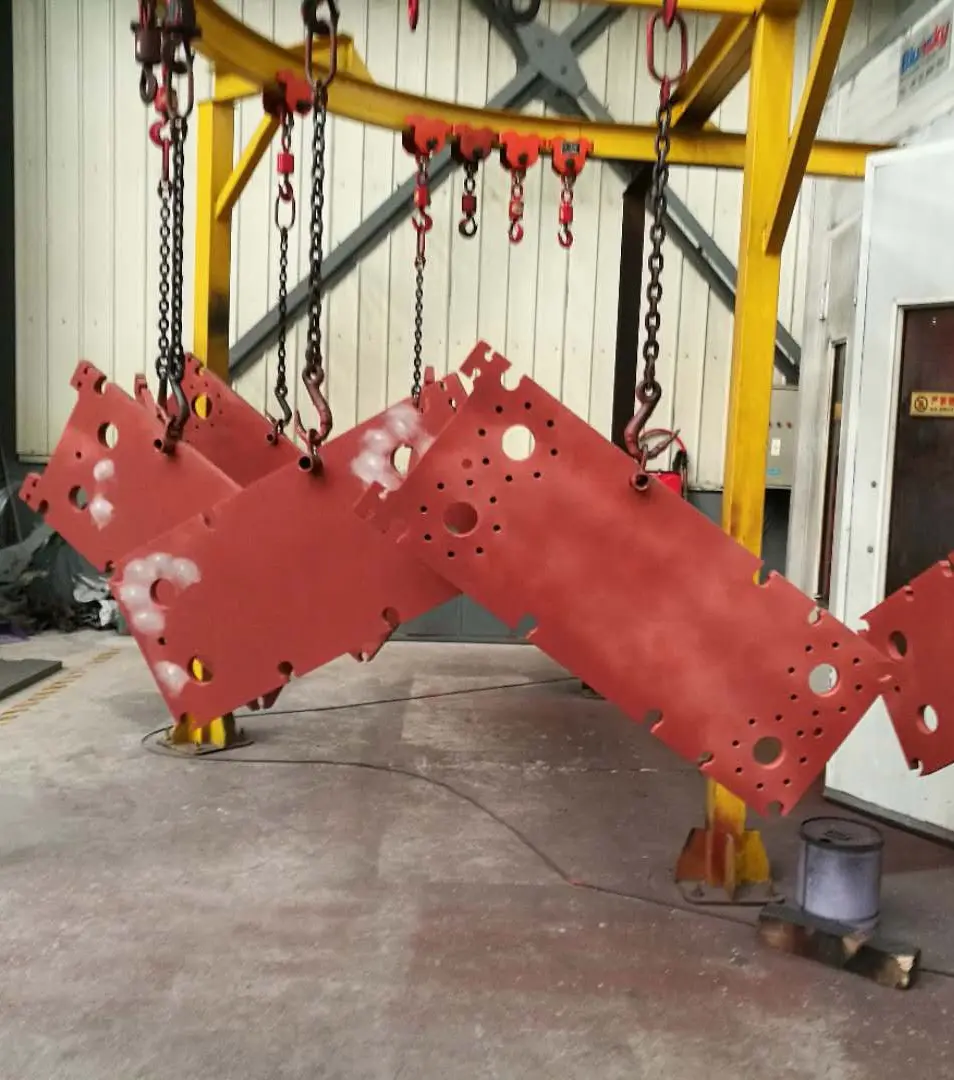
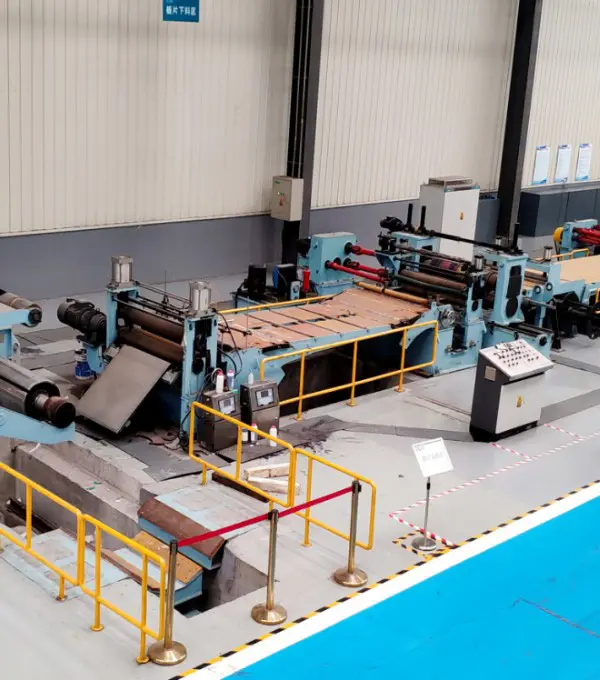
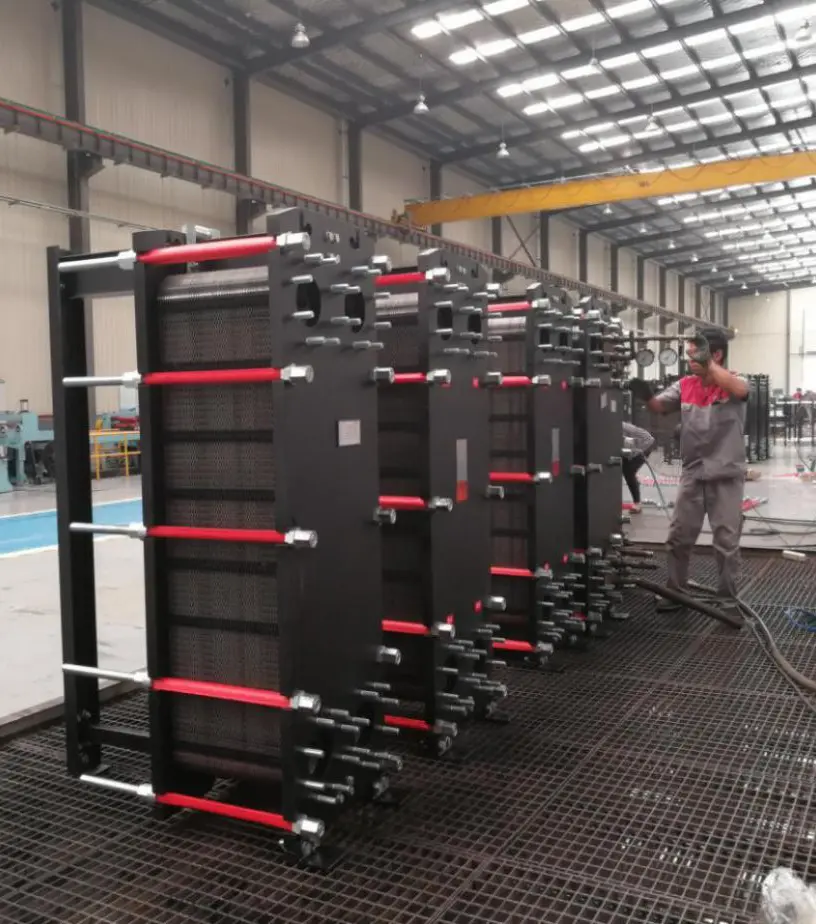
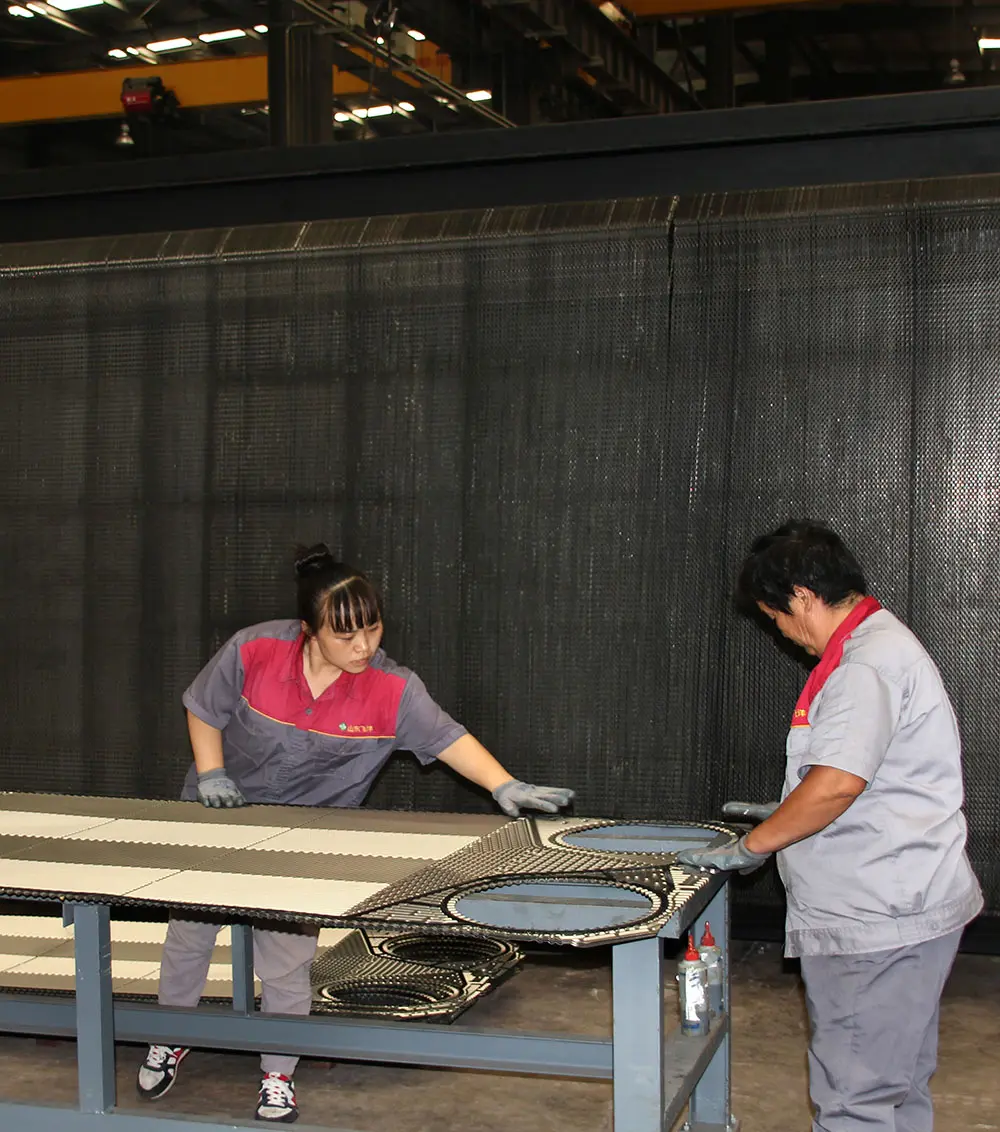
A look inside our 70,000 square meter state-of-the-art production complex.
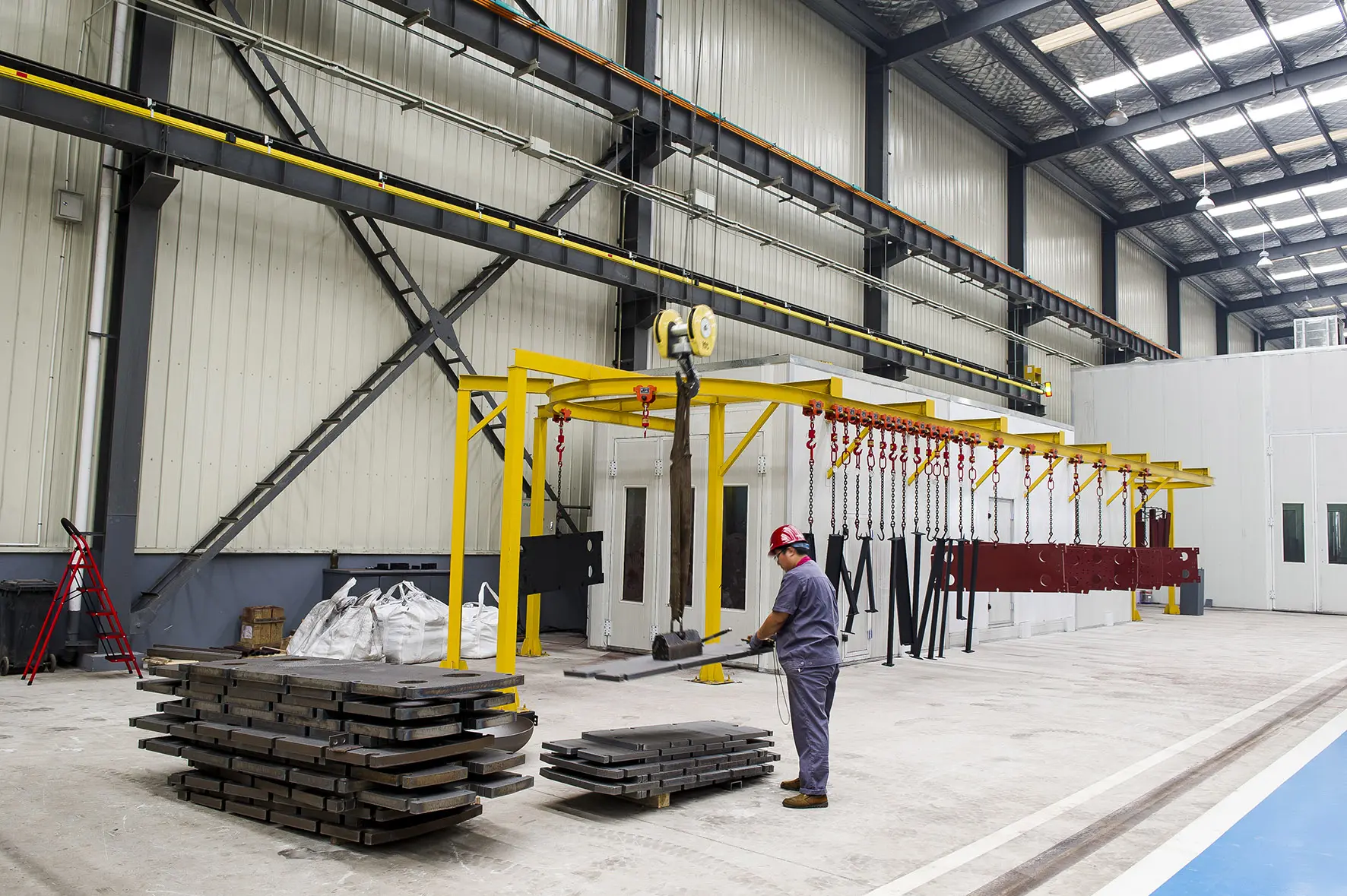
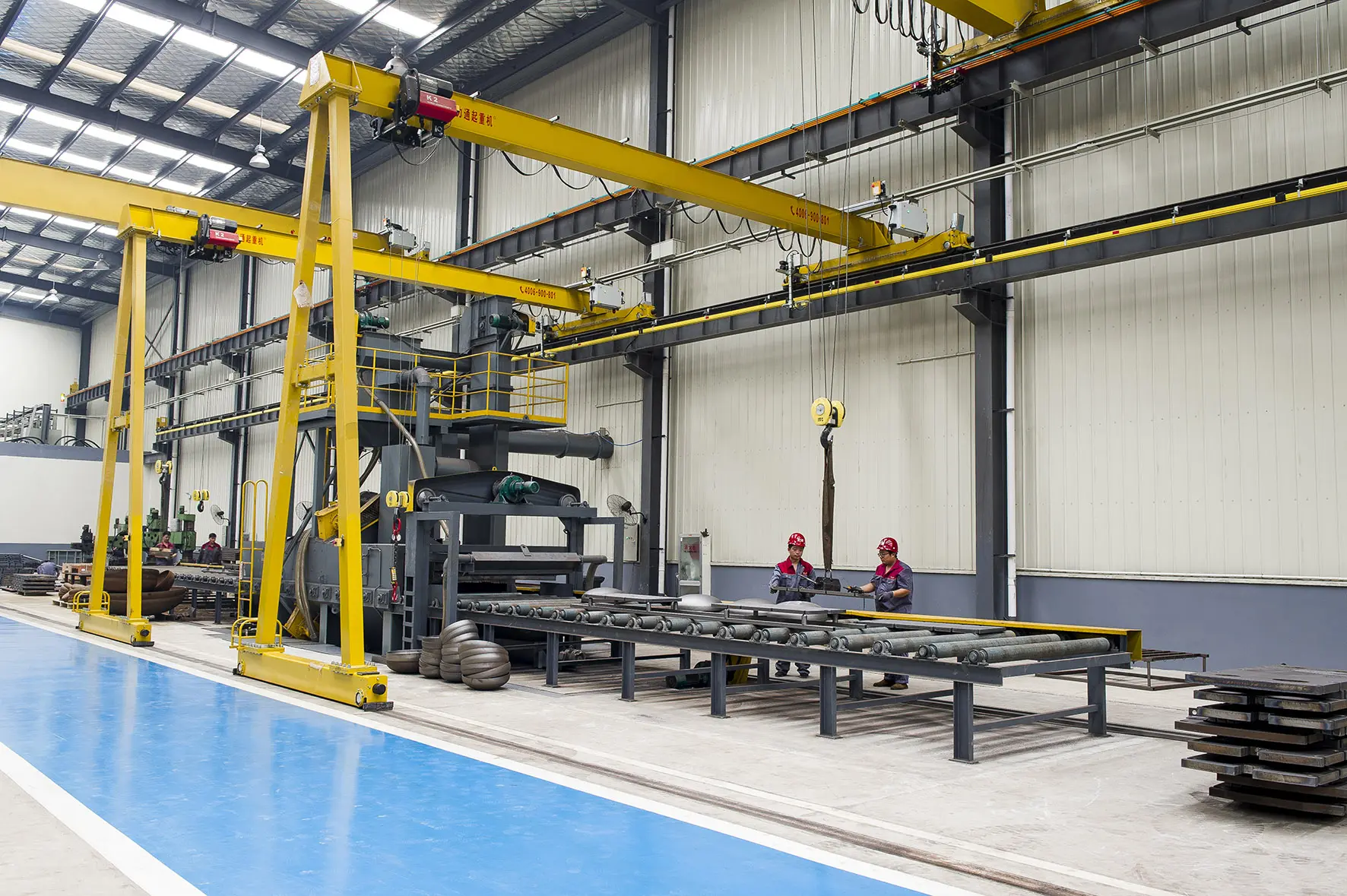
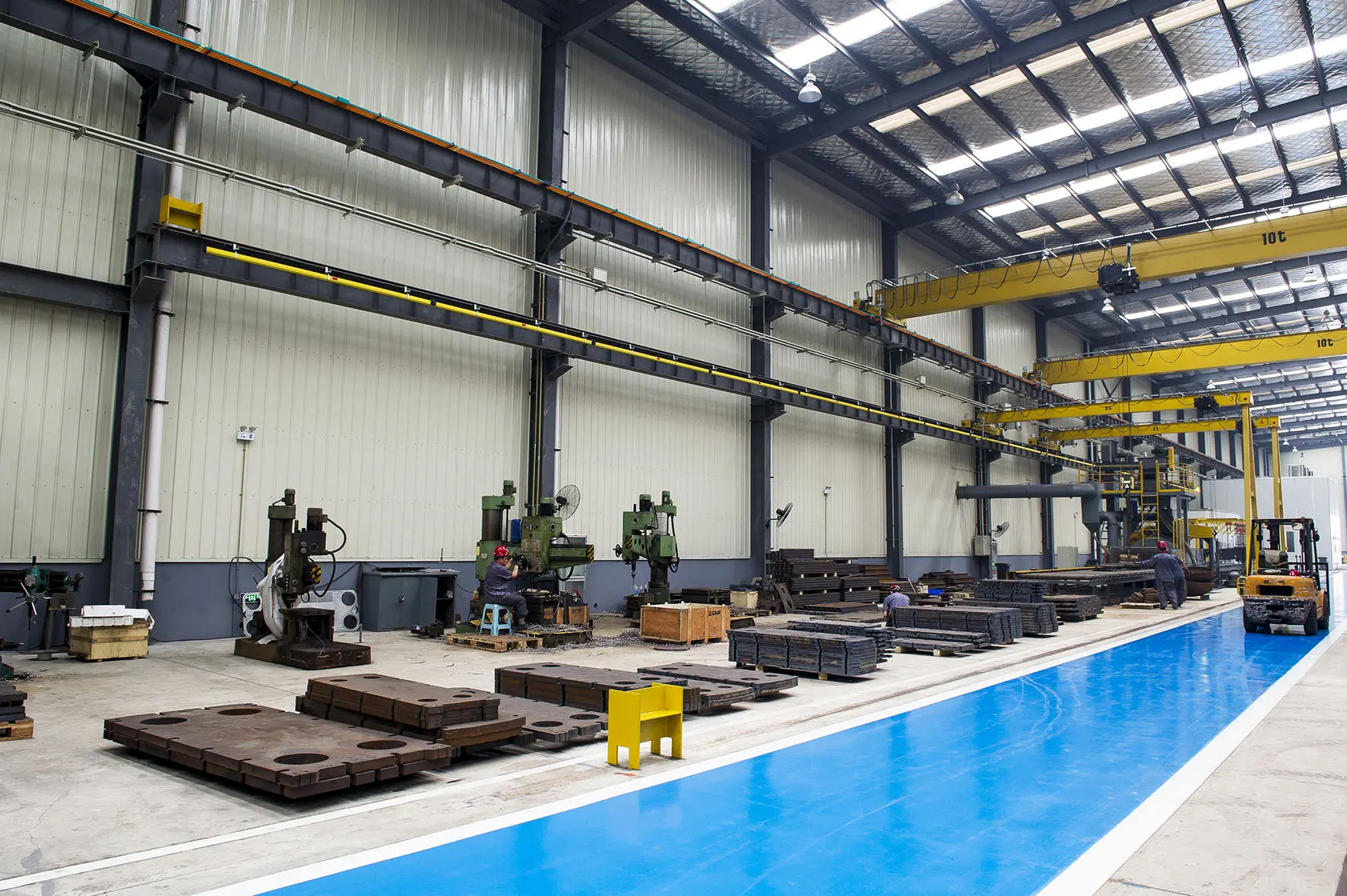

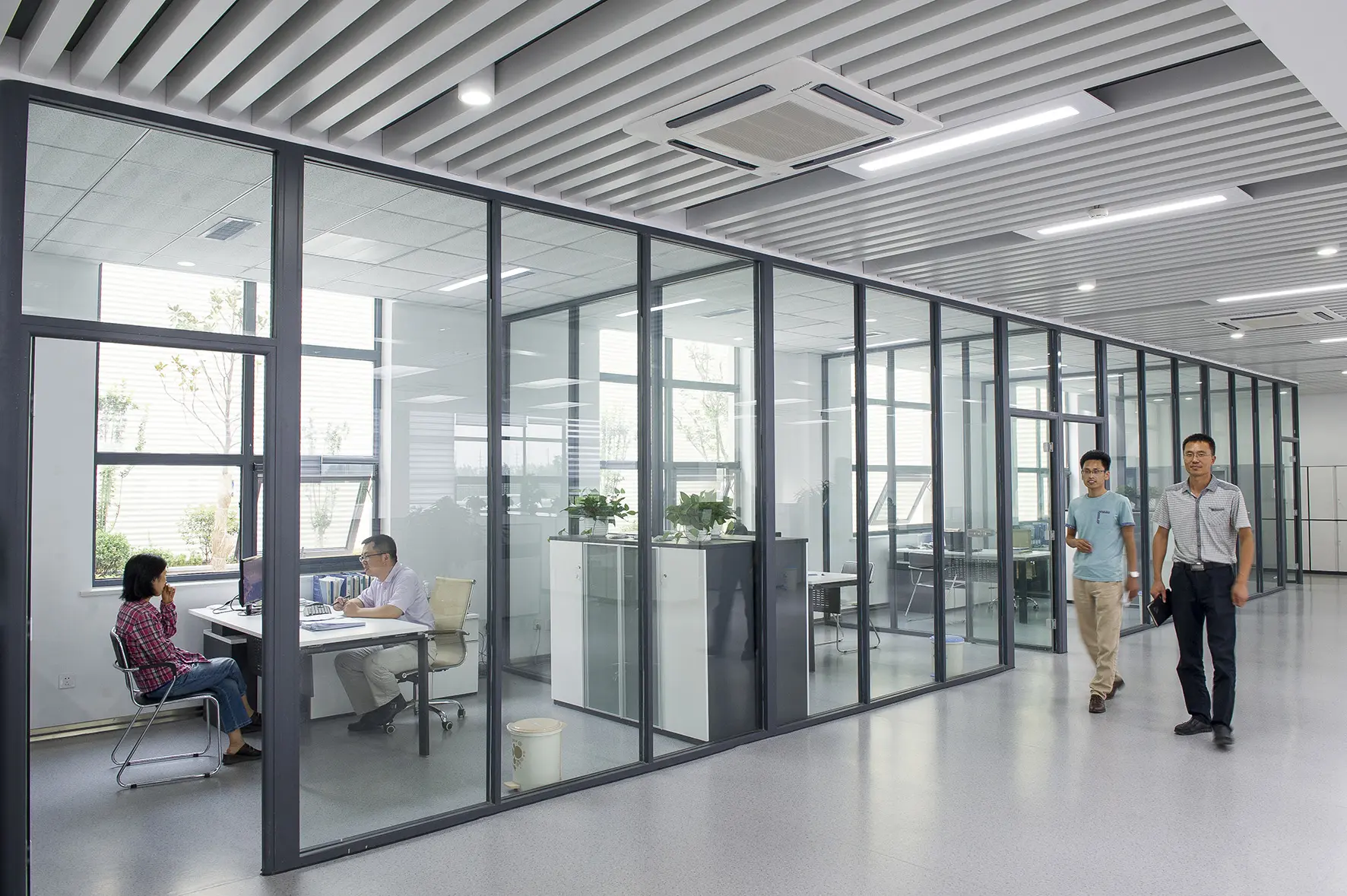

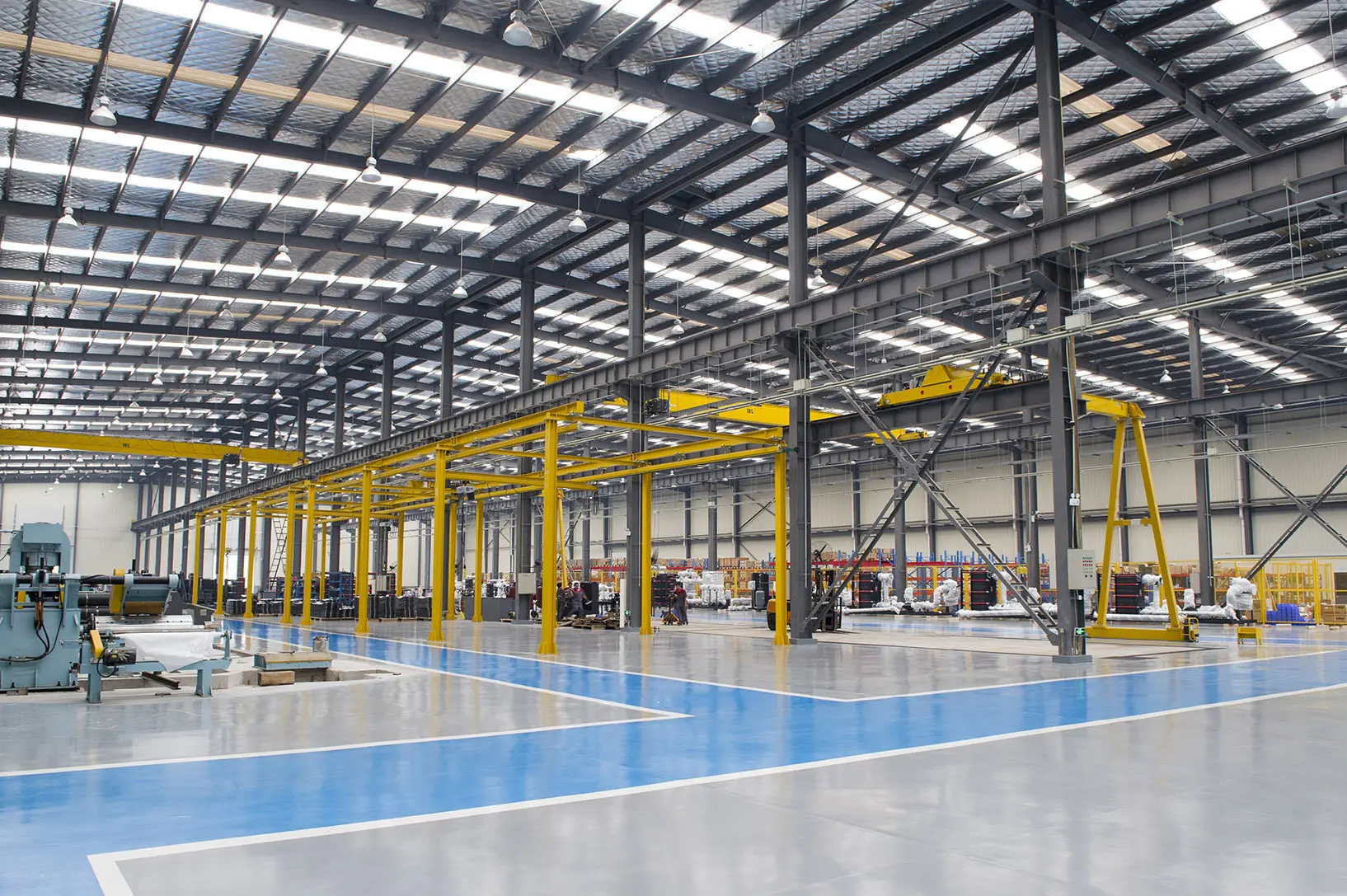
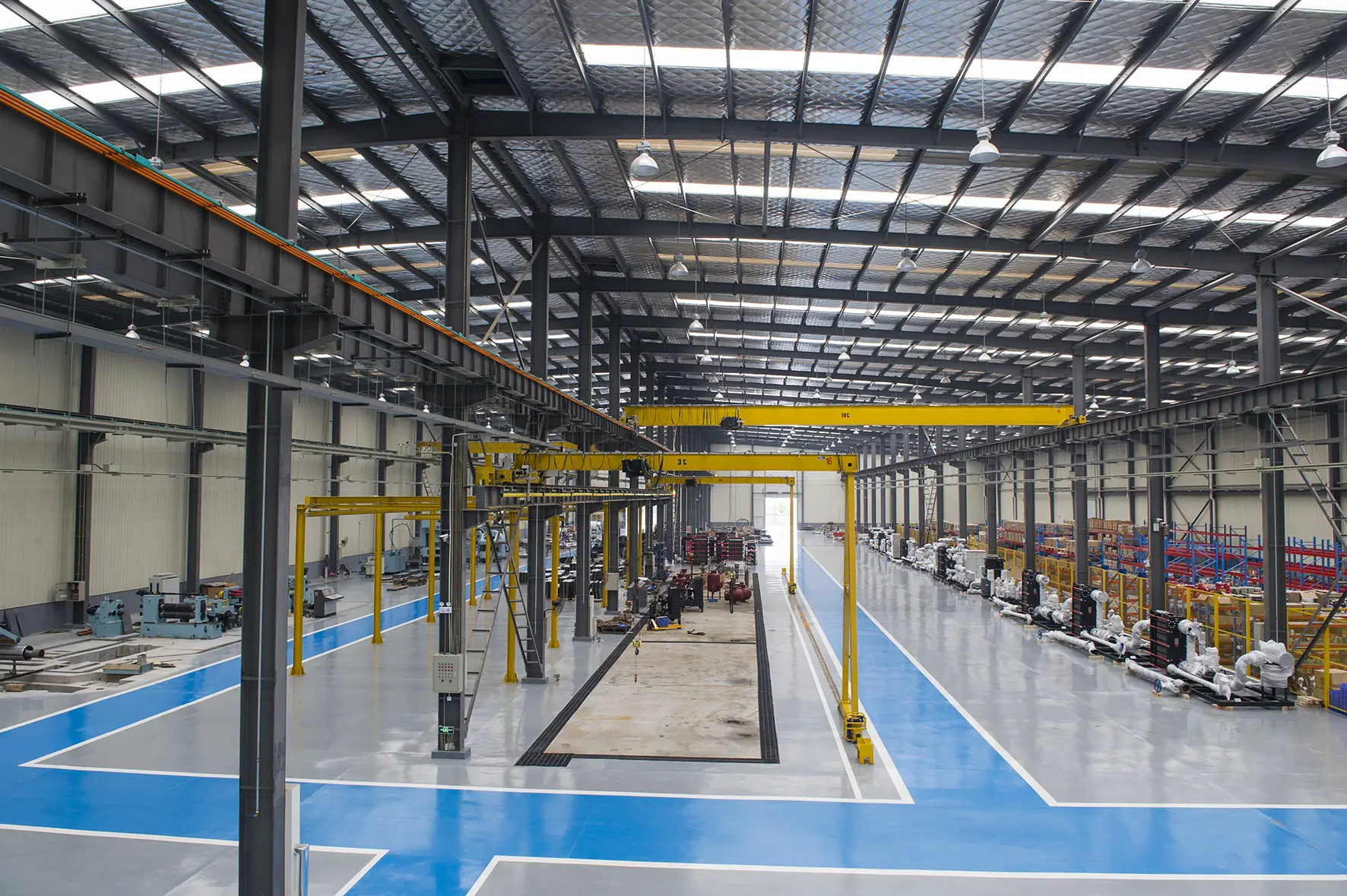
How we guarantee structural integrity and peak performance on every thermal system we build.
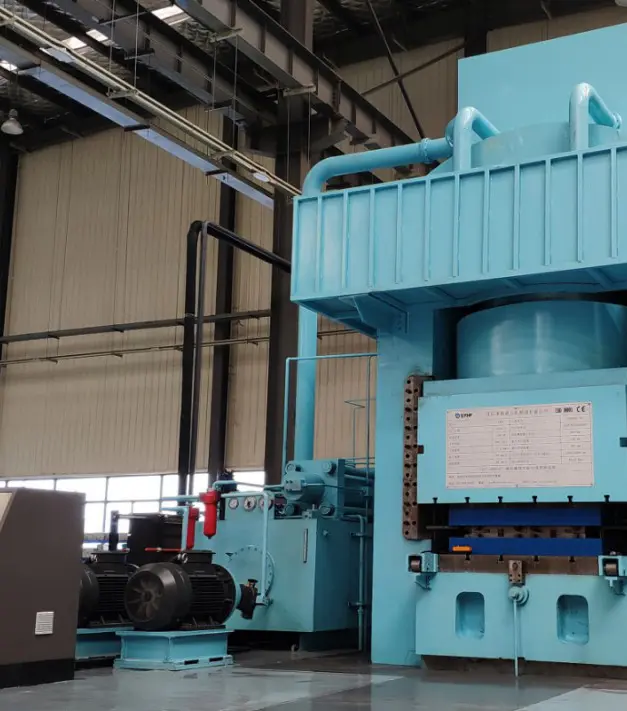
Empowering heavy industries and urban thermal networks with optimized energy recovery solutions.
In cold climates, district heating systems serve millions of residential units. Here, the shell and plate heat exchanger act as the primary interface between primary municipal steam grids (often high pressure, up to 25 bar) and secondary low-pressure residential networks. Because our plates feature patented corrugated geometric profiles, they achieve optimal heat transfer with minimal temperature approaches, ensuring maximum comfort for residents while conserving municipal fuel reserves.
In chemical synthesis plants, heat exchangers must frequently handle organic solvents, high-temperature heat transfer oils, and abrasive chemical reactants. Traditional gasketed plate exchangers are quickly degraded by aggressive chemicals and elevated temperatures. Fully welded shell and plate models act as a rugged shield, processing reactants safely at temperatures exceeding 400°C, and supporting waste heat recovery to preheat fresh process feeds.
Geothermal source water is frequently saturated with mineral salts, sand, and volatile chemical compounds. If this water enters standard heat exchangers, severe scaling and pitting corrosion occur rapidly. Our custom-engineered SPHE designs feature high shear-stress plate channels that prevent scale build-up. Using high-grade titanium plates ensures complete resistance to chloride corrosion, which drastically lowers maintenance costs and preserves geothermal well viability.
The global heat exchanger market is experiencing three core transitions. First, the transition to clean energy carriers like hydrogen has increased demand for compact, ultra-high pressure heat exchangers that can operate at extreme pressure thresholds. Second, the rise of smart diagnostic grids has spurred integration with real-time temperature, flow, and balance valves that report health parameters directly to SCADA systems. Finally, there is a major focus on material reduction and circularity, meaning engineers must design equipment that achieves greater heat transfer using less physical metal—a trend that directly favors high-efficiency shell and plate configurations over old-style massive shell-and-tube units.
Explore the full range of engineering options, from detachable plate heat exchangers to automated balance systems.
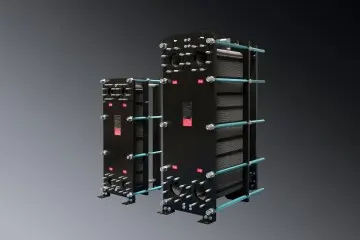
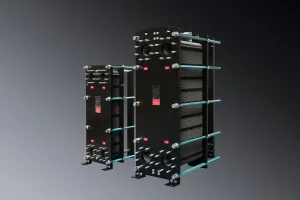
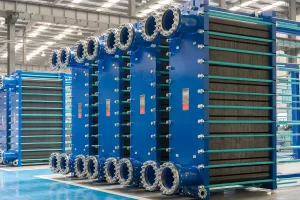
Designed for applications requiring frequent visual inspection and manual cleaning. Features high-quality elastomer gaskets and precision alignment bars for rapid service turnaround.
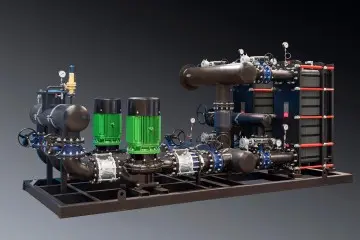
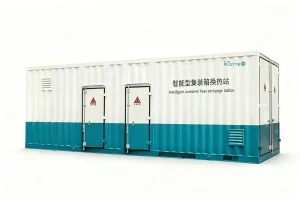
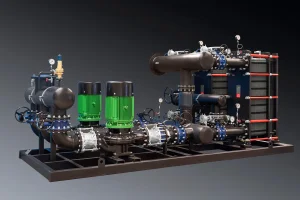
A fully integrated skid featuring heat exchangers, circulator pumps, intelligent valves, expansion tanks, and automated PLC control systems for real-time heat flow optimization.
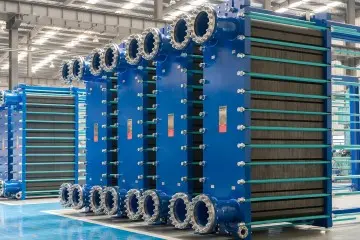
Equipped with detachable plate heat exchangers specifically designed for municipal pressure regulation stations in centralized district heating networks.
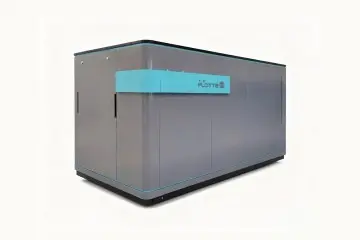
Commercial energy-saving units optimized for tall buildings. Separates building hydrostatic pressure grids to protect basement boilers and chillers from static head stress.
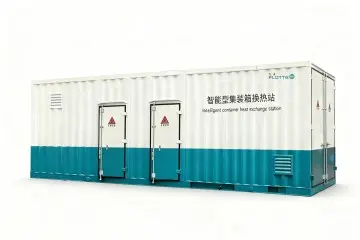
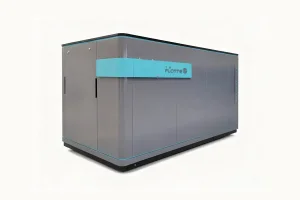
Encased in a noise-dampening, weather-resistant cabinet. Perfect for outdoor installations or industrial environments where thermal isolation and visual neatness are required.
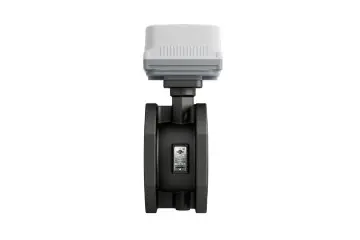
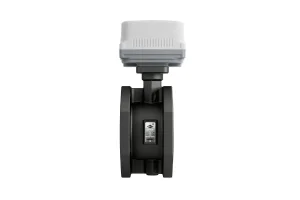
High-precision flow control valve that automatically balances hydraulic distribution lines in municipal heating loops, preventing thermal shortcutting.

High-precision remote sensor feeding localized thermal usage statistics back to central control systems to enable demand-driven temperature adjustments.
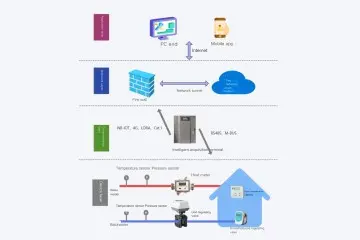
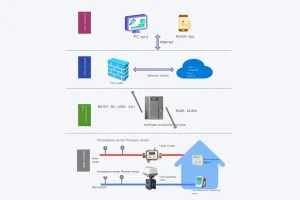
Central control suite monitoring heat input, outdoor temperature indicators, and loop pressure differences to automate heating distribution algorithms.
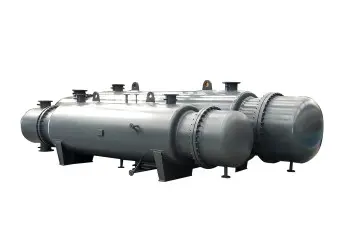
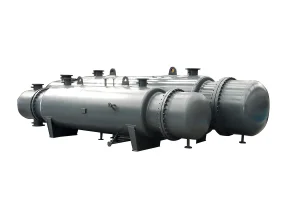
Our classic thermal unit configuration built to stand up to heavy silt flow, high mechanical shocks, and extreme temperatures across heavy process plants.
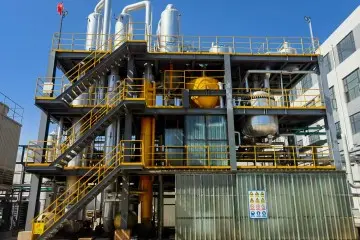
Combines multiple boiling stages to recover latent vapor heat, reducing steam utility consumption by up to 60% in industrial waste concentration.
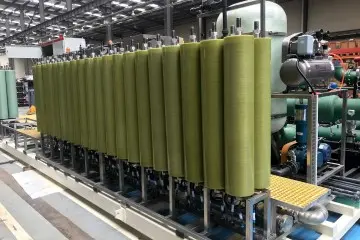
Advanced cross-flow filtration loops for wastewater minimization, pre-evaporator concentration, and valuable chemical product recovery steps.
Our engineering team answers the most critical technical questions regarding selection, operation, and maintenance.
Explore our secondary lineup of high-efficiency systems, designed for building HVAC, heavy industrial processes, and smart networks.

 Flotte Energy