Industrial Thermal Whitepaper

Wholesale Small Shell And Tube Heat Exchanger Supplier & Exporter

High-efficiency micro-thermal solutions engineered to ASME and TEMA standards. Global supply capability backed by Flotte's three decades of proprietary thermal innovations.

Featured Engineering Products

Explore Flotte's premium thermal energy-saving and smart flow control systems.
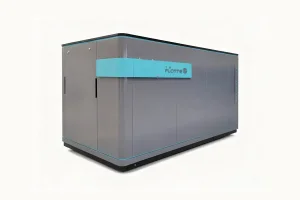

China Heat Exchanger Unit

Wholesale China Heat Exchanger Unit for Building HVAC Systems - Energy-Saving Suppliers & Factory Solutions

View Details →
China Room Temperature Collector

China Room Temperature Collector - High-Precision Sensor from China Suppliers & Factory for Smart Temperature Control

View Details →
High-Precision Sensor for Smart Heating

China Room Temperature Collector - High-Precision Sensor for Smart Heating | China Suppliers & Factory Solutions

View Details →
High-Precision Factory Sensor

China Room Temperature Collector from China Suppliers - High-Precision Factory Sensor for Smart Heating Solutions

View Details →
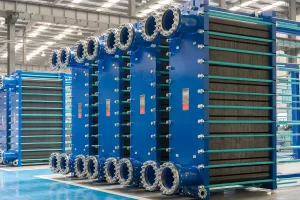
Removable Plate Heat Exchanger

China China Suppliers Factory Removable Plate Heat Exchanger for Pressure Regulating Stations in District Heating Systems

View Details →
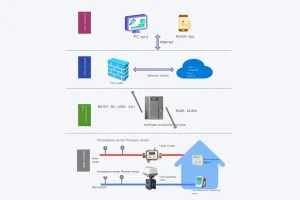
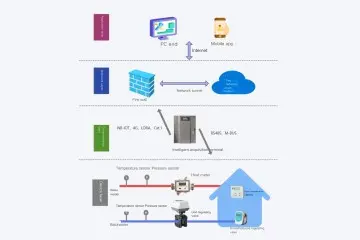
Intelligent Heating Network Monitoring

Wholesale Intelligent Heating Network Monitoring System: China Suppliers and Factory Solutions for Efficient Operations

View Details →
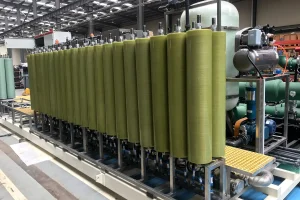
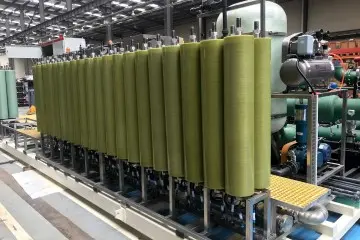
Membrane Concentration System

Wholesale Cost-Effective Membrane Concentration System for Liquid Desalination | China Suppliers & Factory

View Details →
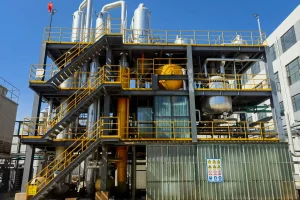
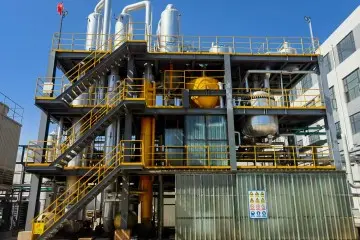
Multi-Effect Evaporation System

Wholesale Multi-Effect Evaporation System from China Suppliers - High-Efficiency Factory Solutions for Energy Savings

View Details →
EEAT Authority

Welcome to Flotte Energy Saving

Flotte Energy Saving Company, established in 2013 with a registered capital of 101 million yuan, originated from Flotte Thermal Engineering founded in 1995. With three decades of technical expertise, the company specializes in water equipment, HVAC systems, and water treatment industries. It consistently leads industry peers in adopting cutting-edge technologies, developing innovative products, and delivering comprehensive production and sales services.

The company operates modern production workshops equipped with advanced manufacturing and quality inspection facilities. All frontline production staff are certified technicians who have undergone rigorous formal training. Production processes, quality control, and service operations strictly adhere to the ISO 9001:2015 international quality management system, while also complying with the pressure vessel quality assurance framework.

Our products undergo mandatory inspections by national quality supervision authorities, ensuring full compliance with performance standards. Adhering to the concept of "quality first" and "winning by quality", the company has established a sound quality assurance system, improved the quality supervision and management of all staff, whole process and all aspects, and made great efforts in product technology, quality and service.
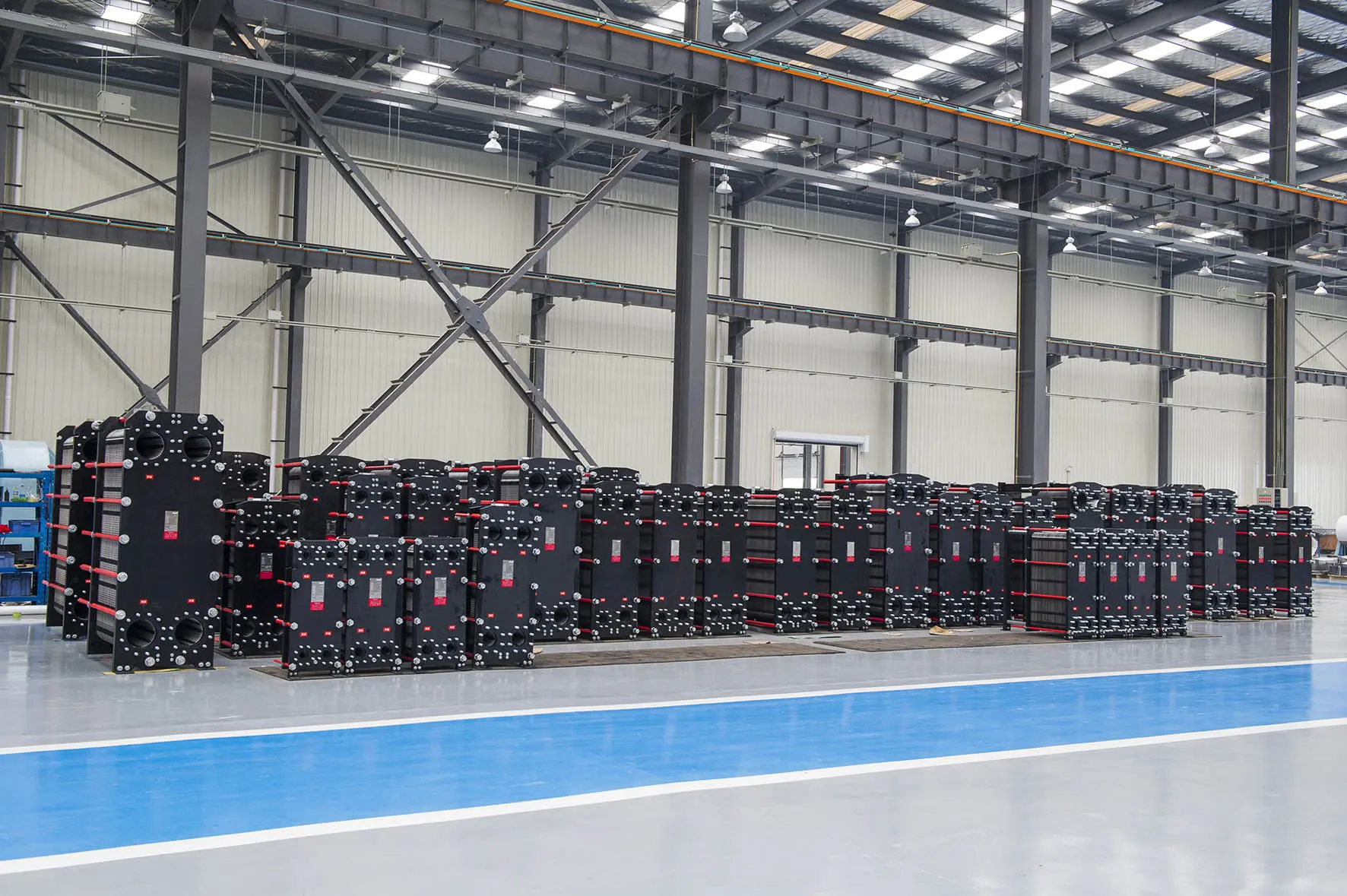
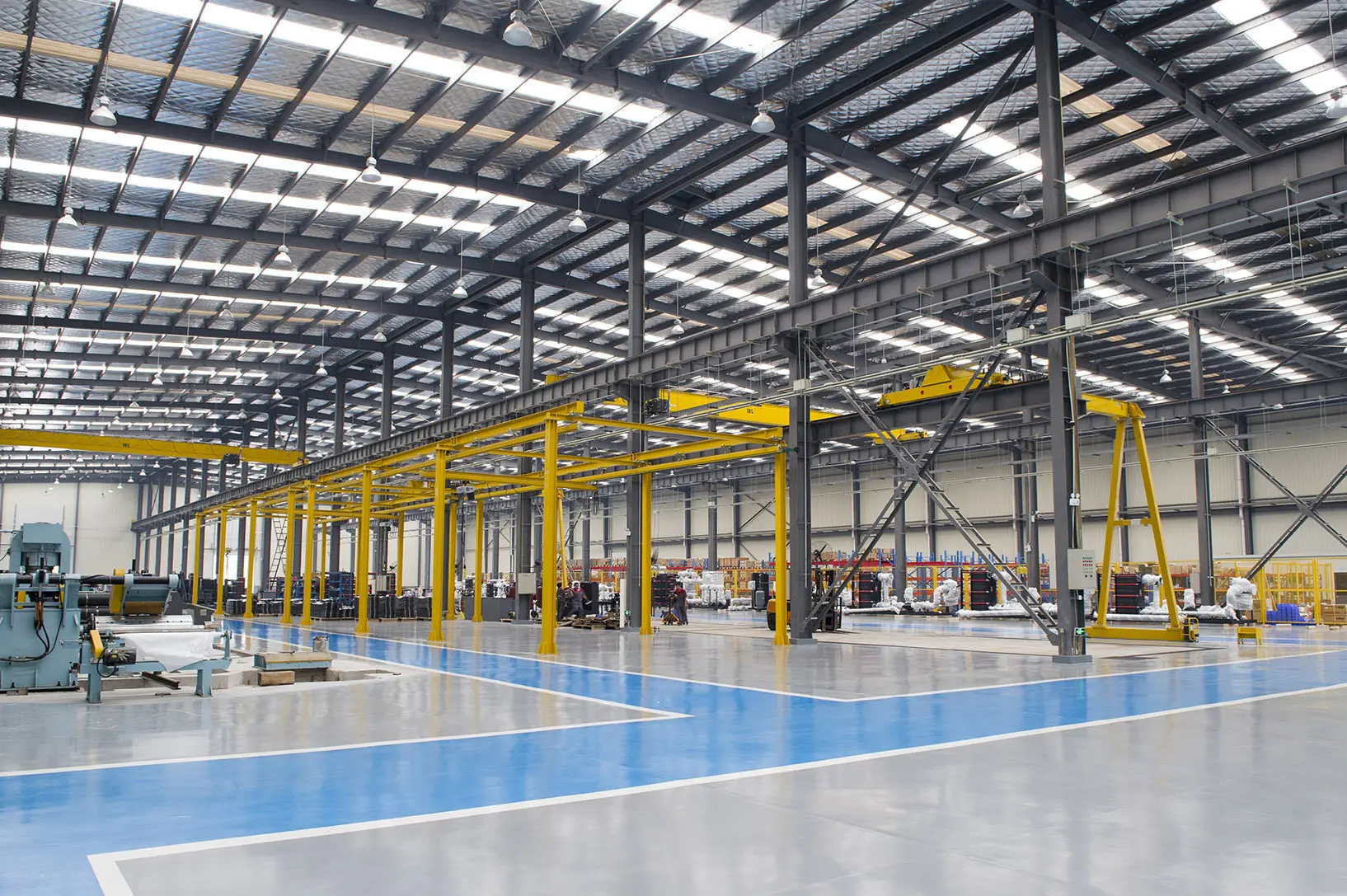
Flotte Thermal Facility

Flotte by the Numbers

30 years of operational capability and robust infrastructure

30+
Years of Production, Manufacturing and Service Experience
260+
Dedicated Employees & Technical Experts
2,000+
Annual Equipment Production Capacity (Units)
70,000㎡
Modern Manufacturing and R&D Facility Area

Deep-Dive: Technical Architecture of Small Shell & Tube Heat Exchangers

In modern thermodynamics, small shell and tube heat exchangers play a vital role in heat transfer optimization for space-constrained and highly demanding industrial environments. Unlike generic plate solutions, a small shell and tube heat exchanger is designed to handle high pressures, severe thermal shocks, and chemically aggressive fluids. The system is structurally composed of a shell (the outer pressure vessel) containing a bundle of parallel tubes. One fluid flows through the tubes (tube side) while another fluid flows over the tubes through the shell (shell side) to transfer thermal energy between the two mediums.

"The mechanical robustness of small shell and tube heat exchangers makes them the default choice in critical industrial bypasses, marine cooling loops, and high-pressure steam regulation systems where gasket failure in plate heat exchangers could lead to catastrophic down-time."

Thermodynamic Design & Fluid Dynamics

Designing an efficient small-scale shell and tube heat exchanger requires accurate calculations of the Logarithmic Mean Temperature Difference (LMTD) and the overall heat transfer coefficient ($U$). In compact architectures, achieving turbulent flow is critical because laminar flow patterns suffer from low heat transfer rates due to thicker boundary layers. Engineers utilize helical or segmented baffles inside the shell side to force cross-flow over the tubes, causing localized boundary layer disruption and intensifying turbulent fluid mixing.

The selection of tube layout is equally critical. Typically, manufacturers offer three primary configurations:

  • Triangular Pitch (30° or 60°): Offers the highest packing density, resulting in a higher surface area per unit volume and a higher heat transfer coefficient. However, it is harder to clean mechanically.
  • Square Pitch (90° or 45°): Preferred when the shell-side fluid has high fouling tendencies, as it provides straight lanes between tubes for mechanical cleaning brushes.

Material Grade Specifications for Small Shell & Tube Units

Material integrity determines the lifespan of a small shell and tube heat exchanger. Depending on fluid chemistry and design limits, Flotte employs several metallurgical solutions:

Stainless Steel (SS304/SS316L): Standard for HVAC, food processing, and chemical sectors due to its excellent balance between mechanical strength, thermal conductivity, and resistance to general corrosion.

Titanium & Titanium Alloys: Mandatory for marine applications and seawater cooling loops. Titanium prevents chloride ion pitting, which can destroy stainless steel tubes within months.

Copper-Nickel Alloys (CuNi 90/10 & 70/30): Offers high thermal conductivity and inherent resistance to biofouling in marine utility cooling applications.

Strategic Advantages of China's Advanced Thermal Manufacturing

As a leading global industrial supplier, Flotte leverages China's robust industrial ecosystem to deliver world-class thermal exchange solutions. The advantages of sourcing a small shell and tube heat exchanger from our certified facilities in China include:

Advanced R&D Center

Our professional designers have years of practical experience, supported by a dedicated R&D center and laboratory to ensure technical advancement and structural reliability.

Complete Supply Chain

Integration with domestic steel mills, tube drawing factories, and gasket vulcanization plants guarantees steady raw material access and stable pricing.

Rigorous Certification

Certified under ISO9001, ISO14001, and ISO45001. Products comply with national safety registrations for boilers and pressure vessels.

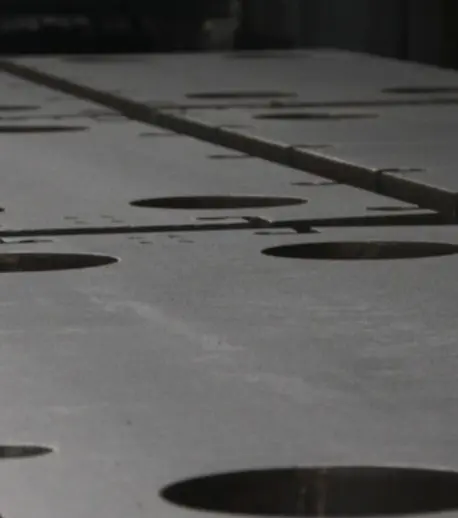
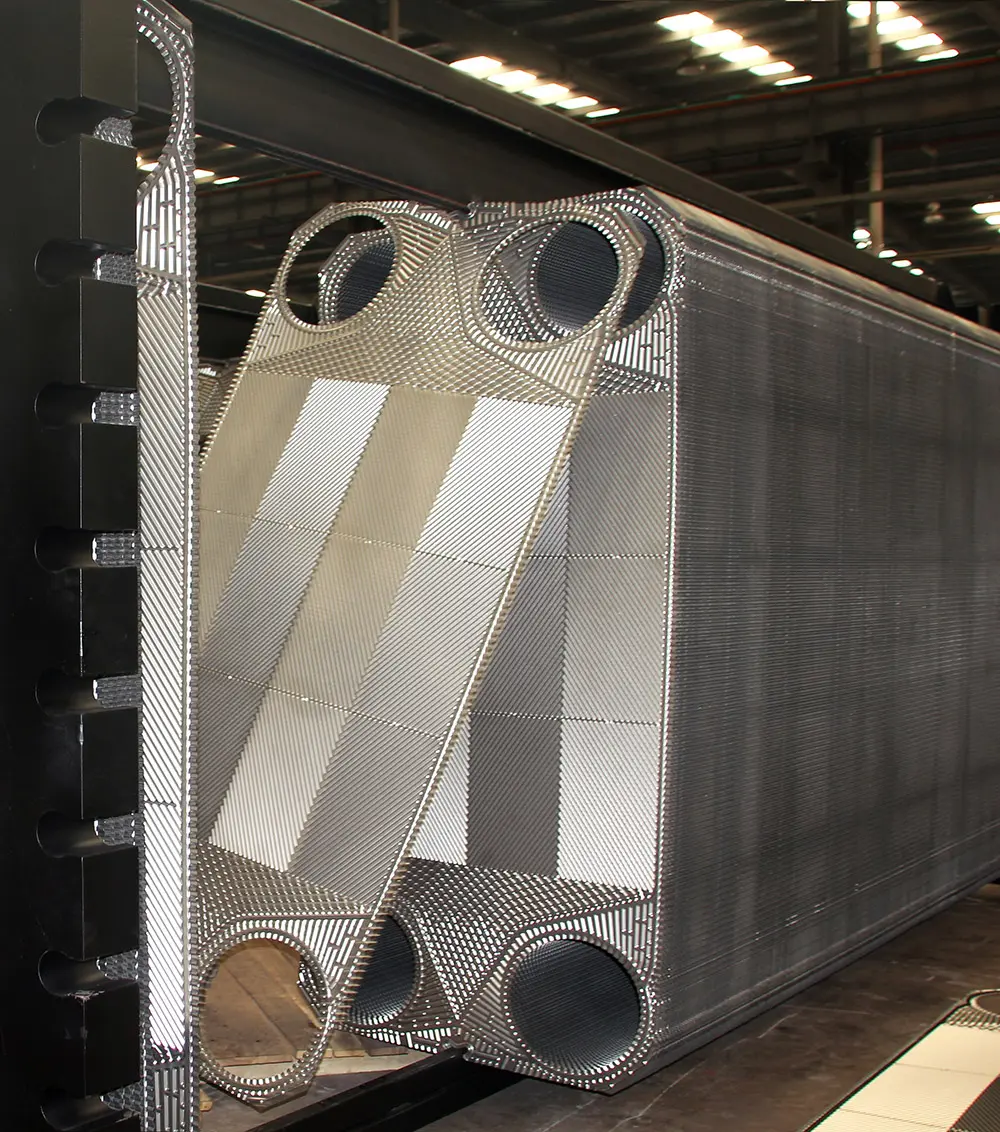
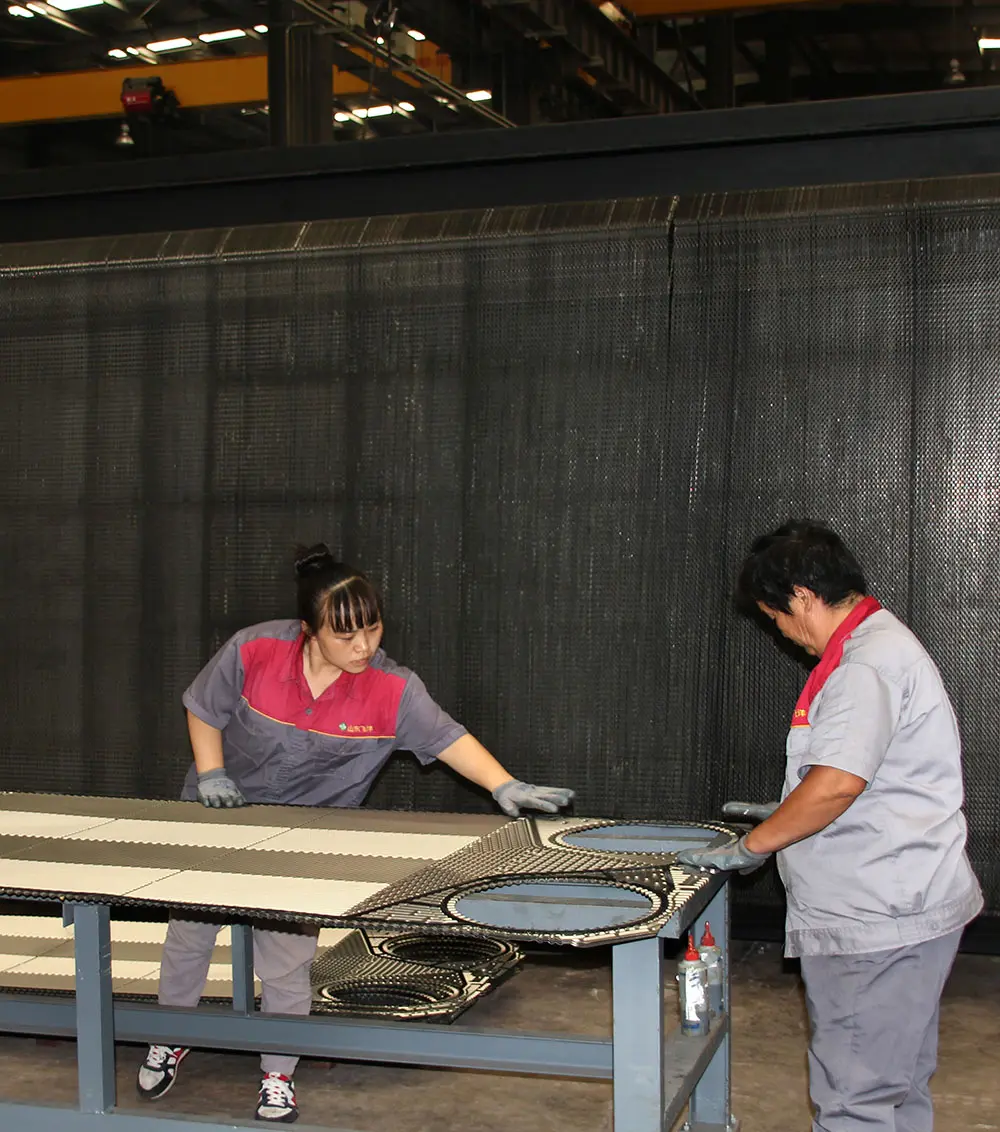
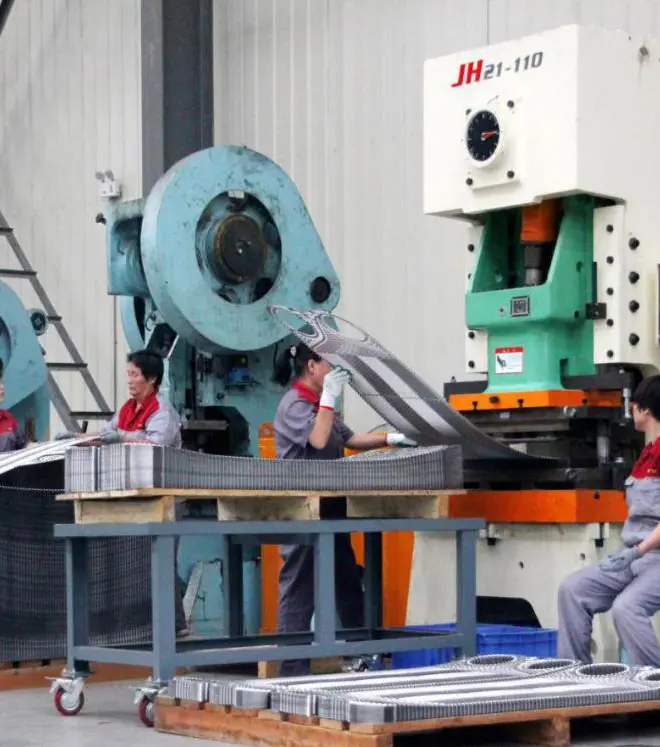
Our facility combines automated CNC plate punching, computerized sheet stamping, and precision micro-forging to achieve minimal mechanical tolerances. Sourcing from Flotte ensures compliance with strict international codes while maintaining highly competitive wholesale unit rates.

Global Procurement Requirements & Compliance Standards

Global procurement teams must cross-examine equipment suppliers based on localized compliance and engineering standards. Choosing a small shell and tube heat exchanger requires adherence to several codes:

  • ASME Section VIII Div 1: The American Society of Mechanical Engineers code for pressure vessels. This is mandatory for heat exchangers entering the United States, Canada, and parts of the Middle East. It guarantees that the shell and tubes can withstand specified pressure margins.
  • TEMA Standards (Tubular Exchanger Manufacturers Association): TEMA divides design requirements into three classes:
    • TEMA Class R: For severe petroleum and chemical processing applications.
    • TEMA Class B: For chemical process service.
    • TEMA Class C: For general commercial and industrial utilities. Small shell and tube units often fall under Class C or B.
  • European PED (Pressure Equipment Directive 2014/68/EU): Compulsory for pressure equipment sold or utilized within the European Economic Area.

Flotte's purchasing department coordinates with certified material suppliers to ensure full traceability of all metal components. Material Test Reports (MTR) can be provided for every heat exchanger delivered, ensuring complete reliability and safety compliance.

Precision Manufacturing & Quality Control Process

Undergoing strict quality testing under the ISO 9001 framework.
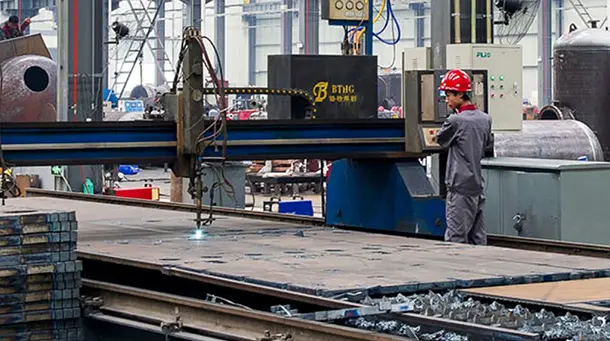
Splint cutting

Splint cutting

Micro-forging

Micro-forging

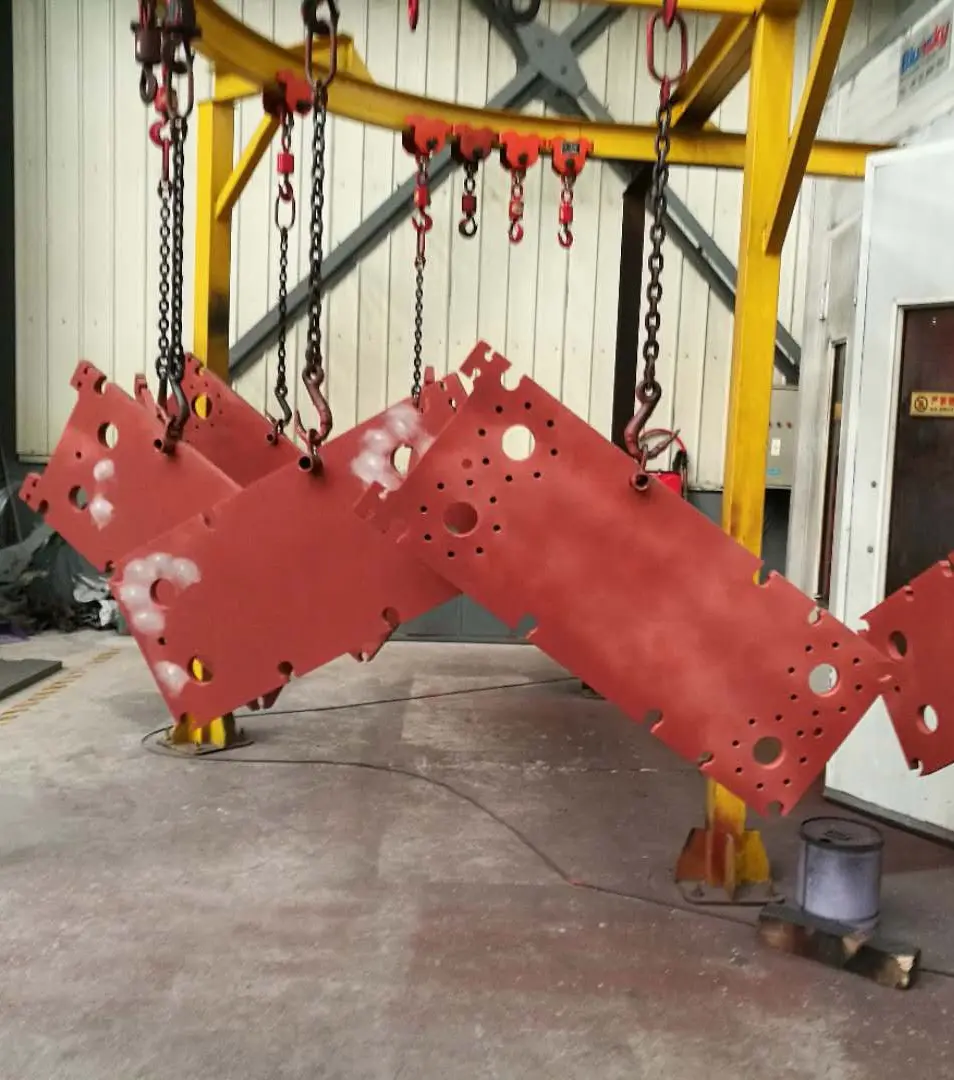
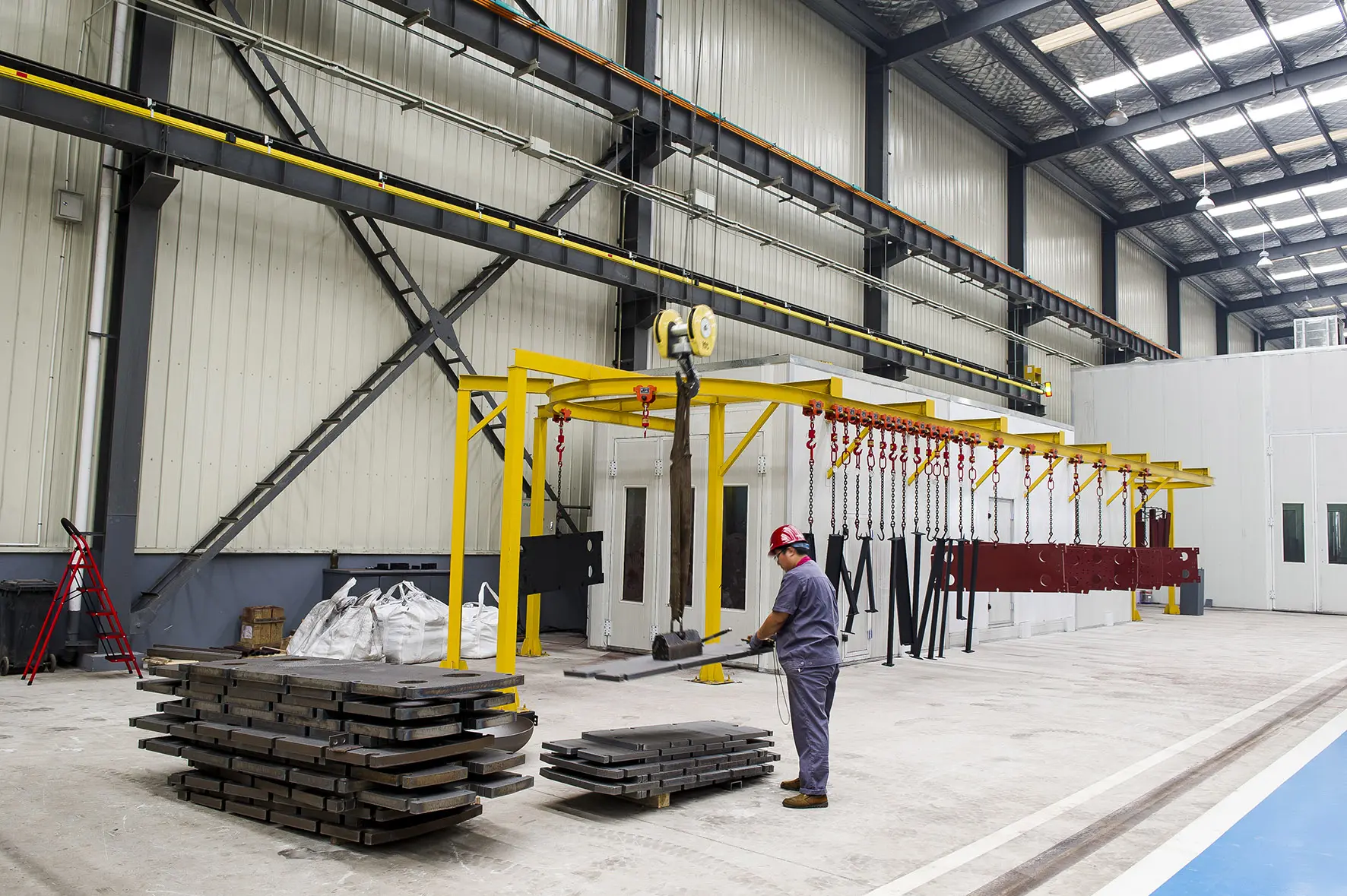
Spray painting

Spray painting

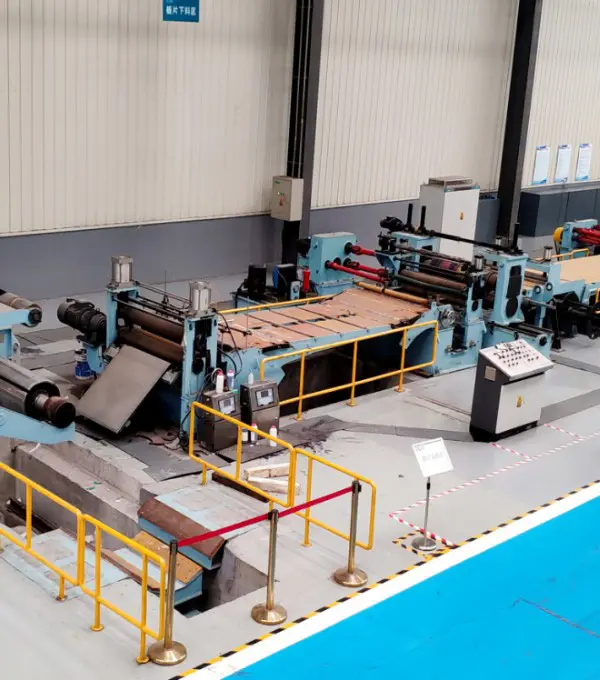
Sheet cutting and coding

Sheet cutting and coding

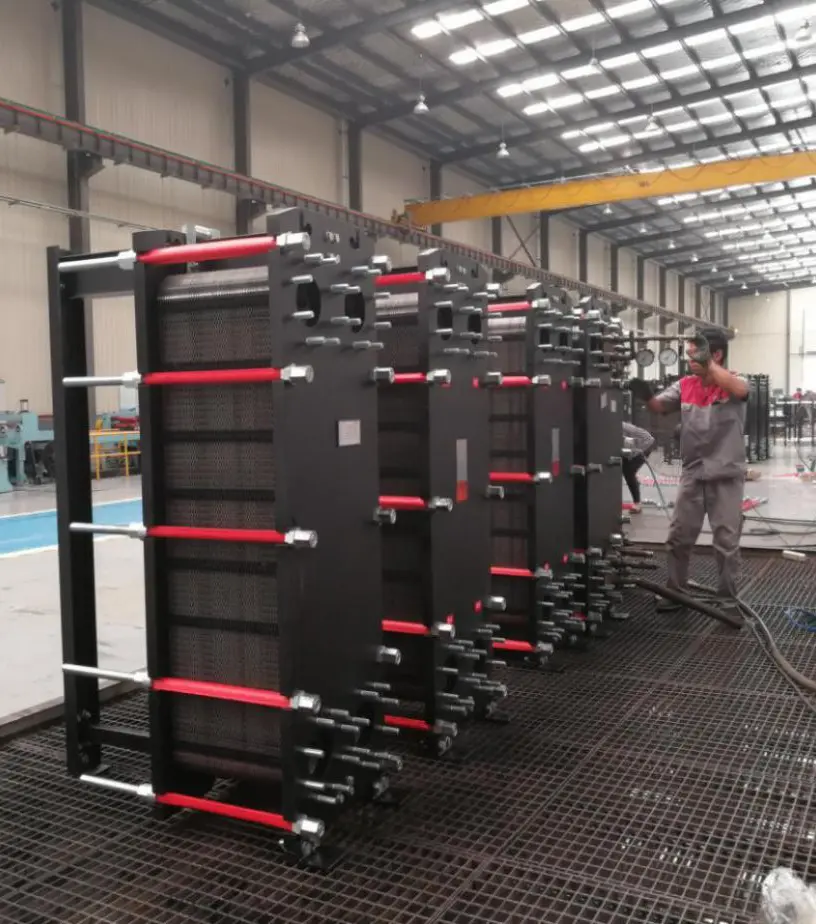
Water pressure detection

Water pressure detection

Equipment assembly

Equipment assembly

Rubber-coated pad

Rubber-coated pad

Plate punching

Plate punching

Sheet stamping forming

Sheet stamping forming

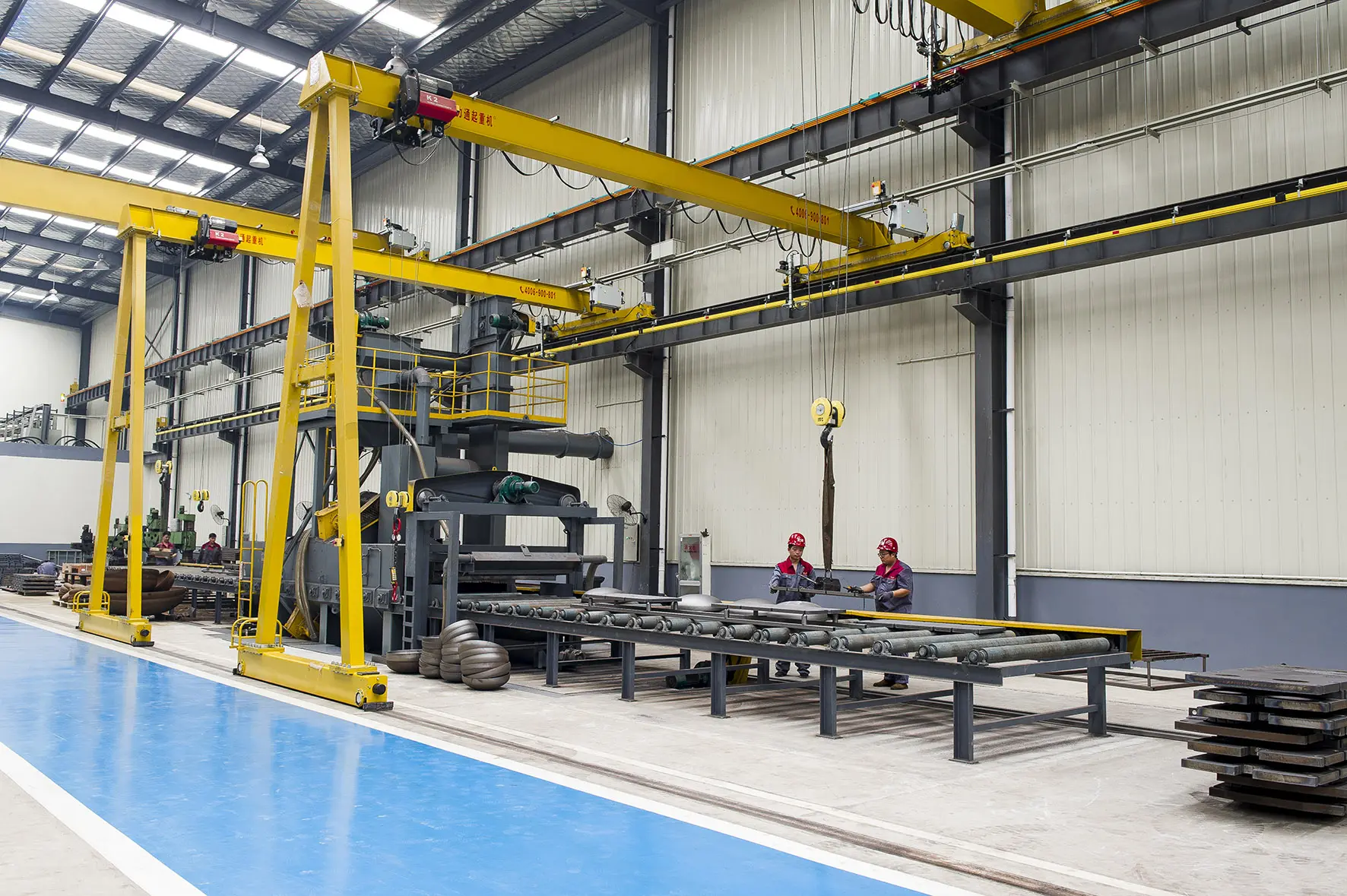
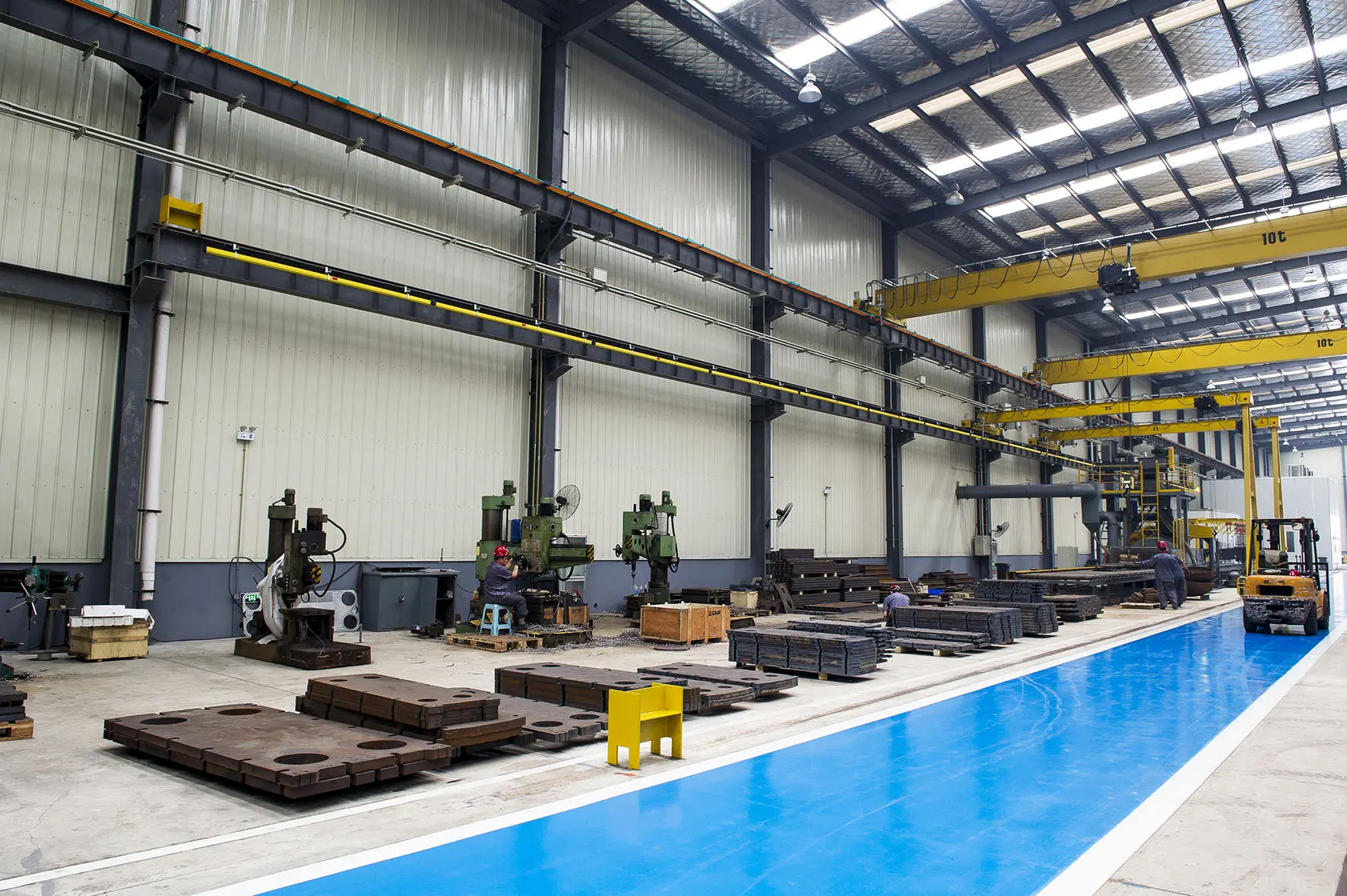
Our Advanced Factory & Production Environment

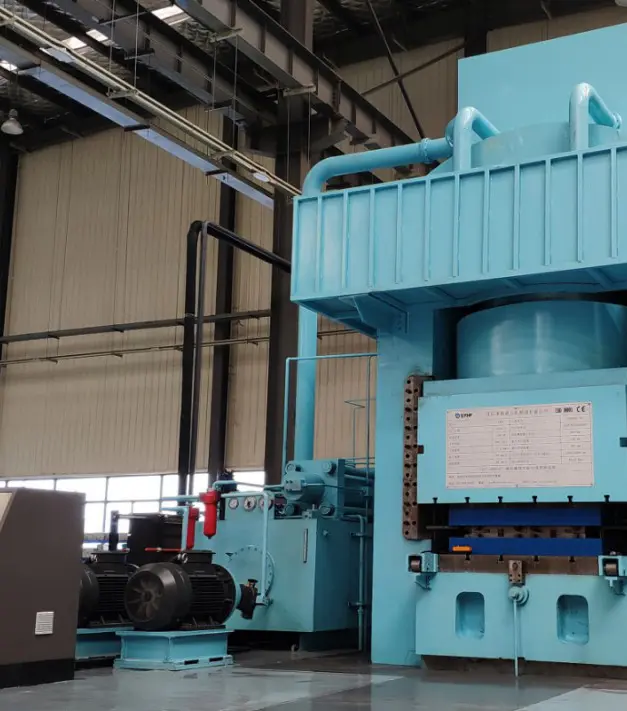
Equipped with heavy stamping, hydro-forming, and high-precision testing machinery.
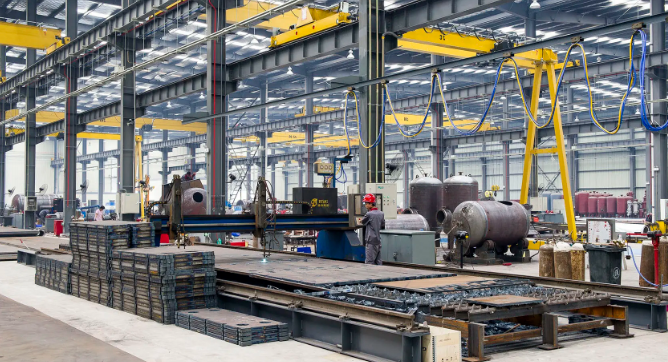
Factory Workshop

Core Modern Assembly Workshop

Stamping Area

Heavy Stamping Line & Tooling

Welding Station

Precision Automated Welding Terminal

Hydro-test Unit

Hydrostatic Pressure Testing Platform

Raw Materials Store

Raw Metal Tube & Shell Material Stock

Machining Area

Computerized CNC Machining Stations

Final Assembly

Shell Heat Exchanger Finishing & Quality Check

Exchanger Shell Bundles

Heavy Shell Structure Manufacturing Lines

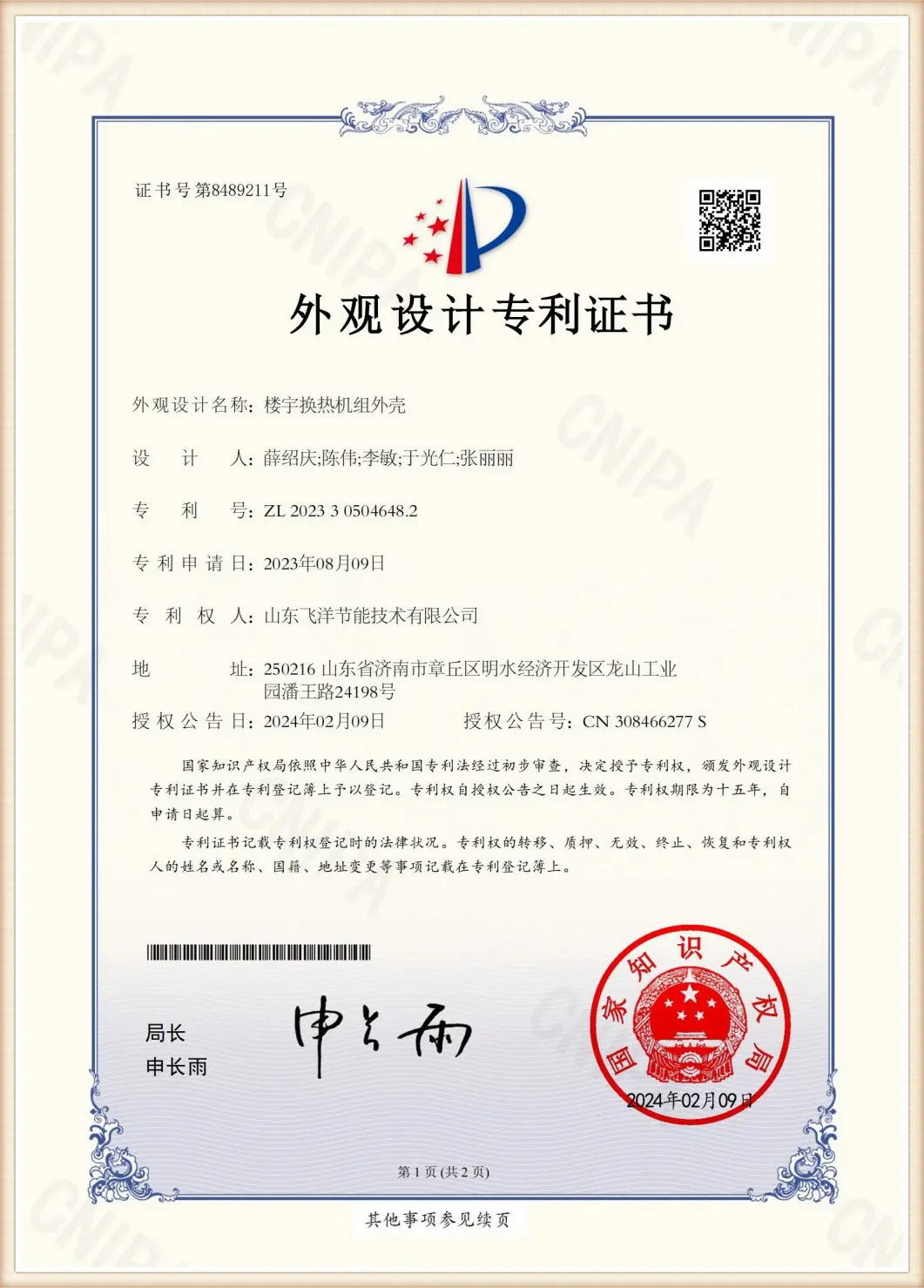
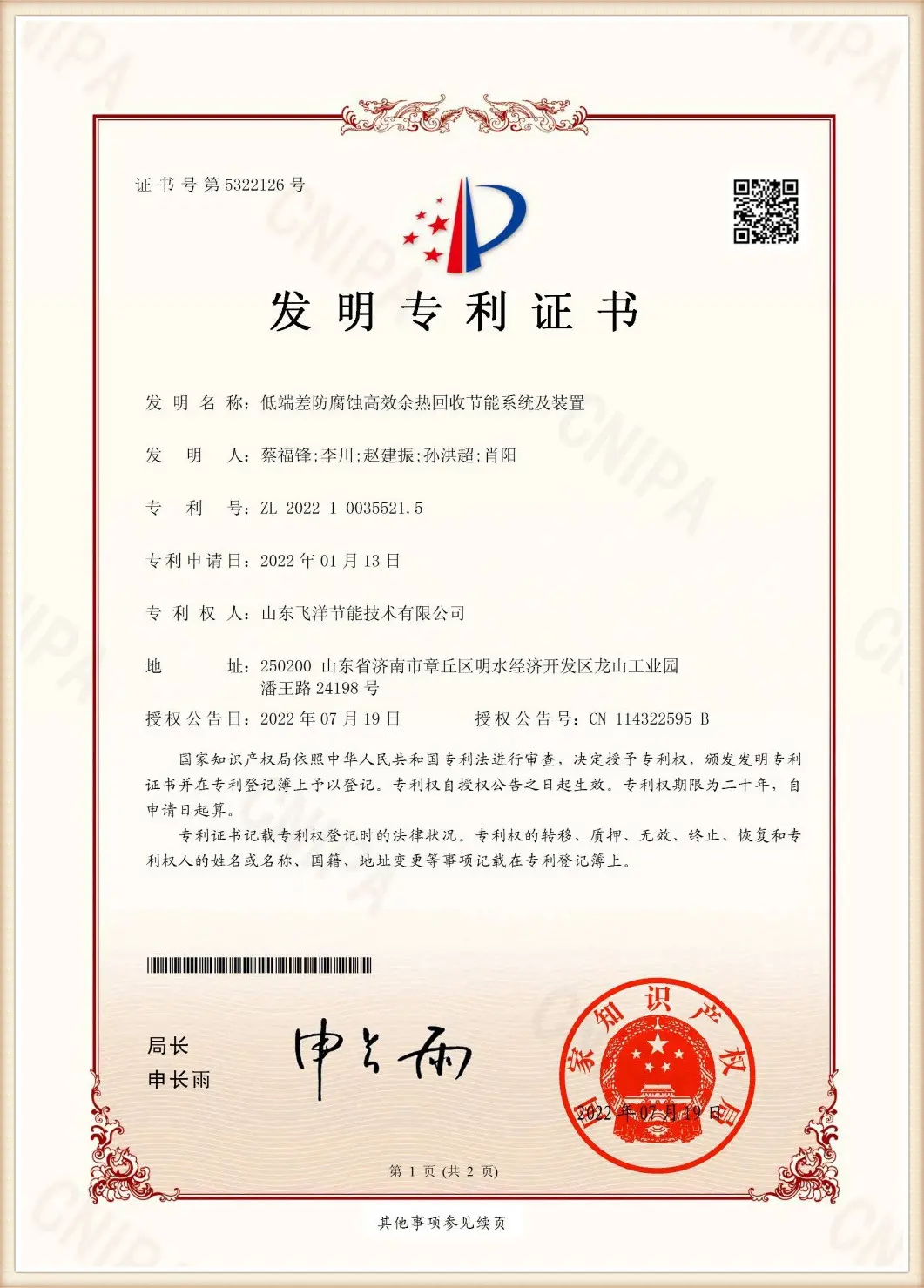
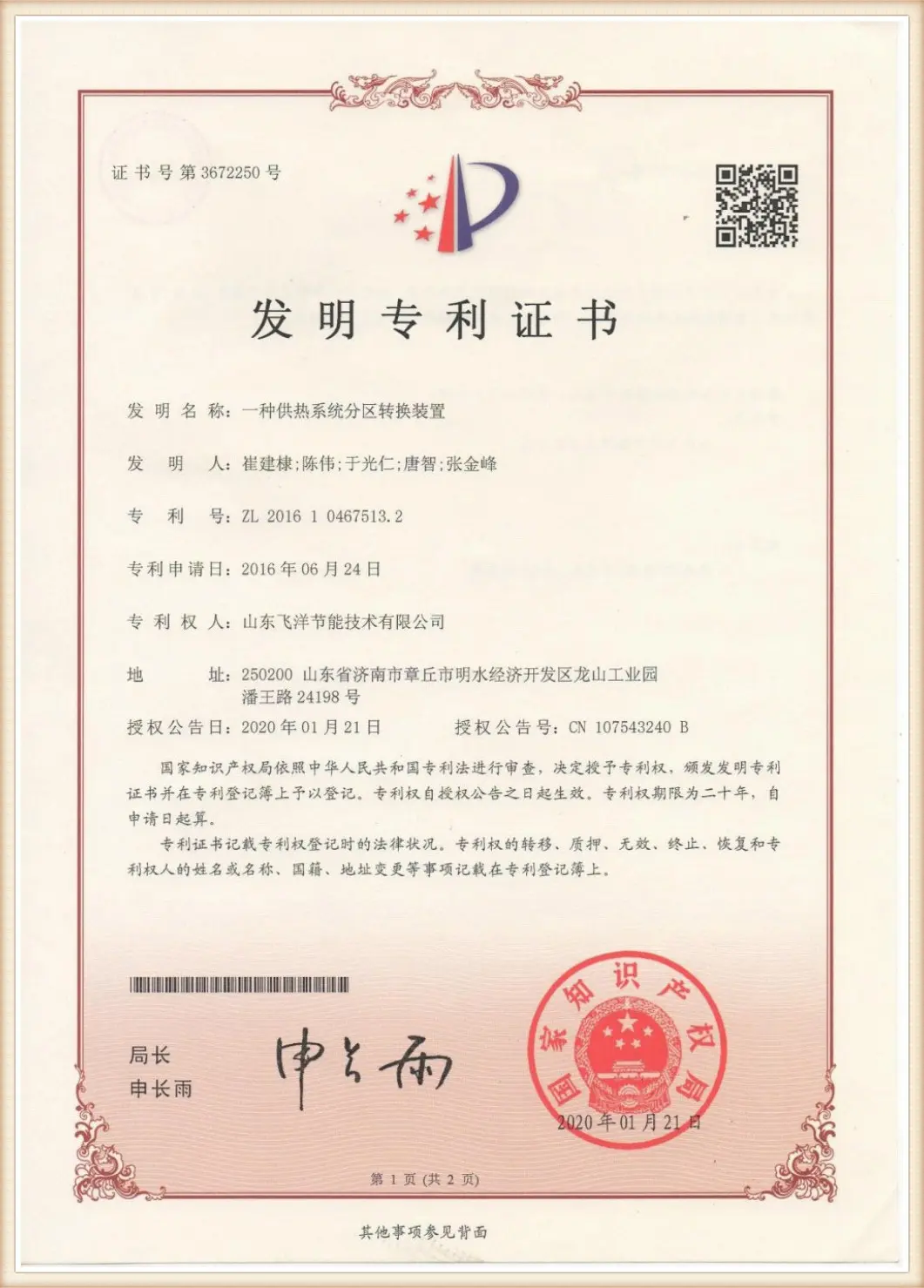
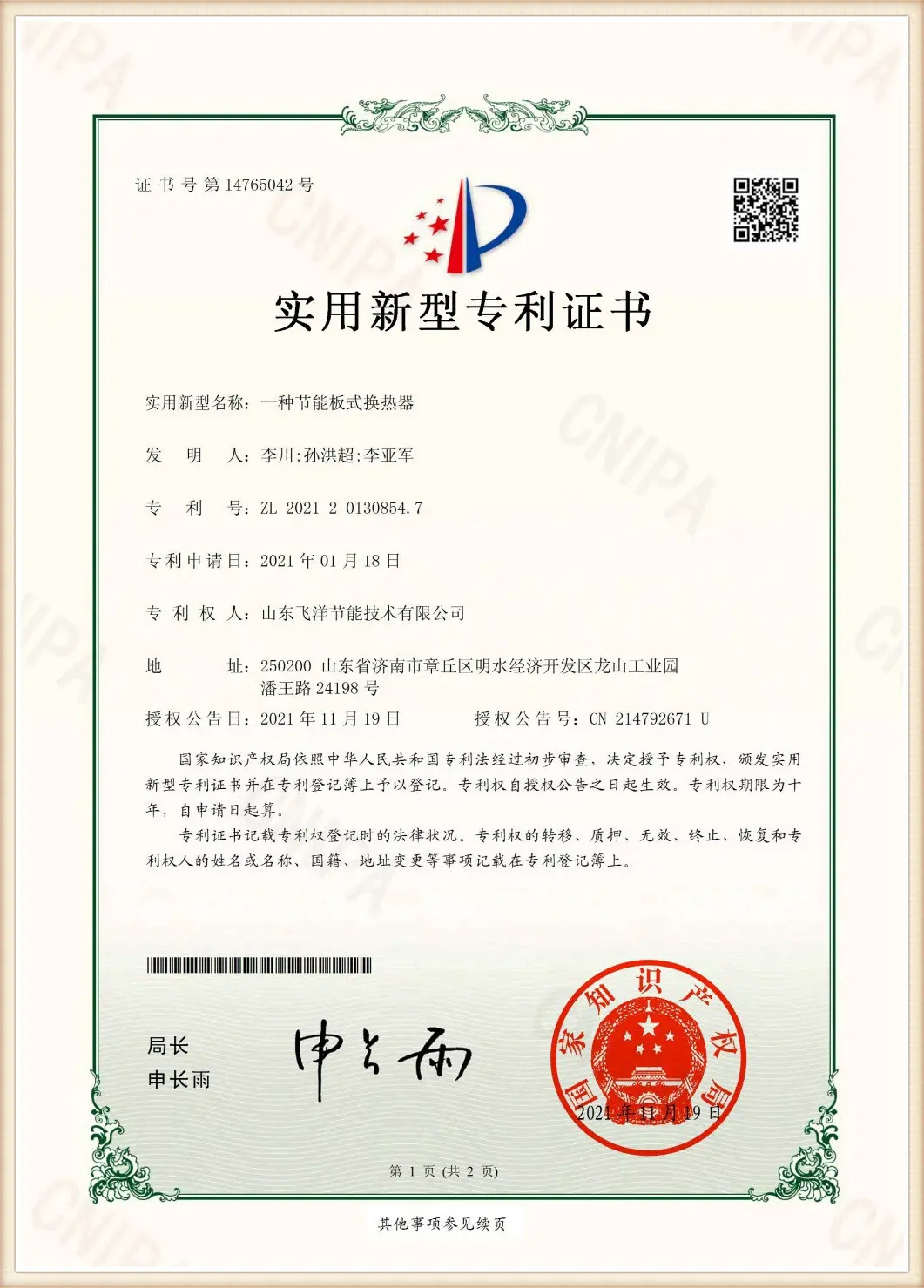
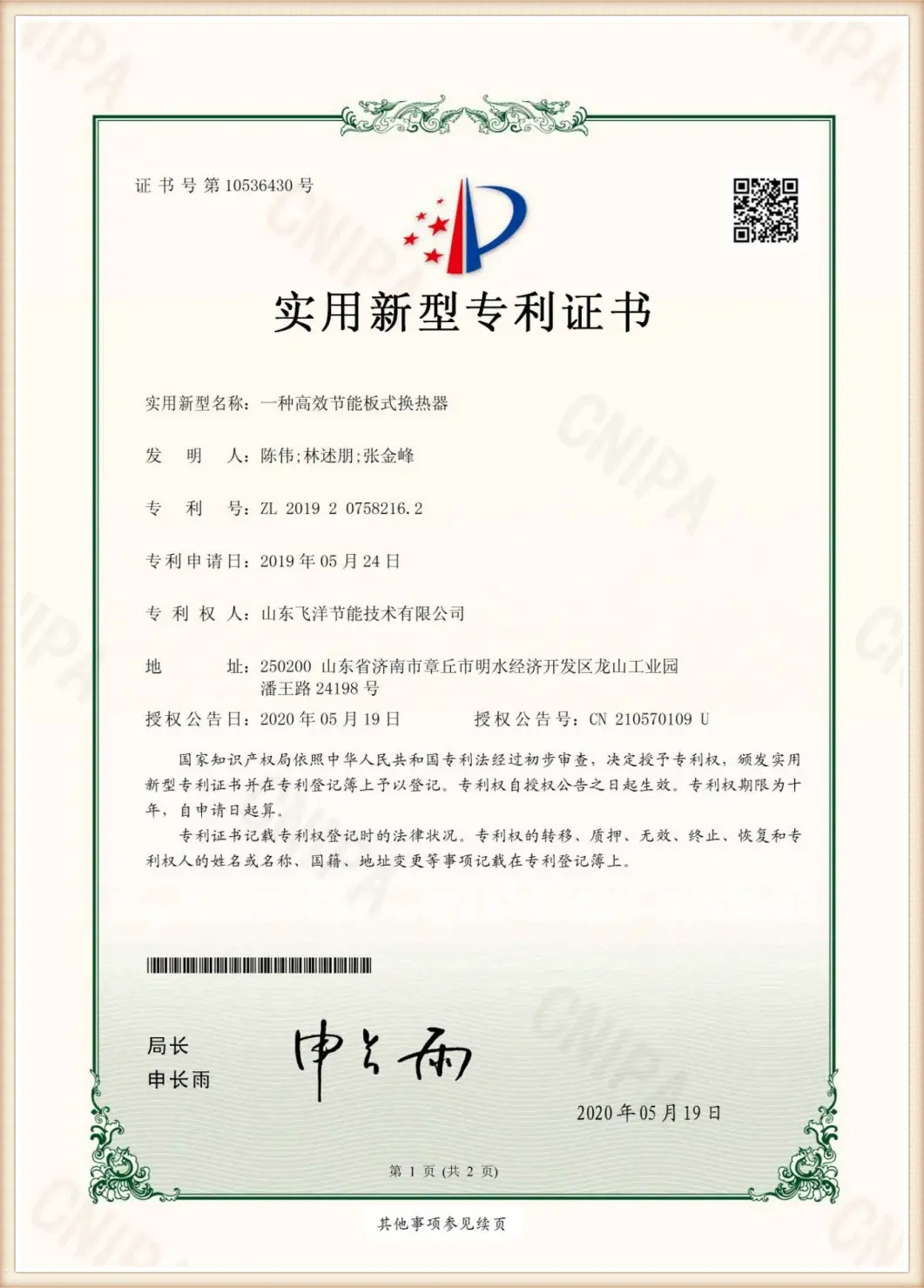
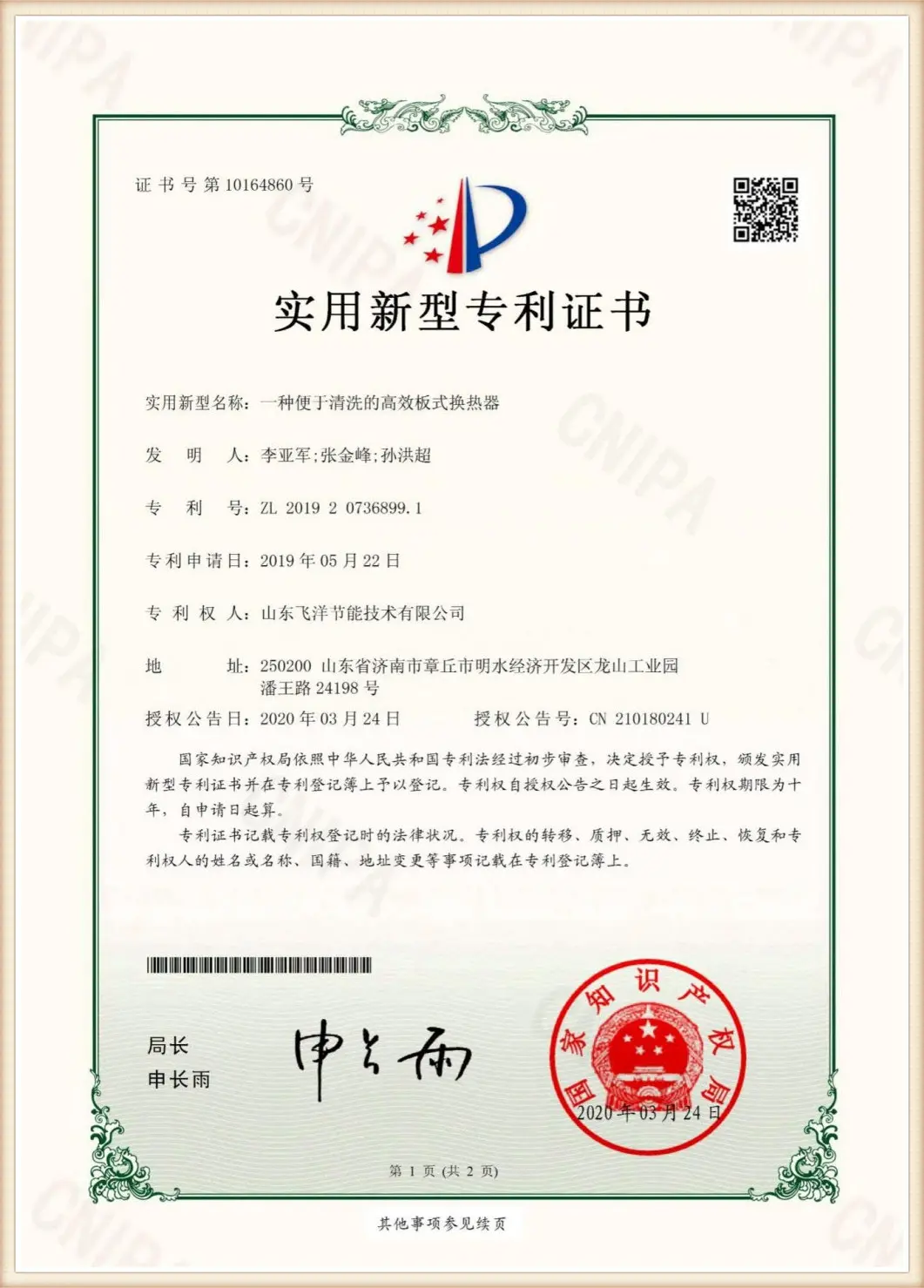
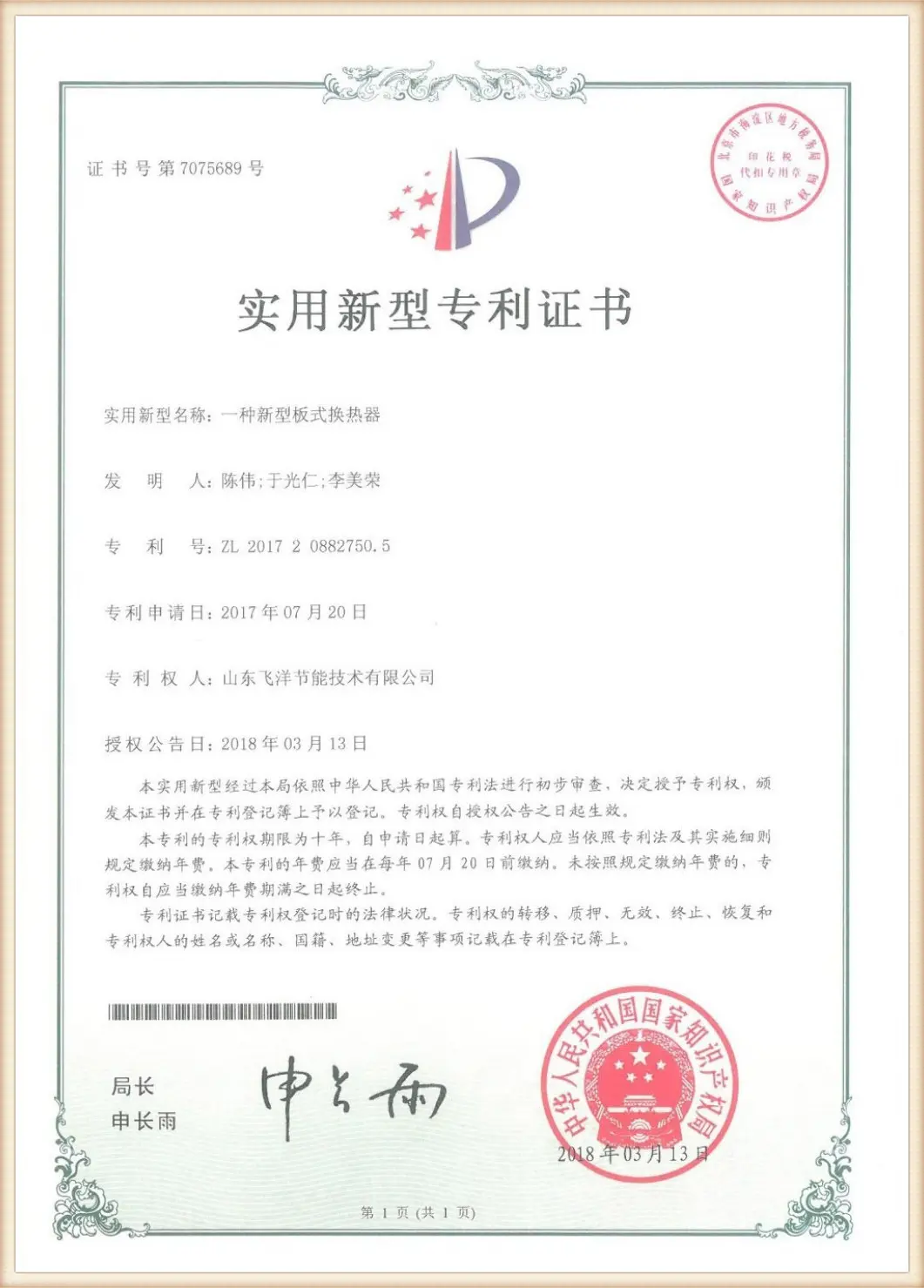
Industry Qualification Certificates

Compliant with pressure vessel manufacturing criteria and international management protocols.
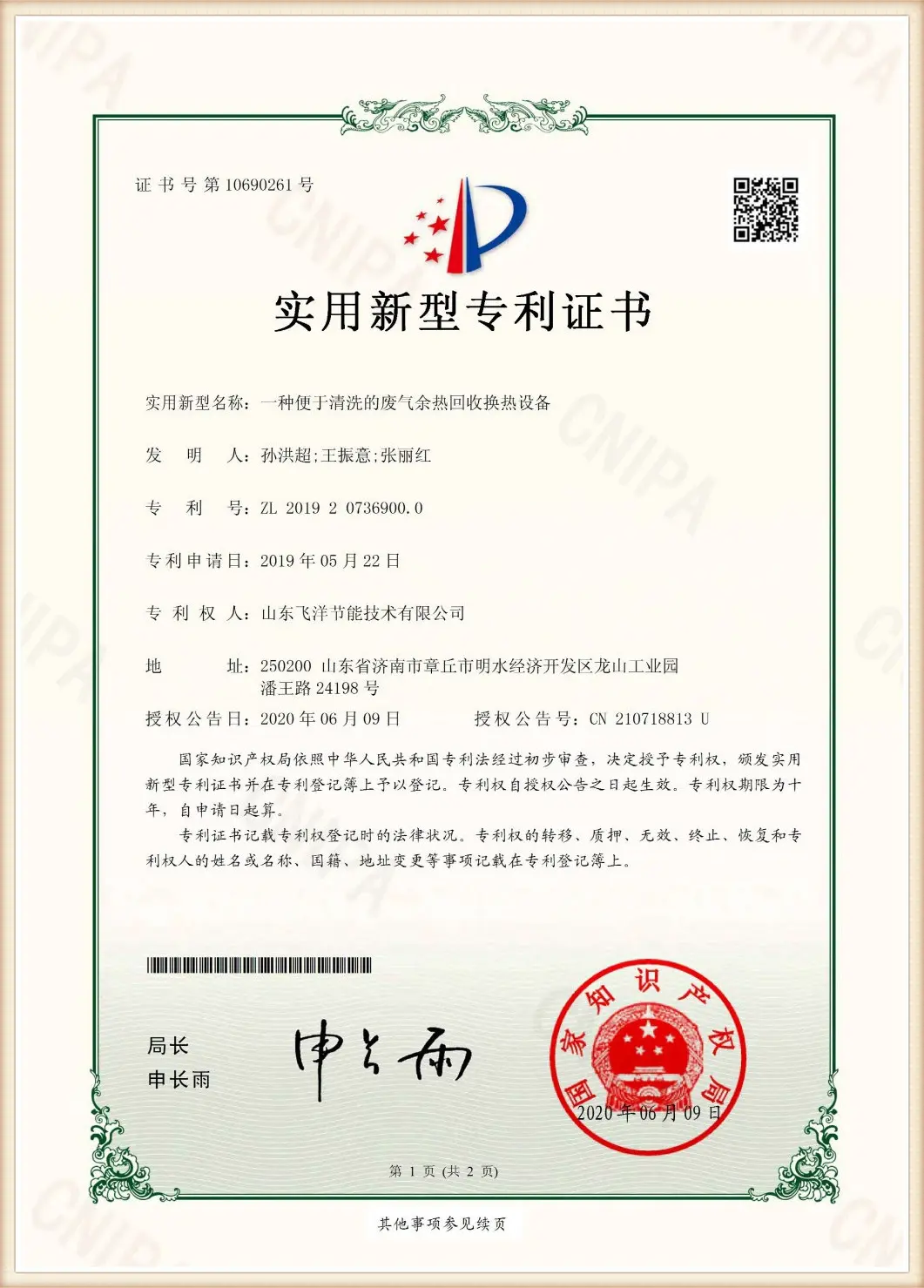
Certificate 1
Certificate 2
Certificate 3
Certificate 4
Certificate 5
Certificate 6
Certificate 7
Certificate 8

Macro Solutions & Localized Applications

Enabling optimal thermodynamic performance across diverse commercial and heavy industrial fields.

Centralized District Heating

In district heating networks, shell and tube and plate heat exchangers act as thermal isolators between municipal primary steam or high-temperature water loops and the building's secondary network. They regulate circulation temperature, prevent scale build-up in municipal boilers, and optimize winter heating distribution.

Chemical & Pharmaceutical Processing

Corrosion resistance is crucial here. Small shell and tube designs made of titanium or SS316L allow pharmaceutical facilities to safely heat or cool reactants during manufacturing processes. Smooth inner tubes prevent organic build-ups and facilitate clean-in-place (CIP) operations.

Marine Utility Systems

On ships and offshore rigs, fresh water for engine cooling and auxiliary equipment must be cooled by corrosive sea water. Using small titanium shell and tube heat exchangers ensures long life under continuous thermal load, saving cost and reducing structural weight.
Our Full Range of Custom Engineered Product Systems

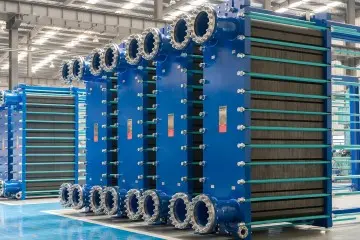
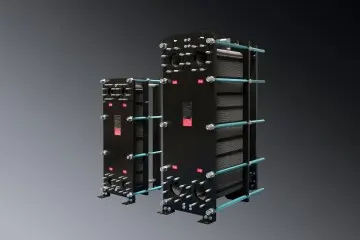
Plate Heat Exchanger

Plate Heat Exchanger - Detachable Plate Heat Exchanger

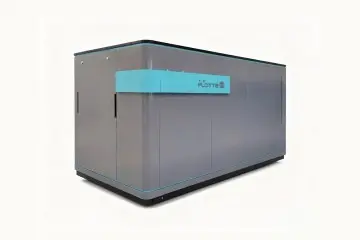
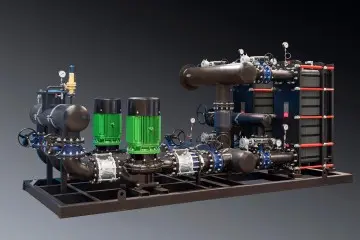
Intelligent Heat Exchange Unit

Intelligent Heat Exchange Unit - Integrated Heating Solution

Pressure regulating station

Pressure regulating station with detachable plate heat exchanger

Building Heat Exchanger Unit

Building Heat Exchanger Unit - Heat Exchanger Unit for Building HVAC Systems

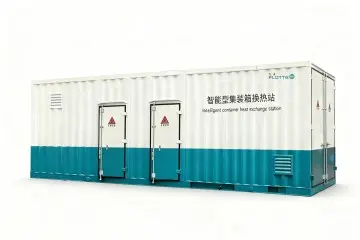
Box-Type Heat Exchanger Unit

Intelligent Integrated Box-Type Heat Exchanger Unit

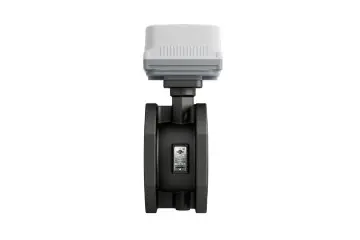
Intelligent Unit Balance Valve

Secondary Network Intelligent Unit Balance Valve

Room Temperature Collector

Room Temperature Collector

Intelligent Regulation System

Intelligent Regulation And Balance System For Secondary Networks

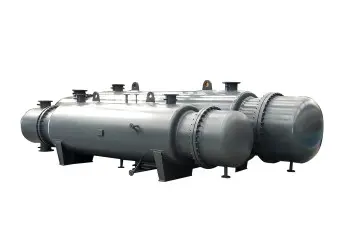
Shell And Tube Heat Exchanger

Shell And Tube Heat Exchanger - A Heat Exchanger Of The Shell And Tube Type

Multi-Effect Evaporation System

Multi-Effect Evaporation System

Membrane Concentration System

Membrane Concentration System

Frequently Asked Questions

Technical clarifications on small shell and tube heat exchanger selection, maintenance, and calculations.

What are the primary differences between plate heat exchangers and shell and tube heat exchangers?
Plate heat exchangers use corrugated metal plates to transfer heat and are suitable for low-to-medium pressure applications due to gasket limitations. Shell and tube heat exchangers use a nested tube bundle within a cylindrical shell. They can handle significantly higher pressures, high temperatures, and severe fluid environments, and are less prone to sudden gasket failure.
How is the fluid allocation determined (tube side vs. shell side)?
Generally, corrosive, high-fouling, high-pressure, or high-temperature fluids are routed through the tubes because the tube interior is easier to clean mechanically, and high-pressure tubes require thinner wall margins than a high-pressure shell. Clean, non-corrosive, or high-viscosity fluids are routed through the shell side, where baffle configurations help lower flow resistance and increase flow turbulence.
What measures does Flotte take to prevent scale build-up (fouling)?
We use specialized internal tube finishes to minimize scale attachment. Additionally, we integrate scale removal systems and optimize baffle configurations to maintain a fluid velocity high enough to achieve self-cleaning flow regimes (typically above 1 m/s) without causing tube erosion.
Can your heat exchangers handle high-corrosive chemicals?
Yes. We construct tube bundles and tube sheets from specialized alloys including Stainless Steel 316L, Copper-Nickel (Cu-Ni), Titanium, and Nickel alloys to withstand corrosive fluids such as marine salt-water, acidic compounds, or industrial solvents.
How is water pressure detection conducted at the Flotte facility?
All manufactured shell and tube exchangers undergo a mandatory hydrostatic test. The shell side and tube side are pressurized separately to 1.3 to 1.5 times the design operating pressure. The pressure is held for a specified duration, and checking is done using specialized monitoring sensors to verify that no leaks, structural deformation, or pressure drop occurs.
What design code compliance documentation can Flotte provide?
We provide complete material test certifications, hydrostatic test records, dimensional drawings, and certification compliance under national safety regulations for boilers and pressure vessels. We also strictly adhere to TEMA, ASME Sec VIII, and PED standards.

Global Export Heating & Evaporation Systems

High-capacity thermal exchange and filtration solutions ready for global distribution.
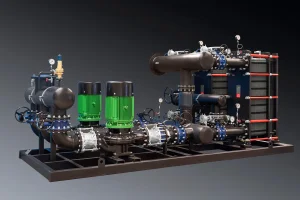
Intelligent Heat Exchange Unit

China Intelligent Heat Exchange Unit - China Suppliers and Factory for Integrated Heating Solutions

View Details →
Intelligent Heating Monitoring System

Wholesale Intelligent Heating Network Monitoring System: Efficient Regulation for China Suppliers and Factories

View Details →
Custom Removable Plate Heat Exchanger

China China Suppliers Factory Custom Removable Plate Heat Exchanger for Pressure Regulating Stations in District Heating Systems

View Details →
Membrane Concentration System Suppliers

Wholesale China Membrane Concentration System Suppliers: High Efficiency Water Desalination & Purification Factory Solutions

View Details →
Intelligent Heat Exchange Unit Factory

Wholesale China Suppliers Factory: Intelligent Heat Exchange Unit for Integrated Heating Solutions

View Details →
Advanced Solution for Factory Operations

Wholesale Intelligent Heating Network Monitoring System by China Suppliers - Advanced Solution for Factory Operations

View Details →
Heat Exchanger Unit for Building HVAC

Wholesale China Heat Exchanger Unit for Building HVAC Systems - Energy-Efficient Suppliers & Factory Solutions

View Details →
China Intelligent Balance Valve

China Intelligent Unit Balance Valve for Efficient Fluid Control - China Suppliers & Factory Solutions

View Details →