Explore our premium industrial heat transfer systems and custom thermal equipment engineered for high operational uptime.
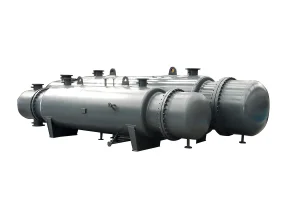
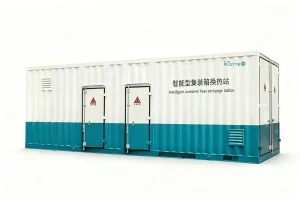
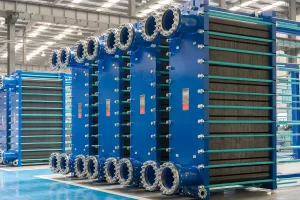
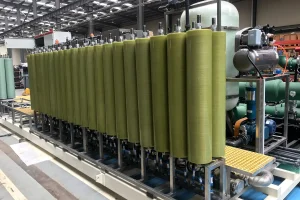
A comprehensive examination of fluid dynamics and heat transmission in spiral-wound designs.
Traditional straight-tube heat exchangers often struggle with thermal expansion mismatches and laminar boundary layer resistance. The Spiral Coil Heat Exchanger solves these engineering challenges through its geometric layout. By winding heat exchange tubes in a helical path around a central core, the fluid is subjected to continuous centrifugal force. This force generates secondary flow patterns known as Dean Vortices.
Dean Vortices disrupt the boundary layers inside the tubing, inducing turbulent-like mixing even at relatively low Reynolds numbers. This results in significantly higher heat transfer coefficients (U-values) compared to standard designs. The helical layout allows for a high heat transfer surface area to be packed within a compact footprint, making it ideal for spaces where footprint constraints exist.
Mechanical stress is a leading cause of heat exchanger failure. In traditional designs, rigid tubesheet connections must withstand varying thermal expansion. Helical coils act as natural expansion joints, absorbing thermal stress without the need for bellows or sliding joints.
This design also minimizes dead zones where particulate matter can accumulate. The continuous curved path maintains uniform fluid velocities, leading to a self-cleaning effect. The result is a heat exchanger that requires less maintenance and operates reliably under cycling temperatures and pressures.
Explore the engineering parameters and metallurgical options tailored for severe industrial services.
| Parameters | Standard Specifications | High-Performance Alloy Options |
|---|---|---|
| Materials of Construction | Stainless Steel 304, 316L | Titanium Gr. 2, Hastelloy C276, Super Duplex 2205 / 2507 |
| Max Design Pressure | Up to 10.0 MPa (100 bar) | Customized up to 35.0 MPa (350 bar) for high-pressure systems |
| Operating Temperature Range | -196°C to 450°C | Cryogenic applications up to 600°C with high-temp alloys |
| Heat Transfer Coefficient | 3500 - 6000 W/m²·K | Optimized geometry designs reaching up to 8500 W/m²·K |
| Fluid Phase Applications | Liquid-Liquid, Gas-Liquid | Condensation, Multi-phase Evaporation, & Supercritical Fluids |
Choosing the correct alloy is essential for demanding environments. For high-salinity media and chemical processes, Flotte offers titanium and nickel-alloy components to prevent pitting and stress-corrosion cracking.
Our computer-controlled coil winding machines ensure uniform pitch and concentricity. This precision prevents local hotspots, keeps pressure drop consistent, and preserves thermal efficiency.
Each unit undergoes rigorous testing, including helium leak detection, hydrostatic pressure tests up to 1.5 times the design rating, and non-destructive testing (NDT) of critical welds.
Delivering robust thermal energy solutions backed by three decades of engineering expertise.
Analyzing how modern thermal management aligns with global decarbonization and process intensification initiatives.
Modern petrochemical, pharmaceutical, and fine chemical plants prioritize compact, highly efficient equipment. The compact design of spiral coil heat exchangers allows skid manufacturers to reduce overall package footprints by up to 40% compared to traditional configurations.
With tightening environmental regulations, waste heat recovery is key to reducing fuel consumption. Spiral exchangers capture low-grade thermal energy from process exhausts, preheating boiler feed water or raw feed stocks to improve system efficiency.
Liquefied natural gas processing requires equipment that can withstand steep thermal gradients. Helical coil designs absorb structural loads caused by temperature changes, preventing thermal stress failures during startup and shutdown cycles.
How Flotte integrates domestic supply chain advantages with rigorous quality management systems to serve global markets.
Flotte is situated within China's advanced manufacturing corridor, offering access to high-grade raw materials like stainless steel, titanium, and specialized alloys. This localized ecosystem allows us to source certified materials quickly, reducing lead times for global orders.
Our long-term agreements with premier steel mills ensure consistent material quality, stable pricing during market fluctuations, and traceable mill test reports (MTR) for all pressure-containing components.
Our 70,000 square meter facility houses advanced sheet cutting, precision stamping, and automatic coil bending lines. Automating key manufacturing steps ensures tight dimensional tolerances and repeatable quality across large orders.
Producing over 4,500 heat exchange units annually, Flotte manages large-scale orders efficiently, ensuring on-time delivery for major infrastructure and industrial projects globally.
Examining field applications where helical and plate designs meet unique regional operational challenges.
In high-latitude urban heating networks, pressure regulating stations isolate municipal grid pressures from residential lines. Our plate and spiral-coil configurations provide reliable thermal transmission under demanding load variations, maintaining stable indoor temperatures during winter peak periods.
Middle Eastern desalination facilities use membrane concentration systems to treat seawater. Spiral heat exchangers made of Titanium Gr. 2 preheat saline feeds, resisting chloride-ion corrosion while operating at high temperatures to maintain system efficiency.
In pharmaceuticals, fast temperature cycles are critical for reactor yield. The low internal volume of our spiral coil heat exchangers enables rapid thermal responses, helping operators maintain precise control over exothermic chemical reactions.
A step-by-step look at how our facility turns raw materials into certified thermal systems.
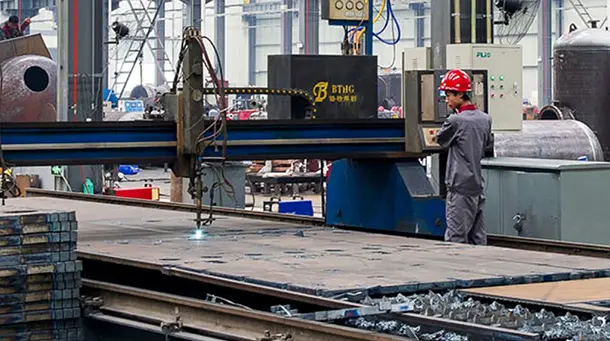
Computerized laser cutting provides exact dimensions, minimizing material waste and preparing components for welding.
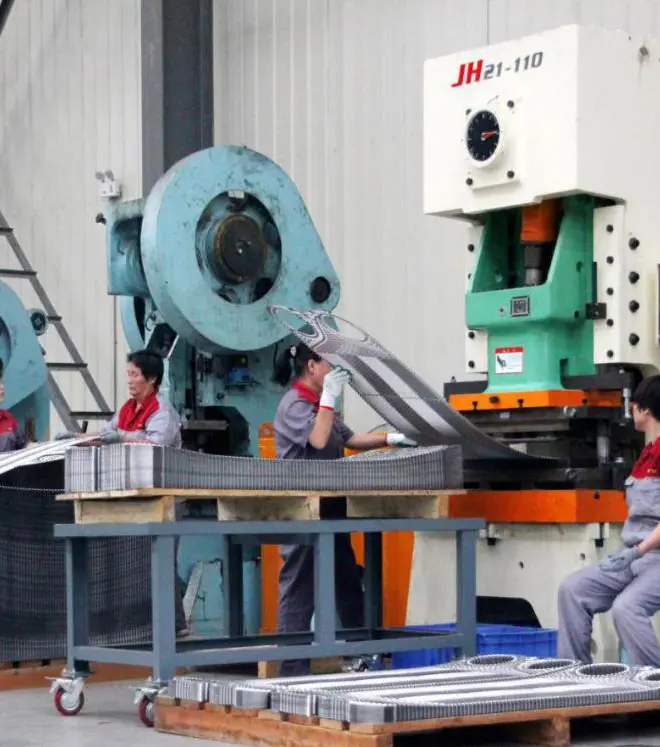
Our heavy hydraulic presses stamp precise flow channels into stainless steel and titanium plates.
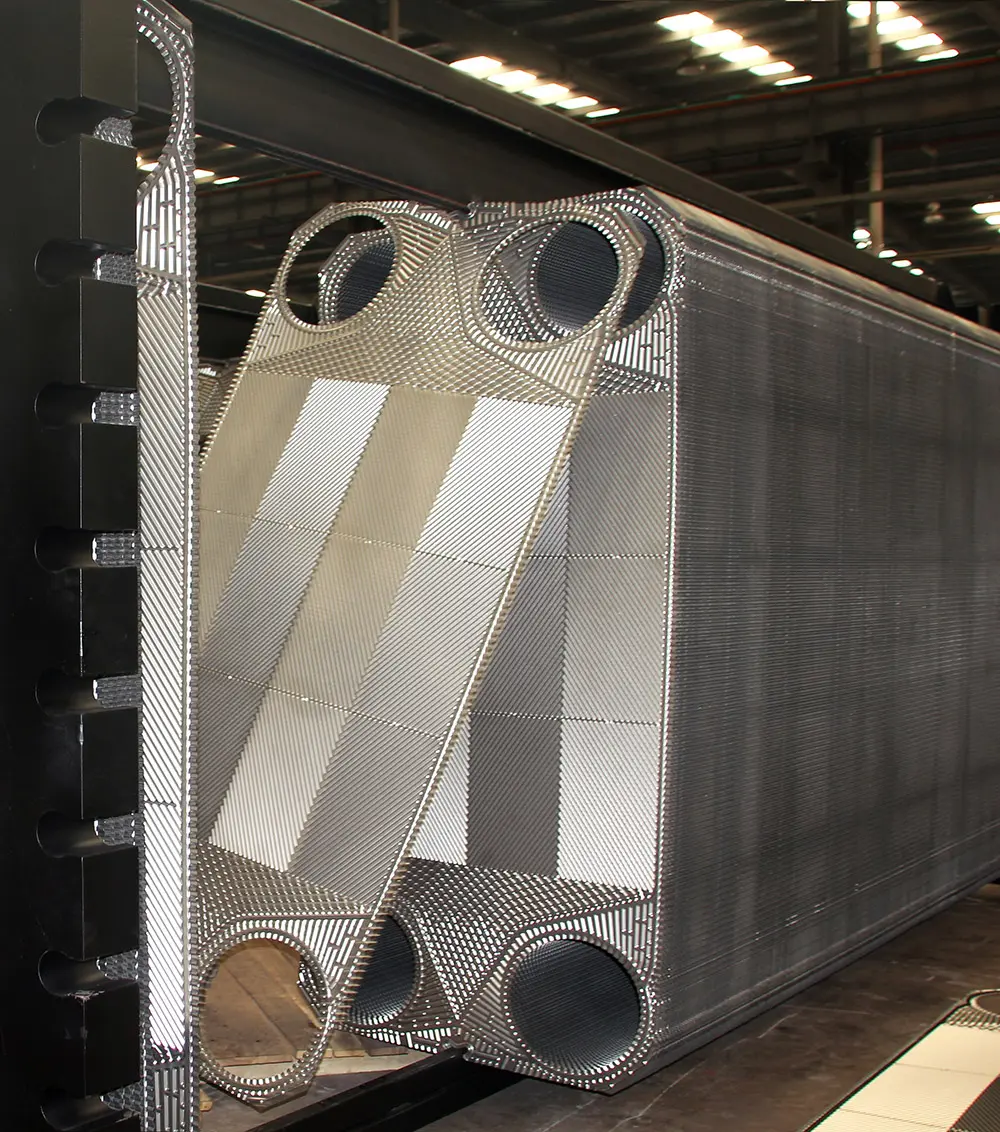
Certified technicians assemble structural components, ensuring accurate alignment of coils and sealing gaskets.
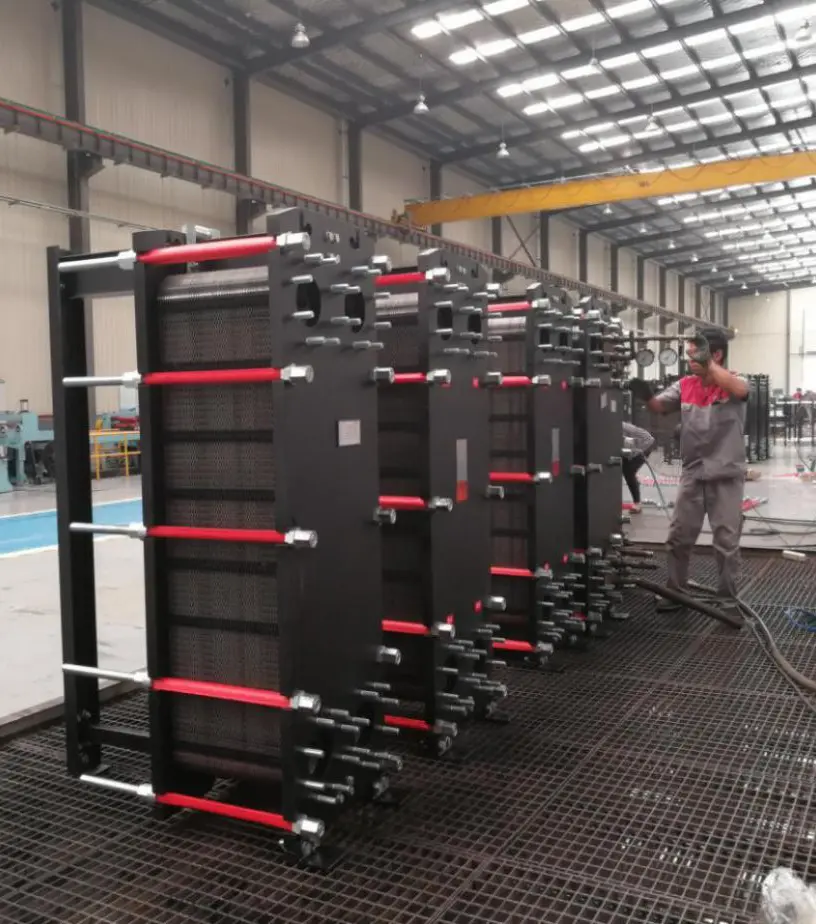
All units undergo high-pressure hydrostatic testing to verify seal integrity and structural strength under pressure.
Our long-term R&D plan focuses on thermal efficiency, smart system integration, and advanced materials.
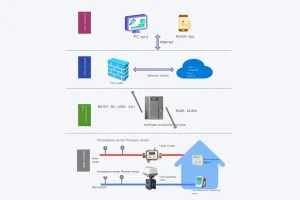
Flotte is working to integrate digital twin technology with physical thermal equipment. Using high-precision room temperature collectors and pressure sensors, users can monitor real-time thermal dynamics, predict fouling, and optimize maintenance schedules.
We are developing nano-structured coatings that resist organic deposition and chemical scale. This research aims to reduce maintenance intervals and extend the operating life of heat exchangers in harsh chemical environments.
Our R&D team is exploring 3D-printing technologies for complex internal flow geometries. Additive manufacturing could allow for customized internal channels that maximize turbulization while maintaining low pressure drops.
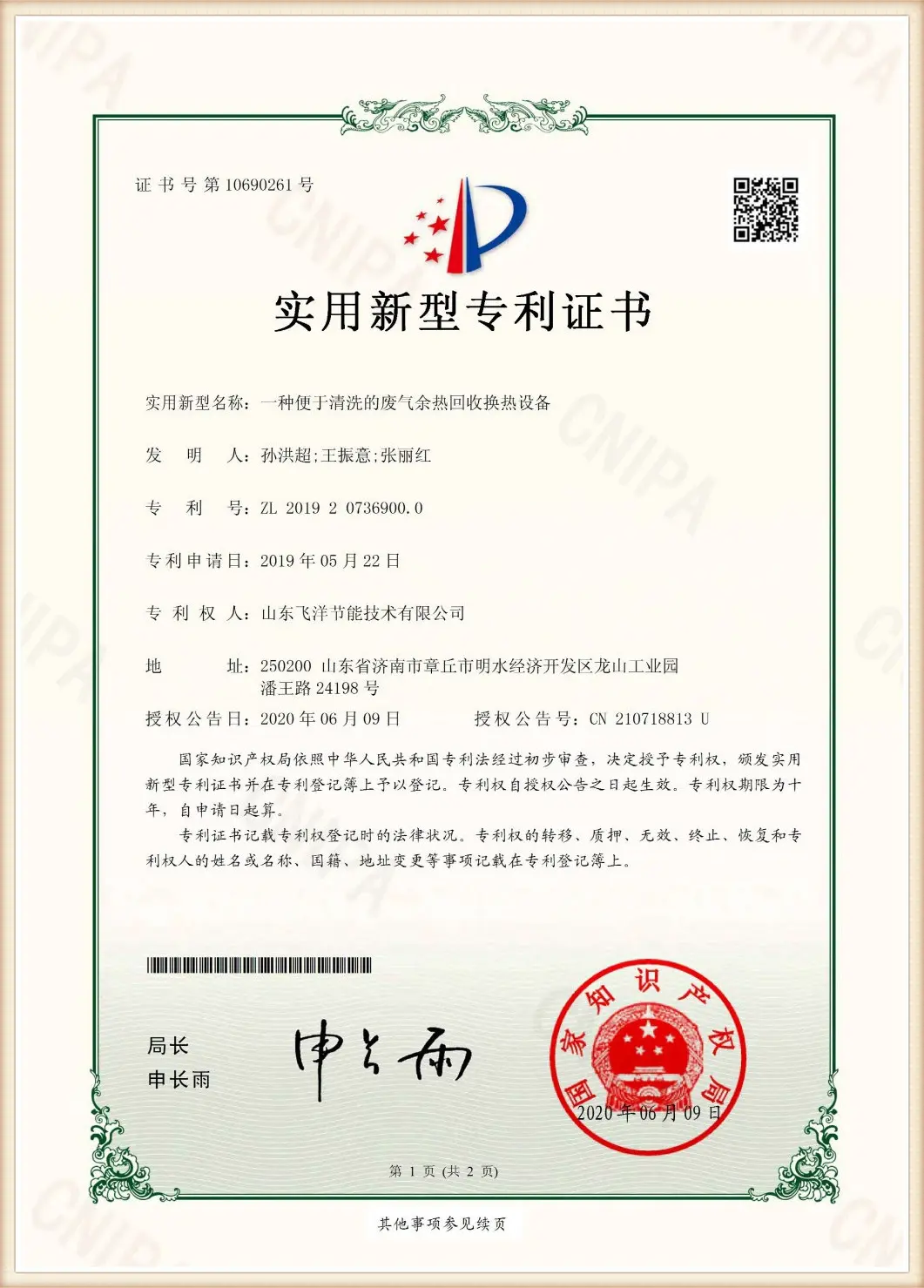
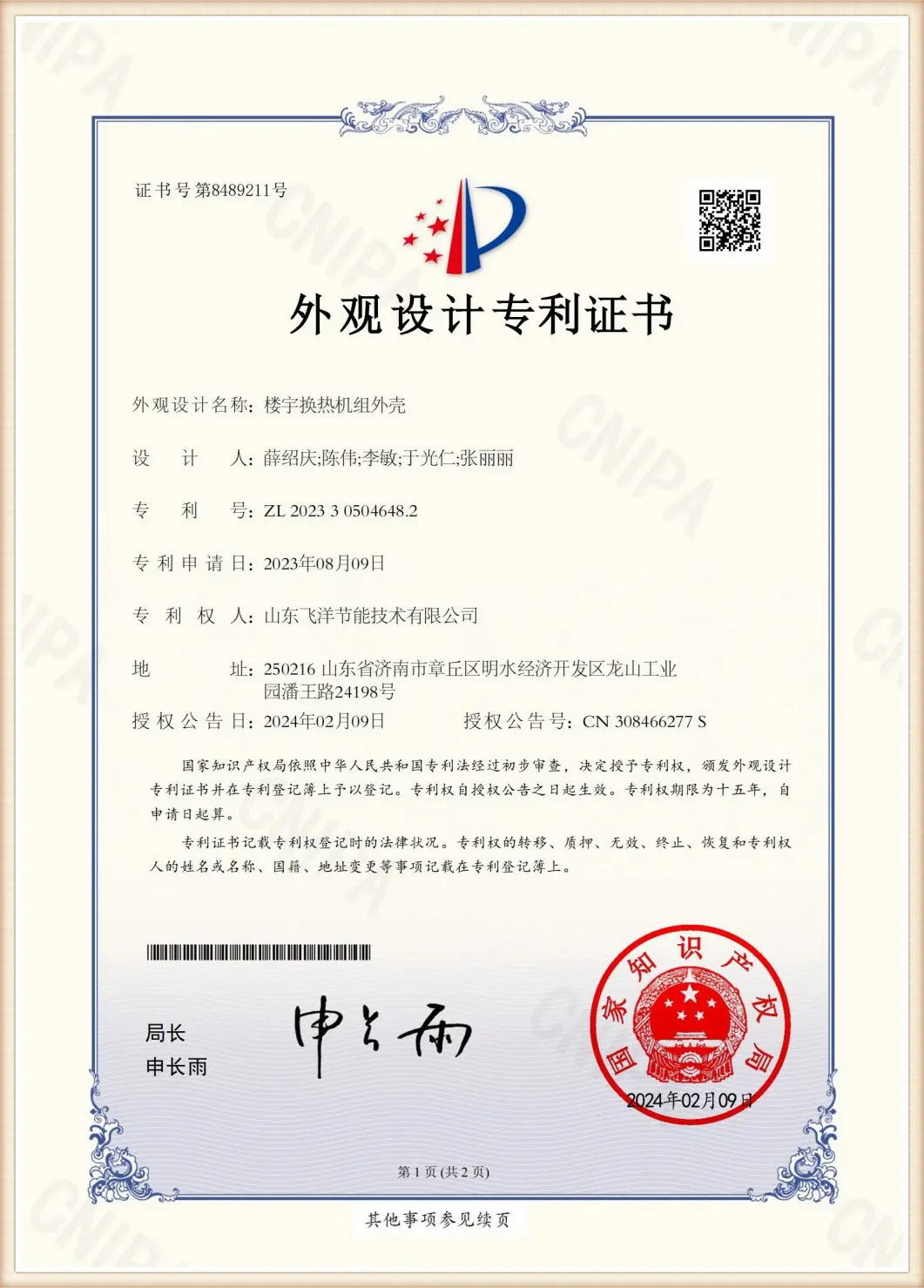
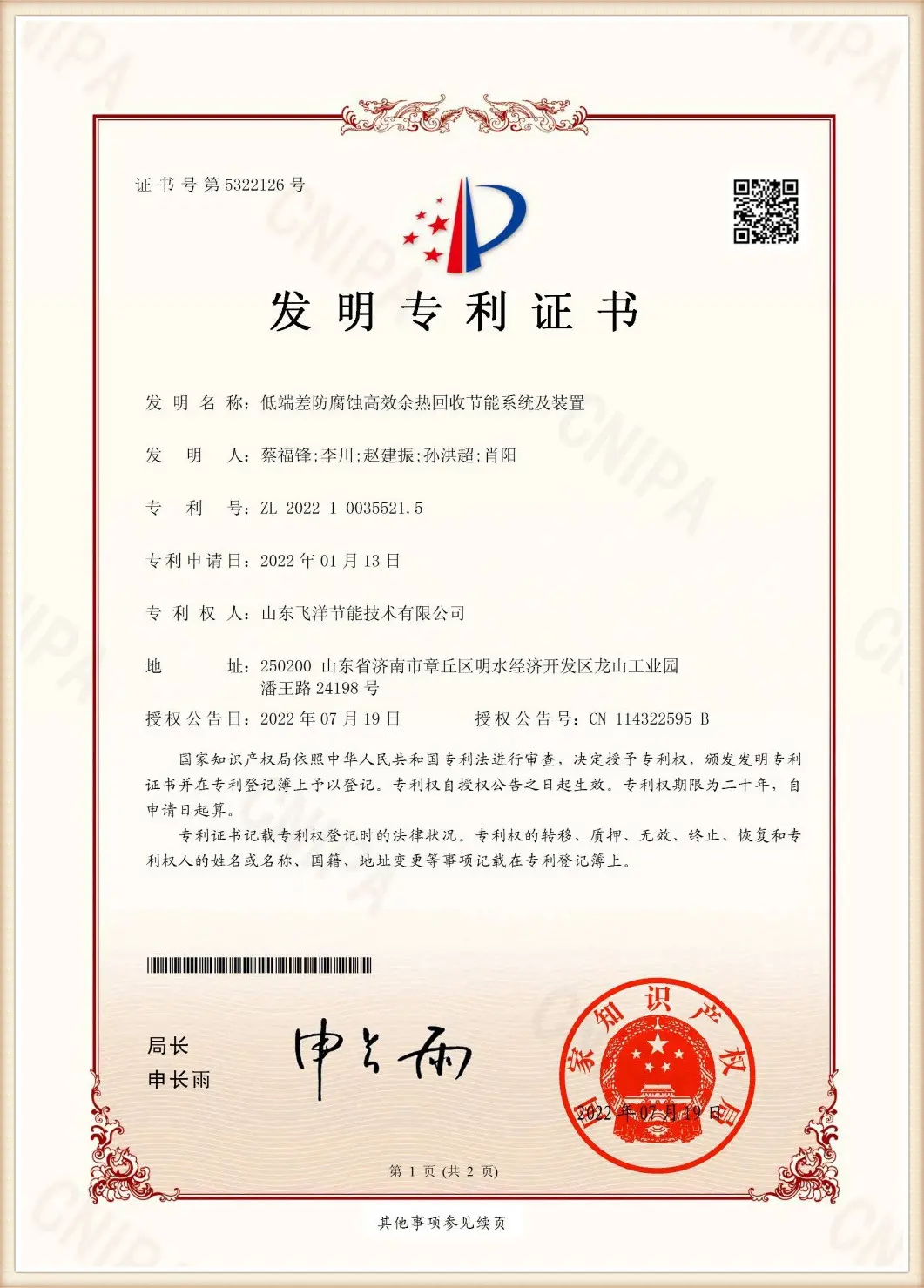
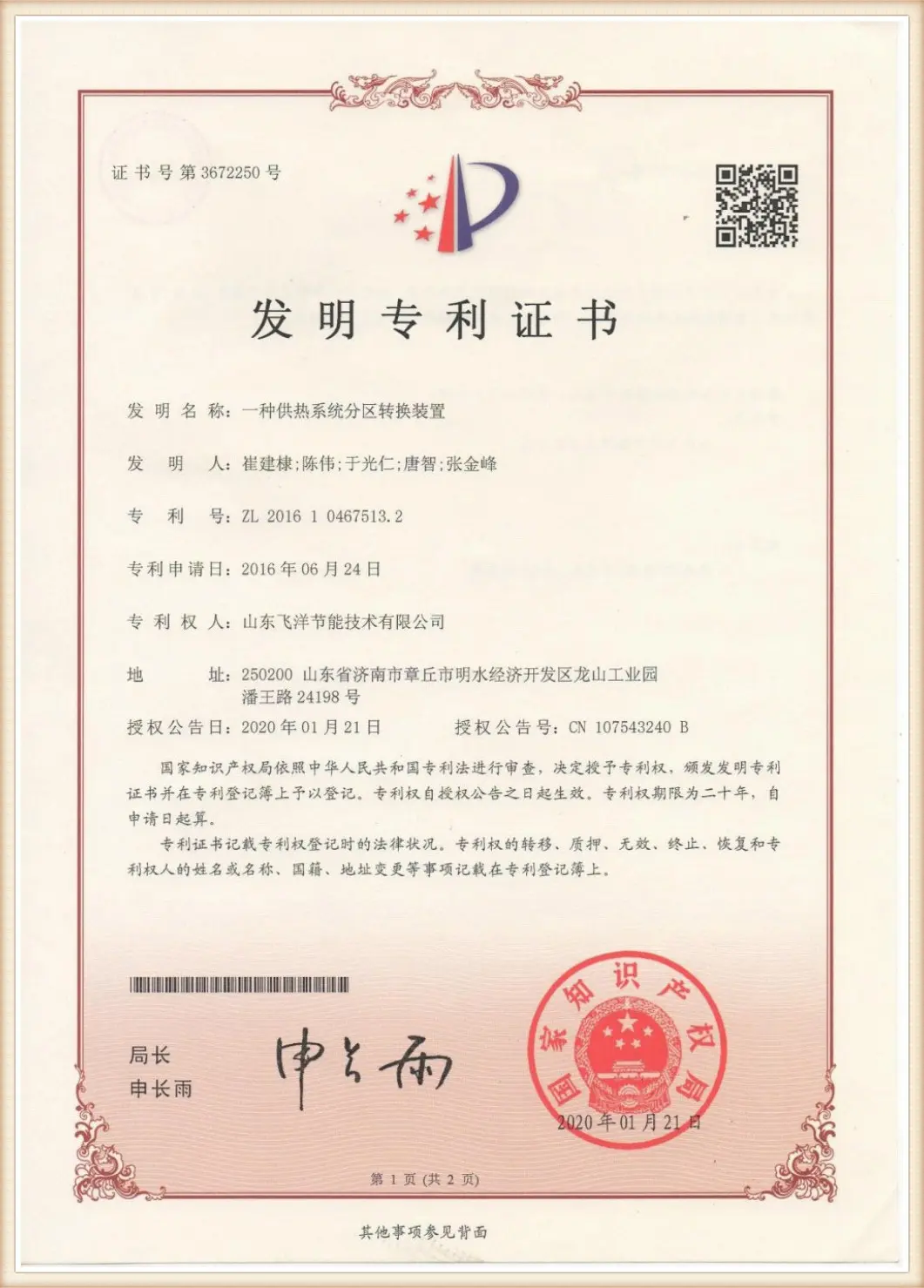
Review our certifications, including ISO approvals and pressure vessel standards, required for international installations.
Exporting industrial pressure equipment requires adherence to strict regional engineering codes. Flotte designs and manufactures its heat exchangers to comply with major international standards:
Our quality management systems are certified to international standards to ensure consistent performance, environmental compliance, and workplace safety:
Find answers to common questions about selecting, operating, and maintaining spiral coil heat exchangers.
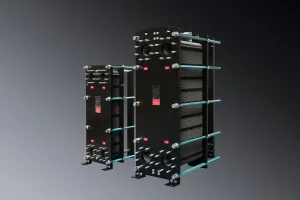
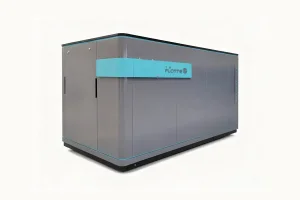
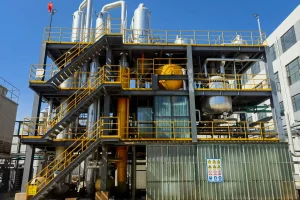
Explore our broader range of heat exchange units, monitoring systems, and evaporation solutions.

 Flotte Energy