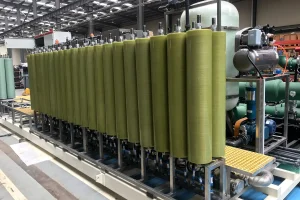
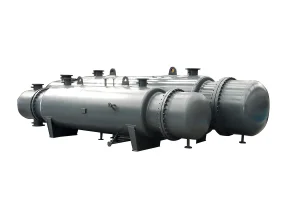
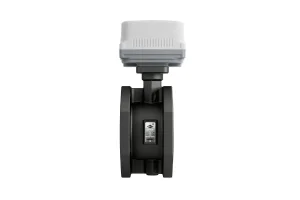
Explore our core high-efficiency heat exchange systems and water desalination equipment
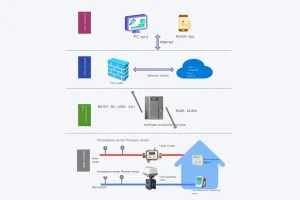
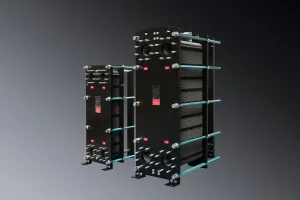
In modern industrial thermal design, selecting the optimal heat exchange system directly influences a facility's energy efficiency, operational downtime, and overall lifecycle cost. While conventional plate heat exchangers and shell-and-tube configurations are industry staples, the Spiral Heat Exchanger (SHE) stands out as a highly specialized solution engineered for challenging process fluids. By utilizing concentric spiral channels, SHEs deliver exceptional thermal transfer efficiency even when handling highly viscous, fouling, or solid-laden media.
Our comprehensive technical review indicates that the core advantage of a spiral heat exchanger lies in its single-channel design. Unlike multi-pass systems where fluid distribution can become uneven, the single channel of a spiral heat exchanger forces fluid through a continuous path. This creates a self-cleaning mechanism where localized velocity increases at the point of scale deposition, actively scouring away accumulations and maintaining a high overall heat transfer coefficient ($U$-value). Through extensive thermodynamic simulation, this geometry promotes the formation of Dean vortices, secondary flows that enhance convective heat transfer without corresponding exponential increases in pressure drop.
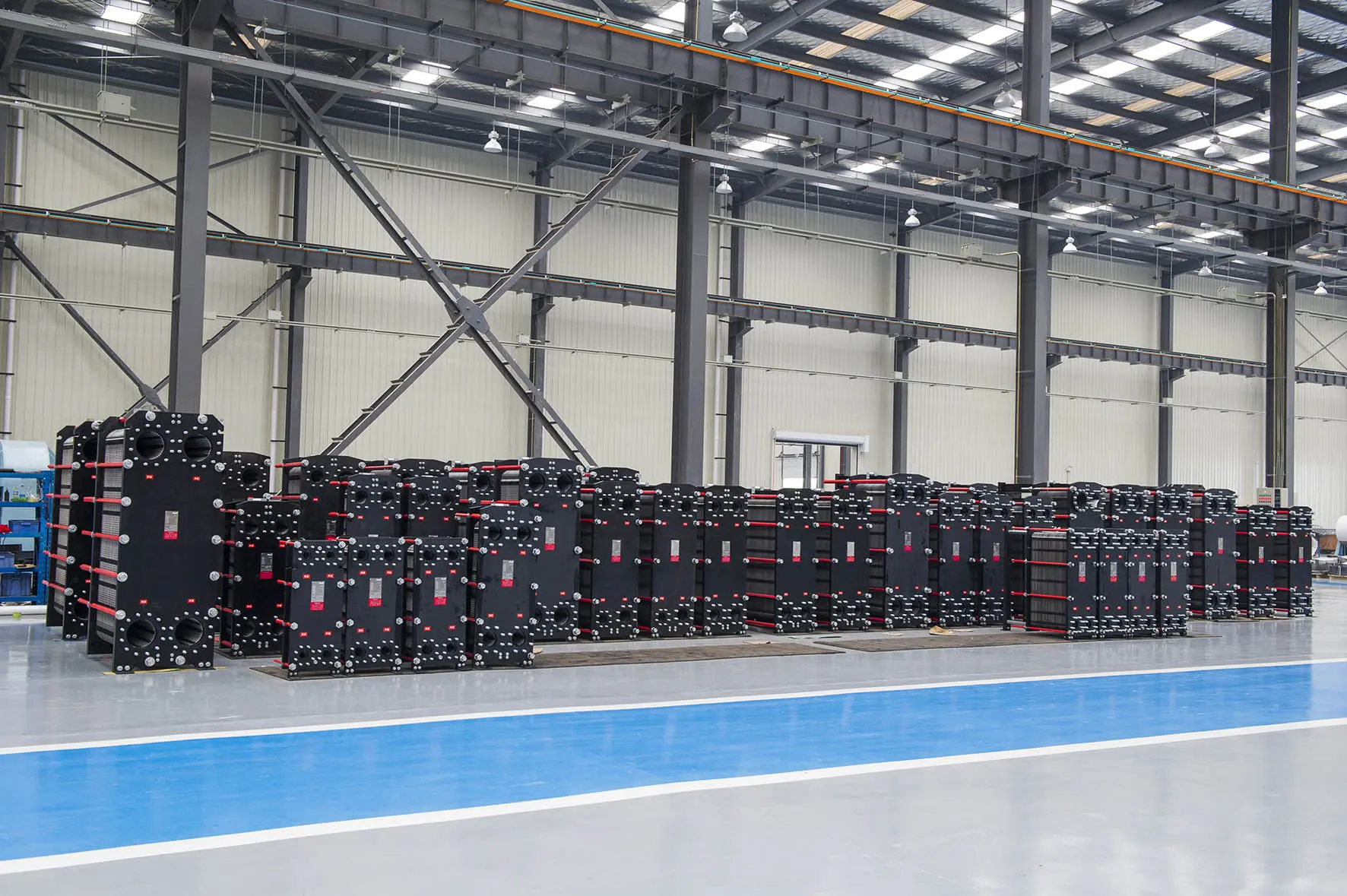
For international procurement managers, EPC contractors, and mechanical engineers, technical validation requires robust documentation. The Spiral Heat Exchanger PDF data sheet serves as the primary technical interface during the engineering phase. Flotte provides comprehensive engineering documents that contain detailed mechanical drawings, material specifications, ASME stamp confirmations, and thermal calculation sheets.
When downloading and reviewing a Spiral Heat Exchanger PDF, engineering teams must evaluate key operational parameters to ensure application compatibility: first, the channel spacing (typically ranging from 5mm for clean fluids to 30mm for high-solid sludges); second, the design pressure rating, ensuring compliance with ASME Section VIII Division 1 or European PED 2014/68/EU guidelines; and third, the material selection, verifying that the chosen alloy offers sufficient chemical compatibility with the process fluid.
Full regulatory compliance documentation, stamp certificates, and weld mapping reports included in every engineering PDF dispatch.
Specification files detail chemical compatibility indexes for Duplex SS 2205, Titanium Gr. 1, 316L, and Hastelloy configurations.
Calculations detailing pressure drops ($\Delta P$), fouling resistance margins, and fluid velocities across customized flow channels.
Why leading global corporations partner with Chinese thermal manufacturers like Flotte
The global transition to highly efficient heat recovery systems has highlighted the advantages of China-based production facilities. Chinese manufacturing centers have progressed beyond simple assembly operations, evolving into highly integrated ecosystems that leverage advanced materials processing, automated welding technologies, and significant supply chain efficiencies.
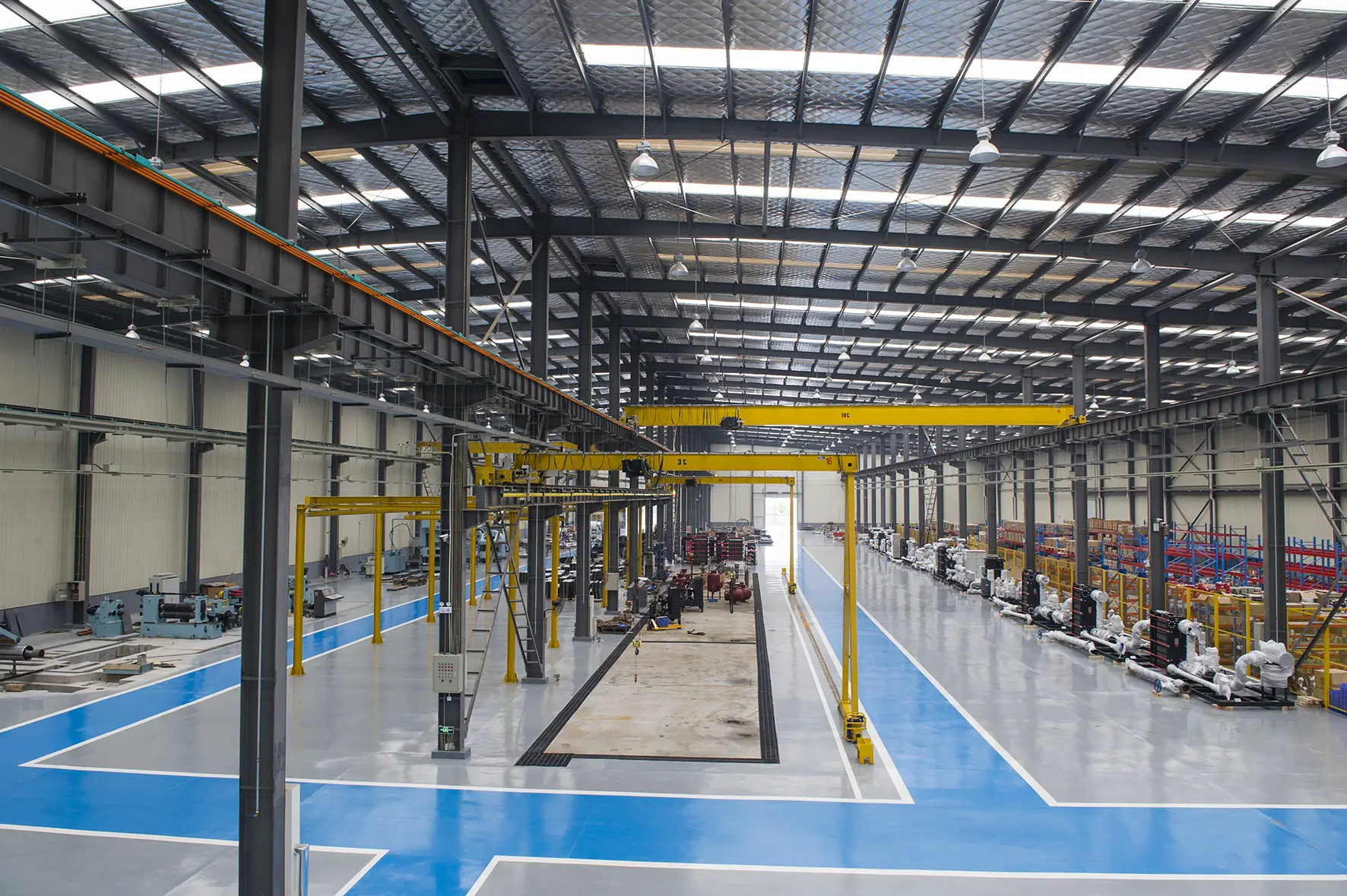
At our manufacturing facility in China, Flotte optimizes production through high-precision automated rolling systems. Fabricating a spiral heat exchanger requires forming two metal sheets into concentric channels without creating internal pressure points or flow path deviations. Our CNC-guided plate bending machinery ensures uniform channel gaps across the entire heat transfer surface. Furthermore, our localized access to tier-one steel and alloy suppliers enables us to secure high-quality raw materials at competitive rates, allowing us to pass these cost efficiencies directly to our international clients.
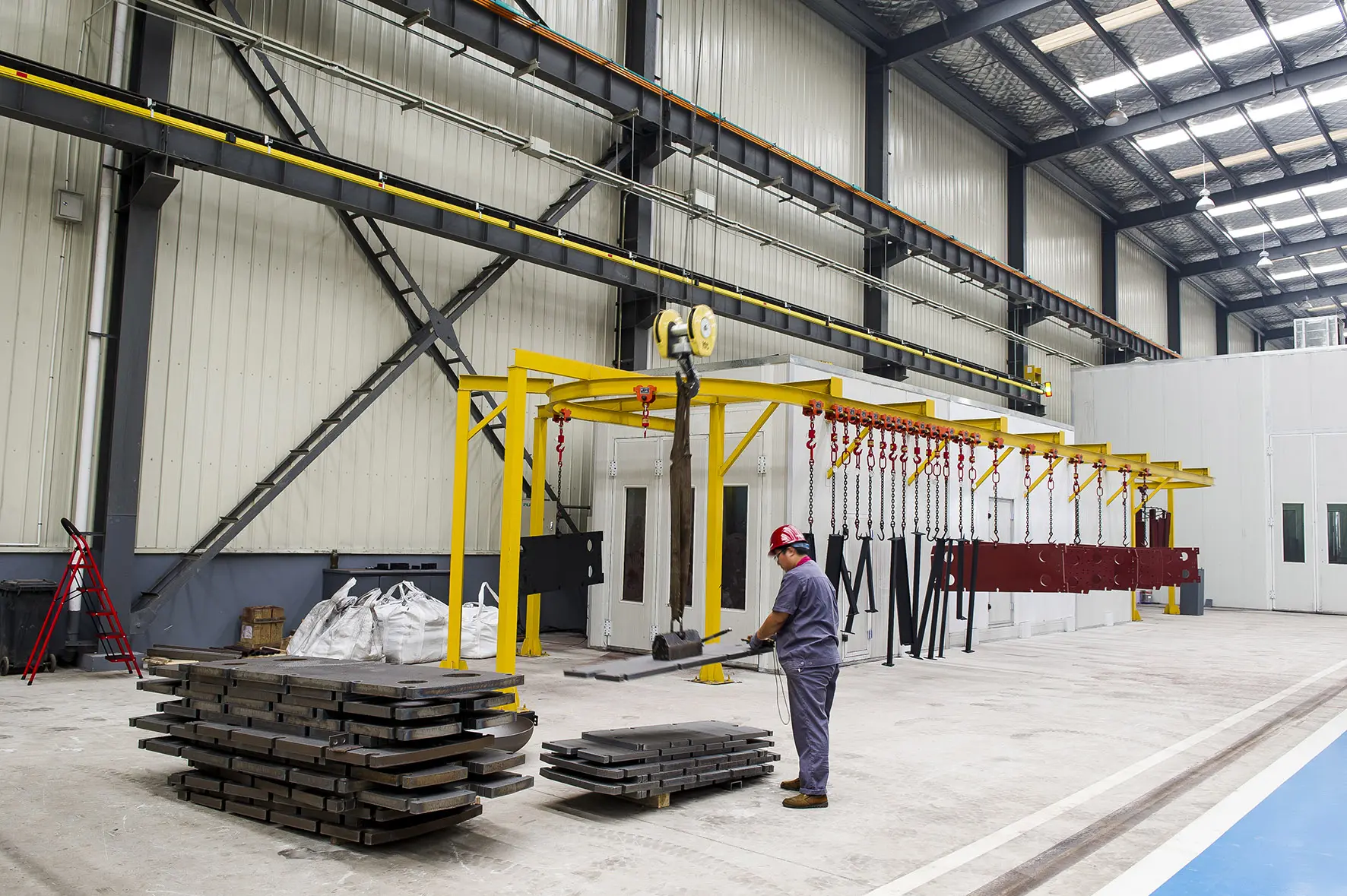
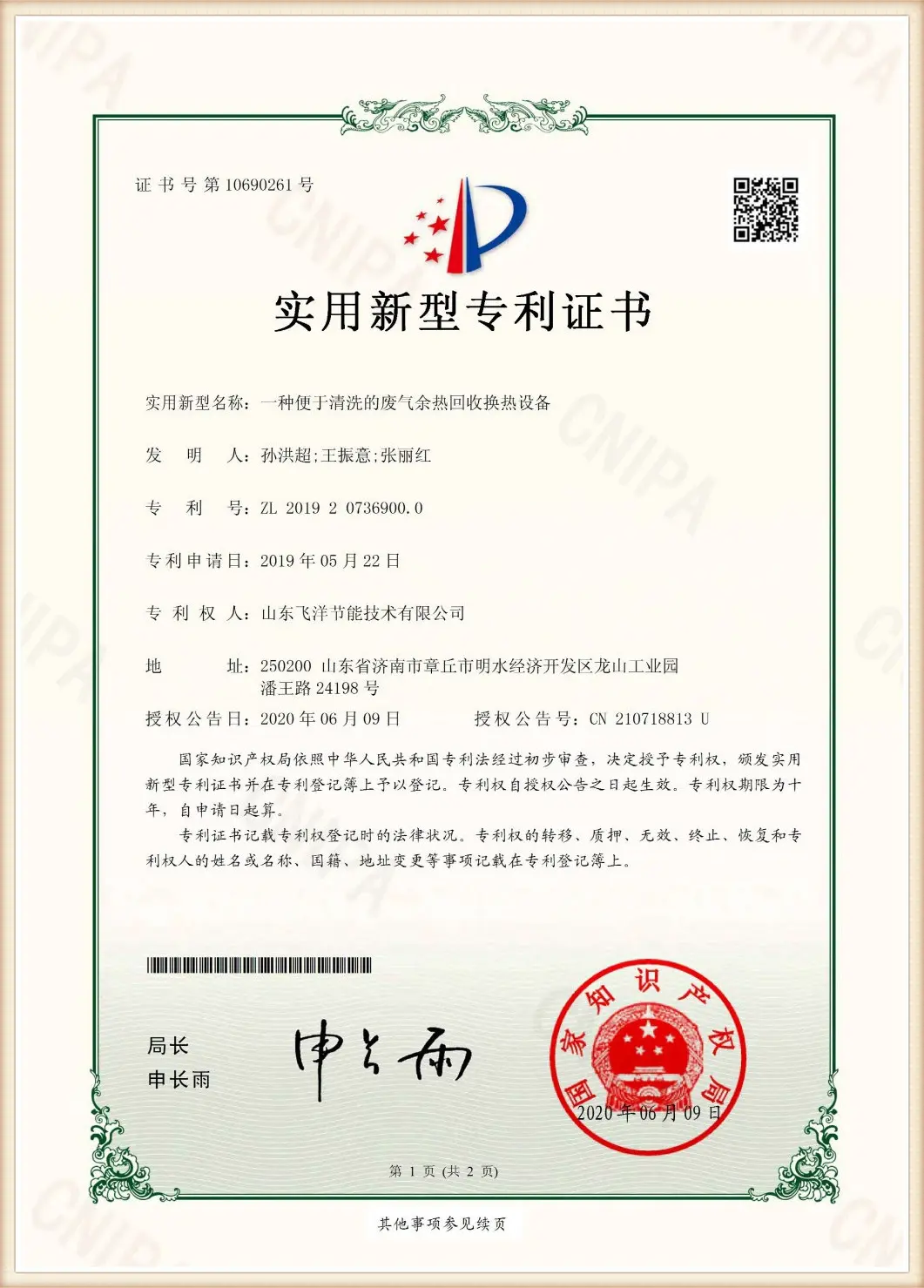
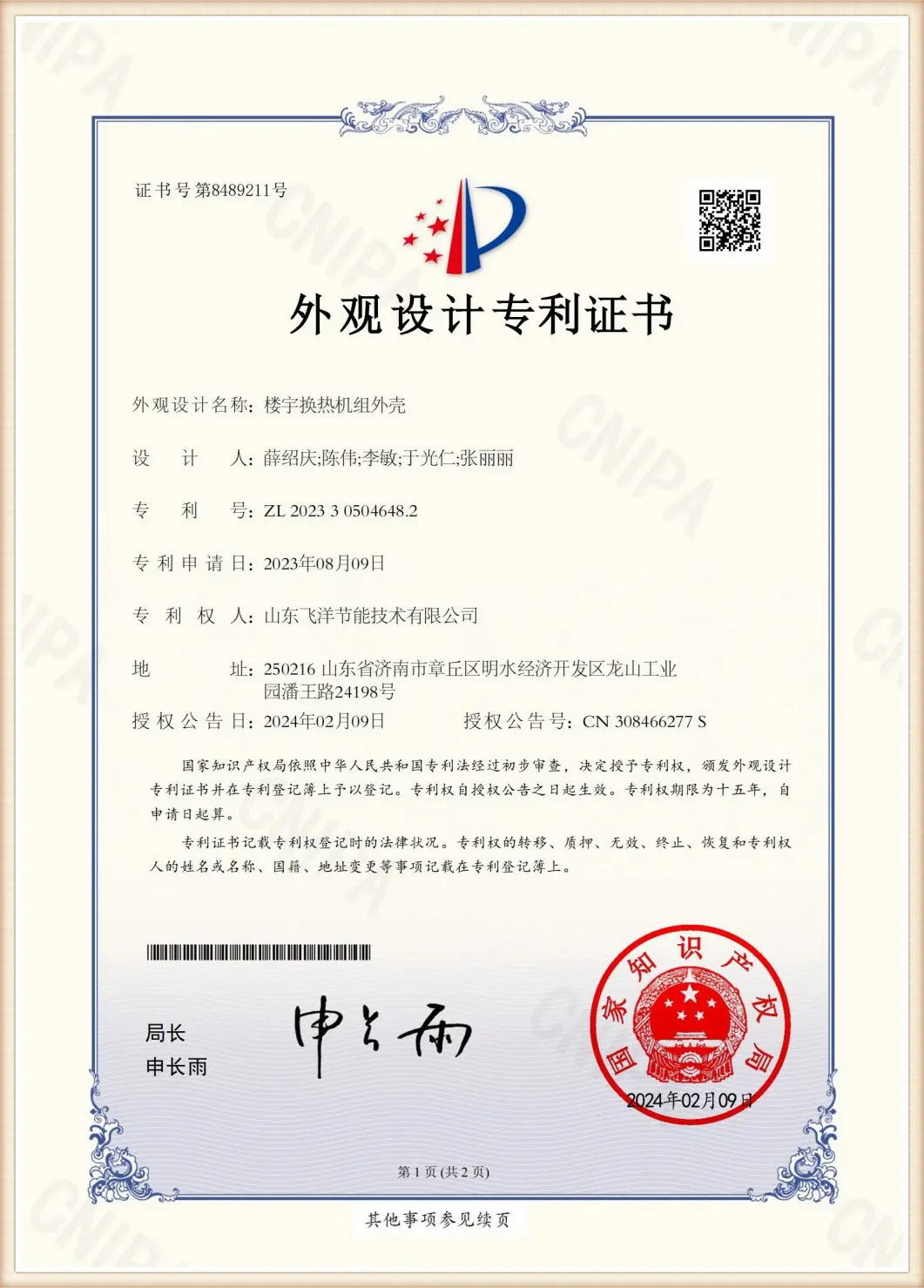
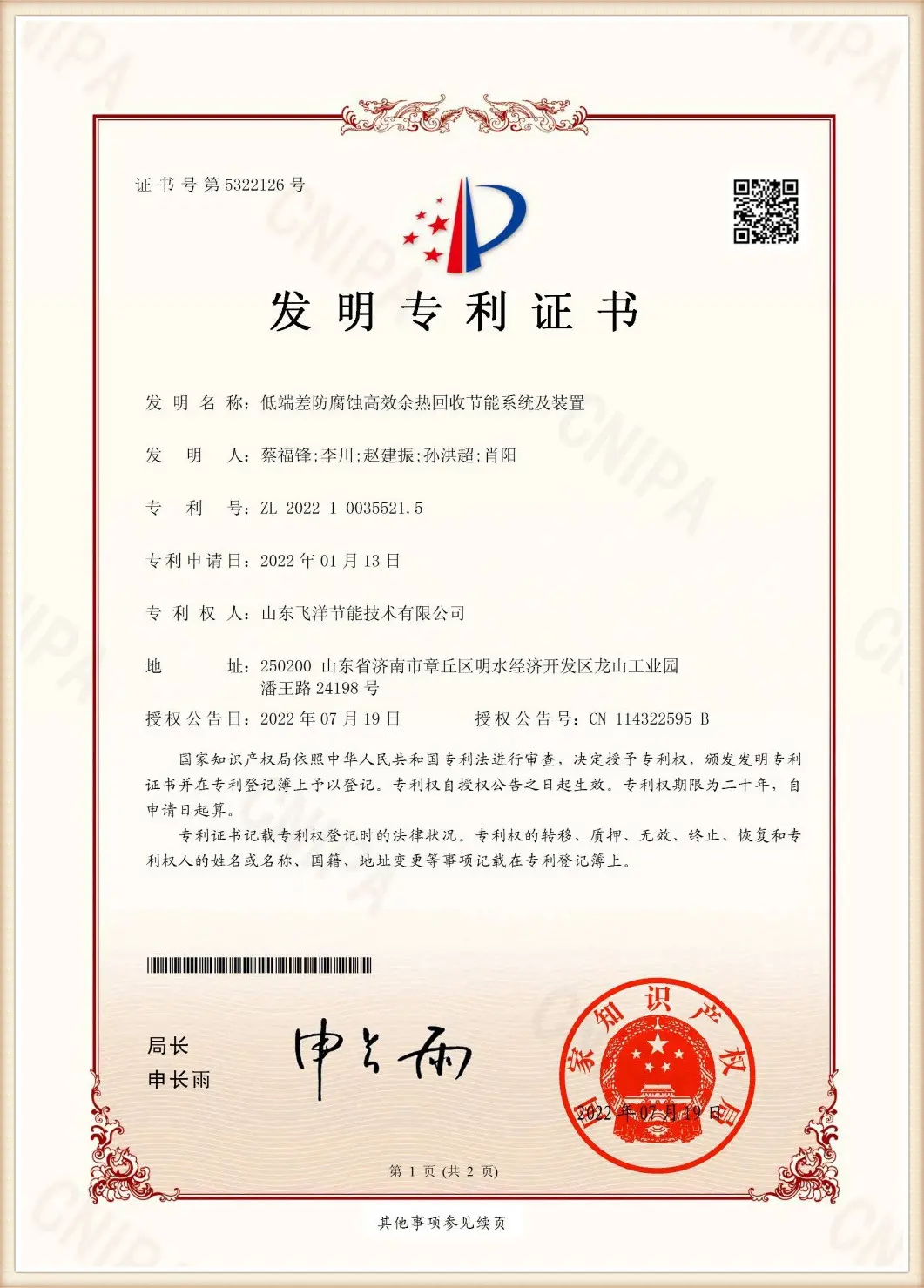
Quality assurance is the foundation of our engineering philosophy. Flotte maintains strict manufacturing standards, aligning our processes with ISO 9001:2015 Quality Management Systems, ISO 14001 Environmental Management Standards, and ISO 45001 Occupational Health and Safety frameworks. Every step of our manufacturing cycle—from plate cutting to mechanical assembly—undergoes rigorous inspection. Frontline technical teams are certified pressure vessel welders who undergo regular training, ensuring that each spiral seam meets both high-vacuum and high-pressure operational demands.
Spiral heat exchangers are designed to handle demanding processing conditions where standard heat exchangers might struggle. Below are the primary industrial environments where these systems are most commonly applied:
Wastewater and sewage sludge carry high concentrations of suspended solids and fibrous materials that can easily block narrow plate paths. The single-channel architecture of a spiral heat exchanger allows these slurries to flow continuously without clogging, optimizing anaerobic digester temperatures and improving overall heat recovery from plant effluent.
Handling aggressive chemical mixtures, acidic solutions, and organic solvents requires both high thermal efficiency and corrosion resistance. By offering custom materials such as Titanium Gr. 1 and Duplex Stainless Steel, we provide solutions that withstand highly corrosive processes while maintaining high heat transfer rates under demanding conditions.
Pharmaceutical processes demand precise temperature regulation and clean, contamination-free operation. Spiral configurations excel at handling multi-phase condensation and vaporization cycles, enabling efficient solvent recovery while supporting strict sanitary standards and easy clean-in-place (CIP) maintenance.
Designing a customized spiral heat exchanger requires balancing several key engineering variables to match specific process conditions:
Every stage of production adheres to strict quality guidelines to ensure performance and reliability
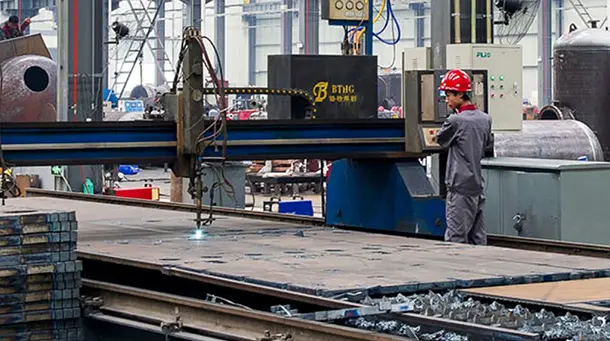
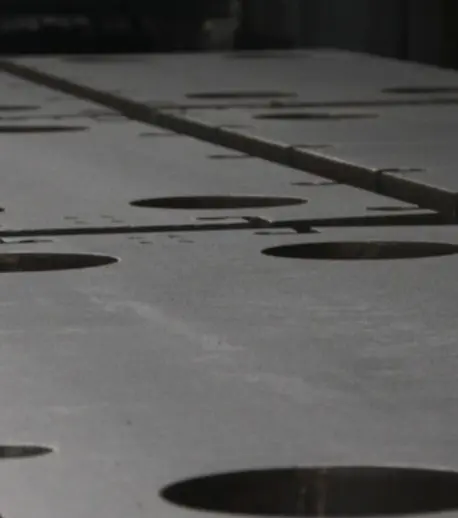
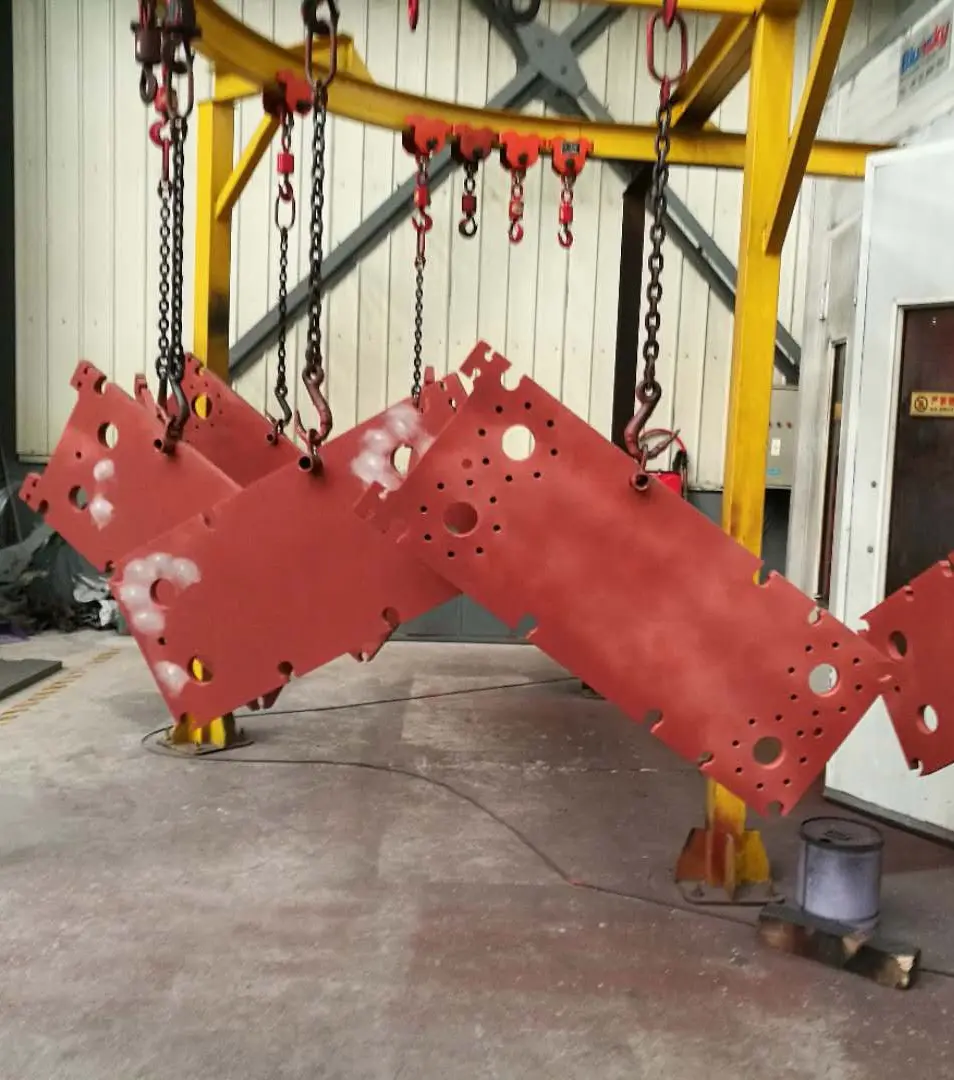
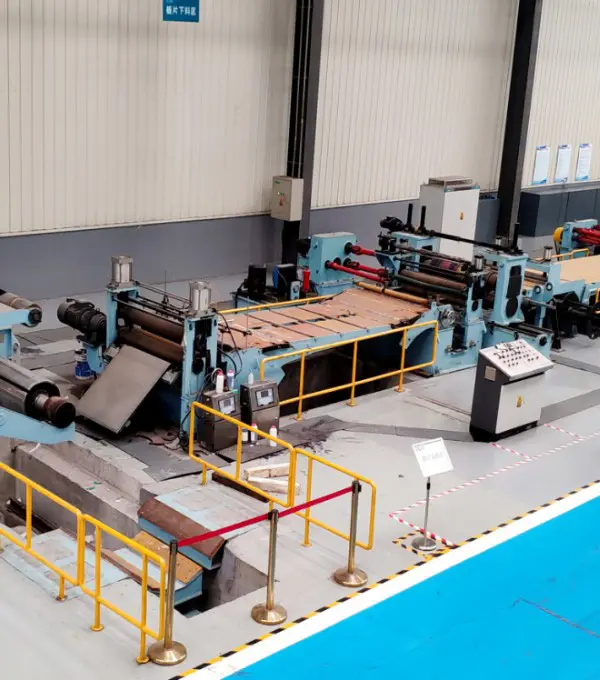
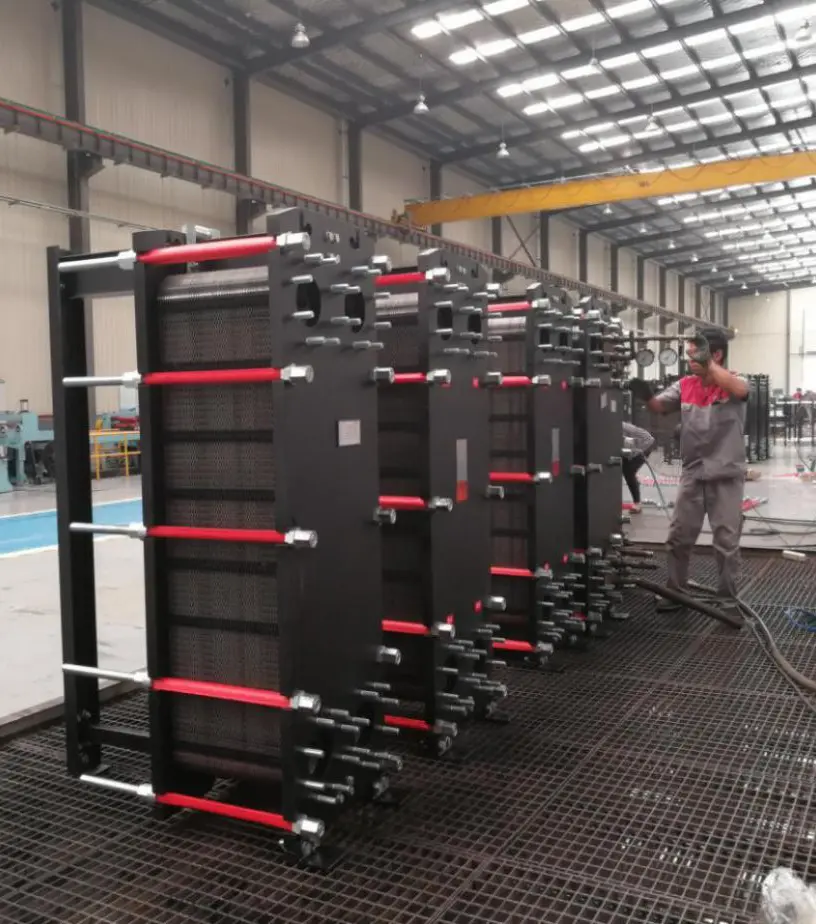
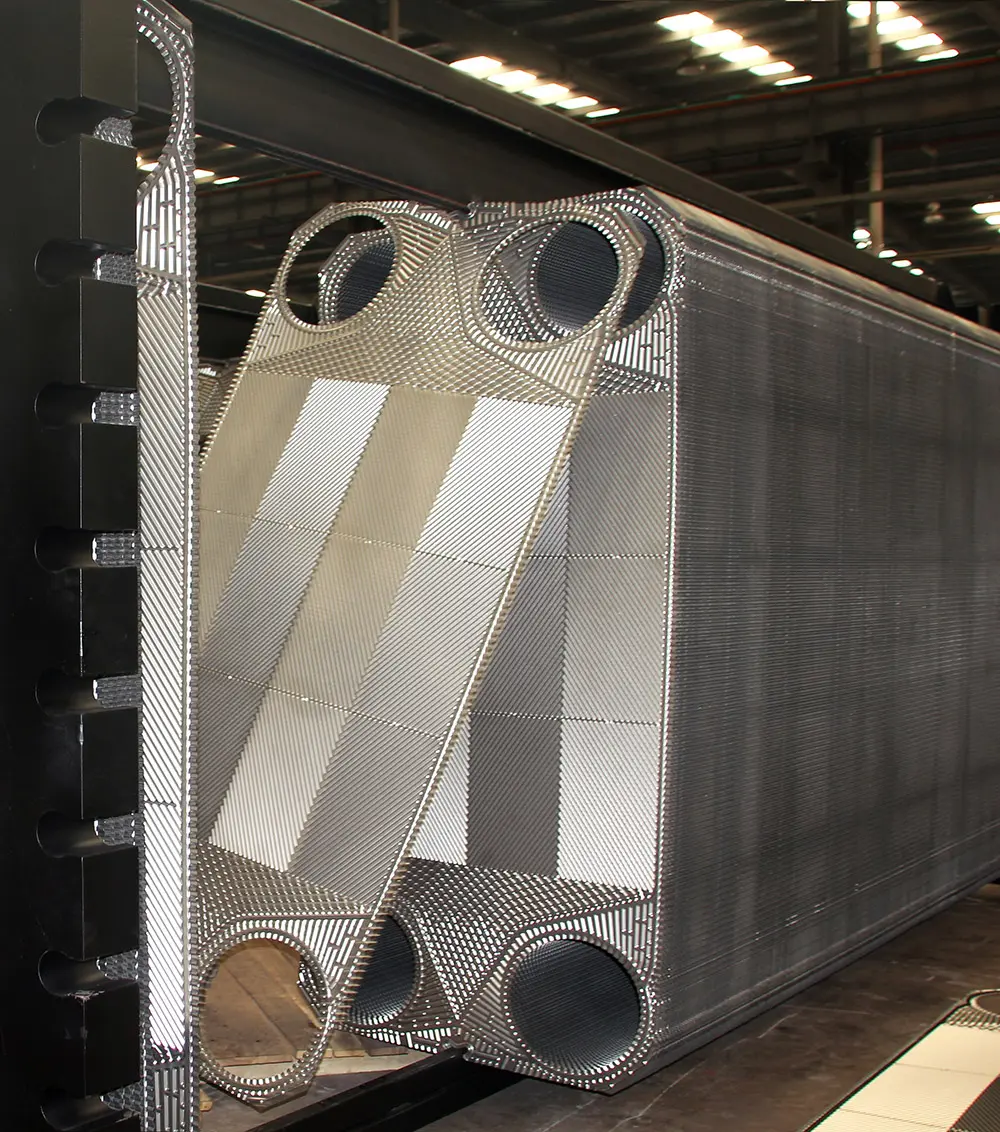
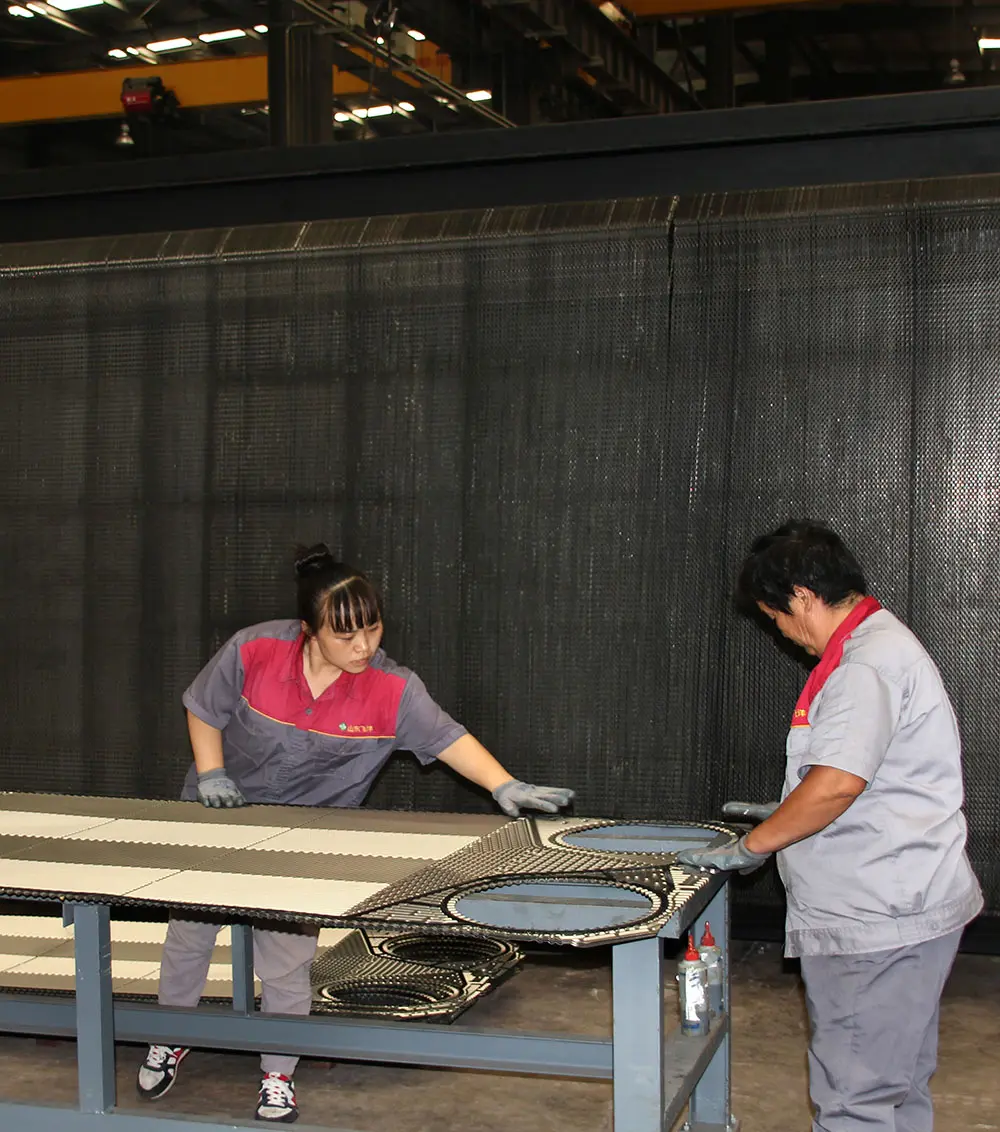
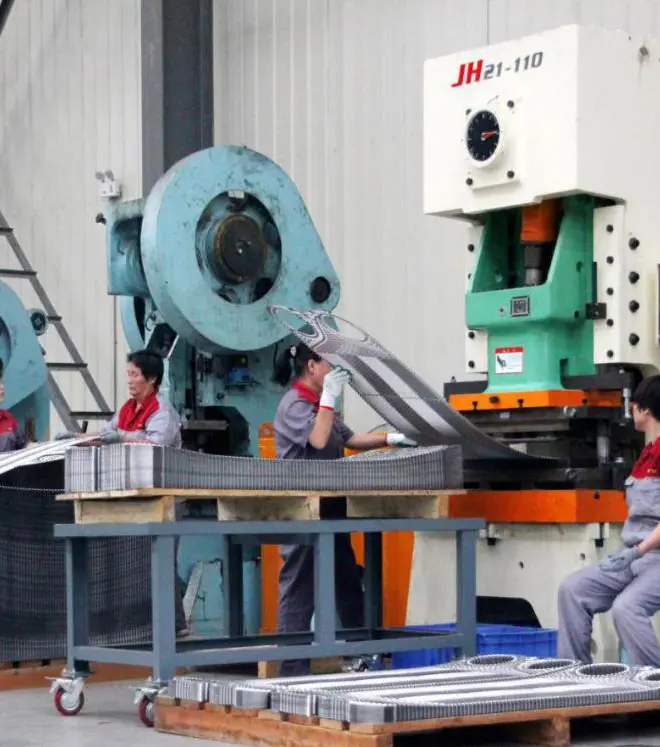
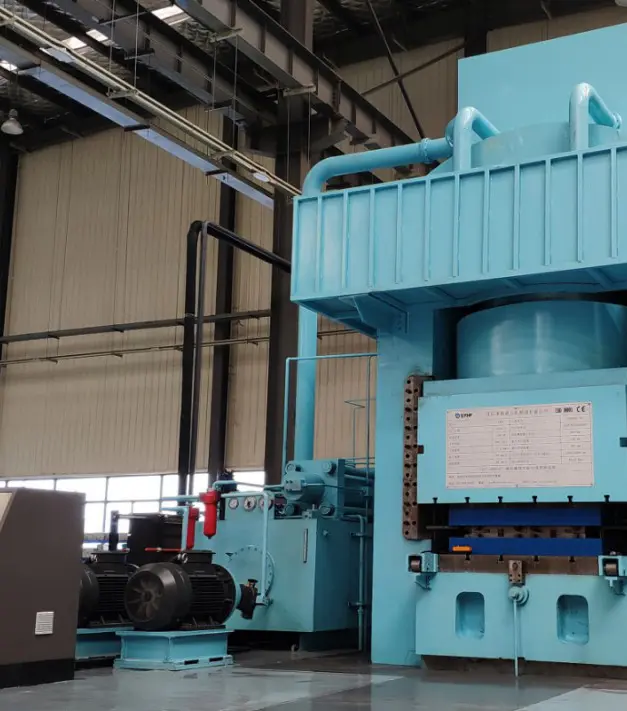
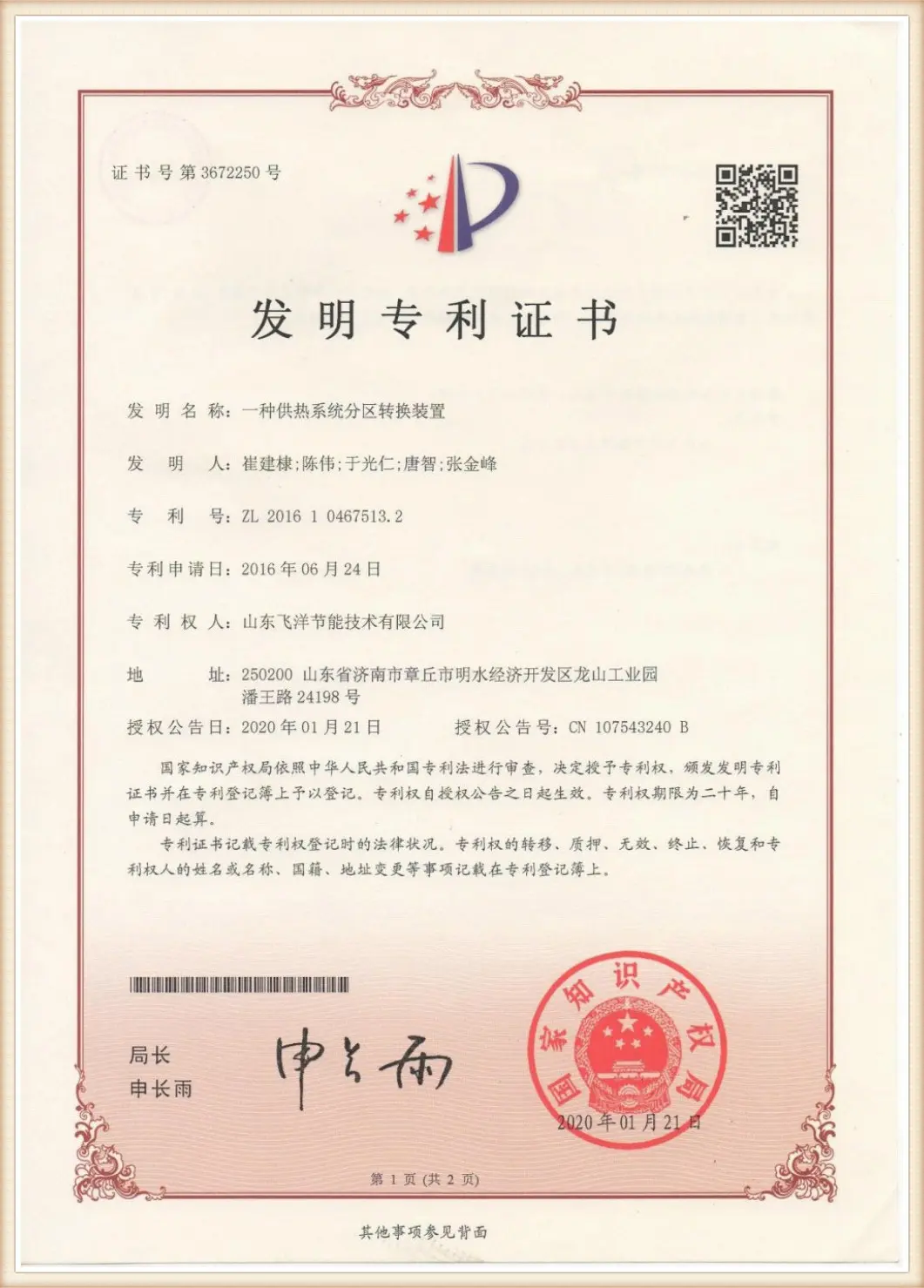
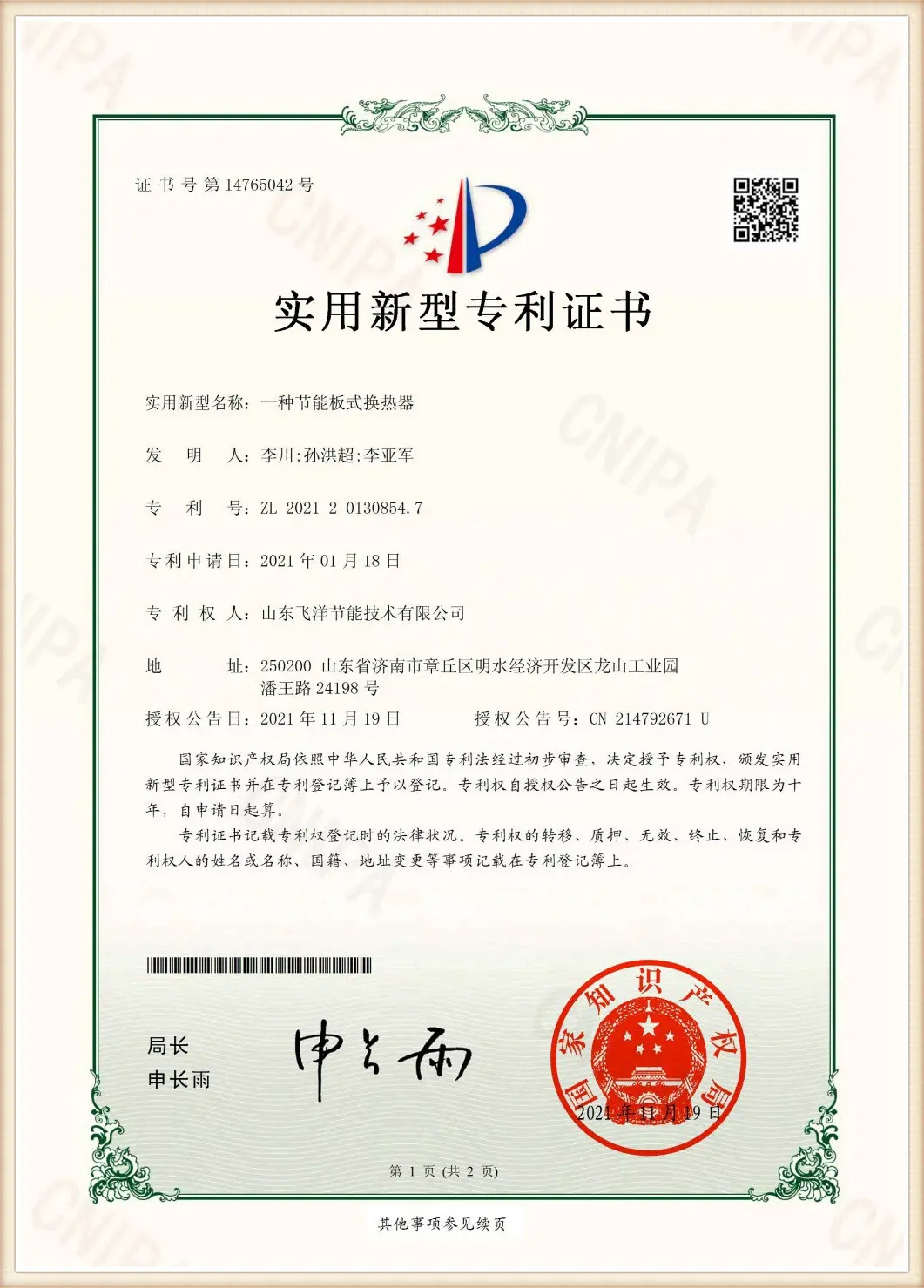
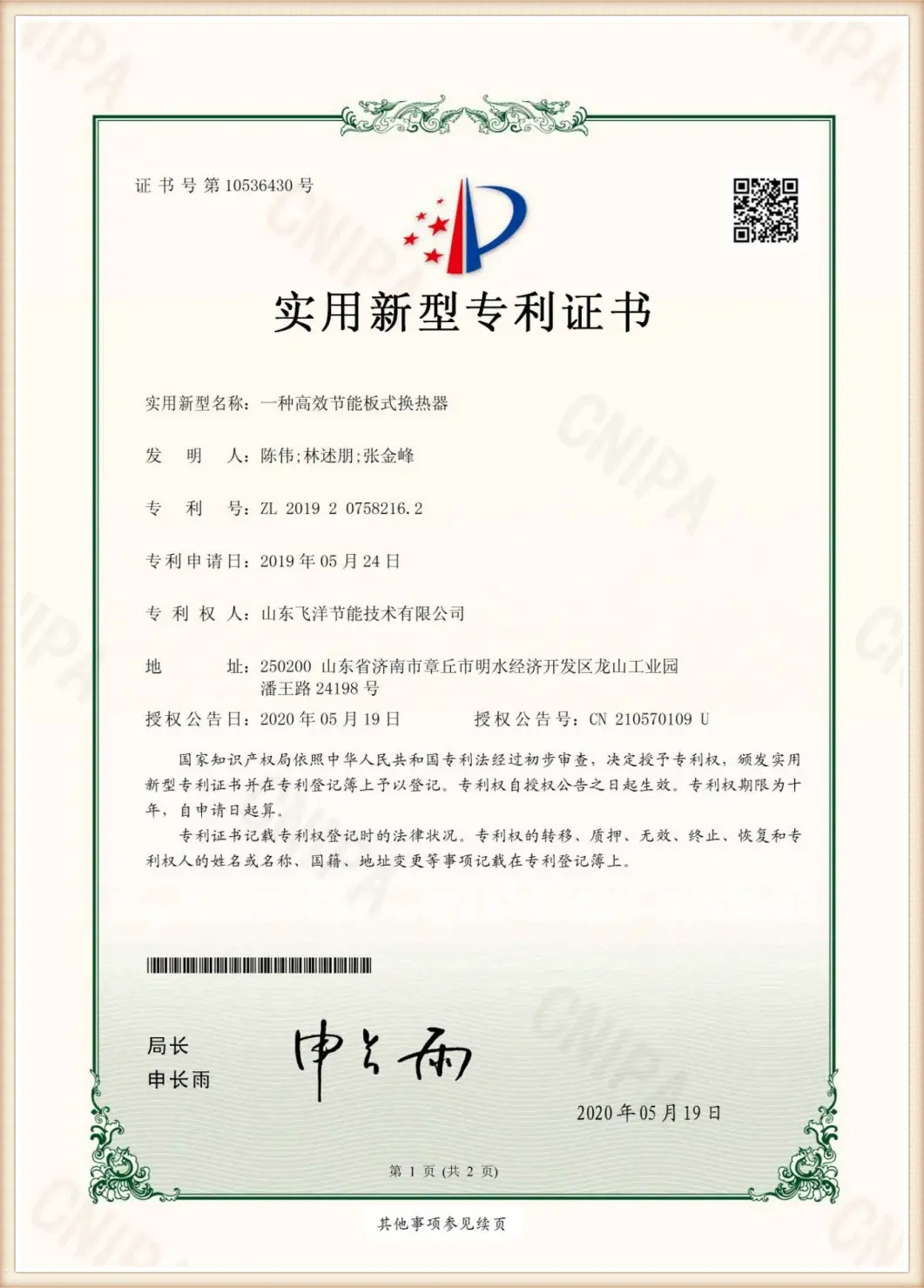
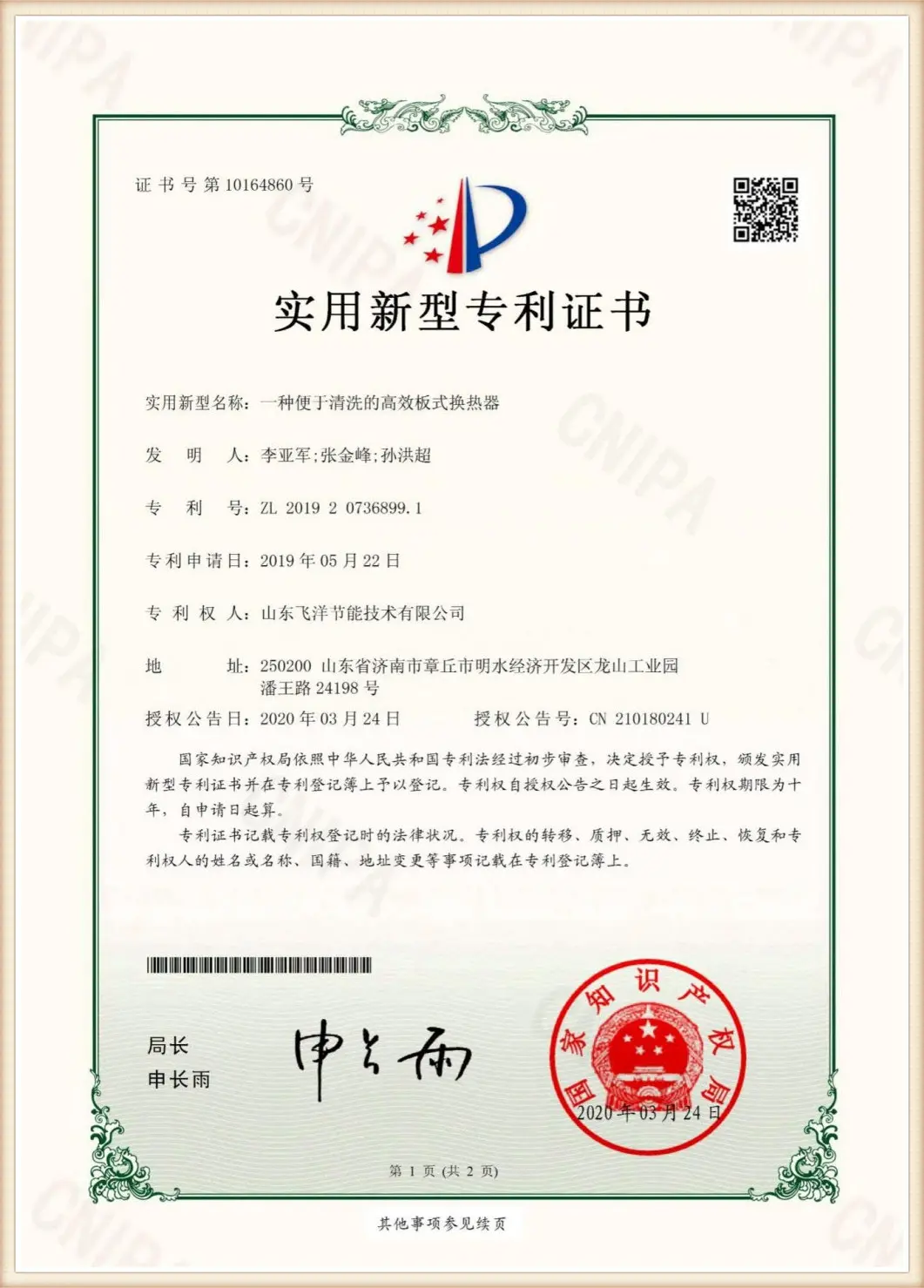
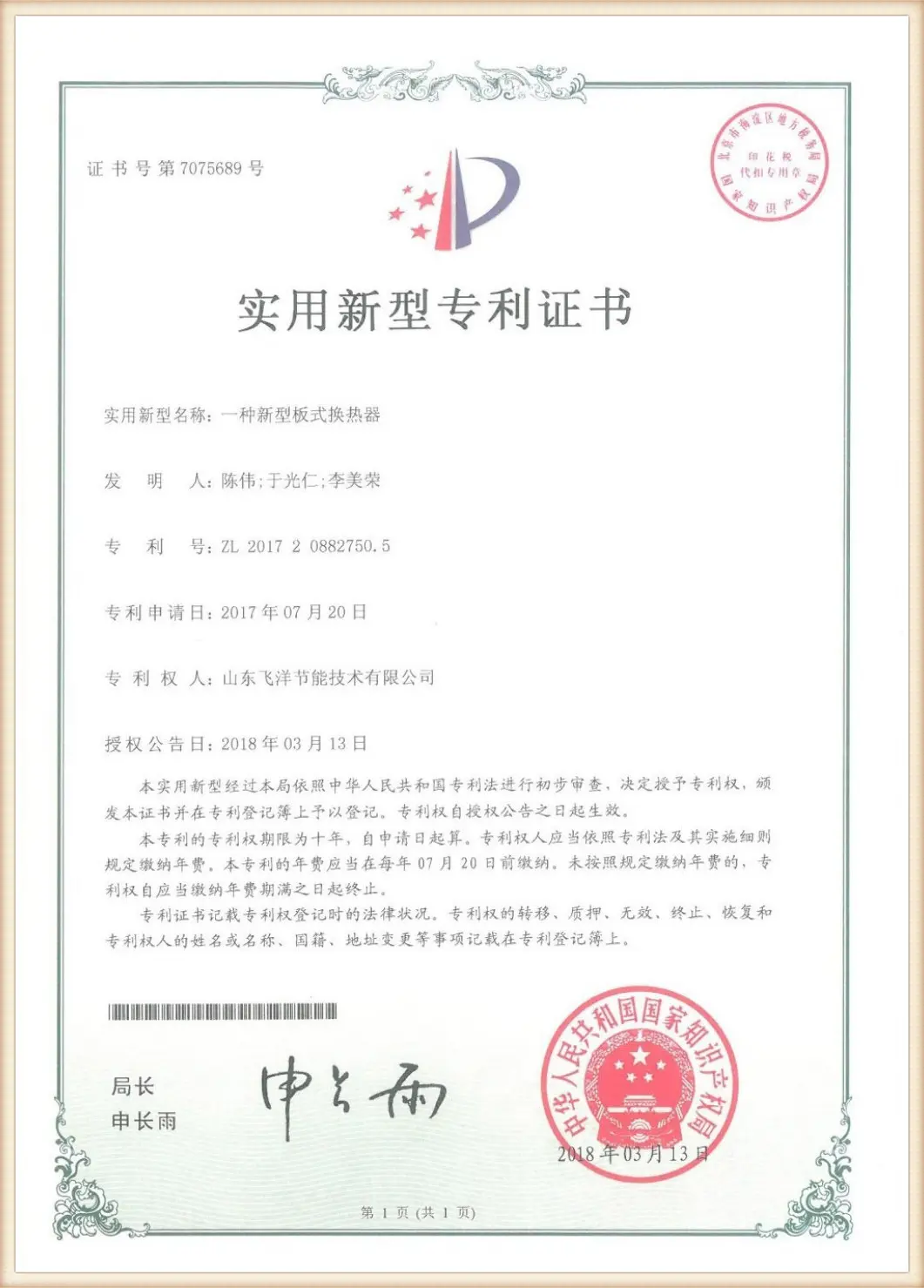
A showcase of our advanced manufacturing facility and official certifications
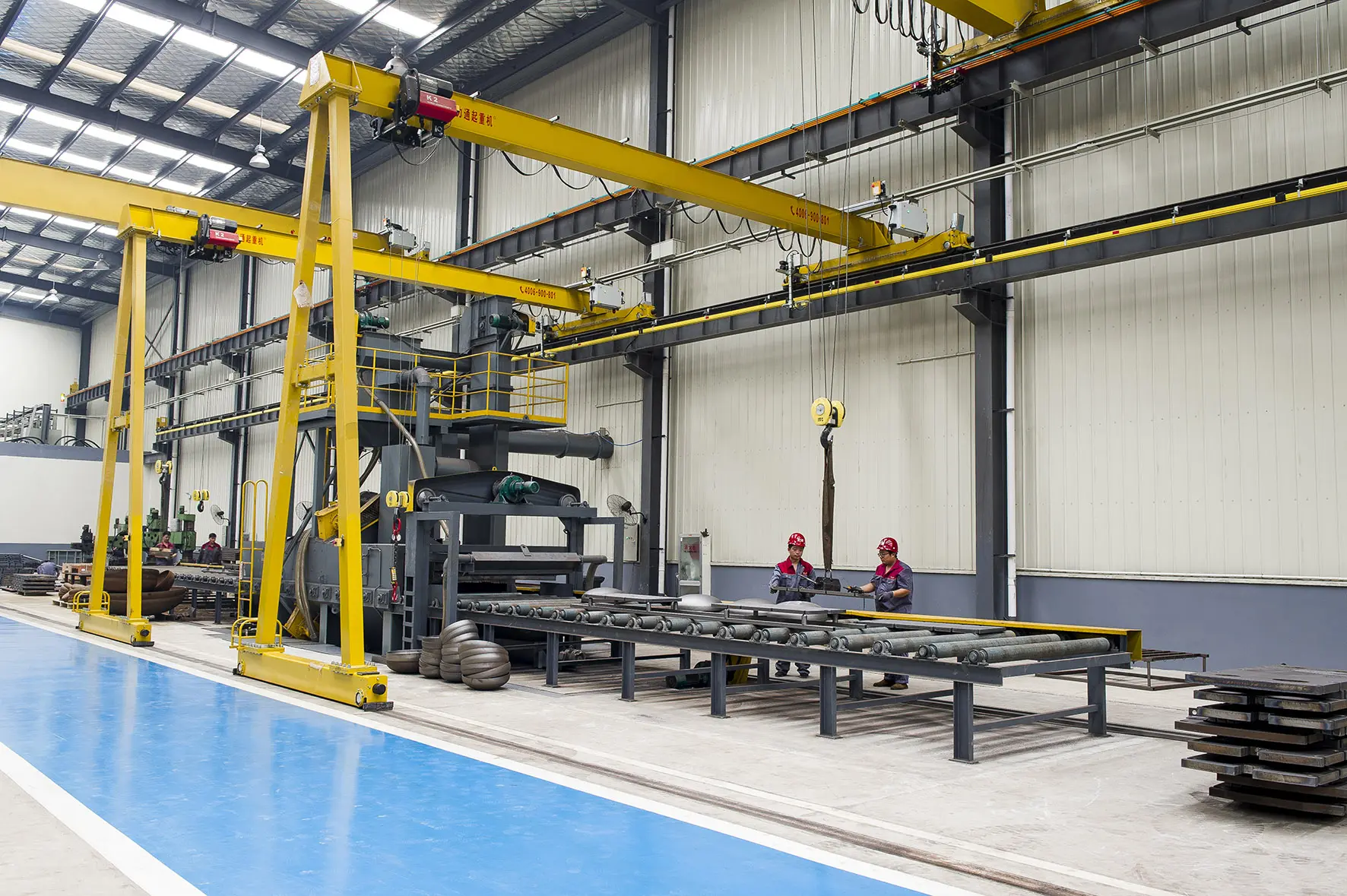
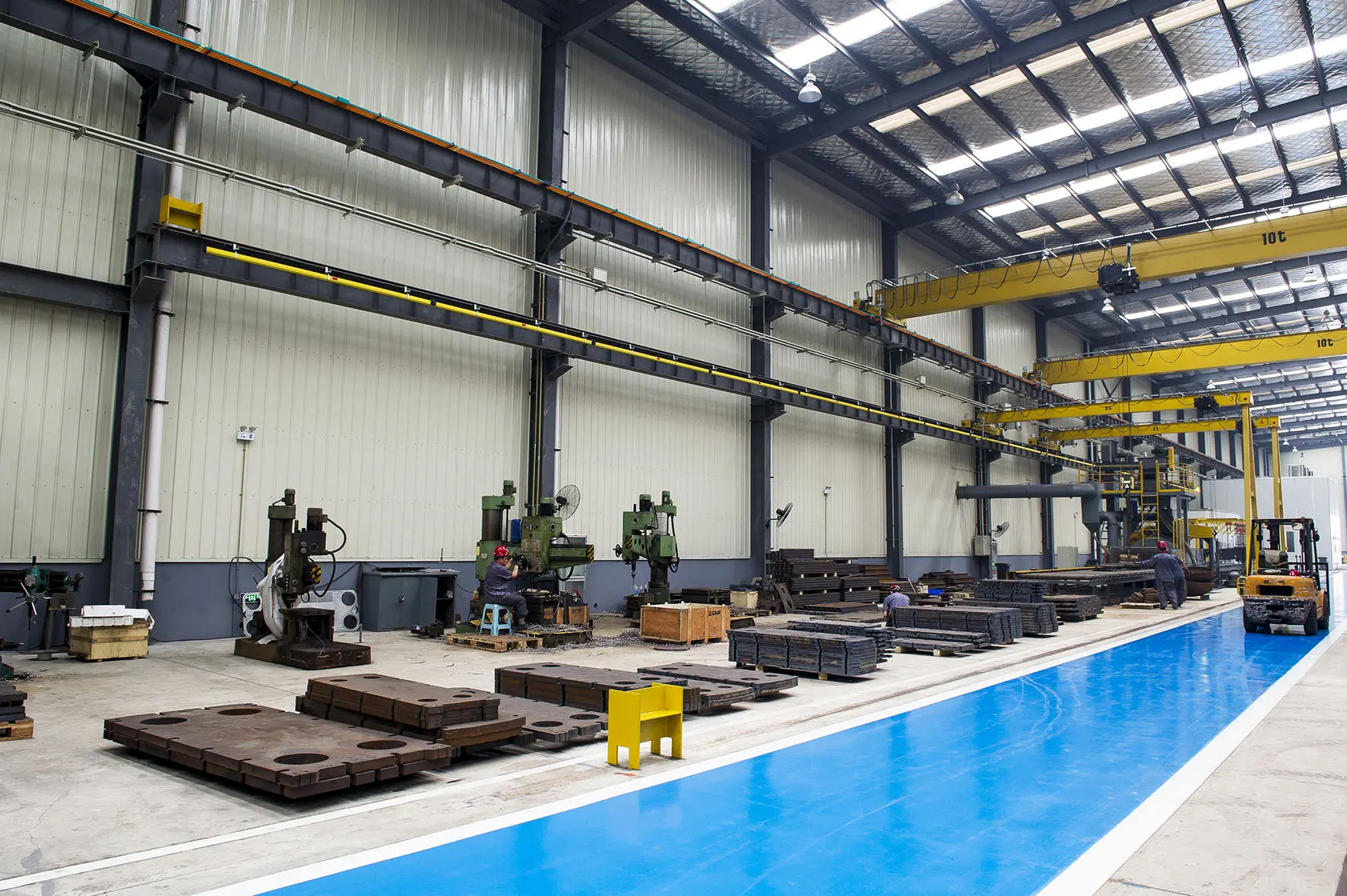

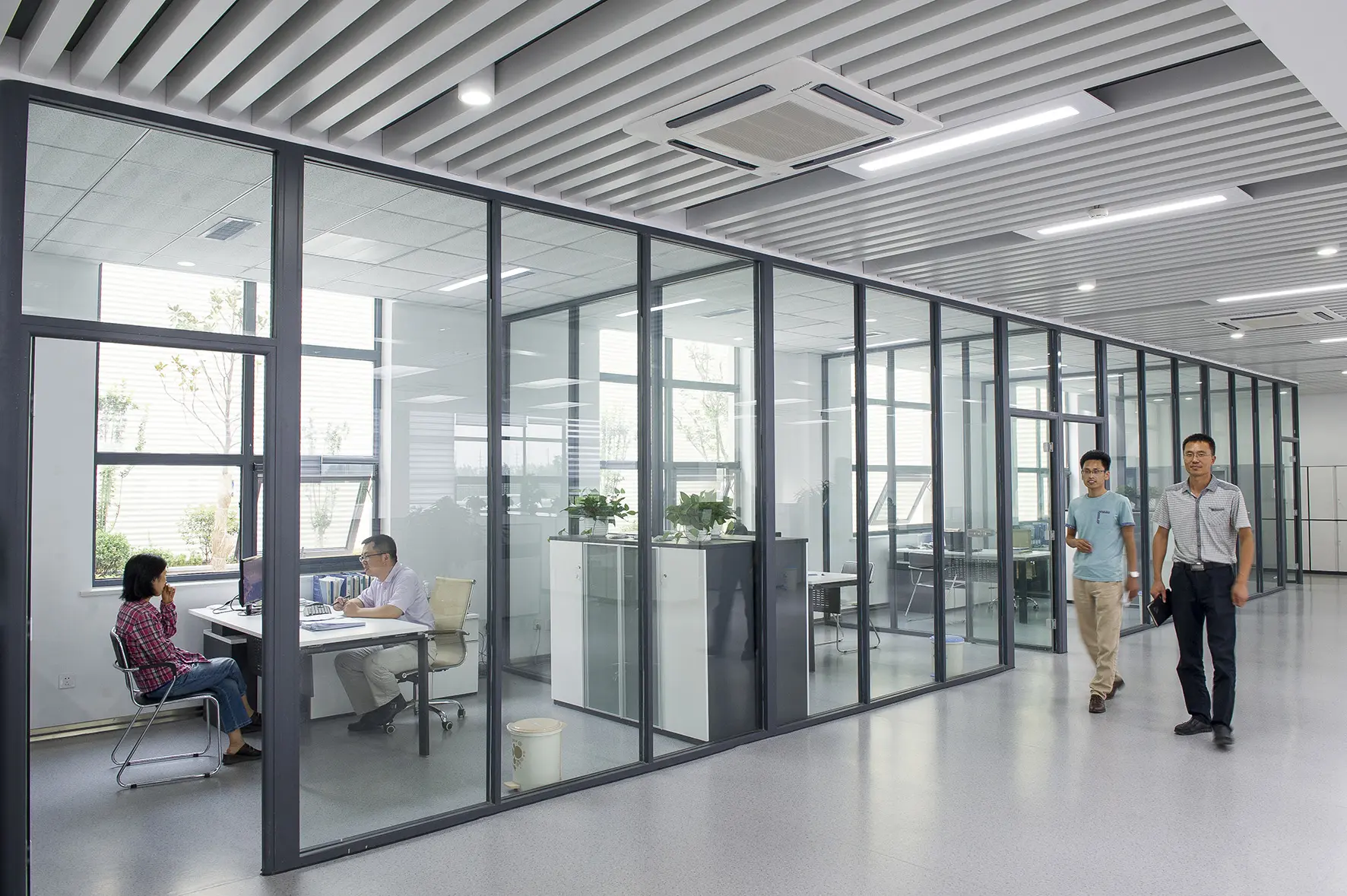

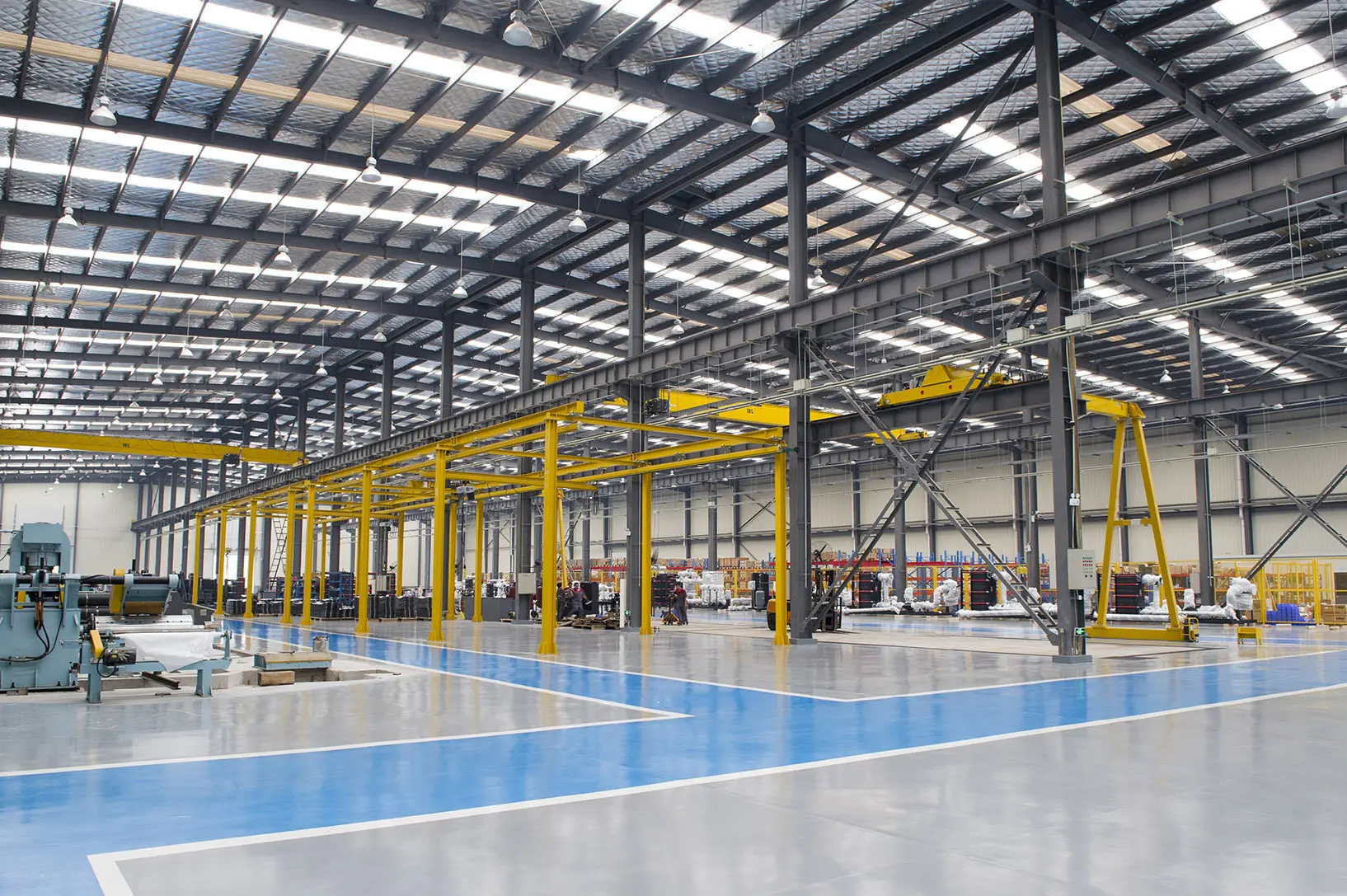
Discover how our high-efficiency systems are used across centralized heating and HVAC installations
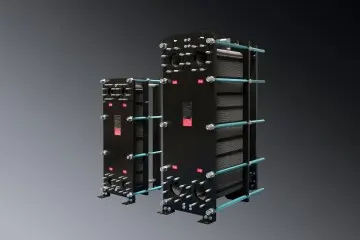
Engineered for high-efficiency heat transfer between municipal heating lines and regional distribution loops.
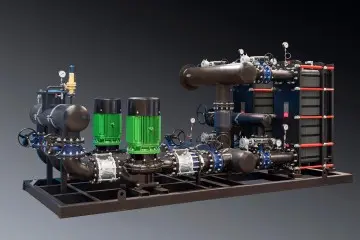
Combines monitoring networks with automated thermal control for commercial heating loops.
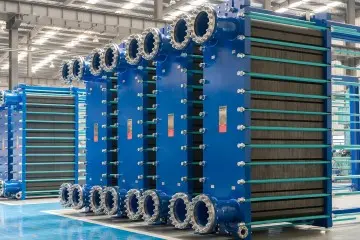
Manages fluid pressure variations while protecting secondary thermal loops from spikes.
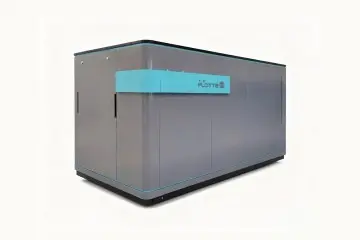
Delivers compact, high-capacity heating and cooling distribution across multi-story buildings.
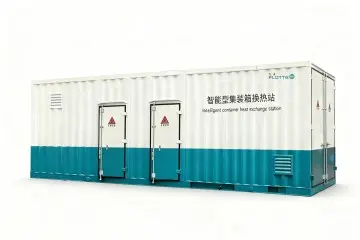
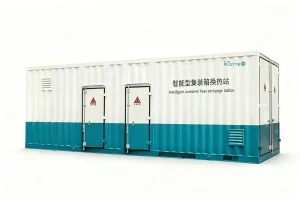
A self-contained modular layout designed for quick deployment in spatial-restricted sites.
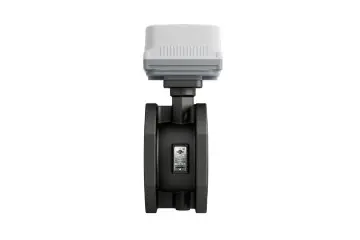
Ensures even distribution of flow across district heating networks, preventing cold zones.

Provides real-time room temperature data to coordinate with smart central control valves.
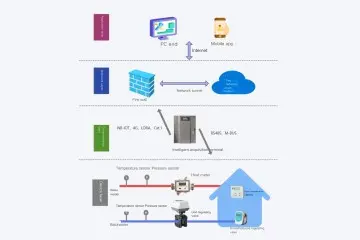
Automated dynamic hydraulic balancing to optimize flow rates and reduce energy consumption.
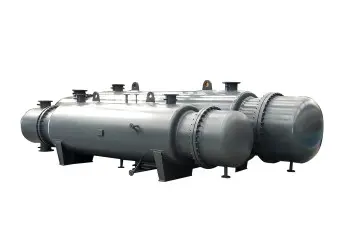
A robust thermal option built for high-temperature and high-pressure chemical applications.
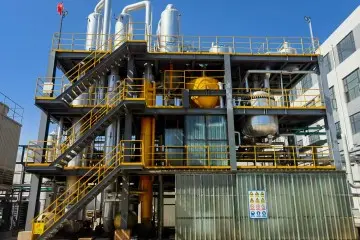
Multi-stage evaporation layout designed to concentrate wastewater for zero liquid discharge (ZLD).
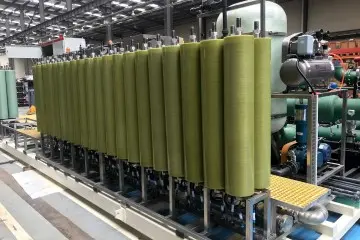
High-pressure membrane configuration engineered for fluid concentration and desalination.
The heat exchange sector is adjusting to new operational requirements driven by international decarbonization efforts and digitalization. Industrial plants are transitioning away from high-energy setups toward integrated, smart thermal recovery loops.
Modern plants are increasingly integrating real-time diagnostics into their thermal hardware. By installing pressure transducers and temperature sensors directly at inlet and outlet ports, operators can monitor changes in heat transfer efficiency ($U$-value) and predict maintenance schedules. These automated systems help reduce unexpected downtime by detecting scaling trends before they affect overall performance.
To handle more aggressive chemical environments, manufacturers are utilizing advanced metallurgy. Standard stainless steel configurations are being replaced by Duplex, Super Duplex, and high-nickel alloys like Hastelloy when processing corrosive acids or saline solutions. These material options extend equipment service life and reduce long-term maintenance costs.
Process facilities are targeting low-grade waste heat (temperatures under 80°C) to improve overall plant efficiency. Spiral heat exchangers are particularly effective for these applications, as their counter-current flow patterns can handle tight temperature approaches. This enables plants to recover thermal energy that would otherwise be discharged, supporting sustainability and carbon-reduction goals.
Answers to common engineering questions regarding the selection, application, and maintenance of spiral thermal systems
Explore our full line of thermal equipment, valves, and water treatment systems
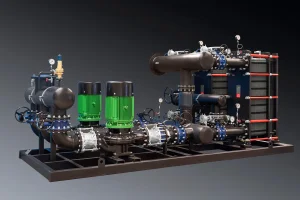
 Flotte Energy