Explore our premium grade district heating, smart regulation valves, and high-efficiency plate heat exchange systems manufactured under strict ISO certifications.
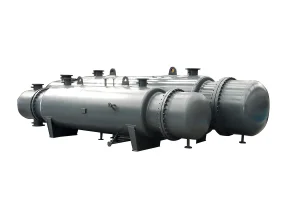
The Spiral Heat Exchanger (SHE) operates on an incredibly elegant fluid dynamics profile. Structurally, it consists of two long metal plates wrapped around a central core, creating two concentric spiral channels. These channels are completely sealed, allowing two fluids to flow in opposite directions (perfect counter-current flow) or co-current flow depending on the precise industrial thermal profile. As fluid travels through the spiral path, centrifugal forces generate secondary fluid movement—known as Dean Vortices—which disrupts the boundary layer and enhances turbulence, even at low Reynolds numbers.
By forcing fluids to flow in exact opposite channels, the logarithmic mean temperature difference (LMTD) is maximized. This allows for extremely close temperature approaches—sometimes down to less than 2°C.
Should local deposition occur in the spiral channel, the local velocity increases at the constriction. This localized velocity spike flushes the deposits out, mitigating scaling and fouling issues in heavy slurry applications.
The curved channels induce continuous flow transitions. This creates highly effective shear stress along the heat transfer wall, delivering heat transfer coefficients 2 to 3 times greater than traditional shell-and-tube configurations.
| Thermal & Design Property | Spiral Heat Exchanger (SHE) | Detachable Plate Heat Exchanger | Shell and Tube Exchangers |
|---|---|---|---|
| Heat Transfer Efficiency (U-Value) | Excellent (Highly Turbulent) | Very High | Moderate to Low |
| Fouling Propensity | Virtually Self-Cleaning (Single Channel) | Moderate (Susceptible at gaps) | High (Dead Zones present) |
| Temperature Approach Capacity | Extremely Close (<2°C) | Close (~3°C) | Broad (>5-10°C required) |
| Maintenance & Cleansing | Chemical CIP / Hinged cover access | Disassembly & manual washing | Mechanical bundle pulling (High labor) |
Originating from Flotte Thermal Engineering founded in 1995 and established with a registered capital of 101 million yuan in 2013, Flotte Energy Saving has evolved into a global benchmark for HVAC, industrial water equipment, and specialized water treatment solutions. Backed by three decades of core thermal research, we design and manufacture next-generation heat transfer hardware tailored for highly demanding process industries.
Our infrastructure spans over 70,000 m² of modern industrial facilities, producing over 4,500 units annually. With a team of 300+ certified specialists and a dedicated R&D laboratory, Flotte drives technological solutions that secure an annual sales revenue of 500 million yuan, validating our reliability and market dominance.
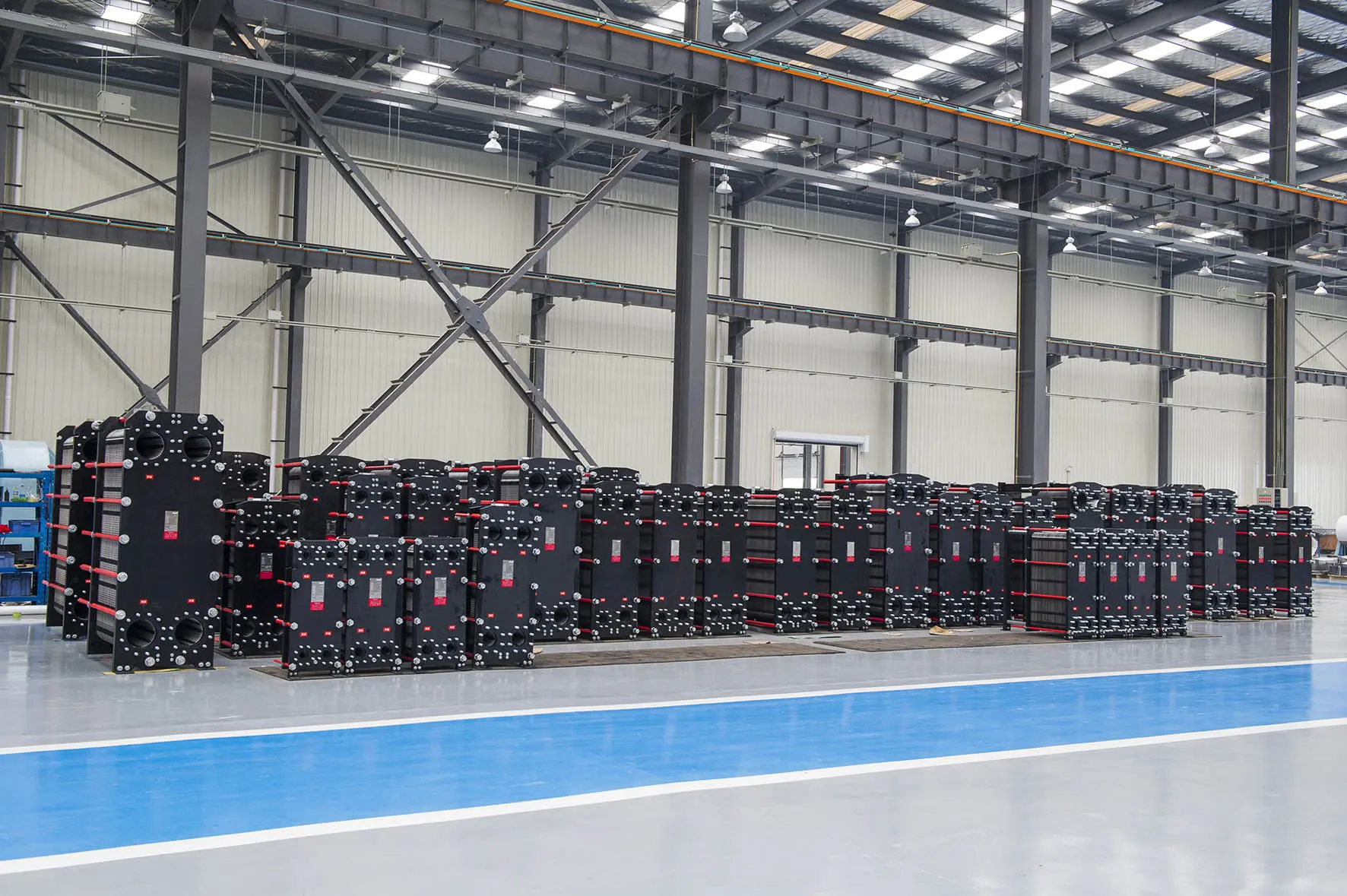
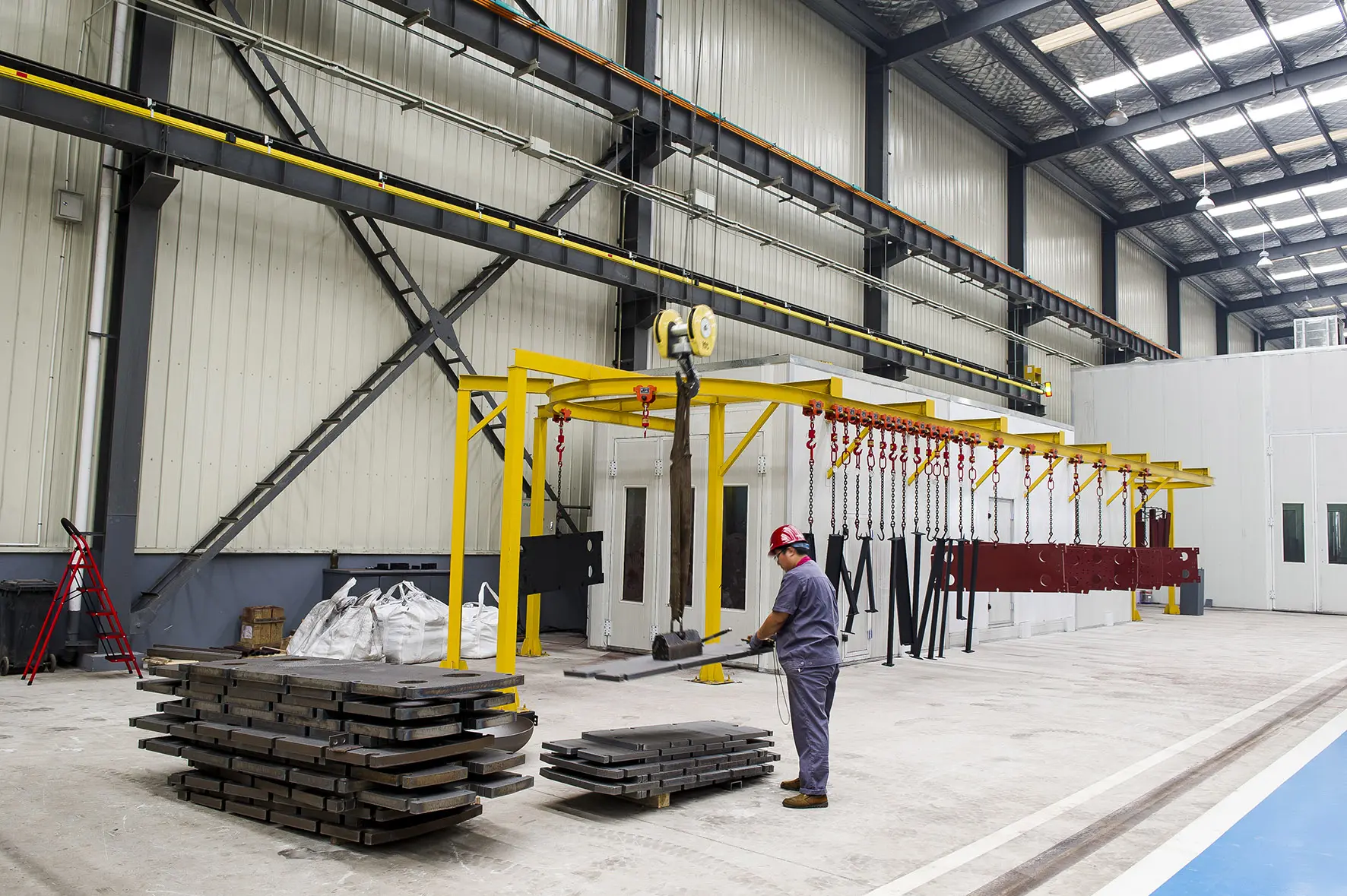
Every industrial unit we supply undergoes rigorous mechanical processing and quality assurance. Our manufacturing workflow complies with the global pressure vessel directives and ISO management frameworks, utilizing advanced automated machinery to ensure zero-defect output.
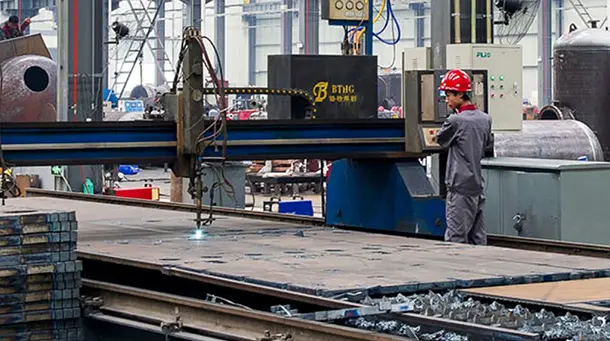
High-precision computerized cutting of structural support elements to withstand massive design pressures.
Forging high-grade metal alloy components to optimize structural integrity and resistance against thermal stress.
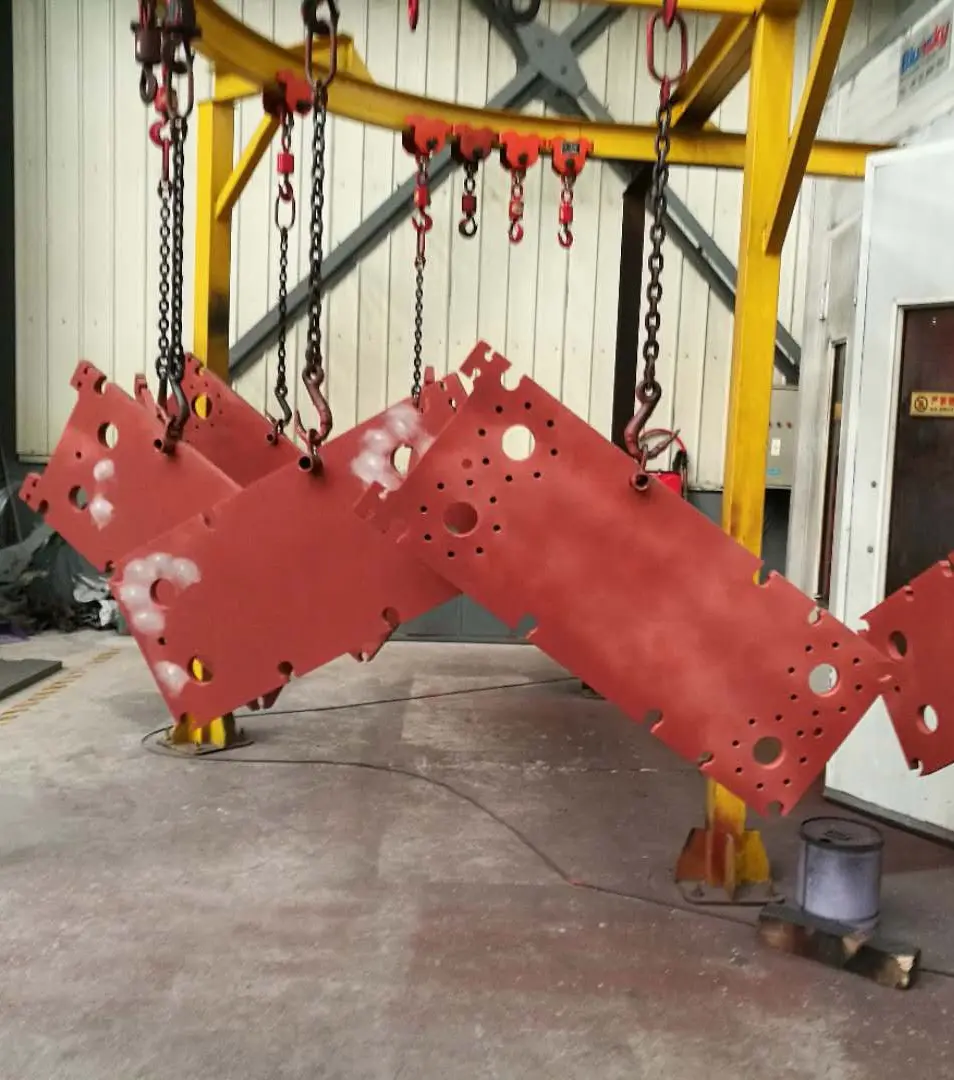
Applying industrial-grade anti-corrosive multi-layer coatings for sustained operation in marine or harsh chemical environments.
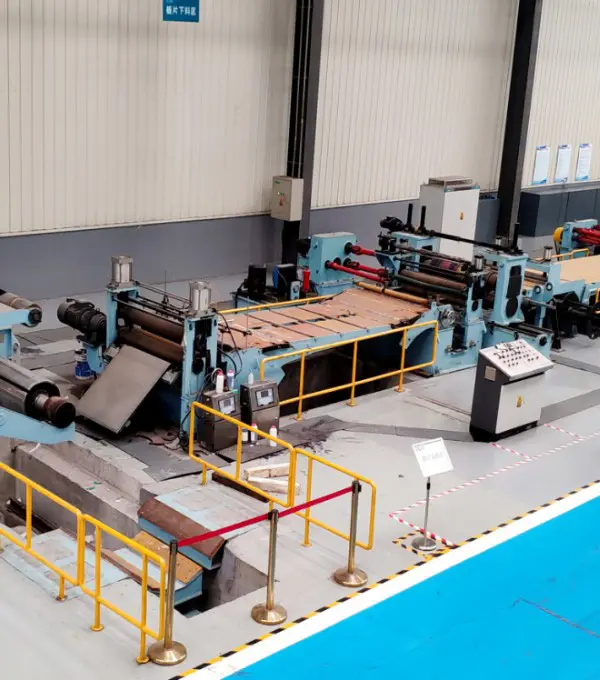
High-accuracy plate sizing coupled with computerized coding for materials traceability across the supply chain.
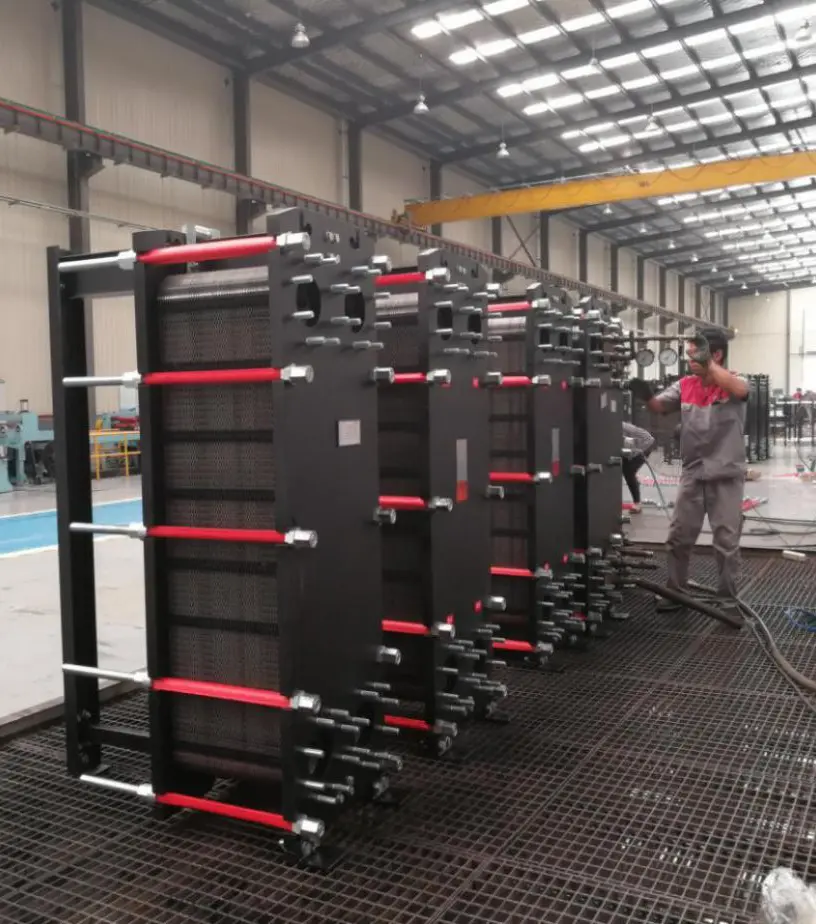
1.5x design pressure hydraulic tests to verify seal integrity and prevent cross-channel contamination.
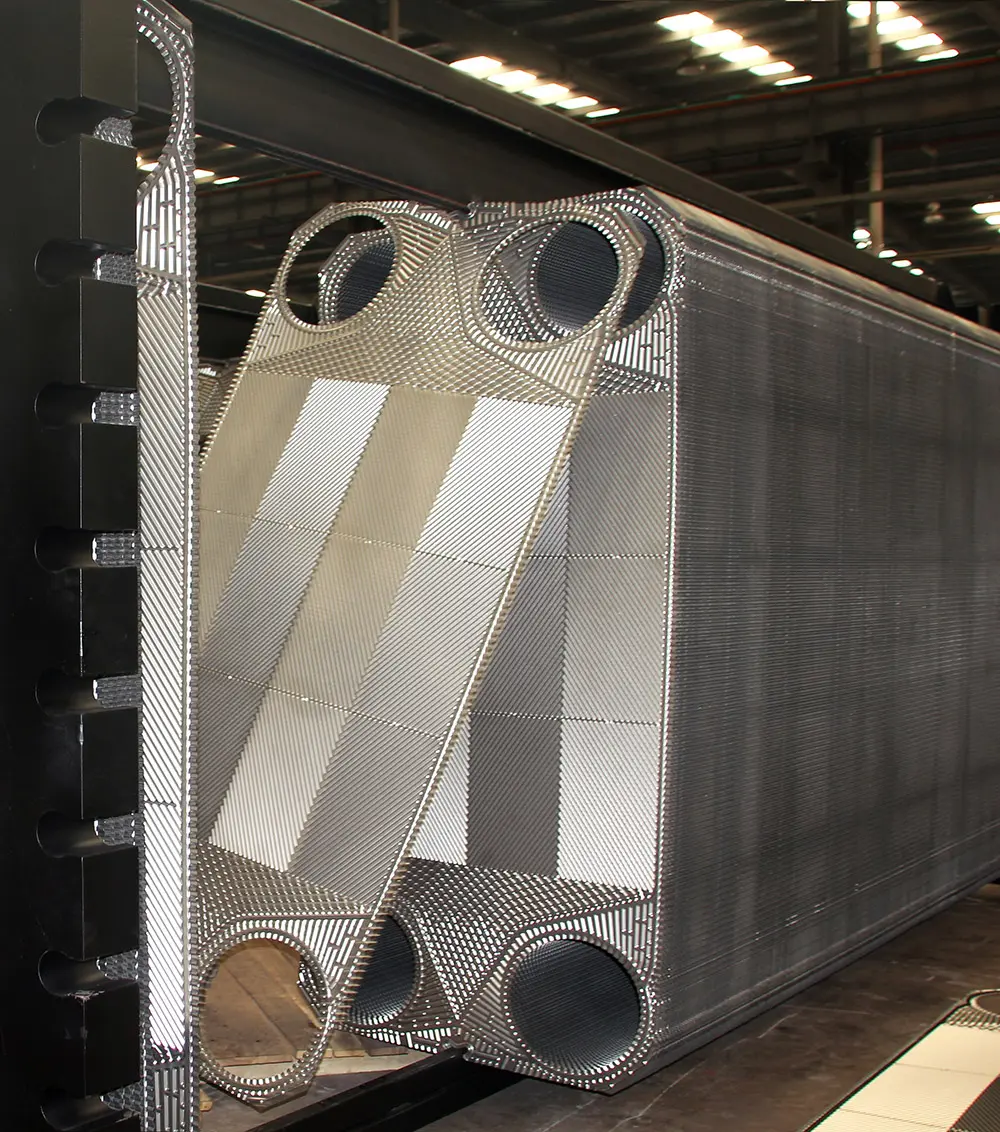
Precision torque-controlled assembly of spiral components by senior certified engineering technicians.
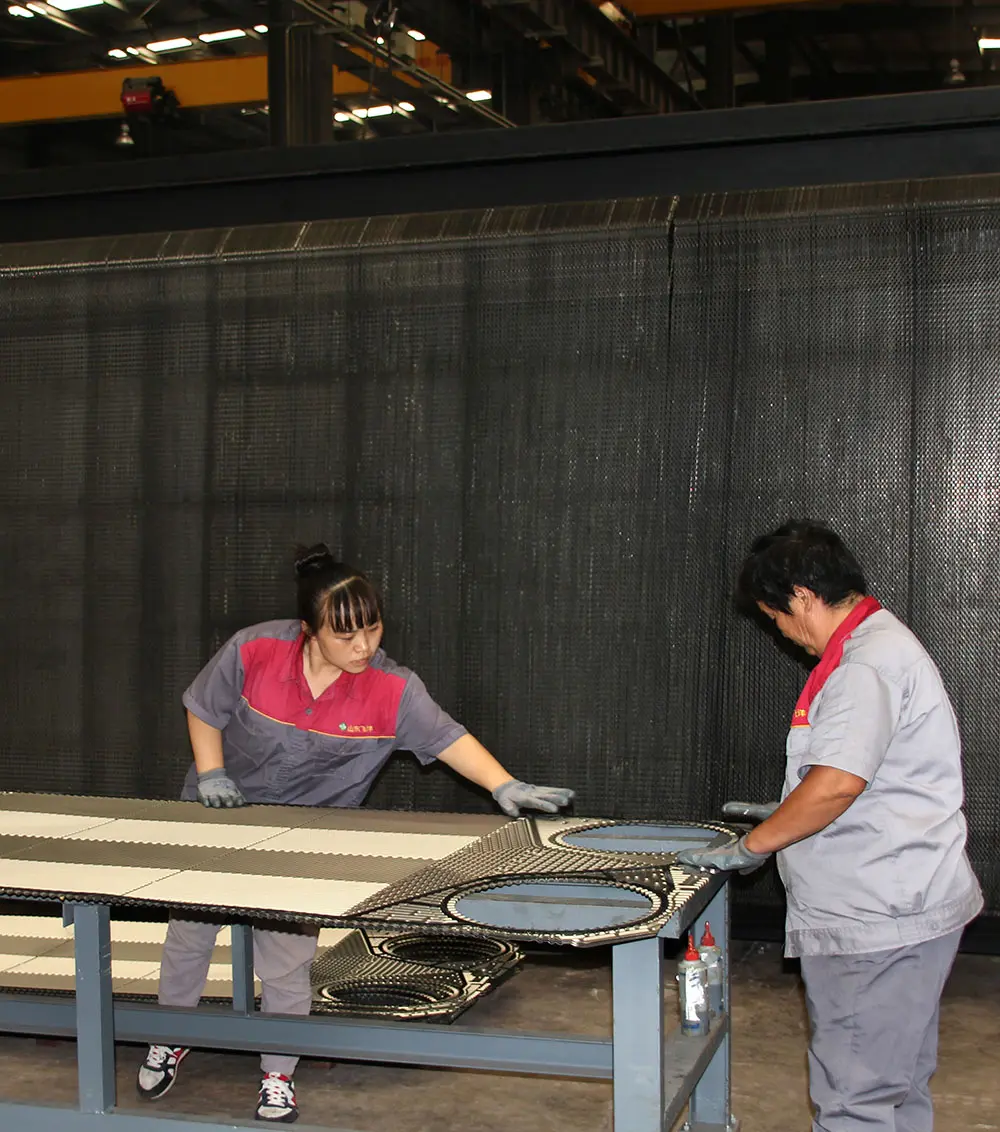
Application of heavy-duty synthetic elastomer seals to prevent system vibrations and micro-gaps.
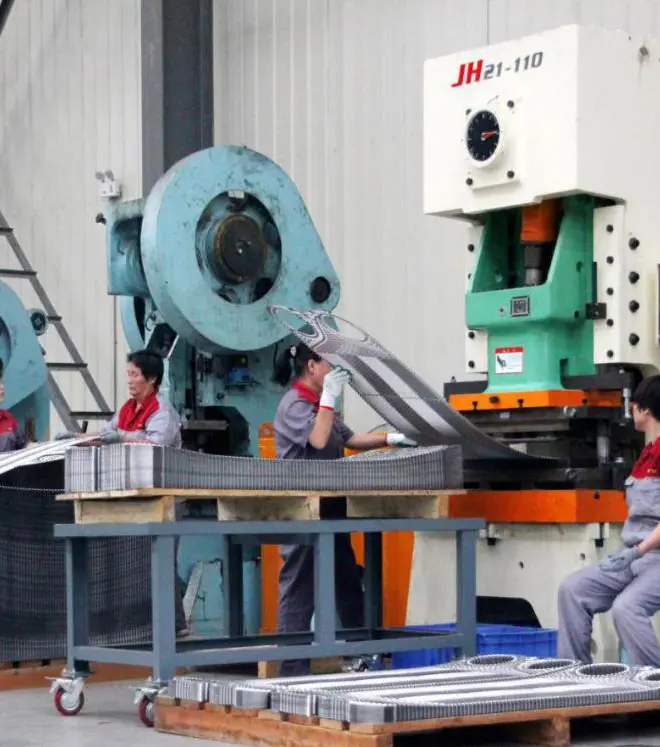
Accurate nozzle opening and connection flange alignment using multi-axis CNC punching machinery.
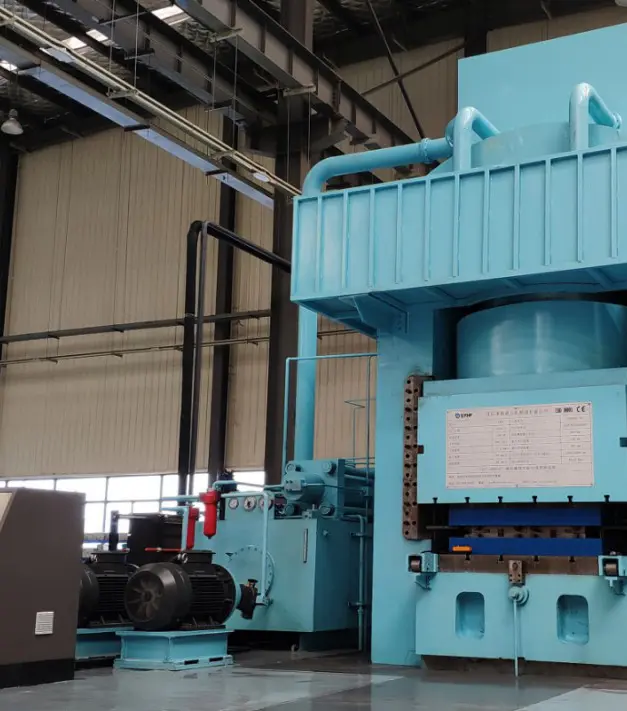
Hydraulic pressing of high-efficiency chevron or wavy patterns to enhance local boundary-layer disruption.
Spiral heat exchangers are widely deployed across challenging environments globally where high viscosity, particulate suspension, and high temperature variations occur. By eliminating fluid dead-zones, they offer optimal service intervals in comparison to alternative systems.
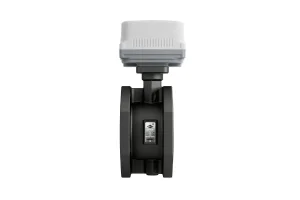
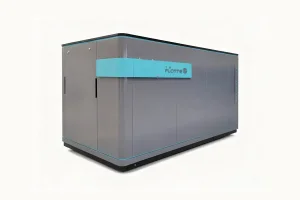
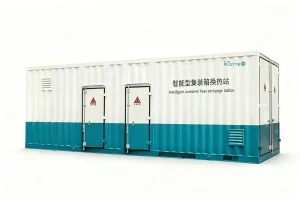
In municipal heating grids, plate and spiral heat exchangers act as central thermal couplers between primary distribution networks and building HVAC circuits. Under variable hydraulic demands, our pressure regulating stations and intelligent balance valves ensure optimized energy transfer while preventing system water hammer.
Standard heat exchangers easily clog in presence of fibers, crystals, or highly viscous chemical fluids. The single-channel spiral configuration maintains a constant flow section. This makes it ideal for wastewater heat recovery, sewage sludge treatment, and starch processing plants globally.
In multi-effect evaporation loops, spiral designs excel as reboilers and condensers. Their small footprint combined with huge active surfaces fits compact skid requirements, reducing capital expenditures in structural piping and floor space.
As a leading Chinese supplier, Flotte leverages an integrated domestic manufacturing ecosystem. Our factory operates in direct coordination with premier steel mills (supplying premium SS304, SS316L, Titanium, and Hastelloy materials), ensuring consistent material availability even during global supply shifts. Our automated CNC fabrication lines, combined with local technical expertise, reduce lead times by up to 35% compared to European or American factories.
With an annual manufacturing capacity of 4,500 heat exchange units, our economies of scale translate to competitive pricing structures for global distributors and OEMs.
Our location in China’s industrial heartland grants direct access to deep-water ports. This guarantees fast maritime dispatch and secure air-cargo routing for critical spares.
From complex plate layouts to specialized piping manifolds, our in-house engineering team designs thermal hardware to match your exact spatial limits.
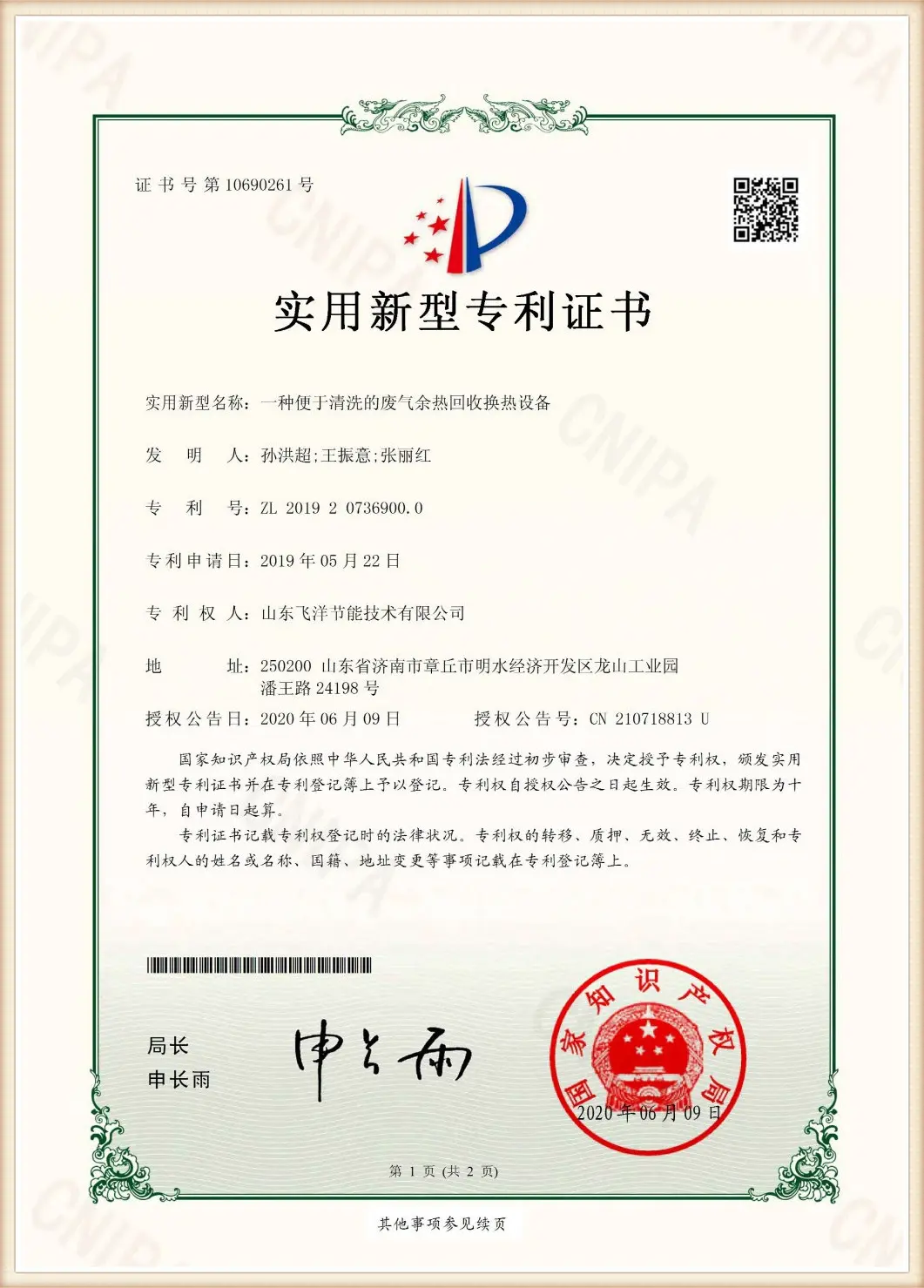
Quality and industrial safety are non-negotiable. Flotte’s entire thermal catalog complies with strict pressure vessel codes and international safety benchmarks. Our operations are governed by ISO 9001:2015, ISO 14001, and ISO 45001 frameworks, ensuring clean, safe, and traceable production processes.
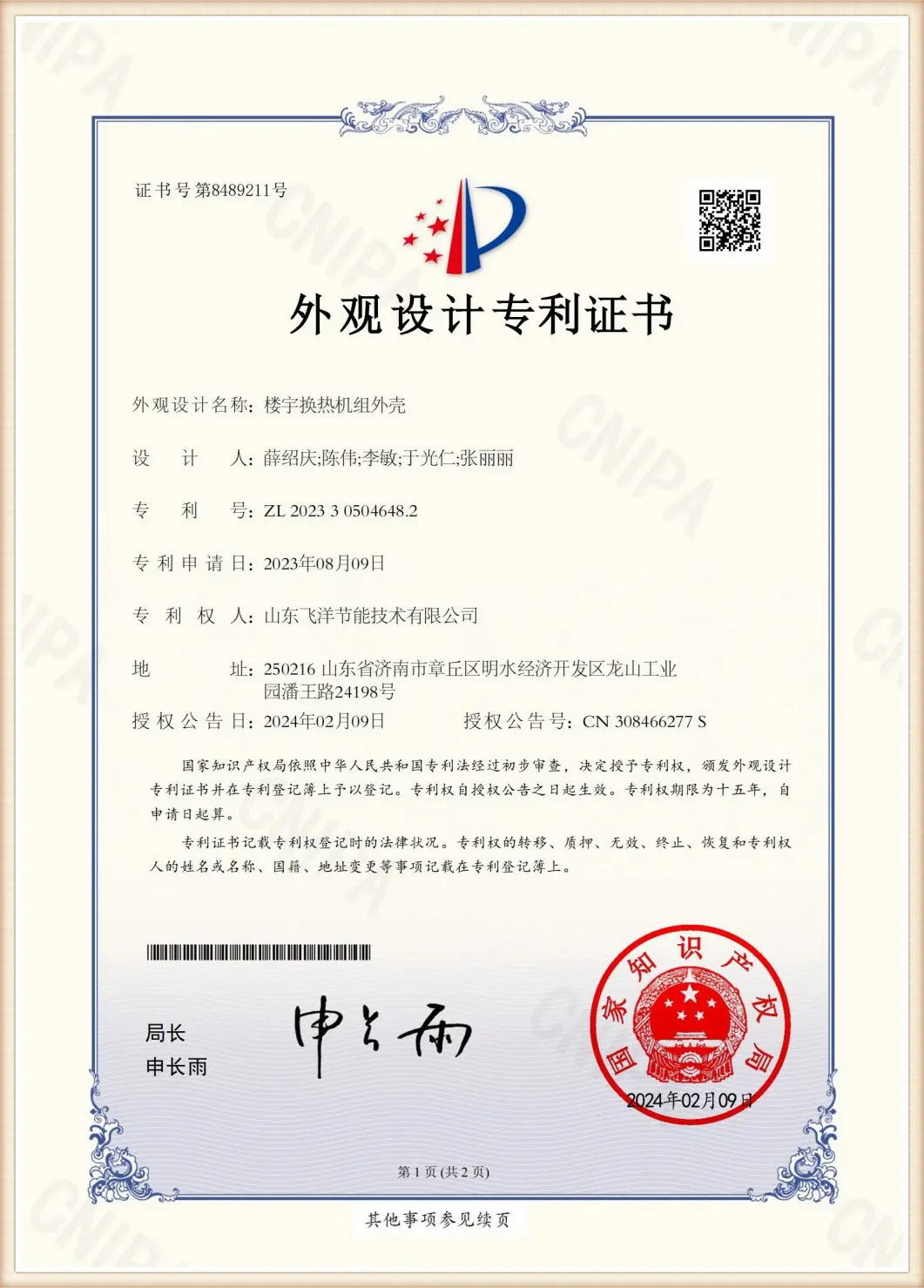
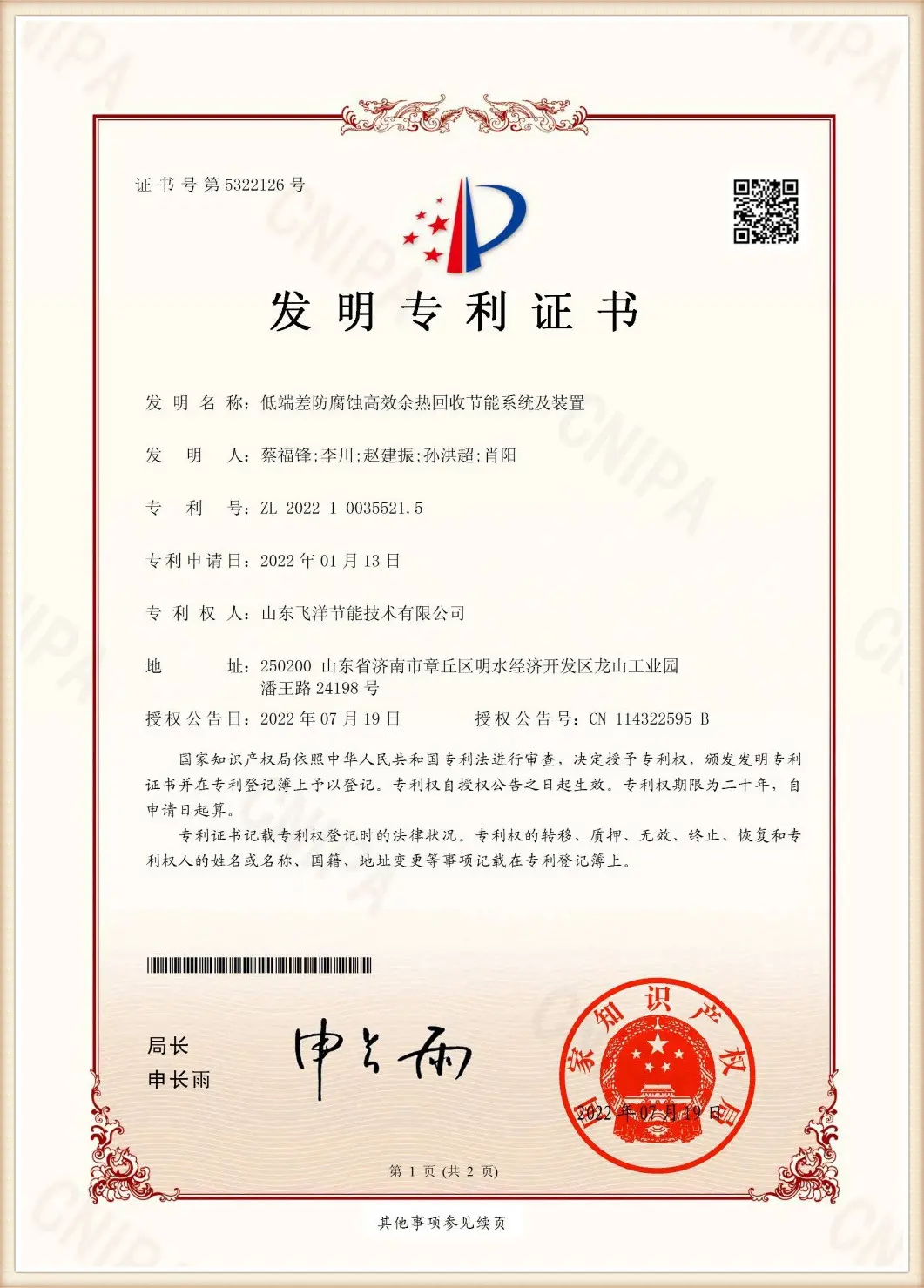
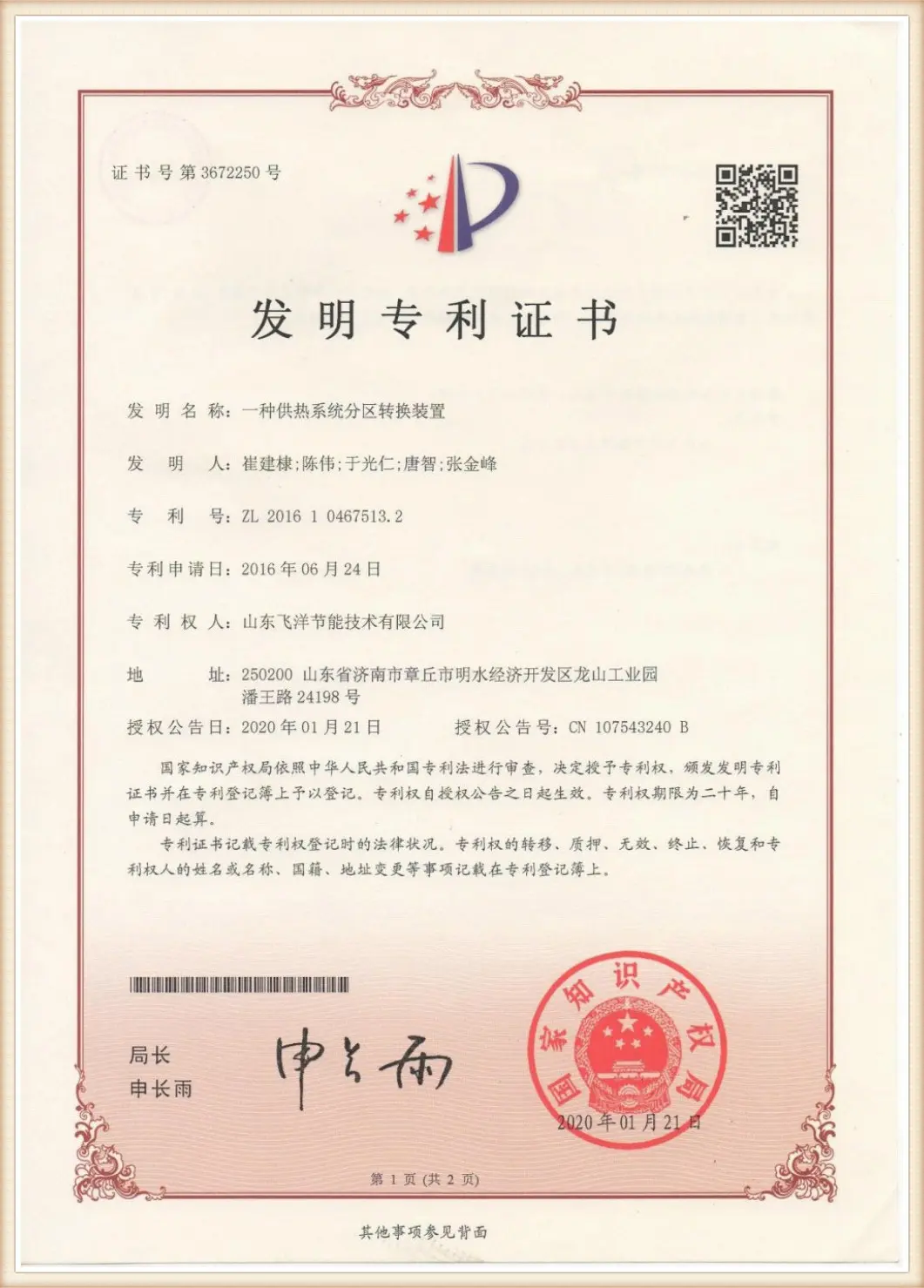
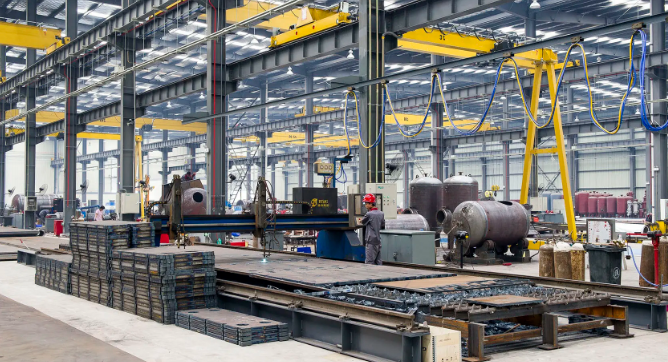
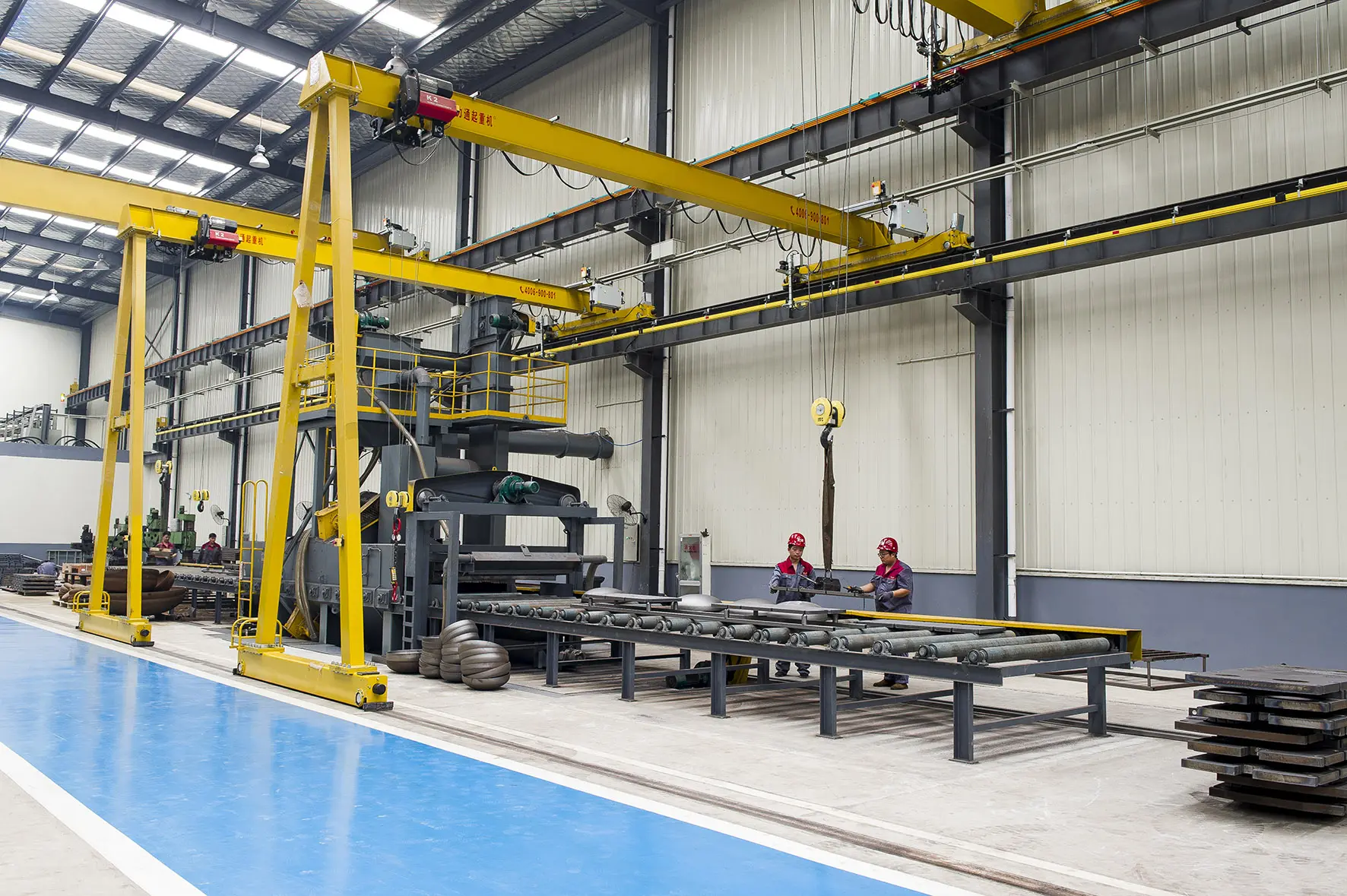
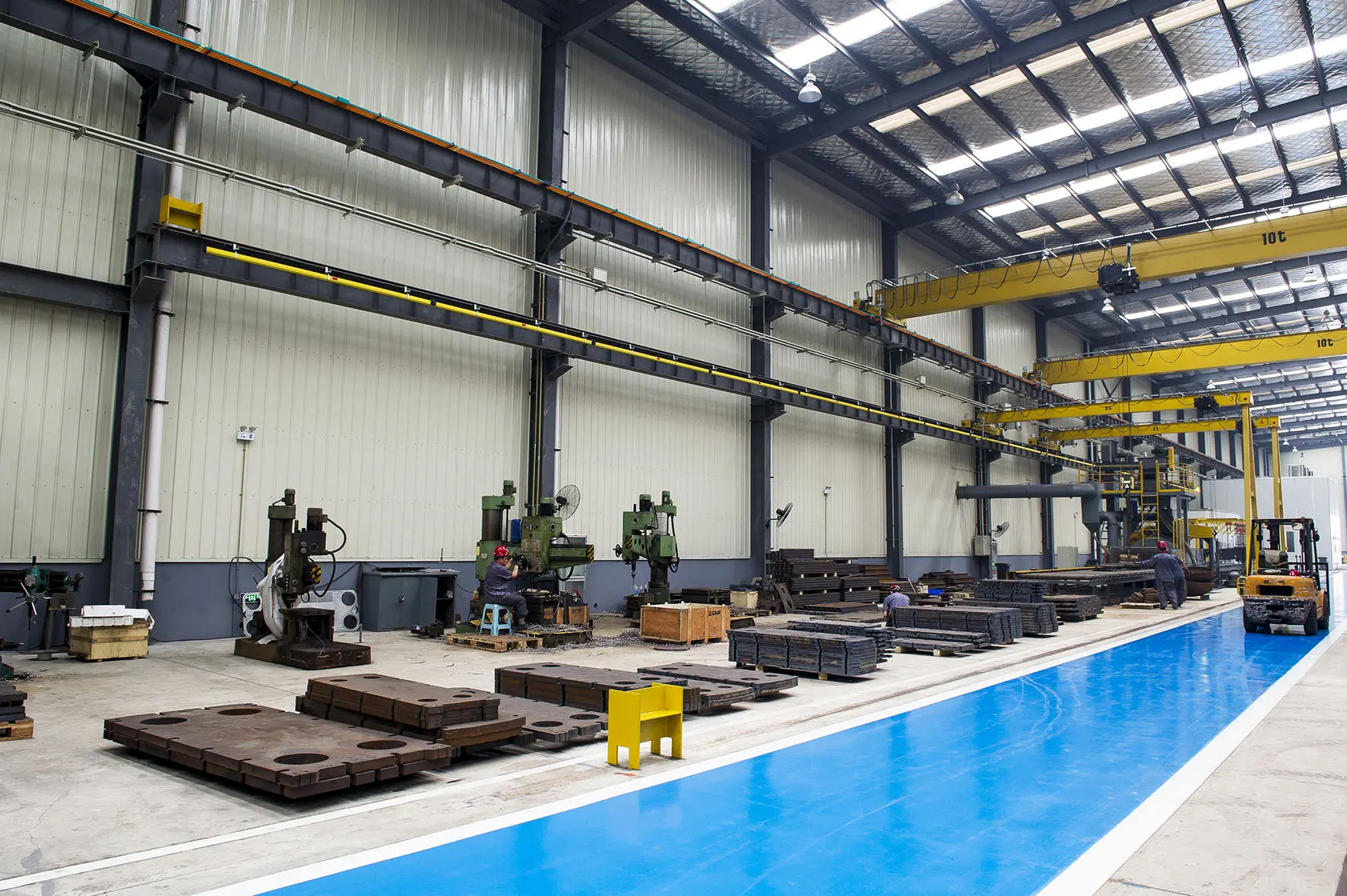
Explore our assembly areas, high-pressure laboratory setups, and massive steel sheet rolling zones. Our facilities utilize state-of-the-art automation to ensure consistent manufacturing tolerances across all product lines.

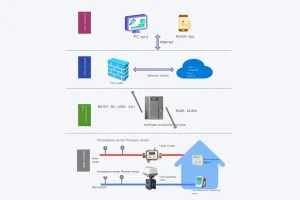
As industrial automation shifts toward Industry 4.0, Flotte is actively combining hardware efficiency with advanced computing. Our roadmap focuses on integrating smart data analytics into heat exchange systems to enable real-time diagnostic checks and proactive maintenance planning.
By simulating thermal performance through digital twin software, we can predict scaling and fouling before they impact energy performance. This allows plant managers to schedule clean-in-place cycles based on data, reducing downtime.
Utilizing sensor modules like our Intelligent Balance Valves, future HVAC networks will dynamically adjust pressure and flow. This reduces pumping losses and matches heating supply to changes in weather conditions.
With aggressive chemical recycling processes on the rise, we are expanding our research into titanium, hastelloy, and specialized dual-phase steels. These materials resist localized pitting and cracking under high thermal stresses.
Find technical answers to help you select, operate, and maintain spiral heat exchangers for your specific processes.
Browse our complete list of technical heat exchange units and components designed for central heating, industrial desalting, and HVAC systems.
 Flotte Energy