Explore our top-tier precision-designed stack plate heat exchangers and specialized water-treatment integration components built for modern energy efficiency.
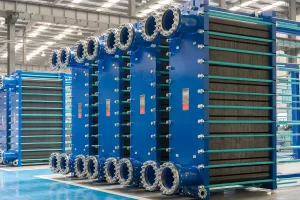
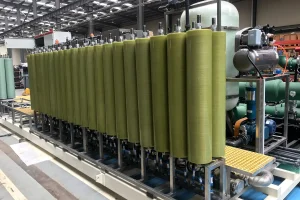

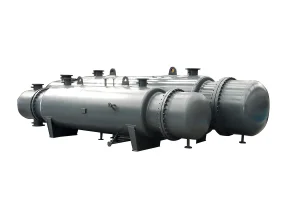
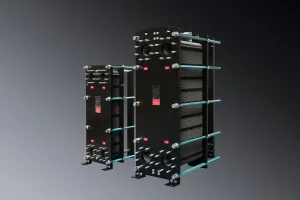
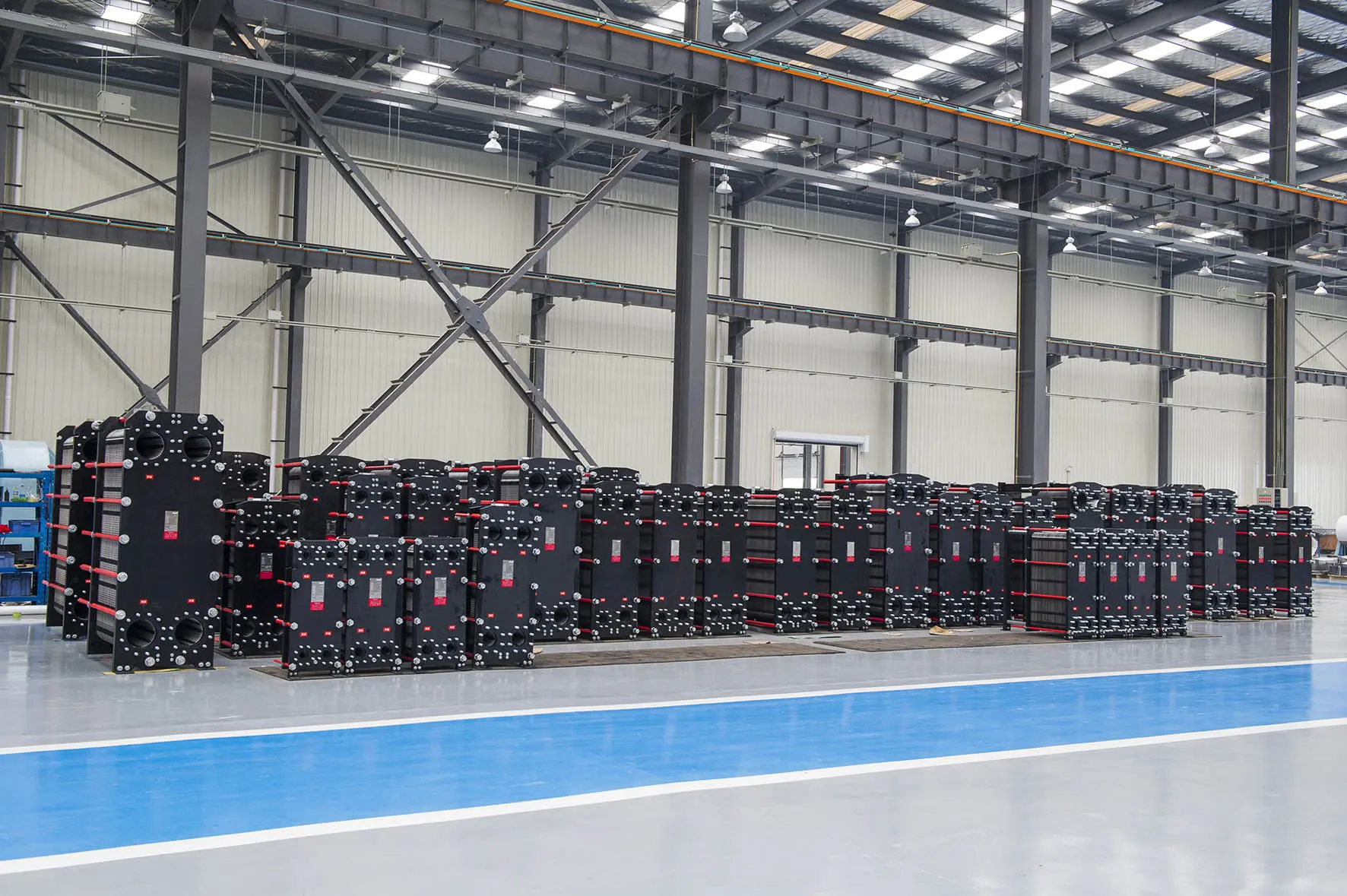
Flotte Energy Saving Company, established in 2013 with a registered capital of 101 million yuan, traceably originated from Flotte Thermal Engineering founded in 1995. With three decades of rigorous technical expertise, the company specializes in liquid processing equipment, industrial HVAC systems, and thermal fluid water treatment. We consistently lead the engineering industry in adopting cutting-edge heat transfer materials, developing innovative flow channel designs, and delivering comprehensive thermodynamic production and globally compliant sales services.
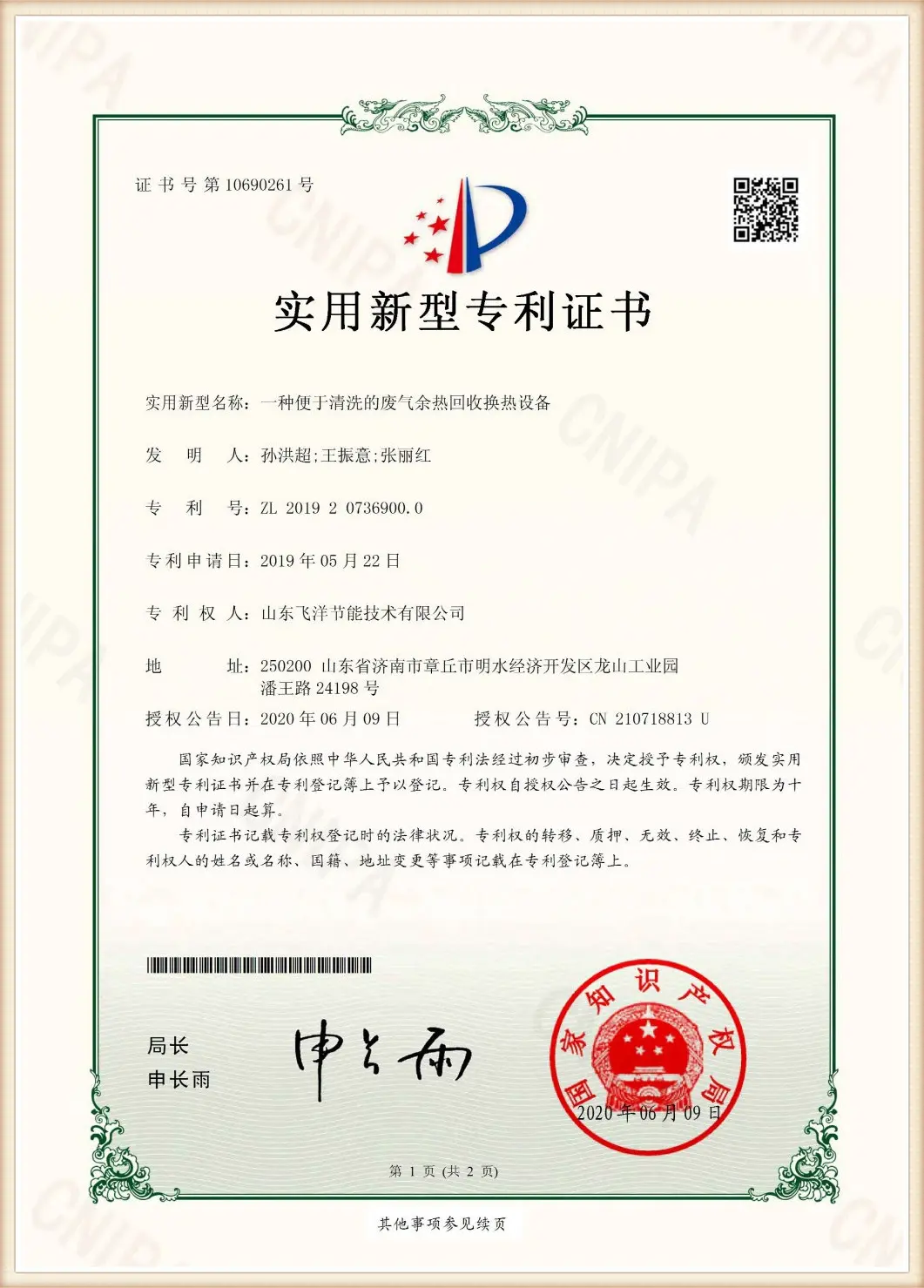
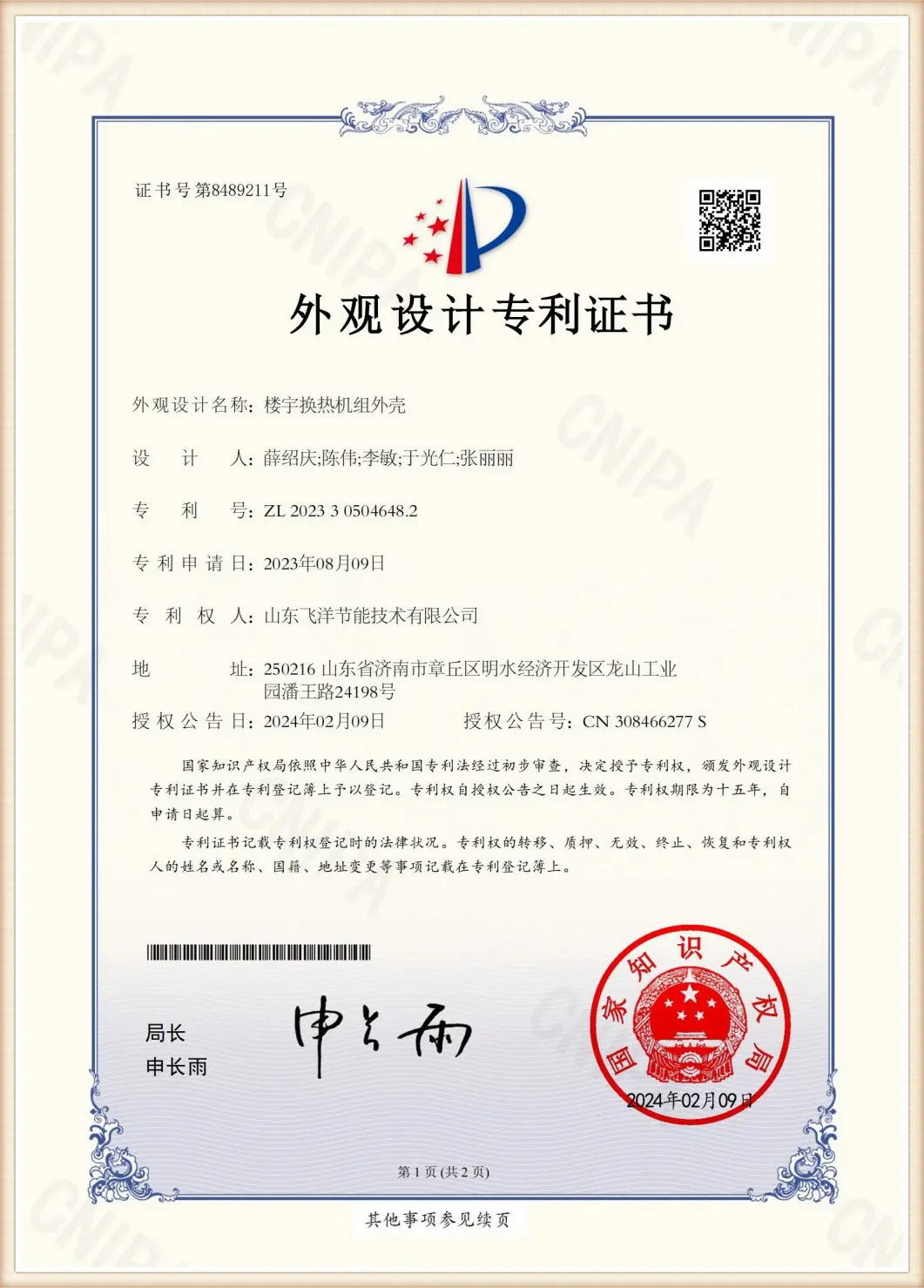
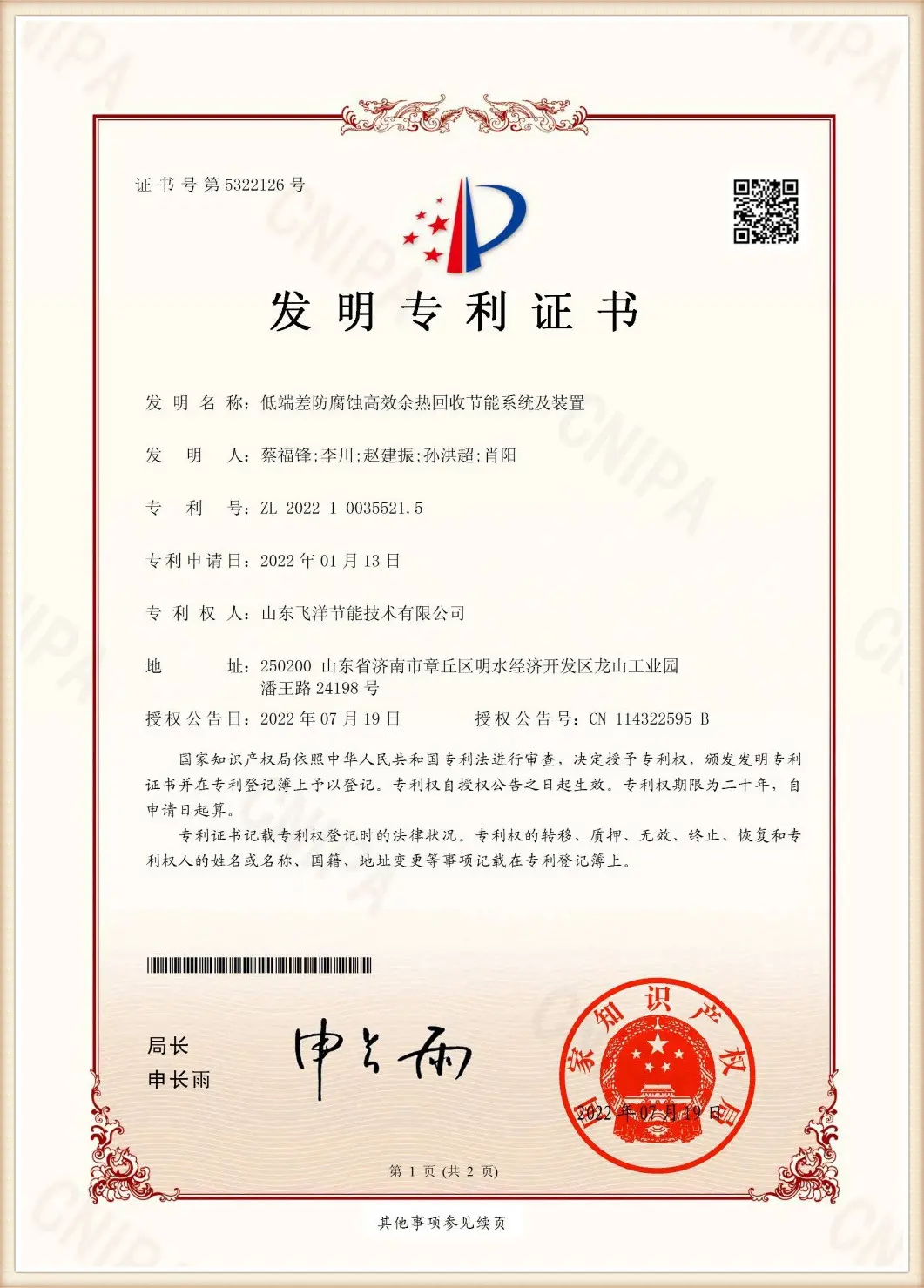
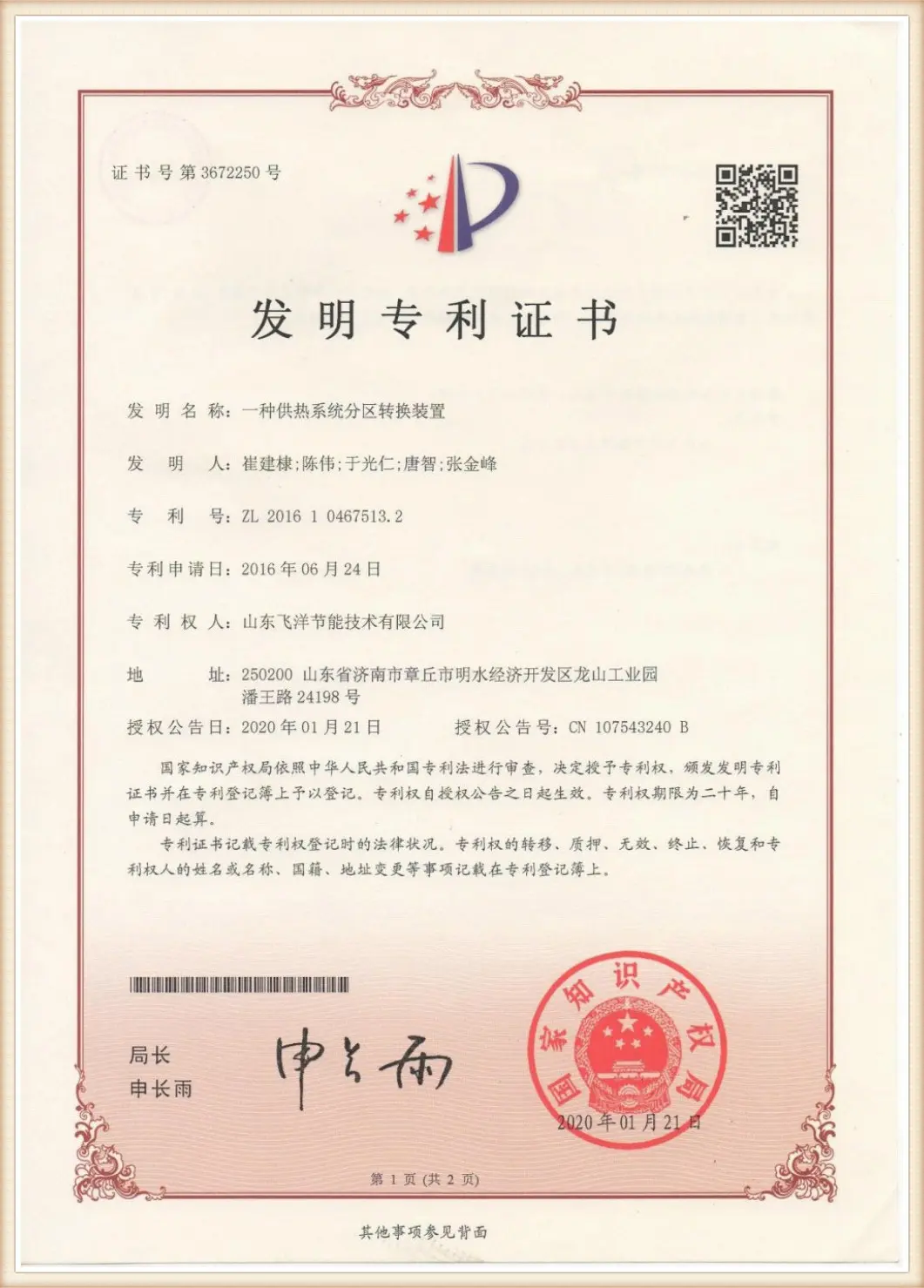
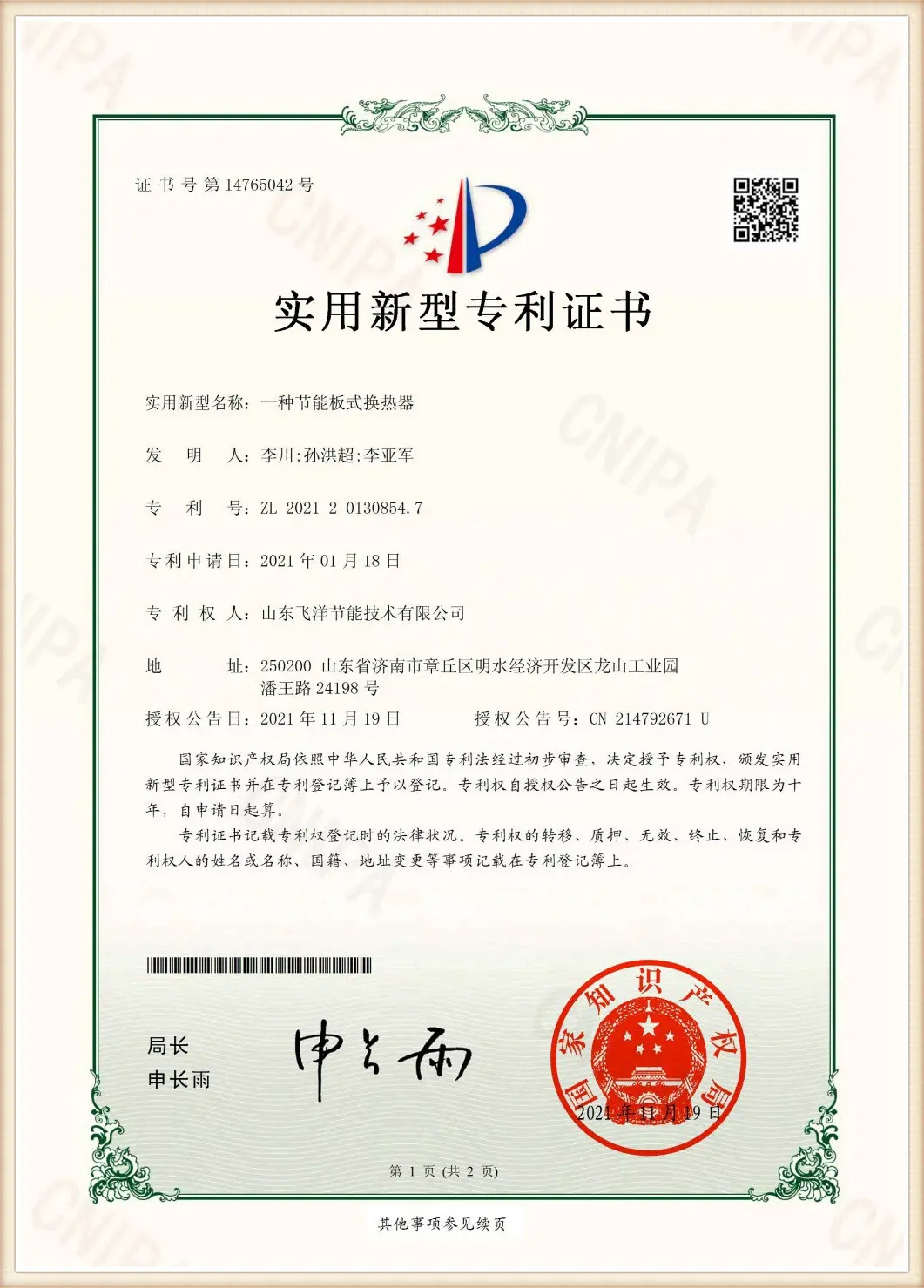
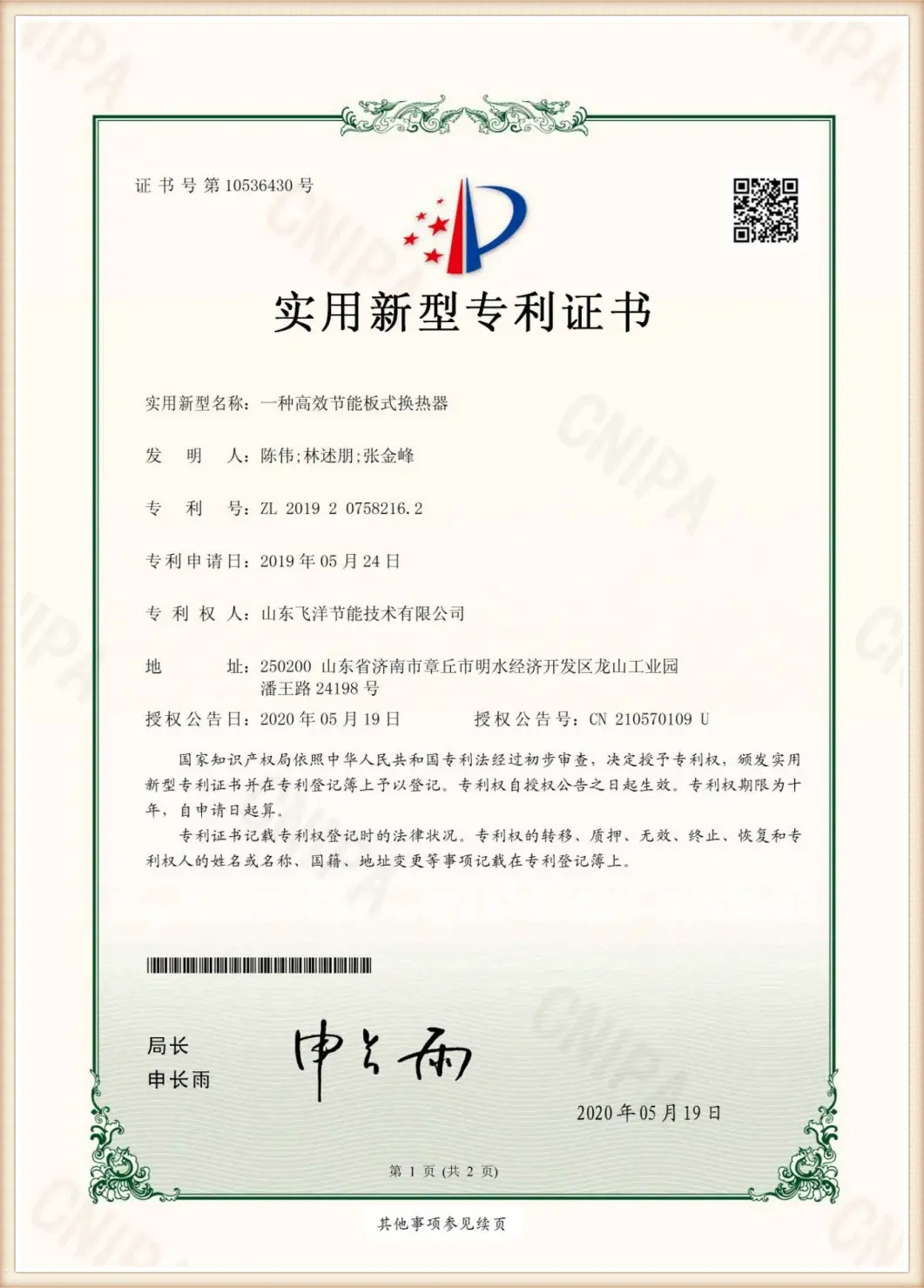
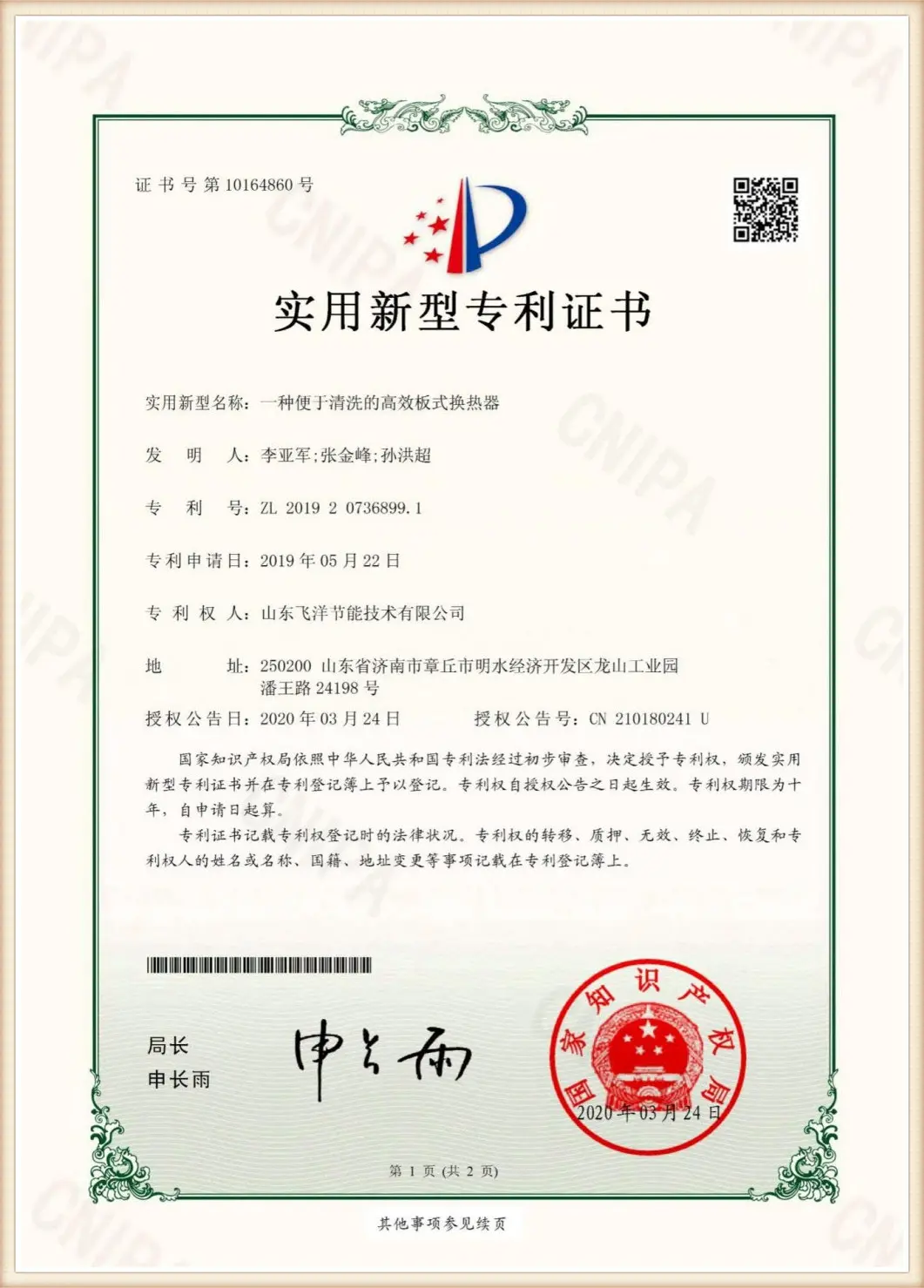
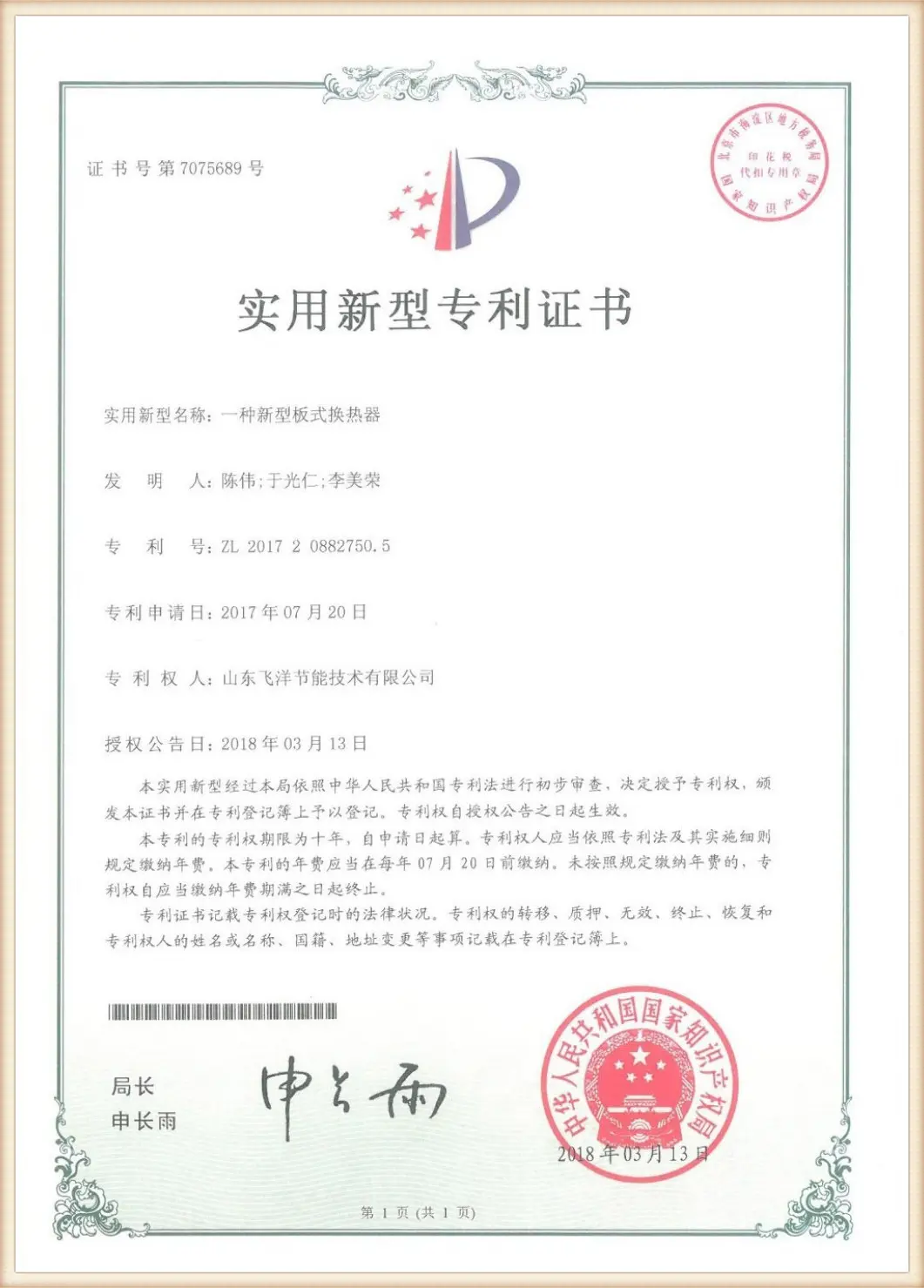
Our engineering center continuously advances in high-performance production technology, securing vital certifications including "High-Efficiency Plate Heat Exchanger", "Intelligent Plate Heat Exchanger System", and "Plate Heat Exchanger Scale Removal Device" patents. Our products hold national safety registrations from the National Standardization Committee and the safety registration for plate heat exchangers issued by the National Boiler and Pressure Vessel Standardization Technical Committee. Furthermore, all operations strictly comply with ISO9001 Quality Management, ISO14001 Environmental Protection, and ISO45001 Occupational Health systems.
Leveraging advanced micro-machining and fluid dynamics, our technology achieves unparalleled efficiency in various environments.
Patented corrugated plate designs enhance fluid turbulence, resulting in 2-3 times higher thermal efficiency compared to traditional shell-and-tube models.
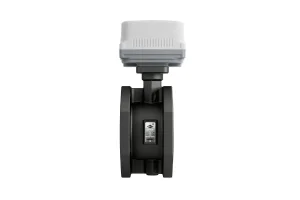
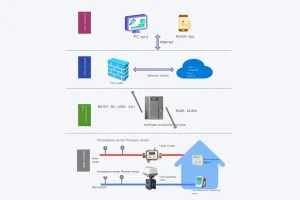
Equipped with high-precision room temperature collectors and intelligent unit balance valves for dynamic hydraulic control and system balancing.
Using premium AISI 304, AISI 316L, and Titanium Gr1 plates with EPDM or Viton gaskets, ensuring longevity in aggressive industrial media.
Engineered for compliance across EU and Americas markets, facilitating smooth international custom clearing and quick integration.
Stack plate heat exchangers optimize fluid flow mechanics by forcing hot and cold fluids through alternating thin channels formed by corrugated metal plates. The pattern stamped onto each plate—often a chevron or herringbone structure—is designed to create high turbulence at relatively low flow velocities. This turbulence significantly reduces boundary layer resistance, which dramatically increases the convective heat transfer coefficient (h).
"By manipulating chevron angles (ranging from 30° to 60°), our engineers can balance the pressure drop (ΔP) against the Logarithmic Mean Temperature Difference (LMTD) optimization, catering to high-viscosity chemicals or high-flow municipal networks."
In traditional systems, large volumetric flow rates require significant space. Stack heat exchangers resolve this with a highly compact footprint—packing up to 95% of thermal energy exchange surfaces into less than 30% of the space required by conventional shell-and-tube setups. This modular structure allows for easy cleaning, plate additions, and maintenance without modifying the existing piping layout.
From heavy chemical refining to high-purity pharmaceutical manufacturing, our stack heat exchange technology adapts to diverse processes.
For municipal central heating networks, our detachable plate heat exchangers serve as the cornerstone in pressure regulating stations. Operating between primary municipal networks (often under high pressure and temperature) and secondary residential networks, these units ensure stable, safe heat distribution. By pairing our plate packs with Secondary Network Intelligent Unit Balance Valves, grid operators can monitor real-time hydraulic fluctuations, preventing local overheating and saving up to 18% in distribution energy loss.
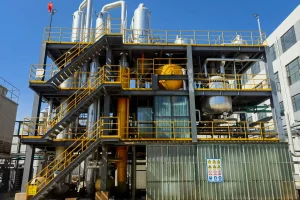
Industrial wastewater treatment demands specialized concentration technologies. Our integrated Multi-Effect Evaporation (MEE) Systems and Membrane Concentration Systems allow chemical manufacturers to recover fresh water and concentrate corrosive effluents. Designed with corrosion-resistant titanium and nickel alloy plate packs, these systems help plants achieve Zero Liquid Discharge (ZLD) compliance.
Chemical processing requires precise control over exothermic and endothermic reactions. Our stack heat exchangers provide narrow temperature approach parameters, allowing operations within 1°C of the heat transfer limit. In pharmaceutical plants, our cleanable, sanitary-grade plate configurations prevent product contamination, meeting stringent FDA and GMP requirements.
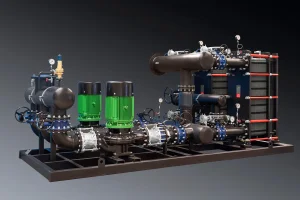
Modern commercial HVAC systems rely on efficient heat transfer to minimize power consumption. Our Intelligent Box-Type Heat Exchanger Units combine pumps, expansion tanks, and sensors into a single skid-mounted solution. This design ensures quick onsite installation and immediate thermal efficiency improvements in commercial buildings and data centers.
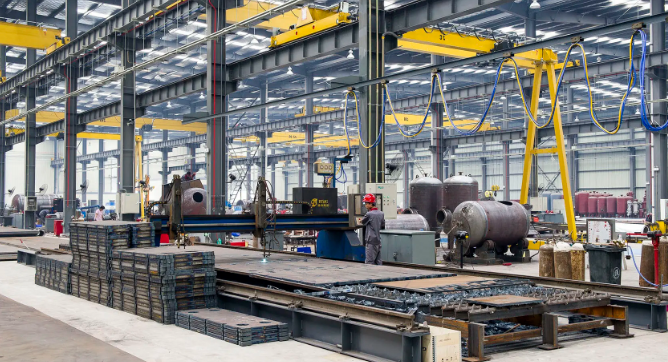
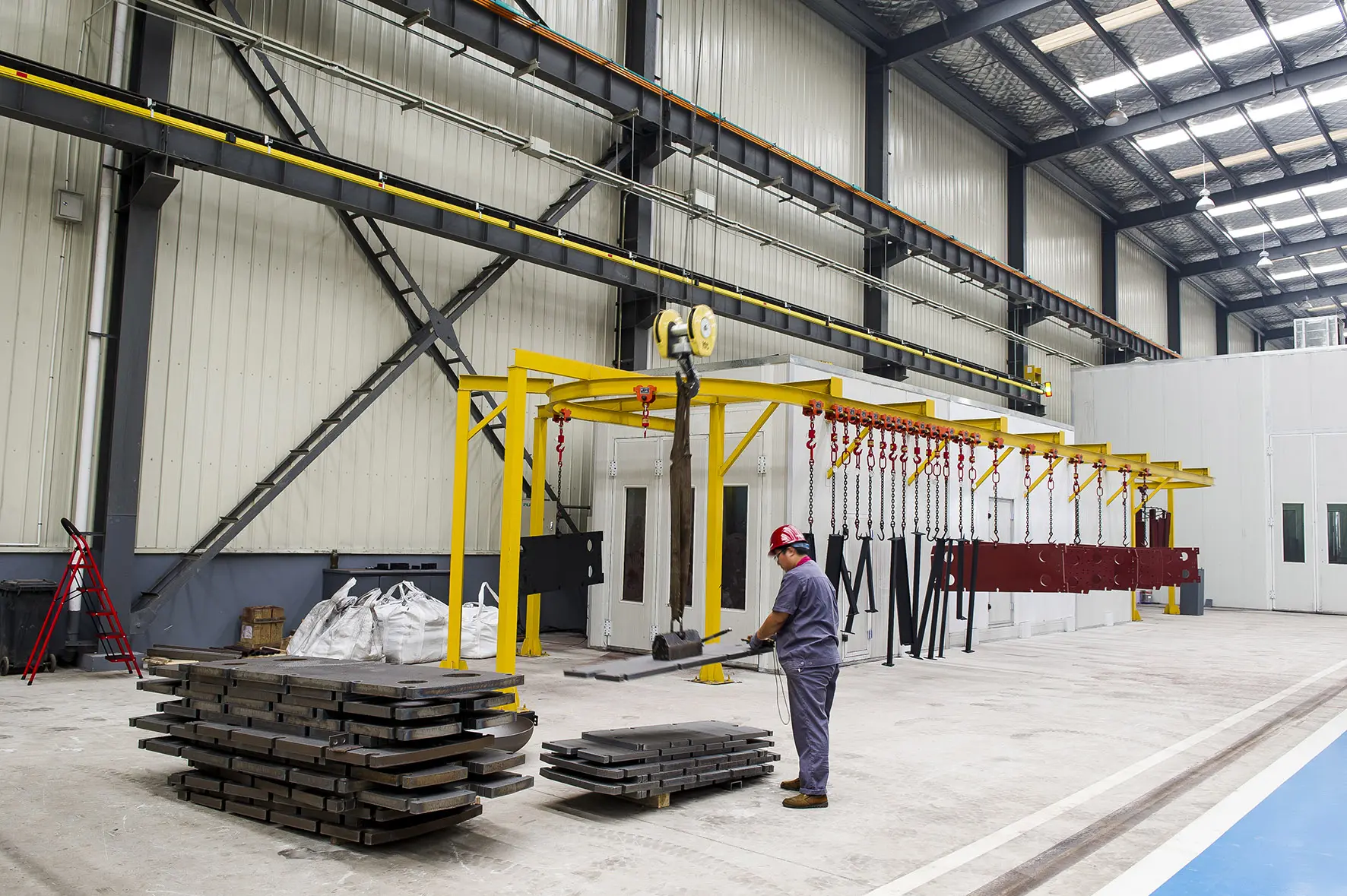
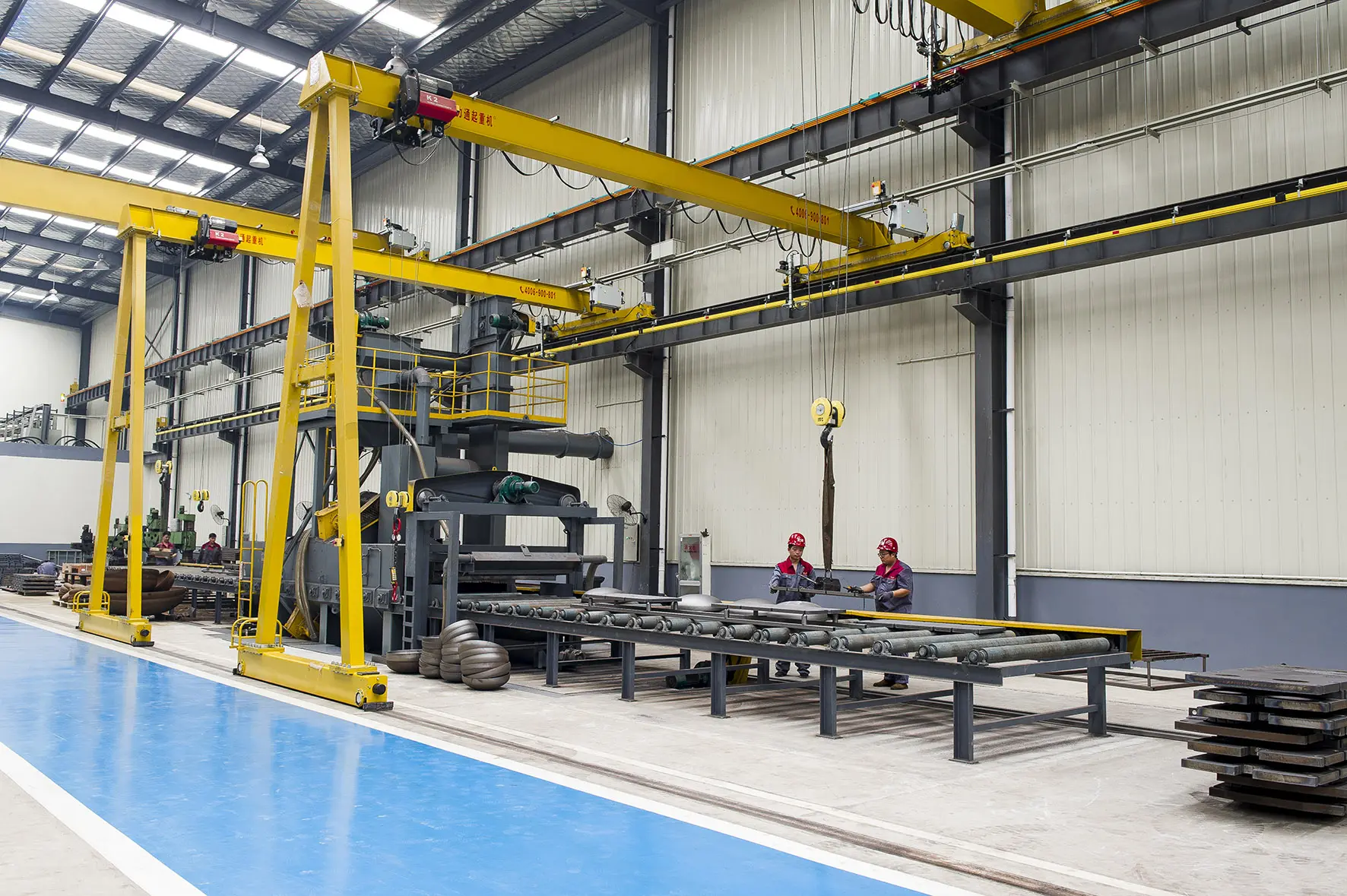
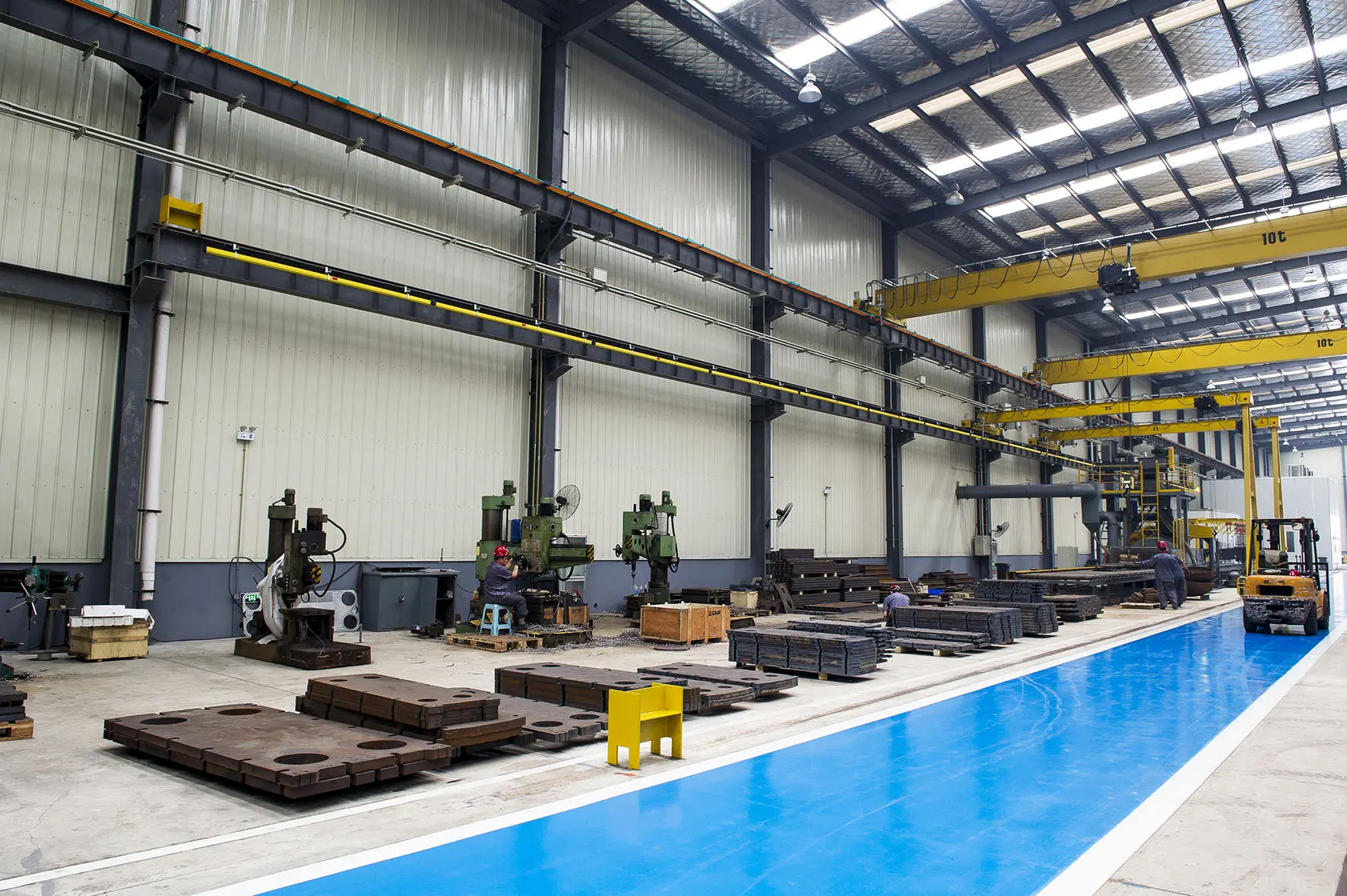
Step-by-step visibility into our state-of-the-art manufacturing facility, where raw steel is converted into precision thermal systems.
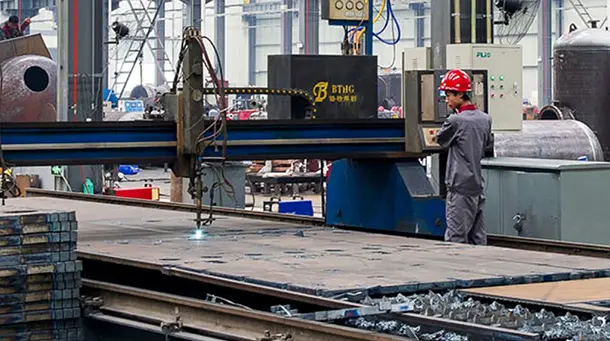
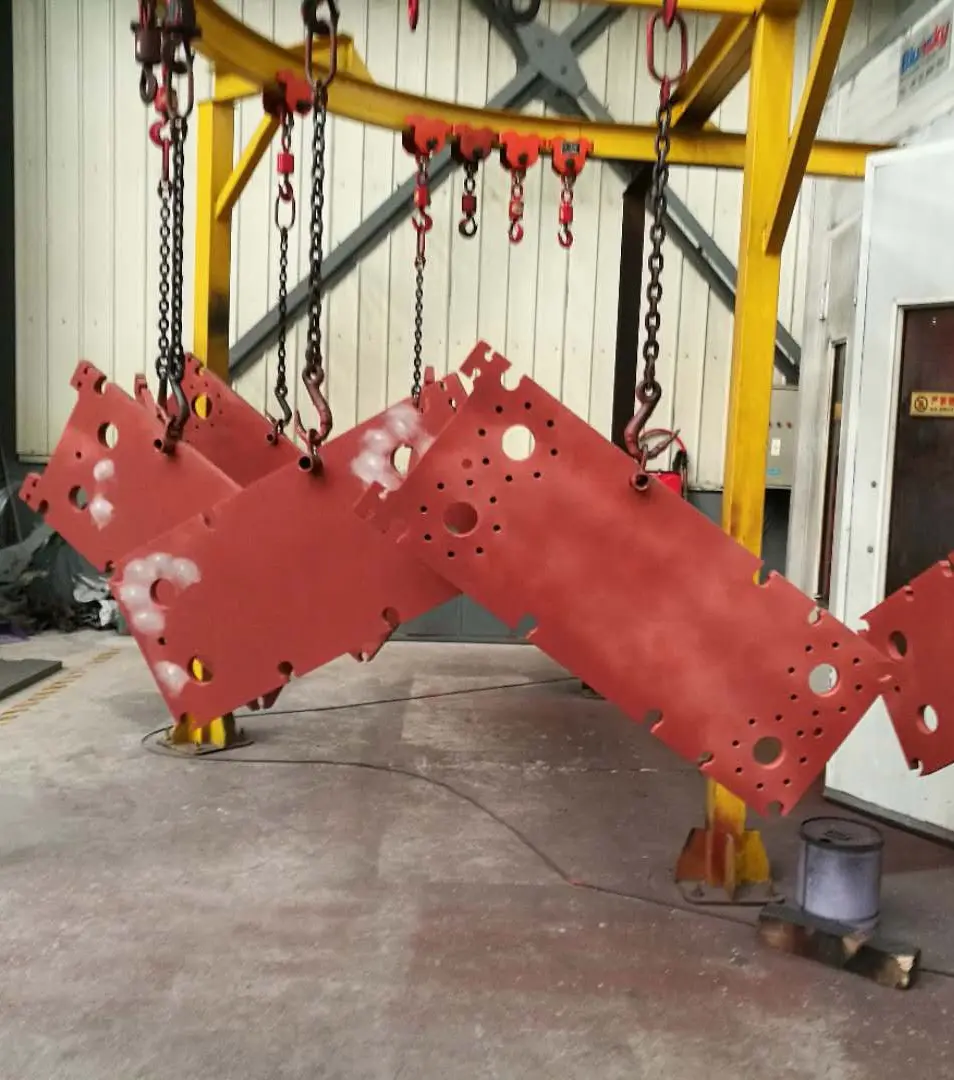
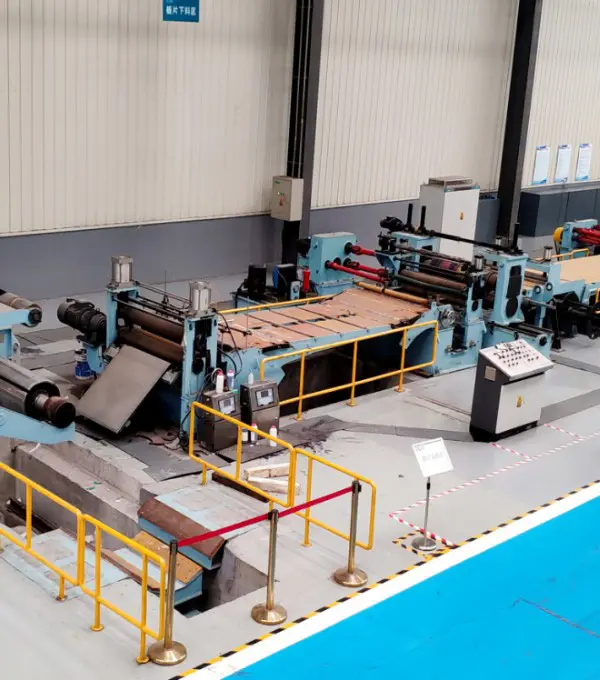
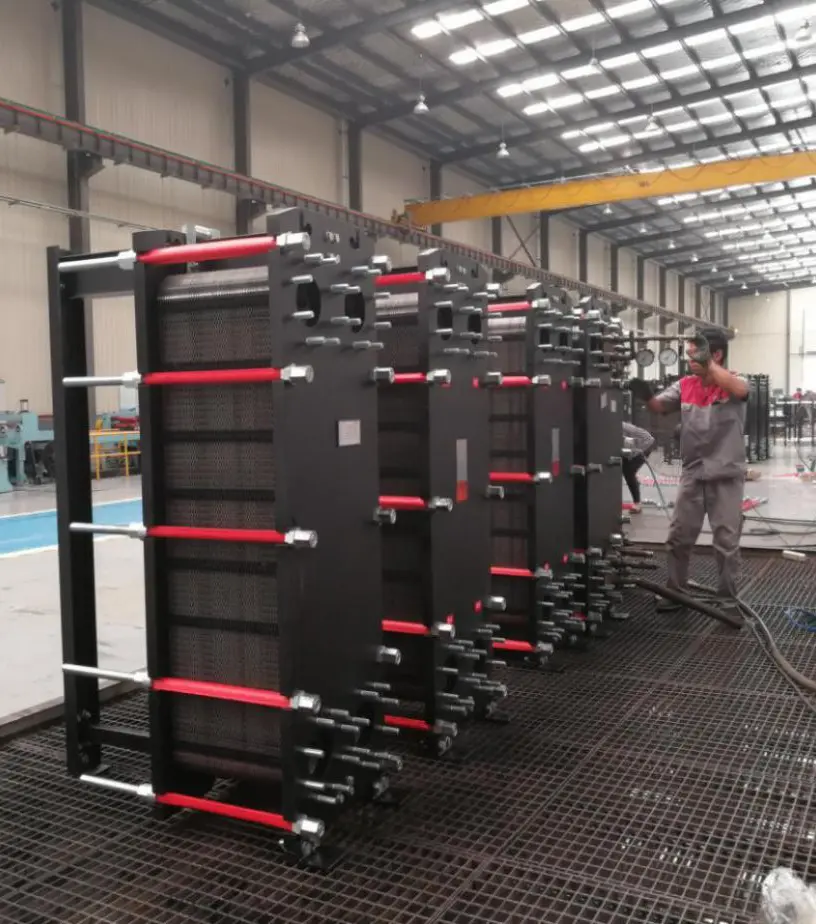
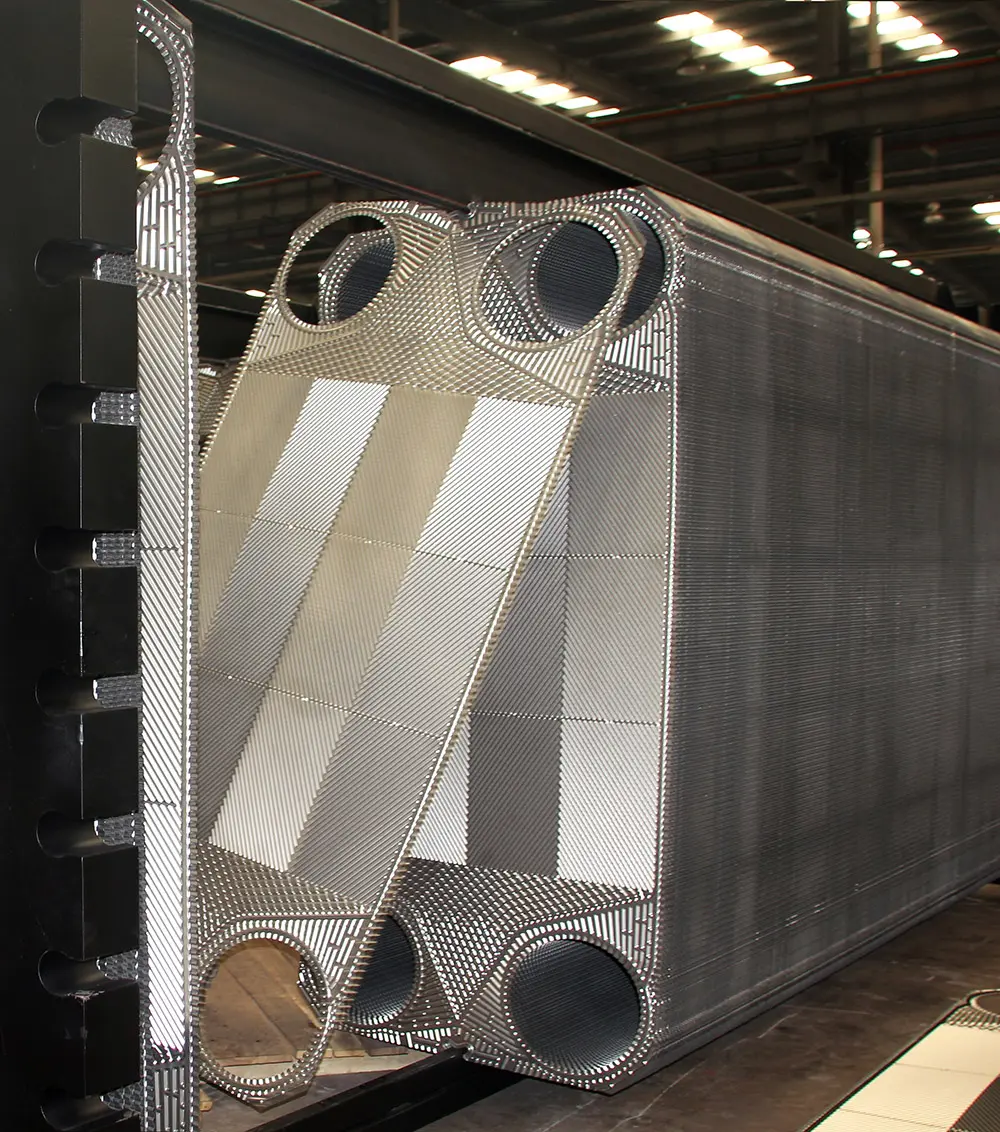
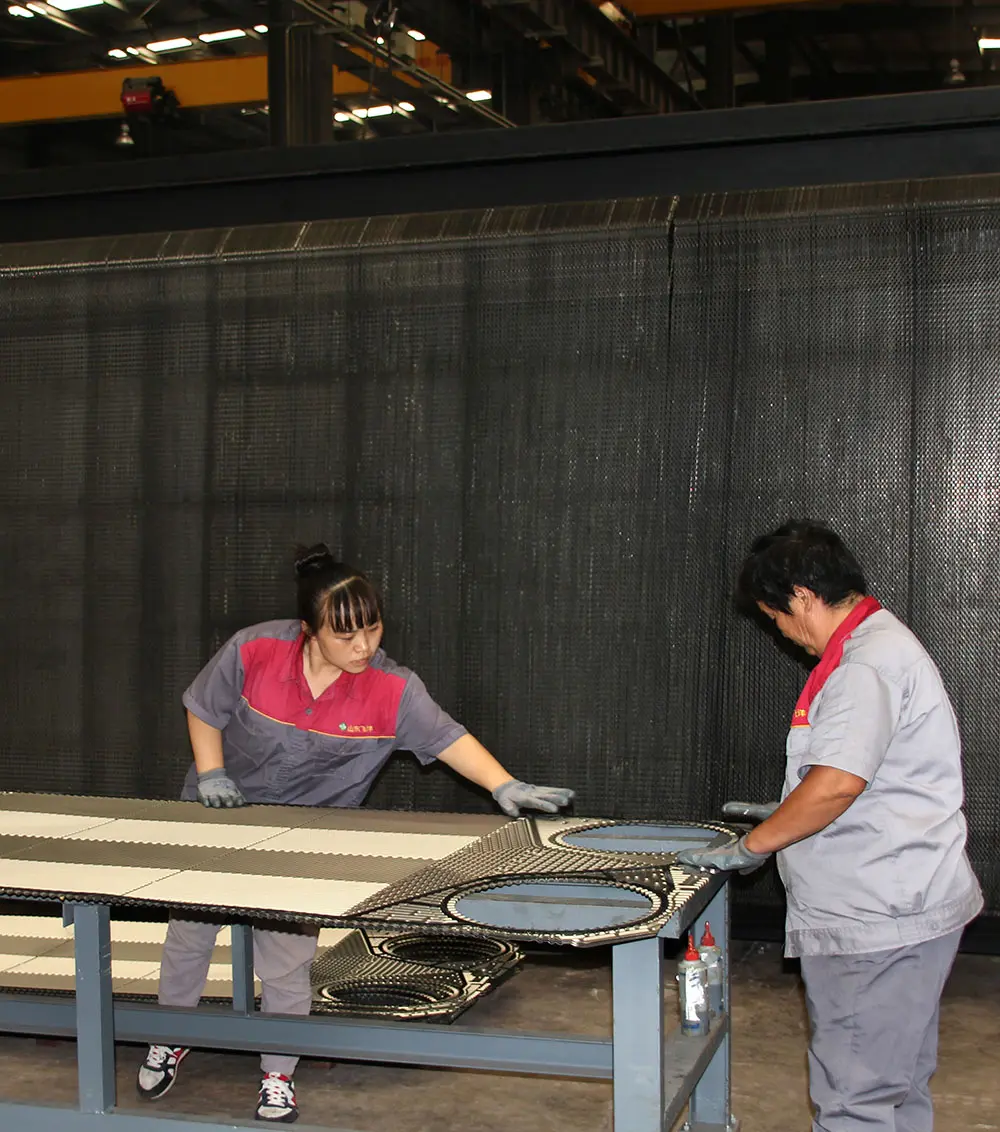
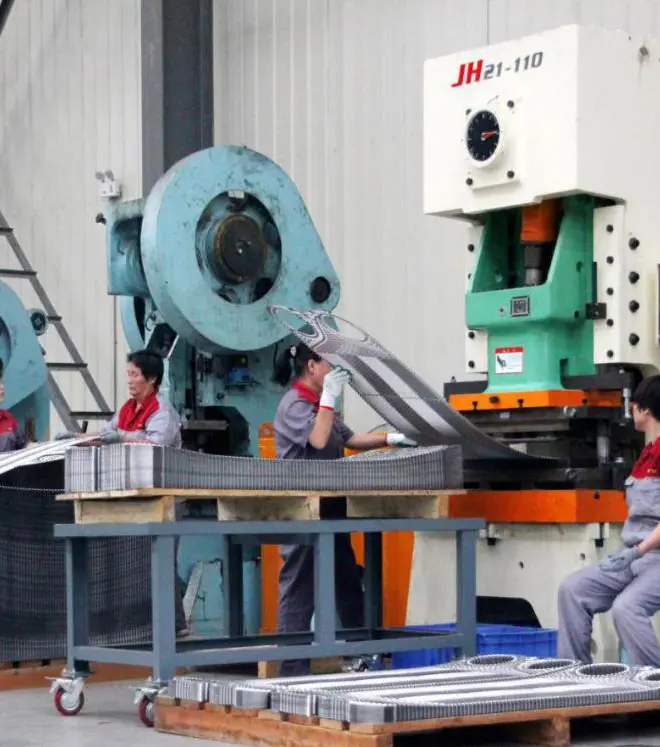
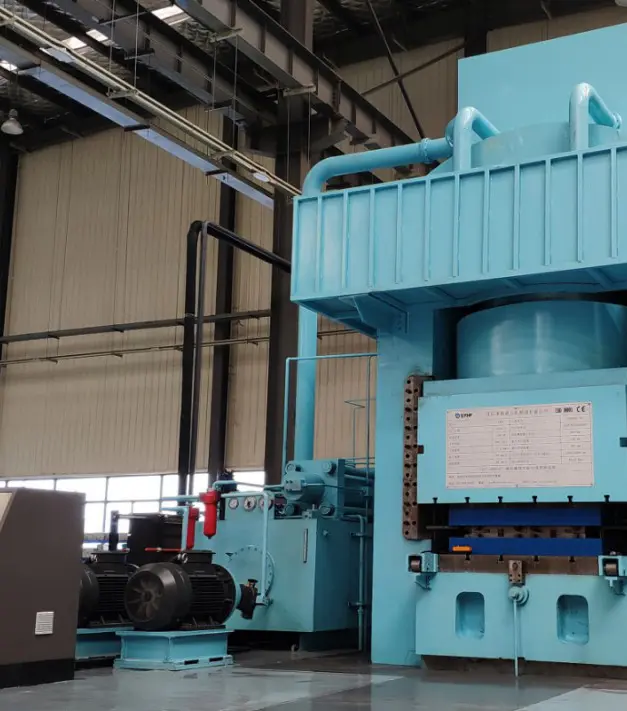
Flotte's manufacturing facilities are designed around automated workflows. Stamping presses with capacities up to 20,000 tons form plates with high dimensional accuracy, which is critical for maintaining correct channel spacings. After stamping, plates are checked for micro-cracks using electromagnetic testing. High-grade rubber seals are then applied in dust-controlled environments, followed by multi-stage pressure testing up to 4.0 MPa to guarantee leakage-free operation under high cyclic thermal loads.
Exporting complex pressure vessel systems demands adherence to global safety and performance standards. Flotte provides full compliance documentation for different regions, including:
Our engineers calculate structural properties based on specific local seismological and climatic conditions, ensuring stack units can handle thermal expansion, pressure surges, and external physical stresses.
Each batch of stainless steel or titanium comes with Material Test Reports (MTRs) detailing chemical composition and physical properties. Every heat exchanger shipped is accompanied by a Quality Dossier containing:
"Dye penetrant inspections, hydrostatic pressure tests, nitrogen-helium leak detection, and structural thickness checks. This documentation supports fast customs clearing and matches localized installation specifications."
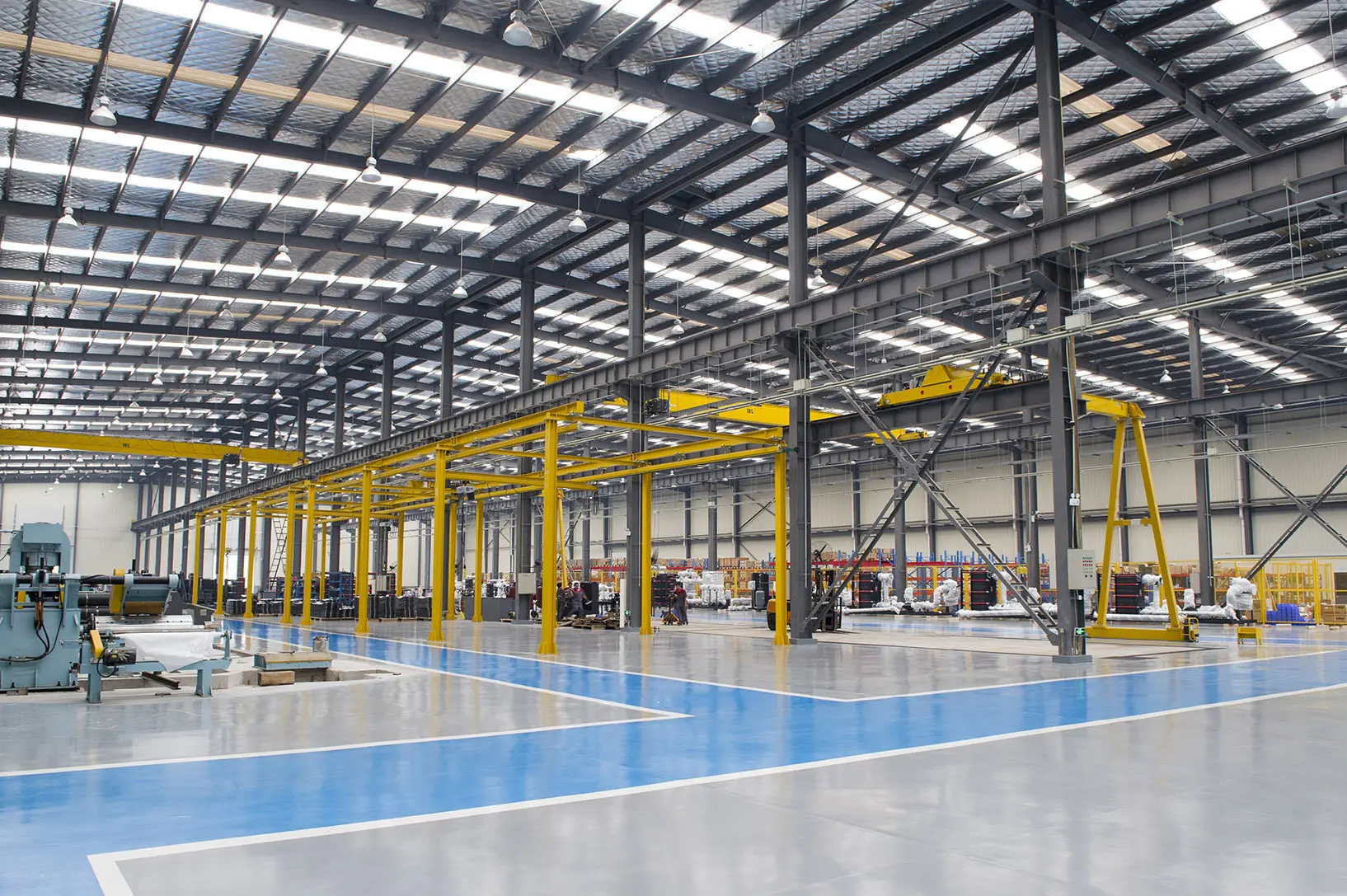
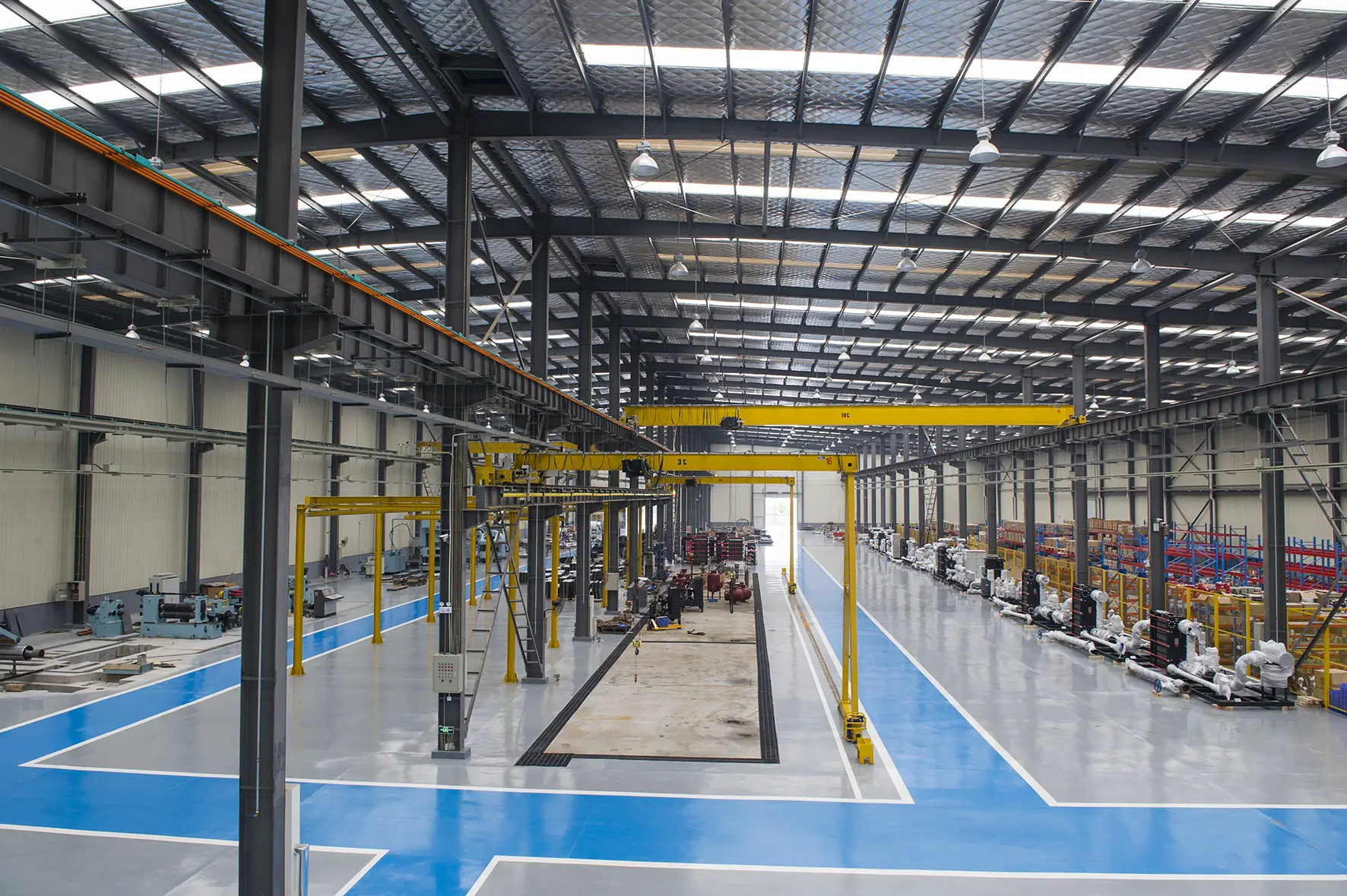
Review the credentials and facilities that back our 30-year engineering heritage.



Our technology roadmap focuses on digitalization, eco-friendly materials, and extreme thermal resilience. As heavy industry aims for carbon neutrality, stack heat exchangers must handle higher operating temperatures and pressure limits while maintaining high safety margins.
Key areas of development include integrating IoT sensors directly into the plate frame assemblies. By measuring regional pressure gradients and heat flux trends, our smart system detects fouling before it impacts operation, helping to plan preventive maintenance schedules.
Get expert answers to common questions about selecting, operating, and maintaining stack plate heat exchangers.
Stack plate heat exchangers provide significantly higher heat transfer coefficients because the corrugated plates create highly turbulent flow. They require up to 70% less floor space and are much lighter. Additionally, they are modular, meaning you can easily add or remove plates to adjust capacity, whereas shell-and-tube models have a fixed design capacity.
For general water-to-water applications, AISI 304 or 316L stainless steel is the standard. For fluids containing chlorides, seawater, or organic acids, Titanium Gr1 is recommended. For highly aggressive media like warm sulfuric or nitric acids, we supply specialty alloys such as Hastelloy C-276, nickel, or industrial graphite plates.
Plates with a high chevron angle (e.g., 60°) create high turbulence, which maximizes heat transfer but increases the pressure drop. A low chevron angle (e.g., 30°) yields lower flow resistance and a smaller pressure drop, but with reduced heat transfer performance. We often mix chevron profiles in the same plate pack to optimize performance for specific fluid properties.
Every unit undergoes a standardized testing sequence, including a hydrostatic test at 1.3 to 1.5 times the design working pressure, a pneumatic test to check the integrity of the gaskets, and nitrogen-helium leak detection for high-precision models. We also perform dye penetrant tests on stampings to verify there are no micro-fissures.
Yes. Our in-house engineering team uses thermodynamic simulation software to calculate fluid behavior, velocity profiles, actual pressure drops, and safety margins. We provide complete technical data sheets (including LMTD, heat load, convective coefficients, and fouling factor allowances) alongside our initial quotations.
Complete your thermal networks with our supporting balance valves, smart sensors, and advanced water treatment components.
Get in touch with our engineering team for customized calculations, complete material data sheets, and custom quotes. Let us help you design a system tailored to your requirements.
Contact Our Technical Engineers Flotte Energy