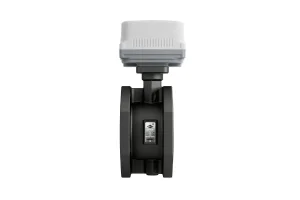
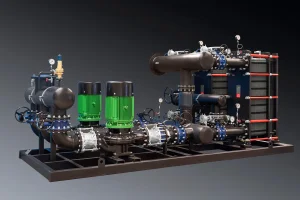
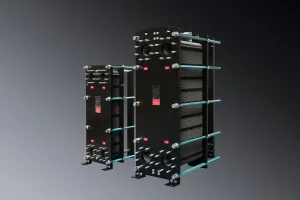
Engineered to withstand harsh Scandinavian winter conditions, these systems optimize heat recovery, minimize carbon footprint, and guarantee long-term operational resilience.
Sweden stands at the forefront of the global energy transition, aiming to achieve a completely fossil-free economy by 2045. A critical component of this ambitious initiative is the optimization of industrial thermal networks and district heating infrastructure. As winter temperatures regularly drop below sub-zero levels across Sweden's municipal grids, the demand for highly efficient, reliable, and intelligent heating systems has intensified.
Traditional heating systems no longer meet the stringent requirements set by the Swedish Energy Agency (Energimyndigheten). Today, industrial exporters must supply equipment that integrates seamless automation, dynamic flow balance, and ultra-high heat transfer coefficients. The local industries—including paper mills, mining operations, chemical processing plants, and marine shipping—require heat exchange technology capable of maximizing Energy Gain (COP) while drastically reducing waste heat losses.
Integrating 4th and 5th generation district heating technology requiring heat exchangers to operate efficiently with low supply temperatures (50–65°C), reducing system thermal dispersion.
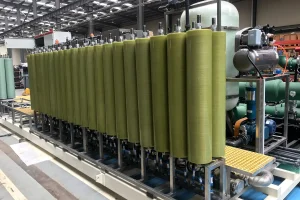
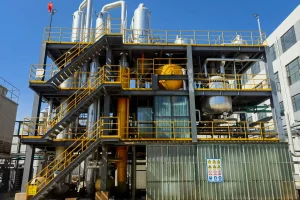
Advanced membrane concentration systems allow Swedish industrial facilities to recycle up to 98% of process water, aligning with local environmental protection regulations (Miljöbalken).
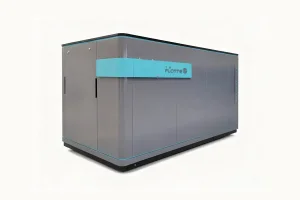
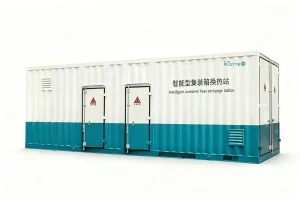
Global industries are moving away from piecemeal components toward integrated skid-mounted heating stations. Pre-engineered units reduce field installation times by 70% and guarantee strict factory-tested compliance.
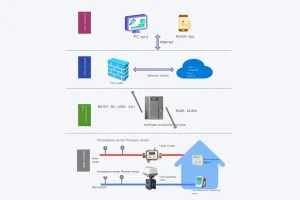
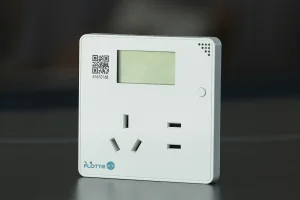
Real-time flow management using predictive AI algorithms reduces energy waste. IoT-based pressure and room temperature collectors continuously communicate with primary control valves to maintain optimum temperature zones.
By utilizing premium materials such as Titanium, Hastelloy, and specialized AISI 316L stainless steel plates, modern heat exchangers can operate continuously in highly corrosive environments without fouling or thermal degradation.
Founded originally in 1995 as Flotte Thermal Engineering, Flotte Energy Saving Company was formally established in 2013 with a registered capital of 101 million yuan. With three decades of profound technical accumulation, we specialize in high-performance water equipment, building HVAC systems, and eco-friendly water treatment solutions.
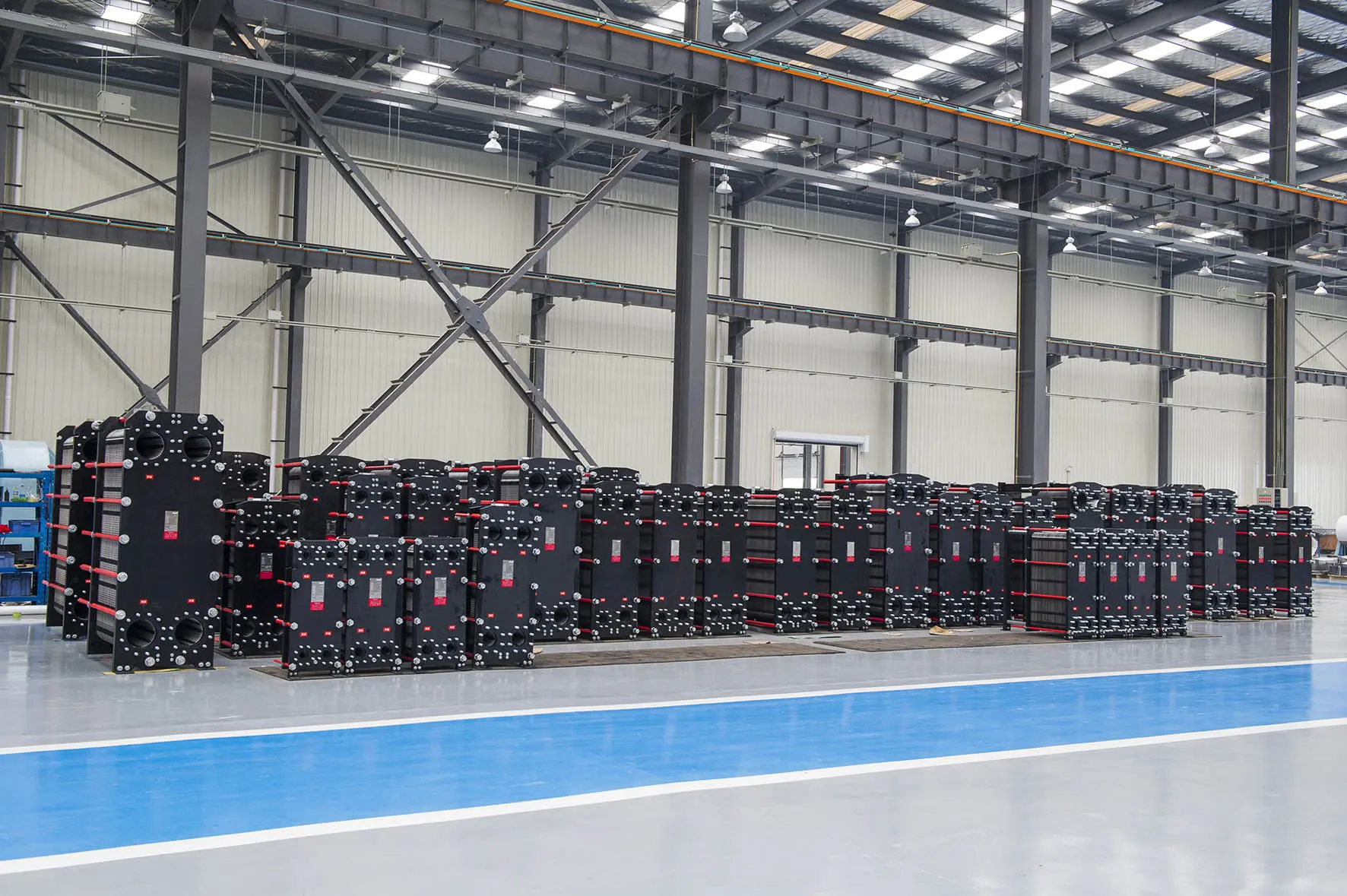
Operating in Sweden requires strict compliance with European pressure vessel standards, CE marking regulations, and the Pressure Equipment Directive (PED 2014/68/EU). Flotte's design, procurement, manufacturing, and assembly processes conform strictly to these stringent frameworks.
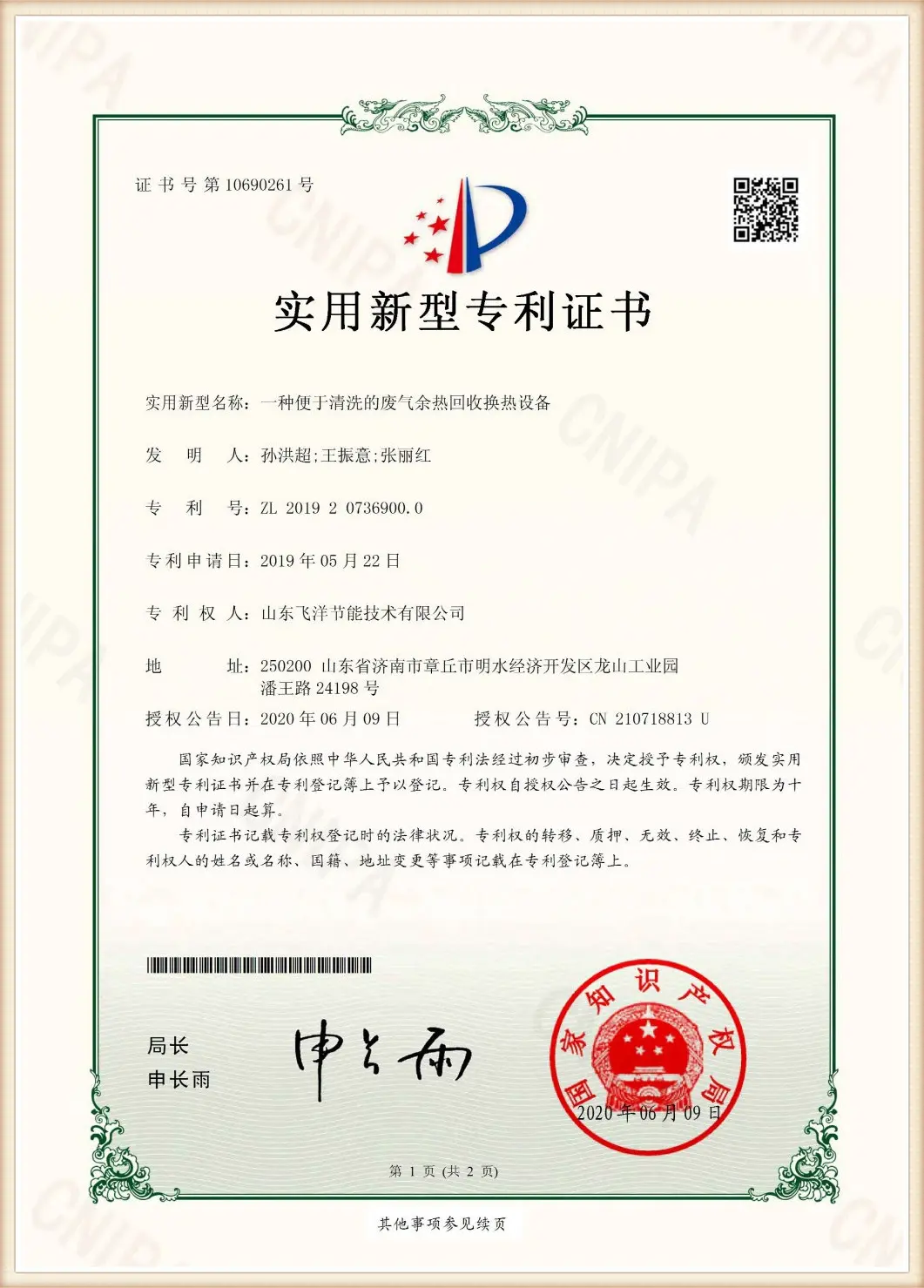
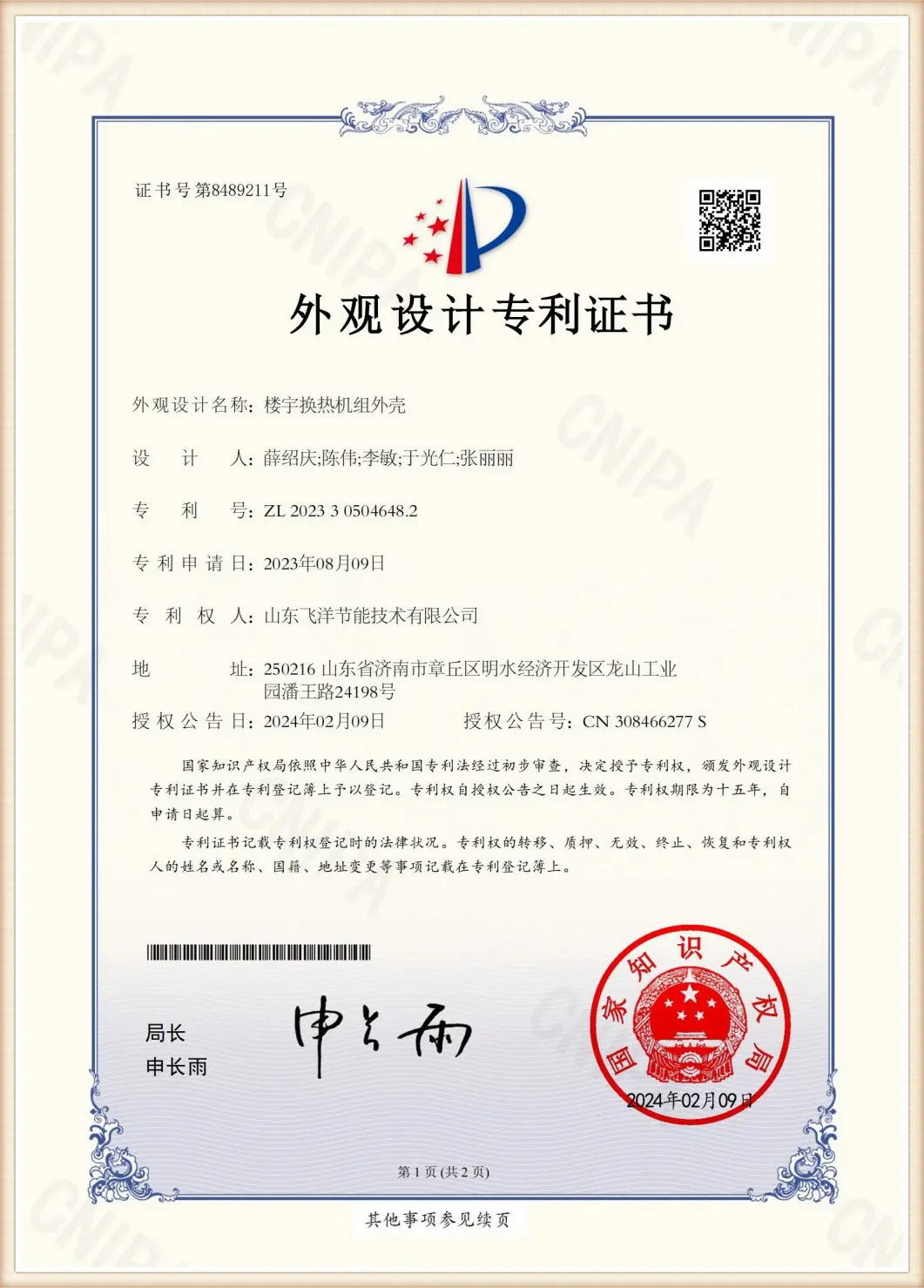
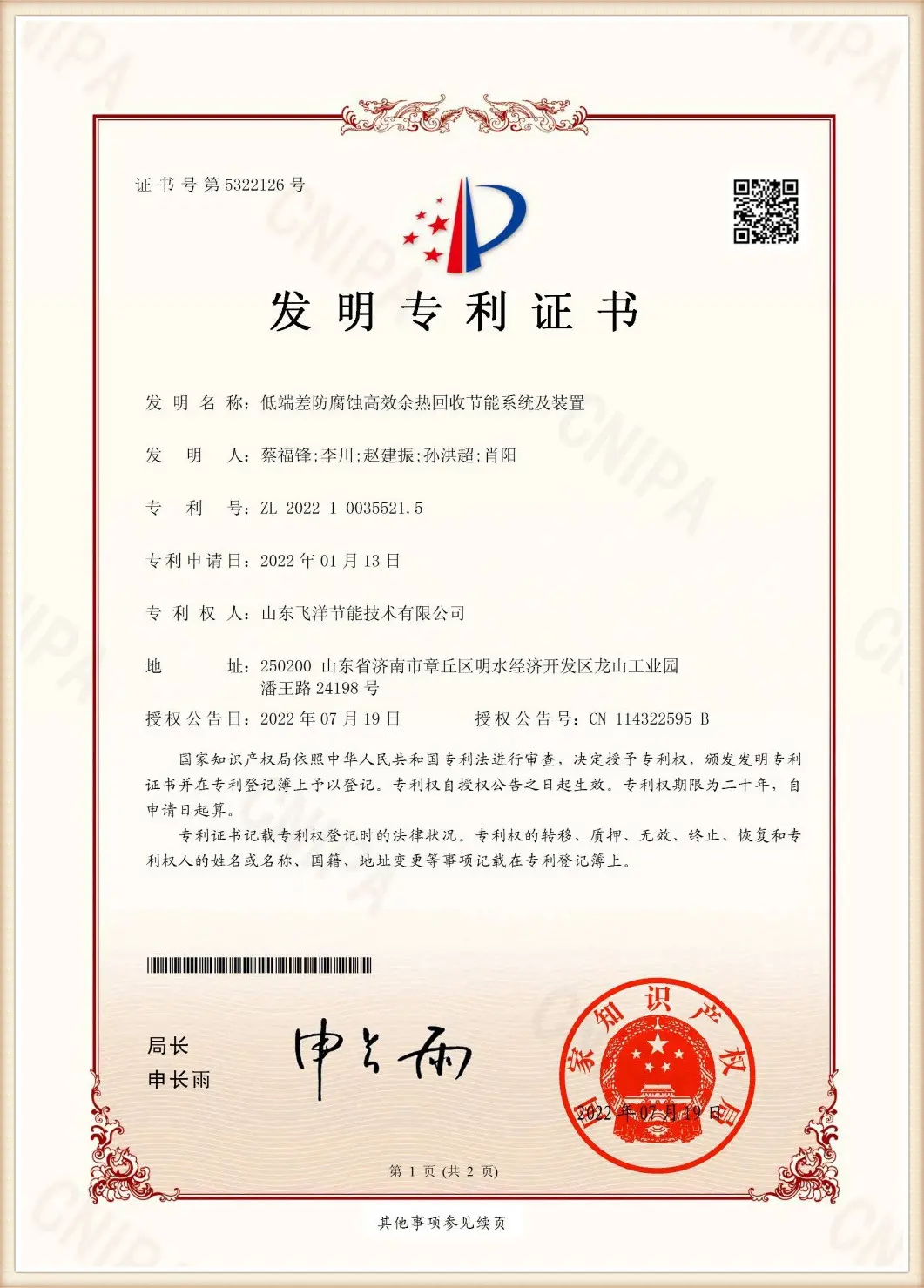
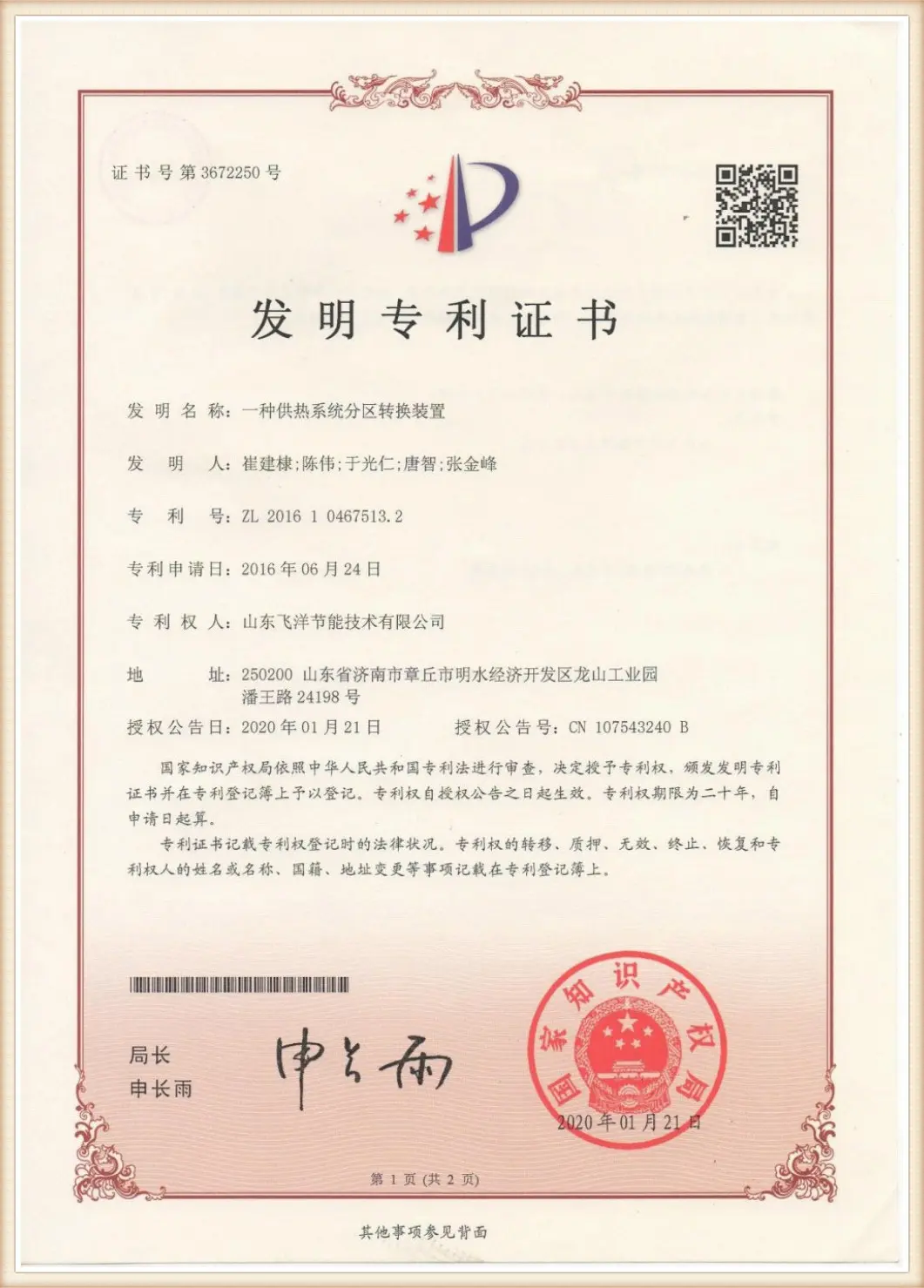
We hold multiple patent certifications including the "High-Efficiency Plate Heat Exchanger", "Intelligent Plate Heat Exchanger System", and "Plate Heat Exchanger Scale Removal Device". Our manufacturing plants are fully certified under global management frameworks:
All final products undergo mandatory inspection and verification processes by national quality supervision authorities, ensuring seamless compliance when imported into Sweden.
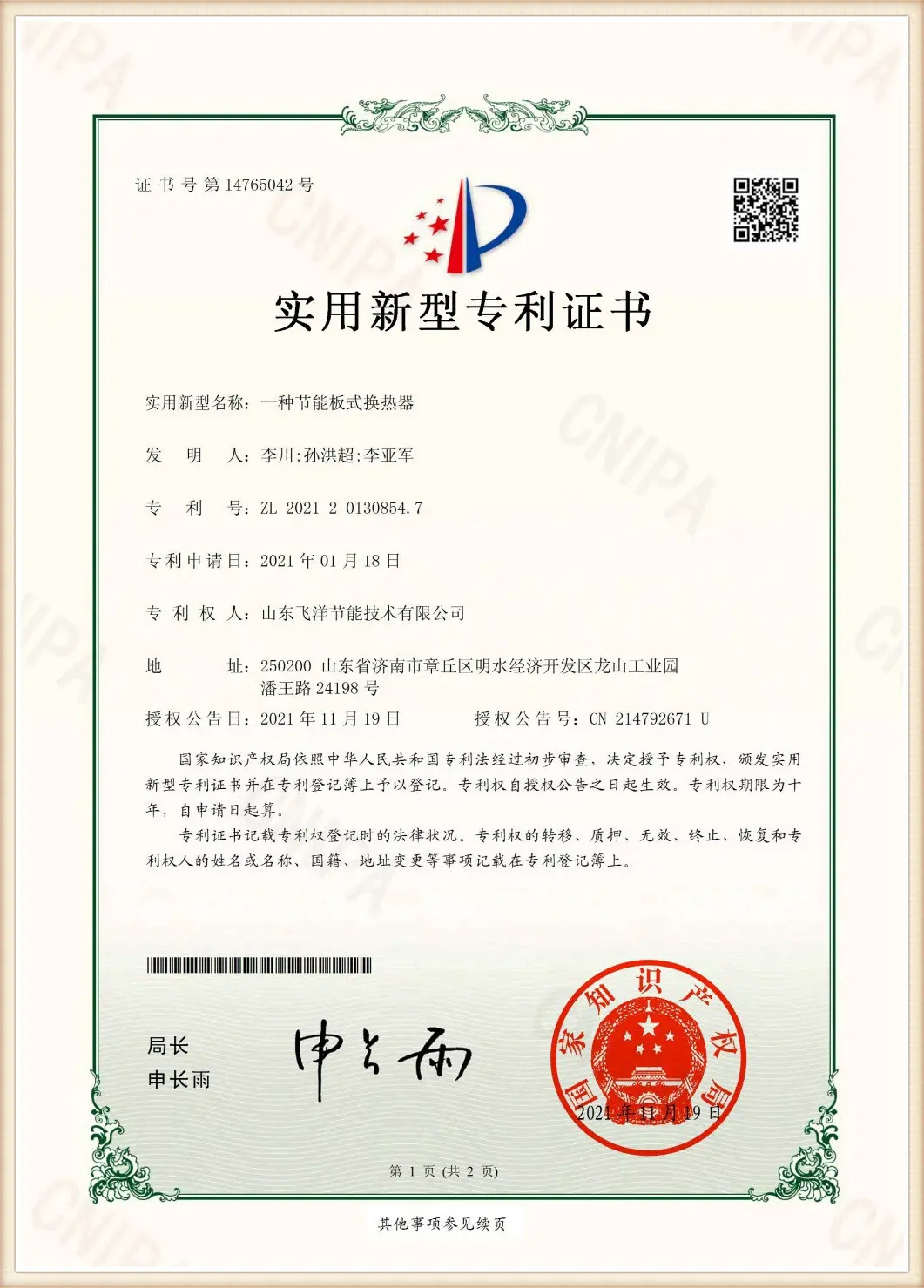
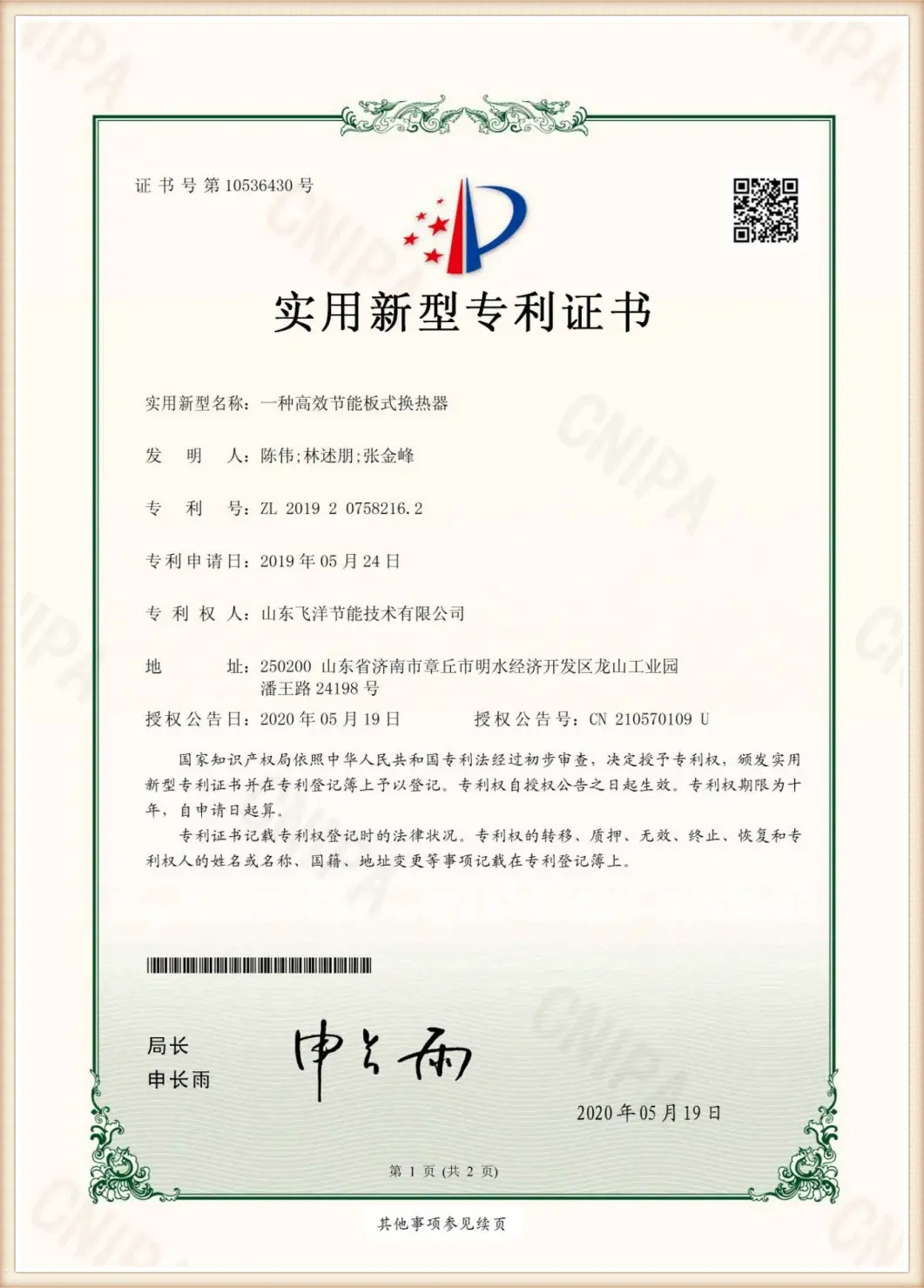
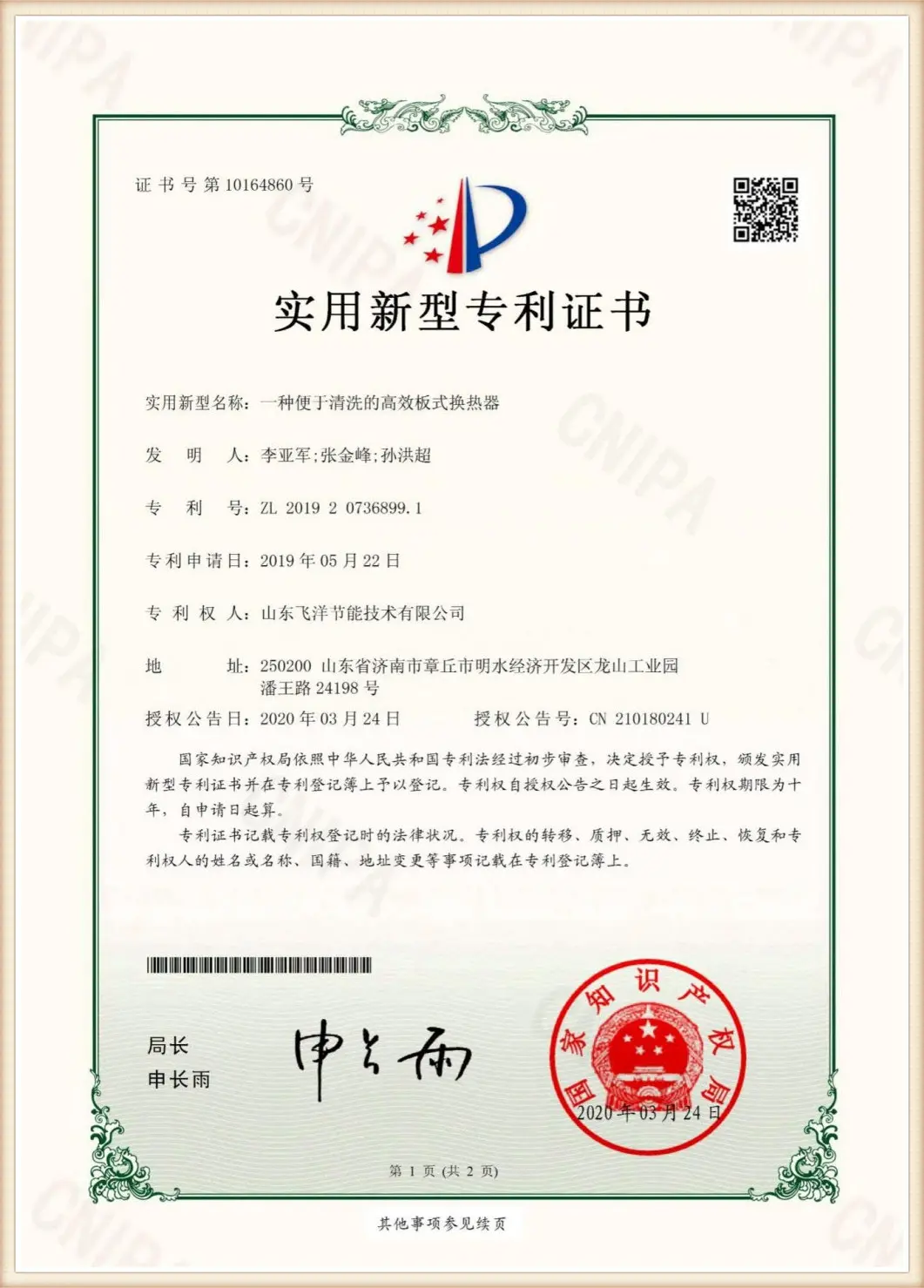
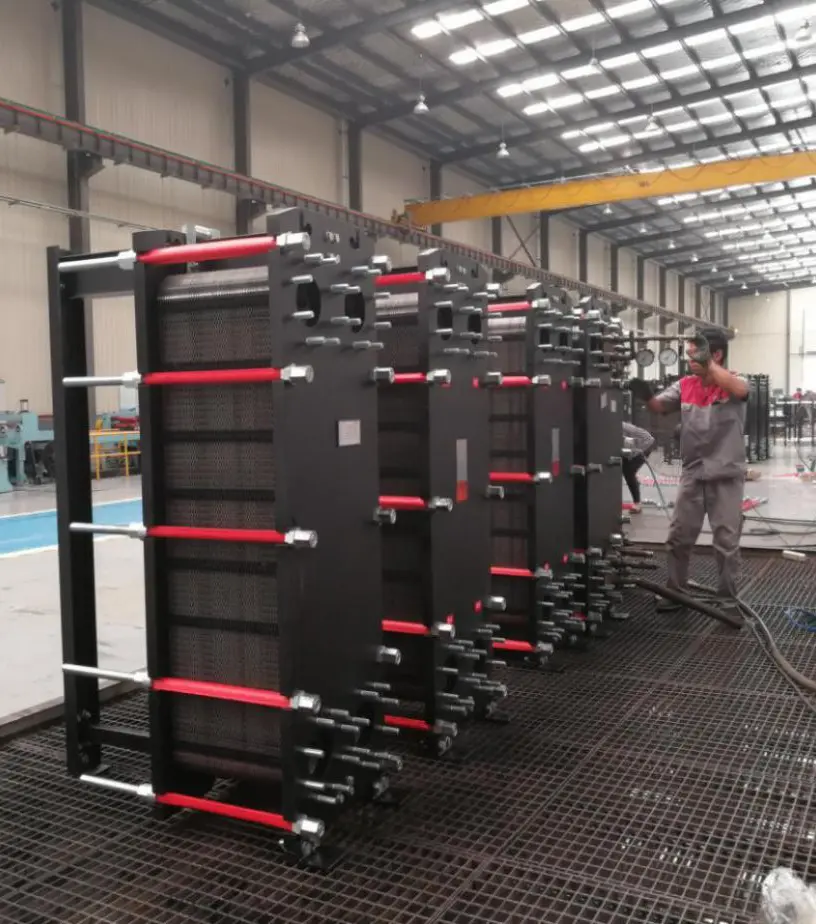
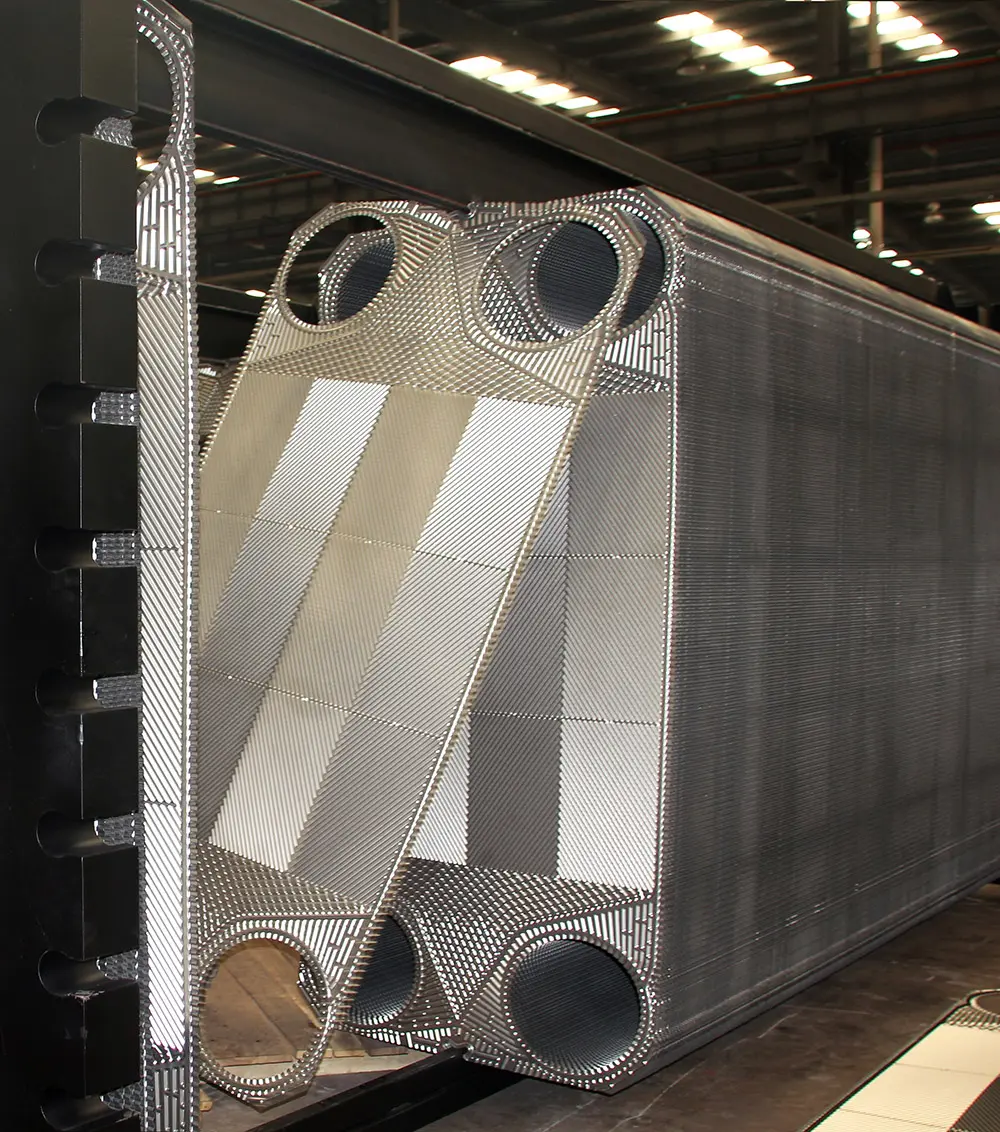
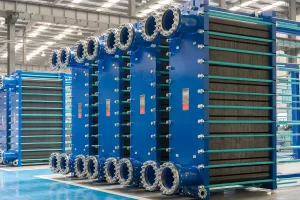
Our high-efficiency plate heat exchangers serve as the primary heat-transfer barrier between main municipal CHP (Combined Heat and Power) loops and secondary residential substations. They ensure stable hot water delivery at controlled pressures, even during seasonal peaks.
Sweden's forest-based bio-economy relies heavily on energy-intensive pulp refinement. Utilizing our customized evaporation and membrane concentration systems allows mills to recycle black liquor, recover process chemicals, and capture valuable waste heat.
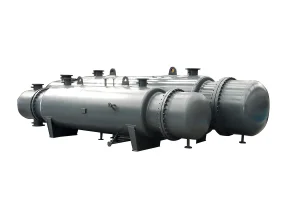
In Sweden's northern mining districts (e.g., Kiruna), robust thermal systems are needed to cool mining machinery and maintain deep-ventilation shaft temperatures. Our shell-and-tube heat exchangers deliver high-pressure mechanical durability for raw water streams.
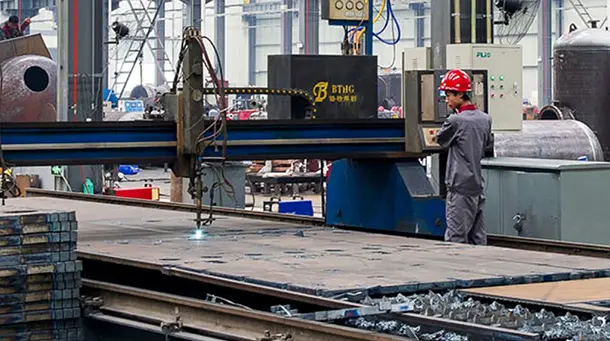
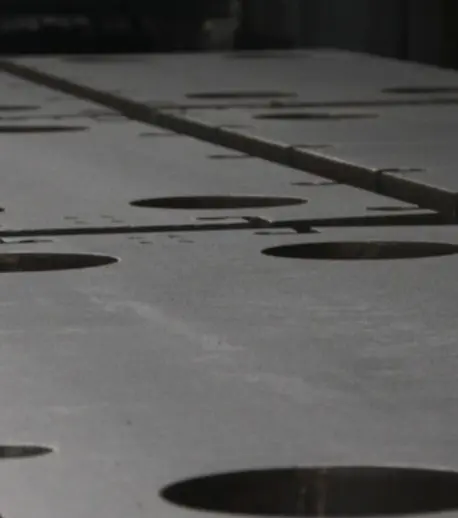
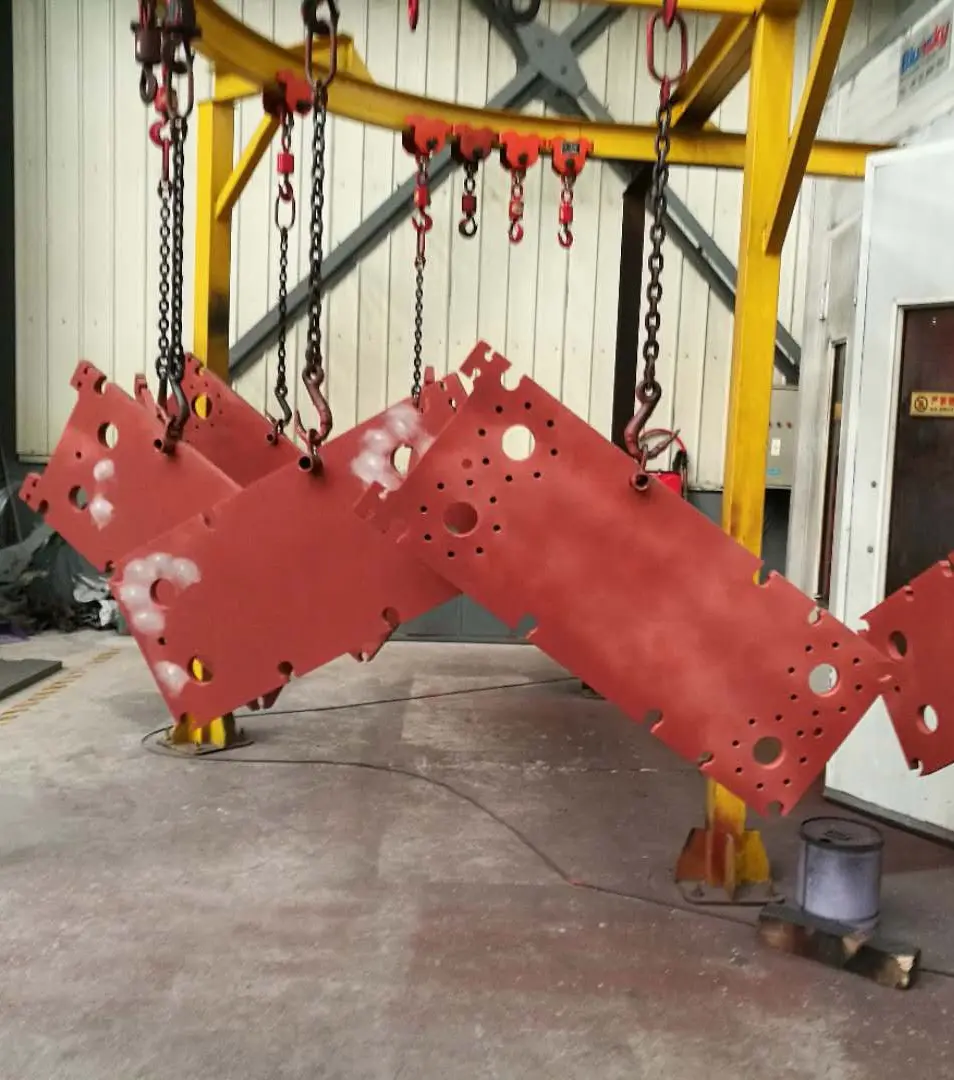
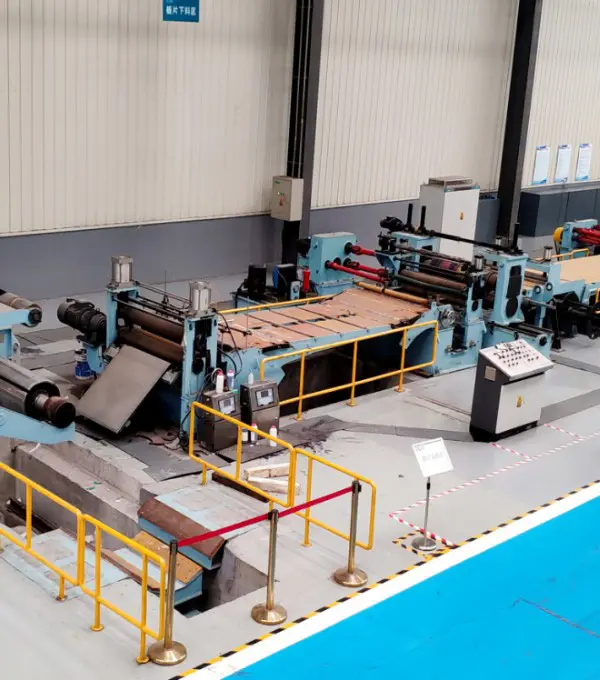
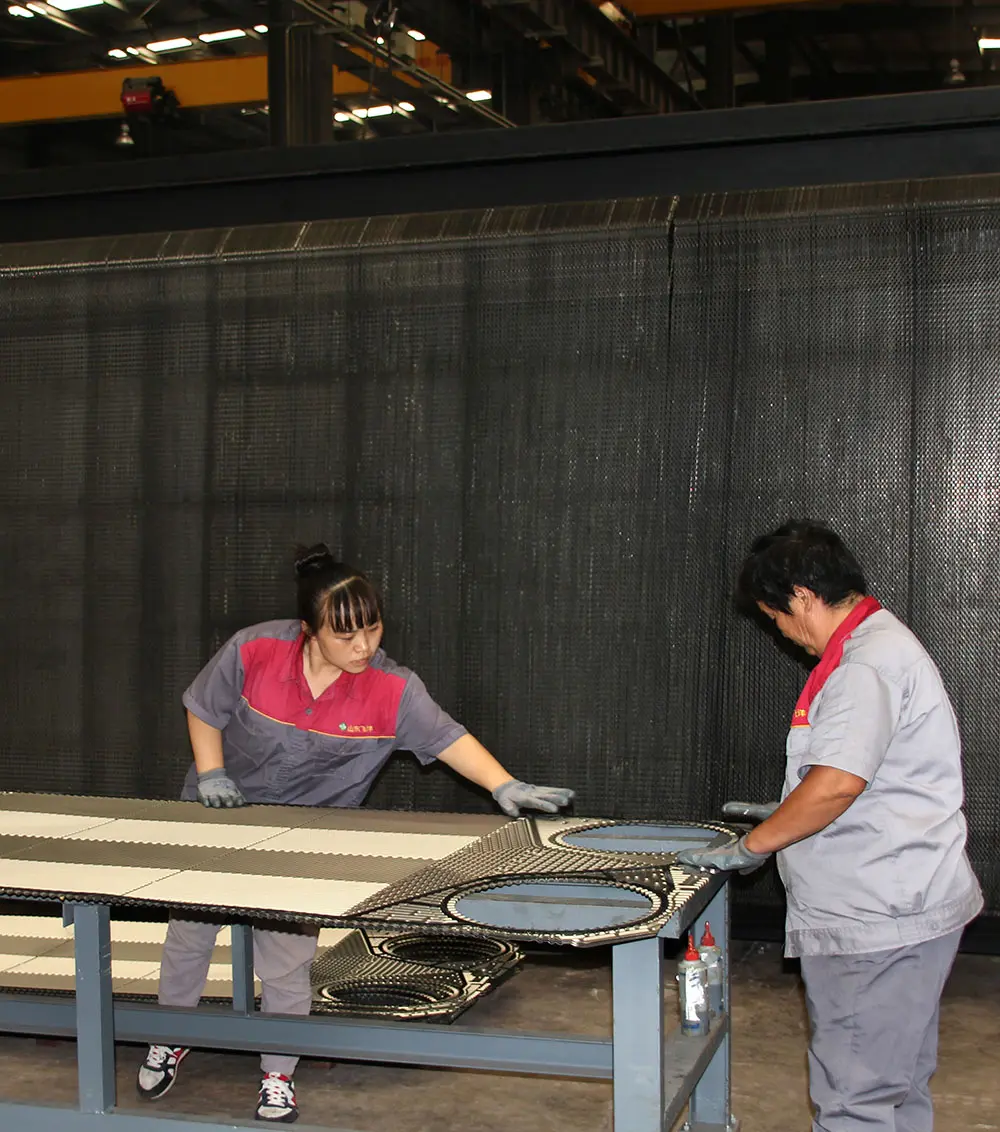
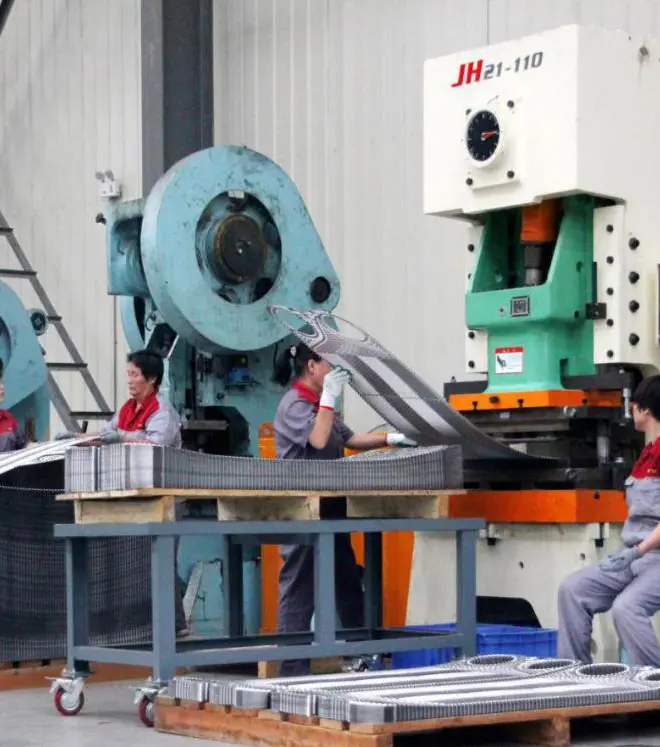
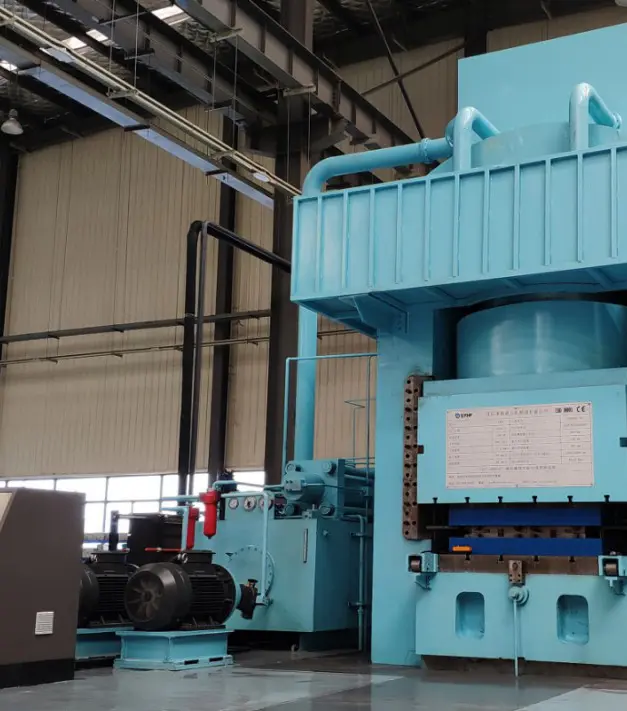
Every component is manufactured under tight quality tolerance ranges. Our advanced R&D center and physical-chemical laboratories ensure absolute structural safety and high thermodynamic conversion rates.
Our R&D roadmap focuses on maximizing information gain through AI algorithms and next-generation heat exchange architecture.
Optimizing plate geometries to induce micro-turbulences at low fluid velocities, maintaining high thermal efficiency while reducing pressure drop constraints. Incorporating IoT-driven auto-balancing valves.
Standardizing integration of Multi-Effect Evaporators and Membrane Concentrators to support industries targeting Zero-Liquid-Discharge (ZLD). Development of ultra-low heat gradient heat exchange loops.
Transitioning to full cyber-physical thermal stations where cloud software automatically balances primary municipal network loads with secondary client consumption, achieving predictive self-maintenance.
Complete line of customized heat exchangers, balance valves, evaporation units, and smart monitoring components manufactured for global exporters.
Our professional R&D and installation teams are ready to analyze your fluid dynamics, pressure gradients, and environmental conditions to design a customized thermal system.
 Flotte Energy