High-efficiency thermal exchange and water treatment components engineered to meet Ontario mechanical specifications and Toronto green standards.
As North America’s fourth-largest economic hub, the City of Toronto and the Greater Toronto Area (GTA) are undergoing a monumental shift in utility design, district energy distribution, and industrial manufacturing systems. Driven by the ambitious TransformTO Net-Zero Strategy, Toronto mandates that all new buildings be designed to achieve net-zero greenhouse gas emissions by 2030, putting immense pressure on HVAC engineering and industrial processing.
Thermal equipment deployed in Toronto must resist extreme temperature variations—ranging from winter lows below -20°C to peak summer conditions. This demands highly durable plate heat exchangers, sophisticated smart regulation valves, and high-efficiency shell-and-tube units that can interface with district steam loops, deep lake water cooling systems, and critical industrial processing grids. By sourcing directly from a vertically integrated manufacturer, Toronto developers, mechanical contractors, and industrial operators gain massive cost efficiencies without sacrificing compliance with ASME, TSSA, and local CSA standards.
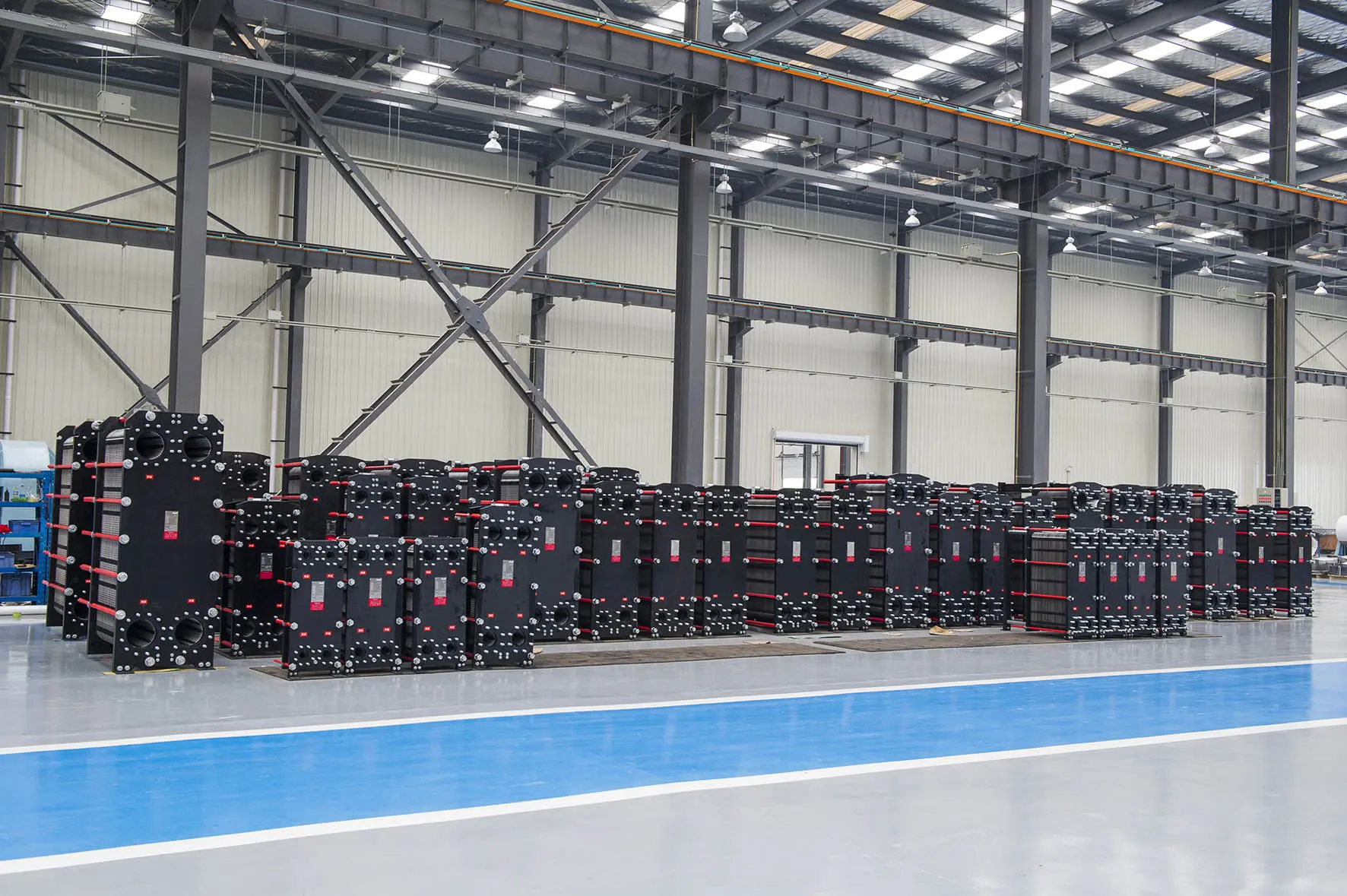
Underpinning thermodynamic optimization, materials science, and modern smart hydronic integration.
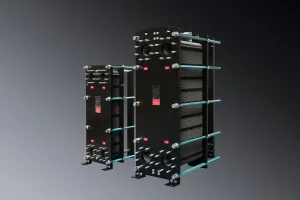
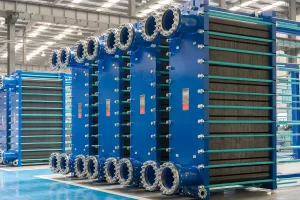
In modern industrial and commercial heat exchange, the plate heat exchanger (PHE) is paramount. The efficiency of a PHE lies in the complex fluid dynamics occurring inside the micro-corrugated channels. Flotte's patented plate geometries promote intense turbulent flow even at low Reynolds numbers, allowing heat transfer coefficients (U-values) that are 2 to 3 times higher than traditional shell-and-tube heat exchangers.
This turbulence not only maximizes heat transfer but also induces a continuous self-cleaning effect, reducing fouling along the heat transfer surfaces. In cold climates like Toronto's, where glycol-water mixtures are heavily relied upon to prevent freezing, managing fluid viscosity changes through plate pattern configuration is critical to keeping pumping power consumption down.
Thermodynamic efficiency is a balance of heat transfer rate versus pressure drop. In district heating applications, optimizing the chevron angle (the V-shaped corrugations on plates) is key. High-theta plates provide high heat transfer coefficients but generate high pressure drops; low-theta plates minimize pressure drop at lower thermal performance. Flotte engineers utilize asymmetrical plate designs that combine high and low chevron angles to balance both, accommodating specific flow rates on the primary and secondary loops.
Material integrity determines the lifespan of a thermal system. For Toronto's diverse water chemistry—ranging from municipal chlorinated supplies to industrial process waters—alloy selection is critical to preventing stress corrosion cracking, pitting, and erosion:
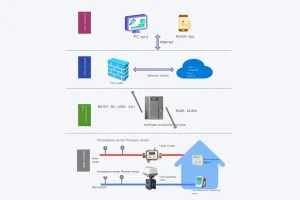
The traditional method of over-pumping hot water through buildings is highly inefficient. Dynamic hydronic balancing represents the modern standard for energy conservation. Utilizing Intelligent Unit Balance Valves alongside Room Temperature Collectors, real-time demand data is fed directly into a centralized monitoring system. This ensures that only the exact quantity of thermal energy required is delivered to each sub-network, minimizing return loop temperatures and dramatically increasing the COP (Coefficient of Performance) of central district energy networks.
Flotte Energy Saving Company (established in 2013 with 101 million RMB registered capital, originating from Flotte Thermal Engineering founded in 1995) provides world-class industrial equipment.
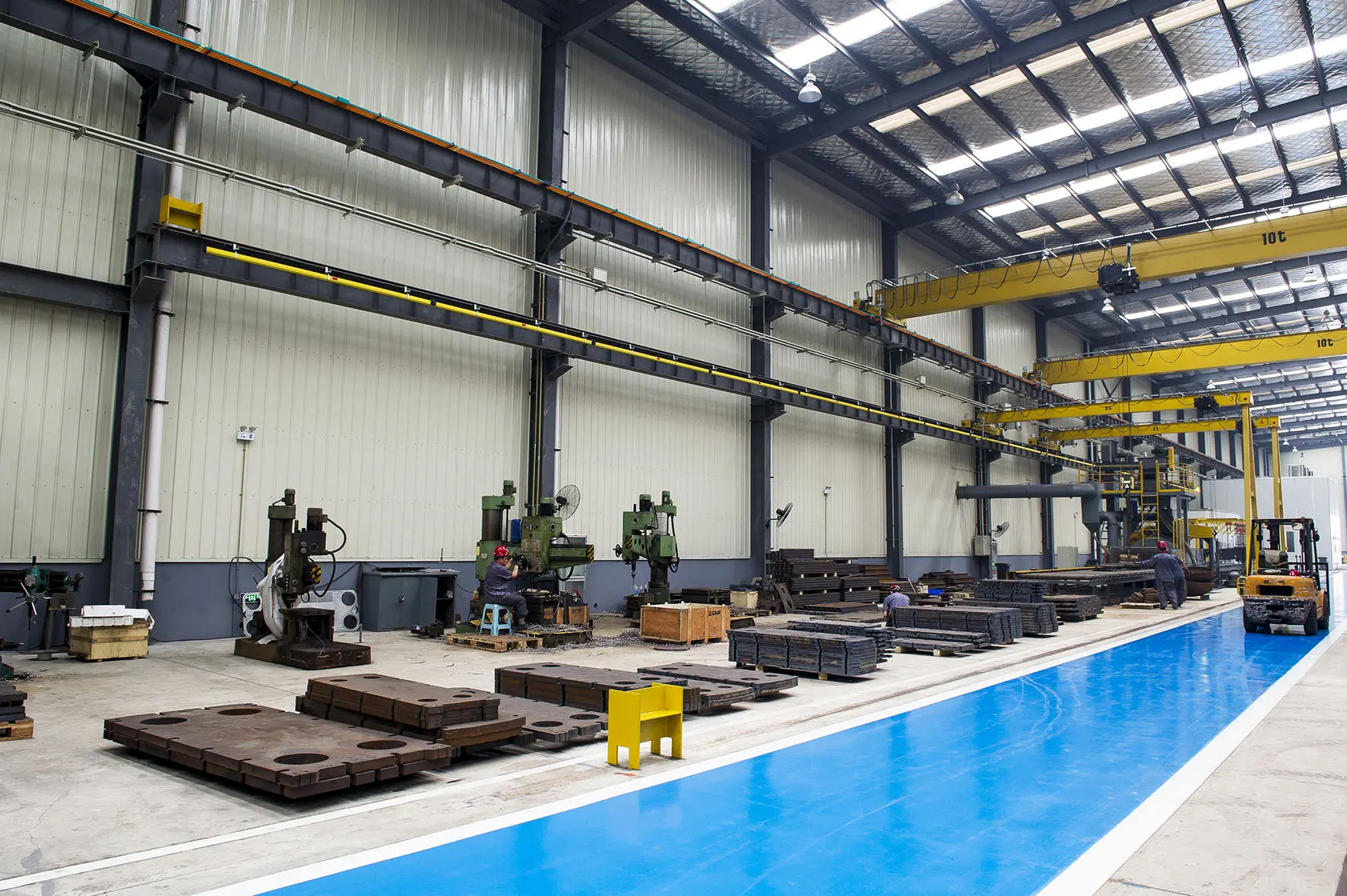
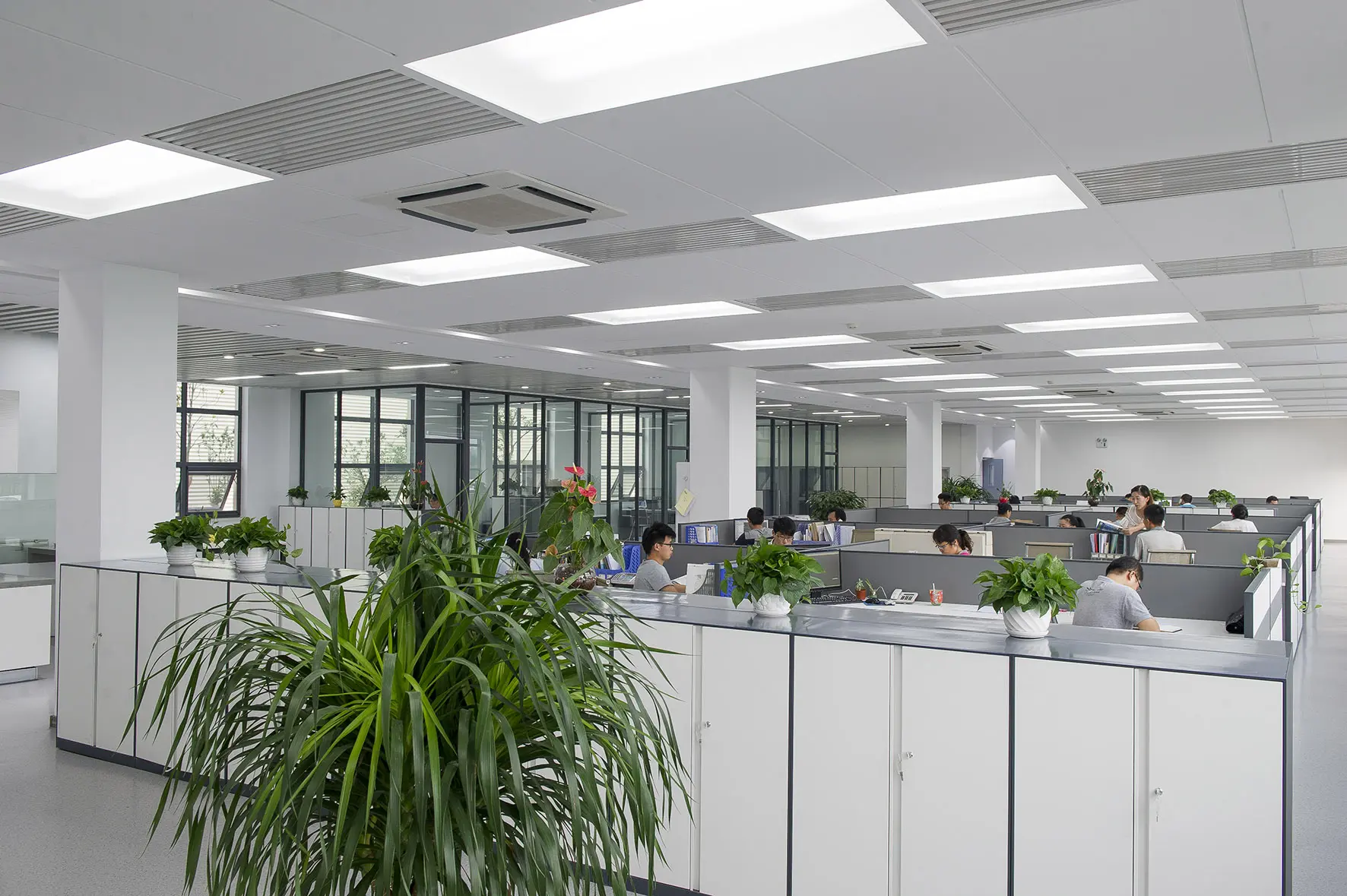
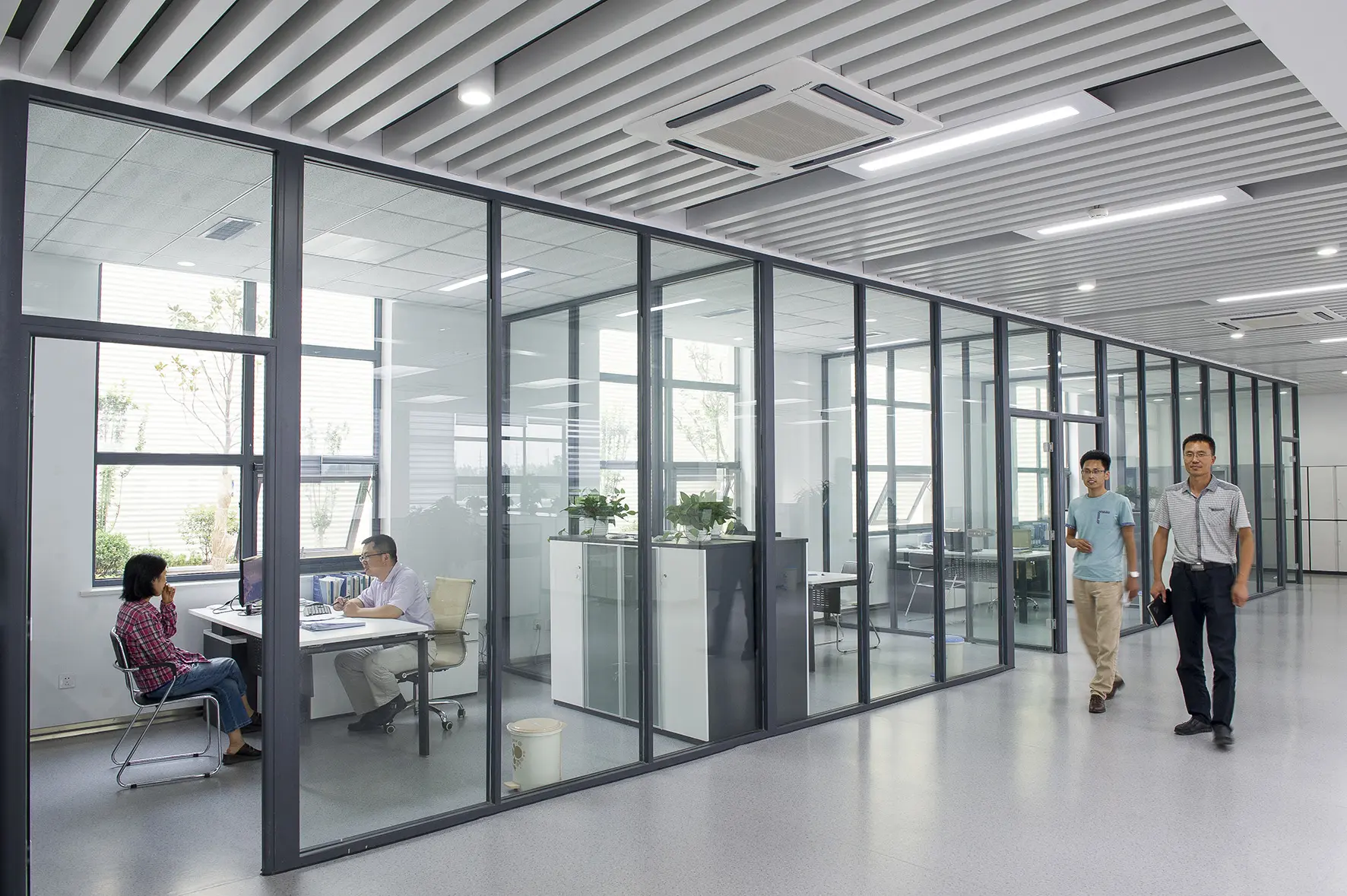
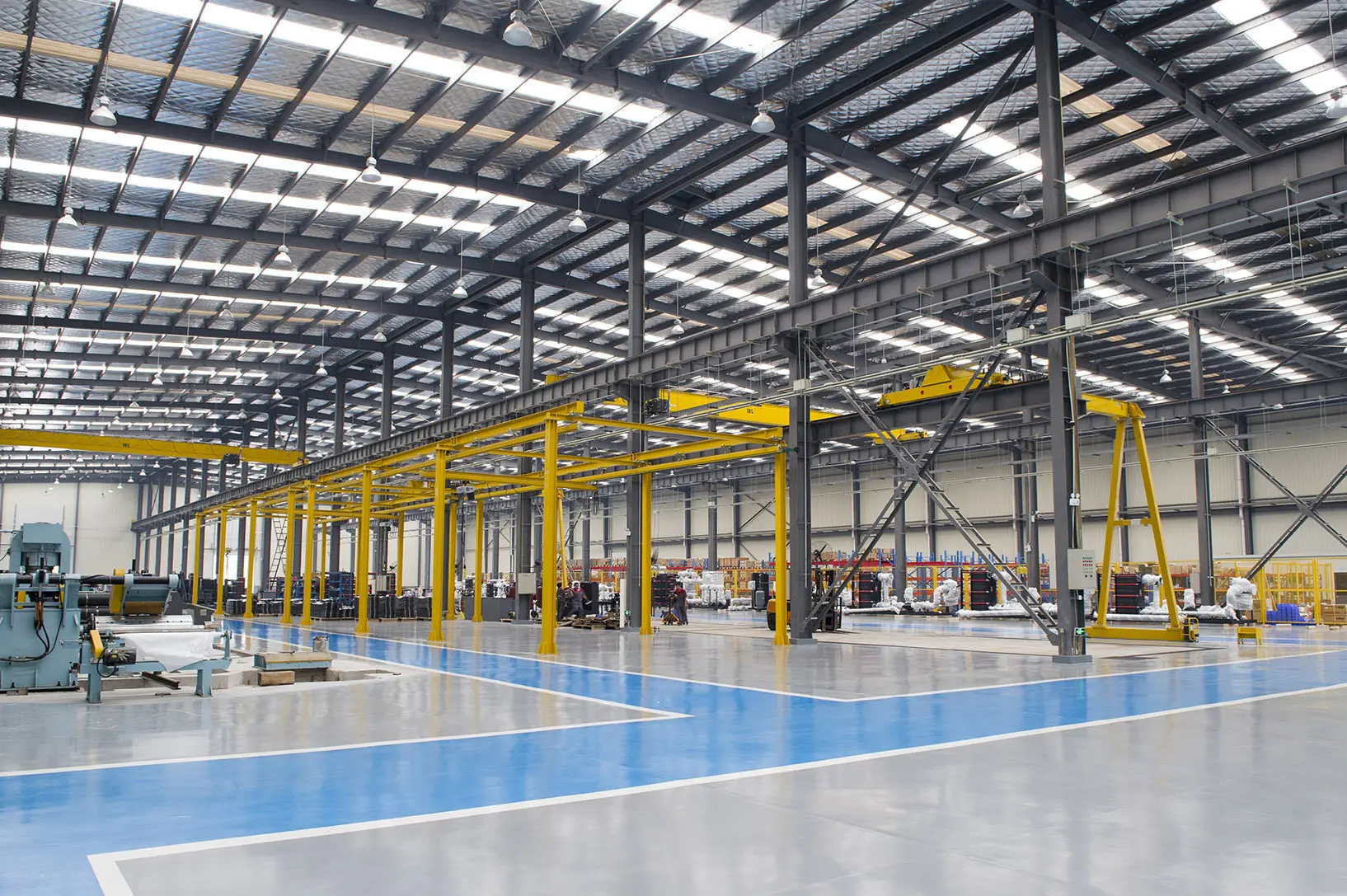
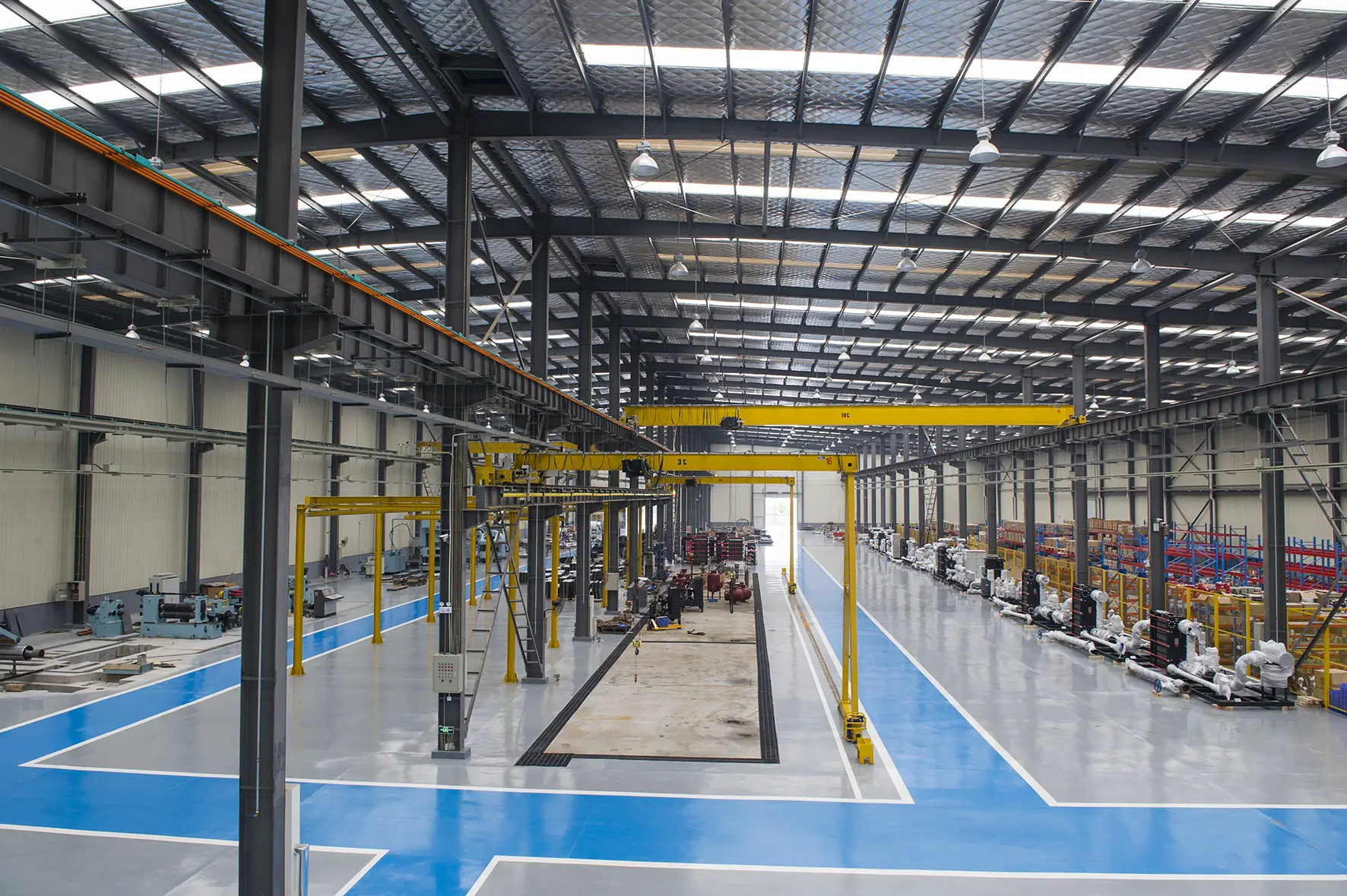
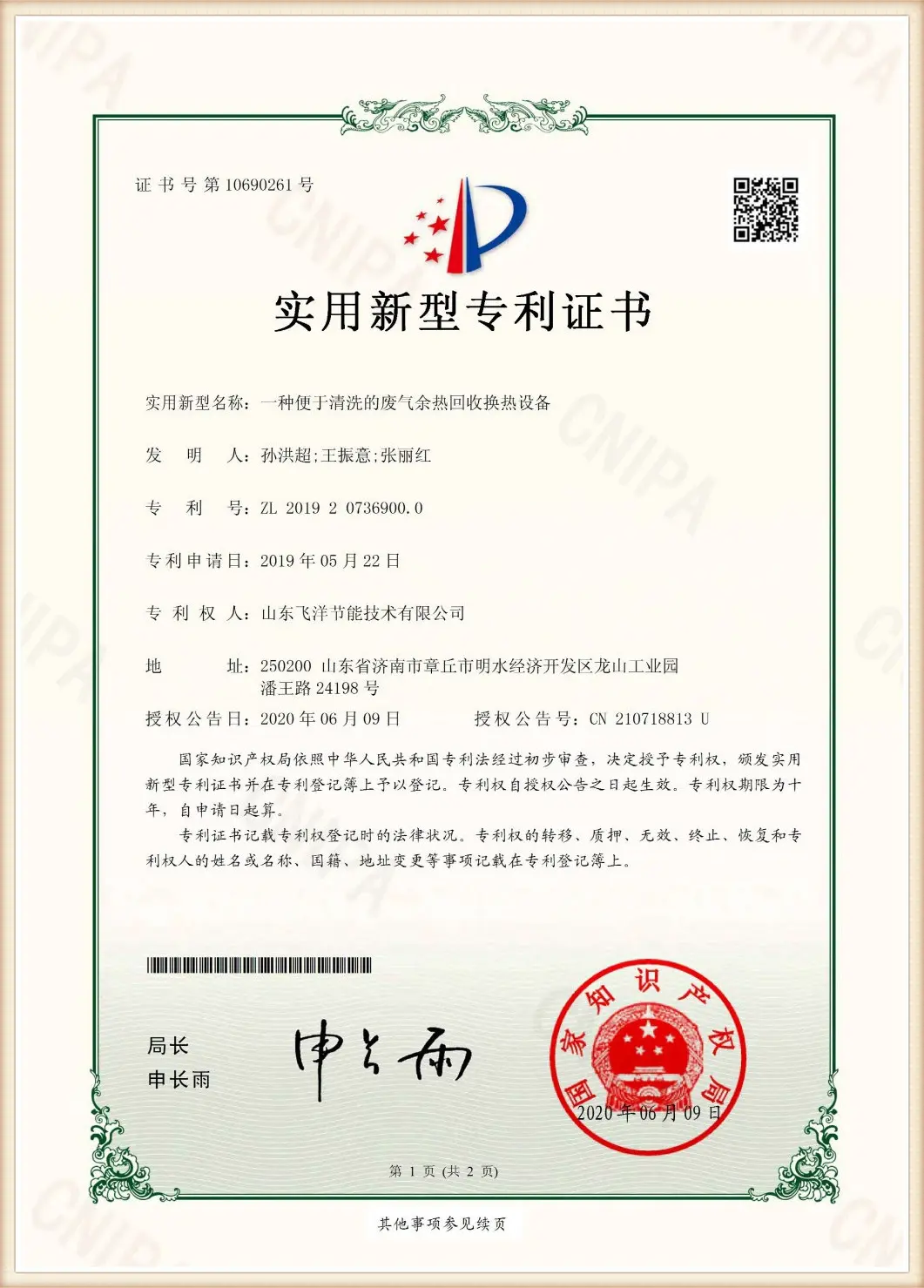
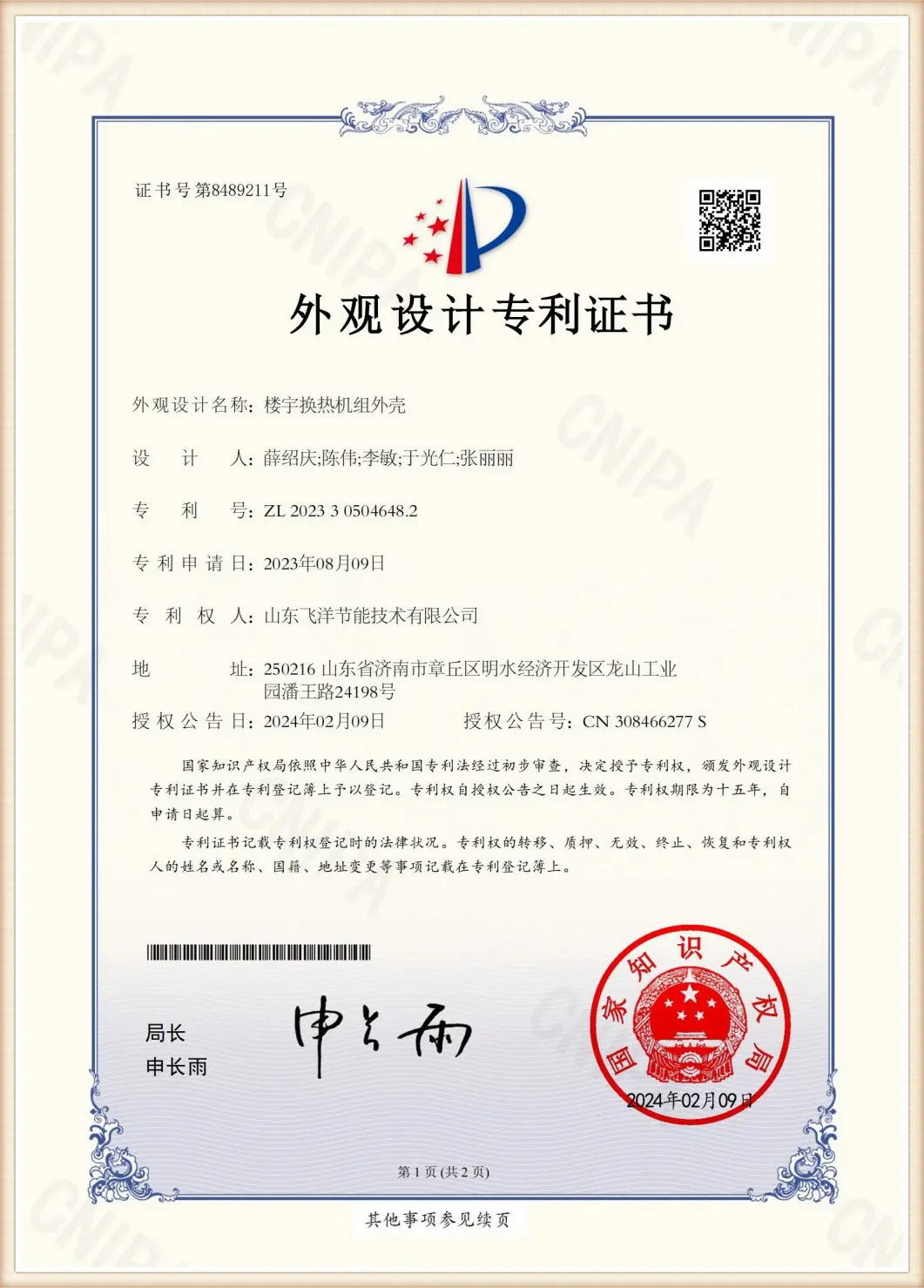
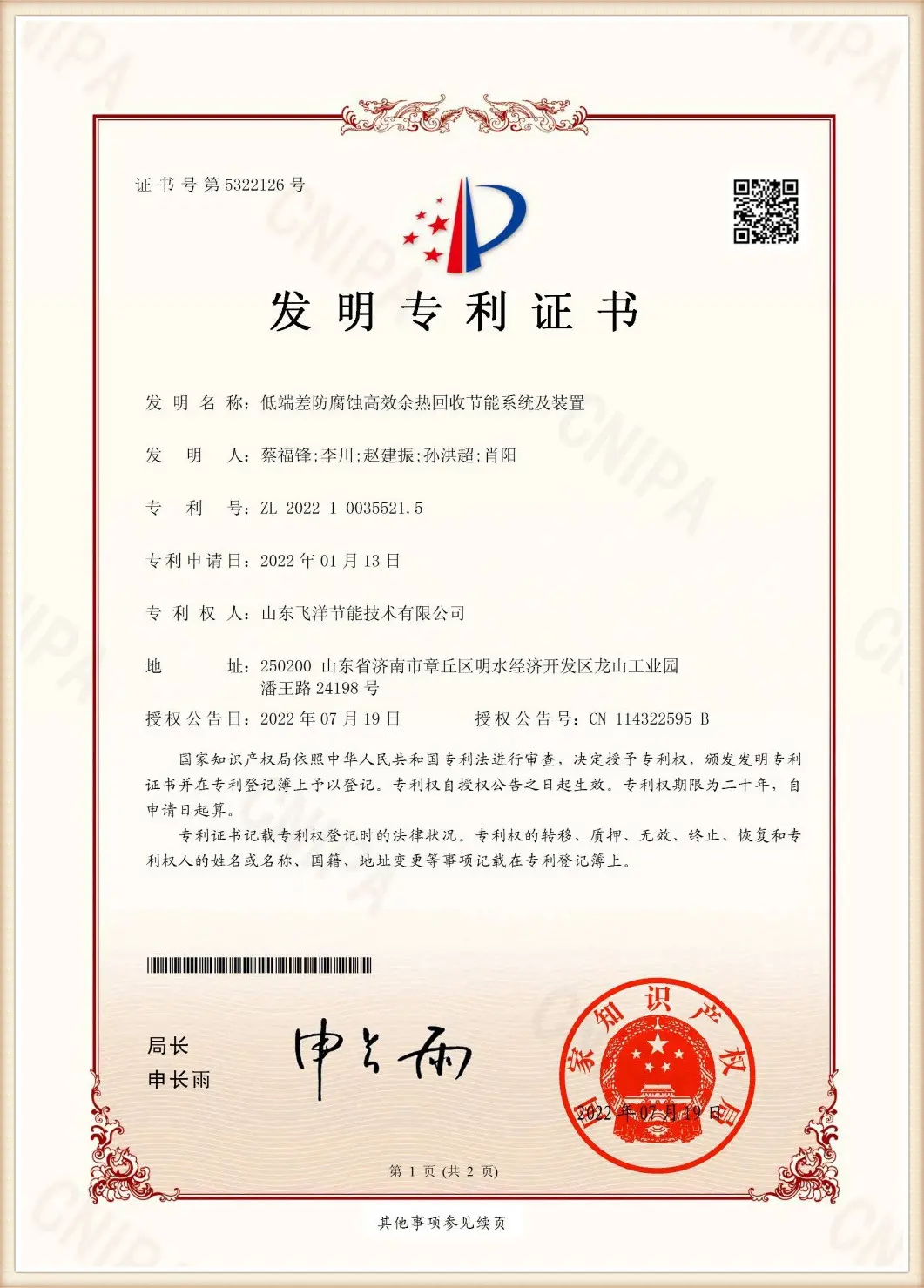
With an annual production volume exceeding 2,000 standard thermal devices and 4,500 integrated custom skid packages, Flotte supports global contractors. Our facilities combine advanced metallurgical stamping, robotic welding, and automated pressure testing under strict quality frameworks (ISO 9001:2015, ISO 14001:2015, and ISO 45001:2018). Our products carry certifications from standard pressure vessel technical committees, ensuring seamless approval processes with municipal regulators like Ontario’s TSSA (Technical Standards and Safety Authority).
Direct factory sourcing with top-tier technical and regulatory alignment.
Patented plate channel configurations increase heat transfer coefficients by 2-3x, helping buildings comply with the Toronto Green Standard.
Every component complies with ASME, TSSA, and CSA regulations. Pressure tests ensure performance under extreme thermal shocks.
Dedicated logistical pathways for quick delivery to Ontario, backed by extensive engineering documentation for structural approvals.
Every plate heat exchanger and automated HVAC skid is manufactured through a precise, multi-stage process.
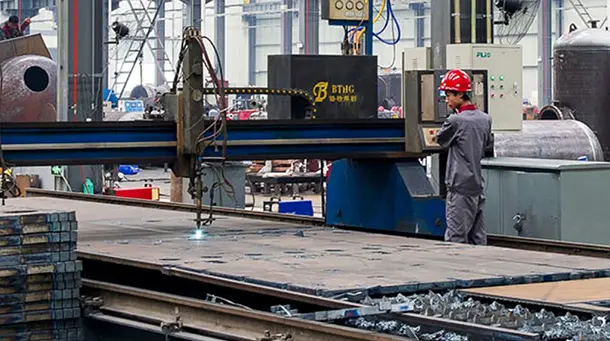
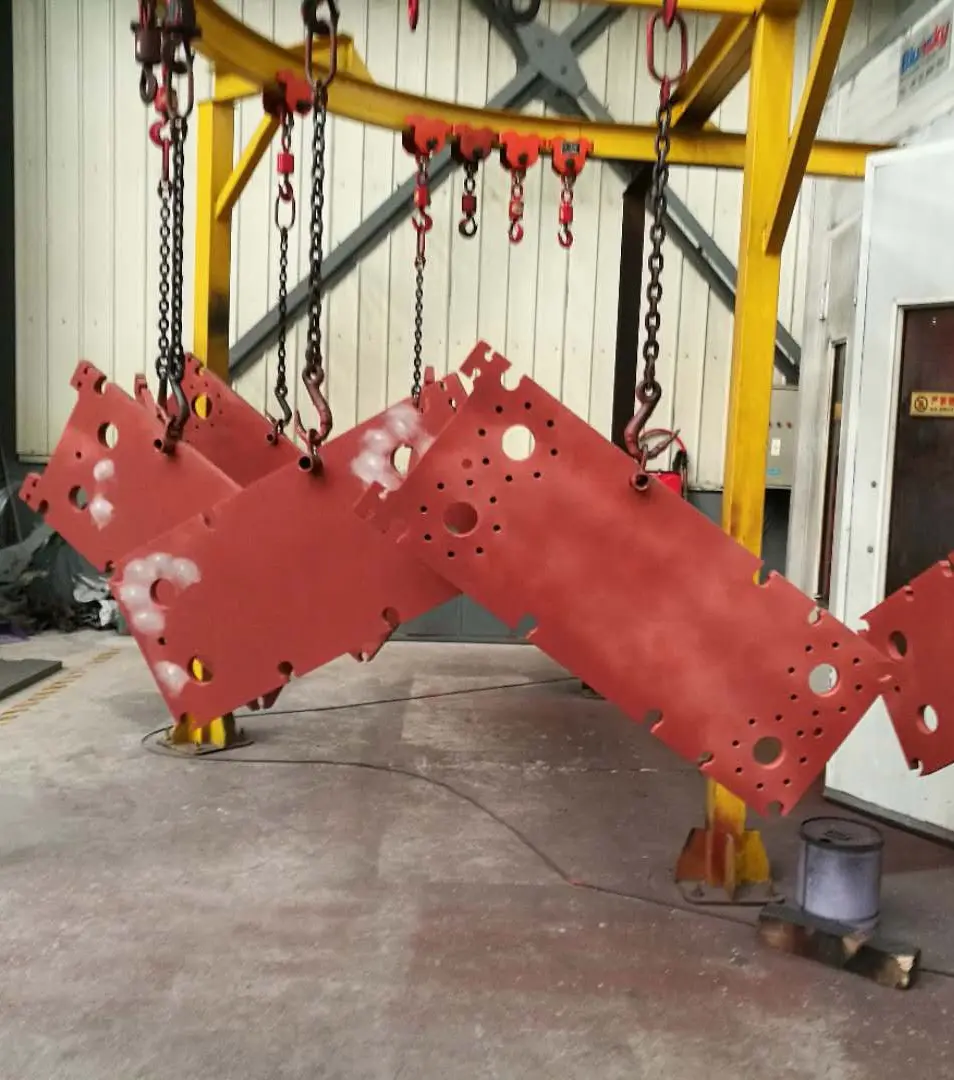
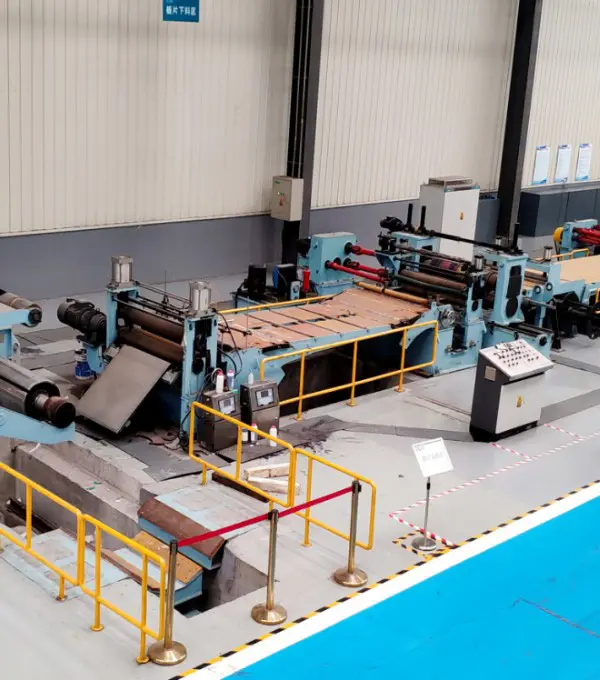
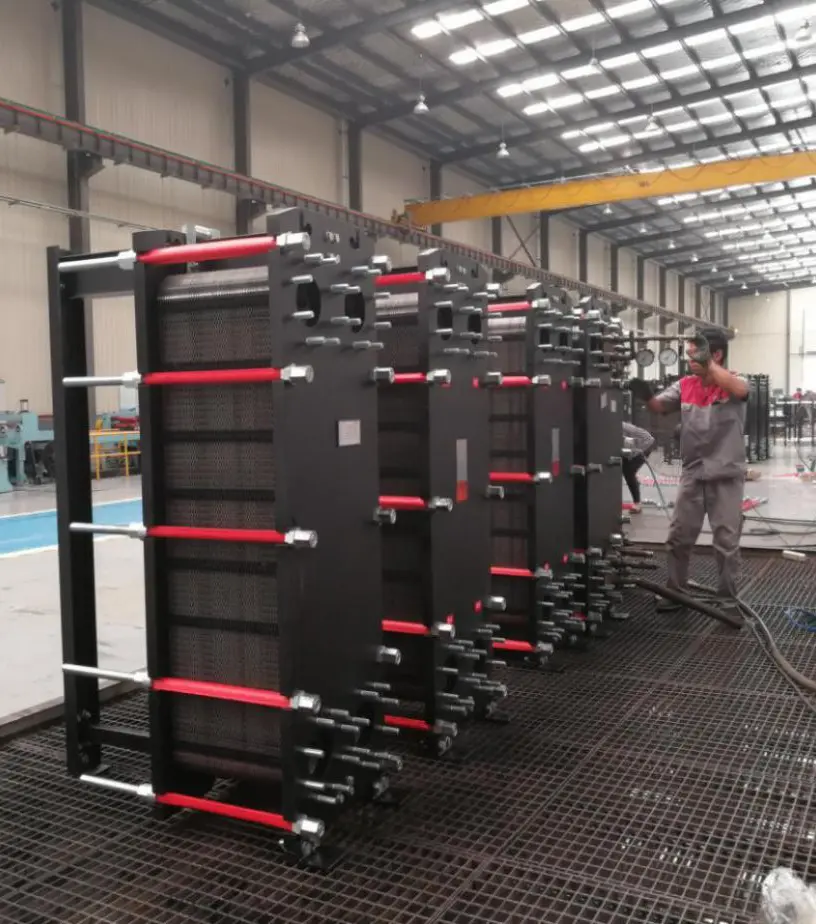
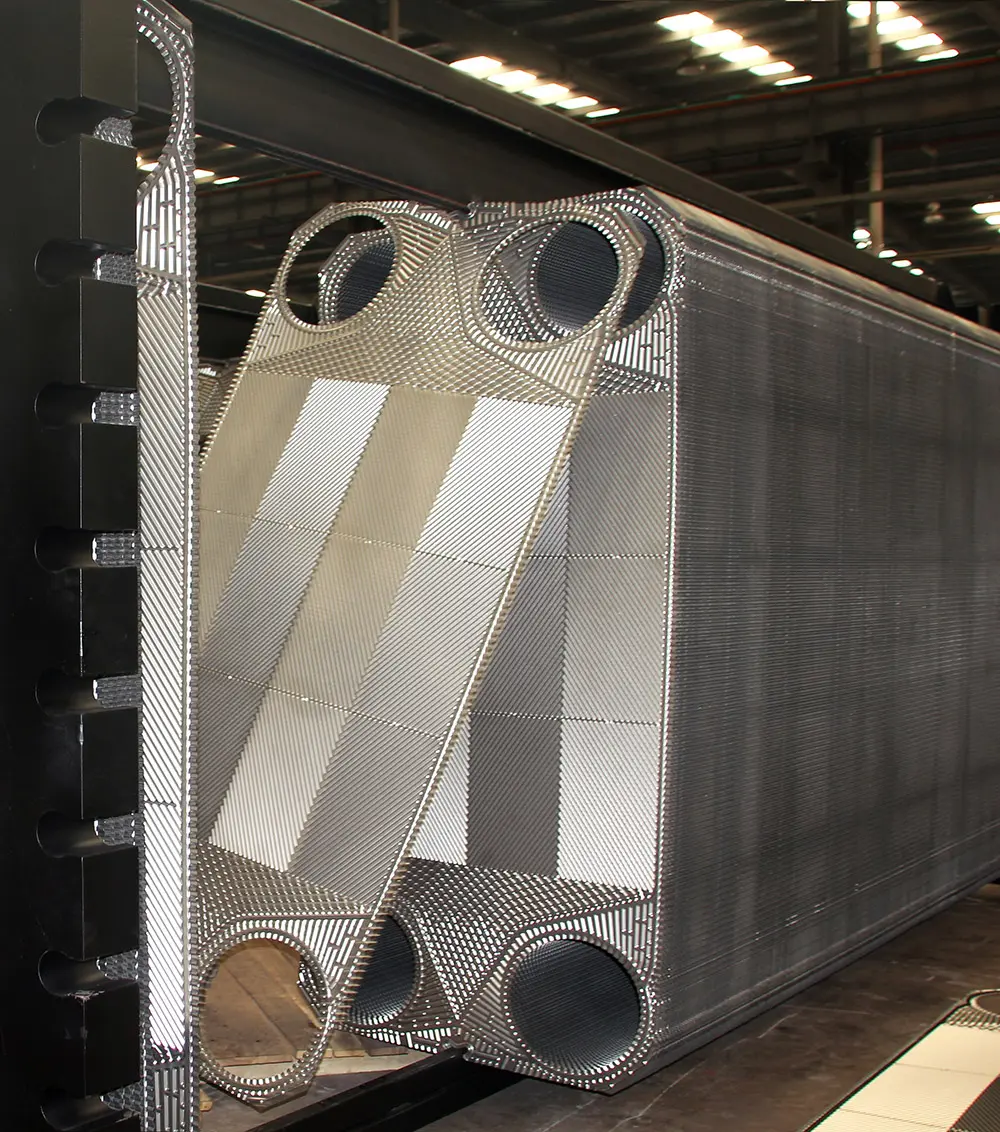
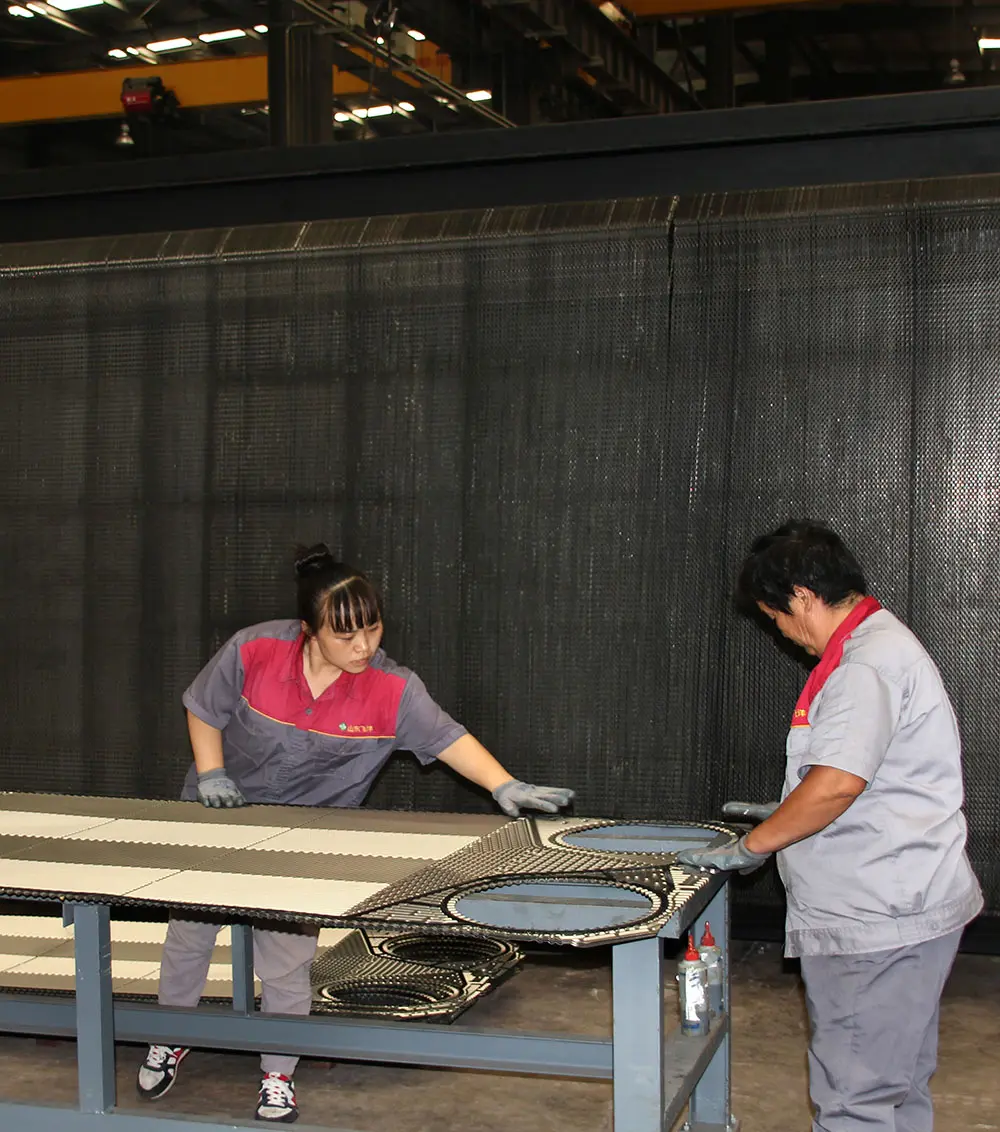
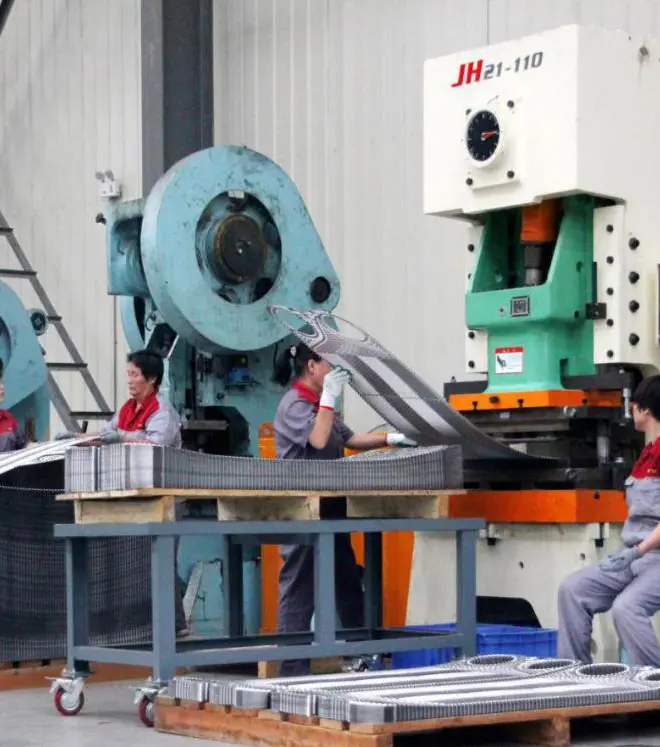
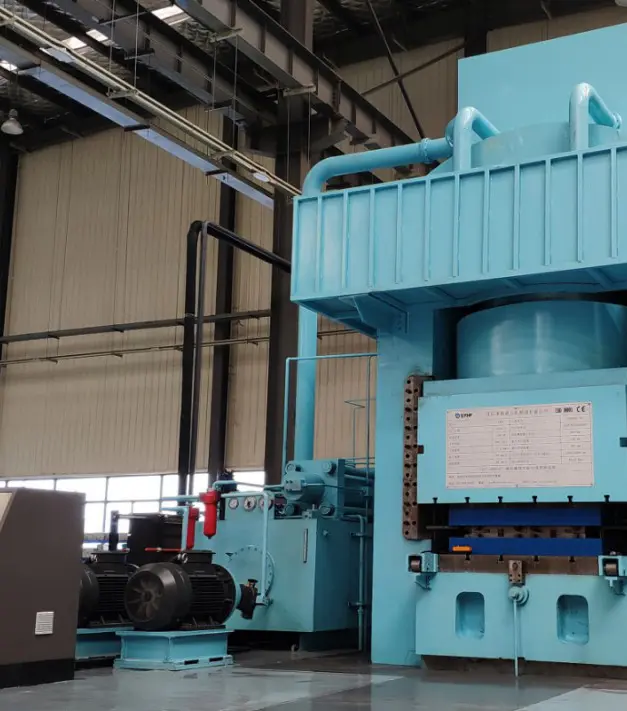
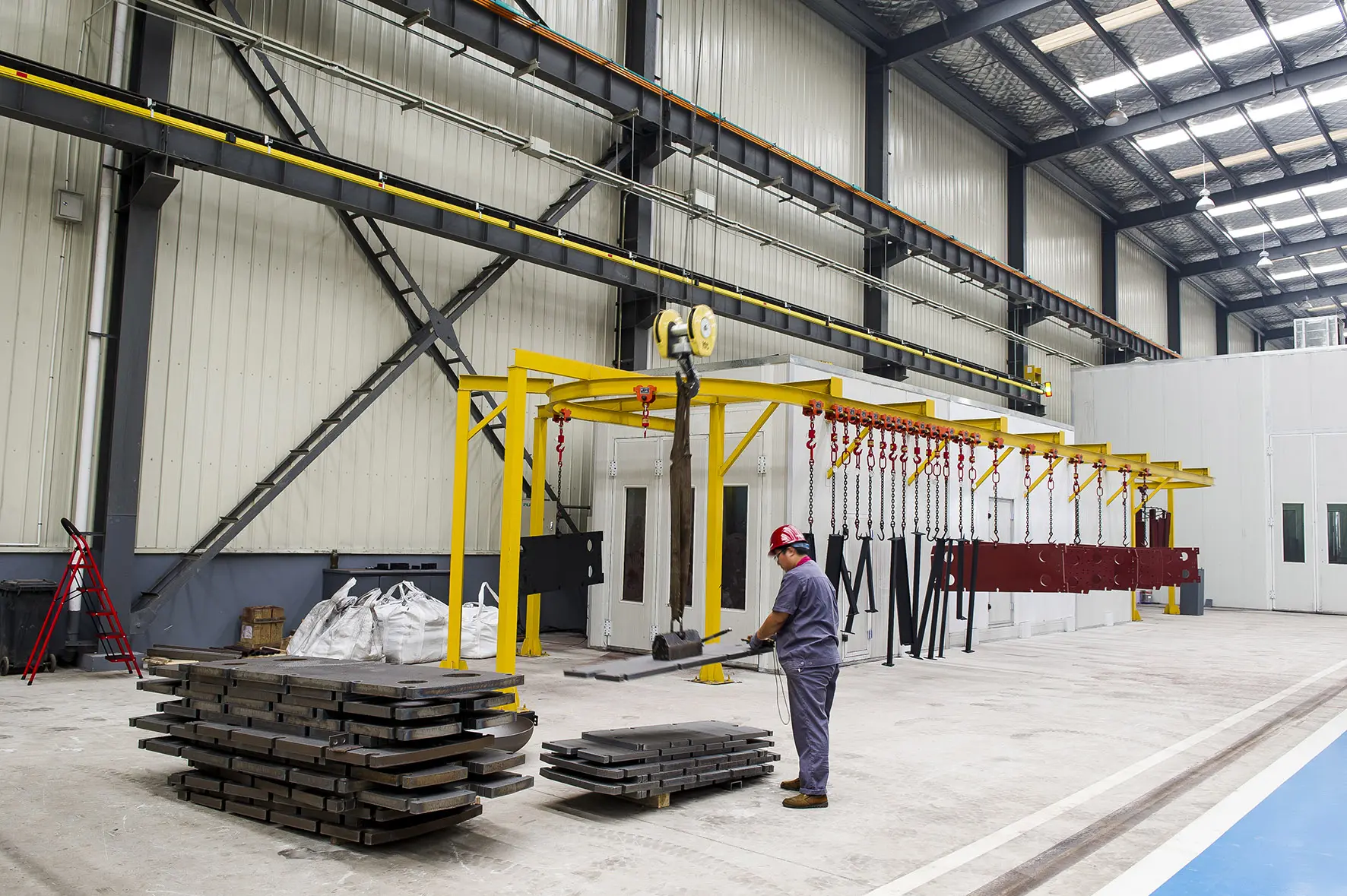
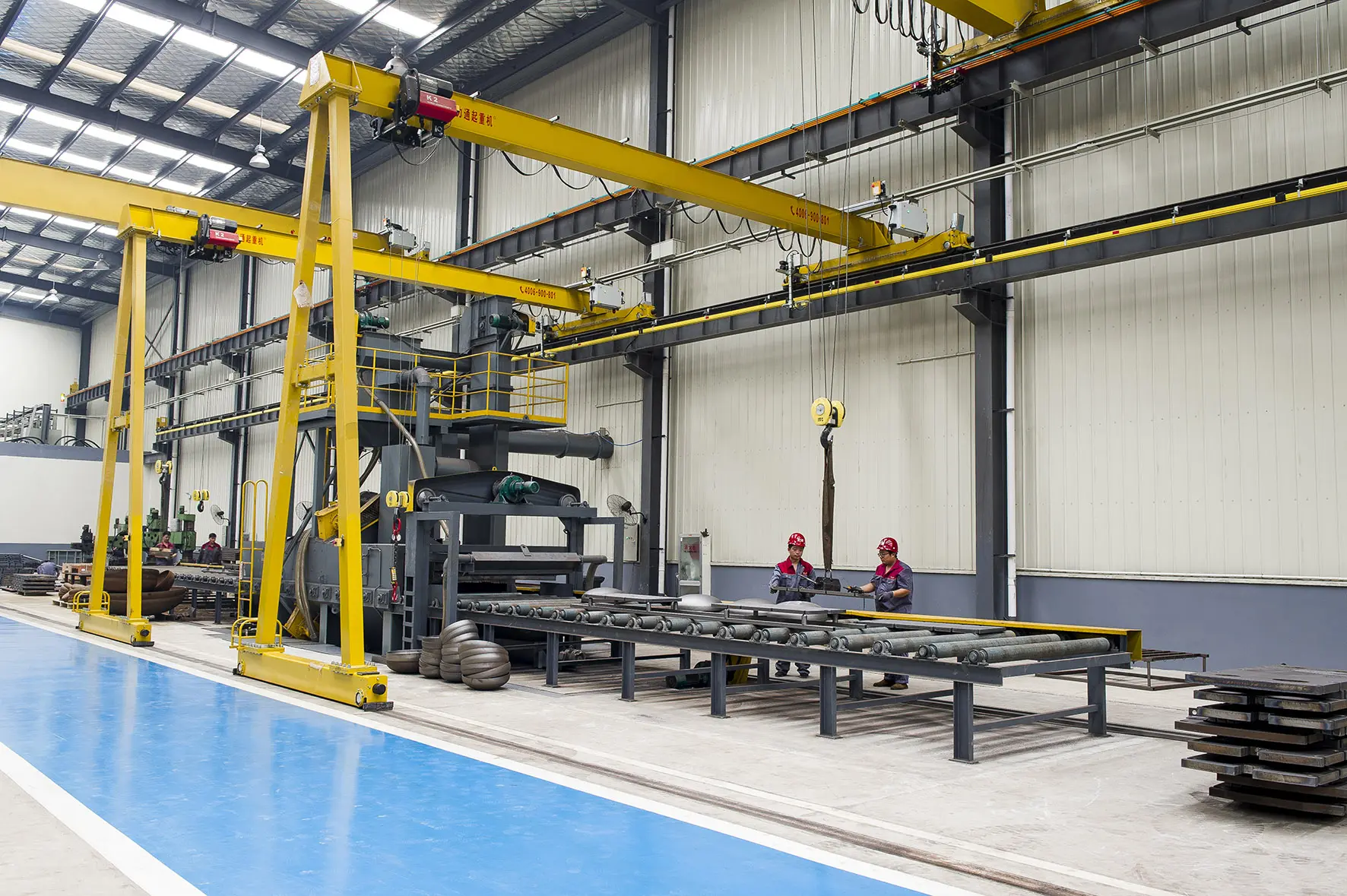

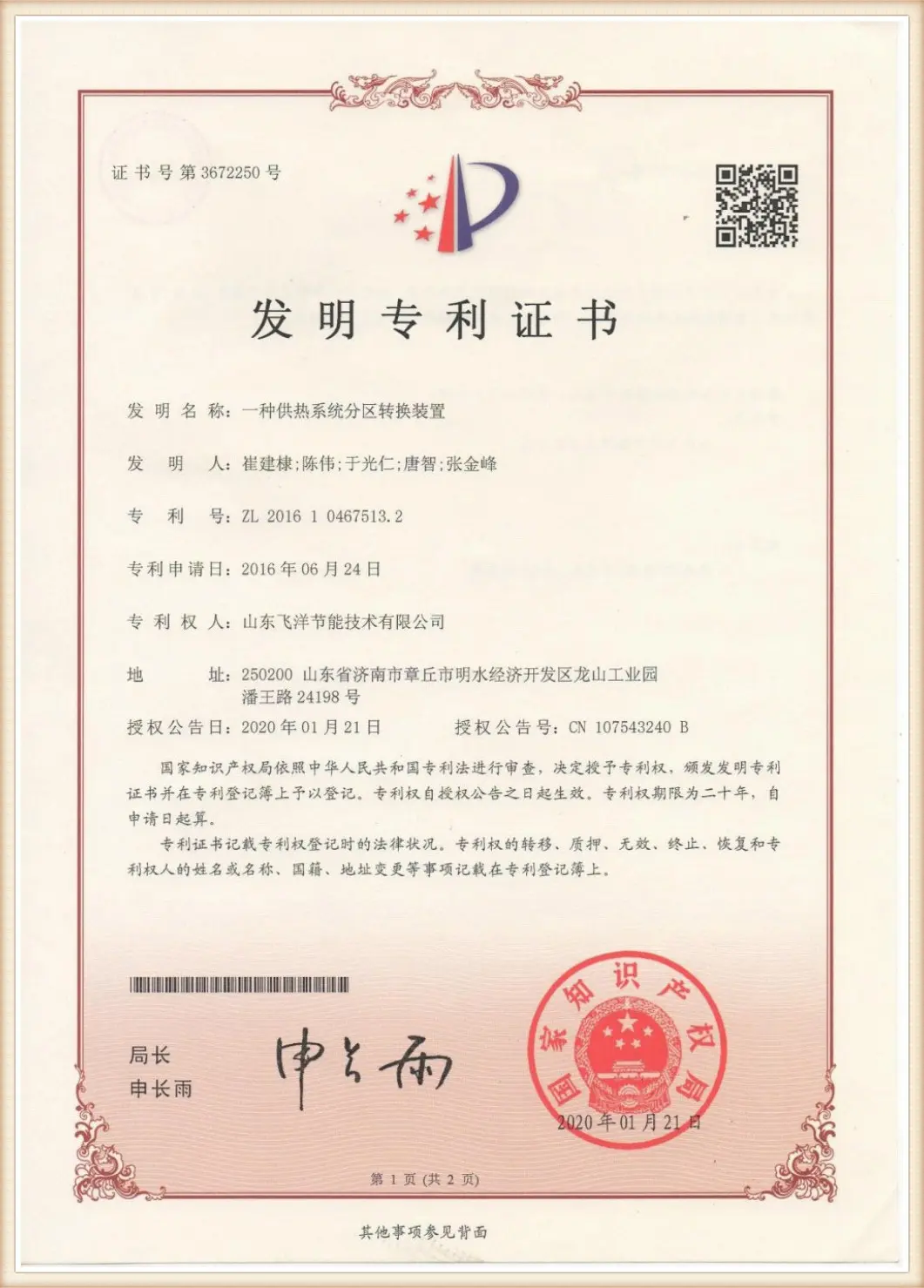
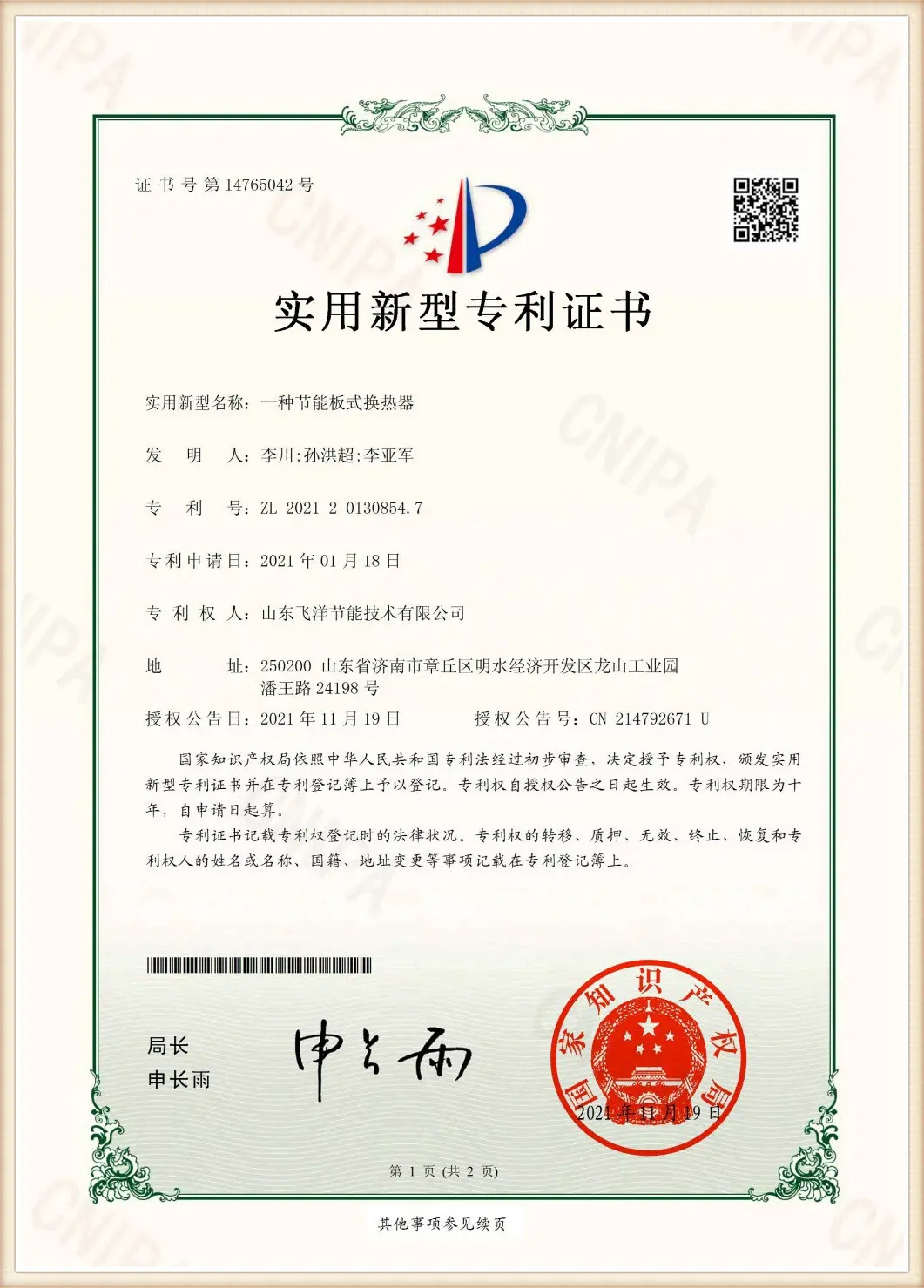
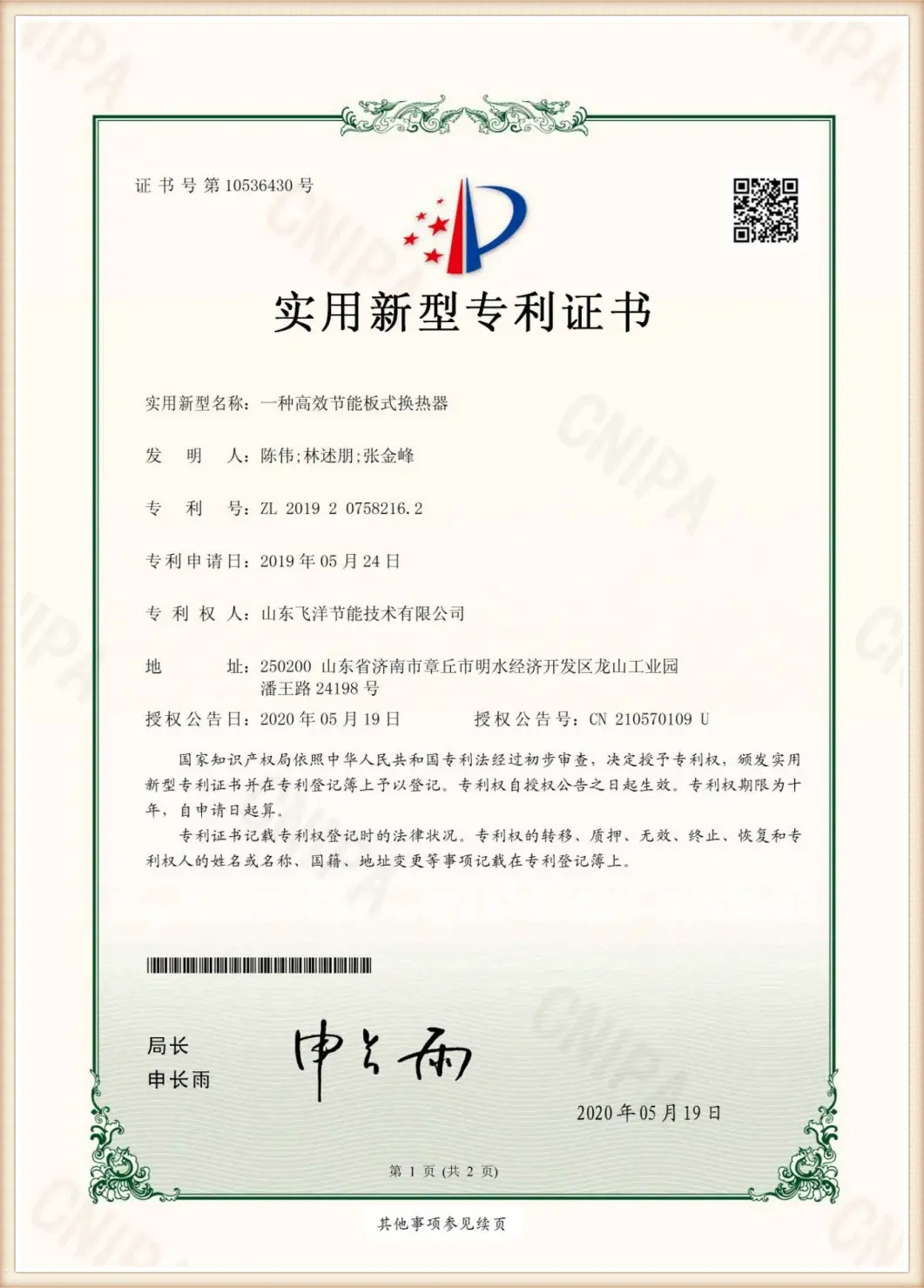
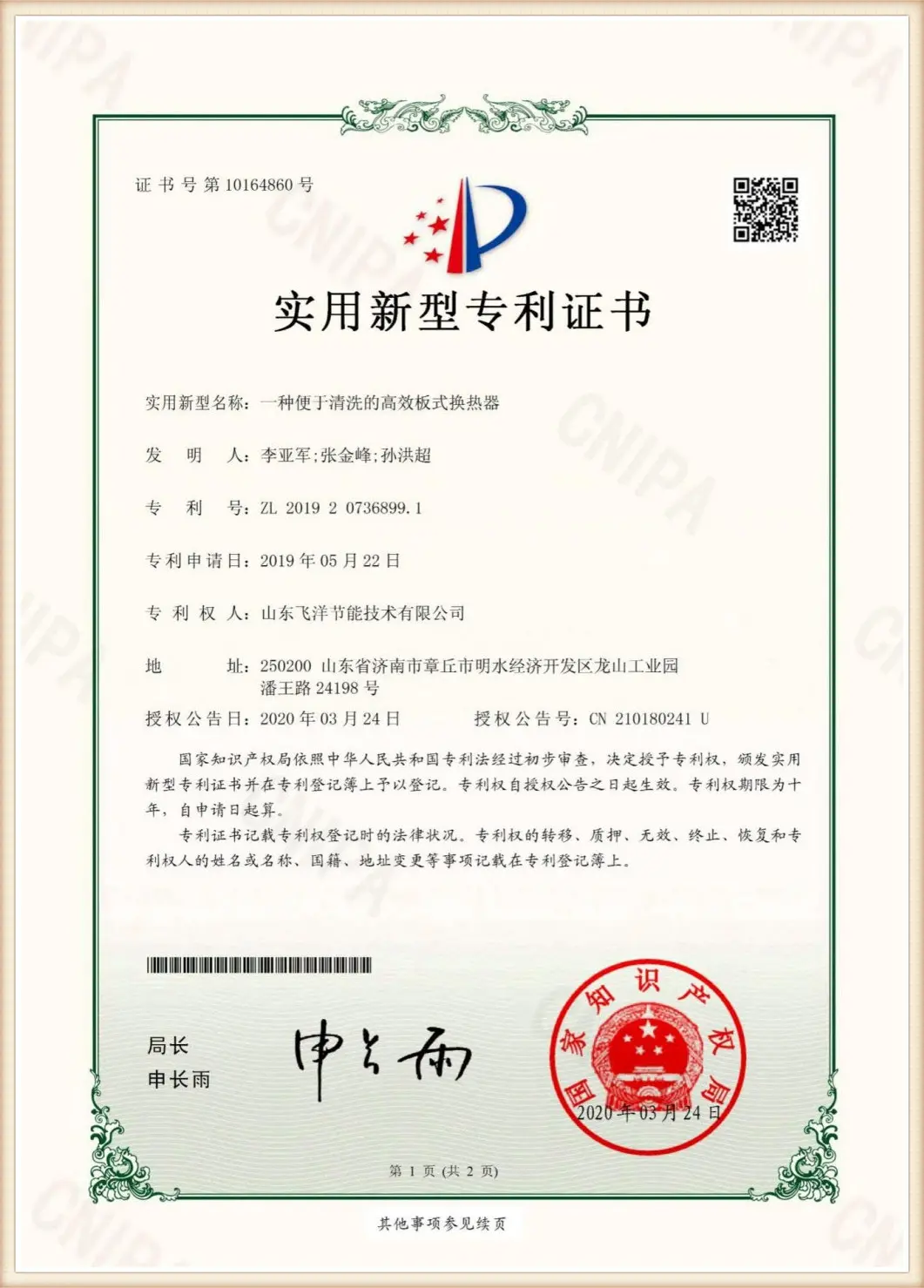
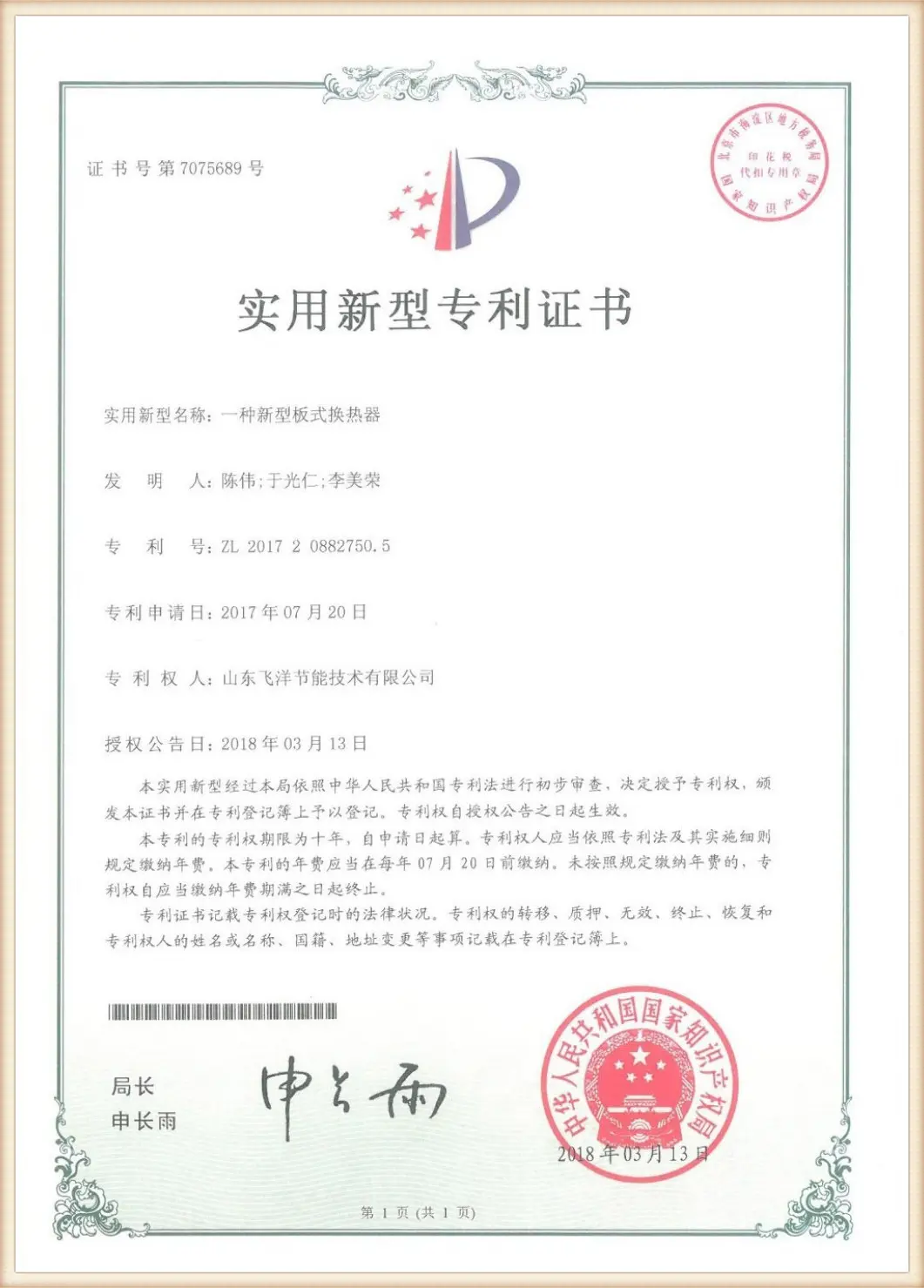
Engineered thermal assemblies and control hardware for building networks, municipal plants, and industrial lines.
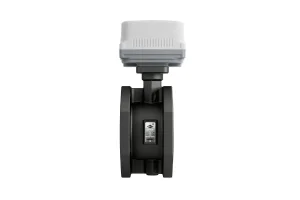
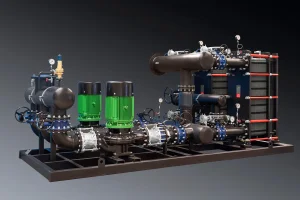

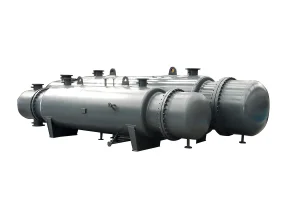
Designing municipal and industrial systems for long-term operations in Ontario requires looking ahead to changing standards and technological developments. Flotte is focused on three main engineering trends:
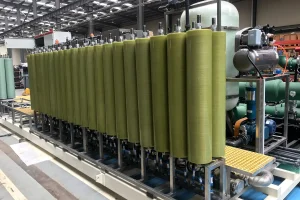
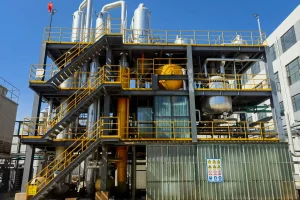
In water-stressed sectors and heavy manufacturing settings, the integration of Multi-Effect Evaporation (MEE) and Membrane Concentration Systems (MCS) helps minimize liquid effluent discharges. MEE systems reuse waste heat over multiple boiling chambers, reducing energy needs compared to single-stage setups. Combined with membrane concentration, industrial plants can recover clean distillate for reuse, which helps meet strict municipal sewer discharge standards in Toronto and neighboring municipalities.
As district heating transitions to 4th generation low-temperature networks (below 60°C), thermal interfaces must handle lower temperature differentials while maintaining high heat transfer rates. Our newer plate heat exchangers feature optimized corrugation heights to handle low-temperature applications, supporting geothermal networks and wastewater heat recovery systems.
To reduce downtime, mechanical systems are shifting toward continuous data monitoring. Integrating intelligent balance valves with smart sensors allows systems to continuously track temperature differentials and pressure changes. Analyzing this data makes it possible to detect scale buildup early and plan cleaning before performance drops, which is particularly beneficial for high-occupancy commercial developments and critical production facilities in the GTA.
Answers to common engineering questions regarding the application and integration of thermal systems in the Toronto area.
A: All Flotte heat exchangers, including plate and shell-and-tube configurations, can be built, tested, and certified in accordance with ASME Section VIII Division 1 requirements. We provide full quality assurance documentation and material test reports (MTRs), facilitating the process for mechanical engineers to obtain a Canadian Registration Number (CRN) through the Technical Standards and Safety Authority (TSSA) in Ontario.
A: The chevron angle determines the flow resistance and heat transfer efficiency. High-rise developments in Toronto often feature significant static head pressure. Choosing the right chevron angle helps balance thermal effectiveness with allowable pressure drops, reducing the load on circulation pumps and helping developments meet the energy efficiency requirements of the Toronto Green Standard (TGS).
A: Water treatment requirements in Southern Ontario are strict. Flotte's membrane concentration systems use advanced polymeric and inorganic membranes to filter out dissolved solids, organic pollutants, and heavy metals. This allows manufacturers to recycle process water internally, lowering municipal intake needs and helping to ensure compliance with local environmental discharge limits.
A: While municipal drinking water is relatively non-aggressive, deep lake water and raw water sources contain microbes and chlorides that can cause corrosion in standard metals. For deep lake cooling interfaces, we recommend AISI 316L Stainless Steel as a baseline, or Titanium Grade 1 plates for long-term corrosion resistance and durability.
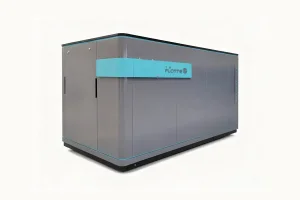
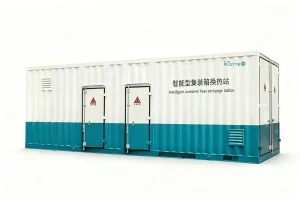
A: Retrofitting older buildings in downtown Toronto can be challenging due to limited mechanical space. Our box-type integrated heat exchanger units combine plate exchangers, smart control valves, variable-speed pumps, and expansion controls into a single, pre-wired assembly. This skid-mounted design reduces the required footprint and cuts down on-site installation time for mechanical contractors.
Ready to integrate high-efficiency thermal systems into your next project?
Send Inquiry Now Flotte Energy