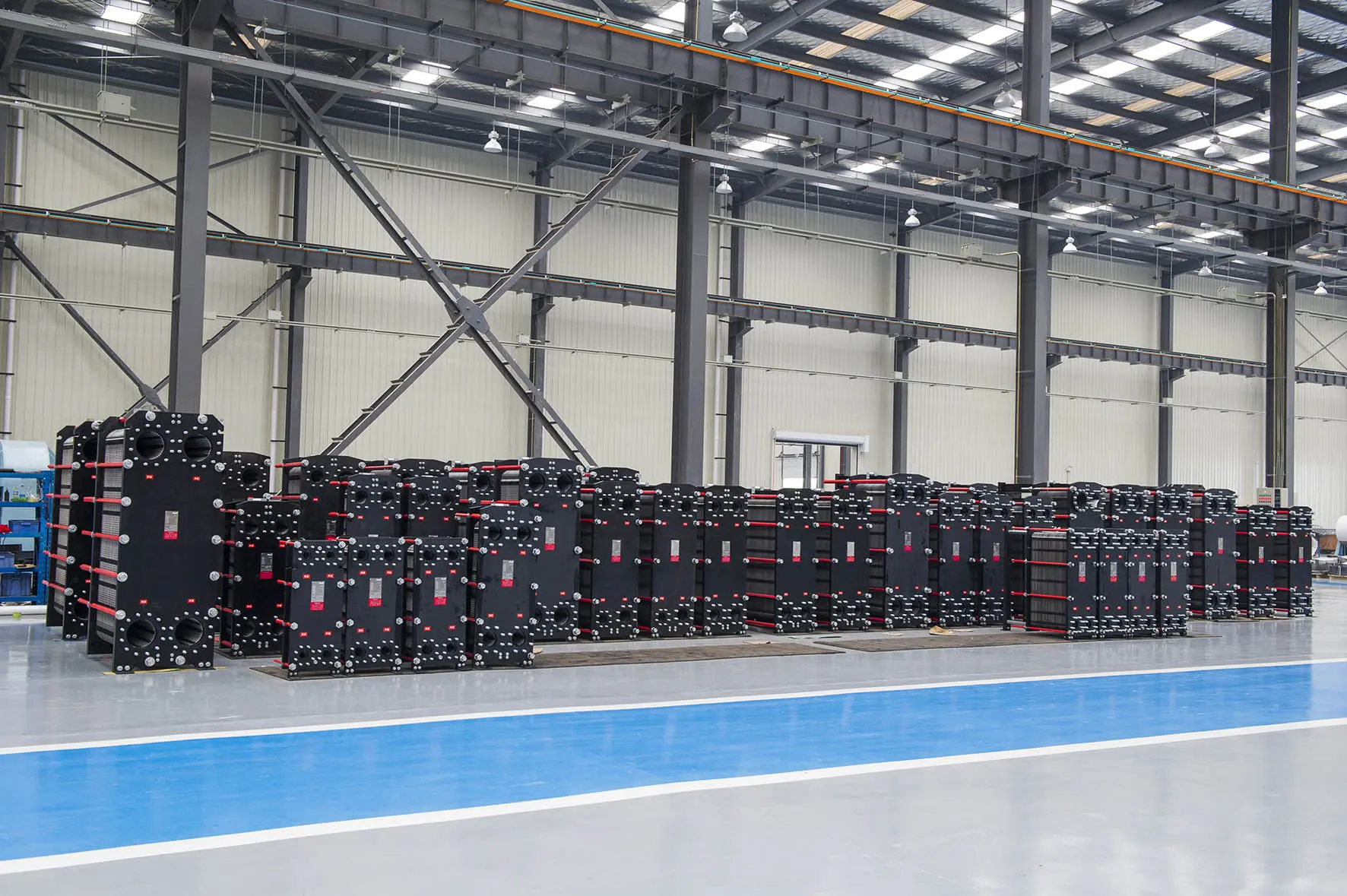
Poland's heating networks (Przedsiębiorstwo Energetyki Cieplnej - PEC) are currently undergoing a comprehensive structural transformation. Backed by the European Green Deal and national decarbonization mandates, Polish industrial users, commercial properties, and municipal utilities are rapidly transitioning away from coal-reliant processes toward highly efficient indirect district heating interfaces, low-temperature systems, and industrial heat recovery. As a leading manufacturer and exporter, Flotte delivers state-of-the-art thermal transfer components designed specifically to address this transition.
Our solutions optimize temperature control, ensure system durability under tough water qualities, and support smart remote management. By focusing on low pressure drop, high shear-stress plate geometries, and integrated intelligent monitoring systems, we help Polish engineers meet Urząd Dozoru Technicznego (UDT) safety guidelines and hit strict energy-efficiency targets.
Engineered for high-stress municipal systems, industrial food/chemical processing, and modern HVAC configurations across Wielkopolska, Mazovia, and Silesia.
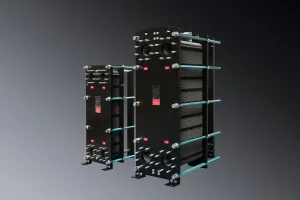
High-efficiency detachable plate heat exchangers optimized for liquid-to-liquid municipal networks. Designed with premium corrosion-resistant plates to handle challenging water chemistry.
View Product Specifications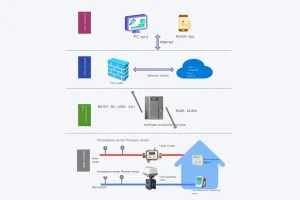
Next-generation hardware and software monitoring solutions, designed to track thermal distribution and network parameters remotely for peak reliability.
View Product Specifications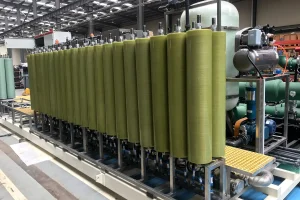
Cost-effective membrane filtration systems custom-engineered for salt water recovery, chemical concentration, and environmental water treatment.
View Product Specifications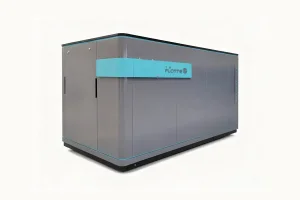
Fully integrated heat exchange skids for centralized heating, ventilation, and air conditioning. Factory assembled, pre-commissioned, and optimized for fast setup.
View Product SpecificationsGlobally, industrial thermal transfer is moving away from basic thermal exchange toward multi-variable intelligent optimization. The priority is no longer just transferring energy, but minimizing entropy loss, reducing fluid pressure drop, and preventing bio-fouling and scaling. In regions like Poland—where winter temperatures demand consistent performance and environmental regulations limit carbon output—the selection of your thermal equipment directly impacts operational margins and tax burdens under the EU Emissions Trading System (ETS).
Modern plate heat exchangers feature custom-configured corrugated plates. By alternating high-theta and low-theta plate patterns, we balance flow velocity, turbulence, and pressure drop. This optimization prevents stagnation points where limescale and silt settle, ensuring long operational runs between maintenance cycles. For industrial applications such as food and beverage pasteurization, chemical reaction cooling, or mining water recovery, our systems offer the reliability required by engineers who value uninterrupted run-time.
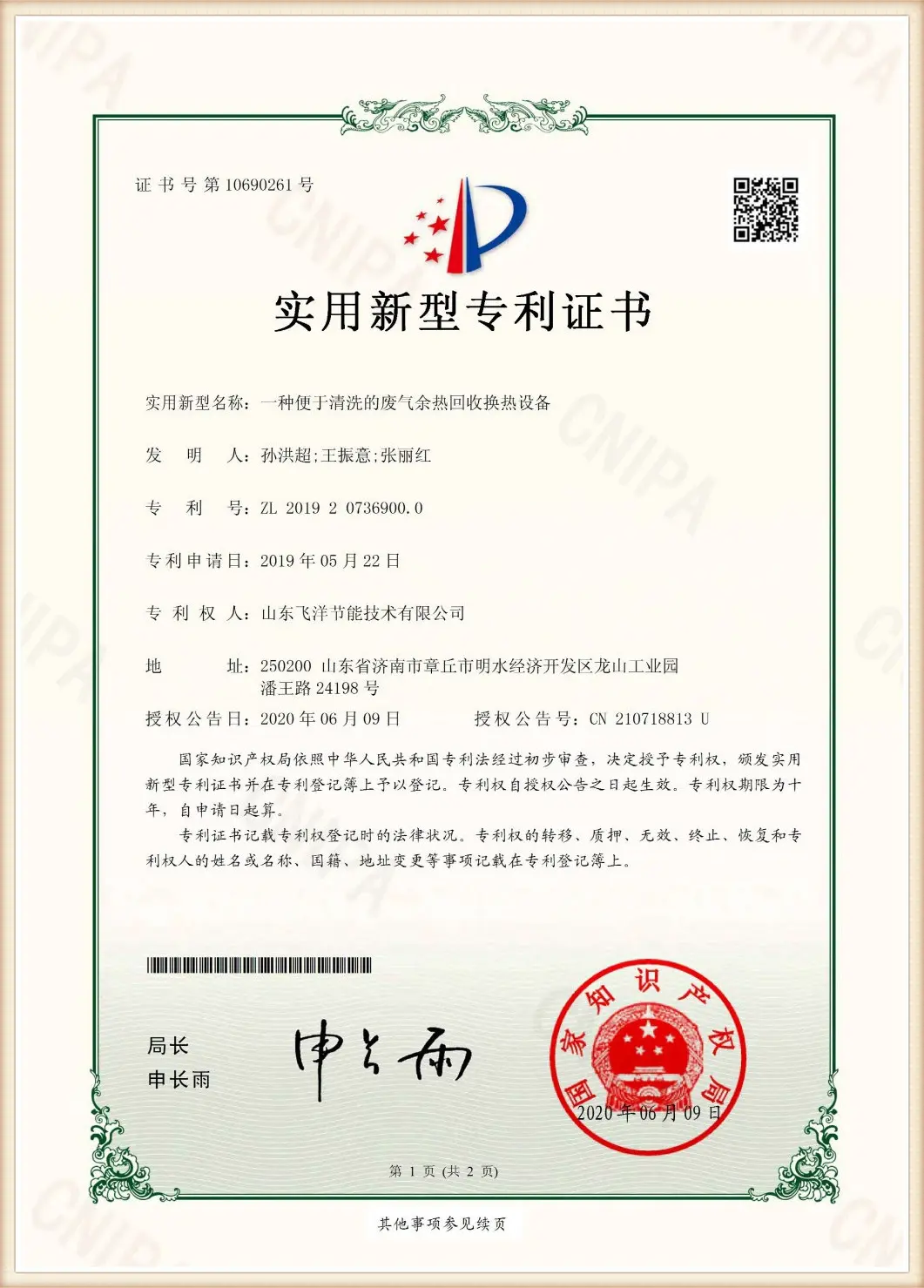
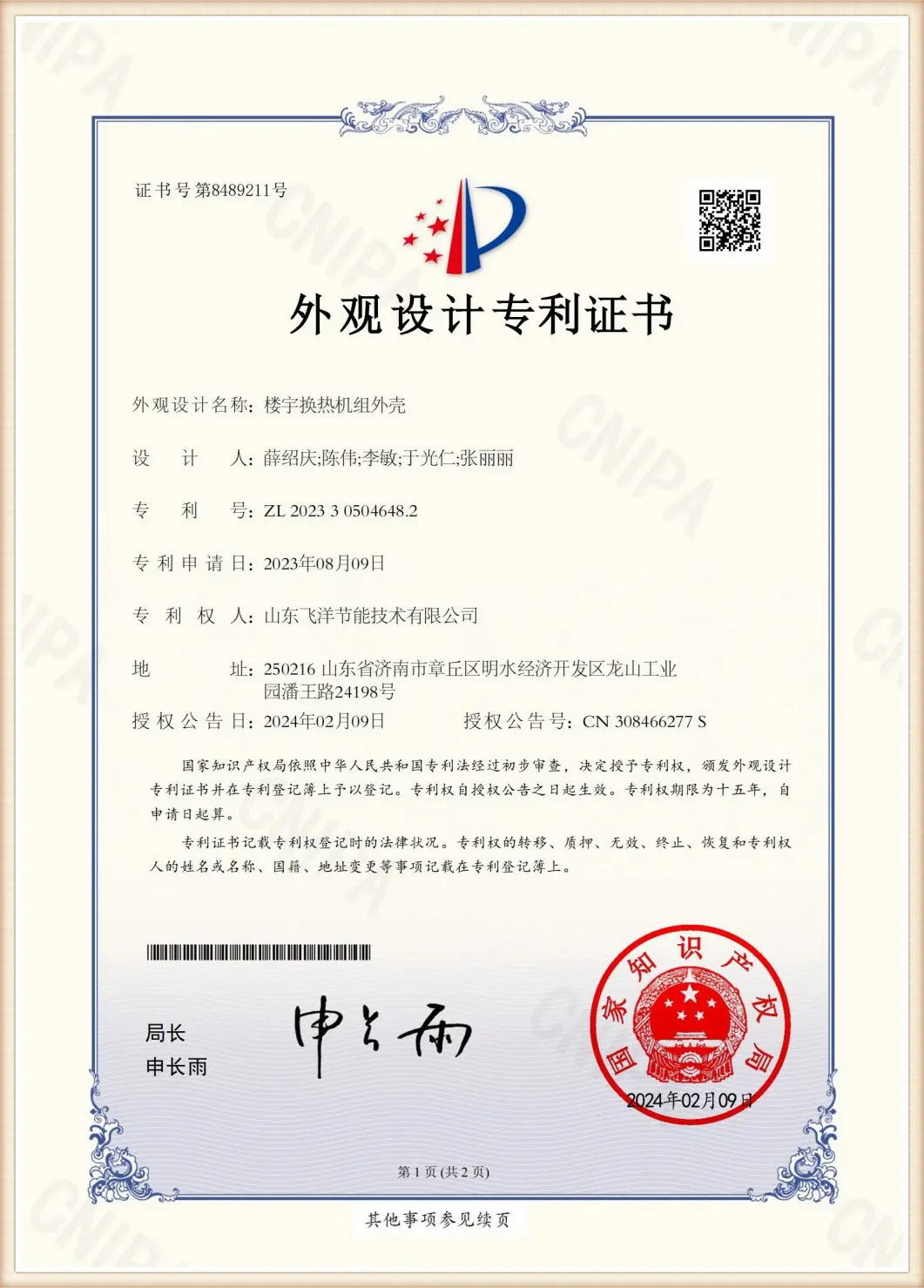
Three decades of manufacturing excellence, combining advanced thermal research with automated sheet pressing, assembly, and strict testing.
Founded in 1995 as Flotte Thermal Engineering and restructured in 2013, our production processes, quality control systems, and customer services conform strictly to the **ISO 9001:2015** International Quality Management System. We work directly with leading global material suppliers to source premium stainless steel (SS304, SS316L), Titanium, and Hastelloy. This ensures that every heat exchanger we export to Poland holds up to harsh chemical, thermal, and mechanical stresses.
All finished assemblies undergo automated water pressure testing at 1.3 to 1.5 times the design pressure limit. This test is held for extended durations to ensure zero deformation, zero leakage, and absolute safety before shipment.
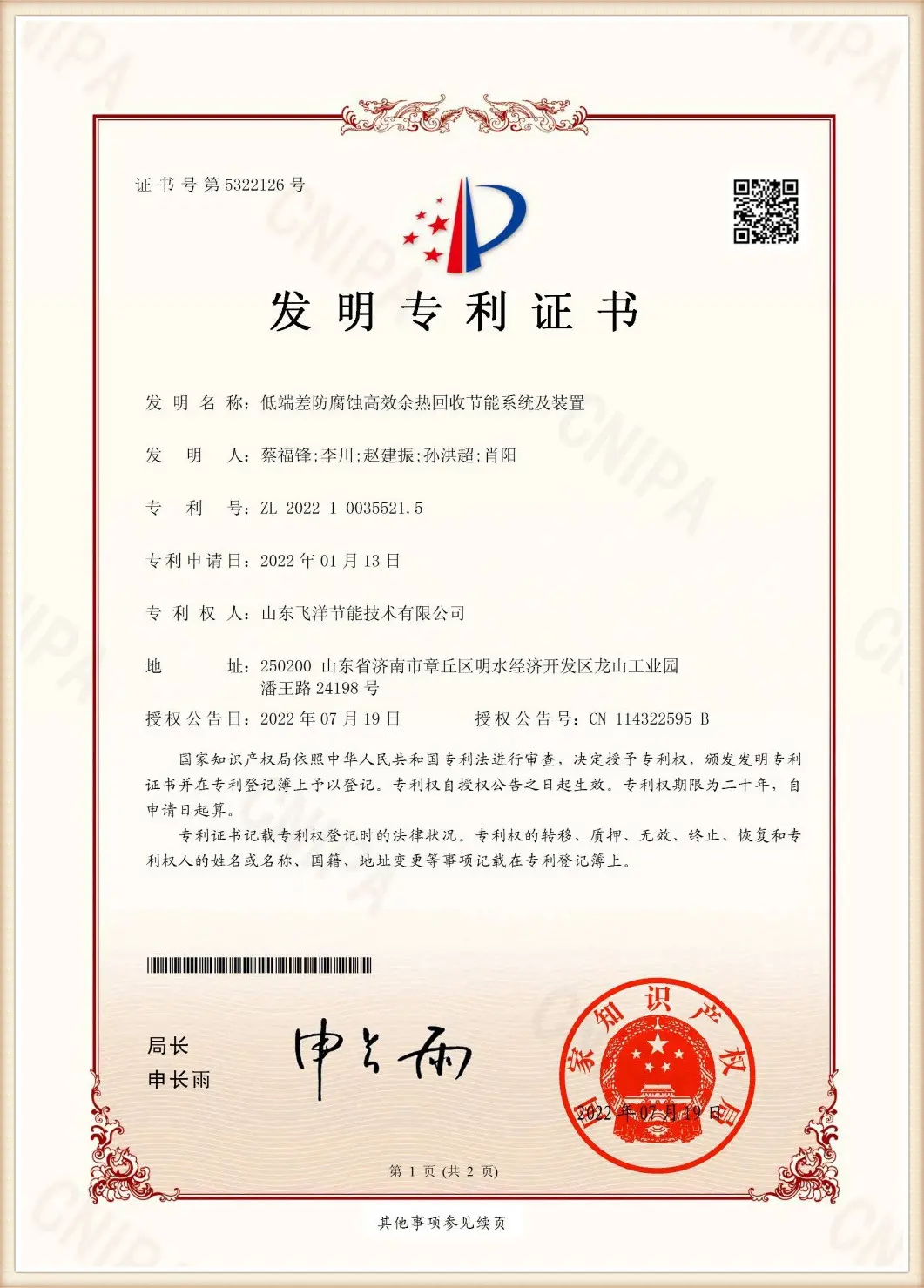
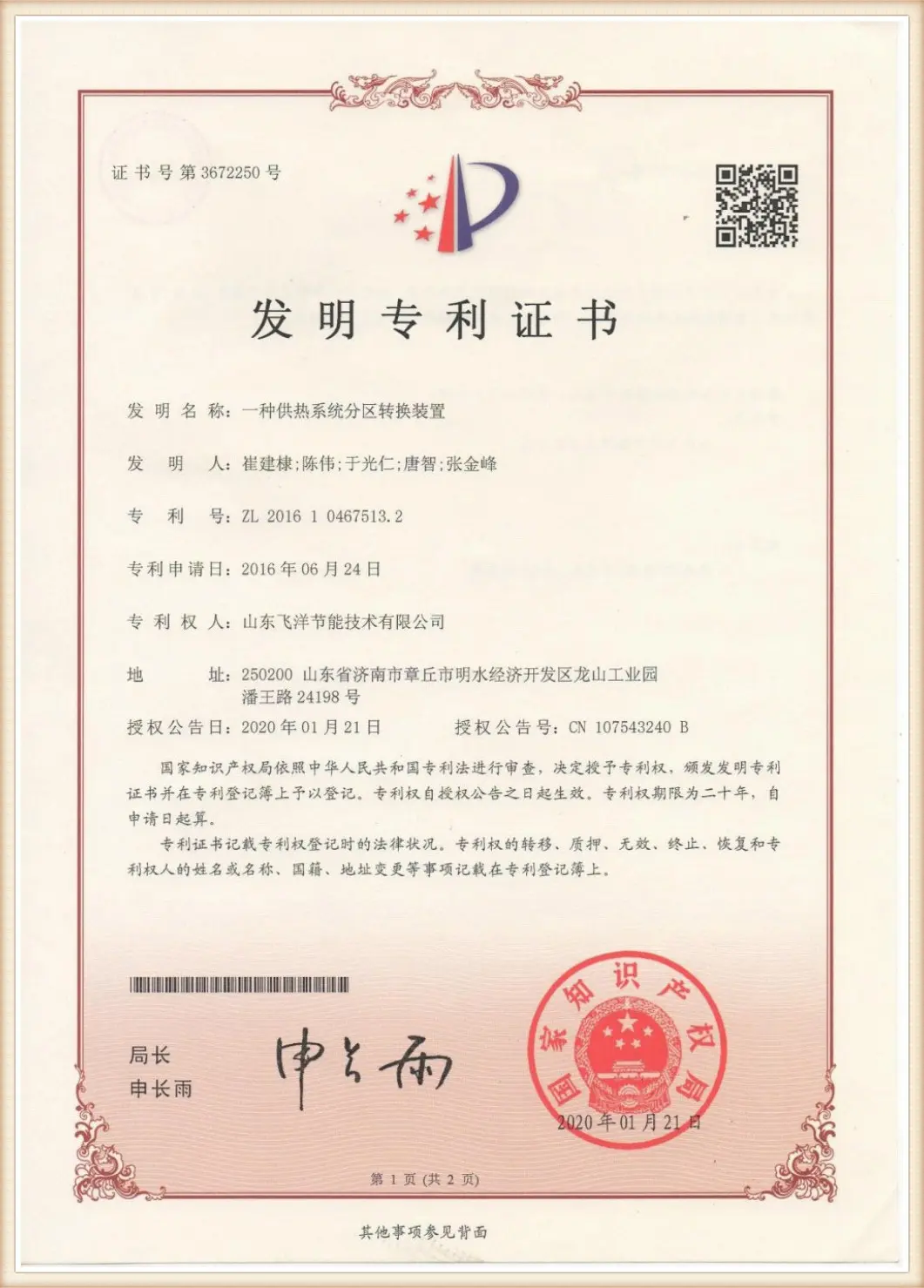
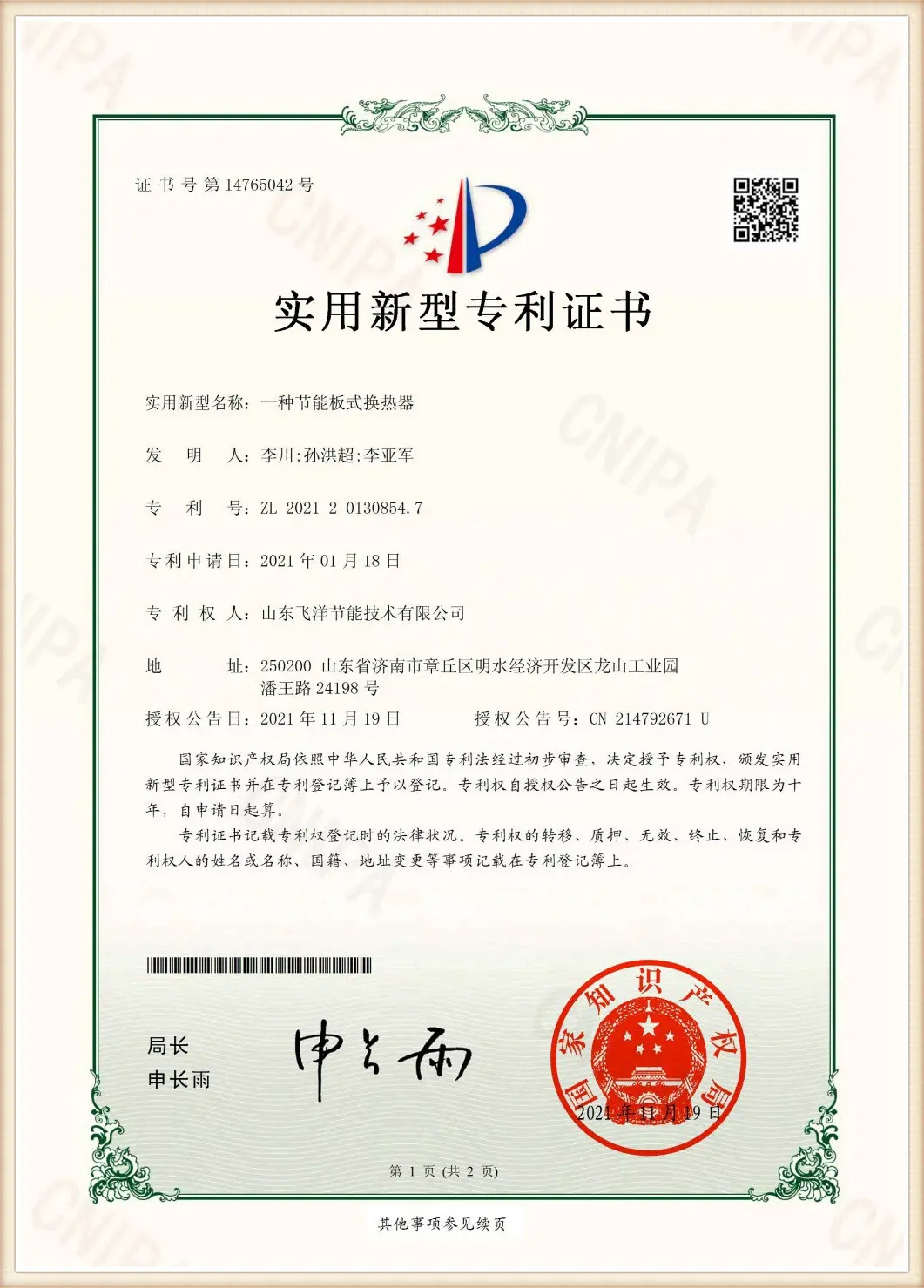
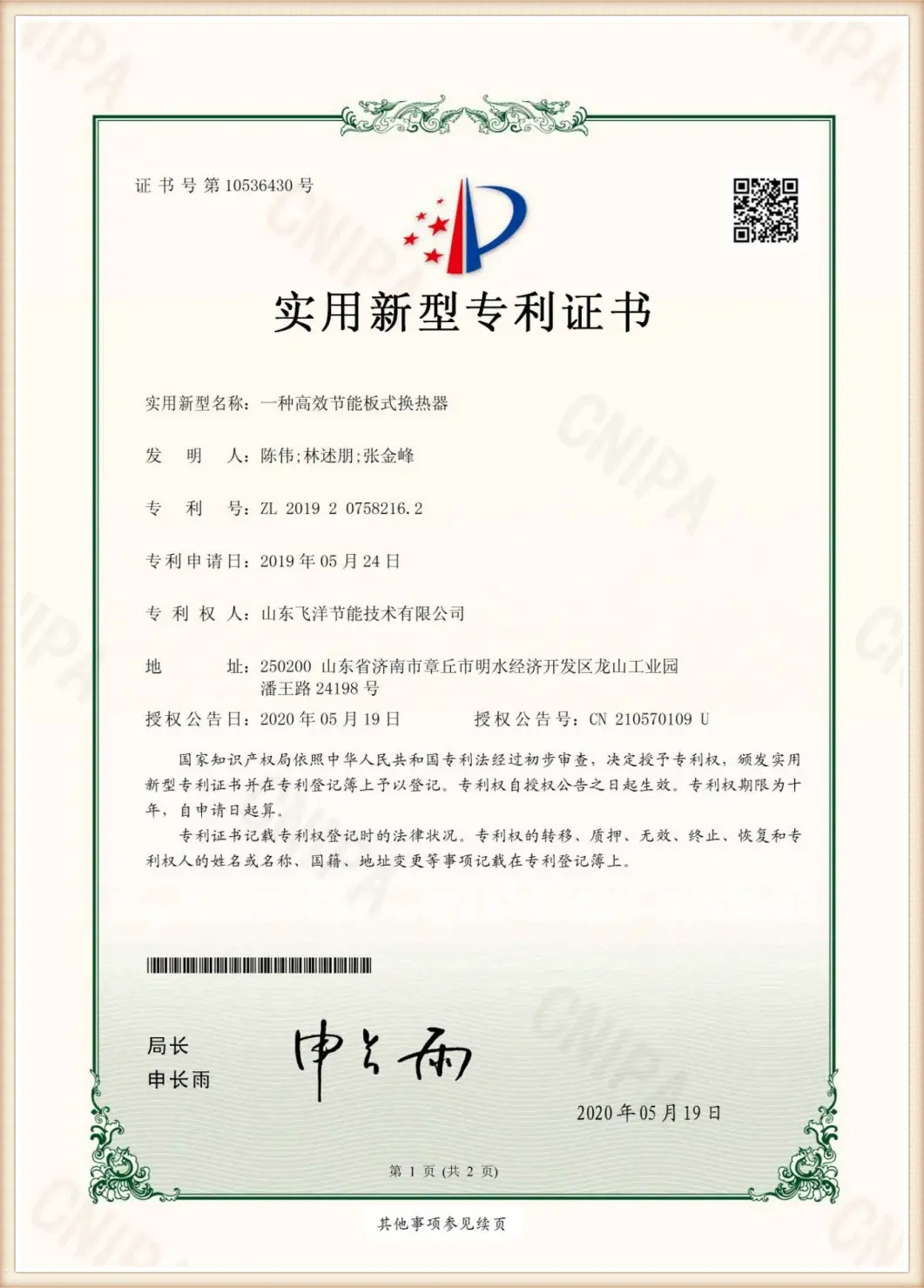
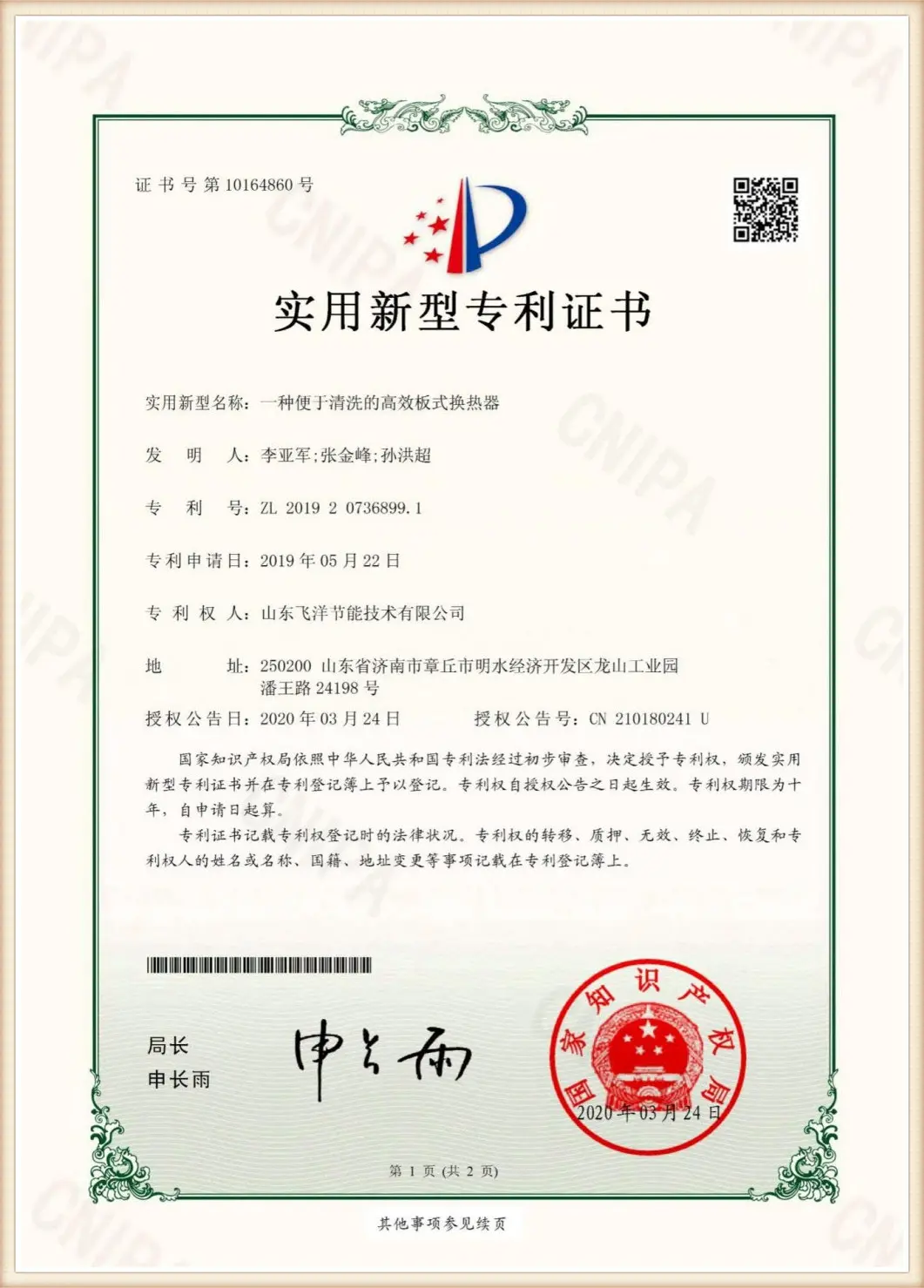
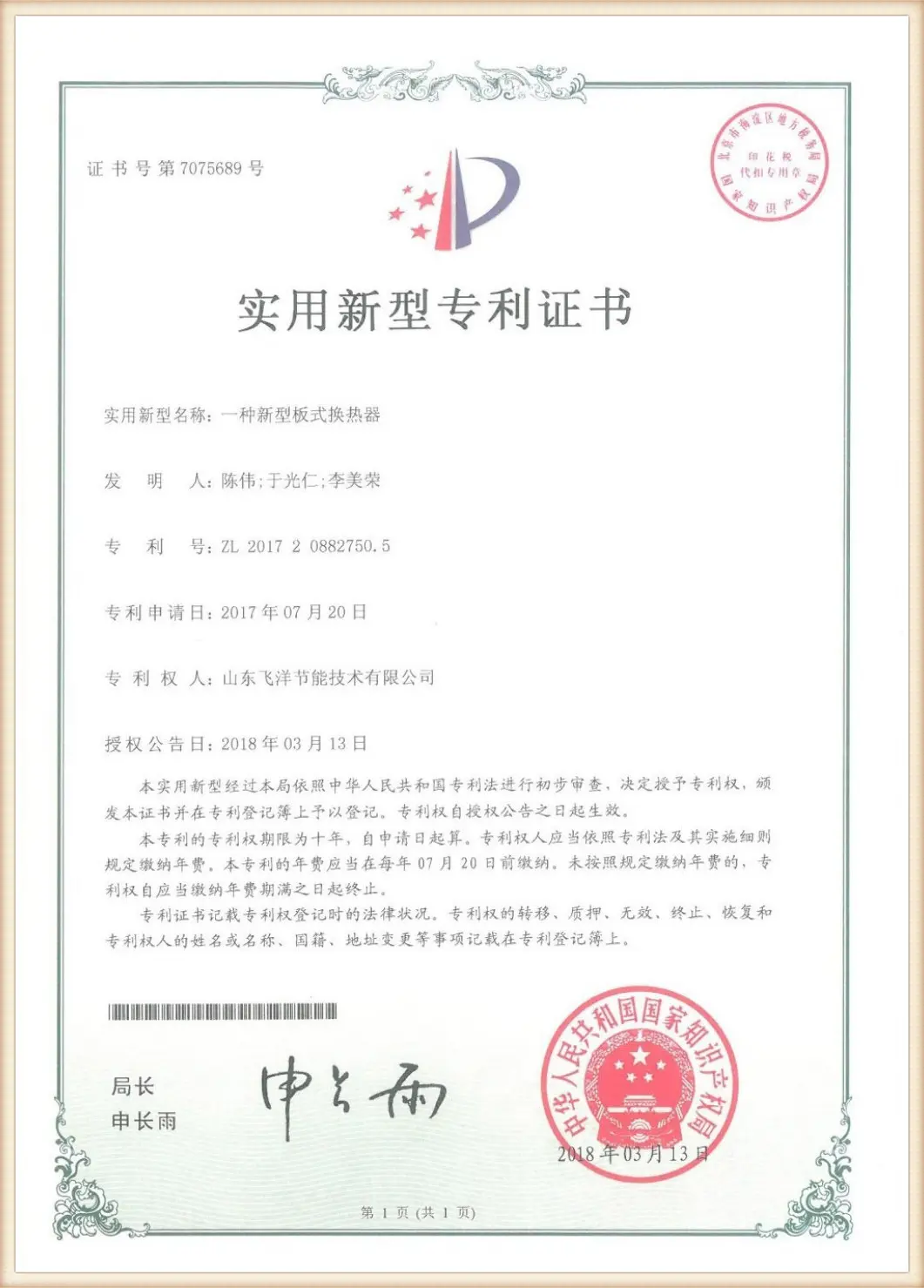
From structural metal forming to computerized testing, every step of our production workflow is monitored to guarantee precision alignment and thermal performance.
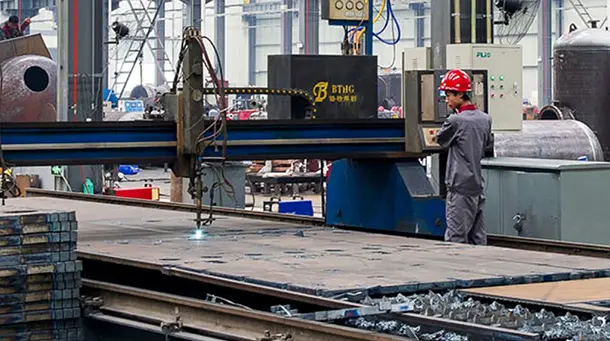
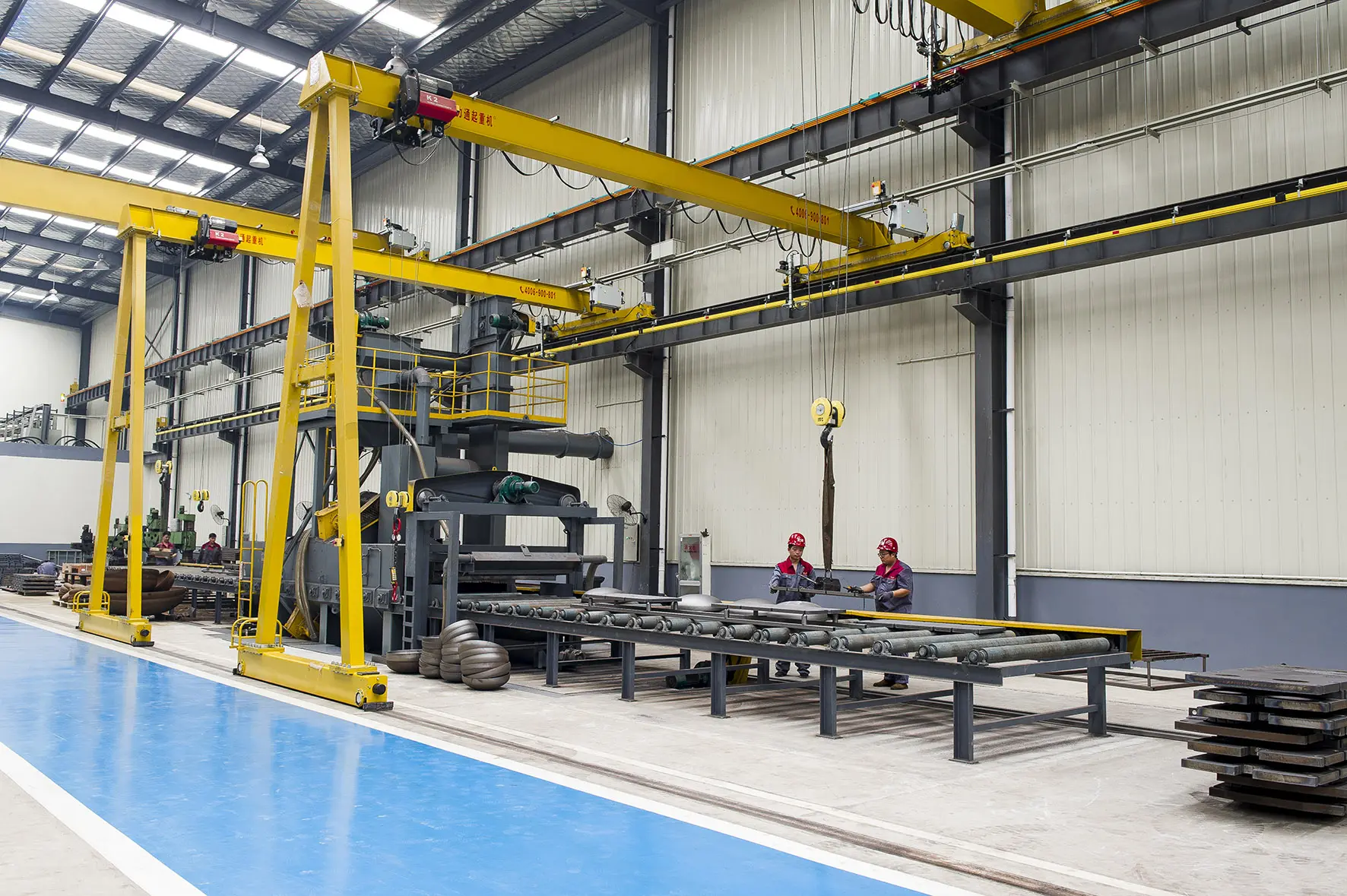
Heavy-duty computerized laser and plasma machinery cut structural frame plates to exact dimensions.
Fine-tolerance shaping of port holes and sealing grooves to prevent fluid bypass under high pressures.
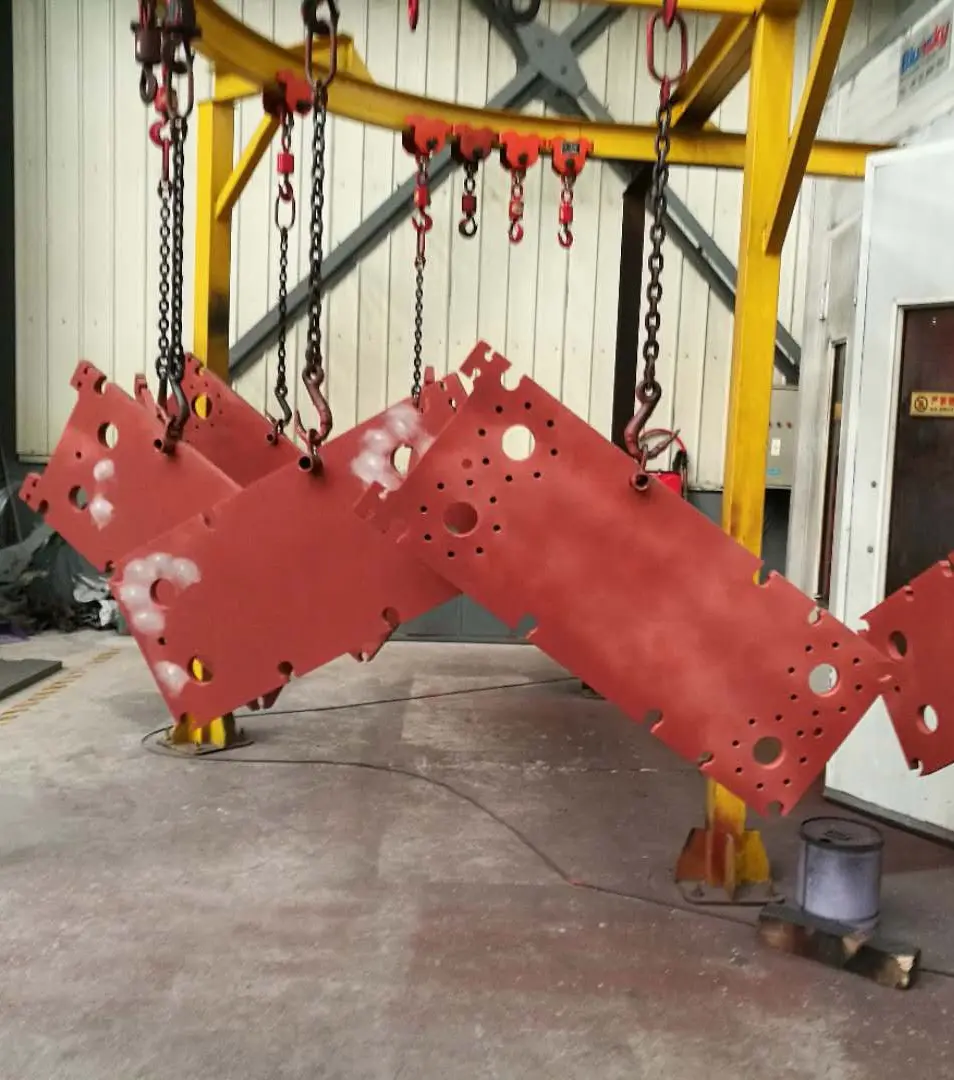
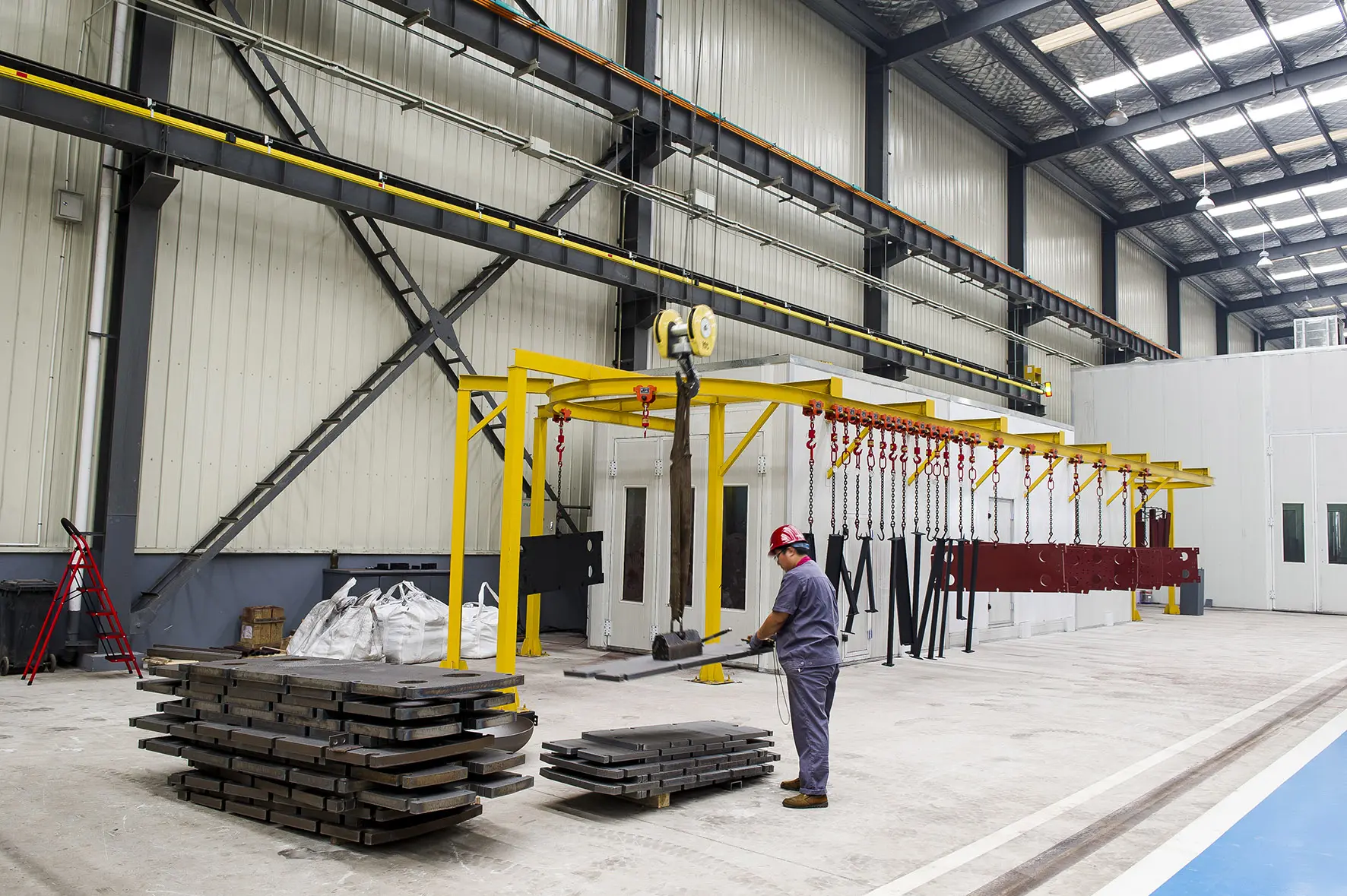
Application of multi-layer epoxy primer and finish coat to resist environmental wear in damp cellars.
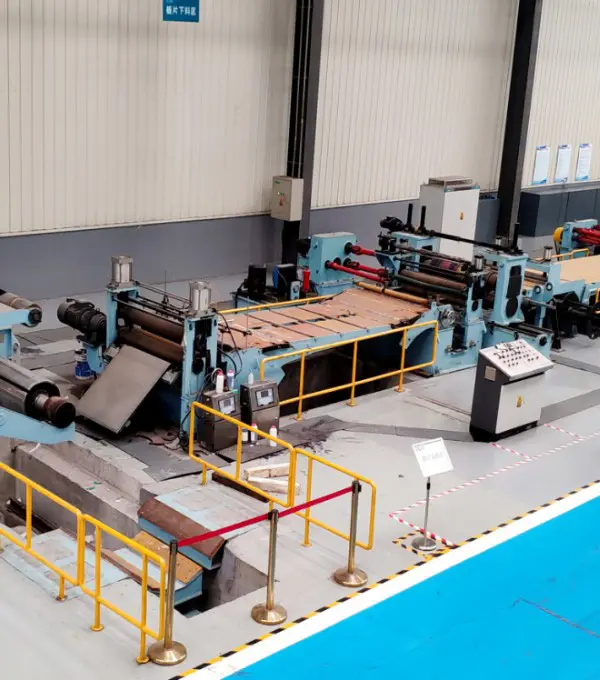
Precise raw sheet prep with laser batch coding, ensuring 100% material traceability back to the steel mill.
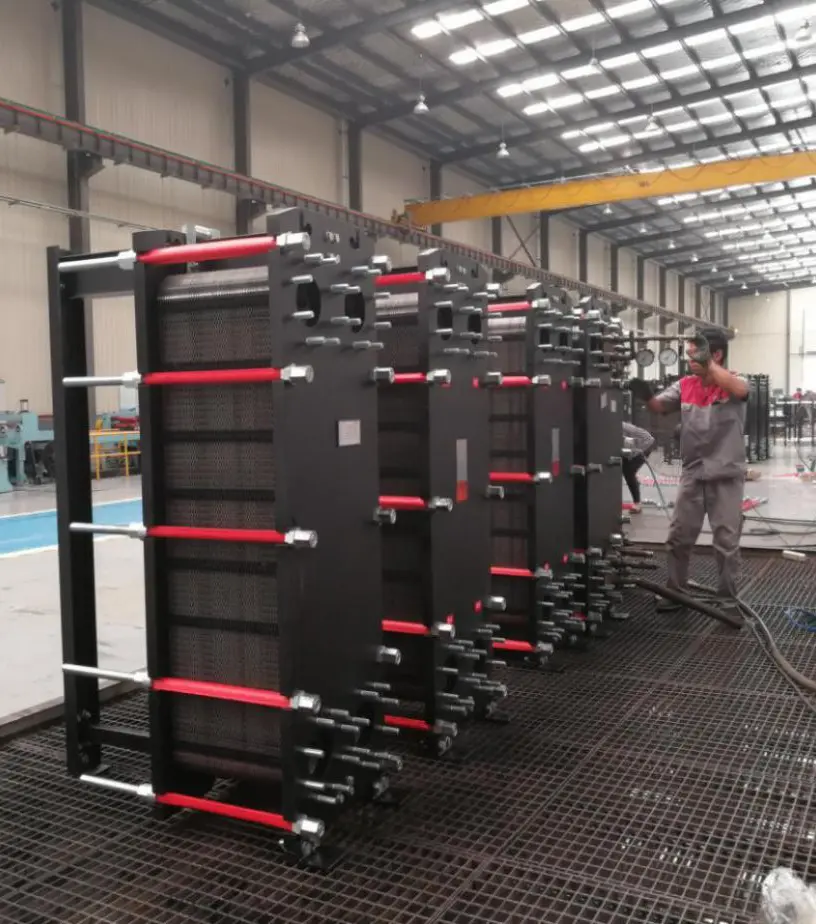
Mandatory hydrostatic testing of assembled units to verify integrity under peak load scenarios.
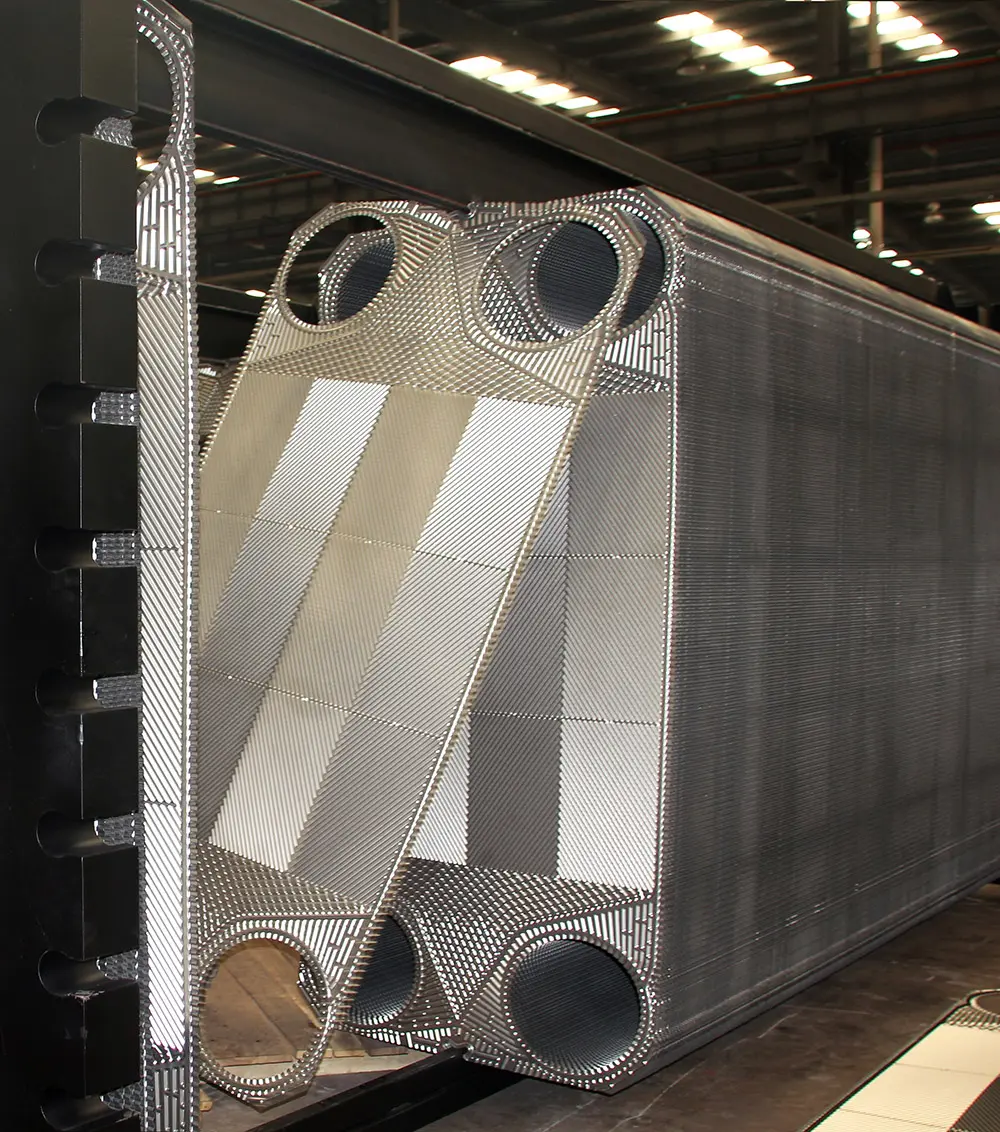
Torque-controlled compression of plate packs to secure gasket seals and ensure even pressure distribution.
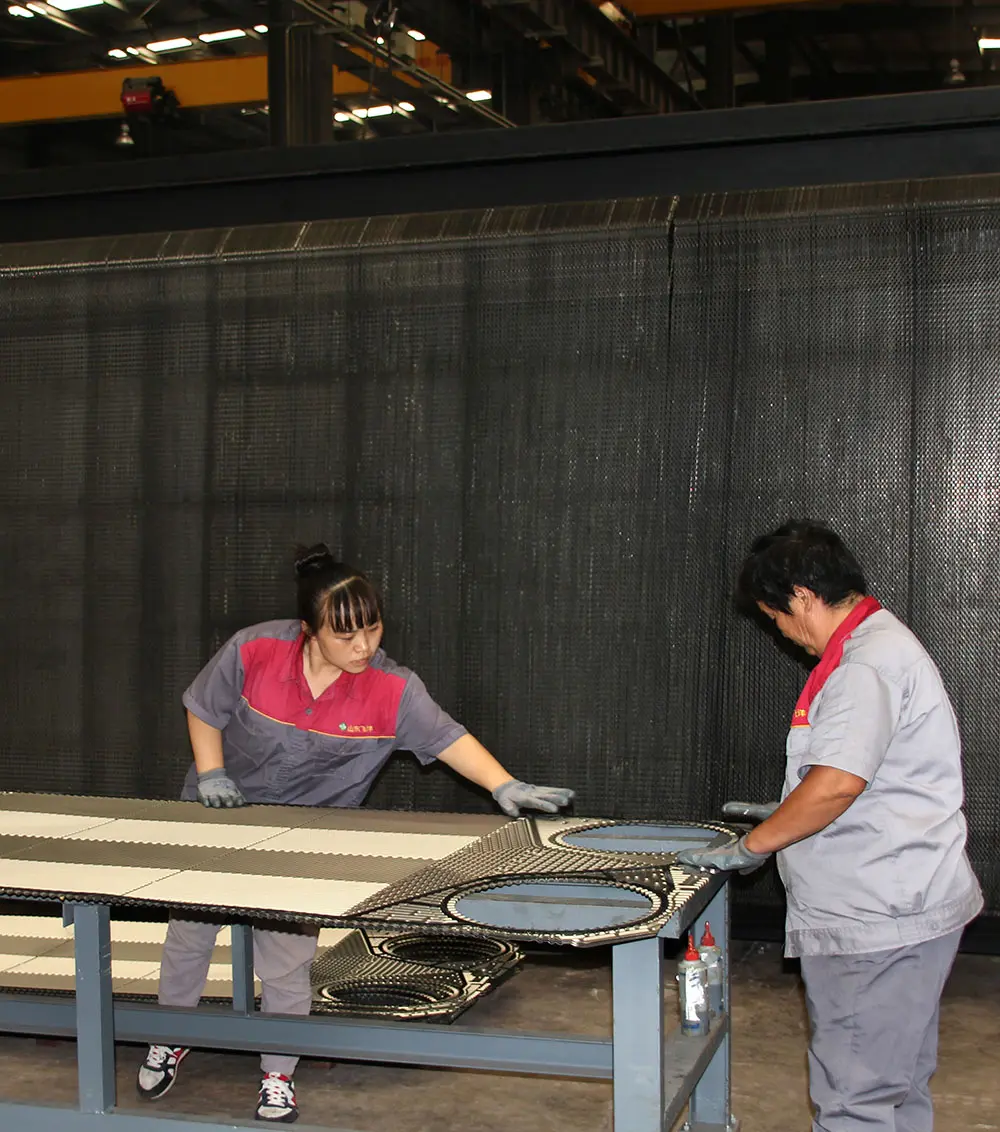
Careful application of glue-free clip-on gaskets, ensuring secure alignment and long service life.
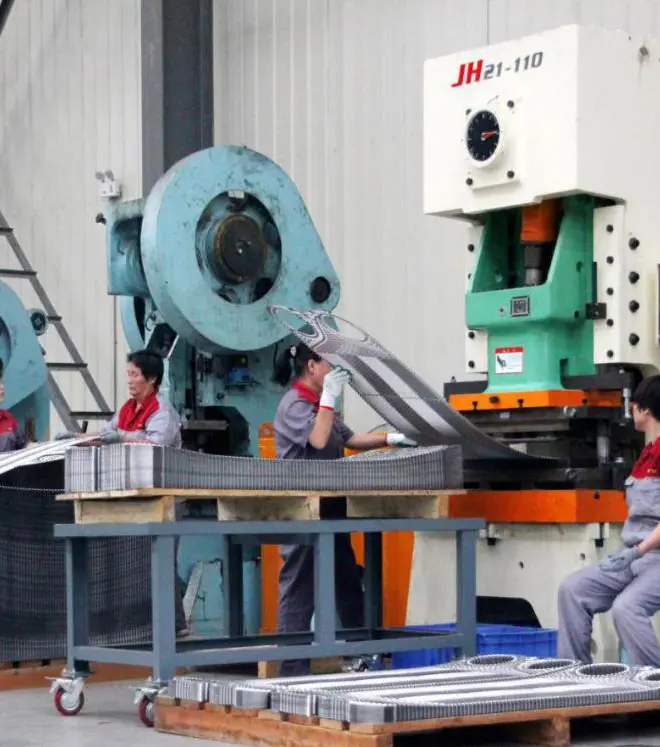
High-precision tool stamping of primary port boundaries to prevent internal structural stresses.
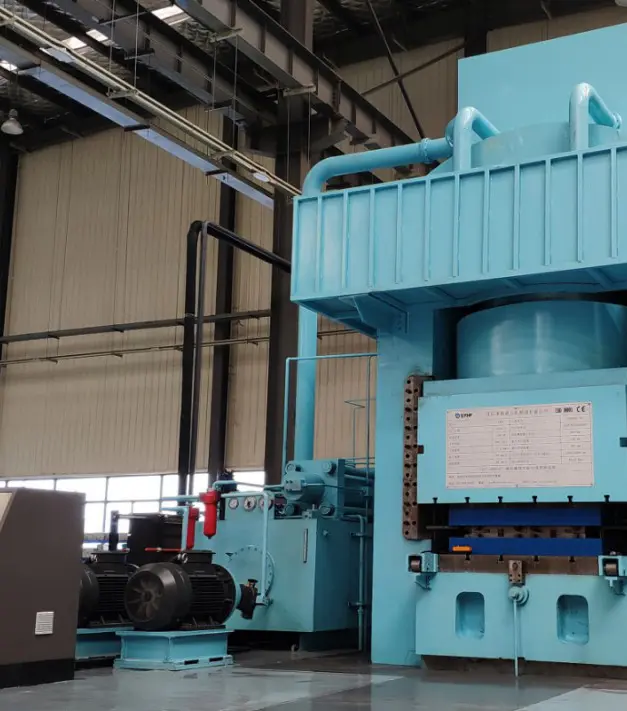
Single-stroke hydraulic pressing of plate patterns to maintain uniform thickness and corrugation depth.
A comprehensive selection of high-performance components, control systems, and specialty process systems designed for optimal thermal efficiency in Poland.
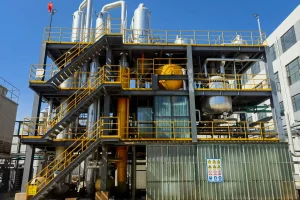
Designed for optimal steam reuse, helping chemical plants and waste treatment operations minimize total energy input.
View Product Specifications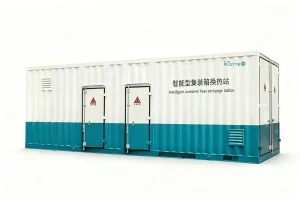
Enclosed, soundproof, and pre-insulated skid systems designed for clean install spaces in commercial district heating networks.
View Product Specifications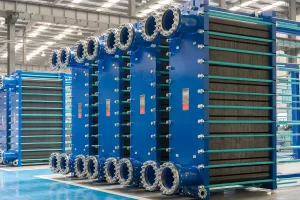
High-pressure rating plate heat exchangers designed to isolate distribution networks in multi-stage heating systems.
View Product Specifications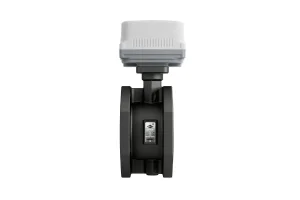
Precision flow control valves with integrated pressure indicators to ensure uniform heat distribution across multi-story zones.
View Product Specifications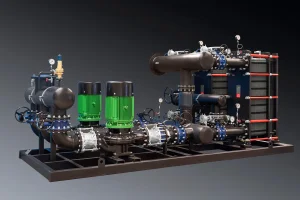
A complete mechanical station configured with premium plate exchangers, variable frequency pumps, control systems, and sensors.
View Product Specifications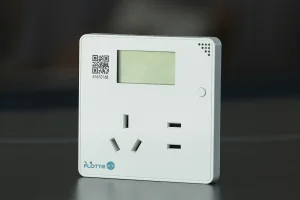
High-precision IoT temperature sensors that feed real-time climate data back to main heat distribution hubs for automated control.
View Product Specifications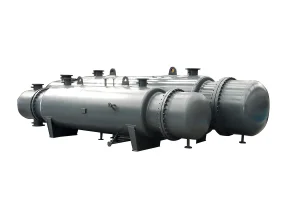
Robust thermal design engineered for extreme temperatures, high operating pressures, and processes with high particulate content.
View Product Specifications
High-recovery membrane systems designed to help factories achieve Zero Liquid Discharge (ZLD) and meet local eco-regulations.
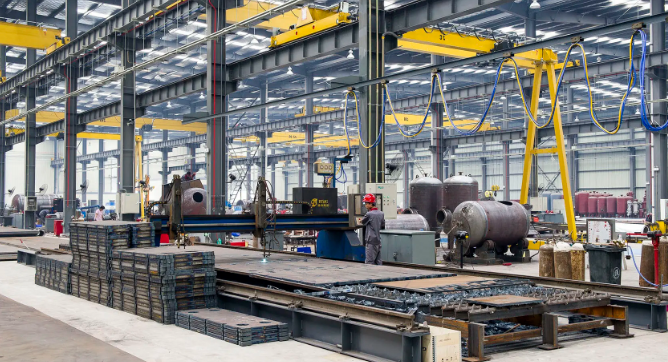
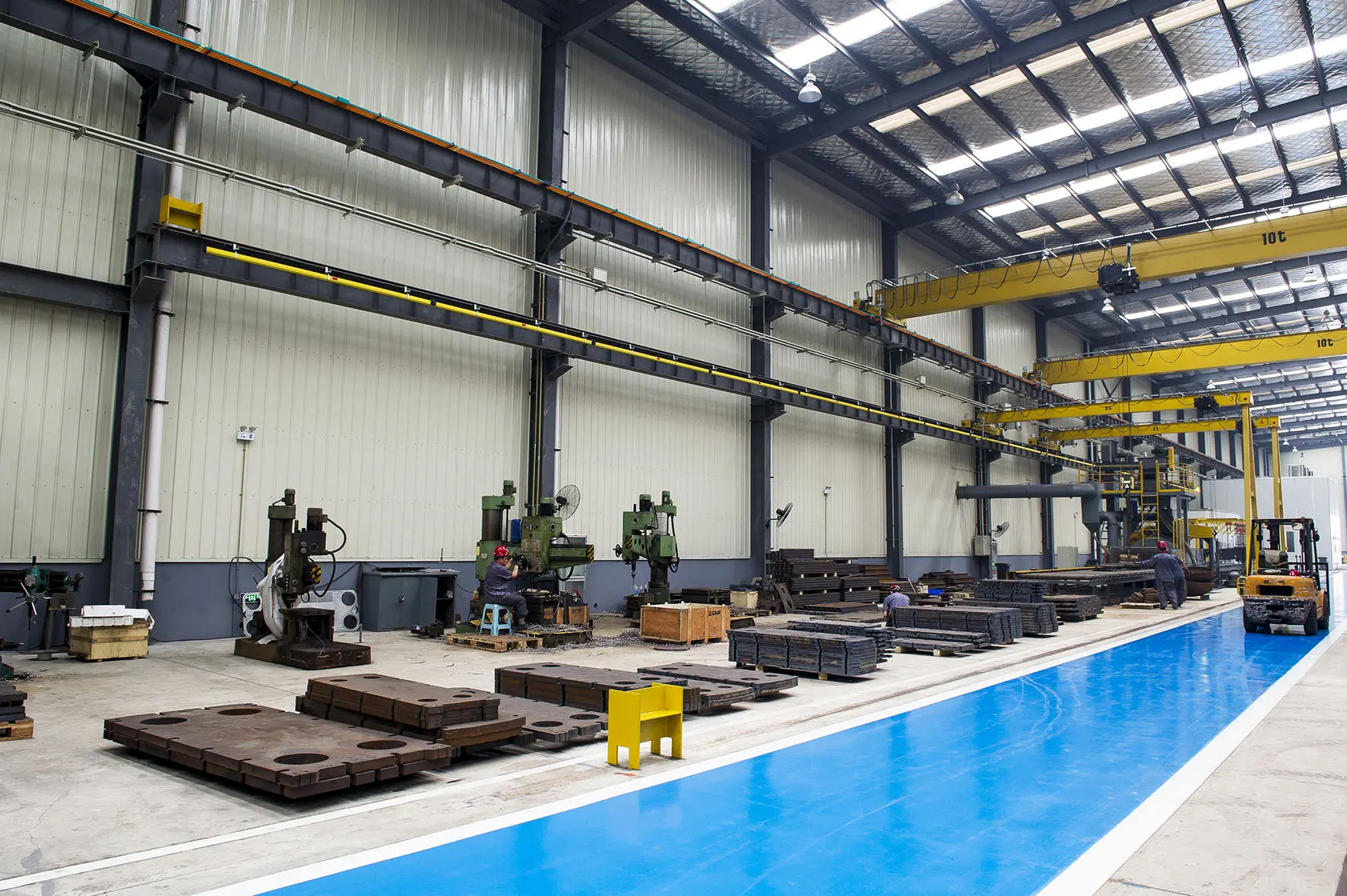
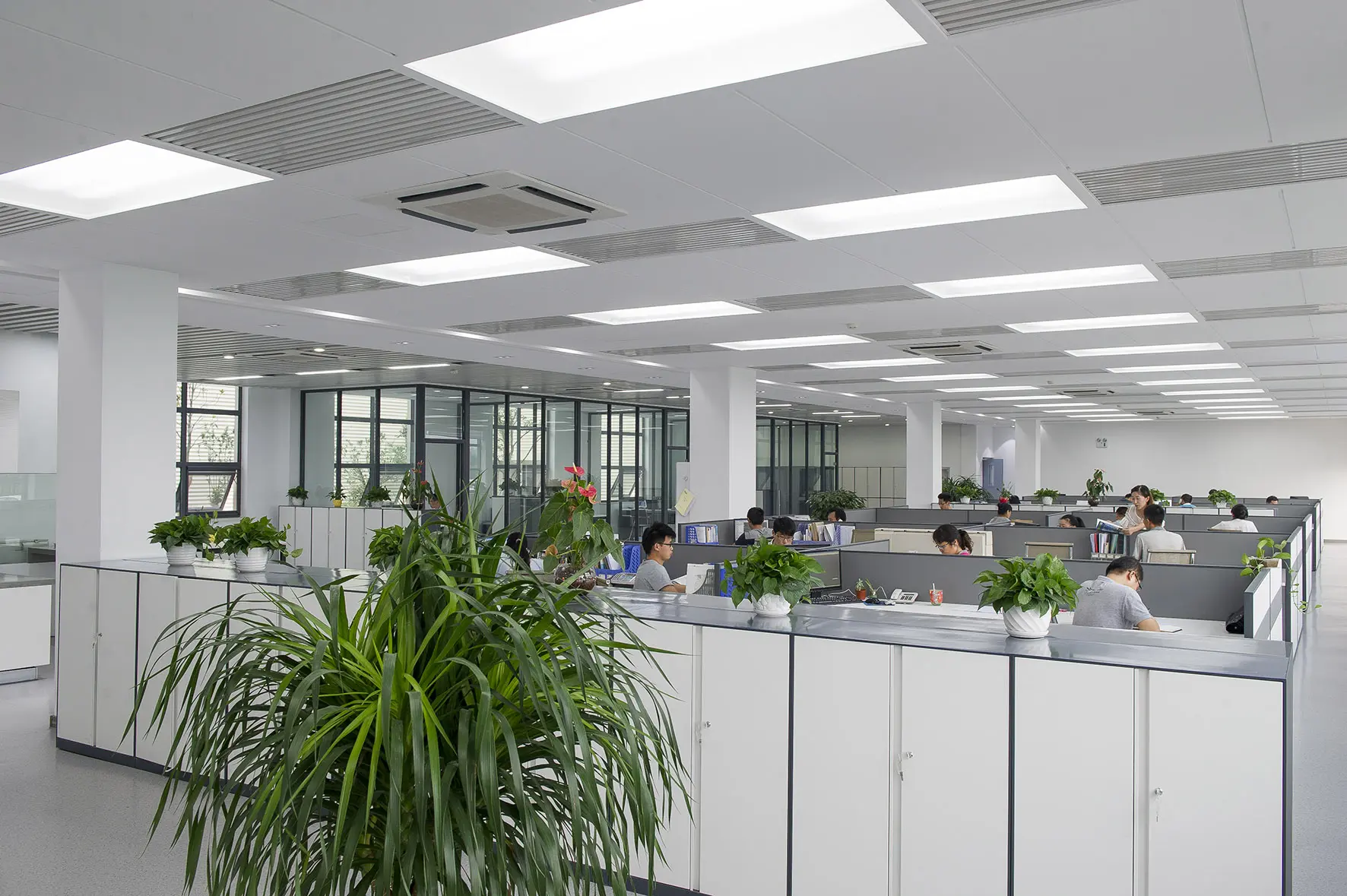
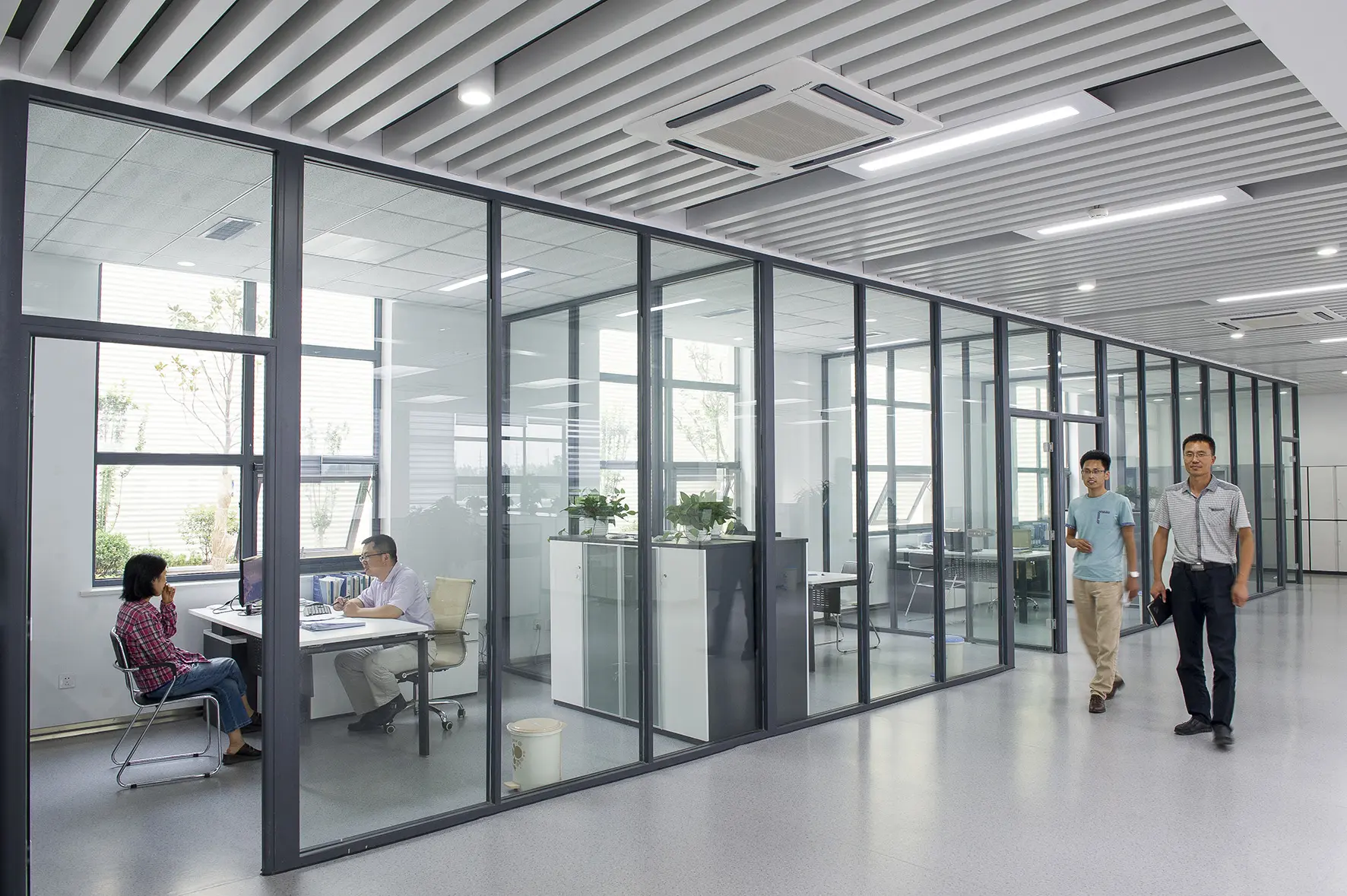
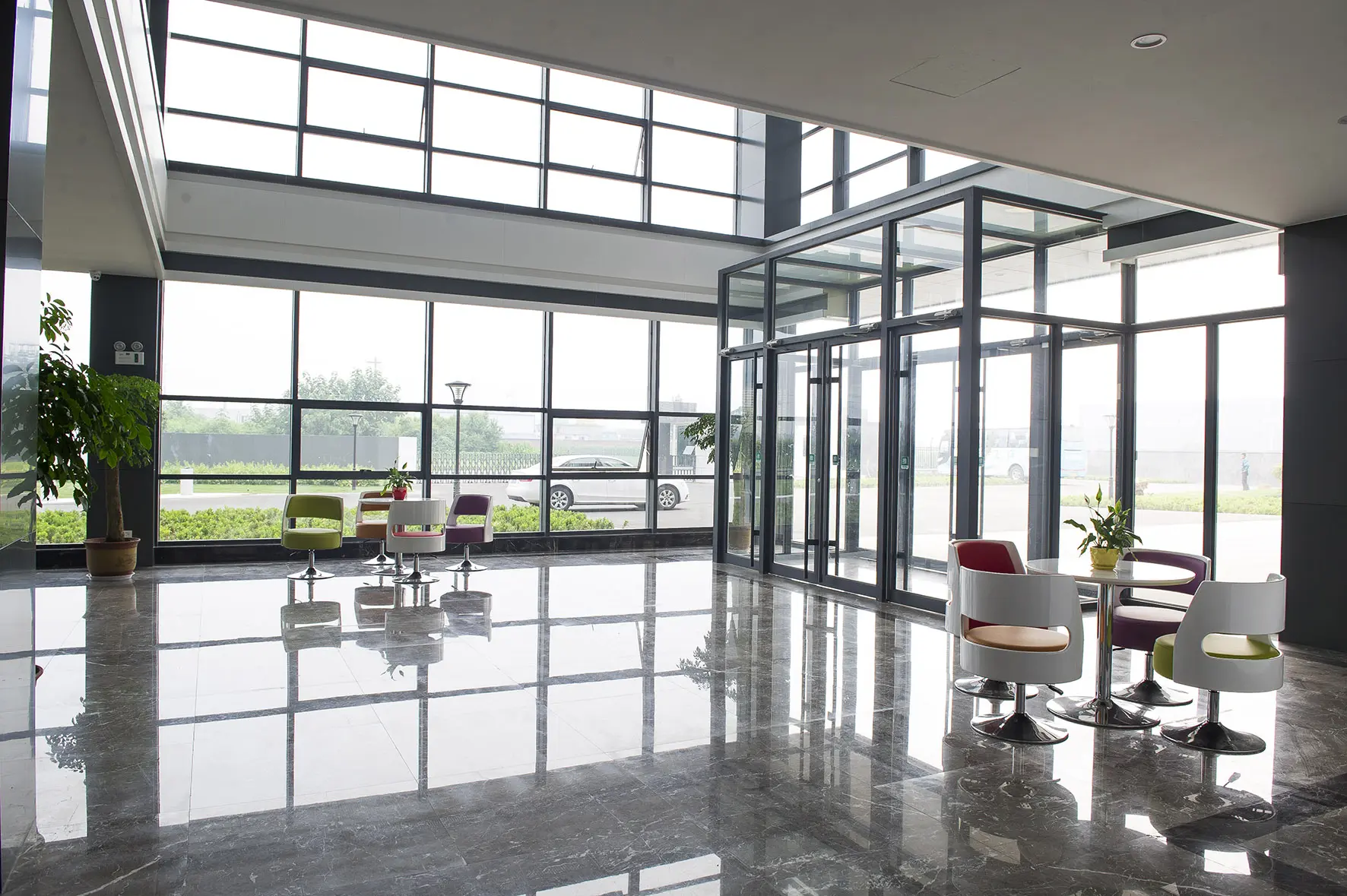
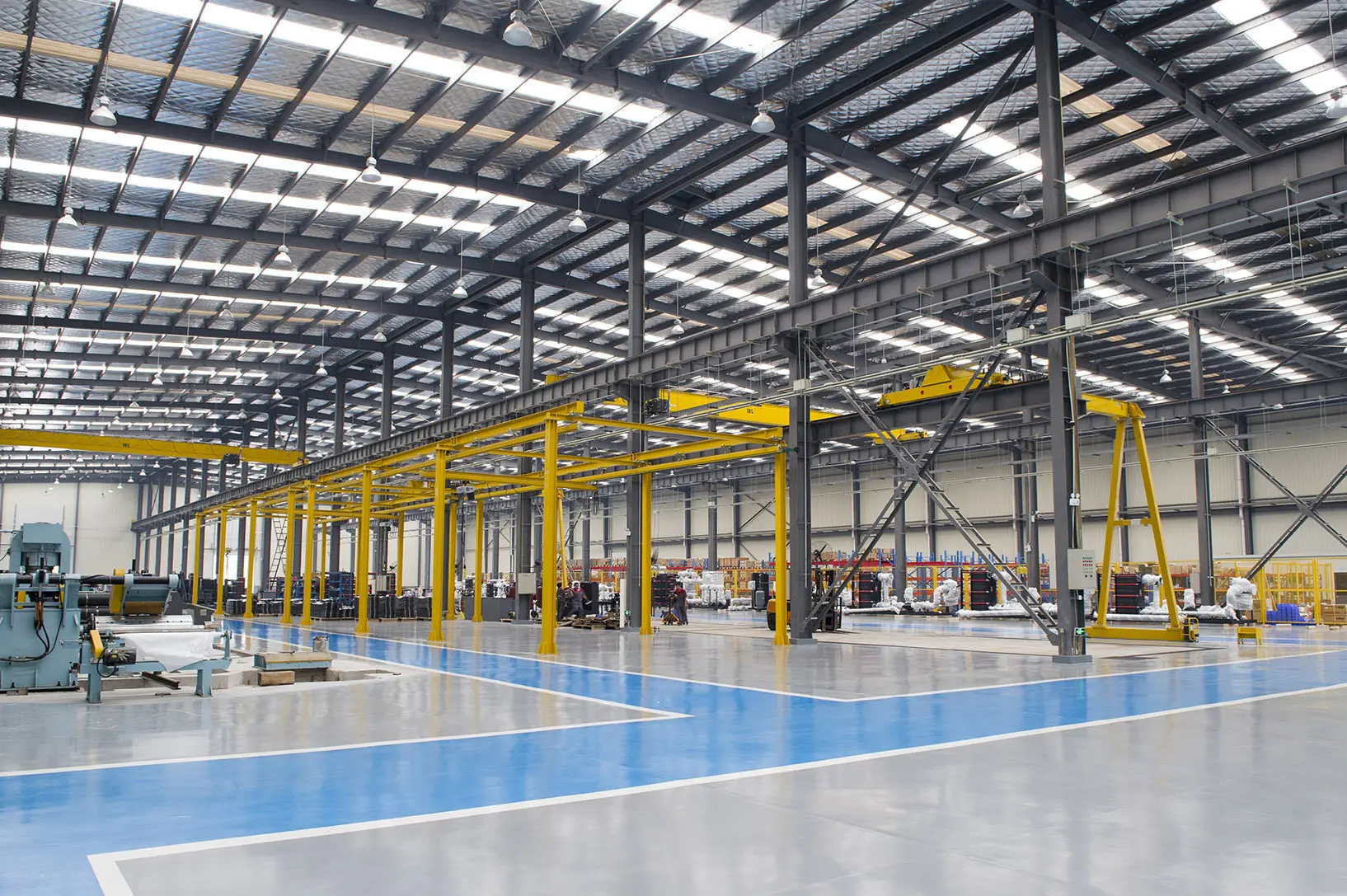
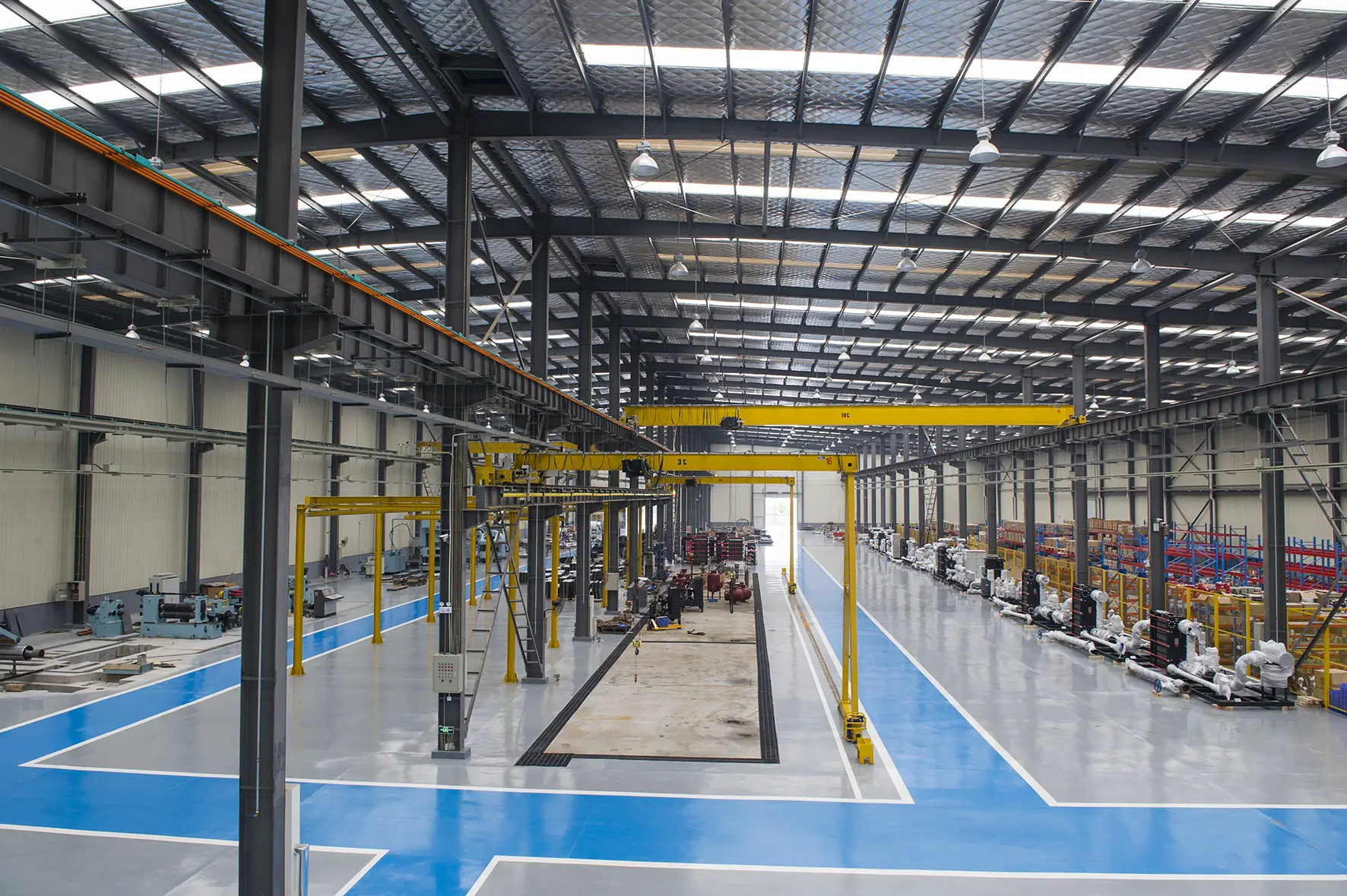
View Product SpecificationsA look inside our modern facility, where we combine advanced fabrication technologies, robotics, and strict quality control protocols.
Our thermal and fluid management equipment is engineered to integrate smoothly across major Polish industrial and public sectors.
Our detachable plate heat exchangers are widely used in secondary substations to isolate high-pressure primary networks from residential heating loops. By maintaining tight approach temperatures (within 1°C), they maximize energy transfer efficiency, helping network operators reduce thermal losses and lower carbon emissions.
In chemical plants across southern Poland, our corrosion-resistant shell and tube heat exchangers and multi-effect evaporation systems process highly acidic, high-temperature fluids. They ensure reliable heat recovery while protecting system components from premature wear and stress cracking.
For commercial hubs in Warsaw and Krakow, our integrated, box-type pre-assembled heat exchange stations deliver efficient climate control. Designed with intelligent balancing valves and temperature sensors, these setups automate heating adjustments based on outdoor conditions, cutting building energy use.
At Flotte, our R&D roadmap is focused on developing smarter, more sustainable thermal solutions. As Poland transitions toward fourth and fifth-generation low-temperature district heating systems (4GDH/5GDH), standard heat exchangers must adapt to work with lower primary fluid temperatures. To meet this need, we are designing advanced, high-efficiency plate geometries that maximize heat transfer even with small temperature differences.
At the same time, we are integrating smart IoT technologies directly into our heat exchange systems. By combining real-time pressure, temperature, and flow data with cloud-based analytics, our systems can predict limescale buildup, identify potential gasket leaks before they occur, and automatically adjust balancing valves to match shifting network demands. This shift from reactive maintenance to data-driven, predictive upkeep helps system operators lower operating costs and avoid unexpected downtime.
Addressing the technical, regulatory, and mechanical questions asked by Polish utility operators and design engineers.
 Flotte Energy