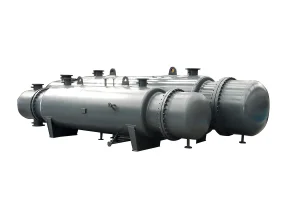
Pre-engineered configurations optimized for high-demand manufacturing networks and municipal energy plants across Aichi Prefecture.
Nagoya, the capital of Aichi Prefecture, stands as Japan’s primary industrial heartland, contributing significantly to the nation's automotive, aerospace, robotics, and machine tool outputs. However, with Japan's national commitment to achieve Net-Zero greenhouse gas emissions by 2050, industries in the Greater Nagoya area face immense regulatory and financial pressures to transition toward sustainable, low-carbon operational frameworks.
Thermal management is at the center of this transformation. In automotive manufacturing—especially in paint shops, metal stamping, and casting lines—huge quantities of thermal energy are dissipated as waste. Our advanced heat exchange technologies and smart monitoring networks are engineered to capture this high-temperature runoff, feeding it back into utility loops or municipal heating systems. By integrating modular, low-fouling plate heat exchangers, factories in Nagoya can dramatically lower energy consumption, minimize system downtime, and achieve strict environmental compliance guidelines.
How macro environmental policies and smart infrastructure technologies are shaping modern process engineering worldwide.
Global emission trading systems (ETS) and carbon taxes are penalizing inefficient thermodynamic processes, making high-efficiency plate heat exchangers and waste heat recovery systems an operational necessity.
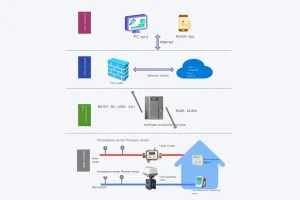
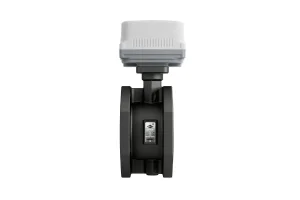
Traditional passive heat exchange setups are giving way to intelligent, monitored networks. Real-time balance valves and IoT temperature collectors optimize hydraulic balances dynamically, saving up to 25% in pump energy.
Membrane concentration systems and multi-effect evaporators are being heavily deployed in pharmaceutical and chemical sectors to reclaim up to 98% of process water, converting wastewater into reusable mineral streams.
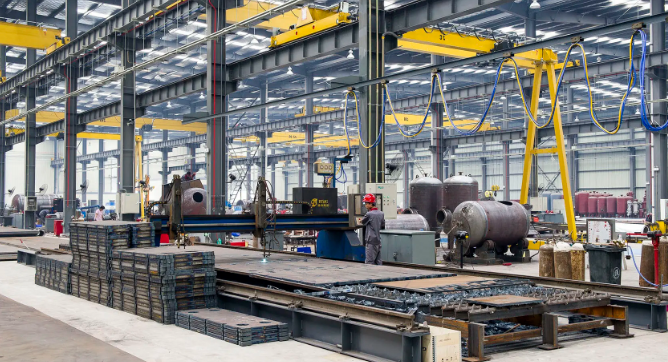
Established in 2013 with a registered capital of 101 million yuan, Flotte originated from Flotte Thermal Engineering founded in 1995. With three decades of rigorous technical expertise, we specialize in high-end water equipment, HVAC systems, and water treatment solutions. Our engineering teams consistently lead the industry in adopting cutting-edge technologies, developing patented plate design configurations, and delivering comprehensive, worry-free global production and sales services.
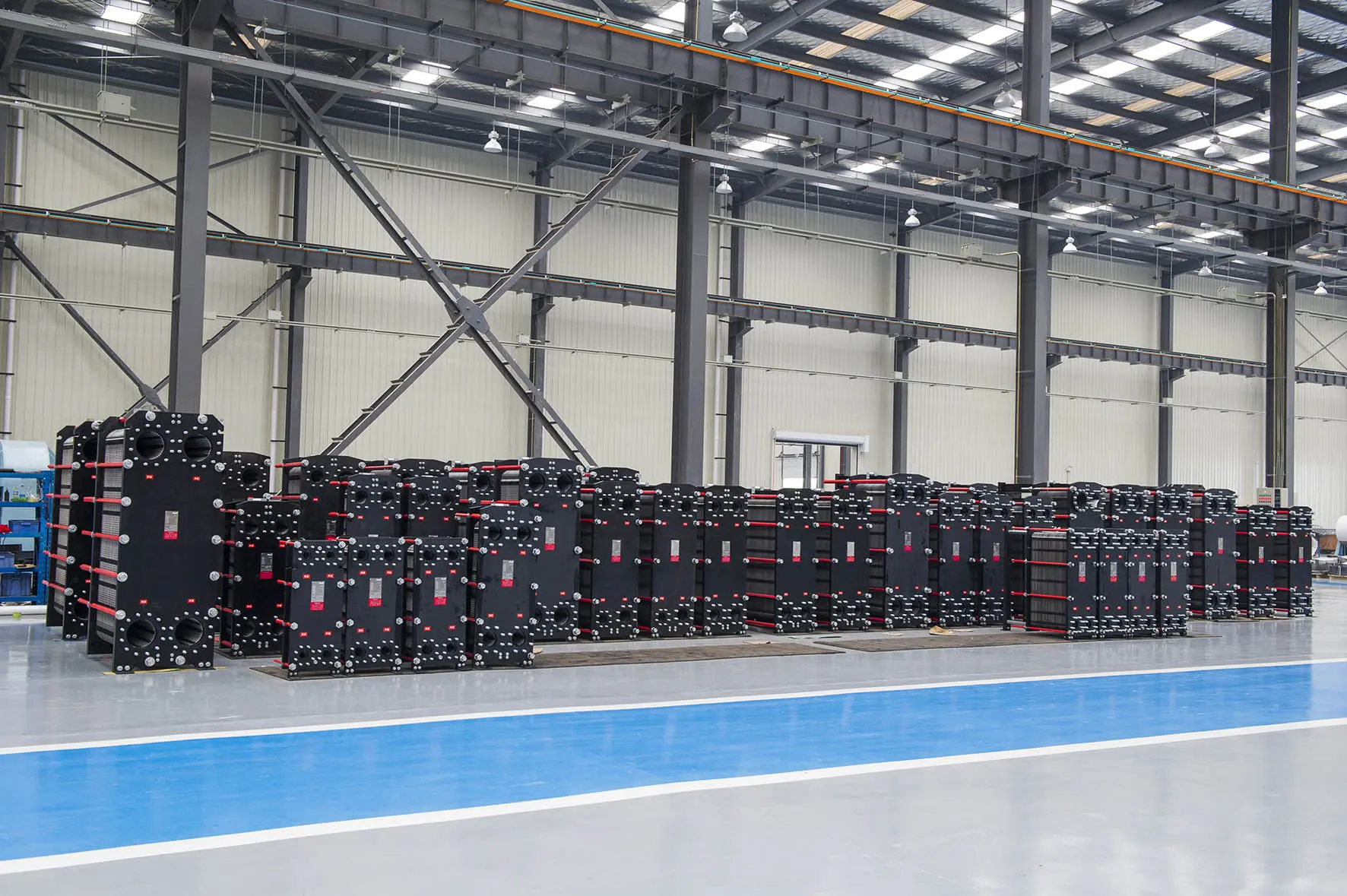
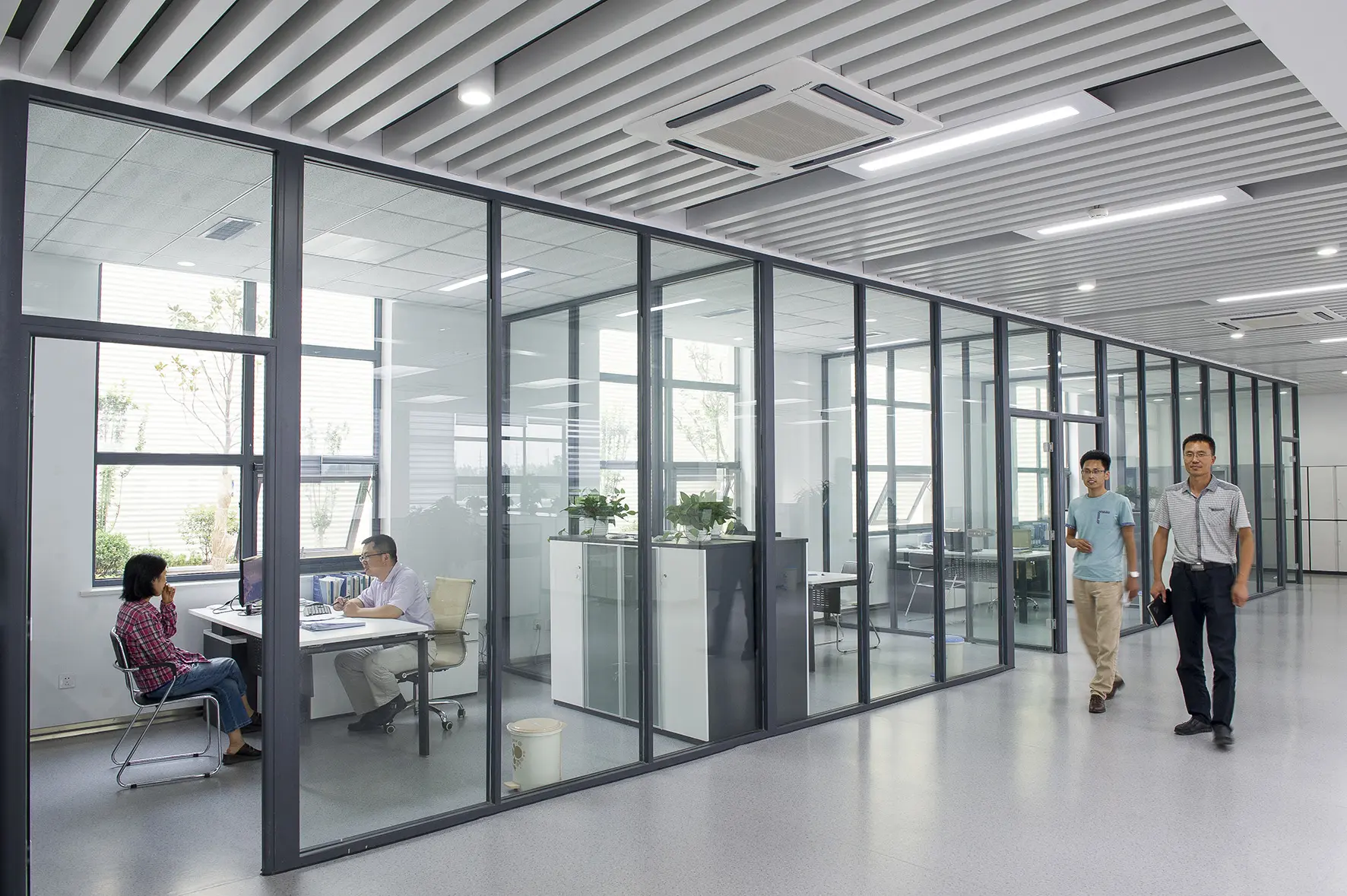
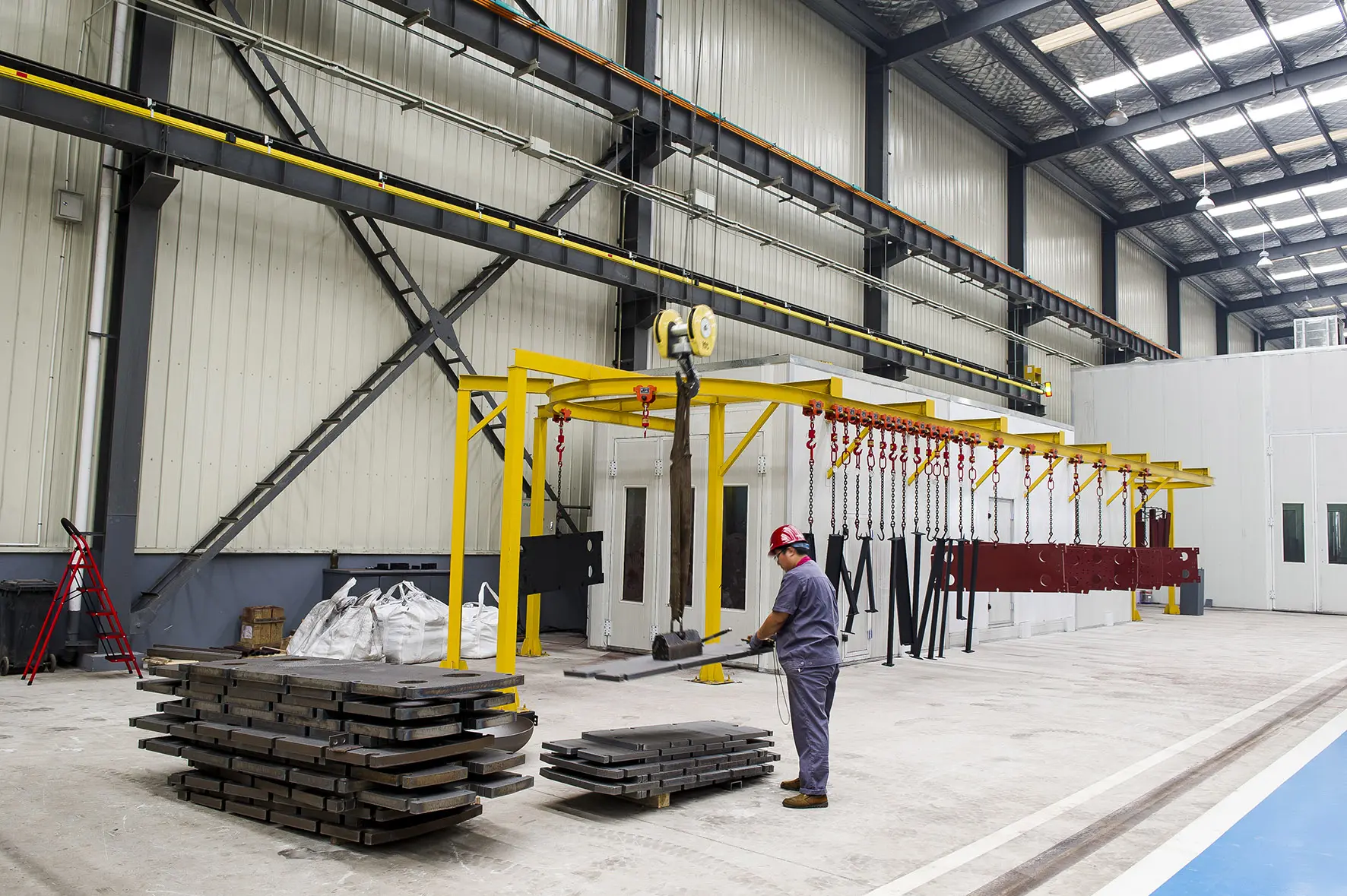
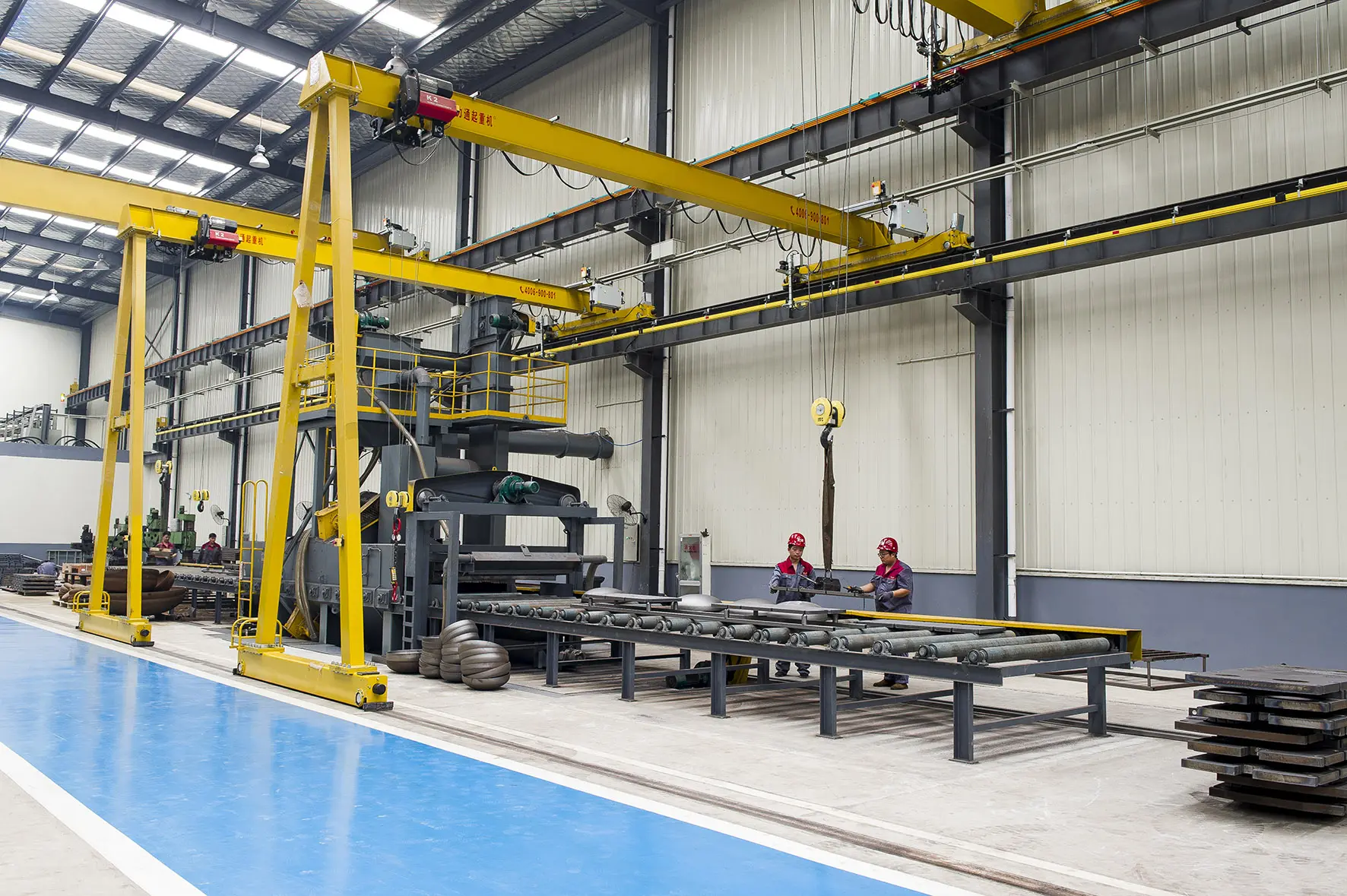
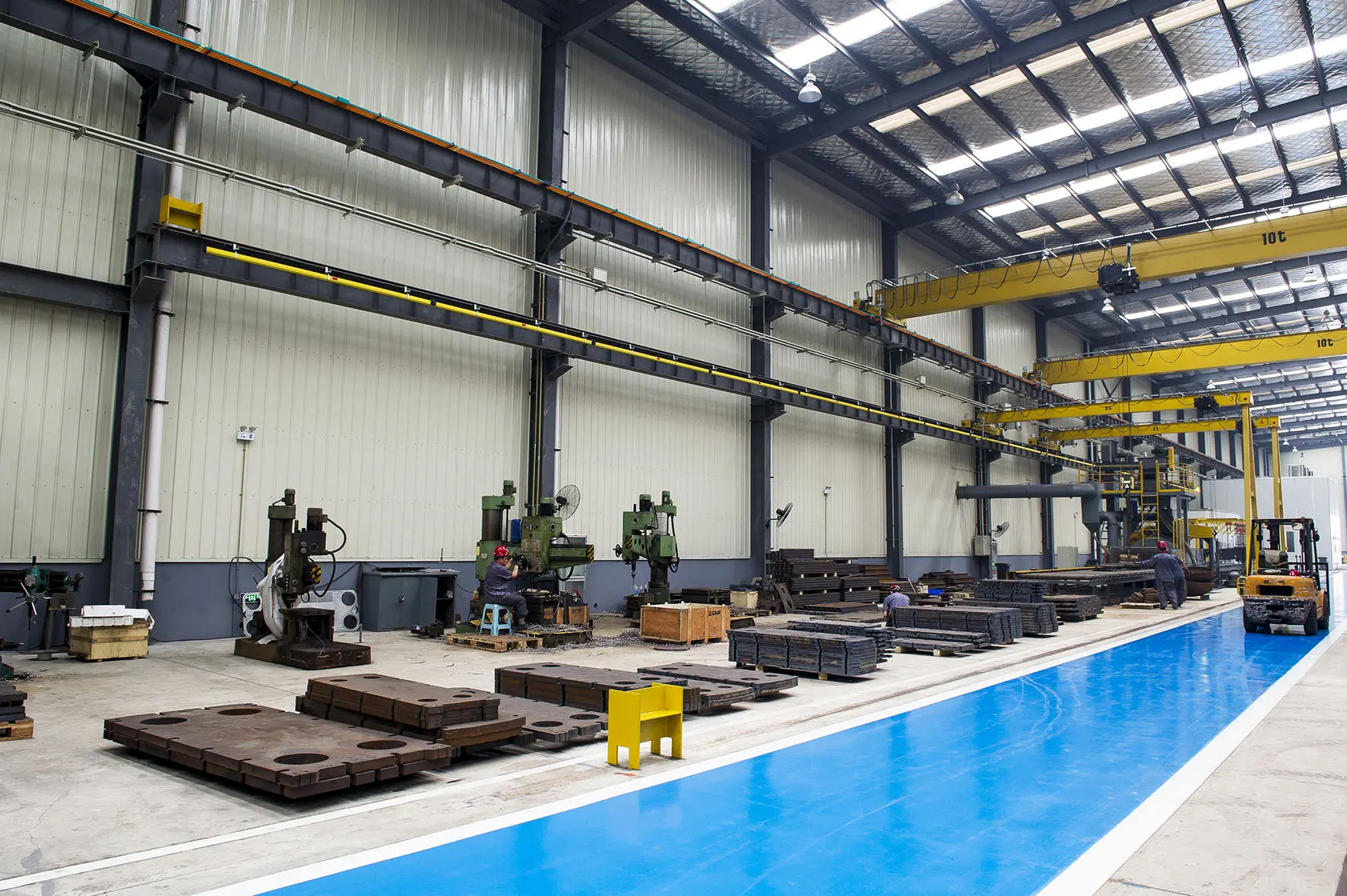
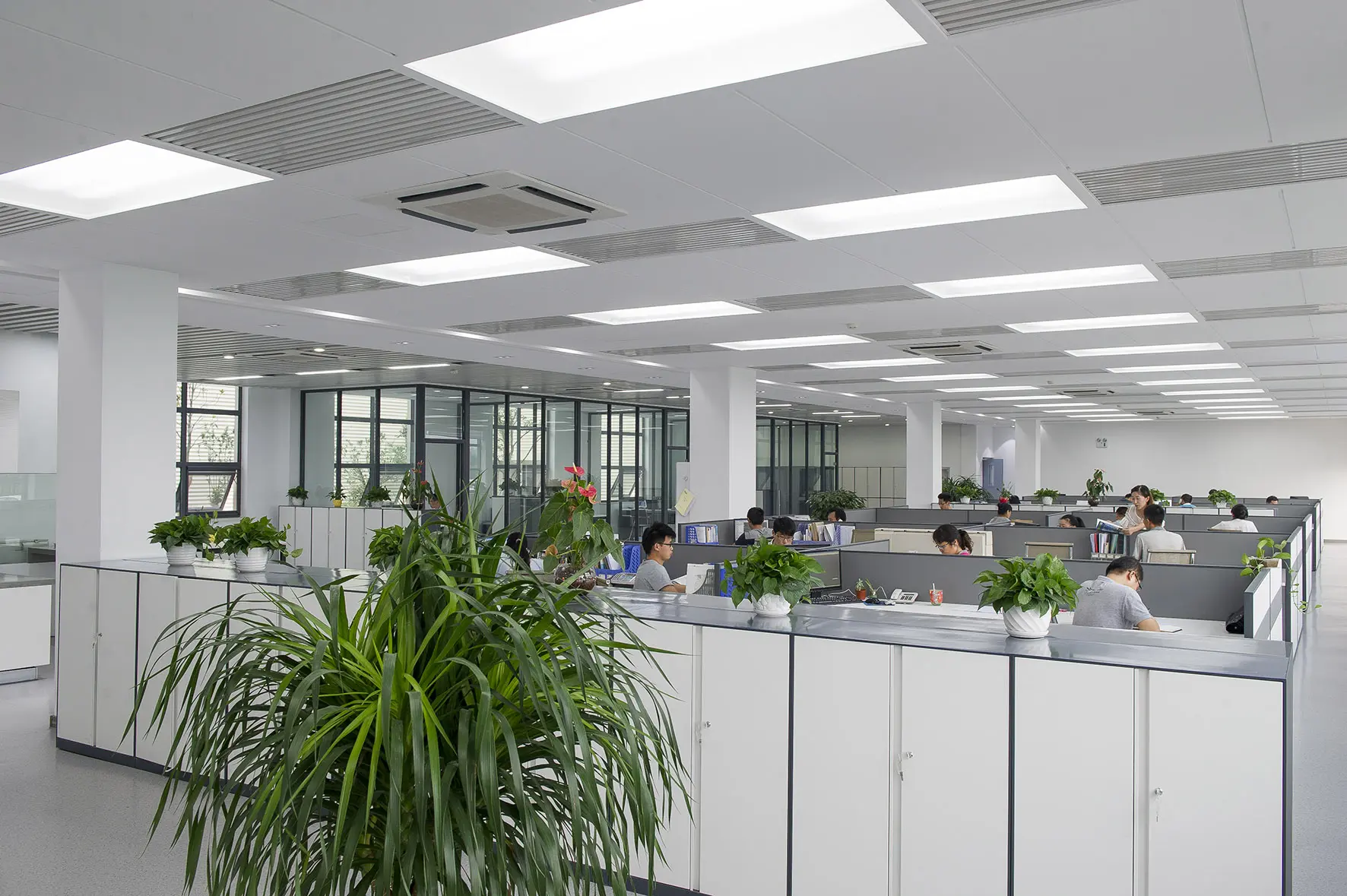
Operating a modern production workshop of over 70,000 m², all frontline production staff are certified technicians who have undergone formal training. Our production processes, quality control pipelines, and after-sales support systems strictly adhere to the ISO 9001:2015 International Quality Management System, ISO 14001 Environmental Management System, and ISO 45001 Occupational Health and Safety framework.
Years of Engineering Experience
Skilled Technicians & Designers
Annual Units Produced
State-Of-The-Art Factory Land Area
Custom-fit solutions designed for specific industrial hubs in Nagoya and the surrounding Aichi Prefecture.
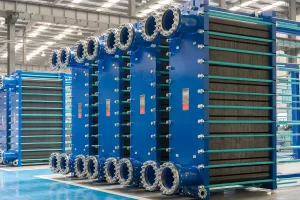
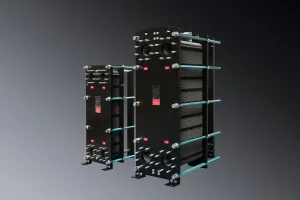
Nagoya’s automotive assembly lines require high-precision cooling to stabilize temperatures in electrodeposition paint baths. Flotte's detachable plate heat exchangers, built with high-corrosion-resistant plates, ensure consistent liquid cooling with zero process contamination.
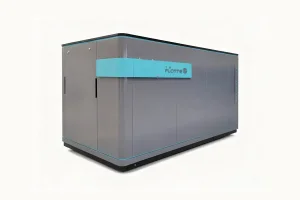
Urban spaces in Nagoya utilize underground district energy grids. Our compact, high-efficiency heat exchange units are installed in narrow subway utility basements to regulate HVAC temperatures, utilizing municipal greywater energy sources.
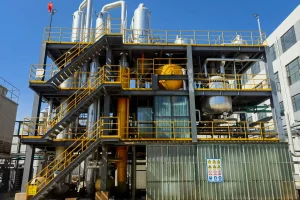
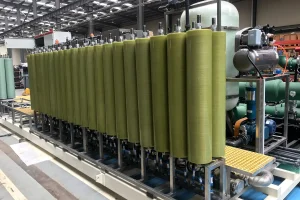
Our advanced membrane concentration systems and multi-effect evaporators allow chemical plants near Nagoya Port to treat saline and organic wastewater streams, achieving Zero Liquid Discharge (ZLD) and reclaiming valuable process minerals.
As smart manufacturing systems evolve, Flotte is actively investing in AI-integrated thermal networks. By incorporating dynamic IoT temperature collectors and intelligent balance valves, our future systems will predict thermal load variations using machine learning algorithms.
Our material science roadmap focuses on incorporating lightweight titanium, Hastelloy, and specialized anti-fouling nano-coatings to combat biological scaling in harsh water-cooling loops. This dramatically reduces the frequency of maintenance shutdowns, prolonging gasket and plate lifespan under continuous, high-pressure conditions.
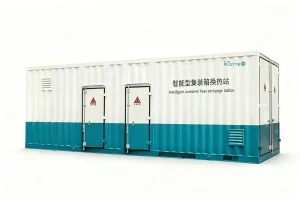
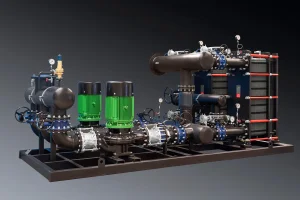
Furthermore, we are developing modular, skid-mounted multi-effect evaporation and desalination systems that can be integrated plug-and-play into existing industrial frameworks, reducing initial capital expenditures by up to 35% compared to traditional on-site civil installations.
Every heat exchanger and monitoring system undergoes rigid engineering stages to meet global standards.
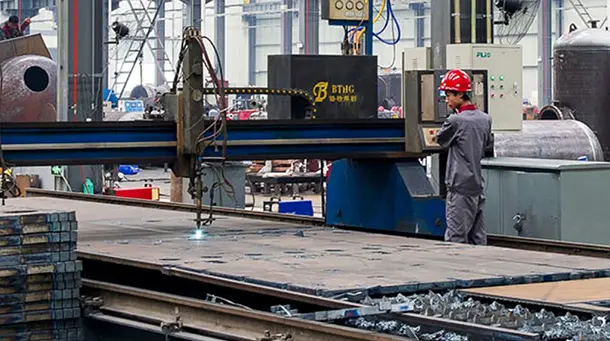
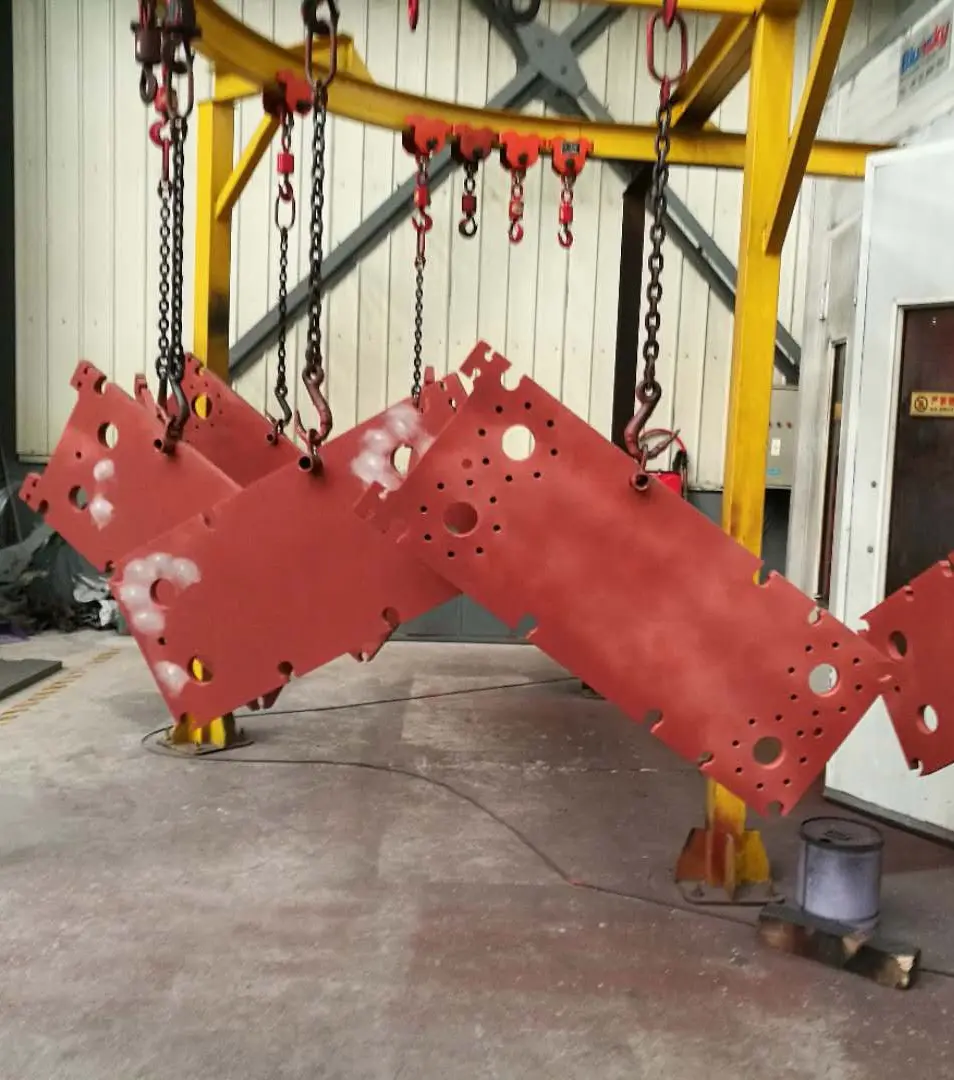
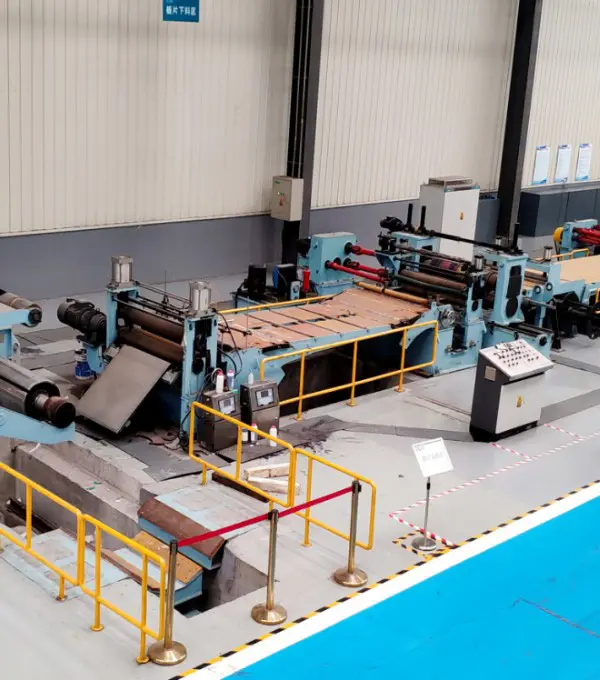
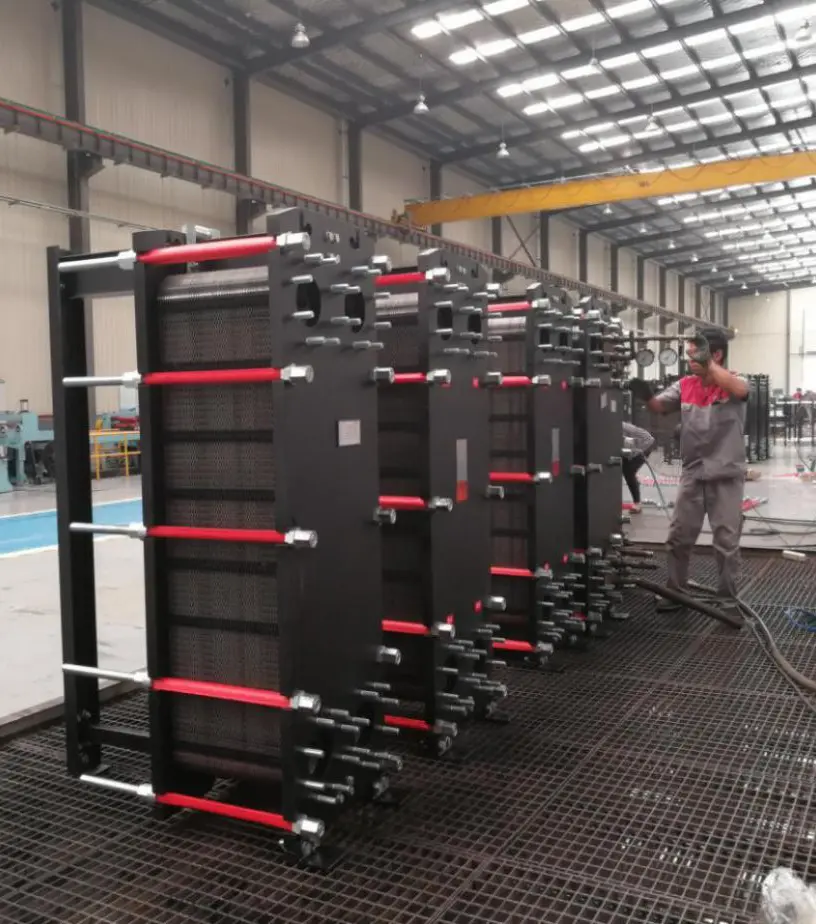
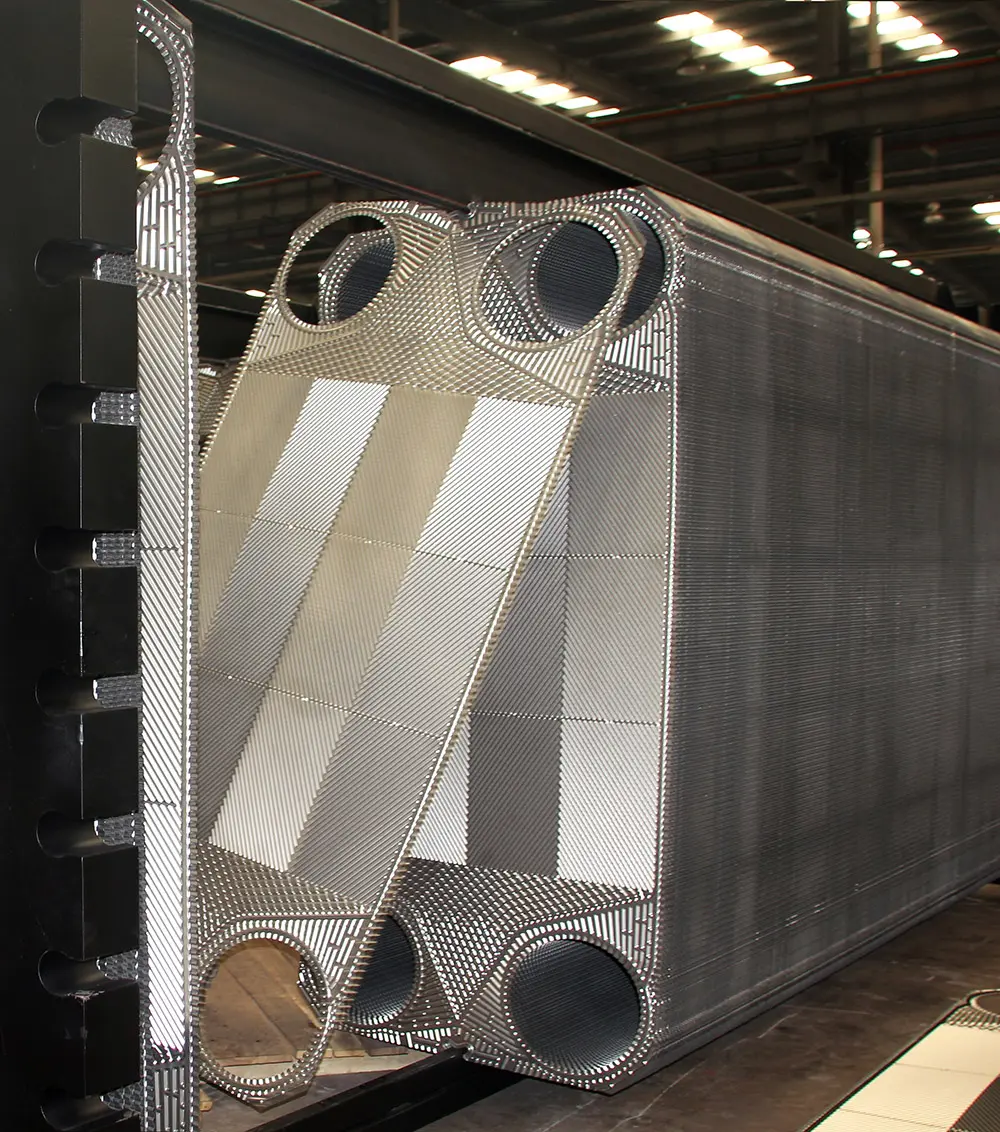
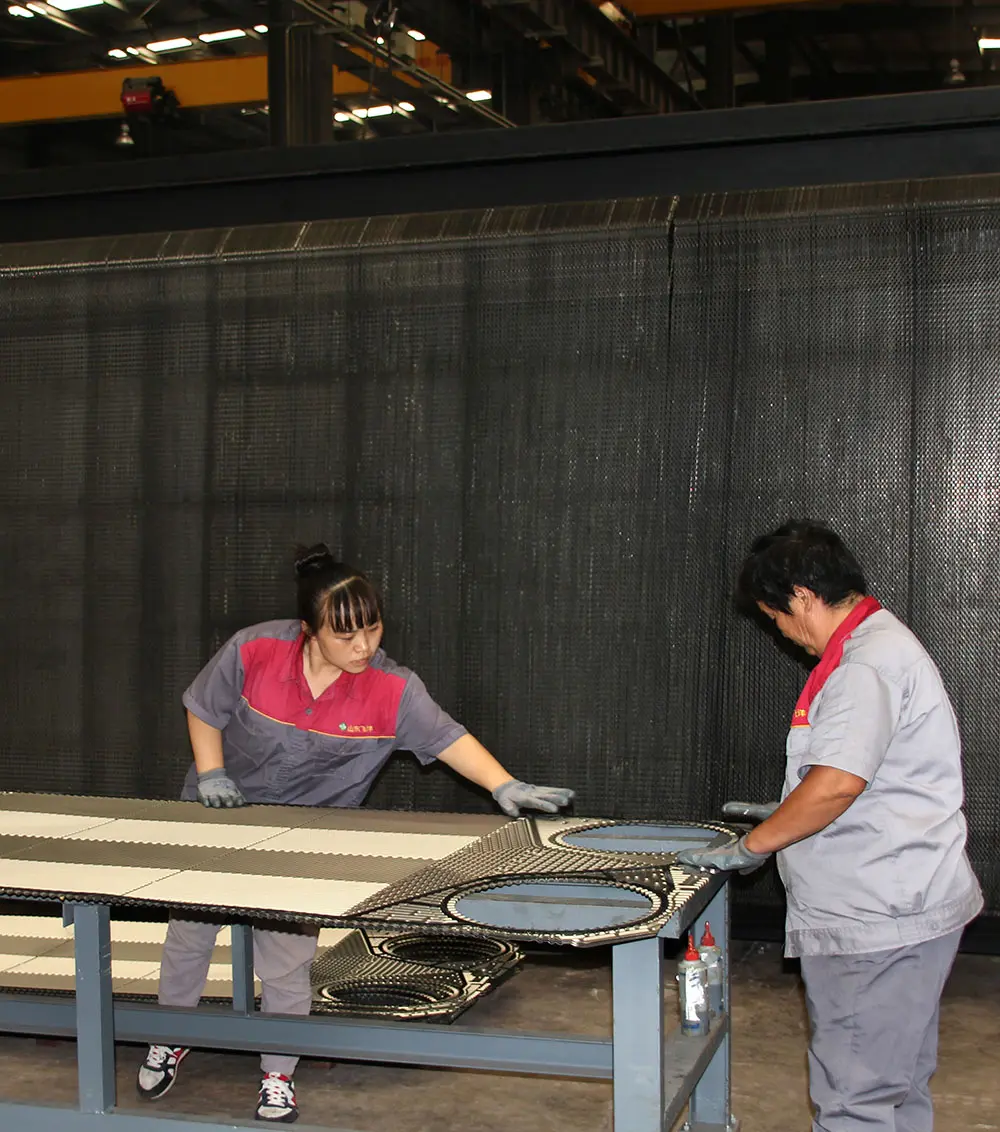
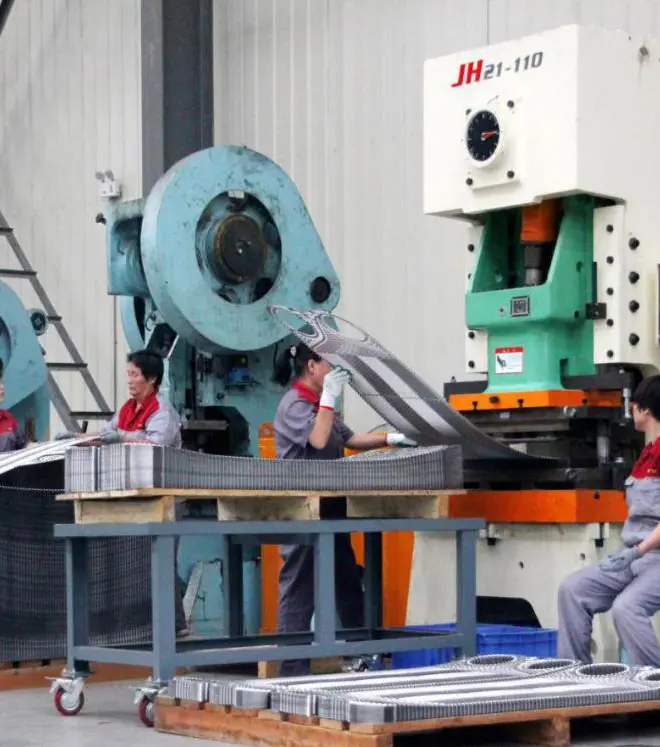
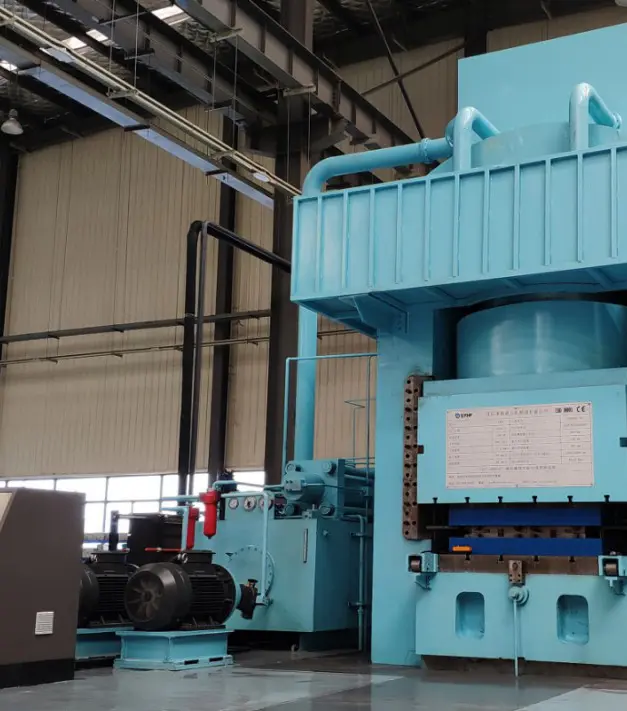
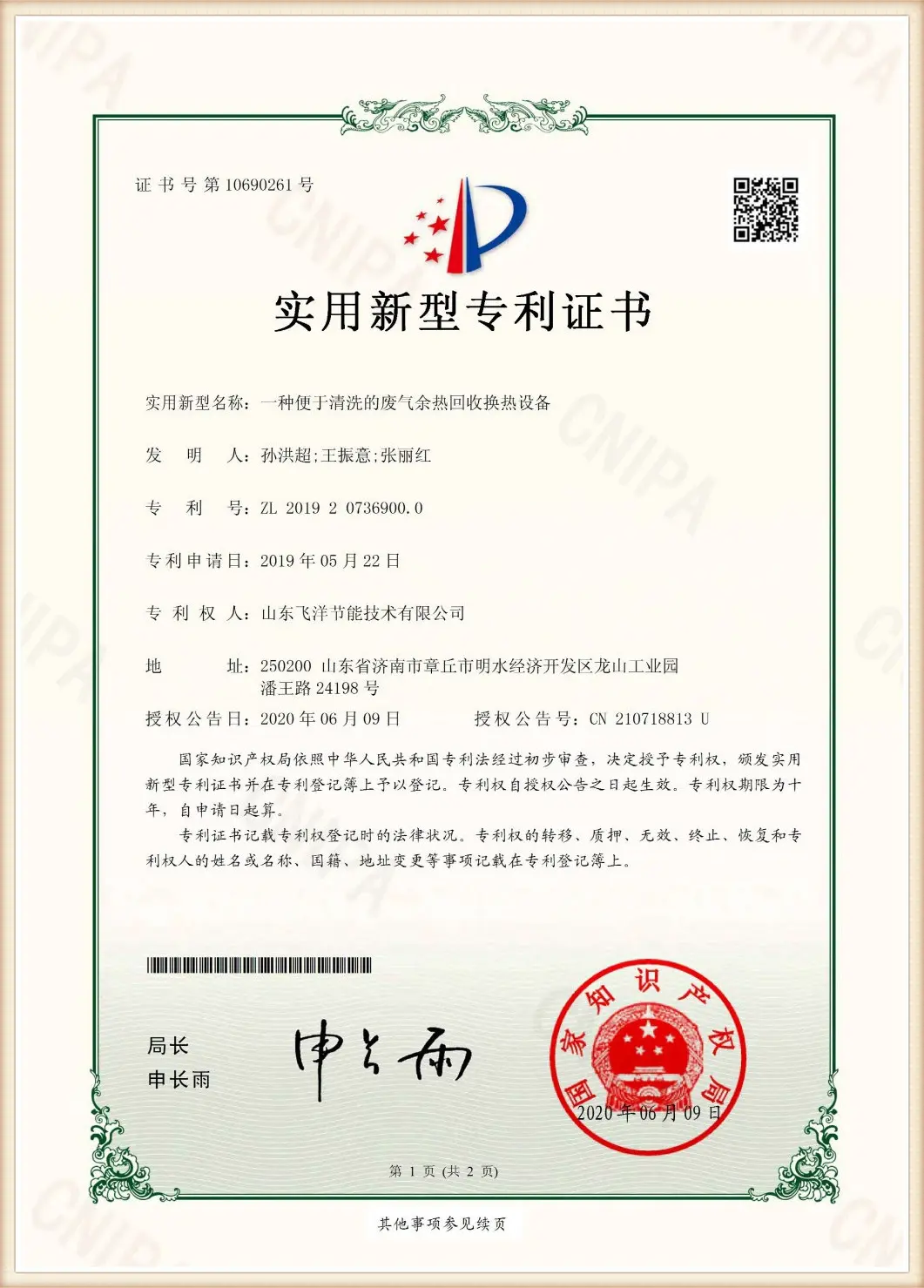
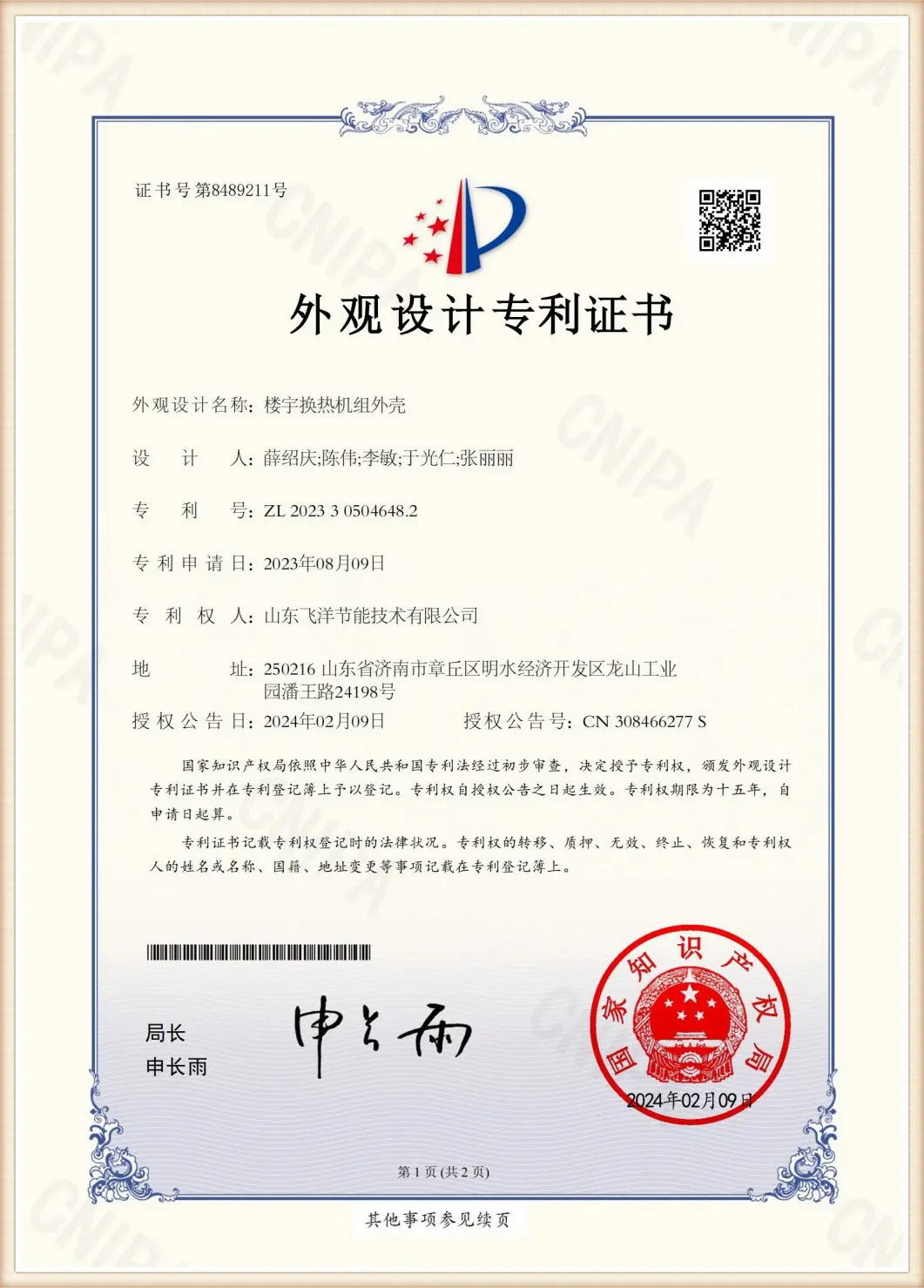
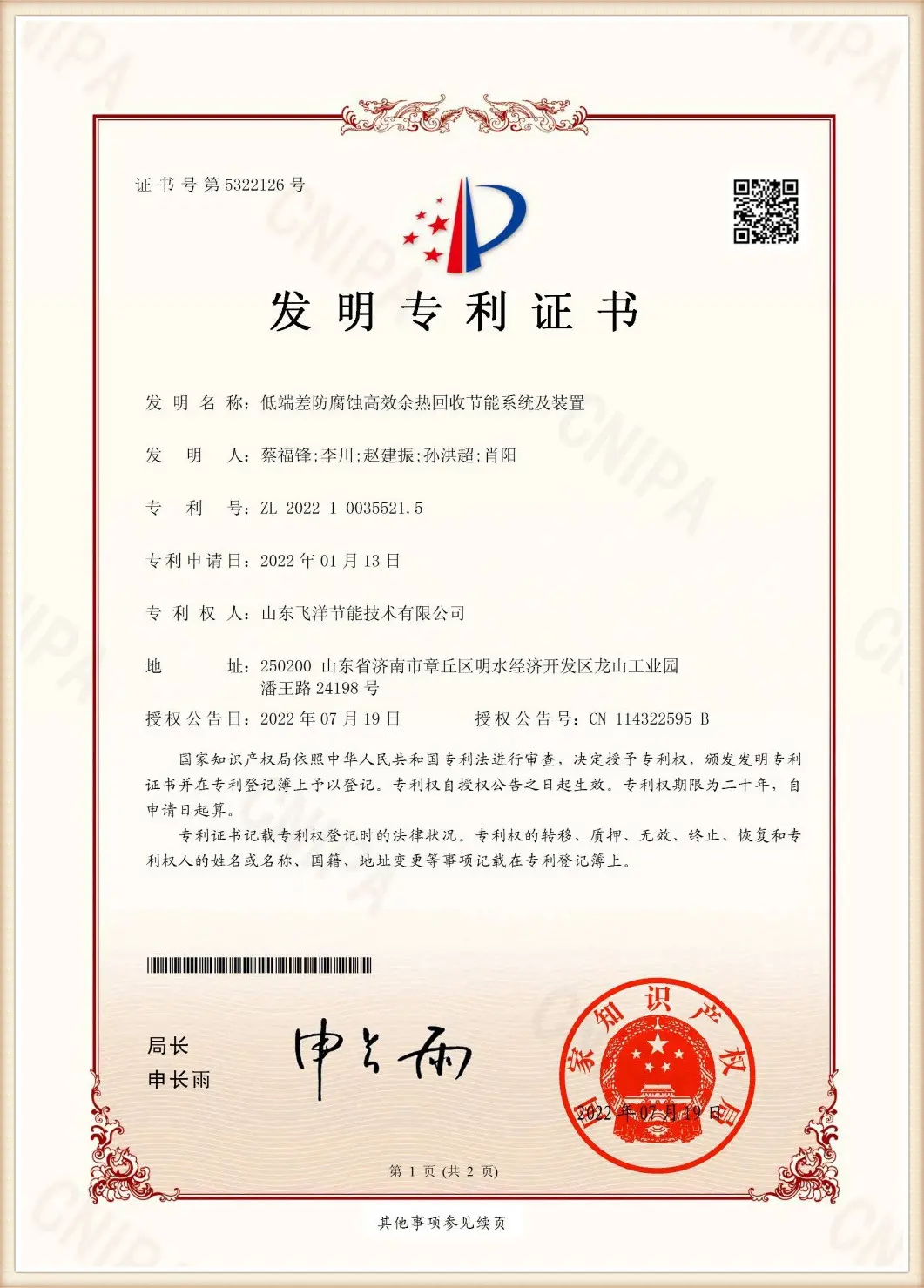
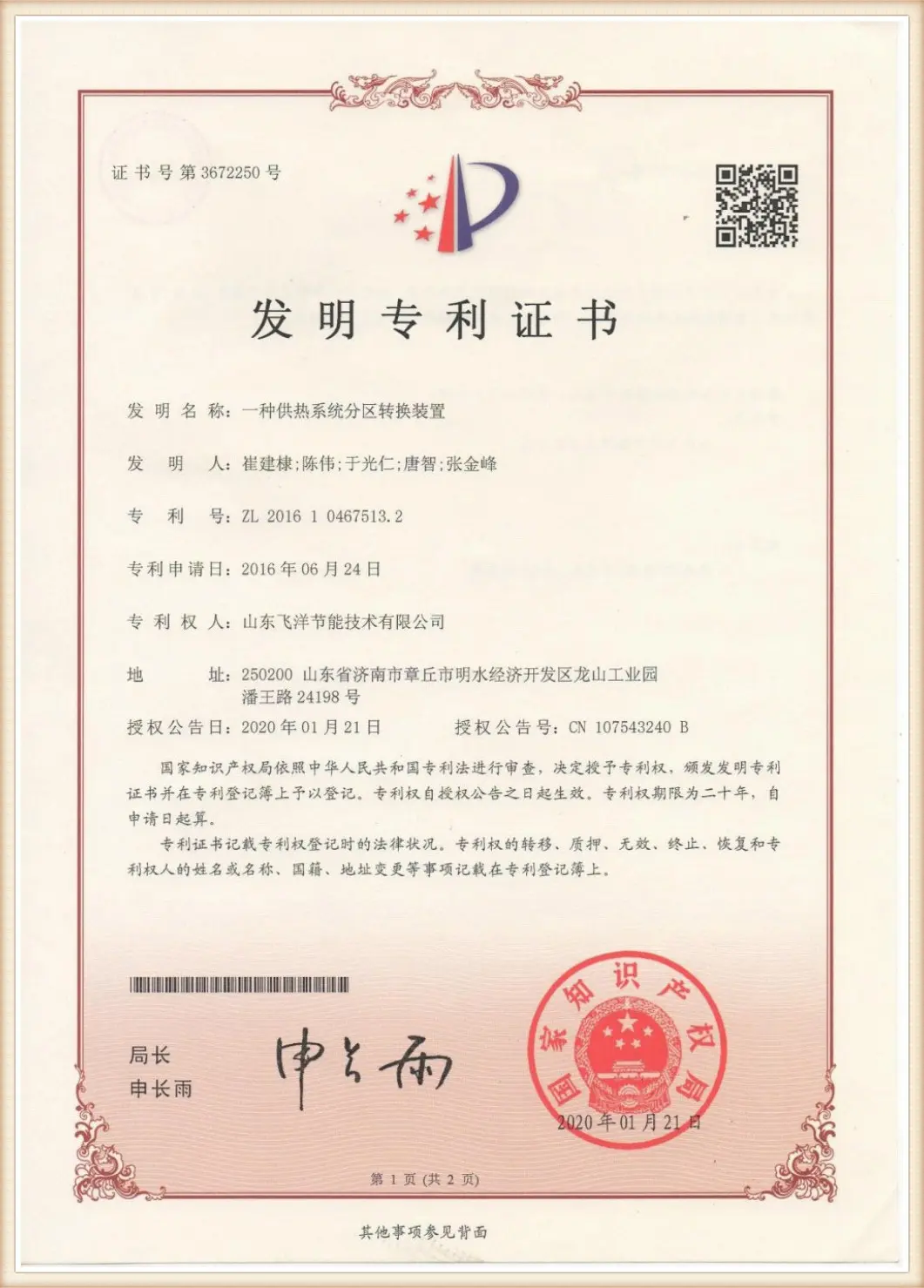
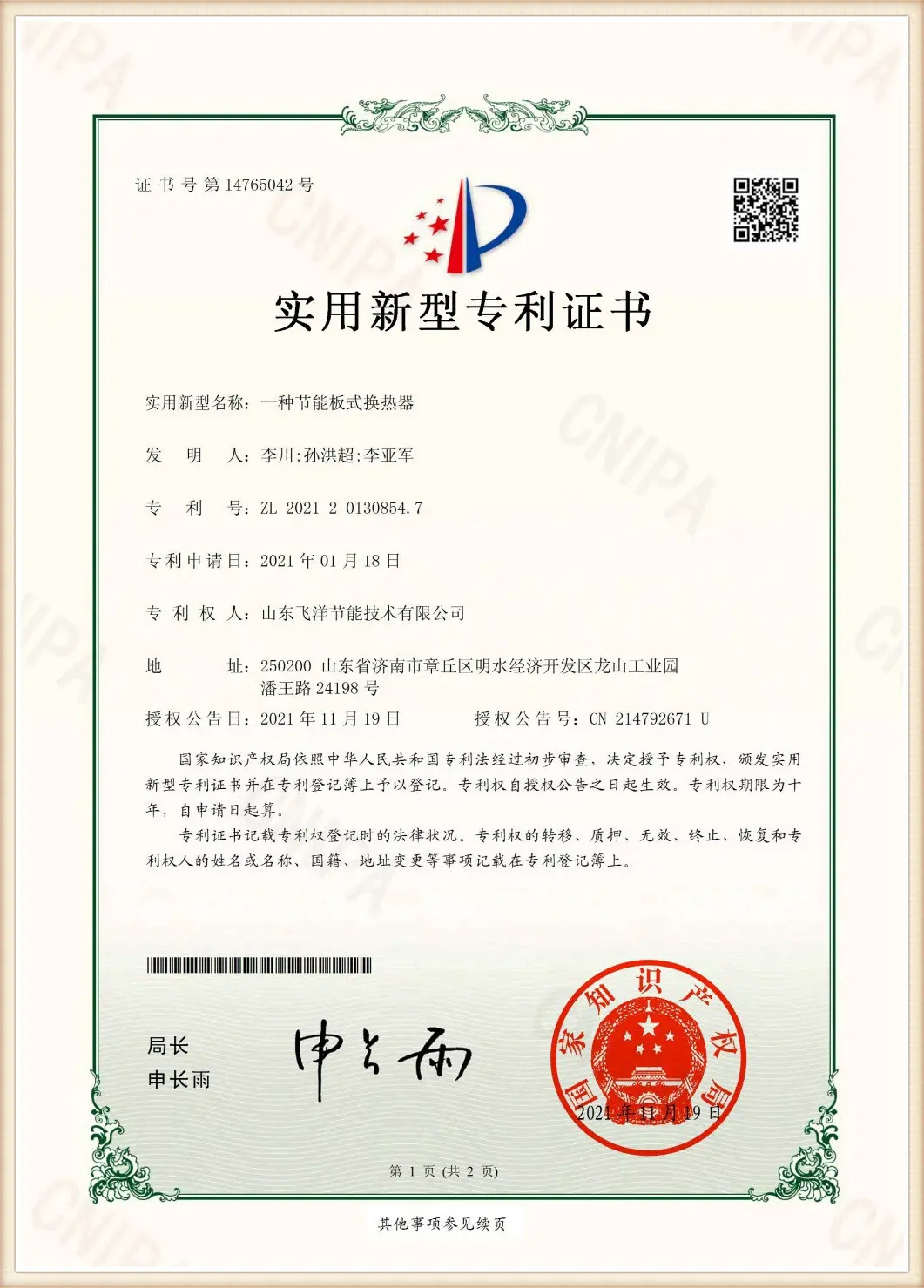
Delivering quality validated by global regulatory boards and state-of-the-art heavy assembly facilities.
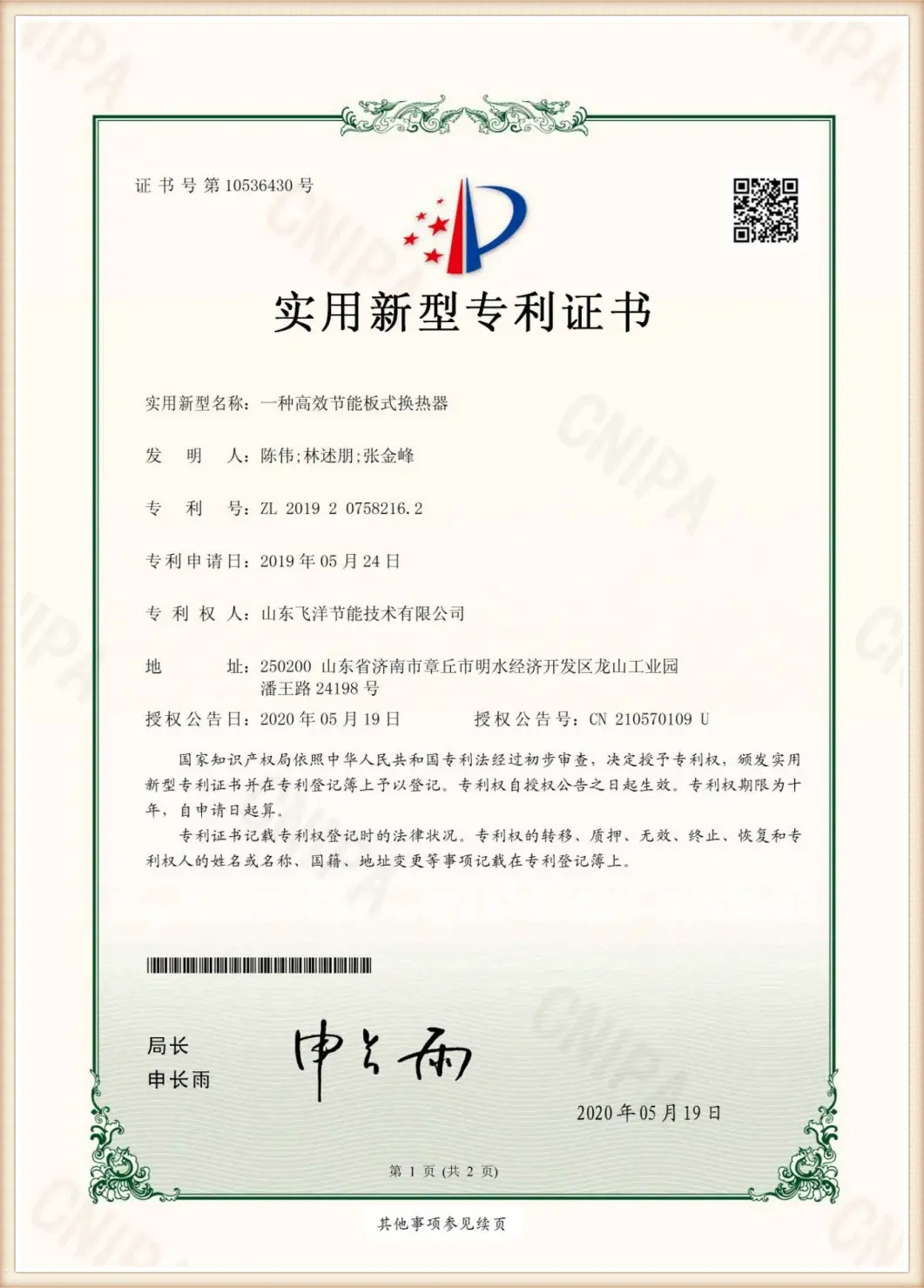
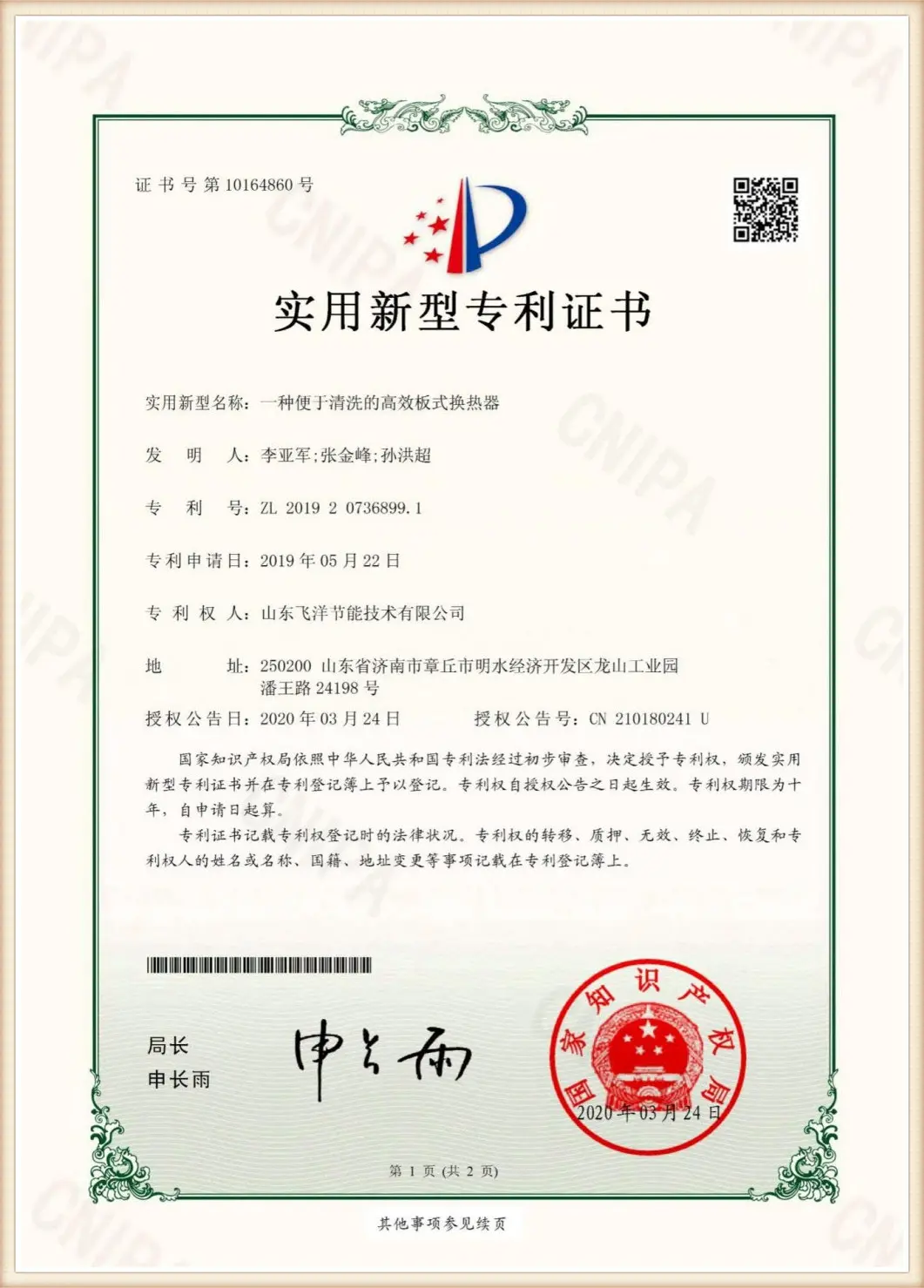
Explore our complete technical catalog, engineered for heavy manufacturing, HVAC district networks, and membrane-based wastewater treatment.
Addressing the technical, regulatory, and engineering questions commonly asked by Japanese utility directors and plant managers.
Flotte products hold mandatory national quality certifications, including safety registrations from the National Boiler and Pressure Vessel Standardization Technical Committee. We customize our manufacturing specs to align with Japanese Industrial Standards (JIS) for pressure vessels and piping codes. We perform thorough non-destructive tests (NDT) and water pressure testing to secure certification approvals prior to shipping to Aichi Prefecture.
For installations using brackish cooling water or harsh industrial waste streams, we supply titanium plates and specialized Hastelloy alloys. Our patented plate corrugation patterns create high fluid turbulence even at low flow velocities. This turbulence acts as a self-cleaning mechanism, drastically reducing mineral deposition (scaling) and biological adhesion, thus lowering manual cleaning intervals from months to years.
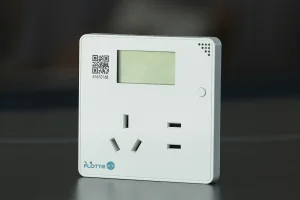
Our Intelligent Heating Network Monitoring System and Room Temperature Collectors utilize industrial standard Modbus TCP/IP, BACnet, and IoT protocols (such as MQTT). This allows seamless telemetry integration into centralized factory SCADA systems. Operators can monitor pressure drops, flow rates, and heat transfer efficiency in real-time, receiving alerts before threshold breaches occur.
By recycling the latent heat of vapor across multiple stages, our Multi-Effect Evaporation System can reduce fresh steam consumption by up to 70% compared to single-stage evaporators. It is highly suited for concentration and zero-liquid-discharge (ZLD) schemes in chemical processes, lowering the overall energy footprint and aligning with ESG targets for manufacturing plants in the Nagoya area.
A standard customized heat exchange unit or skid requires 4 to 6 weeks for engineering design, precision fabrication, testing, and coating. Ocean freight transit to Nagoya Port takes approximately 7–10 days. We coordinate directly with local Japanese customs agents and logistics teams to ensure prompt door-to-door delivery and setup alignment.
Partner with Flotte to reduce emissions, save energy costs, and transition toward Net-Zero compliant operations. Speak directly with our thermal design engineers.
 Flotte Energy