Advanced engineering solutions manufactured with strict compliance to international safety standards, optimized for Southeast Asian industrial conditions.
As Southeast Asia’s largest economy, Indonesia is undergoing a structural transition driven by the government's "Making Indonesia 4.0" blueprint. Rapid developments in manufacturing, food processing, geothermal power generation, petrochemicals, and HVAC systems have triggered a massive surge in the demand for advanced, energy-efficient heat management solutions. Balancing economic expansion with Indonesia’s commitments to achieve carbon neutrality by 2060 requires immediate deployment of waste heat recovery systems, intelligent control valves, and cutting-edge thermal transfer components.
Unlike standard industrial equipment, thermal systems operating in Indonesia face unique challenges: high ambient humidity, corrosive maritime air, and geothermal waters rich in sulfur and silicates. Specifying heat exchangers requires deep expertise in metallurgy (e.g., Titanium Grade 1, Hastelloy, SS316L) and specialized sealing materials (EPDM, NBR, Viton) to ensure long-term durability and resistance to fouling.
Indonesia’s geography and rich natural resources dictate its industrial parameters. The country is the world’s leading producer of palm oil and possesses approximately 40% of the planet’s geothermal reserves. Both of these sectors are fundamentally dependent on efficient fluid thermal processing.
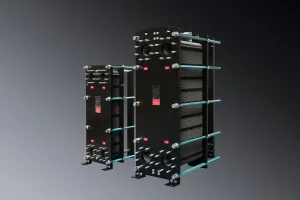
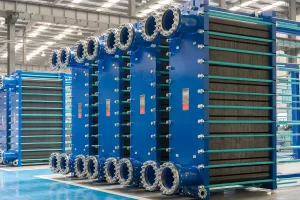
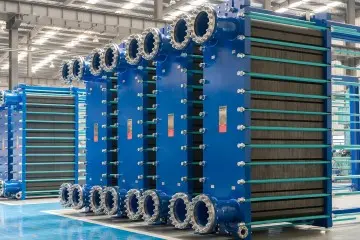
For instance, in palm oil refining, crude palm oil (CPO) must undergo fractional crystallization and sterilization processes. Effective heat exchange systems utilize multi-effect evaporation and plate heat exchangers to recover energy from exhaust steam, significantly cutting down coal and biomass fuel usage in plantation mill boilers. In the geothermal power sector (e.g., fields across Sumatra and Java), plate heat exchangers act as crucial barriers, shielding downstream generators and condensers from corrosive geological fluids while facilitating binary-cycle low-temperature power extraction.
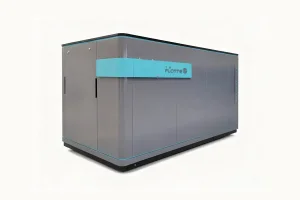
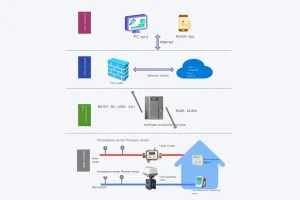
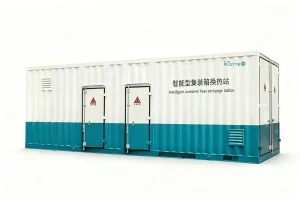
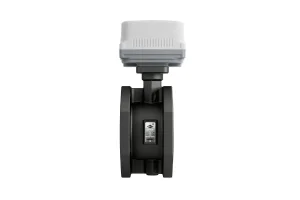
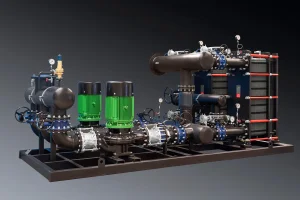
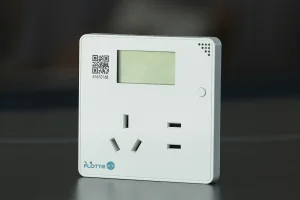
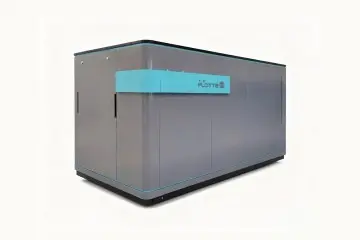
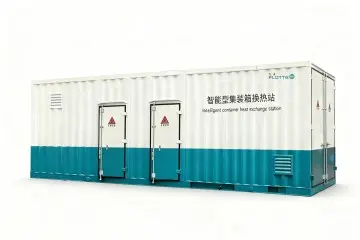
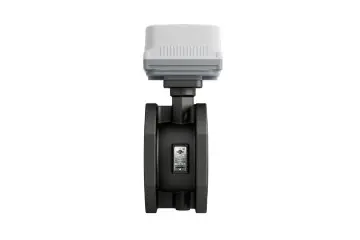
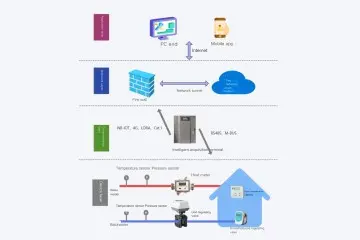
Modern procurement directors are moving away from piecemeal equipment acquisition and transitioning toward integrated, skid-mounted systems. Modular box-type heat exchange units and intelligent monitoring networks are now the standard. Integrating programmable logic controllers (PLCs), high-precision room temperature collectors, and remote SCADA monitoring systems allows operations managers in Jakarta, Surabaya, and Medan to run autonomous heating and cooling loops. These systems dynamically adjust to variable flow rates and temperature differences, achieving secondary energy savings of up to 35% compared to manually operated systems.
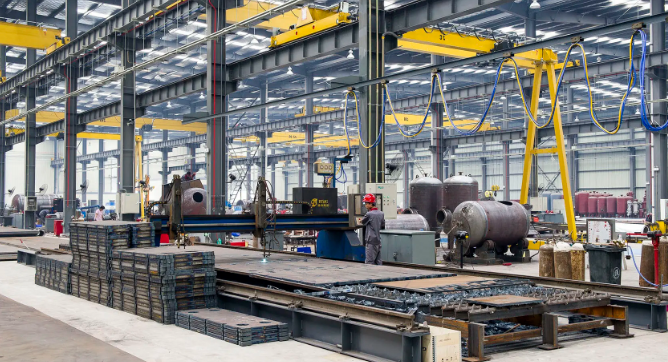
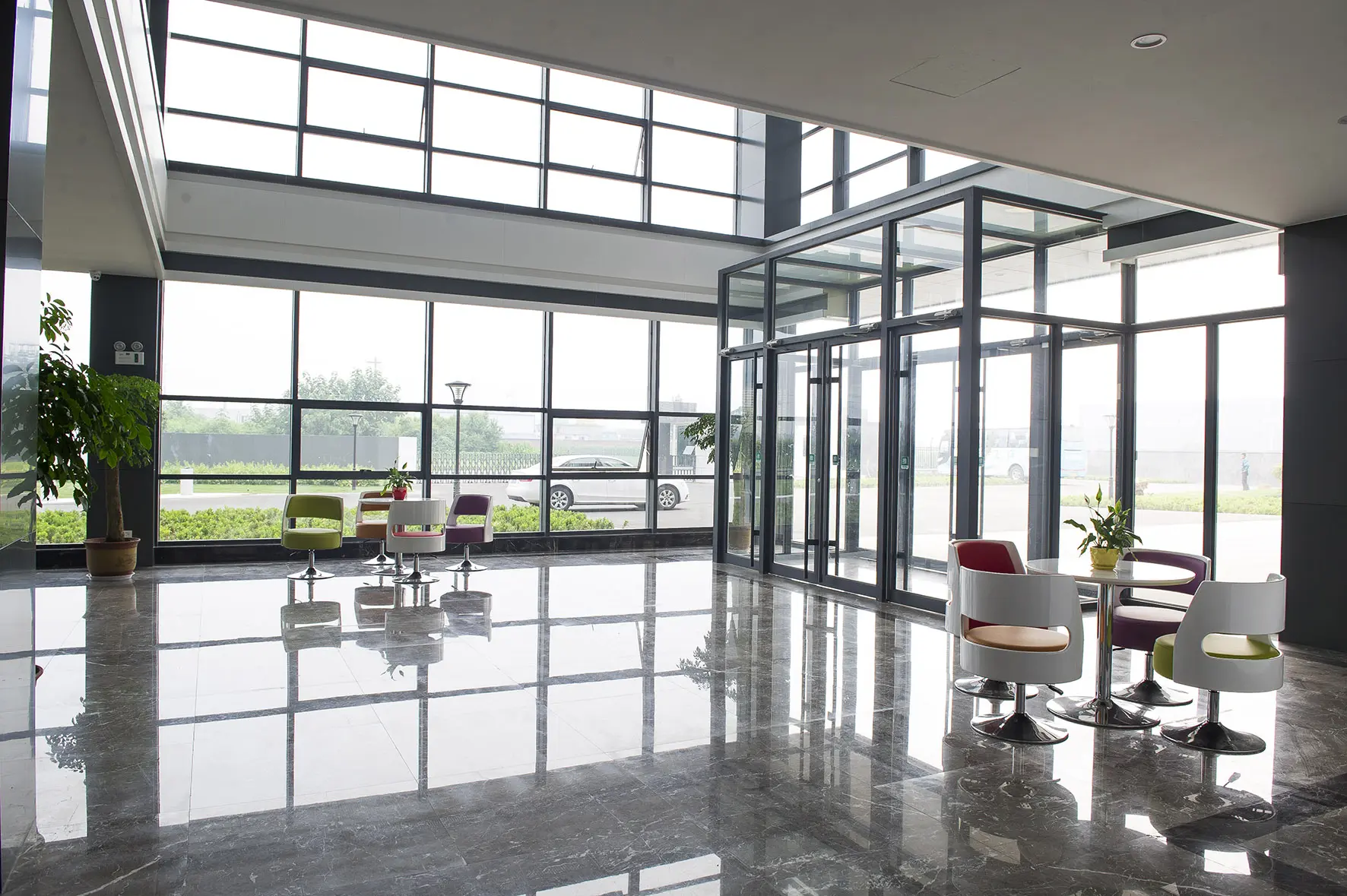
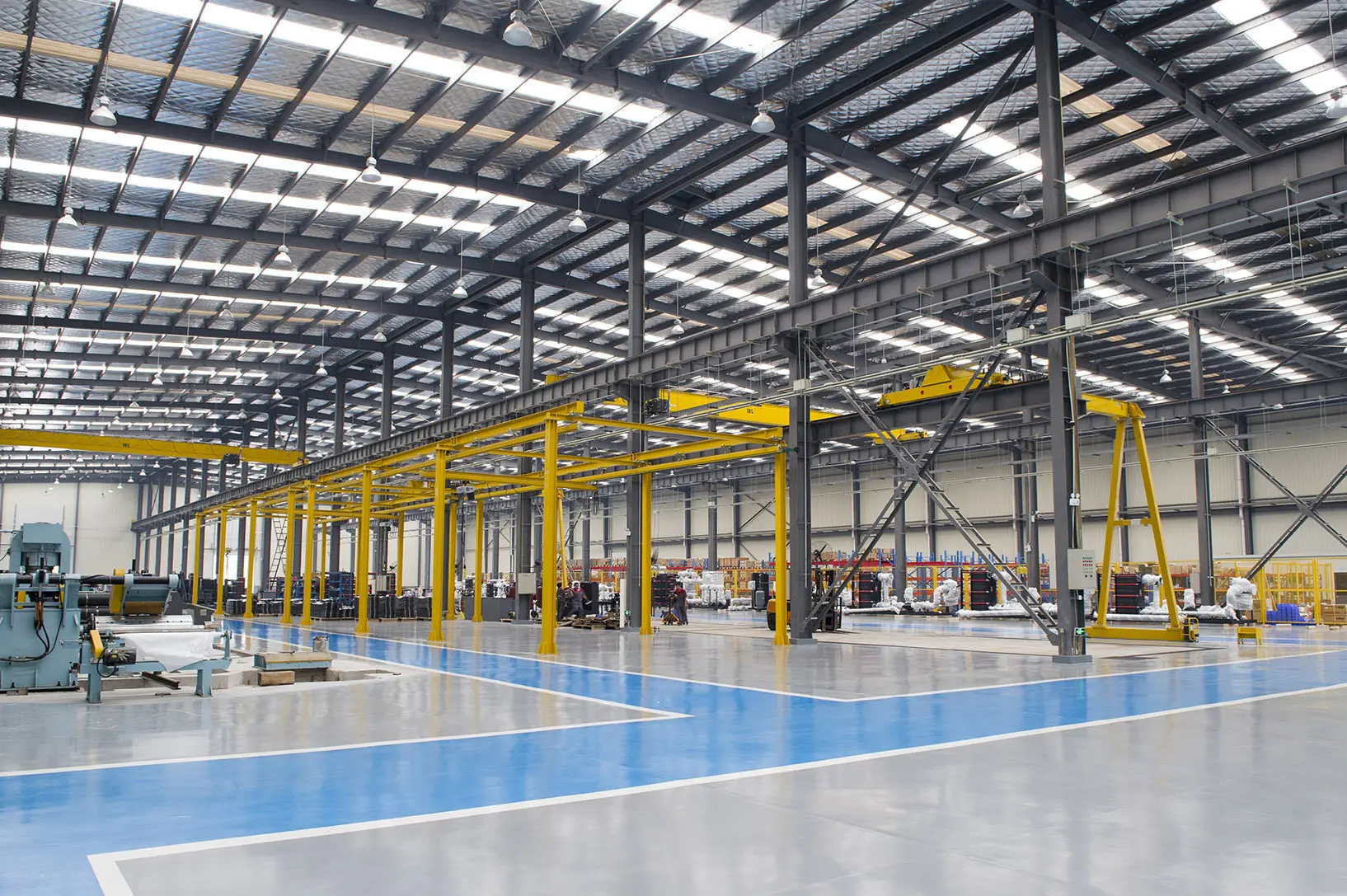
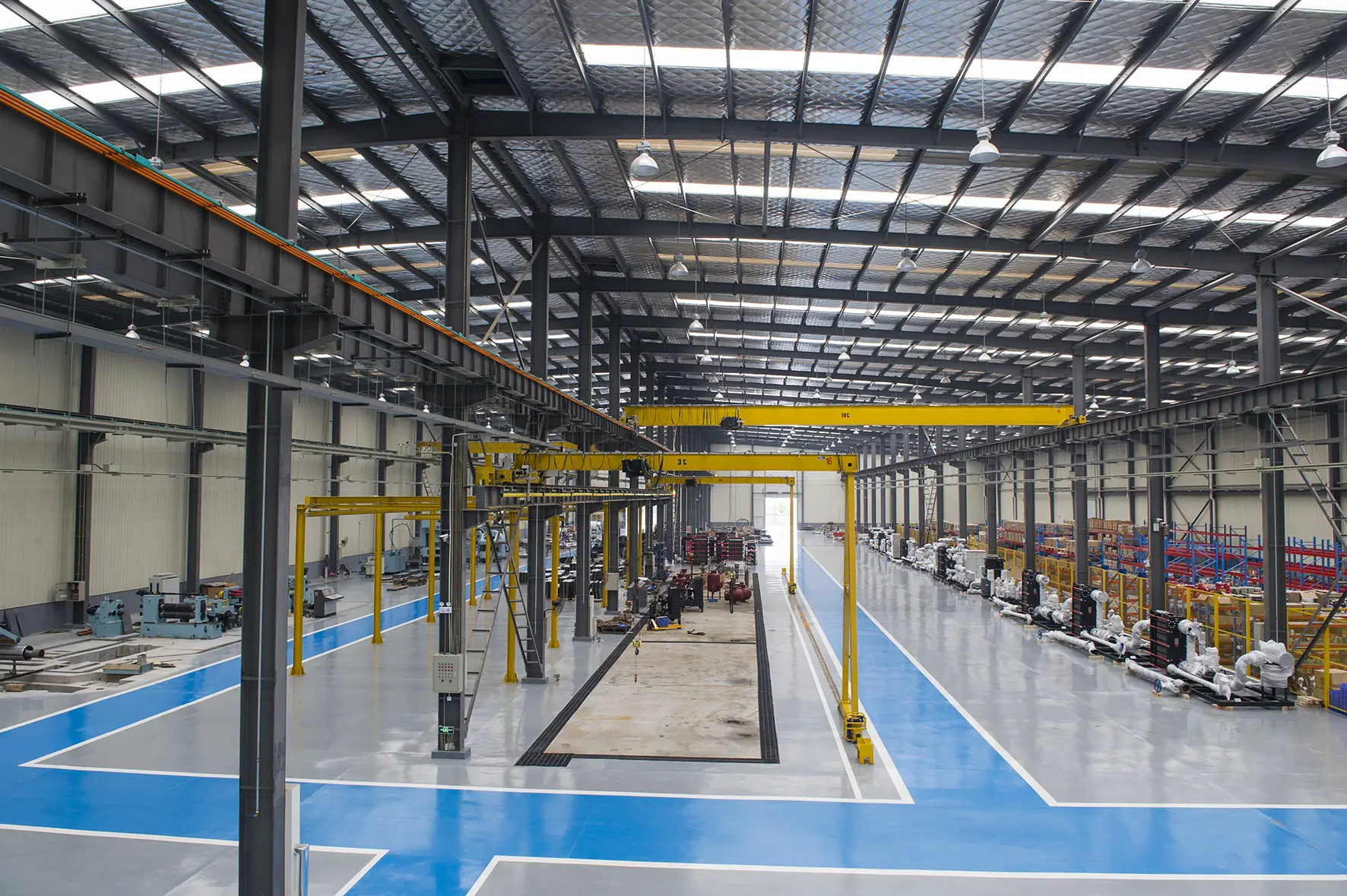
China has established a mature industrial ecosystem for heat exchange equipment, integrating material sourcing, die tooling design, hydraulic stamping, and automatic welding. Flotte Energy Saving Company stands at the forefront of this industrial cluster. With a registered capital of 101 million yuan and 30+ years of technical experience, Flotte operates a 70,000 m² state-of-the-art facility featuring 20,000-ton hydraulic presses for plate stamping, advanced micro-forging machinery, and automated assembly stations. This concentration of advanced capacity guarantees that every unit shipped to Indonesia adheres strictly to ISO 9001, ISO 14001, and ISO 45001 standards, providing uninterrupted thermal performance under high-pressure scenarios.
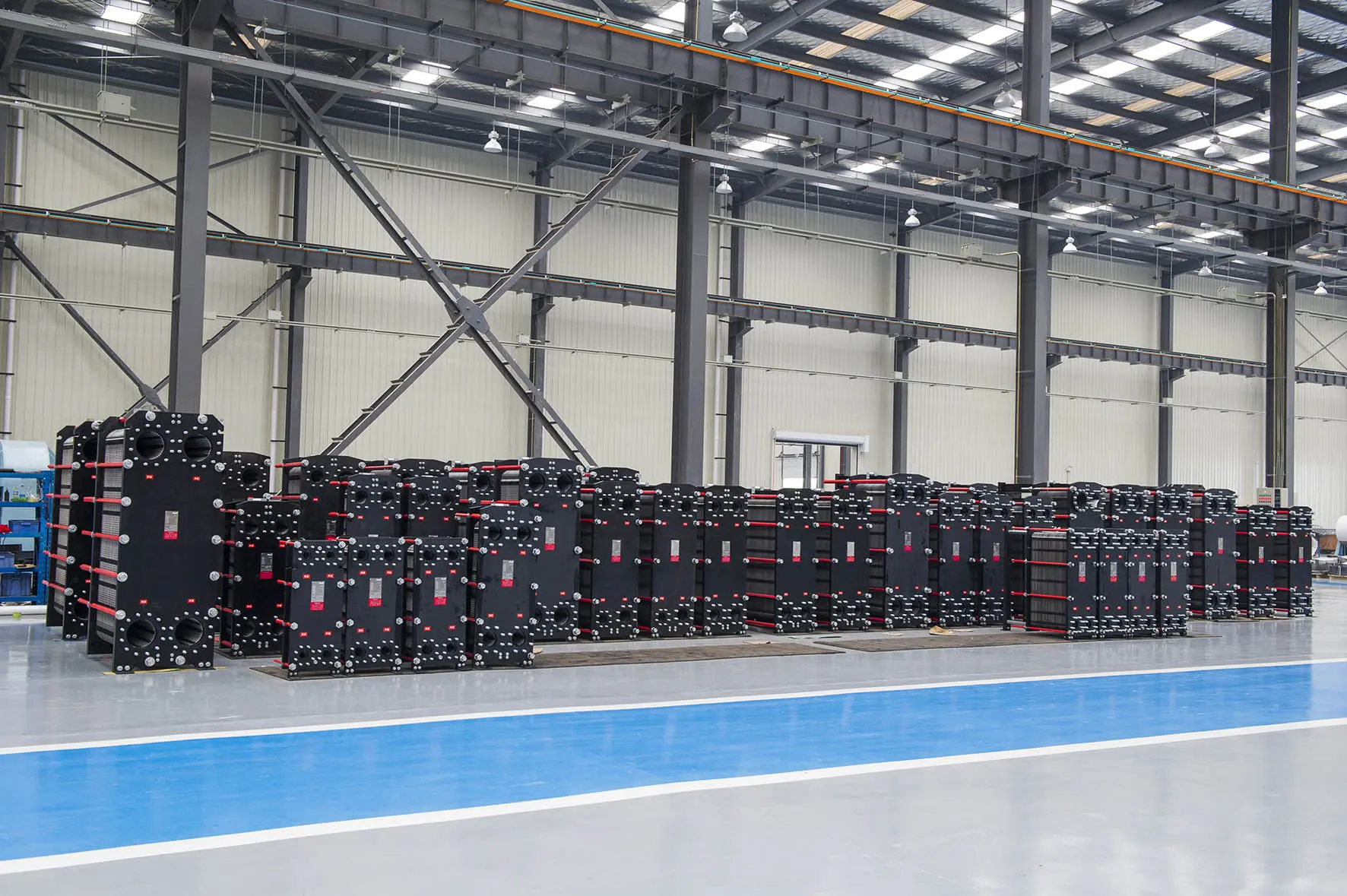
Flotte Energy Saving Company, established in 2013 with a registered capital of 101 million yuan, originated from Flotte Thermal Engineering founded in 1995. With three decades of technical expertise, the company specializes in water equipment, HVAC systems, and water treatment industries. It consistently leads industry peers in adopting cutting-edge technologies, developing innovative products, and delivering comprehensive production and sales services.
Our engineering division houses professional designers and highly skilled technical workers with rich practical experience to ensure the reliability of all customized projects. With a dedicated R&D center and advanced test laboratories, we verify the hydraulic and thermal characteristics of every plate configuration, ensuring we deliver maximum heat transfer coefficients with minimal pressure drop.
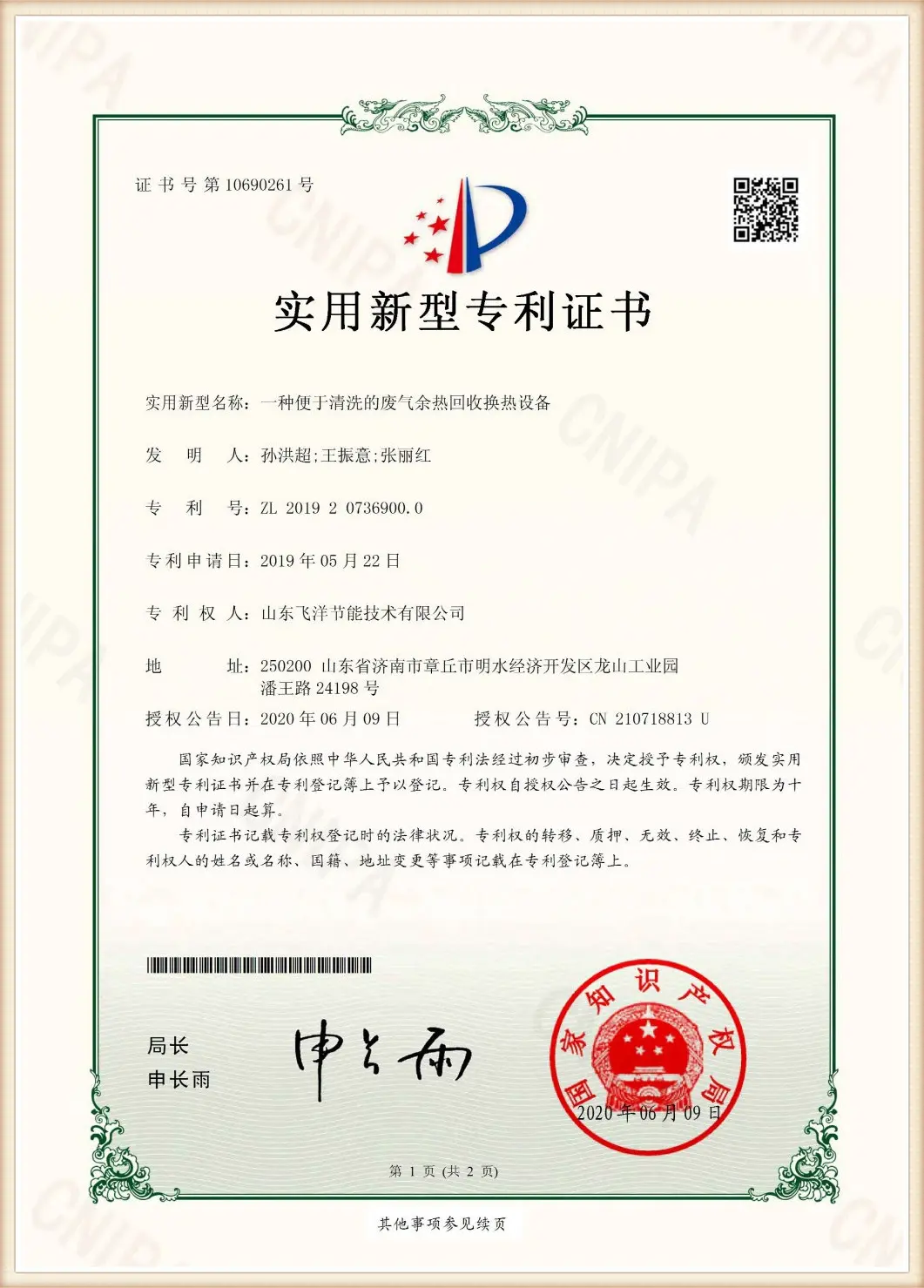
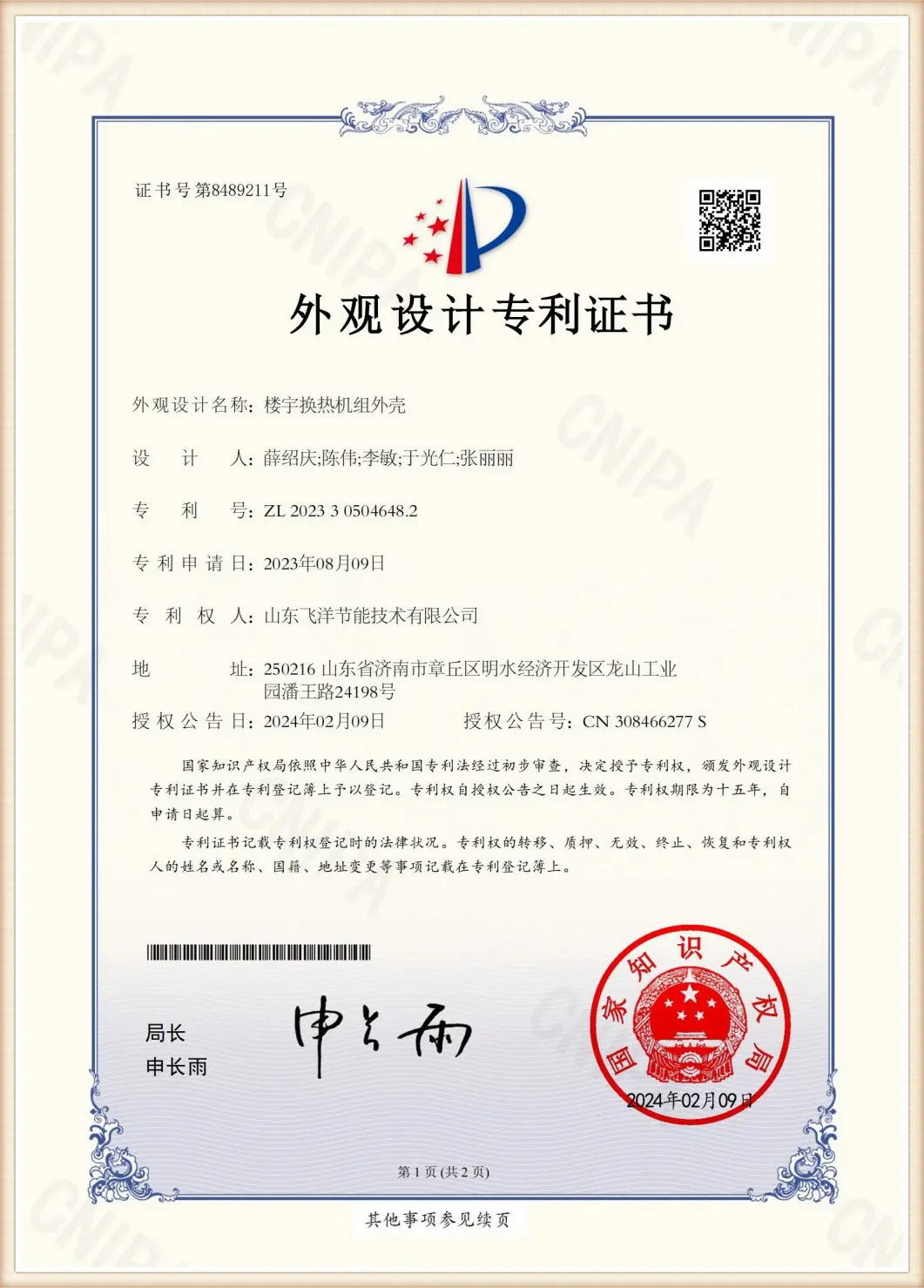
Adhering to the concept of "quality first" and "winning by quality", we have established a sound quality assurance system. The production processes, quality control, and after-sales service operations strictly adhere to the ISO 9001:2015 international quality management system, alongside compliance with the pressure vessel quality assurance framework. All products undergo mandatory inspections by national quality supervision authorities, ensuring full compliance with high-performance metrics.
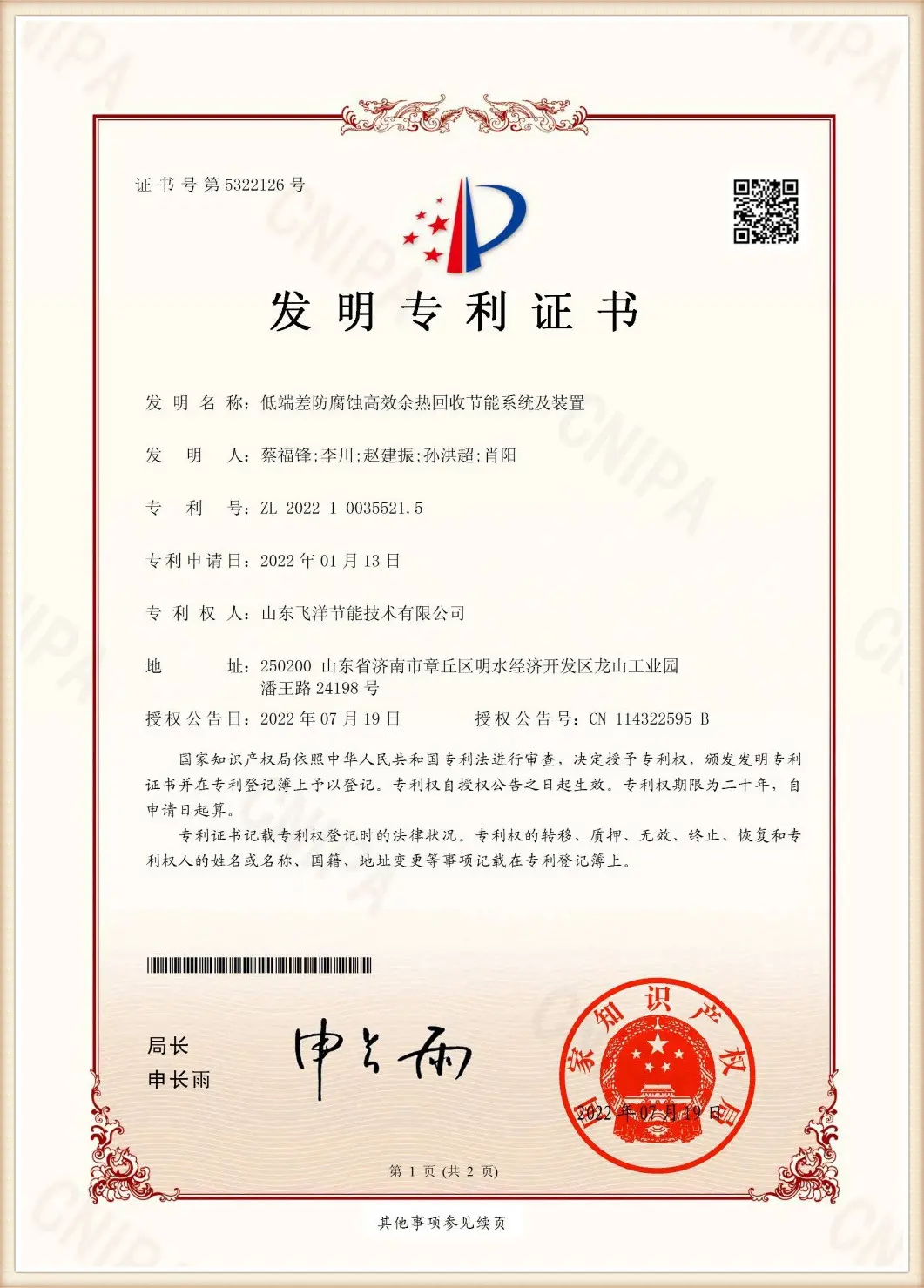
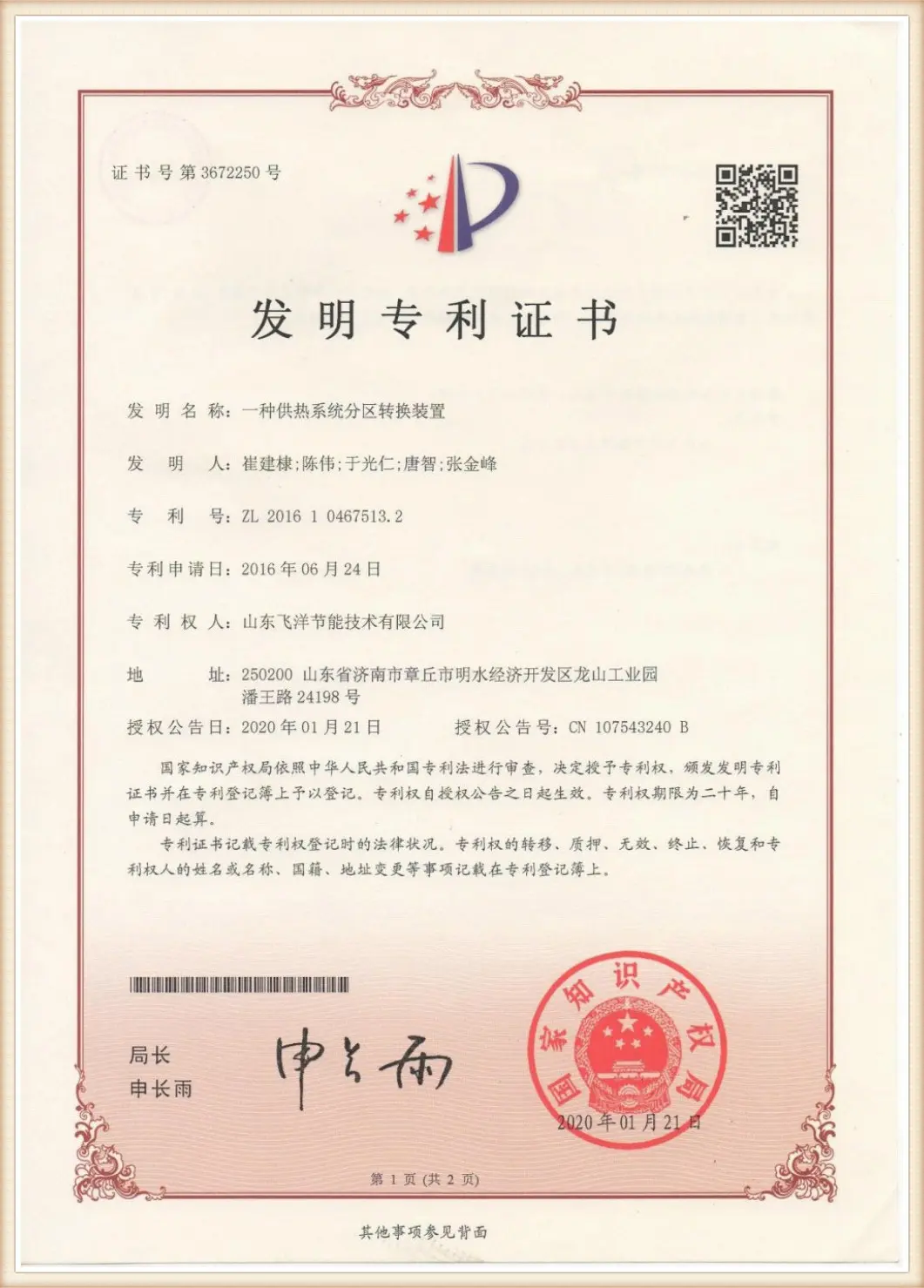
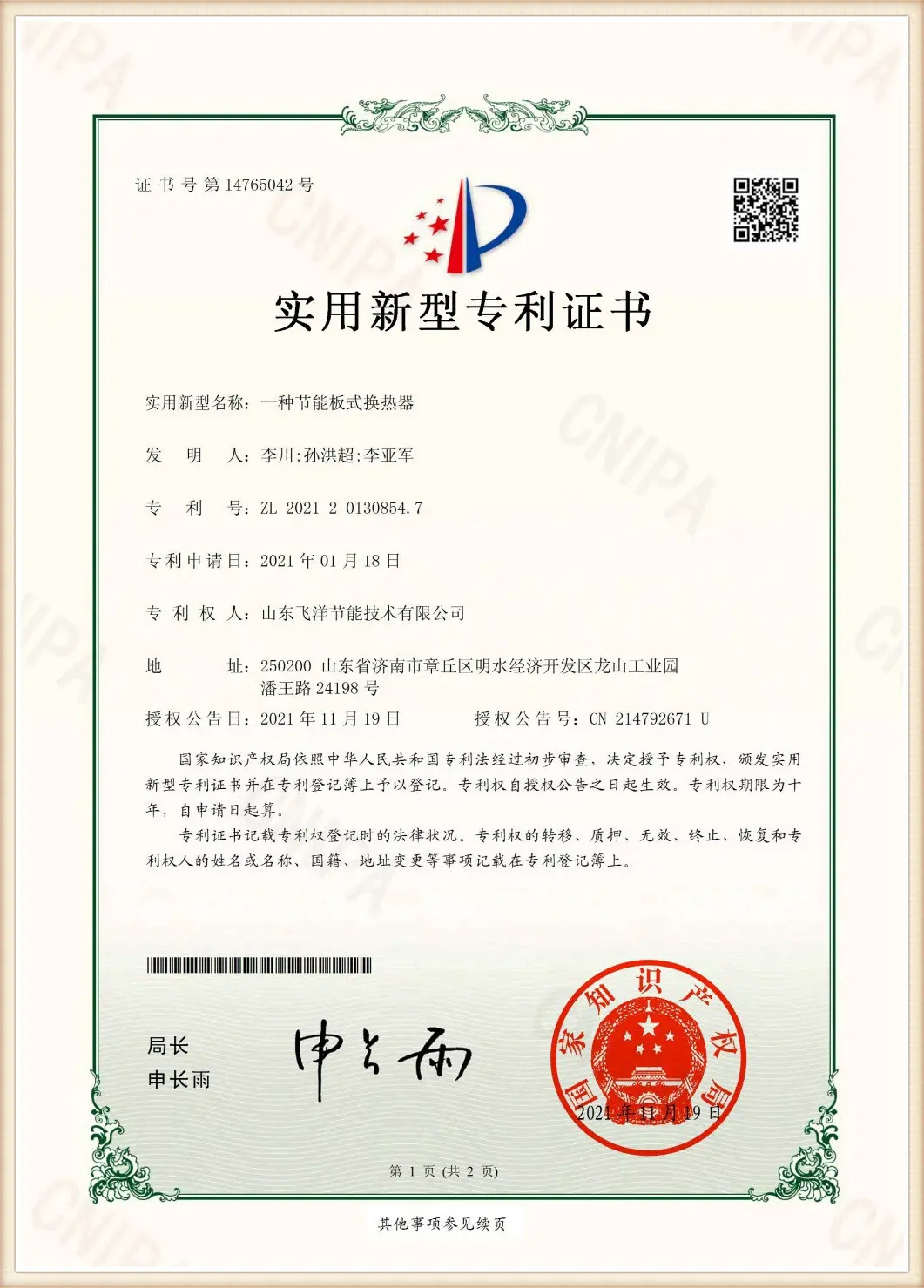
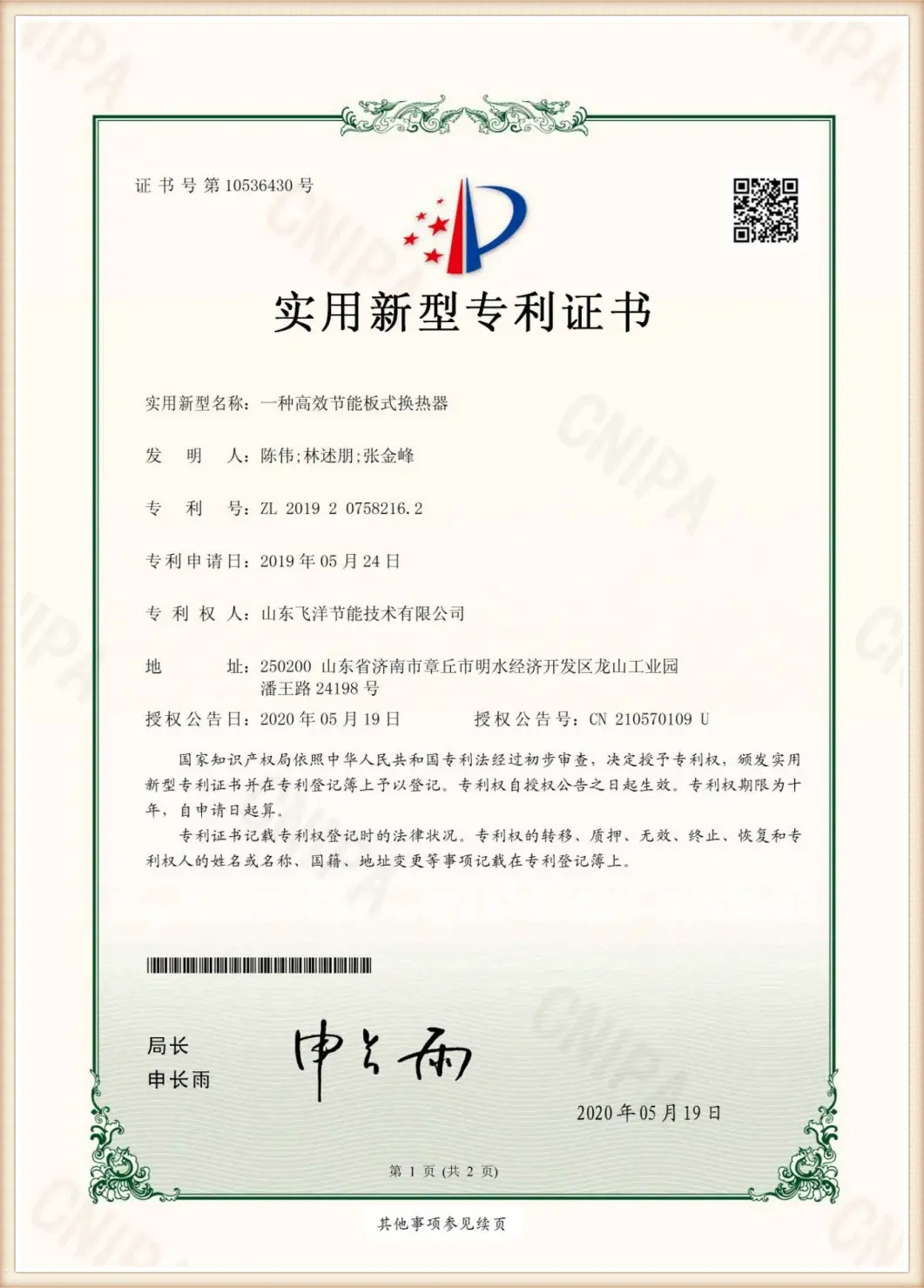
Our plate heat exchangers have obtained safety registration from the National Boiler and Pressure Vessel Standardization Technical Committee. These certifications prove our ability to deliver reliable units to highly regulated markets, including power stations, chemical refineries, and commercial HVAC networks across Southeast Asia.
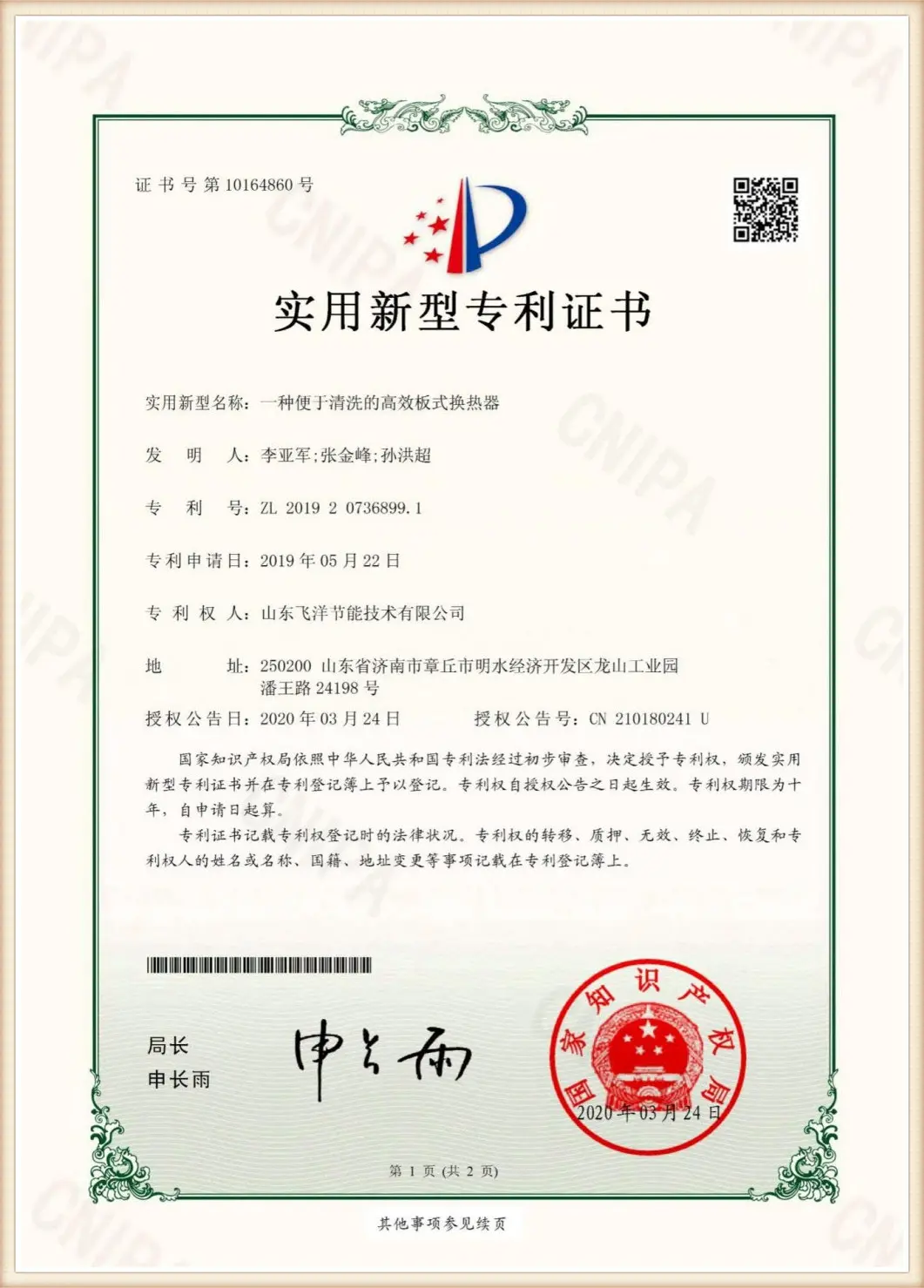
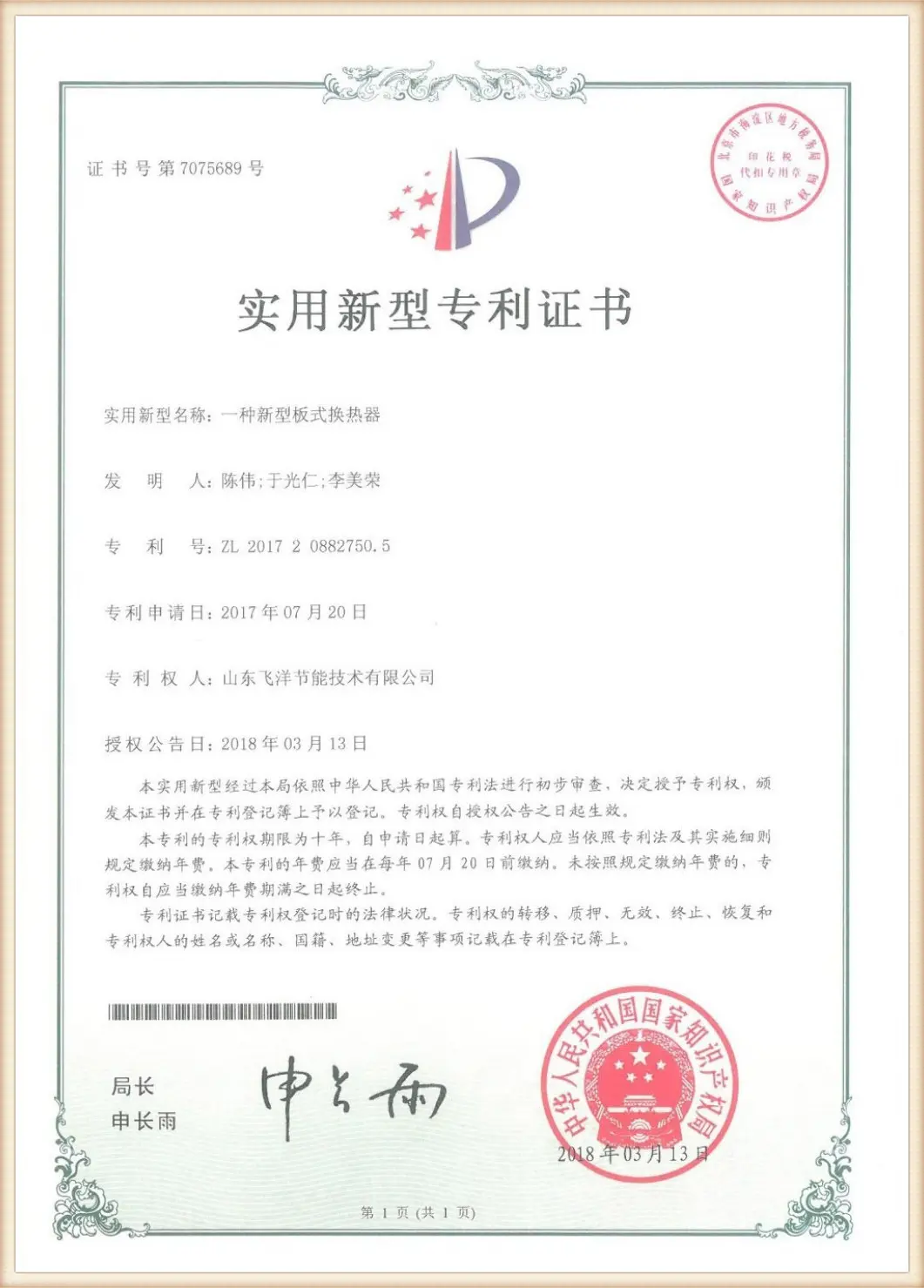
Configuring thermal transfer technology to withstand tropical environments and heavy-duty industrial processing.
Geothermal brines contain high concentrations of silica and chloride ions. Utilizing titanium plate heat exchangers with specialized corrugation patterns optimizes turbulence, drastically lowering fouling rates and scaling while recovering optimal energy from volcanic steam.
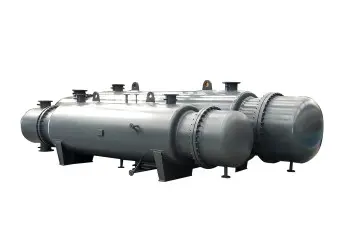
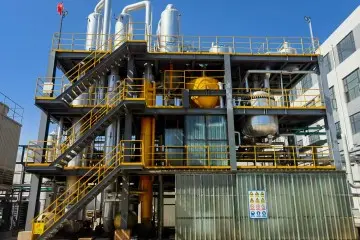
Our Multi-Effect Evaporators and shell & tube exchangers process Palm Oil Mill Effluent (POME) and steam condensates. By implementing energy-efficient closed-loop thermal designs, refineries save raw coal fuel and optimize overall plant water-use indexes.
High-rise developments and shopping malls in Jakarta and Surabaya demand massive refrigeration capacity. Our integrated intelligent box-type heat exchange units isolate chiller plants from condenser loops, ensuring steady cooling efficiency under 90%+ humidity conditions.
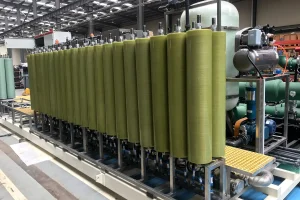
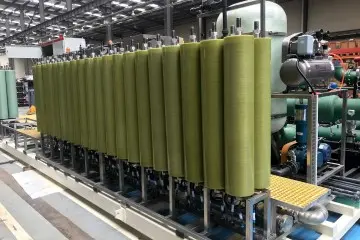
For chemical and steel plants in Cilegon and Bekasi, freshwater scarcity is a common challenge. Our Membrane Concentration and Desalination systems filter marine water feedstocks, providing high-purity industrial process water with zero liquid discharge (ZLD) capability.
Witness the step-by-step processing that defines our Industry 4.0 production philosophy, ensuring zero defect shipping.
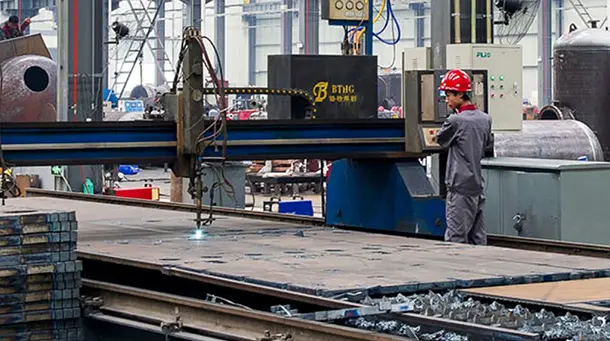
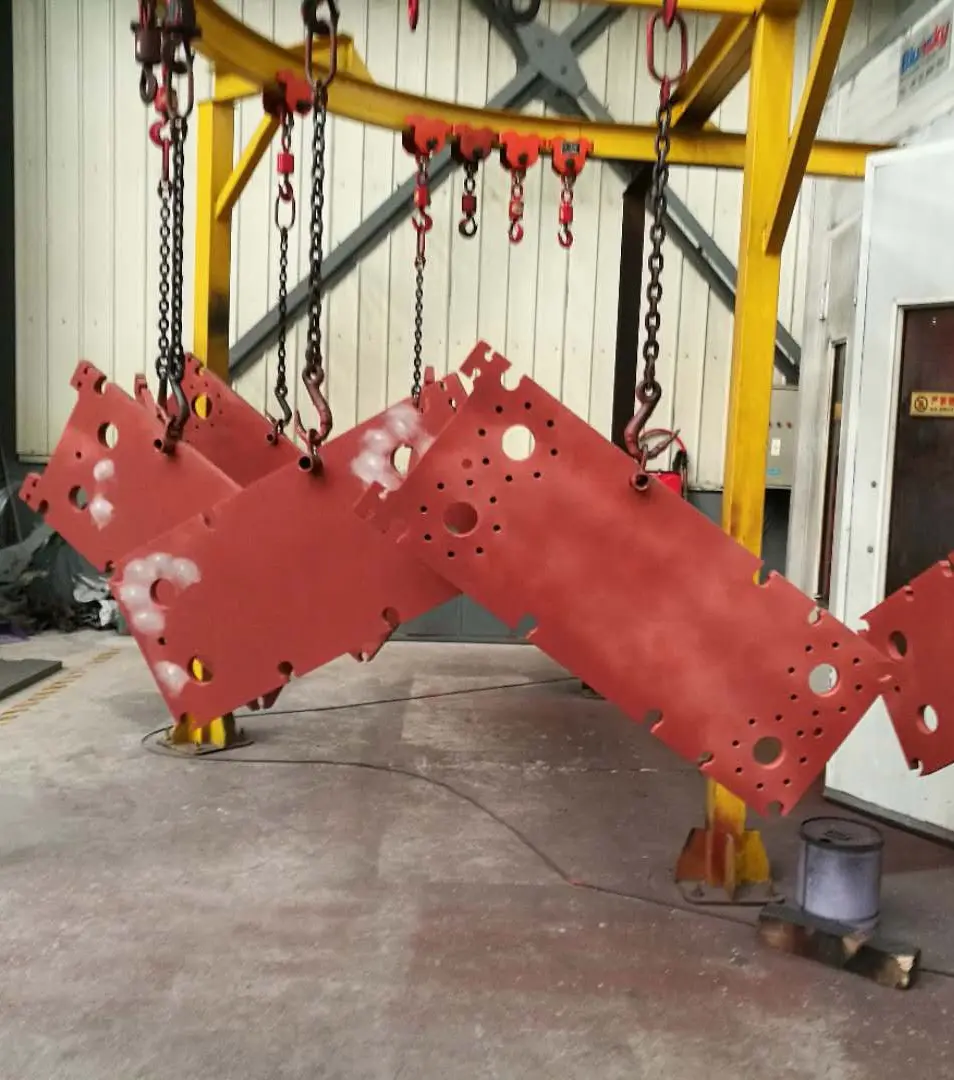
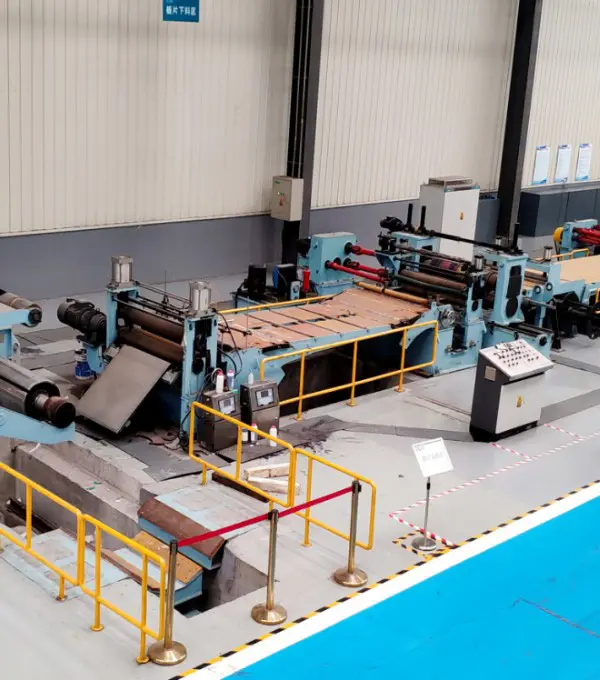
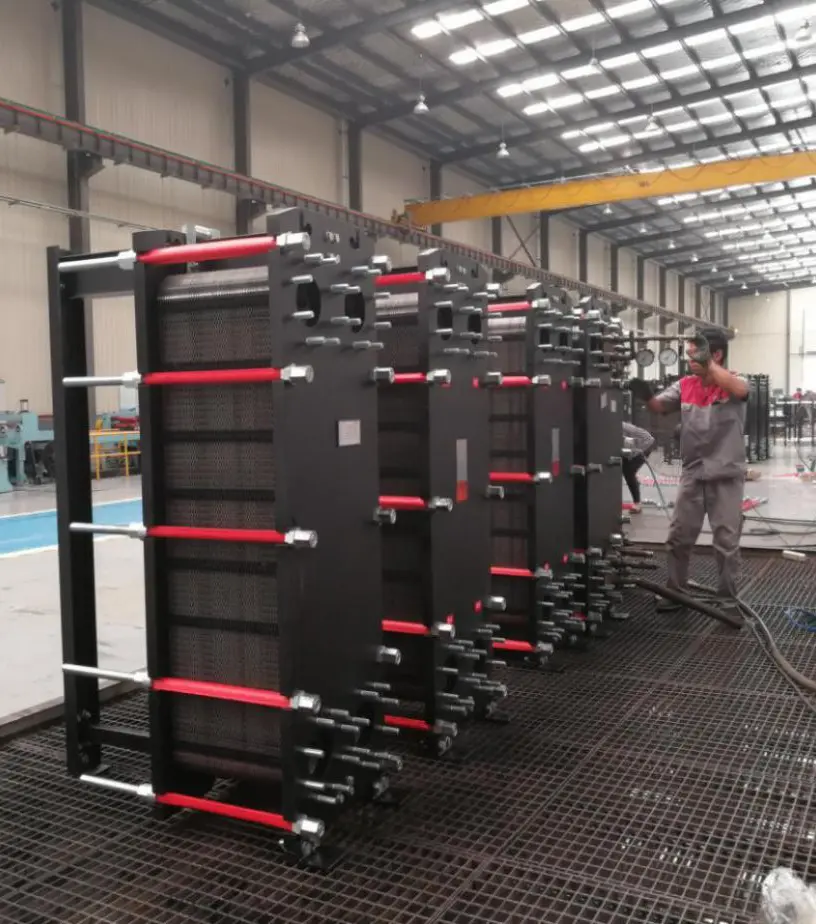
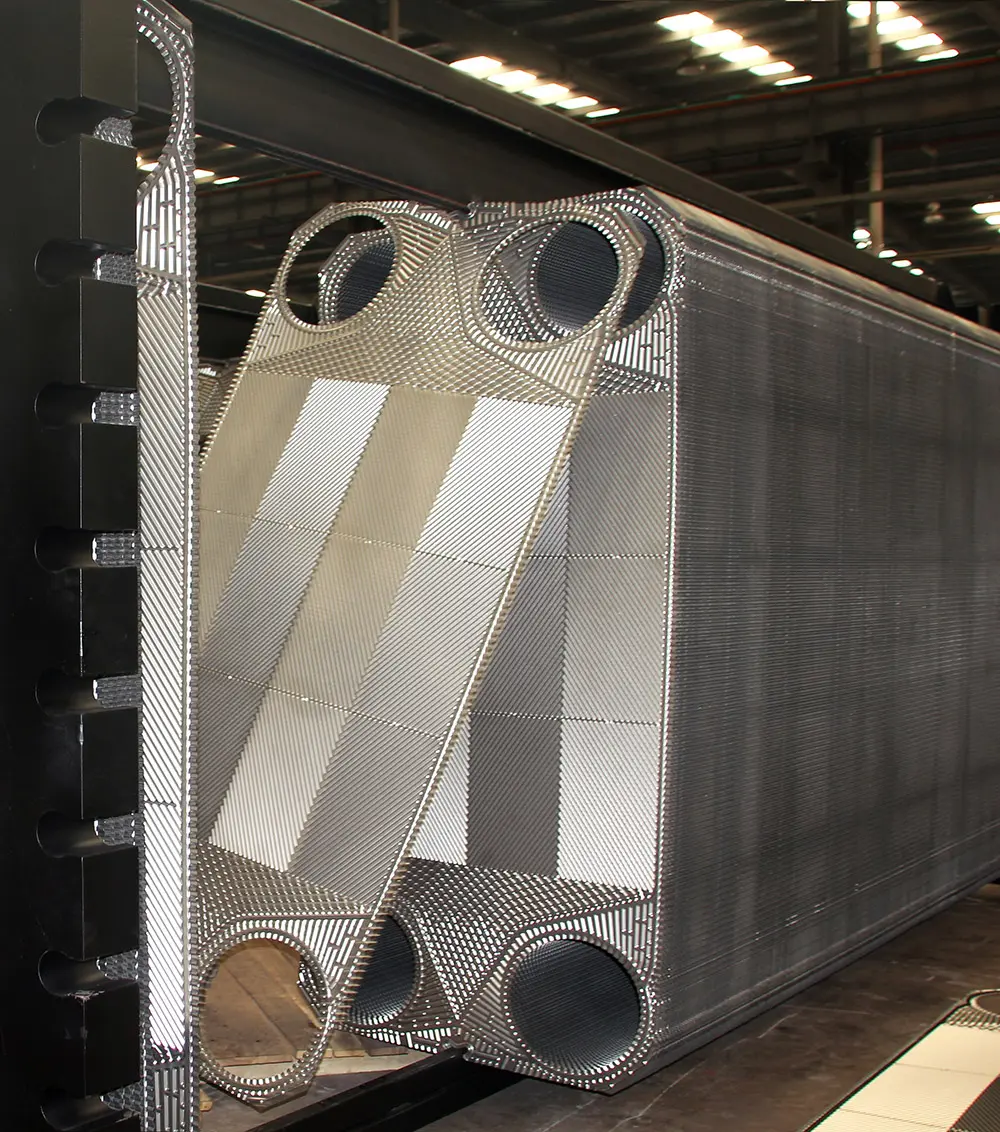
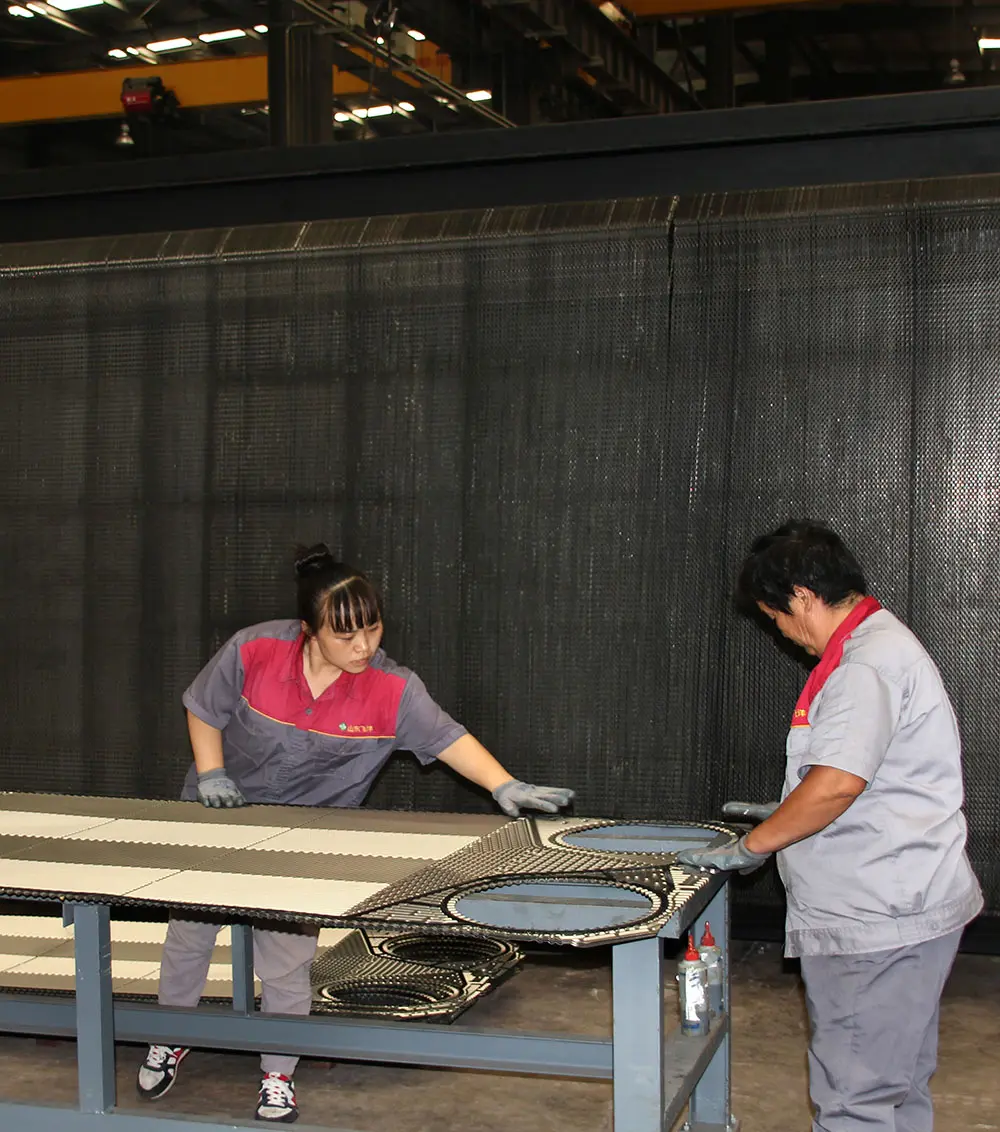
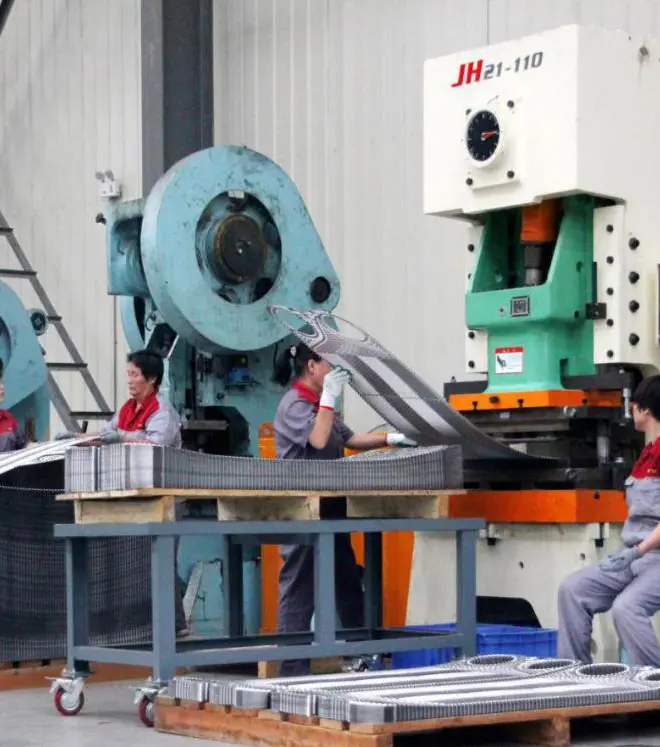
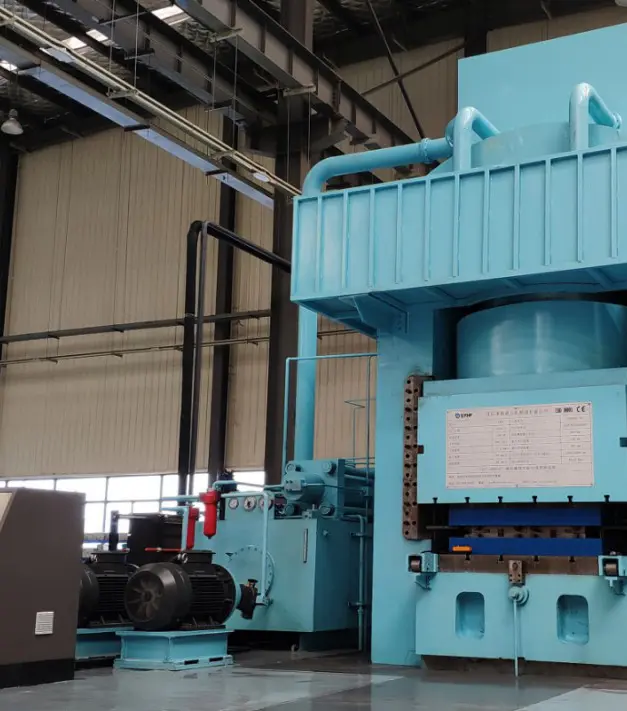
A look inside our integrated processing zones, showing our manufacturing capabilities and scale.
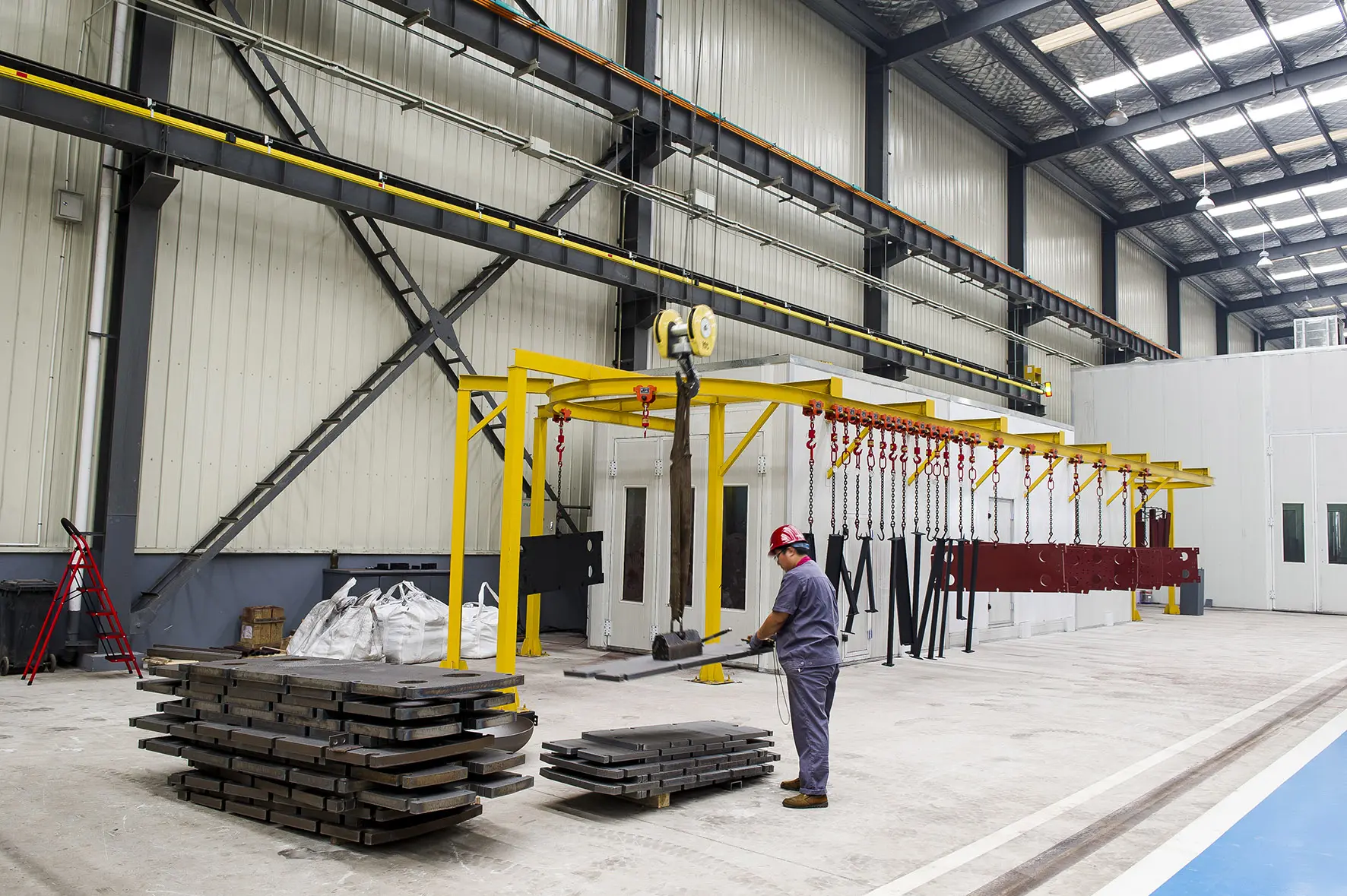
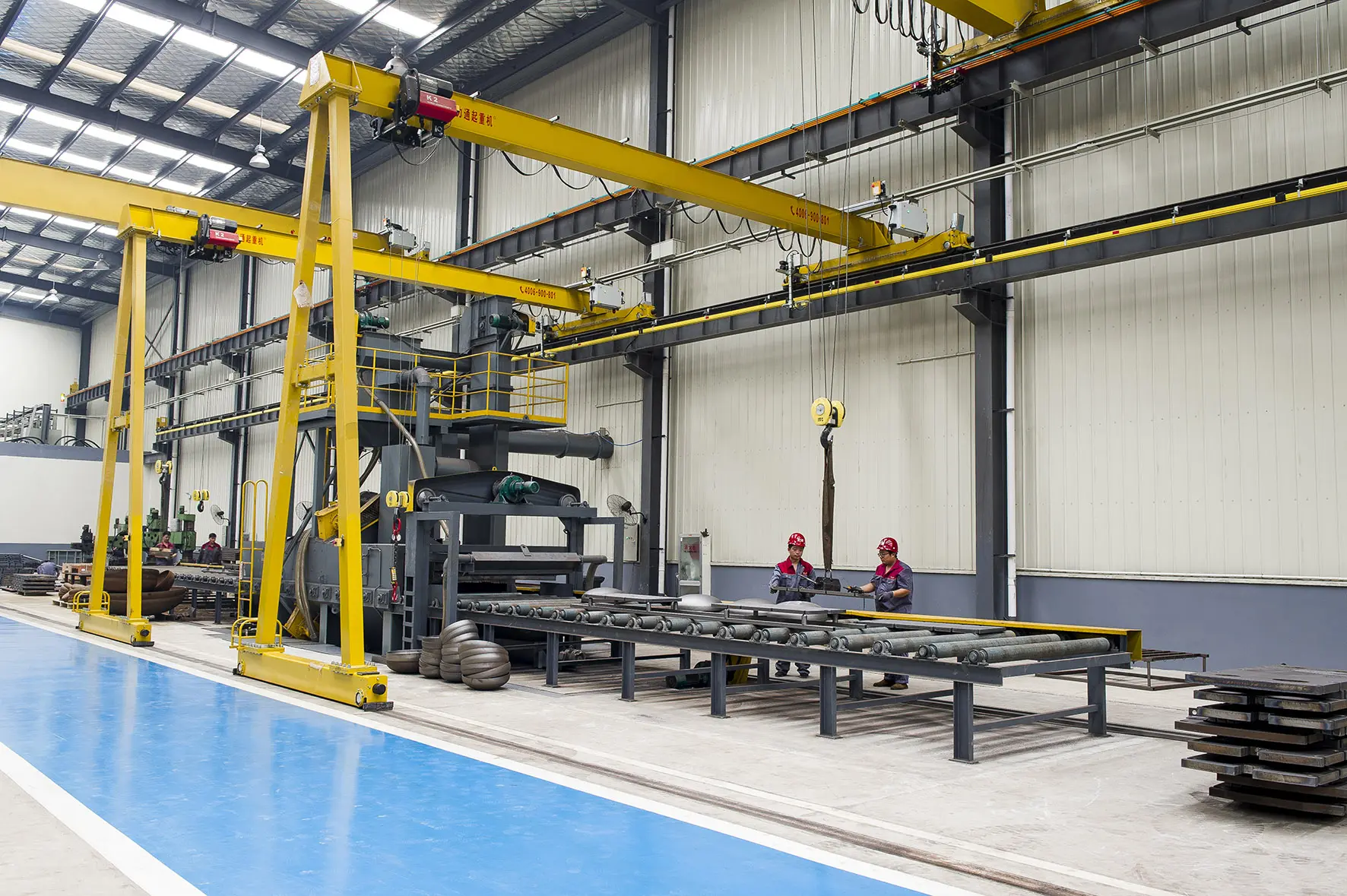
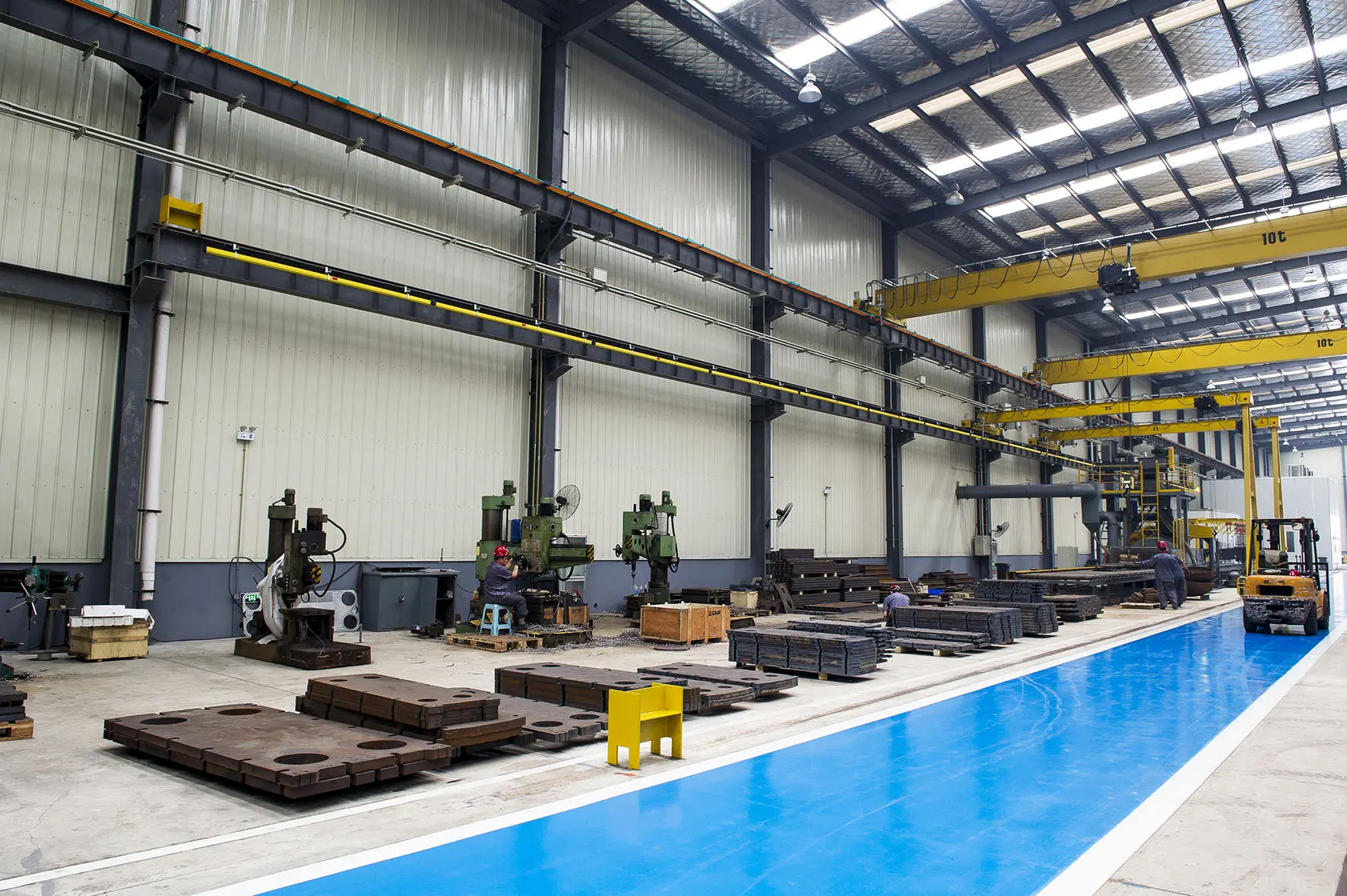
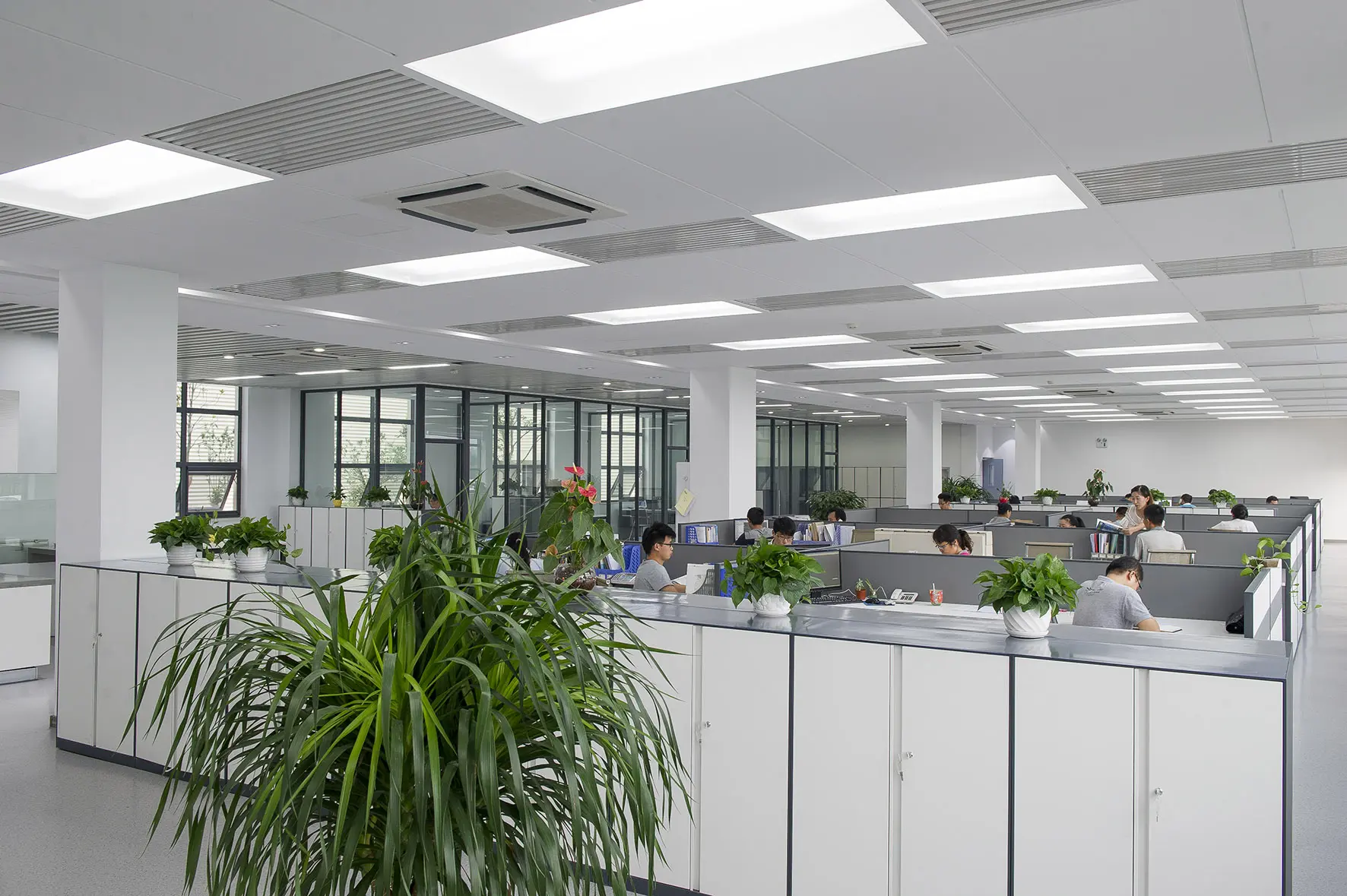
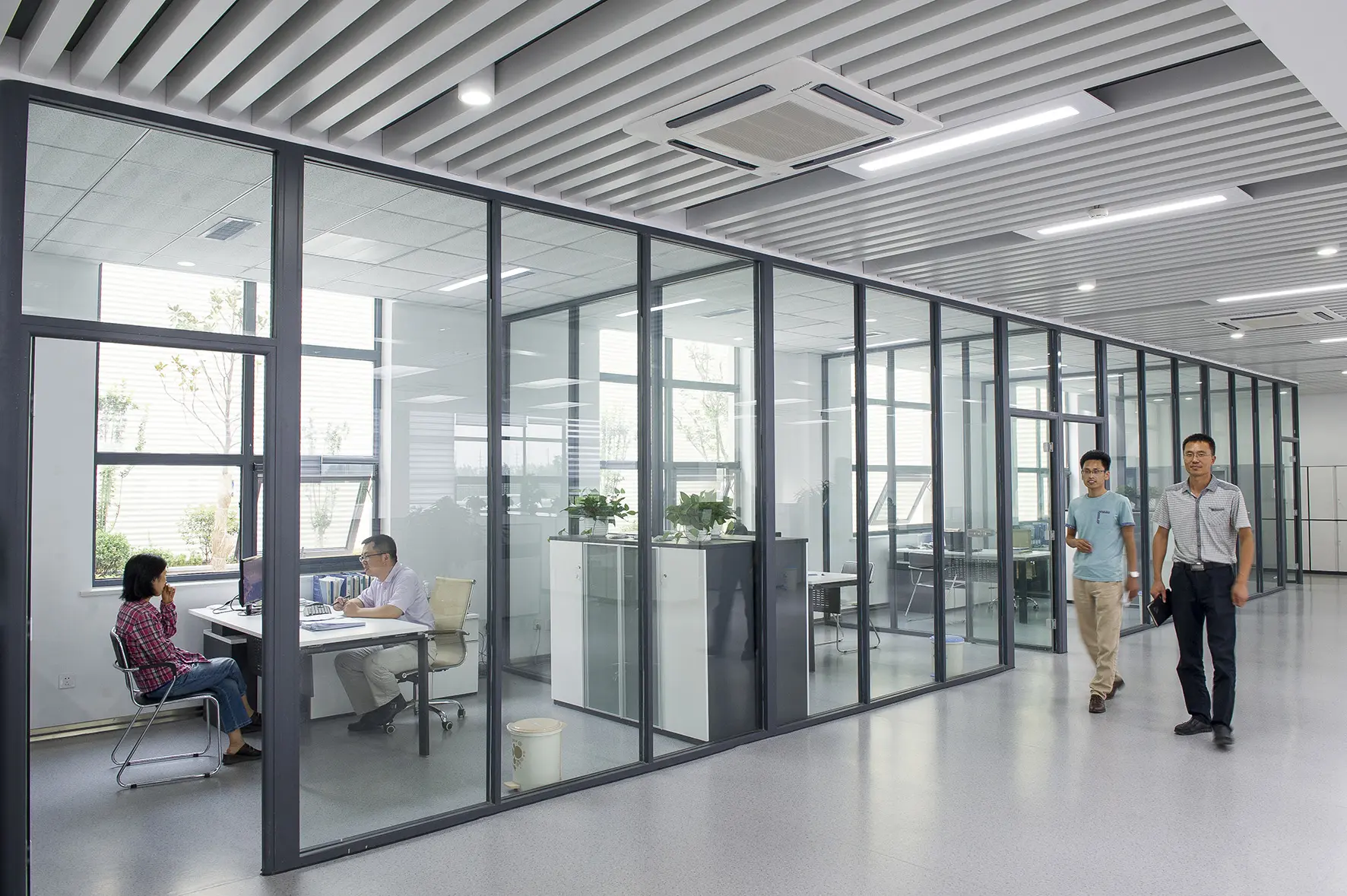
Explore our highly-optimized product configurations designed for complex media thermal exchange, flow balance, and evaporation cycles.
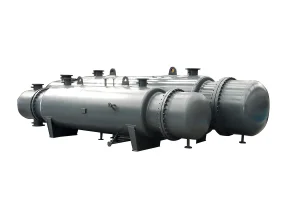
Detailed breakdown of core solutions engineered to integrate seamlessly into Indonesian municipal infrastructures.
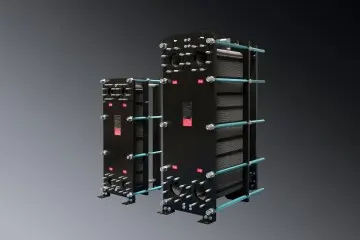
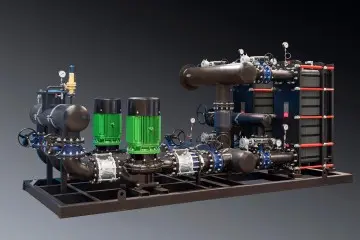

Direct answers from our engineering division regarding specification, corrosion mitigation, and logistics.
 Flotte Energy