High-efficiency heat exchangers and automated control systems engineered to withstand regional atmospheric pressures and fluid variations.
Mexico City (CDMX) and its surrounding metropolitan zone, spanning the State of Mexico (Edomex) and major industrial hubs like Vallejo, Querétaro, and Puebla, represent the thermodynamic beating heart of the country's manufacturing and commercial expansion. However, engineering fluid and thermal systems for this unique region introduces severe operational variables that generic systems fail to address.
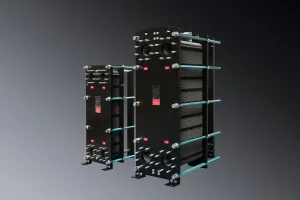
Situated at an altitude of approximately 2,240 meters above sea level, the Valley of Mexico experiences lower atmospheric pressure (approx. 77 kPa compared to 101.3 kPa at sea level). This atmospheric reduction directly impacts the air density and boiling points of process fluids, altering the convective heat transfer coefficient. Consequently, traditional HVAC designs imported from sea-level environments experience a dramatic loss in efficiency. Our specialized plate heat exchangers and intelligent balancing systems are customized to account for these specific barometric variances, ensuring that heat transfer margins are meticulously met without oversized footprint costs.
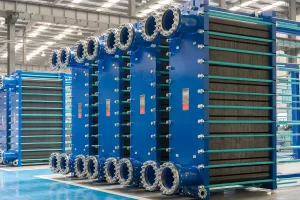
Moreover, the region faces acute water scarcity and challenging water quality issues. High concentrations of calcium carbonate and dissolved minerals in the municipal supply cause rapid scaling inside process lines and thermal interfaces. This demands detachable plate configurations that allow for rapid mechanical cleaning and scale removal, preventing catastrophic degradation in heat transfer coefficients.
In the global marketplace, sourcing from highly specialized Chinese factories offers a distinct competitive advantage for Mexican enterprises. As global supply chains shift toward nearshoring, manufacturers located in Mexico must secure reliable, cost-effective, and technically compliant machinery.
Chinese manufacturing is no longer defined by high volume alone, but by state-of-the-art automation and rigorous adherence to international standards. The engineering capabilities of Chinese factories provide direct access to highly sophisticated plate pressing equipment, automatic laser-welding systems, and specialized materials like Titanium, Hastelloy, and premium stainless steel alloys (SS316L, SS304). This ensures that Mexican distributors, EPC contractors, and end-users receive heat exchange assemblies that meet or exceed American Society of Mechanical Engineers (ASME) and European (CE) quality standards, at a capital expenditure that is 30% to 45% lower than European or North American counterparts.
By bypassing middle-tier distributors, procurement agents in Mexico City can coordinate directly with engineering teams to configure tailored plate corrugated geometries, customized gasket compounds (NBR, EPDM, FKM), and intelligent monitoring valves that perfectly synchronize with local automation protocols (Modbus, BACnet).
Flotte Energy Saving Company, established in 2013 with a registered capital of 101 million yuan, originated from Flotte Thermal Engineering founded in 1995. With three decades of technical expertise, the company specializes in water equipment, HVAC systems, and water treatment industries. It consistently leads industry peers in adopting cutting-edge technologies, developing innovative products, and delivering comprehensive production and sales services.
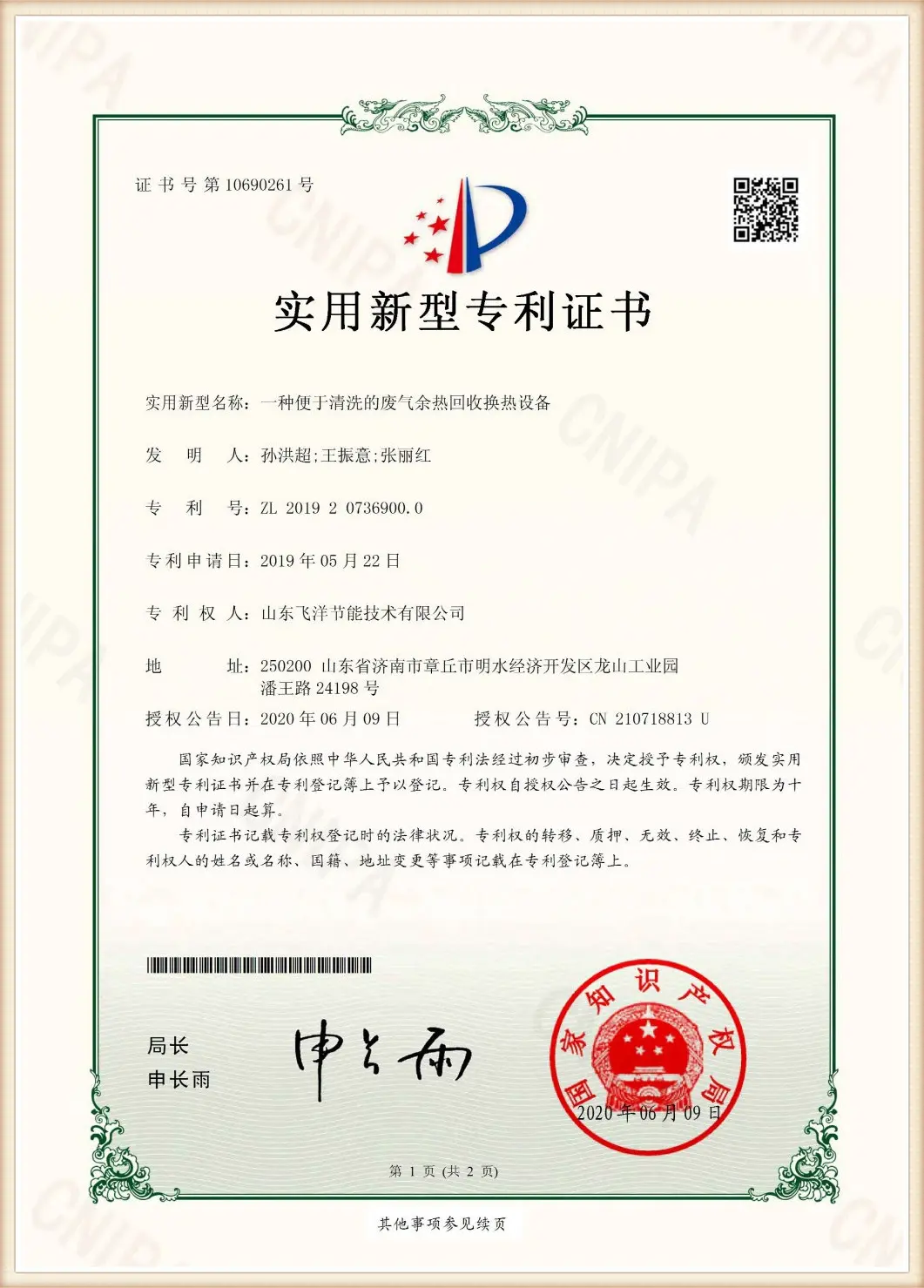
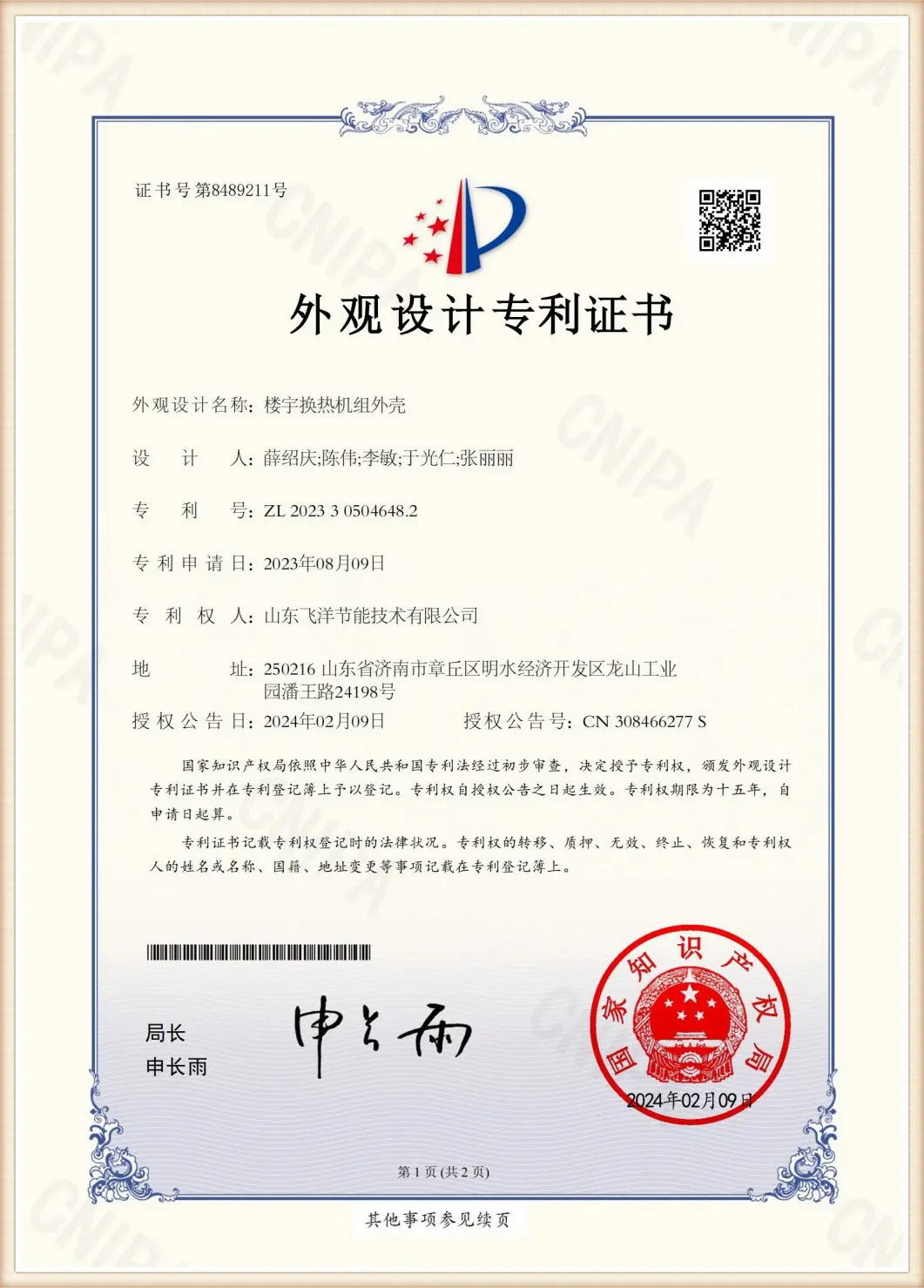
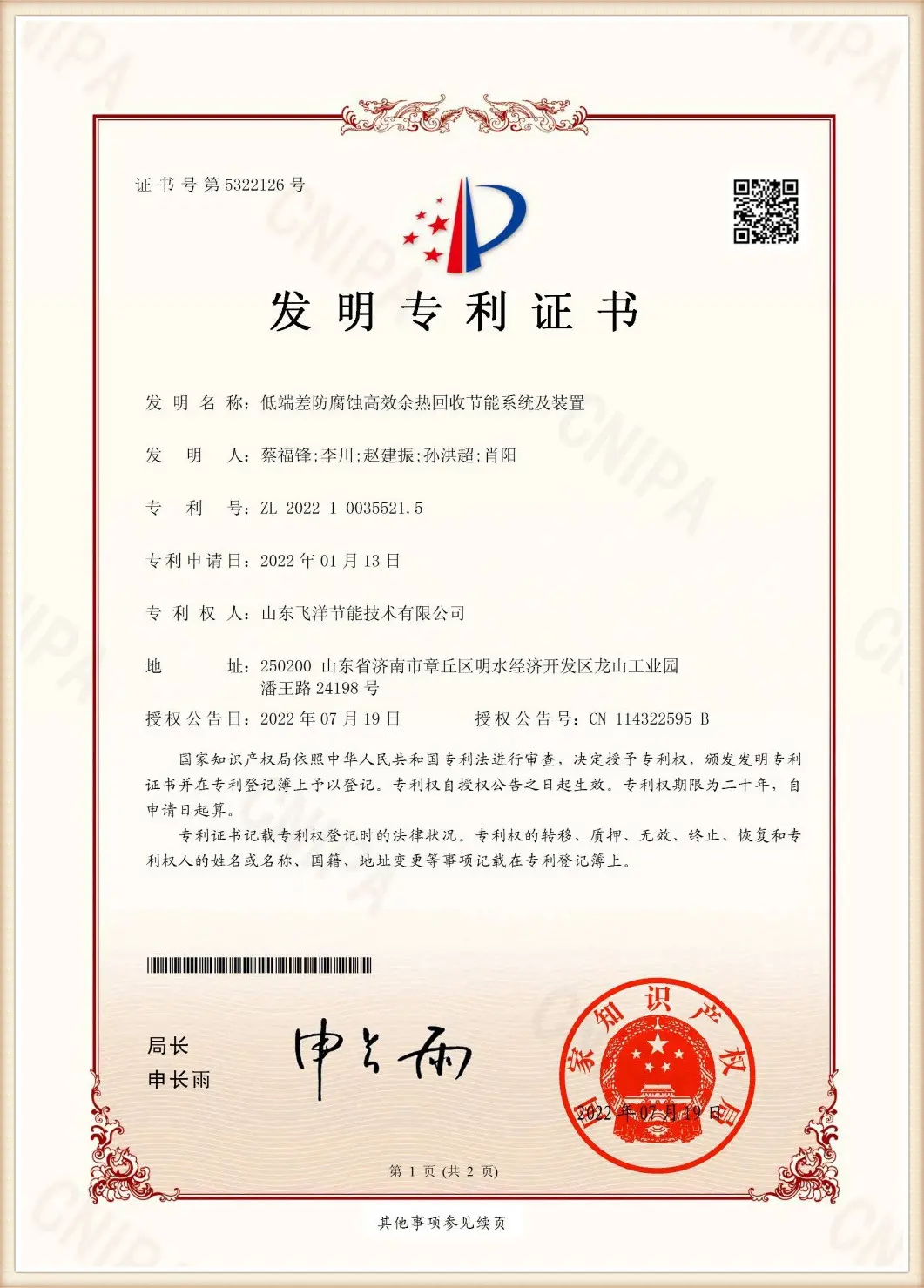
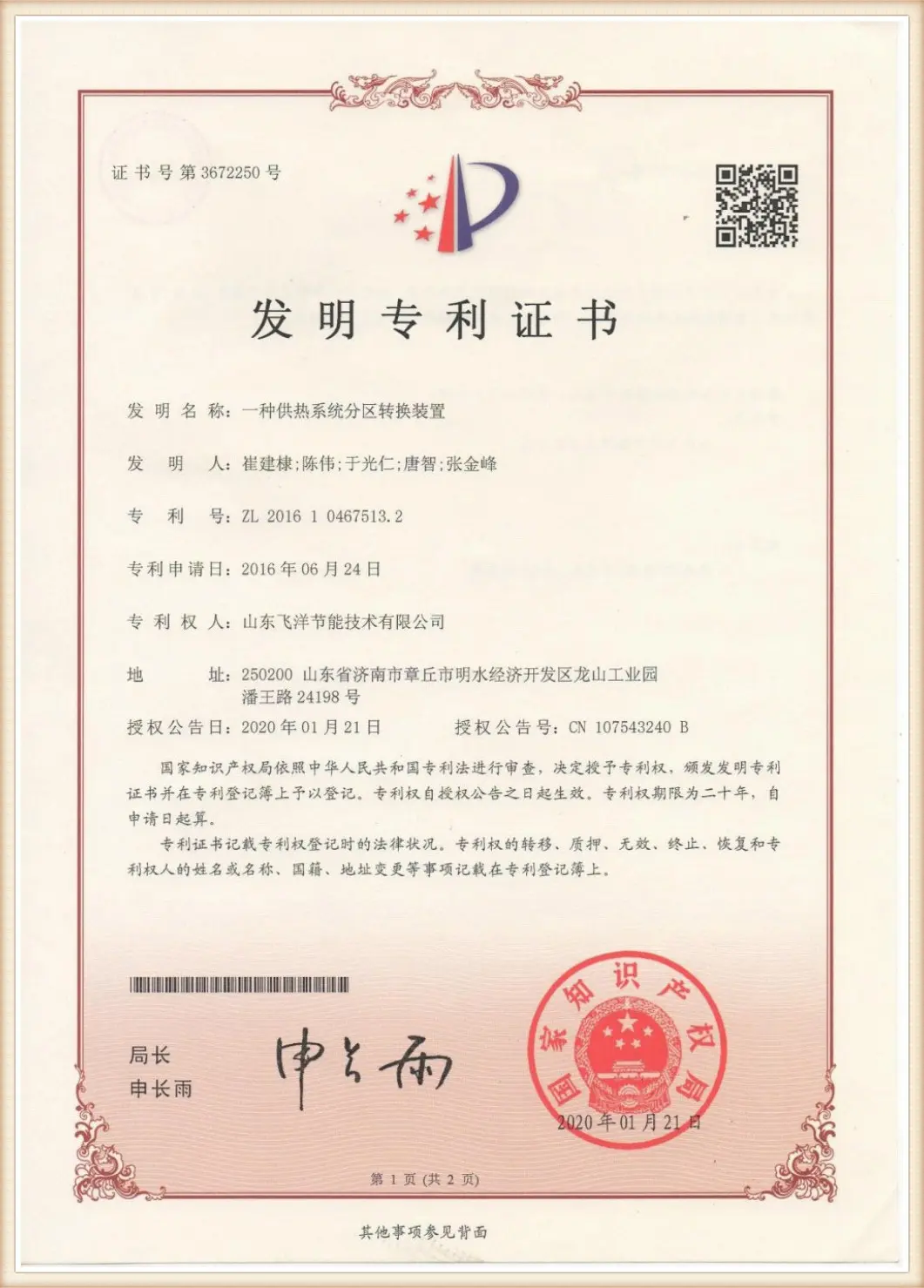
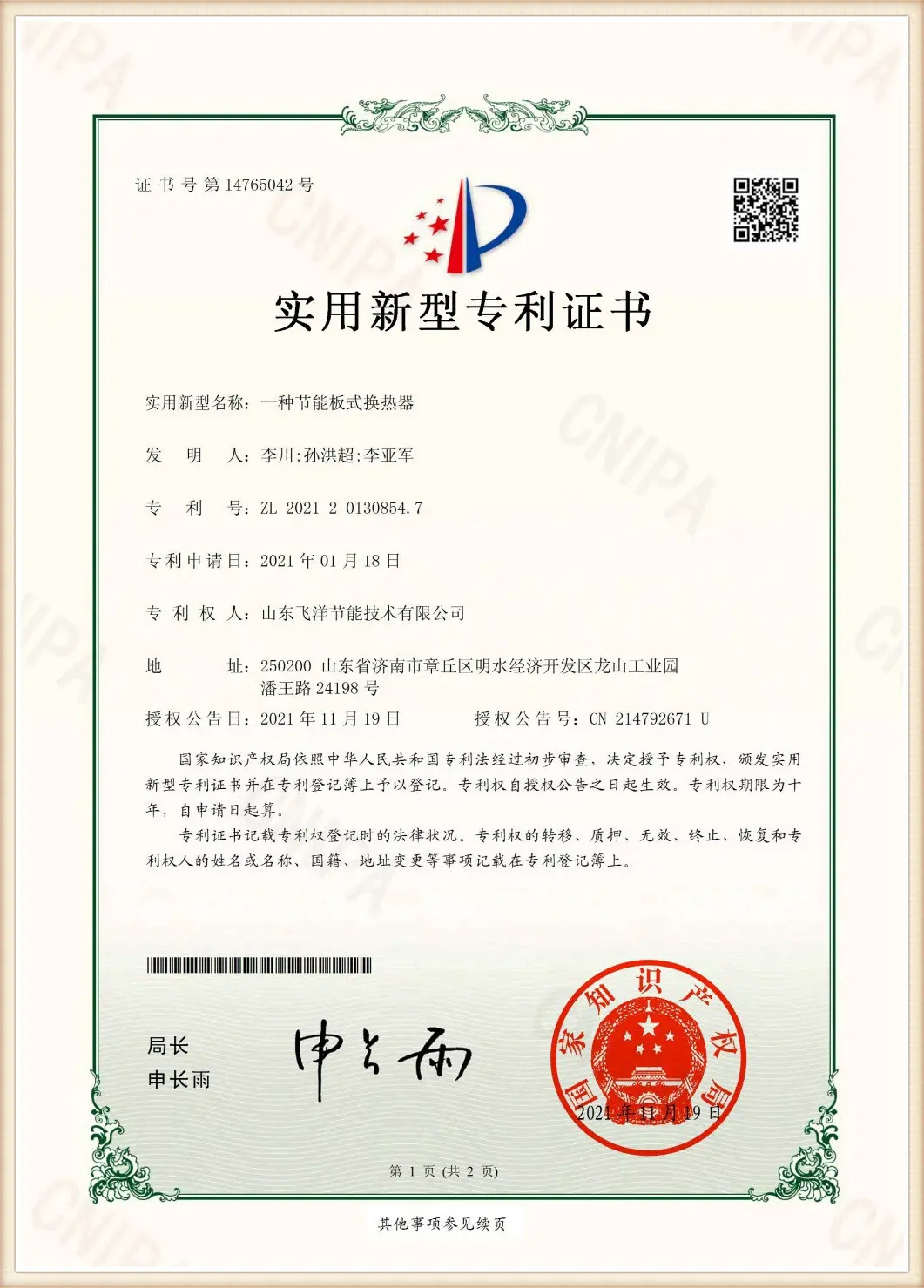
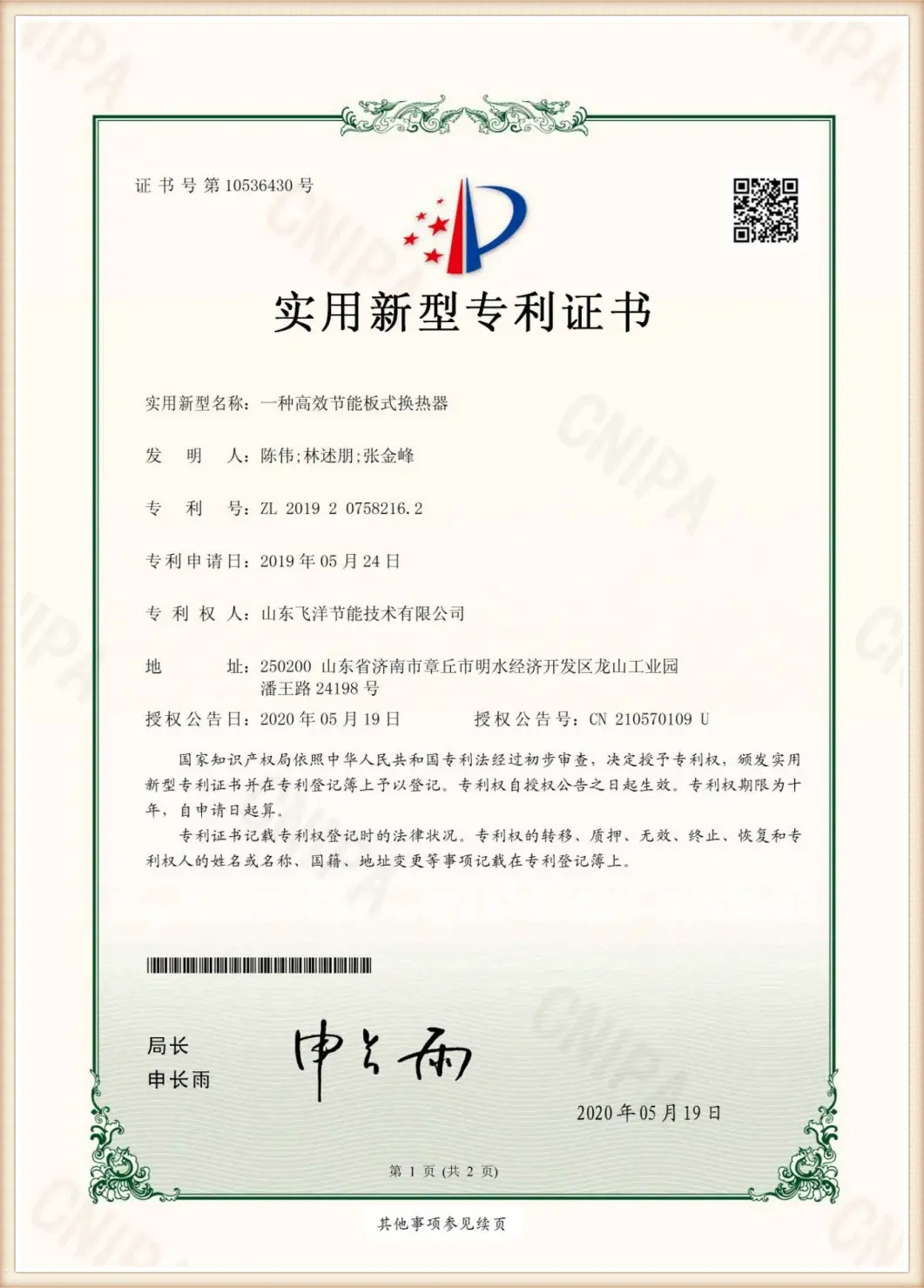
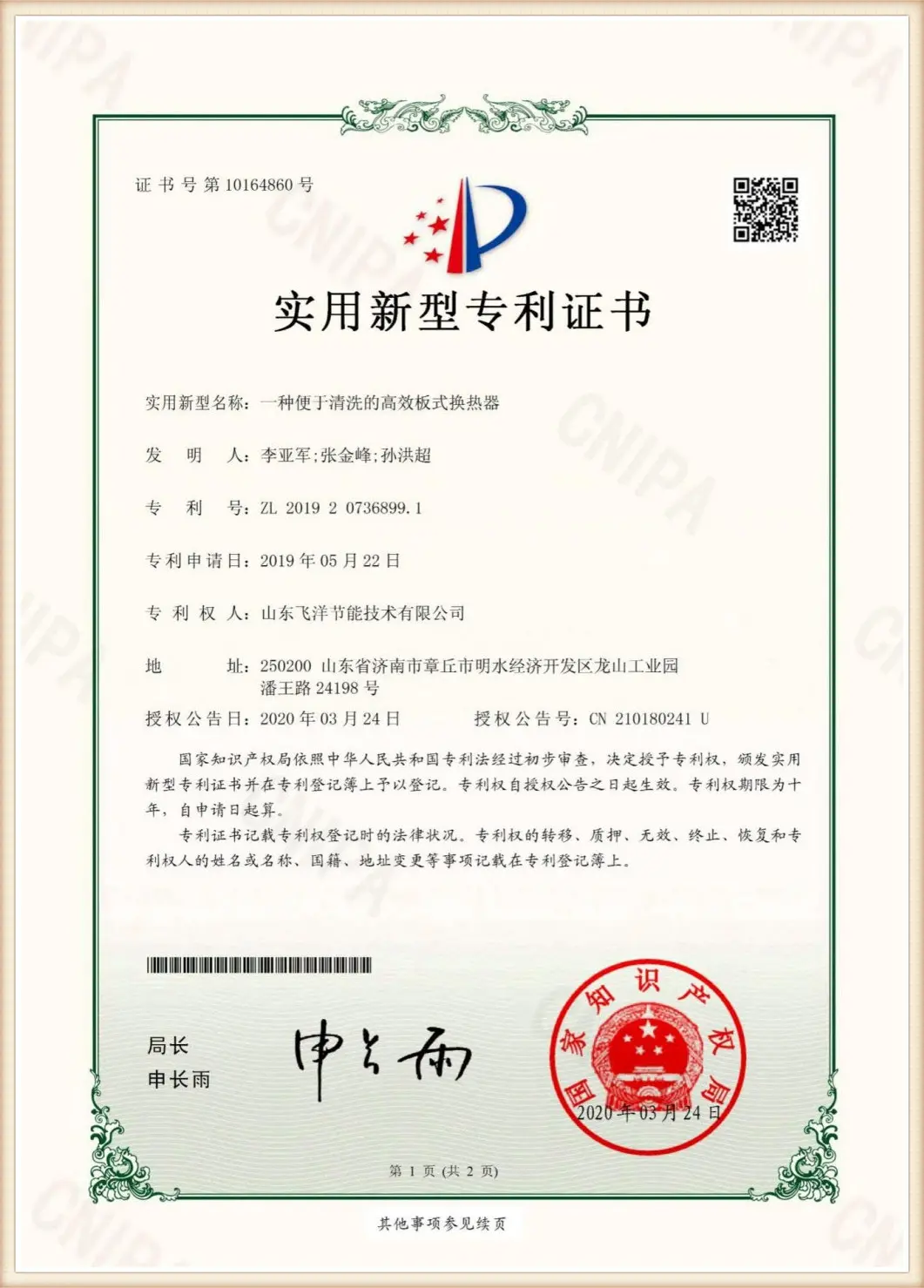
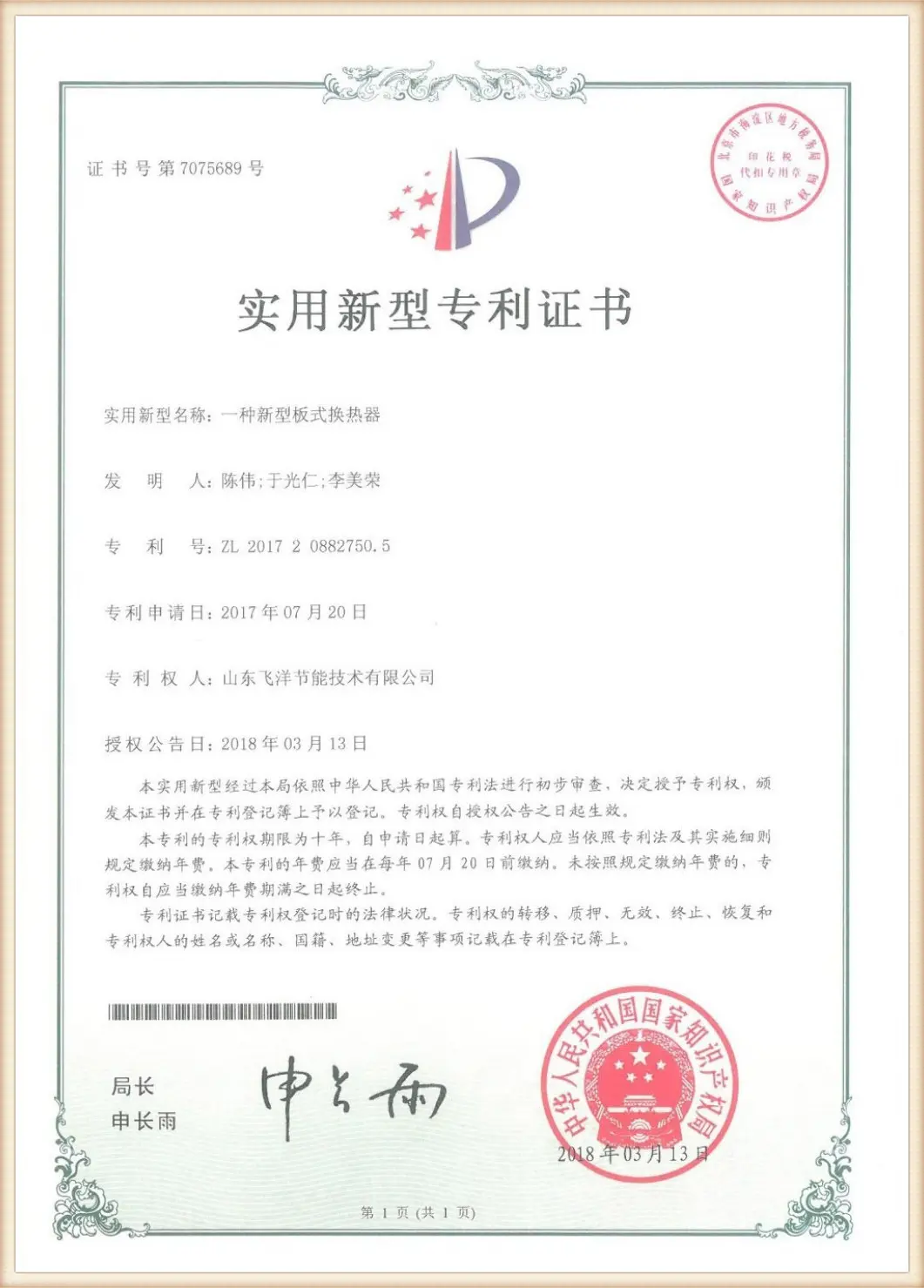
The company has been continuously advancing in production technology innovation, holding multiple patent certifications including "High-Efficiency Plate Heat Exchanger", "Intelligent Plate Heat Exchanger System", and "Plate Heat Exchanger Scale Removal Device" (see qualification documentation). Our products have obtained mandatory national product certification and safety registration from the National Standardization Committee, along with the safety registration for plate heat exchangers issued by the National Boiler and Pressure Vessel Standardization Technical Committee. The company has also achieved ISO9001 Quality Management System certification, ISO14001 Environmental Management System certification, and ISO45001 Occupational Health and Safety Management System certification.
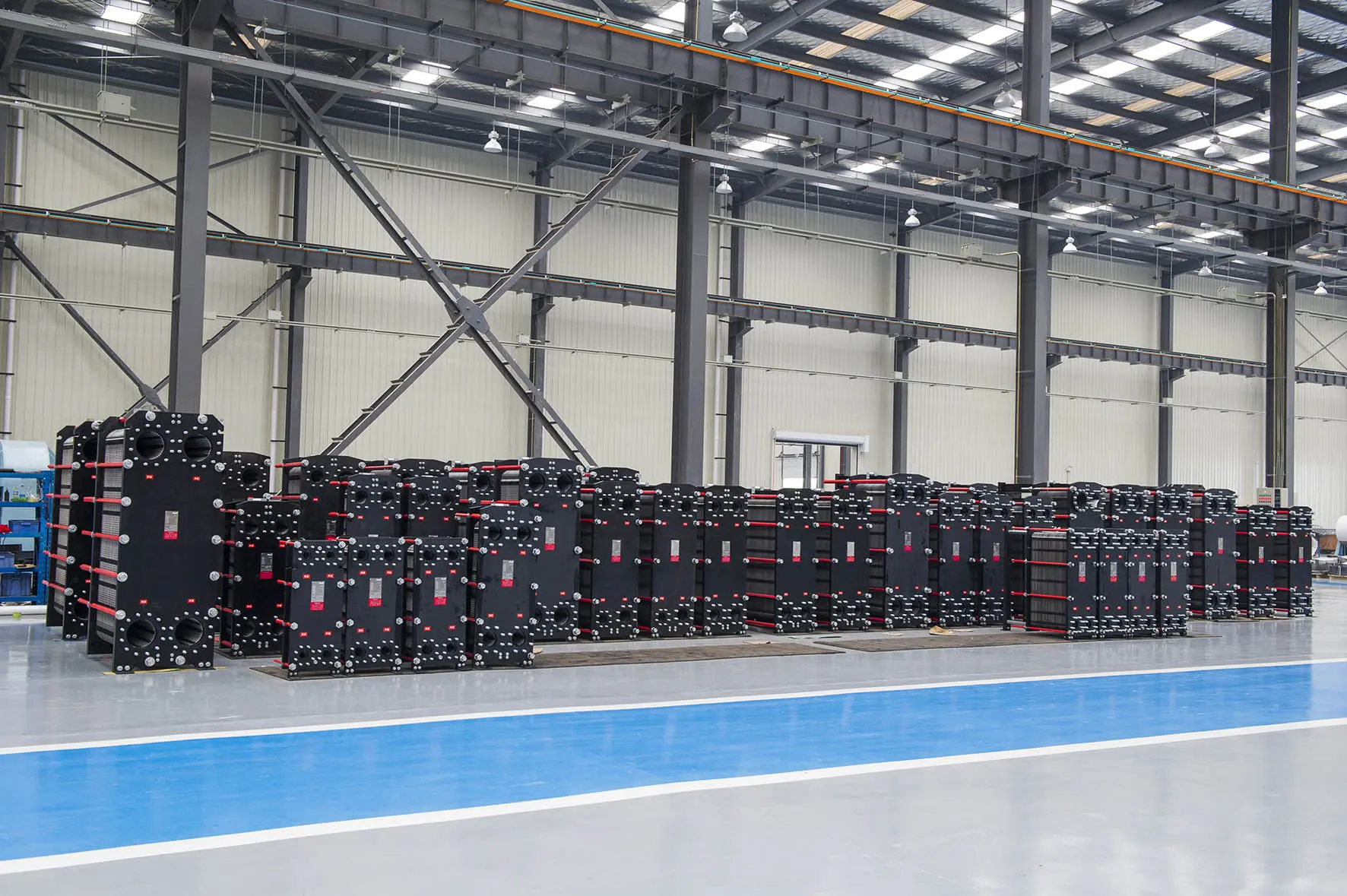
The company has professional designers and skilled technical workers; the designers have been engaged in design work for many years, with good professional knowledge and rich practical experience to ensure the reliability of the technical products designed; has a special R & D center and advanced laboratory, to ensure the technical advancement of products developed and produced.
We have accumulated valuable expertise in technology development, production, application, and installation services. Having delivered equipment and technical support for multiple key projects, we have cultivated a team of highly skilled technicians and installation specialists. Moving forward, the company will continue to thrive in the industry by maintaining cutting-edge technologies, providing premium products and professional services, while ensuring that past, present, and future users can rest assured about after-sales support.
The company has established modern production facilities that combine advanced manufacturing with systematic management, producing high-tech integrated products. It holds a leading position in the industry nationwide and commands a substantial market share. Annually, it manufactures approximately 4,500 heat exchange units and water supply/drainage equipment sets. With over 300 employees, the company generates annual sales revenue of 500 million yuan and contributes 15 million yuan in taxes and profits.
Modern industrial setups in Mexico require holistic, system-wide architectures rather than isolated component deployment. Realizing maximum thermal efficiency involves analyzing fluid dynamics, pressure drops, and automatic regulation in tandem.
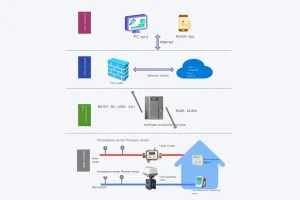
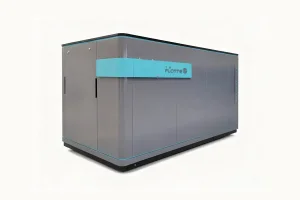
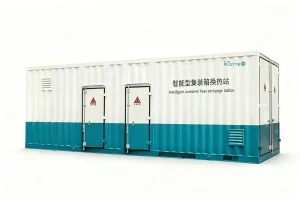
1. Intelligent Centralized HVAC Stations: By combining high-efficiency plate heat exchangers with modular integrated box-type setups, facility managers can optimize commercial district cooling or heating. The integrated sensors monitor the return water temperature and automatically regulate pressure balances, minimizing pump energy consumption.
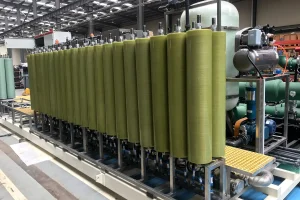
2. Zero Liquid Discharge (ZLD) and Wastewater Concentration: With municipal wastewater regulations becoming increasingly strict under Semarnat mandates, industries such as chemical processing, textile manufacturing, and food production must employ Membrane Concentration Systems and Multi-Effect Evaporators. These technologies isolate liquid waste, enabling plants to reclaim pure water for secondary use and achieve high concentration loops with low energy input.
The deployment of thermal control equipment in the Valley of Mexico varies widely across commercial and industrial zones, requiring tailored engineering approaches:
Exploring our state-of-the-art facilities, ISO compliance standards, and advanced manufacturing steps.
The company operates modern production workshops equipped with advanced manufacturing and quality inspection facilities. All frontline production staff are certified technicians who have undergone rigorous formal training. Production processes, quality control, and service operations strictly adhere to the ISO 9001:2015 international quality management system, while also complying with the pressure vessel quality assurance framework. Our products undergo mandatory inspections by national quality supervision authorities, ensuring full compliance with performance standards.
Adhering to the concept of "quality first" and "winning by quality", the company has established a sound quality assurance system, improved the quality supervision and management of all staff, whole process and all aspects, and made great efforts in product technology, quality and service. The company conscientiously carries out on-site management and rectification work, and establishes a safe and civilized production environment. Product quality and the quality of purchased materials are inseparable. Therefore, the company asks the purchasing department to determine the list of qualified suppliers and strengthen the contact with each supplier to ensure product quality.
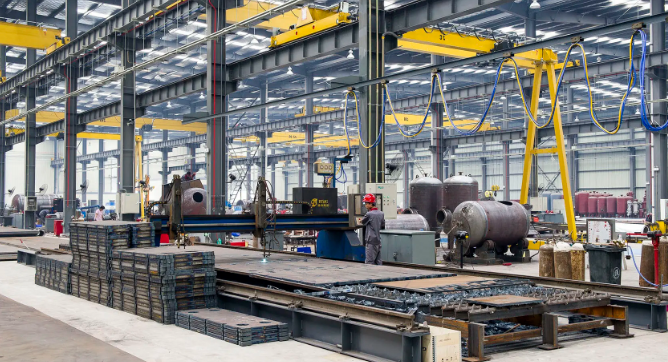
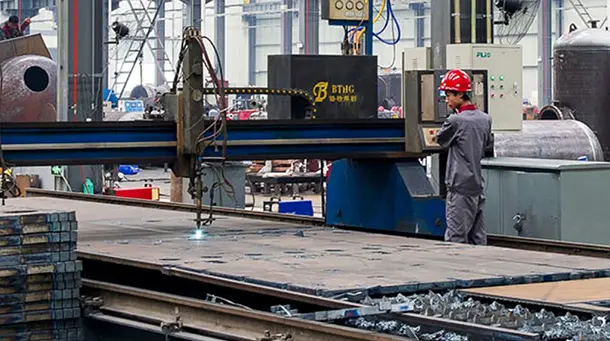
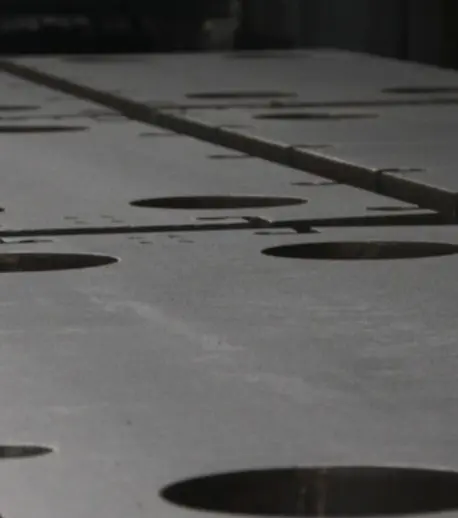
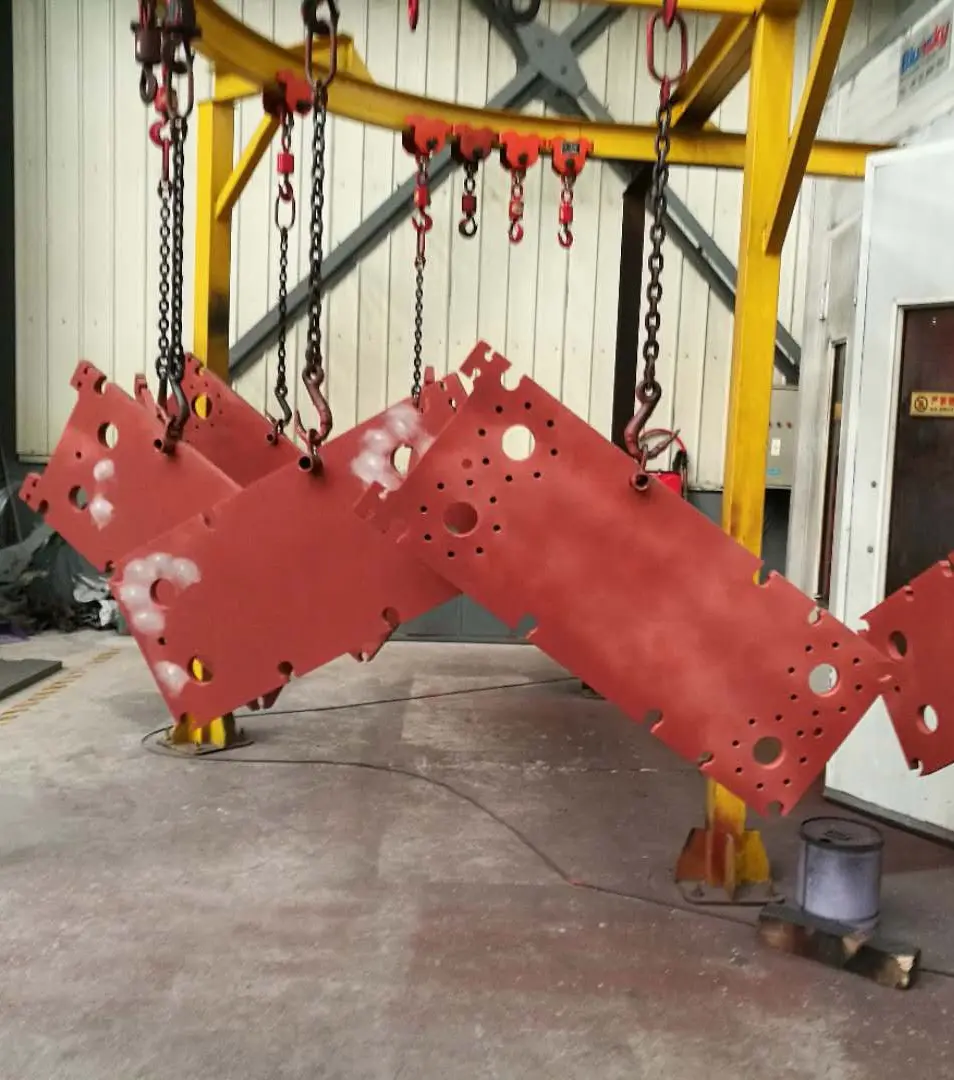
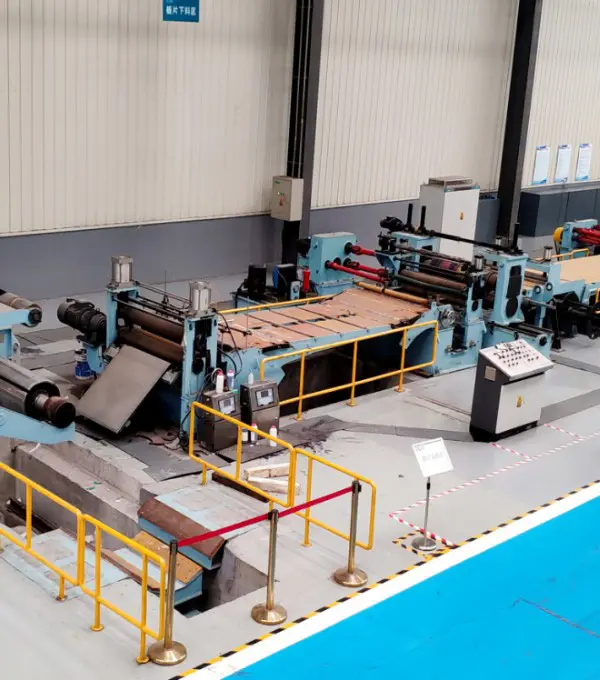
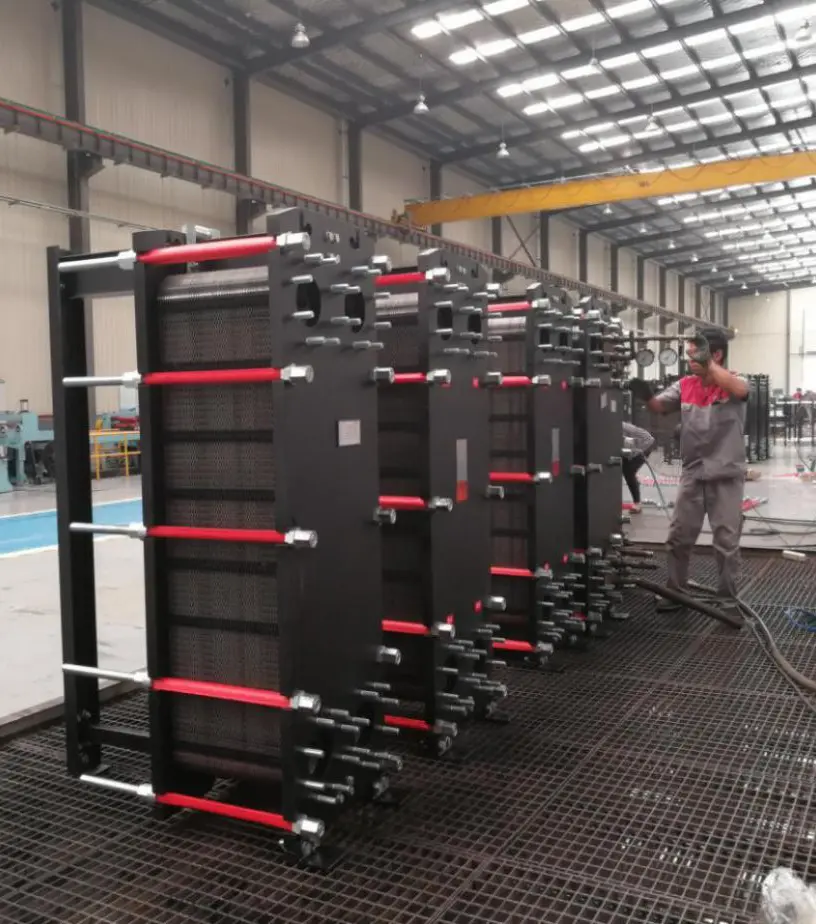
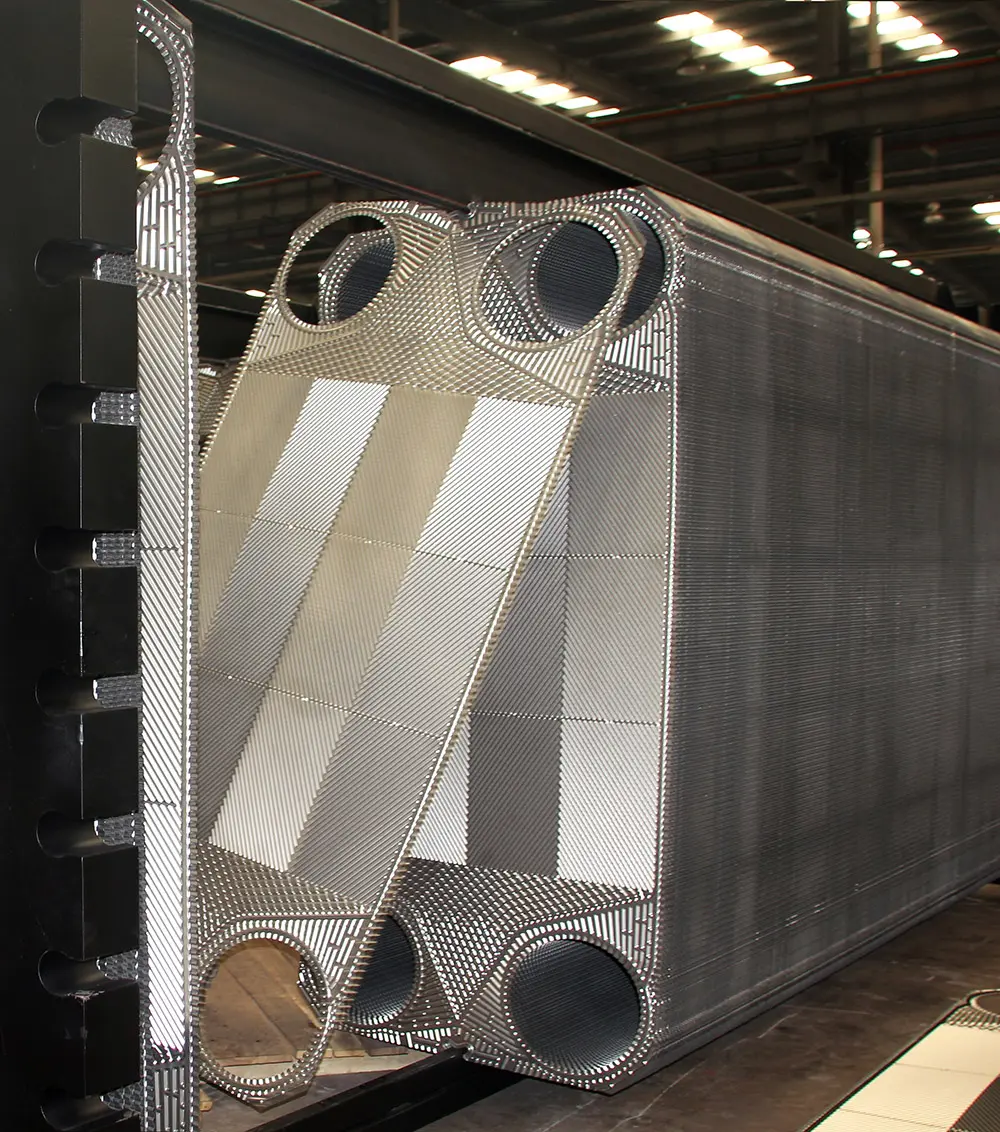
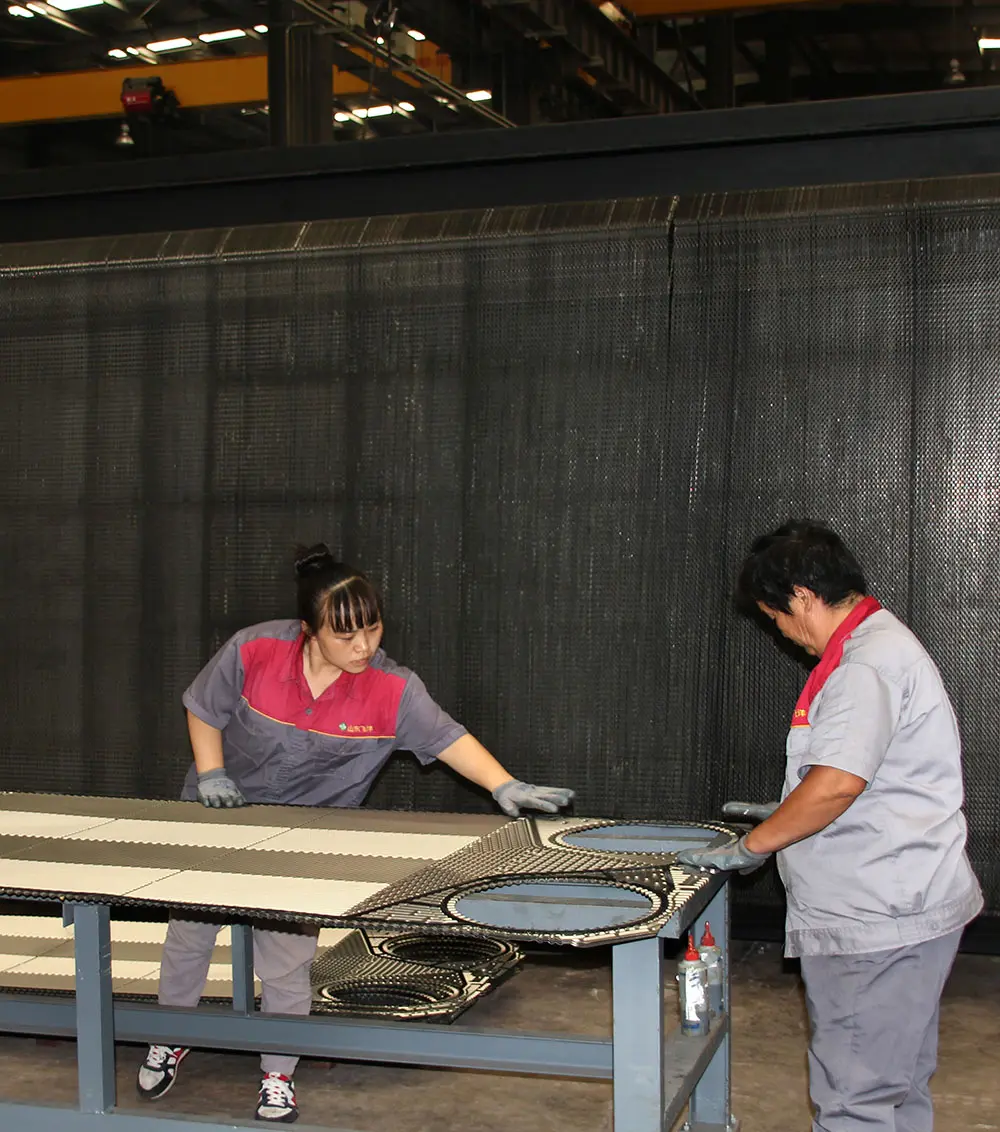
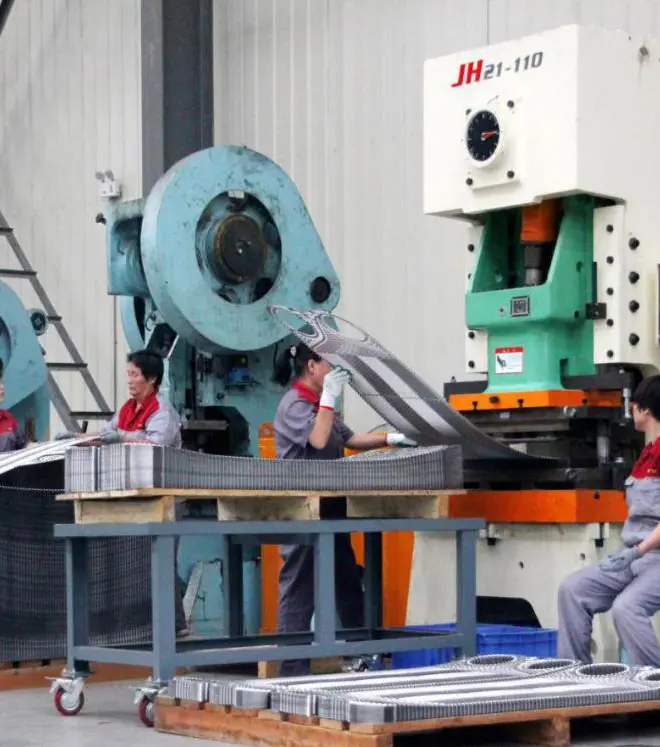
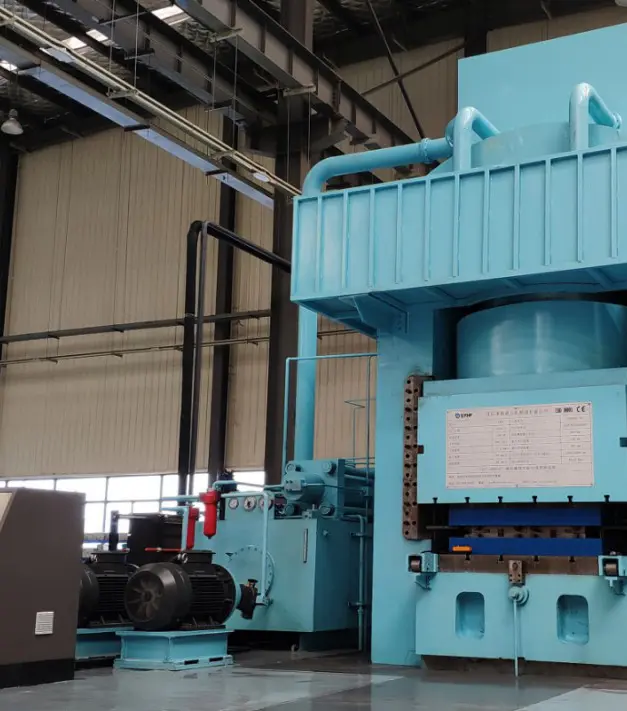
Reliability in thermal systems is achieved through structural precision. A thermal solution is only as good as the steel, gaskets, and engineering tolerances driving its design. Our manufacturing facility follows strict procedures to guarantee high performance:
First, we select premium-grade raw sheet metal, sourcing specific alloys like SS304, SS316L, and Titanium Grade 1 from verified steel producers. During plate fabrication, our heavy-duty hydraulic presses form the corrugated patterns under high pressure. These corrugations create turbulent fluid paths, maximizing the heat transfer coefficient while keeping the pressure drop minimal.
Second, we prioritize leak protection. Our detachable plate models feature clip-on EPDM or NBR gaskets that fit securely inside the plate channels. These gaskets are vulcanized under strict temperature controls, preventing blowouts and maintaining a secure seal even under shifting thermal conditions.
Finally, every unit undergoes strict testing before leaving our facility. We perform hydrostatic pressure tests at 1.25 to 1.5 times the maximum design pressure. This testing verifies mechanical integrity, ensures zero internal bypassing, and guarantees compliance with local project specifications.
Shipping heavy industrial machinery from China to Mexico requires careful logistical coordination and compliance management. Our logistics department coordinates the entire process:
1. Ocean Freight & Ports of Entry: Shipments originate from major northern Chinese ports like Qingdao or Tianjin. They travel across trans-Pacific routes to reach Western Mexican hubs like Manzanillo (Colima) or Lázaro Cárdenas (Michoacán). Average shipping times range from 21 to 28 days.
2. Customs Clearance & NOM Compliance: All heat exchangers, smart valves, and pressure control vessels comply with local Mexican regulations (Normas Oficiales Mexicanas). Our customs agents prepare clean bills of lading, HS code classification documents, and origin declarations, ensuring quick clearance and minimizing delays at the port.
3. Inland Freight to CDMX: From Manzanillo, containerized cargo travels via reliable rail or secure trucking services directly to the Valley of Mexico, including the industrial zones of Vallejo, Tlalnepantla, and Toluca.
Direct technical answers from our senior engineering team to help you optimize systems and streamline procurement.
At high altitudes, lower air density reduces convective heat transfer coefficients in air-cooled heat exchangers. For liquid-to-liquid plate heat exchangers, the impact is less direct but still critical. Lower boiling temperatures can cause flashing or vaporization in steam interfaces if system pressures are not carefully regulated. Our design software uses custom barometric inputs to adjust fluid densities, boiling margins, and pressure drops, preventing operational issues at high elevations.
Mexico City's municipal water has high mineral content, which can cause calcium carbonate scale to build up on heat exchange surfaces. We recommend detachable plate heat exchangers for these applications. These units can be opened easily for mechanical cleaning. Additionally, we use structured plate corrugations that promote turbulent flow, which helps scrub the plates and slows down scale accumulation.
Material selection depends on fluid chemistry and system temperatures. For standard HVAC and water-water systems, Stainless Steel 304 or 316L plates with EPDM gaskets are highly durable. For corrosive fluids, aggressive chemical processes, or high-salinity water, we recommend Titanium plates with FKM (Viton) gaskets. This combination offers excellent resistance to corrosion and high temperatures.
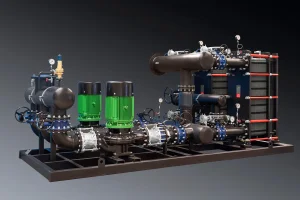
Integrated box-type units combine the heat exchanger, pumps, valves, and control systems into a single pre-assembled package. This design reduces installation space, simplifies wiring, and cuts onsite installation time by up to 70%. It is an ideal solution for retrofitting tight mechanical rooms in downtown office towers or busy factories.
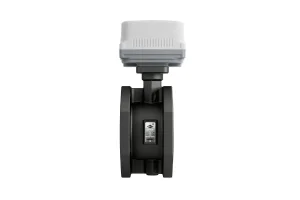
Hydraulic imbalance in multi-story buildings can lead to over-cooling in lower zones and insufficient cooling in upper zones. Our intelligent balance valves automatically adjust flow rates based on real-time temperature feedback from temperature collectors. This balancing action reduces excess pumping energy, improves comfort across all zones, and lowers overall HVAC operating costs.
Our manufacturing processes follow ISO 9001:2015, ISO 14001:2015, and ISO 45001:2018 guidelines. The equipment is manufactured to meet ASME boiler and pressure vessel codes, and can be certified to local standards for pressure and safety compliance.
Manufacturing typically takes 3 to 5 weeks, depending on customization. Ocean transit from Tianjin or Qingdao to Manzanillo takes 22 to 28 days. Customs clearance and inland transport to central Mexico take an additional 5 to 7 days, resulting in a total timeline of 8 to 10 weeks from order confirmation to arrival at your facility.
Yes. We design and manufacture replacement plates and gaskets compatible with major global heat exchanger brands. Using our reverse engineering capabilities, we can match existing dimensions while upgrading materials to improve performance and extend system lifespan.
Explore our full range of evaporation, desalination, and temperature monitoring systems built for modern industrial needs.

Contact our engineering team to receive customized thermal designs, technical layouts, and factory-direct pricing for your projects in Mexico and Latin America.
 Flotte Energy