Premium solutions engineered to meet the stringent efficiency and anti-corrosion demands of southern European utility and marine operations.
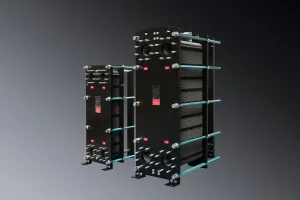
Greece presents a distinct thermodynamic topography. Operating at the crossroads of Southern Europe, the nation faces specific challenges and requirements within its maritime, industrial, and tourism infrastructures. Decarbonizing industrial heating, boosting district heating efficiency in northern regions (such as Kozani and Ptolemaida), and optimizing marine cooling systems require high-efficiency solutions.
Under the revised National Energy and Climate Plan (NECP), Greek industries are pressured to drastically improve energy performance. Conventional heat exchangers often fall short when dealing with the high-salinity seawater conditions of the Aegean Sea or the complex geothermal profiles utilized in domestic agricultural processing. The transition from legacy fossil energy systems to integrated, smart, and modular district heating units requires highly customizable, robust equipment capable of minimizing heat loss and scale formation.
From centralized heating stations in Western Macedonia to HVAC optimization projects in resort complexes of Crete, the necessity for robust, corrosion-resistant, and smart thermal systems has never been more critical. This is where Flotte's technology aligns with local objectives—driving down operational expenditures (OPEX) while ensuring zero-compromise system durability.
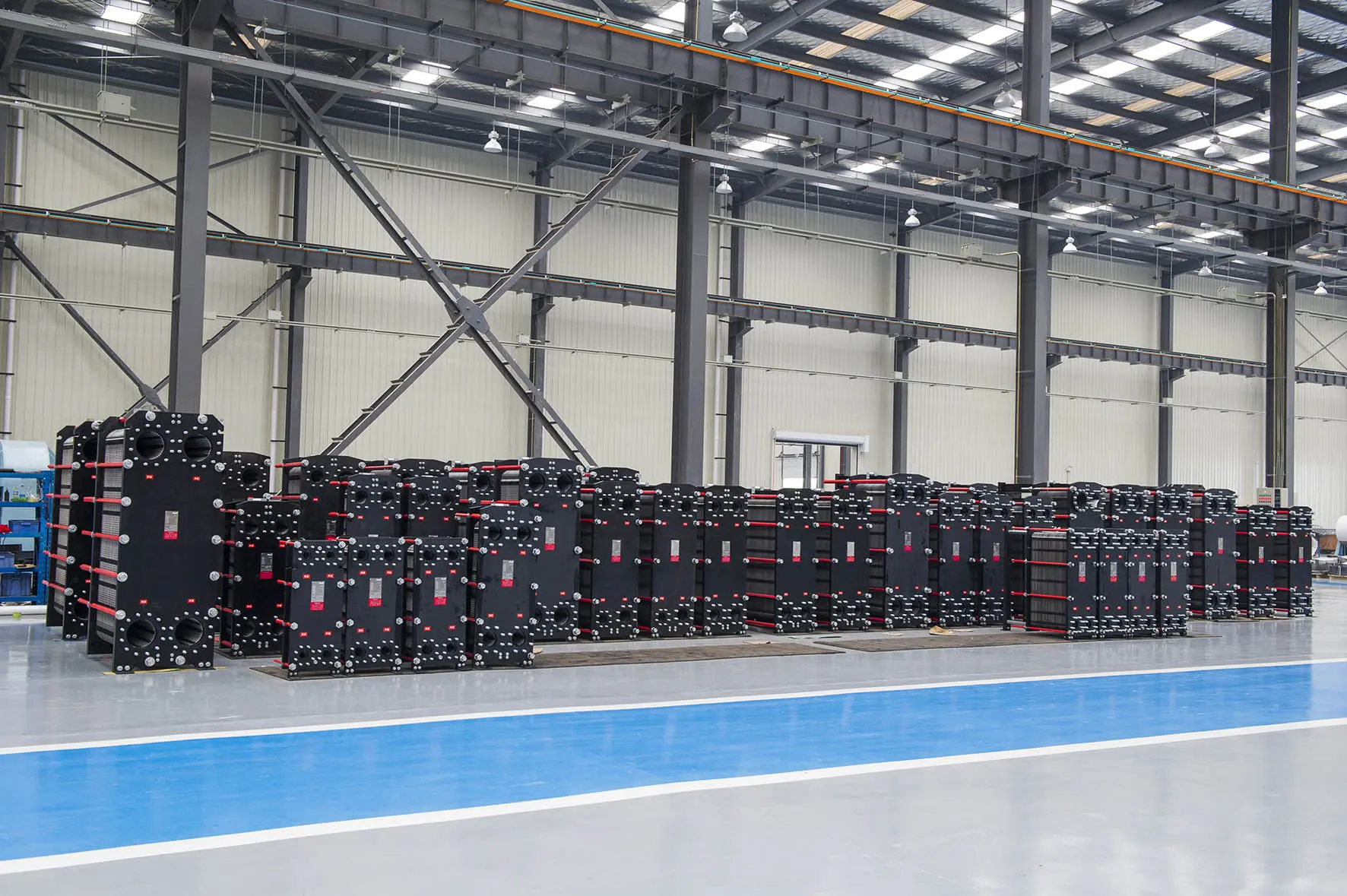
Aligning international sourcing efficiency with localized industrial engineering constraints.
Global procurement directors face continuous challenges in verifying equipment authenticity, compliance, and structural integrity. In Europe, adherence to directives such as the Pressure Equipment Directive (PED) 2014/68/EU, CE marking, and ISO quality management guidelines is non-negotiable. Industrial procurement is shifting away from single-component sourcing toward modular, integrated skid-mounted packages that minimize field assembly costs and eliminate technical design discrepancies.
Our macroscopic solutions address these procurement complexities directly by offering pre-engineered, factory-tested heat exchange systems that arrive site-ready. By standardizing component manufacturing while allowing customizable thermal configuration, we provide procurement agents with clear documentation, material traceability certifications, and predictable delivery timelines.
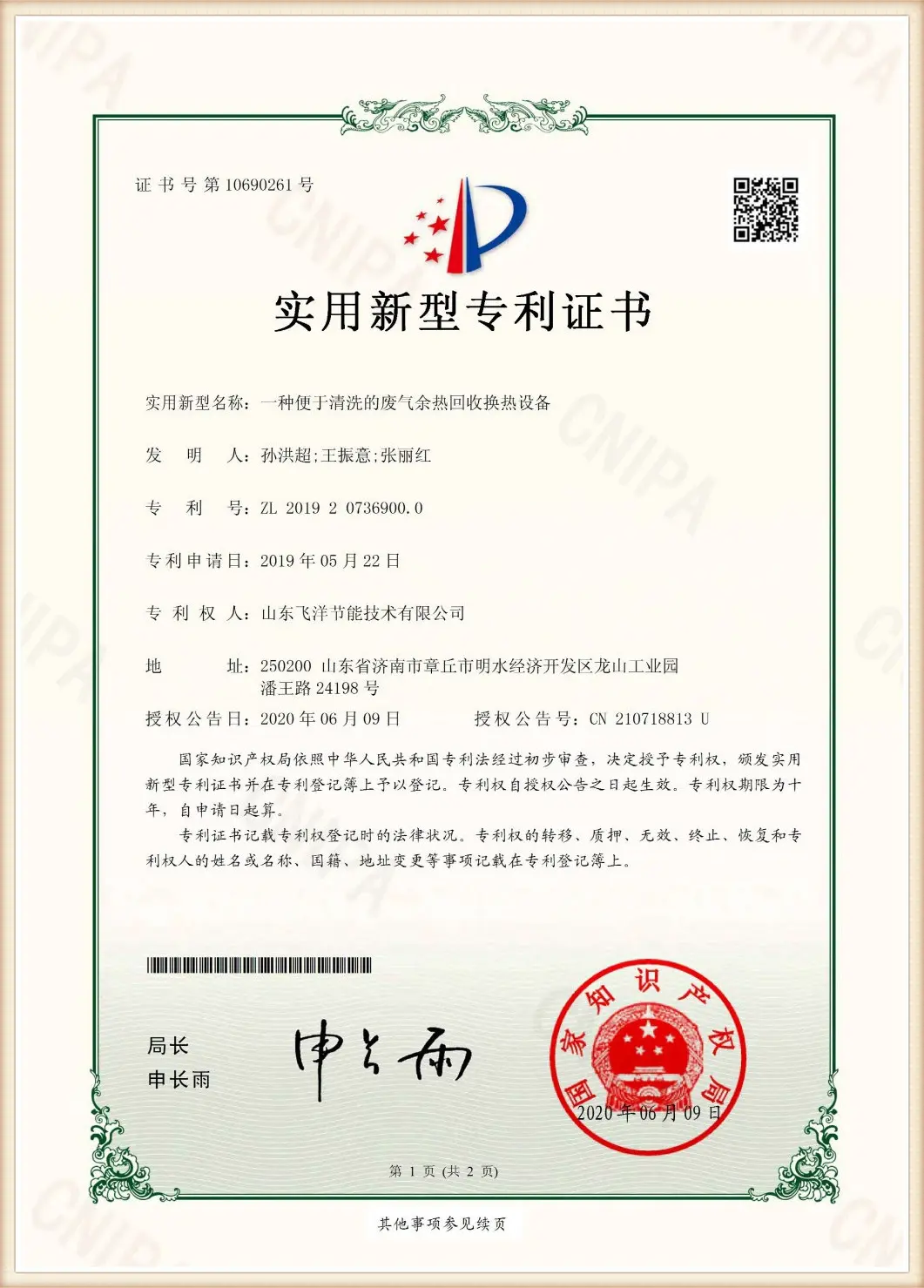
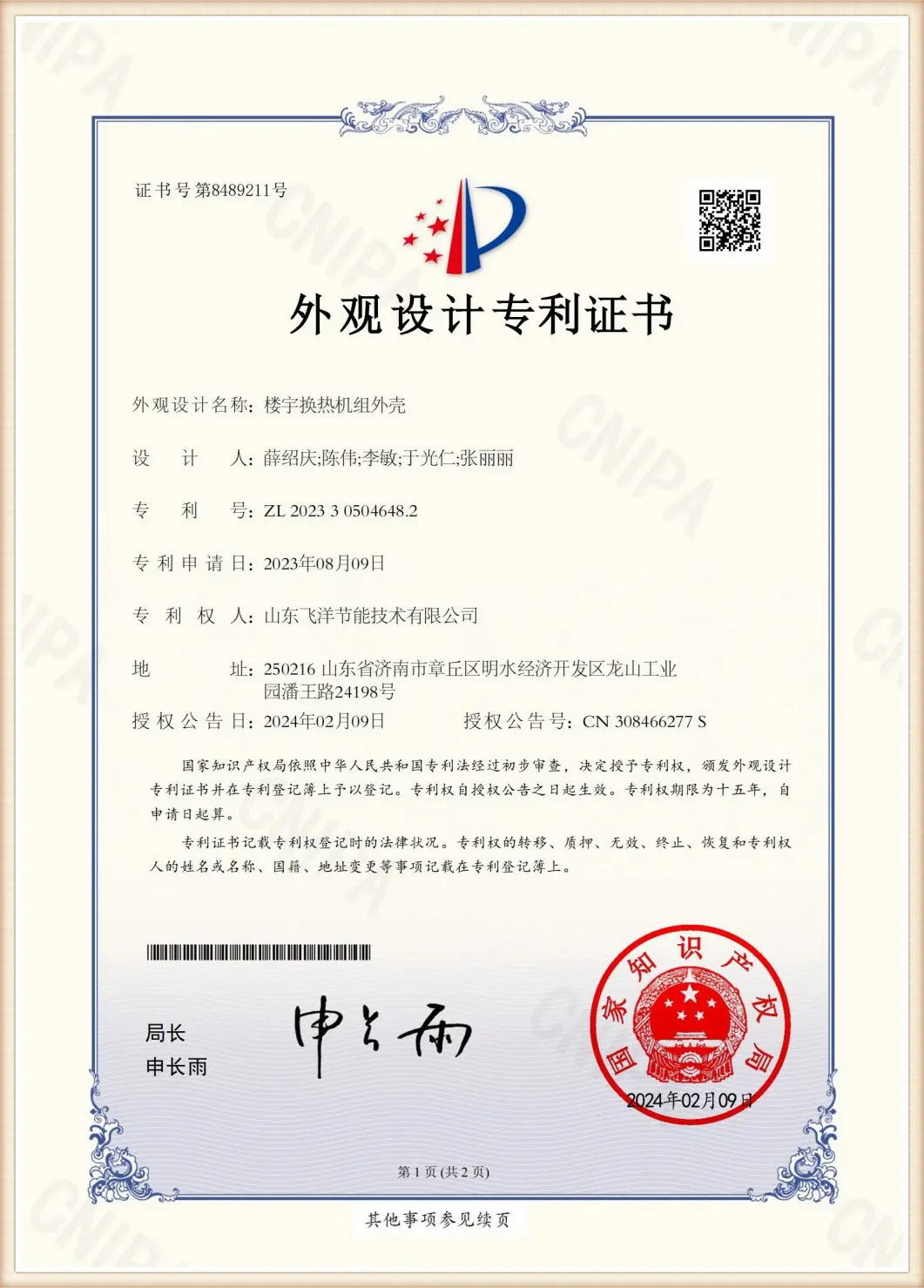
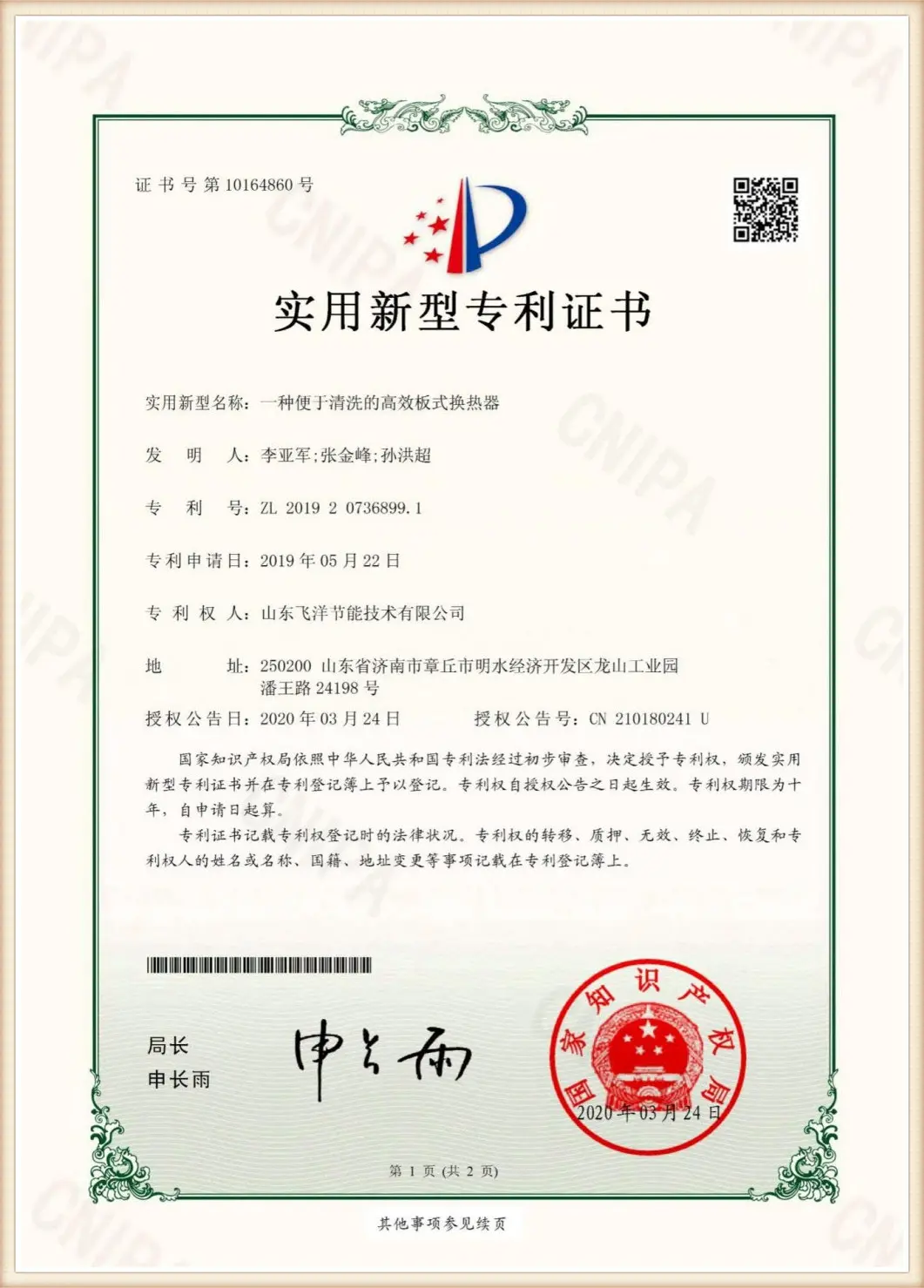
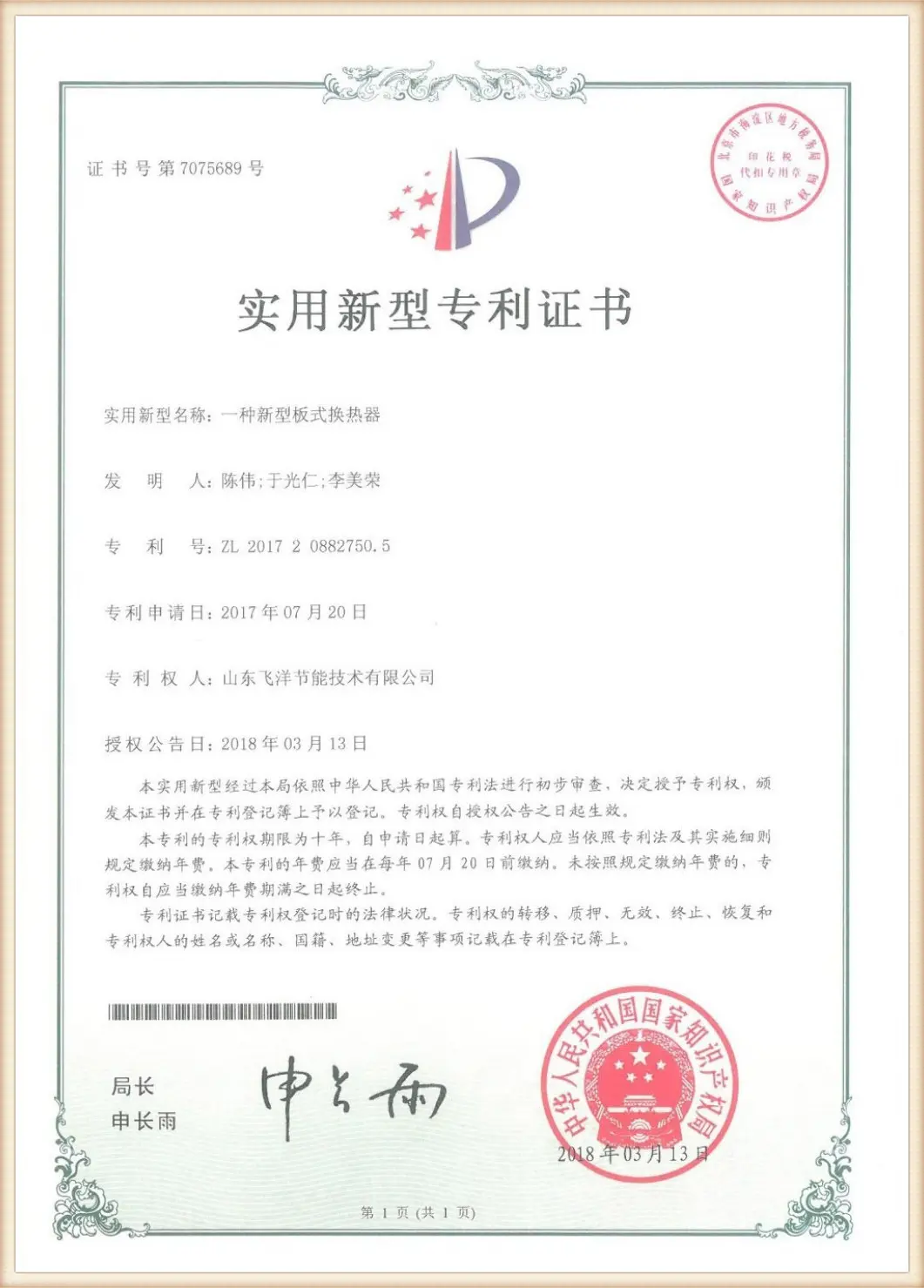
All items comply strictly with pressure equipment parameters, certified under ISO 9001:2015, ISO 14001, and ISO 45001 standards, complete with national safety registries.
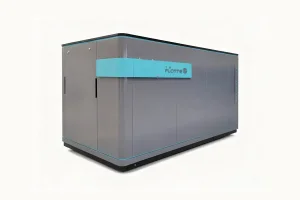
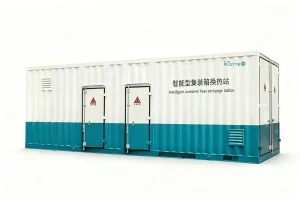
Our integrated box-type heat exchanger units are pre-assembled and calibrated inside the facility, reducing field setup hours by up to 65% for local engineering crews.
For seaside industrial complexes and marine cooling grids in Greece, plates are manufactured in high-grade Titanium, Ni-Resist, or 316L Stainless Steel to prevent galvanic corrosion.
Three decades of manufacturing excellence, pushing the envelope in thermodynamic systems development.
Established originally as Flotte Thermal Engineering in 1995, Flotte Energy Saving Company has grown over the last 30 years into a production powerhouse. With a registered capital of 101 million yuan, our operations specialize in HVAC networks, advanced water systems, and industrial water treatment. Today, our advanced manufacturing footprint produces over 4,500 integrated heat exchange assemblies annually, supported by a 300+ strong workforce including expert thermodynamic engineers, field technicians, and quality compliance managers.
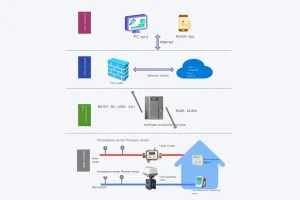
The roadmap for high-performance heat exchange equipment hinges on digitized controls and advanced material sciences. The integration of Internet-of-Things (IoT) room temperature collectors and intelligent network balance valves is transforming traditional district heating pipelines into proactive smart thermal grids. Instead of static pressure distribution, automated valves adapt in real-time to load fluctuations, dropping energy wastage in secondary networks by up to 22%.
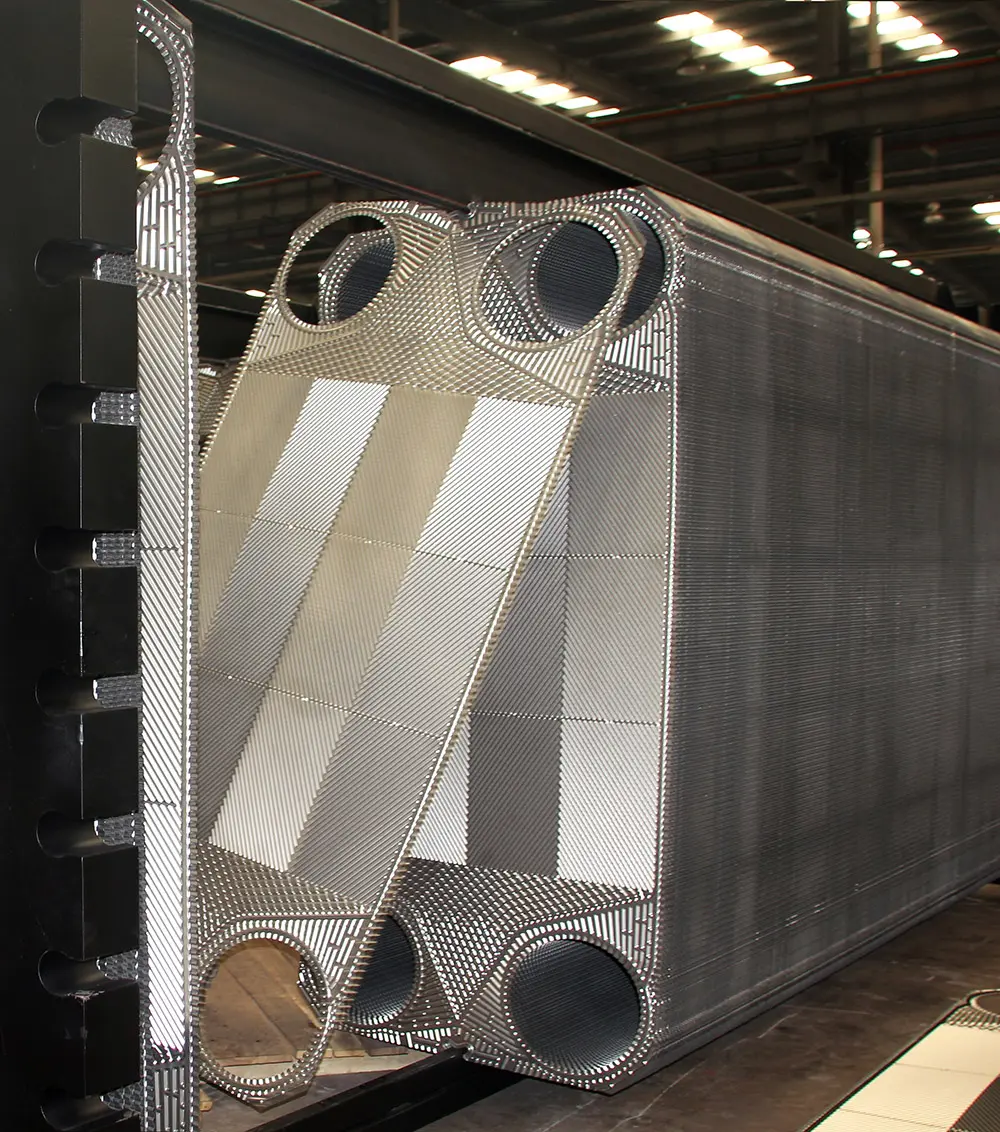
Our design team focuses heavily on corrugated plate geometry. Standardizing high-theta and low-theta corrugated designs allows us to configure plate heat exchangers with precise heat transfer coefficients while managing pressure drops. Simultaneously, we are incorporating anti-fouling nano-coatings that prevent scaling, which is a major issue in hard water regions across Greece.
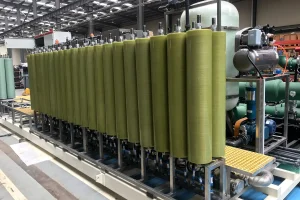
Our long-term development focuses on modular closed-loop desalination systems and multi-effect evaporation units designed for Zero Liquid Discharge (ZLD) requirements in chemical and food-processing operations, helping Greek agricultural enterprises meet EU environmental regulations.
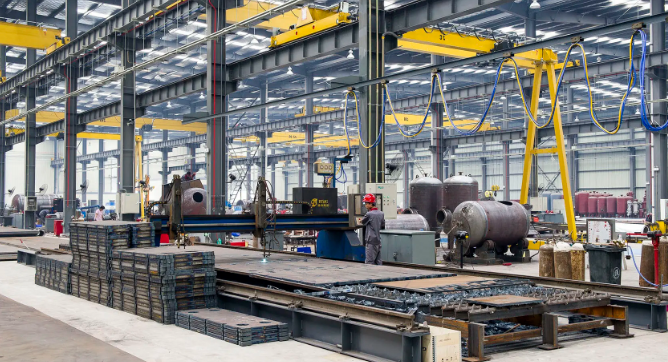
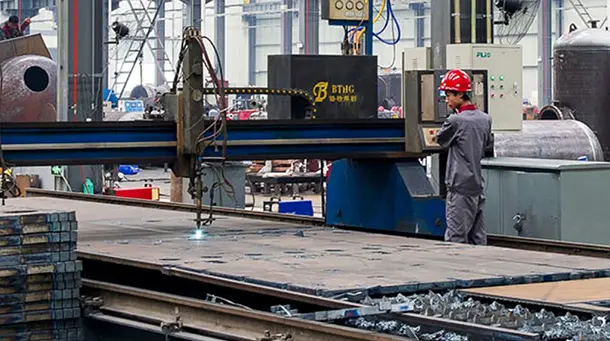
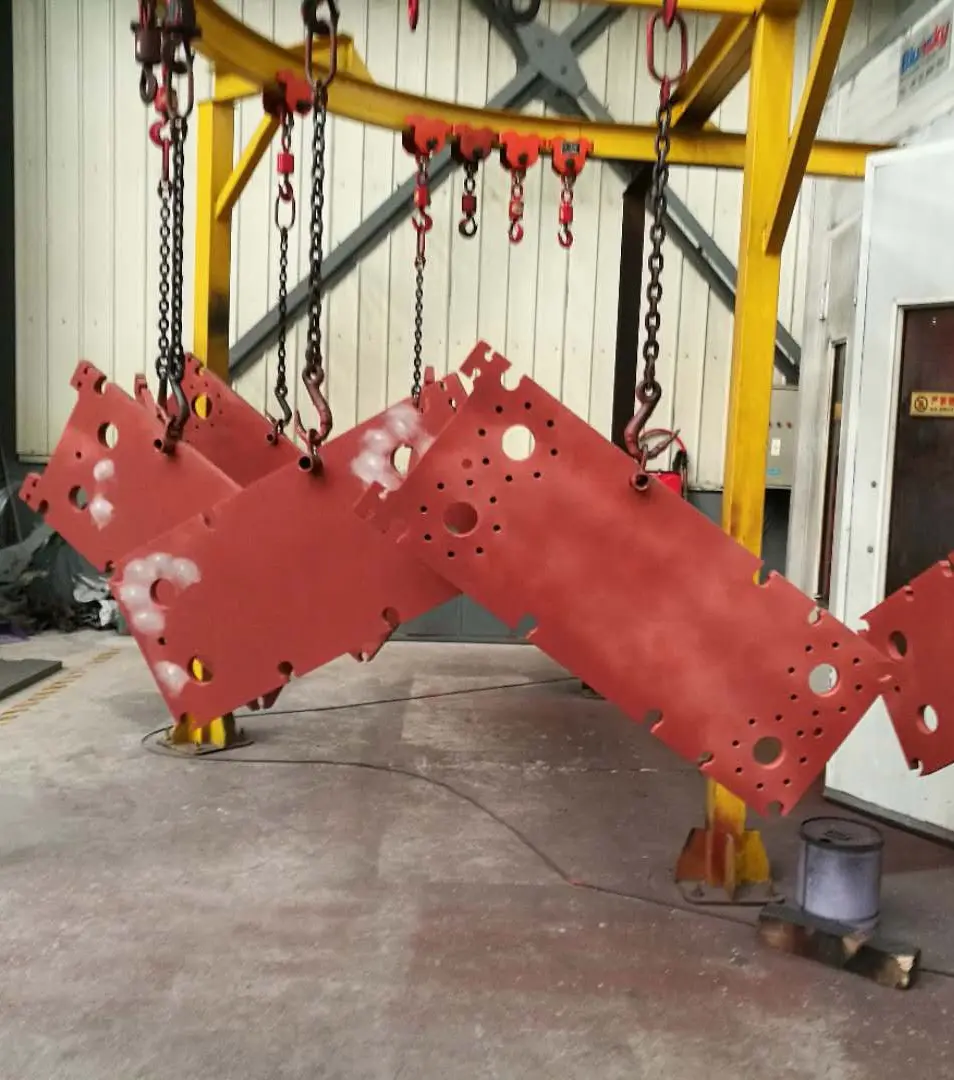
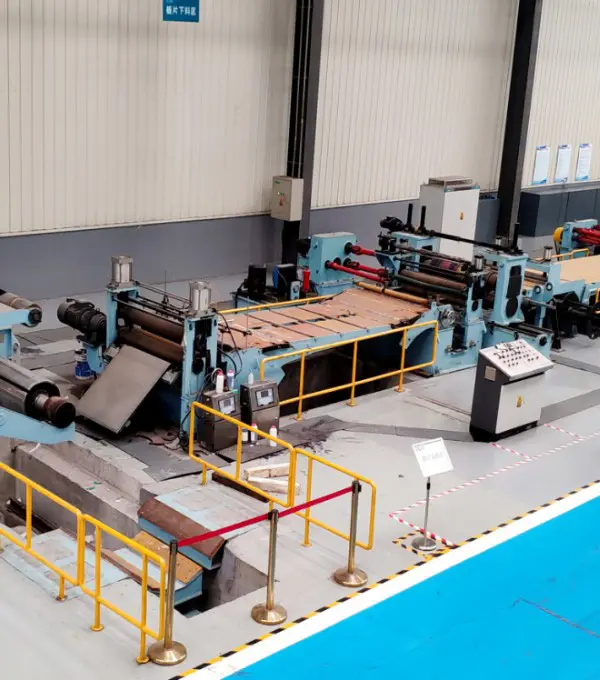
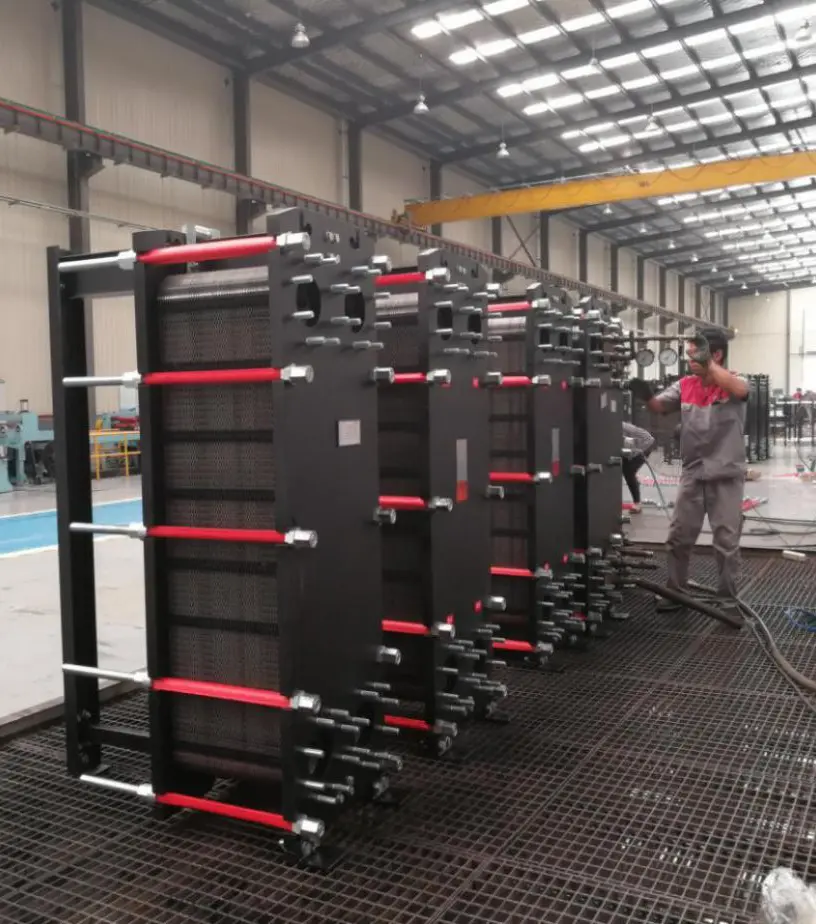
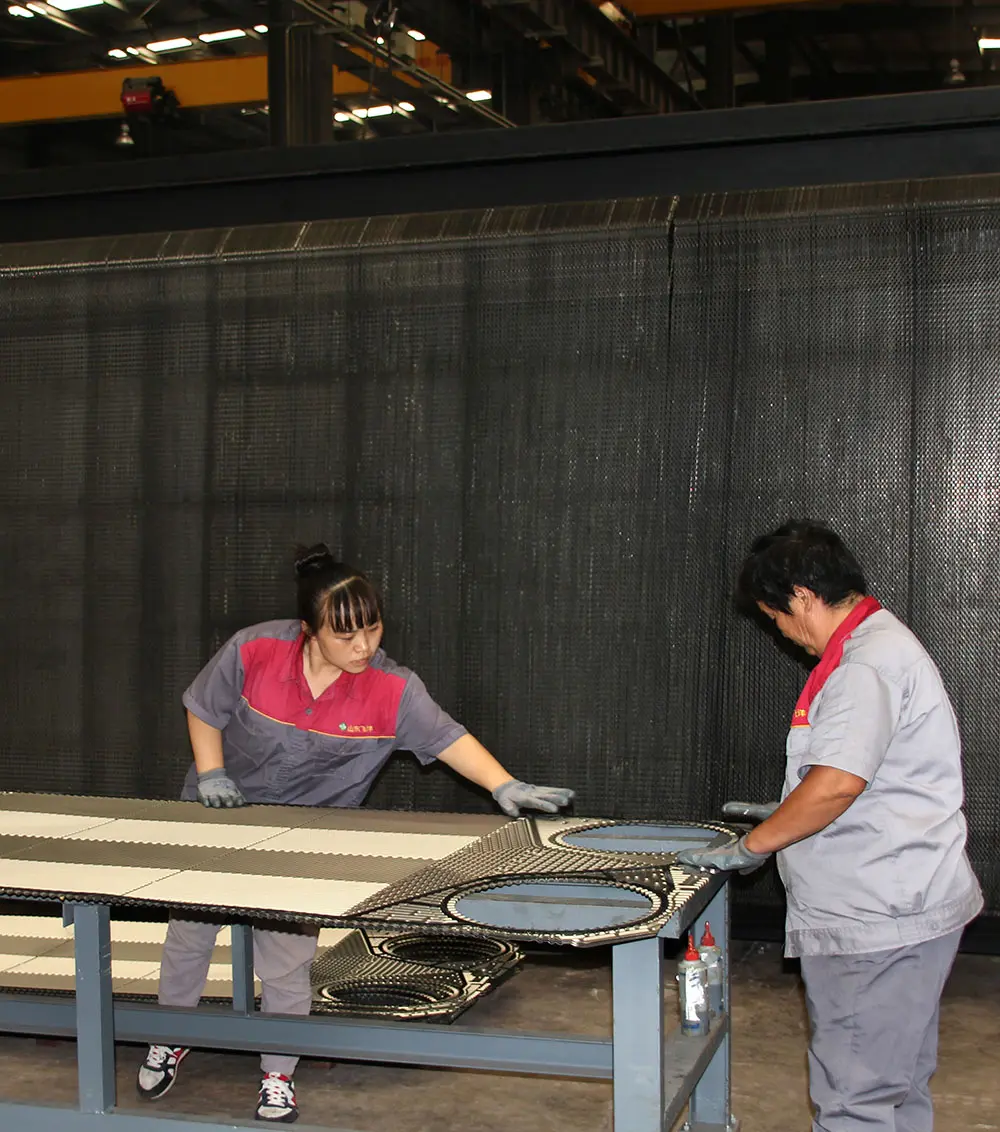
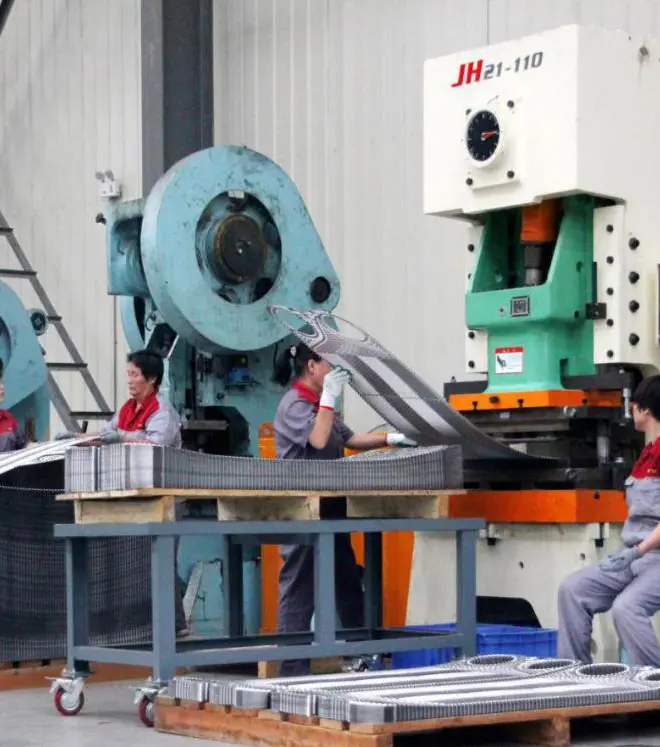
A look into the steps required to produce high-specification plate and shell-and-tube heat exchange units.
Plates are pressed in heavy-tonnage hydraulic presses to achieve precise corrugation geometry, ensuring consistent turbulent flow profile across the entire plate surface.
Skid components are systematically welded using automated machines, integrating intelligent valves, monitoring panels, and primary connections.
Every heat exchange unit undergoes strict pressure retention and seal integrity validation, certifying it for continuous operations under high pressure.
Deploying technical heating infrastructure in Greece requires strict adherence to both EU national standards and local micro-climatic situations. Flotte ensures compliance with the European Pressure Equipment Directive (PED) 2014/68/EU. This includes matching gasket and sealing materials to handle high mineral contents and temperature shifts in geothermal districts.
Our dedicated engineering teams calculate thermal expansion coefficients, fouling factors, and flow velocities to match targeted local criteria. Furthermore, our logistics networks coordinate closely with Greek forwarding companies at major sea hubs (like the Port of Piraeus) to ensure streamlined customs processing and safe delivery of heavy industrial components.
Whether you require a gasketed plate heat exchanger replacement for a cruise ship docking at Piraeus or an integrated district heating station in Macedonia, we provide full technical specifications, engineering schematics in CAD formats, and detailed performance analysis reports to assist local contractors.
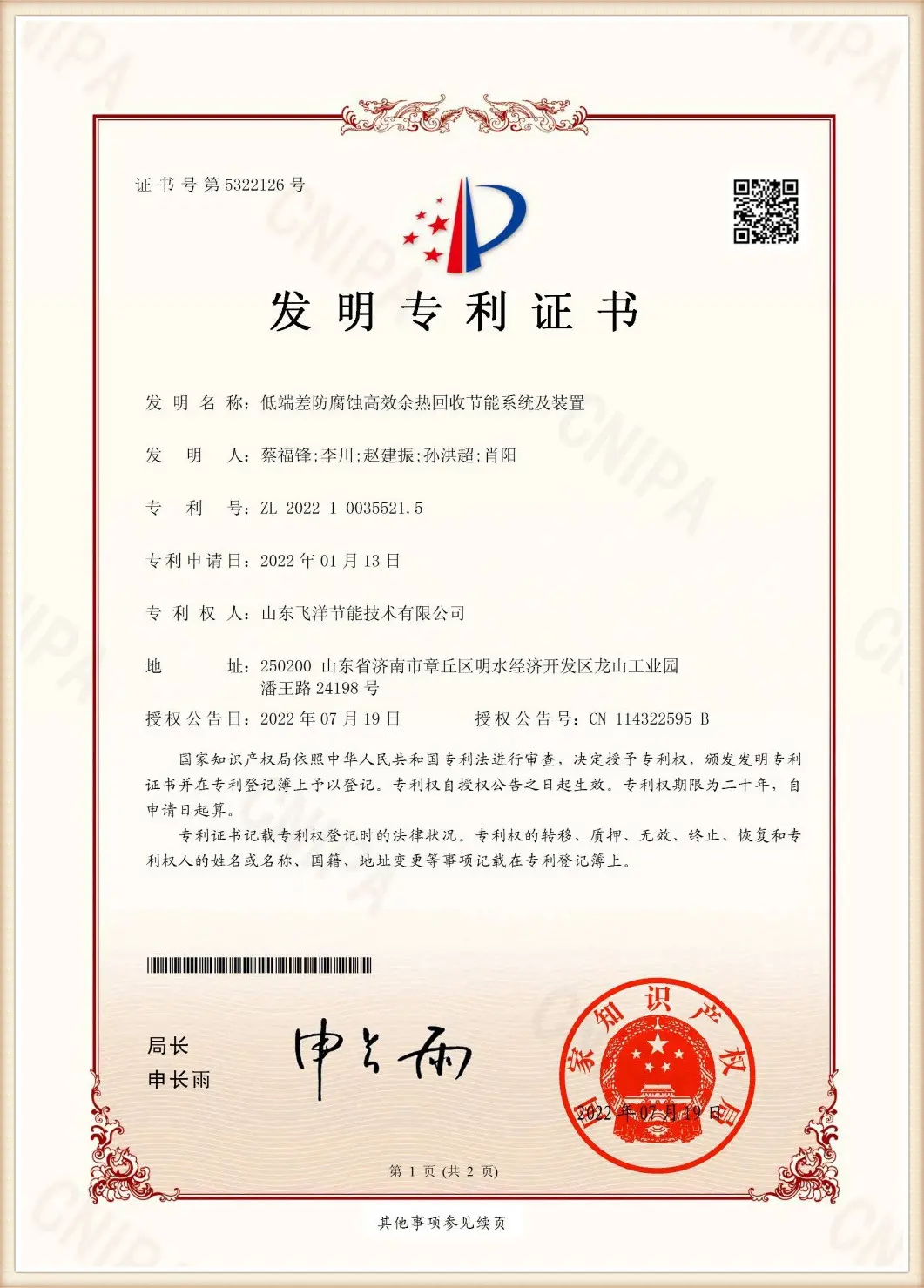
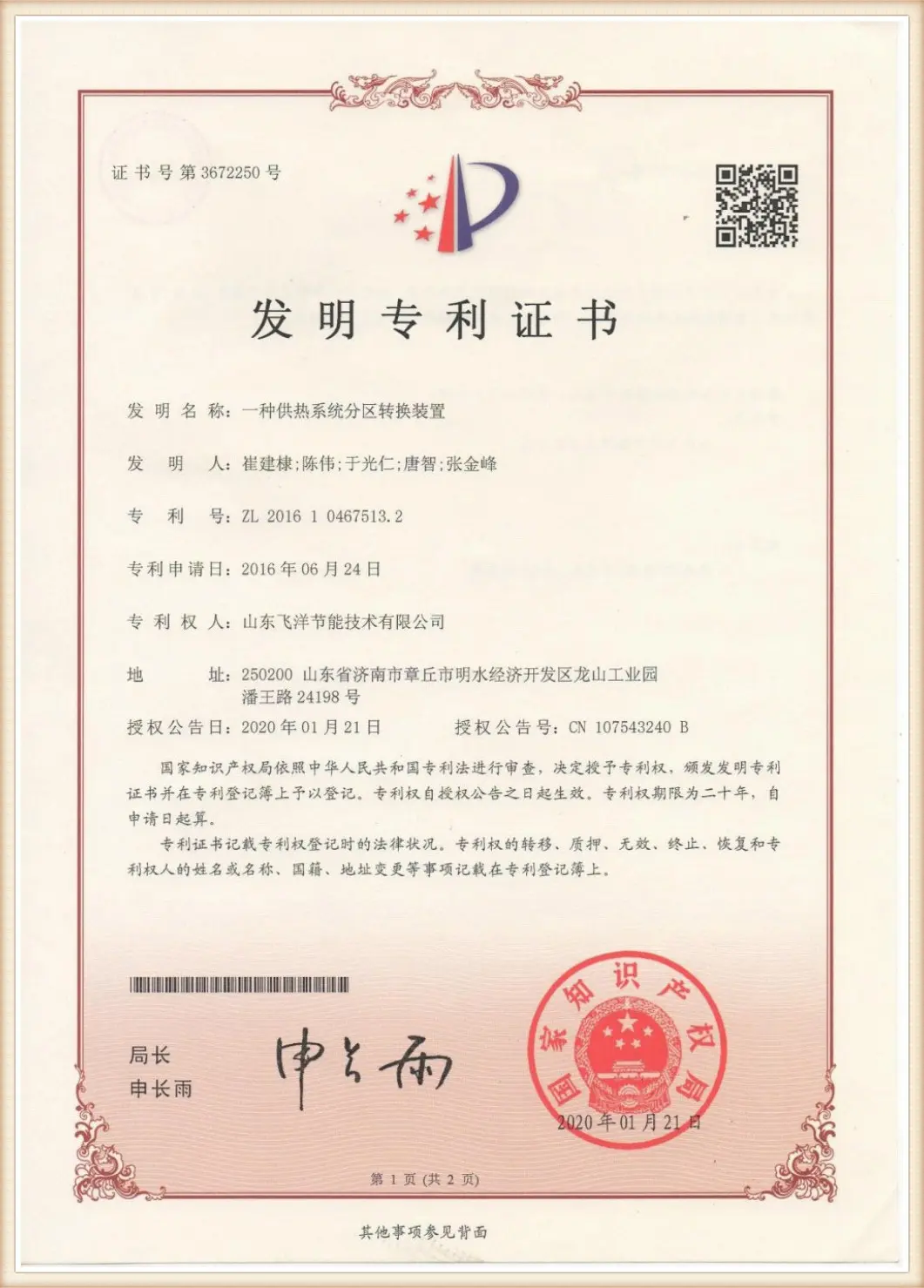
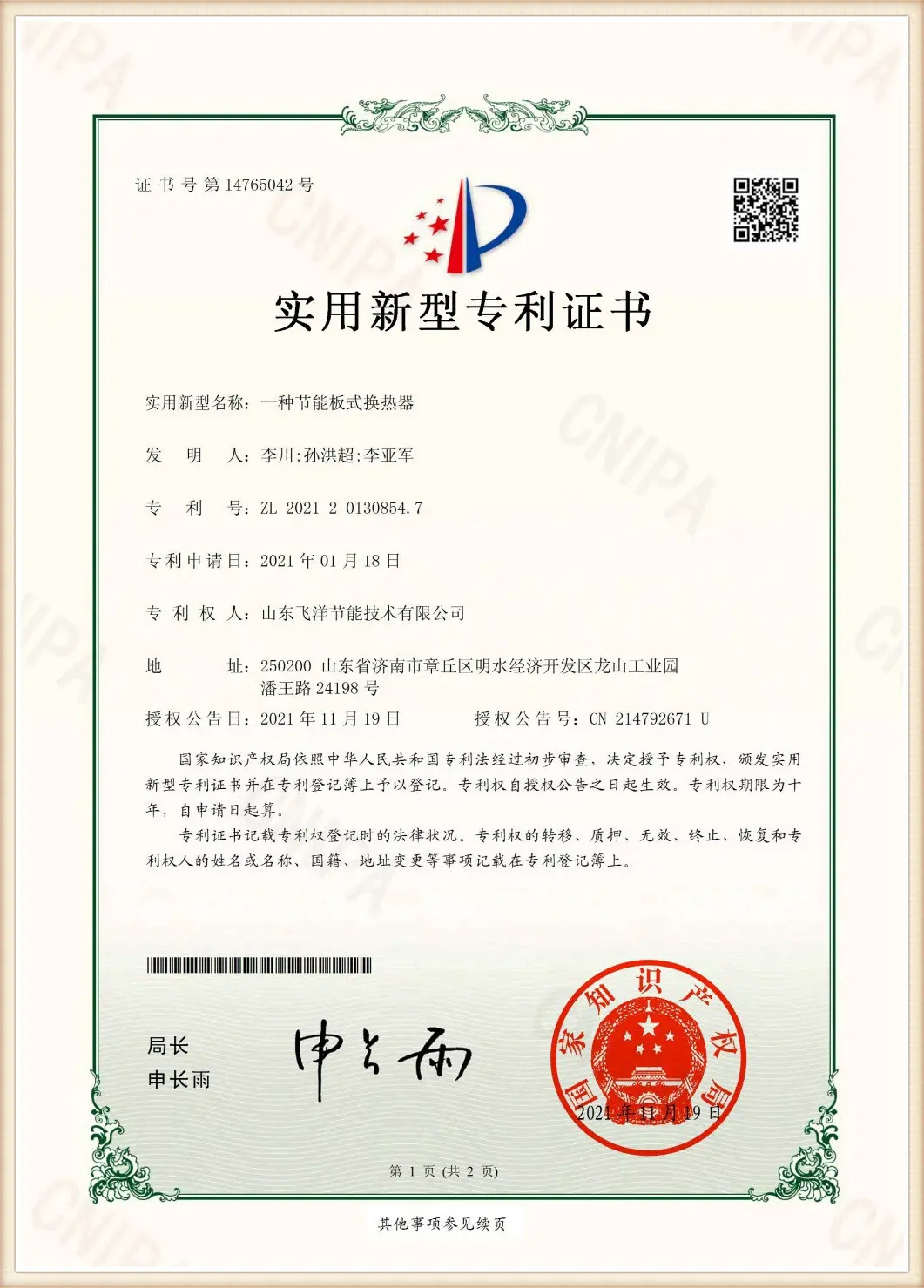
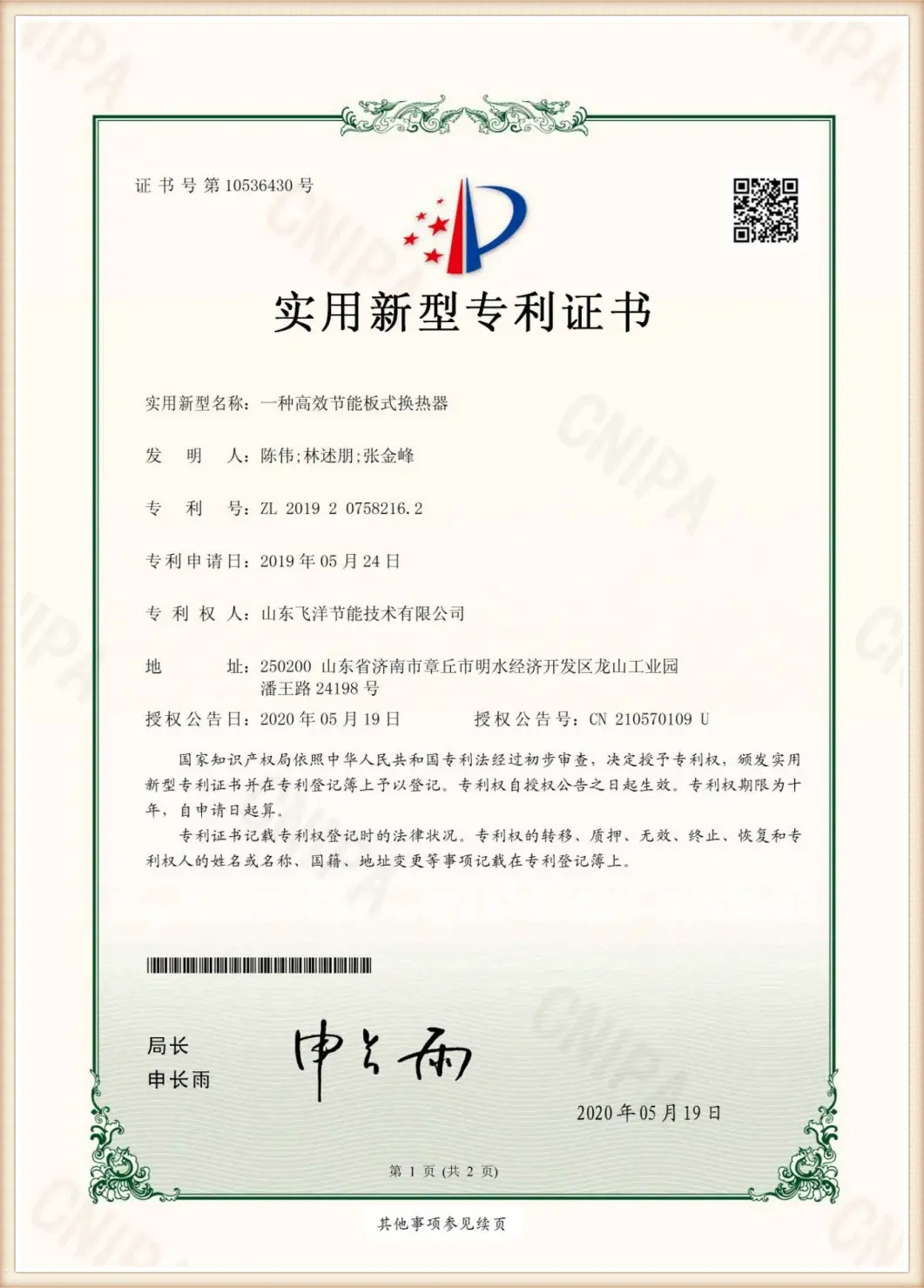
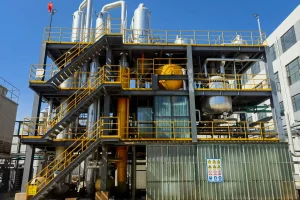
Our complete range of industrial equipment, featuring precise liquid monitoring, high-efficiency heat recovery, and custom evaporation systems.
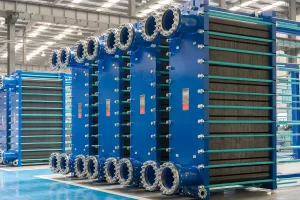
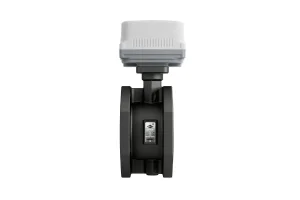
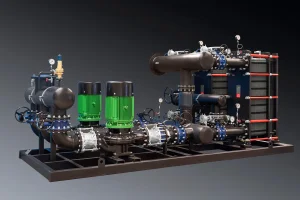
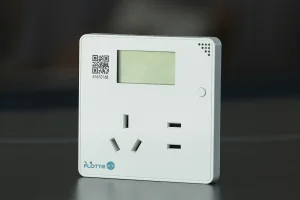
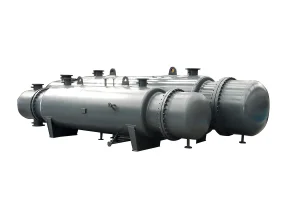
Looking for related variants? Explore also: Removable Plate Exchanger for Pressure Regulating Stations | Wholesale Intelligent Balancing Valve Systems | Wholesale Multi-Effect Thermal Evaporation Systems | Shell & Tube Heat Exchangers direct from manufacturer.
Get answers to technical queries regarding product applications, local certifications, and thermal configuration options.
Our heat exchange systems comply with European thermodynamic and pressure requirements. Each shipment includes full certification reports for the Pressure Equipment Directive (PED) 2014/68/EU, complete with CE marking. In addition, our factories hold registrations for ISO 9001:2015 for quality control, ISO 14001:2015 for environmental standards, and ISO 45001:2018 for safety management, ensuring quick clearance and compliance validation with local Greek safety inspectors.
For coastal processing plants or marine HVAC applications across the Aegean and Ionian seas, we utilize titanium plates rather than traditional stainless steel. Titanium resists pitting and crevice corrosion caused by high-salinity seawater, drastically extending the service life of the equipment. Our plates are precision-molded to create turbulent flow patterns that reduce fouling and biological build-up.
Yes. We specialize in Modular Integrated Box-Type Heat Exchanger Units designed for tight basements and retrofitting layouts. These compact configurations combine the plate heat exchanger, smart balance valves, control sensors, and pumps onto a single, compact skid. This setup simplifies placement through existing entryways, requiring minimal on-site piping connections.
Our intelligent balance valves adjust fluid pressure and flow rates across secondary networks based on load fluctuations and real-time demands. By preventing over-supply in near loops and under-supply in far loops, these valves balance temperatures across municipal grids, preventing heat loss and reducing energy consumption by 15% to 22% compared to manual configurations.
Custom engineered systems, including Multi-Effect Evaporators and Membrane Concentration systems, require 4 to 8 weeks for design, assembly, and hydrostatic validation. Standard plate heat exchangers can be shipped within 2 to 3 weeks. We partner with logistics networks shipping directly to the Port of Piraeus or the Port of Thessaloniki, and provide complete documentation (CAD schematics, wiring prints, and commissioning guides) in English to support local installation teams.
Get in touch with our engineering team today to receive a customized thermodynamic simulation, detailed dimension prints, and a competitive commercial quote tailored to your project requirements.
Send Inquiry Now Flotte Energy