Modern commercial and industrial landscapes in Russia require highly resilient, thermally efficient, and structurally compliant heat exchange systems. In regions experiencing steep winter drops down to -40°C and below, municipal district heating networks (DHNs) and industrial processing systems cannot afford unscheduled downtime or thermal losses. Flotte Energy Saving Company (originating from Flotte Thermal Engineering founded in 1995) leverages three decades of thermal engineering expertise to engineer and supply systems specifically optimized for these heavy thermal load conditions.
By transitioning traditional system layouts into highly integrated, intelligent plate heat exchanger systems, global procurement teams and municipal engineers can significantly reduce peak steam consumption and optimize primary and secondary water networks. Our engineering approach adheres strictly to the thermodynamic and mechanical safety criteria essential for Siberian and Baltic industrial environments, assuring consistent performance under high dynamic stress.
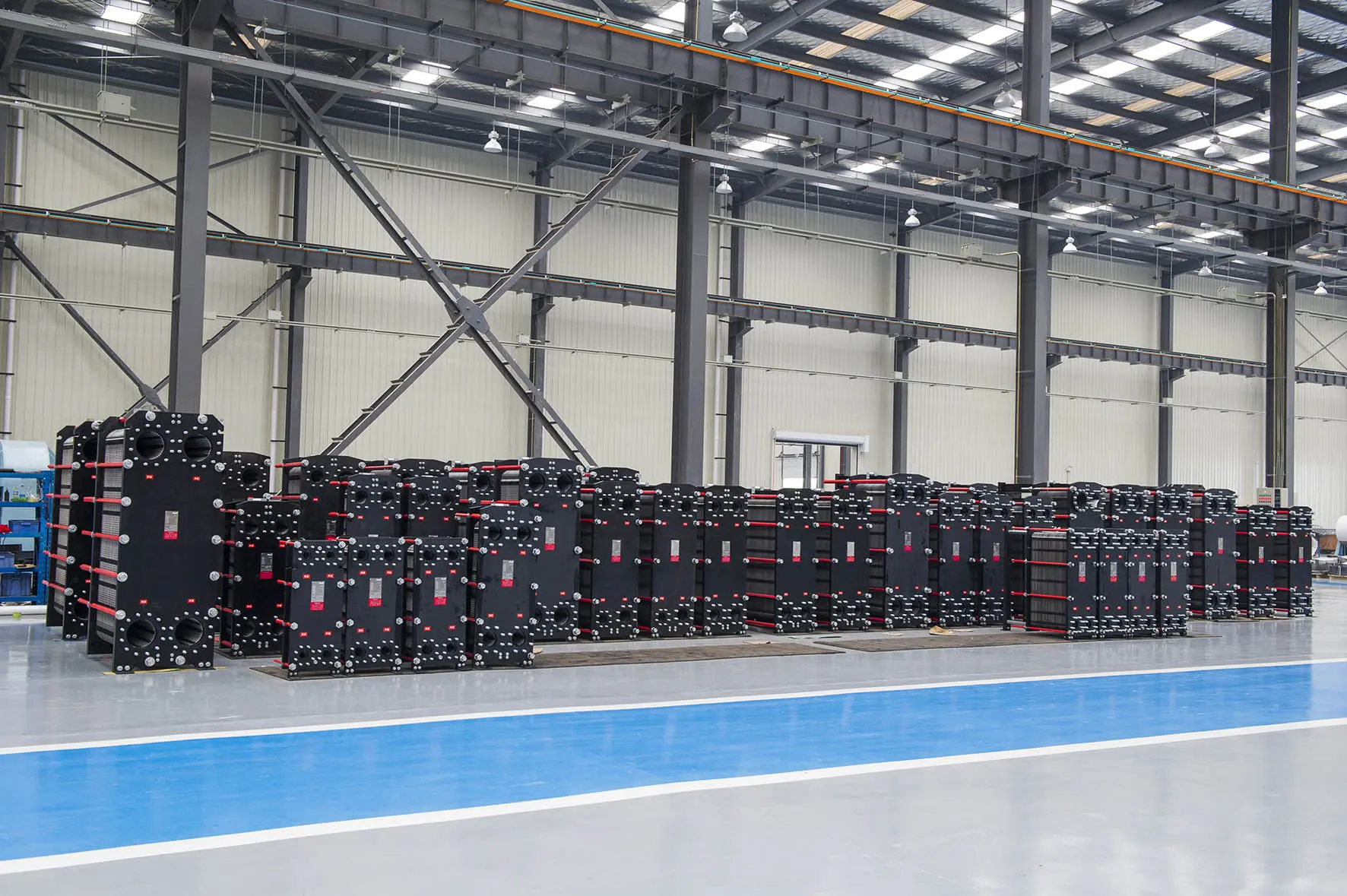
Designed with special low-temperature carbon steel and high-grade stainless plates, our units survive the coldest seasonal fluctuations without brittle failure.
High-efficiency thermal transfer plates precisely divide local boiler circuits from internal consumer loops, ensuring uniform pressure management.
Full manufacturing alignment with GOST standards, EAC requirements, ISO 9001:2015, and the safety parameters for boiler and pressure vessels.
Explore our highly recommended configurations engineered for district heating networks, smart flow management, and water filtration.
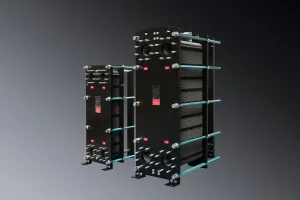
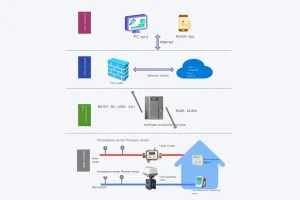
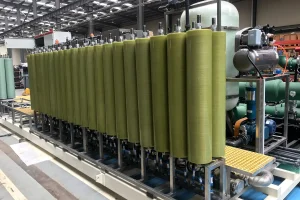
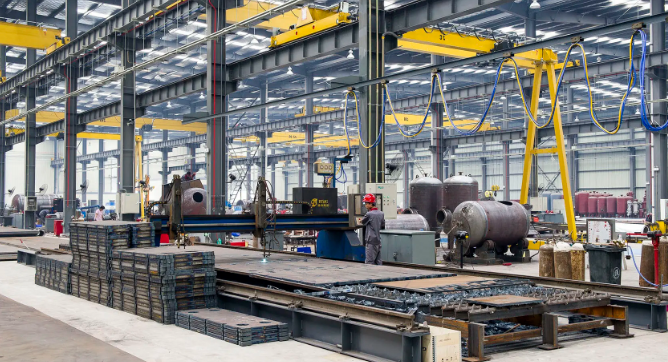
Global procurement specialists importing custom engineering systems into Russia face several systematic hurdles: customs regulatory delays, compatibility issues with metric piping systems, local climate engineering tolerances, and the absence of dependable field-level commissioning support. Flotte solves these concerns by integrating systematic testing, specialized material selections, and dynamic design variations directly inside our primary factory.
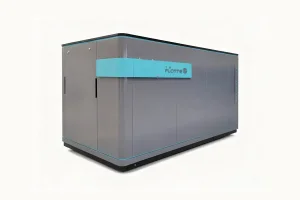
Our solutions incorporate heavy-gauge clamping plates, customized gasket rubbers (such as high-temperature EPDM and NBR variants that preserve flexibility during sub-zero shutdowns), and anti-corrosive titanium or SS316L plates. Furthermore, Flotte's capability to deliver skid-mounted, pre-wired, and fully tested intelligent box-type heat exchanger units minimizes onsite installation labor, allowing rapid connection to existing municipal networks without thermal service disruption.
A statistical overview of our manufacturing capacities, engineering resources, and footprint.
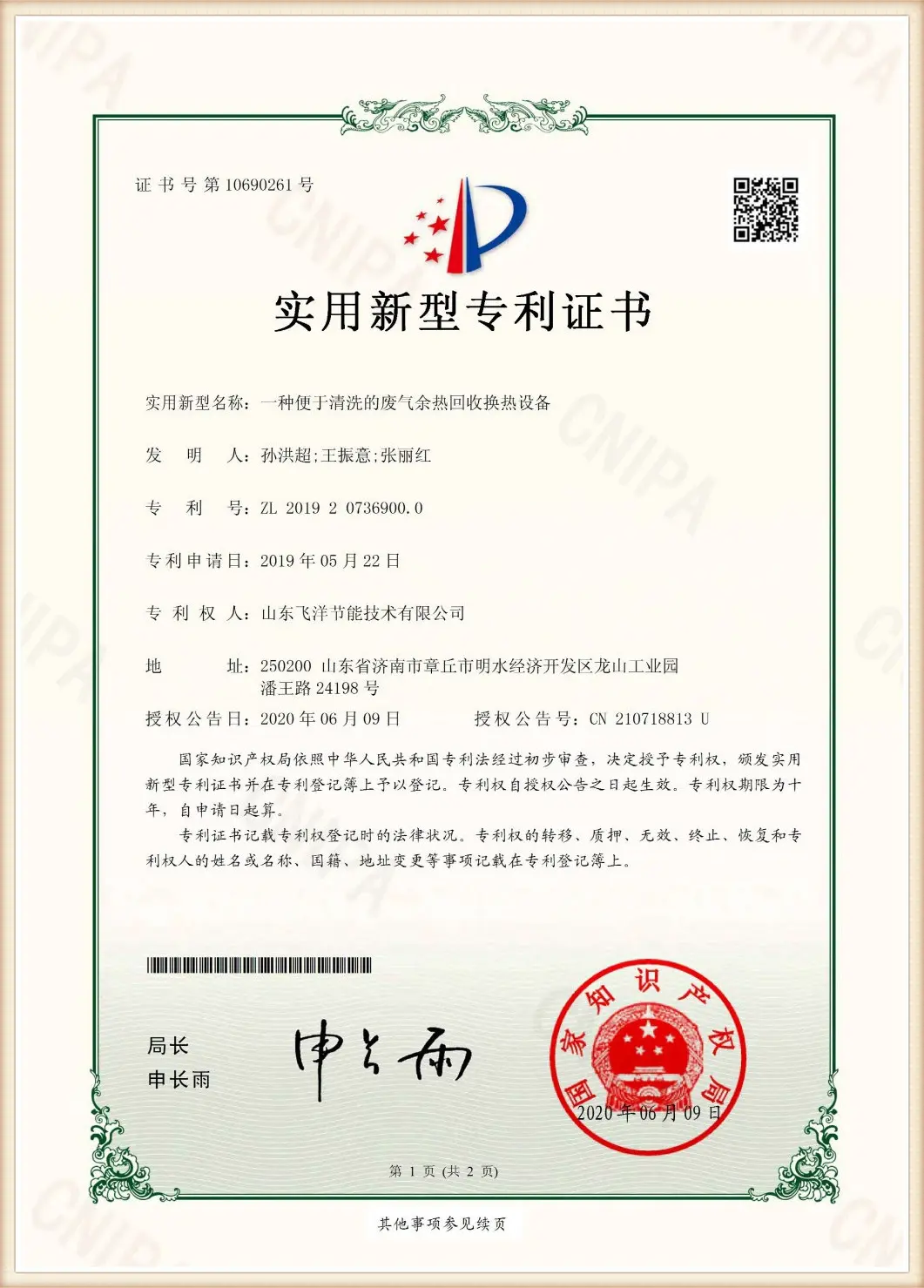
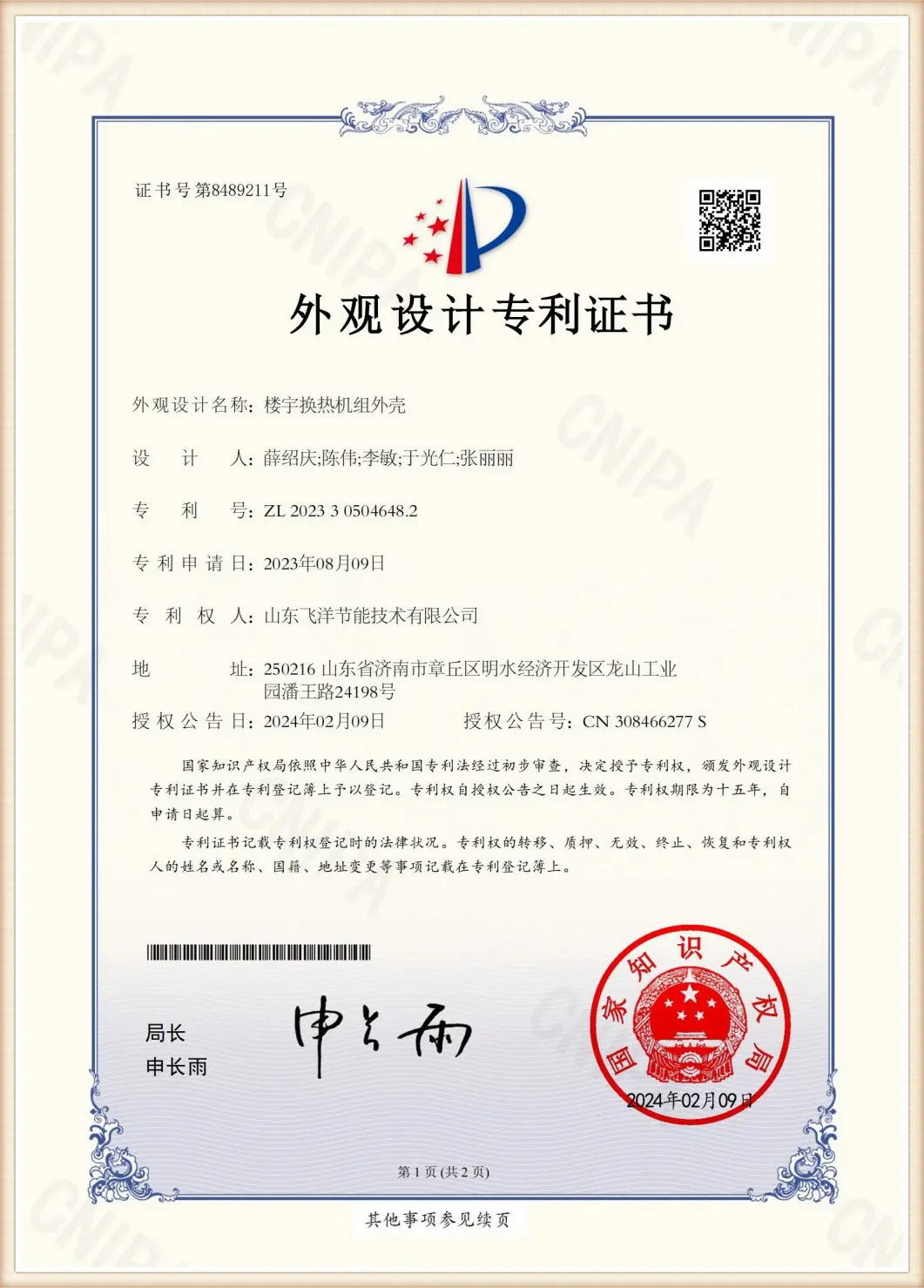
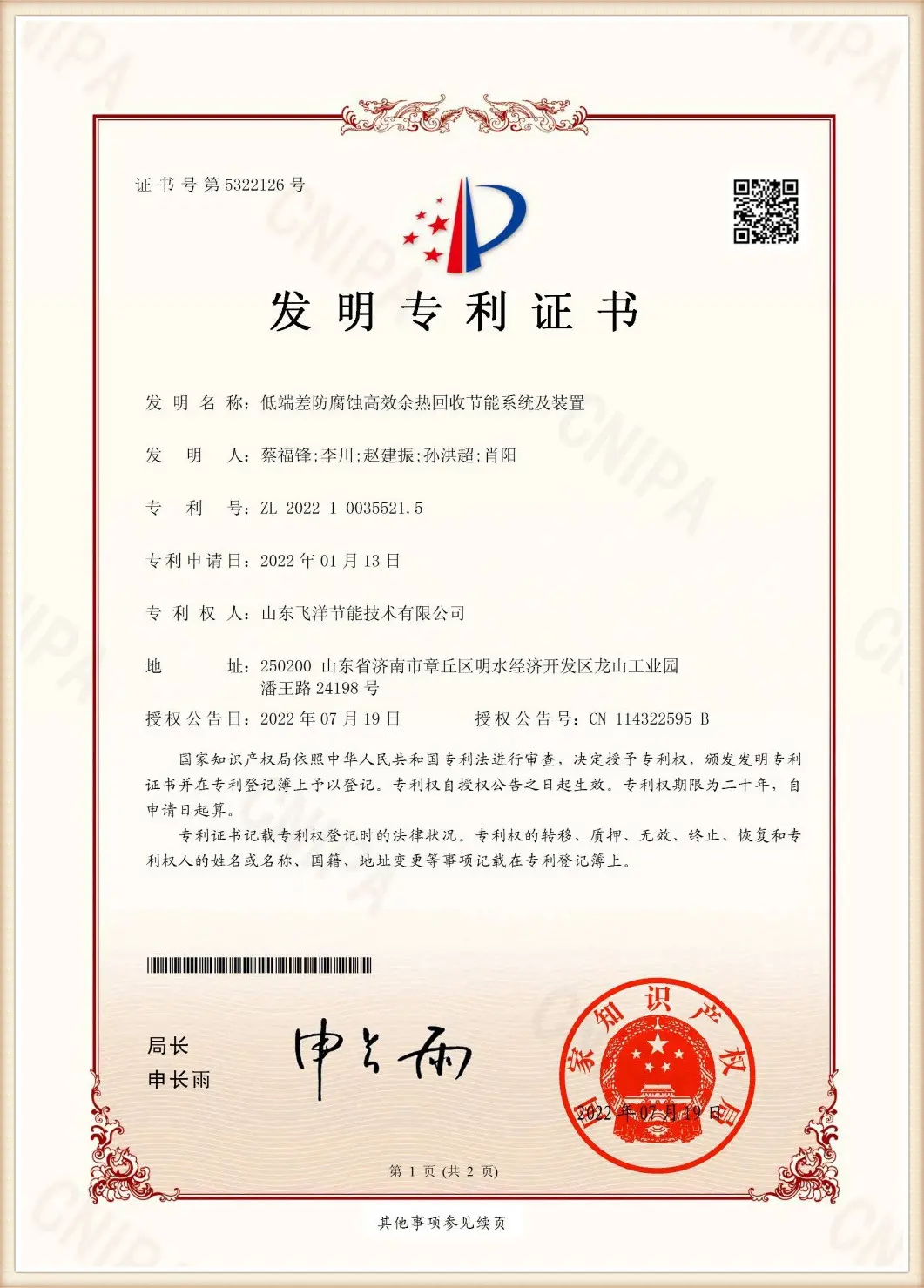
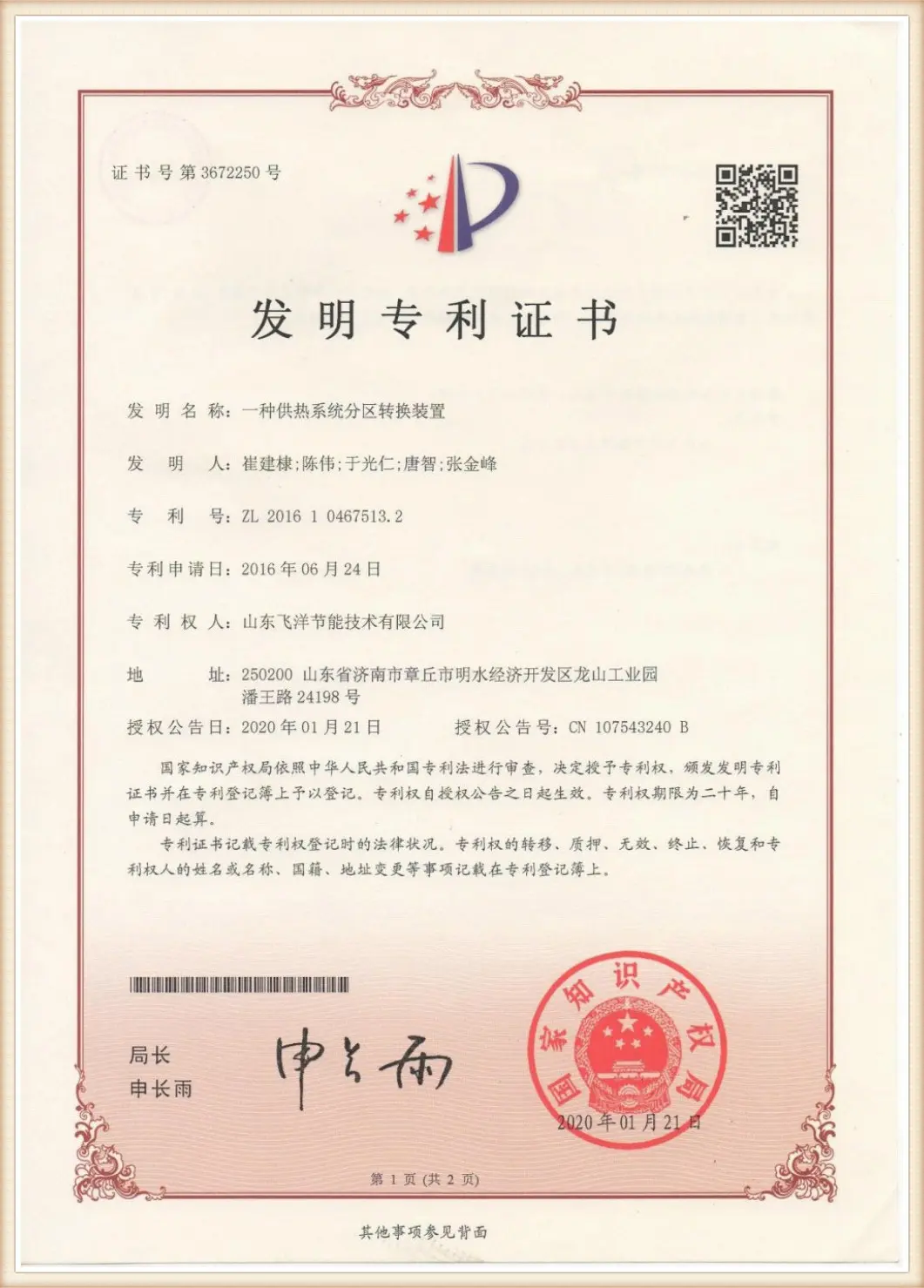
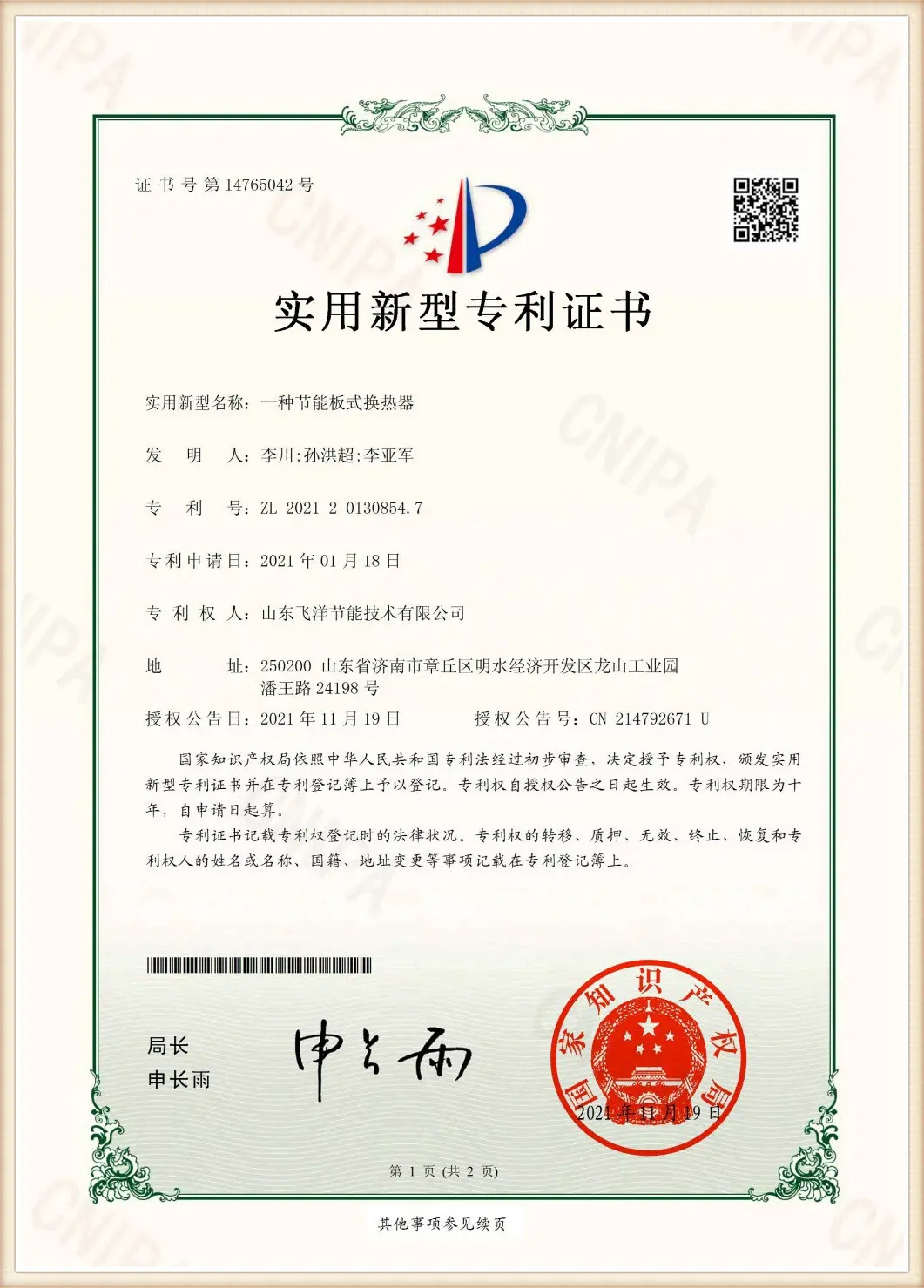
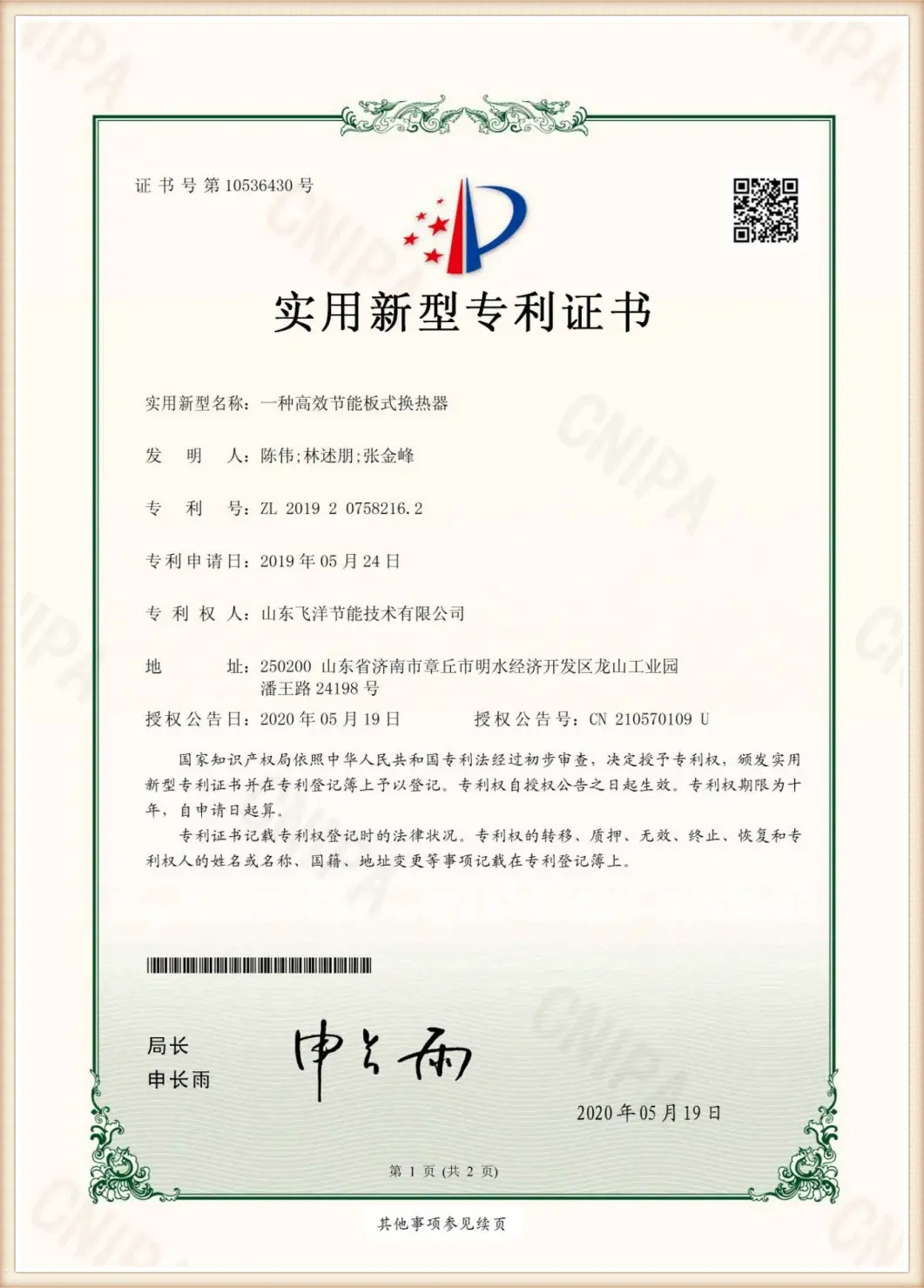
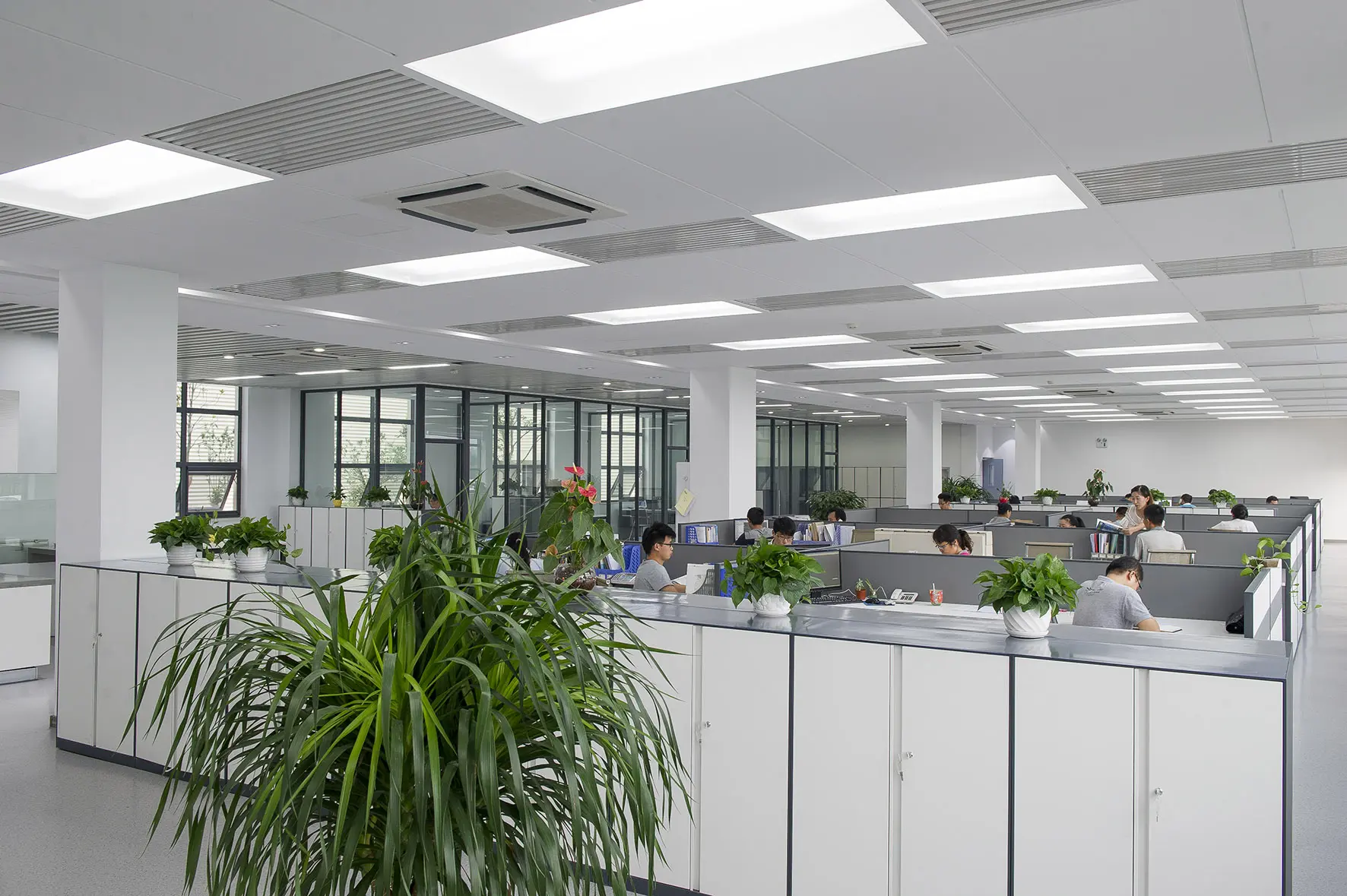
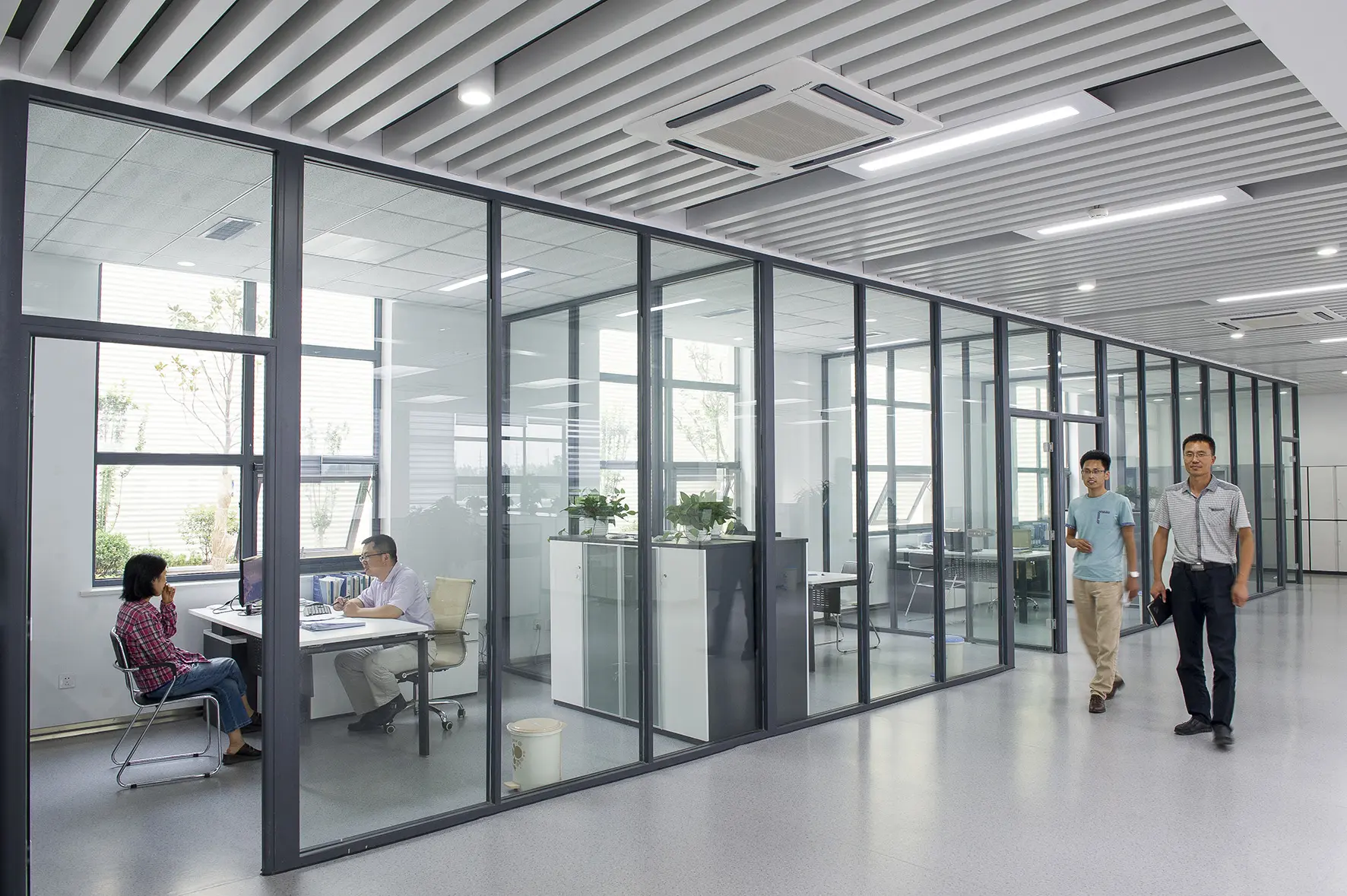
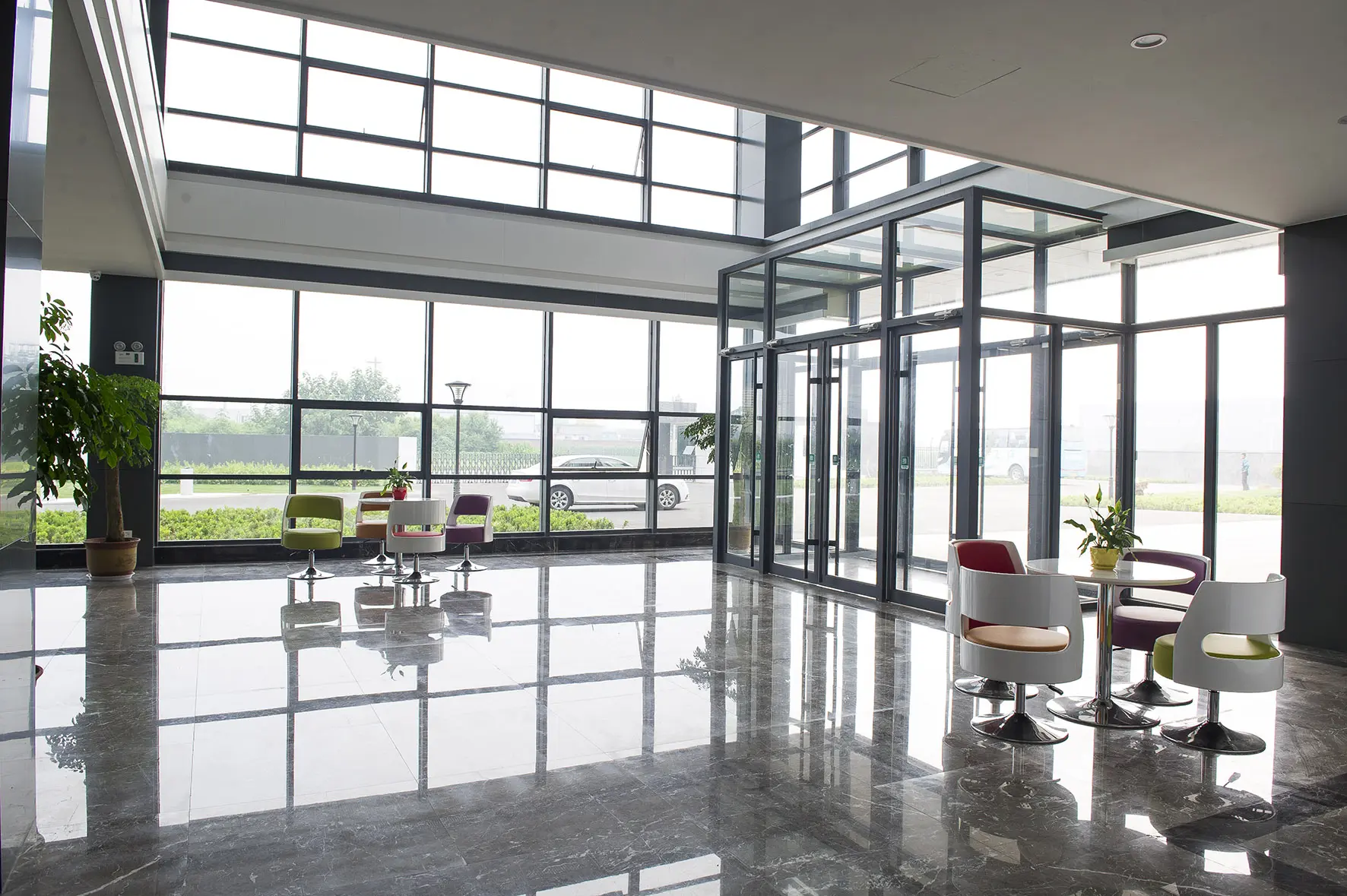
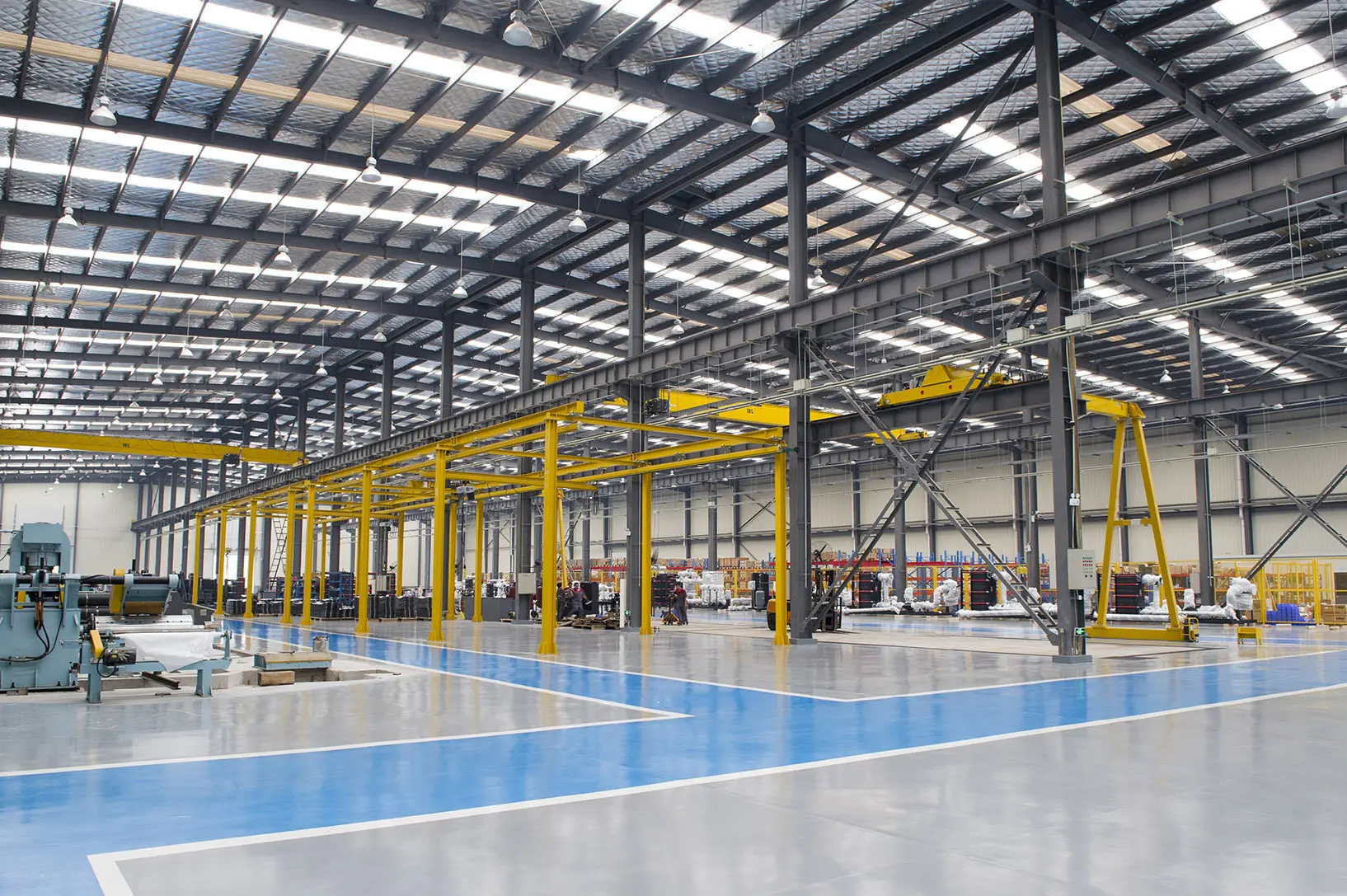
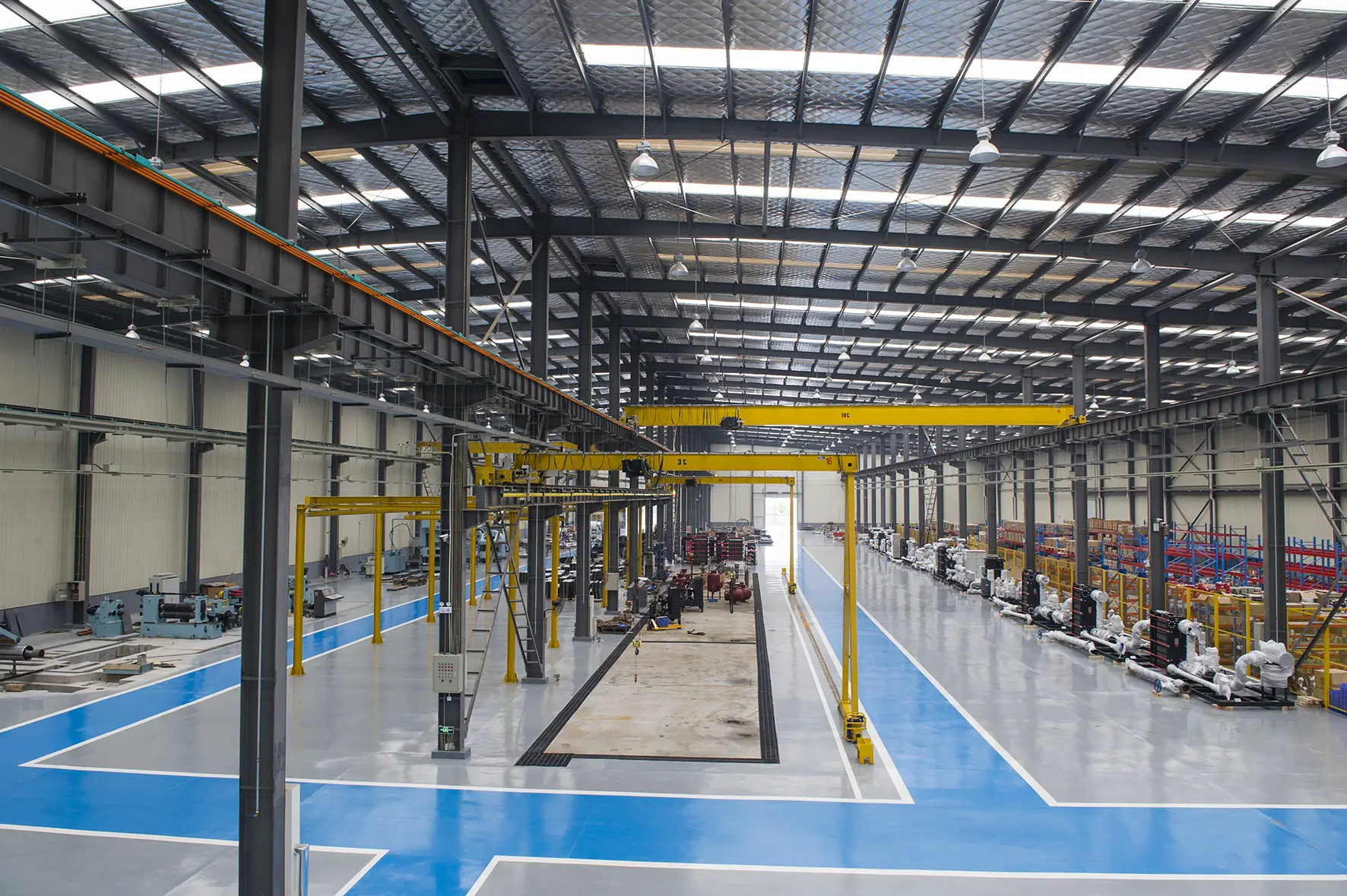
We operate a modern, registered capital 101 million yuan manufacturing hub. Our design and application teams hold multiple technical patent certifications for specialized heat exchanger scaling removal, advanced corrugated designs, and smart hydraulic unit controls. All key products pass rigorous pressure evaluations before shipping.
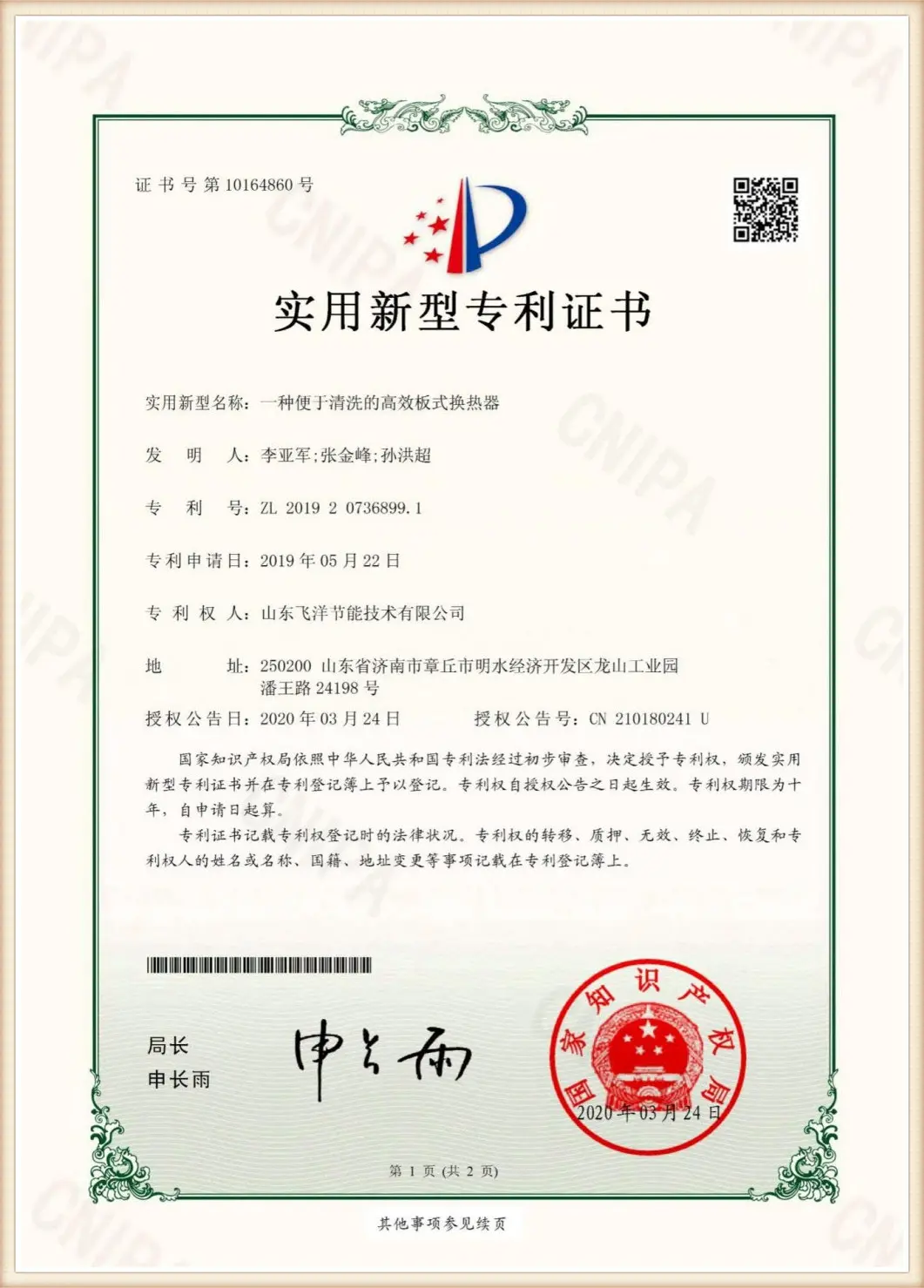
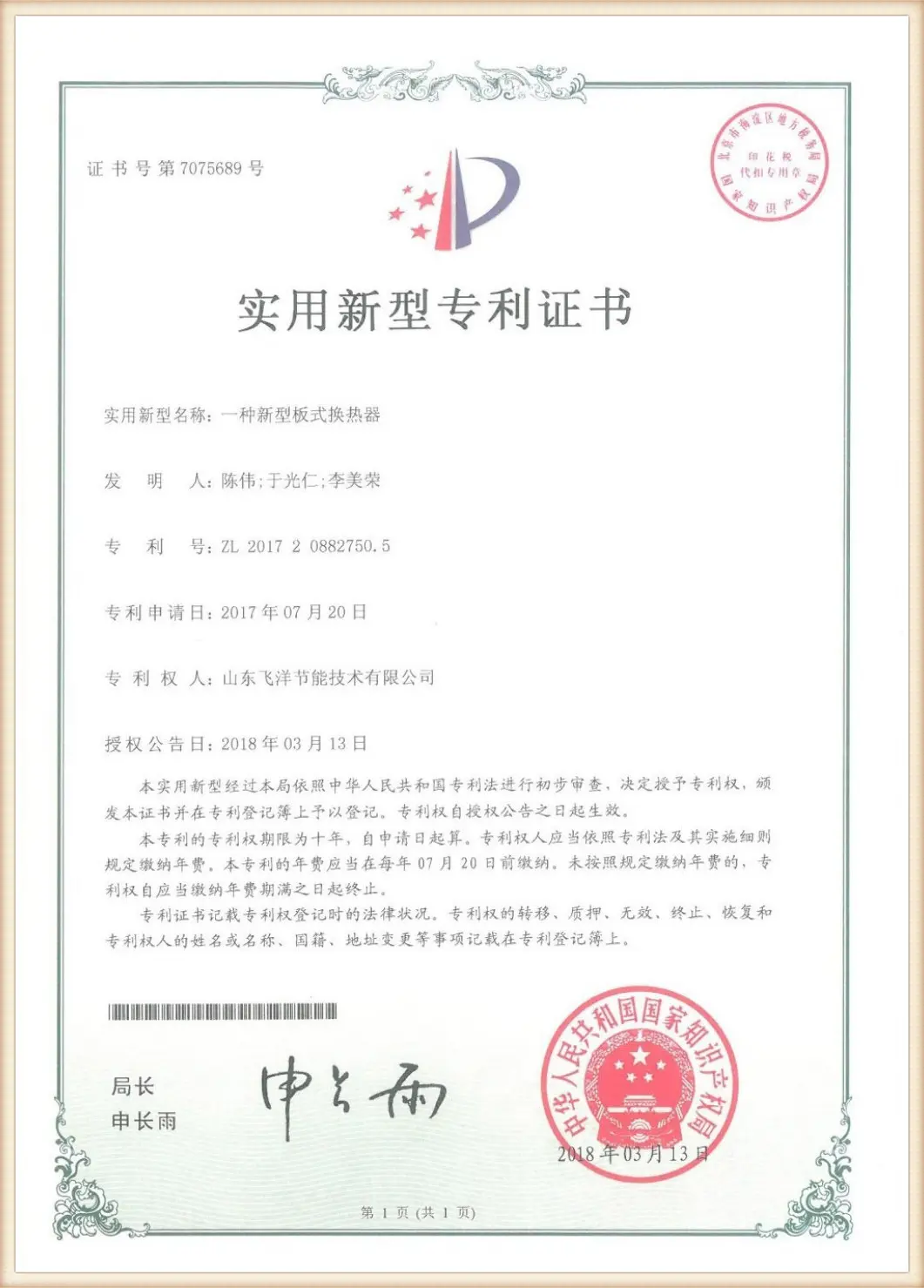
How Flotte's integration of IoT and advanced materials matches modern regional directives for municipal energy savings.
Traditional secondary heating networks experience chronic hydraulic imbalance. Utilizing smart regulation and balance valves, systems automatically adjust flow to stabilize user side temperatures, reducing return-line energy waste by up to 18%.
Russia's variable regional source water qualities often lead to lime and oxide accumulation. Flotte's plate geometry enhances local turbulence, creating a self-cleaning mechanism that sustains design heat transfer coefficients over longer service intervals.
Short summer reconstruction windows require rapid plant assembly. Our pre-piped modular stations are mounted on strong base frames, allowing quick positioning and piping connections directly at local facilities.
Engineered to handle high pressure margins, dense chemical media, and precision municipal balancing.
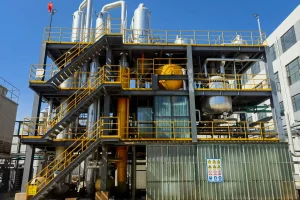
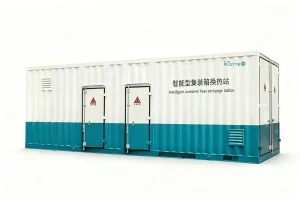
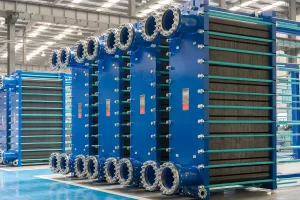
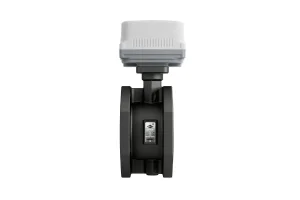
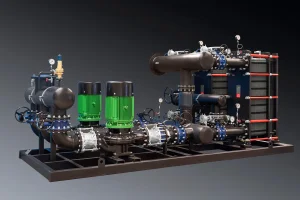

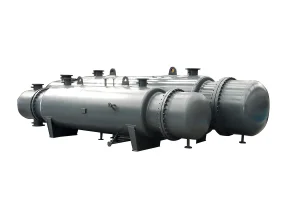
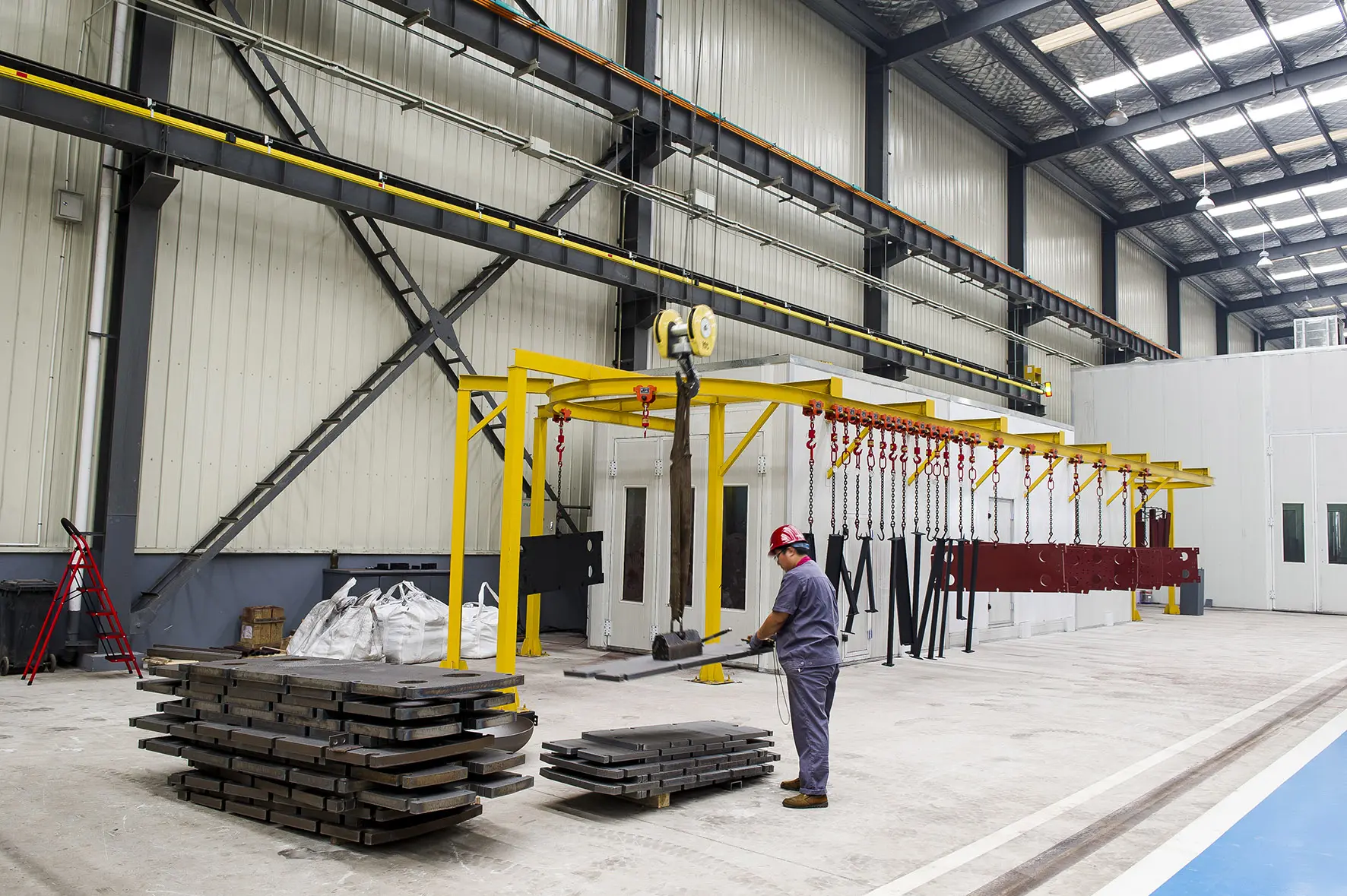
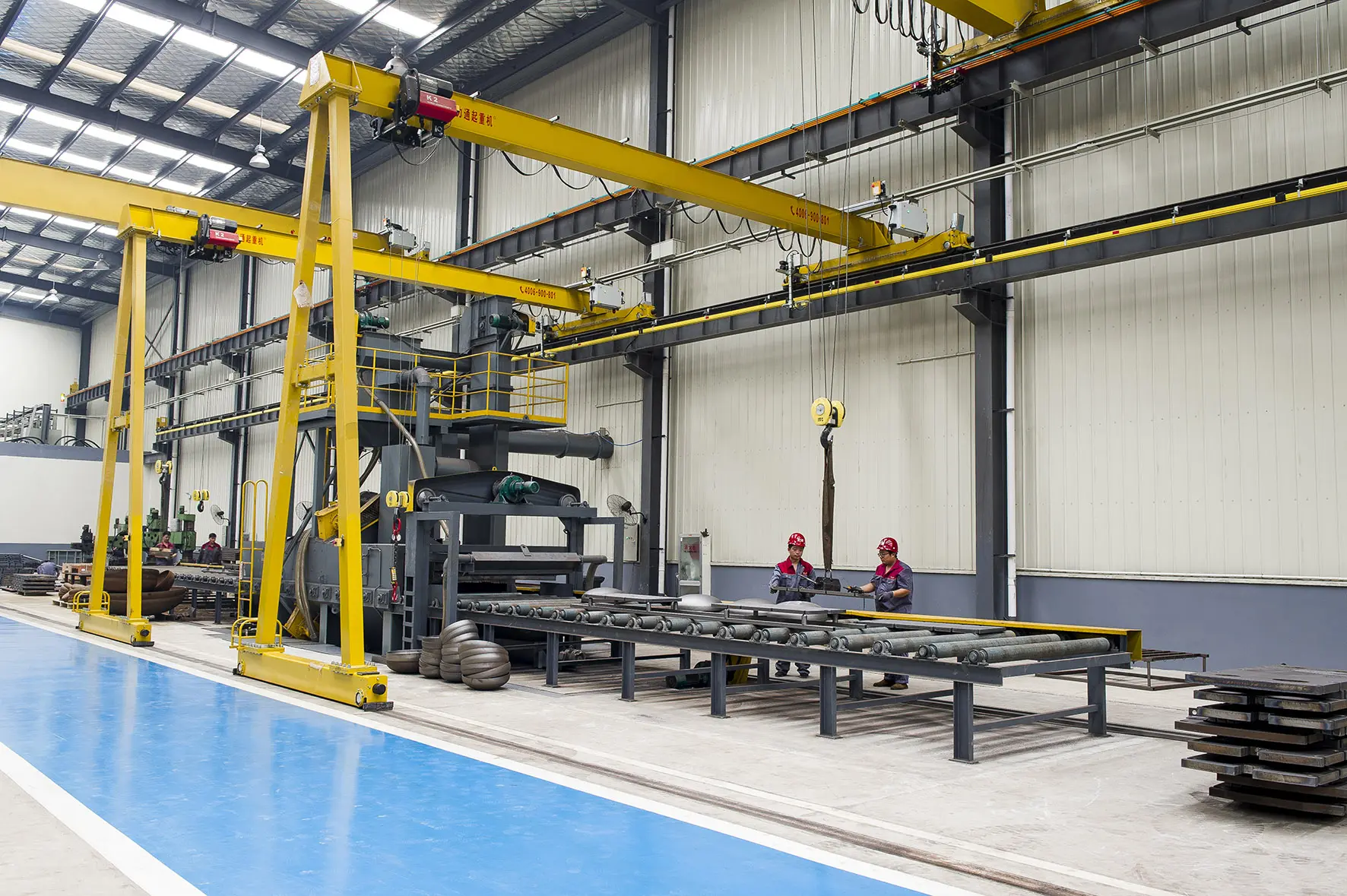
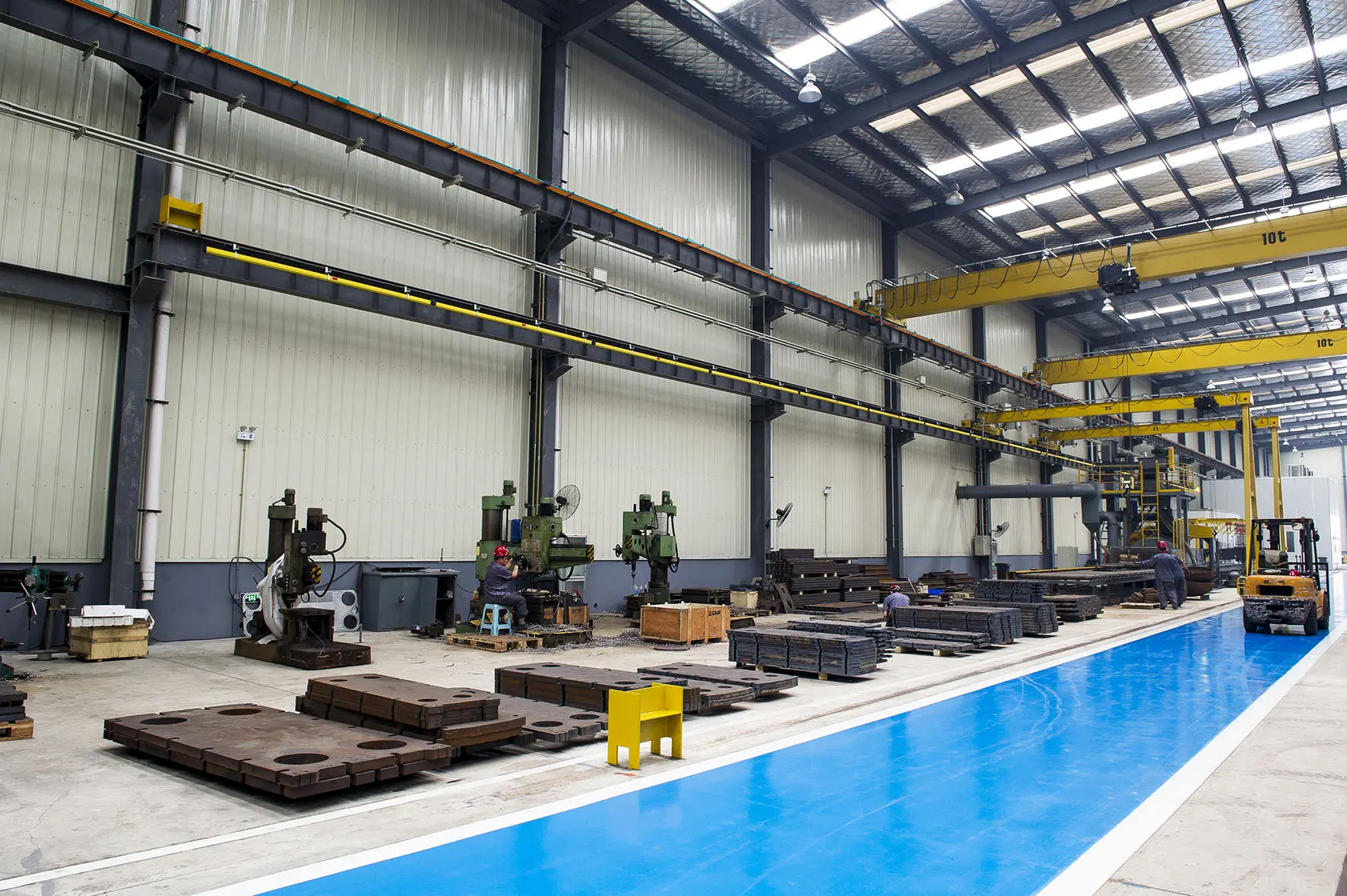
Our ISO-certified manufacturing steps guarantee that every component withstands tough municipal and chemical operations.
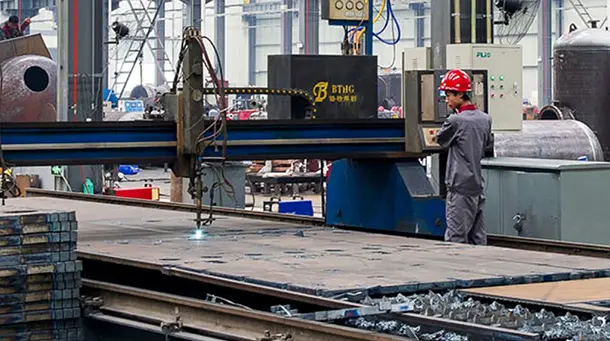
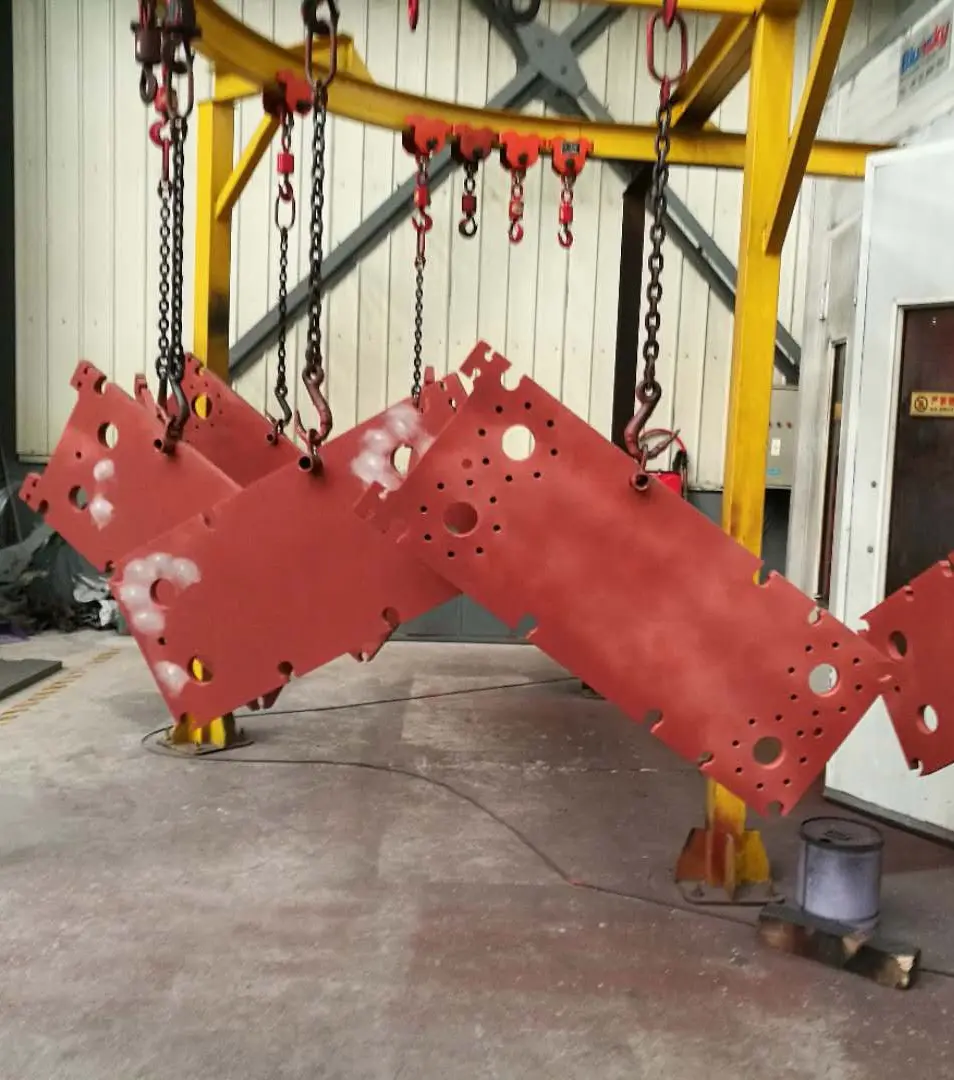
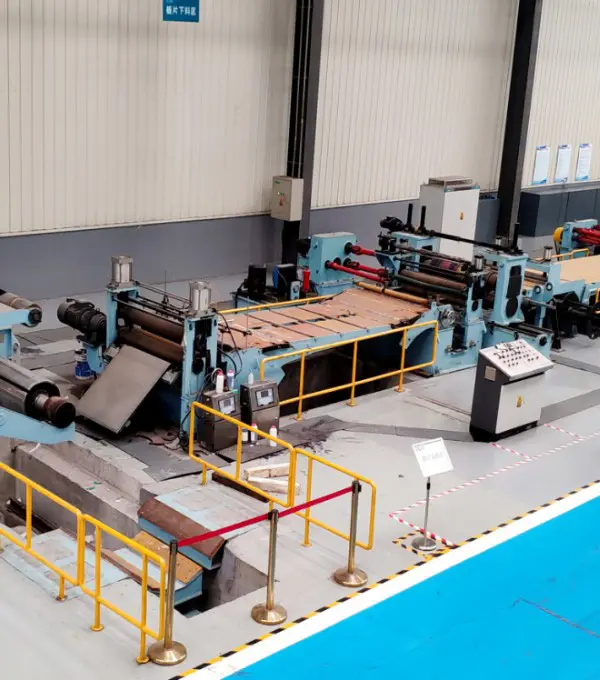
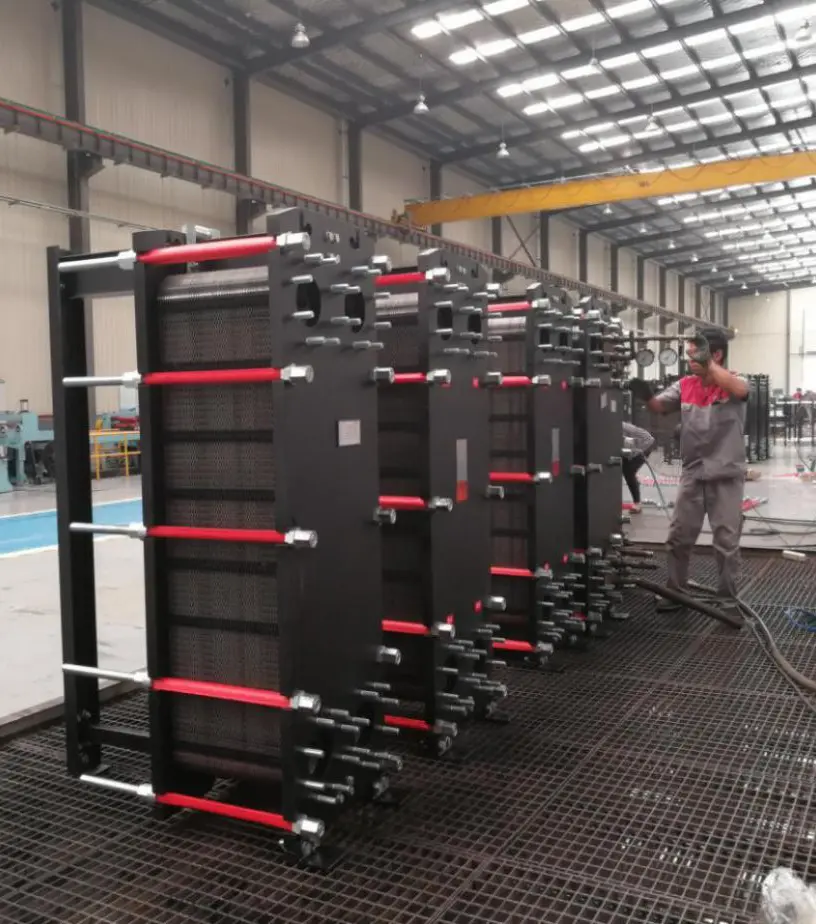
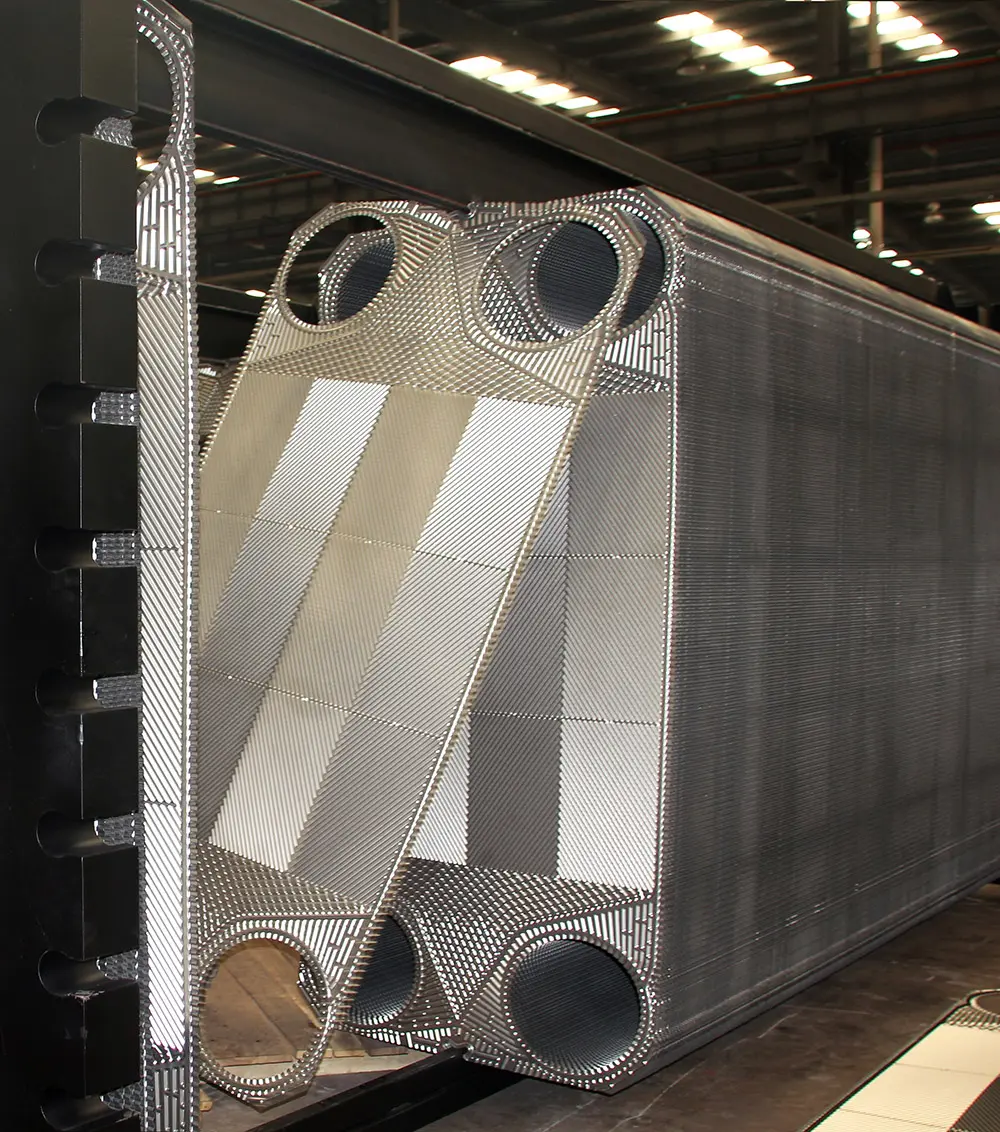
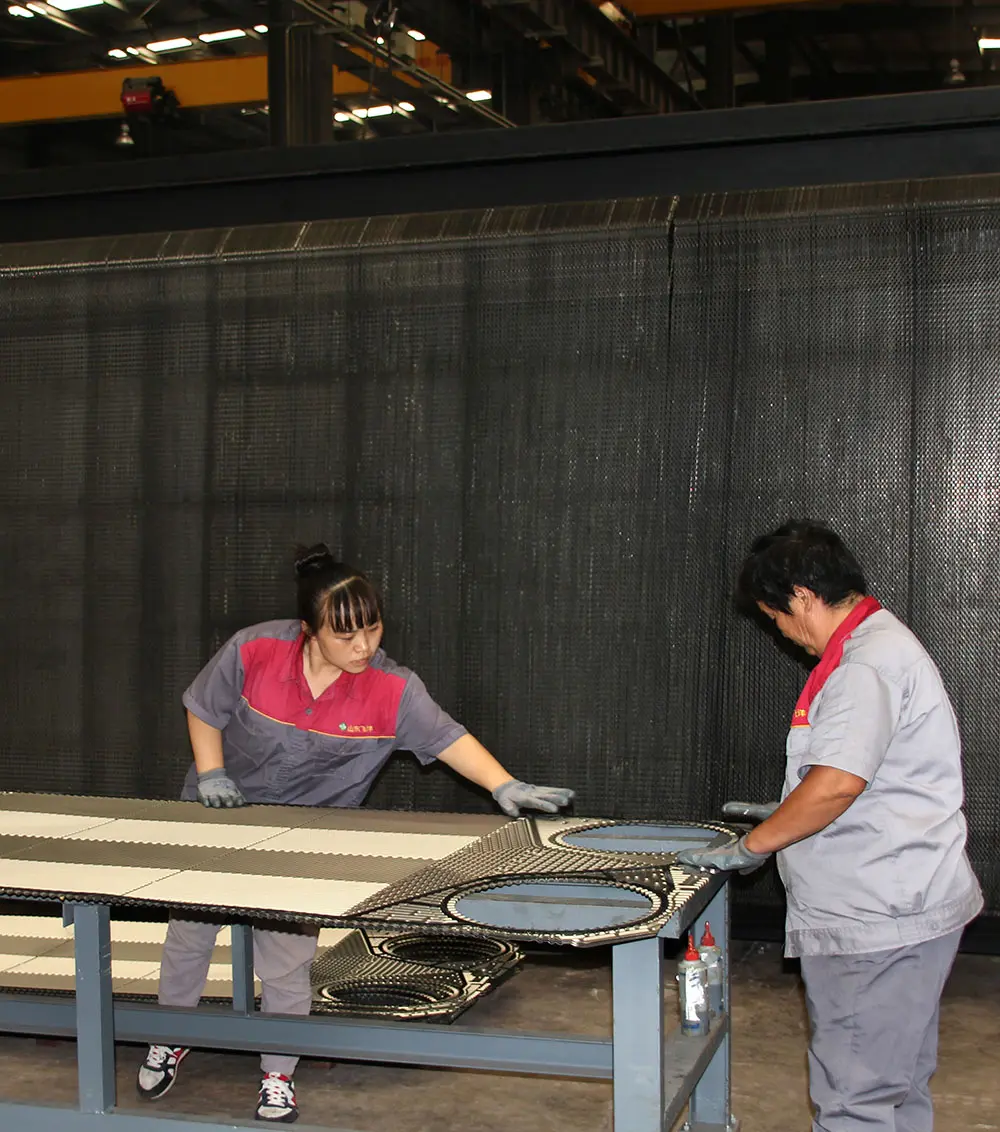
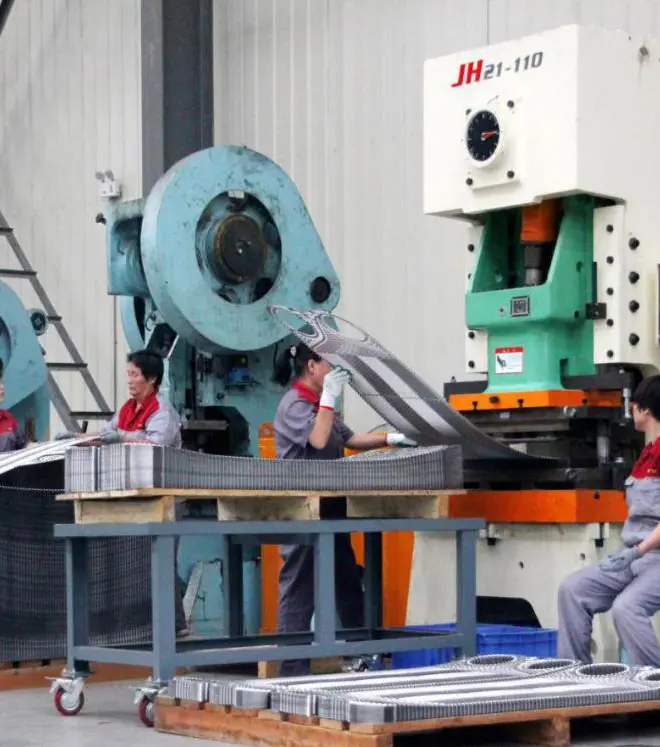
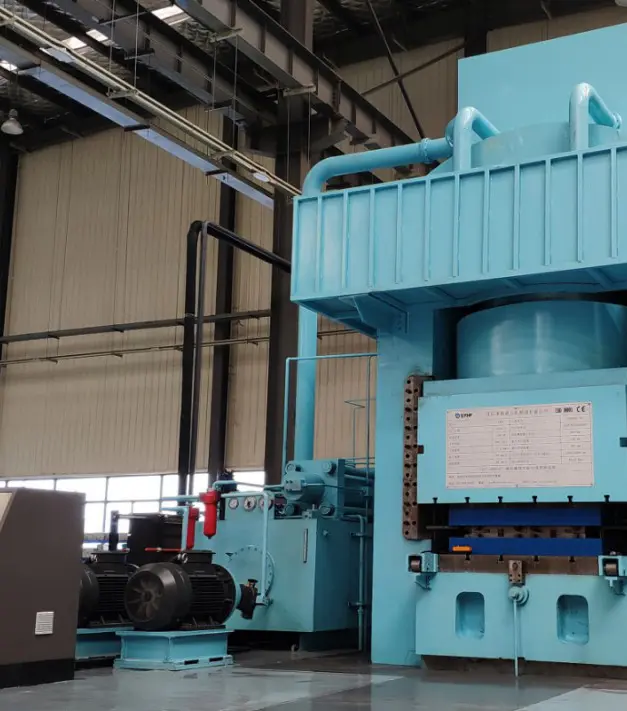
Our raw material procurement runs under structured supply contracts with premium metallurgical suppliers. Every batch of stainless steel or titanium plate is inspected for surface micro-fissures and verified via spectral analysis. Completed assemblies are subjected to hydrostatic tests at 1.25 to 1.5 times the rated design pressure, avoiding leakage risks under high-load district operations.
In-depth technical answers addressing logistics, compliance, sub-zero operations, and design parameter calculations.
 Flotte Energy